Upgrade to Pro — share decks privately, control downloads, hide ads and more …

Dr_Srishti_Mahajan_Acute_Respiratory_Infection.pdf

Sponsored · Your Podcast. Everywhere. Effortlessly. Share. Educate. Inspire. Entertain. You do you. We'll handle the rest.

 Dr_Srishti_Mahajan_Acute_Respiratory_Infection.pdf

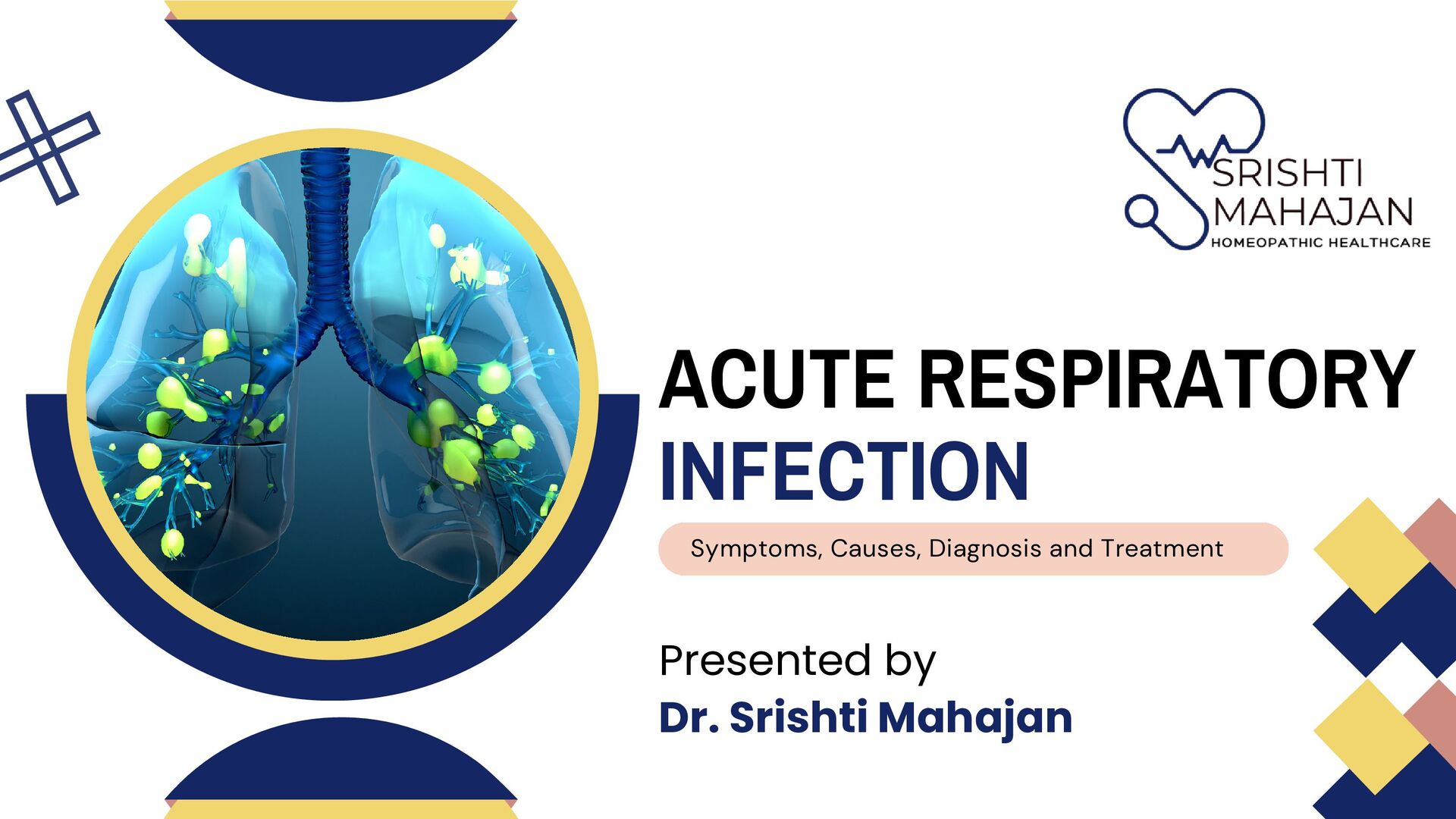
Acute respiratory infections (ARIs) affect the airways, making breathing difficult. Common symptoms include cough, fever, sore throat, congestion, and shortness of breath. ARIs can be caused by viruses (like influenza and COVID-19) or bacteria (such as pneumonia). Risk factors include a weak immune system, pollution, and smoking. Diagnosis involves physical examination, chest X-rays, and lab tests.

Treatment depends on the cause—viral infections often require rest and fluids, while bacterial infections may need antibiotics. Preventive measures include vaccination, hand hygiene, and avoiding exposure to infected individuals. Check out the PPT about Acute Respiratory Infection explaining its causes, symptoms, and other information by Dr. Srishti Mahajan one of the best homeopathic doctor in Delhi NCR.

If you are searching for the best homeopathy doctor near me then don't forget to consider Dr. Srishti Mahajan who is an ACE Certified Dietician and Nutritionist and also a renowned Homeopathy Doctor.

Avatar for Dr Srishti Mahajan

Dr Srishti Mahajan

February 12, 2025
Tweet

Other Decks in Business

Transcript

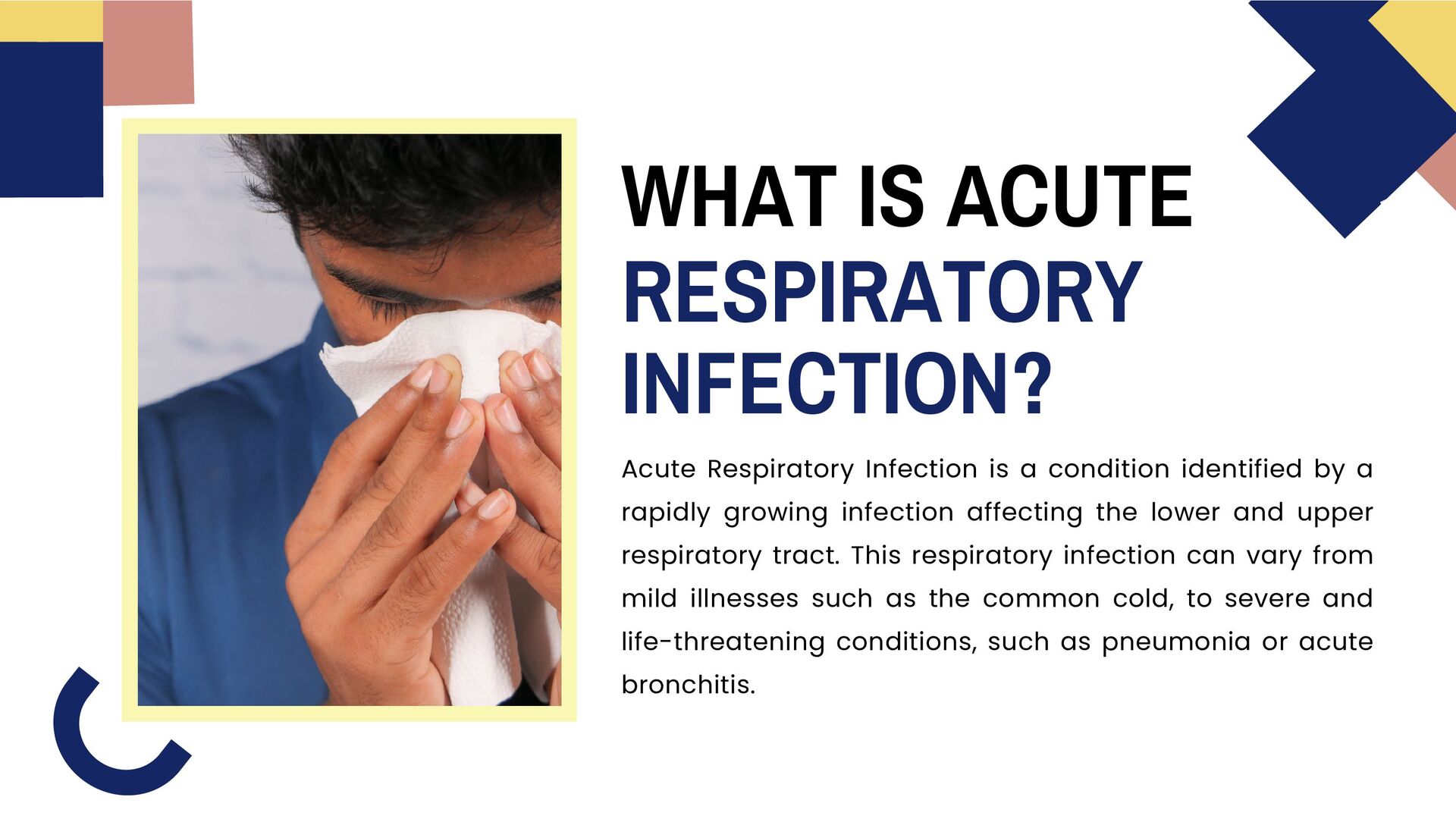
  1. Acute Respiratory Infection is a condition identified by a rapidly

    growing infection affecting the lower and upper respiratory tract. This respiratory infection can vary from mild illnesses such as the common cold, to severe and life-threatening conditions, such as pneumonia or acute bronchitis. WHAT IS ACUTE RESPIRATORY INFECTION?
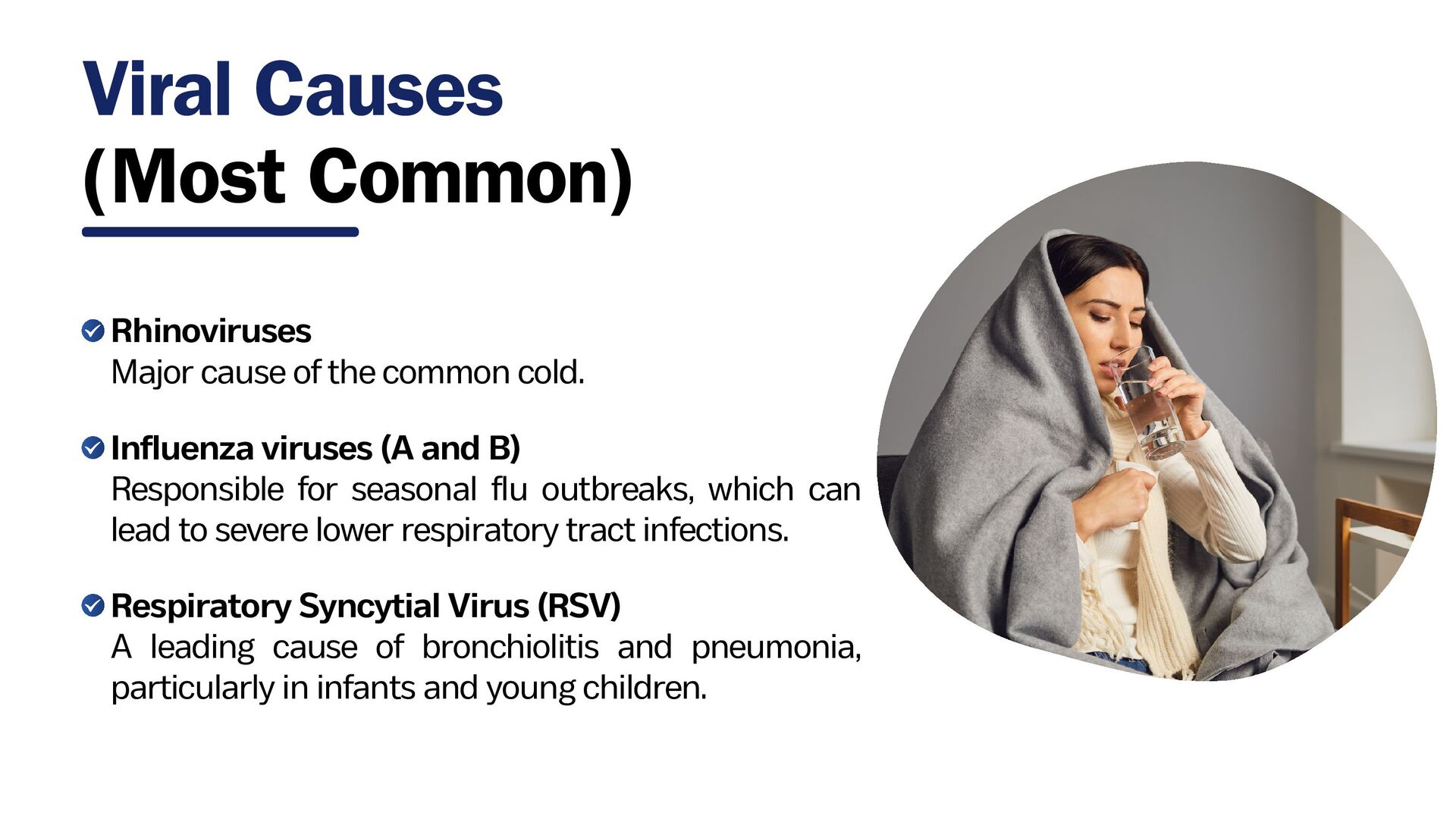
  2. Rhinoviruses Major cause of the common cold. Influenza viruses (A

    and B) Responsible for seasonal flu outbreaks, which can lead to severe lower respiratory tract infections. Respiratory Syncytial Virus (RSV) A leading cause of bronchiolitis and pneumonia, particularly in infants and young children. (Most Common) Viral Causes
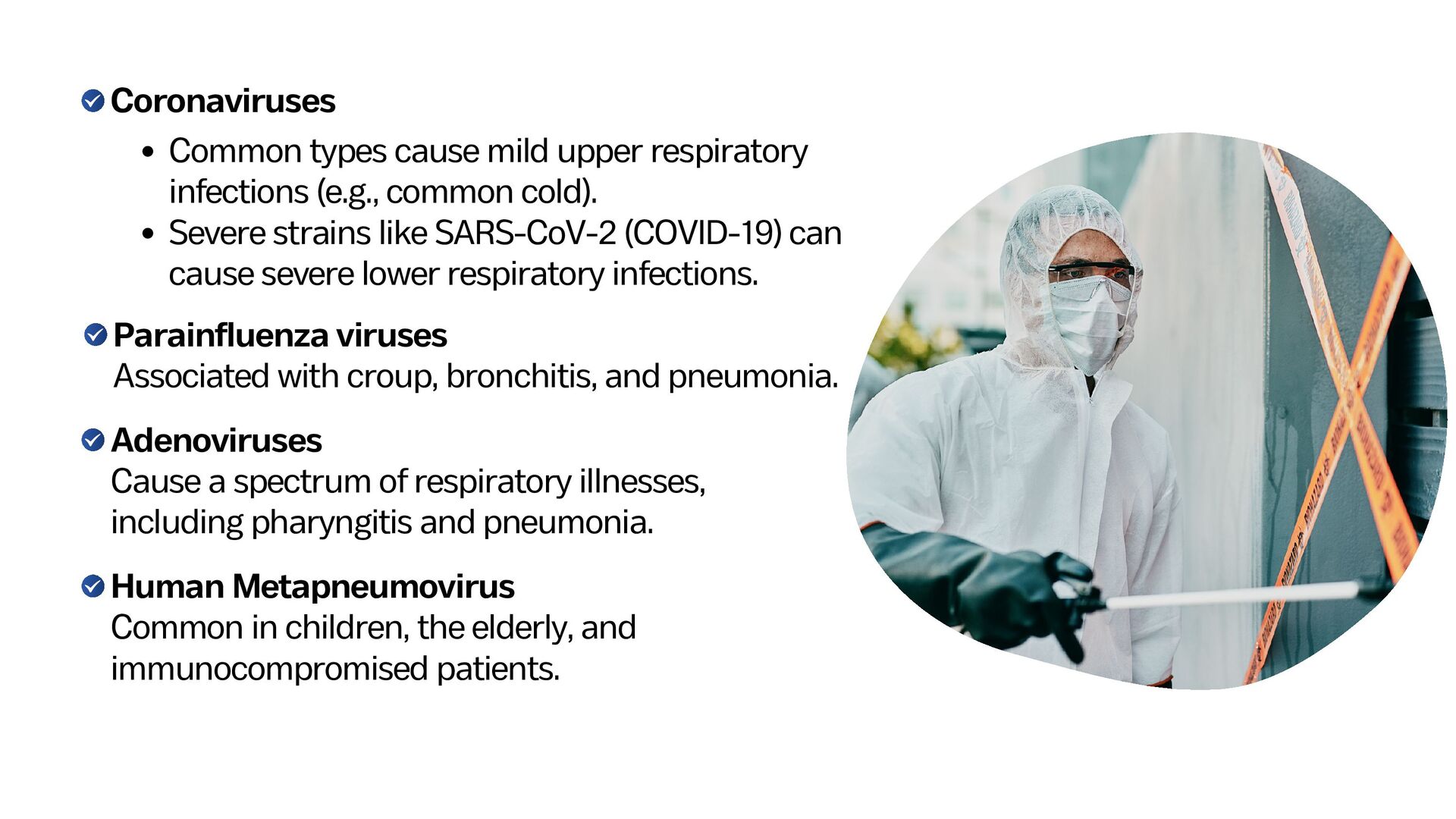
  3. Parainfluenza viruses Associated with croup, bronchitis, and pneumonia. Adenoviruses Cause

    a spectrum of respiratory illnesses, including pharyngitis and pneumonia. Coronaviruses Common types cause mild upper respiratory infections (e.g., common cold). Severe strains like SARS-CoV-2 (COVID-19) can cause severe lower respiratory infections. Human Metapneumovirus Common in children, the elderly, and immunocompromised patients.
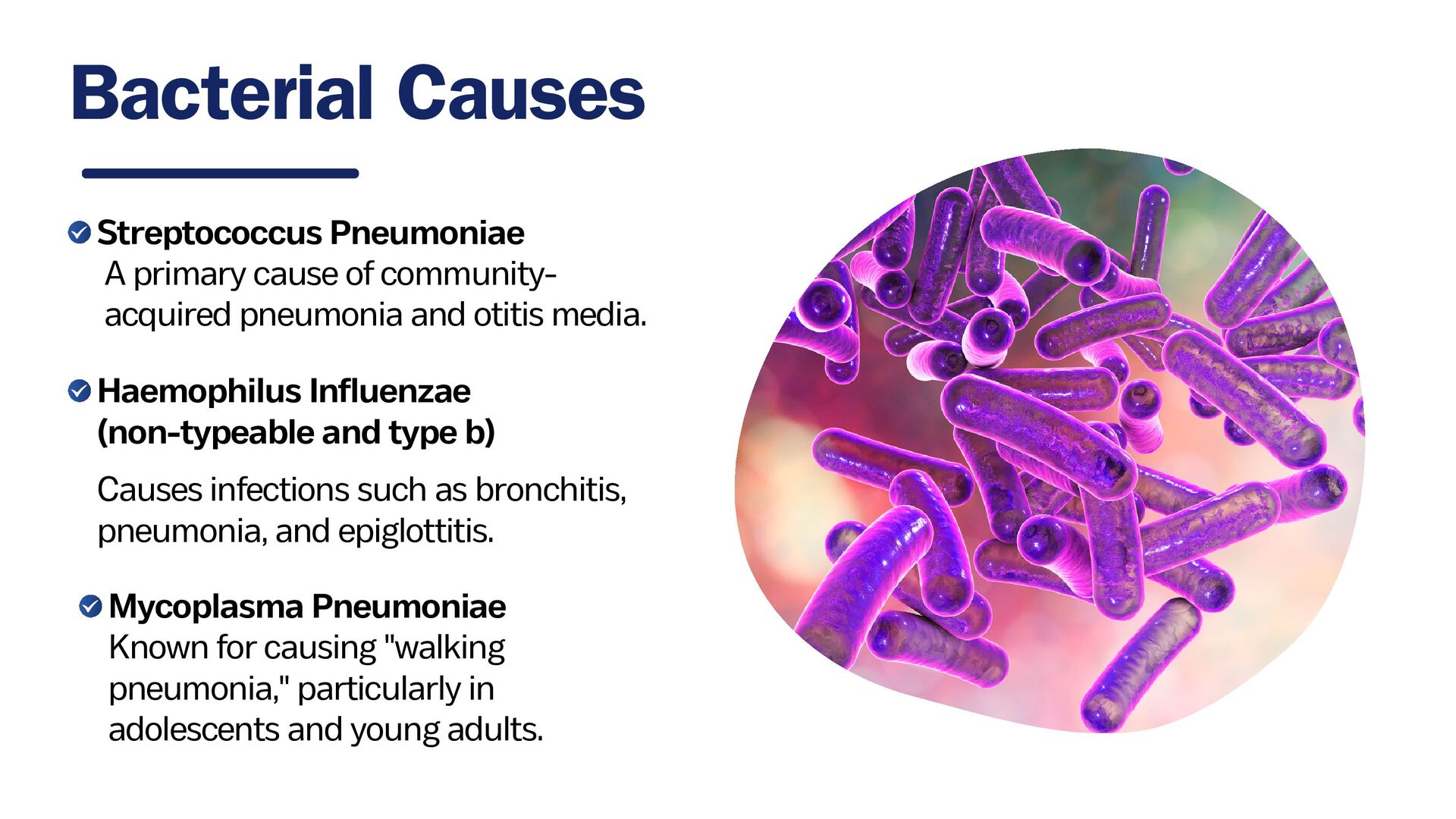
  4. Streptococcus Pneumoniae A primary cause of community- acquired pneumonia and

    otitis media. Haemophilus Influenzae (non-typeable and type b) Causes infections such as bronchitis, pneumonia, and epiglottitis. Mycoplasma Pneumoniae Known for causing "walking pneumonia," particularly in adolescents and young adults. Bacterial Causes
  5. Chlamydia pneumoniae Causes mild respiratory infections and atypical pneumonia. Staphylococcus

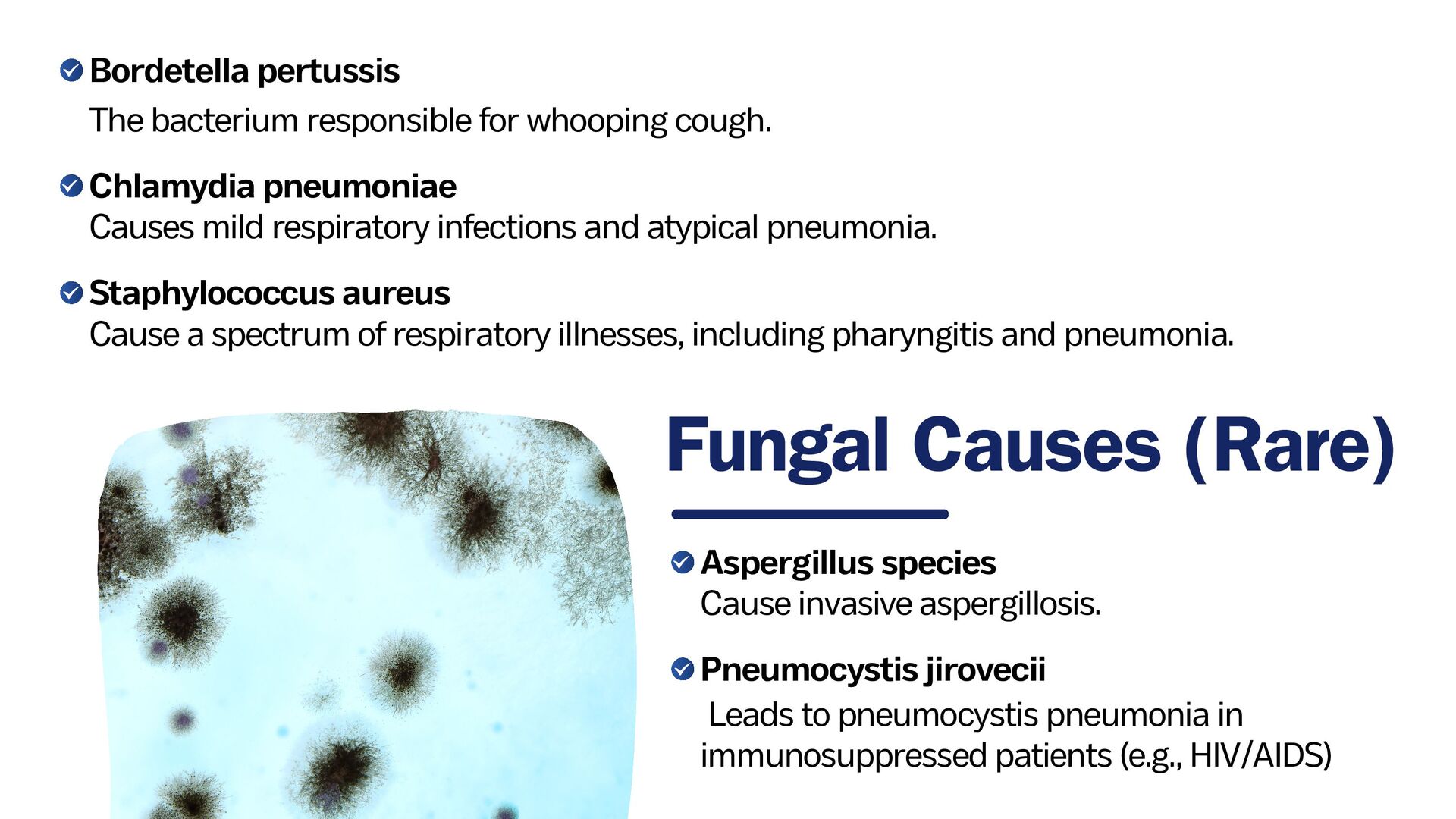
    aureus Cause a spectrum of respiratory illnesses, including pharyngitis and pneumonia. Bordetella pertussis The bacterium responsible for whooping cough. Fungal Causes (Rare) Aspergillus species Cause invasive aspergillosis. Pneumocystis jirovecii Leads to pneumocystis pneumonia in immunosuppressed patients (e.g., HIV/AIDS)
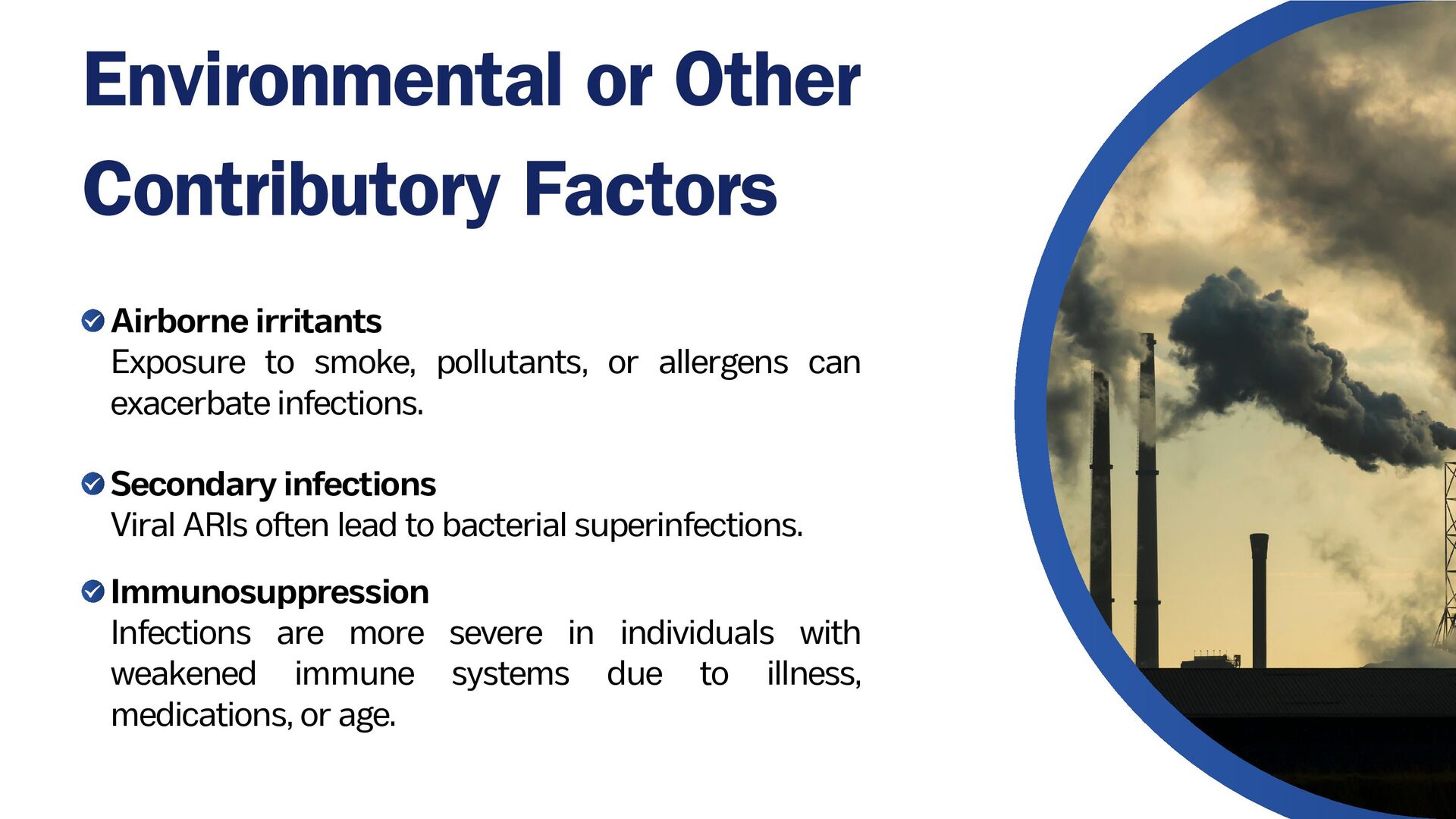
  6. Airborne irritants Exposure to smoke, pollutants, or allergens can exacerbate

    infections. Secondary infections Viral ARIs often lead to bacterial superinfections. Immunosuppression Infections are more severe in individuals with weakened immune systems due to illness, medications, or age. Environmental or Other Contributory Factors
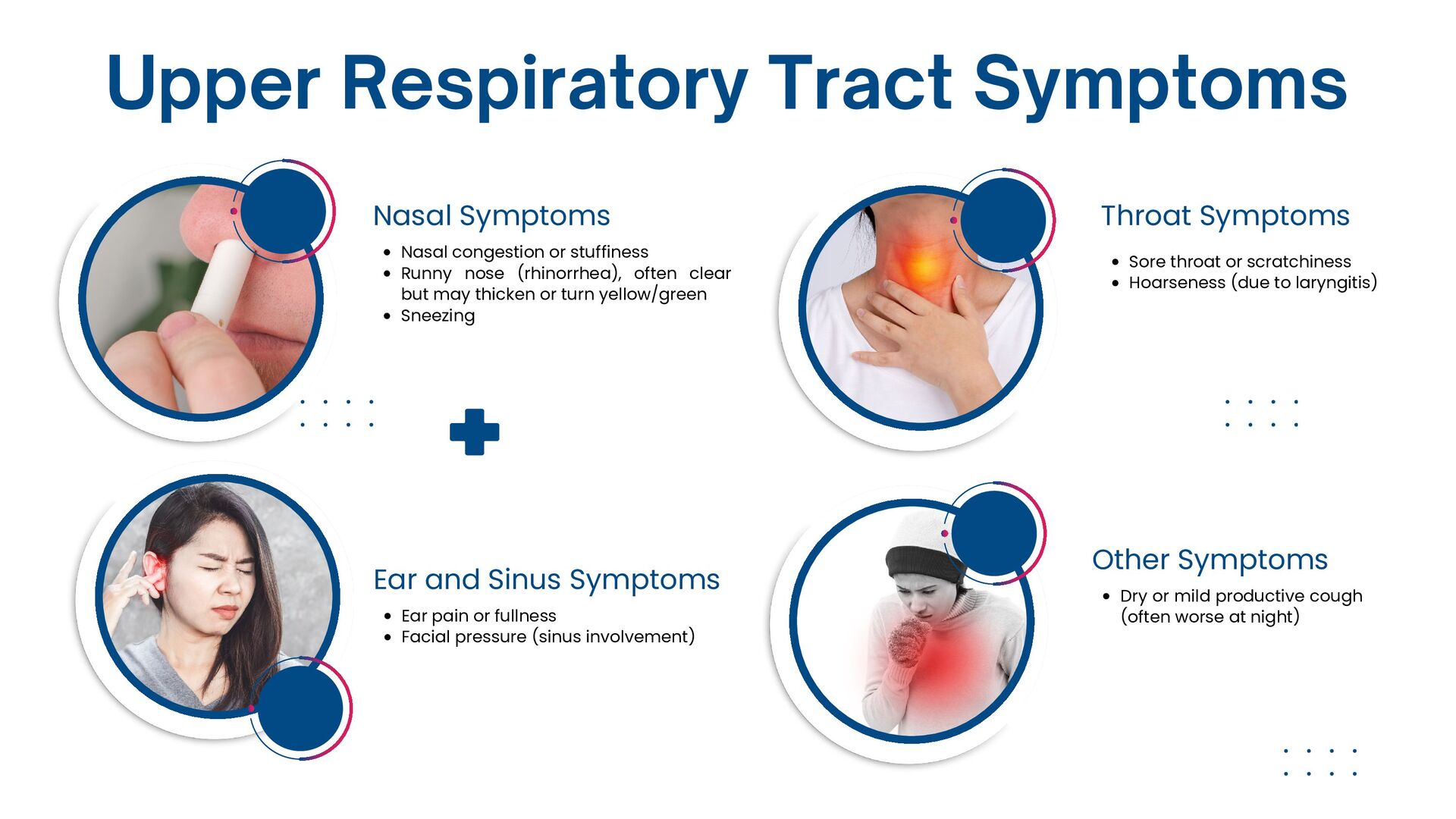
  7. Upper Respiratory Tract Symptoms Nasal Symptoms Ear and Sinus Symptoms

    Throat Symptoms Nasal congestion or stuffiness Runny nose (rhinorrhea), often clear but may thicken or turn yellow/green Sneezing Ear pain or fullness Facial pressure (sinus involvement) Sore throat or scratchiness Hoarseness (due to laryngitis) Other Symptoms Dry or mild productive cough (often worse at night)
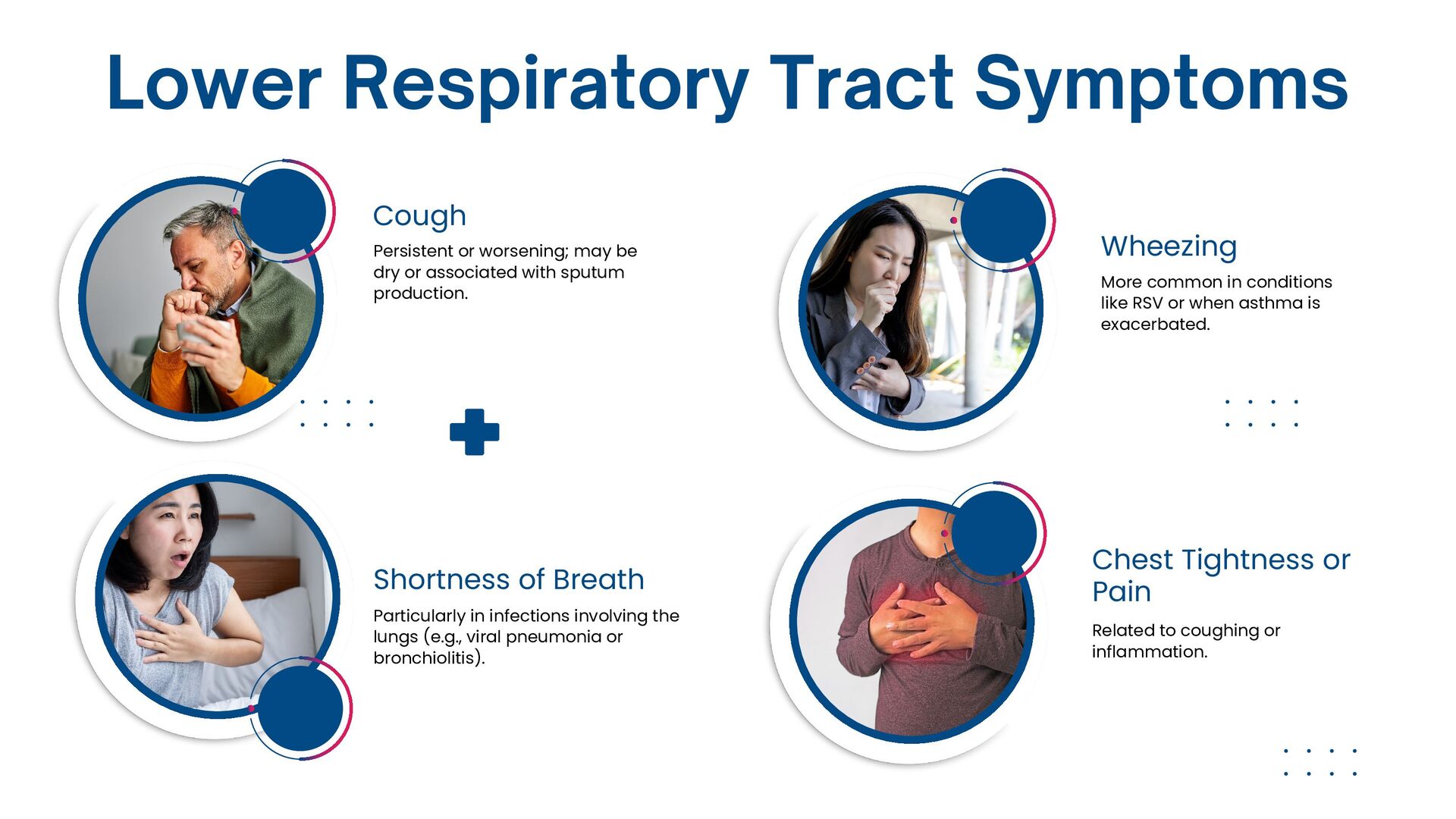
  8. Lower Respiratory Tract Symptoms Cough Shortness of Breath Wheezing Persistent

    or worsening; may be dry or associated with sputum production. Particularly in infections involving the lungs (e.g., viral pneumonia or bronchiolitis). More common in conditions like RSV or when asthma is exacerbated. Chest Tightness or Pain Related to coughing or inflammation.
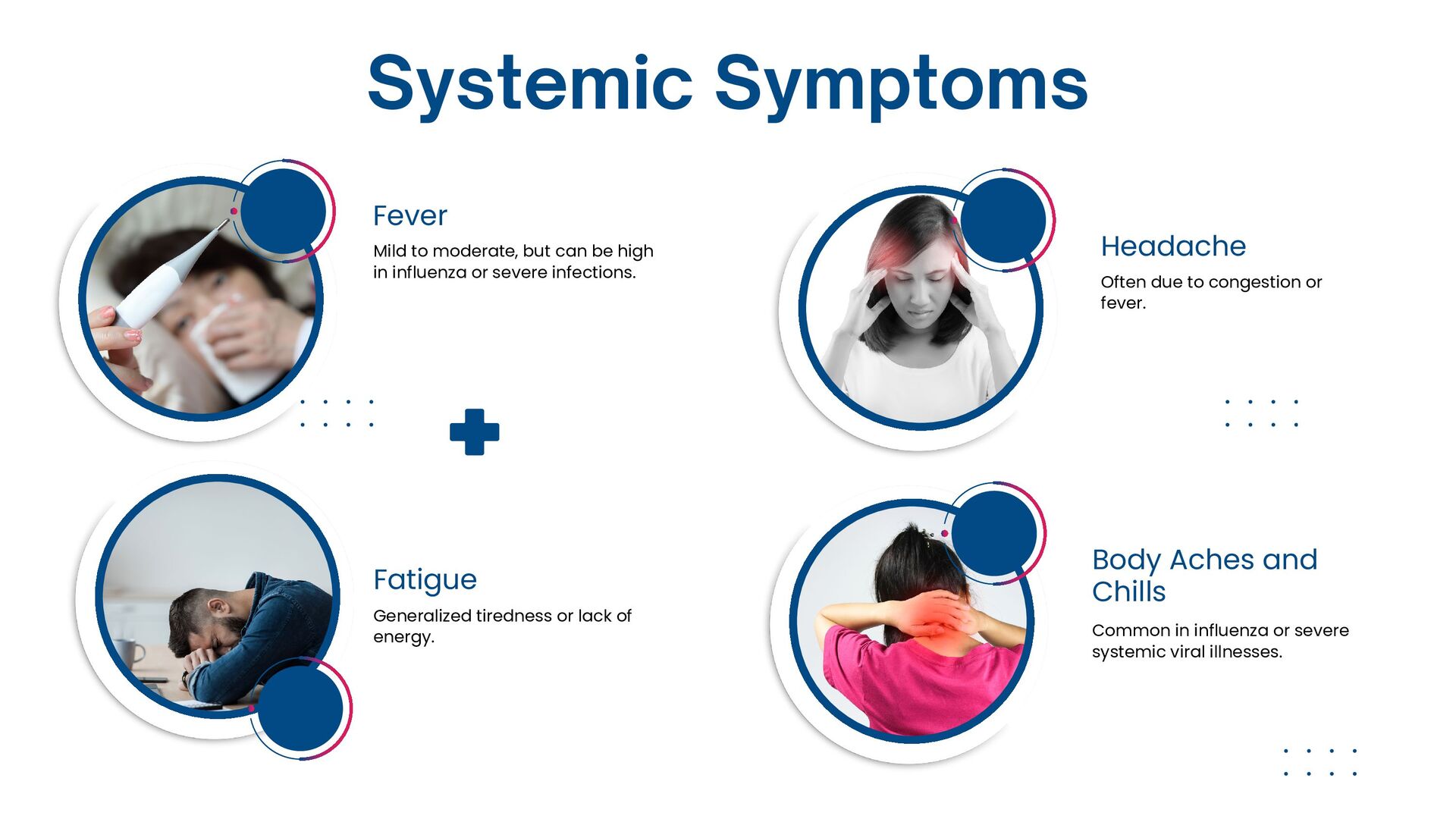
  9. Systemic Symptoms Fever Fatigue Headache Mild to moderate, but can

    be high in influenza or severe infections. Generalized tiredness or lack of energy. Often due to congestion or fever. Body Aches and Chills Common in influenza or severe systemic viral illnesses.
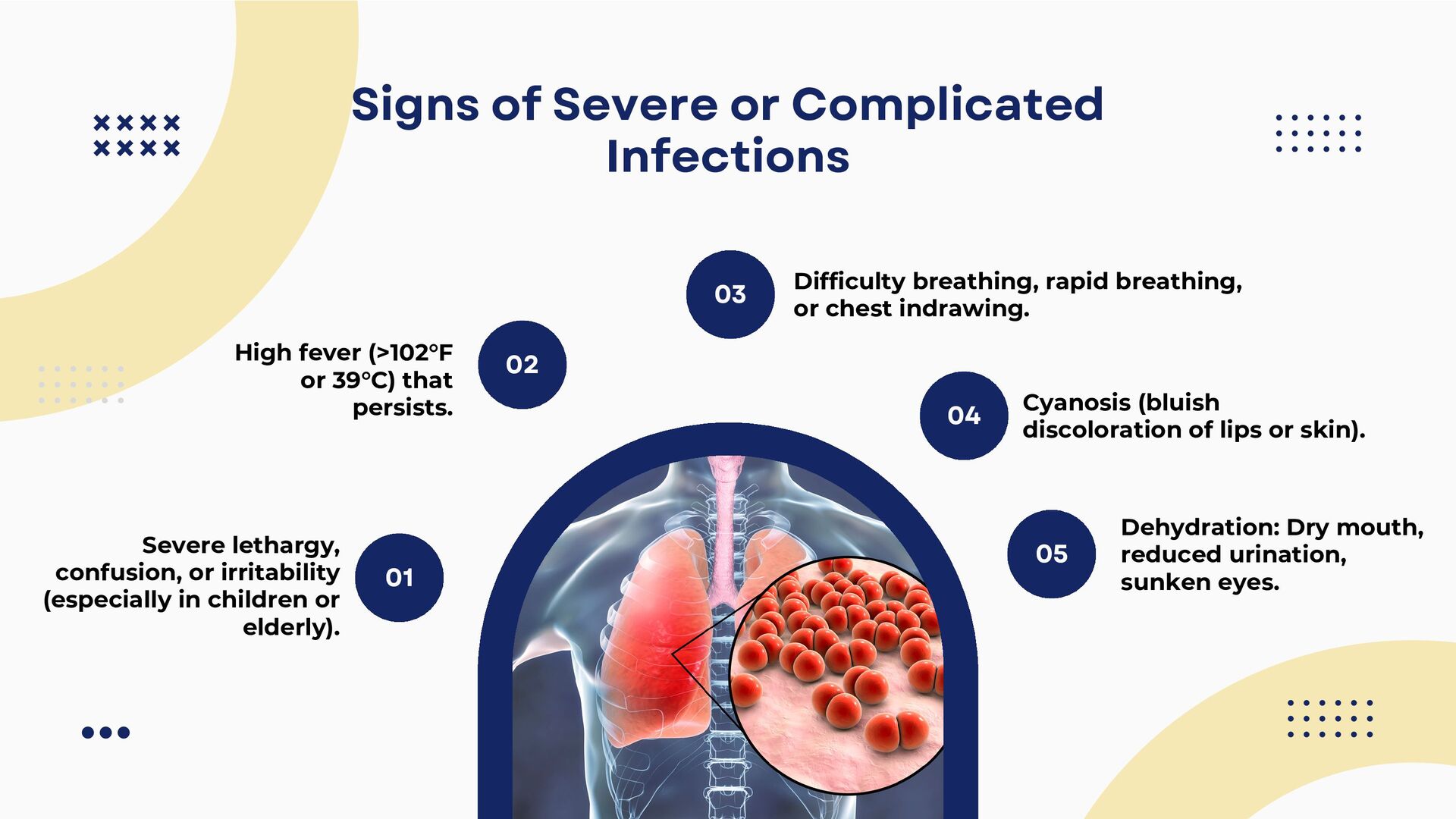
  10. Signs of Severe or Complicated Infections 02 High fever (>102°F

    or 39°C) that persists. 03 Difficulty breathing, rapid breathing, or chest indrawing. 04 Cyanosis (bluish discoloration of lips or skin). 01 Severe lethargy, confusion, or irritability (especially in children or elderly). 05 Dehydration: Dry mouth, reduced urination, sunken eyes.
  11. AGE RELATED FACTORS Immature immune systems. Higher susceptibility to viruses

    like RSV and bacterial infections like Streptococcus pneumoniae. Anatomical differences (e.g., smaller airways prone to obstruction). Age-related decline in immunity. Comorbid conditions like chronic obstructive pulmonary disease (COPD) or cardiovascular disease. Infants and Young Children Elderly Adults
  12. Underlying Health Conditions Asthma, COPD, or bronchiectasis increase vulnerability to

    infections and complications. Conditions like heart failure can exacerbate respiratory infections. Chronic Respiratory Diseases Cardiovascular Diseases Impaired immunity leads to higher risk and severity. Diabetes Mellitus HIV/AIDS, organ transplantation, or chemotherapy patients are highly susceptible. Disorders like stroke or neuromuscular diseaes impair swallowing or cough reflexes, increasing aspiration risks. Weakened Immune System Neurological Conditions
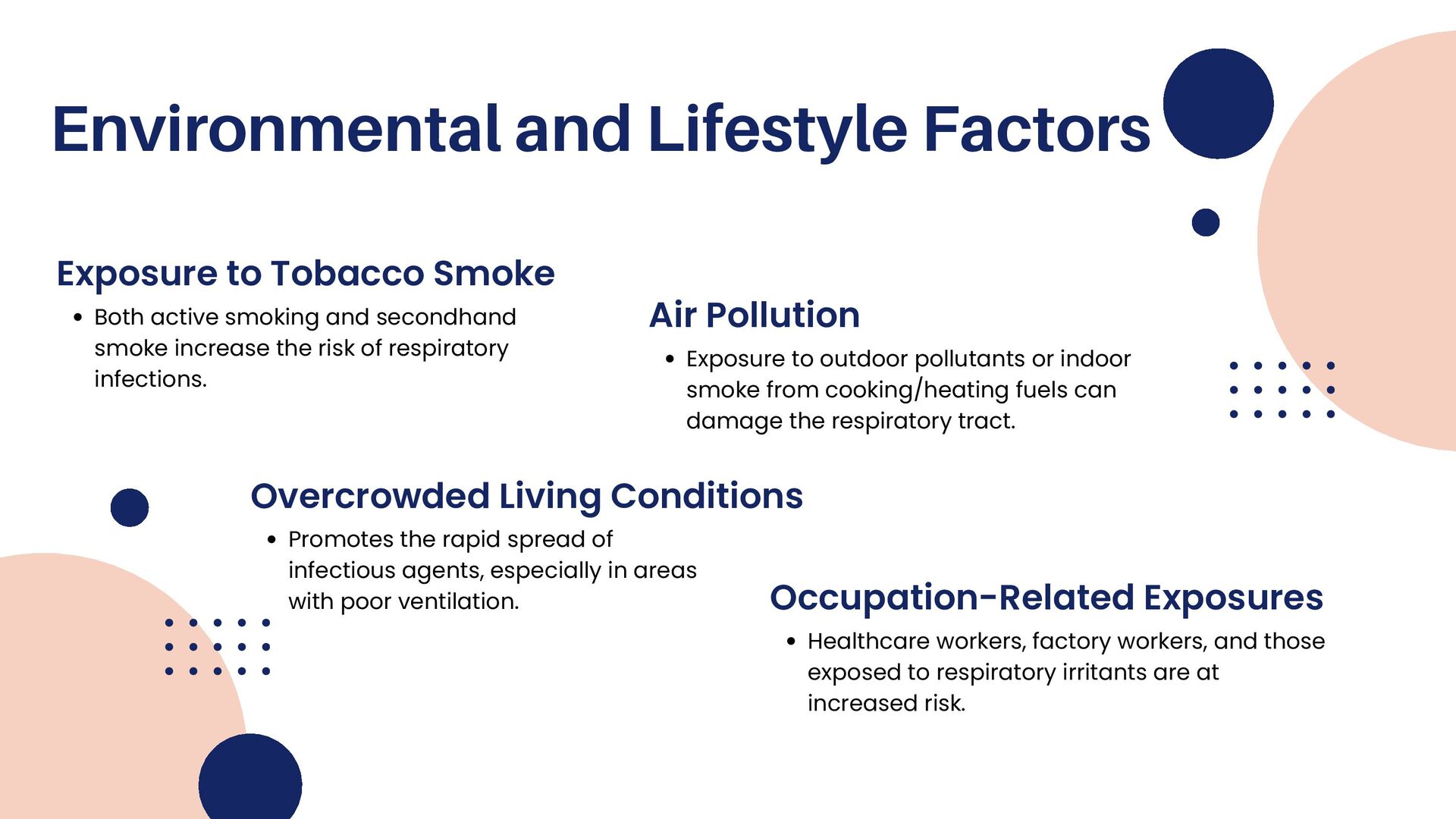
  13. Environmental and Lifestyle Factors Both active smoking and secondhand smoke

    increase the risk of respiratory infections. Exposure to outdoor pollutants or indoor smoke from cooking/heating fuels can damage the respiratory tract. Exposure to Tobacco Smoke Air Pollution Promotes the rapid spread of infectious agents, especially in areas with poor ventilation. Overcrowded Living Conditions Healthcare workers, factory workers, and those exposed to respiratory irritants are at increased risk. Occupation-Related Exposures
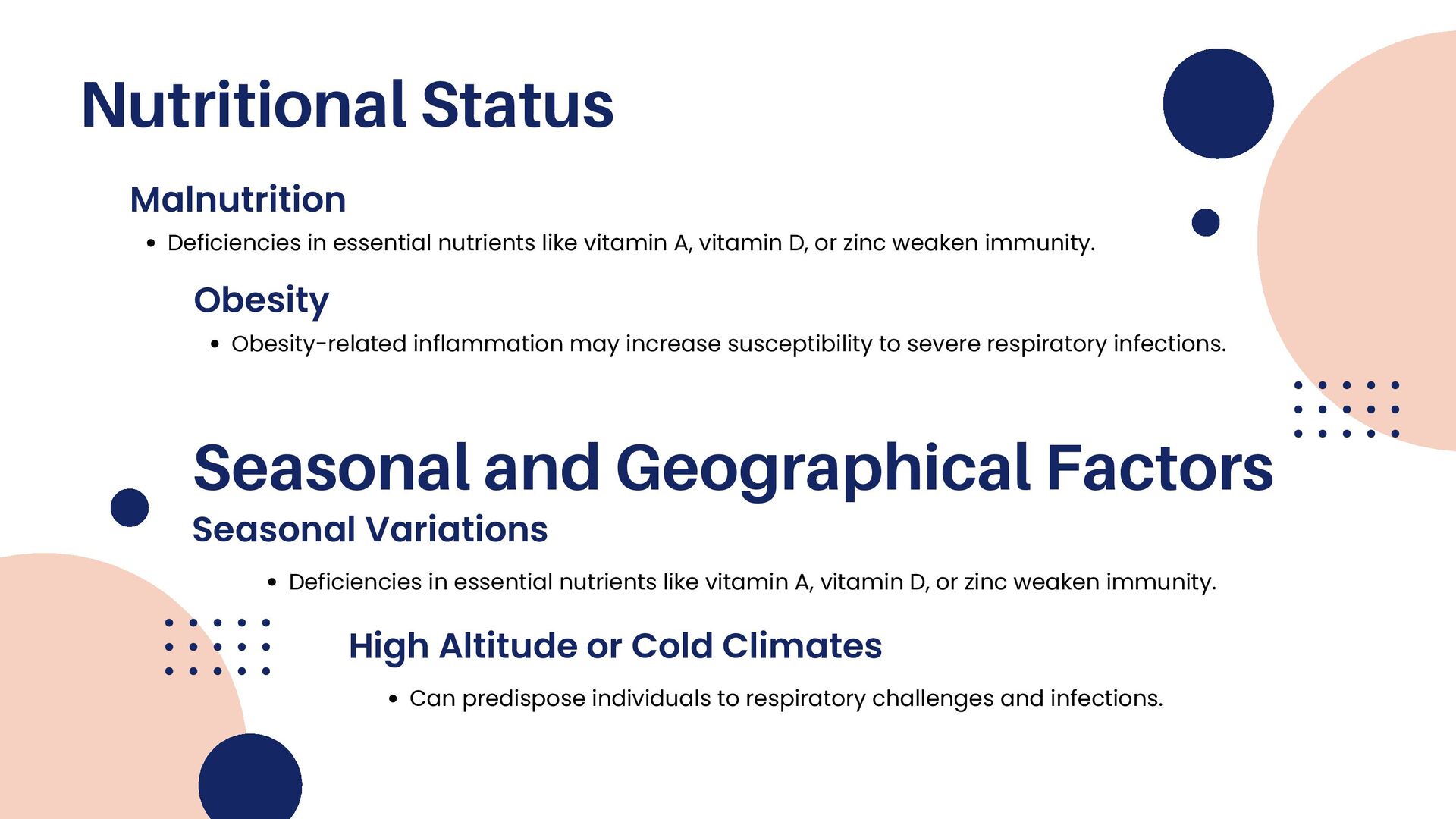
  14. Nutritional Status Deficiencies in essential nutrients like vitamin A, vitamin

    D, or zinc weaken immunity. Obesity-related inflammation may increase susceptibility to severe respiratory infections. Malnutrition Obesity Seasonal and Geographical Factors Deficiencies in essential nutrients like vitamin A, vitamin D, or zinc weaken immunity. Can predispose individuals to respiratory challenges and infections. Seasonal Variations High Altitude or Cold Climates
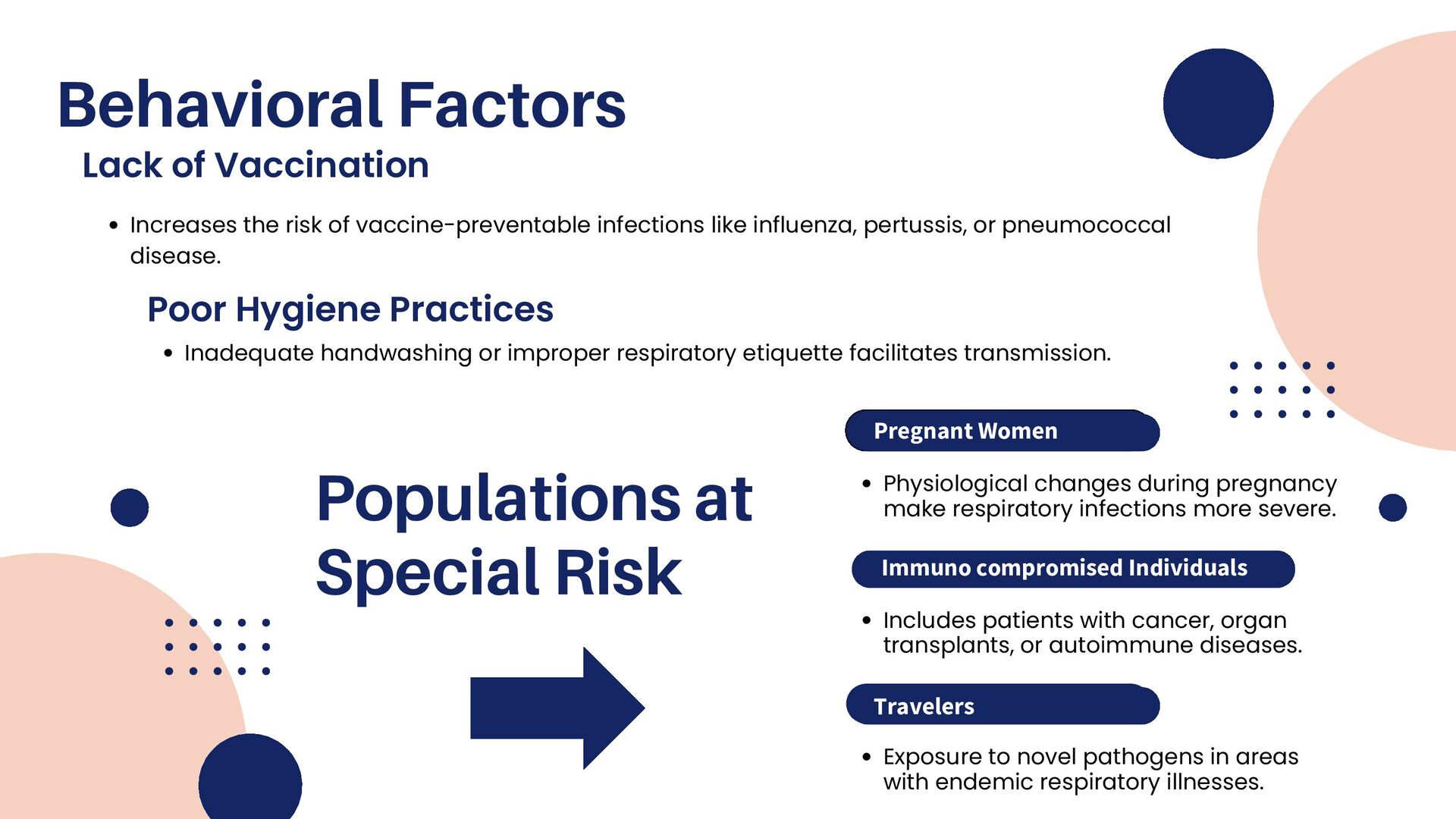
  15. Behavioral Factors Increases the risk of vaccine-preventable infections like influenza,

    pertussis, or pneumococcal disease. Inadequate handwashing or improper respiratory etiquette facilitates transmission. Lack of Vaccination Poor Hygiene Practices Pregnant Women Immuno compromised Individuals Travelers Physiological changes during pregnancy make respiratory infections more severe. Includes patients with cancer, organ transplants, or autoimmune diseases. Exposure to novel pathogens in areas with endemic respiratory illnesses. Populations at Special Risk
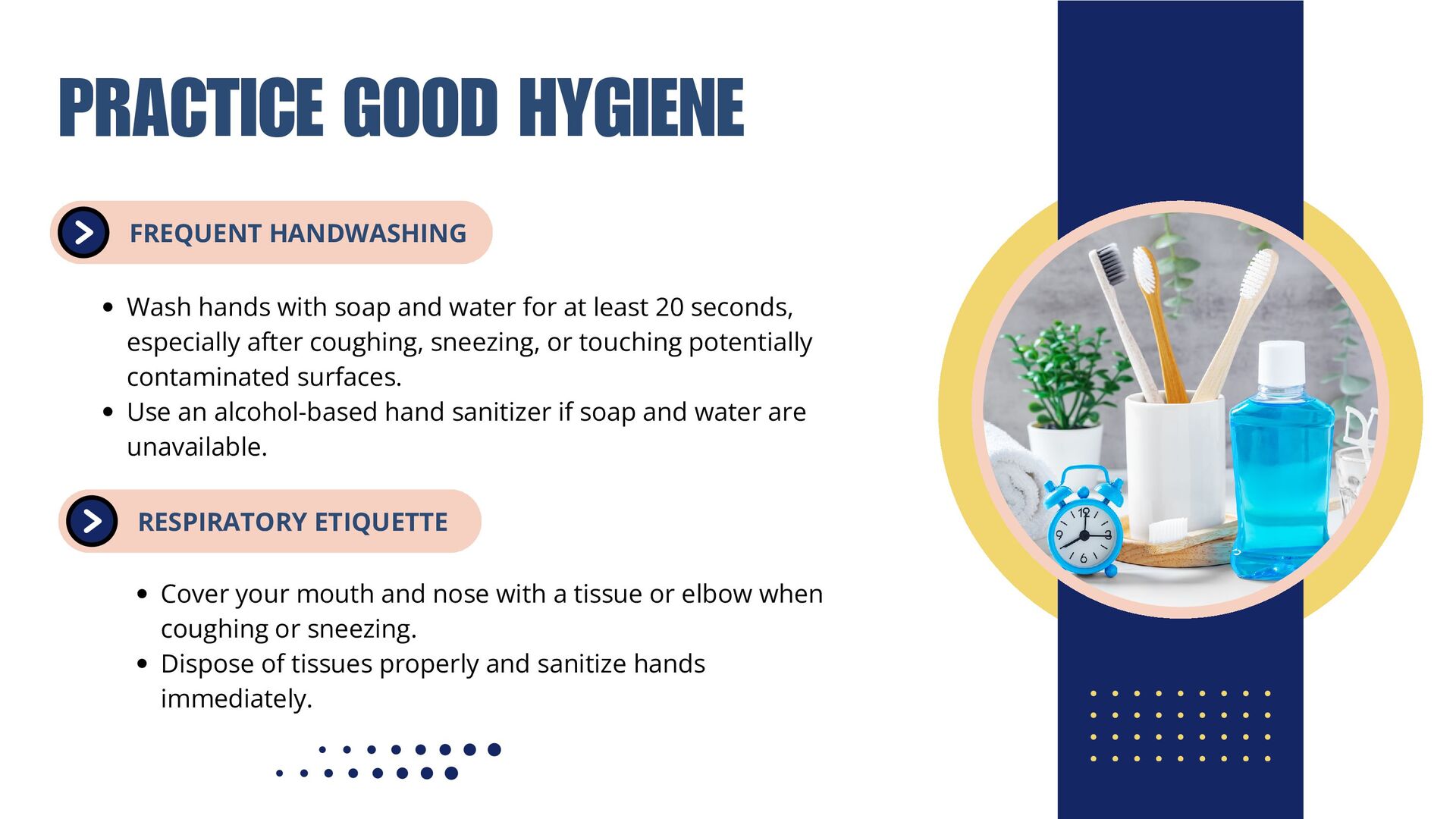
  16. PRACTICE GOOD HYGIENE FREQUENT HANDWASHING Wash hands with soap and

    water for at least 20 seconds, especially after coughing, sneezing, or touching potentially contaminated surfaces. Use an alcohol-based hand sanitizer if soap and water are unavailable. RESPIRATORY ETIQUETTE Cover your mouth and nose with a tissue or elbow when coughing or sneezing. Dispose of tissues properly and sanitize hands immediately.
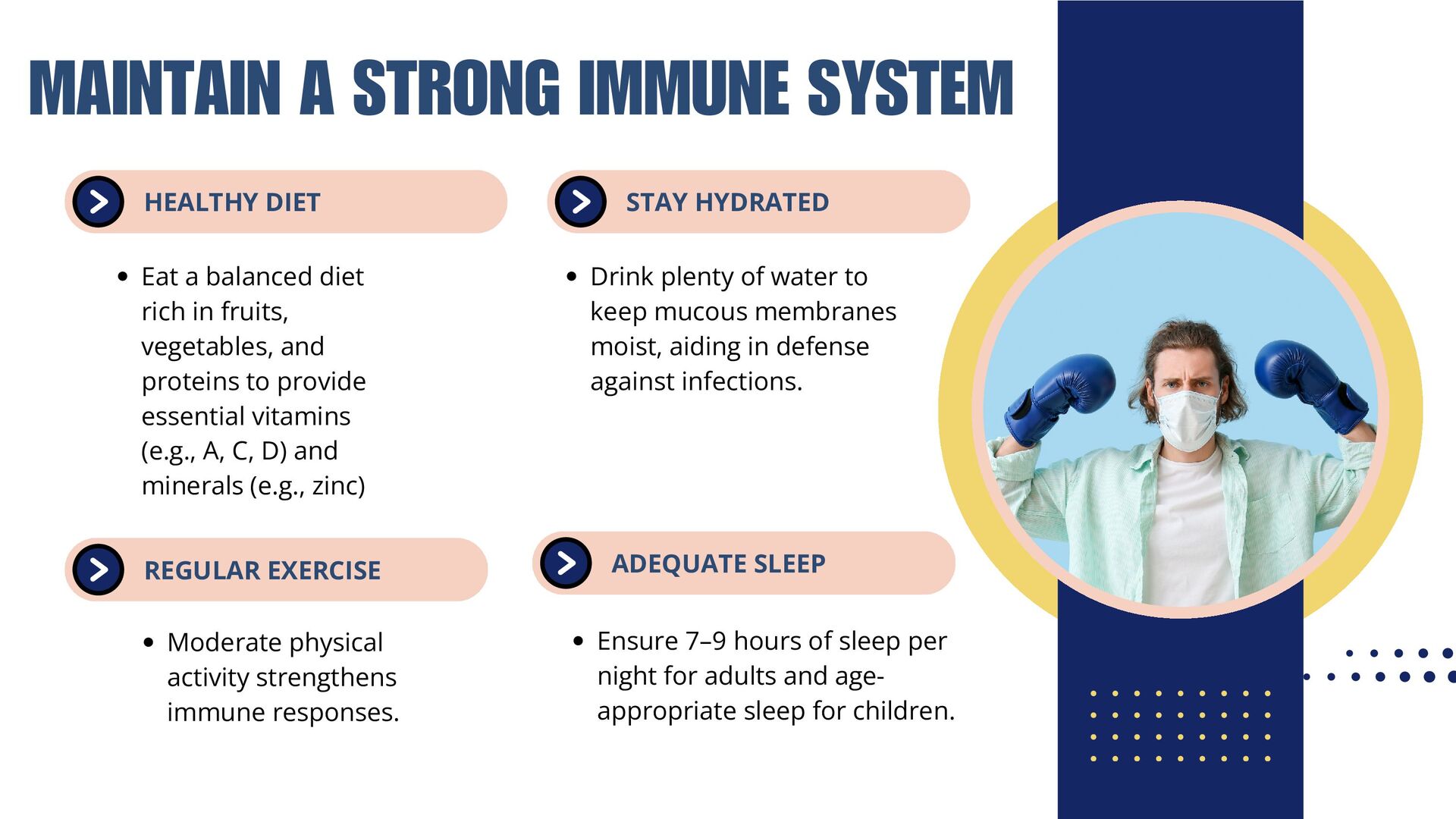
  17. MAINTAIN A STRONG IMMUNE SYSTEM HEALTHY DIET Eat a balanced

    diet rich in fruits, vegetables, and proteins to provide essential vitamins (e.g., A, C, D) and minerals (e.g., zinc) STAY HYDRATED Drink plenty of water to keep mucous membranes moist, aiding in defense against infections. REGULAR EXERCISE Moderate physical activity strengthens immune responses. ADEQUATE SLEEP Ensure 7–9 hours of sleep per night for adults and age- appropriate sleep for children.
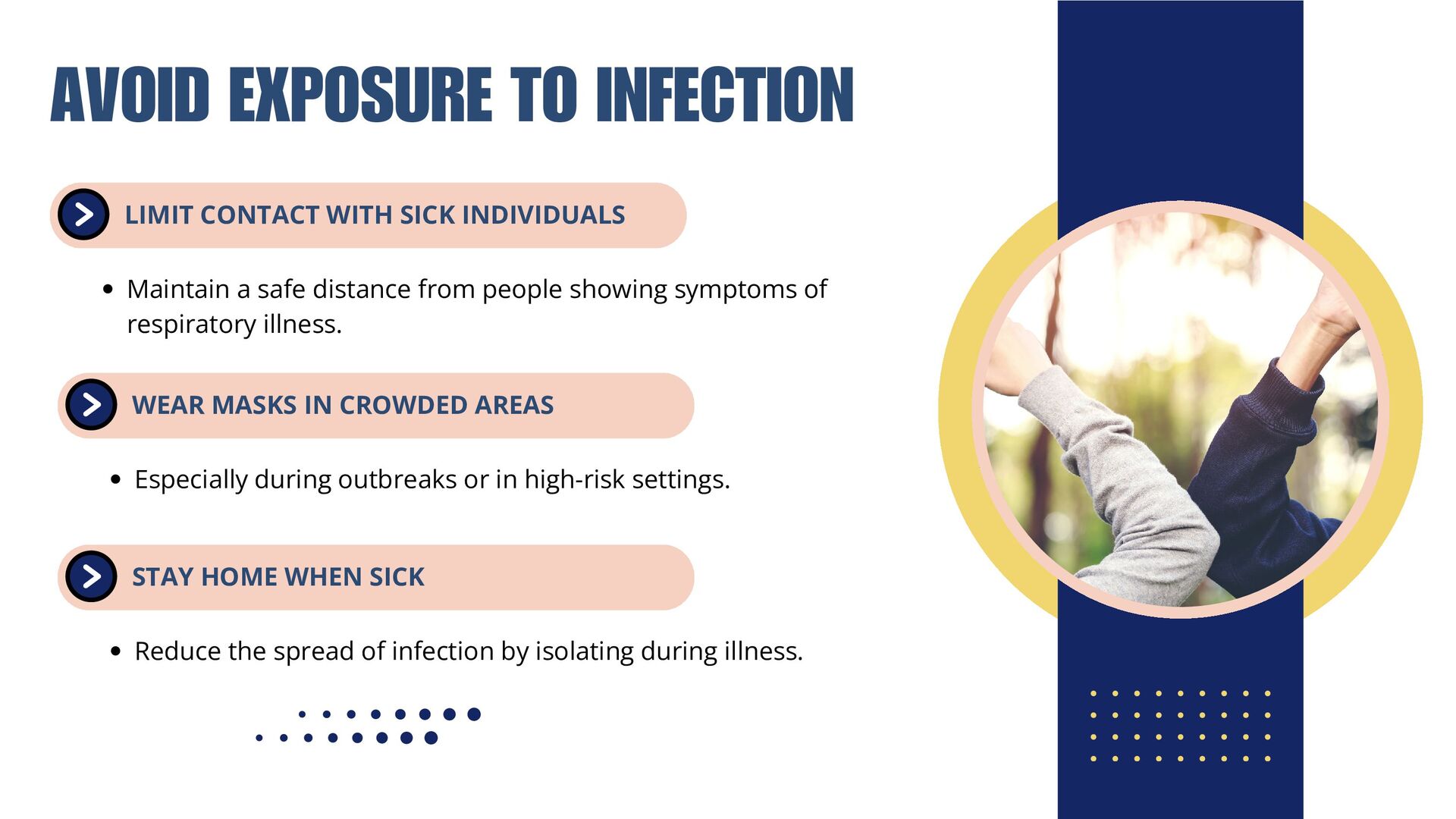
  18. AVOID EXPOSURE TO INFECTION LIMIT CONTACT WITH SICK INDIVIDUALS Maintain

    a safe distance from people showing symptoms of respiratory illness. WEAR MASKS IN CROWDED AREAS Especially during outbreaks or in high-risk settings. STAY HOME WHEN SICK Reduce the spread of infection by isolating during illness.
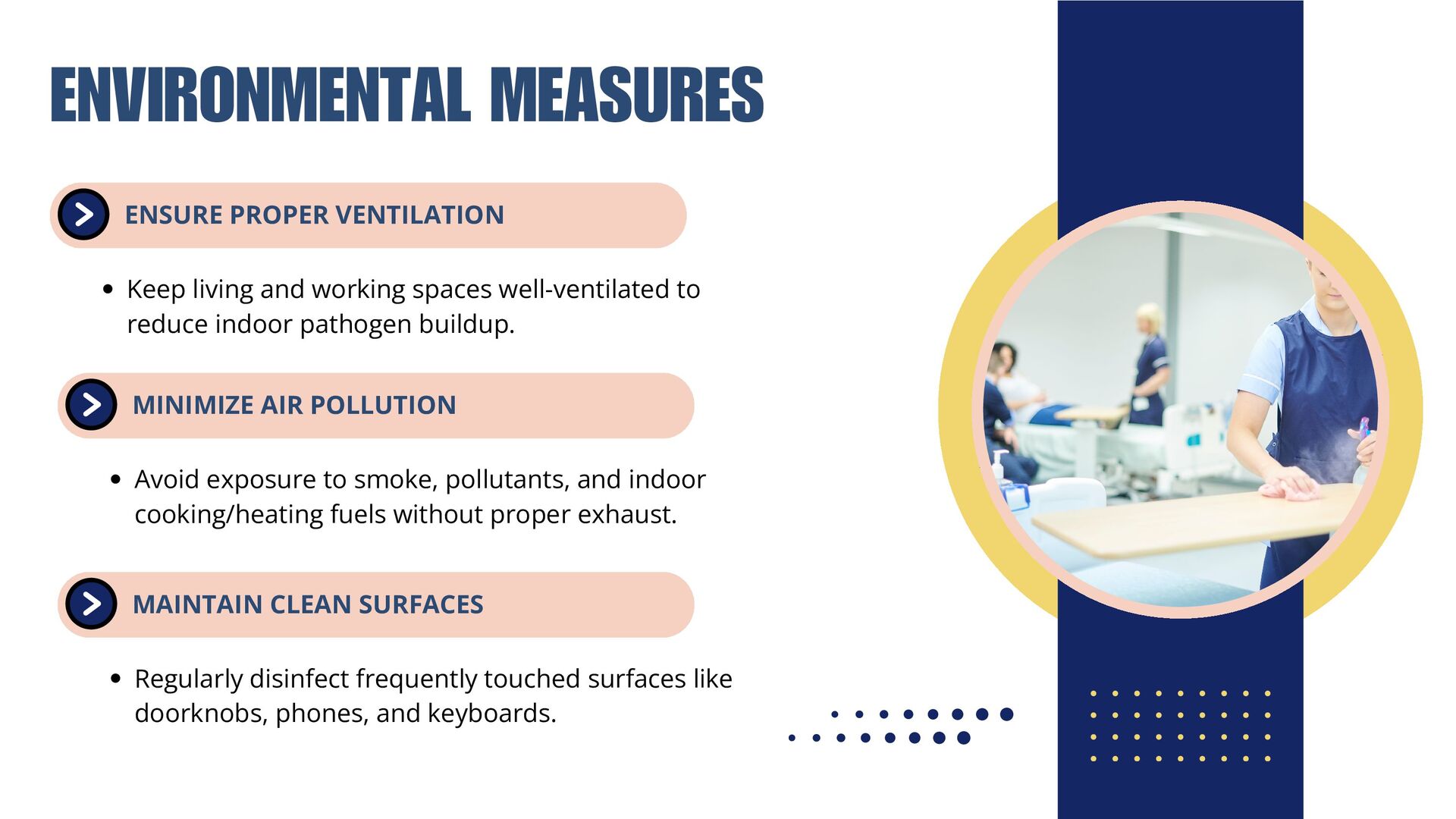
  19. ENVIRONMENTAL MEASURES ENSURE PROPER VENTILATION Keep living and working spaces

    well-ventilated to reduce indoor pathogen buildup. MINIMIZE AIR POLLUTION Avoid exposure to smoke, pollutants, and indoor cooking/heating fuels without proper exhaust. MAINTAIN CLEAN SURFACES Regularly disinfect frequently touched surfaces like doorknobs, phones, and keyboards.
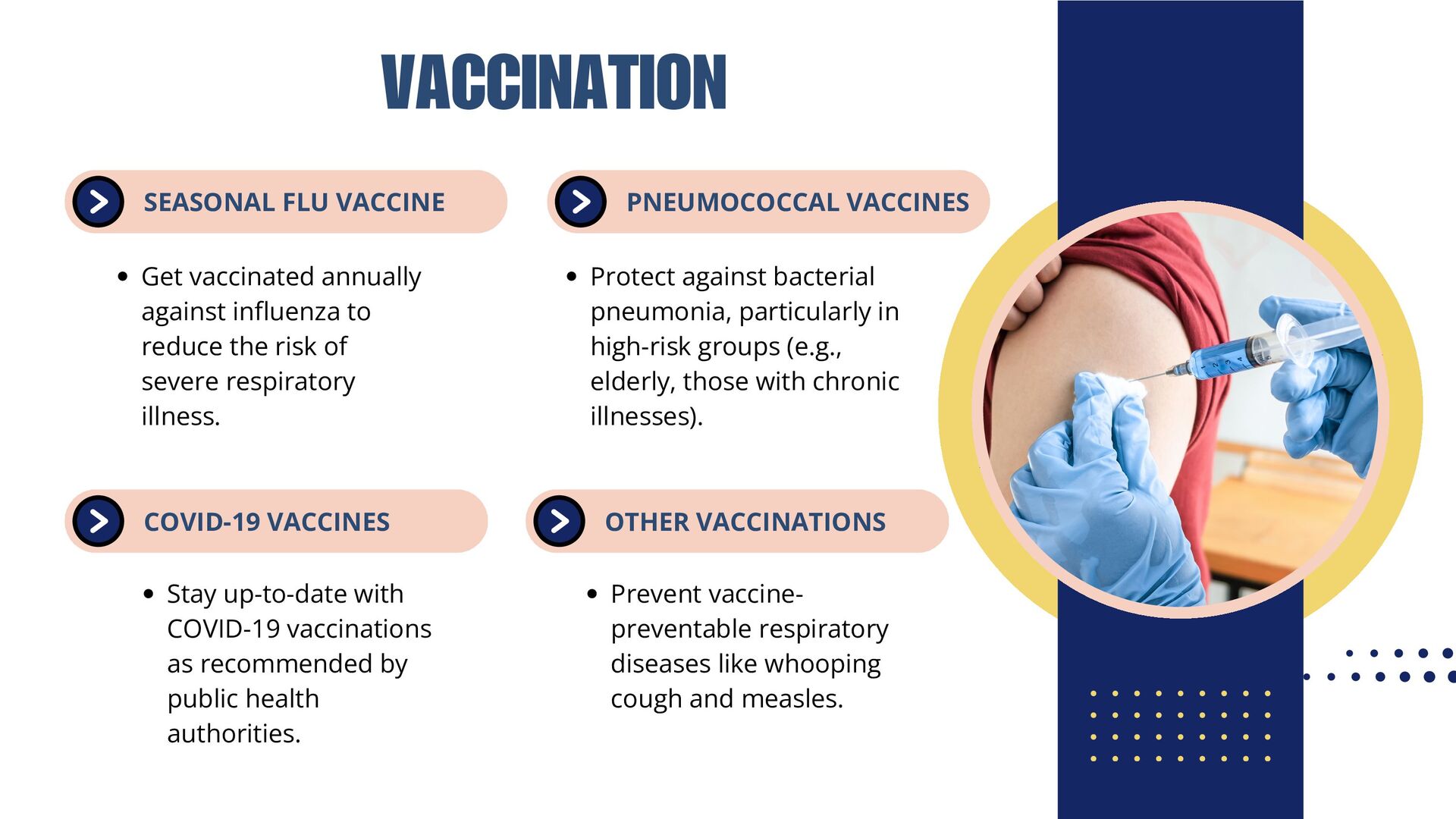
  20. SEASONAL FLU VACCINE PNEUMOCOCCAL VACCINES COVID-19 VACCINES VACCINATION Get vaccinated

    annually against influenza to reduce the risk of severe respiratory illness. Protect against bacterial pneumonia, particularly in high-risk groups (e.g., elderly, those with chronic illnesses). Stay up-to-date with COVID-19 vaccinations as recommended by public health authorities. Prevent vaccine- preventable respiratory diseases like whooping cough and measles. OTHER VACCINATIONS
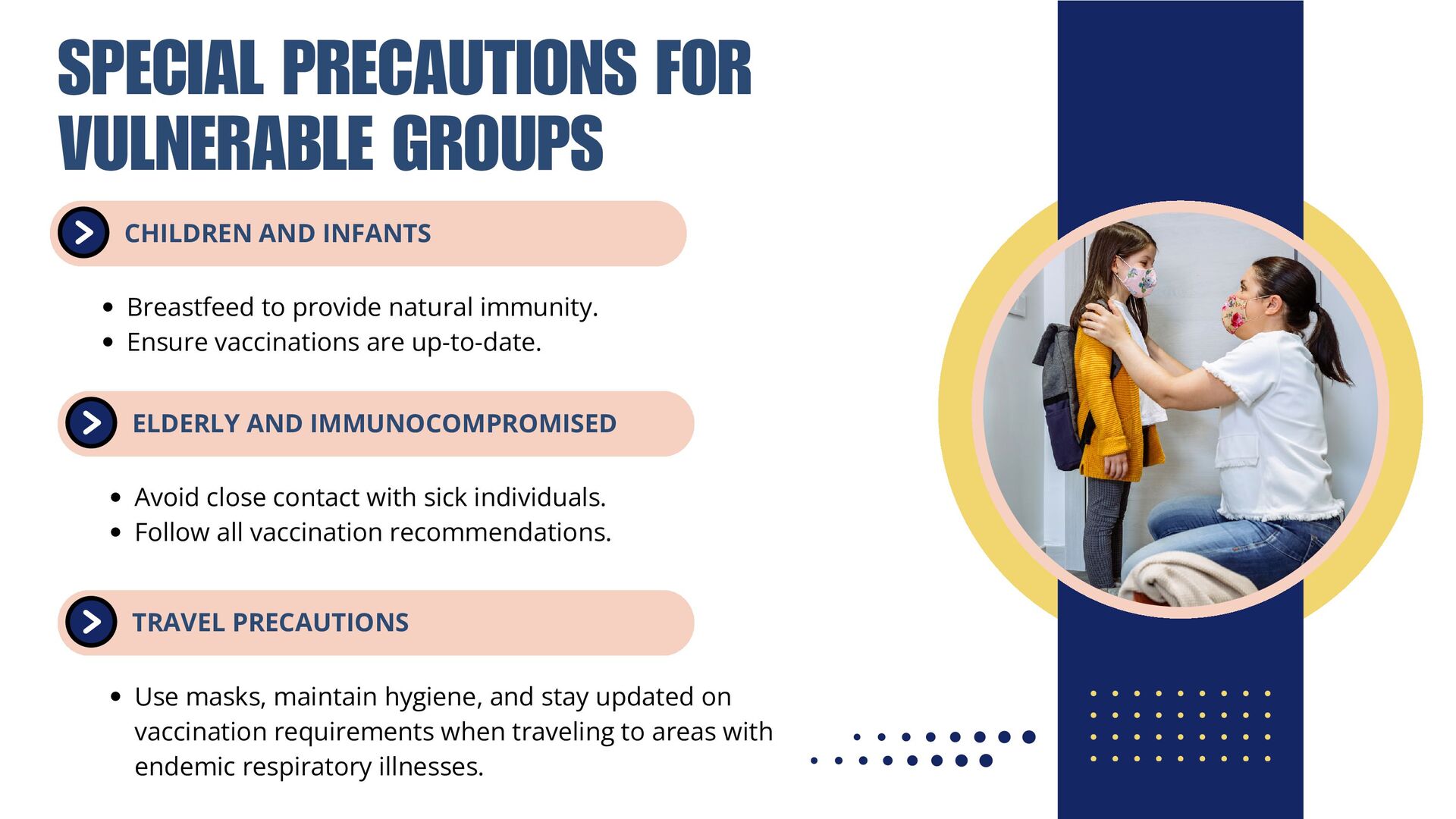
  21. SPECIAL PRECAUTIONS FOR VULNERABLE GROUPS CHILDREN AND INFANTS Breastfeed to

    provide natural immunity. Ensure vaccinations are up-to-date. ELDERLY AND IMMUNOCOMPROMISED Avoid close contact with sick individuals. Follow all vaccination recommendations. TRAVEL PRECAUTIONS Use masks, maintain hygiene, and stay updated on vaccination requirements when traveling to areas with endemic respiratory illnesses.
  22. EARLY RECOGNITION AND MANAGEMENT MONITOR SYMPTOMS Seek medical attention if

    symptoms of respiratory illness worsen or persist. PROPHYLACTIC MEASURES Take antiviral or antibiotic prophylaxis only under medical guidance when there’s high risk of exposure.
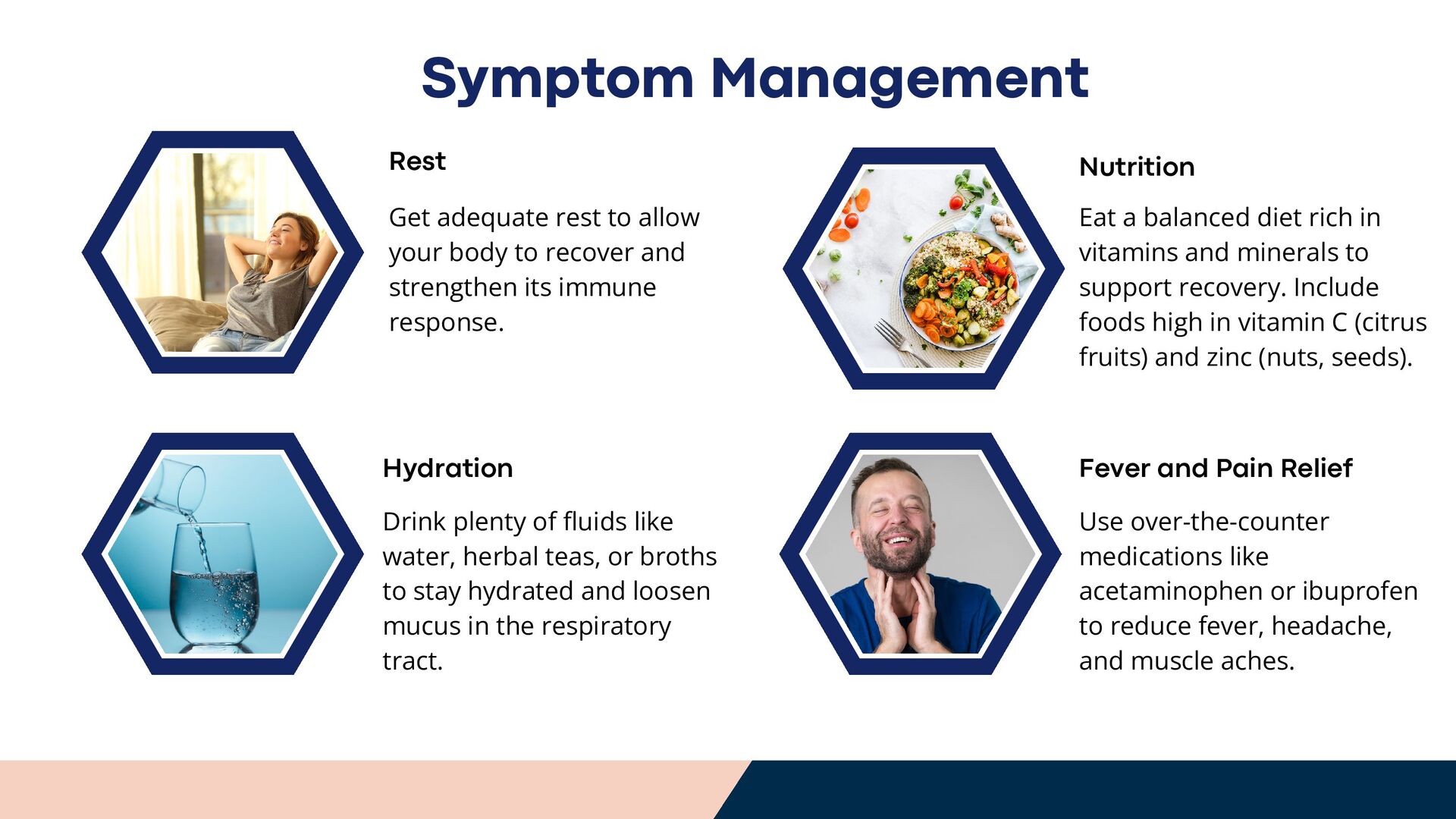
  23. Symptom Management Rest Nutrition Hydration Get adequate rest to allow

    your body to recover and strengthen its immune response. Drink plenty of fluids like water, herbal teas, or broths to stay hydrated and loosen mucus in the respiratory tract. Eat a balanced diet rich in vitamins and minerals to support recovery. Include foods high in vitamin C (citrus fruits) and zinc (nuts, seeds). Fever and Pain Relief Use over-the-counter medications like acetaminophen or ibuprofen to reduce fever, headache, and muscle aches.
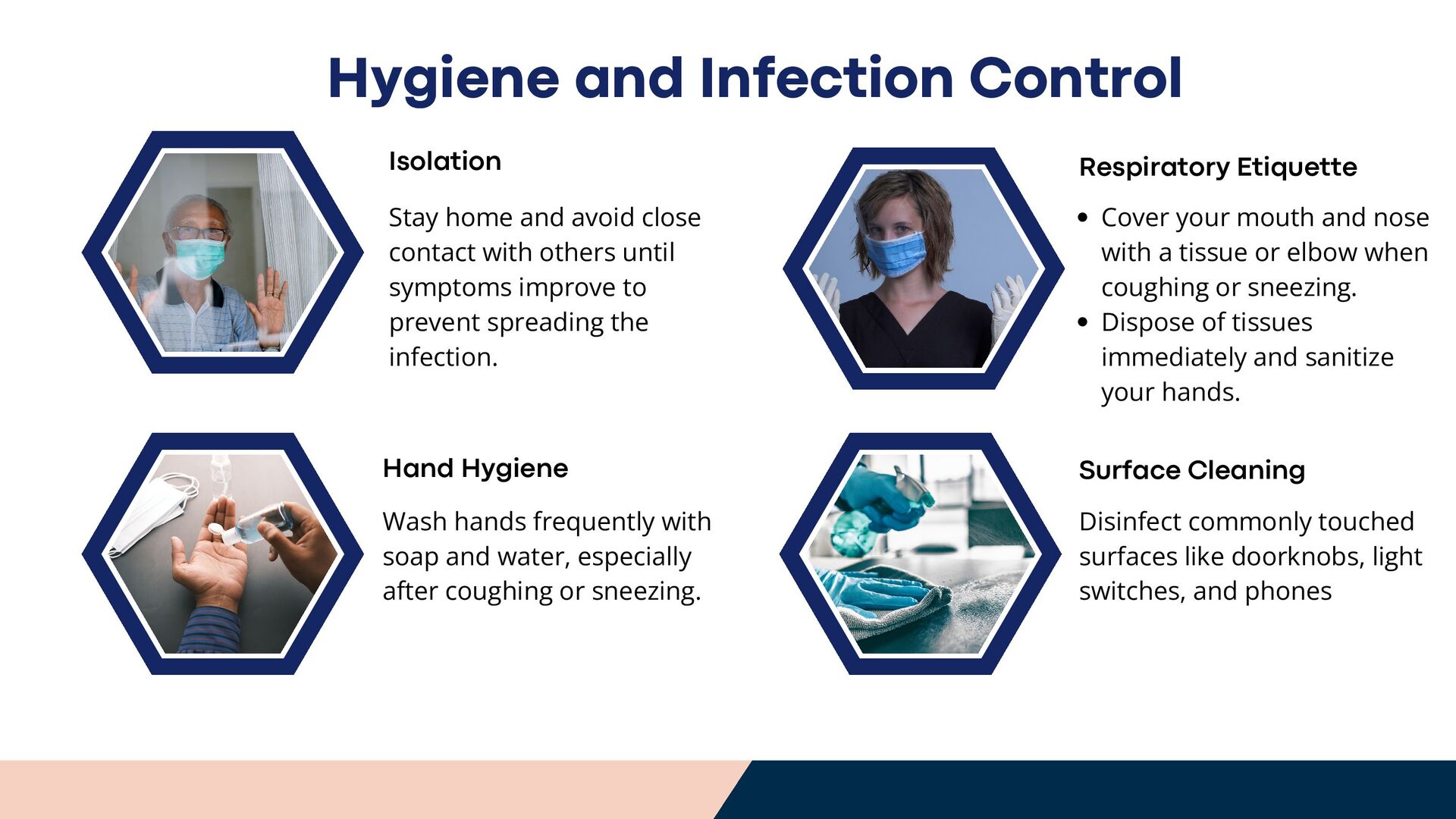
  24. Hygiene and Infection Control Isolation Respiratory Etiquette Hand Hygiene Stay

    home and avoid close contact with others until symptoms improve to prevent spreading the infection. Wash hands frequently with soap and water, especially after coughing or sneezing. Cover your mouth and nose with a tissue or elbow when coughing or sneezing. Dispose of tissues immediately and sanitize your hands. Surface Cleaning Disinfect commonly touched surfaces like doorknobs, light switches, and phones
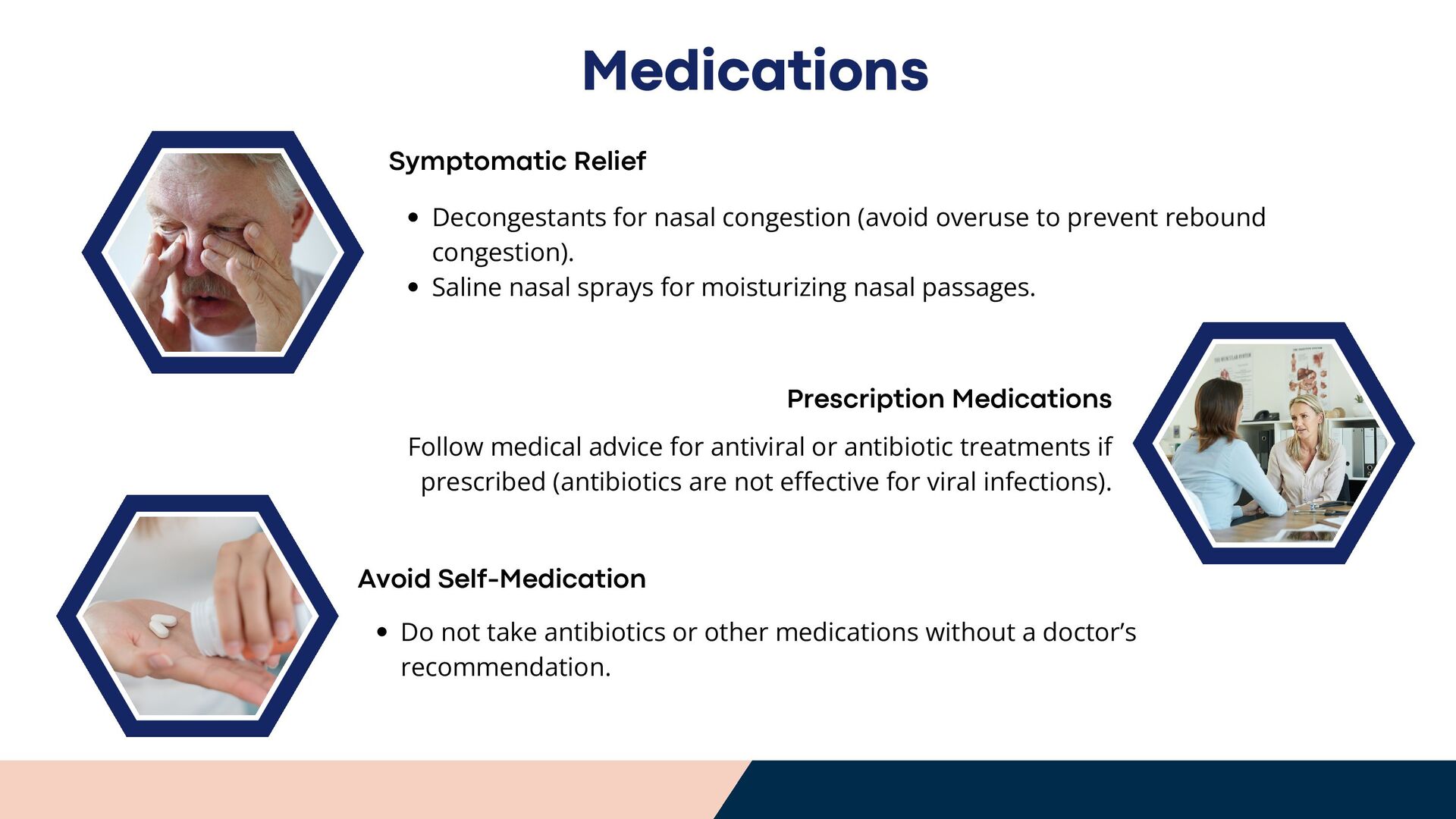
  25. Medications Symptomatic Relief Prescription Medications Decongestants for nasal congestion (avoid

    overuse to prevent rebound congestion). Saline nasal sprays for moisturizing nasal passages. Follow medical advice for antiviral or antibiotic treatments if prescribed (antibiotics are not effective for viral infections). Avoid Self-Medication Do not take antibiotics or other medications without a doctor’s recommendation.
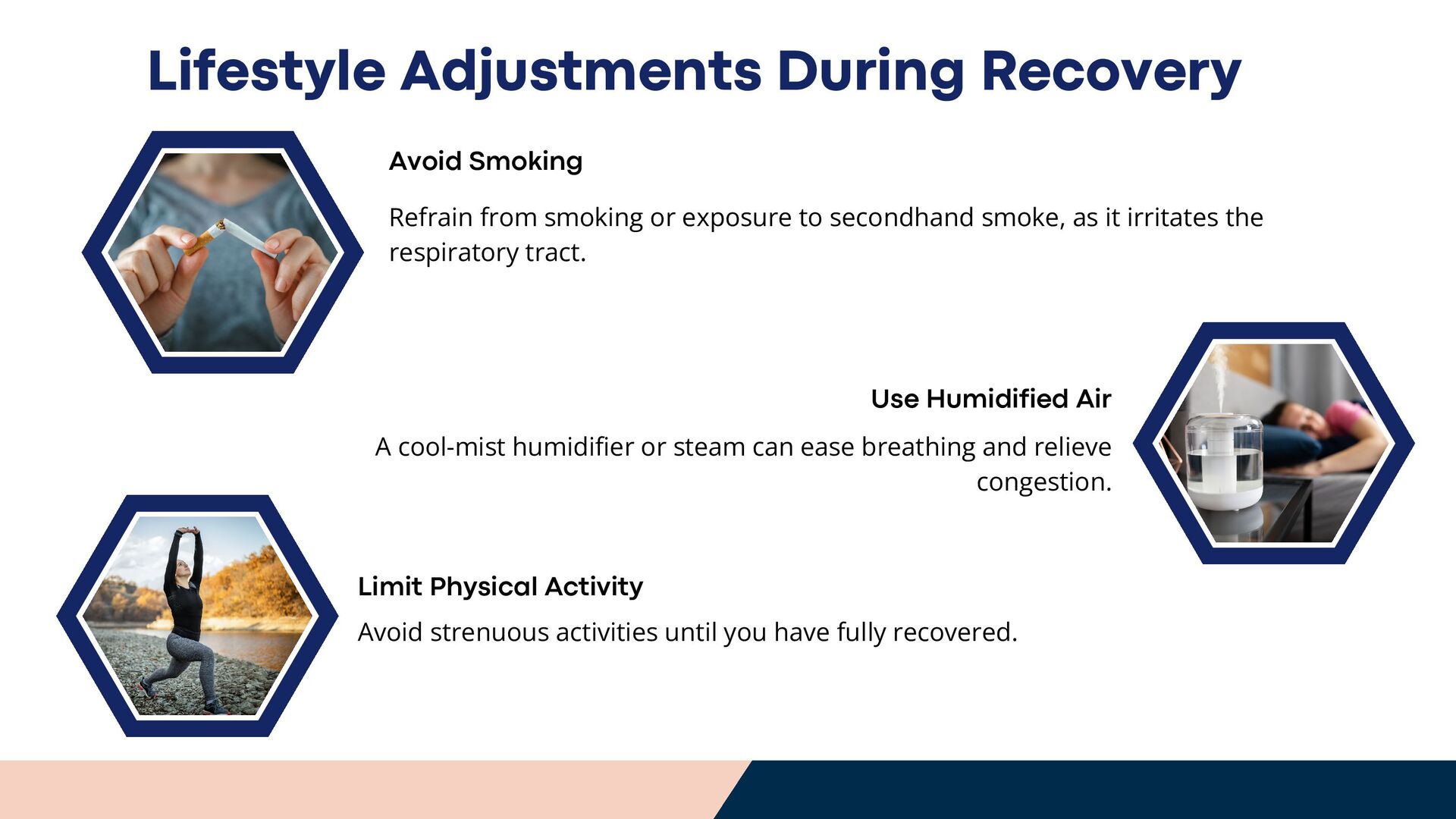
  26. Lifestyle Adjustments During Recovery Avoid Smoking Use Humidified Air Refrain

    from smoking or exposure to secondhand smoke, as it irritates the respiratory tract. A cool-mist humidifier or steam can ease breathing and relieve congestion. Limit Physical Activity Avoid strenuous activities until you have fully recovered.
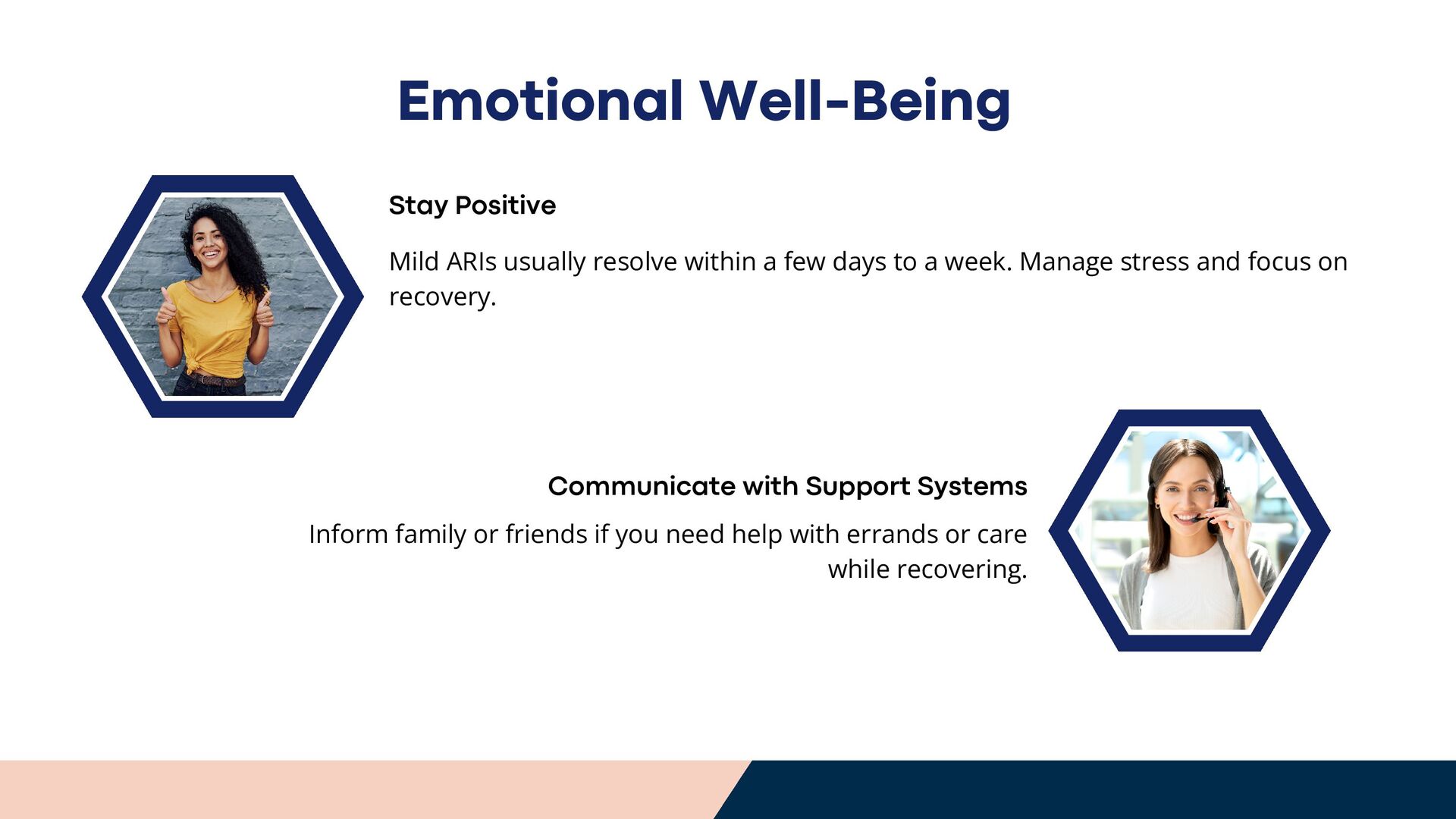
  27. Emotional Well-Being Stay Positive Communicate with Support Systems Mild ARIs

    usually resolve within a few days to a week. Manage stress and focus on recovery. Inform family or friends if you need help with errands or care while recovering.
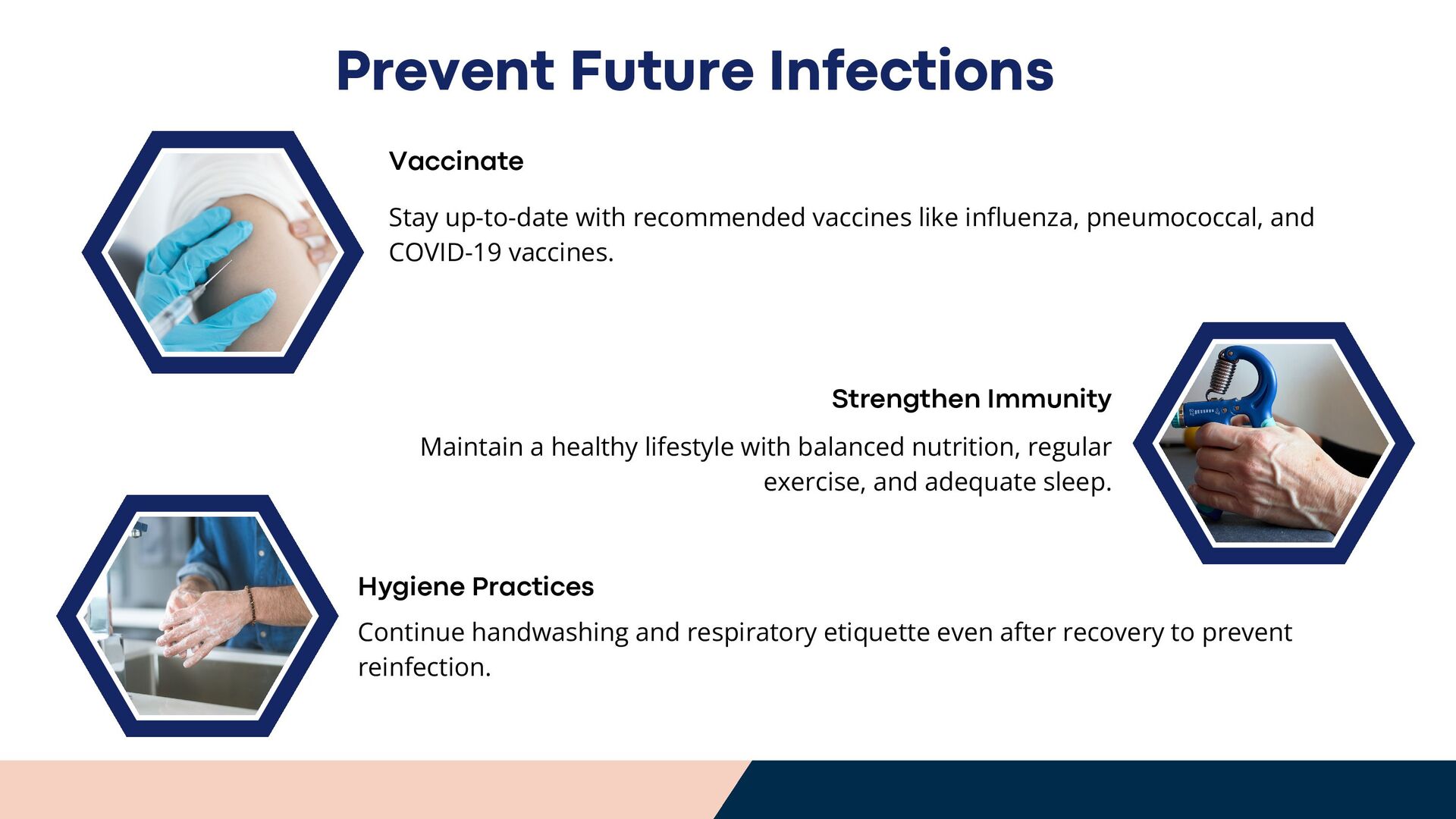
  28. Prevent Future Infections Vaccinate Strengthen Immunity Stay up-to-date with recommended

    vaccines like influenza, pneumococcal, and COVID-19 vaccines. Maintain a healthy lifestyle with balanced nutrition, regular exercise, and adequate sleep. Hygiene Practices Continue handwashing and respiratory etiquette even after recovery to prevent reinfection.
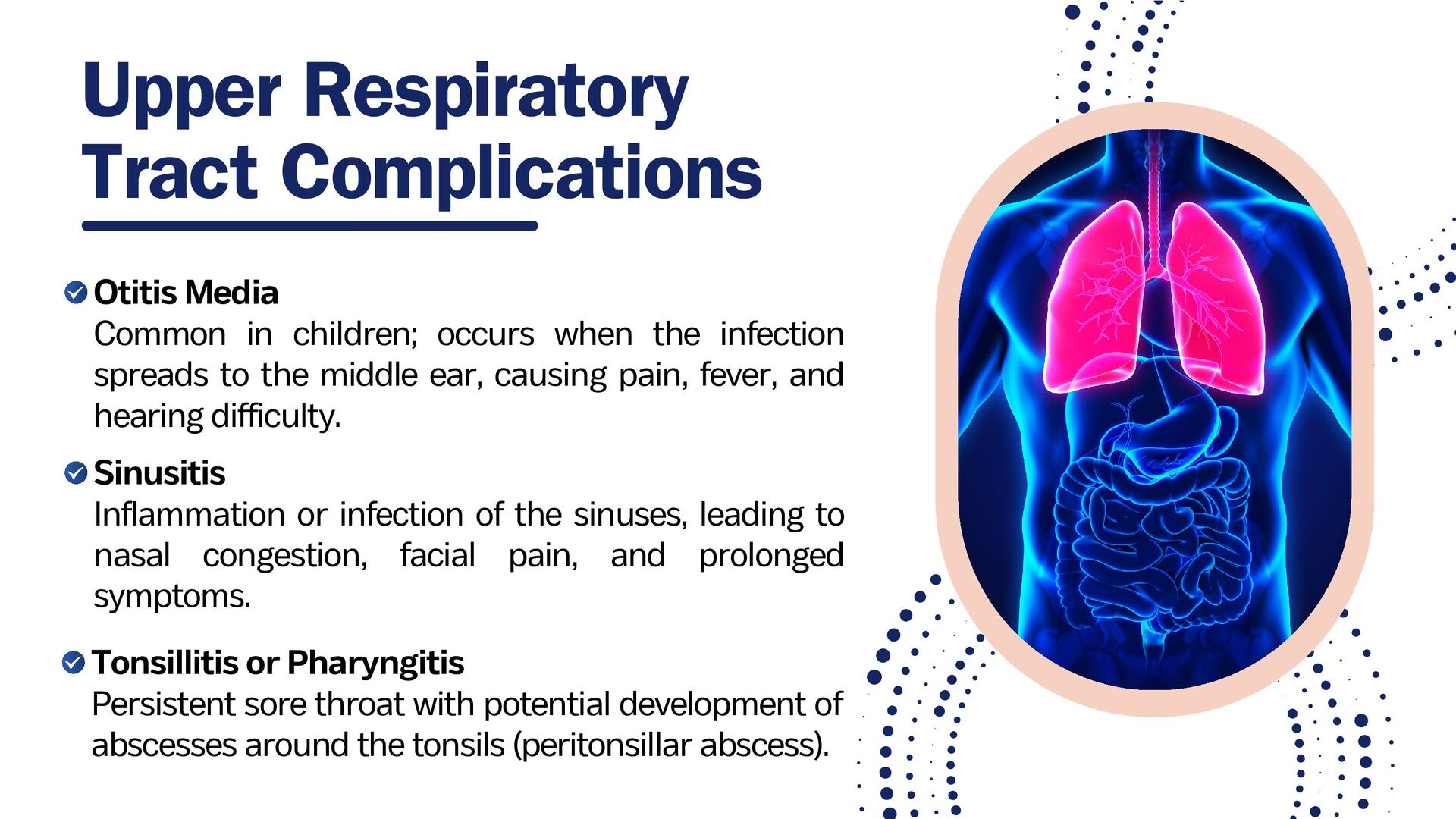
  29. Upper Respiratory Tract Complications Otitis Media Common in children; occurs

    when the infection spreads to the middle ear, causing pain, fever, and hearing difficulty. Sinusitis Inflammation or infection of the sinuses, leading to nasal congestion, facial pain, and prolonged symptoms. Tonsillitis or Pharyngitis Persistent sore throat with potential development of abscesses around the tonsils (peritonsillar abscess).
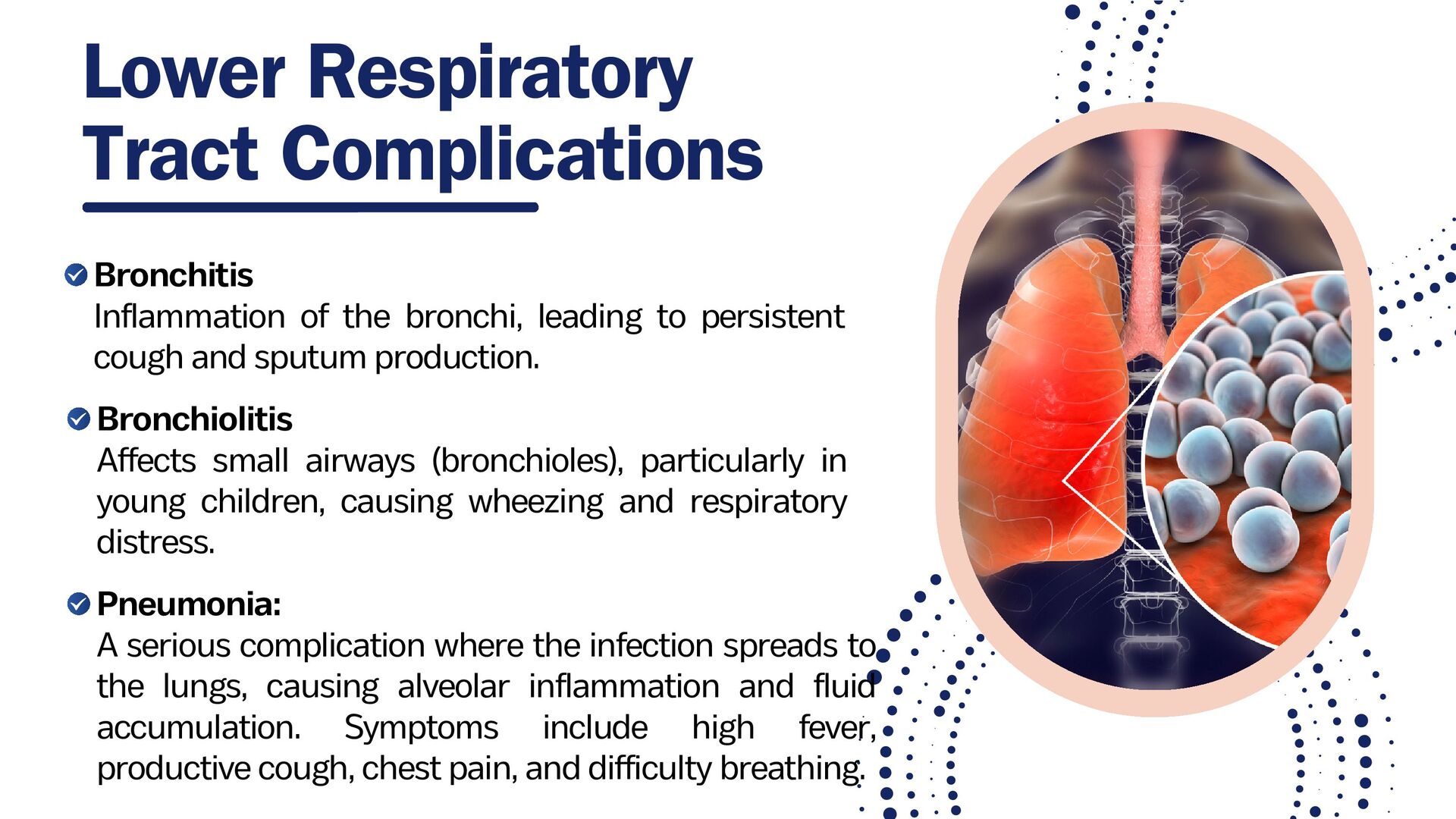
  30. Lower Respiratory Tract Complications Bronchitis Inflammation of the bronchi, leading

    to persistent cough and sputum production. Bronchiolitis Affects small airways (bronchioles), particularly in young children, causing wheezing and respiratory distress. Pneumonia: A serious complication where the infection spreads to the lungs, causing alveolar inflammation and fluid accumulation. Symptoms include high fever, productive cough, chest pain, and difficulty breathing.
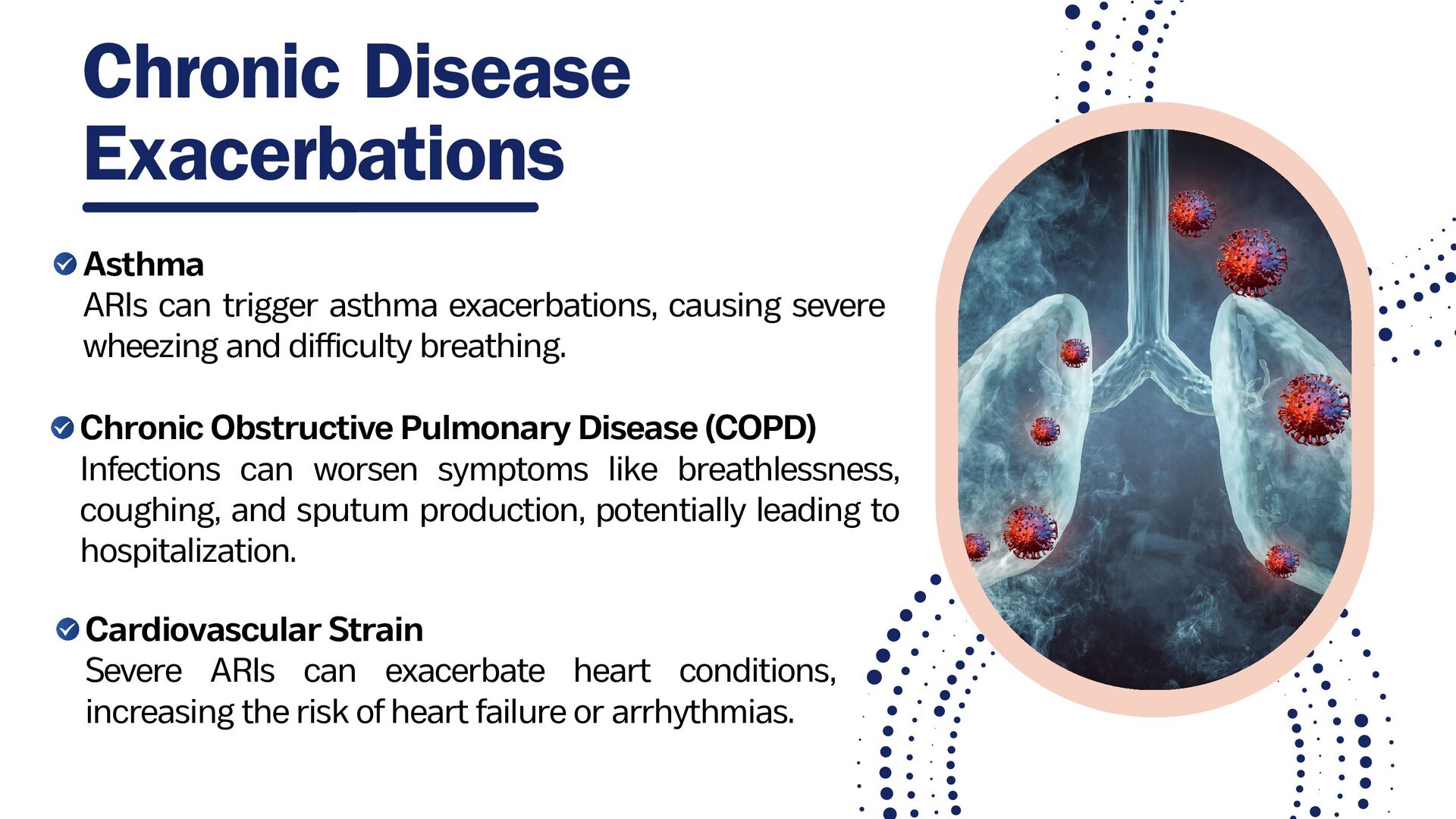
  31. Chronic Disease Exacerbations Asthma ARIs can trigger asthma exacerbations, causing

    severe wheezing and difficulty breathing. Chronic Obstructive Pulmonary Disease (COPD) Infections can worsen symptoms like breathlessness, coughing, and sputum production, potentially leading to hospitalization. Cardiovascular Strain Severe ARIs can exacerbate heart conditions, increasing the risk of heart failure or arrhythmias.
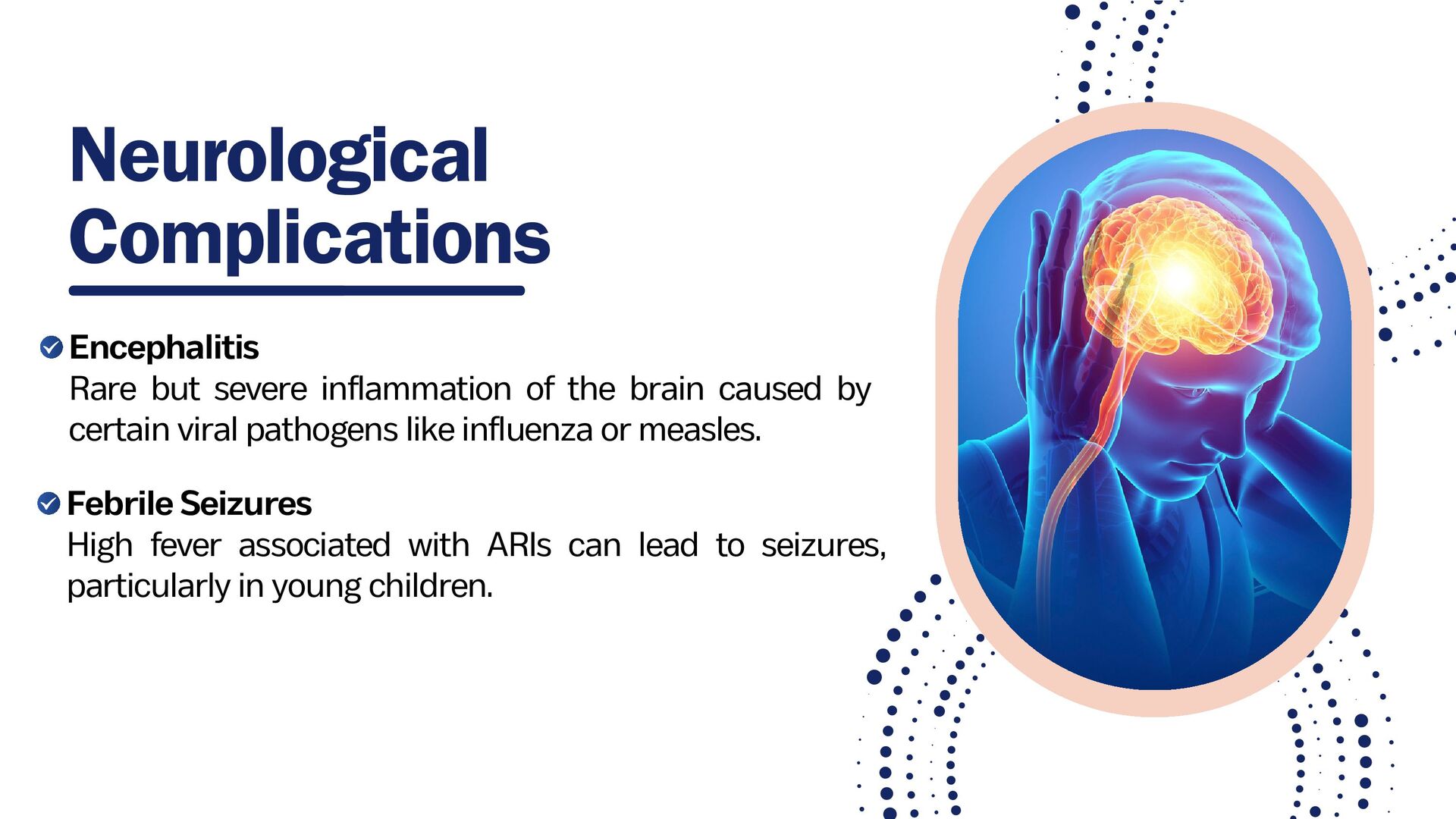
  32. Neurological Complications Encephalitis Rare but severe inflammation of the brain

    caused by certain viral pathogens like influenza or measles. Febrile Seizures High fever associated with ARIs can lead to seizures, particularly in young children.
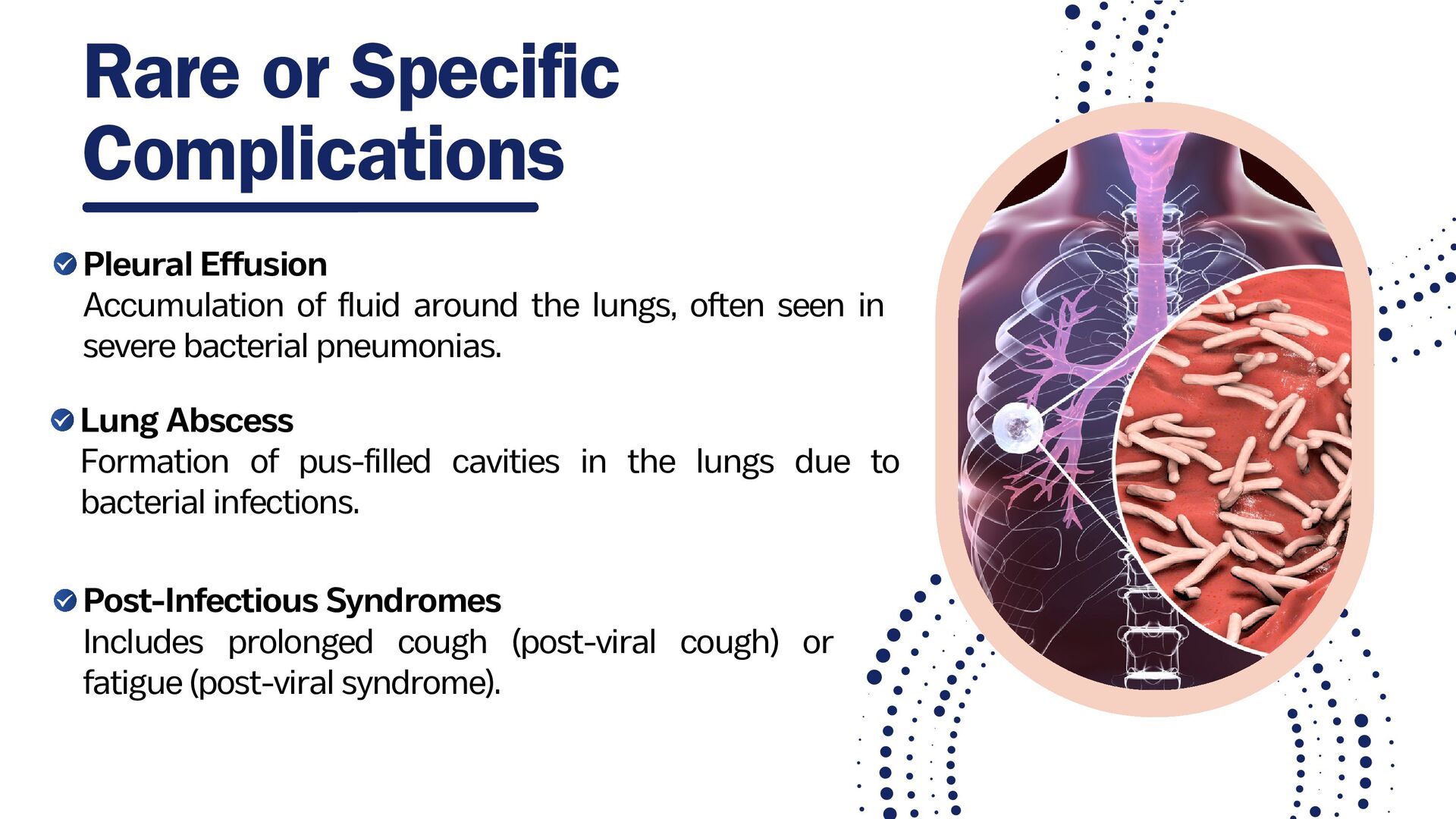
  33. Rare or Specific Complications Pleural Effusion Accumulation of fluid around

    the lungs, often seen in severe bacterial pneumonias. Lung Abscess Formation of pus-filled cavities in the lungs due to bacterial infections. Post-Infectious Syndromes Includes prolonged cough (post-viral cough) or fatigue (post-viral syndrome).
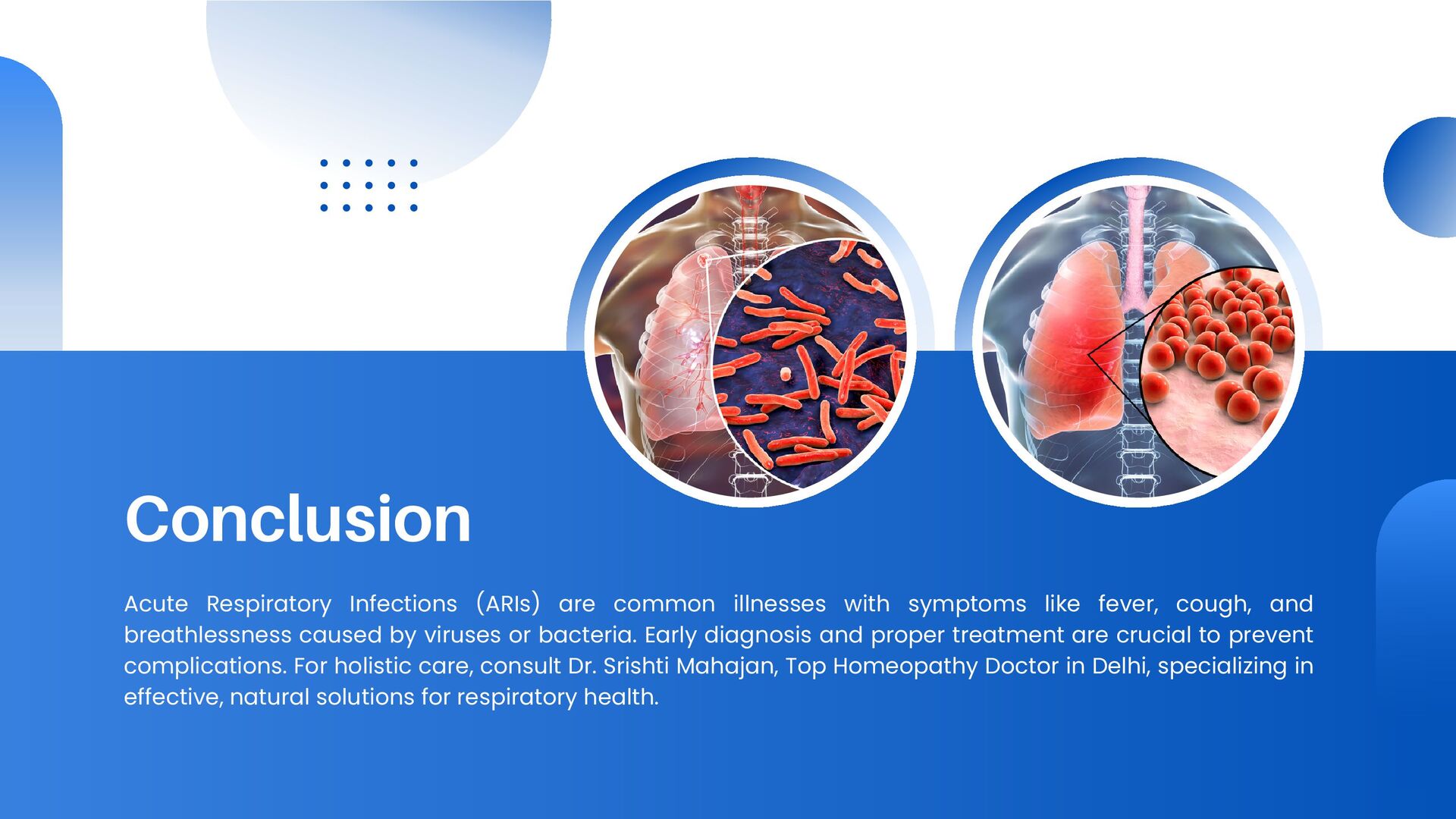
  34. Conclusion Acute Respiratory Infections (ARIs) are common illnesses with symptoms

    like fever, cough, and breathlessness caused by viruses or bacteria. Early diagnosis and proper treatment are crucial to prevent complications. For holistic care, consult Dr. Srishti Mahajan, Top Homeopathy Doctor in Delhi, specializing in effective, natural solutions for respiratory health.
  35. MEET THE DOCTOR Dr. Srishti Mahajan is a trusted Homeopathic

    Specialist Doctor with over a decade of experience and comprehensive treatment skills. She is renowned for treating chronic and acute ailments with a very high success rate owing to her amicable diagnostic skills honed by her diverse experience in Govt. dispensaries and hospitals by successfully treating scores of patients with compassion and empathy. You can consult me on following services: Homeopathic Consultant and Nutritionist Acute and Chronic Diseases Mental Disease and Health Concerns Fertility and Child Health DR. SRISHTI MAHAJAN (Ph.D., MD, BHMS (NHMC-DLI)
  36. YOU THANK Hopefully the information we provide is useful and

    can help, if you have any questions, please contact us. +91-9643379574 www.drsrishti.com Pocket 8, Sector C, Vasant Kunj, Delhi 82-D, New R-Block, Dilshad Garden, Delhi