$30 off During Our Annual Pro Sale. View Details »

FY 2024: MDC 18 - Infectious Disease

Avatar for e4health e4health PRO
April 04, 2024
160

FY 2024: MDC 18 - Infectious Disease

Avatar for e4health

e4health PRO

April 04, 2024
Tweet

Transcript

  1. H I M | C O D I N G

    & C D I | H E A LT H I T | R E V C Y C L E Empowering Better Health e4health tackles healthcare’s data, quality and revenue challenges empowering your providers to focus on better care.
  2. Objectives • Review MDC 18- Infectious and parasitic diseases, systemic

    or unspecified site with a focus on selected diagnoses and procedures. • Learner will acquire a basic understanding of the diagnoses and procedures included in MDC-18 • Discuss Query opportunities in MDC-18 • Review coding clinics relevant to the chosen topics in each DRG
  3. MDC 18-MS- DRGs (Medical) • 862 POSTOPERATIVE AND POST-TRAUMATIC INFECTIONS

    WITH MCC • 863 POSTOPERATIVE AND POST-TRAUMATIC INFECTIONS WITHOUT MCC • 864 FEVER AND INFLAMMATORY CONDITIONS • 865 VIRAL ILLNESS WITH MCC • 866 VIRAL ILLNESS WITHOUT MCC • 867 OTHER INFECTIOUS AND PARASITIC DISEASES DIAGNOSES WITH MCC • 868 OTHER INFECTIOUS AND PARASITIC DISEASES DIAGNOSES WITH CC • 869 OTHER INFECTIOUS AND PARASITIC DISEASES DIAGNOSES WITHOUT CC/MCC • 870 SEPTICEMIA OR SEVERE SEPSIS WITH MV >96 HOURS • 871 SEPTICEMIA OR SEVERE SEPSIS WITHOUT MV >96 HOURS WITH MCC • 872 SEPTICEMIA OR SEVERE SEPSIS WITHOUT MV >96 HOURS WITHOUT MC
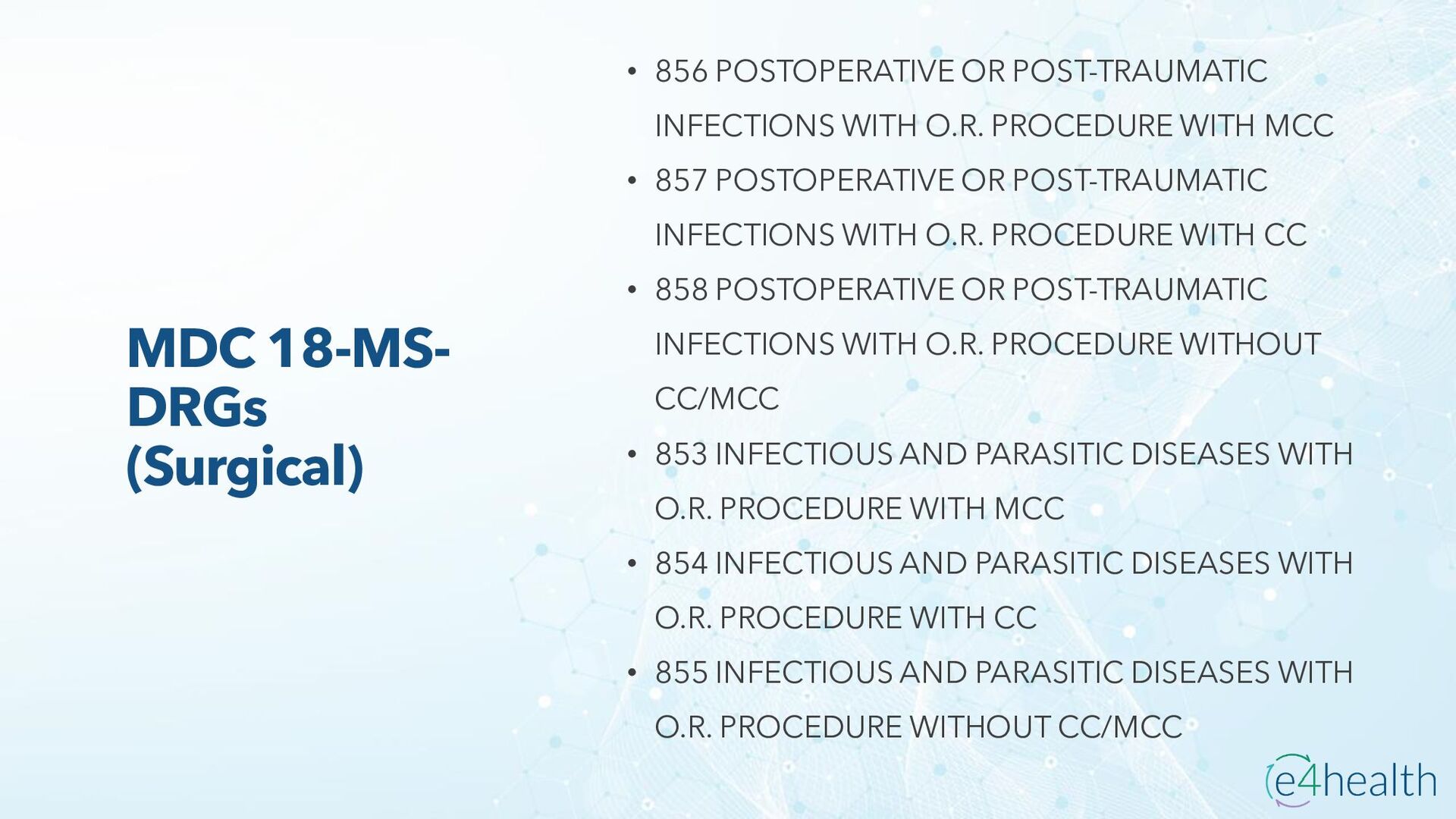
  4. MDC 18-MS- DRGs (Surgical) • 856 POSTOPERATIVE OR POST-TRAUMATIC INFECTIONS

    WITH O.R. PROCEDURE WITH MCC • 857 POSTOPERATIVE OR POST-TRAUMATIC INFECTIONS WITH O.R. PROCEDURE WITH CC • 858 POSTOPERATIVE OR POST-TRAUMATIC INFECTIONS WITH O.R. PROCEDURE WITHOUT CC/MCC • 853 INFECTIOUS AND PARASITIC DISEASES WITH O.R. PROCEDURE WITH MCC • 854 INFECTIOUS AND PARASITIC DISEASES WITH O.R. PROCEDURE WITH CC • 855 INFECTIOUS AND PARASITIC DISEASES WITH O.R. PROCEDURE WITHOUT CC/MCC
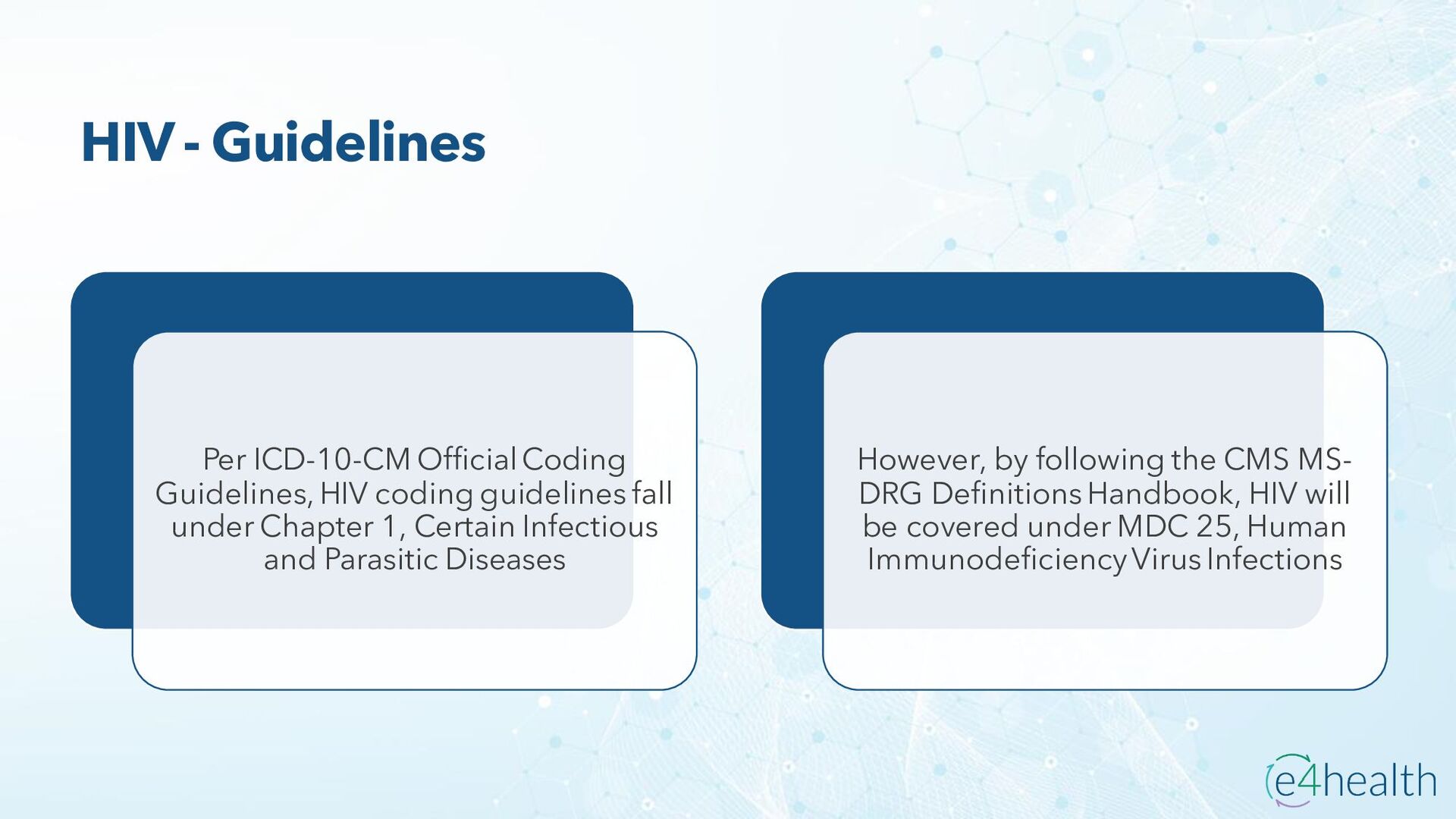
  5. HIV - Guidelines Per ICD-10-CM Official Coding Guidelines, HIV coding

    guidelines fall under Chapter 1, Certain Infectious and Parasitic Diseases However, by following the CMS MS- DRG Definitions Handbook, HIV will be covered under MDC 25, Human Immunodeficiency Virus Infections
  6. Clinical Criteria and Code Assignment Coding Clinic Fourth Quarter 2016

    Page 147-149 • Question: Please explain the intent of the new ICD-10-CM guideline regarding code assignment and clinical criteria that reads as follows: • "The assignment of a diagnosis code is based on the provider's diagnostic statement that the condition exists. The provider's statement that the patient has a particular condition is sufficient. Code assignment is not based on clinical criteria used by the provider to establish the diagnosis." • Some people are interpreting this to mean that clinical documentation improvement (CDI) specialists should no longer question diagnostic statements that don't meet clinical criteria. Is this true?
  7. Clinical Criteria and Code Assignment Coding Clinic Fourth Quarter 2016

    Page 147-149, continued • Answer: Coding must be based on provider documentation. This guideline is not a new concept, although it had not been explicitly included in the official coding guidelines until now. Coding Clinic and the official coding guidelines have always stated that code assignment should be based on provider documentation. As has been repeatedly stated in Coding Clinic over the years, diagnosing a patient's condition is solely the responsibility of the provider. Only the physician, or other qualified healthcare practitioner legally accountable for establishing the patient's diagnosis, can "diagnose" the patient. As also stated in Coding Clinic in the past, clinical information published in Coding Clinic does not constitute clinical criteria for establishing a diagnosis, substitute for the provider's clinical judgment, or eliminate the need for provider documentation regarding the clinical significance of a patient's medical condition. • The guideline noted addresses coding, not clinical validation. It is appropriate for facilities to ensure that documentation is complete, accurate, and appropriately reflects the patient's clinical conditions. Although ultimately related to the accuracy of the coding, clinical validation is a separate function from the coding process and clinical skill.
  8. Clinical Criteria and Code Assignment Coding Clinic Fourth Quarter 2016

    Page 147-149, continued • The distinction is described in the CMS definition of clinical validation from the Recovery Audit Contractors Scope of Work document and cited in the AHIMA Practice Brief ("Clinical Validation: The Next Level of CDI") published in the August issue of JAHIMA: "Clinical validation is an additional process that may be performed along with DRG validation. Clinical validation involves a clinical review of the case to see whether or not the patient truly possesses the conditions that were documented in the medical record. Clinical validation is performed by a clinician (RN, CMD, or therapist). Clinical validation is beyond the scope of DRG (coding) validation, and the skills of a certified coder. This type of review can only be performed by a clinician or may be performed by a clinician with approved coding credentials.“ • While physicians may use a particular clinical definition or set of clinical criteria to establish a diagnosis, the code is based on his/her documentation, not on a particular clinical definition or criteria. In other words, regardless of whether a physician uses the new clinical criteria for sepsis, the old criteria, his personal clinical judgment, or something else to decide a patient has sepsis (and document it as such), the code for sepsis is the same—as long as sepsis is documented, regardless of how the diagnosis was arrived at, the code for sepsis can be assigned.
  9. Clinical Criteria and Code Assignment Coding Clinic Fourth Quarter 2016

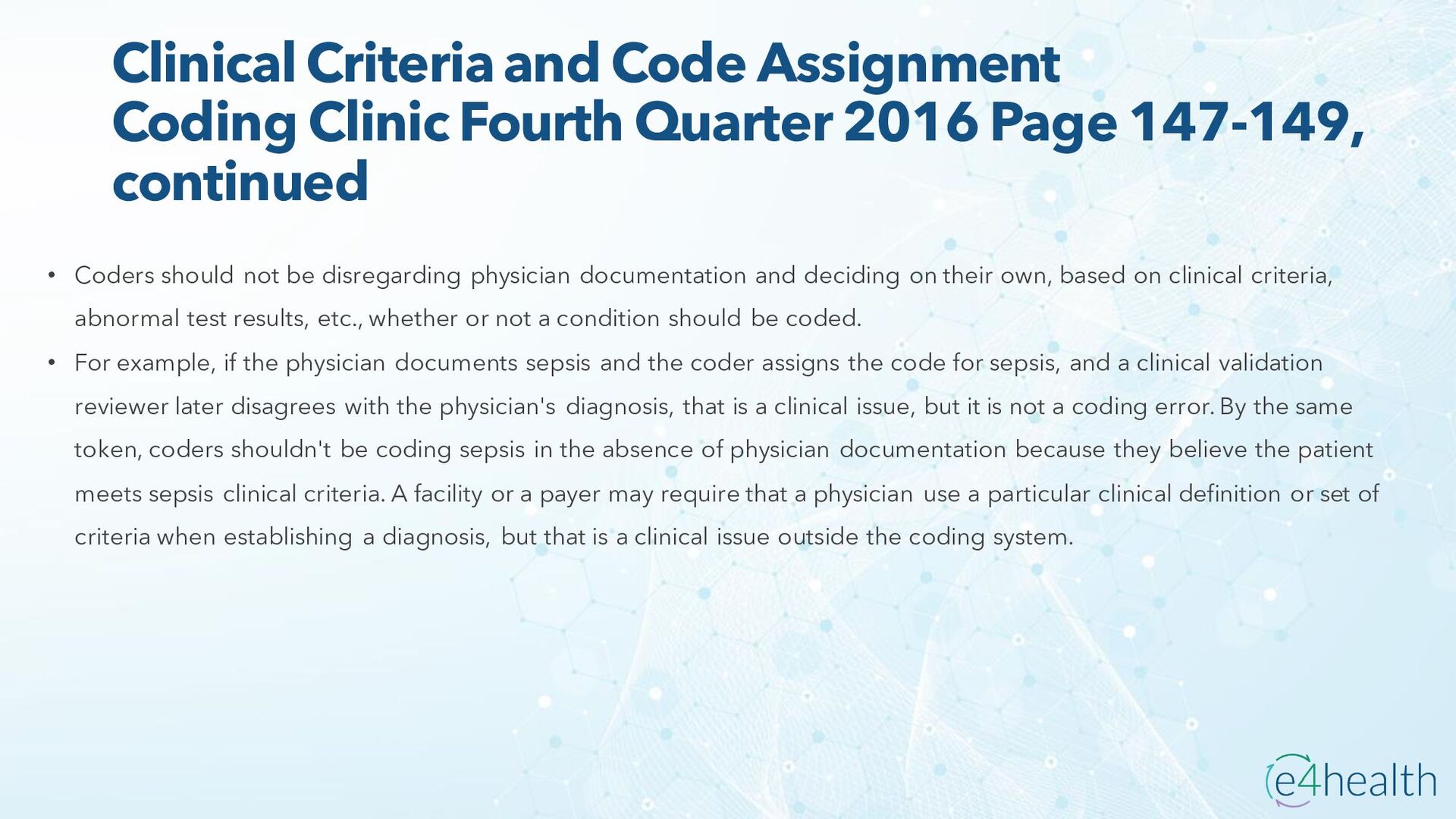
    Page 147-149, continued • Coders should not be disregarding physician documentation and deciding on their own, based on clinical criteria, abnormal test results, etc., whether or not a condition should be coded. • For example, if the physician documents sepsis and the coder assigns the code for sepsis, and a clinical validation reviewer later disagrees with the physician's diagnosis, that is a clinical issue, but it is not a coding error. By the same token, coders shouldn't be coding sepsis in the absence of physician documentation because they believe the patient meets sepsis clinical criteria. A facility or a payer may require that a physician use a particular clinical definition or set of criteria when establishing a diagnosis, but that is a clinical issue outside the coding system.
  10. Infectious agents as the cause of diseases classified to another

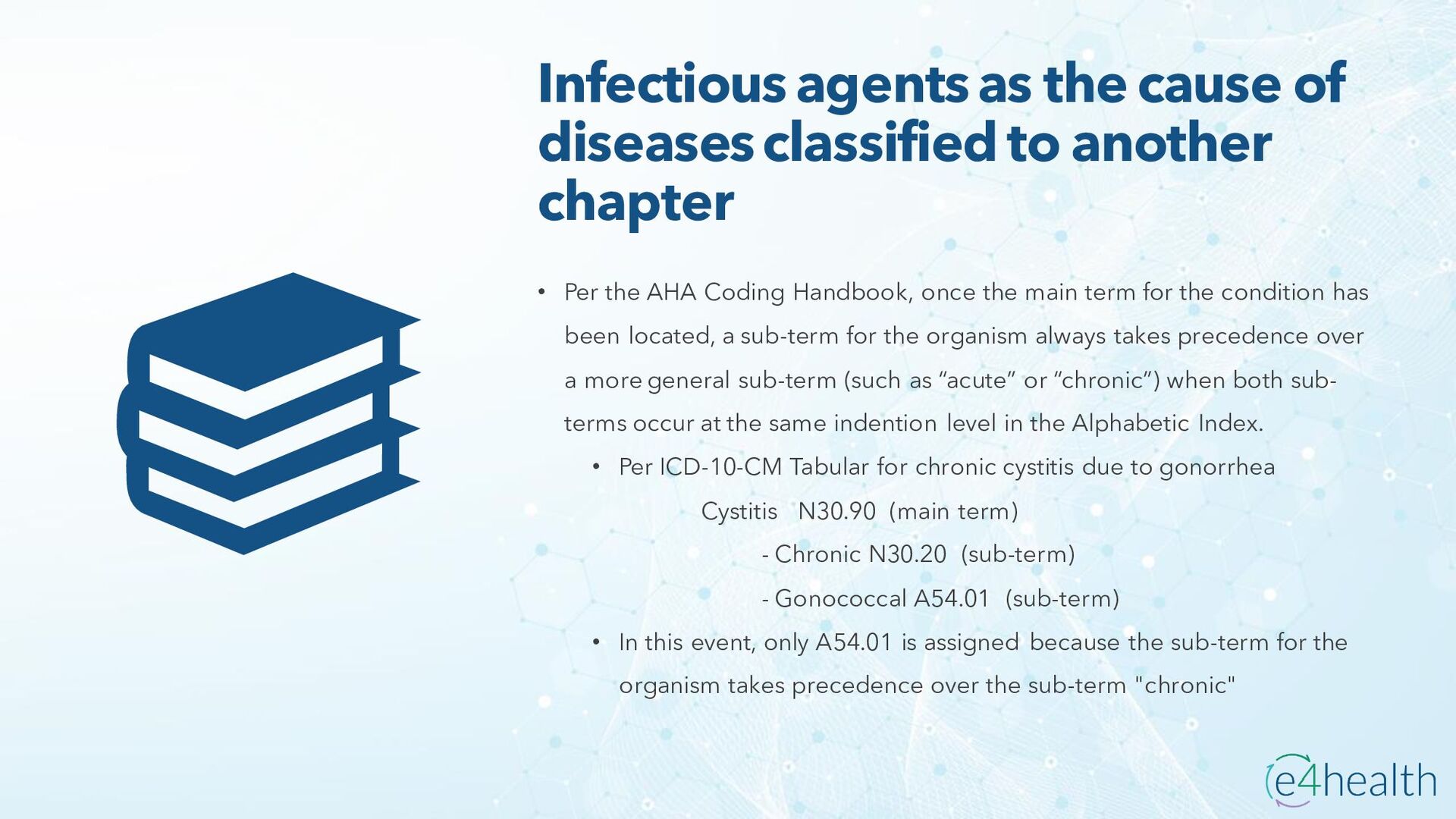
    chapter • Per the AHA Coding Handbook, once the main term for the condition has been located, a sub-term for the organism always takes precedence over a more general sub-term (such as “acute” or “chronic”) when both sub- terms occur at the same indention level in the Alphabetic Index. • Per ICD-10-CM Tabular for chronic cystitis due to gonorrhea Cystitis N30.90 (main term) - Chronic N30.20 (sub-term) - Gonococcal A54.01 (sub-term) • In this event, only A54.01 is assigned because the sub-term for the organism takes precedence over the sub-term "chronic"
  11. Infectious agents as the cause of diseases classified to another

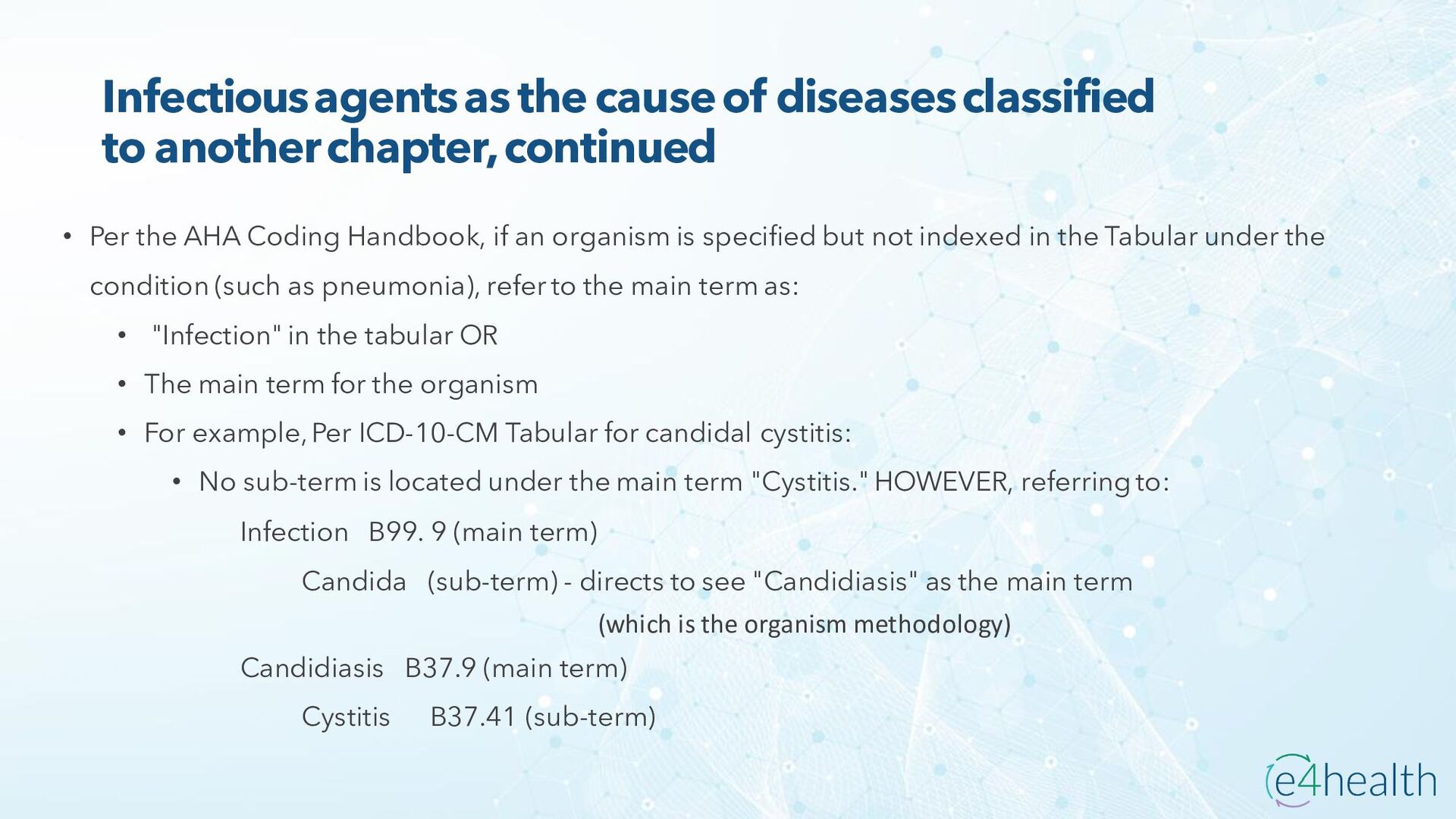
    chapter, continued • Per the AHA Coding Handbook, if an organism is specified but not indexed in the Tabular under the condition (such as pneumonia), refer to the main term as: • "Infection" in the tabular OR • The main term for the organism • For example, Per ICD-10-CM Tabular for candidal cystitis: • No sub-term is located under the main term "Cystitis." HOWEVER, referring to: Infection B99. 9 (main term) Candida (sub-term) - directs to see "Candidiasis" as the main term (which is the organism methodology) Candidiasis B37.9 (main term) Cystitis B37.41 (sub-term)
  12. Sexually Transmitted Diseases Transmitted through infected body fluids exchanged during

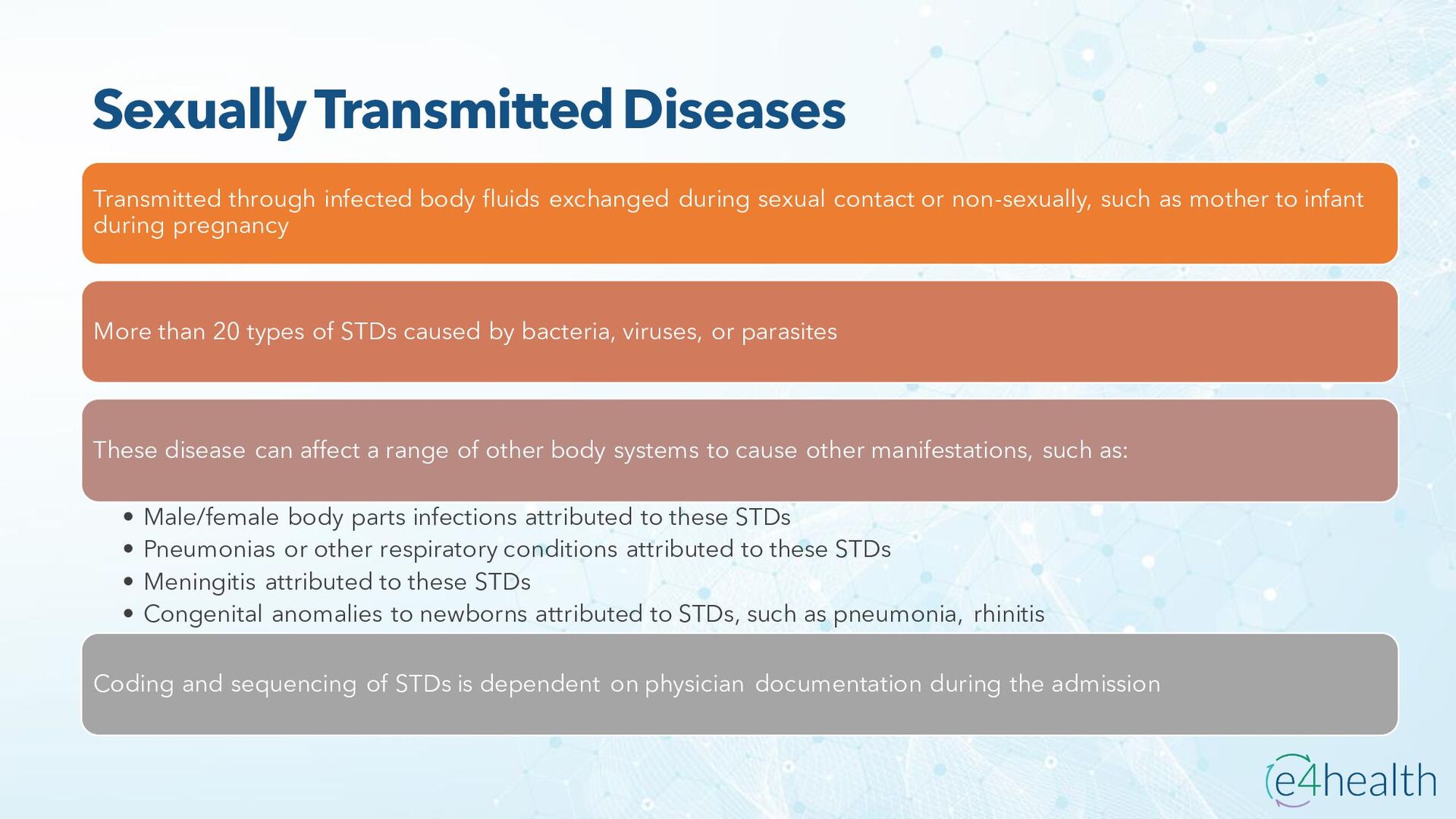
    sexual contact or non-sexually, such as mother to infant during pregnancy More than 20 types of STDs caused by bacteria, viruses, or parasites These disease can affect a range of other body systems to cause other manifestations, such as: • Male/female body parts infections attributed to these STDs • Pneumonias or other respiratory conditions attributed to these STDs • Meningitis attributed to these STDs • Congenital anomalies to newborns attributed to STDs, such as pneumonia, rhinitis Coding and sequencing of STDs is dependent on physician documentation during the admission
  13. Sexually Transmitted Diseases – Query opportunity • Review record for

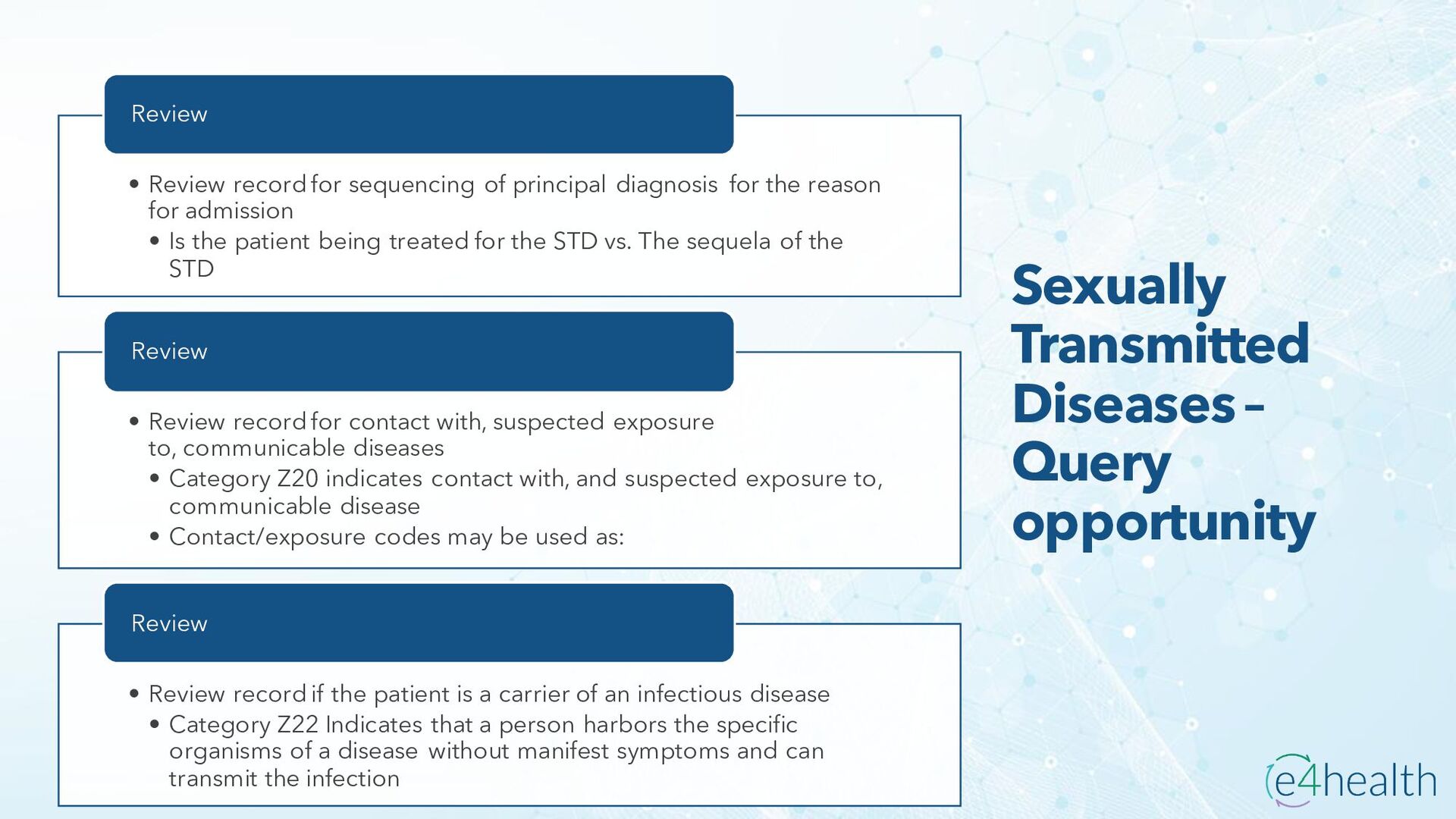
    sequencing of principal diagnosis for the reason for admission • Is the patient being treated for the STD vs. The sequela of the STD Review • Review record for contact with, suspected exposure to, communicable diseases • Category Z20 indicates contact with, and suspected exposure to, communicable disease • Contact/exposure codes may be used as: Review • Review record if the patient is a carrier of an infectious disease • Category Z22 Indicates that a person harbors the specific organisms of a disease without manifest symptoms and can transmit the infection Review
  14. Herpes Viruses Three most common Herpes virus: • Herpes Zoster

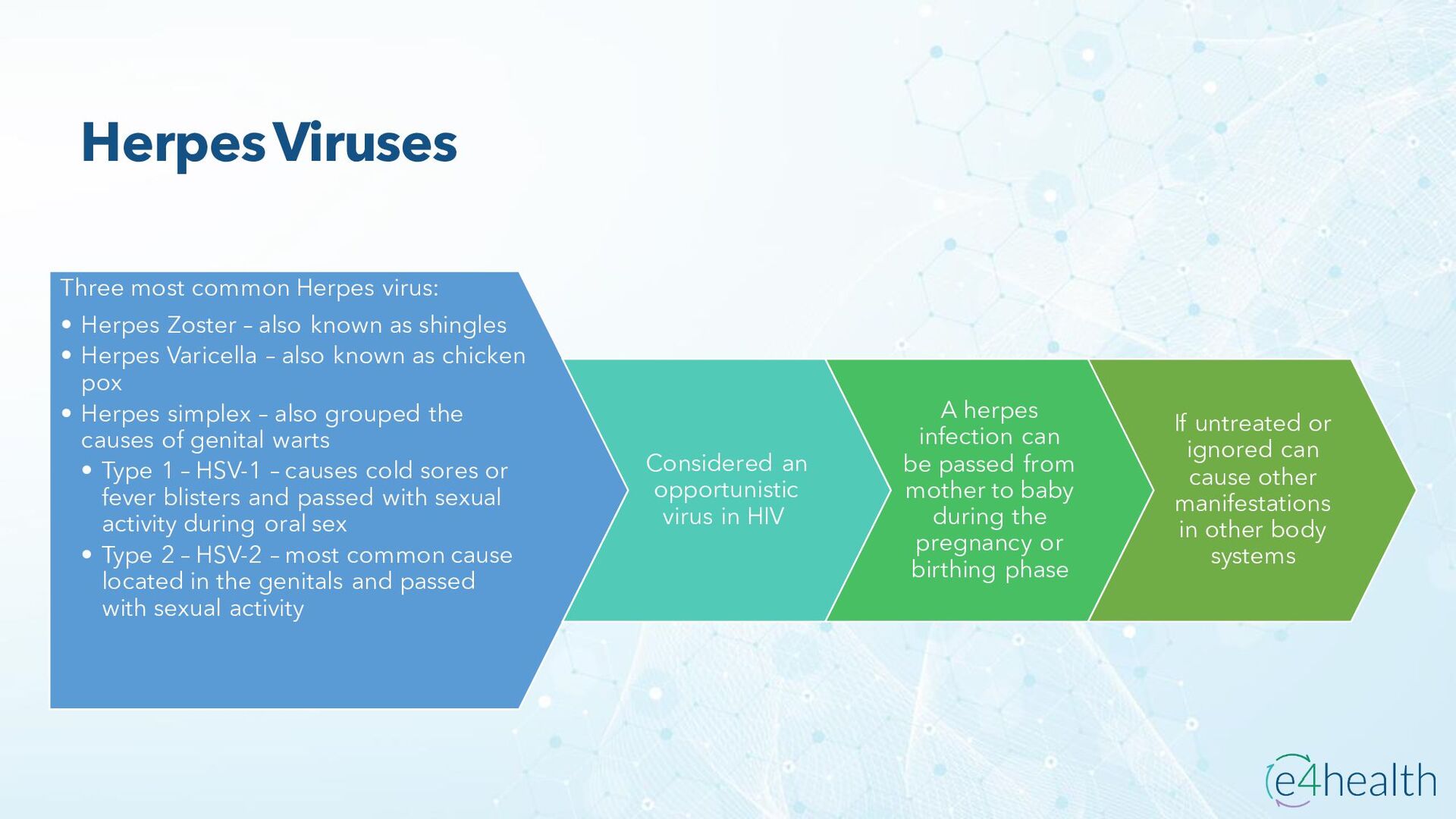
    – also known as shingles • Herpes Varicella – also known as chicken pox • Herpes simplex – also grouped the causes of genital warts • Type 1 – HSV-1 – causes cold sores or fever blisters and passed with sexual activity during oral sex • Type 2 – HSV-2 – most common cause located in the genitals and passed with sexual activity Considered an opportunistic virus in HIV A herpes infection can be passed from mother to baby during the pregnancy or birthing phase If untreated or ignored can cause other manifestations in other body systems
  15. Pregnancy with History of GenitalHerpes Coding Clinic First Quarter 2020

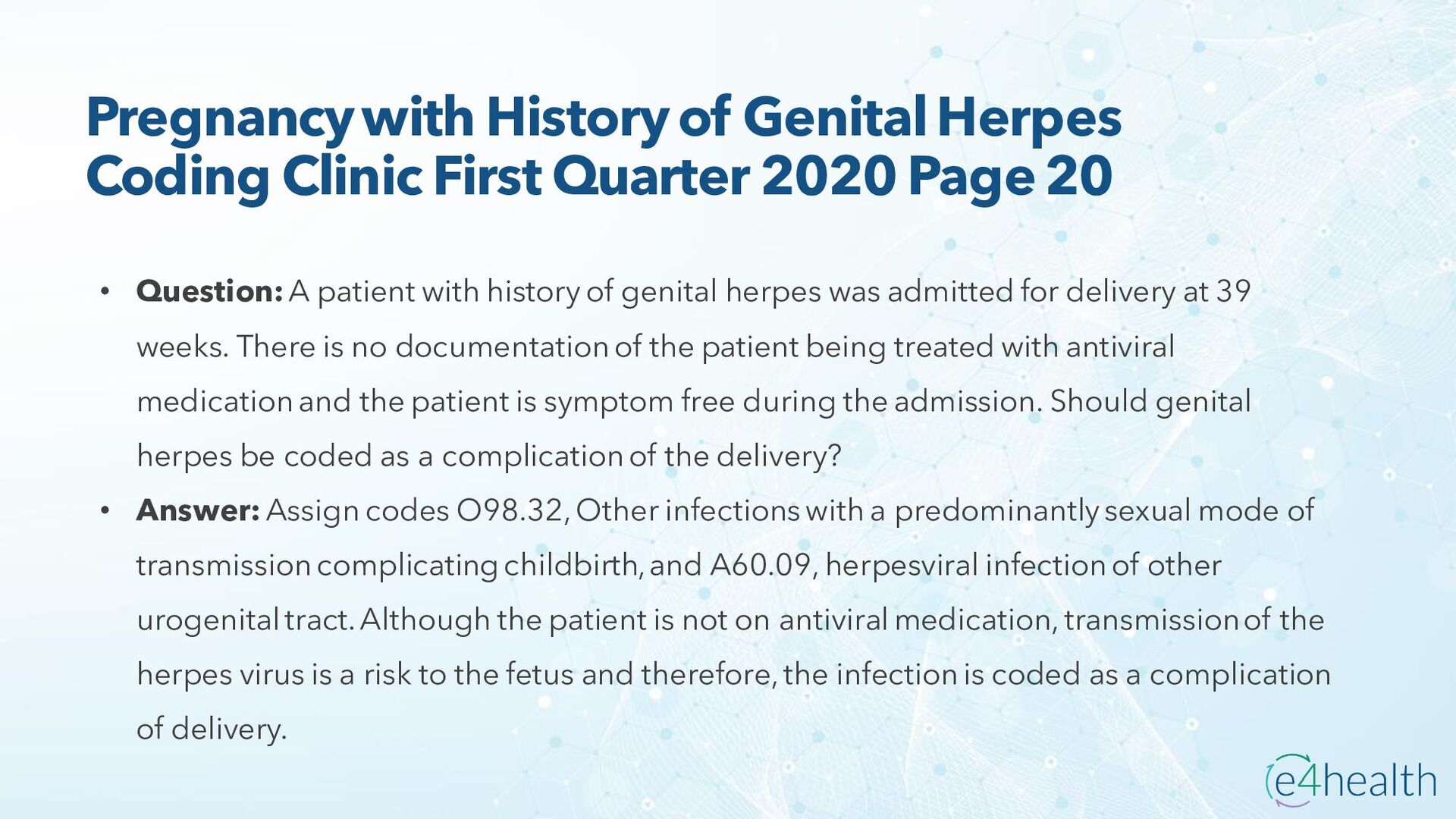
    Page 20 • Question: A patient with history of genital herpes was admitted for delivery at 39 weeks. There is no documentation of the patient being treated with antiviral medication and the patient is symptom free during the admission. Should genital herpes be coded as a complication of the delivery? • Answer: Assign codes O98.32, Other infections with a predominantly sexual mode of transmission complicating childbirth, and A60.09, herpesviral infection of other urogenital tract. Although the patient is not on antiviral medication, transmission of the herpes virus is a risk to the fetus and therefore, the infection is coded as a complication of delivery.
  16. Human Herpes virus Infections Coding Clinic Fourth Quarter 2007 Page

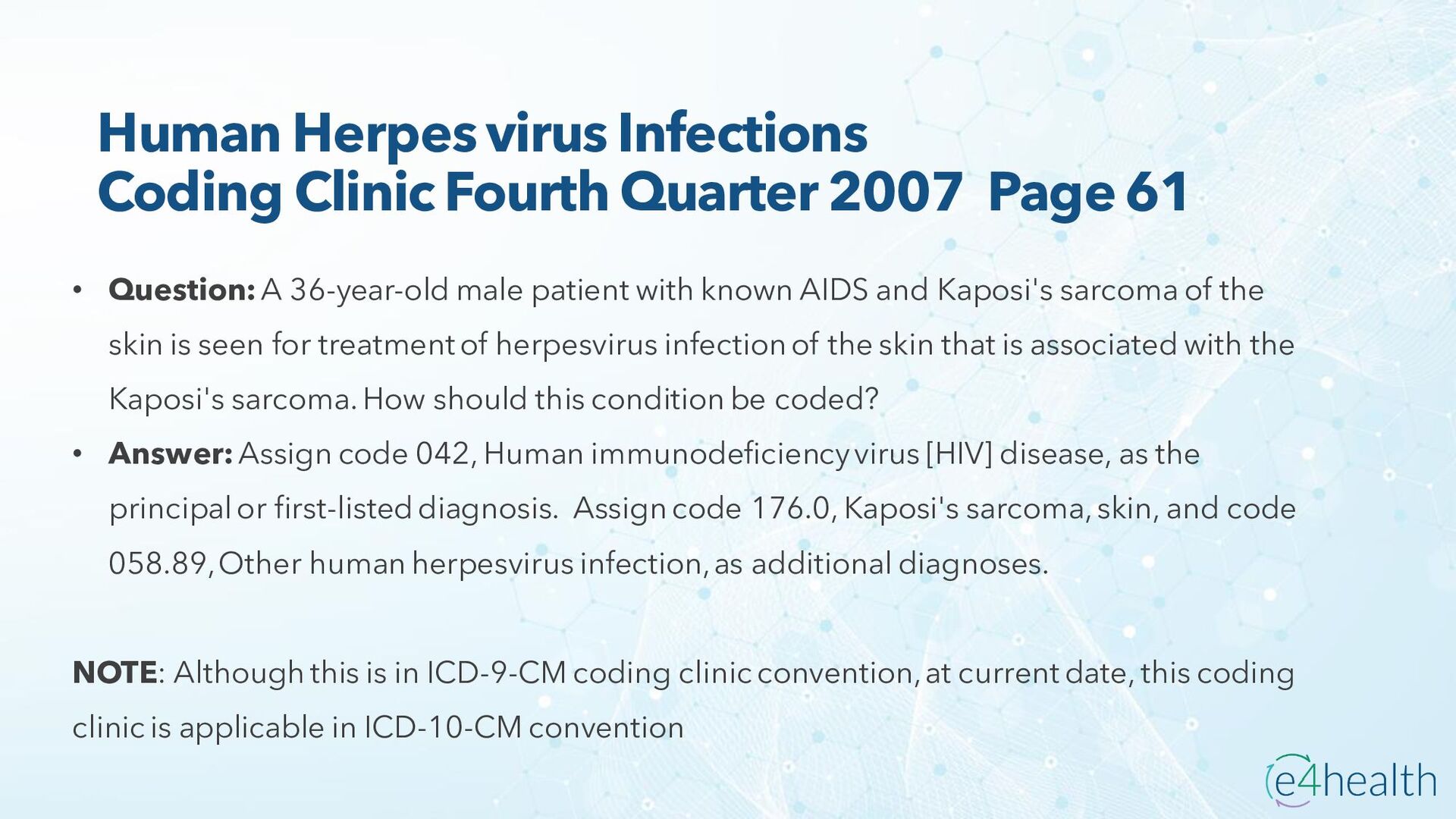
    61 • Question:A 36-year-old male patient with known AIDS and Kaposi's sarcoma of the skin is seen for treatment of herpesvirus infection of the skin that is associated with the Kaposi's sarcoma. How should this condition be coded? • Answer: Assign code 042, Human immunodeficiency virus [HIV] disease, as the principal or first-listed diagnosis. Assign code 176.0, Kaposi's sarcoma, skin, and code 058.89, Other human herpesvirus infection, as additional diagnoses. NOTE: Although this is in ICD-9-CM coding clinic convention, at current date, this coding clinic is applicable in ICD-10-CM convention
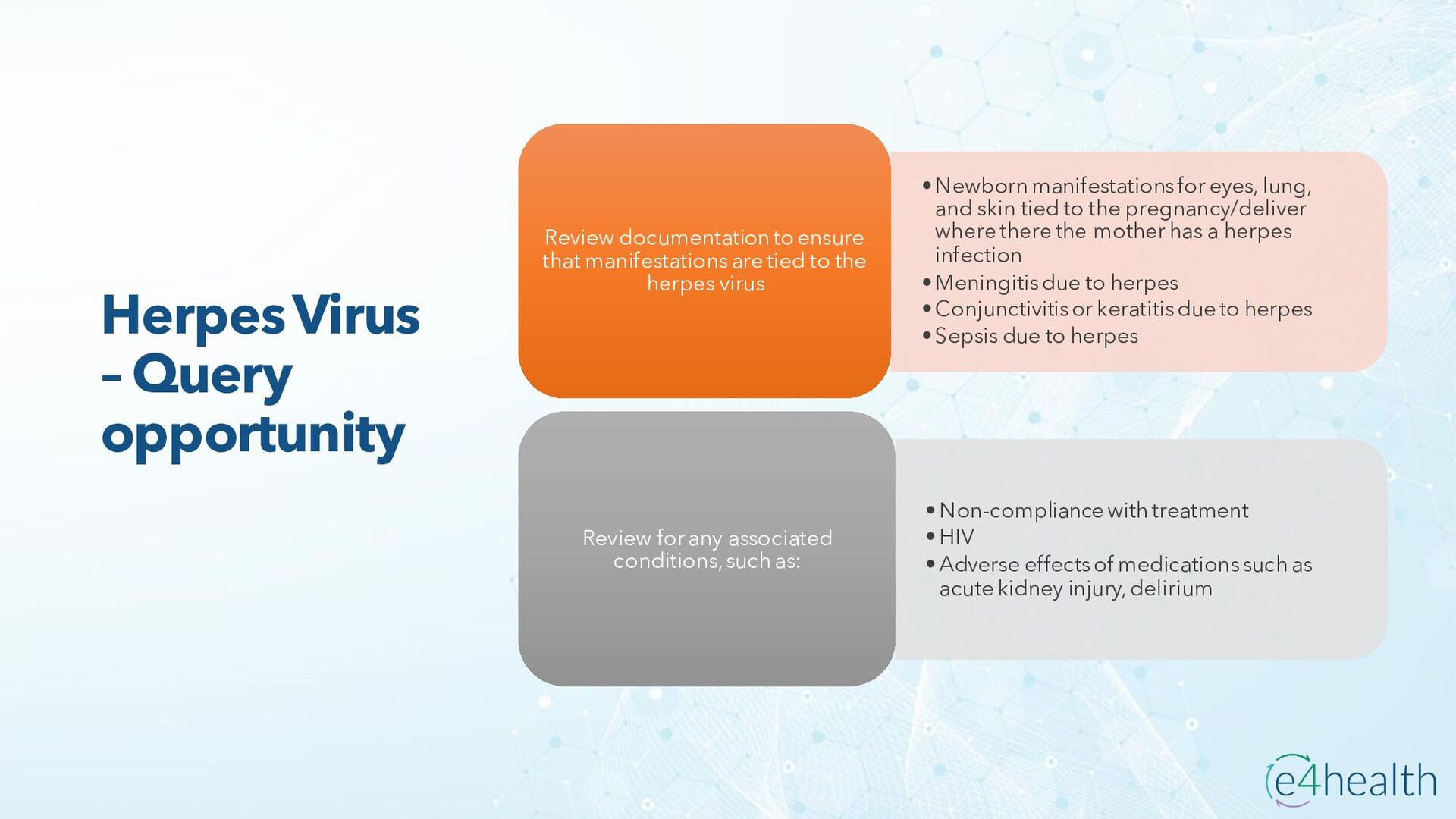
  17. Herpes Virus – Query opportunity •Newborn manifestations for eyes, lung,

    and skin tied to the pregnancy/deliver where there the mother has a herpes infection •Meningitis due to herpes •Conjunctivitis or keratitis due to herpes •Sepsis due to herpes Review documentation to ensure that manifestations are tied to the herpes virus •Non-compliance with treatment •HIV •Adverse effects of medications such as acute kidney injury, delirium Review for any associated conditions, such as:
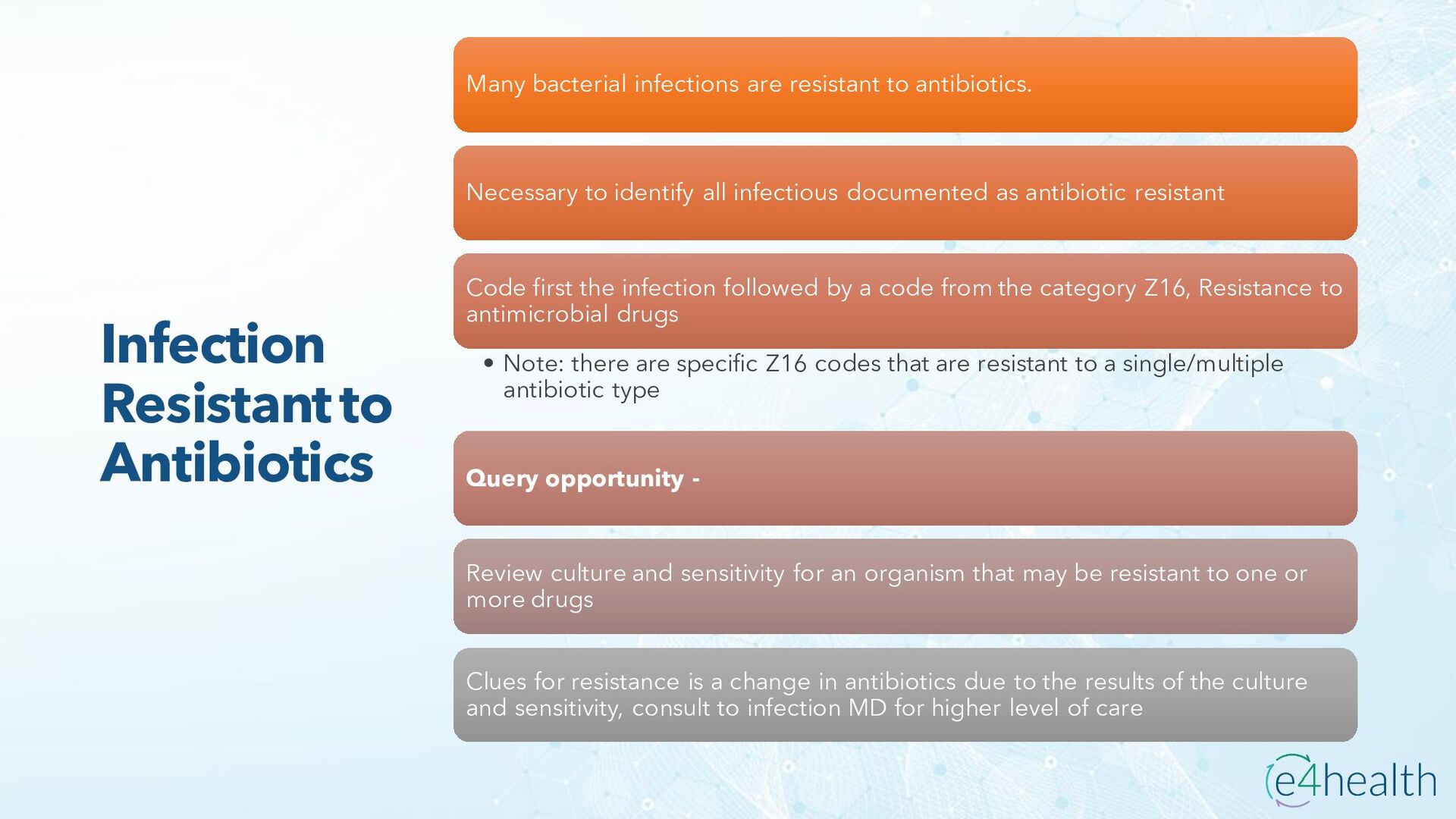
  18. Infection Resistant to Antibiotics Many bacterial infections are resistant to

    antibiotics. Necessary to identify all infectious documented as antibiotic resistant Code first the infection followed by a code from the category Z16, Resistance to antimicrobial drugs • Note: there are specific Z16 codes that are resistant to a single/multiple antibiotic type Query opportunity - Review culture and sensitivity for an organism that may be resistant to one or more drugs Clues for resistance is a change in antibiotics due to the results of the culture and sensitivity, consult to infection MD for higher level of care
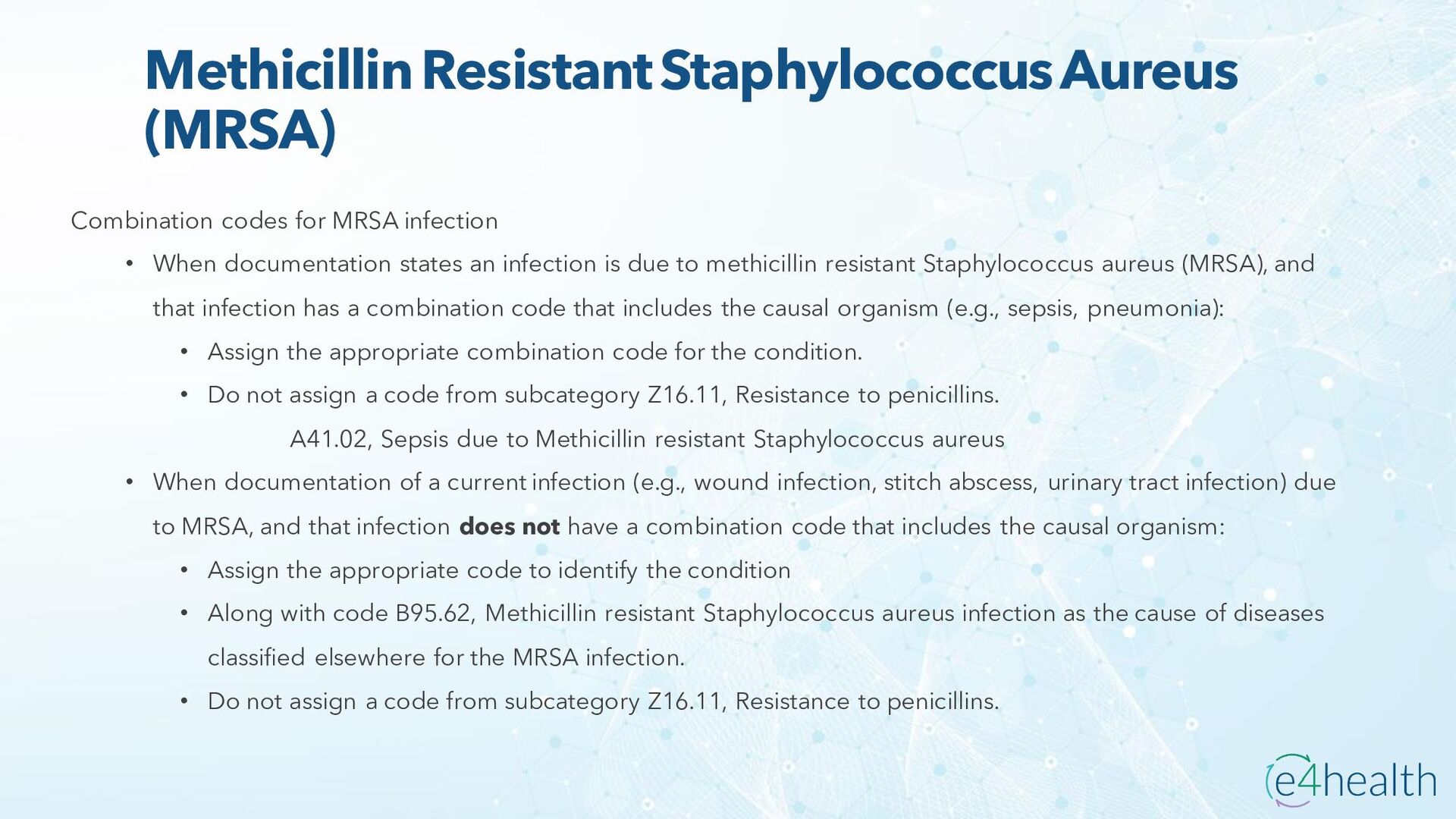
  19. Methicillin Resistant Staphylococcus Aureus (MRSA) Combination codes for MRSA infection

    • When documentation states an infection is due to methicillin resistant Staphylococcus aureus (MRSA), and that infection has a combination code that includes the causal organism (e.g., sepsis, pneumonia): • Assign the appropriate combination code for the condition. • Do not assign a code from subcategory Z16.11, Resistance to penicillins. A41.02, Sepsis due to Methicillin resistant Staphylococcus aureus • When documentation of a current infection (e.g., wound infection, stitch abscess, urinary tract infection) due to MRSA, and that infection does not have a combination code that includes the causal organism: • Assign the appropriate code to identify the condition • Along with code B95.62, Methicillin resistant Staphylococcus aureus infection as the cause of diseases classified elsewhere for the MRSA infection. • Do not assign a code from subcategory Z16.11, Resistance to penicillins.
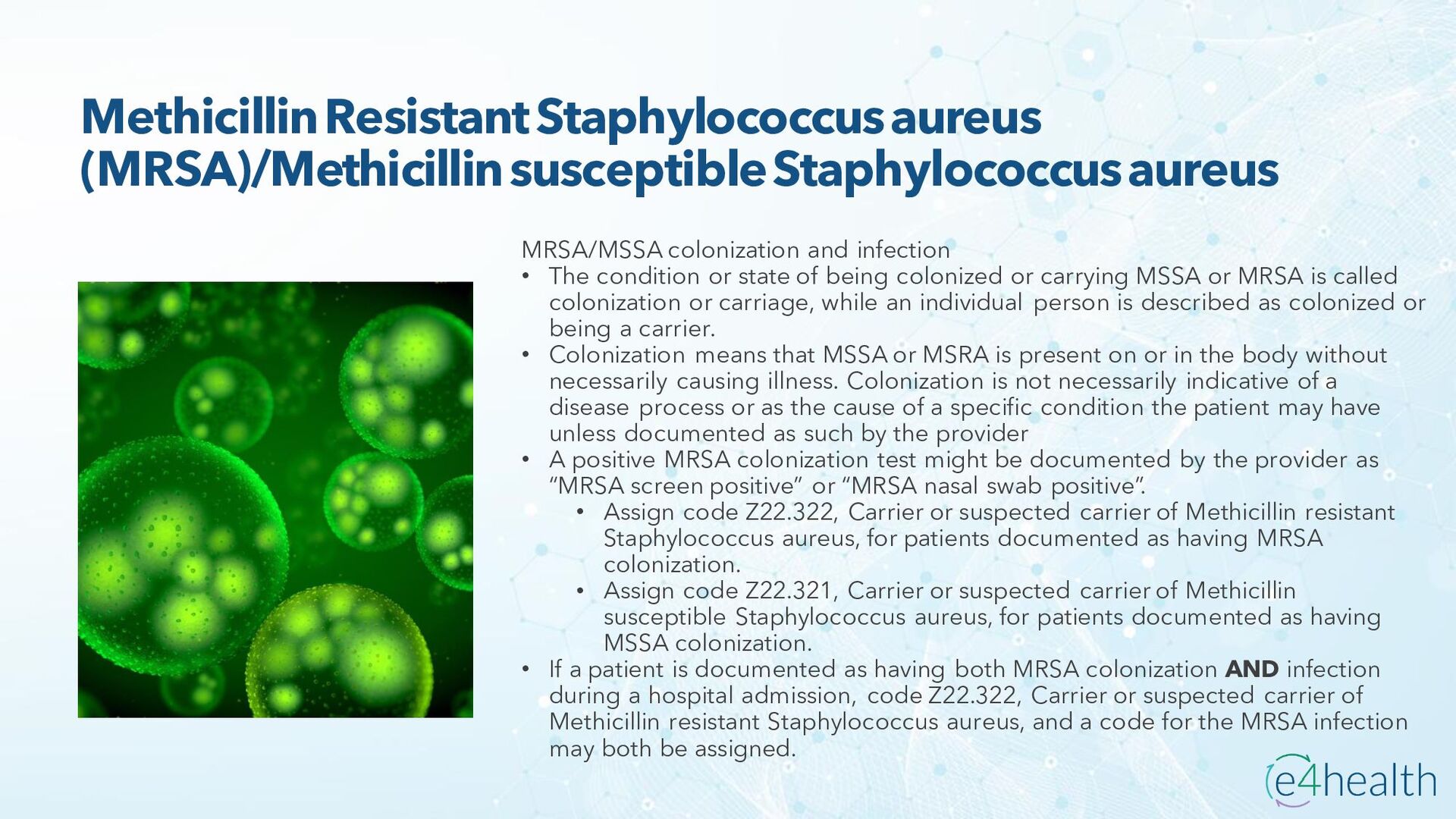
  20. Methicillin Resistant Staphylococcus aureus (MRSA)/Methicillin susceptibleStaphylococcusaureus MRSA/MSSA colonization and infection

    • The condition or state of being colonized or carrying MSSA or MRSA is called colonization or carriage, while an individual person is described as colonized or being a carrier. • Colonization means that MSSA or MSRA is present on or in the body without necessarily causing illness. Colonization is not necessarily indicative of a disease process or as the cause of a specific condition the patient may have unless documented as such by the provider • A positive MRSA colonization test might be documented by the provider as “MRSA screen positive” or “MRSA nasal swab positive”. • Assign code Z22.322, Carrier or suspected carrier of Methicillin resistant Staphylococcus aureus, for patients documented as having MRSA colonization. • Assign code Z22.321, Carrier or suspected carrier of Methicillin susceptible Staphylococcus aureus, for patients documented as having MSSA colonization. • If a patient is documented as having both MRSA colonization AND infection during a hospital admission, code Z22.322, Carrier or suspected carrier of Methicillin resistant Staphylococcus aureus, and a code for the MRSA infection may both be assigned.
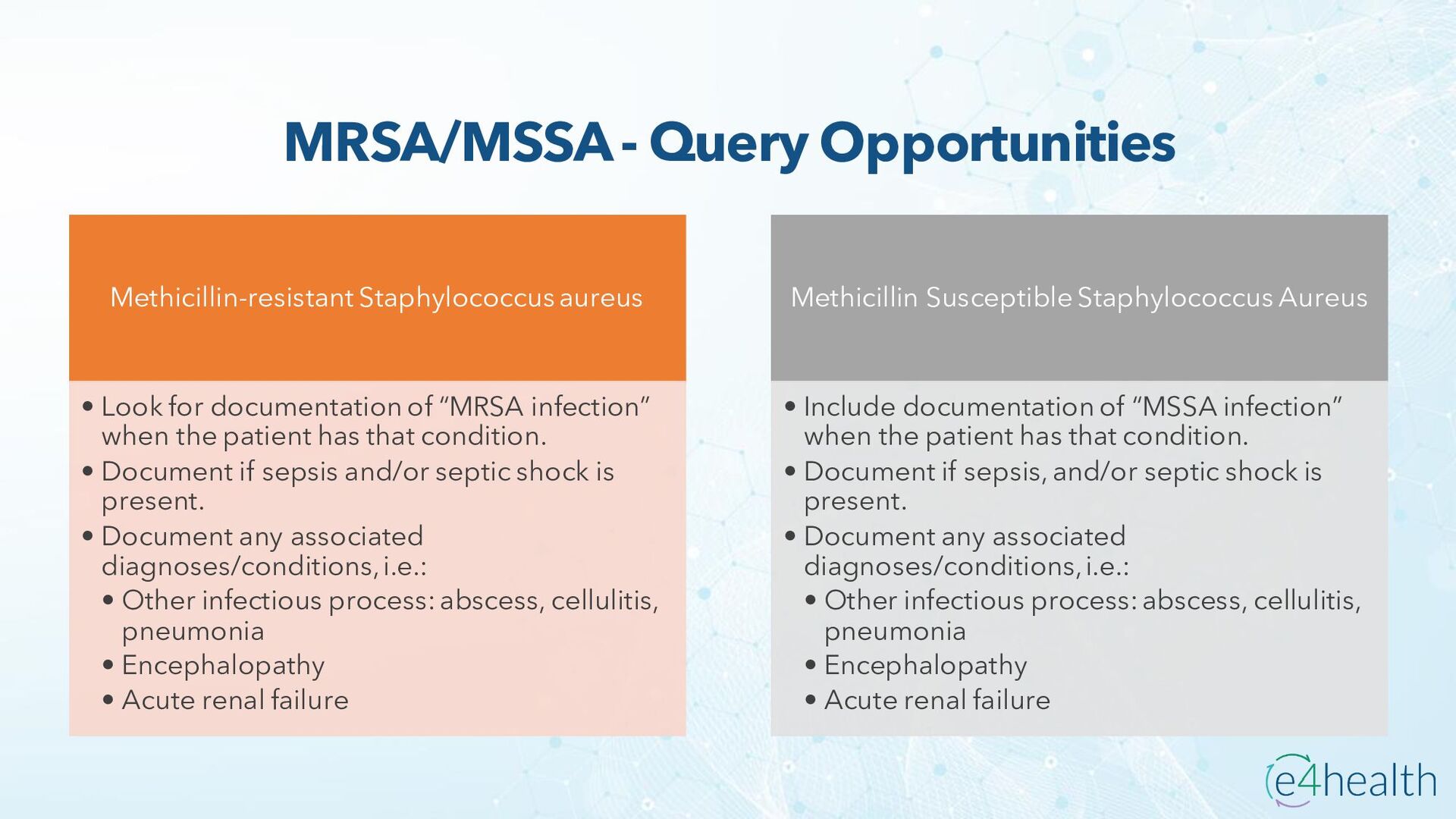
  21. MRSA/MSSA - Query Opportunities Methicillin-resistant Staphylococcus aureus • Look for

    documentation of “MRSA infection” when the patient has that condition. • Document if sepsis and/or septic shock is present. • Document any associated diagnoses/conditions, i.e.: • Other infectious process: abscess, cellulitis, pneumonia • Encephalopathy • Acute renal failure Methicillin Susceptible Staphylococcus Aureus • Include documentation of “MSSA infection” when the patient has that condition. • Document if sepsis, and/or septic shock is present. • Document any associated diagnoses/conditions, i.e.: • Other infectious process: abscess, cellulitis, pneumonia • Encephalopathy • Acute renal failure
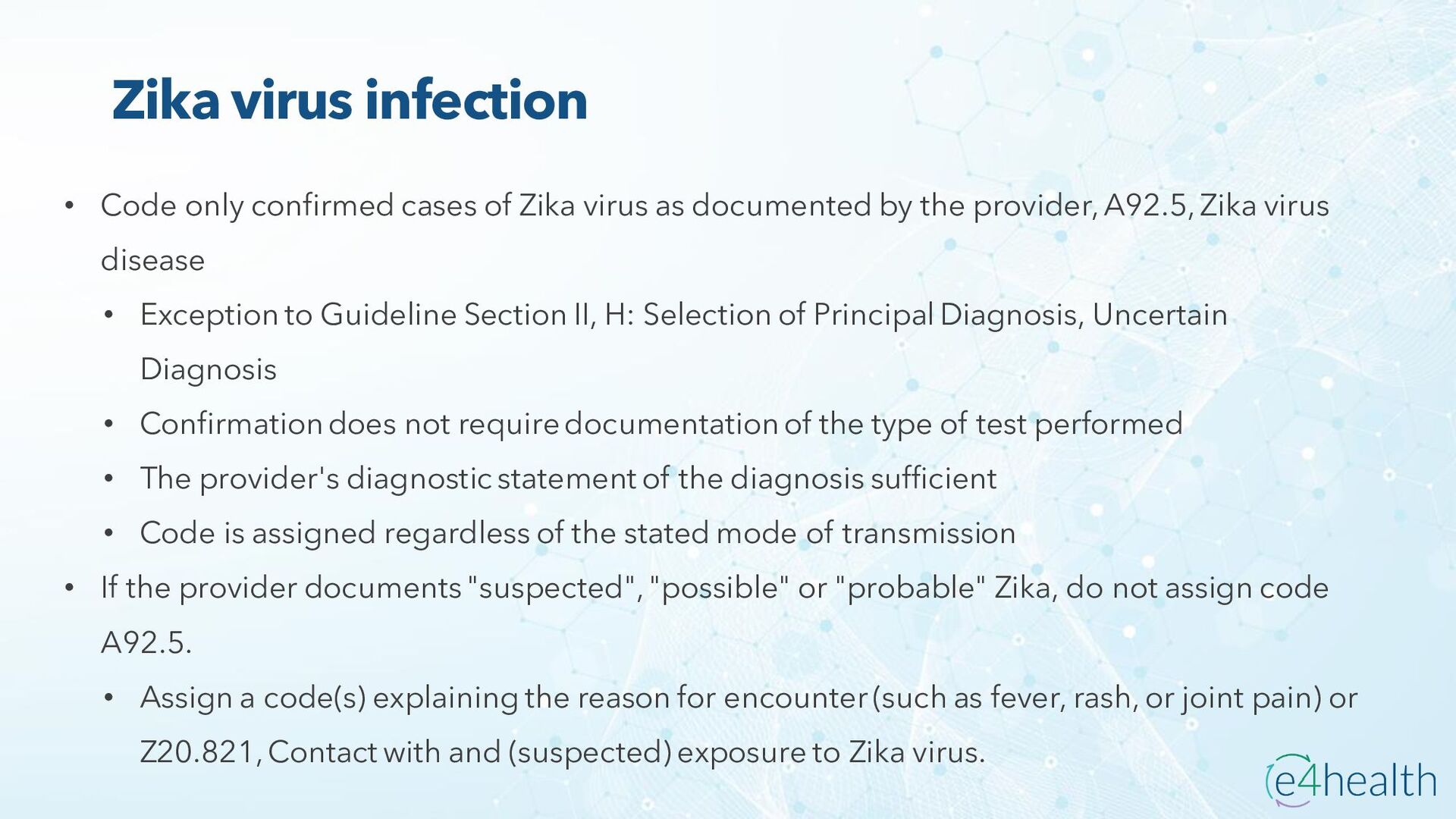
  22. Zika virus infection • Code only confirmed cases of Zika

    virus as documented by the provider, A92.5, Zika virus disease • Exception to Guideline Section II, H: Selection of Principal Diagnosis, Uncertain Diagnosis • Confirmation does not require documentation of the type of test performed • The provider's diagnostic statement of the diagnosis sufficient • Code is assigned regardless of the stated mode of transmission • If the provider documents "suspected", "possible" or "probable" Zika, do not assign code A92.5. • Assign a code(s) explaining the reason for encounter (such as fever, rash, or joint pain) or Z20.821, Contact with and (suspected) exposure to Zika virus.
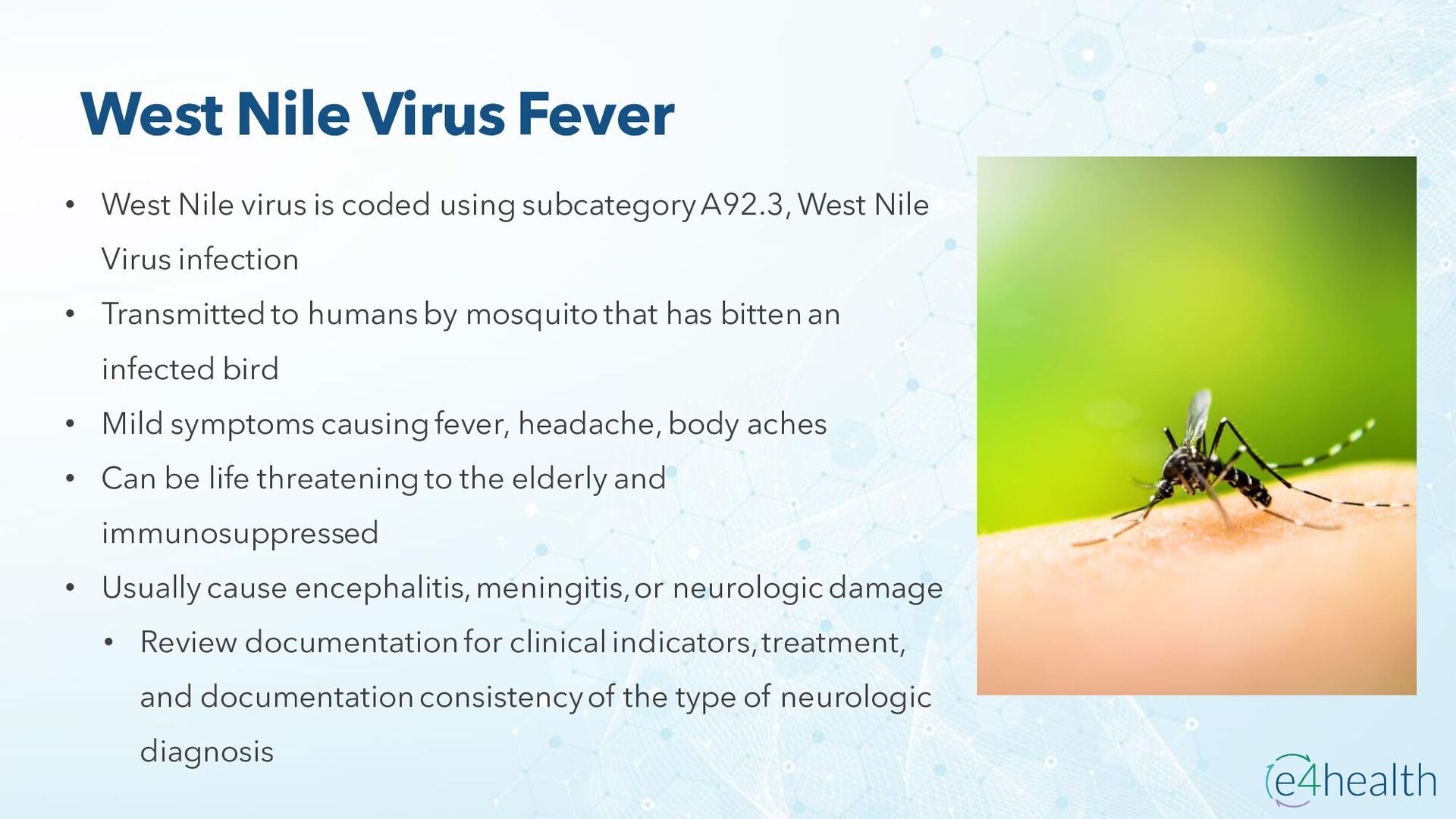
  23. West Nile Virus Fever • West Nile virus is coded

    using subcategory A92.3, West Nile Virus infection • Transmitted to humans by mosquito that has bitten an infected bird • Mild symptoms causing fever, headache, body aches • Can be life threatening to the elderly and immunosuppressed • Usually cause encephalitis, meningitis, or neurologic damage • Review documentation for clinical indicators, treatment, and documentation consistency of the type of neurologic diagnosis
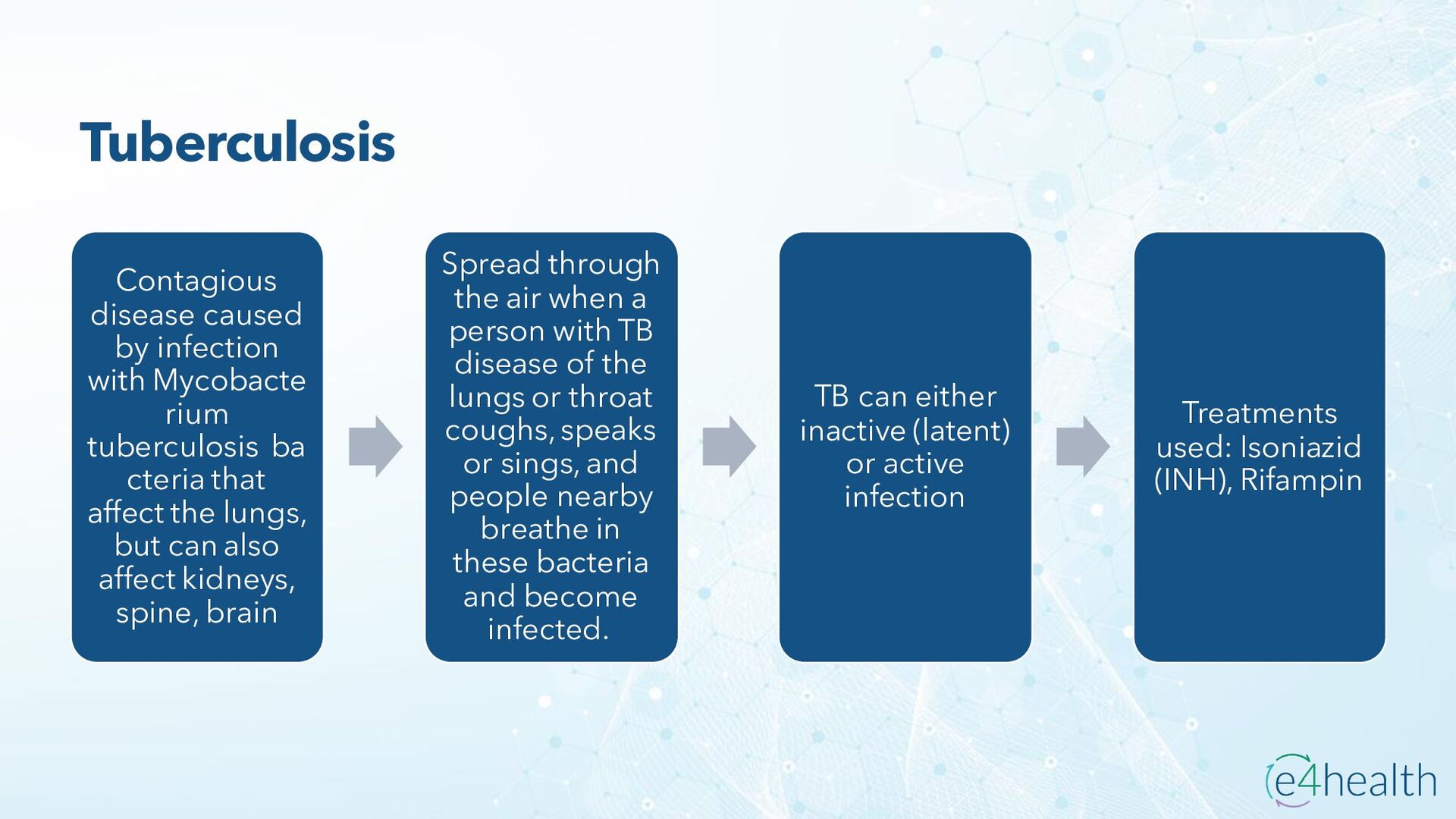
  24. Tuberculosis Contagious disease caused by infection with Mycobacte rium tuberculosis

    ba cteria that affect the lungs, but can also affect kidneys, spine, brain Spread through the air when a person with TB disease of the lungs or throat coughs, speaks or sings, and people nearby breathe in these bacteria and become infected. TB can either inactive (latent) or active infection Treatments used: Isoniazid (INH), Rifampin
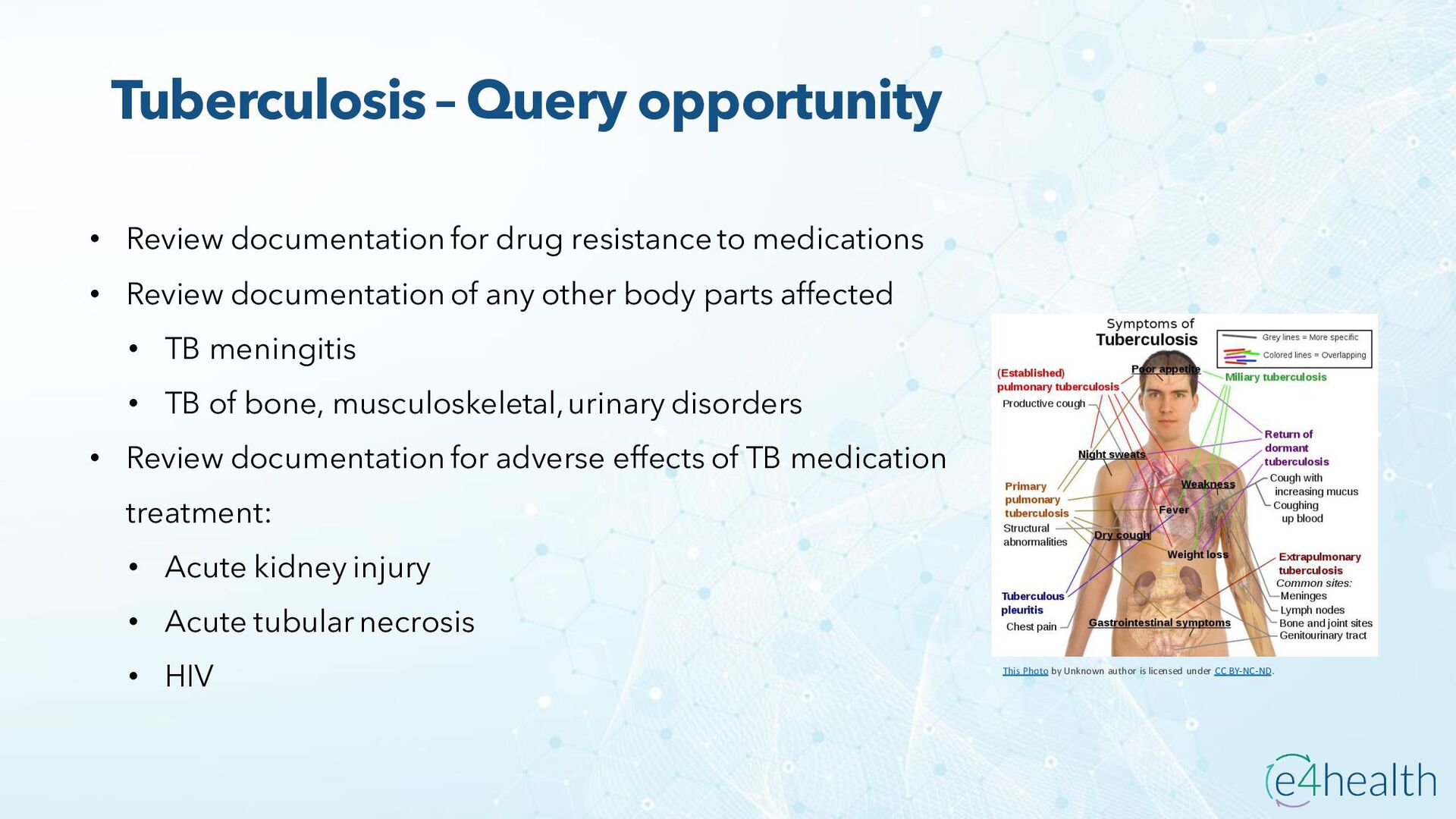
  25. Tuberculosis – Query opportunity • Review documentation for drug resistance

    to medications • Review documentation of any other body parts affected • TB meningitis • TB of bone, musculoskeletal, urinary disorders • Review documentation for adverse effects of TB medication treatment: • Acute kidney injury • Acute tubular necrosis • HIV This Photo by Unknown author is licensed under CC BY-NC-ND.
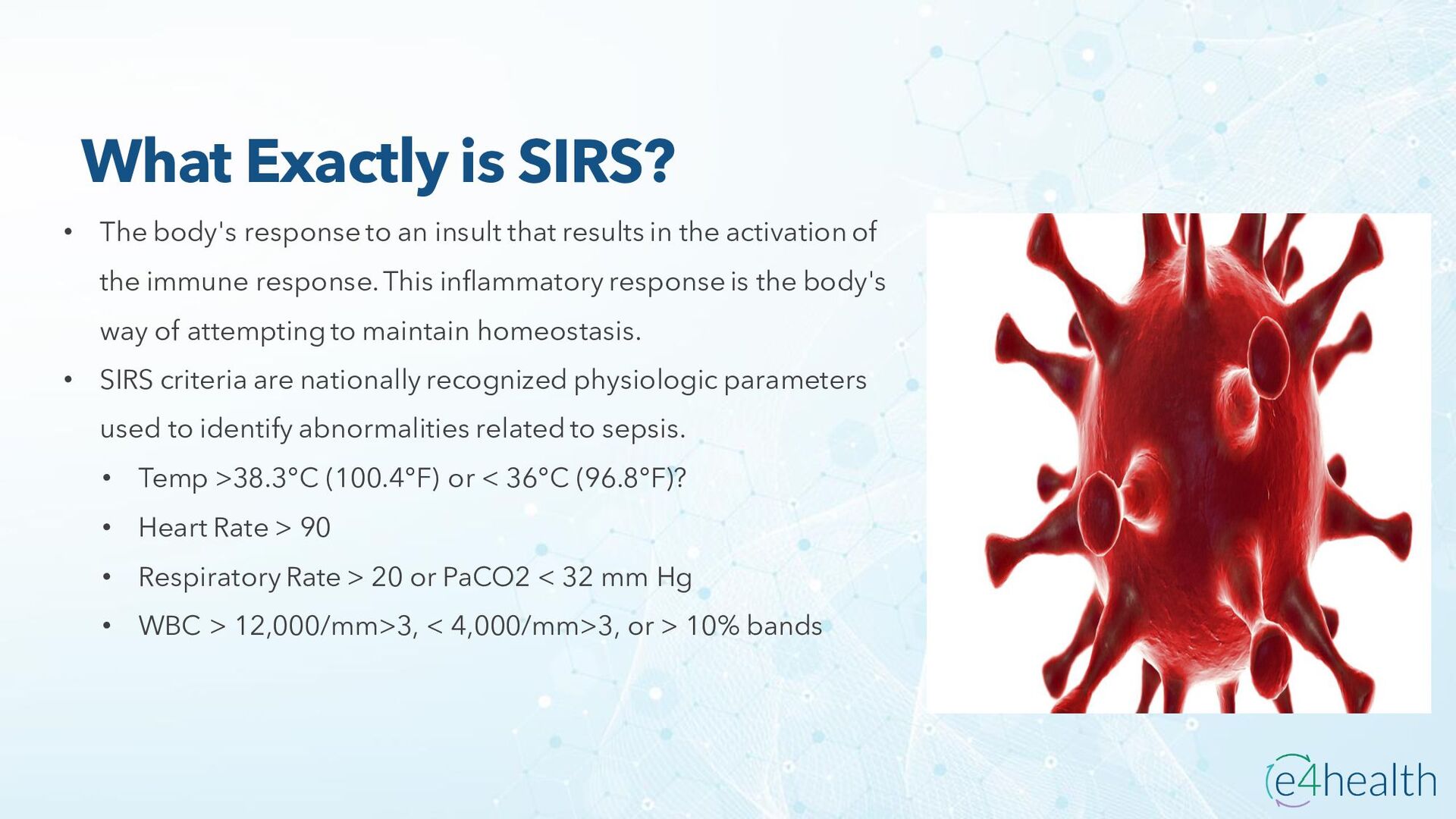
  26. What Exactly is SIRS? • The body's response to an

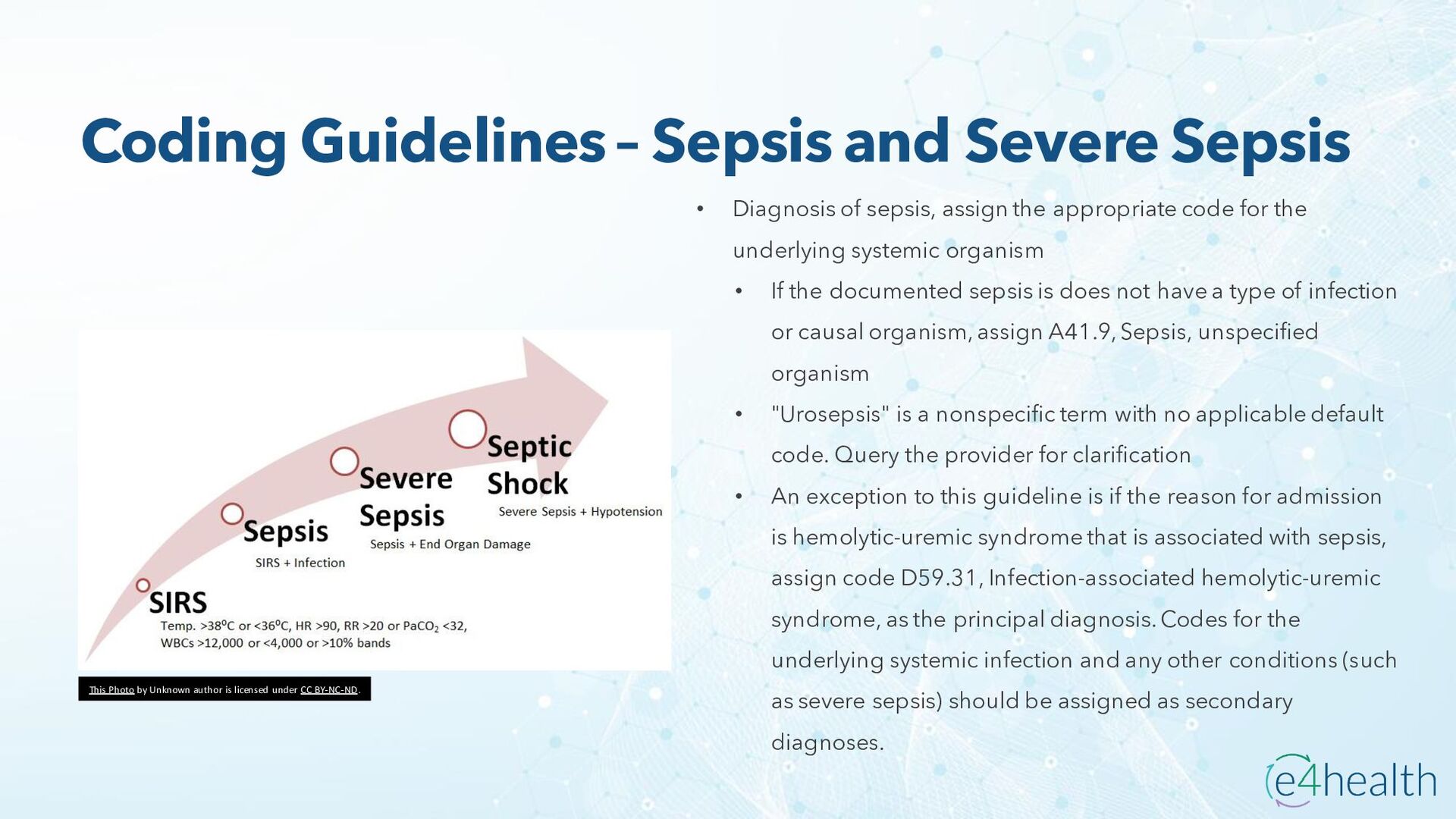
    insult that results in the activation of the immune response. This inflammatory response is the body's way of attempting to maintain homeostasis. • SIRS criteria are nationally recognized physiologic parameters used to identify abnormalities related to sepsis. • Temp >38.3°C (100.4°F) or < 36°C (96.8°F)? • Heart Rate > 90 • Respiratory Rate > 20 or PaCO2 < 32 mm Hg • WBC > 12,000/mm>3, < 4,000/mm>3, or > 10% bands
  27. What is Sepsis? Presence of ≥ 2 SIRS criteria due

    to suspected or confirmed infection Sepsis is the result of the body's overwhelming response to an infection
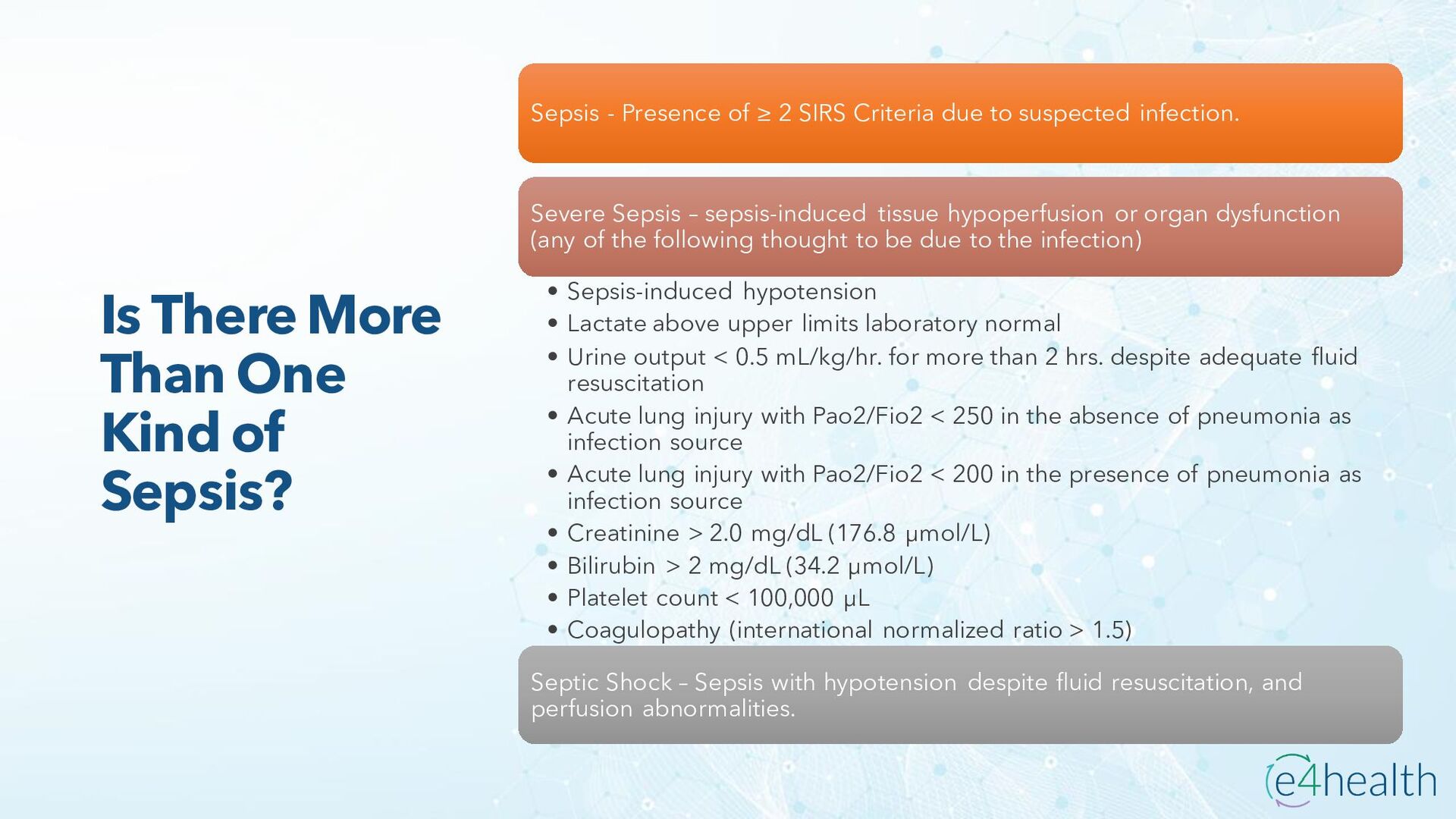
  28. Is There More Than One Kind of Sepsis? Sepsis -

    Presence of ≥ 2 SIRS Criteria due to suspected infection. Severe Sepsis – sepsis-induced tissue hypoperfusion or organ dysfunction (any of the following thought to be due to the infection) • Sepsis-induced hypotension • Lactate above upper limits laboratory normal • Urine output < 0.5 mL/kg/hr. for more than 2 hrs. despite adequate fluid resuscitation • Acute lung injury with Pao2/Fio2 < 250 in the absence of pneumonia as infection source • Acute lung injury with Pao2/Fio2 < 200 in the presence of pneumonia as infection source • Creatinine > 2.0 mg/dL (176.8 μmol/L) • Bilirubin > 2 mg/dL (34.2 μmol/L) • Platelet count < 100,000 μL • Coagulopathy (international normalized ratio > 1.5) Septic Shock – Sepsis with hypotension despite fluid resuscitation, and perfusion abnormalities.
  29. Coding Guidelines – Sepsis and Severe Sepsis • Diagnosis of

    sepsis, assign the appropriate code for the underlying systemic organism • If the documented sepsis is does not have a type of infection or causal organism, assign A41.9, Sepsis, unspecified organism • "Urosepsis" is a nonspecific term with no applicable default code. Query the provider for clarification • An exception to this guideline is if the reason for admission is hemolytic-uremic syndrome that is associated with sepsis, assign code D59.31, Infection-associated hemolytic-uremic syndrome, as the principal diagnosis. Codes for the underlying systemic infection and any other conditions (such as severe sepsis) should be assigned as secondary diagnoses. This Photo by Unknown author is licensed under CC BY-NC-ND.
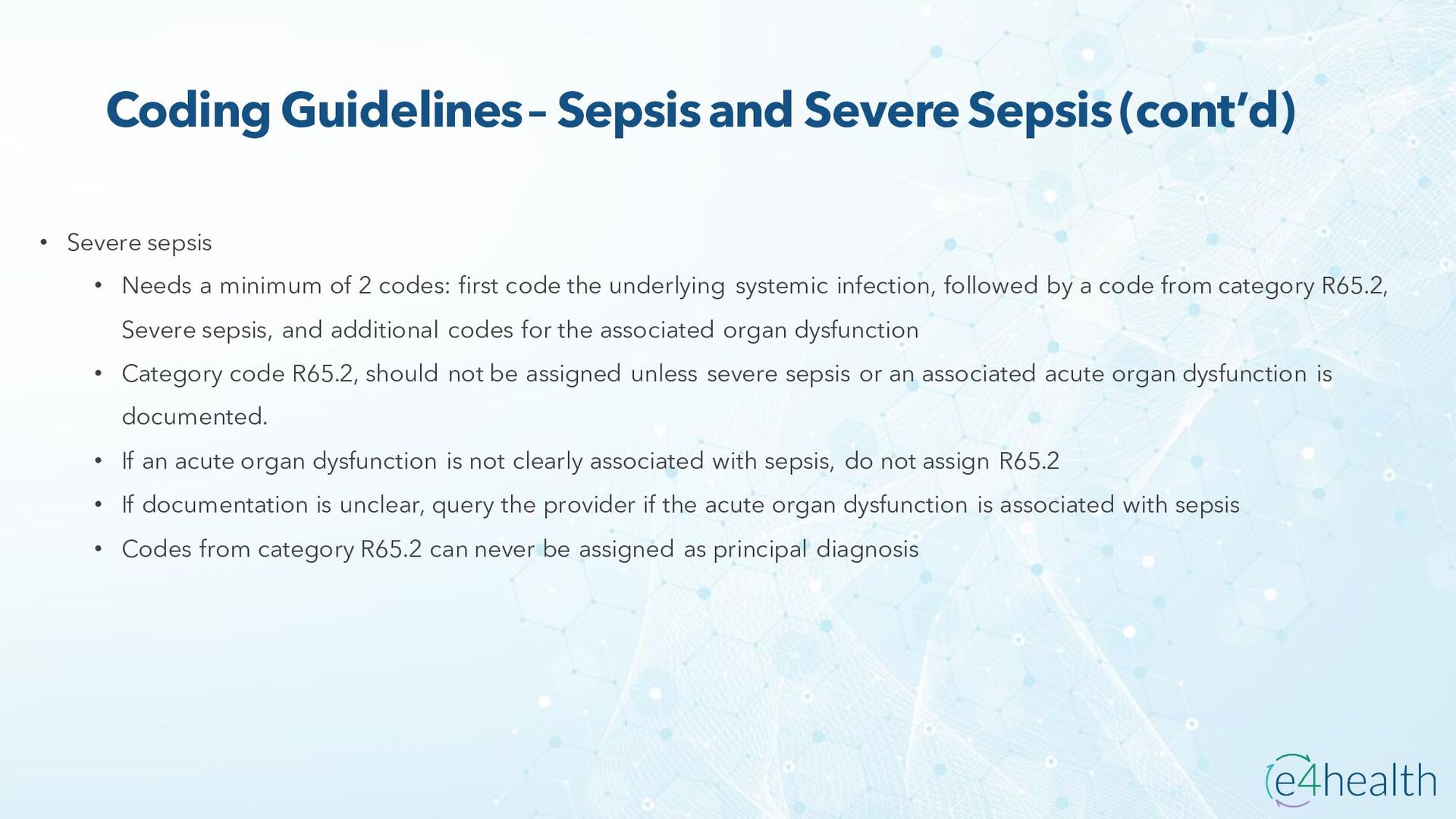
  30. Coding Guidelines – Sepsis and Severe Sepsis (cont’d) • Severe

    sepsis • Needs a minimum of 2 codes: first code the underlying systemic infection, followed by a code from category R65.2, Severe sepsis, and additional codes for the associated organ dysfunction • Category code R65.2, should not be assigned unless severe sepsis or an associated acute organ dysfunction is documented. • If an acute organ dysfunction is not clearly associated with sepsis, do not assign R65.2 • If documentation is unclear, query the provider if the acute organ dysfunction is associated with sepsis • Codes from category R65.2 can never be assigned as principal diagnosis
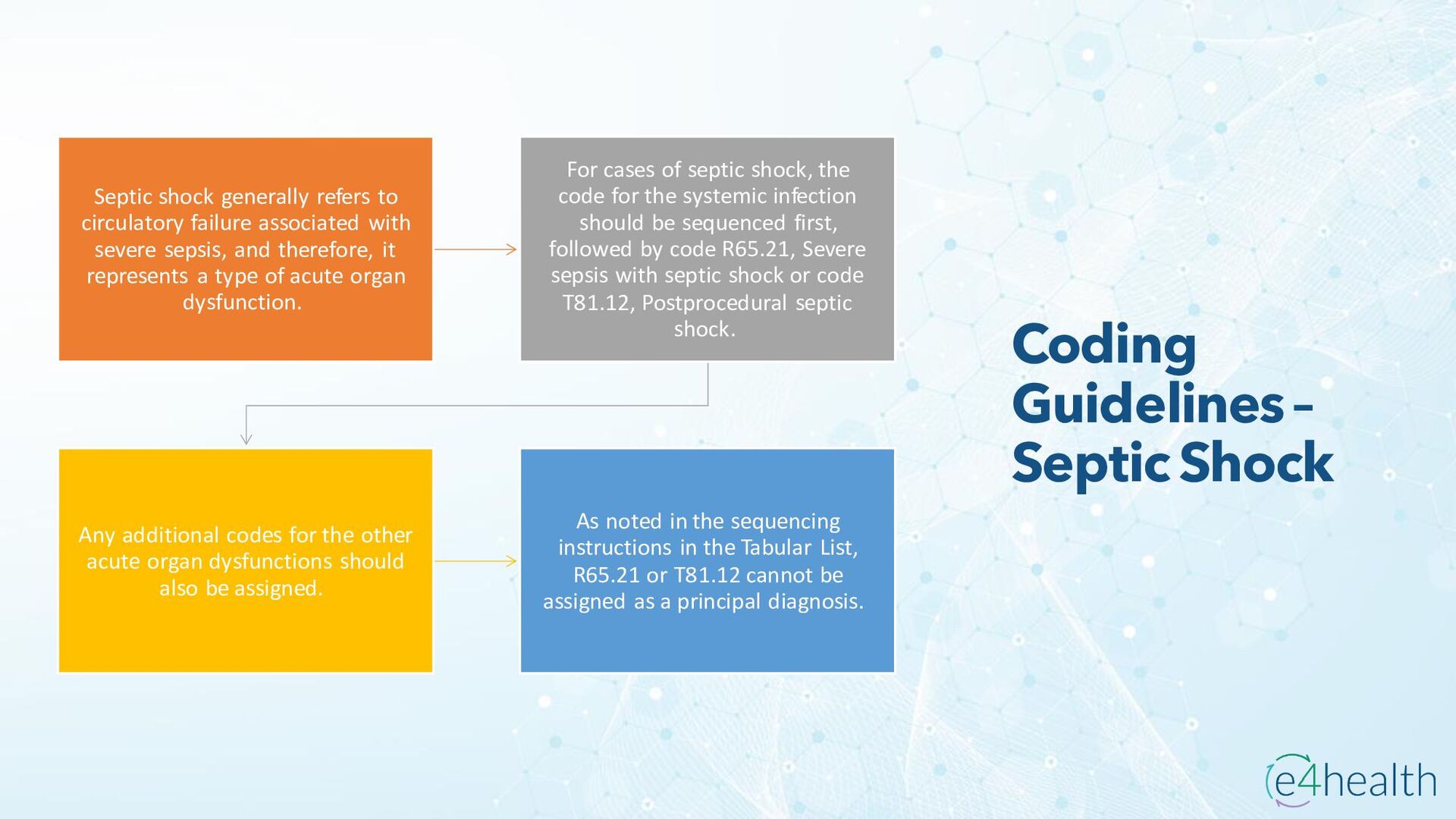
  31. Coding Guidelines – Septic Shock Septic shock generally refers to

    circulatory failure associated with severe sepsis, and therefore, it represents a type of acute organ dysfunction. For cases of septic shock, the code for the systemic infection should be sequenced first, followed by code R65.21, Severe sepsis with septic shock or code T81.12, Postprocedural septic shock. Any additional codes for the other acute organ dysfunctions should also be assigned. As noted in the sequencing instructions in the Tabular List, R65.21 or T81.12 cannot be assigned as a principal diagnosis.
  32. Coding Guidelines – Sepsis or Severe Sepsis with Localized Infection

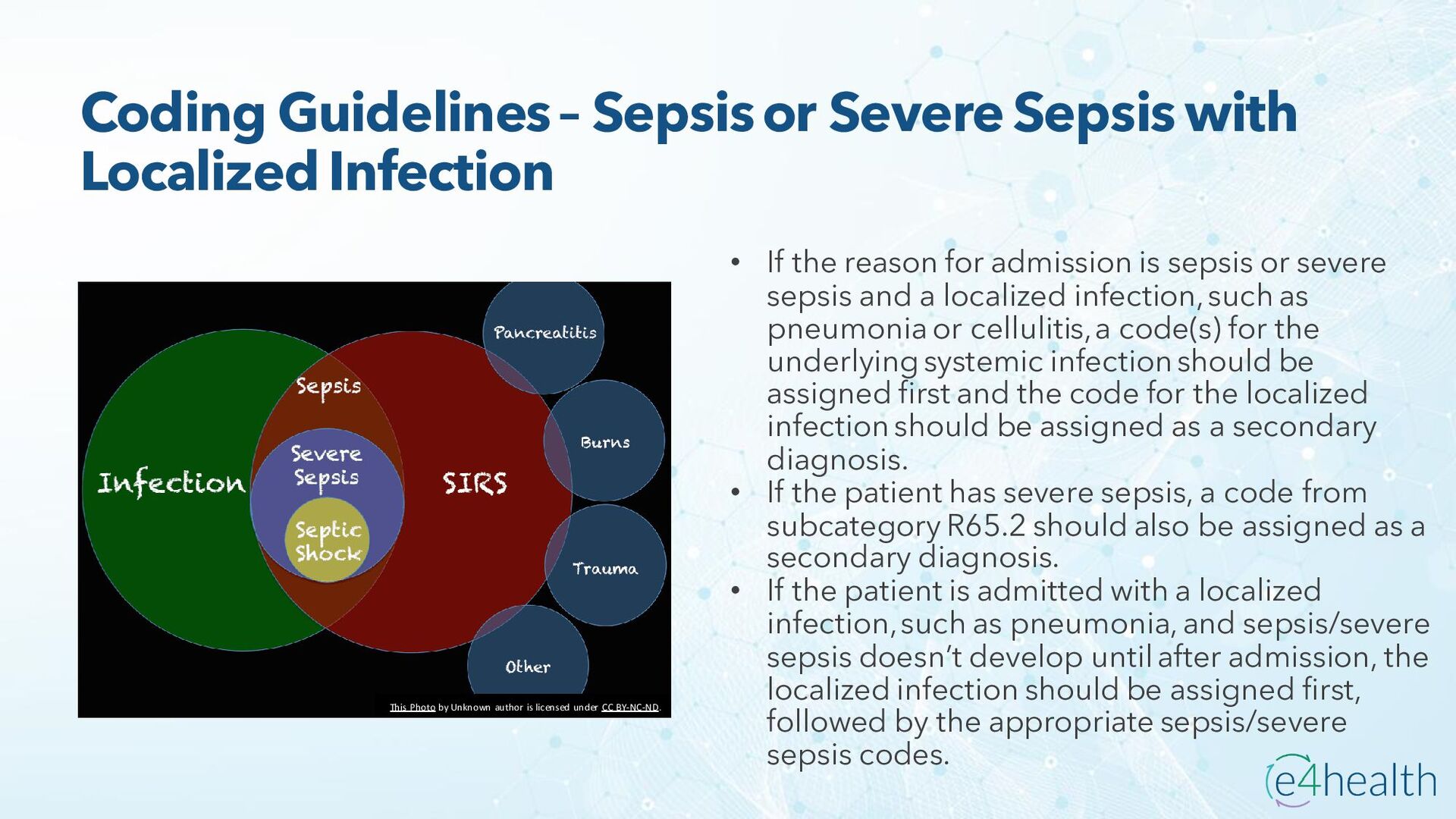
    • If the reason for admission is sepsis or severe sepsis and a localized infection, such as pneumonia or cellulitis, a code(s) for the underlying systemic infection should be assigned first and the code for the localized infection should be assigned as a secondary diagnosis. • If the patient has severe sepsis, a code from subcategory R65.2 should also be assigned as a secondary diagnosis. • If the patient is admitted with a localized infection, such as pneumonia, and sepsis/severe sepsis doesn’t develop until after admission, the localized infection should be assigned first, followed by the appropriate sepsis/severe sepsis codes. This Photo by Unknown author is licensed under CC BY-NC-ND.
  33. Coding Guidelines – Sepsis due to Postprocedural Infection • Provider

    documentation must state a relationship between the infection and the procedure • If unclear, query the provider if the infection/sepsis is due to the procedure • Code from T81.41, to T81.43 Infection following a procedure, or a code from O86.00 to O86.03, Infection of obstetric surgical wound, that identifies the site of the infection should be sequenced first, if known. • Assign an additional code for sepsis following a procedure (T81.44) or sepsis following an obstetrical procedure (O86.04). • Use an additional code to identify the infectious agent. • If the patient has severe sepsis, the appropriate code from subcategory R65.2 should also be assigned with the additional code(s) for any acute organ dysfunction • If the postprocedural infection has resulted in postprocedural septic shock, follow guidance above and assign the code T81.12-, Postprocedural septic shock. • Do not assign code R65.21, Severe sepsis with septic shock.
  34. Coding Guidelines – Sepsis due to Infusion, Transfusion, Therapeutic Injection,

    or Immunization Code from subcategory T80.2, Infections following infusion, transfusion, and therapeutic injection, or code T88.0-, Infection following immunization, should be coded first, followed by the code for the specific infection. If the patient has severe sepsis, the appropriate code from subcategory R65.2 should also be assigned, with the additional codes(s) for any acute organ dysfunction.
  35. SIRS Due to a Non-Infectious Process • The systemic inflammatory

    response syndrome (SIRS) can develop because of certain non-infectious disease processes, such as trauma, malignant neoplasm, or pancreatitis. • When SIRS is documented with a noninfectious condition, and no subsequent infection is documented, the code for the underlying condition, such as an injury, should be assigned, followed by code R65.10, Systemic inflammatory response syndrome (SIRS) of non-infectious origin without acute organ dysfunction, or code R65.11, Systemic inflammatory response syndrome (SIRS) of non-infectious origin with acute organ dysfunction. • If an associated acute organ dysfunction is documented, the appropriate code(s) for the specific type of organ dysfunction(s) should be assigned in addition to code R65.11. If acute organ dysfunction is documented, but it cannot be determined if the acute organ dysfunction is associated with SIRS or due to another condition (e.g., directly due to the trauma), the provider should be queried.
  36. Sepsis and severe sepsis - Query opportunity • Determine if

    clinical findings can justify: • Bacteremia (positive blood cultures only) • Urosepsis (NO code for this terminology in ICD-10) -- MUST specify sepsis with UTI versus UTI only • Sepsis - specify “suspected” causative organism if known based on treatment • Sepsis due to: • Device • Implant • Graft • Infusion • Abortion
  37. Sepsis and severe sepsis - Query opportunity, continued • Determine

    if clinical findings can justify: • Severe sepsis - sepsis with organ dysfunction • Specify organ dysfunction, i.e. : • Respiratory failure • Encephalopathy • Acute kidney failure • SIRS (Systemic Inflammatory Response Syndrome) • With or without organ dysfunction • If unable to determine, query provider if organ dysfunction is due to SIRS or another process • Review and query if septic shock is present • Review and query any associated diagnoses/conditions, i.e.: • Acute renal failure • Encephalopathy • Acute respiratory failure
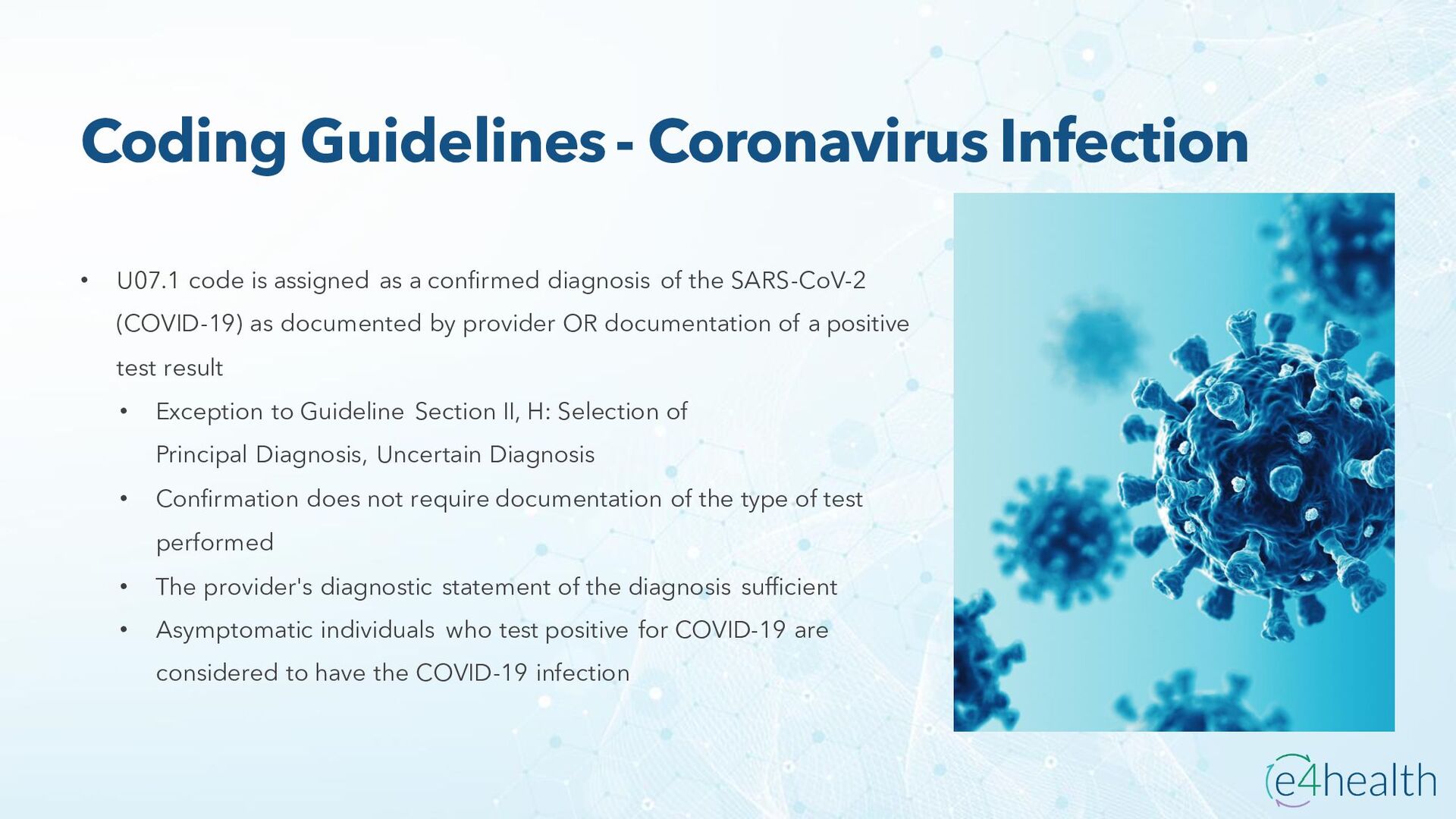
  38. Coding Guidelines - Coronavirus Infection • U07.1 code is assigned

    as a confirmed diagnosis of the SARS-CoV-2 (COVID-19) as documented by provider OR documentation of a positive test result • Exception to Guideline Section II, H: Selection of Principal Diagnosis, Uncertain Diagnosis • Confirmation does not require documentation of the type of test performed • The provider's diagnostic statement of the diagnosis sufficient • Asymptomatic individuals who test positive for COVID-19 are considered to have the COVID-19 infection
  39. Coding Guidelines - Coronavirus Infection (CONT’D) • If the provider

    documents "suspected," "possible," "probable," or “inconclusive” COVID-19, do not assign code U07.1. • Instead, patients presenting with any signs/symptoms associated with COVID-19 (such as fever, etc.) but a definitive diagnosis has not been established, assign the appropriate code(s) for each of the presenting signs and symptoms such as: • R05.1, Acute cough, or R05.9, Cough, unspecified • R06.02 Shortness of breath • R50.9 Fever, unspecified
  40. Coding Guidelines – Sequencing COVID-19 • Assign U07.1, COVID-19, if

    it meets the definition of principal diagnosis, followed by any associated manifestations • Exception to guideline: When another diagnosis per ICD-10-CM Official Coding Guidelines requires certain codes to be sequenced first, such as obstetrics, sepsis, or transplanted complications
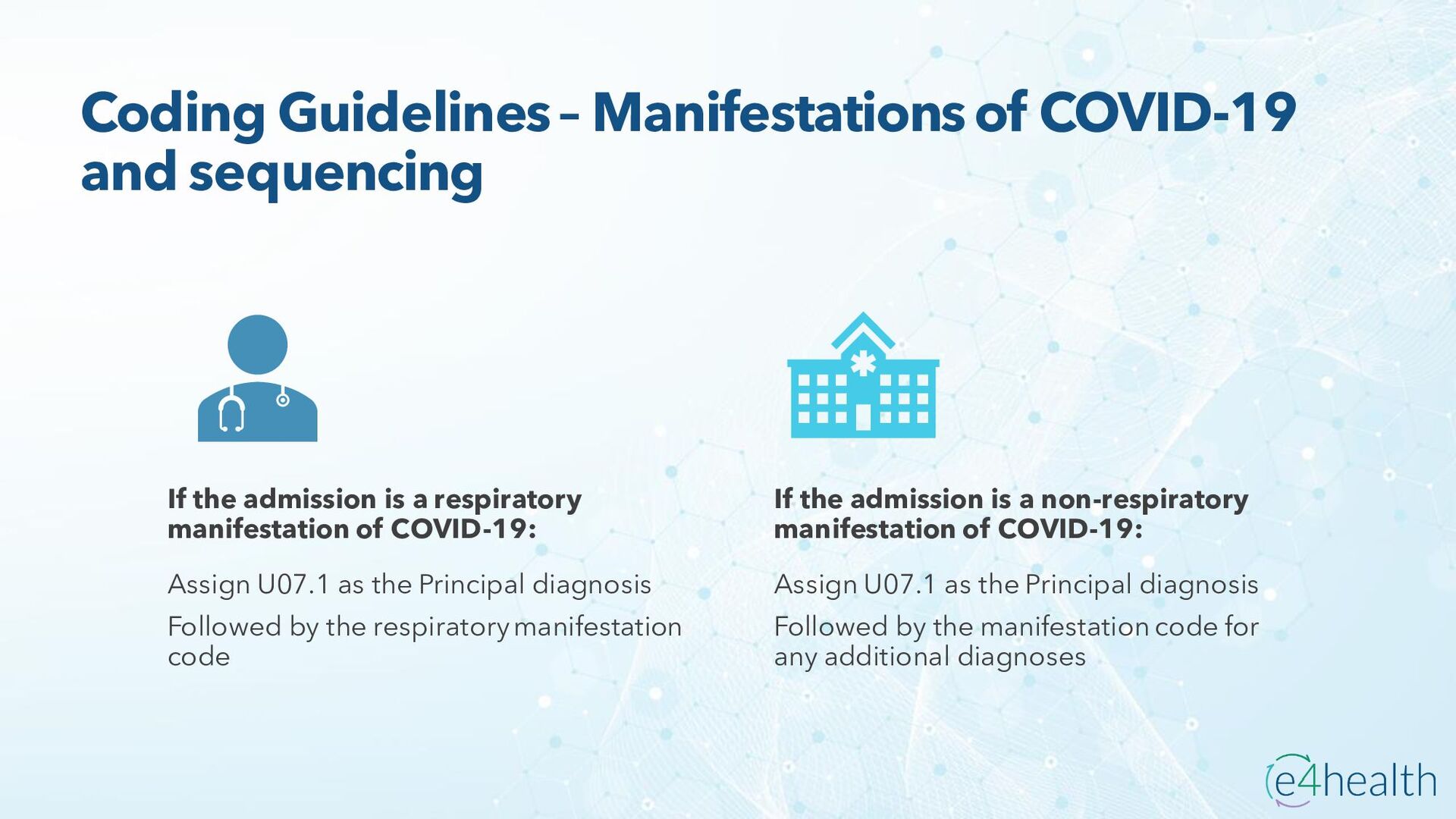
  41. Coding Guidelines – Manifestations of COVID-19 and sequencing If the

    admission is a respiratory manifestation of COVID-19: Assign U07.1 as the Principal diagnosis Followed by the respiratory manifestation code If the admission is a non-respiratory manifestation of COVID-19: Assign U07.1 as the Principal diagnosis Followed by the manifestation code for any additional diagnoses
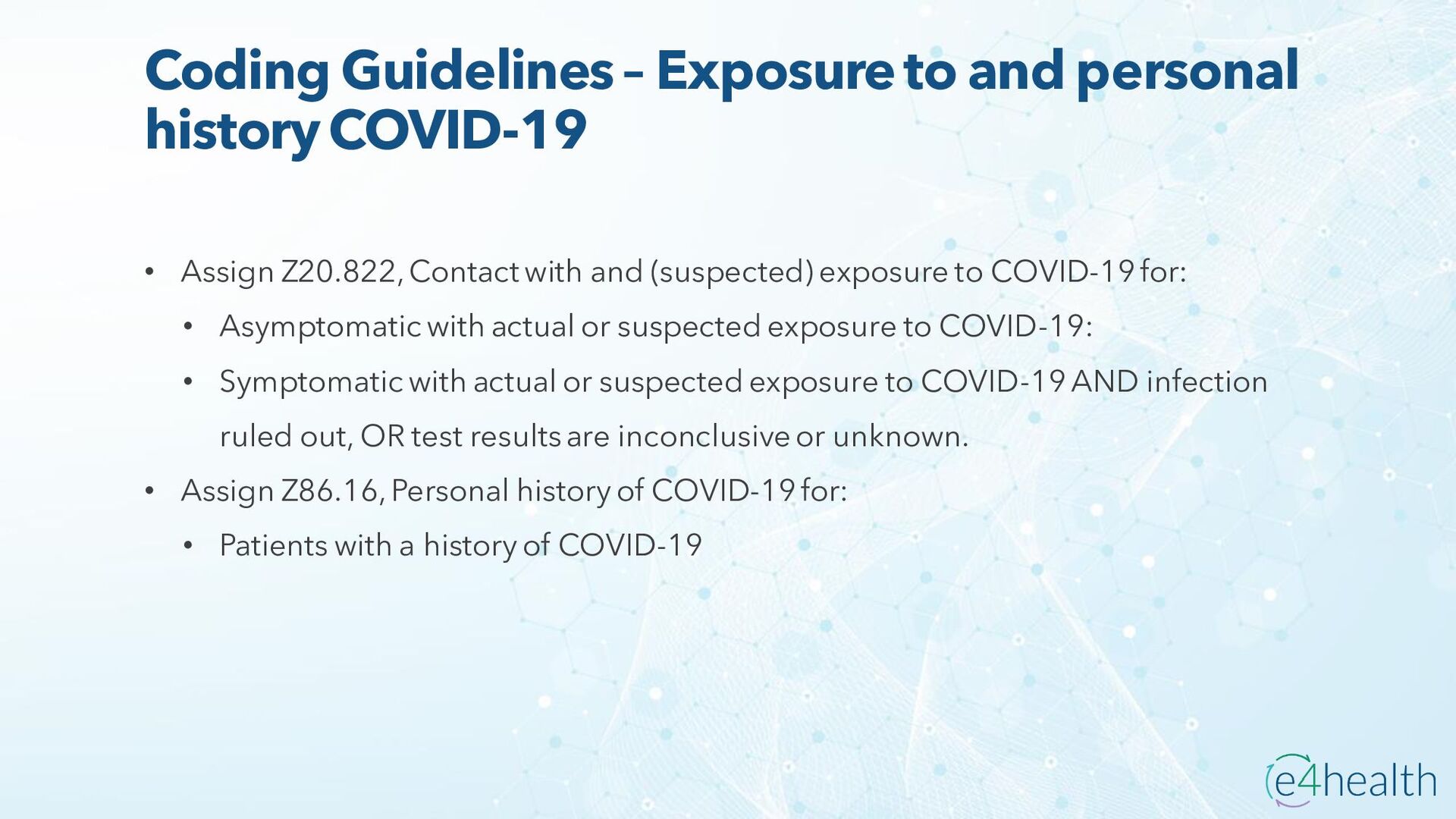
  42. Coding Guidelines – Exposure to and personal history COVID-19 •

    Assign Z20.822, Contact with and (suspected) exposure to COVID-19 for: • Asymptomatic with actual or suspected exposure to COVID-19: • Symptomatic with actual or suspected exposure to COVID-19 AND infection ruled out, OR test results are inconclusive or unknown. • Assign Z86.16, Personal history of COVID-19 for: • Patients with a history of COVID-19
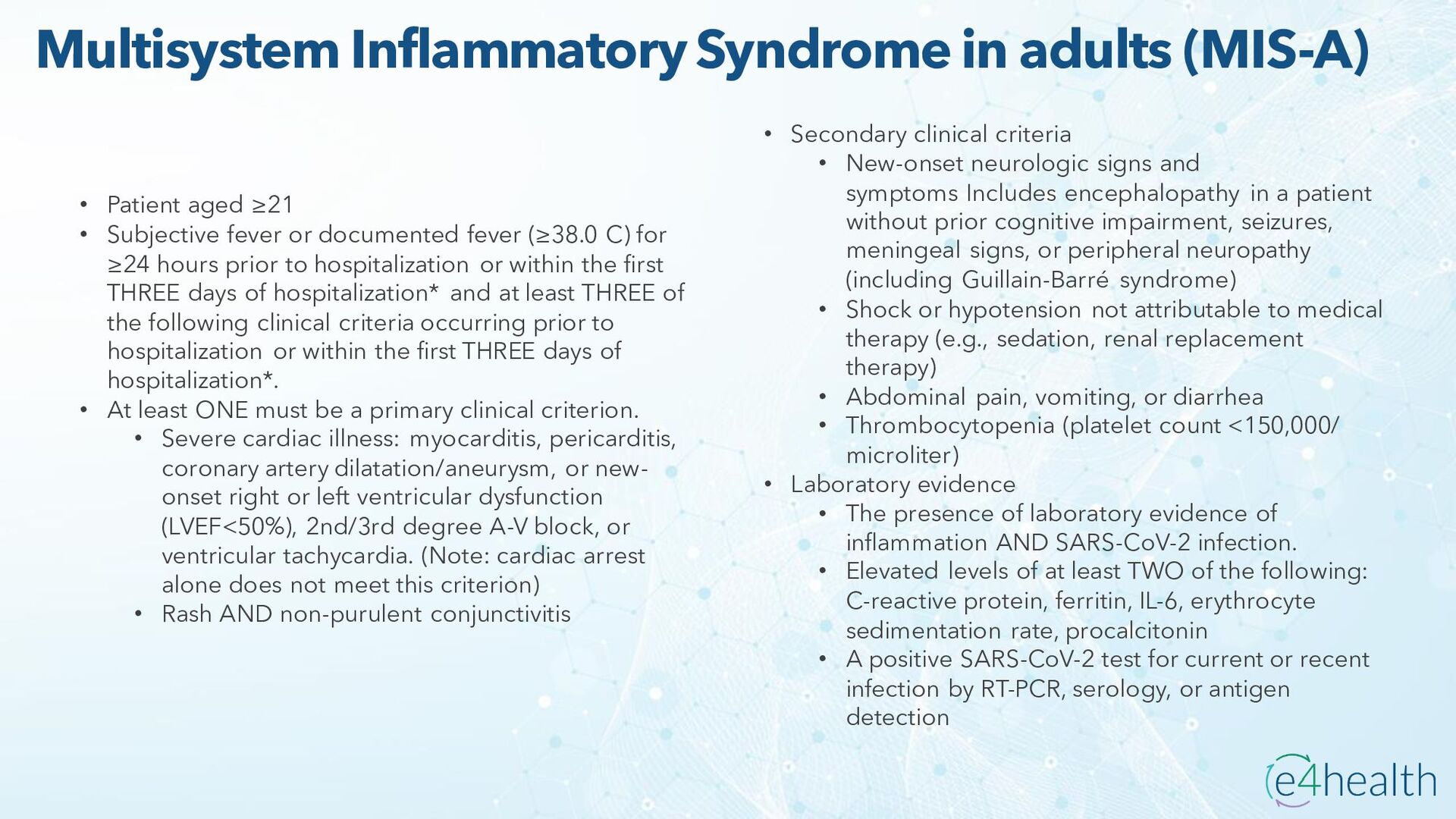
  43. Multisystem Inflammatory Syndrome in adults (MIS-A) • Patient aged ≥21

    • Subjective fever or documented fever (≥38.0 C) for ≥24 hours prior to hospitalization or within the first THREE days of hospitalization* and at least THREE of the following clinical criteria occurring prior to hospitalization or within the first THREE days of hospitalization*. • At least ONE must be a primary clinical criterion. • Severe cardiac illness: myocarditis, pericarditis, coronary artery dilatation/aneurysm, or new- onset right or left ventricular dysfunction (LVEF<50%), 2nd/3rd degree A-V block, or ventricular tachycardia. (Note: cardiac arrest alone does not meet this criterion) • Rash AND non-purulent conjunctivitis • Secondary clinical criteria • New-onset neurologic signs and symptoms Includes encephalopathy in a patient without prior cognitive impairment, seizures, meningeal signs, or peripheral neuropathy (including Guillain-Barré syndrome) • Shock or hypotension not attributable to medical therapy (e.g., sedation, renal replacement therapy) • Abdominal pain, vomiting, or diarrhea • Thrombocytopenia (platelet count <150,000/ microliter) • Laboratory evidence • The presence of laboratory evidence of inflammation AND SARS-CoV-2 infection. • Elevated levels of at least TWO of the following: C-reactive protein, ferritin, IL-6, erythrocyte sedimentation rate, procalcitonin • A positive SARS-CoV-2 test for current or recent infection by RT-PCR, serology, or antigen detection
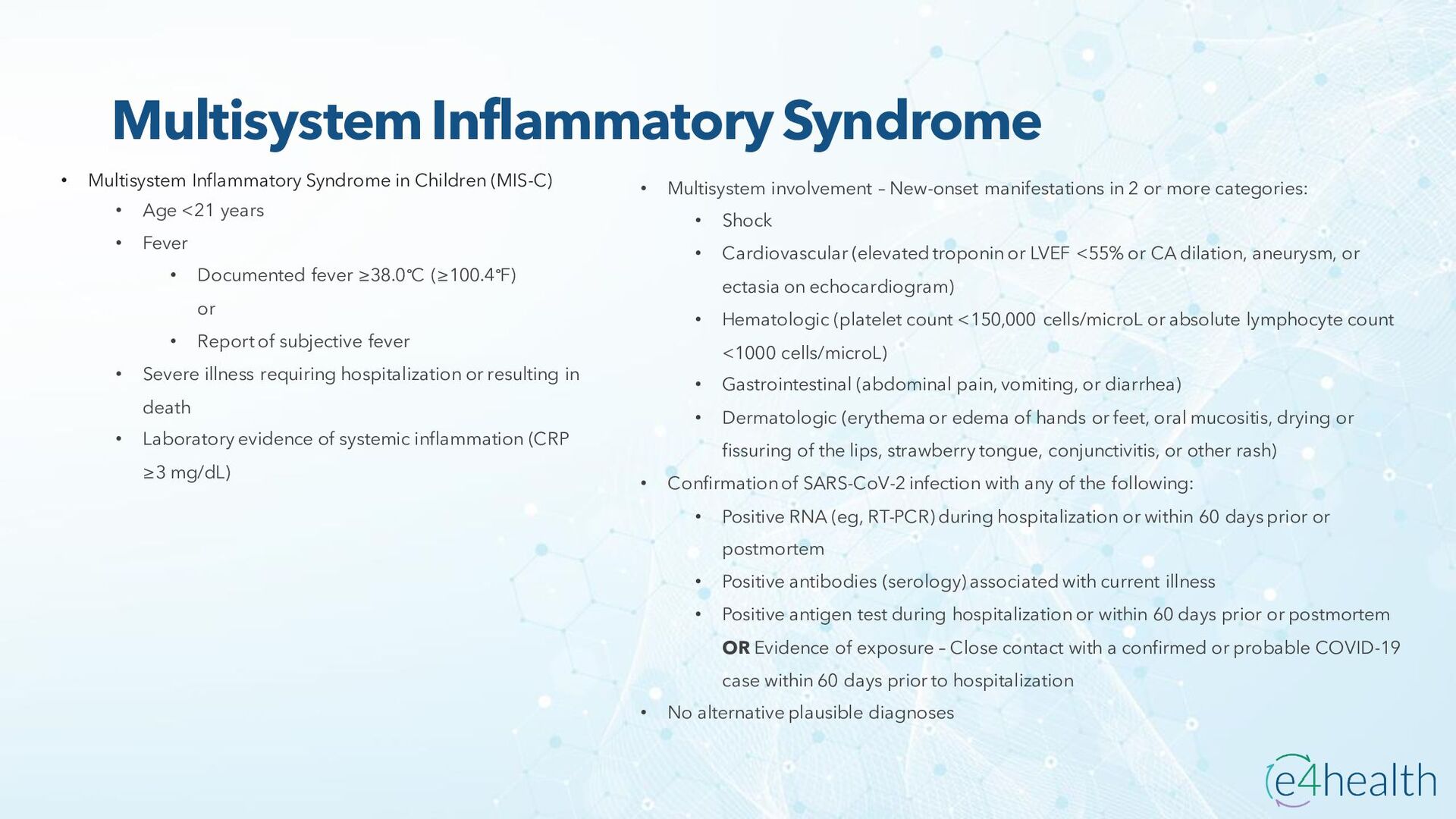
  44. Multisystem Inflammatory Syndrome • Multisystem Inflammatory Syndrome in Children (MIS-C)

    • Age <21 years • Fever • Documented fever ≥38.0°C (≥100.4°F) or • Report of subjective fever • Severe illness requiring hospitalization or resulting in death • Laboratory evidence of systemic inflammation (CRP ≥3 mg/dL) • Multisystem involvement – New-onset manifestations in 2 or more categories: • Shock • Cardiovascular (elevated troponin or LVEF <55% or CA dilation, aneurysm, or ectasia on echocardiogram) • Hematologic (platelet count <150,000 cells/microL or absolute lymphocyte count <1000 cells/microL) • Gastrointestinal (abdominal pain, vomiting, or diarrhea) • Dermatologic (erythema or edema of hands or feet, oral mucositis, drying or fissuring of the lips, strawberry tongue, conjunctivitis, or other rash) • Confirmation of SARS-CoV-2 infection with any of the following: • Positive RNA (eg, RT-PCR) during hospitalization or within 60 days prior or postmortem • Positive antibodies (serology) associated with current illness • Positive antigen test during hospitalization or within 60 days prior or postmortem OR Evidence of exposure – Close contact with a confirmed or probable COVID-19 case within 60 days prior to hospitalization • No alternative plausible diagnoses
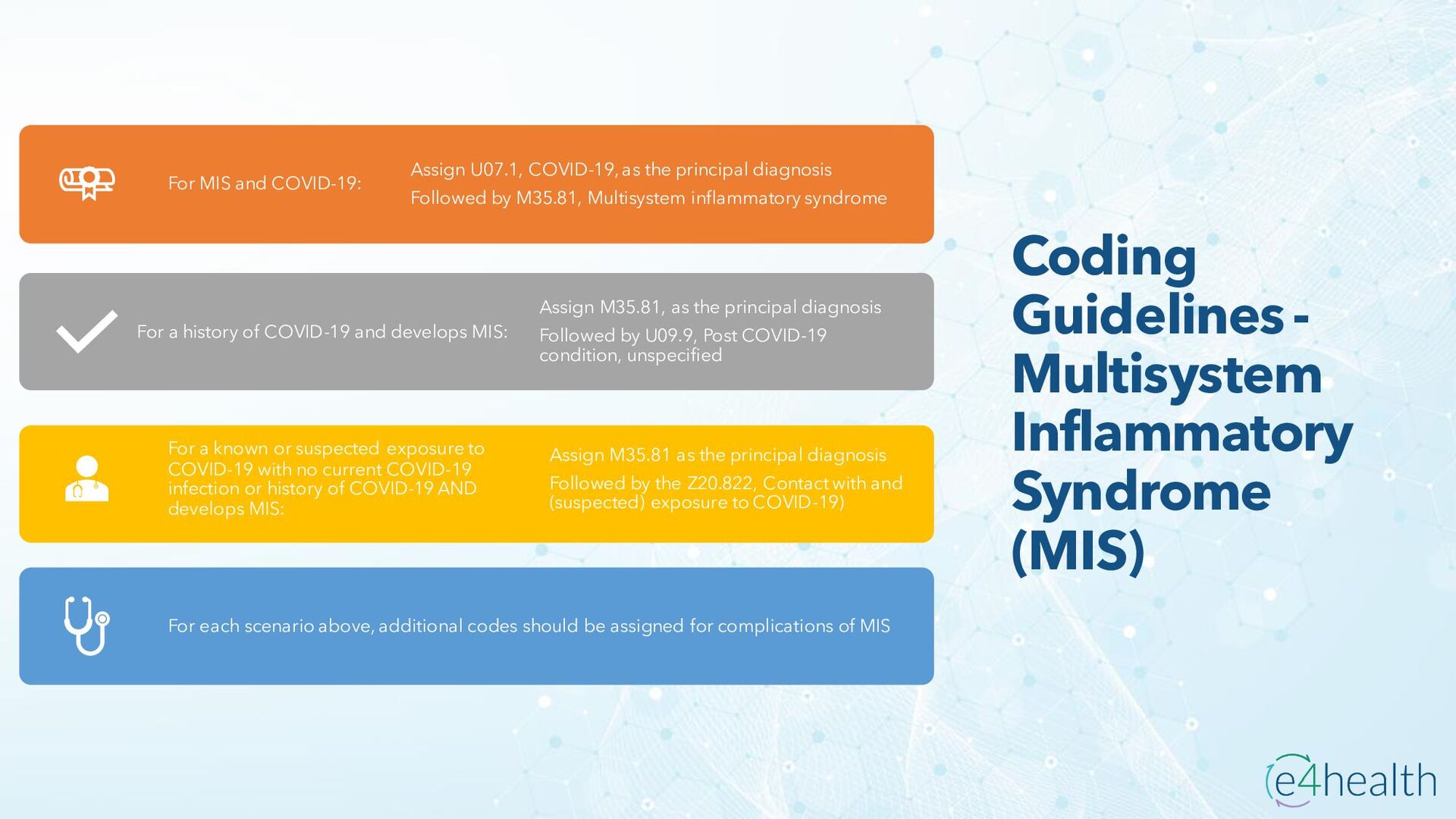
  45. Coding Guidelines - Multisystem Inflammatory Syndrome (MIS) For MIS and

    COVID-19: Assign U07.1, COVID-19, as the principal diagnosis Followed by M35.81, Multisystem inflammatory syndrome For a history of COVID-19 and develops MIS: Assign M35.81, as the principal diagnosis Followed by U09.9, Post COVID-19 condition, unspecified For a known or suspected exposure to COVID-19 with no current COVID-19 infection or history of COVID-19 AND develops MIS: Assign M35.81 as the principal diagnosis Followed by the Z20.822, Contact with and (suspected) exposure to COVID-19) For each scenario above, additional codes should be assigned for complications of MIS
  46. Coding Guidelines - Post COVID-19 Conditions • Sequela of COVID-19,

    or associated symptoms or conditions that develop following previous COVID-19: • Assign a code for specific symptom/condition related to the previous COVID-19 infection, if known • Followed by the code U09.9, Post COVID-19 condition, unspecified • UO9.9 should never be assigned for manifestations of an active (current) COVID-19 infection • Condition(s) associated with a previous COVID-19 infection and develops a new active (current) COVID-19 infection • Code U09.9 may be assigned in conjunction with code U07.1, COVID-19 • Code(s) for the specific condition(s) associated with the previous COVID-19 infection and code(s) for manifestation(s) of the new active (current) COVID-19 infection should also be assigned. This Photo by Unknown author is licensed under CC BY.
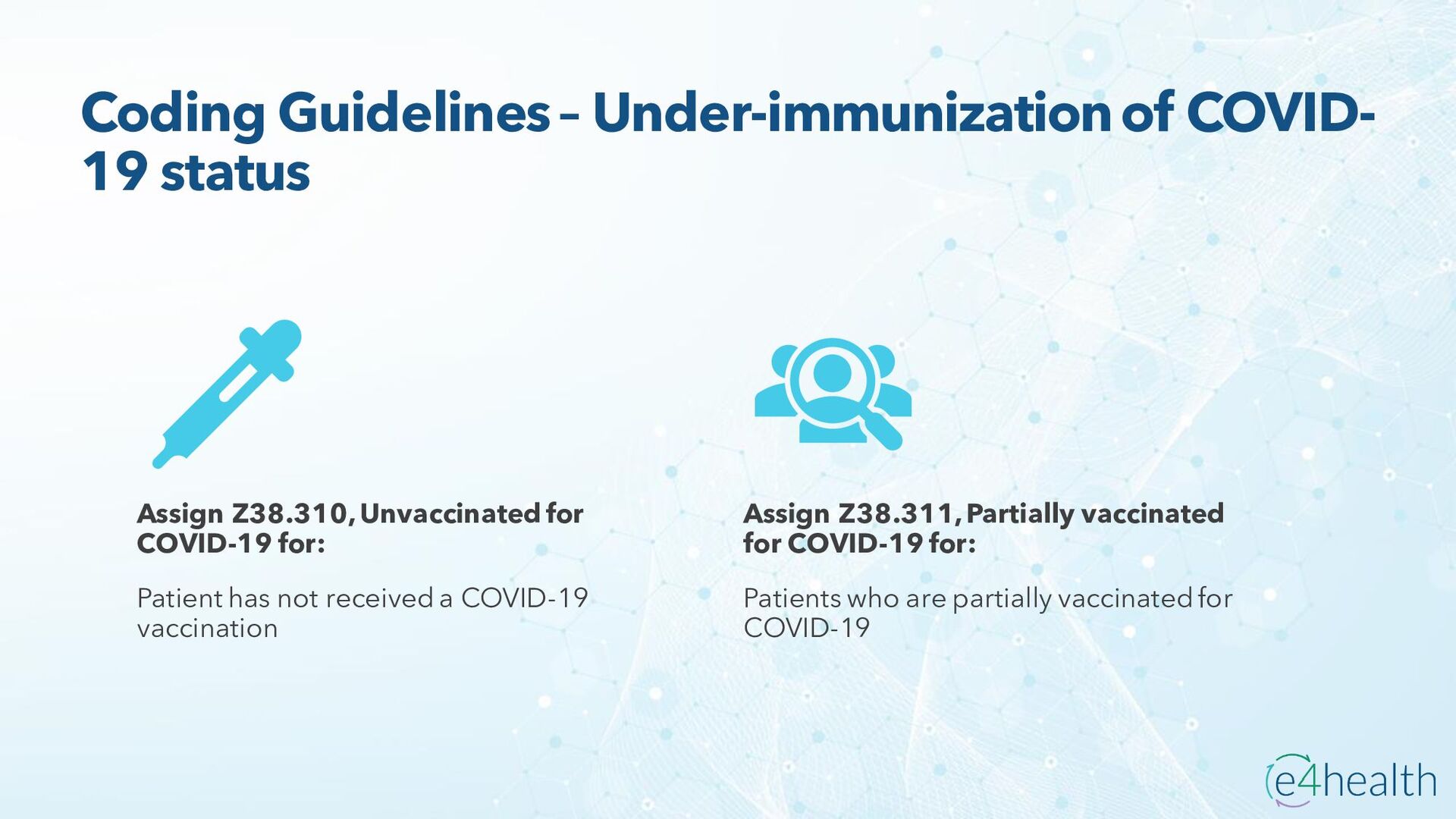
  47. Coding Guidelines – Under-immunization of COVID- 19 status Assign Z38.310,

    Unvaccinated for COVID-19 for: Patient has not received a COVID-19 vaccination Assign Z38.311, Partially vaccinated for COVID-19 for: Patients who are partially vaccinated for COVID-19
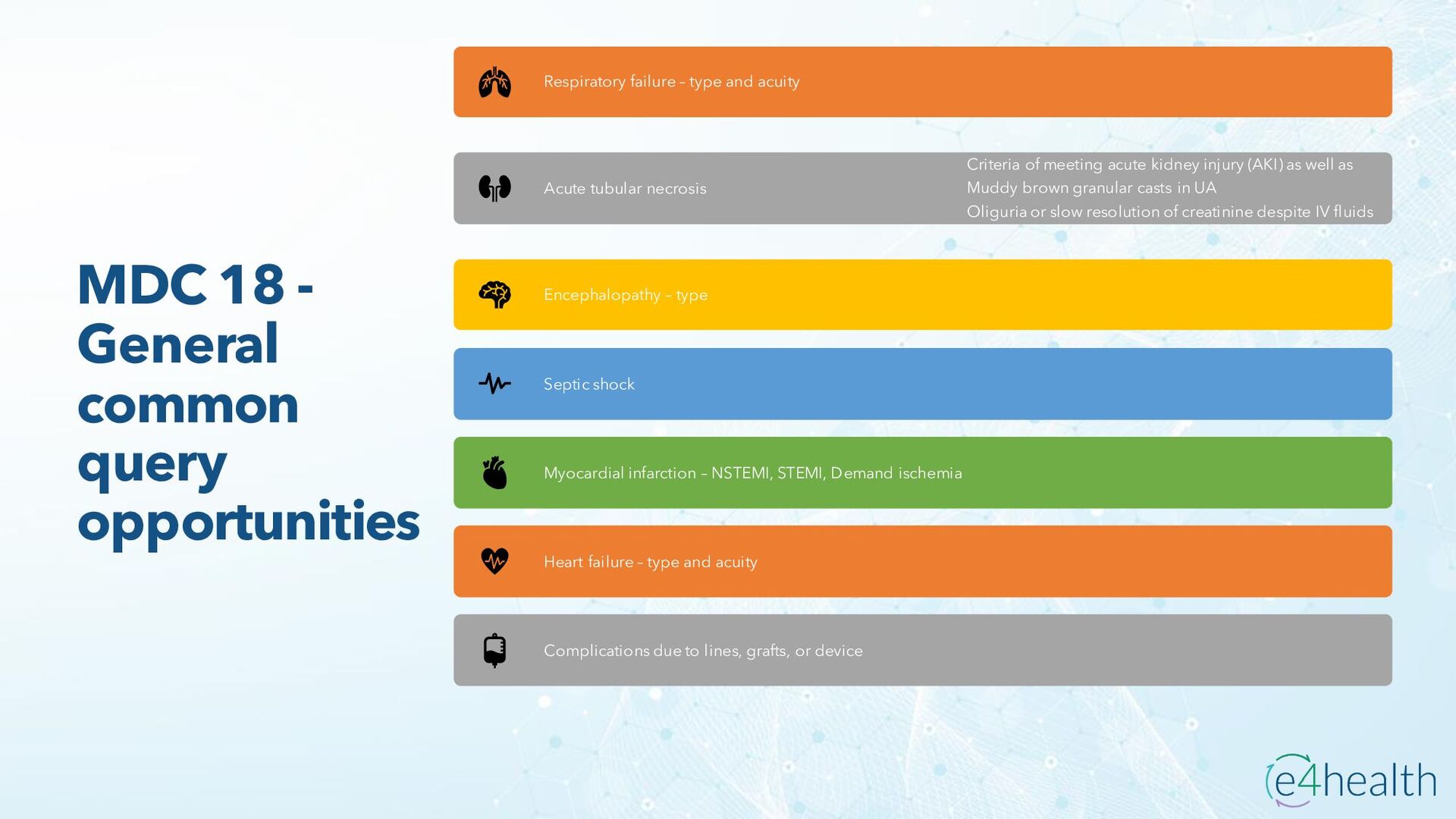
  48. MDC 18 - General common query opportunities Respiratory failure –

    type and acuity Acute tubular necrosis Criteria of meeting acute kidney injury (AKI) as well as Muddy brown granular casts in UA Oliguria or slow resolution of creatinine despite IV fluids Encephalopathy – type Septic shock Myocardial infarction – NSTEMI, STEMI, Demand ischemia Heart failure – type and acuity Complications due to lines, grafts, or device
  49. MS-DRGS 853, 854, 855 INFECTIOUS AND PARASITIC DISEASES WITH O.R.

    PROCEDURES With/Without CC, With/Without MCC • Principal Diagnosis- Infection or Sepsis following a procedure • Includes transfusion, infusion, injection and surgical site infections • Complication codes
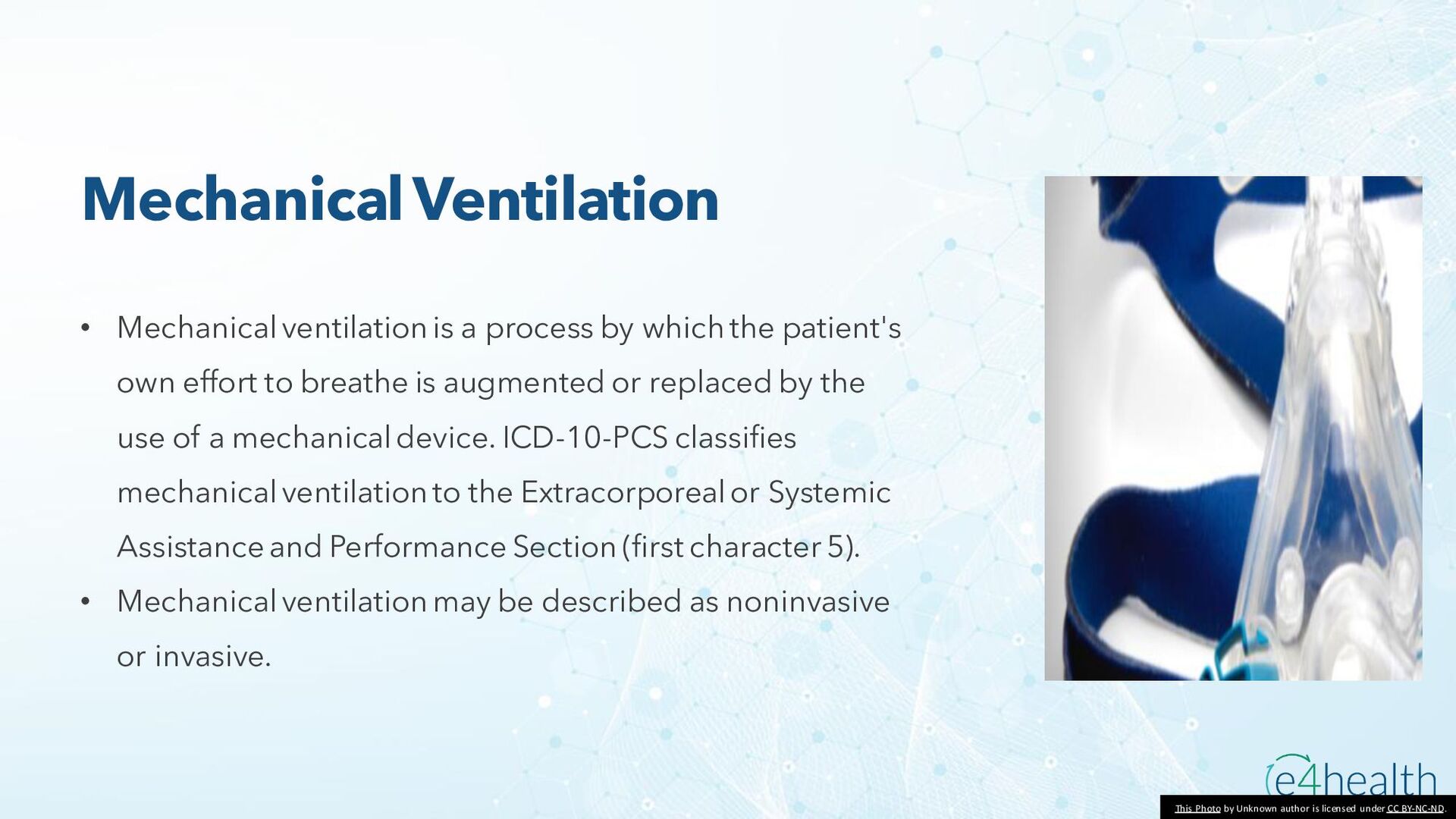
  50. Mechanical Ventilation • Mechanical ventilation is a process by which

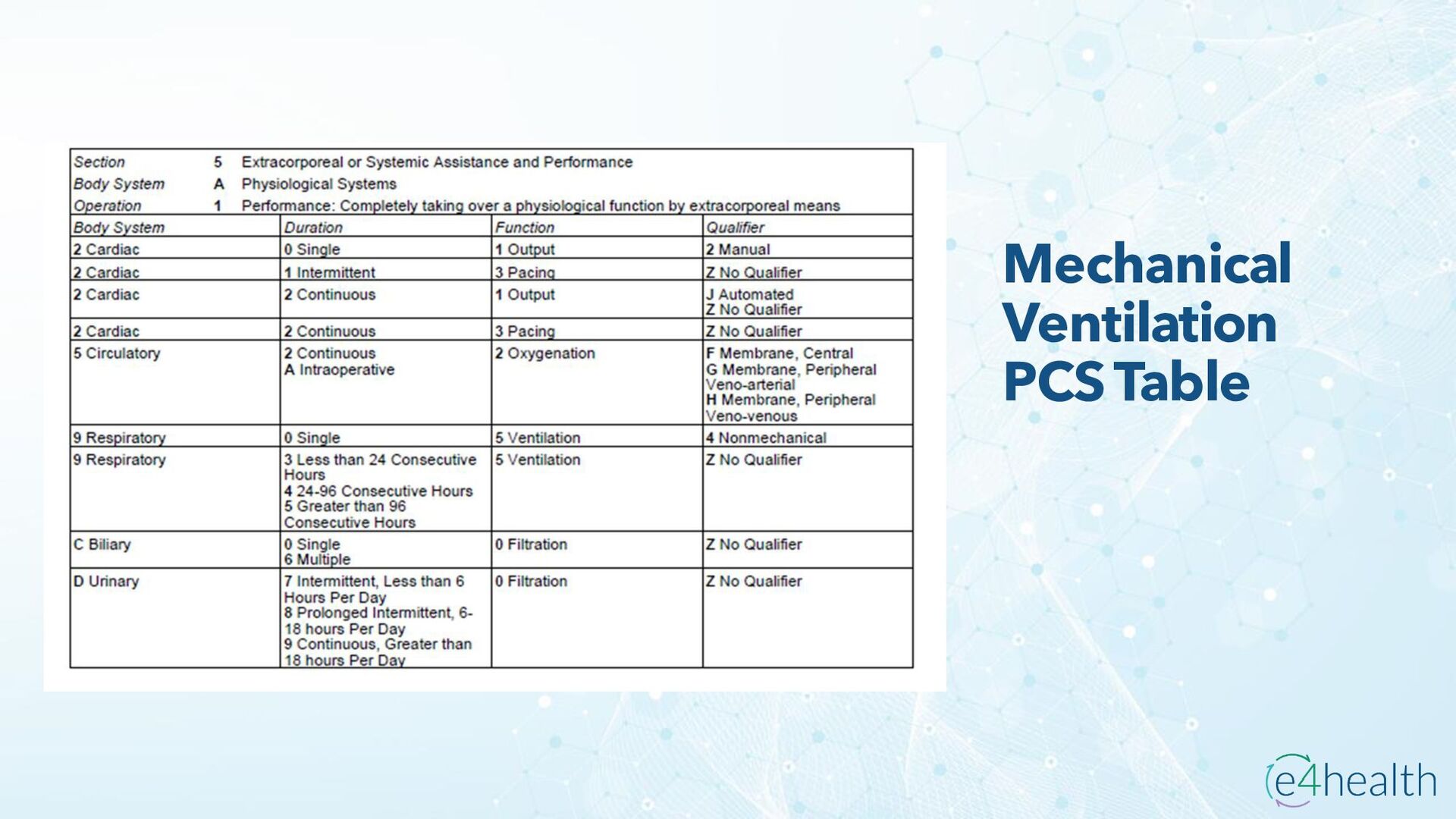
    the patient's own effort to breathe is augmented or replaced by the use of a mechanical device. ICD-10-PCS classifies mechanical ventilation to the Extracorporeal or Systemic Assistance and Performance Section (first character 5). • Mechanical ventilation may be described as noninvasive or invasive. This Photo by Unknown author is licensed under CC BY-NC-ND.
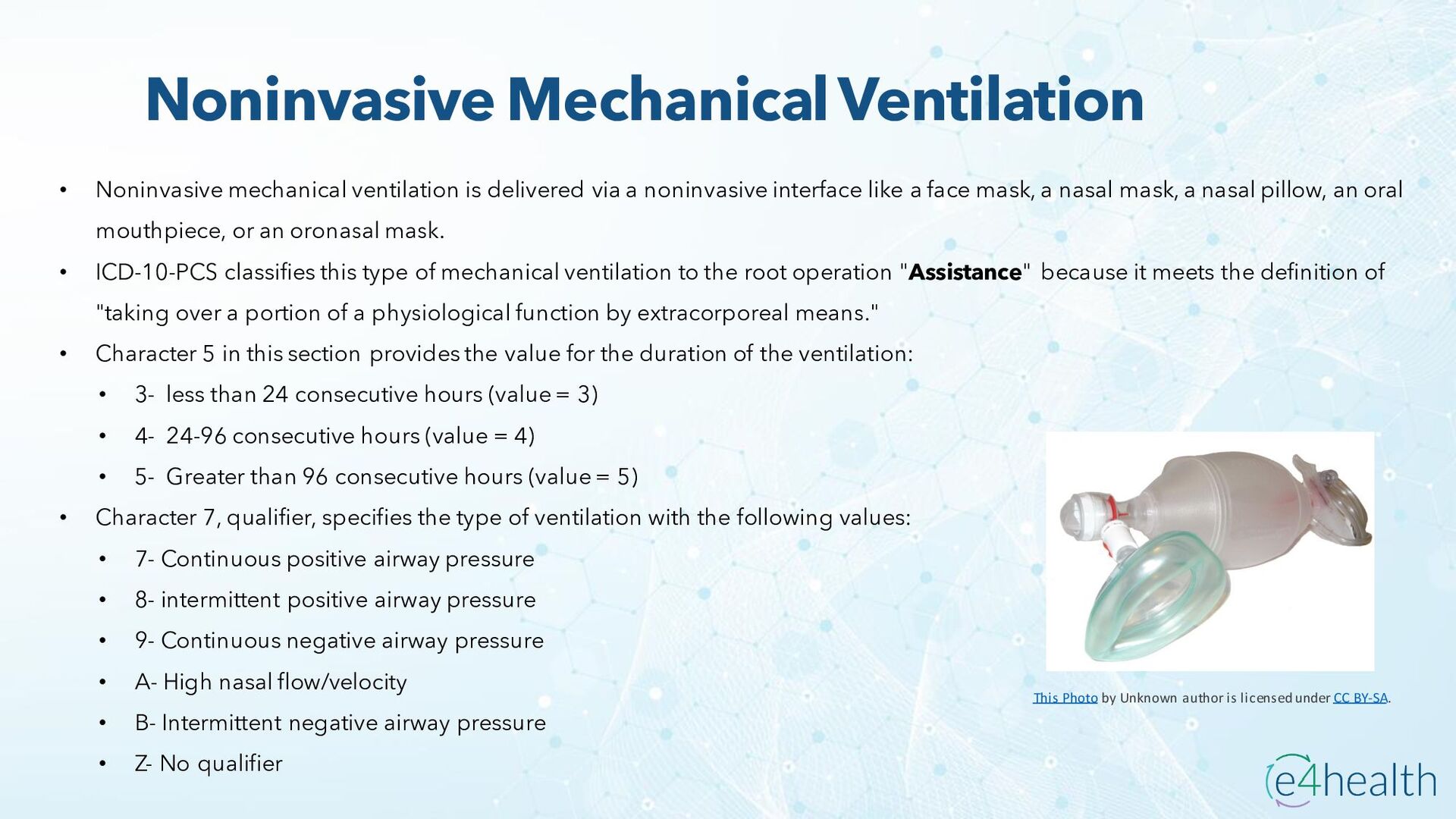
  51. Noninvasive Mechanical Ventilation • Noninvasive mechanical ventilation is delivered via

    a noninvasive interface like a face mask, a nasal mask, a nasal pillow, an oral mouthpiece, or an oronasal mask. • ICD-10-PCS classifies this type of mechanical ventilation to the root operation "Assistance" because it meets the definition of "taking over a portion of a physiological function by extracorporeal means." • Character 5 in this section provides the value for the duration of the ventilation: • 3- less than 24 consecutive hours (value = 3) • 4- 24-96 consecutive hours (value = 4) • 5- Greater than 96 consecutive hours (value = 5) • Character 7, qualifier, specifies the type of ventilation with the following values: • 7- Continuous positive airway pressure • 8- intermittent positive airway pressure • 9- Continuous negative airway pressure • A- High nasal flow/velocity • B- Intermittent negative airway pressure • Z- No qualifier This Photo by Unknown author is licensed under CC BY-SA.
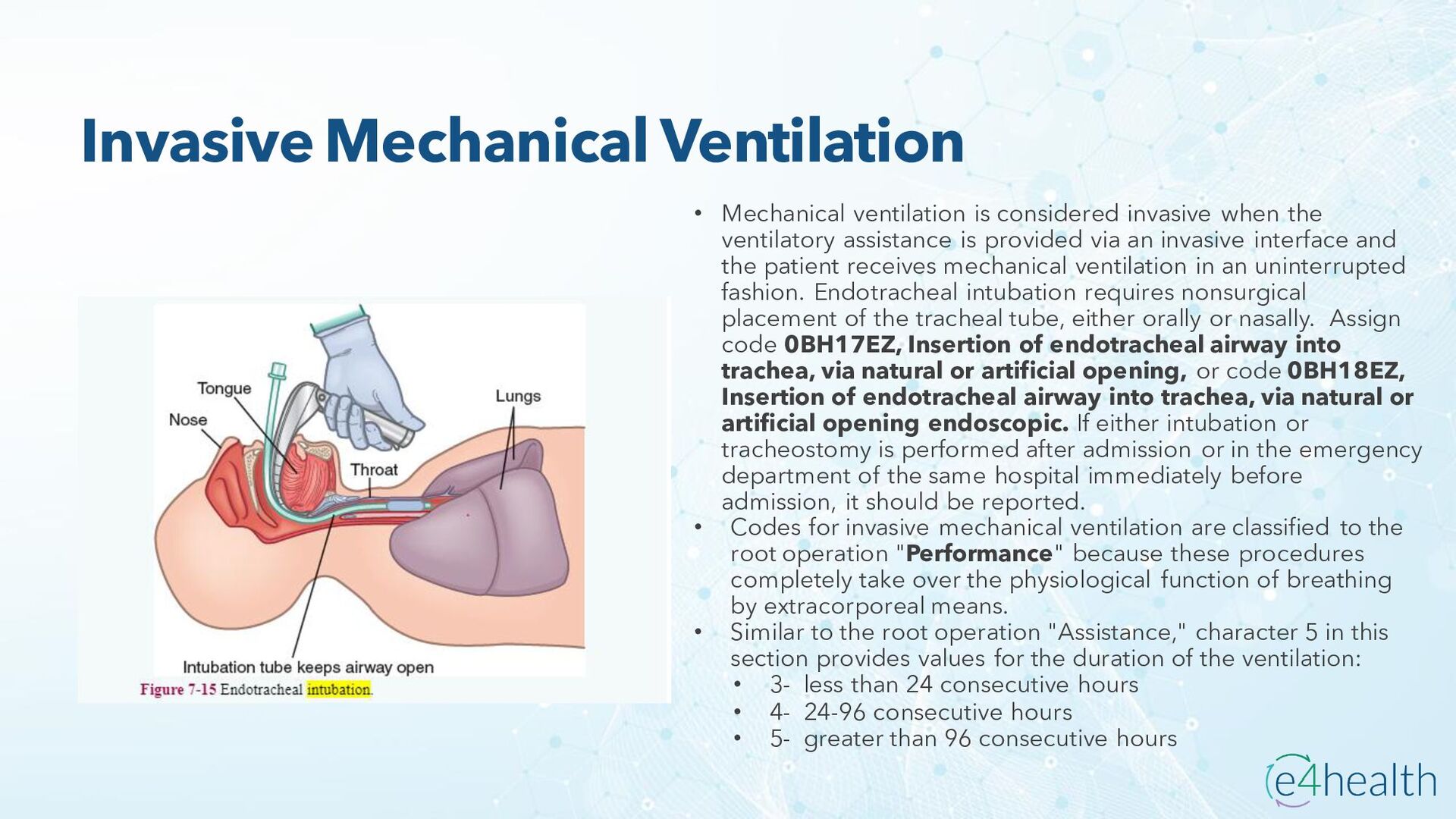
  52. Invasive Mechanical Ventilation • Mechanical ventilation is considered invasive when

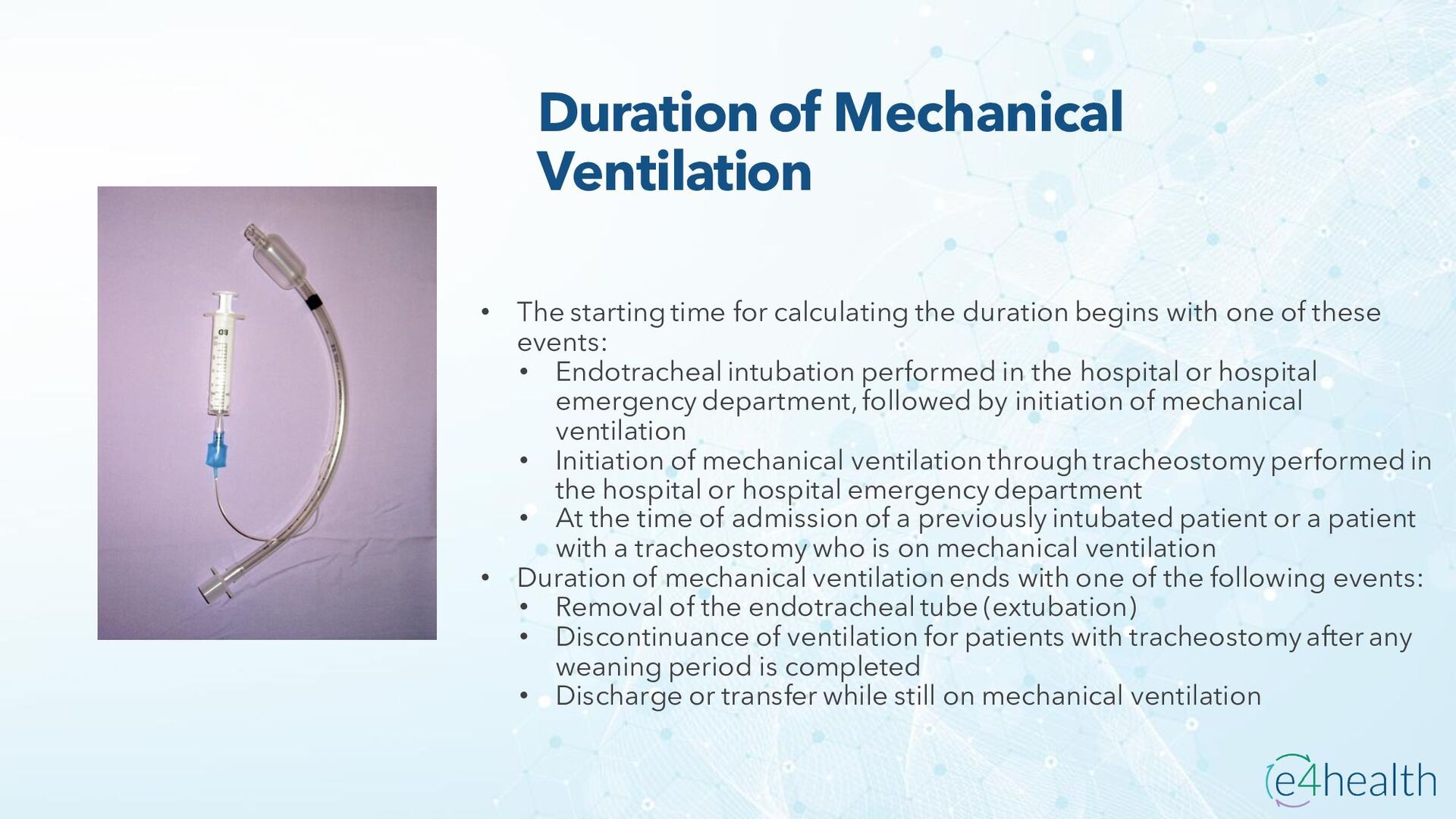
    the ventilatory assistance is provided via an invasive interface and the patient receives mechanical ventilation in an uninterrupted fashion. Endotracheal intubation requires nonsurgical placement of the tracheal tube, either orally or nasally. Assign code 0BH17EZ, Insertion of endotracheal airway into trachea, via natural or artificial opening, or code 0BH18EZ, Insertion of endotracheal airway into trachea, via natural or artificial opening endoscopic. If either intubation or tracheostomy is performed after admission or in the emergency department of the same hospital immediately before admission, it should be reported. • Codes for invasive mechanical ventilation are classified to the root operation "Performance" because these procedures completely take over the physiological function of breathing by extracorporeal means. • Similar to the root operation "Assistance," character 5 in this section provides values for the duration of the ventilation: • 3- less than 24 consecutive hours • 4- 24-96 consecutive hours • 5- greater than 96 consecutive hours
  53. Duration of Mechanical Ventilation • The starting time for calculating

    the duration begins with one of these events: • Endotracheal intubation performed in the hospital or hospital emergency department, followed by initiation of mechanical ventilation • Initiation of mechanical ventilation through tracheostomy performed in the hospital or hospital emergency department • At the time of admission of a previously intubated patient or a patient with a tracheostomy who is on mechanical ventilation • Duration of mechanical ventilation ends with one of the following events: • Removal of the endotracheal tube (extubation) • Discontinuance of ventilation for patients with tracheostomy after any weaning period is completed • Discharge or transfer while still on mechanical ventilation
  54. References • A Comparison of Sepsis-2 (Systemic Inflammatory Response Syndrome

    Based) to Sepsis-3 (Sequential Organ Failure Assessment Based) Definitions-A Multicenter Retrospective Study - PubMed (nih.gov) • Multisystem Inflammatory Syndrome in Adults (MIS-A) Case Definition Information for Healthcare Providers (cdc.gov) • CDC/WHO definitions of MIS-C - UpToDate • Acute Tubular Necrosis (ATN) - Genitourinary Disorders - Merck Manuals Professional Edition • Tuberculosis | NIH: National Institute of Allergy and Infectious Diseases • Clinical Overview of Herpes Zoster (Shingles) | CDC • STD Facts - Genital Herpes (cdc.gov) • Chickenpox (Varicella) for Healthcare Professionals | CDC • West Nile Virus - Infectious Diseases - Merck Manuals Professional Edition • AHA ICD-10-CM and ICD-10-PCS Coding Handbook • ICD-10-PCS: An Applied Approach 2023 • Cengage: 3-2-1 CODE IT!