Lock in $30 Savings on PRO—Offer Ends Soon! ⏳

FY 2024 Pre-MDC Review

Avatar for e4health e4health PRO
April 04, 2024
130

FY 2024 Pre-MDC Review

Avatar for e4health

e4health PRO

April 04, 2024
Tweet

Transcript

  1. H I M | C O D I N G

    & C D I | H E A LT H I T | R E V C Y C L E Empowering Better Health e4health tackles healthcare’s data, quality and revenue challenges empowering your providers to focus on better care.
  2. Objectives • Review Pre-MDCs • Learner will acquire a basic

    understanding of Pre-MDCs • Discuss Query opportunities related to Pre-MDCs • Review coding clinics relevant to Pre-MDCs
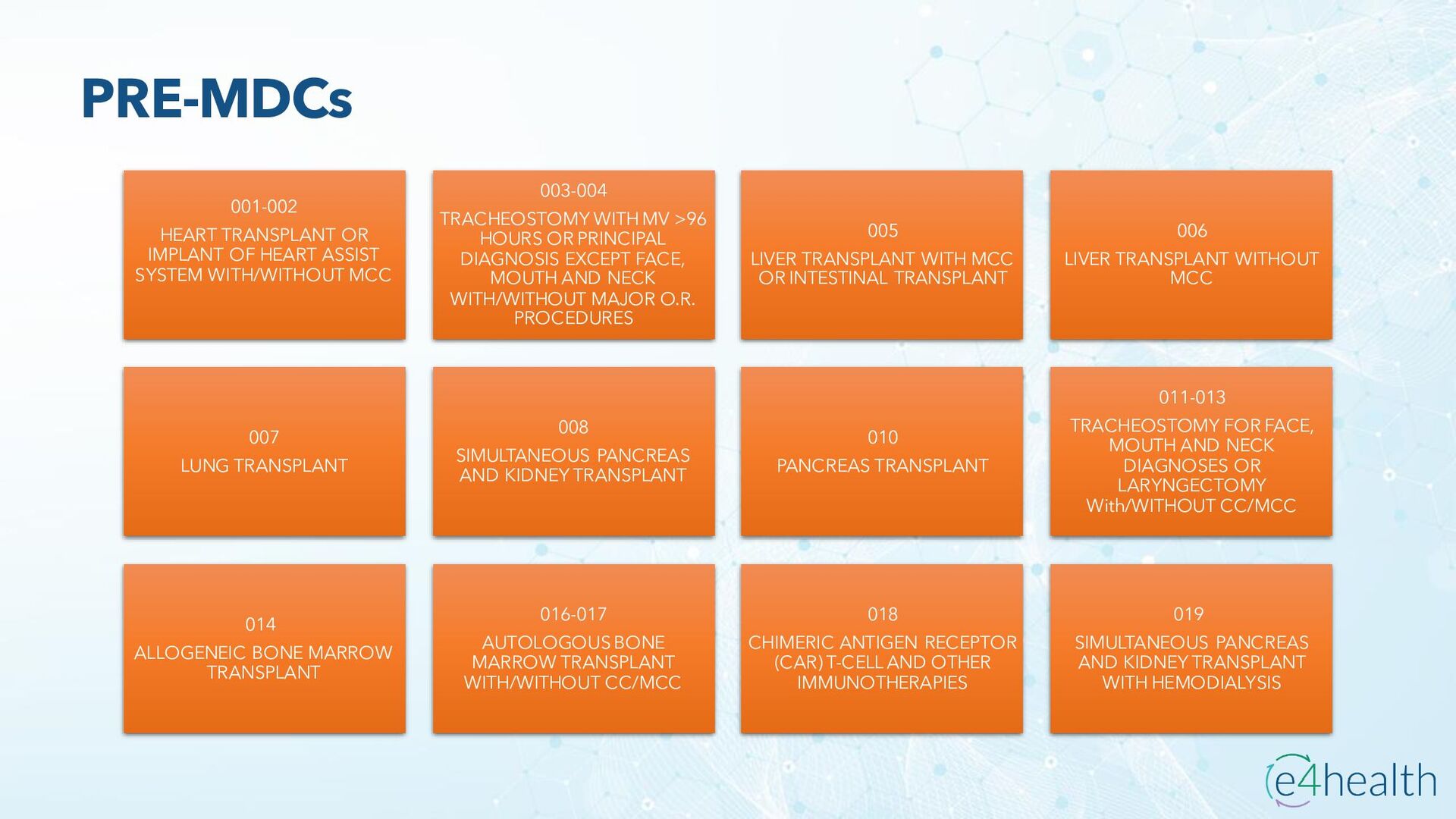
  3. PRE-MDCs 001-002 HEART TRANSPLANT OR IMPLANT OF HEART ASSIST SYSTEM

    WITH/WITHOUT MCC 003-004 TRACHEOSTOMY WITH MV >96 HOURS OR PRINCIPAL DIAGNOSIS EXCEPT FACE, MOUTH AND NECK WITH/WITHOUT MAJOR O.R. PROCEDURES 005 LIVER TRANSPLANT WITH MCC OR INTESTINAL TRANSPLANT 006 LIVER TRANSPLANT WITHOUT MCC 007 LUNG TRANSPLANT 008 SIMULTANEOUS PANCREAS AND KIDNEY TRANSPLANT 010 PANCREAS TRANSPLANT 011-013 TRACHEOSTOMY FOR FACE, MOUTH AND NECK DIAGNOSES OR LARYNGECTOMY With/WITHOUT CC/MCC 014 ALLOGENEIC BONE MARROW TRANSPLANT 016-017 AUTOLOGOUS BONE MARROW TRANSPLANT WITH/WITHOUT CC/MCC 018 CHIMERIC ANTIGEN RECEPTOR (CAR) T-CELL AND OTHER IMMUNOTHERAPIES 019 SIMULTANEOUS PANCREAS AND KIDNEY TRANSPLANT WITH HEMODIALYSIS
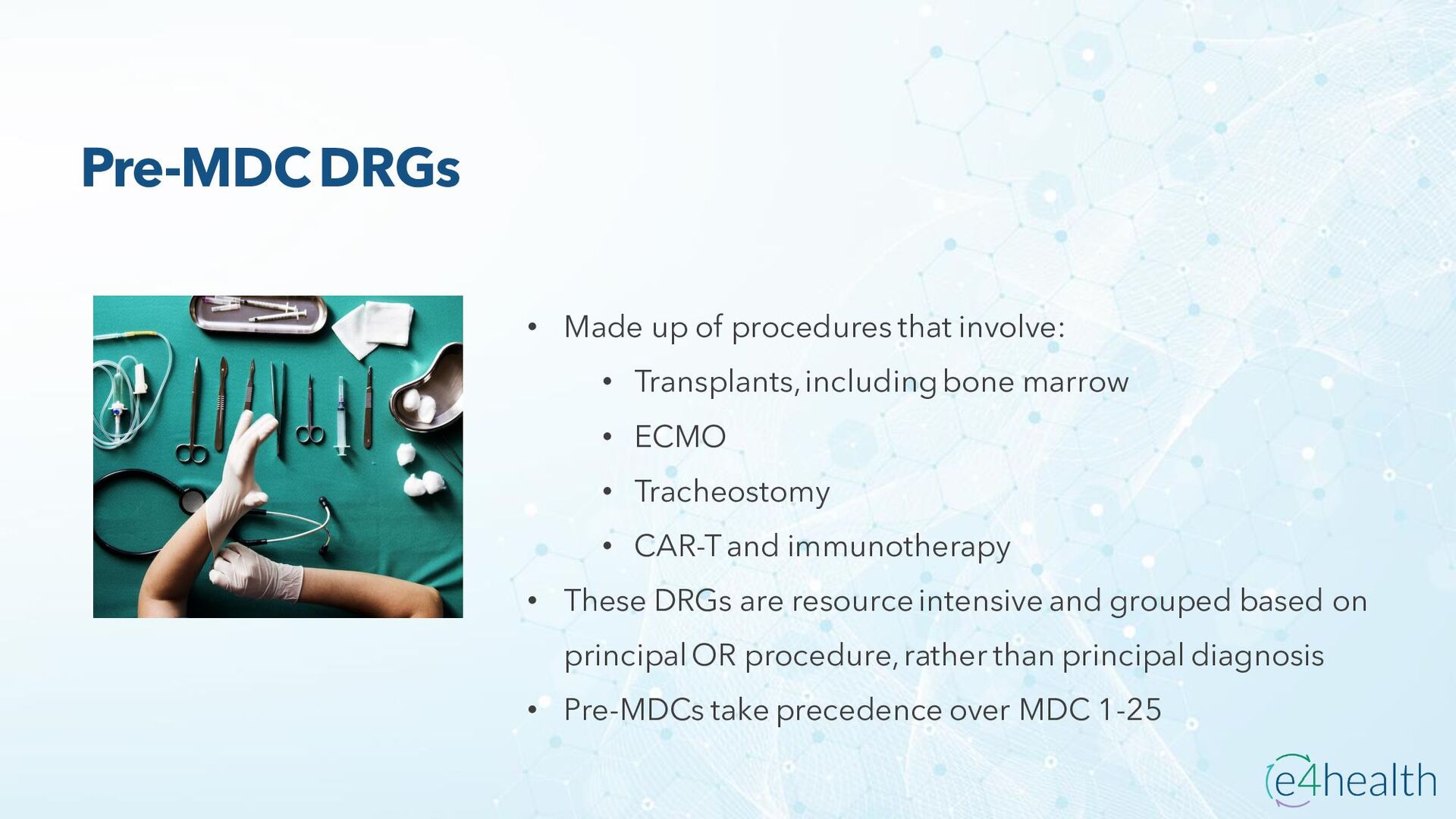
  4. Pre-MDC DRGs • Made up of procedures that involve: •

    Transplants, including bone marrow • ECMO • Tracheostomy • CAR-T and immunotherapy • These DRGs are resource intensive and grouped based on principal OR procedure, rather than principal diagnosis • Pre-MDCs take precedence over MDC 1-25
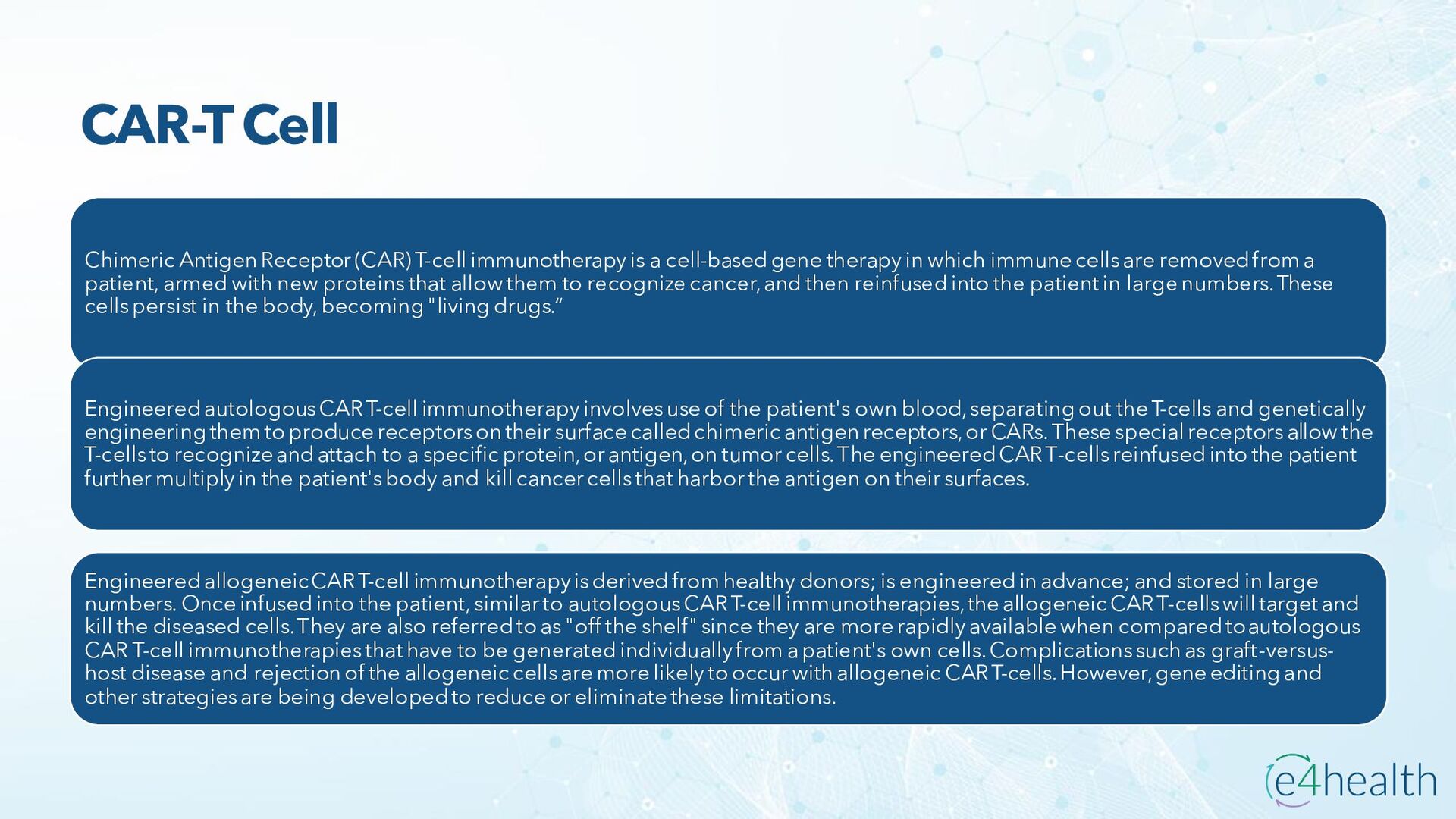
  5. CAR-T Cell Chimeric Antigen Receptor (CAR) T-cell immunotherapy is a

    cell-based gene therapy in which immune cells are removed from a patient, armed with new proteins that allow them to recognize cancer, and then reinfused into the patient in large numbers. These cells persist in the body, becoming "living drugs.“ Engineered autologous CAR T-cell immunotherapy involves use of the patient's own blood, separating out the T-cells and genetically engineering them to produce receptors on their surface called chimeric antigen receptors, or CARs. These special receptors allow the T-cells to recognize and attach to a specific protein, or antigen, on tumor cells. The engineered CAR T-cells reinfused into the patient further multiply in the patient's body and kill cancer cells that harbor the antigen on their surfaces. Engineered allogeneic CAR T-cell immunotherapy is derived from healthy donors; is engineered in advance; and stored in large numbers. Once infused into the patient, similar to autologous CAR T-cell immunotherapies, the allogeneic CAR T-cells will target and kill the diseased cells. They are also referred to as "off the shelf" since they are more rapidly available when compared to autologous CAR T-cell immunotherapies that have to be generated individually from a patient's own cells. Complications such as graft-versus- host disease and rejection of the allogeneic cells are more likely to occur with allogeneic CAR T-cells. However, gene editing and other strategies are being developed to reduce or eliminate these limitations.
  6. CAR-T Cell • New technology which includes: • Autologous Engineered

    Chimeric Antigen Receptor T-cell Immunotherapy • Allogeneic Engineered Chimeric Antigen Receptor T-cell Immunotherapy  Approach:  Percutaneous  Central vein  Peripheral vein This Photo by Unknown author is licensed under CC BY-SA-NC.
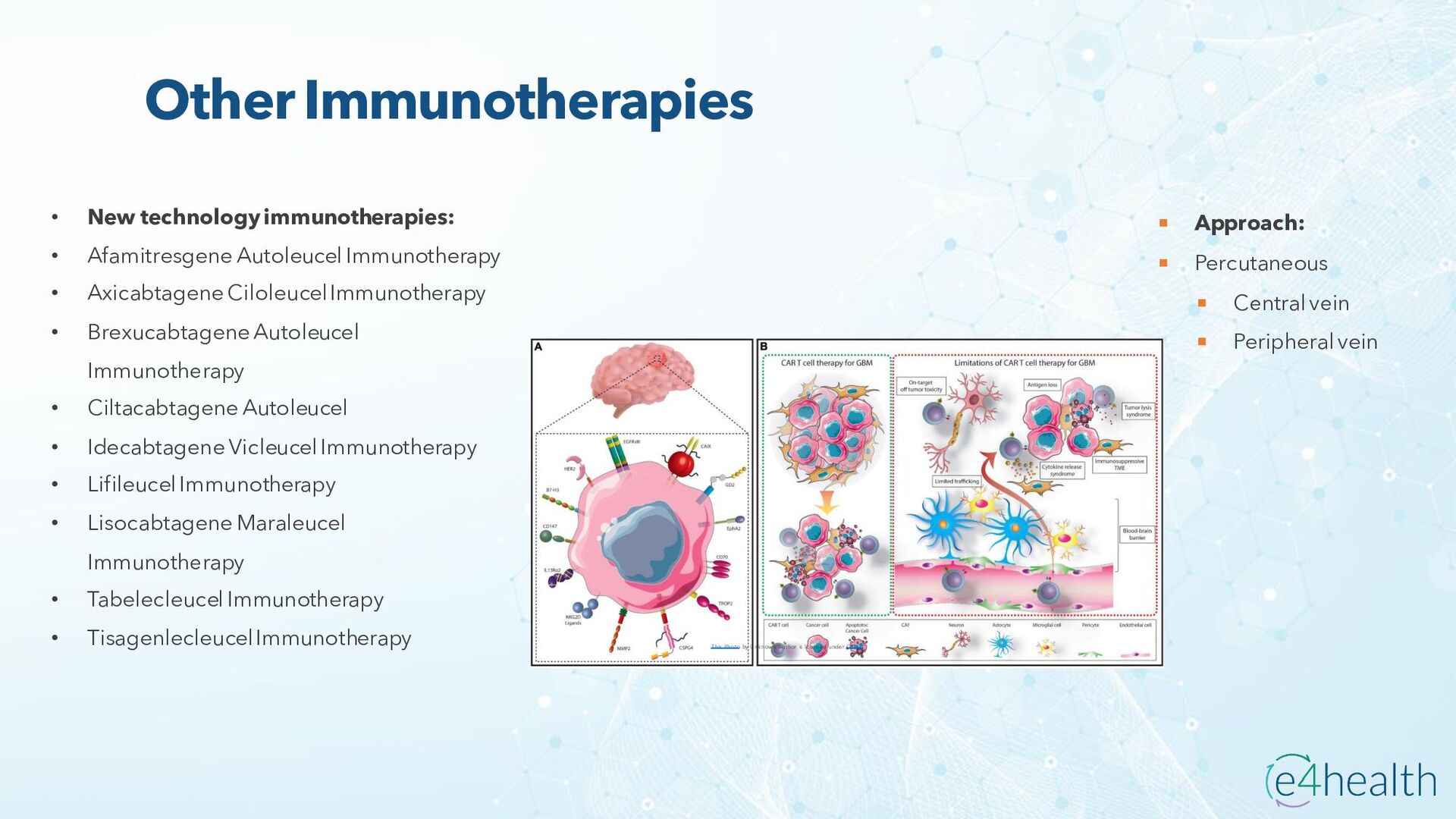
  7. Other Immunotherapies • New technology immunotherapies: • Afamitresgene Autoleucel Immunotherapy

    • Axicabtagene Ciloleucel Immunotherapy • Brexucabtagene Autoleucel Immunotherapy • Ciltacabtagene Autoleucel • Idecabtagene Vicleucel Immunotherapy • Lifileucel Immunotherapy • Lisocabtagene Maraleucel Immunotherapy • Tabelecleucel Immunotherapy • Tisagenlecleucel Immunotherapy  Approach:  Percutaneous  Central vein  Peripheral vein This Photo by Unknown author is licensed under CC BY.
  8. Afamitresgene Autoleucel • Afamitresgene autoleucel immunotherapy is an autologous adoptive

    cell transfer (ACT) therapy for treatment of synovial sarcoma (SyS) and myxoid round cell liposarcoma (MRCLS) • Synovial sarcoma is a rare soft tissue sarcoma and, while it most commonly occurs in the extremities, it can arise anywhere in the body • Myxoid round cell liposarcoma is a rare liposarcoma that grows in the cells that store fat and is generally located in the extremities • Afami-cel is comprised of a patient's T- cells, collected via leukapheresis and processed to create a unique cancer treatment using the patient's immune cells • Following preconditioning of the patient's immune system with the use of chemotherapy, the processed T-cells are administered via a central or peripheral vein
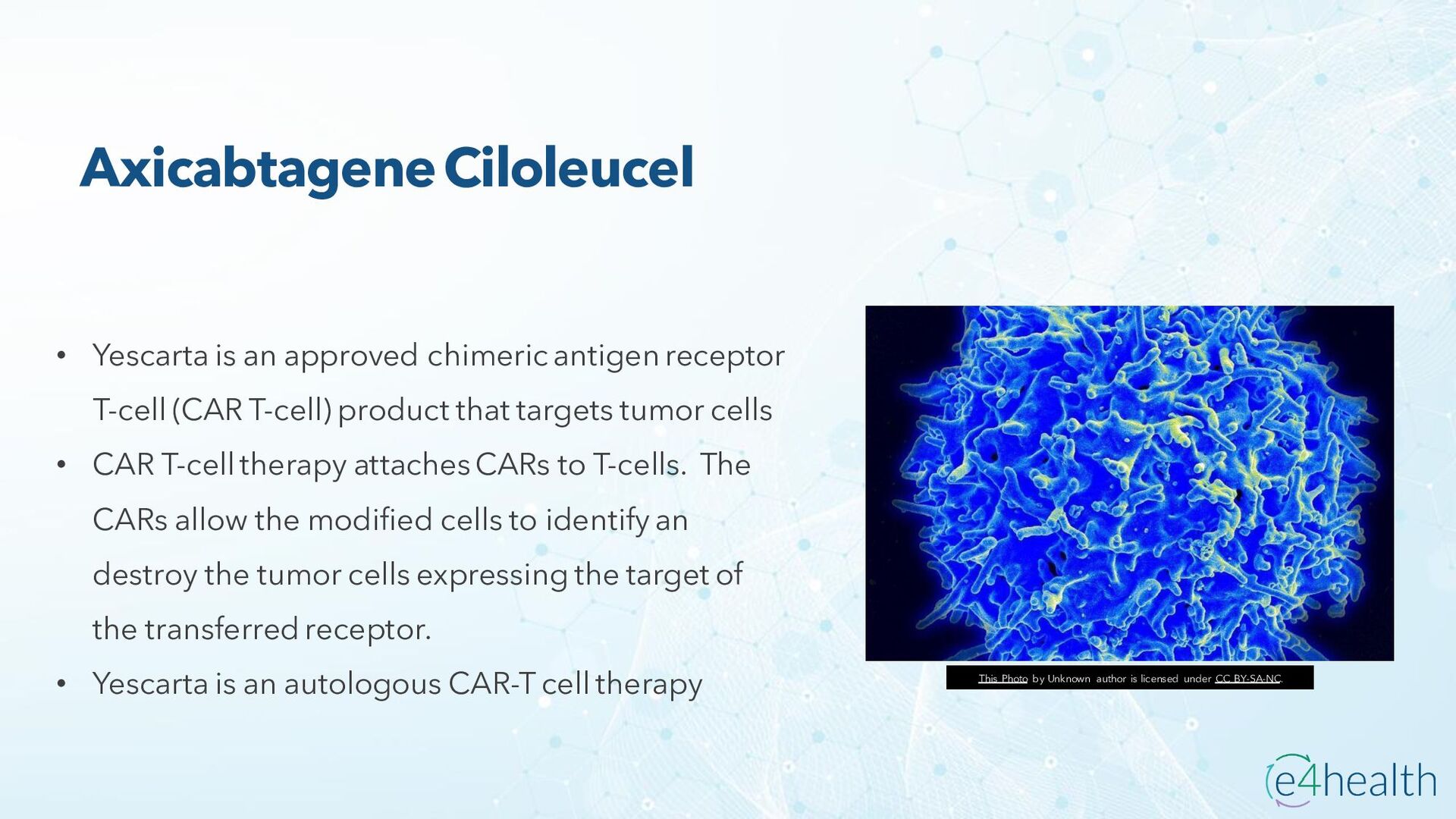
  9. Axicabtagene Ciloleucel • Yescarta is an approved chimeric antigen receptor

    T-cell (CAR T-cell) product that targets tumor cells • CAR T-cell therapy attaches CARs to T-cells. The CARs allow the modified cells to identify an destroy the tumor cells expressing the target of the transferred receptor. • Yescarta is an autologous CAR-T cell therapy This Photo by Unknown author is licensed under CC BY-SA-NC.
  10. Brexucabtagene Autoleucel • Brexucabtagene Autoleucel (formerly known as KTE-X19) is

    an autologous CAR T- cell therapy that modifies a patient’s cells to treat adults with relapsed/refractory (r/r) mantle cell lymphoma (MCS) • The patient’s own T-cells are harvested, activated and genetically modified to produce a chimeric antigen receptor (CAR) • The modified T-cells are then expanded and infused back into the patient • Brexucabtagene Autoleucel is administered as a single-infusion patient-specific immunotherapy
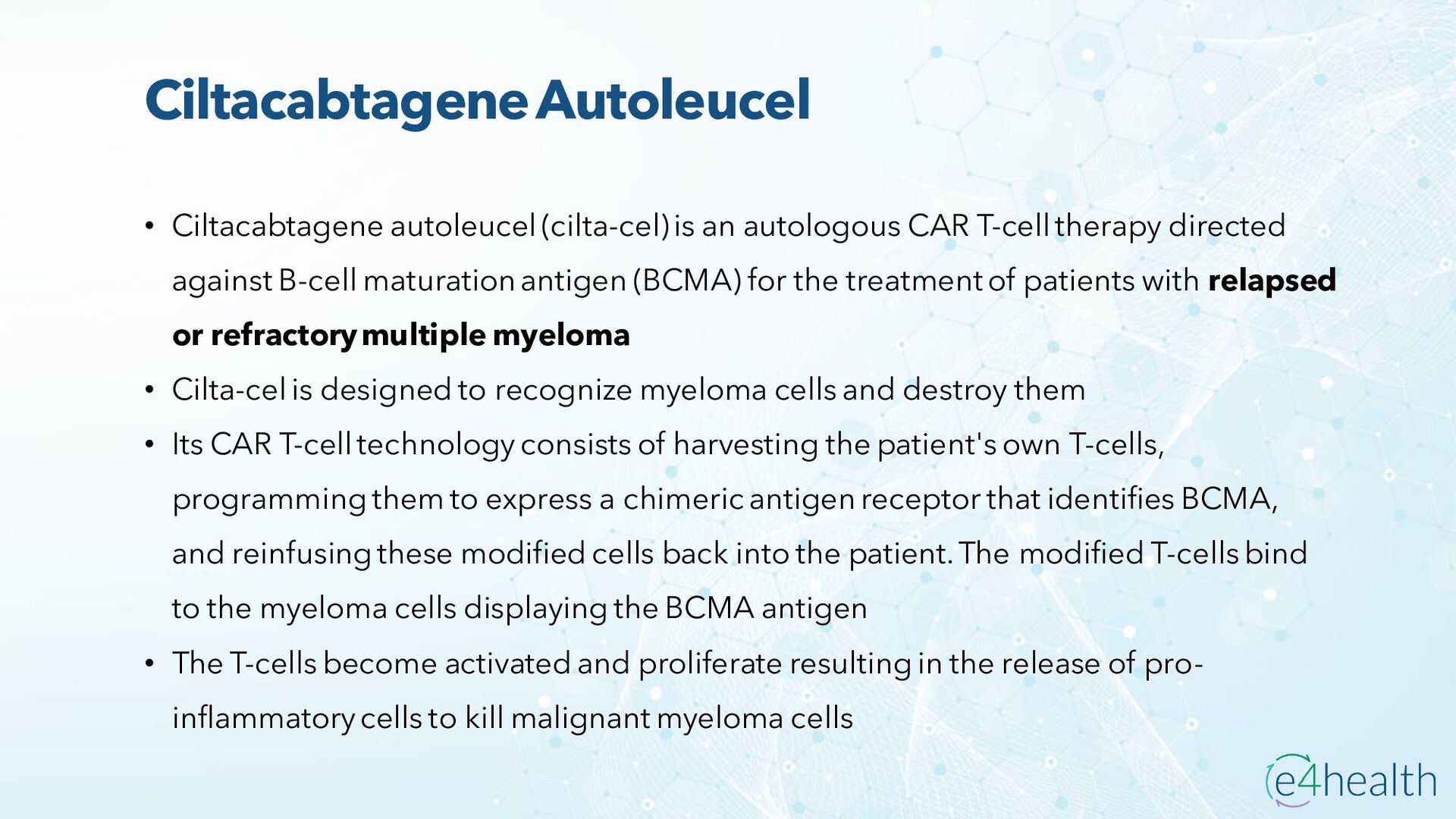
  11. Ciltacabtagene Autoleucel • Ciltacabtagene autoleucel (cilta-cel) is an autologous CAR

    T-cell therapy directed against B-cell maturation antigen (BCMA) for the treatment of patients with relapsed or refractory multiple myeloma • Cilta-cel is designed to recognize myeloma cells and destroy them • Its CAR T-cell technology consists of harvesting the patient's own T-cells, programming them to express a chimeric antigen receptor that identifies BCMA, and reinfusing these modified cells back into the patient. The modified T-cells bind to the myeloma cells displaying the BCMA antigen • The T-cells become activated and proliferate resulting in the release of pro- inflammatory cells to kill malignant myeloma cells
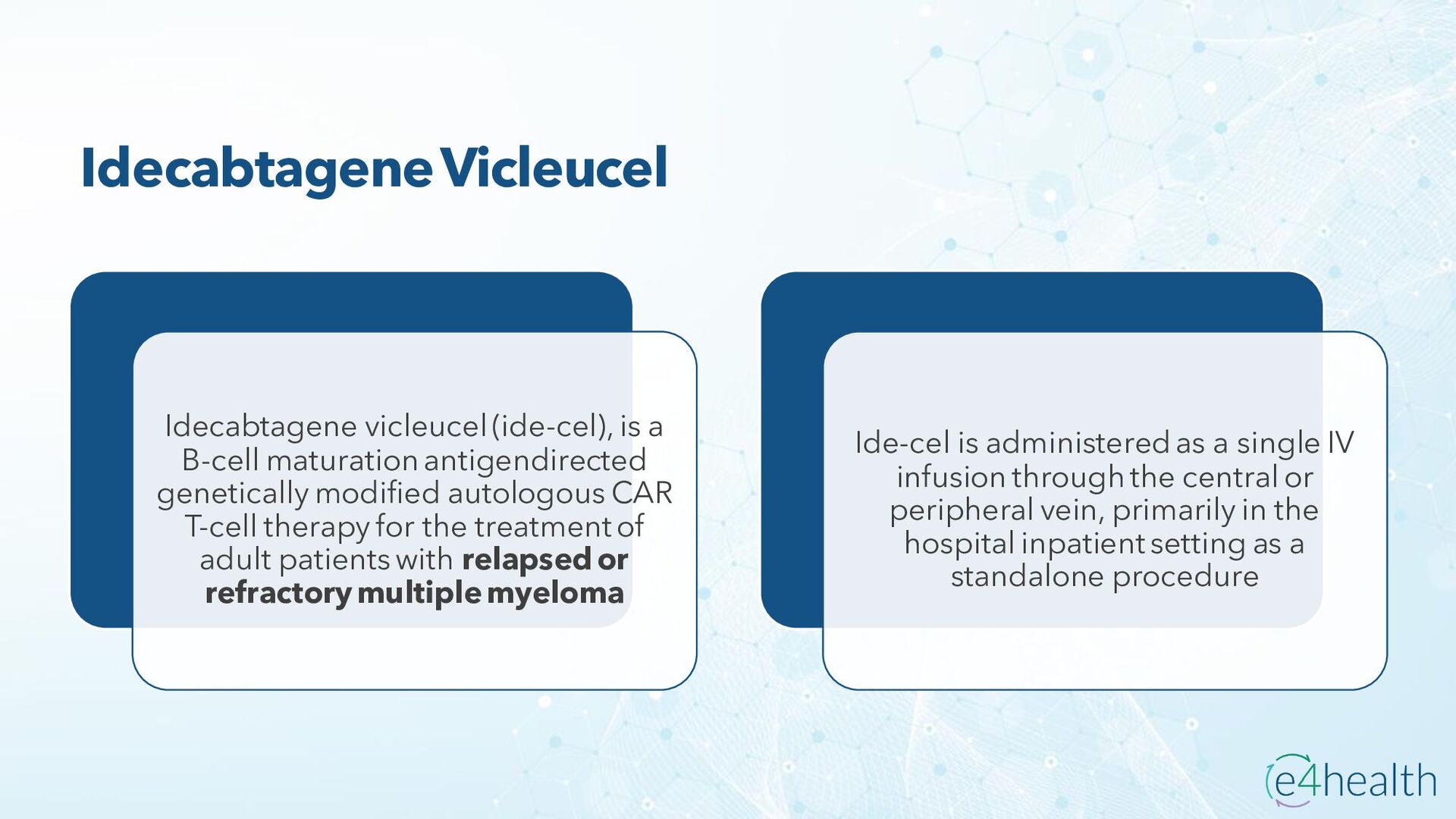
  12. Idecabtagene Vicleucel Idecabtagene vicleucel (ide-cel), is a B-cell maturation antigendirected

    genetically modified autologous CAR T-cell therapy for the treatment of adult patients with relapsed or refractory multiple myeloma Ide-cel is administered as a single IV infusion through the central or peripheral vein, primarily in the hospital inpatient setting as a standalone procedure
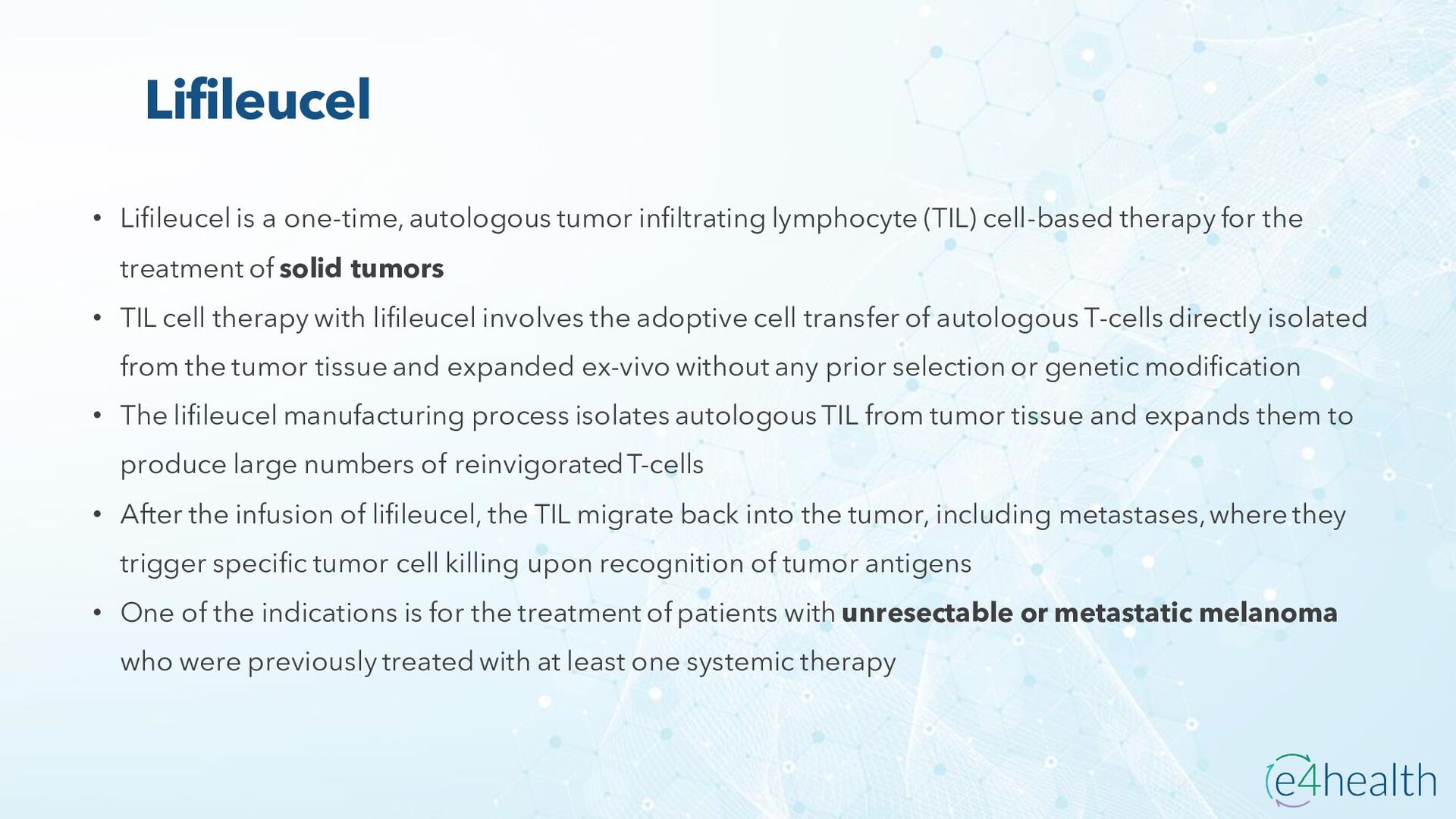
  13. Lifileucel • Lifileucel is a one-time, autologous tumor infiltrating lymphocyte

    (TIL) cell-based therapy for the treatment of solid tumors • TIL cell therapy with lifileucel involves the adoptive cell transfer of autologous T-cells directly isolated from the tumor tissue and expanded ex-vivo without any prior selection or genetic modification • The lifileucel manufacturing process isolates autologous TIL from tumor tissue and expands them to produce large numbers of reinvigorated T-cells • After the infusion of lifileucel, the TIL migrate back into the tumor, including metastases, where they trigger specific tumor cell killing upon recognition of tumor antigens • One of the indications is for the treatment of patients with unresectable or metastatic melanoma who were previously treated with at least one systemic therapy
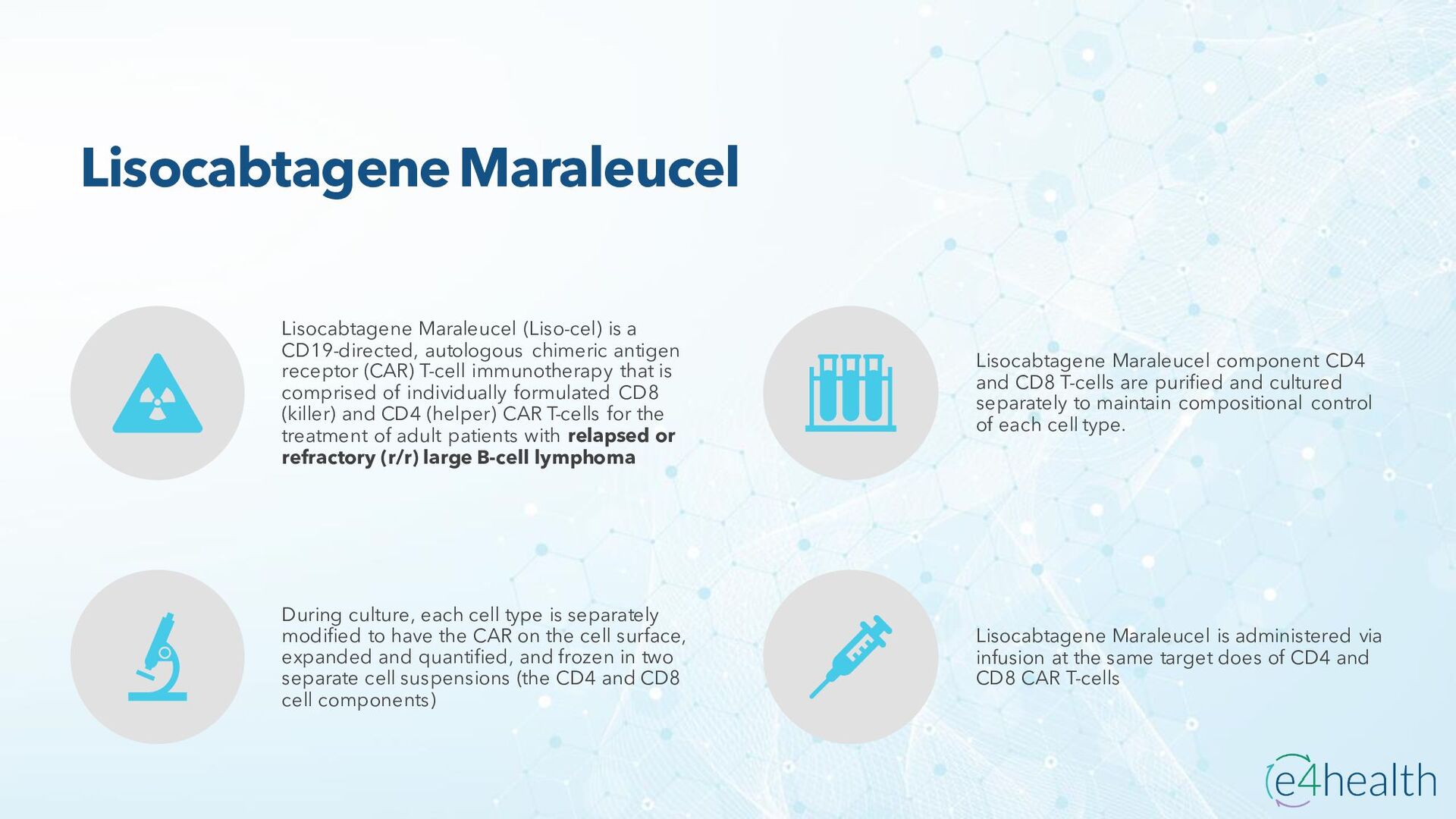
  14. Lisocabtagene Maraleucel Lisocabtagene Maraleucel (Liso-cel) is a CD19-directed, autologous chimeric

    antigen receptor (CAR) T-cell immunotherapy that is comprised of individually formulated CD8 (killer) and CD4 (helper) CAR T-cells for the treatment of adult patients with relapsed or refractory (r/r) large B-cell lymphoma Lisocabtagene Maraleucel component CD4 and CD8 T-cells are purified and cultured separately to maintain compositional control of each cell type. During culture, each cell type is separately modified to have the CAR on the cell surface, expanded and quantified, and frozen in two separate cell suspensions (the CD4 and CD8 cell components) Lisocabtagene Maraleucel is administered via infusion at the same target does of CD4 and CD8 CAR T-cells
  15. Tisagenlecleucel • Tisagenlecleucel (Kymriah) is a CAR T-cell immunotherapy •

    CAR T-cell products are created by genetically modifying T-cells to express special receptors called chimeric antigen receptors (CARs) on their surface • These special receptors allow the T-cells to recognize and attach to a specific protein, or antigen, on tumor cells • Tisagenlecleucel (Kymriah) is on the current FDA-approved autologous CAR-T products • This product treats certain types of B-cell non-Hodgkin lymphomas and certain B-cell acute lymphoblastic leukemias
  16. Tabelecleucel Tabelecleucel is an allogeneic Epstein-Barr virus (EBV)-specific T-cell immunotherapy

    used in the treatment of rituximab-refractory Epstein- Barr virus associated lymphoproliferative disorders (EBV-LPD) Immunosuppressive medications taken post solid organ or allogeneic hematopoietic cell transplants (HCL) can activate the EBV virus that commonly infects 90% of the population Normally the EBV virus is controlled by the immune system, however, when taking immunosuppressive medications, the EBV virus can be activated and cause EBV-LPD, a rare and serious lymphoma Tabelecleucel is produced from T cells harvested from human donors who are immune to EBV and manufactured with animal derived materials The manufactured cells recognize and bind to EBV-associated antigens on EBV infected cells preventing the growth of EBV-associated cancer cells
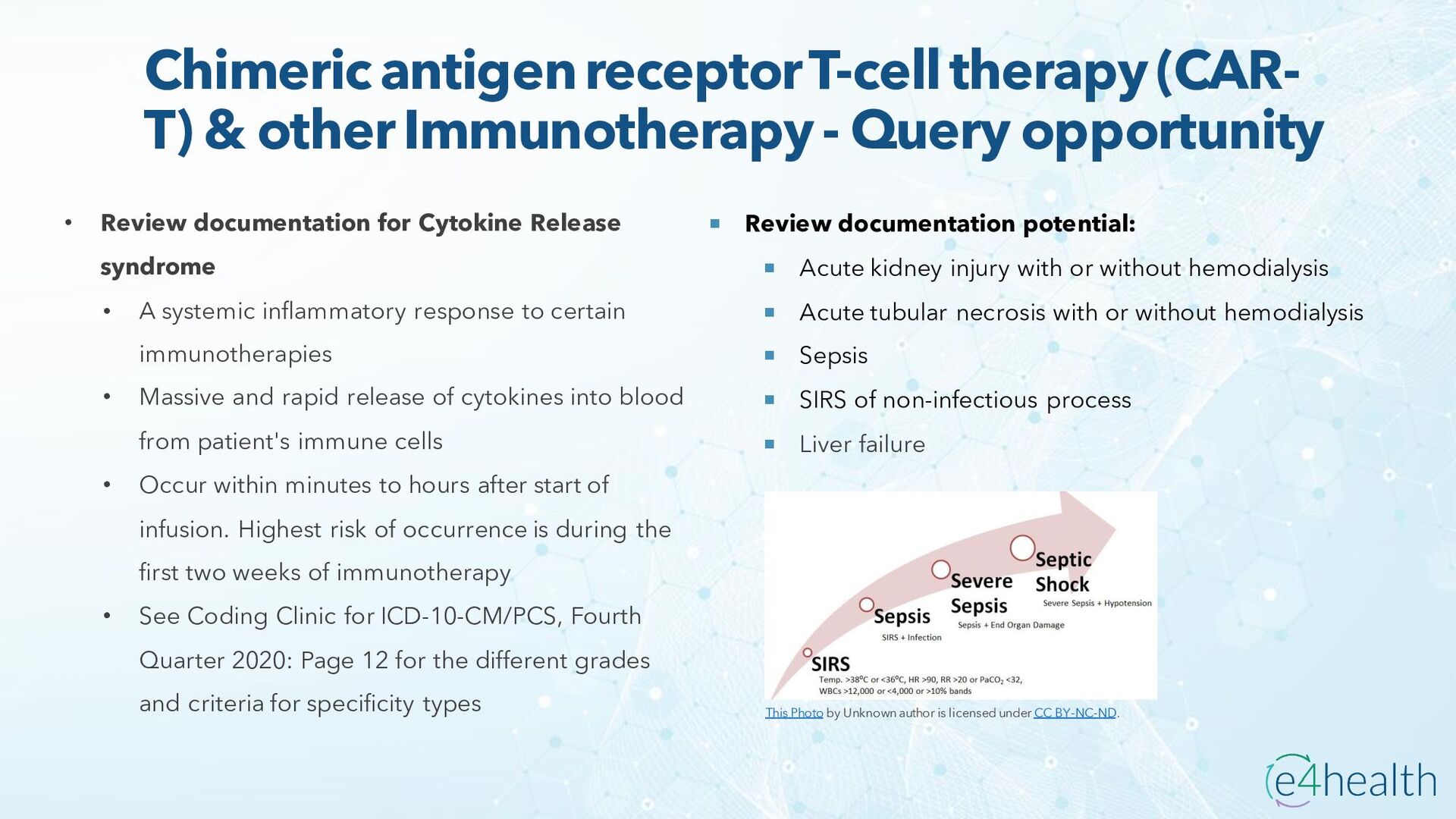
  17. Chimeric antigen receptor T-cell therapy (CAR- T) & other Immunotherapy

    - Query opportunity • Review documentation for Cytokine Release syndrome • A systemic inflammatory response to certain immunotherapies • Massive and rapid release of cytokines into blood from patient's immune cells • Occur within minutes to hours after start of infusion. Highest risk of occurrence is during the first two weeks of immunotherapy • See Coding Clinic for ICD-10-CM/PCS, Fourth Quarter 2020: Page 12 for the different grades and criteria for specificity types  Review documentation potential:  Acute kidney injury with or without hemodialysis  Acute tubular necrosis with or without hemodialysis  Sepsis  SIRS of non-infectious process  Liver failure This Photo by Unknown author is licensed under CC BY-NC-ND.
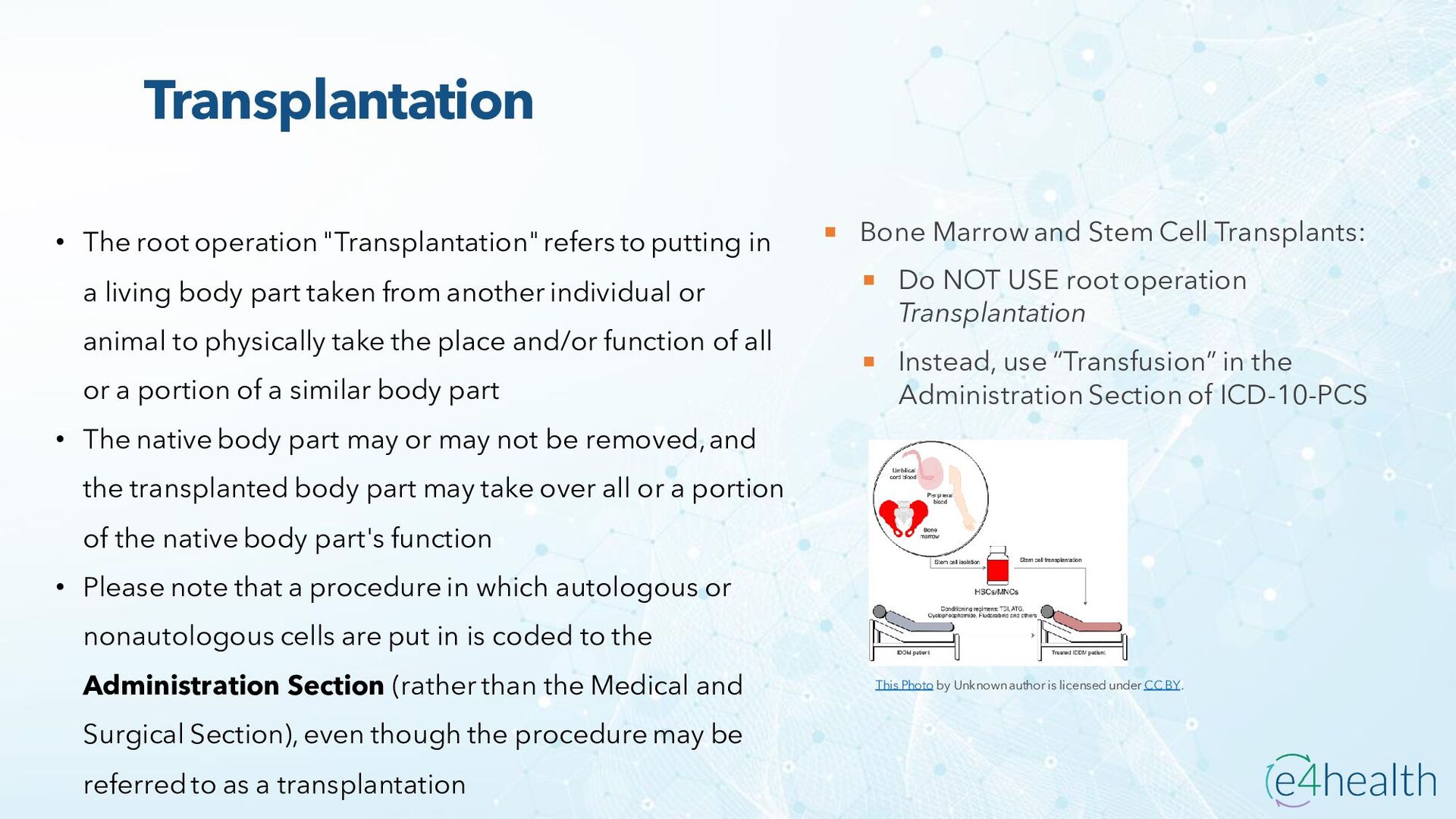
  18. Transplantation • The root operation "Transplantation" refers to putting in

    a living body part taken from another individual or animal to physically take the place and/or function of all or a portion of a similar body part • The native body part may or may not be removed, and the transplanted body part may take over all or a portion of the native body part's function • Please note that a procedure in which autologous or nonautologous cells are put in is coded to the Administration Section (rather than the Medical and Surgical Section), even though the procedure may be referred to as a transplantation  Bone Marrow and Stem Cell Transplants:  Do NOT USE root operation Transplantation  Instead, use “Transfusion” in the Administration Section of ICD-10-PCS This Photo by Unknown author is licensed under CC BY.
  19. Liver Transplant • The majority of liver transplants are performed

    via an orthotopic technique in which the native liver is resected and the new liver is placed in the same position. • The resection of the liver involves the division of all ligaments attached to the liver in addition to the common bile duct, hepatic artery, portal vein and the hepatic vein. In most cases, the retrohepatic portion of the inferior vena cava is removed along with the liver. • Implantation of the new (donor) liver involves the anastomoses of the portal vein, inferior vena cava and hepatic artery. After the new liver has resumed blood flow, the bile duct anastomosis is created, either to the native bile duct or to the small intestine. Therefore, the anastomoses are considered components of the surgery and should not be reported separately. Do not assign unique codes for the end to side cavoplasty or the choledochostomy. • Furthermore, the ICD-10-PCS Official Guidelines for Coding and Reporting, B3.1b, state, "Components of a procedure specified in the root operation definition and explanation are not coded separately. Procedural steps necessary to reach the operative site and close the operative site, including anastomosis of a tubular body part, are also not coded separately."
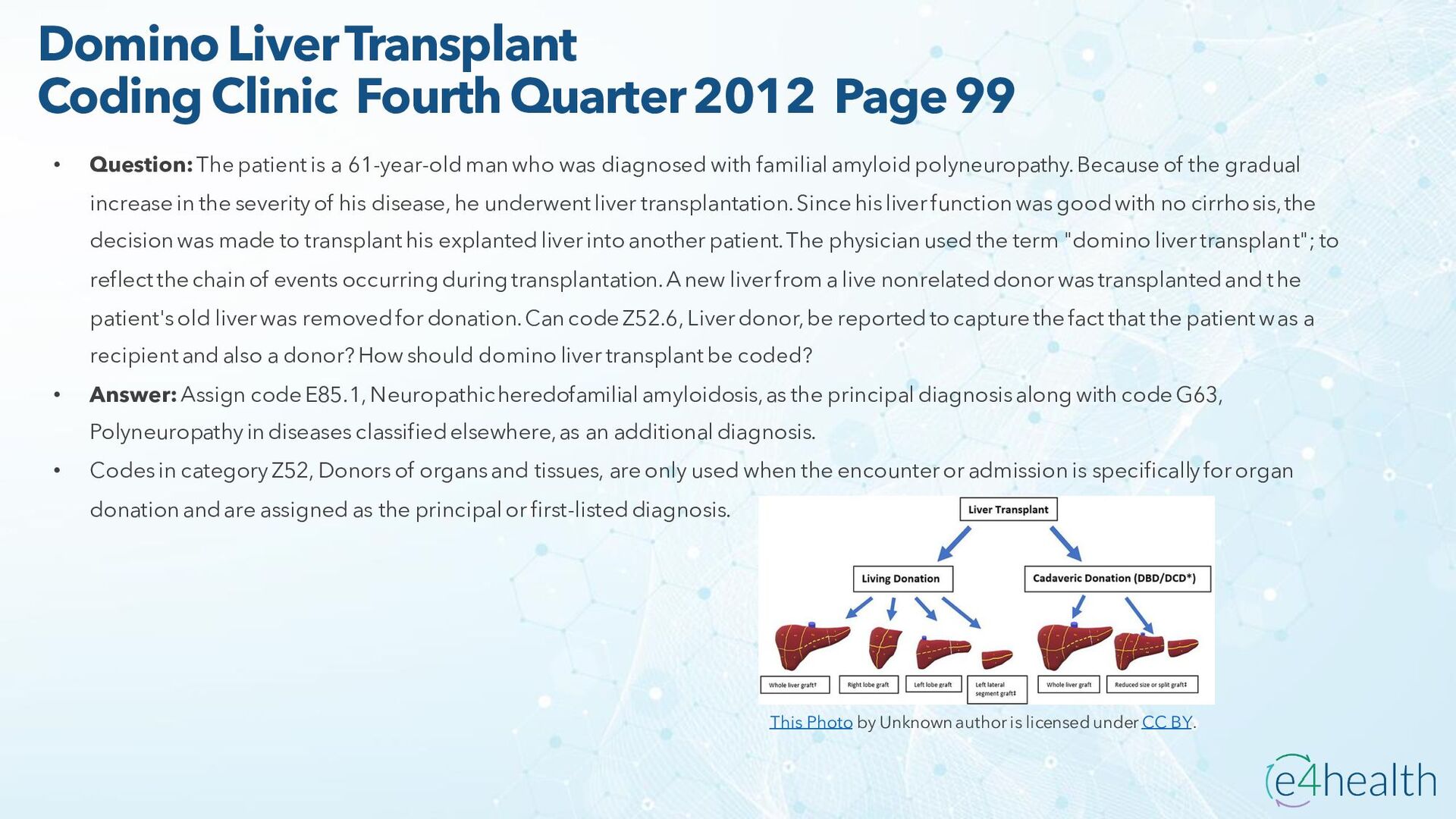
  20. Domino Liver Transplant Coding Clinic Fourth Quarter 2012 Page 99

    • Question: The patient is a 61-year-old man who was diagnosed with familial amyloid polyneuropathy. Because of the gradual increase in the severity of his disease, he underwent liver transplantation. Since his liver function was good with no cirrhosis, the decision was made to transplant his explanted liver into another patient. The physician used the term "domino liver transplant"; to reflect the chain of events occurring during transplantation. A new liver from a live nonrelated donor was transplanted and the patient's old liver was removed for donation. Can code Z52.6, Liver donor, be reported to capture the fact that the patient was a recipient and also a donor? How should domino liver transplant be coded? • Answer: Assign code E85.1, Neuropathic heredofamilial amyloidosis, as the principal diagnosis along with code G63, Polyneuropathy in diseases classified elsewhere, as an additional diagnosis. • Codes in category Z52, Donors of organs and tissues, are only used when the encounter or admission is specifically for organ donation and are assigned as the principal or first-listed diagnosis. This Photo by Unknown author is licensed under CC BY.
  21. Domino Liver Transplant Coding Clinic Fourth Quarter 2012 Page 99

    • Assign code 0FY00Z0, Transplantation of liver, allogeneic, open approach, and code 0FT00ZZ, Resection of liver, open approach, for the procedures performed. Currently, neither ICD-10-PCS nor ICD-9-CM has a specific code to describe a domino liver transplant. In ICD-10-PCS, "transplantation" is defined as putting in a mature and functioning living body part taken from another individual or animal. A limited number of procedures is represented in the root operation transplantation and includes only the body parts currently being transplanted. Qualifier values specify the genetic compatibility of the body part transplanted. The associated explanation that accompanies the root operation transplantation states that the native body part may or may not be taken out. Therefore, under normal circumstances the resection procedure would not be coded separately because it is included in the root operation transplantation. However, the resection code can be used in this case to indicate a domino liver transplant was performed. • Familial amyloid polyneuropathy (FAP) is an inherited disorder caused by certain genetic mutations and leading to abnormal amyloidogenic protein. This protein is deposited in tissues and organs, creating amyloid fibrils, which compromise tissue or organ function. Since the transthyretin protein that causes most cases of FAP is produced in the liver, many cases can be treated with liver transplant. The new liver will produce normal transthyretin and organ transplantation eliminates the source of mutant protein production. • Researchers are currently studying whether previously formed amyloid transport protein transthyretin (TTR) deposits will resolve following liver transplantation. The recipient of the liver from an individual with FAP could subsequently develop the disease after 20 or 30 years, but the domino liver transplant can improve quality of life and prolong survival significantly.
  22. Procedures performed on a donor organ prior to transplantation surgery

    Coding clinic second quarter 2023 page 32 • Question: A patient with end-stage systolic heart failure secondary to chemotherapy and radiation therapy, non-ischemic dilated cardiomyopathy, and a history of cardiogenic shock requiring percutaneous LVAD support underwent orthotopic heart transplant. Prior to transplantation, the donor heart was prepared, which included primary closure of an atrial septal defect (ASD). The left atrial appendage was also oversewn with 4-0 Prolene® as this had been used as a vent during the procurement procedure. Would it be appropriate to separately report procedures performed on a donor organ prior to transplantation surgery? • Answer: No. It would not be appropriate to report an ICD-10-PCS code for ASD closure performed on the donor heart. With the exception of codes in ICD-10-PCS table 6AB, Perfusion, procedures performed on the donor organ prior to transplantation are preparatory and inherent to the transplantation procedure.
  23. Reporting procedures performed on donor organ prior to transplant Coding

    clinic second quarter 2023 pages 32-33 • Question: A patient with end-stage renal disease secondary to systemic lupus erythematosus was admitted for cadaveric right kidney transplantation. Prior to transplantation, back table preparation of the cadaveric kidney was performed which included reconstruction of the right renal vein. The renal vein and vena cava cuff were circumferentially skeletonized and dissected free. The caudate and cephalad ends of the vena cava were closed off and the right renal vein was reconstructed via cavoplasty. The reconstructed vein was tested for leaks and none were found. Would it be appropriate to separately report the right renal vein reconstruction performed on the donor organ prior to transplantation or is this considered inherent to the kidney transplant surgery? • Answer: No. It would not be appropriate to separately report the right renal vein reconstruction performed on the donor kidney as this procedure is inherent to the kidney transplantation. With the exception of codes in ICD-10-PCS table 6AB, Perfusion, procedures performed on the donor organ prior to transplantation are preparatory and inherent to the transplantation procedure.
  24. Heart Transplant and removal of right ventricular assist device Coding

    clinic second quarter 2023 pages 6-7 • Question: A patient was admitted to the cardiovascular intensive care unit for heart transplant surgery. He was placed on a temporary right ventricular assist device (RVAD), and two weeks later, the patient underwent heart transplant surgery. During the process of excising the native heart, the temporary RVAD cannula was removed from the right atrium. Upon removal, a blood clot was found in the cannula and right atrium as well as within the pulmonary artery bifurcation. Should a blood clot discovered within the RVAD cannula while resecting the native heart in preparation for transplantation surgery be reported? If so, what are the appropriate code assignments for these findings? • Answer: Do not report the clot found within the cannula involving the right atrium and pulmonary artery. The clot was found upon removal of the temporary RVAD from the native heart during heart transplant surgery and did not affect the patient's care. This is considered an incidental finding that should not be reported separately.
  25. Heart Transplant Surgery Coding Clinic Third Quarter 2013 Page 18

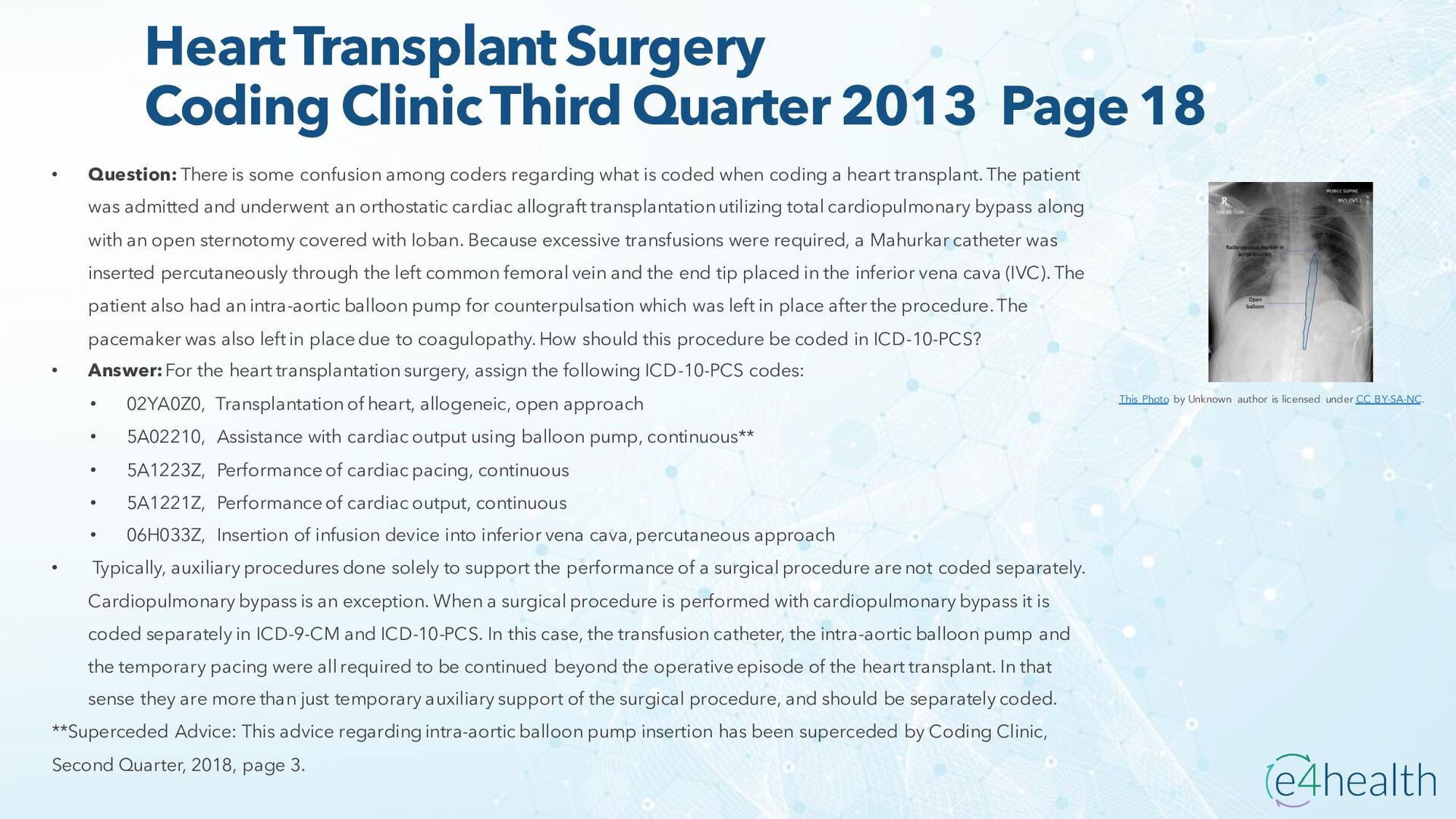
    • Question: There is some confusion among coders regarding what is coded when coding a heart transplant. The patient was admitted and underwent an orthostatic cardiac allograft transplantation utilizing total cardiopulmonary bypass along with an open sternotomy covered with Ioban. Because excessive transfusions were required, a Mahurkar catheter was inserted percutaneously through the left common femoral vein and the end tip placed in the inferior vena cava (IVC). The patient also had an intra-aortic balloon pump for counterpulsation which was left in place after the procedure. The pacemaker was also left in place due to coagulopathy. How should this procedure be coded in ICD-10-PCS? • Answer: For the heart transplantation surgery, assign the following ICD-10-PCS codes: • 02YA0Z0, Transplantation of heart, allogeneic, open approach • 5A02210, Assistance with cardiac output using balloon pump, continuous** • 5A1223Z, Performance of cardiac pacing, continuous • 5A1221Z, Performance of cardiac output, continuous • 06H033Z, Insertion of infusion device into inferior vena cava, percutaneous approach • Typically, auxiliary procedures done solely to support the performance of a surgical procedure are not coded separately. Cardiopulmonary bypass is an exception. When a surgical procedure is performed with cardiopulmonary bypass it is coded separately in ICD-9-CM and ICD-10-PCS. In this case, the transfusion catheter, the intra-aortic balloon pump and the temporary pacing were all required to be continued beyond the operative episode of the heart transplant. In that sense they are more than just temporary auxiliary support of the surgical procedure, and should be separately coded. **Superceded Advice: This advice regarding intra-aortic balloon pump insertion has been superceded by Coding Clinic, Second Quarter, 2018, page 3. This Photo by Unknown author is licensed under CC BY-SA-NC.
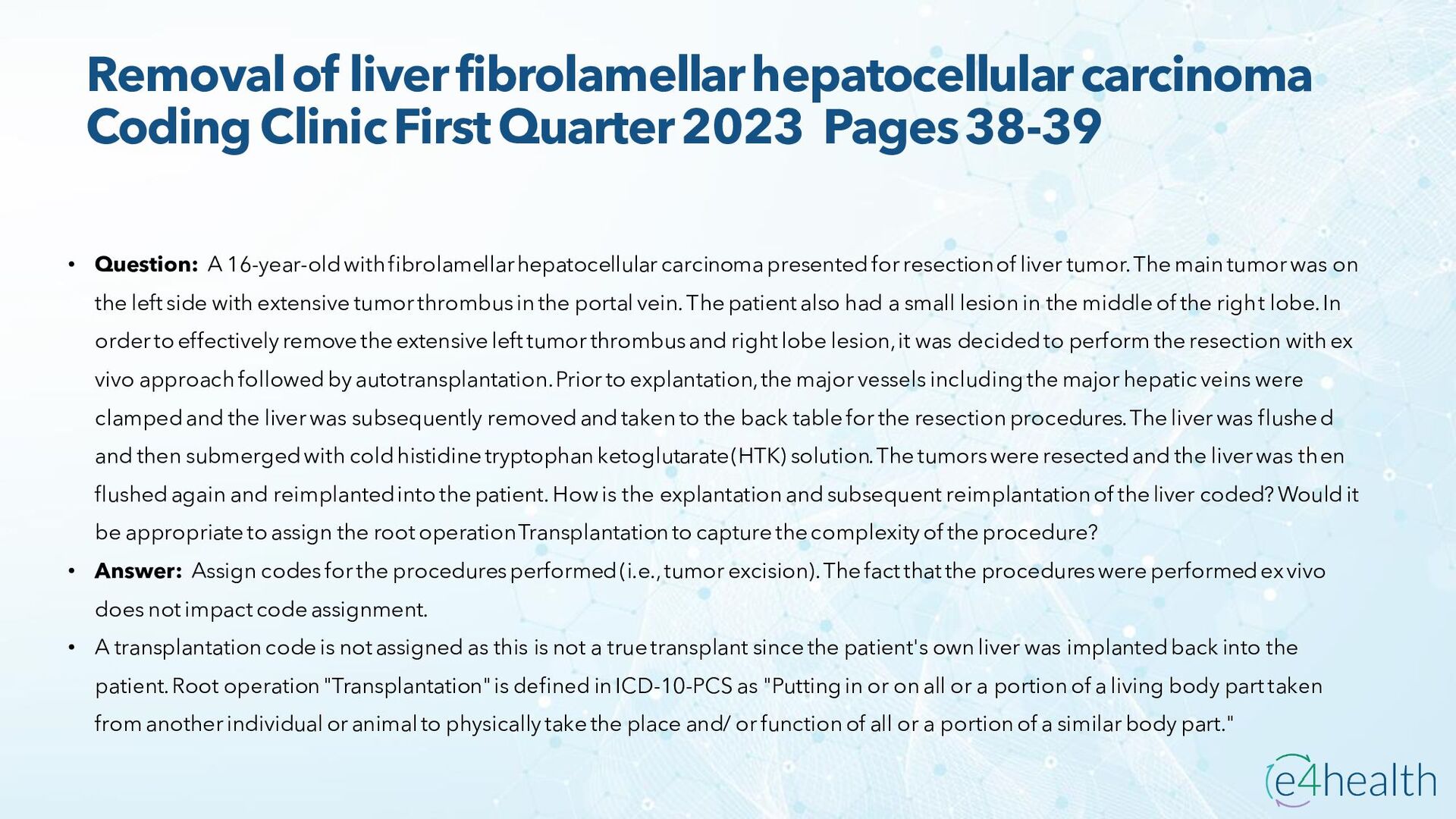
  26. Removal of liver fibrolamellar hepatocellular carcinoma Coding Clinic First Quarter

    2023 Pages 38-39 • Question: A 16-year-old with fibrolamellar hepatocellular carcinoma presented for resection of liver tumor. The main tumor was on the left side with extensive tumor thrombus in the portal vein. The patient also had a small lesion in the middle of the right lobe. In order to effectively remove the extensive left tumor thrombus and right lobe lesion, it was decided to perform the resection with ex vivo approach followed by autotransplantation. Prior to explantation, the major vessels including the major hepatic veins were clamped and the liver was subsequently removed and taken to the back table for the resection procedures. The liver was flushed and then submerged with cold histidine tryptophan ketoglutarate (HTK) solution. The tumors were resected and the liver was then flushed again and reimplanted into the patient. How is the explantation and subsequent reimplantation of the liver coded? Would it be appropriate to assign the root operation Transplantation to capture the complexity of the procedure? • Answer: Assign codes for the procedures performed (i.e., tumor excision). The fact that the procedures were performed ex vivo does not impact code assignment. • A transplantation code is not assigned as this is not a true transplant since the patient's own liver was implanted back into the patient. Root operation "Transplantation" is defined in ICD-10-PCS as "Putting in or on all or a portion of a living body part taken from another individual or animal to physically take the place and/ or function of all or a portion of a similar body part."
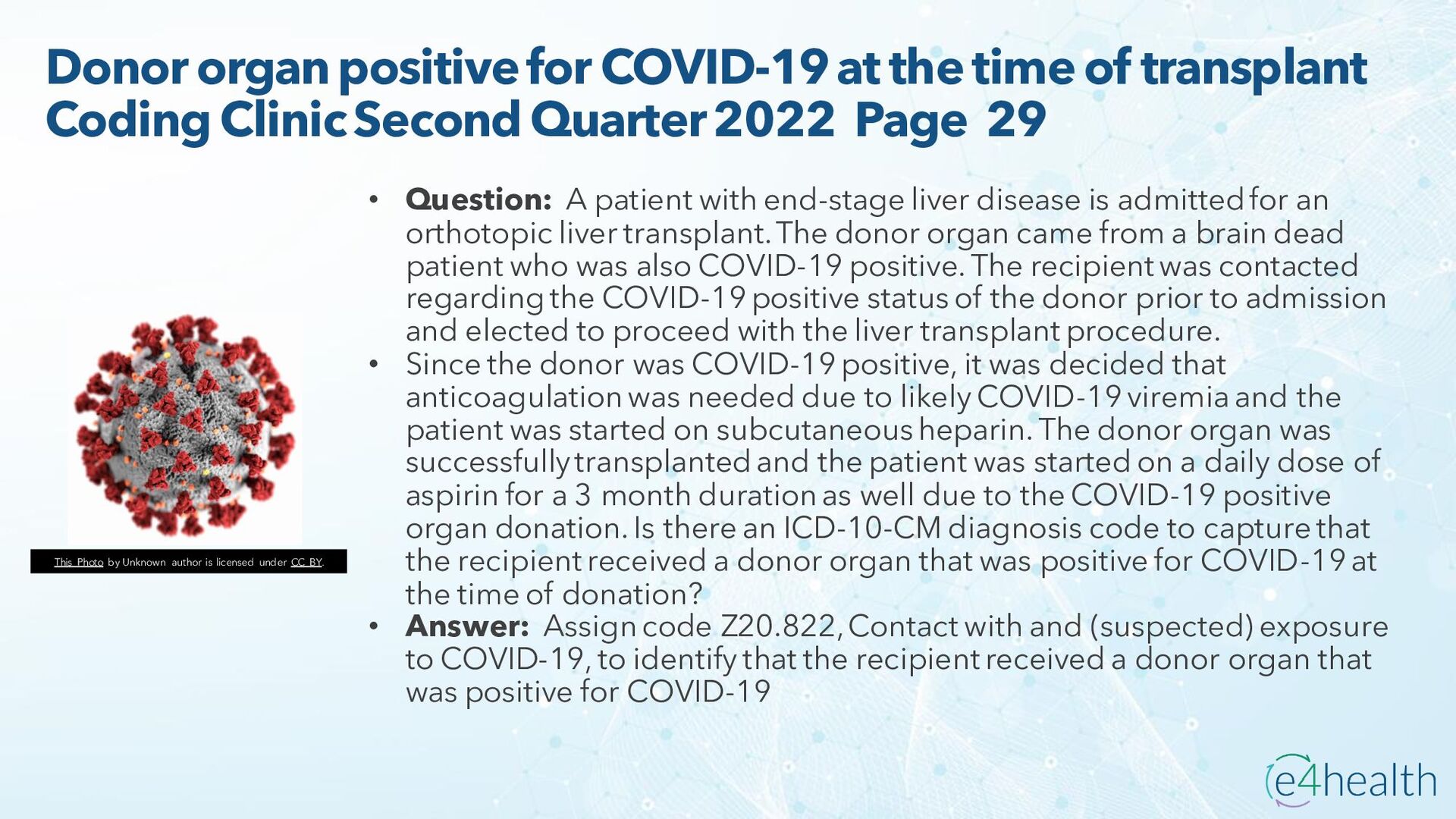
  27. Donor organ positive for COVID-19 at the time of transplant

    Coding Clinic Second Quarter 2022 Page 29 • Question: A patient with end-stage liver disease is admitted for an orthotopic liver transplant. The donor organ came from a brain dead patient who was also COVID-19 positive. The recipient was contacted regarding the COVID-19 positive status of the donor prior to admission and elected to proceed with the liver transplant procedure. • Since the donor was COVID-19 positive, it was decided that anticoagulation was needed due to likely COVID-19 viremia and the patient was started on subcutaneous heparin. The donor organ was successfully transplanted and the patient was started on a daily dose of aspirin for a 3 month duration as well due to the COVID-19 positive organ donation. Is there an ICD-10-CM diagnosis code to capture that the recipient received a donor organ that was positive for COVID-19 at the time of donation? • Answer: Assign code Z20.822, Contact with and (suspected) exposure to COVID-19, to identify that the recipient received a donor organ that was positive for COVID-19 This Photo by Unknown author is licensed under CC BY.
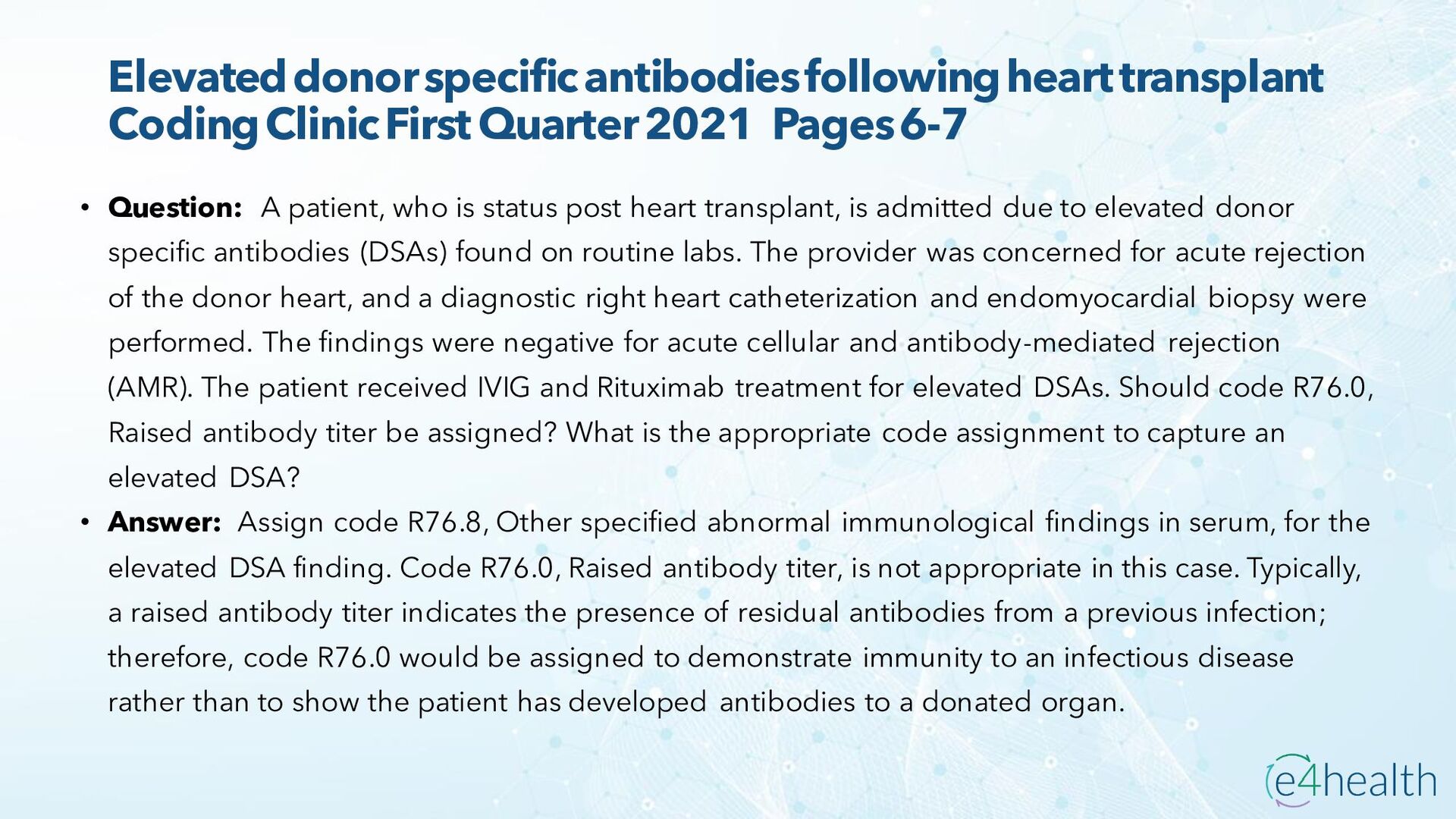
  28. Elevated donor specific antibodies following heart transplant Coding Clinic First

    Quarter 2021 Pages 6-7 • Question: A patient, who is status post heart transplant, is admitted due to elevated donor specific antibodies (DSAs) found on routine labs. The provider was concerned for acute rejection of the donor heart, and a diagnostic right heart catheterization and endomyocardial biopsy were performed. The findings were negative for acute cellular and antibody-mediated rejection (AMR). The patient received IVIG and Rituximab treatment for elevated DSAs. Should code R76.0, Raised antibody titer be assigned? What is the appropriate code assignment to capture an elevated DSA? • Answer: Assign code R76.8, Other specified abnormal immunological findings in serum, for the elevated DSA finding. Code R76.0, Raised antibody titer, is not appropriate in this case. Typically, a raised antibody titer indicates the presence of residual antibodies from a previous infection; therefore, code R76.0 would be assigned to demonstrate immunity to an infectious disease rather than to show the patient has developed antibodies to a donated organ.
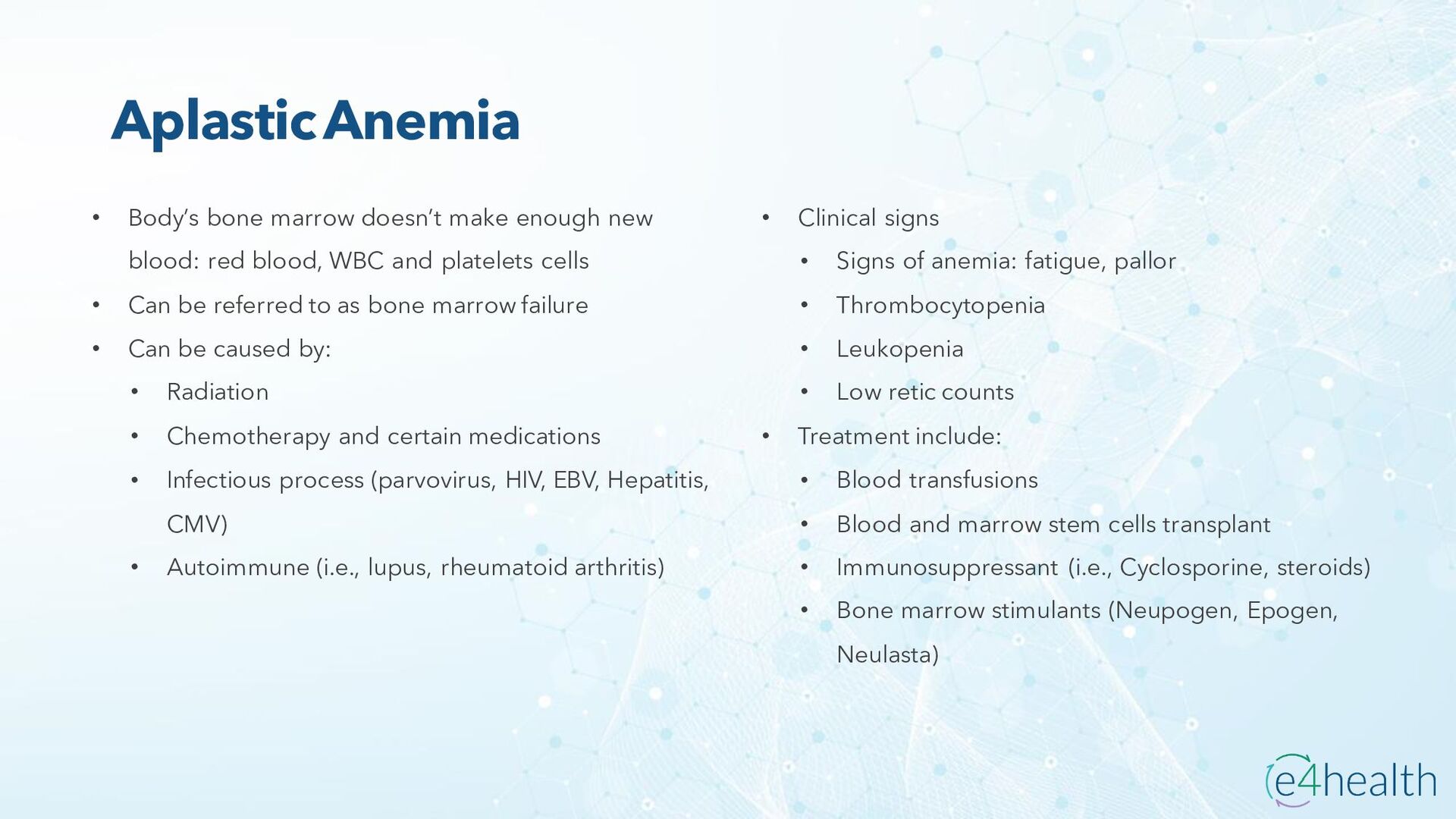
  29. Aplastic Anemia • Body’s bone marrow doesn’t make enough new

    blood: red blood, WBC and platelets cells • Can be referred to as bone marrow failure • Can be caused by: • Radiation • Chemotherapy and certain medications • Infectious process (parvovirus, HIV, EBV, Hepatitis, CMV) • Autoimmune (i.e., lupus, rheumatoid arthritis) • Clinical signs • Signs of anemia: fatigue, pallor • Thrombocytopenia • Leukopenia • Low retic counts • Treatment include: • Blood transfusions • Blood and marrow stem cells transplant • Immunosuppressant (i.e., Cyclosporine, steroids) • Bone marrow stimulants (Neupogen, Epogen, Neulasta)
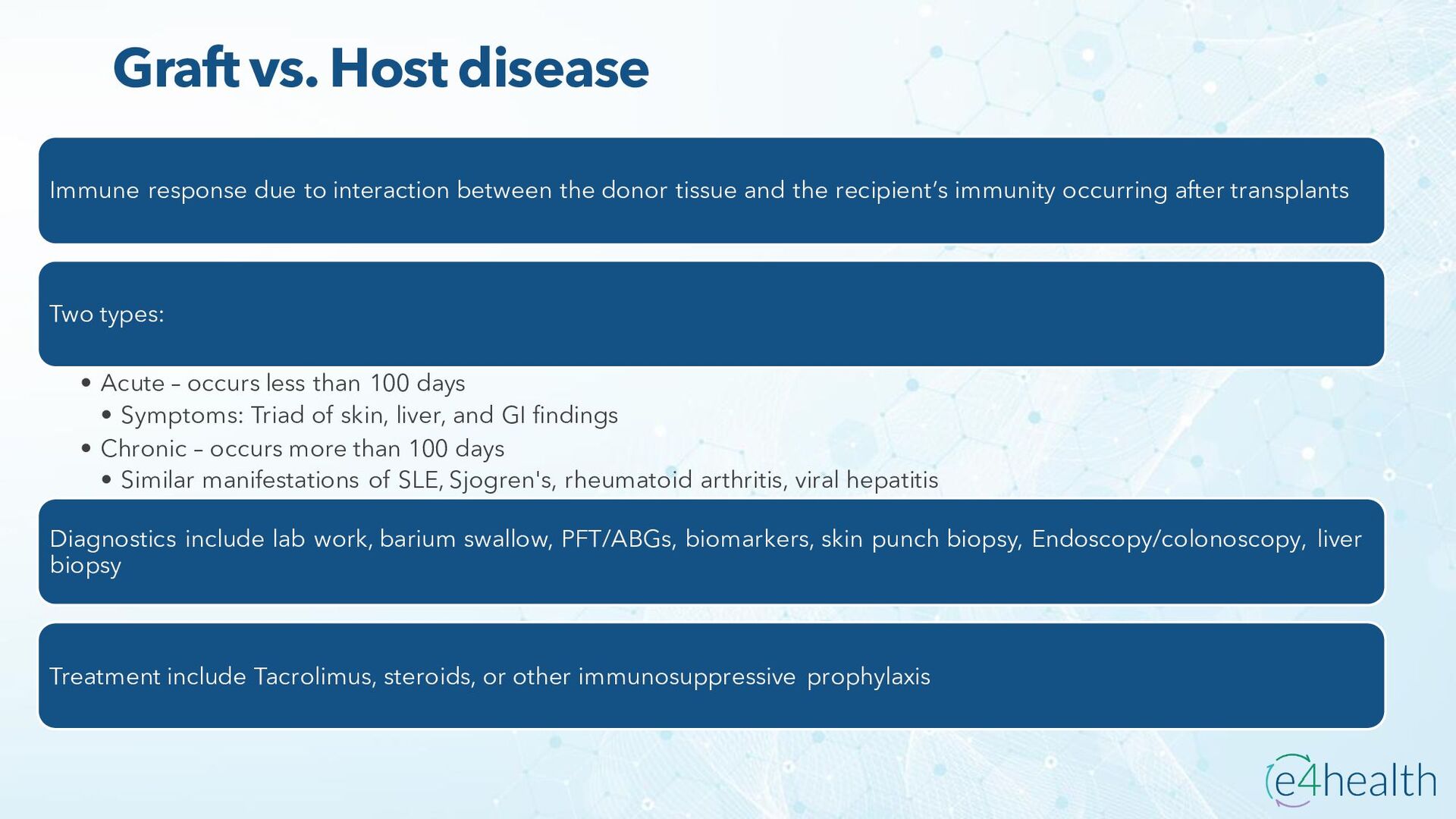
  30. Graft vs. Host disease Immune response due to interaction between

    the donor tissue and the recipient’s immunity occurring after transplants Two types: • Acute – occurs less than 100 days • Symptoms: Triad of skin, liver, and GI findings • Chronic – occurs more than 100 days • Similar manifestations of SLE, Sjogren's, rheumatoid arthritis, viral hepatitis Diagnostics include lab work, barium swallow, PFT/ABGs, biomarkers, skin punch biopsy, Endoscopy/colonoscopy, liver biopsy Treatment include Tacrolimus, steroids, or other immunosuppressive prophylaxis
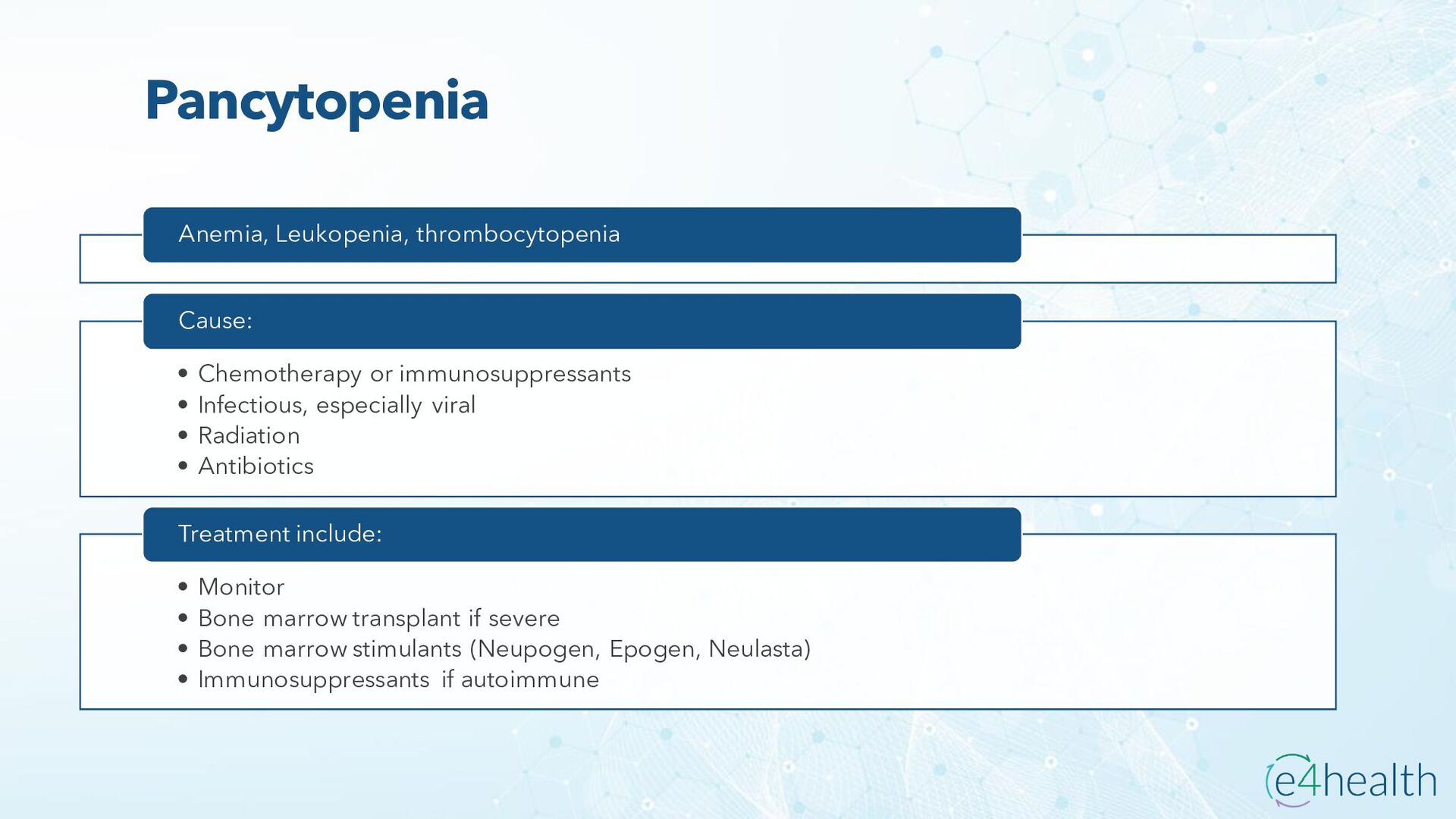
  31. Pancytopenia Anemia, Leukopenia, thrombocytopenia • Chemotherapy or immunosuppressants • Infectious,

    especially viral • Radiation • Antibiotics Cause: • Monitor • Bone marrow transplant if severe • Bone marrow stimulants (Neupogen, Epogen, Neulasta) • Immunosuppressants if autoimmune Treatment include:
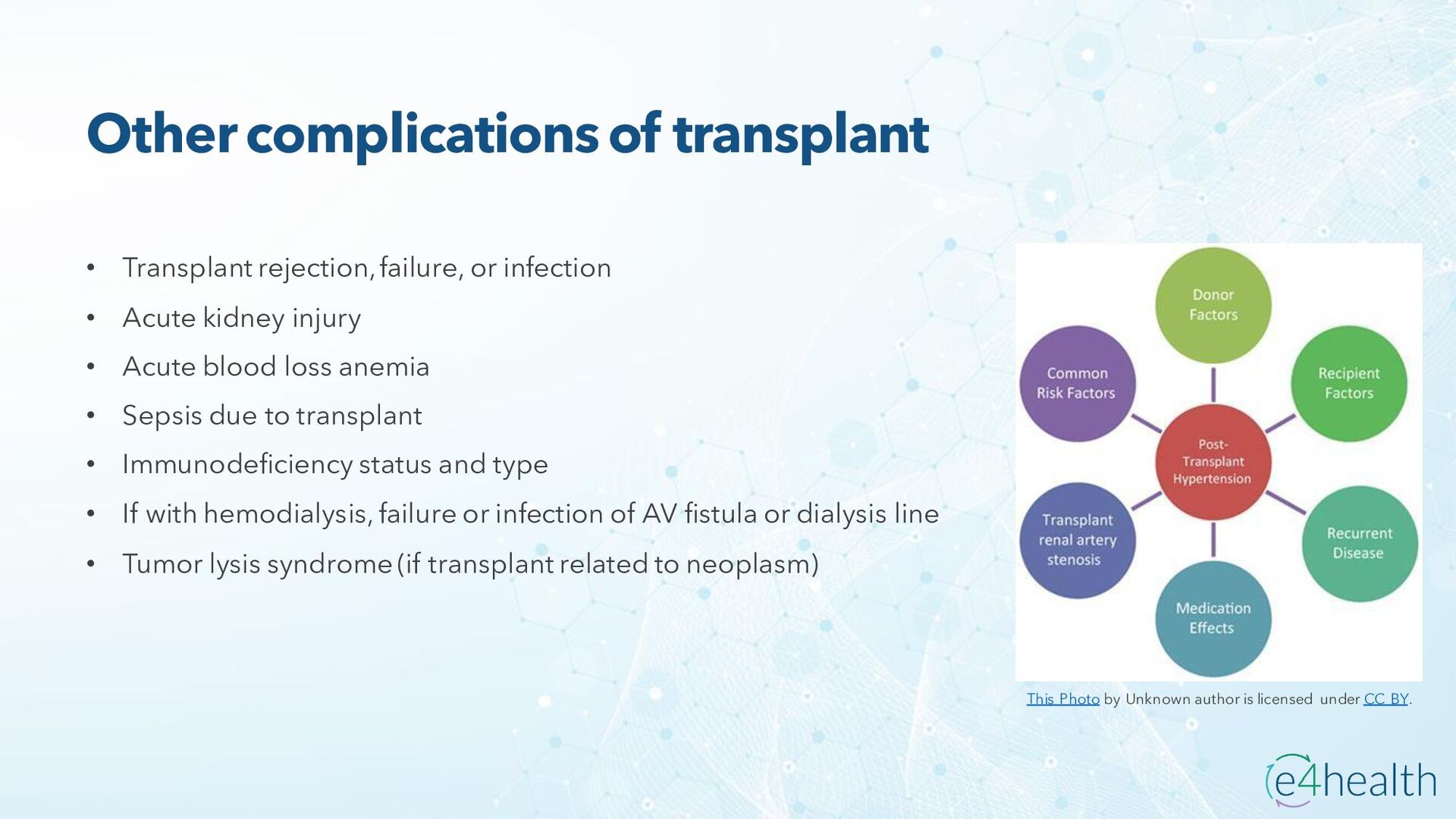
  32. Other complications of transplant • Transplant rejection, failure, or infection

    • Acute kidney injury • Acute blood loss anemia • Sepsis due to transplant • Immunodeficiency status and type • If with hemodialysis, failure or infection of AV fistula or dialysis line • Tumor lysis syndrome (if transplant related to neoplasm) This Photo by Unknown author is licensed under CC BY.
  33. Malignant Neoplasms in Transplanted Organs – Query opportunity • If

    documentation is unclear, clarify a transplanted organ is also related to a neoplasm • If more than one transplanted organ, need to clarify which organ • “-mias” in relation to transplanted organ vs. treatment • Acute kidney injury with or without ATN: look at chemistry and UA • Look for transplant: • Failure: transplanted organ function is decreasing OR Rejection: tissue is rejected by recipient’s immune system • Pain or swelling in organ area, organ function decreased, flu-like symptoms • CT scan, CXR, ultrasound, biopsy • Look for medical noncompliance or graft vs host disease • Infection • Need documentation of suspected organism being treated, if present
  34. Extracorporeal membrane oxygenation (ECMO) Type of artificial life support that

    can help a person whose lungs and heart aren’t functioning correctly. ECMO continuously pumps blood out of your body and then sends it through devices that add oxygen and remove carbon dioxide. It then pumps the blood back into your body. Used for conditions such as, Acute respiratory distress syndrome Pulmonary embolism Heart injuries, such as trauma or heart attack Newborns with heart or lung problems, especially premature Surgeries such as transplant, heart and lung surgery
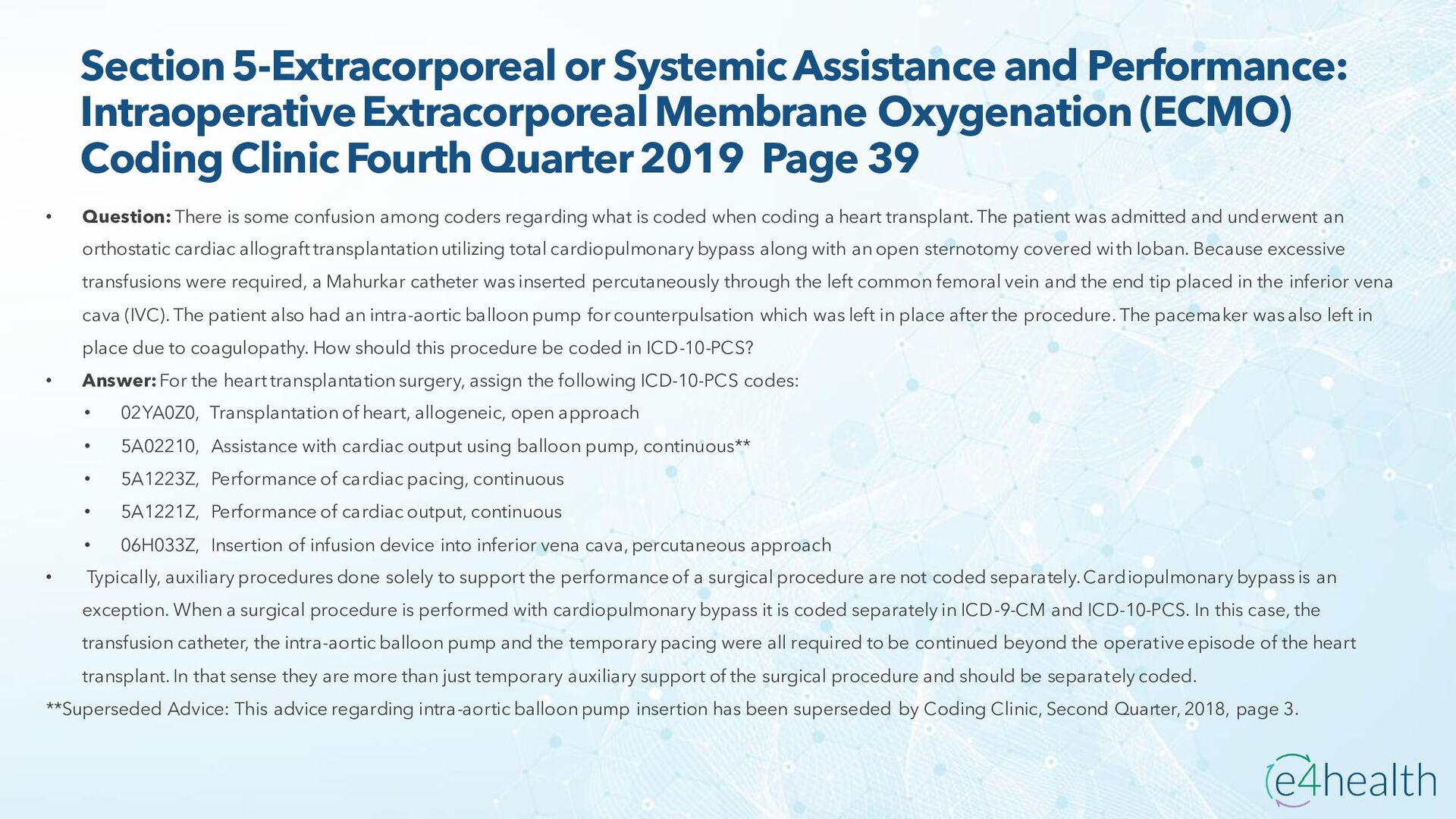
  35. Section 5-Extracorporeal or Systemic Assistance and Performance: Intraoperative Extracorporeal Membrane

    Oxygenation (ECMO) Coding ClinicFourth Quarter 2019 Page 39 • Question: There is some confusion among coders regarding what is coded when coding a heart transplant. The patient was admitted and underwent an orthostatic cardiac allograft transplantation utilizing total cardiopulmonary bypass along with an open sternotomy covered with Ioban. Because excessive transfusions were required, a Mahurkar catheter was inserted percutaneously through the left common femoral vein and the end tip placed in the inferior vena cava (IVC). The patient also had an intra-aortic balloon pump for counterpulsation which was left in place after the procedure. The pacemaker was also left in place due to coagulopathy. How should this procedure be coded in ICD-10-PCS? • Answer: For the heart transplantation surgery, assign the following ICD-10-PCS codes: • 02YA0Z0, Transplantation of heart, allogeneic, open approach • 5A02210, Assistance with cardiac output using balloon pump, continuous** • 5A1223Z, Performance of cardiac pacing, continuous • 5A1221Z, Performance of cardiac output, continuous • 06H033Z, Insertion of infusion device into inferior vena cava, percutaneous approach • Typically, auxiliary procedures done solely to support the performance of a surgical procedure are not coded separately. Cardiopulmonary bypass is an exception. When a surgical procedure is performed with cardiopulmonary bypass it is coded separately in ICD-9-CM and ICD-10-PCS. In this case, the transfusion catheter, the intra-aortic balloon pump and the temporary pacing were all required to be continued beyond the operative episode of the heart transplant. In that sense they are more than just temporary auxiliary support of the surgical procedure and should be separately coded. **Superseded Advice: This advice regarding intra-aortic balloon pump insertion has been superseded by Coding Clinic, Second Quarter, 2018, page 3.
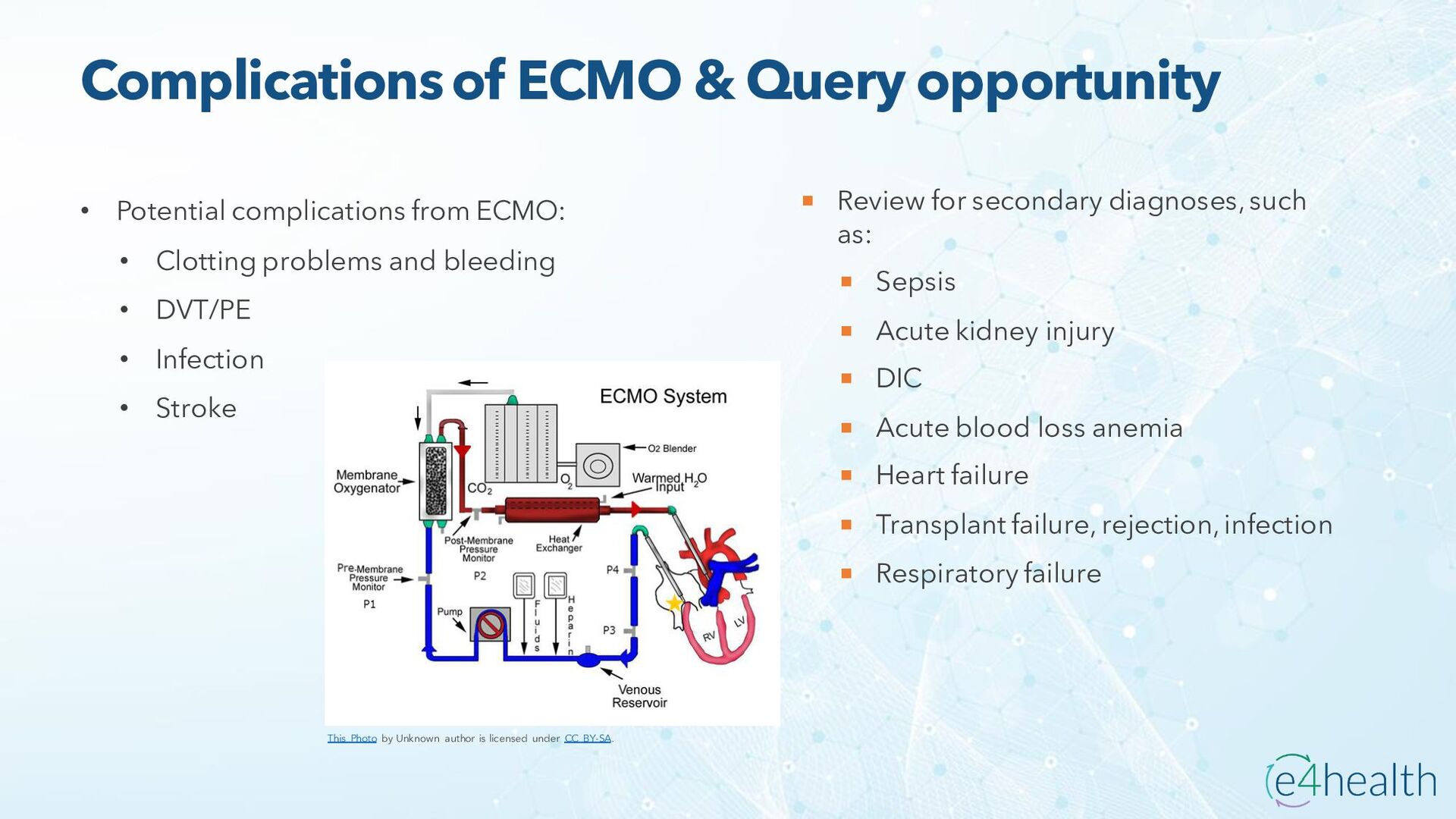
  36. Complications of ECMO & Query opportunity • Potential complications from

    ECMO: • Clotting problems and bleeding • DVT/PE • Infection • Stroke  Review for secondary diagnoses, such as:  Sepsis  Acute kidney injury  DIC  Acute blood loss anemia  Heart failure  Transplant failure, rejection, infection  Respiratory failure This Photo by Unknown author is licensed under CC BY-SA.
  37. Tracheostomy • Two different MS-DRGs dependent upon if the patient

    had a face, mouth and neck diagnoses OR a laryngectomy • MS-DRG 011-013 weights are significantly lower than 003-004 • MS-DRG 003 and 004 are often seen in patients with respiratory failure that requires a tracheostomy • TRACHEOSTOMY WITH MV >96 HOURS OR PRINCIPAL DIAGNOSIS EXCEPT FACE, MOUTH AND NECK WITH/WITHOUT MAJOR O.R. PROCEDURES • MS-DRG 003 = 20.2371 • MS-DRG 004 = 13.7317 • TRACHEOSTOMY FOR FACE, MOUTH AND NECK DIAGNOSES OR LARYNGECTOMY With/WITHOUT CC/MCC • MS-DRG 011 = 5.1652 • MS-DRG 012 = 3.9095 • MS-DRG 013 = 2.8283
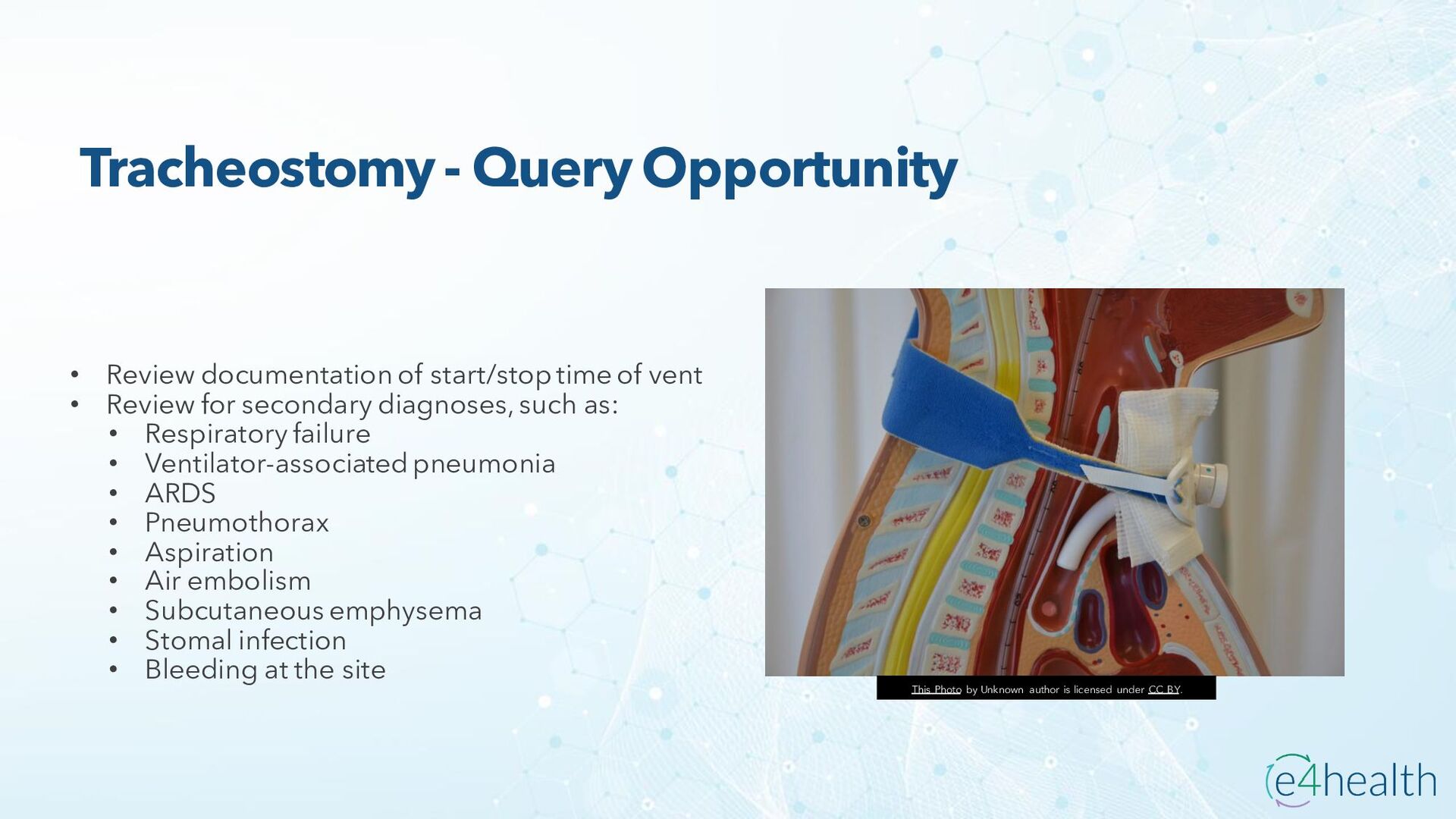
  38. Tracheostomy - Query Opportunity • Review documentation of start/stop time

    of vent • Review for secondary diagnoses, such as: • Respiratory failure • Ventilator-associated pneumonia • ARDS • Pneumothorax • Aspiration • Air embolism • Subcutaneous emphysema • Stomal infection • Bleeding at the site This Photo by Unknown author is licensed under CC BY.
  39. References • AHA ICD-10-CM and ICD-10-PCS Coding Handbook • ICD-10-PCS:

    An Applied Approach 2023 • Cengage: 3-2-1 CODE IT! • Medical Terminology Systems, 8th Edition • ICD-10-CM/PCS MS-DRG v40.0 Definitions Manual - Pre-MDC • American Thoracic Society - What is ECMO • NIH - TRACHEOSTOMY COMPLICATIONS AND THEIR MANAGEMENT