Consultant, Data Scientist IBM, New York • B. Eng. Chemical Engineering, June 2015 (University of Port Harcourt, Nigeria) • M. Sc Data Science, May 2021 (George Washington University, Washington DC) • Hiking/exploring nature • Playing the piano Favorite way to pass time • 5 years experience building digital solutions to meet client’s needs About Me @eemuraye linkedin.com/in/eserichard
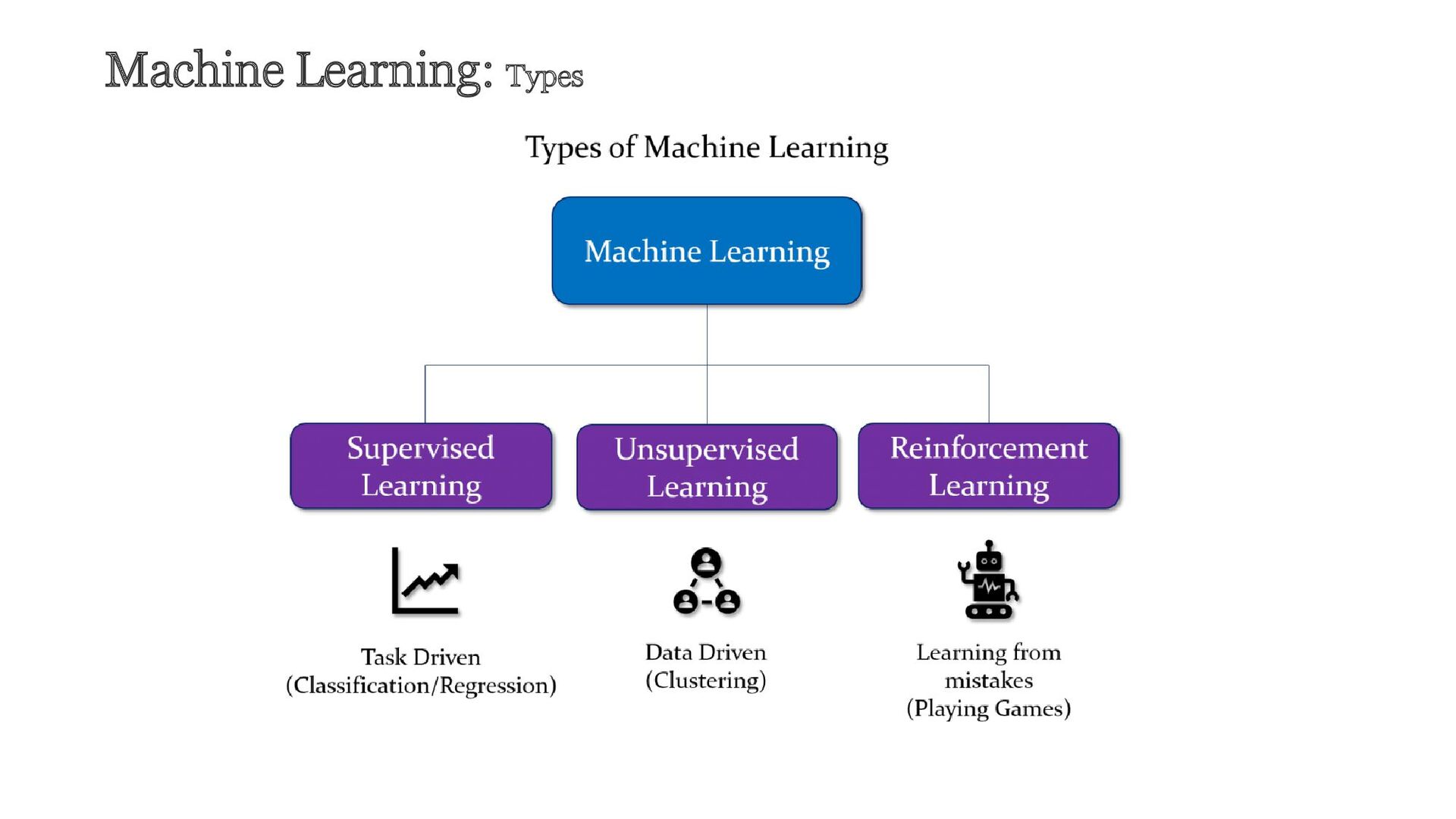
Machine Learning • Applications • Types • Supervised Learning • Deep Learning • Neural Network • Some applications of Data Science/Machine Learning in Chemical Engineering • Tools and packages • Key Takeaways
Learning and Deep Learning • Understand the everyday applications of Machine Learning • Gain intuition to discover Machine Learning applications in Chemical Engineering
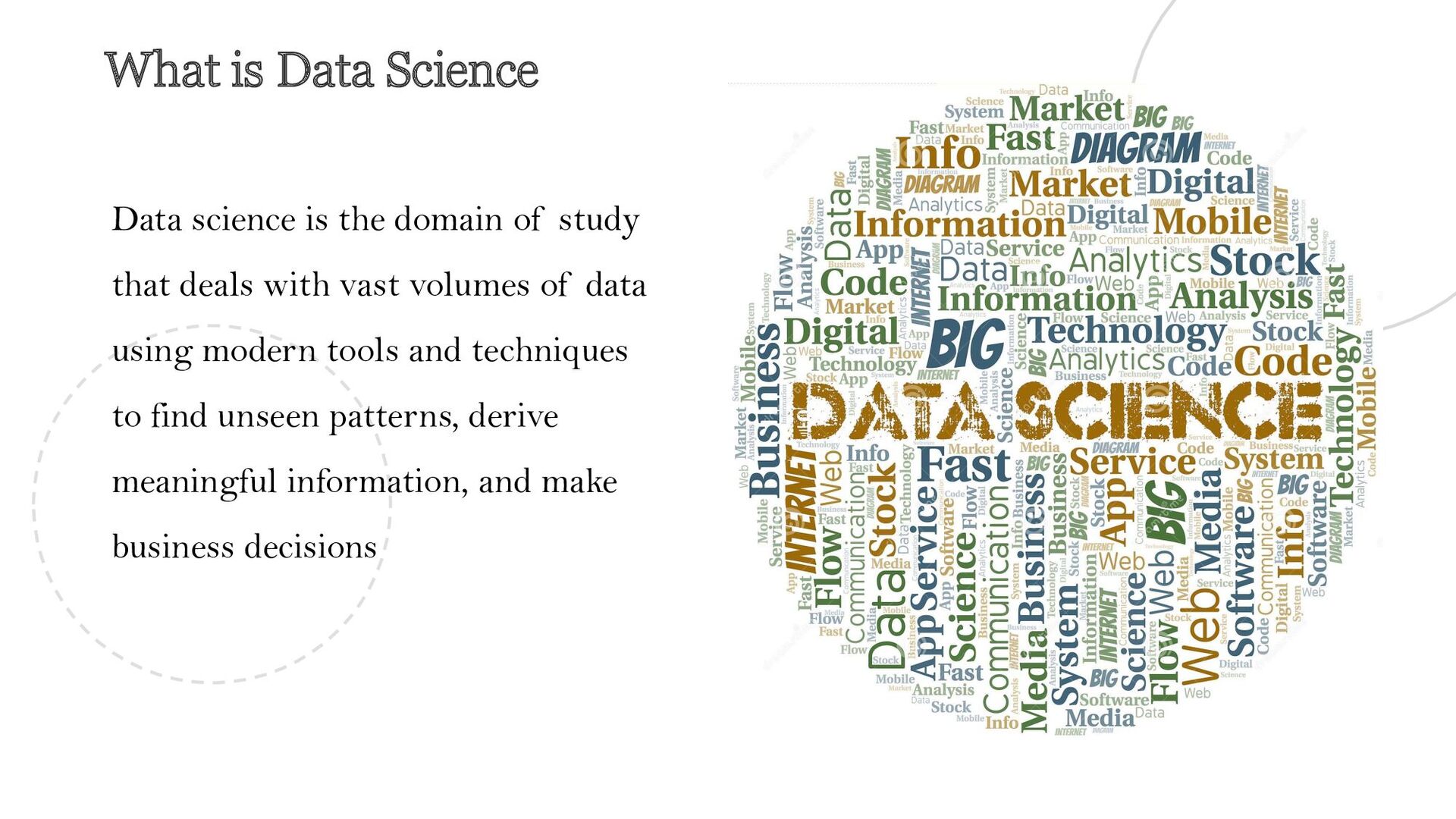
study that deals with vast volumes of data using modern tools and techniques to find unseen patterns, derive meaningful information, and make business decisions
so they can learn from input data • Learning is the process of acquiring knowledge/skills through experience • Machine Learning is a branch of Artificial Intelligence that enables computers perform tasks without explicitly programmed
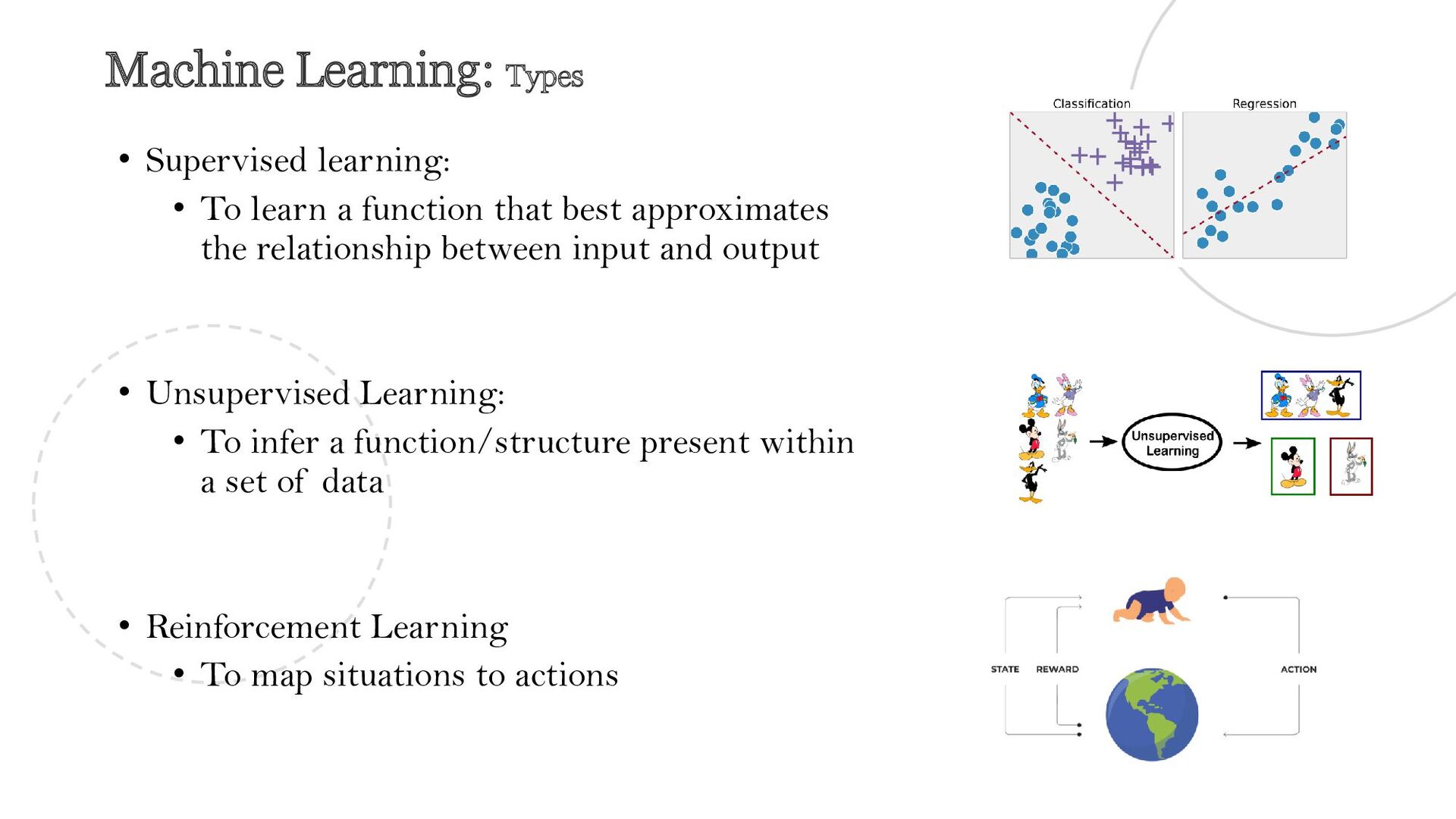
function that best approximates the relationship between input and output • Unsupervised Learning: • To infer a function/structure present within a set of data • Reinforcement Learning • To map situations to actions
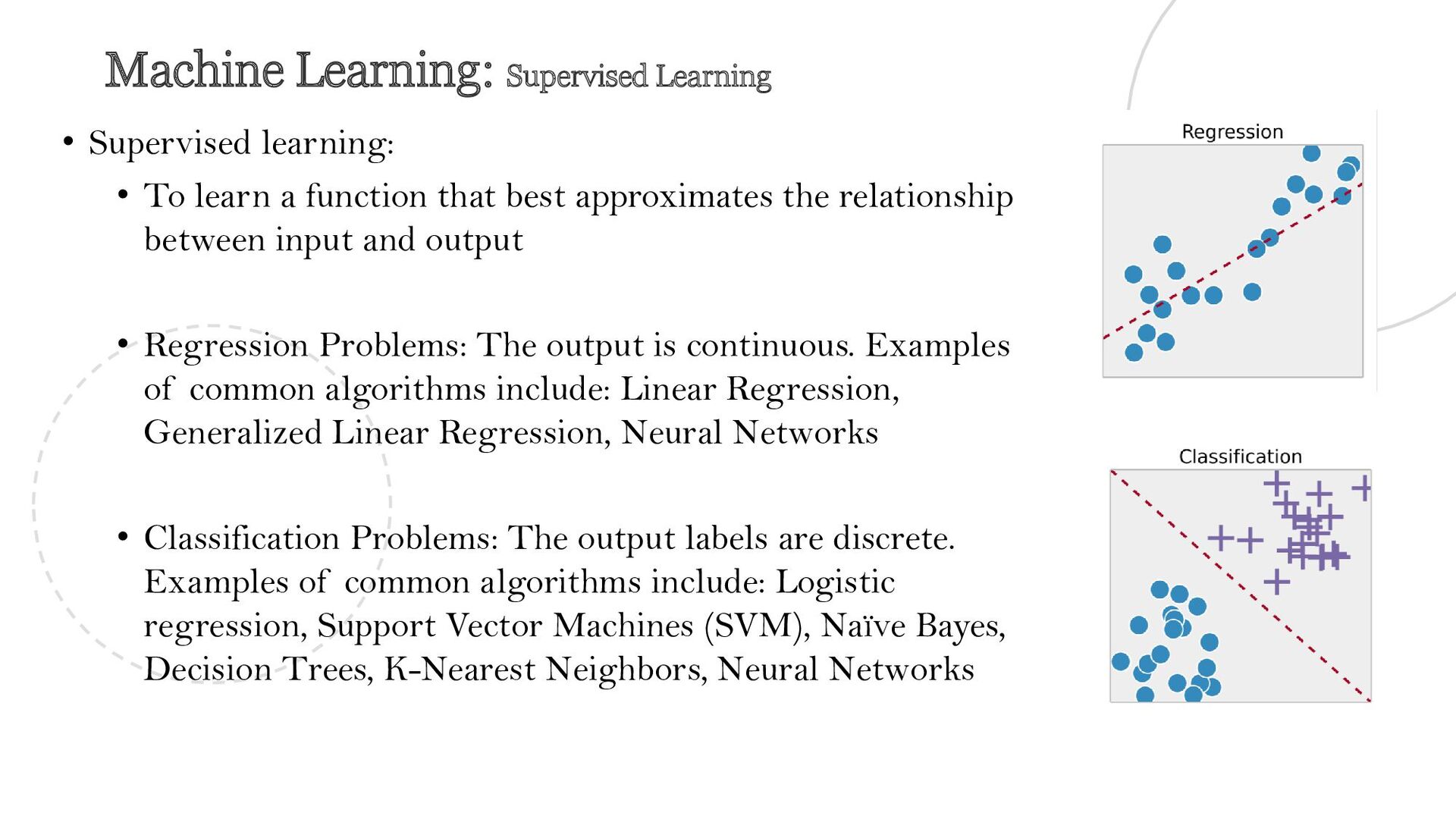
a function that best approximates the relationship between input and output • Regression Problems: The output is continuous. Examples of common algorithms include: Linear Regression, Generalized Linear Regression, Neural Networks • Classification Problems: The output labels are discrete. Examples of common algorithms include: Logistic regression, Support Vector Machines (SVM), Naïve Bayes, Decision Trees, K-Nearest Neighbors, Neural Networks
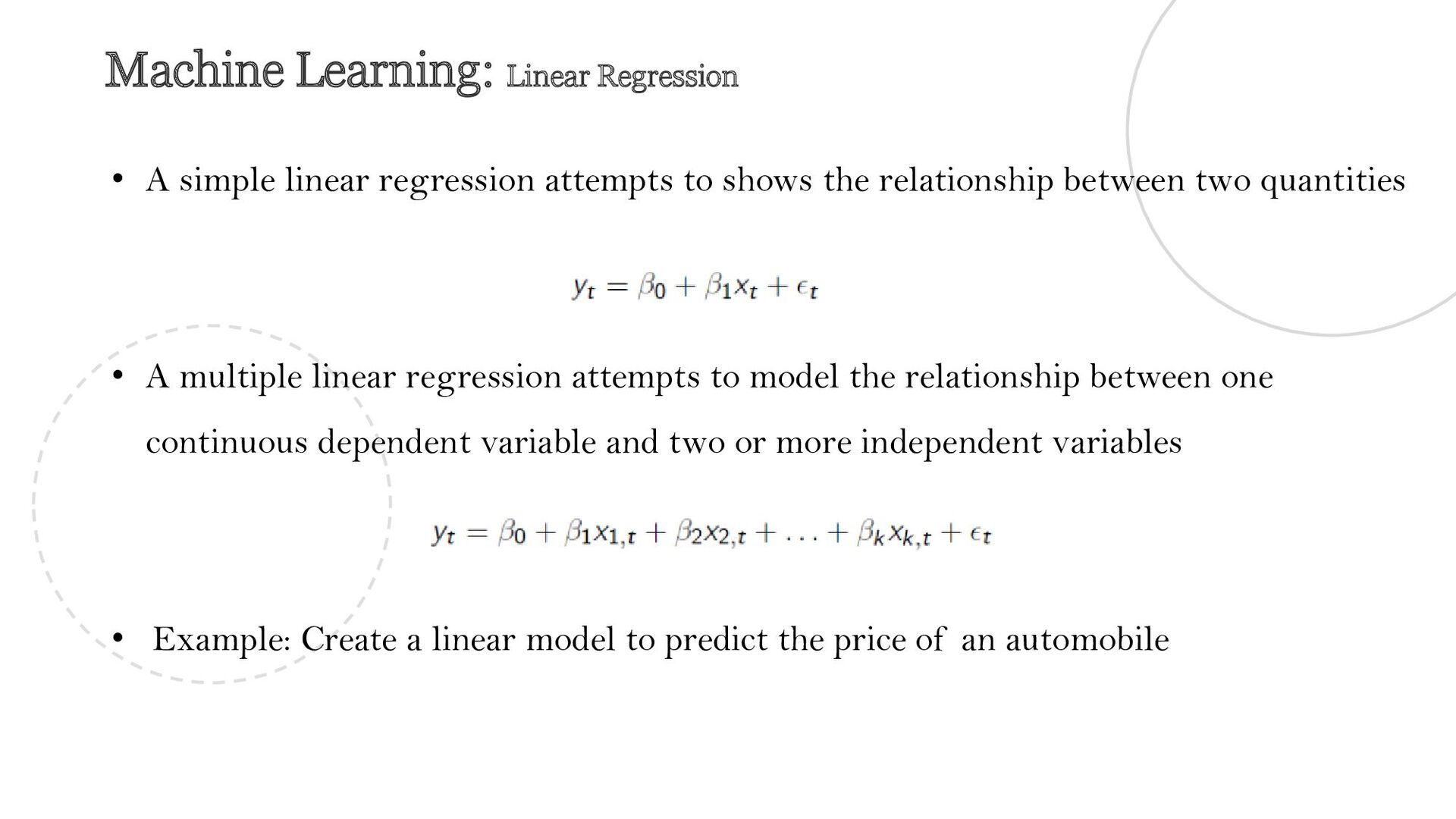
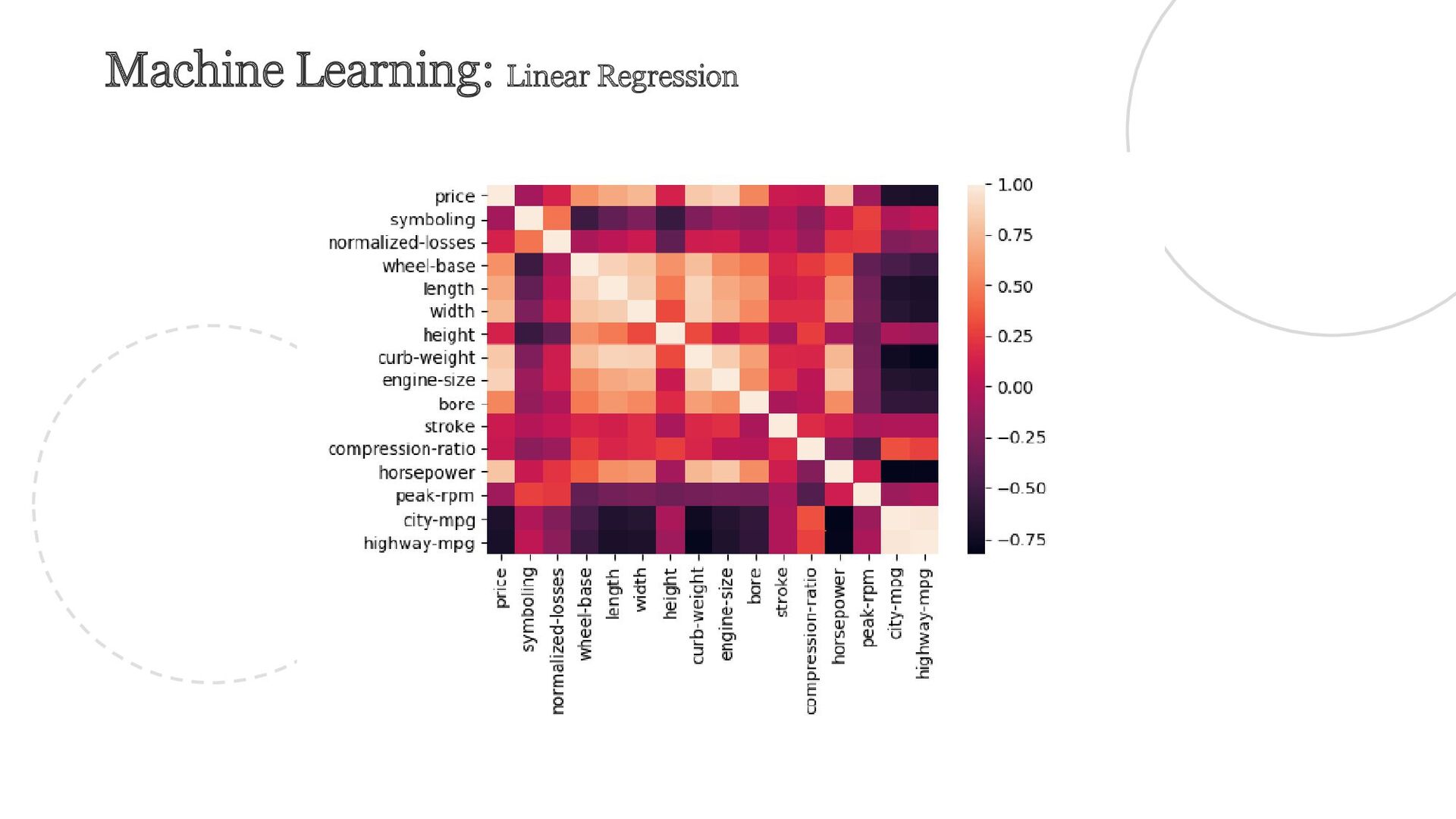
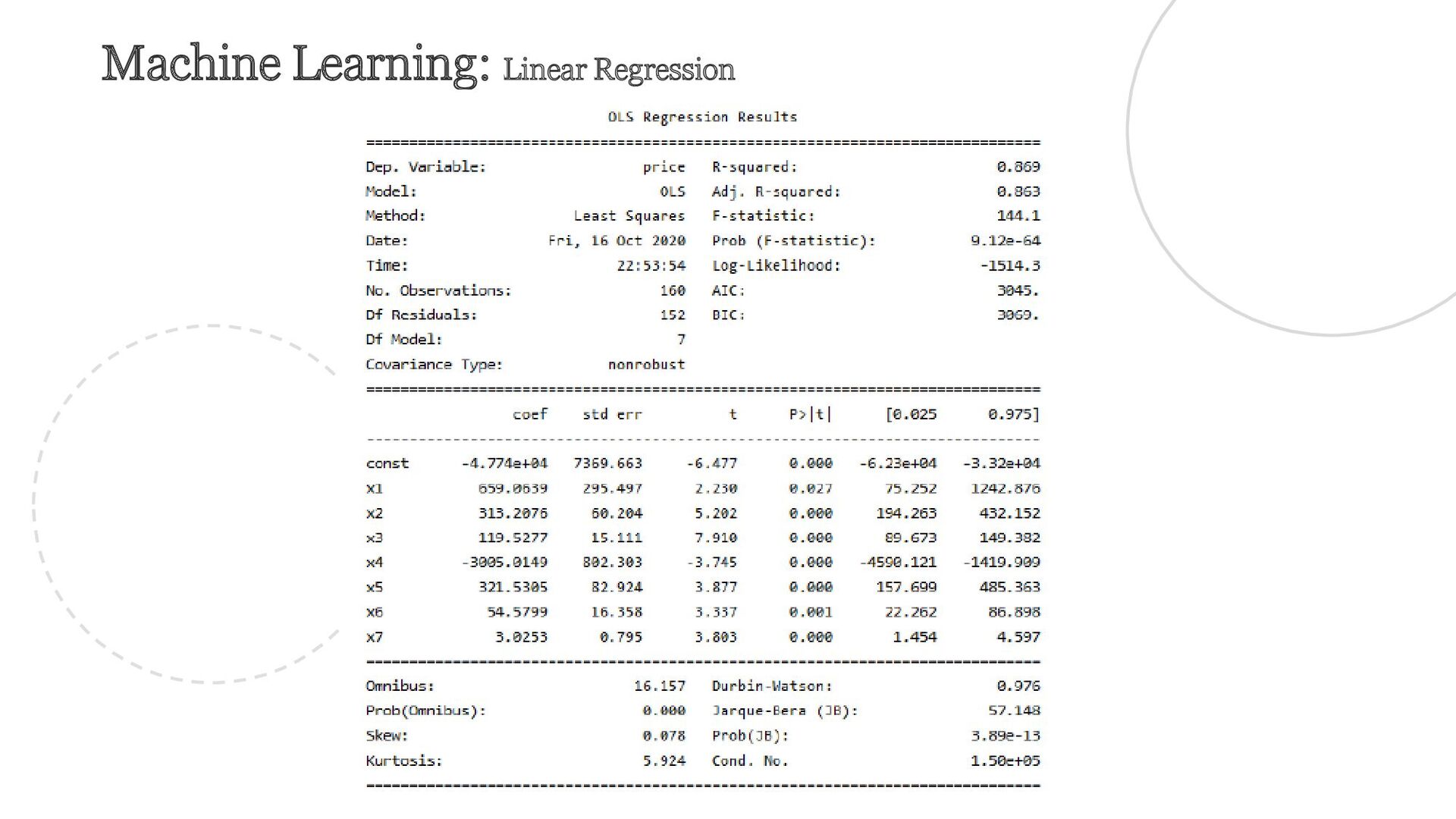
to shows the relationship between two quantities • A multiple linear regression attempts to model the relationship between one continuous dependent variable and two or more independent variables • Example: Create a linear model to predict the price of an automobile
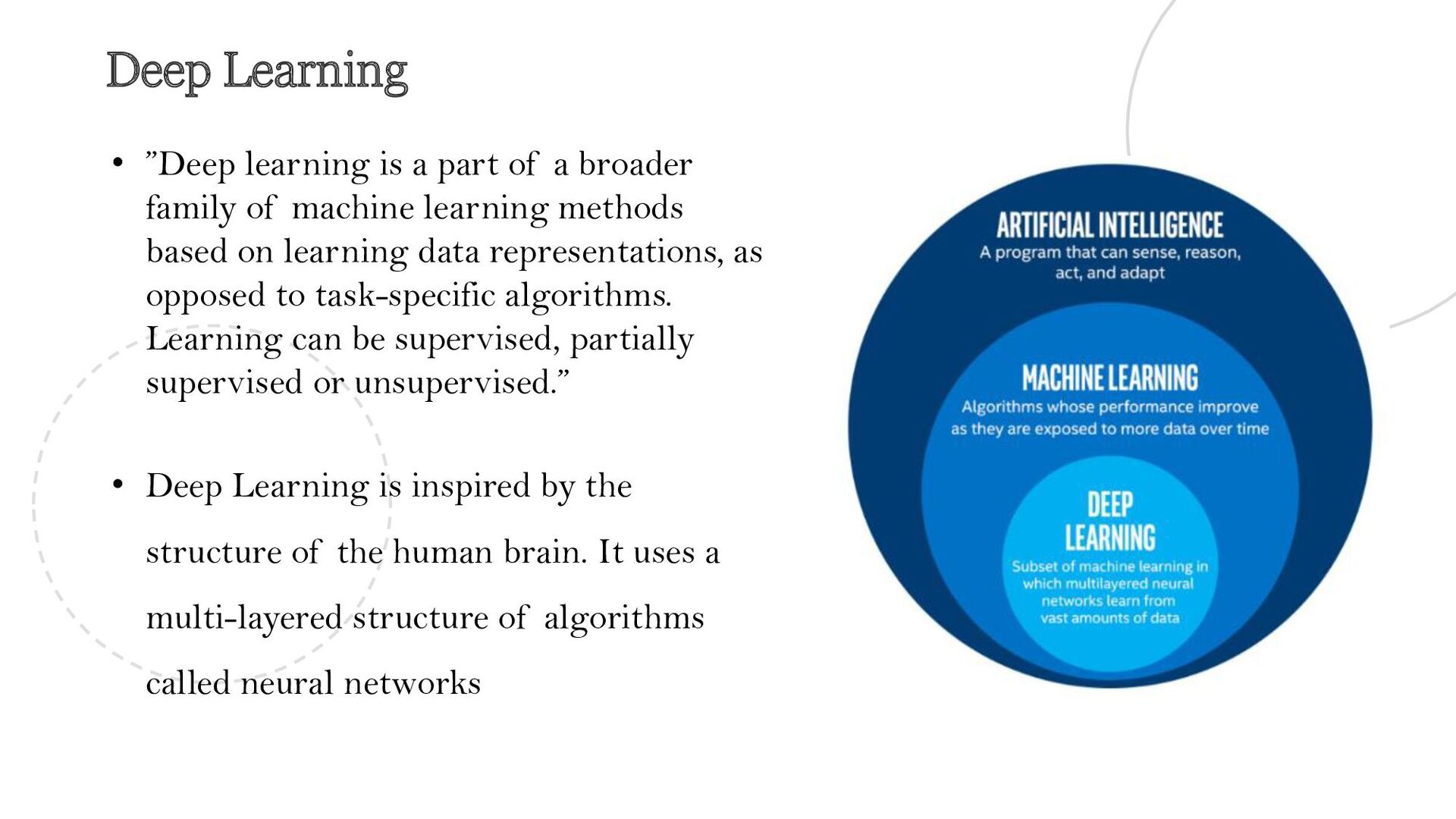
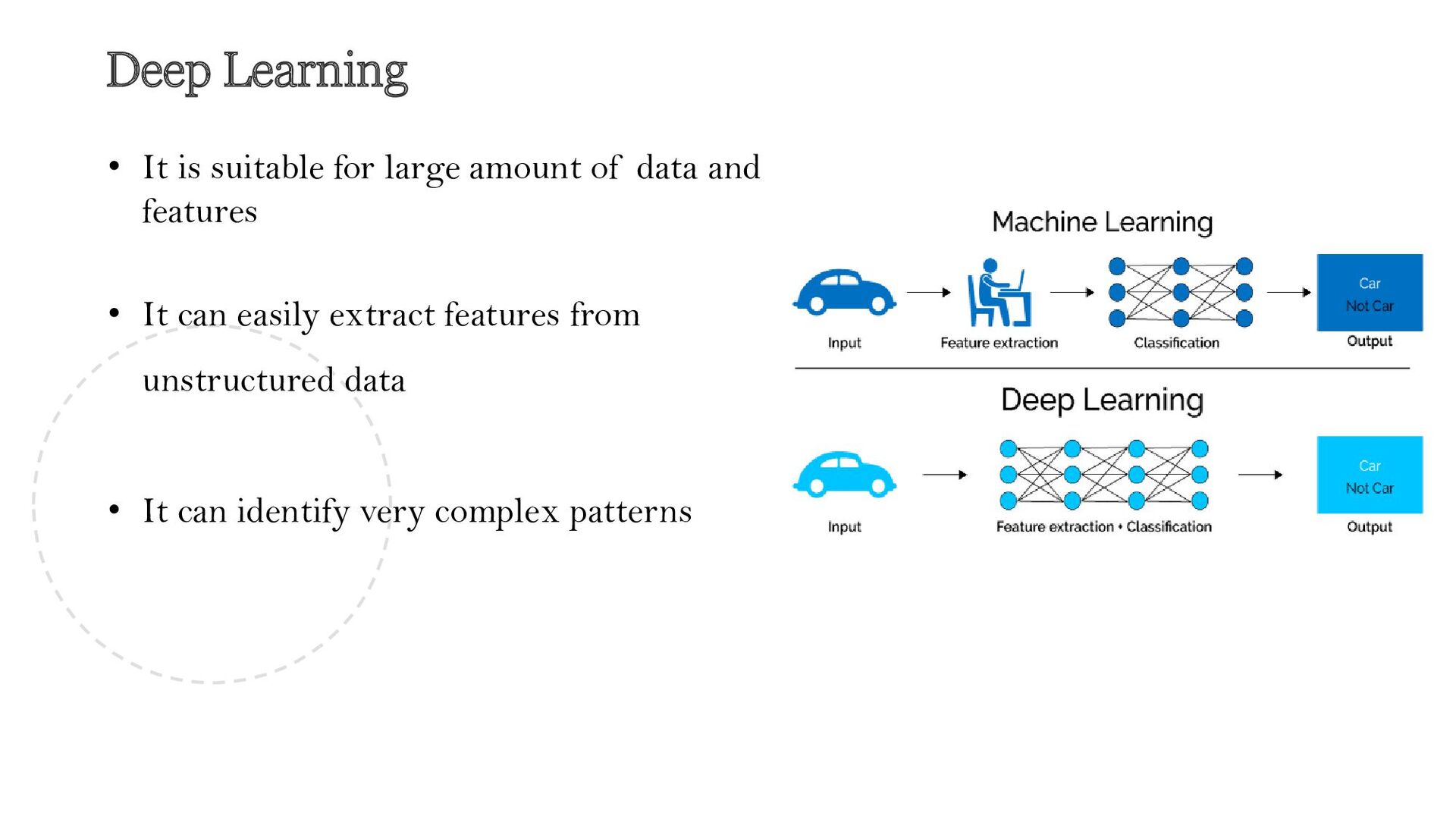
broader family of machine learning methods based on learning data representations, as opposed to task-specific algorithms. Learning can be supervised, partially supervised or unsupervised.” • Deep Learning is inspired by the structure of the human brain. It uses a multi-layered structure of algorithms called neural networks
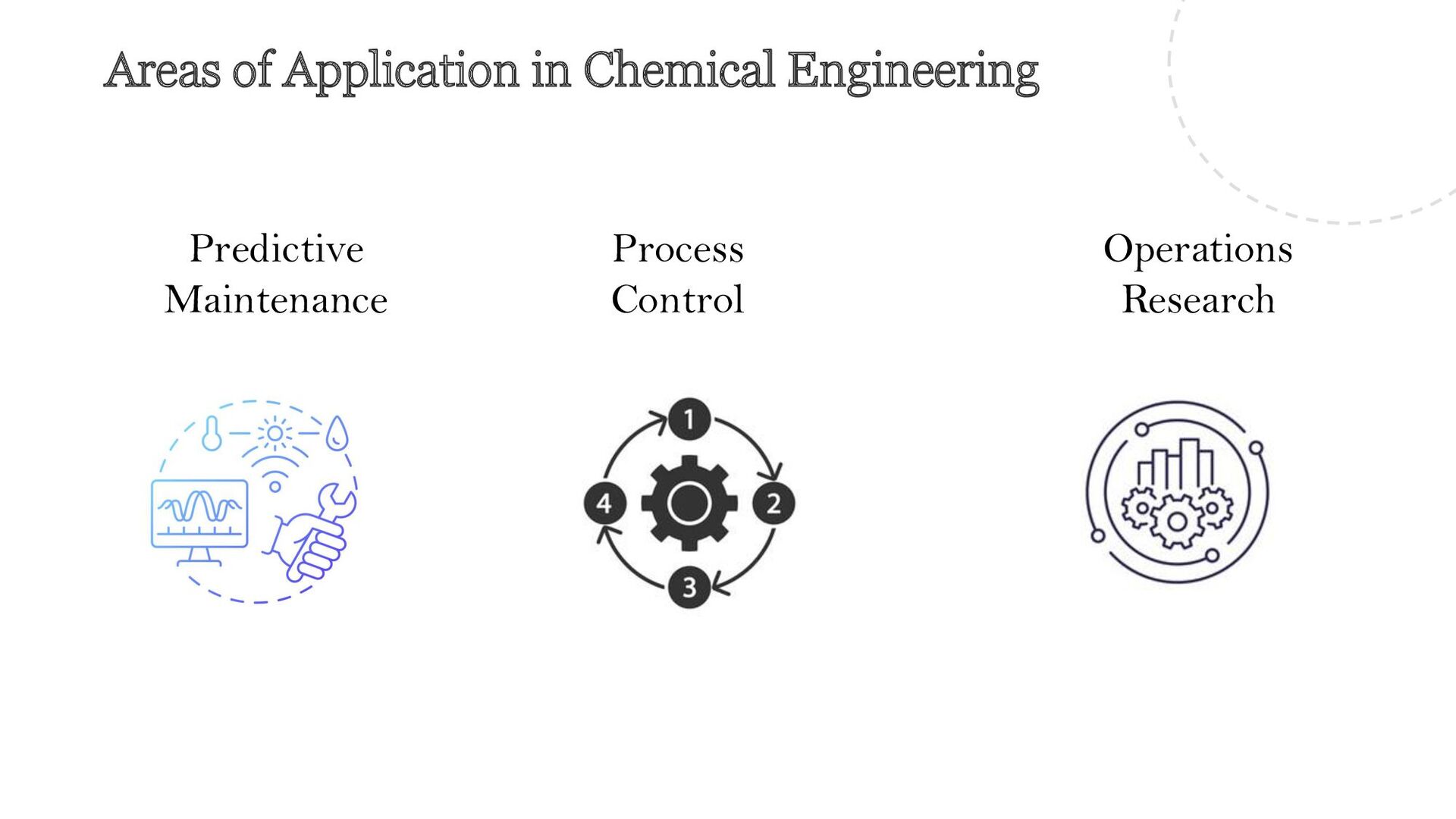
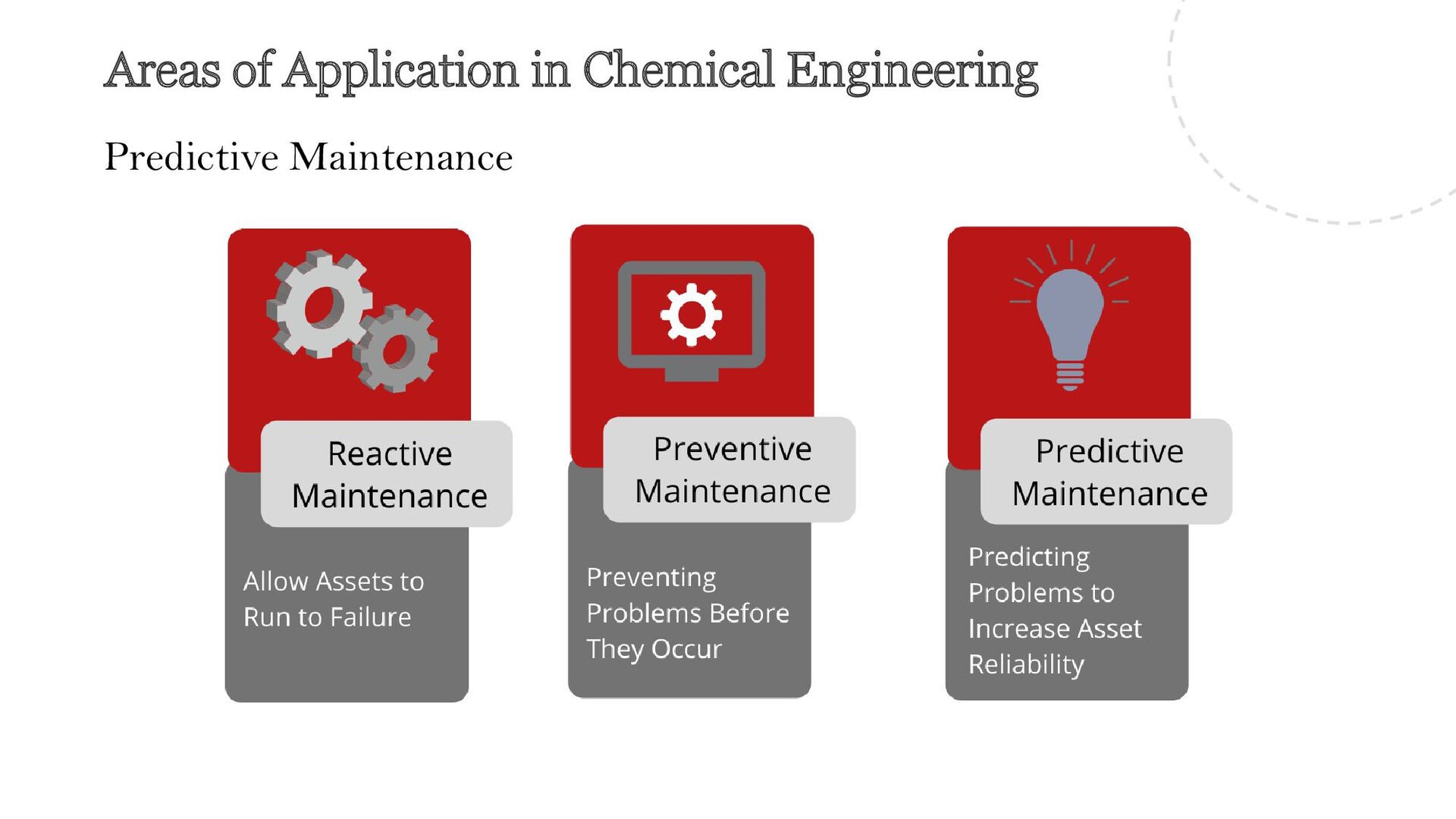
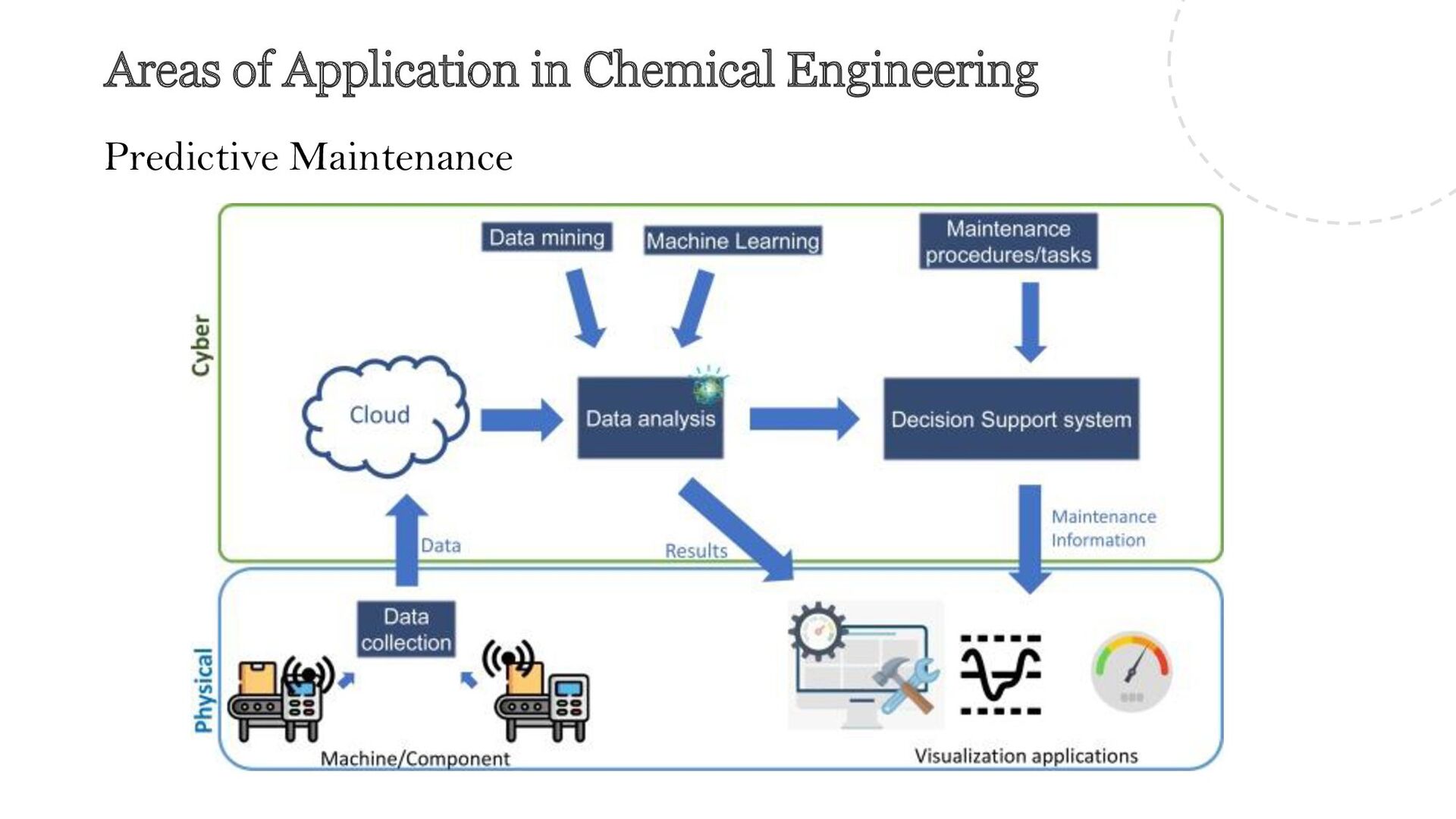
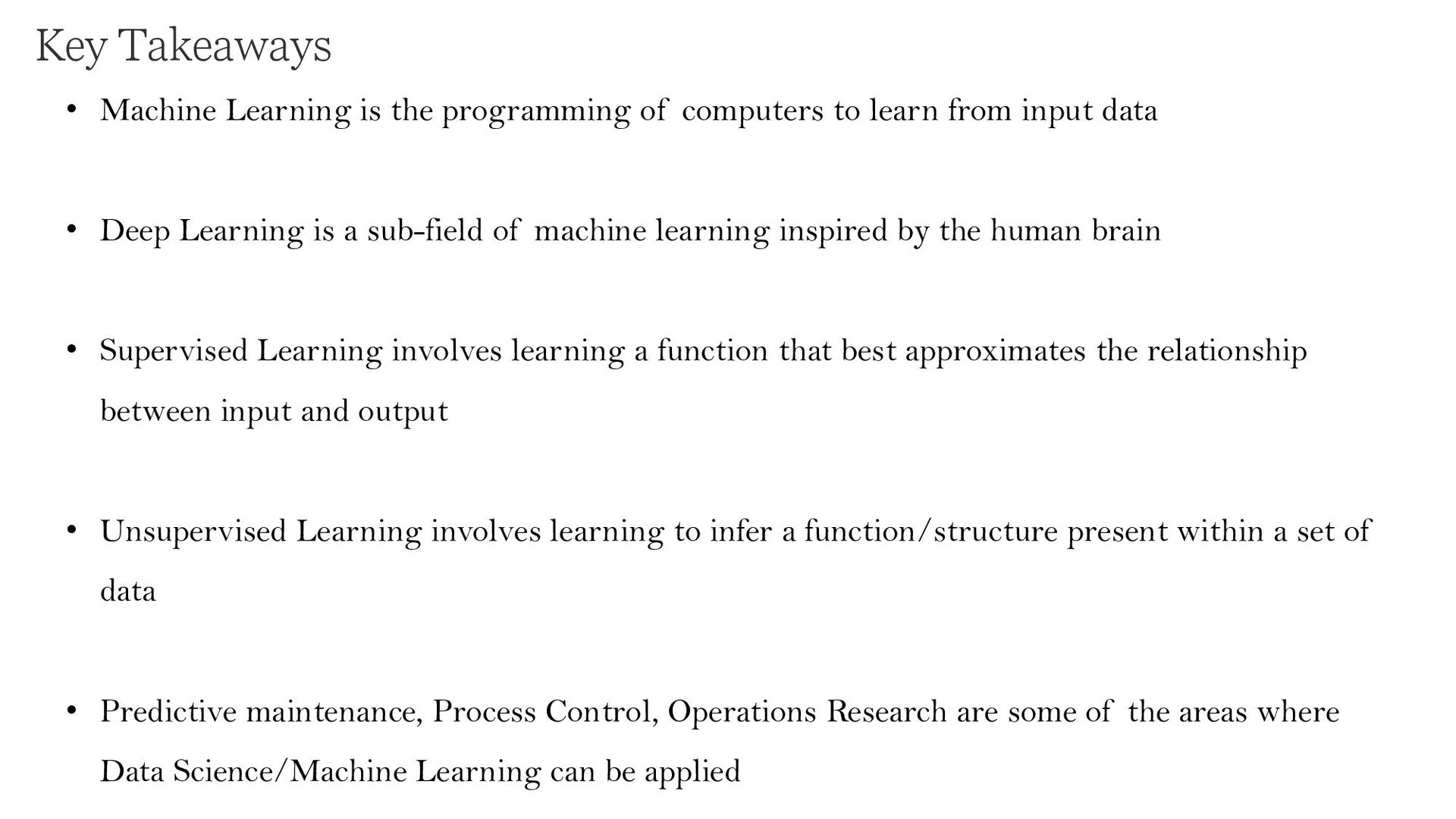
to learn from input data • Deep Learning is a sub-field of machine learning inspired by the human brain • Supervised Learning involves learning a function that best approximates the relationship between input and output • Unsupervised Learning involves learning to infer a function/structure present within a set of data • Predictive maintenance, Process Control, Operations Research are some of the areas where Data Science/Machine Learning can be applied


 eserichard
 soudai
 ainischool
 juanmartin2026
 matleenalaakso
 fmarot
 signer
 akiraasano
 hiola
hiola
 tasusu
 cbtlibrary
 vanstee
 akosma
 jnunemaker
 jonoalderson
 tammyeverts
 tessaabrams
 davidcarrasco
 paigeccino
 tomoyanonymous
 aki_iinuma
 samtorres