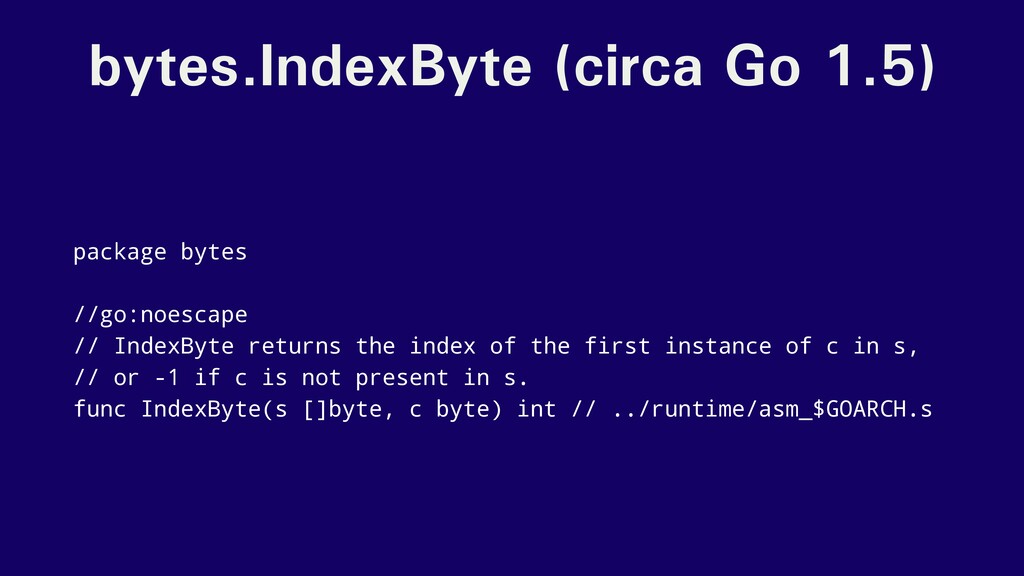
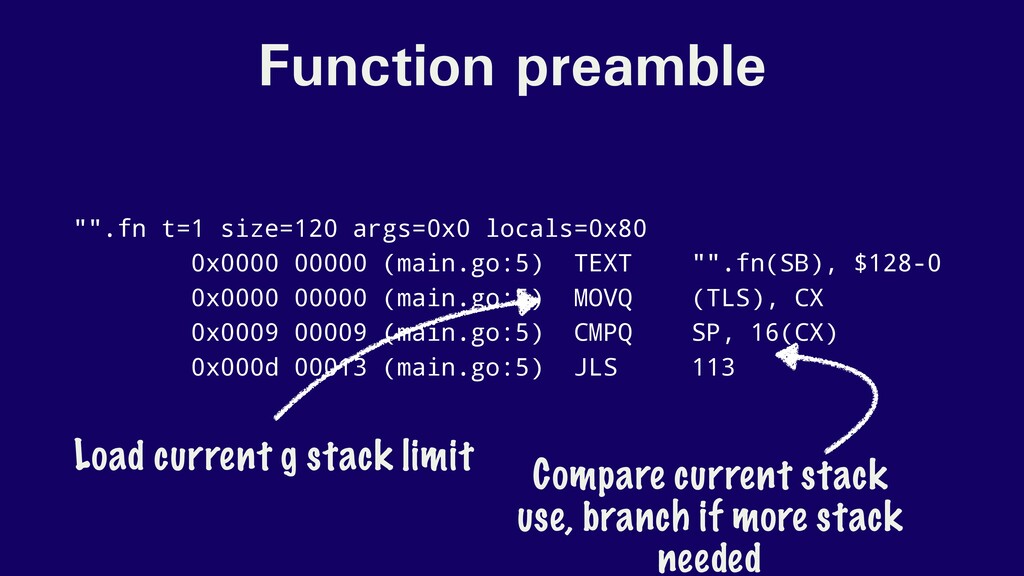
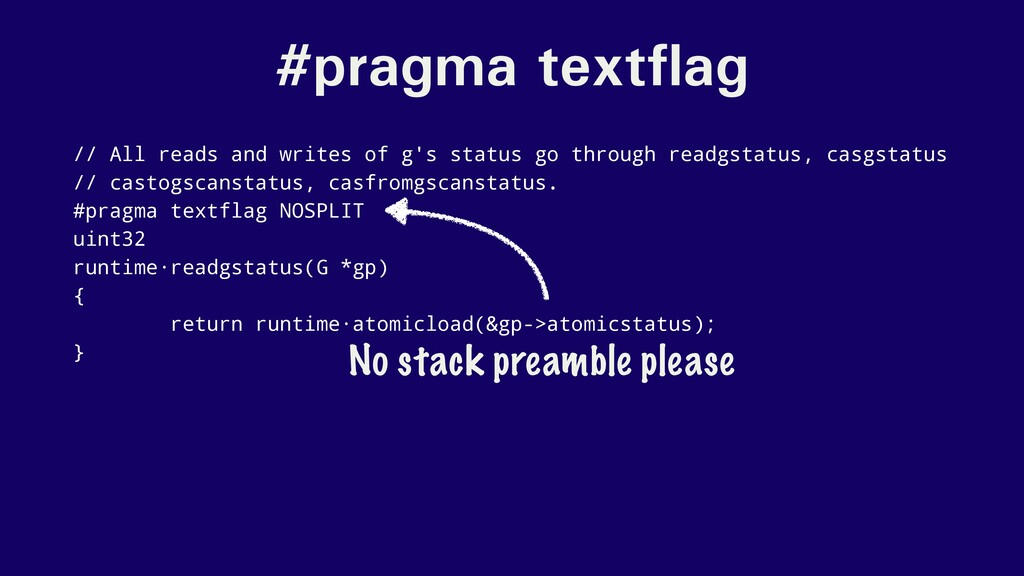
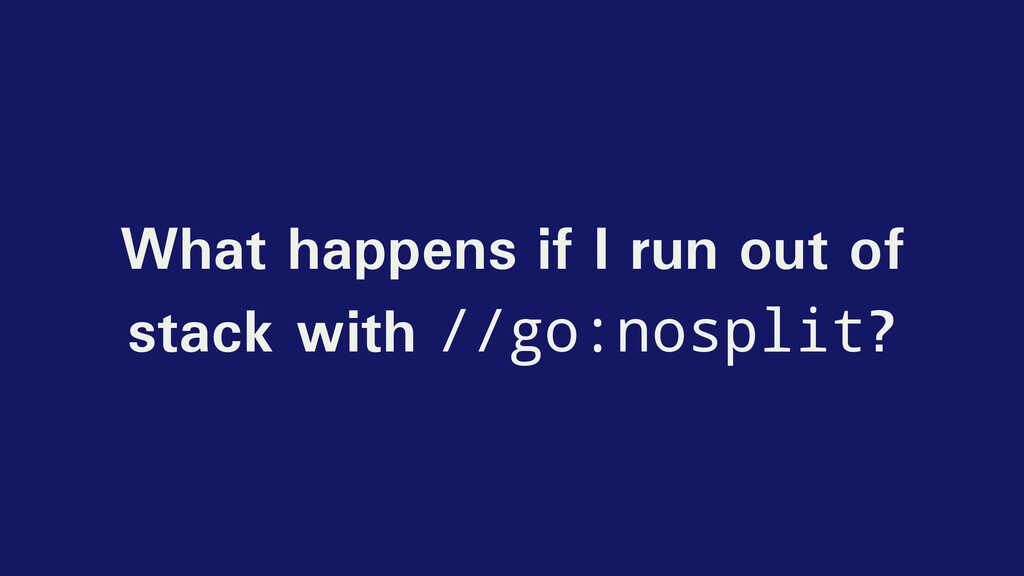
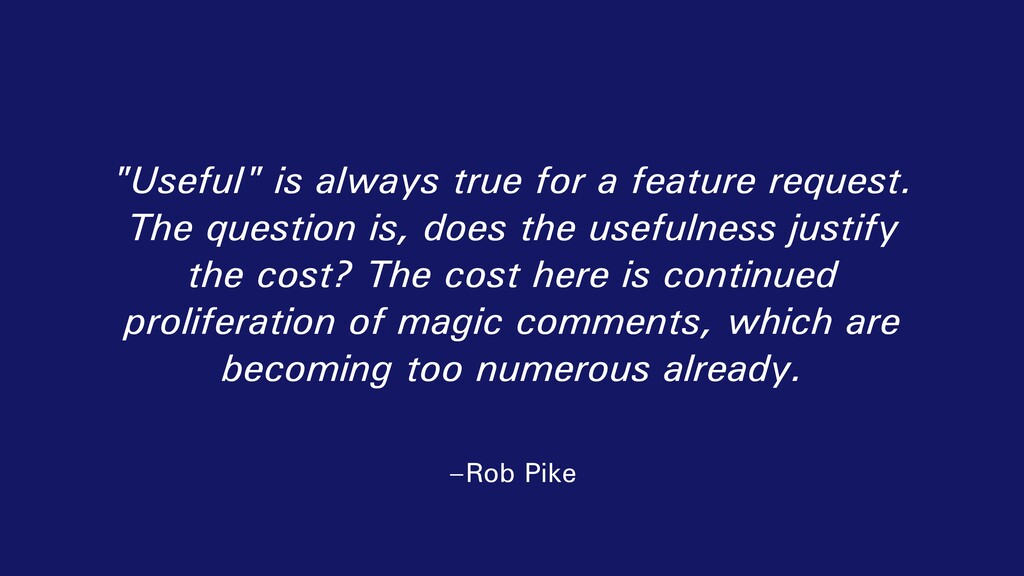
The question is, does the usefulness justify the cost? The cost here is continued proliferation of magic comments, which are becoming too numerous already.
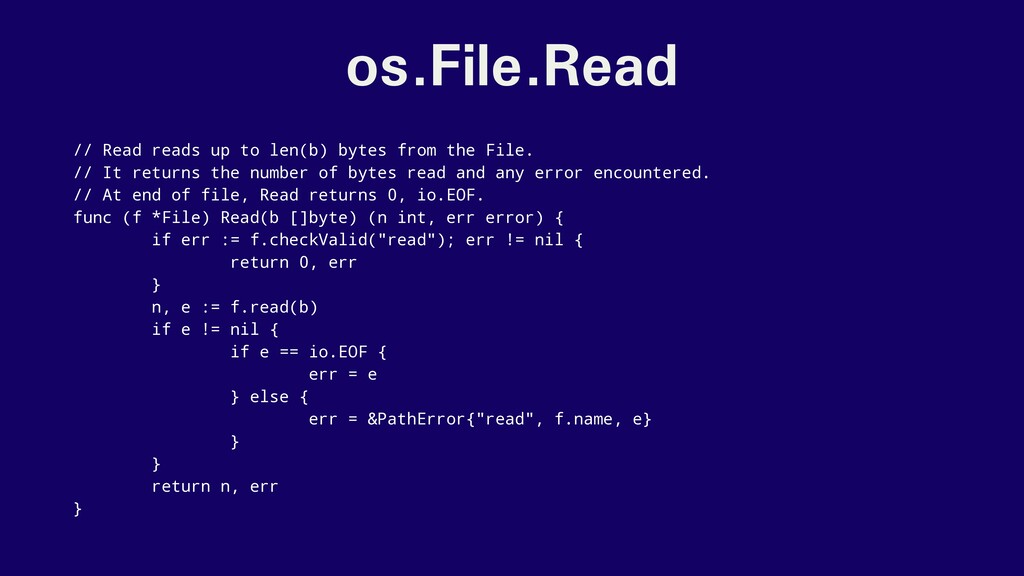
File. // It returns the number of bytes read and any error encountered. // At end of file, Read returns 0, io.EOF. func (f *File) Read(b []byte) (n int, err error) { if err := f.checkValid("read"); err != nil { return 0, err } n, e := f.read(b) if e != nil { if e == io.EOF { err = e } else { err = &PathError{"read", f.name, e} } } return n, err }
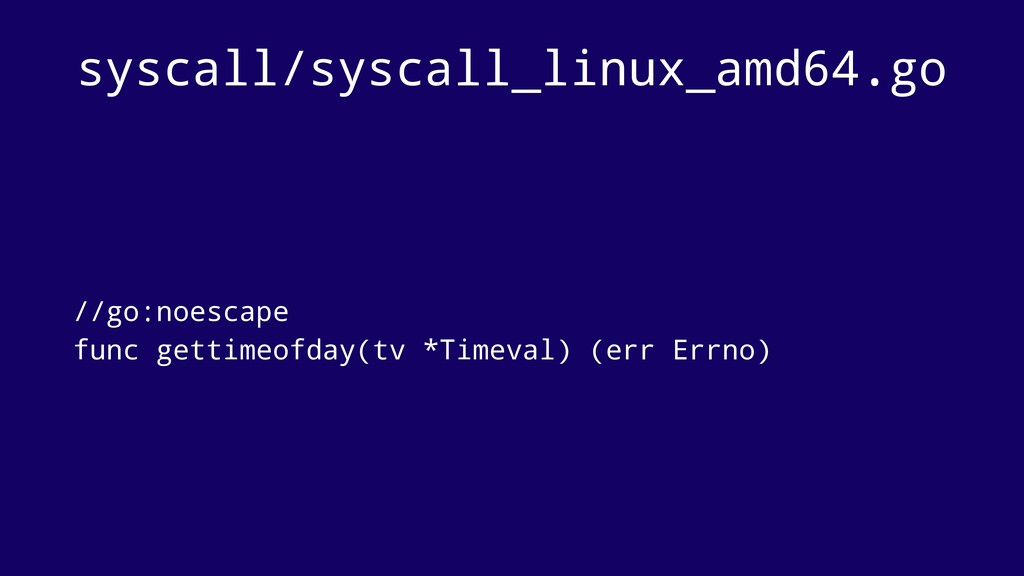
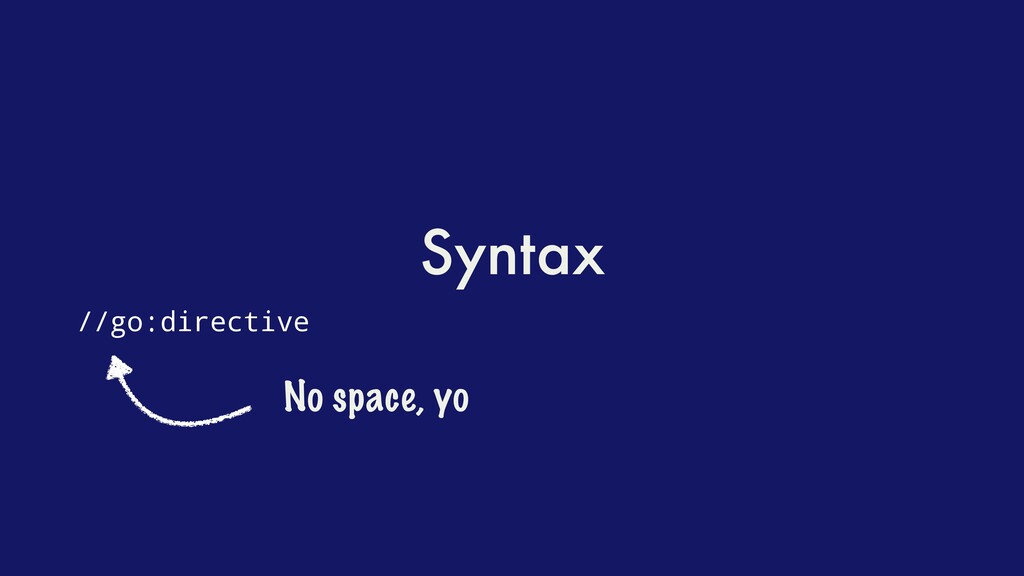
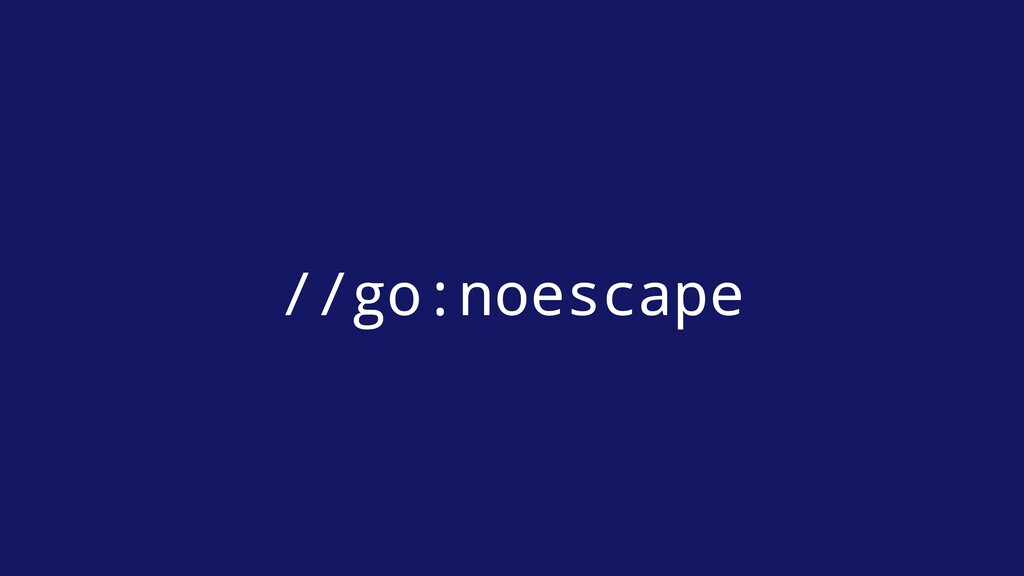
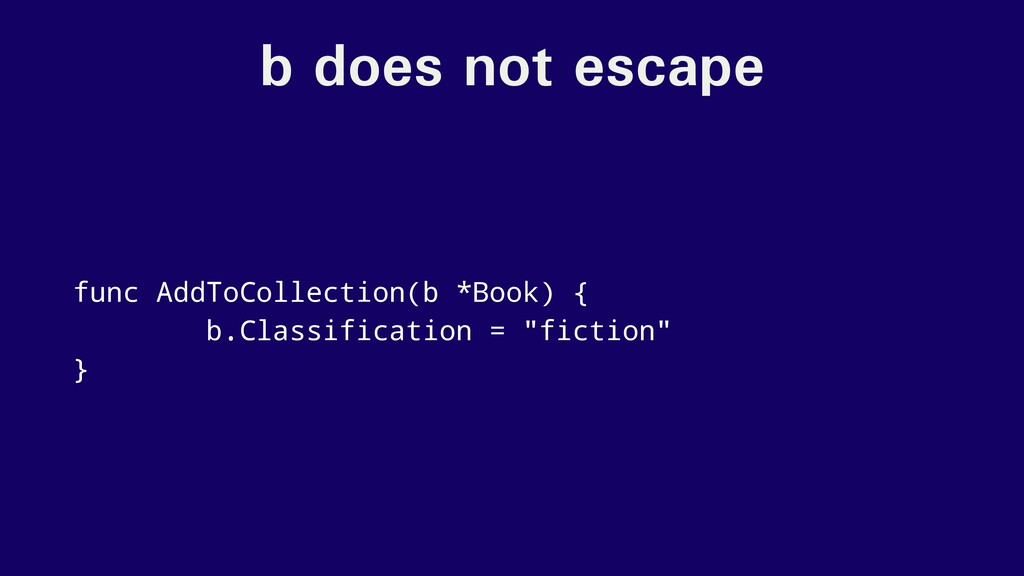
5 07:00:38 2013 -0500 cmd/gc: add way to specify 'noescape' for extern funcs A new comment directive //go:noescape instructs the compiler that the following external (no body) func declaration should be treated as if none of its arguments escape to the heap. Fixes #4099. R=golang-dev, dave, minux.ma, daniel.morsing, remyoudompheng, adg, agl, iant CC=golang-dev https://golang.org/cl/7289048
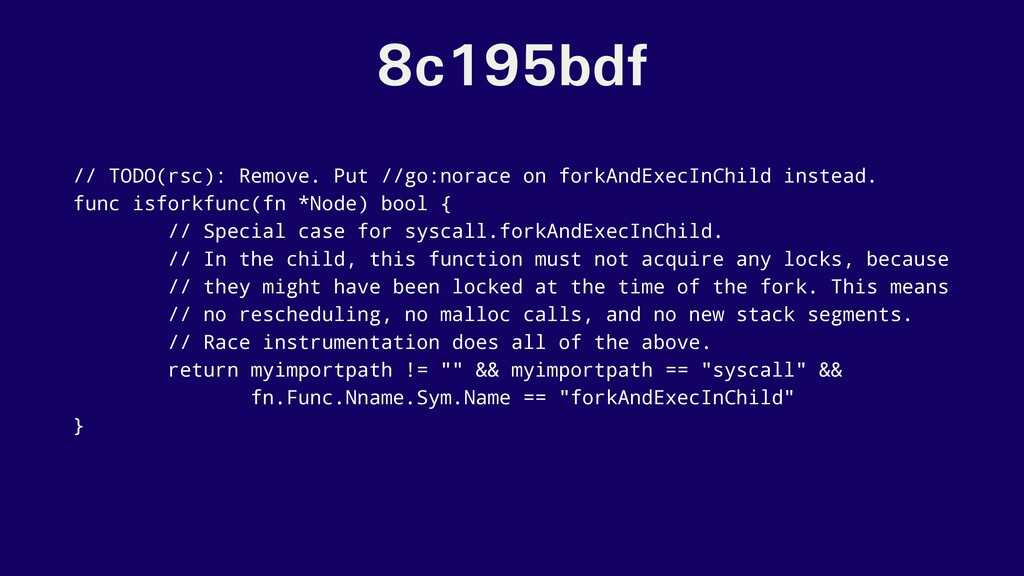
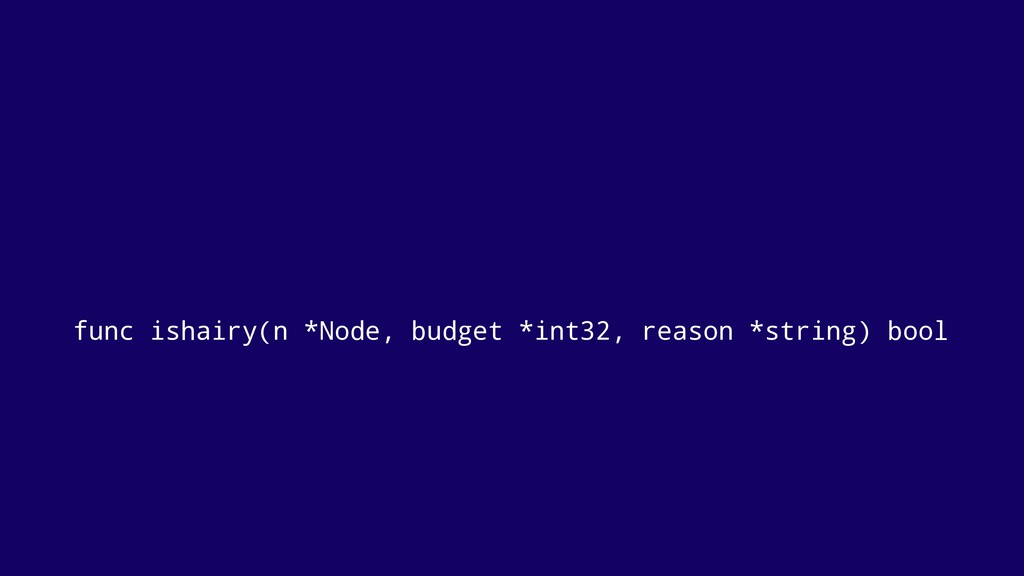
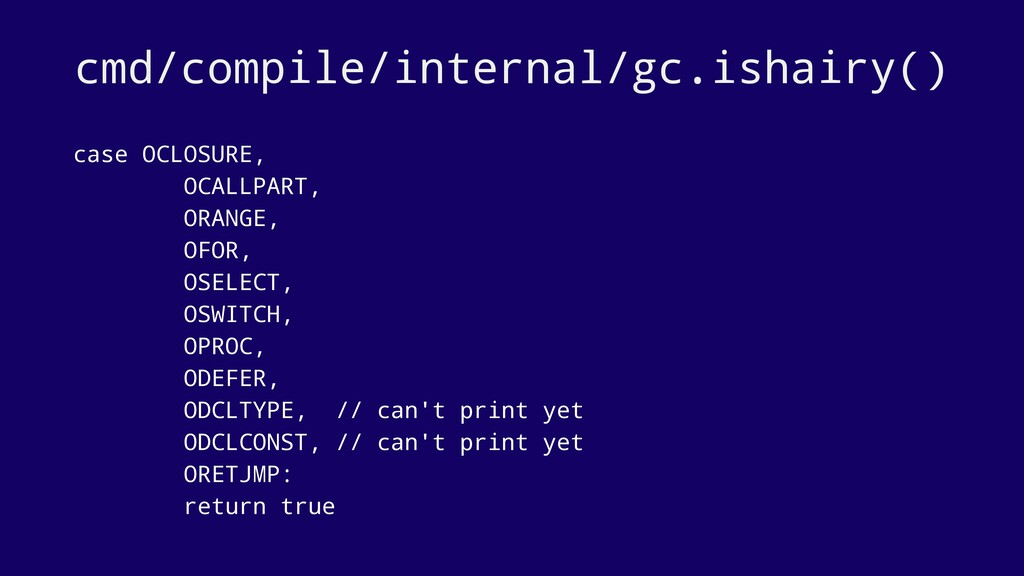
isforkfunc(fn *Node) bool { // Special case for syscall.forkAndExecInChild. // In the child, this function must not acquire any locks, because // they might have been locked at the time of the fork. This means // no rescheduling, no malloc calls, and no new stack segments. // Race instrumentation does all of the above. return myimportpath != "" && myimportpath == "syscall" && fn.Func.Nname.Sym.Name == "forkAndExecInChild" }
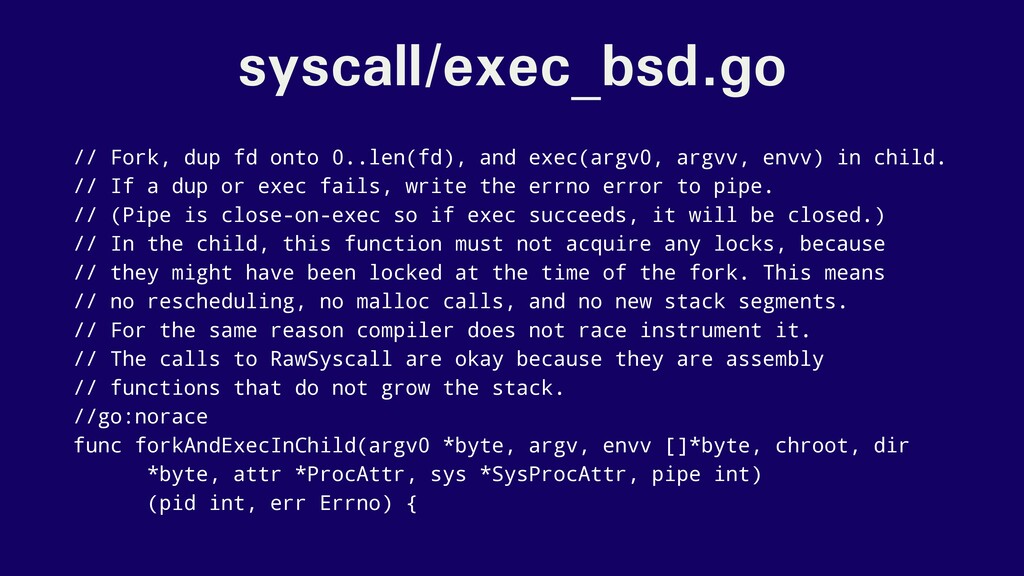
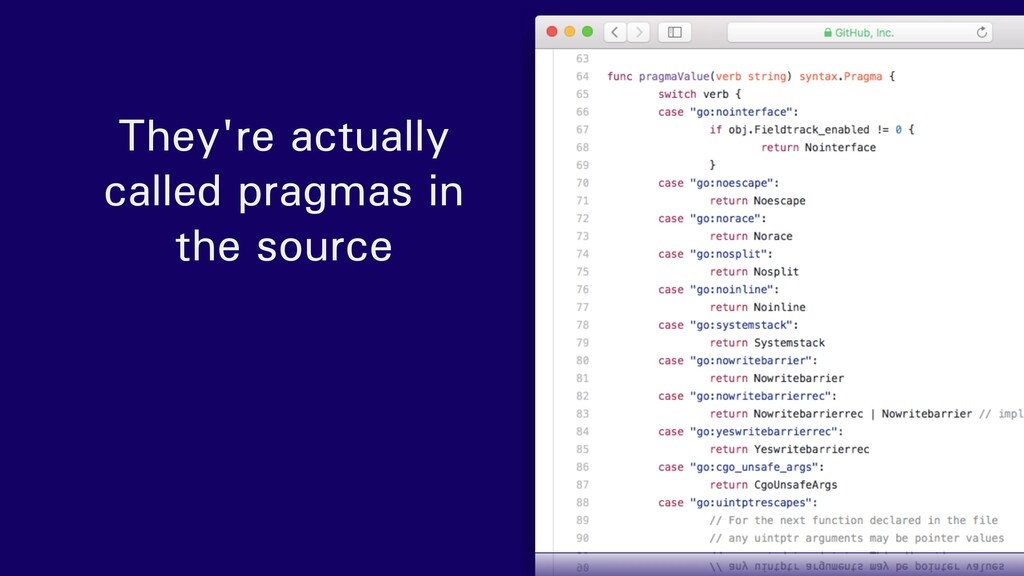
envv) in child. // If a dup or exec fails, write the errno error to pipe. // (Pipe is close-on-exec so if exec succeeds, it will be closed.) // In the child, this function must not acquire any locks, because // they might have been locked at the time of the fork. This means // no rescheduling, no malloc calls, and no new stack segments. // For the same reason compiler does not race instrument it. // The calls to RawSyscall are okay because they are assembly // functions that do not grow the stack. //go:norace func forkAndExecInChild(argv0 *byte, argv, envv []*byte, chroot, dir *byte, attr *ProcAttr, sys *SysProcAttr, pipe int) (pid int, err Errno) {
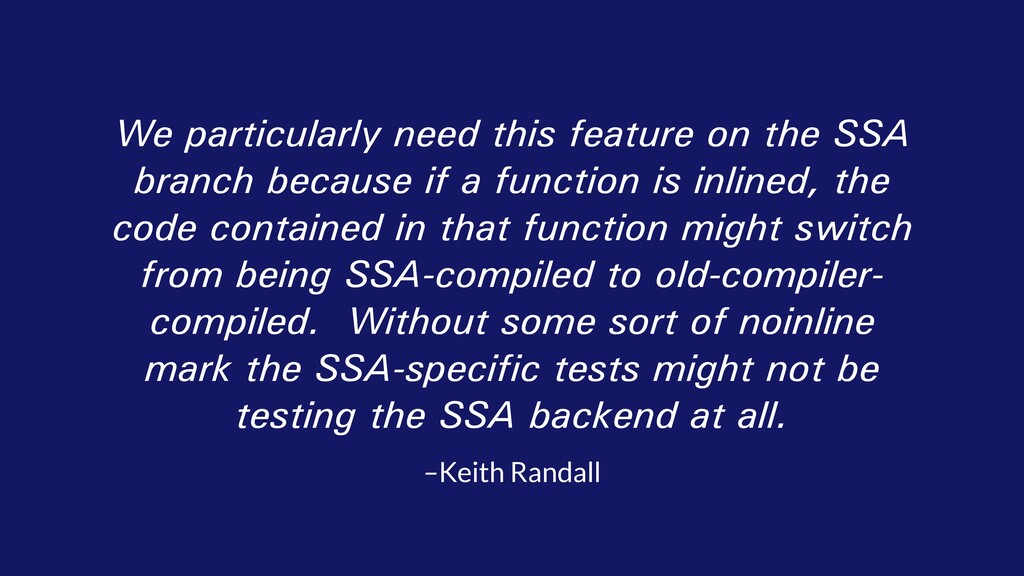
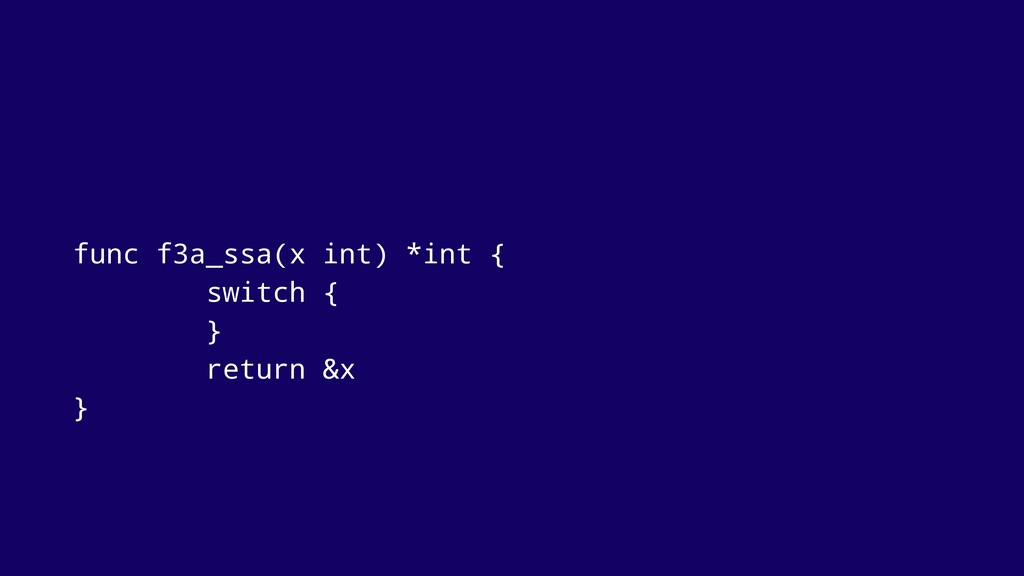
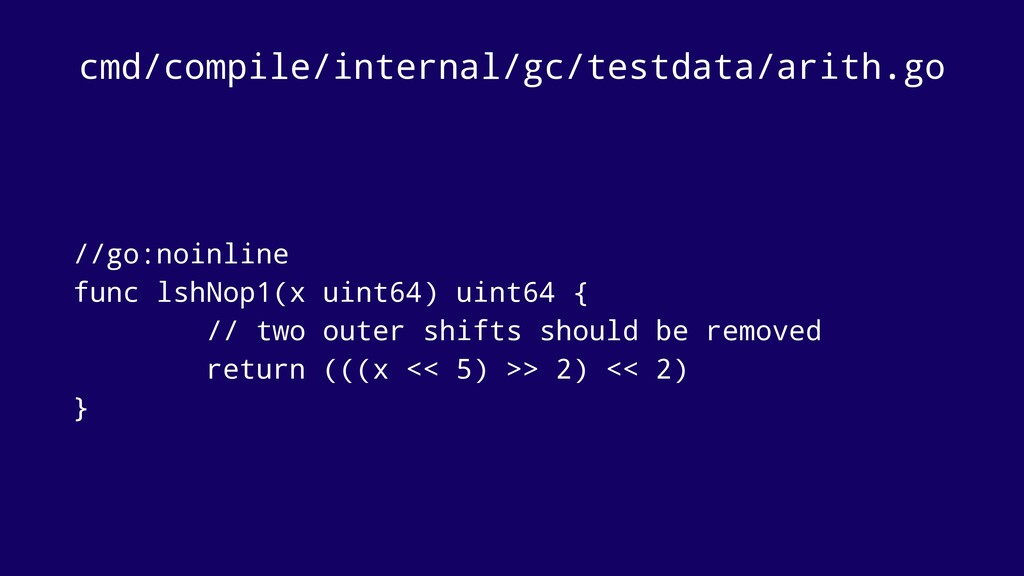
branch because if a function is inlined, the code contained in that function might switch from being SSA-compiled to old-compiler- compiled. Without some sort of noinline mark the SSA-specific tests might not be testing the SSA backend at all.
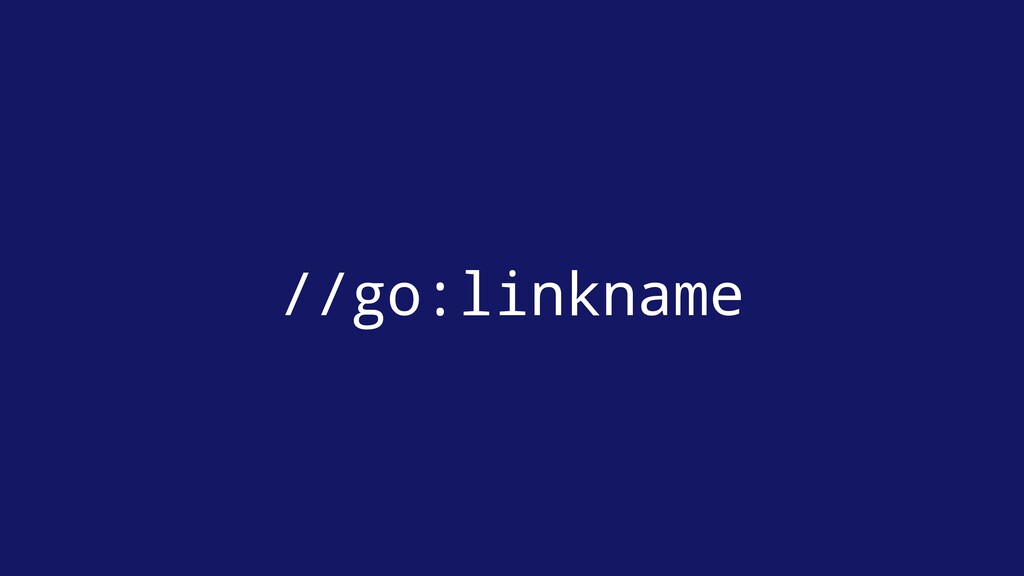
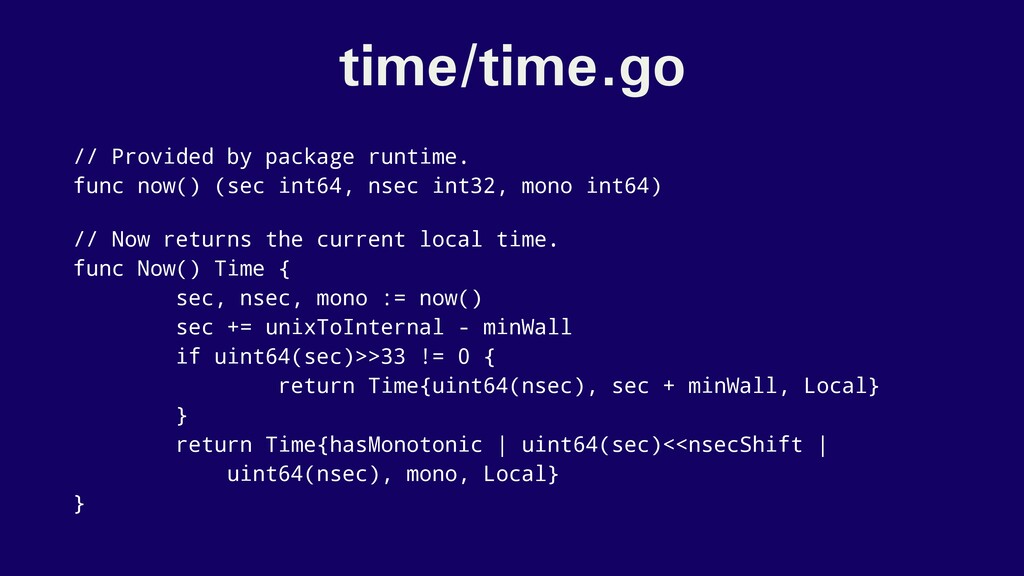
assembly. // Those systems are also expected to have nanotime subtract startNano, // so that time.now and nanotime return the same monotonic clock readings. // +build darwin,amd64 darwin,386 windows package runtime import _ “unsafe" //go:linkname time_now time.now func time_now() (sec int64, nsec int32, mono int64)


 gopherconrussia
 yakumo
 takahiromatsui
 shreyas1009
 sony
sony
 kazuho
 uya116
 nasuvitz
 pensuke628
 bcantrill
 matsunobu
 elmodev09
 ufried
 rmw
rmw
 palkan
 thirion
 mclloyd
 chriscoyier
 sarafernandez
 sonatard
 marktimemedia
 uxyall
 orderedlist
 joshbly
 oripsolob




![Rust #[inline(always)] fn super_fast_fn() { ... } #[cfg(target_os = "macos")]](https://files.speakerdeck.com/presentations/1dac2c802c94442aa033fc492c0f3b76/slide_5.jpg)






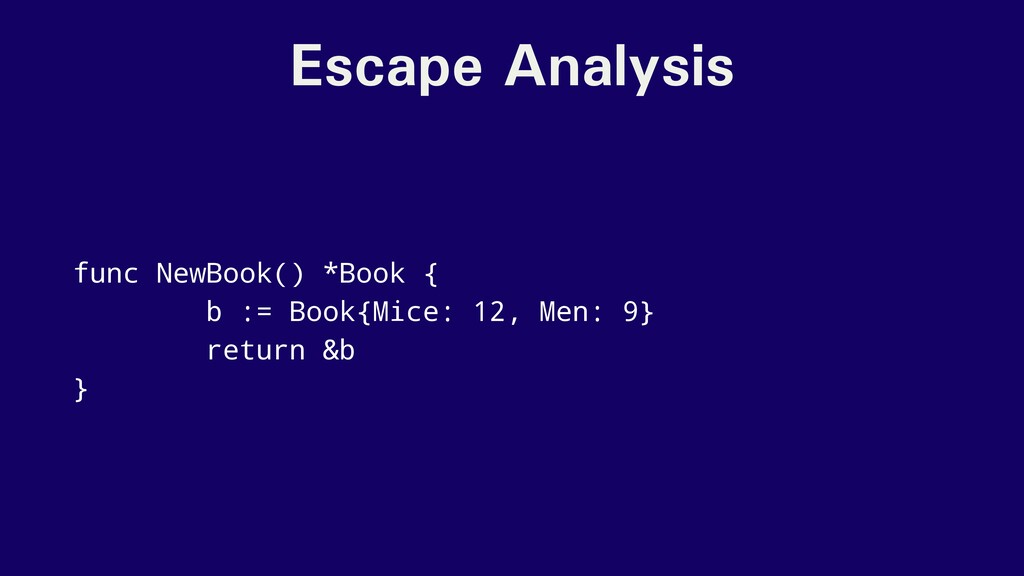
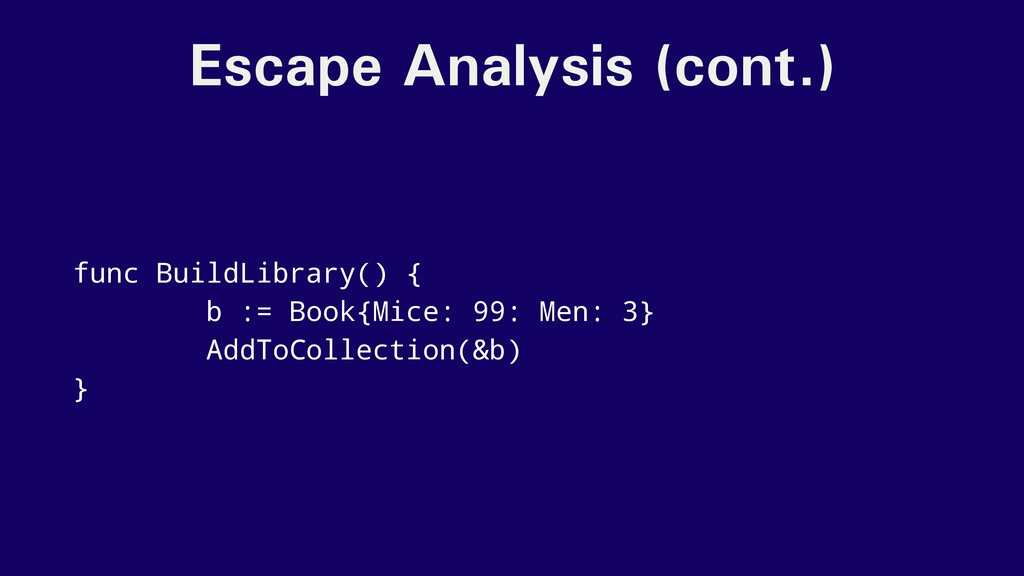
![b escapes var AvailableForLoan []*Book func AddToCollection(b *Book) { AvailableForLoan](https://files.speakerdeck.com/presentations/1dac2c802c94442aa033fc492c0f3b76/slide_23.jpg)
![os.File.Read f, _ := os.Open("/tmp/foo") buf := make([]byte, 4096) n,](https://files.speakerdeck.com/presentations/1dac2c802c94442aa033fc492c0f3b76/slide_24.jpg)

![golang.org/issue/4099 commit fd178d6a7e62796c71258ba155b957616be86ff4 Author: Russ Cox <[email protected]> Date: Tue Feb](https://files.speakerdeck.com/presentations/1dac2c802c94442aa033fc492c0f3b76/slide_27.jpg)