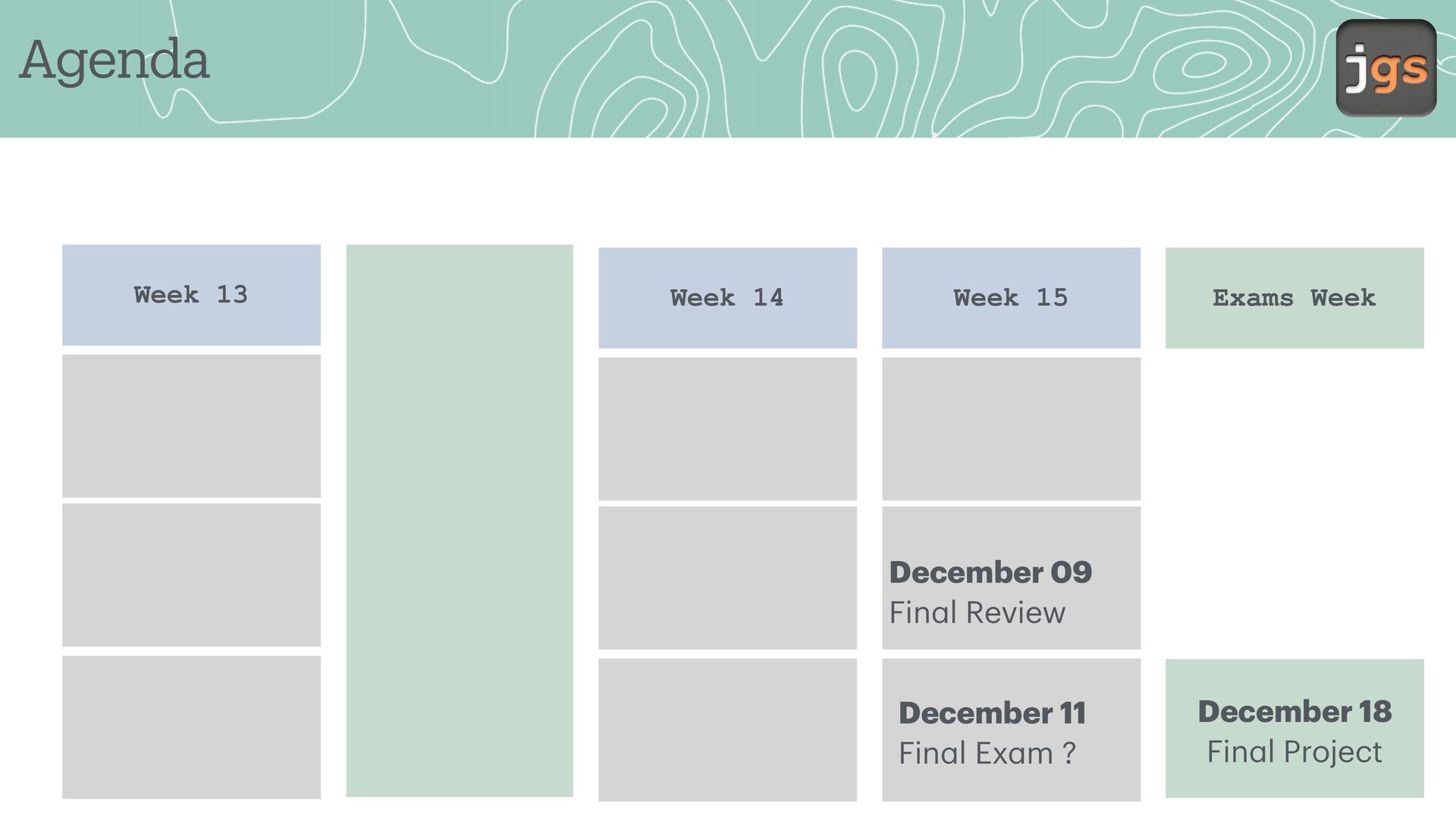
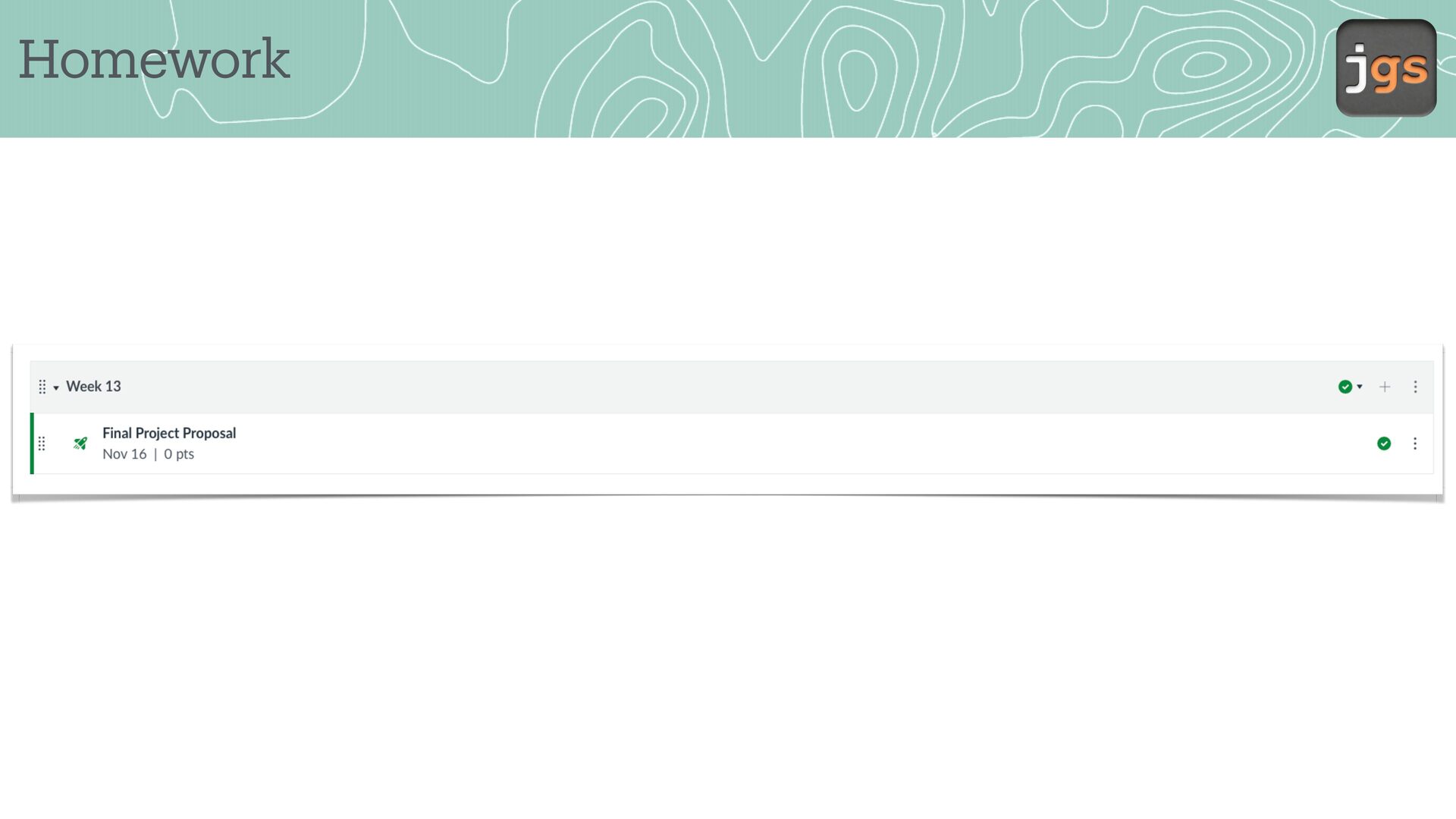
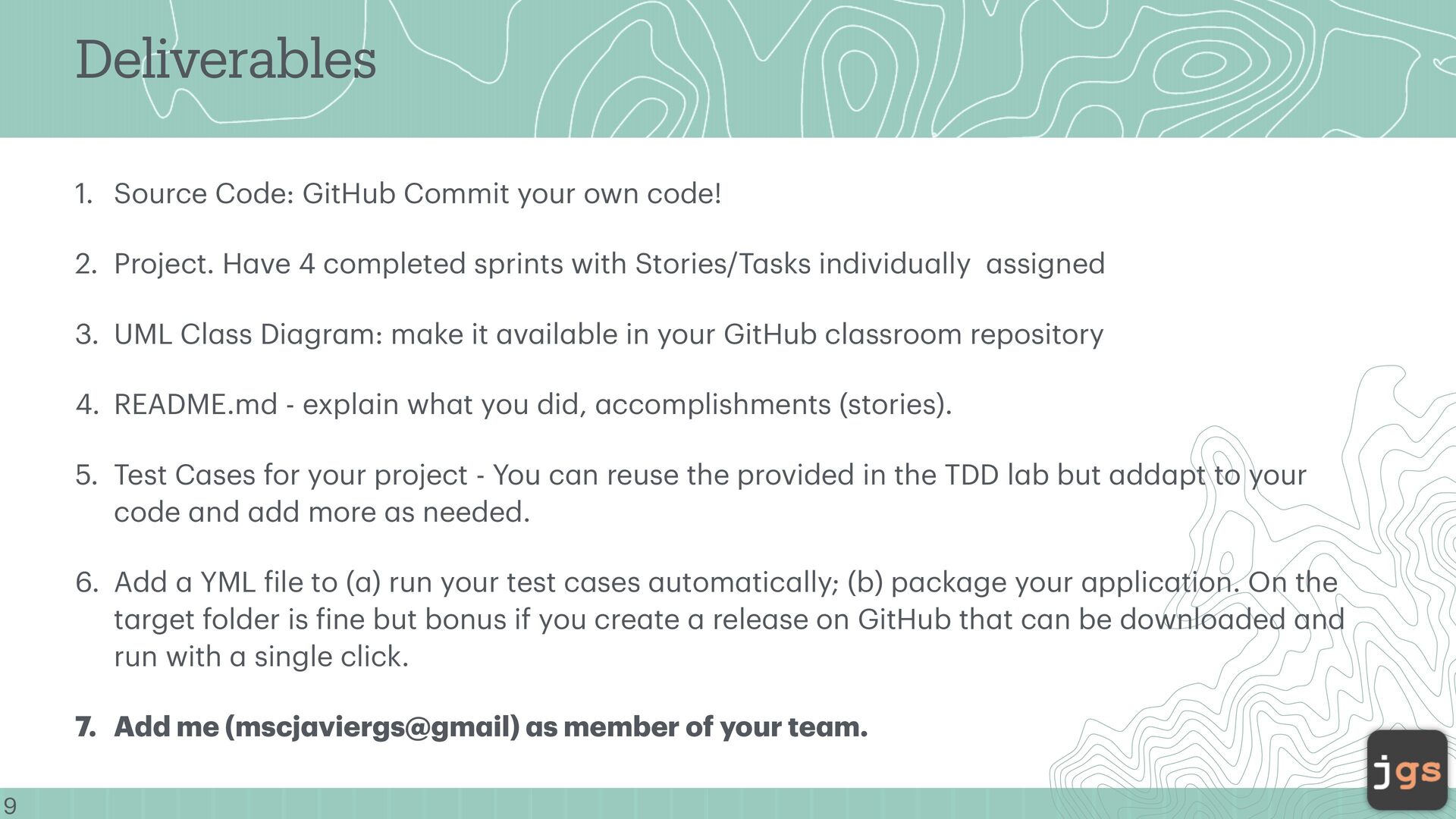
Project. Have 4 completed sprints with Stories/Tasks individually assigned 3. UML Class Diagram: make it available in your GitHub classroom repository 4. README.md - explain what you did, accomplishments (stories). 5. Test Cases for your project - You can reuse the provided in the TDD lab but addapt to your code and add more as needed. 6. Add a YML file to (a) run your test cases automatically; (b) package your application. On the target folder is fine but bonus if you create a release on GitHub that can be downloaded and run with a single click. 7. Add me (mscjaviergs@gmail) as member of your team. 9
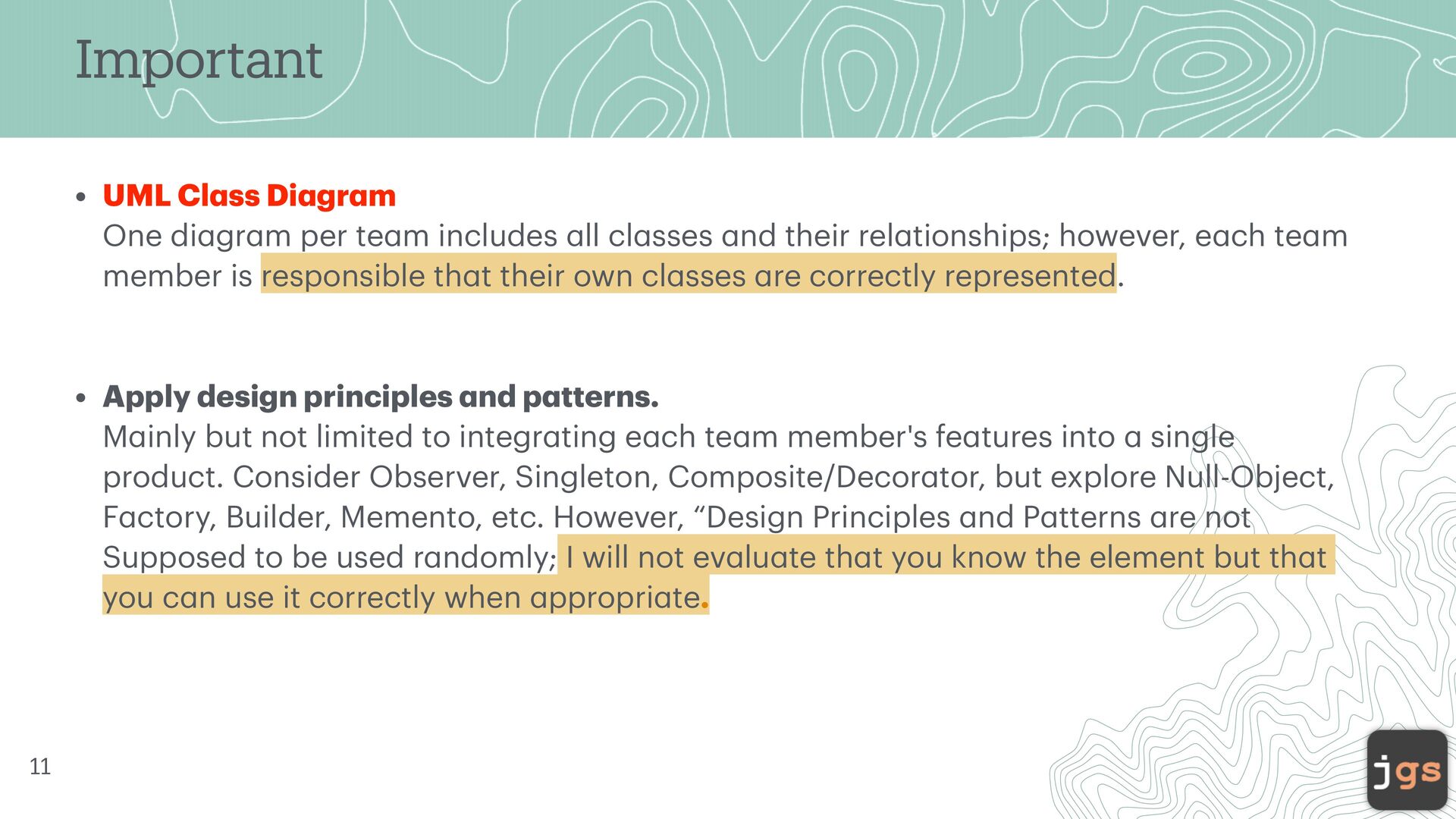
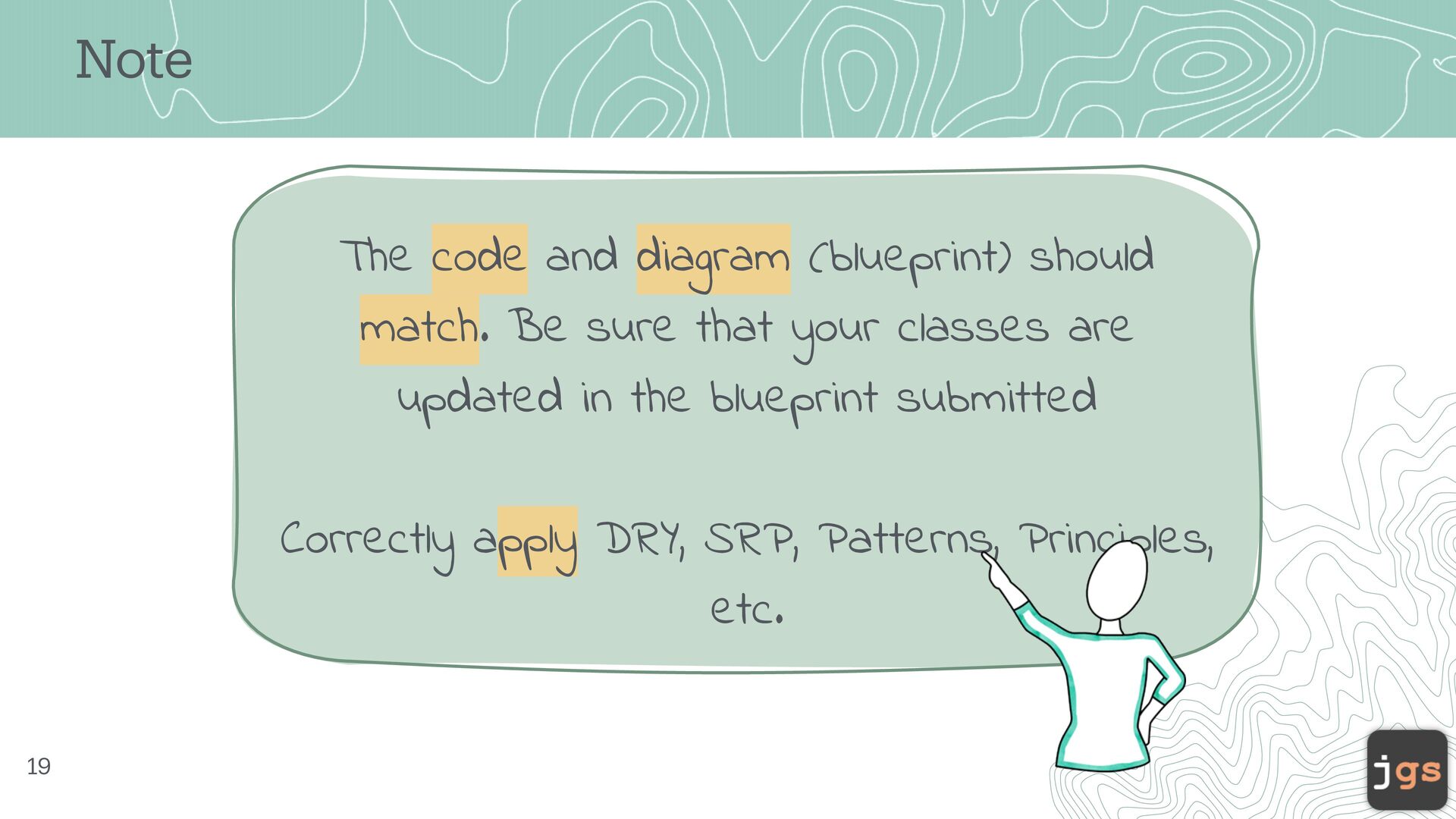
all classes and their relationships; however, each team member is responsible that their own classes are correctly represented. • Apply design principles and patterns. Mainly but not limited to integrating each team member's features into a single product. Consider Observer, Singleton, Composite/Decorator, but explore Null-Object, Factory, Builder, Memento, etc. However, “Design Principles and Patterns are not Supposed to be used randomly; I will not evaluate that you know the element but that you can use it correctly when appropriate. 11
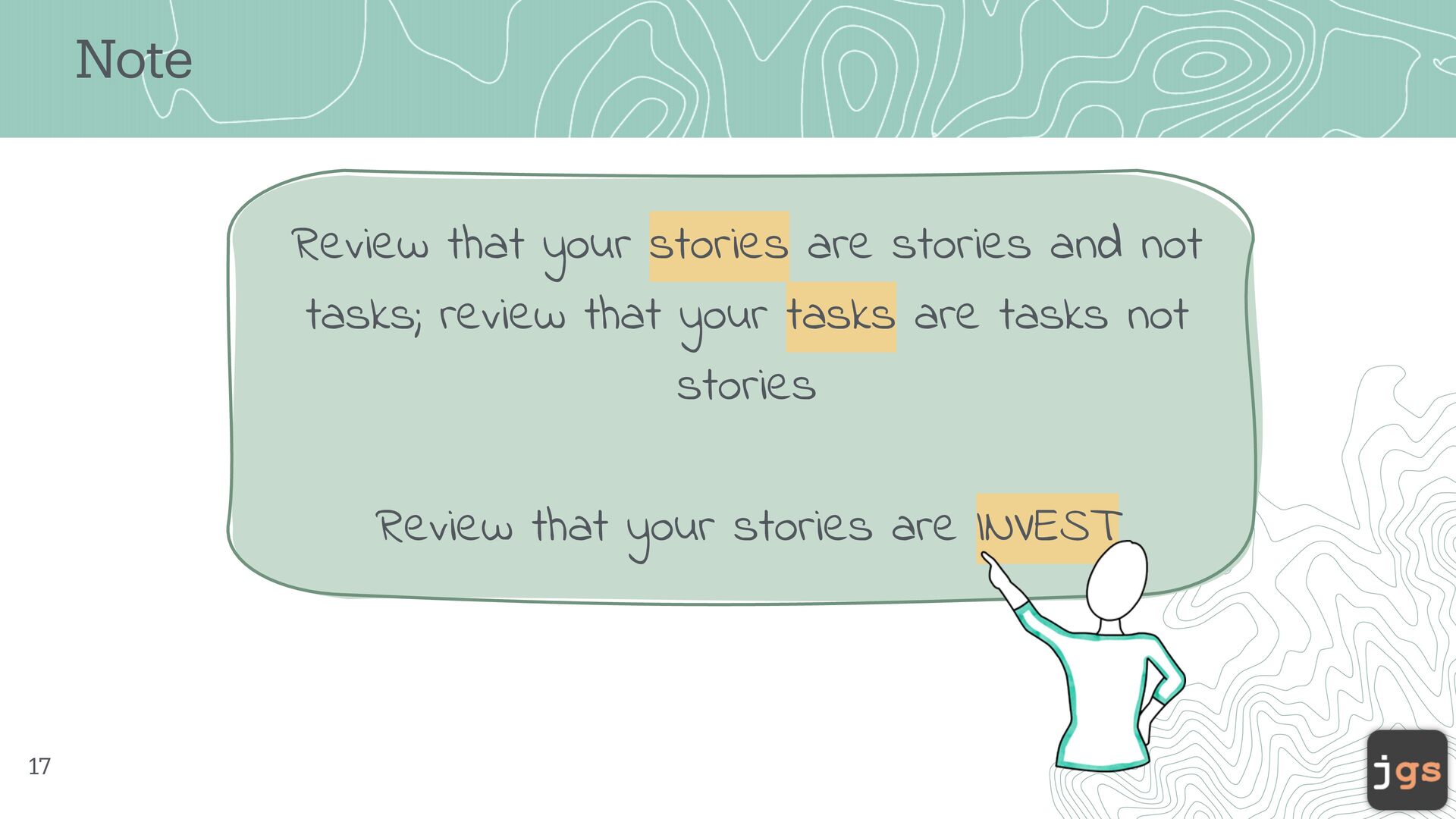
Task board Stories (INVEST), Sprint backlog, product backlog. Estimation (story points) Talk about tasks; who is doing what? Everybody is doing some programming! 16
colors as needed (Single Responsibility Principle) What are the A, I, or D in the new class? (show the 2D plot regarding where your classes are in terms of the pain zone) 18
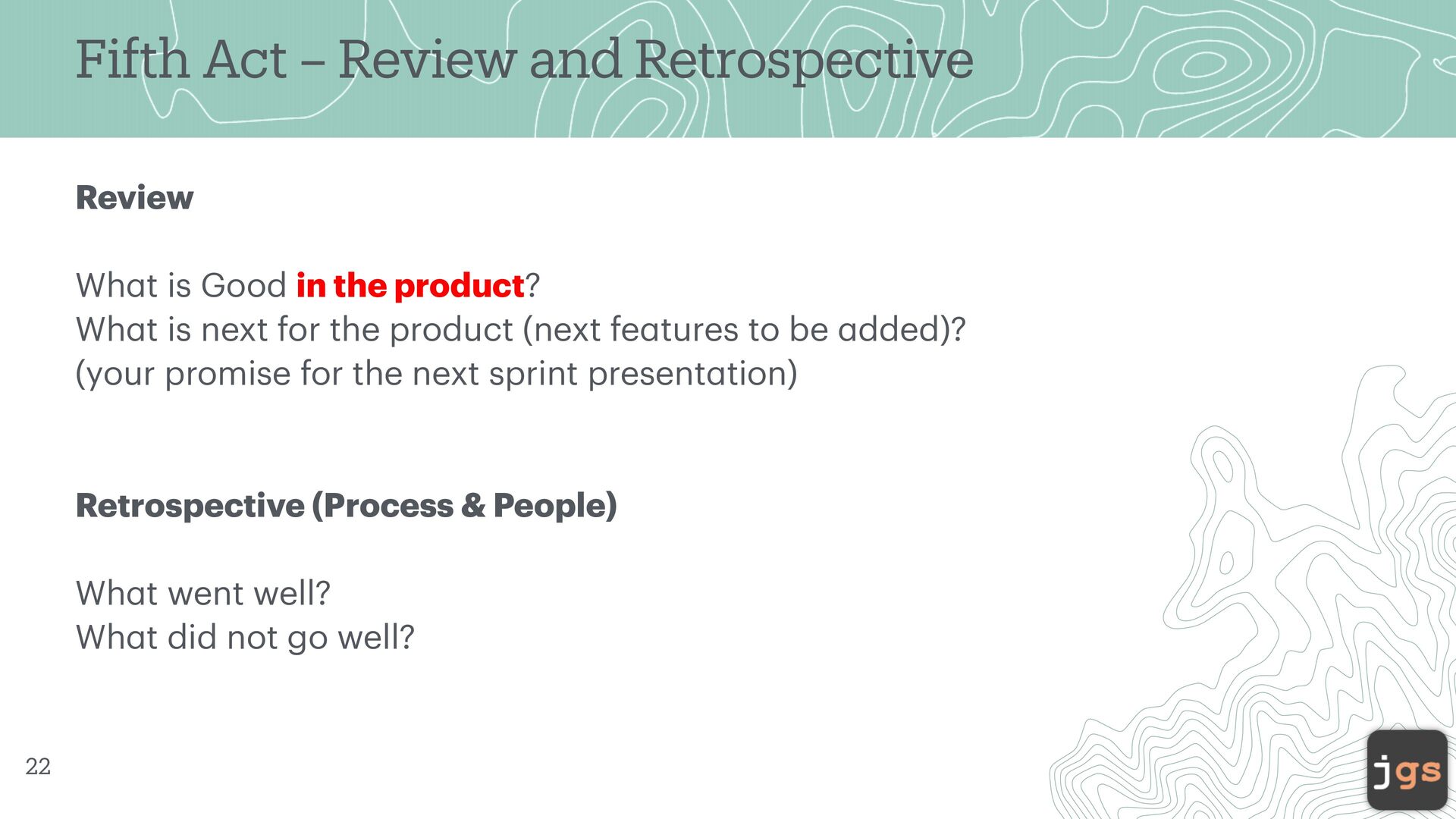
in the product? What is next for the product (next features to be added)? (your promise for the next sprint presentation) Retrospective (Process & People) What went well? What did not go well? 22
2026 Copyright Notice. These slides are provided exclusively for educational use in CSC 5100 within the California State University system. Redistribution or use for any other purpose is prohibited without prior written permission.


 javiergs
 vivion
 tarao
 nextbeatdev
 takahirosunaga
 kajitack
 simas
 inariku
 yuzneri
 ryunen344
 ivargrimstad
 kosukesaigusa
 veronikapj
 reverentgeek
 eileencodes
 lfama
 marcoroth
 cromwellryan
 helenjbeal
 rasagy
 smashingmag
 cassininazir
 keavy
 chrislema
 tmiket