Case a. Context and motivation b. Emit a final result from a time window c. Kafka Tutorials presentation 2. The Implementation a. Develop b. Test c. Deploy 3. The what’s next for 2021? a. New year resolution at massive scale! Photo by Aron Visuals on Unsplash
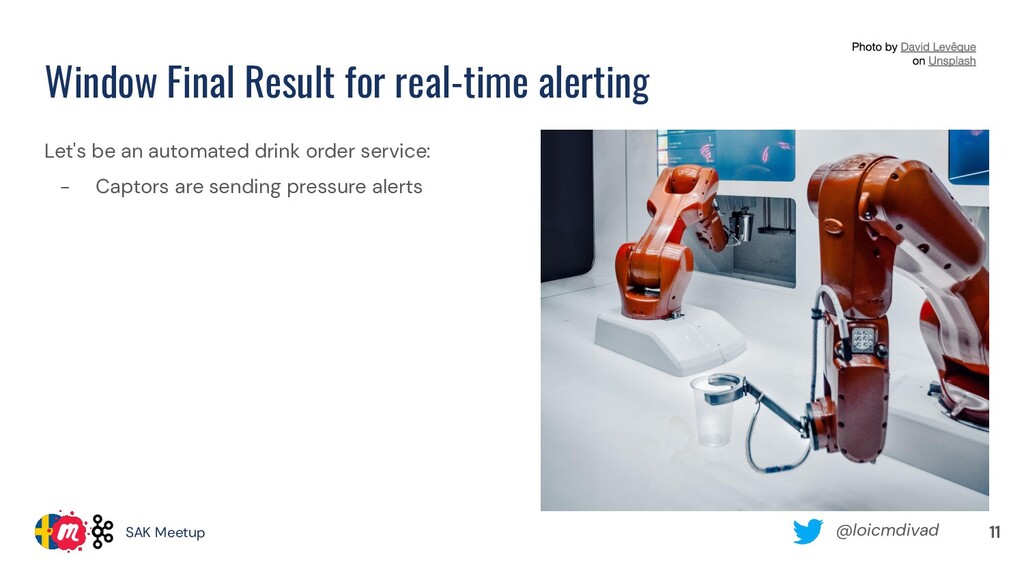
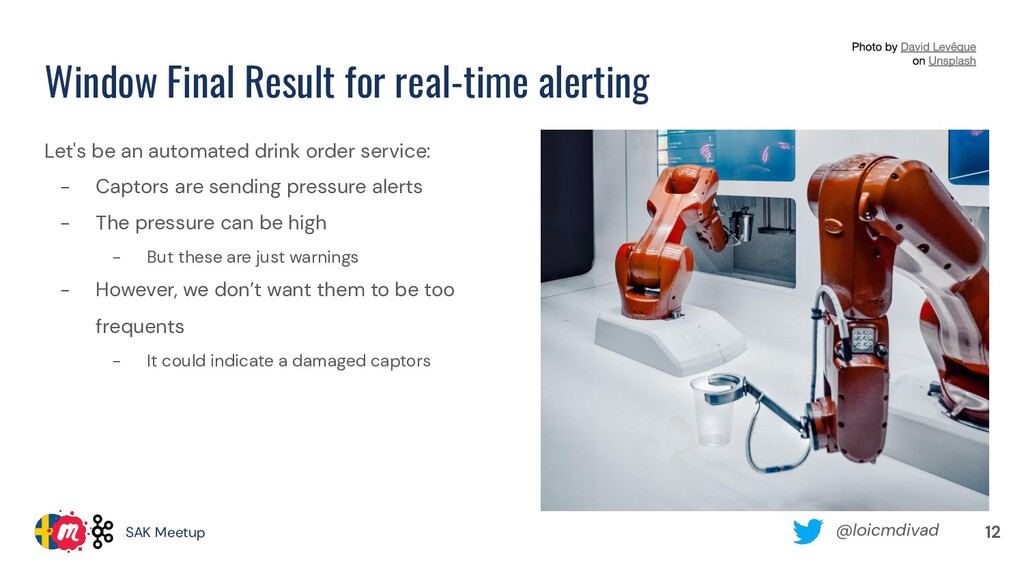
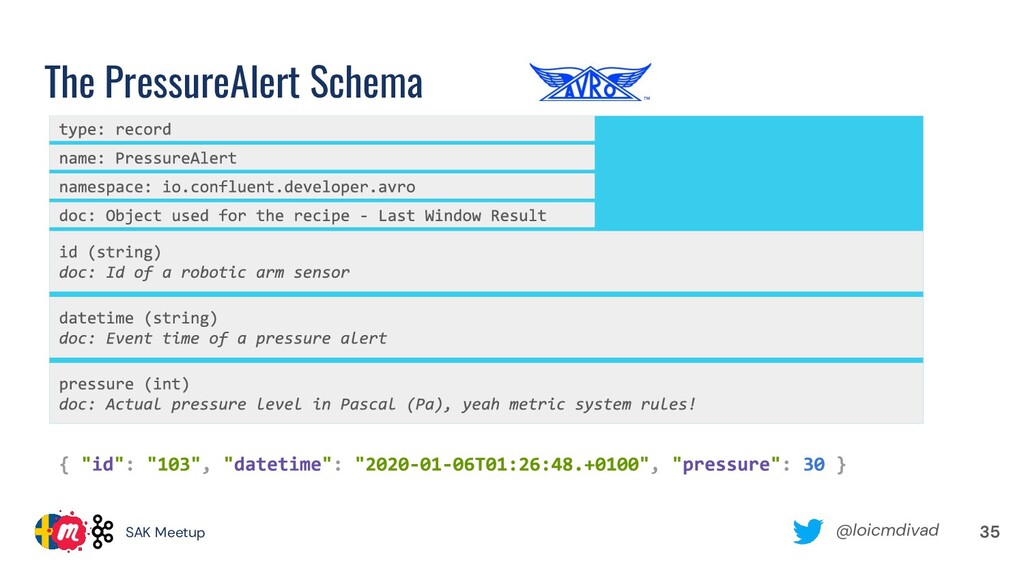
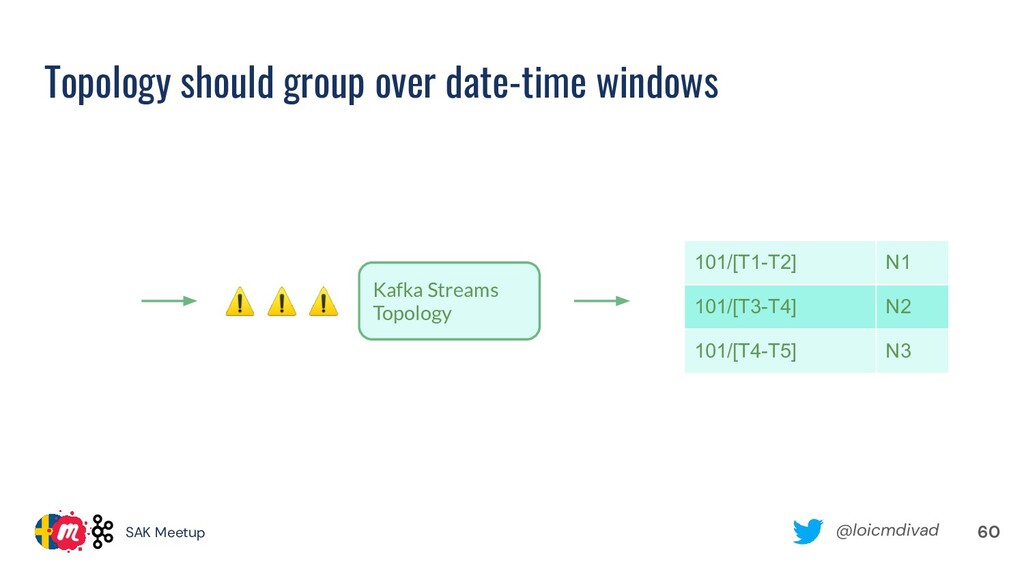
be an automated drink order service: - Captors are sending pressure alerts - The pressure can be high - But these are just warnings - However, we don’t want them to be too frequents - It could indicate a damaged captors 12
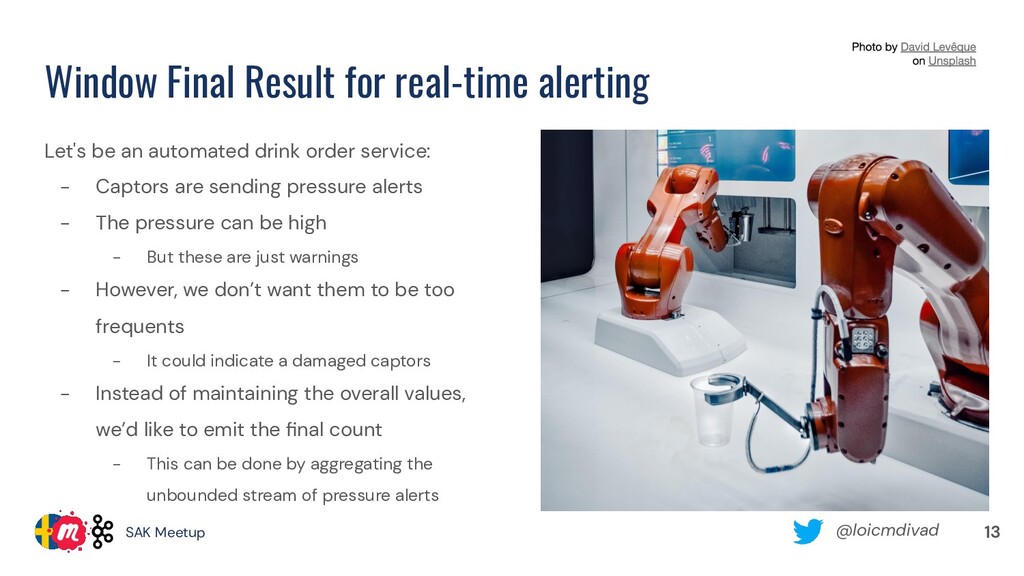
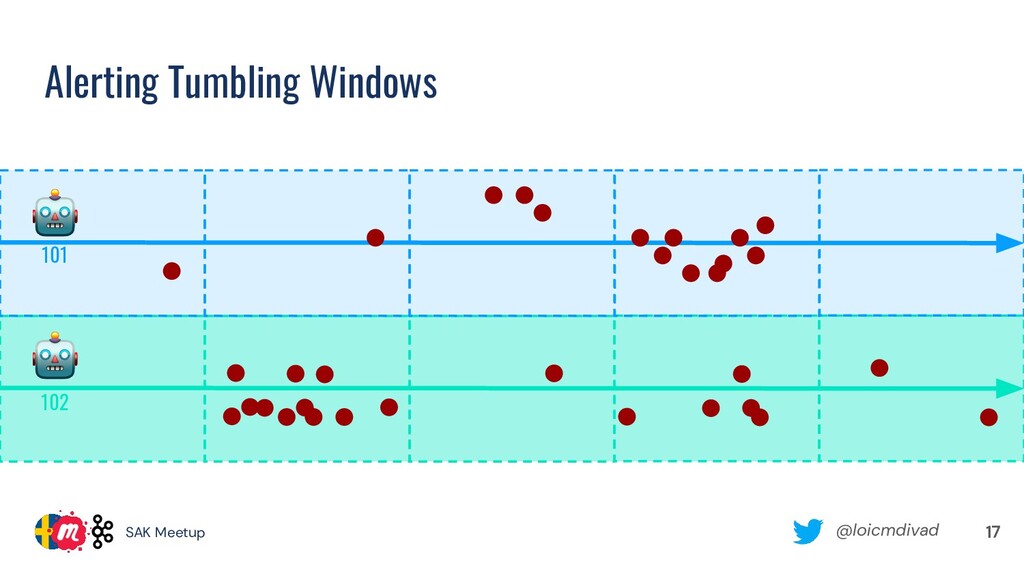
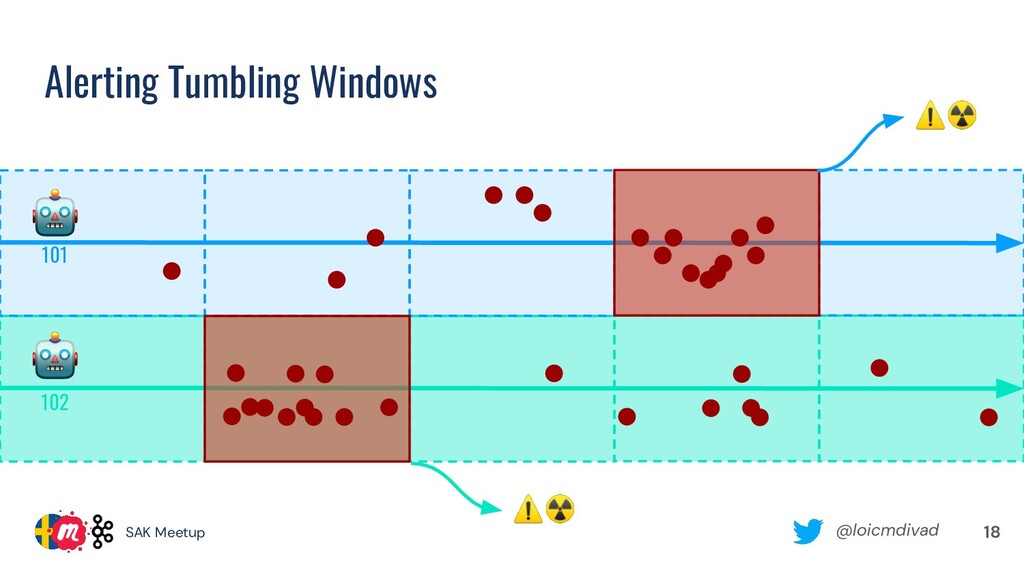
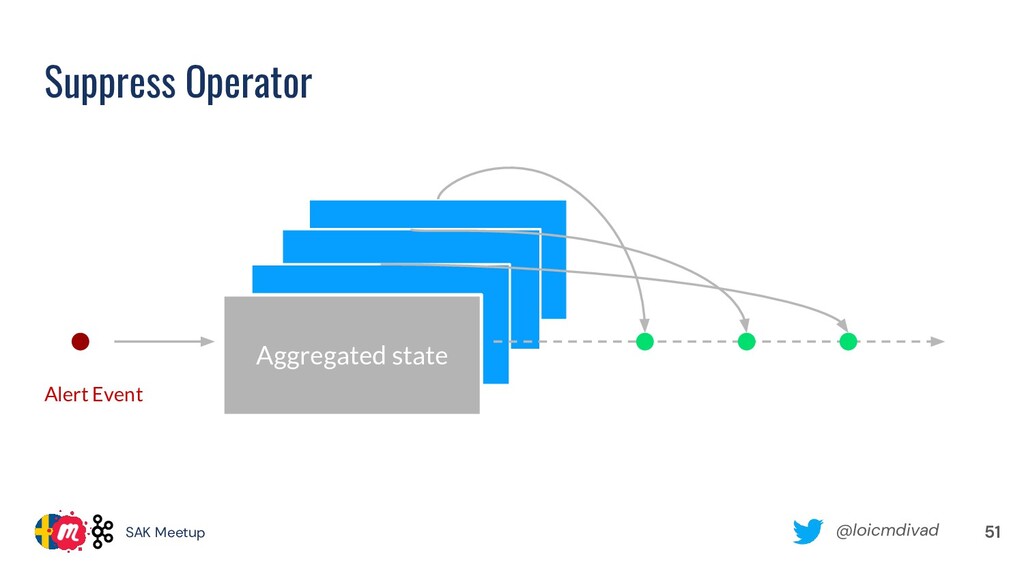
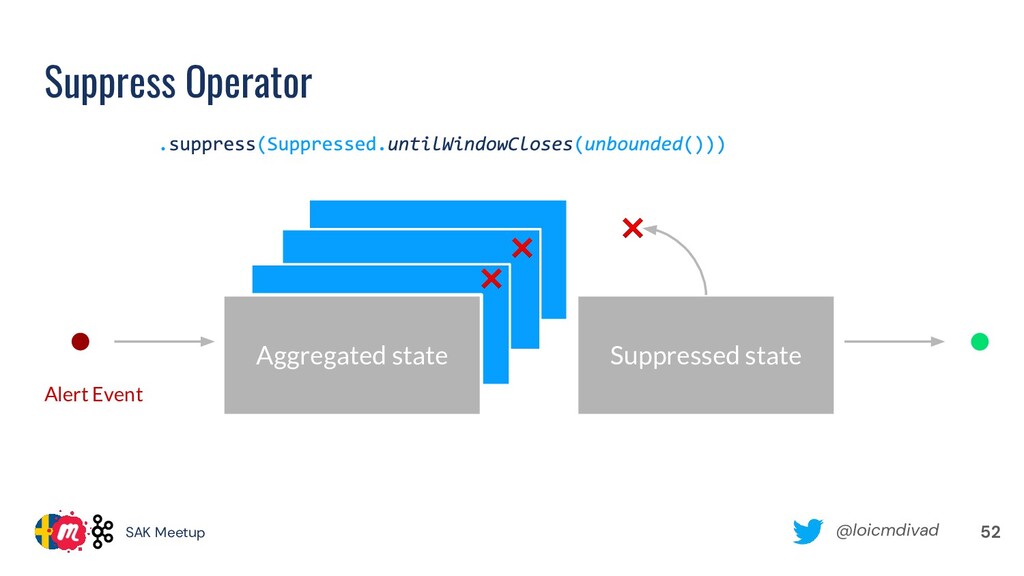
be an automated drink order service: - Captors are sending pressure alerts - The pressure can be high - But these are just warnings - However, we don’t want them to be too frequents - It could indicate a damaged captors - Instead of maintaining the overall values, we’d like to emit the final count - This can be done by aggregating the unbounded stream of pressure alerts 13
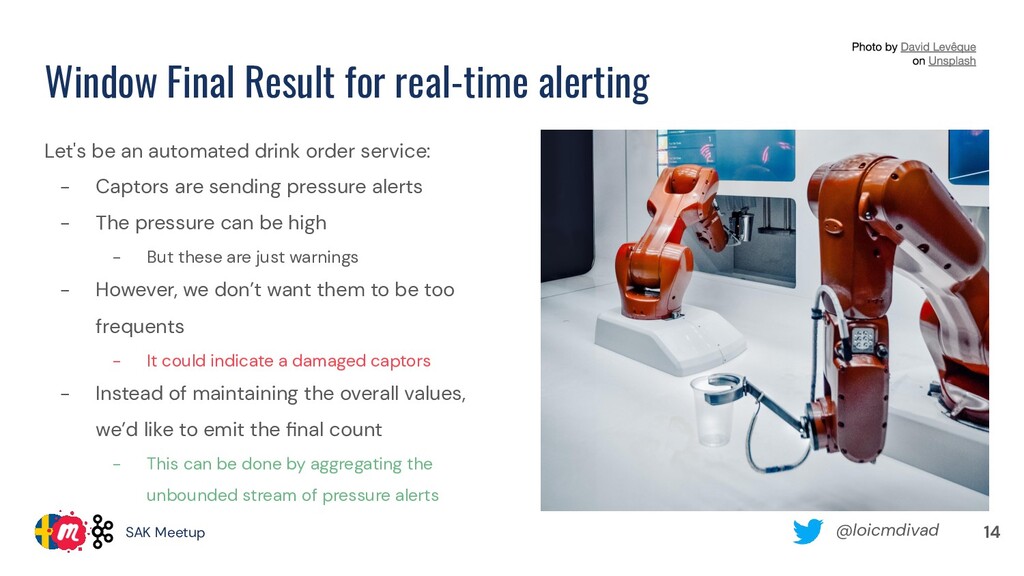
be an automated drink order service: - Captors are sending pressure alerts - The pressure can be high - But these are just warnings - However, we don’t want them to be too frequents - It could indicate a damaged captors - Instead of maintaining the overall values, we’d like to emit the final count - This can be done by aggregating the unbounded stream of pressure alerts 14
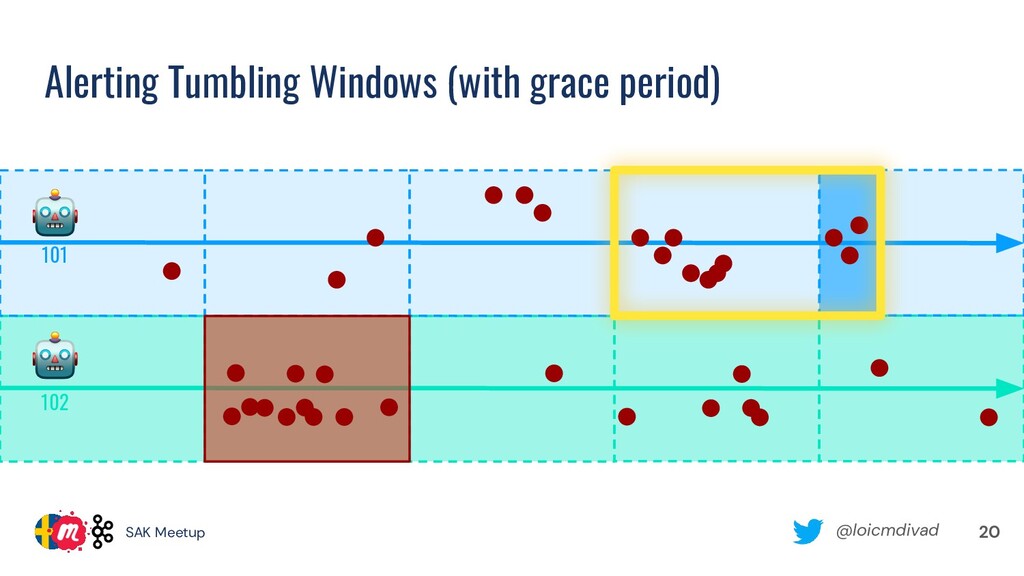
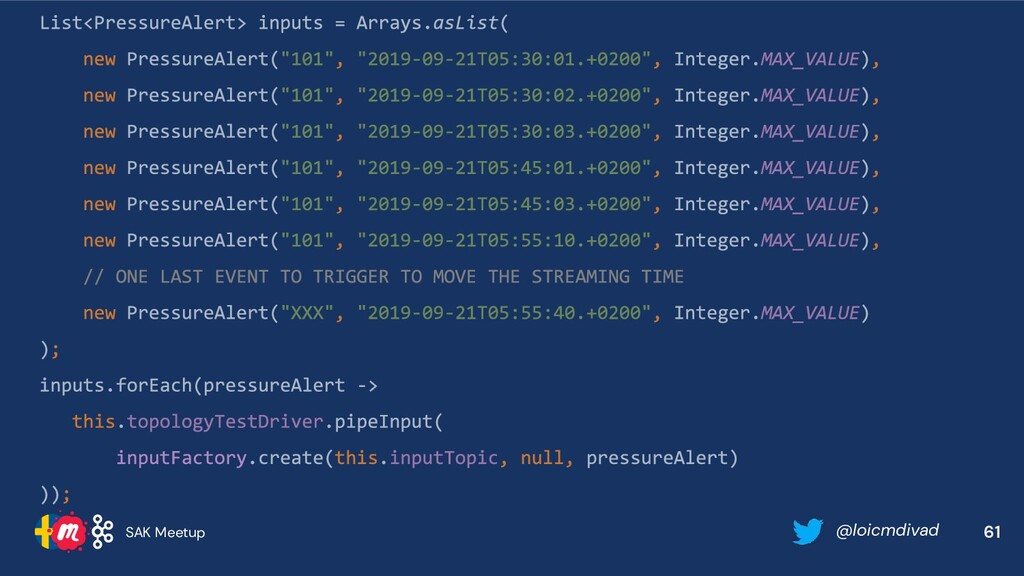
19 In this exercise we will probably face out-of-order elements and late data arrivals. We have to take this in account! The solution could be to add a extra period when late events can still join there corresponding aggregate and trigger a event. It’s called a grace period!
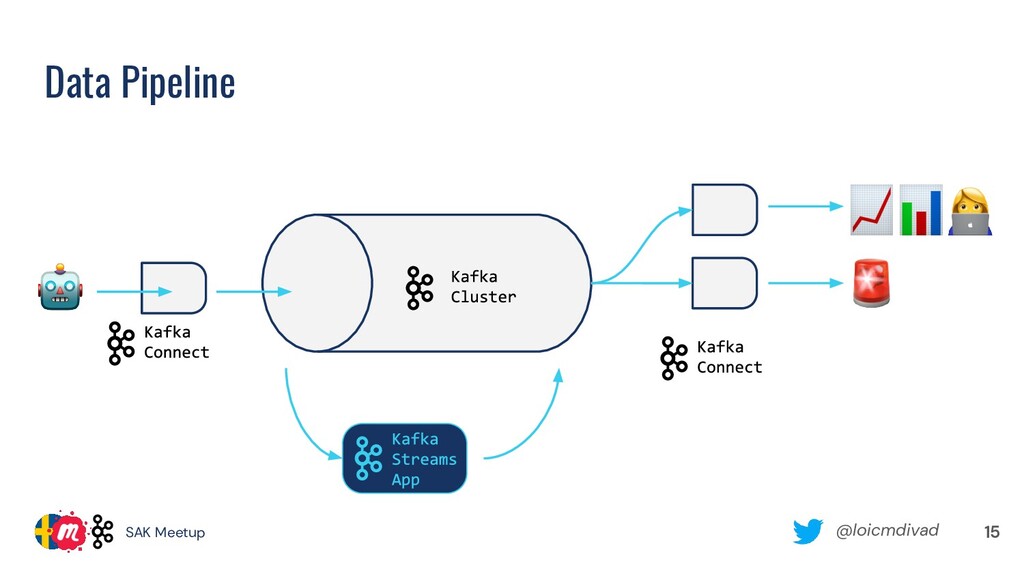
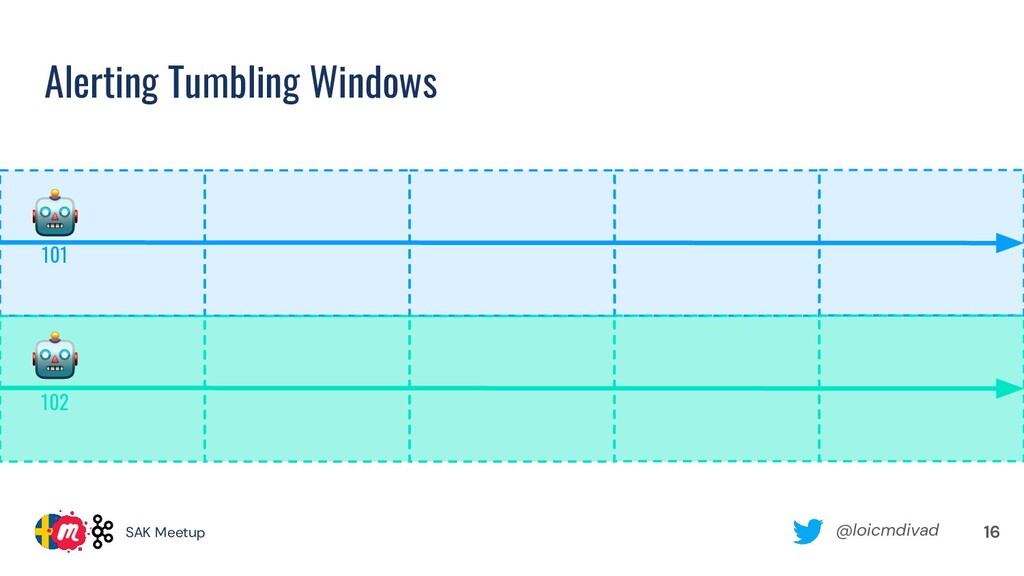
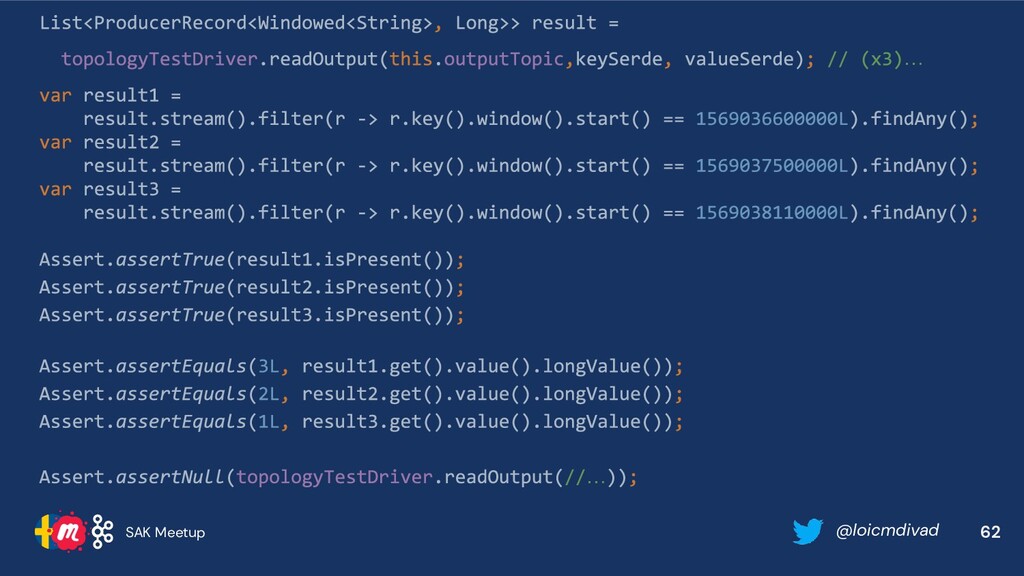
• Continually consume and process events • Aggregate events over time • Correctly integrate late events • Emit an event at the closing of each window • Be easy to test and deploy 22
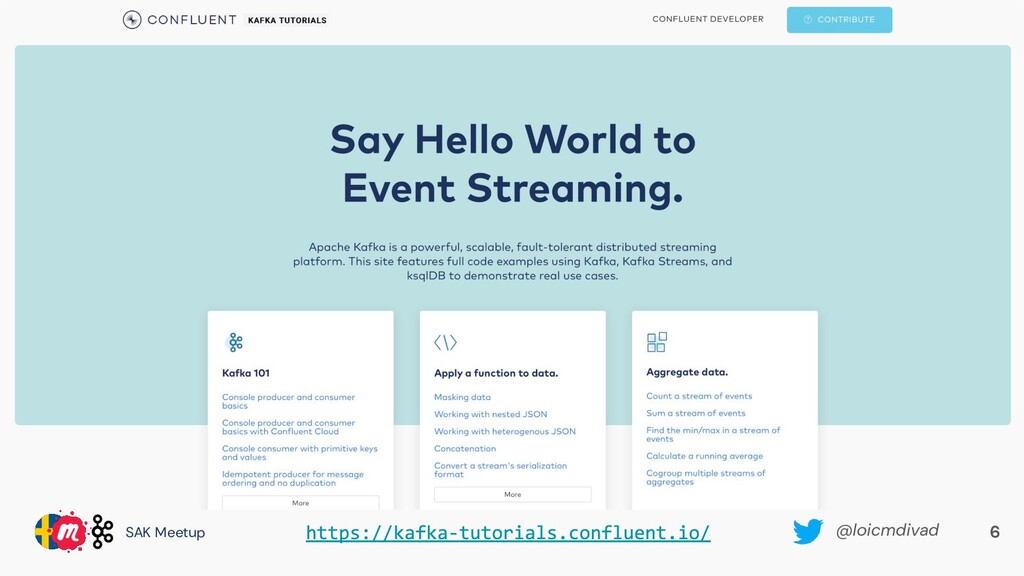
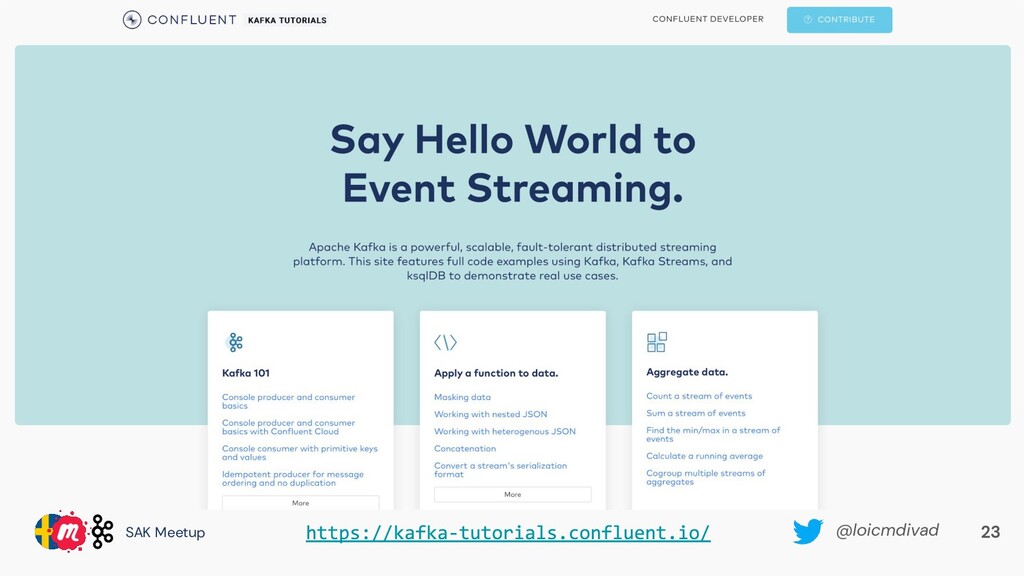
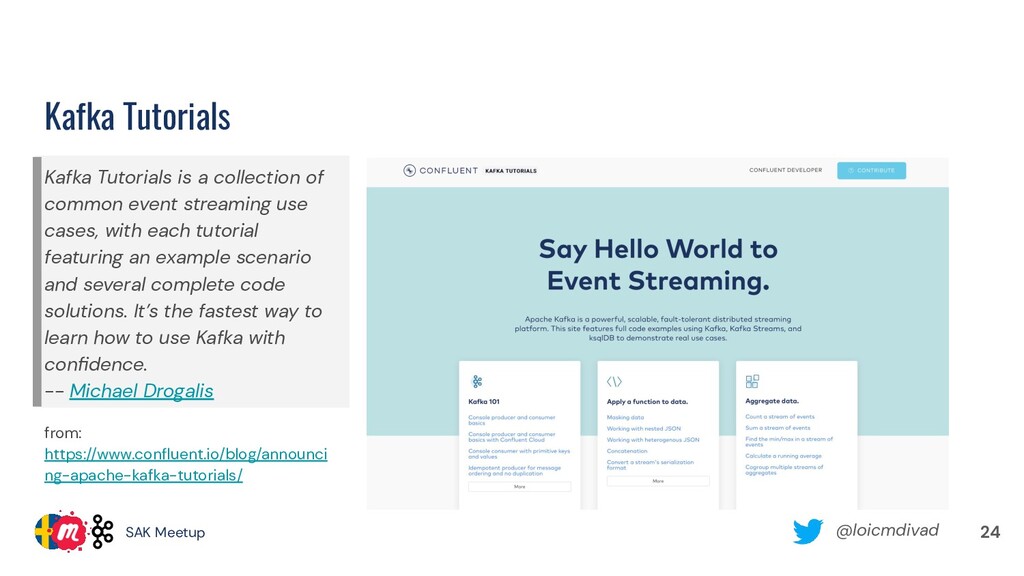
of common event streaming use cases, with each tutorial featuring an example scenario and several complete code solutions. It’s the fastest way to learn how to use Kafka with confidence. -- Michael Drogalis 24 from: https://www.confluent.io/blog/announci ng-apache-kafka-tutorials/
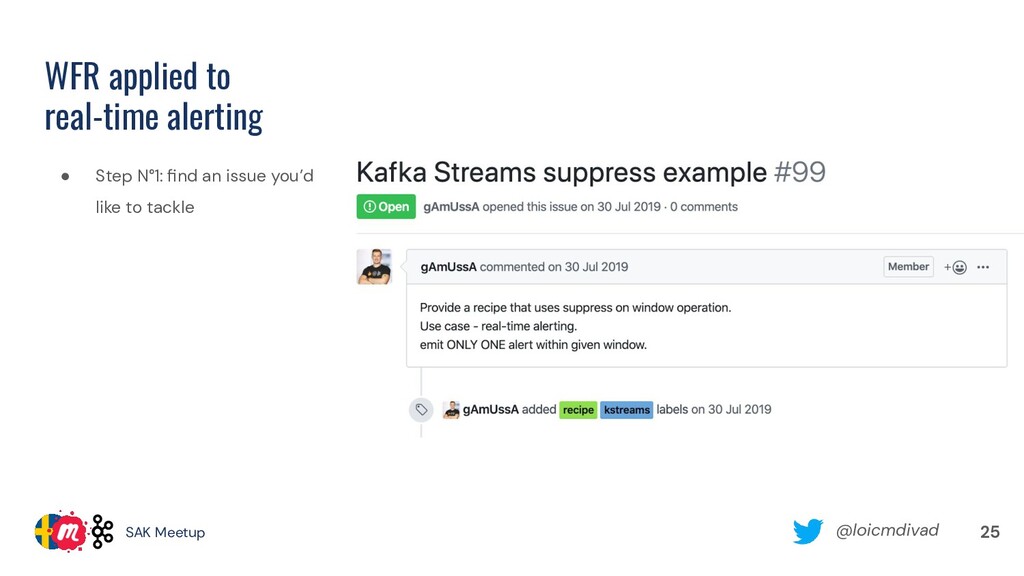
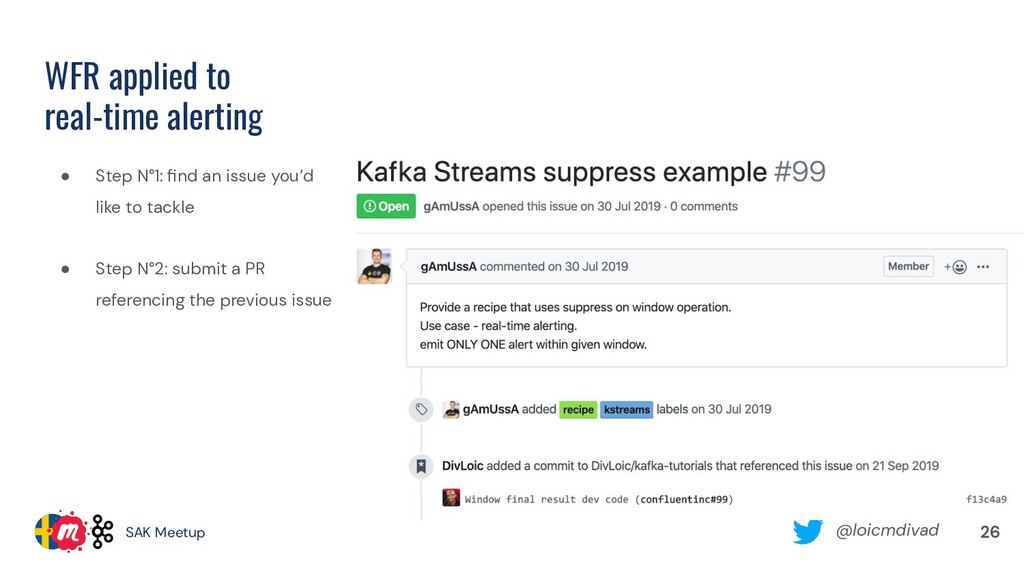
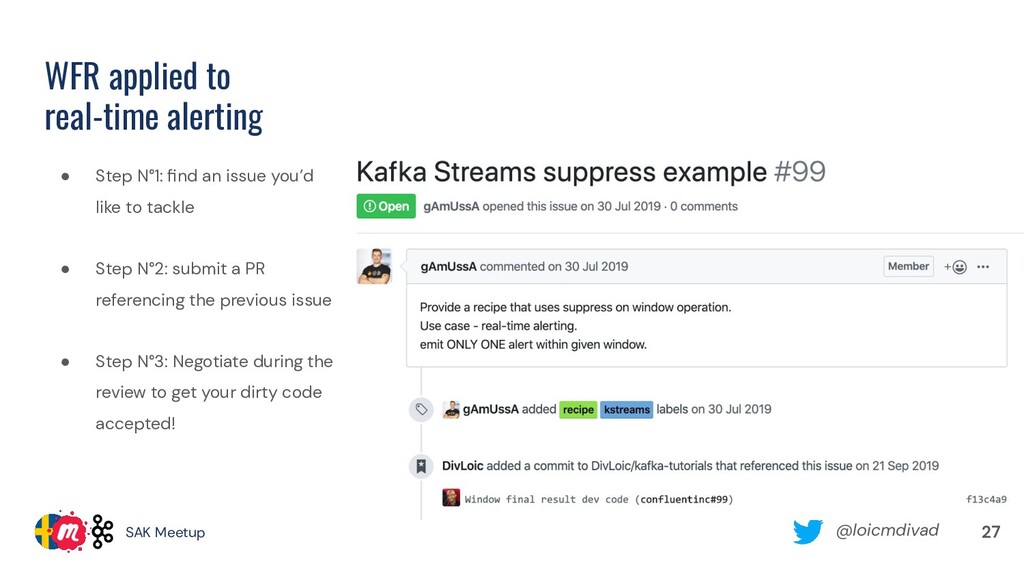
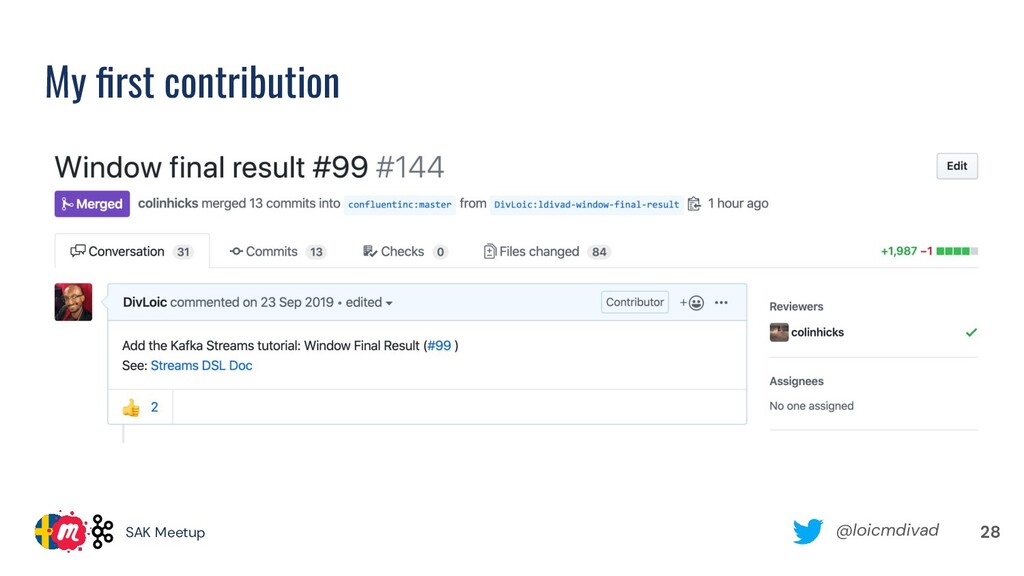
N°1: find an issue you’d like to tackle • Step N°2: submit a PR referencing the previous issue • Step N°3: Negotiate during the review to get your dirty code accepted! 27
Case a. Context and motivation b. Emit a final result from a time window c. Kafka Tutorials presentation 2. The Implementation a. Develop b. Test c. Deploy 3. The what’s next for 2021? a. New year resolution at massive scale! Photo by Aron Visuals on Unsplash
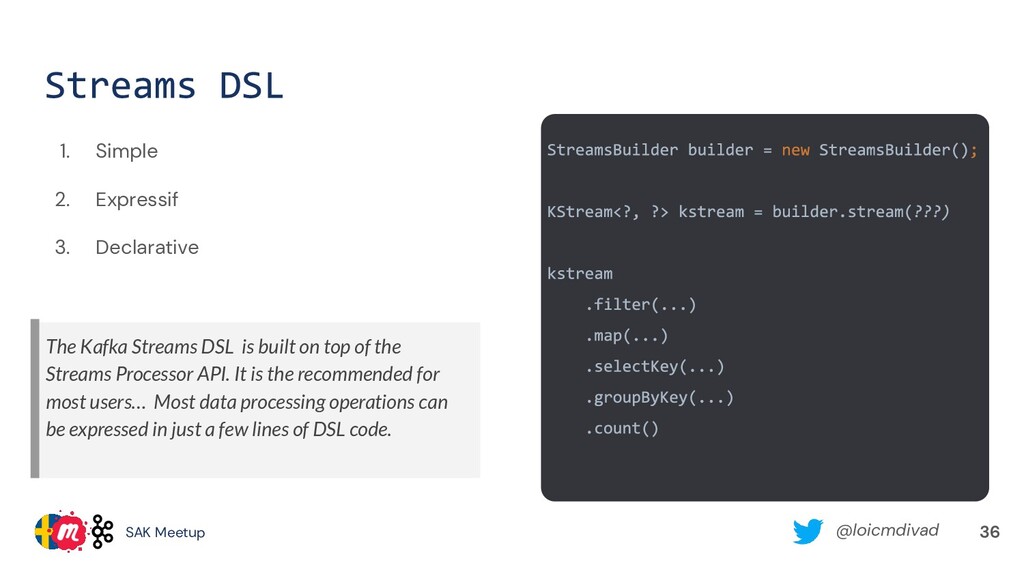
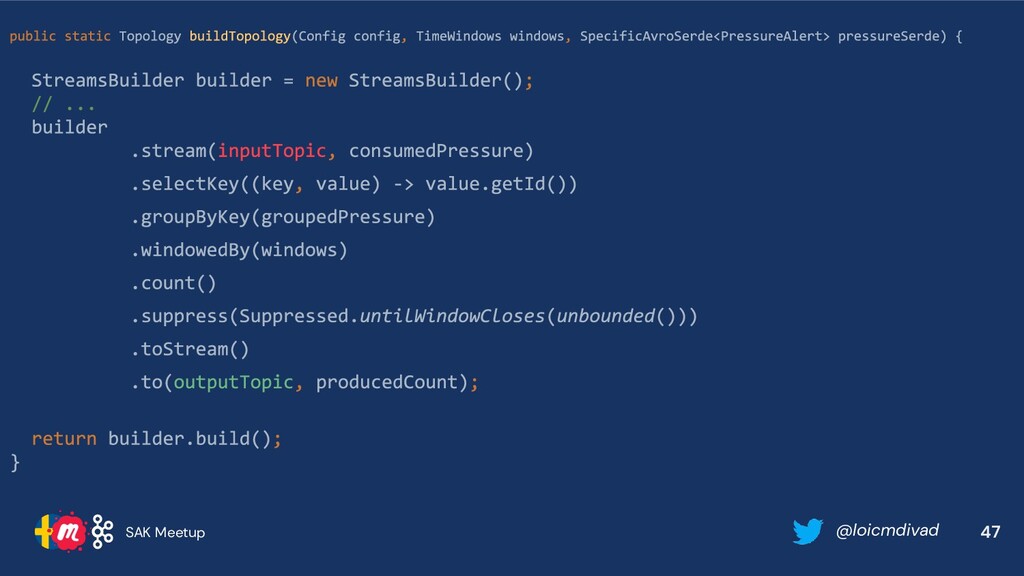
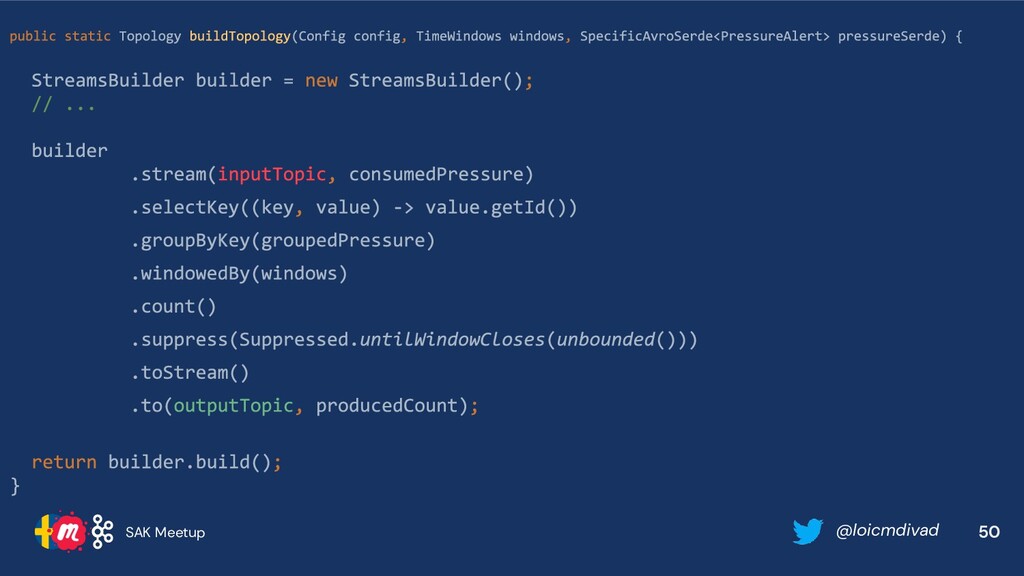
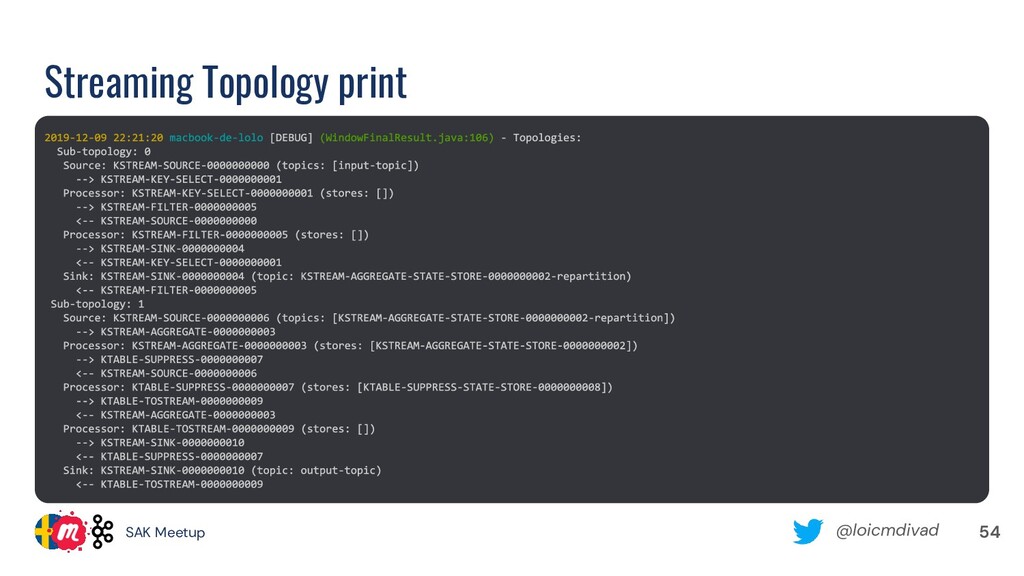
The Kafka Streams DSL is built on top of the Streams Processor API. It is the recommended for most users… Most data processing operations can be expressed in just a few lines of DSL code.
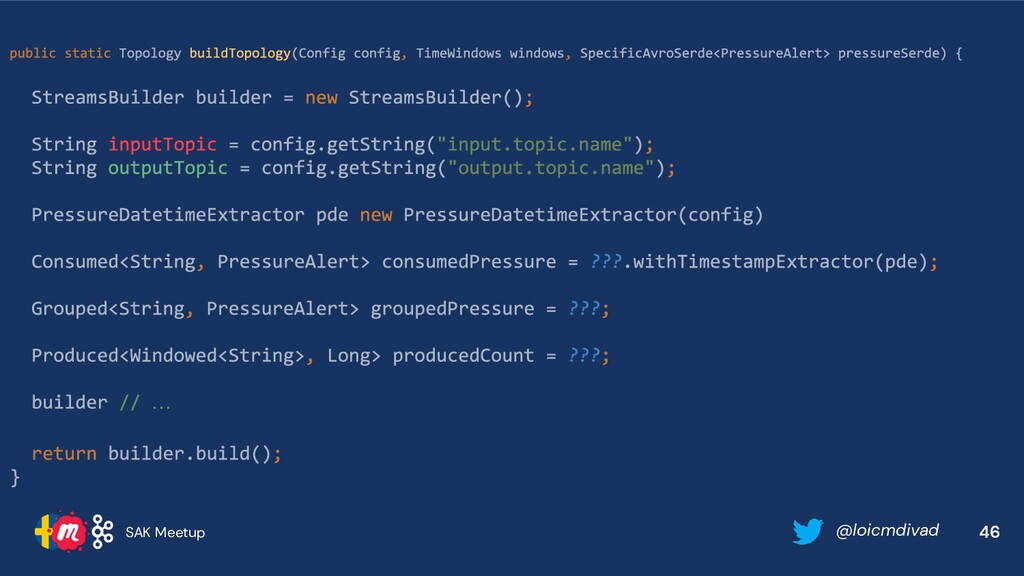
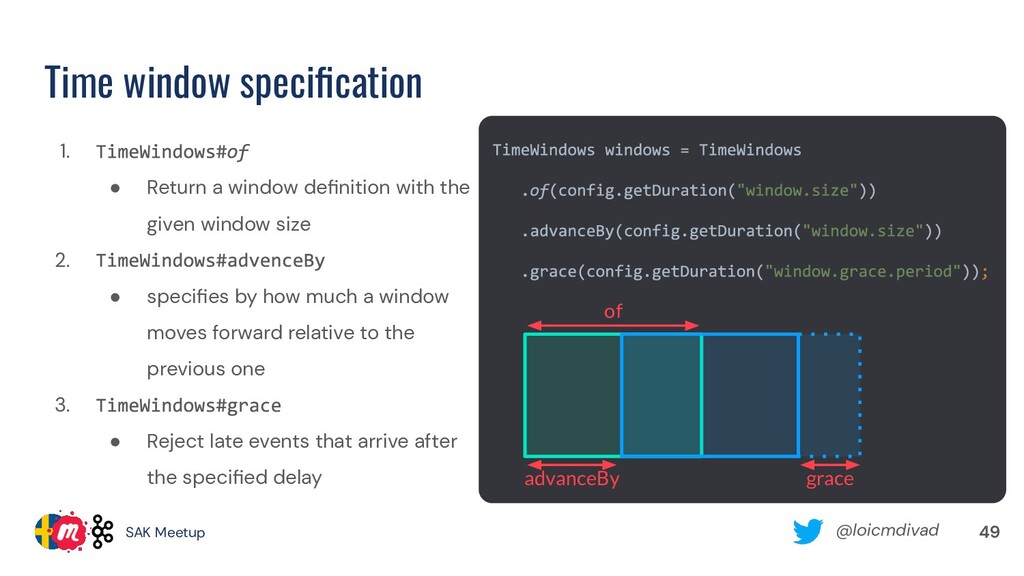
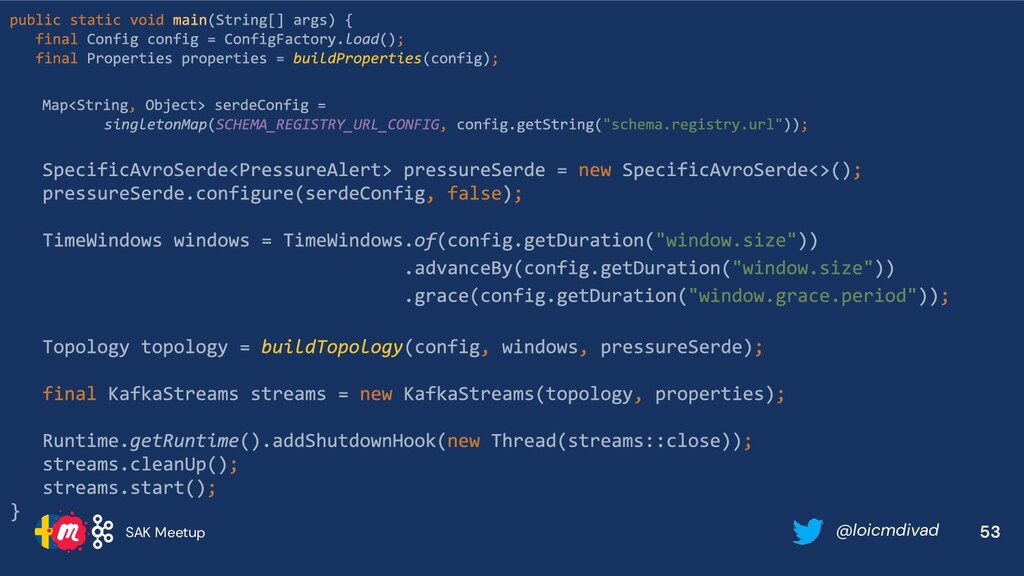
a window definition with the given window size 2. • specifies by how much a window moves forward relative to the previous one 3. • Reject late events that arrive after the specified delay of advanceBy grace
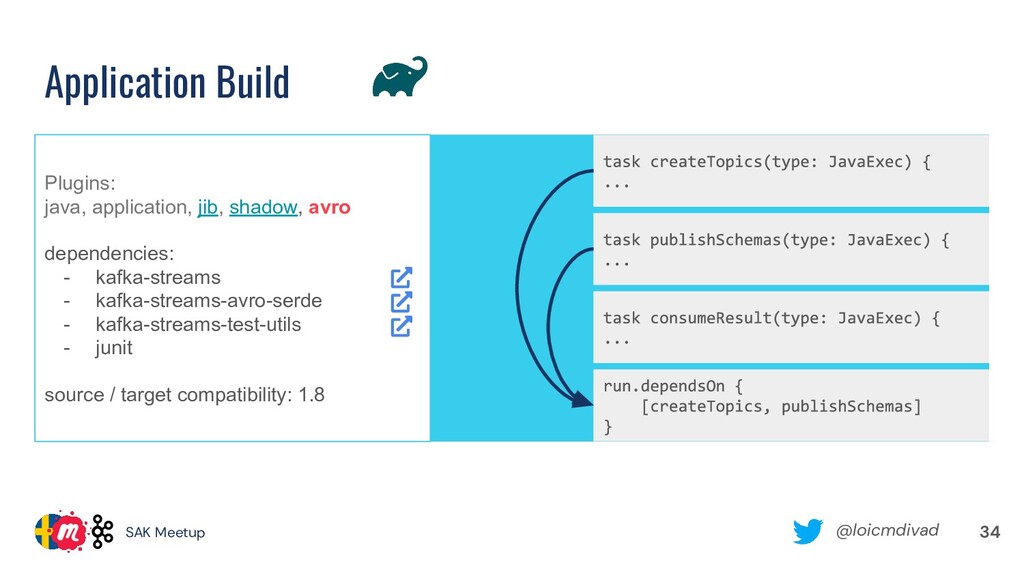
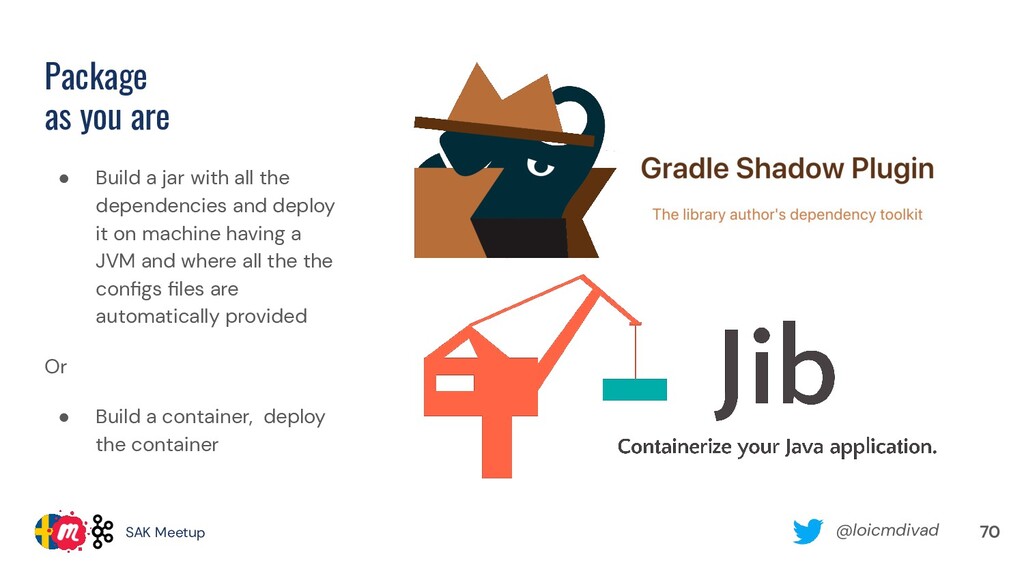
a jar with all the dependencies and deploy it on machine having a JVM and where all the the configs files are automatically provided Or • Build a container, deploy the container


 loicdivad
 shisyu_gaku
 masasuzu
 dip_tech
 kmiya84377
 kameitomohiro
 yoshiakiyamasaki
 ymrl
ymrl
 taiki45
 mot_techtalk
 osawa
osawa
 siromi
 ennael
 geoffreycrofte
 vanstee
 soysaucechin
 watany
 kristinabergwall1
 soudai
 aleyda
 uxyall
 lara
lara
 colly
colly
 tammyeverts