Upgrade to Pro — share decks privately, control downloads, hide ads and more …

Factors that contribute to adolescent maturity....

Factors that contribute to adolescent maturity. Theoretical proposal by Lia V.Kea

Levels of maturity are personal and can vary widely from one person to another

Avatar for Lia Vlada Kea

Lia Vlada Kea

July 10, 2026

Other Decks in Research

Transcript

  1. The research question "How do the factors contributing to maturity

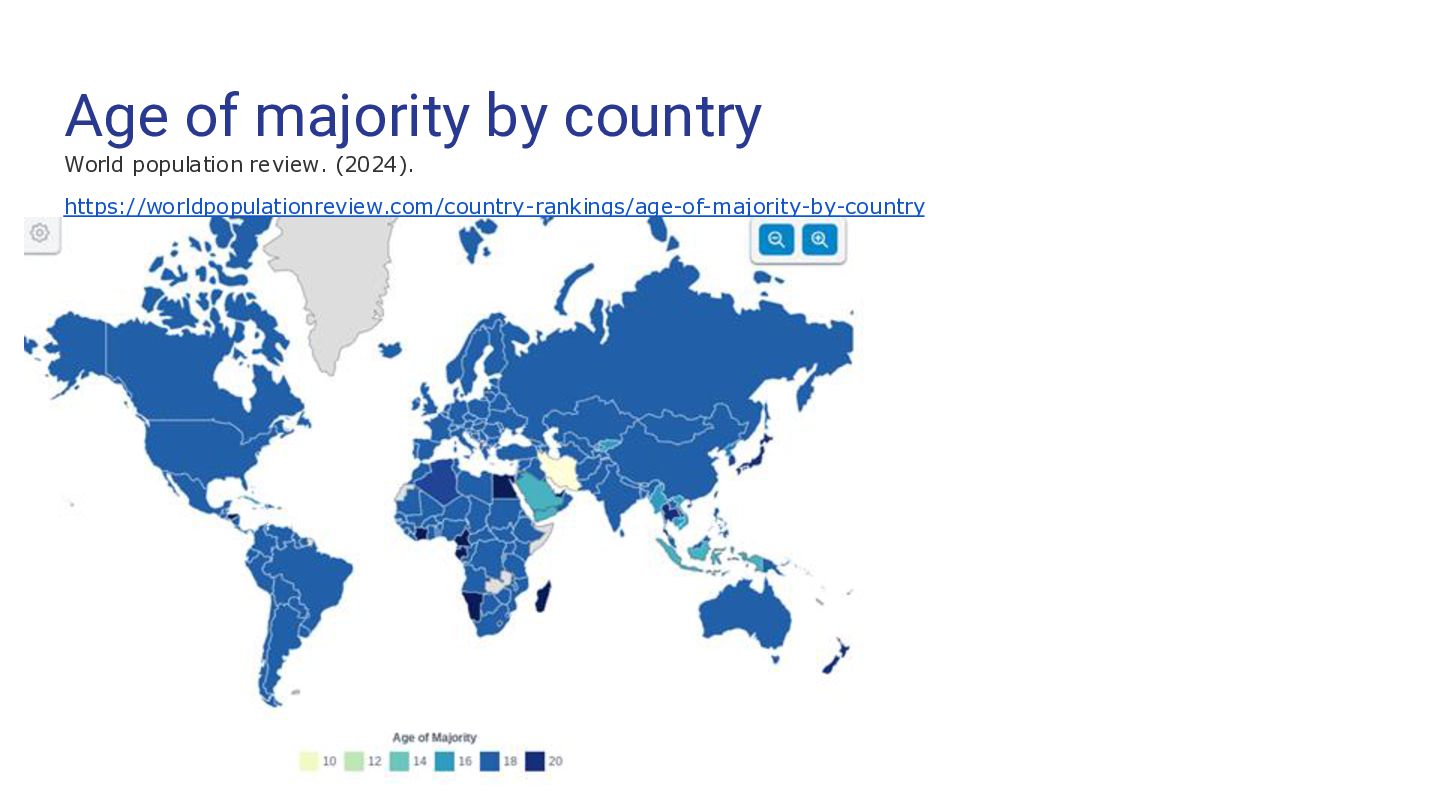
    influence the psychological age of adolescents across diverse populations?” will explore the correlation between factors influencing maturity levels and how pre- adolescents perceive their age. The study will begin in the United States and will be replicated in other countries with the similar age of majority. Levels of maturity are personal and can vary widely from one person to another. Additionally, biological age may not correspond with social age or psychological age. Social age refers to an individual's position within society at a specific point in time. This age, along with its associated rights and responsibilities, is a relative measure influenced by personal perceptions of life experiences and societal views on the stages of the life cycle (Séguy et al., 2019). On the other hand, psychological age reflects how old one feels, acts, and behaves (Symons, 2011).
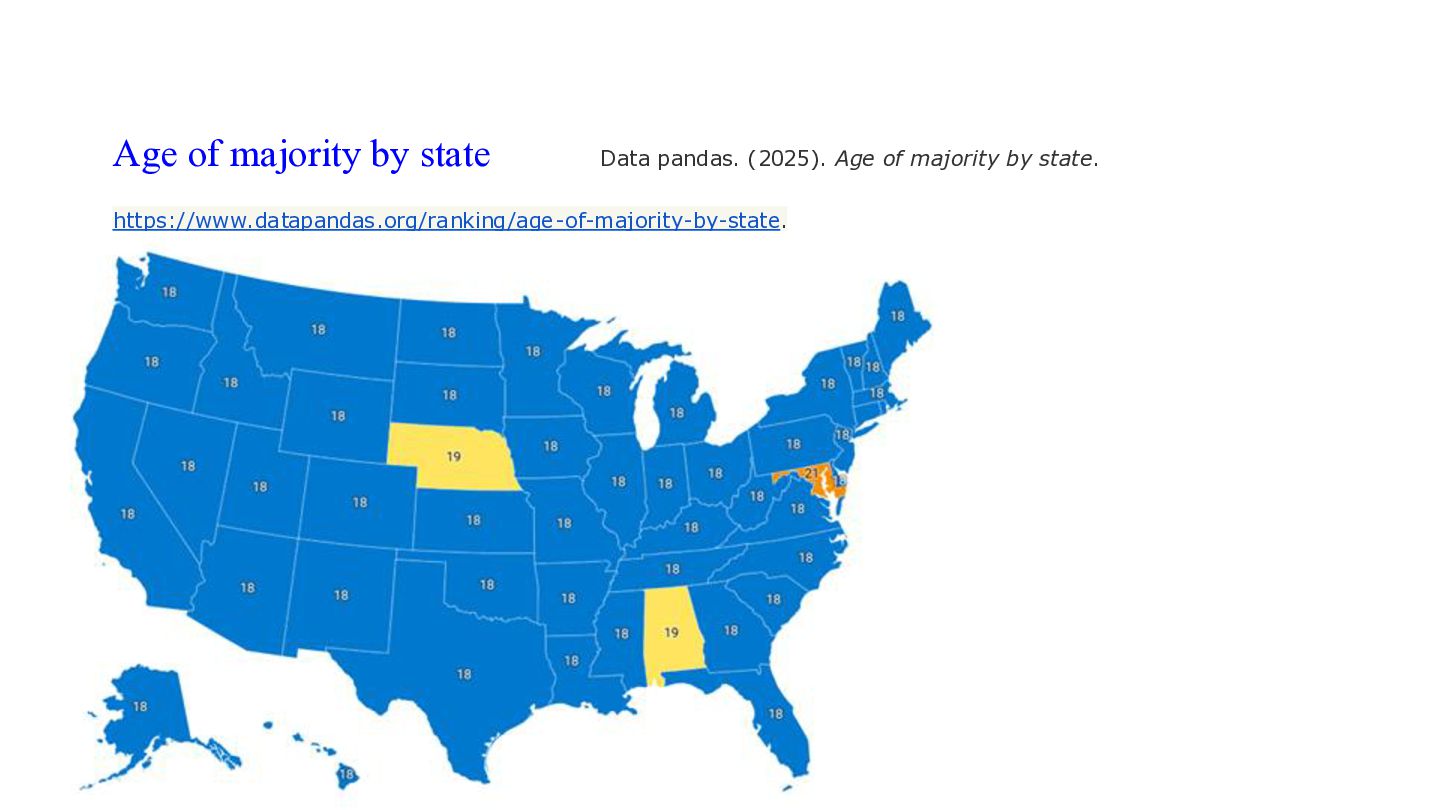
  2. Age of majority by state Data pandas. (2025). Age of

    majority by state. https://www.datapandas.org/ranking/age-of-majority-by-state.
  3. Many researchers have made efforts to examine the factors that

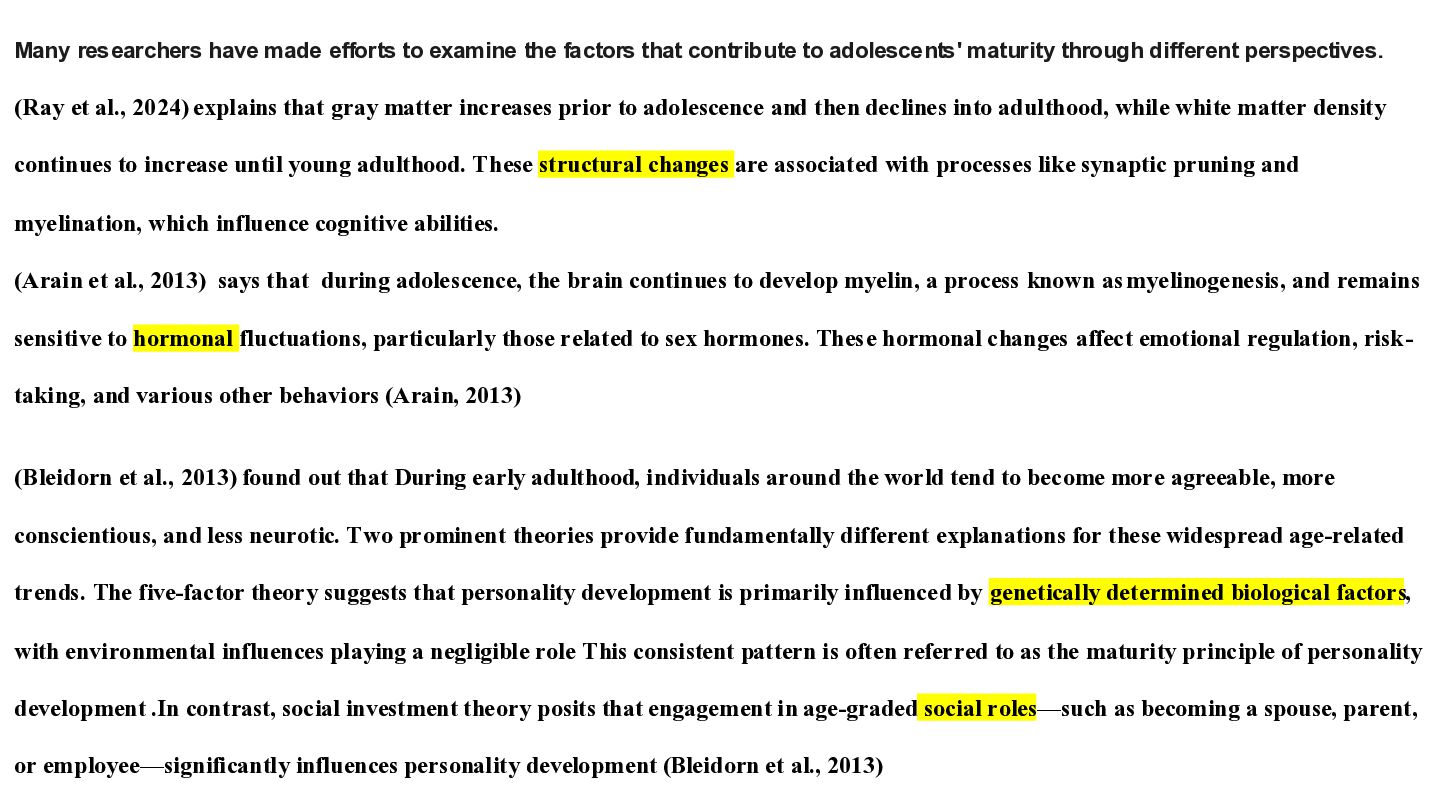
    contribute to adolescents' maturity through different perspectives. (Ray et al., 2024) explains that gray matter increases prior to adolescence and then declines into adulthood, while white matter density continues to increase until young adulthood. These structural changes are associated with processes like synaptic pruning and myelination, which influence cognitive abilities. (Arain et al., 2013) says that during adolescence, the brain continues to develop myelin, a process known as myelinogenesis, and remains sensitive to hormonal fluctuations, particularly those related to sex hormones. These hormonal changes affect emotional regulation, risk- taking, and various other behaviors (Arain, 2013) (Bleidorn et al., 2013) found out that During early adulthood, individuals around the world tend to become more agreeable, more conscientious, and less neurotic. Two prominent theories provide fundamentally different explanations for these widespread age-related trends. The five-factor theory suggests that personality development is primarily influenced by genetically determined biological factors, with environmental influences playing a negligible role This consistent pattern is often referred to as the maturity principle of personality development .In contrast, social investment theory posits that engagement in age-graded social roles—such as becoming a spouse, parent, or employee—significantly influences personality development (Bleidorn et al., 2013)
  4. (Detochenko et al.,2024) explains that Timing of life changes matters

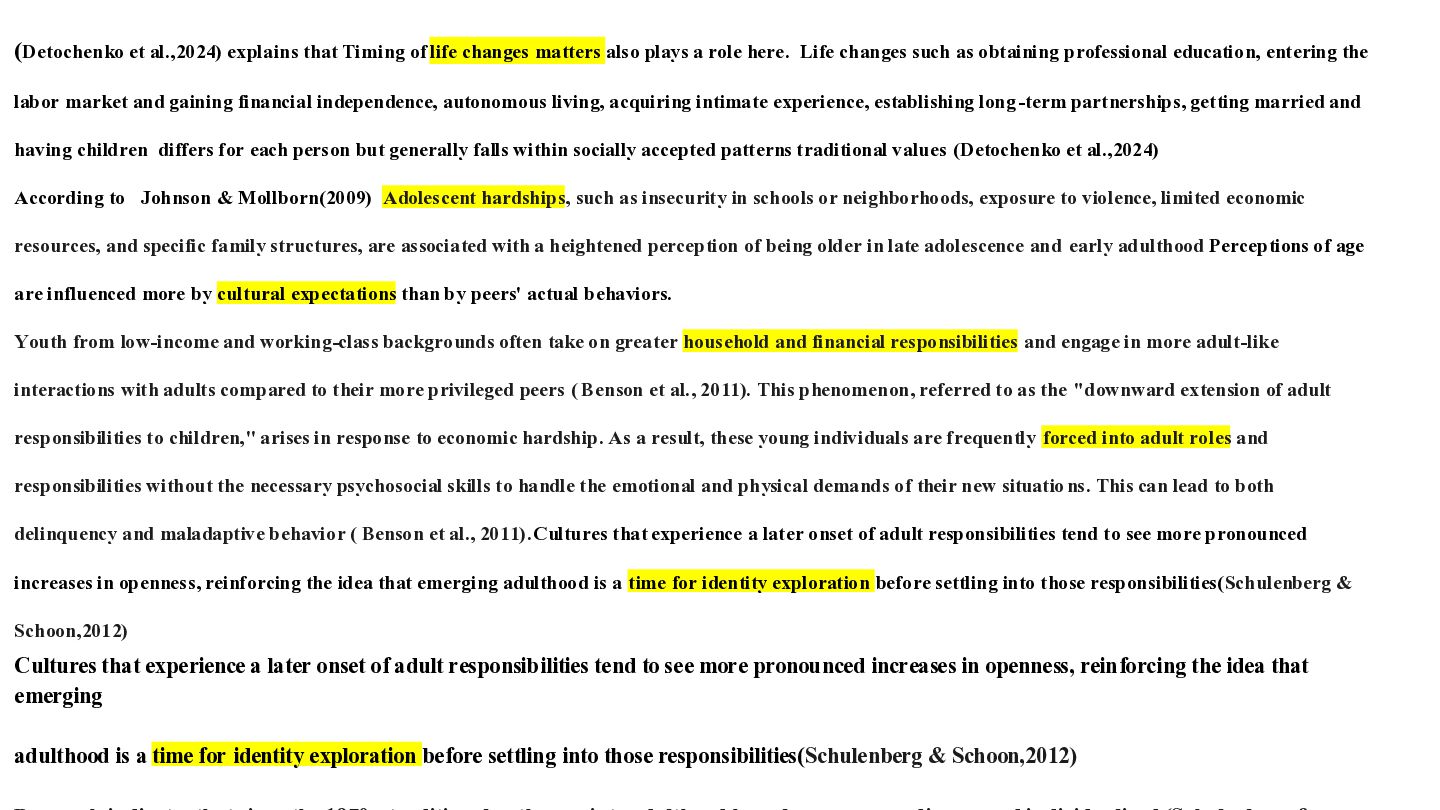
    also plays a role here. Life changes such as obtaining professional education, entering the labor market and gaining financial independence, autonomous living, acquiring intimate experience, establishing long-term partnerships, getting married and having children differs for each person but generally falls within socially accepted patterns traditional values (Detochenko et al.,2024) According to Johnson & Mollborn(2009) Adolescent hardships, such as insecurity in schools or neighborhoods, exposure to violence, limited economic resources, and specific family structures, are associated with a heightened perception of being older in late adolescence and early adulthood Perceptions of age are influenced more by cultural expectations than by peers' actual behaviors. Youth from low-income and working-class backgrounds often take on greater household and financial responsibilities and engage in more adult-like interactions with adults compared to their more privileged peers ( Benson et al., 2011). This phenomenon, referred to as the "downward extension of adult responsibilities to children," arises in response to economic hardship. As a result, these young individuals are frequently forced into adult roles and responsibilities without the necessary psychosocial skills to handle the emotional and physical demands of their new situations. This can lead to both delinquency and maladaptive behavior ( Benson et al., 2011).Cultures that experience a later onset of adult responsibilities tend to see more pronounced increases in openness, reinforcing the idea that emerging adulthood is a time for identity exploration before settling into those responsibilities(Schulenberg & Schoon,2012) Cultures that experience a later onset of adult responsibilities tend to see more pronounced increases in openness, reinforcing the idea that emerging adulthood is a time for identity exploration before settling into those responsibilities(Schulenberg & Schoon,2012)
  5. While traditional milestones and societal norms influence the transition into

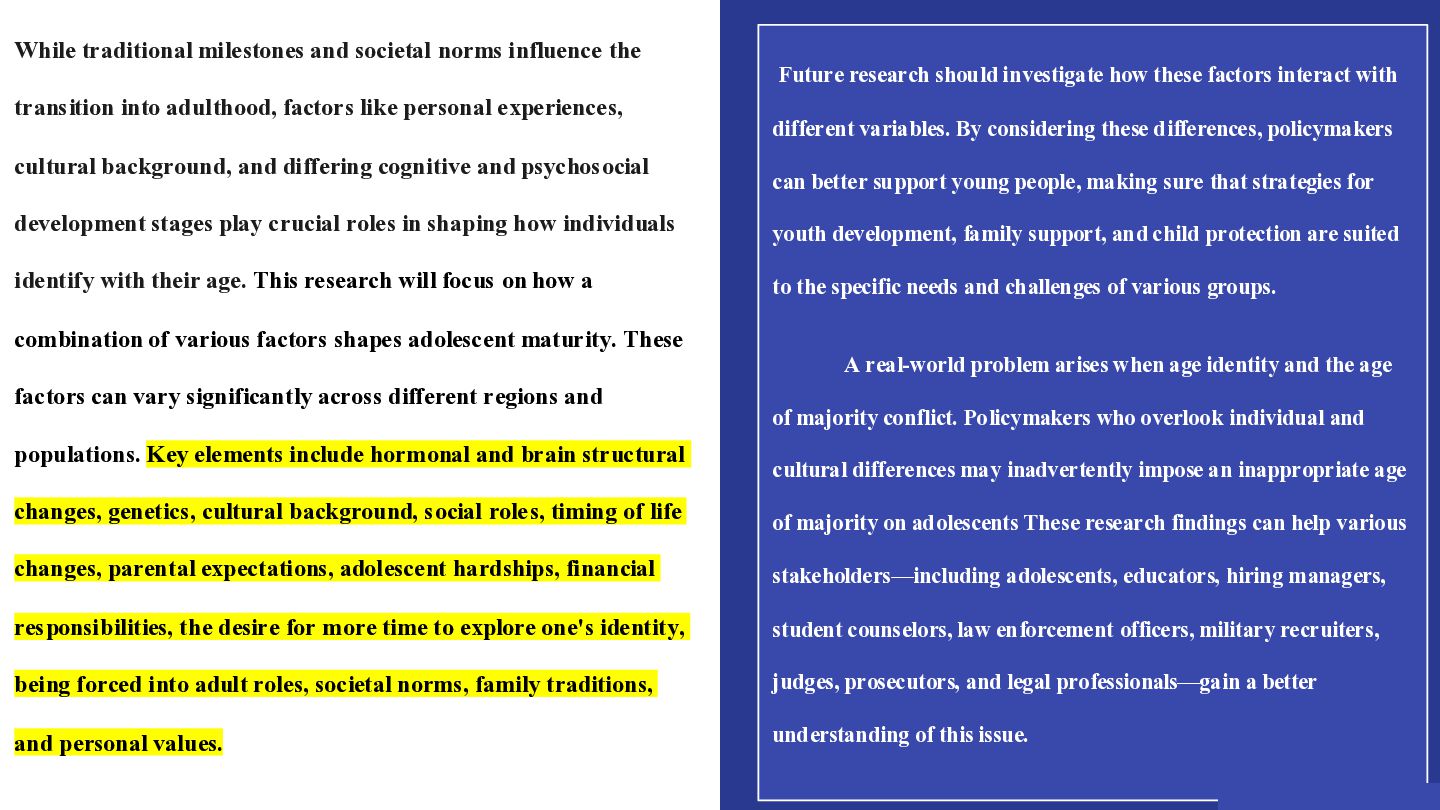
    adulthood, factors like personal experiences, cultural background, and differing cognitive and psychosocial development stages play crucial roles in shaping how individuals identify with their age. This research will focus on how a combination of various factors shapes adolescent maturity. These factors can vary significantly across different regions and populations. Key elements include hormonal and brain structural changes, genetics, cultural background, social roles, timing of life changes, parental expectations, adolescent hardships, financial responsibilities, the desire for more time to explore one's identity, being forced into adult roles, societal norms, family traditions, and personal values. Future research should investigate how these factors interact with different variables. By considering these differences, policymakers can better support young people, making sure that strategies for youth development, family support, and child protection are suited to the specific needs and challenges of various groups. A real-world problem arises when age identity and the age of majority conflict. Policymakers who overlook individual and cultural differences may inadvertently impose an inappropriate age of majority on adolescents These research findings can help various stakeholders—including adolescents, educators, hiring managers, student counselors, law enforcement officers, military recruiters, judges, prosecutors, and legal professionals—gain a better understanding of this issue.
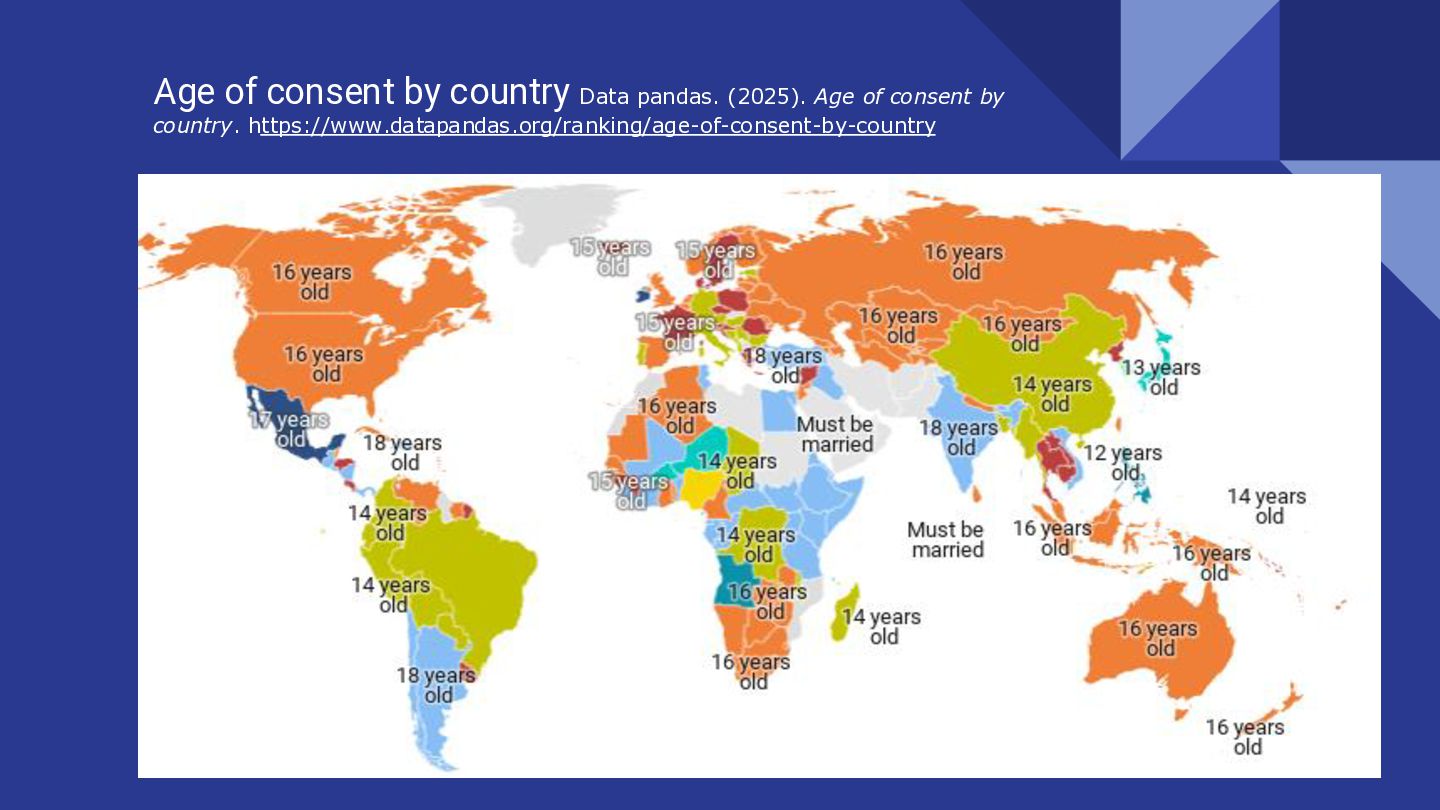
  6. Age of consent by country Data pandas. (2025). Age of

    consent by country. https://www.datapandas.org/ranking/age-of-consent-by-country
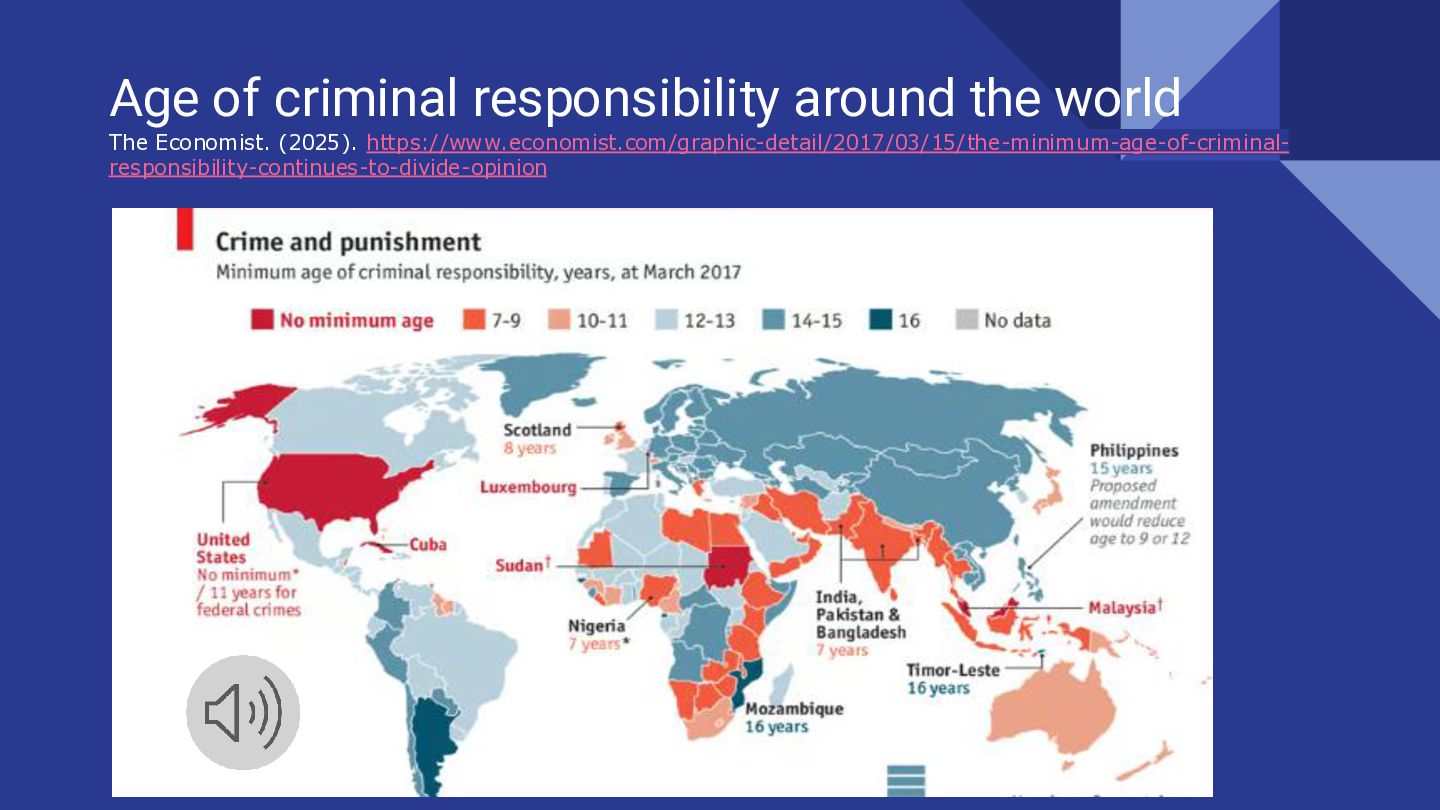
  7. Age of criminal responsibility around the world The Economist. (2025).

    https://www.economist.com/graphic-detail/2017/03/15/the-minimum-age-of-criminal- responsibility-continues-to-divide-opinion
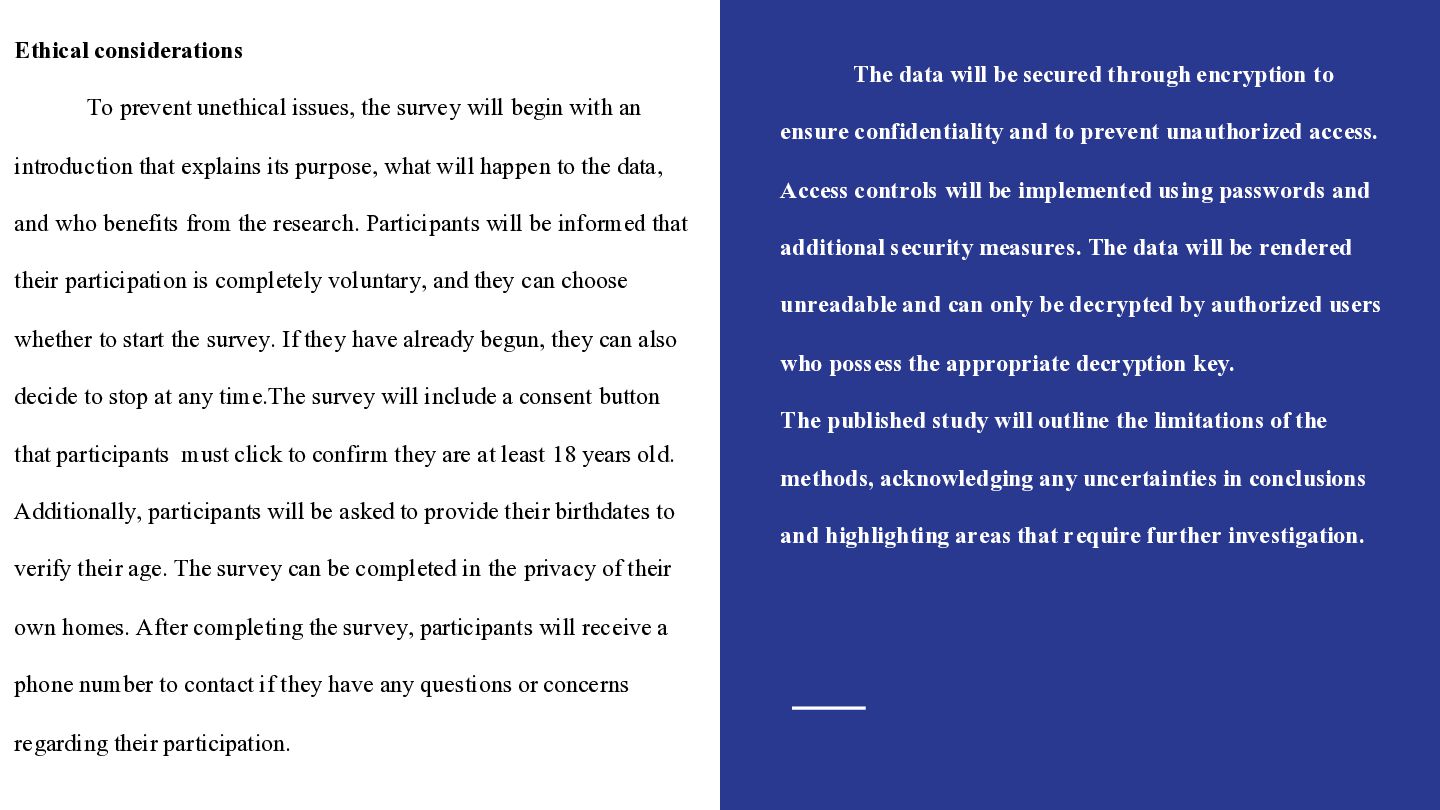
  8. Ethical considerations To prevent unethical issues, the survey will begin

    with an introduction that explains its purpose, what will happen to the data, and who benefits from the research. Participants will be informed that their participation is completely voluntary, and they can choose whether to start the survey. If they have already begun, they can also decide to stop at any time.The survey will include a consent button that participants must click to confirm they are at least 18 years old. Additionally, participants will be asked to provide their birthdates to verify their age. The survey can be completed in the privacy of their own homes. After completing the survey, participants will receive a phone number to contact if they have any questions or concerns regarding their participation. The data will be secured through encryption to ensure confidentiality and to prevent unauthorized access. Access controls will be implemented using passwords and additional security measures. The data will be rendered unreadable and can only be decrypted by authorized users who possess the appropriate decryption key. The published study will outline the limitations of the methods, acknowledging any uncertainties in conclusions and highlighting areas that require further investigation.
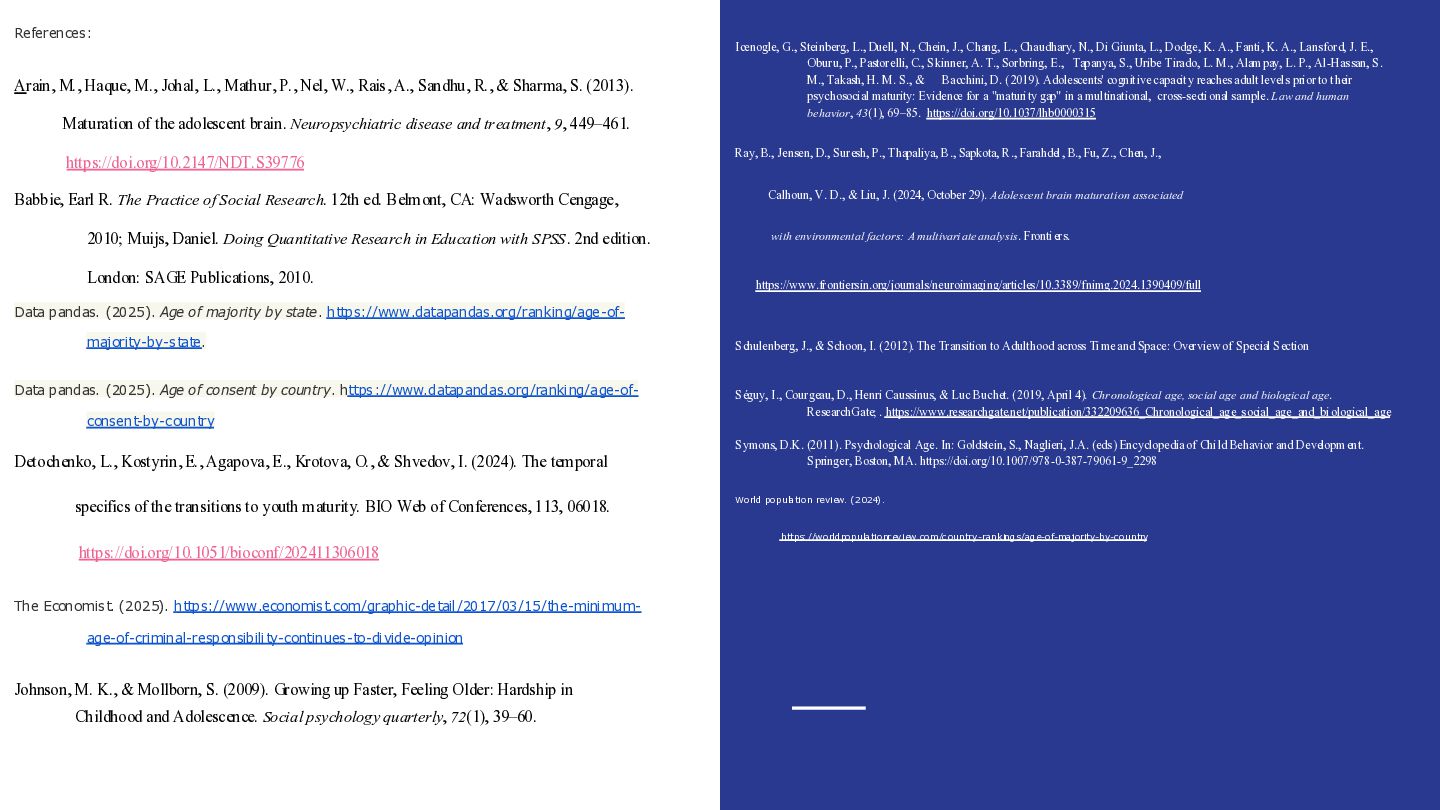
  9. References: Arain, M., Haque, M., Johal, L., Mathur, P., Nel,

    W., Rais, A., Sandhu, R., & Sharma, S. (2013). Maturation of the adolescent brain. Neuropsychiatric disease and treatment, 9, 449–461. https://doi.org/10.2147/NDT.S39776 Babbie, Earl R. The Practice of Social Research. 12th ed. Belmont, CA: Wadsworth Cengage, 2010; Muijs, Daniel. Doing Quantitative Research in Education with SPSS. 2nd edition. London: SAGE Publications, 2010. Data pandas. (2025). Age of majority by state. https://www.datapandas.org/ranking/age-of- majority-by-state. Data pandas. (2025). Age of consent by country. https://www.datapandas.org/ranking/age-of- consent-by-country Detochenko, L., Kostyrin, E., Agapova, E., Krotova, O., & Shvedov, I. (2024). The temporal specifics of the transitions to youth maturity. BIO Web of Conferences, 113, 06018. https://doi.org/10.1051/bioconf/202411306018 The Economist. (2025). https://www.economist.com/graphic-detail/2017/03/15/the-minimum- age-of-criminal-responsibility-continues-to-divide-opinion Johnson, M. K., & Mollborn, S. (2009). Growing up Faster, Feeling Older: Hardship in Childhood and Adolescence. Social psychology quarterly, 72(1), 39–60. Icenogle, G., Steinberg, L., Duell, N., Chein, J., Chang, L., Chaudhary, N., Di Giunta, L., Dodge, K. A., Fanti, K. A., Lansford, J. E., Oburu, P., Pastorelli, C., Skinner, A. T., Sorbring, E., Tapanya, S., Uribe Tirado, L. M., Alampay, L. P., Al-Hassan, S. M., Takash, H. M. S., & Bacchini, D. (2019). Adolescents' cognitive capacity reaches adult levels prior to their psychosocial maturity: Evidence for a "maturity gap" in a multinational, cross-sectional sample. Law and human behavior, 43(1), 69–85. https://doi.org/10.1037/lhb0000315 Ray, B., Jensen, D., Suresh, P., Thapaliya, B., Sapkota, R., Farahdel, B., Fu, Z., Chen, J., Calhoun, V. D., & Liu, J. (2024, October 29). Adolescent brain maturation associated with environmental factors: A multivariate analysis. Frontiers. https://www.frontiersin.org/journals/neuroimaging/articles/10.3389/fnimg.2024.1390409/full Schulenberg, J., & Schoon, I. (2012). The Transition to Adulthood across Time and Space: Overview of Special Section Séguy, I., Courgeau, D., Henri Caussinus, & Luc Buchet. (2019, April 4). Chronological age, social age and biological age. ResearchGate; . https://www.researchgate.net/publication/332209636_Chronological_age_social_age_and_biological_age Symons, D.K. (2011). Psychological Age. In: Goldstein, S., Naglieri, J.A. (eds) Encyclopedia of Child Behavior and Development. Springer, Boston, MA. https://doi.org/10.1007/978-0-387-79061-9_2298 World population review. (2024). https://worldpopulationreview.com/country-rankings/age-of-majority-by-country