In today's cloud-native landscape, containerizing Java applications has become a standard practice, but the path to optimal implementation remains unclear. This presentation dissects the various approaches to containerizing Java applications beyond the basic Dockerfile.
We'll examine the strengths and limitations of multiple container creation methods: traditional Dockerfiles, multi-stage Dockerfiles, Cloud-Native Buildpacks (buildpacks.io/paketo.io), Google's Jib, and custom solutions using jlink. Each approach will be evaluated through a comprehensive set of criteria:
Build efficiency and speed
Image size optimization
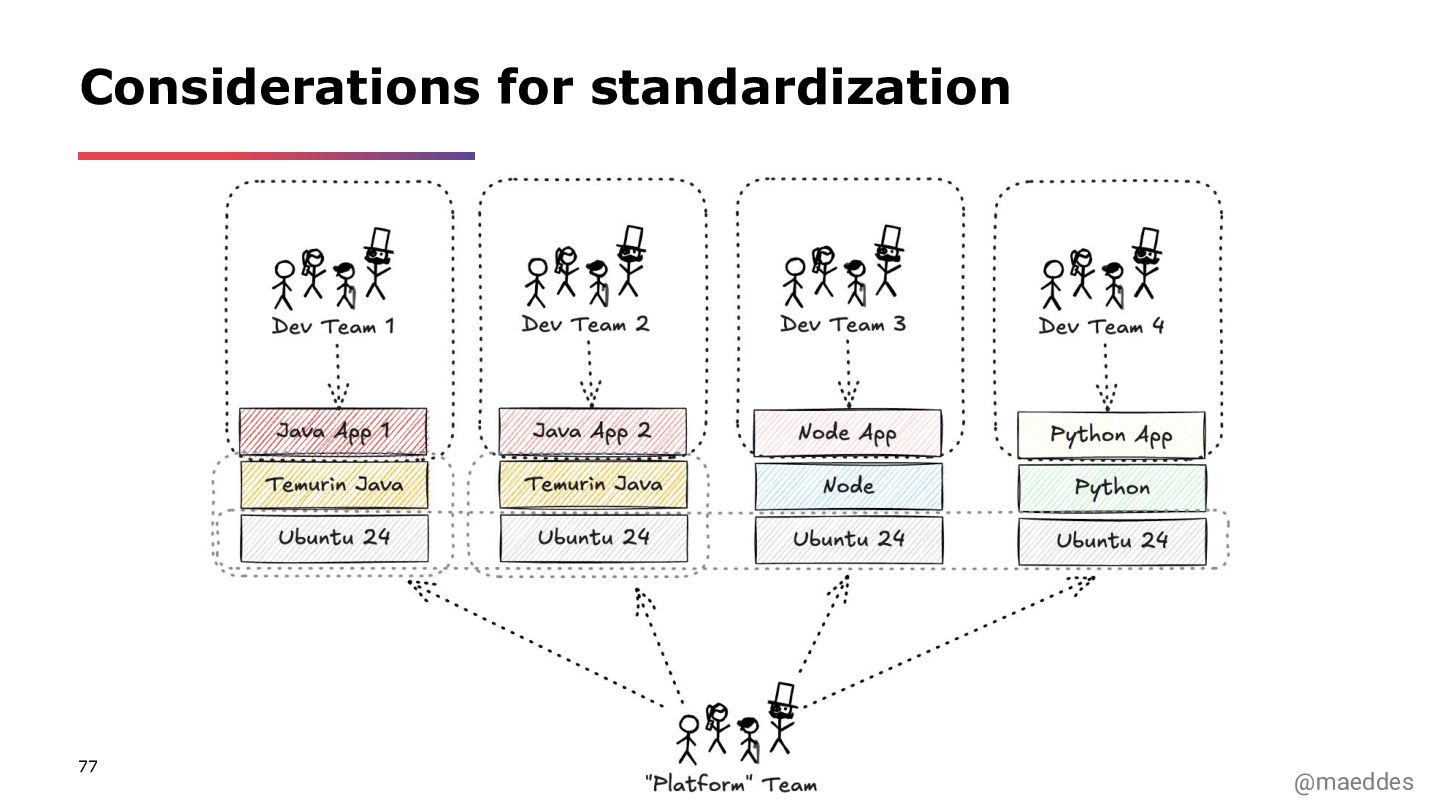
Enterprise standardization capabilities
Pipeline robustness
JVM memory configuration strategies
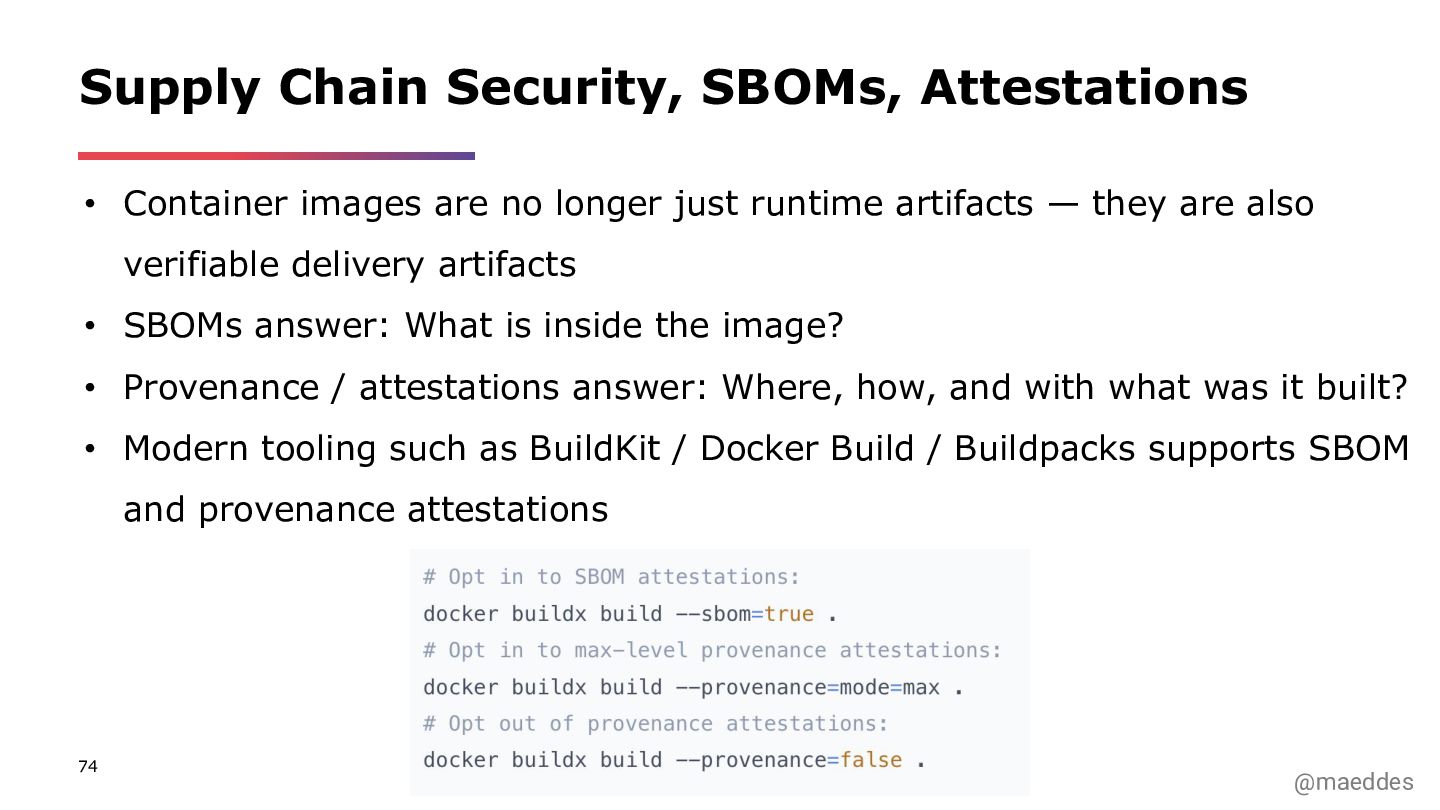
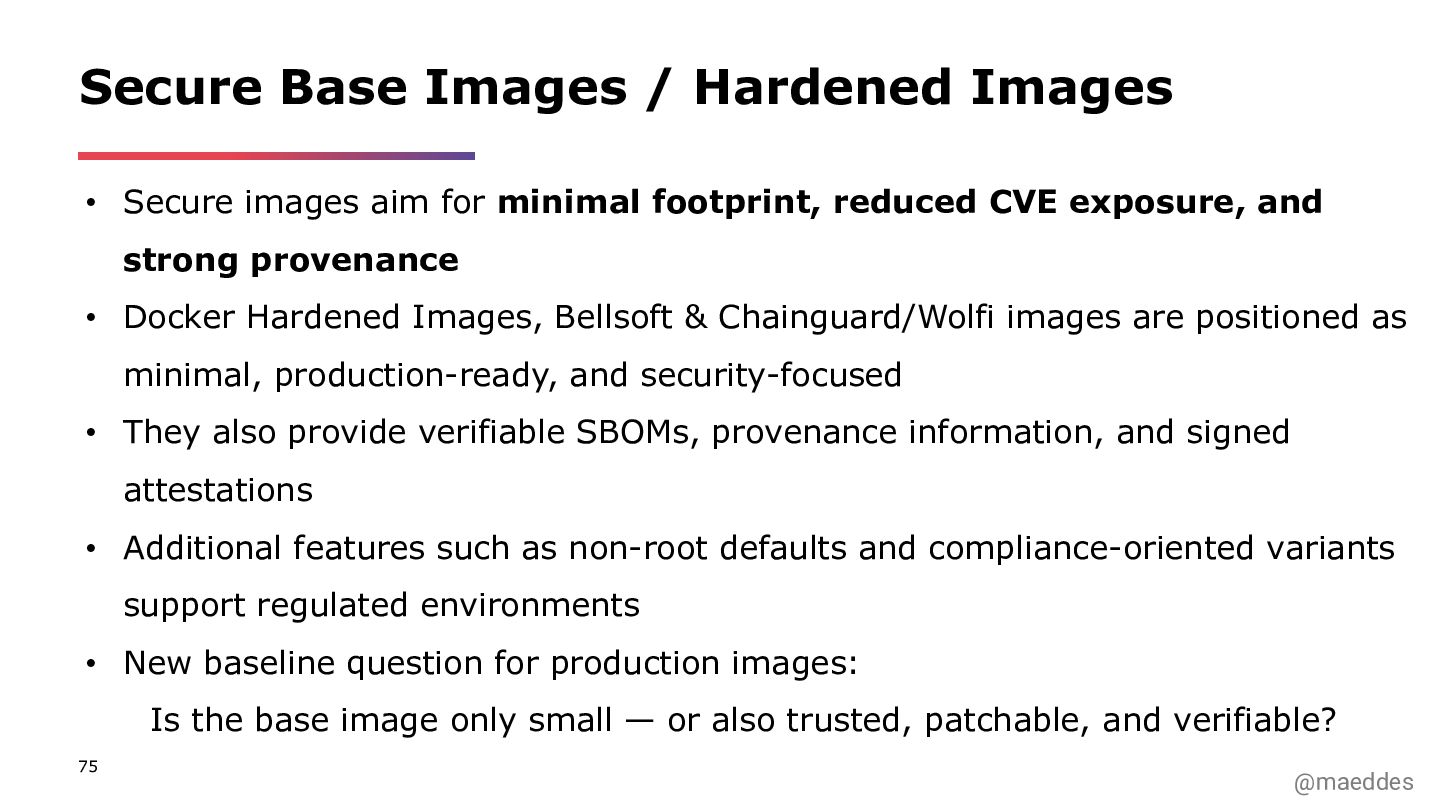
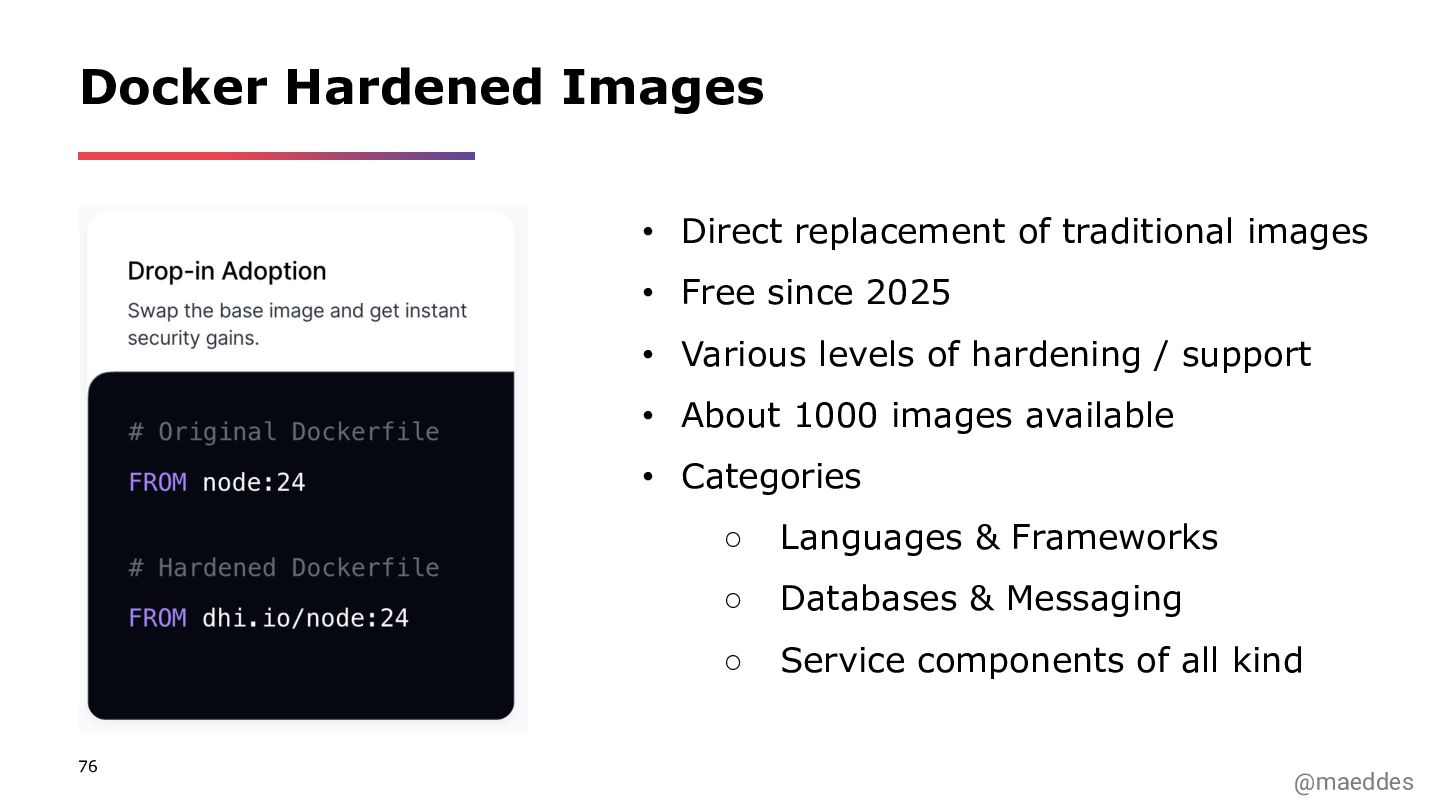
Security posture and vulnerability management
Through live demonstrations focusing primarily on modern Java frameworks (Spring Boot, Quarkus, and Micronaut), attendees will gain practical insights into selecting the right containerization strategy for their specific use cases. We'll also explore how GraalVM native image compilation introduces new considerations and opportunities for Java containerization, particularly for startup time and resource utilization.
While Java implementations serve as our primary examples, the principles discussed apply broadly across language ecosystems. Join this session to transform your containerization practices from merely functional to truly optimized for production environments.


 maeddes
 jozono
 tetsuya28
 mananyuki
 shogo4131
 riyaamemiya
 torumakabe
 pauli
pauli
 recruitengineers
 470715
 raspython3
 y0hgi
y0hgi
 oikon48
 soudai
 csswizardry
 stephaniewalter
 chriscoyier
 reverentgeek
 garrettdimon
 shlominoach
 inesmontani
 jmmastey
 marktimemedia
 tmiket
 apolaine


![@maeddes Docker History 15 [1]](https://files.speakerdeck.com/presentations/8ed7c92b1fdc43ff8ab137a43a604017/slide_14.jpg)


![@maeddes Multi-Stage 22 [1]](https://files.speakerdeck.com/presentations/8ed7c92b1fdc43ff8ab137a43a604017/slide_21.jpg)


![@maeddes Buildkit 26 [1]](https://files.speakerdeck.com/presentations/8ed7c92b1fdc43ff8ab137a43a604017/slide_25.jpg)


![@maeddes 49 [2]](https://files.speakerdeck.com/presentations/8ed7c92b1fdc43ff8ab137a43a604017/slide_48.jpg)


![@maeddes Multi Runtime/Language Support 59 [3]](https://files.speakerdeck.com/presentations/8ed7c92b1fdc43ff8ab137a43a604017/slide_58.jpg)