Upgrade to Pro — share decks privately, control downloads, hide ads and more …

Global Vector Terrain

Sponsored · Ship Features Fearlessly Turn features on and off without deploys. Used by thousands of Ruby developers. →
mapbox
October 08, 2014

Global Vector Terrain

Presented at NACIS 2014 Practical Cartography Day

mapbox

October 08, 2014

Transcript

45 slides
  1. Vector tiles • Same location & numbering scheme as web

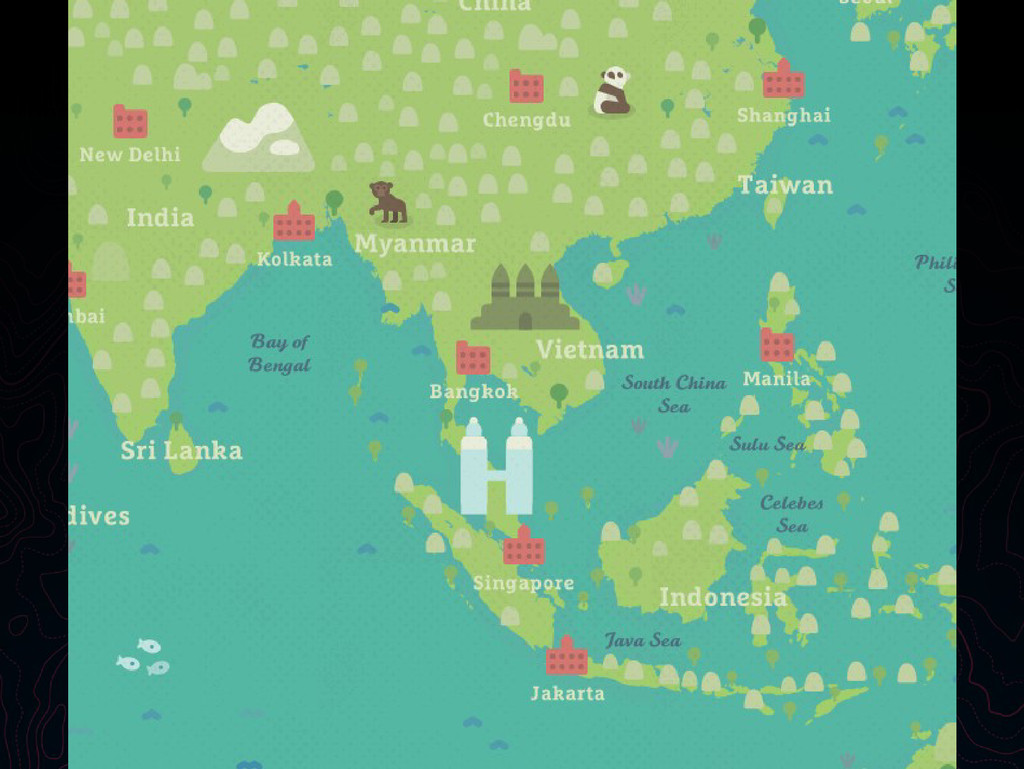
    mercator image tiles • Contain points, lines, polygons, & data fields • Designed to be turned into images very quickly with any custom stylesheet • OpenGL / WebGL provide even more speed & flexibility
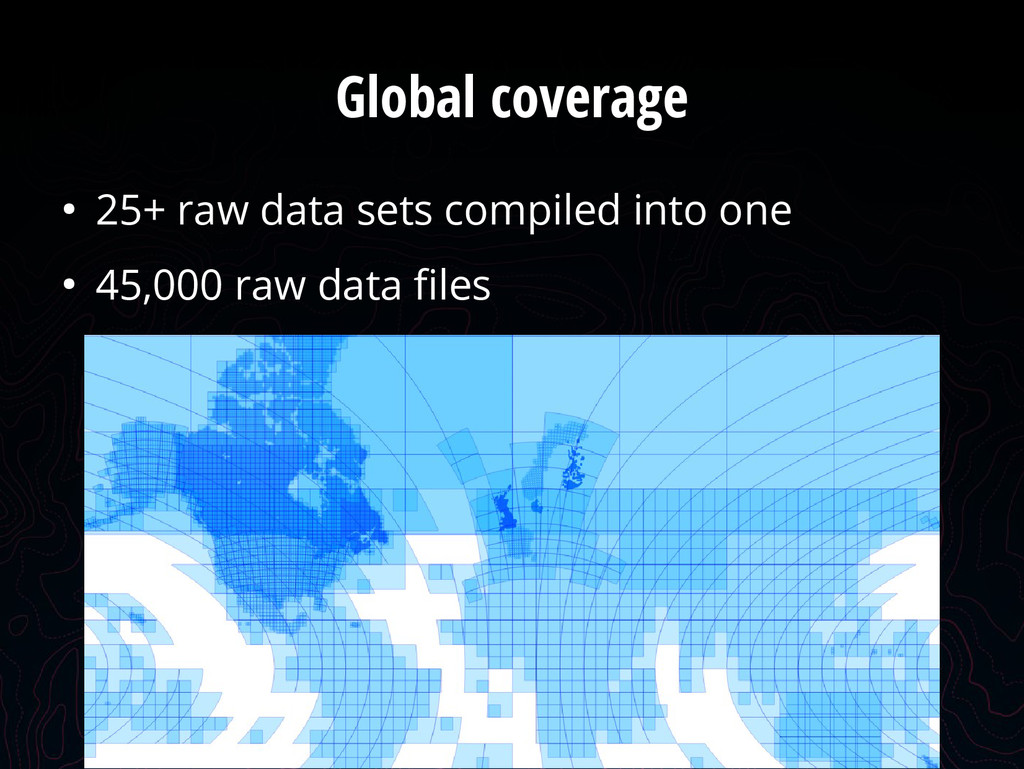
  2. Global coverage • USA: US Geological Survey, NASA • Canada:

    Geobase • Mexico: INEGI • Norway: Kartverket • France: IGN • UK: Ordnance Survey • Denmark: Geodatastyrelsen • New Zealand: Geographx • +More
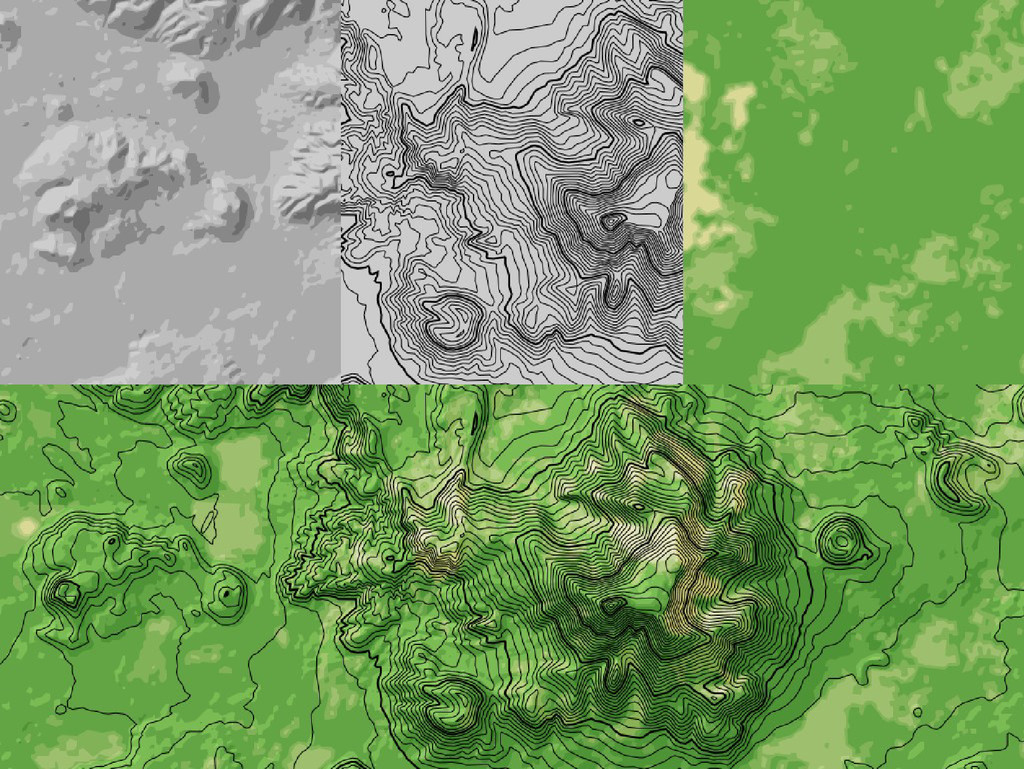
  3. The process, roughly: • Gather the best elevation & landcover

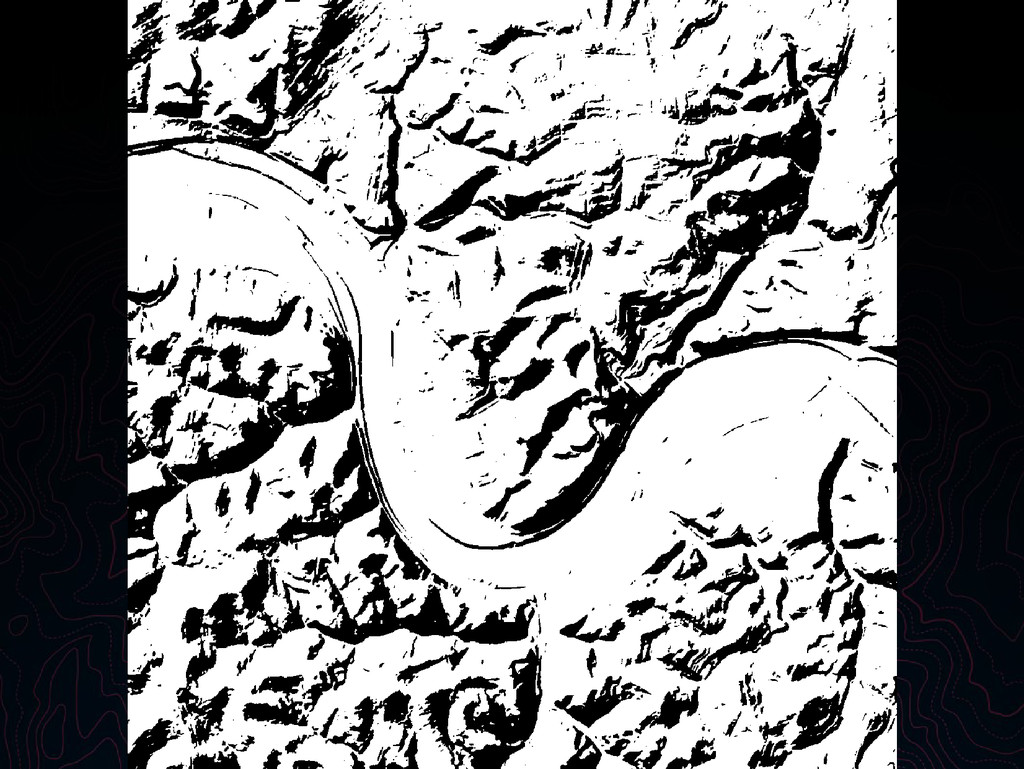
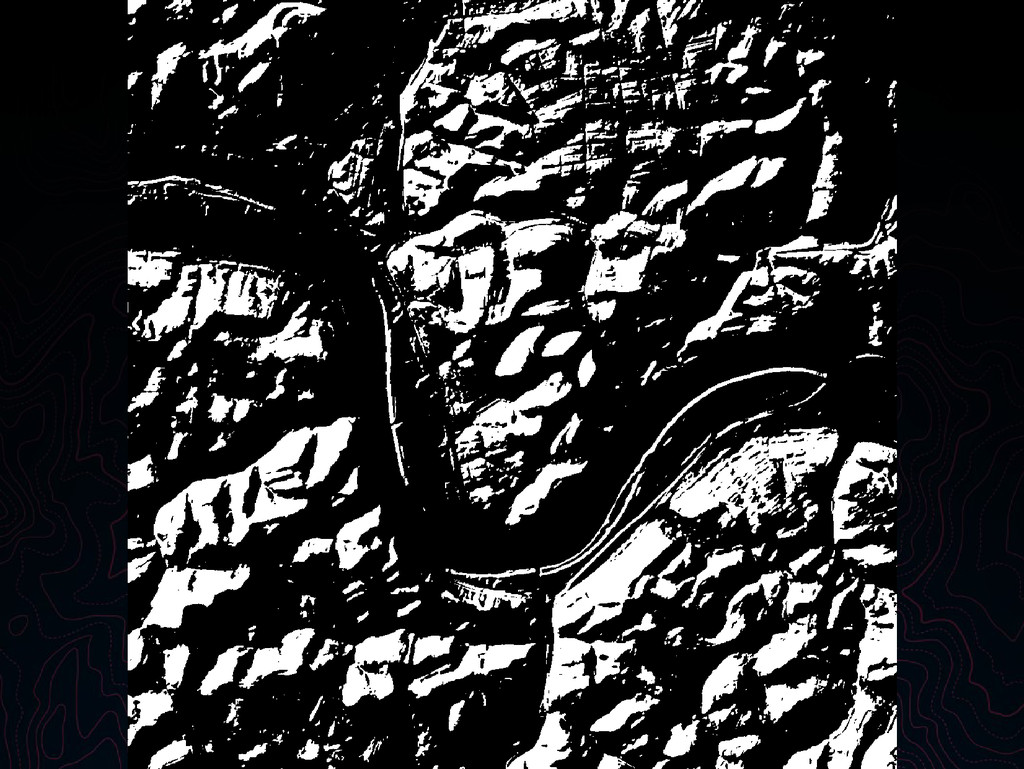
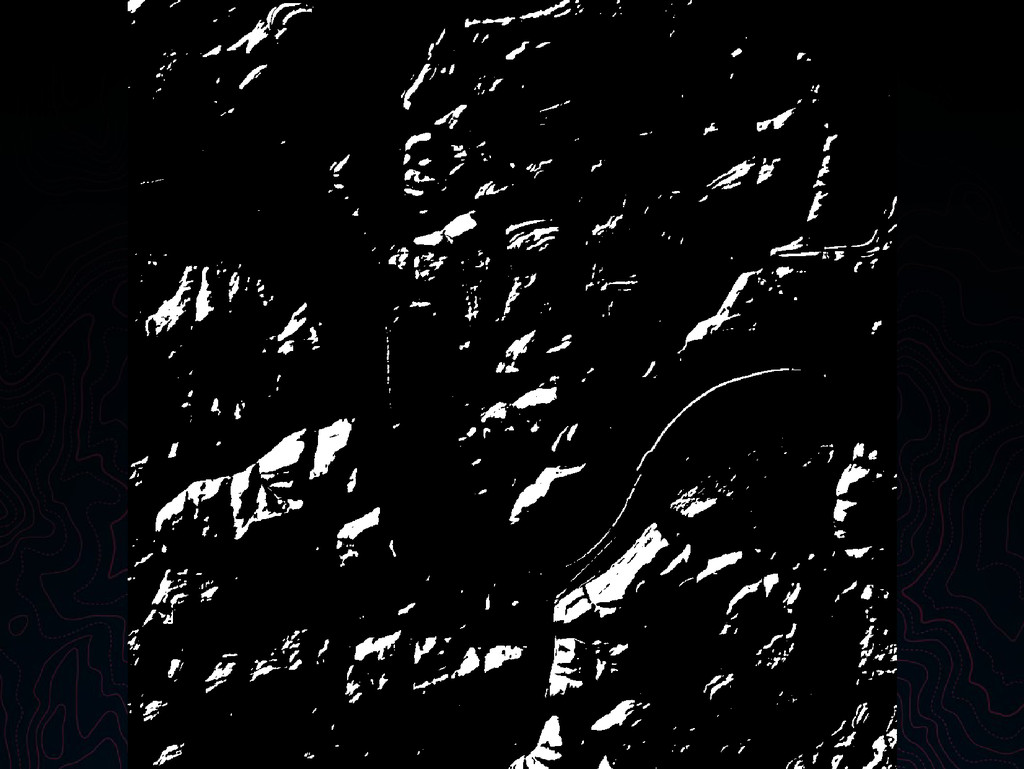
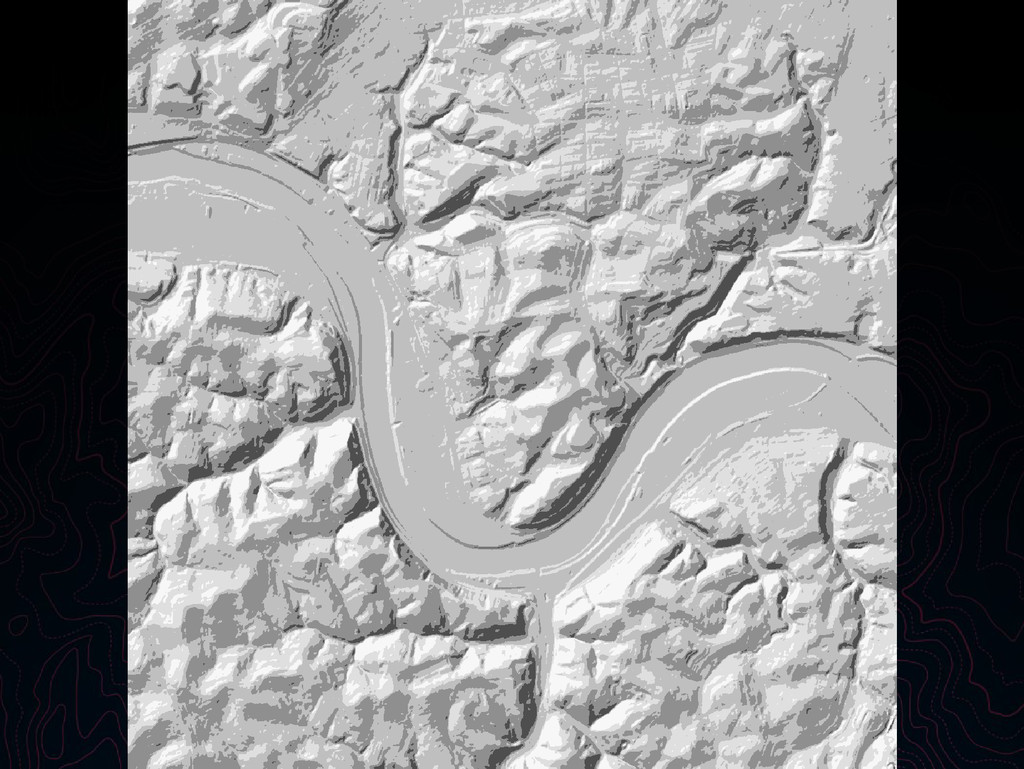
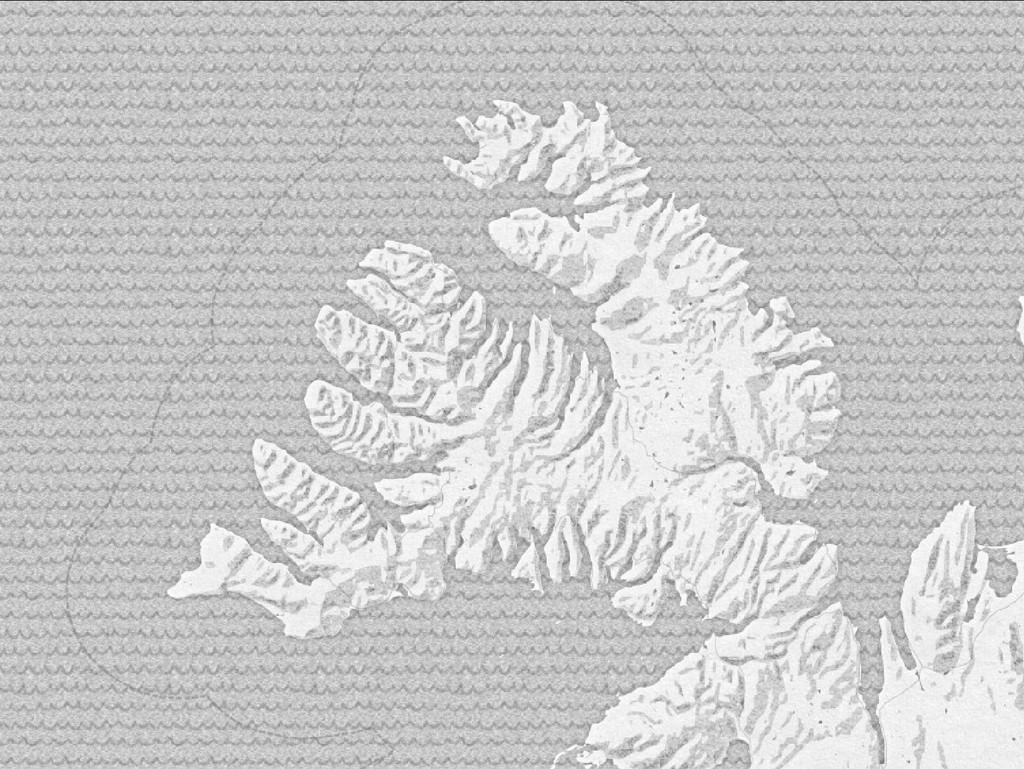
    raster data sources we can • Normalize & mosaic the various sources, prioritizing by highest resolution • Generate raster hillshade & landcover visualizations • Programatically trace vector polygons from the processed rasters
  4. Powered by Amazon Web Services • 9,800 jobs managed by

    Simple Queue Service • Parallel-processed across 250 Elastic Cloud Compute (EC2) virtual machines • Vector tiles uploaded to Simple Storage Service (S3)
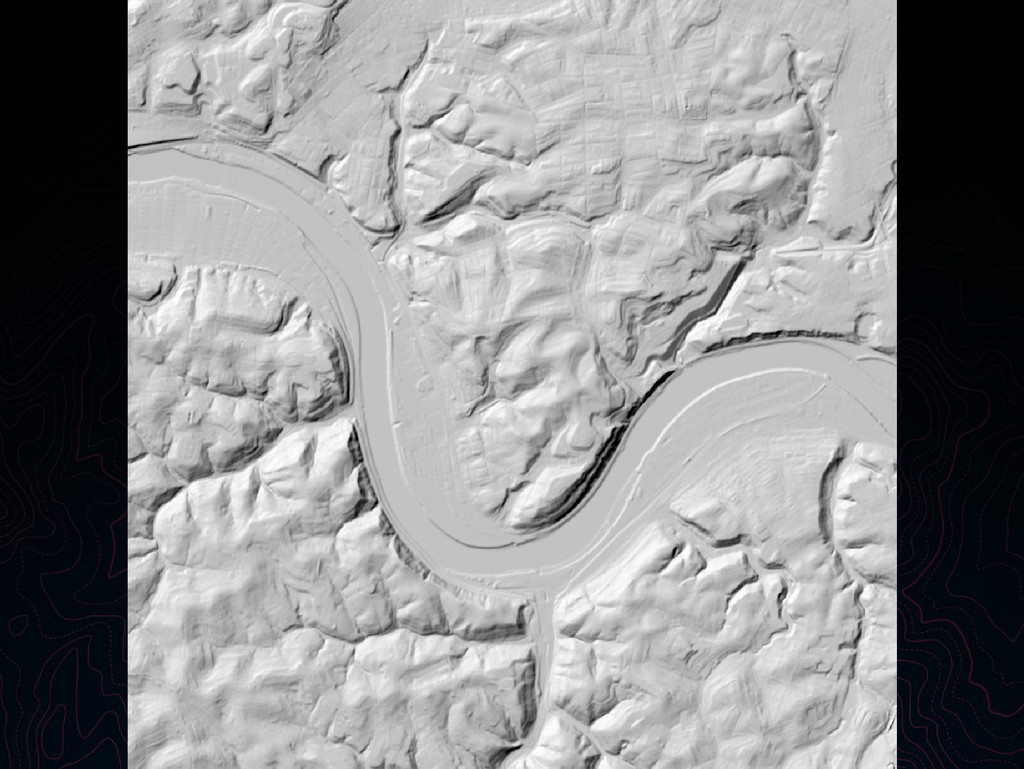
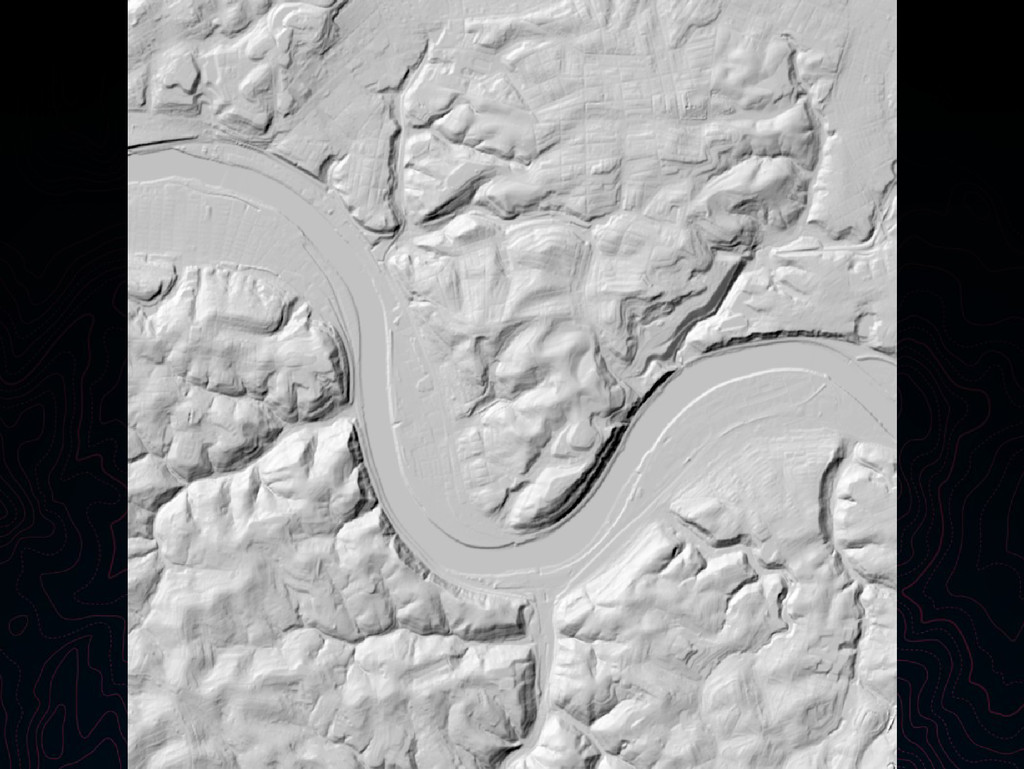
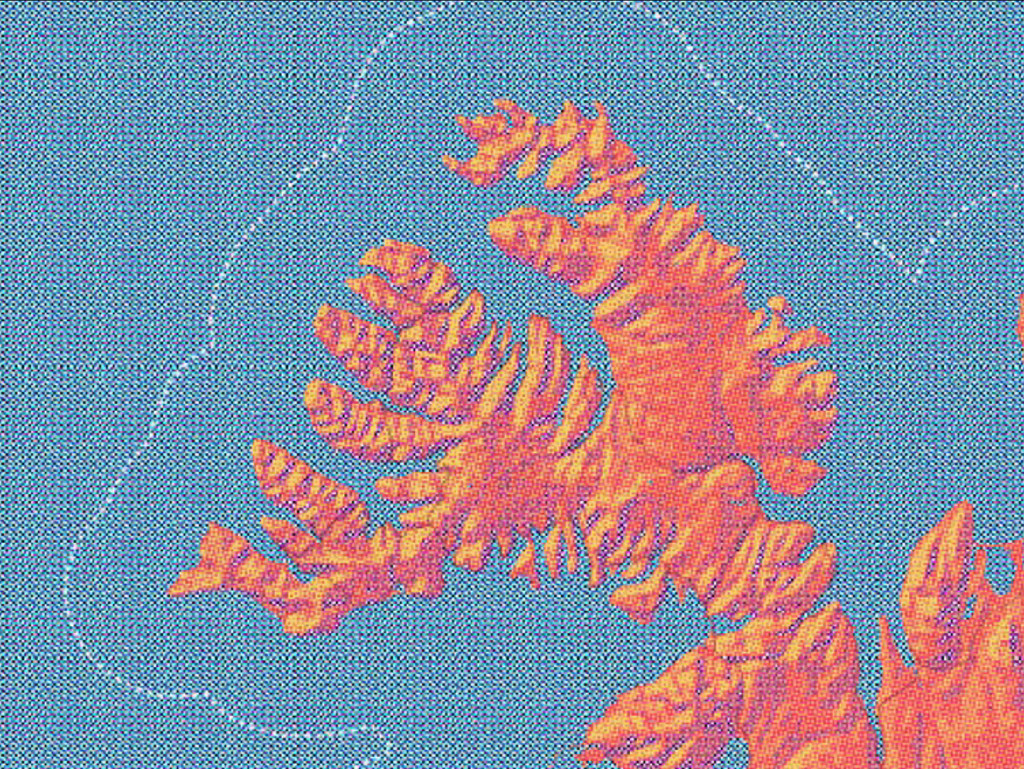
  5. Classic approach at the foundation • Standard GDAL hillshading algorithm

    • Traditional lighting from the northwest • Raster input, raster output
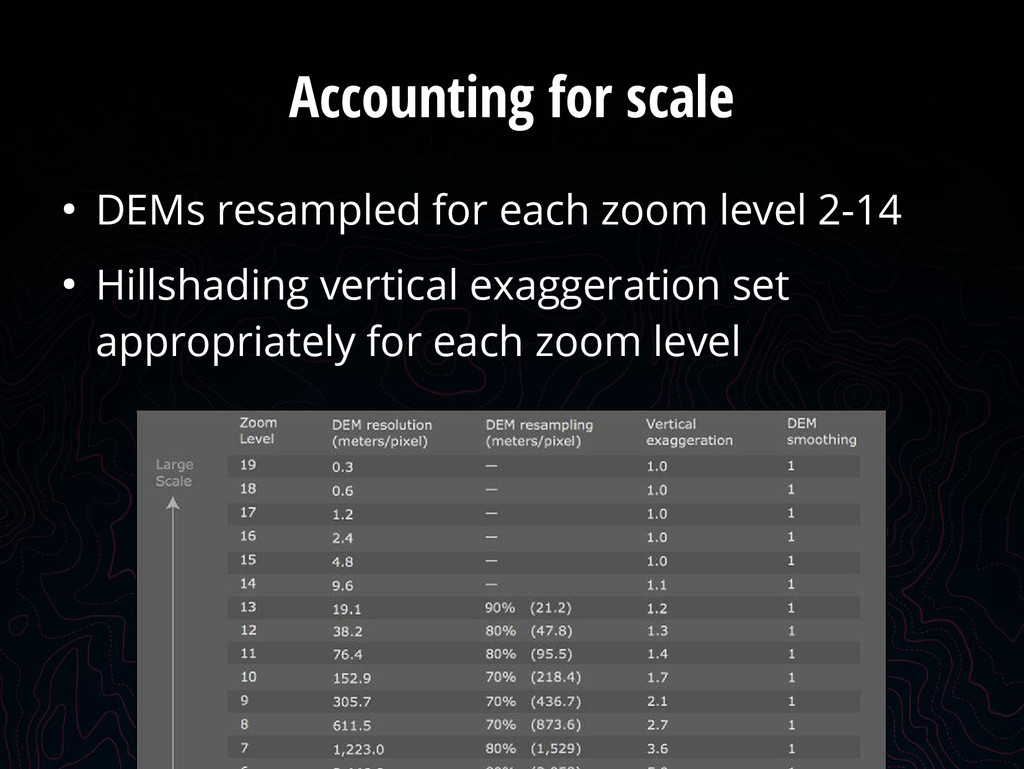
  6. Accounting for scale • DEMs resampled for each zoom level

    2-14 • Hillshading vertical exaggeration set appropriately for each zoom level
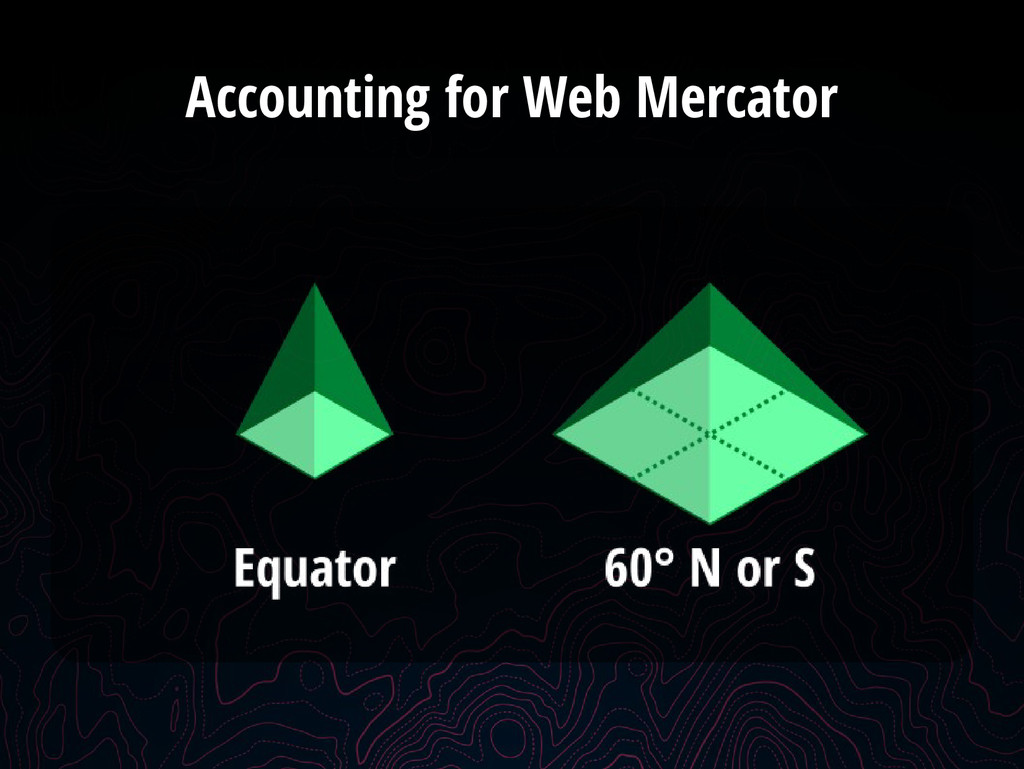
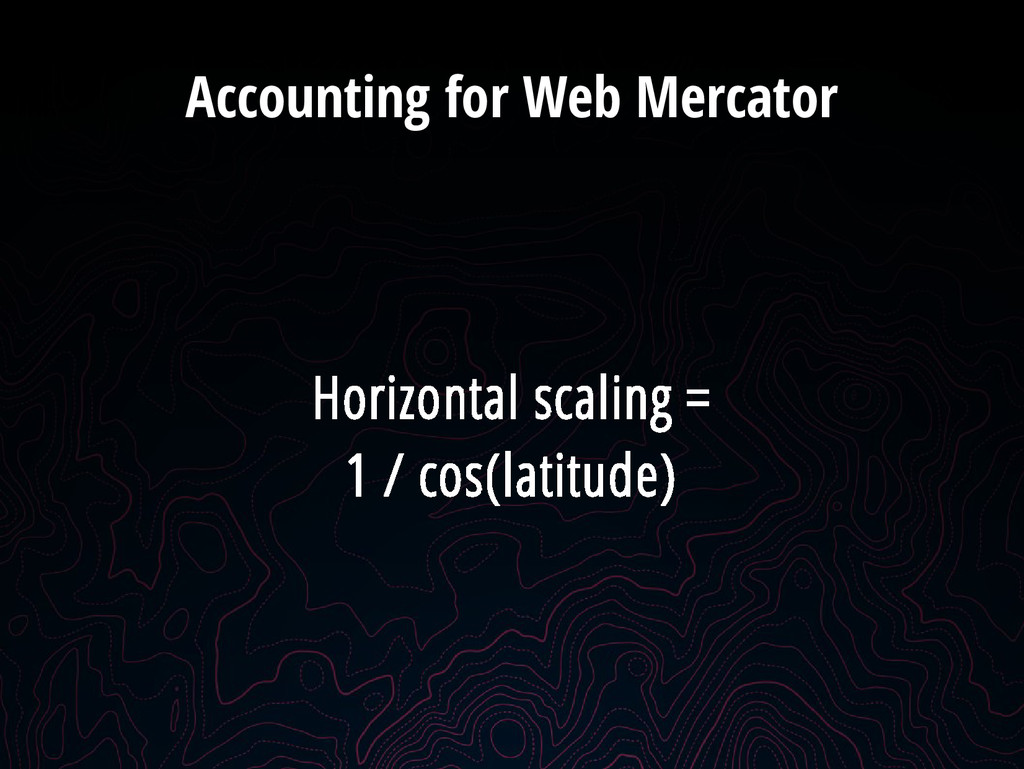
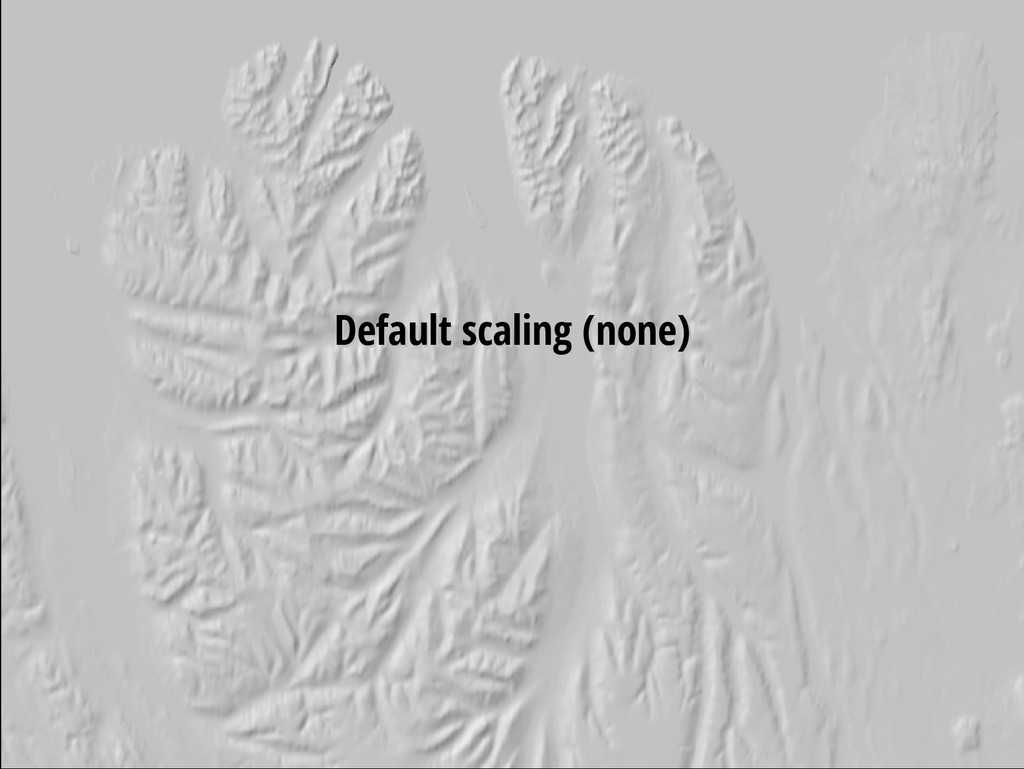
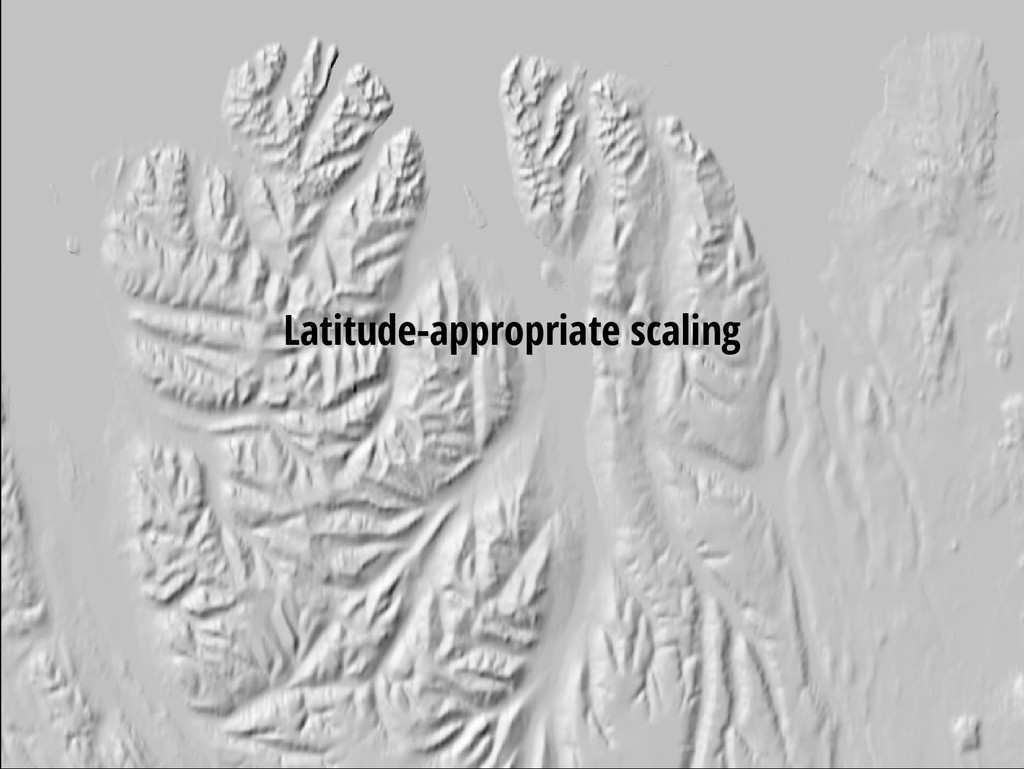
  7. Accounting for Web Mercator • Mercator 'meters' are only simlilar

    to real- world meters near the equator • At 60° north or south, 2 mercator meters fit into one real-world meter • This affects slope & hillshade calculations
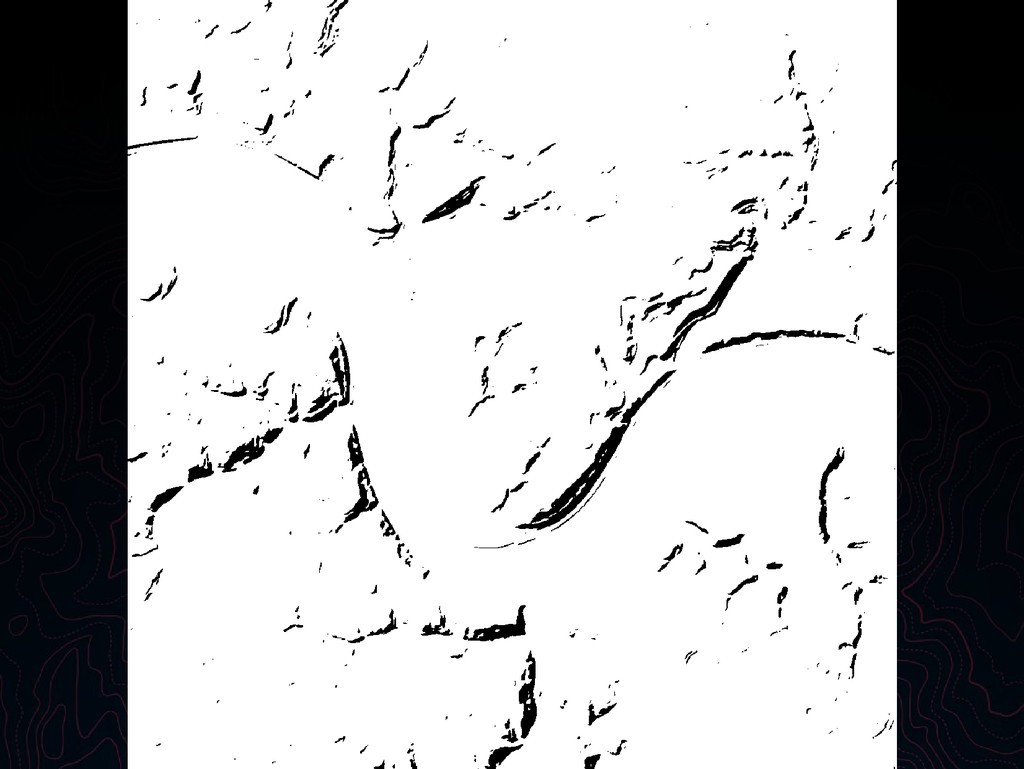
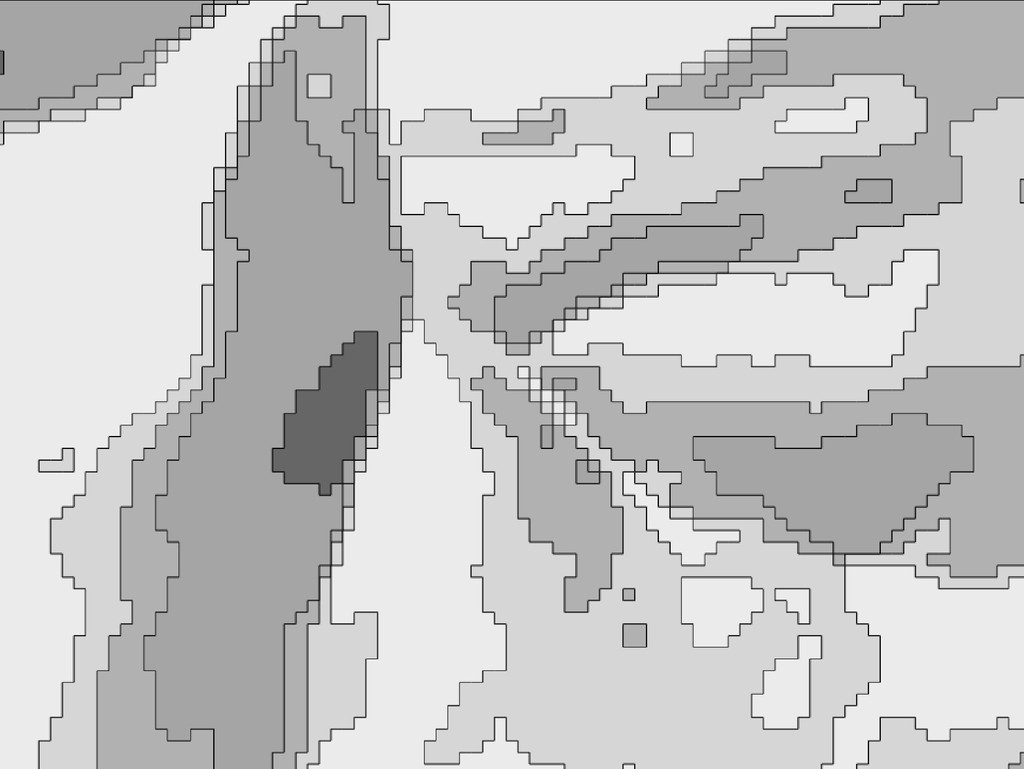
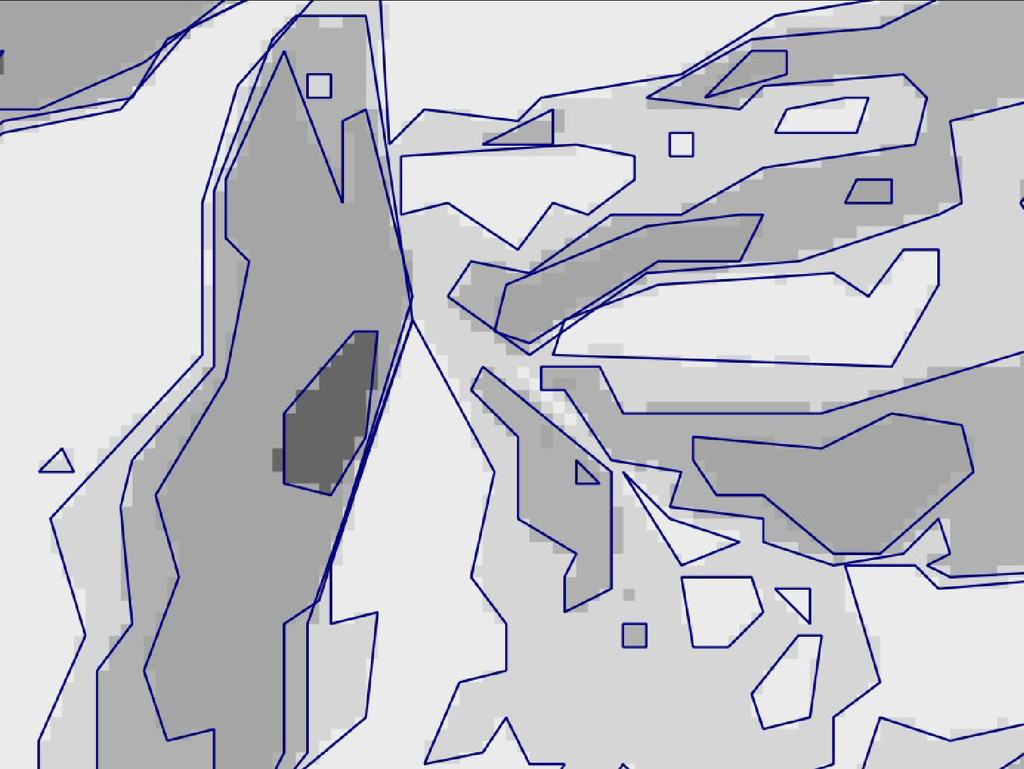
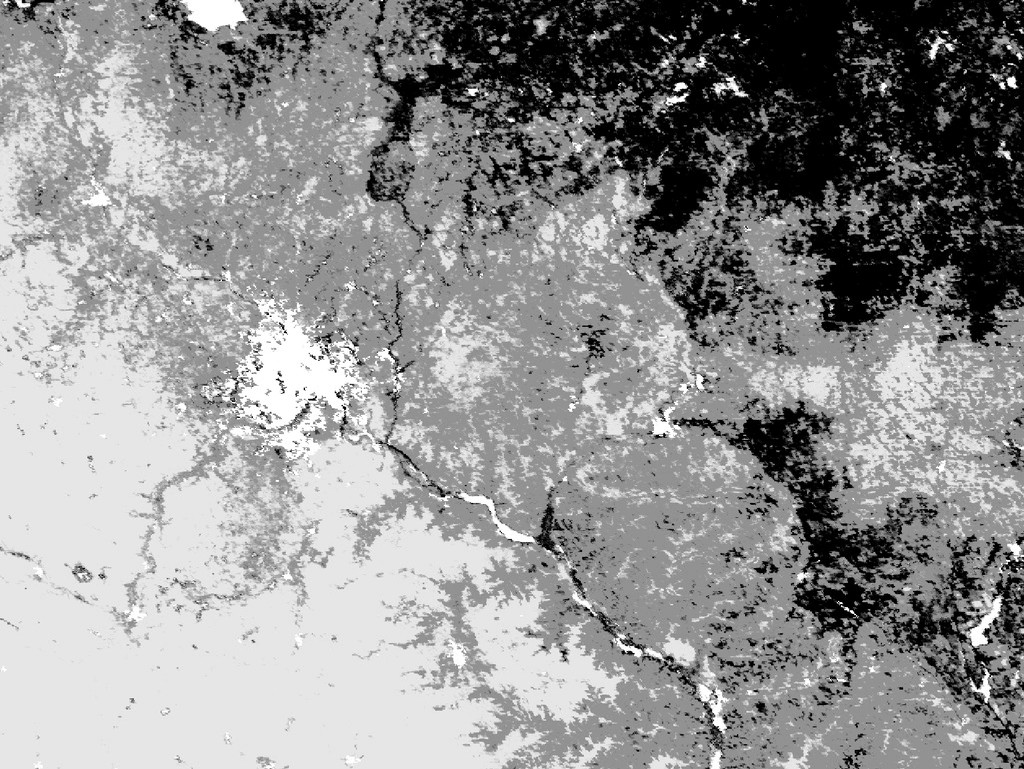
  8. Similar to hillshade process • Start by normalizing raw data

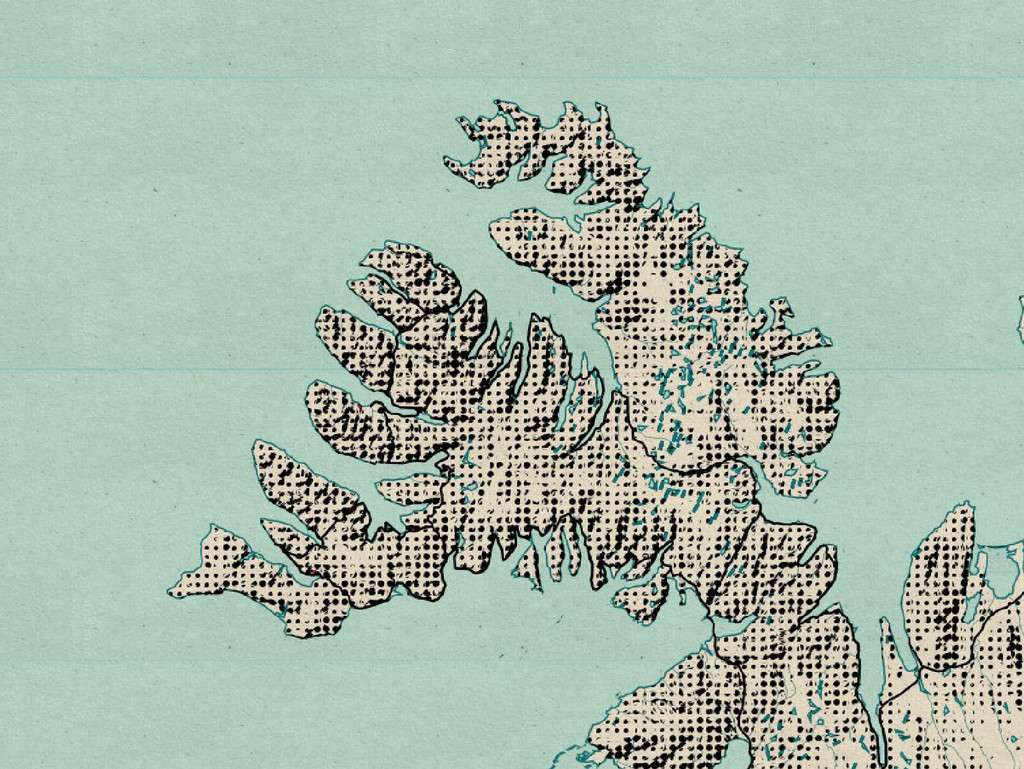
    sources • Reduce rasters to a small number of colors • Trace with gdal_polygonize.py • Simplify to remove pixelization
  9. Straight-forward • Start with the same DEMs we processed for

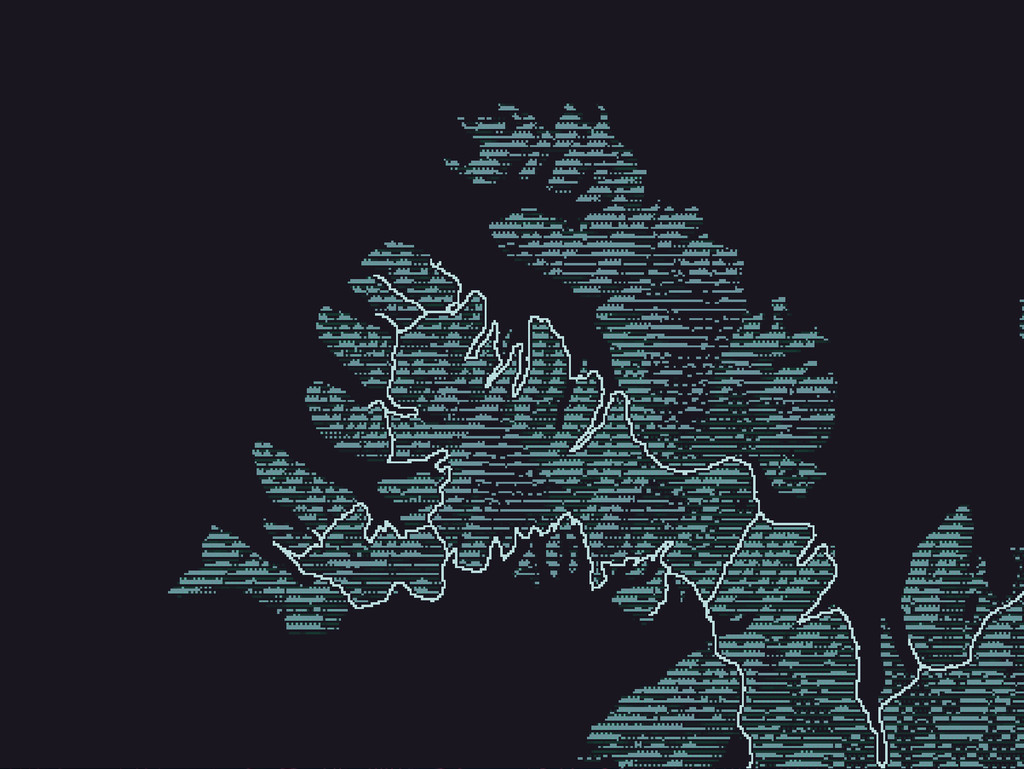
    hillshading • Generate contours with gdal_contour • ✔
  10. References & Resources • shadedrelief.com by Tom Patterson • reliefshading.com

    by Bernhard Jenny & Stefan Räber • Cartographic Relief Presentation by Eduard Imhof • gis.stackexchange.com posts by William Huber & many others
More Decks by mapbox

Other Decks in Design