Raspberry Pi in Alcohol Brewing Modernizing Craft Processes with IoT
I talked at HKOSCON26 about sake with AI -we could make sake with AI, but it needs helps by Toji - brew meister to brew especially in its fermentation process. AI cannot behave like Toji - the detailed human behaviors.
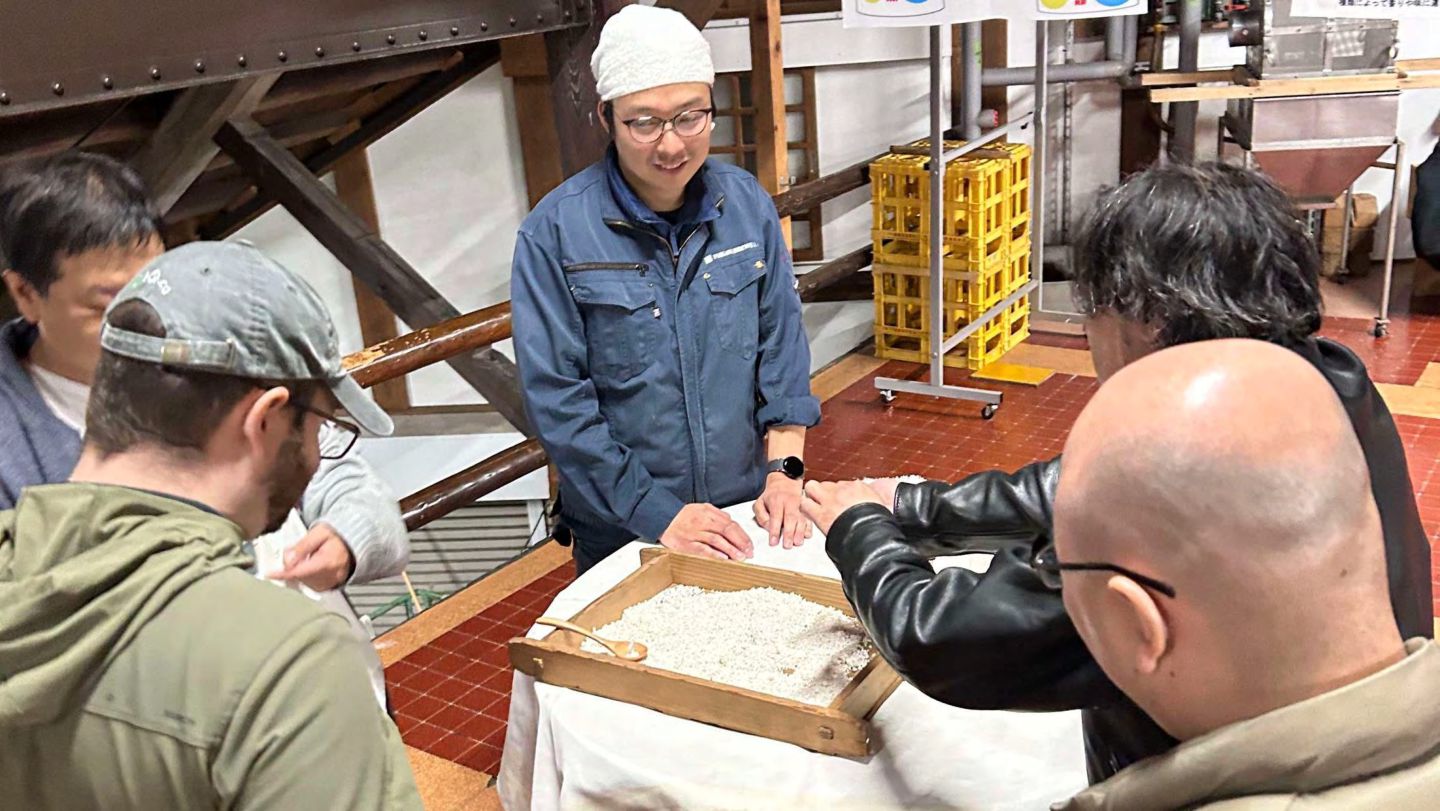
such masters, employ them as part-time workers in the brewing season ( mainly in Winter) • Some breweries ask such masters to inherit his/her knowledges to other employees. • Some breweries have replaced ‘traditional master role’ with Computer Systems for brewing.
extreme, ongoing surge in rice prices since last year, some farmers have started switching production from sake rice to table rice. • Since sake rice is already produced in far smaller volumes than table rice, this shift has caused sake rice prices to soar and made it hard to obtain. • More breweries are now making sake from table rice, relying even more heavily on the master brewer's skill.
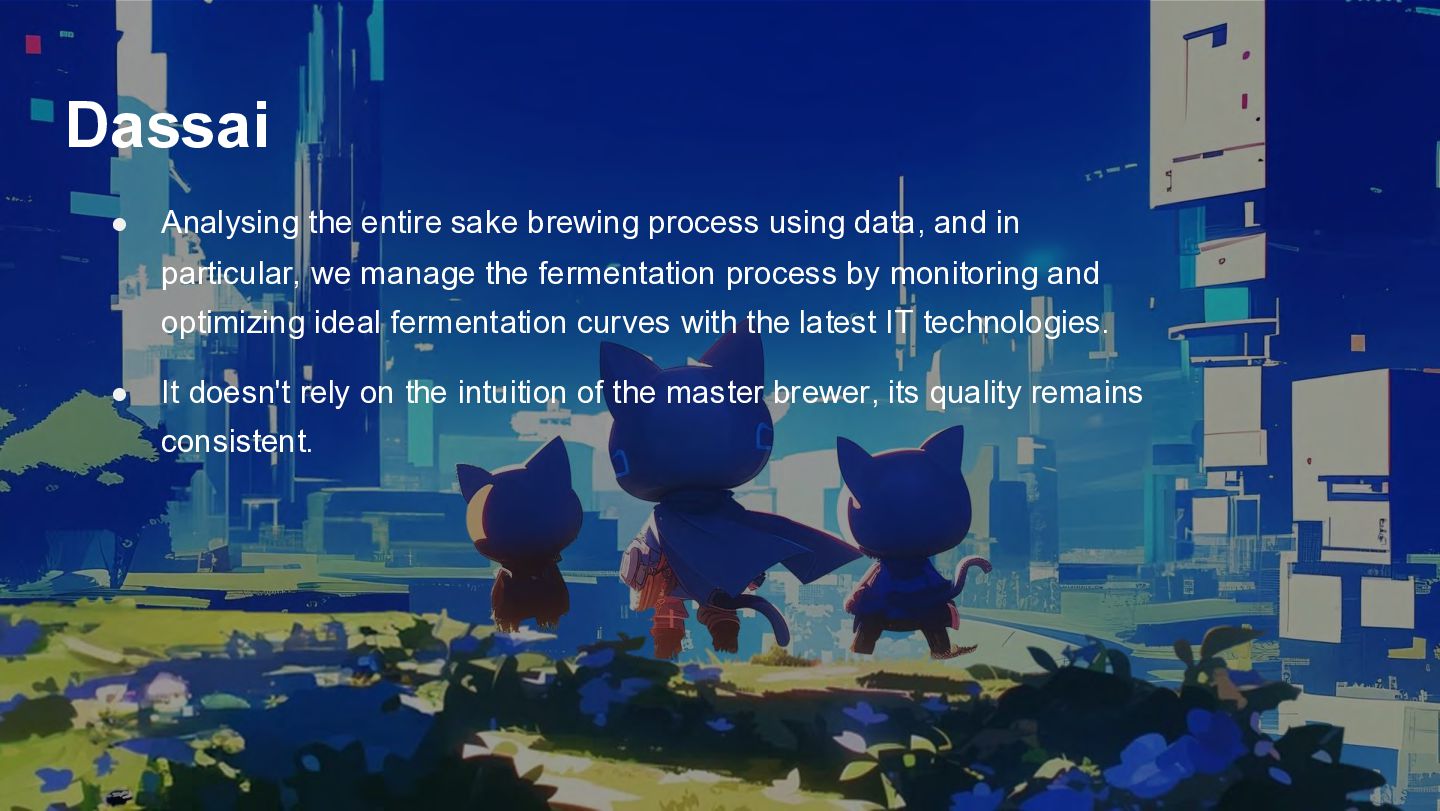
and in particular, we manage the fermentation process by monitoring and optimizing ideal fermentation curves with the latest IT technologies. • It doesn't rely on the intuition of the master brewer, its quality remains consistent.
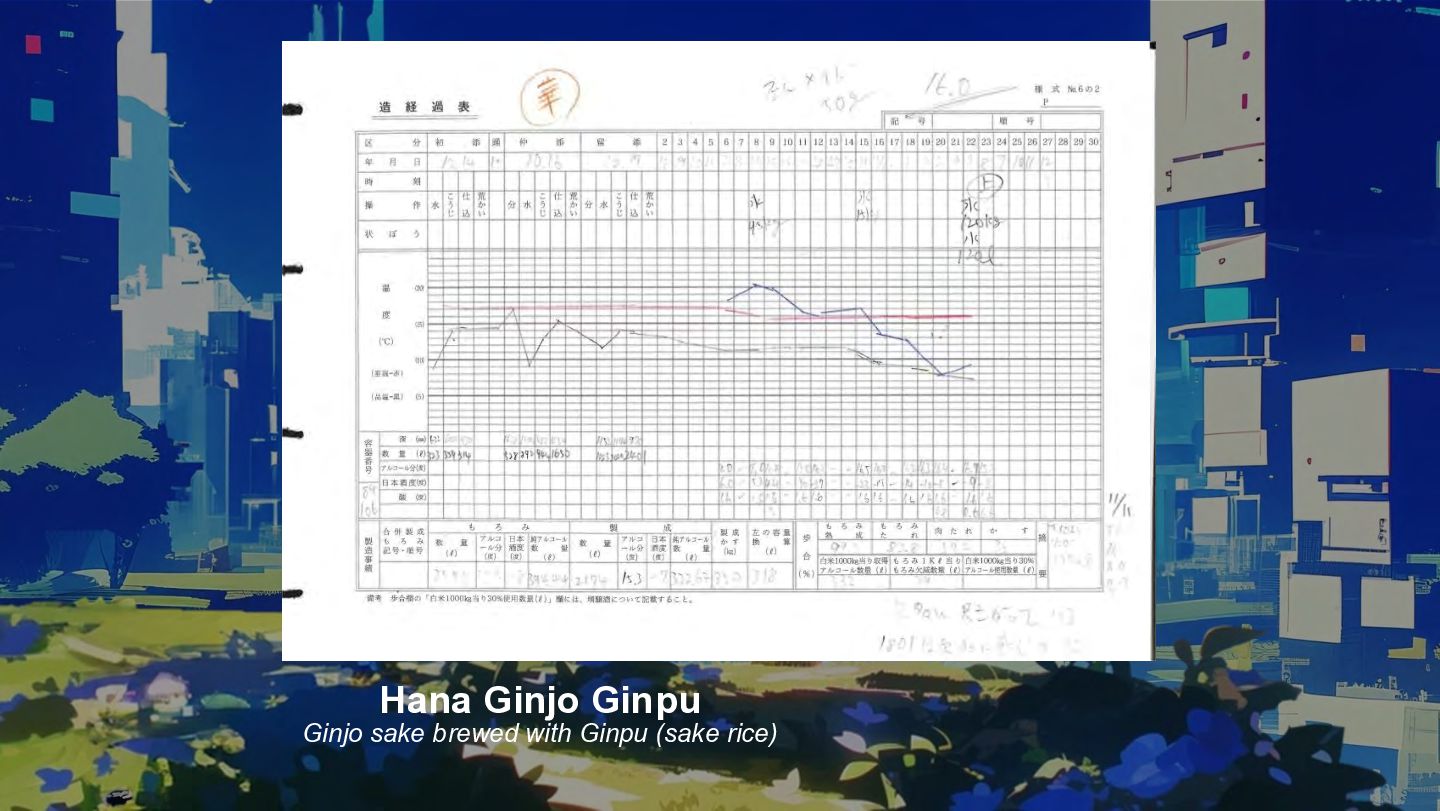
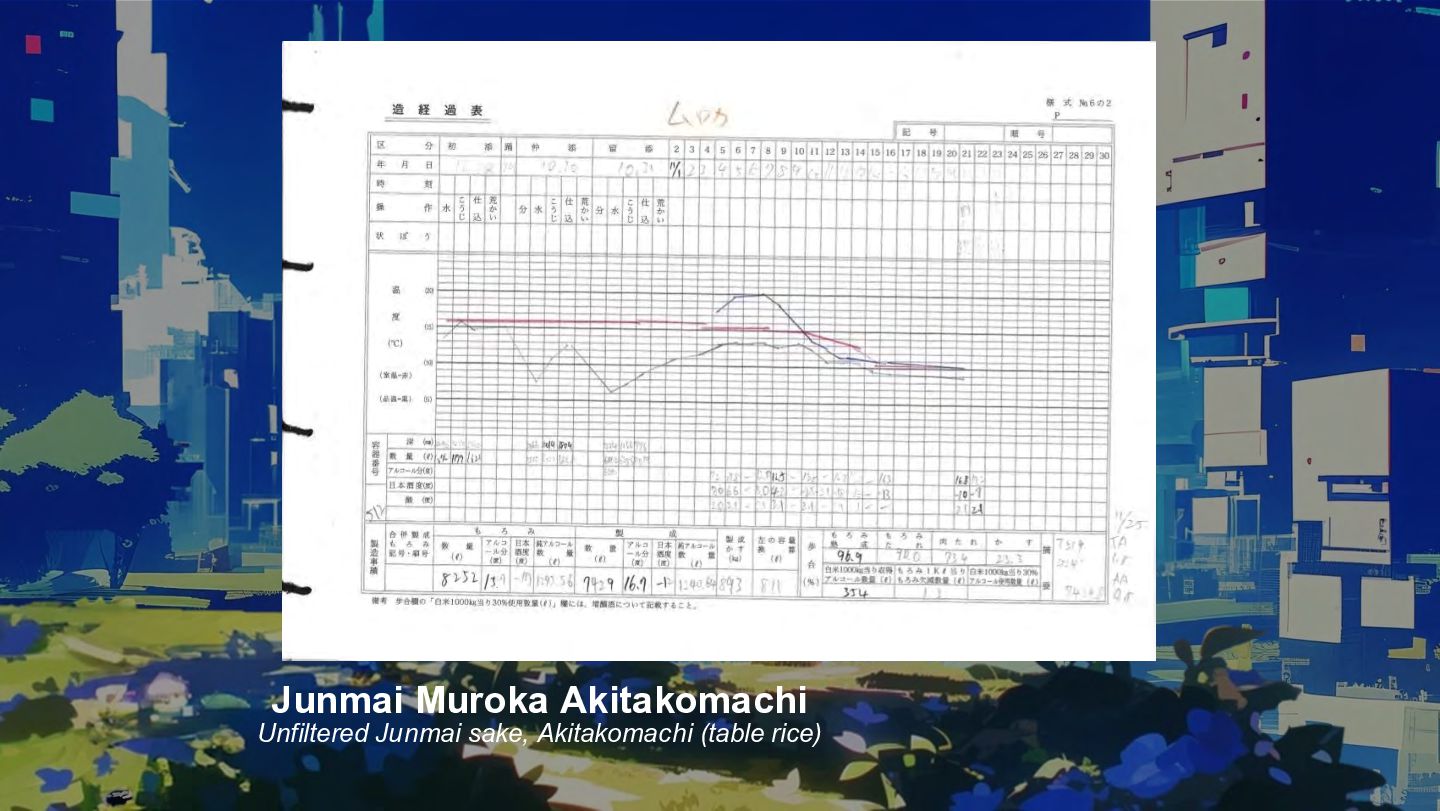
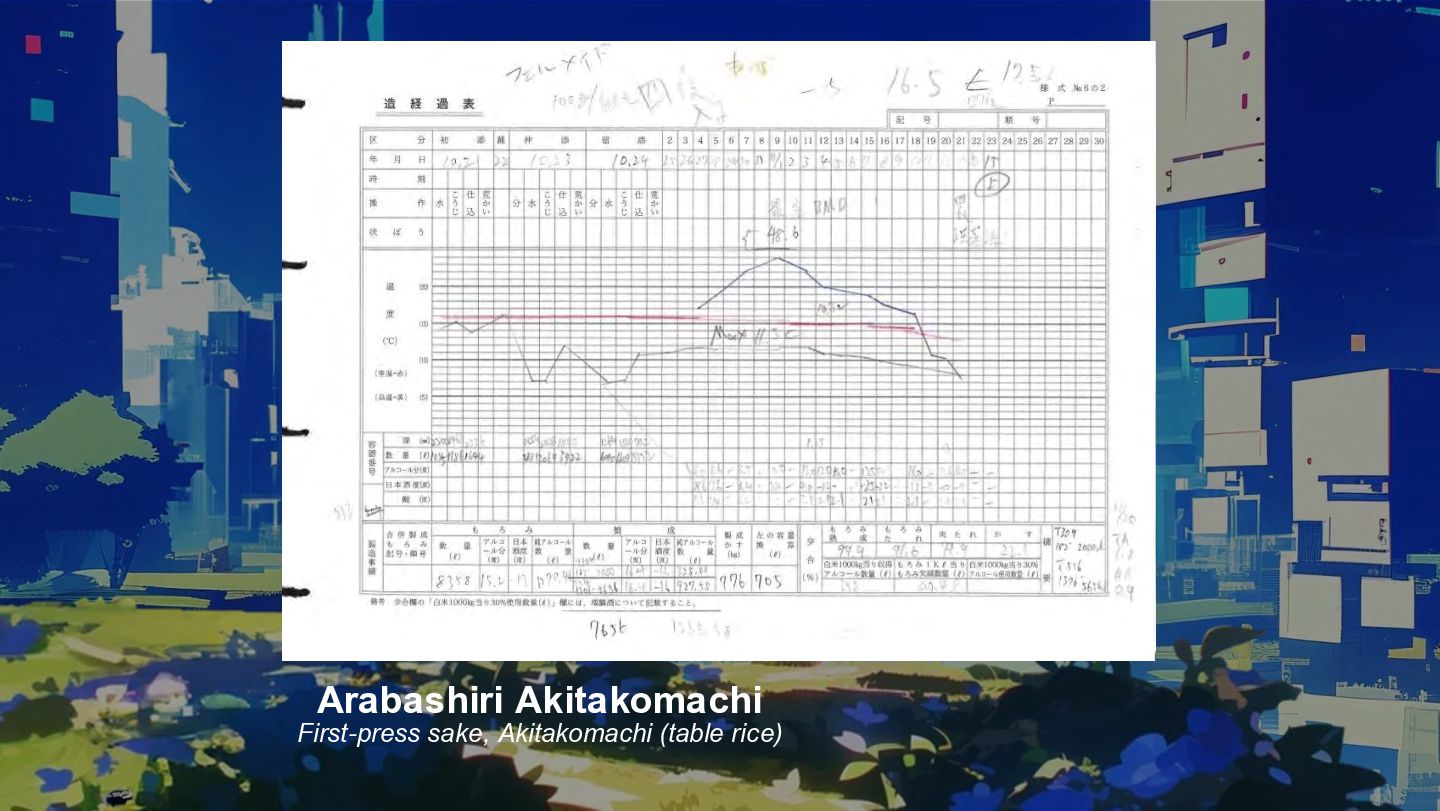
brewed by saccharifying rice using koji mold to produce a mash called moromi, which is then fermented with yeast. The ability to manage the fermentation curve is one of the most critical aspects of the brewing process. * Saccharify / Saccharification: The process of converting starch into fermentable sugars using enzymes. * Koji: A type of mold (Aspergillus oryzae) used in Japanese fermentation to break down starches. * Mash: A wet mixture of grain and water that undergoes saccharification and fermentation; in sake brewing, refers to 'moromi’. * Moromi: The fermentation mash in sake brewing containing rice, water, koji, and yeast.
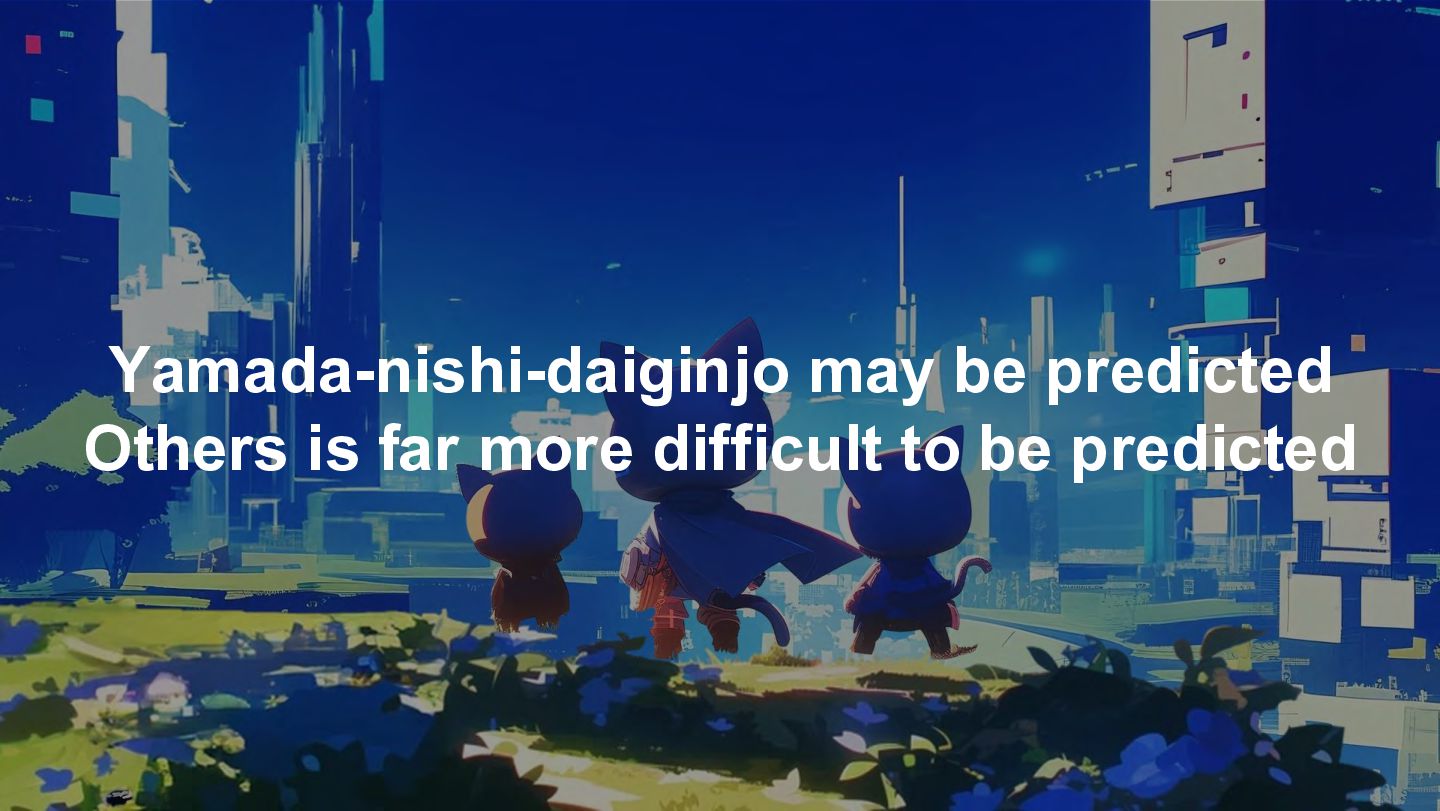
well-defined image of what a “good” daiginjo should be, so fermentation curves tend to follow the same predictable pattern. • Yamada Nishiki is ideal for making sake with a consistent flavor — it is easy to control during fermentation. • However, because the process is so predictable, it is difficult to bring out unique characteristics in sake made this way.
temperature, weather, and more — interact with one another throughout brewing, requiring constant manual adjustment and careful monitoring of the fermentation process. • Table rice is often used in sake brewing, but even with the same variety the results can differ significantly — as seen in the brewing logs on the previous slides. • This is where the skills of the Toji—the master brewer—are truly put to the test.
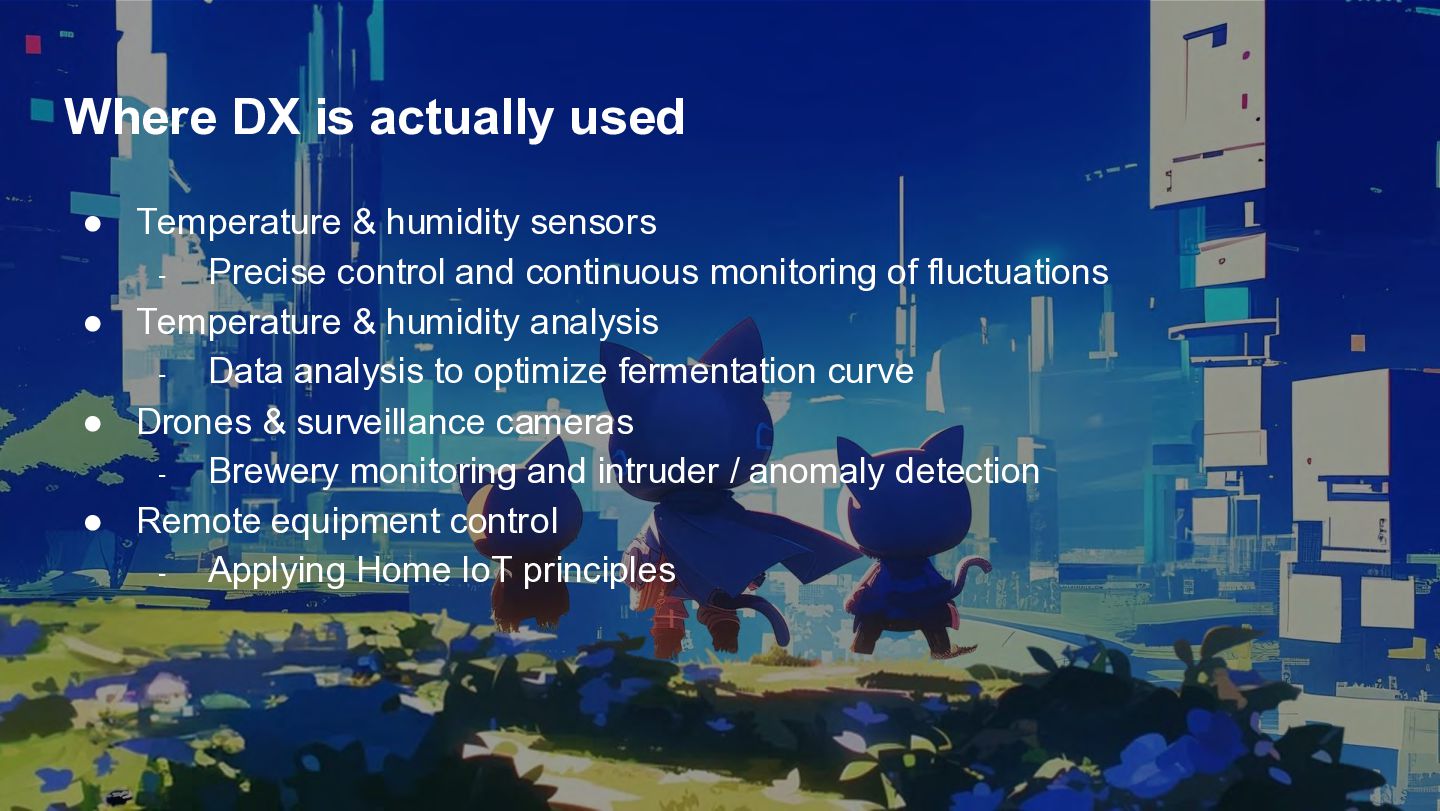
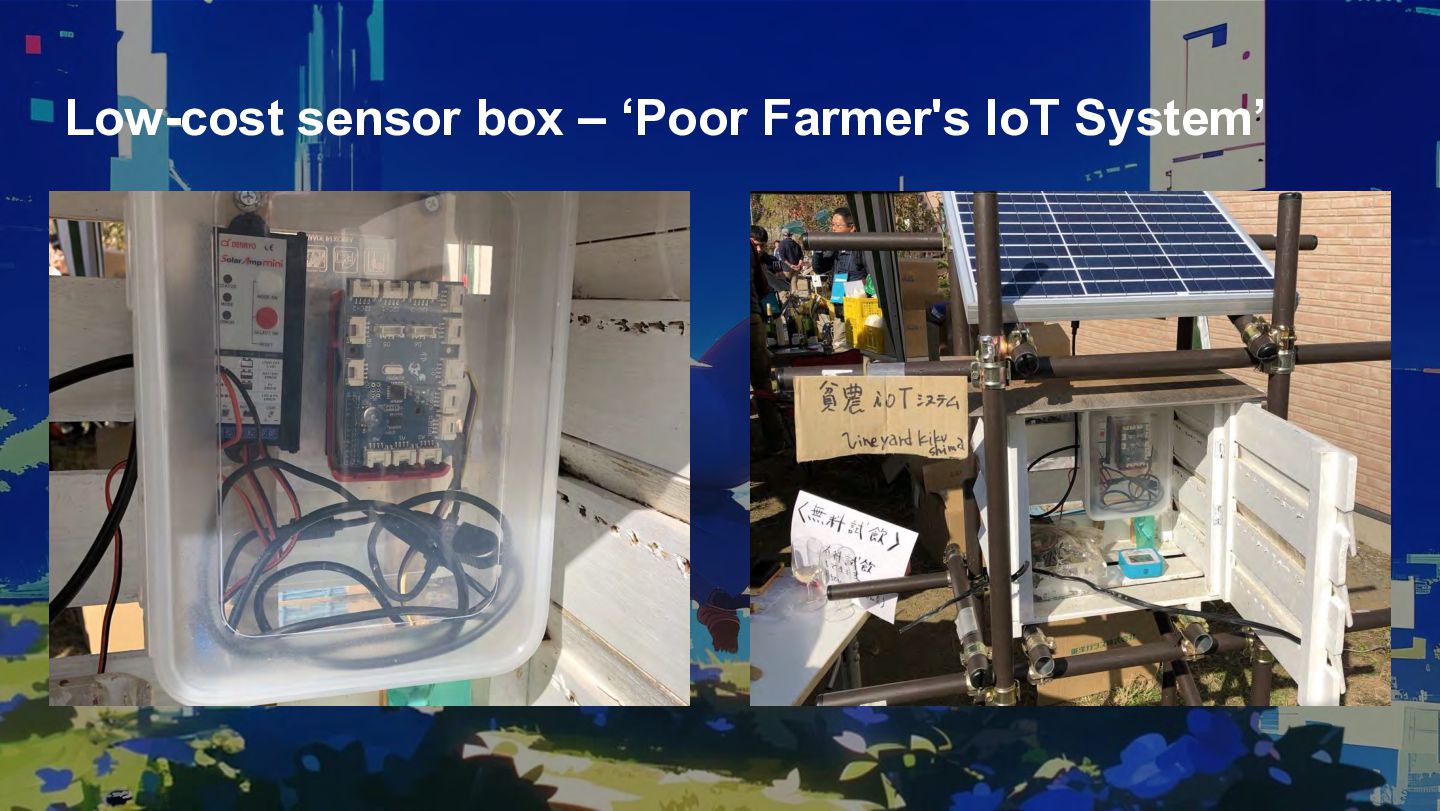
‐ Precise control and continuous monitoring of fluctuations • Temperature & humidity analysis ‐ Data analysis to optimize fermentation curve • Drones & surveillance cameras ‐ Brewery monitoring and intruder / anomaly detection • Remote equipment control ‐ Applying Home IoT principles
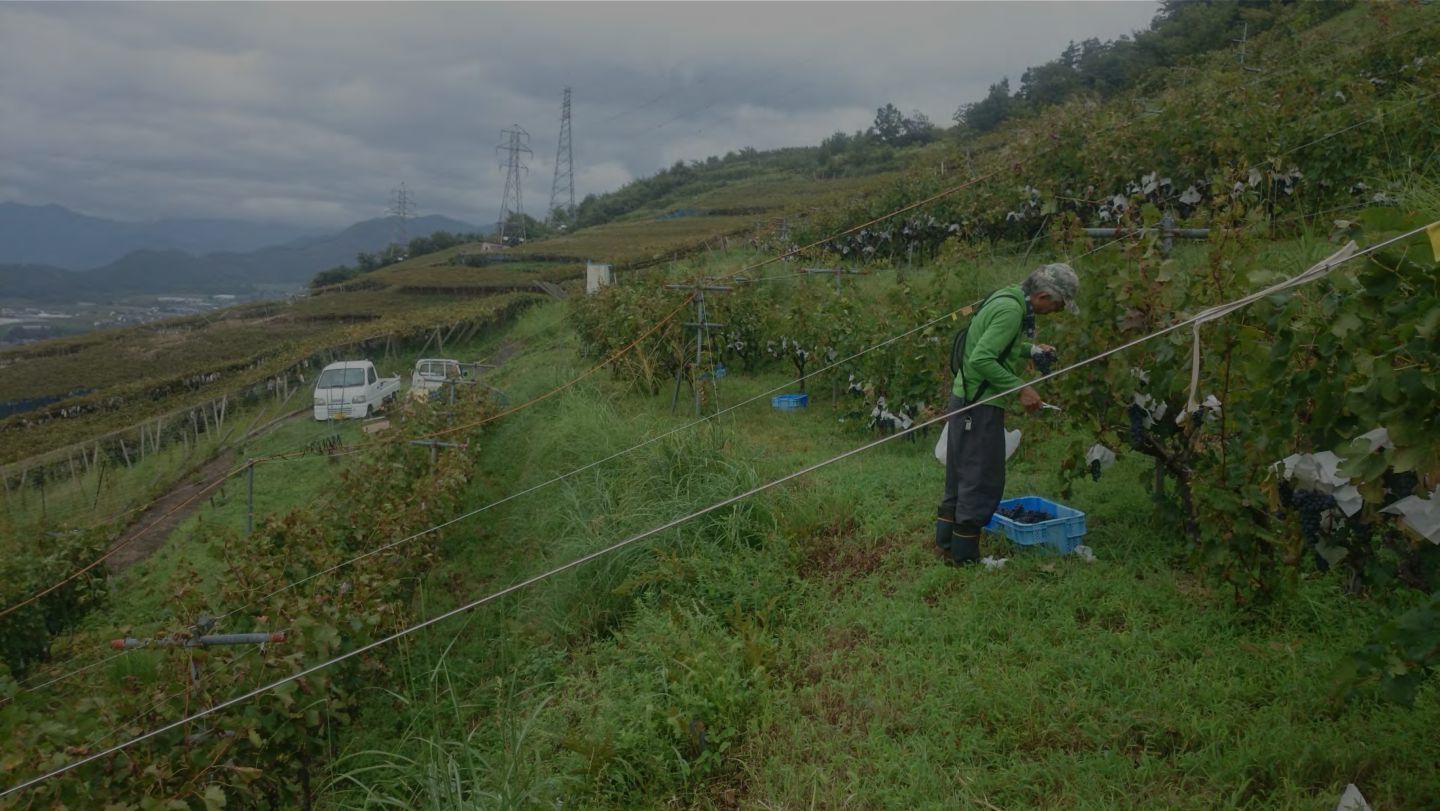
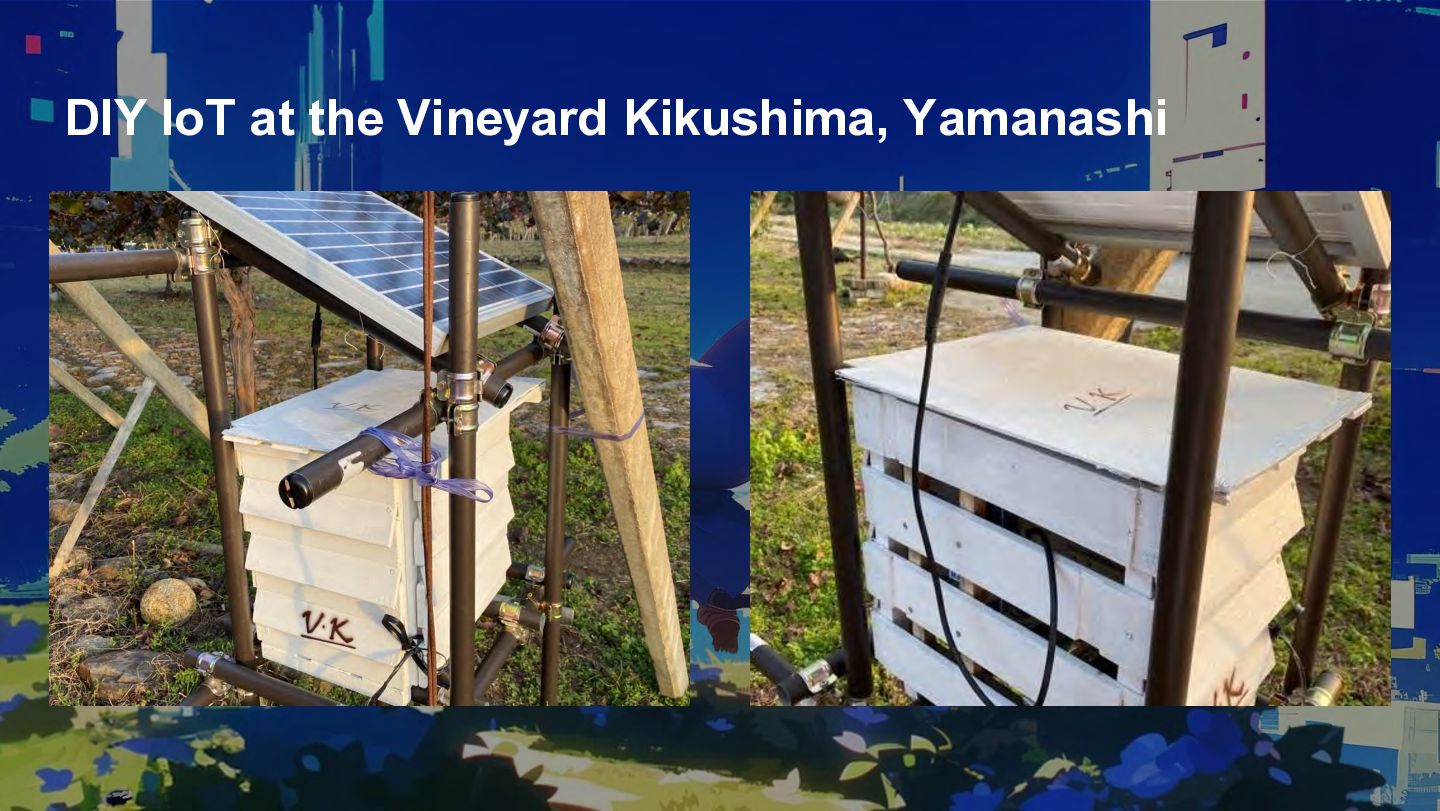
use depends on climate ‐ Spray volume is driven by temperature and humidity; too much spray ruins grape flavor, so growers need precise data to minimize use — some now go chemical-free. • Global warming makes grape-growing harder ‐ Rising heat and humidity worldwide are making wine grapes harder and more expensive to cultivate. • Low-cost monitoring is now essential ‐ Affordable sensing, analysis, and spray-adjustment have become critical capabilities for modern vineyards.
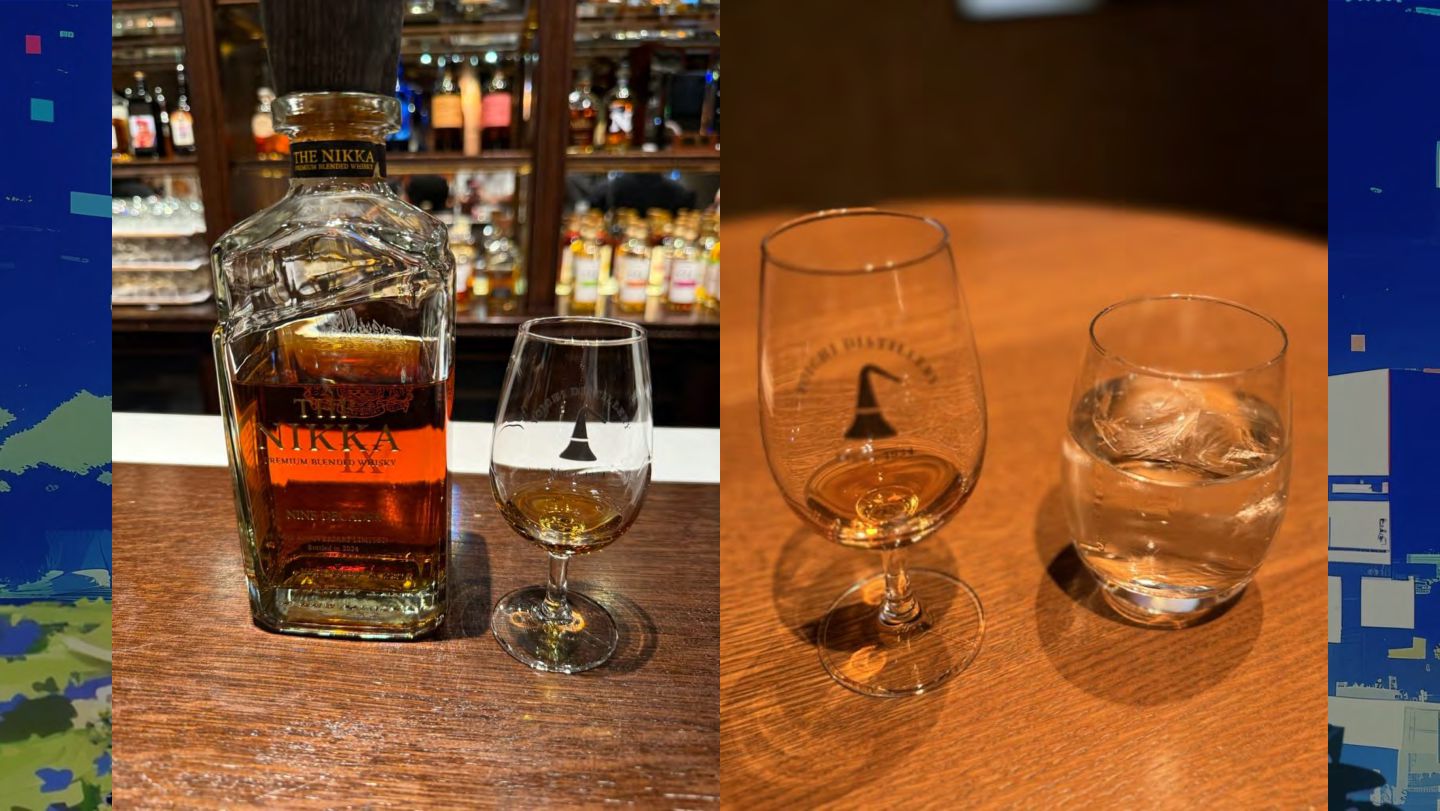
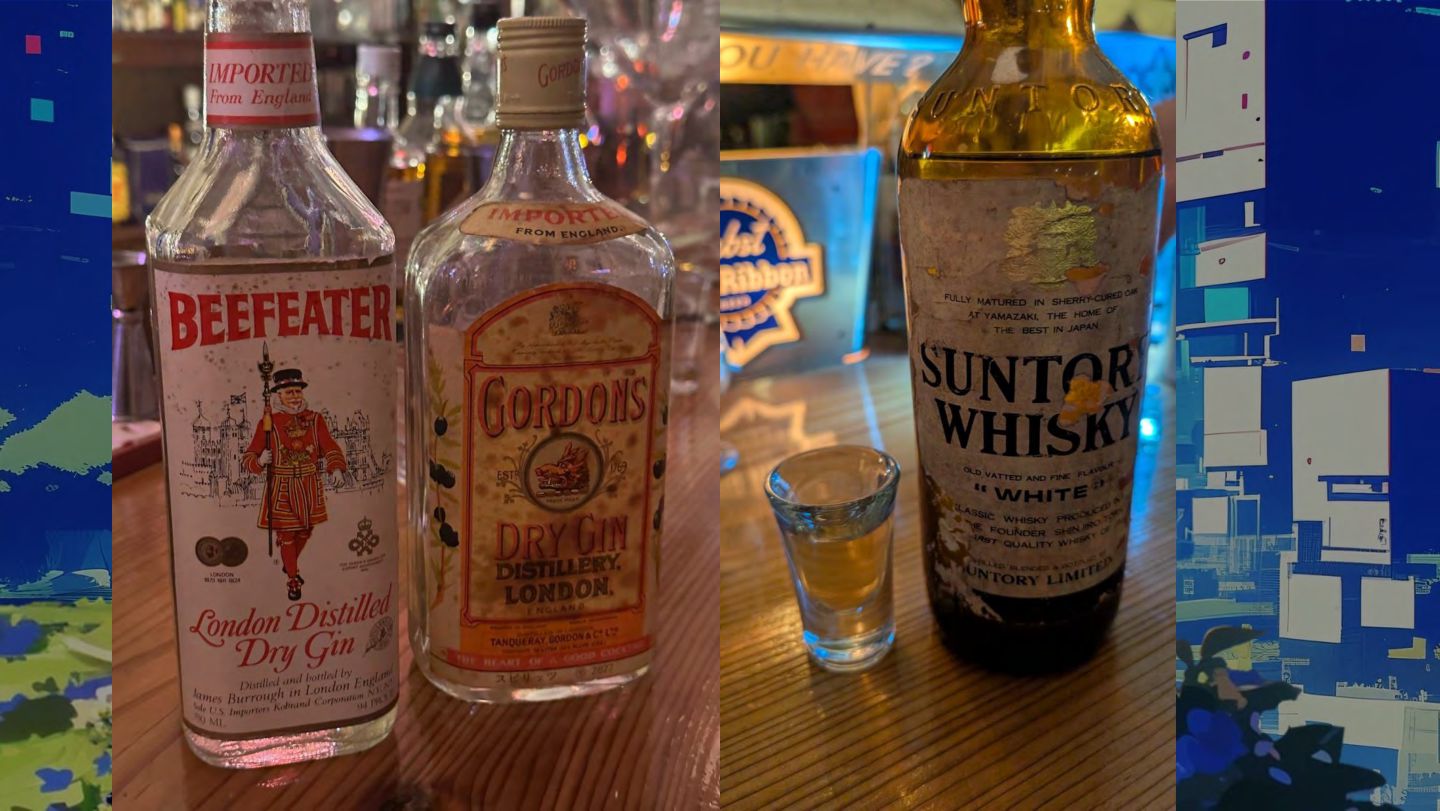
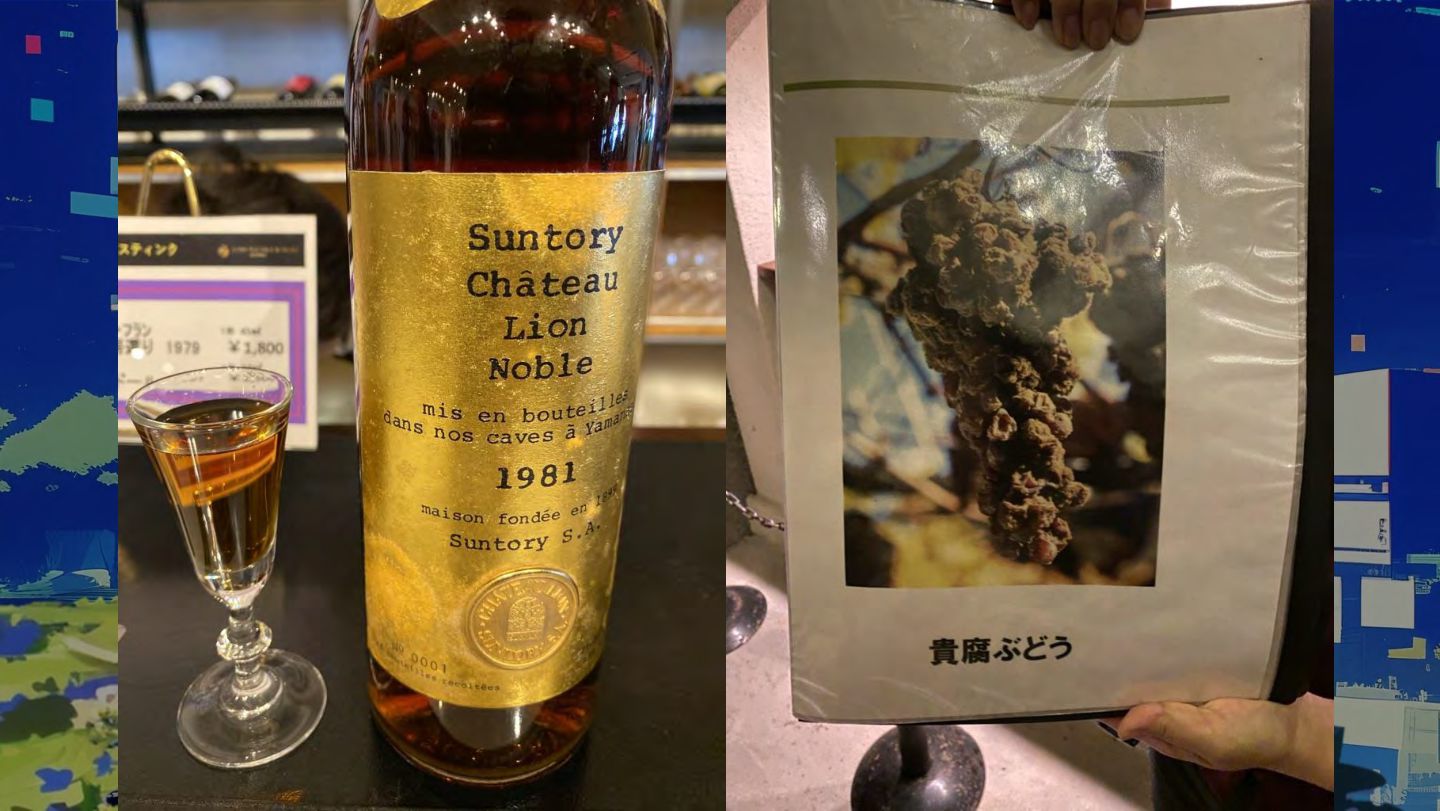
so almost all the process is carried out by human. • Sake breweries might introduce AI-based automation in the sake brewing process if they use Yamada-Nishiki-daiginjo-based sake. • Brew masters will not lose the job yet because of their knowledges especially in the fermentation process. • Whiskey, Wine, and other alcohols are same – they still cannot omit the human process (in the process of brewing or..) • Recent surges and shortages in sake rice are pushing breweries toward brewing with table rice, increasing reliance on the master brewer's skill.


 masafumi_ohta
 takahashim
 tomokusaba
 persolserverworks
 yuuuuuuu168
 ezaki
ezaki
.png) yamad
yamad
 shuta13
 rfdnxbro
 yu23ki14
 masakiokuda
 gree_tech
 carta_engineering
 inesmontani
 letsgokoyo
 kimpetersen
 tapps
tapps
 lara
lara
 baasie
 trishagee
 honzajavorek
 rabernat
 tammyeverts
 skipperchong









![Huge Thanks to attendees Masafumi Ohta mailto:[email protected]](https://files.speakerdeck.com/presentations/6b20bde57c13462fb79518f0e9613dbe/slide_52.jpg)