Upgrade to Pro — share decks privately, control downloads, hide ads and more …

Benifit, Ueses, Side effects of Ashwagandha Mot...

Avatar for Aarav Aarav
July 02, 2026

Benifit, Ueses, Side effects of Ashwagandha Mother Tincture

**Benefits, Uses, and Side Effects of Ashwagandha Mother Tincture**

Discover the complete guide to **Ashwagandha Mother Tincture**, a well-known herbal remedy used in Ayurvedic and homeopathic medicine. This presentation explains its potential health benefits, common uses, recommended dosage, possible side effects, and important safety precautions. Learn how Ashwagandha may help support stress management, better sleep, improved energy, cognitive function, immunity, and overall well-being. Whether you are a student, healthcare enthusiast, or someone interested in natural wellness, this deck provides valuable insights for safe and informed use of Ashwagandha Mother Tincture.

#Ashwagandha #AshwagandhaMotherTincture #HomeopathicMedicine #HerbalMedicine #Ayurveda #NaturalRemedies #Wellness #Health #StressRelief #AnxietyRelief #SleepSupport #ImmuneSupport #Adaptogen #EnergyBoost #MentalHealth #HealthyLifestyle #Homeopathy #AlternativeMedicine #HolisticHealth #NaturalHealing #HerbalRemedies #DosageGuide #SideEffects #HealthTips #MedicinalHerbs #WithaniaSomnifera #Fitness #SelfCare #WellBeing #HealthEducation

Avatar for Aarav

Aarav

July 02, 2026

Other Decks in Education

Transcript

  1. Ashwagandha Homeopathic Mother Tincture Benefits, Uses, Side Effects & Dosage

    — A Comprehensive Guide HERBAL MEDICINE HOMEOPATHY ADAPTOGEN
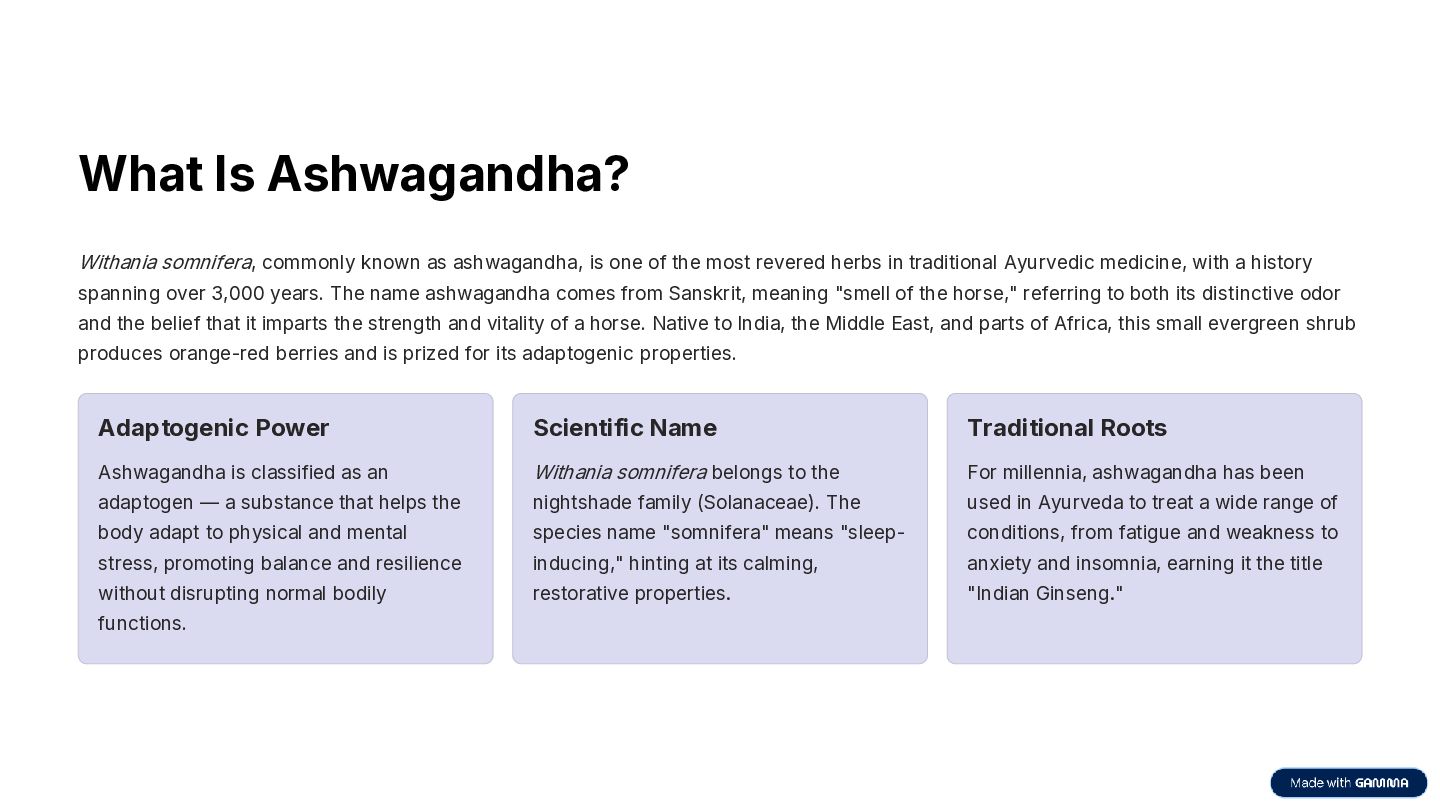
  2. What Is Ashwagandha? Withania somnifera, commonly known as ashwagandha, is

    one of the most revered herbs in traditional Ayurvedic medicine, with a history spanning over 3,000 years. The name ashwagandha comes from Sanskrit, meaning "smell of the horse," referring to both its distinctive odor and the belief that it imparts the strength and vitality of a horse. Native to India, the Middle East, and parts of Africa, this small evergreen shrub produces orange-red berries and is prized for its adaptogenic properties. Adaptogenic Power Ashwagandha is classified as an adaptogen — a substance that helps the body adapt to physical and mental stress, promoting balance and resilience without disrupting normal bodily functions. Scientific Name Withania somnifera belongs to the nightshade family (Solanaceae). The species name "somnifera" means "sleep- inducing," hinting at its calming, restorative properties. Traditional Roots For millennia, ashwagandha has been used in Ayurveda to treat a wide range of conditions, from fatigue and weakness to anxiety and insomnia, earning it the title "Indian Ginseng."
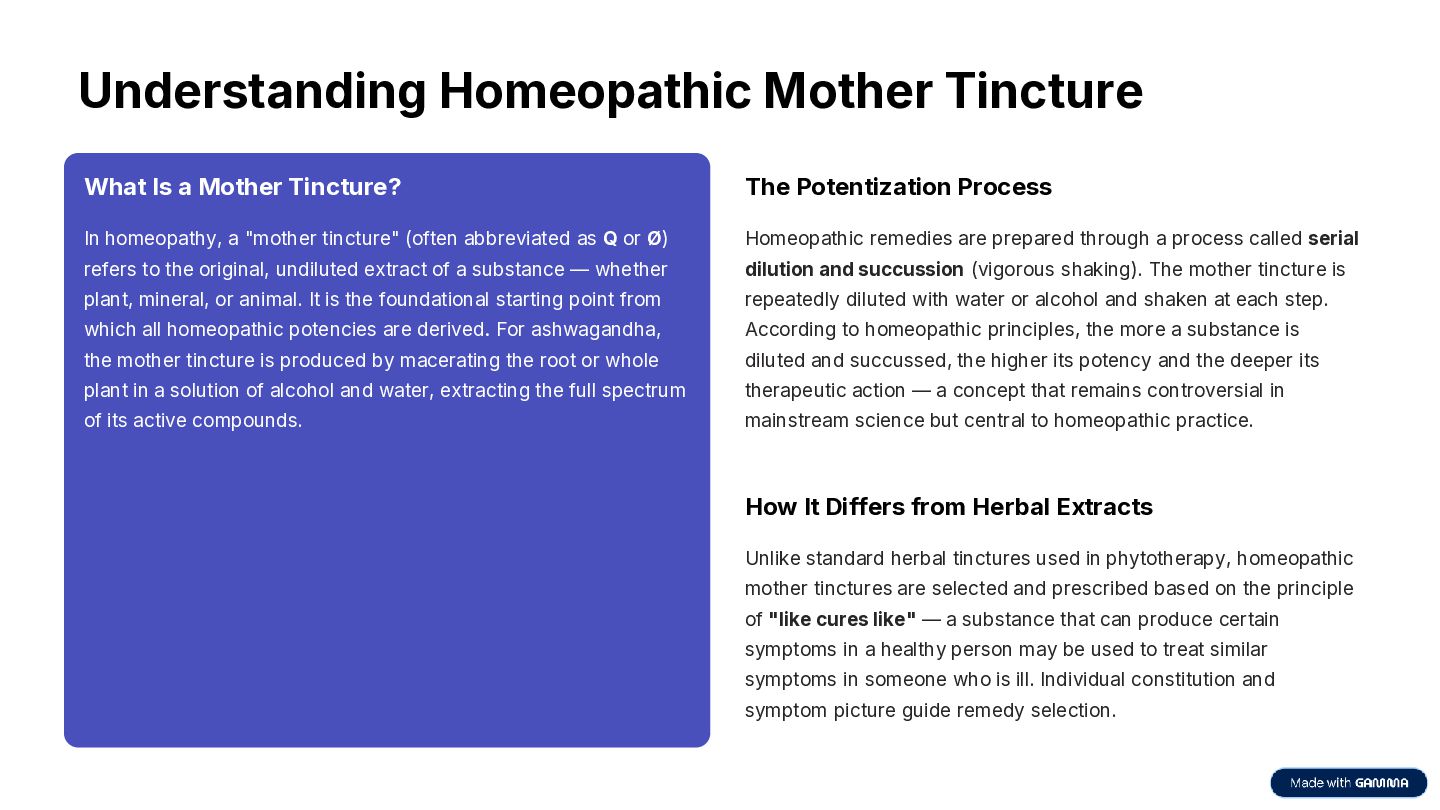
  3. Understanding Homeopathic Mother Tincture What Is a Mother Tincture? In

    homeopathy, a "mother tincture" (often abbreviated as Q or Ø) refers to the original, undiluted extract of a substance — whether plant, mineral, or animal. It is the foundational starting point from which all homeopathic potencies are derived. For ashwagandha, the mother tincture is produced by macerating the root or whole plant in a solution of alcohol and water, extracting the full spectrum of its active compounds. The Potentization Process Homeopathic remedies are prepared through a process called serial dilution and succussion (vigorous shaking). The mother tincture is repeatedly diluted with water or alcohol and shaken at each step. According to homeopathic principles, the more a substance is diluted and succussed, the higher its potency and the deeper its therapeutic action — a concept that remains controversial in mainstream science but central to homeopathic practice. How It Differs from Herbal Extracts Unlike standard herbal tinctures used in phytotherapy, homeopathic mother tinctures are selected and prescribed based on the principle of "like cures like" — a substance that can produce certain symptoms in a healthy person may be used to treat similar symptoms in someone who is ill. Individual constitution and symptom picture guide remedy selection.
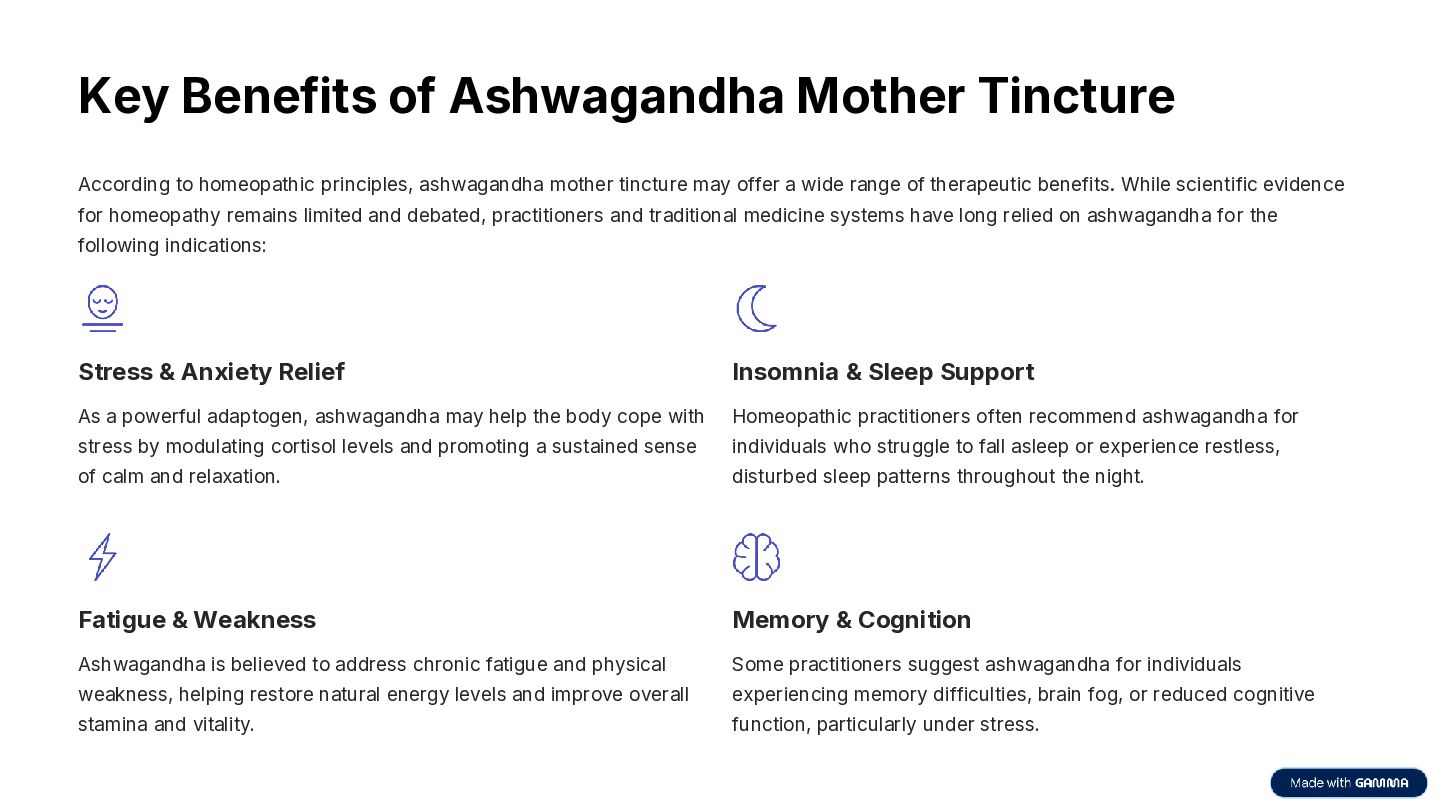
  4. Key Benefits of Ashwagandha Mother Tincture According to homeopathic principles,

    ashwagandha mother tincture may offer a wide range of therapeutic benefits. While scientific evidence for homeopathy remains limited and debated, practitioners and traditional medicine systems have long relied on ashwagandha for the following indications: Stress & Anxiety Relief As a powerful adaptogen, ashwagandha may help the body cope with stress by modulating cortisol levels and promoting a sustained sense of calm and relaxation. Insomnia & Sleep Support Homeopathic practitioners often recommend ashwagandha for individuals who struggle to fall asleep or experience restless, disturbed sleep patterns throughout the night. Fatigue & Weakness Ashwagandha is believed to address chronic fatigue and physical weakness, helping restore natural energy levels and improve overall stamina and vitality. Memory & Cognition Some practitioners suggest ashwagandha for individuals experiencing memory difficulties, brain fog, or reduced cognitive function, particularly under stress.
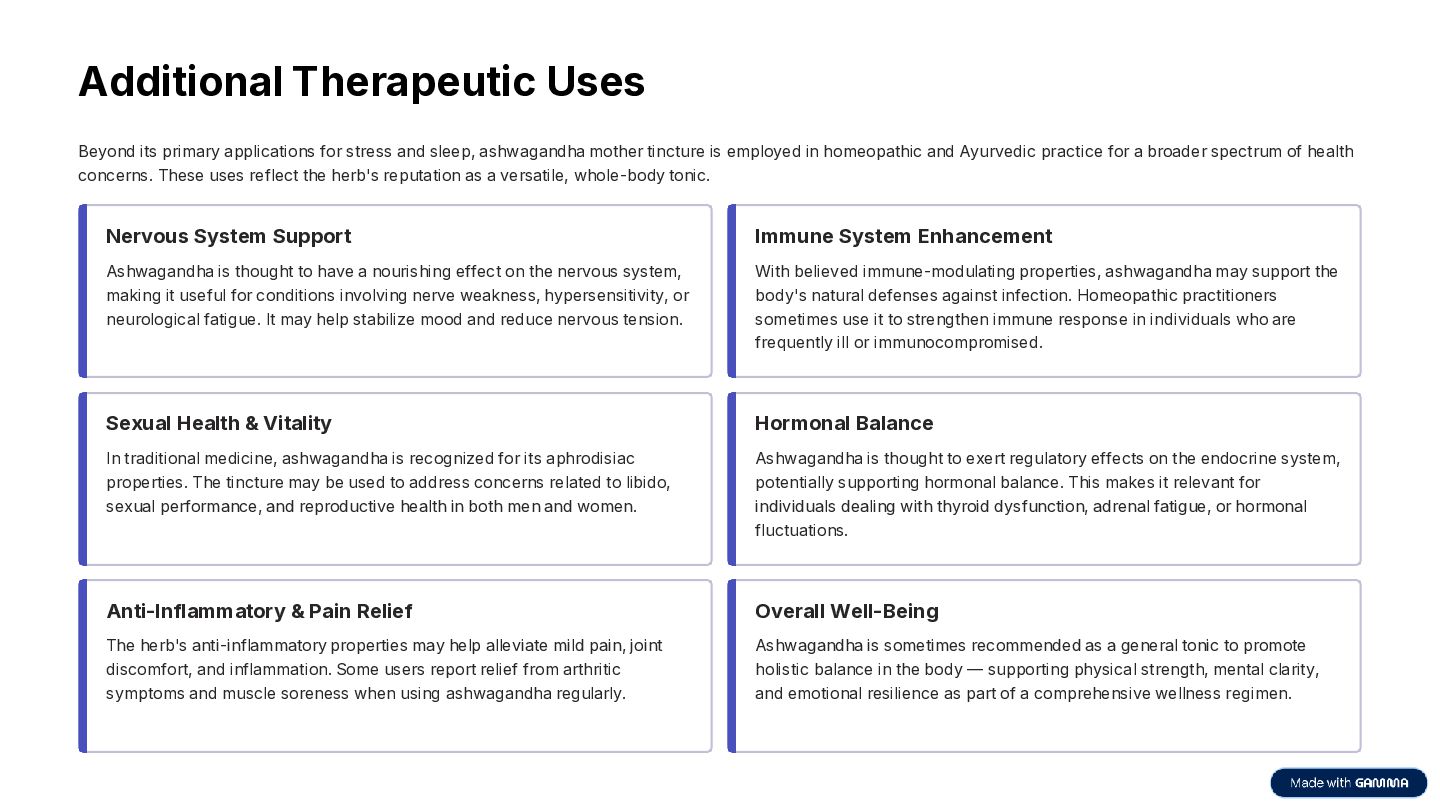
  5. Additional Therapeutic Uses Beyond its primary applications for stress and

    sleep, ashwagandha mother tincture is employed in homeopathic and Ayurvedic practice for a broader spectrum of health concerns. These uses reflect the herb's reputation as a versatile, whole-body tonic. Nervous System Support Ashwagandha is thought to have a nourishing effect on the nervous system, making it useful for conditions involving nerve weakness, hypersensitivity, or neurological fatigue. It may help stabilize mood and reduce nervous tension. Immune System Enhancement With believed immune-modulating properties, ashwagandha may support the body's natural defenses against infection. Homeopathic practitioners sometimes use it to strengthen immune response in individuals who are frequently ill or immunocompromised. Sexual Health & Vitality In traditional medicine, ashwagandha is recognized for its aphrodisiac properties. The tincture may be used to address concerns related to libido, sexual performance, and reproductive health in both men and women. Hormonal Balance Ashwagandha is thought to exert regulatory effects on the endocrine system, potentially supporting hormonal balance. This makes it relevant for individuals dealing with thyroid dysfunction, adrenal fatigue, or hormonal fluctuations. Anti-Inflammatory & Pain Relief The herb's anti-inflammatory properties may help alleviate mild pain, joint discomfort, and inflammation. Some users report relief from arthritic symptoms and muscle soreness when using ashwagandha regularly. Overall Well-Being Ashwagandha is sometimes recommended as a general tonic to promote holistic balance in the body — supporting physical strength, mental clarity, and emotional resilience as part of a comprehensive wellness regimen.
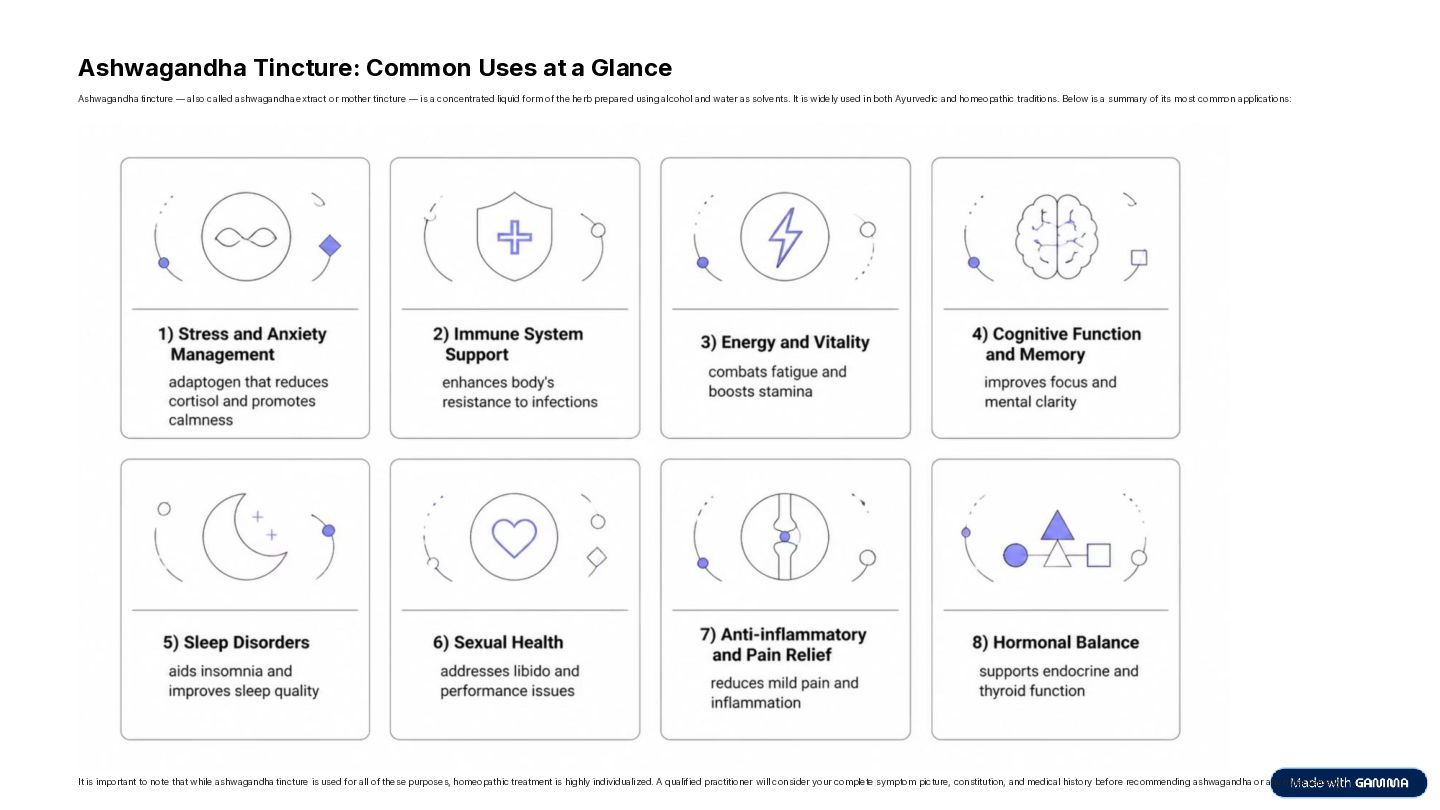
  6. Ashwagandha Tincture: Common Uses at a Glance Ashwagandha tincture —

    also called ashwagandha extract or mother tincture — is a concentrated liquid form of the herb prepared using alcohol and water as solvents. It is widely used in both Ayurvedic and homeopathic traditions. Below is a summary of its most common applications: It is important to note that while ashwagandha tincture is used for all of these purposes, homeopathic treatment is highly individualized. A qualified practitioner will consider your complete symptom picture, constitution, and medical history before recommending ashwagandha or any other remedy.
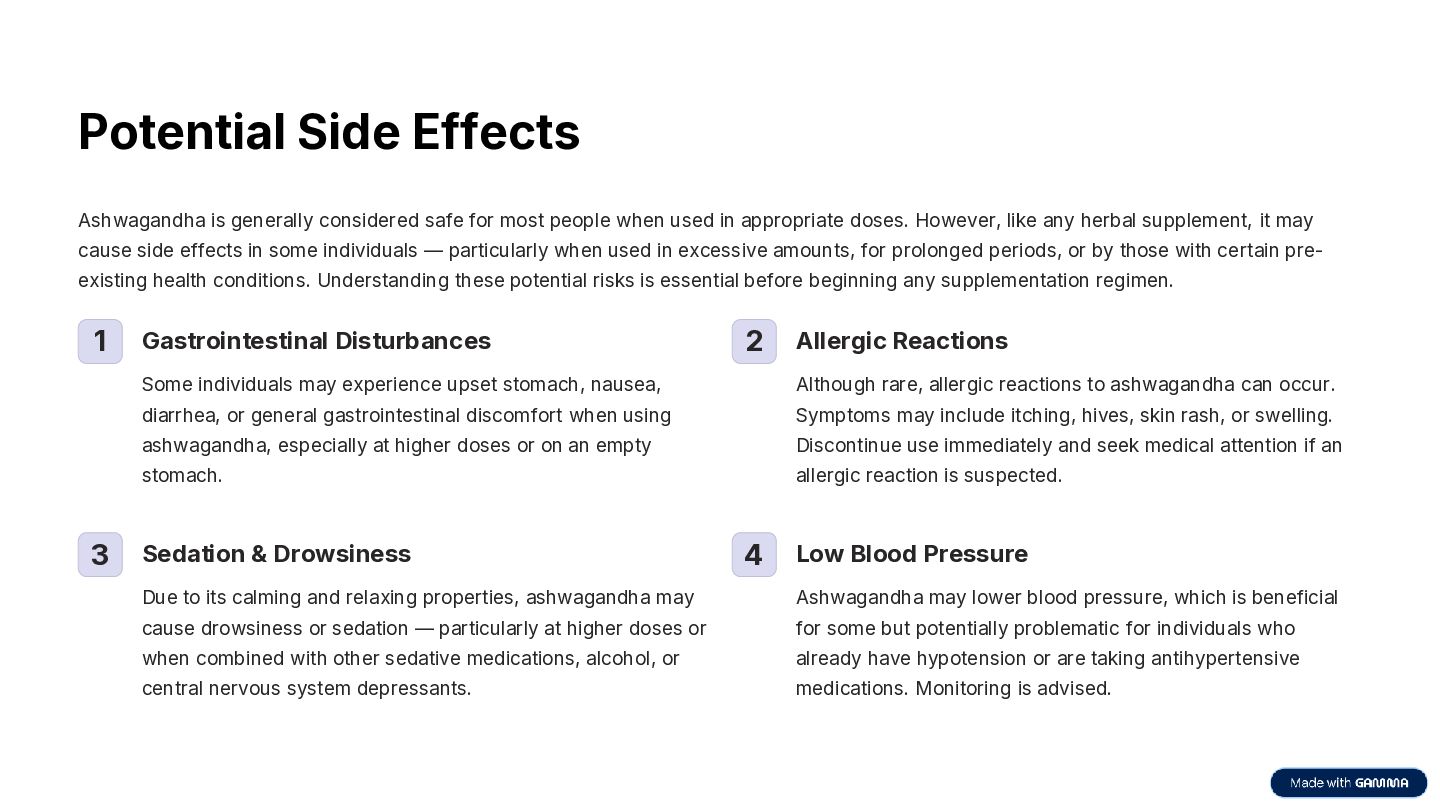
  7. Potential Side Effects Ashwagandha is generally considered safe for most

    people when used in appropriate doses. However, like any herbal supplement, it may cause side effects in some individuals — particularly when used in excessive amounts, for prolonged periods, or by those with certain pre- existing health conditions. Understanding these potential risks is essential before beginning any supplementation regimen. 1 Gastrointestinal Disturbances Some individuals may experience upset stomach, nausea, diarrhea, or general gastrointestinal discomfort when using ashwagandha, especially at higher doses or on an empty stomach. 2 Allergic Reactions Although rare, allergic reactions to ashwagandha can occur. Symptoms may include itching, hives, skin rash, or swelling. Discontinue use immediately and seek medical attention if an allergic reaction is suspected. 3 Sedation & Drowsiness Due to its calming and relaxing properties, ashwagandha may cause drowsiness or sedation — particularly at higher doses or when combined with other sedative medications, alcohol, or central nervous system depressants. 4 Low Blood Pressure Ashwagandha may lower blood pressure, which is beneficial for some but potentially problematic for individuals who already have hypotension or are taking antihypertensive medications. Monitoring is advised.
  8. Important Safety Considerations Certain populations and medical conditions require special

    caution when considering ashwagandha supplementation. Always discuss with a healthcare provider before use if any of the following apply to you. Medication Interactions Ashwagandha may interact with several classes of prescription medications, including: • Sedatives and anti-anxiety drugs (benzodiazepines) • Antidiabetic medications (may enhance blood sugar-lowering effects) • Immunosuppressive drugs • Thyroid hormone medications • Blood pressure medications Always disclose all supplements to your prescribing physician. Thyroid Function Ashwagandha has documented effects on thyroid hormone levels, potentially increasing T3 and T4. Individuals with hyperthyroidism or those taking thyroid medication should monitor their levels closely and consult an endocrinologist before use. Pregnancy & Breastfeeding Pregnant and breastfeeding women should avoid ashwagandha unless specifically advised by a qualified healthcare professional. Its safety during these stages has not been fully established, and some evidence suggests it may stimulate uterine contractions. Autoimmune Conditions Because ashwagandha may stimulate immune activity, individuals with autoimmune diseases — such as lupus, rheumatoid arthritis, or multiple sclerosis — should use caution or avoid it entirely, as it could potentially exacerbate symptoms.
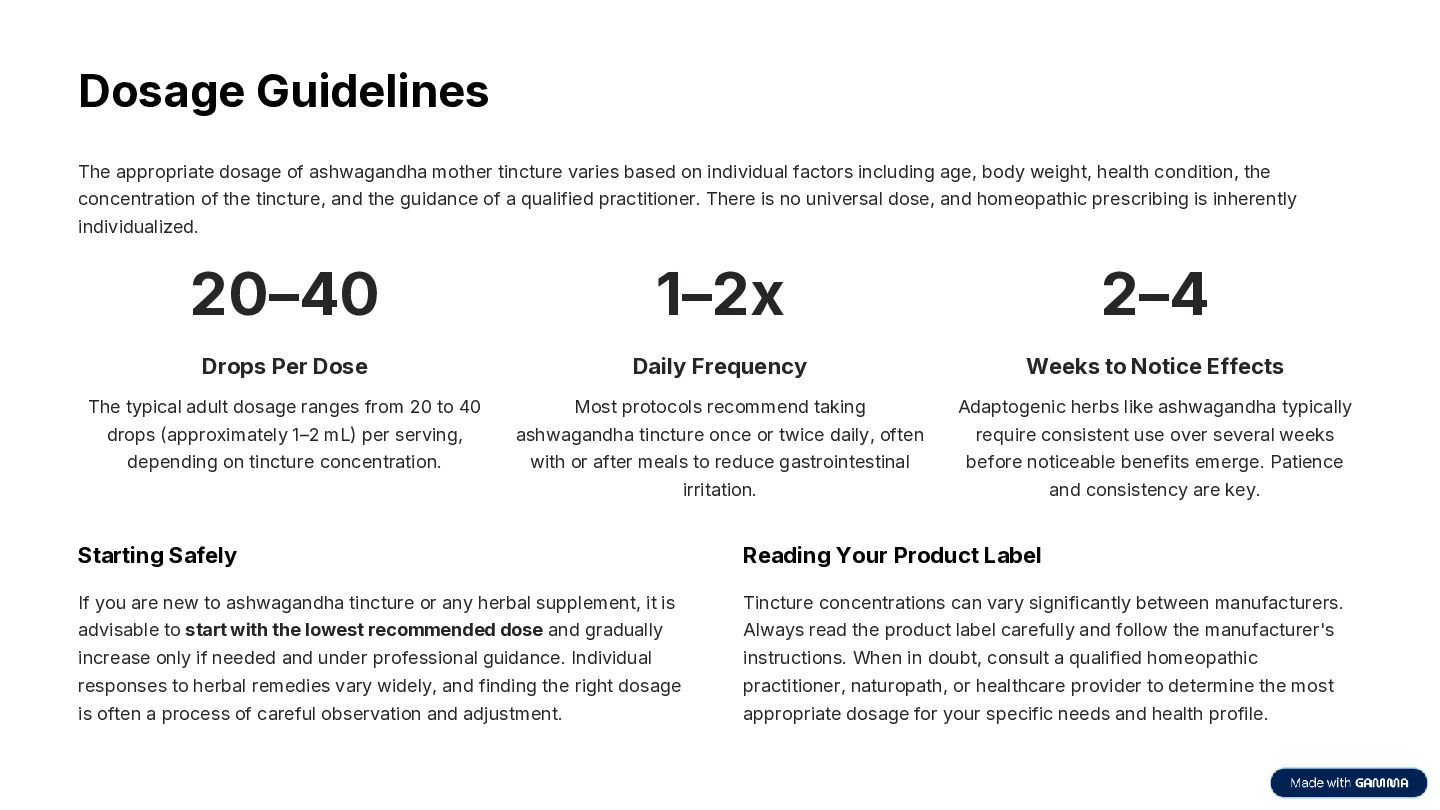
  9. Dosage Guidelines The appropriate dosage of ashwagandha mother tincture varies

    based on individual factors including age, body weight, health condition, the concentration of the tincture, and the guidance of a qualified practitioner. There is no universal dose, and homeopathic prescribing is inherently individualized. 20–40 Drops Per Dose The typical adult dosage ranges from 20 to 40 drops (approximately 1–2 mL) per serving, depending on tincture concentration. 1–2x Daily Frequency Most protocols recommend taking ashwagandha tincture once or twice daily, often with or after meals to reduce gastrointestinal irritation. 2–4 Weeks to Notice Effects Adaptogenic herbs like ashwagandha typically require consistent use over several weeks before noticeable benefits emerge. Patience and consistency are key. Starting Safely If you are new to ashwagandha tincture or any herbal supplement, it is advisable to start with the lowest recommended dose and gradually increase only if needed and under professional guidance. Individual responses to herbal remedies vary widely, and finding the right dosage is often a process of careful observation and adjustment. Reading Your Product Label Tincture concentrations can vary significantly between manufacturers. Always read the product label carefully and follow the manufacturer's instructions. When in doubt, consult a qualified homeopathic practitioner, naturopath, or healthcare provider to determine the most appropriate dosage for your specific needs and health profile.
  10. Key Takeaways & When to Seek Professional Guidance Ashwagandha homeopathic

    mother tincture is a versatile natural remedy with a long history of use in Ayurvedic and homeopathic traditions. While many people report positive outcomes, it is essential to approach its use thoughtfully, responsibly, and with professional guidance when appropriate. Consult a Qualified Practitioner Before starting ashwagandha mother tincture — or any homeopathic remedy — consult a licensed homeopathic practitioner or healthcare professional. They can assess your individual health profile, medical history, and current medications to determine if ashwagandha is appropriate for you. Understand the Evidence Landscape Homeopathy operates on a different paradigm than conventional medicine, and robust scientific evidence supporting its effectiveness remains limited and often controversial. Approach ashwagandha homeopathic remedies with realistic expectations and an open but informed mindset. Monitor for Side Effects Pay attention to how your body responds, especially during the first few weeks of use. If you experience adverse reactions — gastrointestinal upset, allergic symptoms, unusual drowsiness, or changes in blood pressure — discontinue use and seek medical attention. Special Populations Should Exercise Caution Pregnant or breastfeeding women, individuals with autoimmune diseases, thyroid disorders, low blood pressure, or those taking prescription medications should always seek medical clearance before using ashwagandha in any form. Important Reminder: This guide is for informational purposes only and does not constitute medical advice. Always consult with a qualified healthcare professional before beginning any new supplement or treatment regimen, especially if you have pre-existing health conditions or are taking medications.