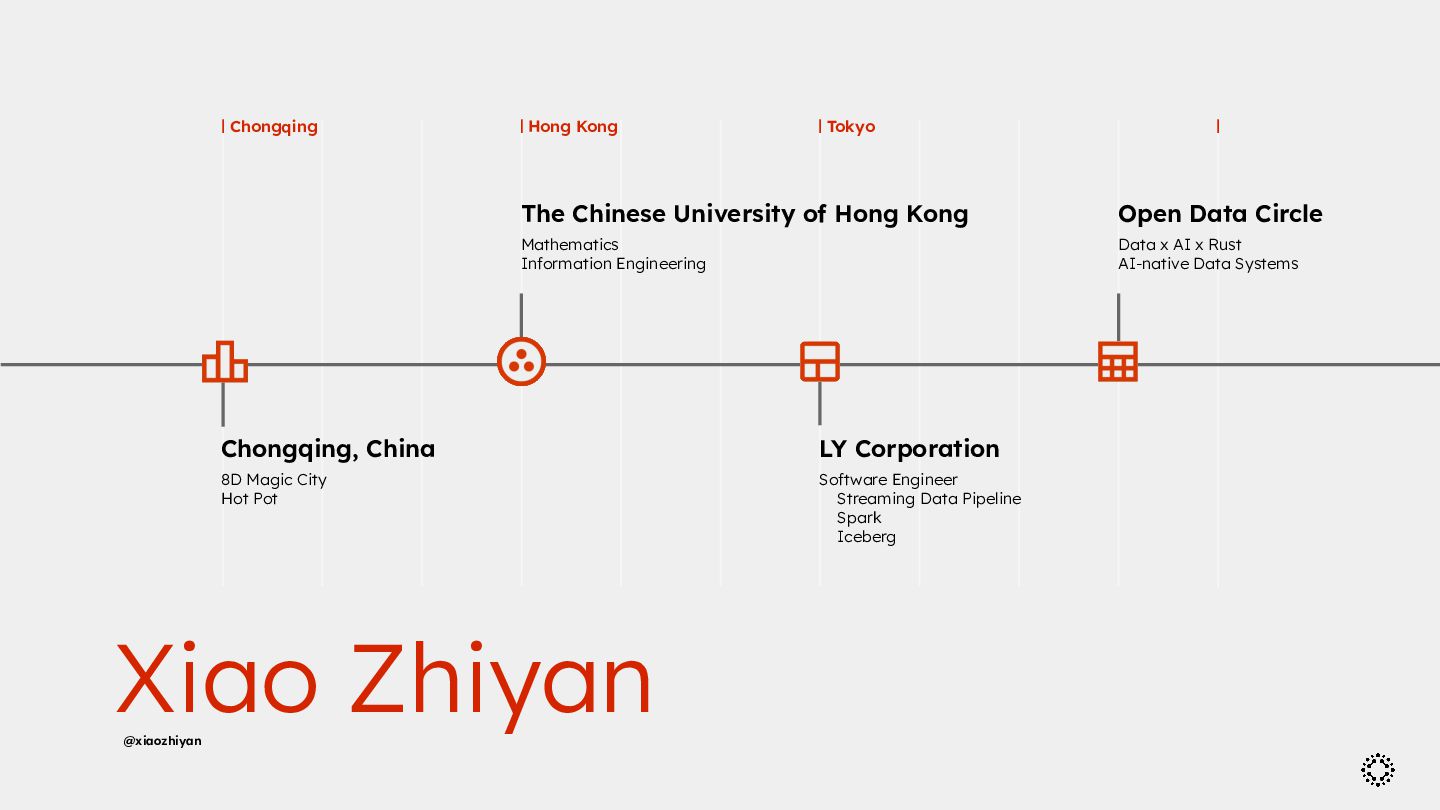
of Hong Kong Mathematics Information Engineering LY Corporation Software Engineer Streaming Data Pipeline Spark Iceberg Open Data Circle Data x AI x Rust AI-native Data Systems Chongqing Hong Kong Tokyo Xiao Zhiyan @xiaozhiyan
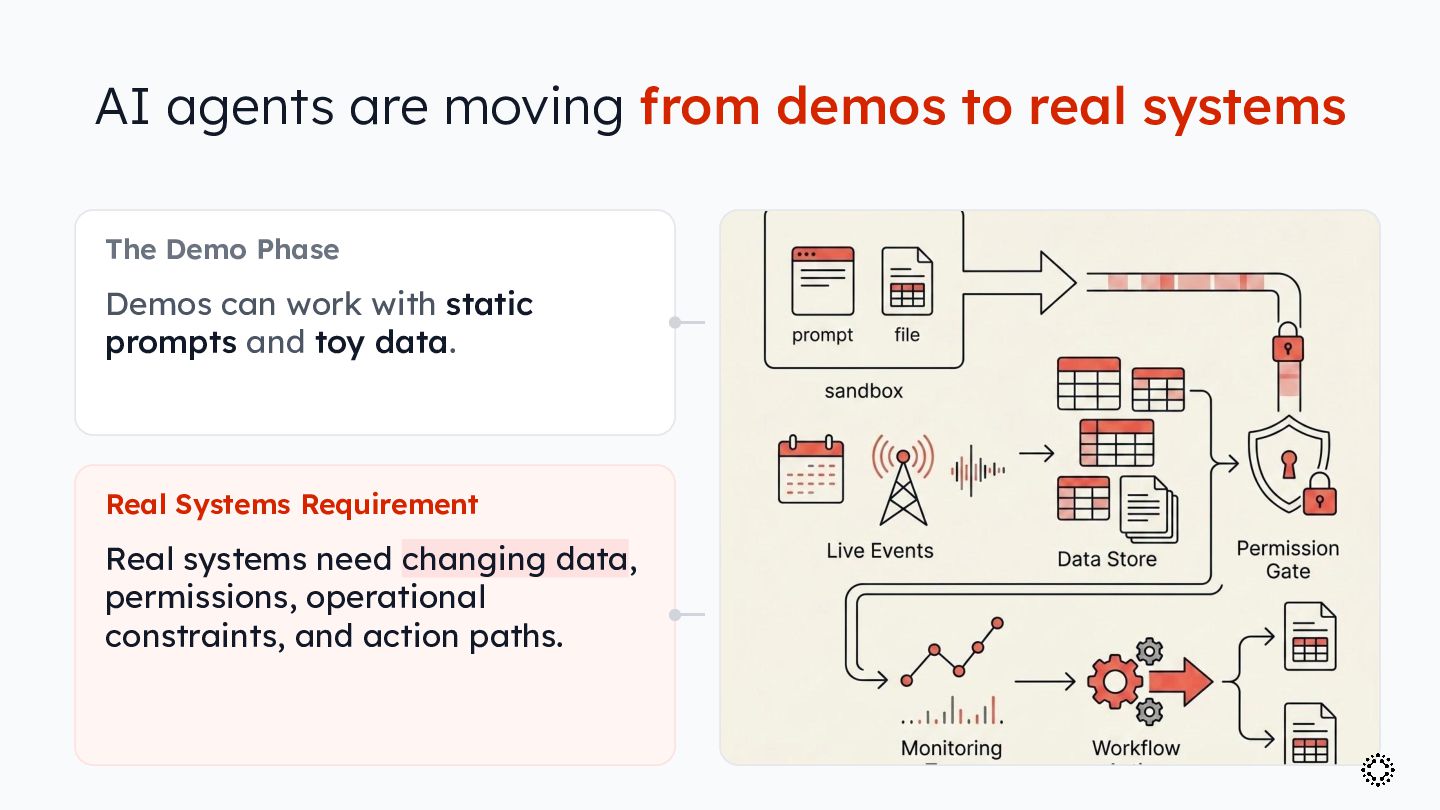
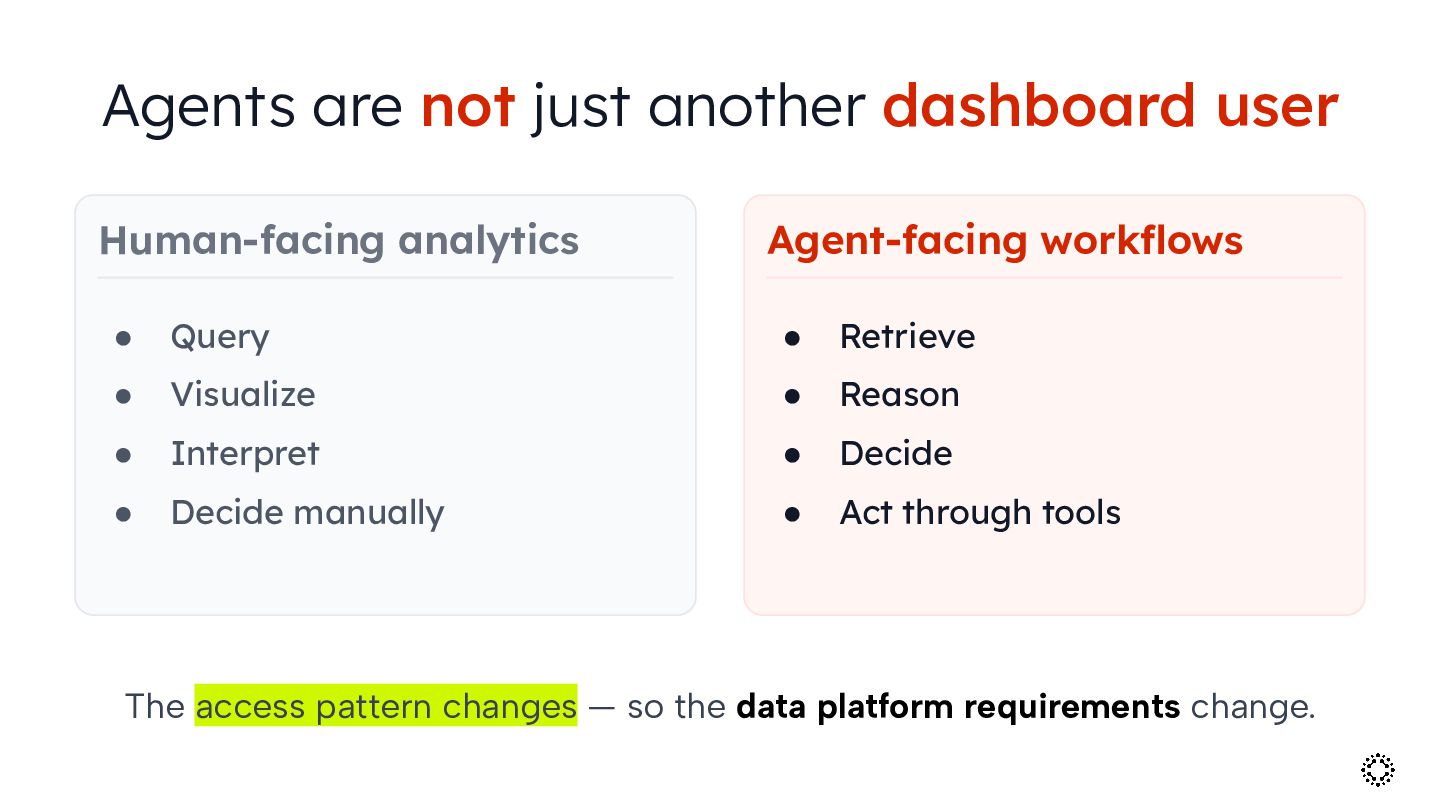
Demo Phase Demos can work with static prompts and toy data. Real Systems Requirement Real systems need changing data, permissions, operational constraints, and action paths.
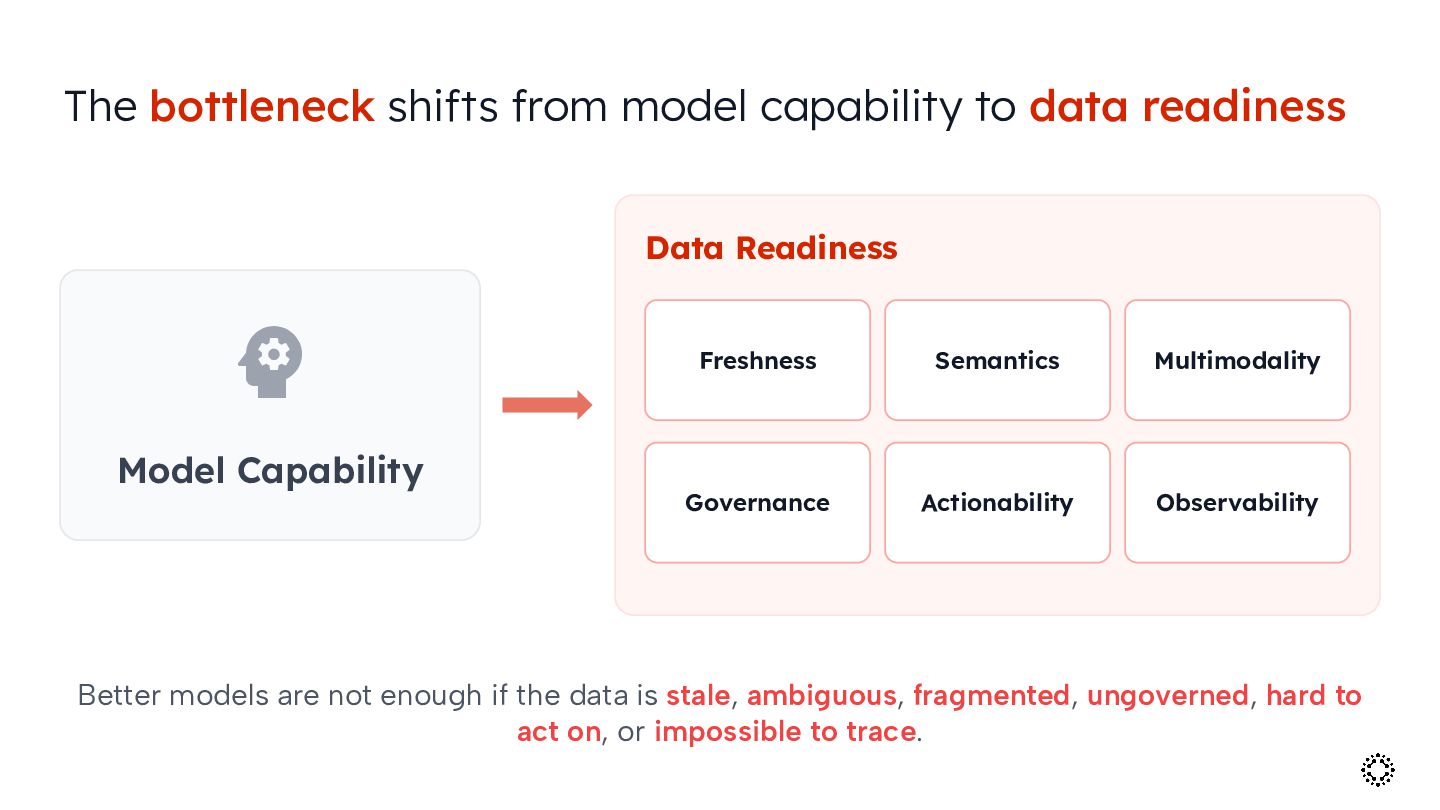
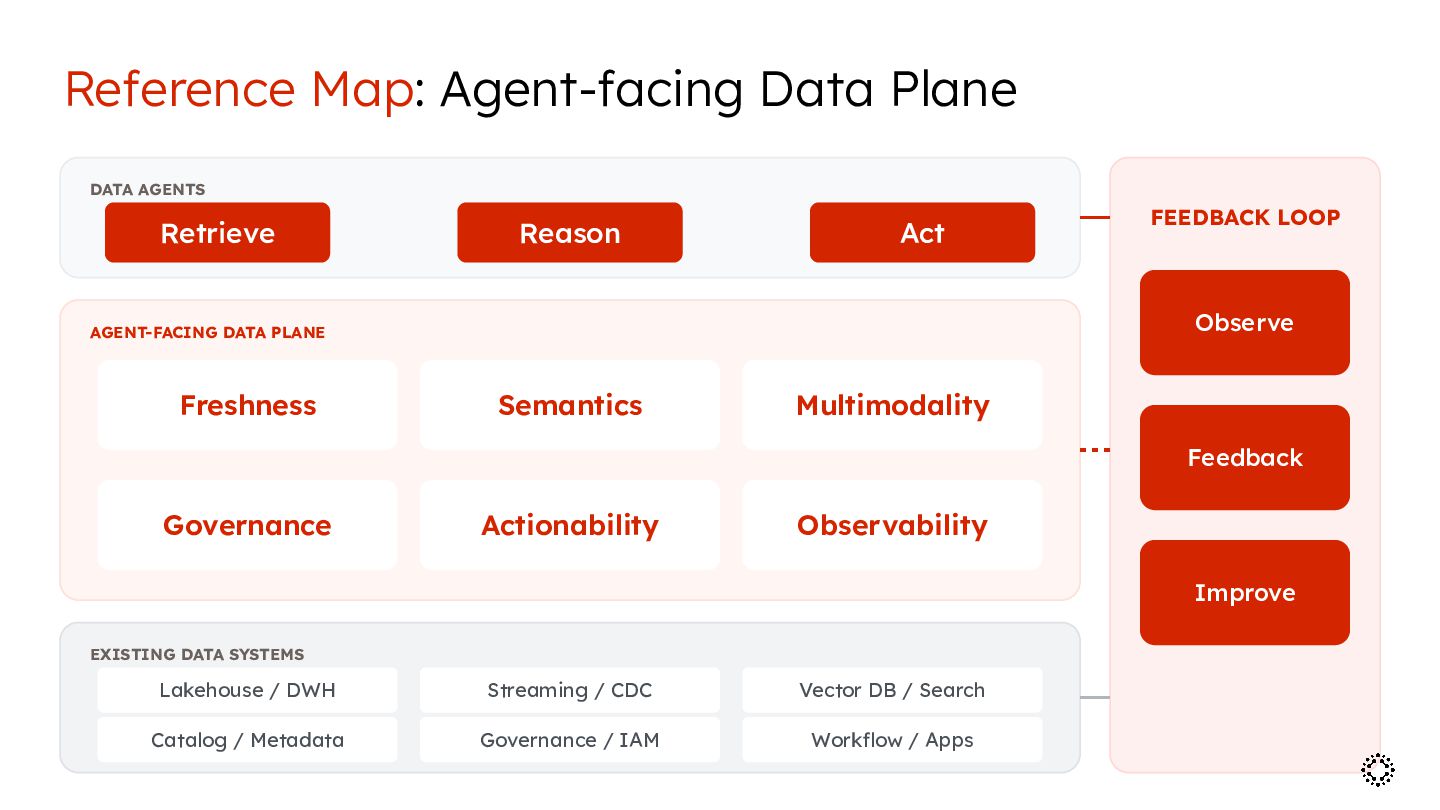
Model Capability Data Readiness Freshness Semantics Multimodality Governance Actionability Observability Better models are not enough if the data is stale, ambiguous, fragmented, ungoverned, hard to act on, or impossible to trace.
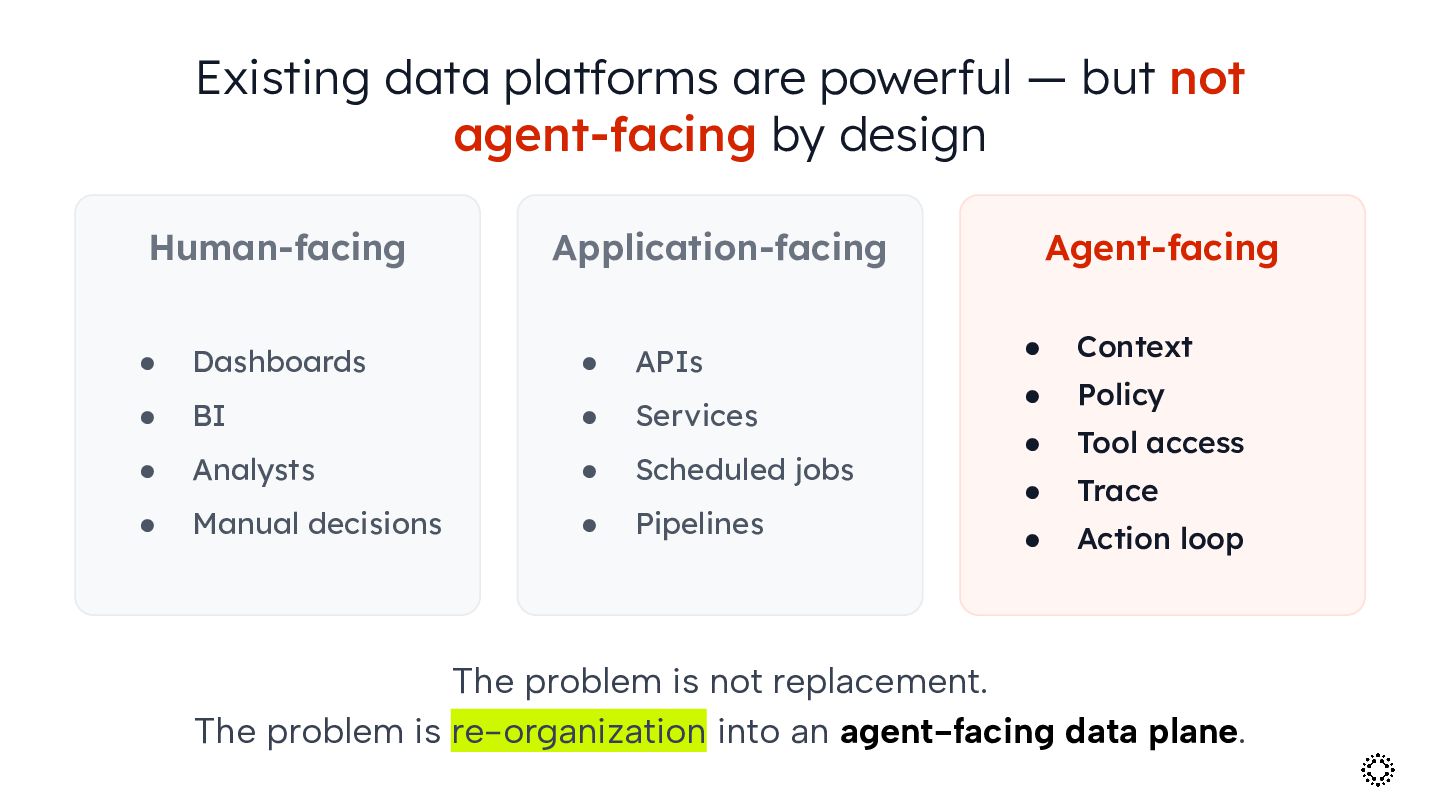
APIs • Services • Scheduled jobs • Pipelines Agent-facing • Context • Policy • Tool access • Trace • Action loop Existing data platforms are powerful — but not agent-facing by design Human-facing Application-facing The problem is not replacement. The problem is re-organization into an agent-facing data plane.
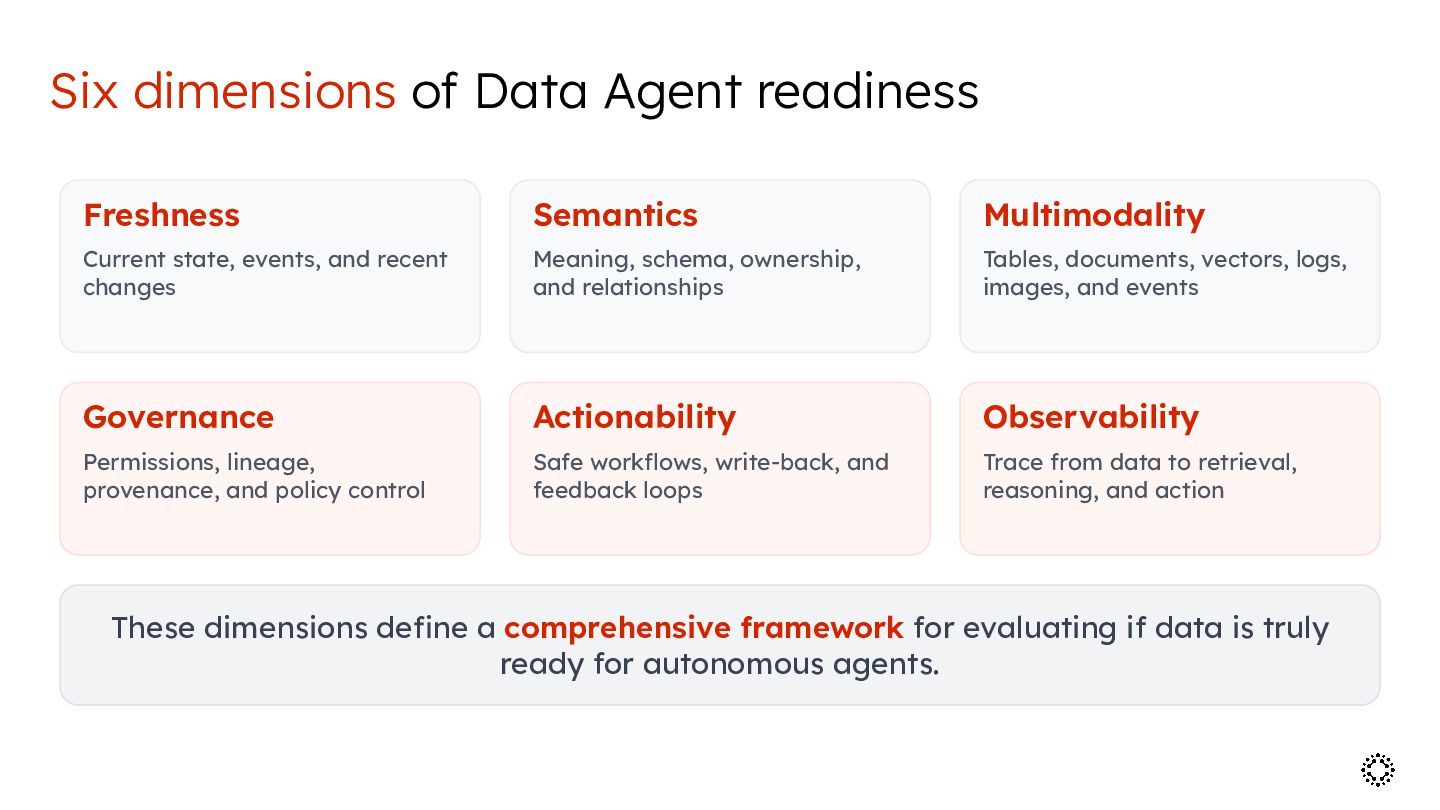
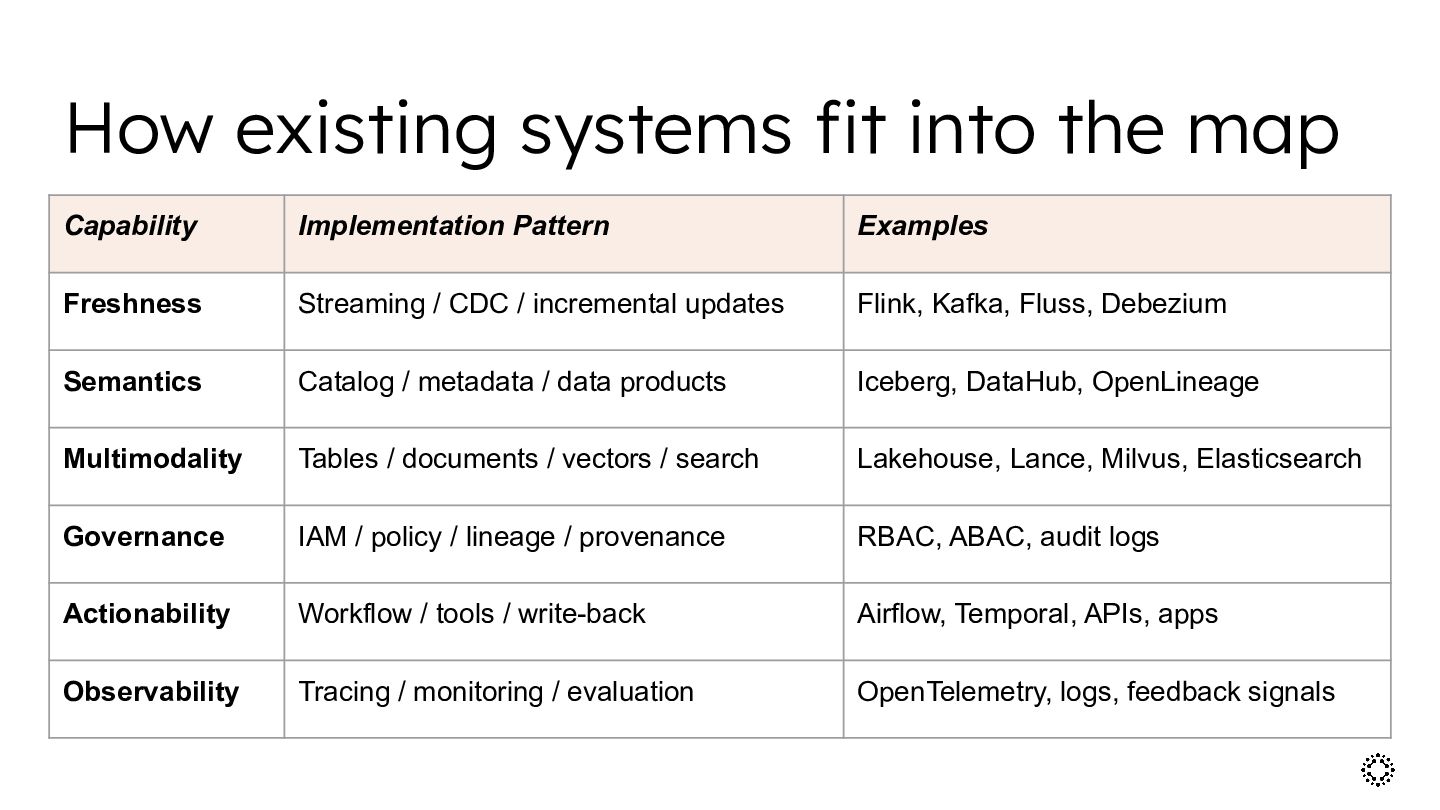
ownership, and relationships Multimodality Tables, documents, vectors, logs, images, and events Governance Permissions, lineage, provenance, and policy control Actionability Safe workflows, write-back, and feedback loops Observability Trace from data to retrieval, reasoning, and action Six dimensions of Data Agent readiness These dimensions define a comprehensive framework for evaluating if data is truly ready for autonomous agents.
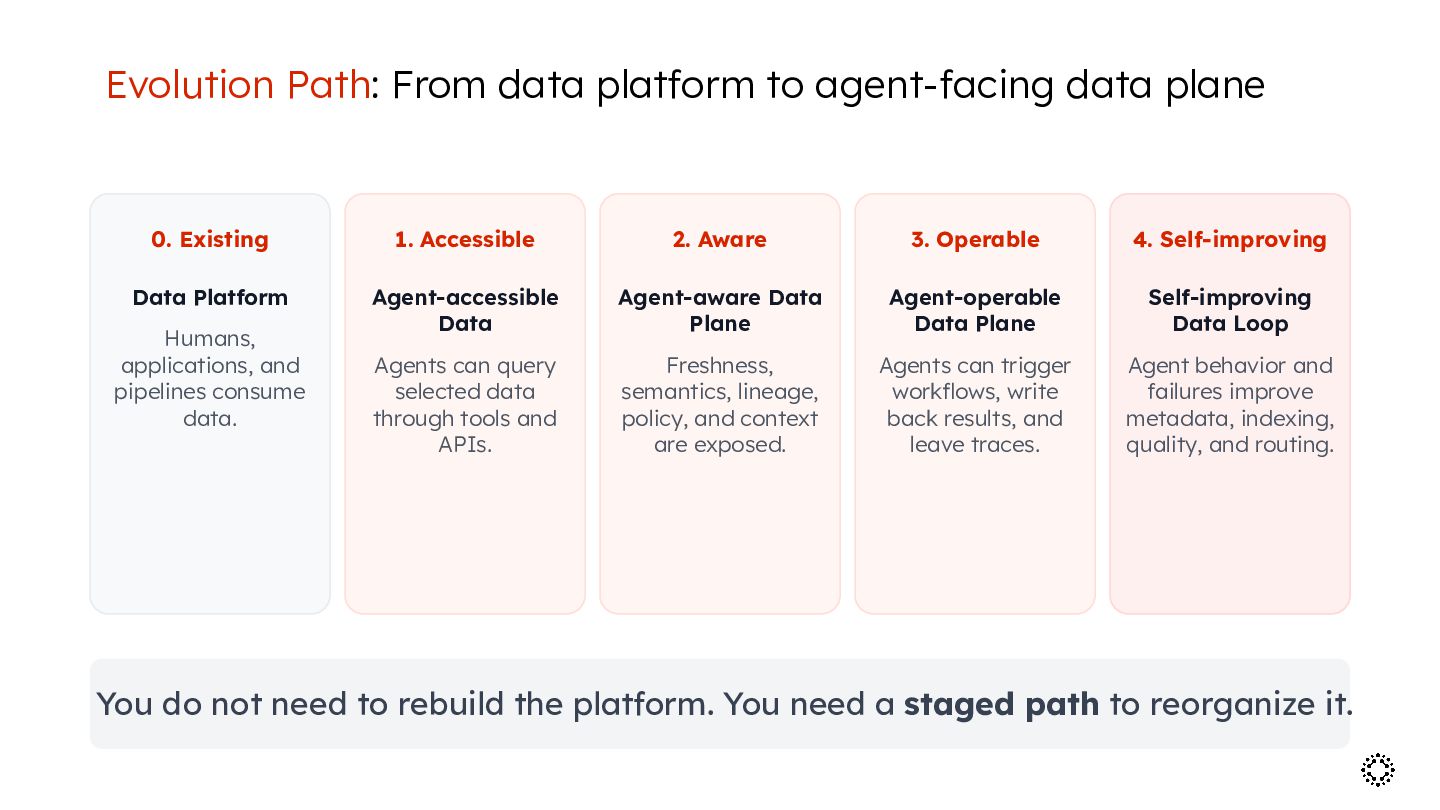
Existing Data Platform Humans, applications, and pipelines consume data. 1. Accessible Agent-accessible Data Agents can query selected data through tools and APIs. 2. Aware Agent-aware Data Plane Freshness, semantics, lineage, policy, and context are exposed. 3. Operable Agent-operable Data Plane Agents can trigger workflows, write back results, and leave traces. 4. Self-improving Self-improving Data Loop Agent behavior and failures improve metadata, indexing, quality, and routing. You do not need to rebuild the platform. You need a staged path to reorganize it.
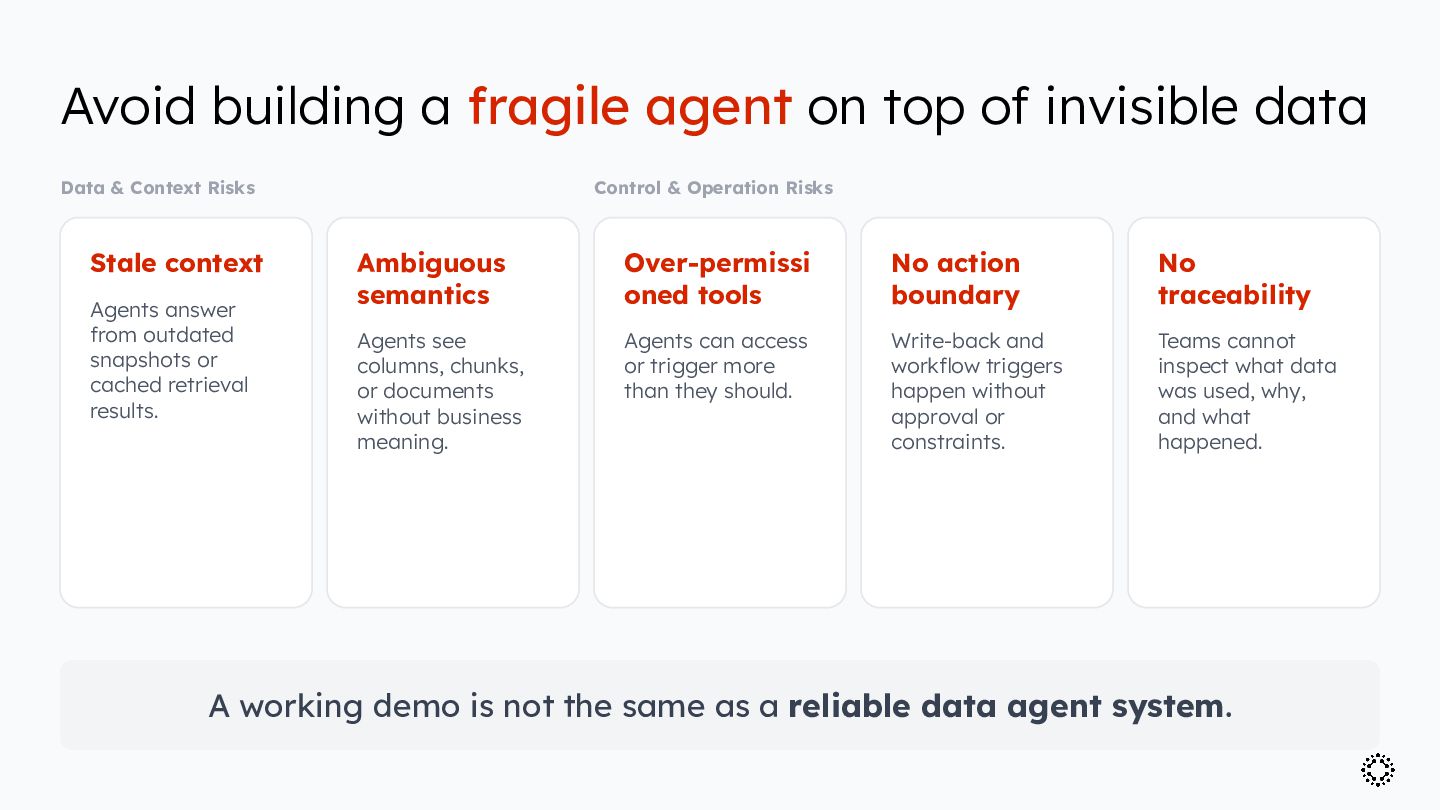
Data & Context Risks Control & Operation Risks Stale context Agents answer from outdated snapshots or cached retrieval results. Ambiguous semantics Agents see columns, chunks, or documents without business meaning. Over-permissi oned tools Agents can access or trigger more than they should. No action boundary Write-back and workflow triggers happen without approval or constraints. No traceability Teams cannot inspect what data was used, why, and what happened. A working demo is not the same as a reliable data agent system.
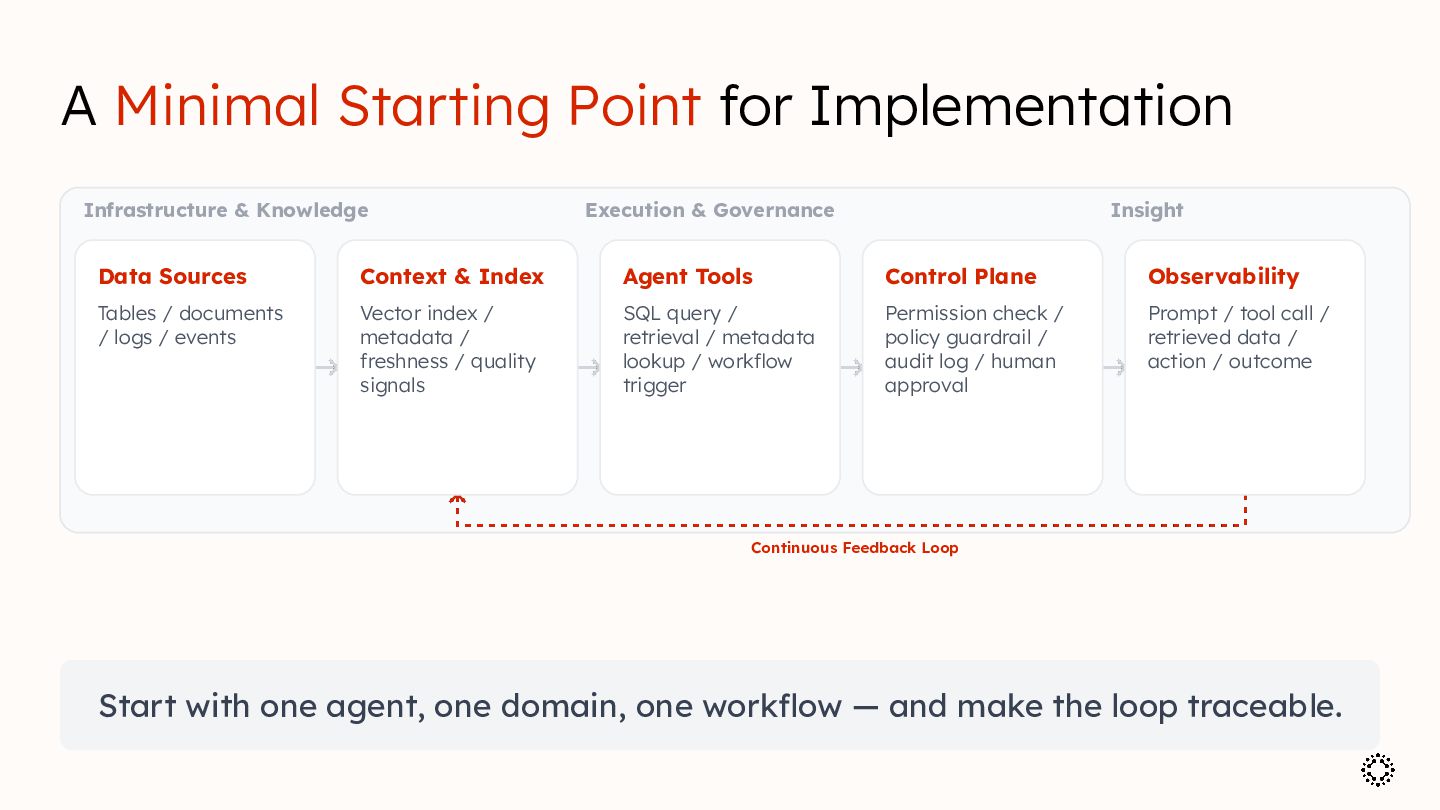
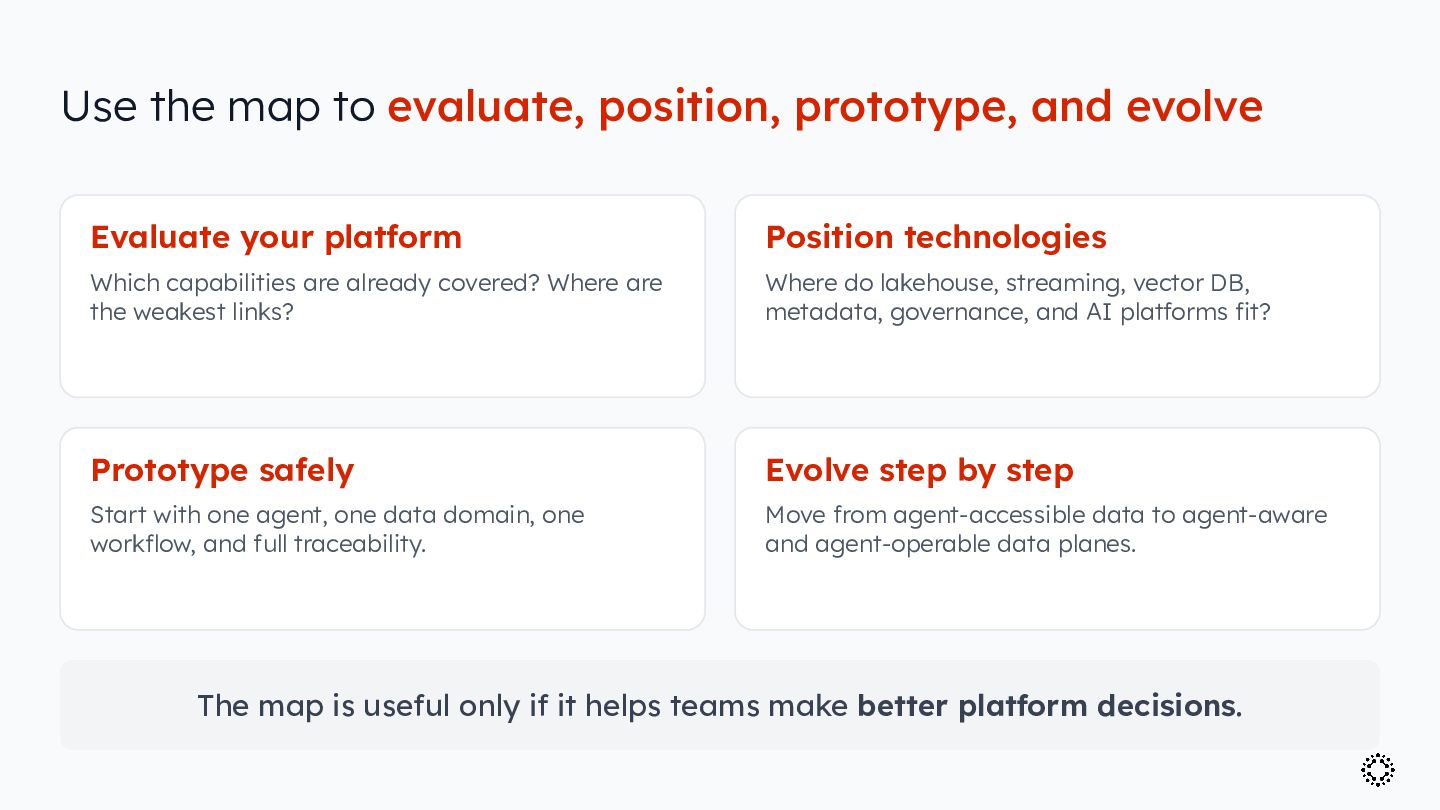
your platform Which capabilities are already covered? Where are the weakest links? Position technologies Where do lakehouse, streaming, vector DB, metadata, governance, and AI platforms fit? Prototype safely Start with one agent, one data domain, one workflow, and full traceability. Evolve step by step Move from agent-accessible data to agent-aware and agent-operable data planes. The map is useful only if it helps teams make better platform decisions.
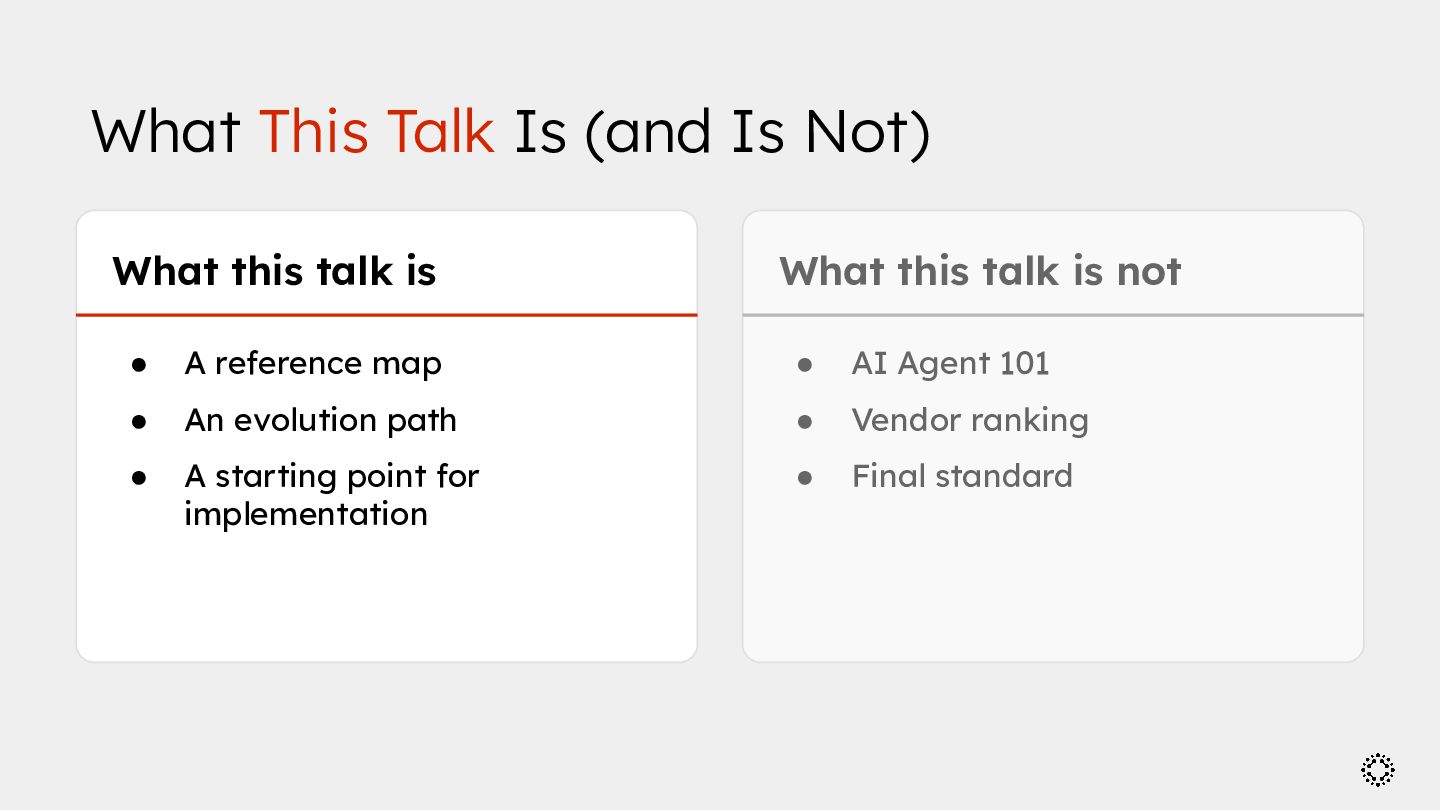
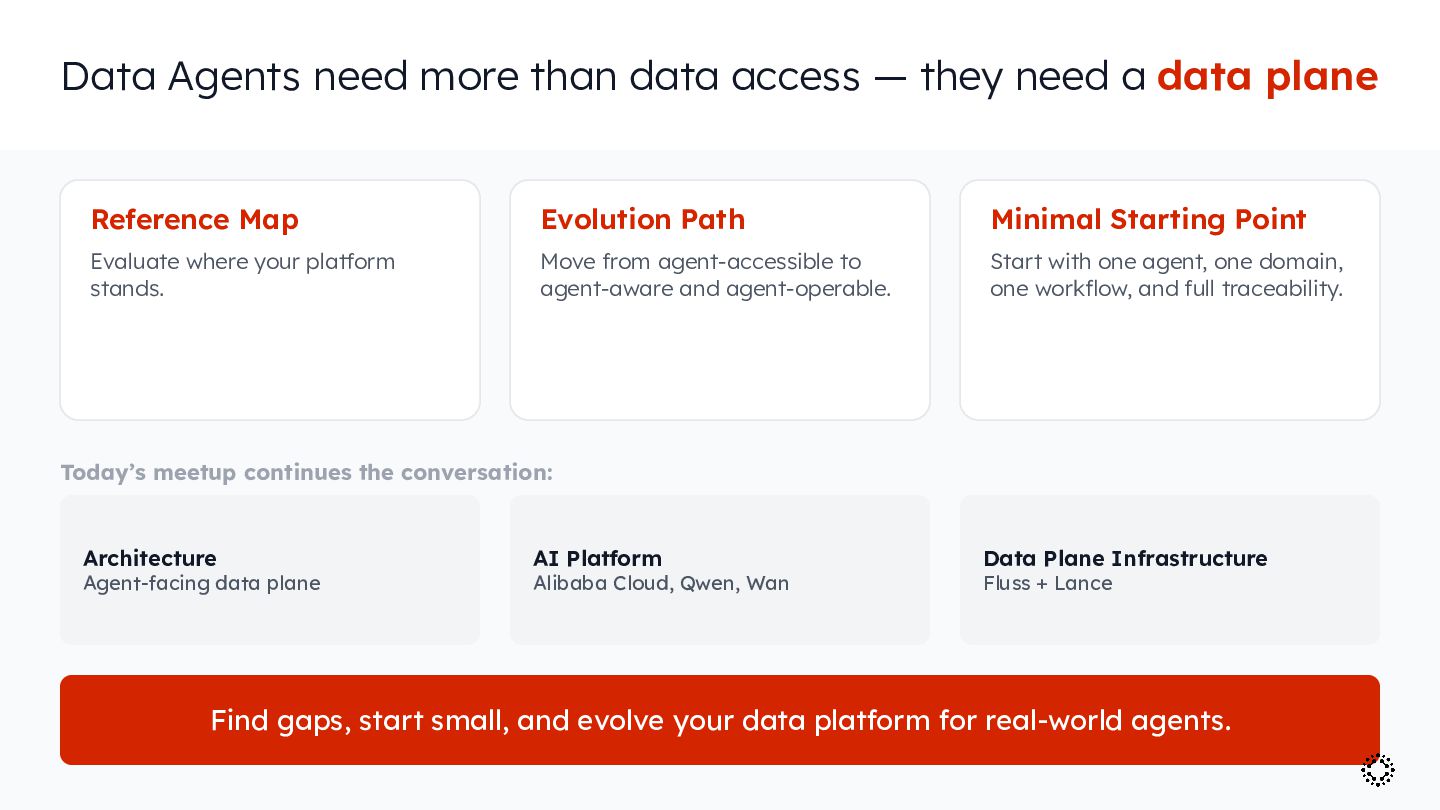
a data plane Reference Map Evaluate where your platform stands. Evolution Path Move from agent-accessible to agent-aware and agent-operable. Minimal Starting Point Start with one agent, one domain, one workflow, and full traceability. Today’s meetup continues the conversation: Architecture Agent-facing data plane AI Platform Alibaba Cloud, Qwen, Wan Data Plane Infrastructure Fluss + Lance Find gaps, start small, and evolve your data platform for real-world agents.


 opendatacircle
 oracle4engineer
 sansantech
 junkifurukawa
 harutiro
 slsops
 pauli
pauli
 hacobu
 mikanichinose
 occhi
occhi
 marceloancelmo
 naruoga
 lara
lara
 katarinadahlin
 brad_frost
 codingconduct
 chriscoyier
 mongodb
 rmw
rmw
 tammyeverts
 jonoalderson
 thoeni
 twada
twada
 samanthasiow