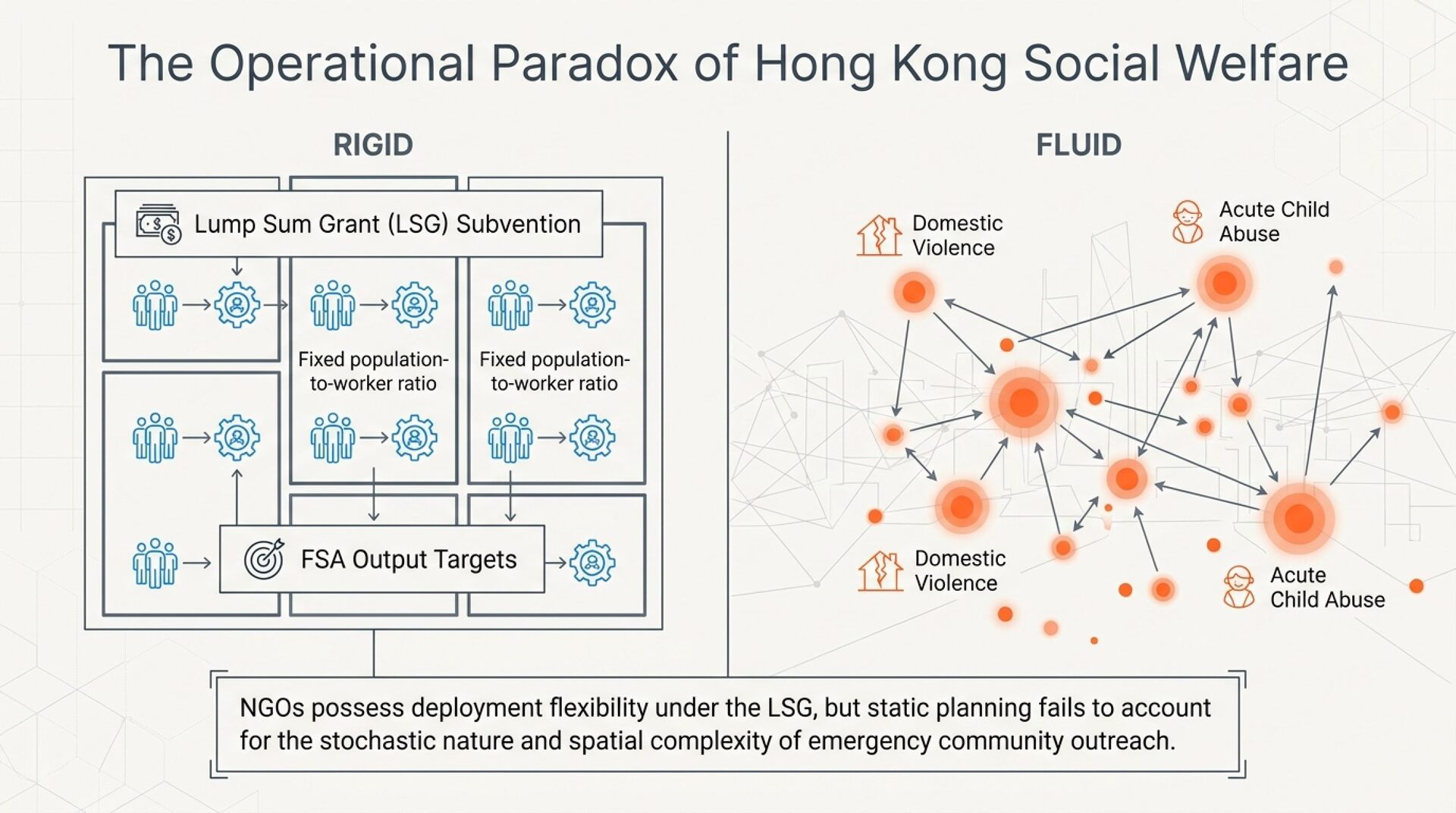
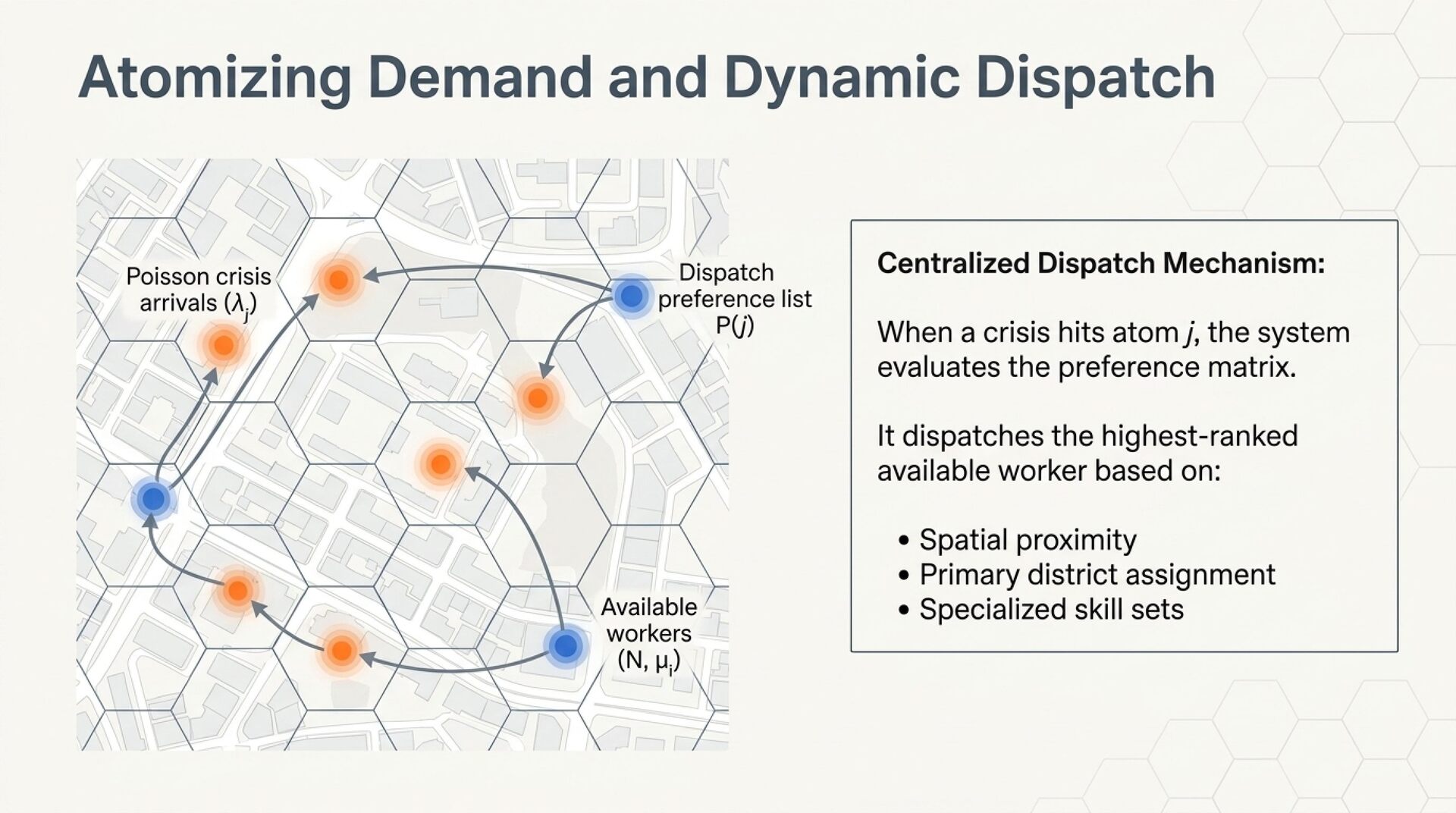
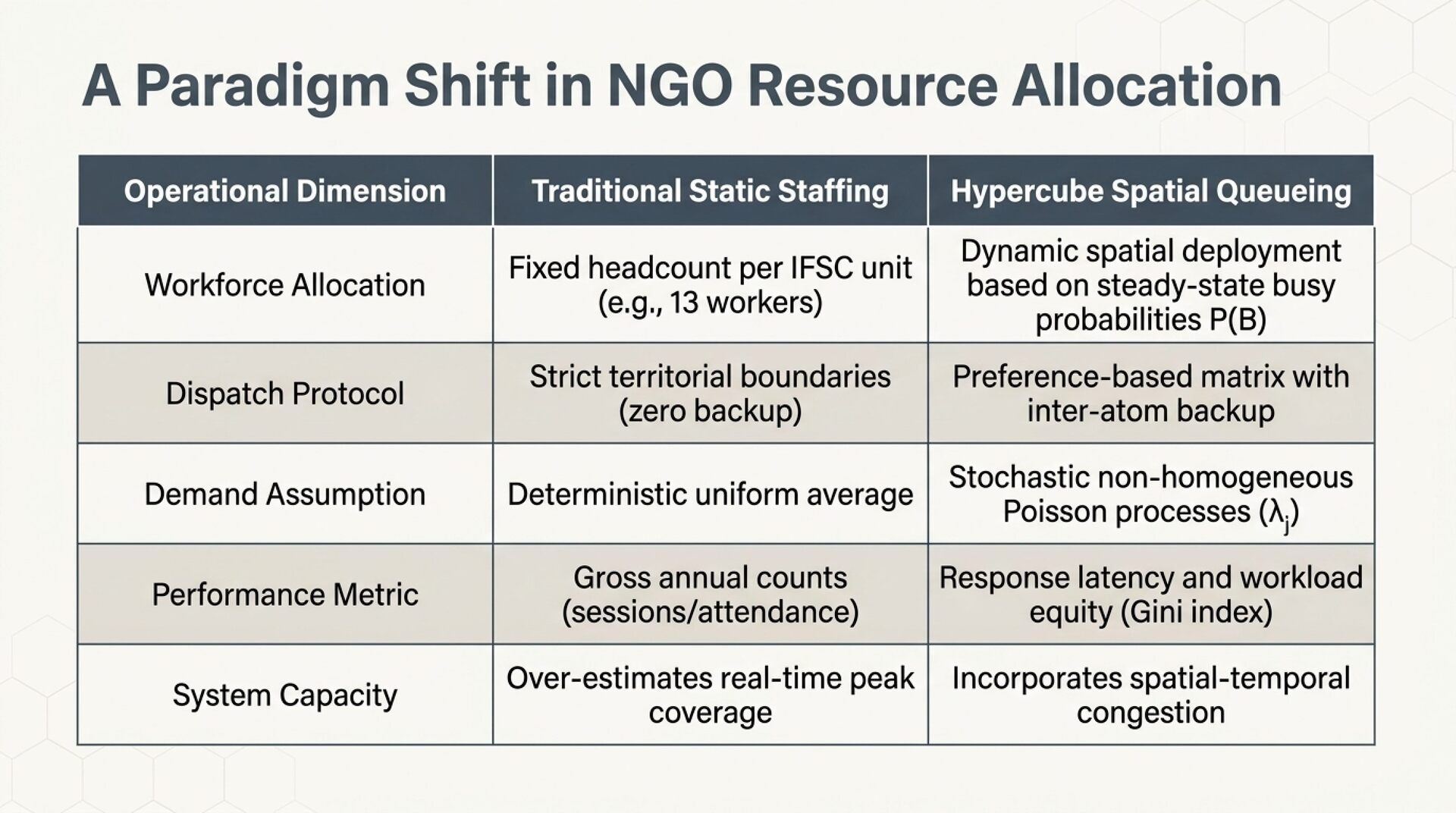
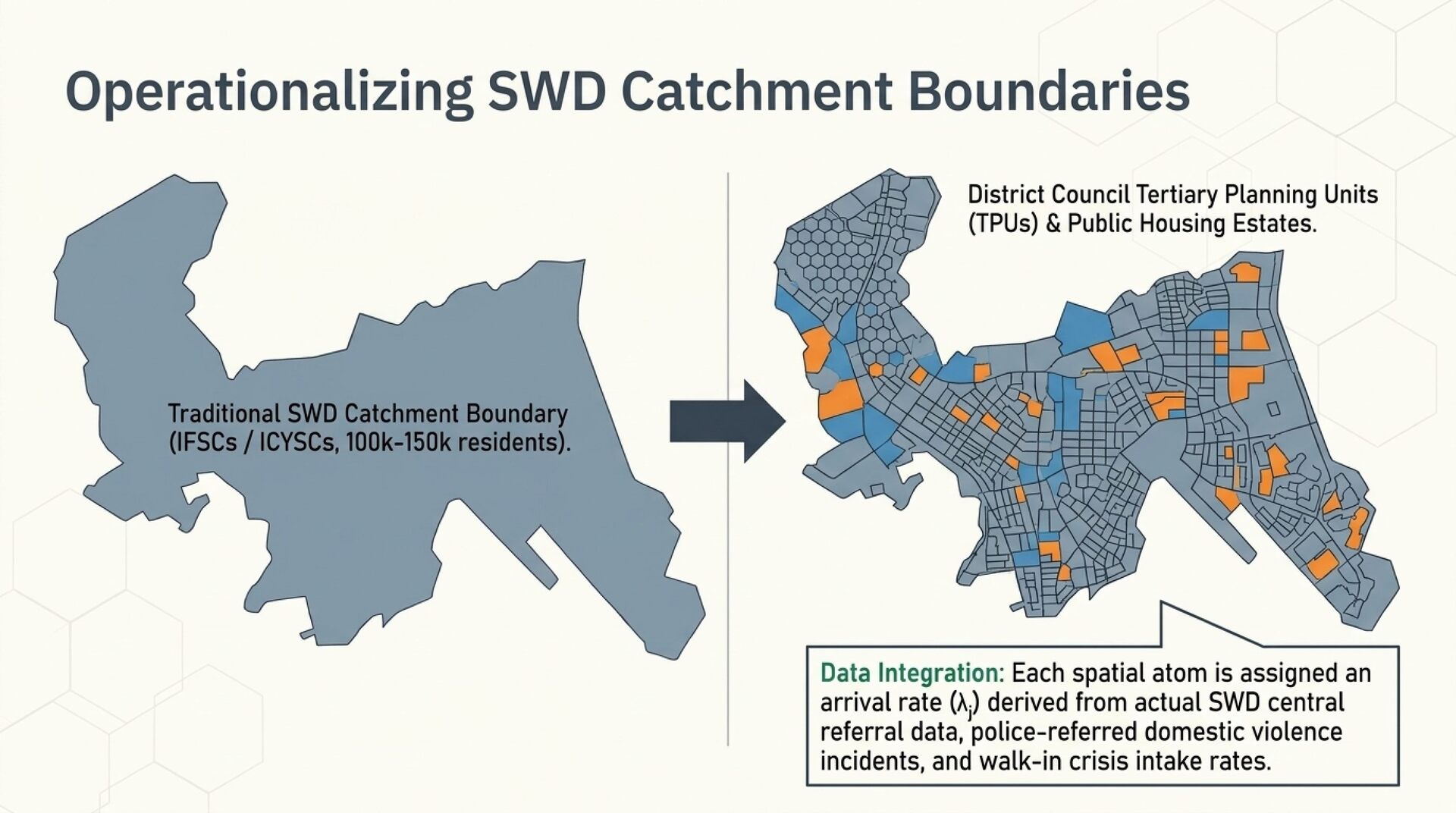
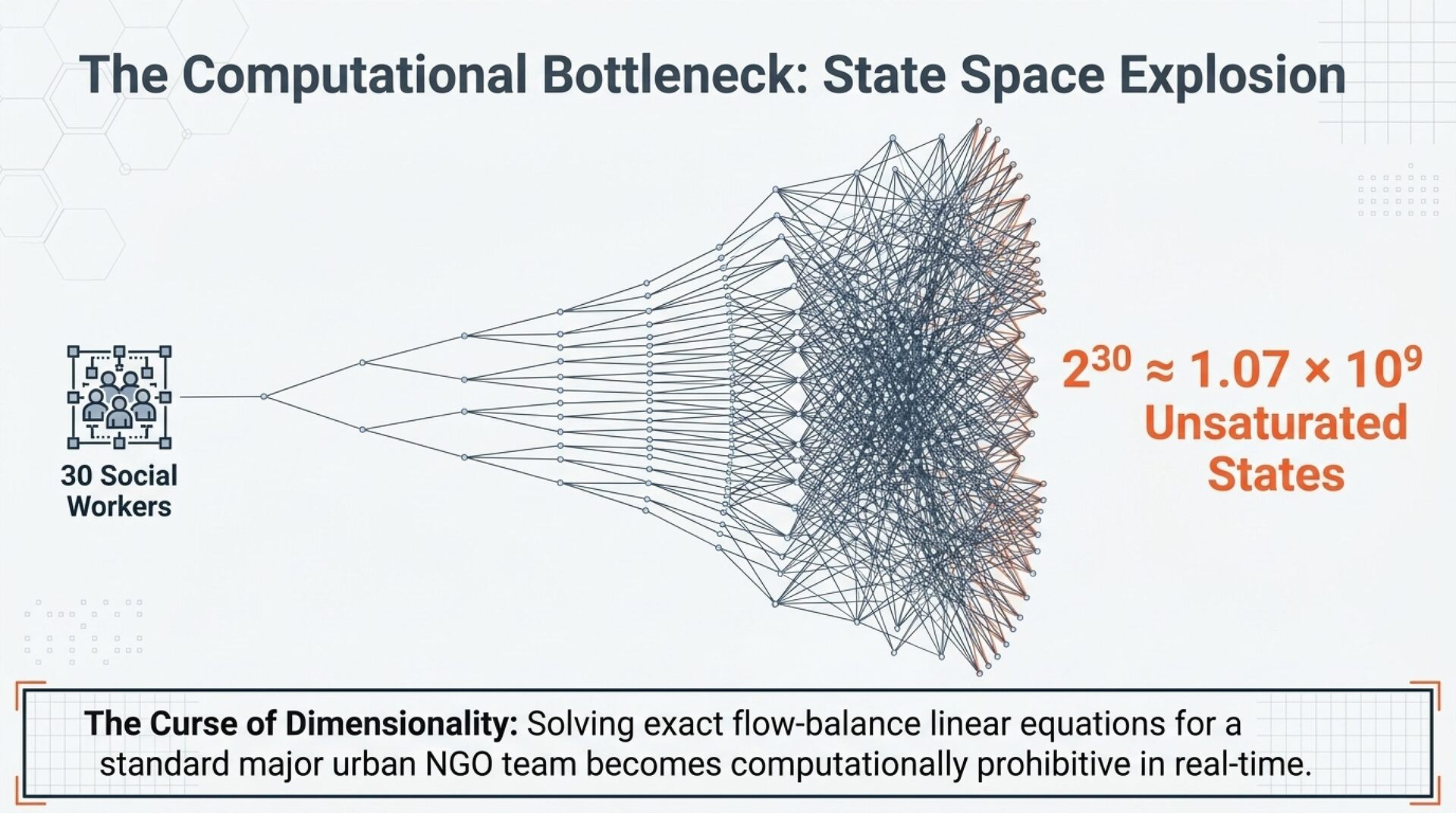
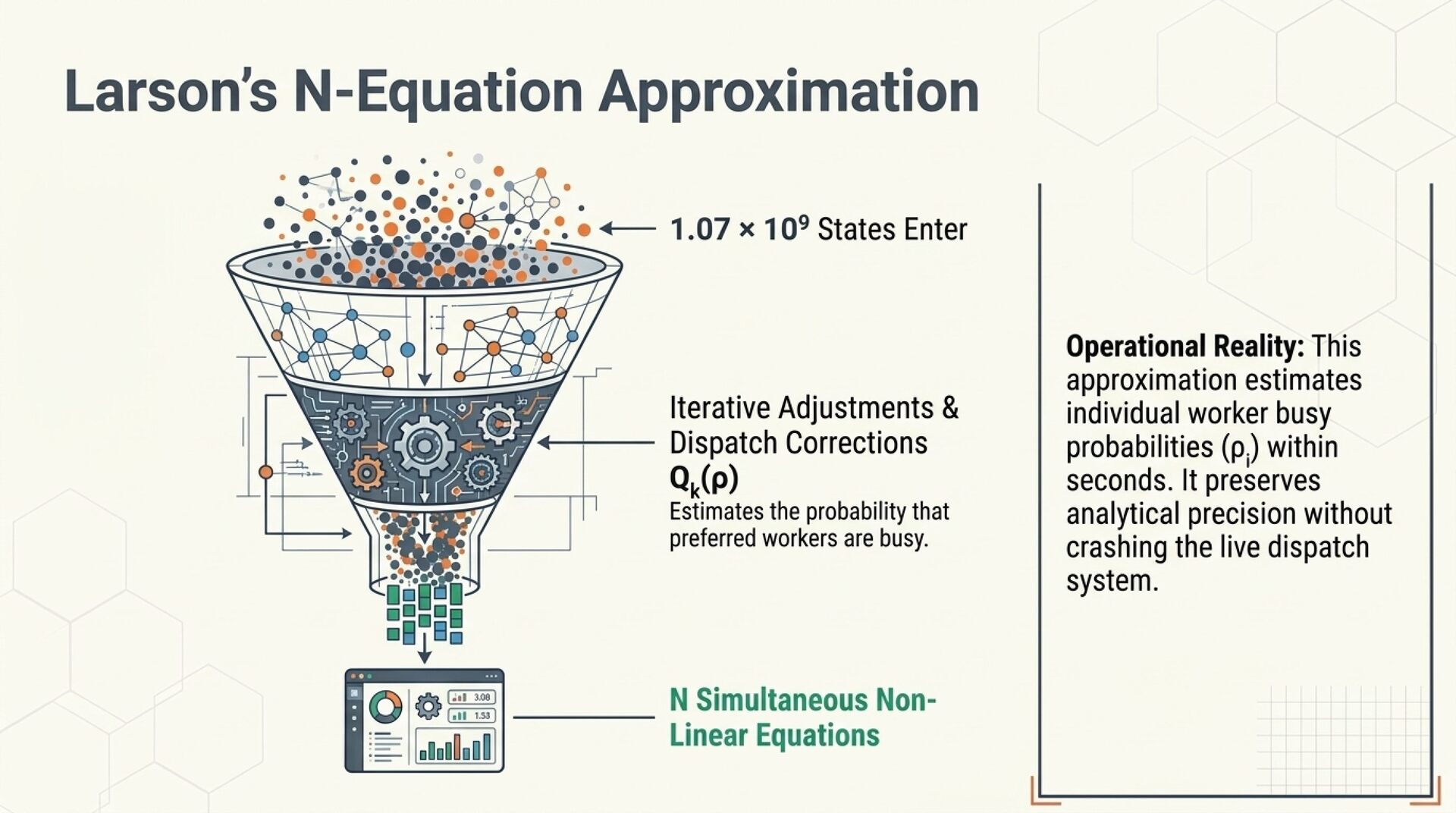
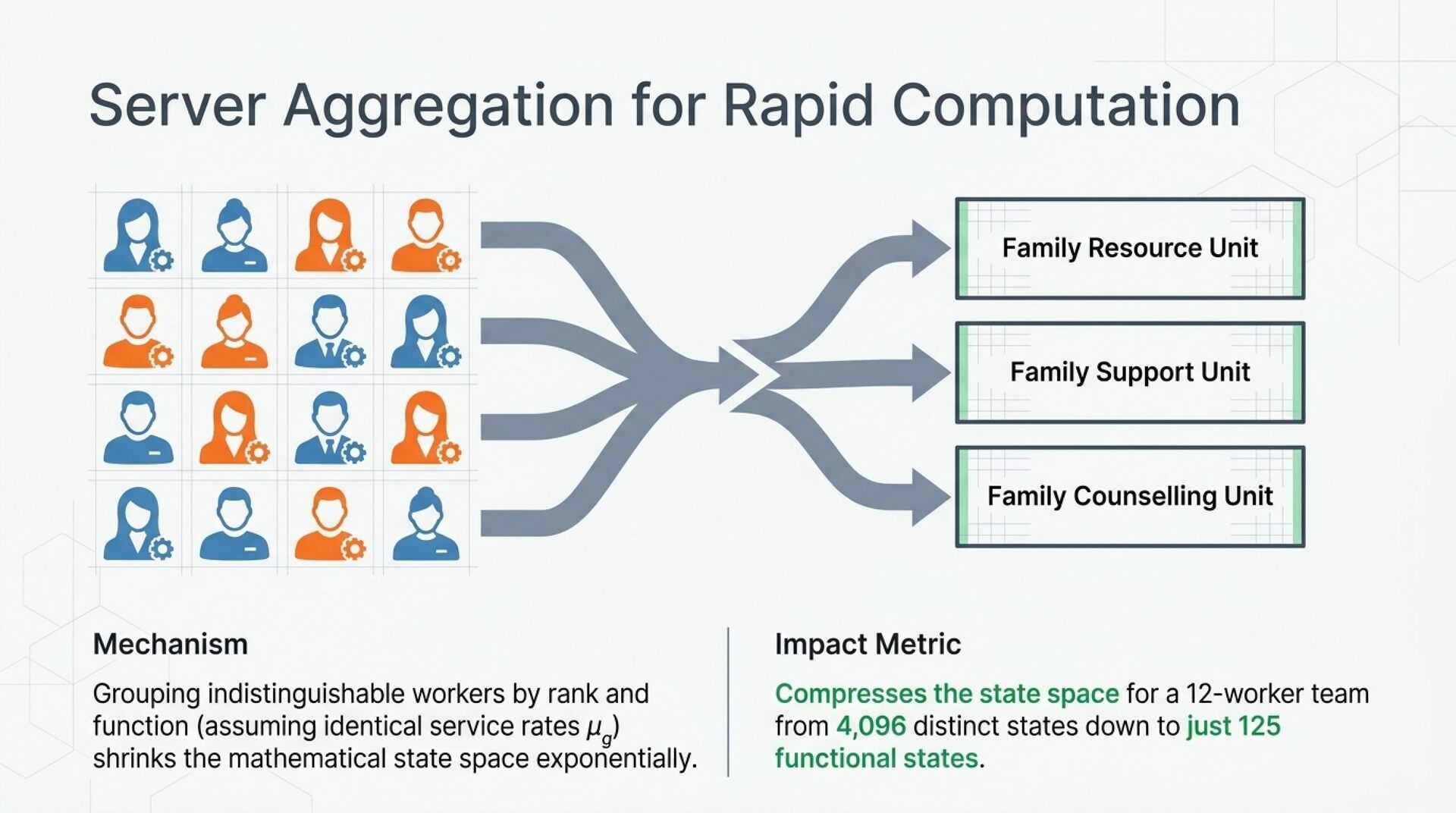
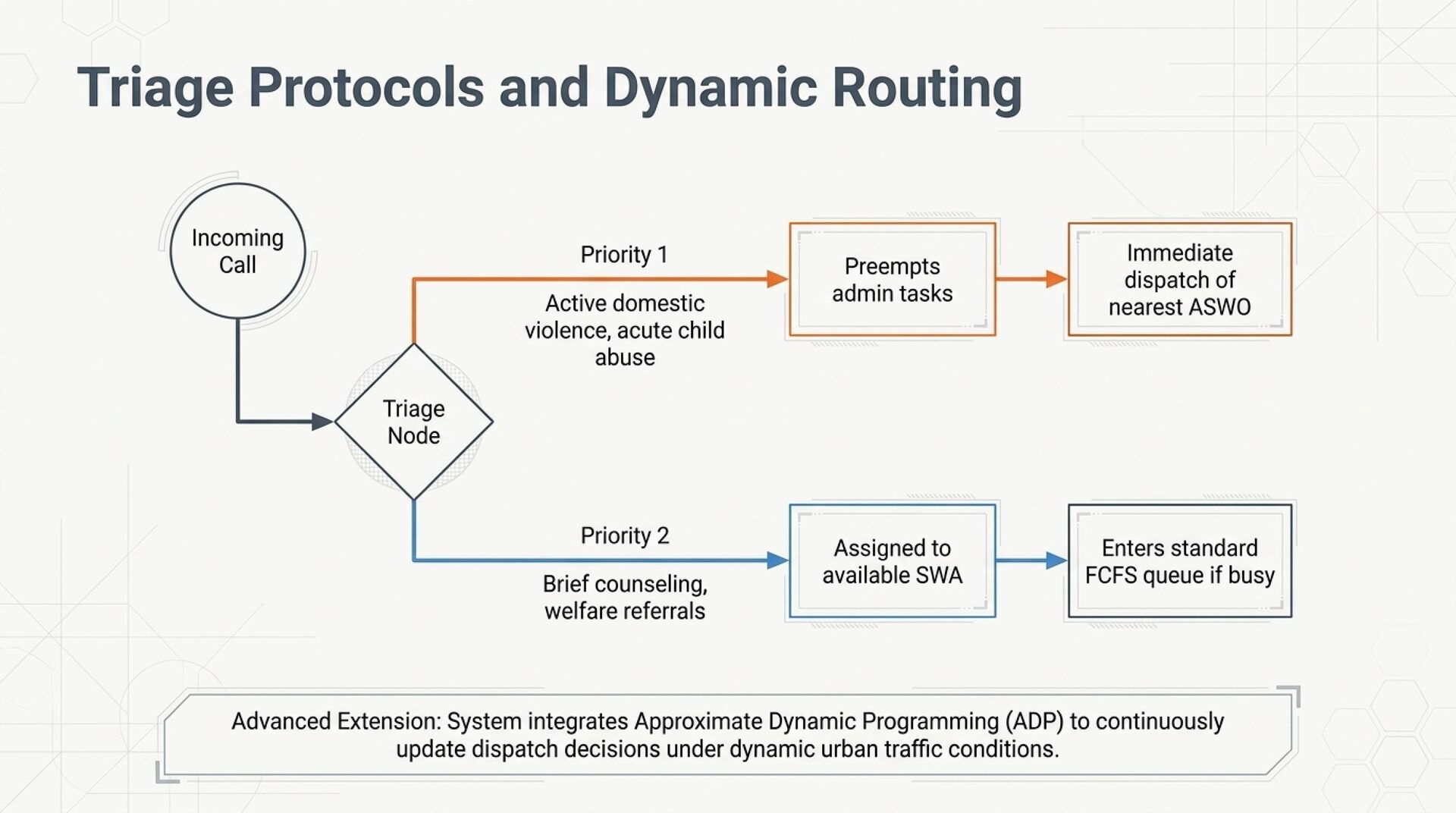
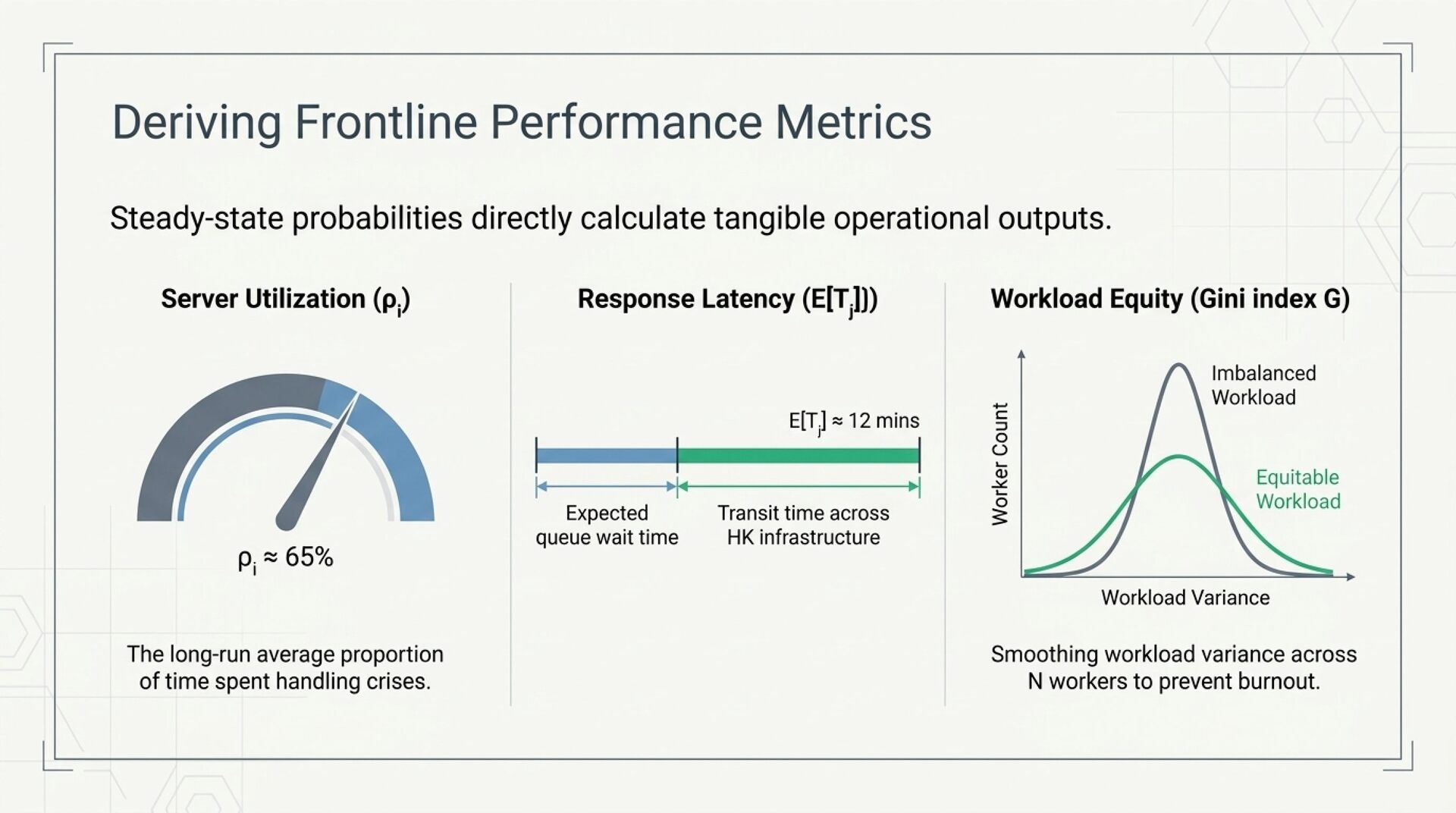
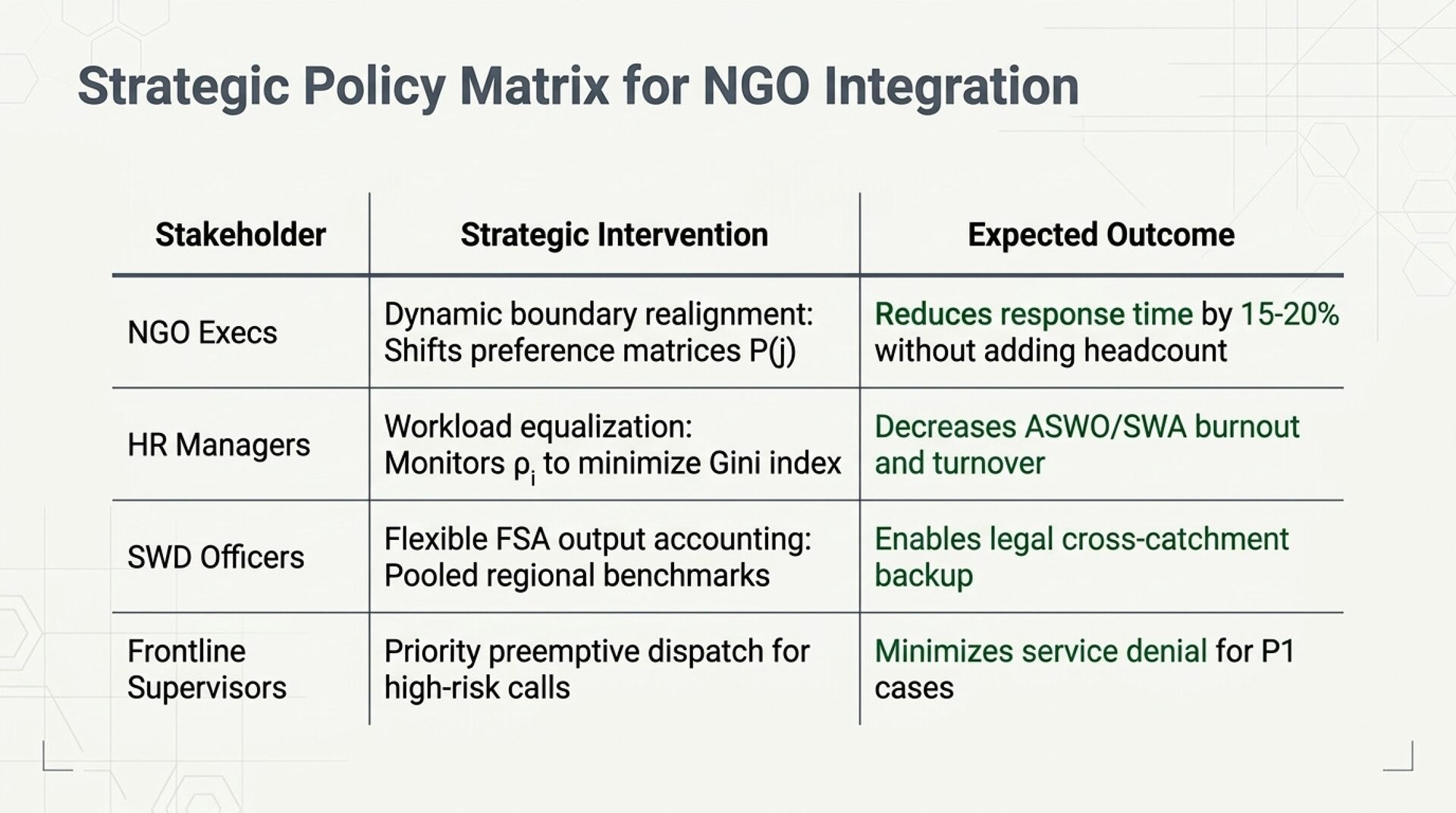
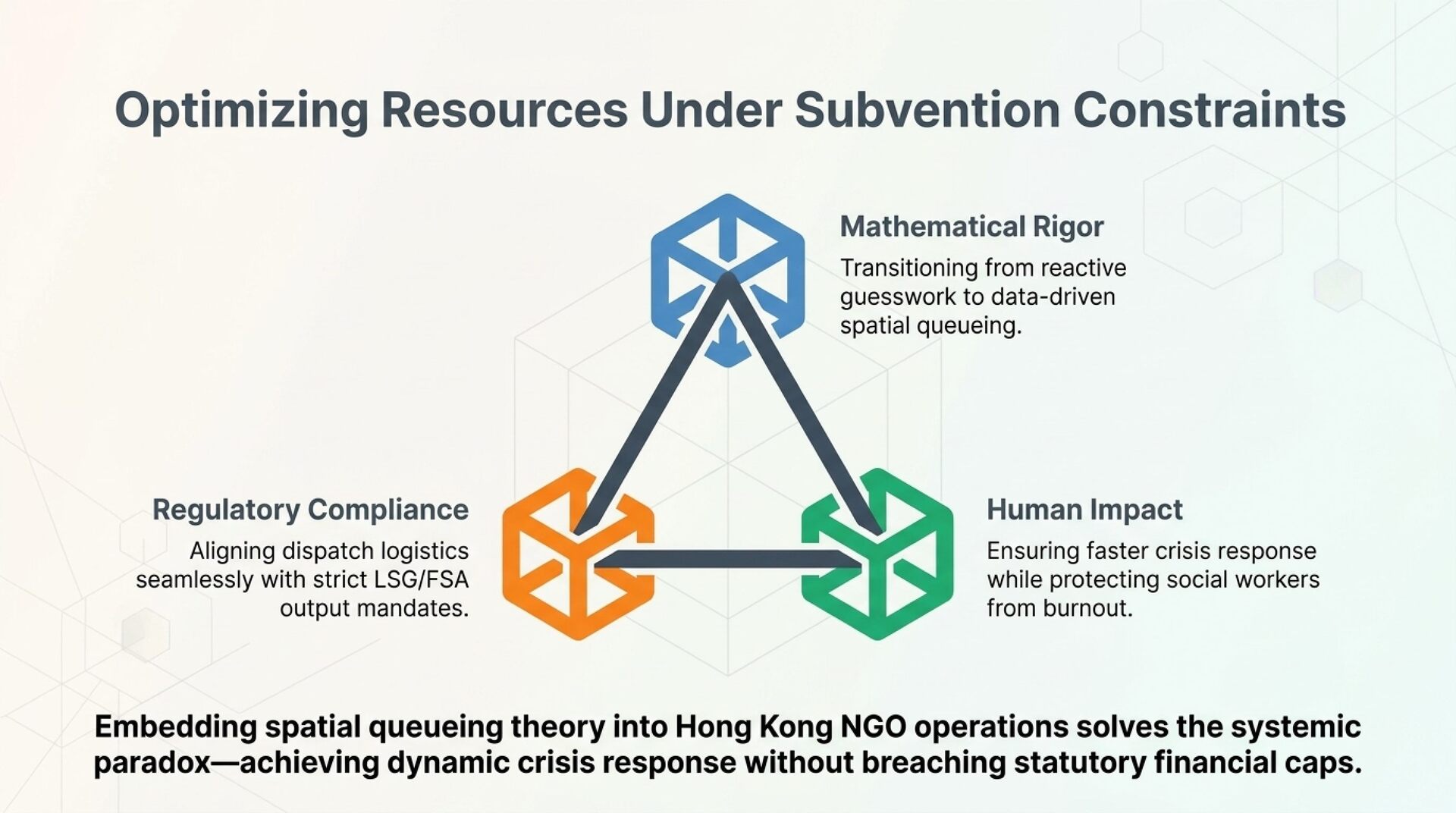
The presentation outlines a data-driven operations research model designed to address the conflict between Hong Kong's rigid social welfare subvention policies (such as the Lump Sum Grant and fixed population-to-worker ratios) and the volatile, location-dependent demand for emergency social services like domestic violence and child abuse outreach.
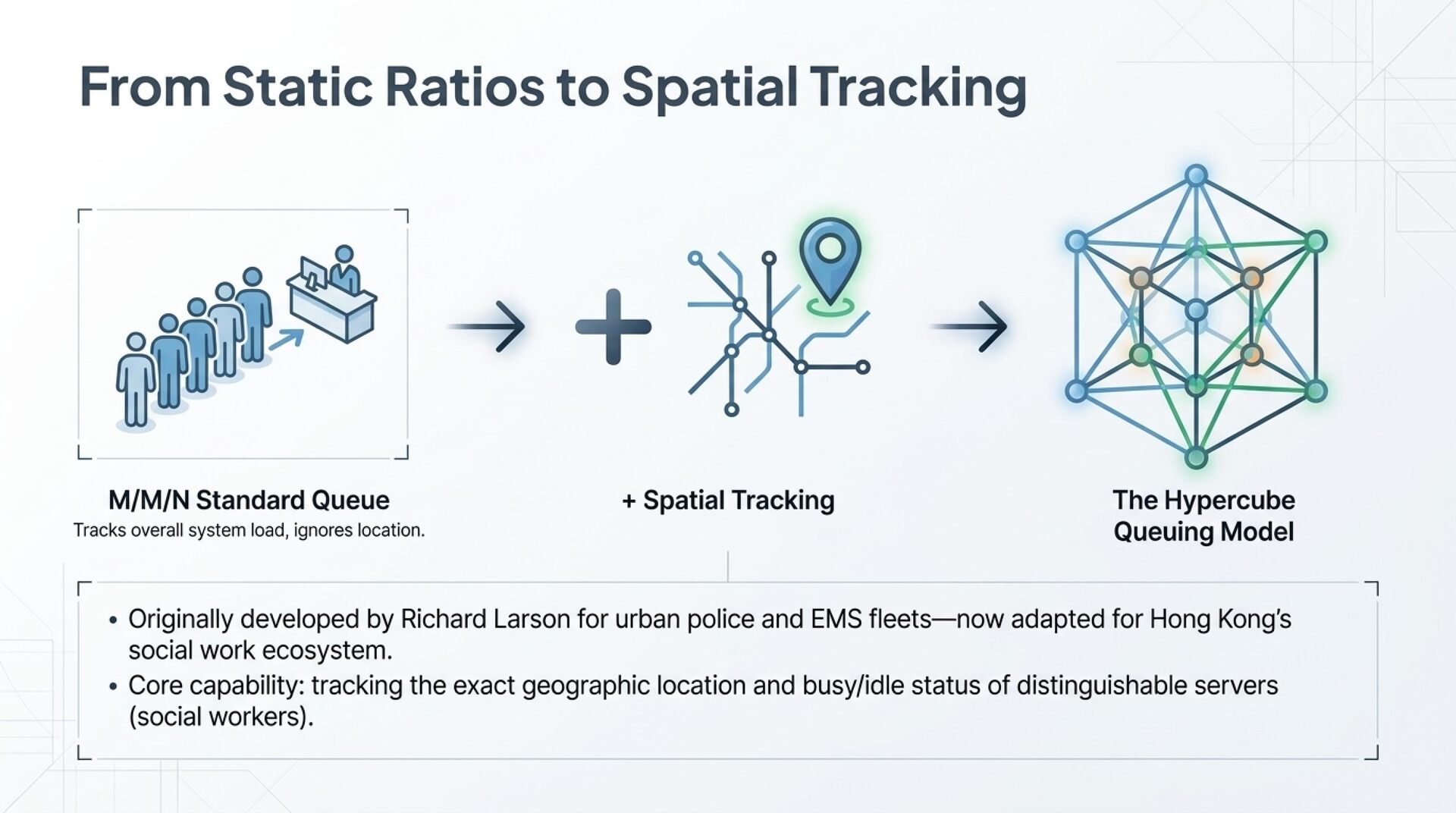
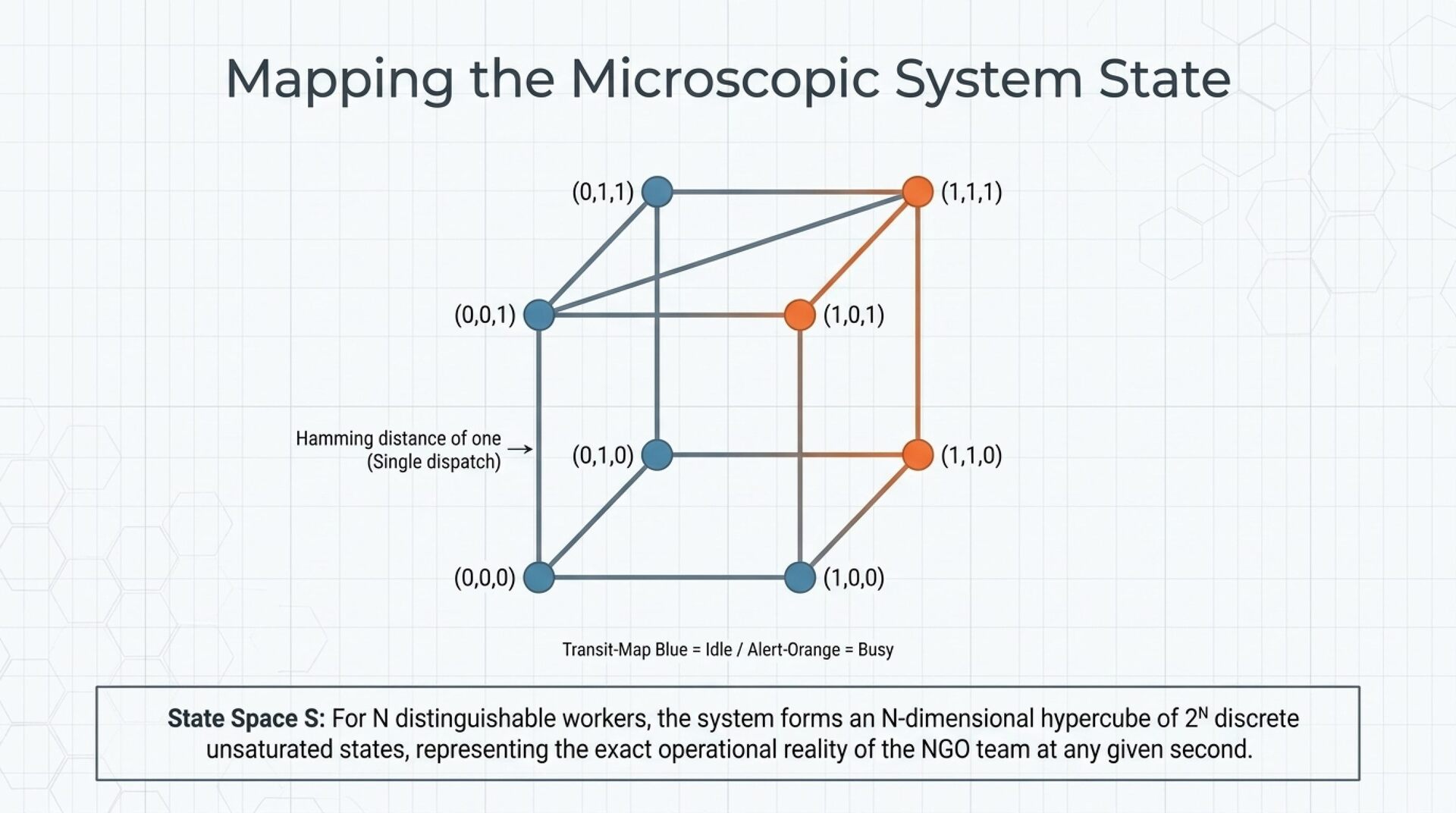
By adapting Richard Larson's Hypercube Queuing Model, the framework transitions NGO operations from static territorial allocations to real-time spatial tracking and dynamic dispatch.


 patrickho2026
 institutdelelevage
 yumaichikawa
 ept
 koide3
 analokmaus
 shiell
 junkashihara
 resolutionfoundation
 ayaniwa
 polipoli
 sishi
 satai
 chriscoyier
 aleyda
 addyosmani
 watany
 eileencodes
 reverentgeek
 szymonslowik
 axbom
 cargoodrich
 wayneb77
 apolaine