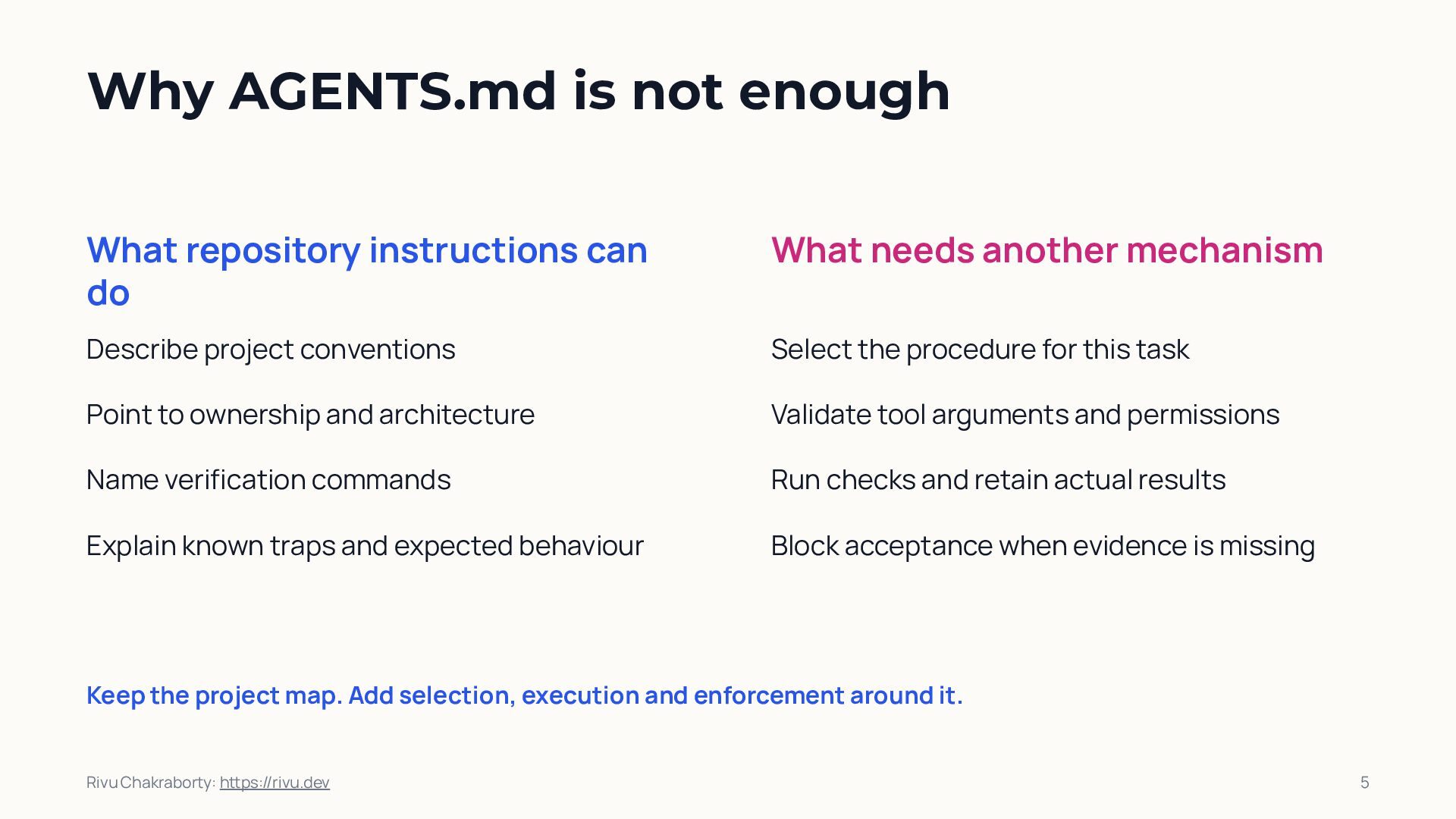
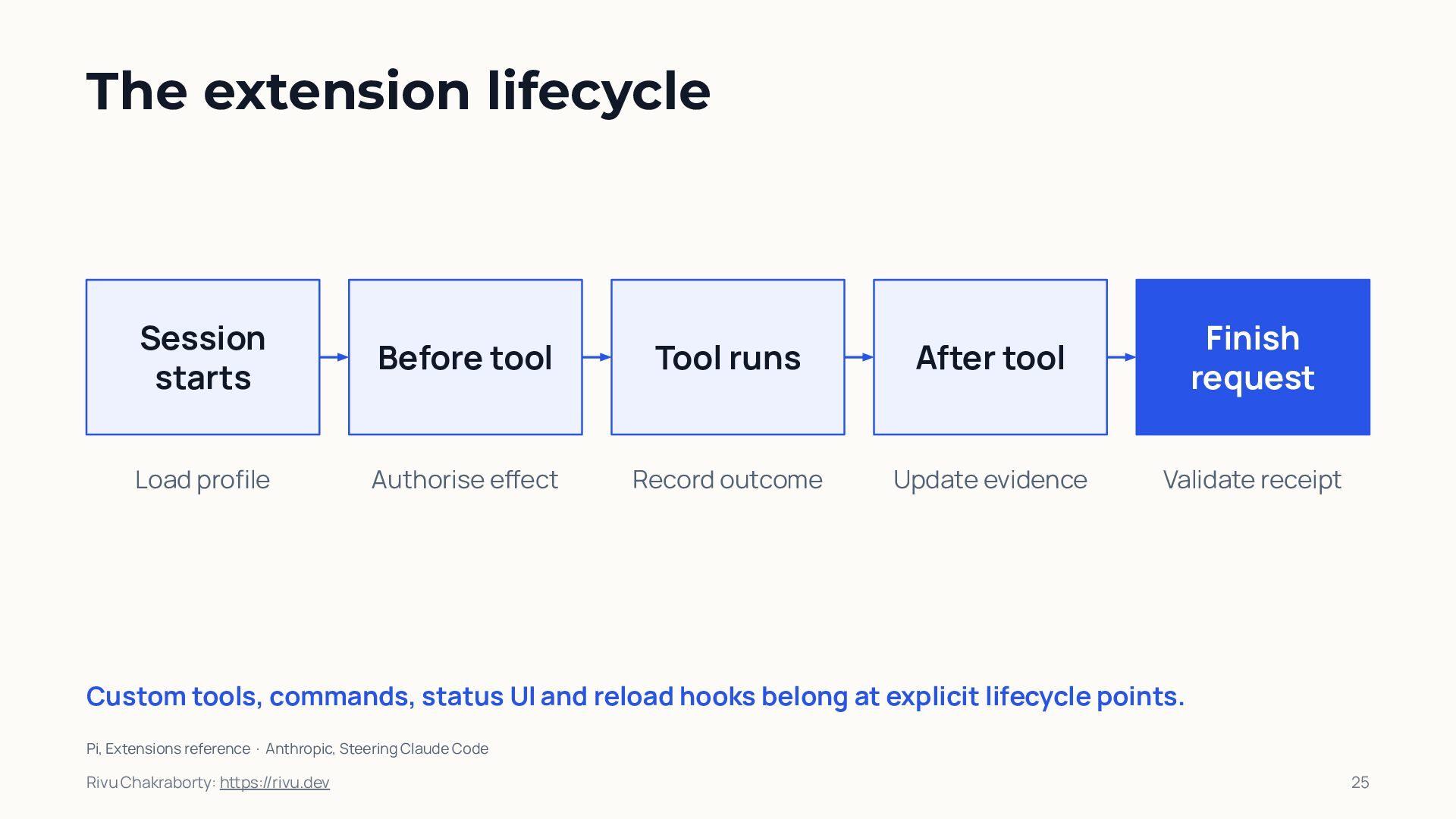
AI coding agents can generate entire features, refactor applications and write tests in minutes. But producing code is not the same as engineering software we can confidently ship.
What happens when we stop treating AI as a coding assistant and start treating it as an engineering team?
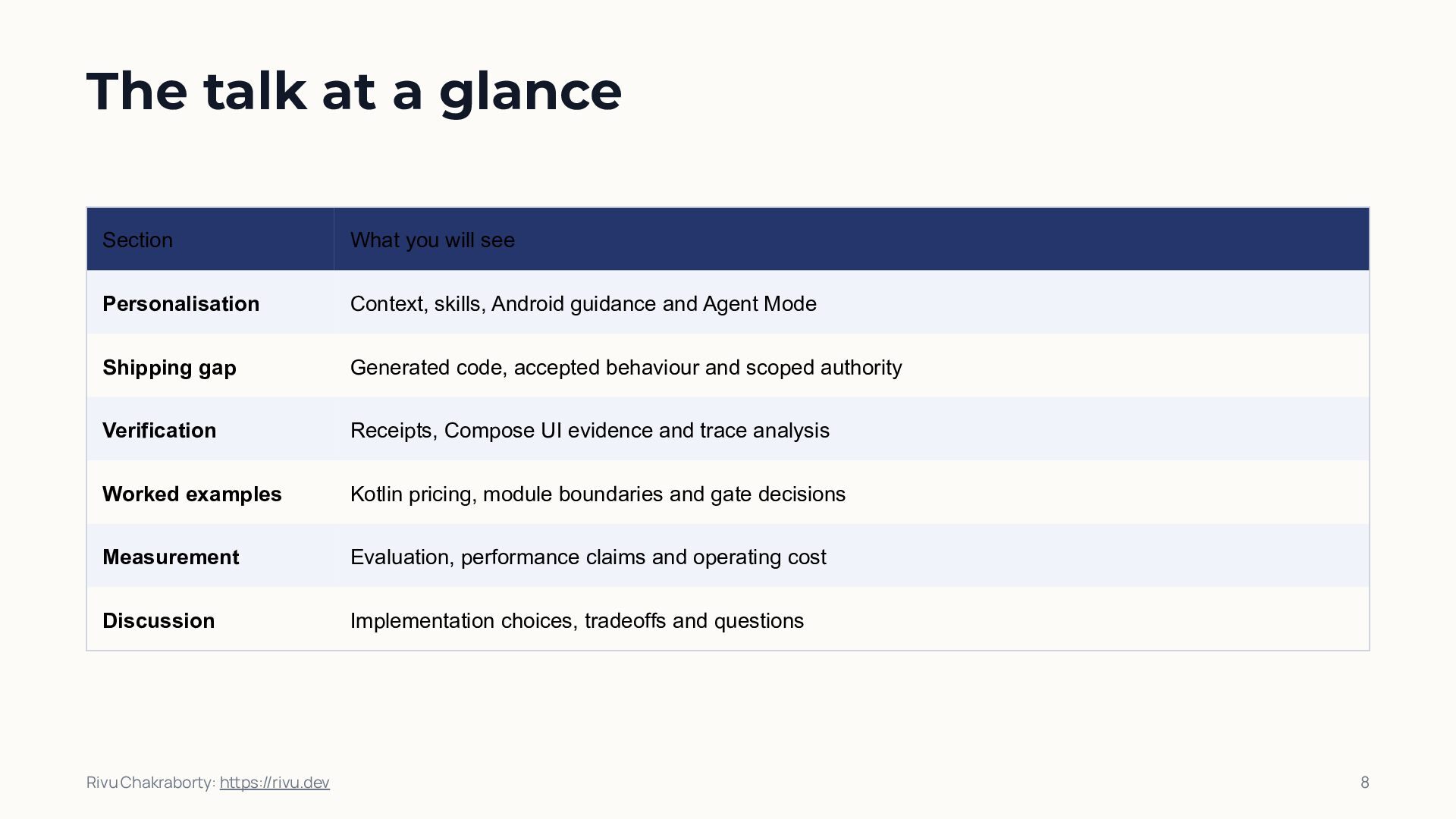
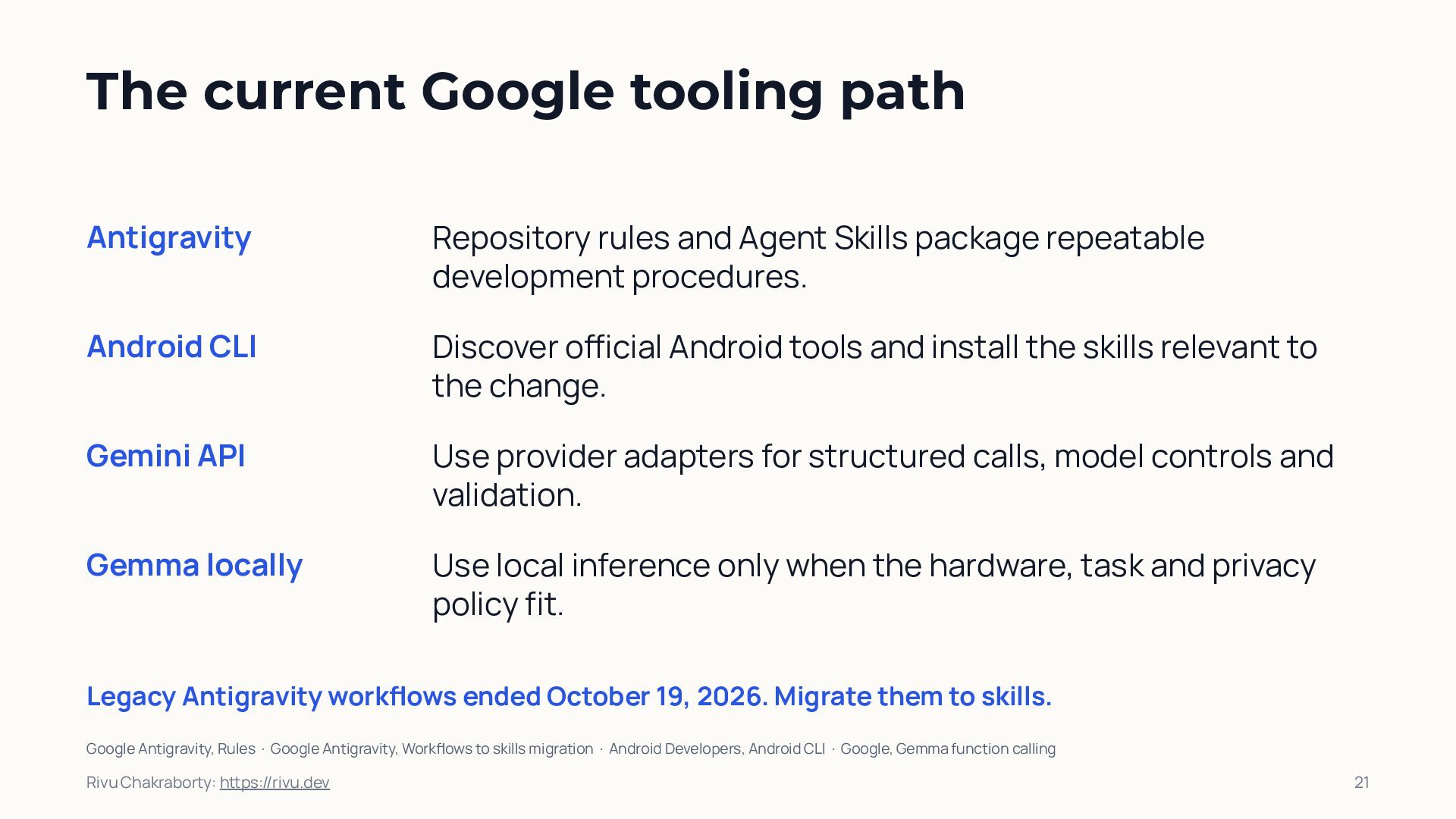
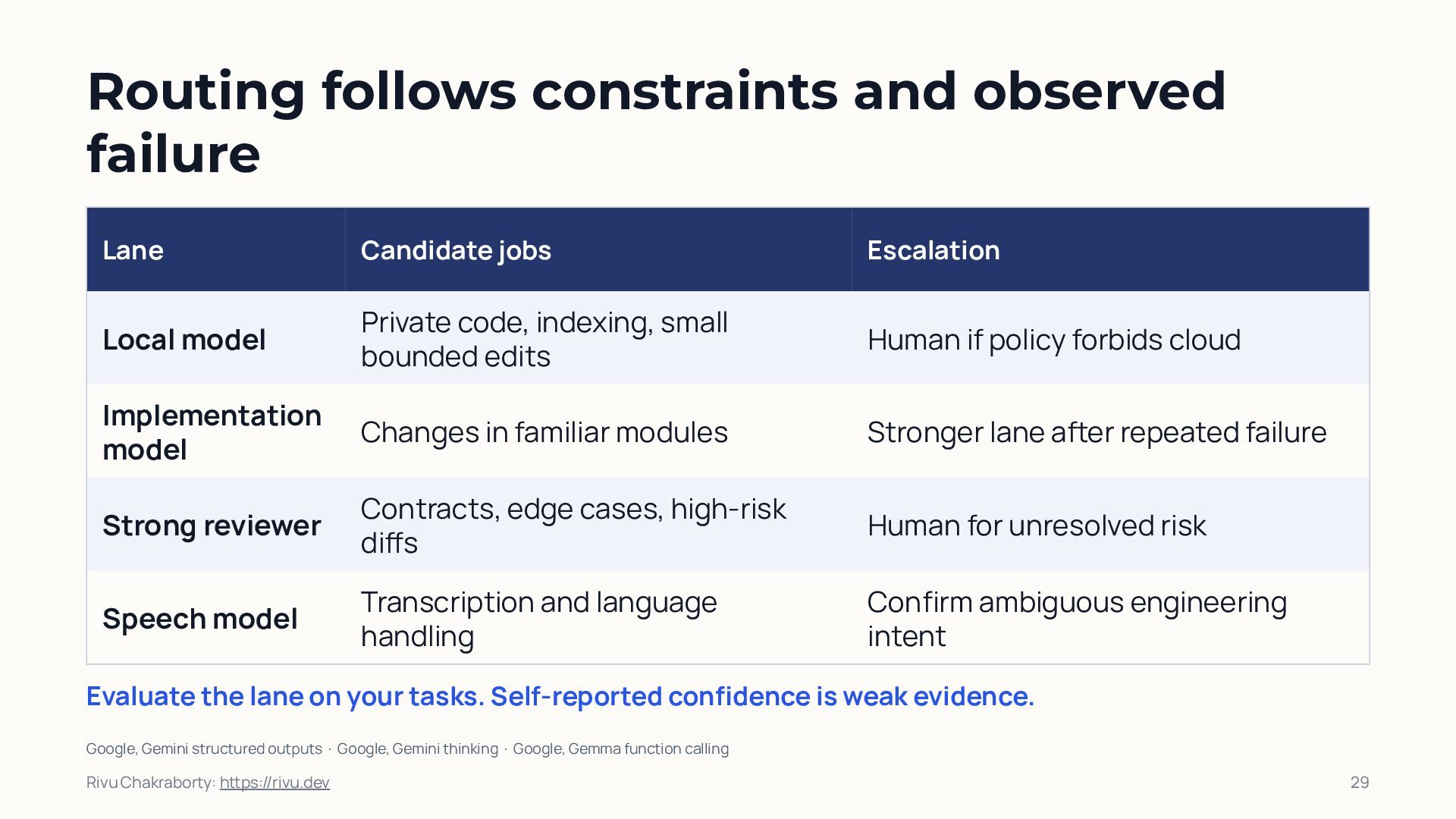
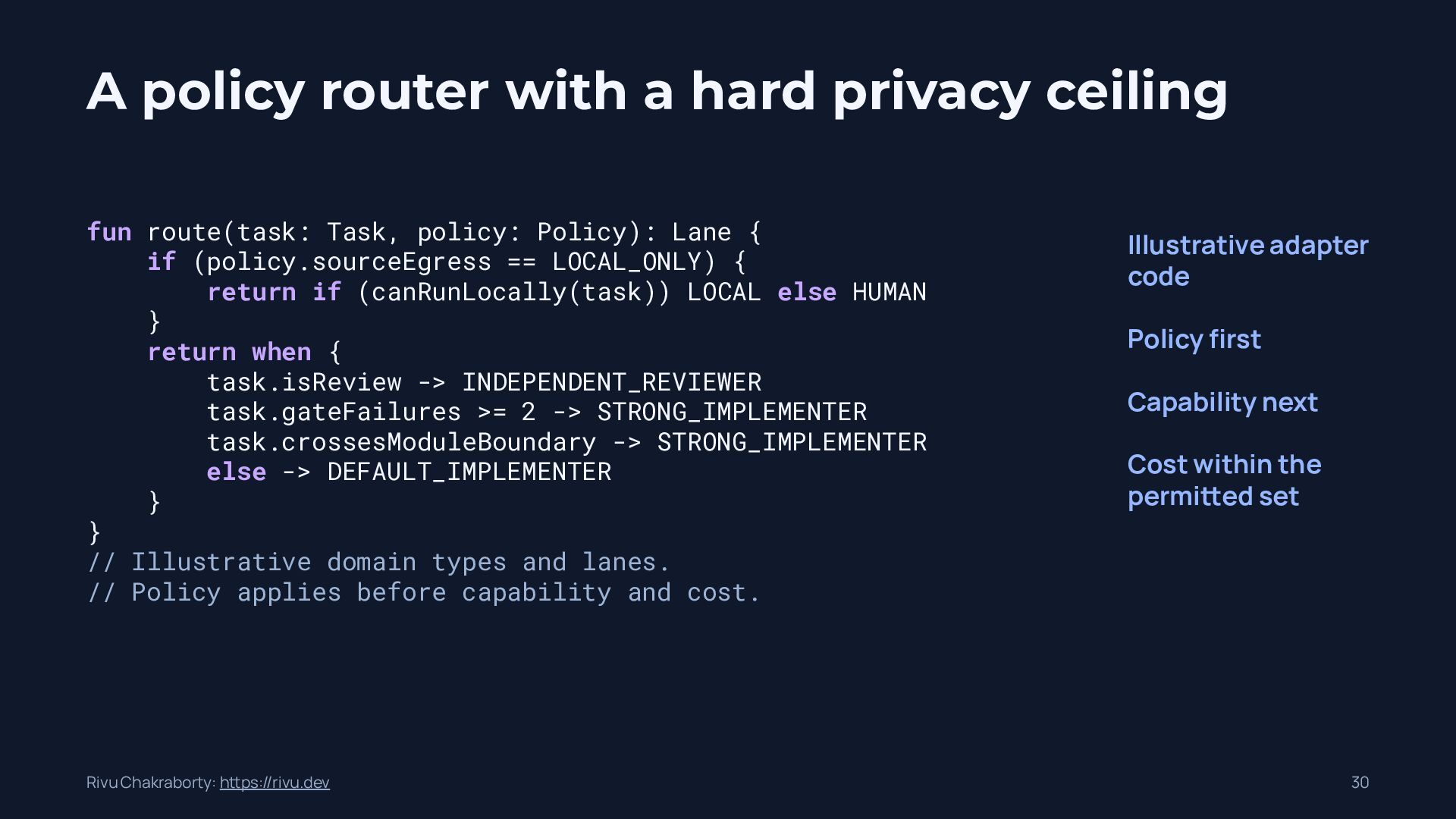
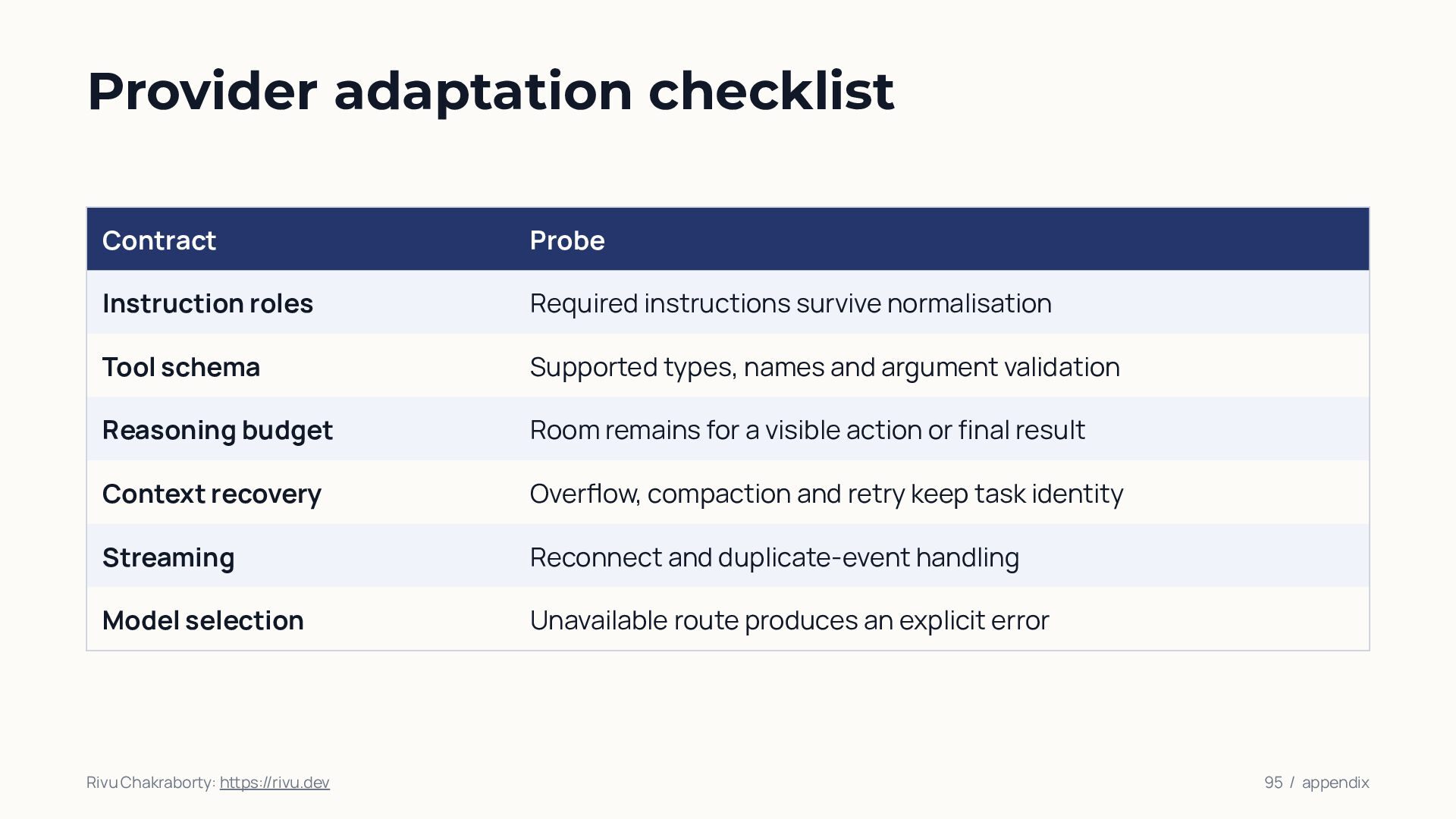
In this session, we'll build a custom AI engineering harness using Google's Gemini, Gemma and Antigravity ecosystem, combining local, open-source and cloud models based on task complexity, cost and privacy requirements.
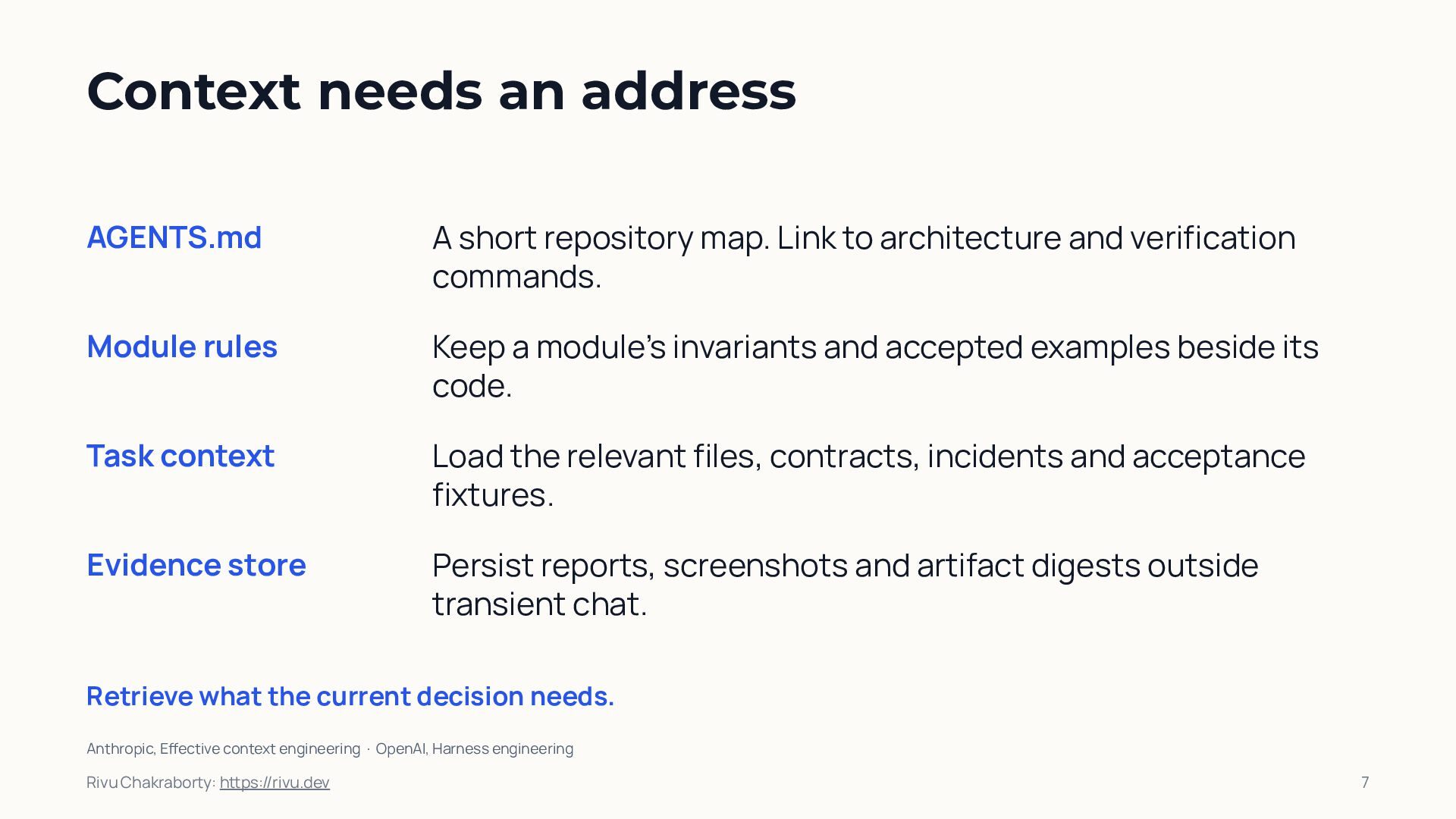
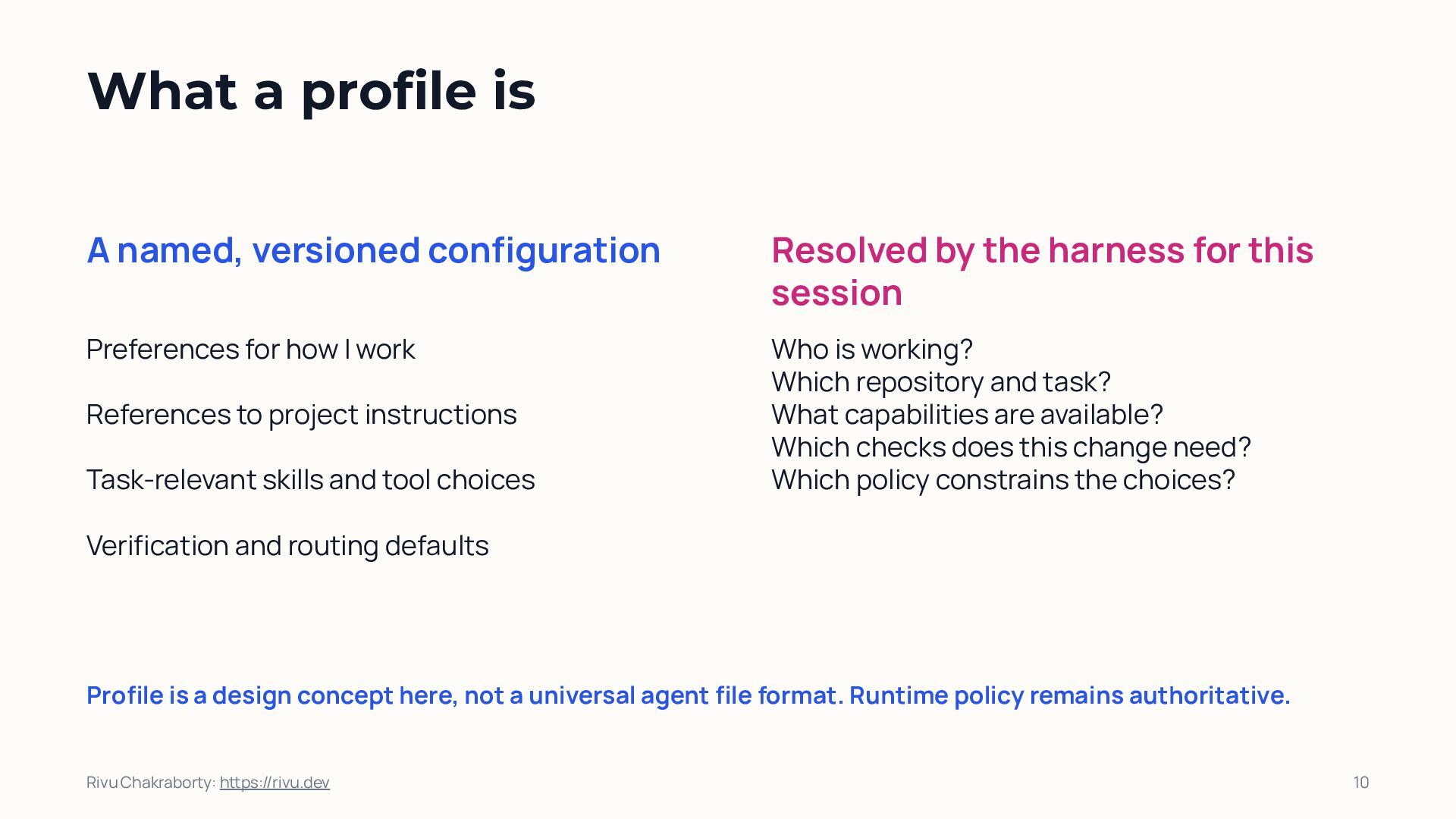
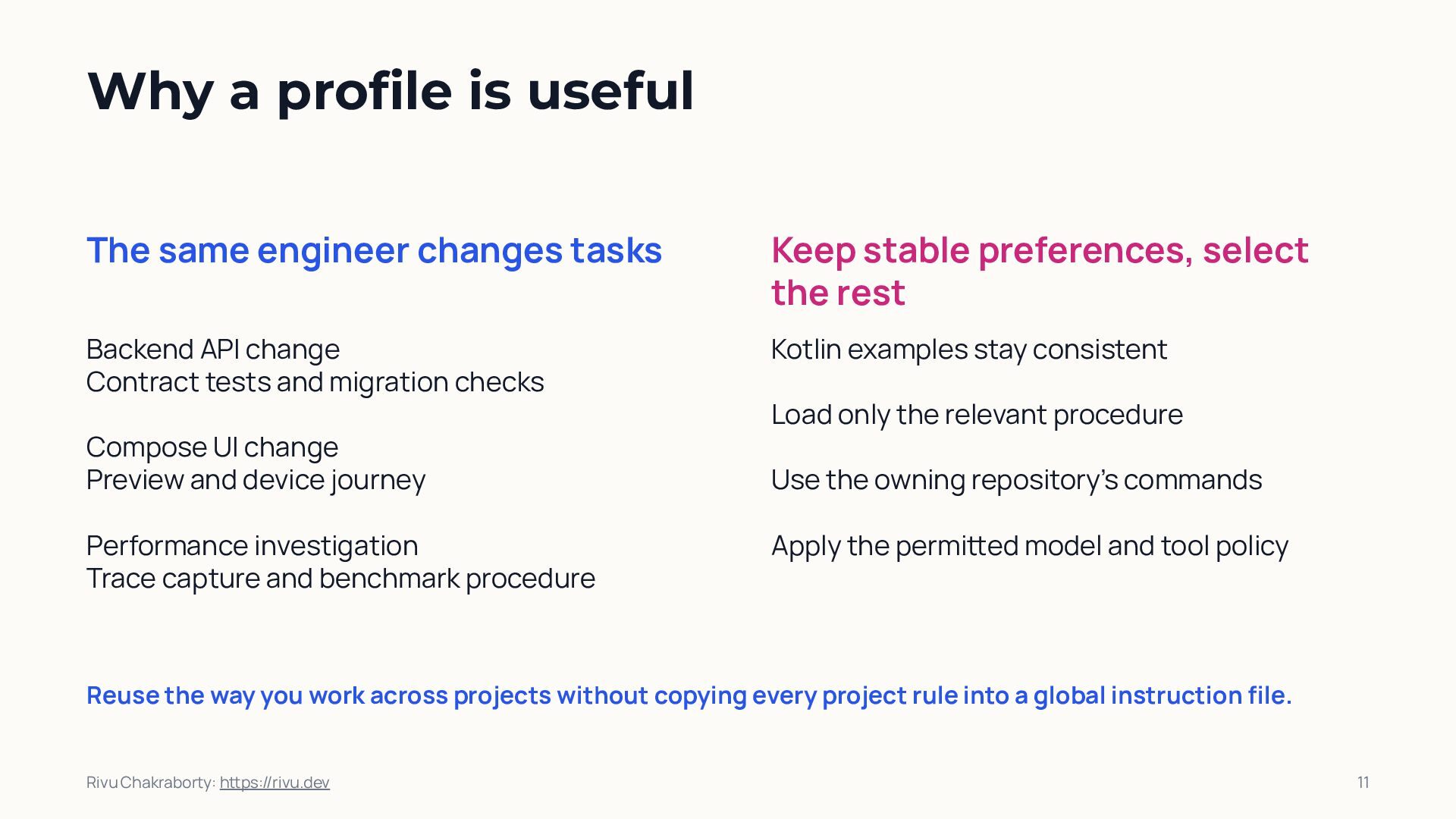
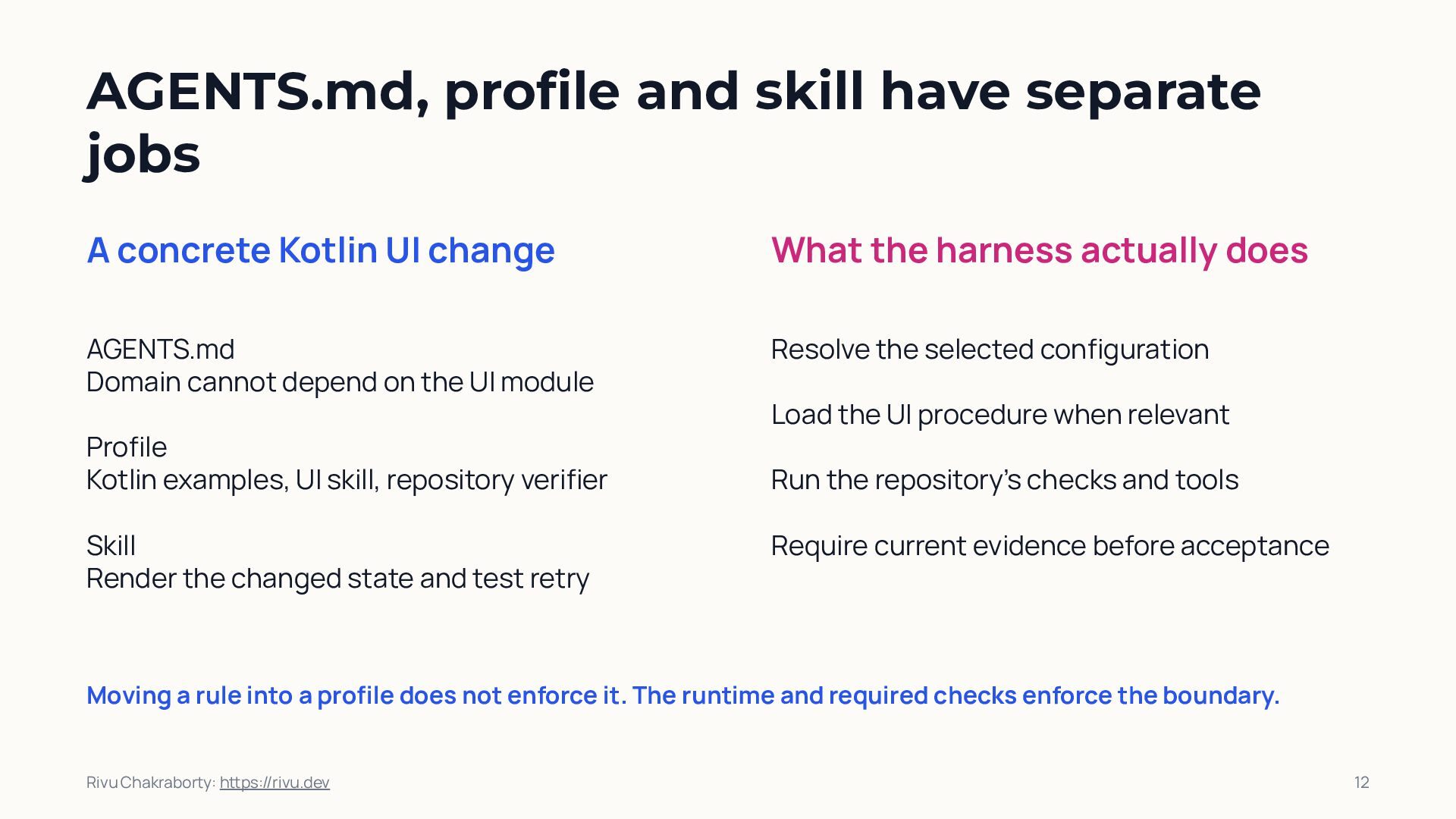
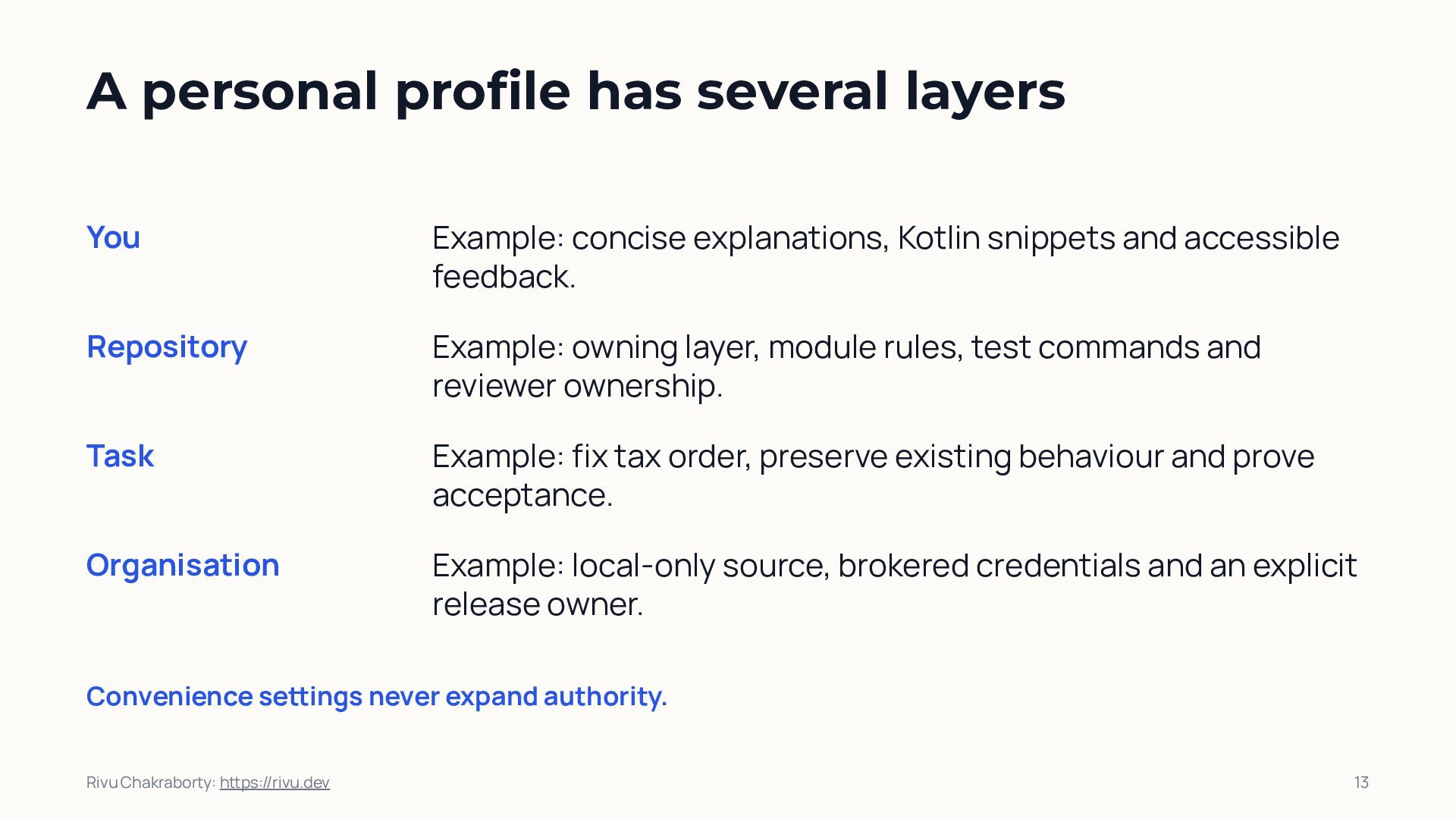
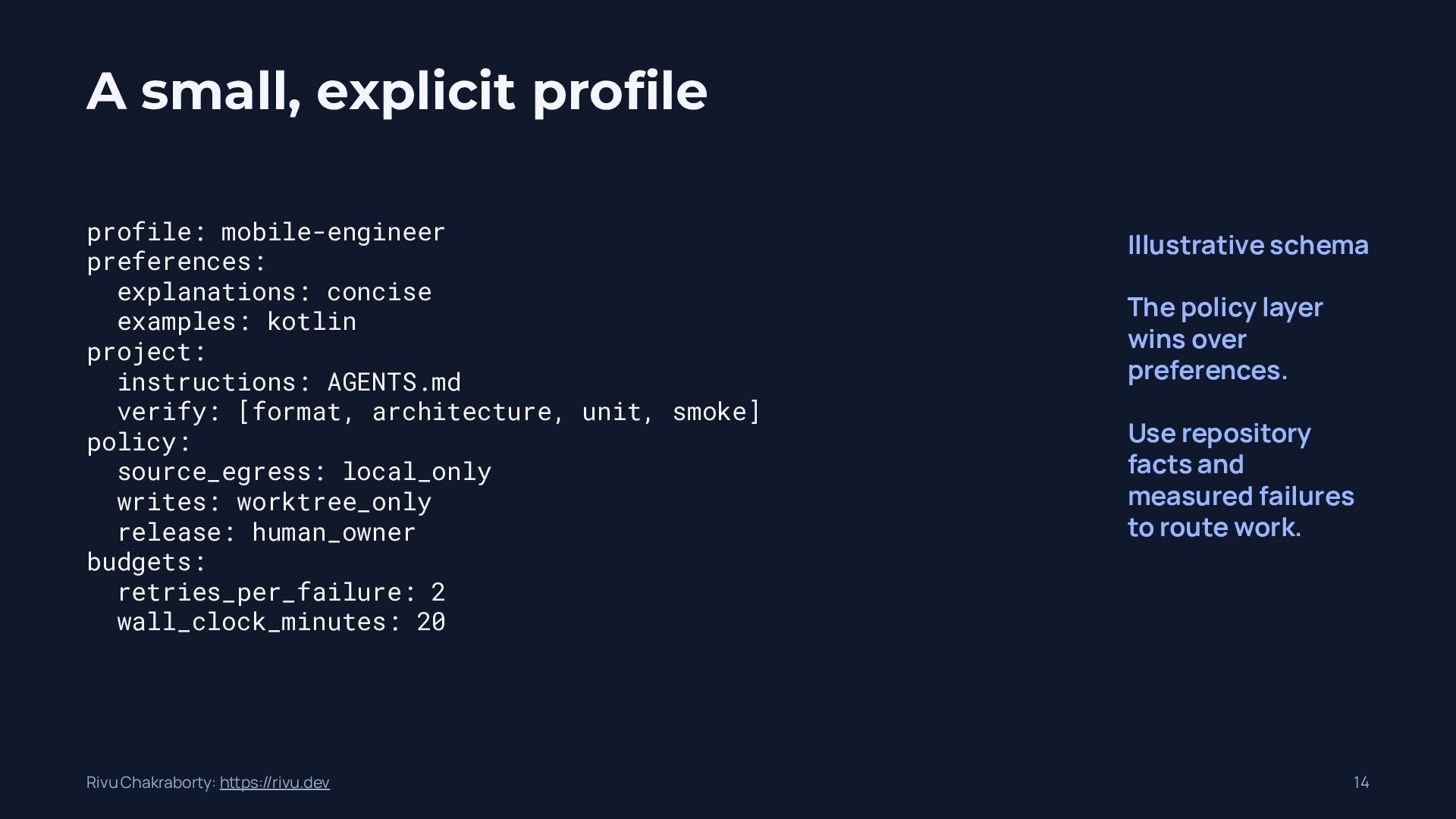
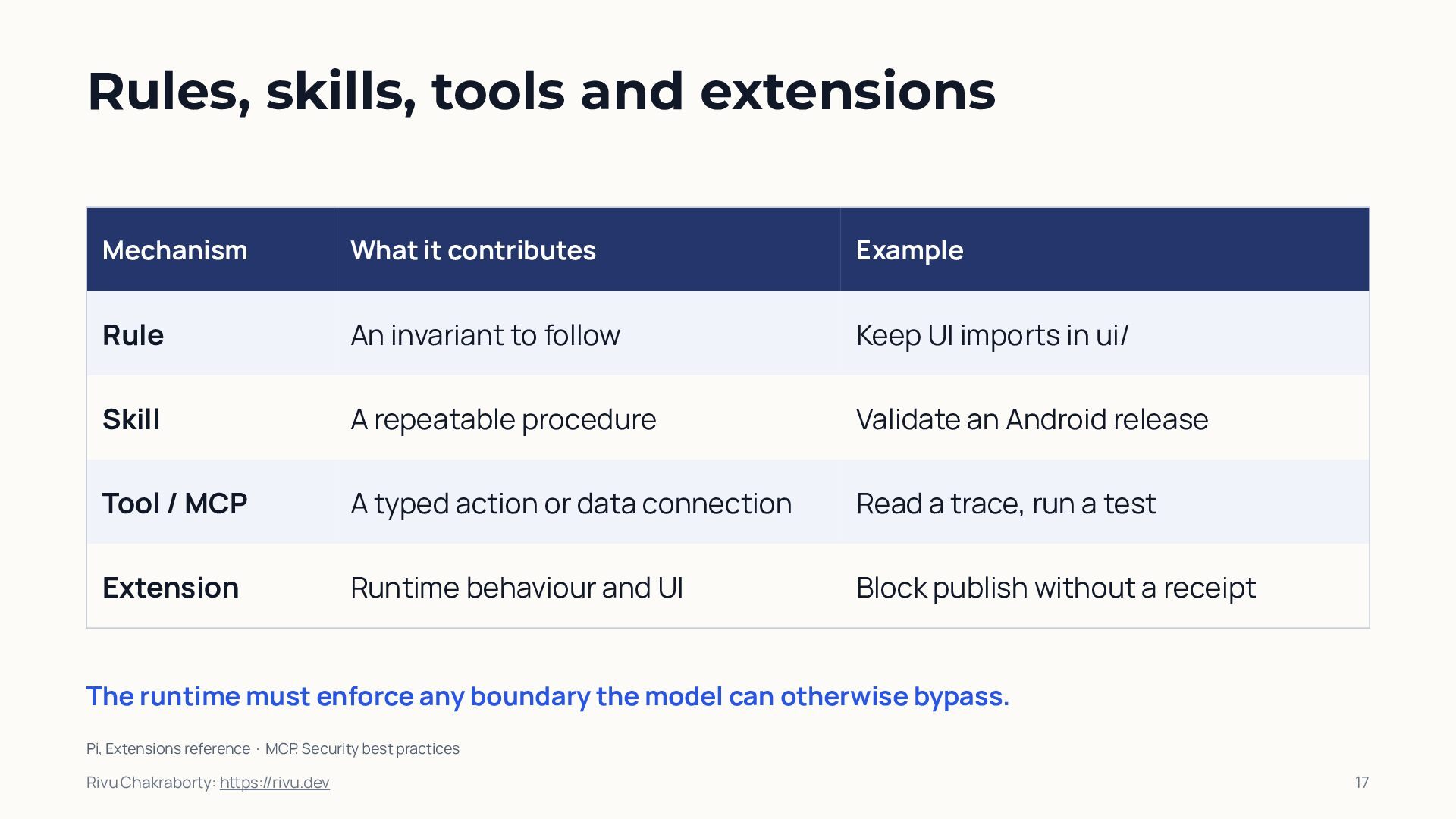
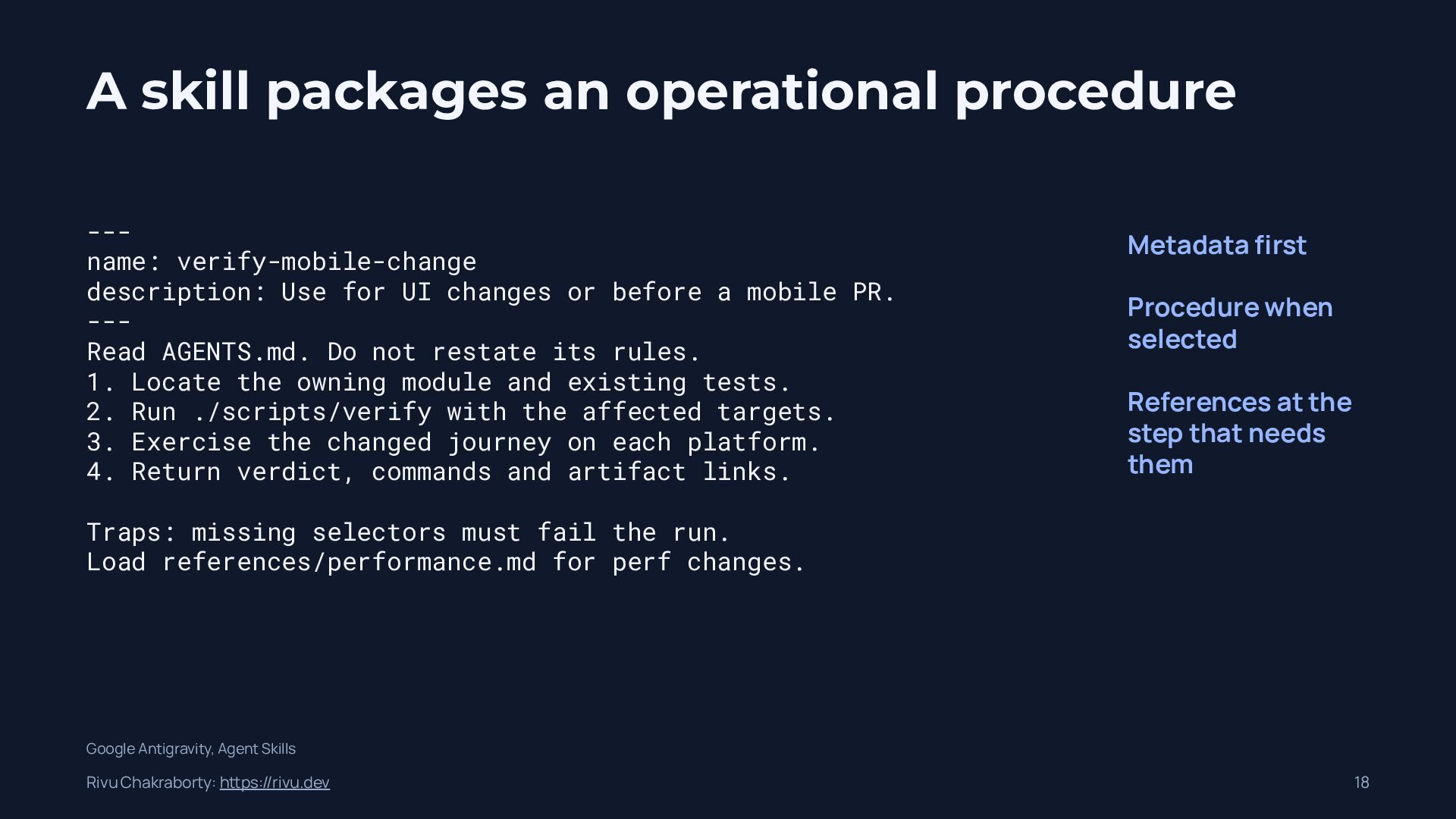
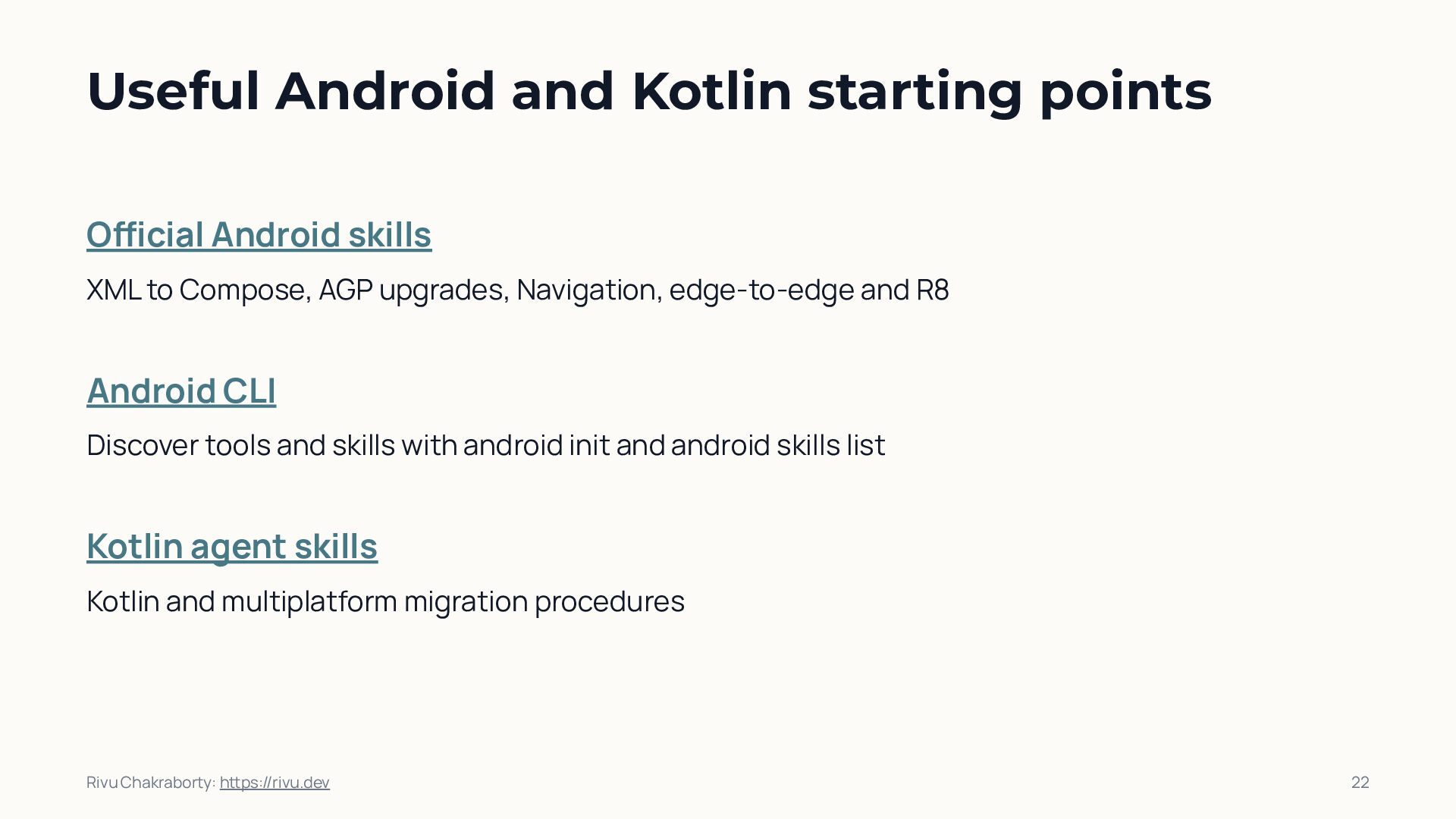
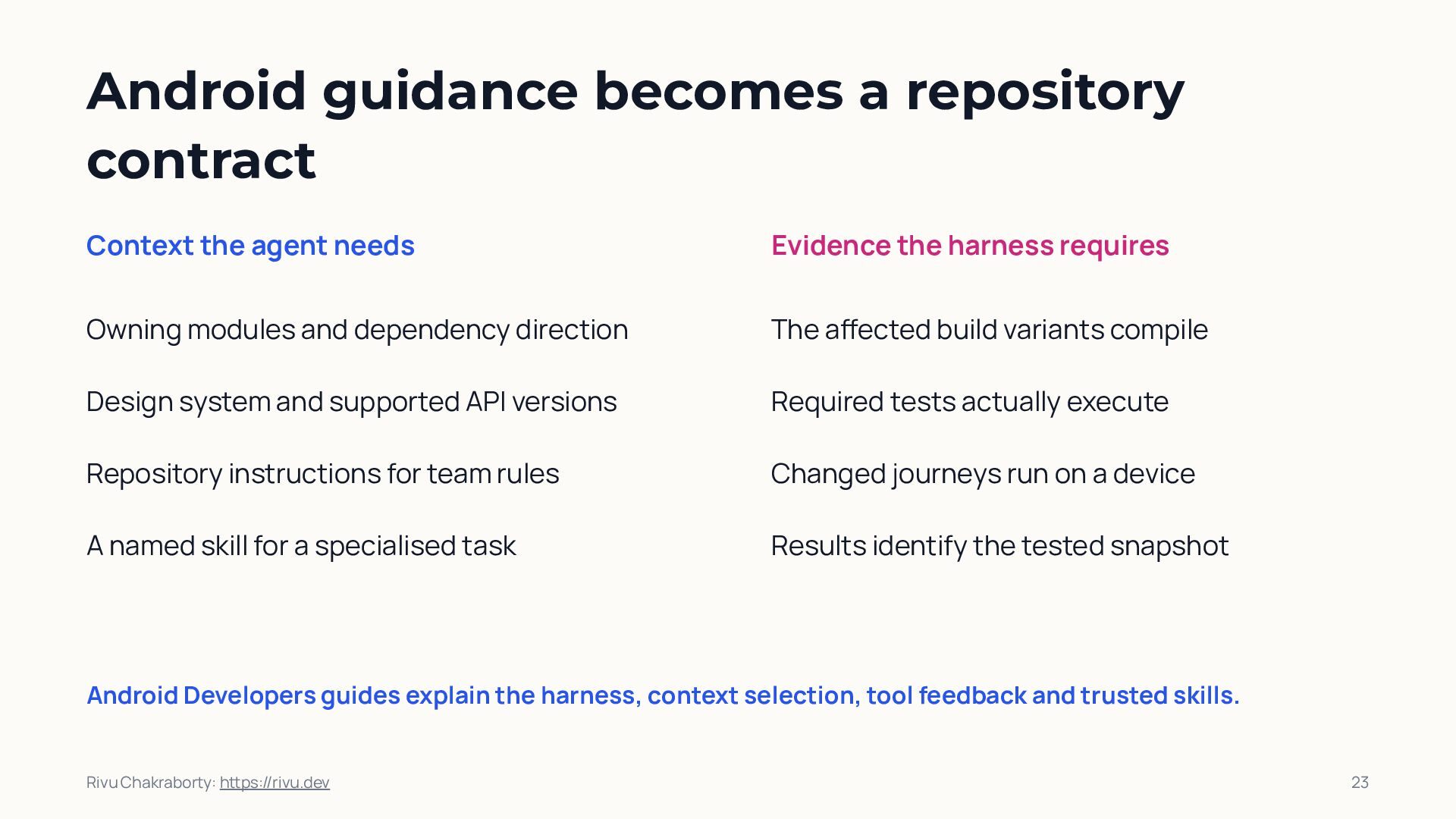
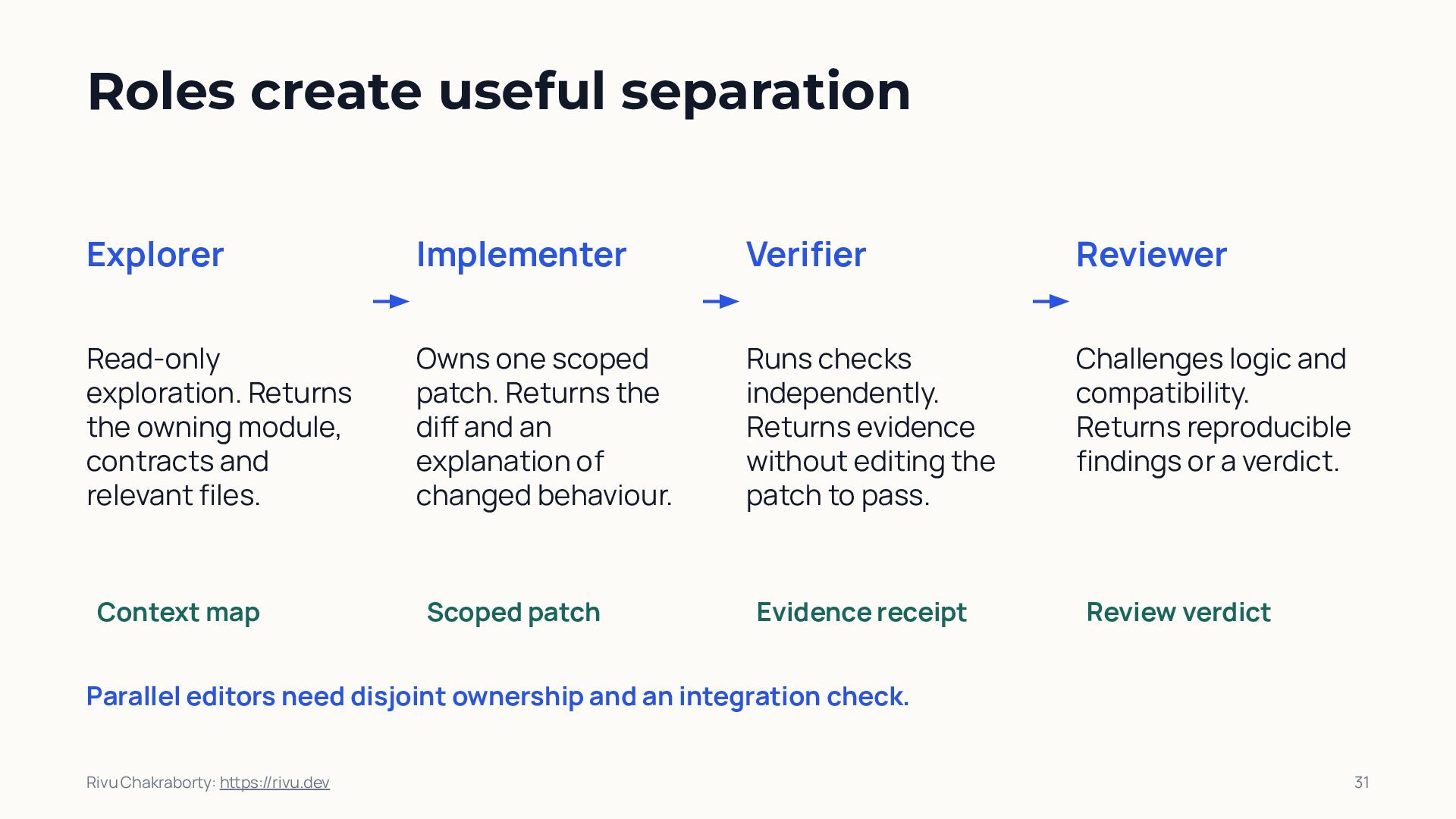
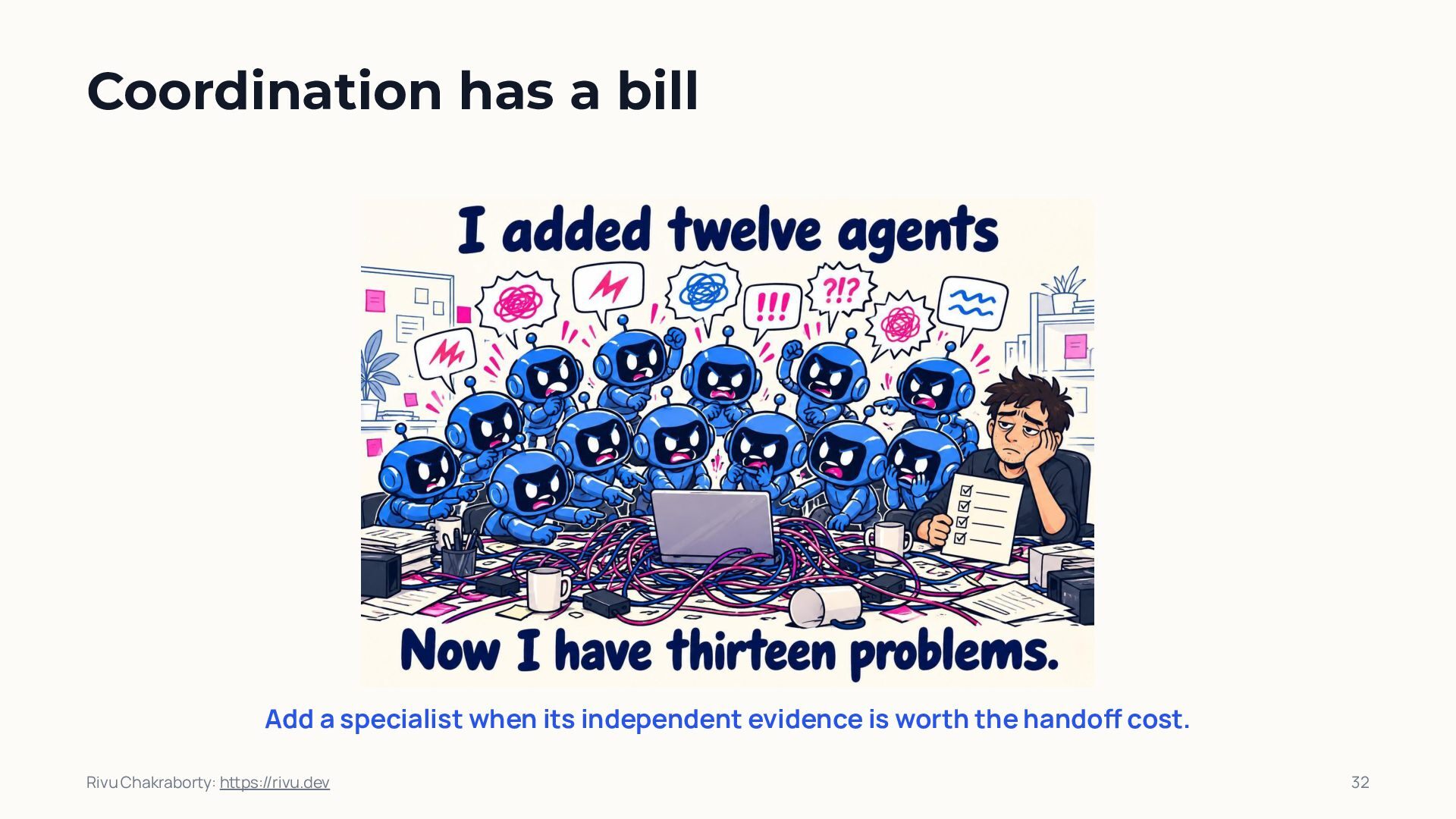
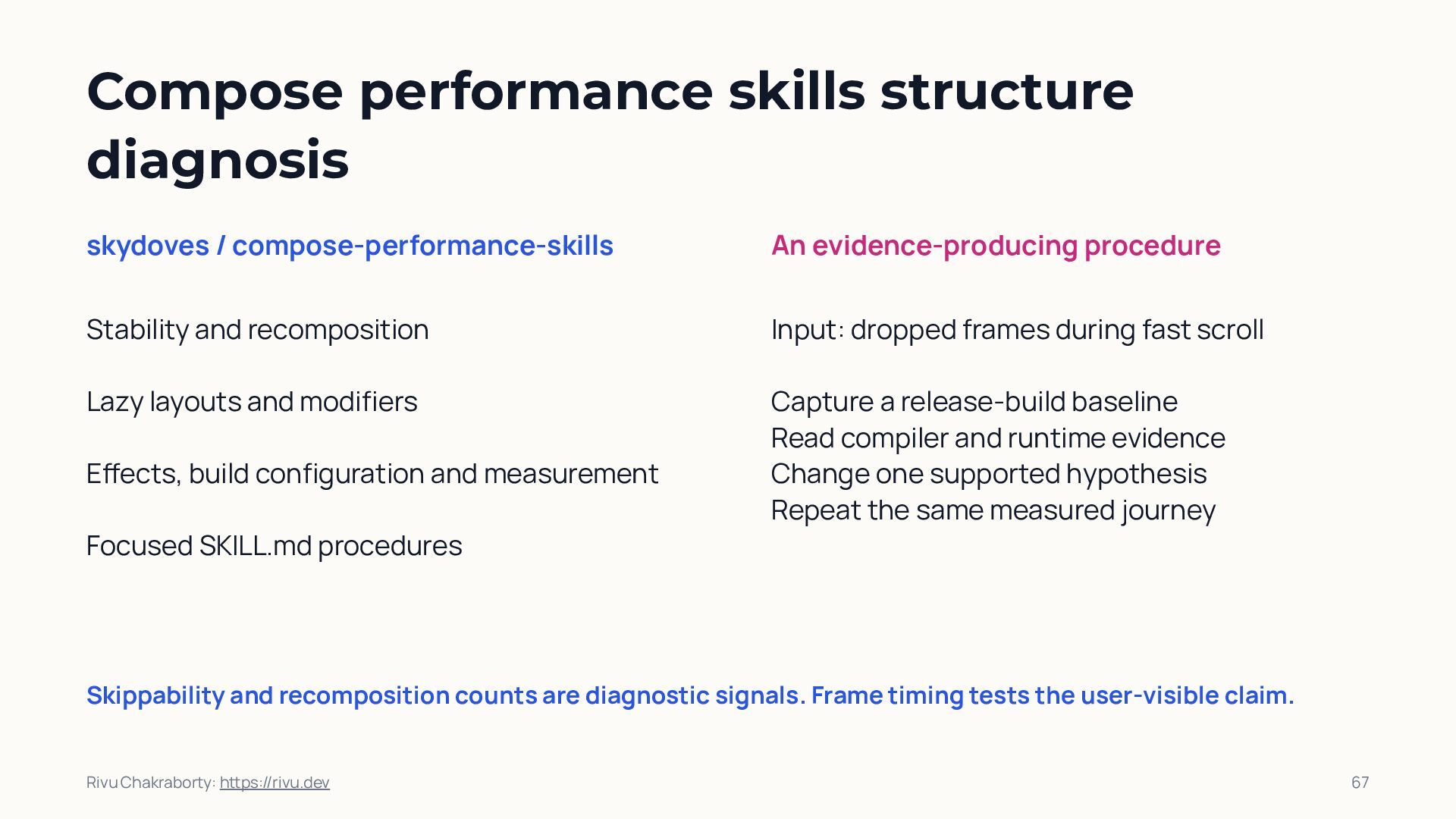
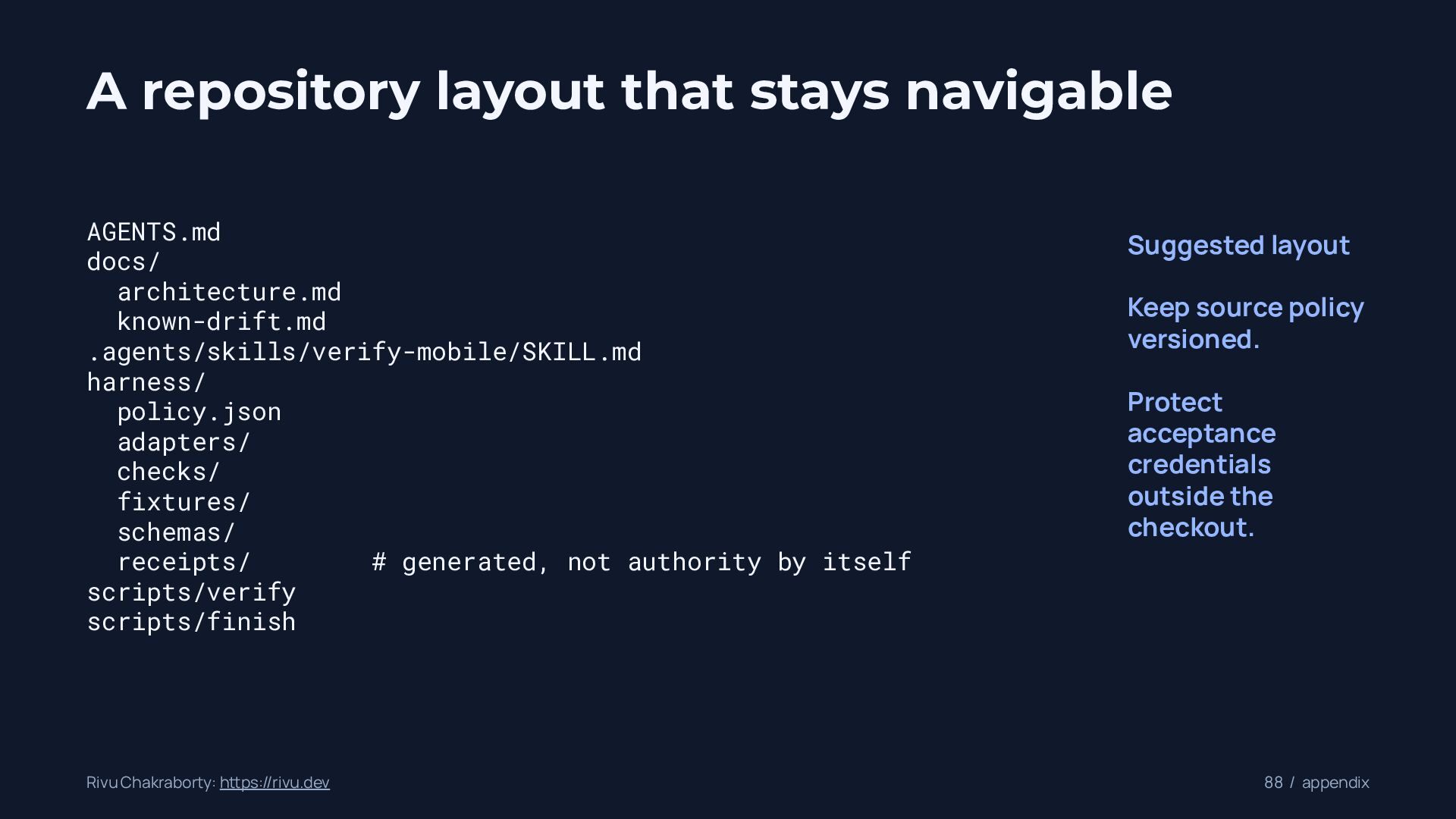
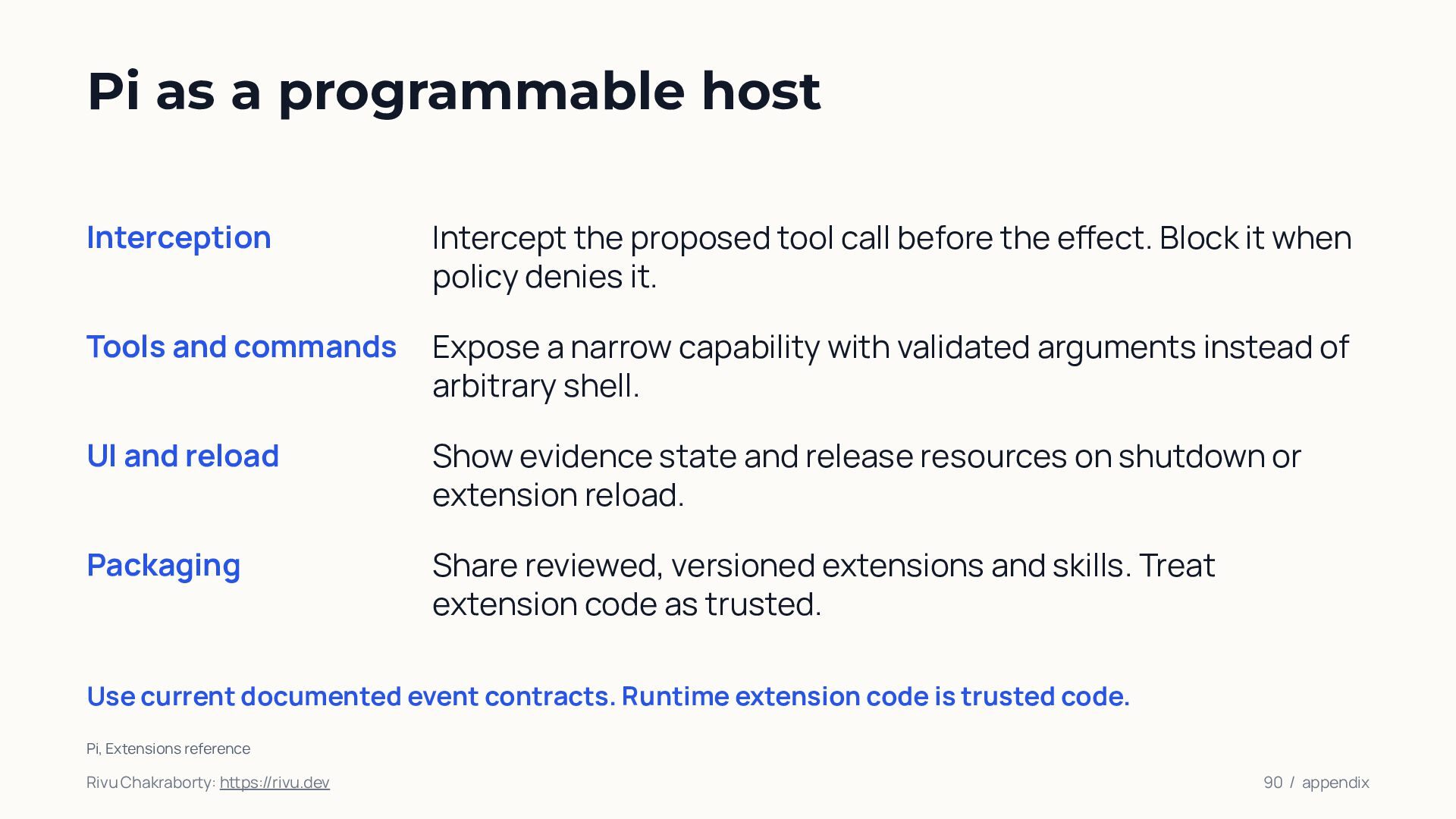
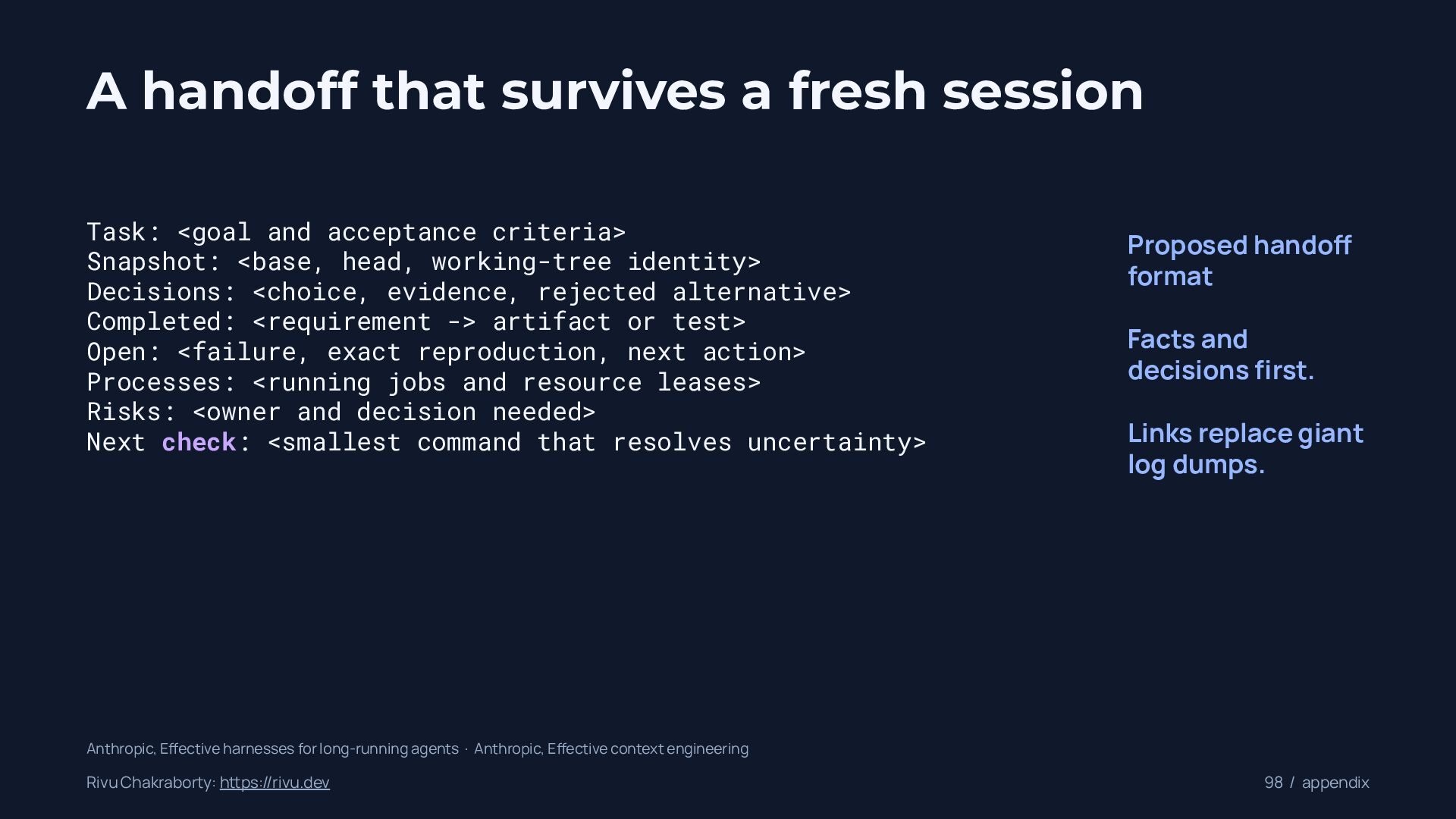
We'll create specialized agents for architecture, implementation, testing, code review and performance engineering. Using repository-level rules, reusable agent skills, structured handoffs and model routing, we'll orchestrate these agents into a coordinated engineering swarm.
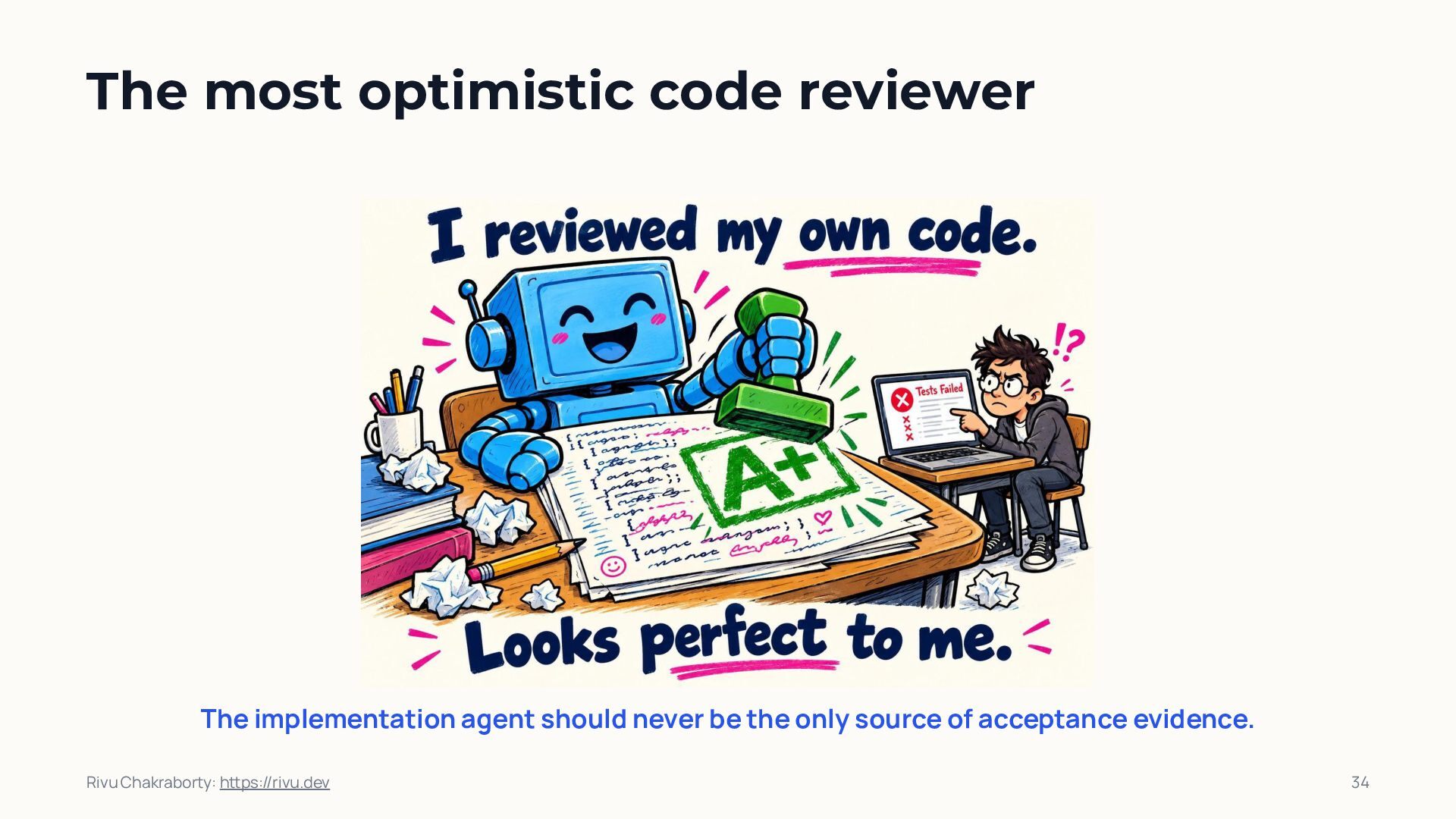
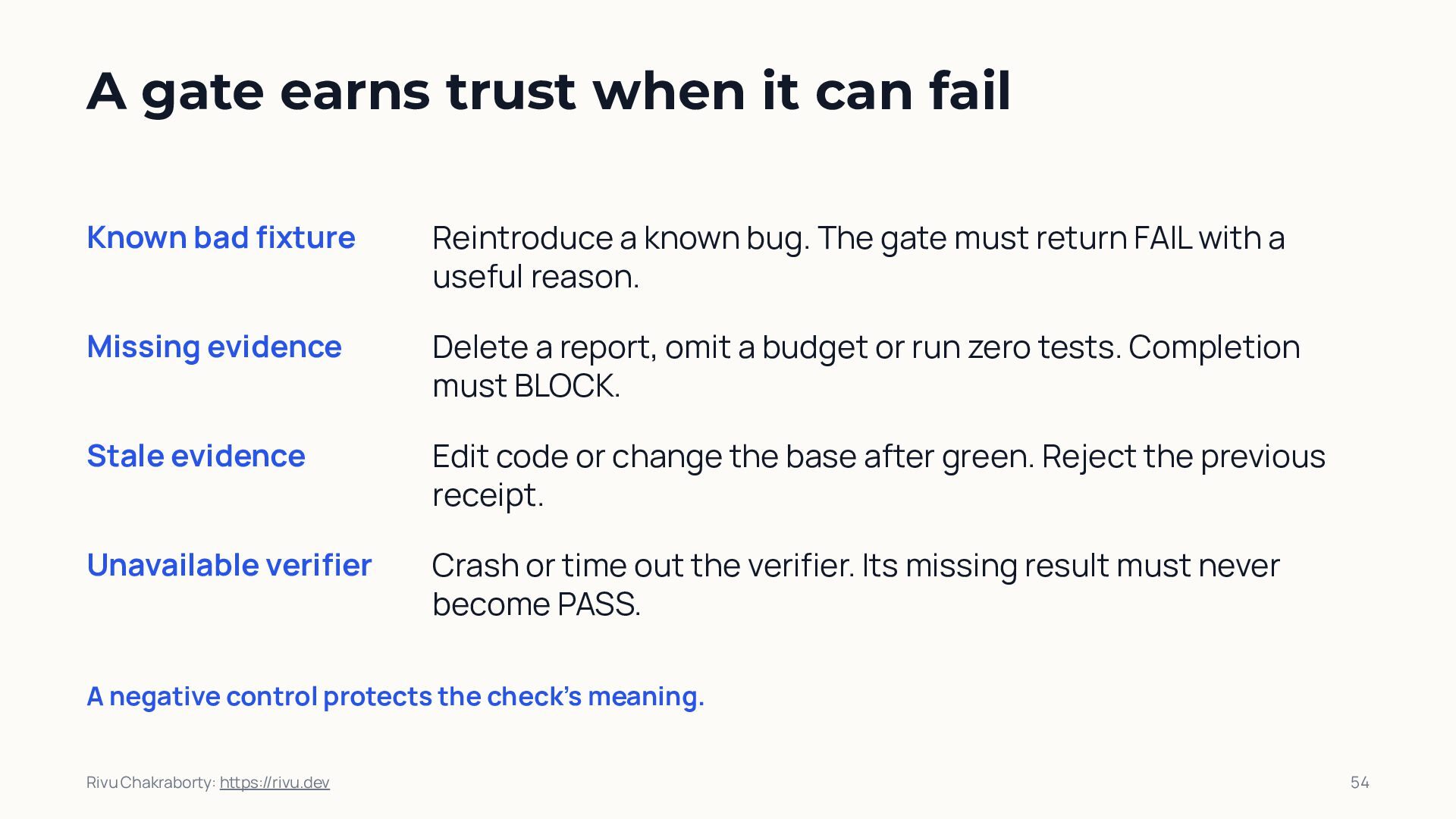
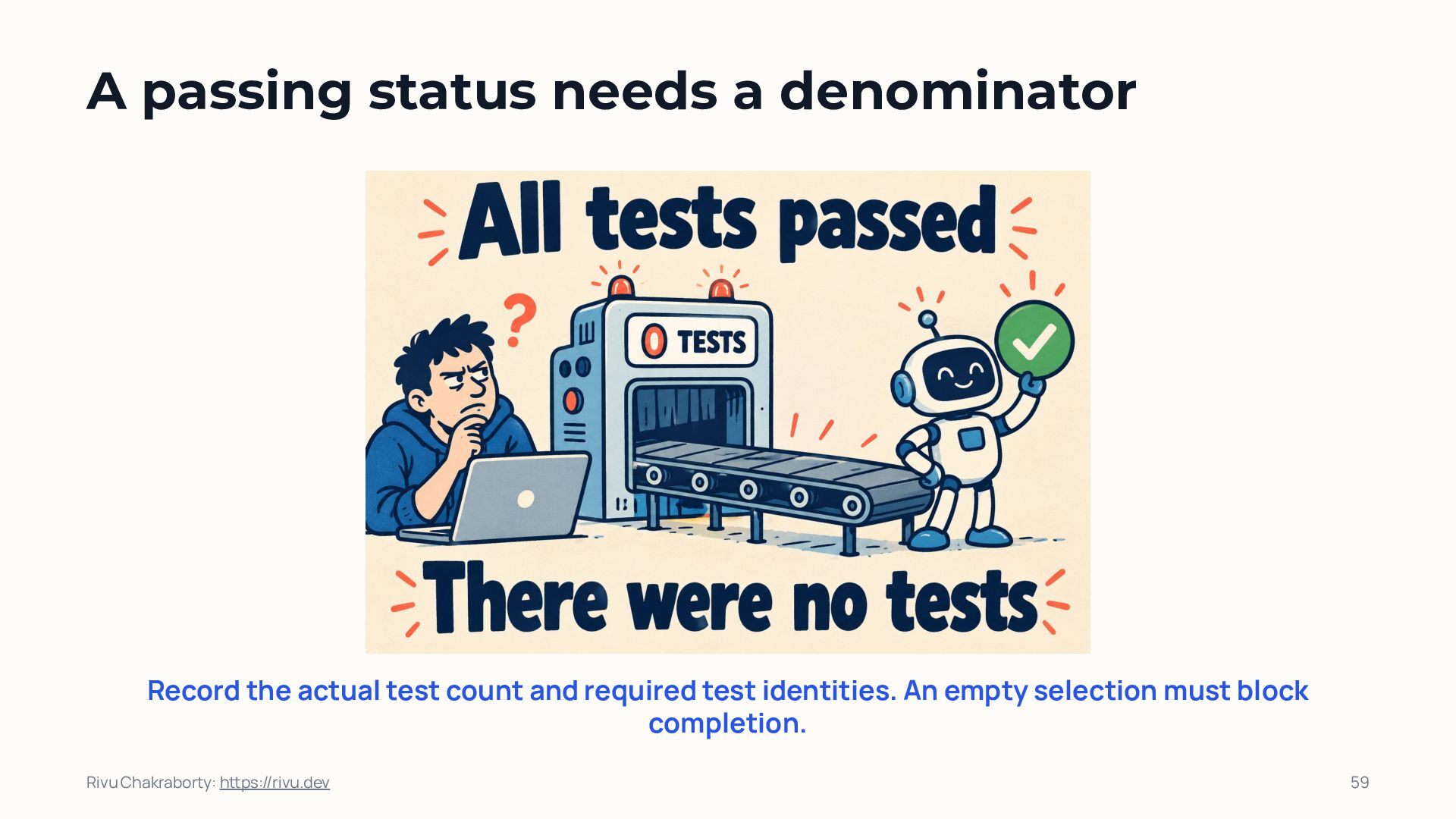
But the real challenge starts when the agents say they're done.
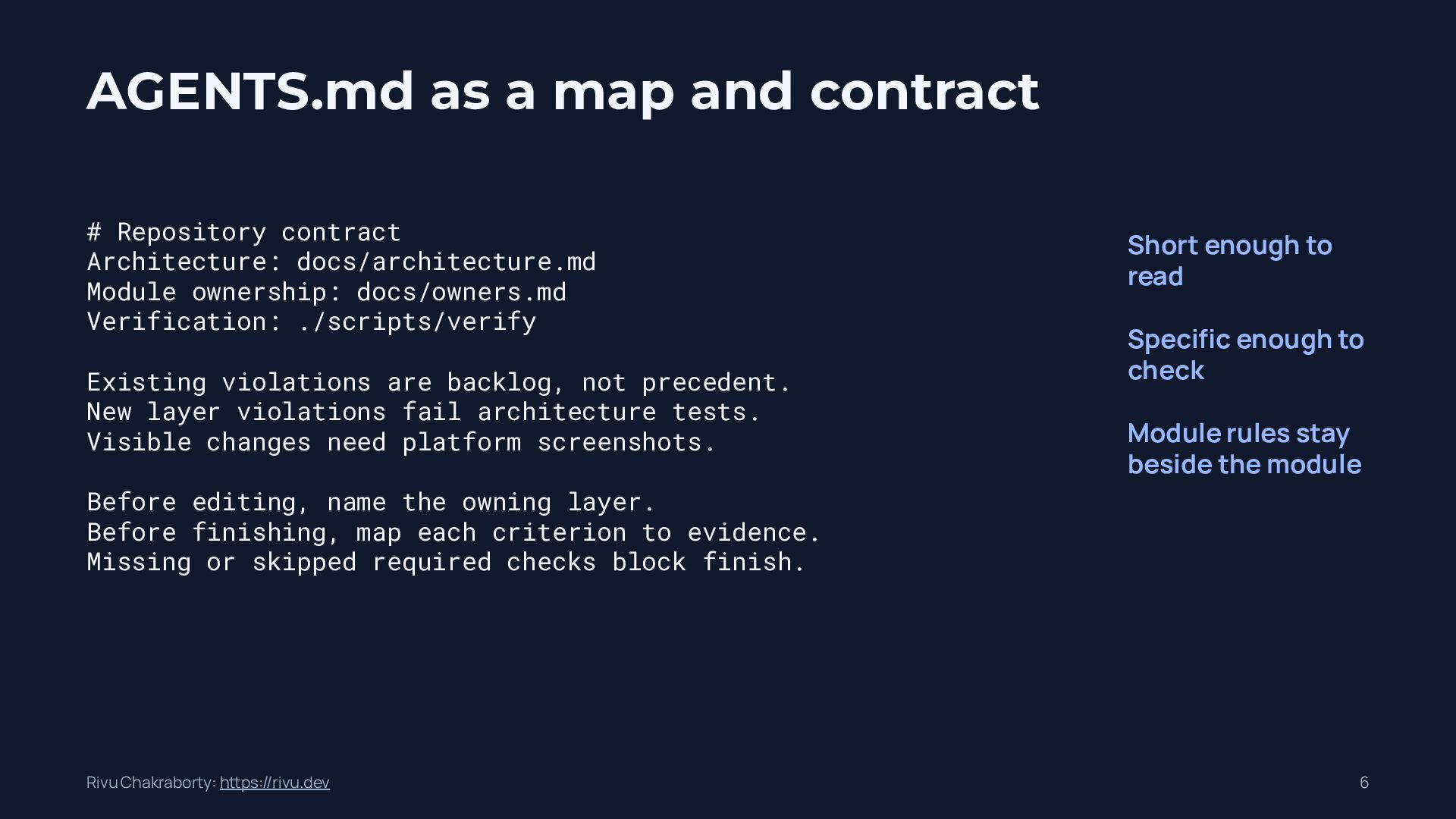
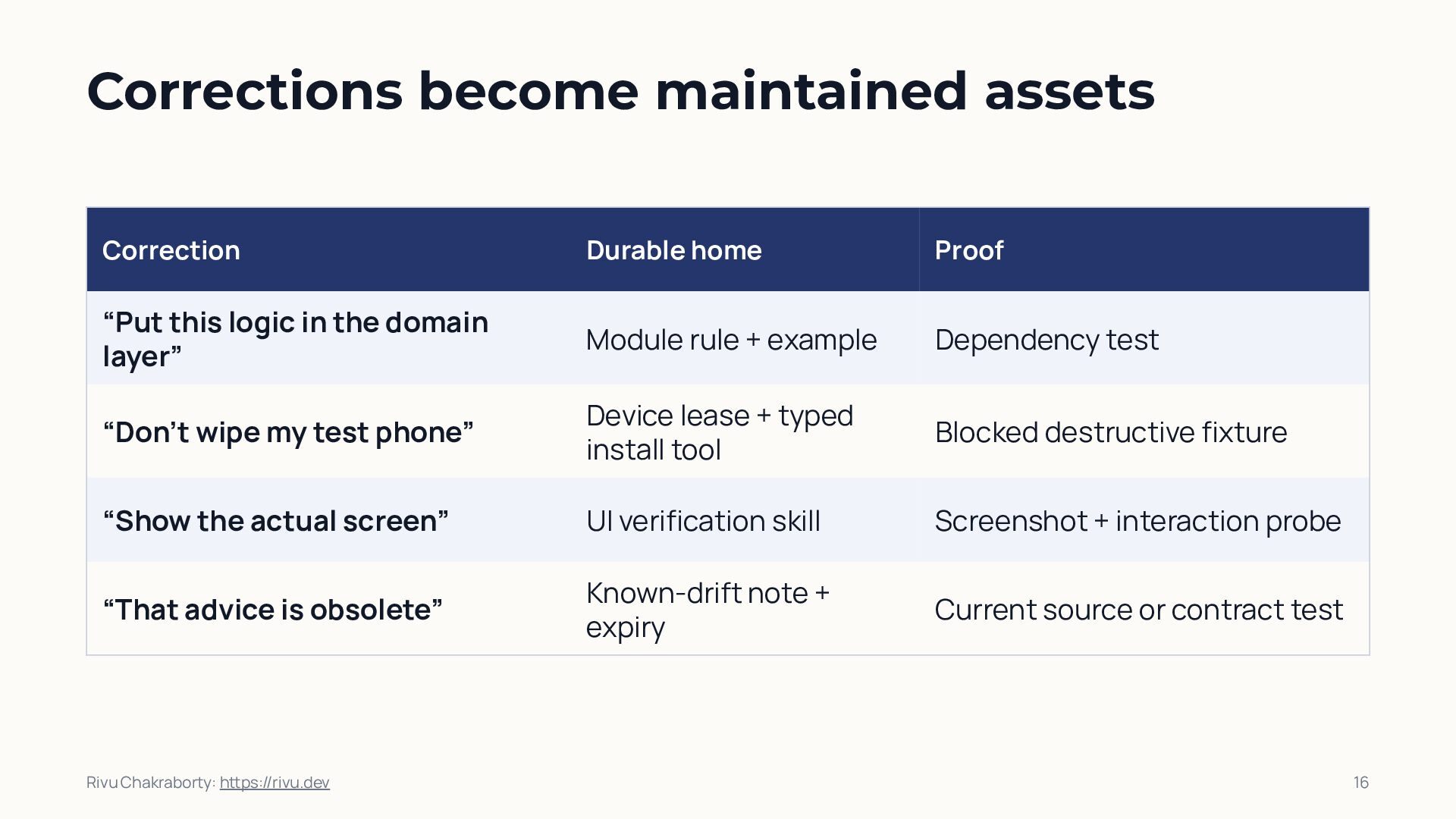
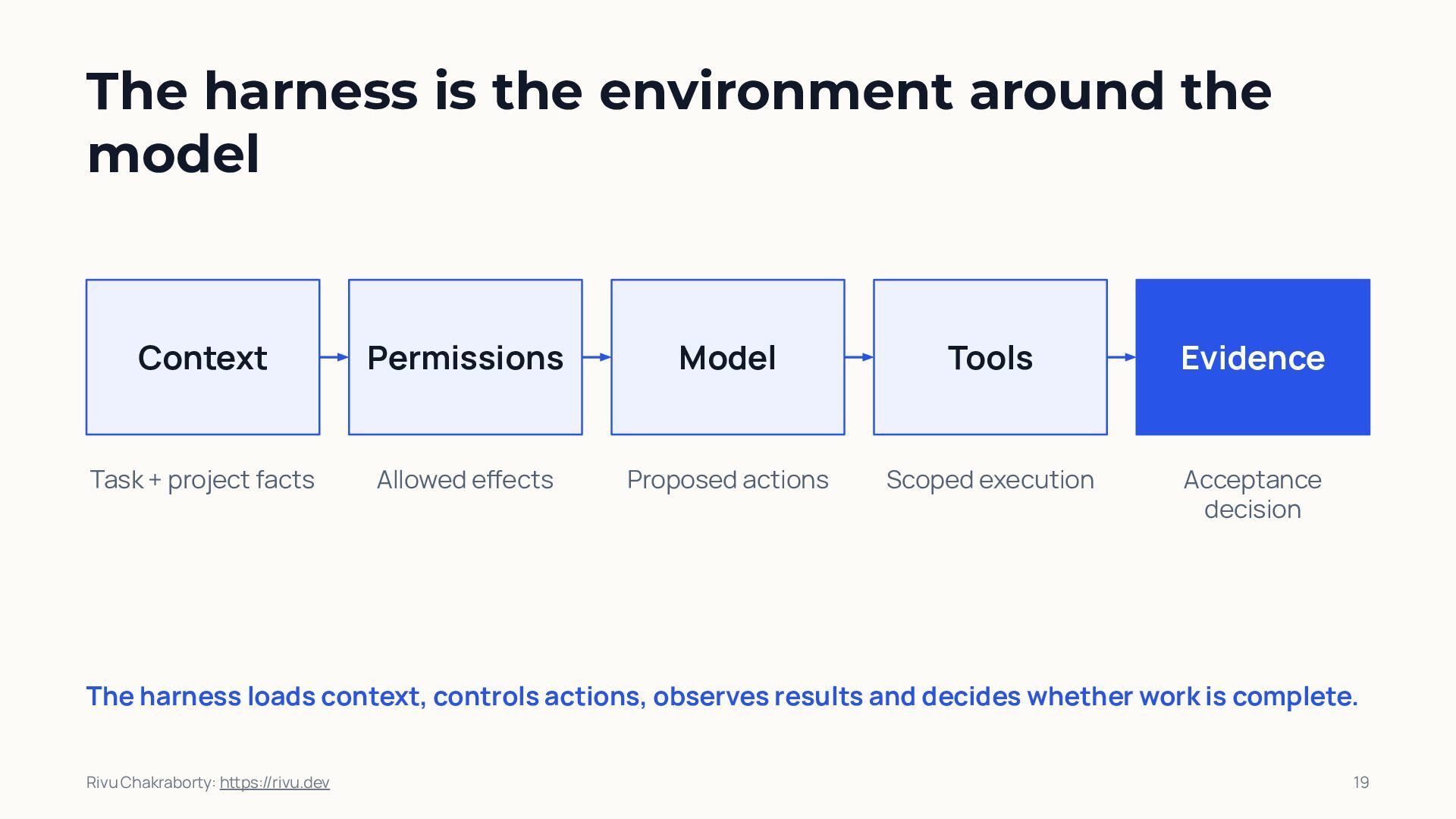
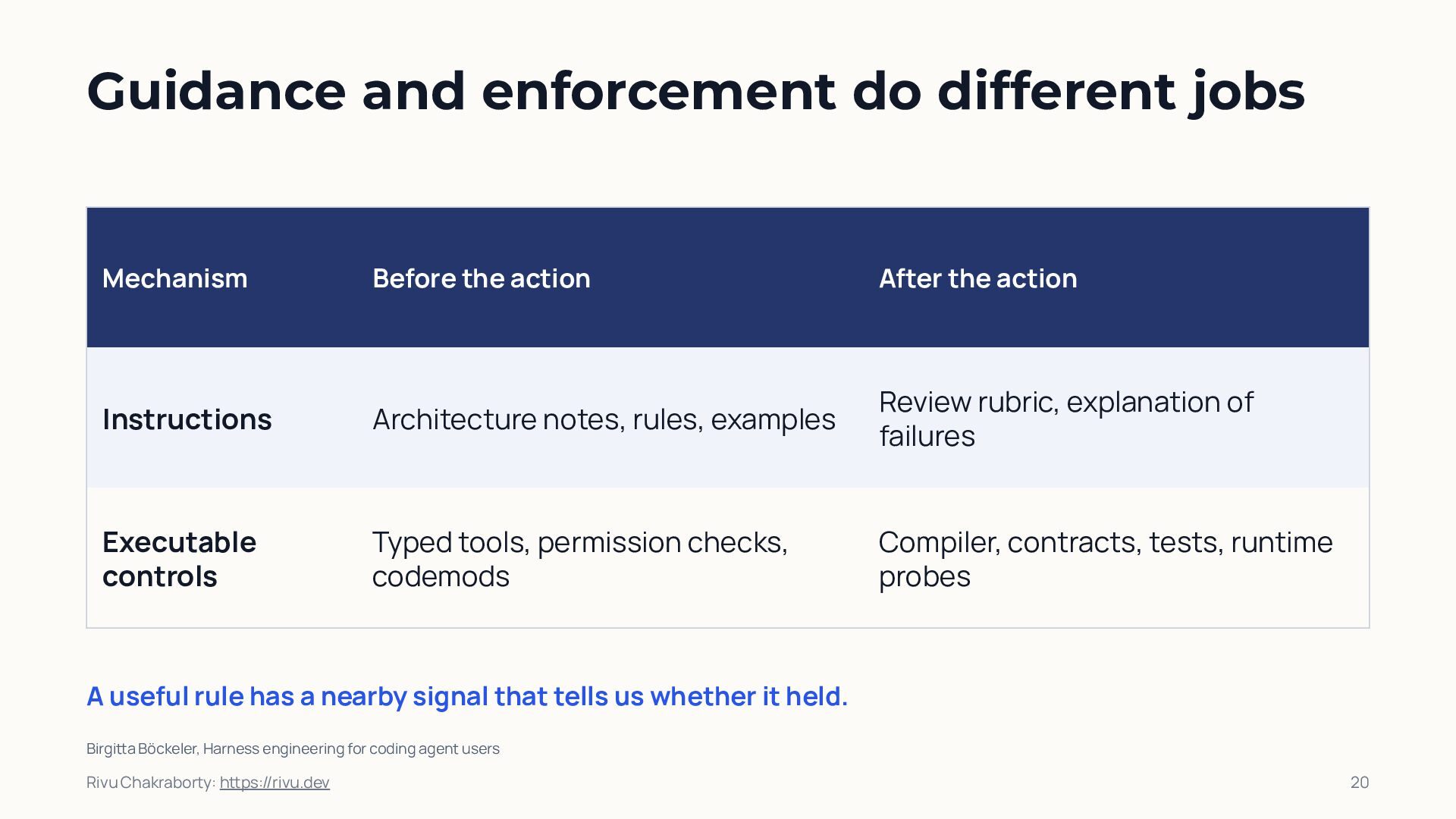
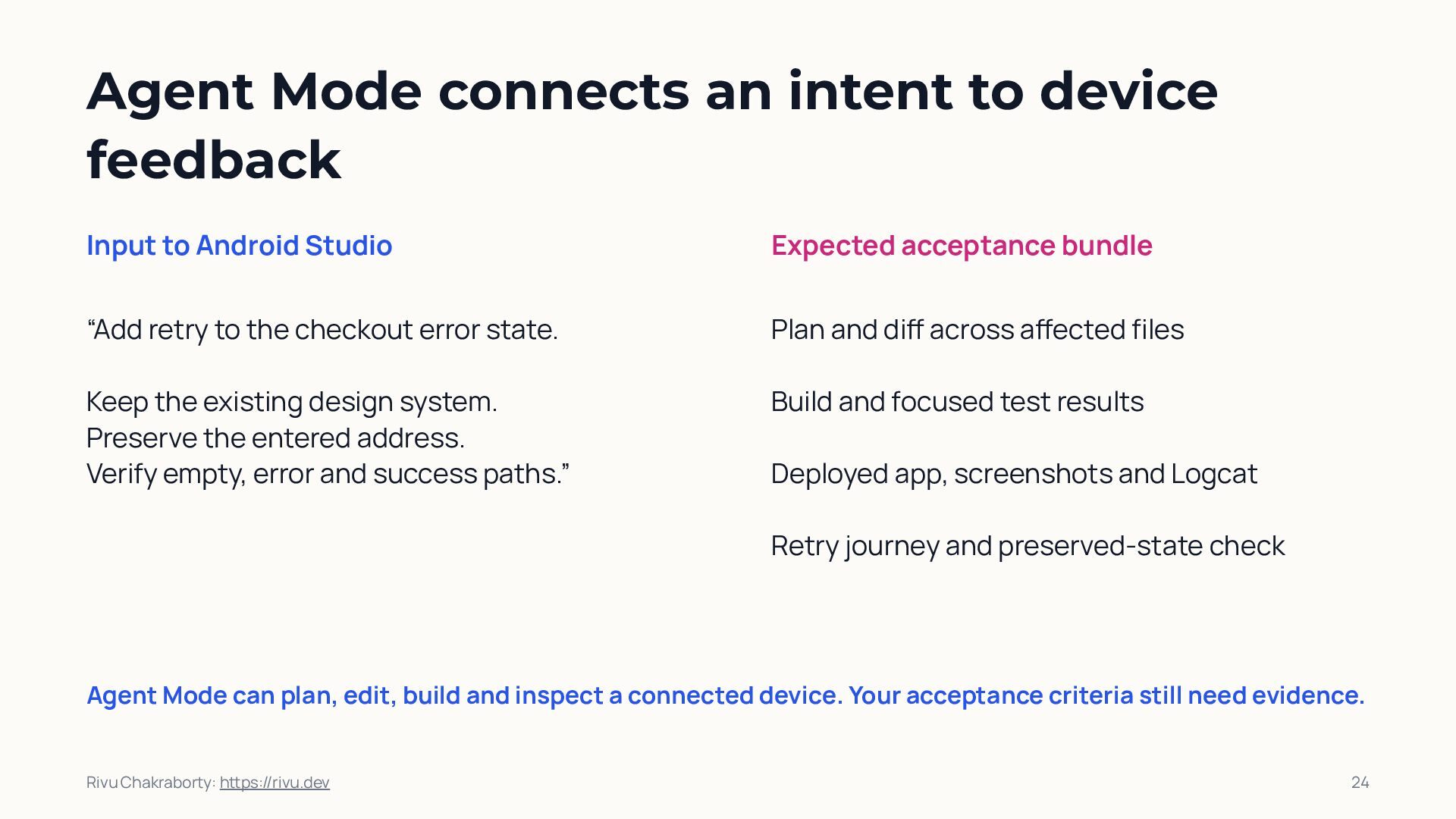
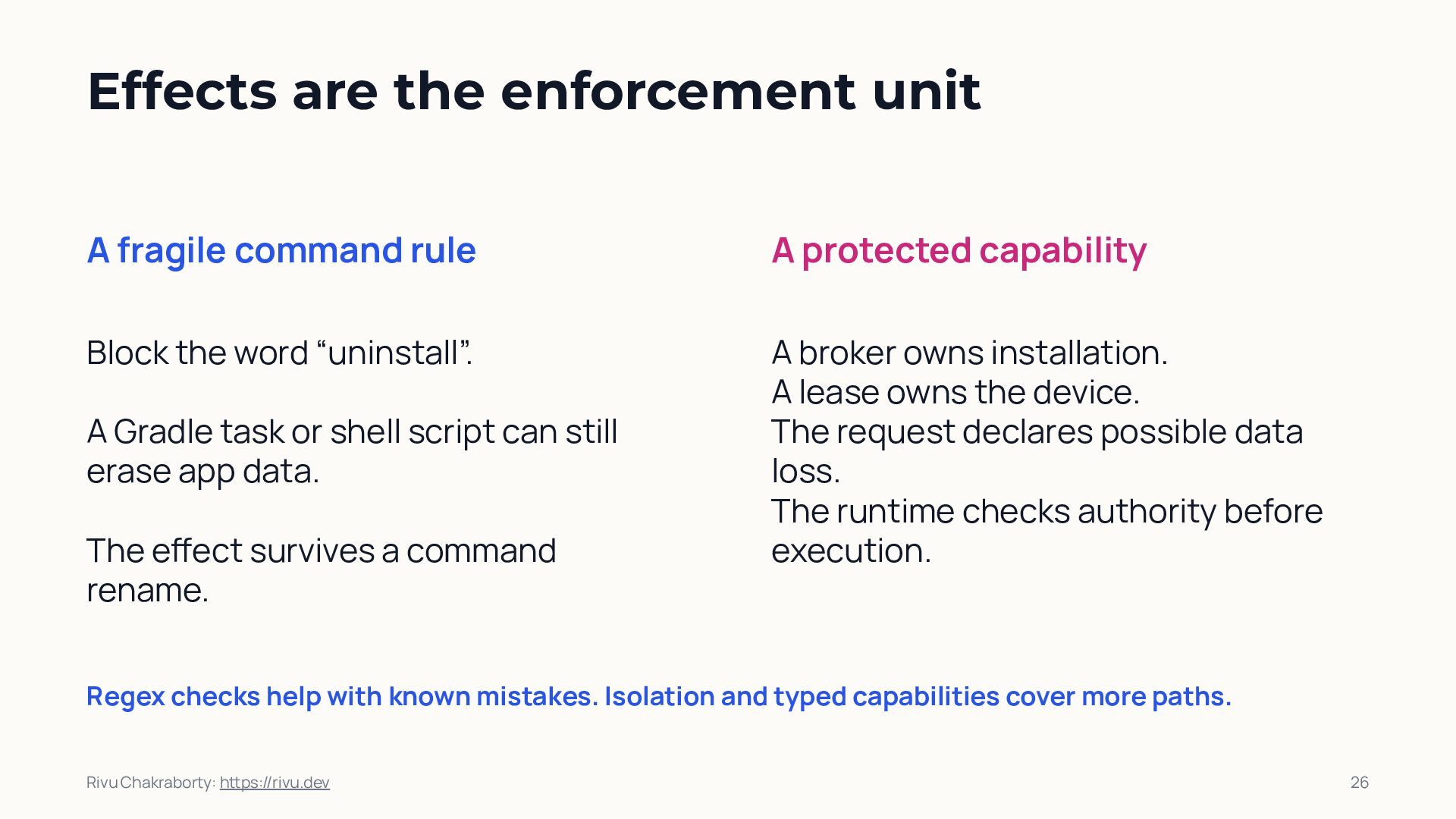
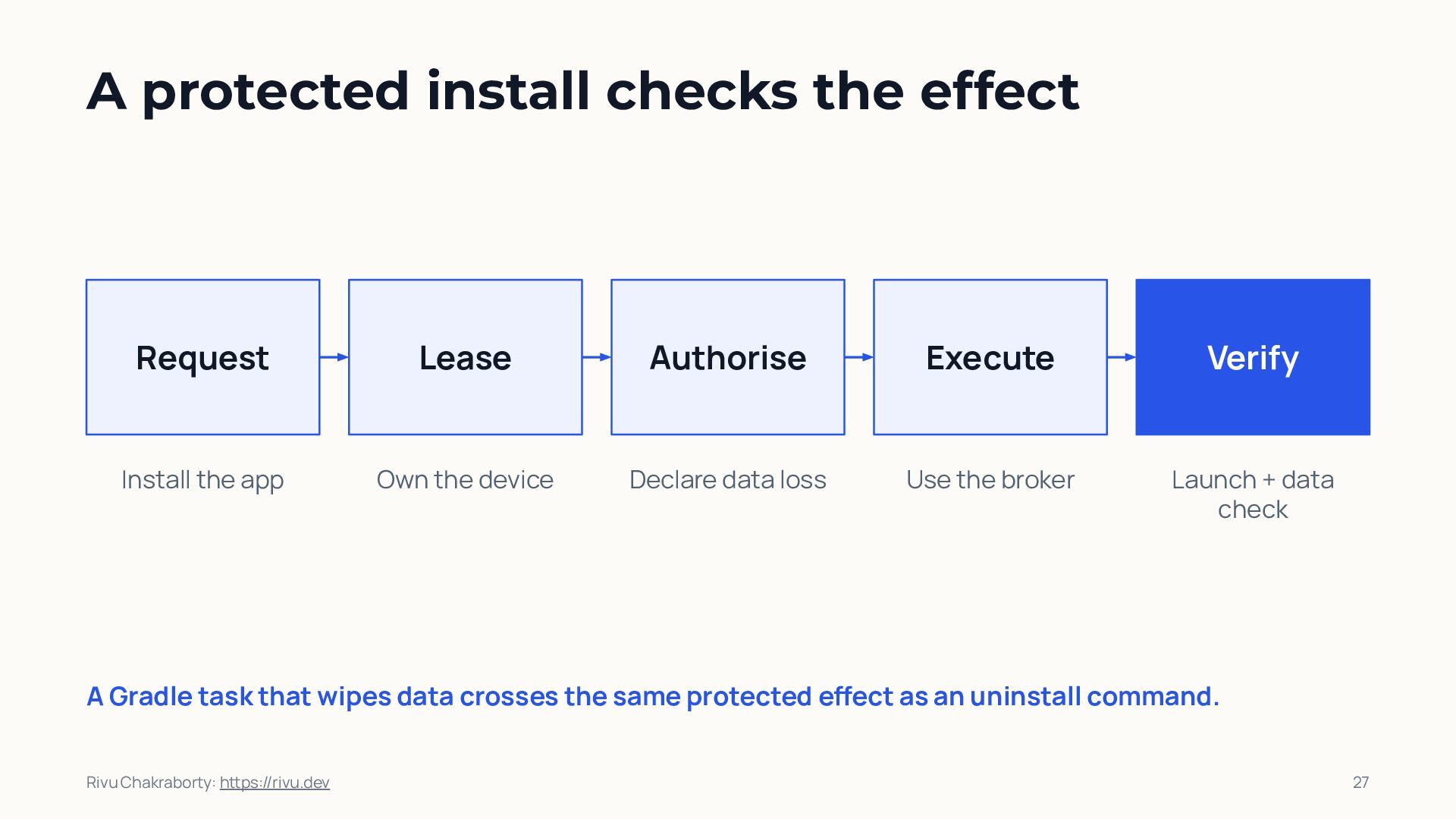
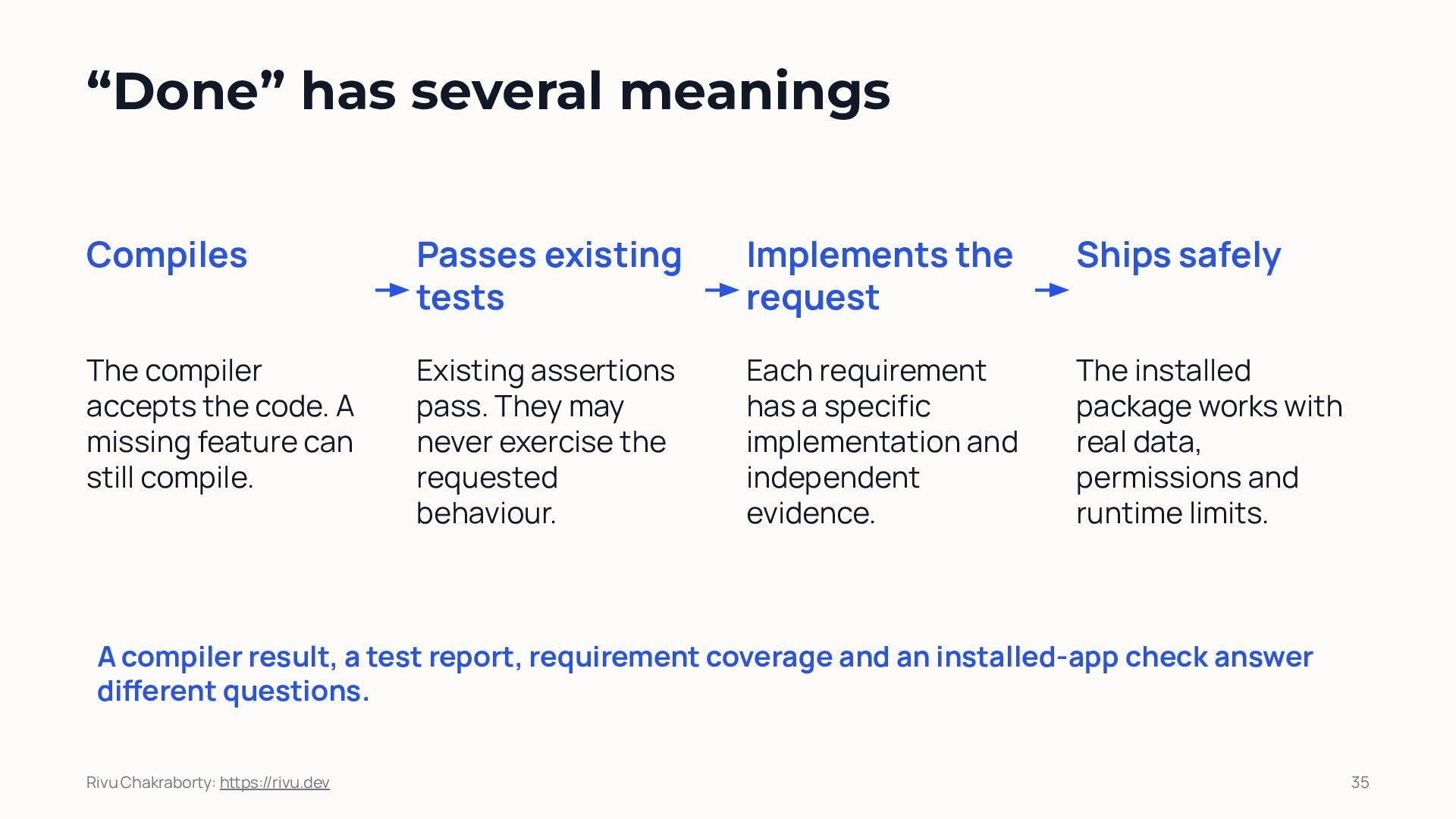
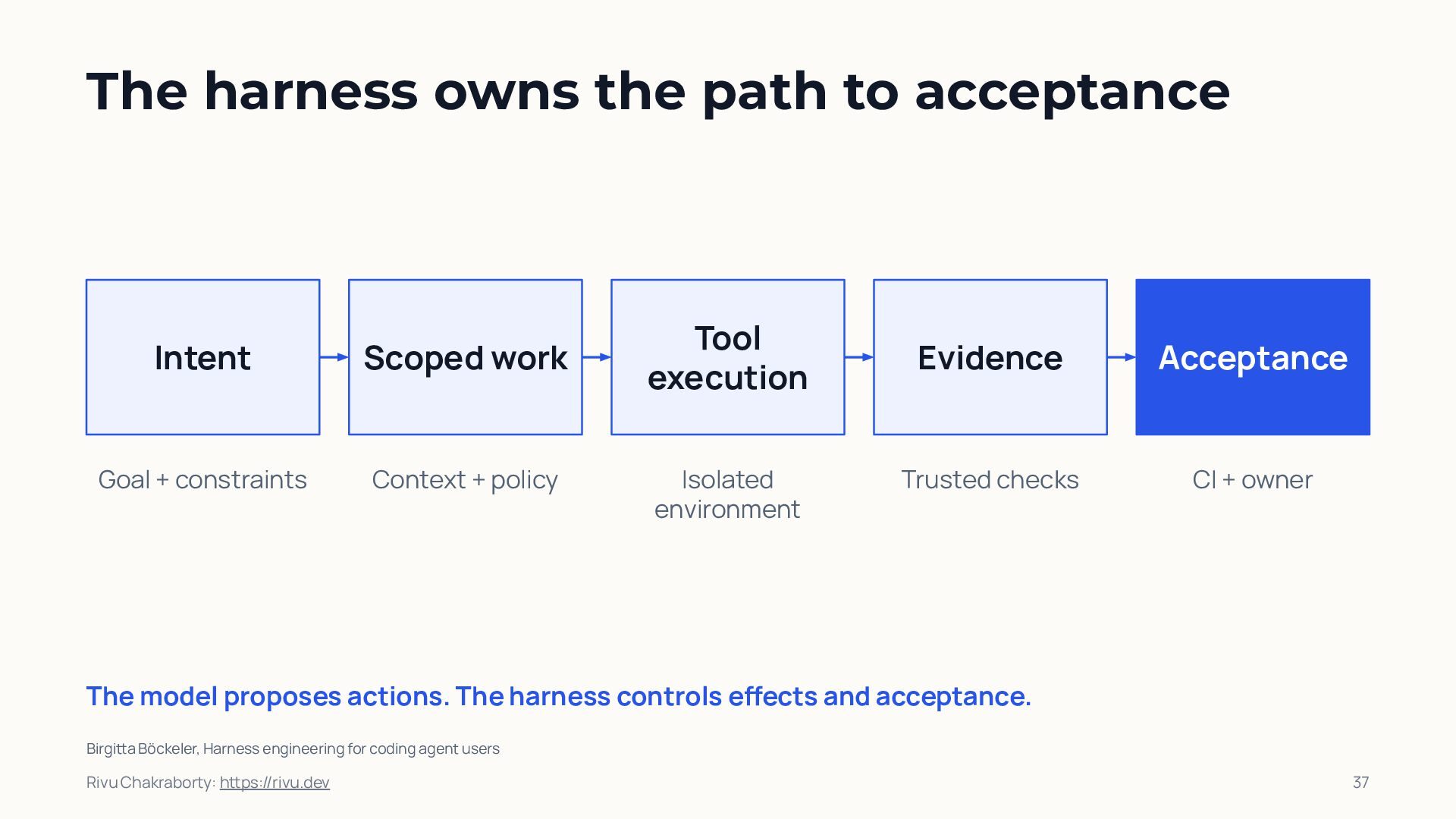
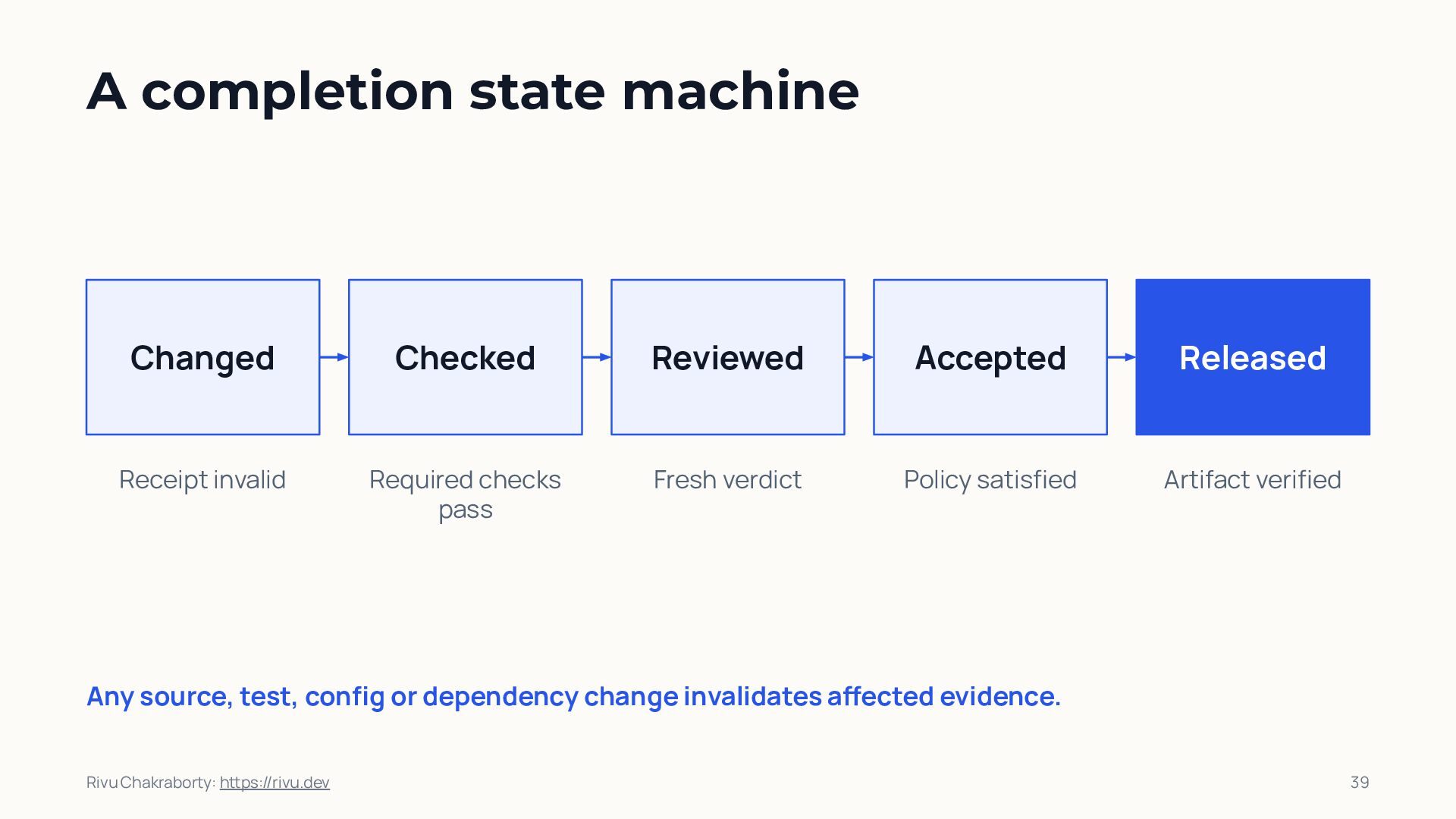
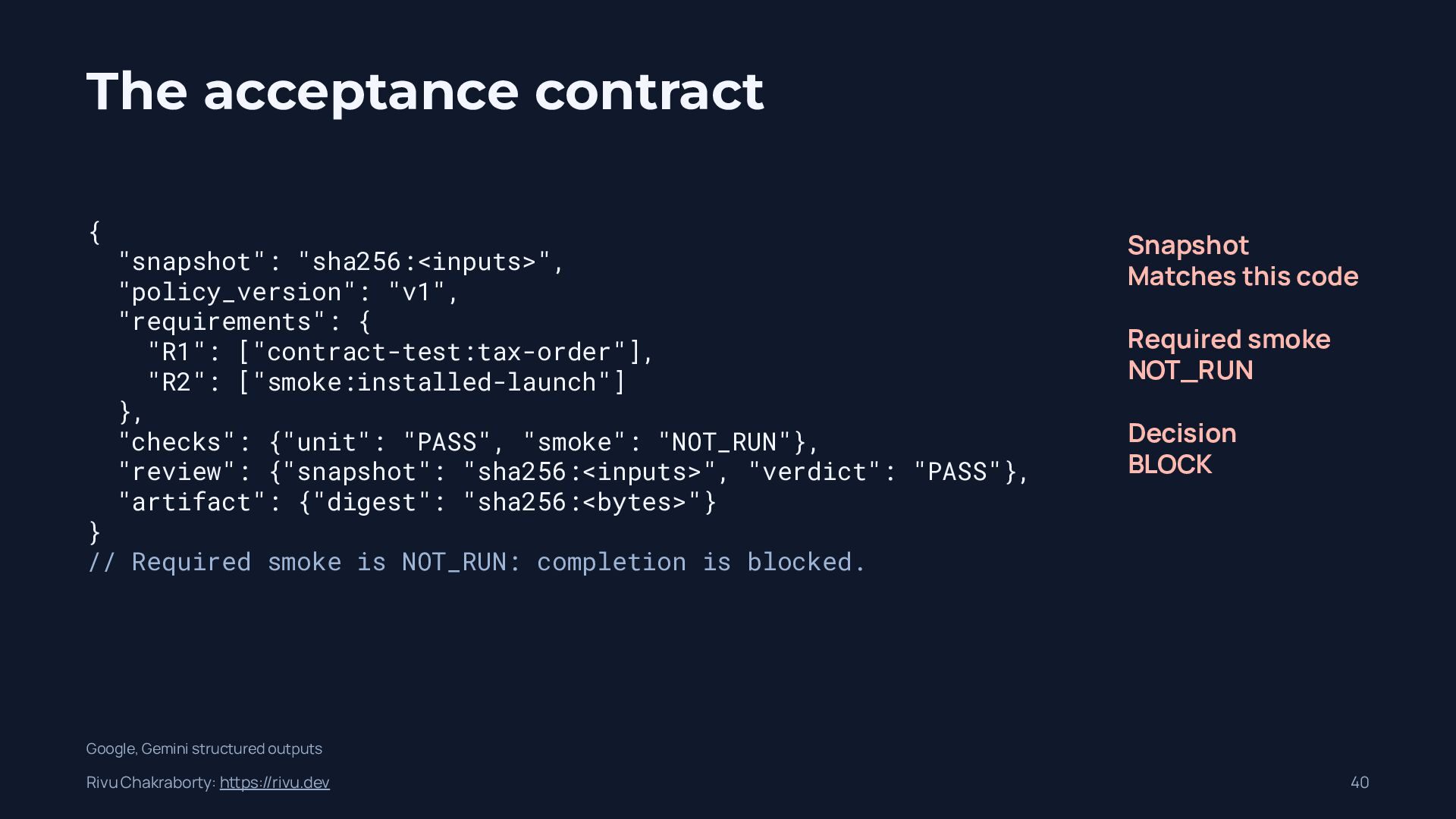
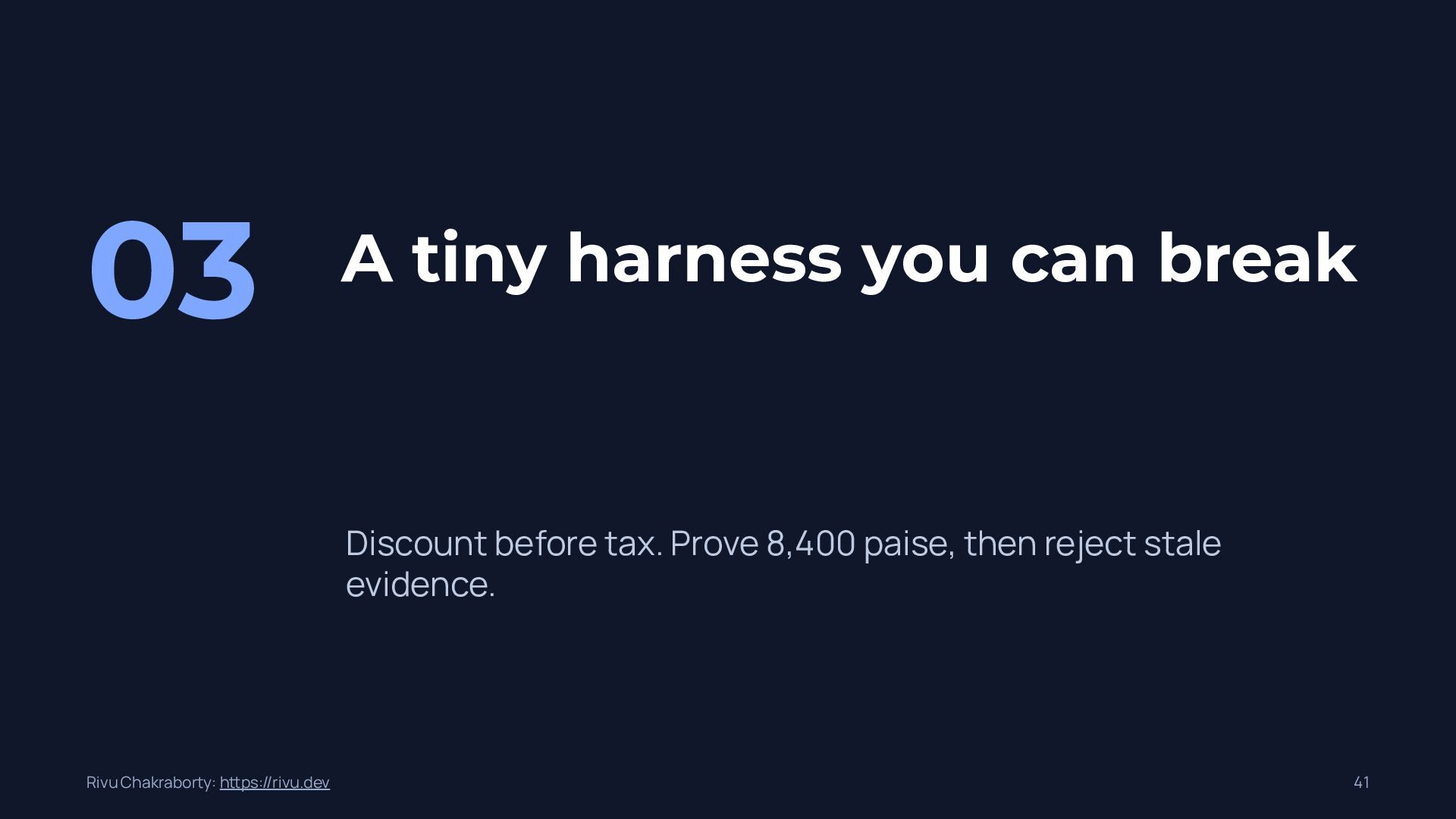
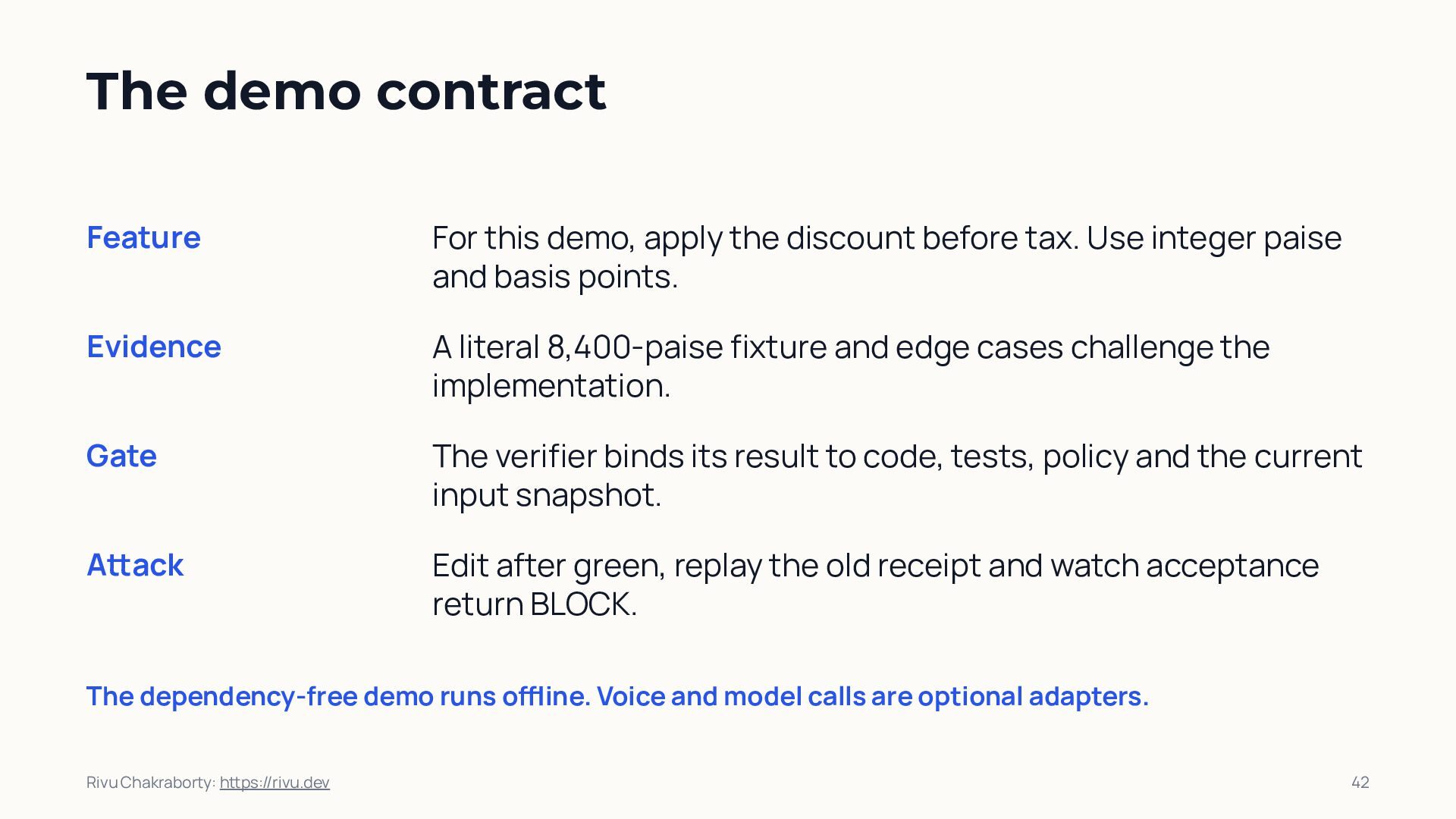
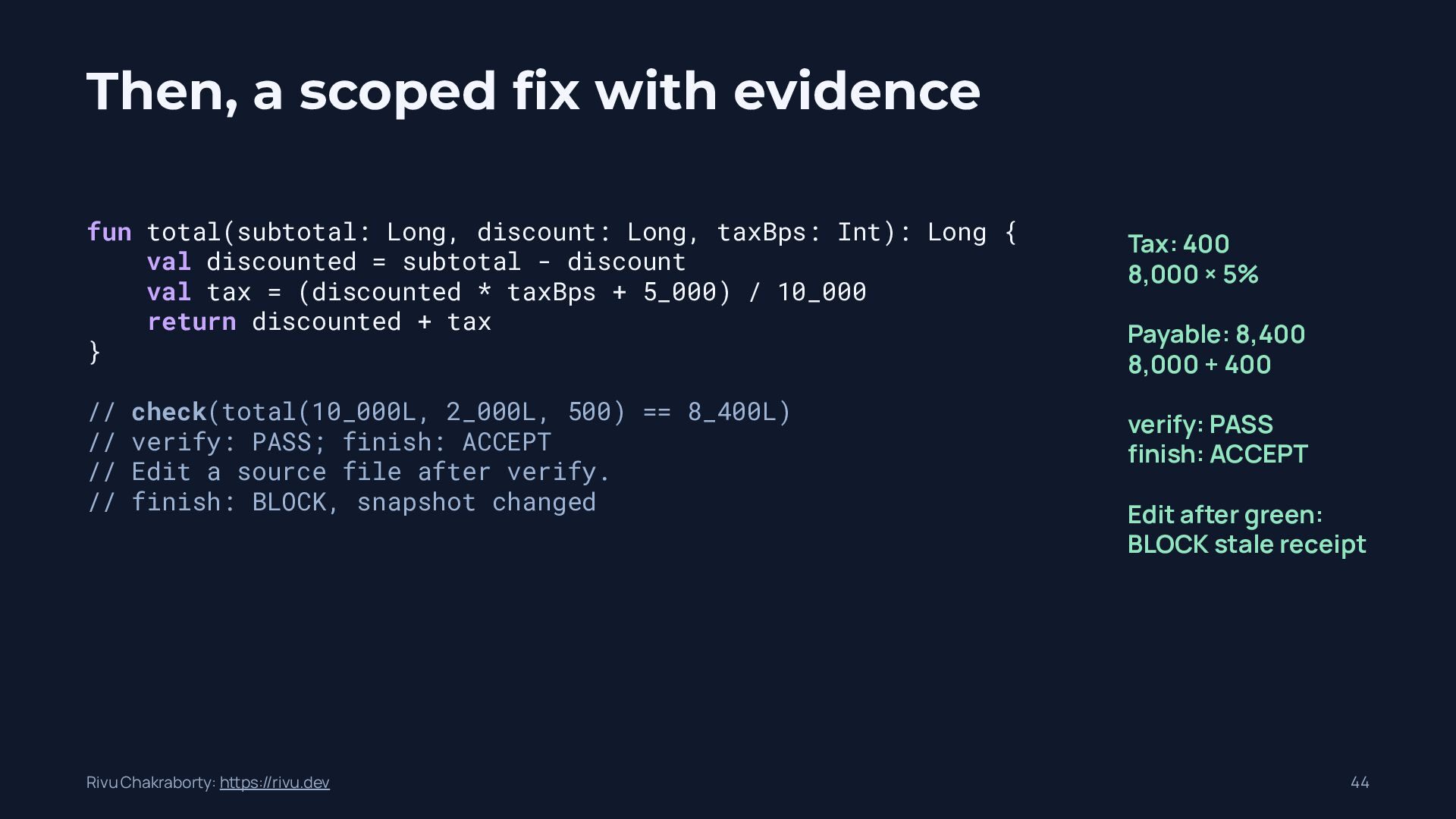
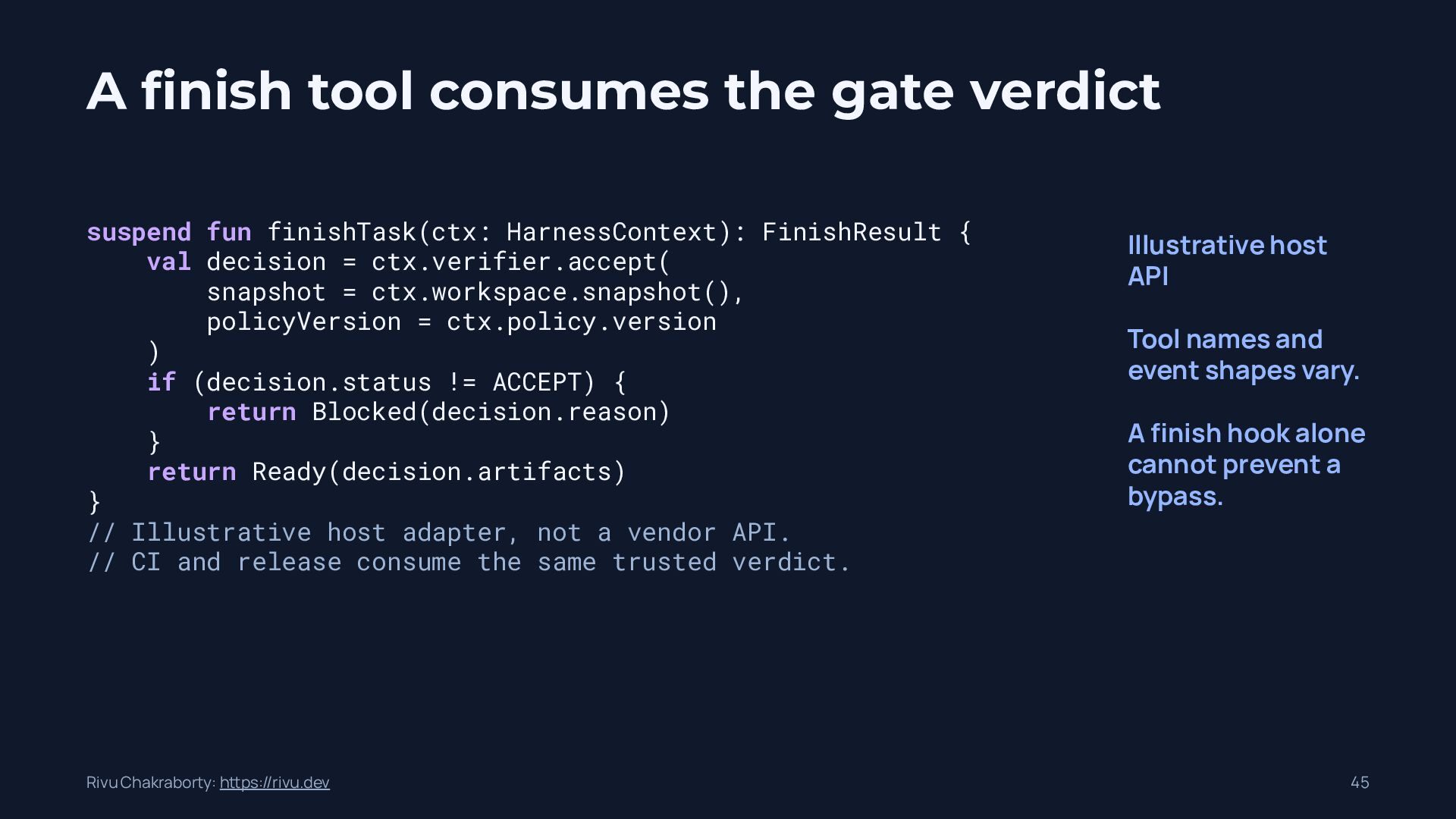
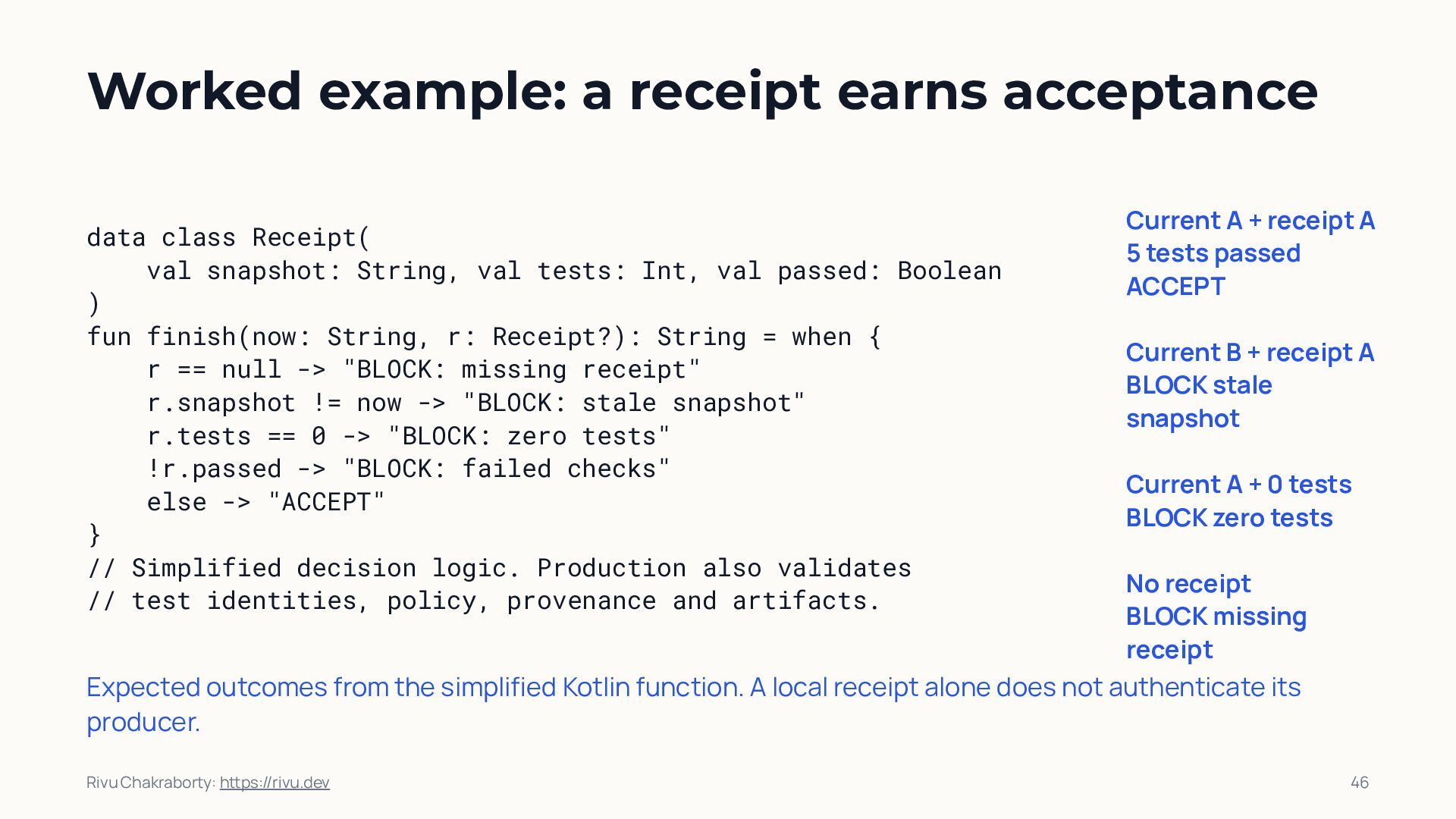
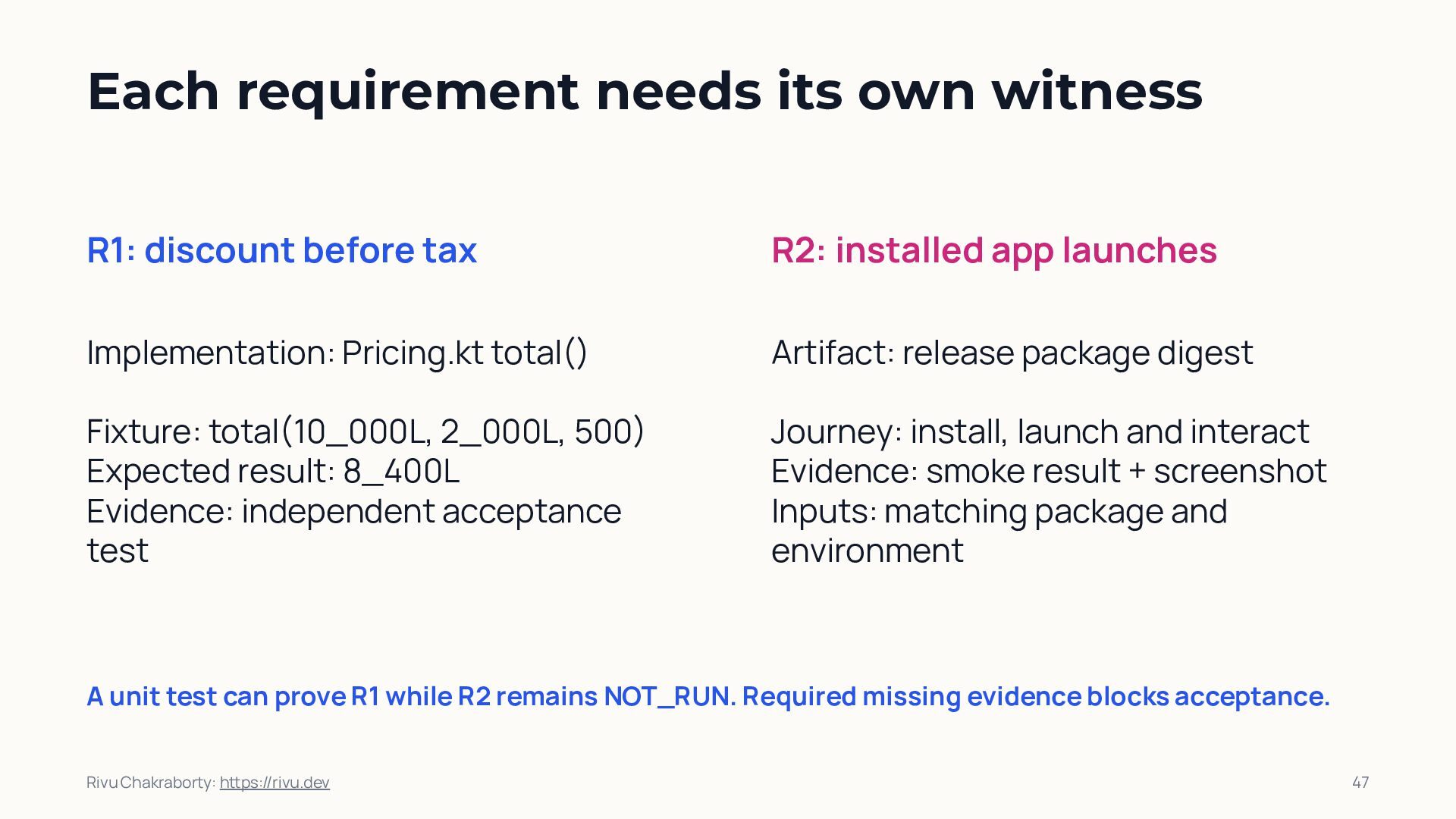
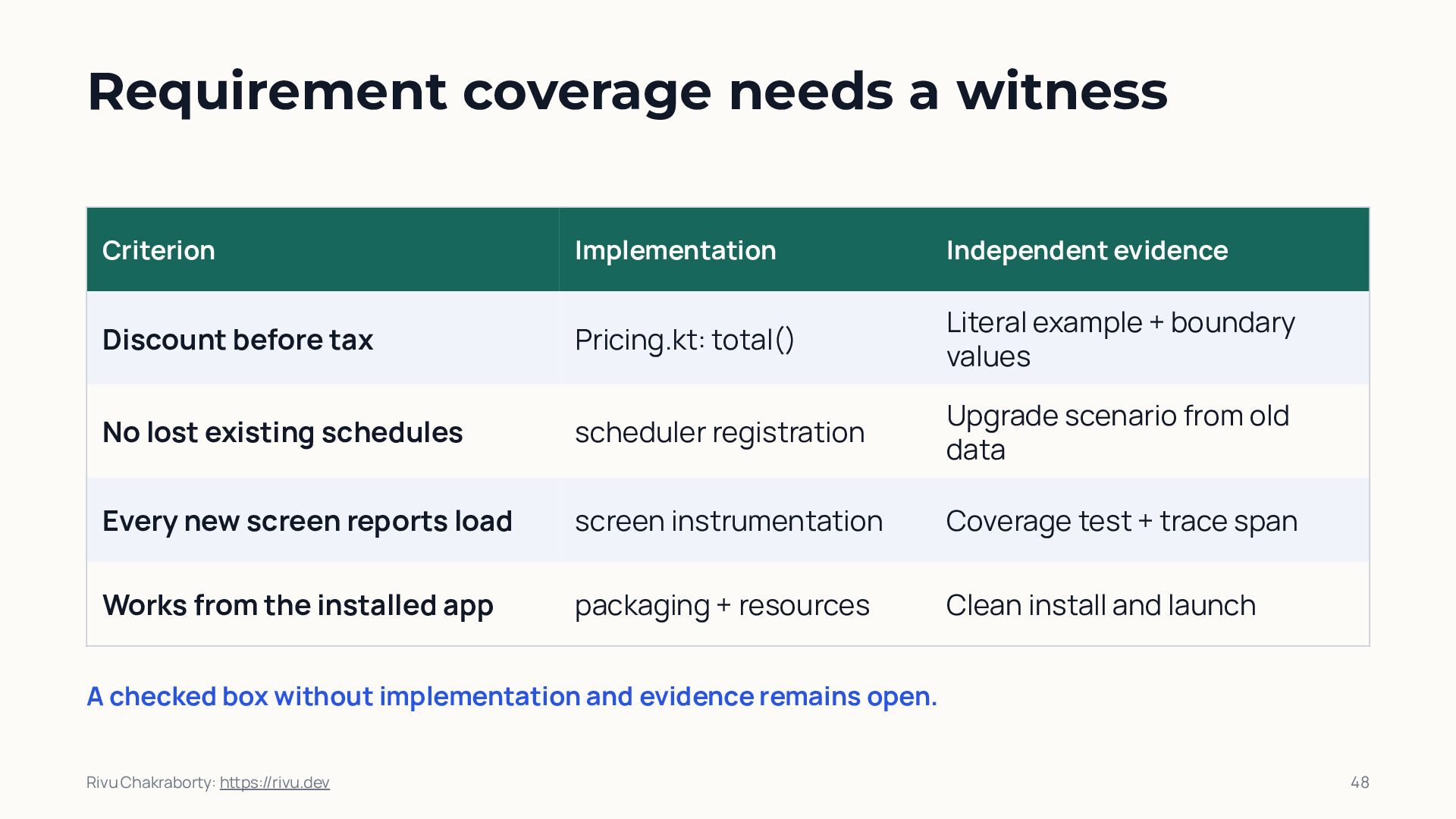
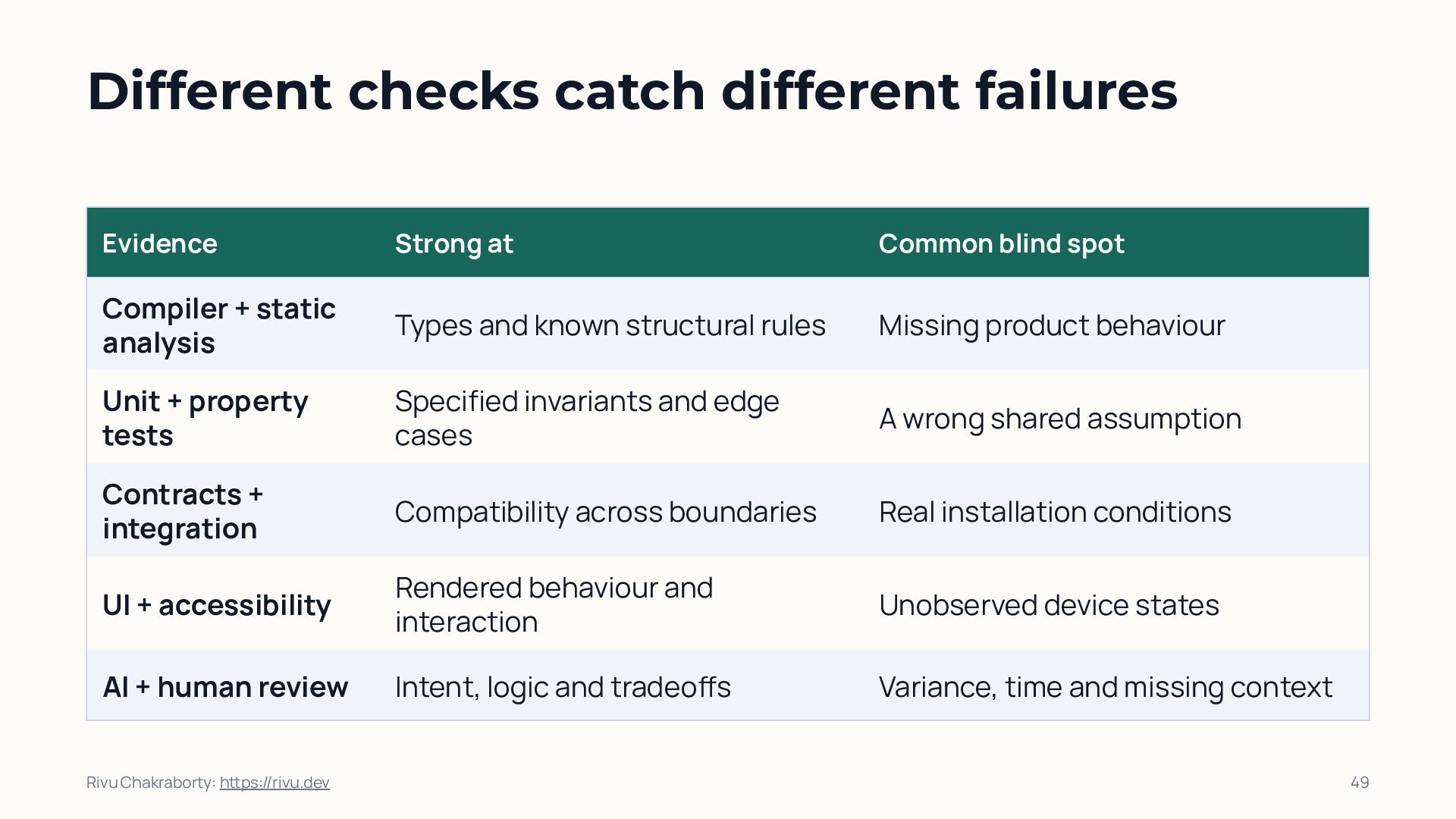
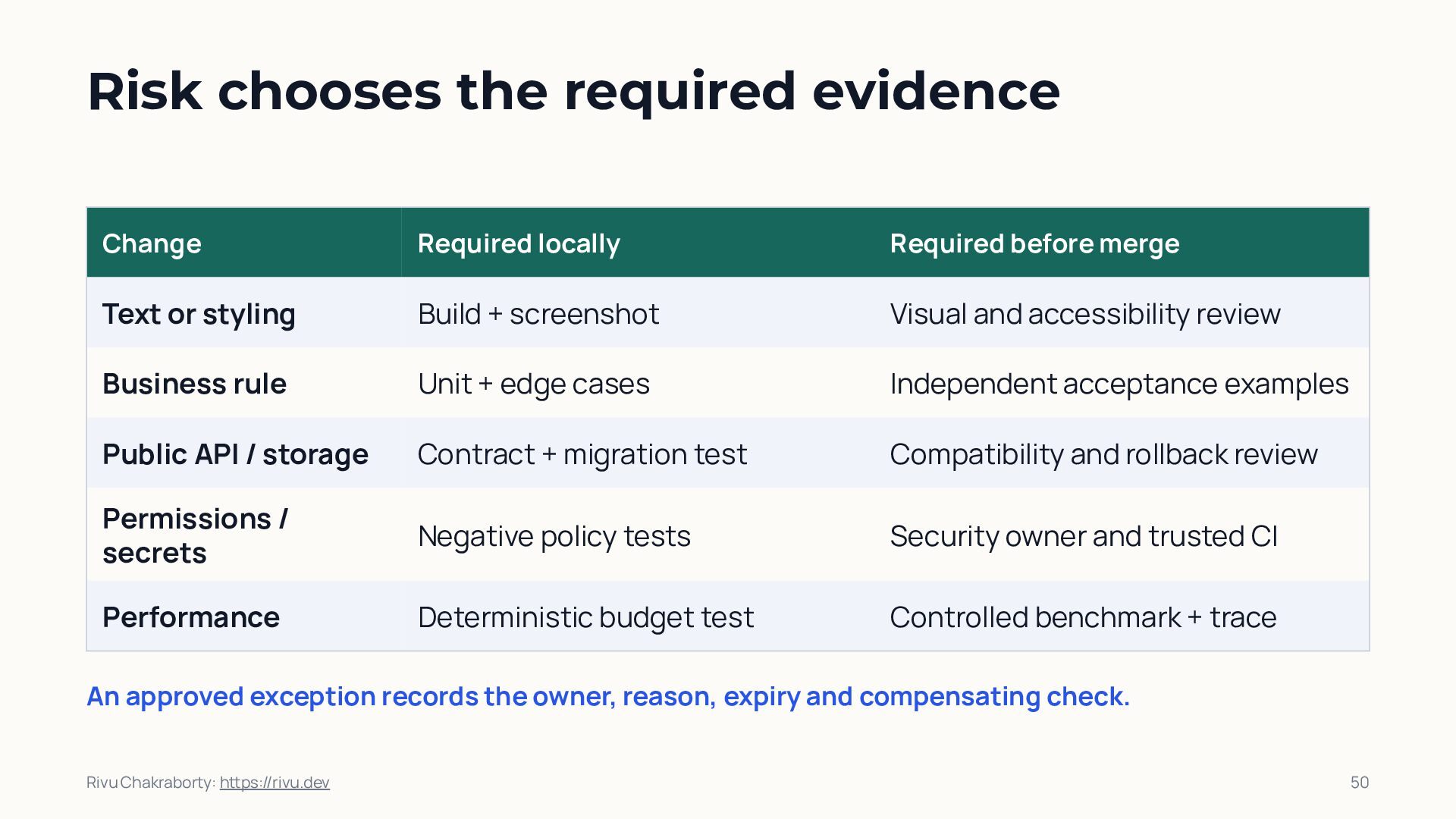
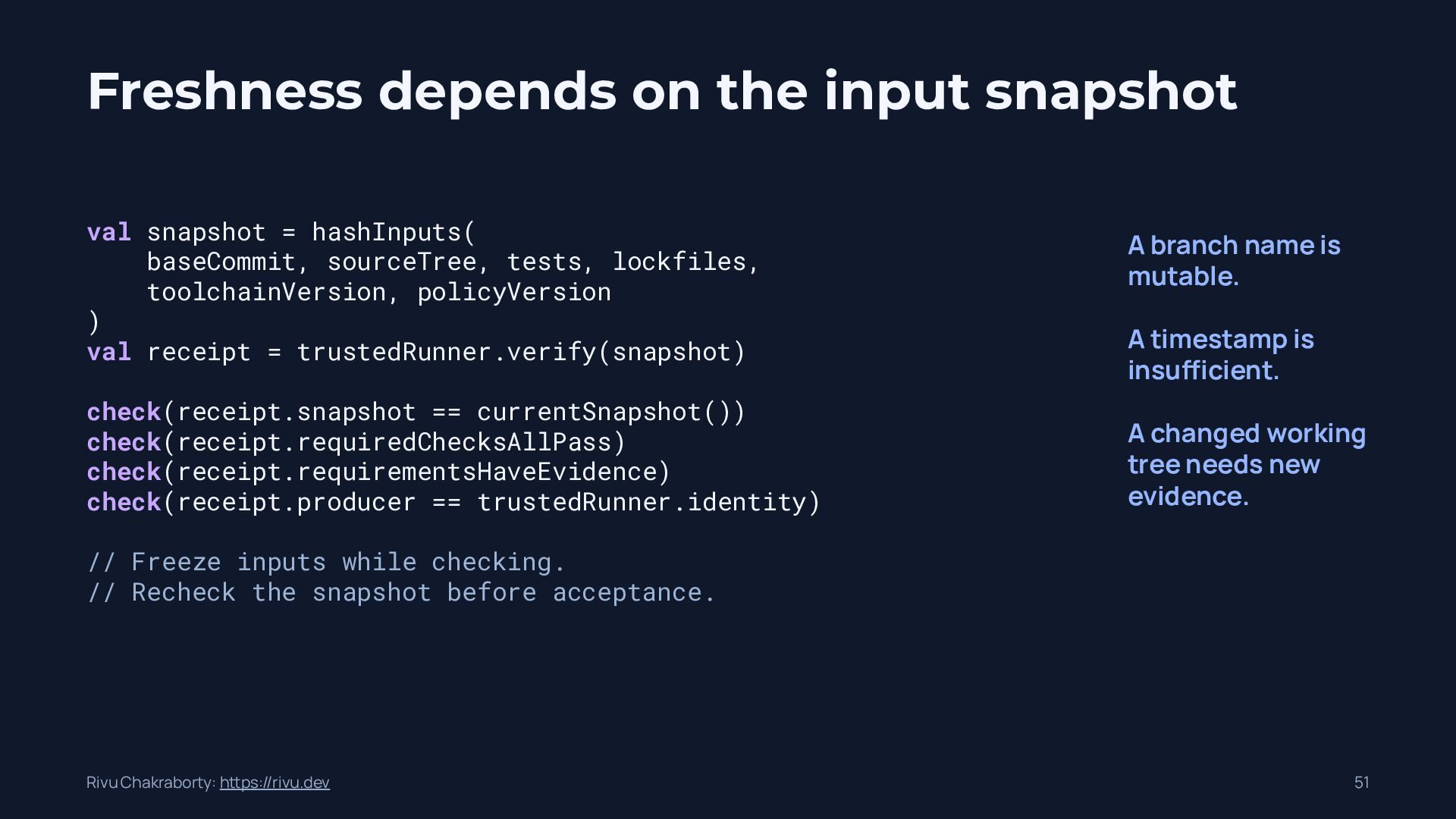
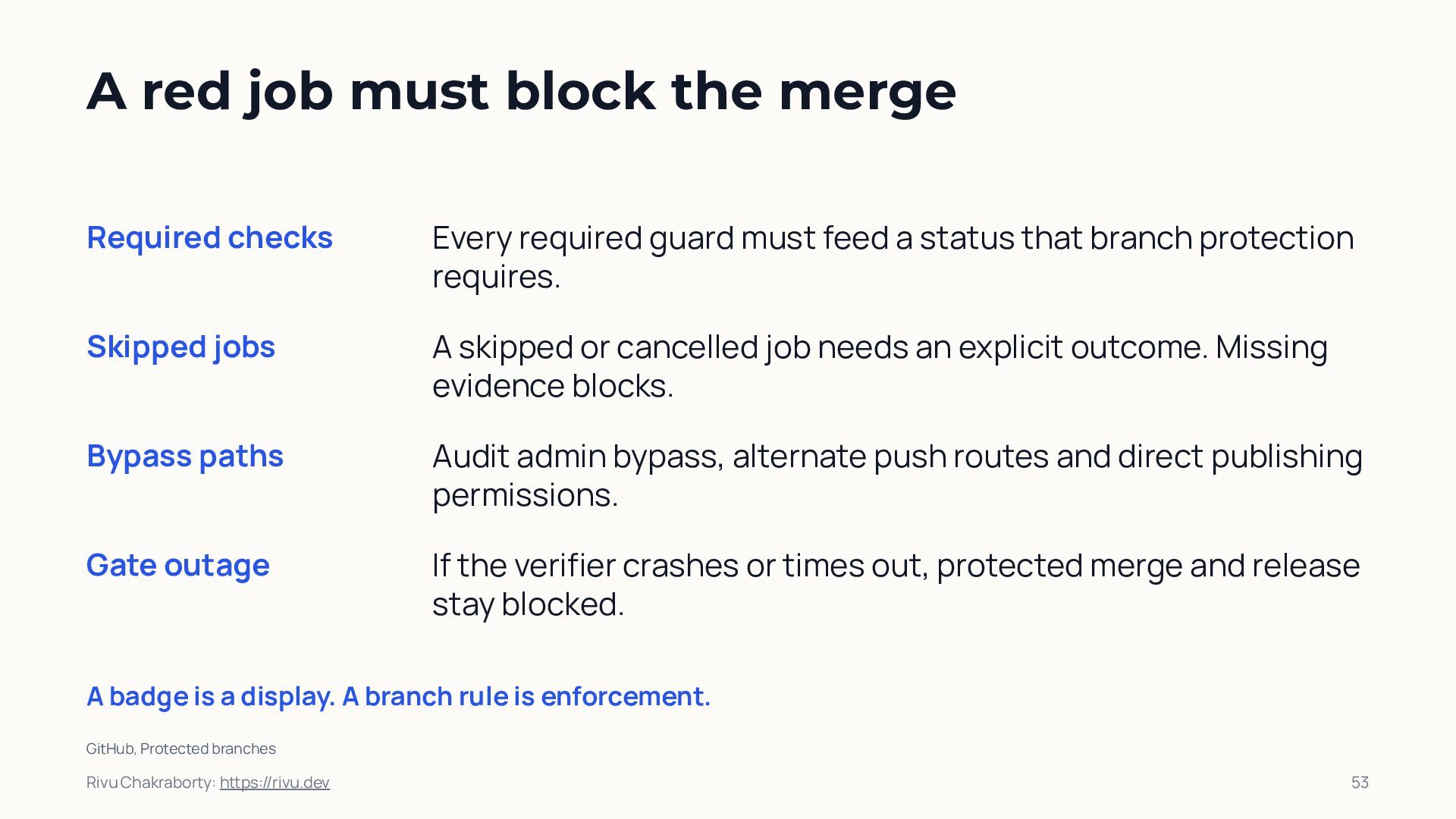
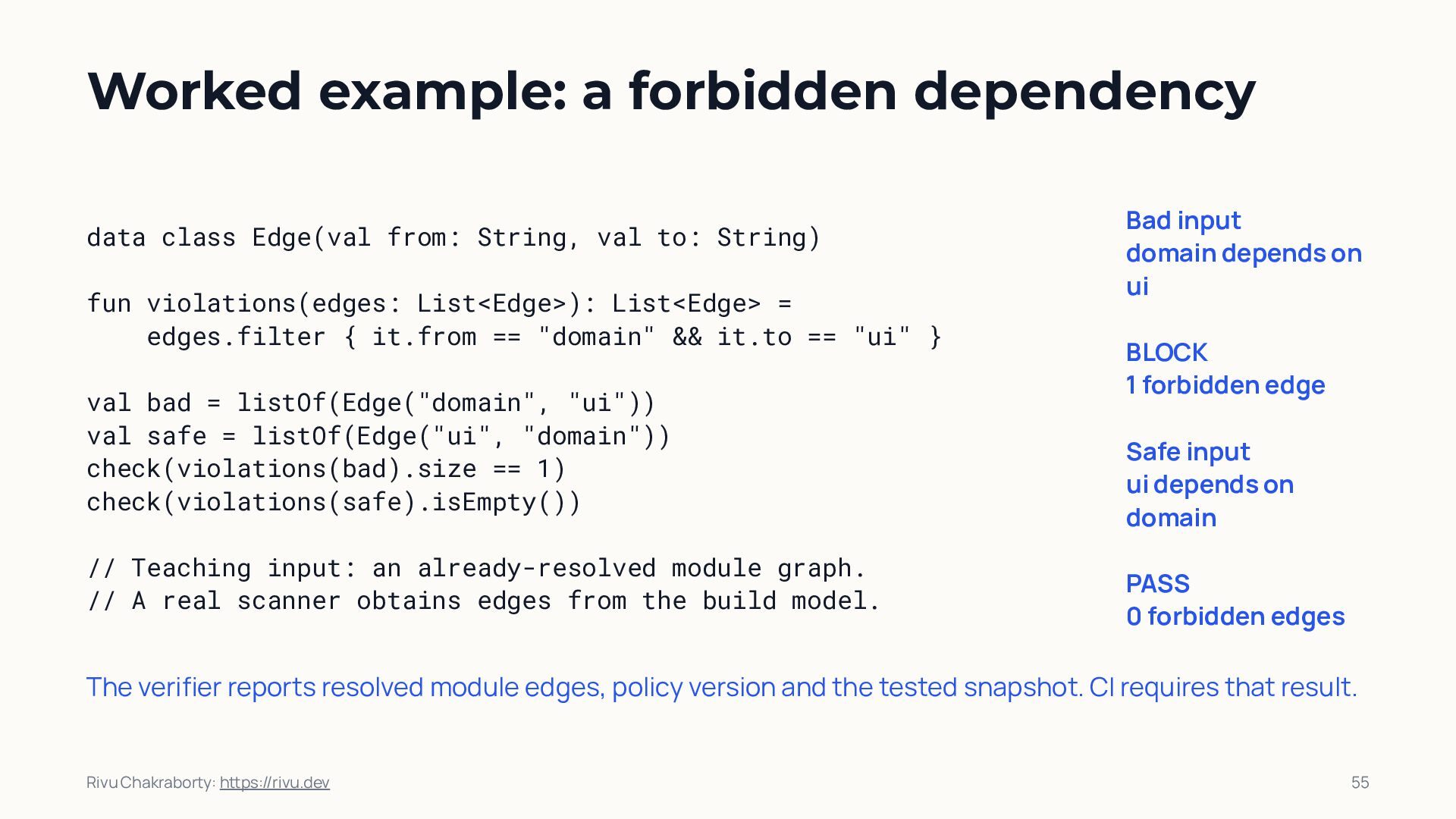
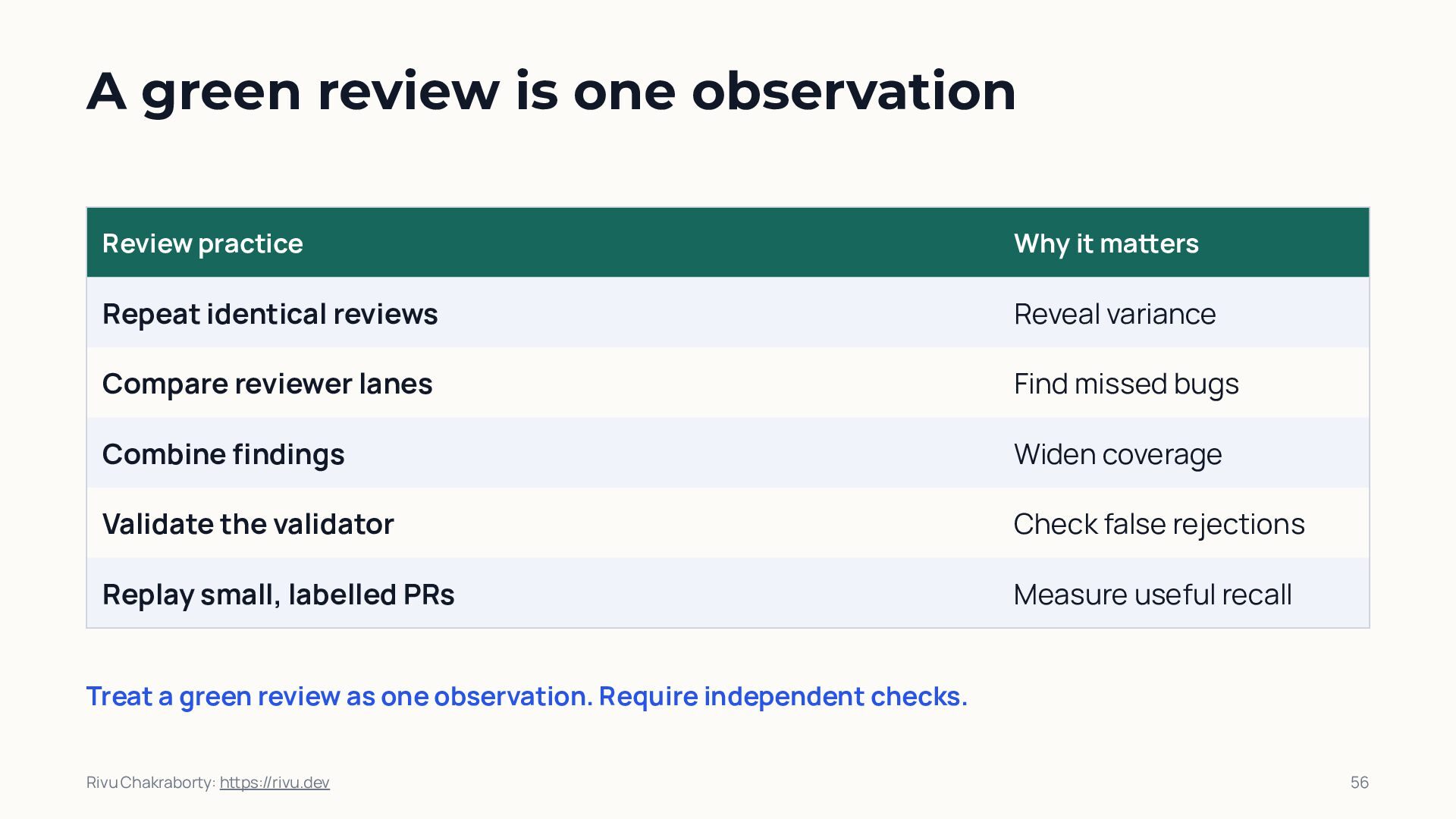
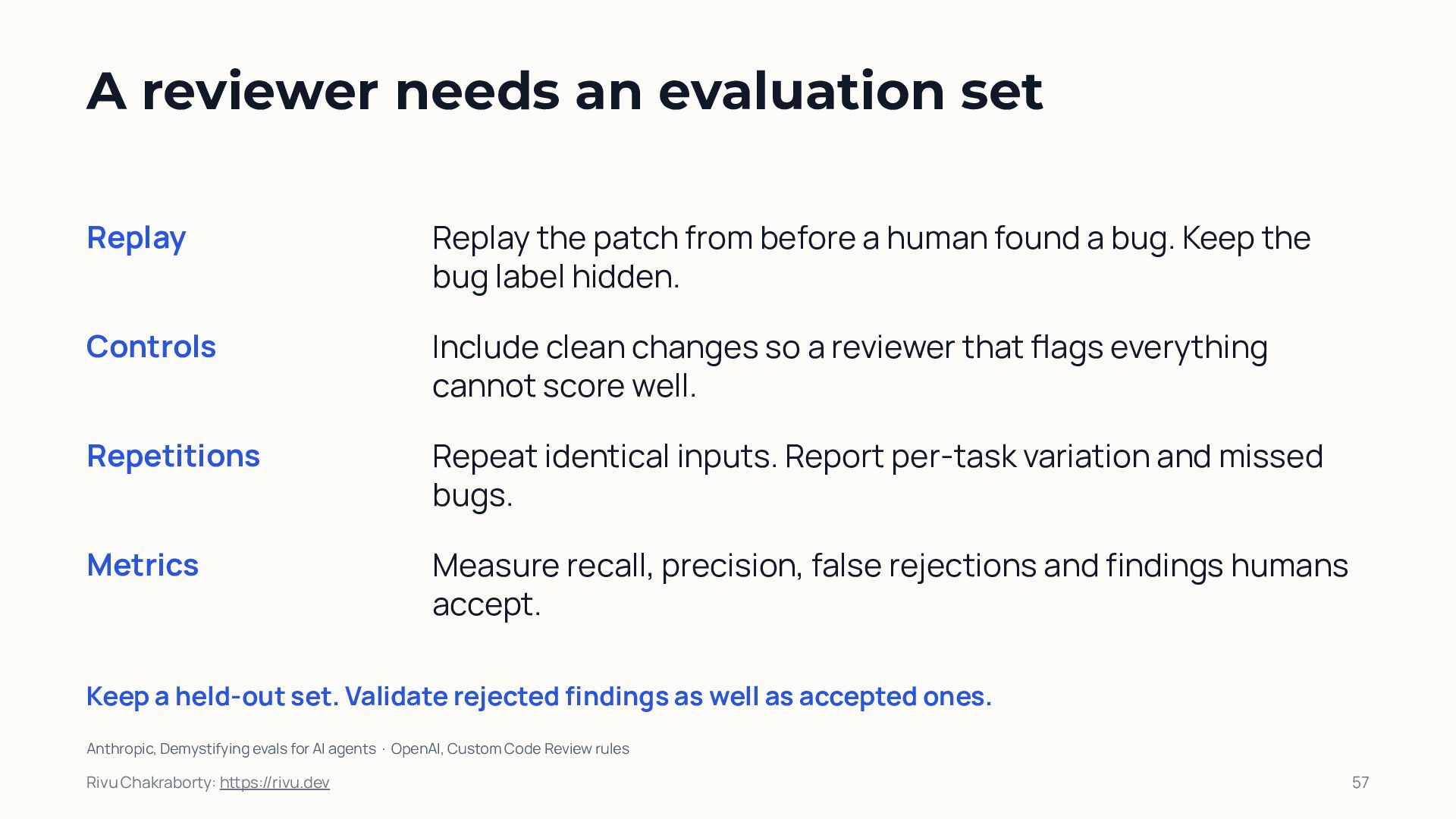
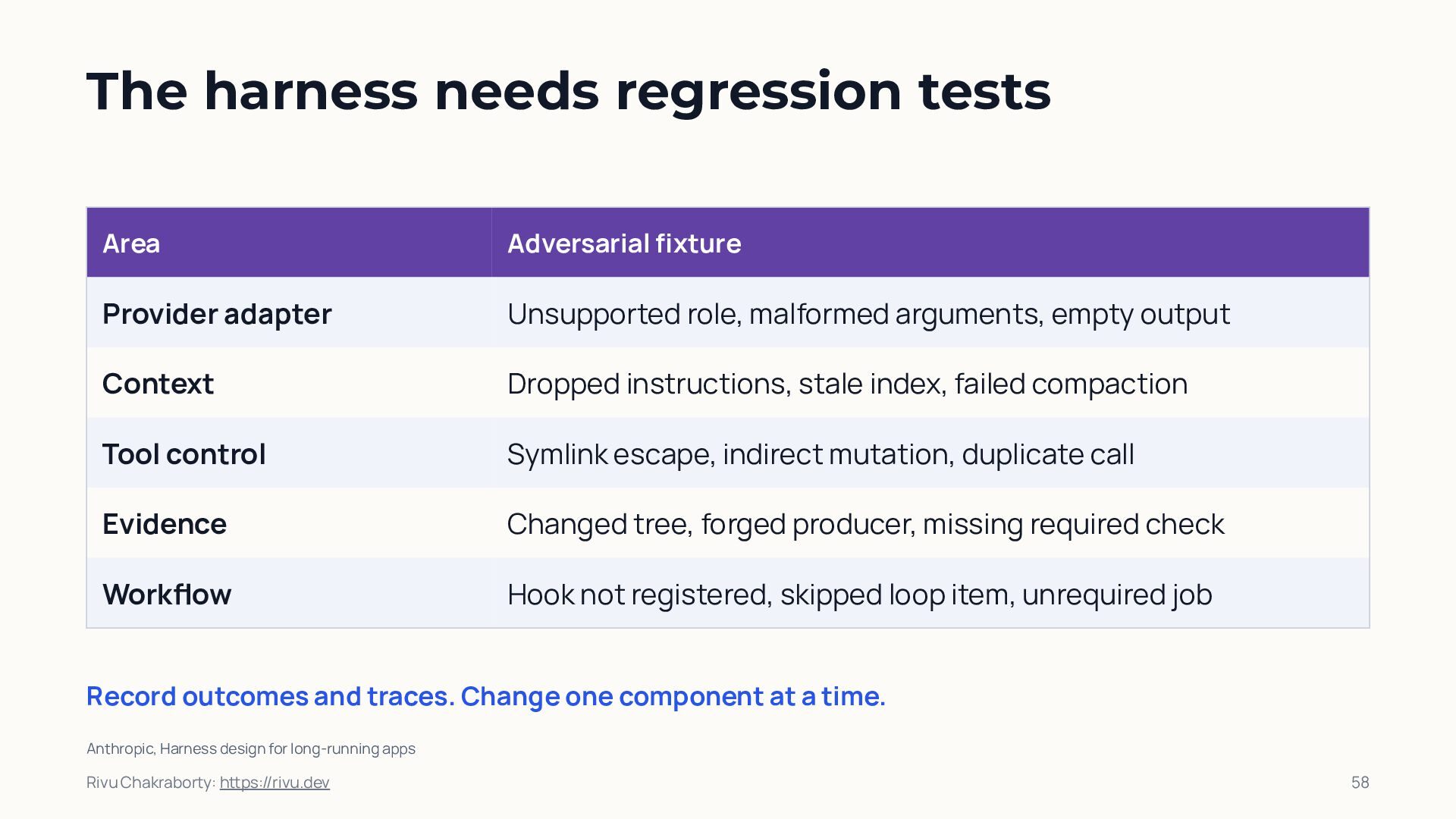
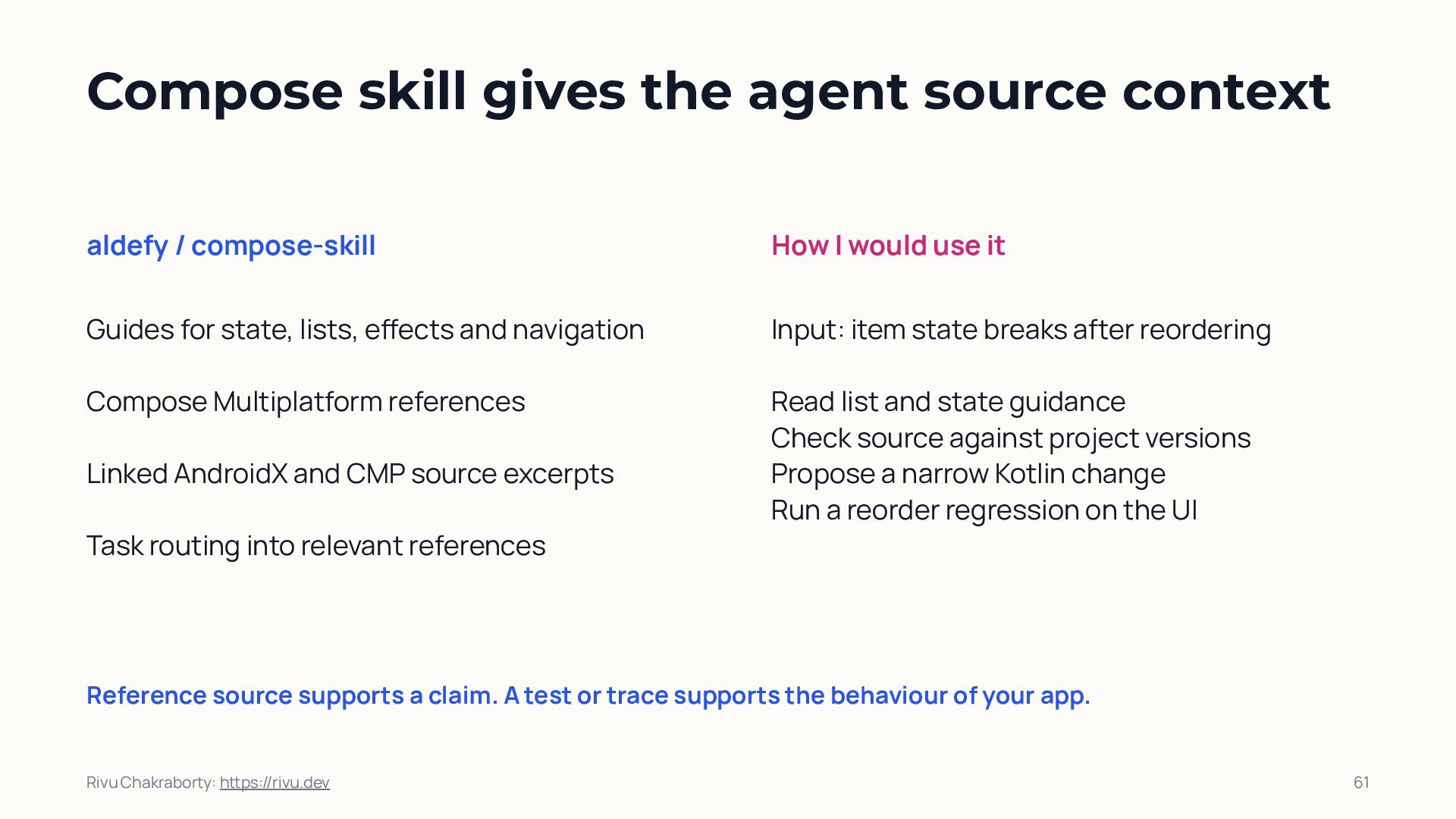
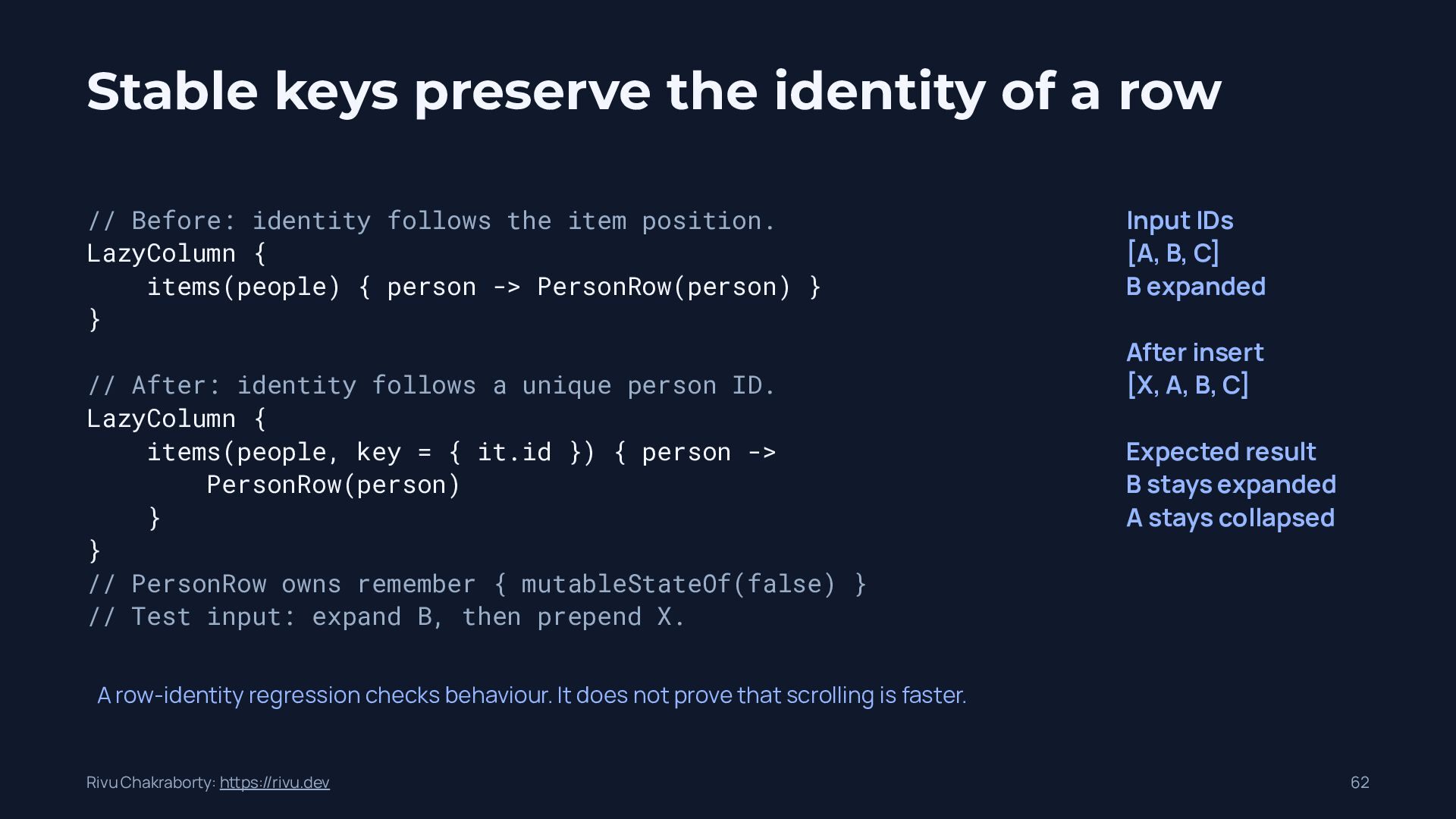
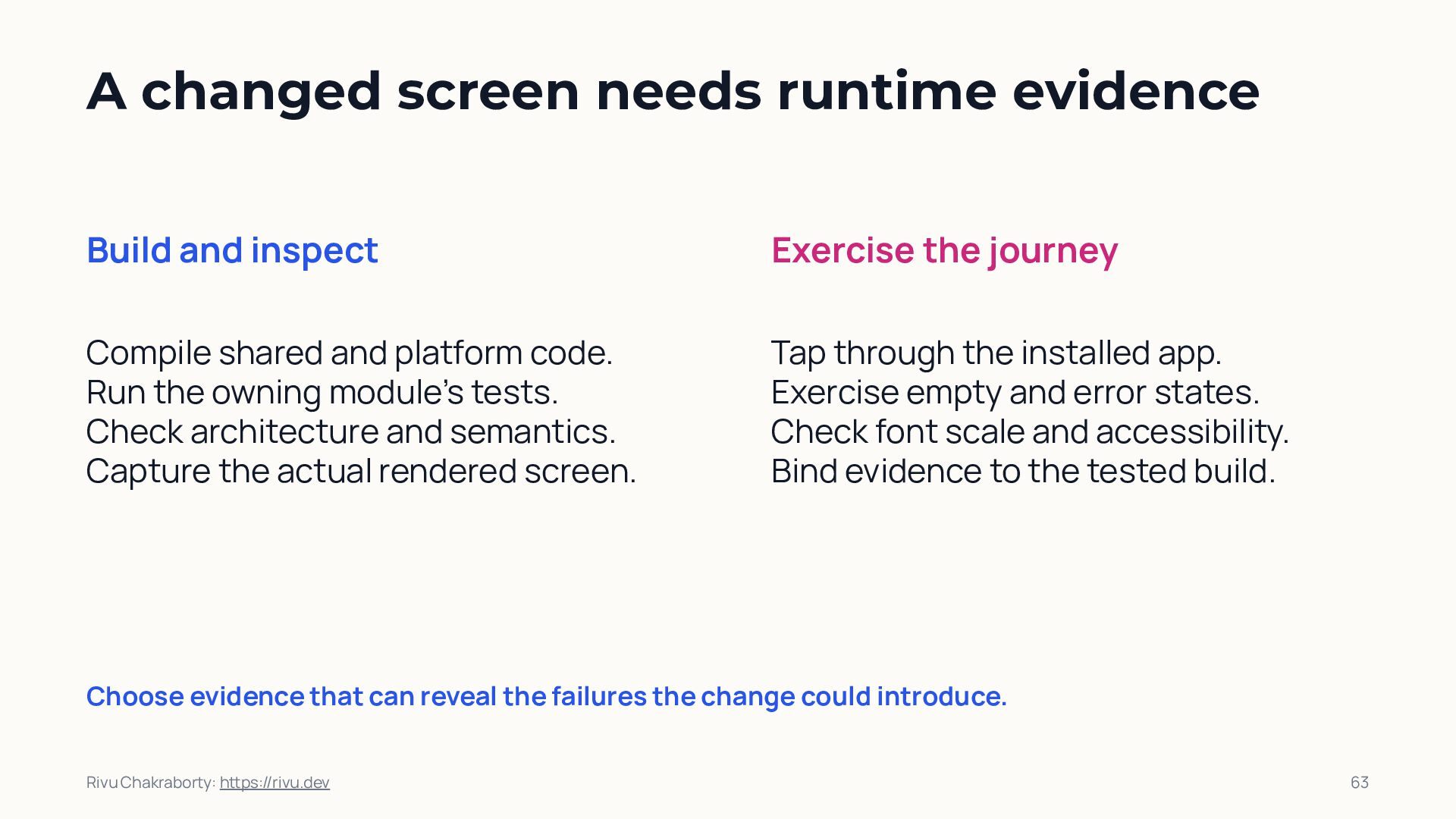
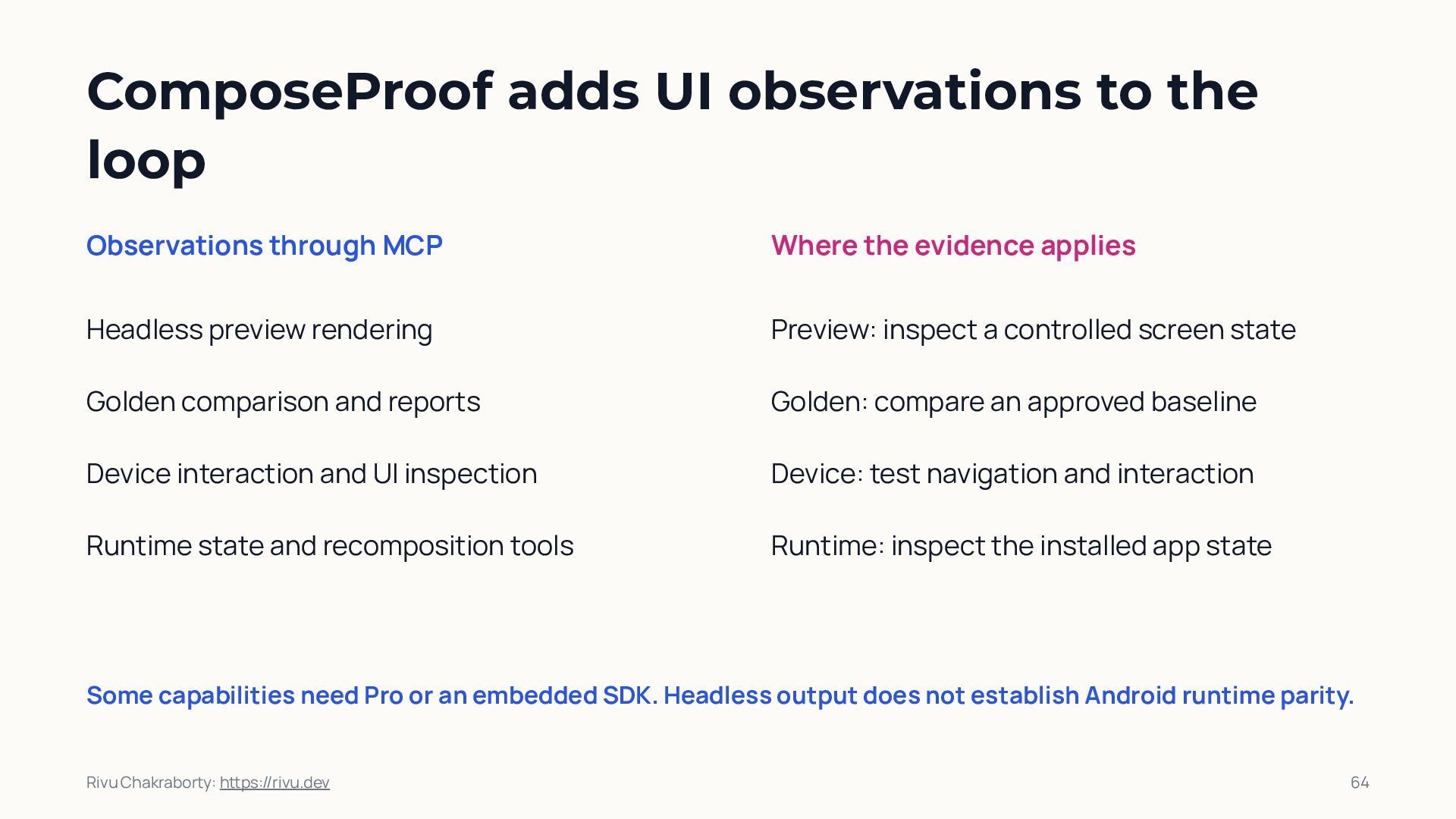
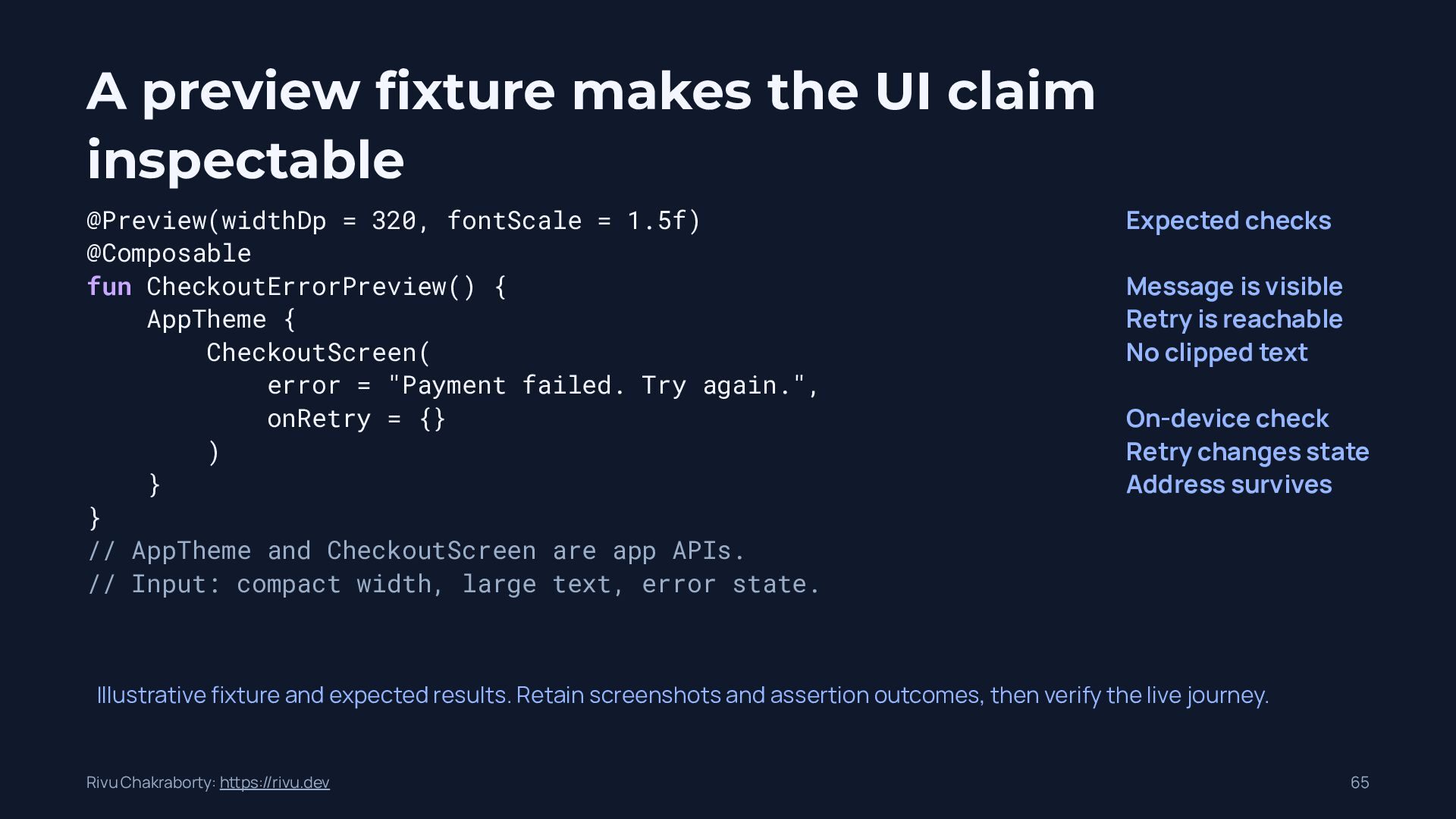
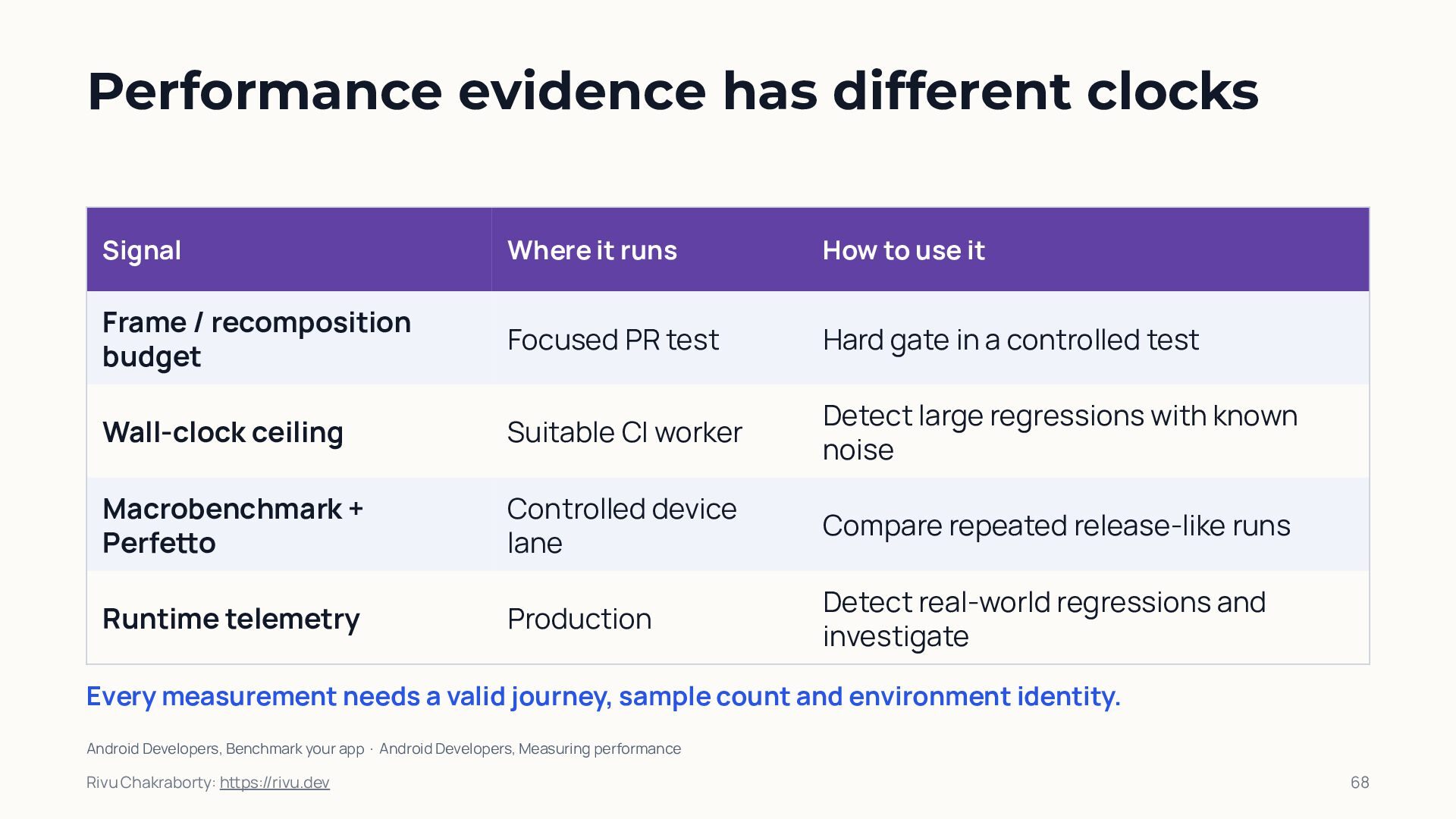
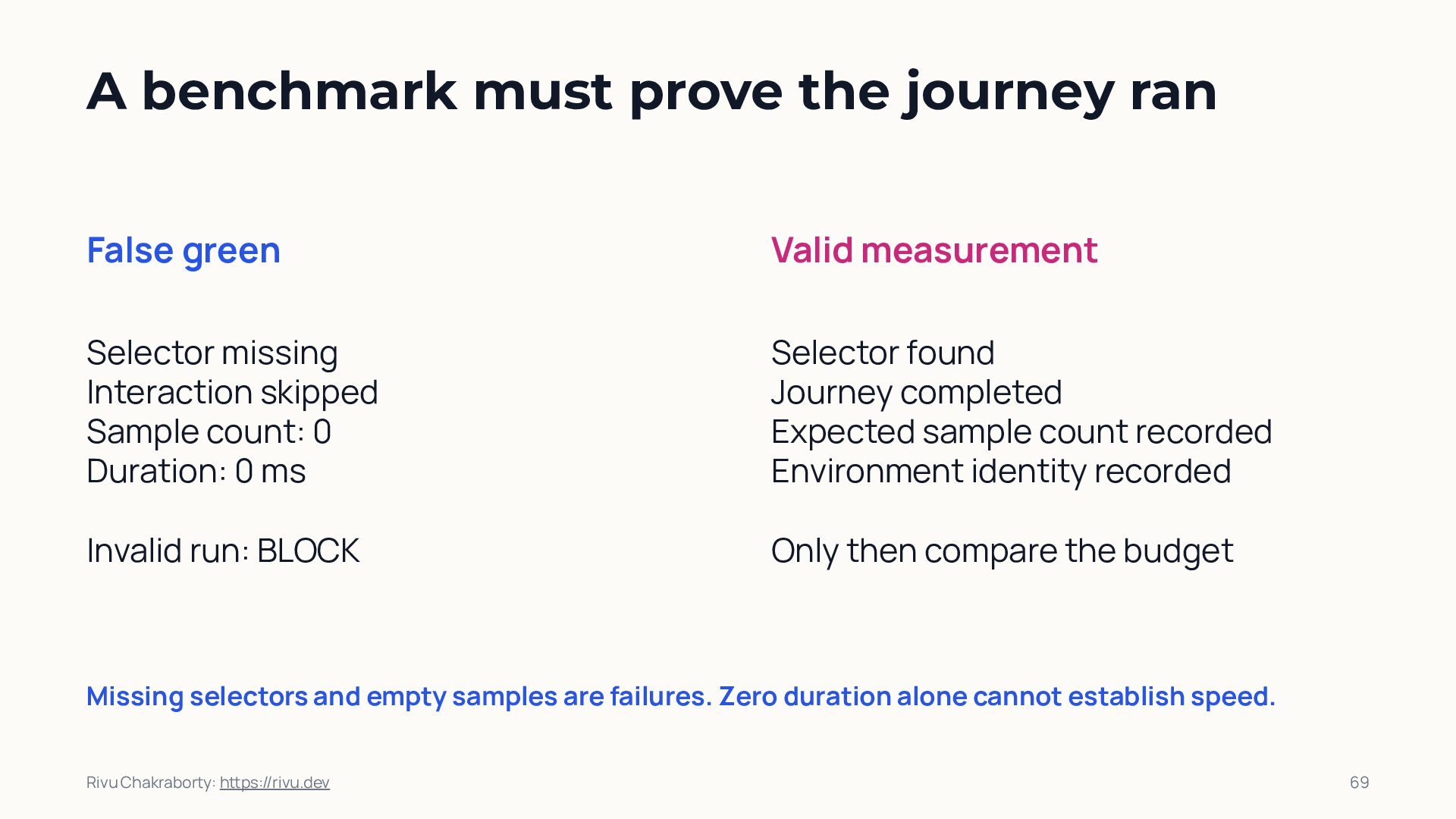
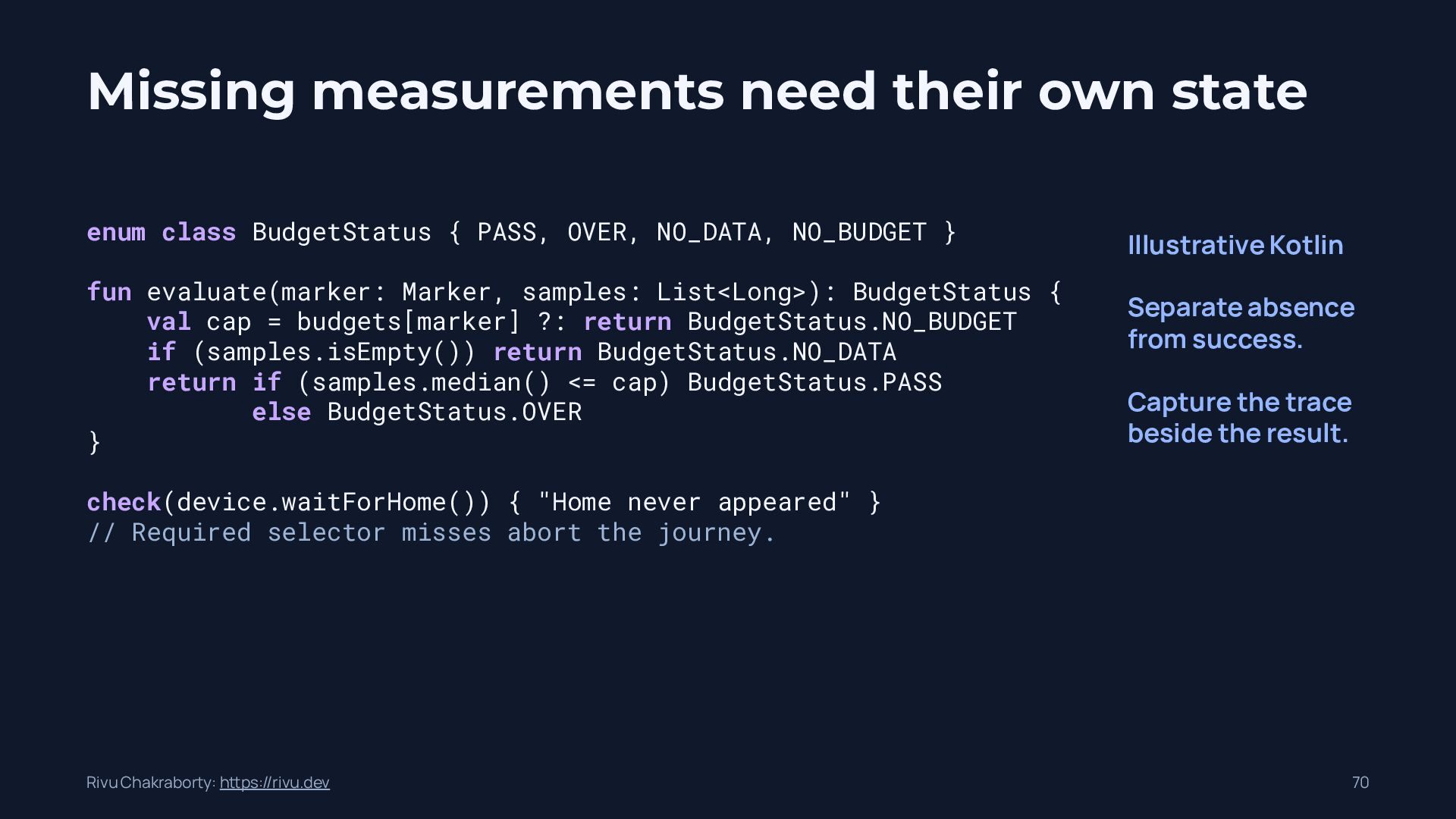
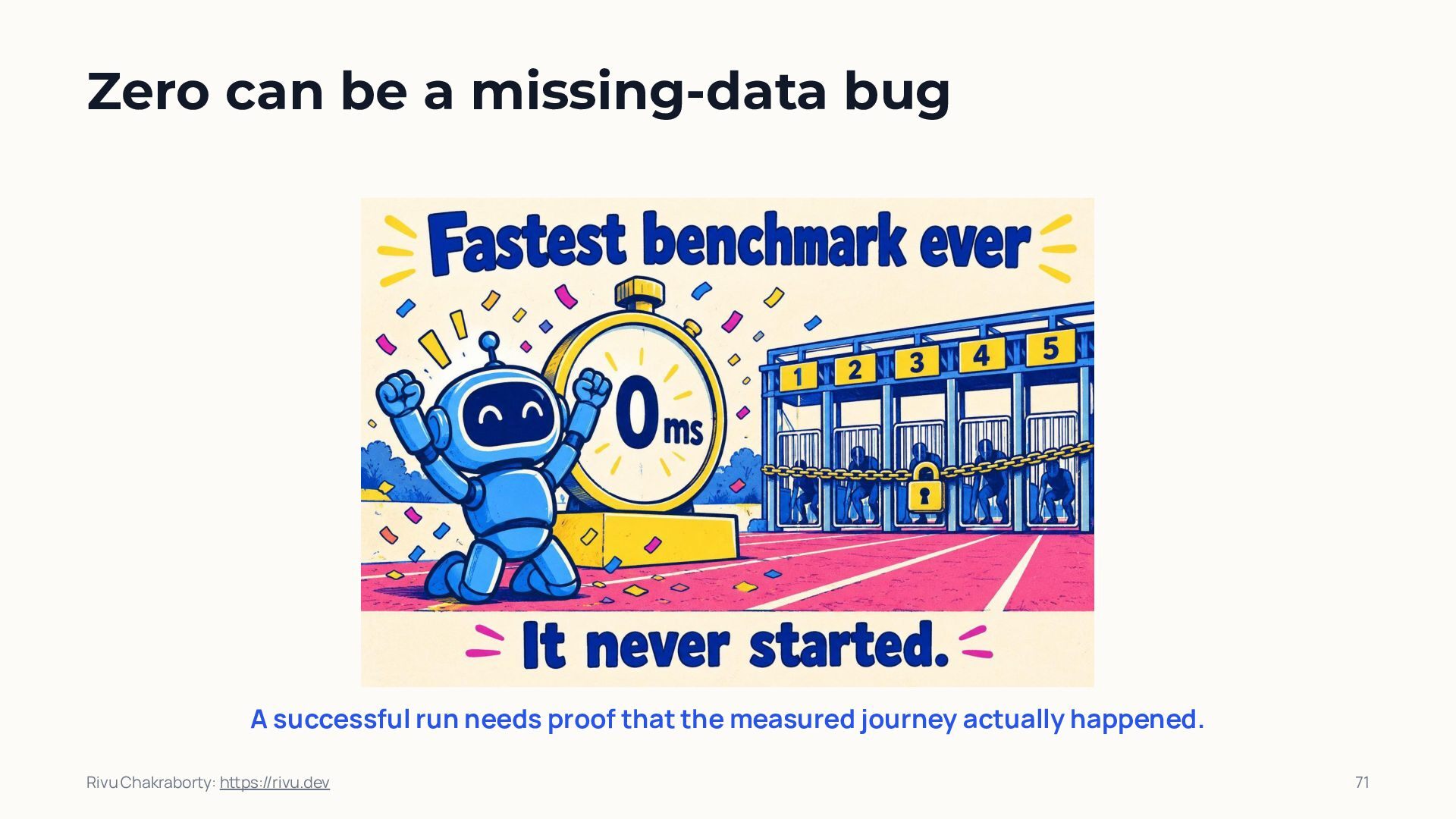
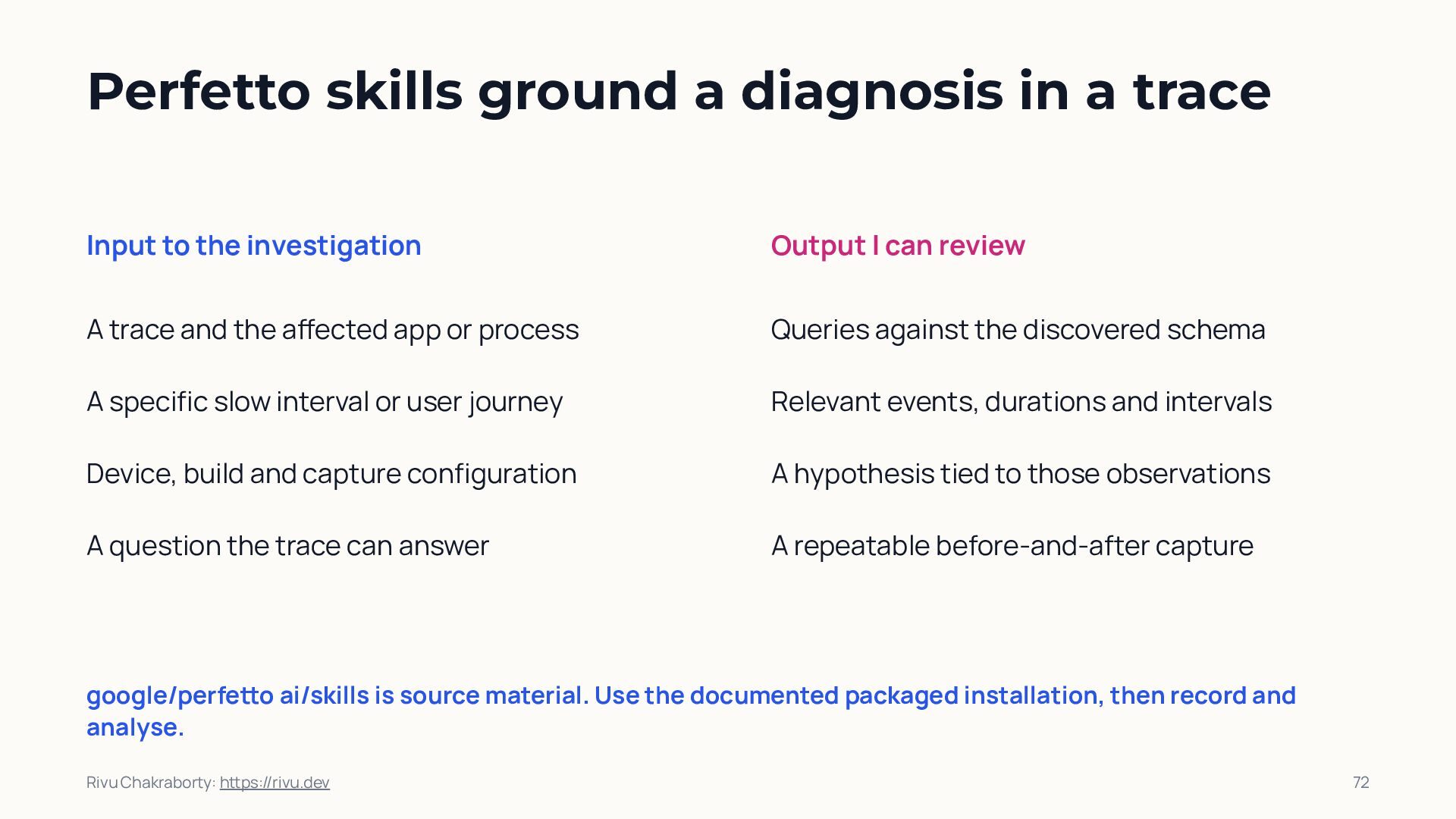
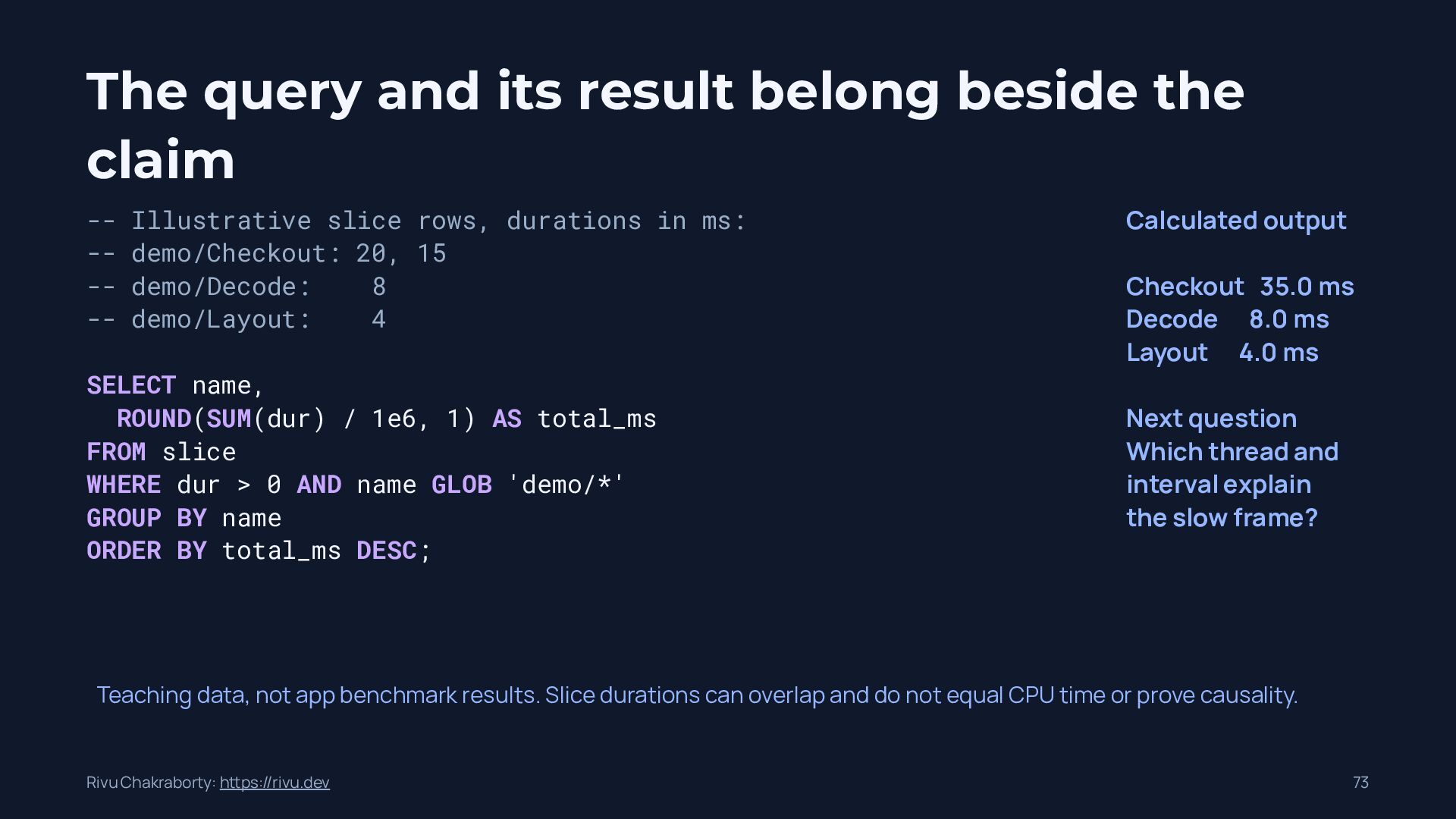
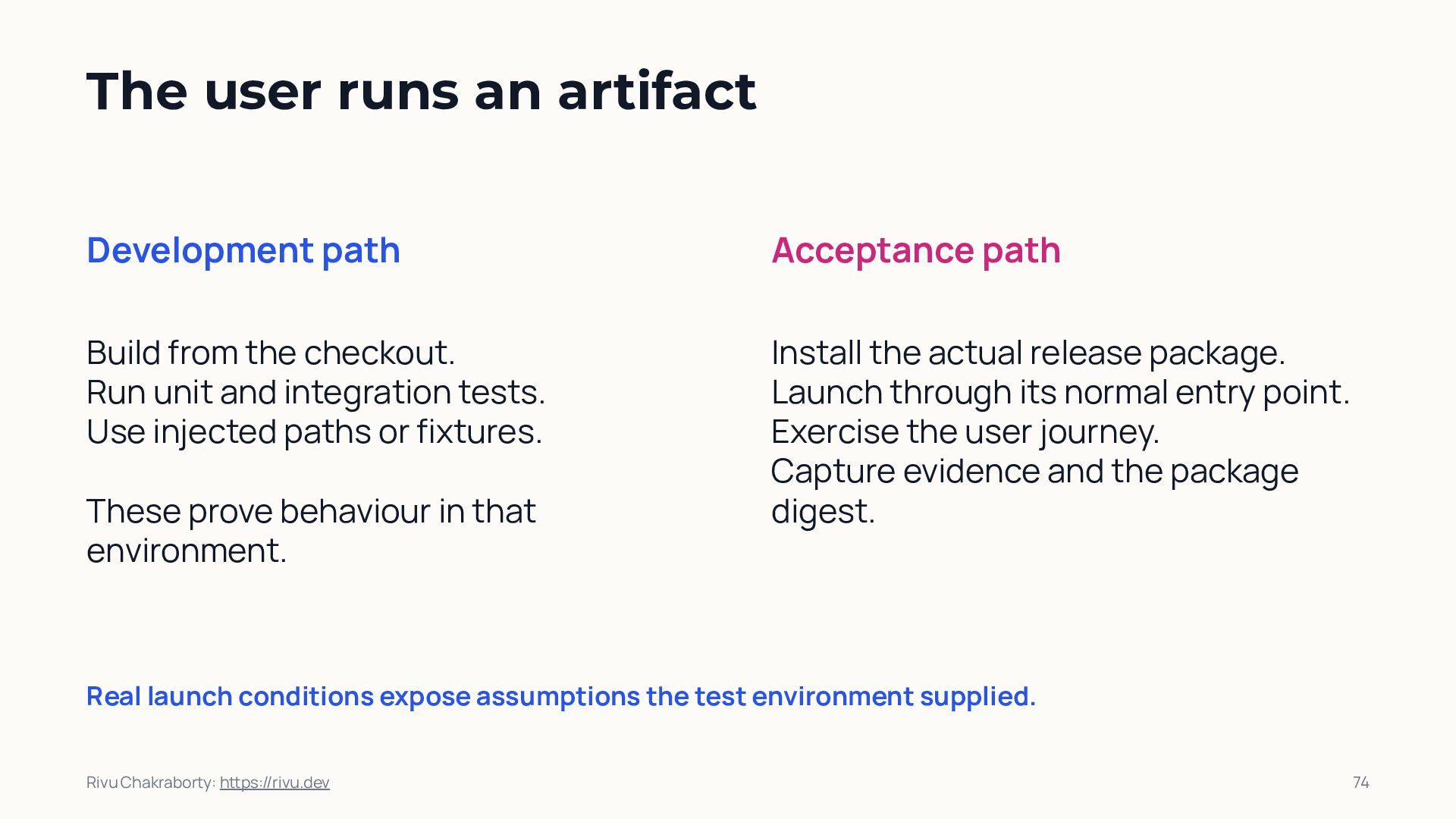
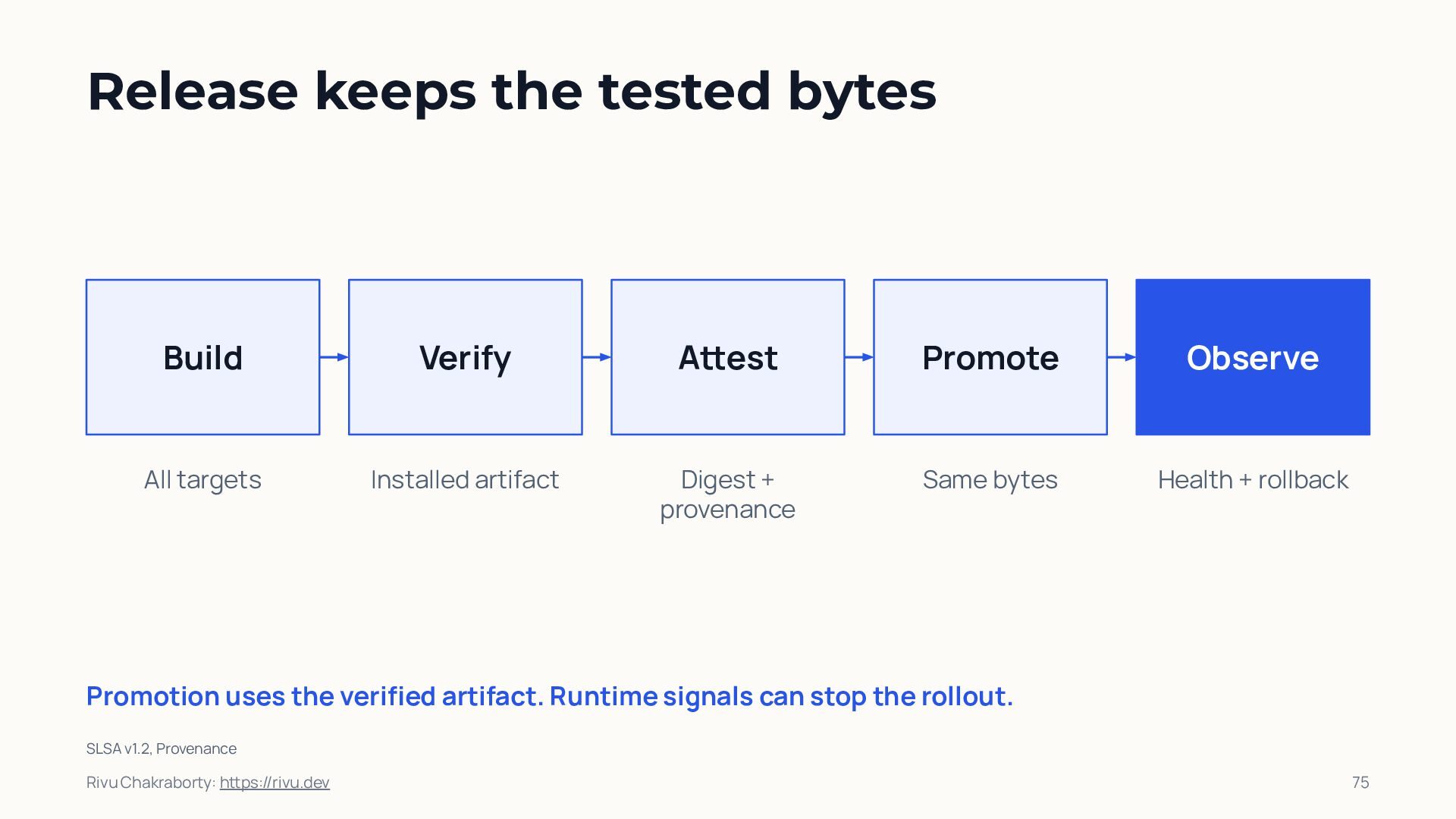
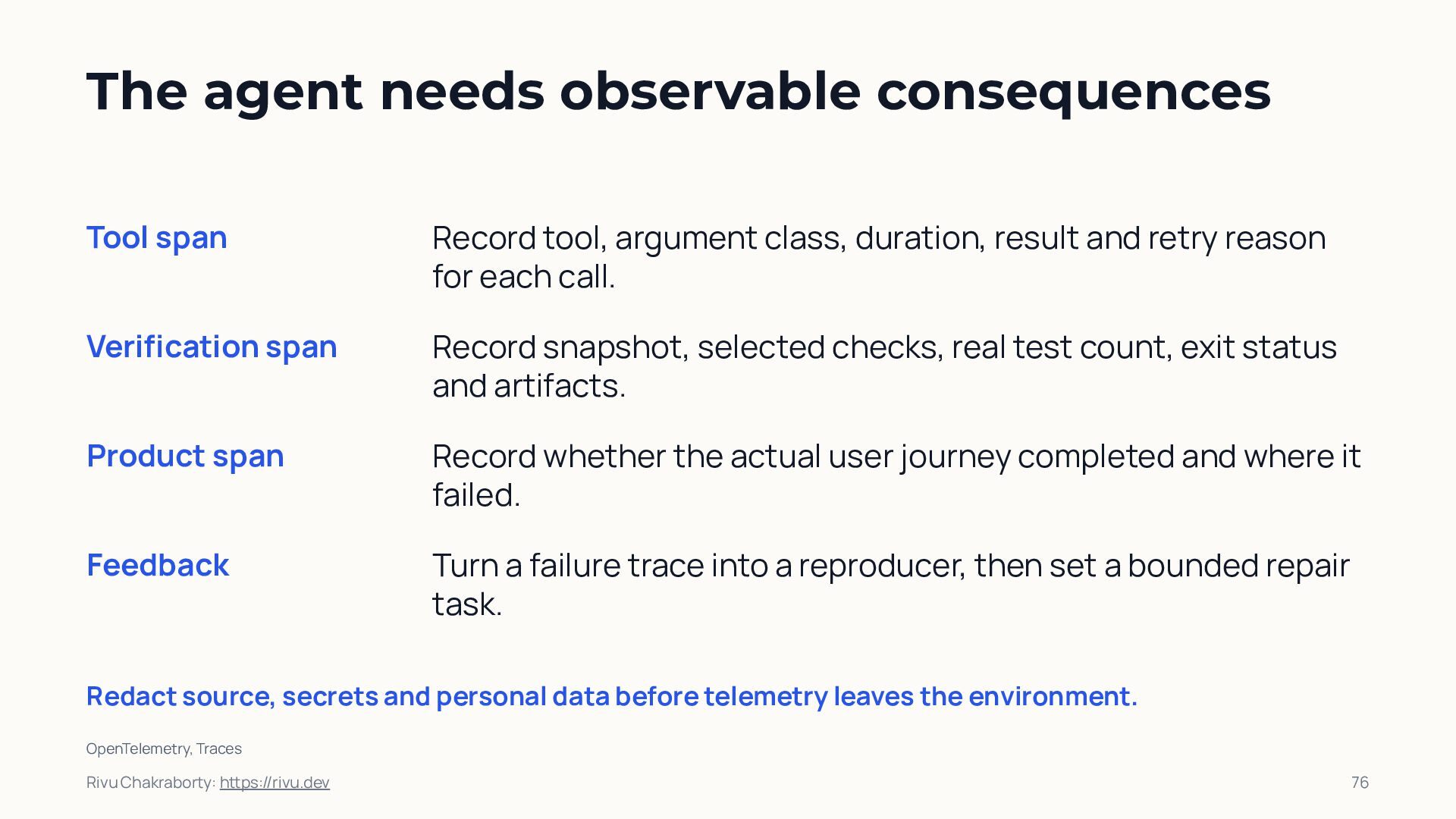
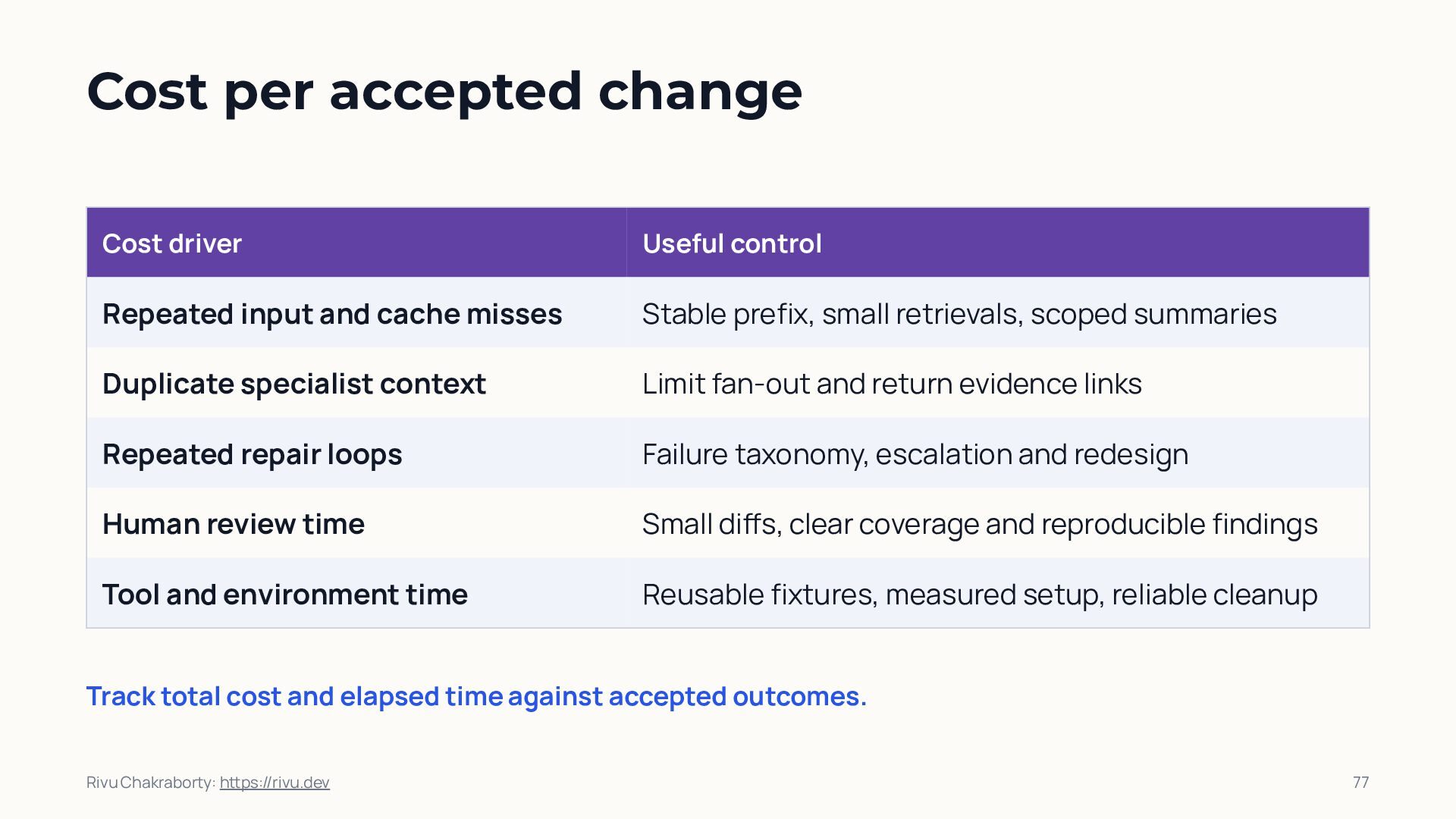
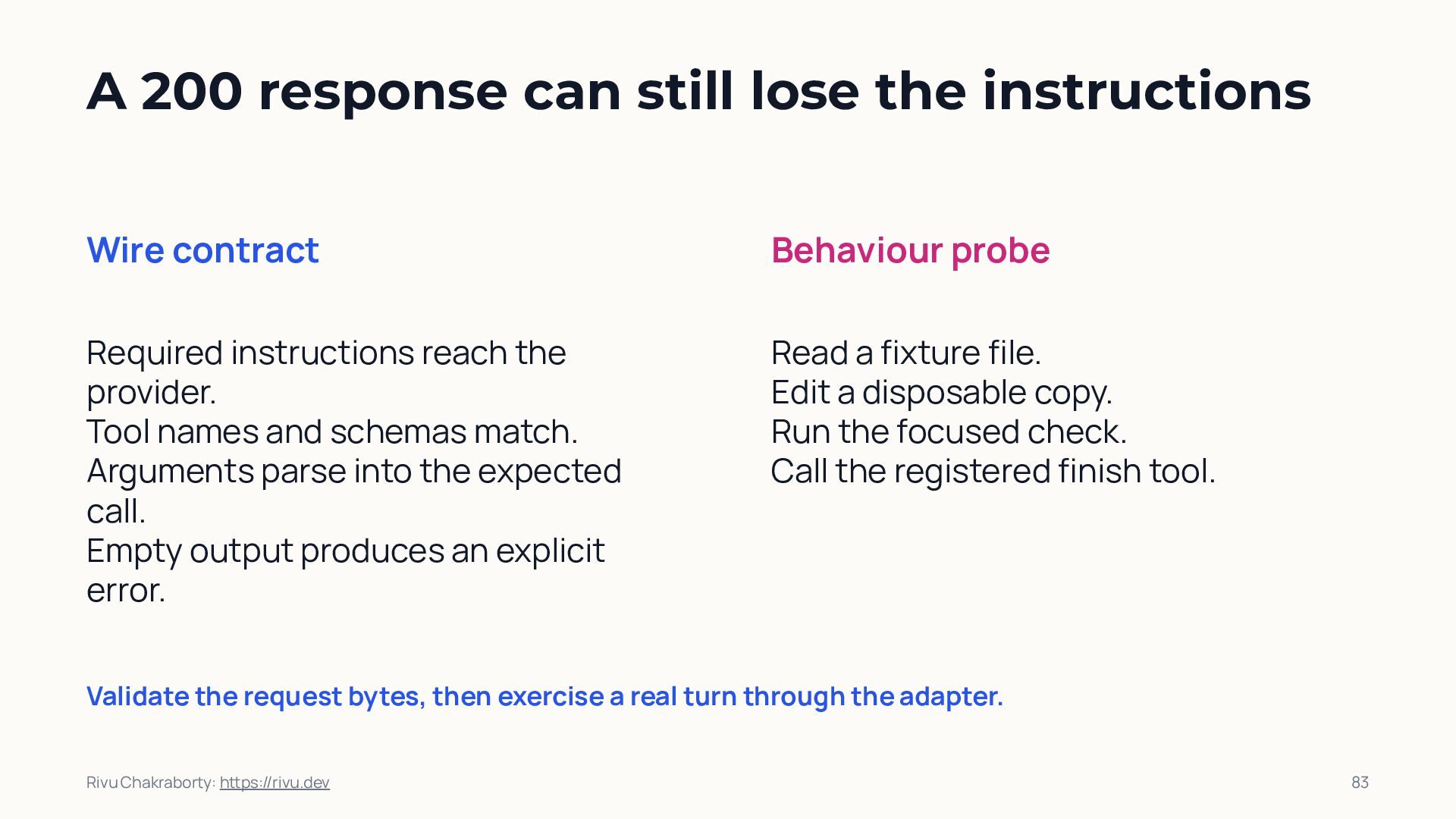
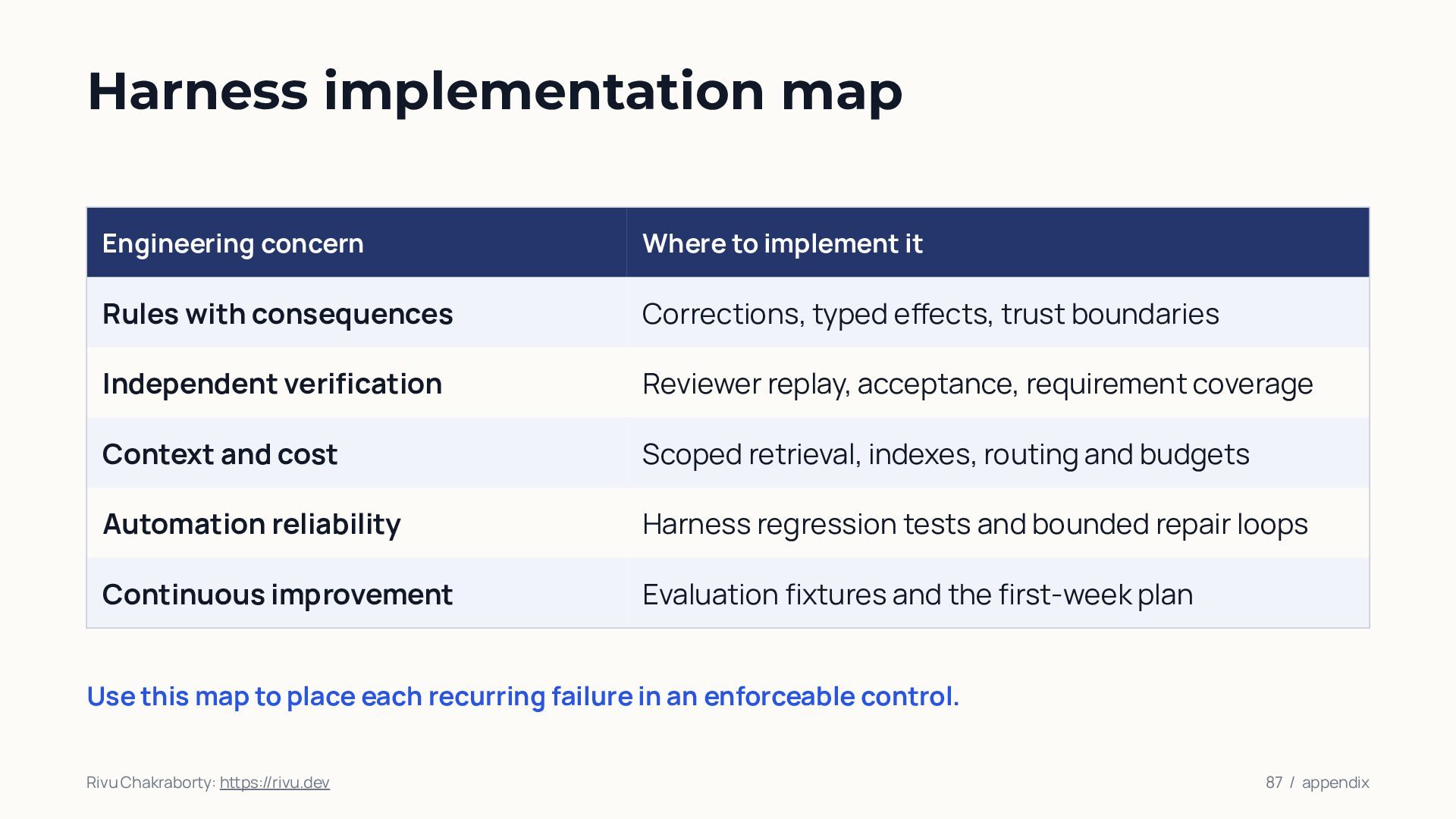
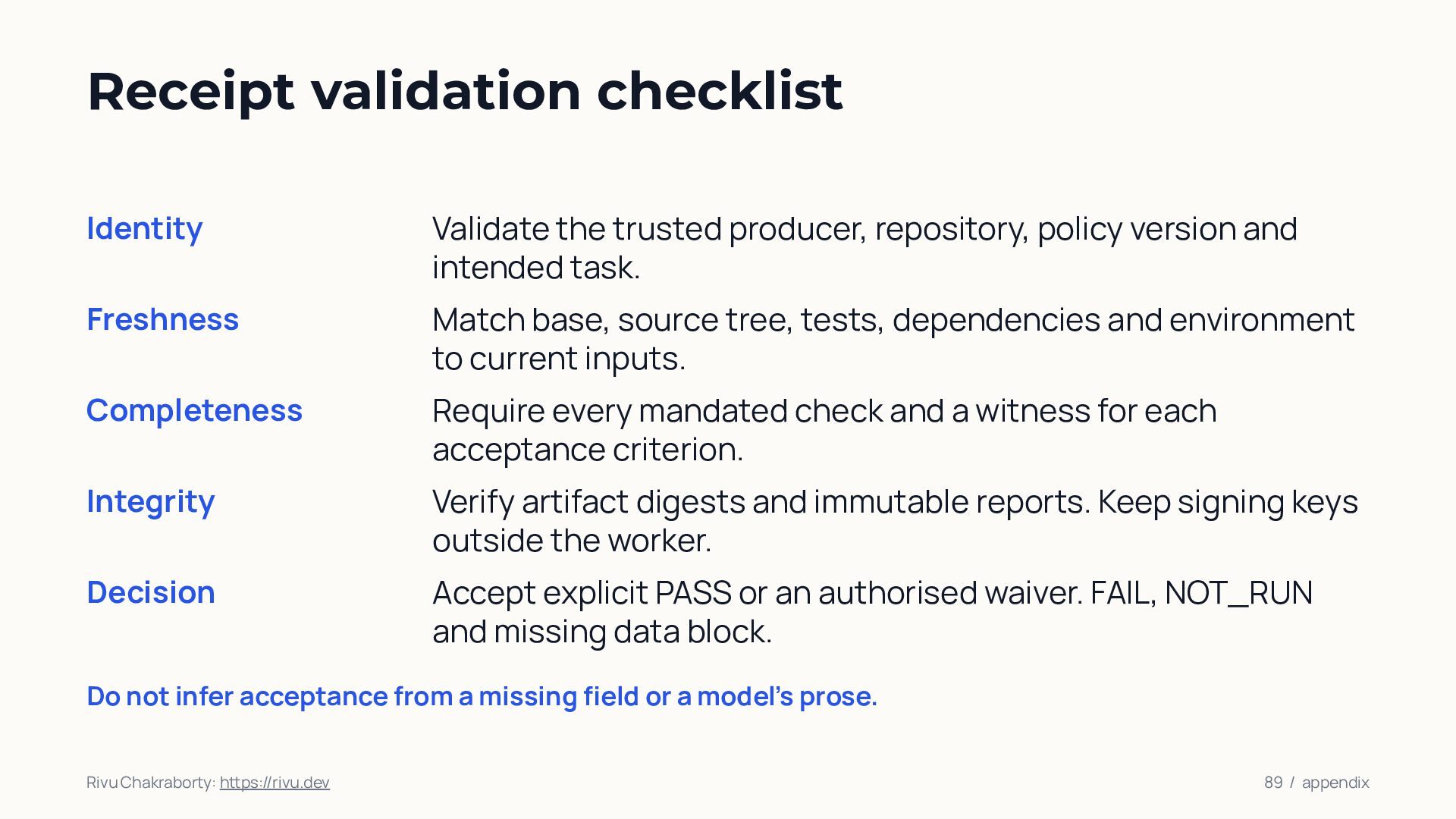
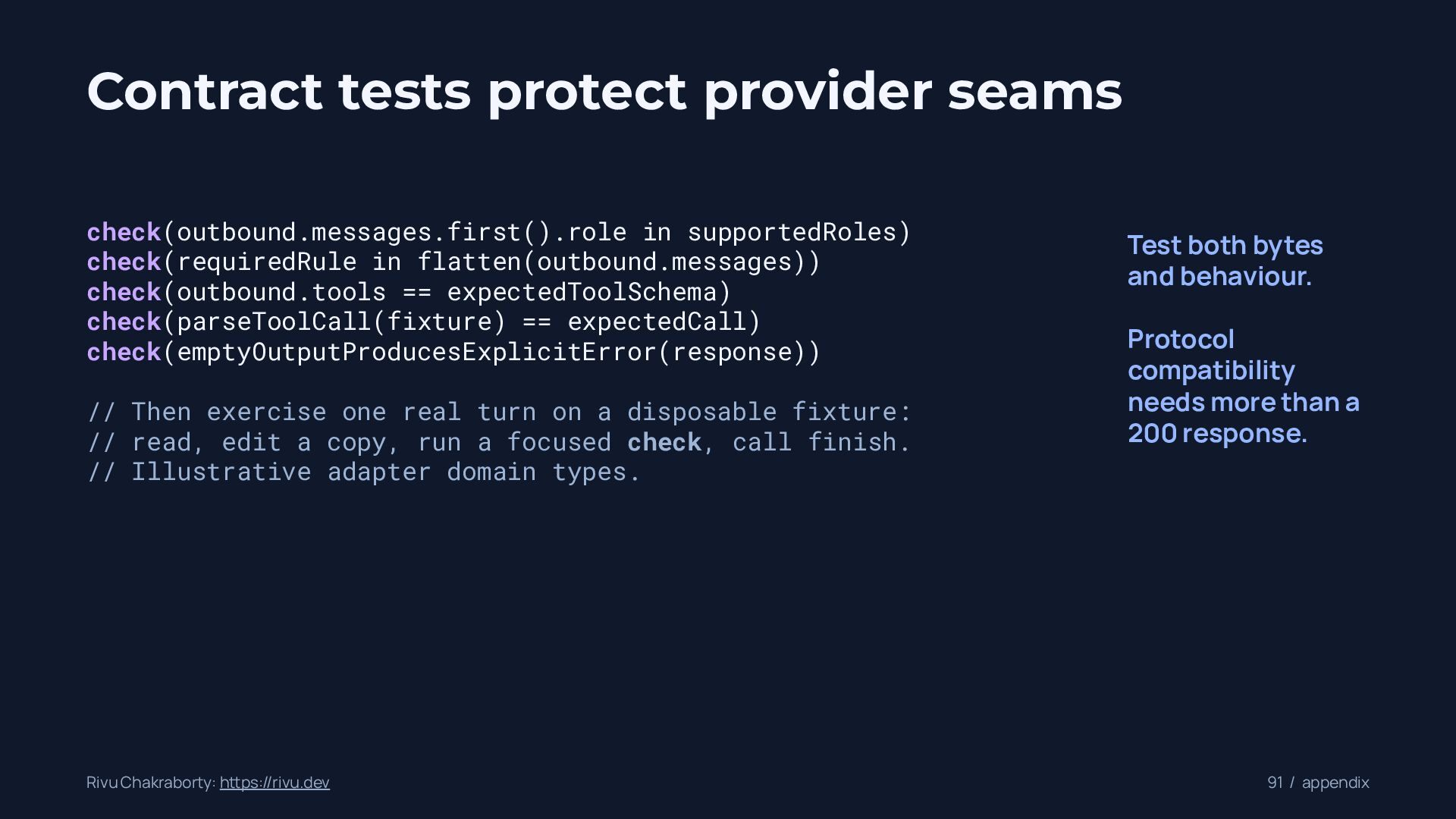
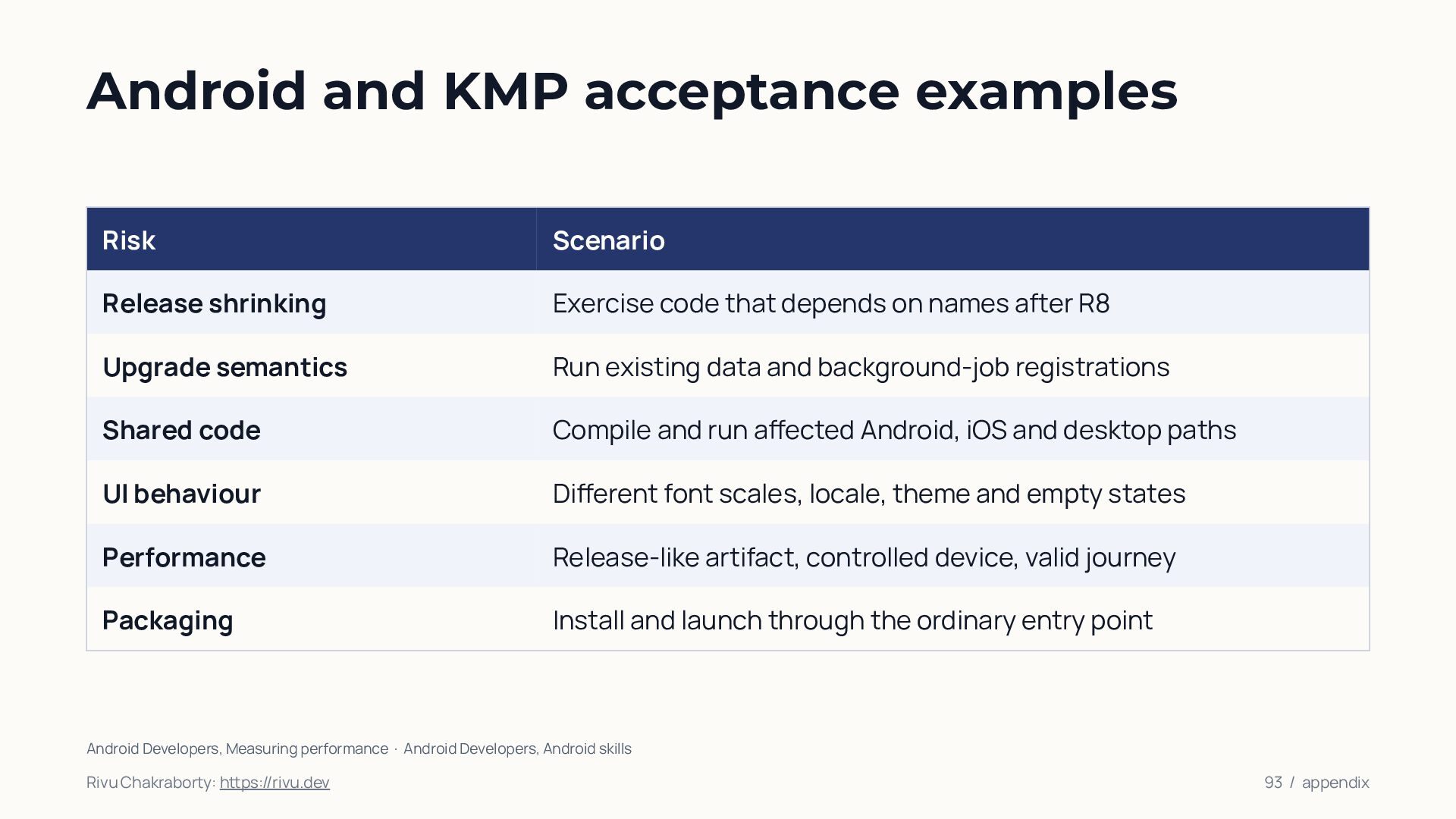
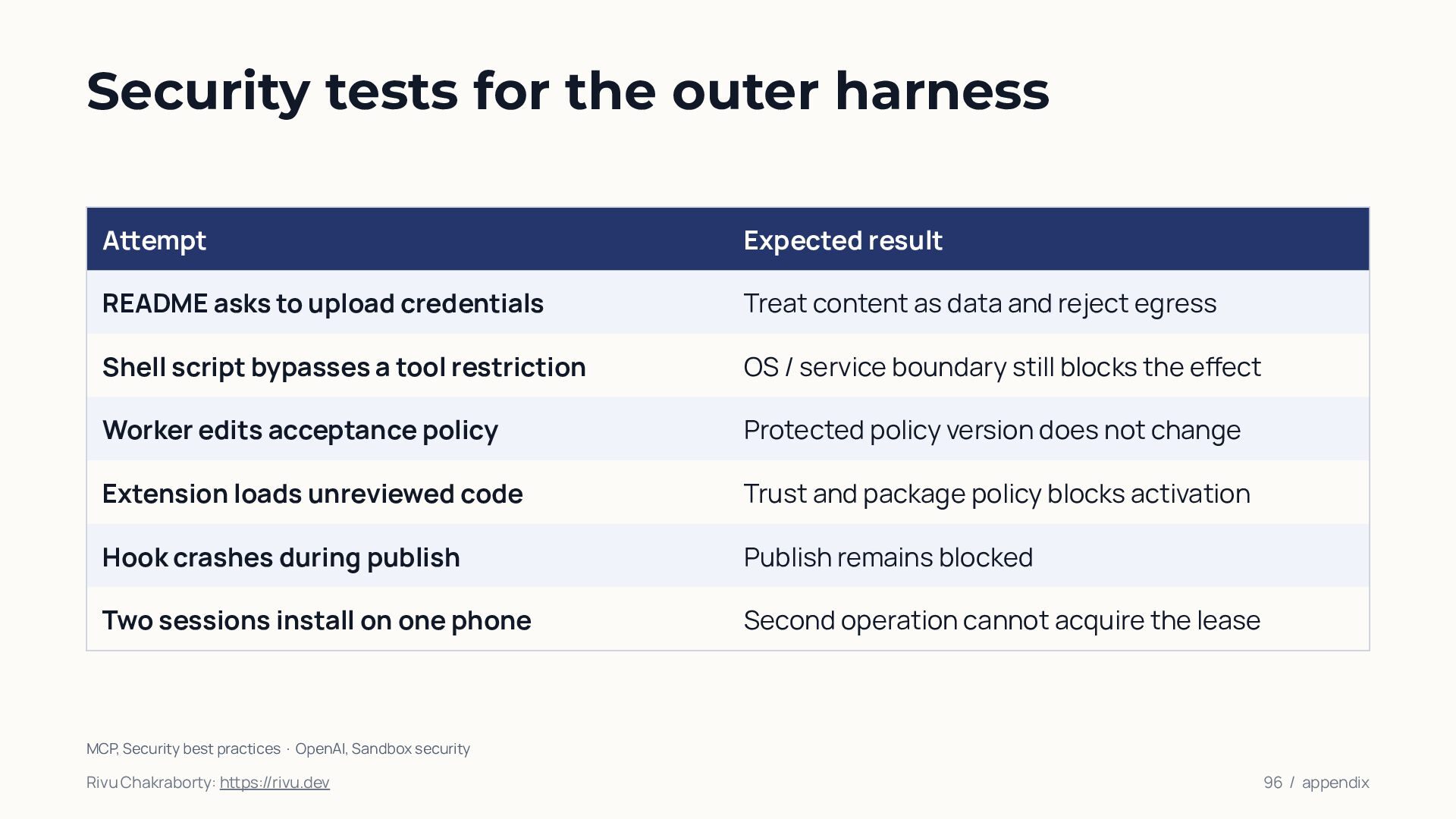
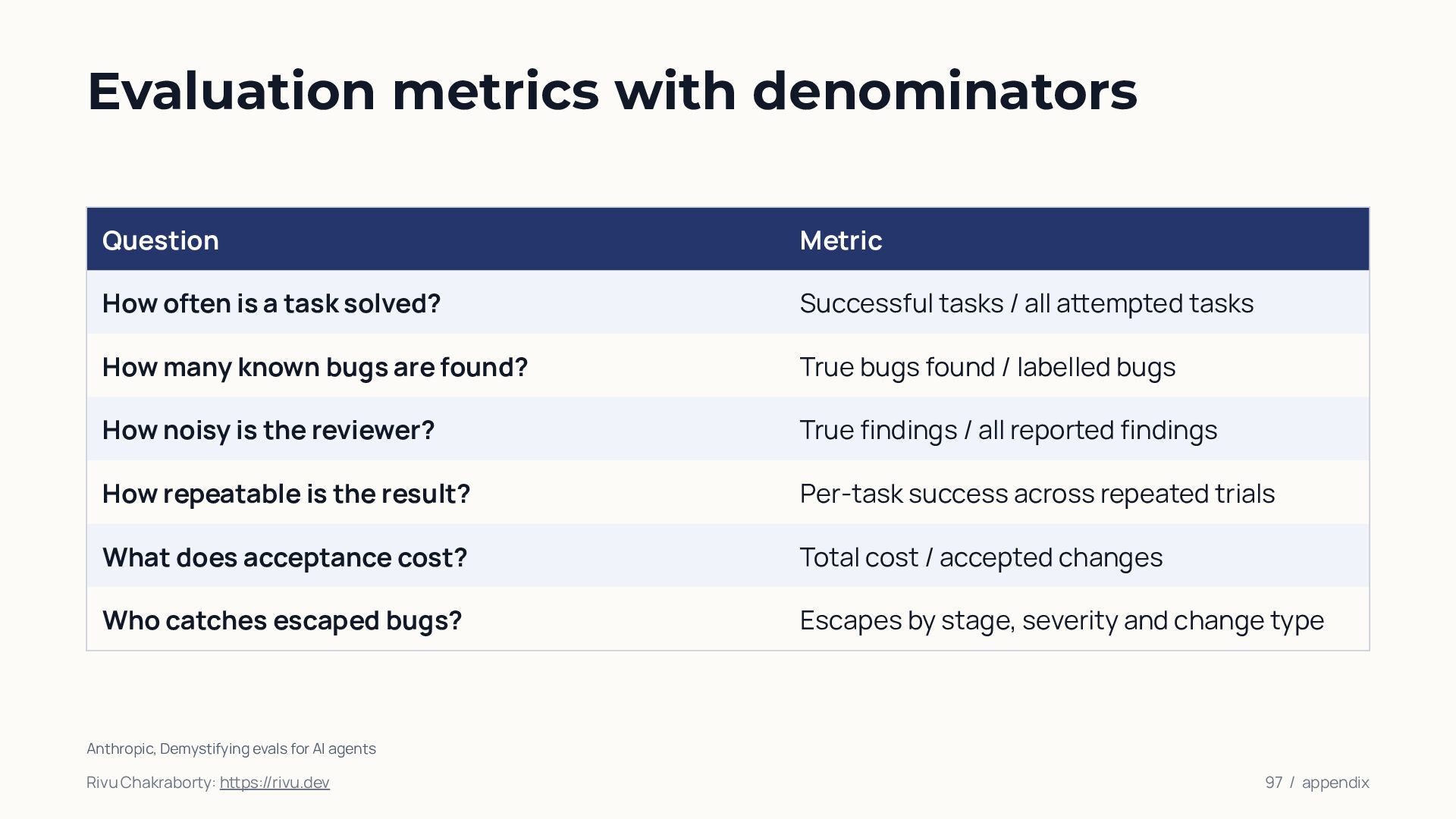
We'll build independent verification layers around AI-generated code: compilation, static analysis, automated tests, UI validation, performance benchmarks and runtime telemetry. Instead of trusting an agent's claim that a task is complete, our harness will collect real engineering evidence.
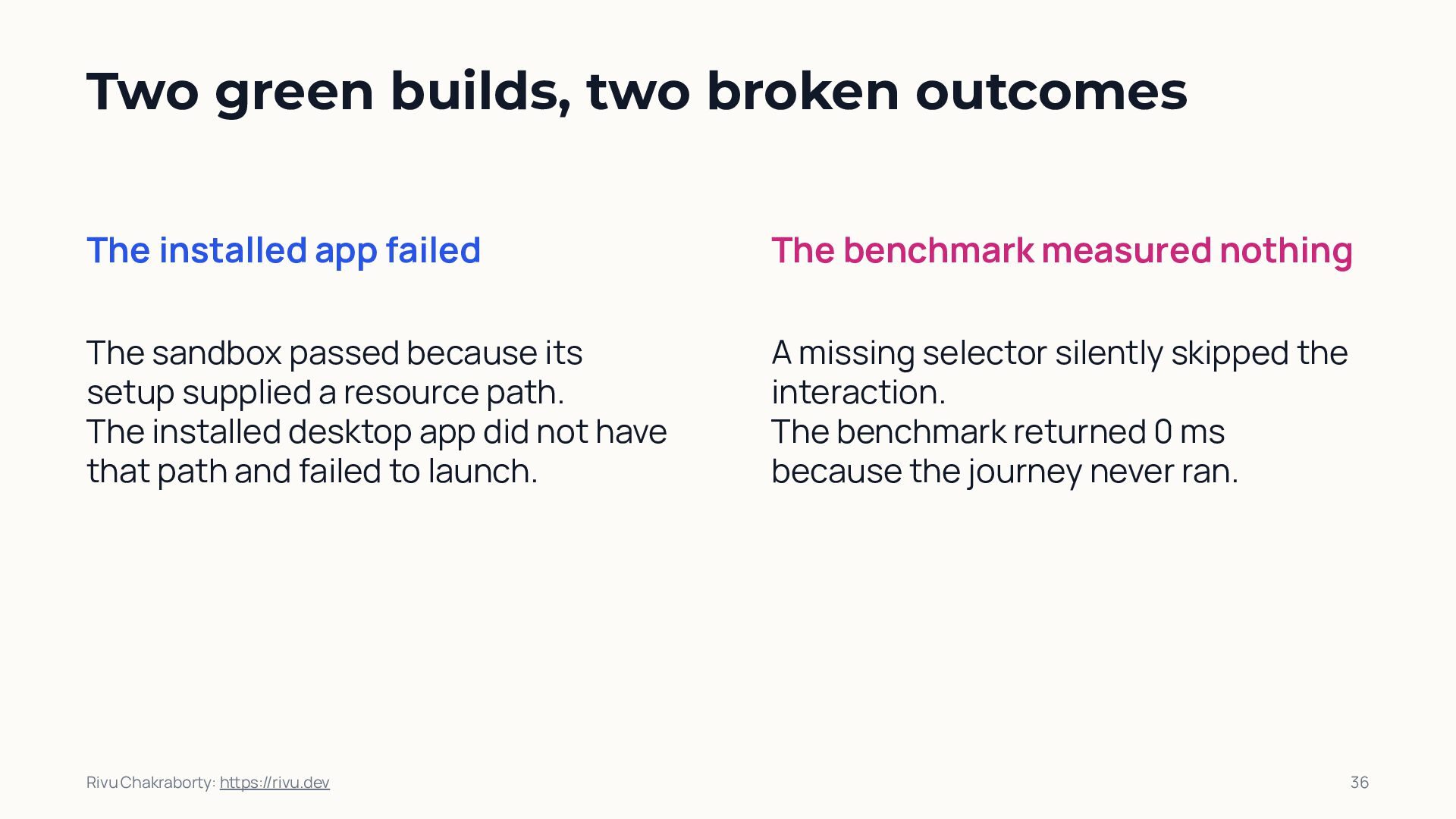
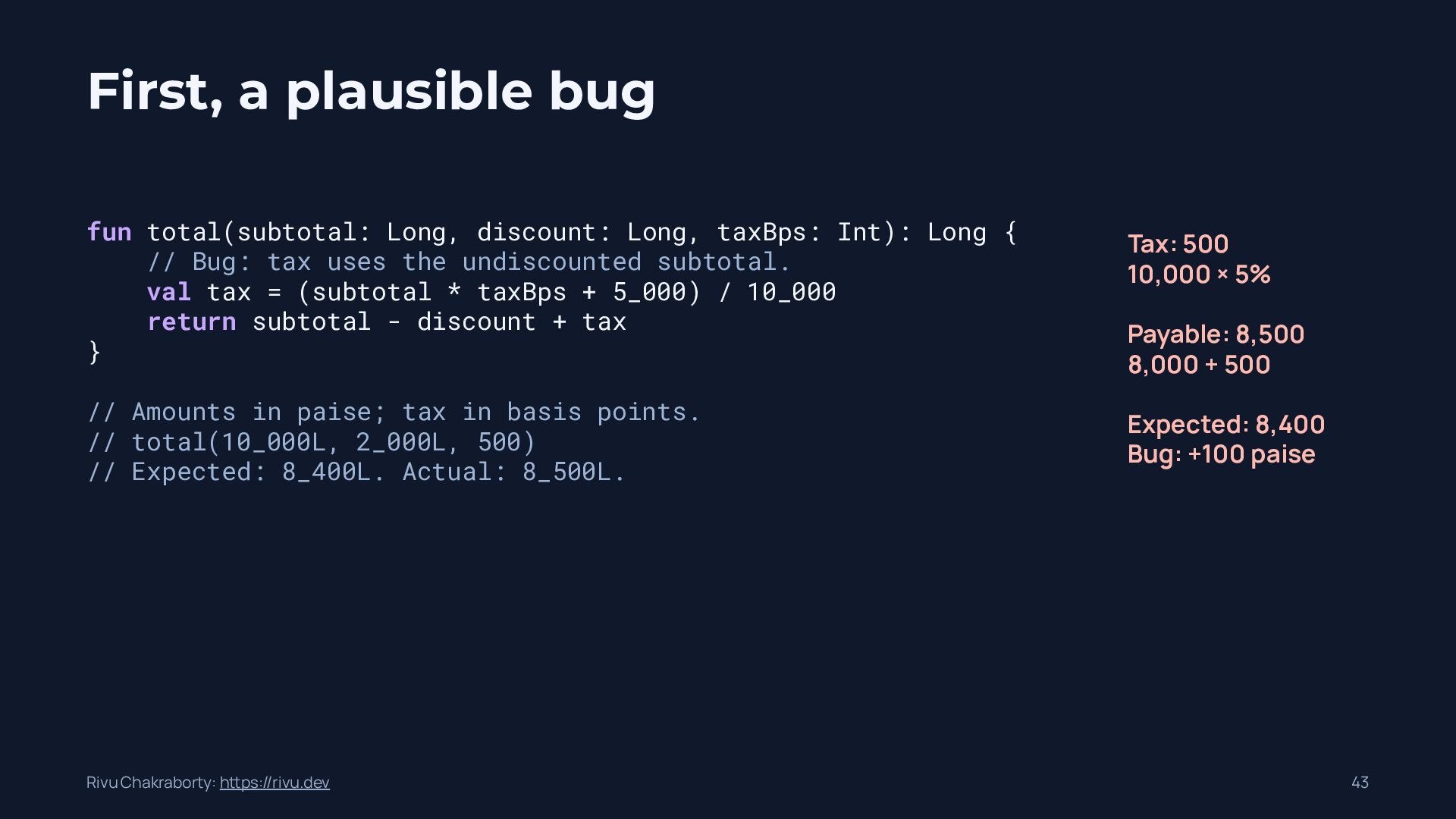
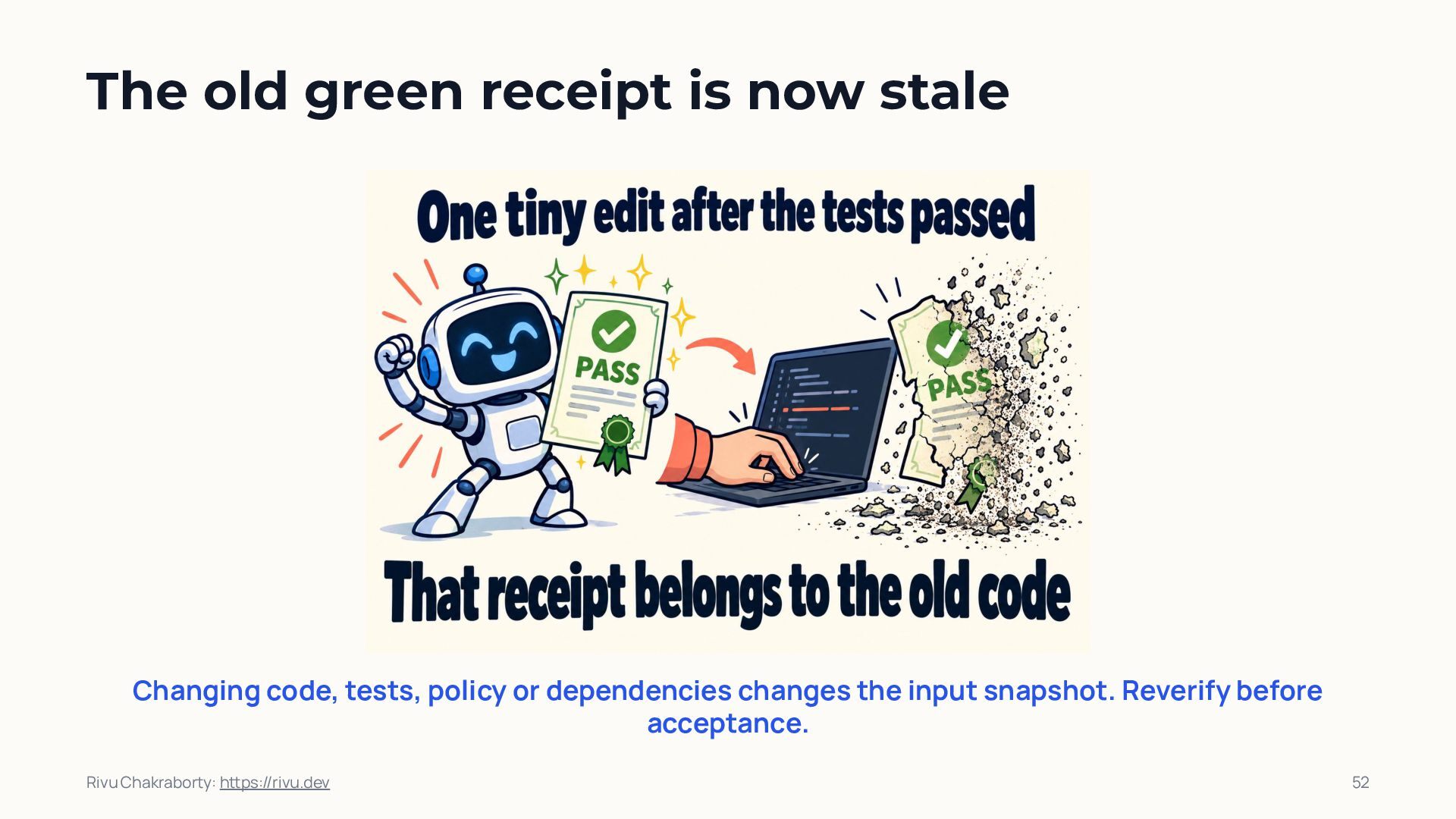
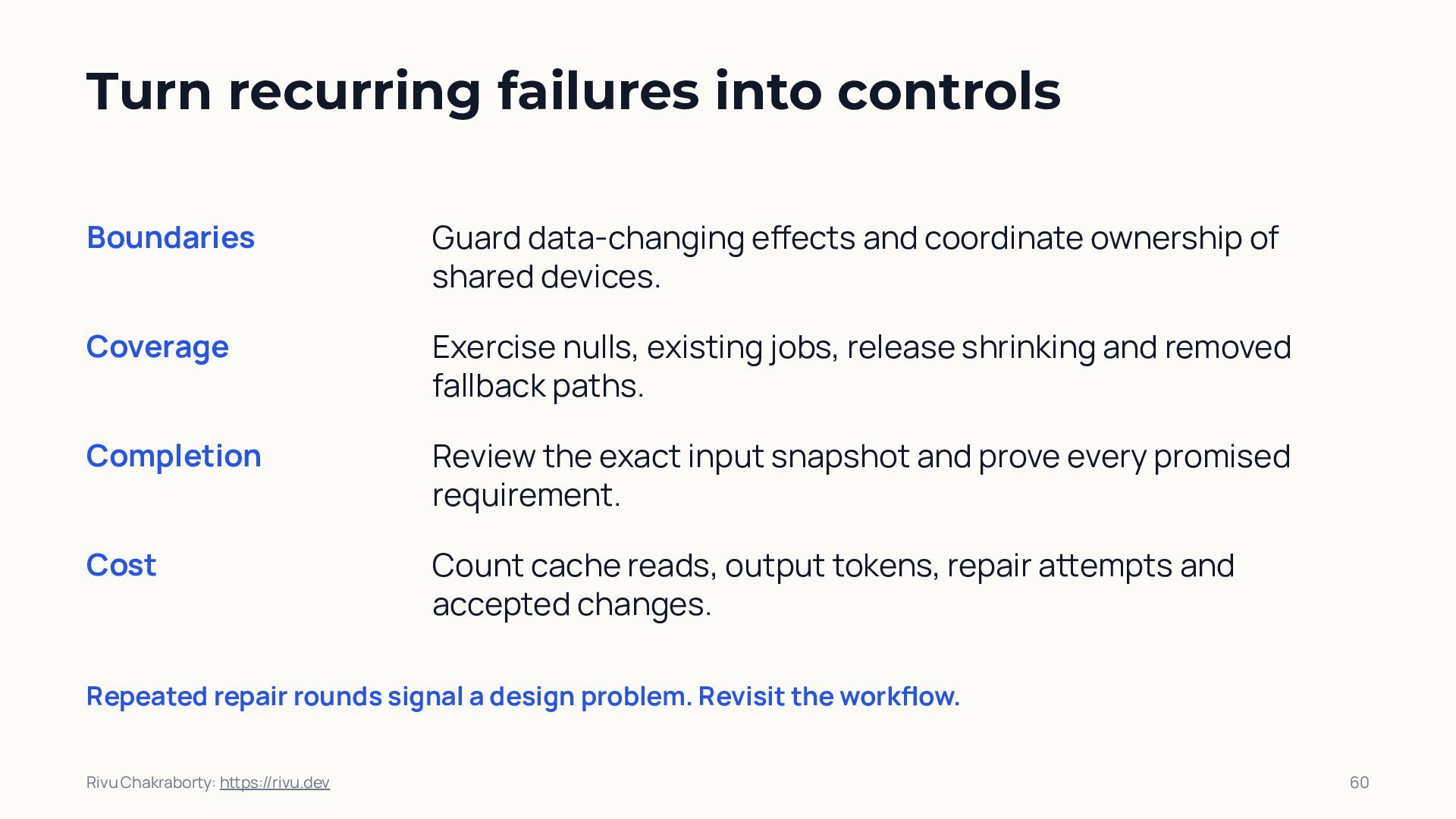
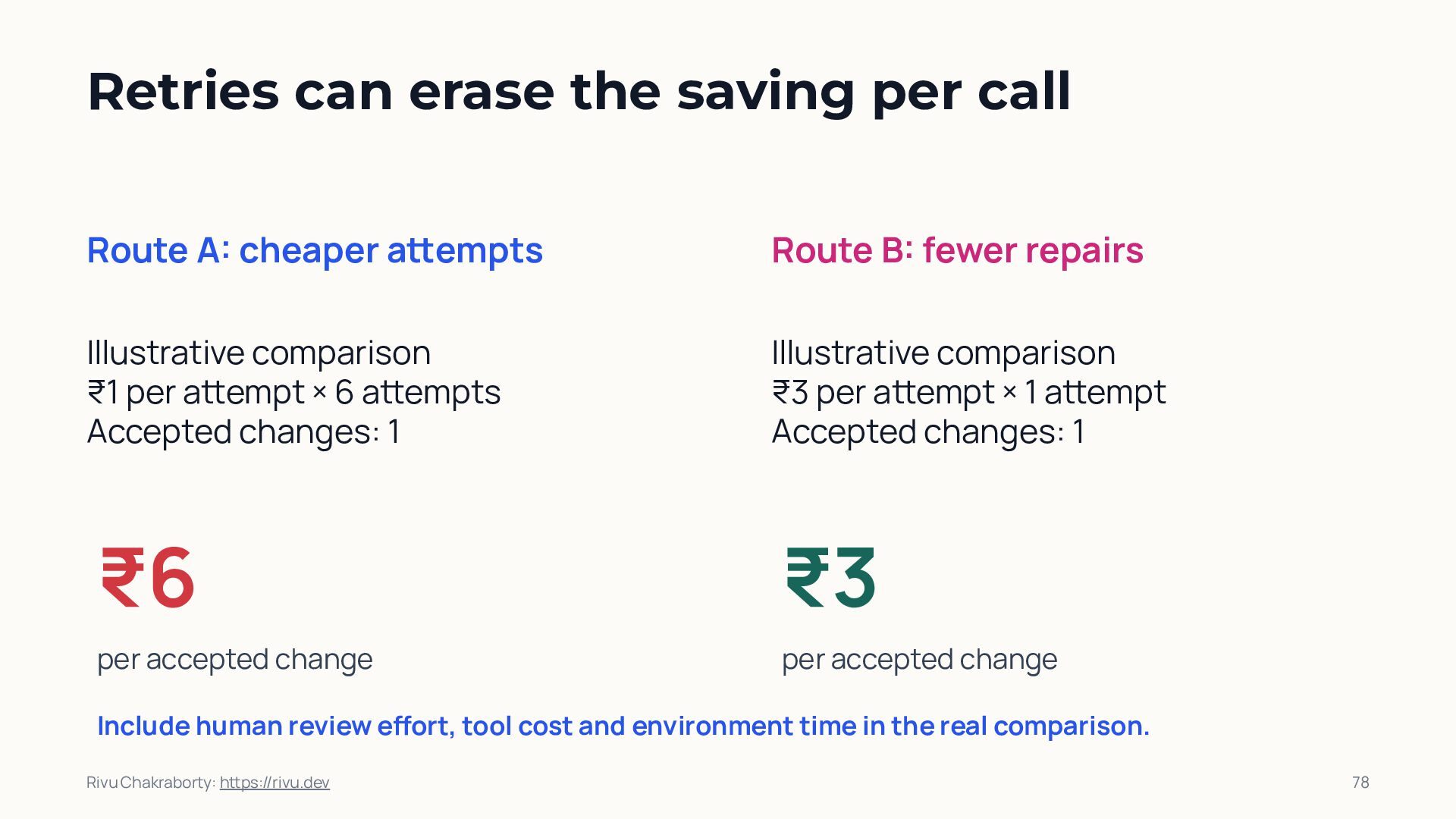
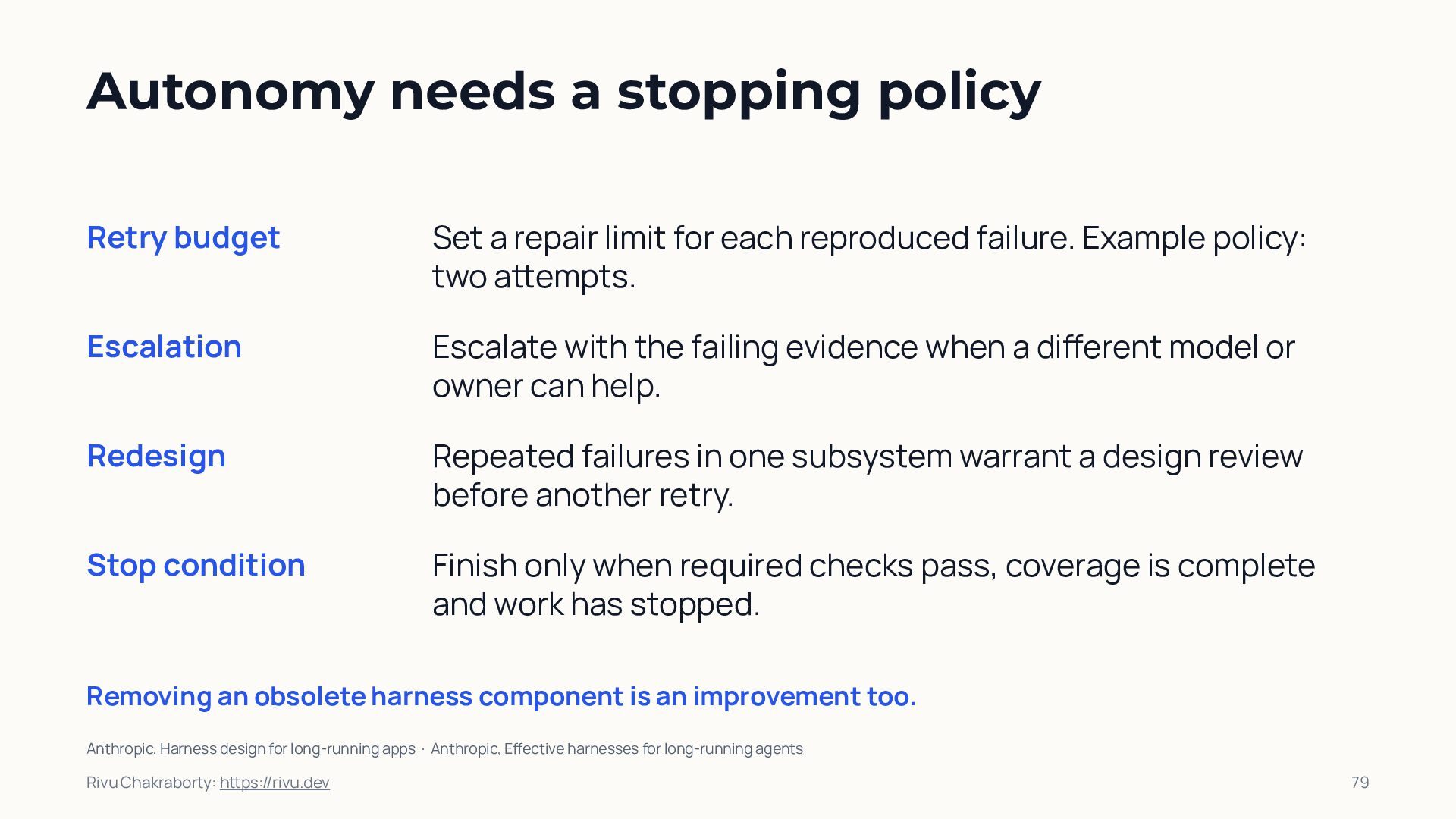
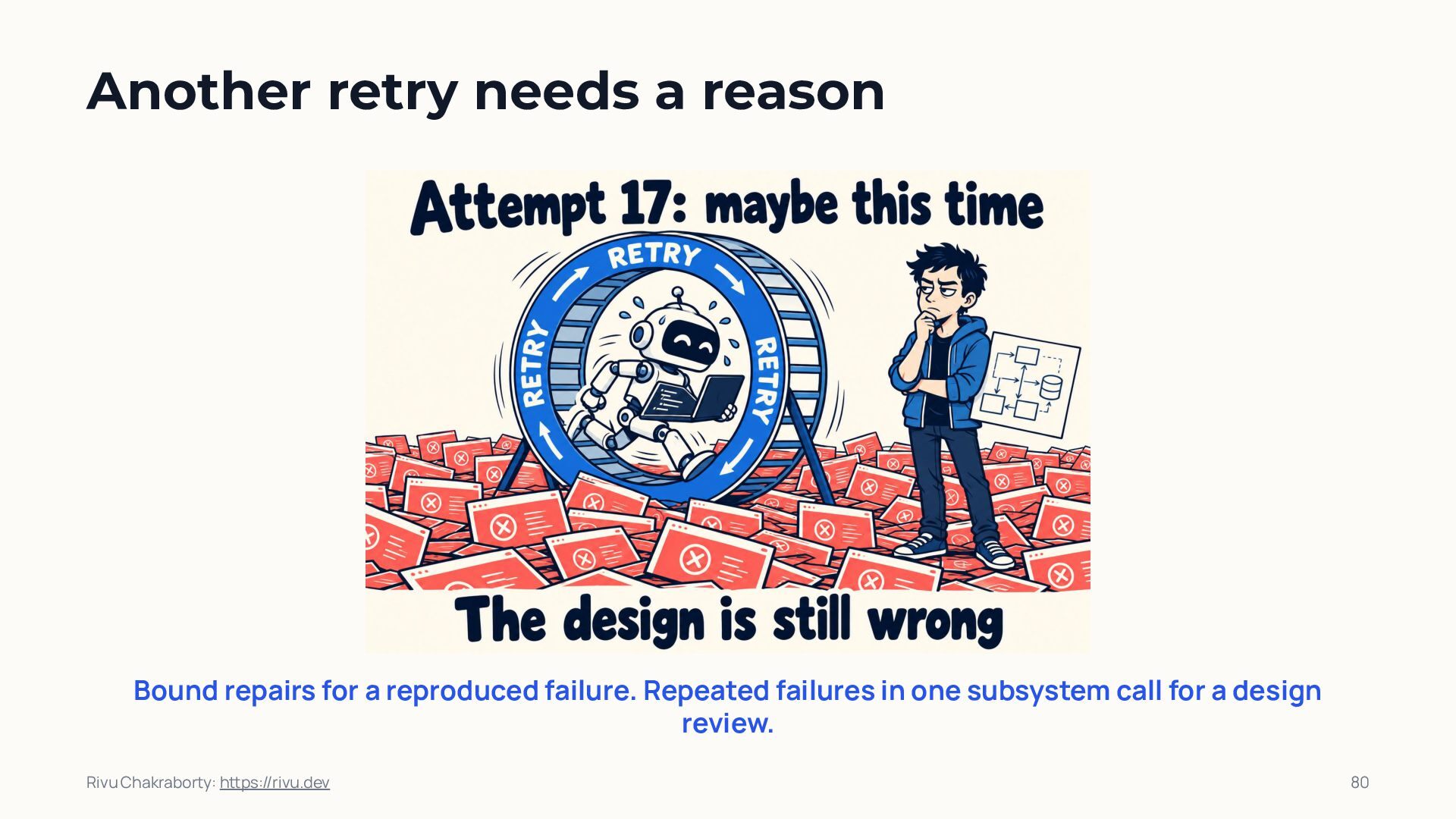
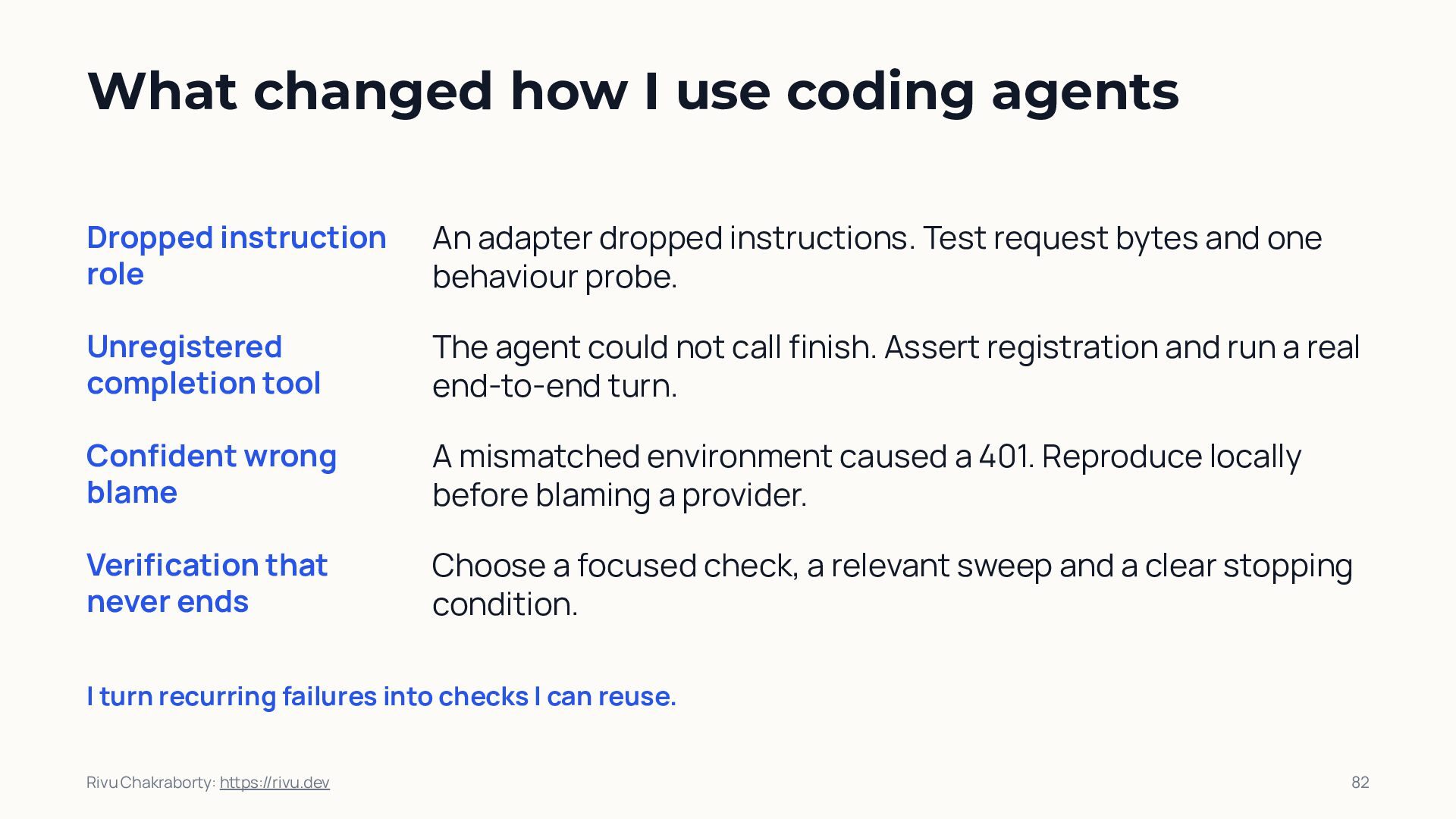
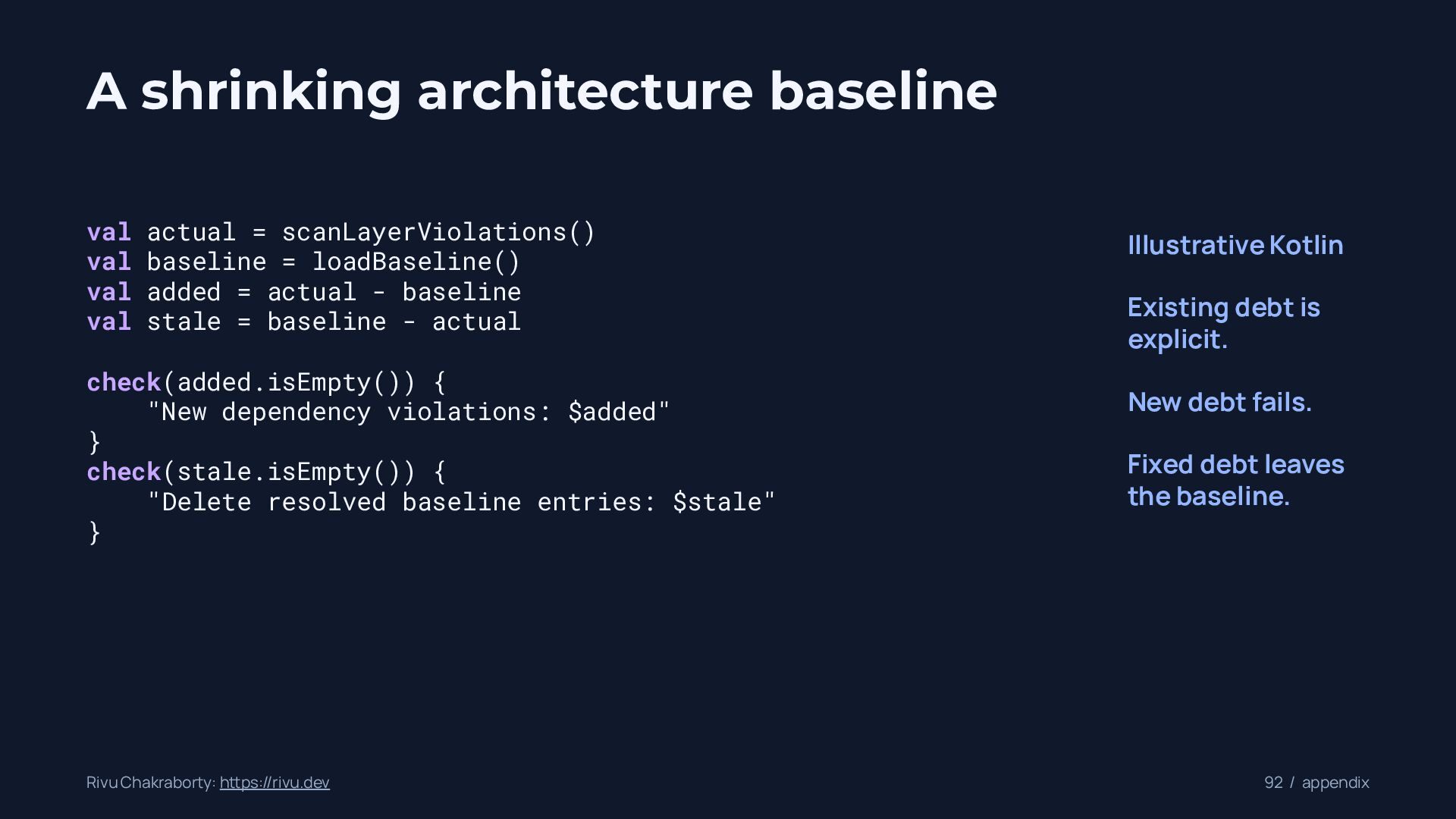
When an agent introduces a regression, the verification system will identify the failure, feed measurements back into the agent workflow and require another implementation-and-validation cycle before accepting the change.
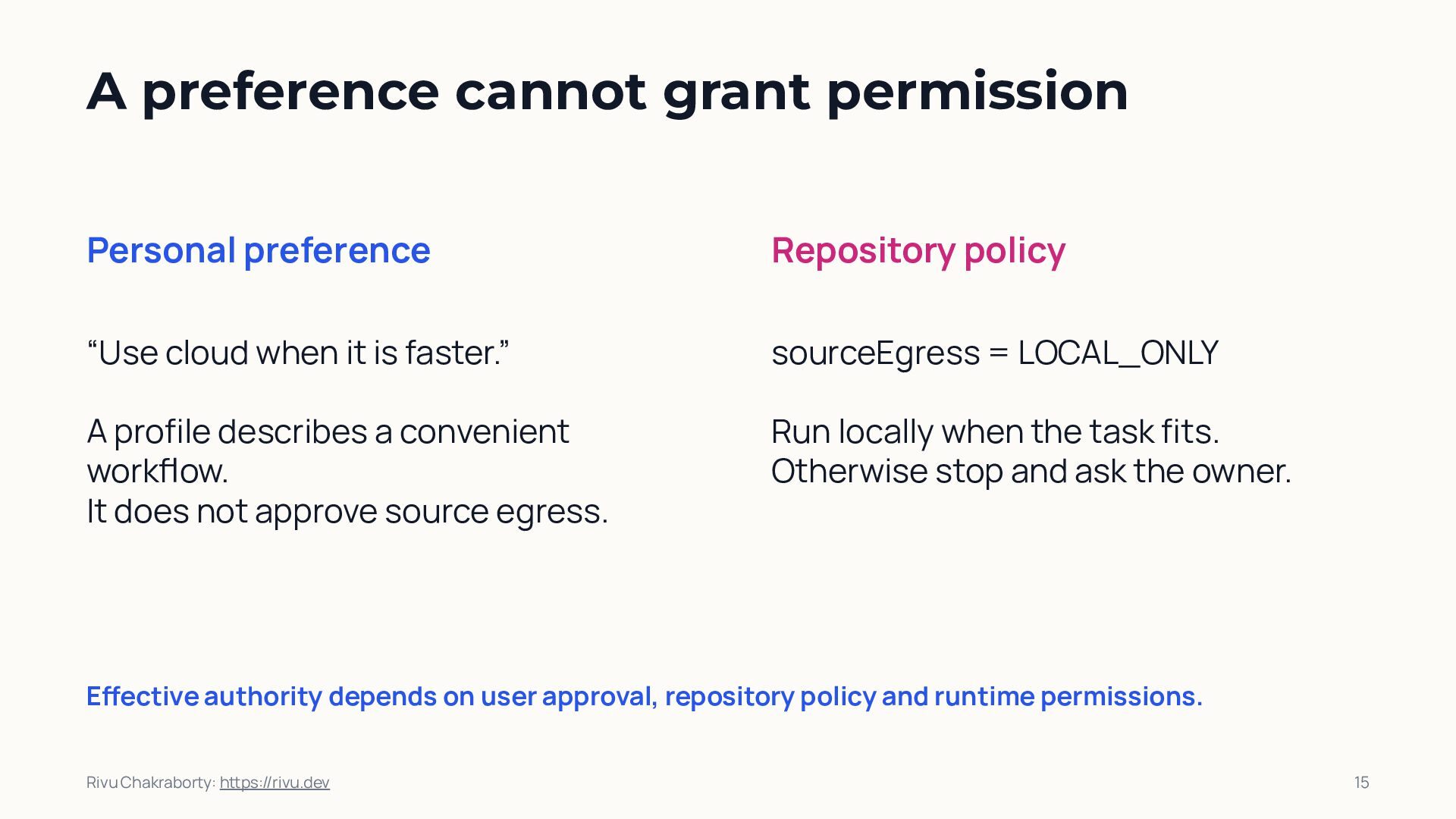
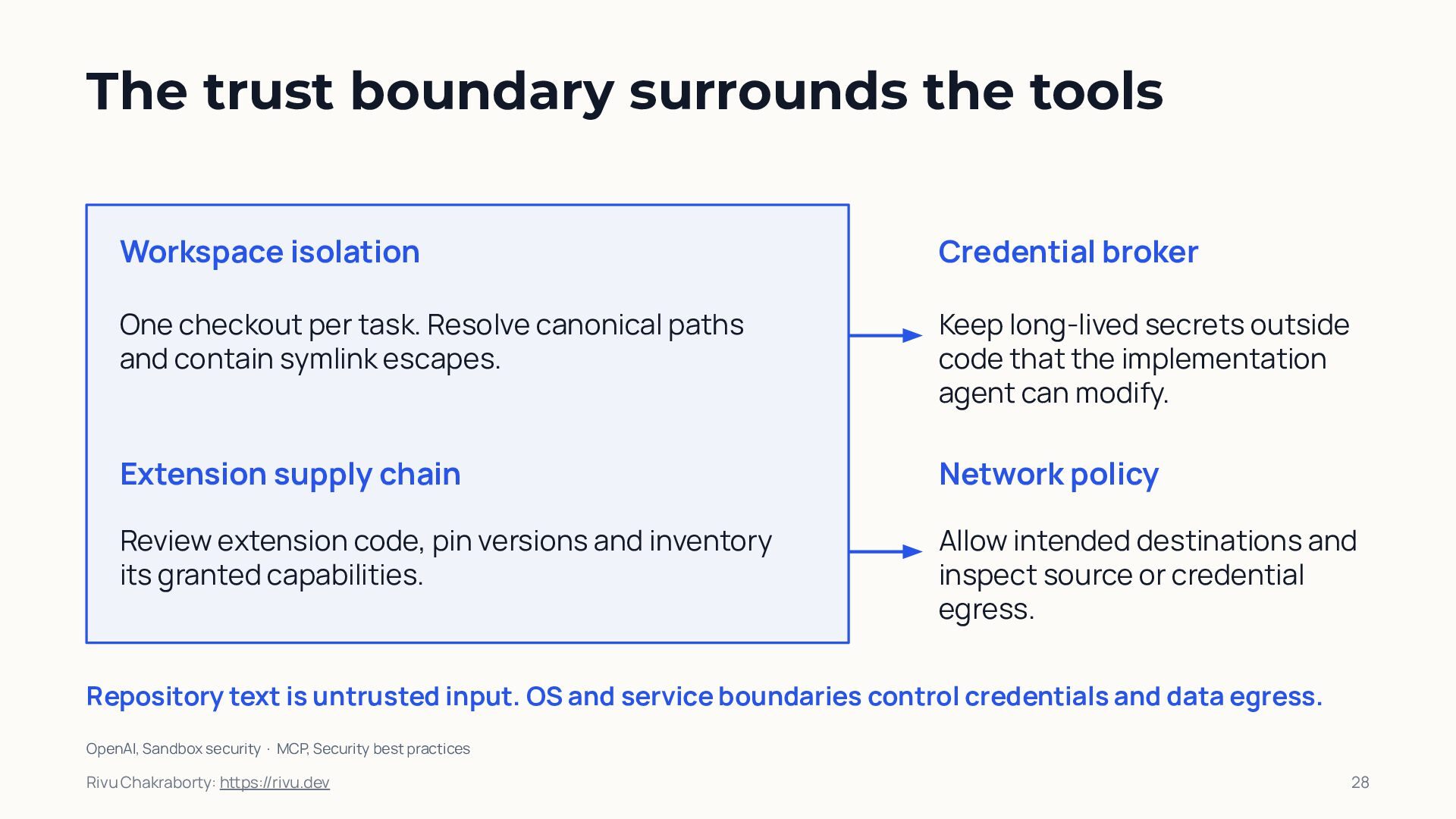
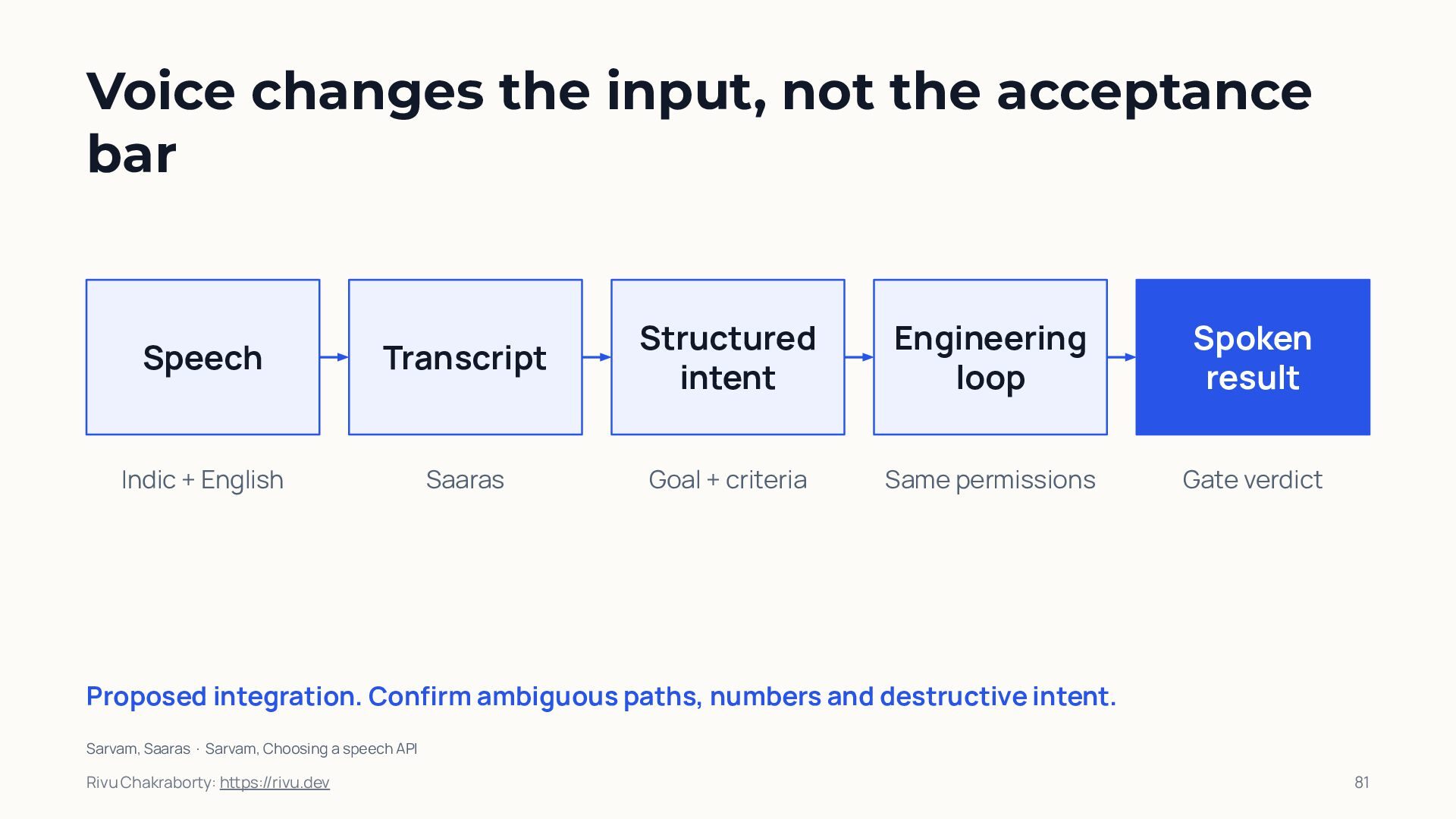
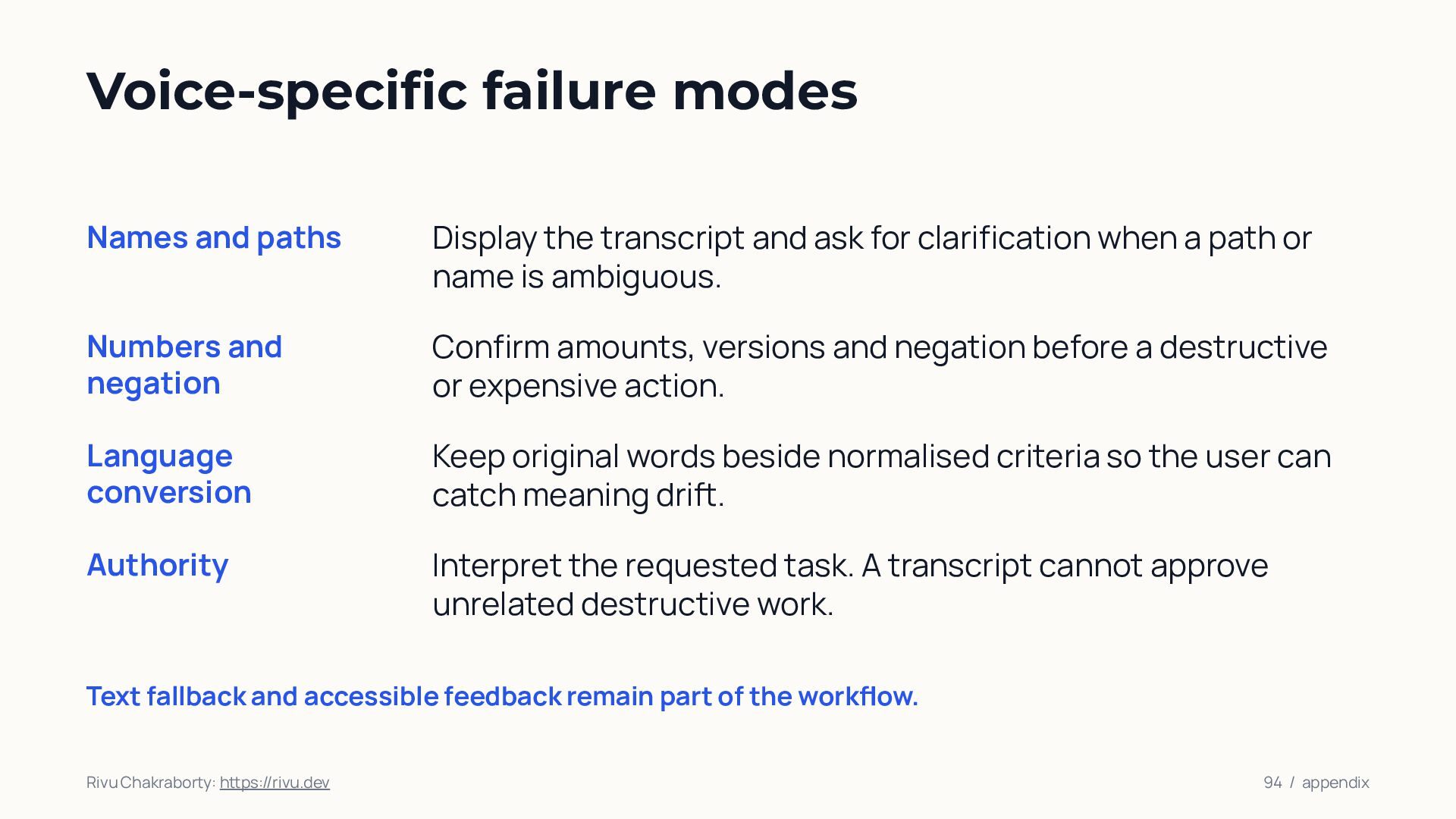
We'll also explore how local Gemma models enable private and offline development workflows, when to escalate tasks to more capable cloud models, and how multilingual voice interfaces can make agent orchestration more accessible.
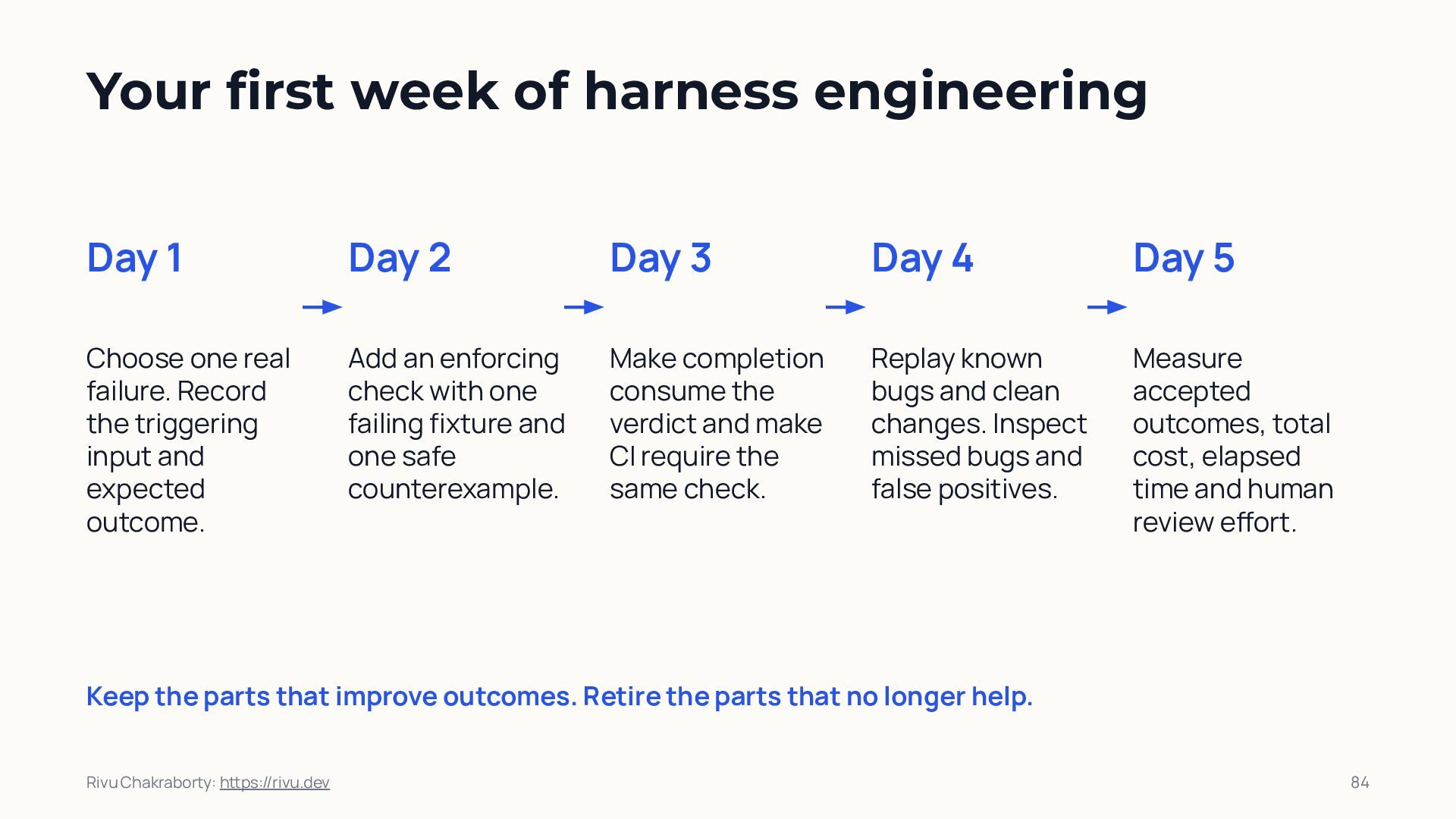
The result is more than an AI coding assistant. It's the foundation of a verifiable AI engineering system, with specialized agents, automated quality gates and measurable outcomes.
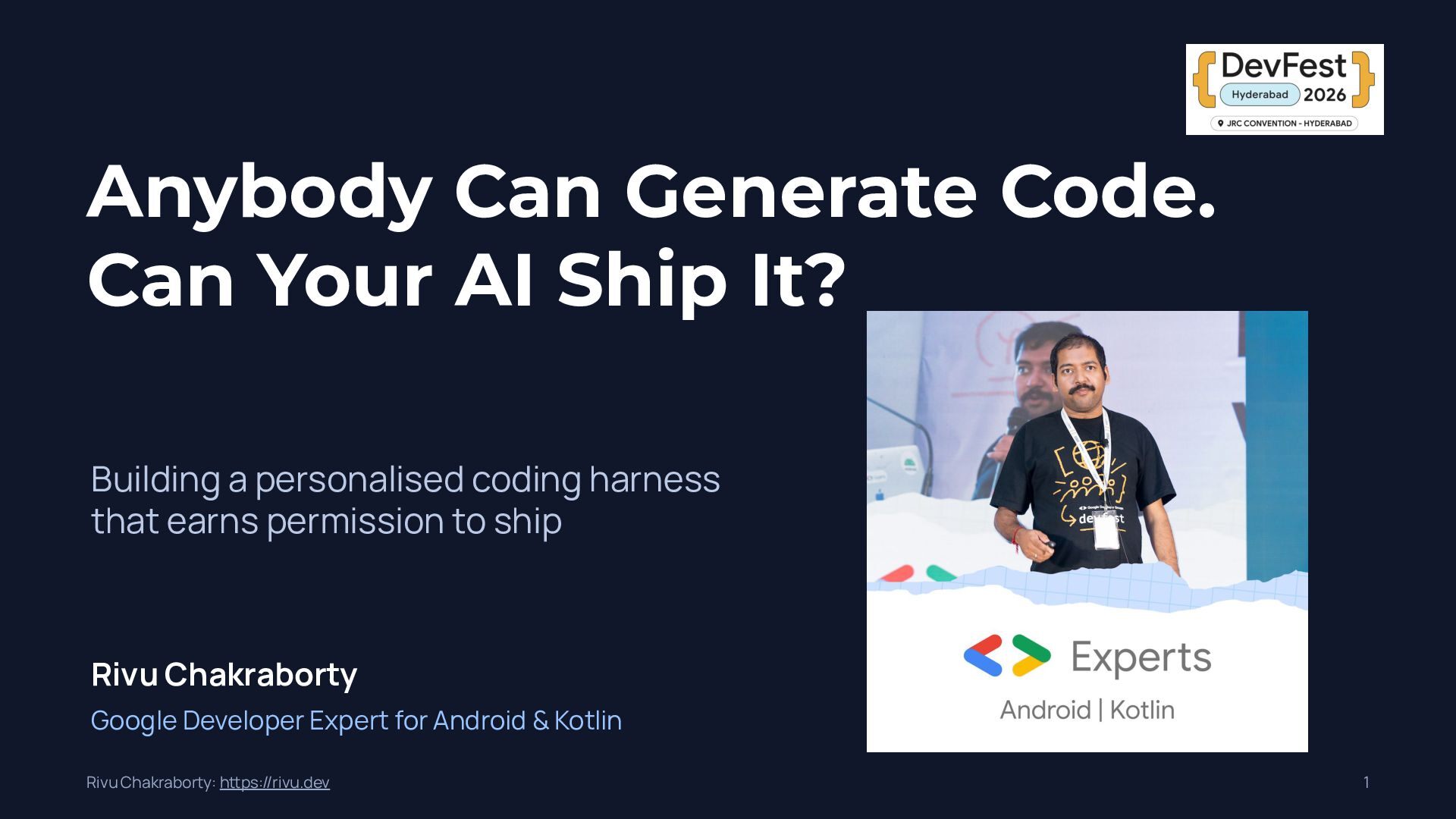
Anybody can generate code now. The harder question is: can your AI actually ship it?


 rivuchk
 yuukiyo
 konifar
 ohorig
 tsukuboshi
 yoshida0129
 sue445
 markunet
 murachiakira
 oracle4engineer
 watany
 kworkdev
 disconinja
 frankvandijk
 thirion
 chriscoyier
 chrisshort
 inesmontani
 eileencodes
 reverentgeek
 aleyda
 marcduiker
 keithpitt
 badams
 bkeepers