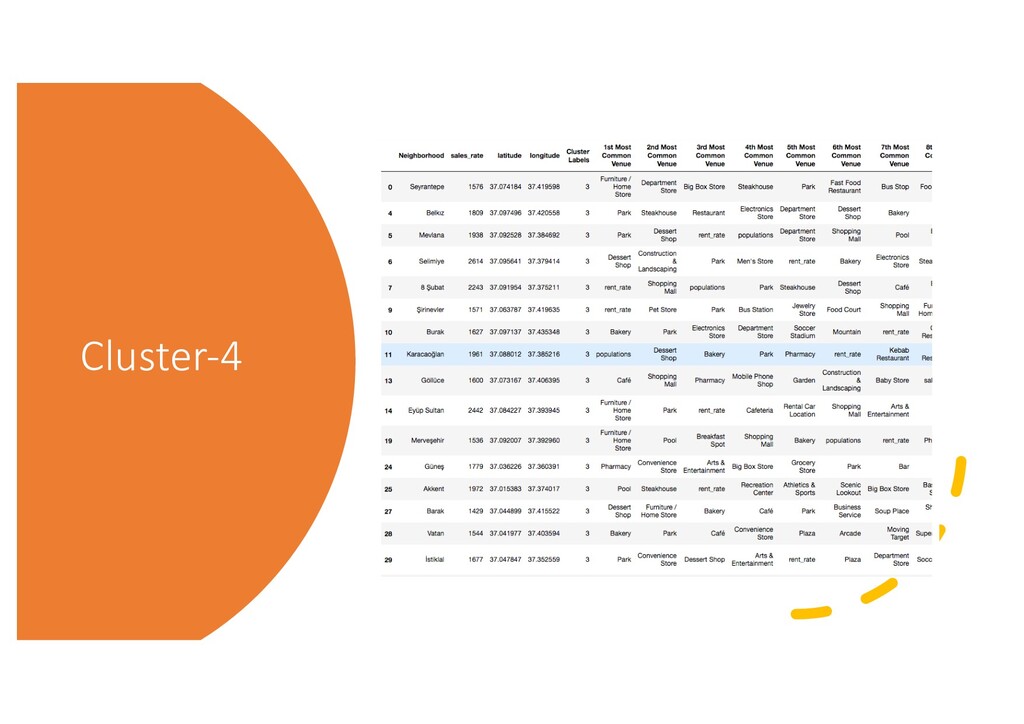
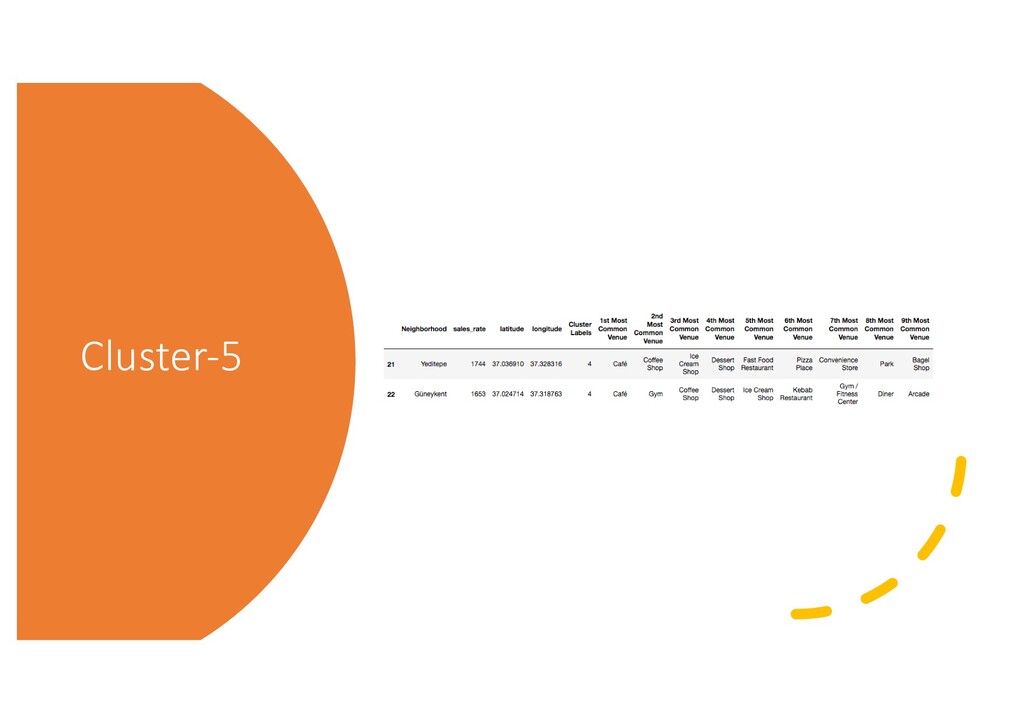
neighborhood you want to live in. for example; crowds, parks, restaurants or cafes affect our choice. For some of us, we would prefer less crowded or near hospitals. Gaziantep is one of the cities famous for its food culture. It is a city that is in the UNESCO cultural heritage at the moment (https://en.unesco.org/creative-cities/gaziantep). Promotional video https://www.youtube.com/watch?v=V5gvWa7PWIM This project will be grouped only by considering the social facilities and population crowds of the central neighborhoods in Gaziantep. Basic features will be determined for each group. It will help the neighborhood preferences that people want to live in.
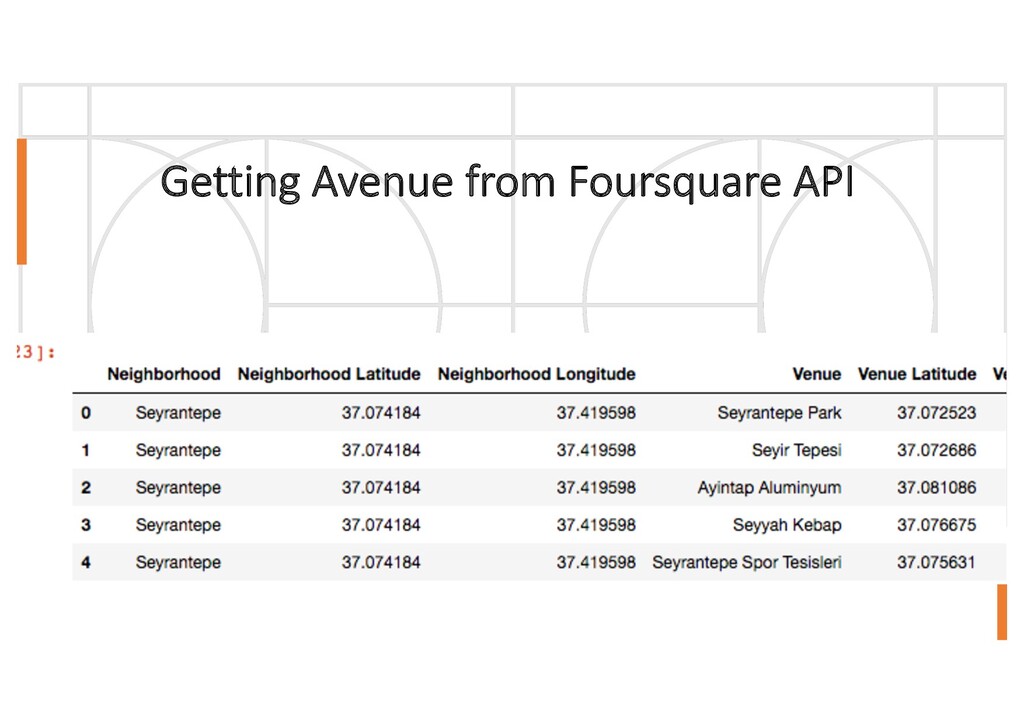
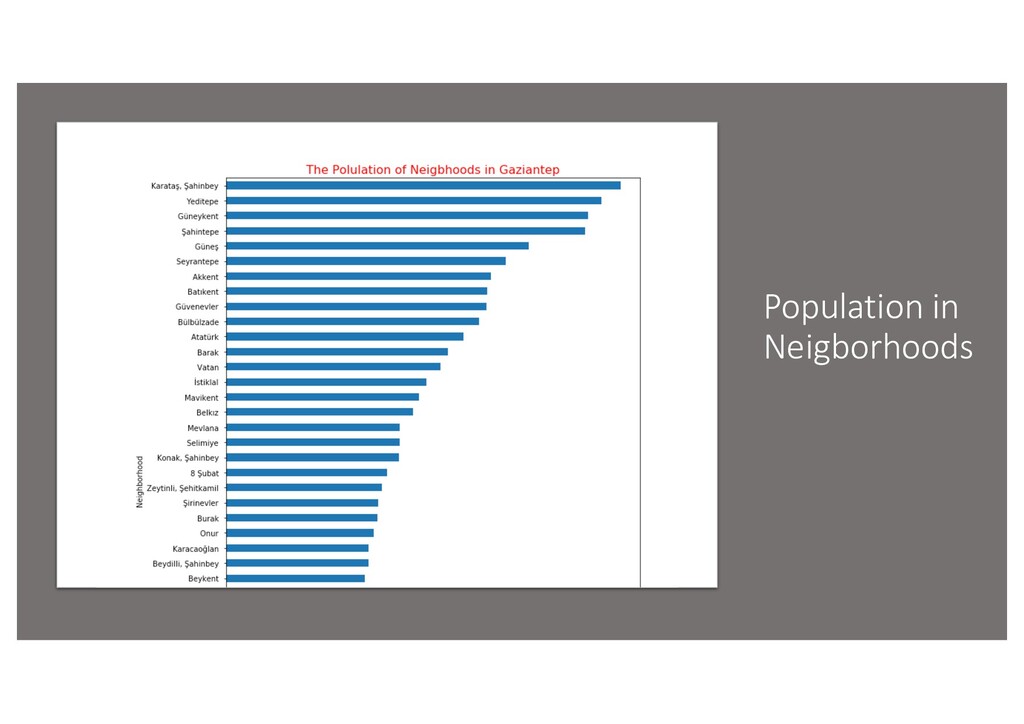
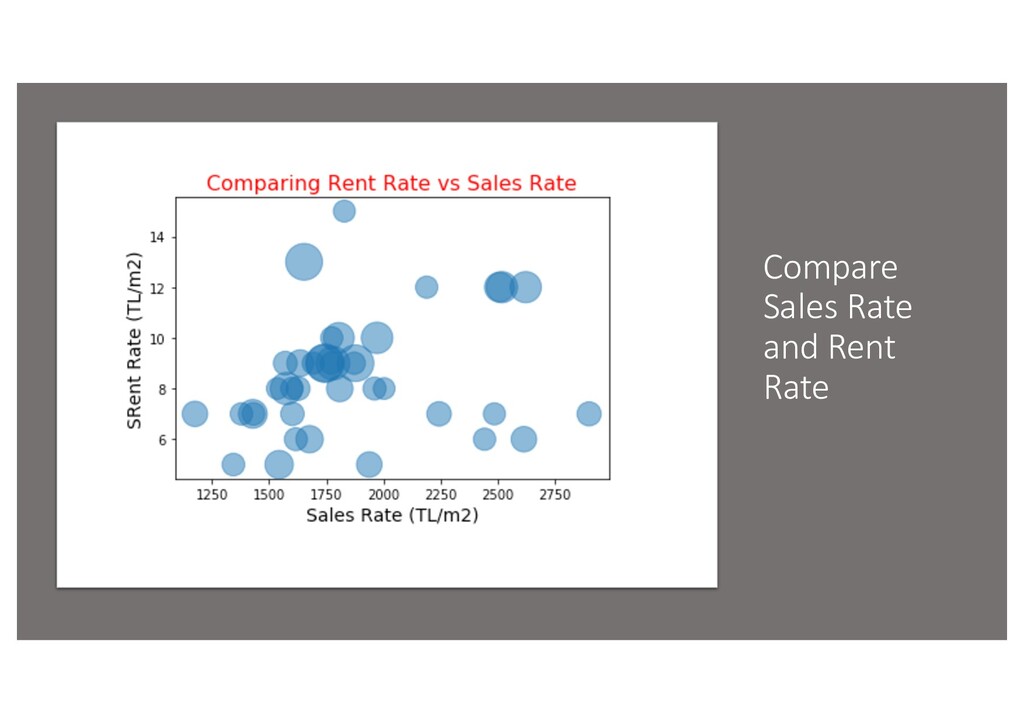
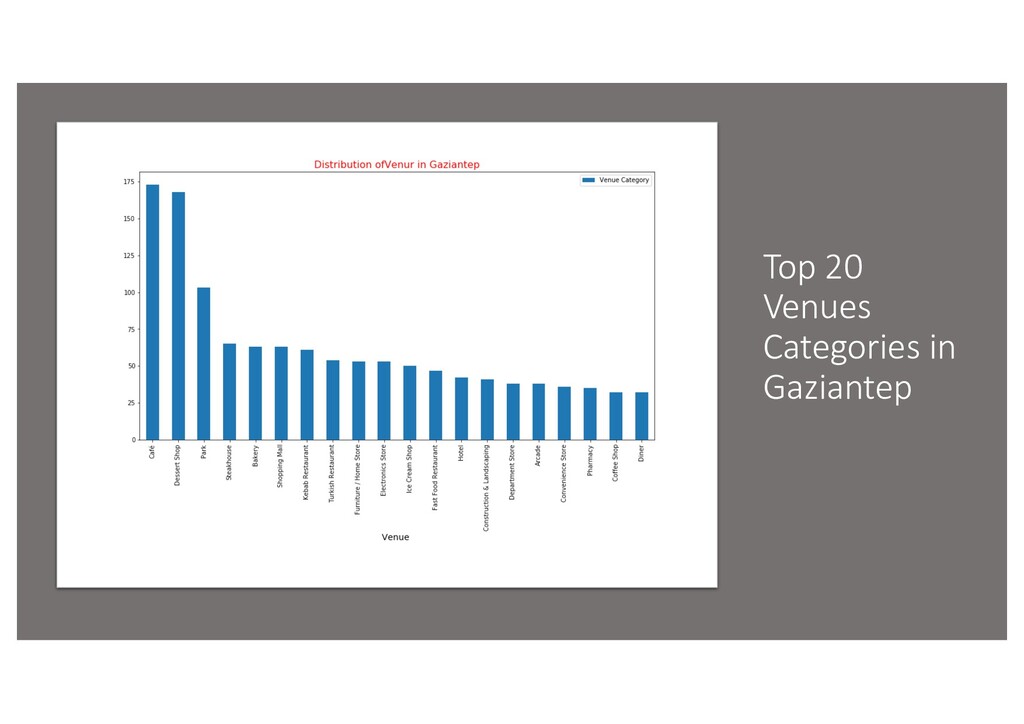
five types of data; 1. Neighborhood list 2. The population in each neighborhood 3. The venues in each neighborhood 4. The rent rate (TL/m2) in each neighborhood 5. The sales rate (TL/m2) in each neighborhood From a web search, I got four sources: • www.nufusu.com/ilce/sehitkamil_gaziantep-nufusu (Neighborhood list and population) • "https://www.nufusu.com/ilce/sahinbey_gaziantep-nufusu (Neighborhood list and population) • Foursquare API for getting venues place in neigborhoods • https://www.endeksa.com/tr/ (rent rate & sales rate)
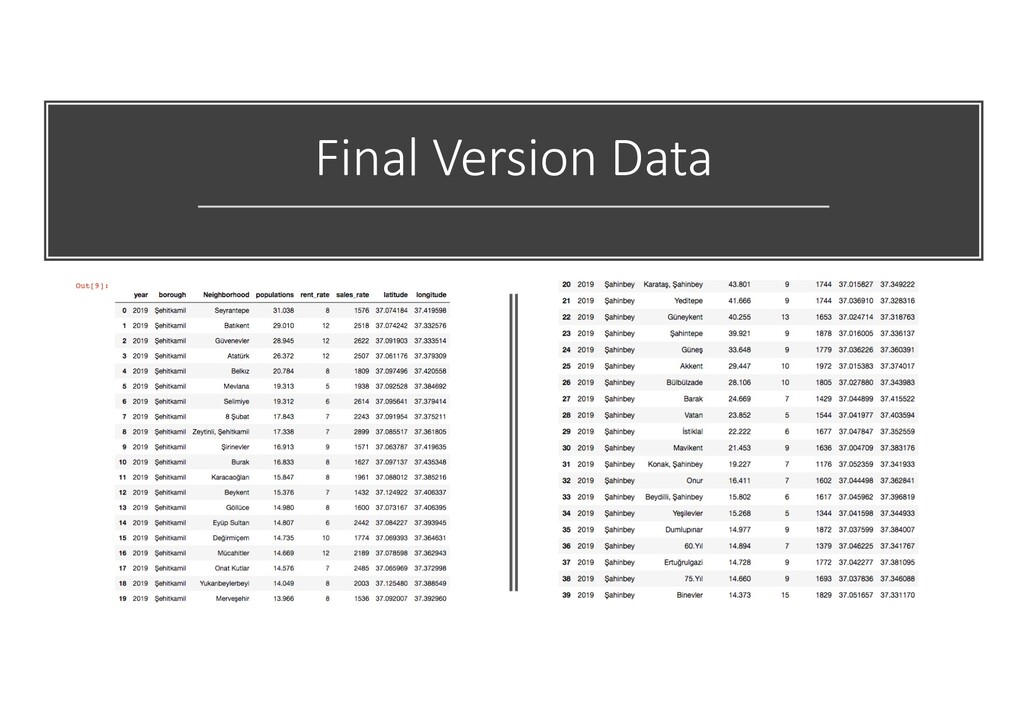
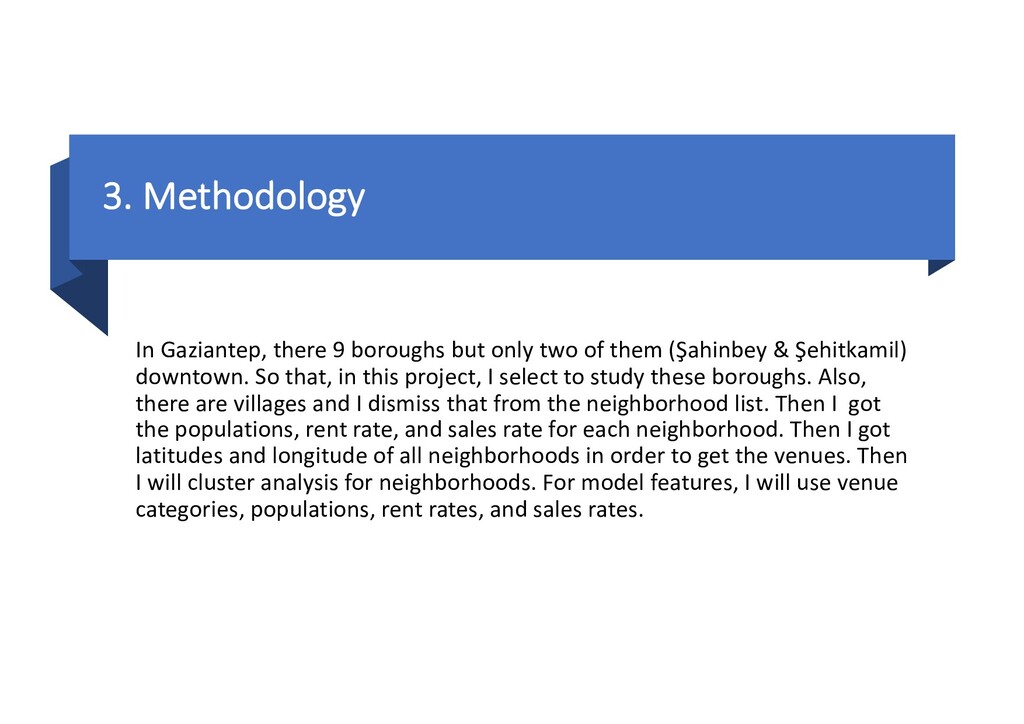
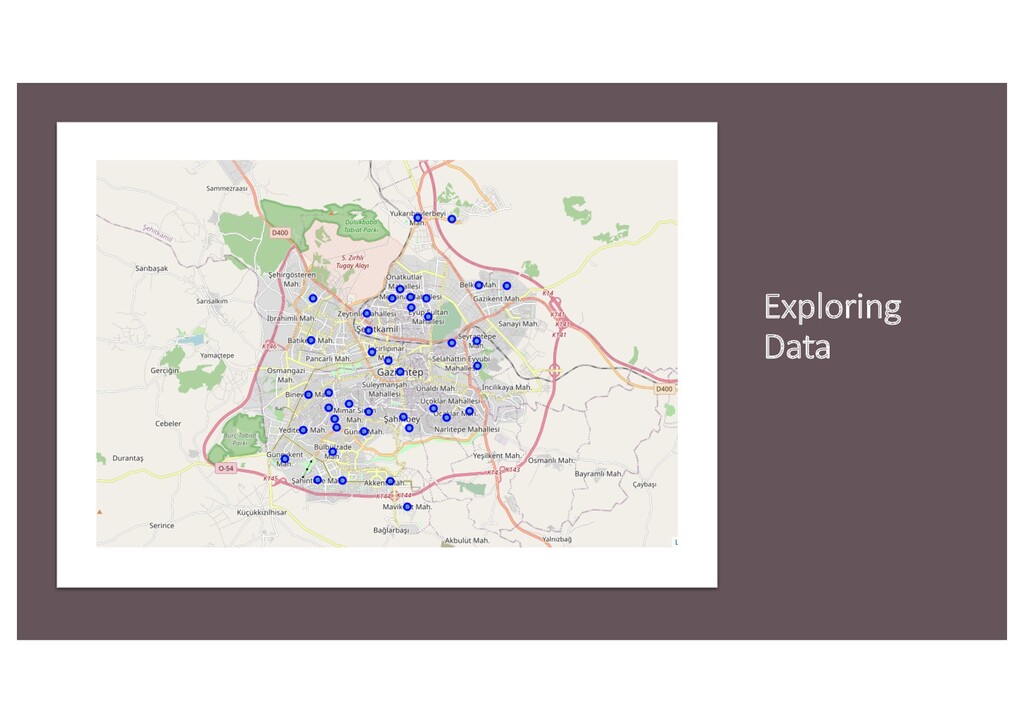
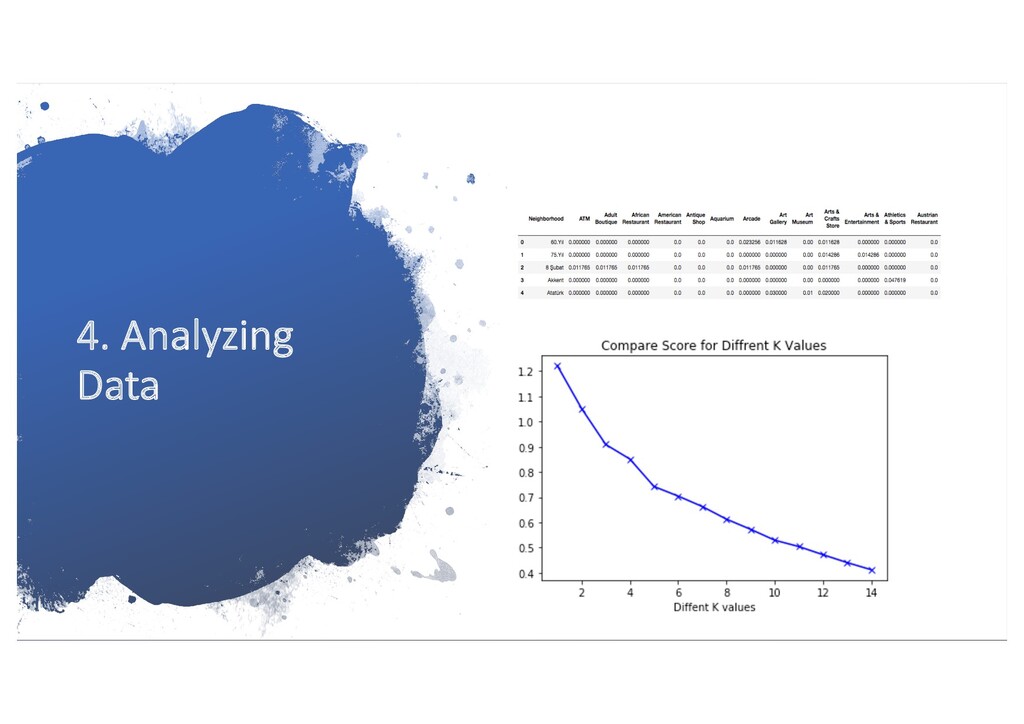
of them (Şahinbey & Şehitkamil) downtown. So that, in this project, I select to study these boroughs. Also, there are villages and I dismiss that from the neighborhood list. Then I got the populations, rent rate, and sales rate for each neighborhood. Then I got latitudes and longitude of all neighborhoods in order to get the venues. Then I will cluster analysis for neighborhoods. For model features, I will use venue categories, populations, rent rates, and sales rates.
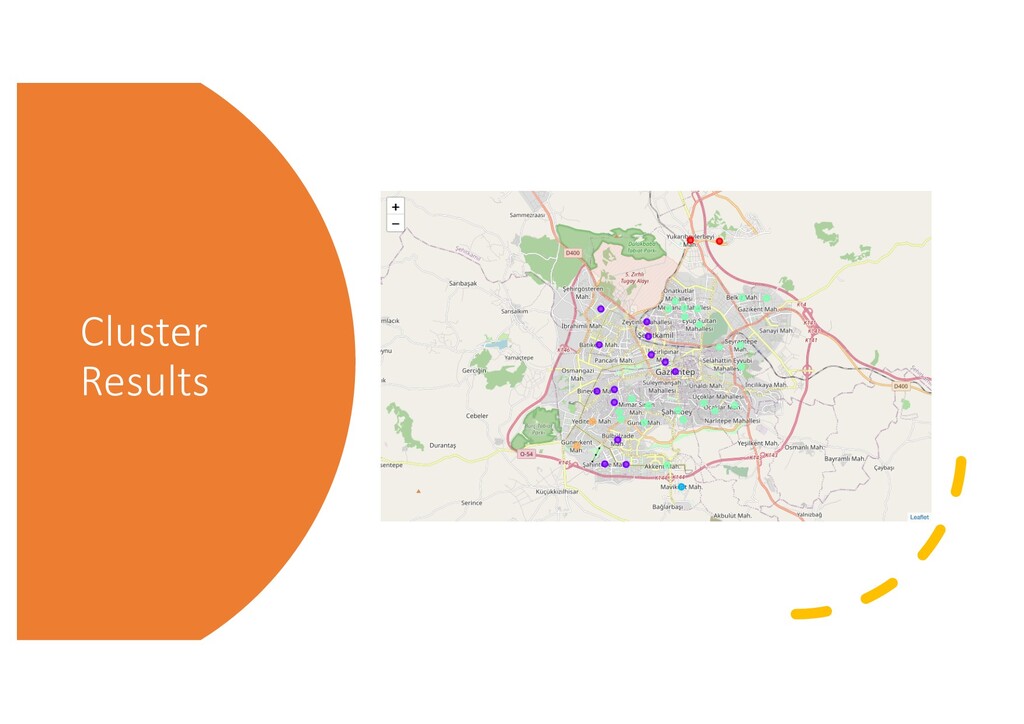
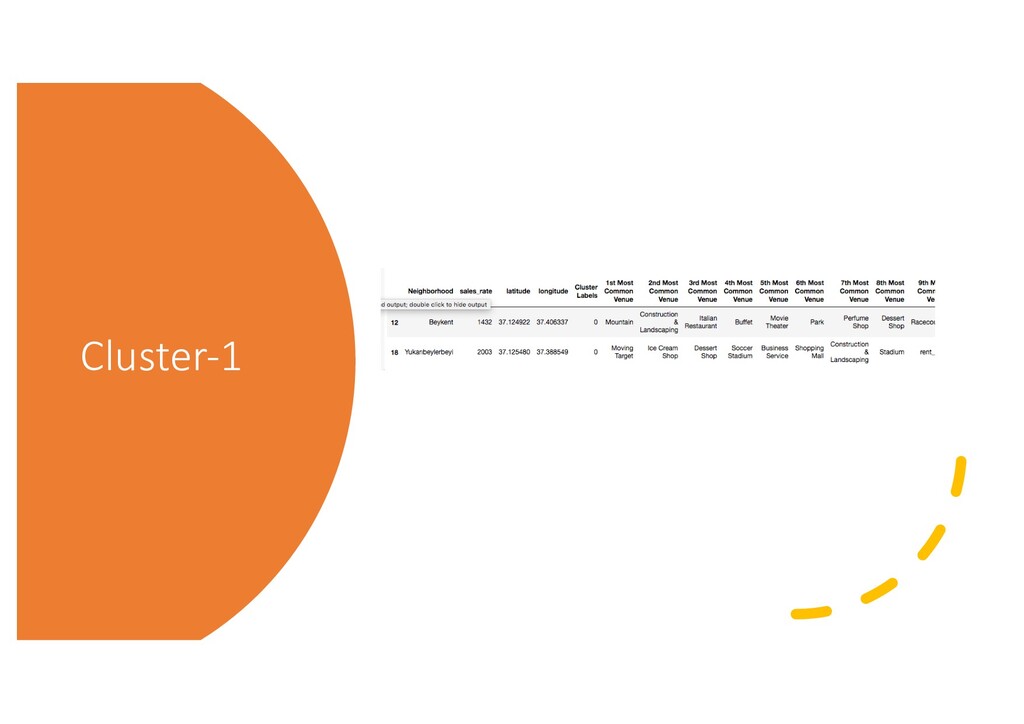
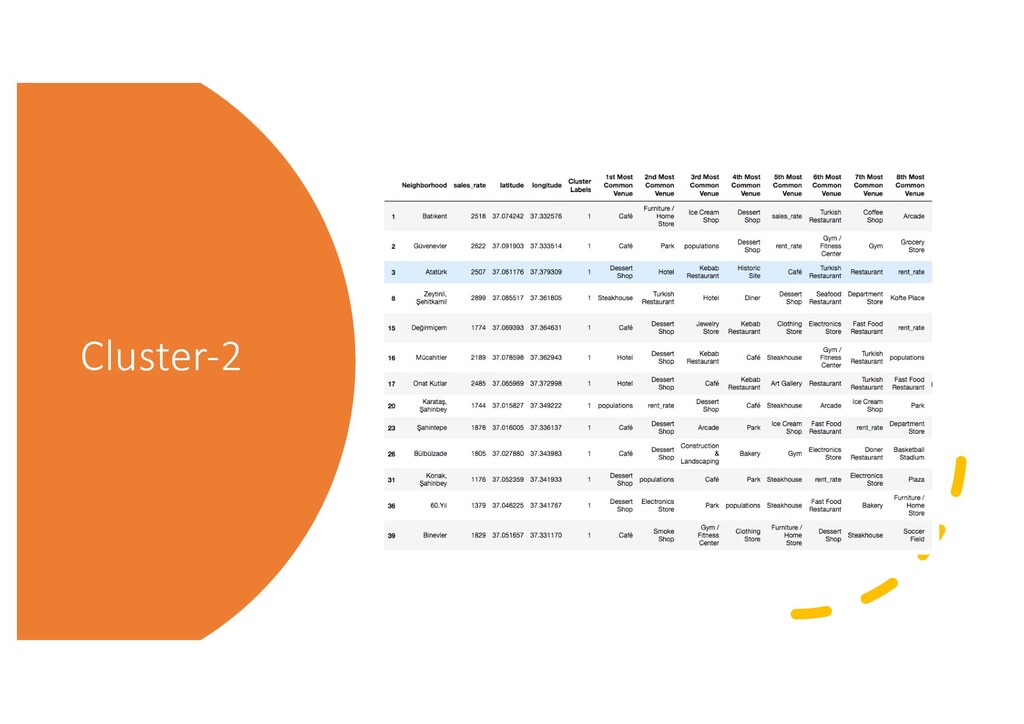
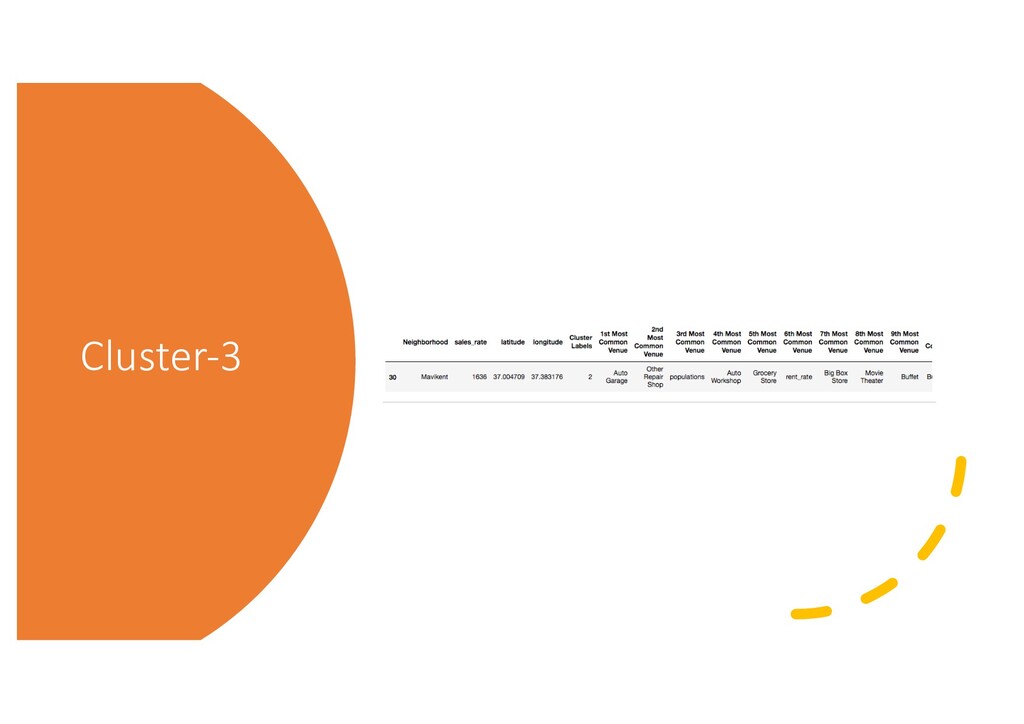
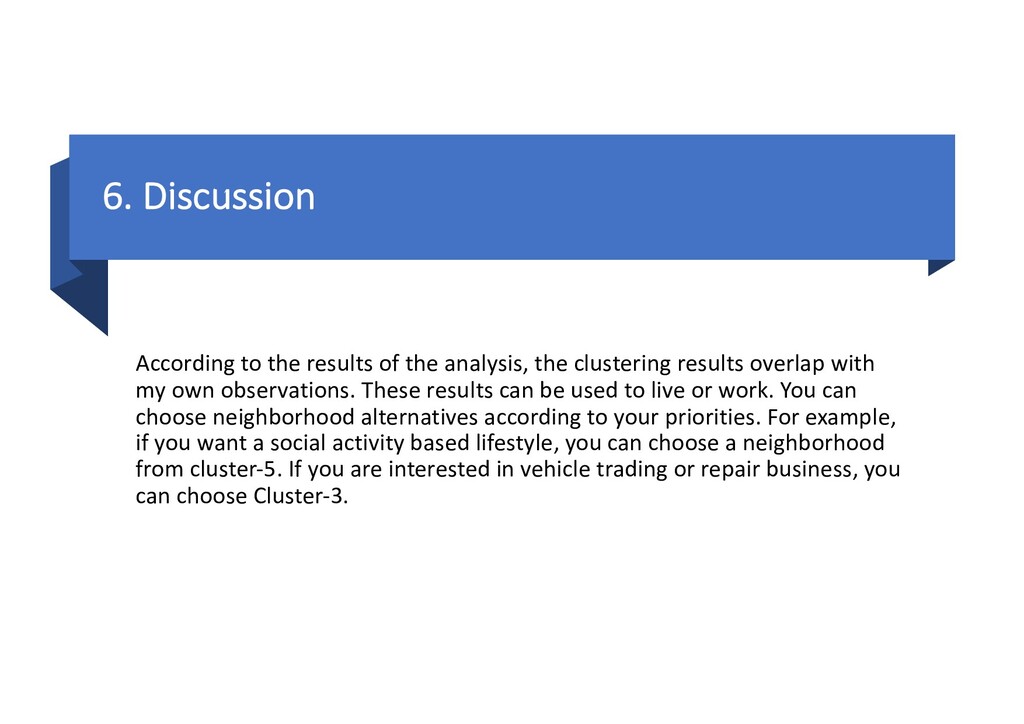
clustering results overlap with my own observations. These results can be used to live or work. You can choose neighborhood alternatives according to your priorities. For example, if you want a social activity based lifestyle, you can choose a neighborhood from cluster-5. If you are interested in vehicle trading or repair business, you can choose Cluster-3.


 akiraasano
 yasslab
 signer
 matleenalaakso
 eller86
 cbtlibrary
 pawan_pharm
 frievea
 bvr7352
 drpoonamkc
 brettharned
 bluesmoon
 csswizardry
 thoeni
 techseoconnect
 tammyeverts
 aleyda
 productmarketing
 panda_program
 katiecoart
 addyosmani