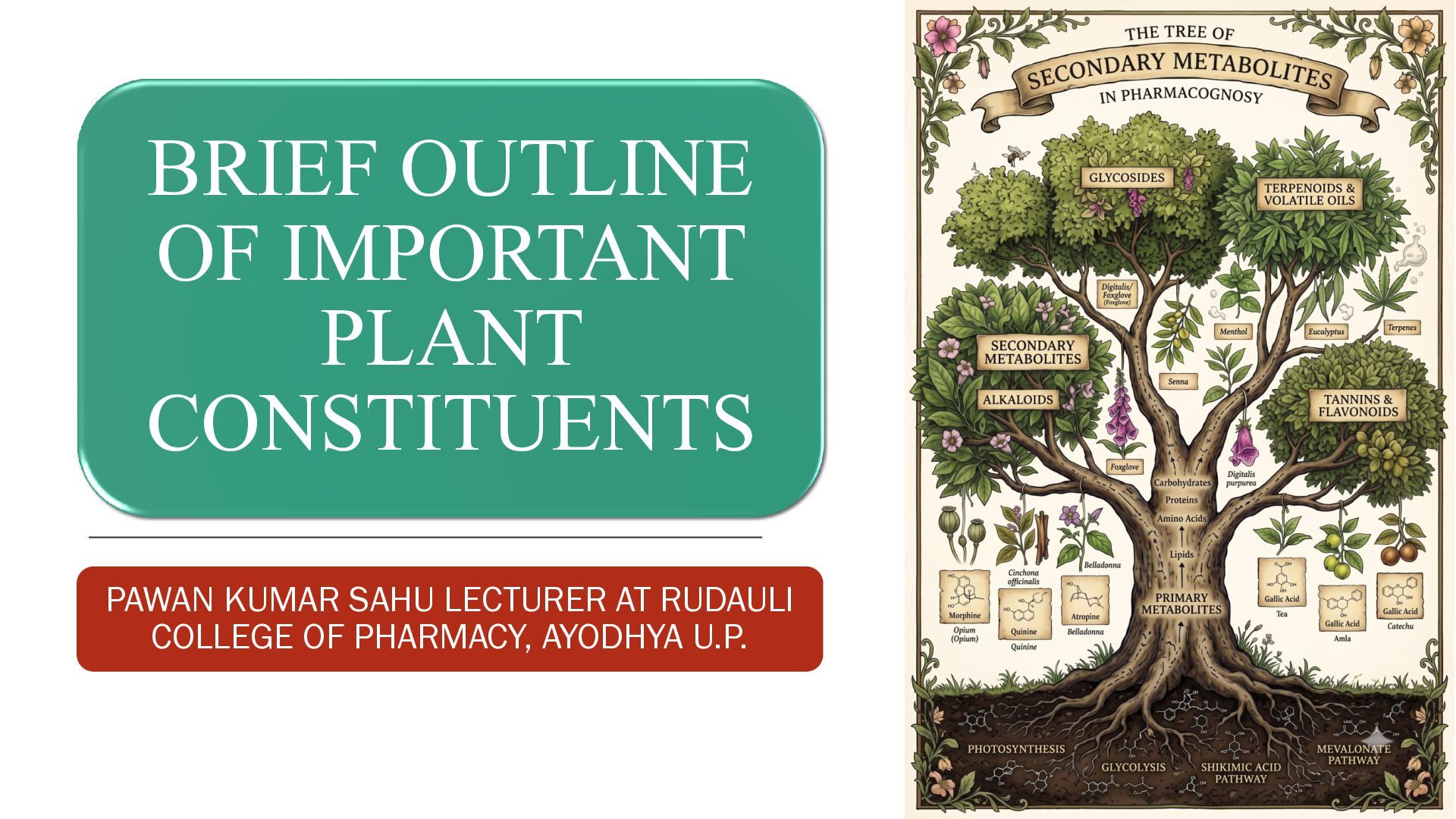
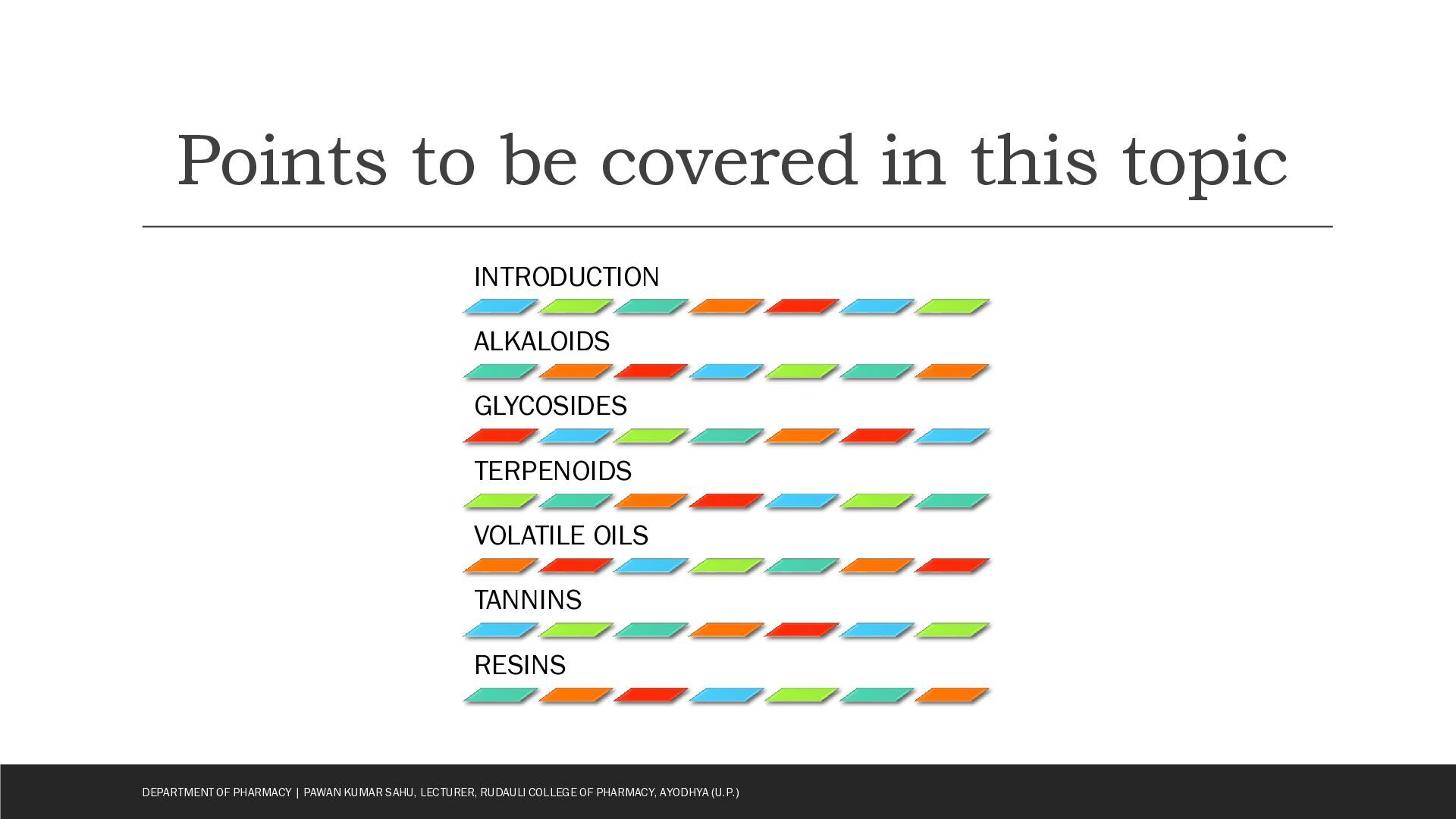
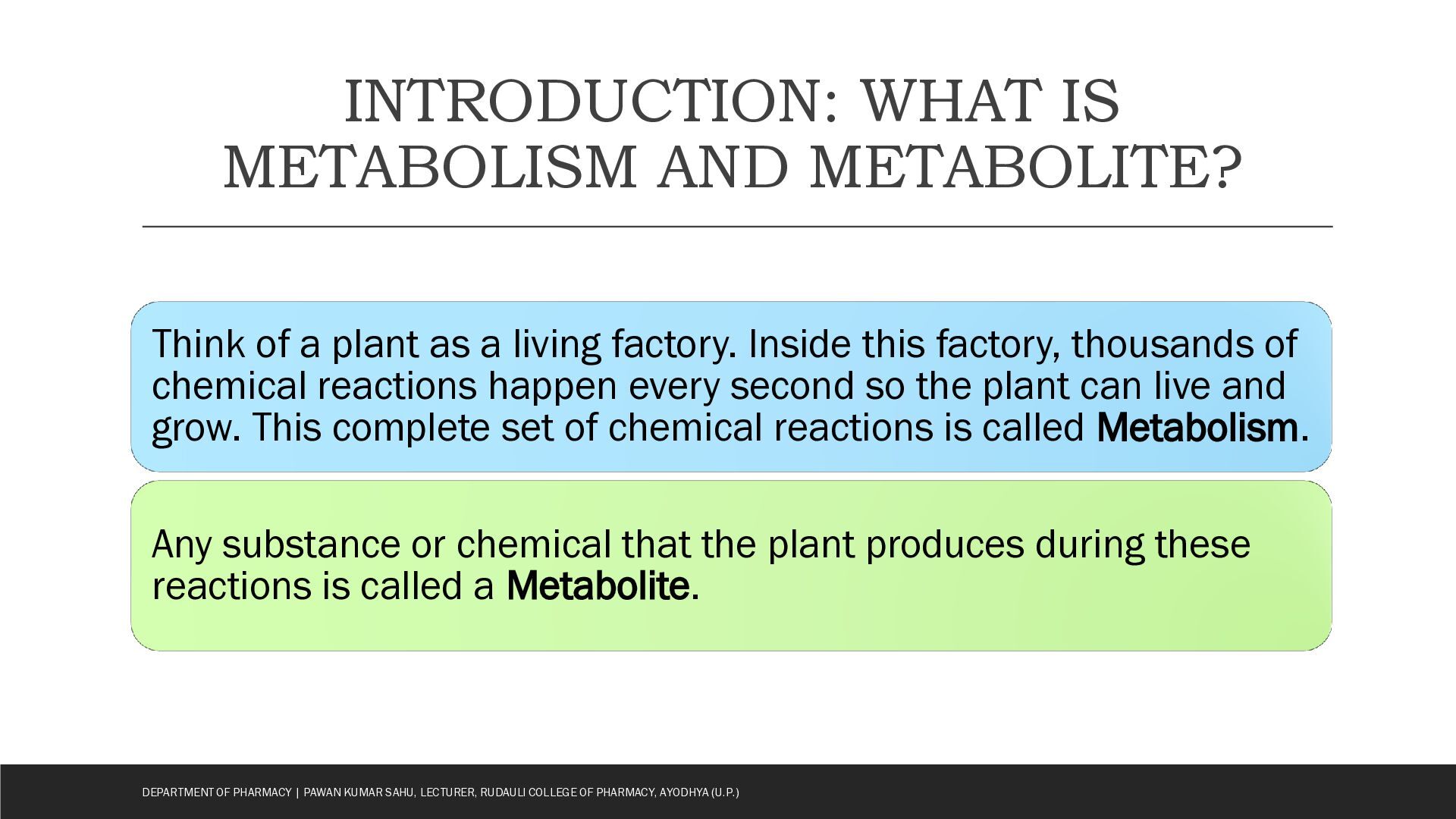
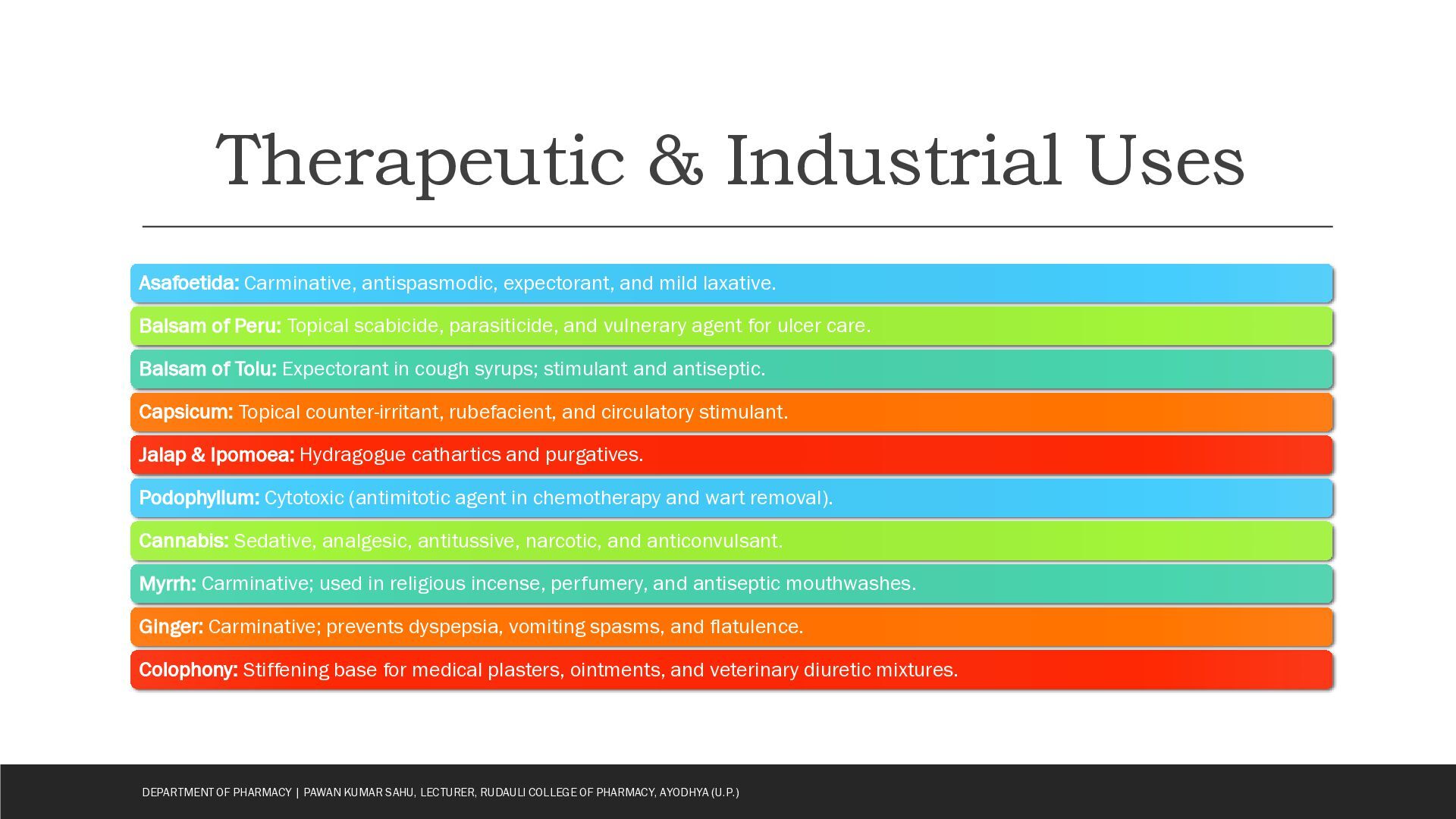
This outline provides a brief overview of the key chemical groups found in plants that have medicinal or industrial importance. Plant constituents are generally divided into two main categories: primary and secondary metabolites.
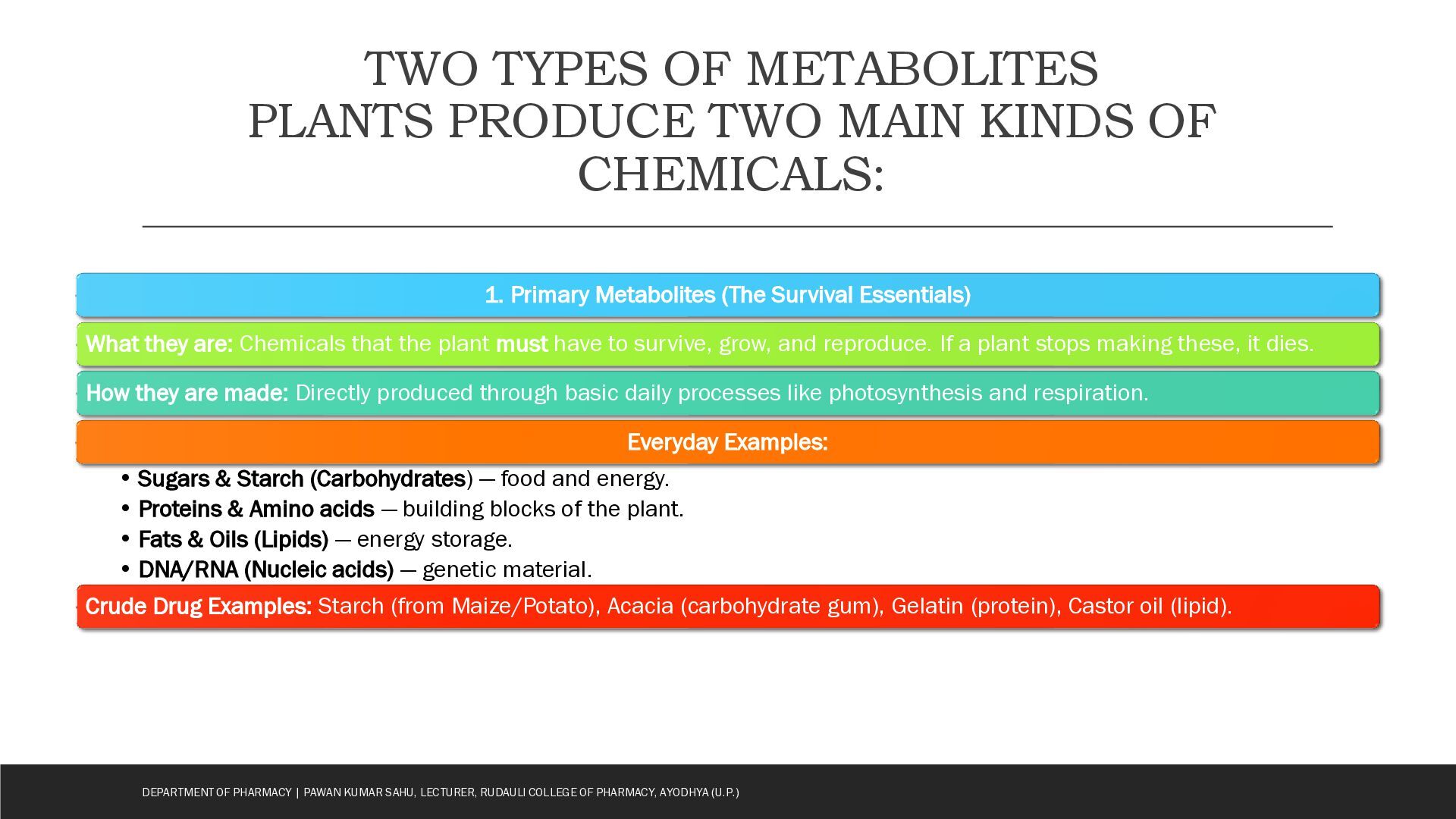
**I. Primary Plant Constituents (Essential for Life)**
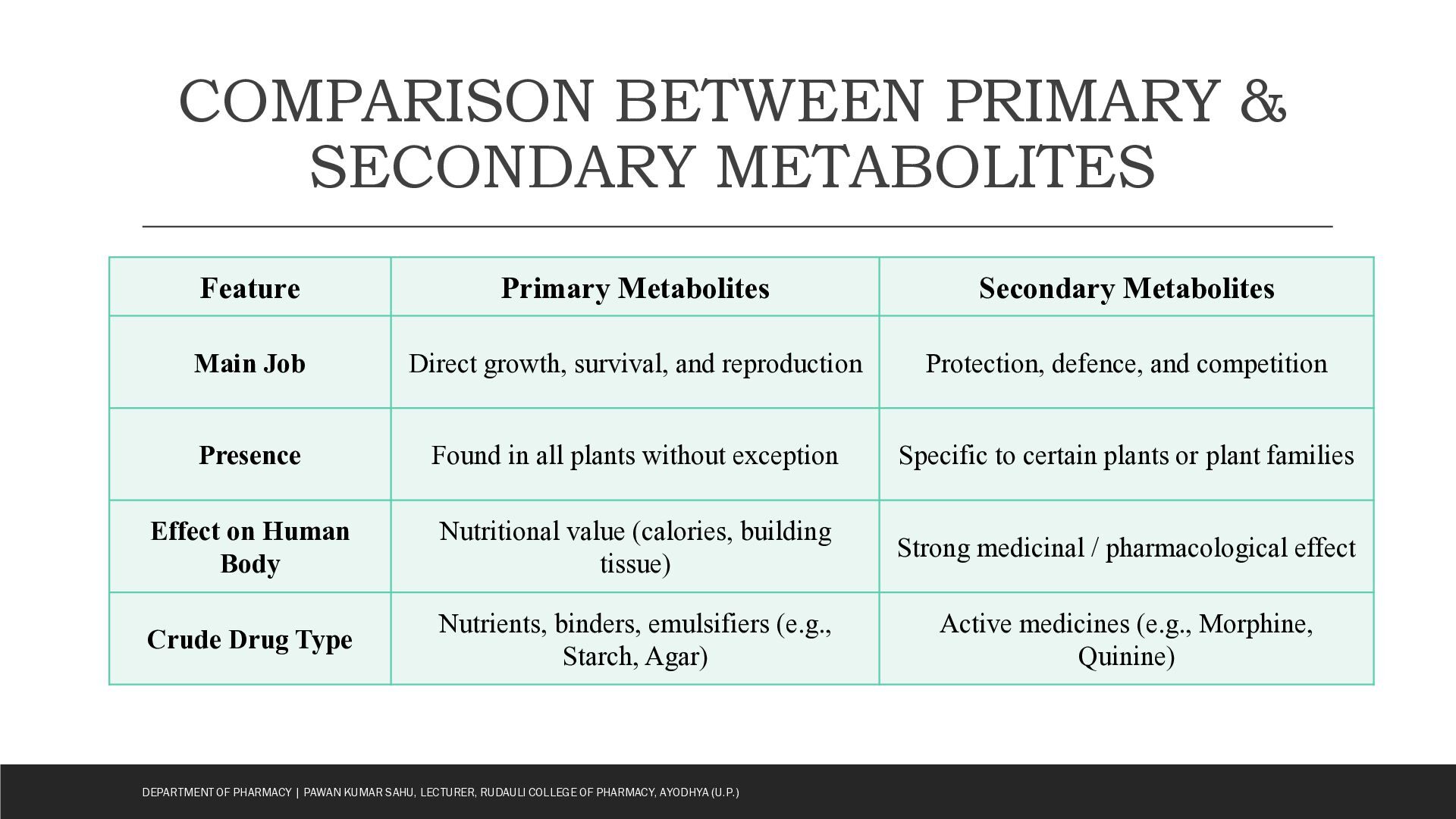
These compounds are basic building blocks and are essential for the fundamental survival and growth processes of the plant, such as photosynthesis, respiration, and protein synthesis. While vital to plants, they are usually of less interest as specific drug molecules, though they serve as nutrients and industrial excipients.
* **1. Carbohydrates:**
* **Description:** Organic compounds consisting of carbon, hydrogen, and oxygen, typically with a 2:1 hydrogen-to-oxygen ratio. They serve as primary sources of energy and structural components.
* **Subgroups & Examples:**
* **Monosaccharides:** Simple sugars like glucose (grape sugar) and fructose (fruit sugar).
* **Disaccharides:** Double sugars like sucrose (table sugar from cane/beet).
* **Polysaccharides:** Complex molecules like starch (energy storage in tubers, grains), cellulose (structural material, plant fiber), and gums/mucilages (protective exudates used as thickeners).
* **2. Lipids (Fats & Oils):**
* **Description:** Organic compounds that are insoluble in water but soluble in organic solvents. They are composed mainly of fatty acids and glycerol.
* **Types & Uses:**
* **Fixed Oils/Fats:** Non-volatile. Serve as energy storage in seeds (e.g., olive oil, almond oil, coconut oil). Used as nutritives and emollient vehicles in pharmacy.
* **Waxes:** Esters of fatty acids and high molecular weight alcohols. Harder than fats (e.g., jojoba oil).
* **3. Proteins:**
* **Description:** Large, complex molecules composed of long chains of amino acids linked by peptide bonds. They are fundamental to cell structure and function.
* **Uses:** Nutritious, but individual plant proteins are rarely used as specific drugs; some enzymes (catalytic proteins) are medically important (e.g., papain from papaya).
**II. Secondary Plant Constituents (Medicinal & Chemical Markers)**
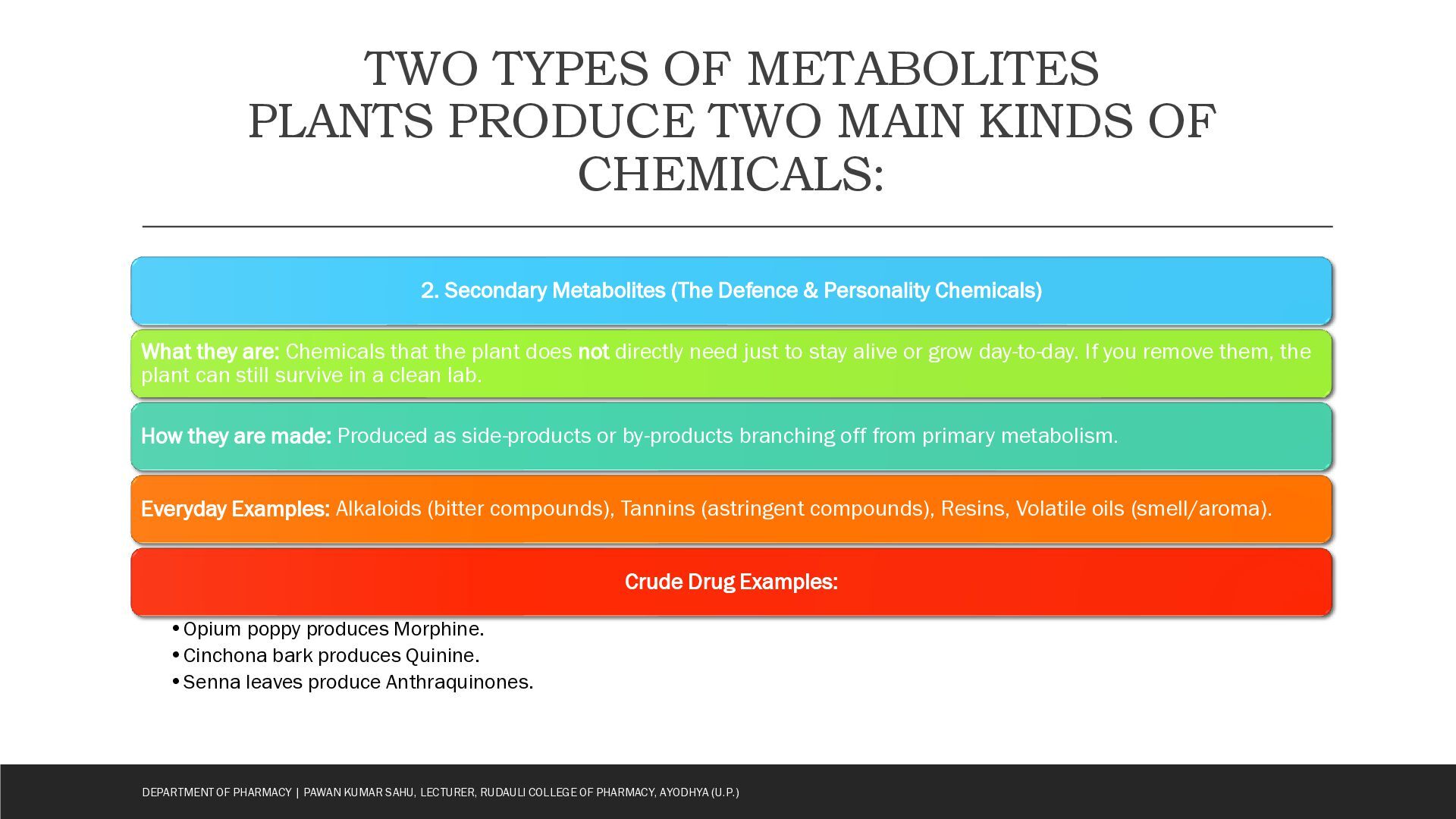
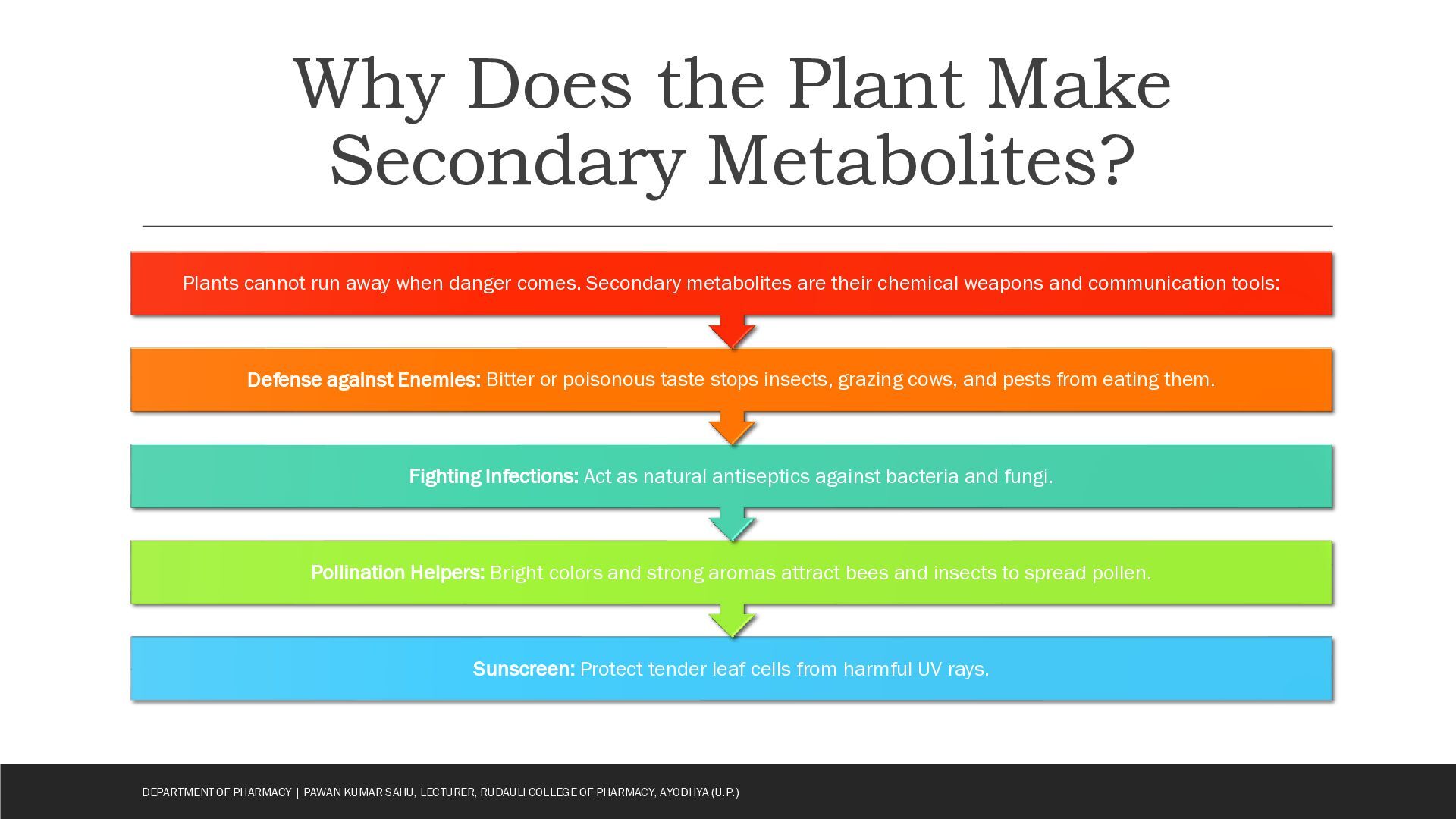
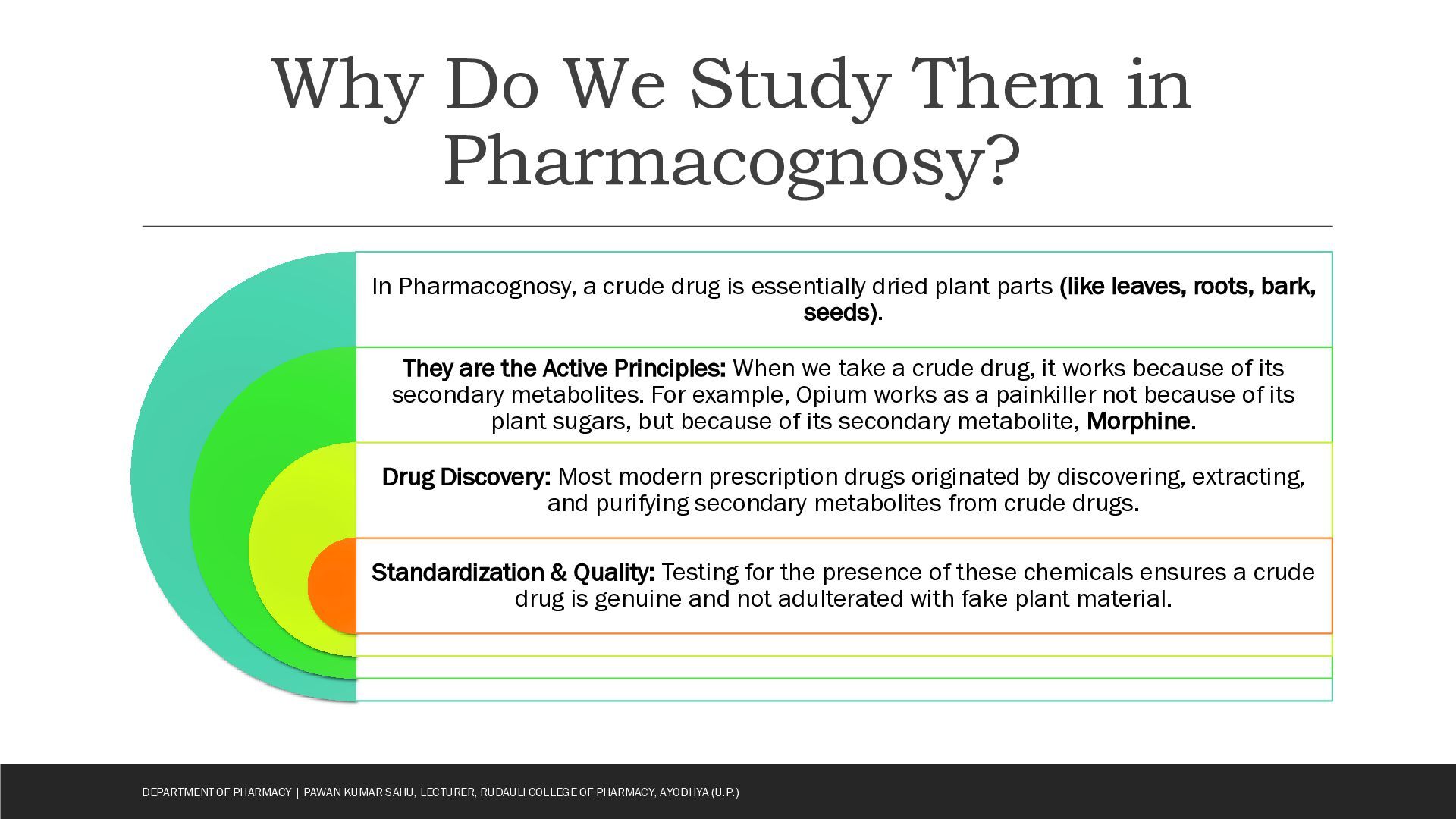
These are chemical compounds produced by plants for functions that are not strictly essential for fundamental survival, such as defense against herbivores and pests, communication, or UV protection. However, many secondary metabolites possess potent biological activities and are the main source of plant-derived medicines, flavors, and fragrances.
* **1. Alkaloids:**
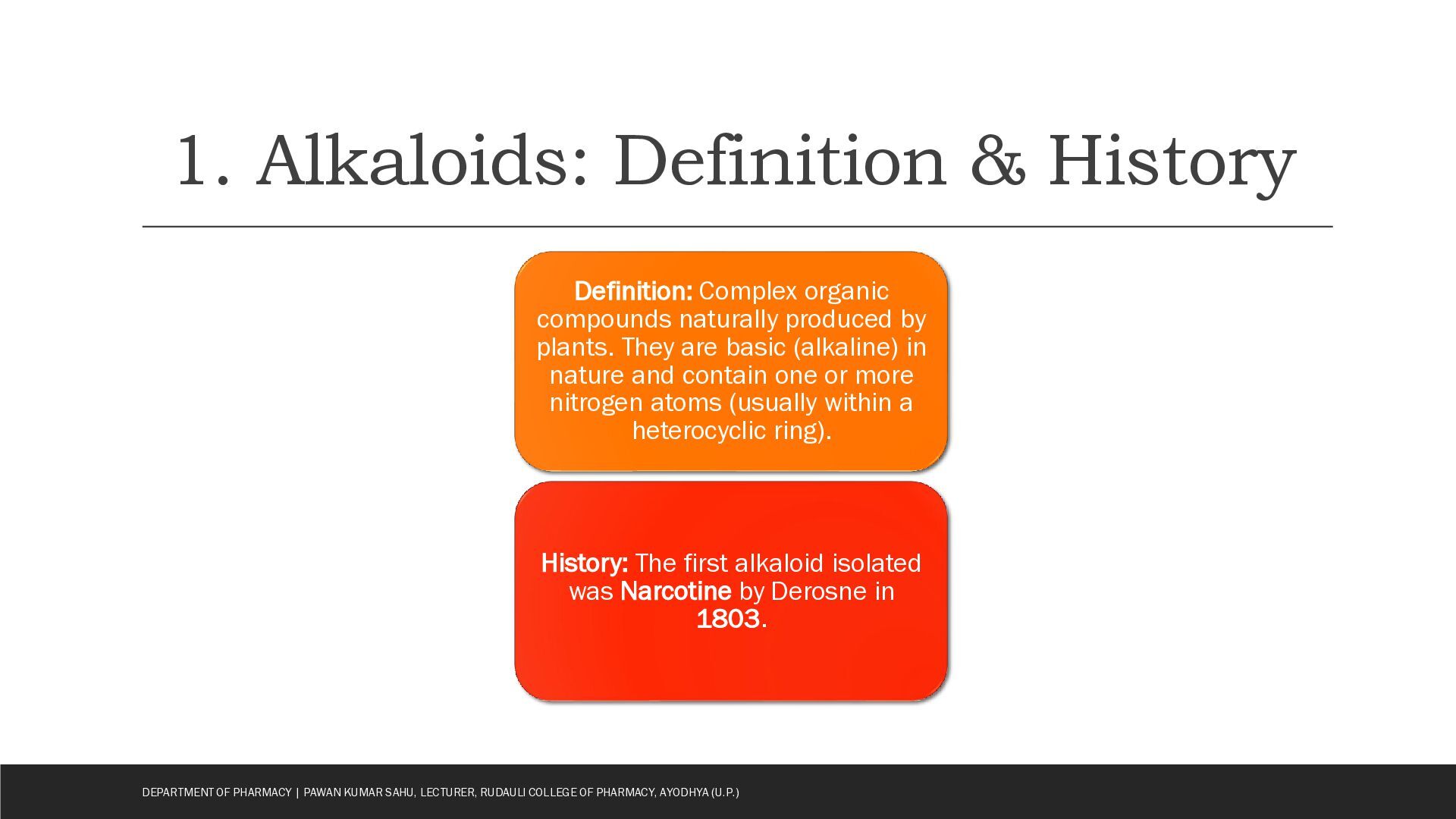
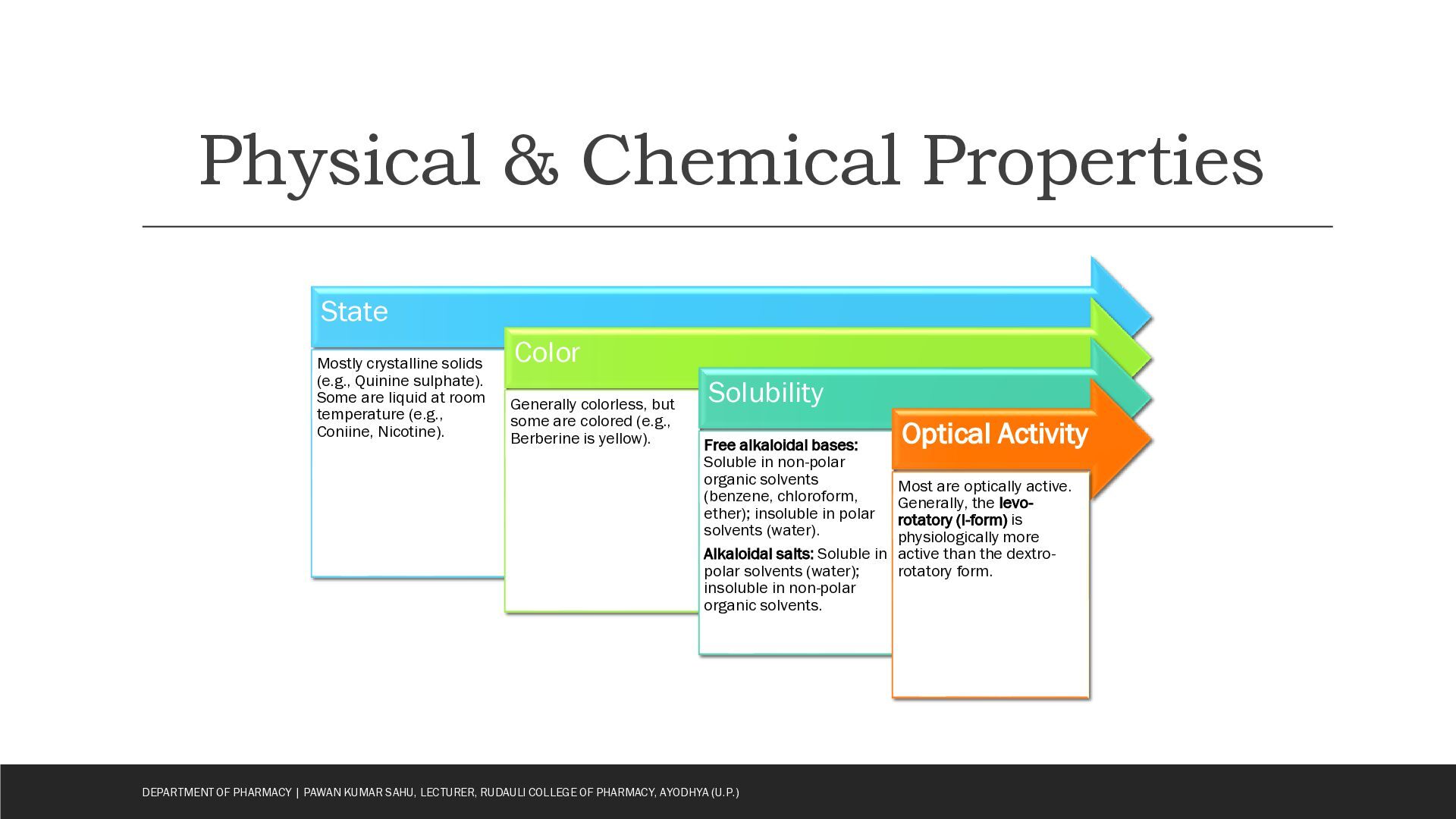
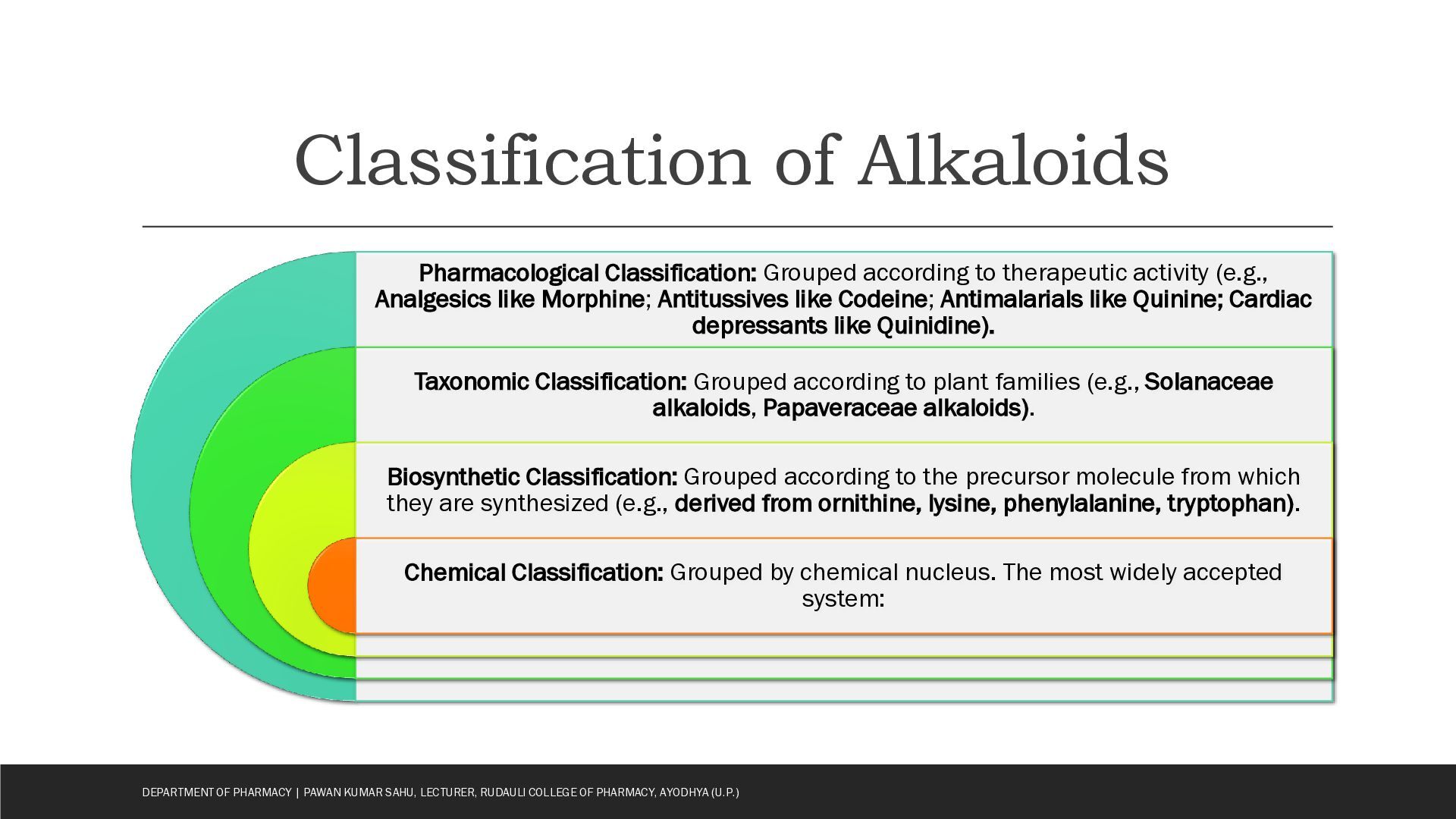
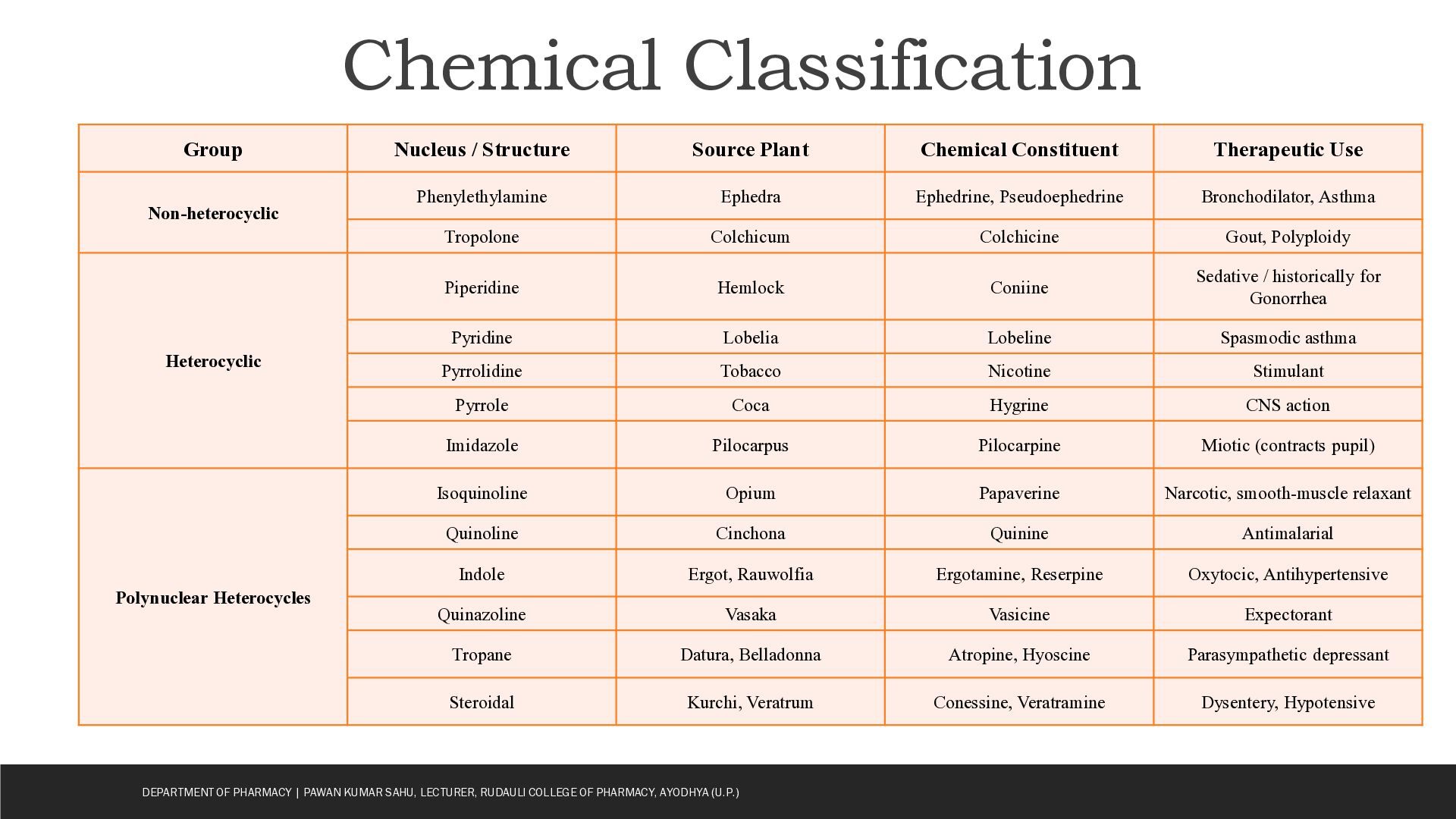
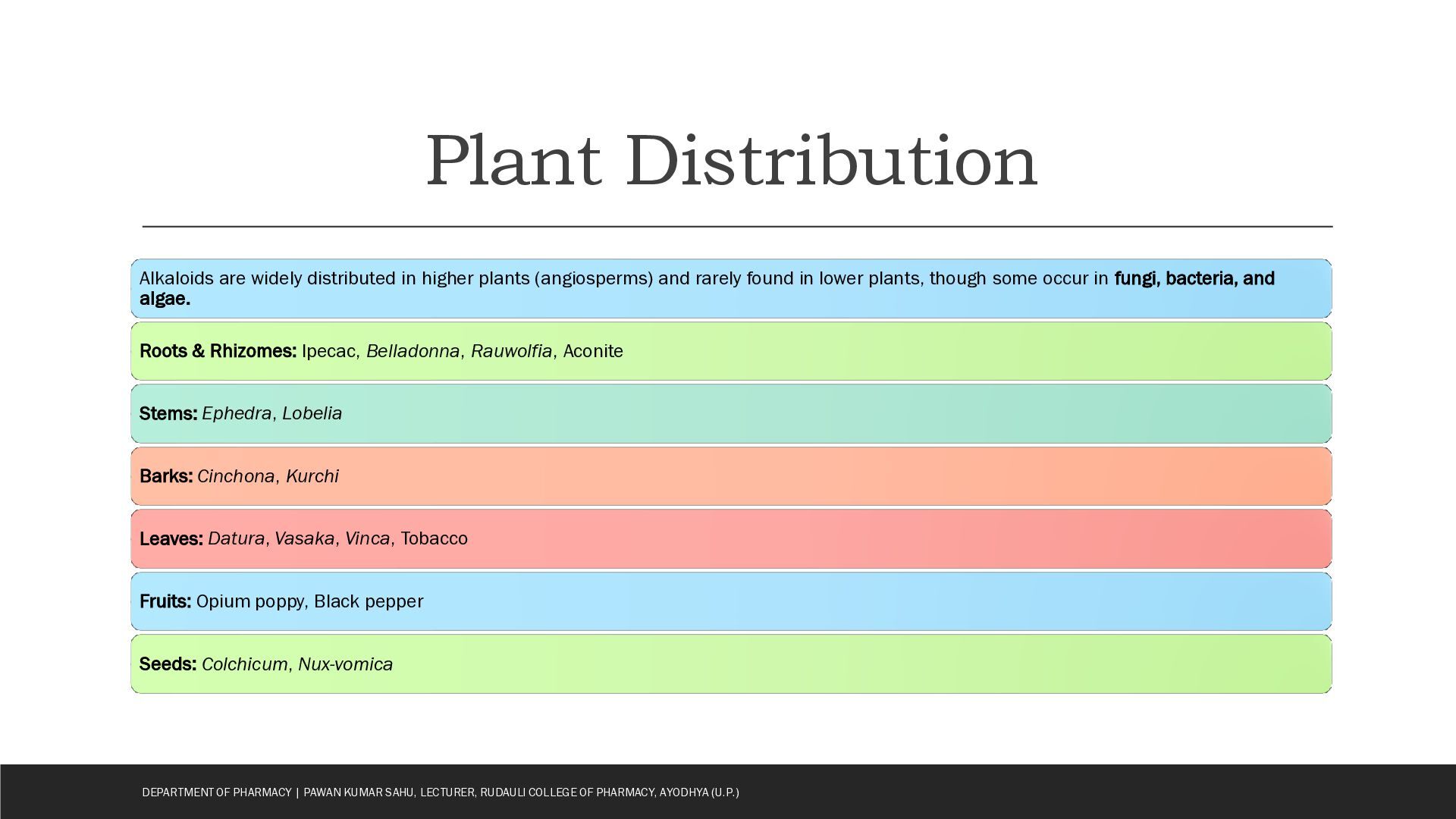
* **Description:** A large and diverse class of natural organic compounds that always contain basic nitrogen atoms (alkaline). Most possess complex ring structures and have strong, physiological effects on mammals. Many are bitter-tasting as a defense mechanism.
* **Examples & Uses:**
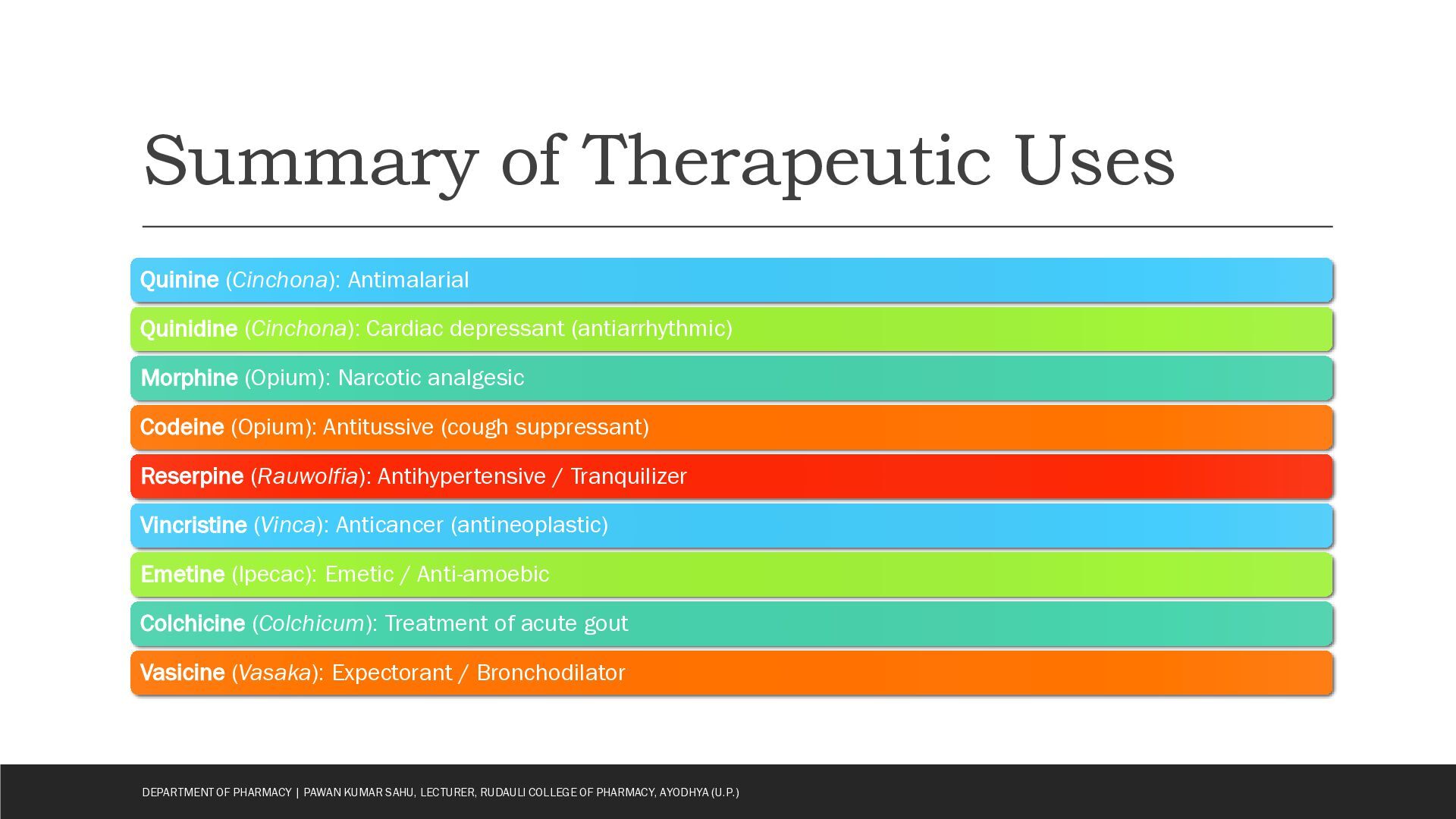
* **Morphine (from Opium Poppy):** Potent analgesic (pain reliever).
* **Quinine (from Cinchona bark):** Anti-malarial.
* **Caffeine (from Coffee, Tea, Cola):** Central nervous system stimulant.
* **Atropine (from Belladonna):** Muscle relaxant, pupil dilator.
* **2. Glycosides:**
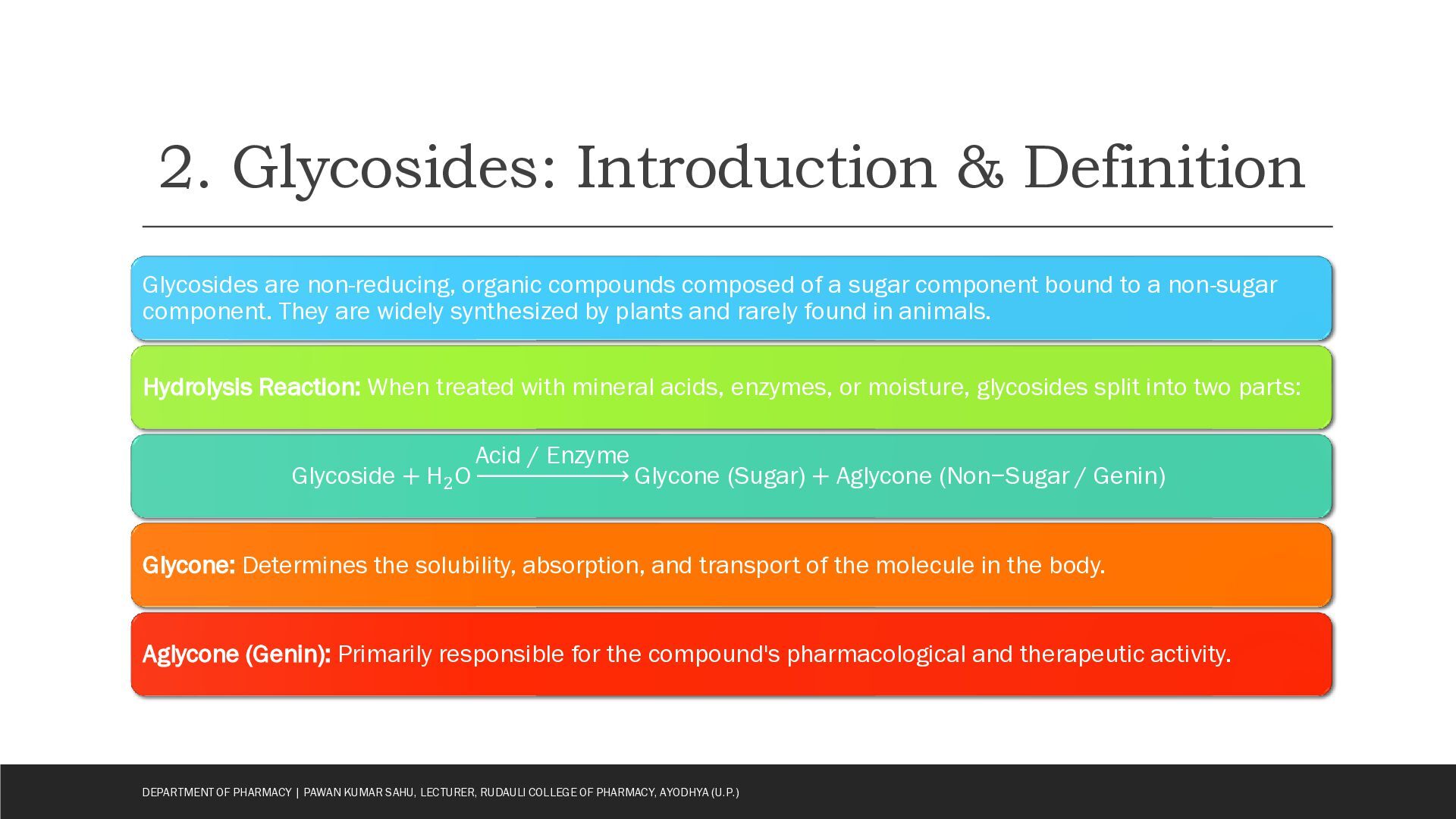
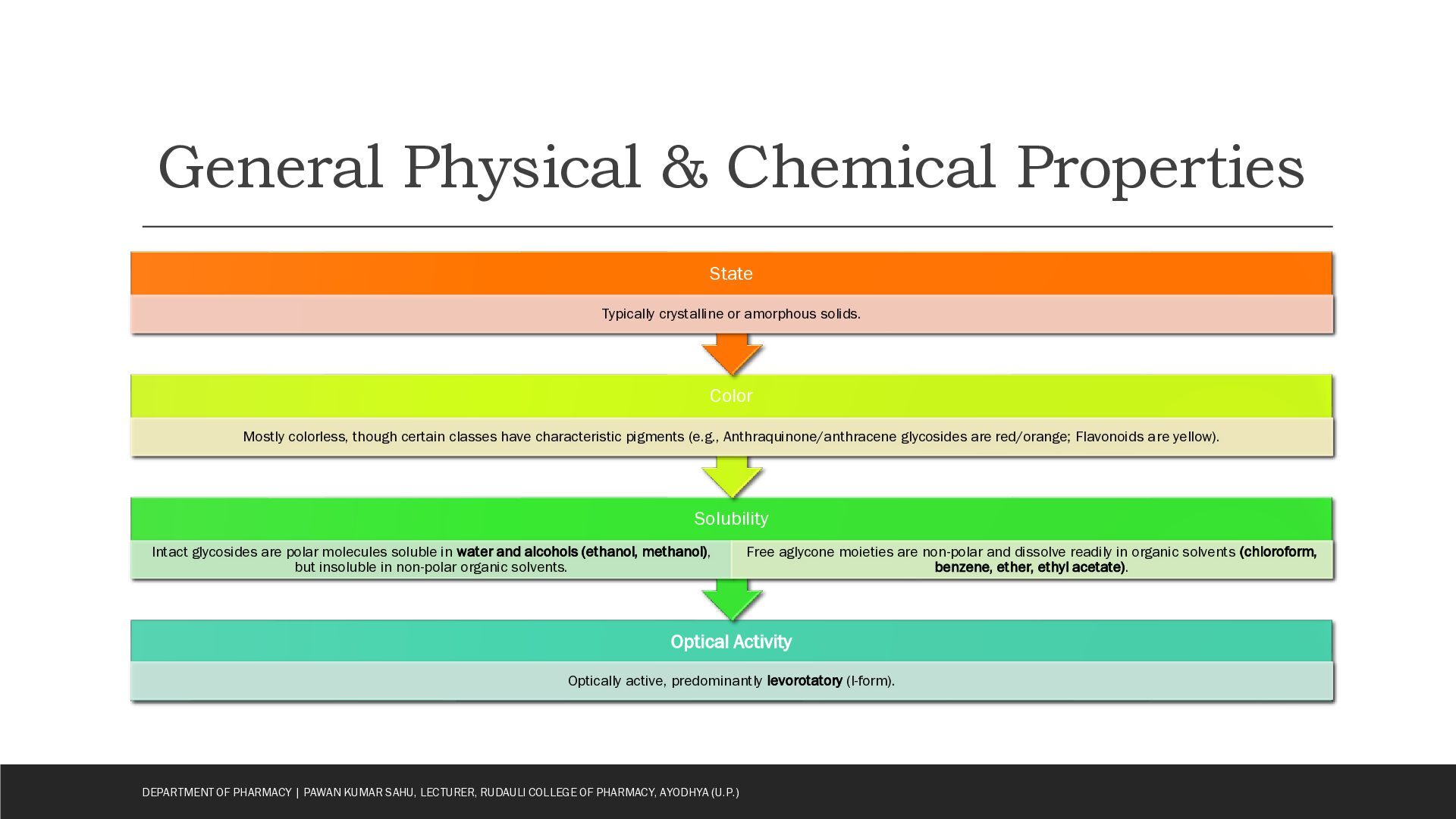
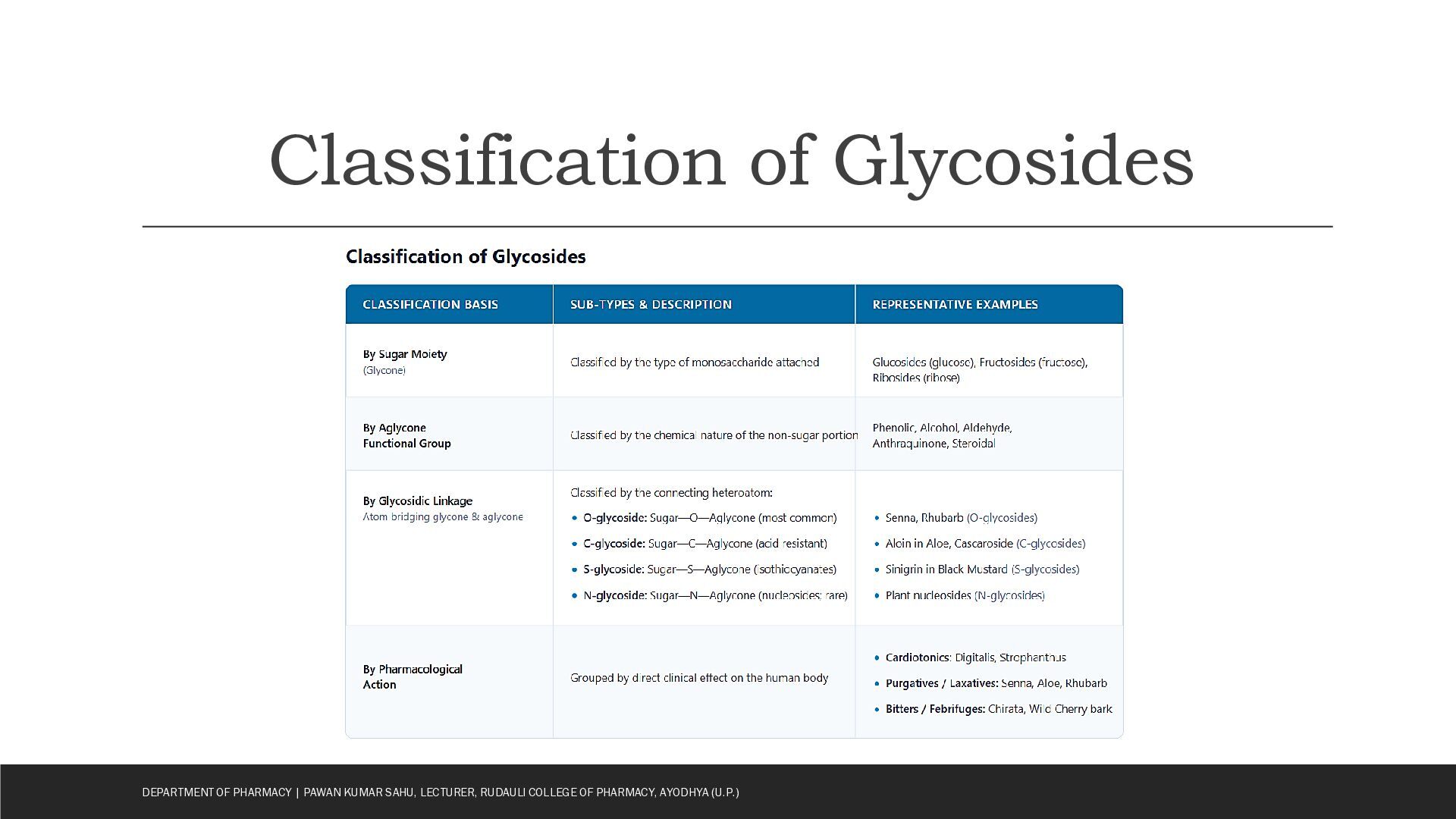
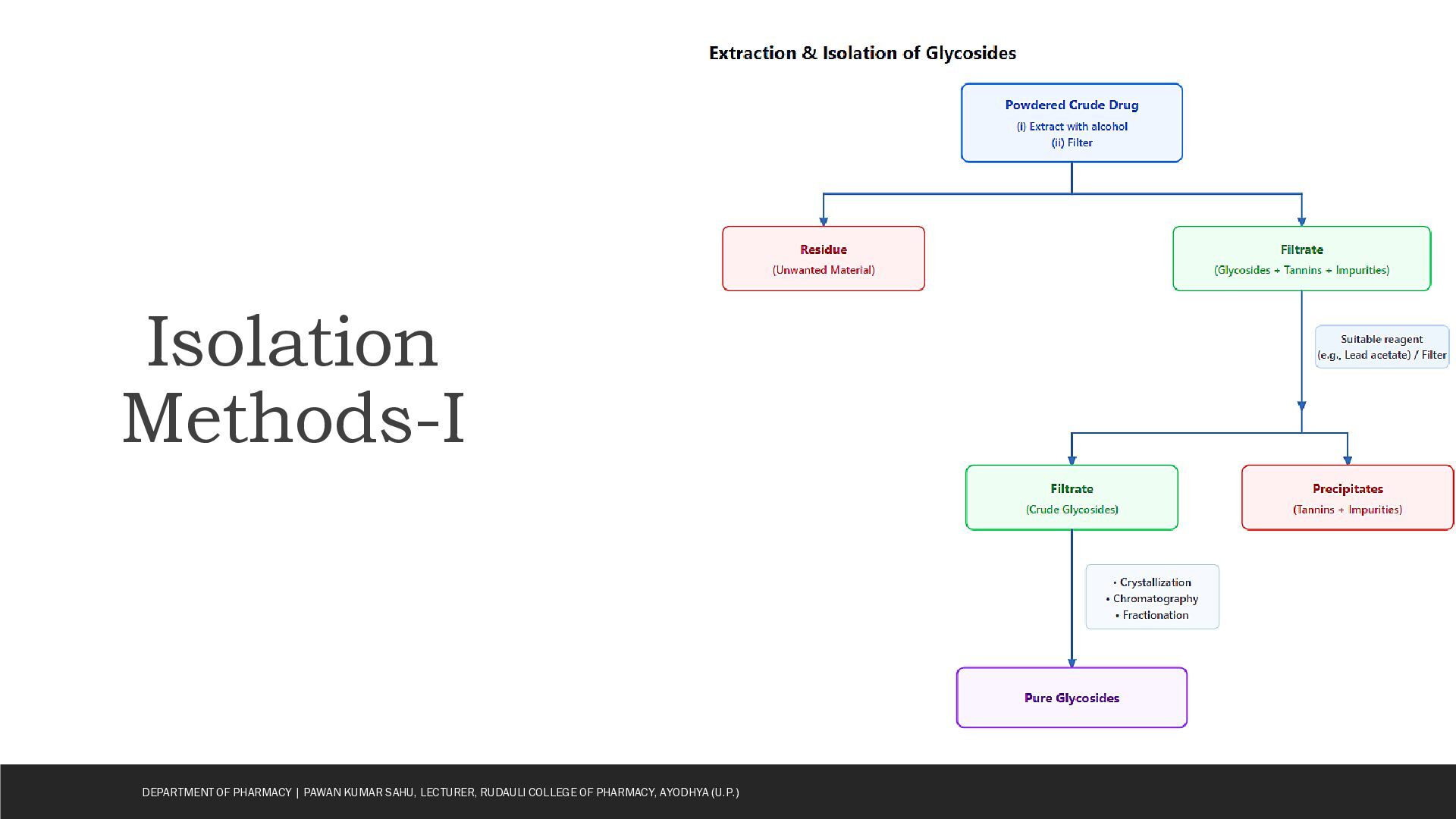
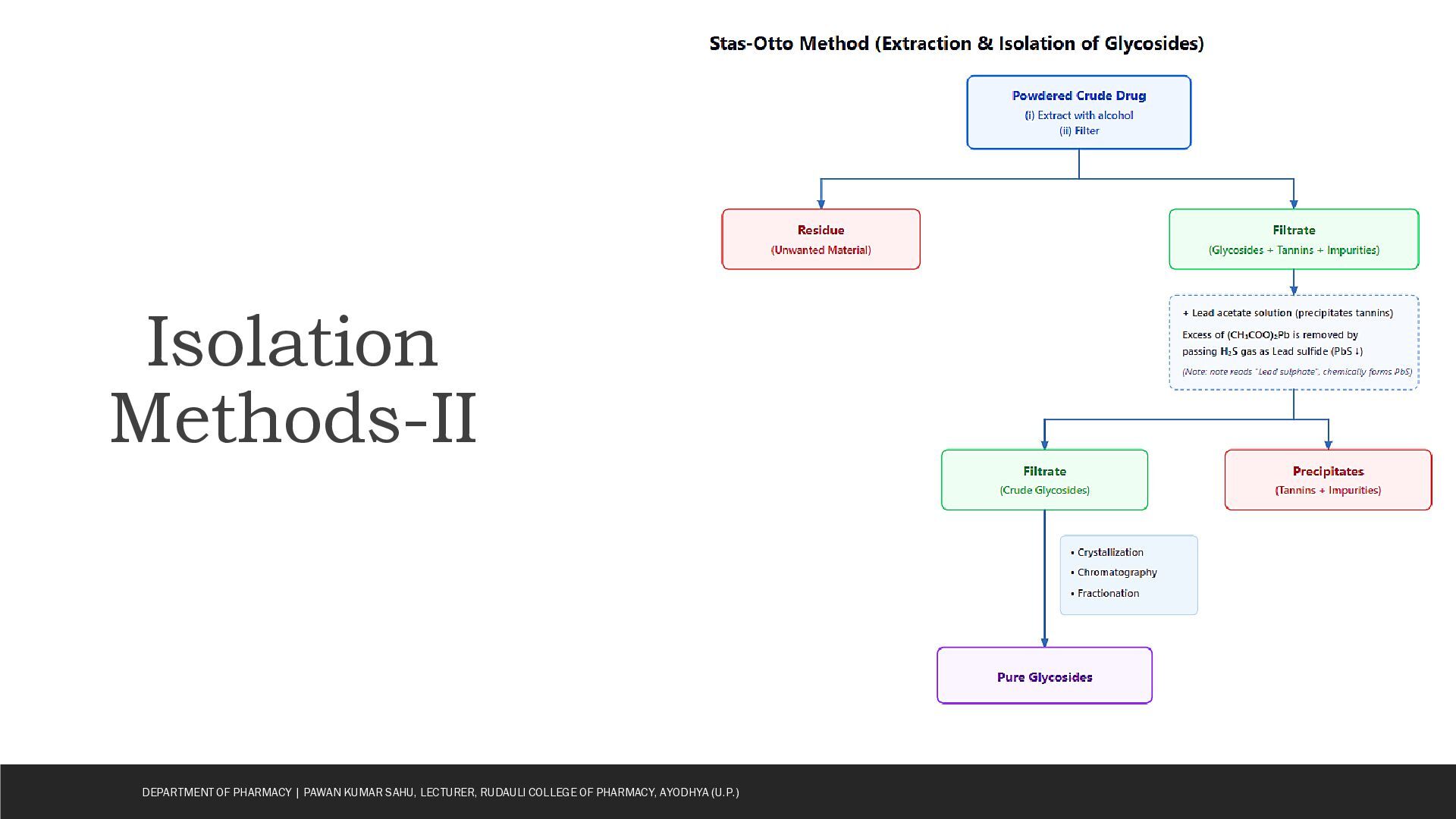
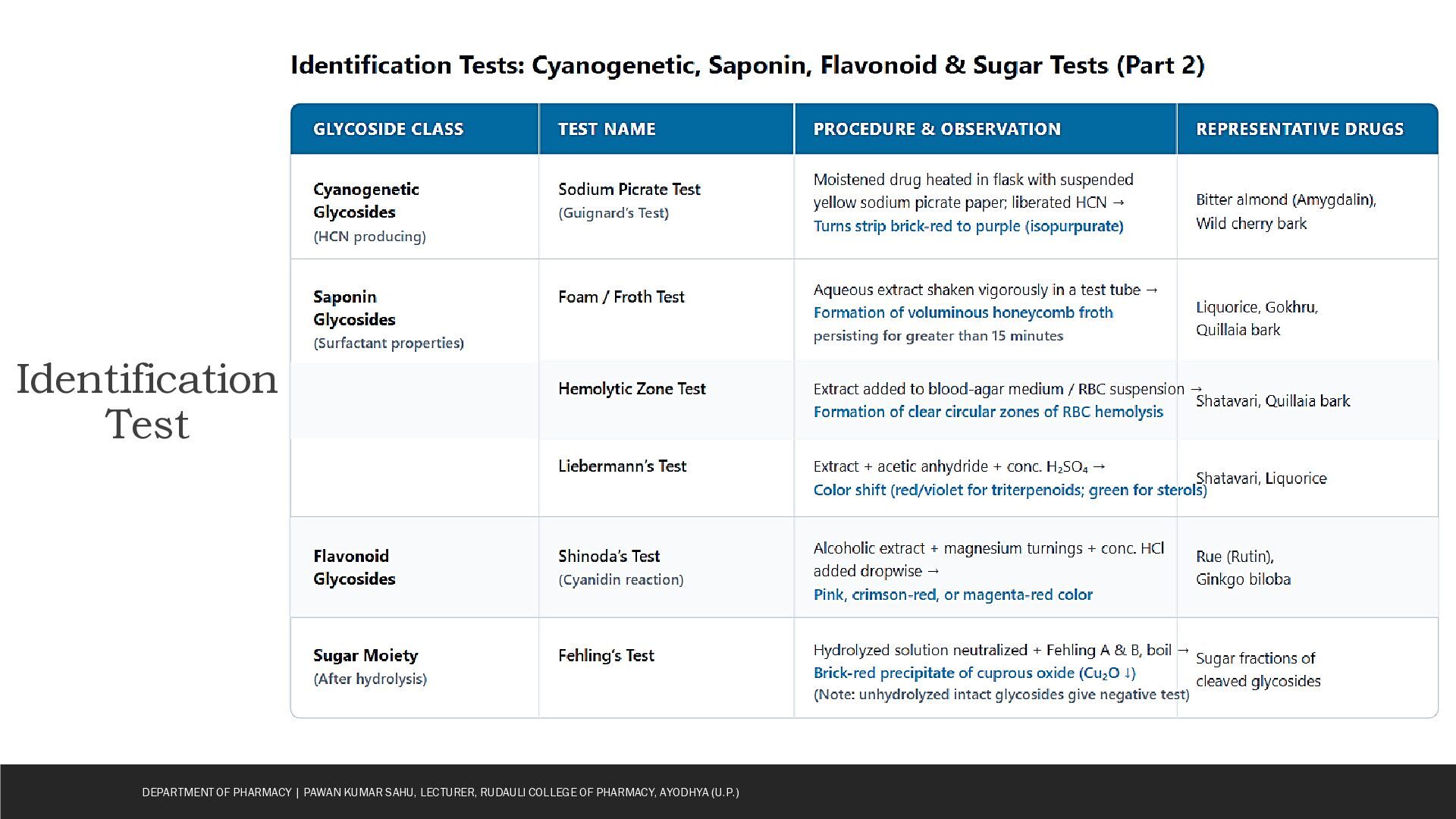
* **Description:** A group of compounds consisting of two parts: a sugar portion (called the glycone) linked via a glycosidic bond to a non-sugar organic molecule (called the aglycone or genin). The genin portion usually holds the biological activity, while the sugar helps in plant transport and storage.
* **Examples & Subgroups:**
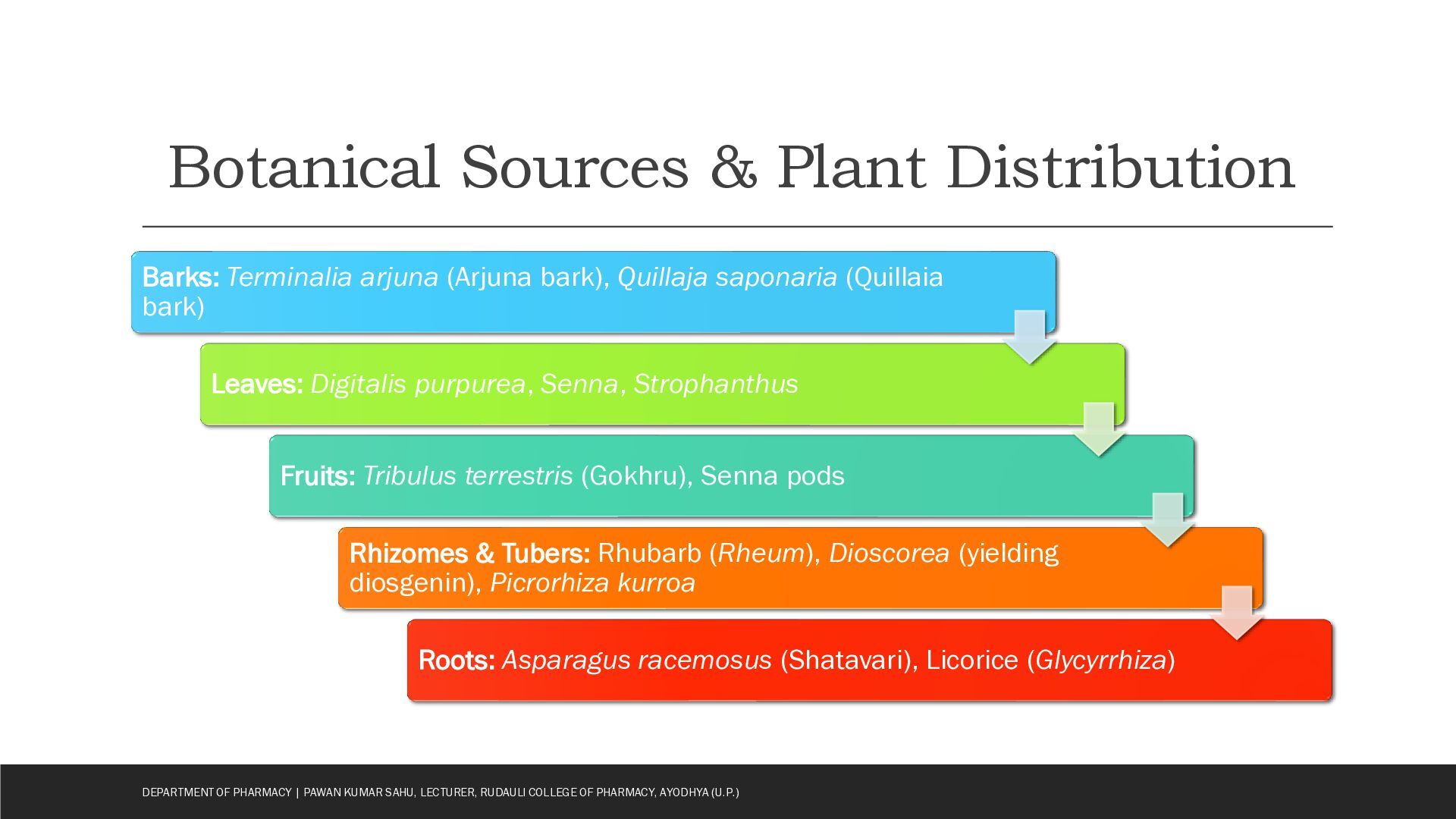
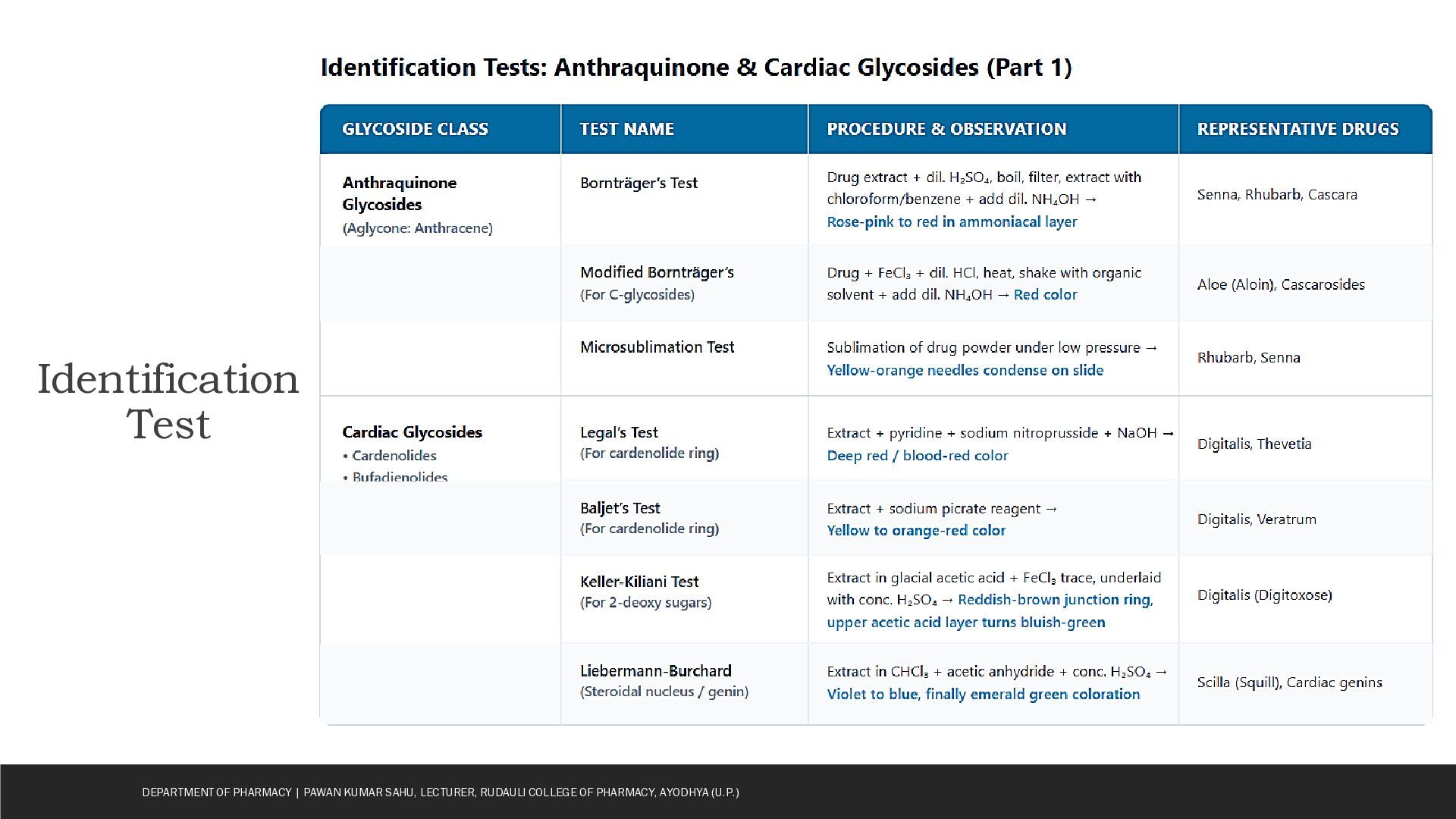
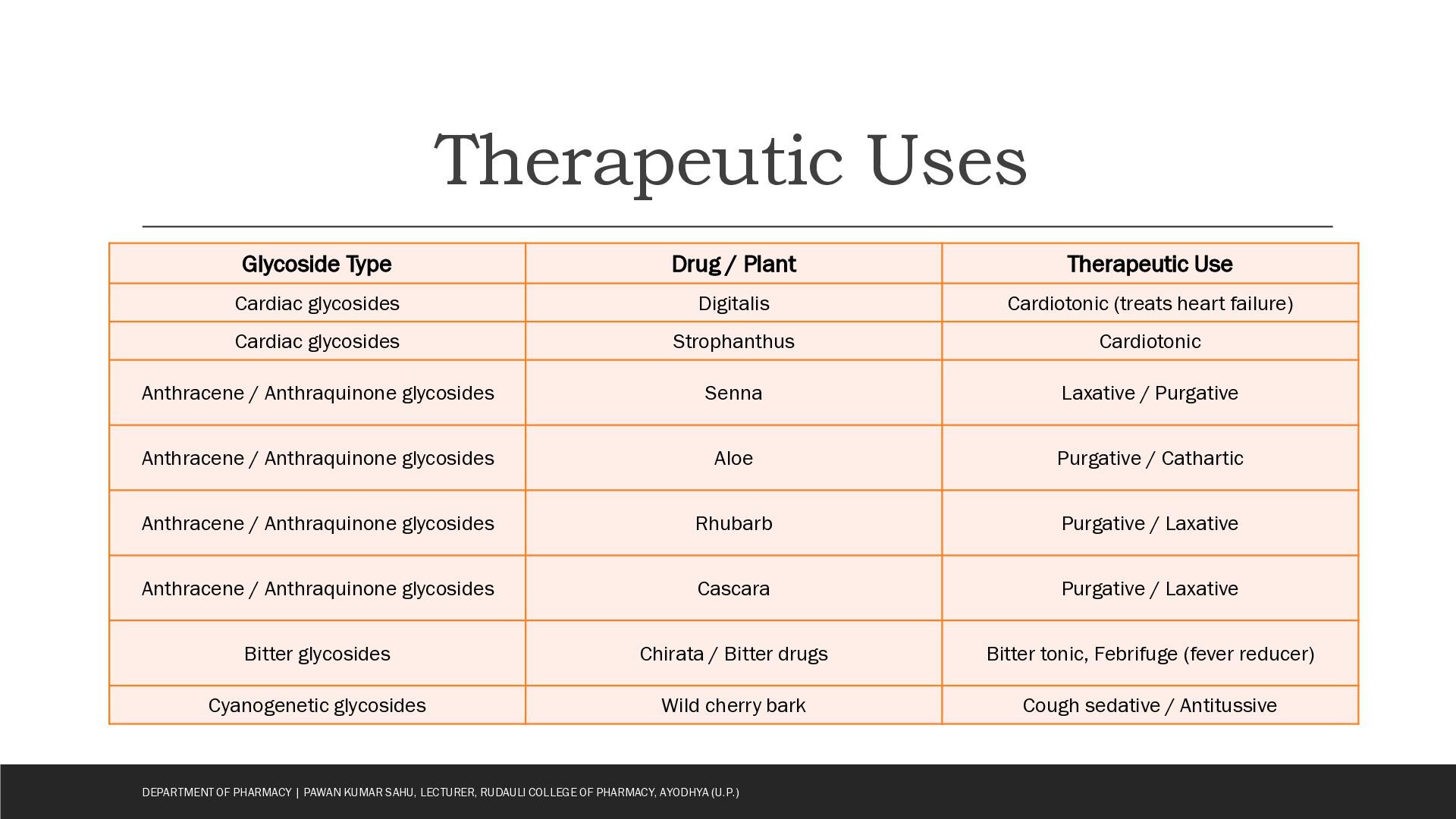
* **Cardiac Glycosides:** Affect heart muscle contraction (e.g., digoxin from foxglove).
* **Anthraquinone Glycosides:** Often used as purgatives (e.g., sennosides from senna, aloin from aloe).
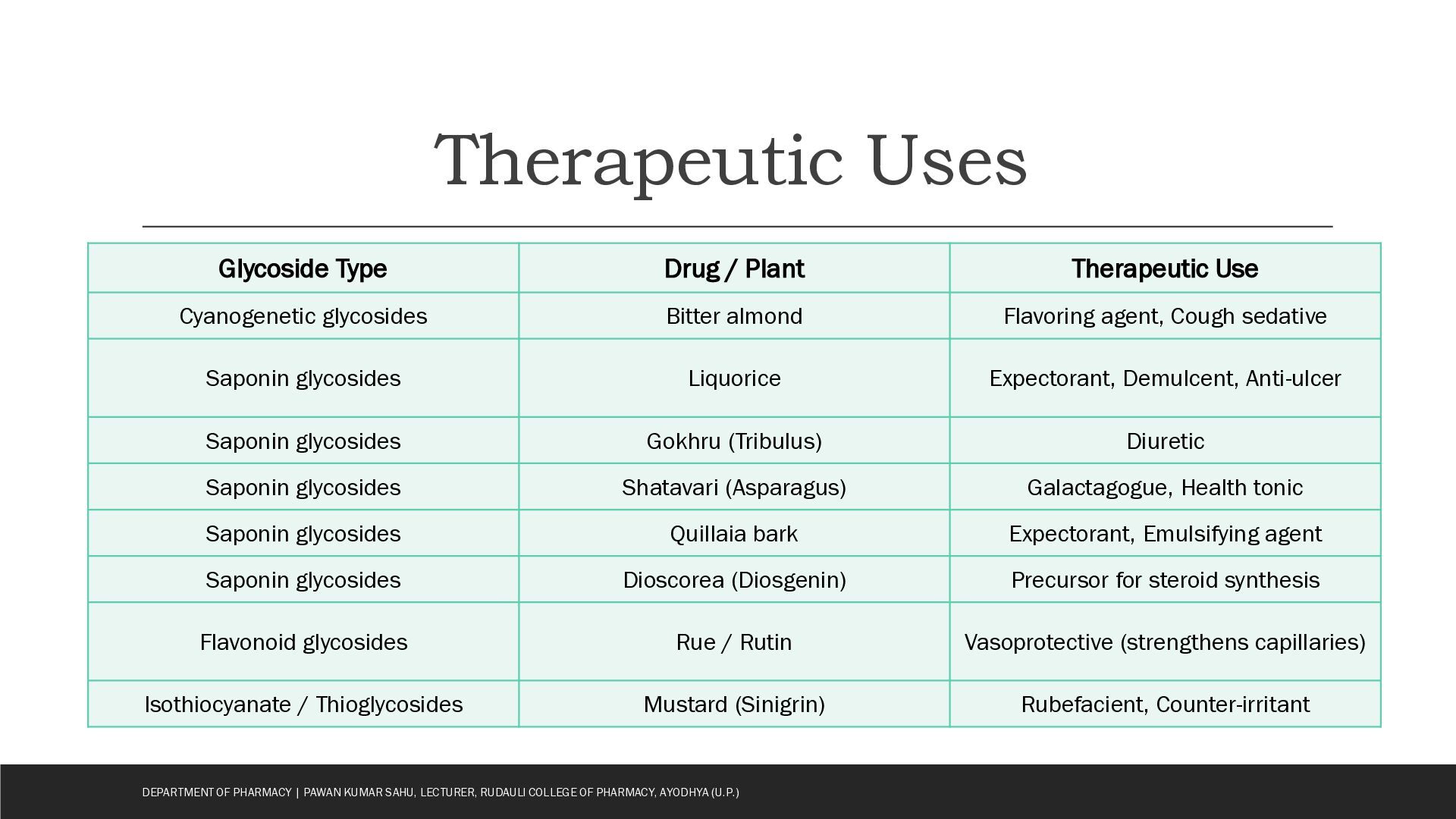
* **Flavonoid Glycosides:** Diverse, often with antioxidant properties (e.g., rutin).
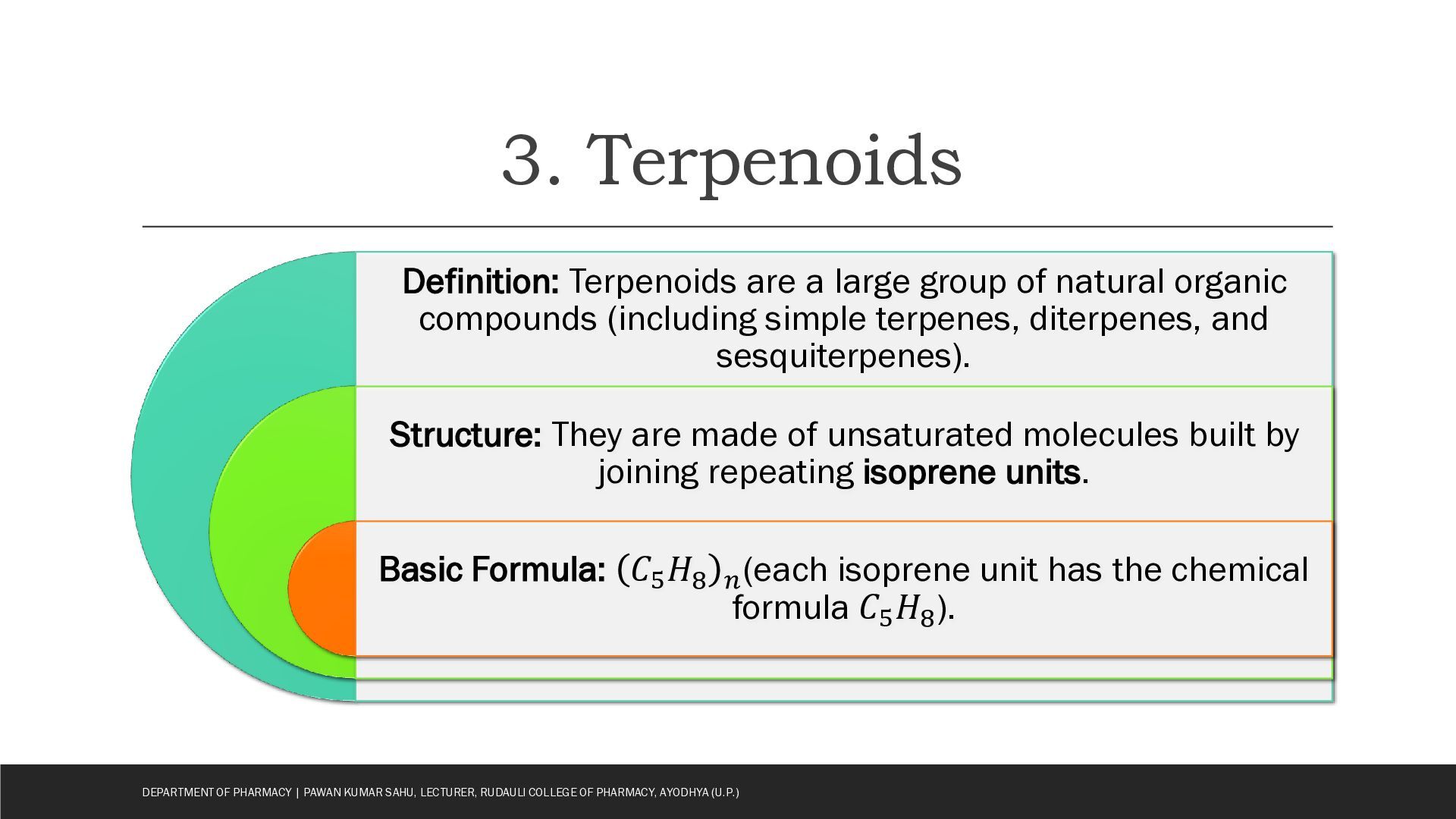
* **3. Terpenoids (Isoprenoids):**
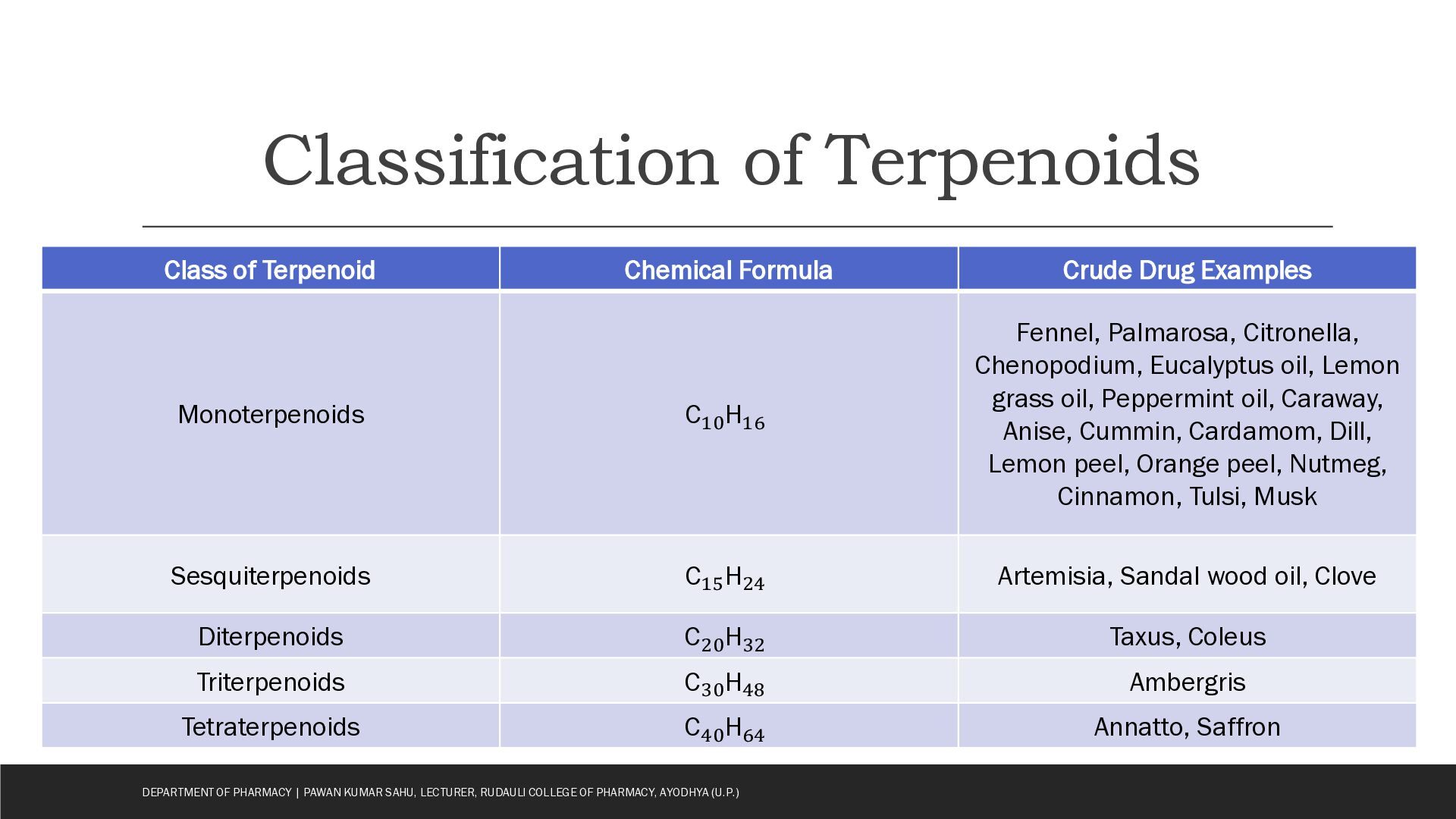
* **Description:** A vast and structurally varied class derived from five-carbon isoprene units. They encompass compounds ranging from simple fragrance molecules to complex ring structures.
* **Examples & Subgroups:**
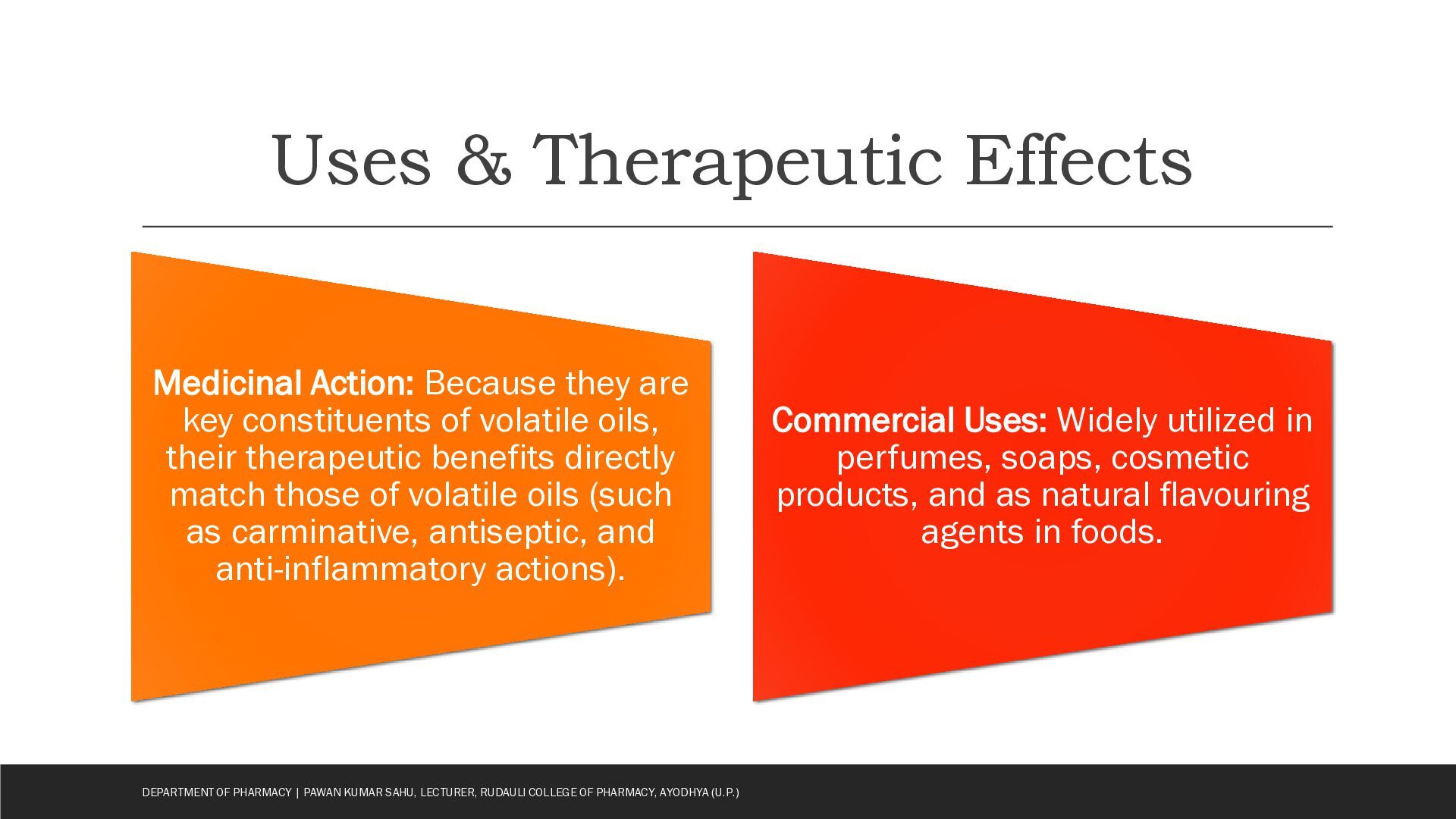
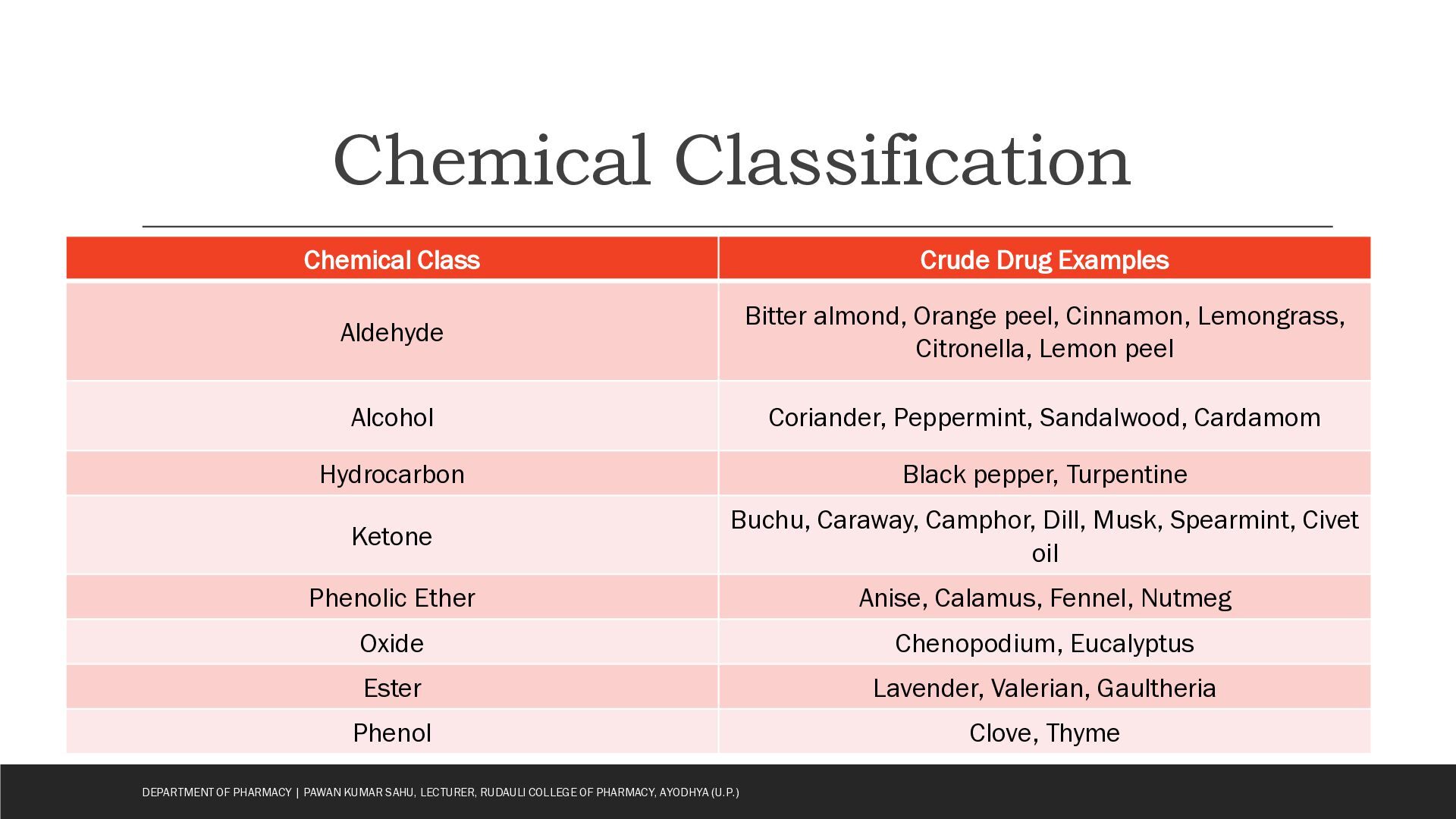
* **Monoterpenes & Sesquiterpenes:** The main components of essential (volatile) oils, responsible for aroma and therapeutic effects like antiseptic, anti-inflammatory, and antispasmodic actions (e.g., peppermint, lavender).
* **Diterpenes:** Larger, non-volatile. Some are anti-cancer (e.g., paclitaxel from yew).
* **Triterpenes/Steroids:** Form compounds like cholesterol, phytohormones, and saponins. (e.g., ginseng).
* **4. Phenolics & Polyphenols:**
* **Description:** Organic compounds containing at least one phenol group (an aromatic ring with a hydroxyl group attached). This broad group is known for diverse colors and strong antioxidant properties.
* **Examples & Subgroups:**
* **Flavonoids:** Ubiquitous yellow/orange/red pigments (often glycosides) with antioxidant and circulatory benefits (e.g., in grapes, citrus).
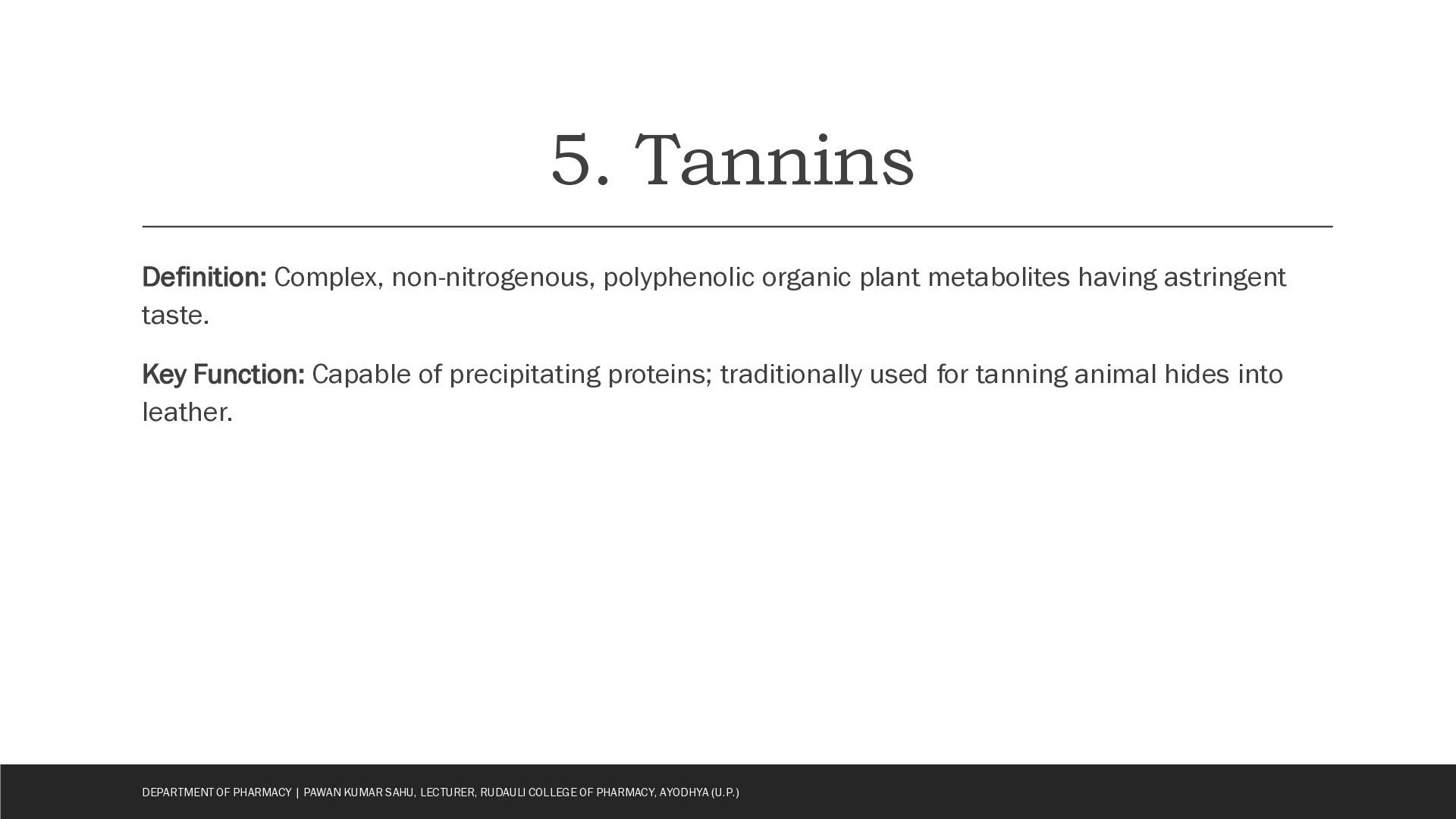
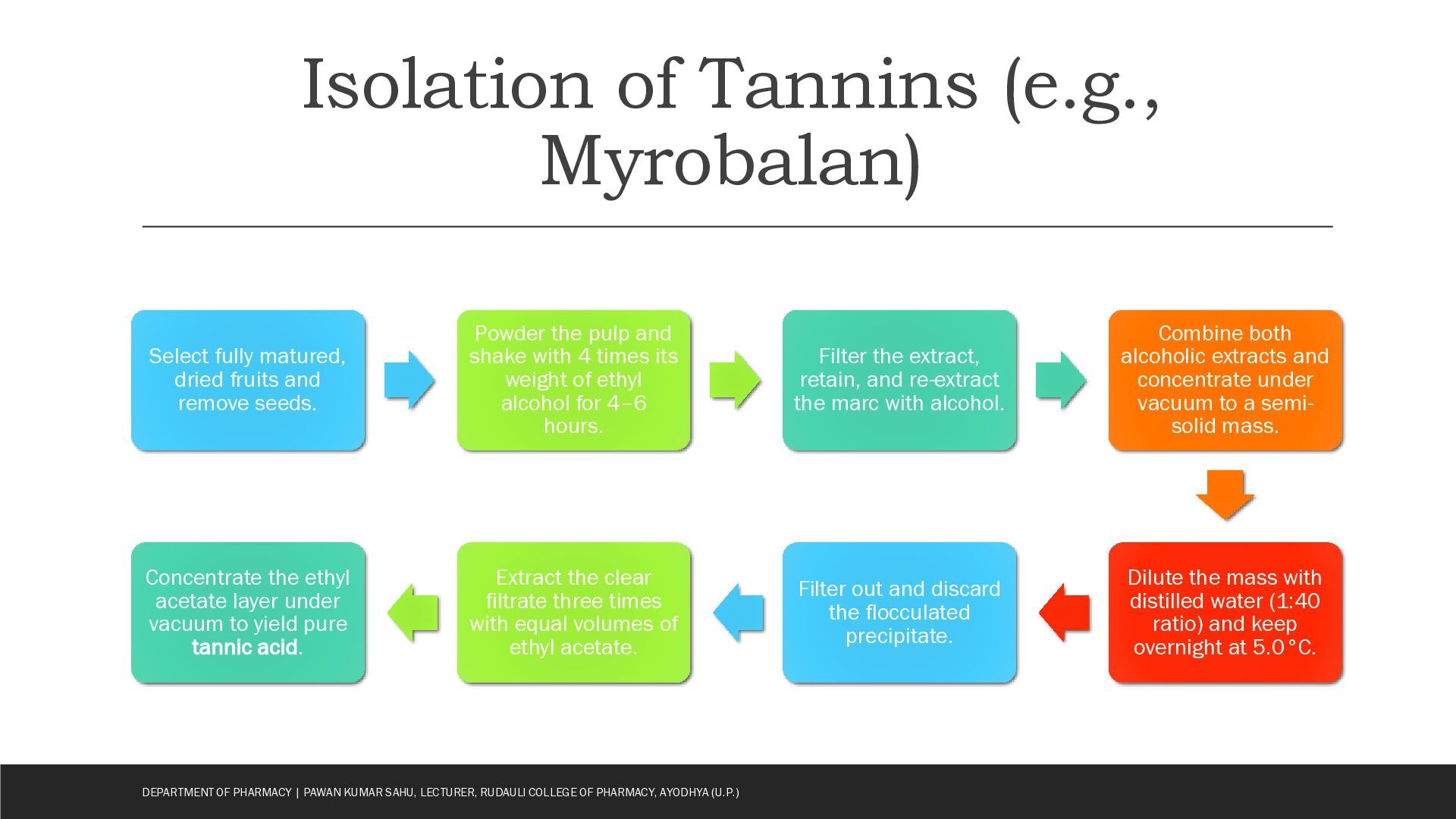
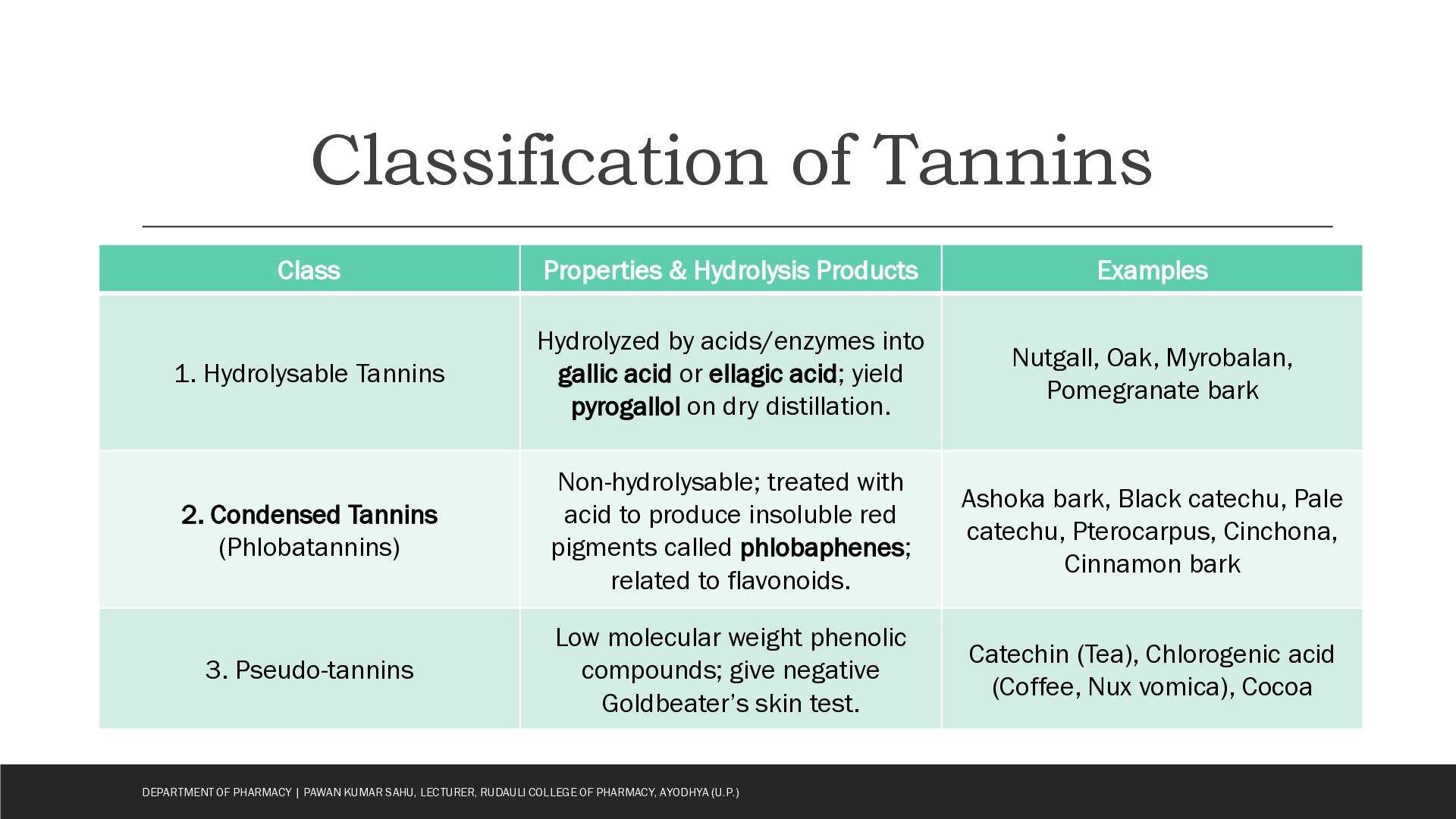
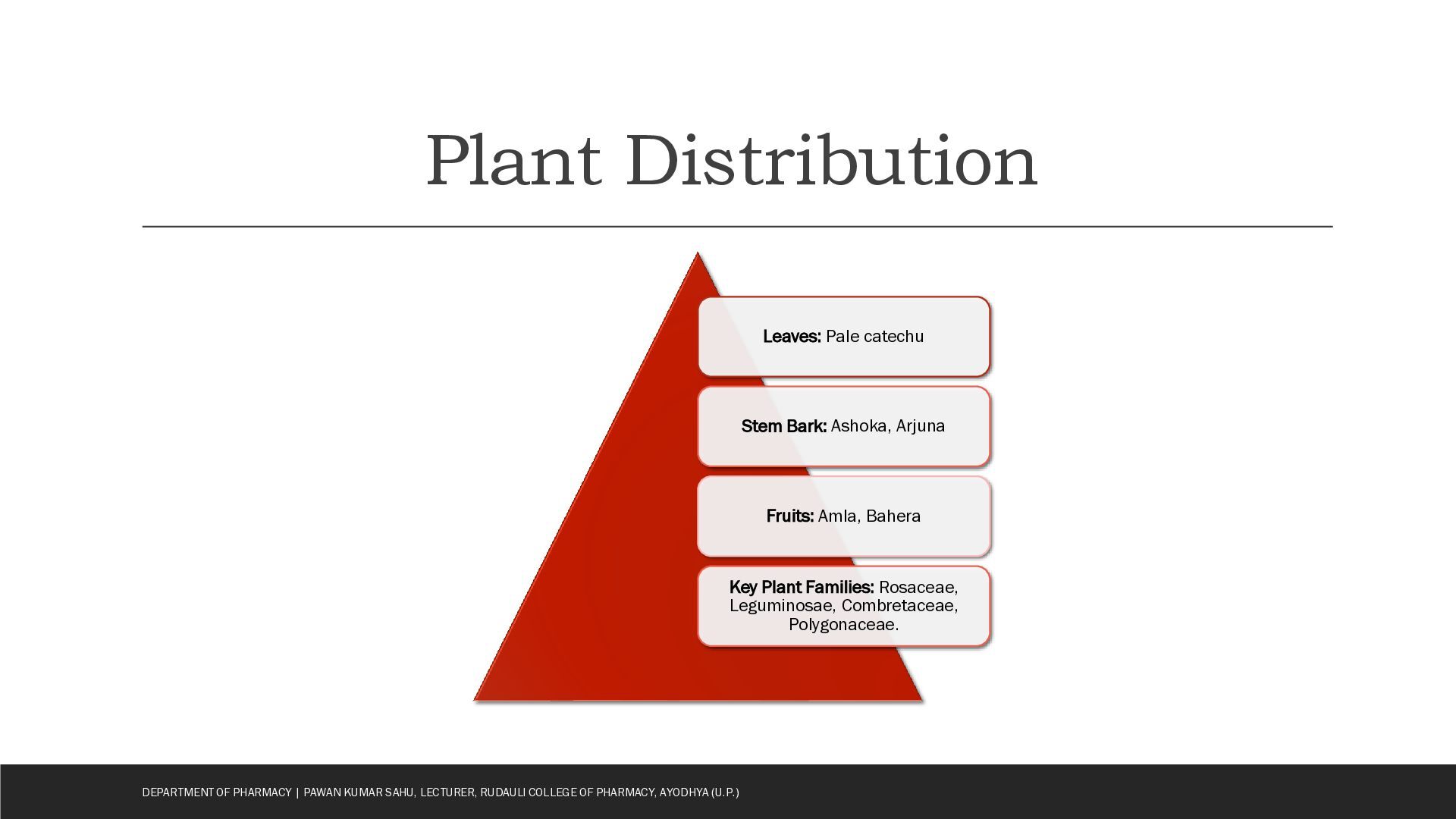
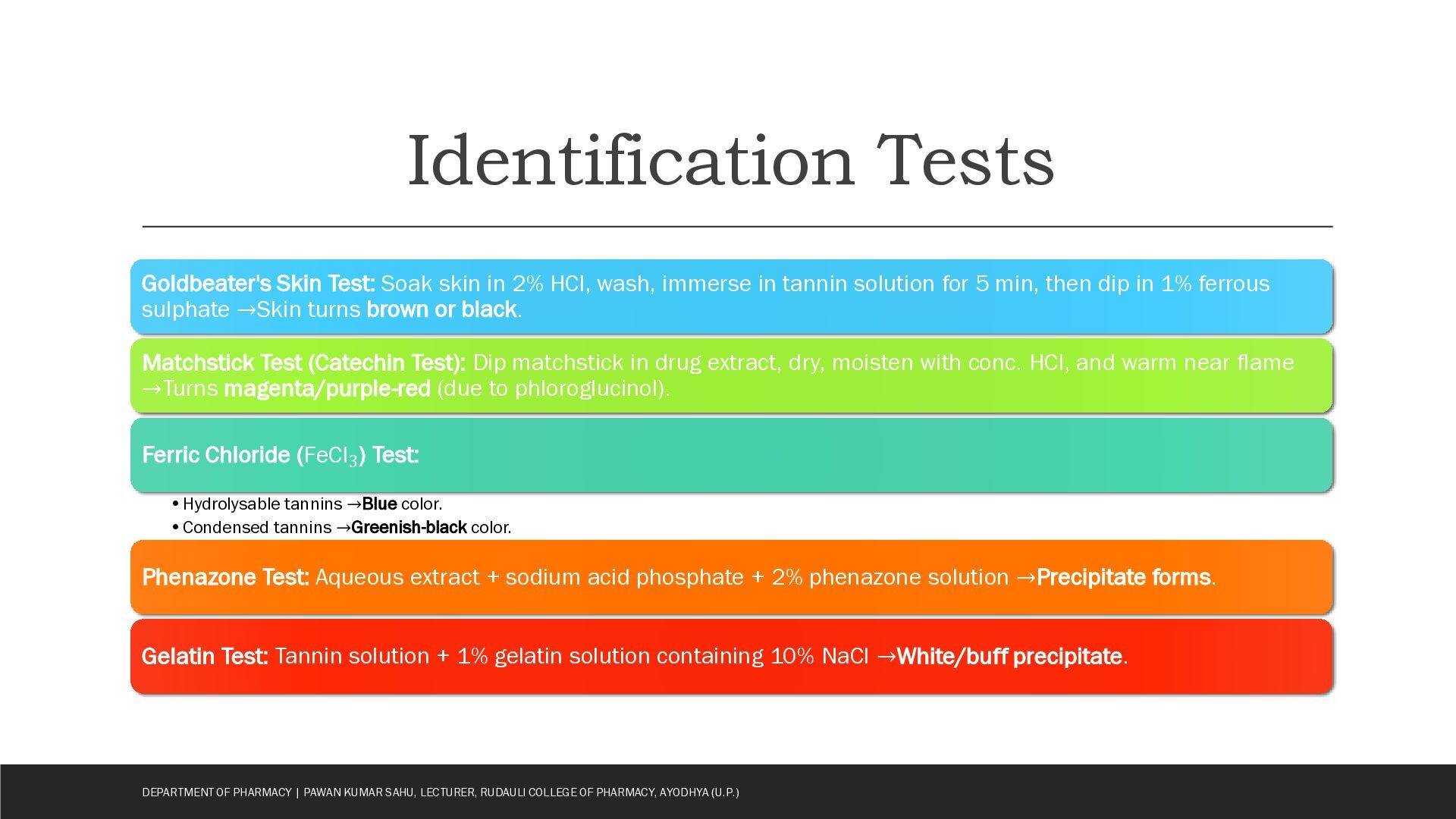
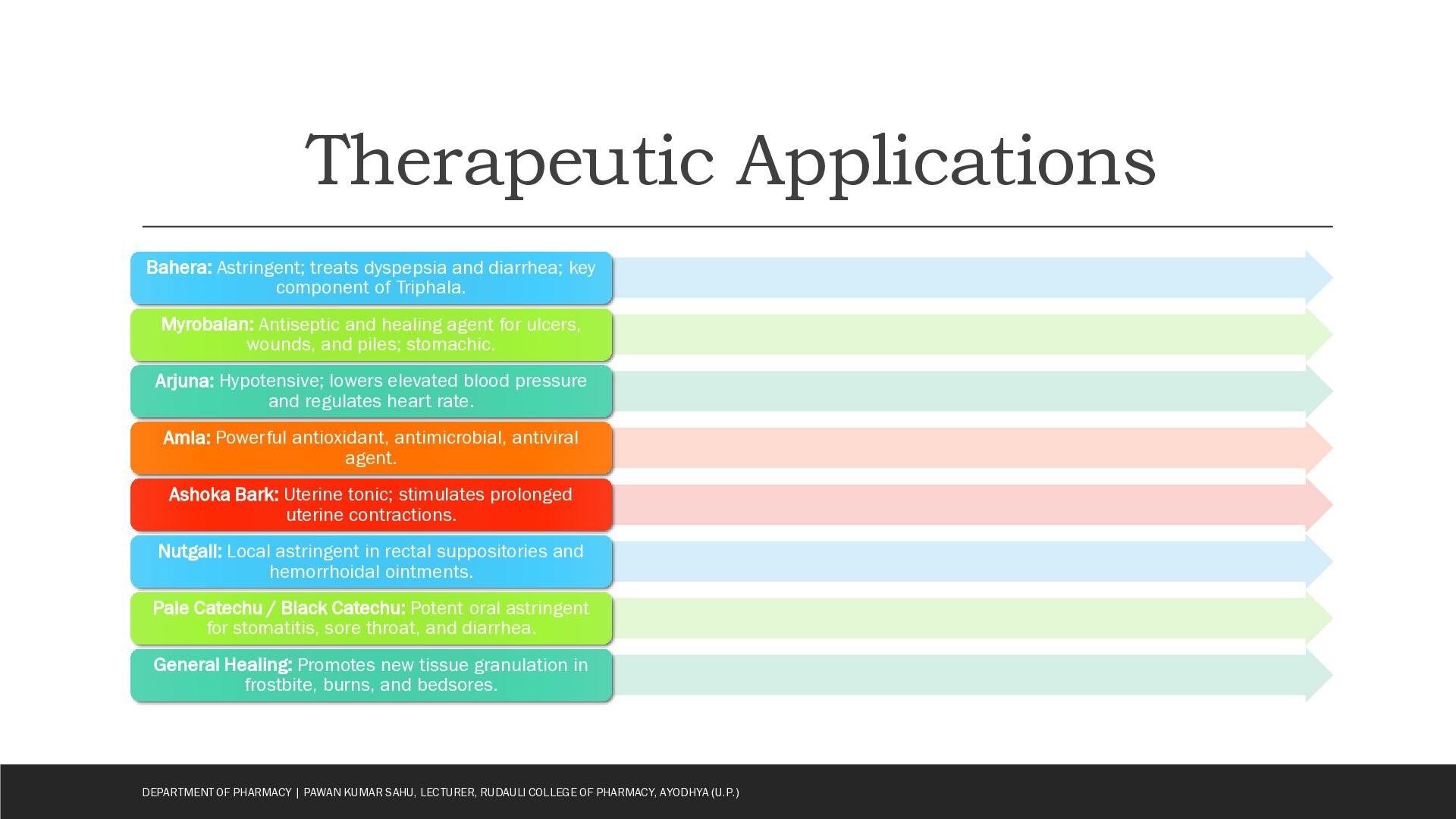
* **Tannins:** Complex, astringent molecules that can precipitate proteins. Plants use them for anti-feedant defense. Medically used for treating wounds and diarrhea (e.g., in oak bark, tea).
* **Coumarins:** Fragrant molecules (like sweet-clover scent), some with blood-thinning properties (e.g., warfarin is synthetic coumarin derivative).
* **5. Essential (Volatile) Oils:**
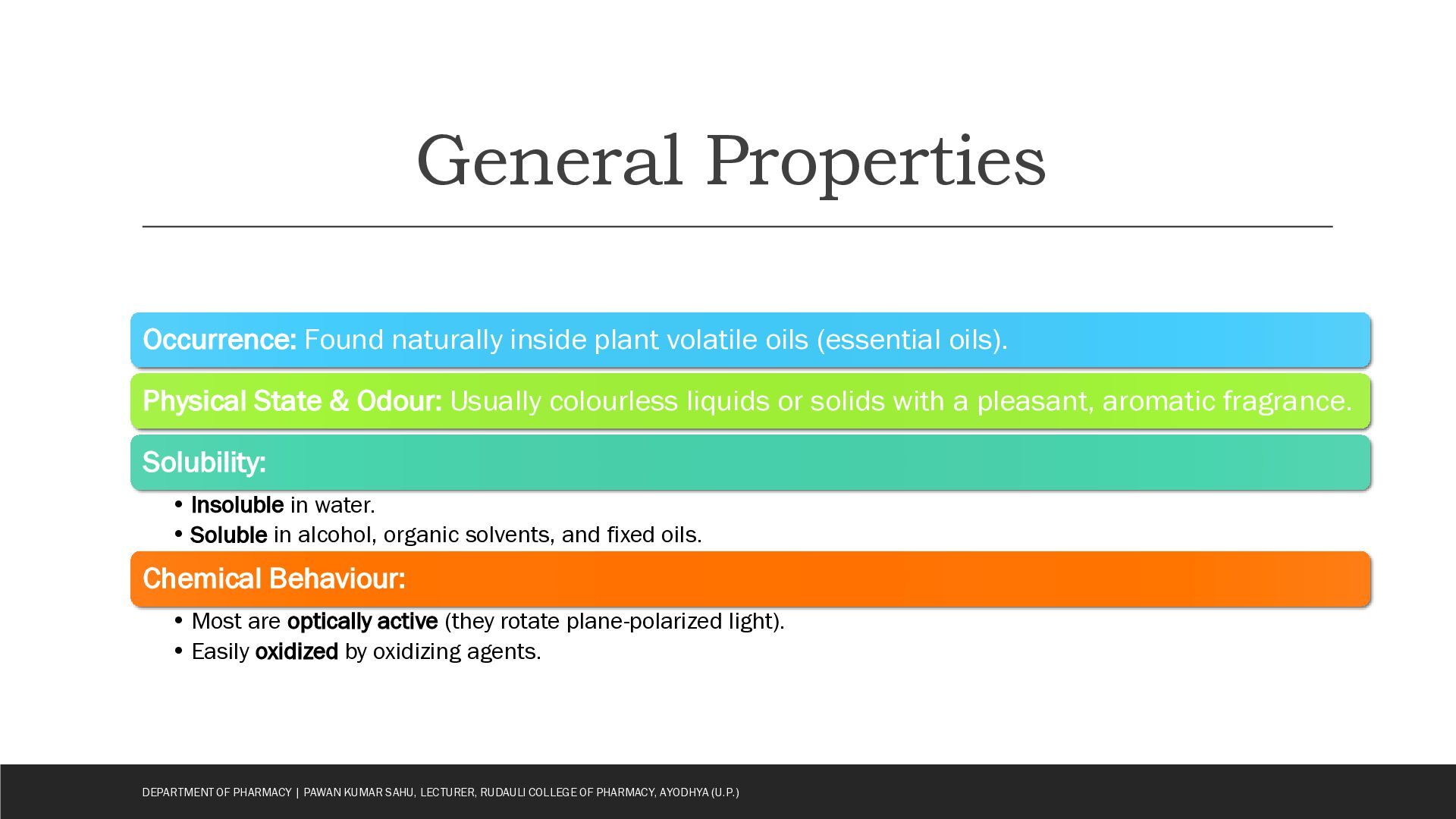
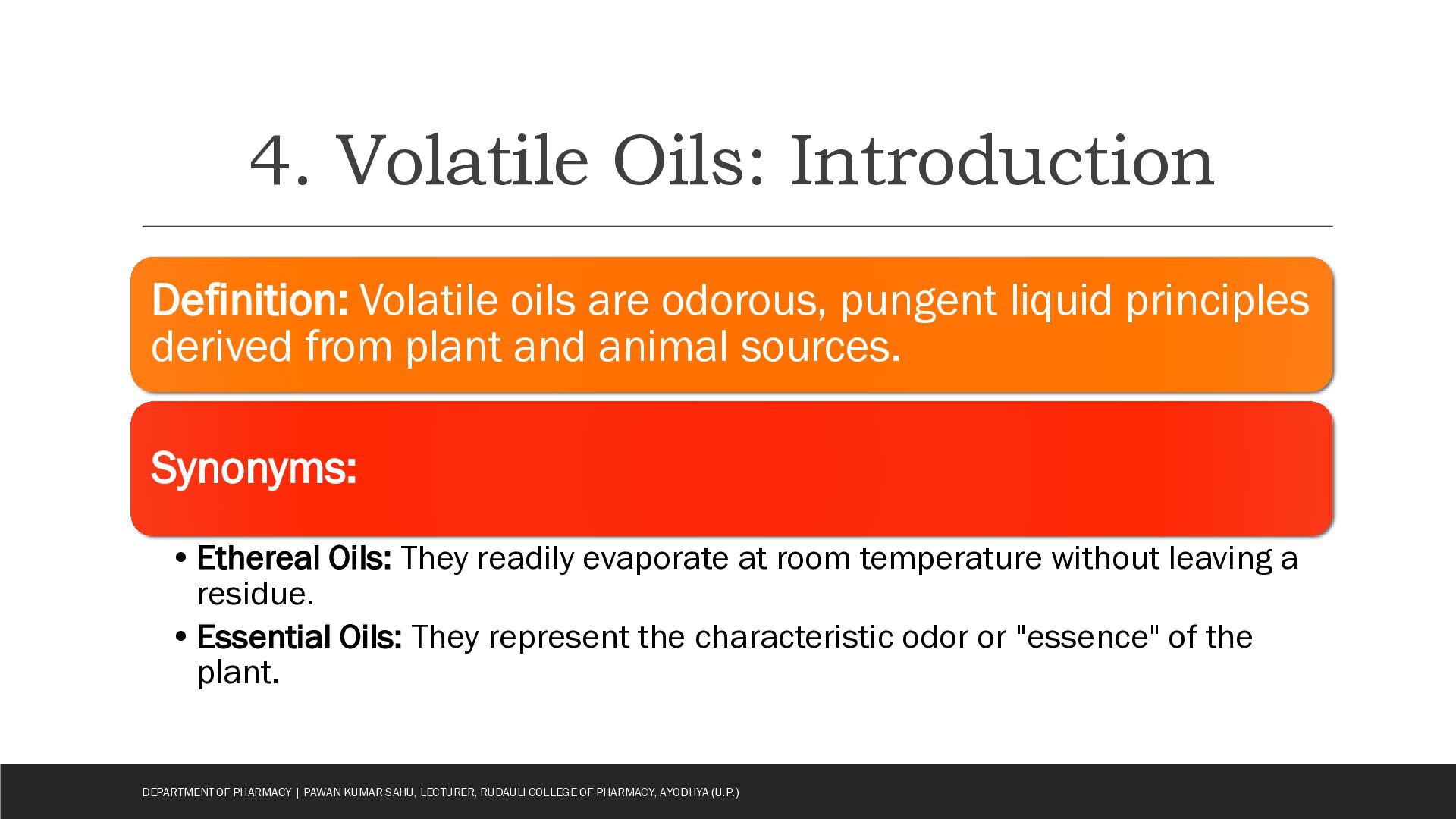
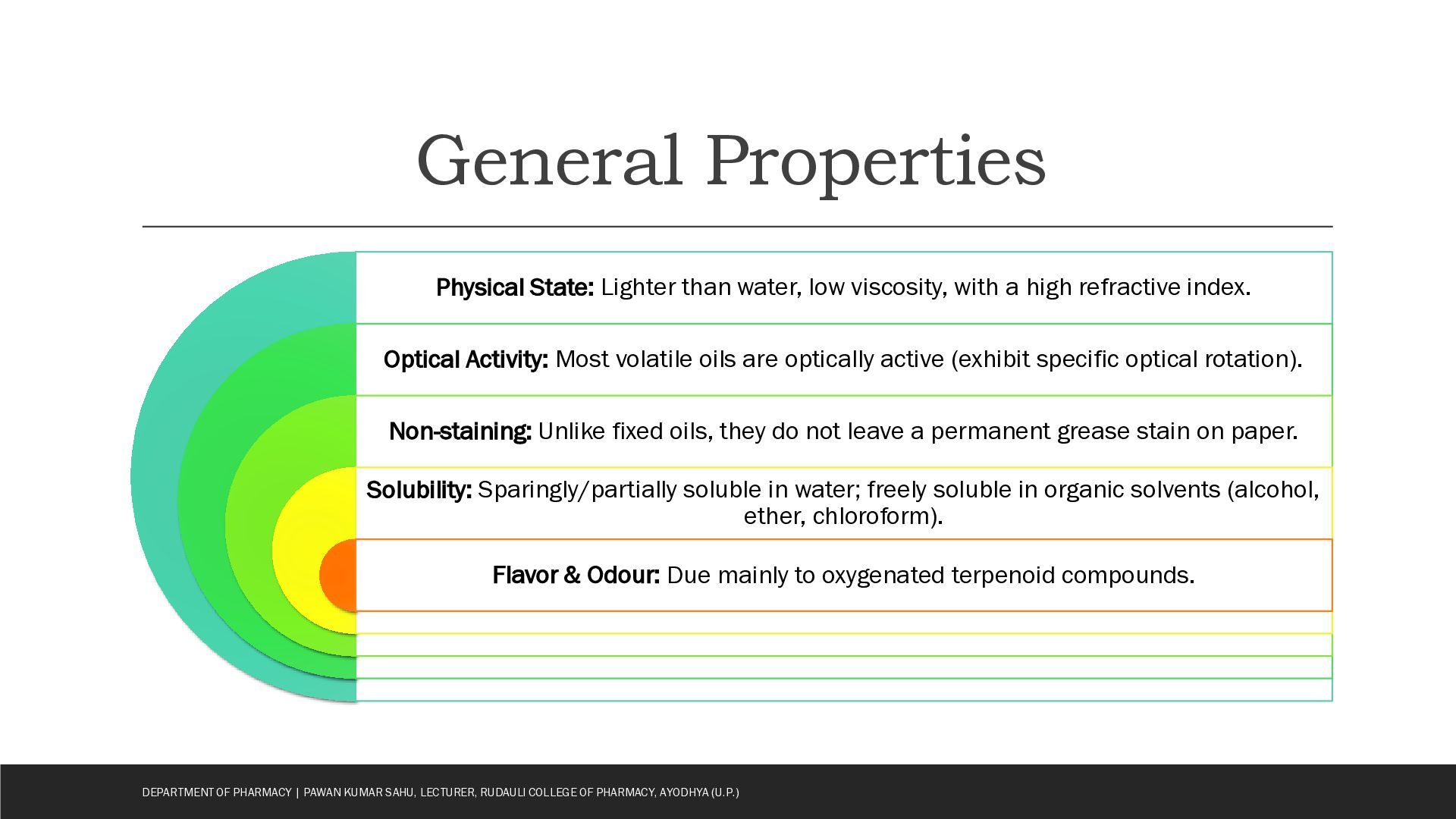
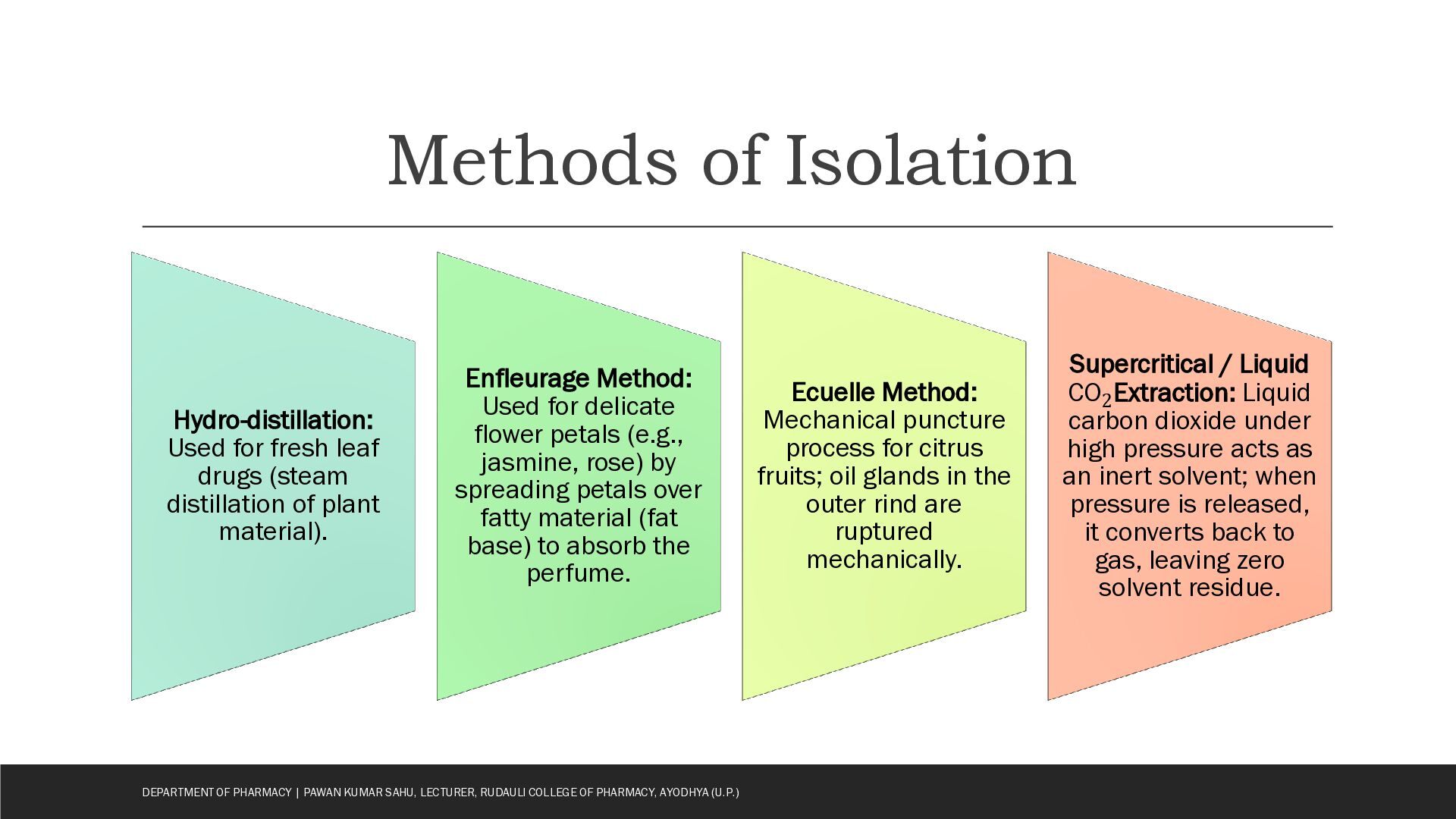
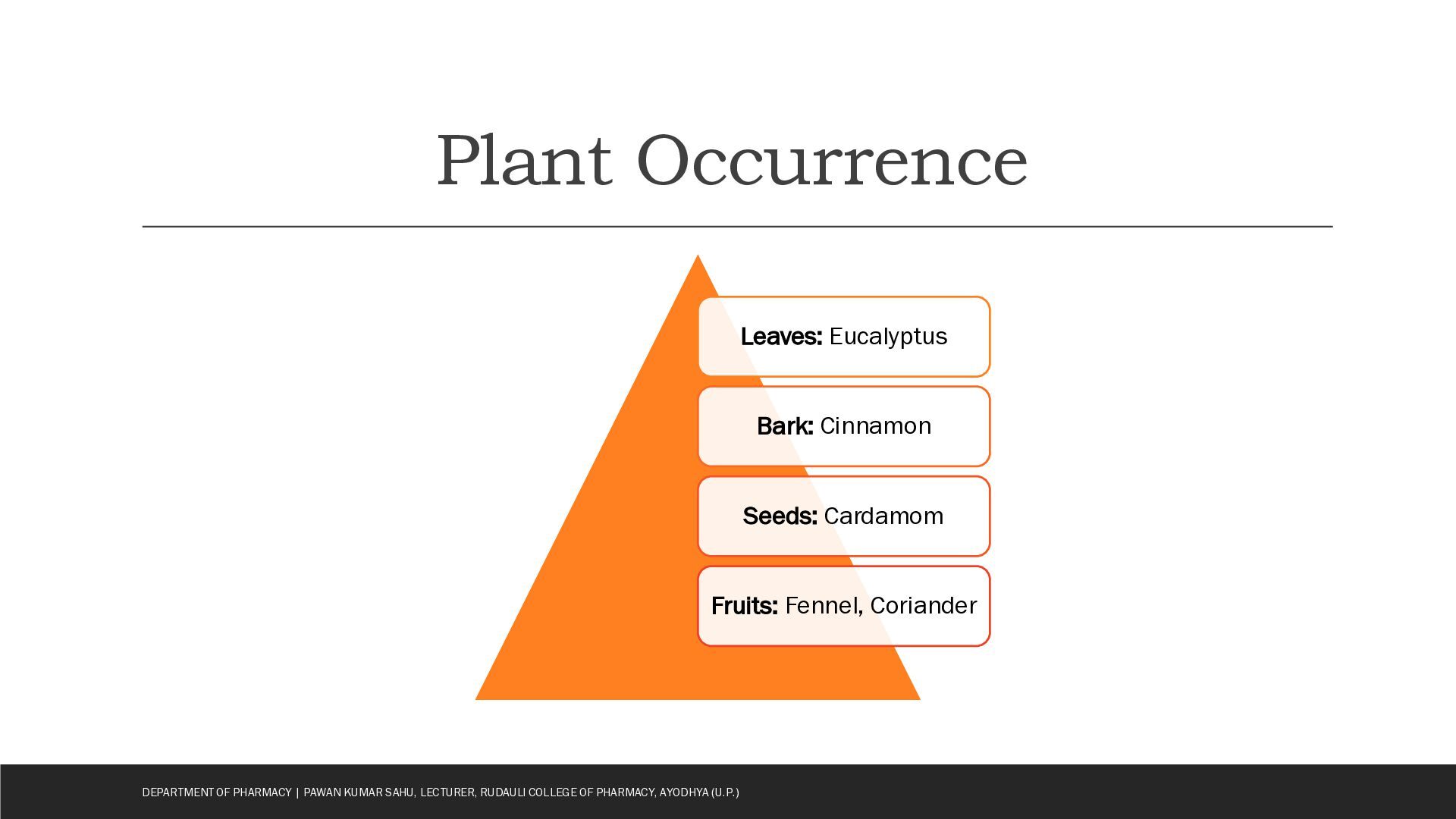
* **Description:** Concentrated, aromatic, volatile liquids obtained from plants through steam distillation. They are typically complex mixtures of many different terpenoid and phenolic compounds.
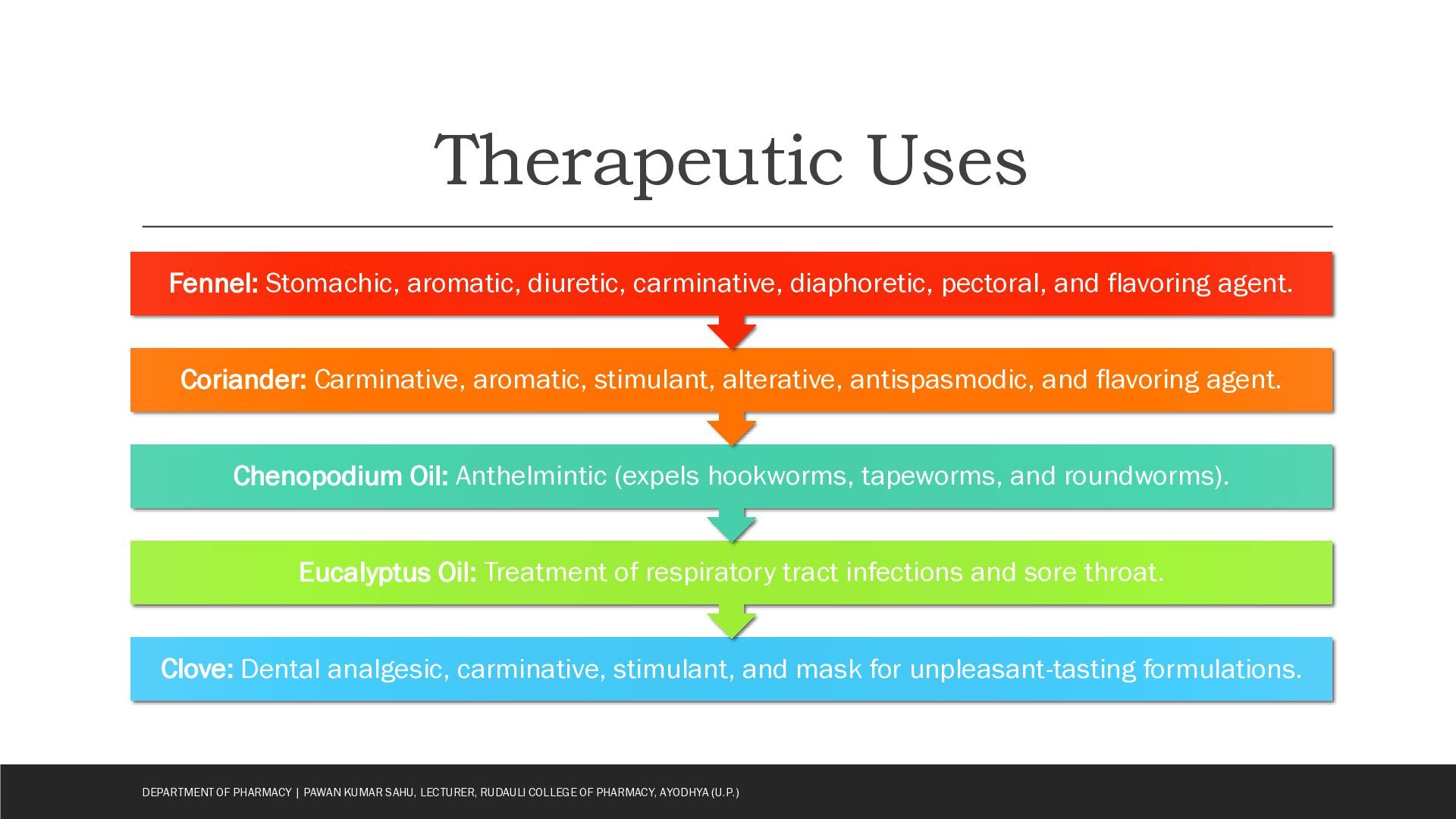
* **Uses:** Aromatic, flavoring, and diverse medicinal actions (e.g., antibacterial, antifungal, anti-inflammatory).
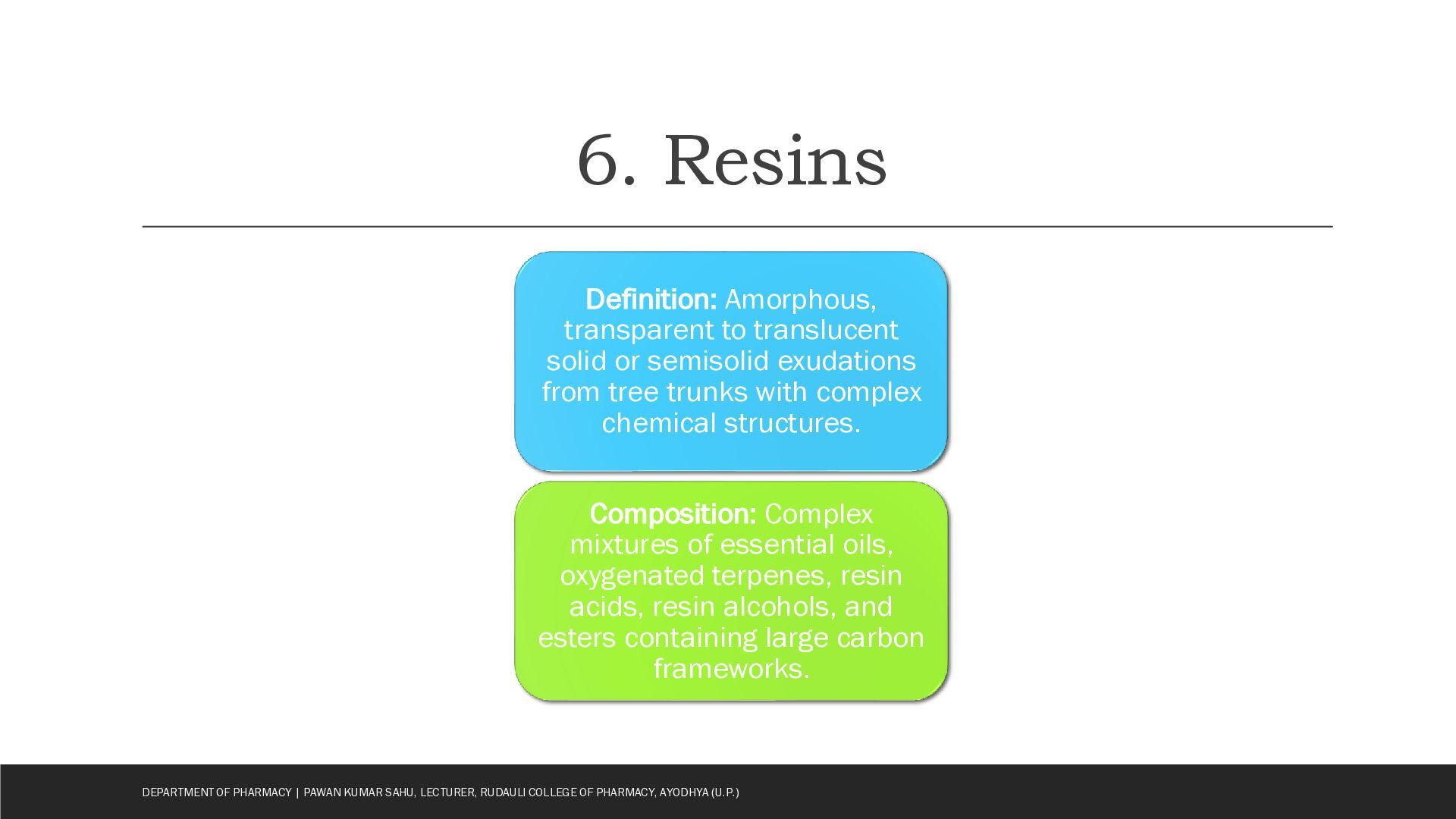
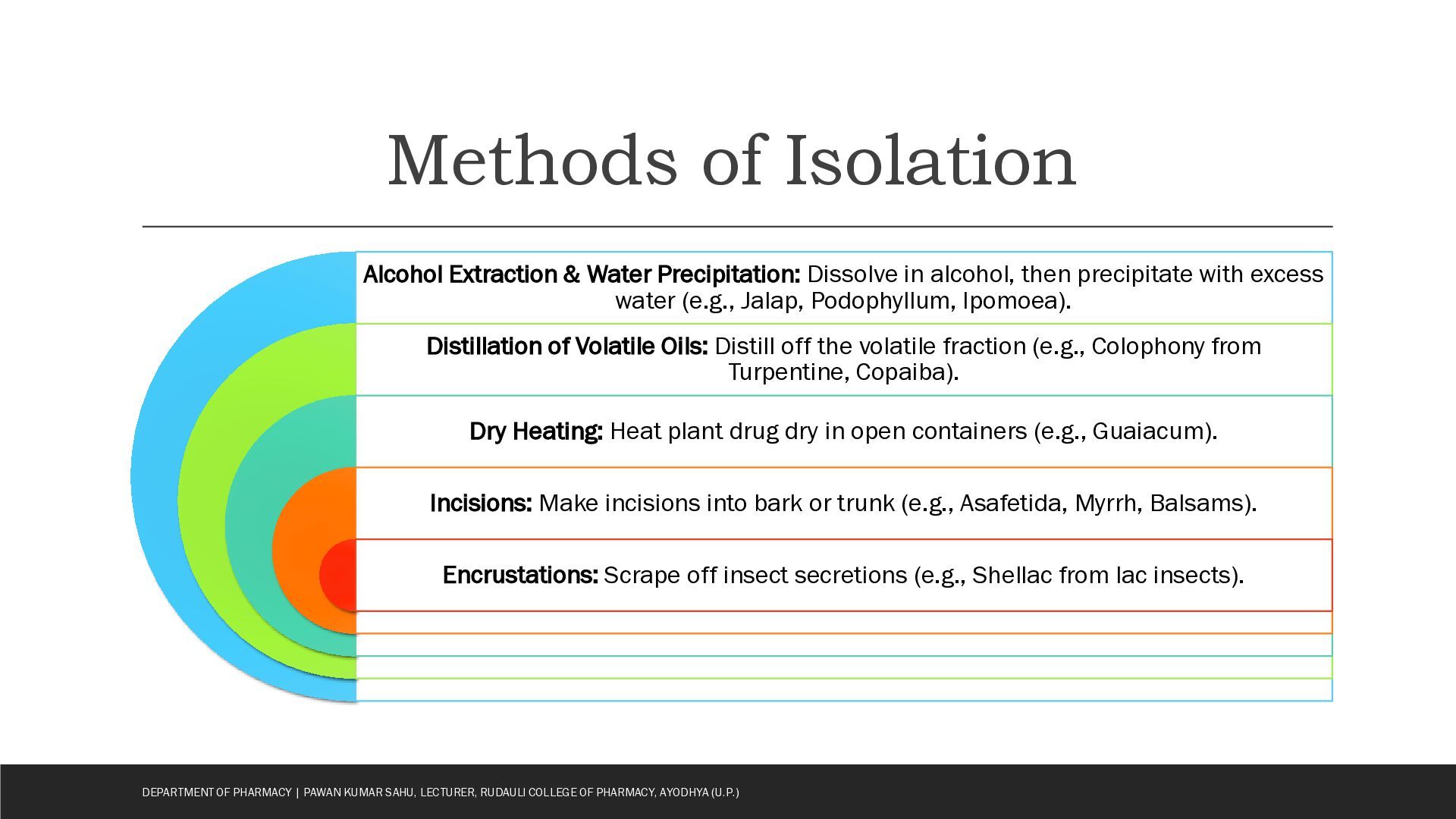
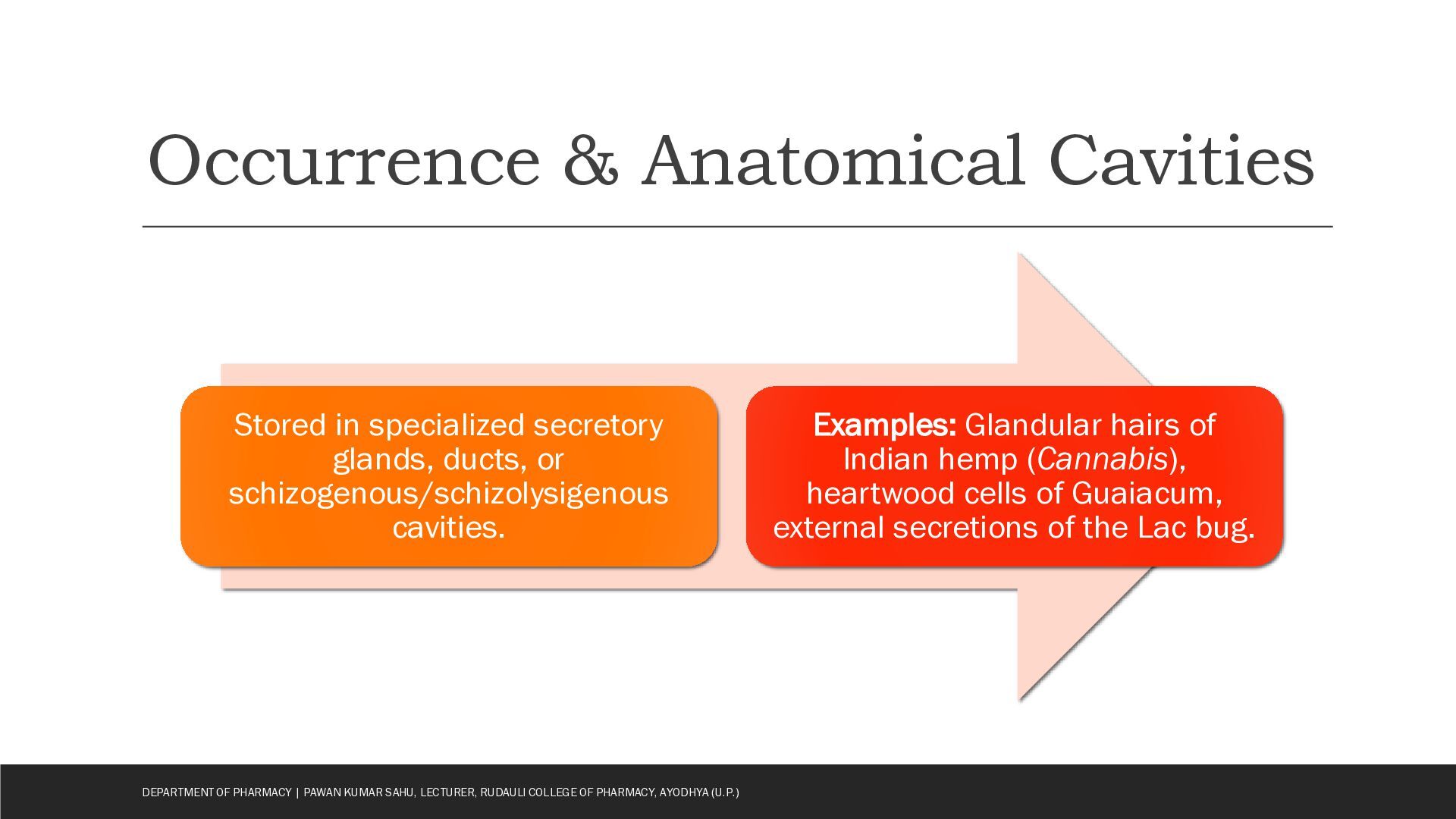
* **6. Resins:**
* **Description:** Amorphous, transparent, solid or semi-solid secretions of complex chemical nature. They are often sticky and insoluble in water, but dissolve in organic solvents. Plants often use them to seal wounds or defend against decay.
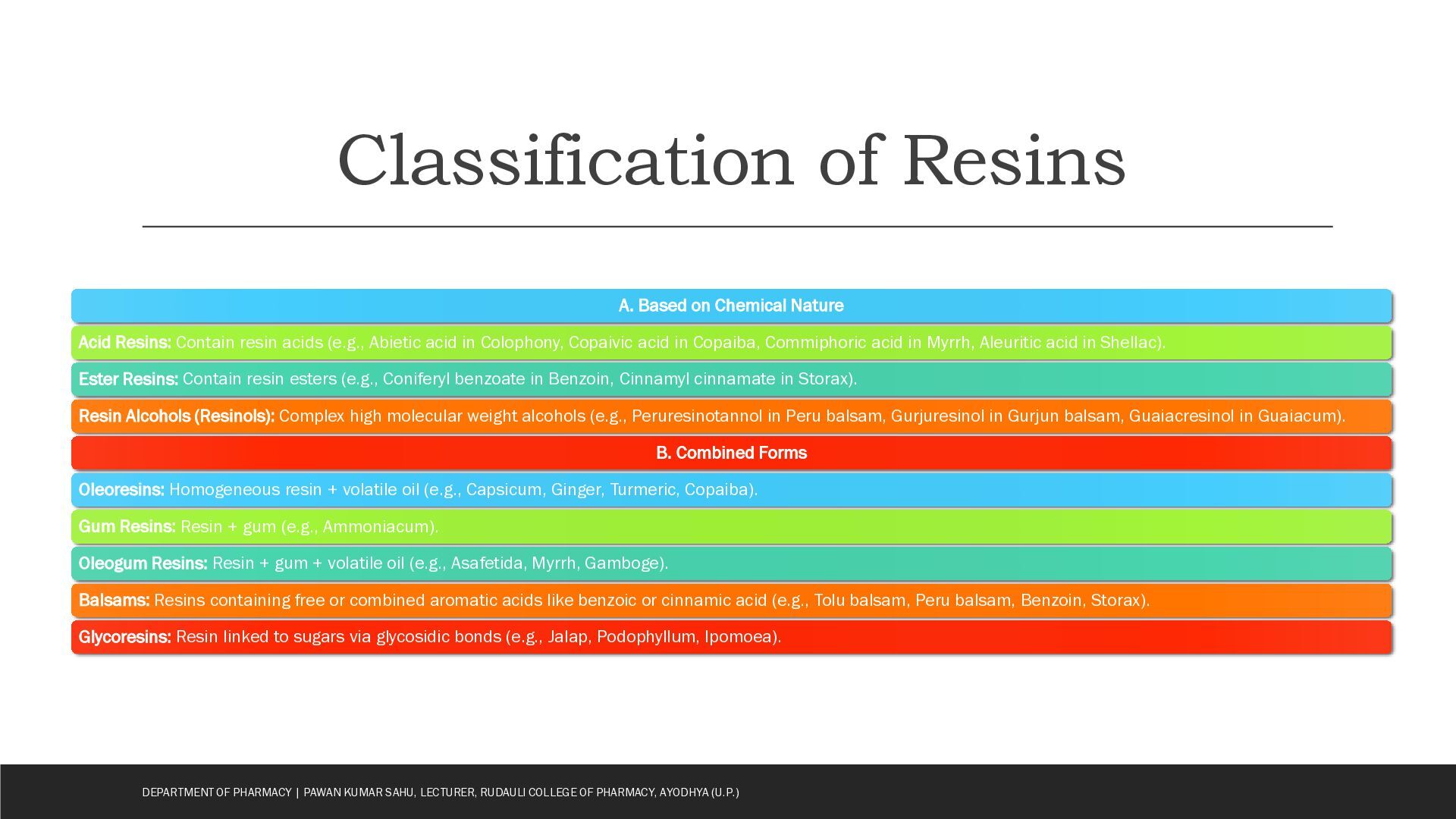
* **Examples & Types:**
* **Hard Resins:** (e.g., amber, colophony).
* **Oleoresins:** Naturally mixed with volatile oil (e.g., copaiba balsam).
* **Gum Resins:** Naturally mixed with carbohydrate gums (e.g., myrrh).
* **Uses:** Fragrances, incense, varnishes, and some medicinal actions (e.g., stimulant, antiseptic).


 pawan_pharm
 yatabe
 signer
 drpoonamkc
 matleenalaakso
 juanmartin2026
 mutomasa
 fmarot
 hiola
hiola
 frievea
 ichiroc
 coderdojojapan
 orderedlist
 bkeepers
 marcelosomers
 skipperchong
 deanohume
 portentint
 palkan
 morganepeng
 asonas
 brad_frost
 aki_iinuma