Ship Features Fearlessly
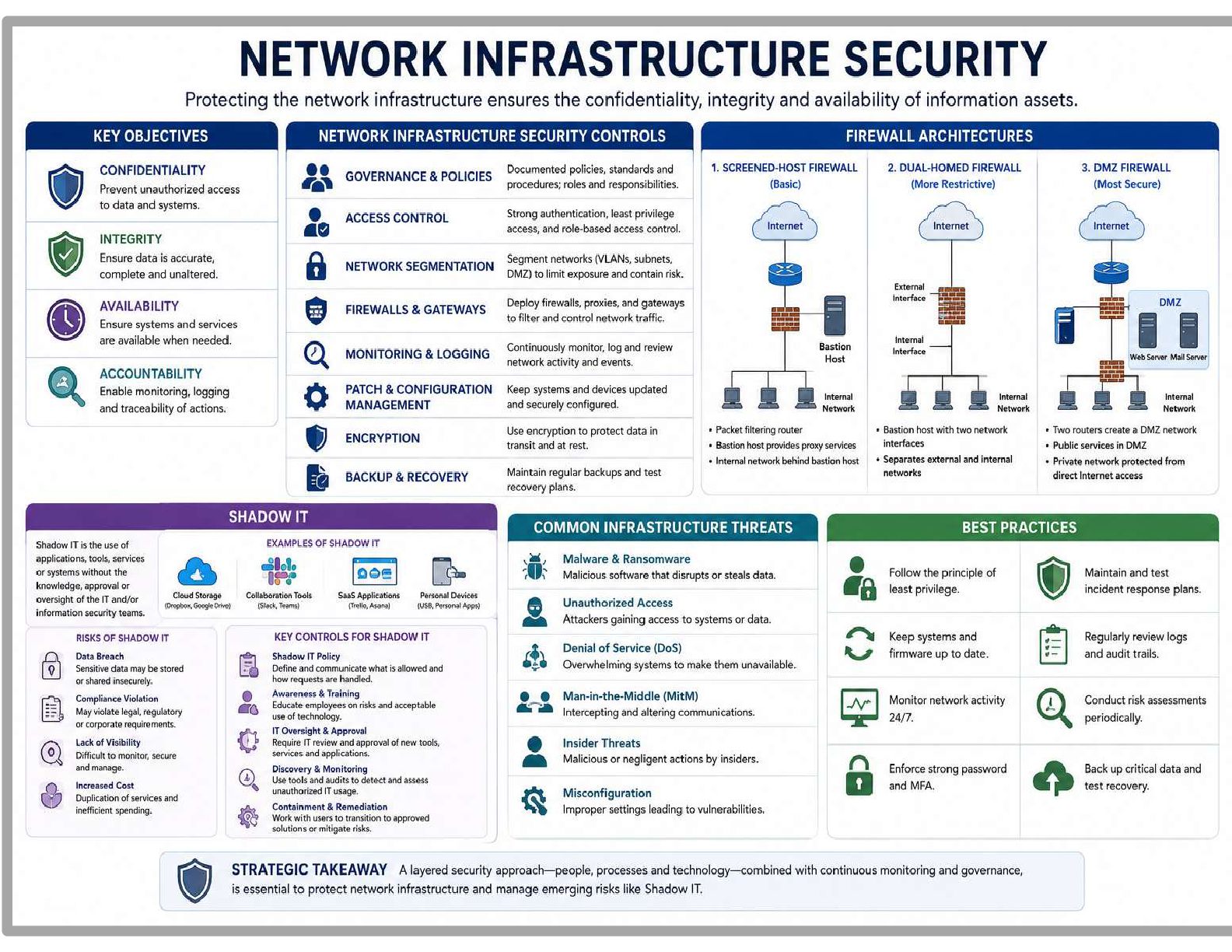
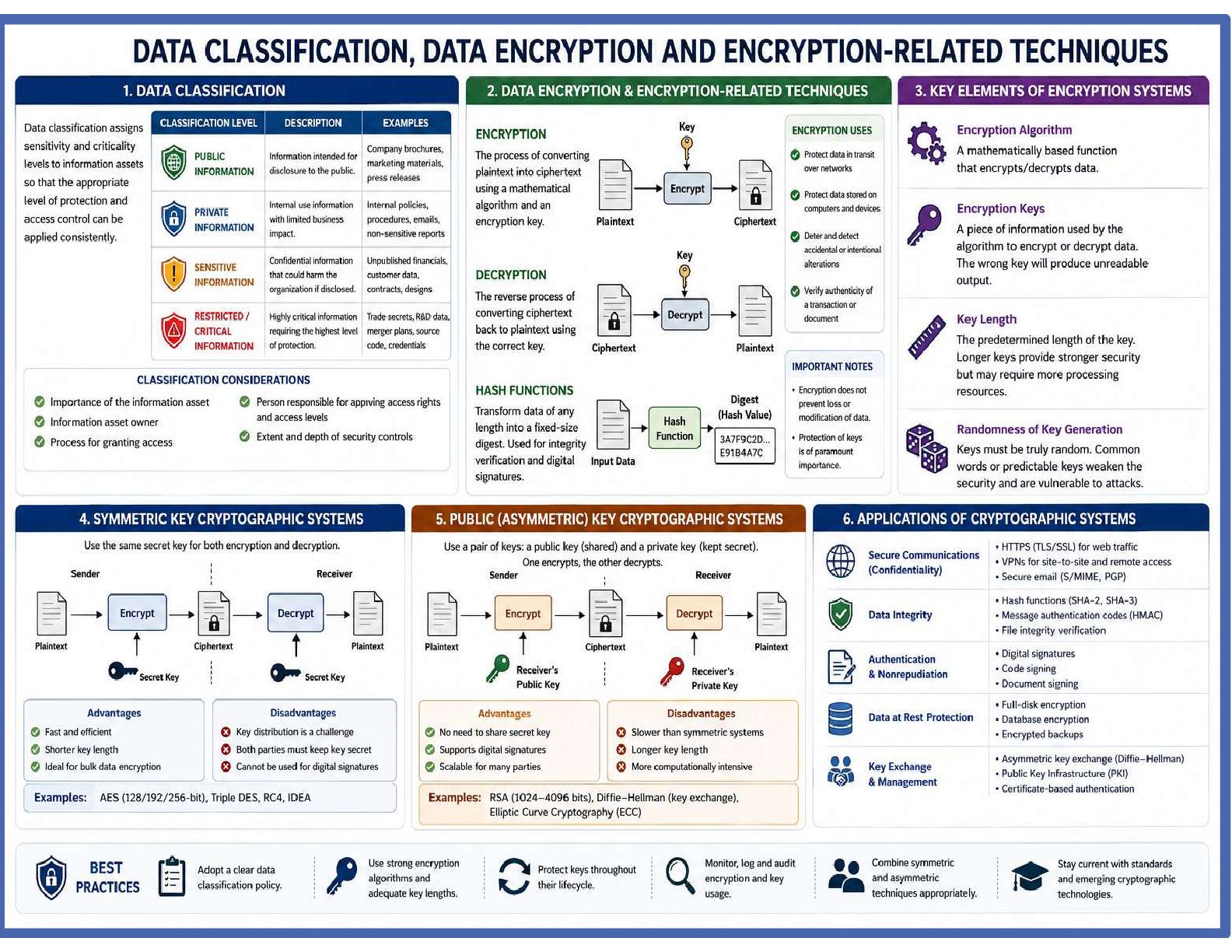
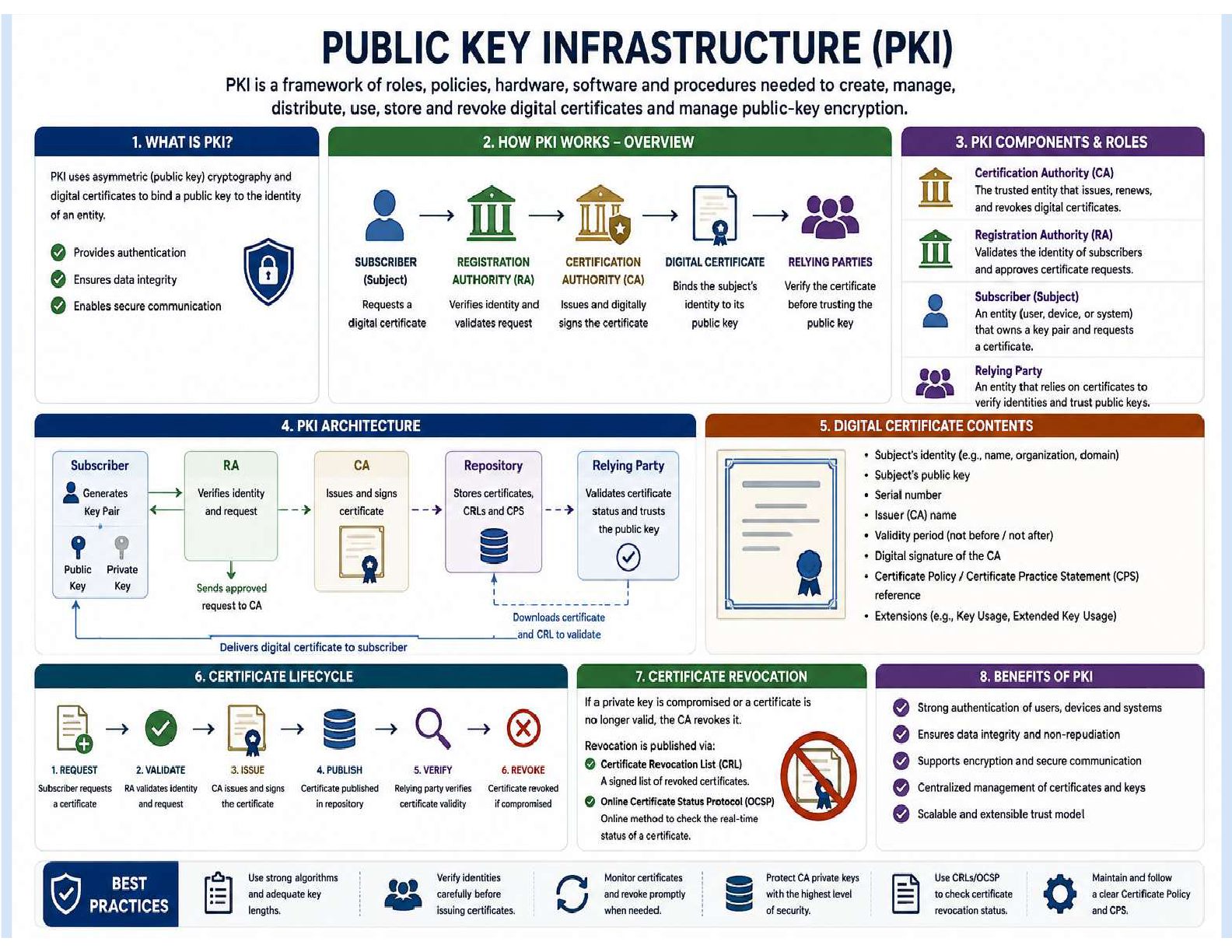
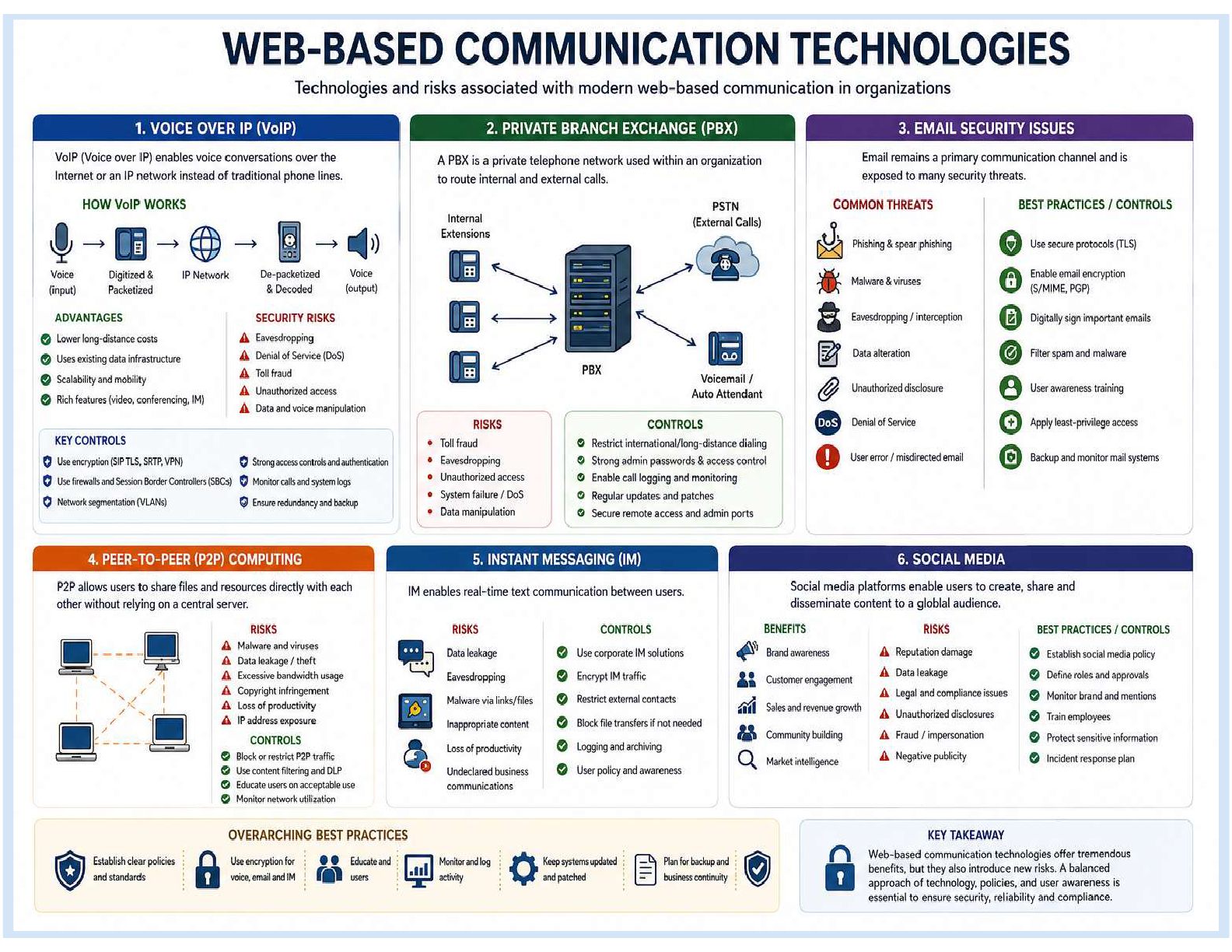
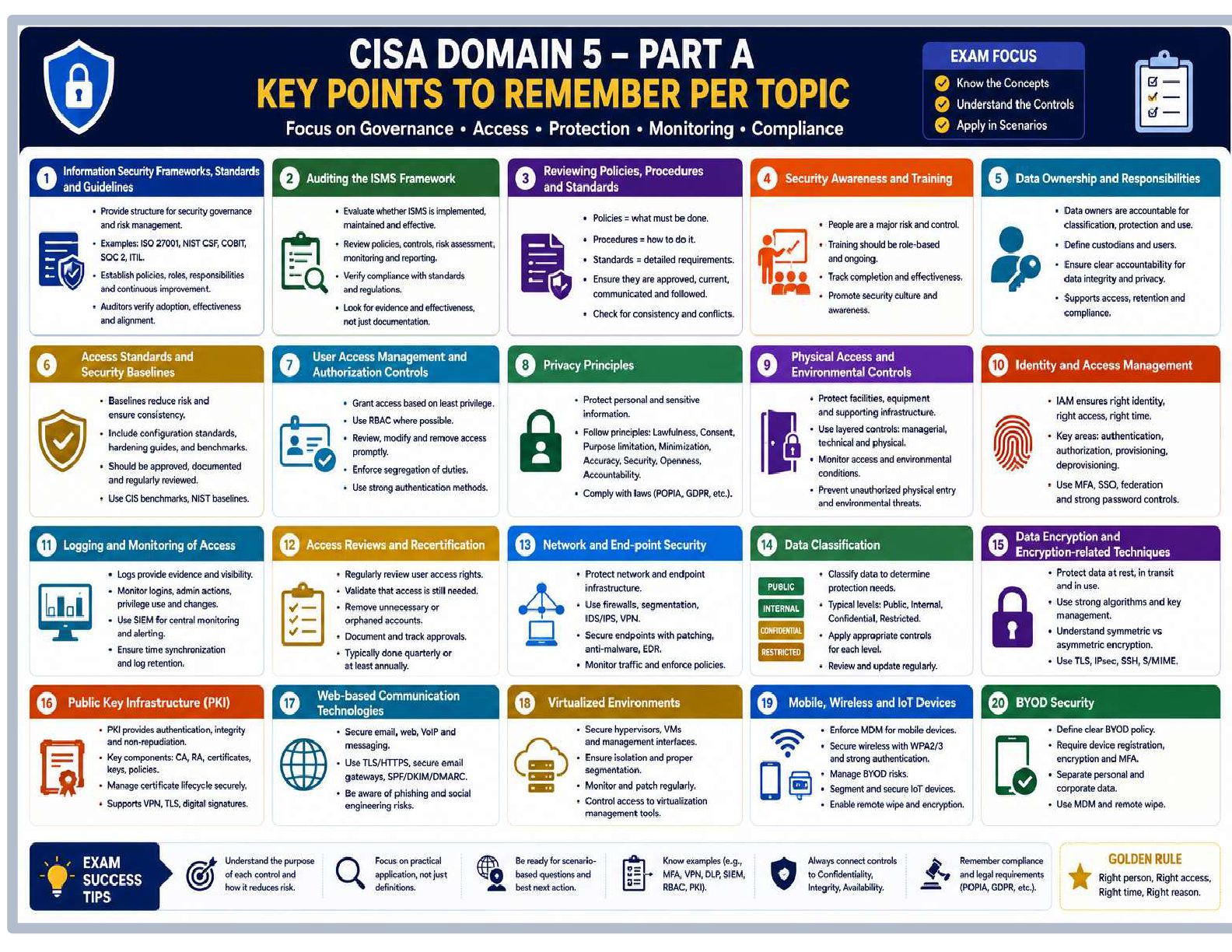
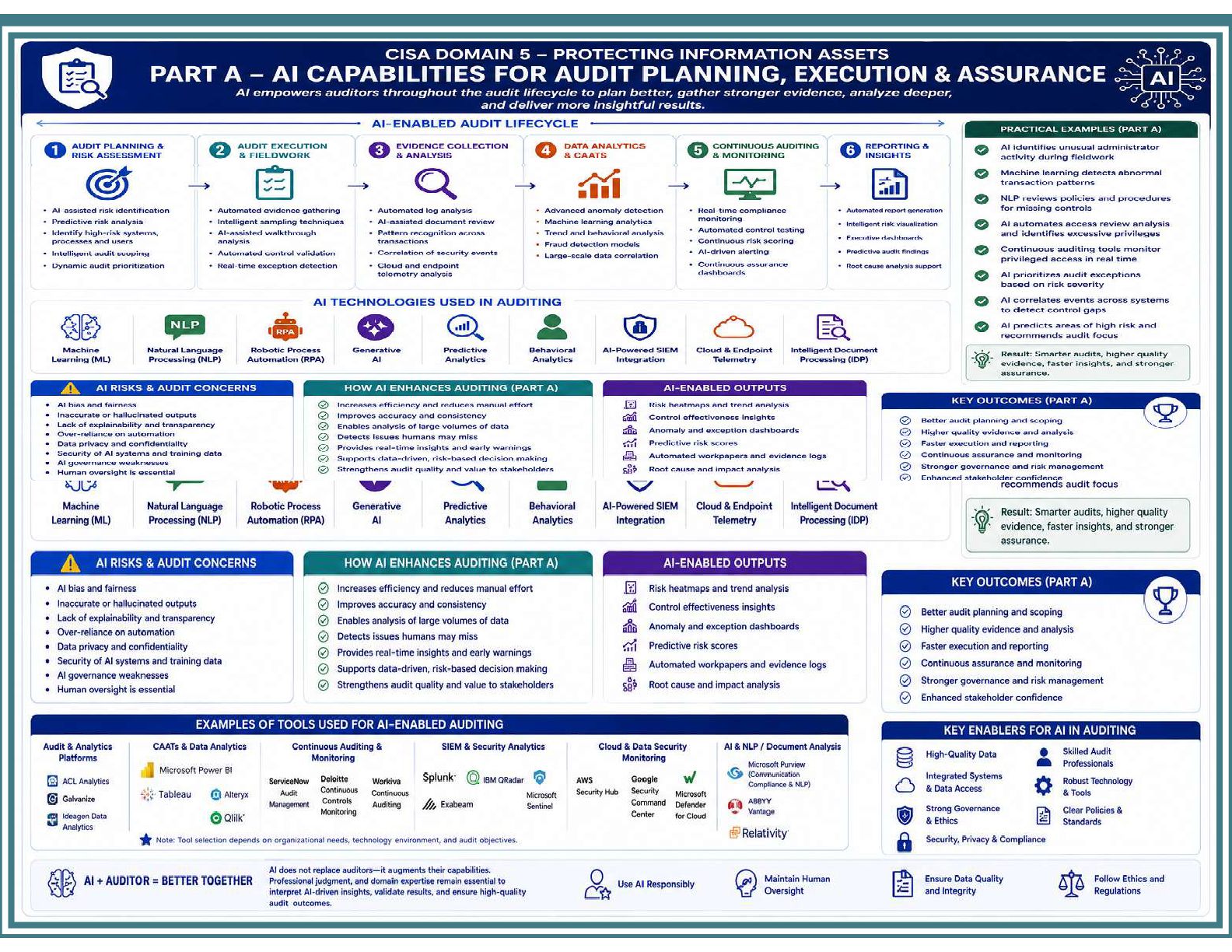
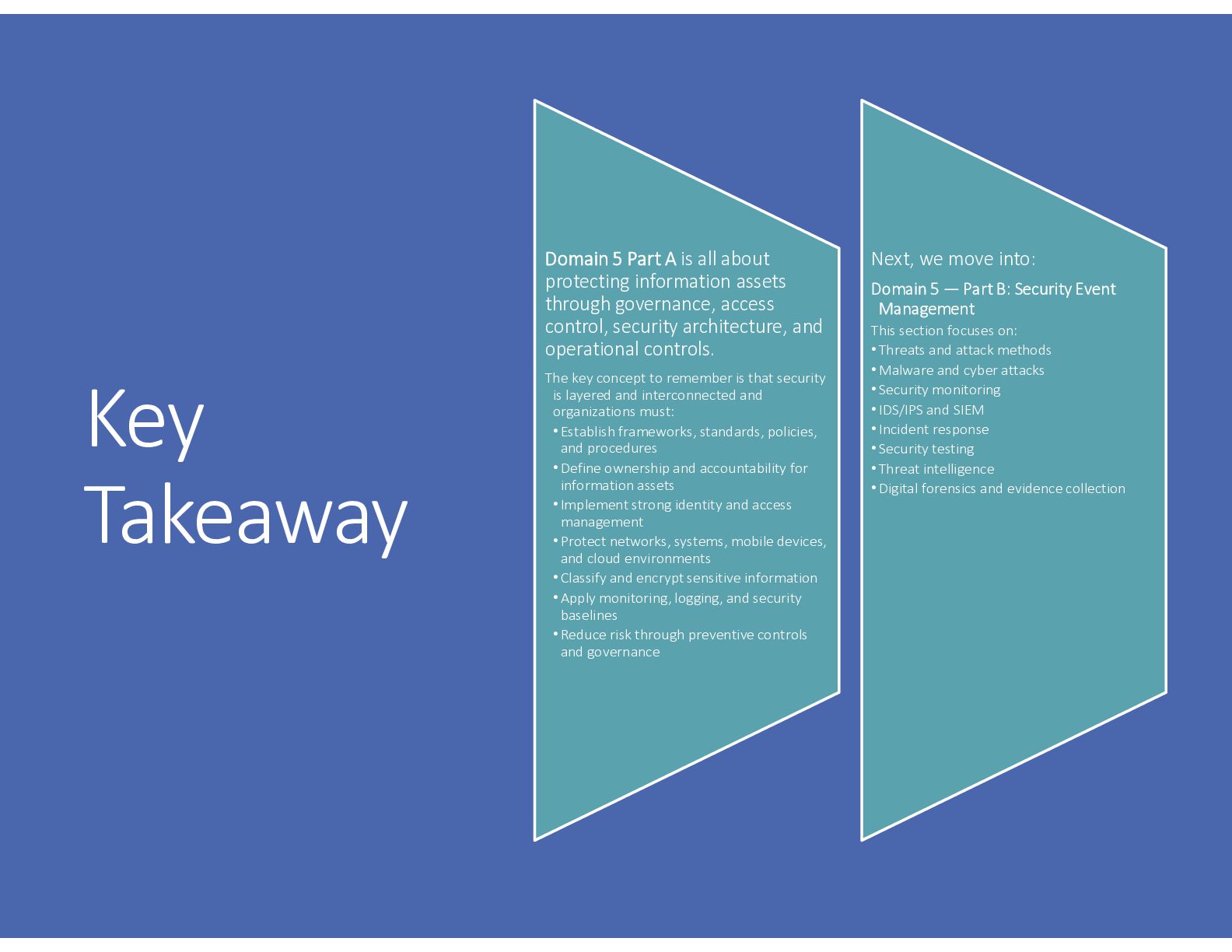
Welcome to Part 6A of the CISA Certification Series, where we begin exploring Domain 5 – Protection of Information Assets.
This domain is one of the most important and highest-weighted sections of the CISA exam, focusing on how organisations protect the confidentiality, integrity, and availability of information assets.
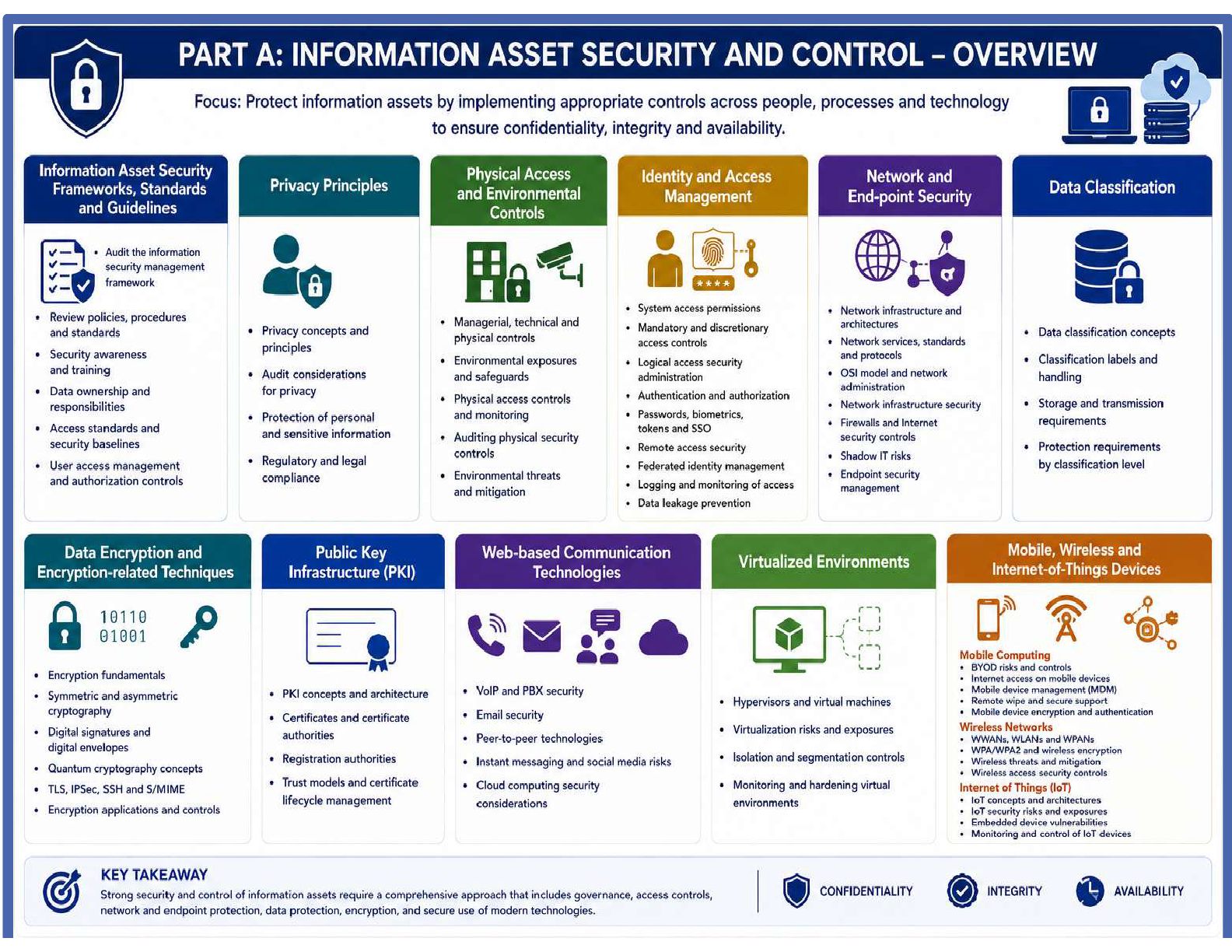
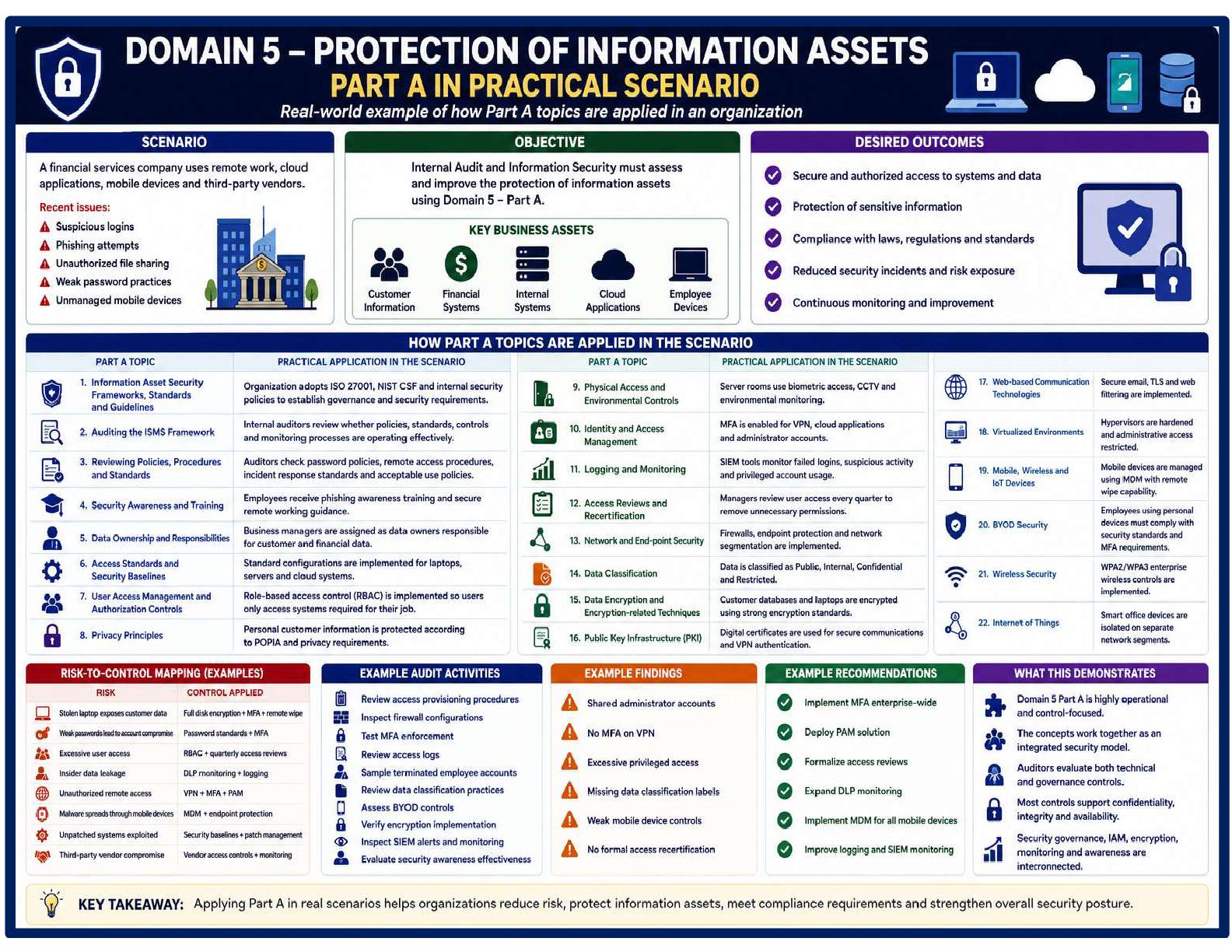
We look at key concepts including:
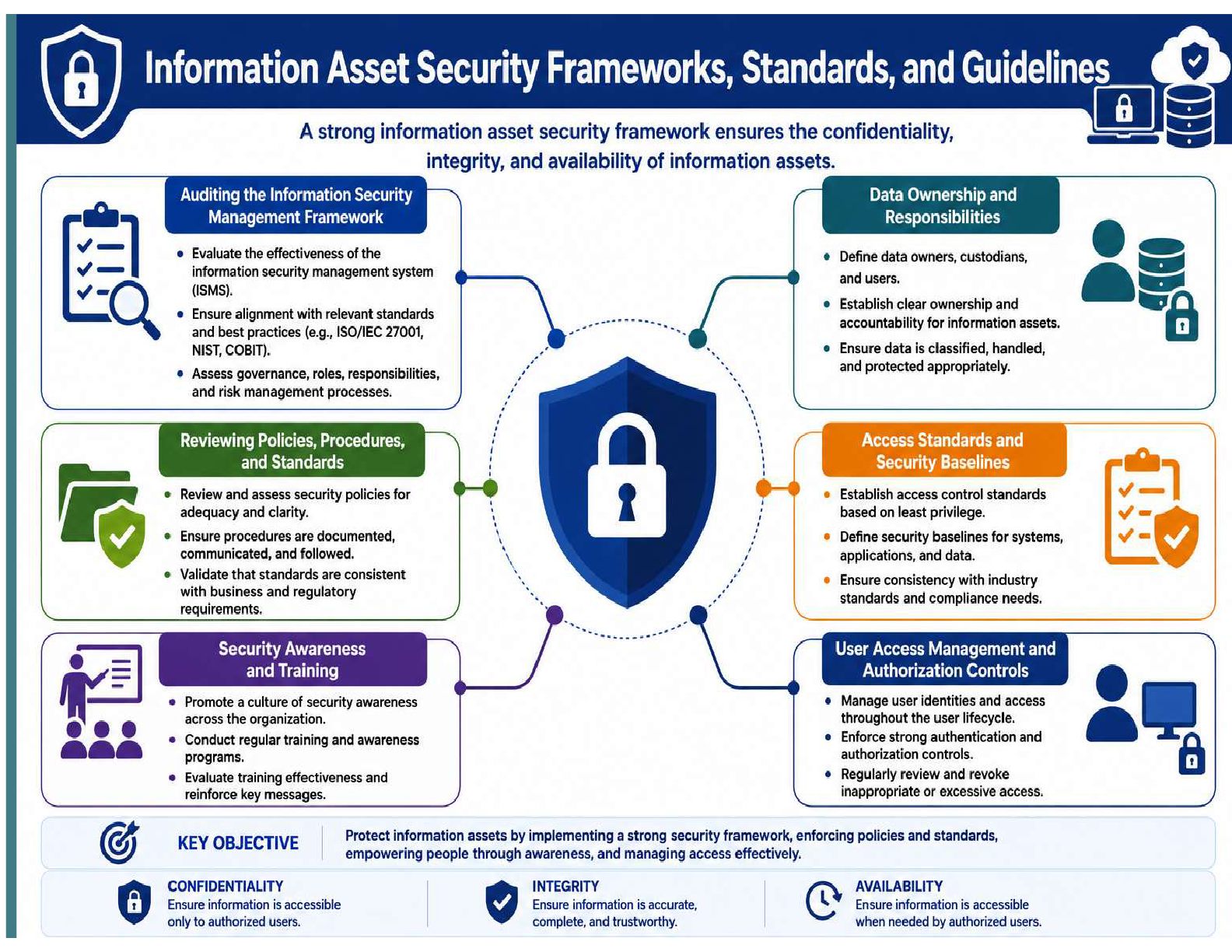
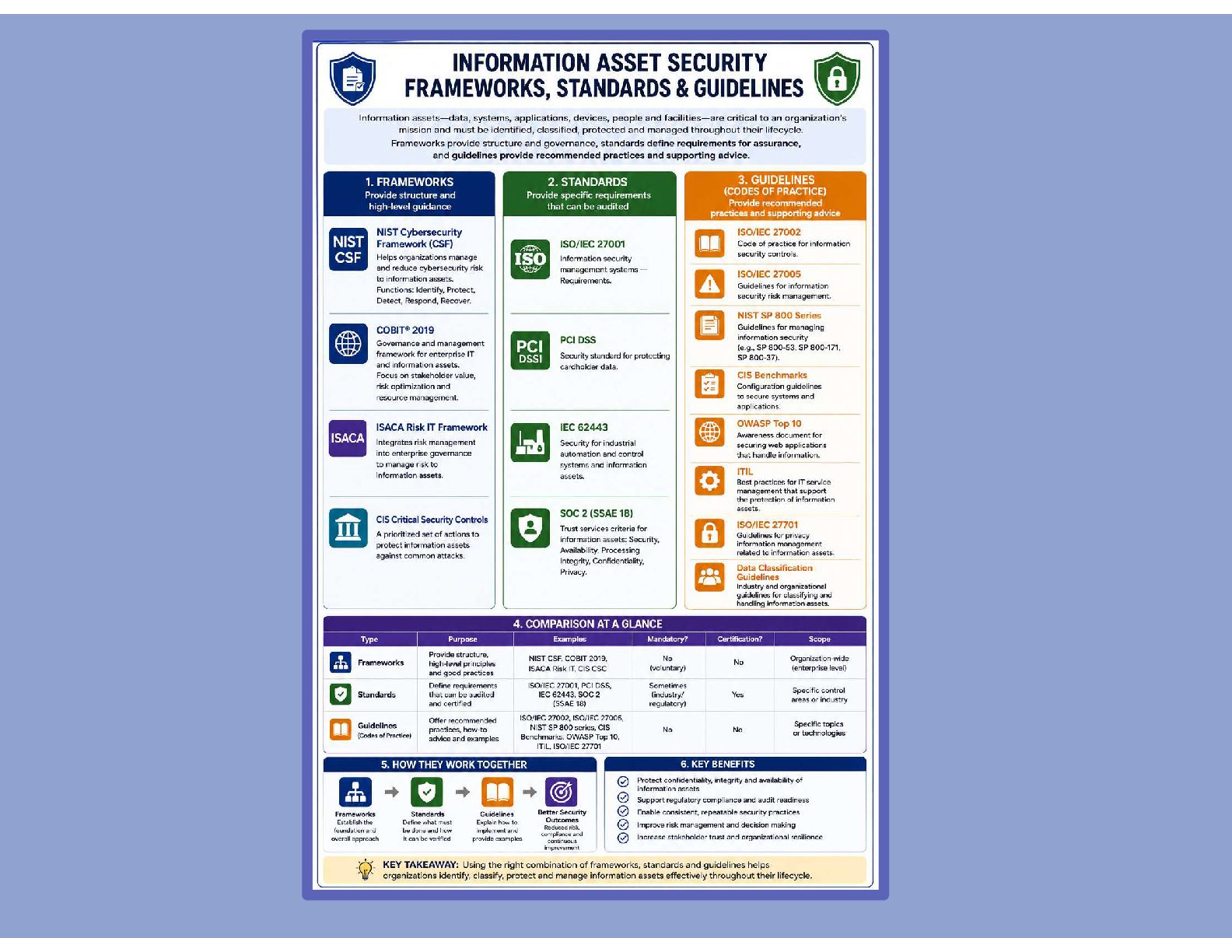
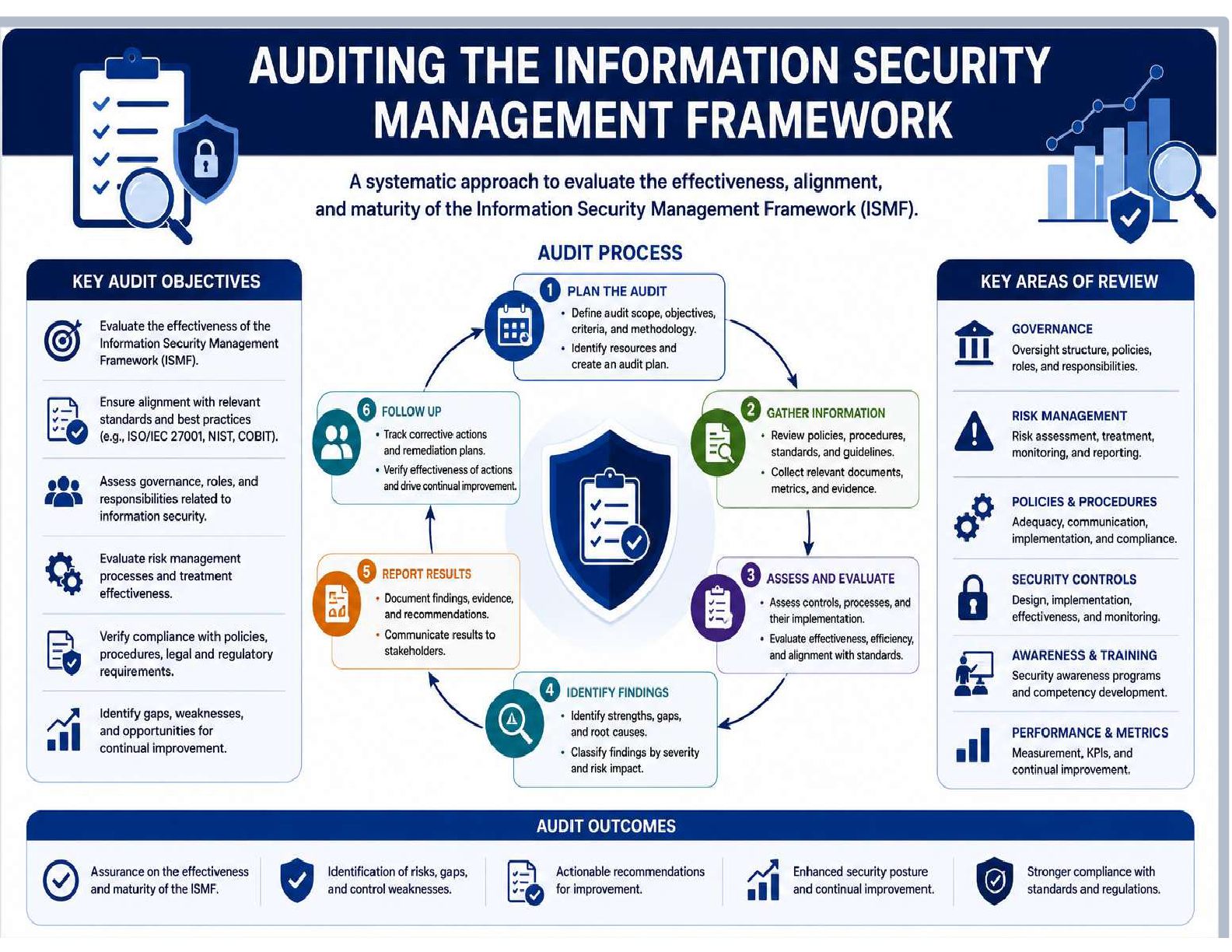
• Information security frameworks and standards
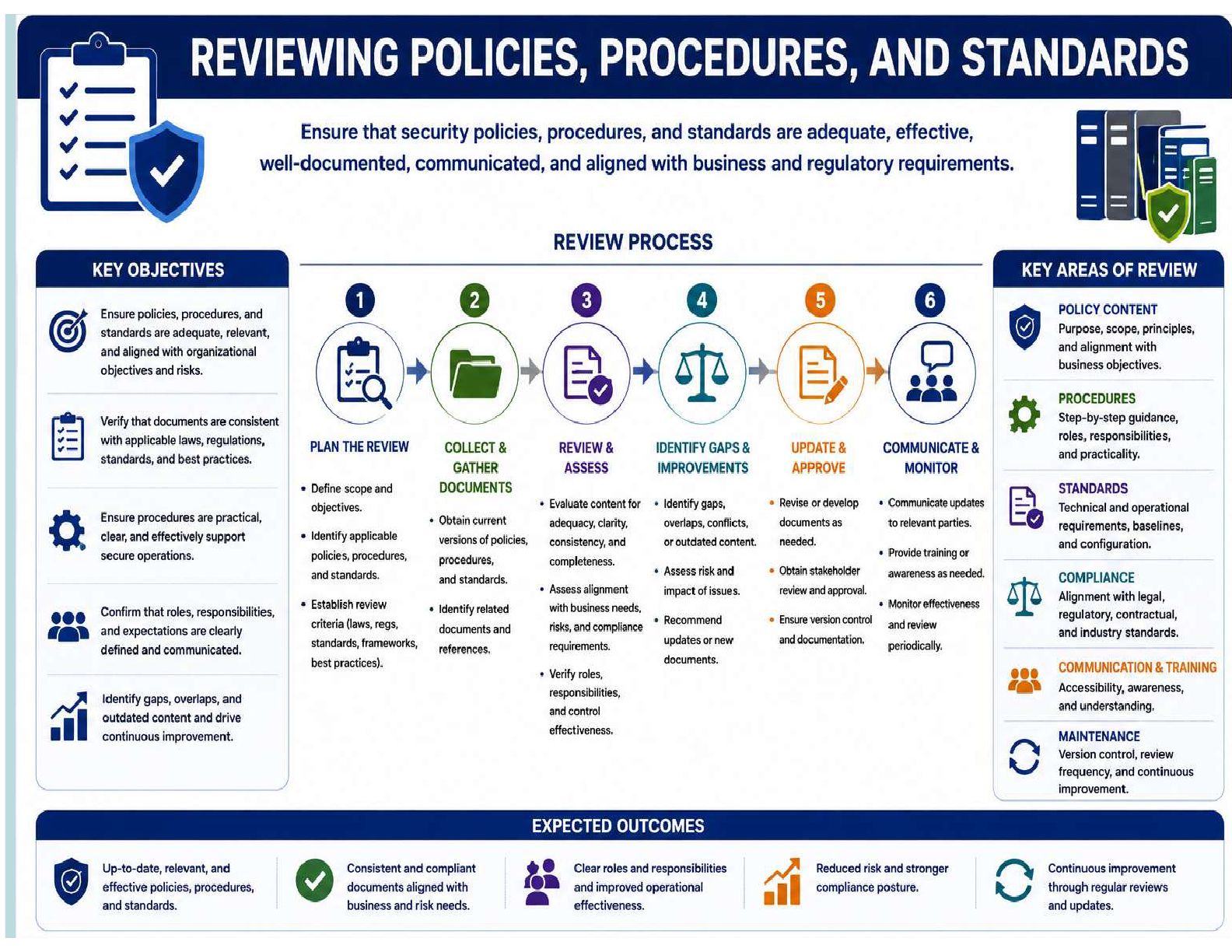
• Security governance and policies
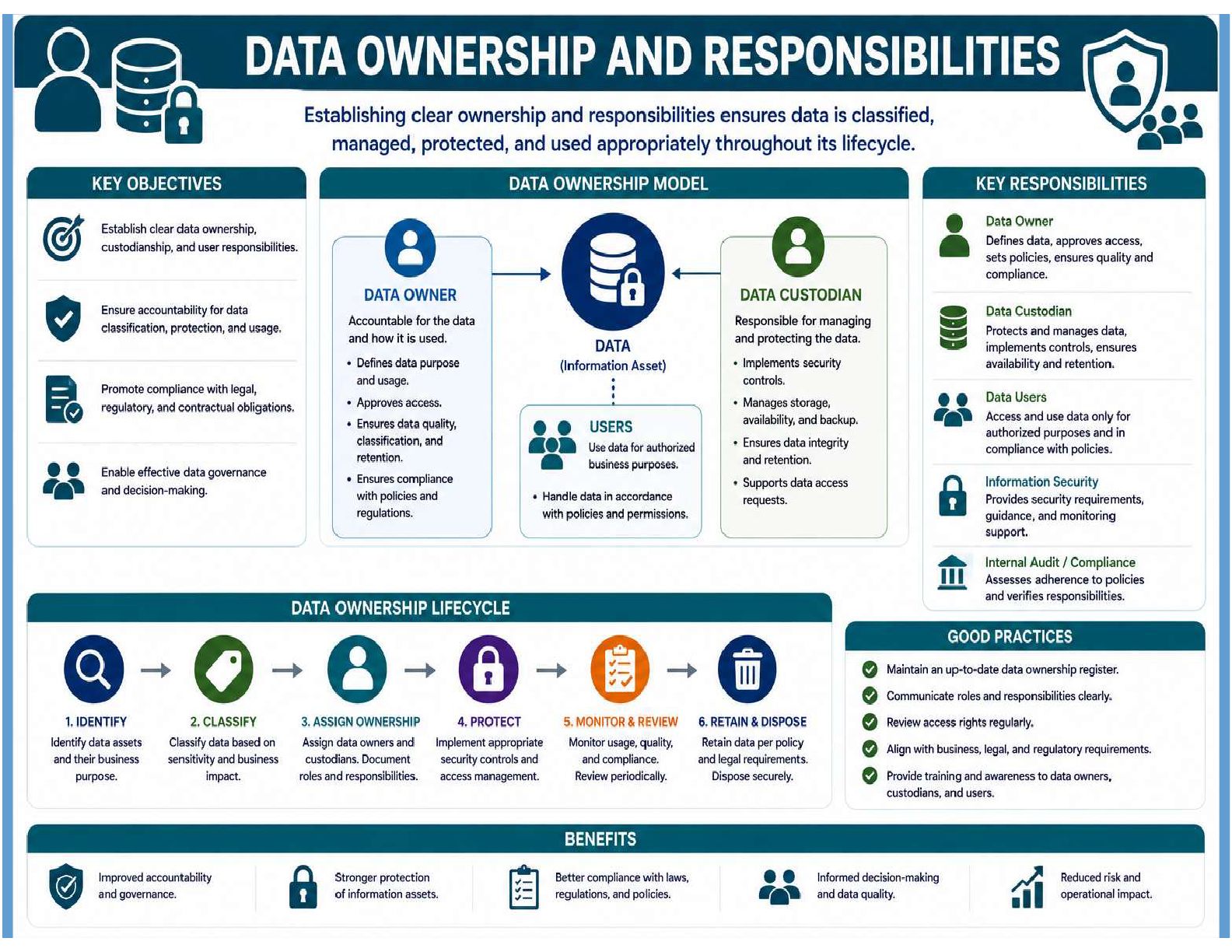
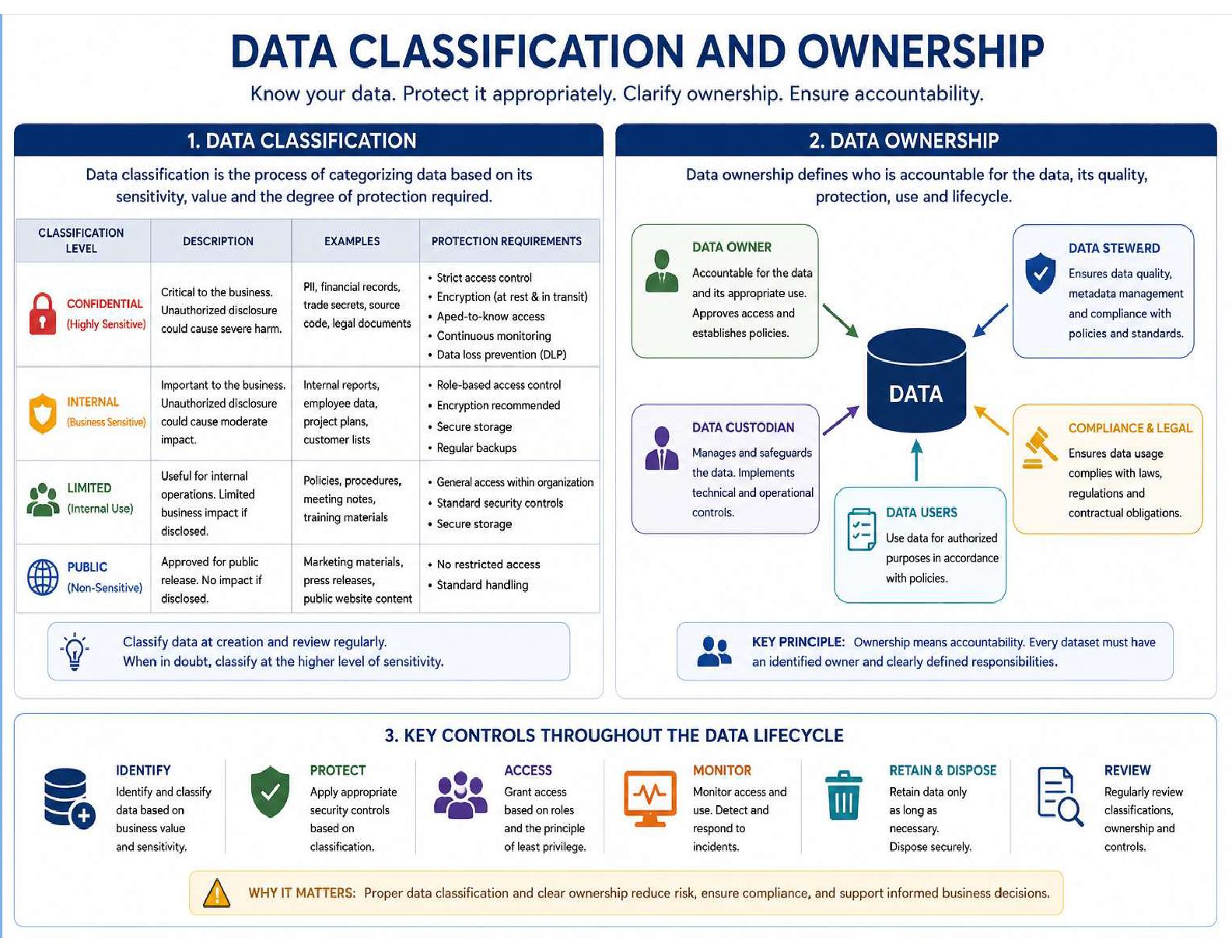
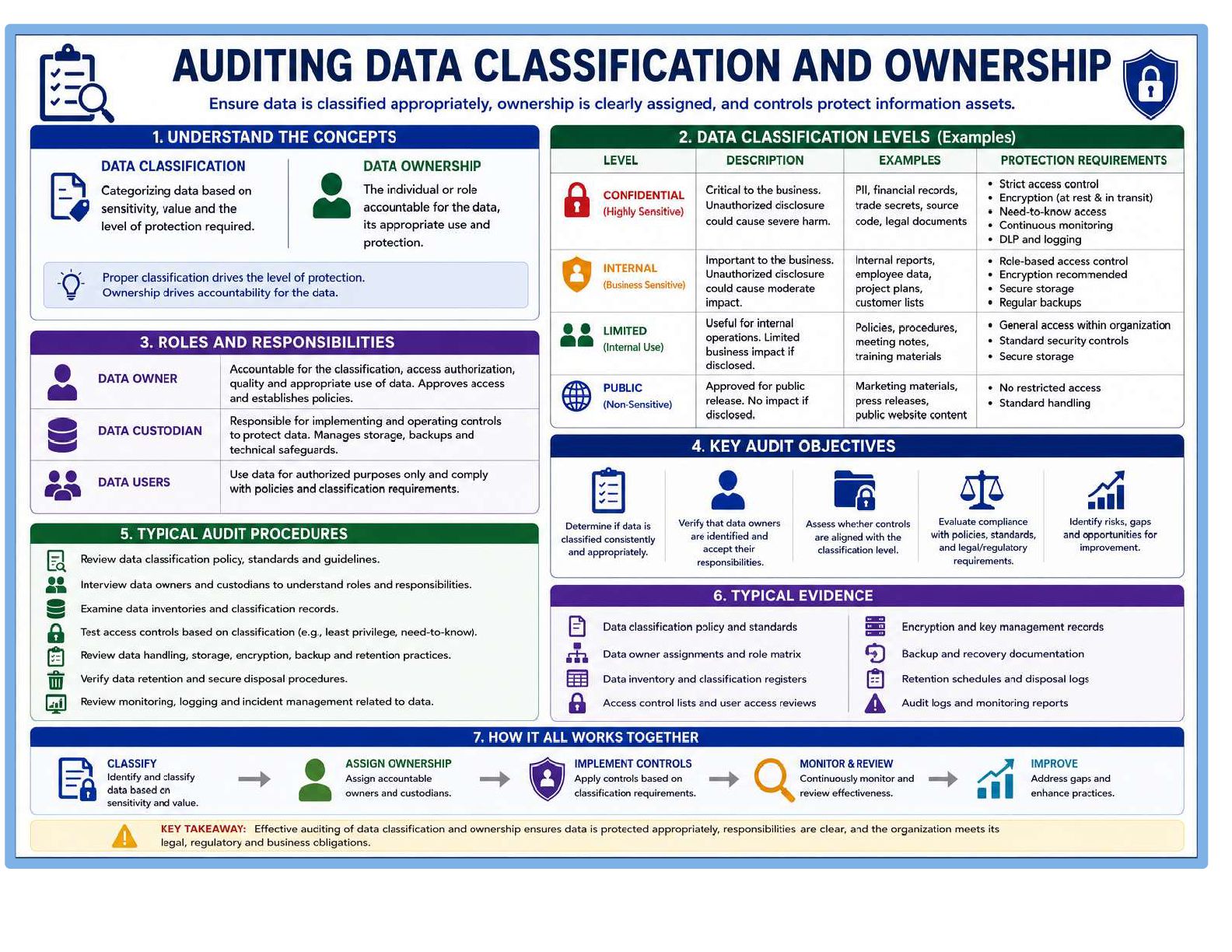
• Data classification and ownership
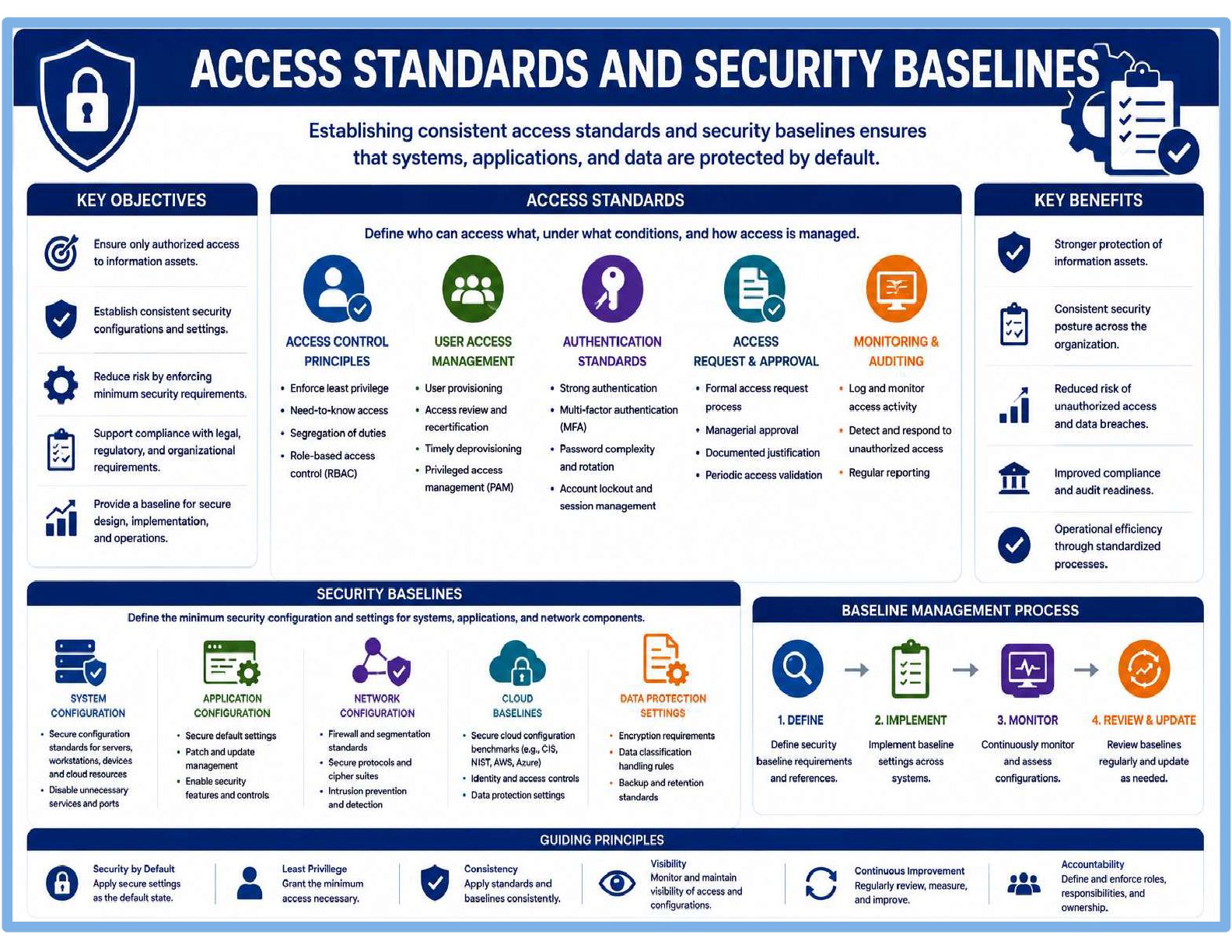
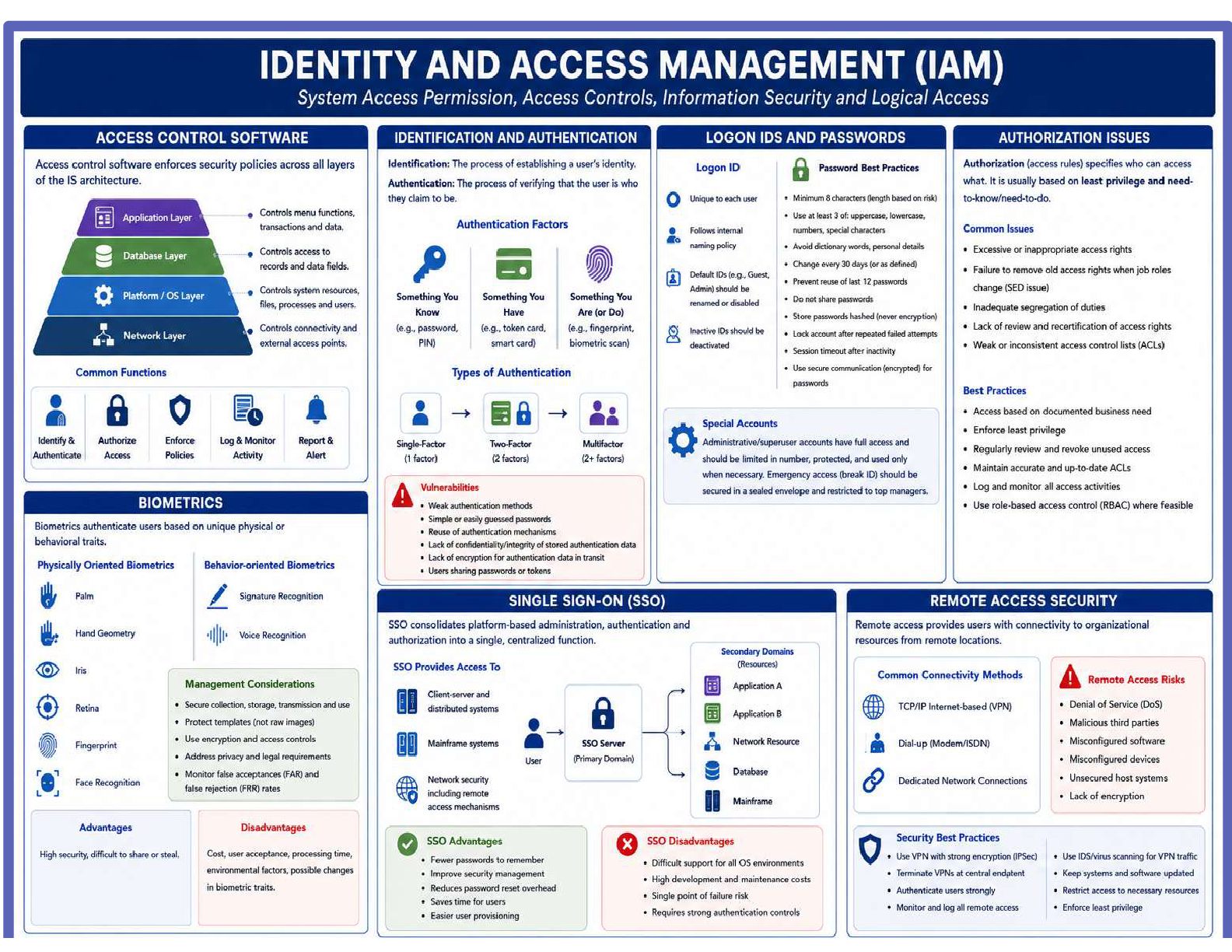
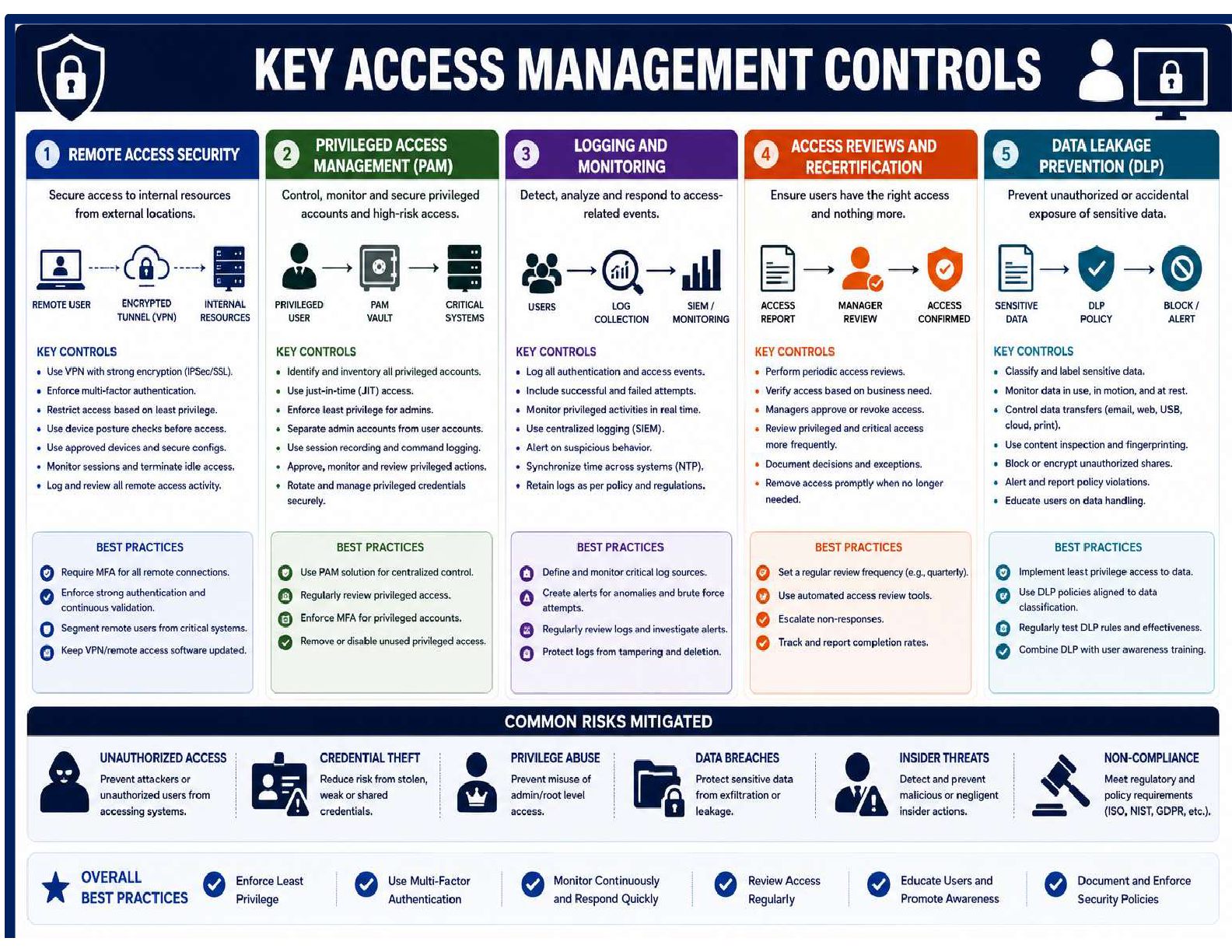
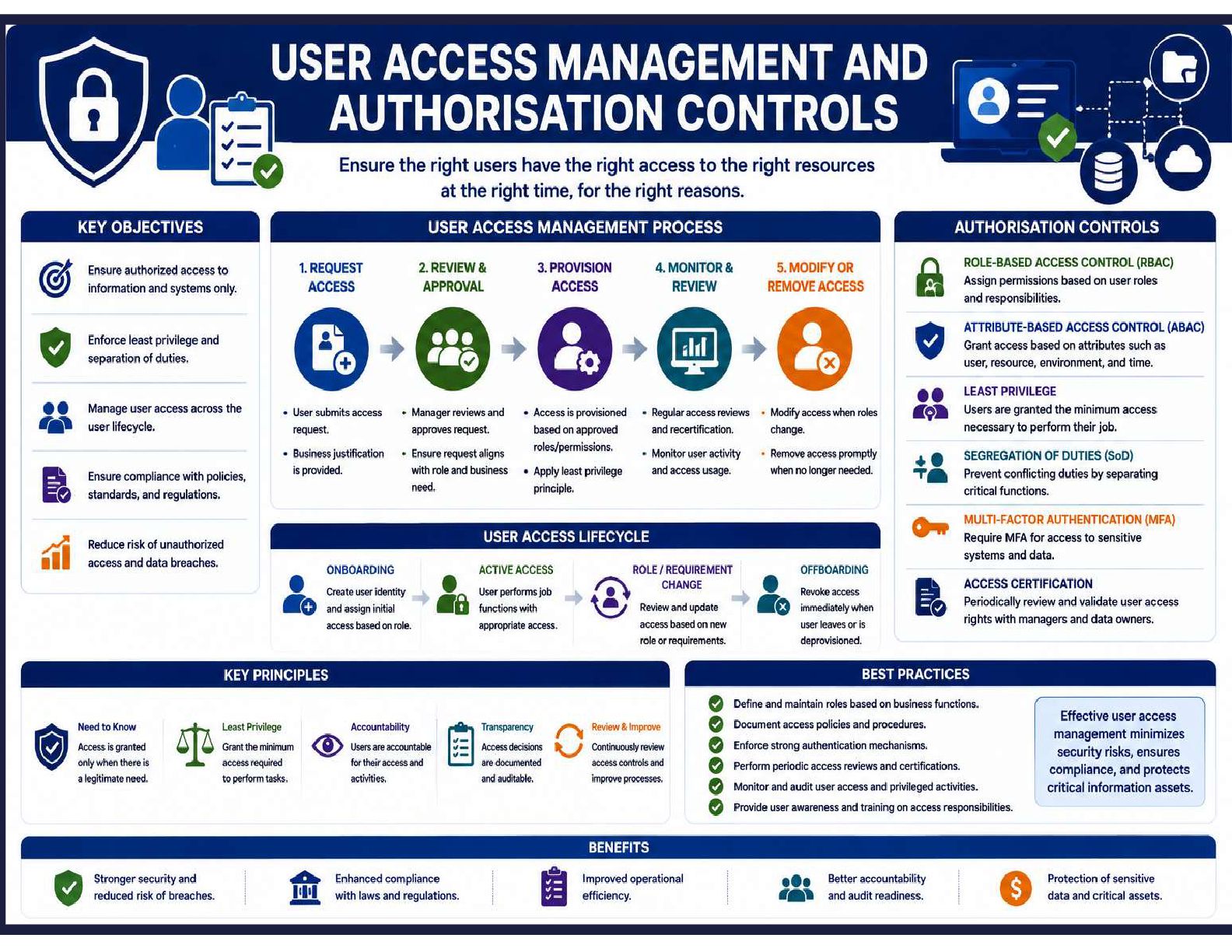
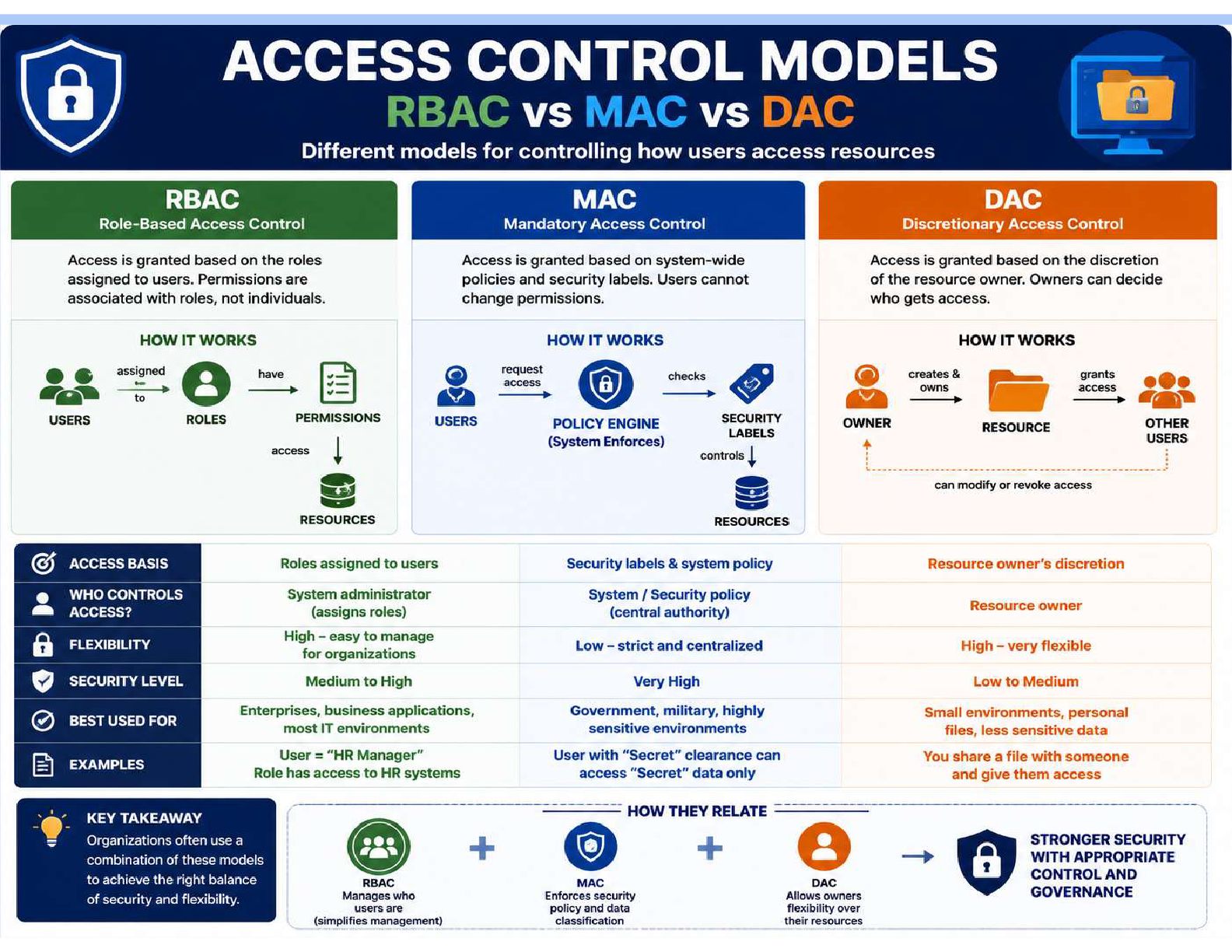
• Access control concepts
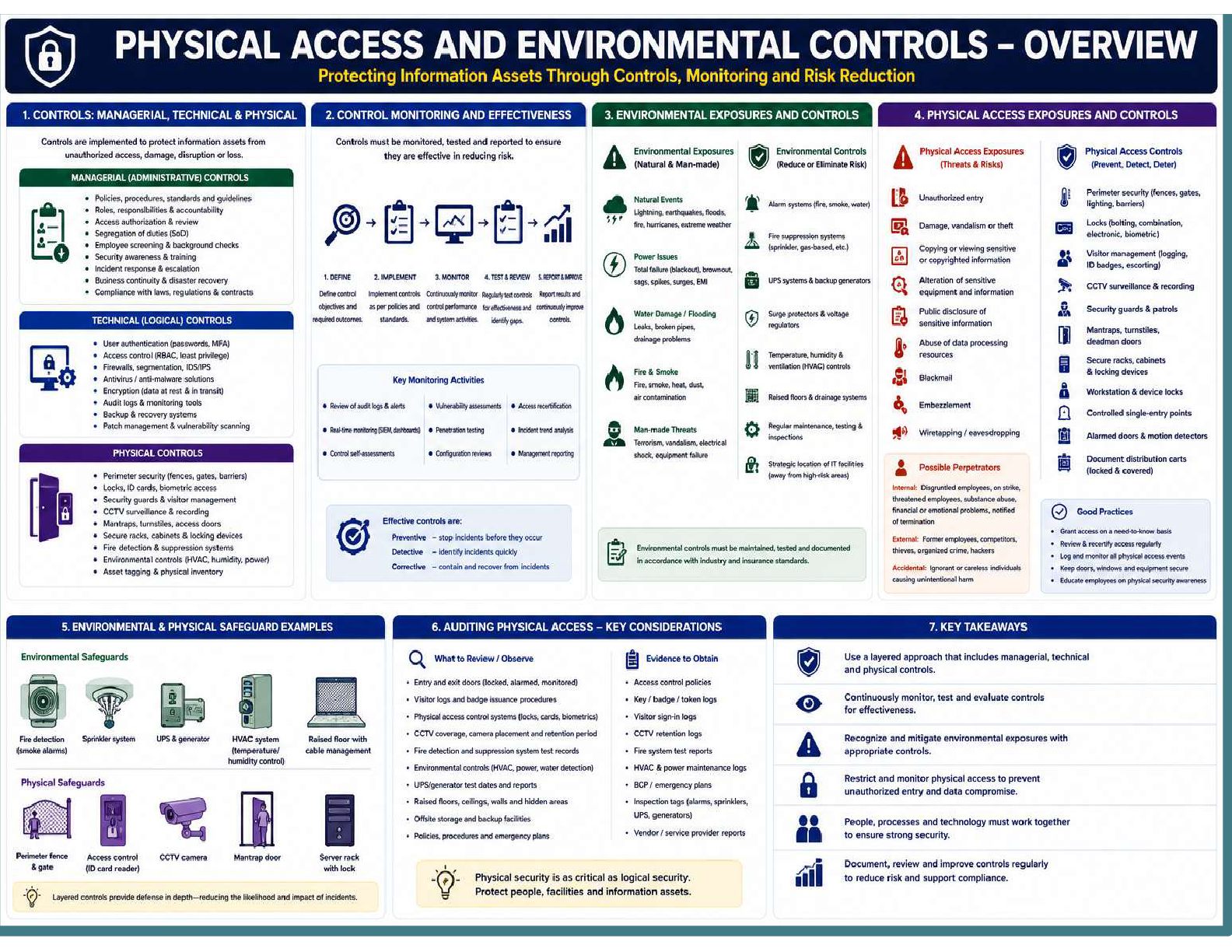
• Physical and environmental security
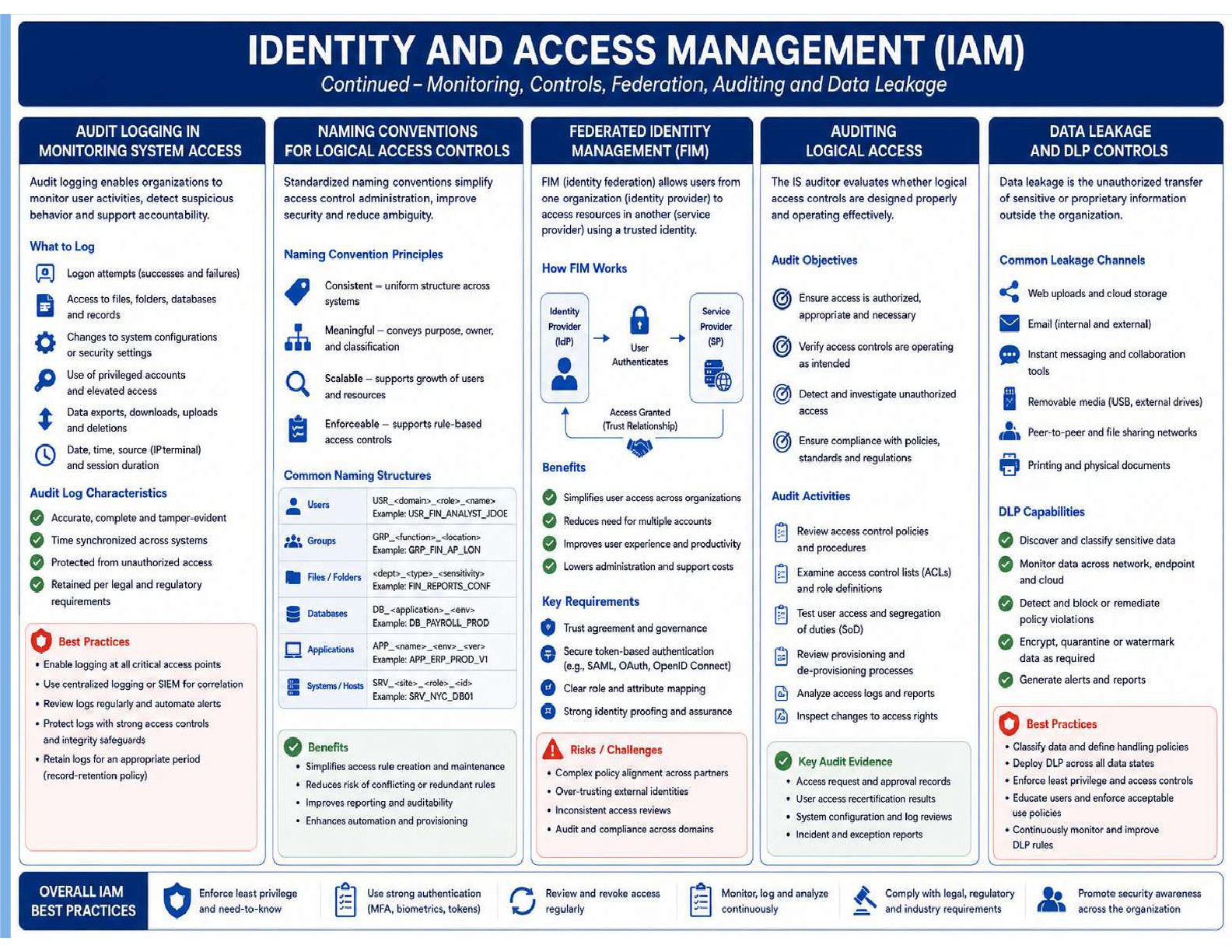
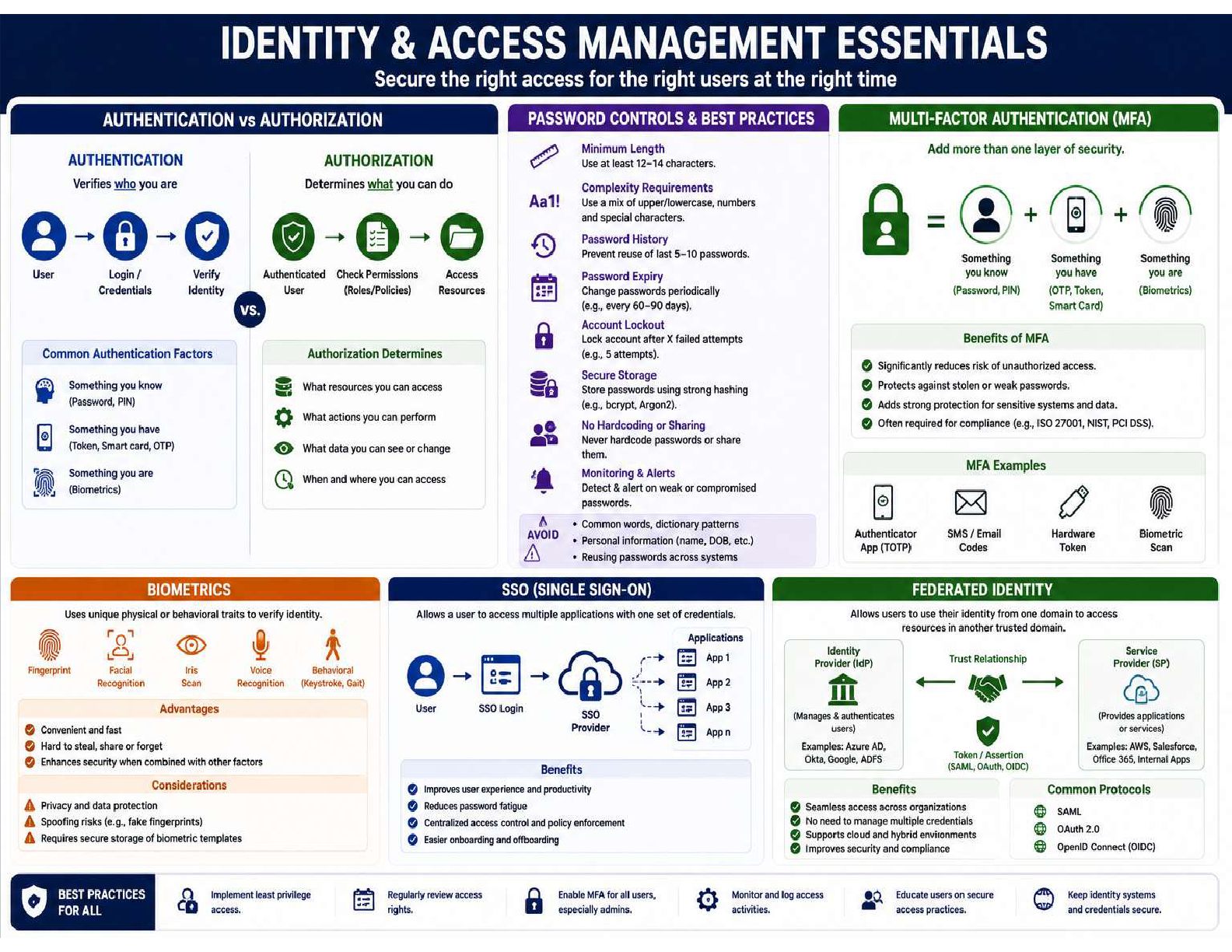
• Identity and access management
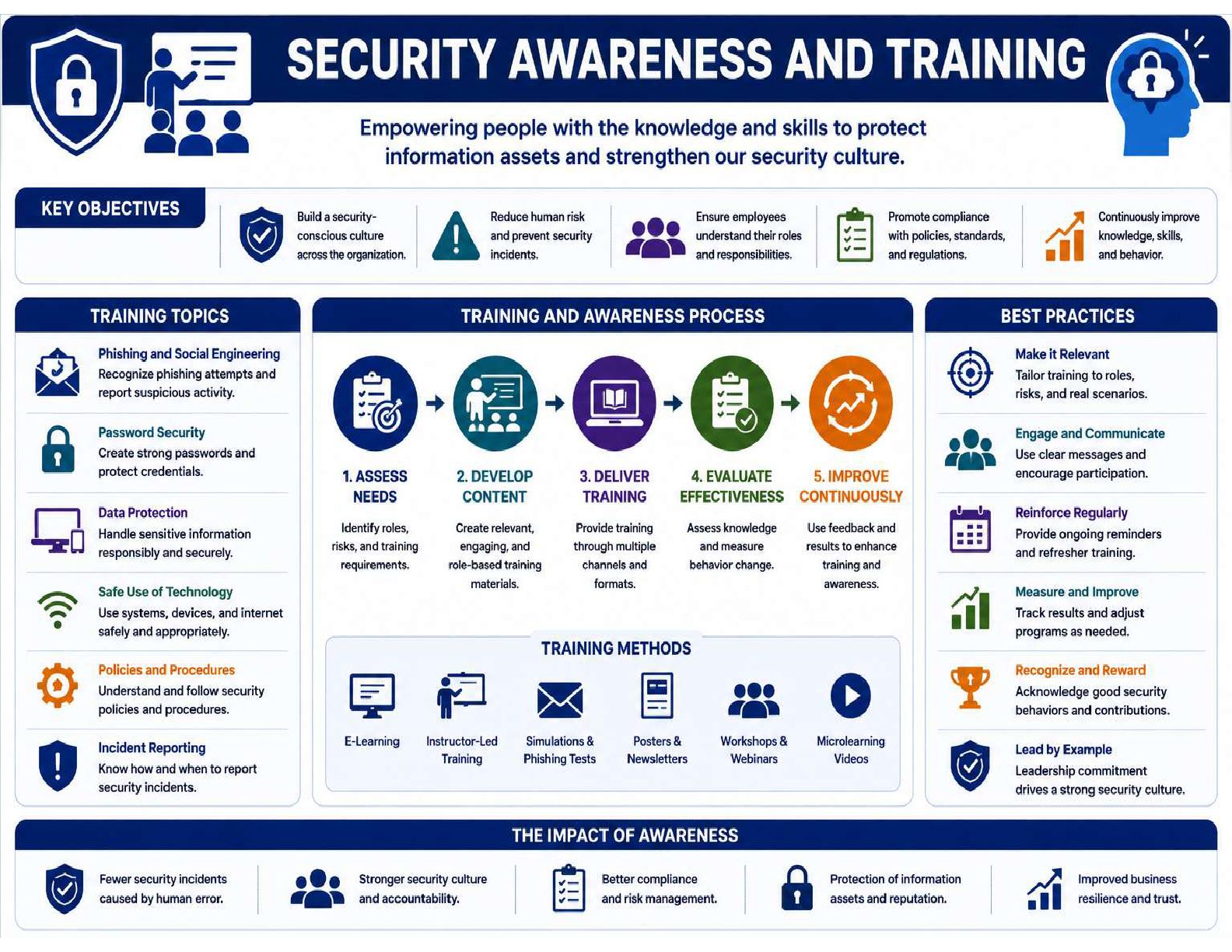
• Security awareness and responsibilities
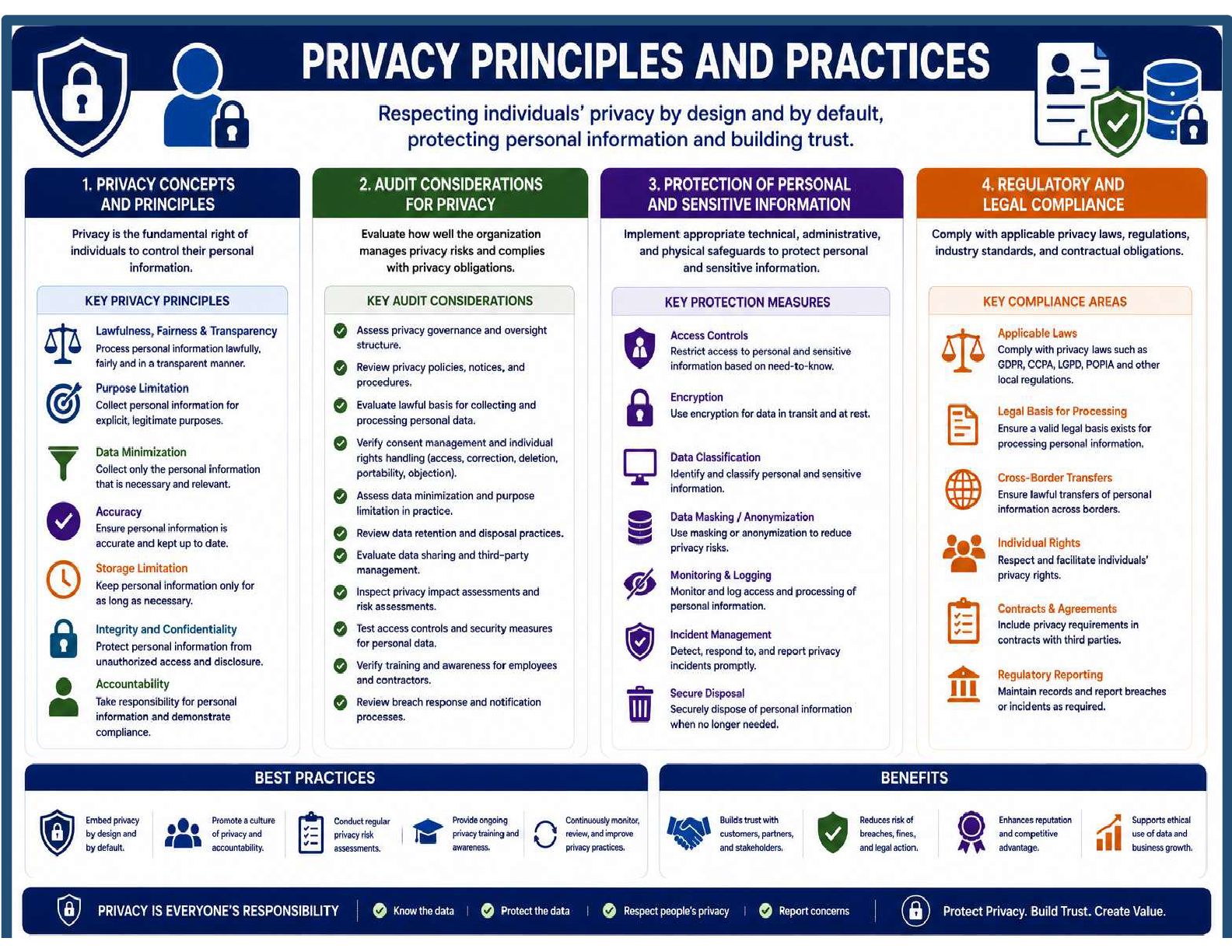
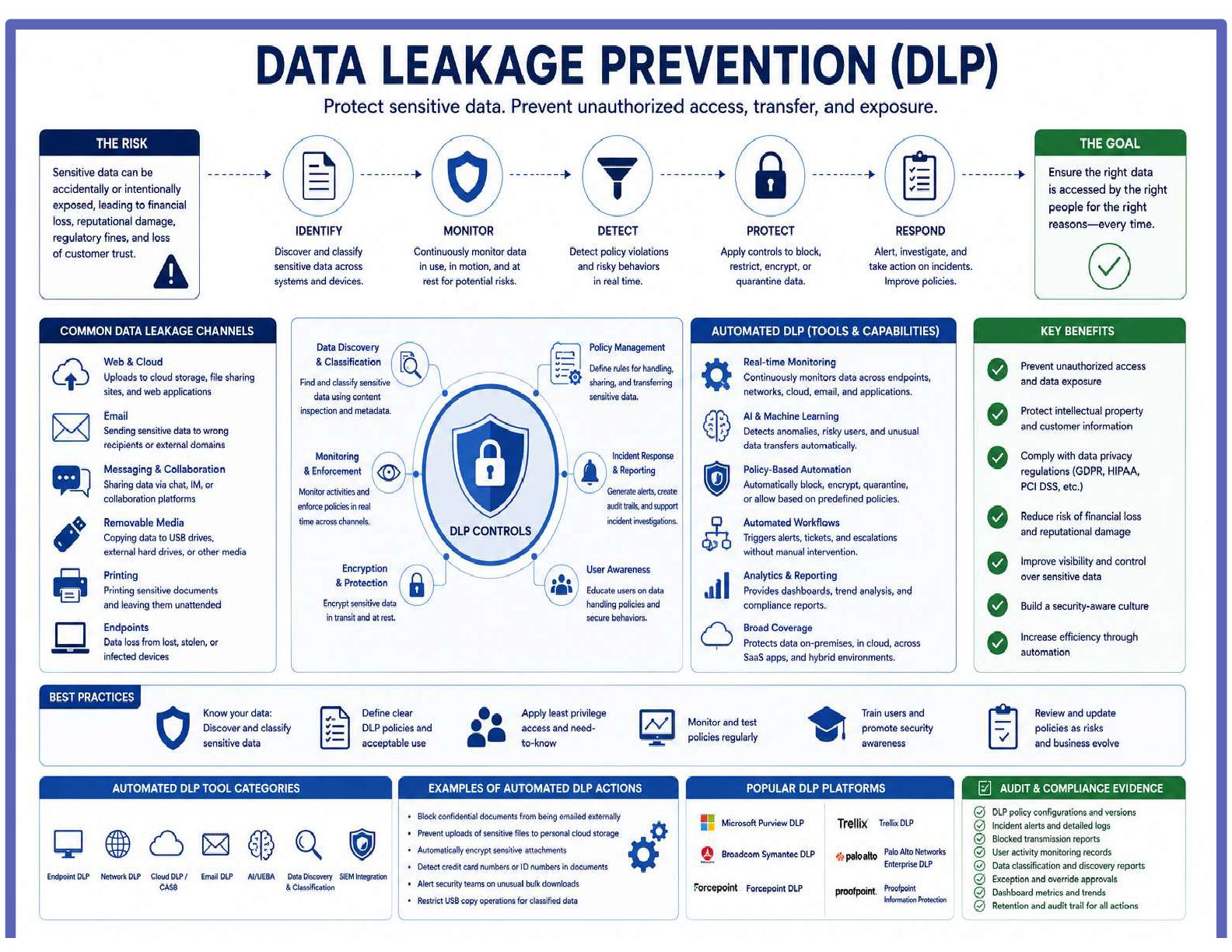
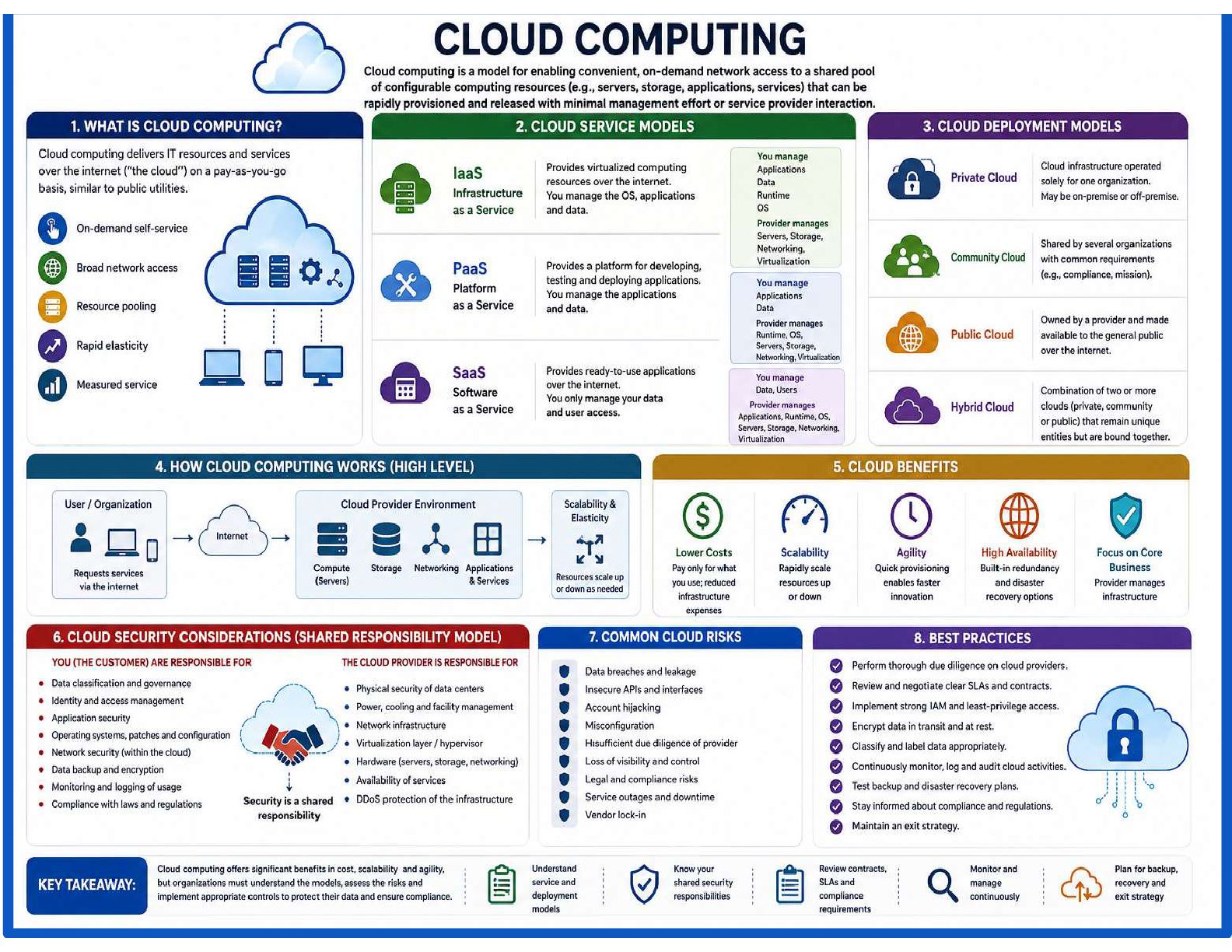
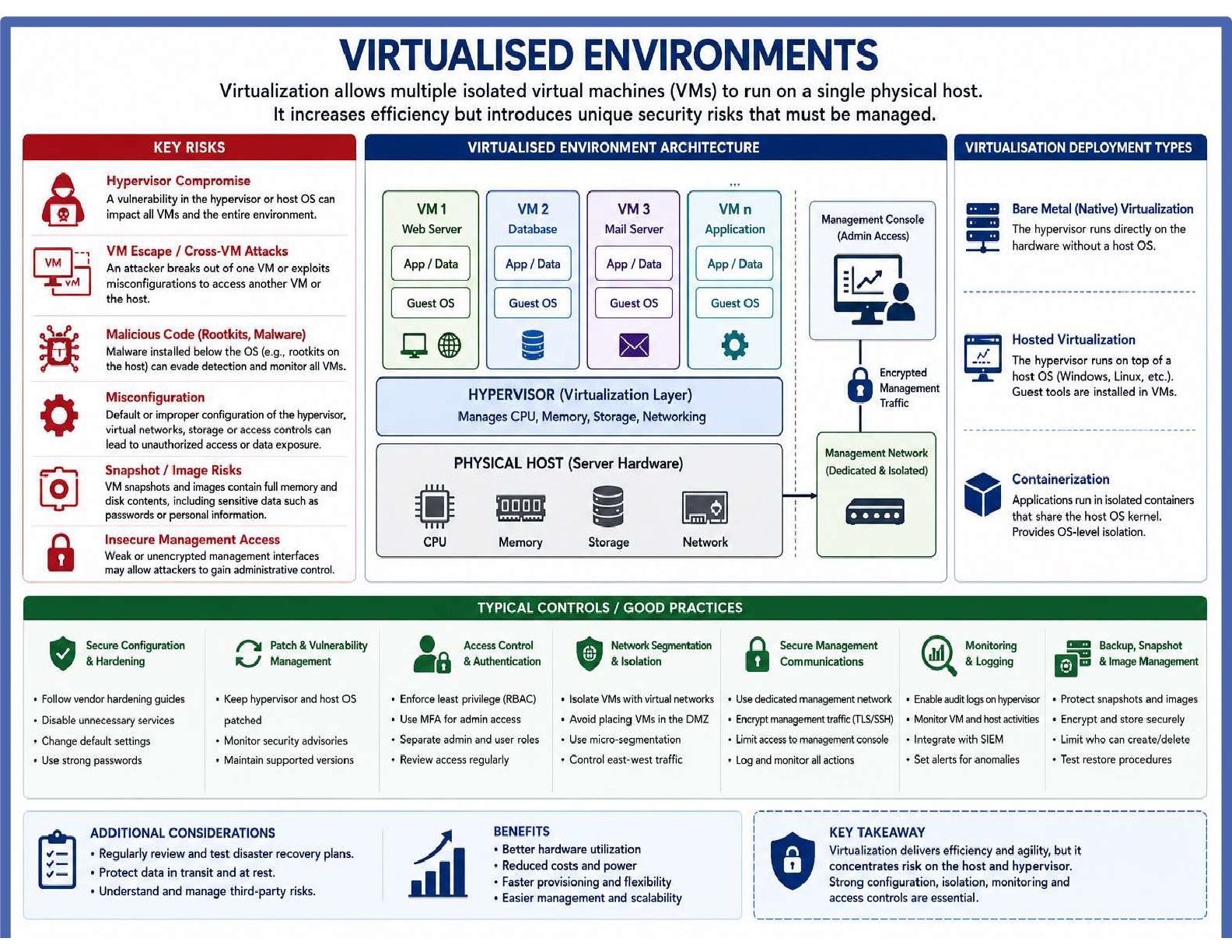
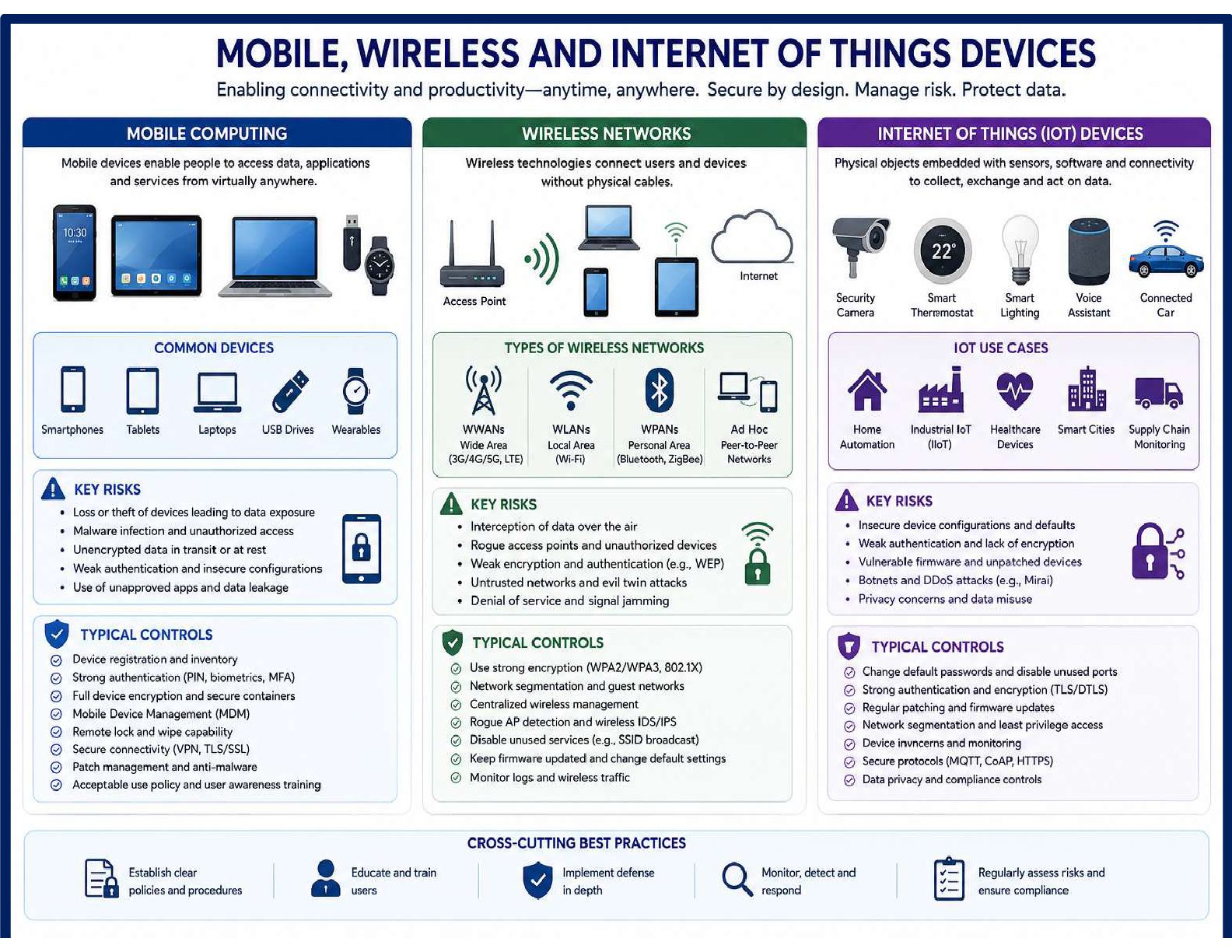
• Protection of information assets in modern environments


 alisecure
 mj6237
 ideininc
 fullkaiten
 ayakohamaguchi
 layerx
 macbeeplanet
 kaonavi
.jpg) ikuodanaka
ikuodanaka
 ecoms_ikeda08
 loglass2019
 nessu_inc
 m3c
m3c
 erikaheidi
 csswizardry
.jpg) cargoodrich
cargoodrich
 kevinliebholz
 tomoyanonymous
 sarafernandez
 katiecoart
 bkeepers
 rasmusluckow
 gr2m
gr2m
 mongodb
 nikkihalliwell