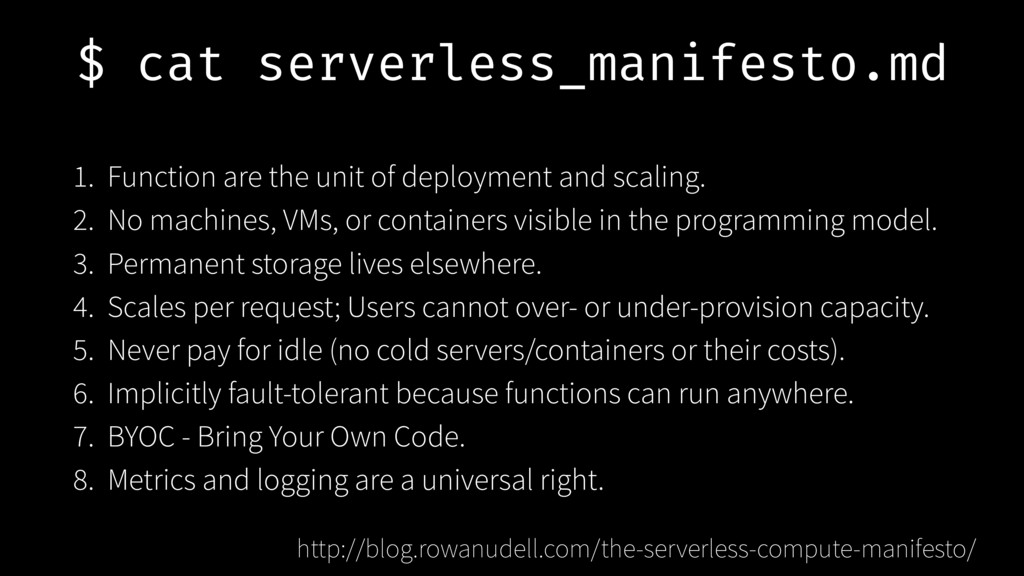
and scaling. 2. No machines, VMs, or containers visible in the programming model. 3. Permanent storage lives elsewhere. 4. Scales per request; Users cannot over- or under-provision capacity. 5. Never pay for idle (no cold servers/containers or their costs). 6. Implicitly fault-tolerant because functions can run anywhere. 7. BYOC - Bring Your Own Code. 8. Metrics and logging are a universal right. http://blog.rowanudell.com/the-serverless-compute-manifesto/
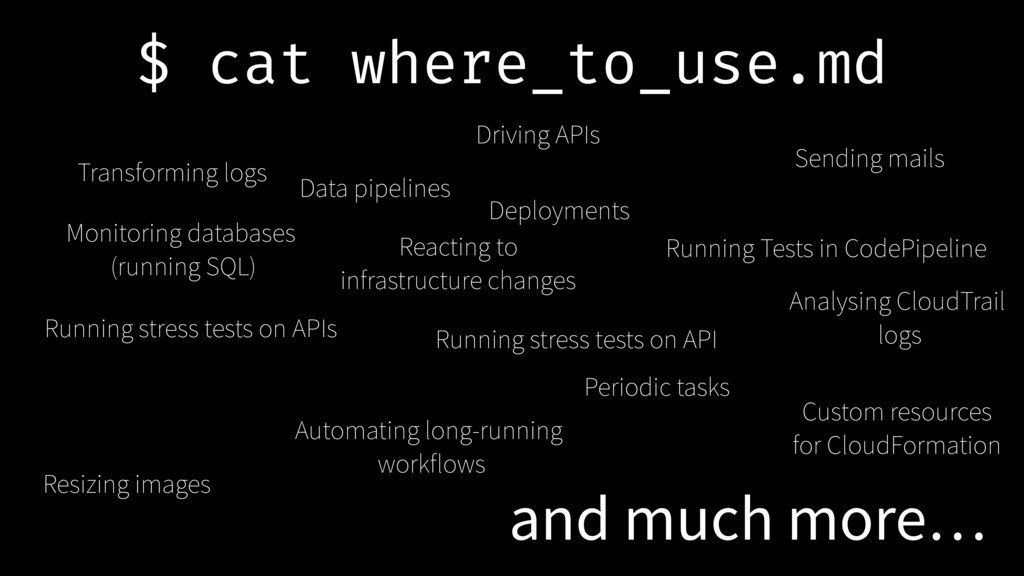
Running stress tests on APIs Running stress tests on API Automating long-running workflows Periodic tasks Resizing images Custom resources for CloudFormation Running Tests in CodePipeline Data pipelines and much more… Reacting to infrastructure changes Monitoring databases (running SQL) Analysing CloudTrail logs
service describe Describe service execute Execute help Help about any command profile Interactively examine service pprof output provision Provision service version Sparta framework version […] Use "main [command] !--help" for more information about a command. $ go run main.go
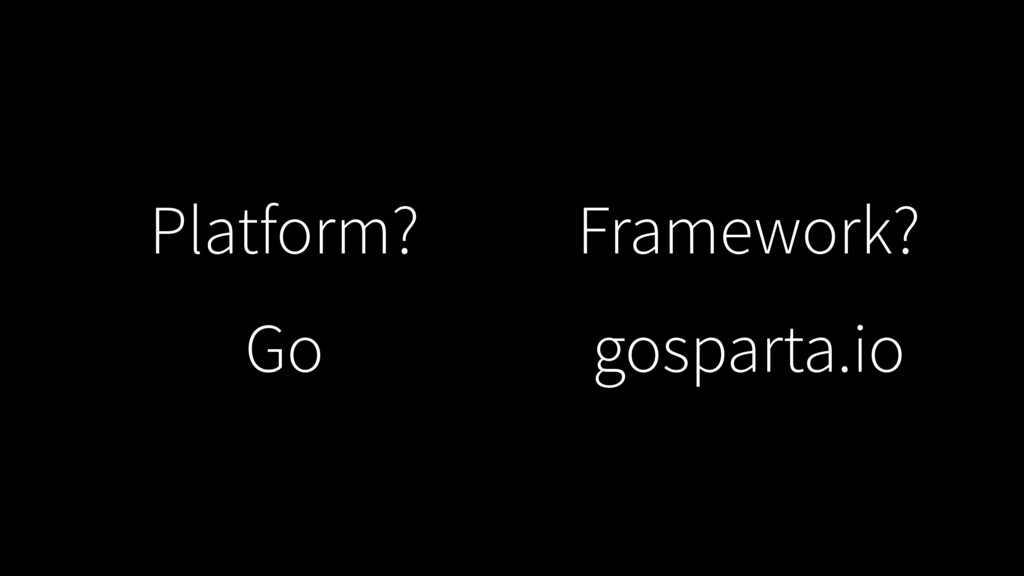
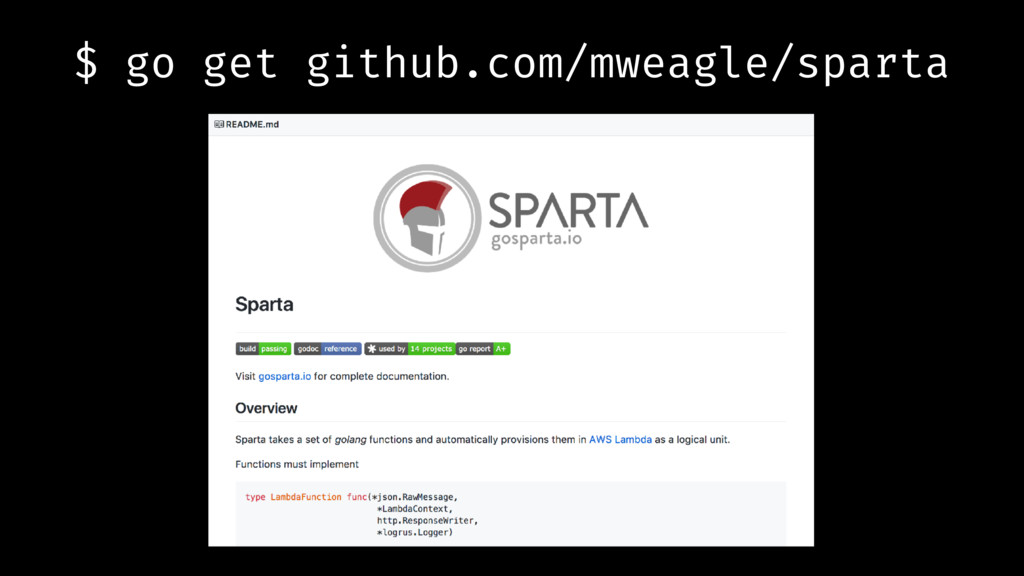
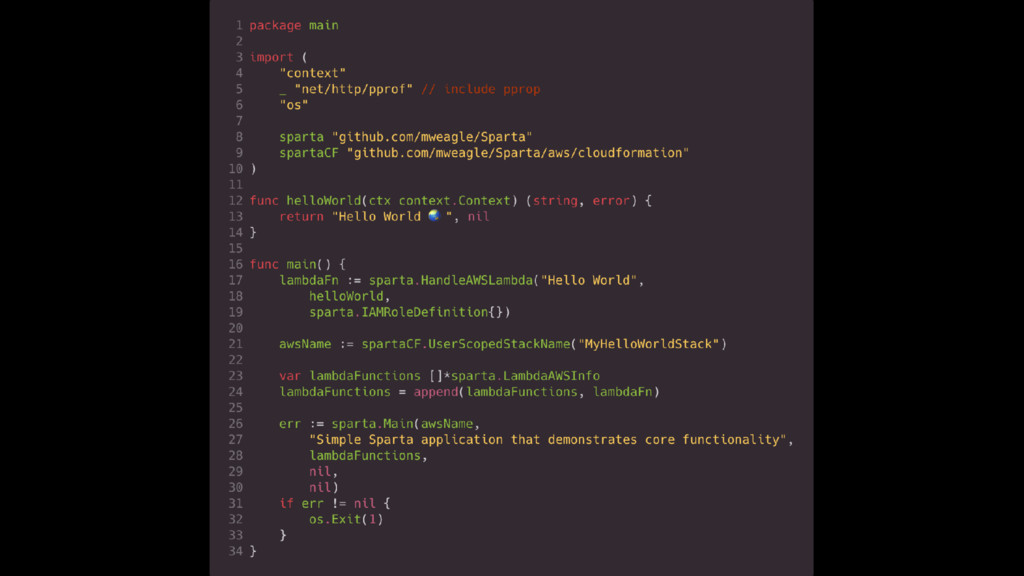
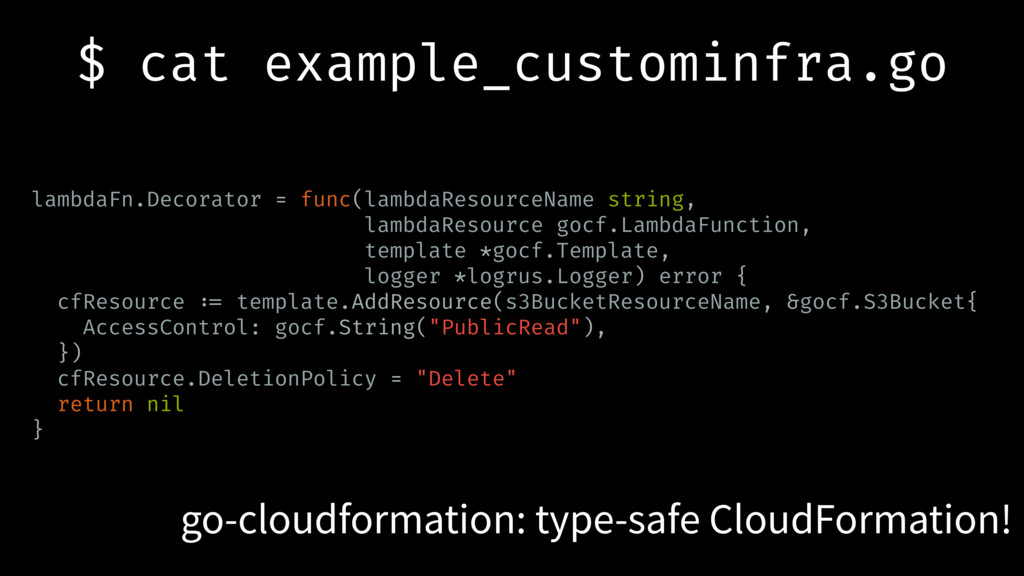
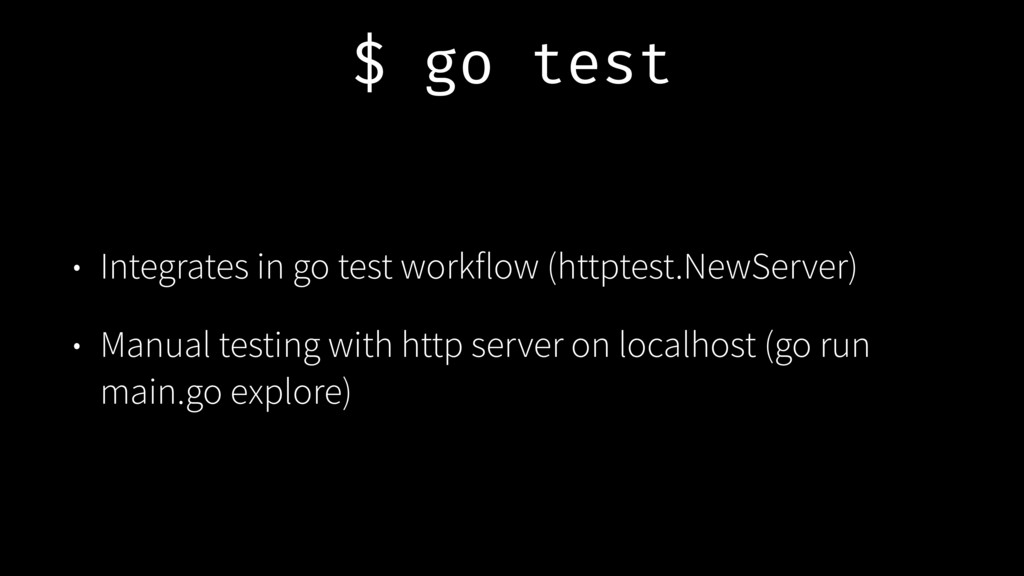
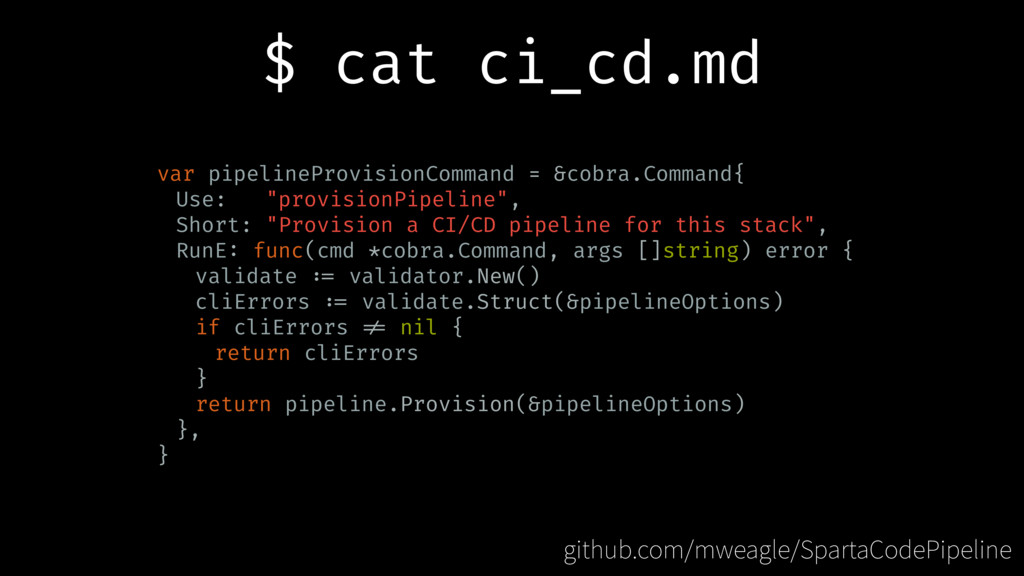
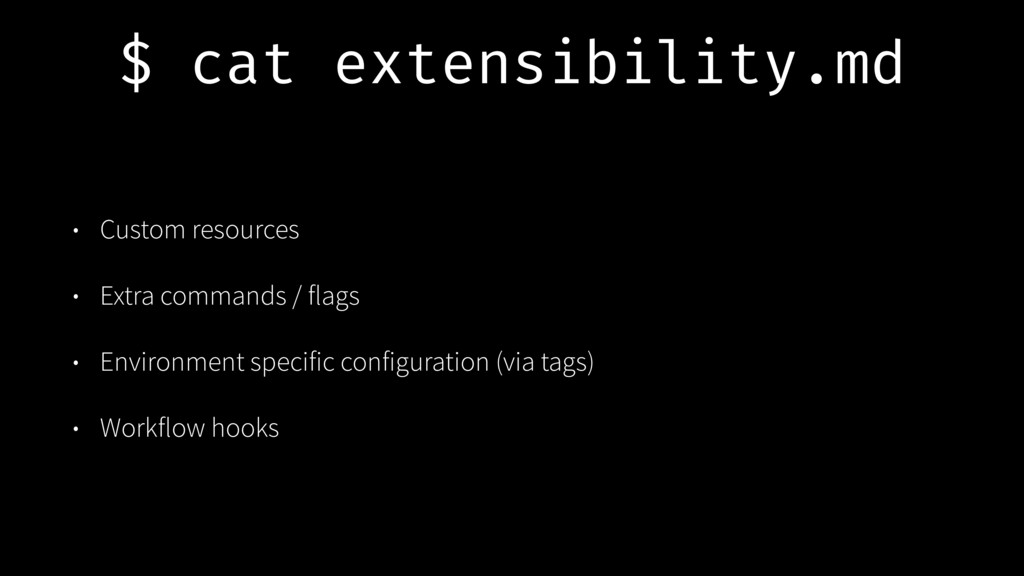
(Go) code: Application code, infrastructure and monitoring • Sparta helps with best practices: Testing, CI/CD, Principle of Least Privileges • Alternatives • github.com/eawsy/aws-lambda-go-shim, github.com/apex/apex
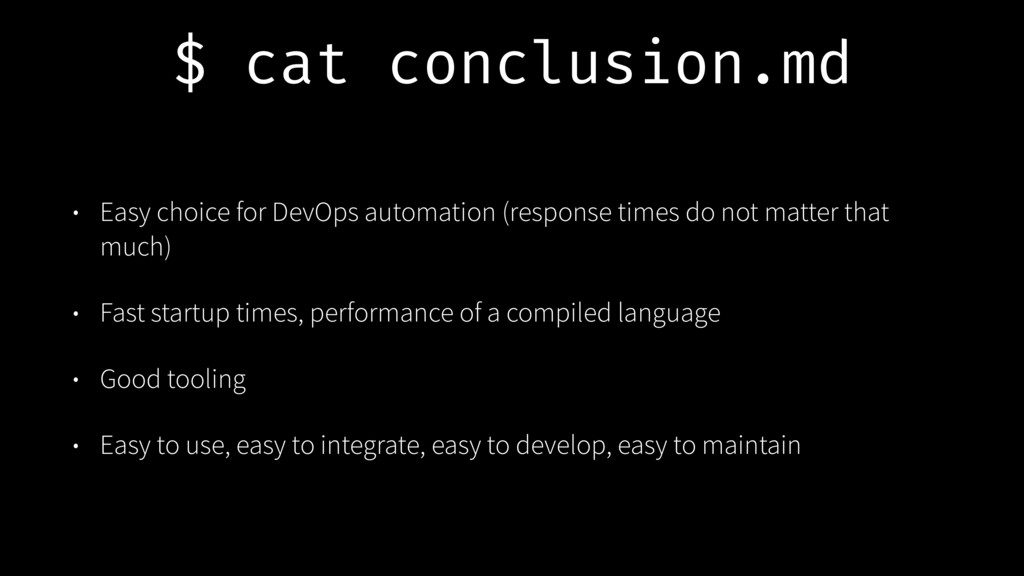
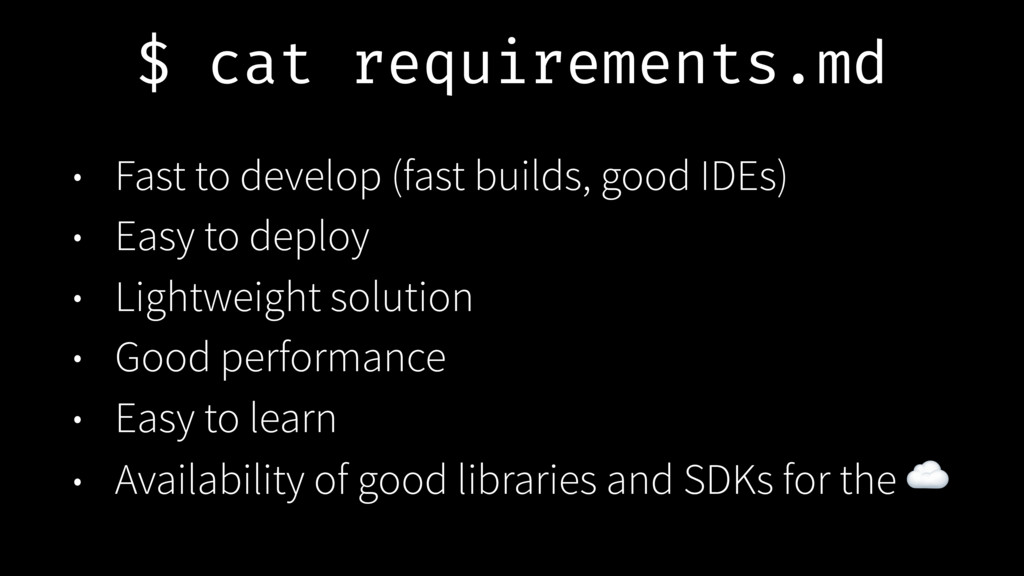
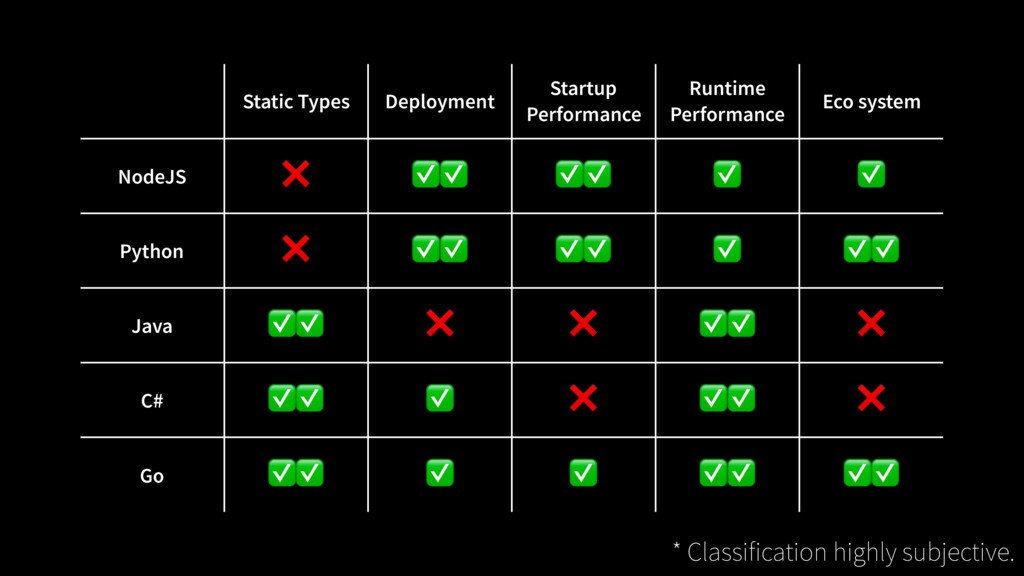
times do not matter that much) • Fast startup times, performance of a compiled language • Good tooling • Easy to use, easy to integrate, easy to develop, easy to maintain


 amohrhard
 taketakekaho
 gionn
gionn
 yahonda
 takuroabe
 yuuuuuuu168
 ykanoh
 mohab1
 riyaamemiya
 yu23ki14
 kizawa2020
.png) codatum
codatum
 teamlab
 helmedeiros
 lara
lara
 lauravandoore
 jonrohan
 tmiket
 popppiees
 honzajavorek
 inesmontani
 reverentgeek
 tammyeverts
 ammeep
 mfonobong
![AWS Lambda and Go: A perfect match Andreas Mohrhard [email protected]](https://files.speakerdeck.com/presentations/0afc3c1a67044056be1c943fe00e6b6d/slide_0.jpg)
![[…] AMIIDLookup: Type: "AWS!::Lambda!::Function" Properties: Handler: "index.handler" Role: Fn!::GetAtt: -](https://files.speakerdeck.com/presentations/0afc3c1a67044056be1c943fe00e6b6d/slide_12.jpg)
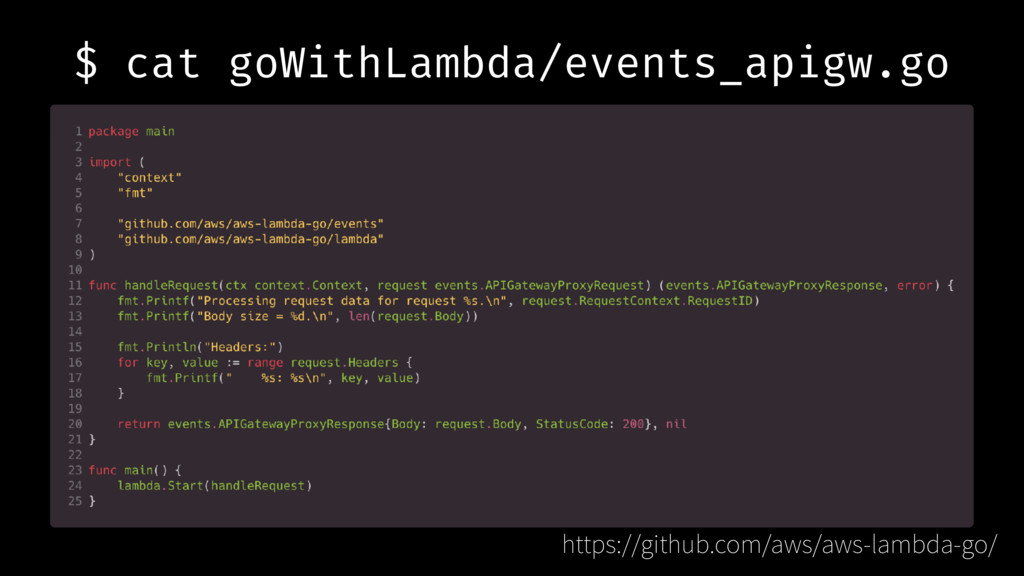
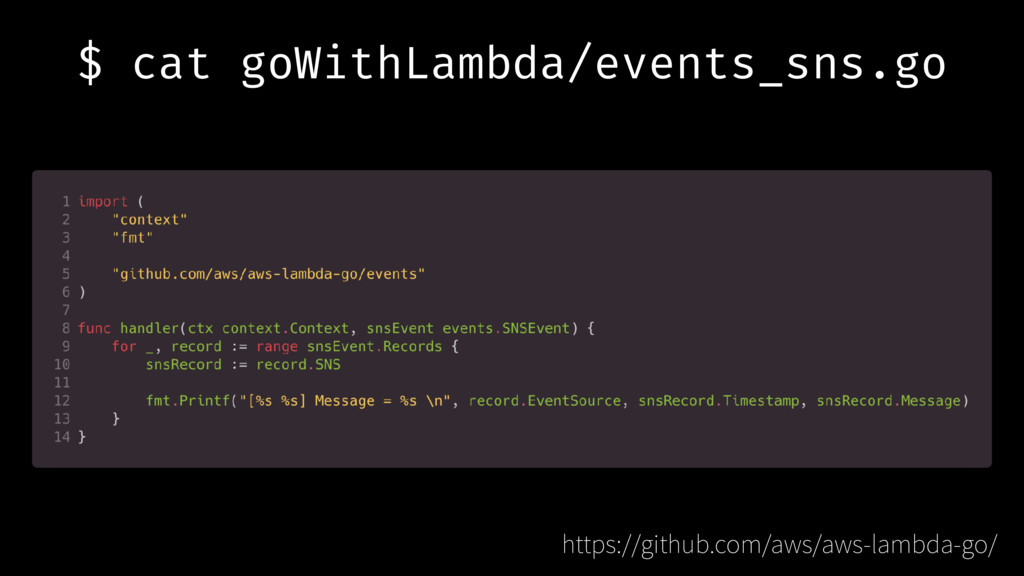
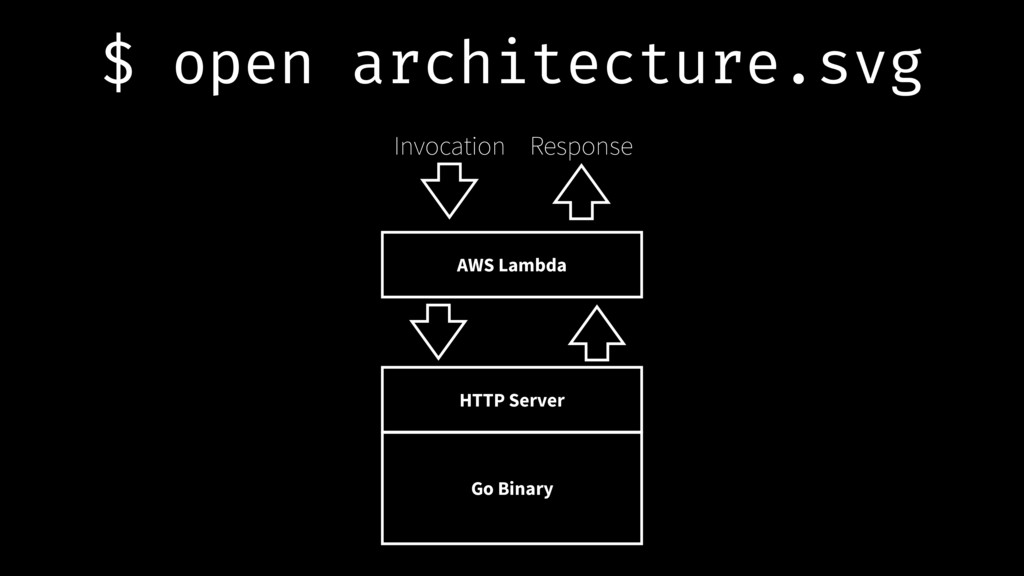
![HelloWorld resource command Usage: main [command] Available Commands: delete Delete](https://files.speakerdeck.com/presentations/0afc3c1a67044056be1c943fe00e6b6d/slide_25.jpg)
![$ cat example_iam_role.go lambdaFn.RoleDefinition.Privileges = append(lambdaFn.RoleDefinition.Privileges, sparta.IAMRolePrivilege{ Actions: []string{"s3:GetObject", "s3:HeadObject"},](https://files.speakerdeck.com/presentations/0afc3c1a67044056be1c943fe00e6b6d/slide_28.jpg)
![func appendS3Lambda(api *sparta.API, lambdaFunctions []*sparta.LambdaAWSInfo) []*sparta.LambdaAWSInfo { lambdaFn !:= sparta.HandleAWSLambda(sparta.LambdaName(echoS3Event),](https://files.speakerdeck.com/presentations/0afc3c1a67044056be1c943fe00e6b6d/slide_30.jpg)
![$ cat monitoring.md [http://gosparta.io/docs/faq/]](https://files.speakerdeck.com/presentations/0afc3c1a67044056be1c943fe00e6b6d/slide_36.jpg)

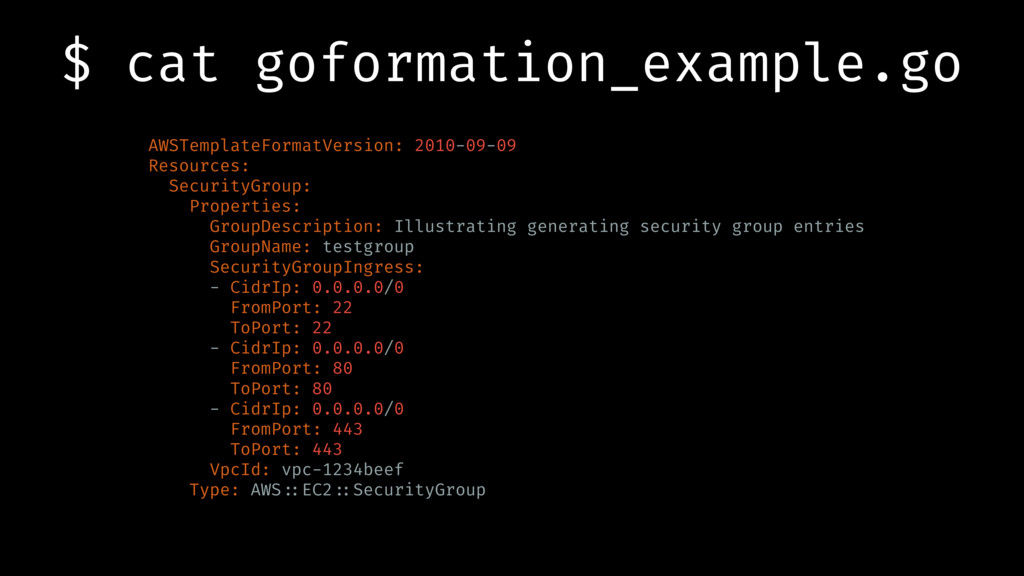
![func main() { template !:= cloudformation.NewTemplate() ports !:= [3]int{22, 80,](https://files.speakerdeck.com/presentations/0afc3c1a67044056be1c943fe00e6b6d/slide_41.jpg)