Upgrade to Pro — share decks privately, control downloads, hide ads and more …

Deconstructing Consciousness

Deconstructing Consciousness

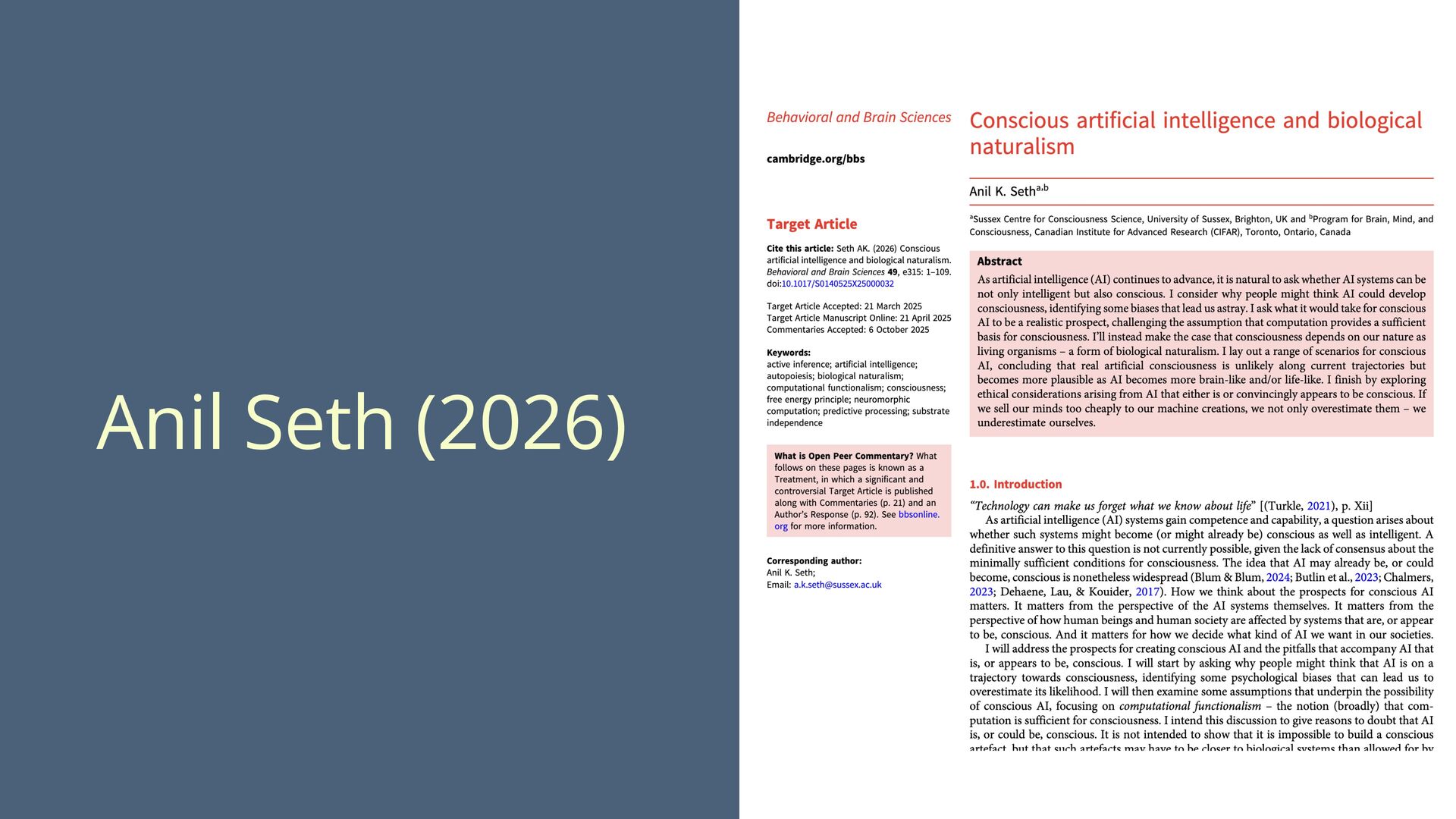
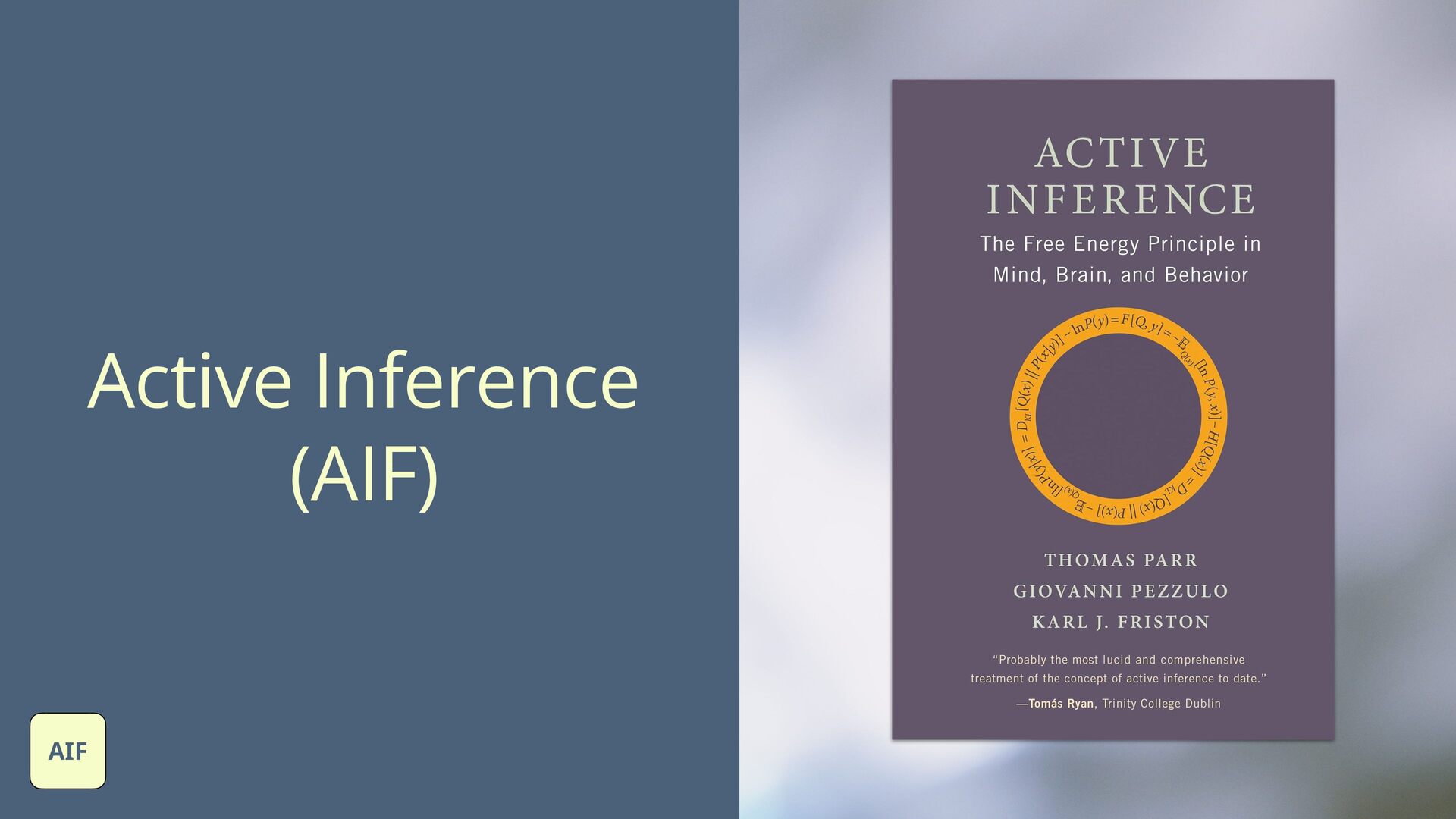
Active Inference is a comprehensive framework that offers a unified perspective on how living organisms, including humans, interact with their environment. In essence, it describes organisms as inference engines that minimize prediction error through an internal generative model. In a recent paper, "Consciousness and biological naturalism", Anil Seth uses this framework to tackle the question of whether modern AI systems can be not only intelligent but also conscious. This leads him to the conclusion that consciousness may be fundamentally dependent on the physical and biological properties of living systems rather than on computation alone, thus arguing against computational functionalism.

Since Seth focuses on phenomenal consciousness, I propose that we take a cue from this and look at what other philosophers have to say about phenomenal experiences as ego-centric generative simulations as a way to shift our focus to the brain's ability to actually produce these simulations. If we can gain insights into this capability, it would significantly advance our quest to understand consciousness as a whole. I think that deconstructing consciousness into its component parts in this manner is the first step toward a complete scientific explanation of consciousness.

As an example, I will show that it is possible to construct artificial systems that generate output similar to the immersive simulations discussed in the aforementioned philosophical theories. This would serve as an existence proof to show that Seth is mistaken in this regard and that at least this feature of consciousness can be constructed computationally.

Andreas Chatzopoulos

November 11, 2026

Transcript

40 slides
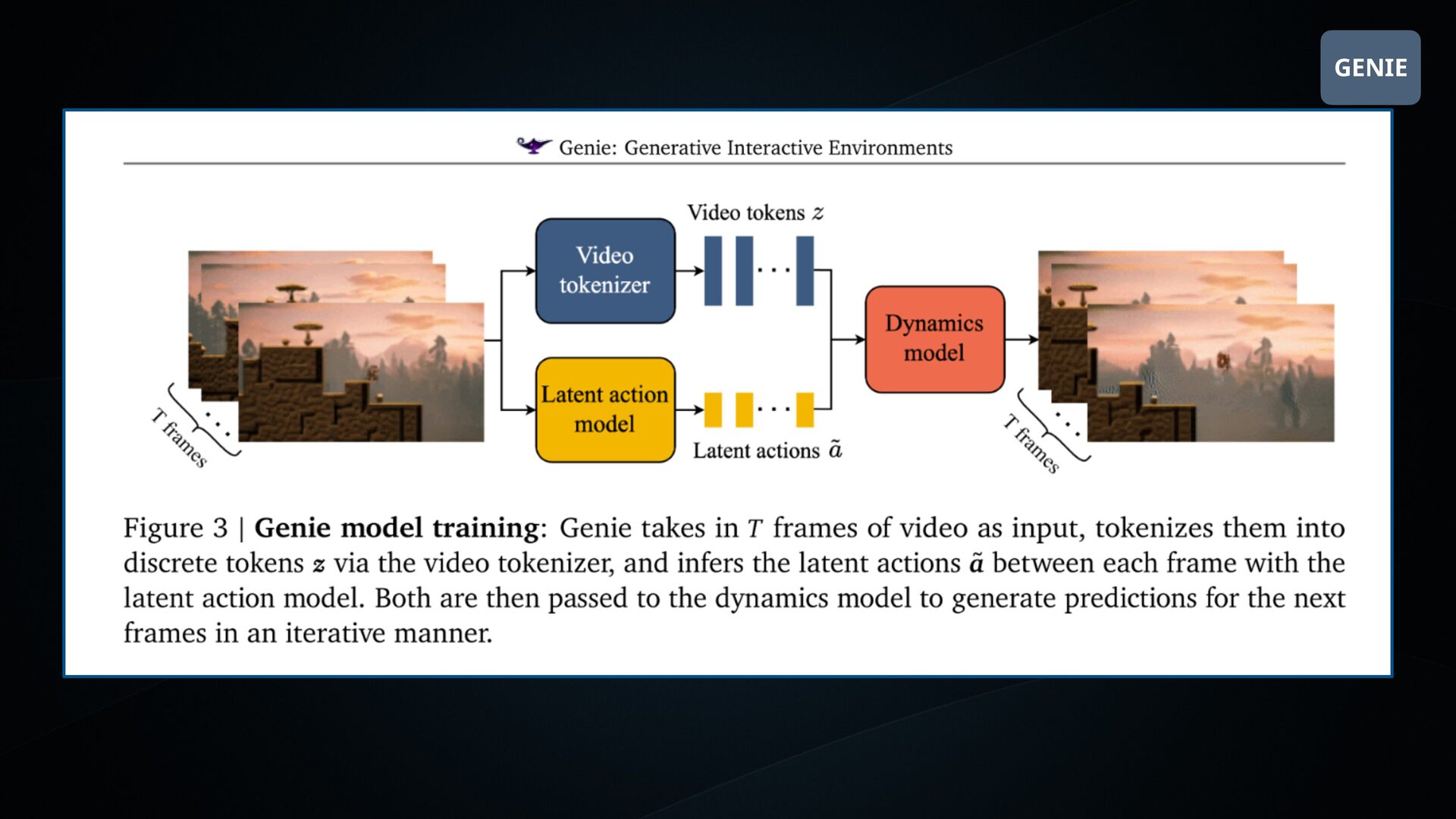
  1. g I Some say that A systems are on the

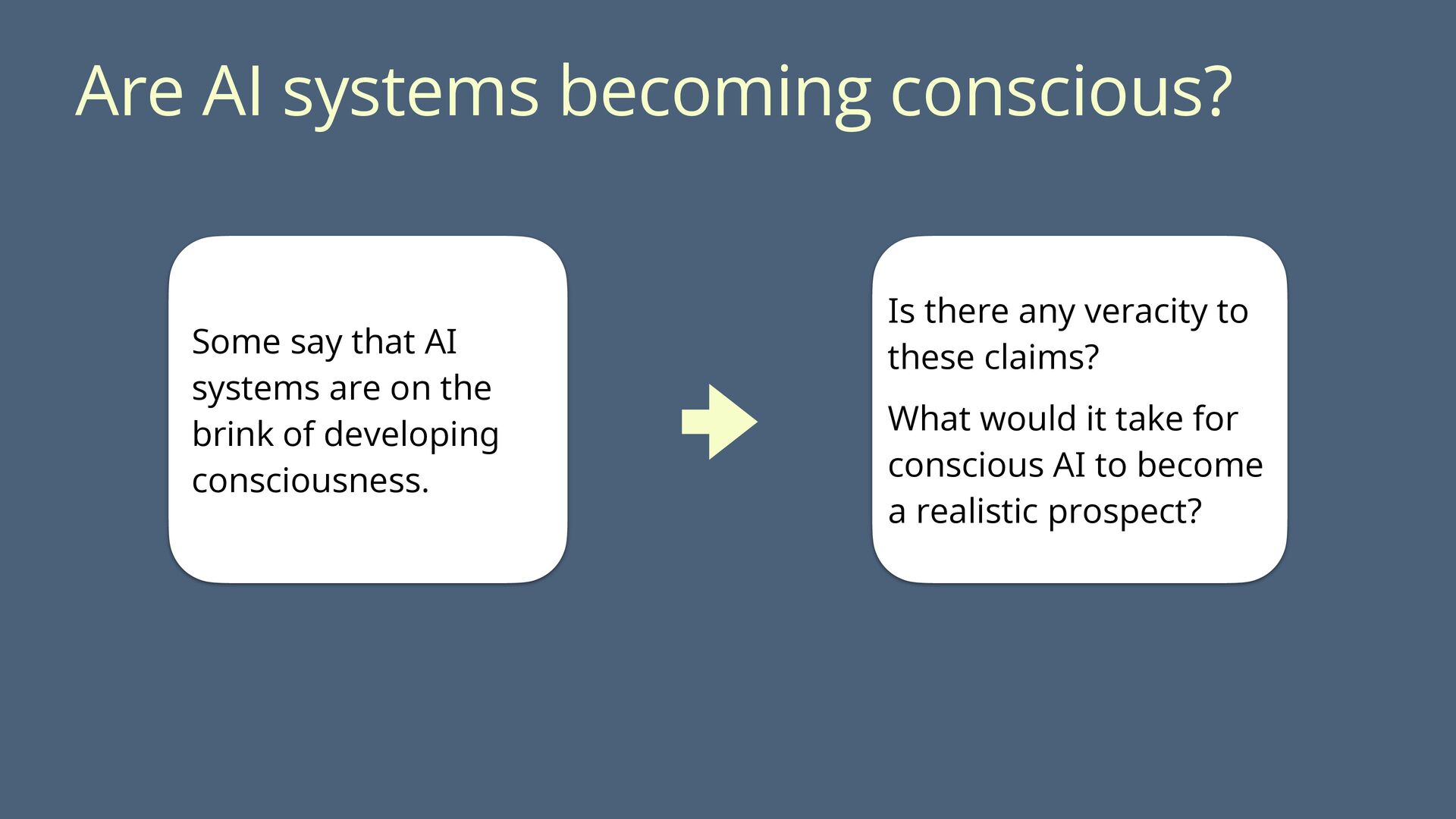
    brink of developin consciousness. I I Are AI systems becoming conscious? s there any veracity to these claims? What would it take for conscious A to become a realistic prospect?
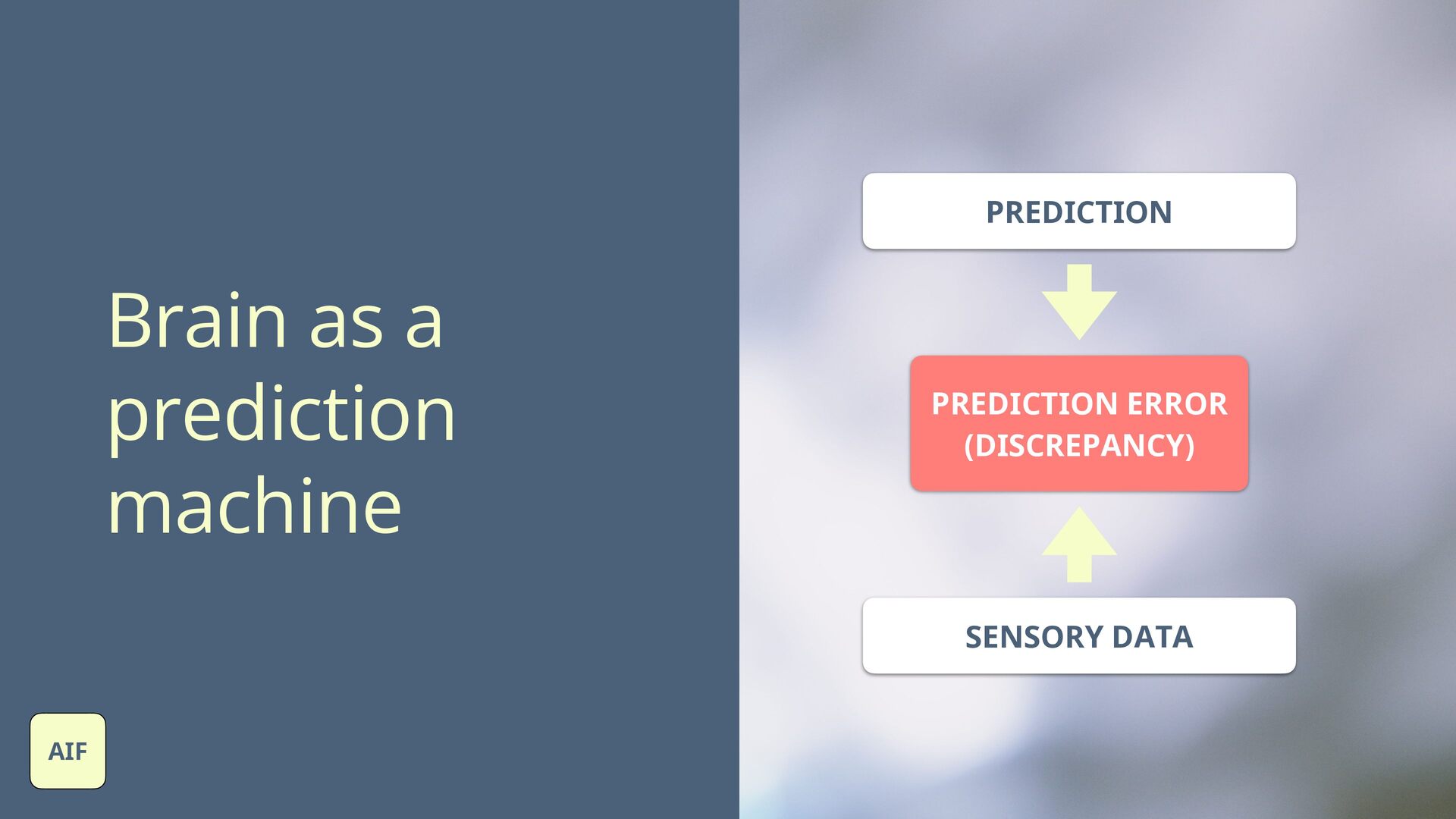
  2. PRED CT ON Brain as a prediction machine PRED CT

    ON ERROR (D SCREPANCY) SENSORY DATA I I I I I I AF
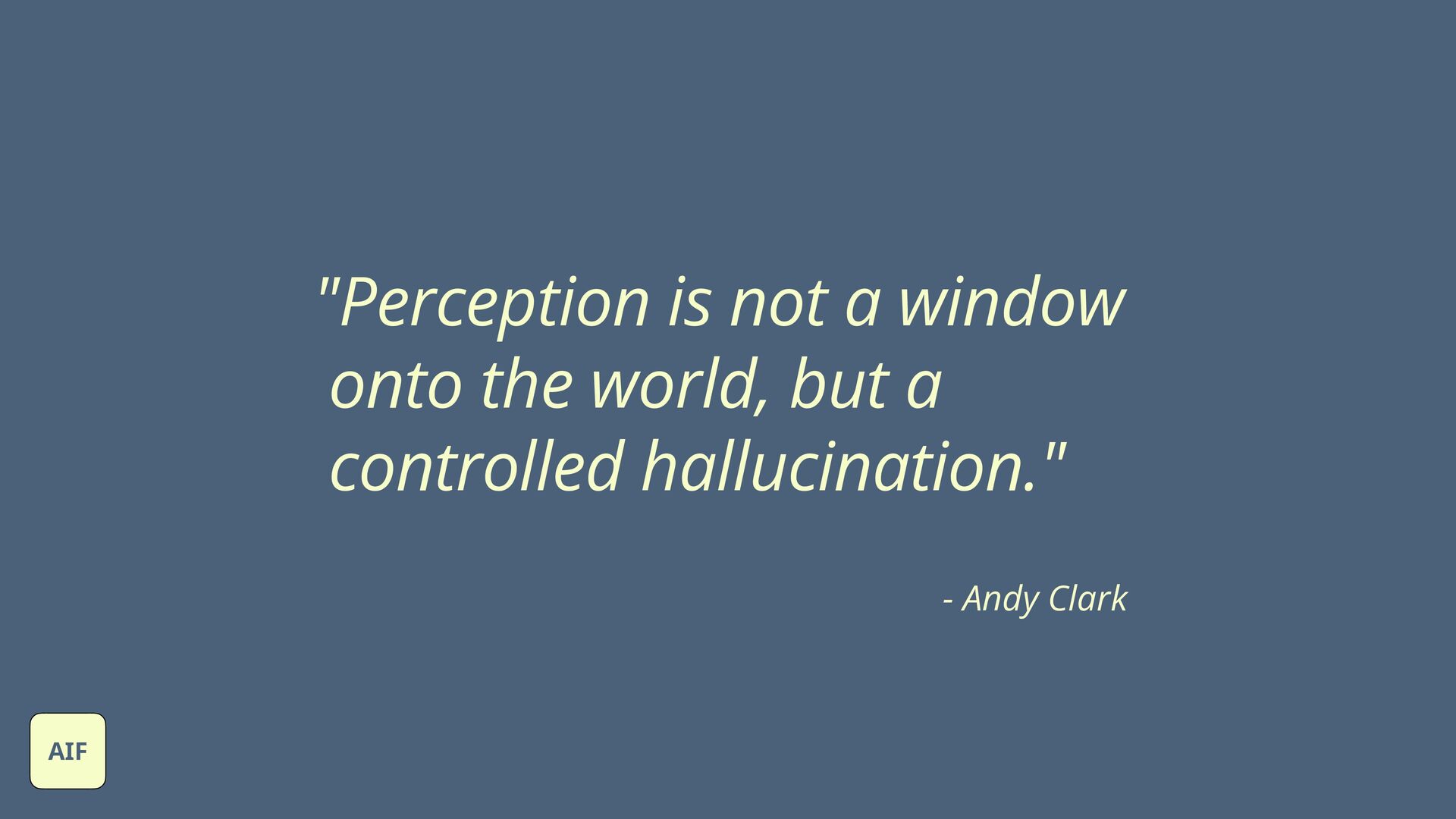
  3. "Perception is not a window onto the world, but a

    controlled hallucination." - Andy Clark I AF
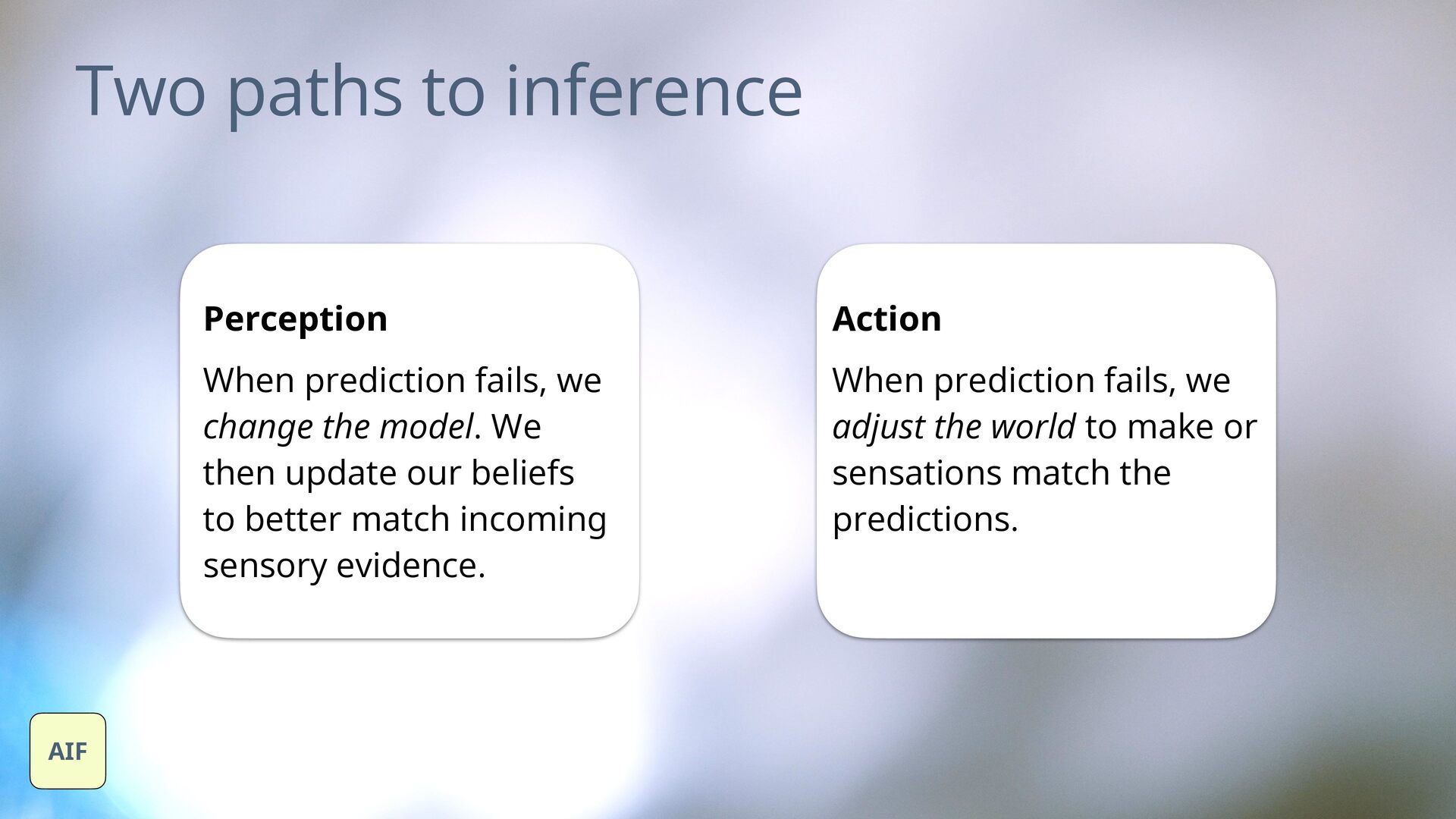
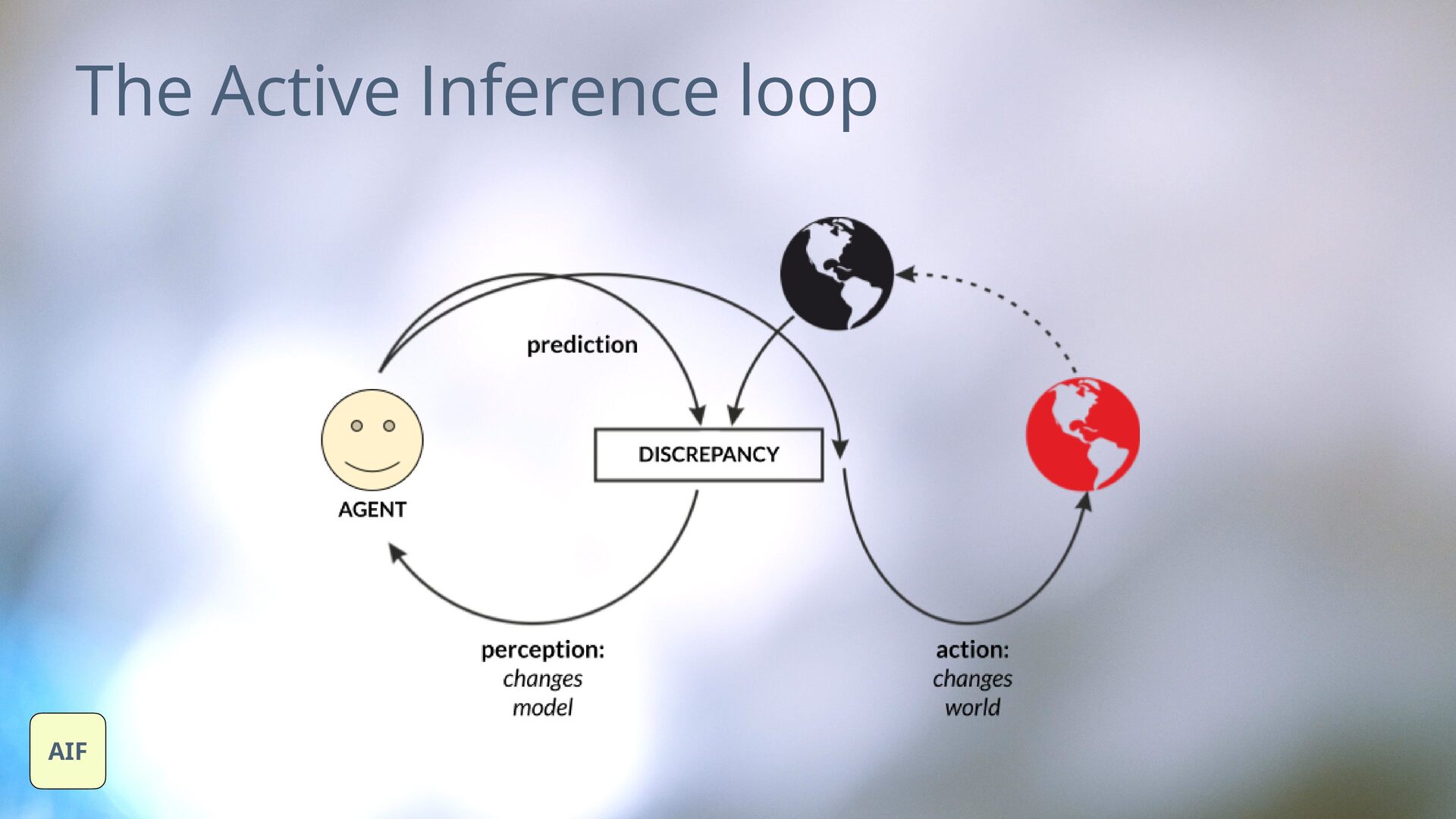
  4. Two paths to inference Perception Action When prediction fails, we

    chan e the model. We then update our beliefs to better match incomin sensory evidence. When prediction fails, we adjust the world to make or sensations match the predictions. g g I AF
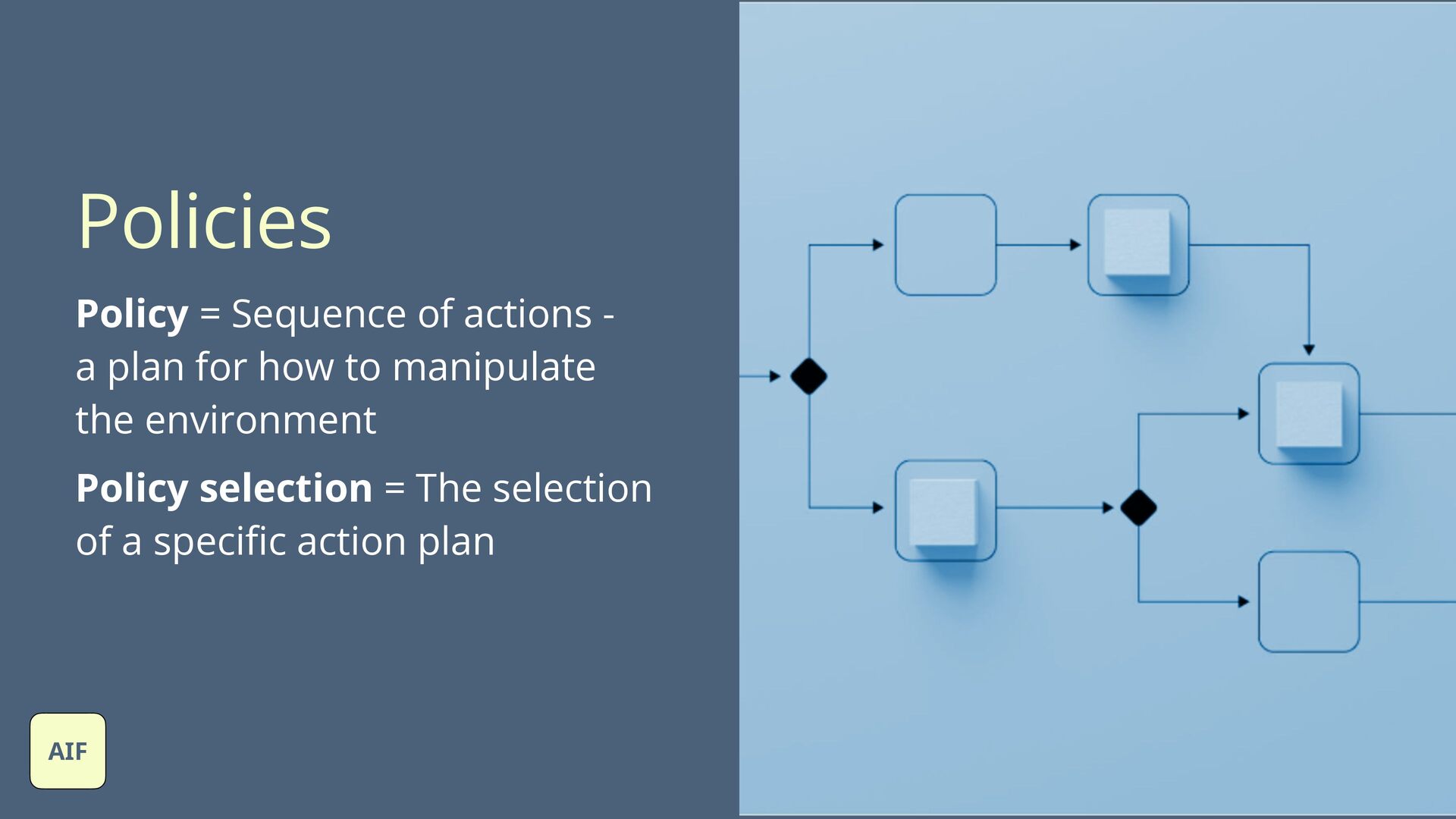
  5. Policies Policy = Sequence of actions a plan for how

    to manipulate the environment Policy selection = The selection of a speci c action plan fi I AF
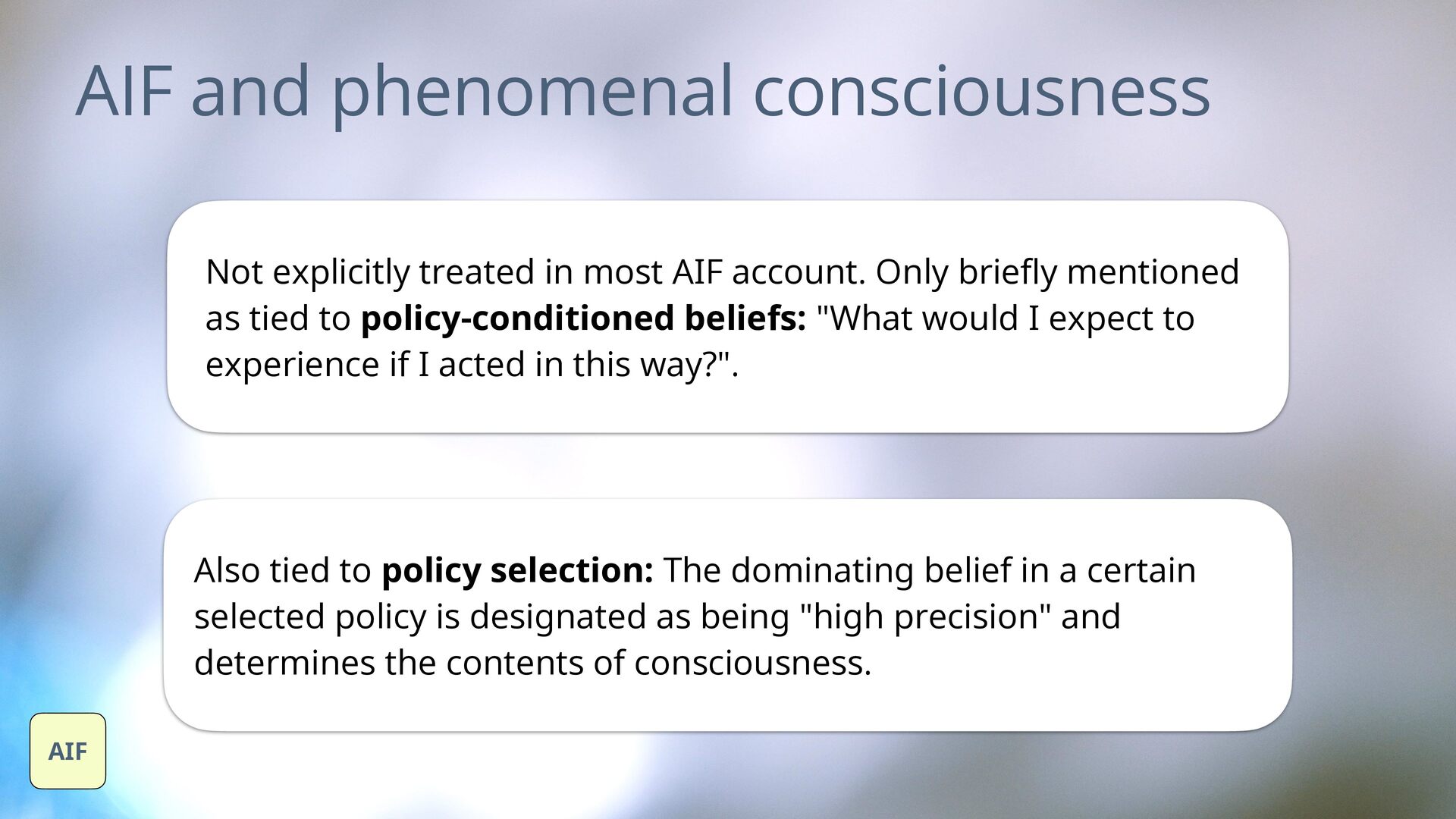
  6. AIF and phenomenal consciousness Not explicitly treated in most A

    F account. Only brie y mentioned as tied to policy-conditioned beliefs: "What would expect to experience if acted in this way?". Also tied to policy selection: The dominatin belief in a certain selected policy is desi nated as bein "hi h precision" and determines the contents of consciousness. I fl g g g I g I I AF
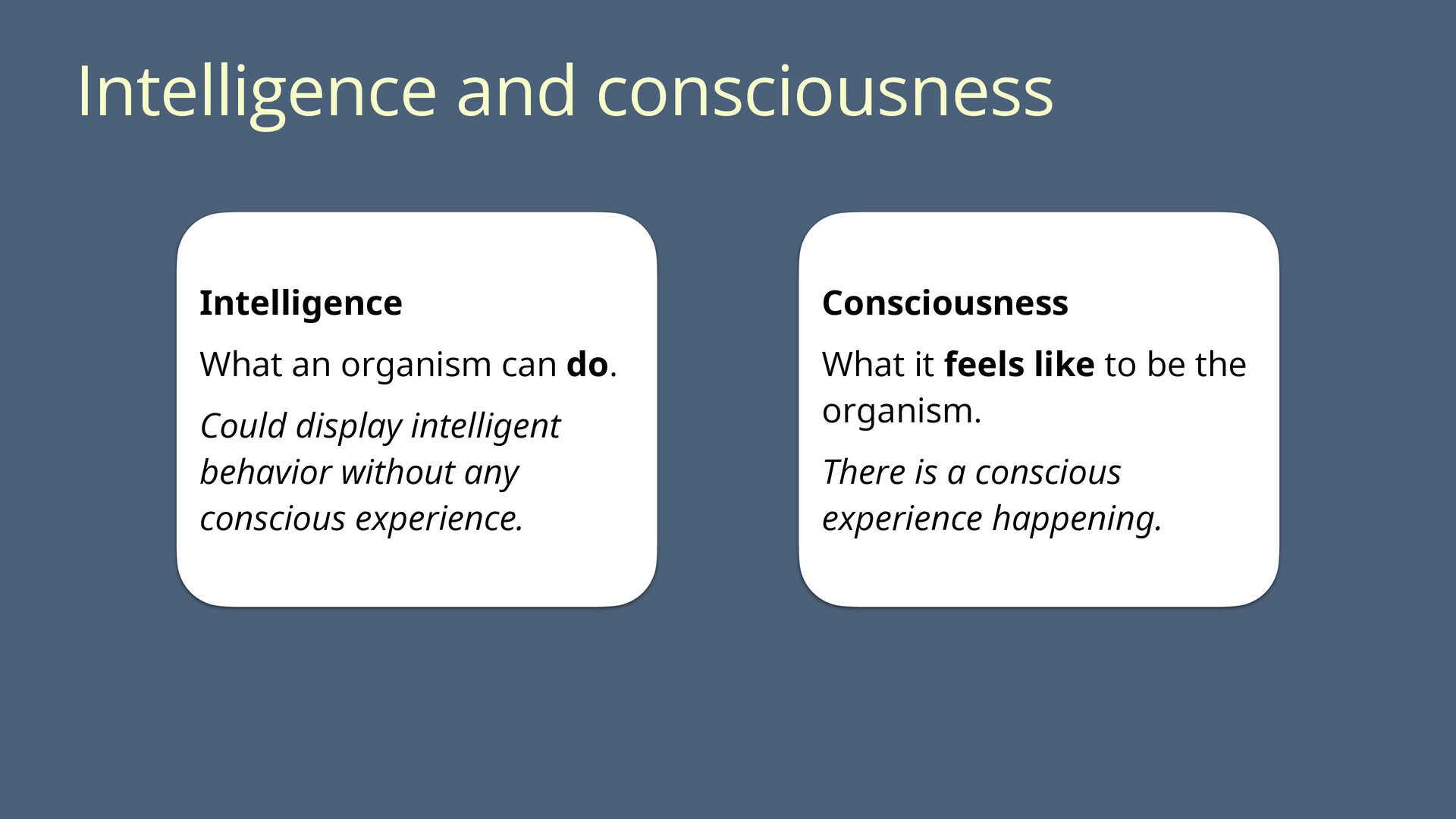
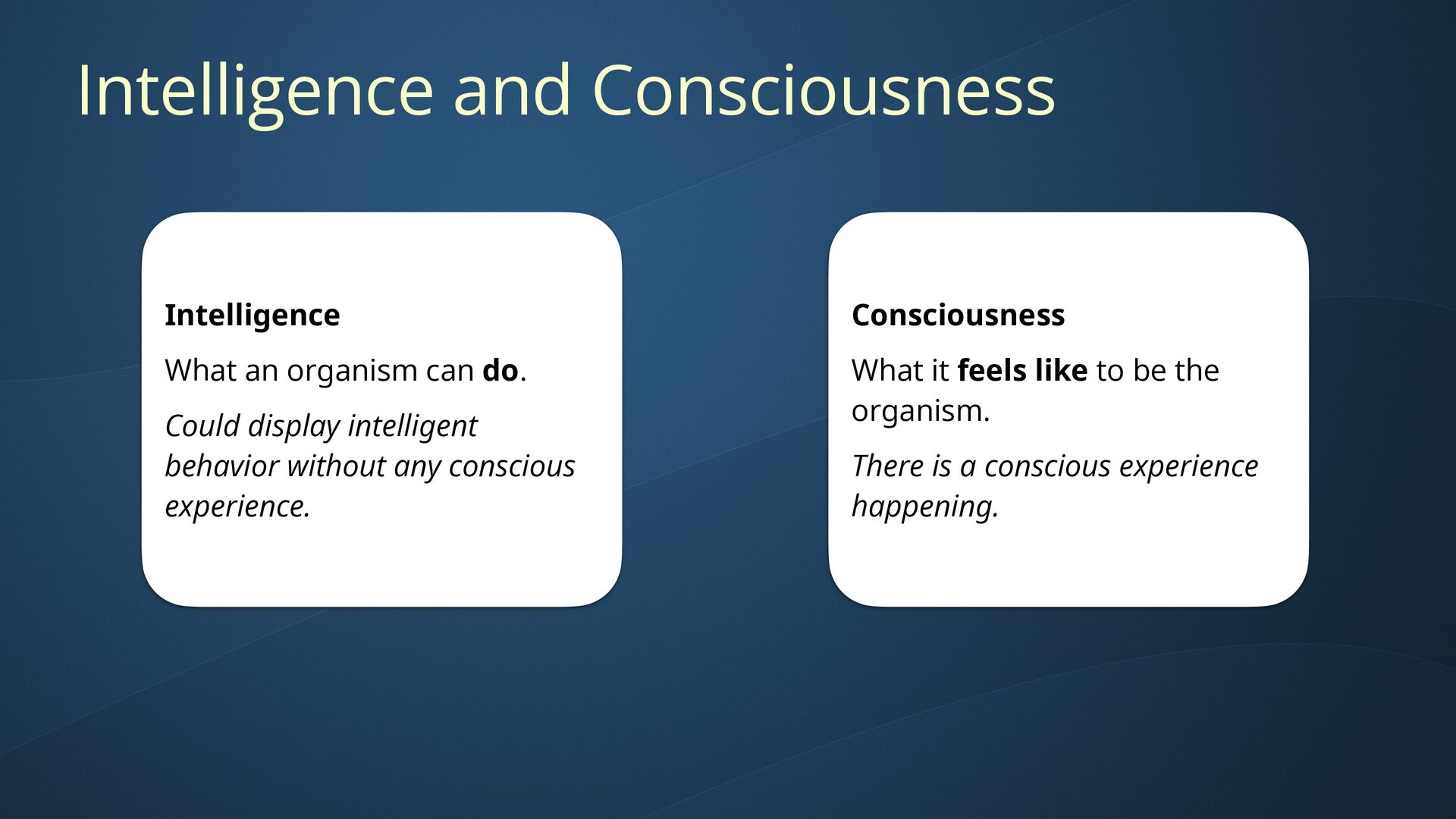
  7. ntelli ence Consciousness What an or anism can do. What

    it feels like to be the or anism. g g g g Could display intelli ent behavior without any conscious experience. g I Intelligence and consciousness There is a conscious experience happenin .
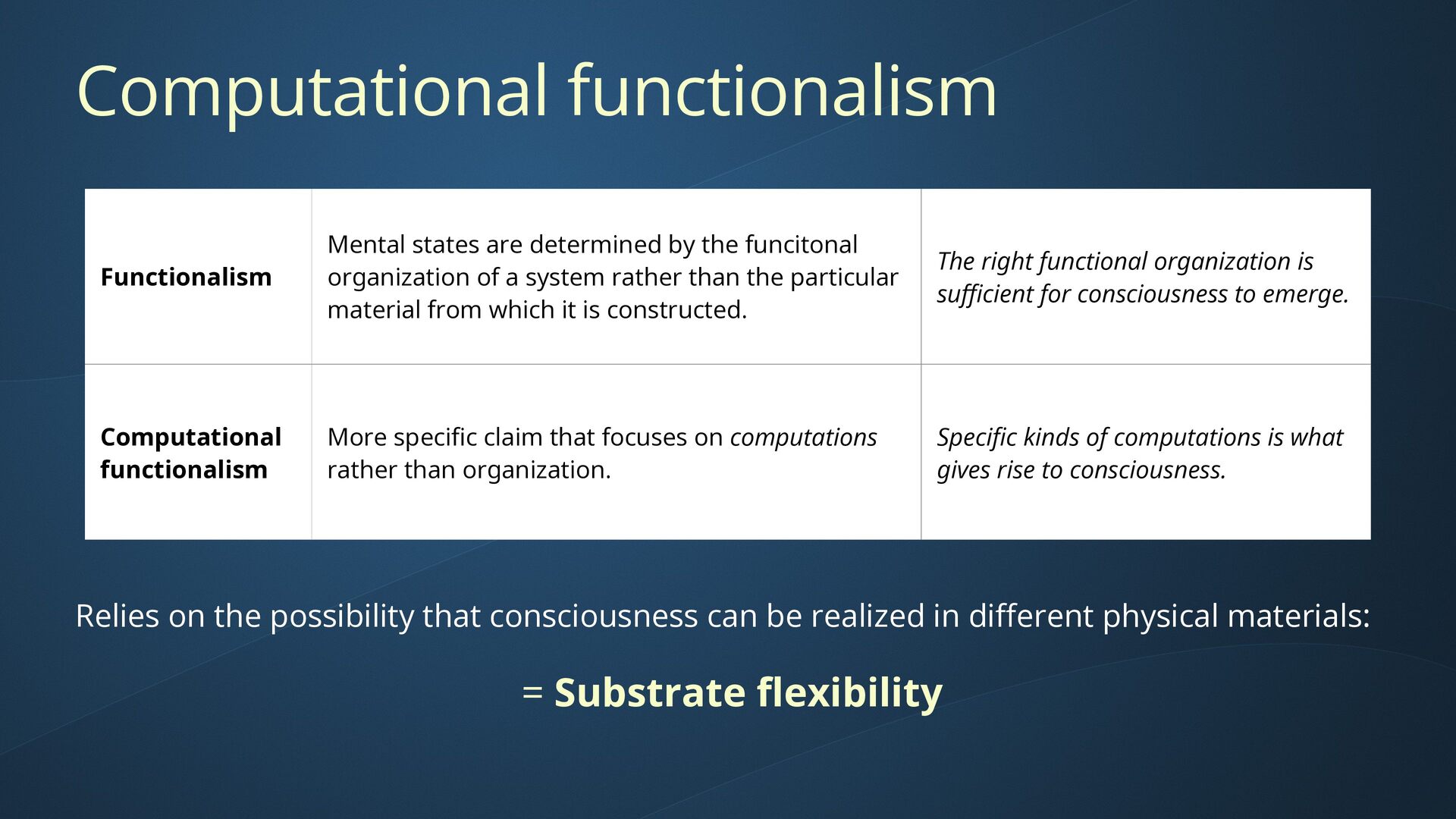
  8. Functionalism Mental states are determined by the funcitonal or anization

    of a system rather than the particular material from which it is constructed. The ri ht functional or anization is su cient for consciousness to emer e. Computational functionalism More speci c claim that focuses on computations rather than or anization. Speci c kinds of computations is what ives rise to consciousness. Relies on the possibility that consciousness can be realized in di erent physical materials: ff g fl g g fi g fi g = Substrate exibility ffi g Computational functionalism
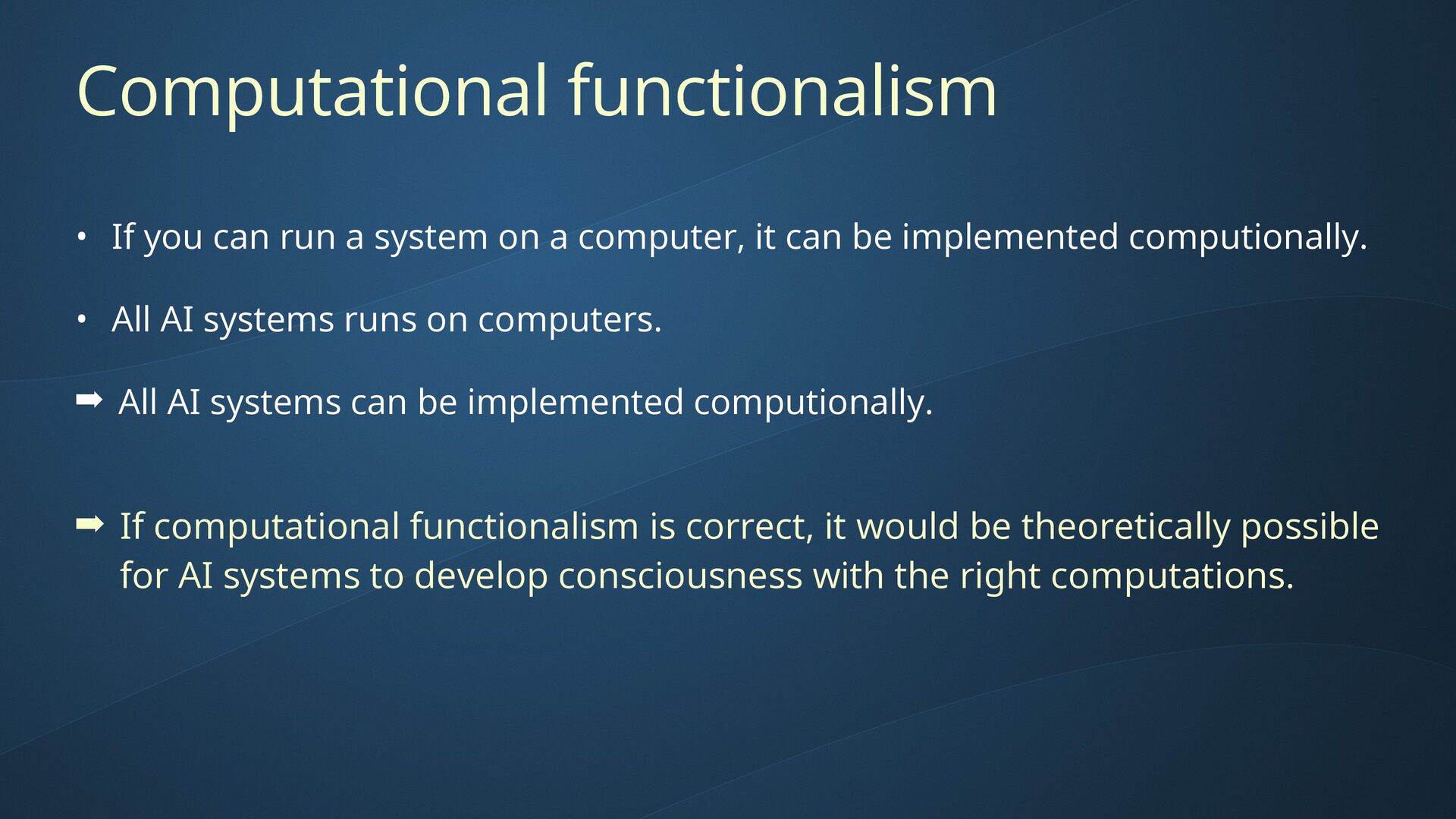
  9. • f you can run a system on a computer,

    it can be implemented computionally. • All A systems runs on computers. ➡ All A systems can be implemented computionally. g I I I ➡ f computational functionalism is correct, it would be theoretically possible for A systems to develop consciousness with the ri ht computations. I I Computational functionalism
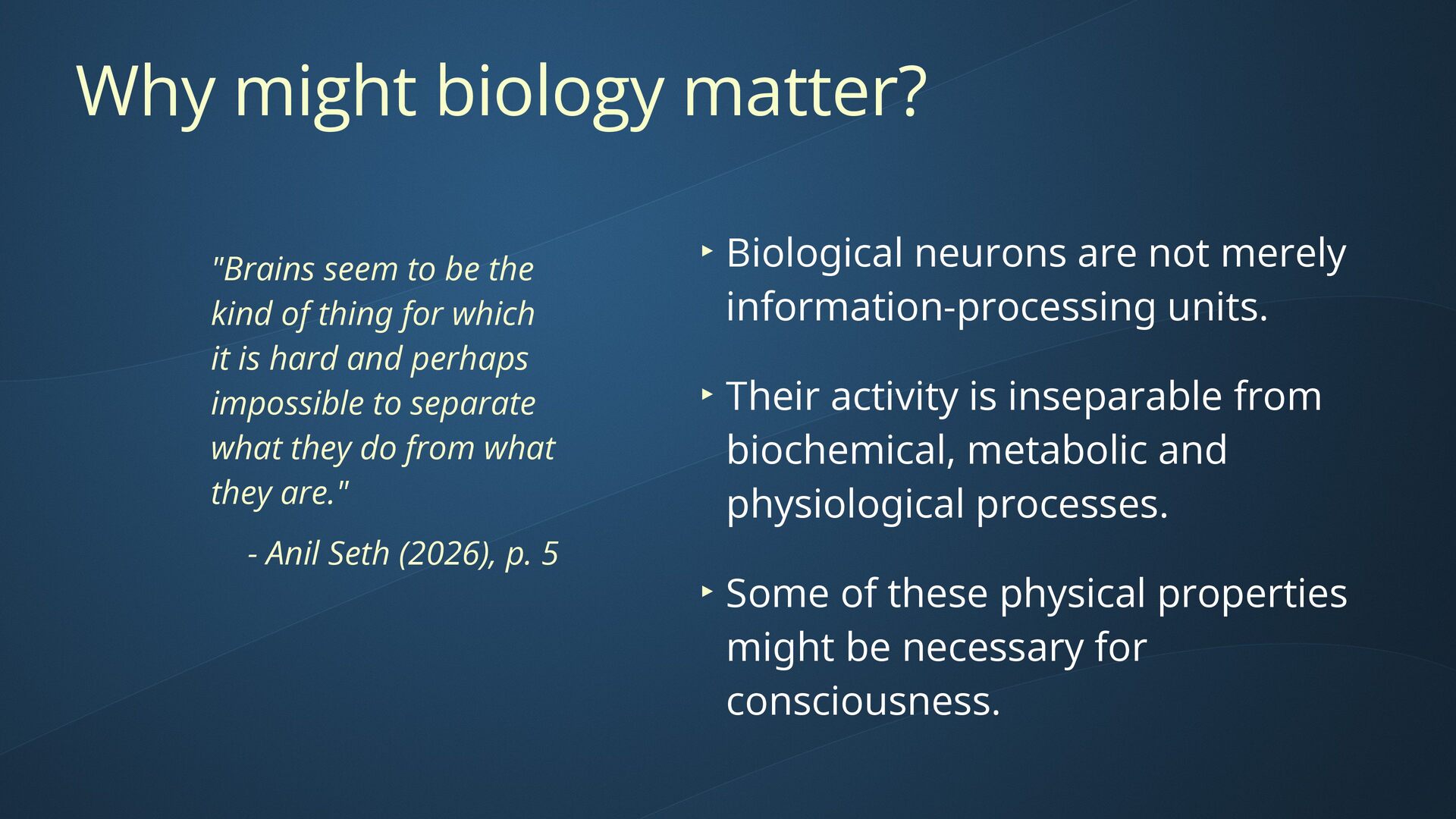
  10. Why might biology matter? "Brains seem to be the kind

    of thin for which it is hard and perhaps impossible to separate what they do from what they are." - Anil Seth (2026), p. 5 ‣ Biolo ical neurons are not merely information-processin units. ‣ Their activity is inseparable from biochemical, metabolic and physiolo ical processes. ‣ Some of these physical properties g g g g g mi ht be necessary for consciousness.
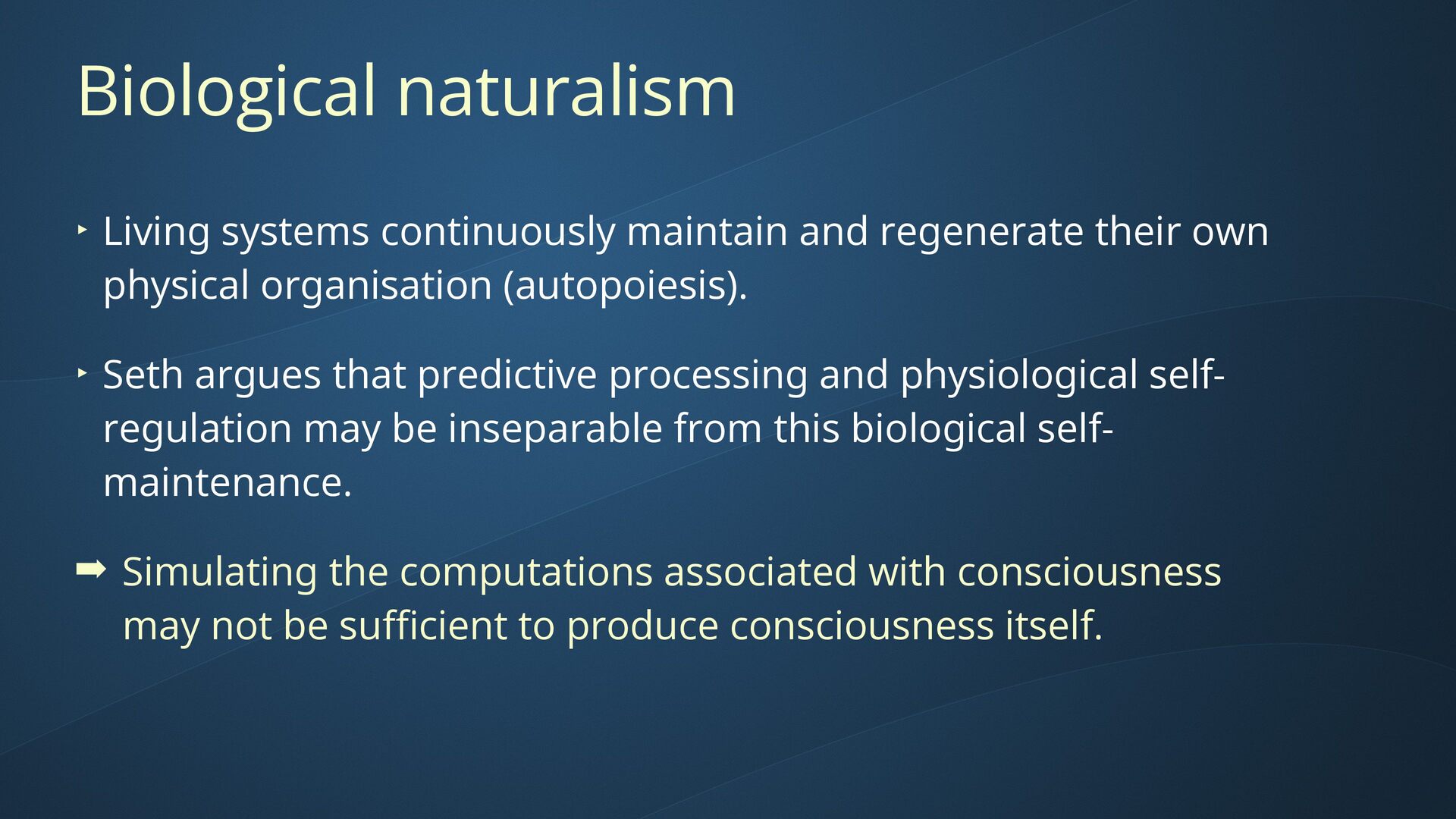
  11. Biological naturalism ‣ Livin systems continuously maintain and re enerate

    their own physical or anisation (autopoiesis). ‣ Seth ar ues that predictive processin and physiolo ical selfre ulation may be inseparable from this biolo ical selfmaintenance. g g g g ffi g g g g g ➡ Simulatin the computations associated with consciousness may not be su cient to produce consciousness itself.
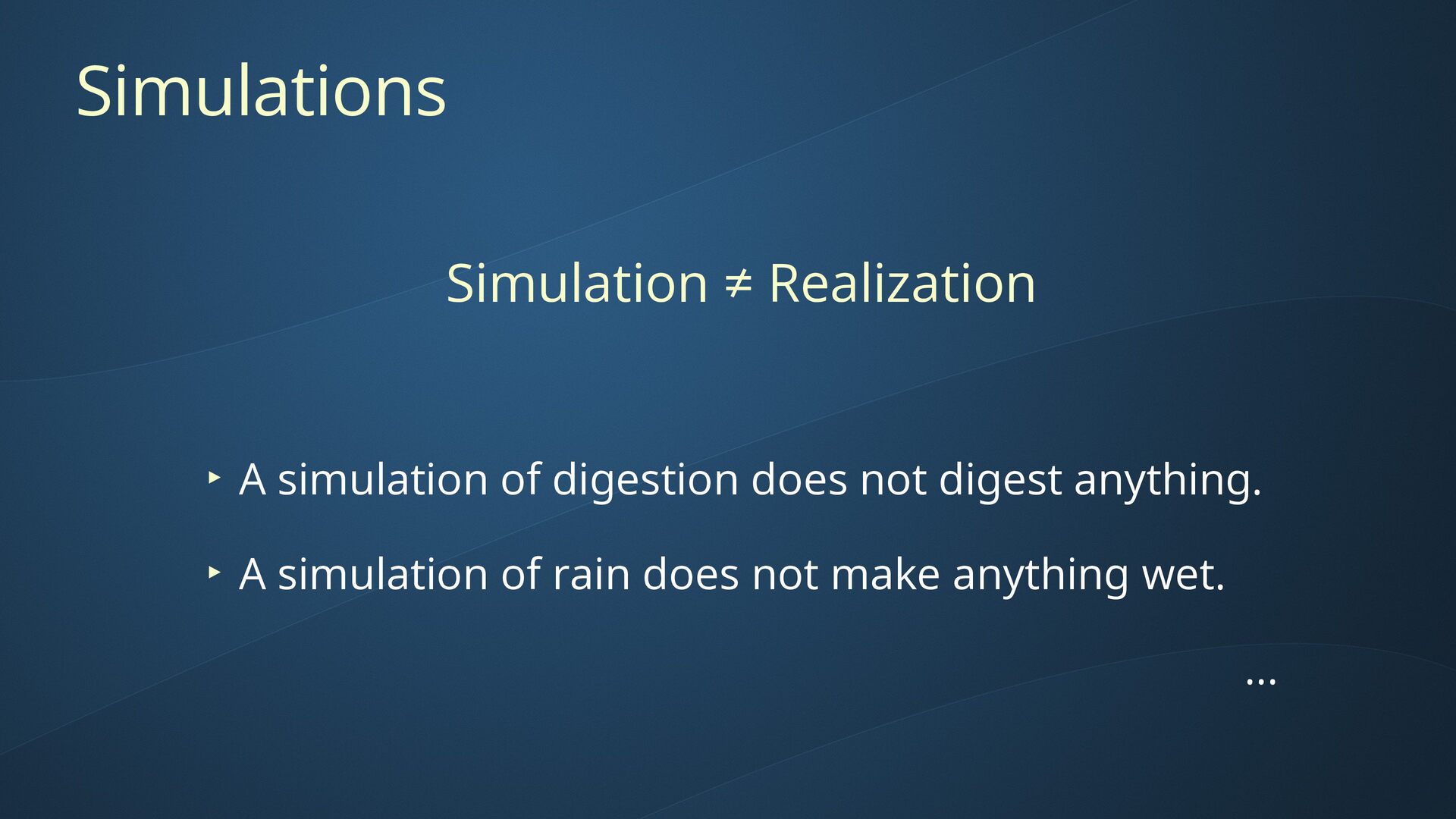
  12. Simulations Simulation ≠ Realization ‣ A simulation of di estion

    does not di est anythin . ‣ A simulation of rain does not make anythin wet. g g g g ...
  13. ntelli ence Consciousness What an or anism can do. What

    it feels like to be the or anism. g g g g Could display intelli ent behavior without any conscious experience. g I Intelligence and Consciousness There is a conscious experience happenin .
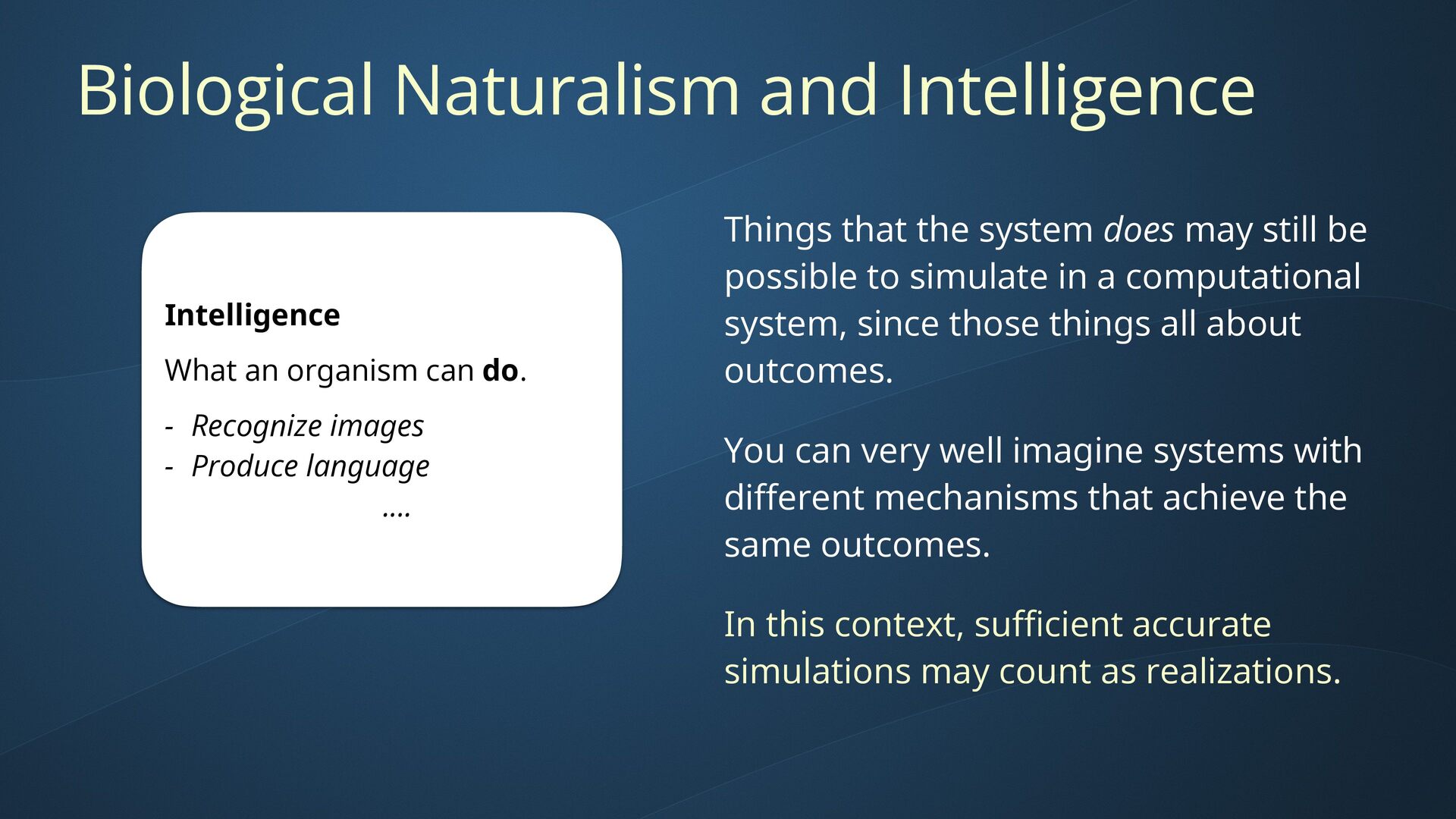
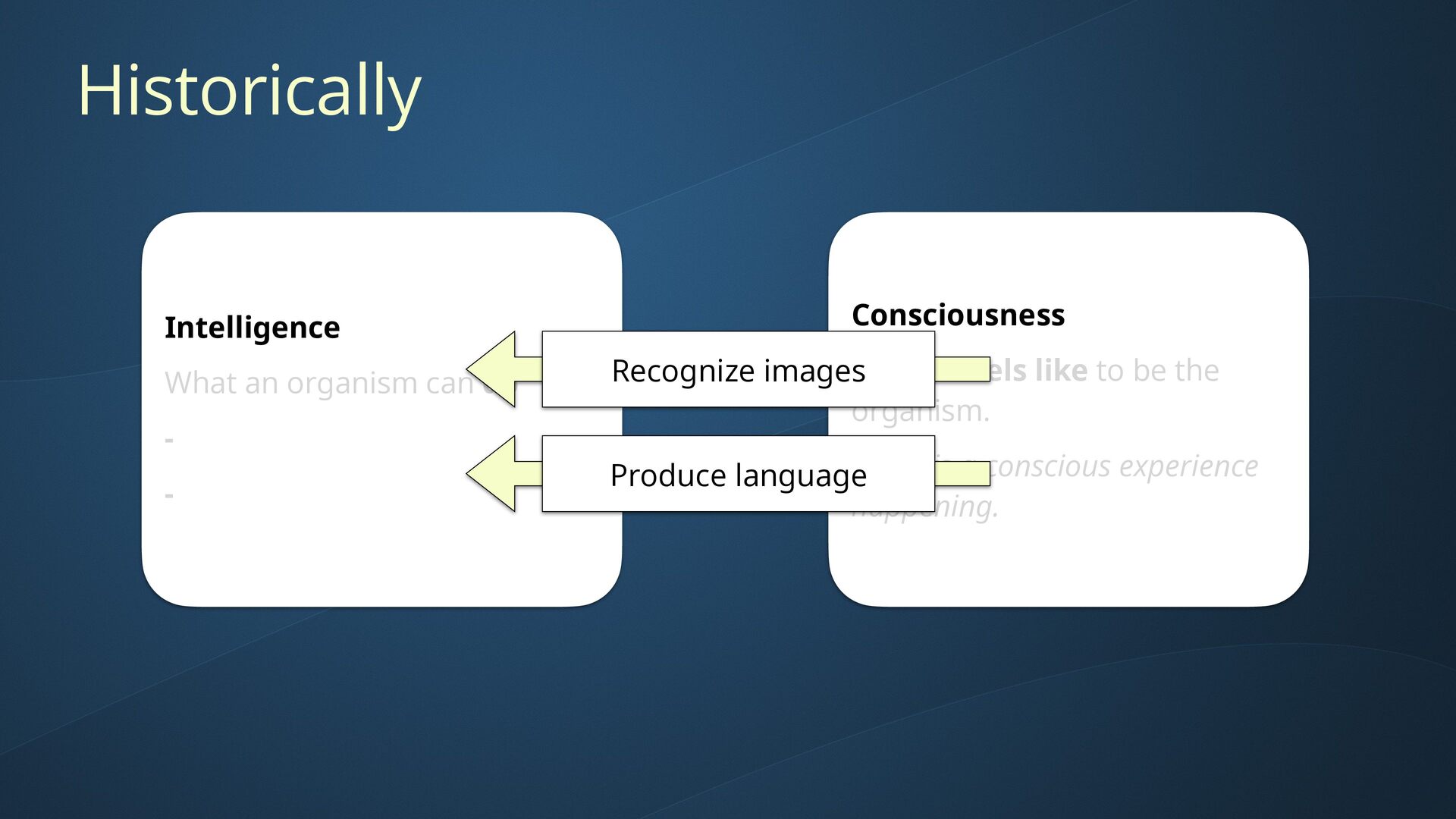
  14. ntelli ence What an or anism can do. - Reco

    nize ima es - Produce lan ua e .... Thin s that the system does may still be possible to simulate in a computational system, since those thin s all about outcomes. You can very well ima ine systems with di erent mechanisms that achieve the same outcomes. g g ffi g g g g g g g n this context, su cient accurate simulations may count as realizations. ff I I Biological Naturalism and Intelligence
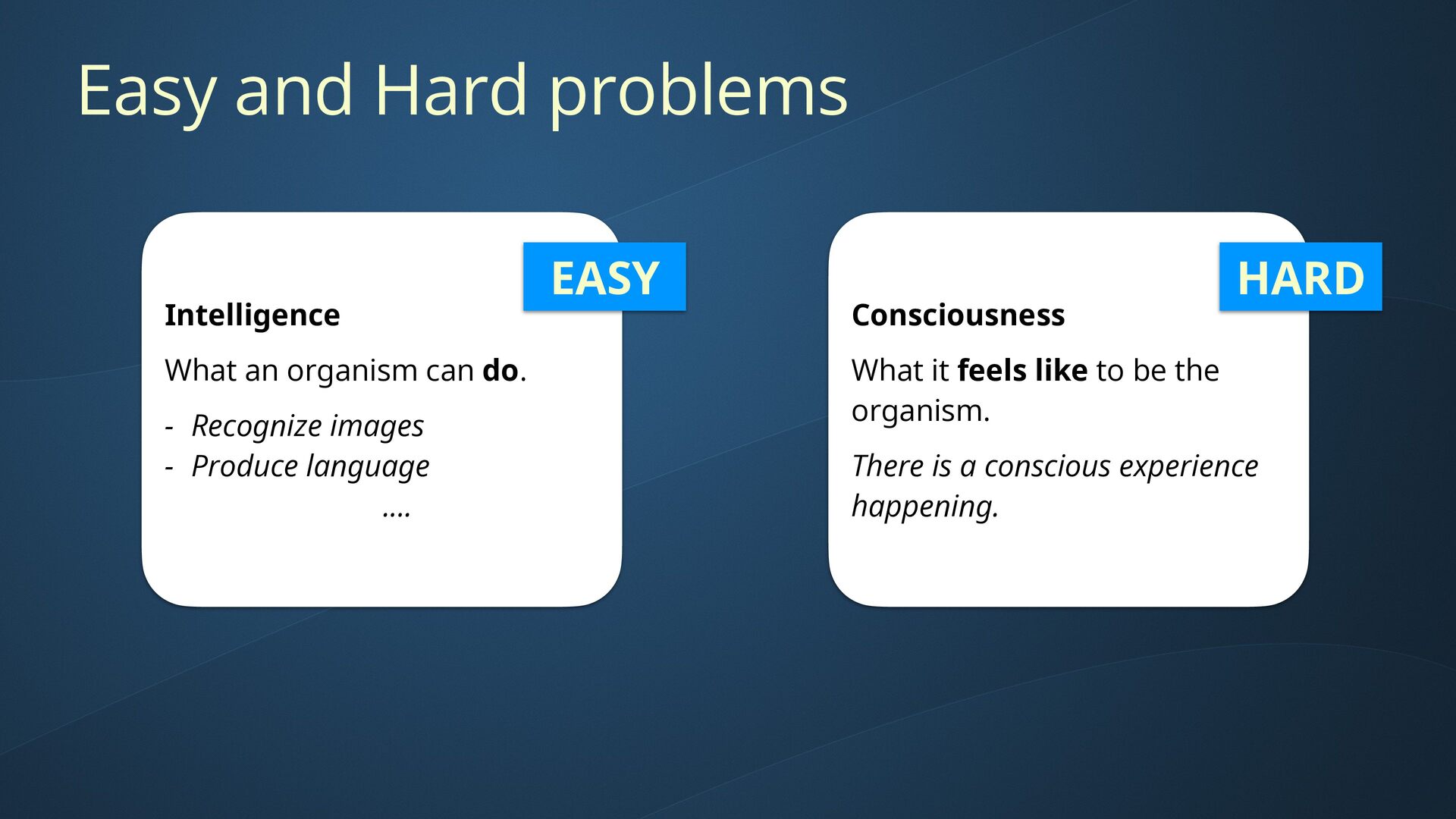
  15. ntelli ence What an or anism can do. g g

    g g g g g - Reco nize ima es - Produce lan ua e .... g I Easy and Hard problems EASY Consciousness HARD What it feels like to be the or anism. There is a conscious experience happenin .
  16. ntelli ence What an or anism can do - g

    g g g g g g Consciousness Reco nize ima esWhat it feels like to be the or anism. There is a conscious experience Produce lan ua e happenin . - g I Historically
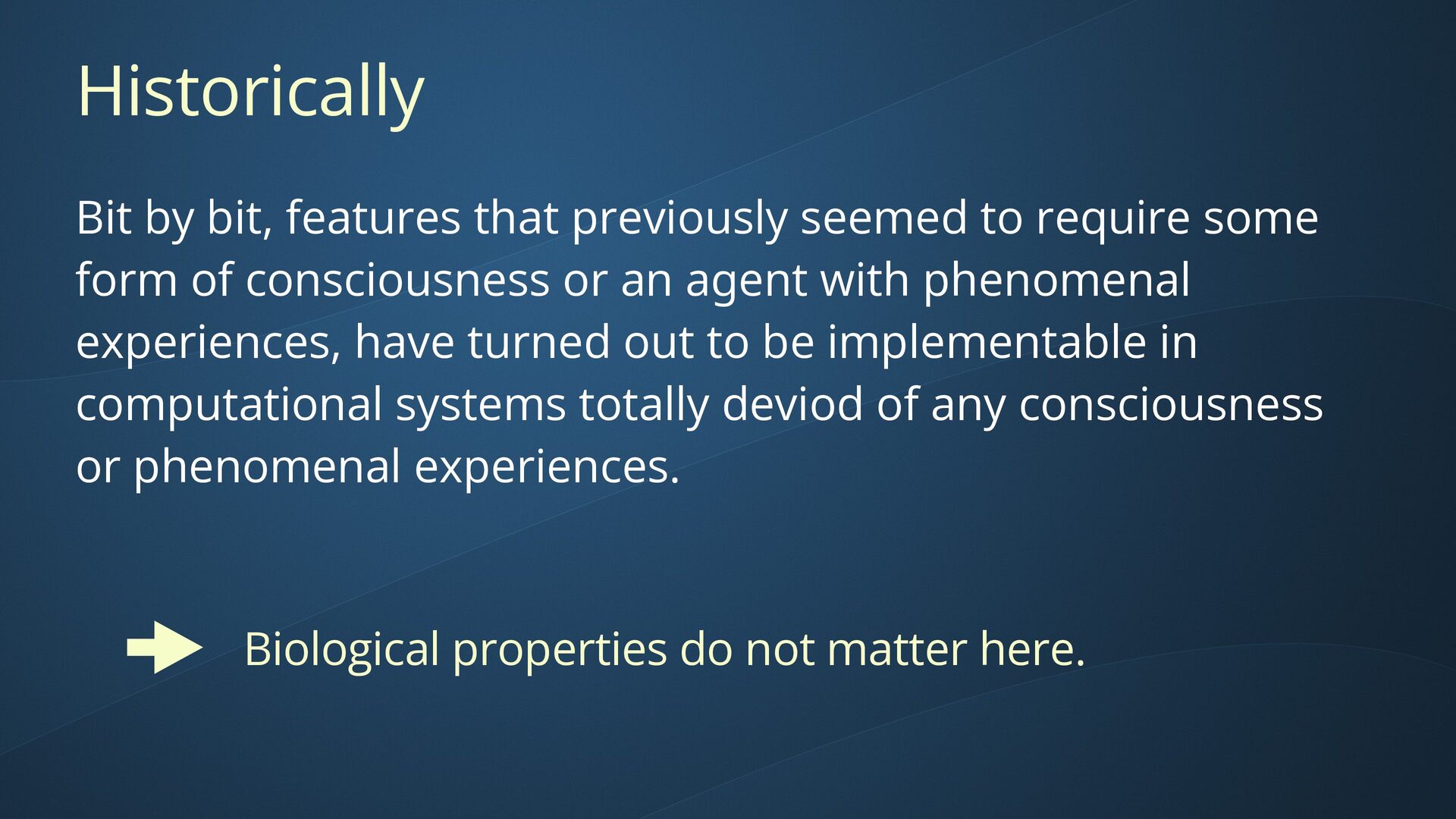
  17. Historically Bit by bit, features that previously seemed to require

    some form of consciousness or an a ent with phenomenal experiences, have turned out to be implementable in computational systems totally deviod of any consciousness or phenomenal experiences. g Biological properties do not matter here.
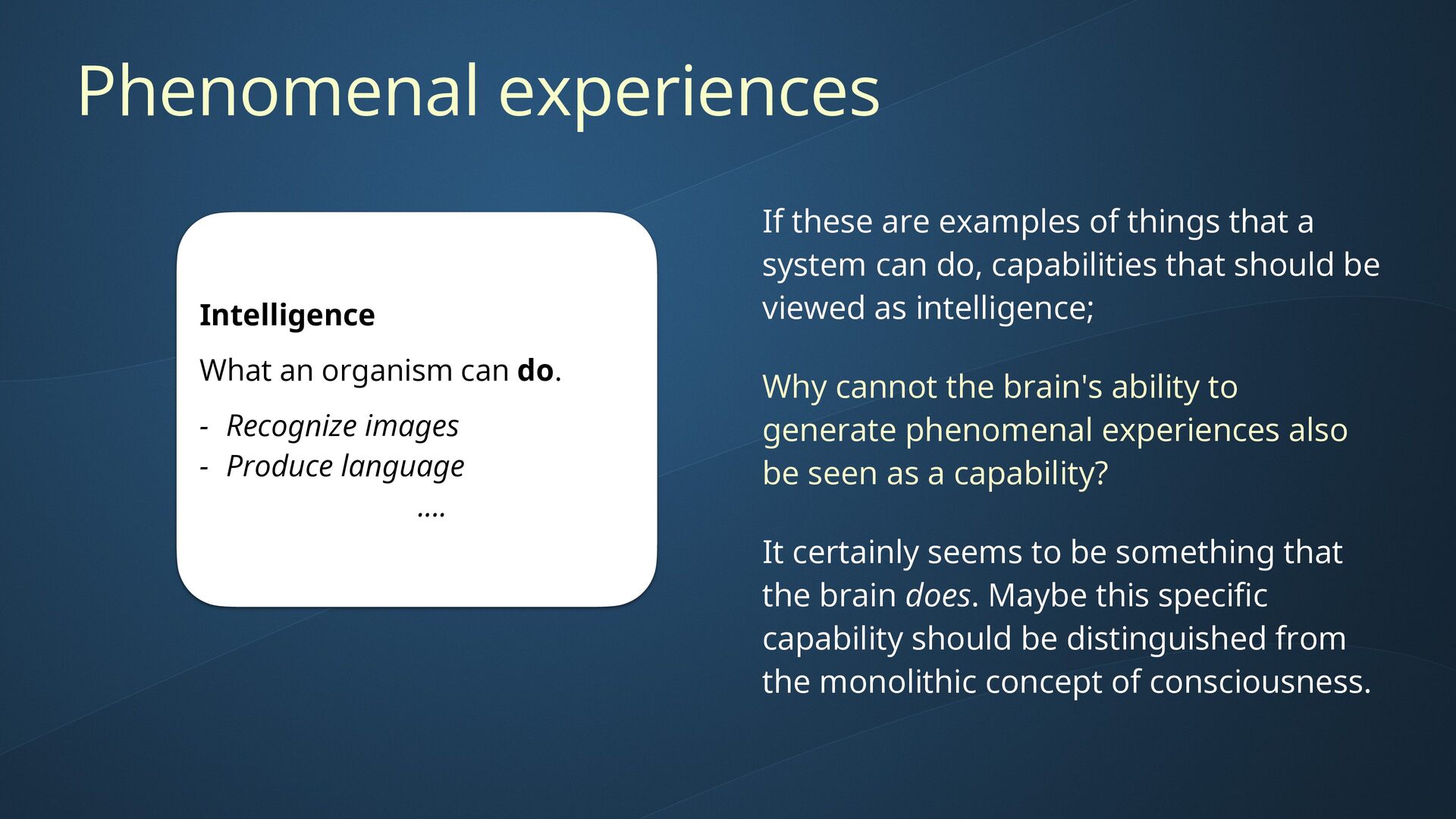
  18. f these are examples of thin s that a system

    can do, capabilities that should be viewed as intelli ence; ntelli ence What an or anism can do. - Reco nize ima es - Produce lan ua e .... Why cannot the brain's ability to enerate phenomenal experiences also be seen as a capability? g fi g g g g g g g g t certainly seems to be somethin that the brain does. Maybe this speci c capability should be distin uished from the monolithic concept of consciousness. g I I g I Phenomenal experiences
  19. Deconstructing consciousness fi g g fi Deconstructin consciousness into its

    component parts in this way would be the rst step toward a future scienti c understandin of consciousness.
  20. f we can nd mechanisms that can enerate somethin like

    phenomenal experiences, it would si ni cantly advance our quest to understand subjectivity and consciousness. We don't need to solve the hard problem of consciousness before we can investi ate the mechanisms responsible for constructin the world we experience. g g fi g g g g ➡ A methodolo ical decomposition of the problem of consciousness. fi I Deconstructing consciousness
  21. Now, how do we do this? g To be in

    with, the phenomenal aspect of subjectivity has everythin to do with the brain's capability to enerate immersive worlds. g g Phenomenal experiences
  22. Existence proof Can we nd any technolo y now in

    use that achieves somethin similar to this? A technique that produces a comparable immersive world, and could be used as an existence proof to demonstrate that at least this feature can be implemented, computationally? g g I g fi And would that also ali n with a predictive inference framework like A F with "controlled hallucinations"?
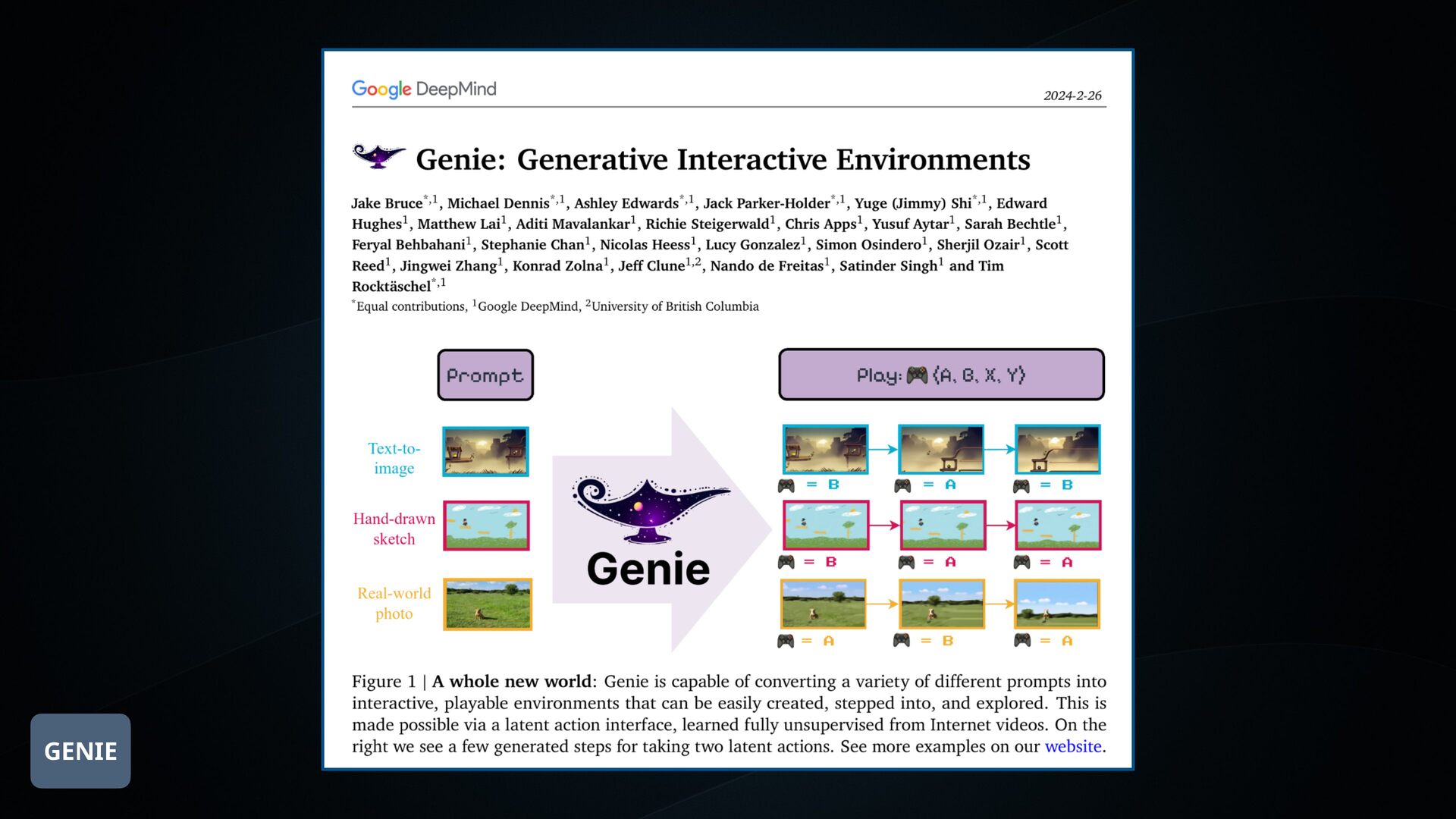
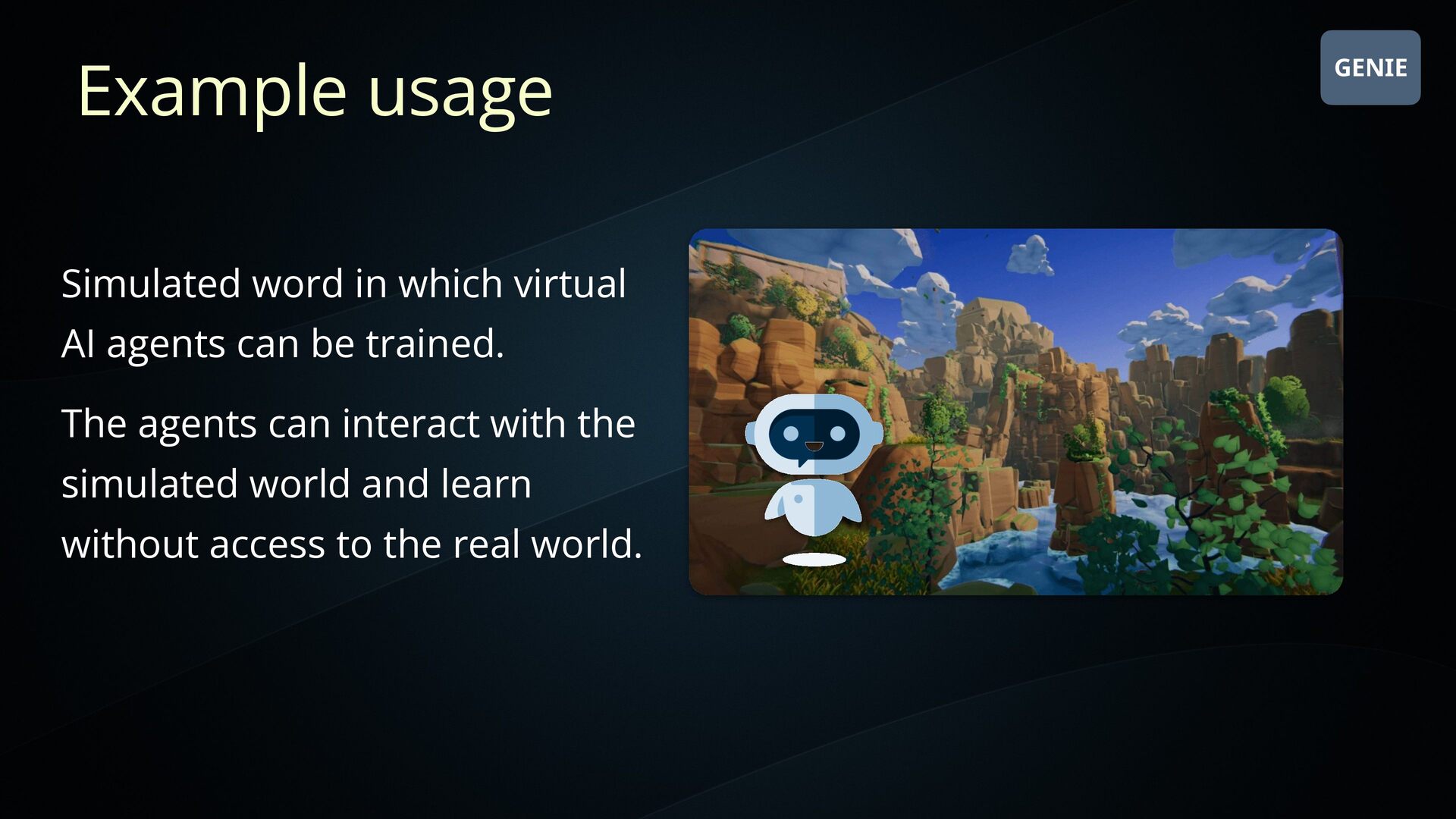
  23. Example usage Simulated word in which virtual AI agents can

    be trained. The agents can interact with the simulated world and learn I without access to the real world. GEN E
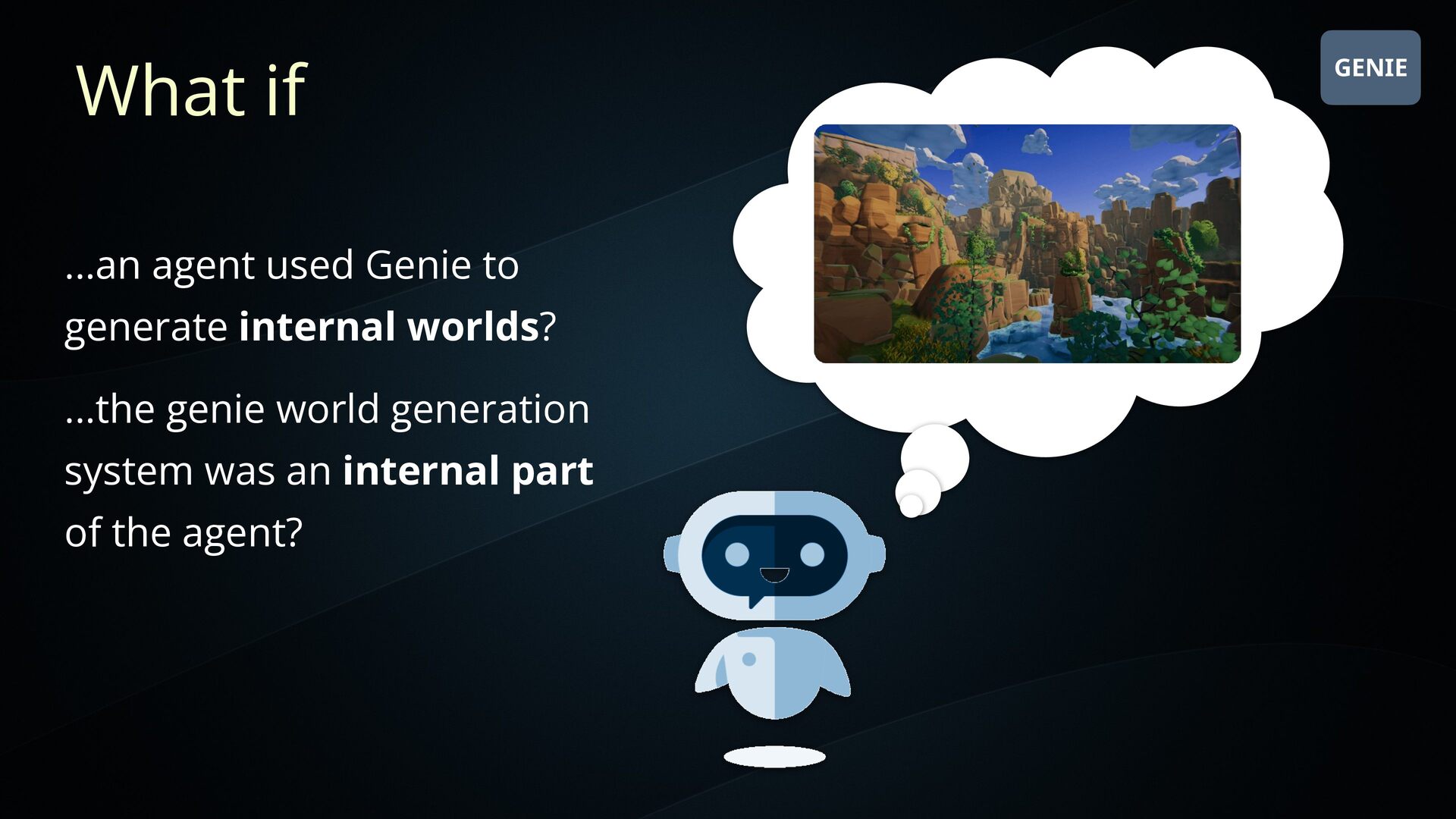
  24. What if ...an agent used Genie to generate internal worlds?

    ...the genie world generation system was an internal part I of the agent? GEN E
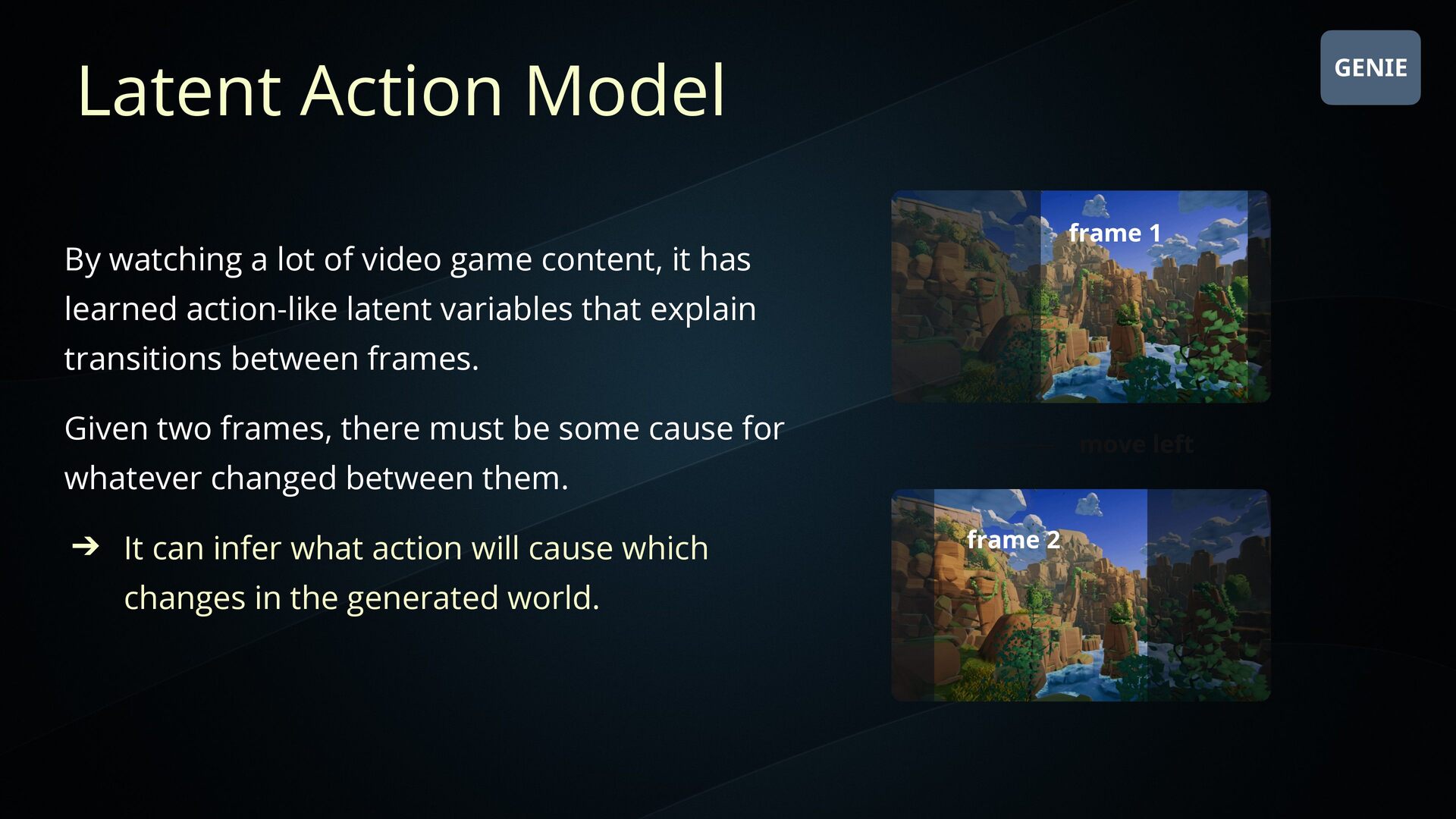
  25. Latent Action Model GEN E frame 1 By watching a

    lot of video game content, it has learned action-like latent variables that explain transitions between frames. Given two frames, there must be some cause for move left whatever changed between them. ➔ It can infer what action will cause which I changes in the generated world. frame 2
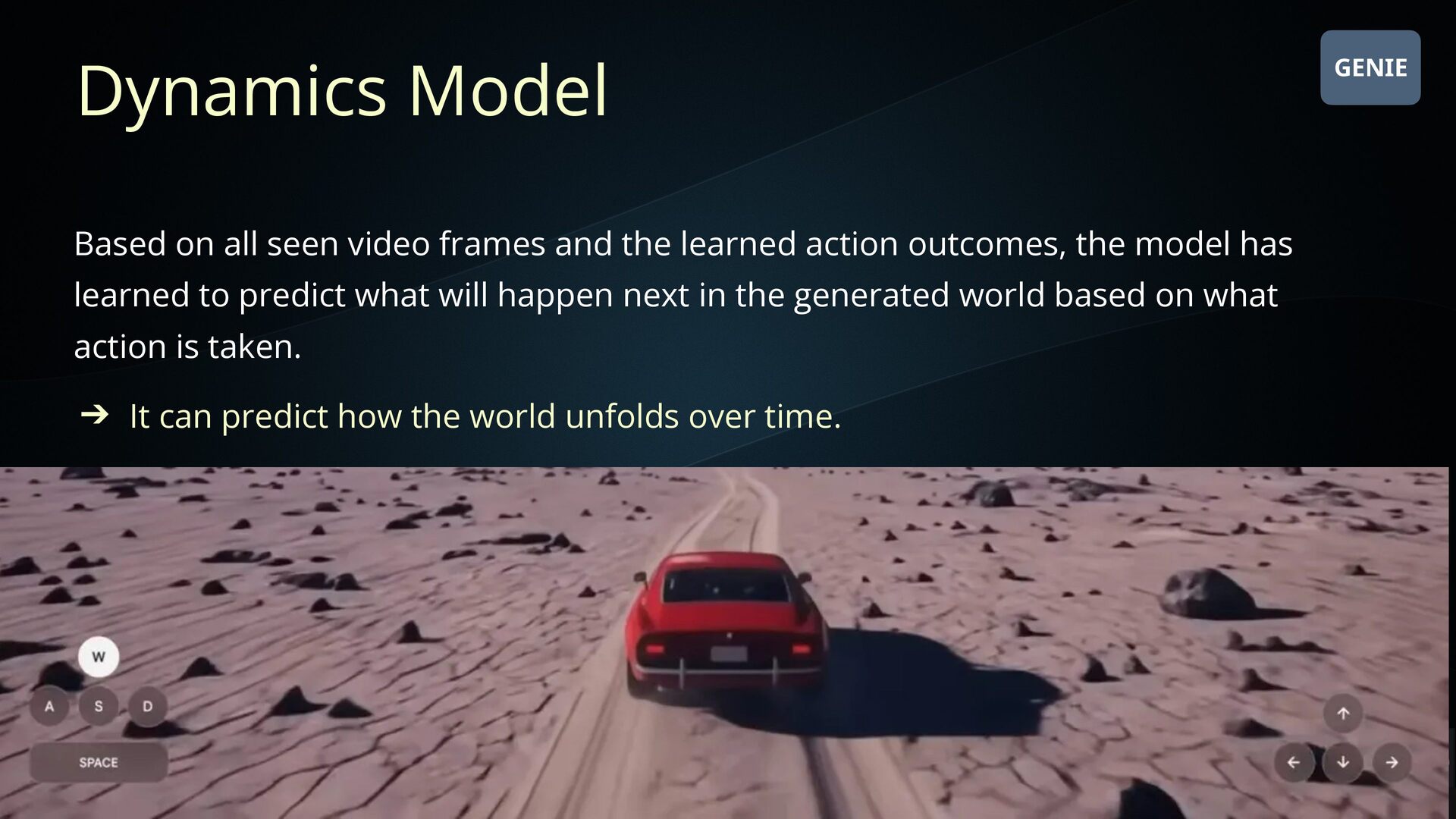
  26. Dynamics Model Based on all seen video frames and the

    learned action outcomes, the model has learned to predict what will happen next in the generated world based on what action is taken. ➔ It can predict how the world unfolds over time. I UNIVERSITY OF GOTHENBURG | COLLEGIUM OF COGNITIVE SCIENCE GEN E
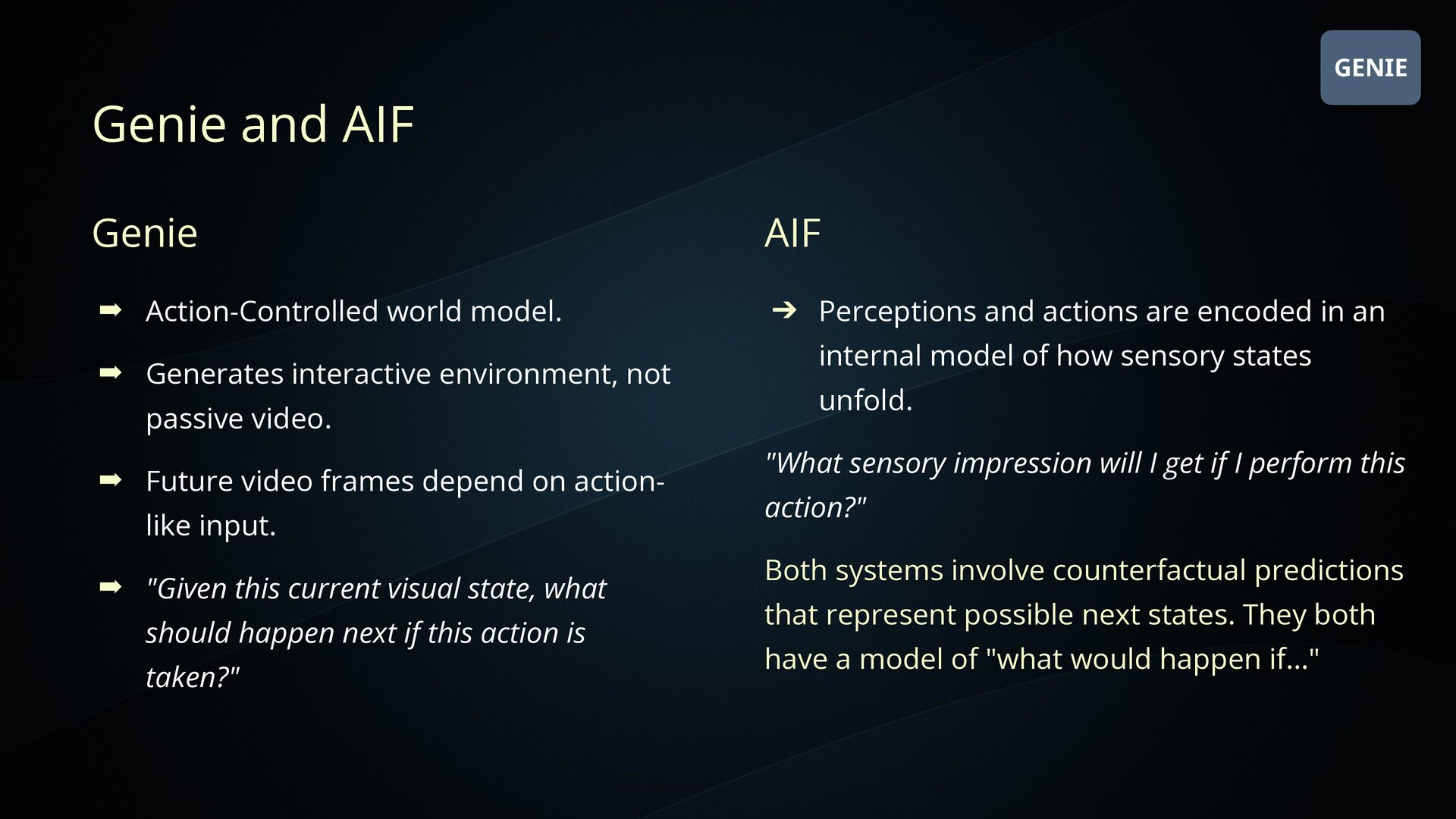
  27. GEN E Genie and AIF Genie AIF ➡ Action-Controlled world

    model. ➔ Perceptions and actions are encoded in an ➡ Generates interactive environment, not passive video. ➡ Future video frames depend on actionlike input. ➡ "Given this current visual state, what should happen next if this action is I taken?" internal model of how sensory states unfold. "What sensory impression will I get if I perform this action?" Both systems involve counterfactual predictions that represent possible next states. They both have a model of "what would happen if..."
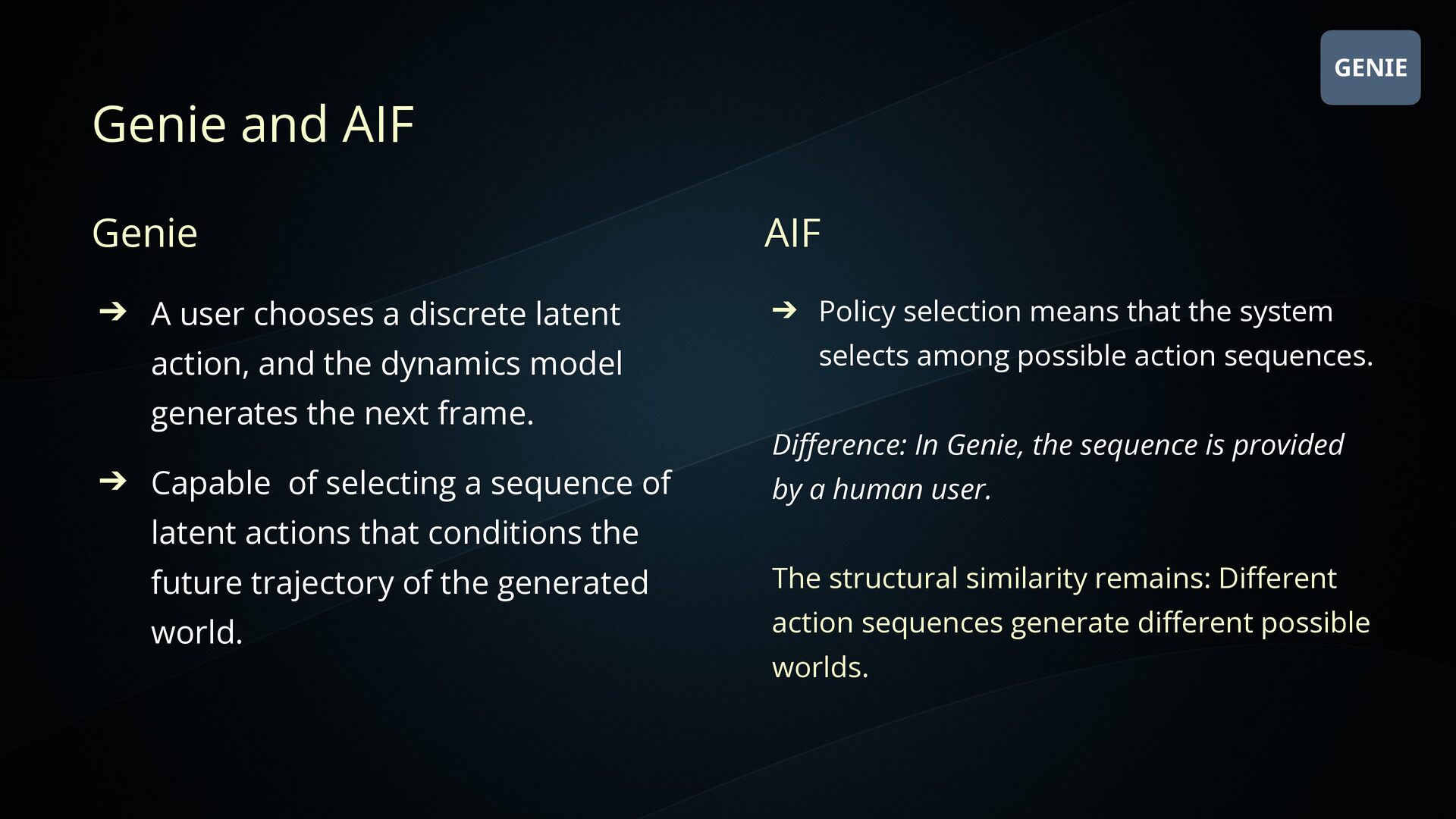
  28. GEN E Genie and AIF Genie AIF ➔ A user

    chooses a discrete latent ➔ Policy selection means that the system action, and the dynamics model generates the next frame. ➔ Capable of selecting a sequence of selects among possible action sequences. Difference: In Genie, the sequence is provided by a human user. latent actions that conditions the future trajectory of the generated I world. The structural similarity remains: Different action sequences generate different possible worlds.
  29. What Genie demonstrates g g Computational systems can learn actionconditioned

    enerative models capable of producin coherent, interactive representations of immersive worlds.
  30. Deconstructing Consciousness By separatin world modelin , prediction, action selection,

    embodiment and subjective experience, we can investi ate which components are computationally realizable. g g g g g g ff Rather than treatin phenomenal consciousness as a sin le, indivisible explanandum, we can identify the di erent capacities and mechanisms involved in producin the rich, structured experiences we all have.
  31. What remains unexplained? g What additional properties are required for

    an internally enerated world to become a consciously experienced world?

More Decks by Andreas Chatzopoulos

Other Decks in Research