beginnings are situated in the 1950s. For us, in the Argentina of that era, there was no doubt that we were a part of “Western culture.” For that reason, some of our subsequent categorical judgments are a natural expression of someone who opposes himself… There existed no possibility whatsoever for a specifically Latin American philosophy. It is difficult to evoke in the present the firm hold that the European model of philosophy had on us.” Enrique Dussel | Hernández
is heterogeneous and at times incoherent, hybrid, and even in a certain way marginal in comparison to European culture. But what is most tragic is when the very existence of such a culture is ignored, since what is relevant is that, at any rate, there exists a culture in Latin America. Although some may deny it, its originality is evident, in art, in the style of life.” –The Achievement of Latin American Consciousness, 1969 Enrique Dussel | Hernández
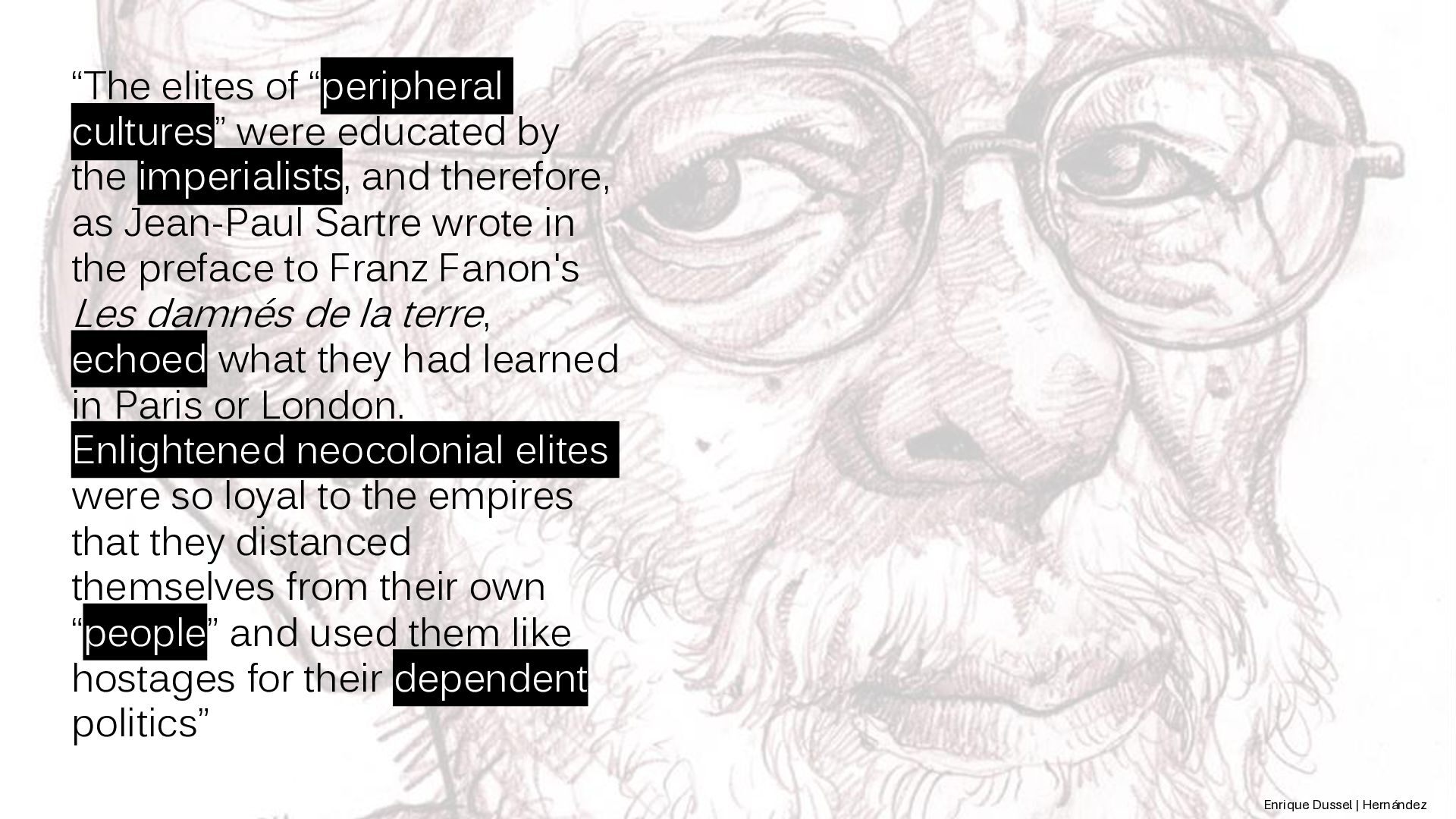
and therefore, as Jean-Paul Sartre wrote in the preface to Franz Fanon's Les damnés de la terre, echoed what they had learned in Paris or London. Enlightened neocolonial elites were so loyal to the empires that they distanced themselves from their own “people” and used them like hostages for their dependent politics” Enrique Dussel | Hernández
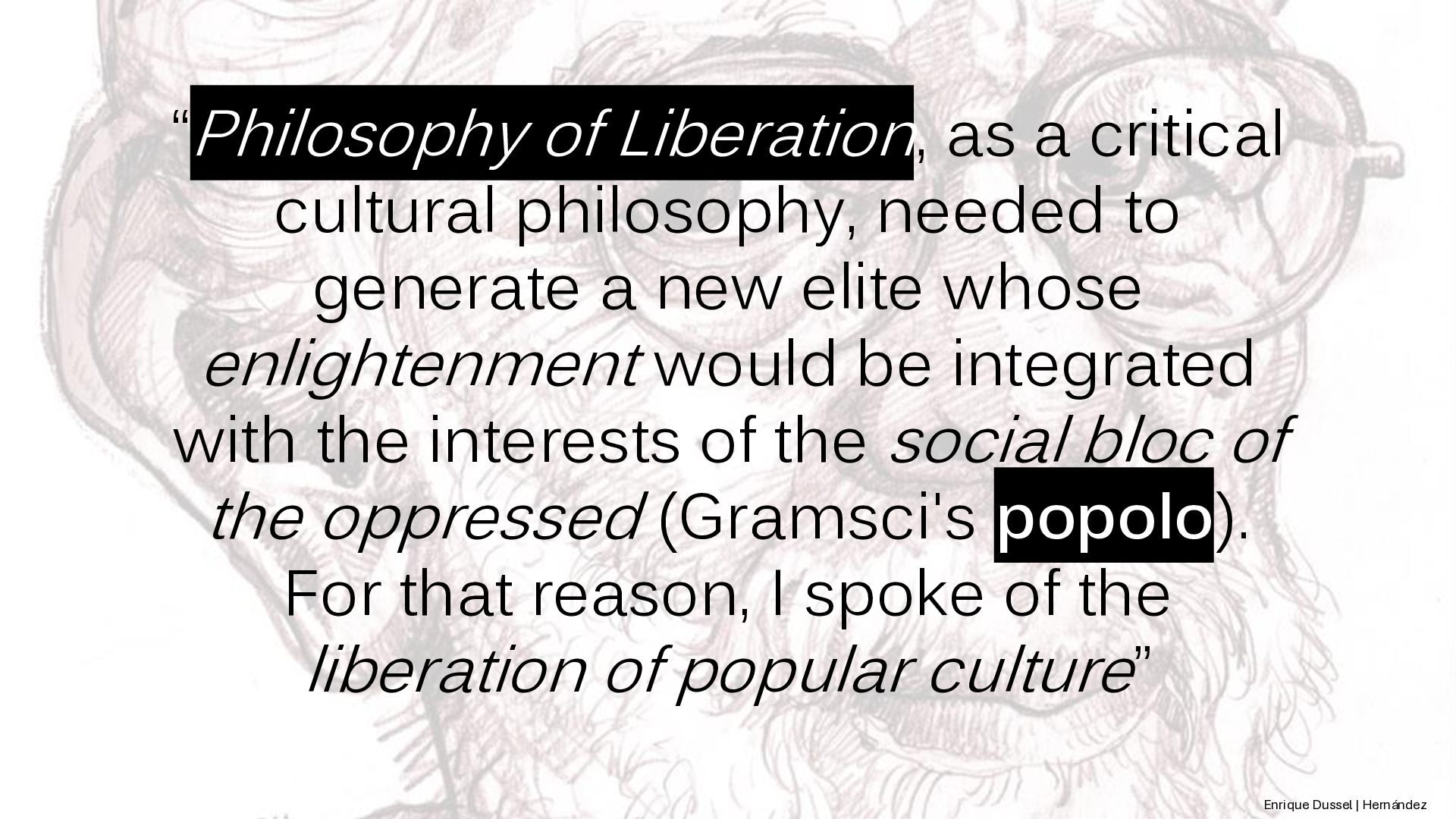
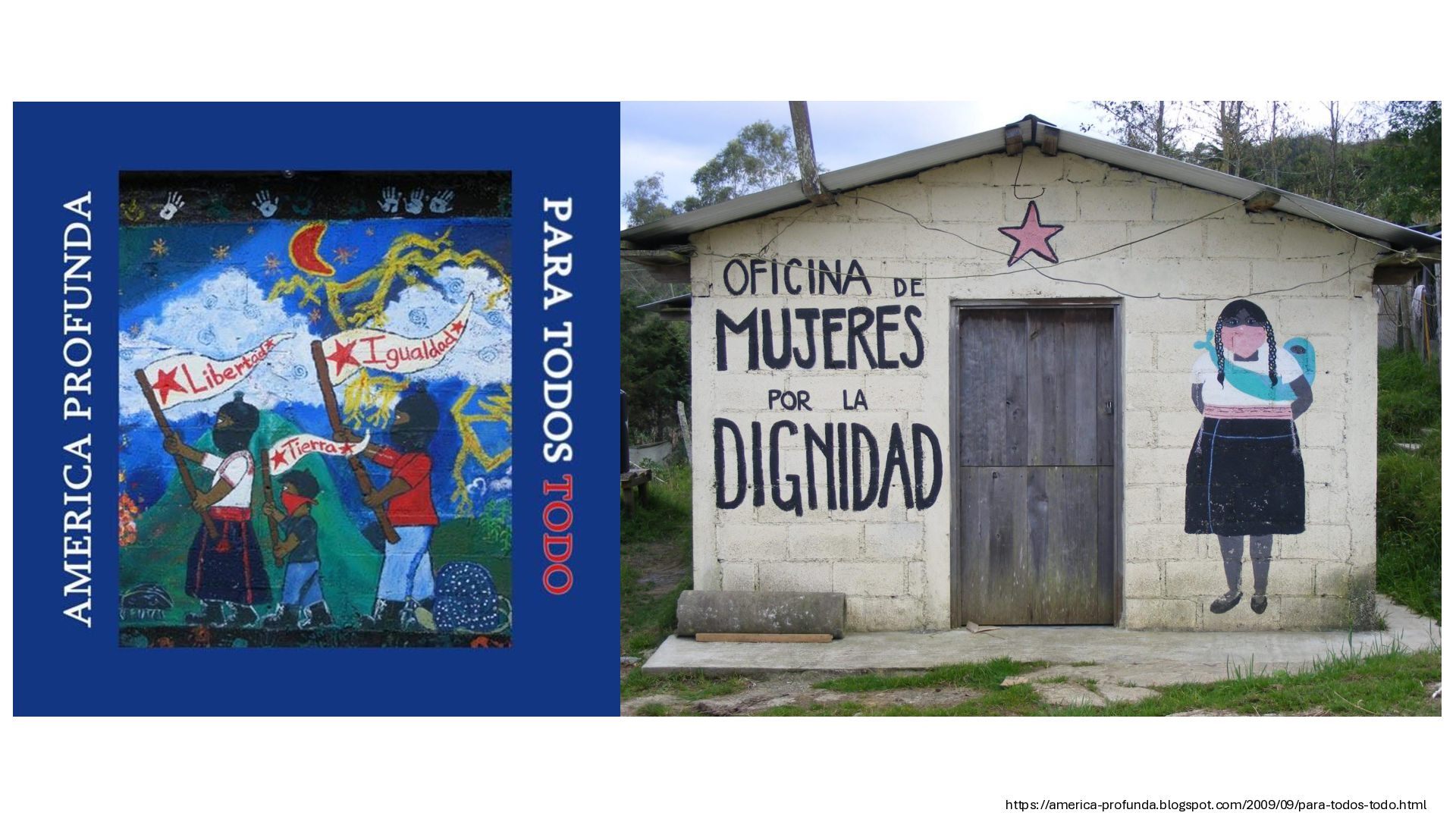
generate a new elite whose enlightenment would be integrated with the interests of the social bloc of the oppressed (Gramsci's popolo). For that reason, I spoke of the liberation of popular culture” Enrique Dussel | Hernández
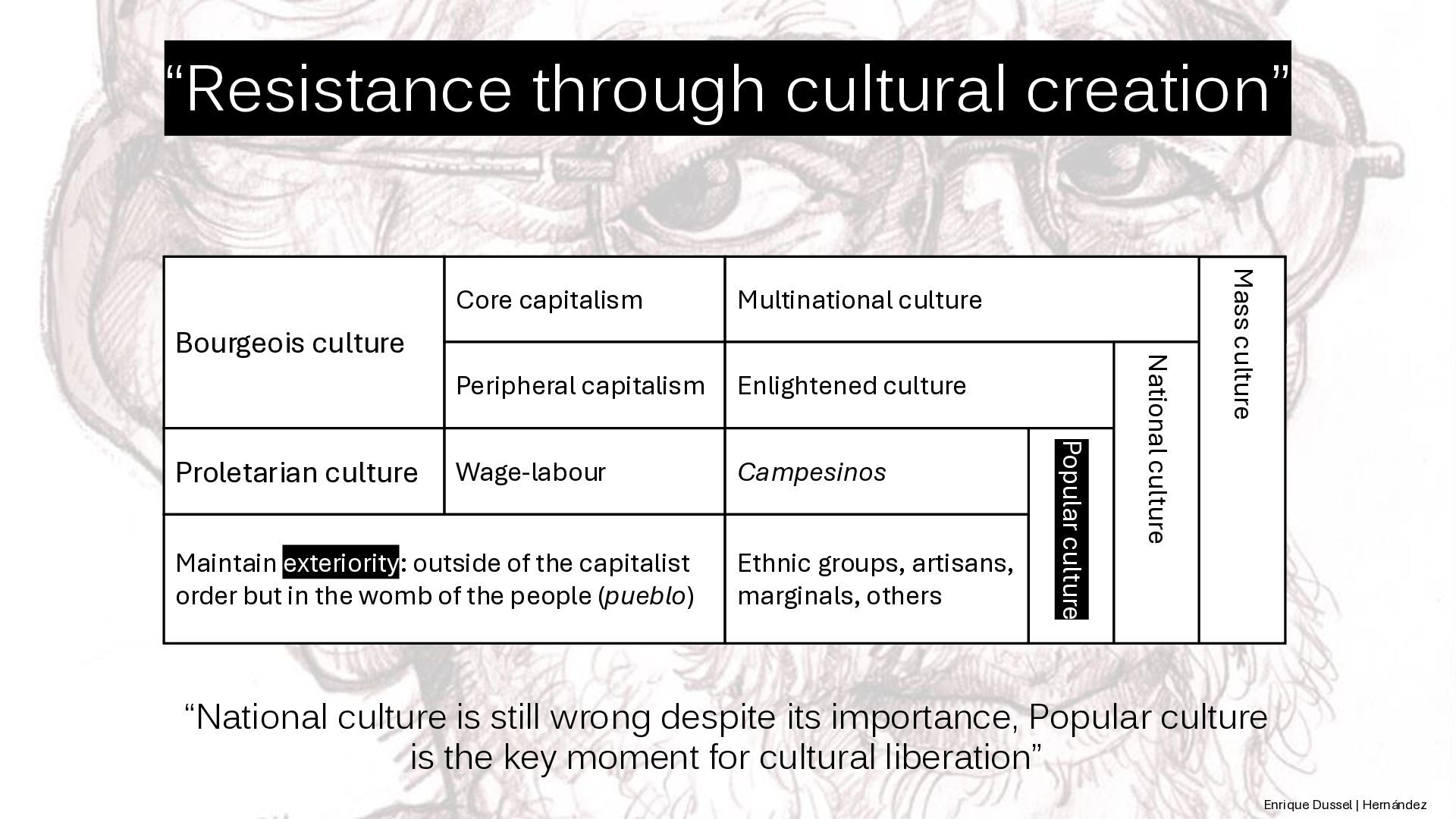
Bourgeois culture Maintain exteriority: outside of the capitalist order but in the womb of the people (pueblo) Ethnic groups, artisans, marginals, others Popular culture Proletarian culture Mass culture Multinational culture National culture Core capitalism “National culture is still wrong despite its importance, Popular culture is the key moment for cultural liberation” Enrique Dussel | Hernández
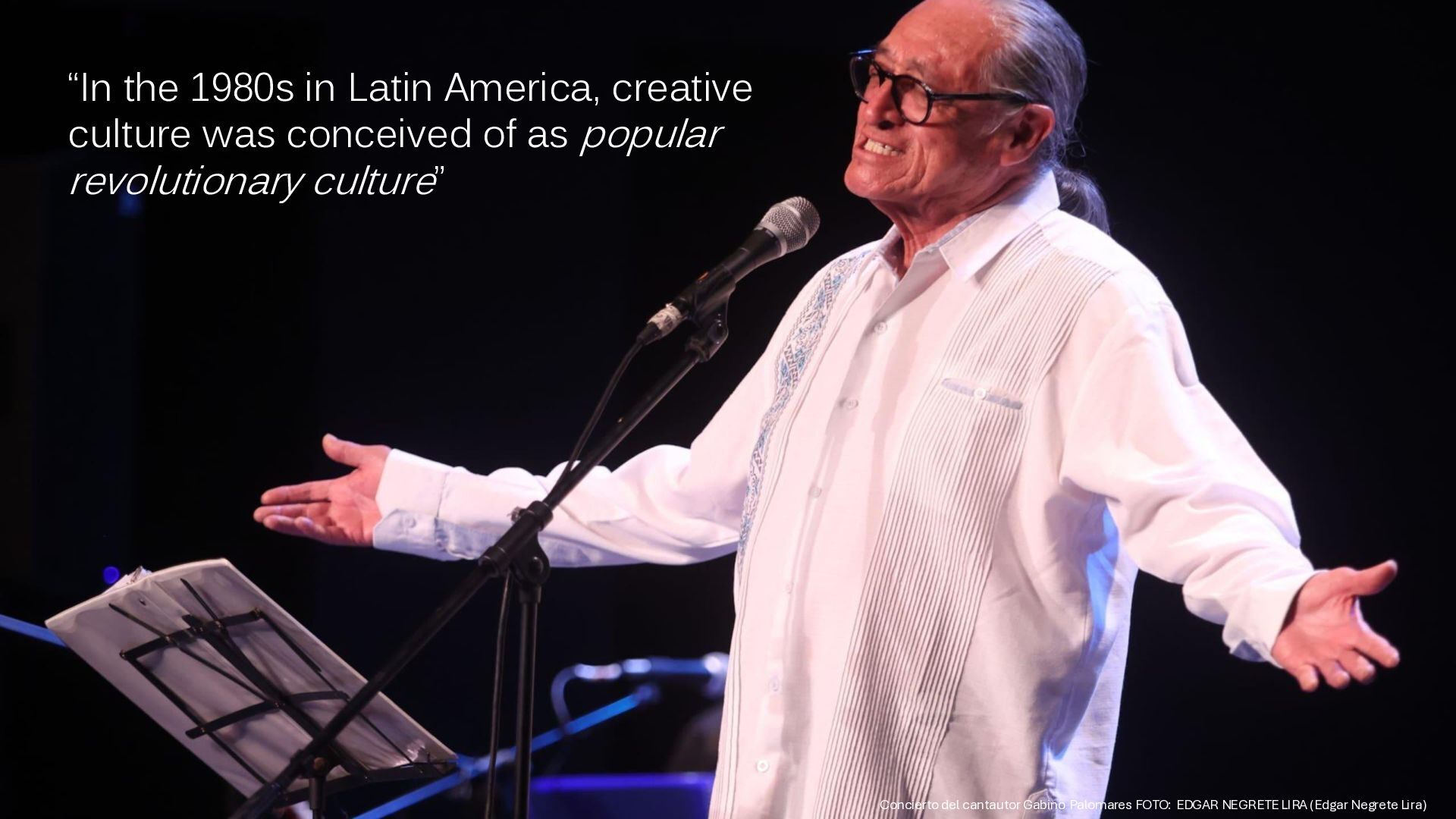
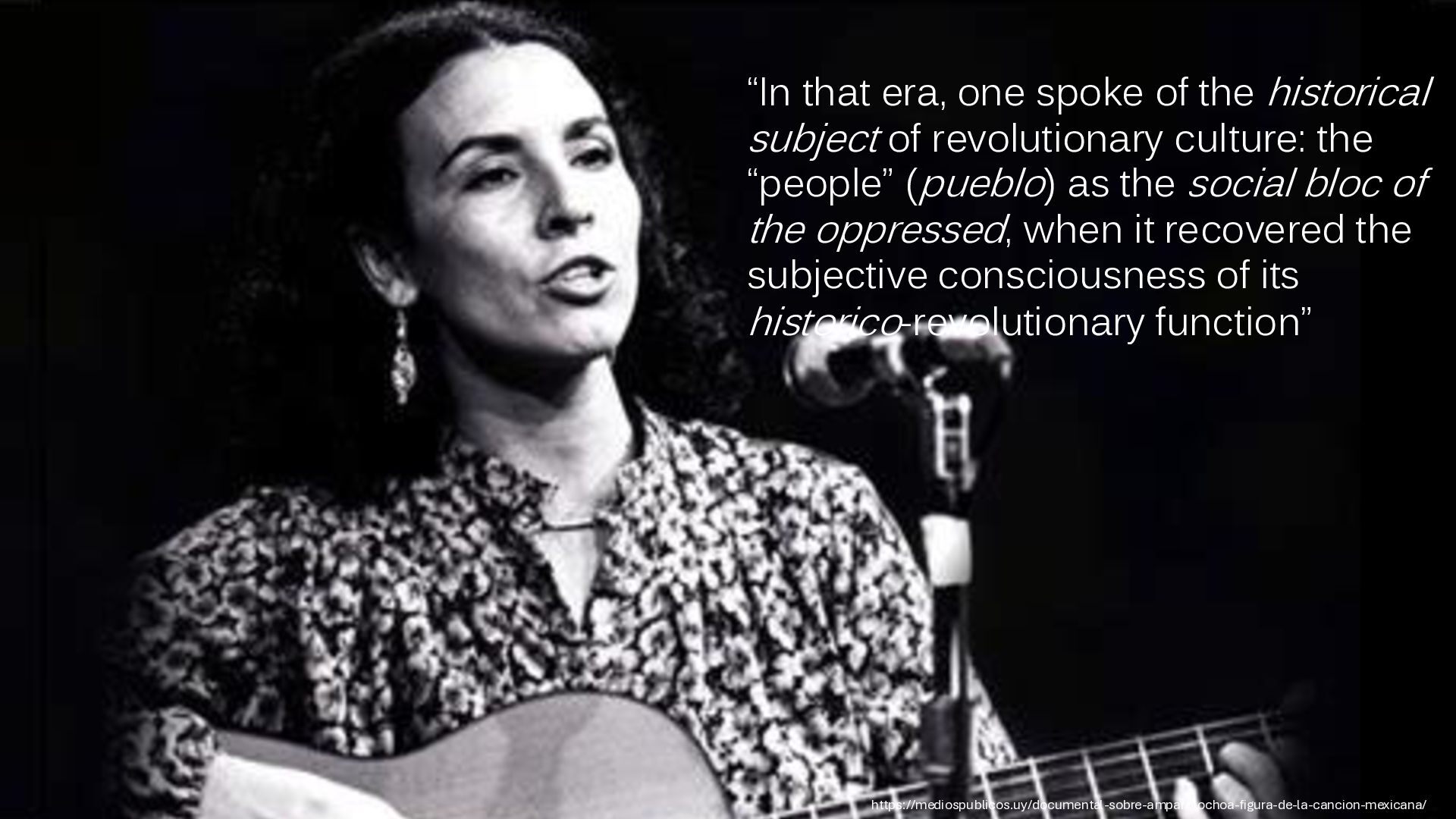
revolutionary culture: the “people” (pueblo) as the social bloc of the oppressed, when it recovered the subjective consciousness of its historico-revolutionary function” https://mediospublicos.uy/documental-sobre-amparo-ochoa-figura-de-la-cancion-mexicana/
the inclusion within “national culture” of the bourgeois and oligarchic culture of the elite, as well as the culture of the proletariat, of all the inhabitants of the soil, organized under a state. The popular, on the other hand, was an entire social sector of the nation, insofar as they were exploited or oppressed, but who, moreover, retained a certain “exteriority,” as we will see later. This sector is oppressed in the state system, but maintains its alterity, difference, and freedom” Enrique Dussel | Hernández
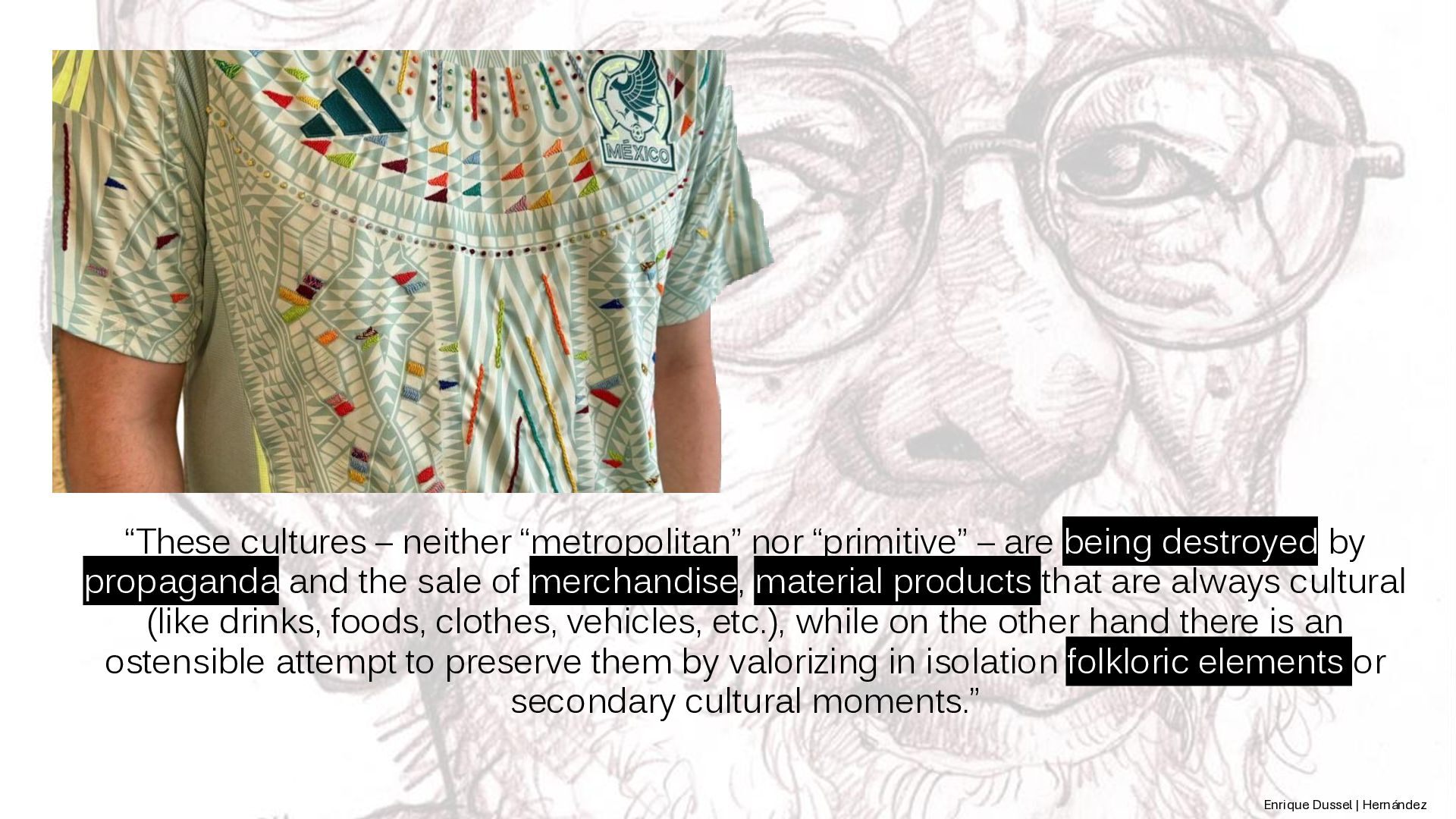
destroyed by propaganda and the sale of merchandise, material products that are always cultural (like drinks, foods, clothes, vehicles, etc.), while on the other hand there is an ostensible attempt to preserve them by valorizing in isolation folkloric elements or secondary cultural moments.” Enrique Dussel | Hernández
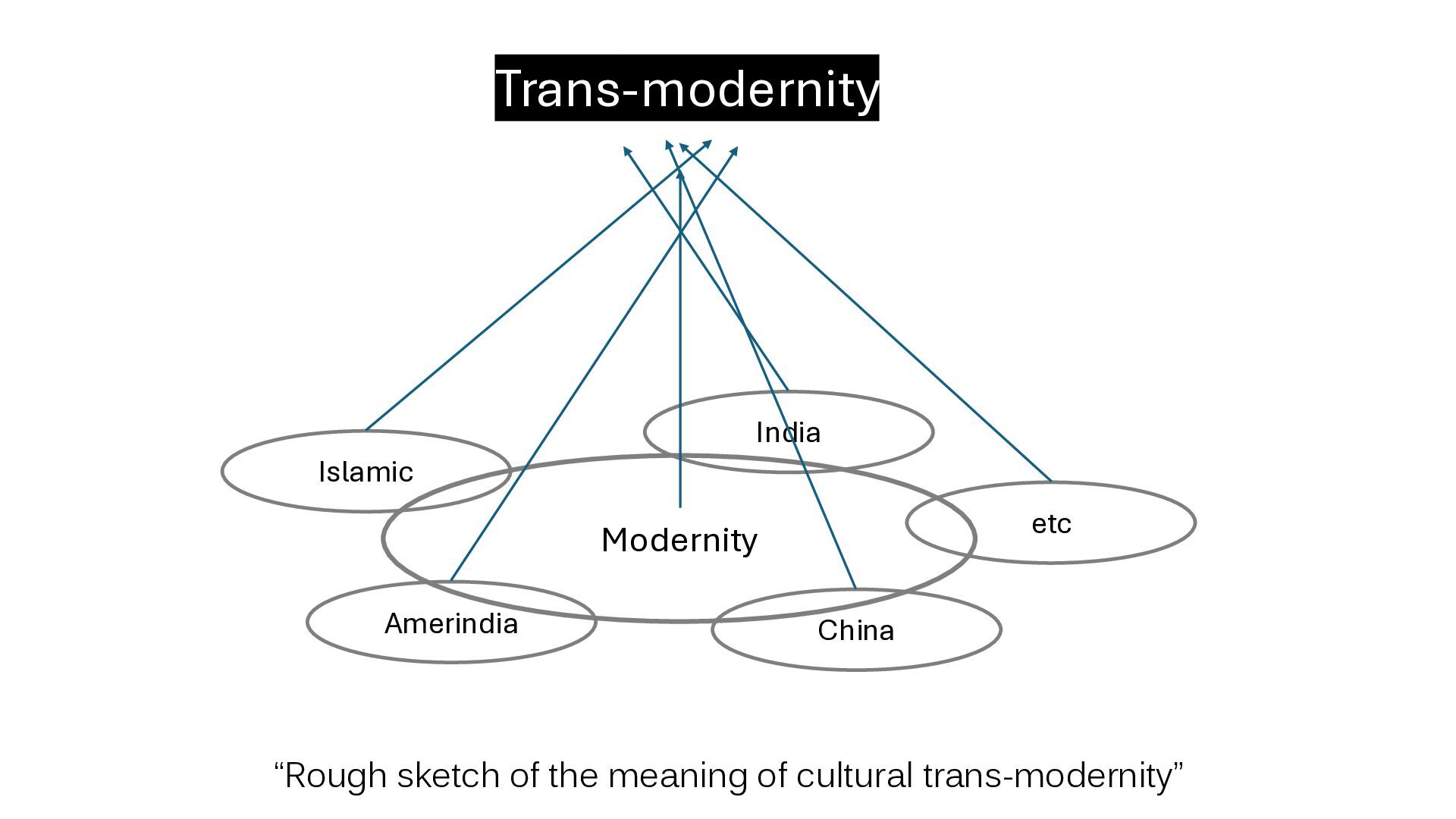
– which we call the “Trans-modern” – and which constitutes an explicit overcoming of the concept “Post-modernity” (since the latter still represents a final moment of Modernity)” Enrique Dussel | Hernández
– which we call the “Trans-modern” – and which constitutes an explicit overcoming of the concept “Post-modernity” (since the latter still represents a final moment of Modernity)” Enrique Dussel | Hernández
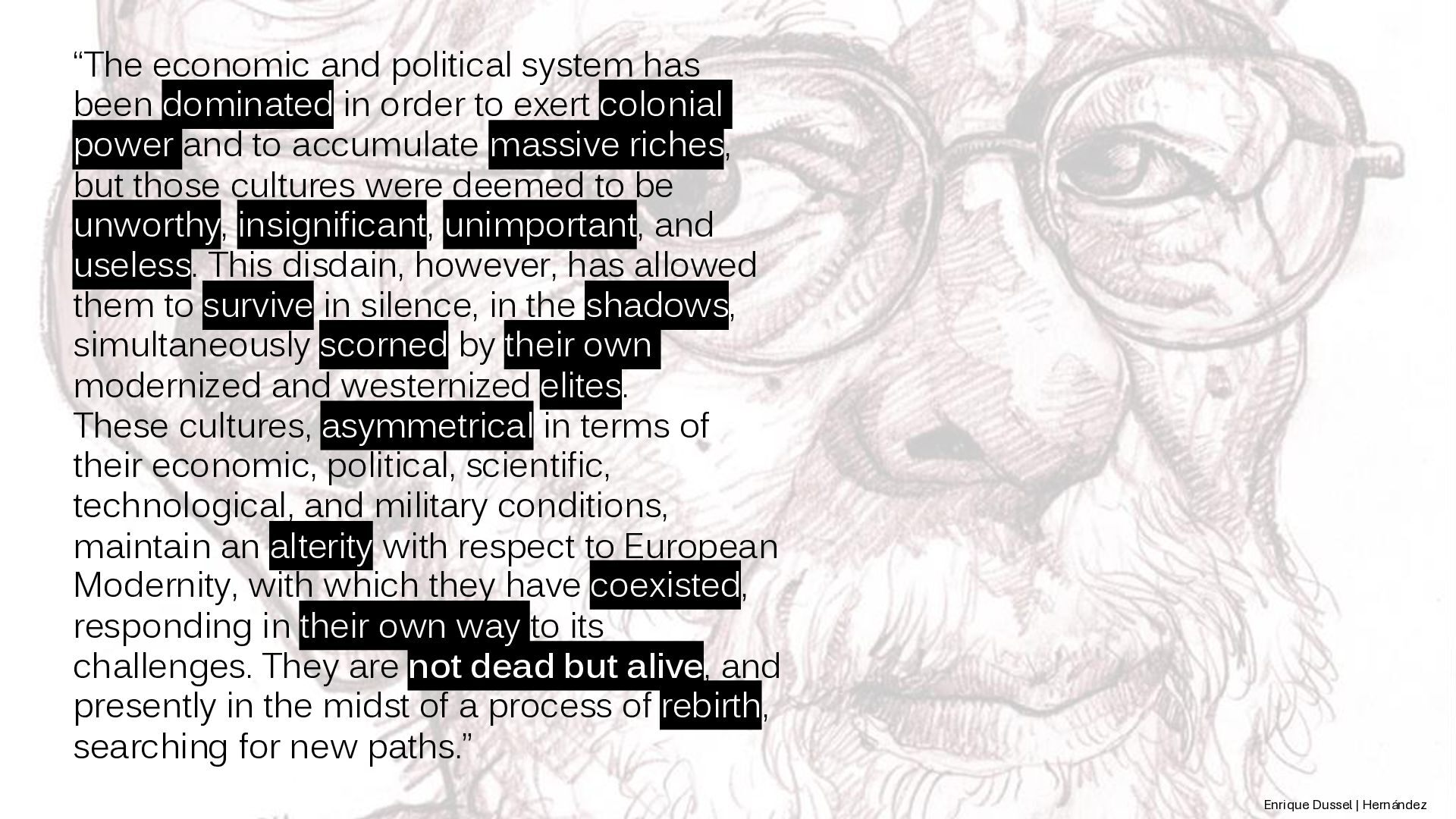
to exert colonial power and to accumulate massive riches, but those cultures were deemed to be unworthy, insignificant, unimportant, and useless. This disdain, however, has allowed them to survive in silence, in the shadows, simultaneously scorned by their own modernized and westernized elites. These cultures, asymmetrical in terms of their economic, political, scientific, technological, and military conditions, maintain an alterity with respect to European Modernity, with which they have coexisted, responding in their own way to its challenges. They are not dead but alive, and presently in the midst of a process of rebirth, searching for new paths.” Enrique Dussel | Hernández
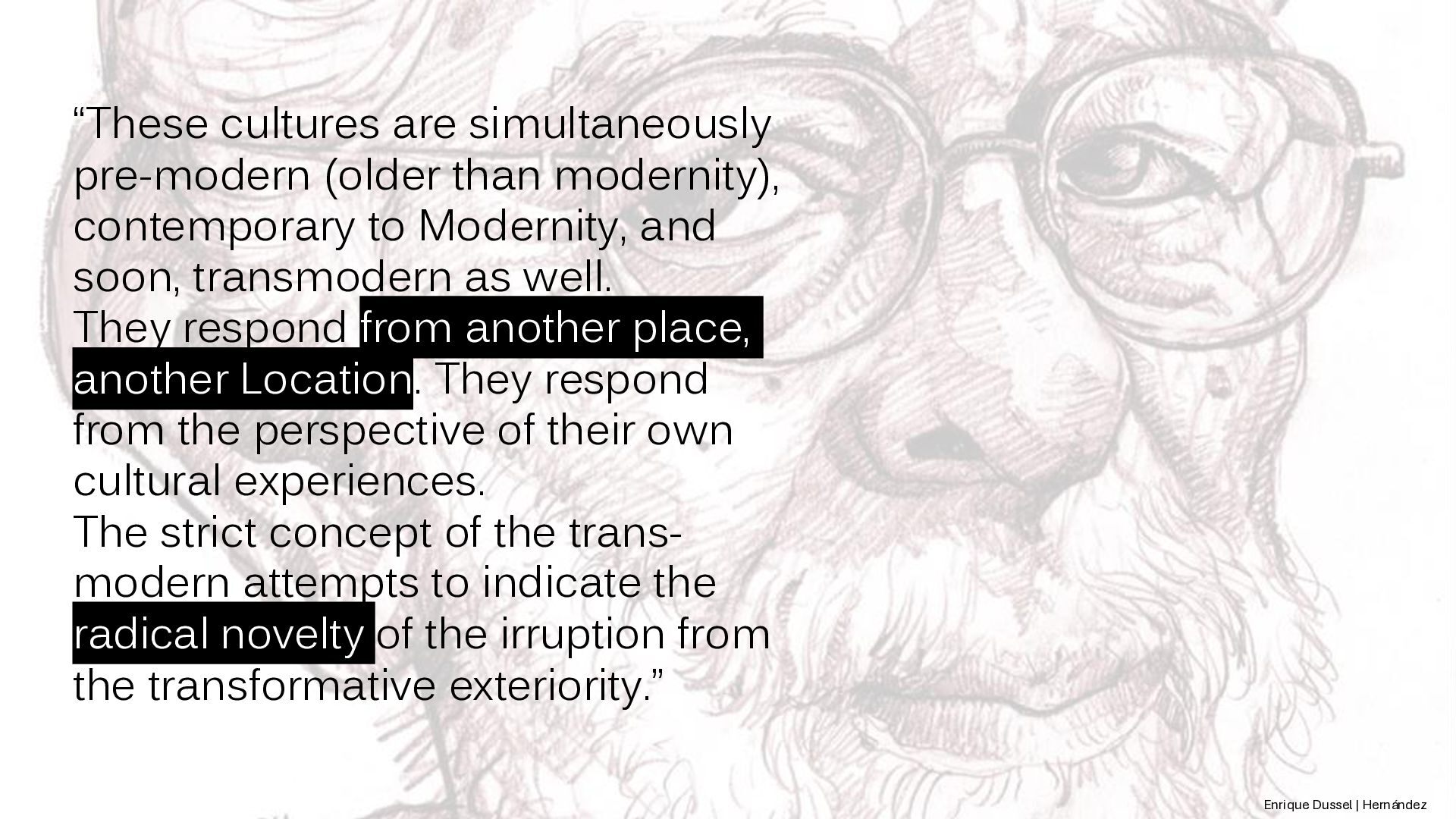
Modernity, and soon, transmodern as well. They respond from another place, another Location. They respond from the perspective of their own cultural experiences. The strict concept of the transmodern attempts to indicate the radical novelty of the irruption from the transformative exteriority.” Enrique Dussel | Hernández
is the second moment. Postcolonial cultures need effective decolonization, but for this they must begin with self-valorization. But the only way to grow from within one's tradition is to engage in critique from within the assumptions of that same culture. It is necessary to find within one's culture the originary moments of a self-criticism.” Enrique Dussel | Hernández
critical intellectual; it is the critical intellectual that controls and directs the selection of those modern instruments that will be useful for the critical reconstruction of her own tradition.” Enrique Dussel | Hernández
cultures: it would be useful for us to lay our hands on the books of those philosophers, so that, if we find everything they say therein to be reasonable, we accept it, but if there is something unreasonable, it can serve us as a precaution and warning.” Enrique Dussel | Hernández
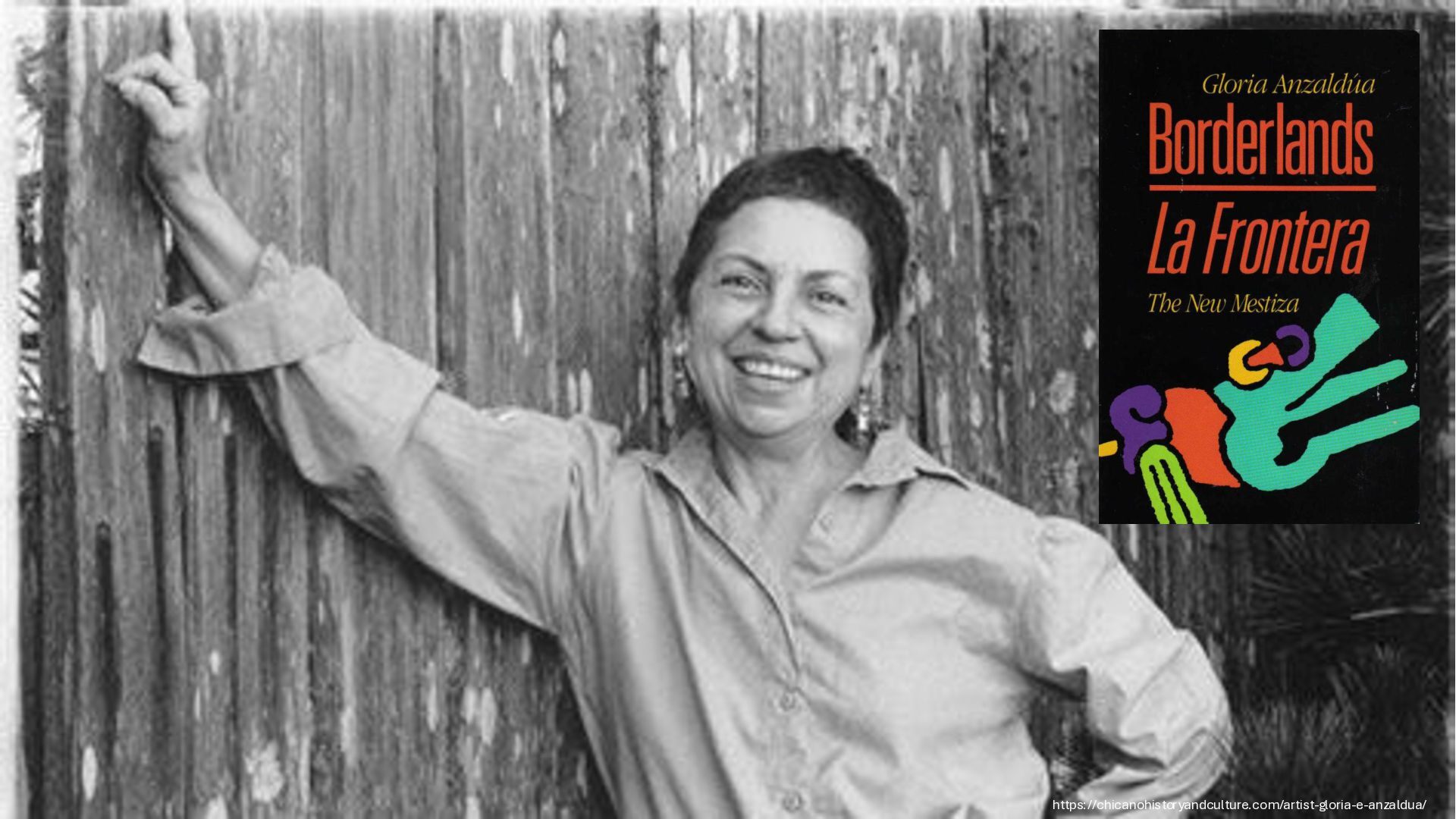
the two cultures (their own culture and Modern culture). This is really the issue of the “border” (the “frontier”) between two cultures as a locus for “critical thought.” This theme is explored at length by Gloria Anzaldúa” Enrique Dussel | Hernández
of the “border”). It is a dialogue among those who recreate it, departing from the critical assumptions found in their own cultural tradition and in that of globalizing Modernity.” Enrique Dussel | Hernández
it possible to think philosophically and creatively from the position of colonial being? (¿Existe una filosofía en nuestra América?). We should inform ourselves and learn from the failures, the achievements, and the still-theoretical justification of the creative processes in the face of the actual globalization of European/North American culture, whose claim pretense of universality must be deconstructed from the optical pluri-focality of each culture.” Enrique Dussel | Hernández
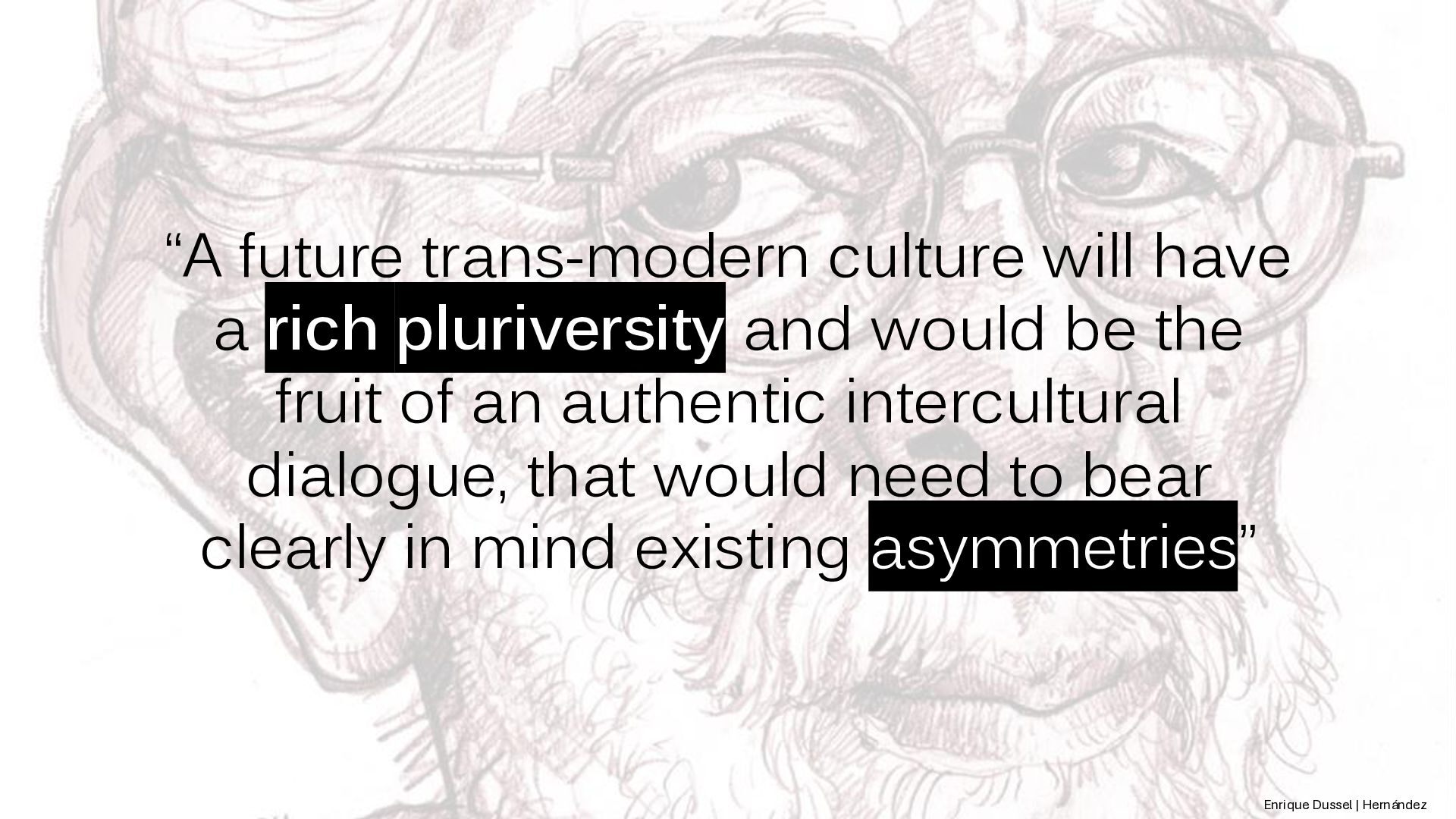
own negated or merely devalued cultural moments which are found in the exteriority of Modernity, those still remaining outside of the destructive consideration of that ostensibly universal modern culture. This means a long period of resistance, of maturation, and of the accumulation of forces. It is a period of the creative and accelerated cultivation and development of one’s own cultural tradition, which is now on the path toward a trans-modern utopia.” Enrique Dussel | Hernández
Modernity, but rather from its exteriority, or better yet from its exterior “borderlands.” This exteriority is not pure negativity. It is the positivity rooted in a tradition distinct from the Modern.” Enrique Dussel | Hernández


 yoshimura_datam
 pawan_pharm
 signer
 ichiroc
 kekekenta
 matleenalaakso
 terasawat
 yasslab
 3l4l5
 doratex
 yeseniaperezcruz
 sabderemane
 jnunemaker
 inesmontani
 minecr
 cassininazir
 oripsolob
 speakerdeck
 uxyall
 jonrohan
 tammyeverts
 holman