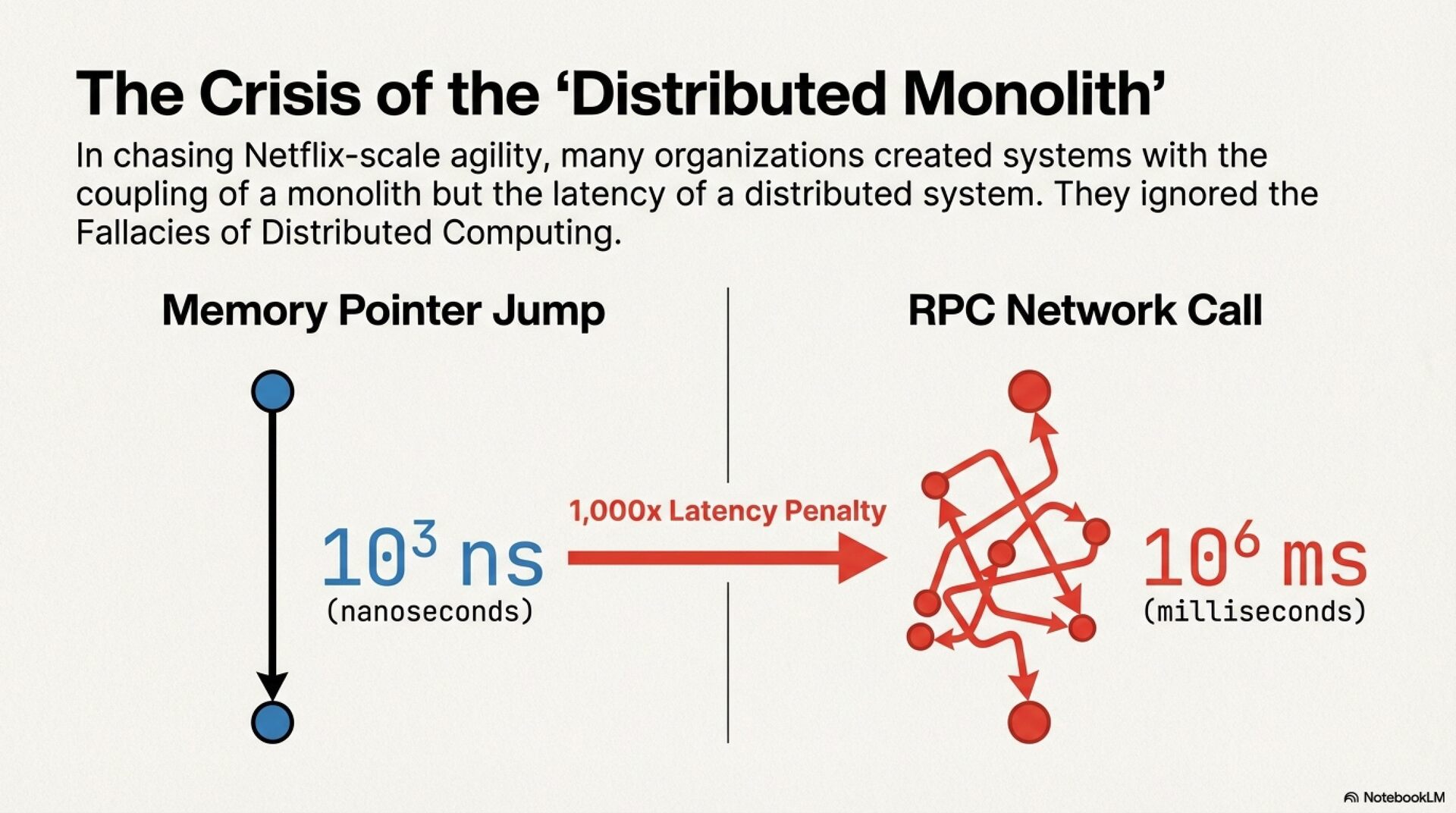
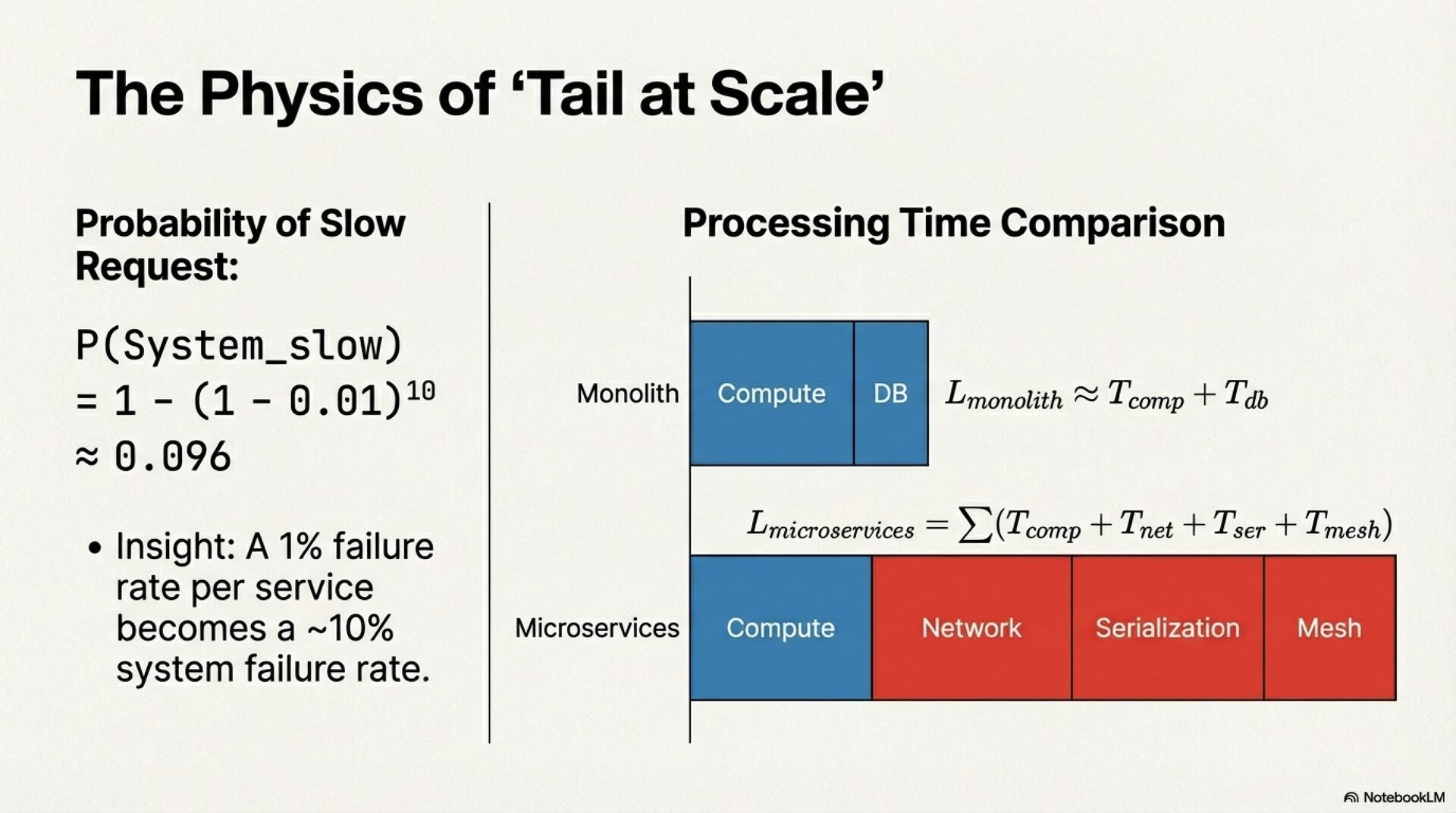
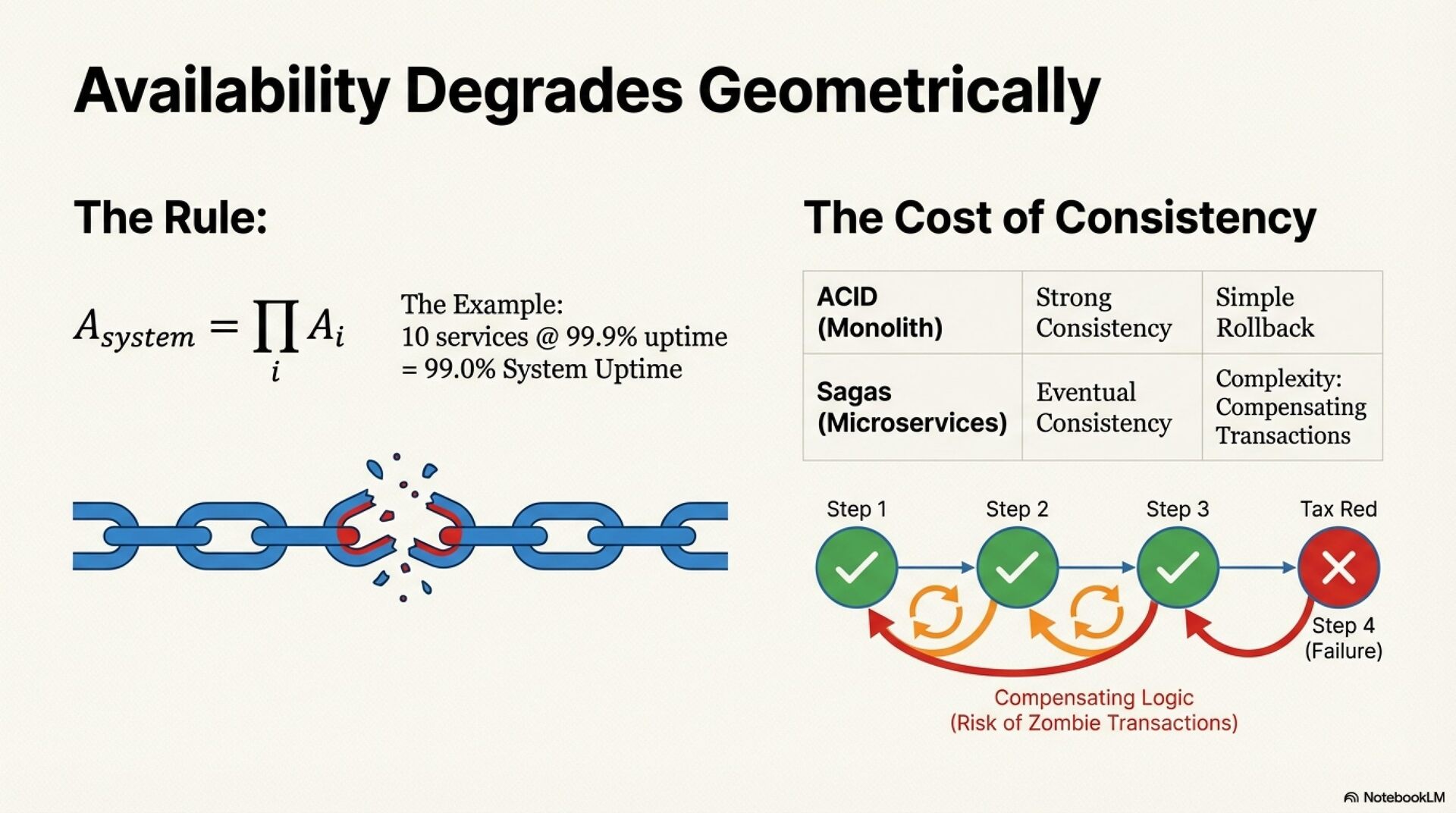
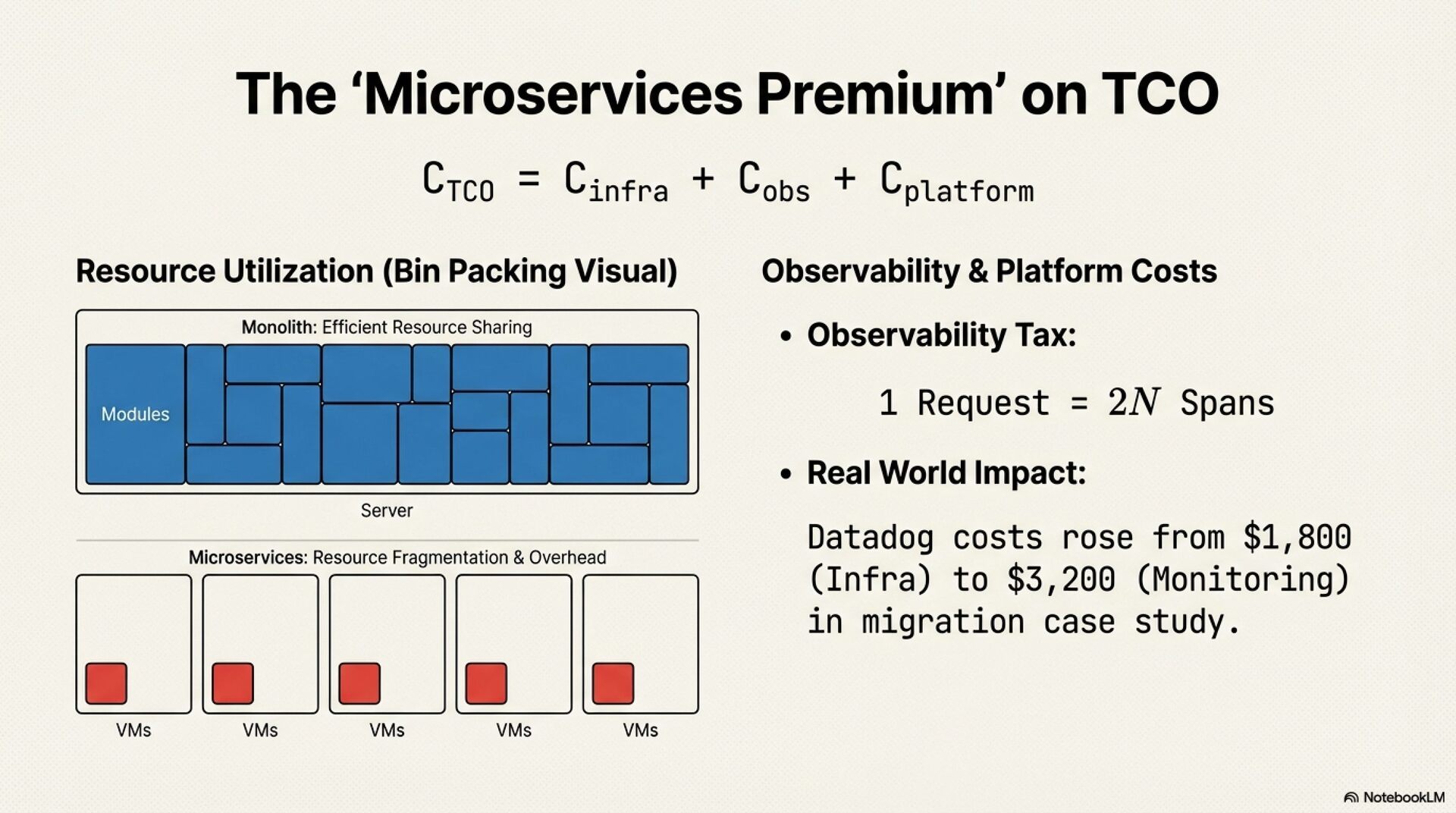
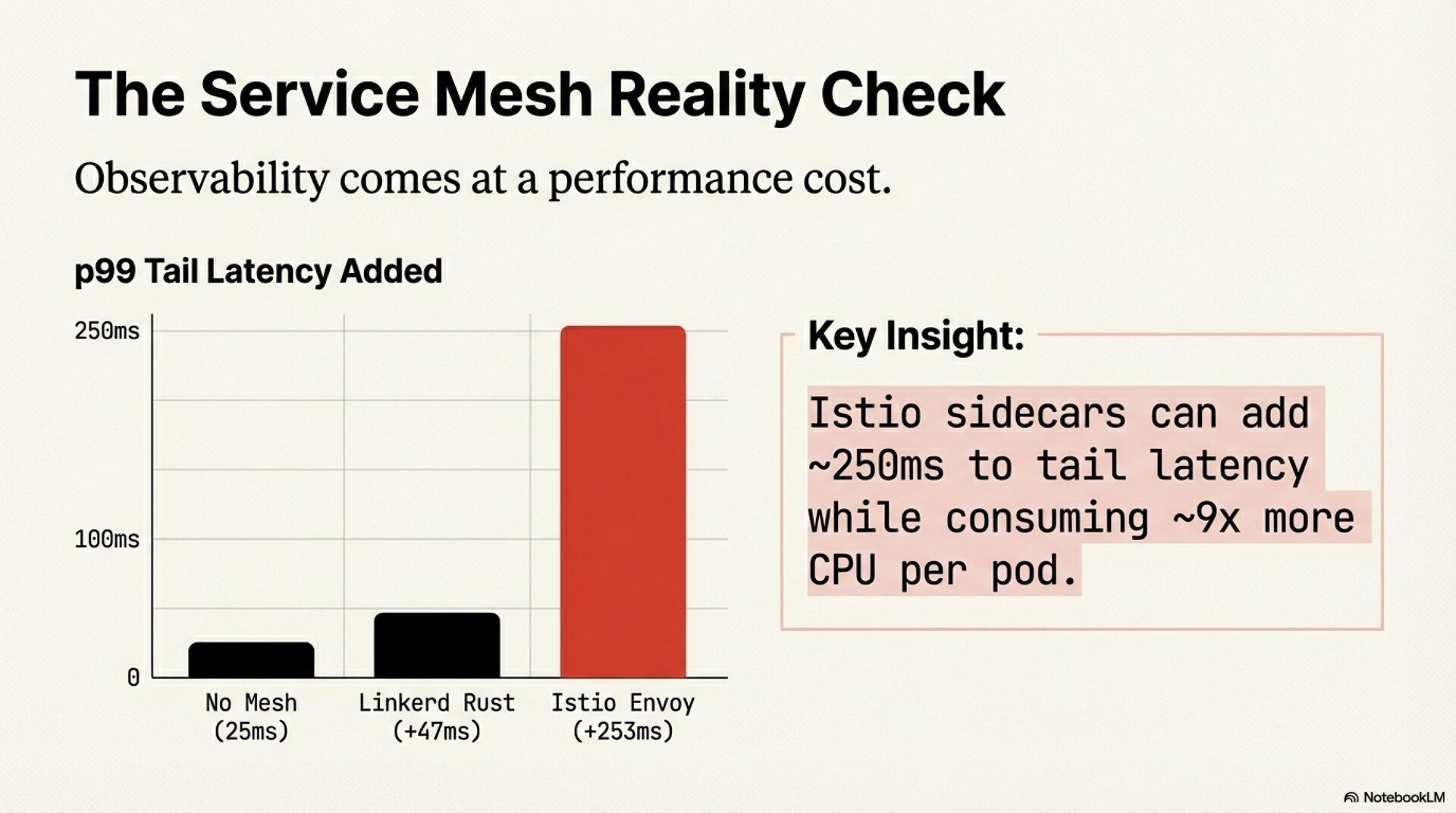
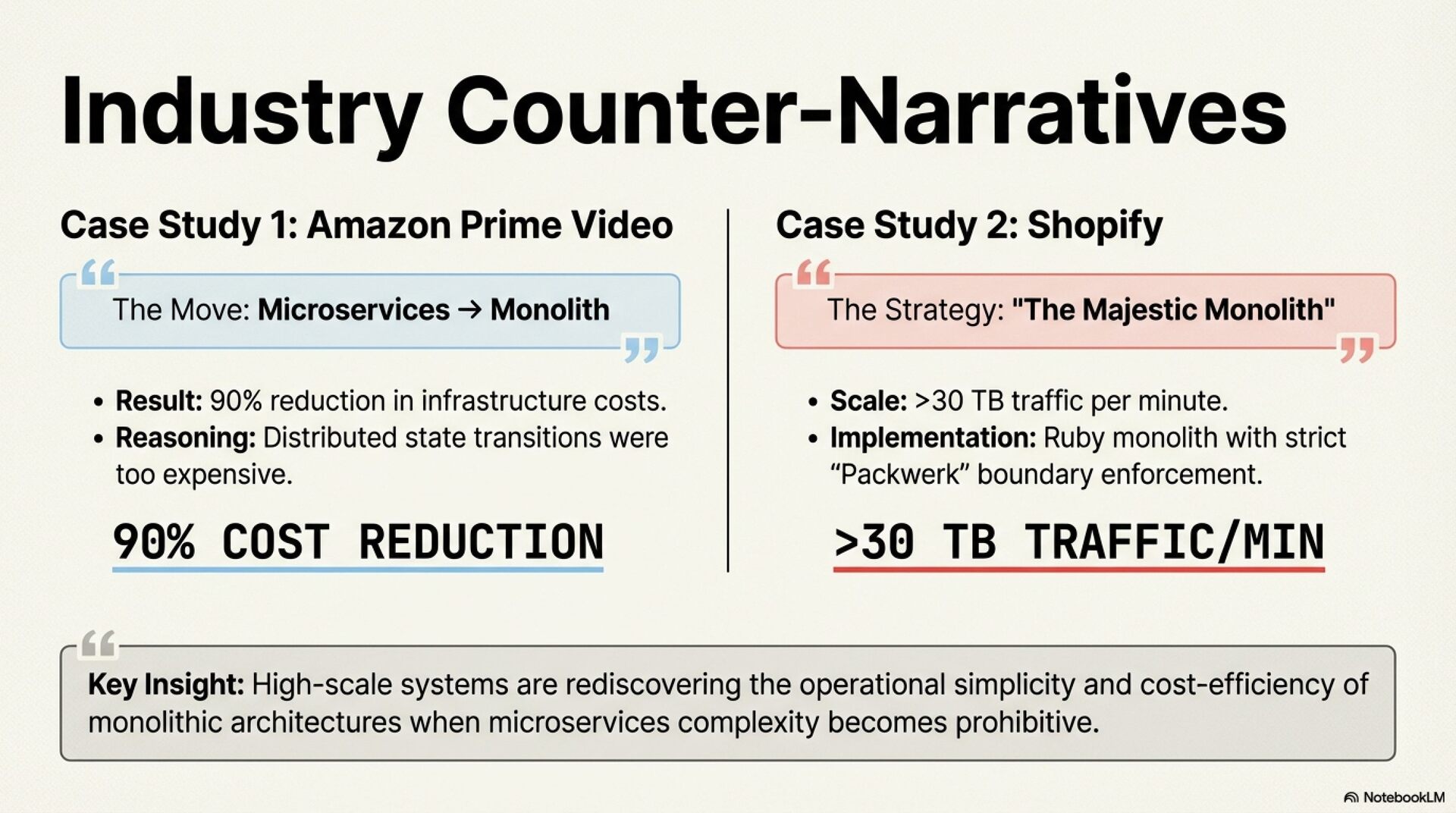
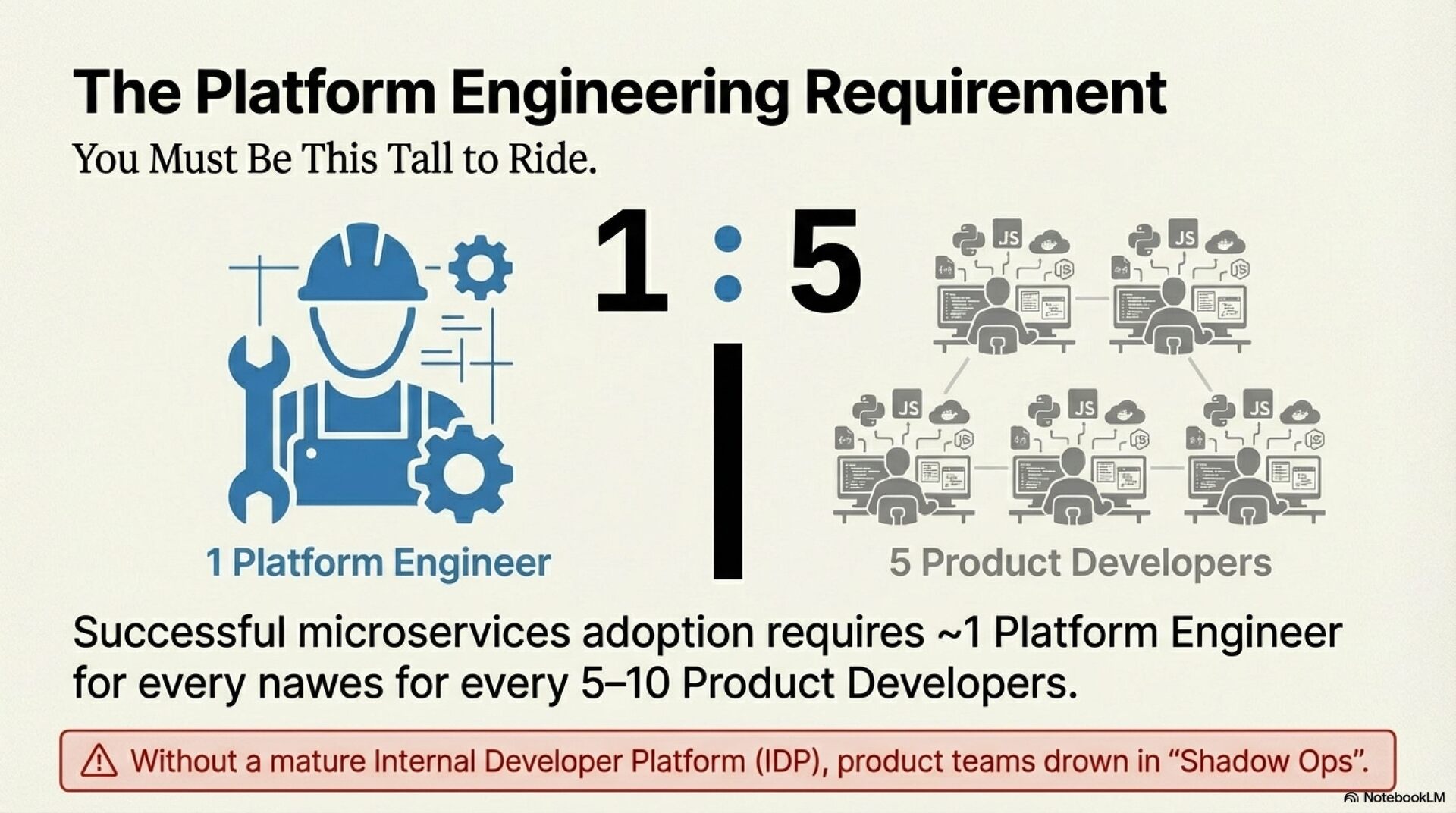
The software engineering industry is in the midst of a significant architectural debate, with the pendulum swinging between the centralized simplicity of monolithic architectures and the distributed nature of microservices. This transition, often catalyzed by the success stories of hyper-scale companies, has led to the widespread adoption of microservices. However, a growing counter-movement highlights the substantial, often underestimated, costs of this approach. This whitepaper provides an evidence-based framework for software architects to understand and manage what we term the "Distributed System Tax"—the inherent performance, reliability, and operational overhead incurred when replacing in-process function calls with network requests.
To ground this analysis, we will use a precise taxonomy for the architectural styles under discussion:
• Monolith: A single deployable unit where all business logic shares the same process memory and typically a centralized relational database.
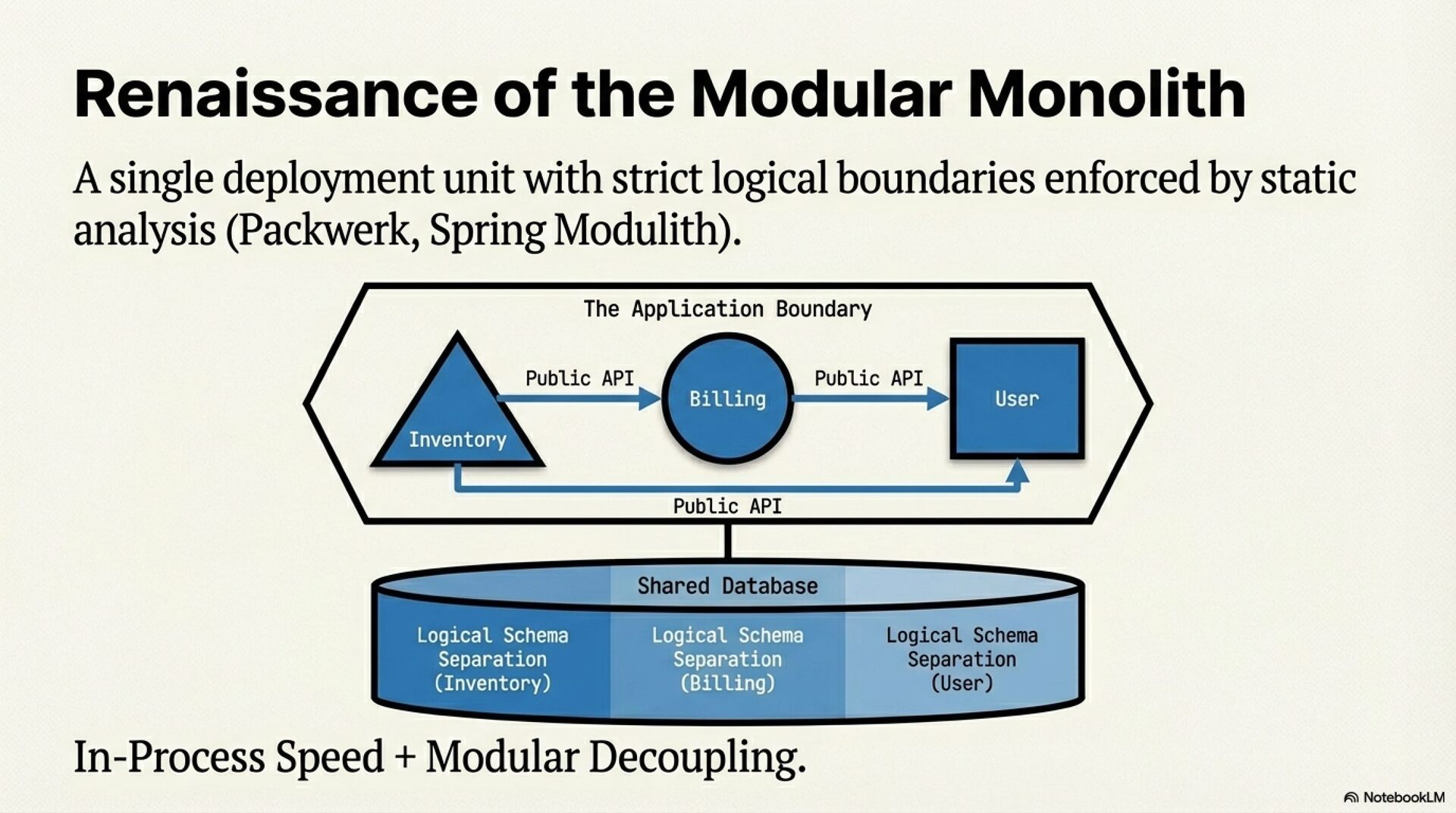
• Modular Monolith: A deployment monolith where code is strictly organized into domain modules with enforced boundaries (e.g., via static analysis tools like ArchUnit or Packwerk), prohibiting arbitrary coupling.
• Microservices: An architecture where functional domains are deployed as independent processes, communicating over a network (HTTP/gRPC), with decentralized data ownership to ensure loose coupling.
• Distributed Monolith: An anti-pattern describing a system of multiple services that are tightly coupled via synchronous calls or shared databases, inheriting the downsides of both monoliths and microservices.
This presentation seeks to move beyond anecdotal evidence to quantify this tax, beginning with the fundamental theories that govern the performance of all distributed systems.


 djimit123
 occhi
occhi
 ivry_presentationmaterials
 teamlab
 keeg
keeg
 maimyyym
 yut0naga1_fa
 gogutan
 pfn
pfn
 raspython3
 daidaidai
 bgpat
bgpat
 mfonobong
 csswizardry
 joshbly
 caitiem20
 addyosmani
 jcasabona
 tammyeverts
.jpg) cargoodrich
cargoodrich
 stephenakadiri
 cassininazir
 sergeychernyshev
 ks91
ks91