SiteGround - Reliable hosting with speed, security, and support you can count on.
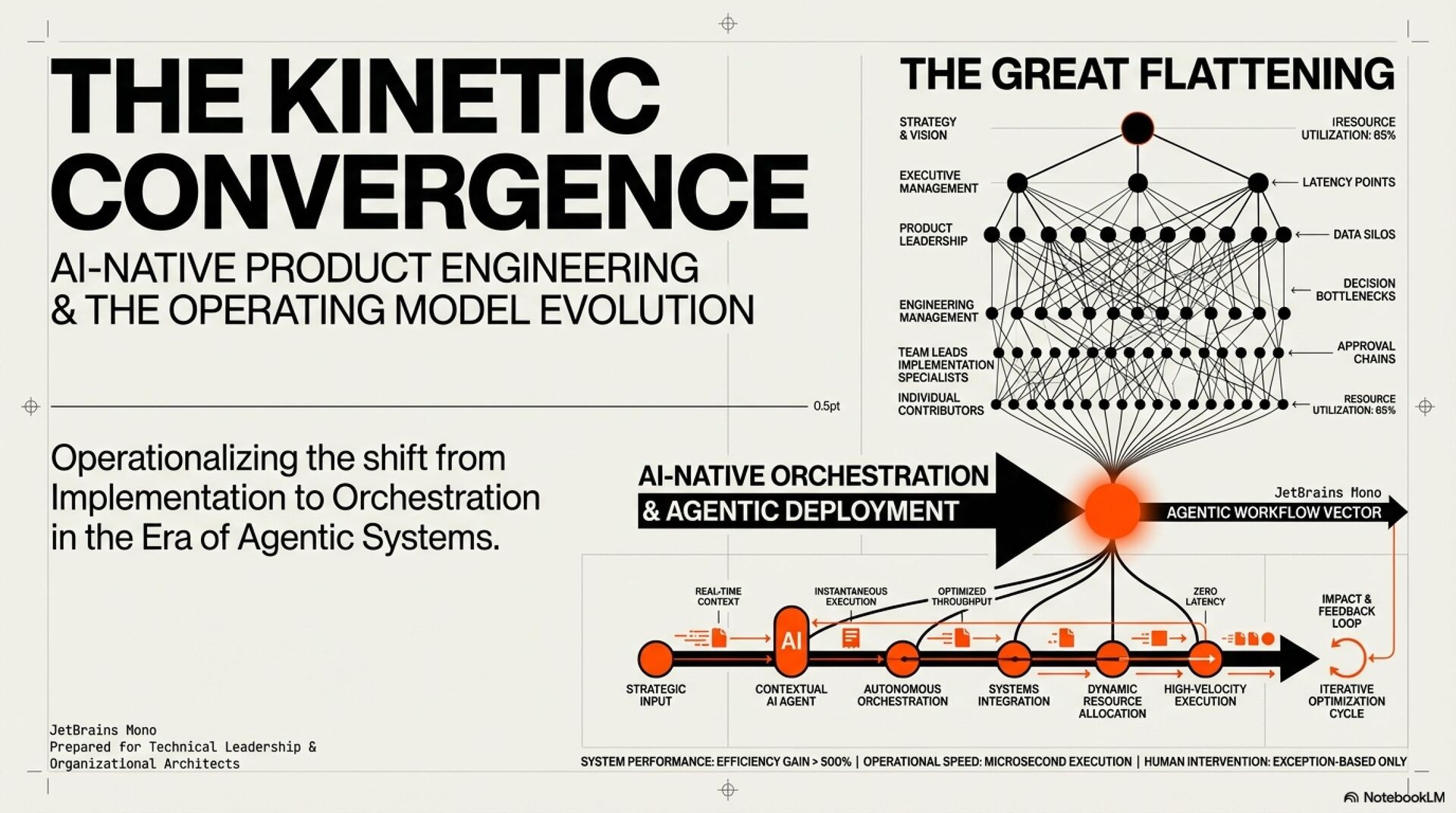
Your enterprise is hitting a structural breakpoint where classic maturity models, linear delivery, and role separation stop working.
Two shifts collide:
• AI-native product engineering, where implementation becomes cheap, and value moves to specification and verification
• The kinetic enterprise, where operating models behave as recursive loops, not static hierarchies
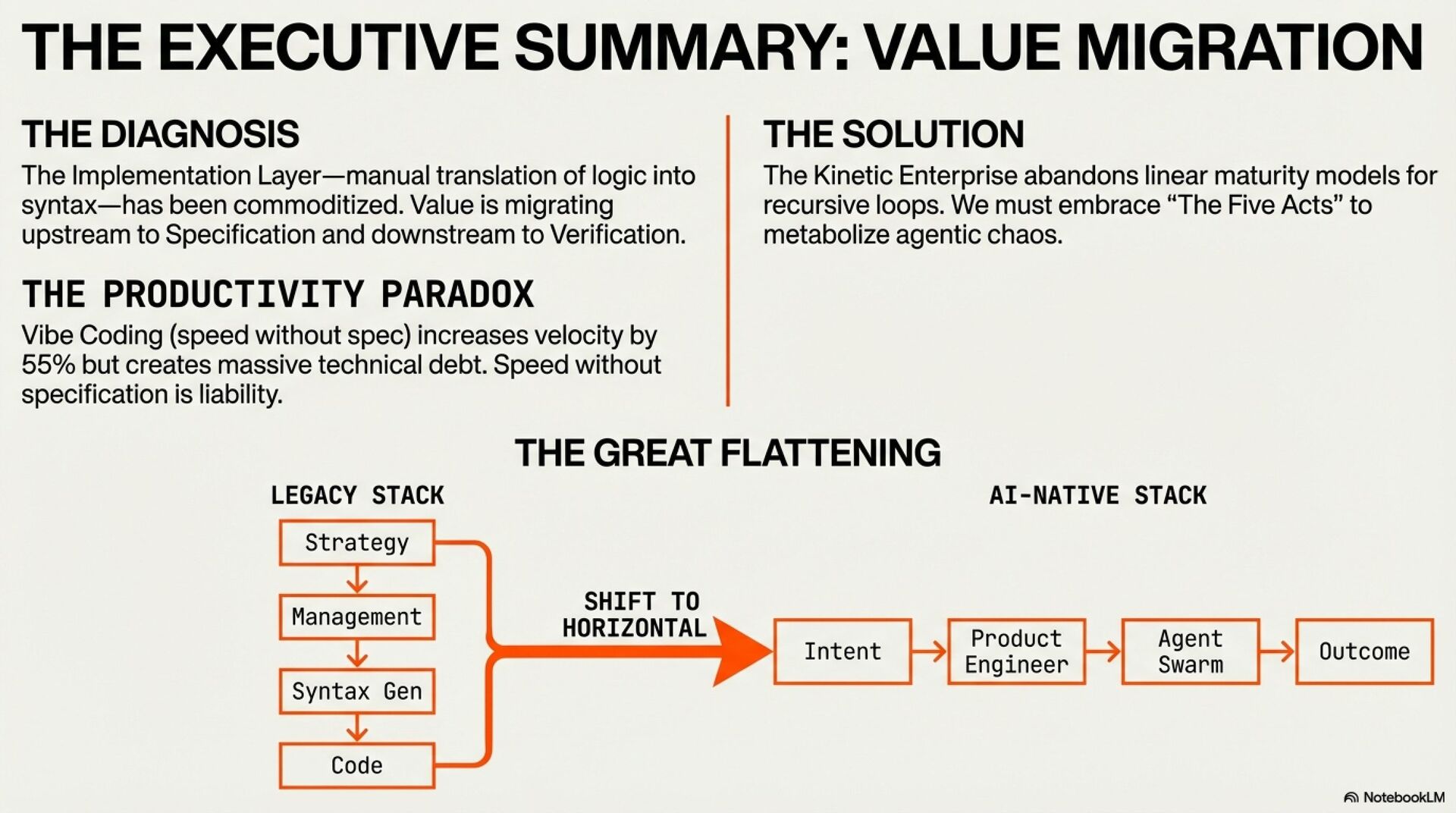
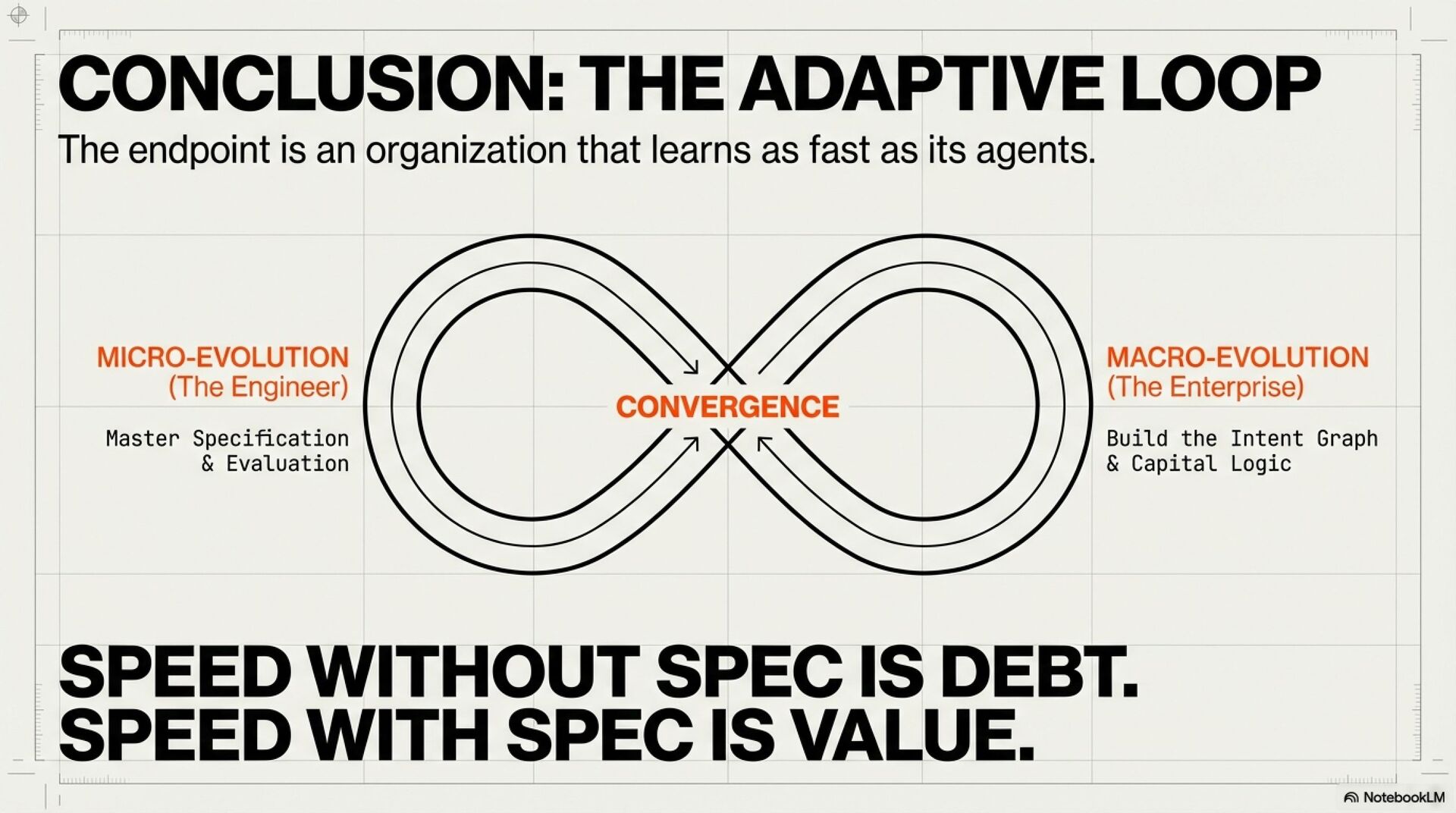
This convergence flattens the decision stack. Strategic intent sits closer to technical execution because agents can generate and refactor code at near zero marginal cost. Consequently, the core bottleneck moves from writing syntax to defining intent, validating outcomes, and governing autonomy.
The central risk is the AI productivity paradox:
• Faster code generation increases delivery speed
• However, weak specs create unverified logic, incoherent systems, and compounding technical debt
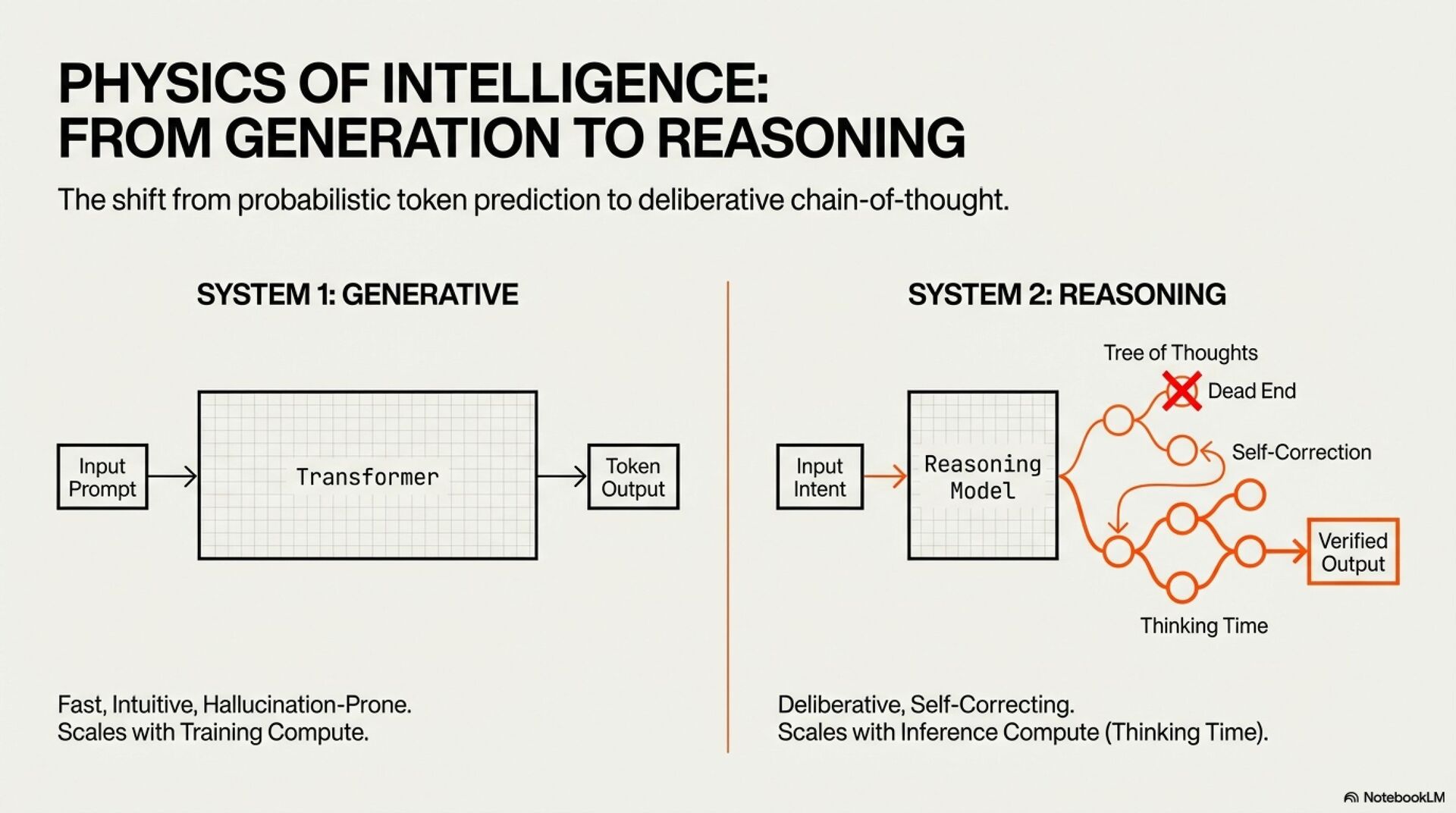
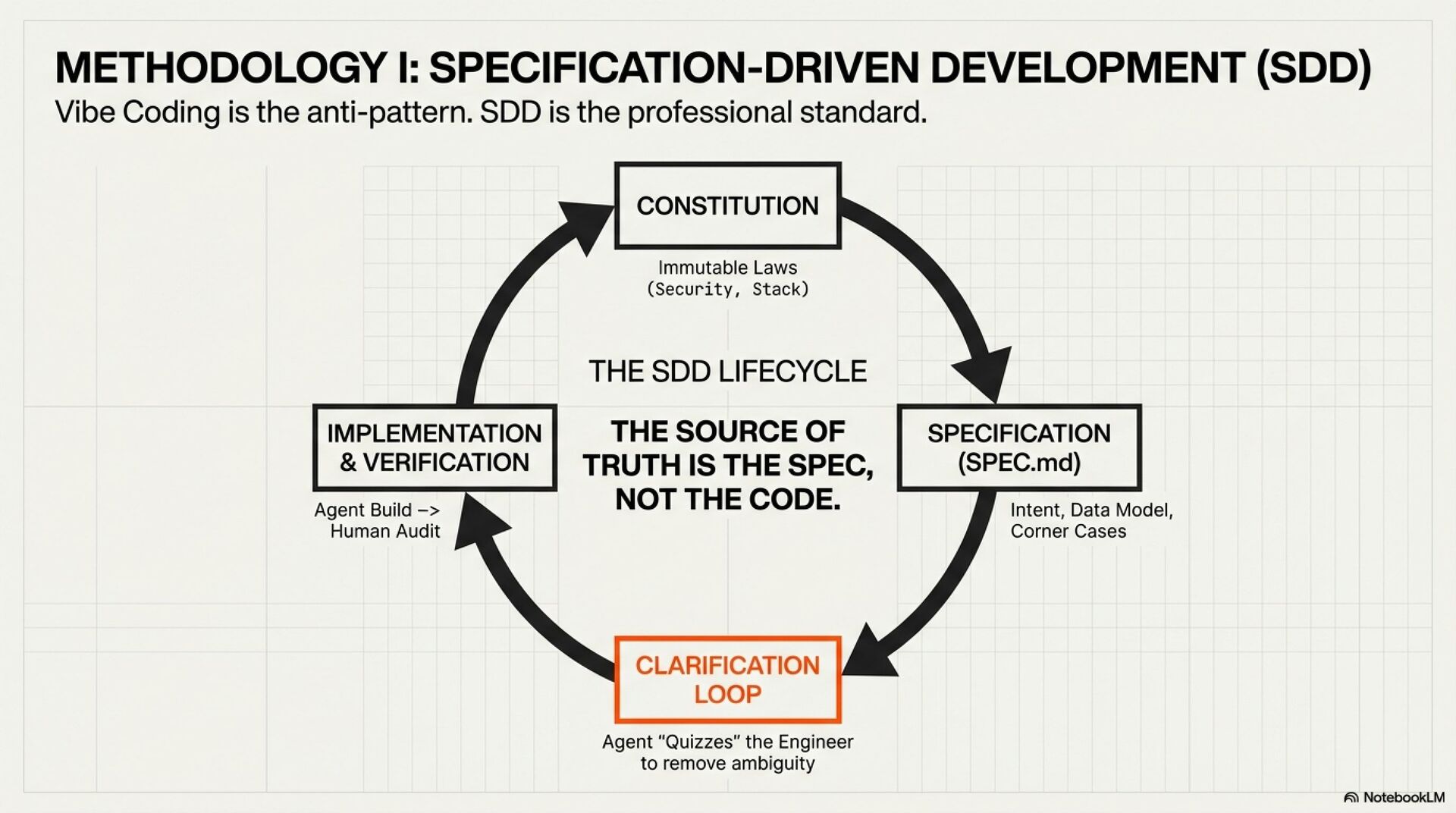
You fix this with Specification-Driven Development (SDD) and evaluation engineering:
• Write constitution.md to set non-negotiables, stack, constraints, security rules
• Write SPEC.md as the living contract, requirements, data model, UX flows, edge cases
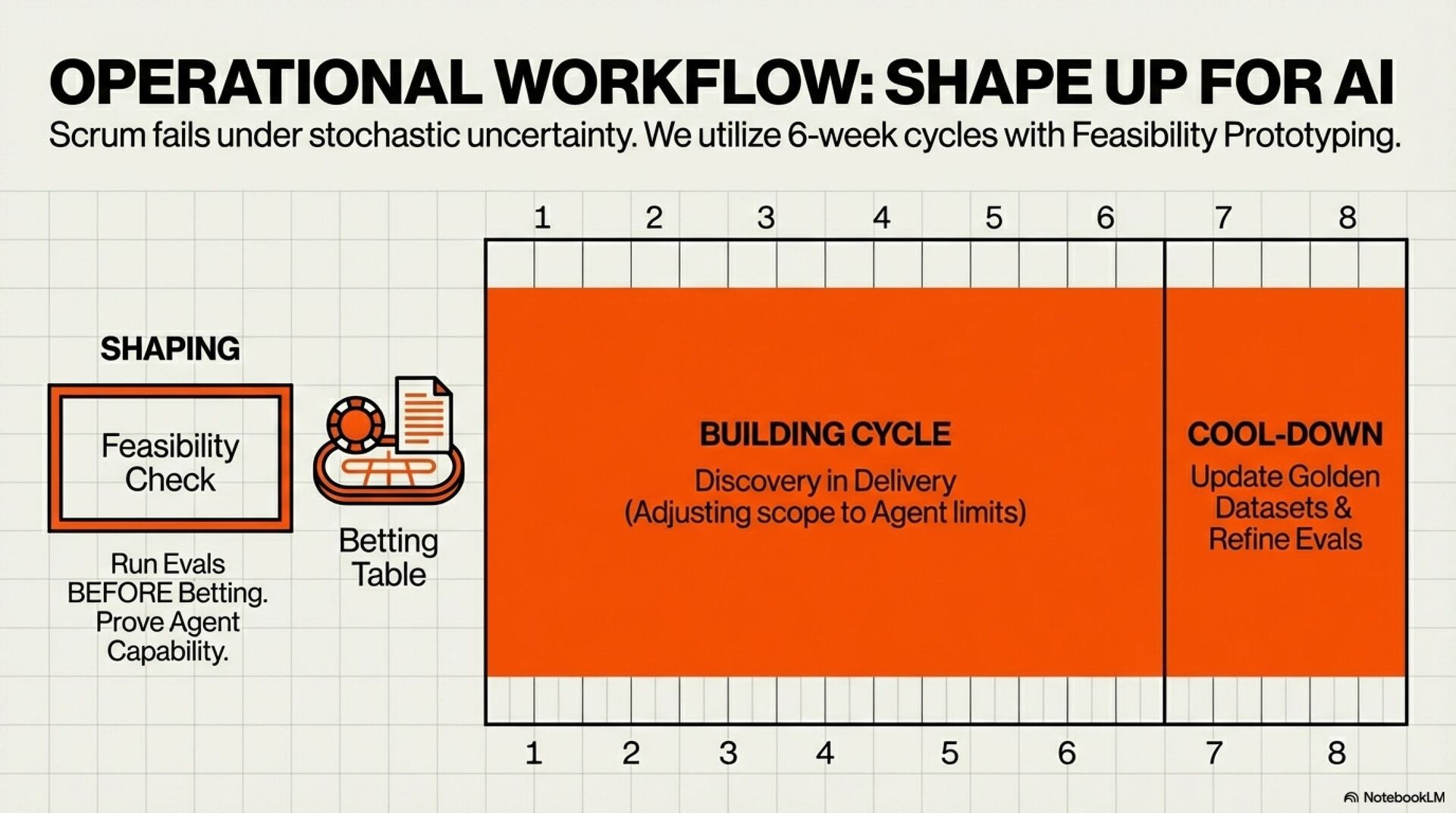
• Run a Socratic clarification loop before implementation to remove ambiguity
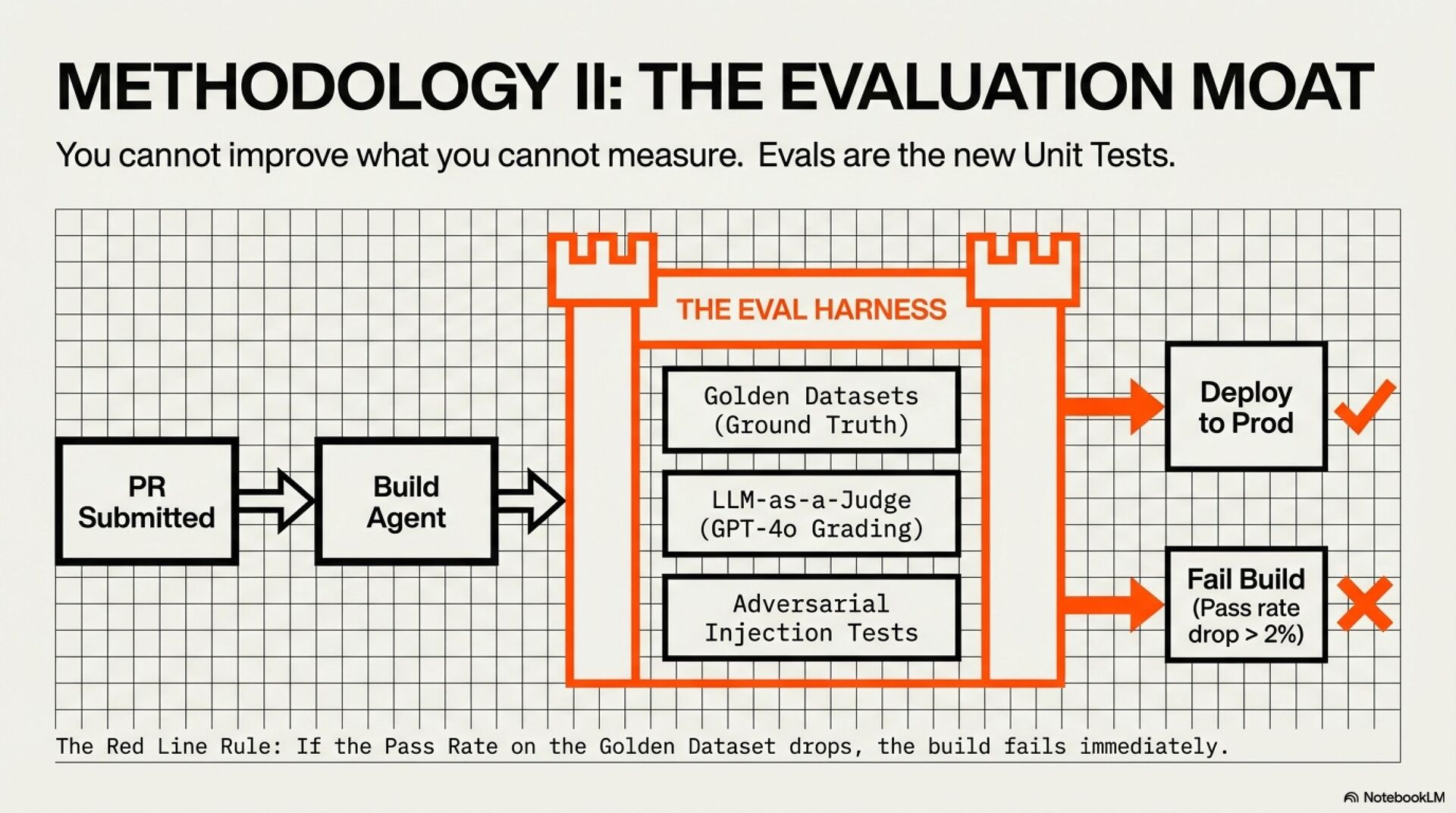
• Treat evaluation harnesses and golden datasets as first-class artifacts, fail builds on regression
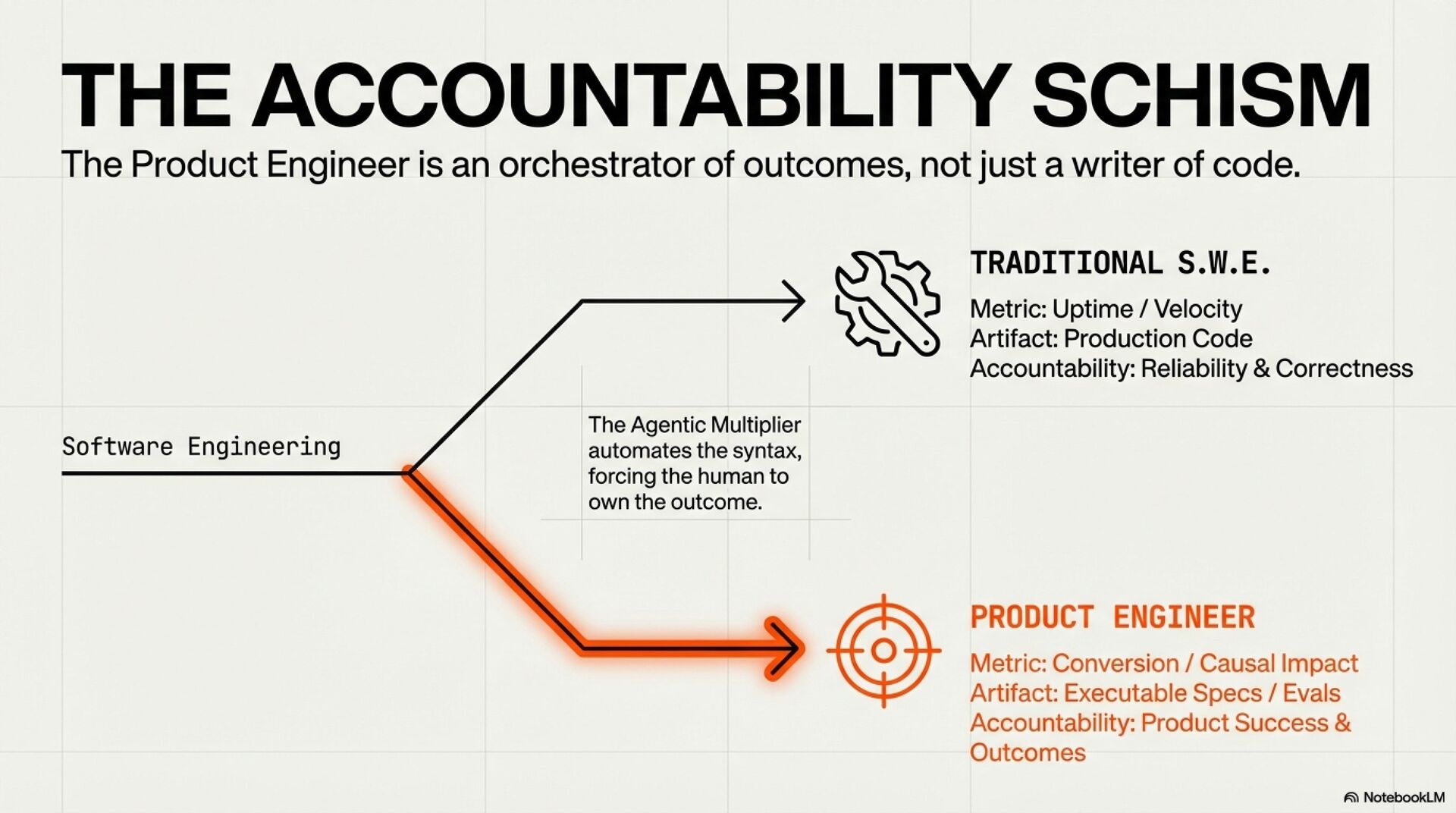
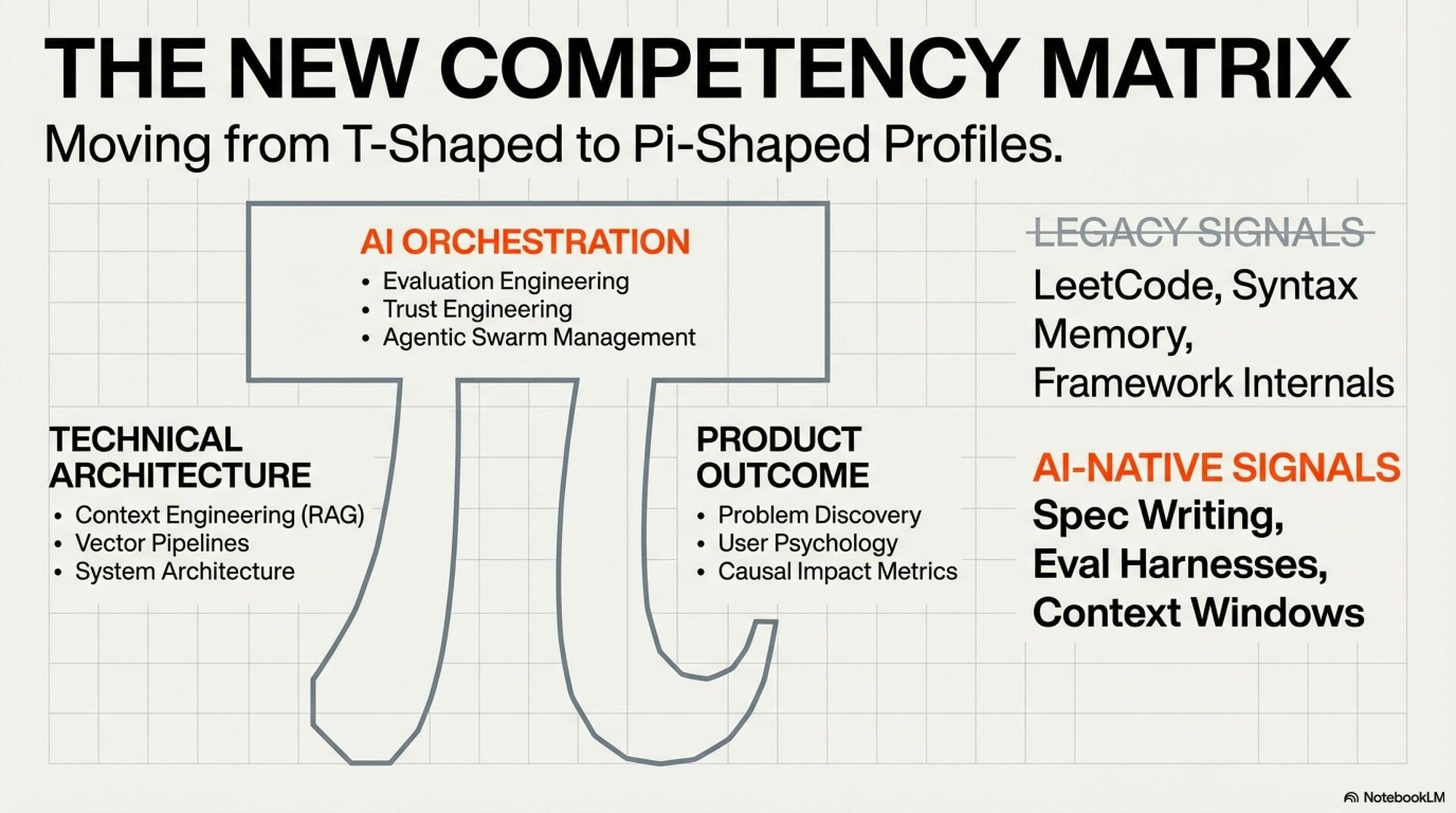
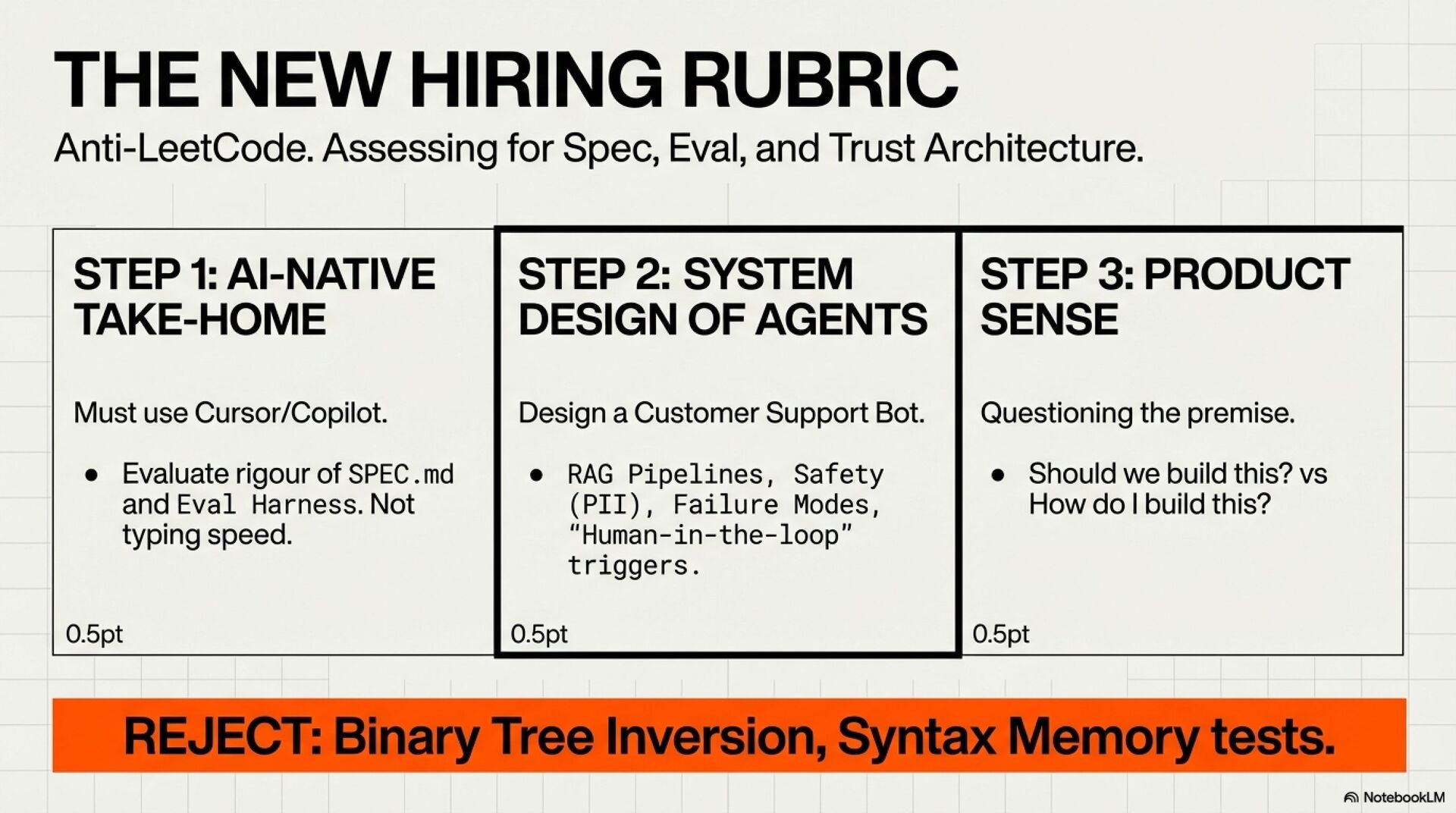
This shift creates a new dominant role: the AI-native Product Engineer.
• Owns outcomes end-to-end, not tickets
• Designs the organization’s “intent graph”, so agents execute aligned work
• Needs depth in architecture, context engineering, RAG optimization, evals, and security for autonomous systems
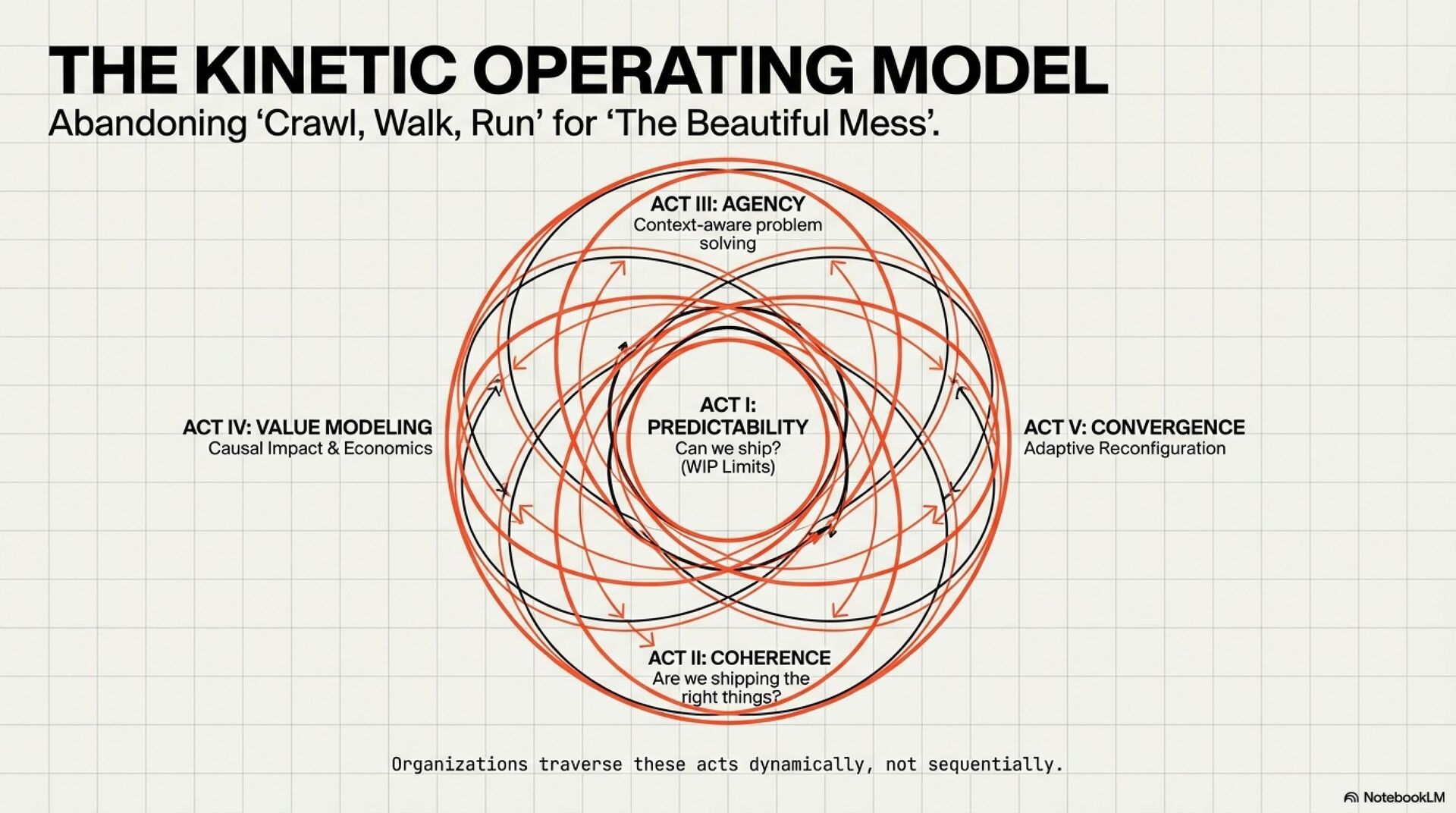
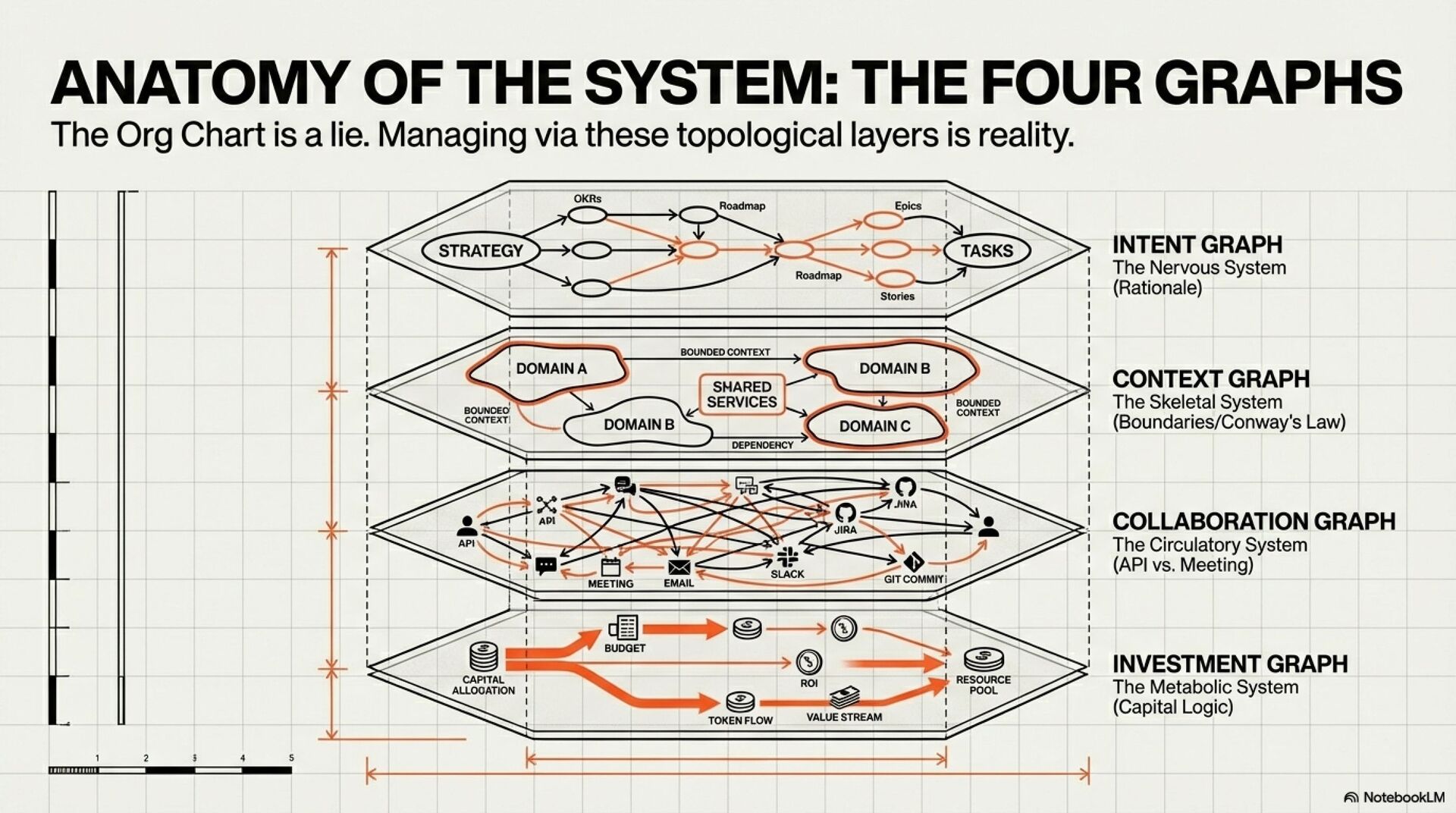
Operating model evolution becomes non-linear. Different parts of the same company can sit in different “acts” at the same time. The practical control surface is not the org chart, but four graphs:
• Intent Graph, trace strategy to specs to agent tasks
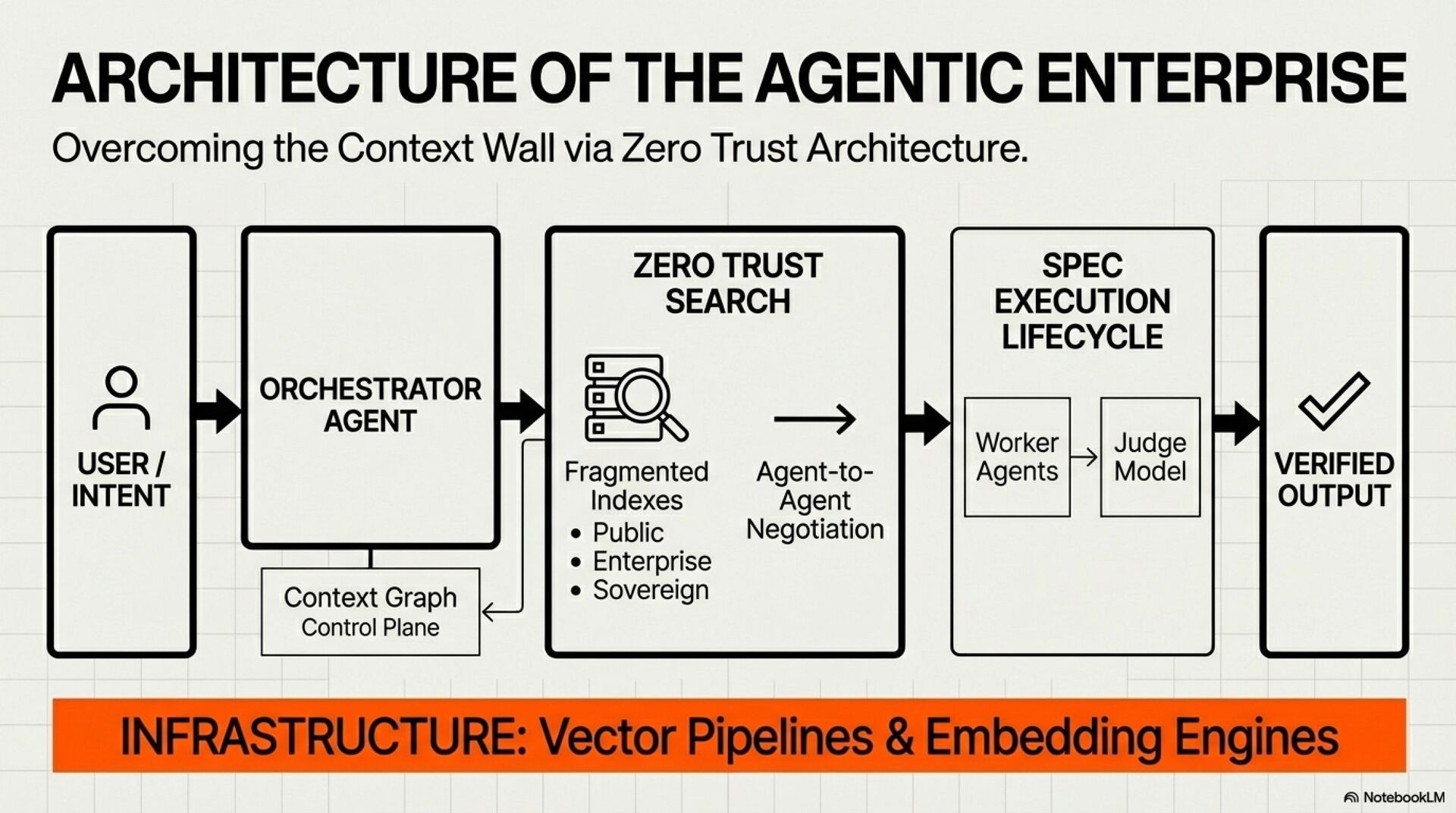
• Context Graph, define what each agent can know and retrieve
• Collaboration Graph, map human plus agent teaming patterns
• Investment Graph, manage compute and context maintenance costs as the new budget axis
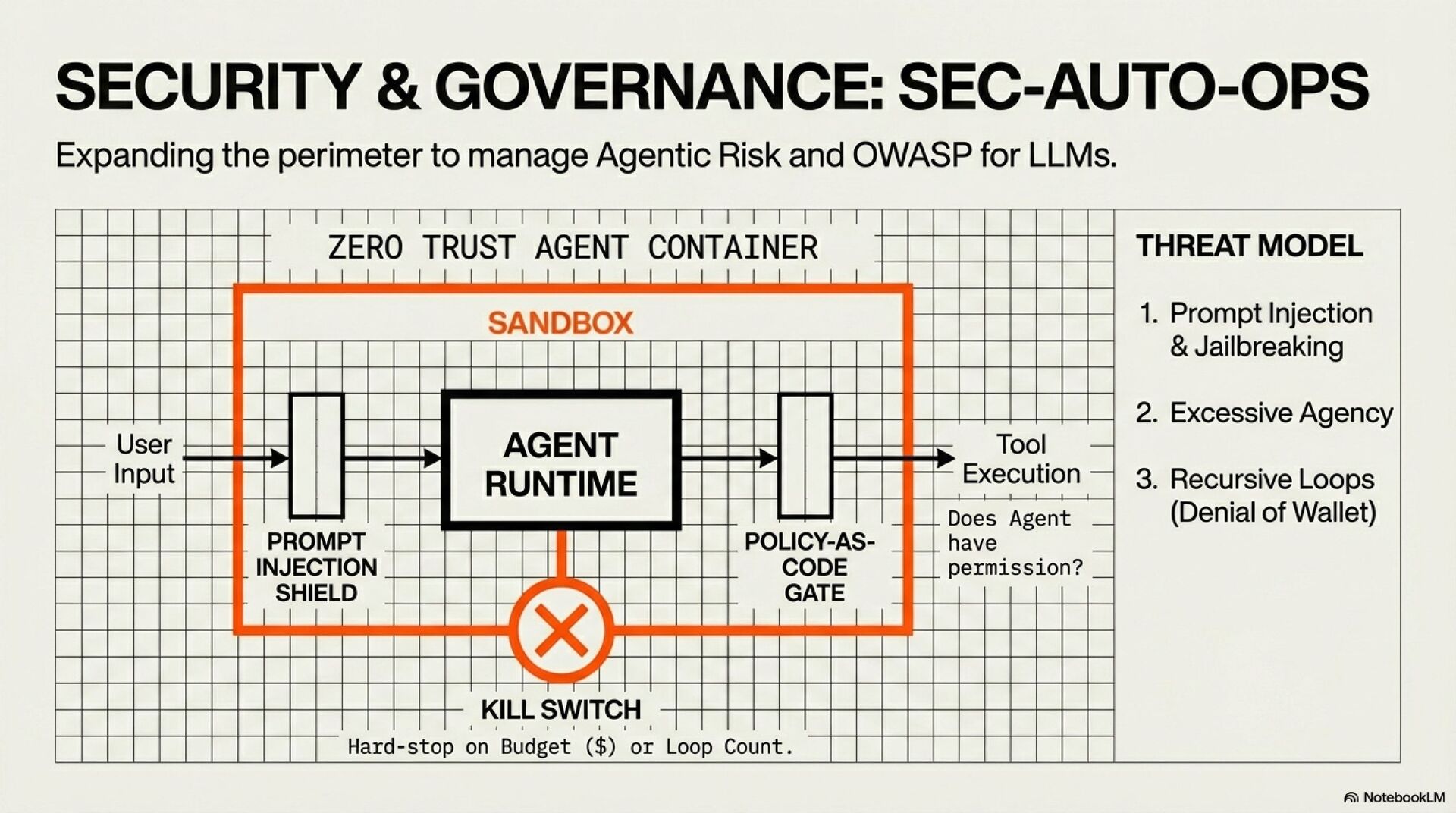
Security becomes SecAutoOps:
• Zero trust agent sandboxes, strict egress, and context segmentation
• Policy-as-code that makes unsafe actions cryptographically impossible
• Snapshotting and rollback for agent failures
• Threat modeling aligned to OWASP LLM risks, including prompt injection and denial of wallet loops
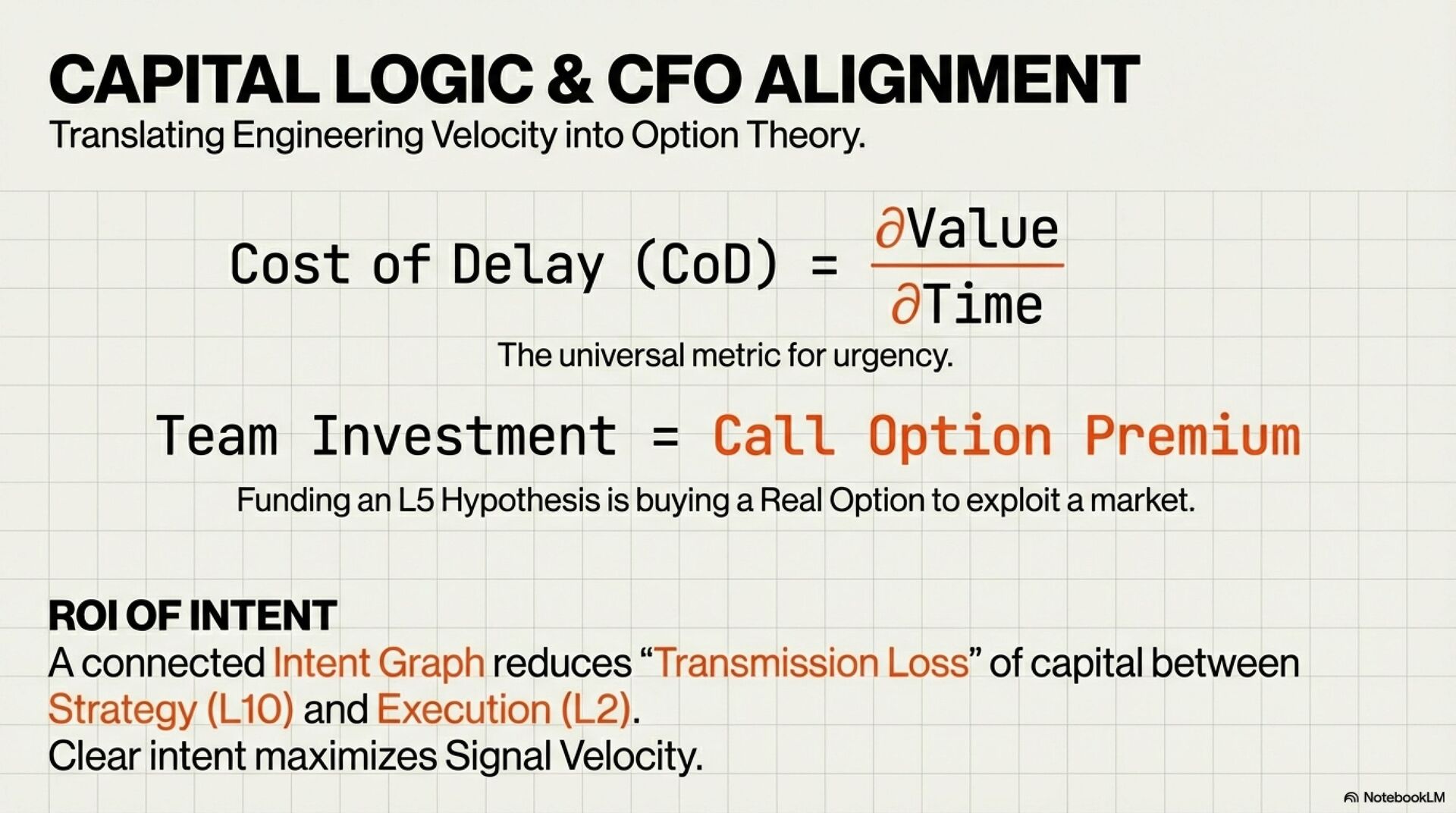
The economic inversion is explicit: labor-driven cost structures shift toward compute-driven OpEx. Winning requires token budgets, cost-to-serve controls, drift management, and open standards to reduce vendor lock-in.
If you implement SDD, evaluation engineering, and the four-graph operating model, you can build a reliable path to adaptive execution without relying on “AI magic”.


 djimit123
 techtekt
 kzkhykw1991
 ezaki
ezaki
 rfdnxbro
 occhi
occhi
 syuchimu
 yahonda
 shugo
shugo
 tsukina_7mochi
.png) yamad
yamad
 ama_ch
 oasis1994liveforever
 cassininazir
 tmiket
 productmarketing
.png) helenjbeal
helenjbeal
 aleyda
 nonsquared
 chrisshort
 mfonobong
 swwweet
 bkeepers
 tapps
tapps
 moore
moore