Your Podcast. Everywhere. Effortlessly.
The Four Ages of Security Engineering: From Perimeter to Probability
A Field in Transformation
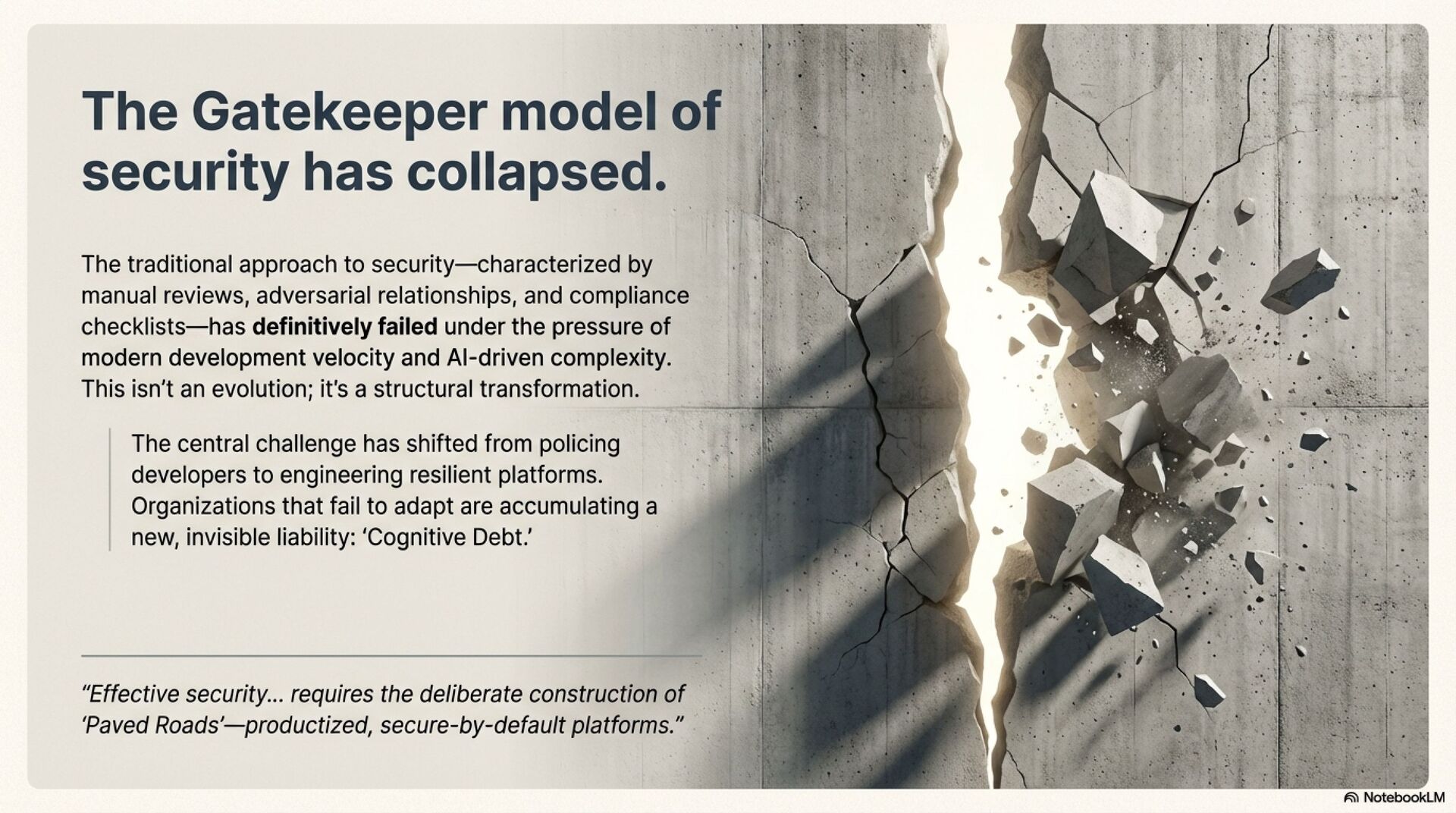
The field of security engineering is undergoing a structural transformation of a magnitude not seen since the transition to cloud-native architectures. Driven by the relentless pace of modern development and the emergent complexities of Artificial Intelligence, the traditional "gatekeeper" model of security—defined by manual reviews and adversarial relationships—has definitively collapsed. For students and aspiring professionals entering this dynamic field, understanding its history is not just an academic exercise; it is essential for navigating its future.
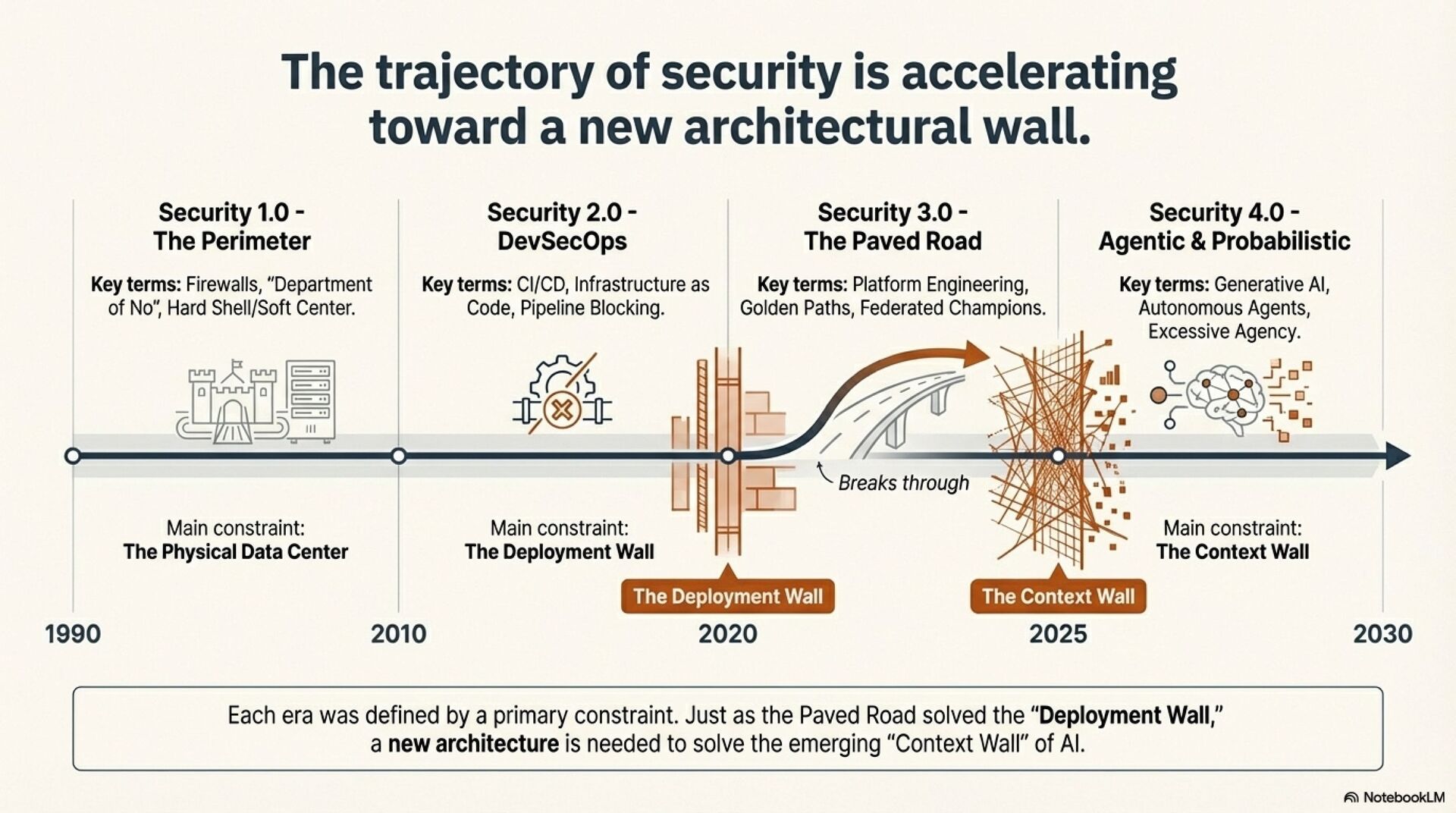
This document provides a clear, narrative-driven historical overview of security engineering, charting its evolution through four distinct eras. It explains how the core philosophy of the discipline has been reshaped by technological shifts, from the rigid firewalls of the early internet to the probabilistic AI systems of tomorrow.
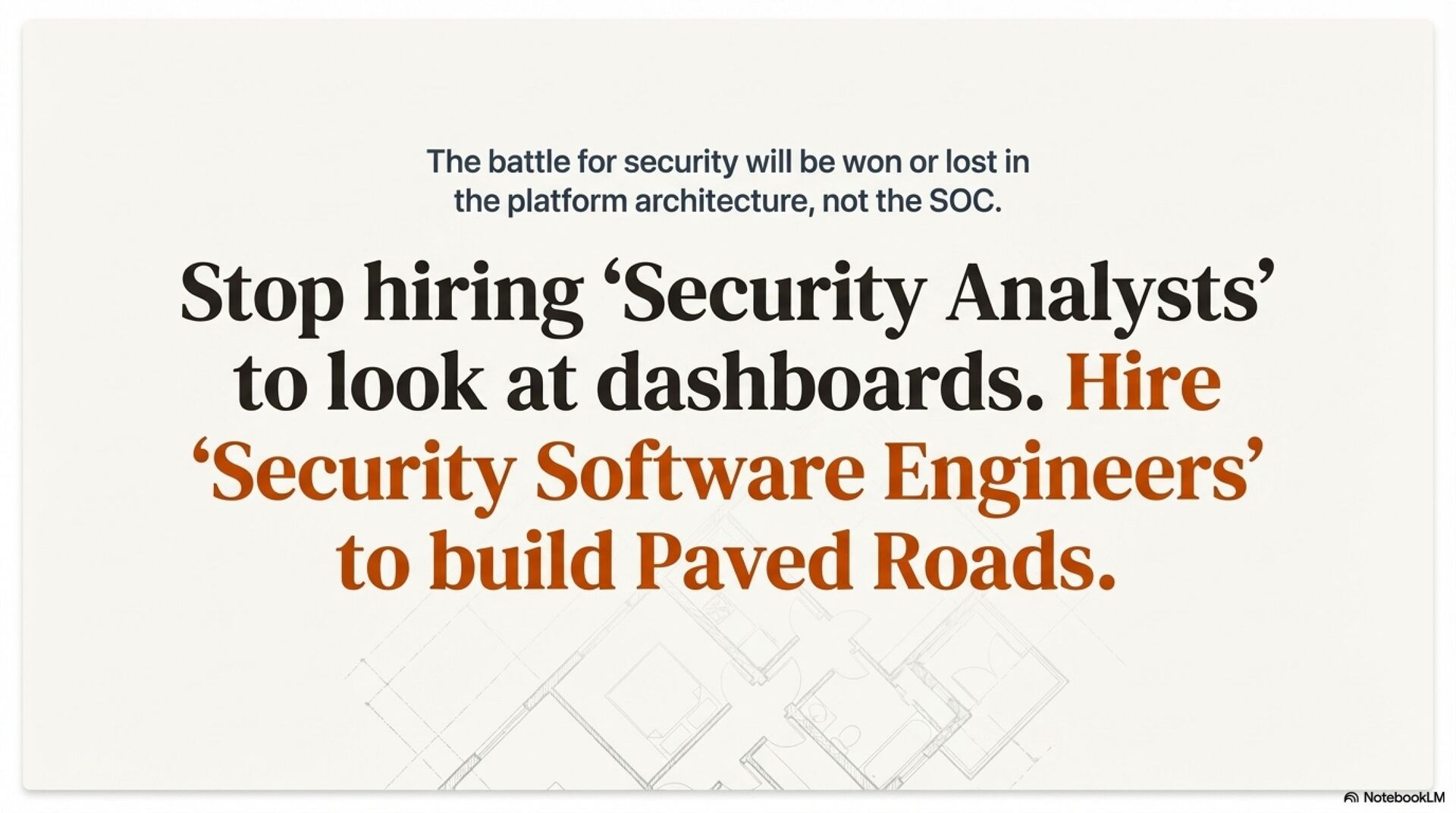
Ultimately, this history reveals a fundamental evolution in the role of the security professional: a shift away from being a "gatekeeper" who blocks progress and toward becoming a "platform enabler" who builds the secure foundations upon which innovation can accelerate.
1. The Foundational Shift: Evolving Our Mental Models
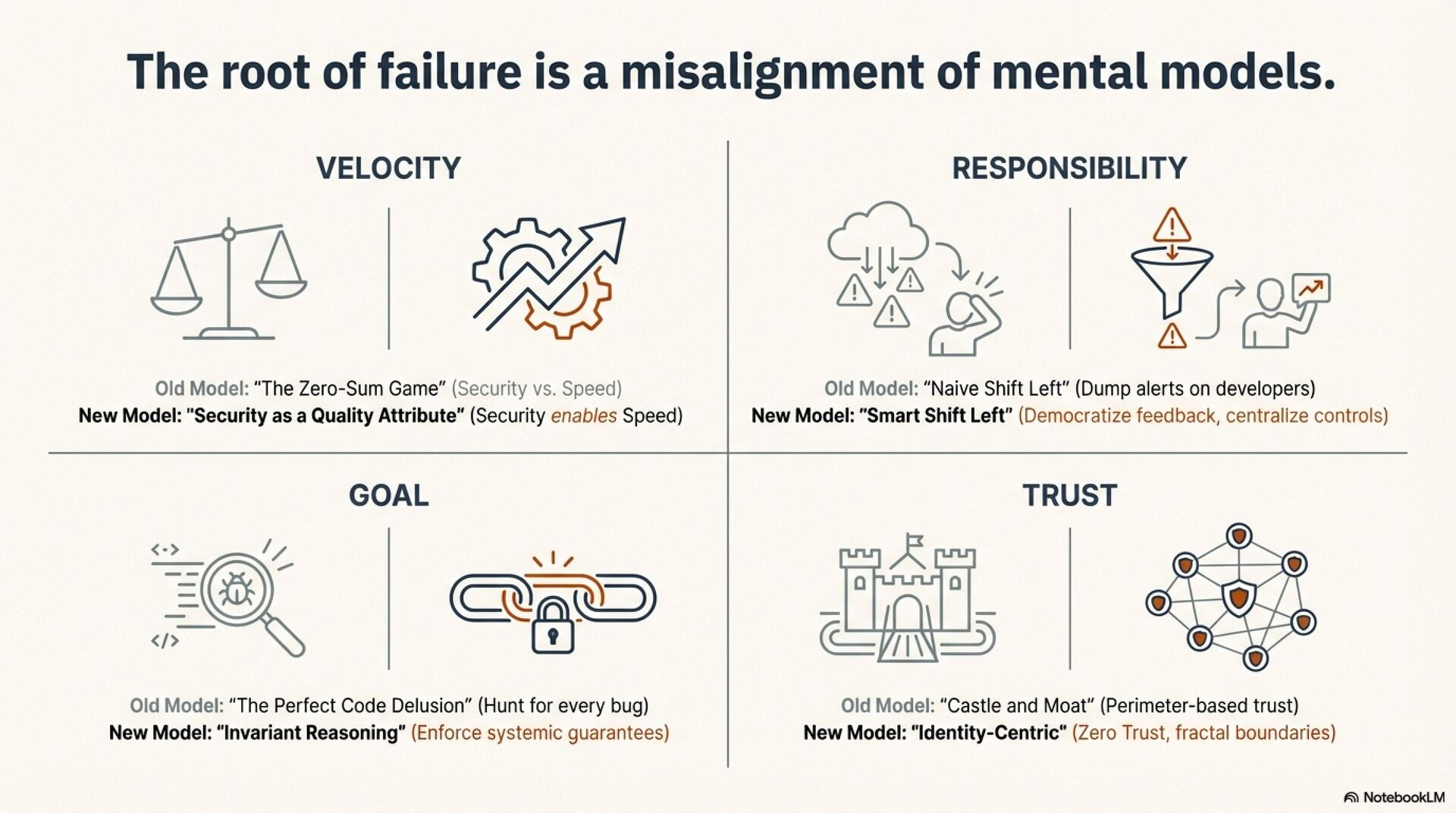
To understand the history of security engineering, we must first understand the evolution of the core ideas, or "mental models," that shaped each era. The friction often seen between security and development teams is rarely about technology; it is a clash of outdated and modern ways of thinking.
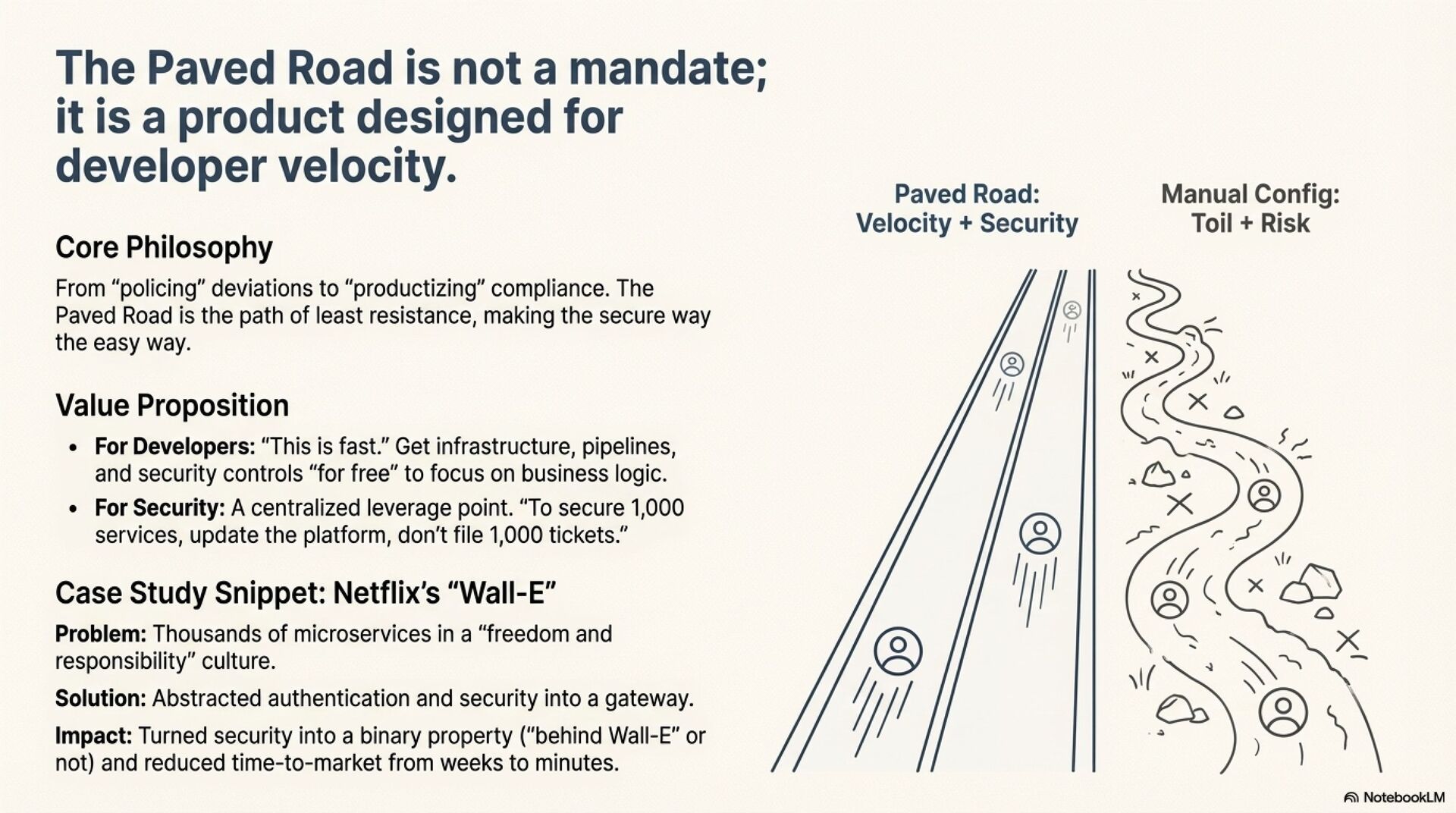
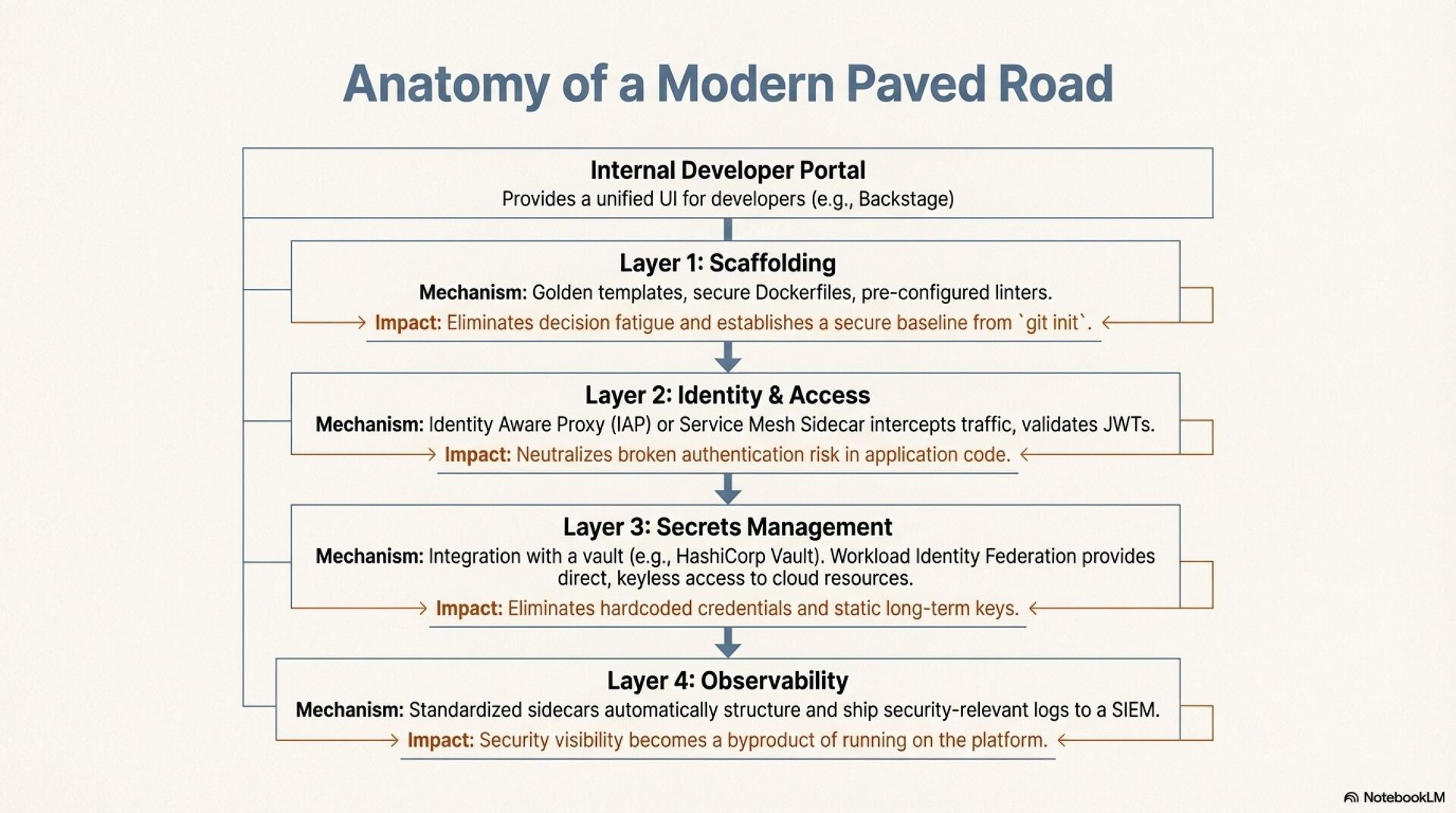
The most persistent myth is the "zero-sum game," which posits that security and development velocity are opposing forces. This is a relic of an era where security was a final, blocking step. Evidence from high-performing organizations like Netflix, Google, and Spotify proves the opposite: modern security engineering is a prerequisite for sustained velocity. By building secure platforms, they enable developers to ship features faster.
This new thinking is captured in the concept of a "Smart Shift Left." A naive "Shift Left" simply dumps security work onto developers, leading to burnout and alert fatigue. In contrast, a Smart Shift Left uses automation to provide developers with early, high-fidelity feedback while abstracting away the complexity of security controls into the underlying platform. The goal is to reduce developer cognitive load, not add to it.
The "Perfect Code" Delusion vs. Invariant Reasoning
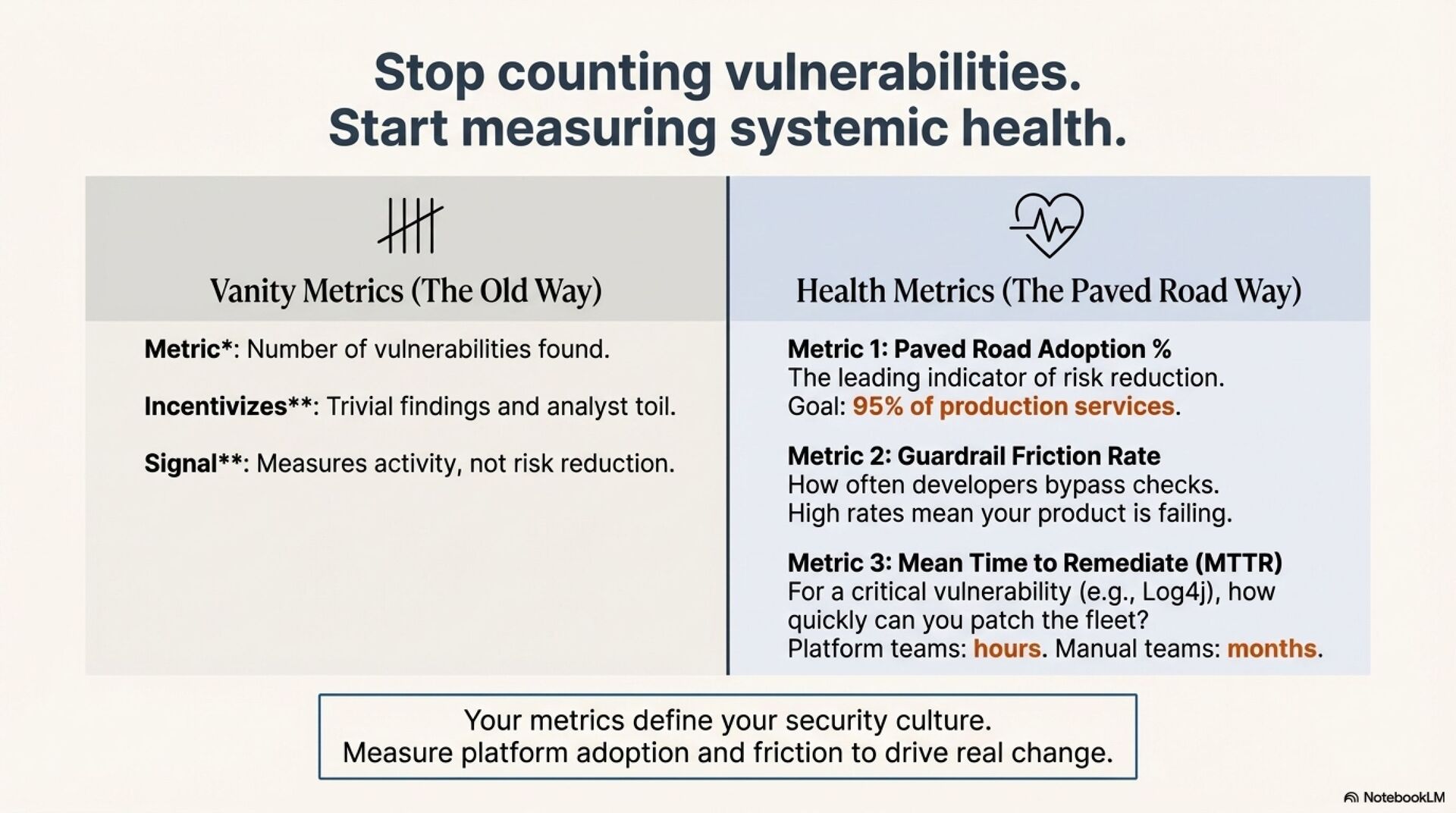
Traditional security programs often operate under the implicit assumption that security is achieved by writing vulnerability-free code. This "Perfectionist" model is unattainable in complex systems. The modern engineer operates with an "Assume Breach" mentality, focusing instead on Security Invariants—properties of the system that must hold true regardless of the state of individual components. This approach shifts the focus from hunting individual bugs to enforcing systemic guarantees. For example, instead of trying to find every SQL injection flaw, an invariant-based approach ensures the data access layer simply cannot execute unparameterized queries, eliminating the entire vulnerability class by design.
The "Trust Boundary" in a Zero-Trust World
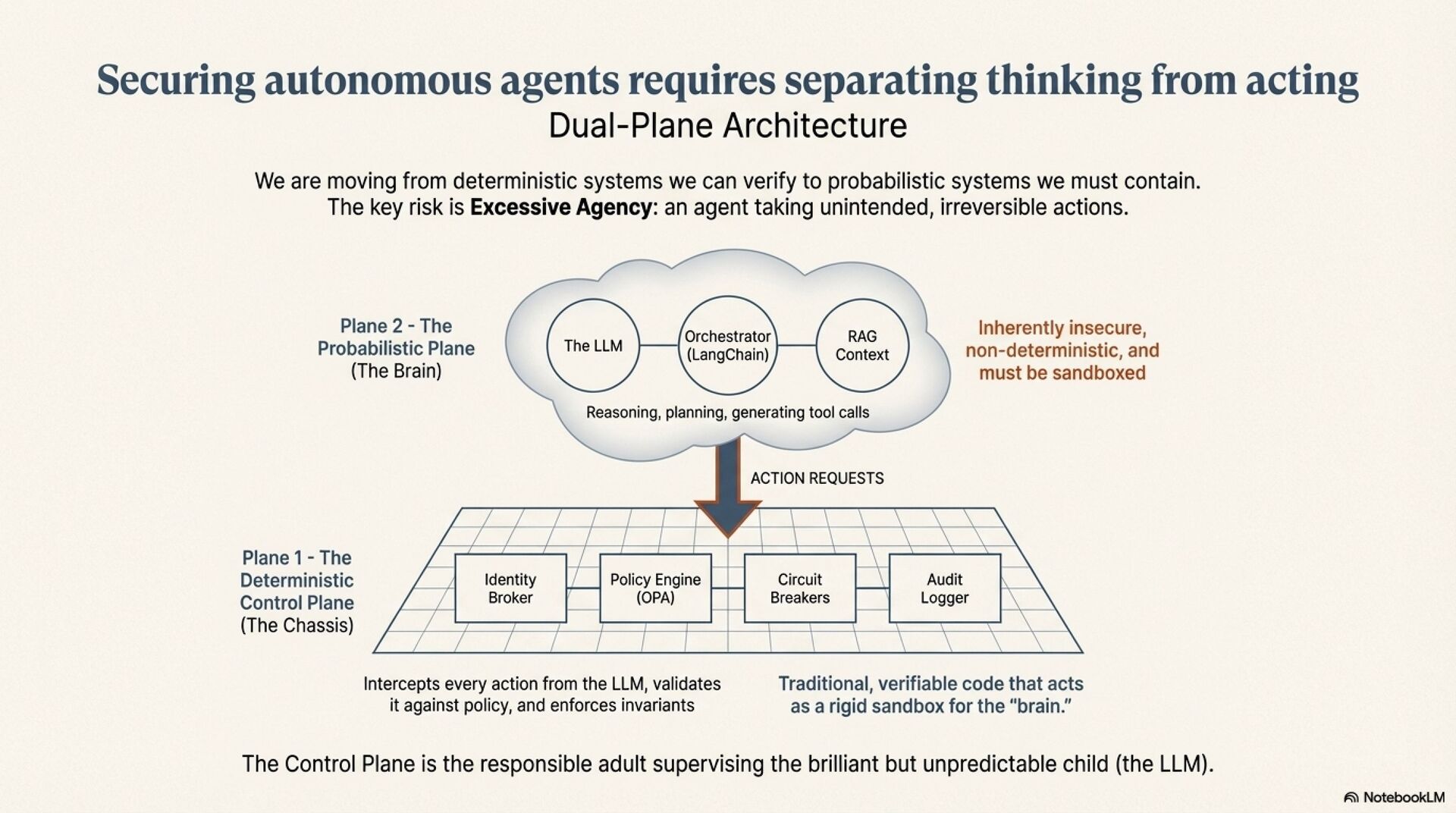
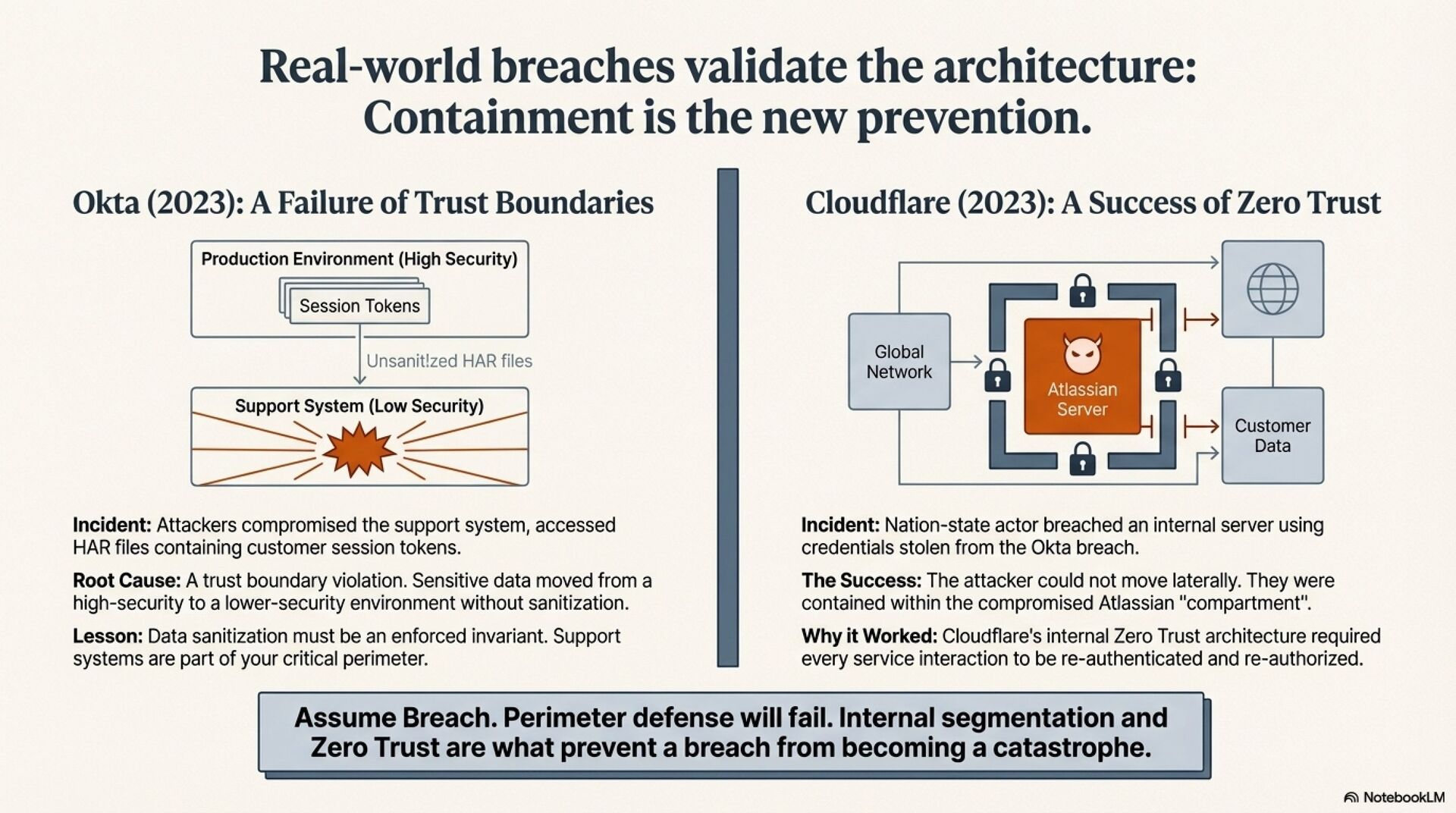
The "Castle and Moat" model of a single, hardened network perimeter is definitively obsolete. In a modern landscape of microservices and AI agents, trust boundaries are fractal; they exist not just at the network edge but between every service, database, and API call. The "Zero Trust" model demands a shift to identity-centric security, where every interaction is authenticated and authorized based on a verifiable identity, not network location. This granular understanding of trust boundaries is critical for preventing lateral movement and containing the inevitable breach.


 djimit123
 mkilby
 stephenakadiri
 varn
varn
 katarinadahlin
 kimpetersen
 sabderemane
 eileencodes
 paigeccino
 morganepeng
 jct
jct
 michielstock
 lindahogenes