SiteGround - Reliable hosting with speed, security, and support you can count on.
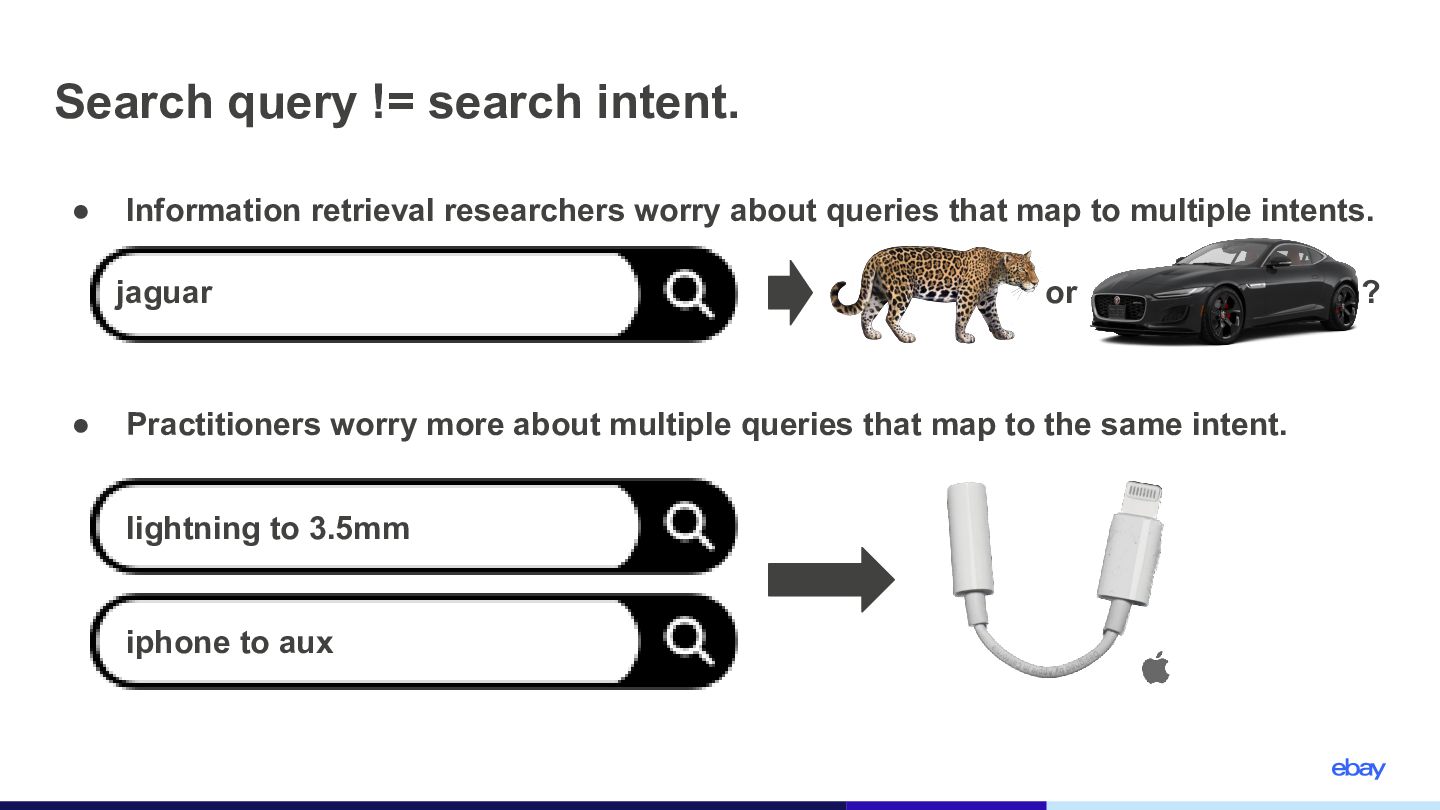
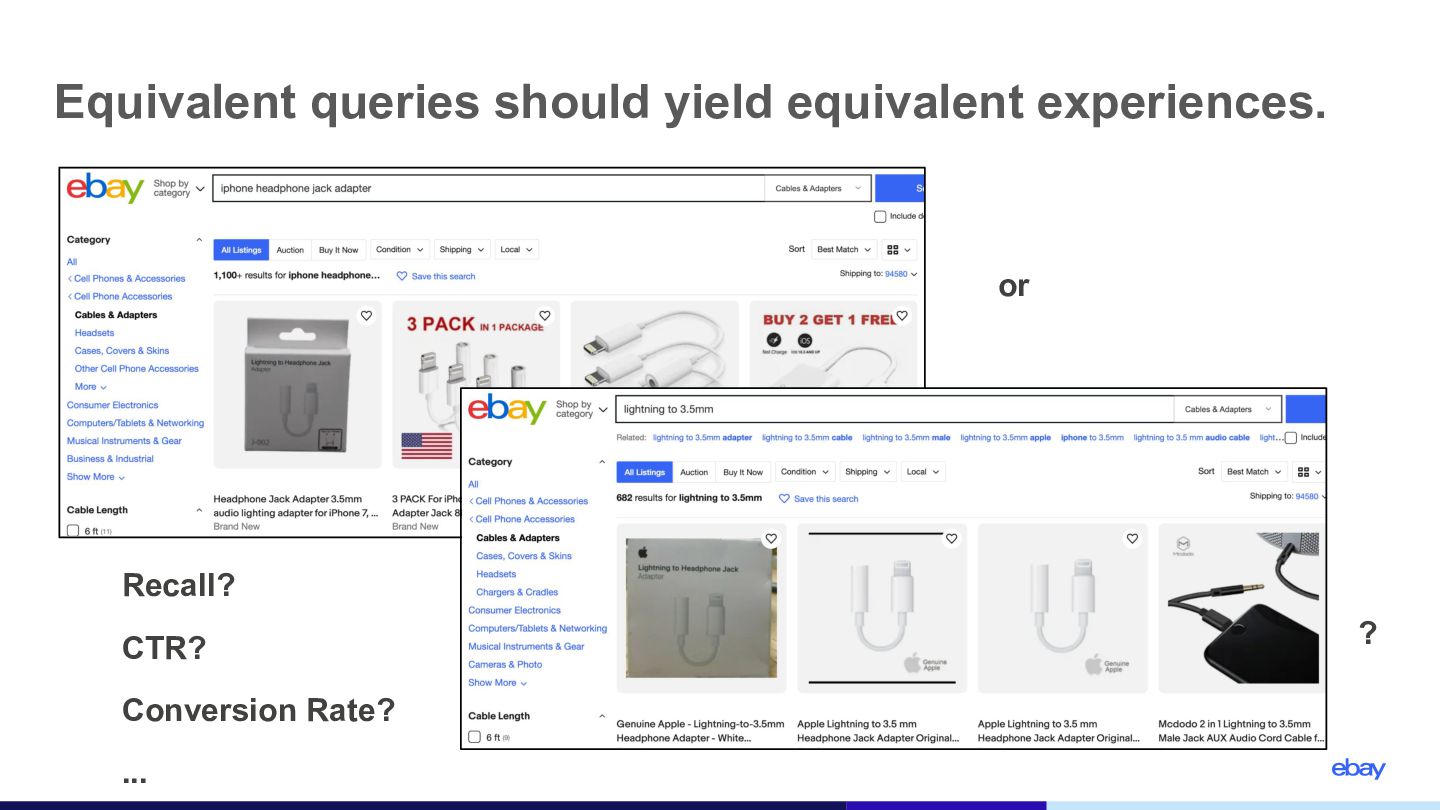
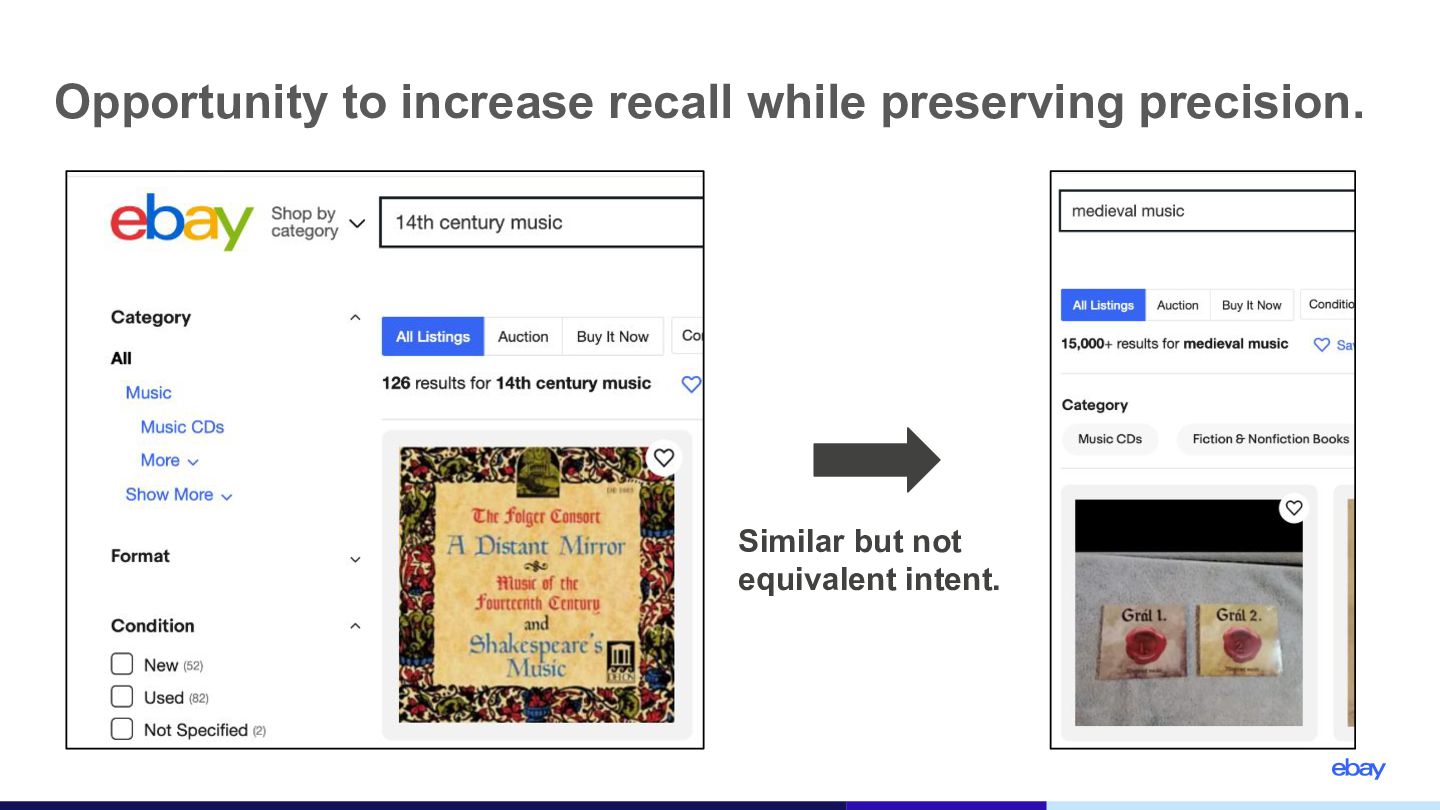
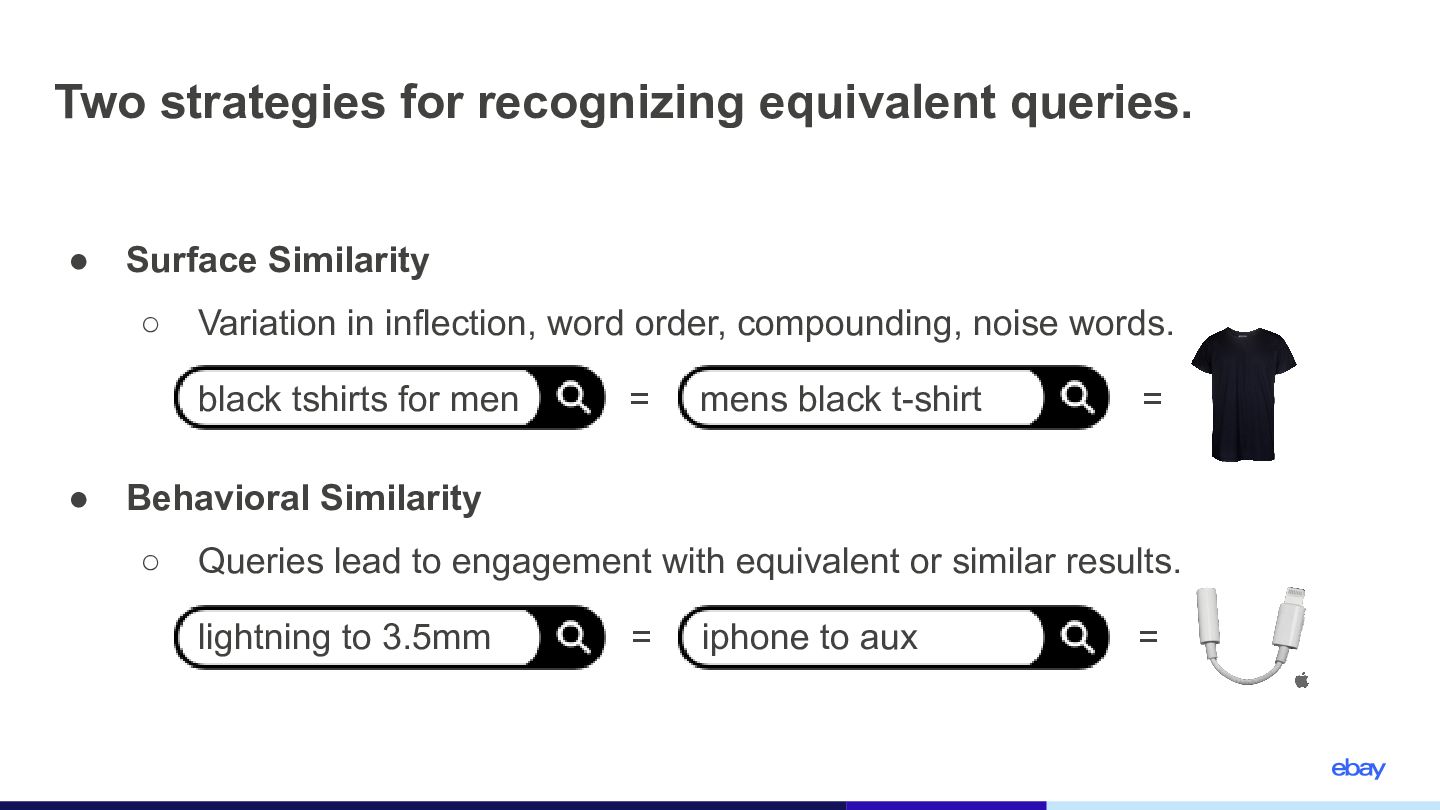
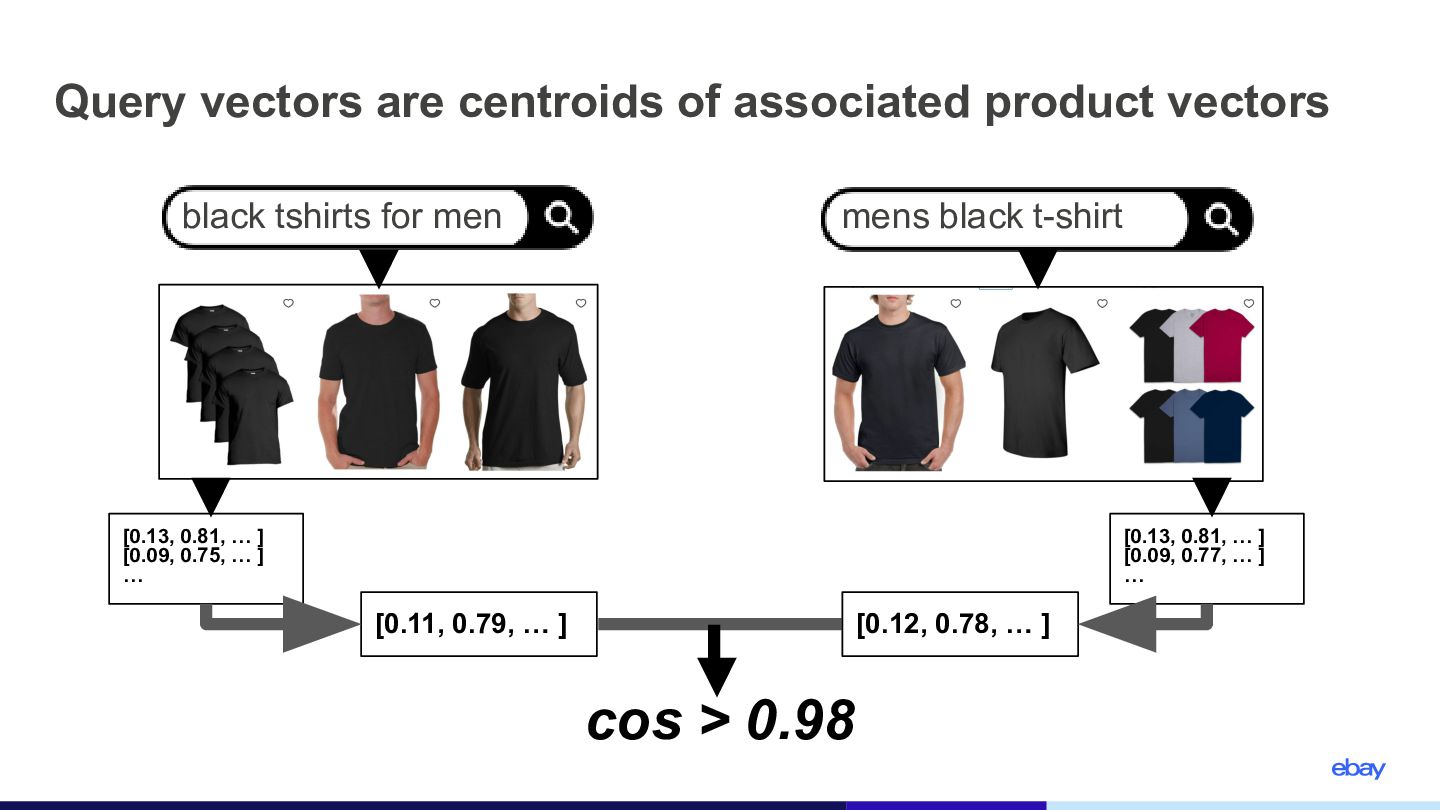
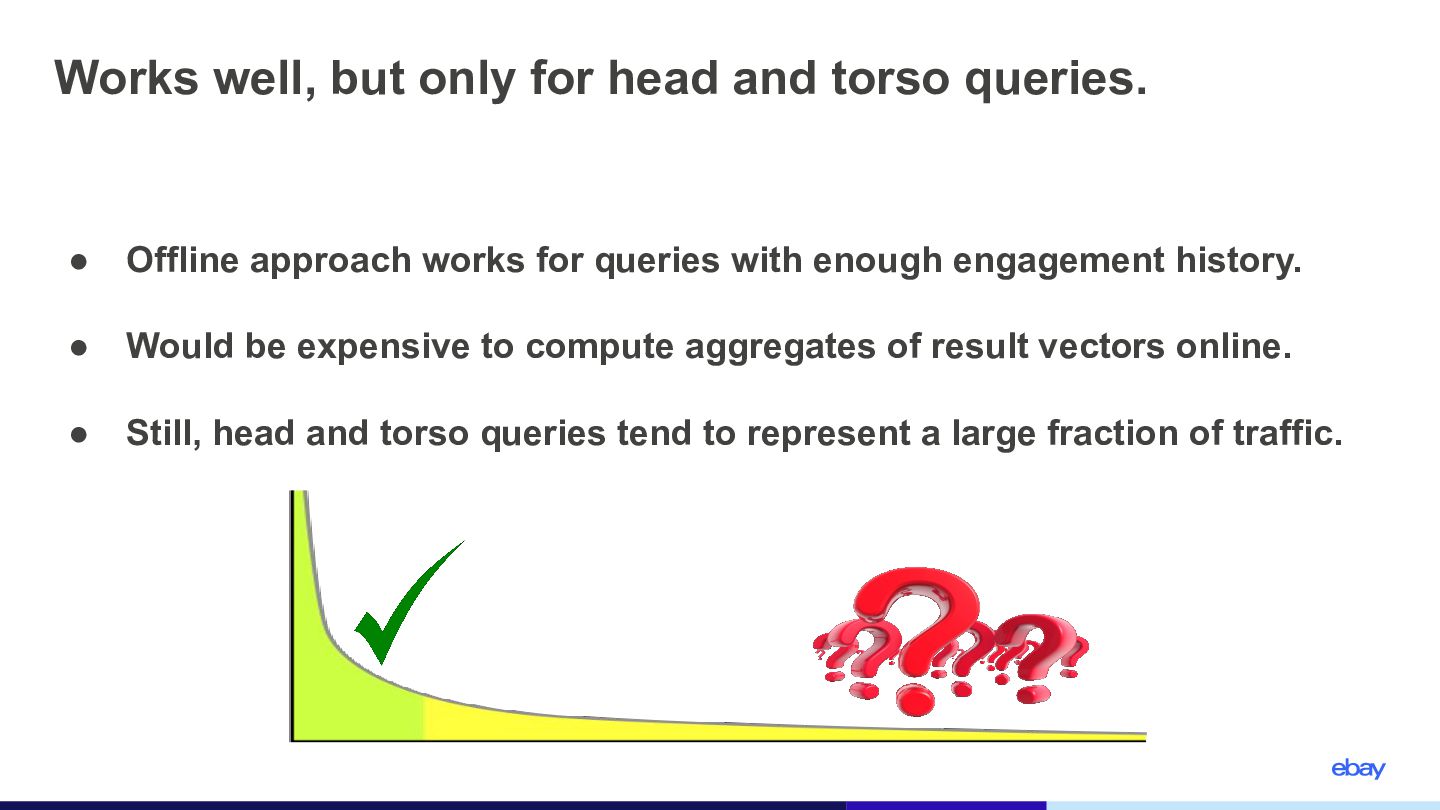
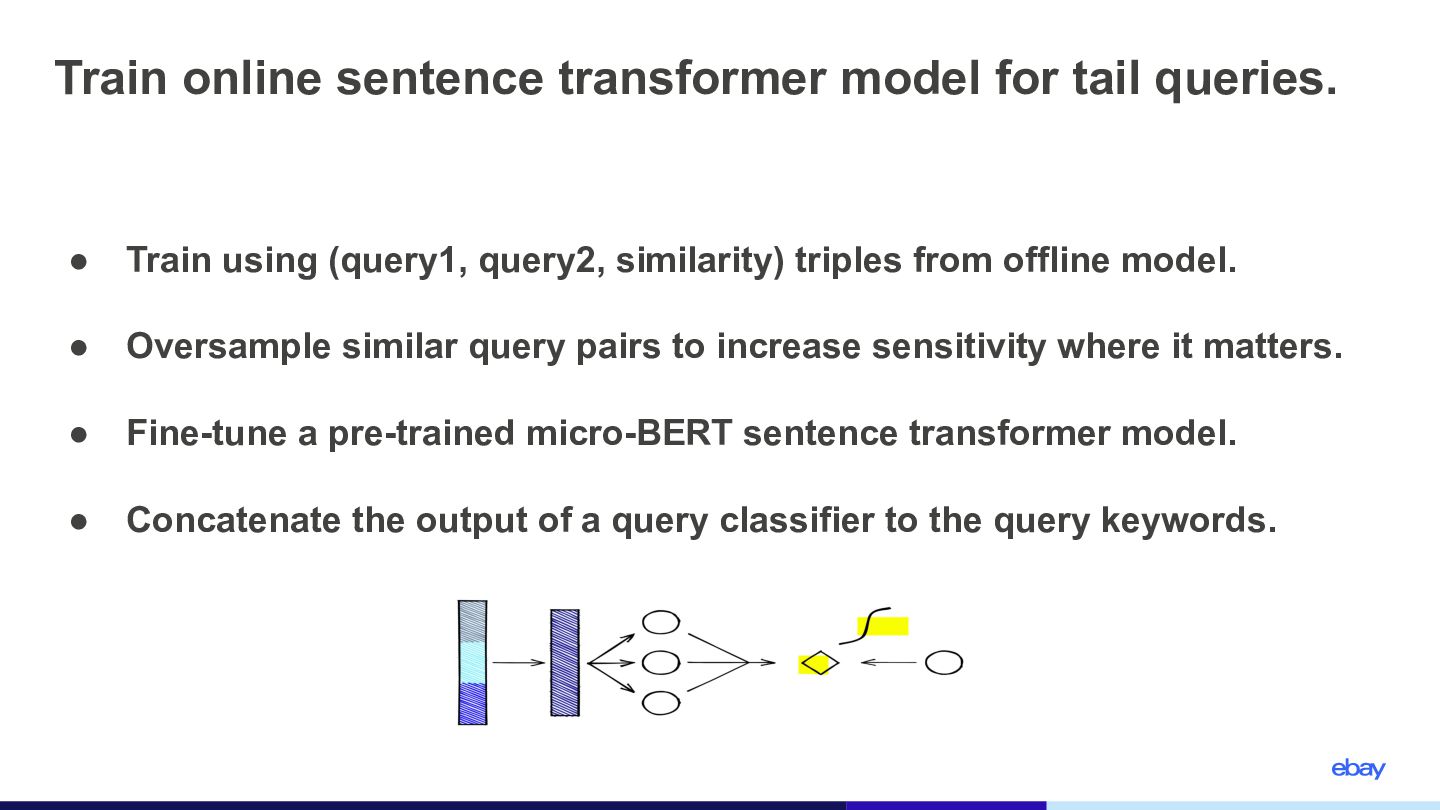
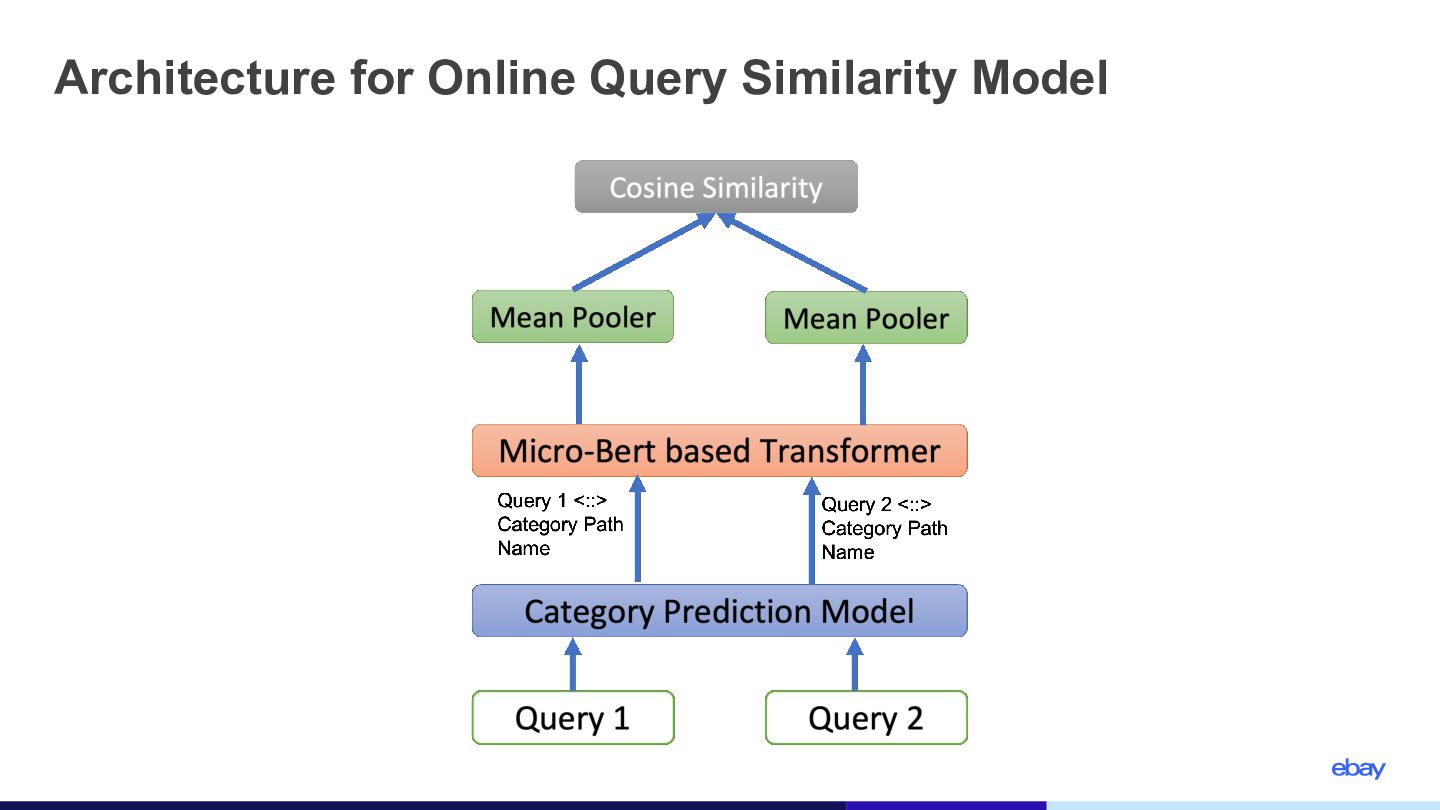
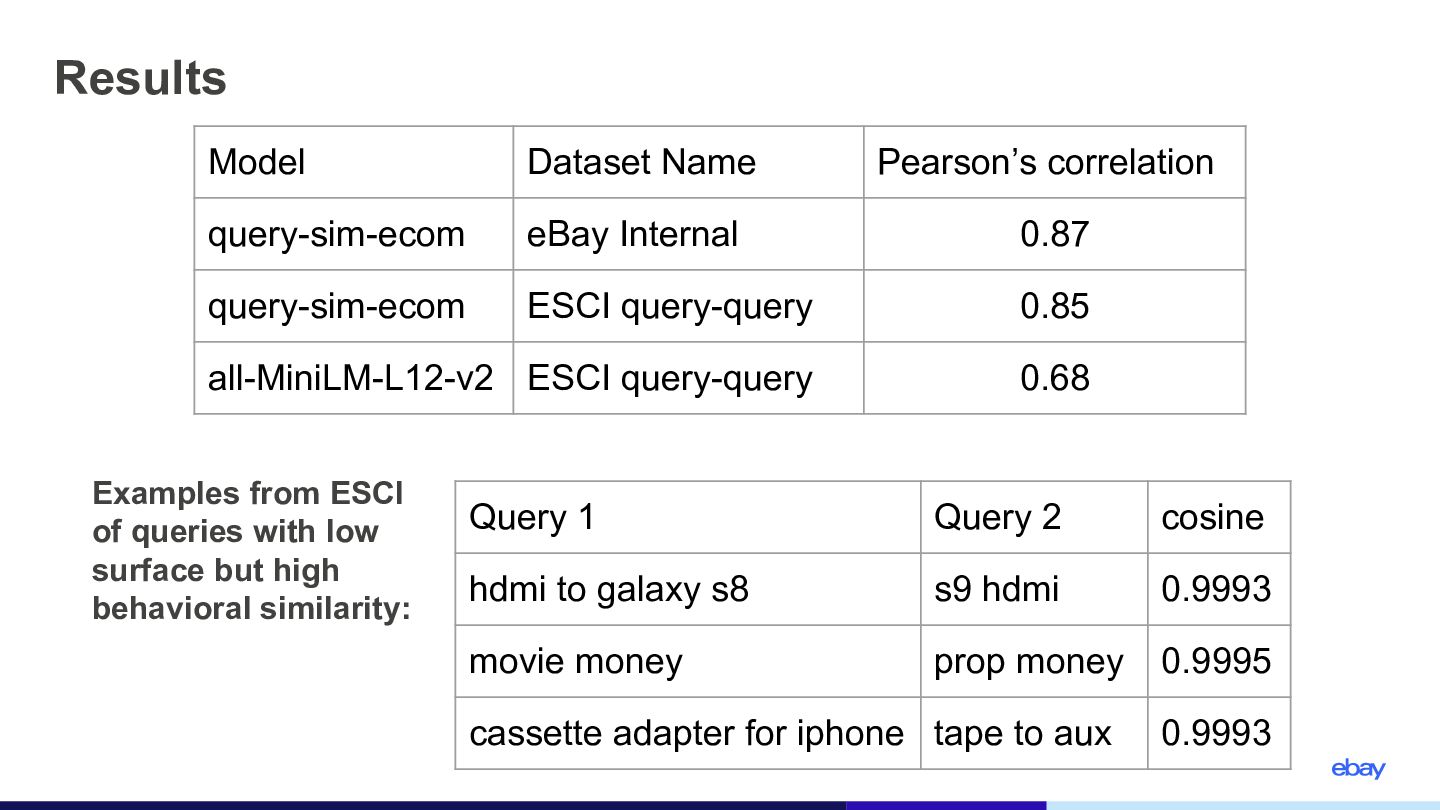
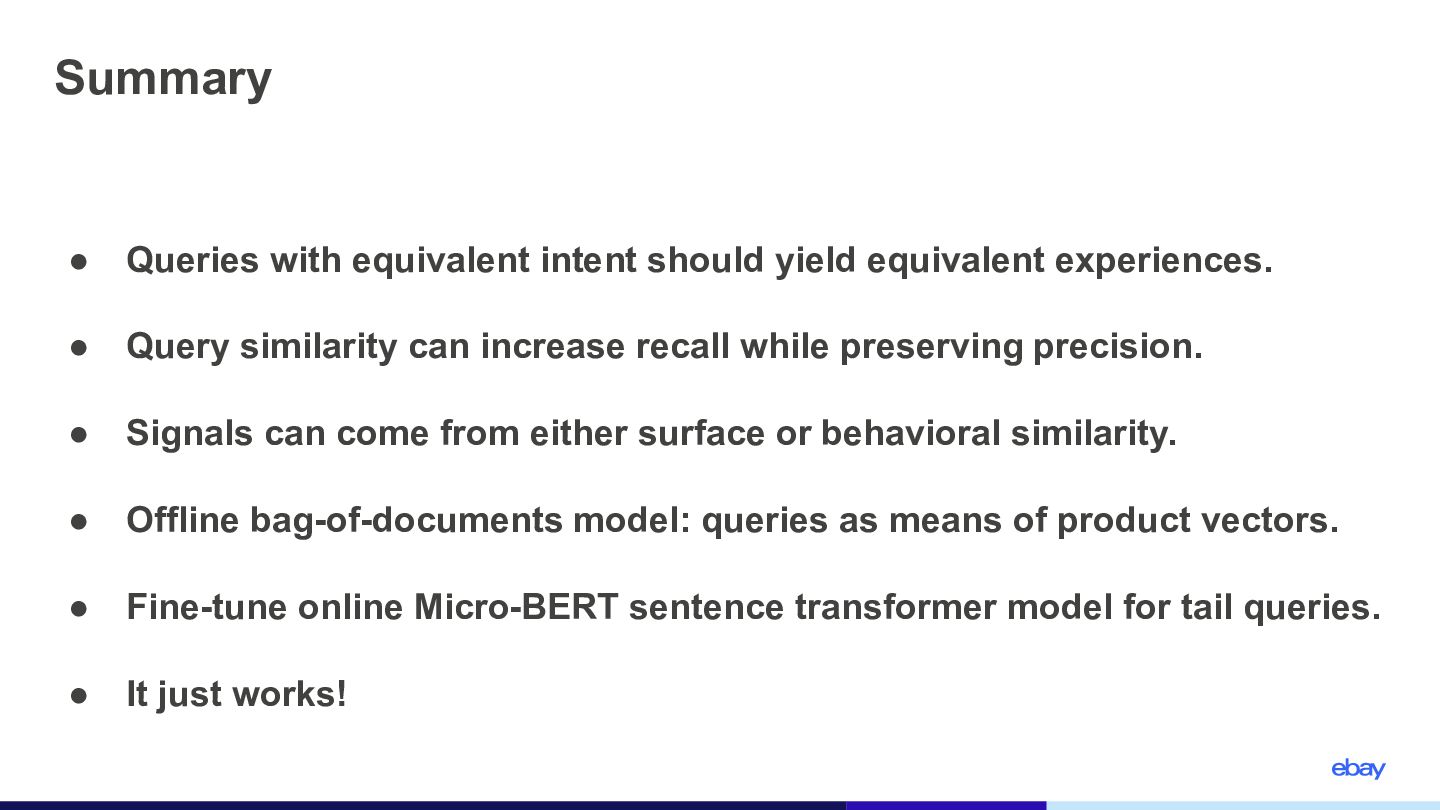
This 2023 Workshop on e-Commerce and NLP presentation discusses computing the semantic equivalence of e-Commerce search queries. Search query variation poses a challenge in e-commerce search, as equivalent search intents can be expressed through different queries with surface-level differences. This paper introduces a framework to recognize and leverage query equivalence to enhance searcher and business outcomes. The proposed approach addresses three key problems: mapping queries to vector representations of search intent, identifying nearest neighbor queries expressing equivalent or similar intent, and optimizing for user or business objectives. The framework utilizes both surface similarity and behavioral similarity to determine query equivalence. Surface similarity involves canonicalizing queries based on word inflection, word order, compounding, and noise words. Behavioral similarity leverages historical search behavior to generate vector representations of query intent. An offline process is used to train a sentence similarity model, while an online nearest neighbor approach supports processing of unseen queries. Experimental evaluations demonstrate the effectiveness of the proposed approach, outperforming popular sentence transformer models and achieving a Pearson correlation of 0.85 for query similarity. The results highlight the potential of leveraging historical behavior data and training models to recognize and utilize query equivalence in e-commerce search, leading to improved user experiences and business outcomes. Further advancements and benchmark datasets are encouraged to facilitate the development of solutions for this critical problem in the e-commerce domain.


 dtunkelang
 nealle
 koukihosaka
 prog893
 puhitaku
 satomasahiro2005
 namiki64
 recruitengineers
 akitoshiga
 shuta13
 kakehashi
 kentapapa
 kaminashi
 kristinabergwall1
 madoxten
 addyosmani
 frankvandijk
 katarinadahlin
 rocio
rocio
 kneath
 axbom
axbom
 tapps
tapps
 tammyeverts
 ipullrank
 szymonslowik