Upgrade to Pro — share decks privately, control downloads, hide ads and more …

Web Science: How is it different?

Sponsored · Ship Features Fearlessly Turn features on and off without deploys. Used by thousands of Ruby developers.

Web Science: How is it different?

This 2014 Web Science keynote discusses how big data and web science have transformed the scientific method by making experimentation cheaper and more scalable. While traditional methods of hypothesis testing still hold value, the shift to faster, data-driven approaches presents both opportunities and challenges, particularly in recognizing human biases in experimentation. Ultimately, it emphasizes that the scientific method remains relevant, though its economics have shifted dramatically.

Avatar for Daniel Tunkelang

Daniel Tunkelang

May 26, 2026

More Decks by Daniel Tunkelang

Other Decks in Technology

Transcript

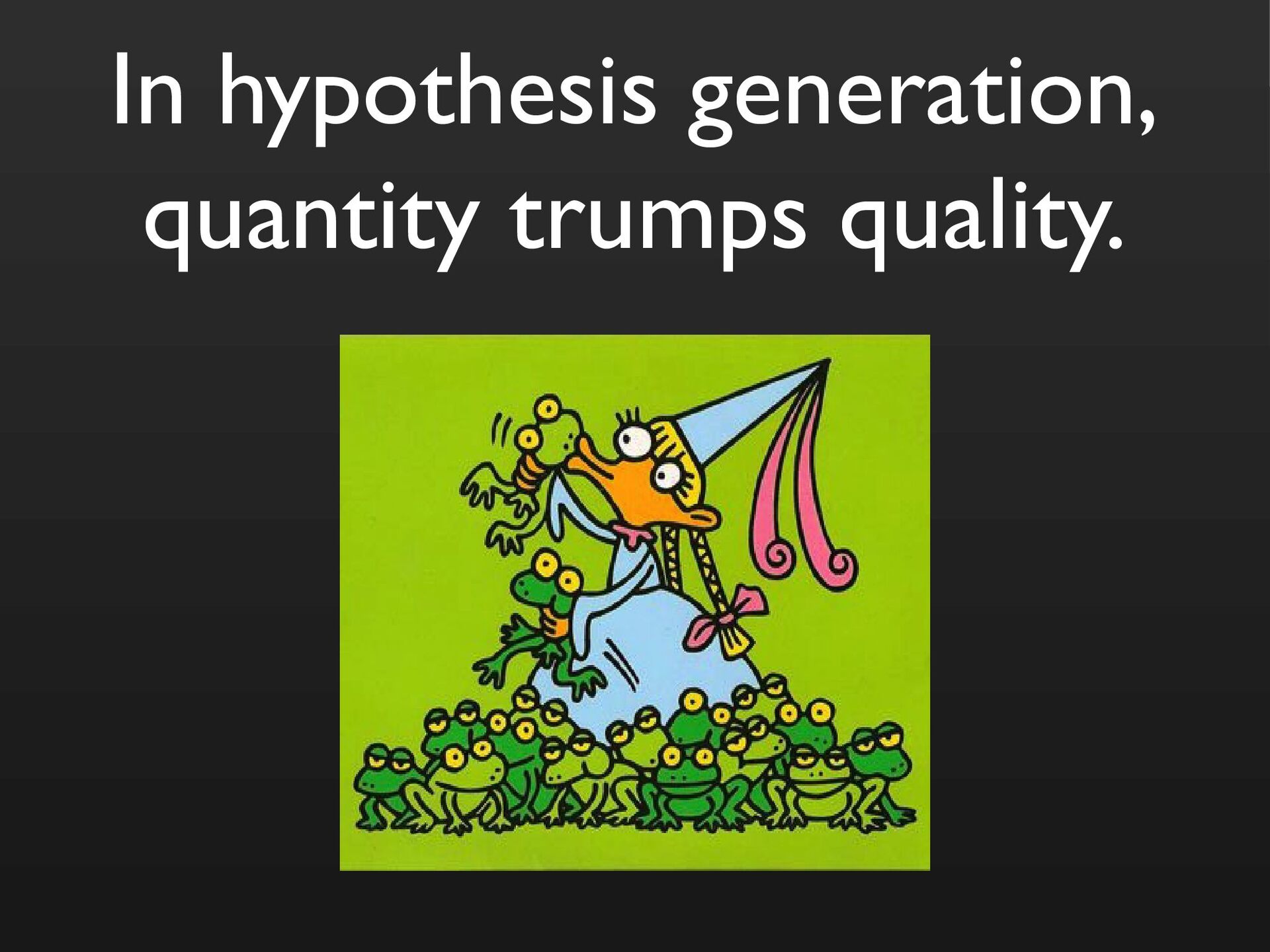
  1. “You have to kiss a lot of frogs to find

    one prince. So how can you find your prince faster? By finding more frogs and kissing them faster and faster.” Mike Moran Do It Wrong Quickly: How the Web Changes the Old Marketing Rules, 2007 Cited by Kohavi in Online Controlled Experiments at Large Scale, 2013
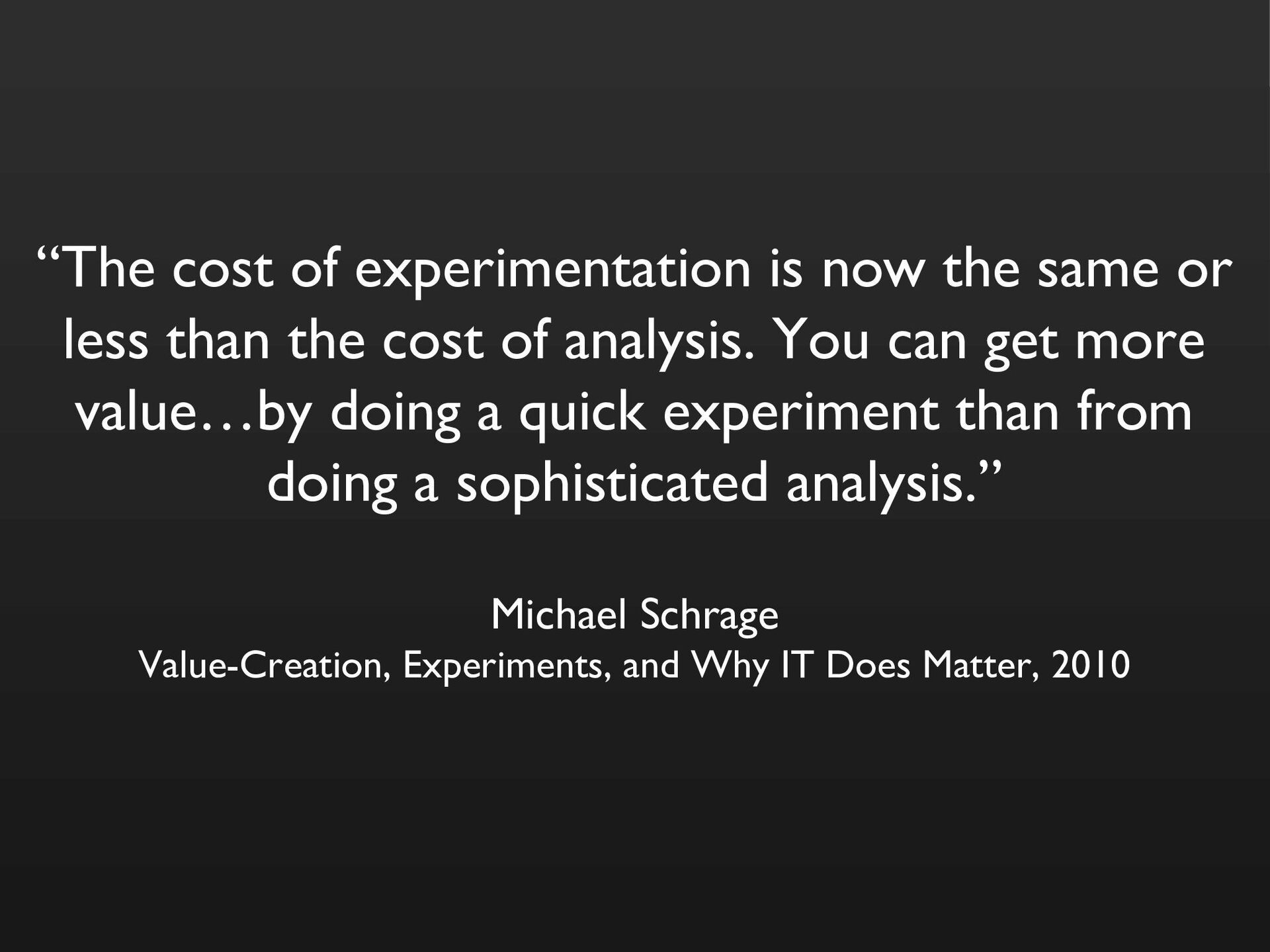
  2. “The cost of experimentation is now the same or less

    than the cost of analysis. You can get more value…by doing a quick experiment than from doing a sophisticated analysis.” Michael Schrage Value-Creation, Experiments, and Why IT Does Matter, 2010
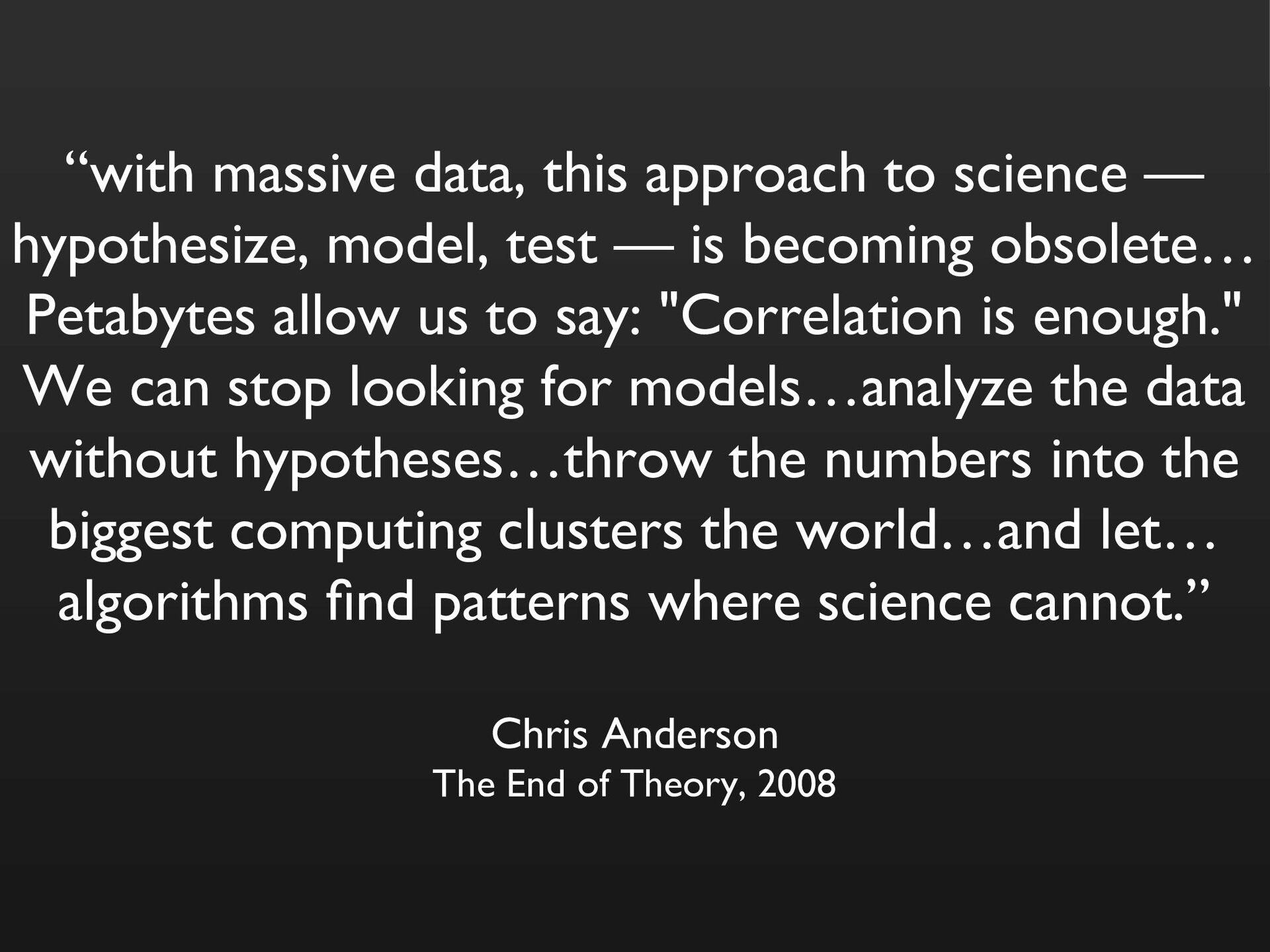
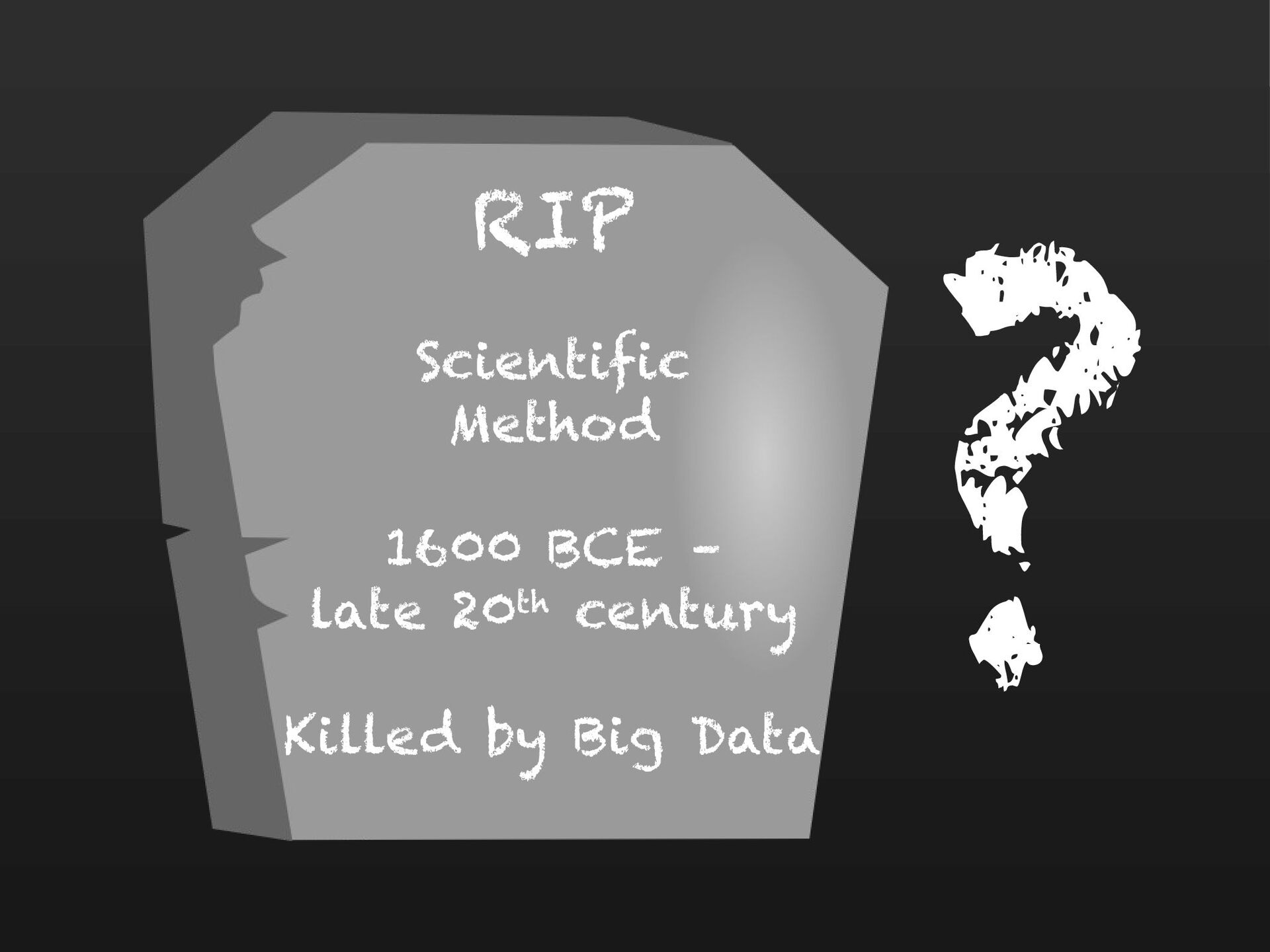
  3. “with massive data, this approach to science — hypothesize, model,

    test — is becoming obsolete… Petabytes allow us to say: "Correlation is enough." We can stop looking for models…analyze the data without hypotheses…throw the numbers into the biggest computing clusters the world…and let… algorithms find patterns where science cannot.” Chris Anderson The End of Theory, 2008
  4. No.

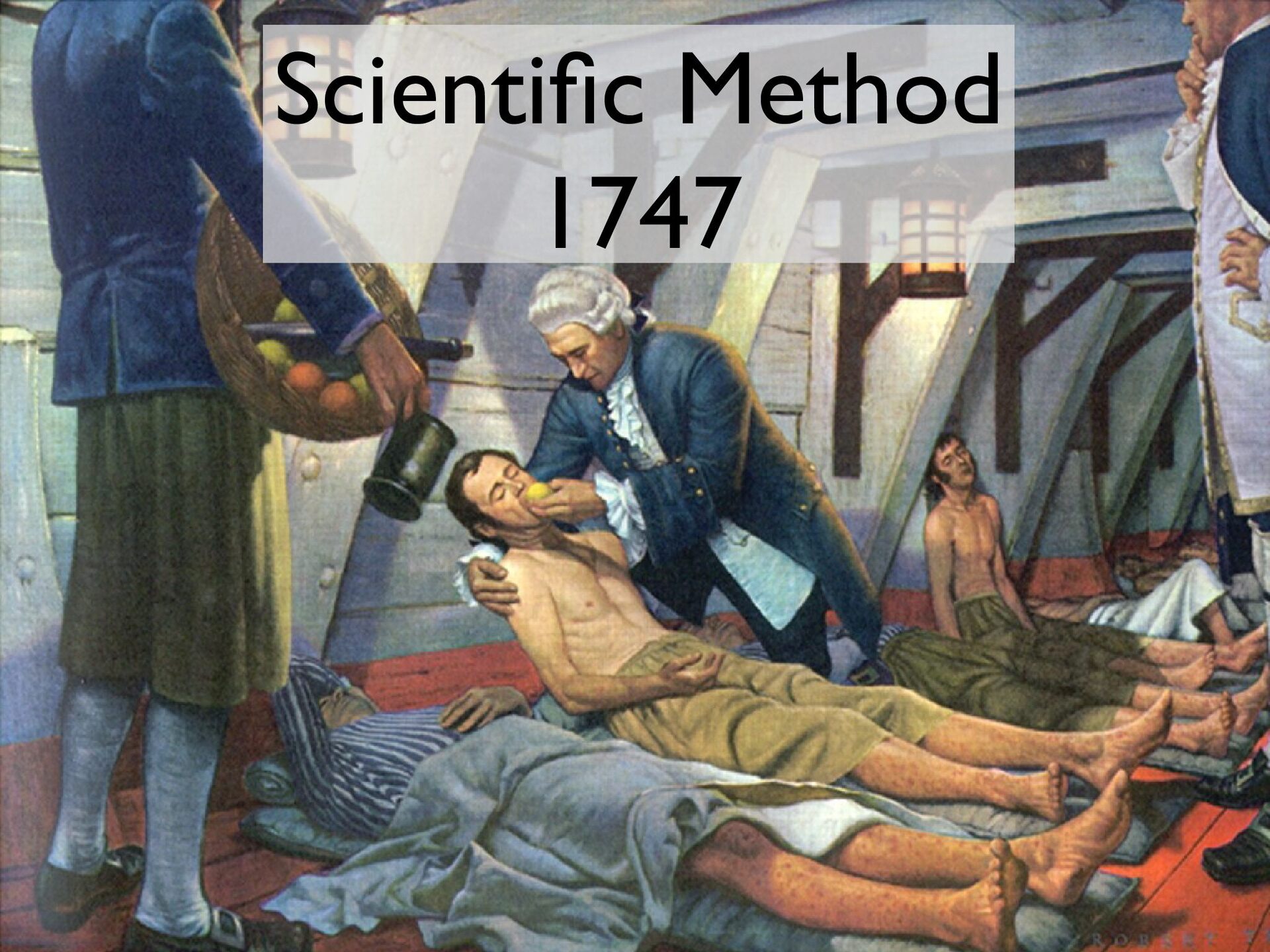
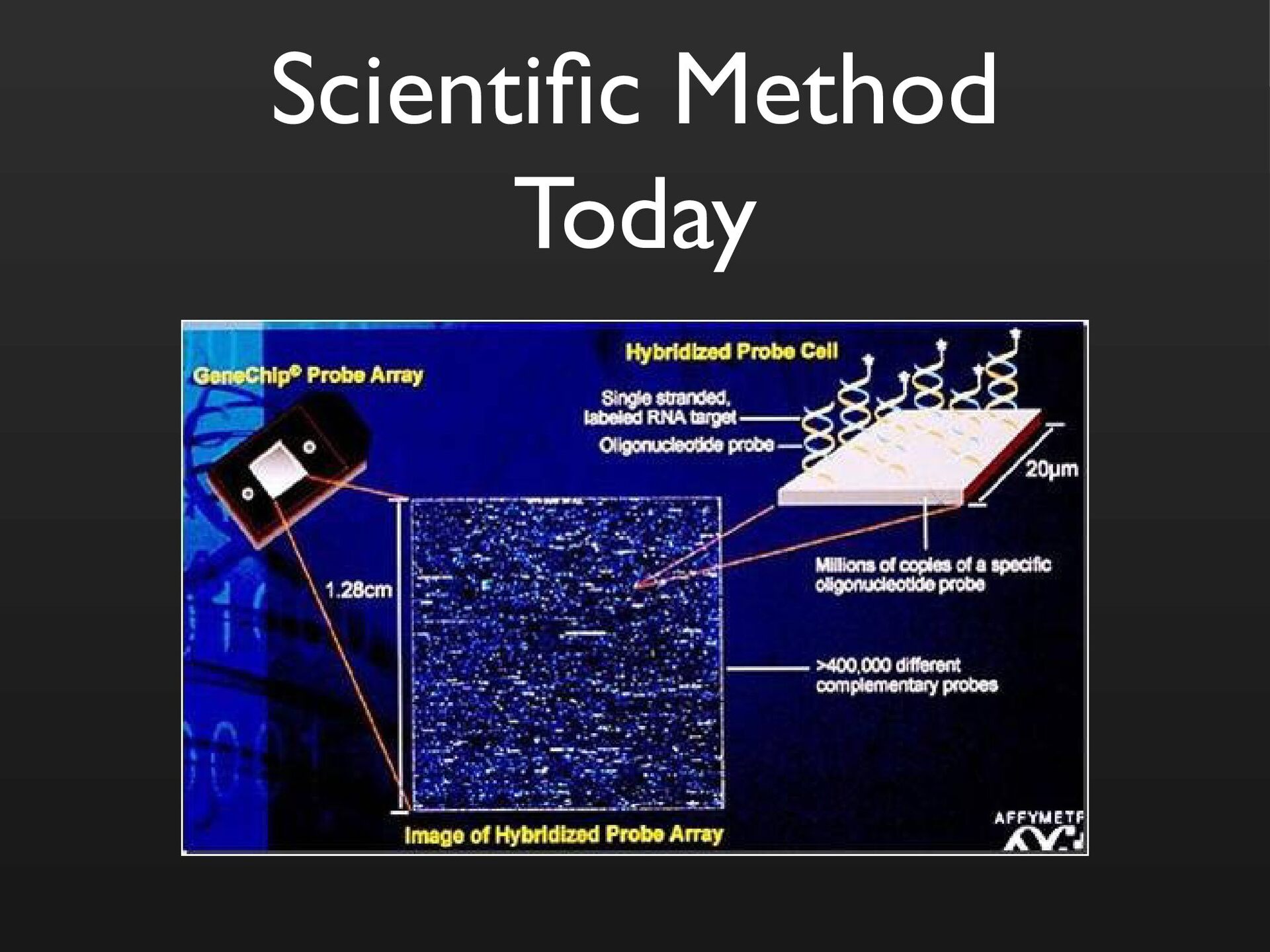
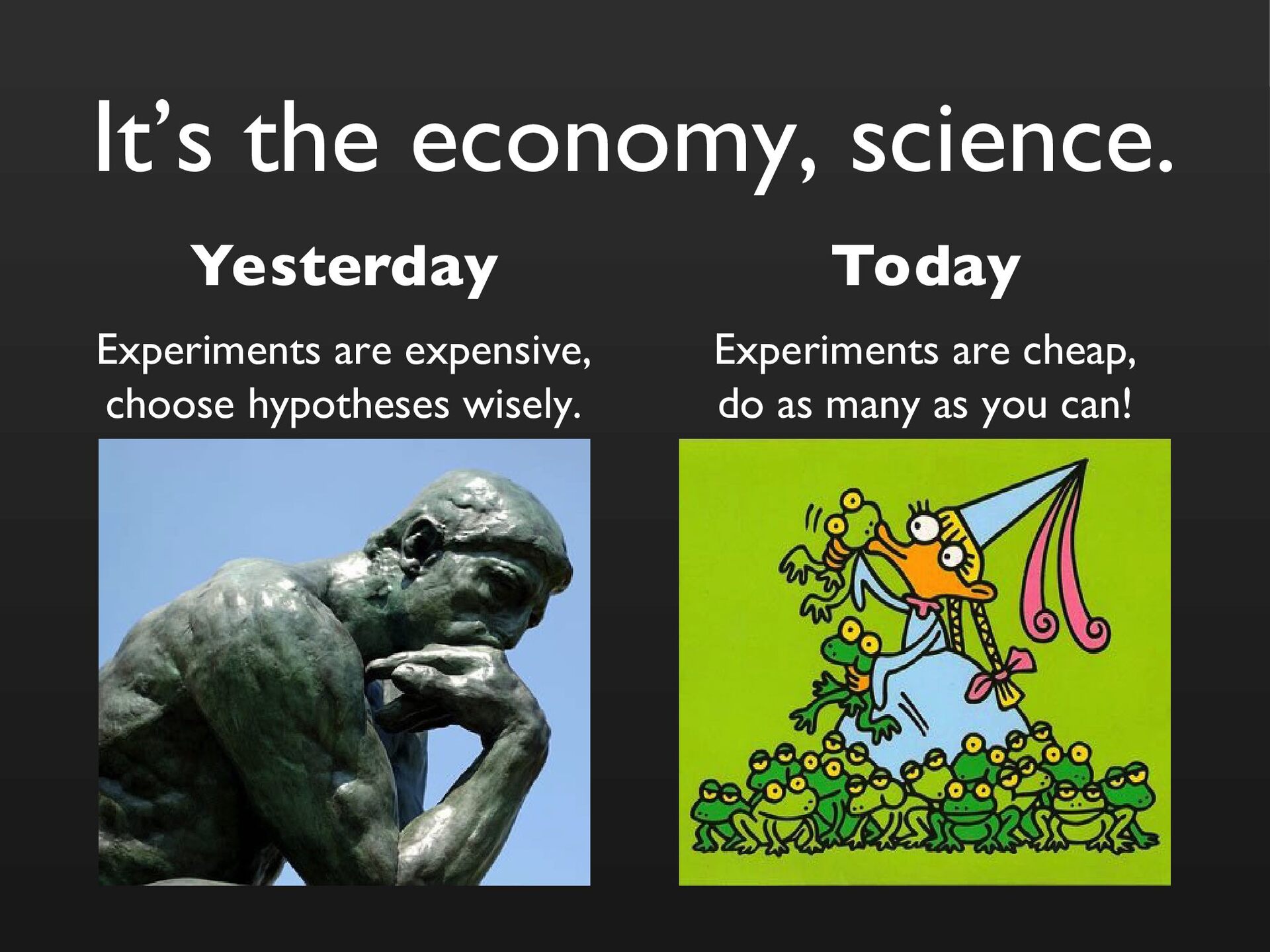
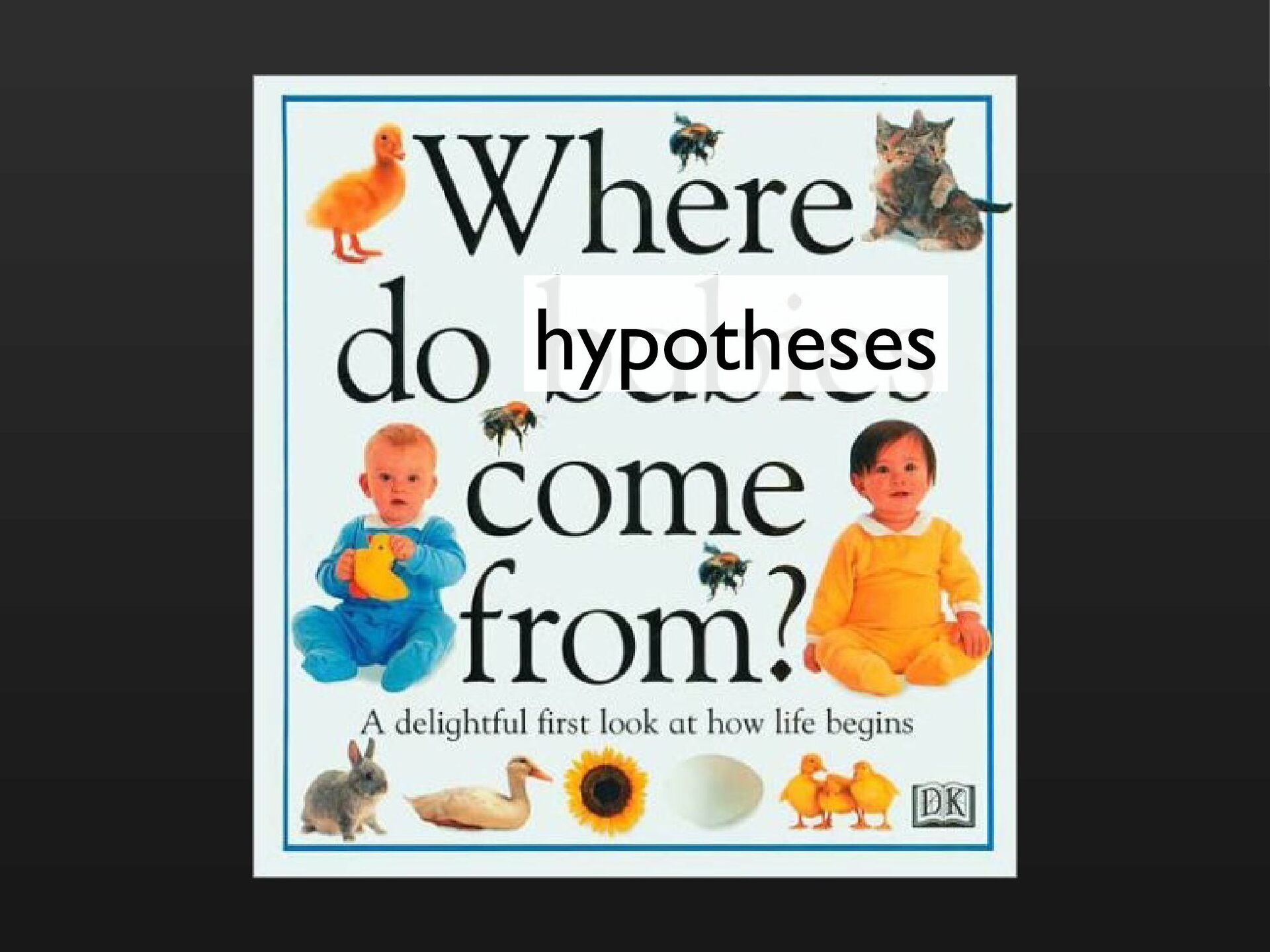
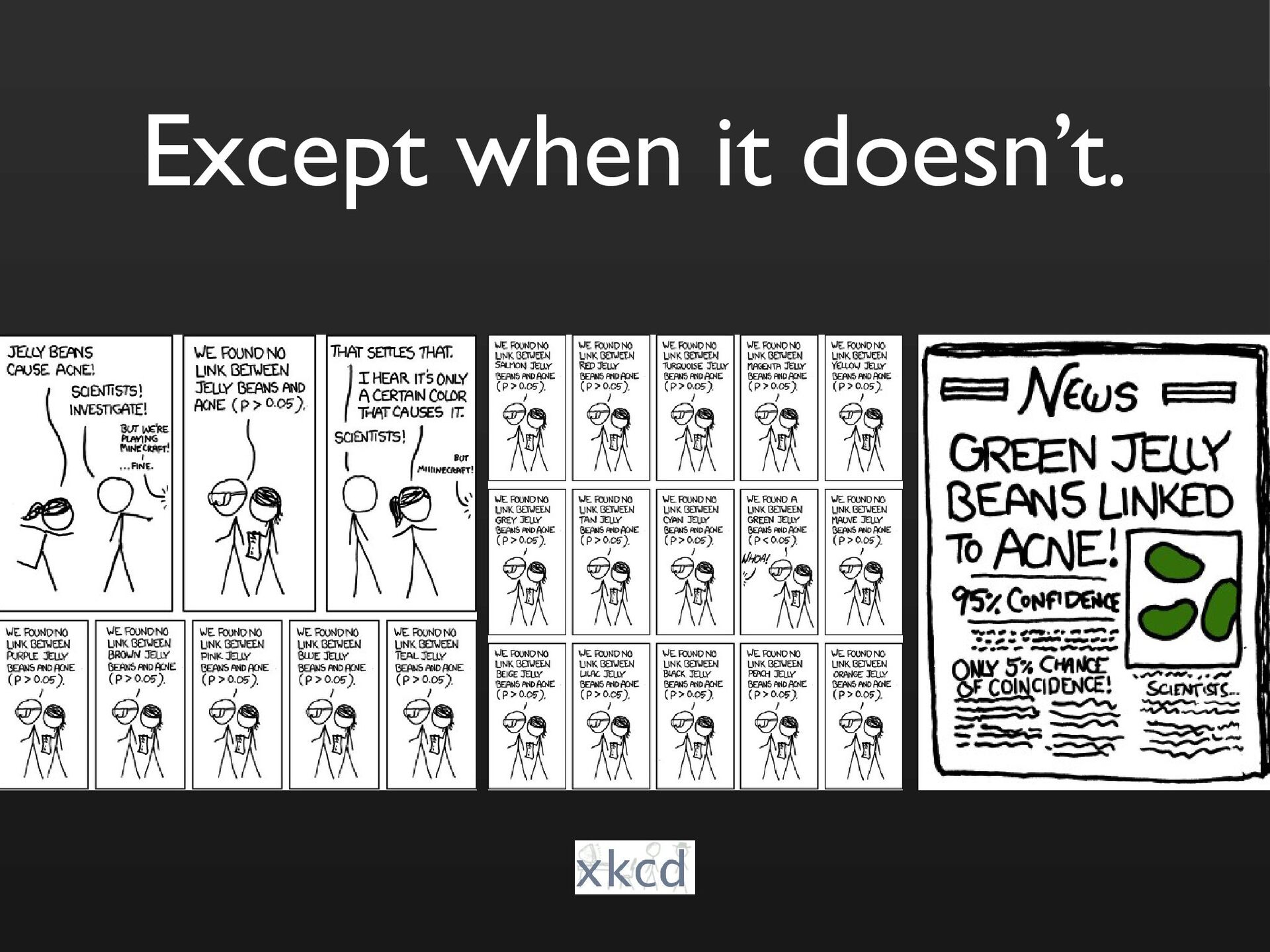
  5. It’s the economy, science. Yesterday Experiments are expensive, choose hypotheses

    wisely. Today Experiments are cheap, do as many as you can!
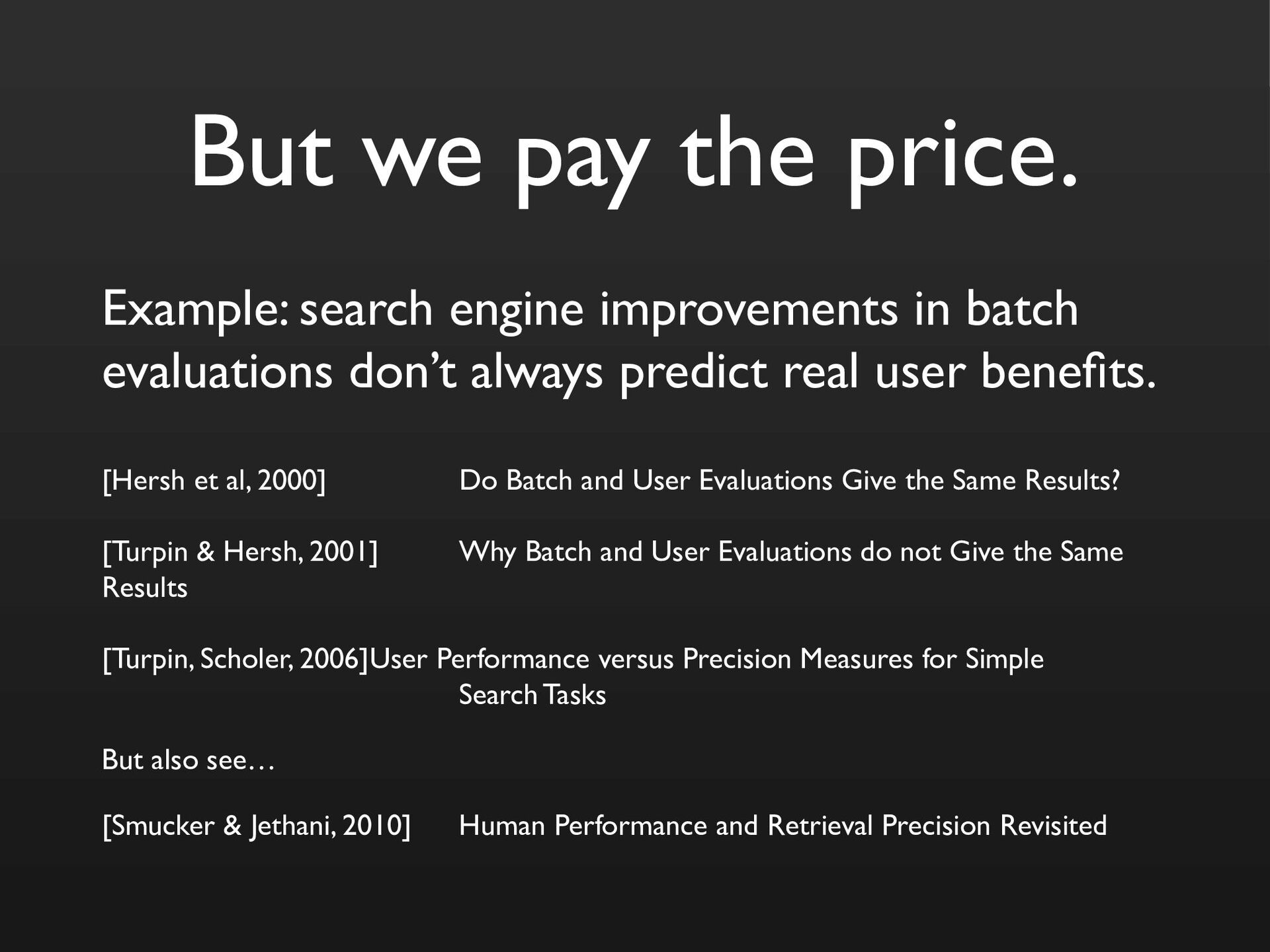
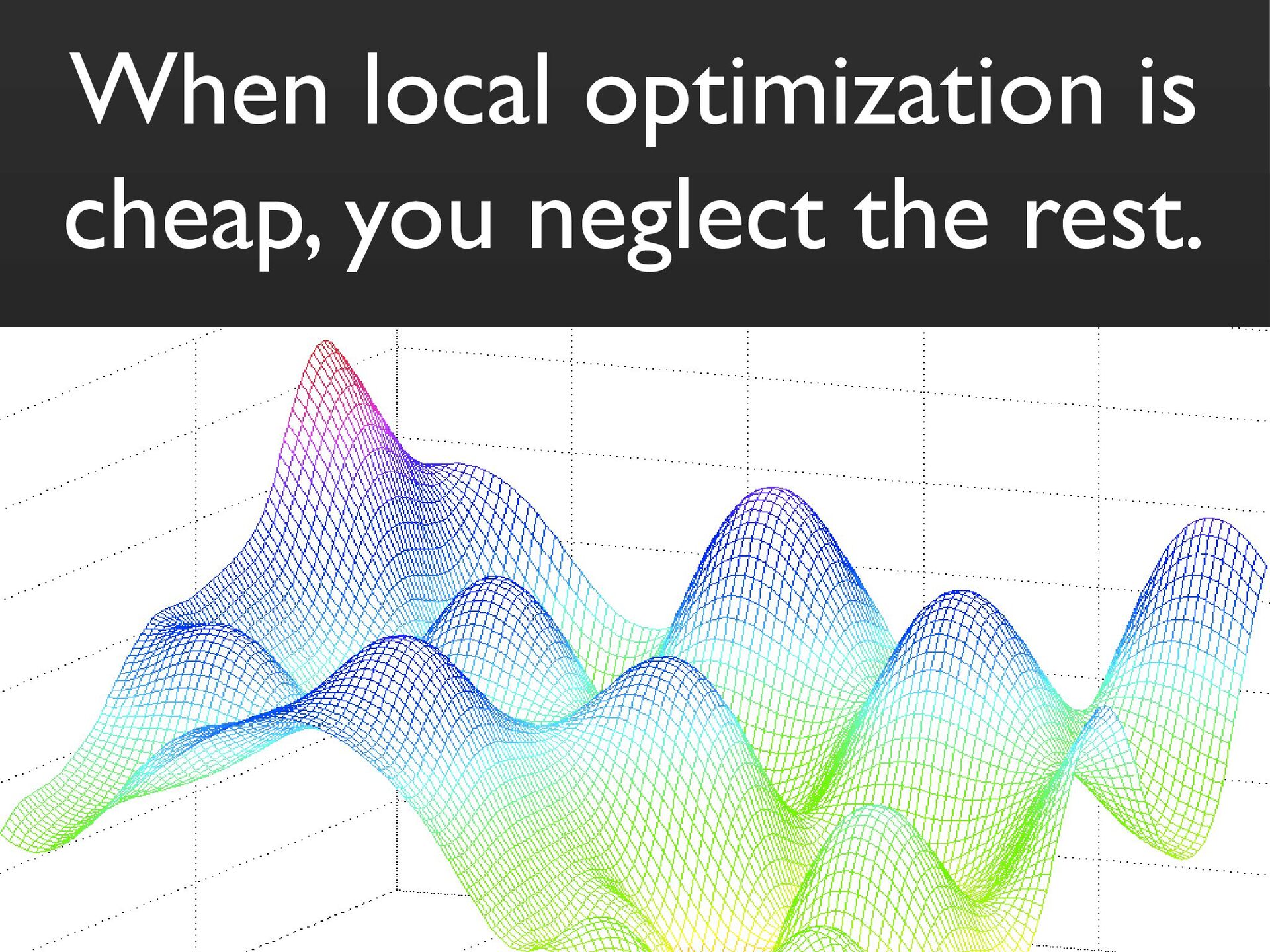
  6. But we pay the price. Example: search engine improvements in

    batch evaluations don’t always predict real user benefits. [Hersh et al, 2000] Do Batch and User Evaluations Give the Same Results? [Turpin & Hersh, 2001] Why Batch and User Evaluations do not Give the Same Results [Turpin, Scholer, 2006]User Performance versus Precision Measures for Simple Search Tasks But also see… [Smucker & Jethani, 2010] Human Performance and Retrieval Precision Revisited
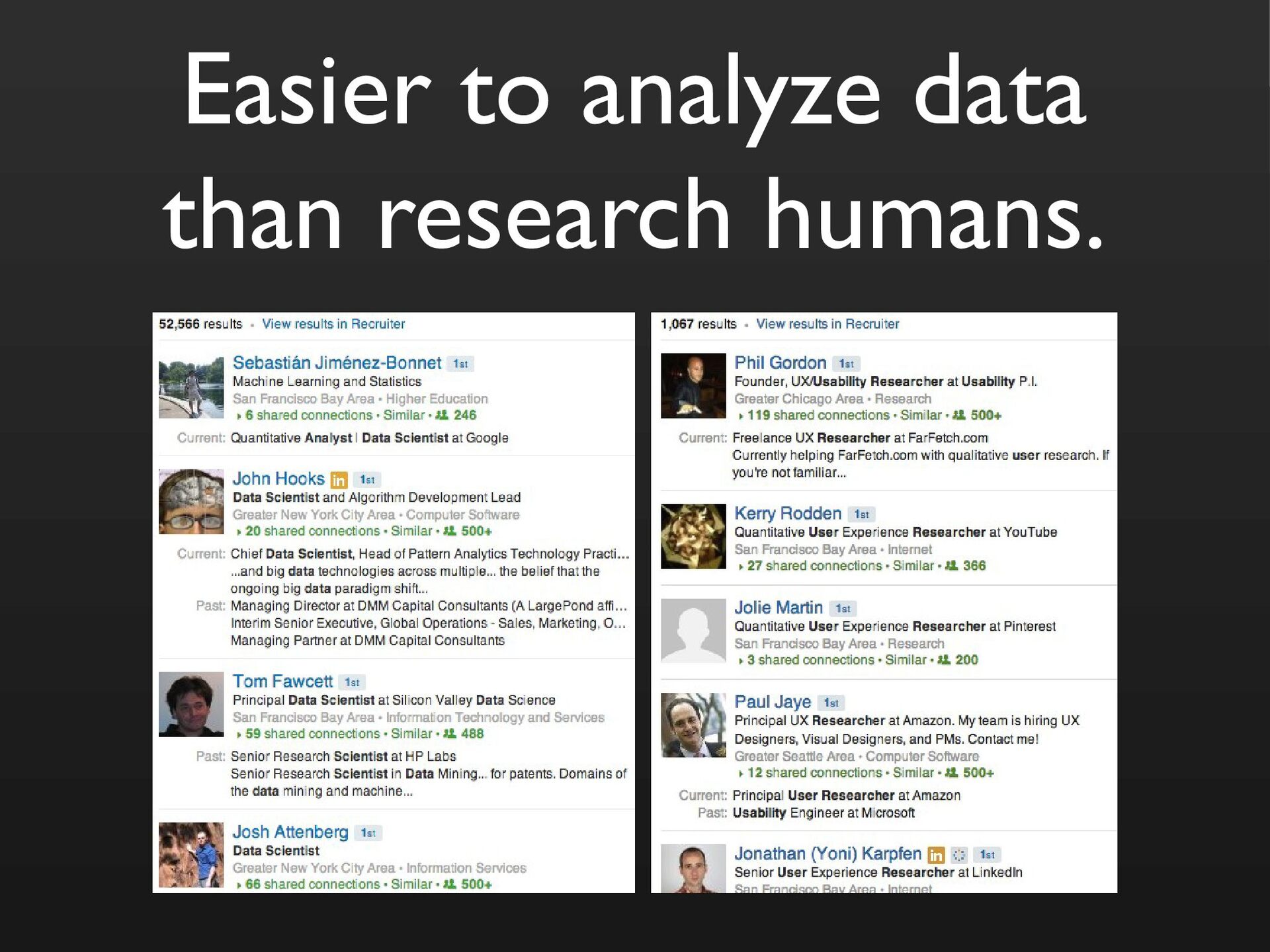
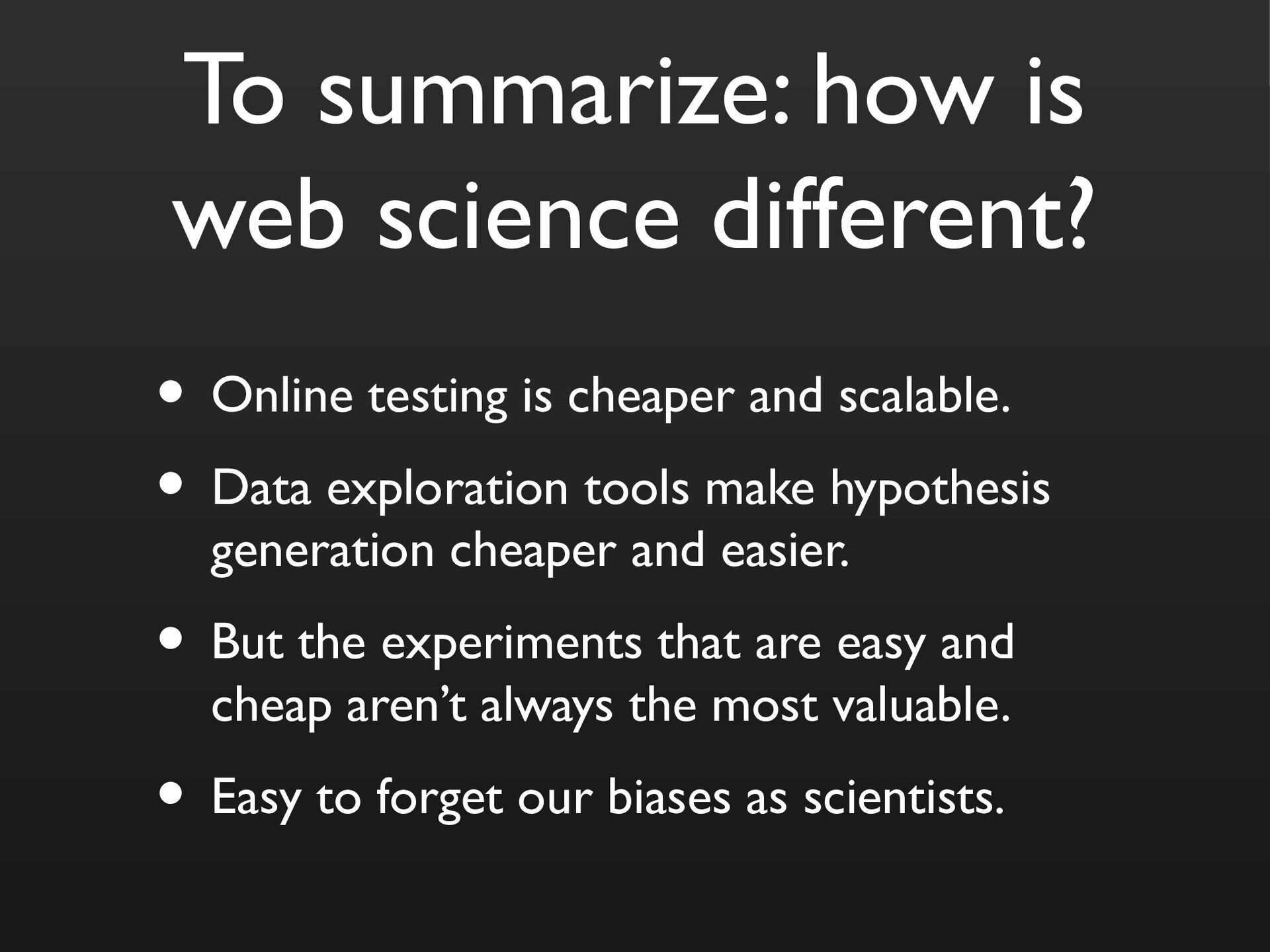
  7. To summarize: how is web science different? • Online testing

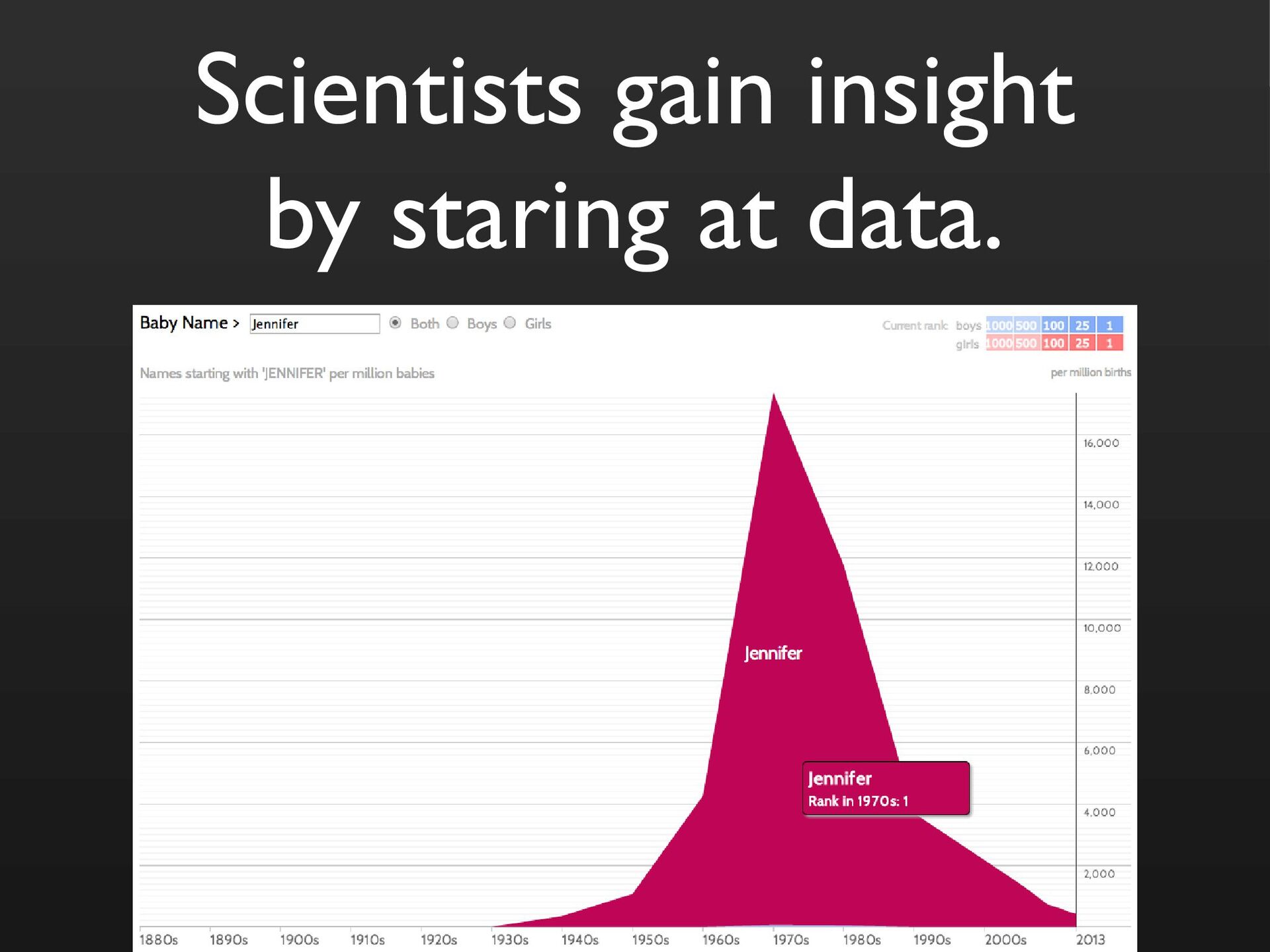
    is cheaper and scalable. • Data exploration tools make hypothesis generation cheaper and easier. • But the experiments that are easy and cheap aren’t always the most valuable. • Easy to forget our biases as scientists.
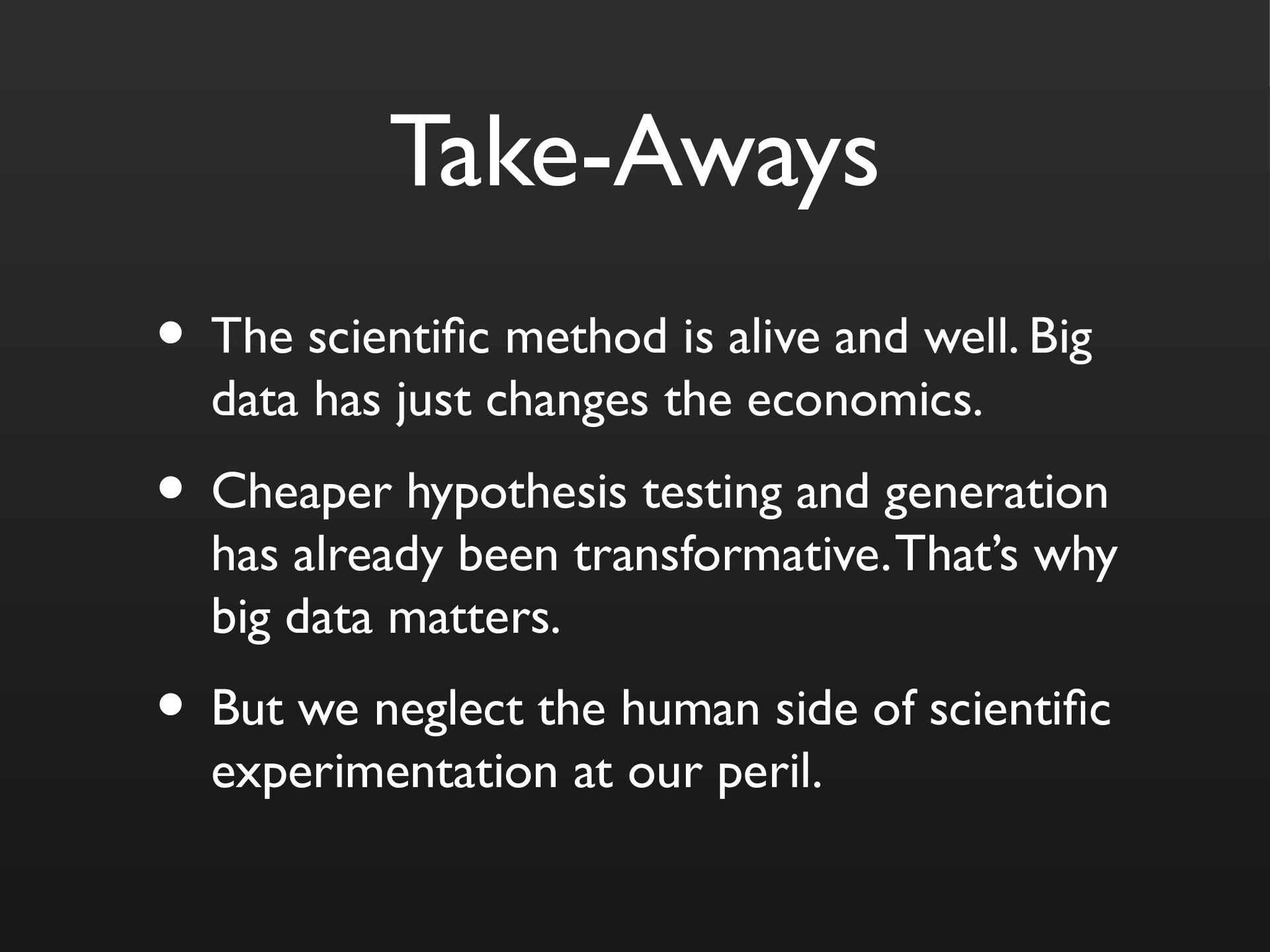
  8. Take-Aways • The scientific method is alive and well. Big

    data has just changes the economics. • Cheaper hypothesis testing and generation has already been transformative. That’s why big data matters. • But we neglect the human side of scientific experimentation at our peril.