Agile? • In project management, the scope defines the project's boundaries: What is to be delivered and what is not. • The scope differs from requirements because requirements describe what users can do with a product and how the product should behave. • The scope should be agreed upon upfront with stakeholders to avoid conflicts.
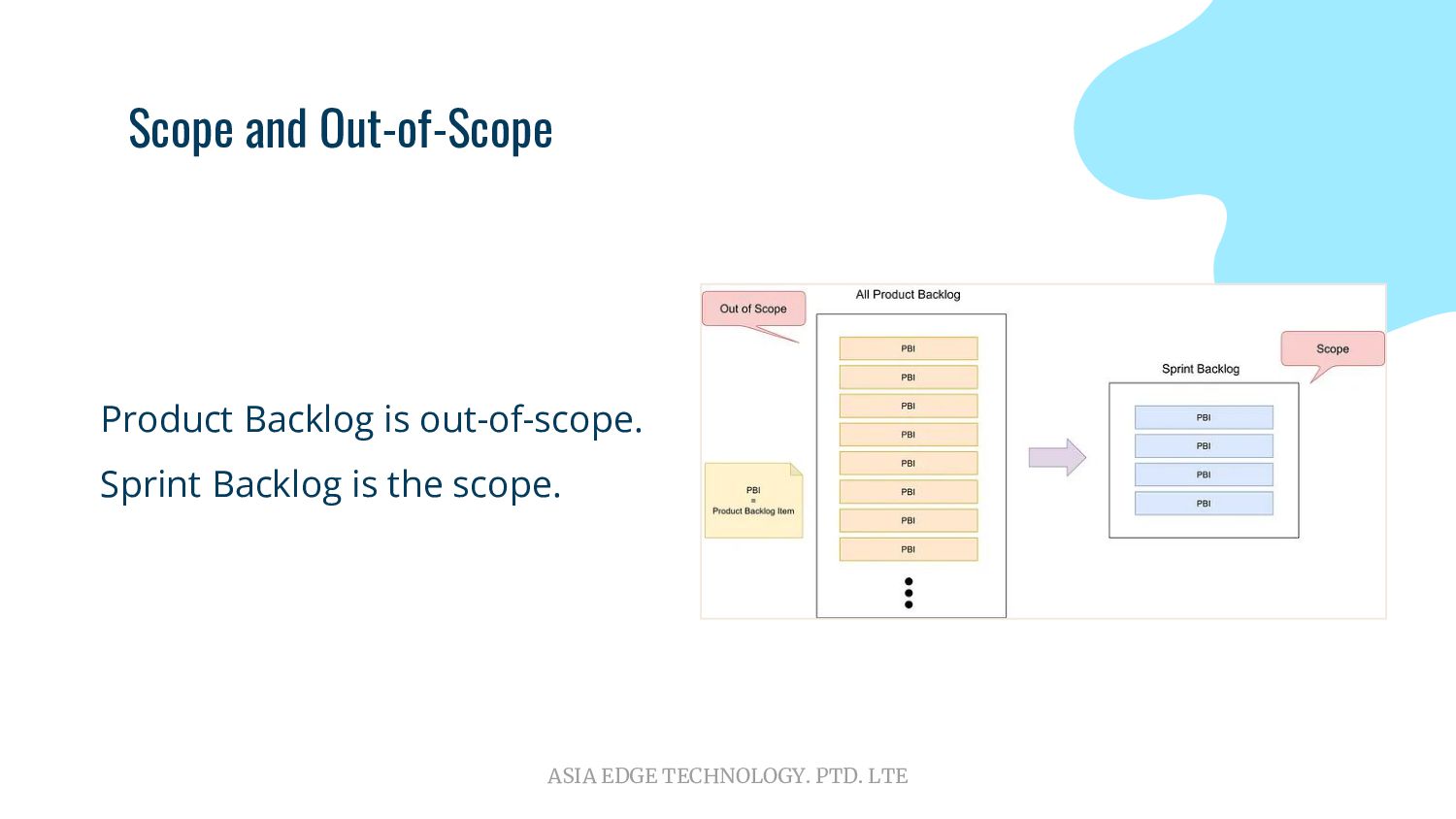
• Scope management assists a Product Owner in making informed decisions because the Product Owner make decisions based on the tradeoffs between scope, timeline, and resources. • It is to control stakeholders’ expectations. Stakeholders such as clients expect what to be delivered based on the scope. • It is also for productivity and delivering values. A development team may end up with little or non-accomplishments.
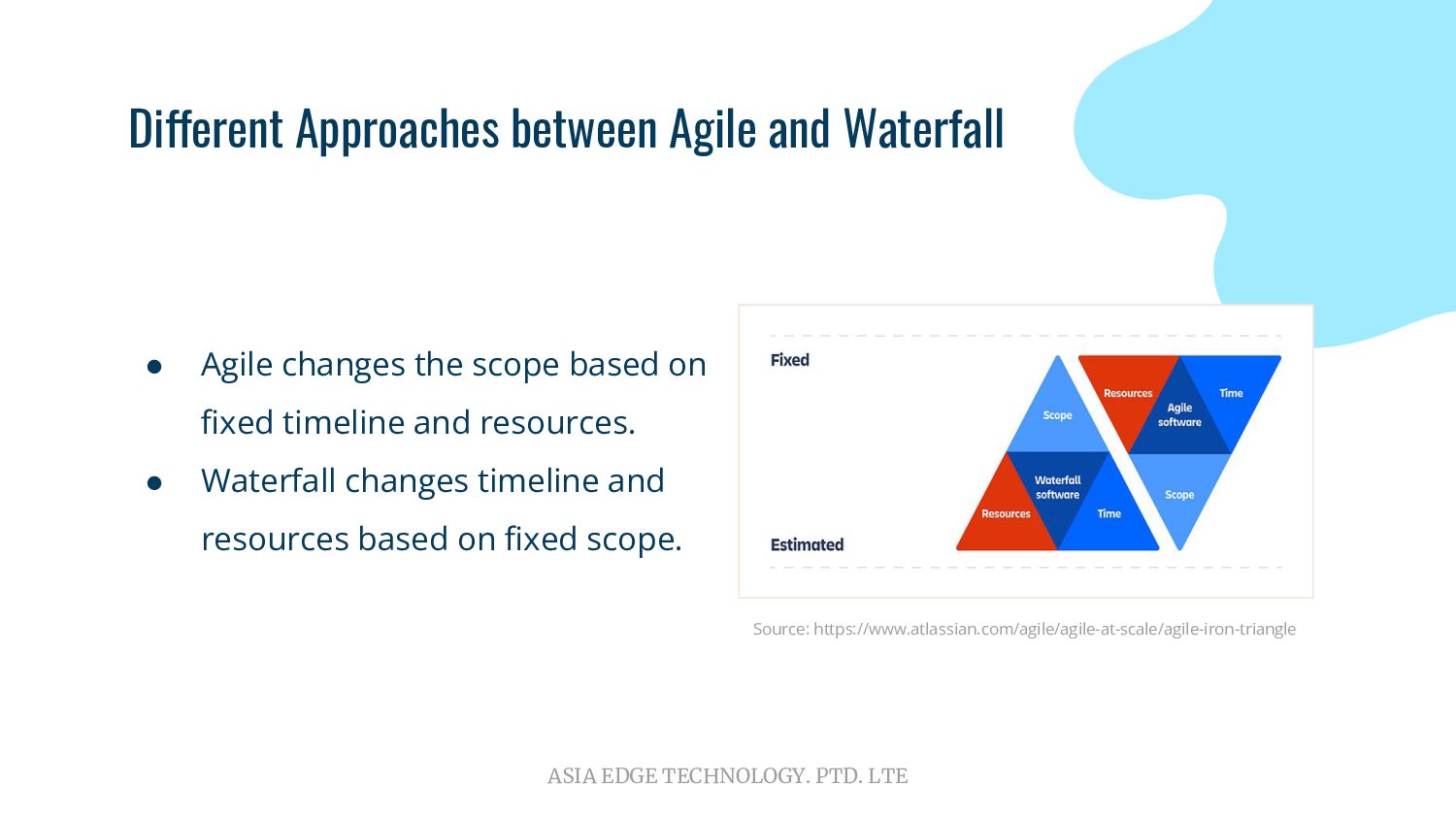
Waterfall • Agile changes the scope based on fixed timeline and resources. • Waterfall changes timeline and resources based on fixed scope. Source: https://www.atlassian.com/agile/agile-at-scale/agile-iron-triangle
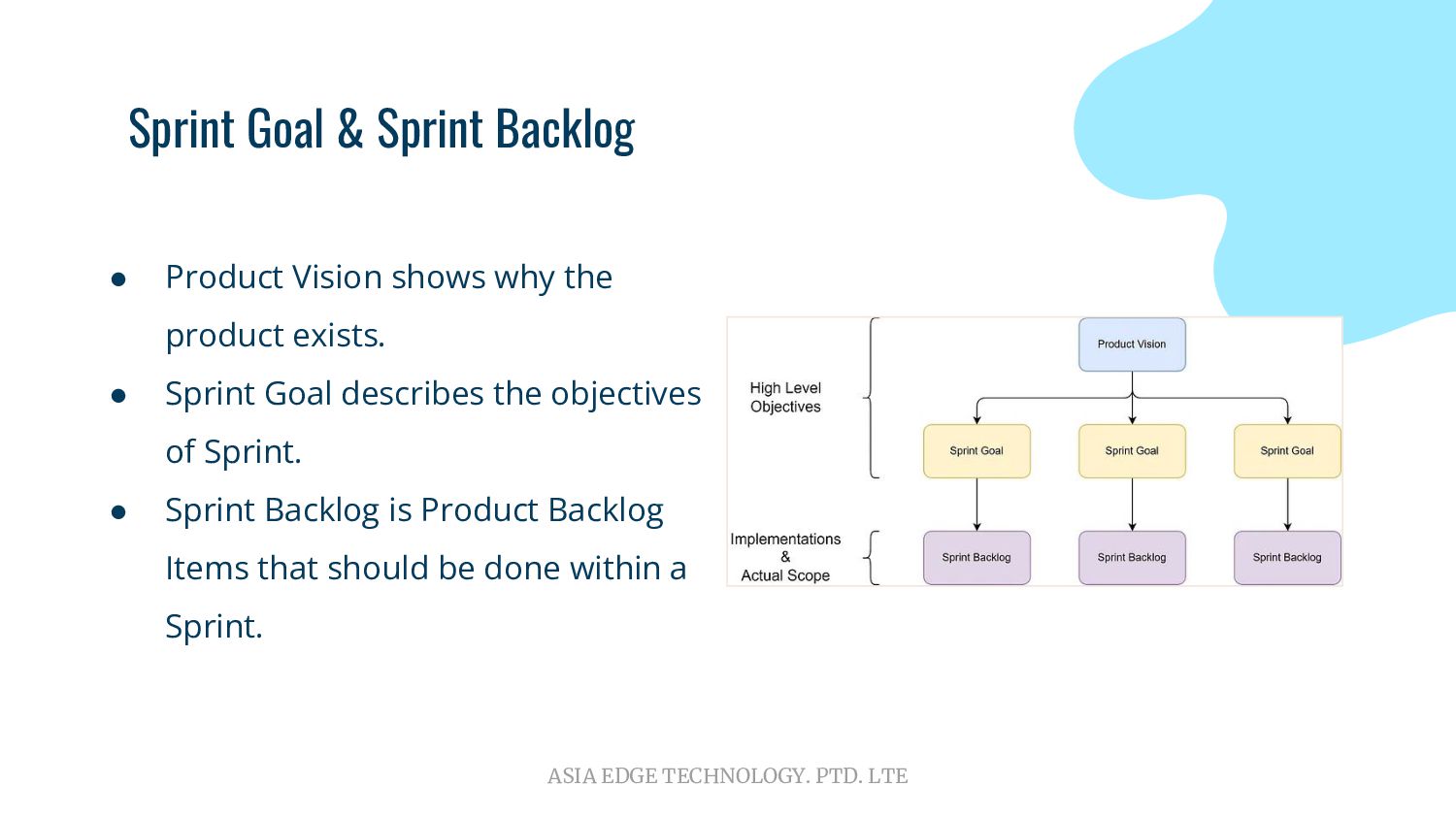
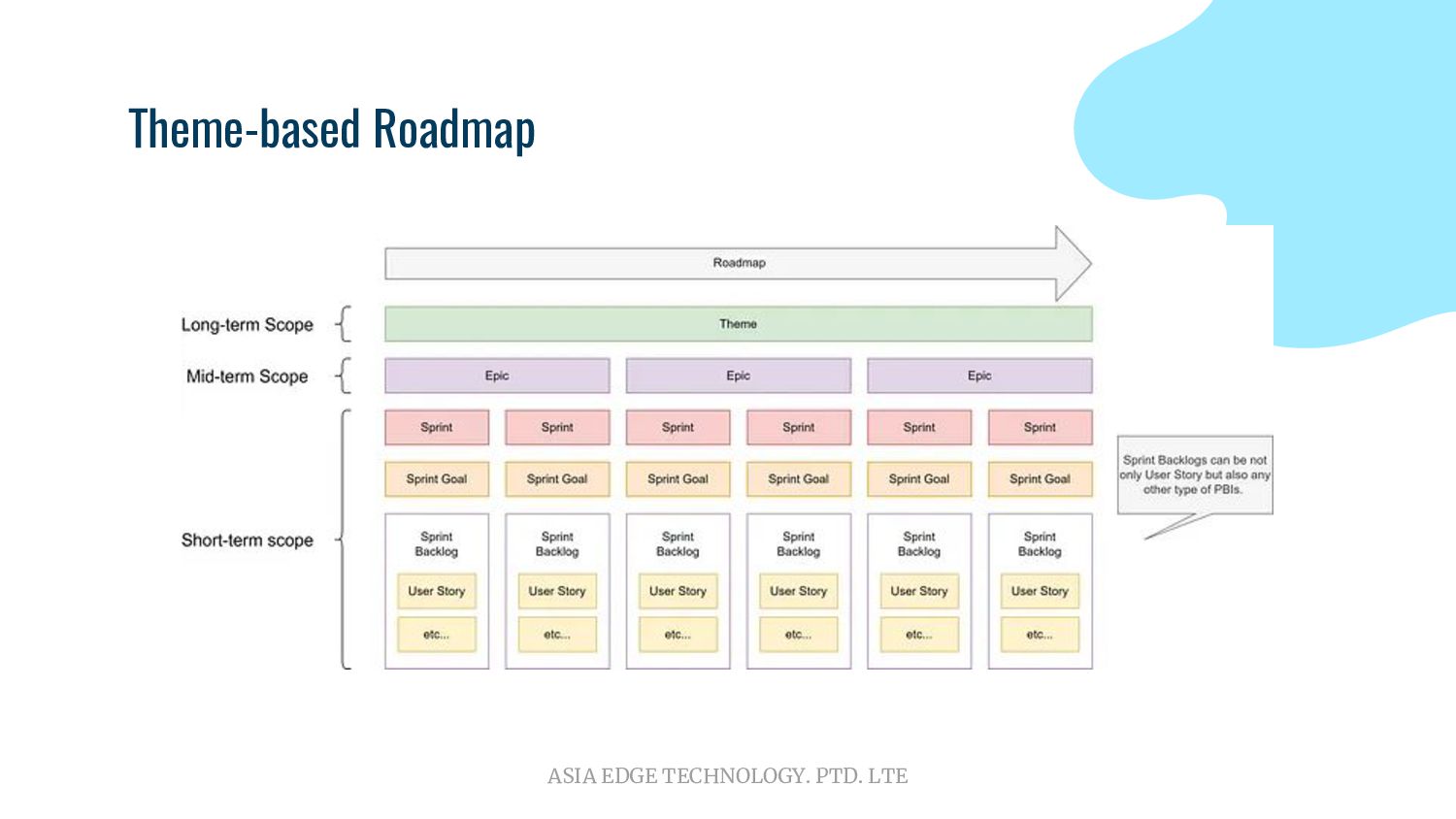
• Product Vision shows why the product exists. • Sprint Goal describes the objectives of Sprint. • Sprint Backlog is Product Backlog Items that should be done within a Sprint.
roadmap describes the long-term roadmap based on Theme, the highest level of the Product Backlog hierarchy. • The theme describes a high-level objective the development team aims to achieve over time. • It is one of the best ways to manage scope, as the Product Backlog is a single artifact source.


 eiki
eiki
 4o1sobblue
 takonda
 takanorip
 kairim0
 keeg
keeg
 codmoninc
 bgpat
bgpat
 occhi
occhi
 camiha
 gogutan
 shuta13
 grimoh
 tapps
tapps
 cassininazir
 rkaga
rkaga
 philnash
 shlominoach
 codingconduct
 thekraken
 twada
twada
 hannesfritz
 aleyda
 moore
moore
 emna__ayadi