Upgrade to Pro — share decks privately, control downloads, hide ads and more …

Progressive Web Apps In Clojure(Script)

Sponsored · Your Podcast. Everywhere. Effortlessly. Share. Educate. Inspire. Entertain. You do you. We'll handle the rest.
Avatar for Tejas Dinkar Tejas Dinkar
November 26, 2016

Progressive Web Apps In Clojure(Script)

Talk given at In/Clojure 2016.

Avatar for Tejas Dinkar

Tejas Dinkar

November 26, 2016
Tweet

More Decks by Tejas Dinkar

Other Decks in Technology

Transcript

  1. Progressive Web Apps in Clojure(Script) or: How I Learned to

    Stop Worrying and Isomorphic Everything - Tejas Dinkar
  2. about.talk • This talk will talk about • A lot

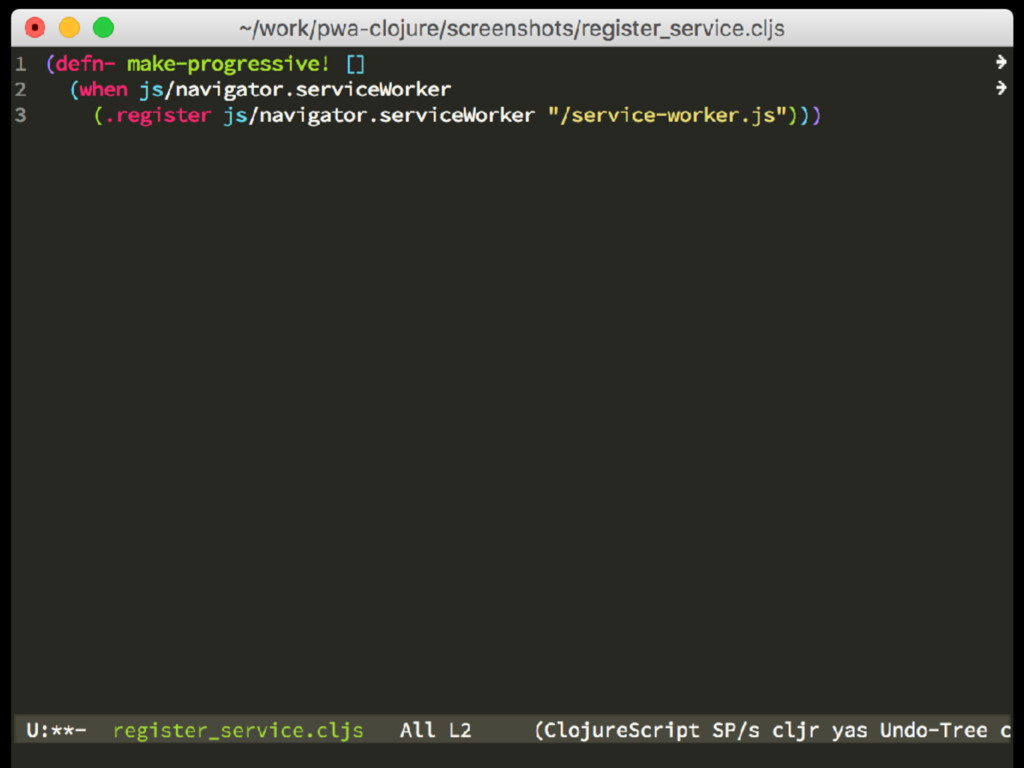
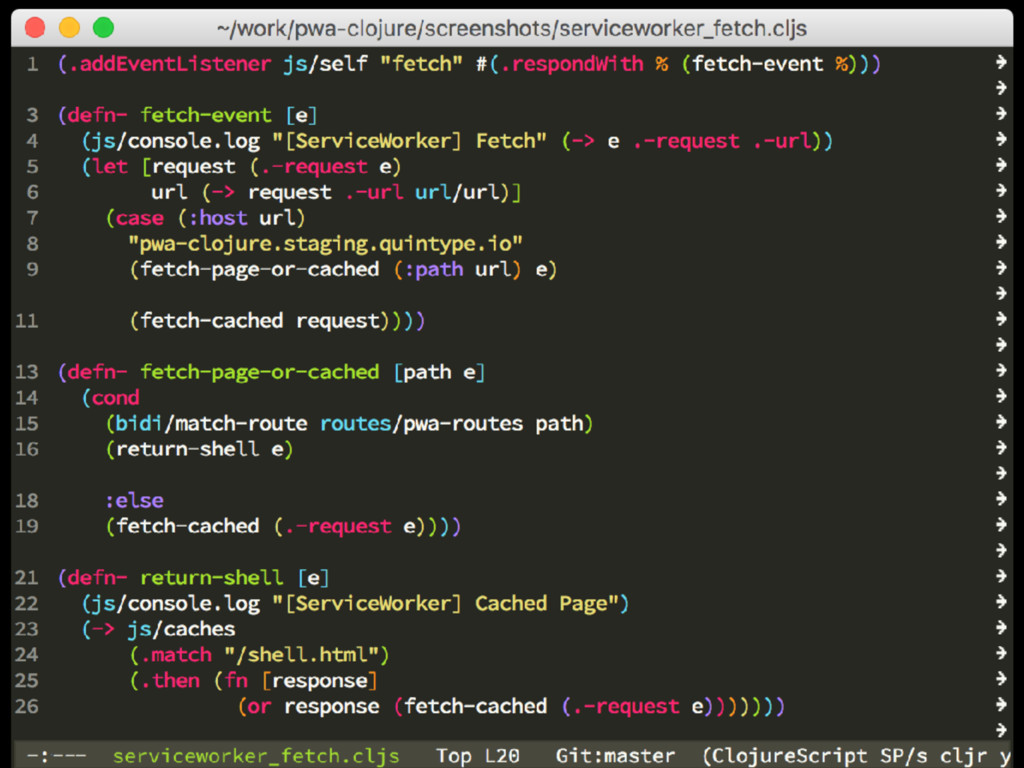
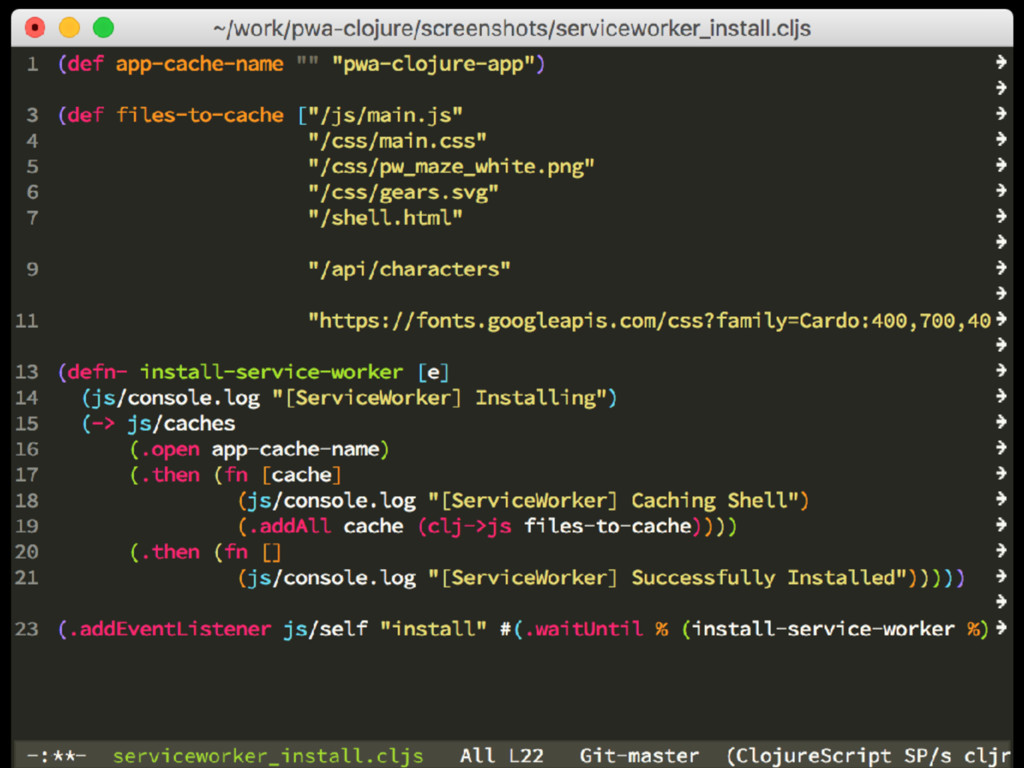
    about HTML5 ServiceWorker + PWA • Clj + Cljs working together, without duplication • This talk will not cover • a lot of plumbing (which you can find in repo)
  3. Cuz Progressive! • Browsers without JS get a static •

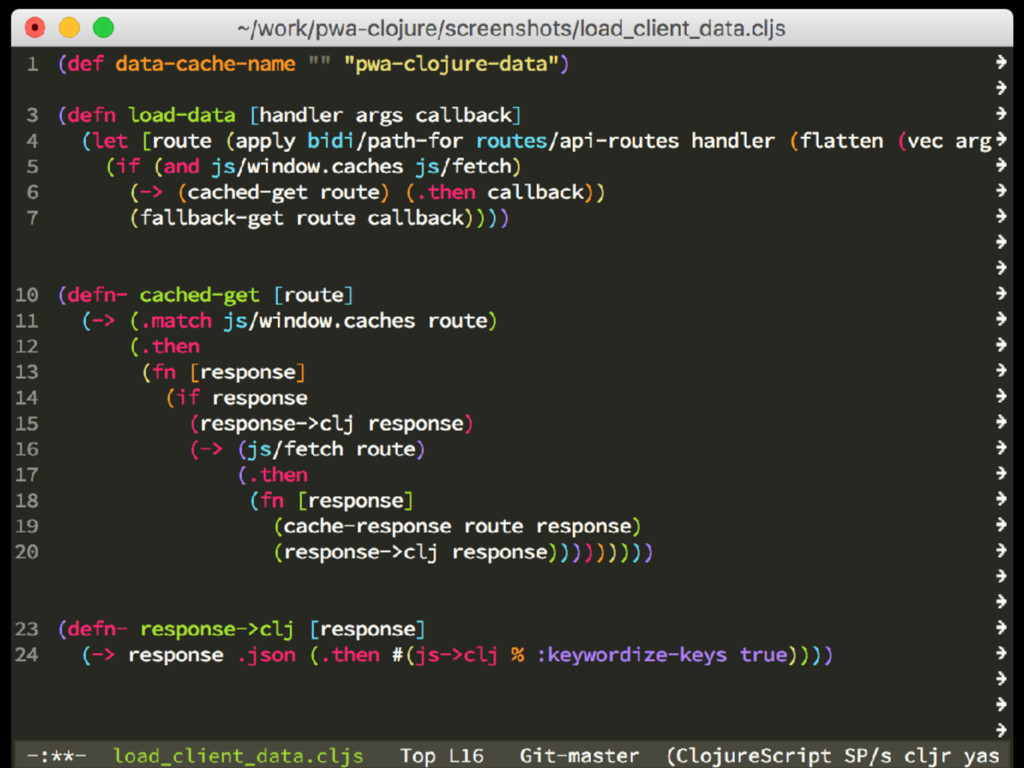
    Browsers with JS only get a web app • Browsers with ServiceWorker gets offline mode • Android phones can make use of app mode
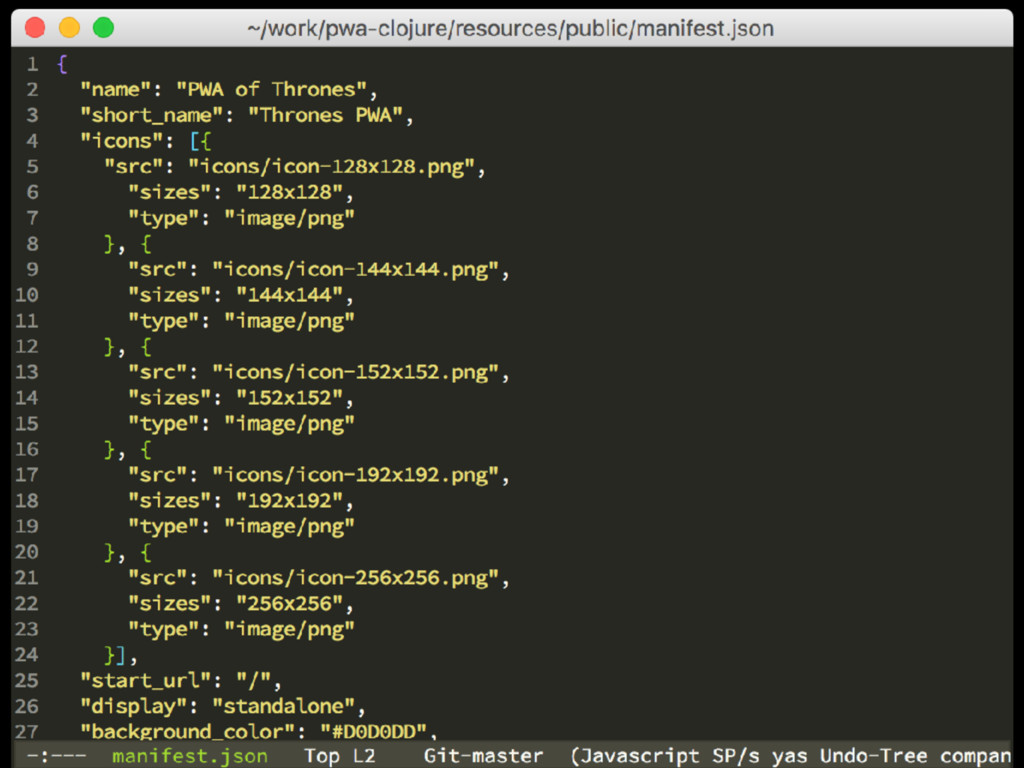
  4. Progressive Web Apps • Open standard, built on HTML 5

    • HTTPs ONLY! • Built on ServiceWorker, enabling offline use • Users can ‘promote’ a web app to look native • Make use of app like features, like pushes
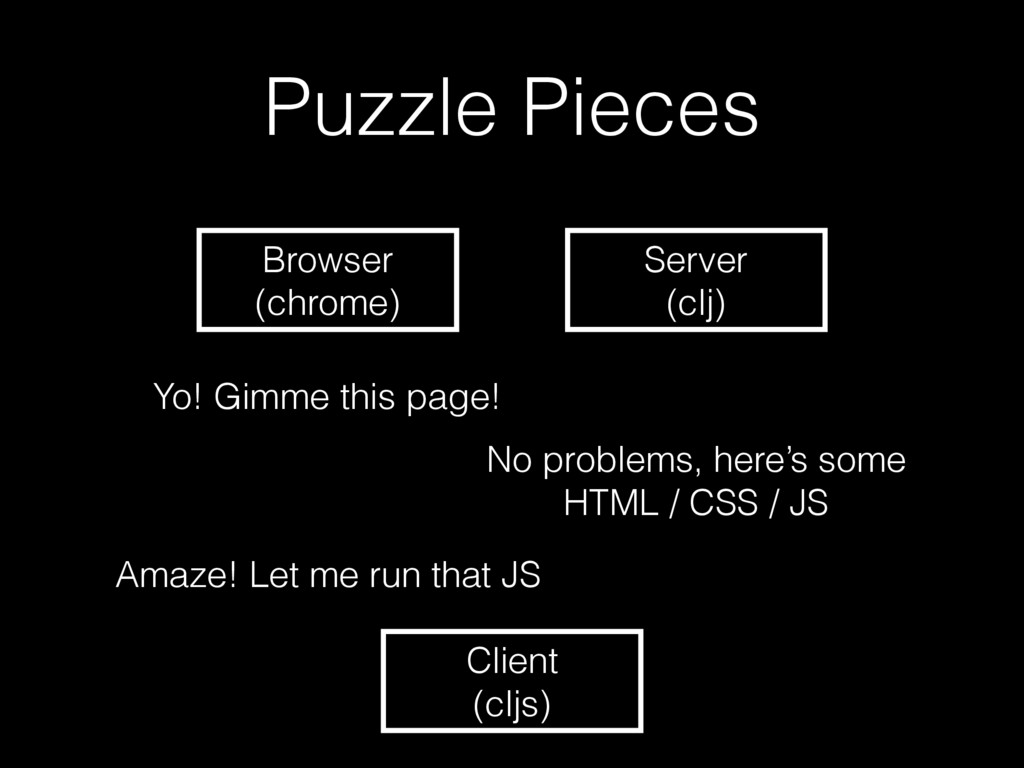
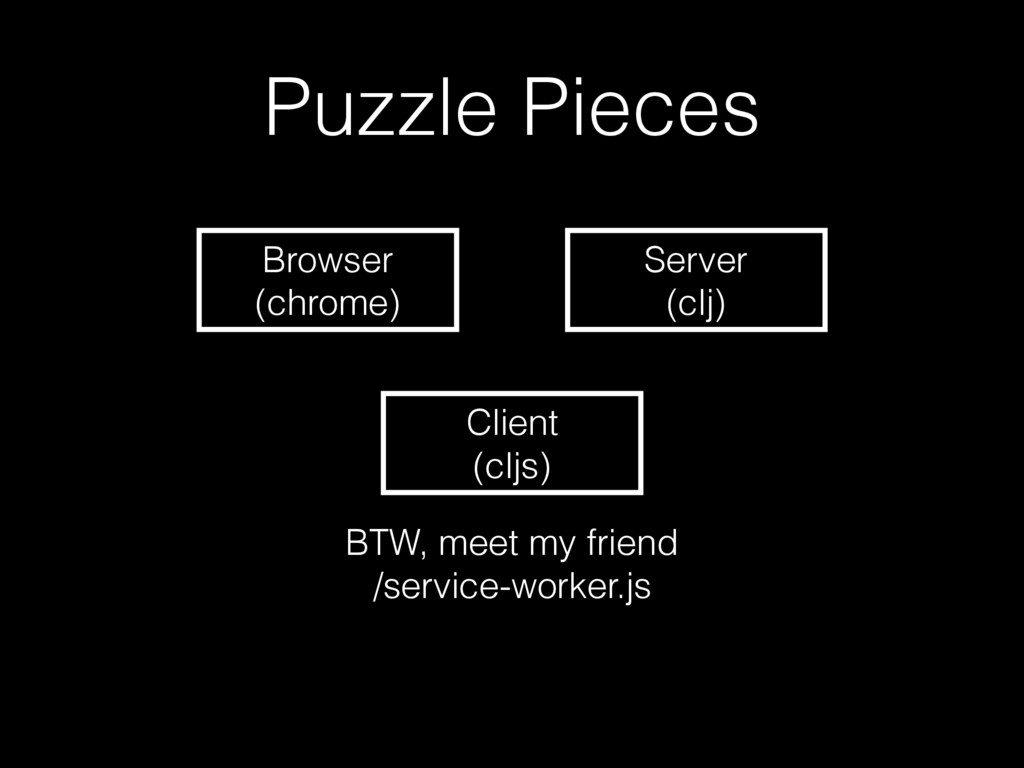
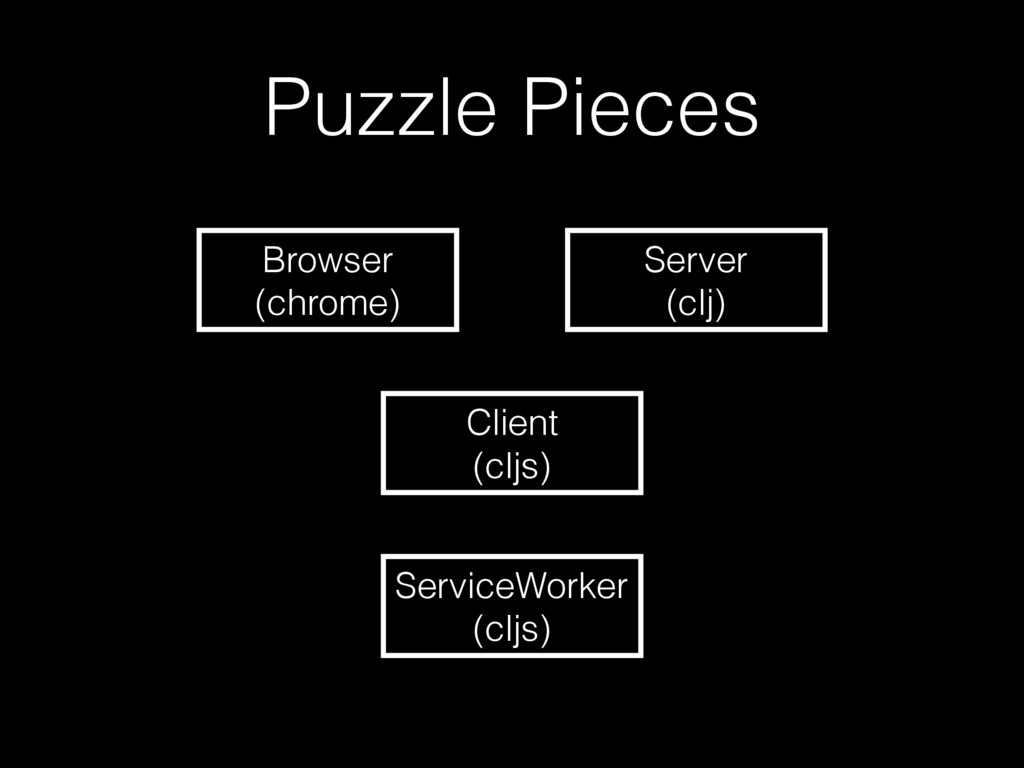
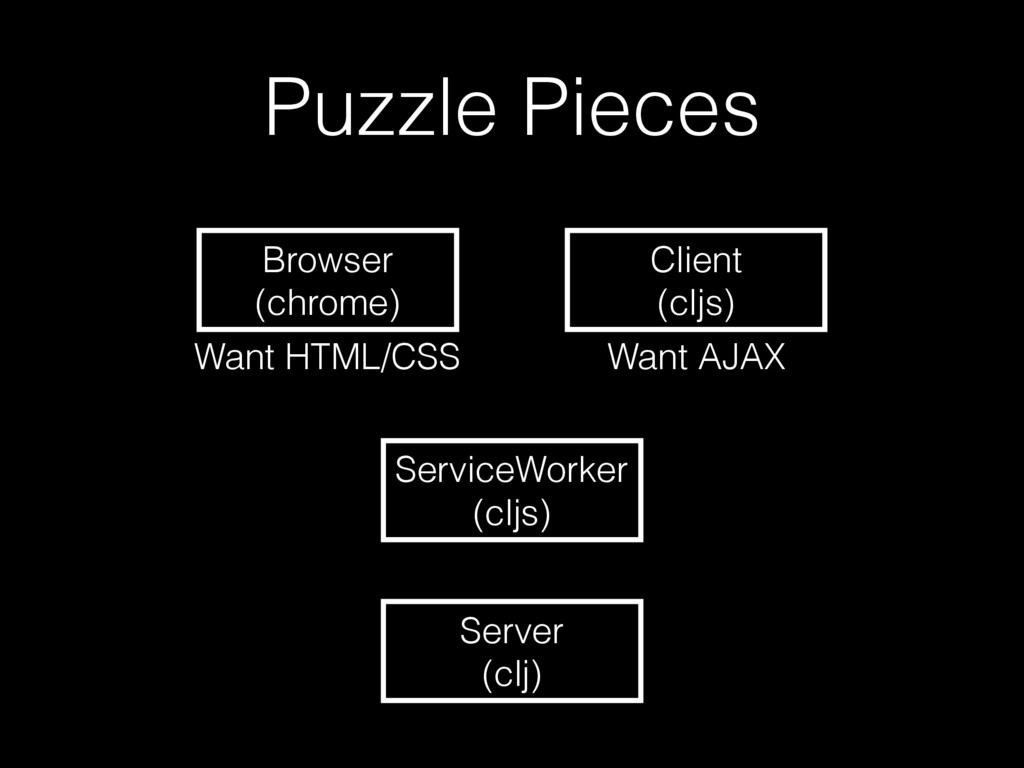
  5. Puzzle Pieces Server (clj) Browser (chrome) Yo! Gimme this page!

    No problems, here’s some HTML / CSS / JS Amaze! Let me run that JS Client (cljs)
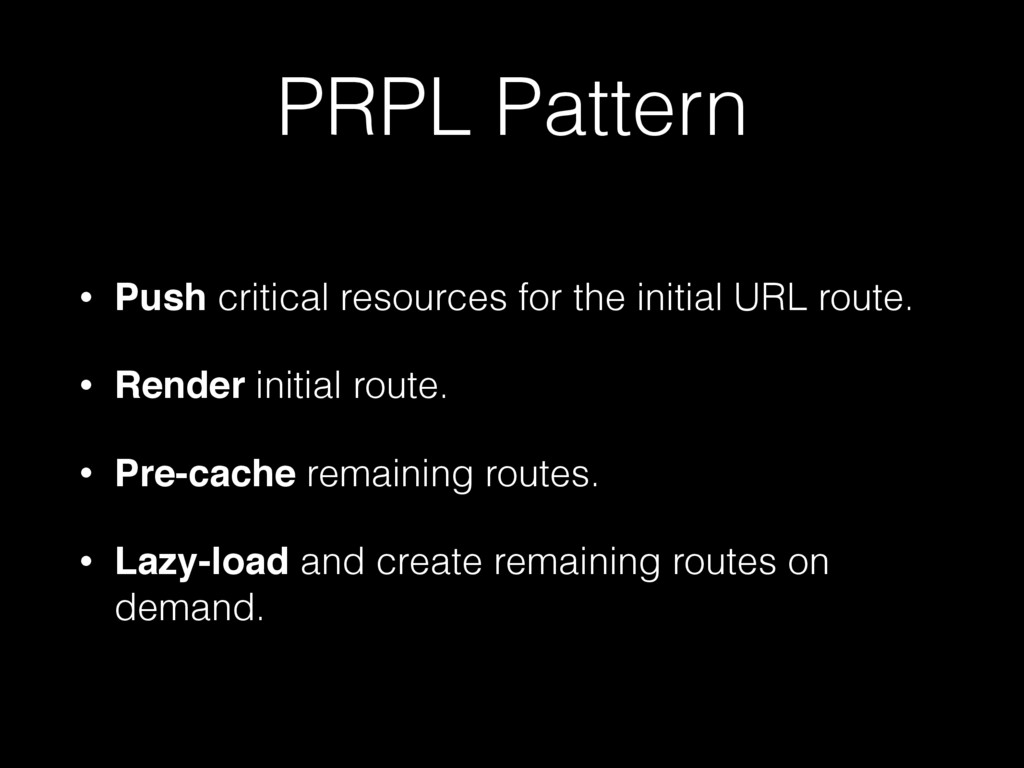
  6. PRPL Pattern • Push critical resources for the initial URL

    route. • Render initial route. • Pre-cache remaining routes. • Lazy-load and create remaining routes on demand.
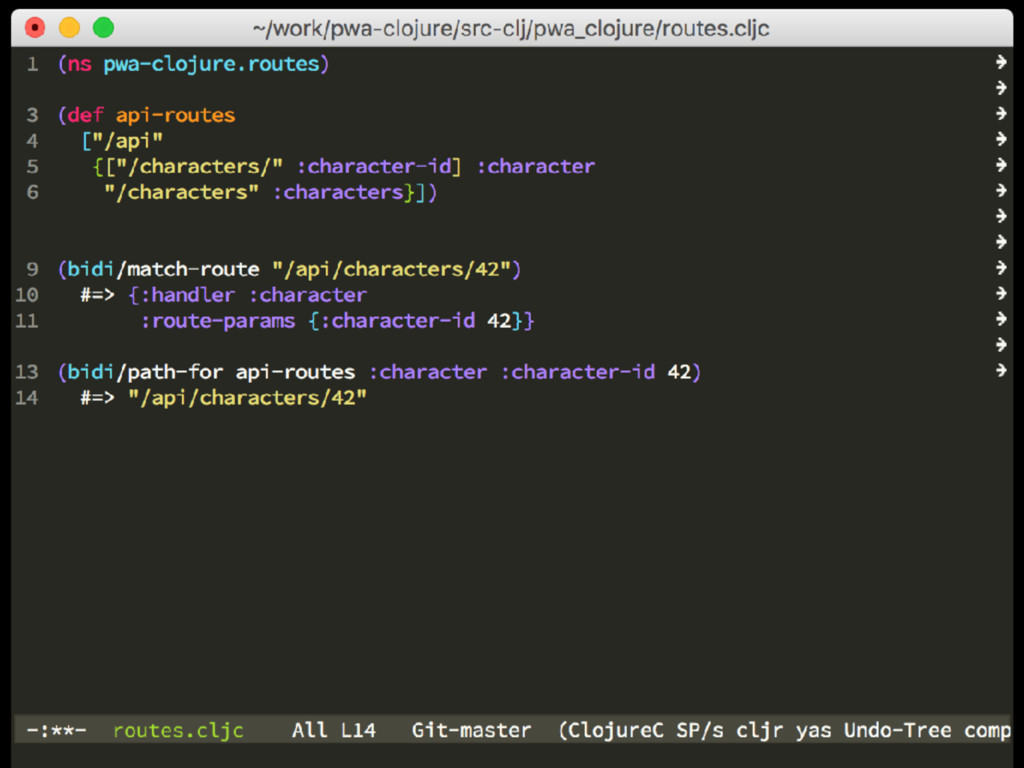
  7. Isomorphic Routing • Which of the routes are part of

    the PWA? • PWA Routes • Data Routes (/api) • Server only routes (POST apis, robots.txt, etc..)
  8. – Phil Karlton There are two hard things in computer

    science: cache invalidation, naming things, and off-by- one errors.”
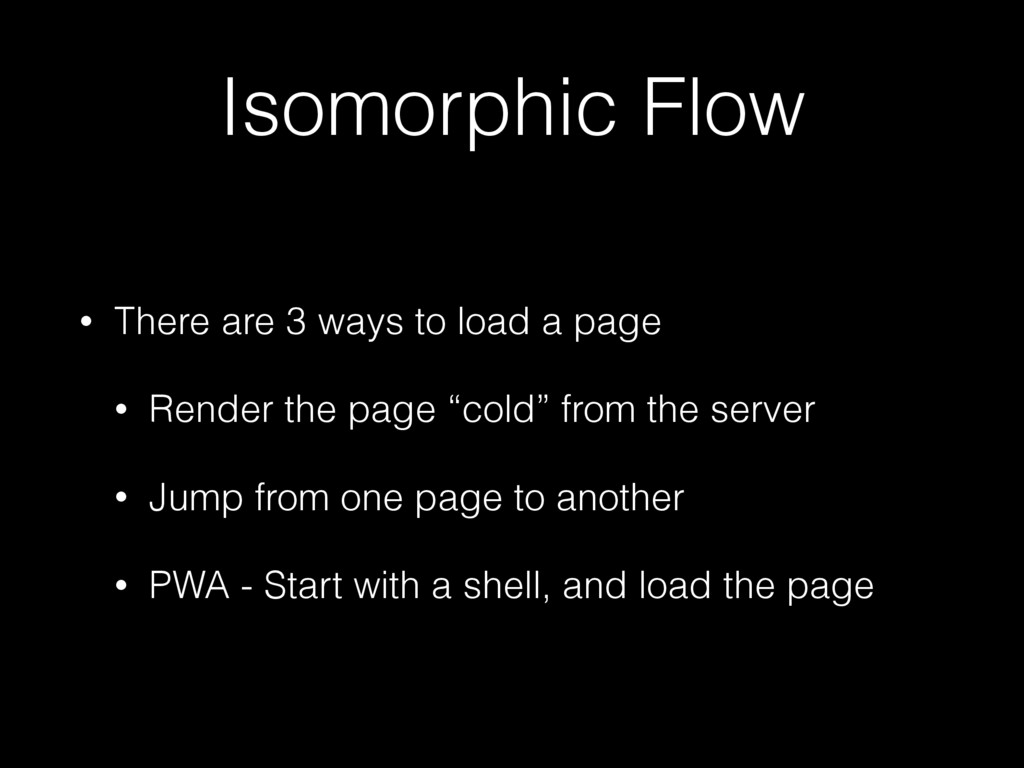
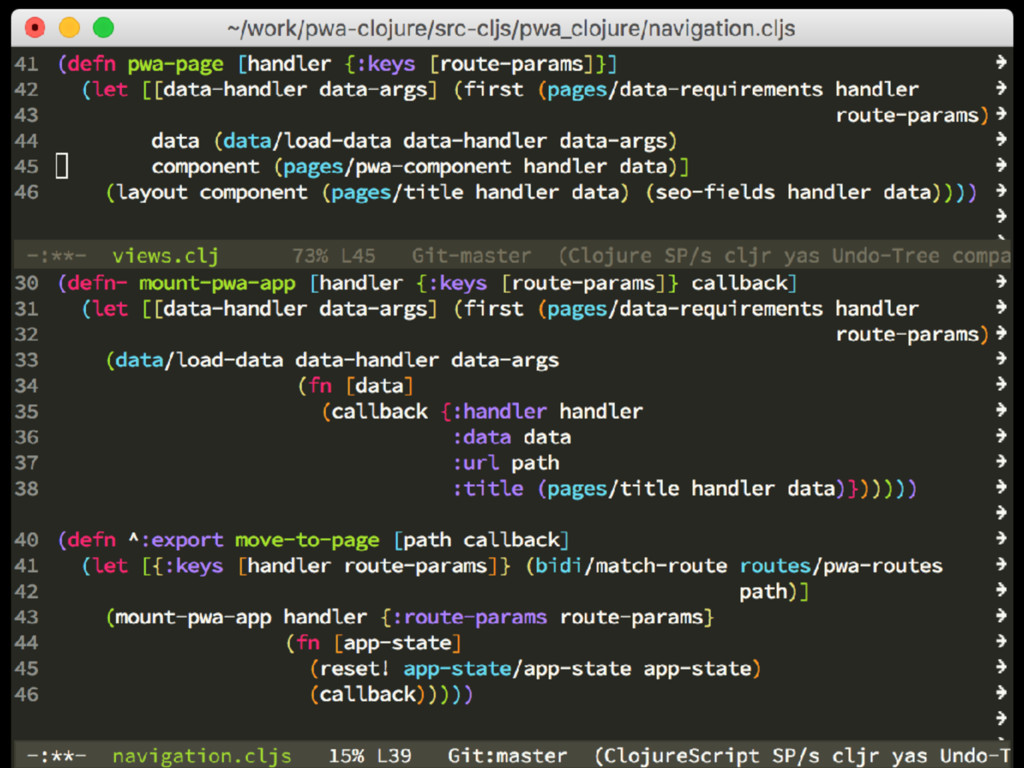
  9. Isomorphic Flow • There are 3 ways to load a

    page • Render the page “cold” from the server • Jump from one page to another • PWA - Start with a shell, and load the page
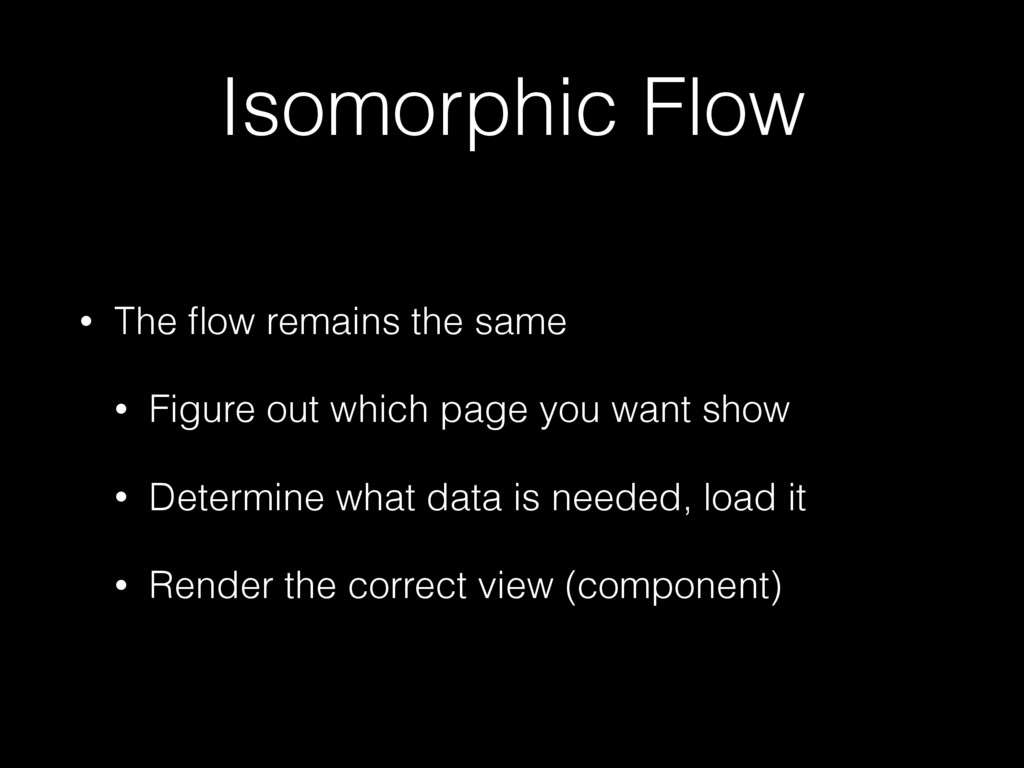
  10. Isomorphic Flow • The flow remains the same • Figure

    out which page you want show • Determine what data is needed, load it • Render the correct view (component)
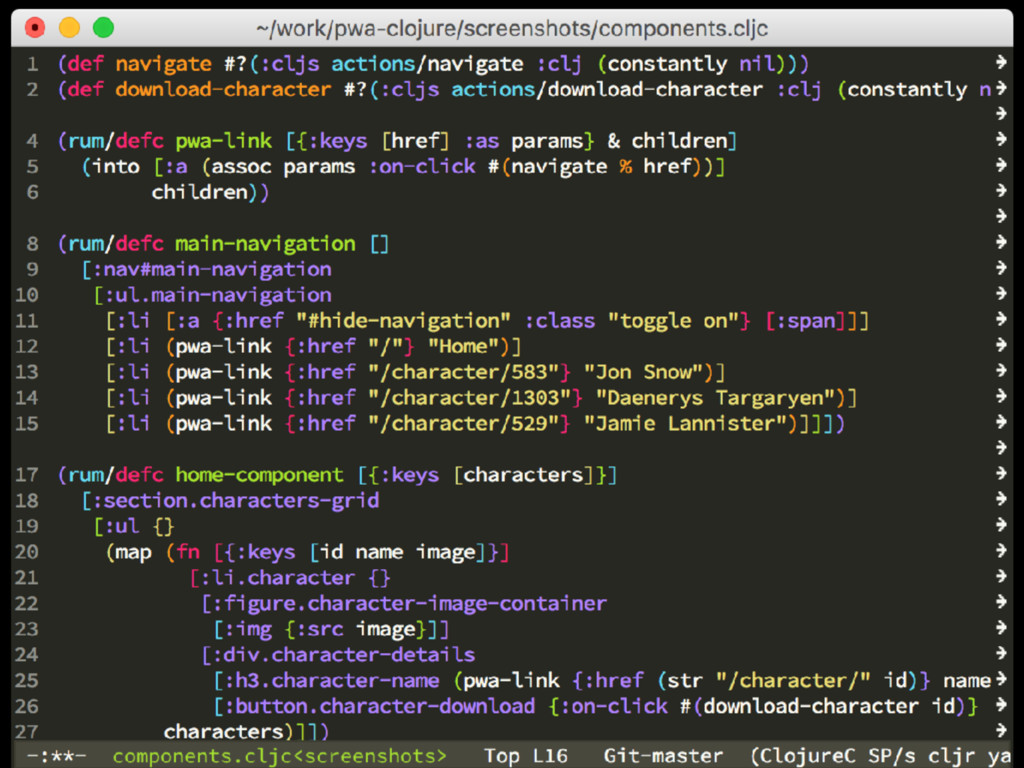
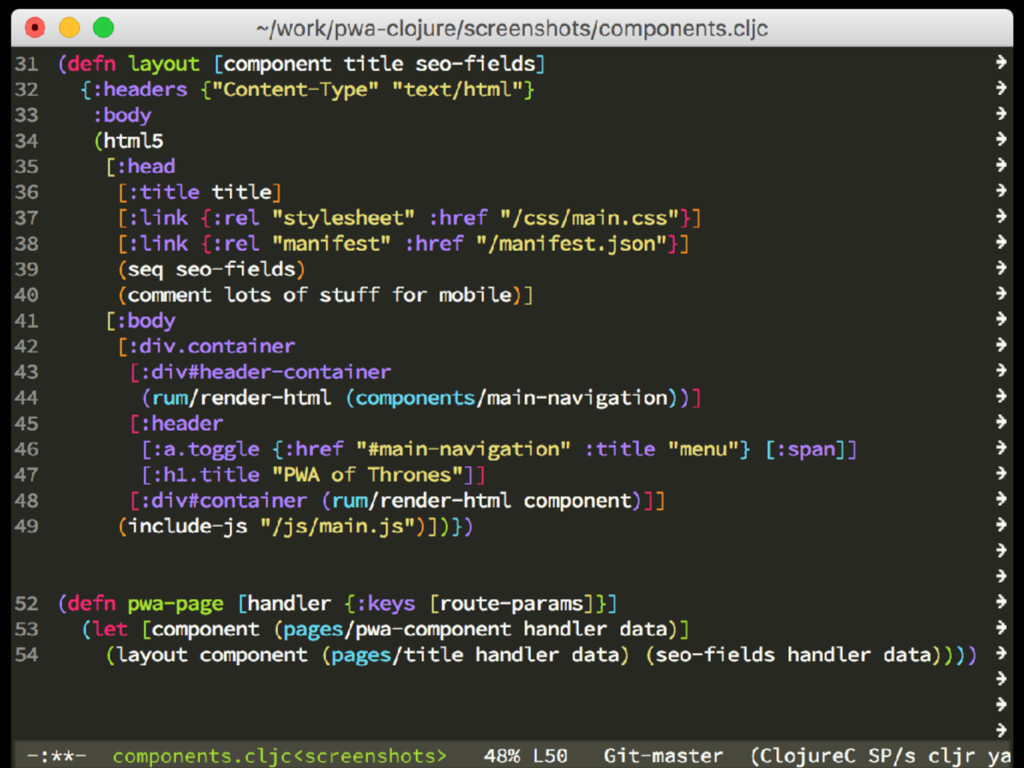
  11. Isomorphic Rendering • This one is probably the best explored

    till now • Examples here use rum, because it’s easy • Stop using cljx, use reader conditionals instead
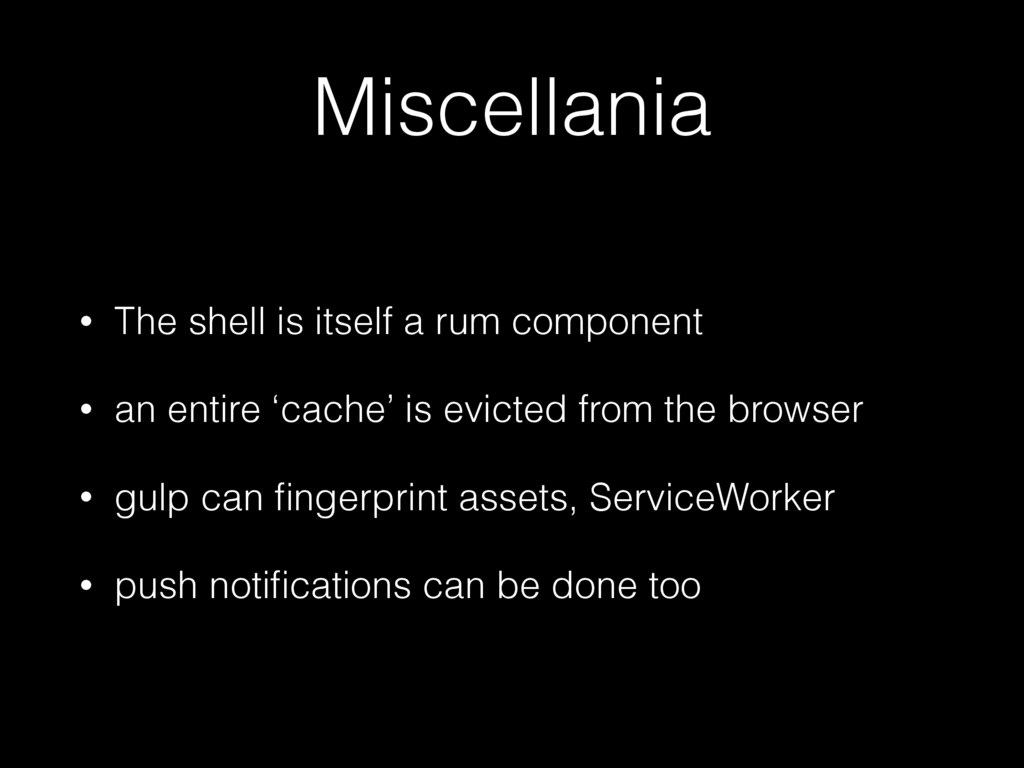
  12. Miscellania • The shell is itself a rum component •

    an entire ‘cache’ is evicted from the browser • gulp can fingerprint assets, ServiceWorker • push notifications can be done too