Who Will Build Infrastructure for a Future That Cannot Yet Pay?
India has no shortage of infrastructure ambition. What concerns me is whether our policy and financing systems adequately support projects whose true value emerges only after several decades.
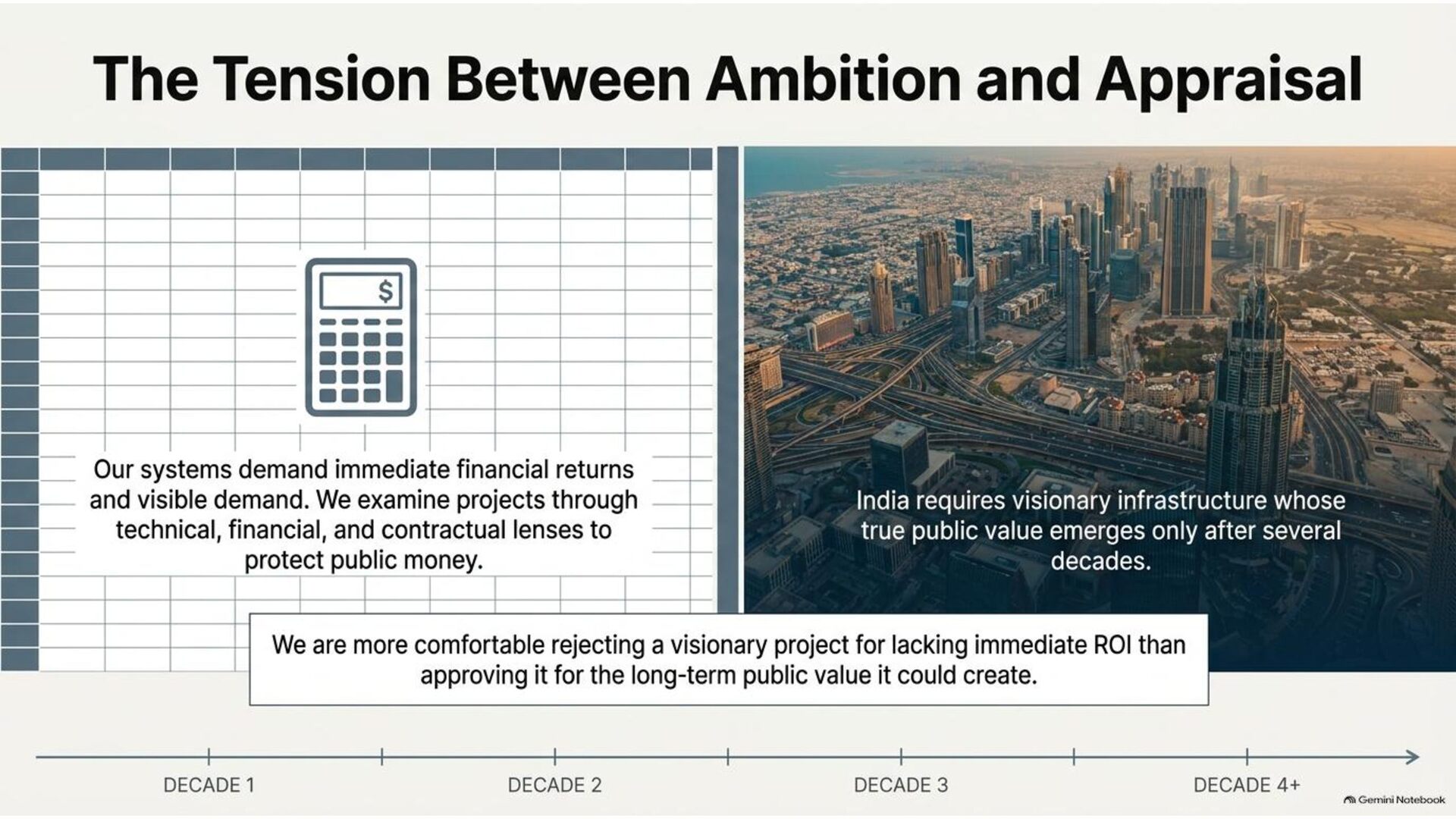
As an engineer and lawyer who has worked on major infrastructure projects, I have seen how projects are examined through technical, financial, contractual and administrative lenses. Such scrutiny is necessary because public money must be protected. However, our system often appears more comfortable rejecting a visionary project for not showing an immediate financial return than approving it for the long-term public value it could create.
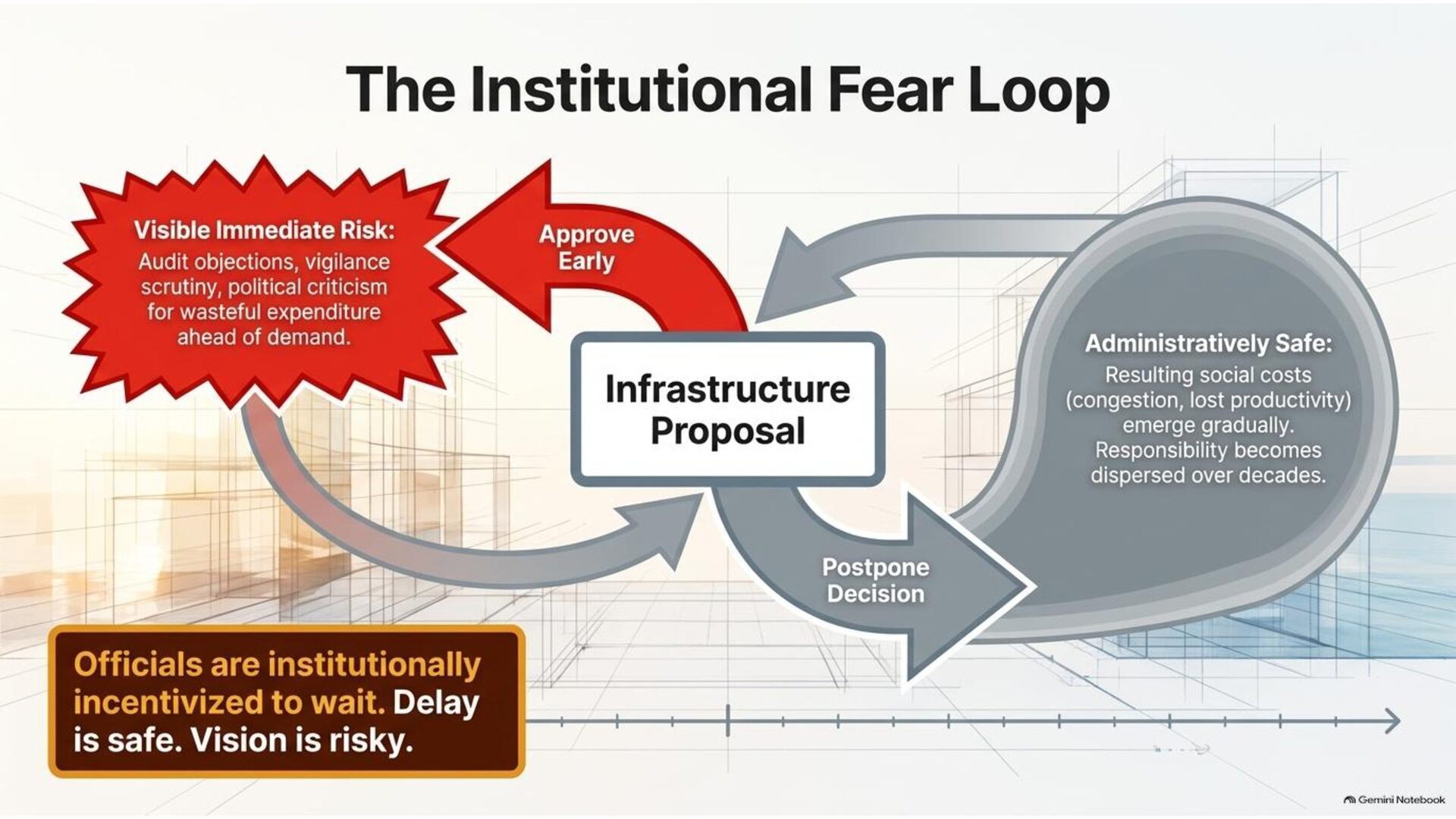
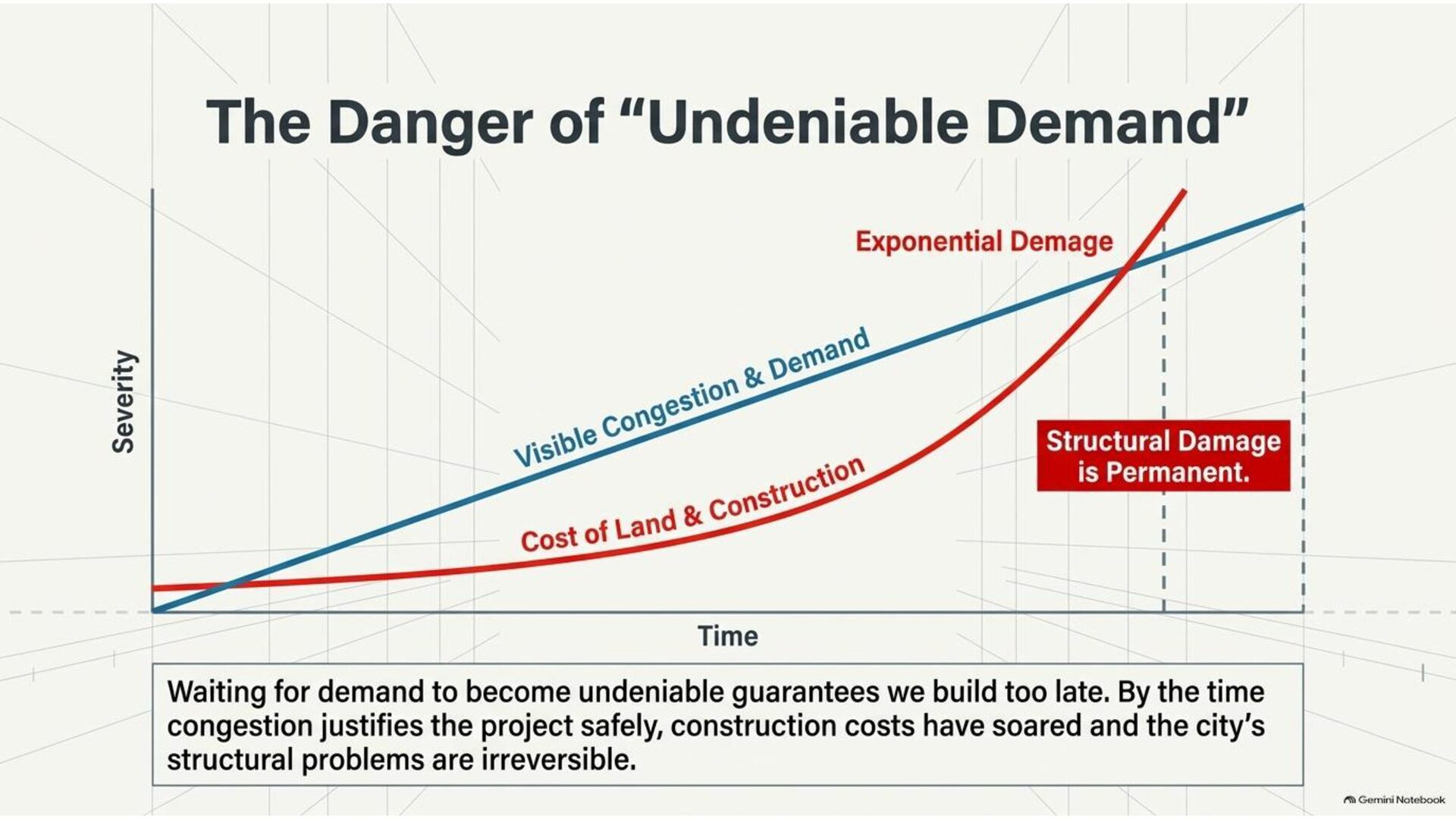
Policymakers, legislators and executive officers also work under considerable pressure. If they approve a costly project ahead of visible demand, they may face audit objections, vigilance scrutiny, political criticism or allegations of wasteful expenditure. If they postpone it, the consequences emerge gradually. Congestion, environmental pressure, unaffordable housing and lost productivity accumulate over decades, but responsibility for these costs is rarely assigned to those who delayed the decision.
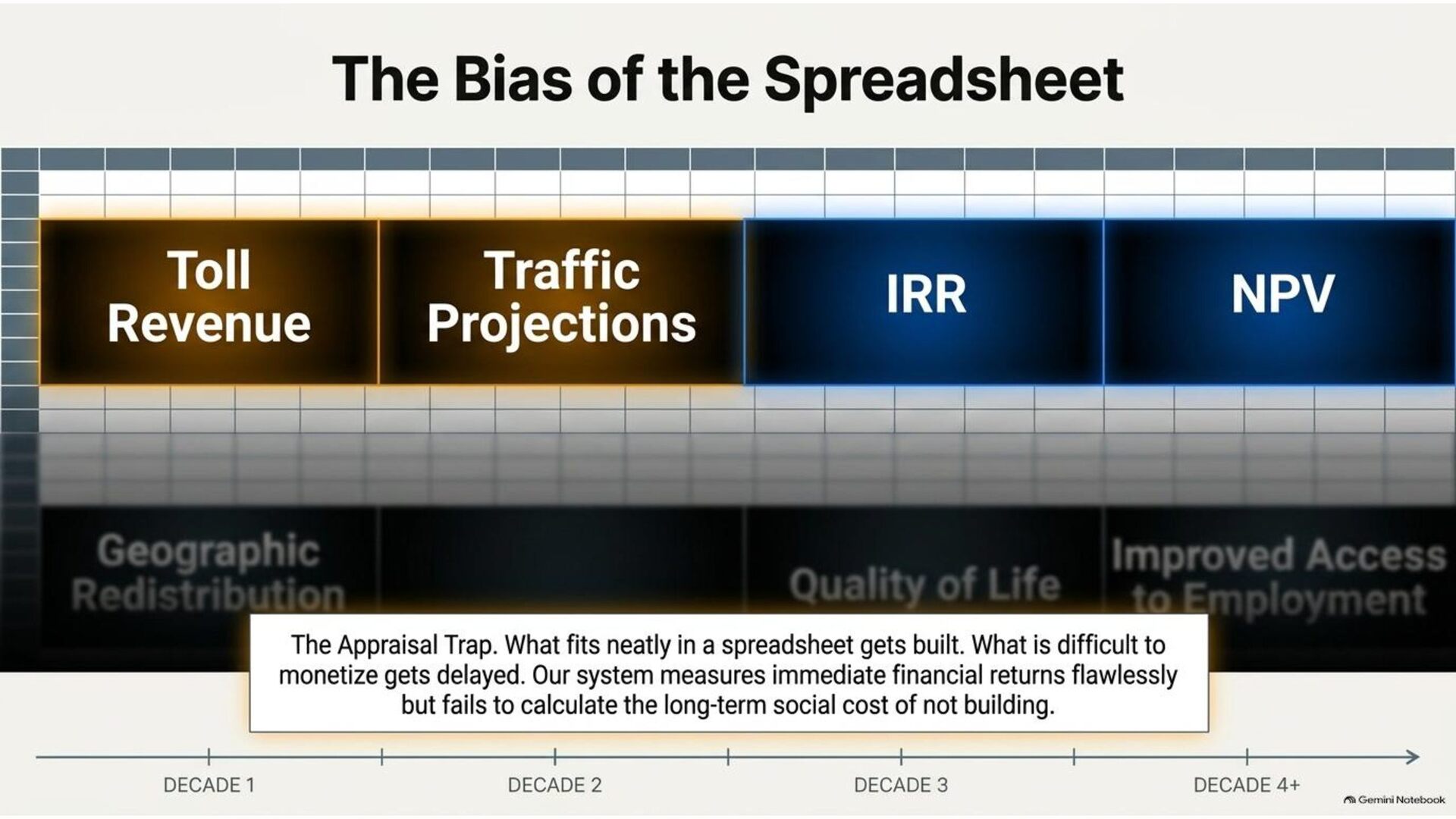
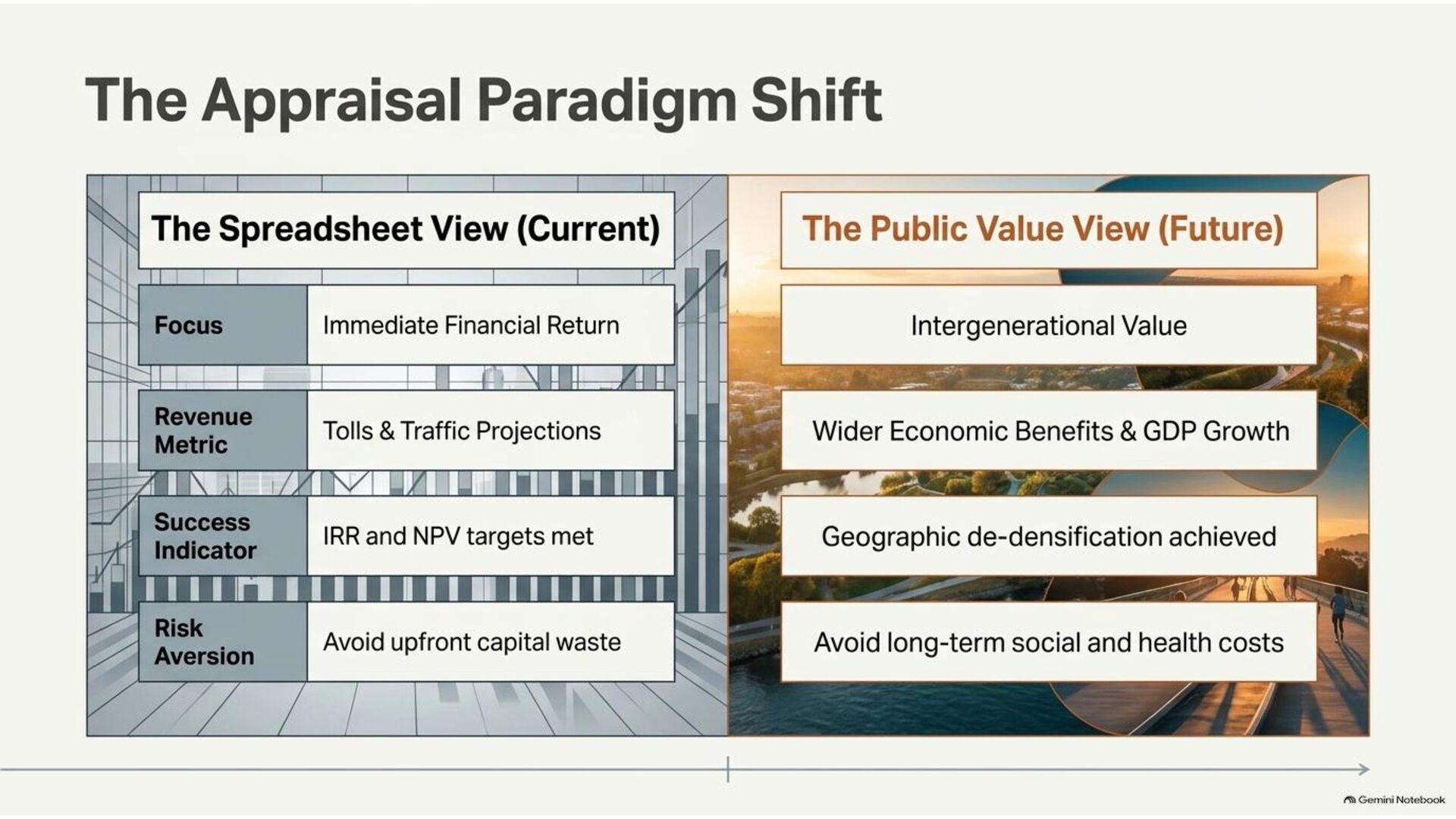
This creates an institutional preference for projects whose benefits can be demonstrated immediately. Toll revenue, traffic projections, IRR and NPV can be presented in a spreadsheet. The value of creating a new growth centre, reducing pressure on an overcrowded city or improving access to employment is more difficult to monetise.
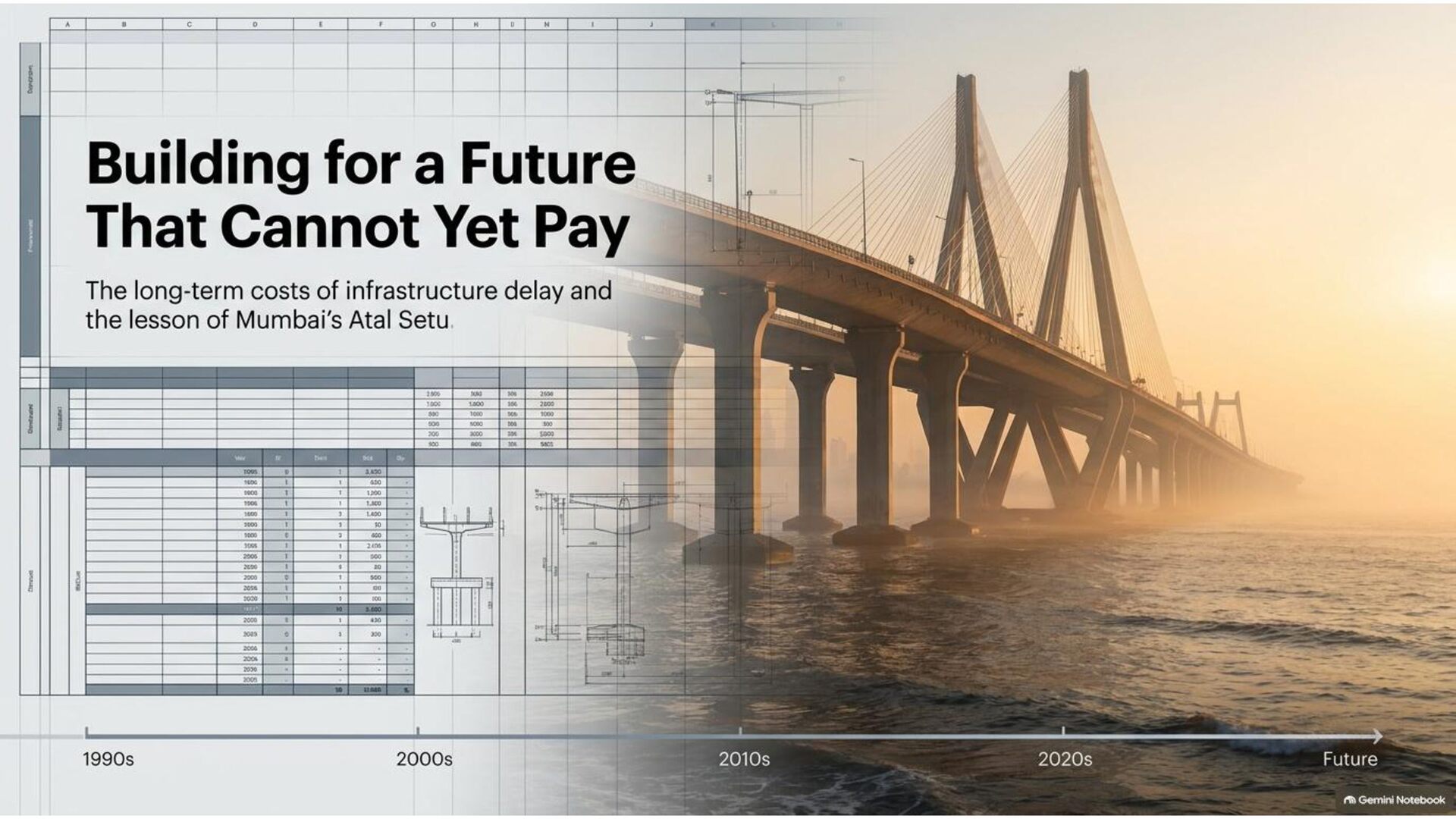
Atal Setu, previously known as the Mumbai Trans Harbour Link, illustrates this concern.
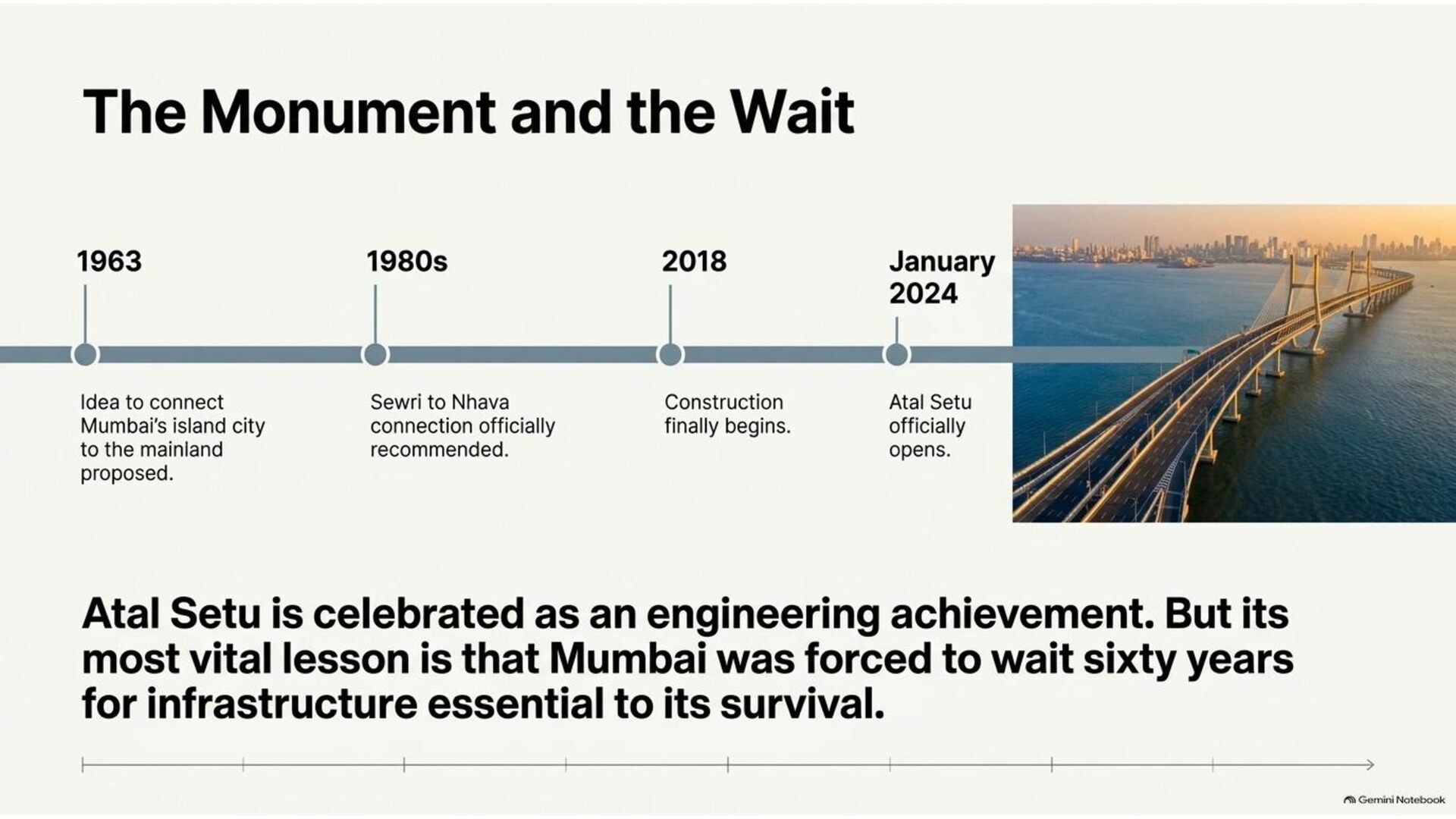
Atal Setu is celebrated as an engineering achievement, but to me its more important lesson is that Mumbai had to wait nearly sixty years for infrastructure that was essential to its future.
As an engineer and lawyer who has worked on major infrastructure projects, I understand why governments carefully examine cost, traffic, revenue, IRR and NPV before committing public funds. Financial discipline is necessary. My concern is that our appraisal system is better equipped to measure immediate financial returns than the long-term social cost of not building a project.
The idea of connecting Mumbai’s island city with the mainland was proposed as early as 1963. Routes were studied during the 1970s, and the Sewri to Nhava connection was recommended in the early 1980s. Yet construction began only in 2018, and Atal Setu opened in January 2024.
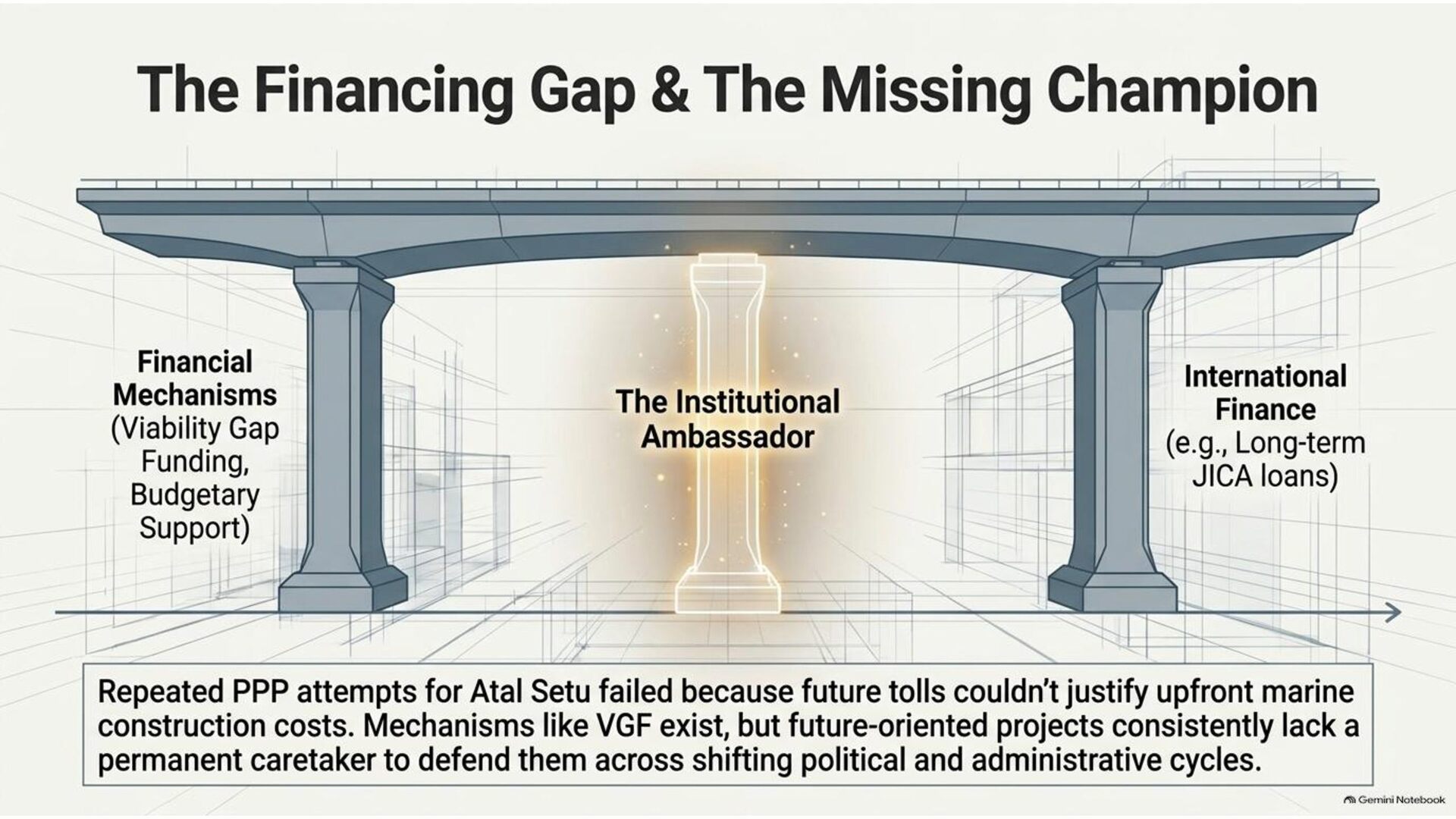
Repeated attempts to implement the project through a public-private partnership failed. Investors were uncertain whether future toll revenue would justify the huge cost of constructing a marine crossing. Even Viability Gap Funding could not immediately resolve the problem. The project finally progressed with institutional commitment and long-term JICA financing.
Atal Setu was eventually built, but the consequences of waiting cannot be reversed so easily.
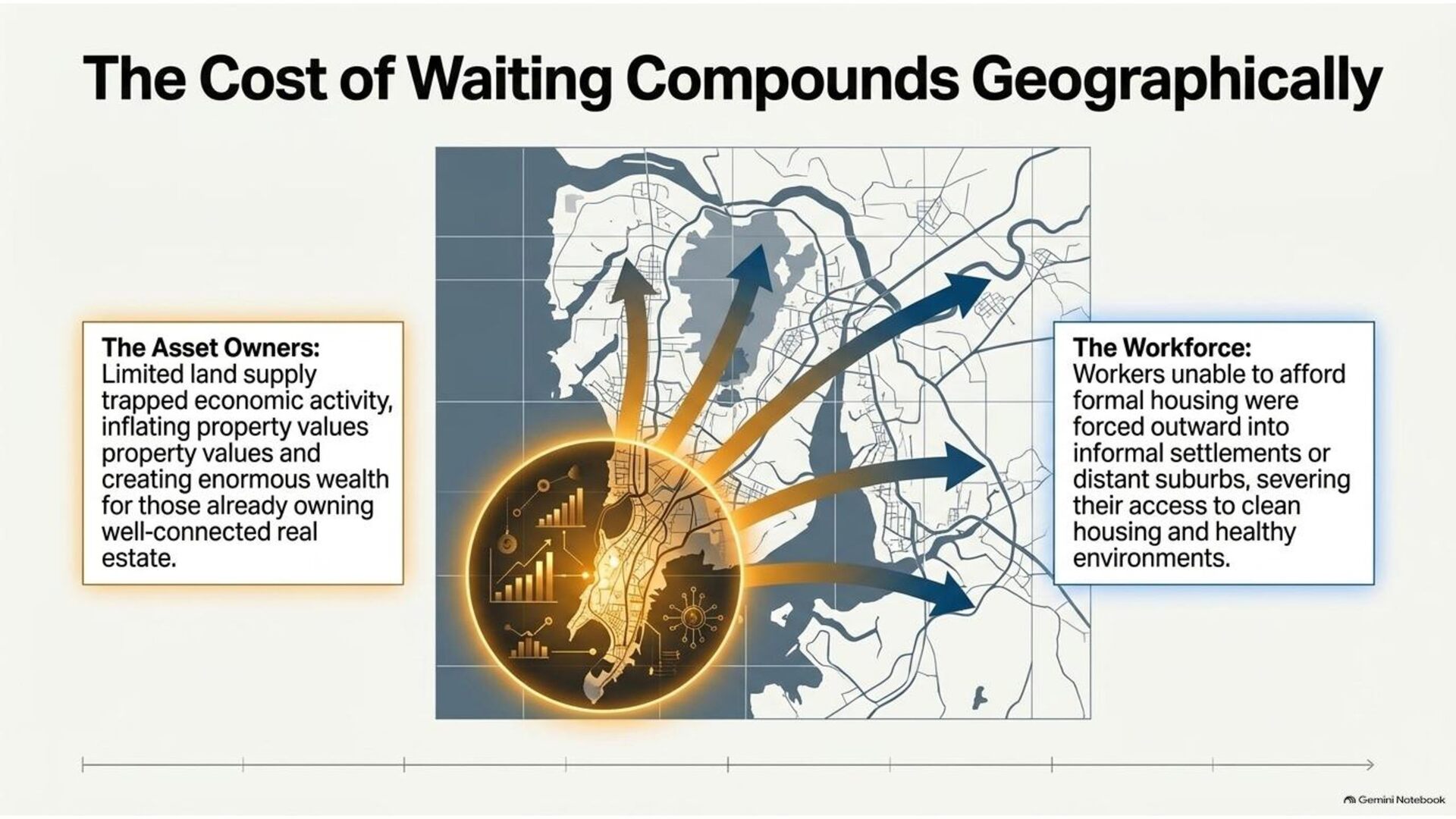
During these decades, Mumbai’s employment, corporate activity and real estate demand remained concentrated within a geographically constrained area. Limited land supply increased property values and created enormous wealth for those who already owned land and housing in well-connected locations. The rich became richer through appreciating assets.
At the other end, workers who could not afford formal housing near employment centres were pushed towards informal settlements or distant suburbs. Many families remained without adequate access to clean housing, sanitation, education and a healthy residential environment. In this sense, infrastructure delay contributed to a pattern in which wealth became concentrated while the disadvantages faced by the poor became more severe.
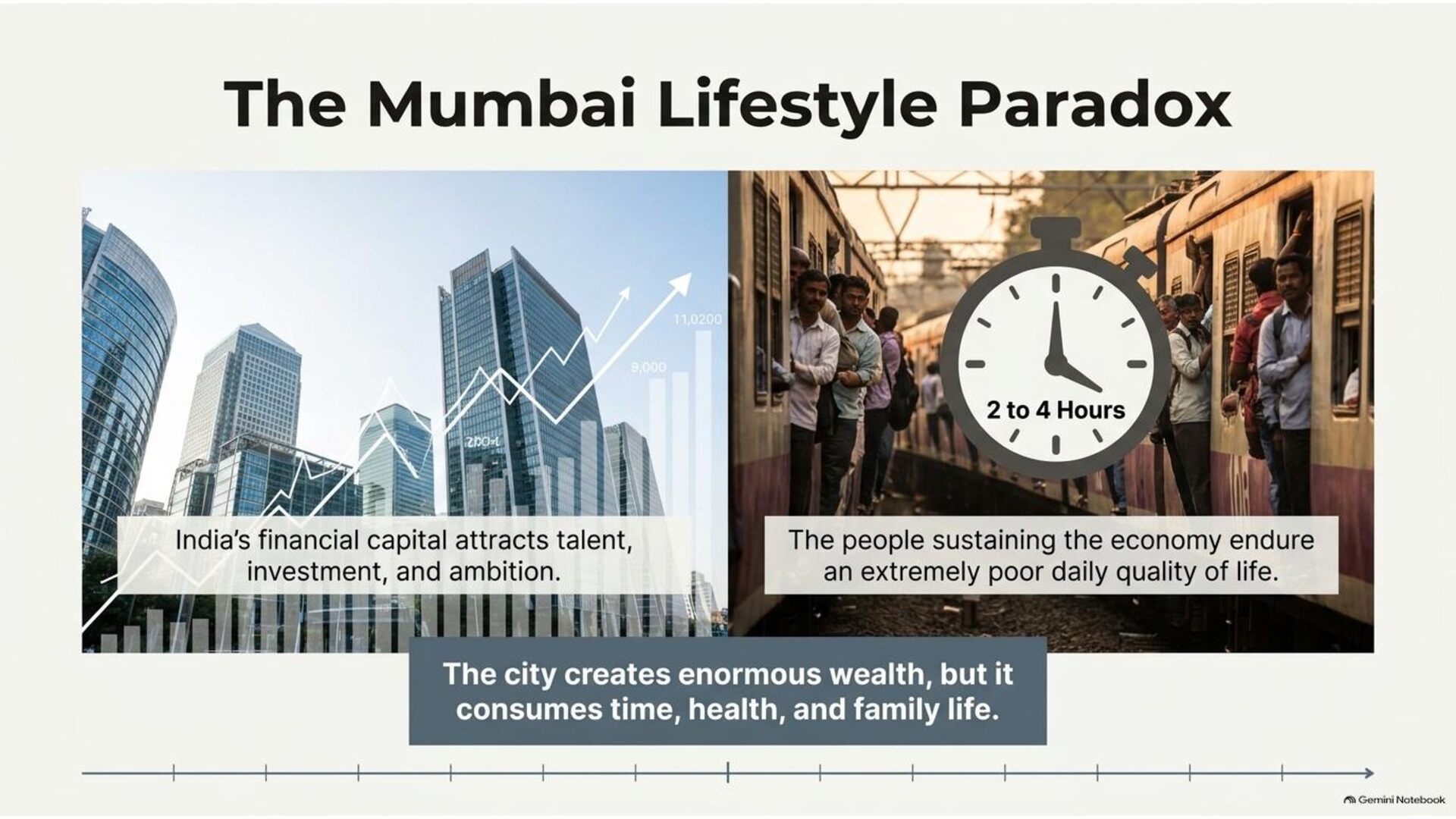
This is what I see as the Mumbai lifestyle paradox.
Mumbai is India’s financial capital and one of its greatest centres of opportunity. It attracts talent, investment and ambition from across the country. Yet many of the people who sustain its economy experience an extremely poor quality of daily life. A person may have a respectable job in Mumbai but spend two to four hours travelling to and from work. A household may earn more than it could elsewhere but still be unable to afford a suitable home near its workplace.
The city creates wealth, but it consumes time, health and family life.
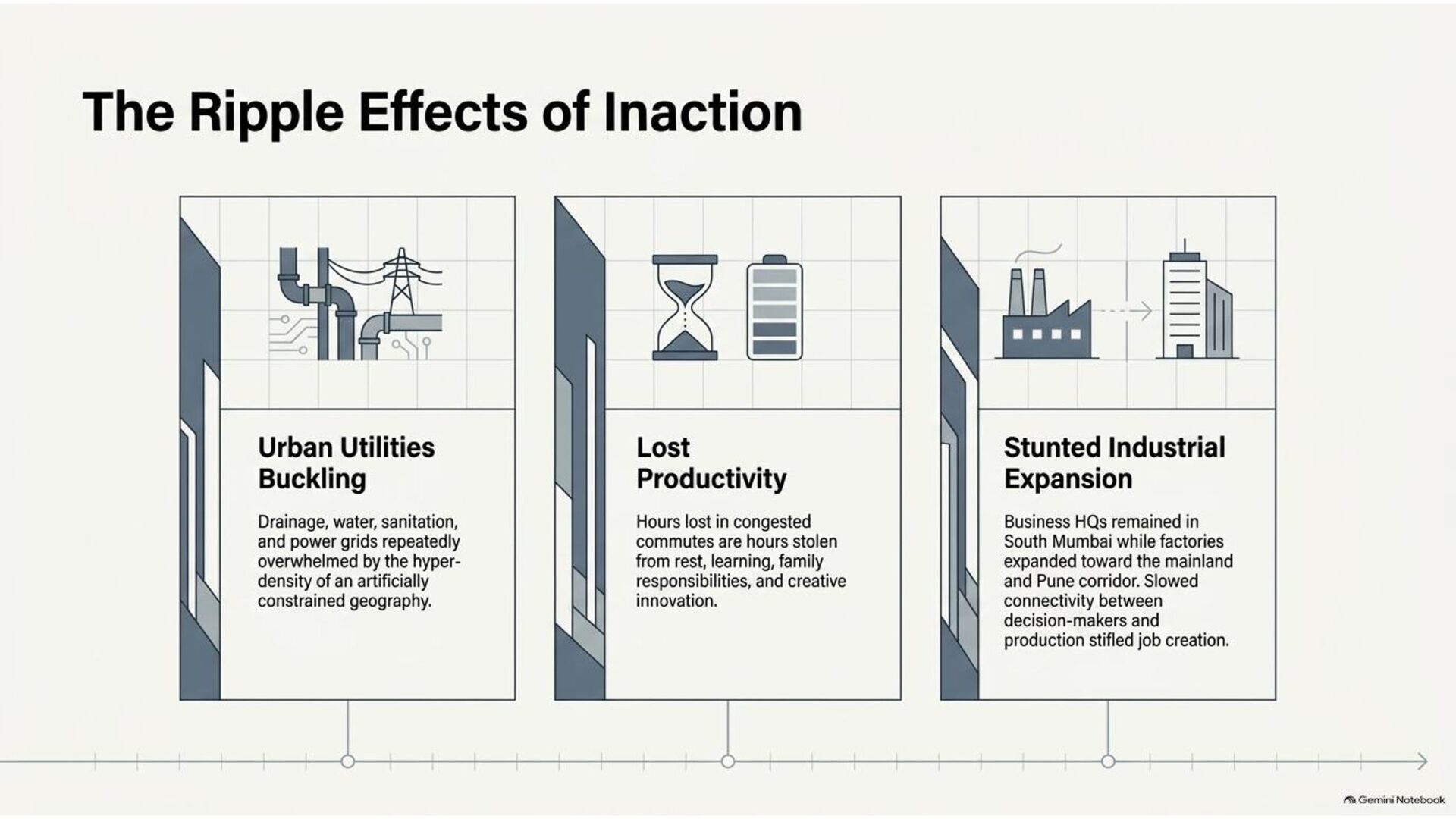
The prolonged concentration of population and economic activity also placed severe pressure on urban utilities. Drainage, water supply, electricity distribution, sanitation, waste management, roads and public transport have repeatedly struggled to keep pace with the density of development. Atal Setu alone could not have solved every problem, but earlier connectivity with the mainland could have enabled population, housing and economic activity to spread across a larger and better-planned region.
The cost of delay also includes lost productivity. Hours spent standing in crowded trains or travelling through congested roads are hours unavailable for rest, learning, family responsibilities or productive work. Long and exhausting journeys reduce the energy available for creativity and innovation.
Consider business organisations historically headquartered in South Mumbai while their factories, suppliers and future investments expanded towards the mainland and the Pune corridor. Faster connectivity could have allowed senior decision-makers, professionals and workers to engage more frequently with these locations. Such interaction could have supported quicker decisions, industrial expansion, innovation and job creation.
These benefits would contribute not only to GDP but also to human development. However, they are difficult to capture through toll revenue or a conventional financial return calculation.
Policymakers and executive officers also face a negative taboo around long-term projects. Approving a costly project before demand becomes visible can invite audit objections, vigilance scrutiny and political criticism. Postponing it is administratively safer because the resulting social costs emerge gradually and responsibility becomes dispersed.
This encourages officials to wait until congestion and demand become undeniable. By then, land is more expensive, construction costs have increased and the city may already be experiencing serious structural problems.
India has provisions such as Viability Gap Funding, budgetary support and international development finance. However, future-oriented urban and semi-urban projects often lack a permanent caretaker or institutional ambassador who can defend them across political and administrative cycles.
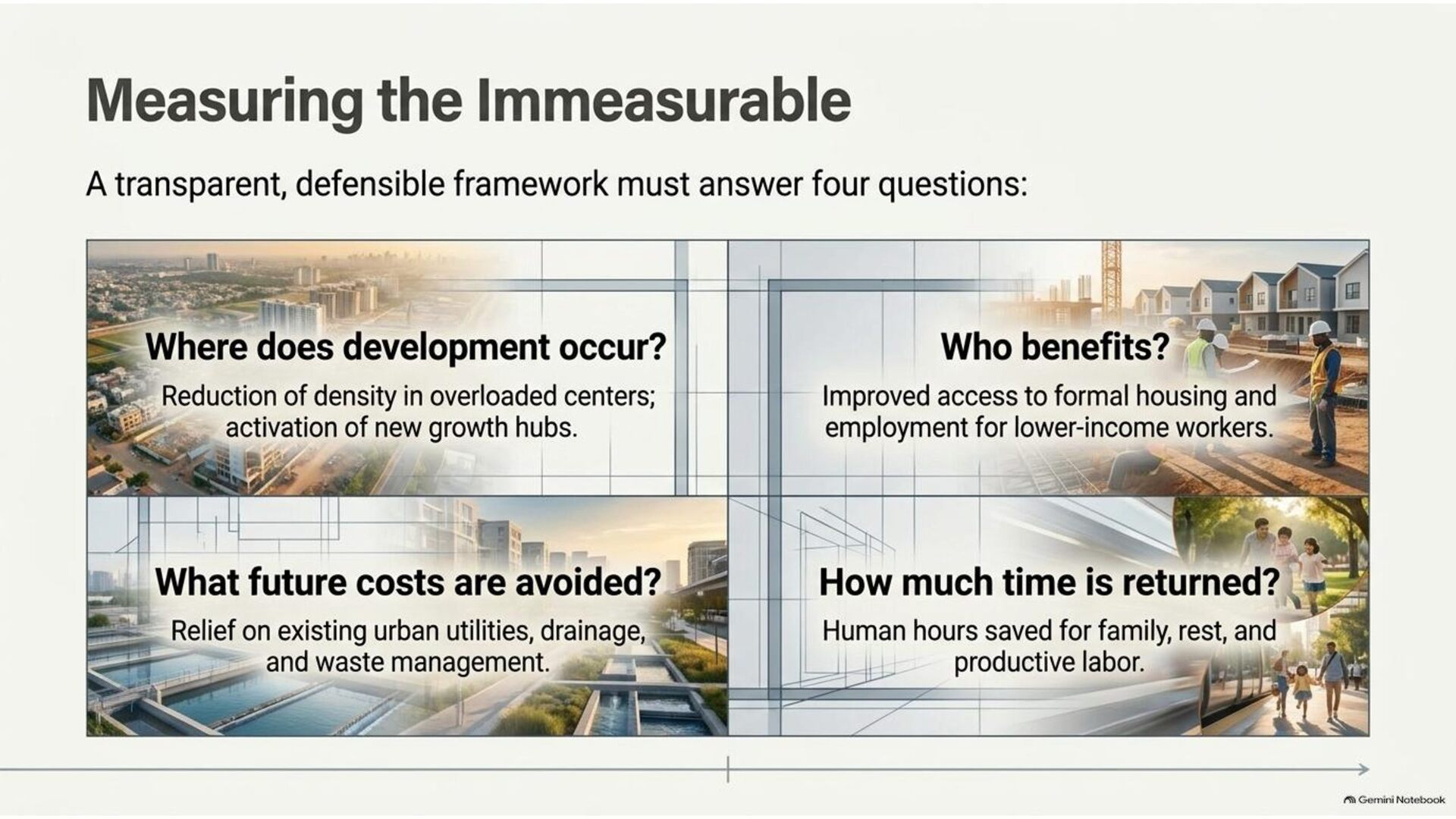
We need appraisal systems that measure not only how much financial value a project creates, but also where development occurs, who benefits and what future costs are avoided. Wider economic benefits, geographic redistribution, housing access, utility pressure, travel time and intergenerational value must become part of the decision.
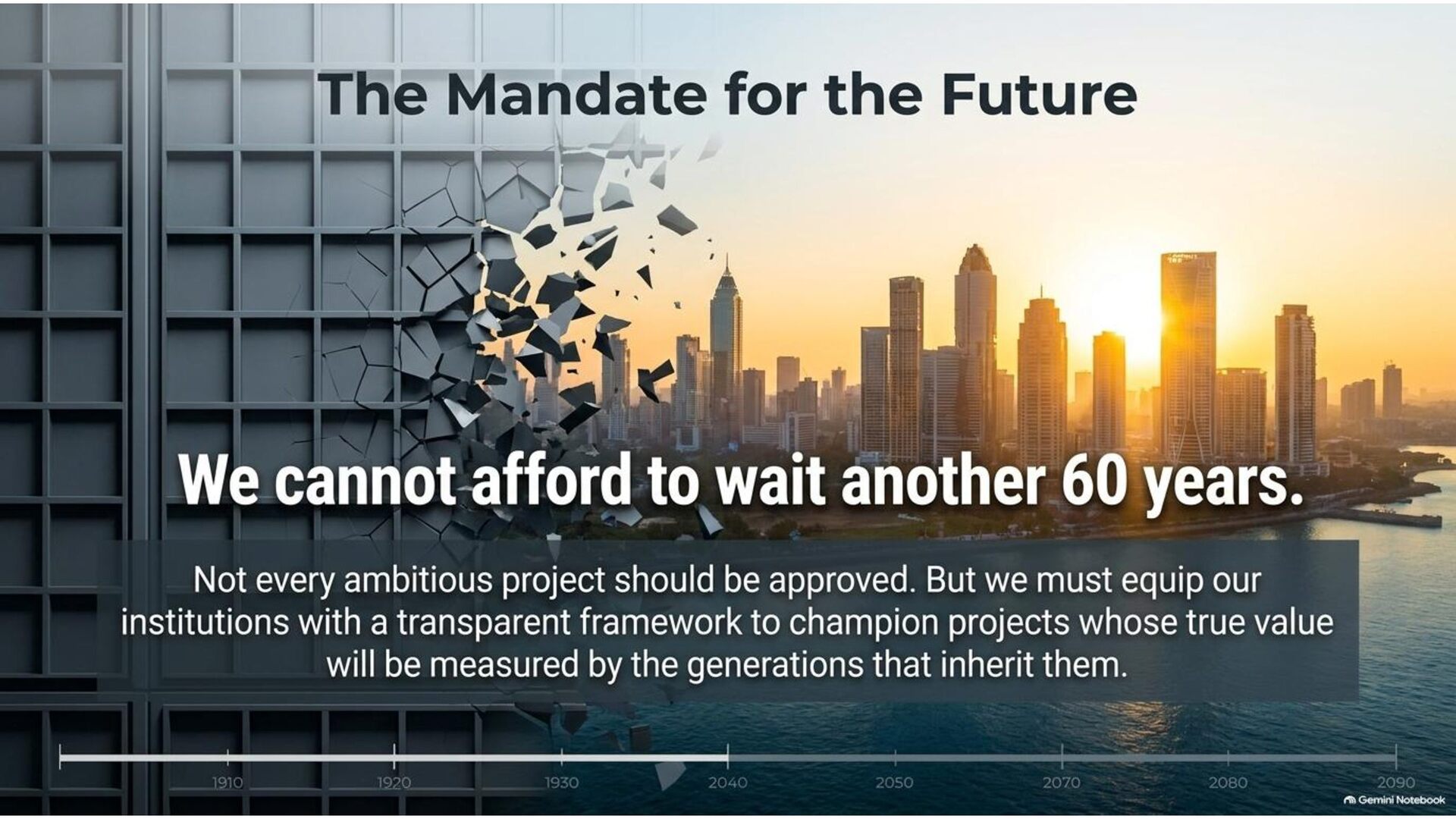
This does not mean that every ambitious project should be approved. It means that decision-makers should have a transparent and defensible framework for supporting projects whose public value is greater than their immediate financial return.
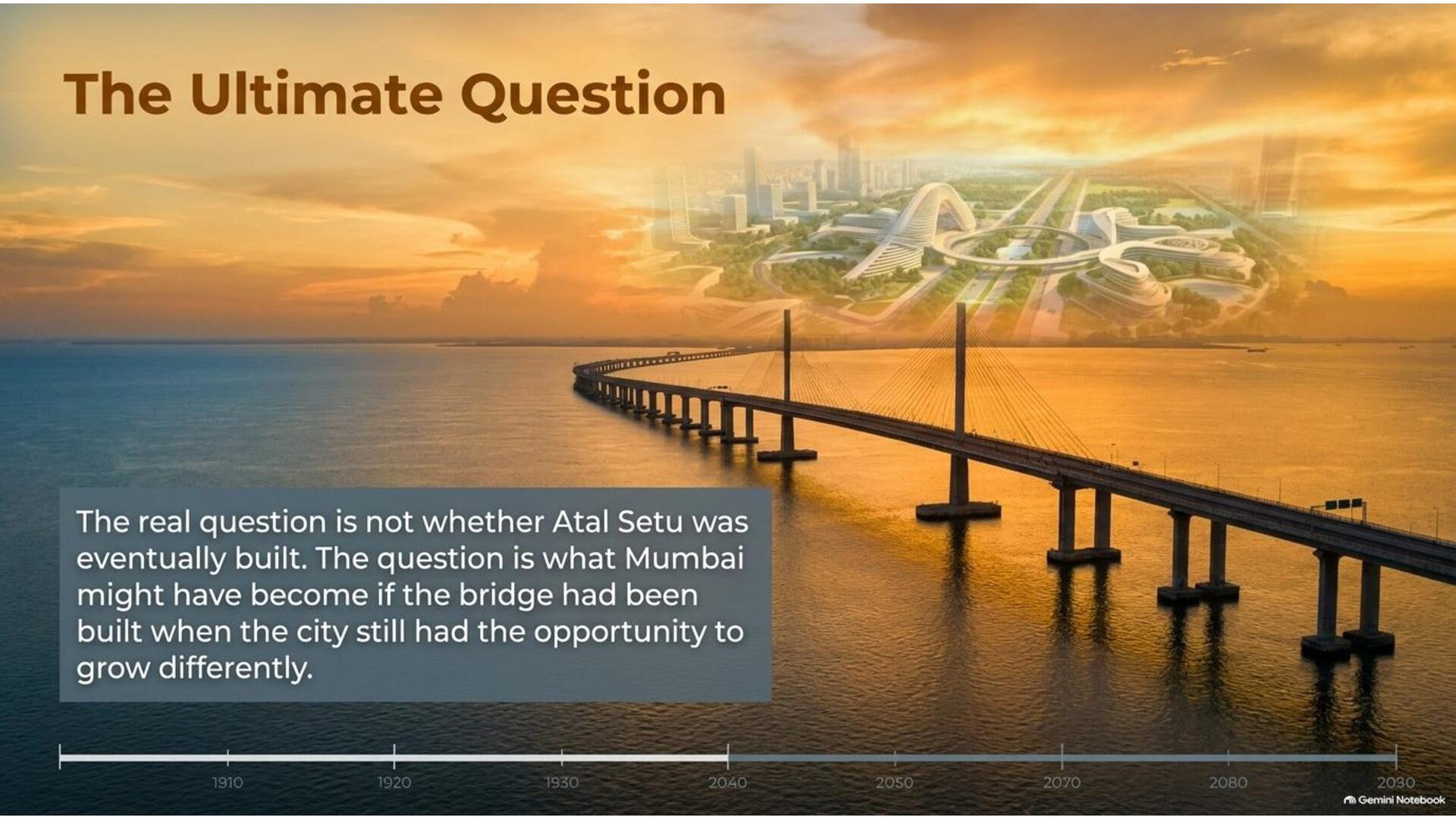
The real question is not whether Atal Setu was eventually built. It is what Mumbai might have become if it had been built when the city still had the opportunity to grow differently.


 hotchpotch
 shiell
 fr0gger
 kobayashi31
 nzw0301
 takasehideki
 kento1109
 eumesy
 afroscript
 s_mizuki_nlp
 ftakahashi
 yumulab
 garrettdimon
 jcasabona
 62gerente
 baasie
 wjessup
 tmiket
 mfonobong
 jdejongh
 pwiseman
 akademiya2063
 seathinner
 soysaucechin