Over last 15 years, number of flights to and on the Antarctic continent has increased significantly 1. The importance of an operational weather department in an Antarctic environment
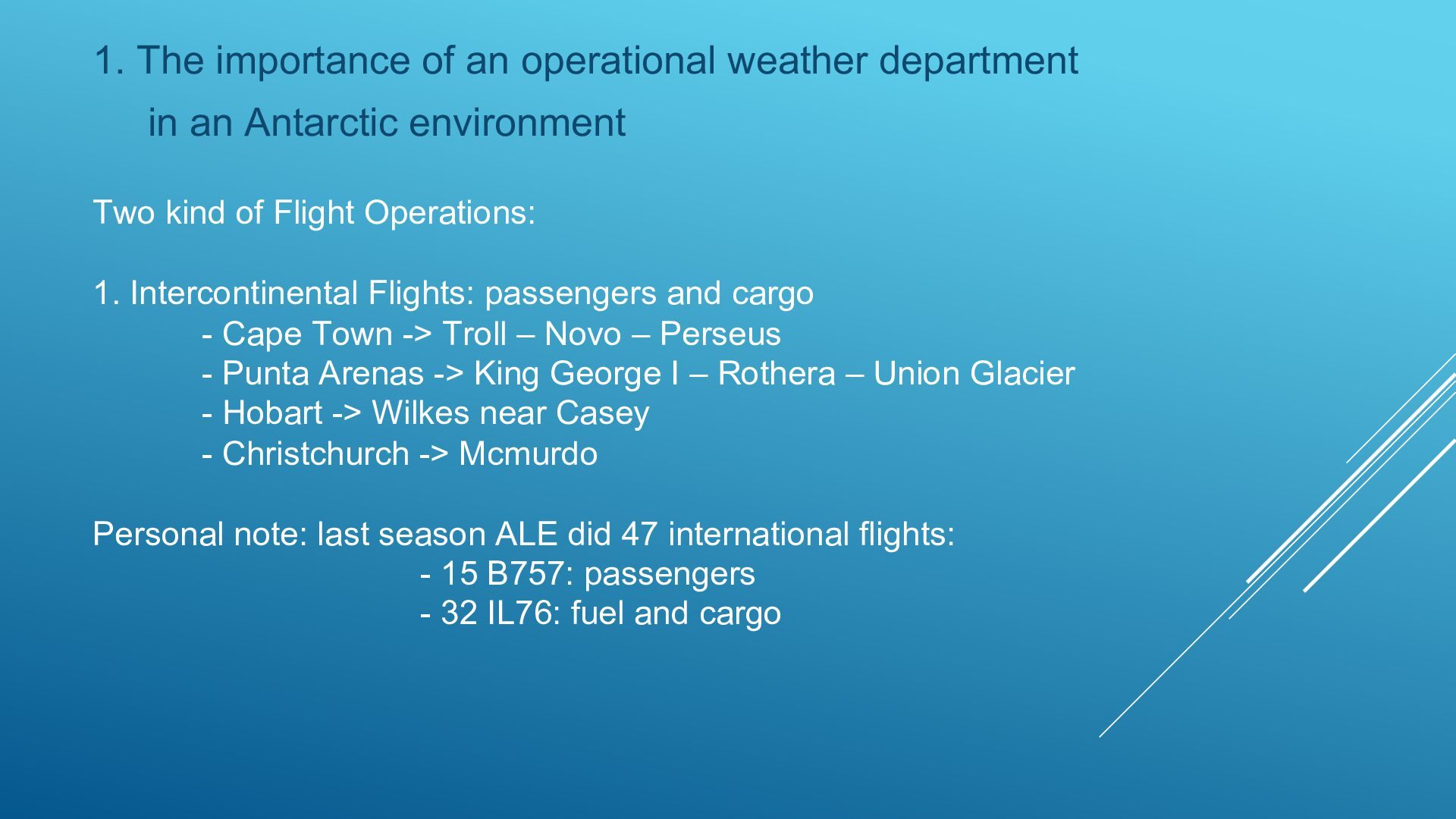
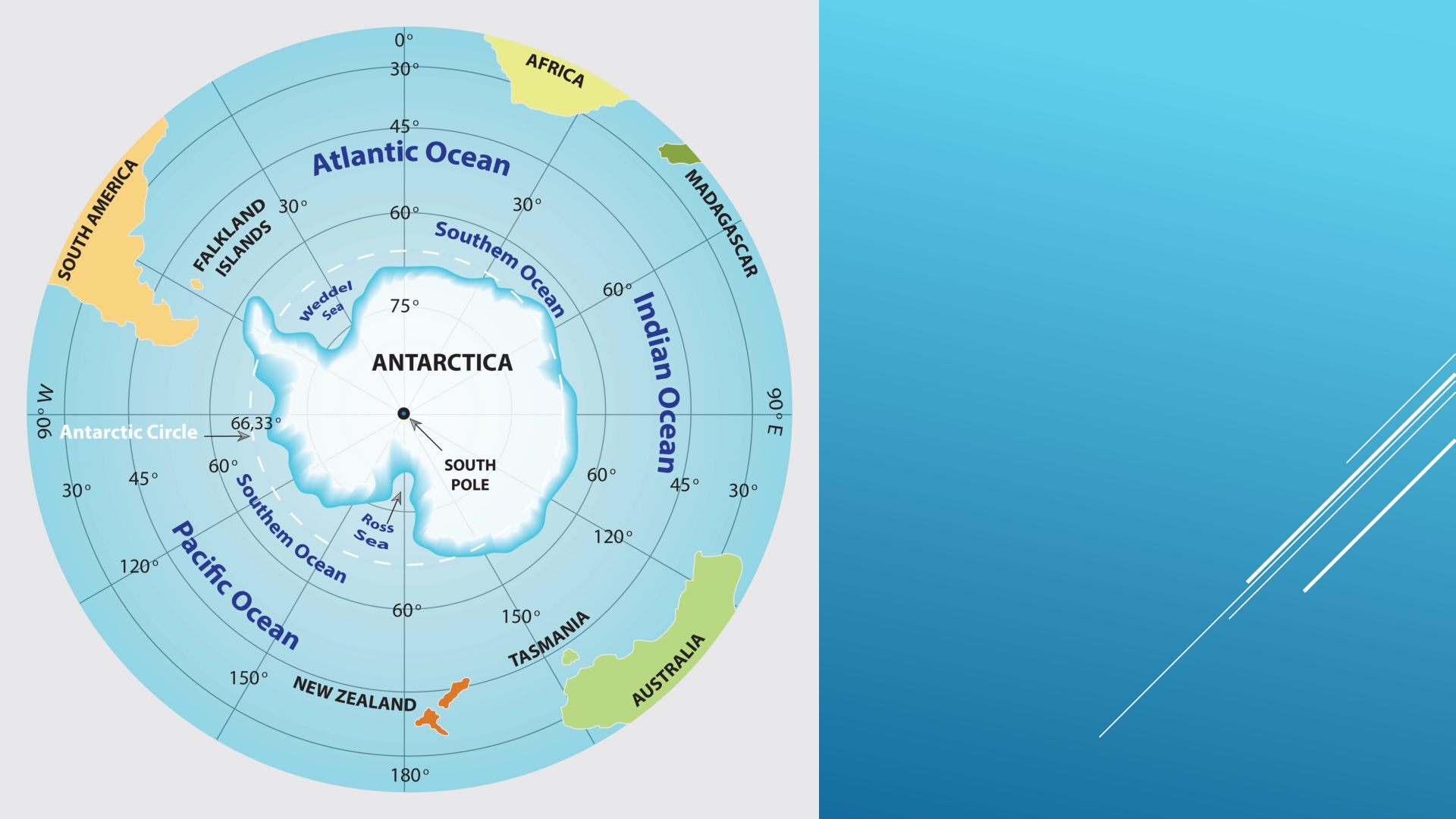
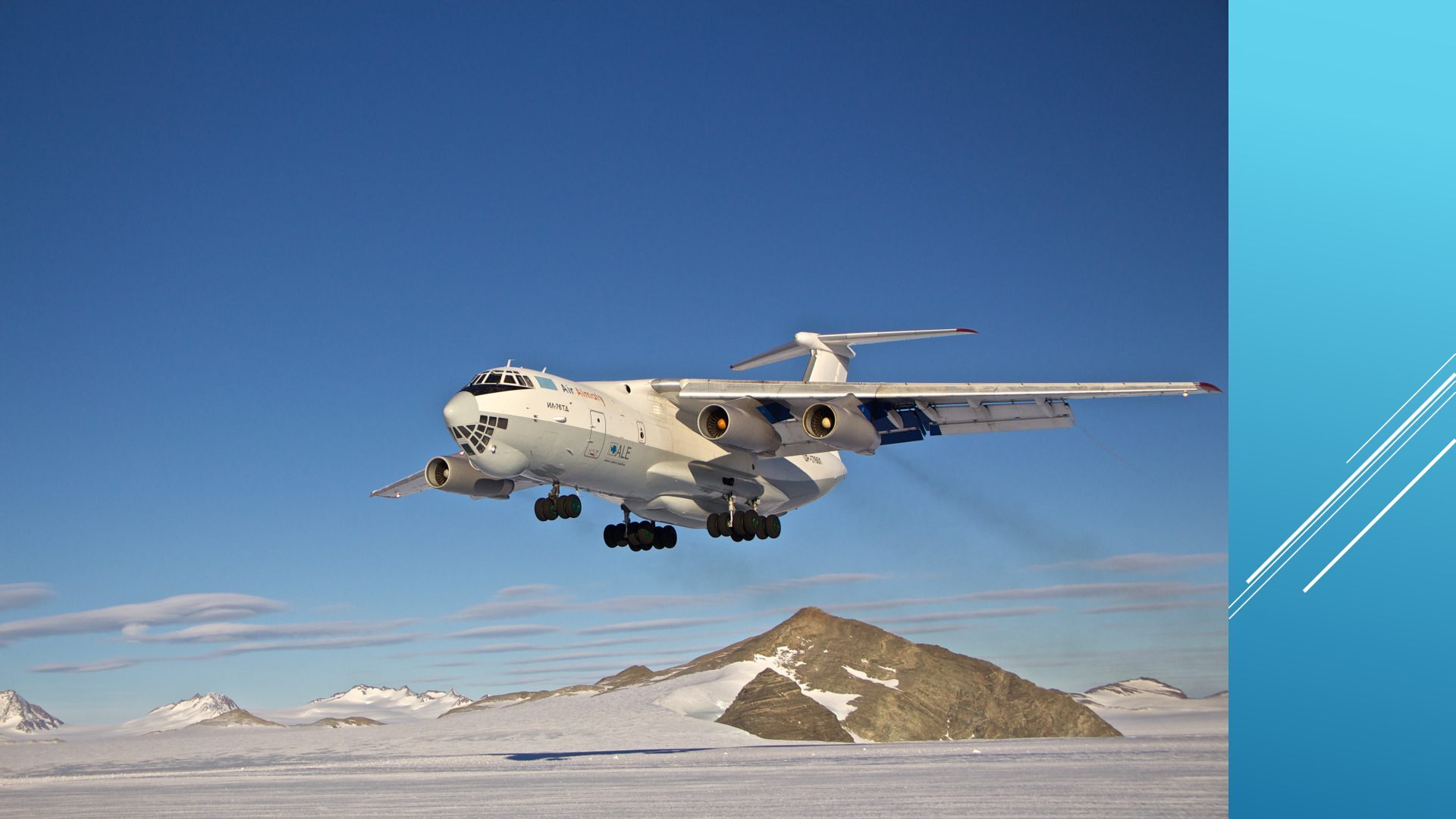
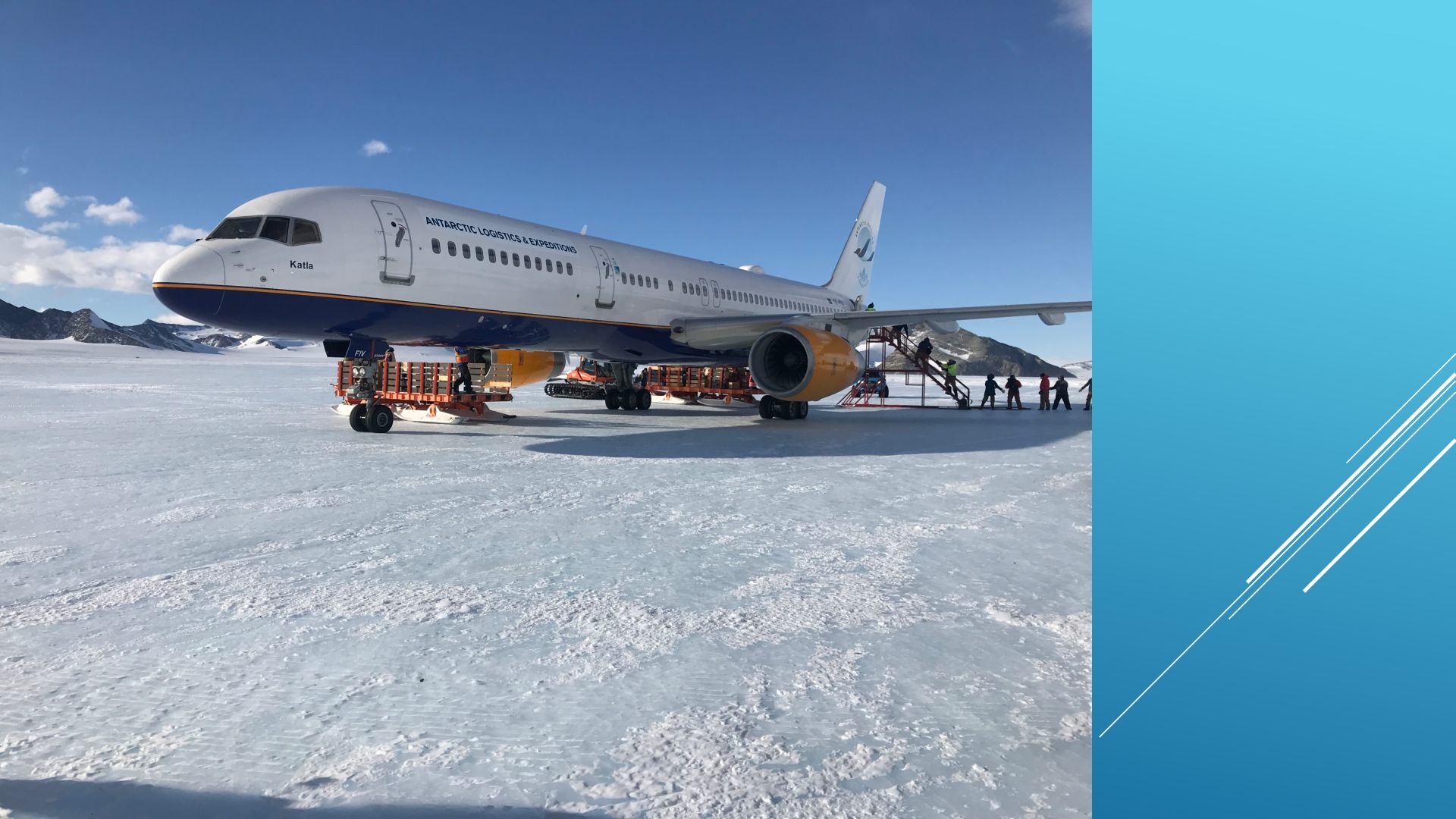
cargo - Cape Town -> Troll – Novo – Perseus - Punta Arenas -> King George I – Rothera – Union Glacier - Hobart -> Wilkes near Casey - Christchurch -> Mcmurdo Personal note: last season ALE did 47 international flights: - 15 B757: passengers - 32 IL76: fuel and cargo 1. The importance of an operational weather department in an Antarctic environment
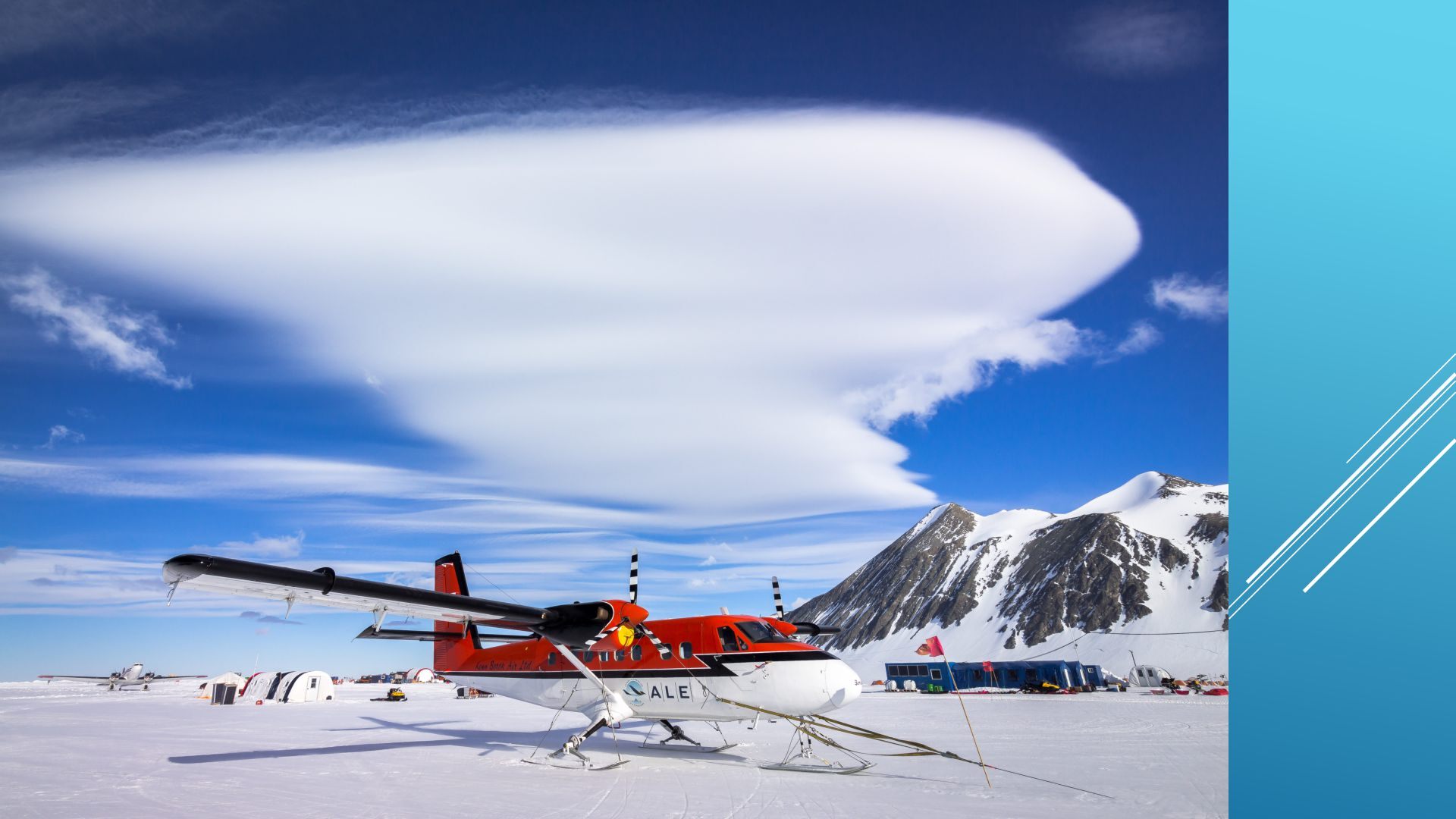
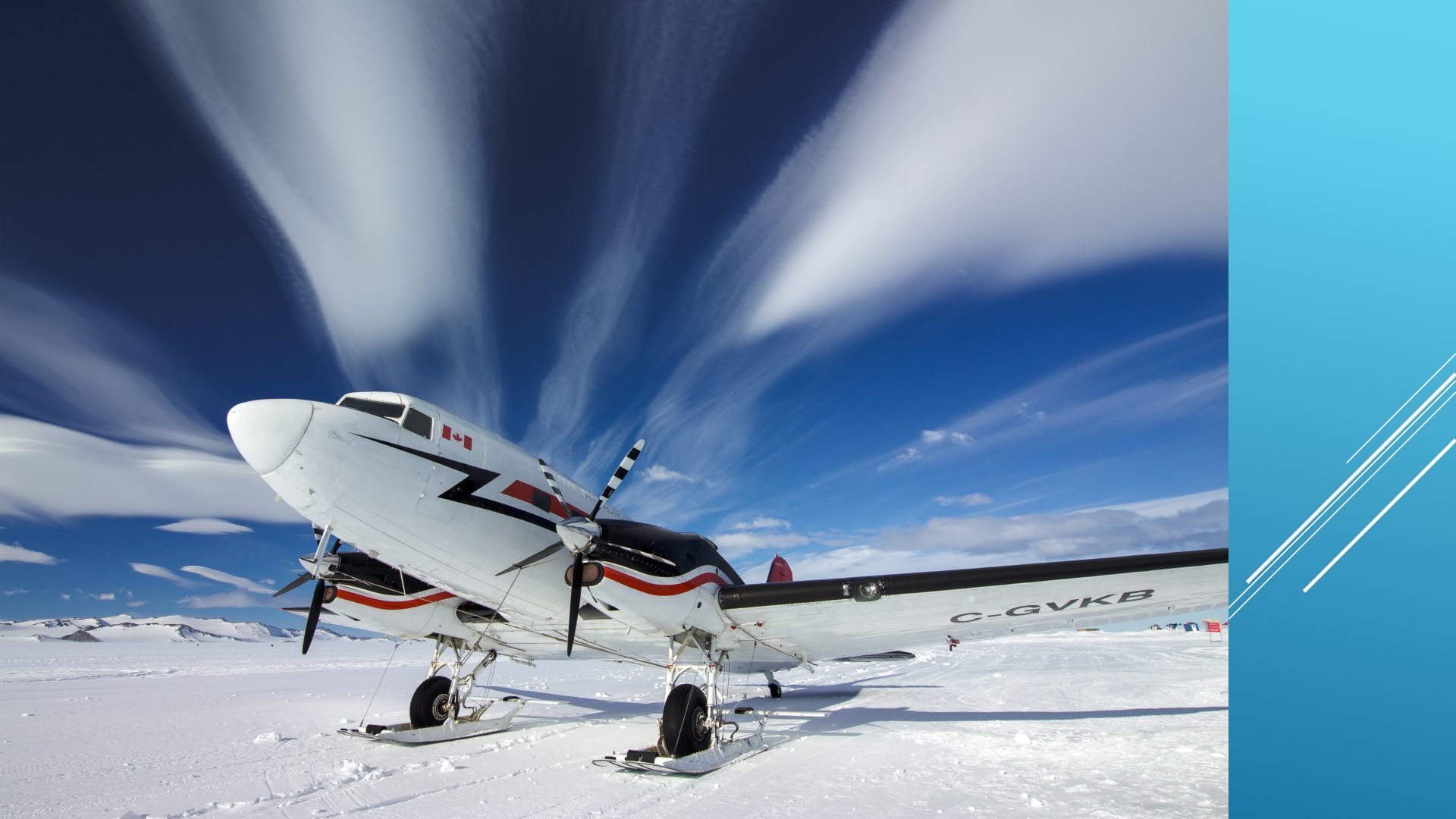
cargo - Continental Flights: drop-off/pick up of field parties - performed by ski-equiped Twin Otters and Baslers (DC3) - off-strip landings – favourable weather conditions Personal note: last season ALE performed around 150 CF 1. The importance of an operational weather department in an Antarctic environment
VISIBILITY and CLOUDS - increase SAFETY Flight decisions are made by the Captain of the air crew in coordination with the meteorologist – The meteorologist provides the information in order for the captain to make a confident flight decision. 1. The importance of an operational weather department in an Antarctic environment
confident flight decisions we need an experienced operational meteorologist and a well-organised meteorological department. 1. The importance of an operational weather department in an Antarctic environment
are key information to prepare flights Reliable AWS are needed at threshold of runway/skiway Webcams are useful if meteorologist cannot be present at runway/skiway Note: It is prefered that a meteorologist is present at the runway/skiway so he/she may see the weather changes happening and may send warnings to to the air crew 2. Key requirements for an operational meteorological department
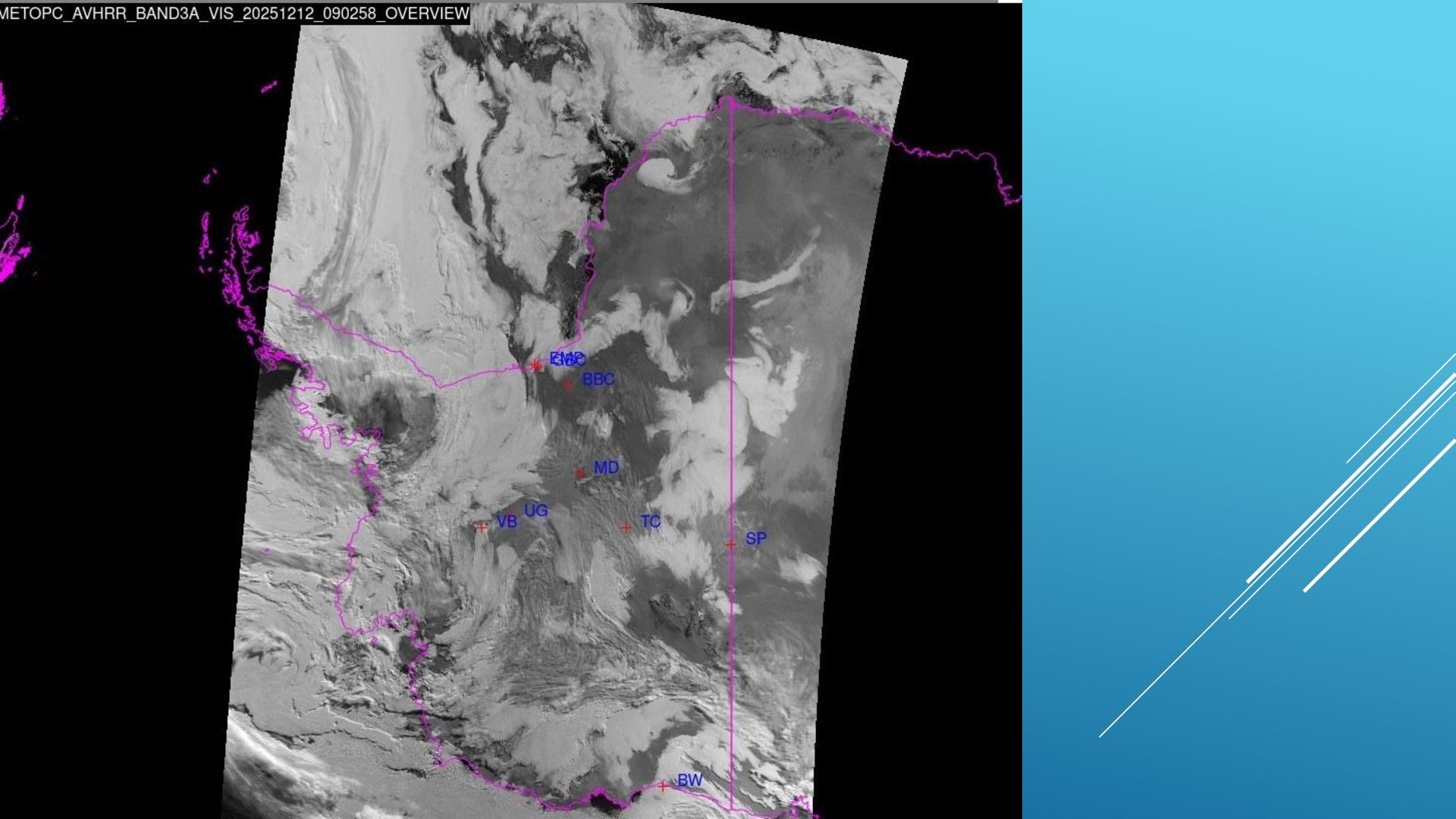
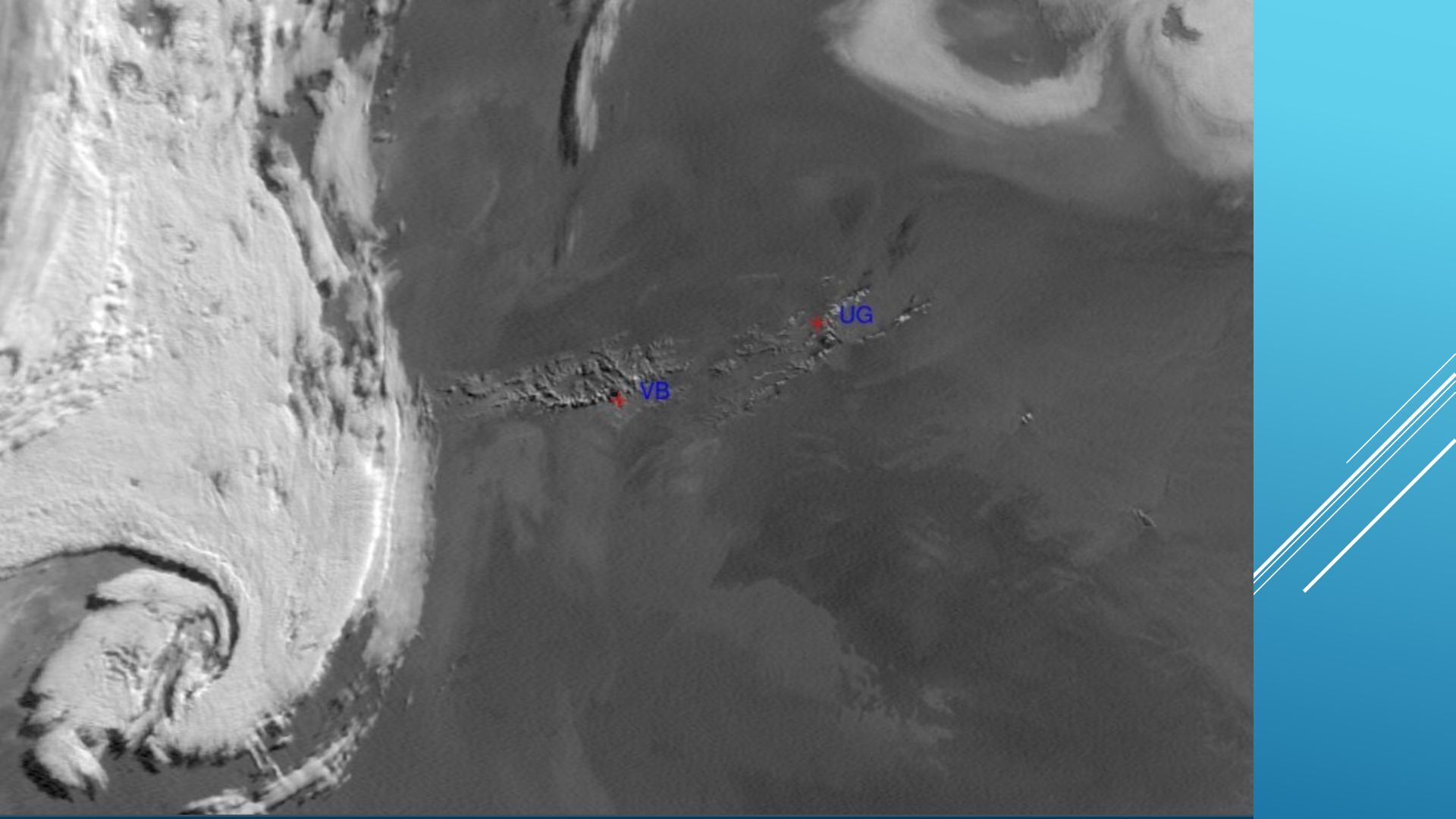
High Resolution Satellite Imagery In polar areas polar orbiting satellites are used: They orbit the Earth at a height of 800km in about 105 minutes - from NASA: NOAA20 (17) – NOAA21 (22) – SUOMI NPP - from EUMETSAT: Metop b and Metop c Satellite Imagery provides information about the exact position of weather systems, fog patches and other weather phenomena 2. Key requirements for an operational meteorological department
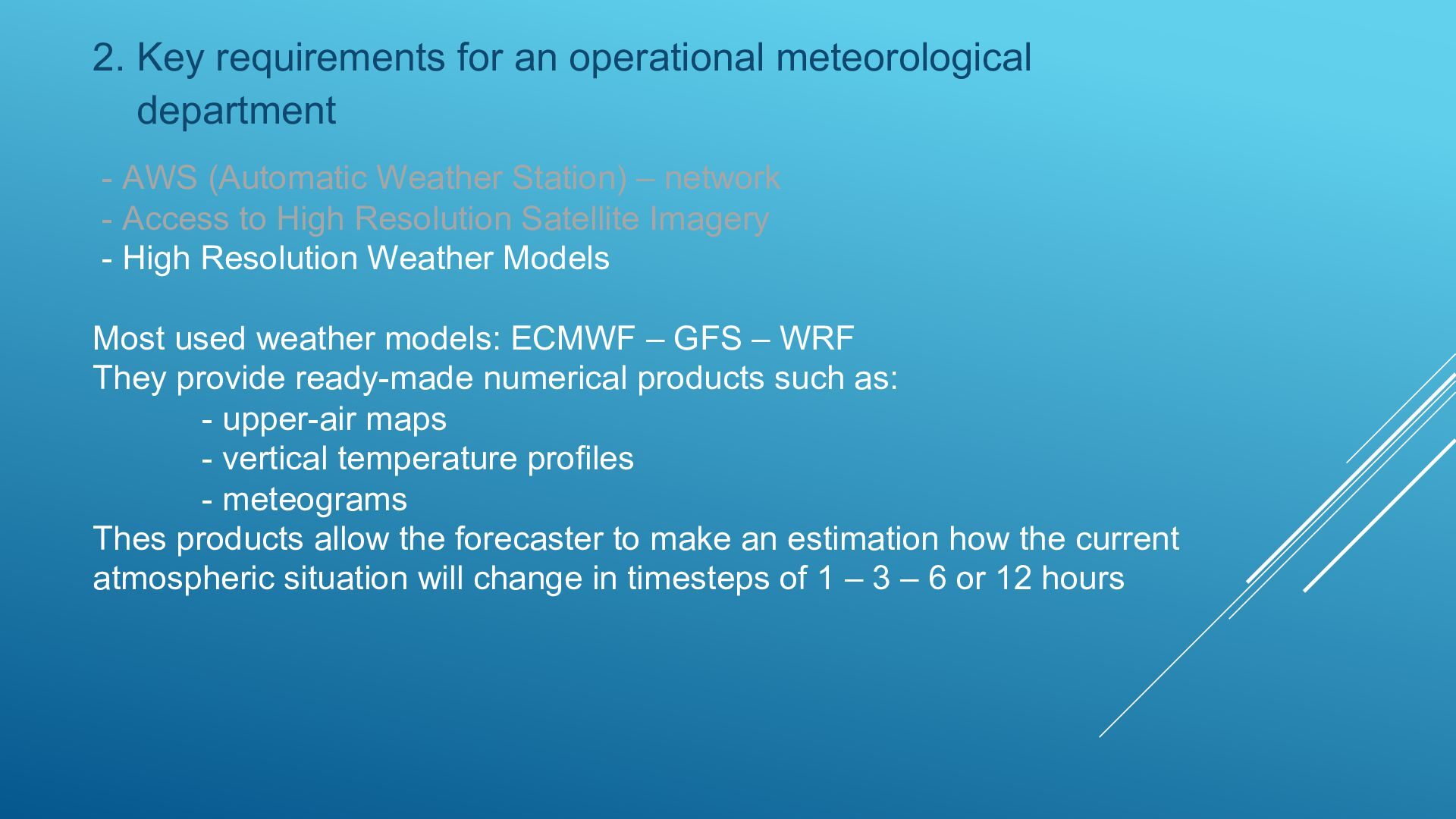
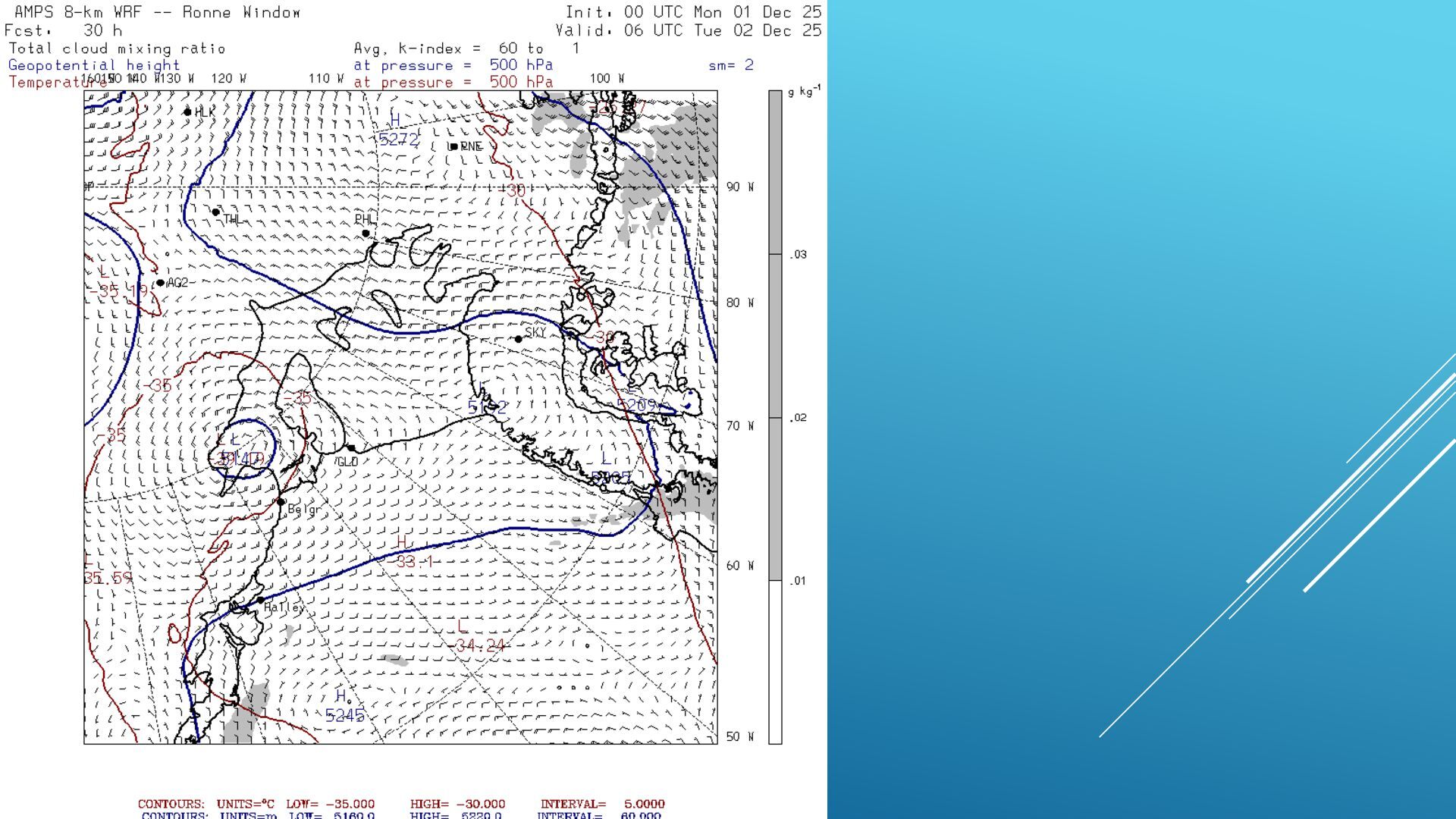
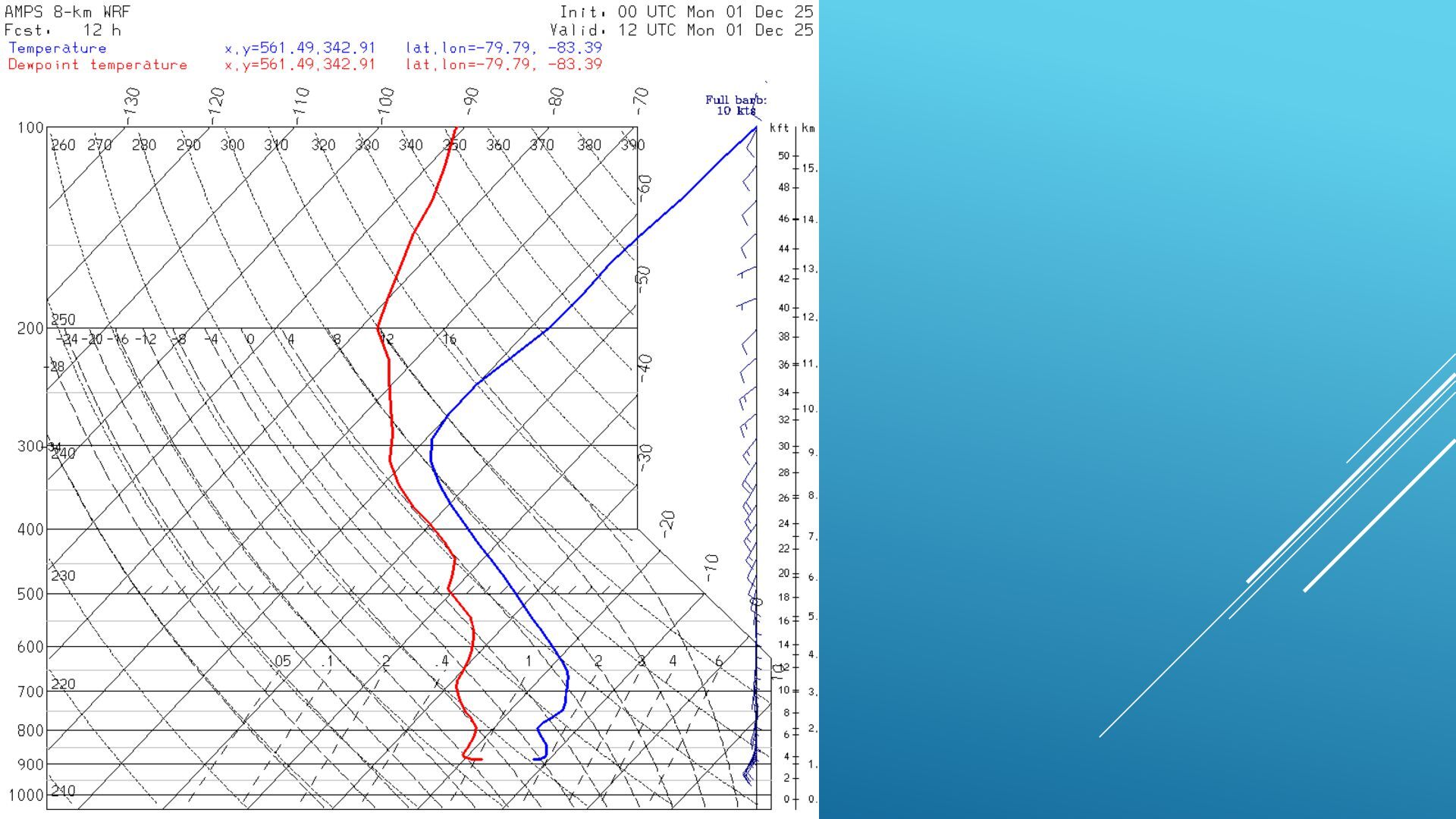
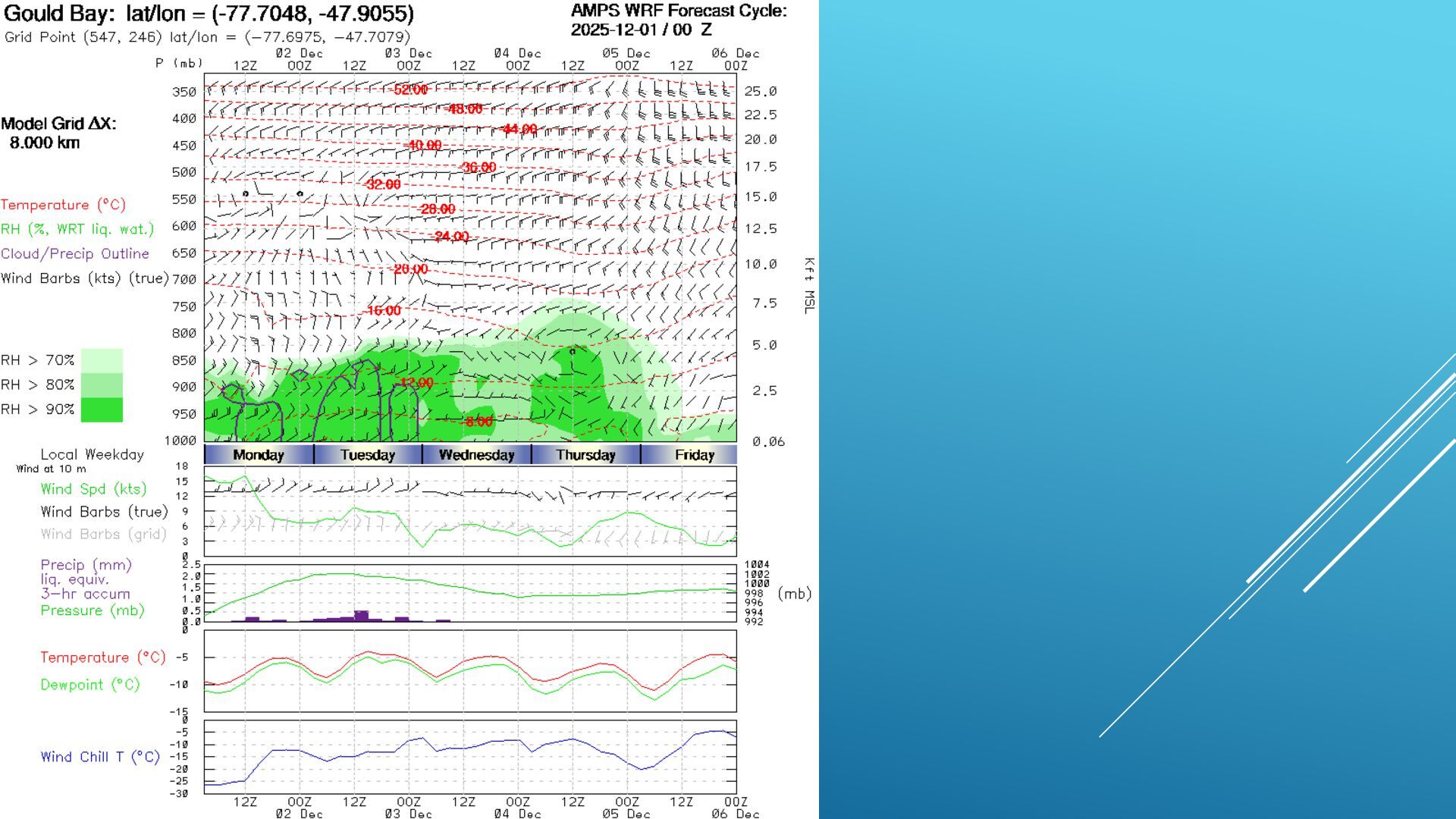
High Resolution Satellite Imagery - High Resolution Weather Models Most used weather models: ECMWF – GFS – WRF They provide ready-made numerical products such as: - upper-air maps - vertical temperature profiles - meteograms Thes products allow the forecaster to make an estimation how the current atmospheric situation will change in timesteps of 1 – 3 – 6 or 12 hours 2. Key requirements for an operational meteorological department
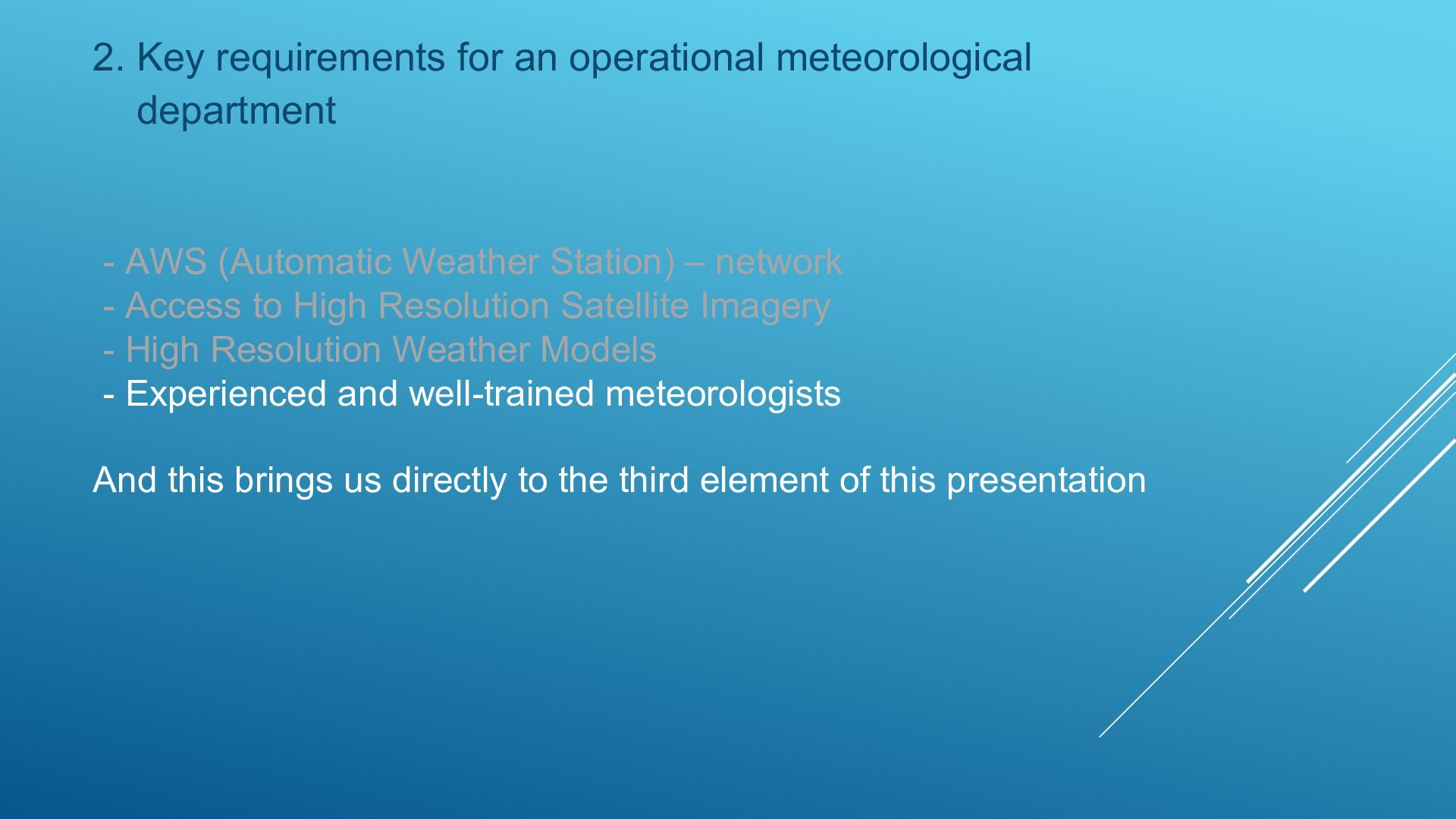
High Resolution Satellite Imagery - High Resolution Weather Models - Experienced and well-trained meteorologists And this brings us directly to the third element of this presentation 2. Key requirements for an operational meteorological department
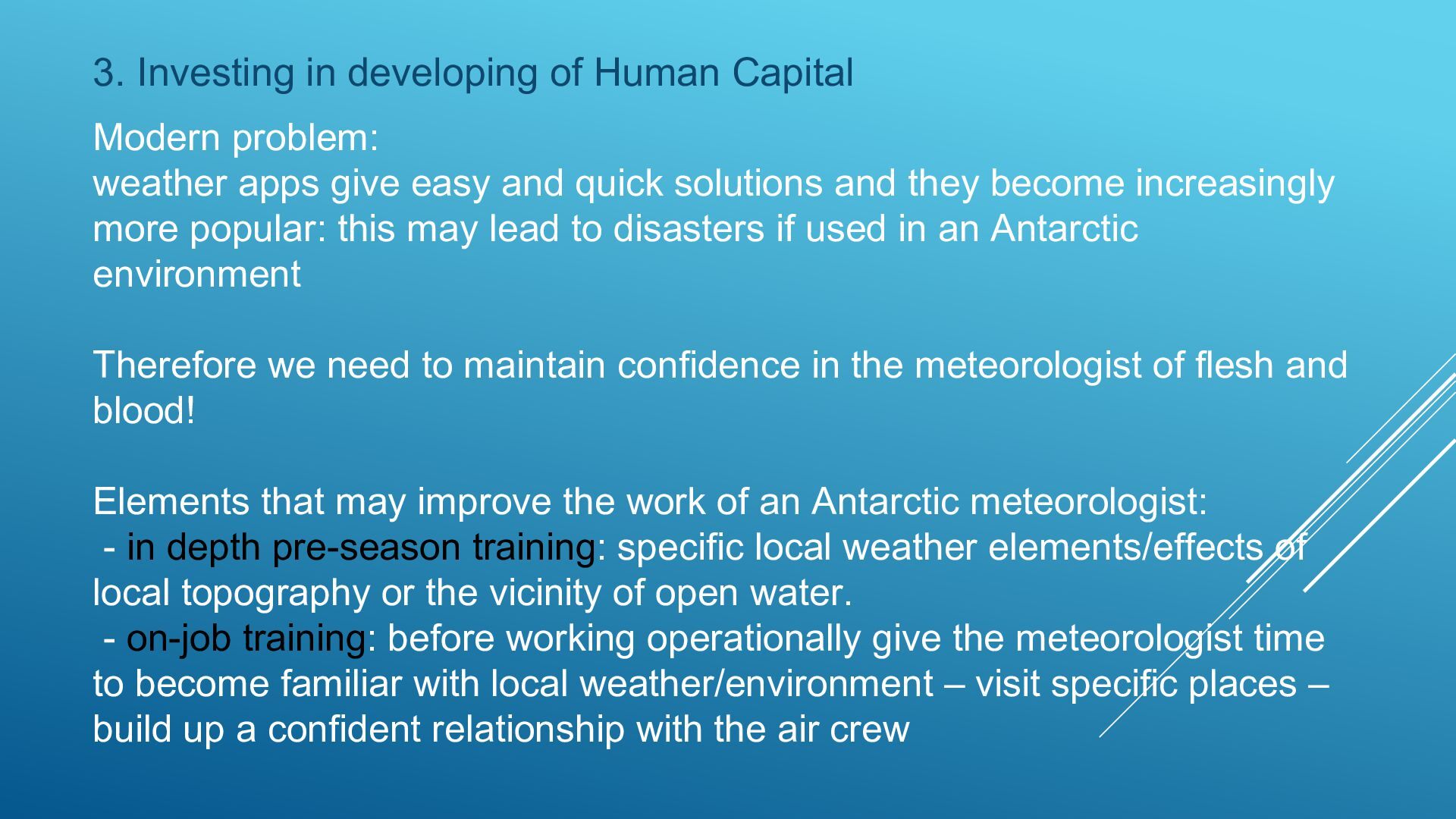
they become increasingly more popular: this may lead to disasters if used in an Antarctic environment Therefore we need to maintain confidence in the meteorologist of flesh and blood! Elements that may improve the work of an Antarctic meteorologist: - in depth pre-season training: specific local weather elements/effects of local topography or the vicinity of open water. - on-job training: before working operationally give the meteorologist time to become familiar with local weather/environment – visit specific places – build up a confident relationship with the air crew 3. Investing in developing of Human Capital


 ipfevents
 gkazunii
 brainpadpr
 institutdelelevage
 trycycle
 arfon
arfon
.jpg) ktatsuya
ktatsuya
 hayataka88
 jarvist
 hiranabe
.jpg) lychee1223
lychee1223
 signer
 addyosmani
 techseoconnect
 inesmontani
 lara
lara
 aleyda
 smashingmag
 frankvandijk
 charlesmeaden
 davidcarrasco
 jdejongh
 moore
moore