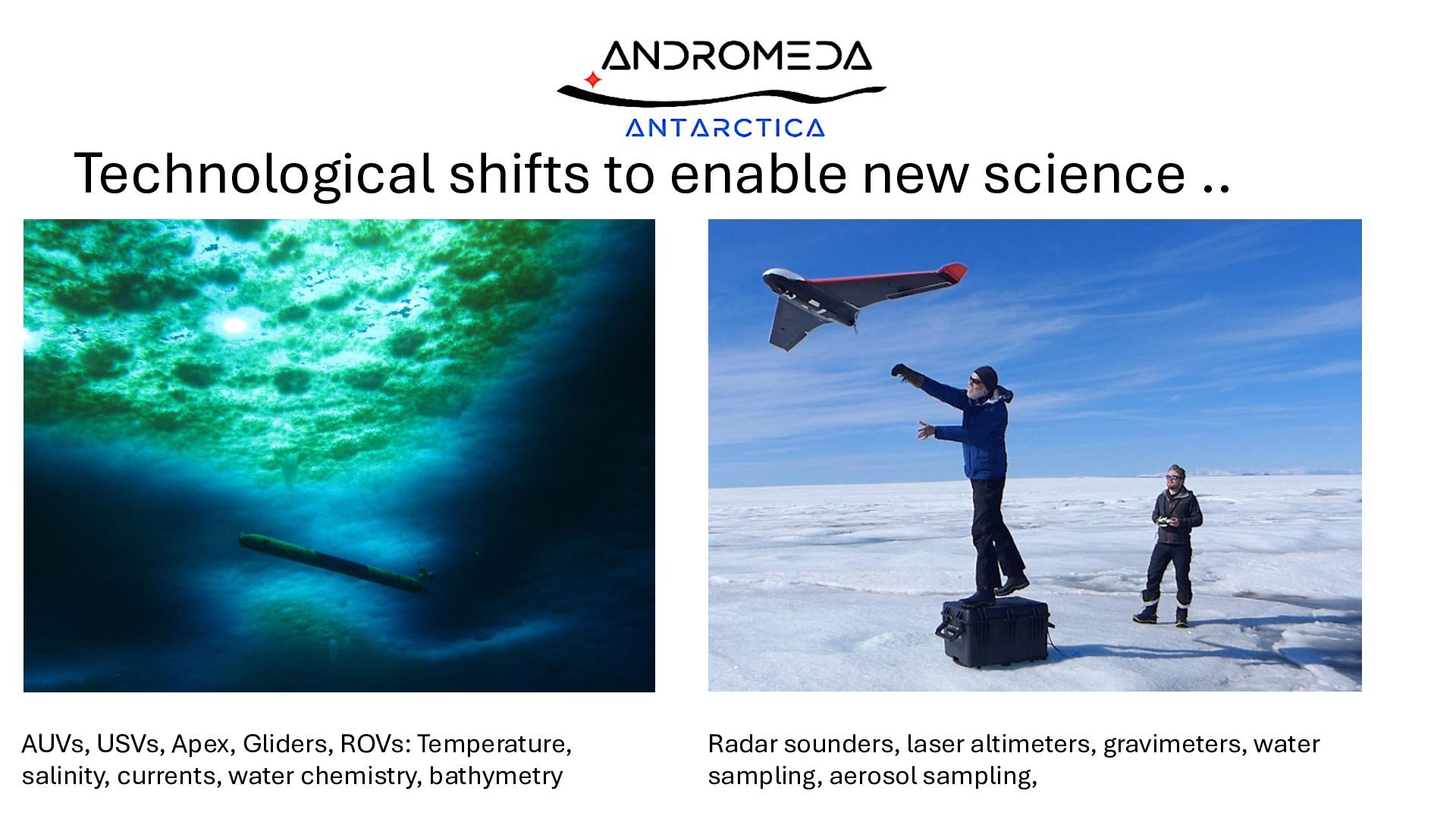
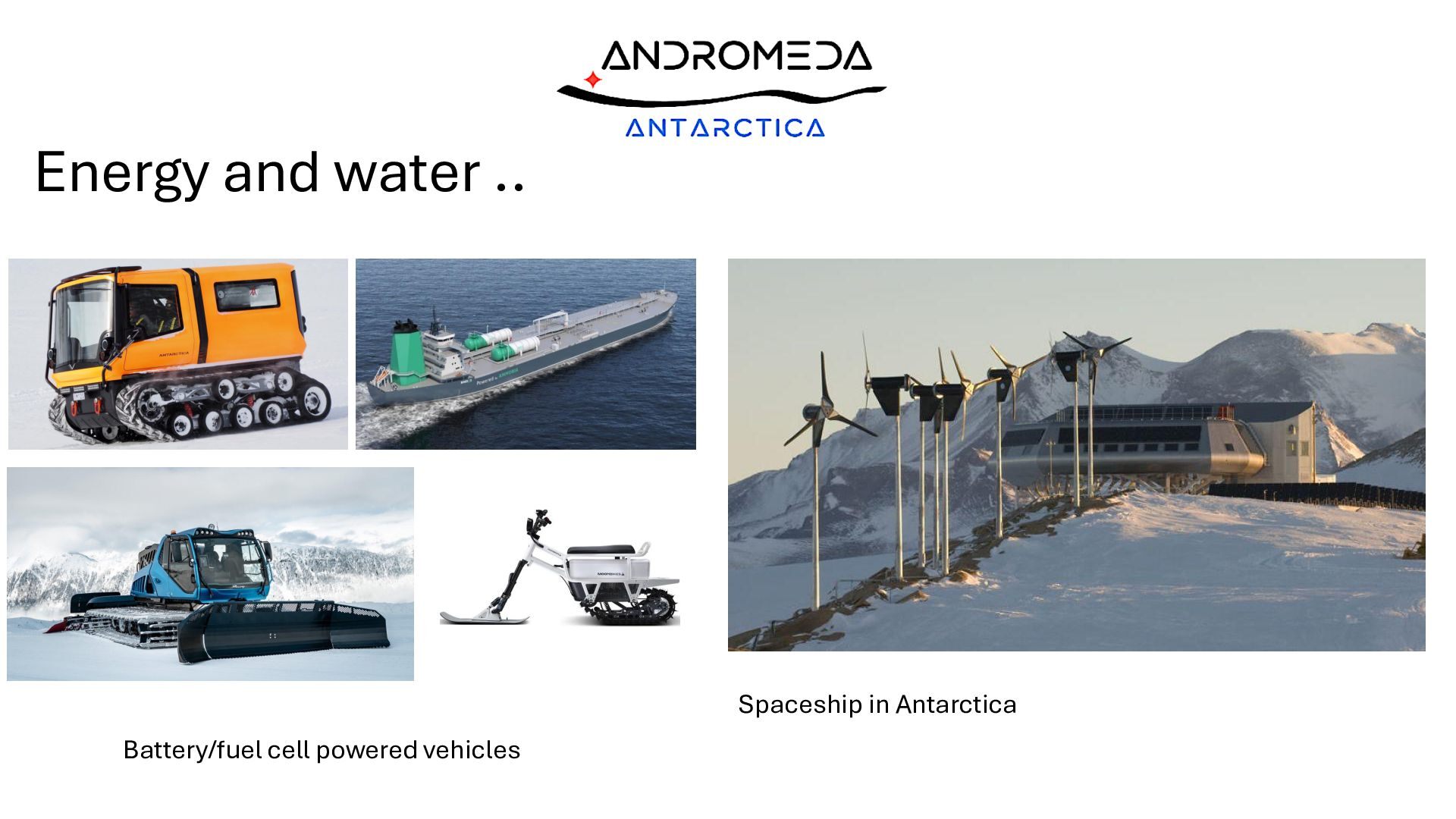
• Most rapid change on the planet with global consequences. • Observational capacity “we cannot model what we cannot observe” • Science budgets under threat, but new nations aspire to be part of the solution. • Technological advances to boost observational capacities without increasing the carbon footprint. • IPY 2032. Antarctica
dynamics, ice-sheet stability, and marine and terrestrial ecosystem change, using next-generation technologies and resilient infrastructure to generate knowledge that will inform global decisions and strengthen planetary resilience. Vision A Society that values Antarctic science for global decision making – driving innovation, stewardship, and collective action to secure a sustainable future for Earth.
limited not only in genomic characterization but also in understanding the regulatory and transcriptomic responses underlying environmental adaptation. Our knowledge of astrophysics is limited, esp. w.r. how radiative processes and environmental conditions shape the signals we observe from the universe, even from high- clarity sites such as Antarctica.
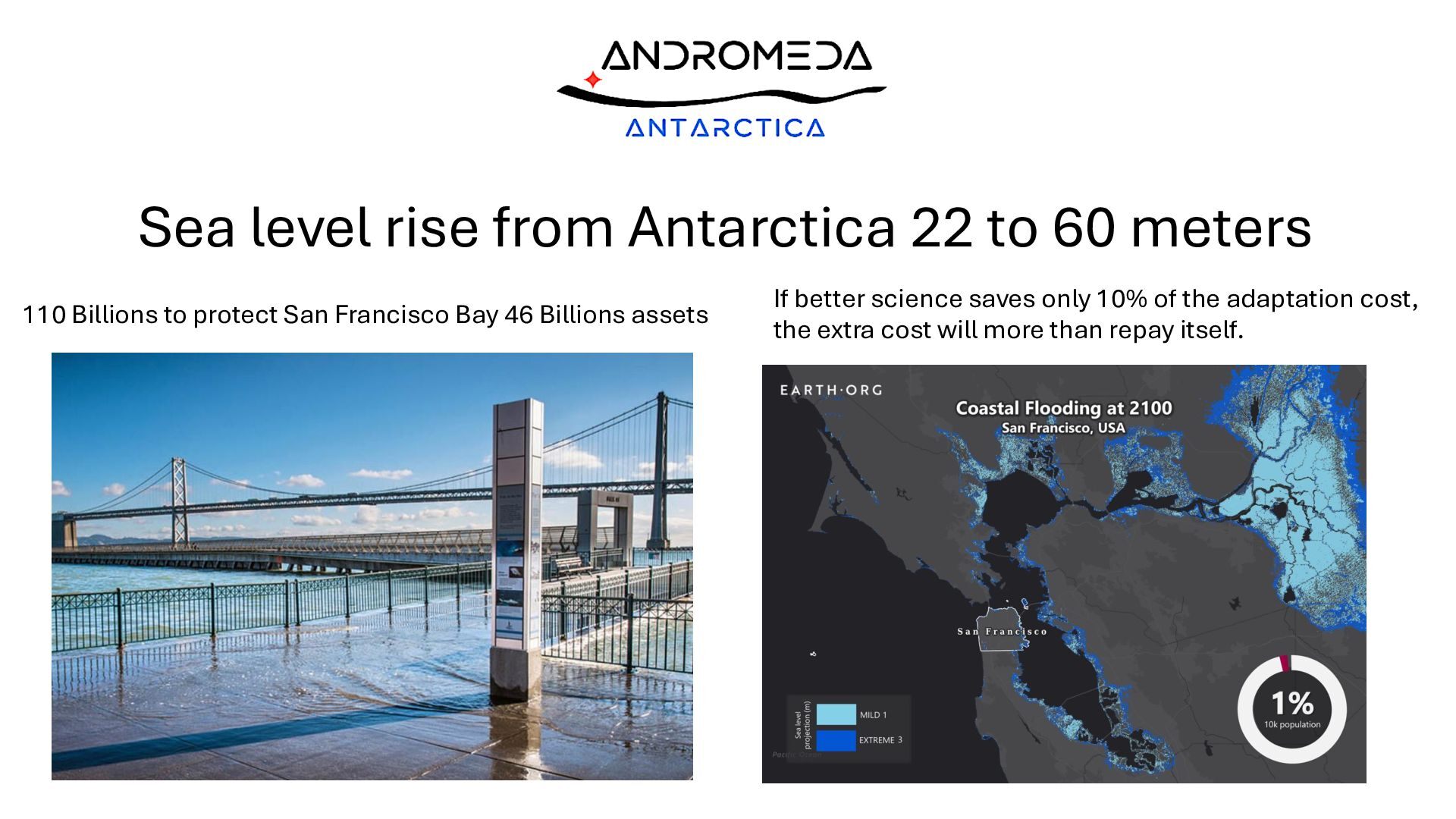
Billions to protect San Francisco Bay 46 Billions assets If better science saves only 10% of the adaptation cost, the extra cost will more than repay itself.
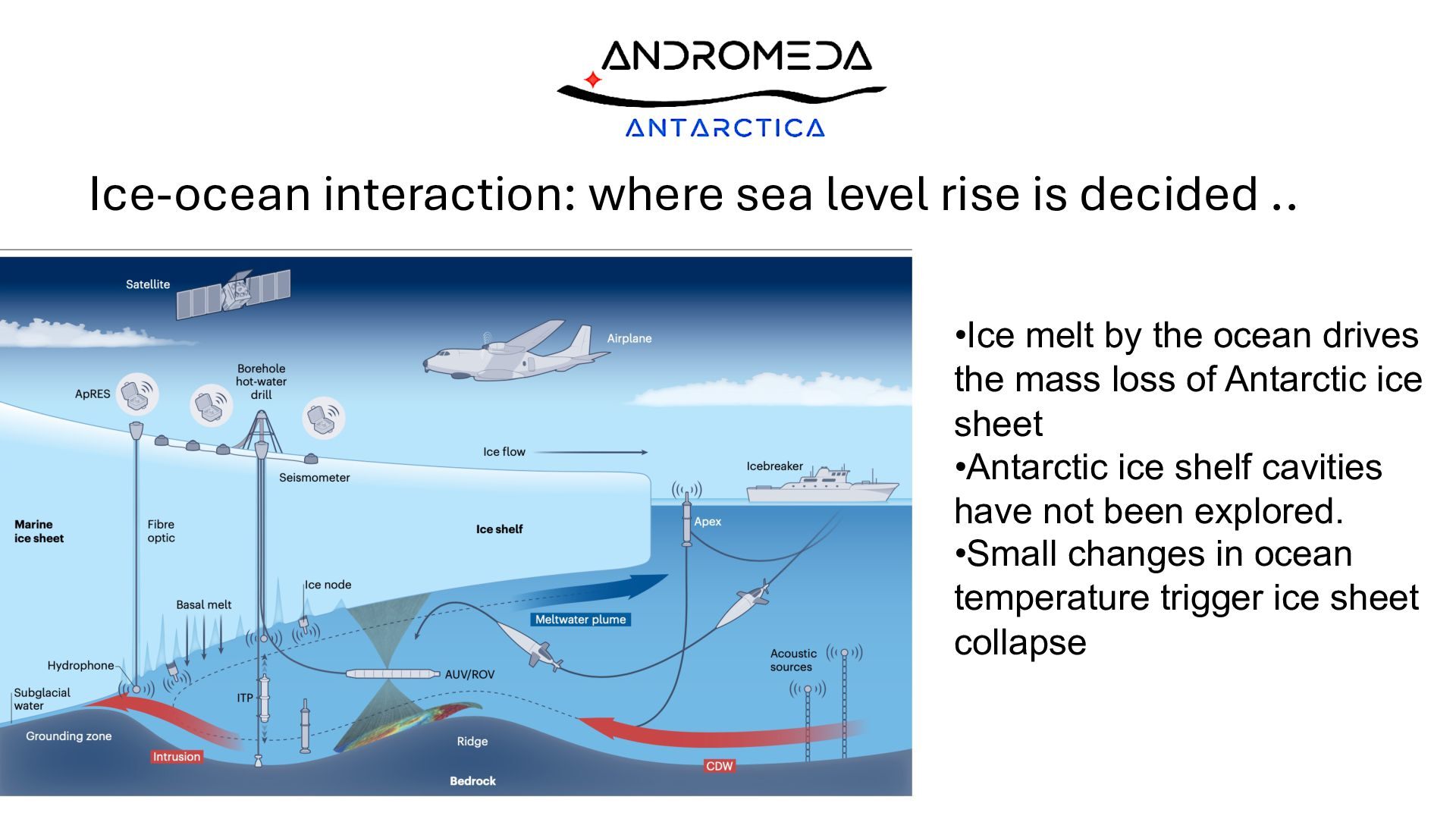
melt by the ocean drives the mass loss of Antarctic ice sheet •Antarctic ice shelf cavities have not been explored. •Small changes in ocean temperature trigger ice sheet collapse
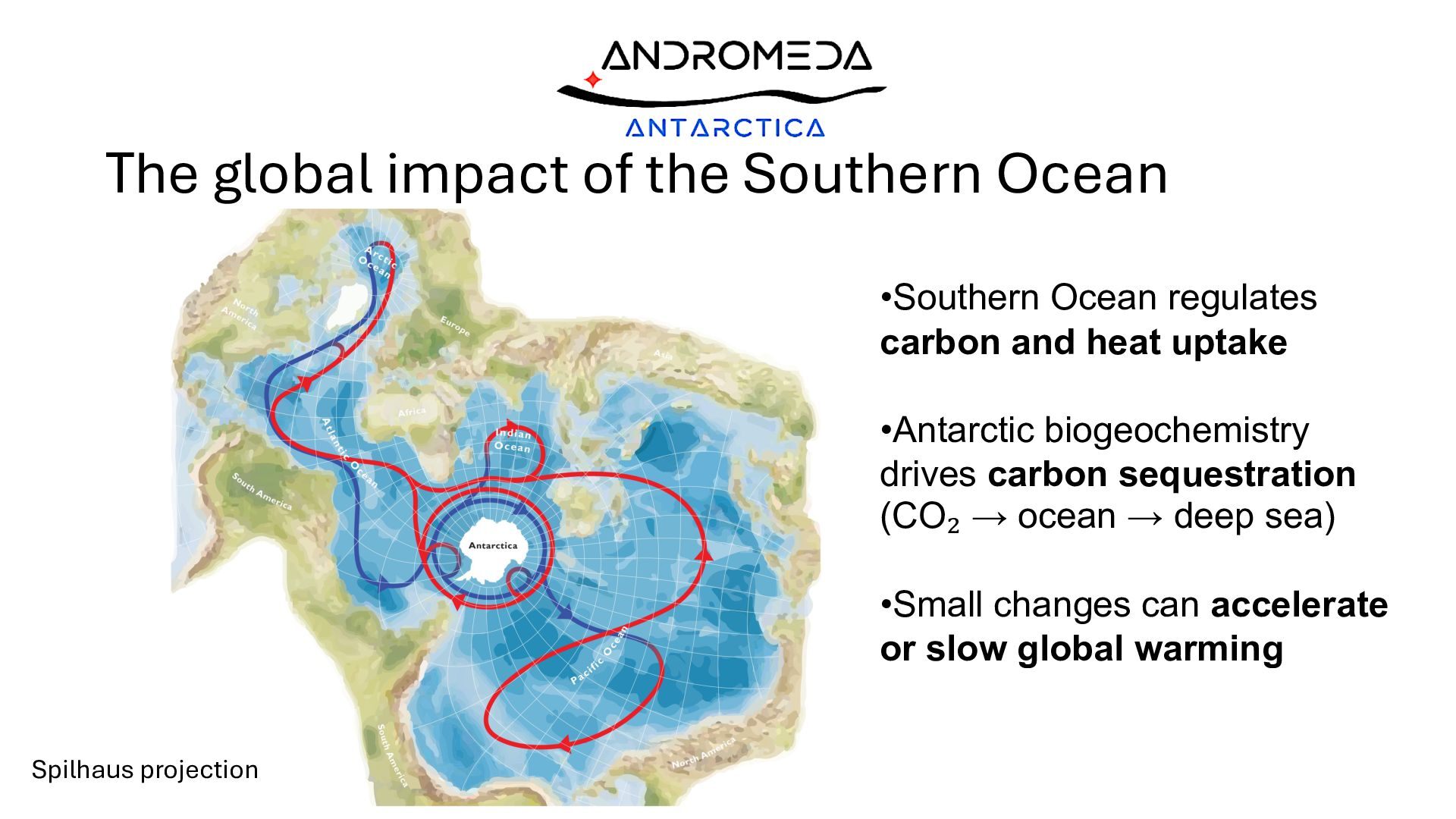
Ocean regulates carbon and heat uptake •Antarctic biogeochemistry drives carbon sequestration (CO₂ → ocean → deep sea) •Small changes can accelerate or slow global warming
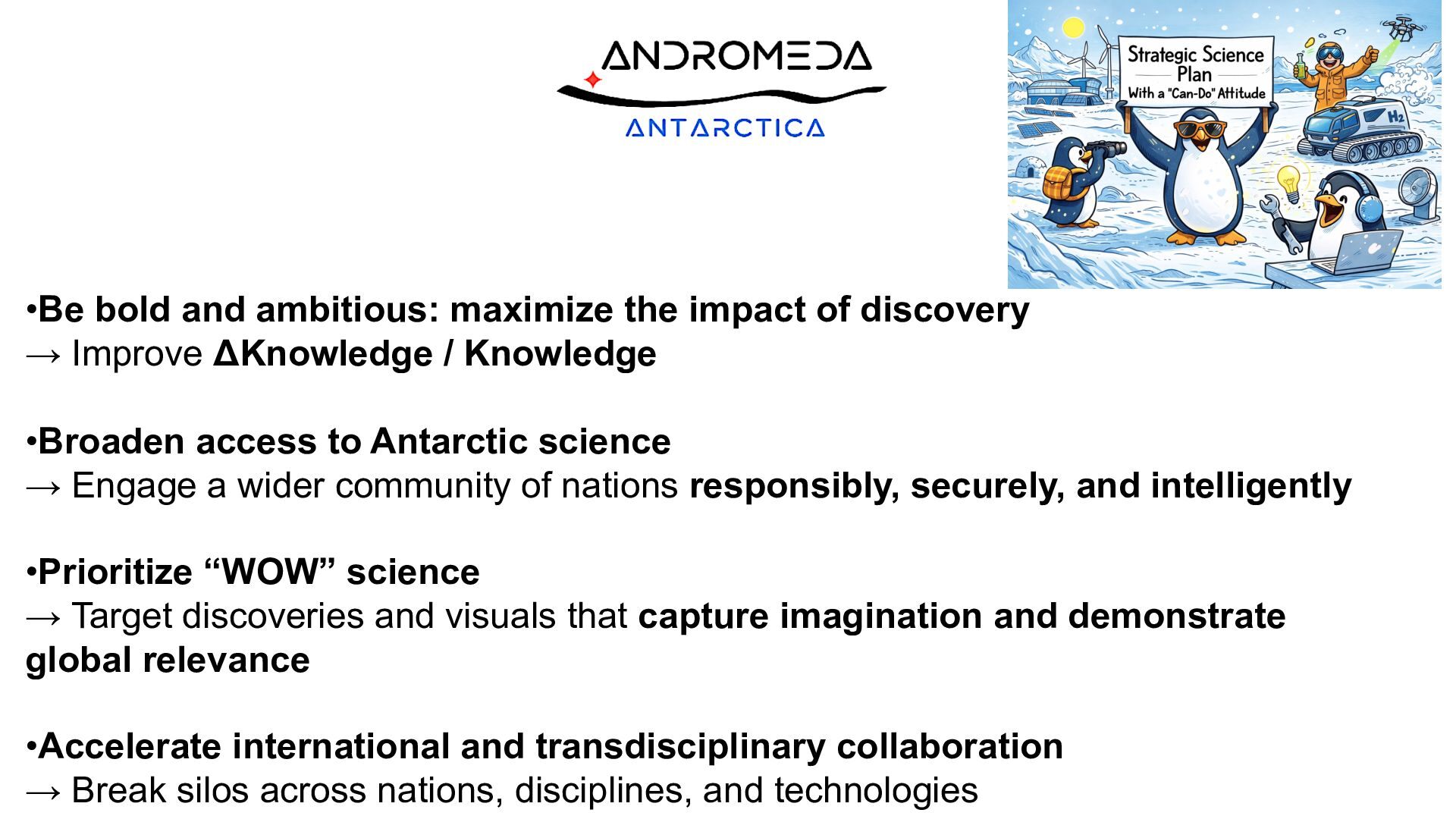
Improve ΔKnowledge / Knowledge •Broaden access to Antarctic science → Engage a wider community of nations responsibly, securely, and intelligently •Prioritize “WOW” science → Target discoveries and visuals that capture imagination and demonstrate global relevance •Accelerate international and transdisciplinary collaboration → Break silos across nations, disciplines, and technologies


 ipfevents
 trycycle
 konakalab
 naospon
 xleitix
 tsoh
tsoh
 institutdelelevage
 salt2
salt2
 syuchimu
 takusamar
 tagtag
 smashingmag
 cassininazir
 portentint
 auna
auna
 sarafernandez
 kimpetersen
 honzajavorek
 axbom
axbom
 uxyall
 reverentgeek
 jdejongh
 baasie
![Improve the ratio [𝞭 Knowledge] / [Knowledge] Current knowledge is](https://files.speakerdeck.com/presentations/901d040db89541a5baed9a3b7446cee3/slide_5.jpg)
![Improve the ratio [𝞭 Knowledge] / [Maintenance cost] 100,000 gallons](https://files.speakerdeck.com/presentations/901d040db89541a5baed9a3b7446cee3/slide_6.jpg)