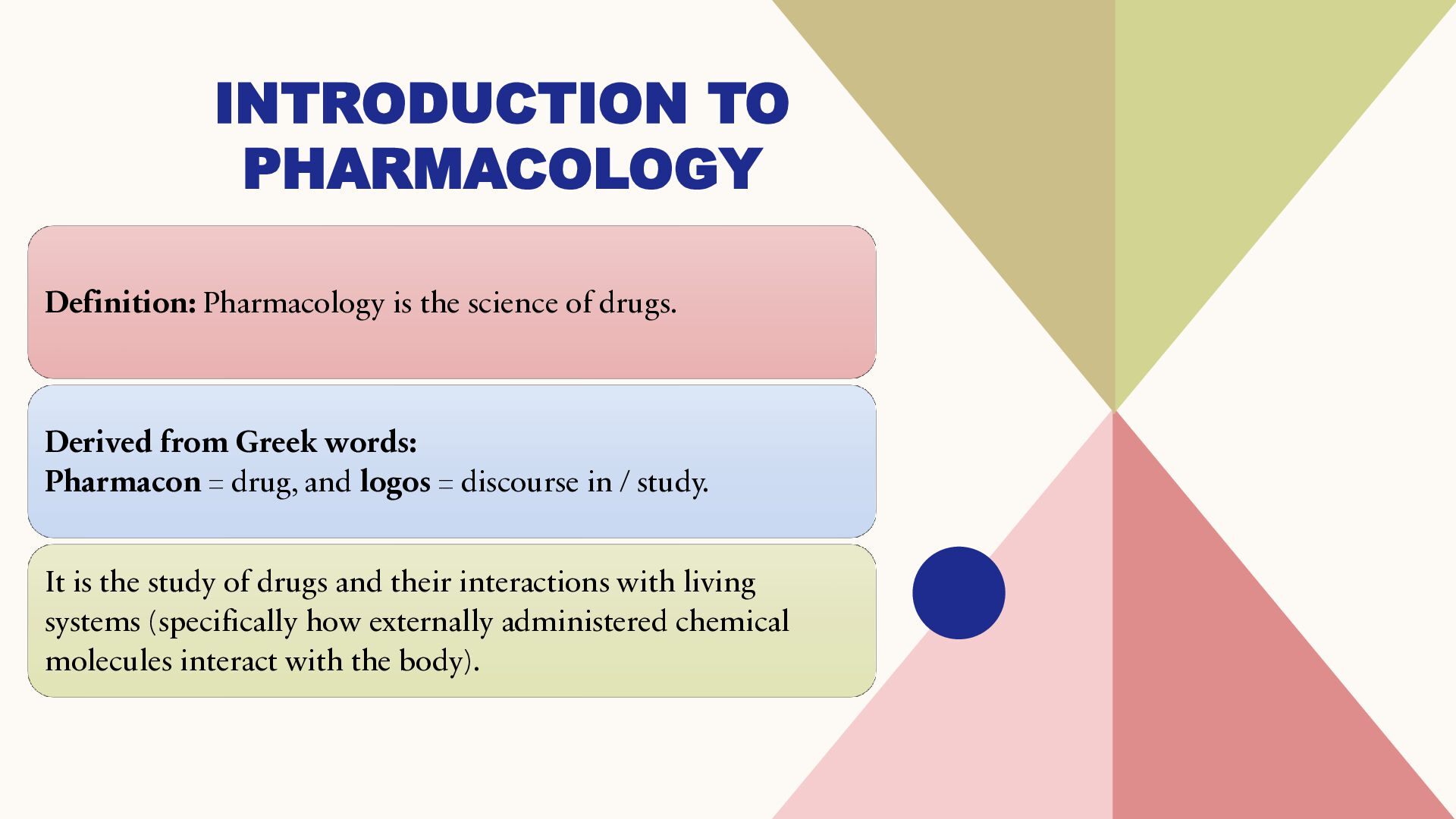
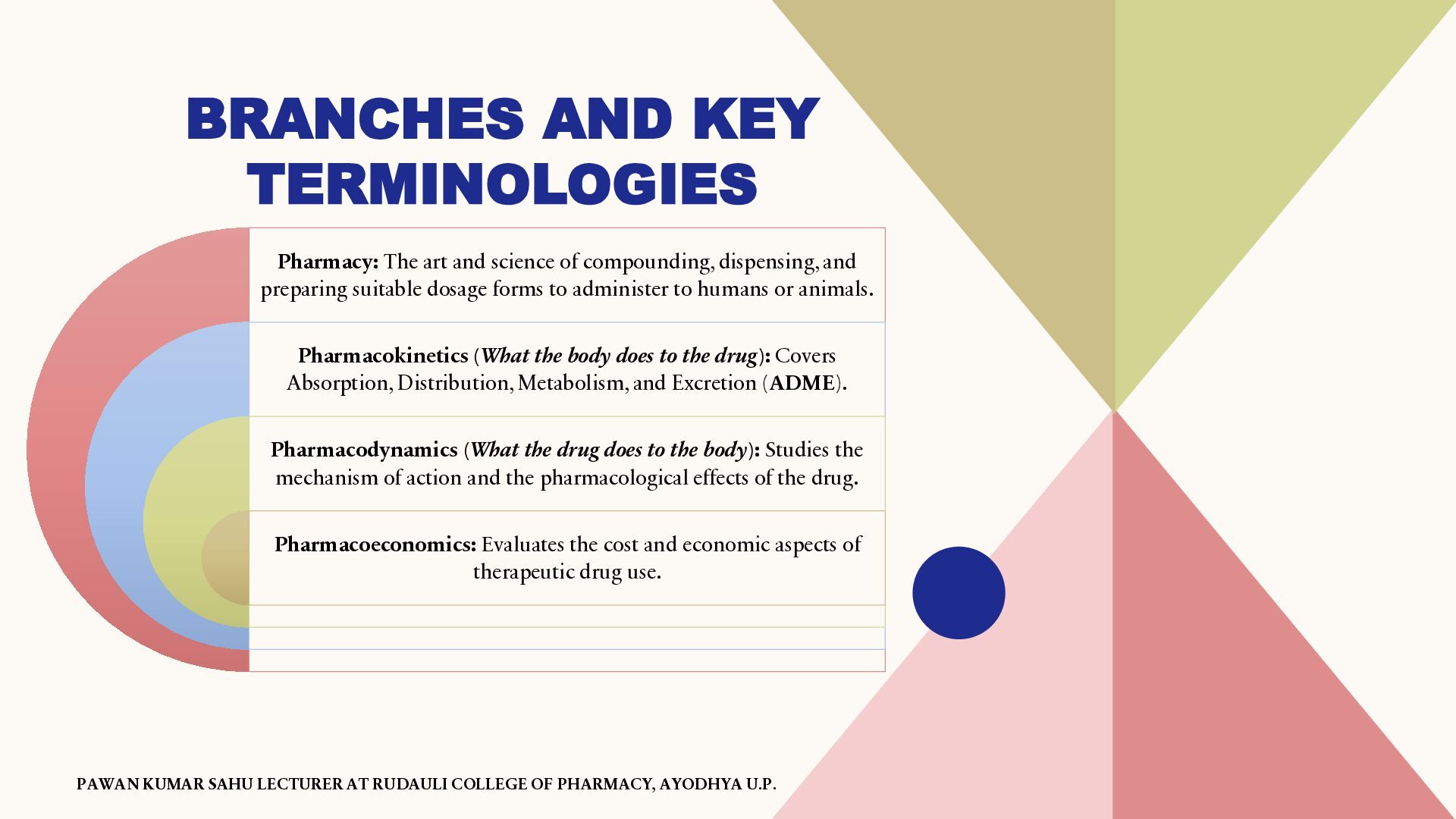
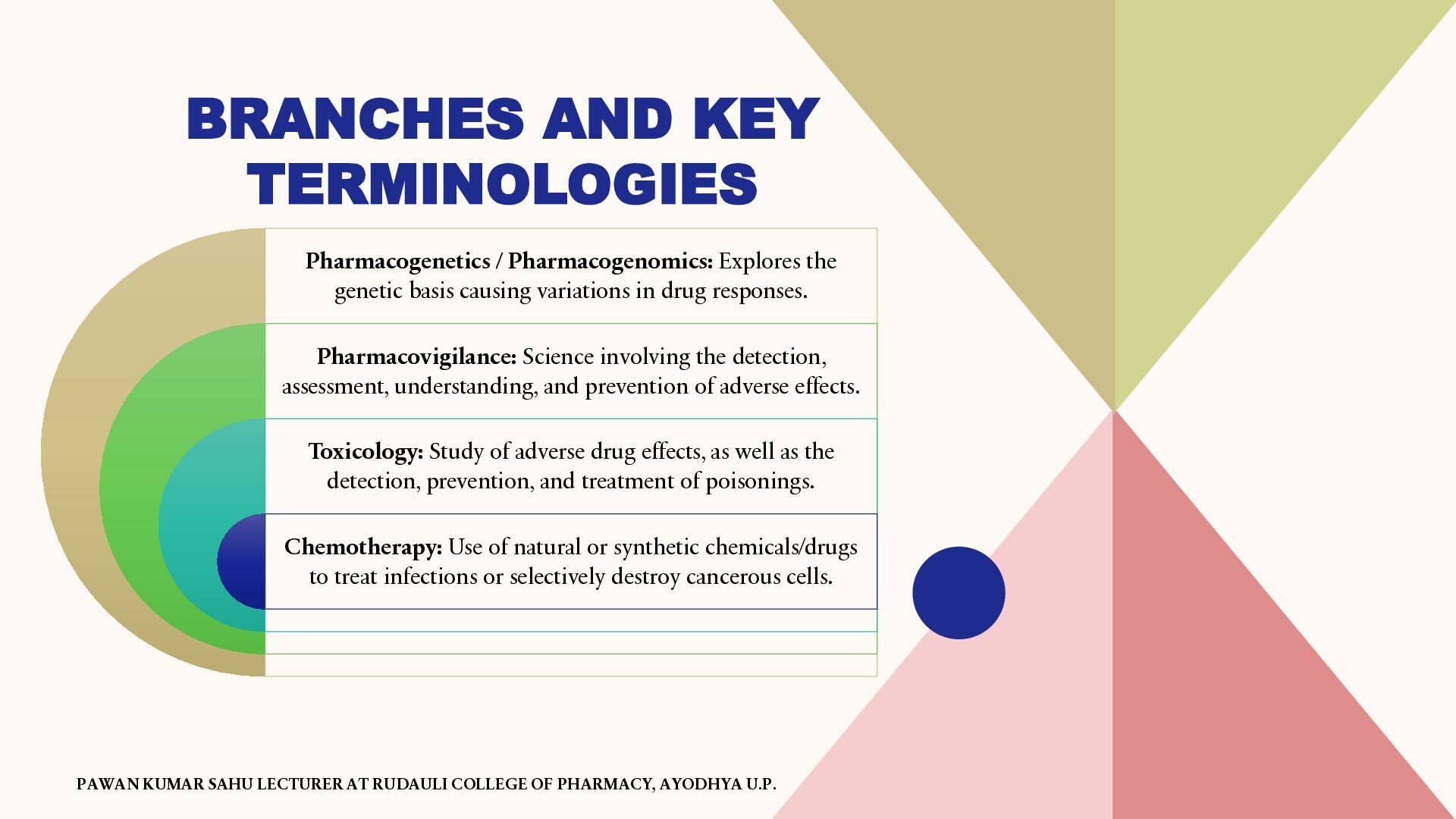
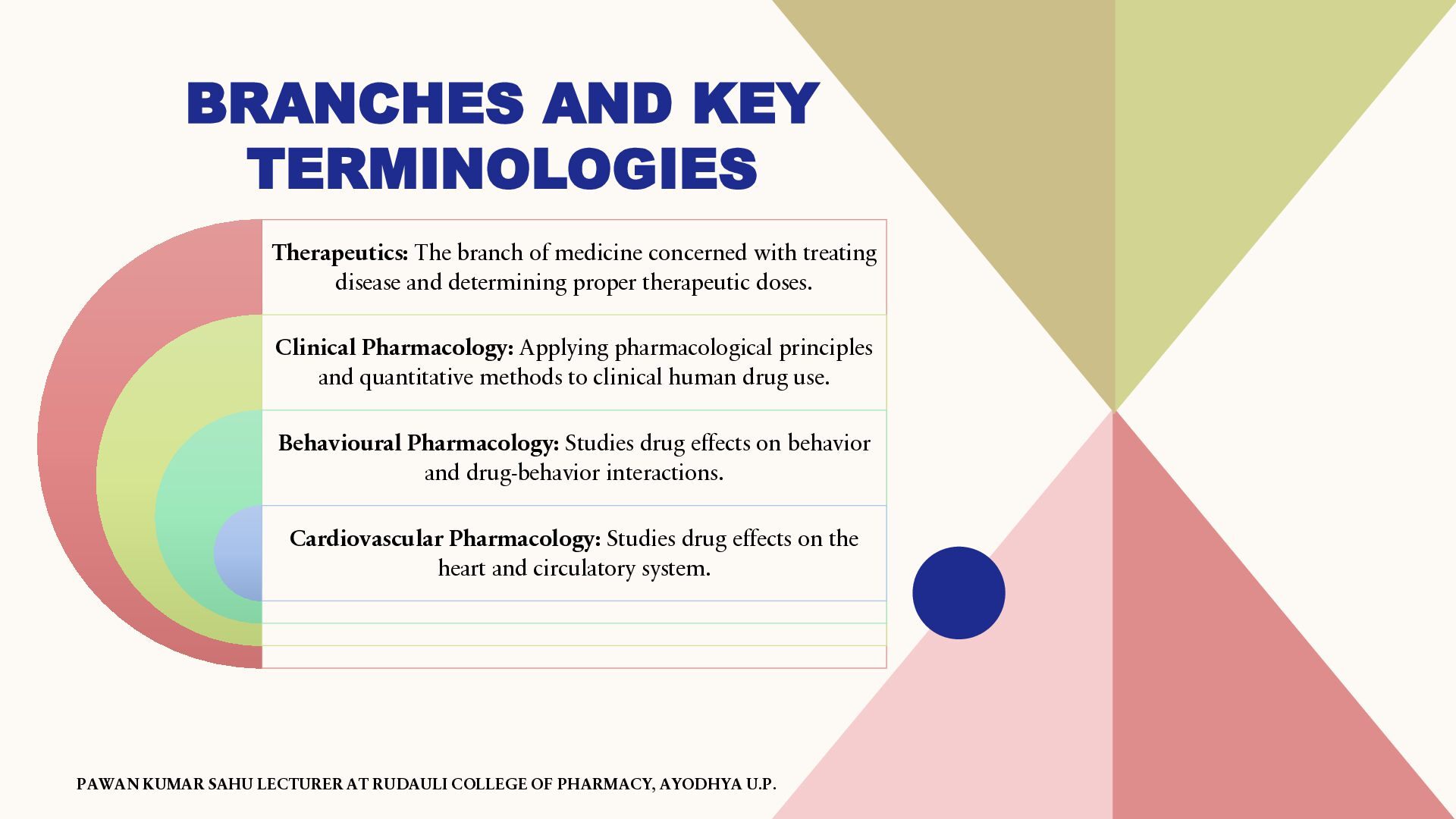
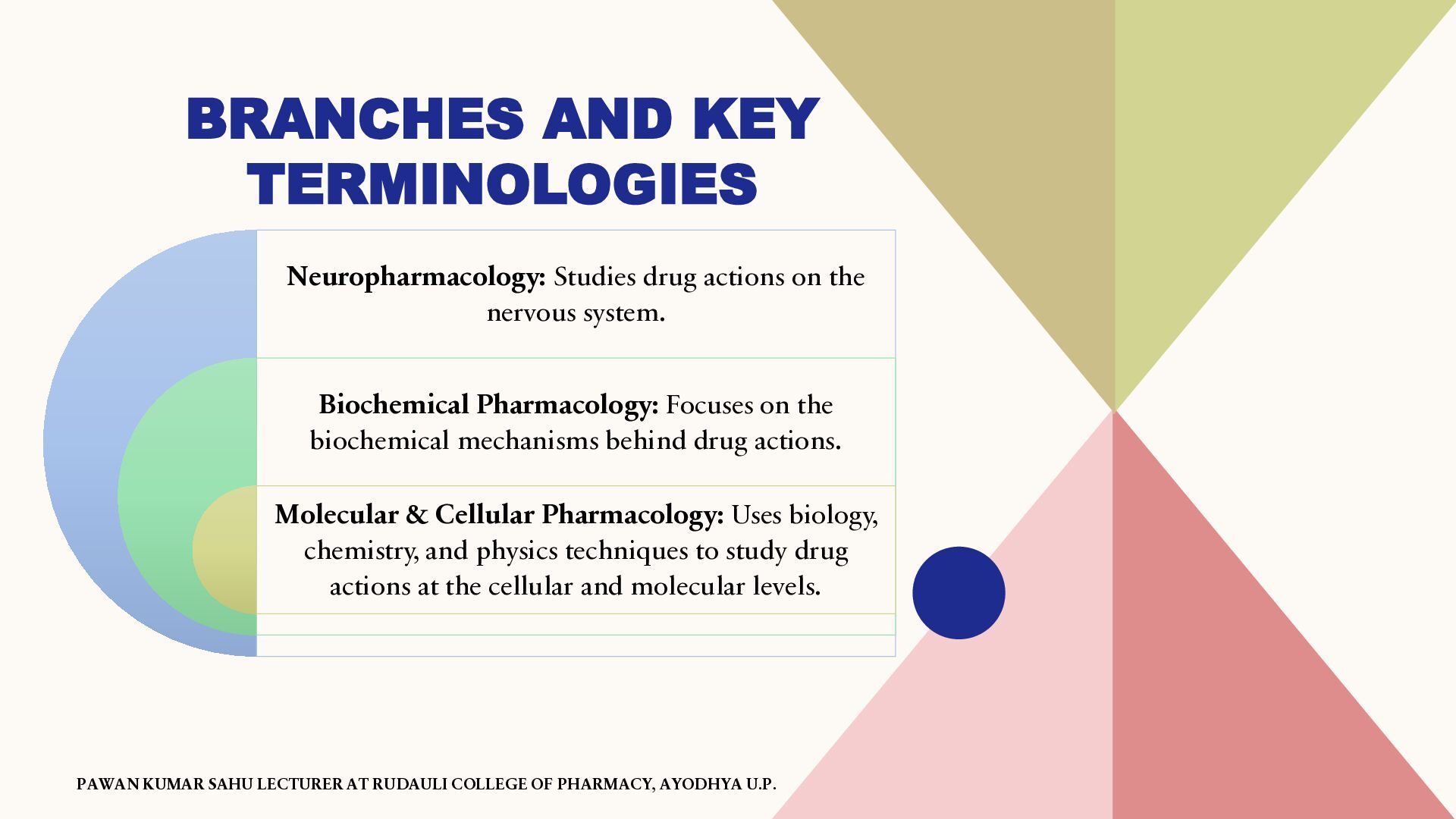
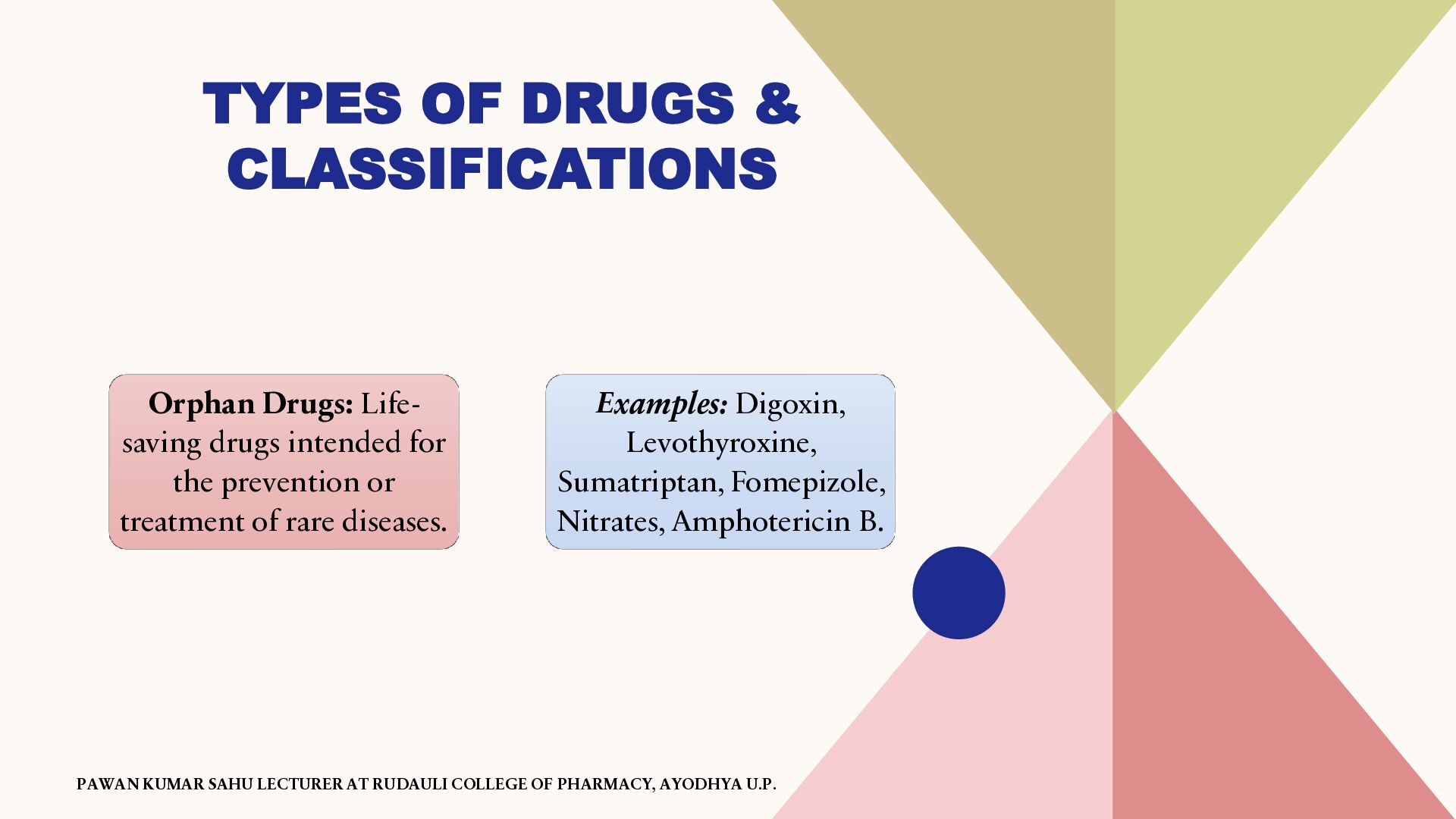
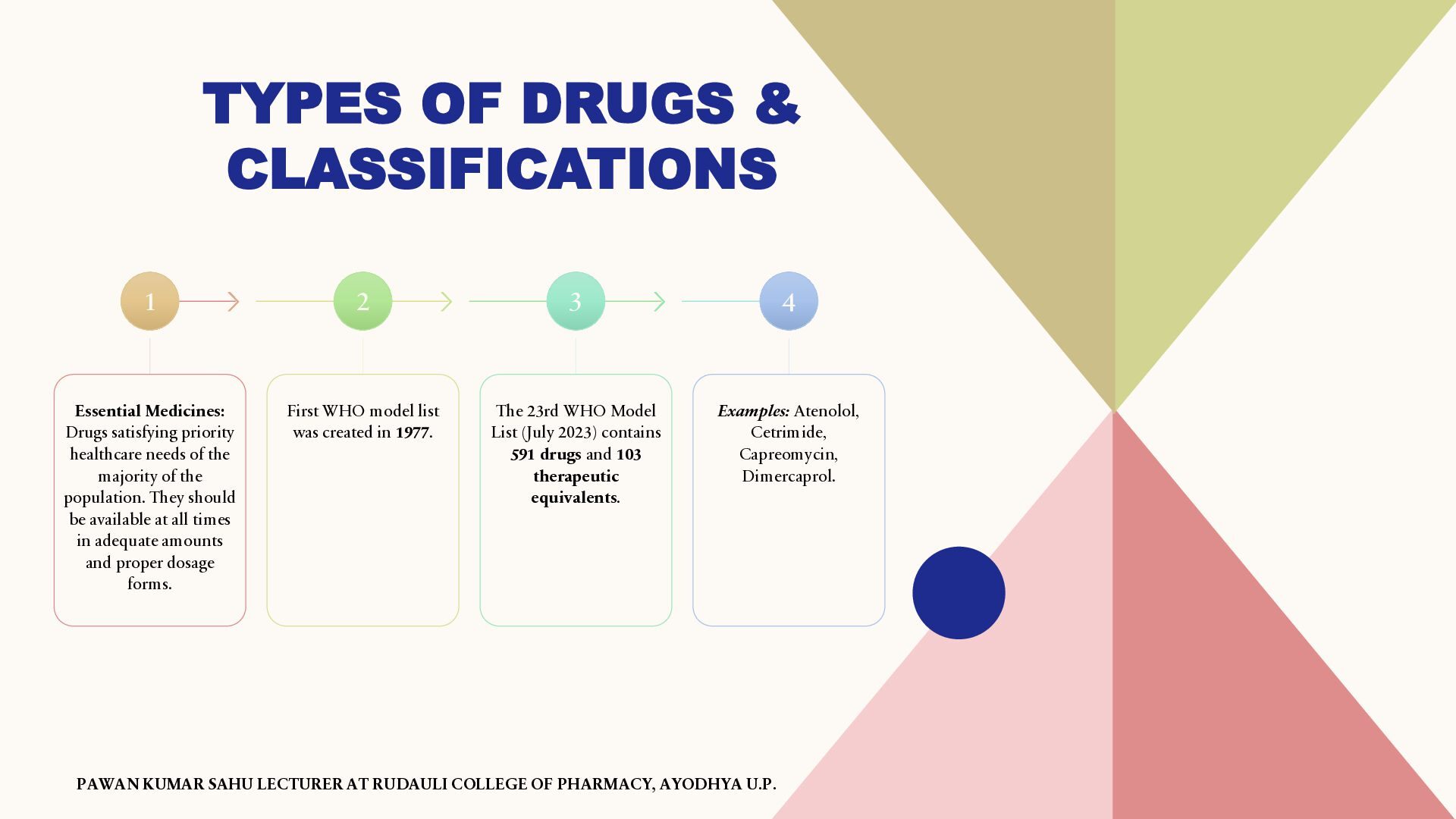
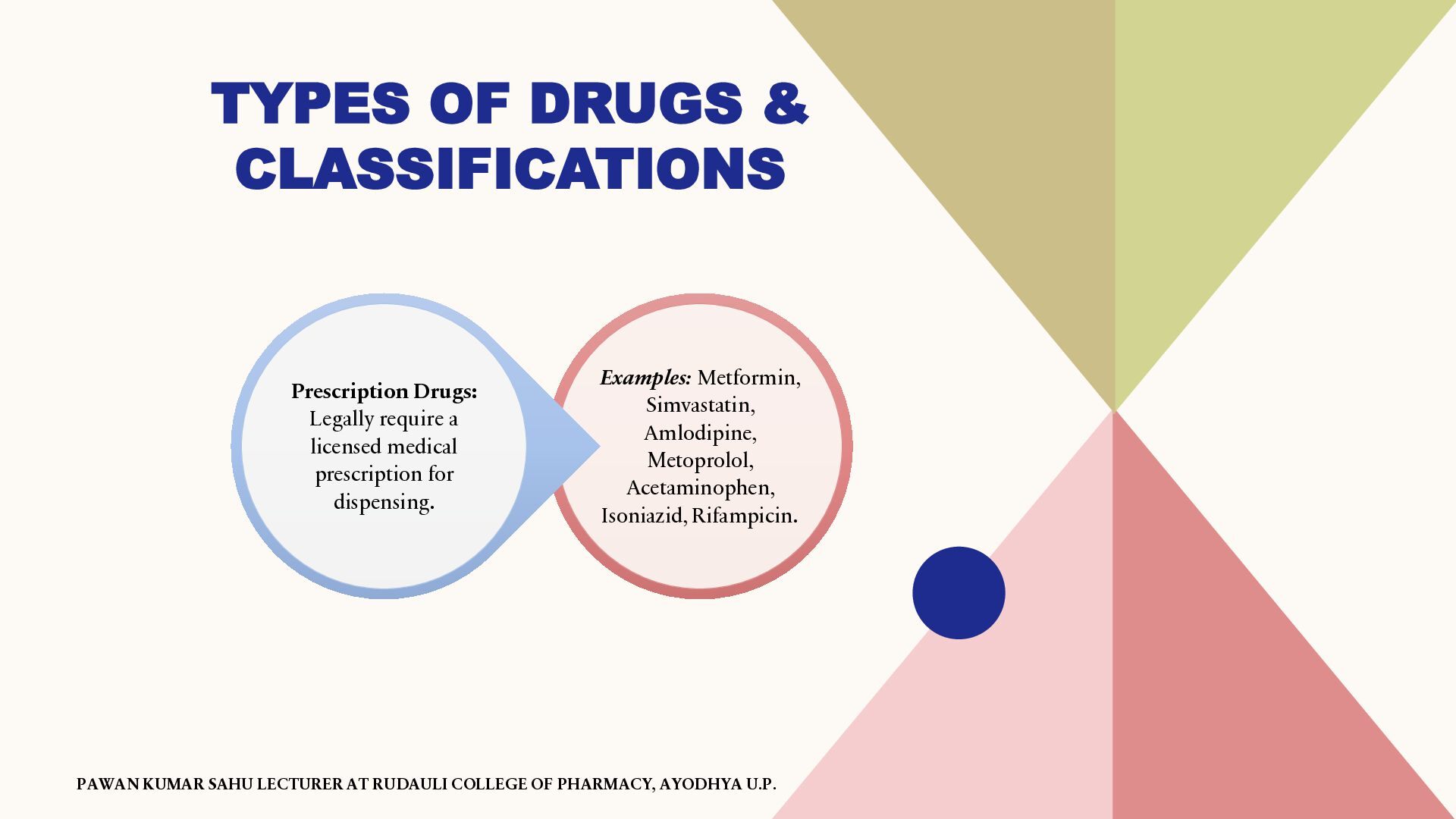
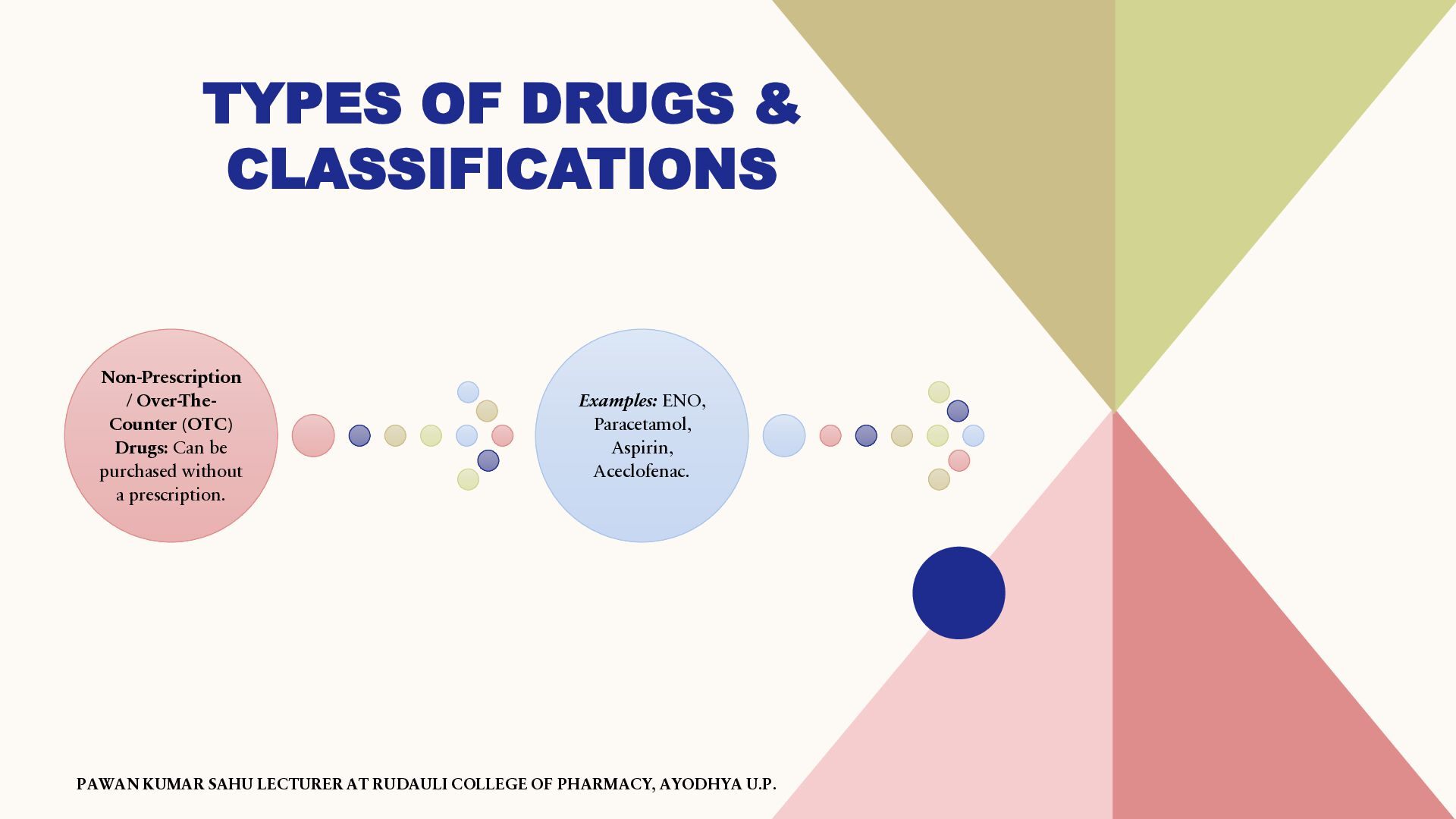
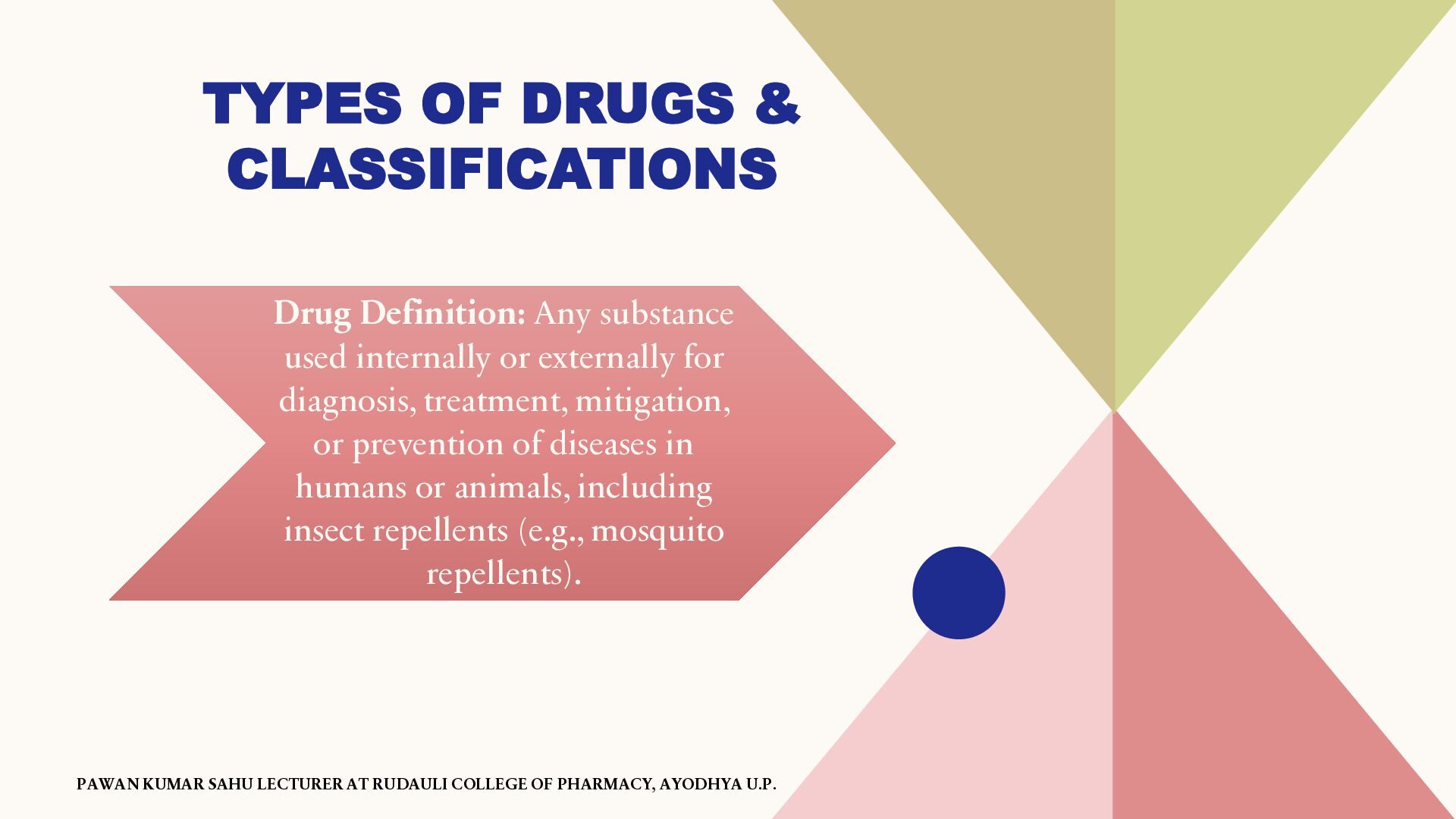
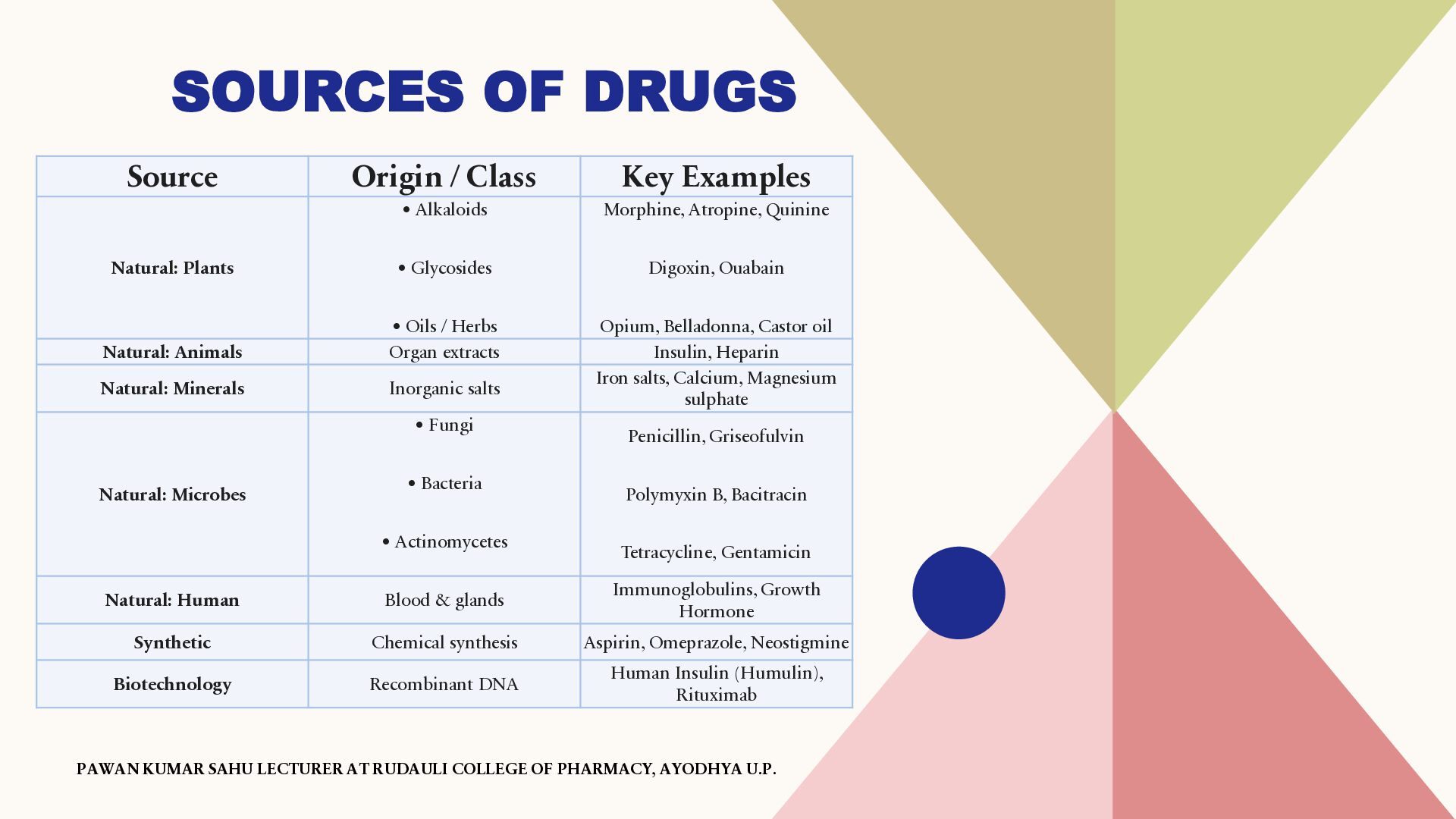
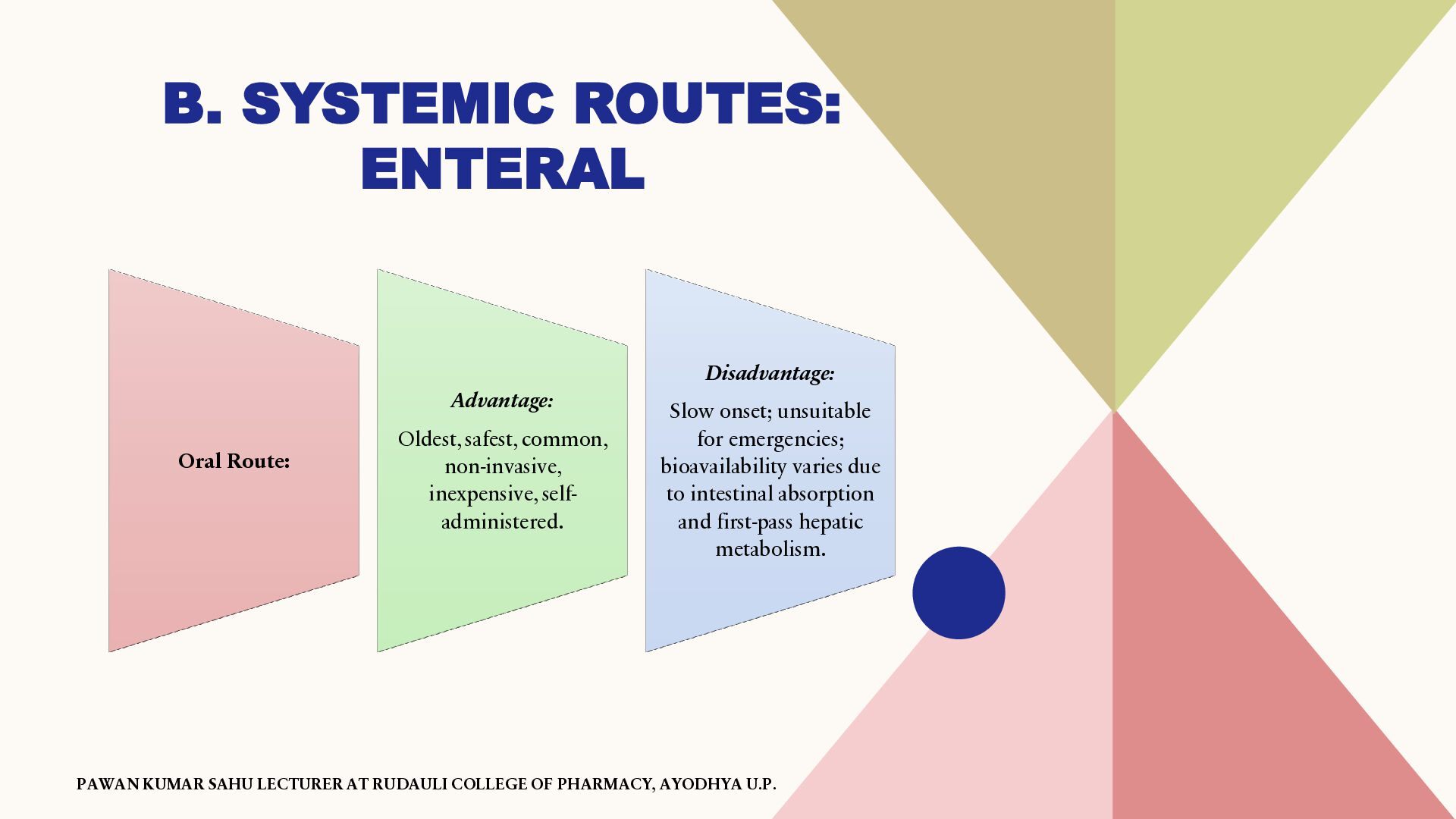
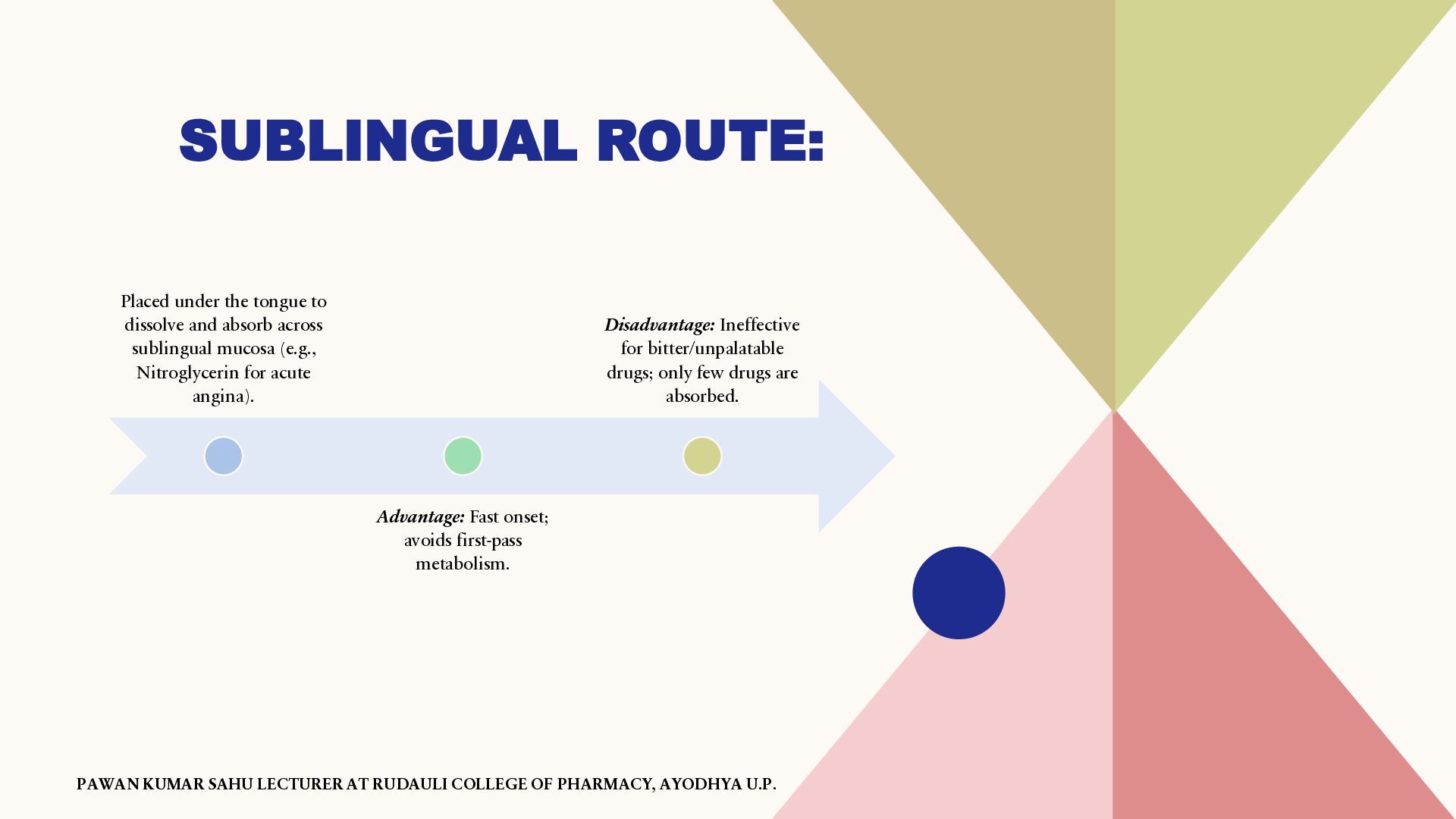
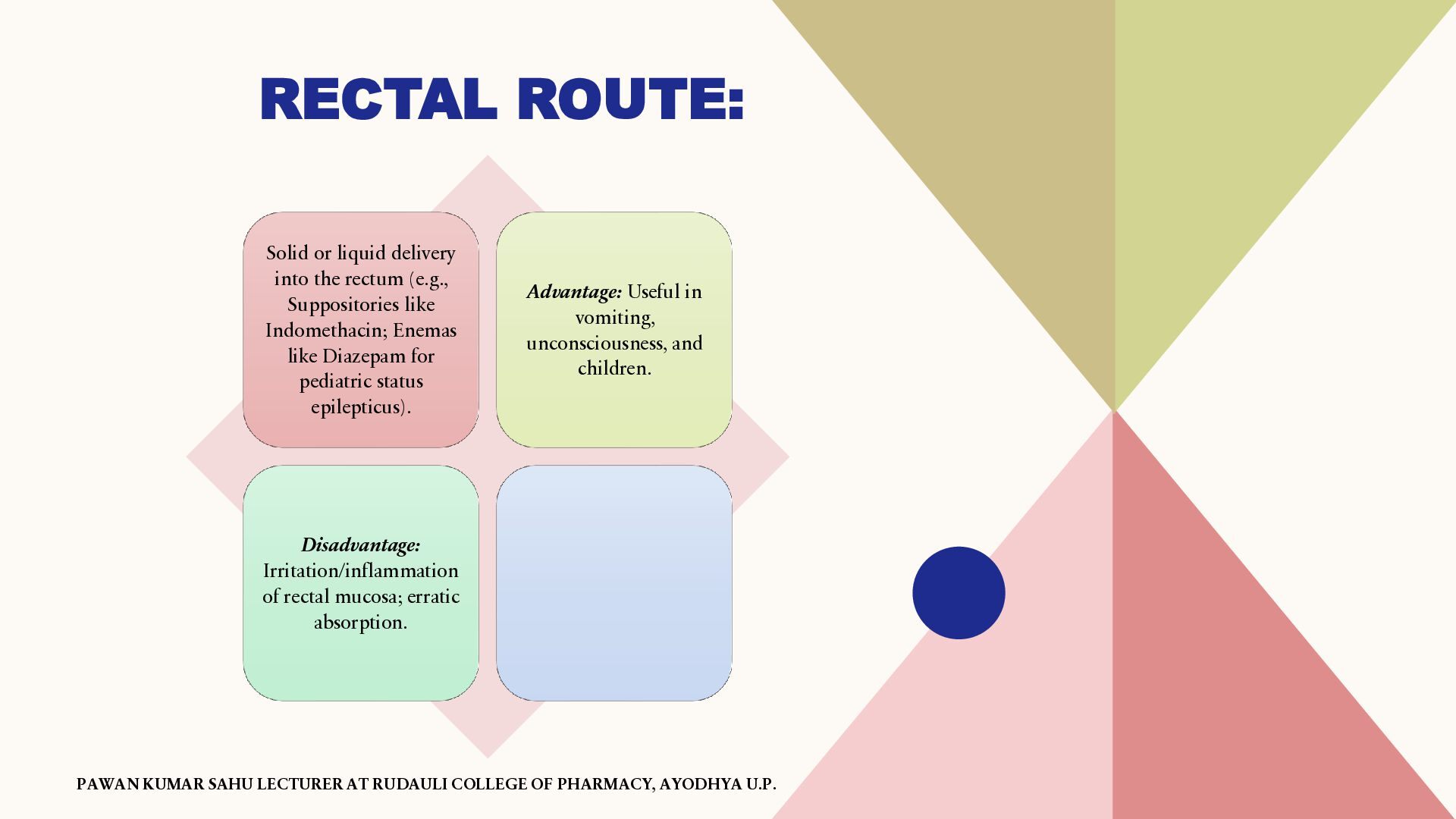
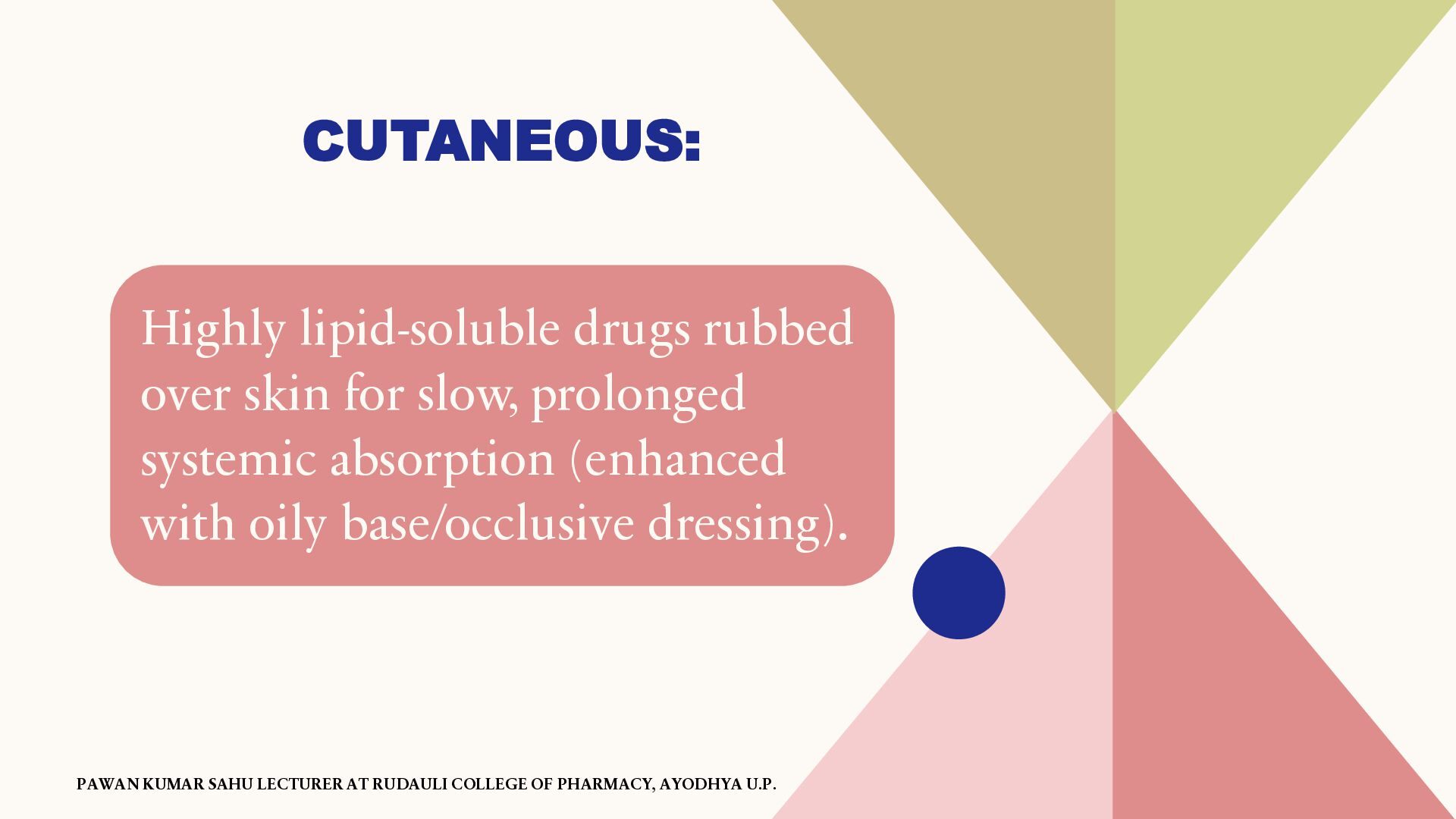
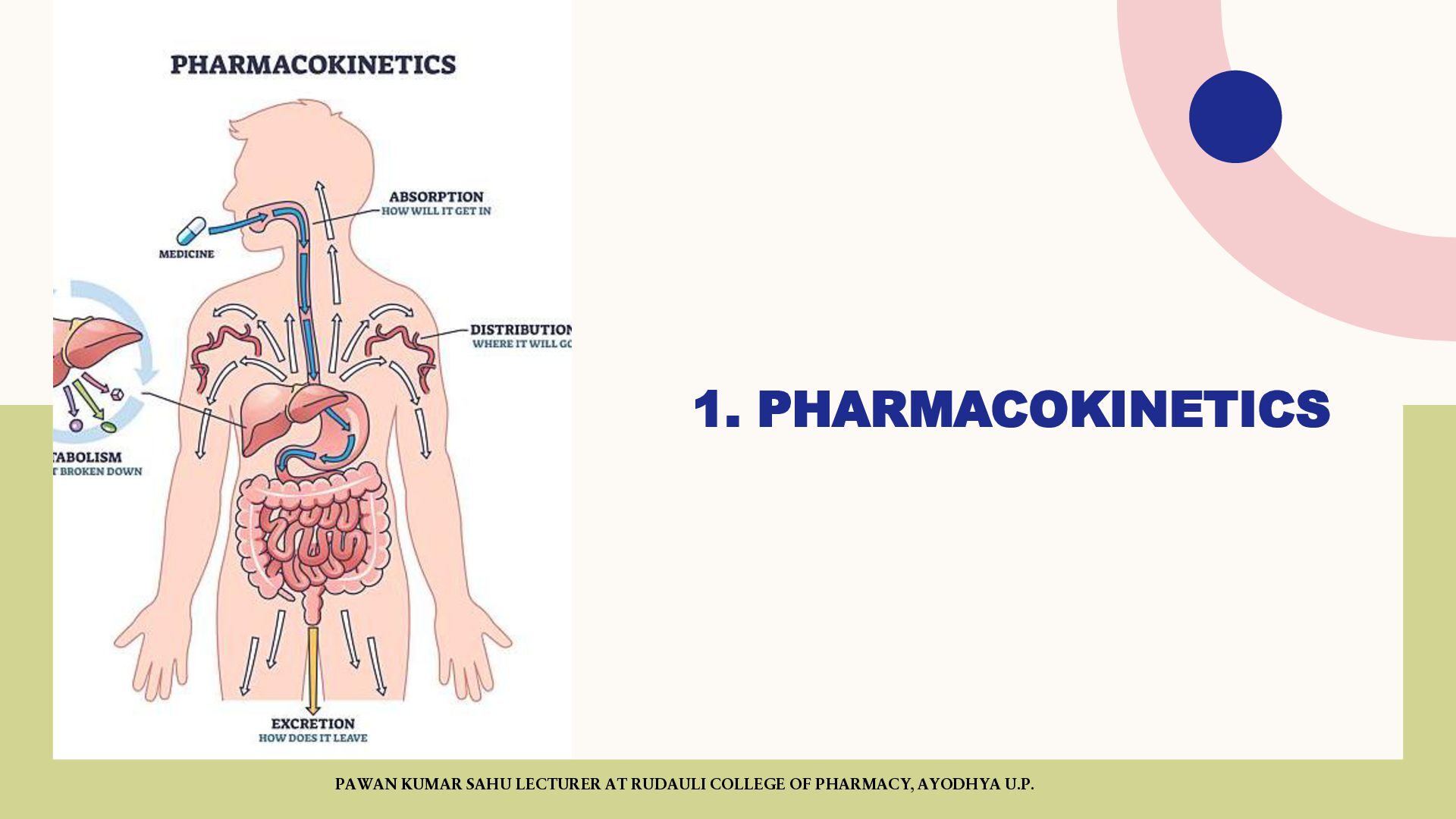
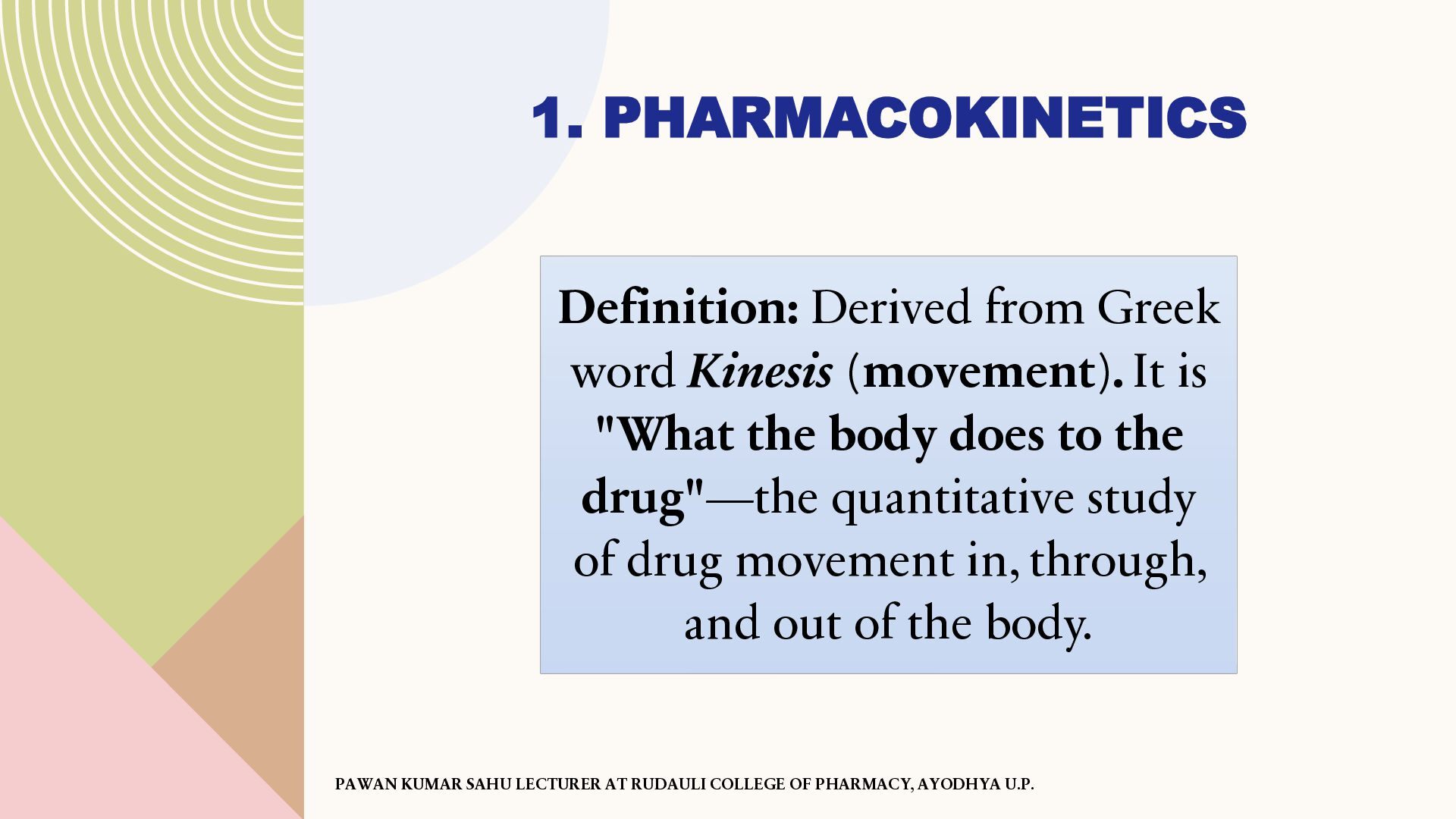
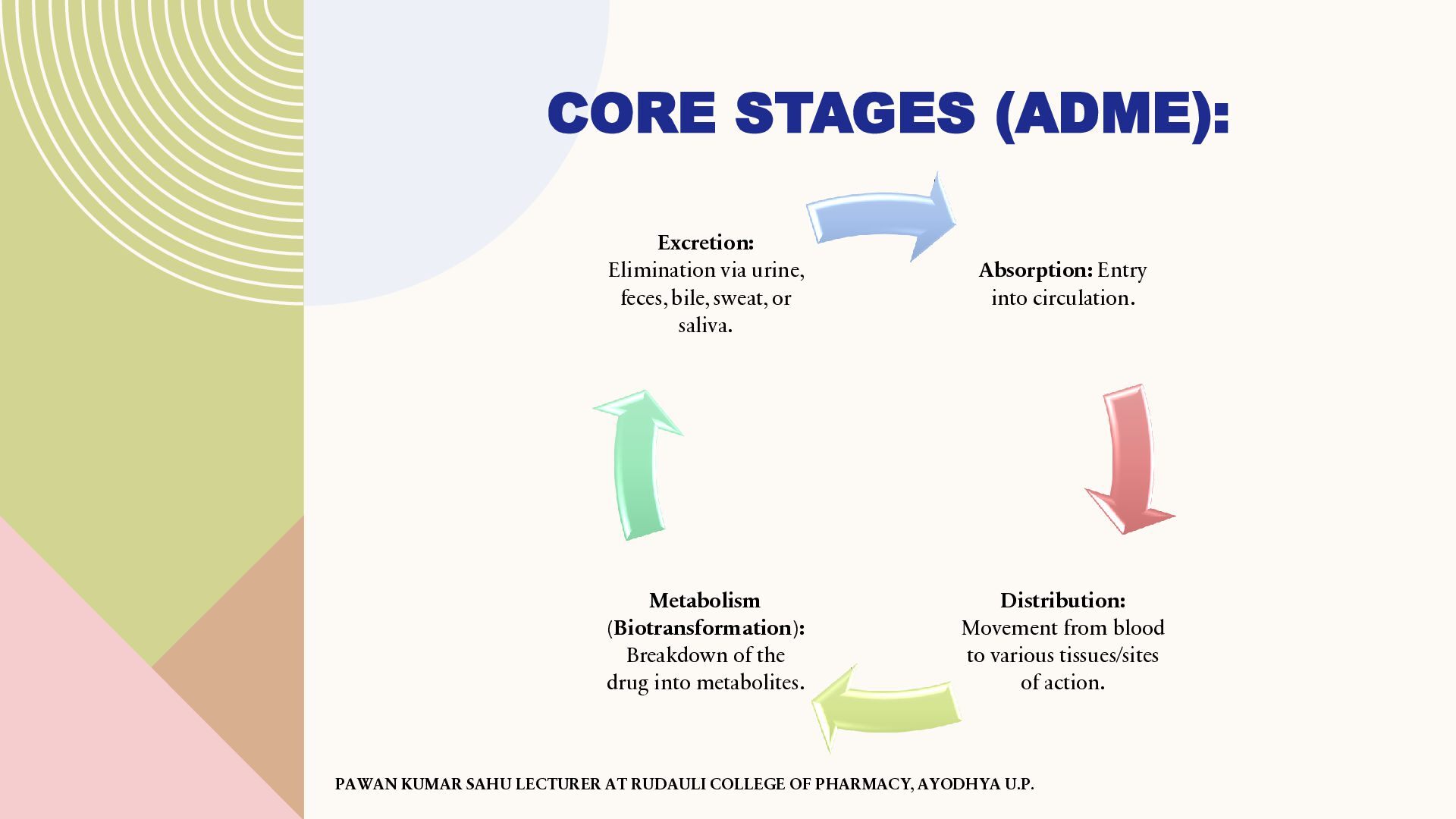
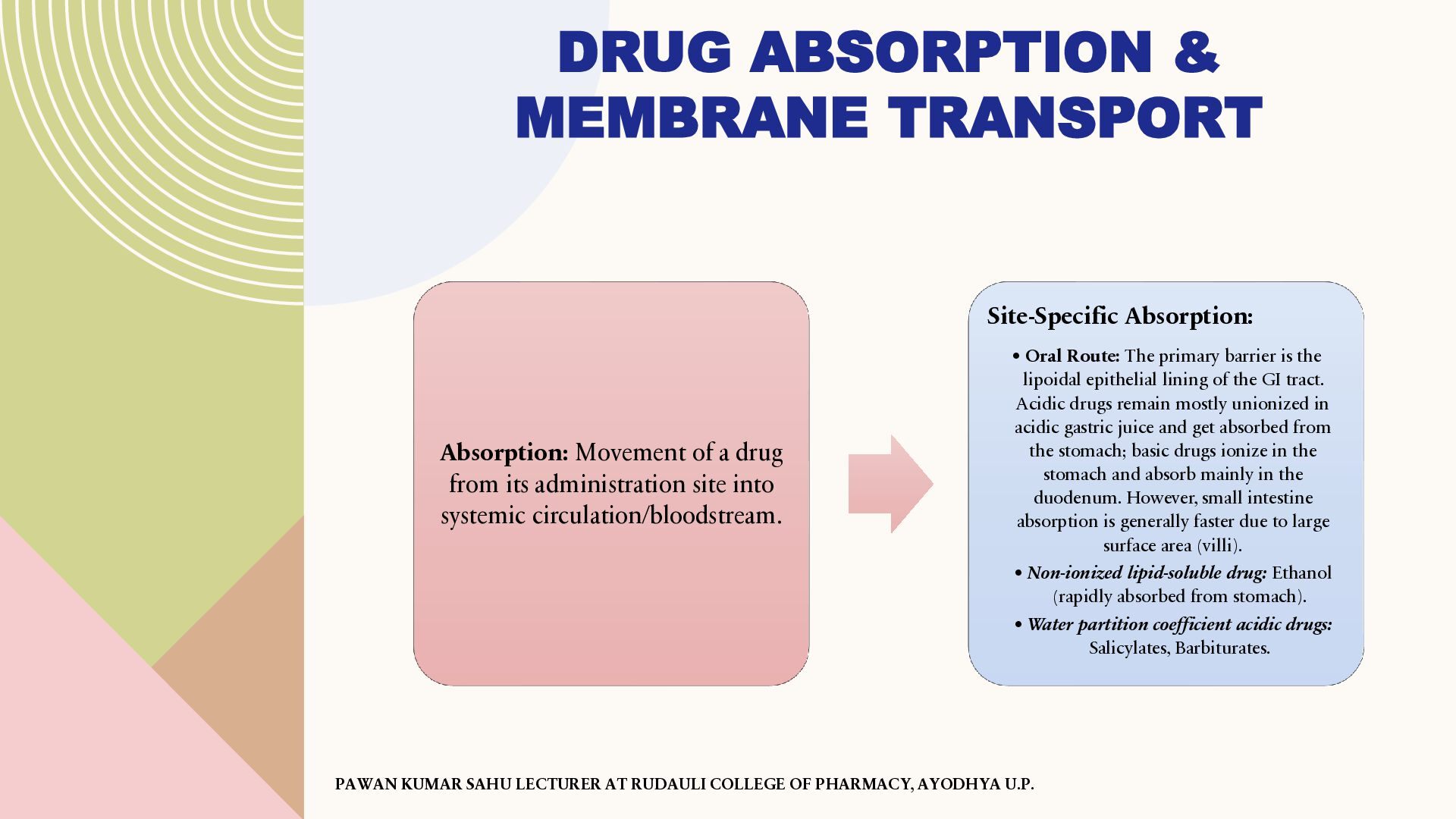
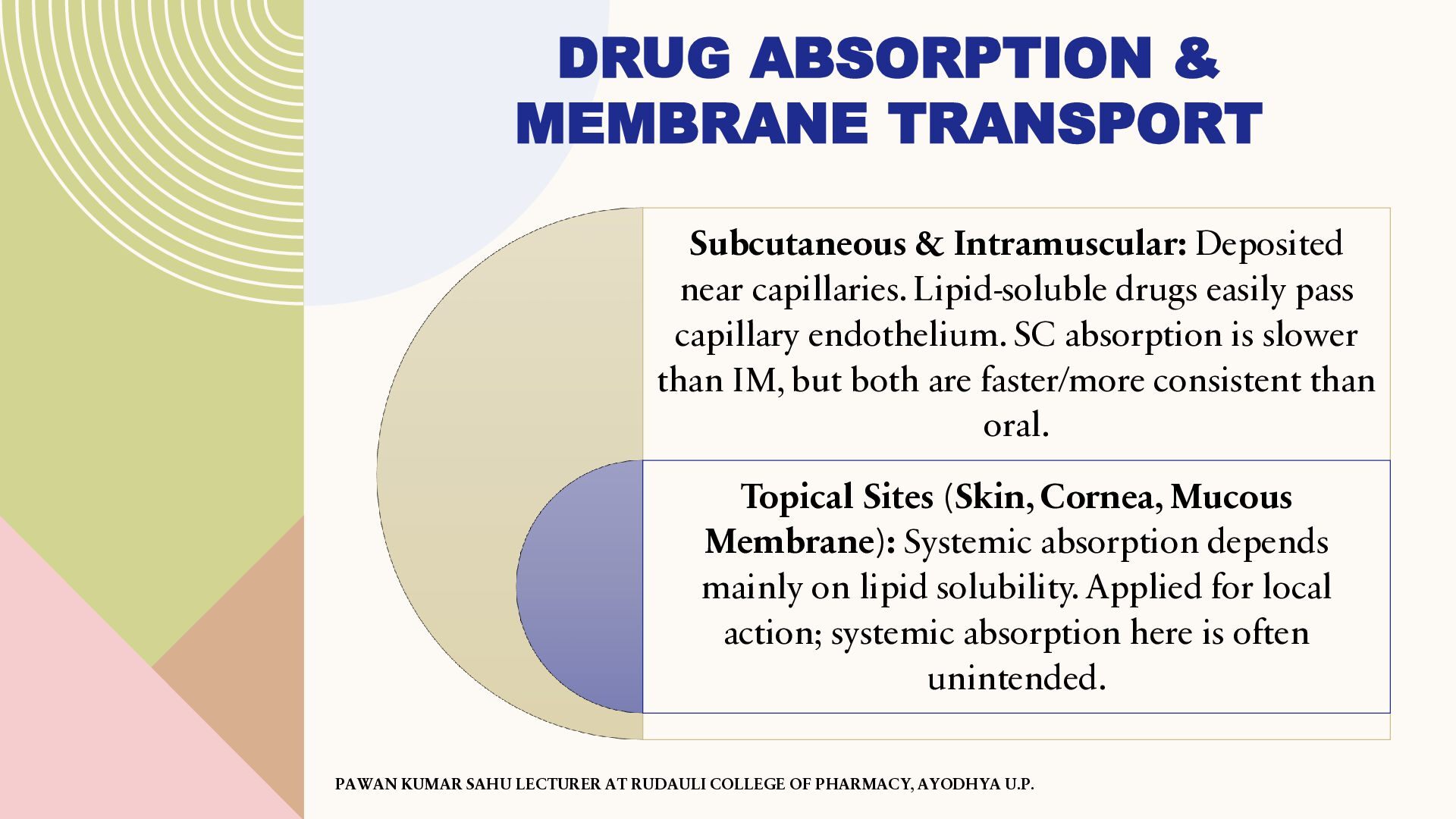
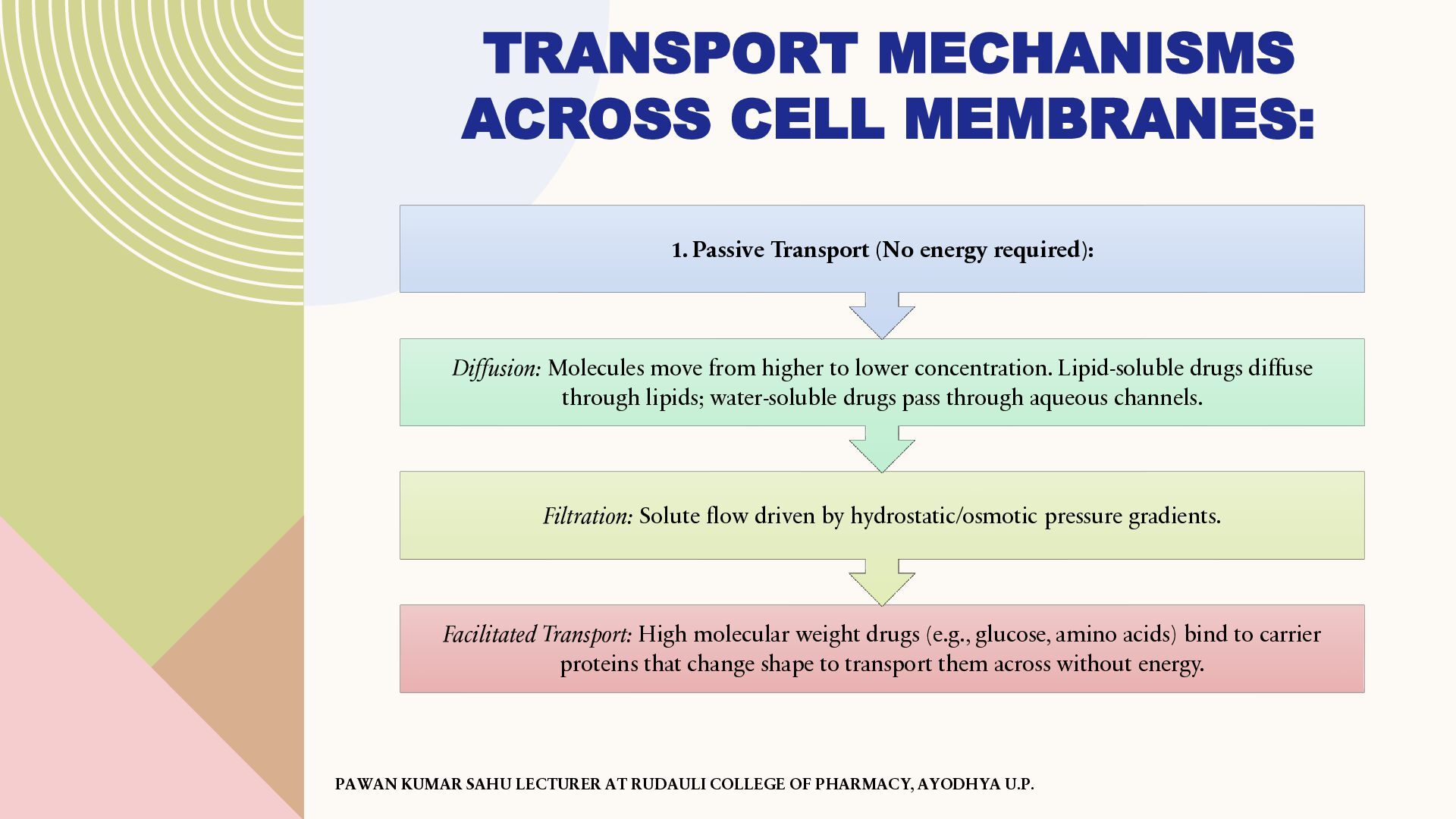
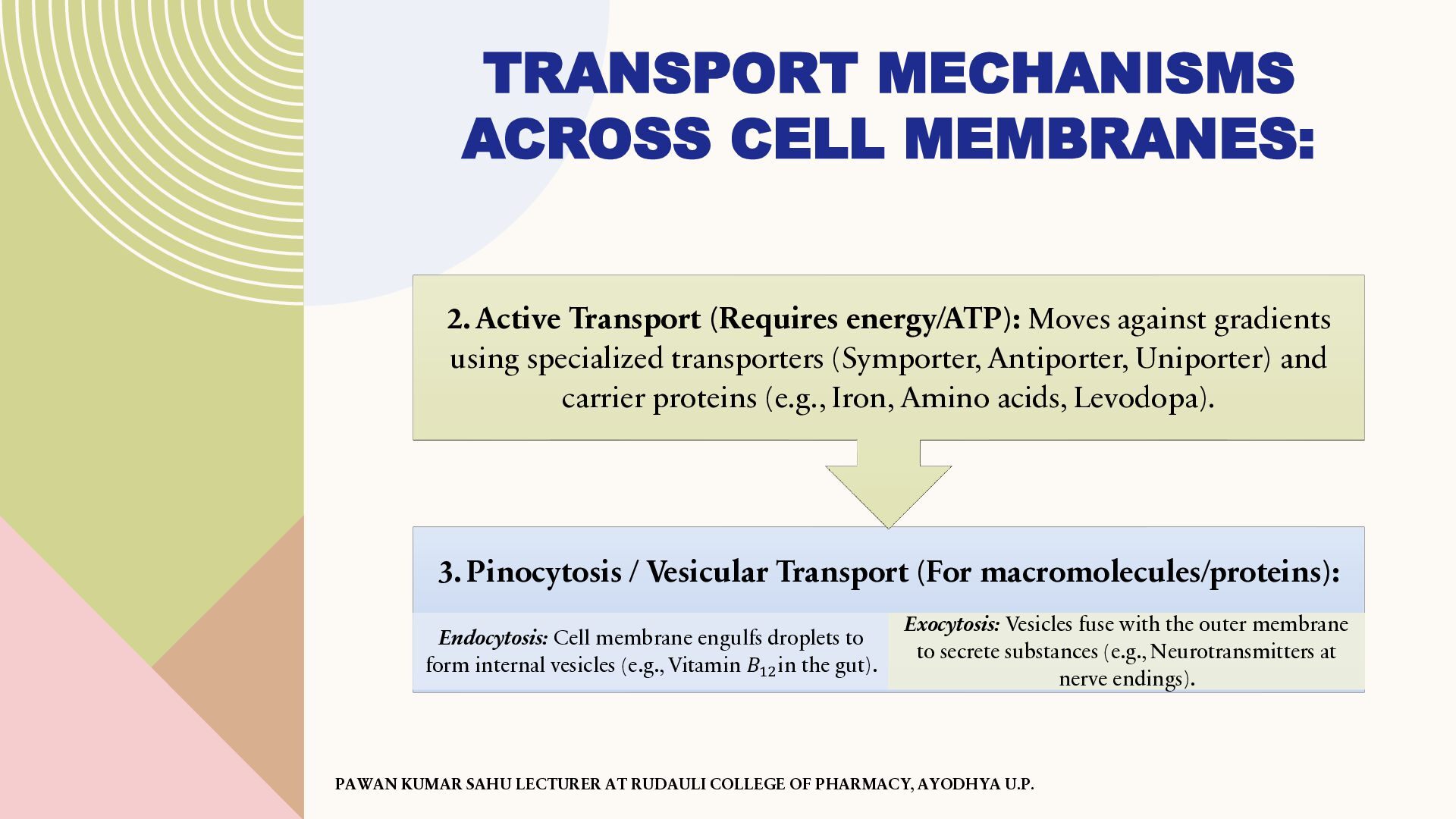
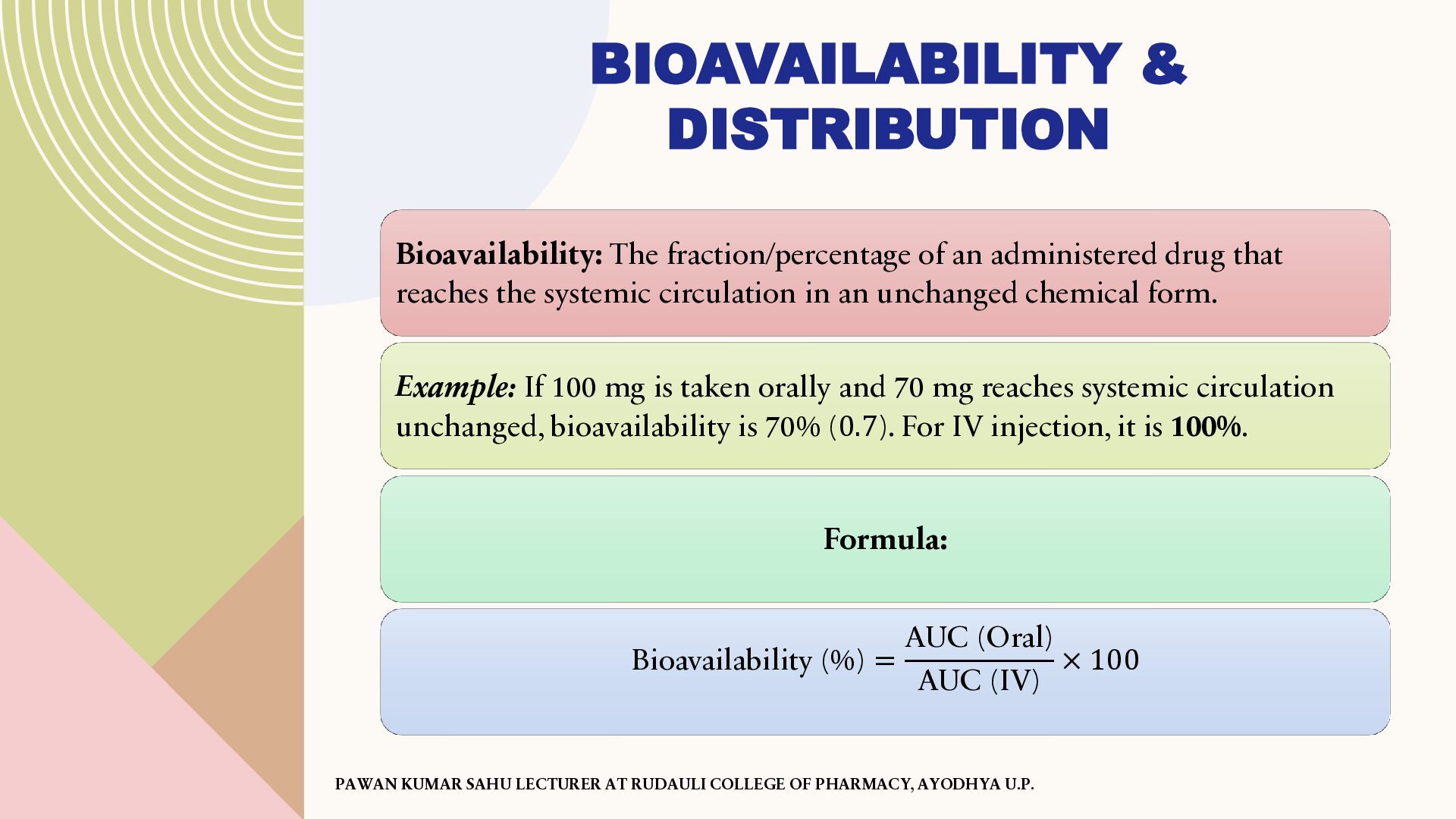
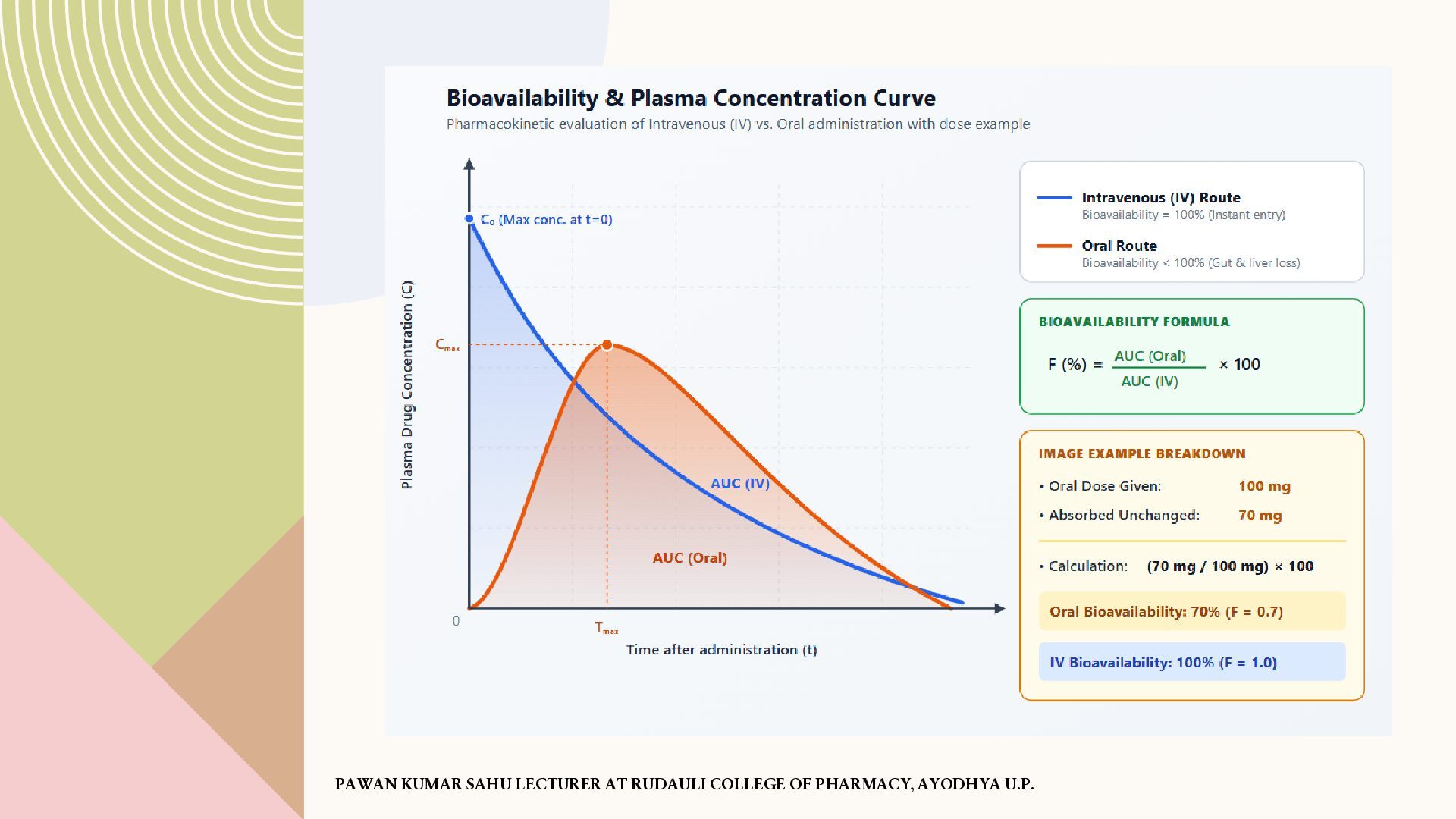
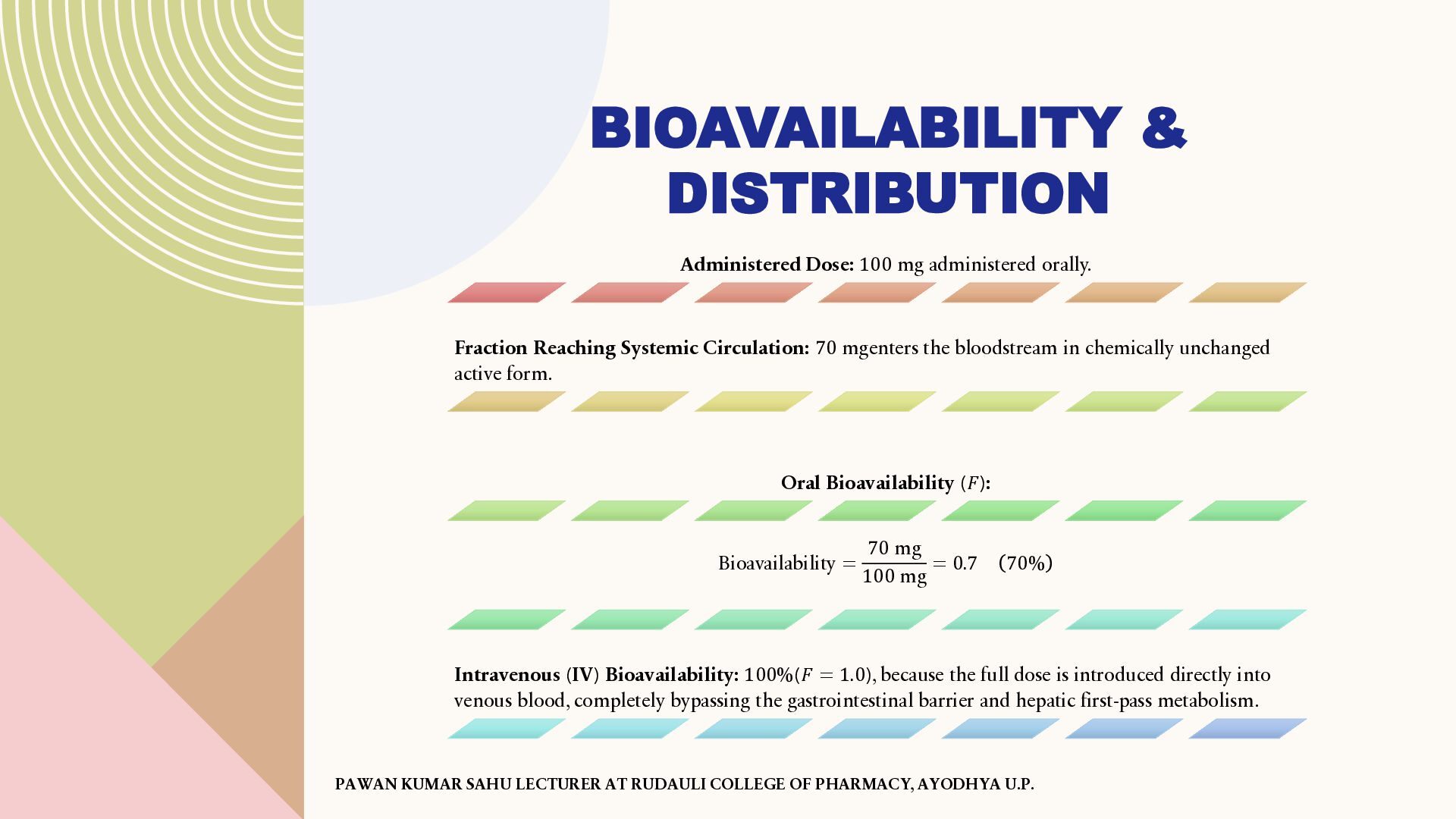
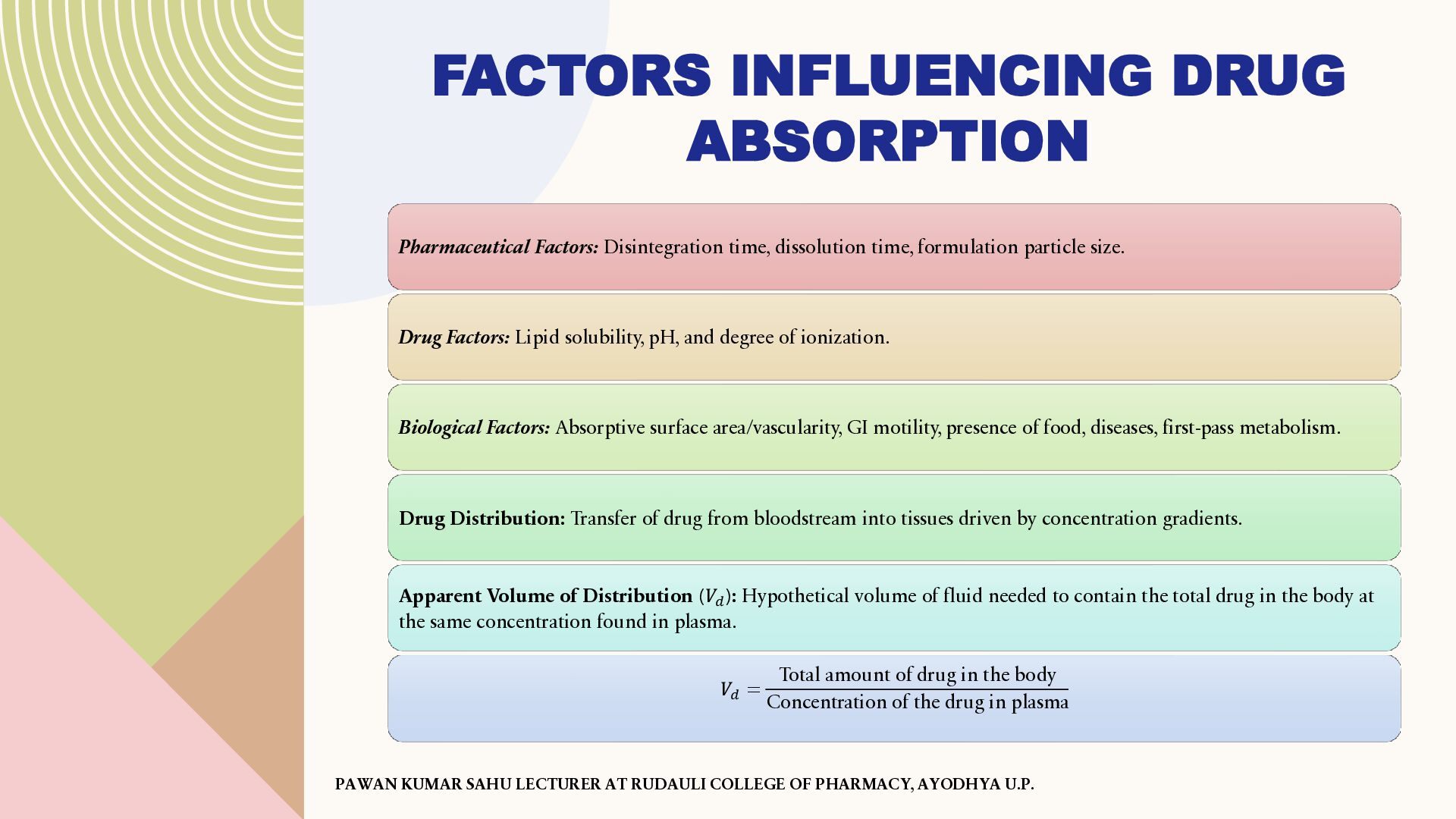
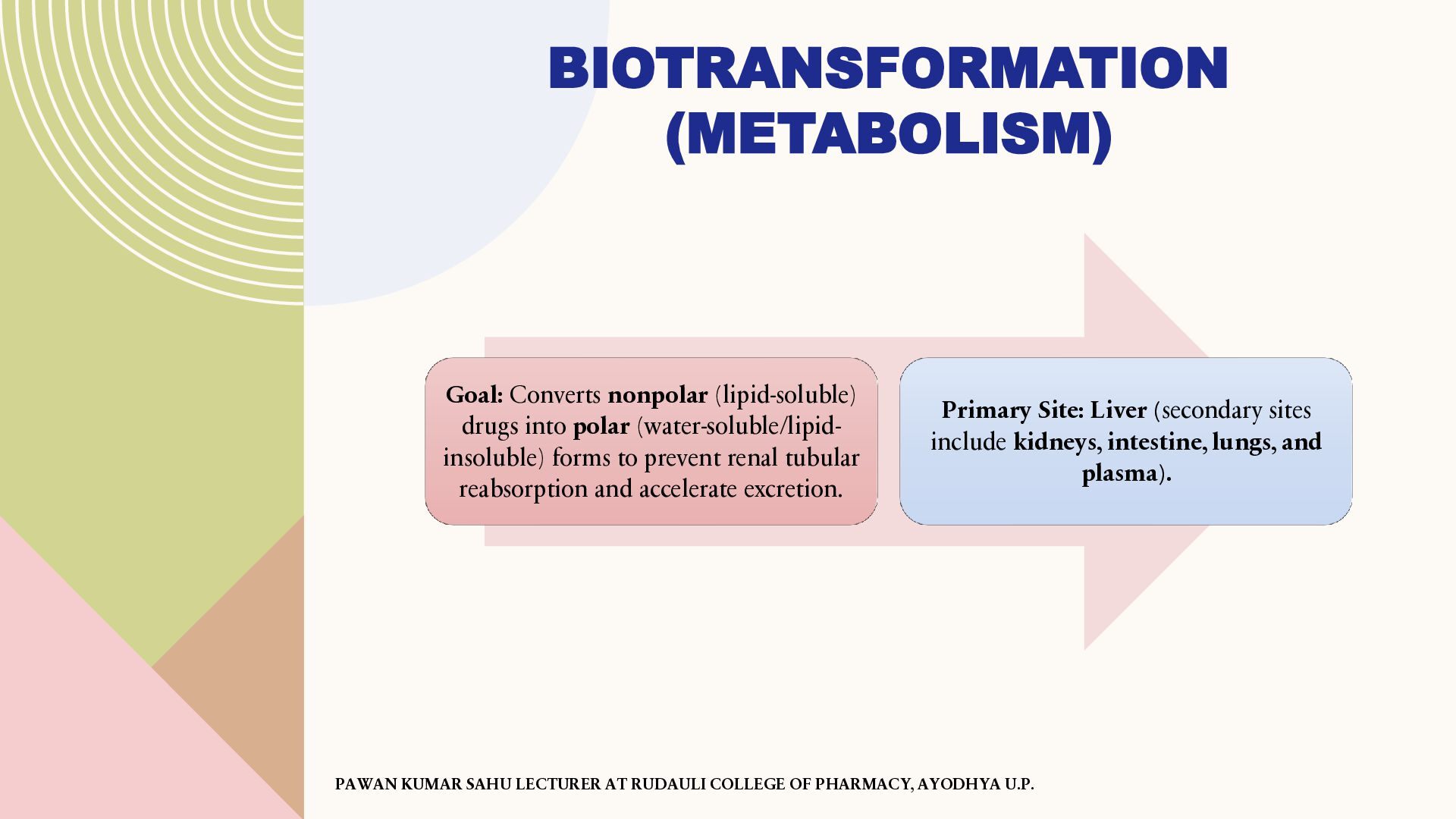
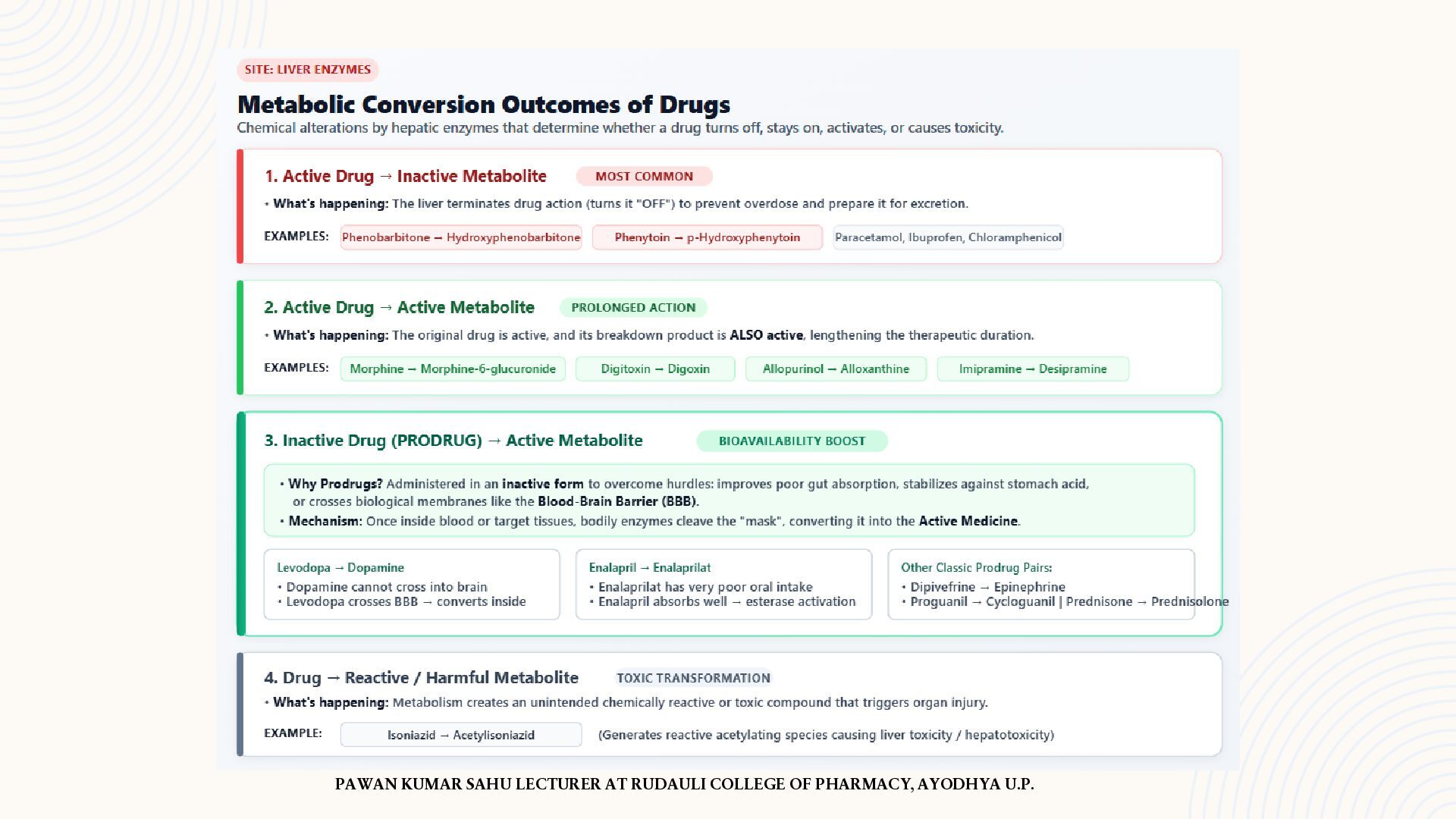
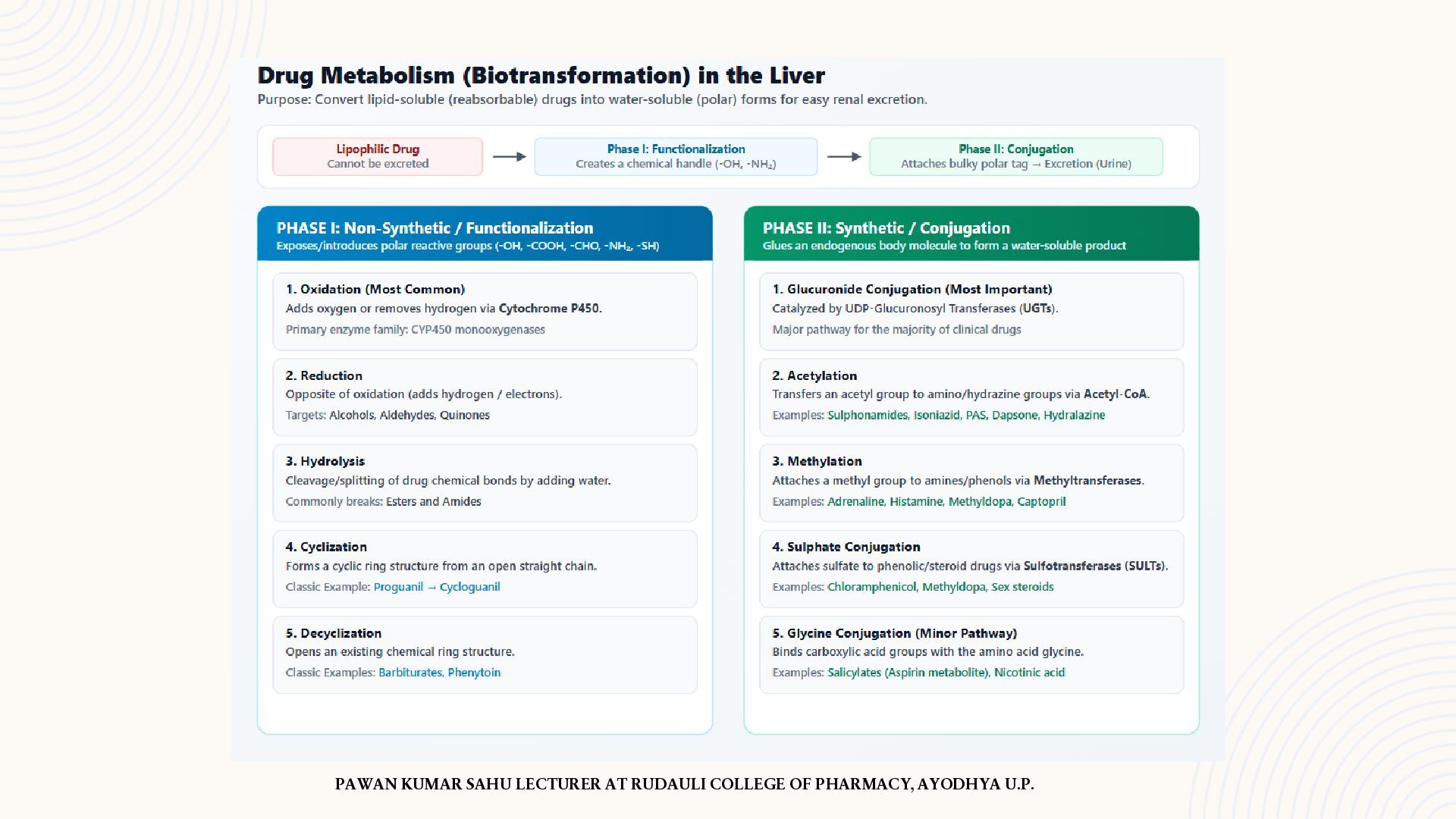
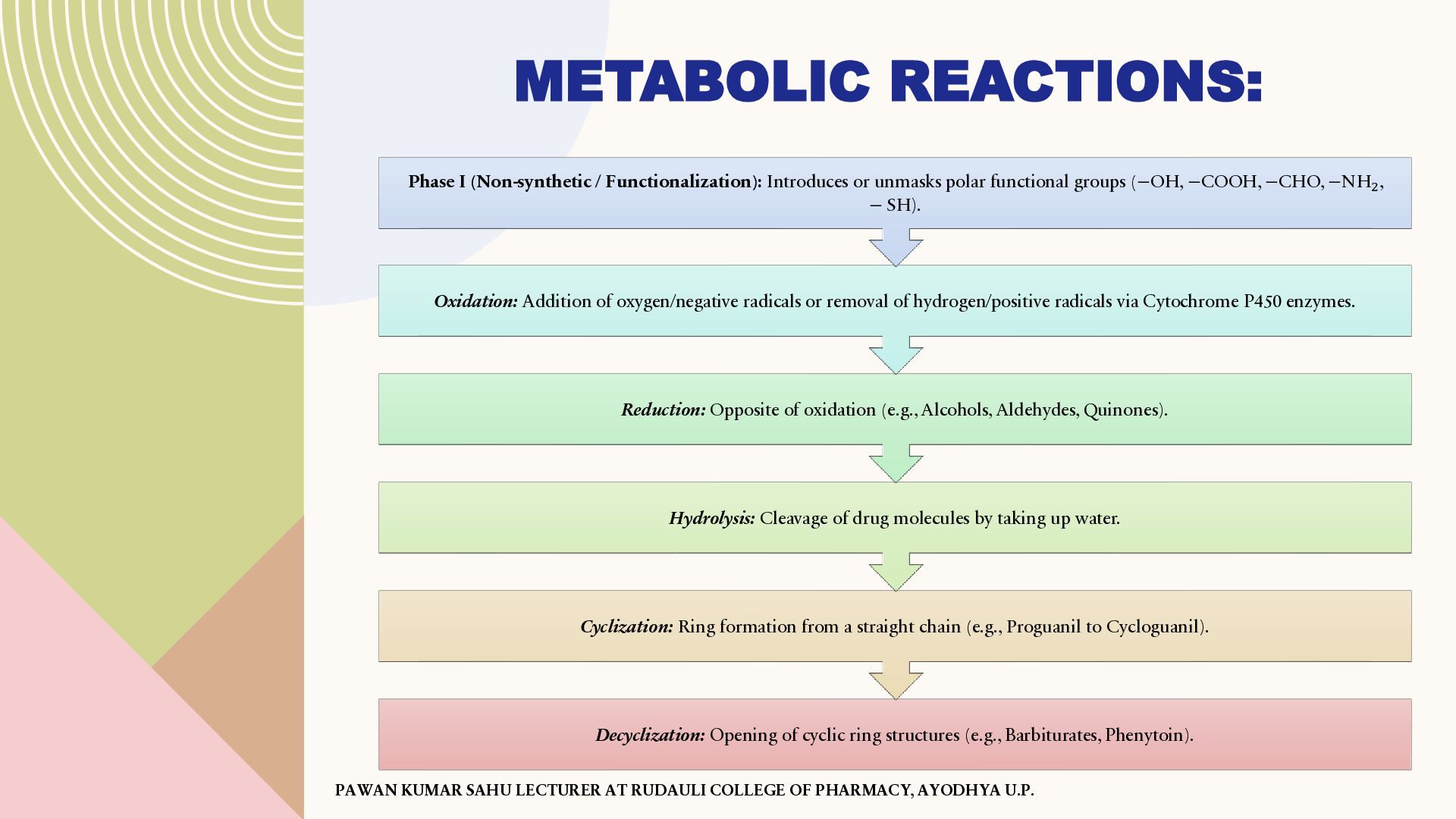
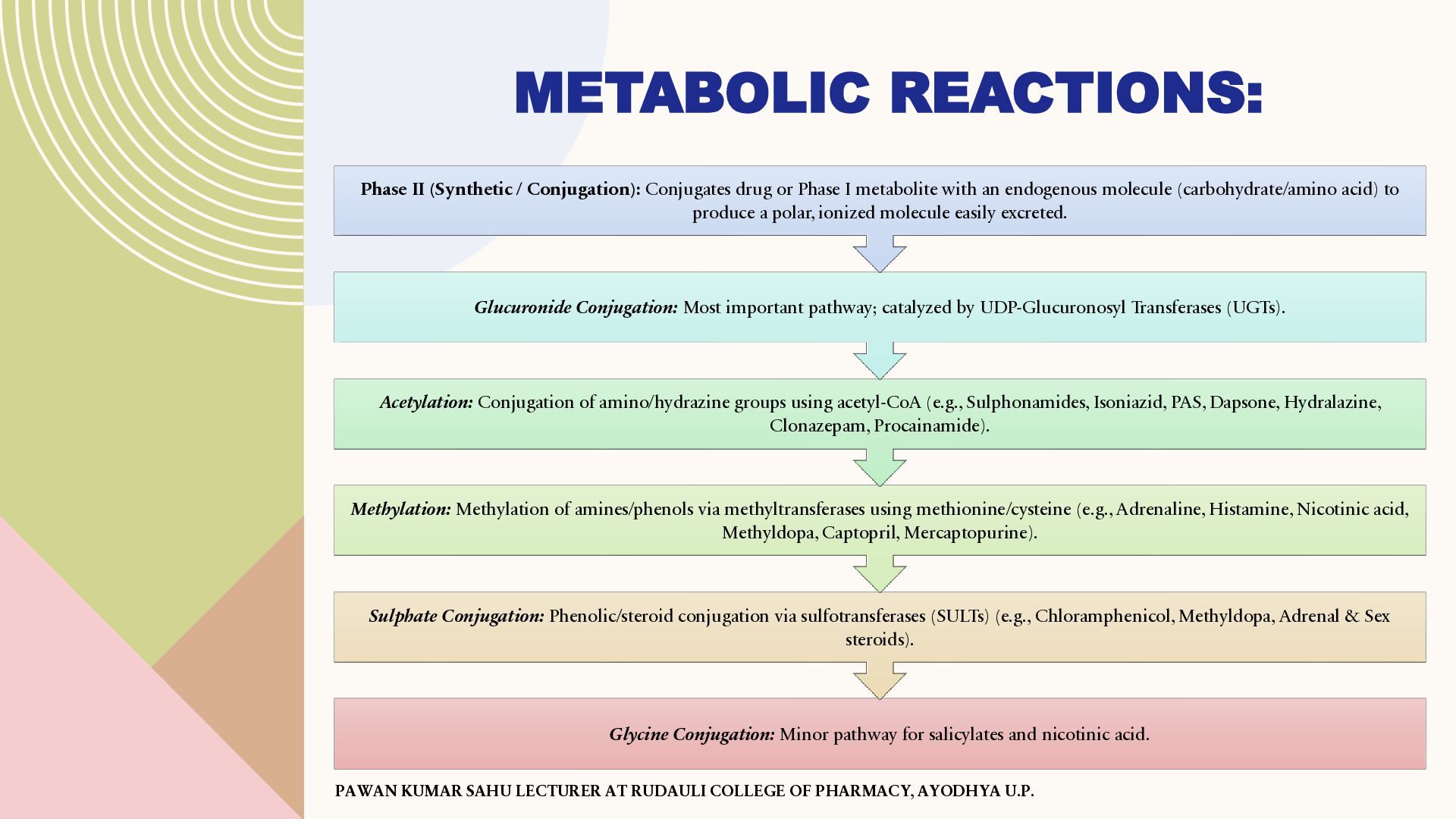
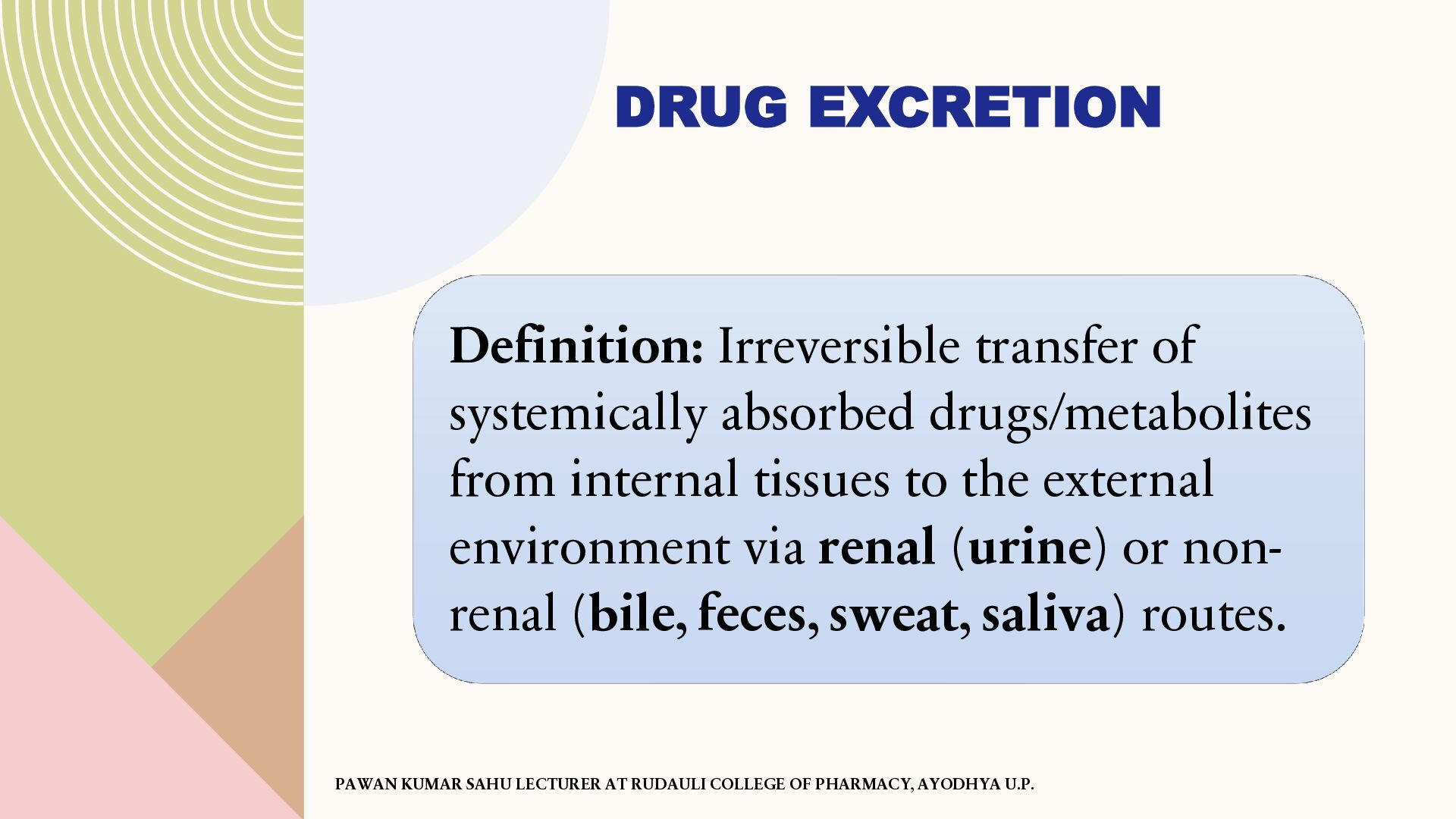
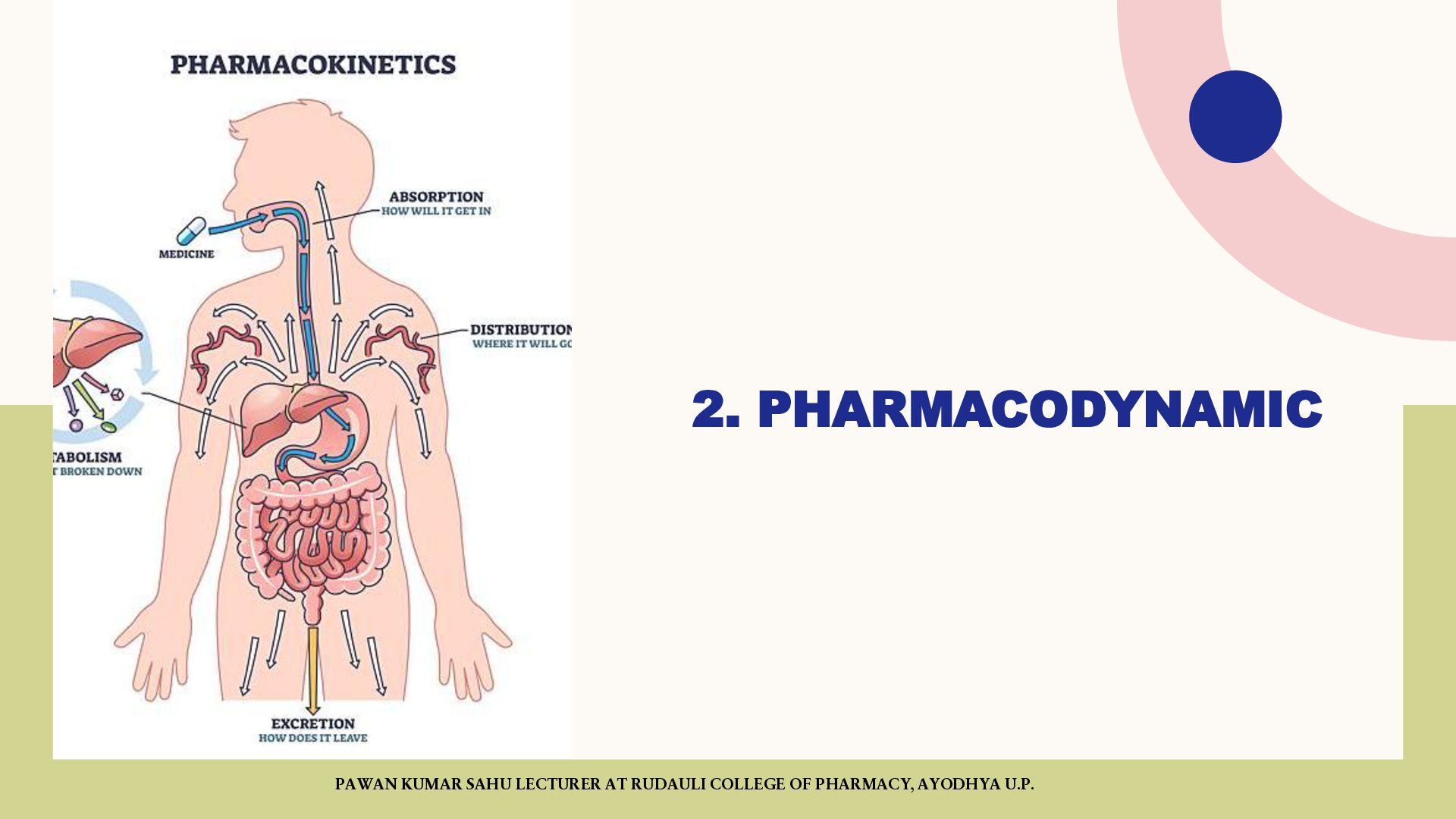
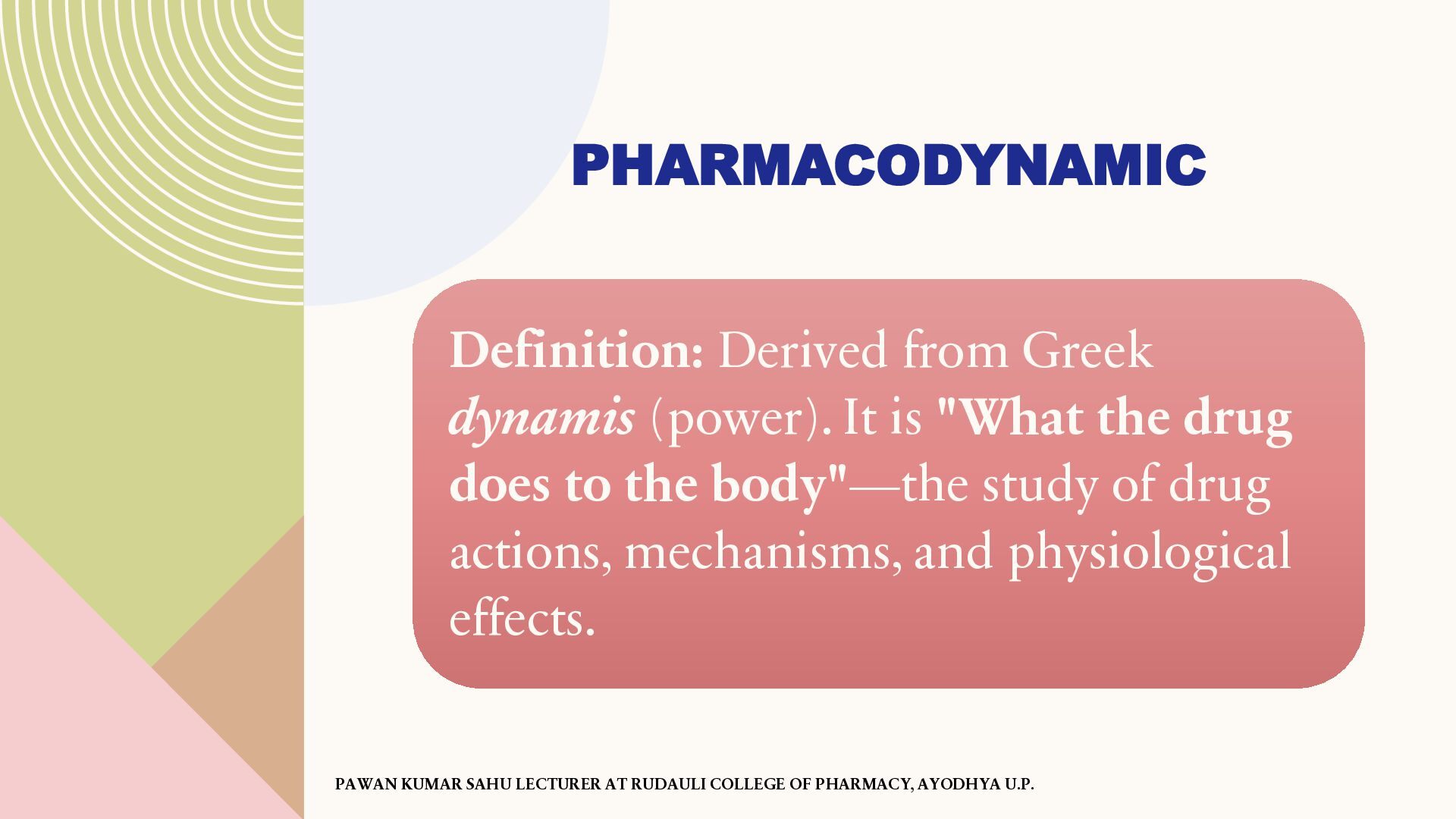
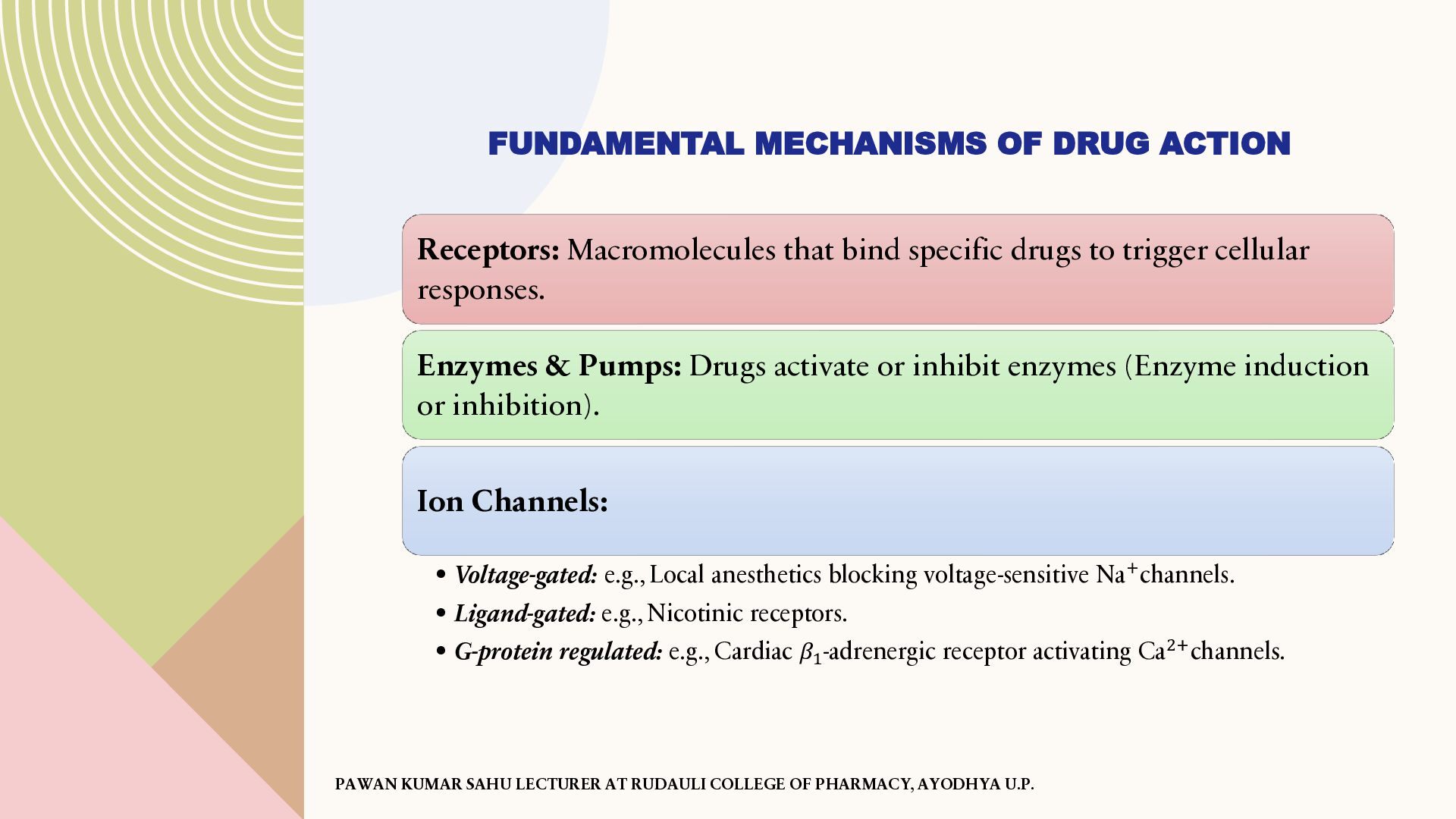
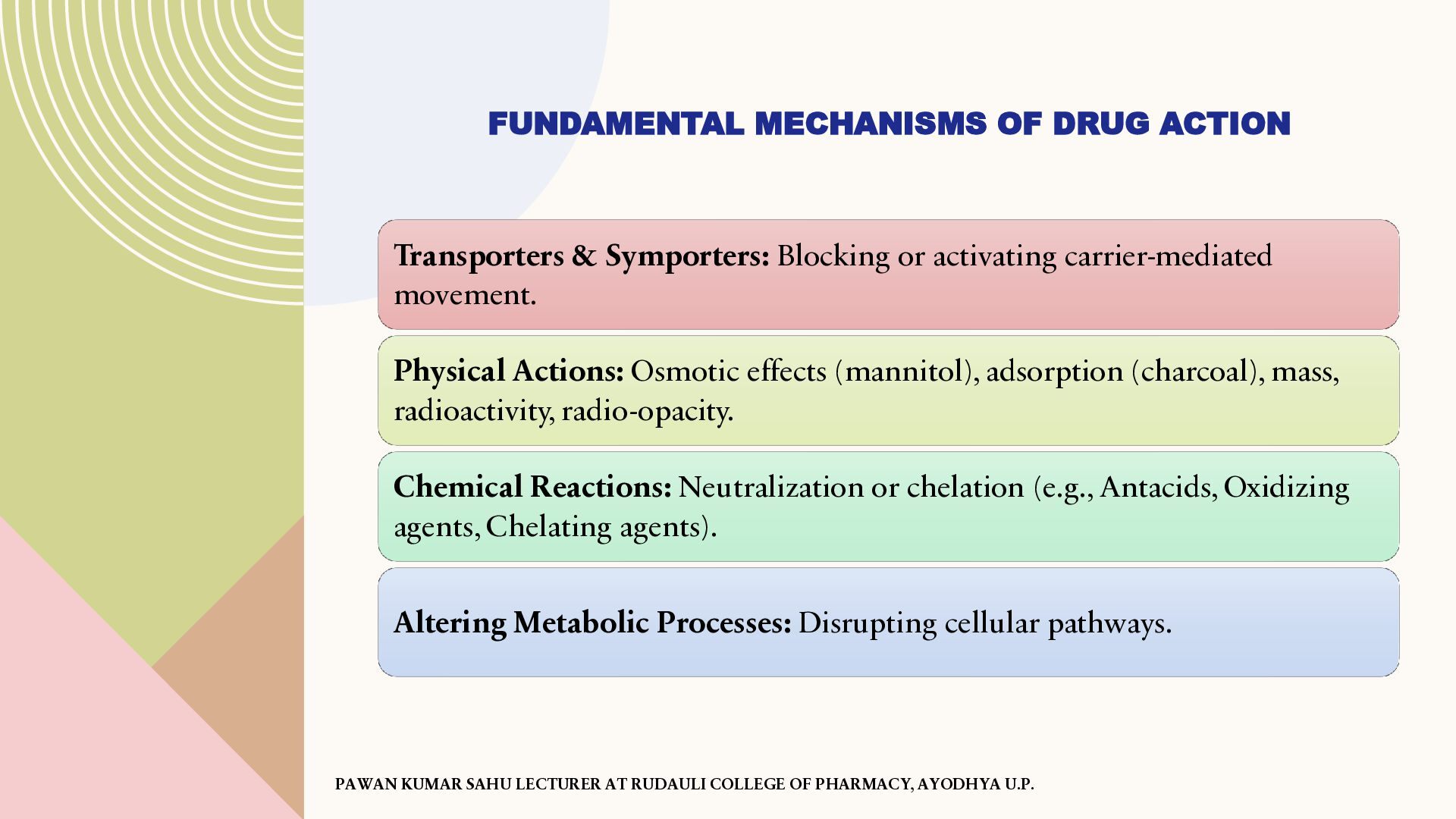
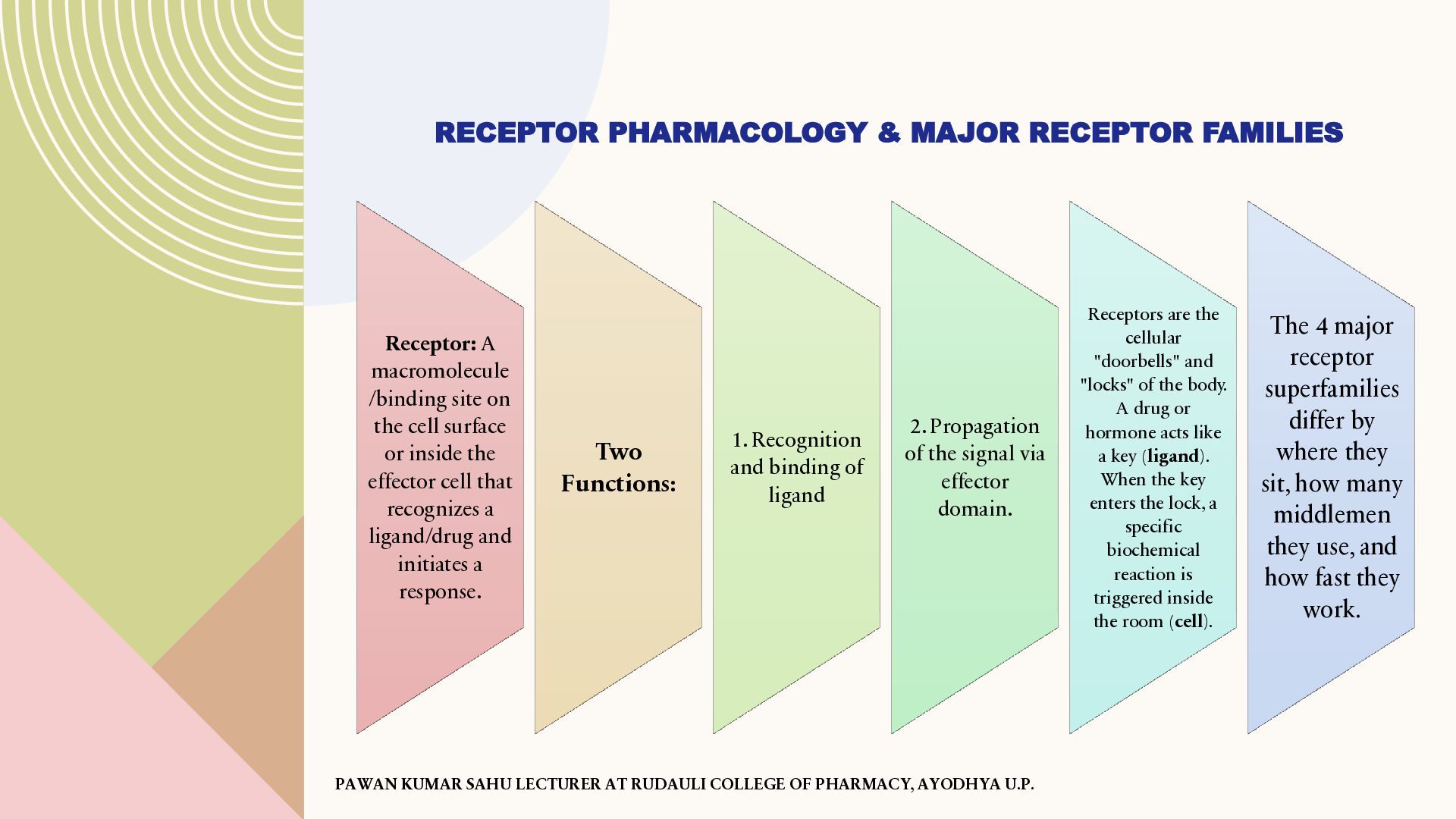
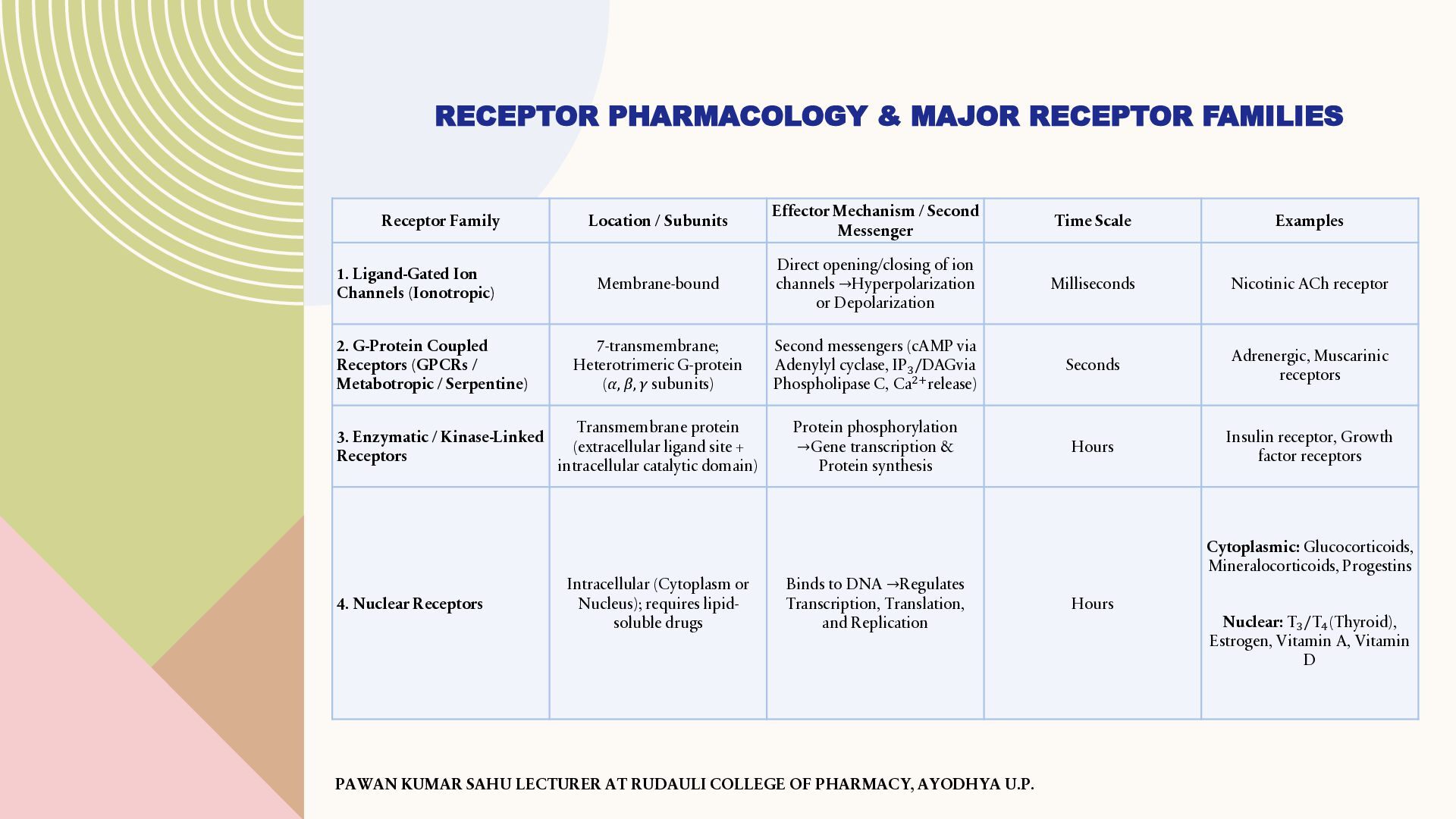
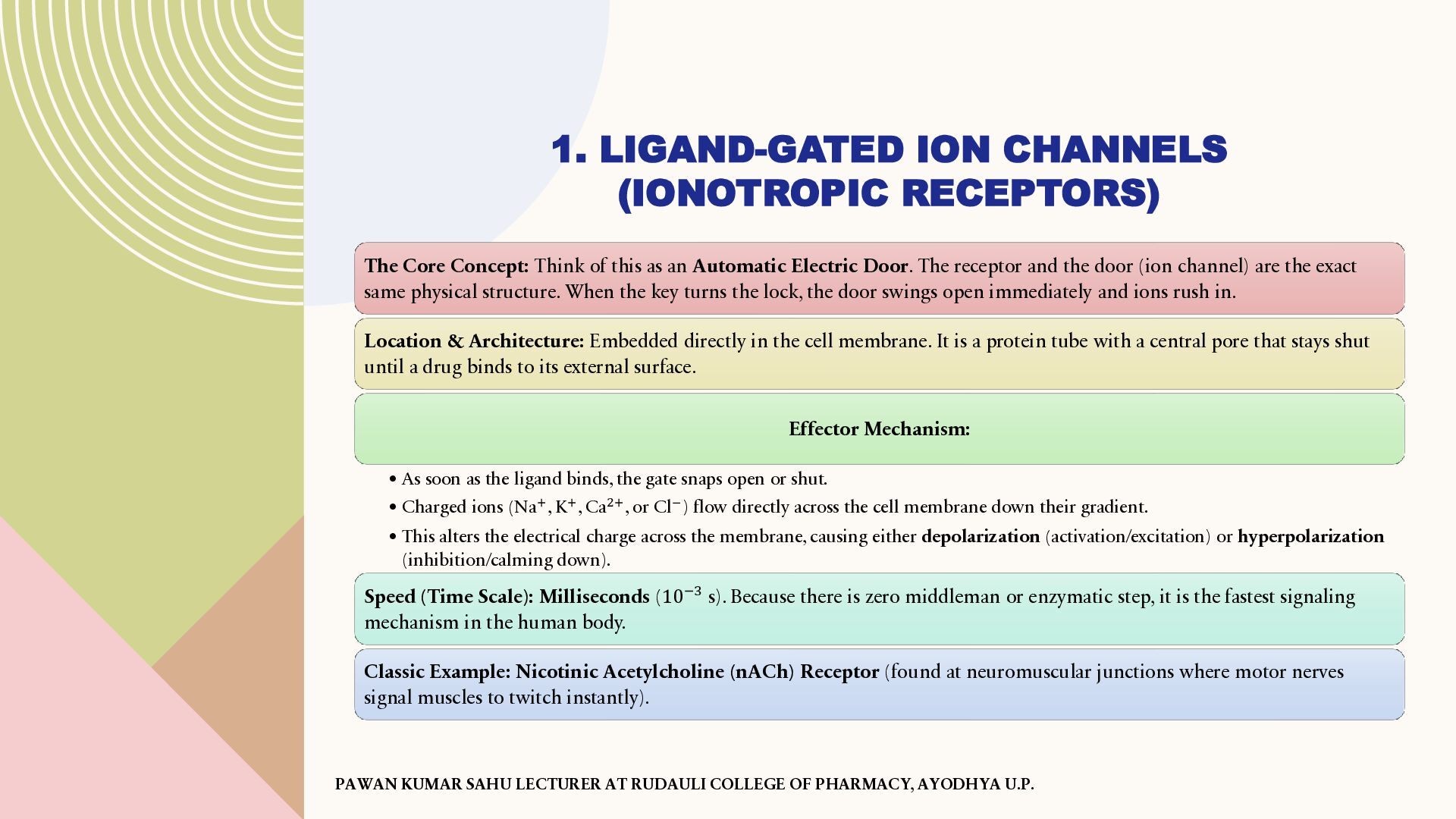
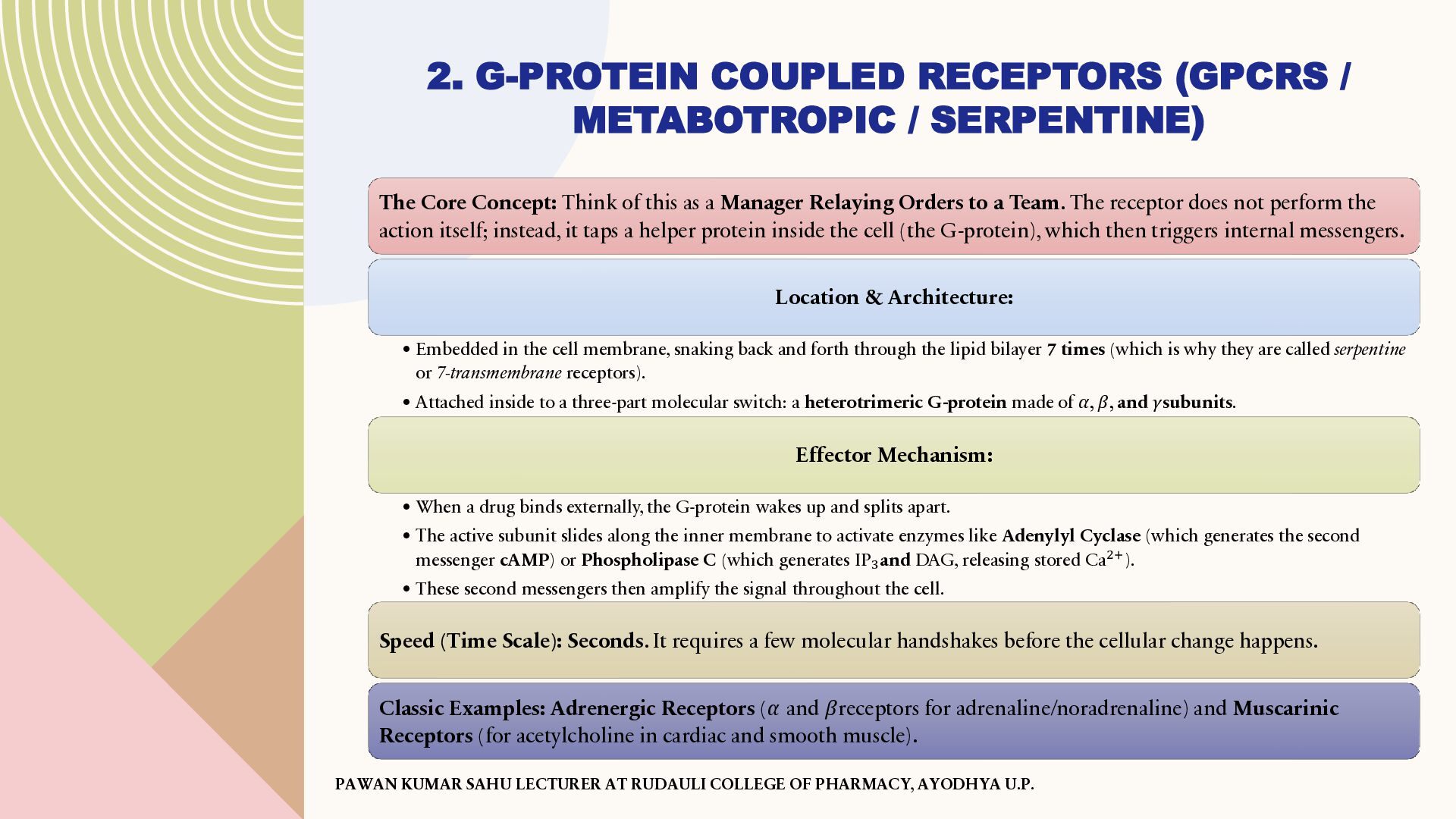
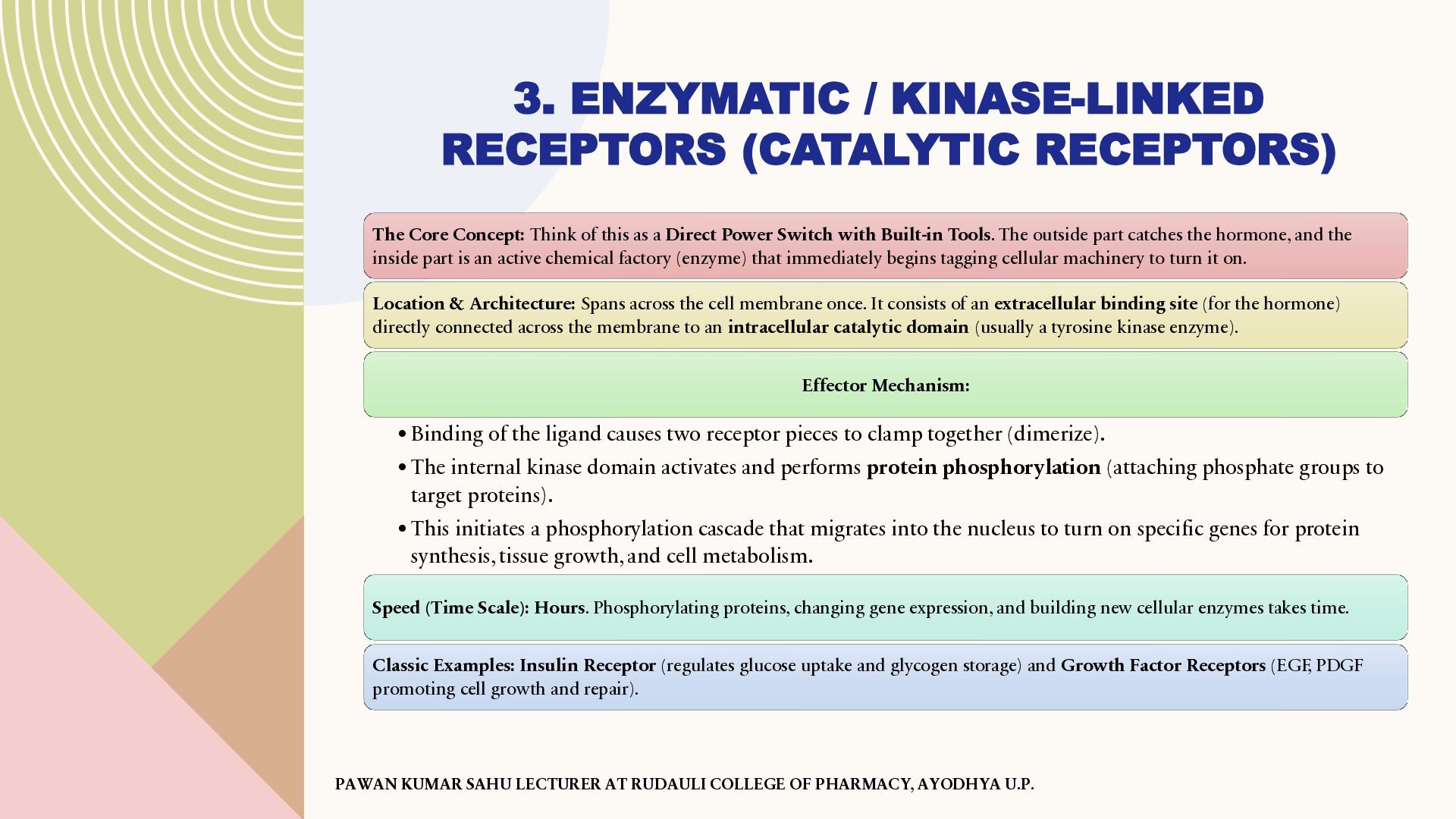
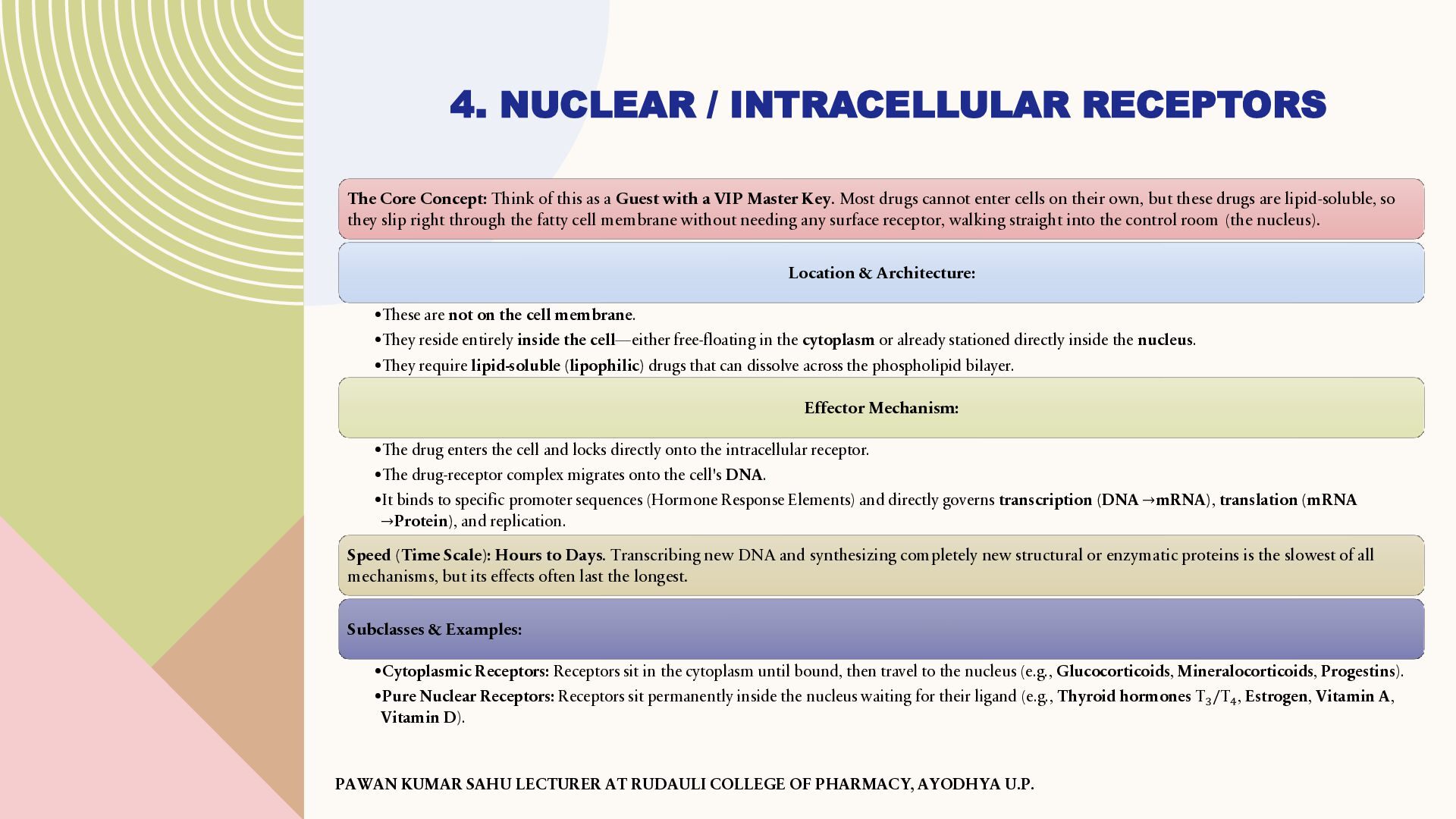
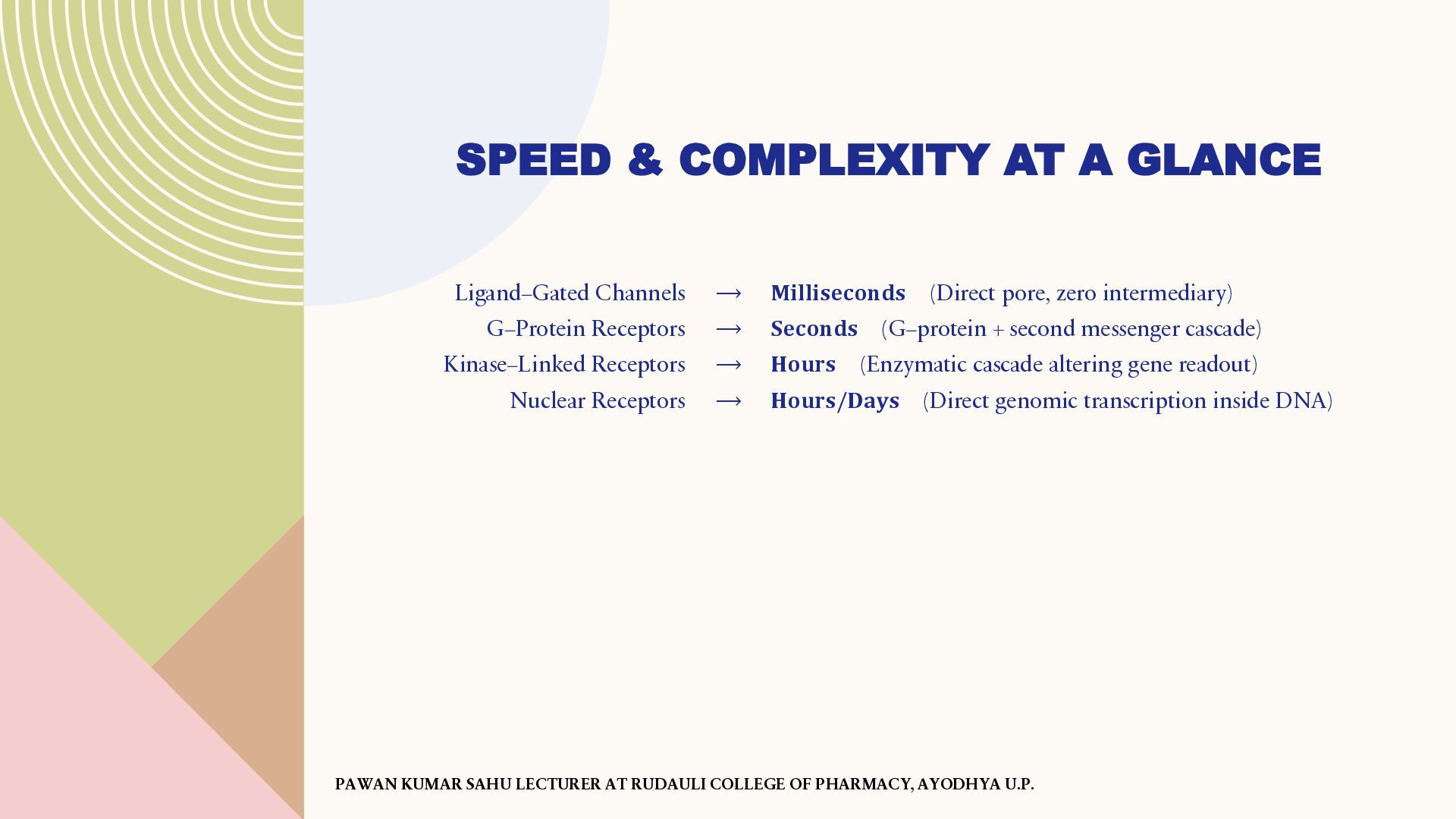
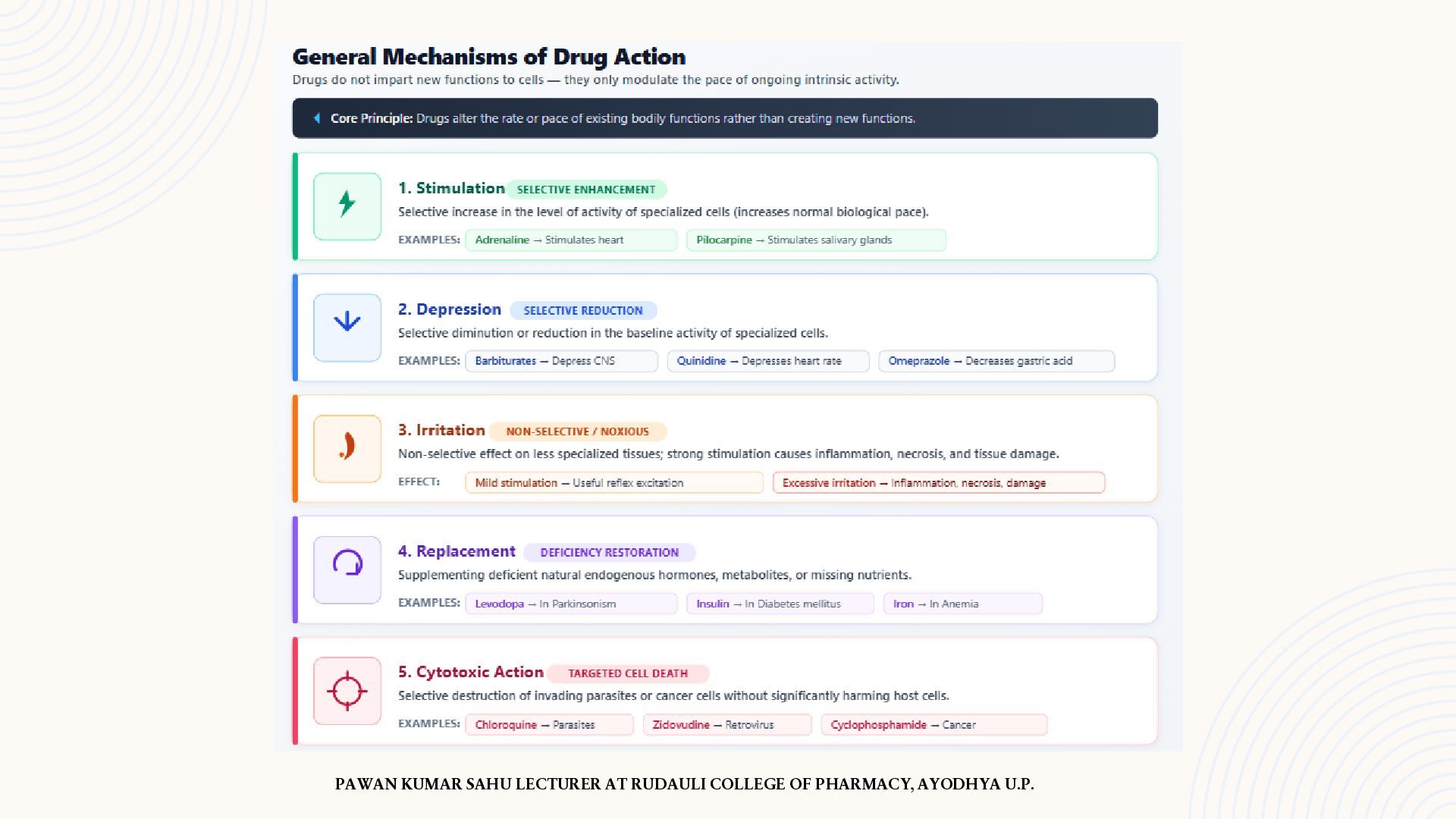
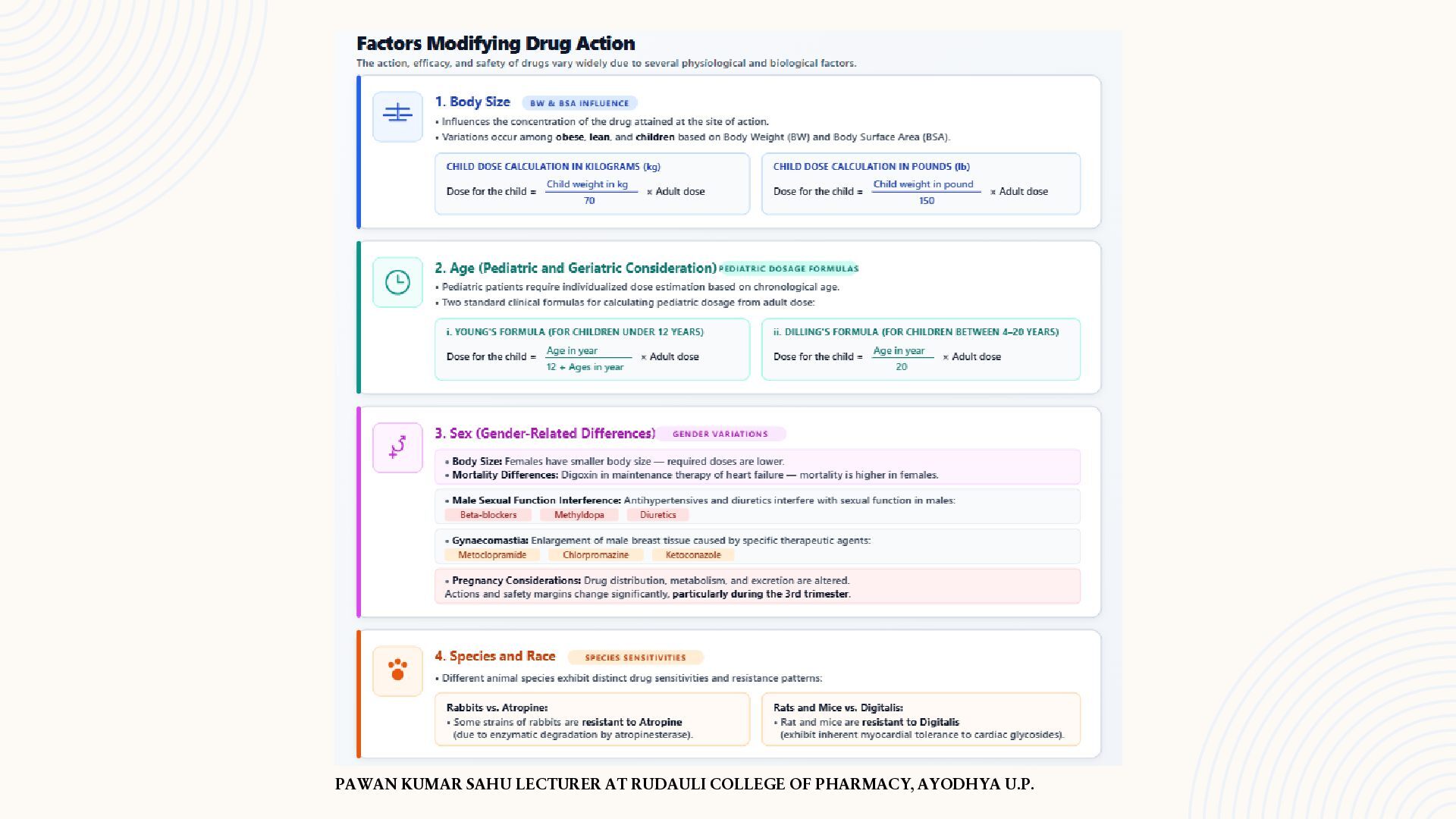
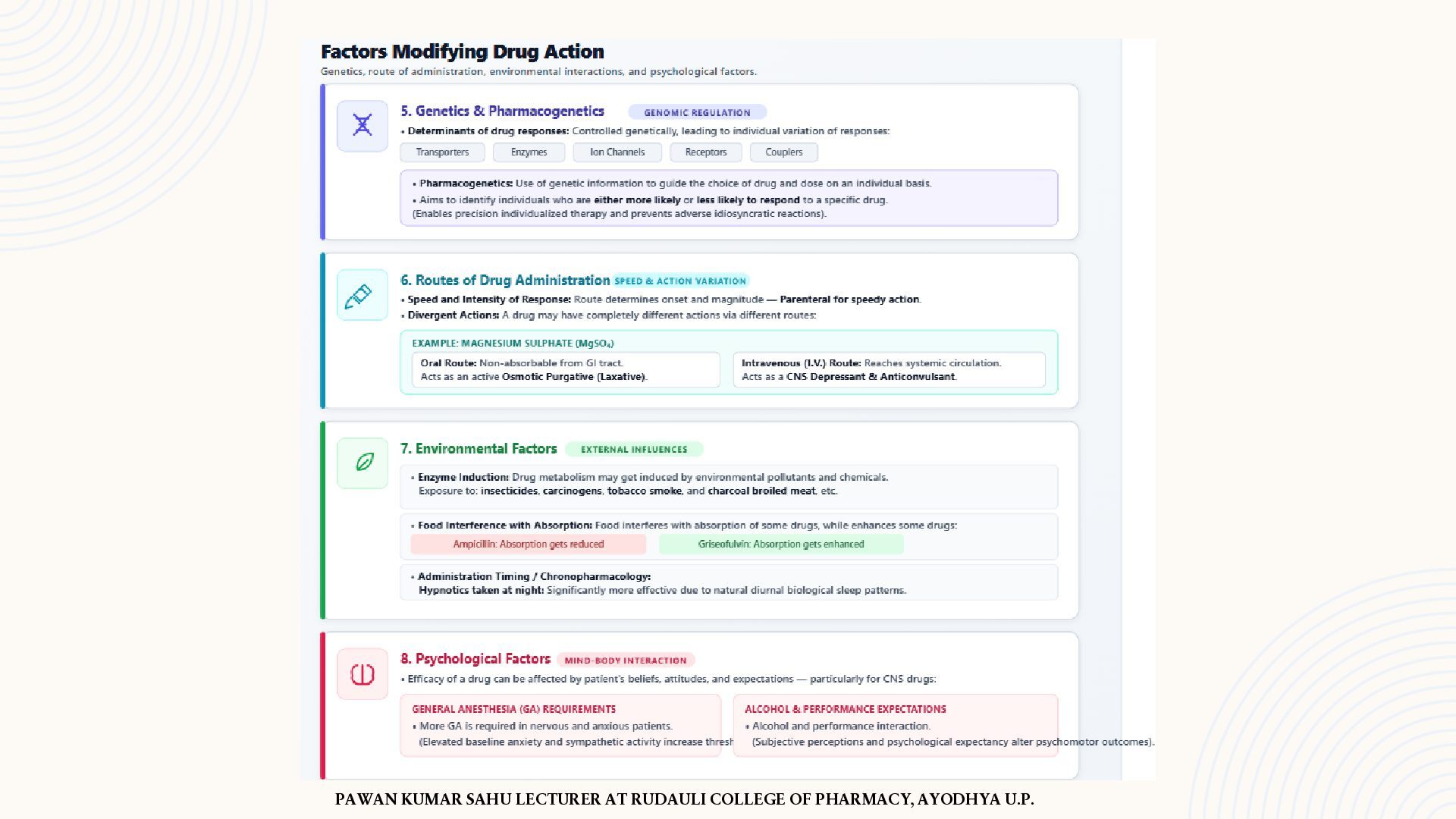
General Pharmacology is the core biomedical science that explores the interaction between chemical substances (drugs) and living systems. It provides the essential framework for understanding how medications enter the body, produce therapeutic effects, and undergo clearance.The Two Pillars of PharmacologyThe discipline is fundamentally divided into two complementary halves:1. Pharmacokinetics (PK) — What the body does to the drug:Absorption: Transfer of the drug from the site of administration into systemic circulation (governed by bioavailability, $F$).Distribution: Reversible movement of the drug between blood plasma and tissues (quantified by the Apparent Volume of Distribution, $V_d$).Metabolism (Biotransformation): Enzymatic alteration (chiefly in the liver) converting lipophilic compounds into polar metabolites via Phase I (functionalization) and Phase II (conjugation) reactions.Excretion: Irreversible removal of unchanged drug or metabolites from the body, primarily through renal filtration and biliary secretion.2. Pharmacodynamics (PD) — What the drug does to the body:Investigates the biochemical and physiological effects of drugs and their underlying mechanisms of action.Focuses on drug-target interactions, primarily mediated through:Receptors: Ligand-gated ion channels, GPCRs, kinase-linked receptors, and nuclear receptors.Enzymes: Enzyme induction or competitive/non-competitive inhibition.Ion Channels & Transporters: Blocking or modulating voltage/ligand channels and carrier proteins.Non-specific Mechanisms: Physical actions (osmotic diuretics) and chemical neutralization (antacids).


 pawan5505
 denkiwakame
 stevekinney
 aokiplayer
 uranoken
 saorimurooka
 mutomasa
 emdelponte
 robintux
 bunnchinn3
 kenichiota0711
 moriyuya
 amethyst1
 shpigford
 sugarenia
 philnash
 reverentgeek
 techseoconnect
 soudai
 rakko
rakko
 maggiecrowley
 frankvandijk
 tammielis
 marktimemedia
 sabderemane