Tax compliance in Canada is essential for both individuals and businesses to operate legally and avoid penalties. The Canada Revenue Agency (CRA) oversees tax collection and the enforcement of federal tax laws. Businesses must register for a Business Number (BN) and may need additional accounts for GST/HST, payroll, or import/export activities, depending on their operations.
All corporations in Canada are required to file an annual corporate income tax return (T2), even if they have no tax payable. The tax year is typically the fiscal year-end chosen by the company. Individuals and sole proprietors must file a personal income tax return (T1) annually, declaring all income earned worldwide if they are residents.
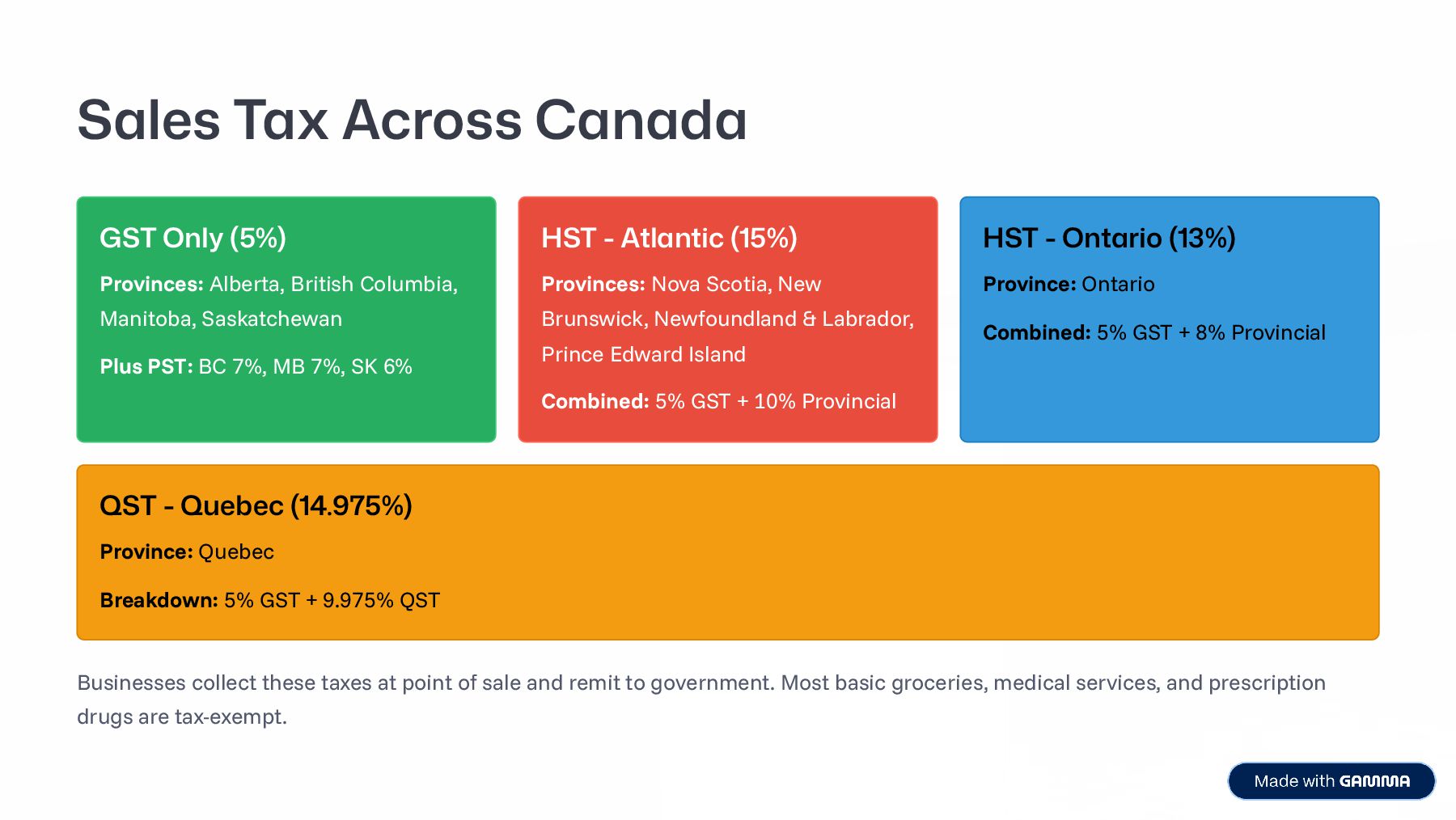
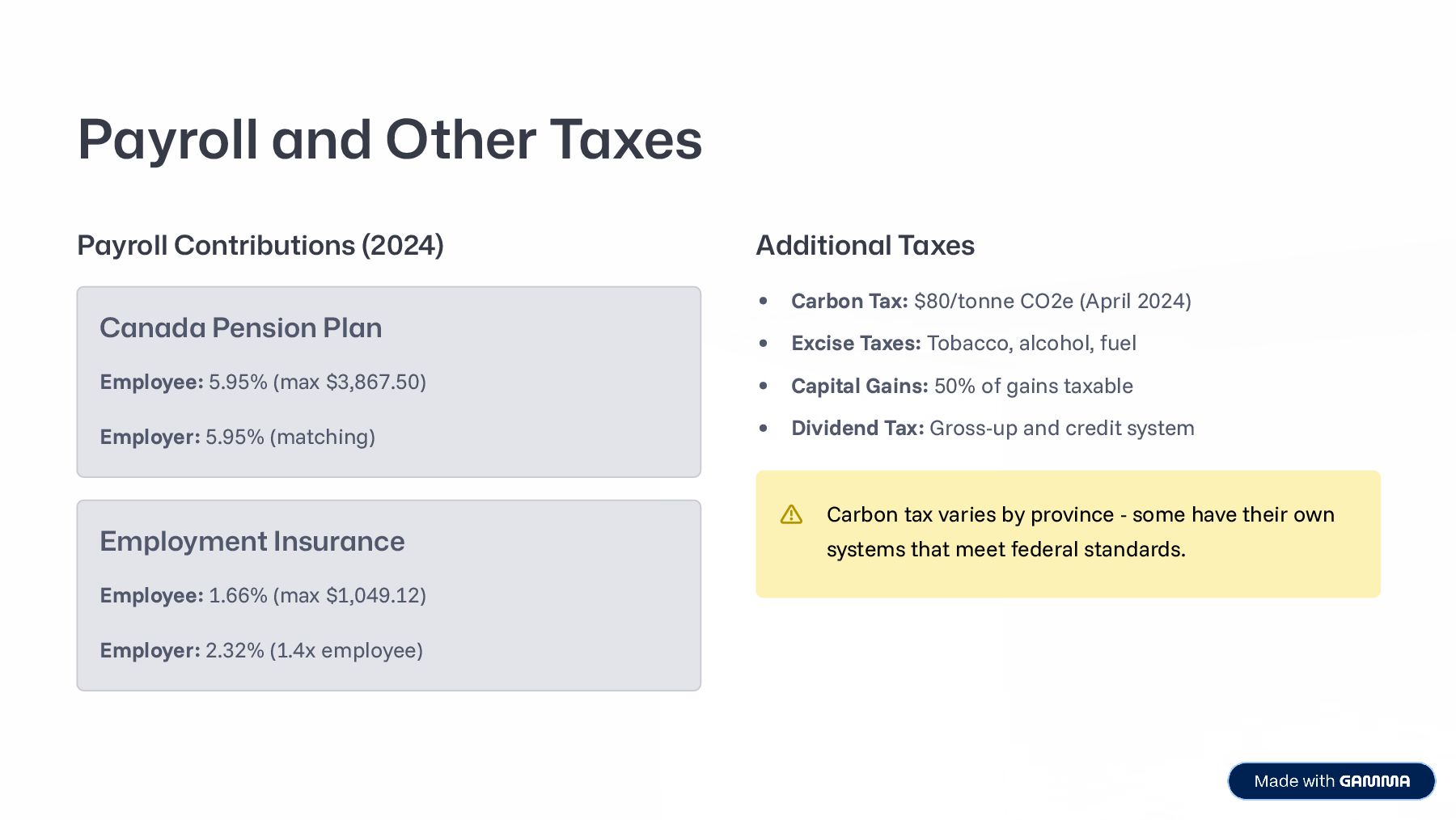
For businesses, collecting and remitting Goods and Services Tax (GST) or Harmonized Sales Tax (HST) is mandatory once annual revenues exceed $30,000. Payroll deductions—such as income tax, CPP, and EI—must be remitted regularly if you have employees.
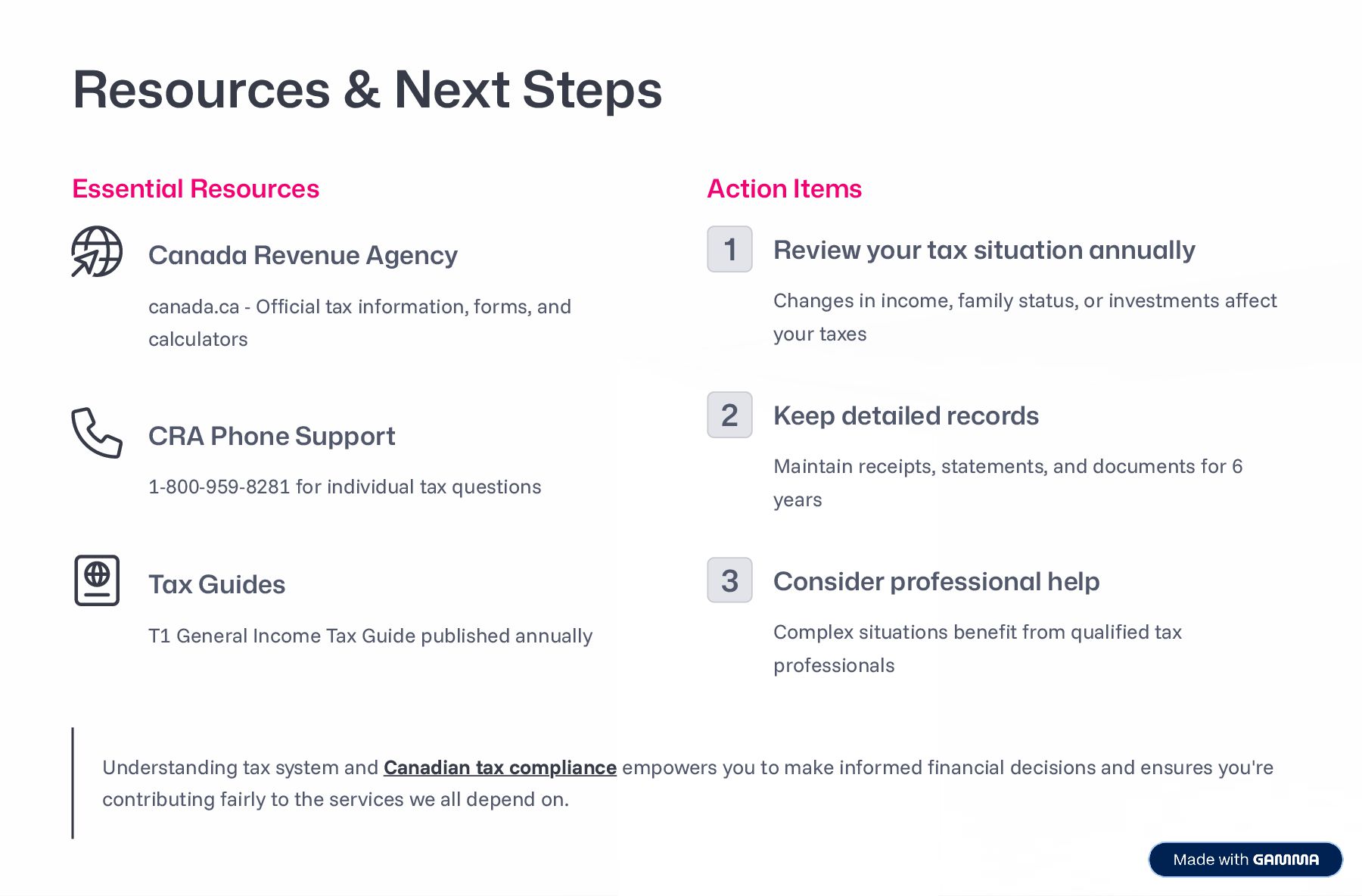
Maintaining accurate financial records, including receipts, invoices, and tax filings, is a legal requirement. Non-compliance can result in fines, interest charges, or audits.
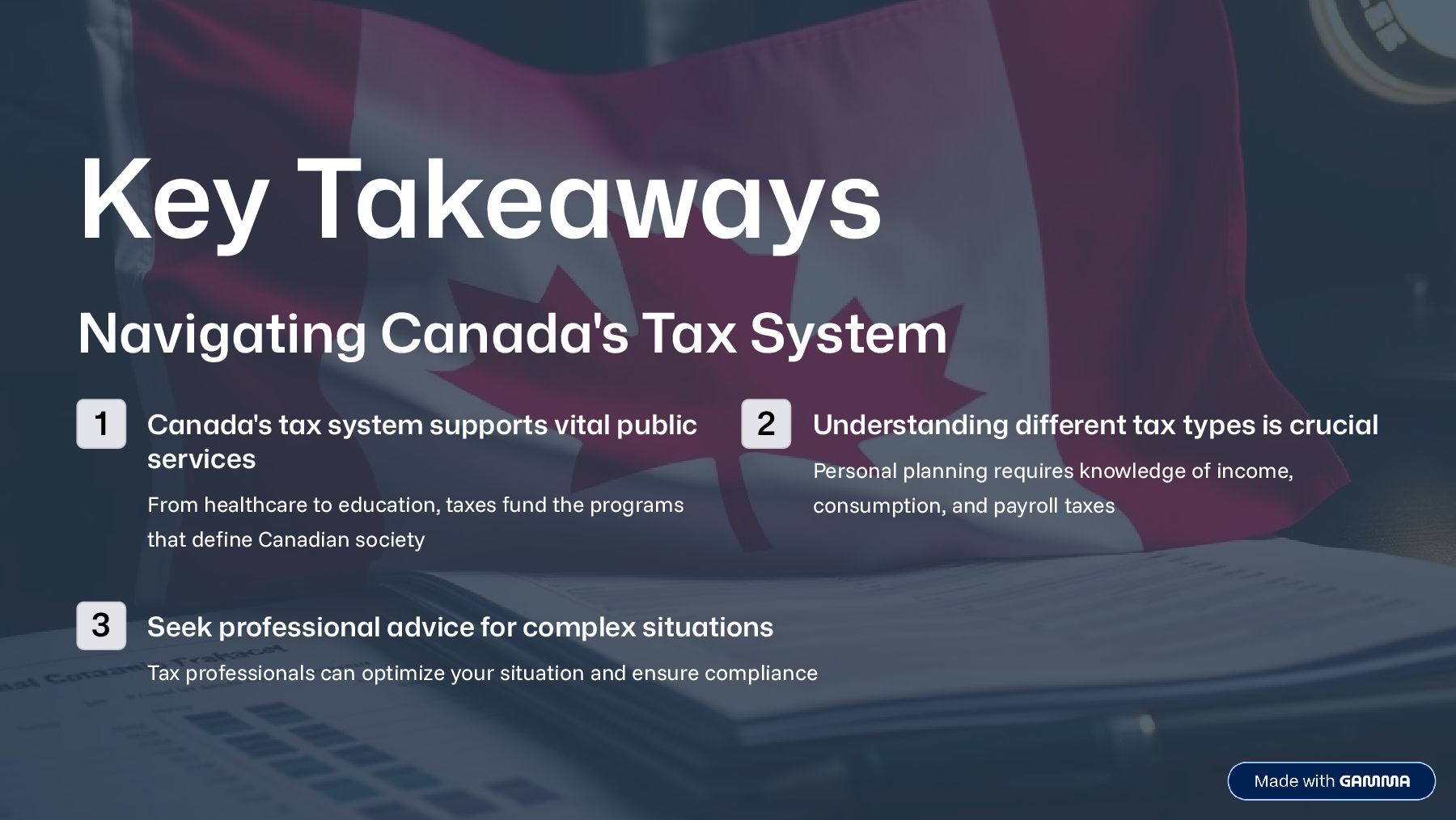
Understanding tax compliance in Canada is crucial for avoiding legal issues and ensuring financial stability. A qualified tax professional can help meet all requirements and optimize your tax position.
Know more: https://enterslice.com/ca/tax-compliance-in-canada


 roms
roms
 arnekittler
 nessu_inc
 flux
flux
 malna
malna
 openwork
 hirohasuyoutube
 mercari_inc
 kazuma777777
 kazumakitao
 auditech2022
 infcurion
 denniskardys
 thirion
 kimpetersen
 frankvandijk
 nmsamuel
 katarinadahlin
 baasie
 soudai
 moore
moore
 rkendrick25
 keavy
keavy
 aemeredith