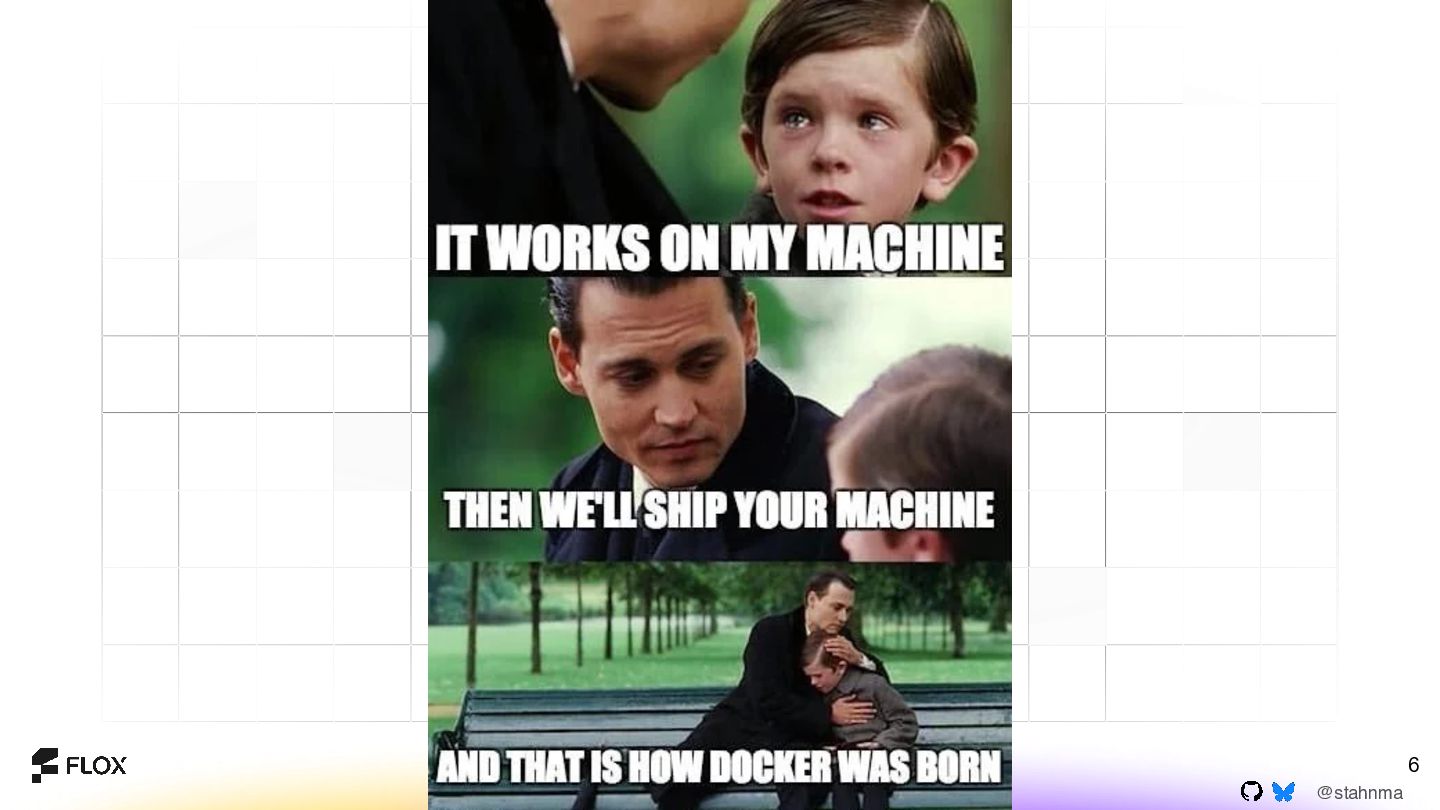
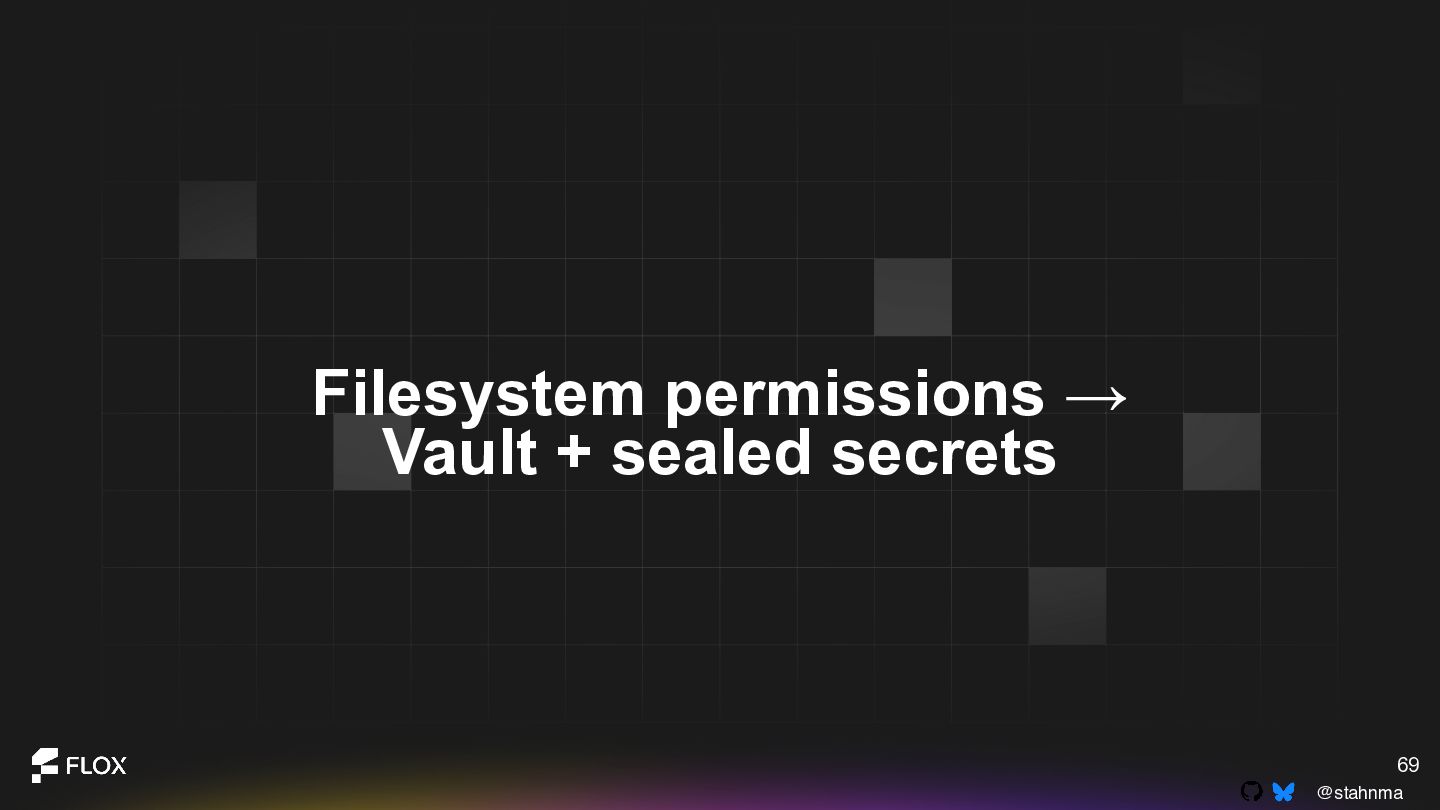
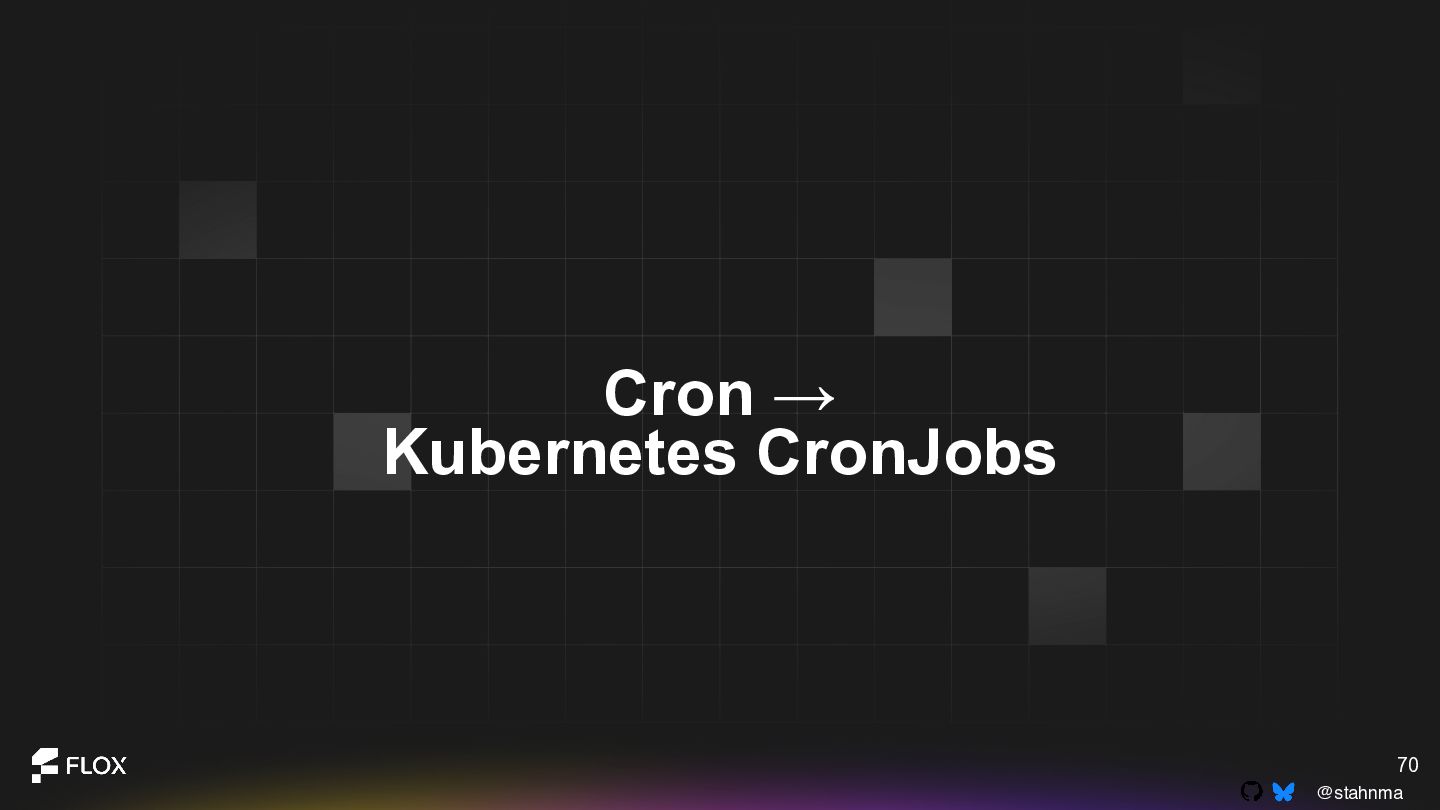
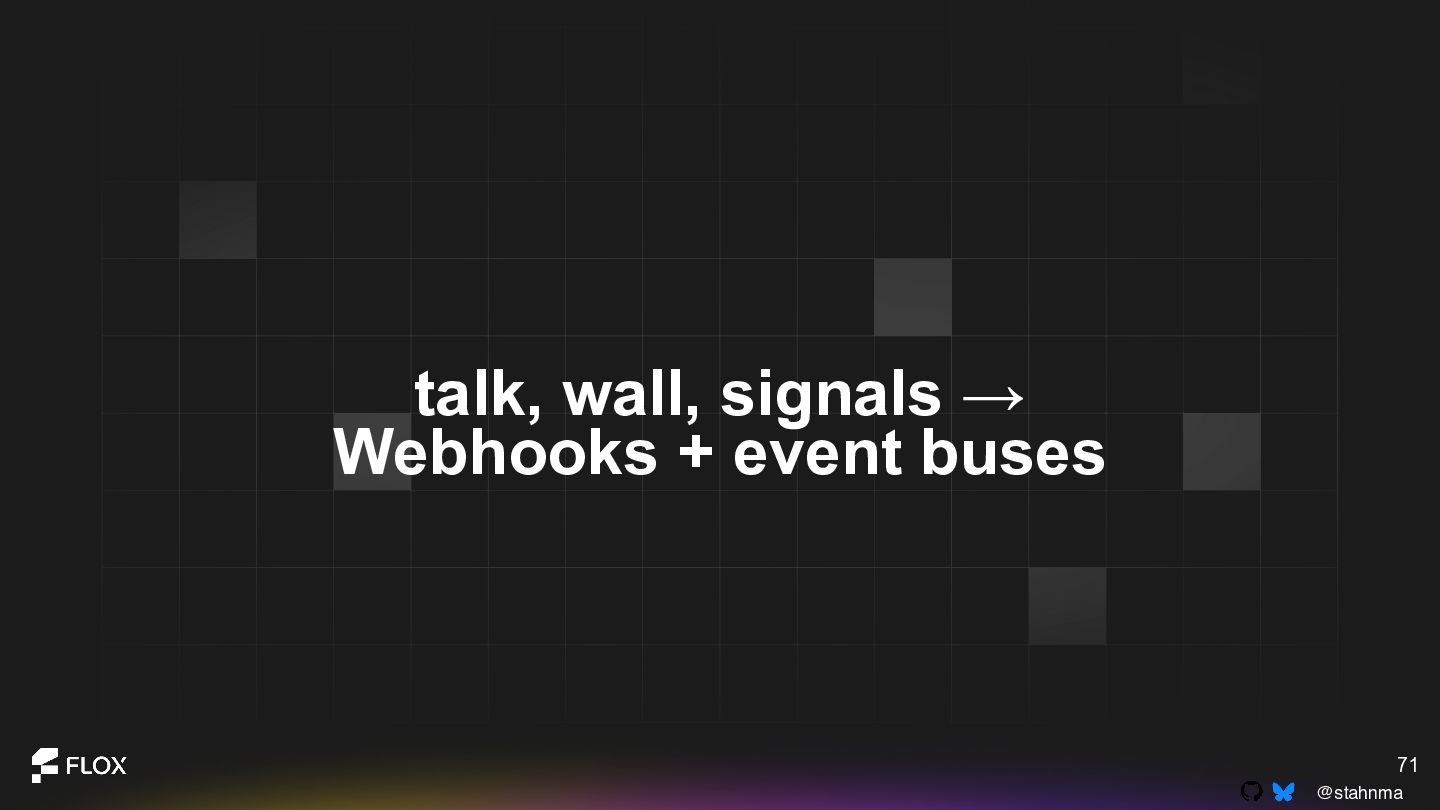
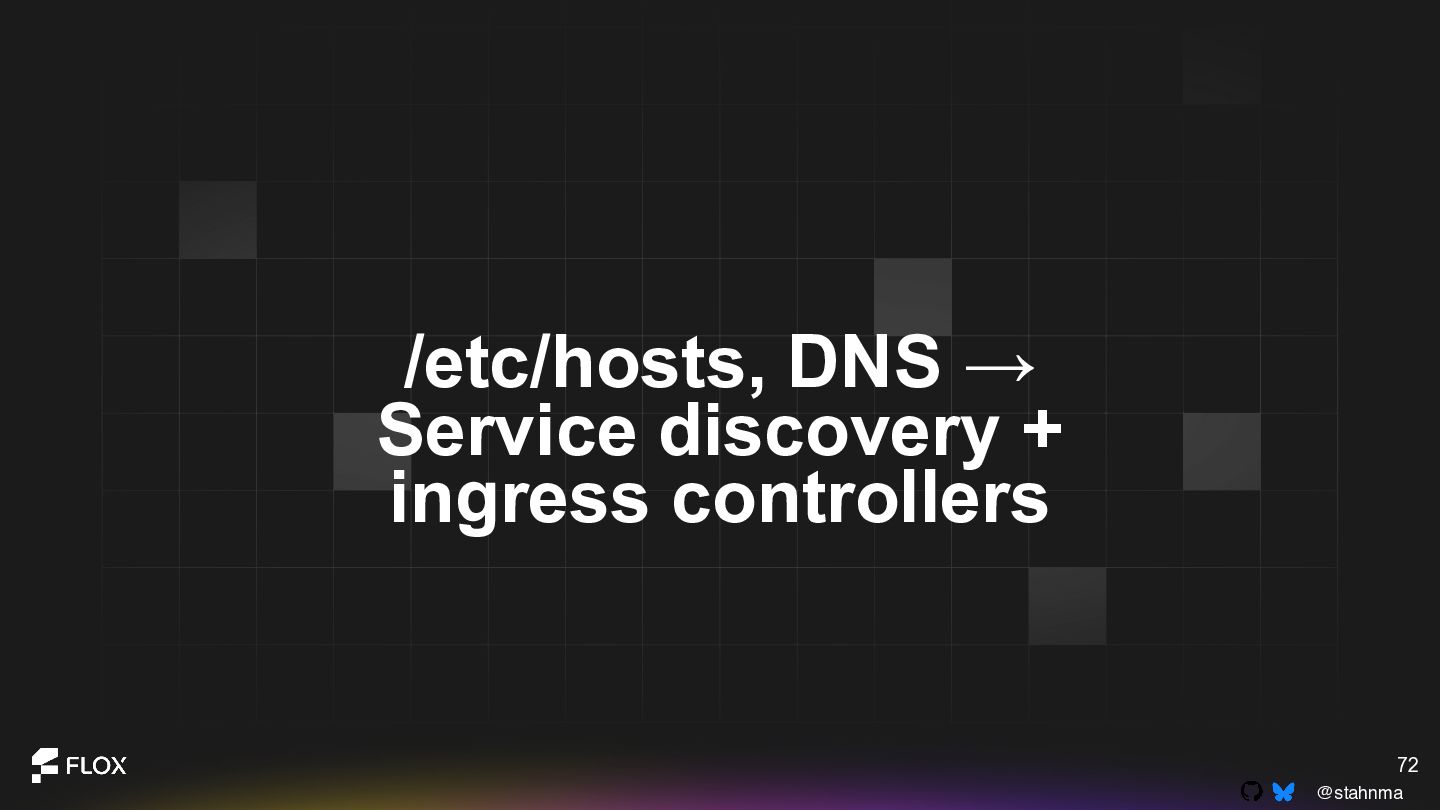
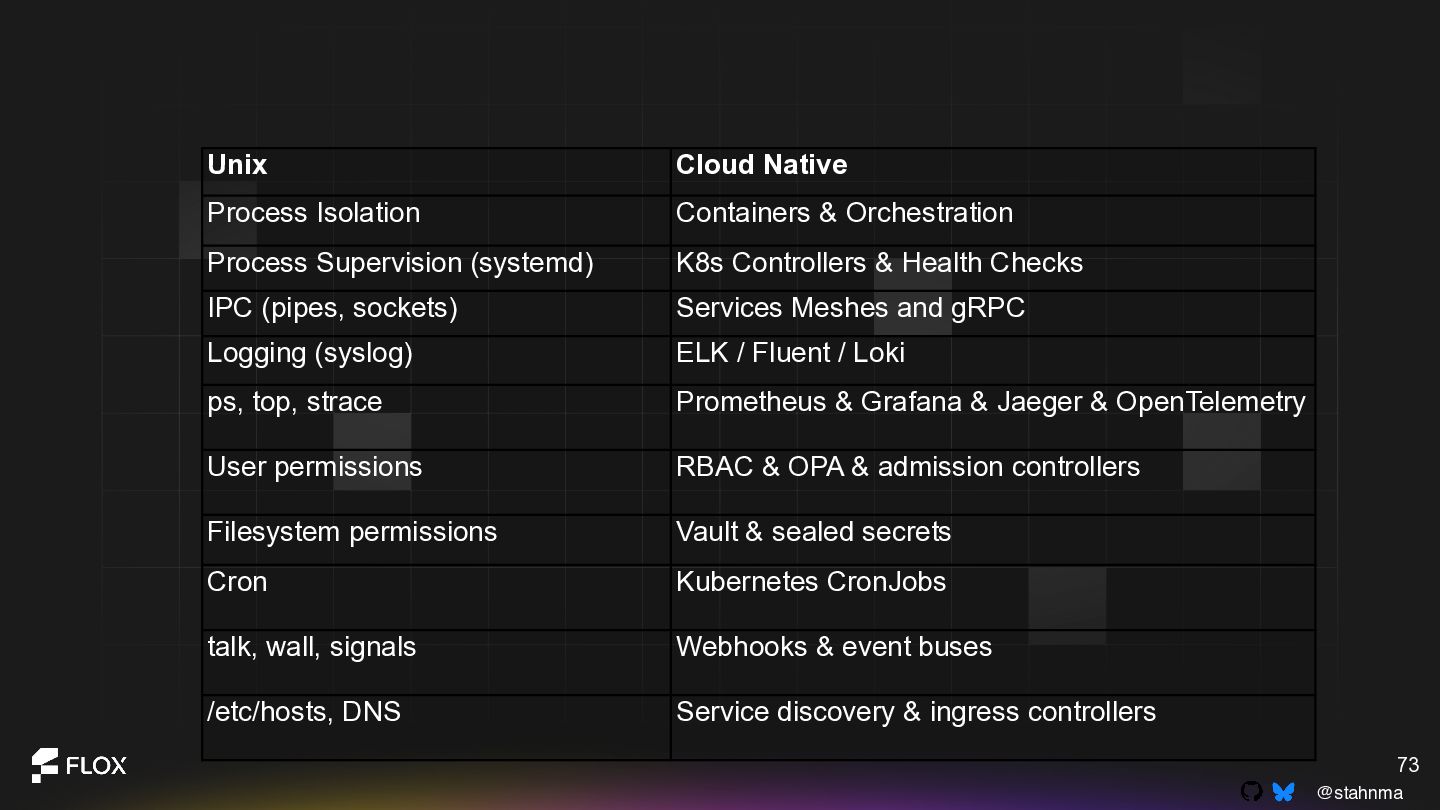
Containers earned their place in the modern engineering toolbox. They solved real problems around consistency, portability, and deployment, and they enabled teams to move faster with more confidence. But over the last decade and a half, containers also became the go-to answer for almost every workflow, from developer onboarding to CI pipelines to edge and automotive workloads. Some of those decisions were absolutely the right ones. Others were driven more by habit, momentum, or the absence of better options at the time.
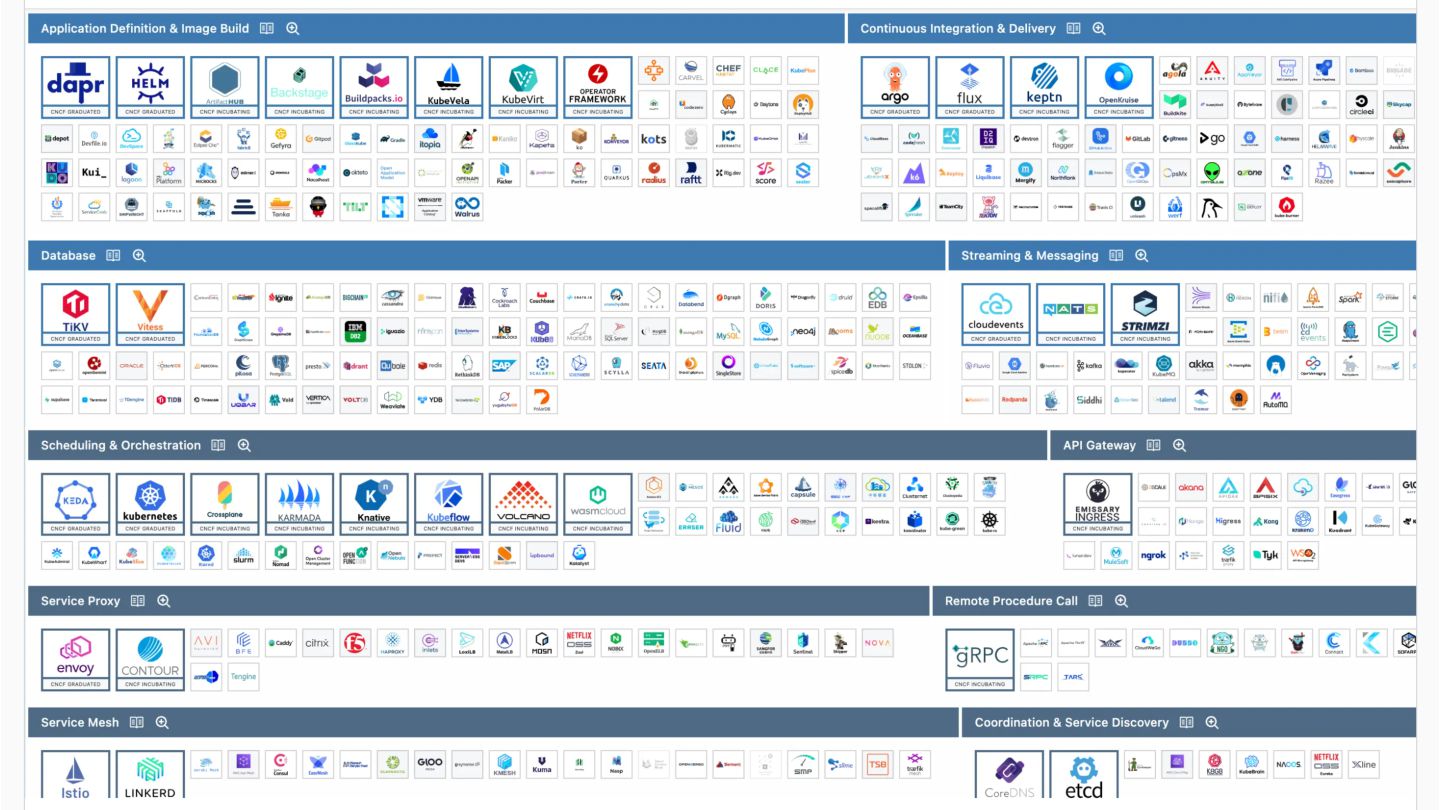
In this talk, we will take a clear-eyed look at where containers served us well and where we may have unintentionally created complexity by assuming containers were the default solution. We will explore how patterns like dev containers for local environments and full Kubernetes runtimes in edge or in-car systems emerged, what tradeoffs they introduced, and how newer tools or approaches can sometimes offer simpler or more ergonomic paths.
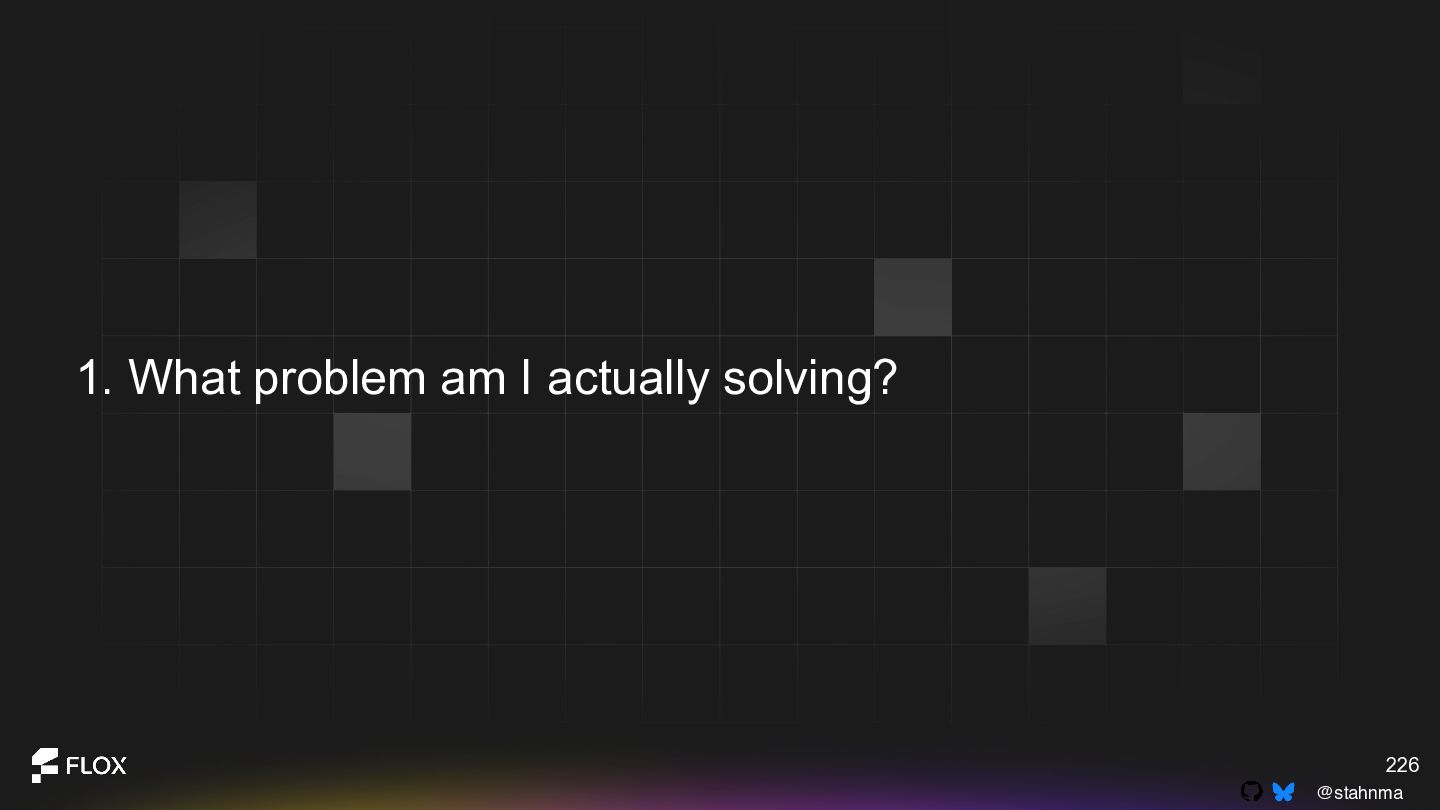
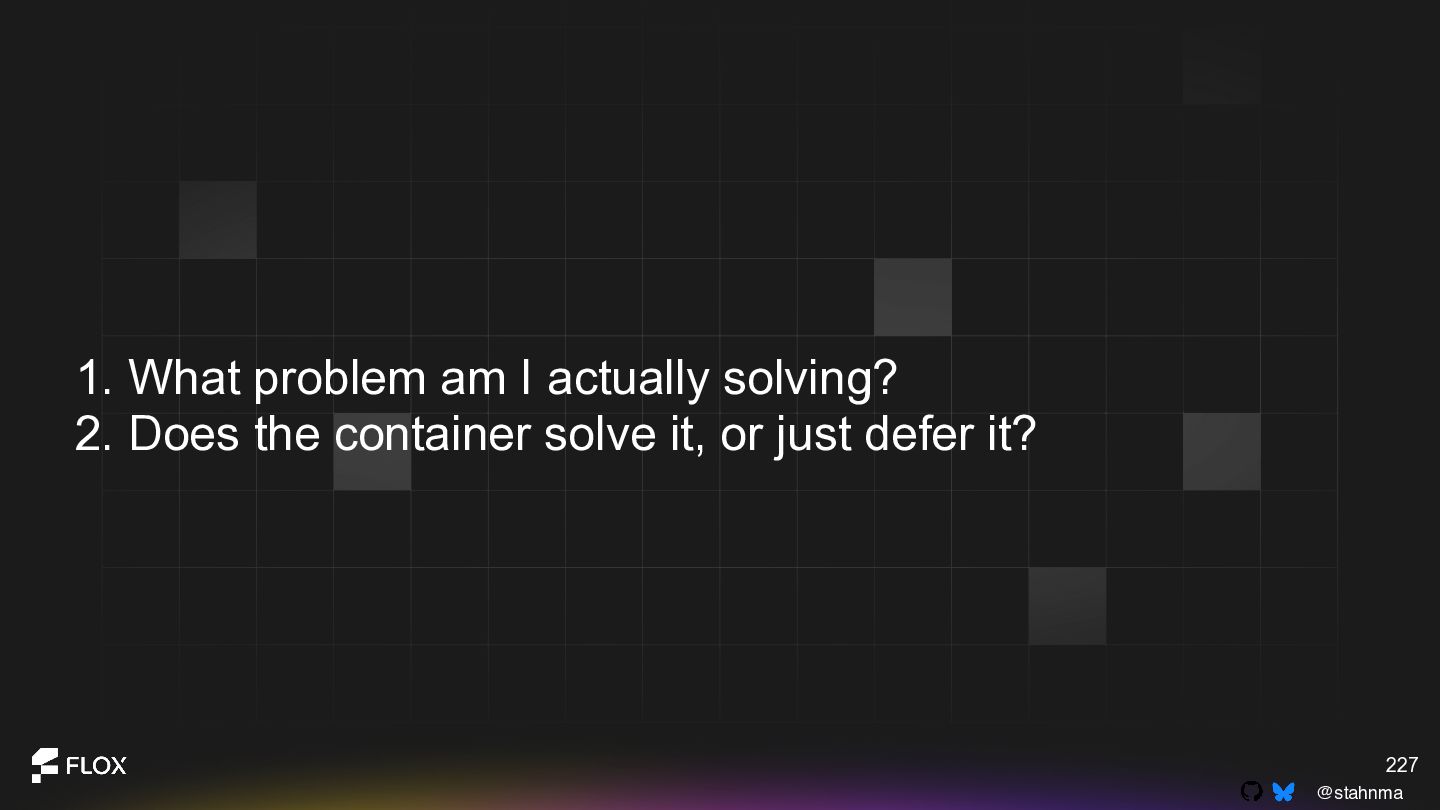
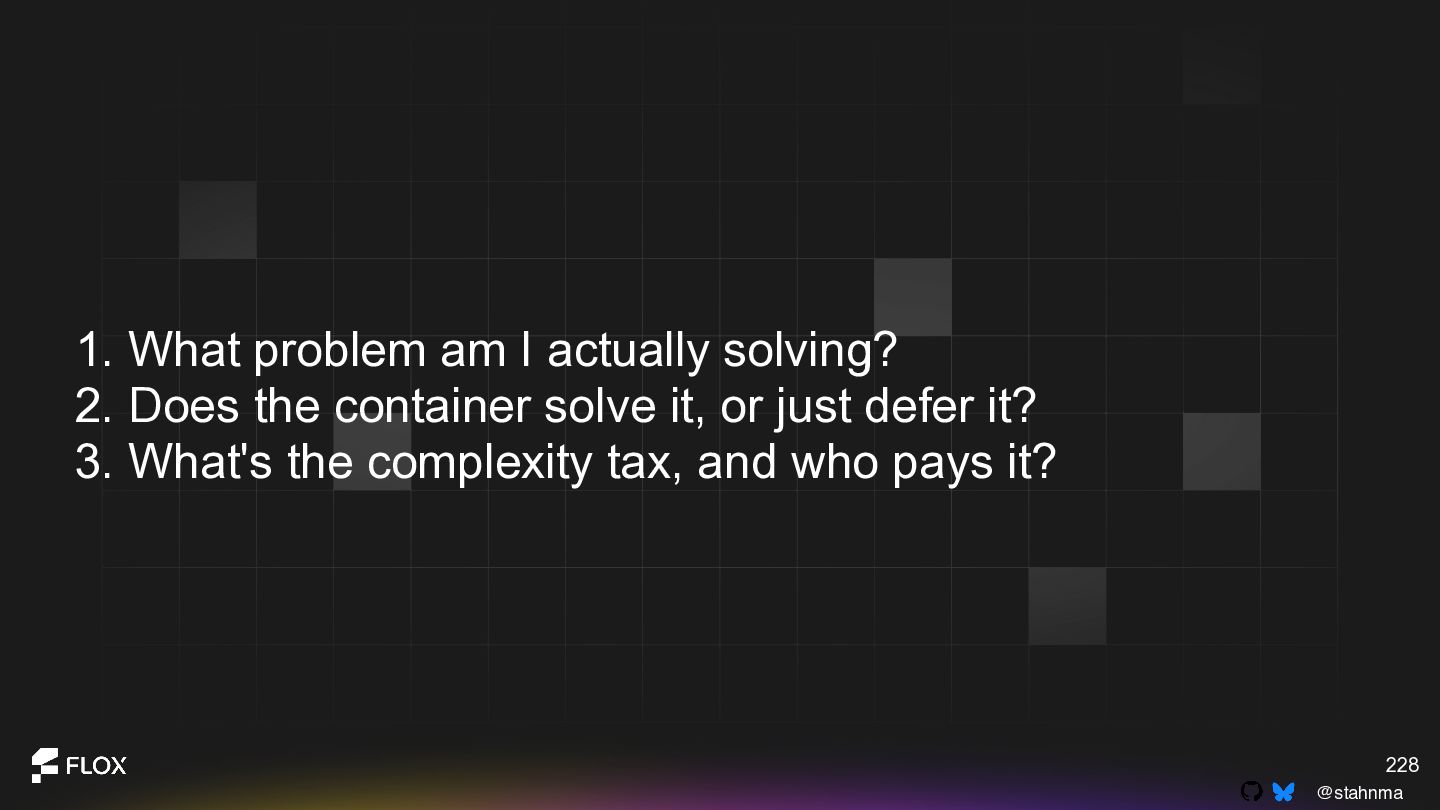
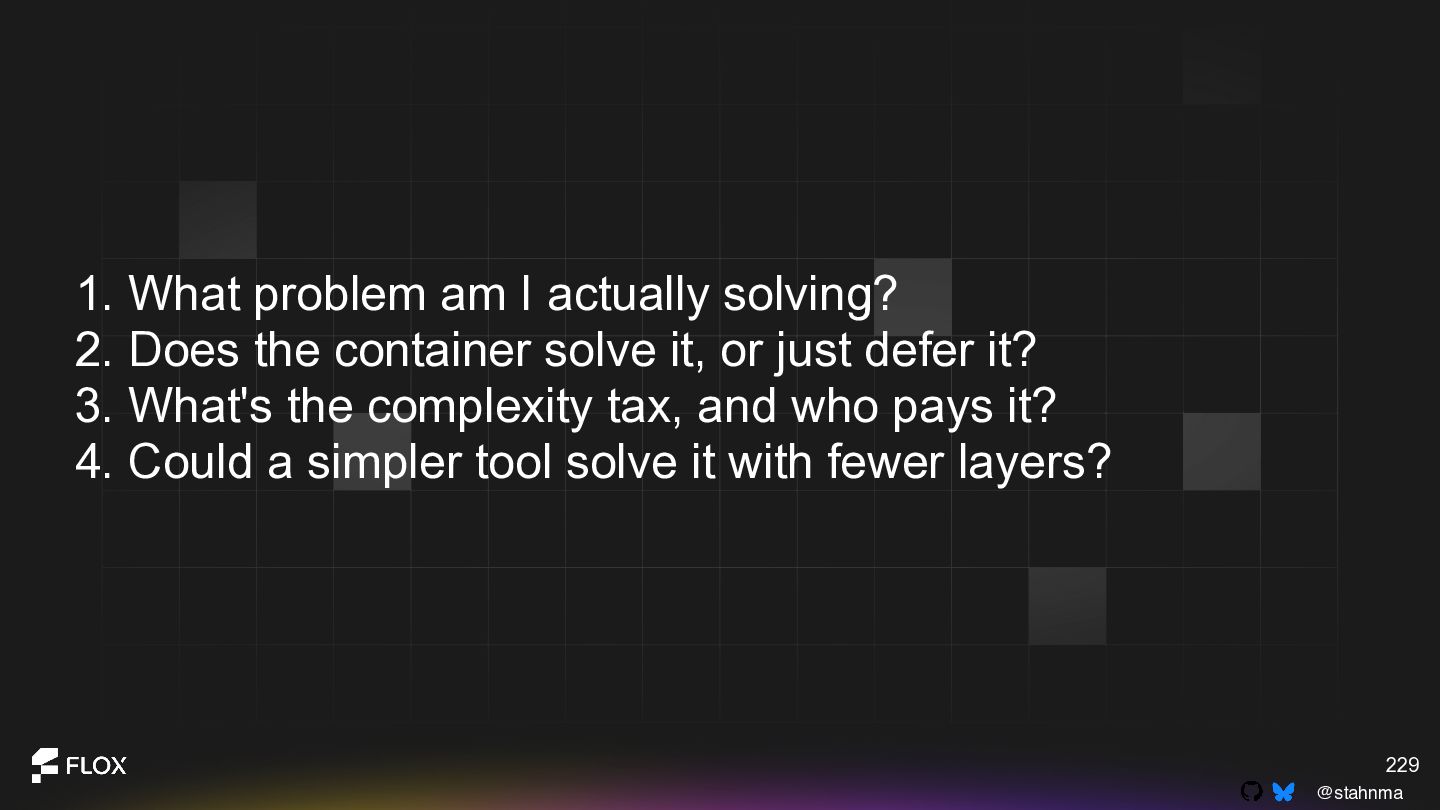
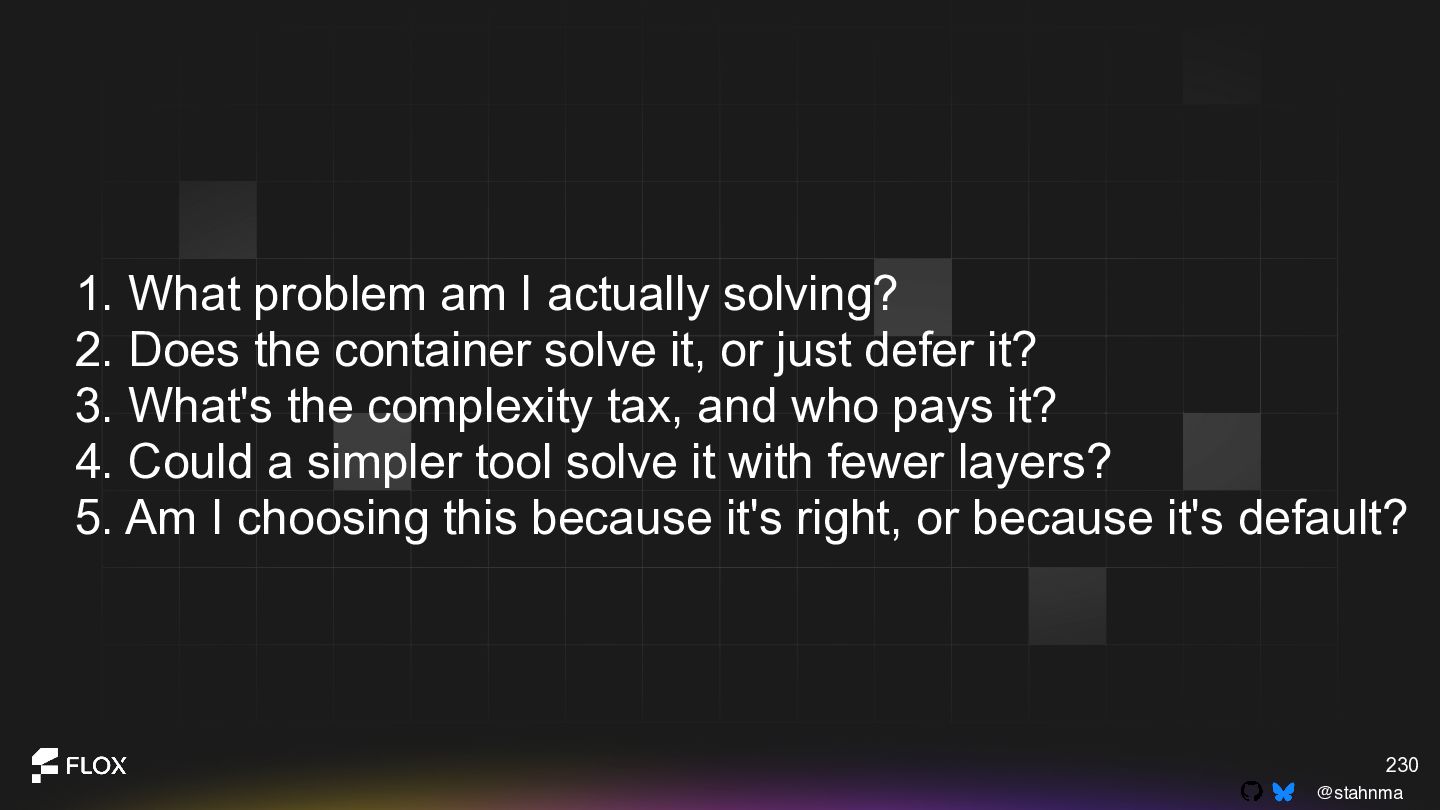
This is not an anti-container talk. It is an invitation to reexamine long-standing assumptions with the experience we have now. Attendees will walk away with a practical framework for deciding when containers are genuinely the best choice, when alternative patterns might reduce cognitive or operational overhead, and how to have healthy, blame-free conversations about technical change within their teams.


 stahnma
 moznion
 sansantech
 y0hgi
y0hgi
 fespinoza
 thkt
thkt
 colopl
 tsuchikazu
 yakumo
 harutiro
 bgpat
bgpat
 tetsuya28
 tammyeverts
 techseoconnect
 lemiorhan
 minecr
 chriscoyier
 sferik
 bluesmoon
 takai
takai
 aleyda
 leimatthew05
 jonoalderson
 bryan
bryan