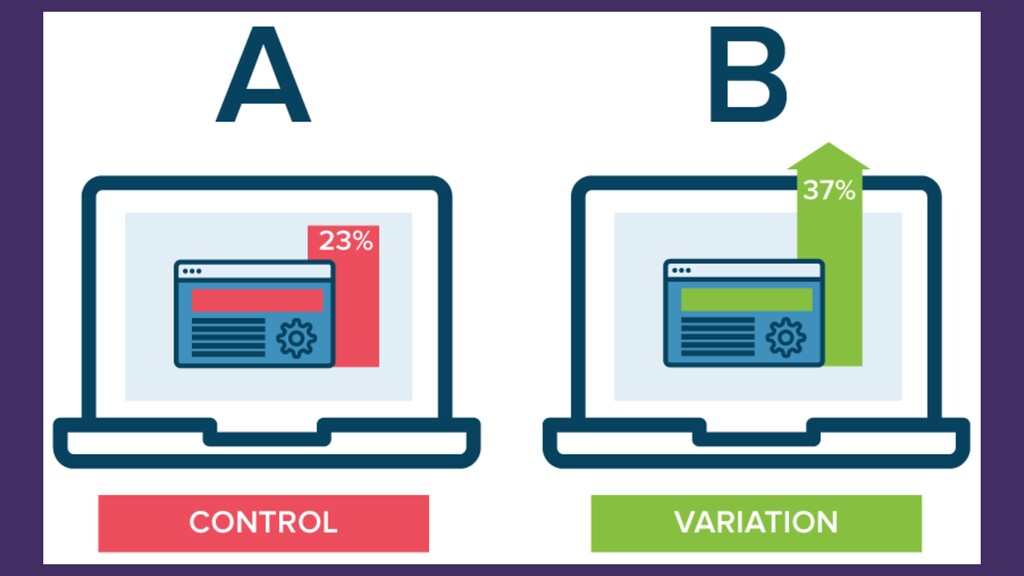
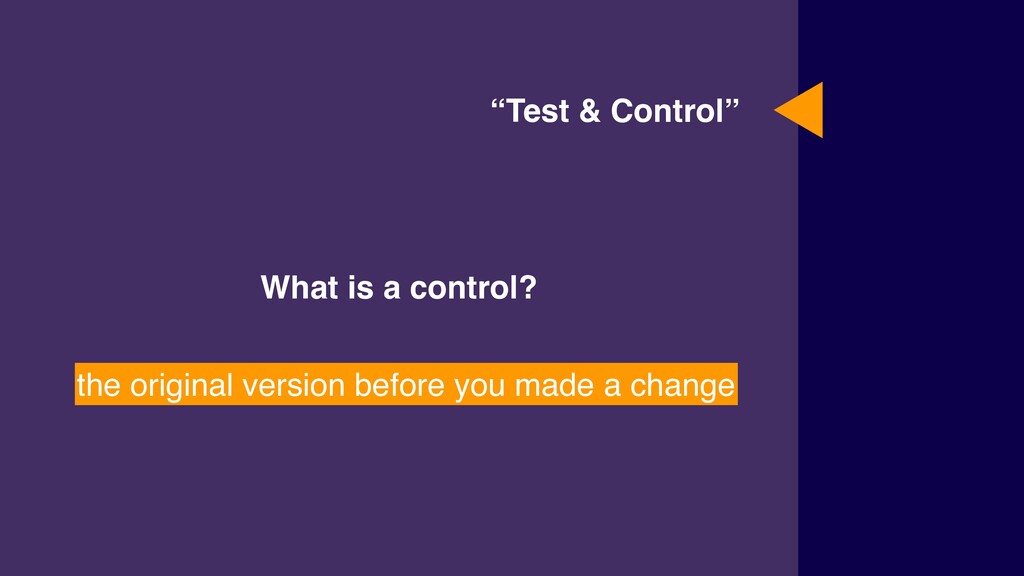
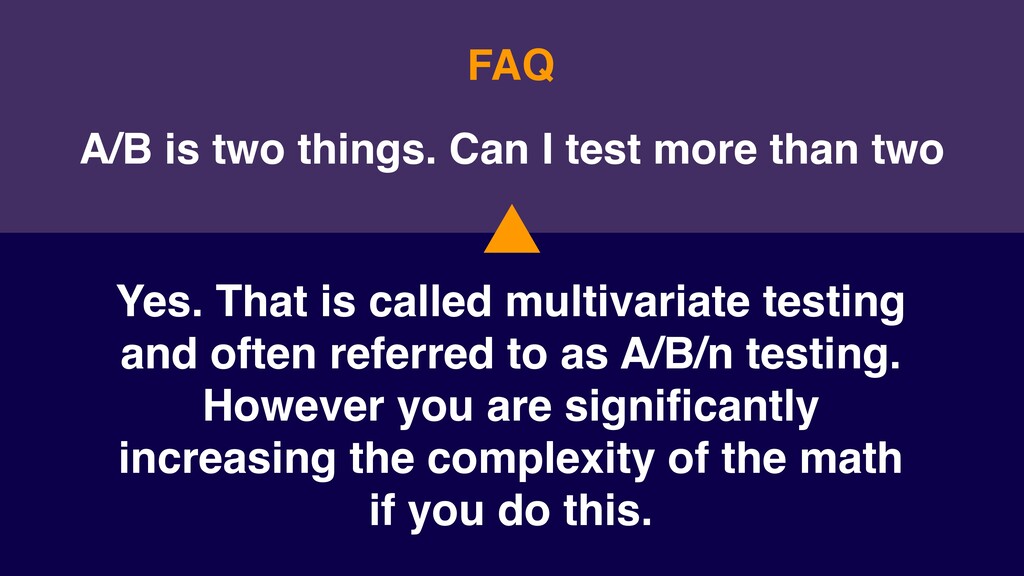
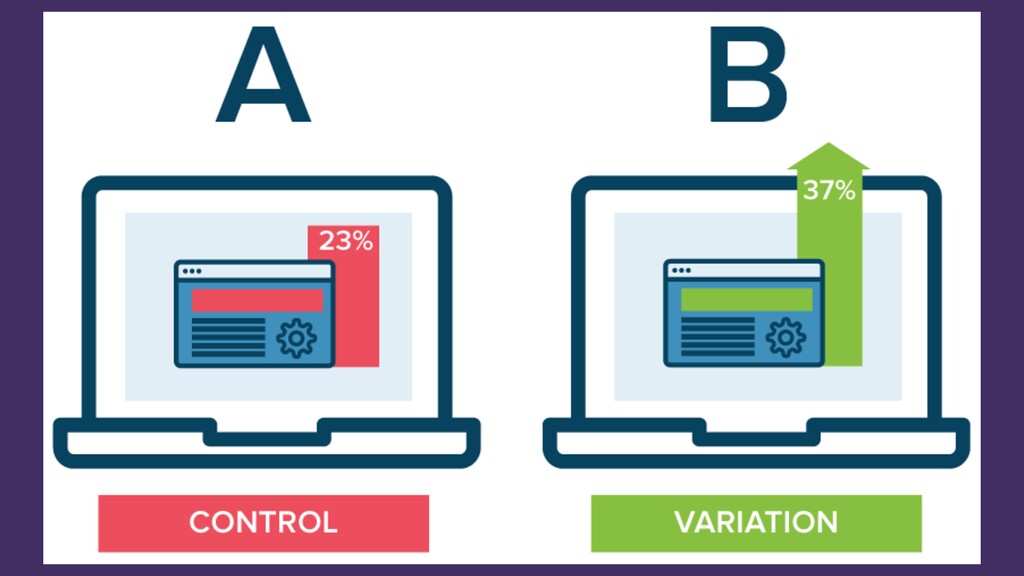
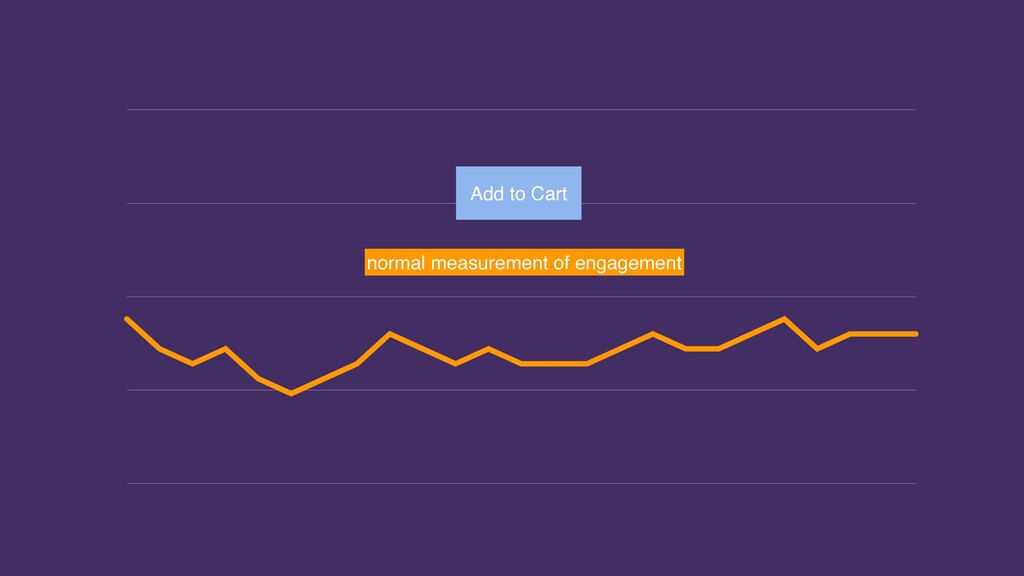
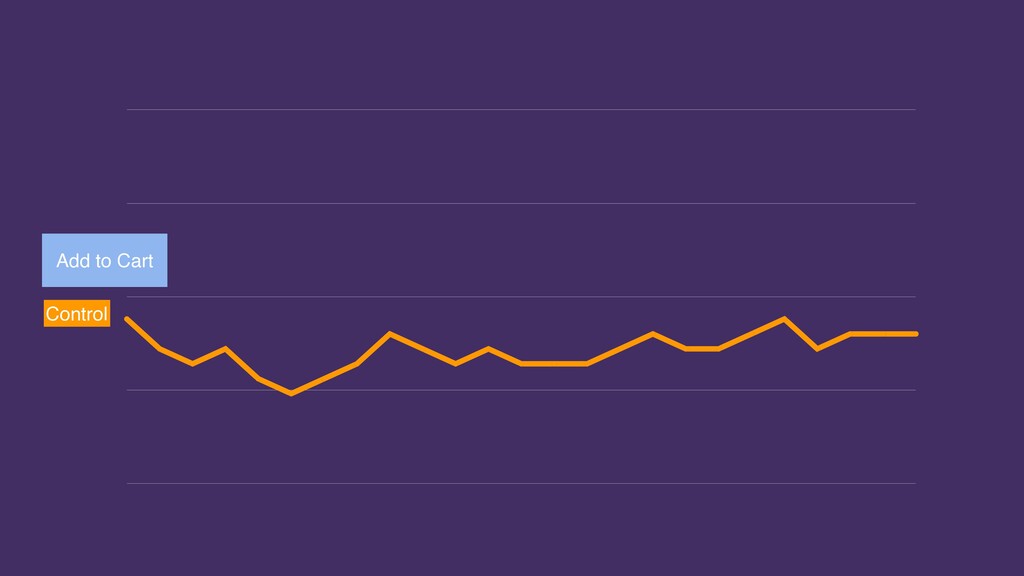
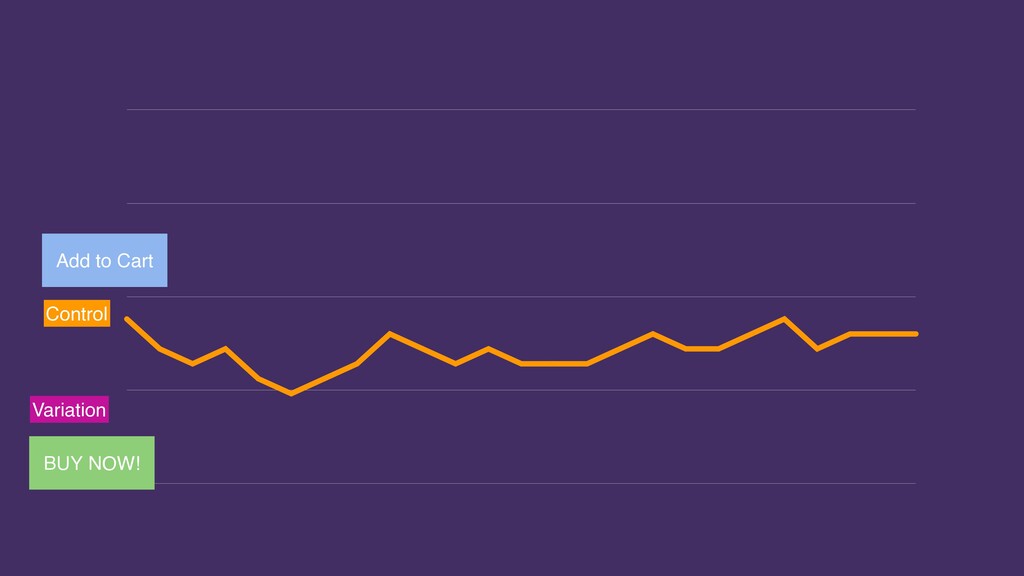
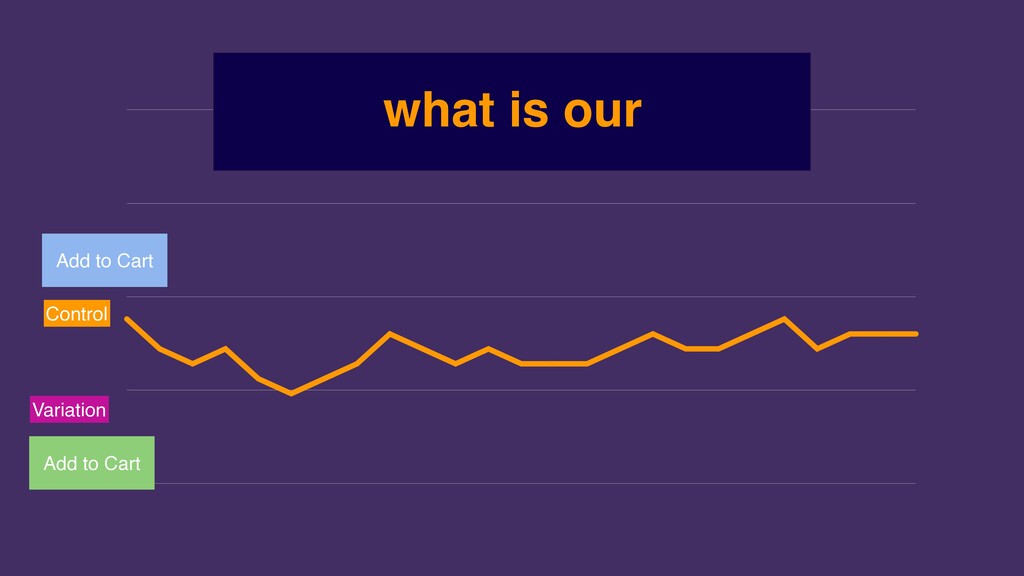
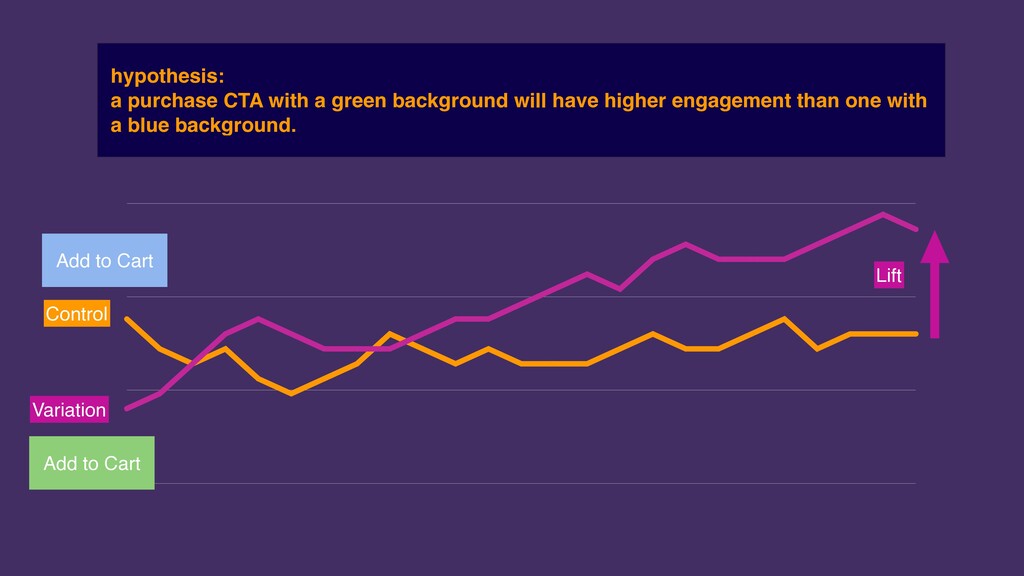
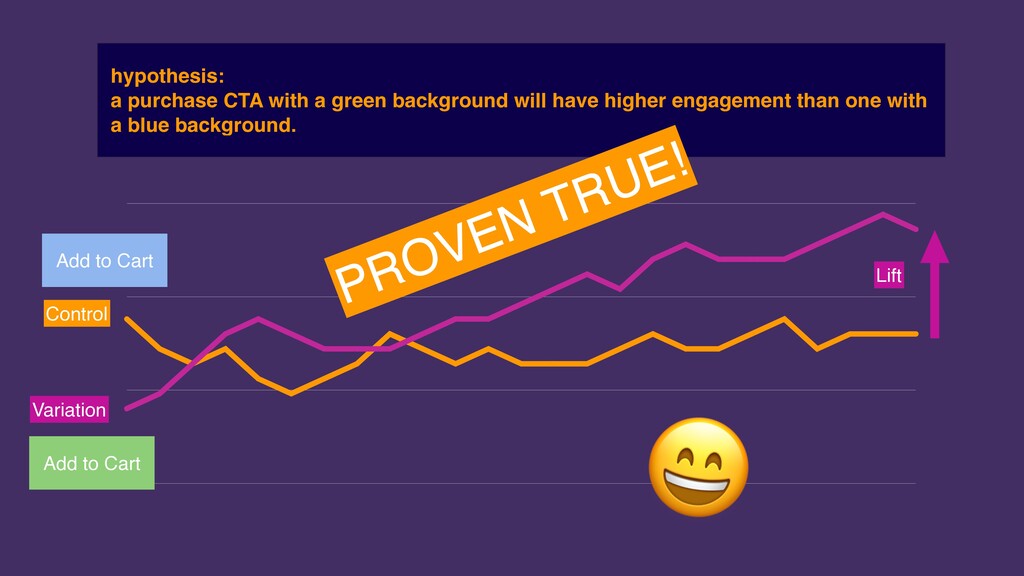
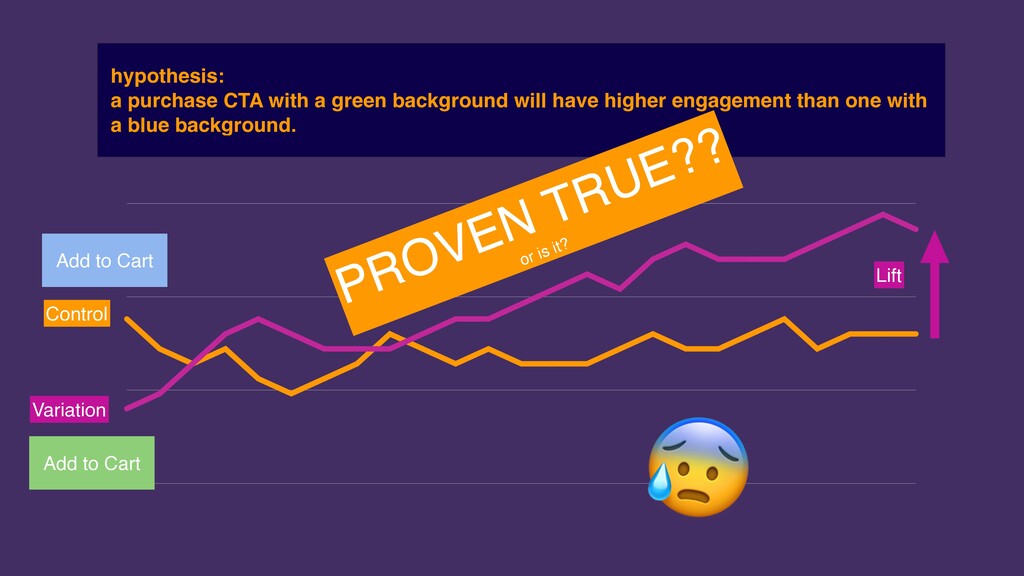
is an experiment where two or more variants of a page are shown to users at random, and statistical analysis is used to determine which variation performs better for a given conversion goal. What is A/B Testing?
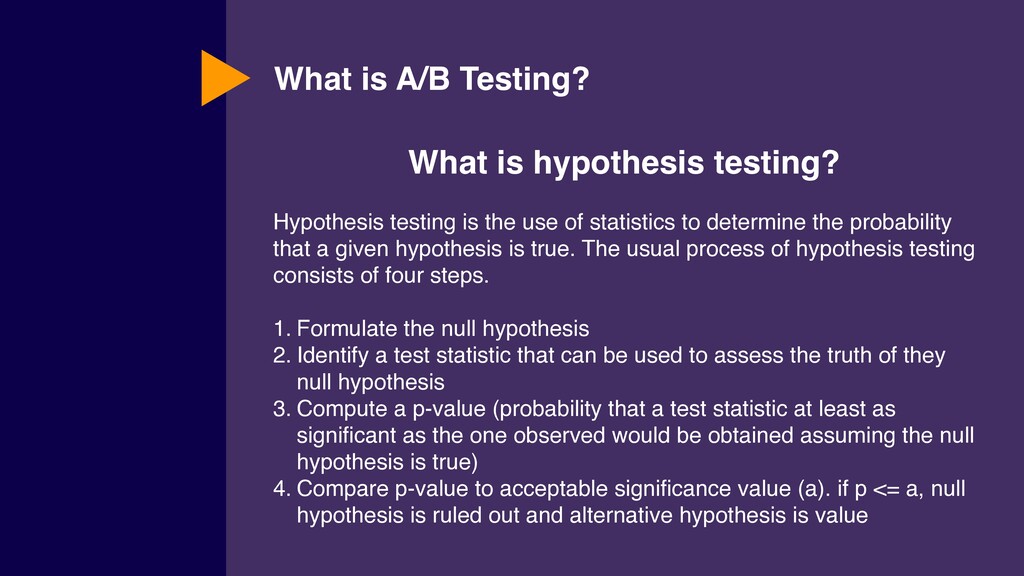
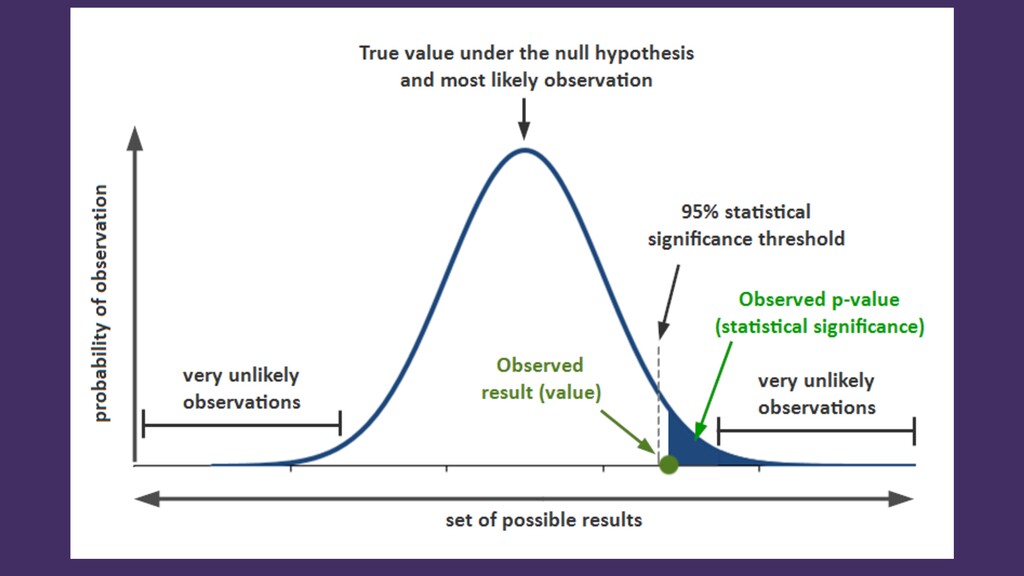
is the use of statistics to determine the probability that a given hypothesis is true. The usual process of hypothesis testing consists of four steps. 1. Formulate the null hypothesis 2. Identify a test statistic that can be used to assess the truth of they null hypothesis 3. Compute a p-value (probability that a test statistic at least as signi fi cant as the one observed would be obtained assuming the null hypothesis is true) 4. Compare p-value to acceptable signi fi cance value (a). if p <= a, null hypothesis is ruled out and alternative hypothesis is value
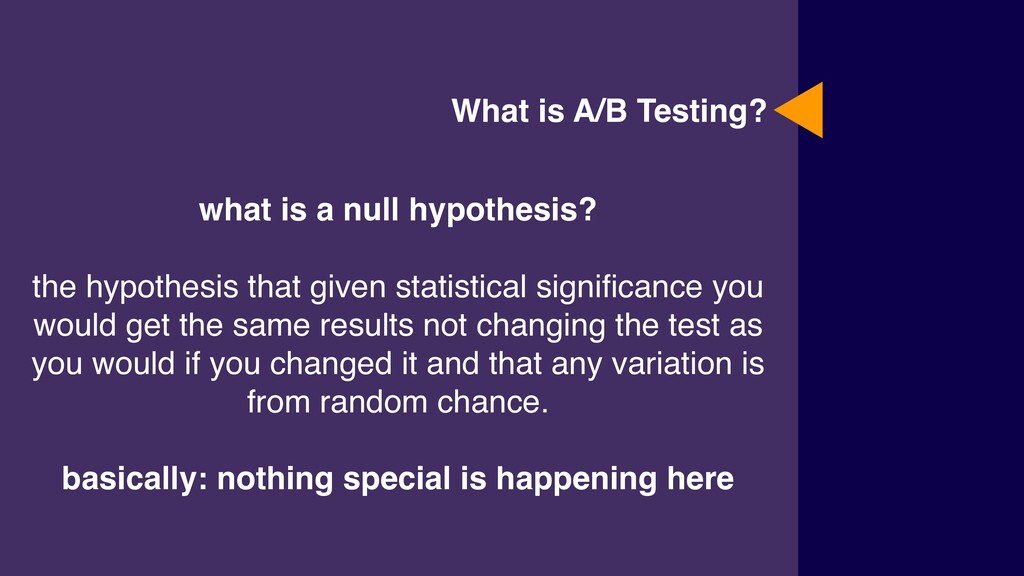
significance you would get the same results not changing the test as you would if you changed it and that any variation is from random chance. basically: nothing special is happening here What is A/B Testing?
hypothesis. if proven, the results are from a real effect and not purely from random chance. basically: what we changed made an real difference in the results What is A/B Testing?
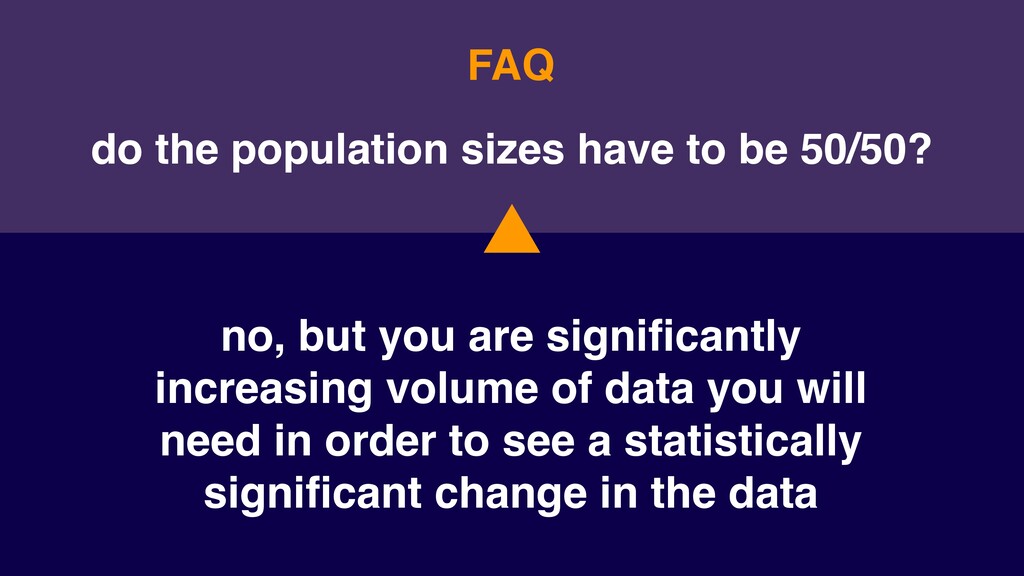
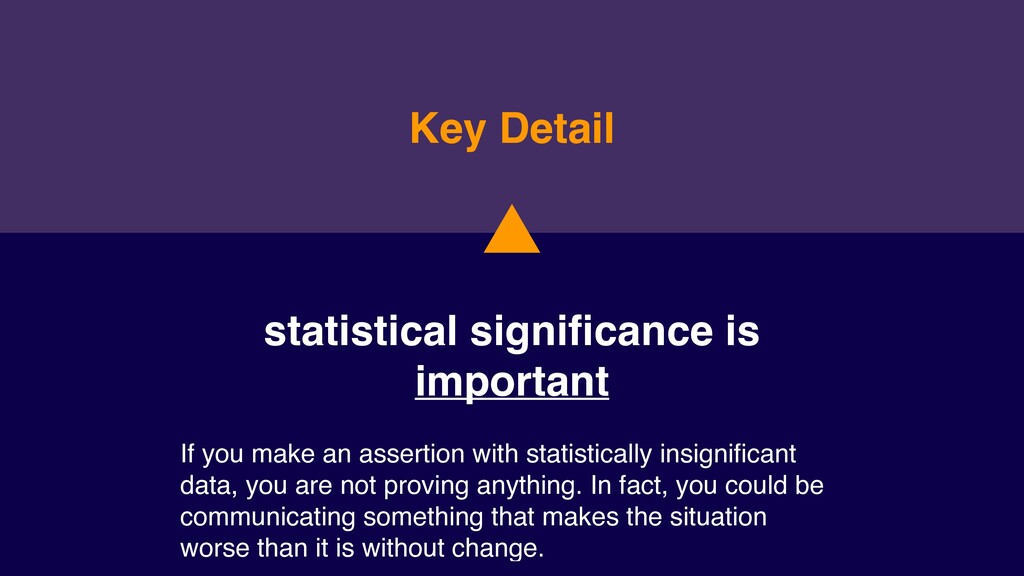
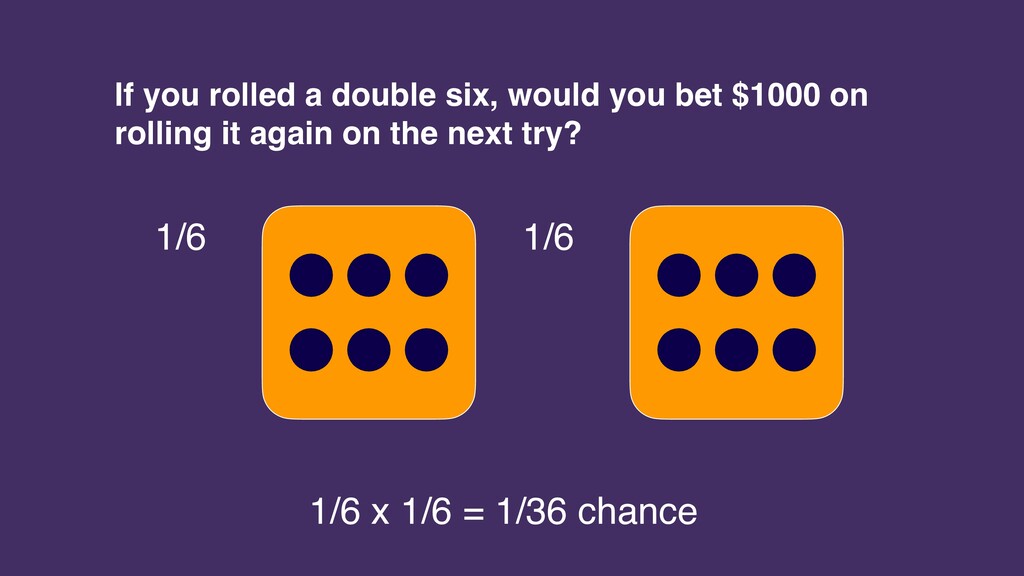
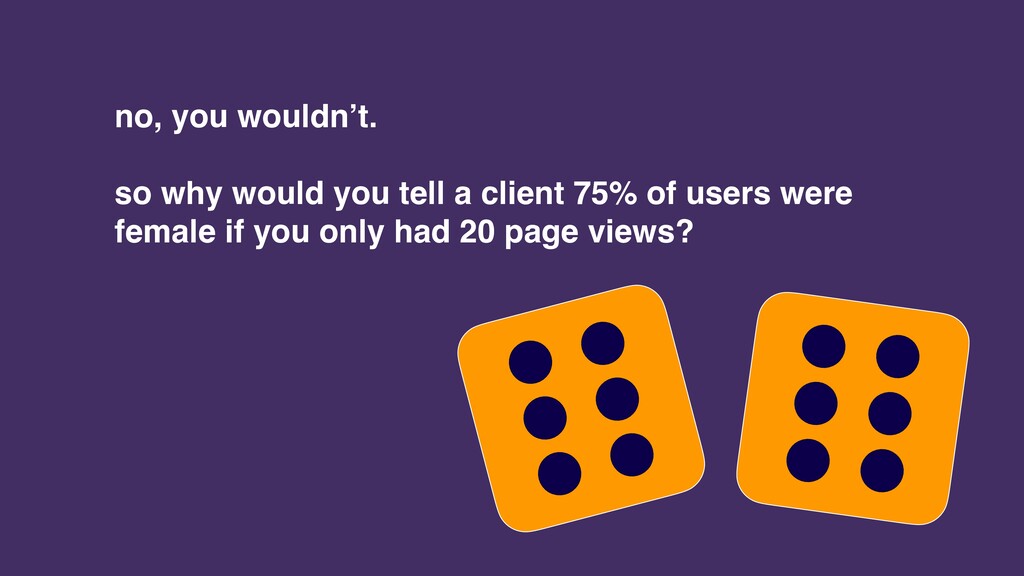
make an assertion with statistically insigni fi cant data, you are not proving anything. In fact, you could be communicating something that makes the situation worse than it is without change.
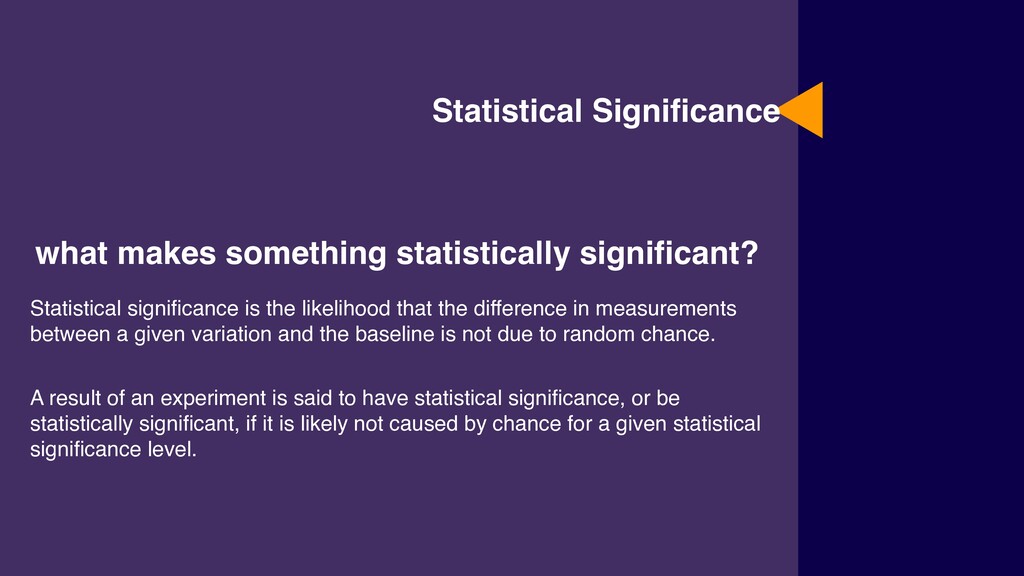
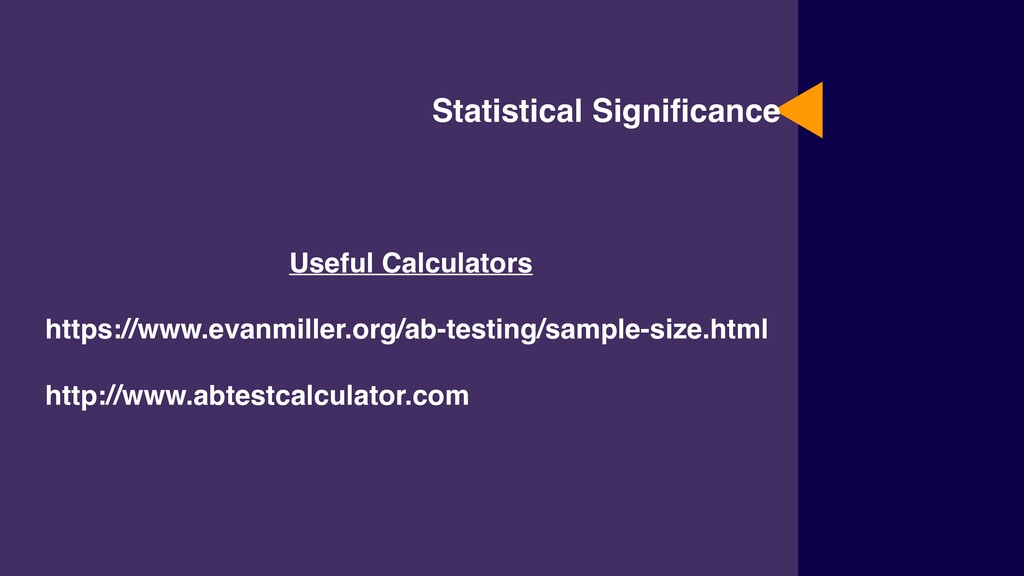
the likelihood that the difference in measurements between a given variation and the baseline is not due to random chance. A result of an experiment is said to have statistical signi fi cance, or be statistically signi fi cant, if it is likely not caused by chance for a given statistical signi fi cance level. Statistical Significance
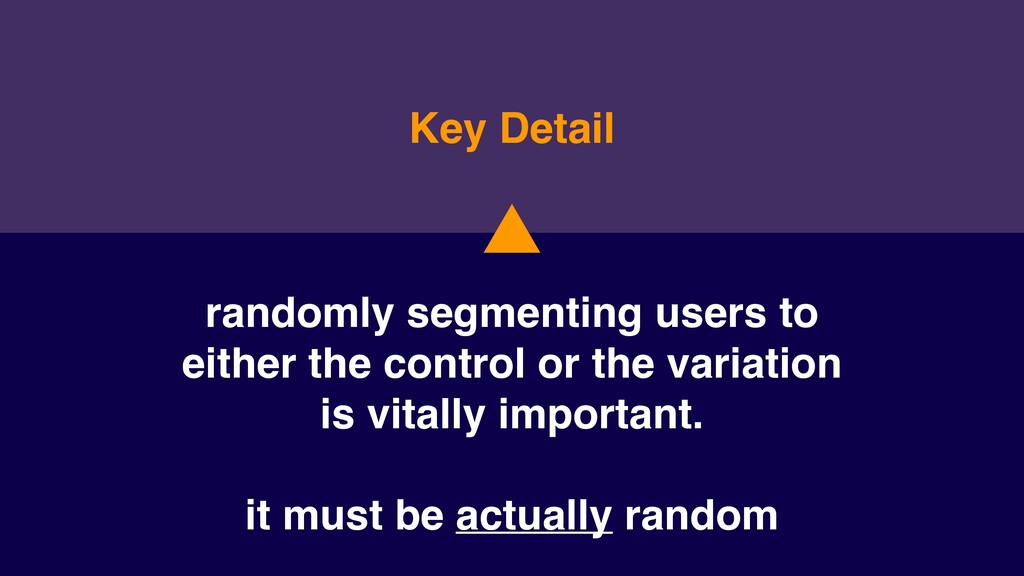
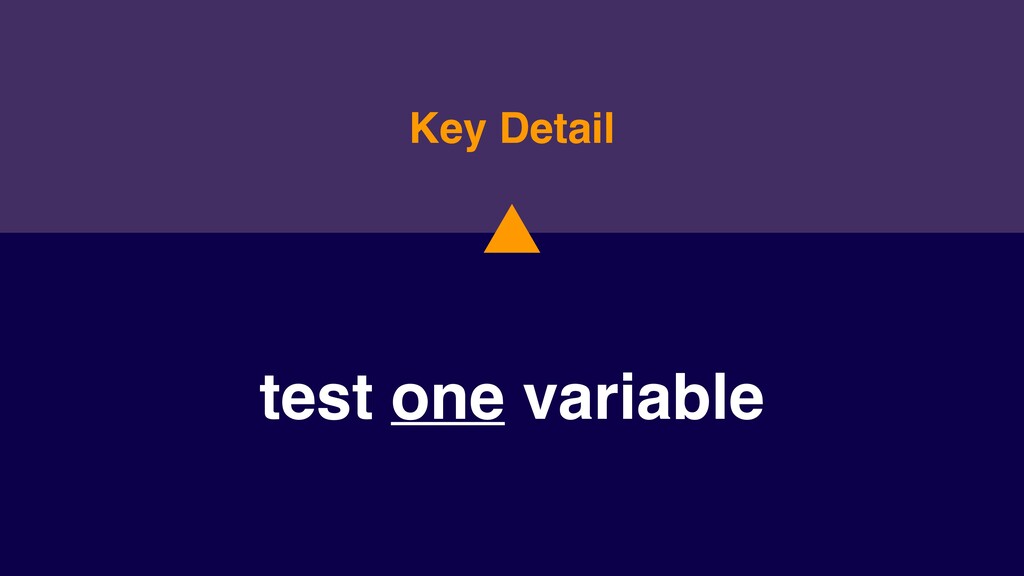
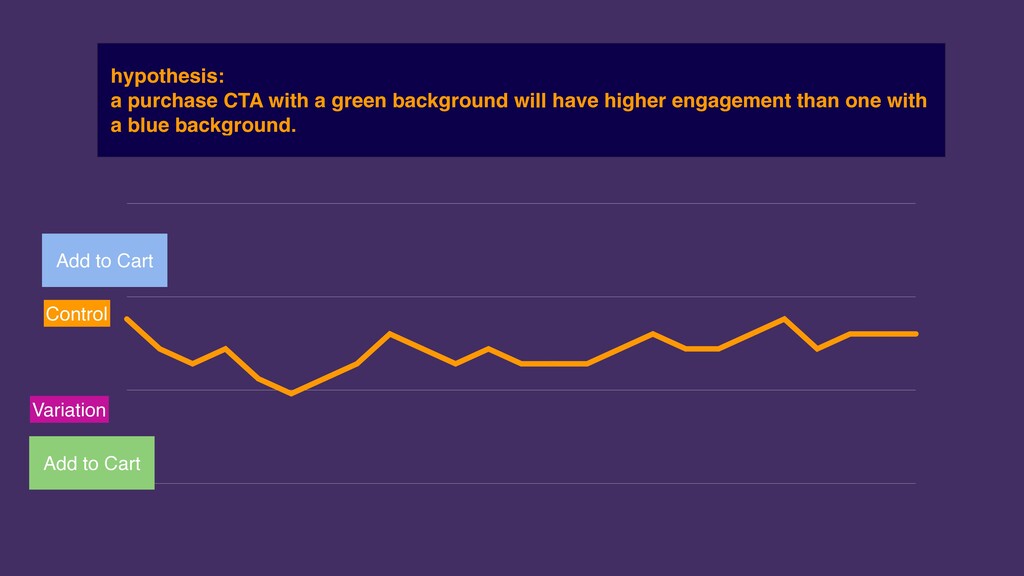
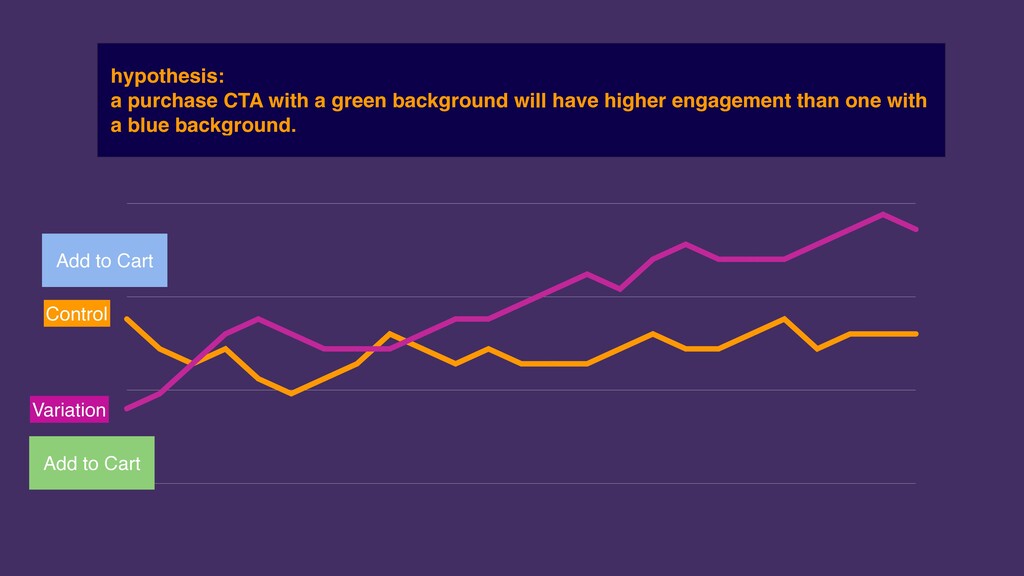
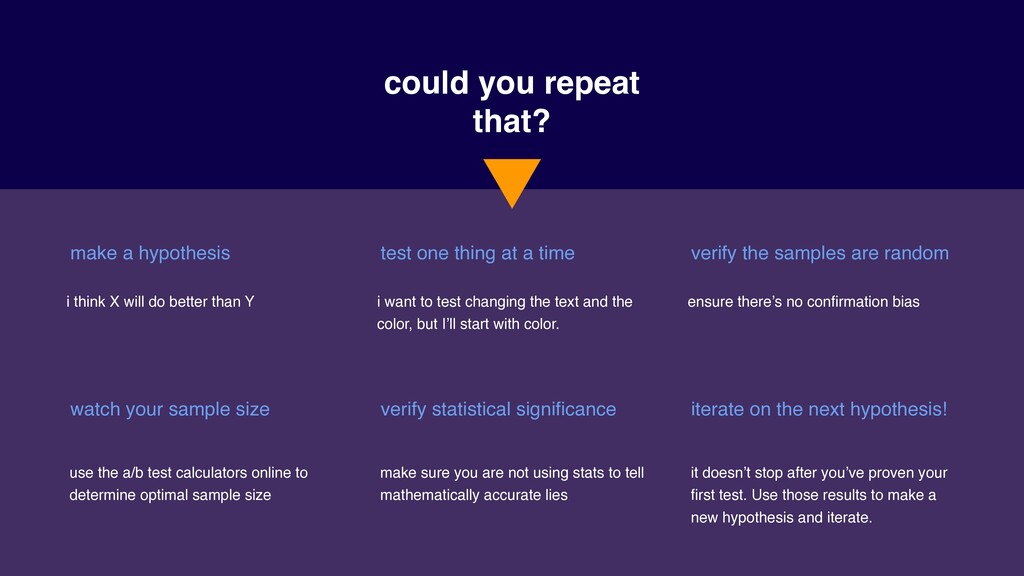
will do better than Y test one thing at a time i want to test changing the text and the color, but I’ll start with color. verify the samples are random ensure there’s no confirmation bias watch your sample size use the a/b test calculators online to determine optimal sample size verify statistical significance make sure you are not using stats to tell mathematically accurate lies iterate on the next hypothesis! it doesn’t stop after you’ve proven your first test. Use those results to make a new hypothesis and iterate.


 addamh
.png) satai
satai
 takehaya
 wataruuuuu
 kobayashi31
 yukako_nakano
 xspa2012
 murakawatakuya
 sazimai
 institutdelelevage
 nnchiba
 kento1109
 shiell
 inesmontani
 sugarenia
 schlessera
 brad_frost
 sarafernandez
 danielanewman
 frankvandijk
 jlugia
 mongodb
 portentint
 addyosmani