Upgrade to Pro
— share decks privately, control downloads, hide ads and more …
Speaker Deck
Sign up for free
Menu
Search
Features
All features
Private URLs
Password Protection
Custom URLS
Scheduled publishing
Remove Branding
Restrict embedding
Deck Collections
Notes
Features
All features
Private URLs
Password Protection
Custom URLS
Scheduled publishing
Remove Branding
Restrict embedding
Deck Collections
Notes
Explore
Featured decks
Featured speakers
Programming
Technology
Storyboards
Explore
Featured decks
Featured speakers
Programming
Technology
Storyboards
Pricing
Search
Sign in
Sign up for free
Embedding Openness in Our Universities
Search
Arfon Smith
September 15, 2015
Research
160
1
Share
Embed
Copy iframe code
Copy JS code
Copy link
Start on current slide
Embedding Openness in Our Universities
Arfon Smith
September 15, 2015
More Decks by Arfon Smith
See All by Arfon Smith
Where does the rigor go? Research software and the future of trustworthy science.
arfon
0
370
Why Generative AI makes collaborative, versioned science more important than ever
arfon
0
110
Generative AI is here: What are we going to do about it?
arfon
0
230
Five principles for building generative AI products
arfon
0
180
Five principles for building generative AI products
arfon
0
270
Learning from NASA's commitment to open
arfon
0
140
JOSS rOpenSci presentation
arfon
0
340
Five ways to use GitHub to automate scholarly work
arfon
0
170
Journal of Open Source Software: Bot-assisted community peer-review
arfon
0
160
Other Decks in Research
See All in Research
第64回CV・PRML勉強会 論文紹介:Linguistic Priors for Visual Decoupling: Towards Symmetric Vision-Brain Alignment
sokikatayama
0
250
Visual SLAM未来予測 / Future Prediction in Visual SLAM
koide3
1
1.2k
就労支援の現場での生成AI活用
enochan
0
130
[WebDB2026]セレンディピティ指向推薦システム再考 ―セレンディピティの原義・類型・発生過程に基づく設計指針―
recsyslab
PRO
0
210
Easy to Guess, Hard to Verify: Lessons from AIMO 3 for Olympiad-Level AI Mathematics
corochann
0
130
IA for theory
gpeyre
1
490
【中間報告】国会議員の立法・政策実務を支える環境を巡る現状と課題
polipoli
0
730
モデル評価を効率的にする方法
ftakahashi
0
220
[最先端NLP勉強会2026] Agentic Rubrics as Contextual Verifiers for SWE Agents
rfujii
1
390
論文紹介: Understanding Epistemic Language with a Language-augmented Bayesian Theory of Mind
hisaokatsumi
0
190
A new deal for disabled people
resolutionfoundation
0
160
LA-Bench 2025:実験指示から 実行可能手順を生成するためのデータセット/LA-Bench 2025: A Dataset for Generating Executable Experimental Procedures from Experimental Instructions
stktu
0
200
Featured
See All Featured
Building a Scalable Design System with Sketch
lauravandoore
464
34k
Optimizing for Happiness
mojombo
378
71k
Navigating Algorithm Shifts & AI Overviews - #SMXNext
aleyda
1
1.7k
My Coaching Mixtape
mlcsv
0
350
Designing for Performance
lara
612
70k
Marketing Yourself as an Engineer | Alaka | Gurzu
gurzu
0
330
Organizational Design Perspectives: An Ontology of Organizational Design Elements
kimpetersen
PRO
1
850
Navigating Team Friction
lara
192
16k
Designing for humans not robots
tammielis
254
26k
Producing Creativity
orderedlist
PRO
348
41k
How to Create Impact in a Changing Tech Landscape [PerfNow 2023]
tammyeverts
56
3.5k
"I'm Feeling Lucky" - Building Great Search Experiences for Today's Users (#IAC19)
danielanewman
230
23k
Transcript
Embedding Openness in Our Universities Arfon Smith @arfon Creative Commons
Attribution 3.0 Unported License
Three ideas we should steal from Open Source Creative Commons
Attribution 3.0 Unported License Arfon Smith @arfon
None
None
None
None
None
!
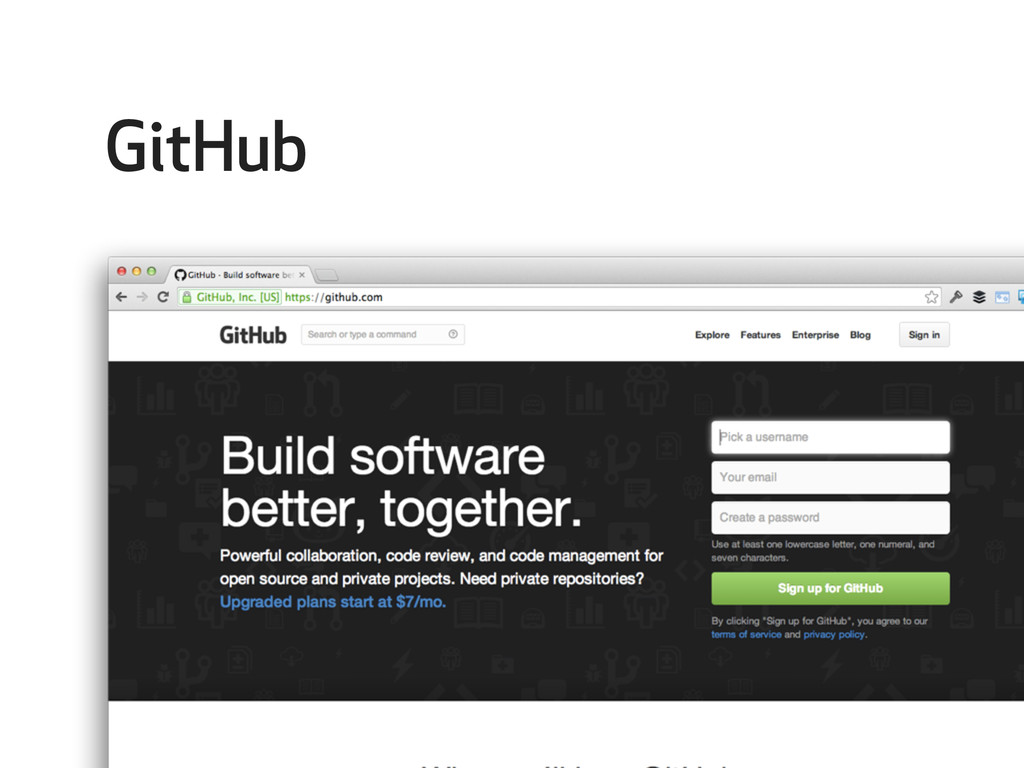
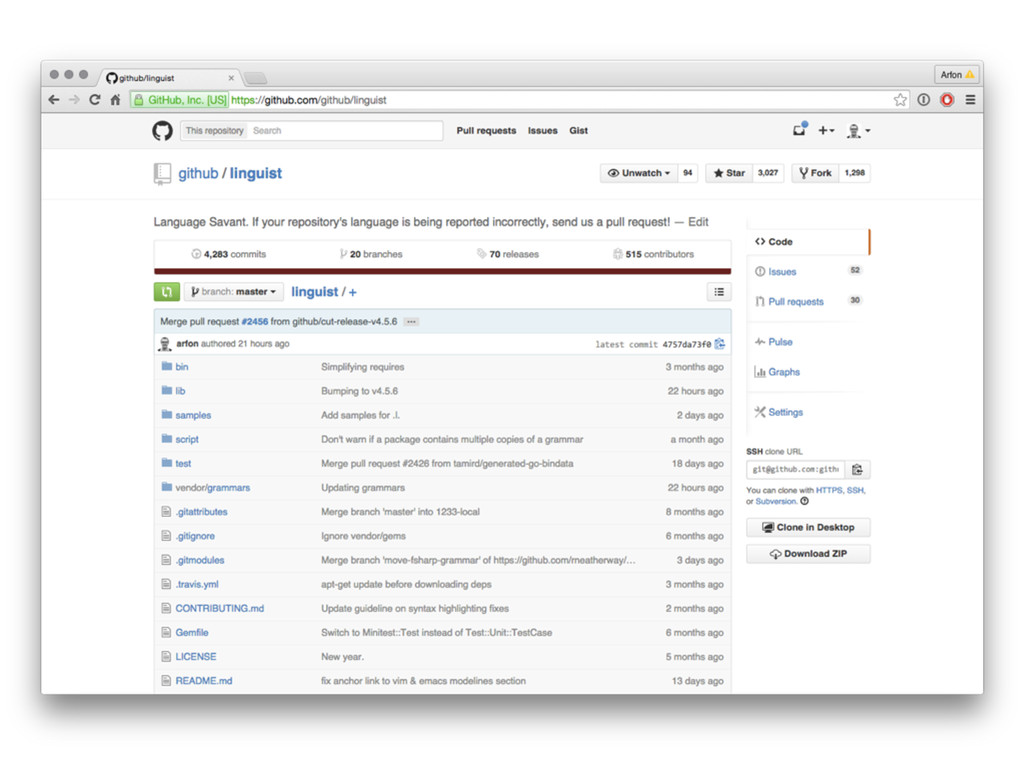
What is a GitHub?
None
GitHub
None
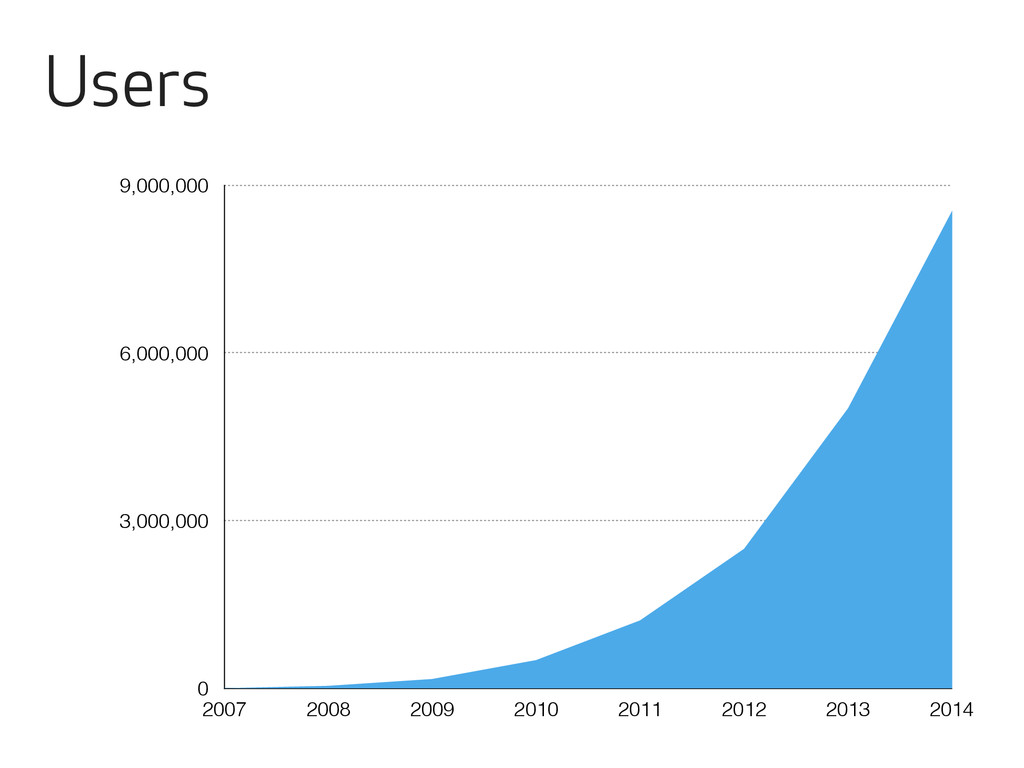
0 3,000,000 6,000,000 9,000,000 2007 2008 2009 2010 2011 2012
2013 2014 Users
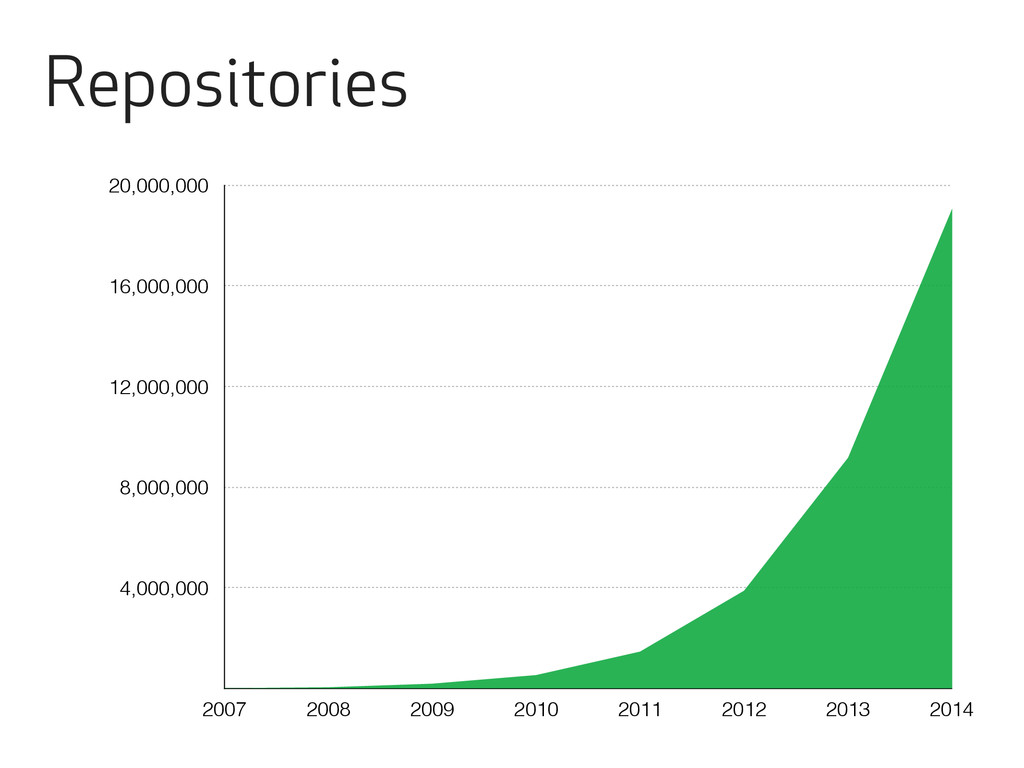
4,000,000 8,000,000 12,000,000 16,000,000 20,000,000 2007 2008 2009 2010 2011
2012 2013 2014 Repositories
Why build a GitHub?
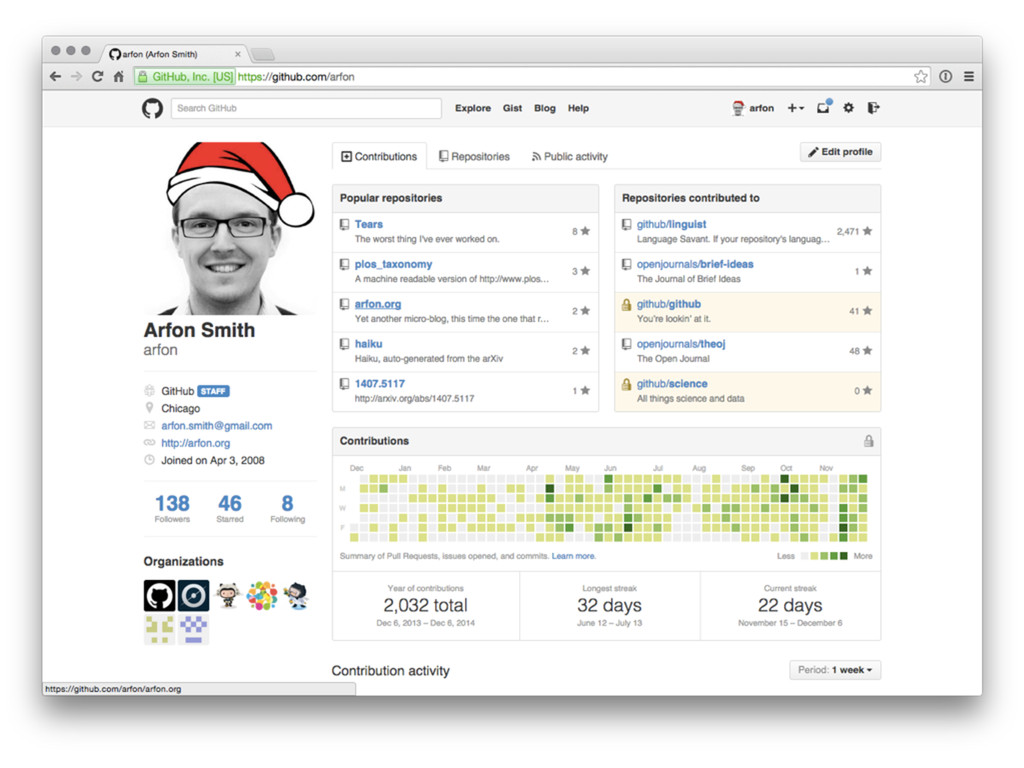
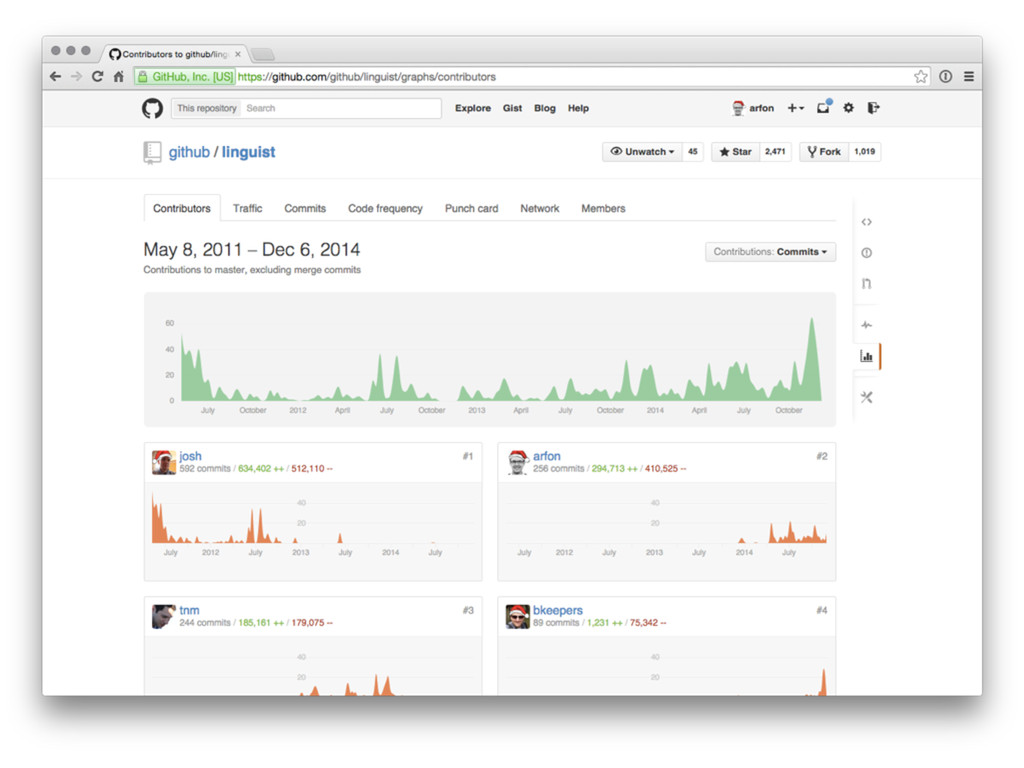
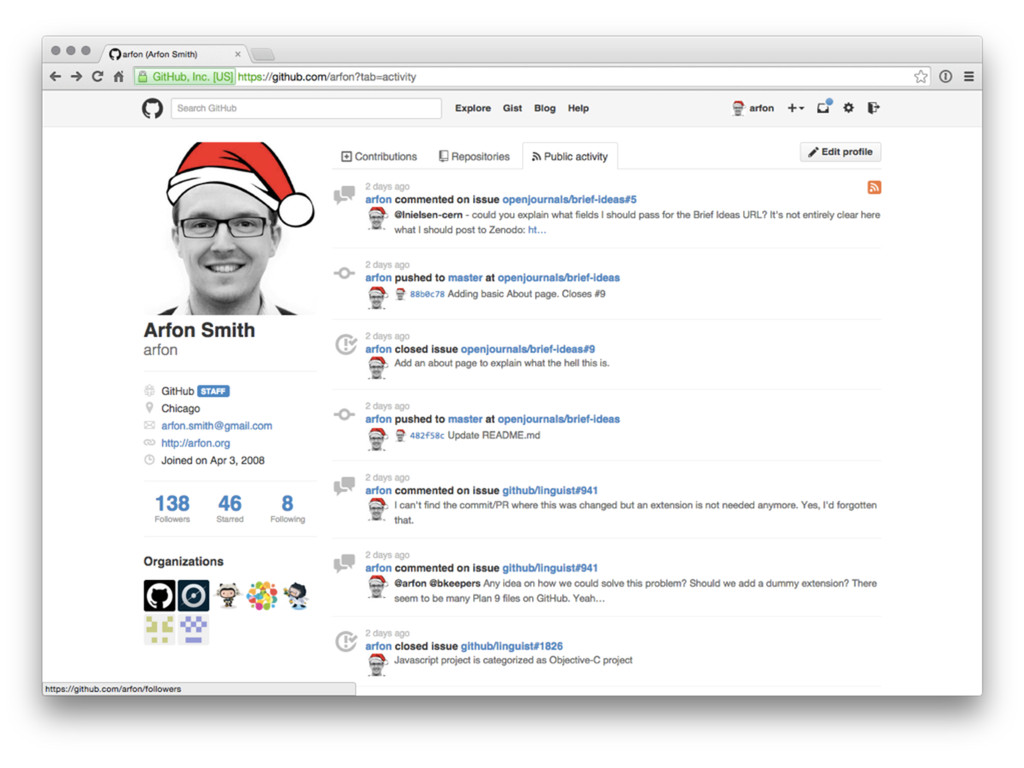
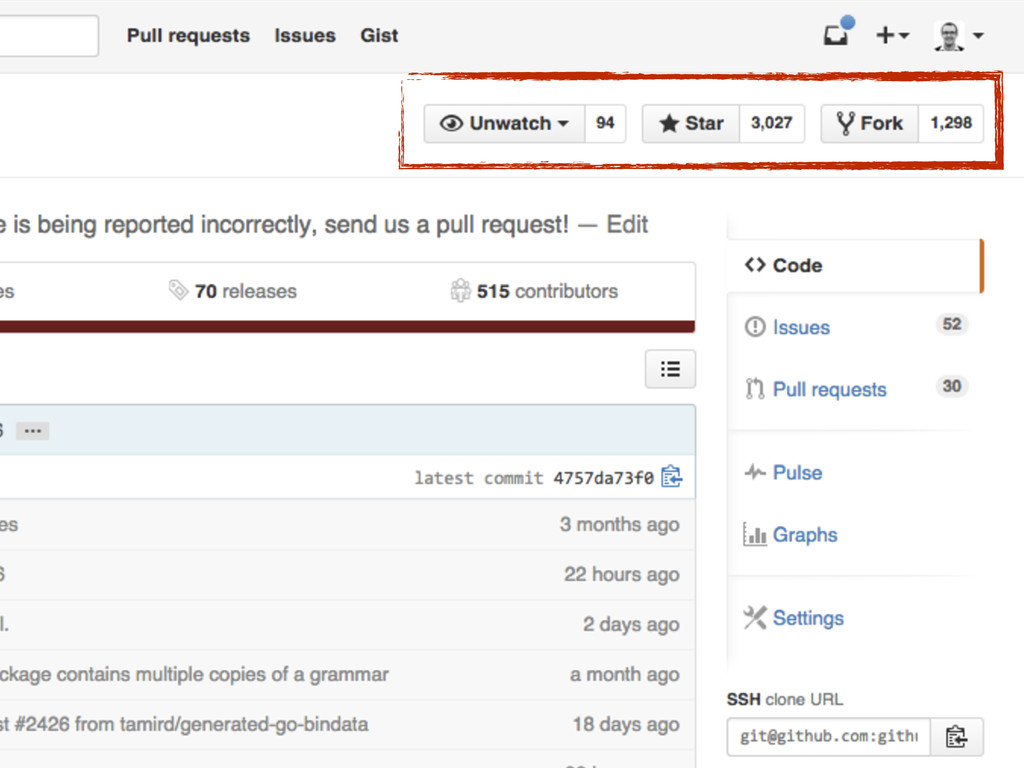
Made writing code a social experience 1.
None
None
None
None
Changed the collaborative model of open source 2.
None
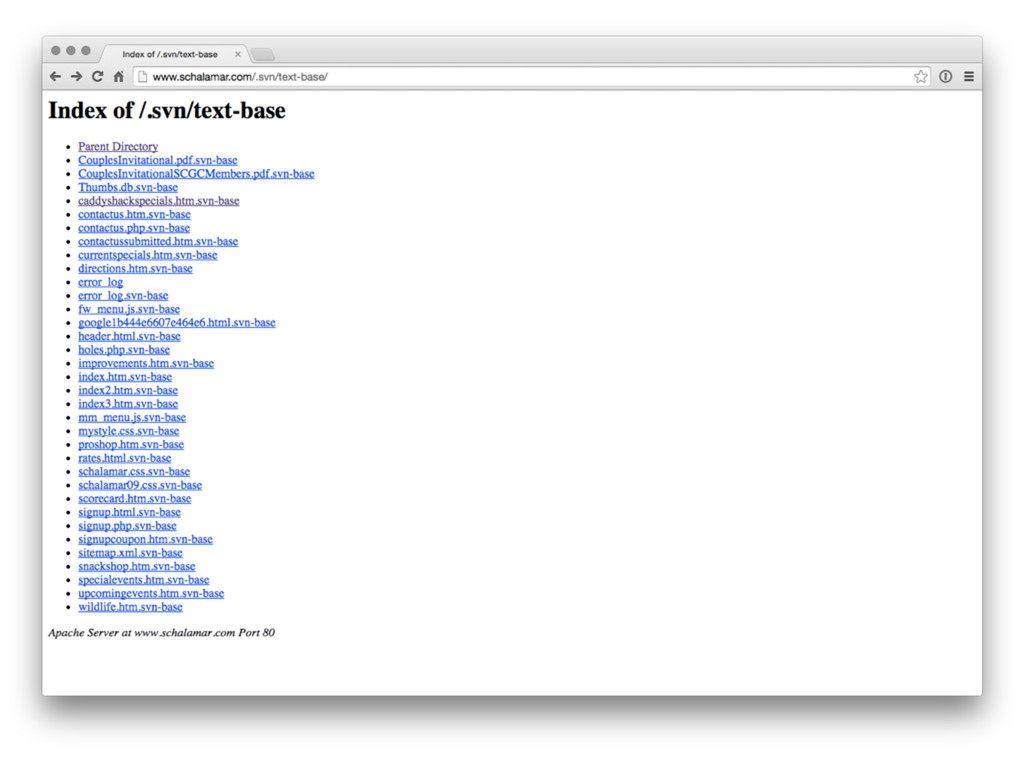
‘May I have access to your codes please?’
None
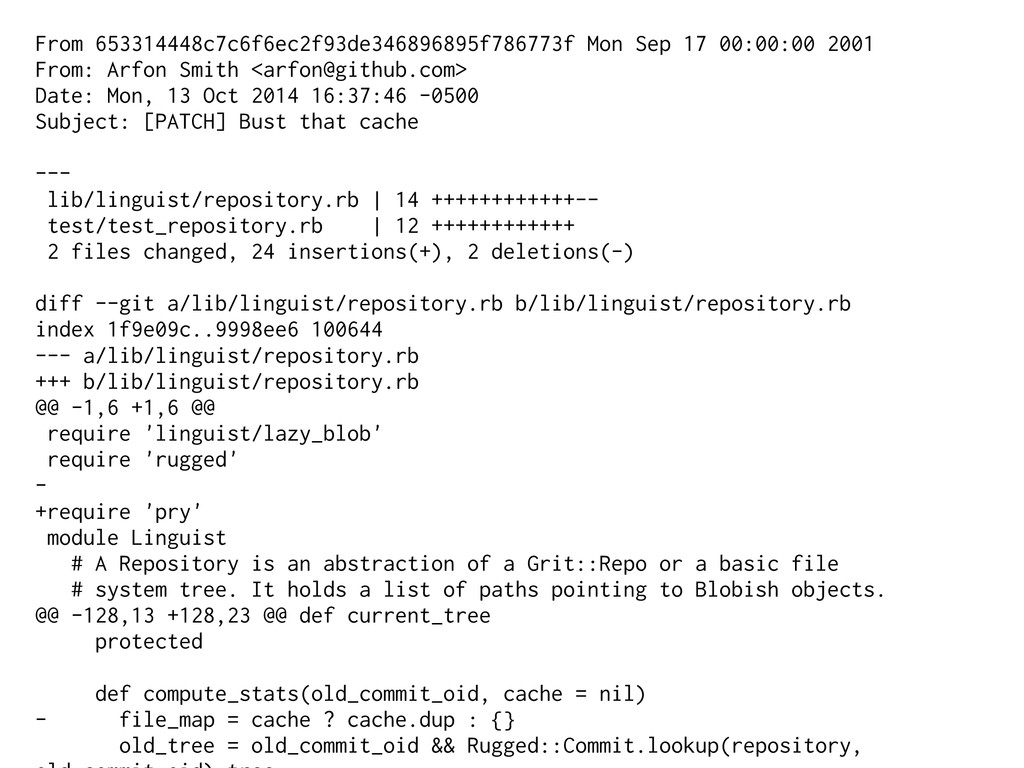
From 653314448c7c6f6ec2f93de346896895f786773f Mon Sep 17 00:00:00 2001 From: Arfon Smith
<
[email protected]
> Date: Mon, 13 Oct 2014 16:37:46 -0500 Subject: [PATCH] Bust that cache --- lib/linguist/repository.rb | 14 ++++++++++++-- test/test_repository.rb | 12 ++++++++++++ 2 files changed, 24 insertions(+), 2 deletions(-) diff --git a/lib/linguist/repository.rb b/lib/linguist/repository.rb index 1f9e09c..9998ee6 100644 --- a/lib/linguist/repository.rb +++ b/lib/linguist/repository.rb @@ -1,6 +1,6 @@ require 'linguist/lazy_blob' require 'rugged' - +require 'pry' module Linguist # A Repository is an abstraction of a Grit::Repo or a basic file # system tree. It holds a list of paths pointing to Blobish objects. @@ -128,13 +128,23 @@ def current_tree protected def compute_stats(old_commit_oid, cache = nil) - file_map = cache ? cache.dup : {} old_tree = old_commit_oid && Rugged::Commit.lookup(repository,
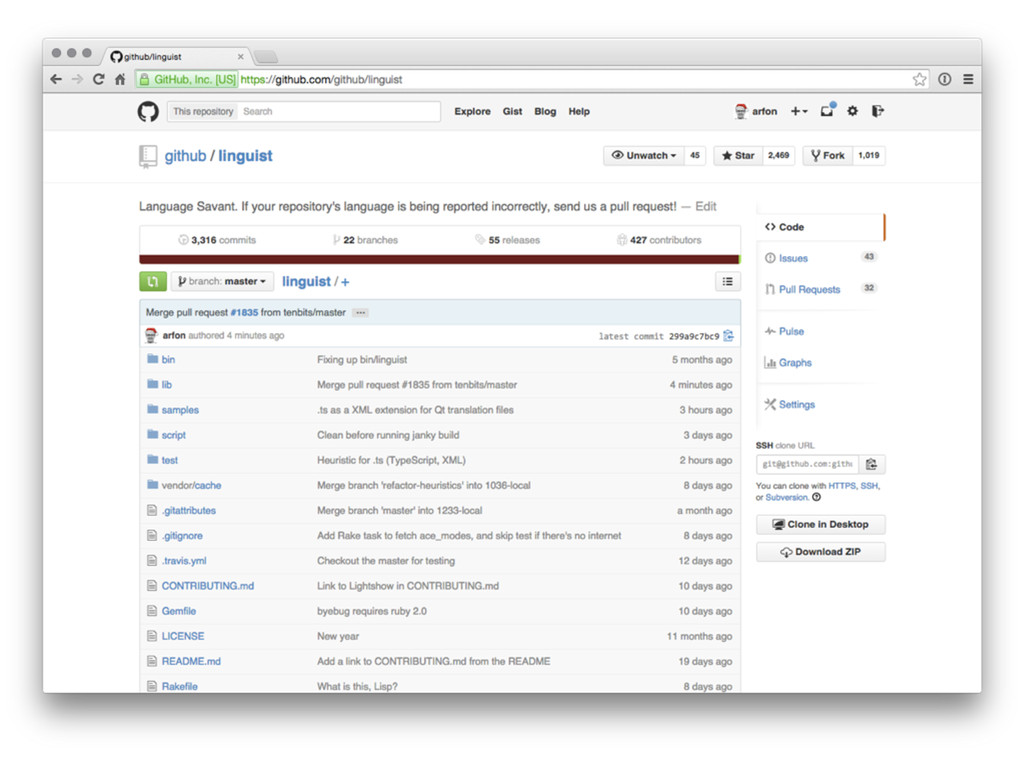
GitHub delivered on a theoretical promise of open source
Open source collaborations Open Source: the right to modify
Open source collaborations Open Source: the right to modify, not
the right to contribute.
"
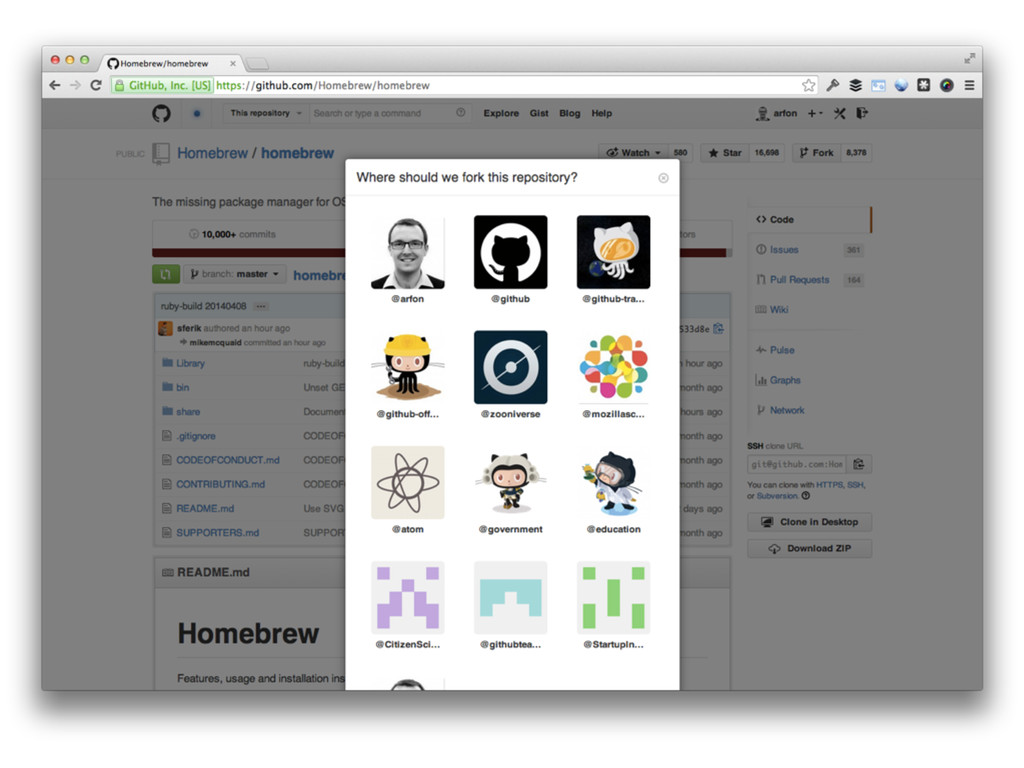
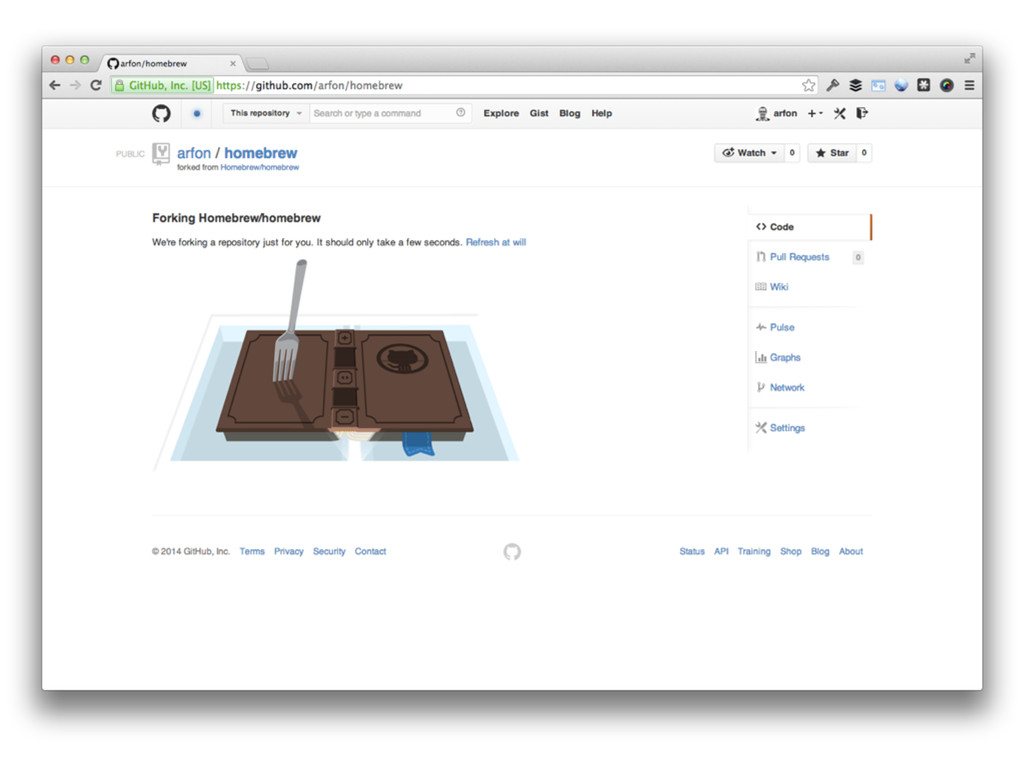
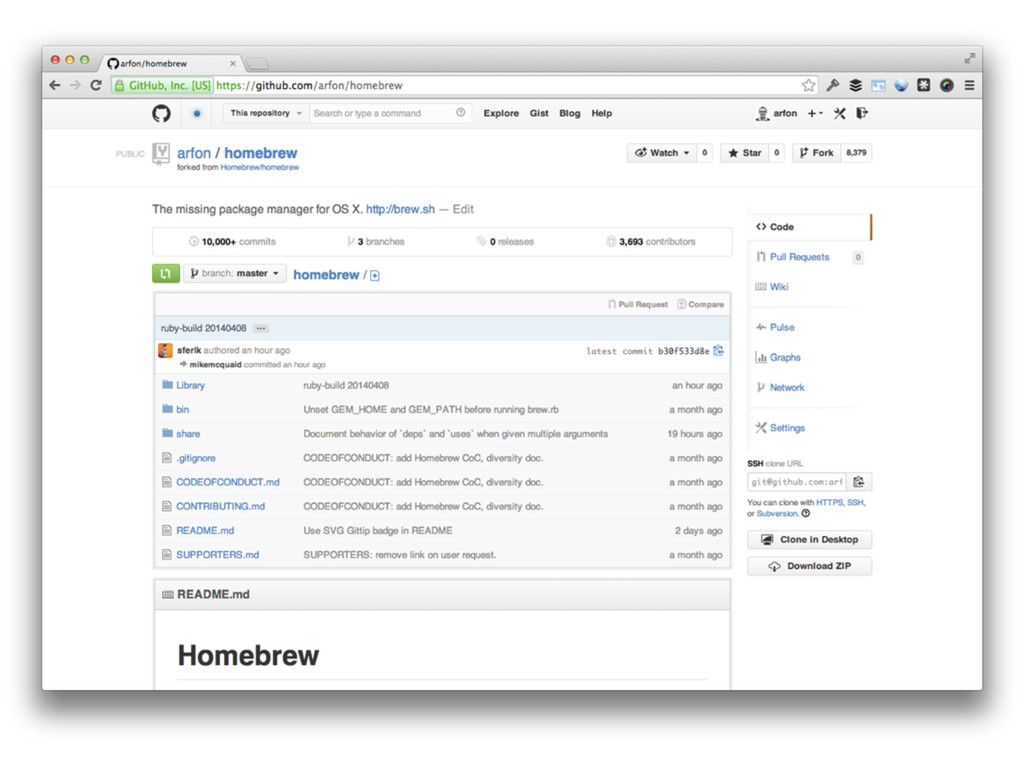
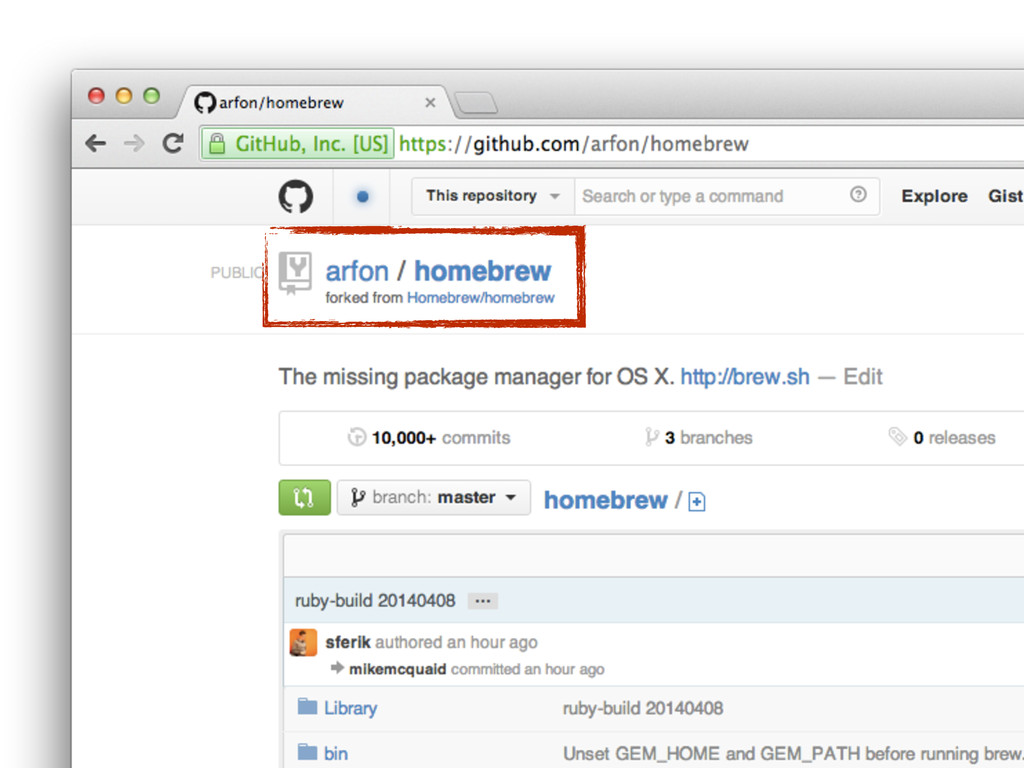
Open source collaborations Forking a project was done as a
last resort
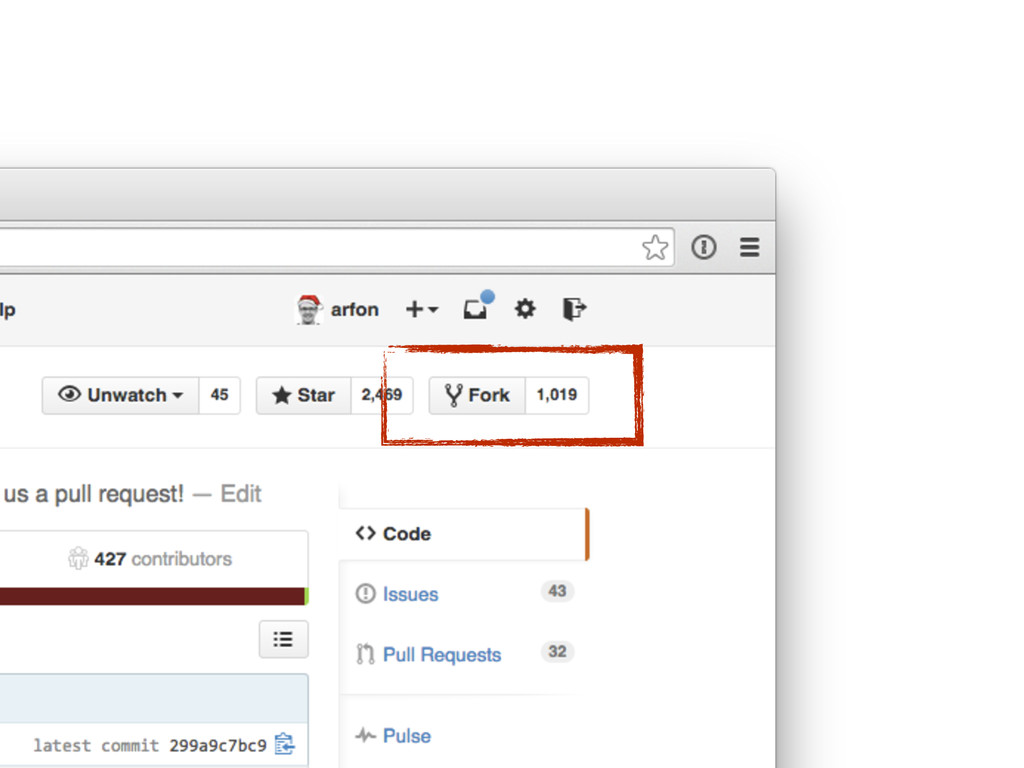
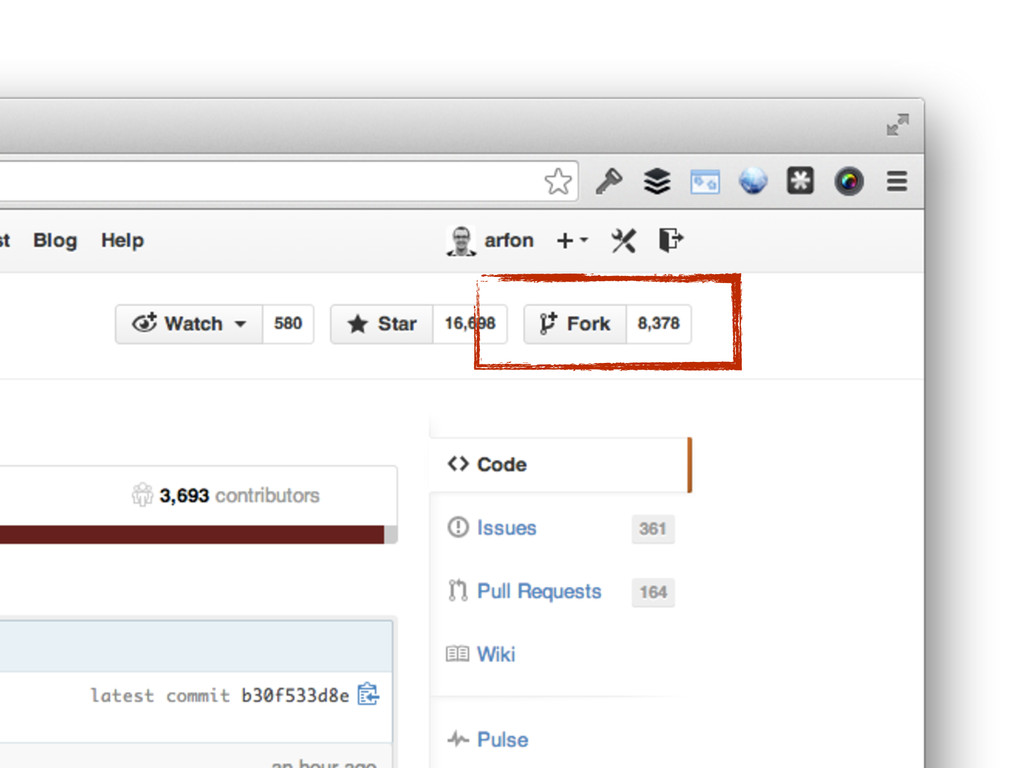
Open source collaborations GitHub made forking the norm
None
None
1. Open Collaborations
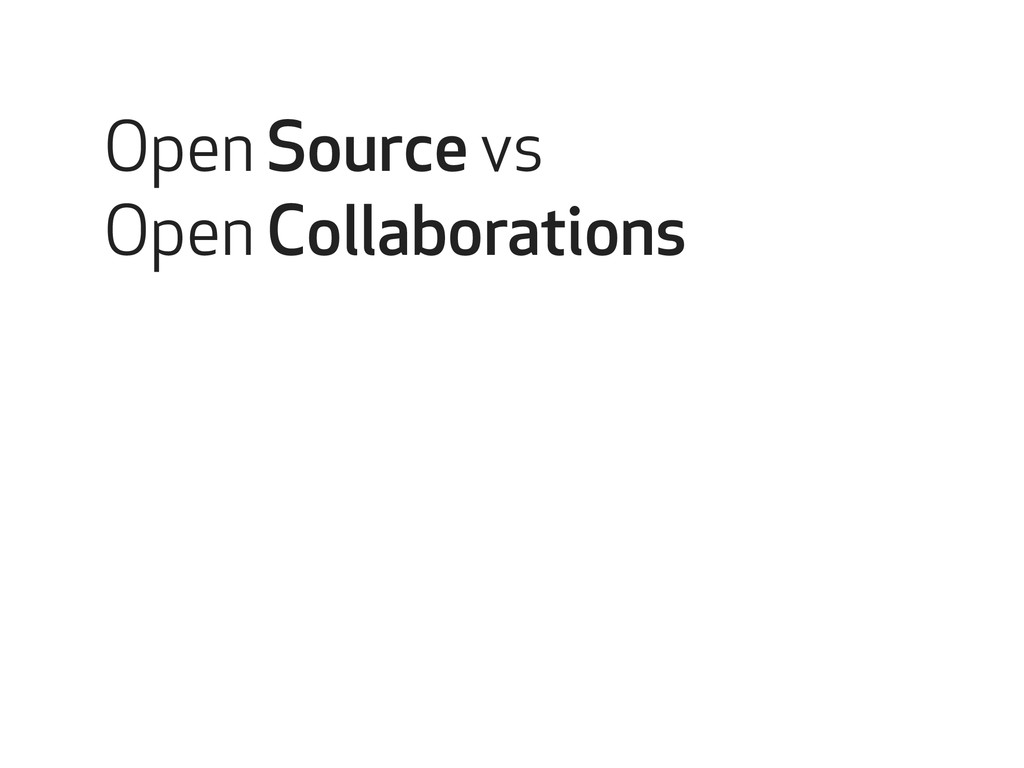
Open source collaborations Open Source vs Open Collaborations
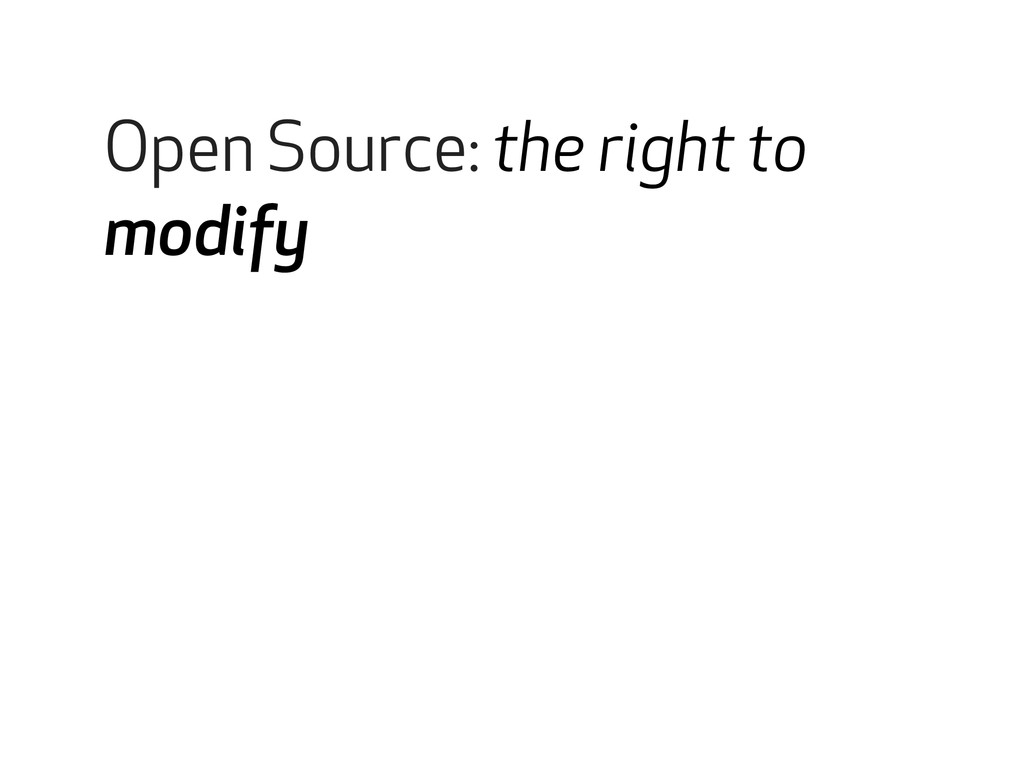
Open source collaborations Open Source: the right to modify
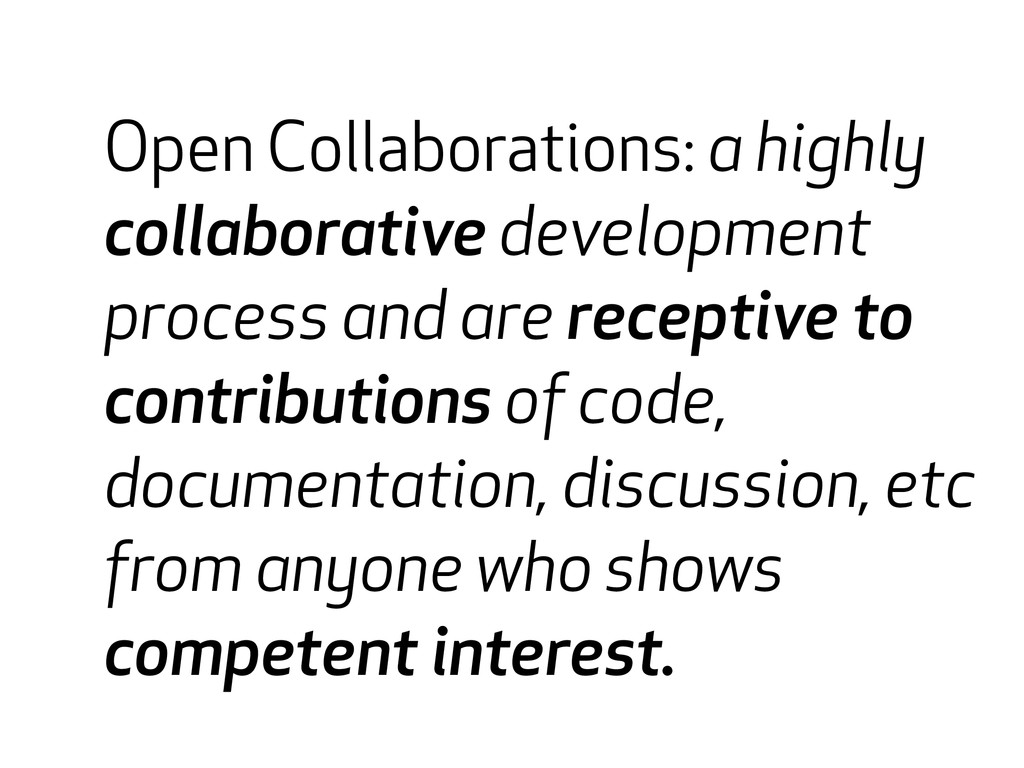
Open source collaborations Open Collaborations: a highly collaborative development process
and are receptive to contributions of code, documentation, discussion, etc from anyone who shows competent interest.
Open source collaborations Open Collaborations: a highly collaborative development process
and are receptive to contributions of code, documentation, discussion, etc from anyone who shows competent interest. THIS
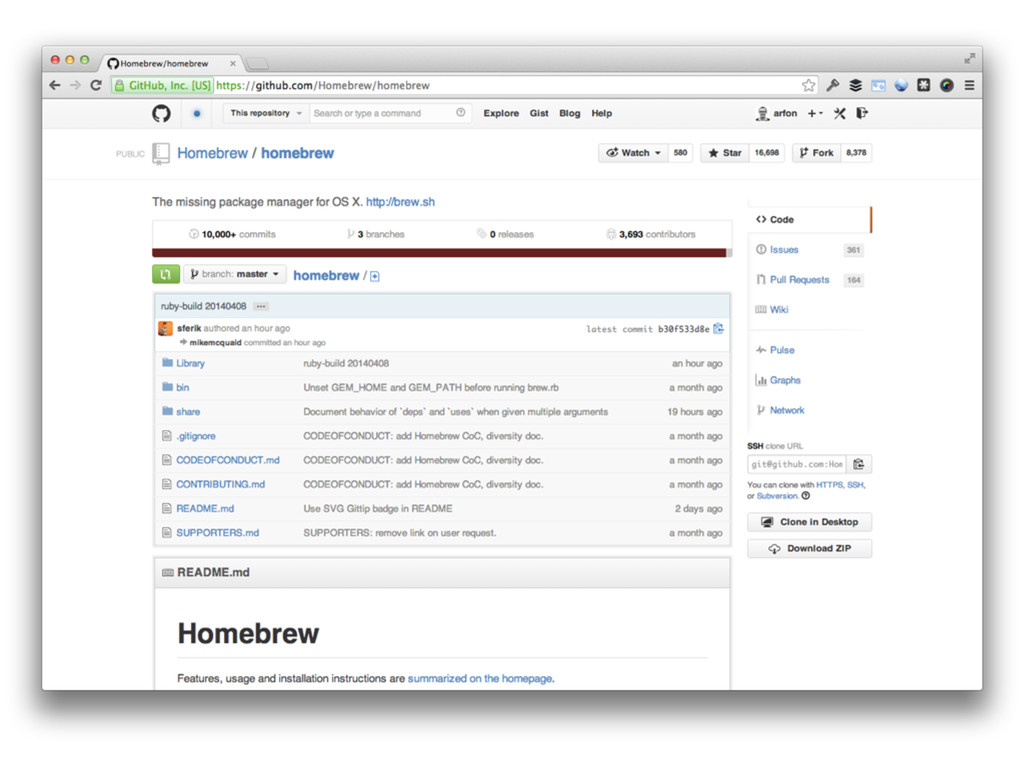
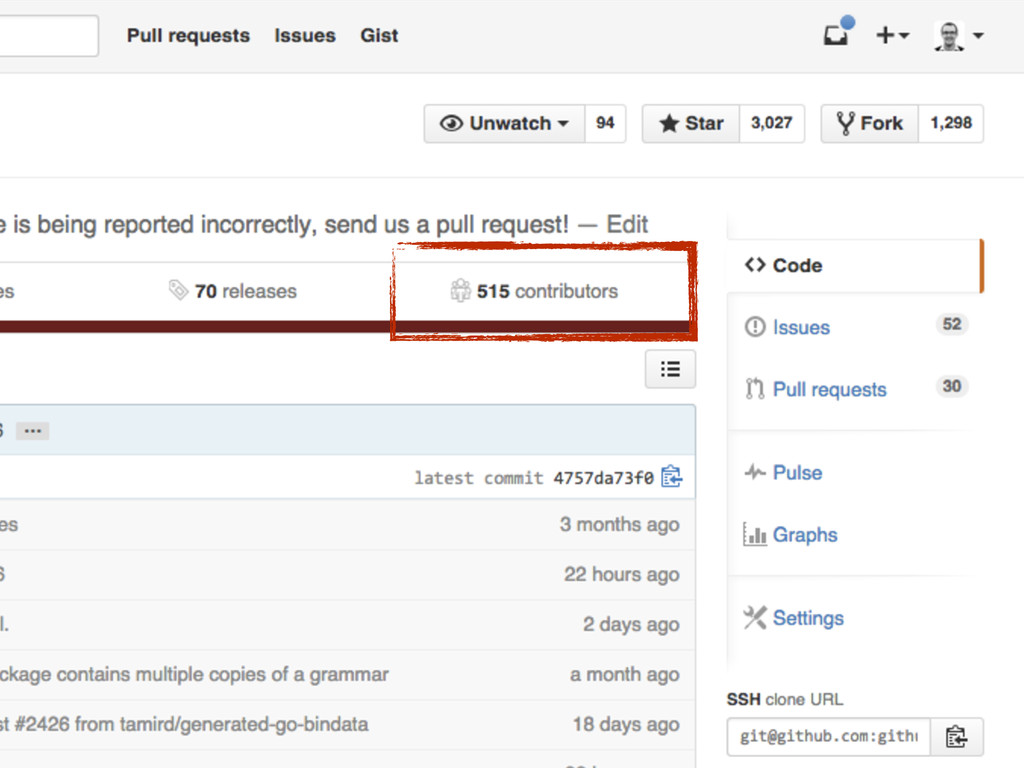
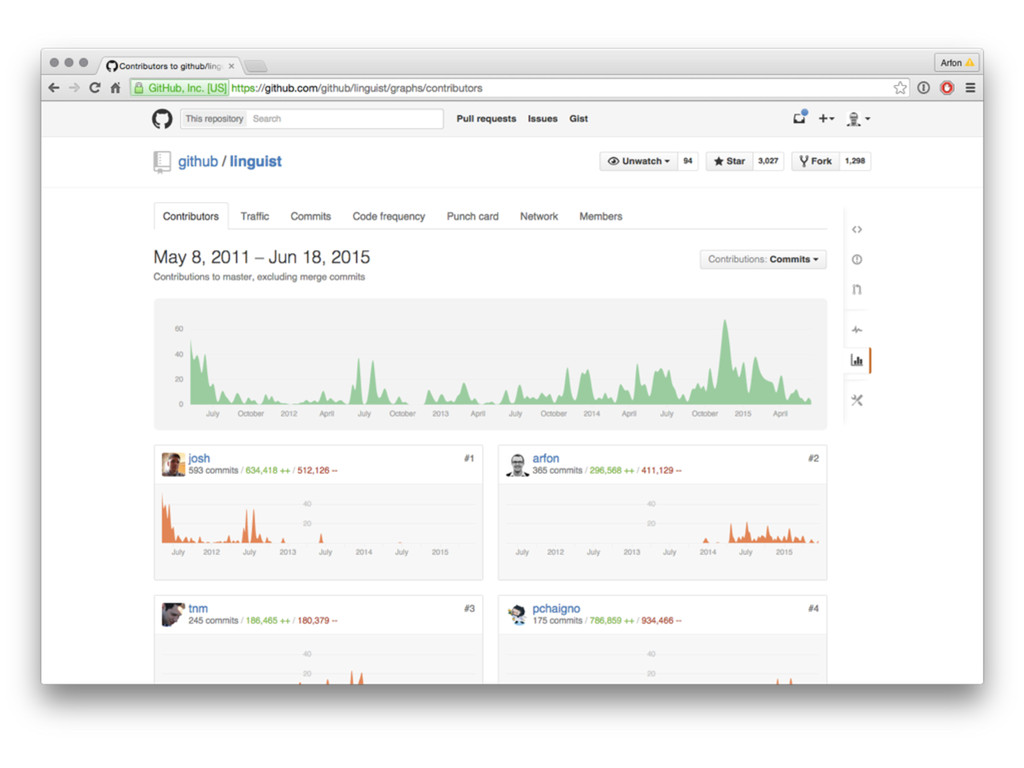
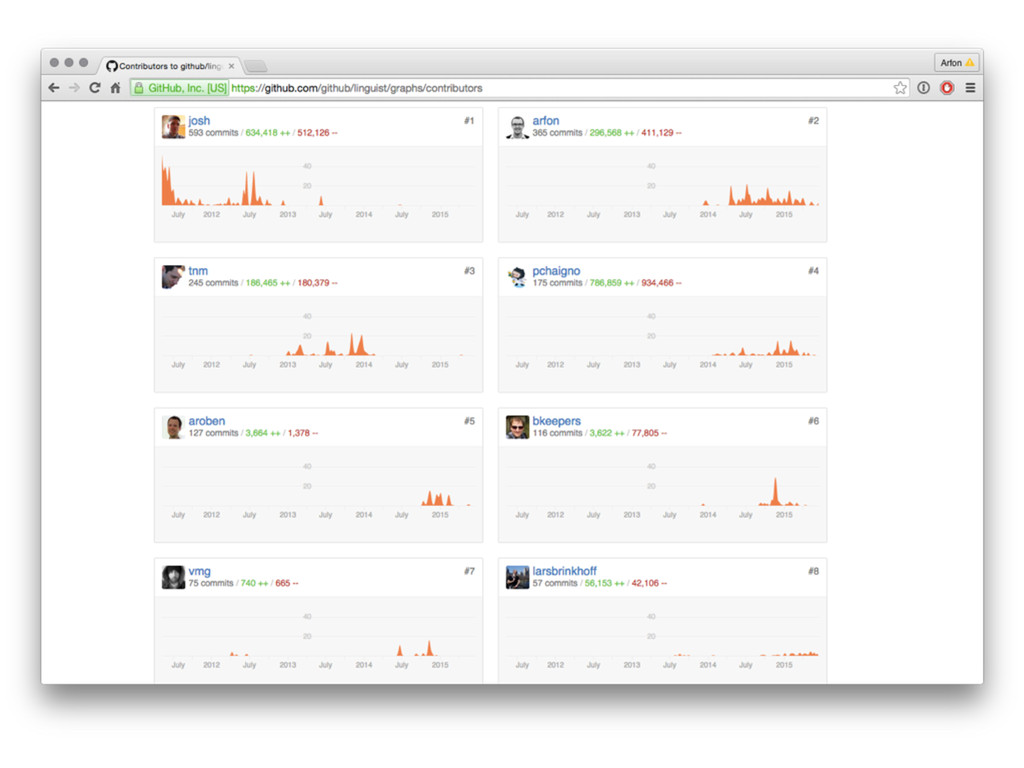
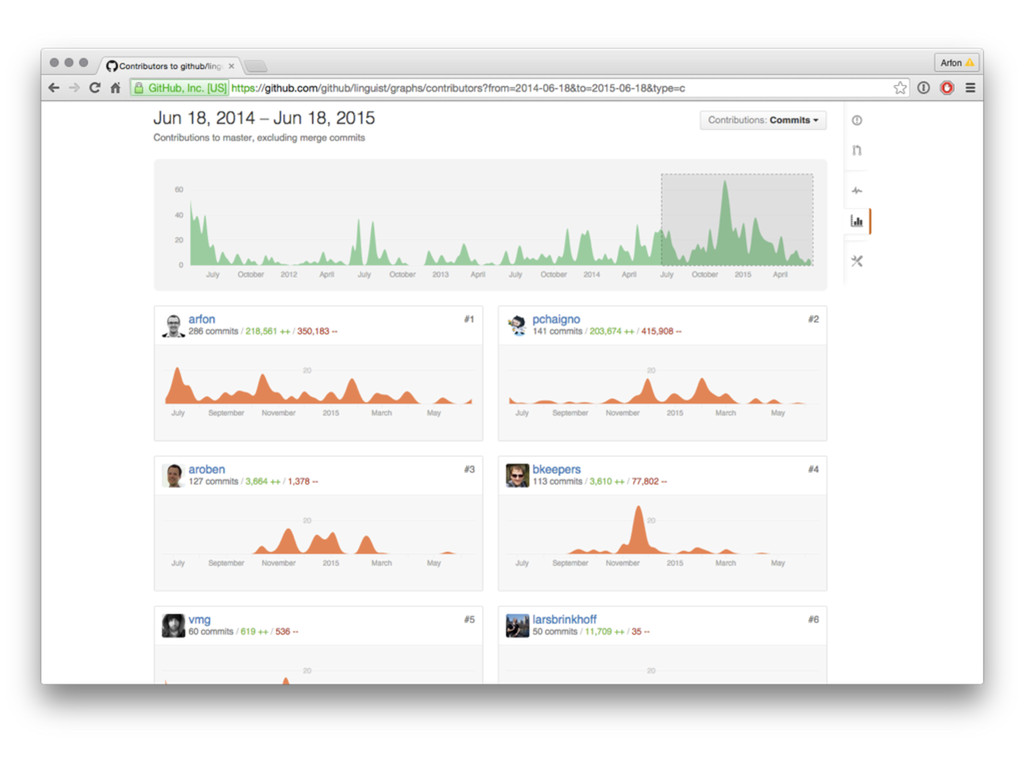
How do 4000 people work together?
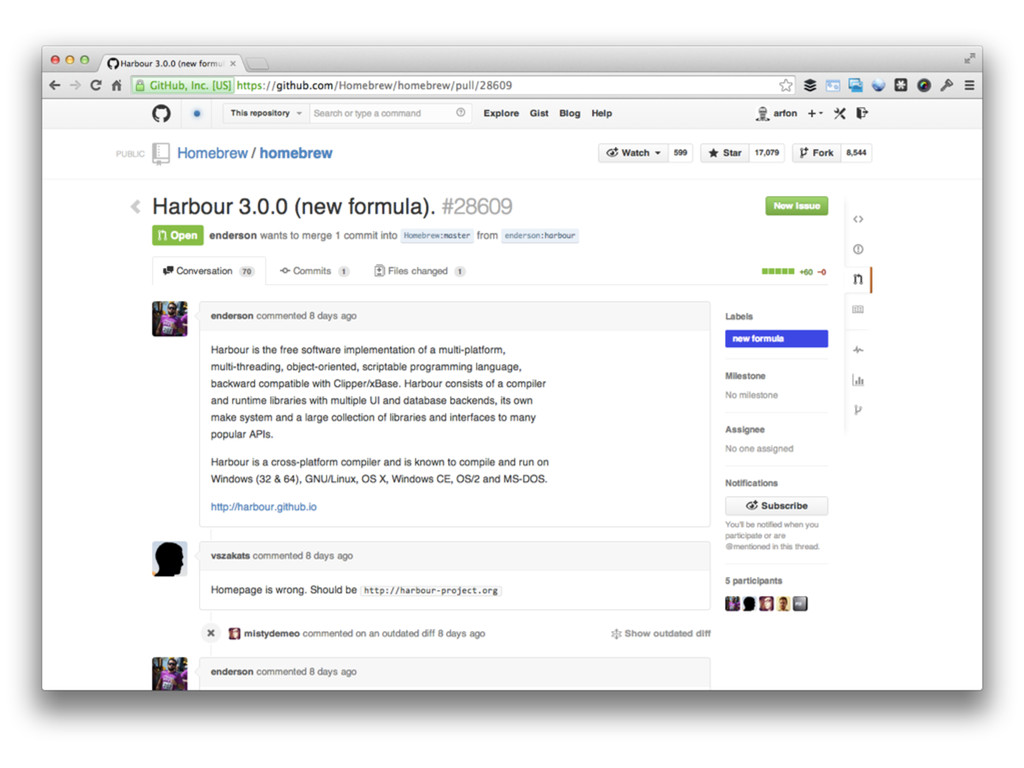
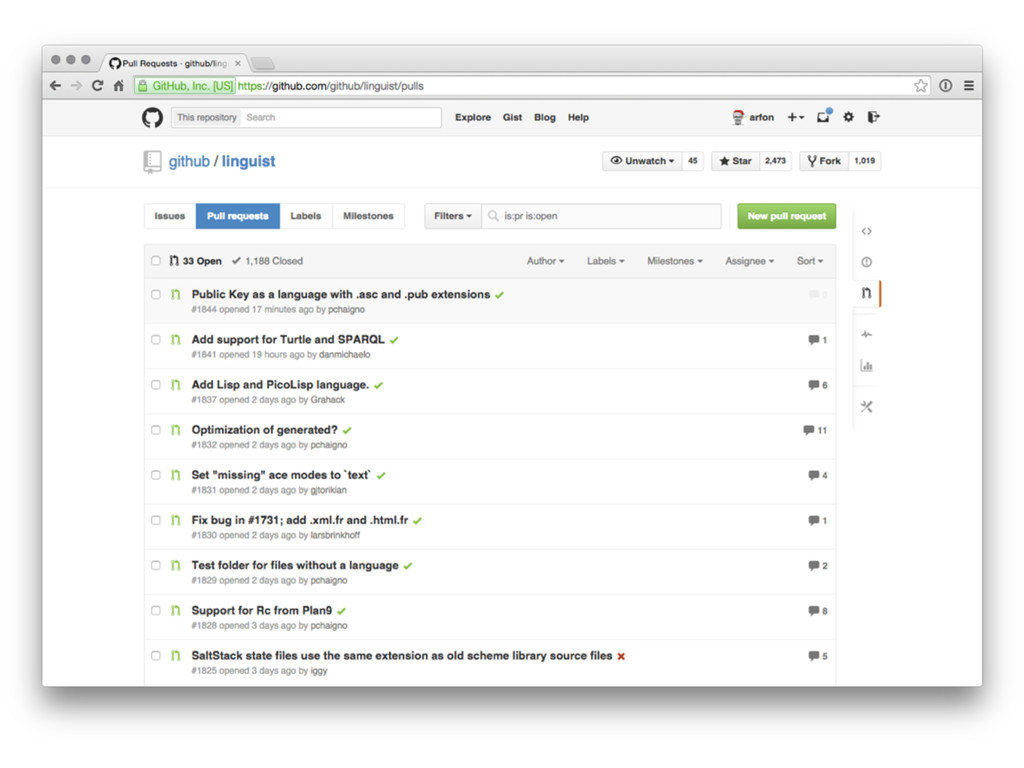
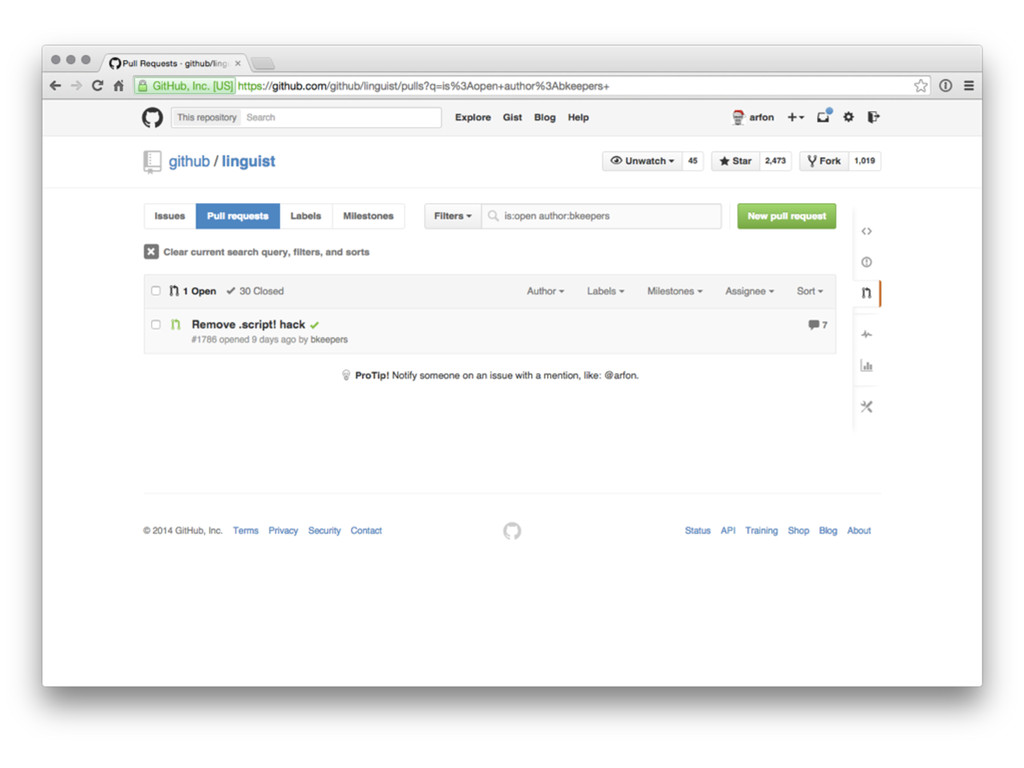
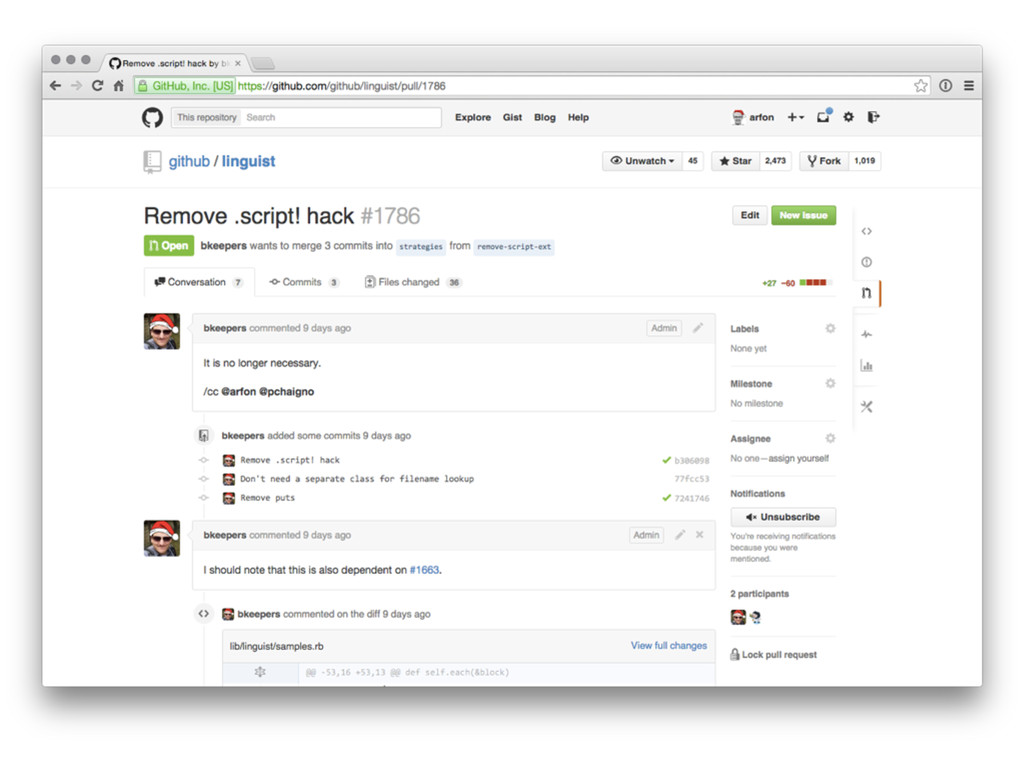
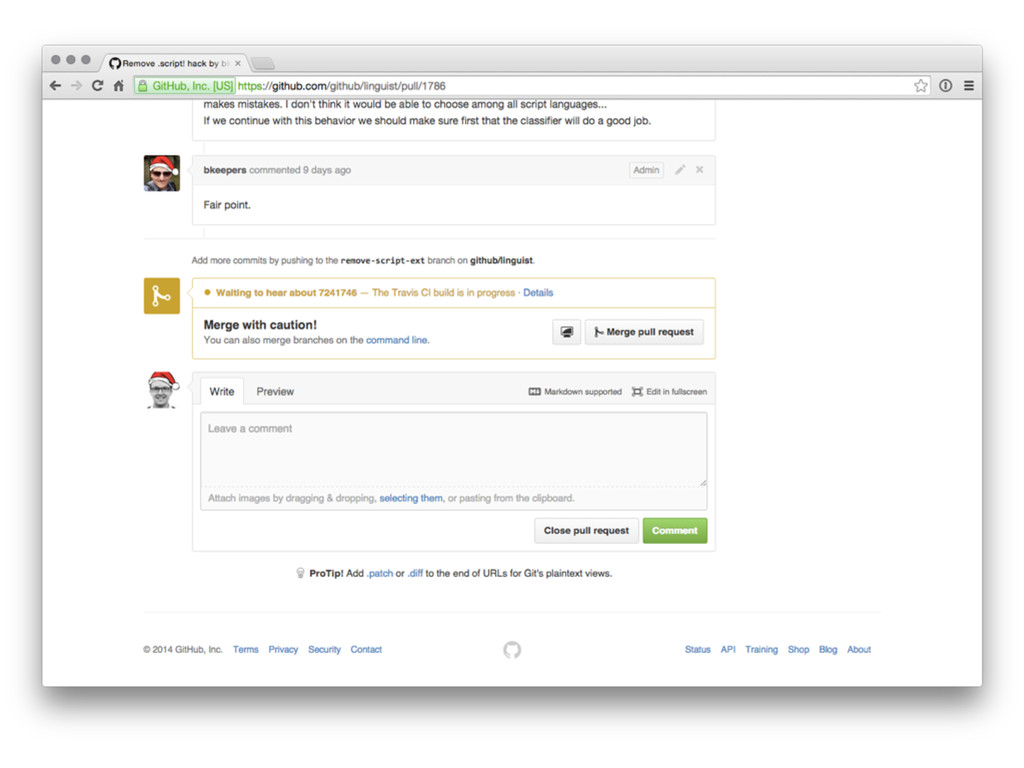
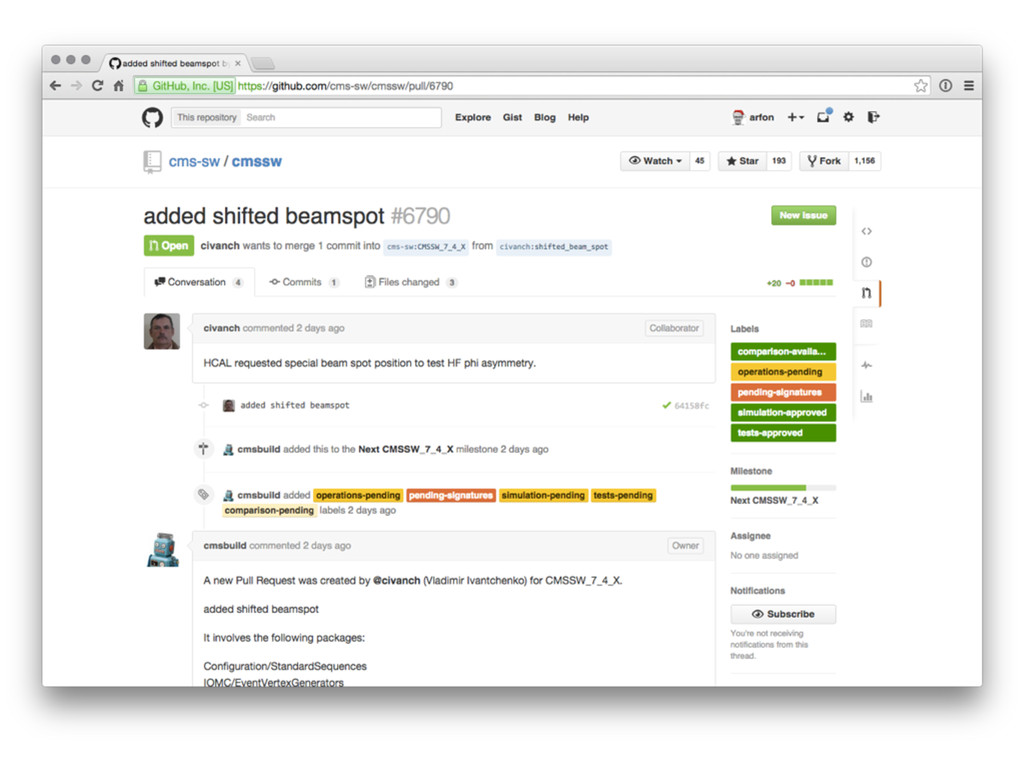
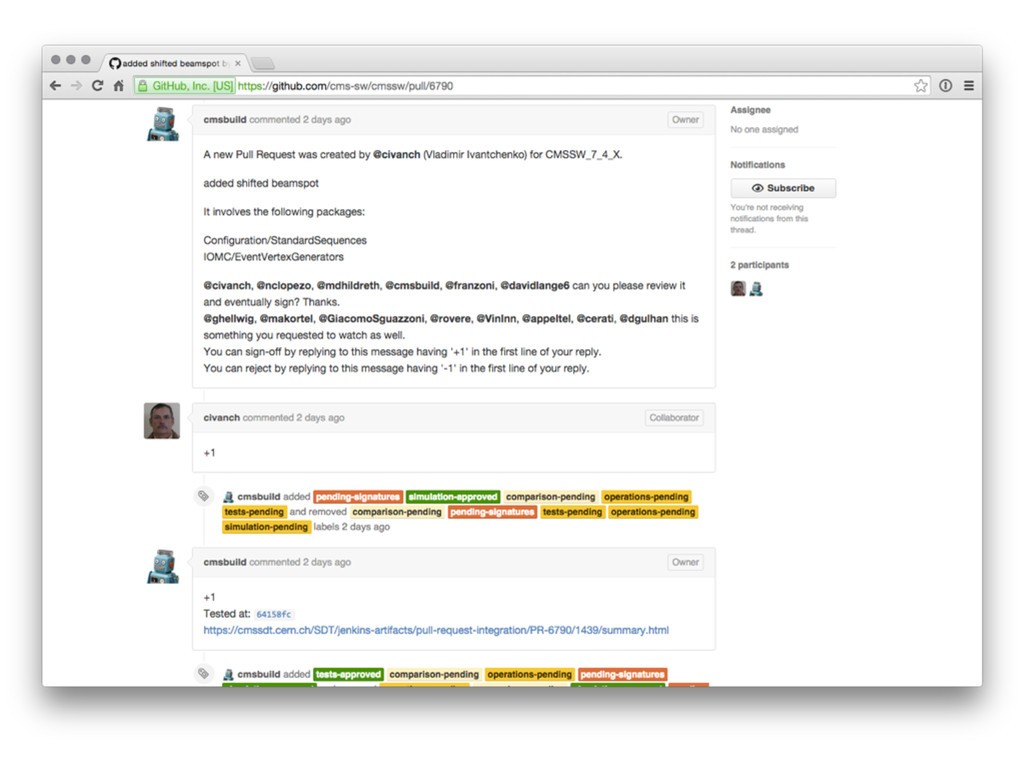
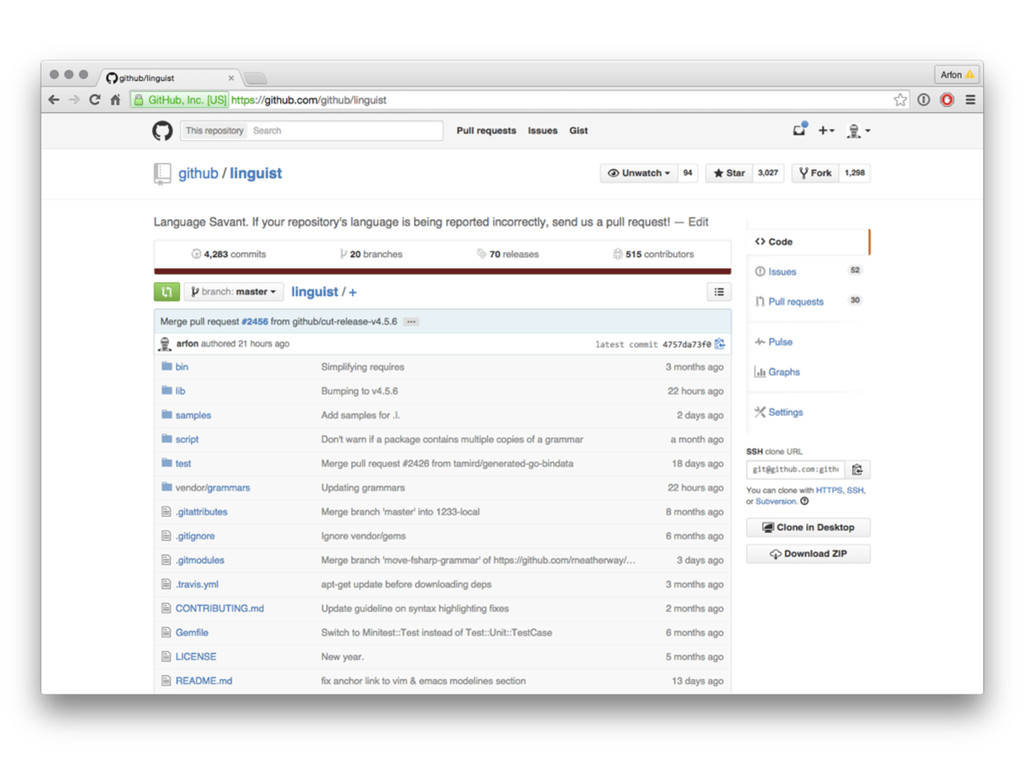
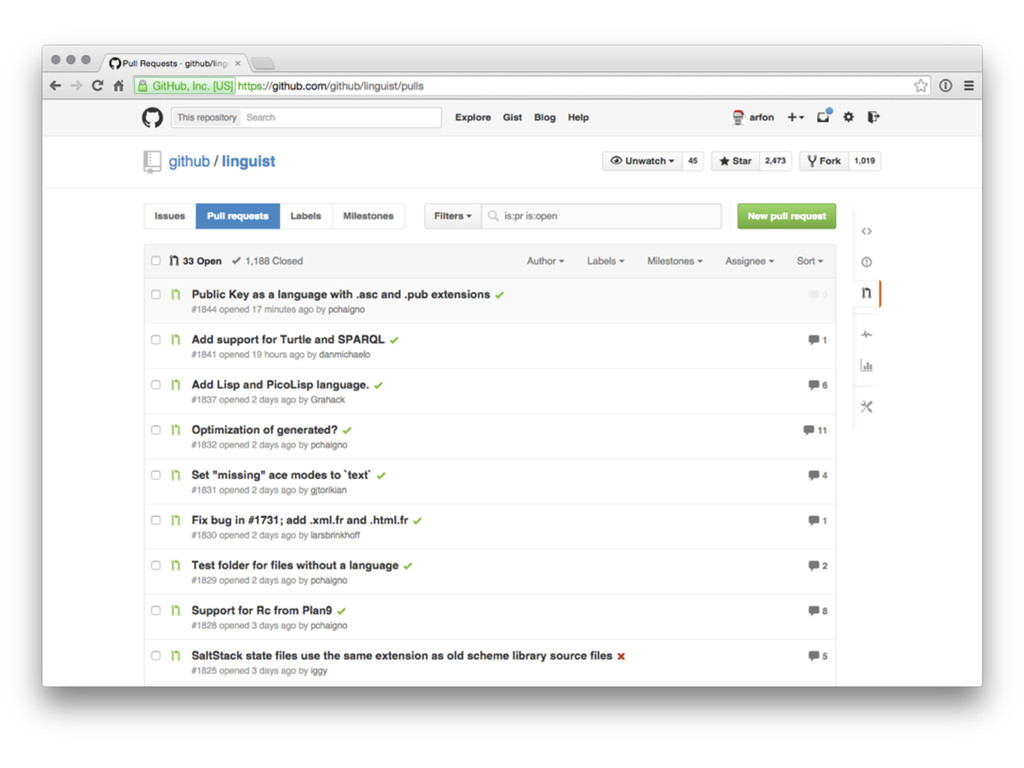
The pull request
None
None
None
None
None
None
None
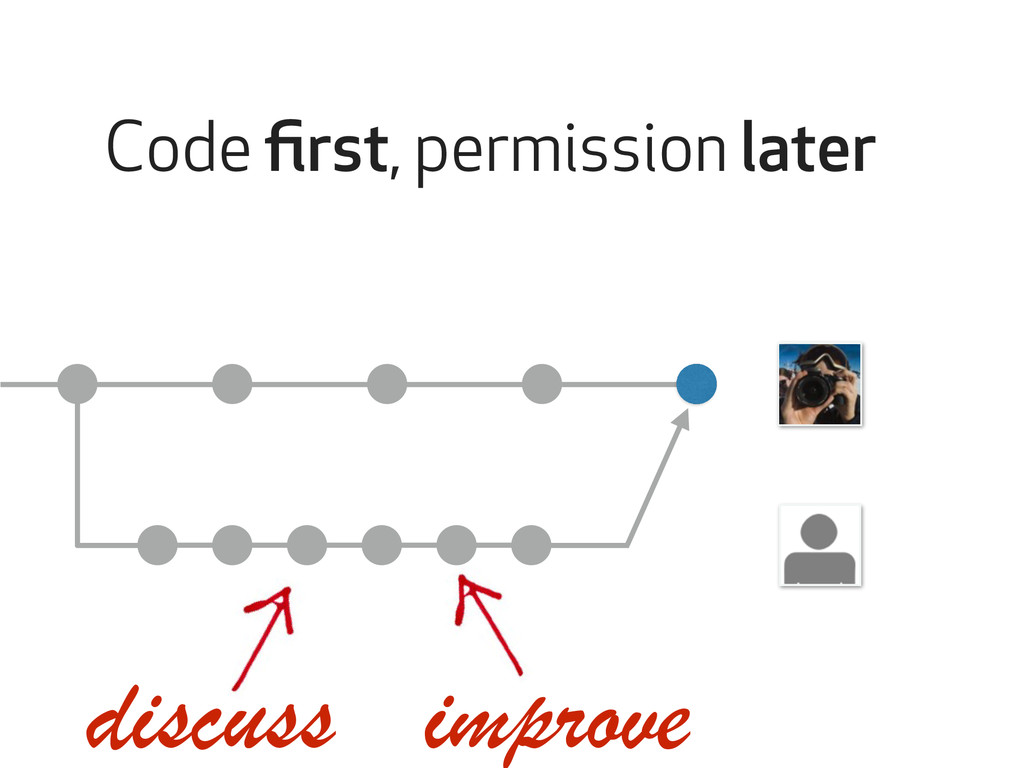
discuss improve Code first, permission later
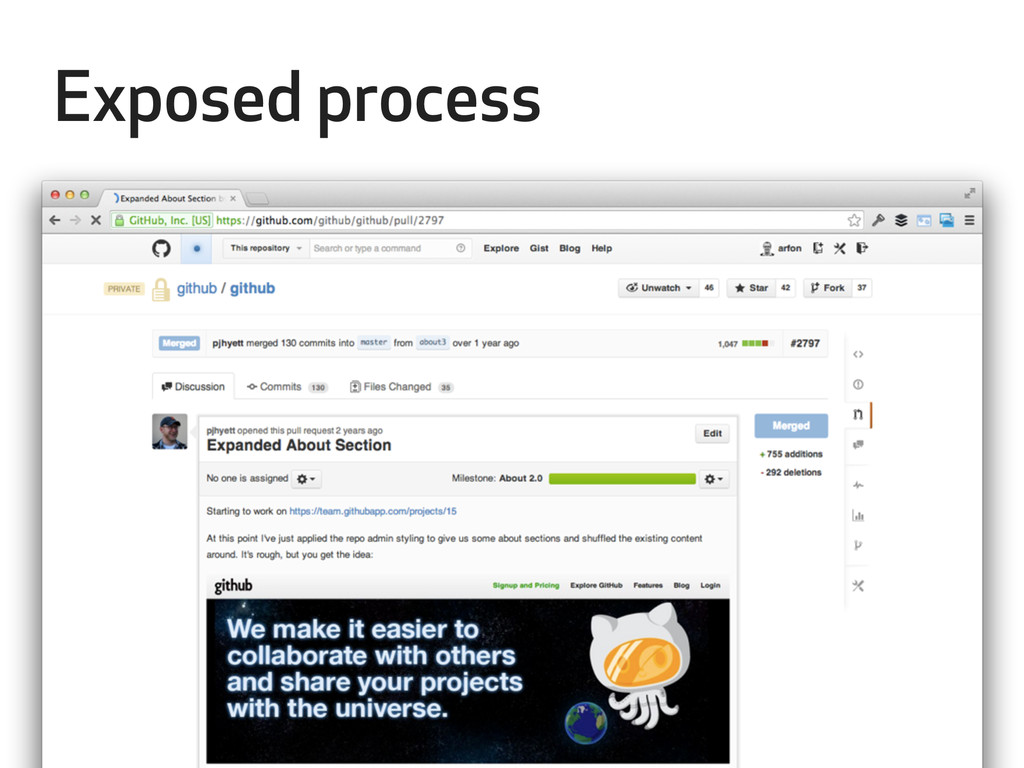
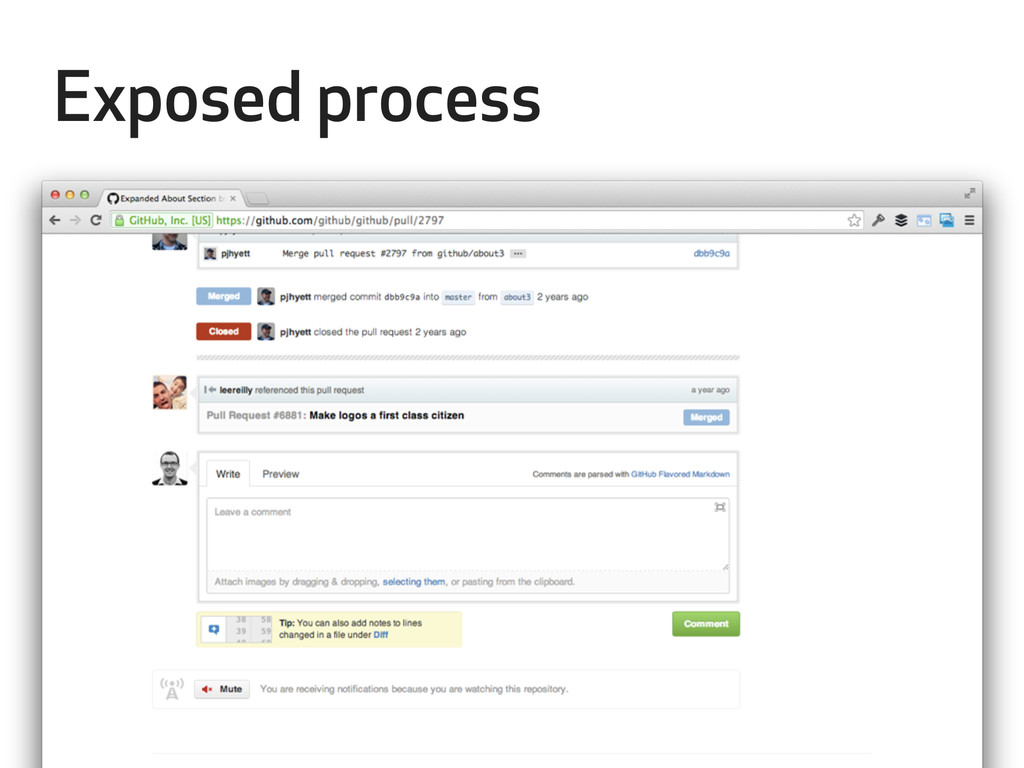
Exposed process
Every time this happens the community learns
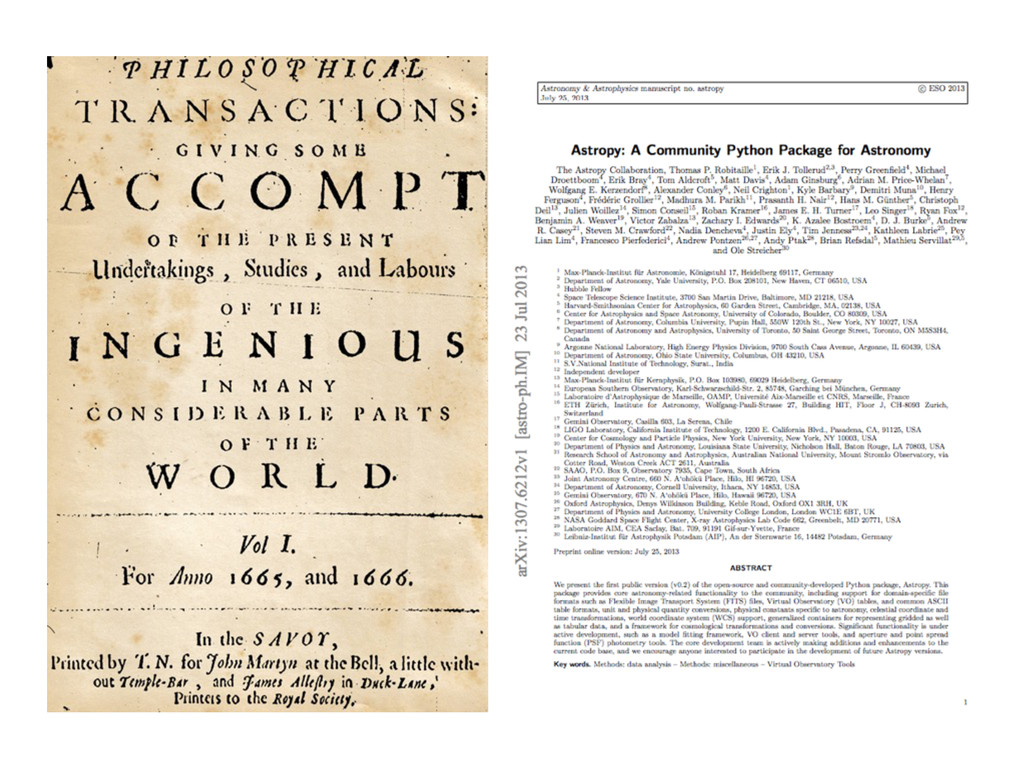
Academia makes the same promise
None
None
Explain what you did
So that others can repeat
Everybody learns
None
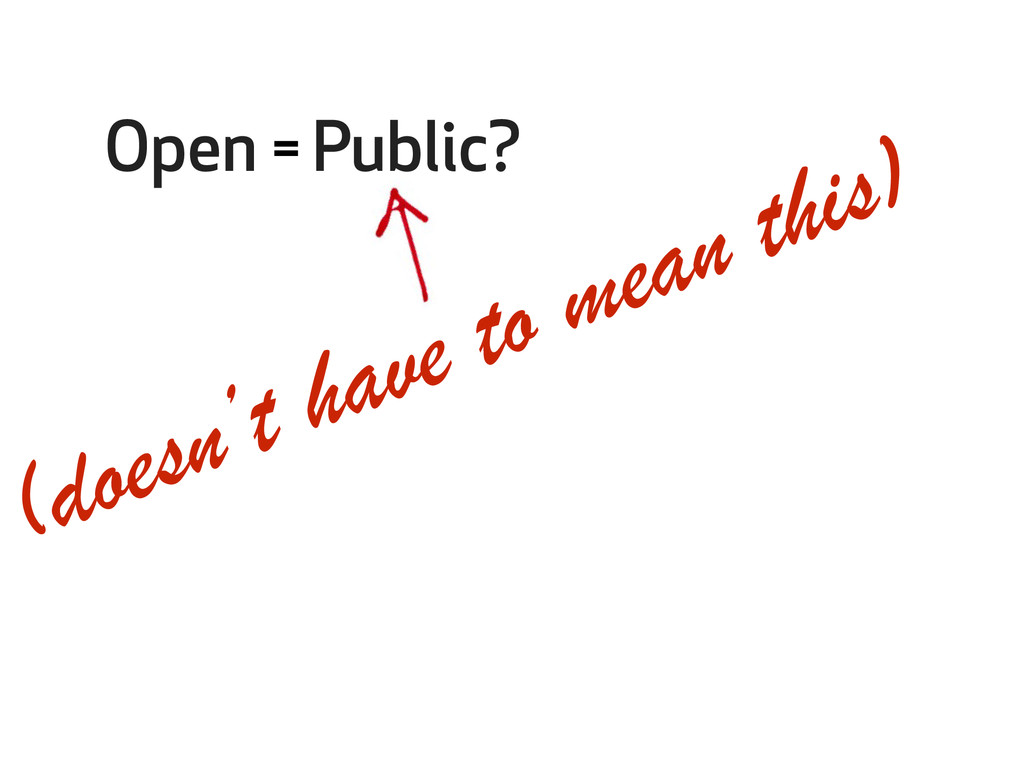
(doesn’t have to mean this) Open Public? =
Open (within your team, department or institution)
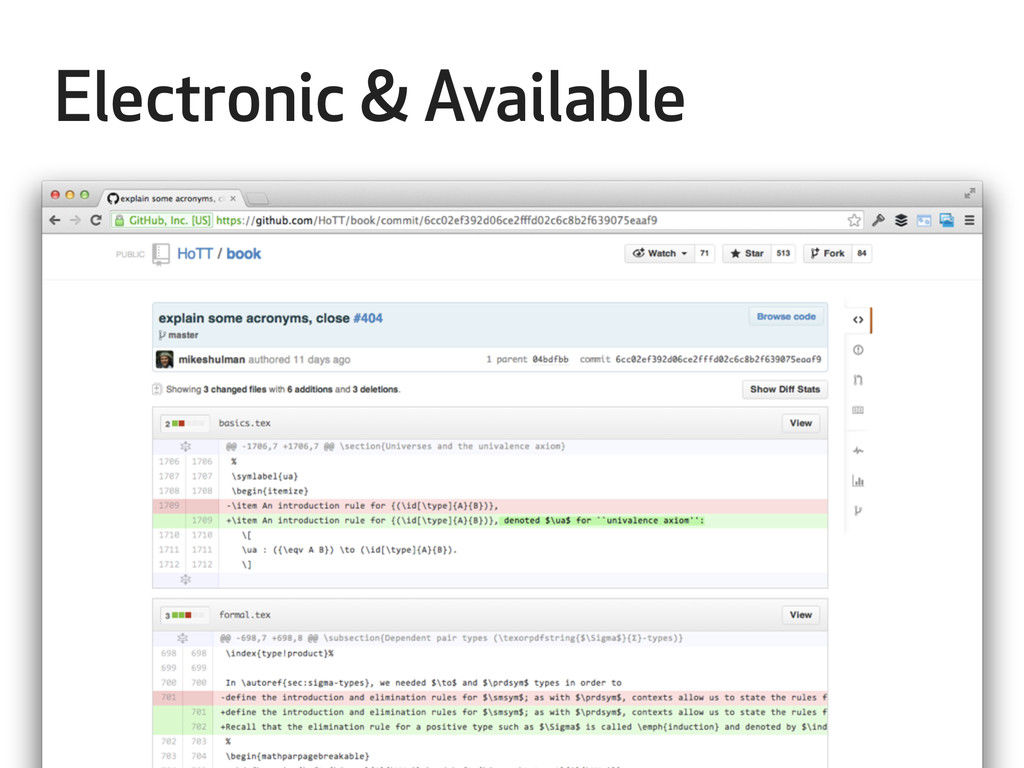
Electronic & Available
Exposed process
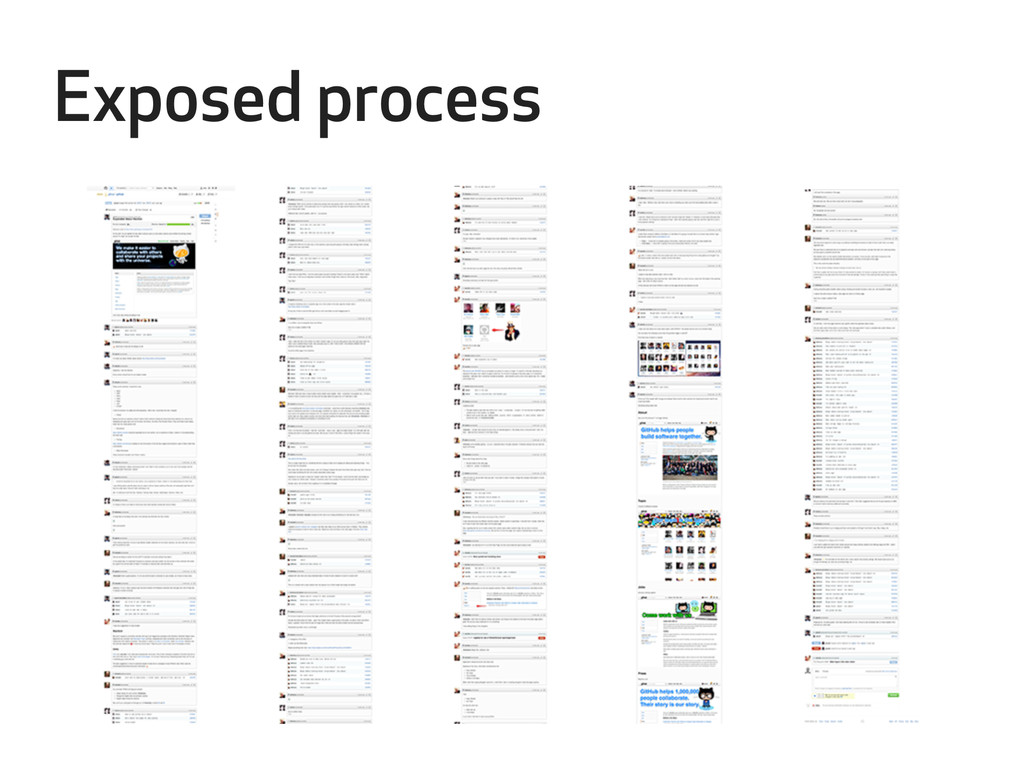
Exposed process
Exposed process
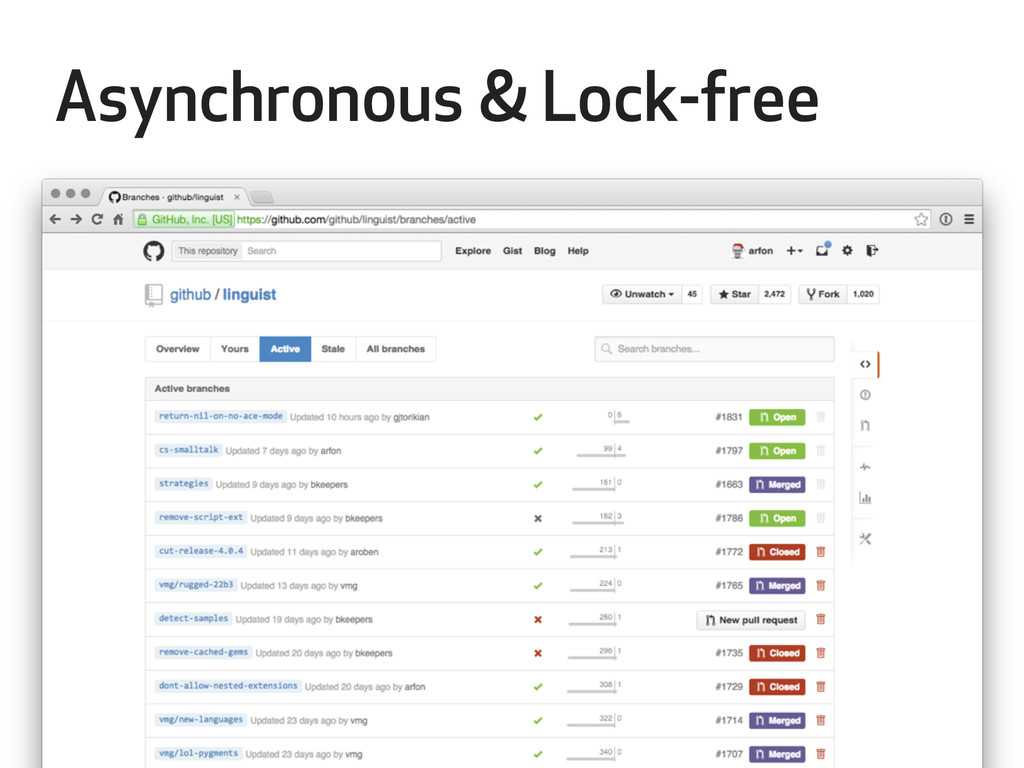
Asynchronous & Lock-free
Open, low friction collaborations
Culture of Reuse 2.
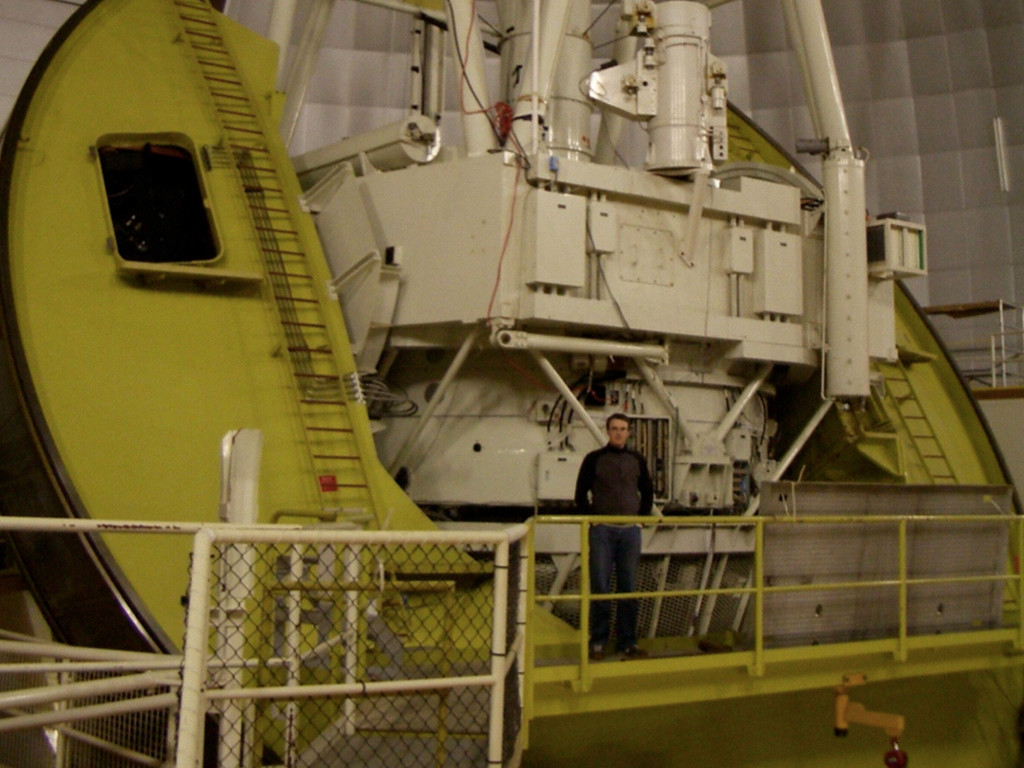
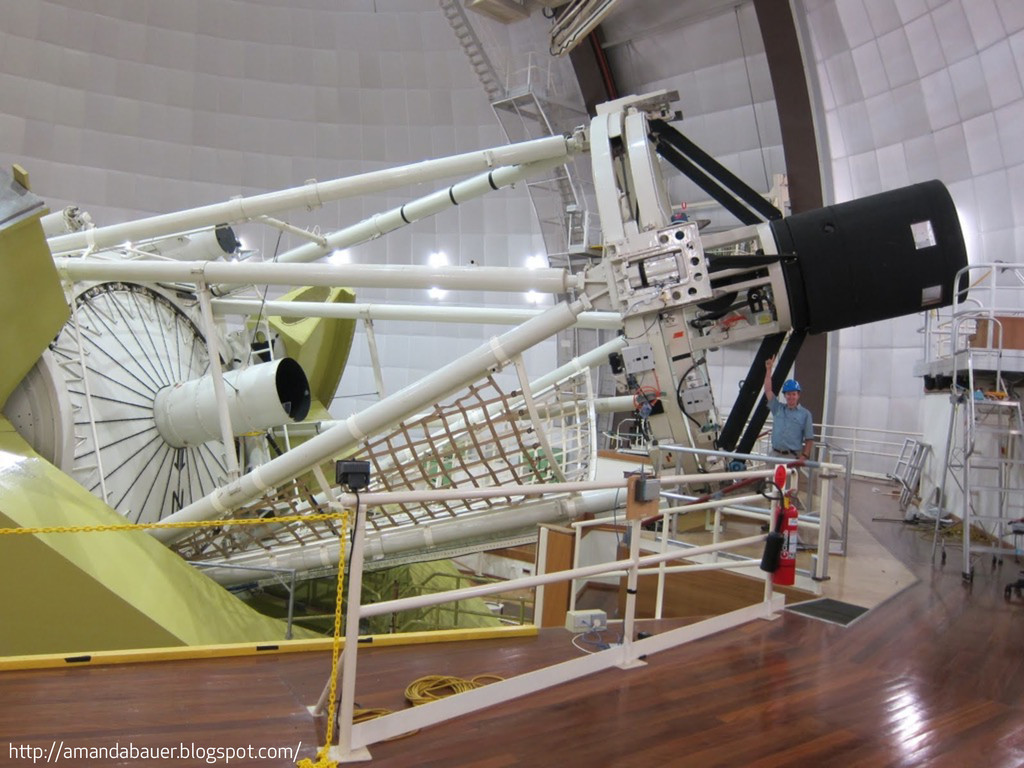
A story from my life (~10 years ago)
http://amandabauer.blogspot.com/
None
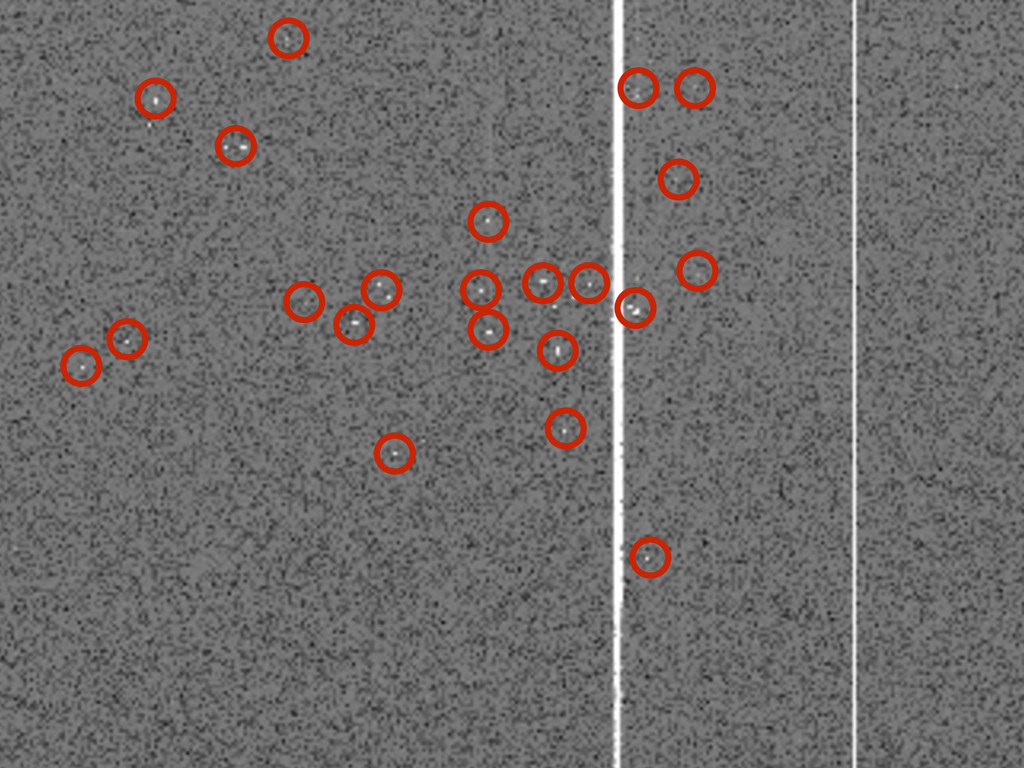
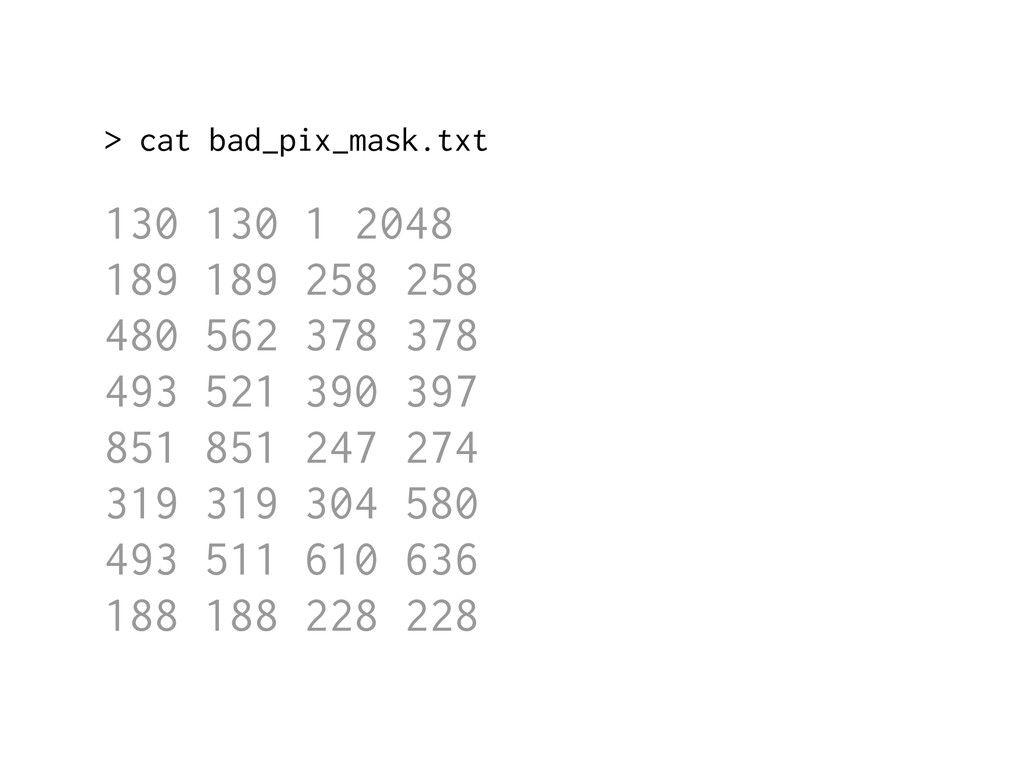
130 130 1 2048 189 189 258 258 480 562
378 378 493 521 390 397 851 851 247 274 319 319 304 580 493 511 610 636 188 188 228 228 > cat bad_pix_mask.txt
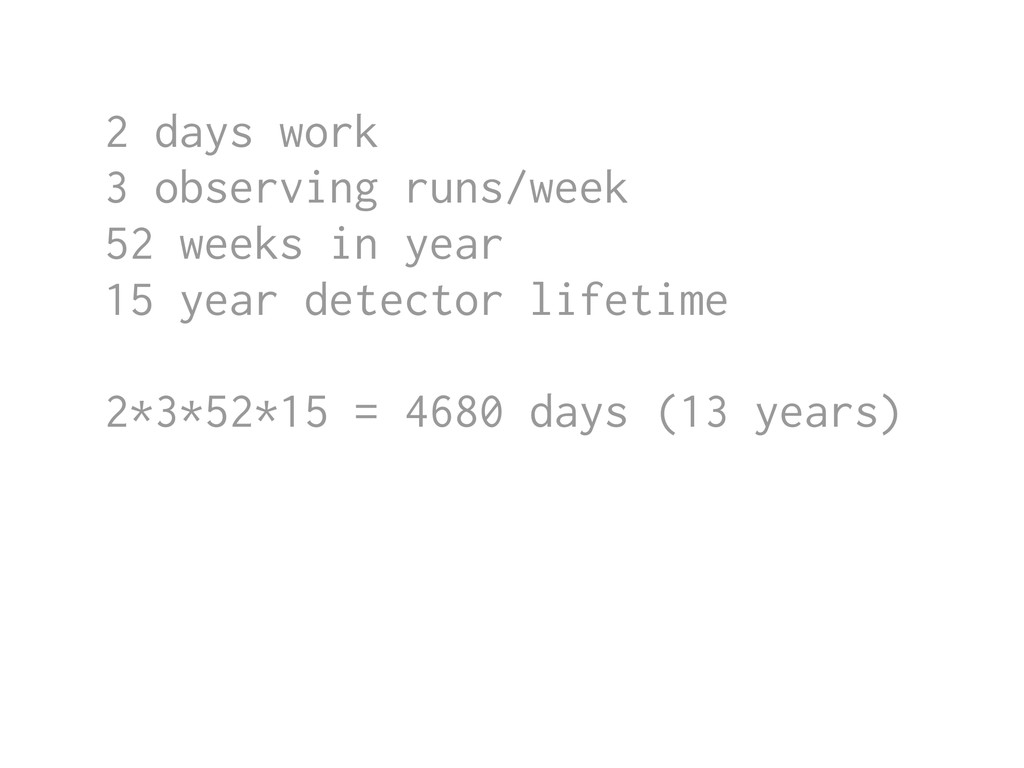
2 days work 3 observing runs/week 52 weeks in year
15 year detector lifetime 2*3*52*15 = 4680 days (13 years)
A second story from my life (~6 months ago)
None
None
None
None
None
None
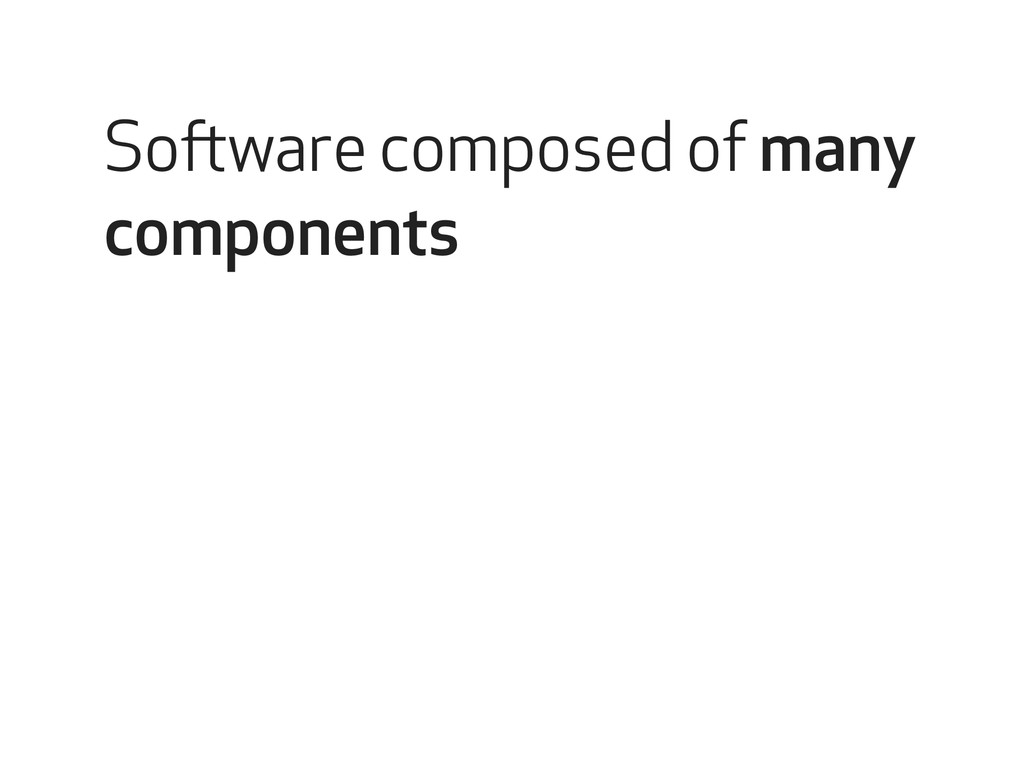
Software composed of many components
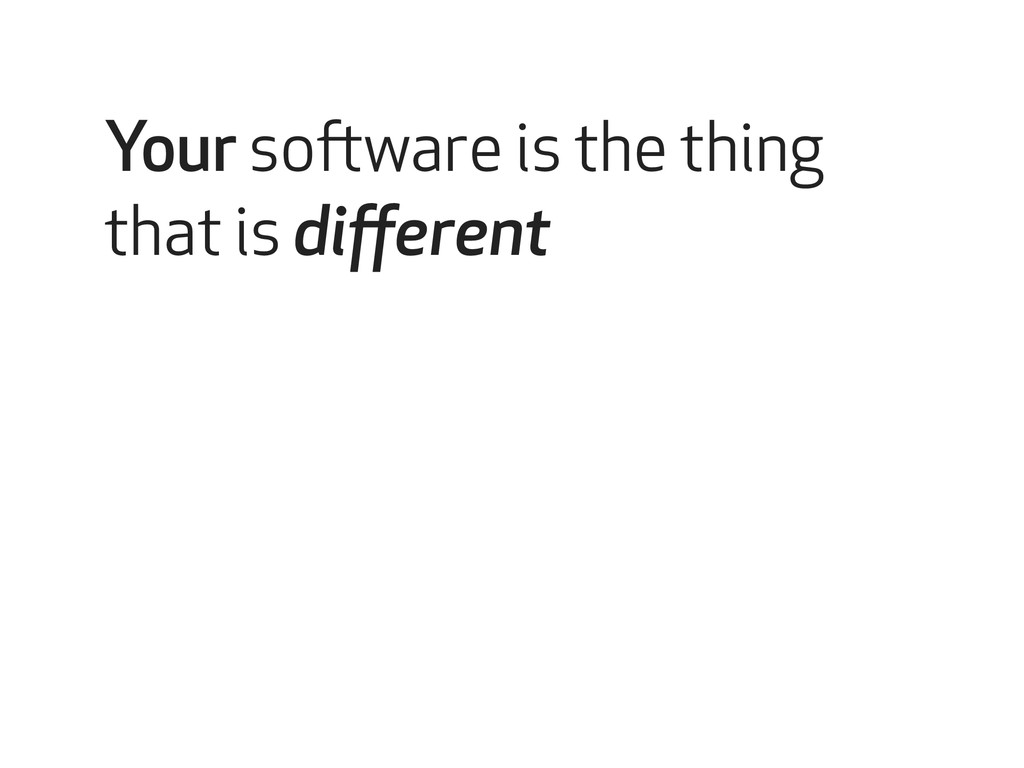
Your software is the thing that is different
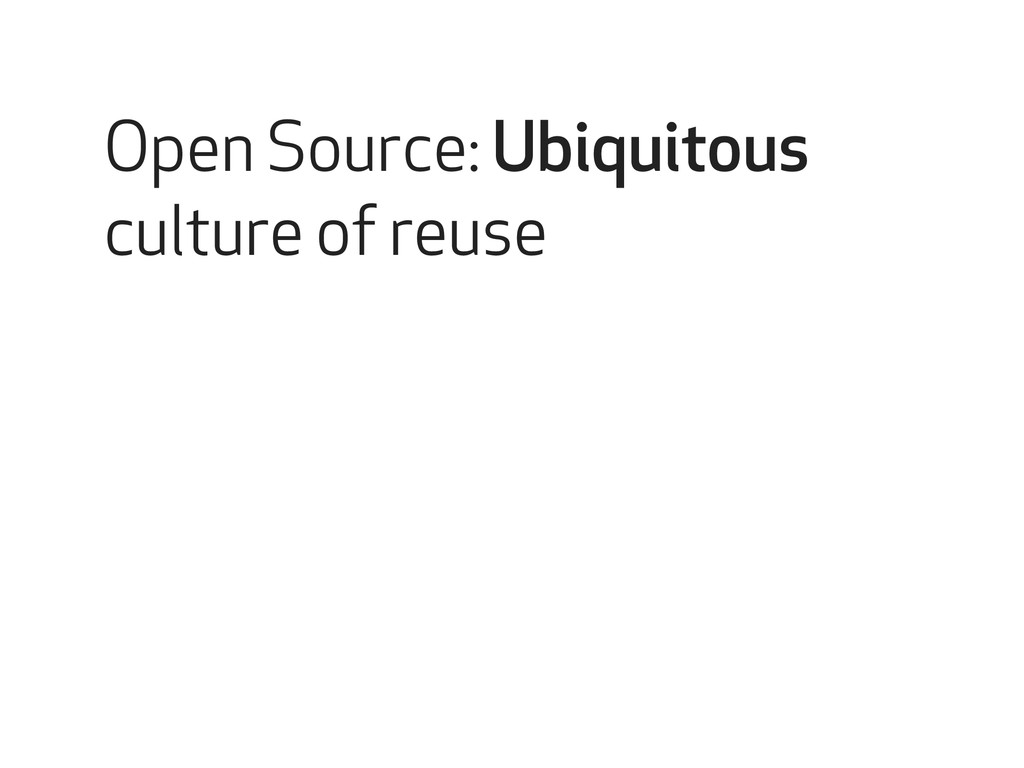
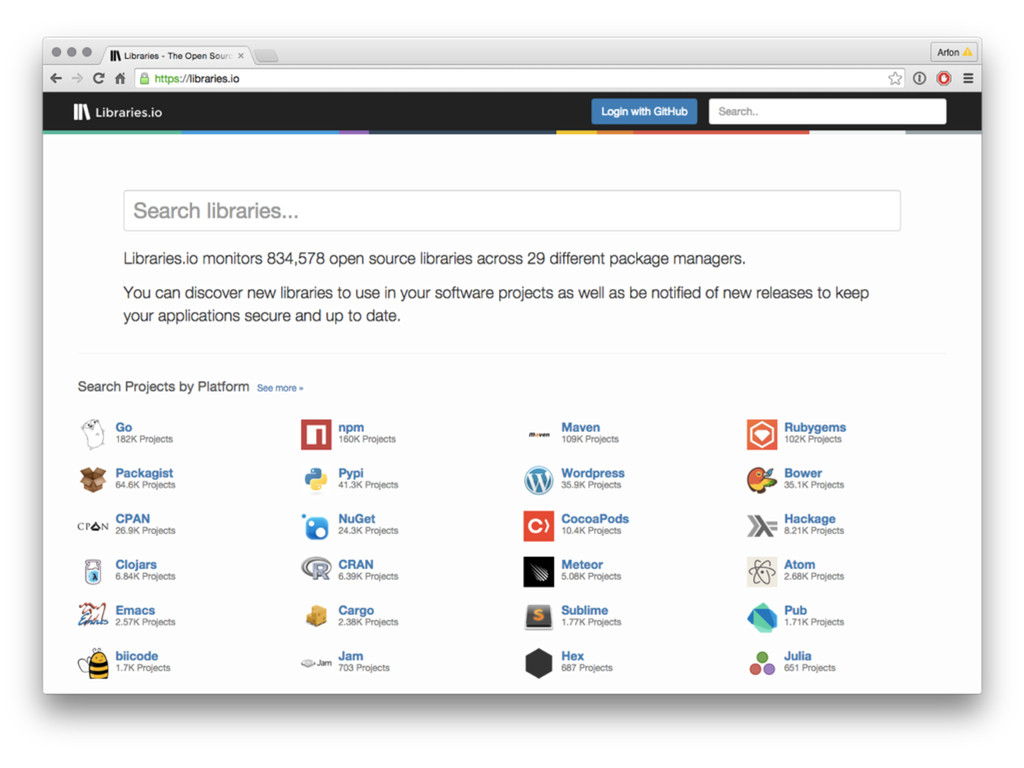
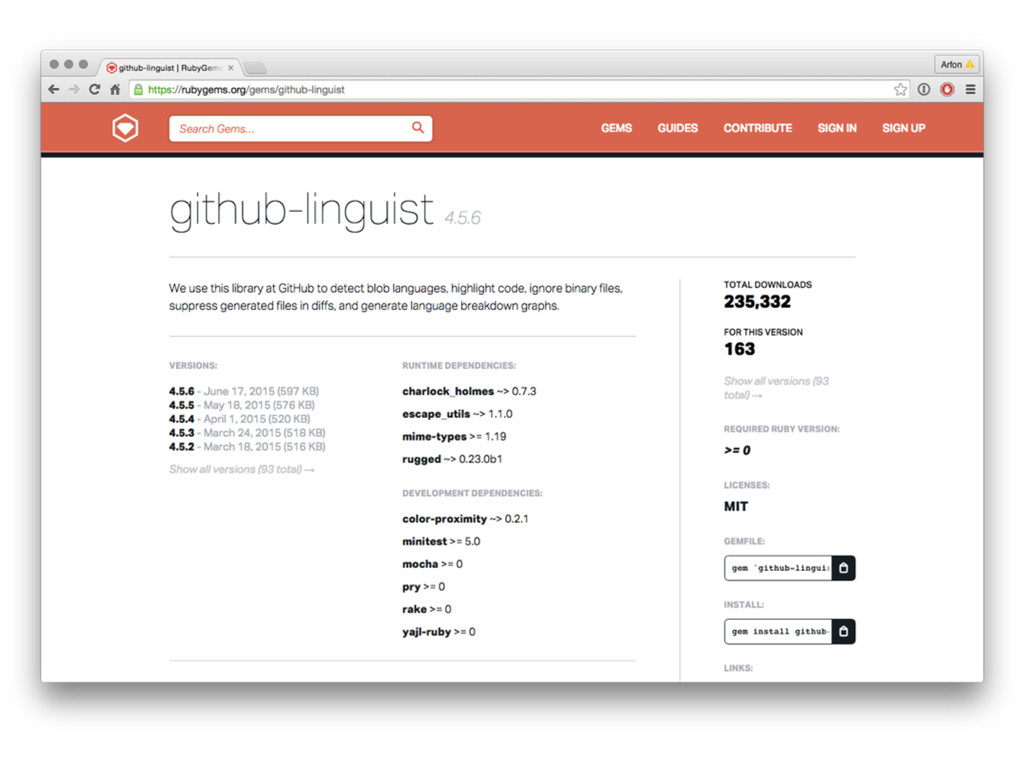
Open Source: Ubiquitous culture of reuse
Verification 3.
None
None
None
None
None
None
None
None
None
None
None
None
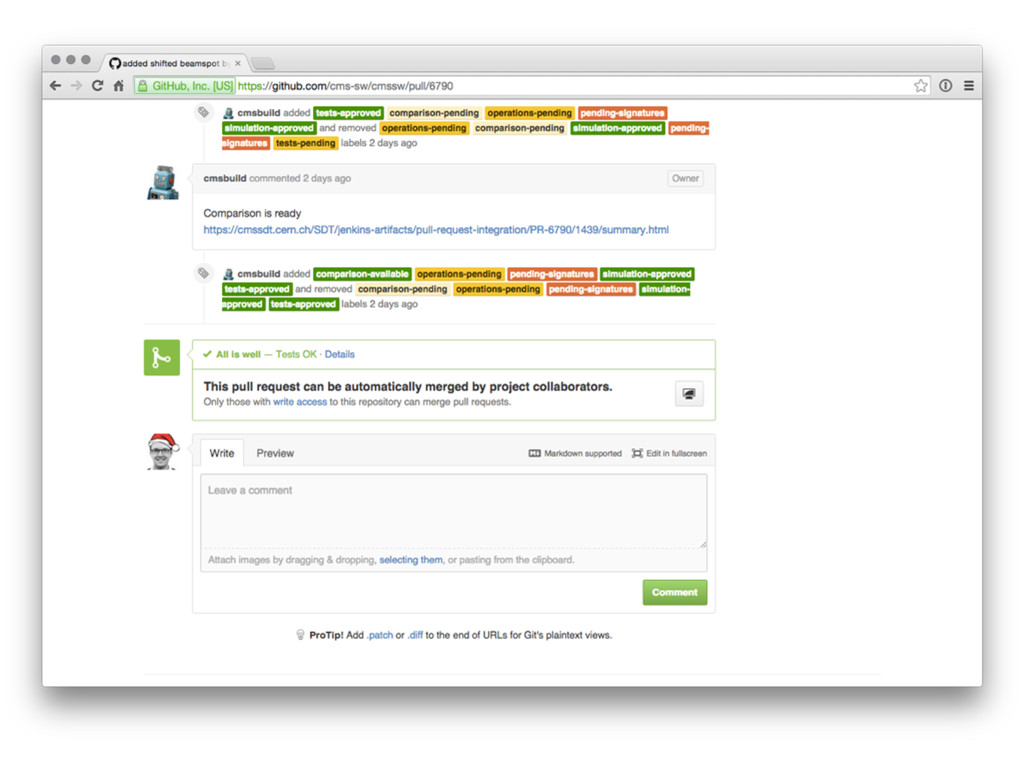
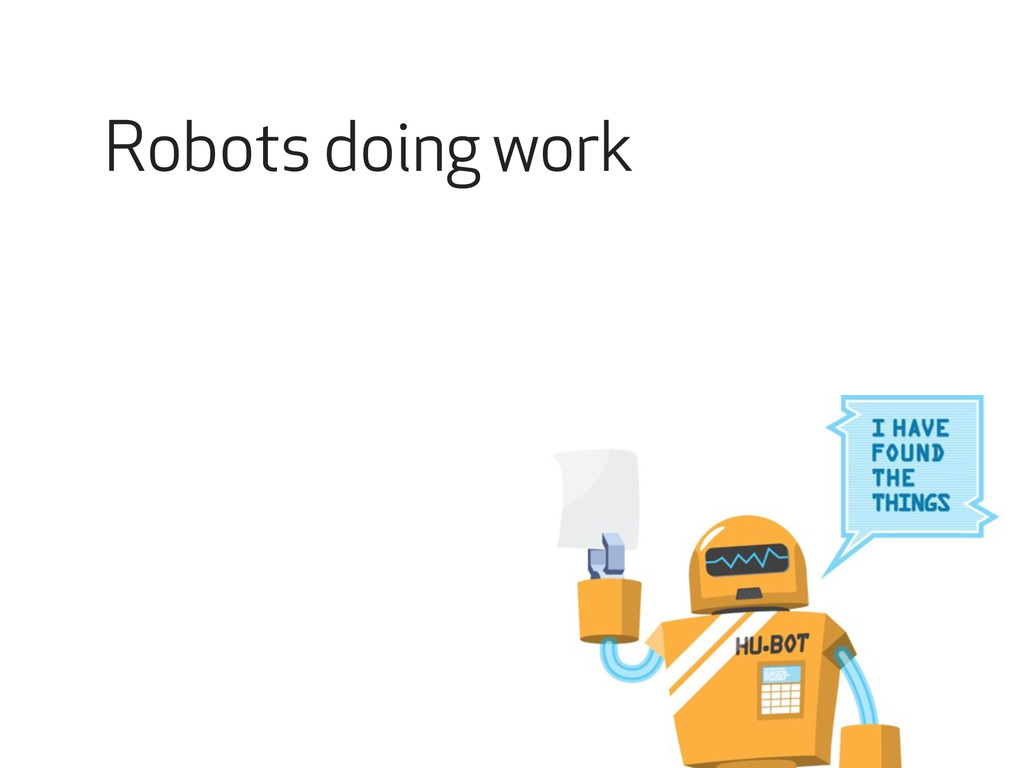
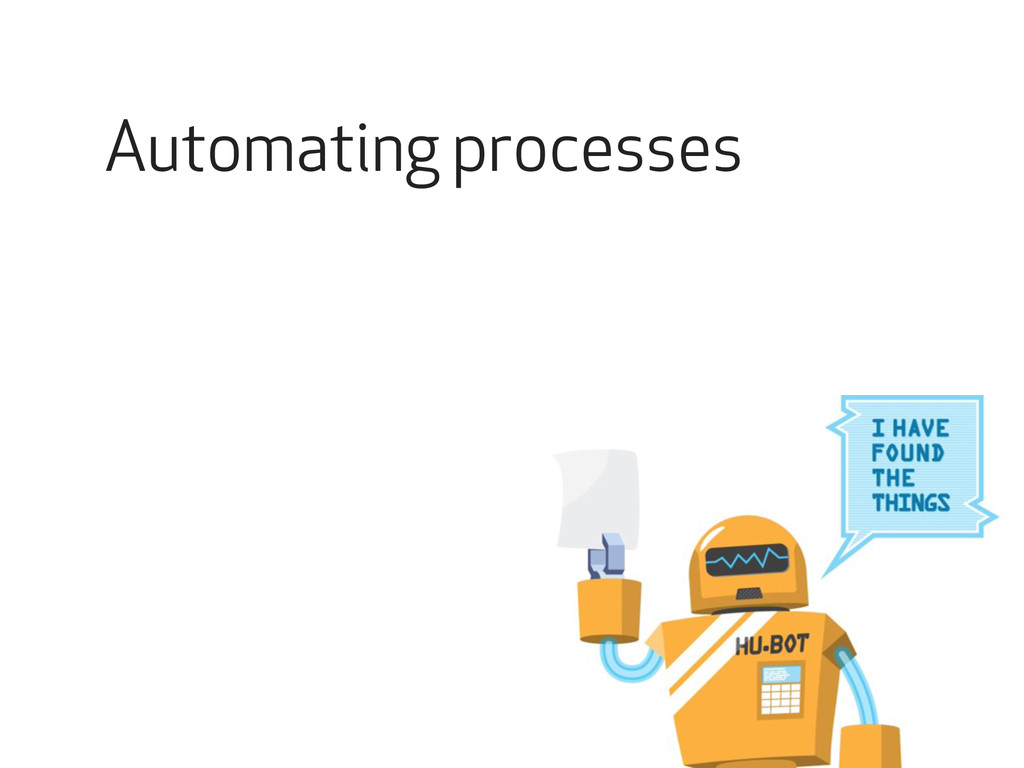
Robots doing work
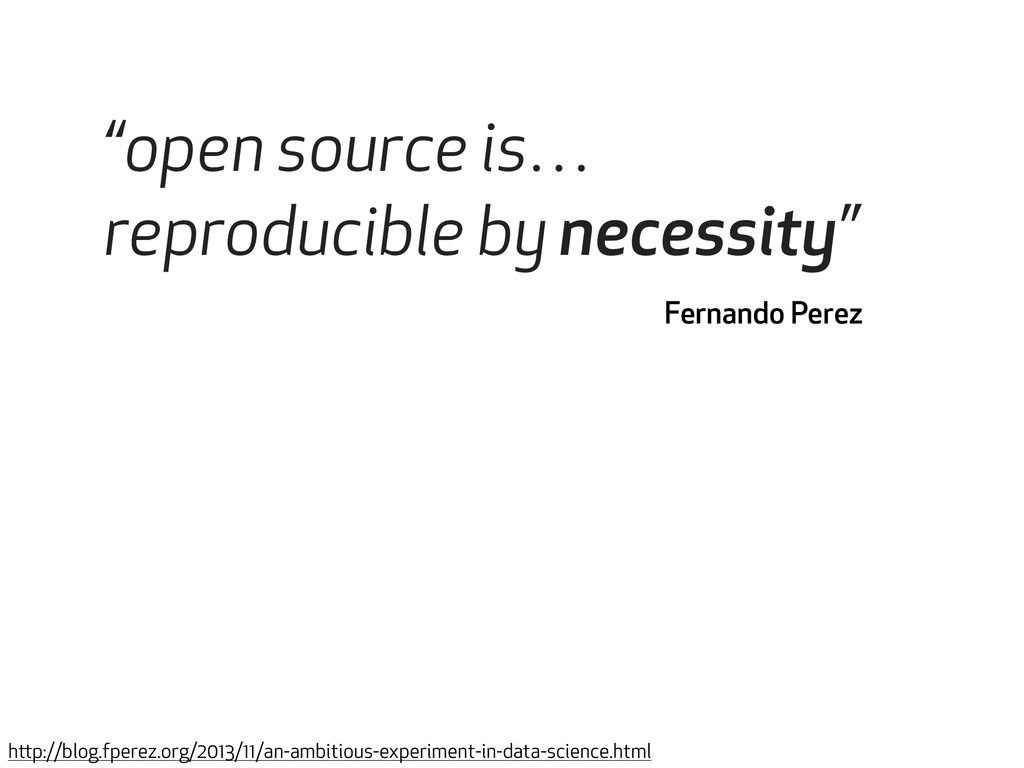
“open source is… reproducible by necessity” Fernando Perez http://blog.fperez.org/2013/11/an-ambitious-experiment-in-data-science.html
Why steal ideas from open source?
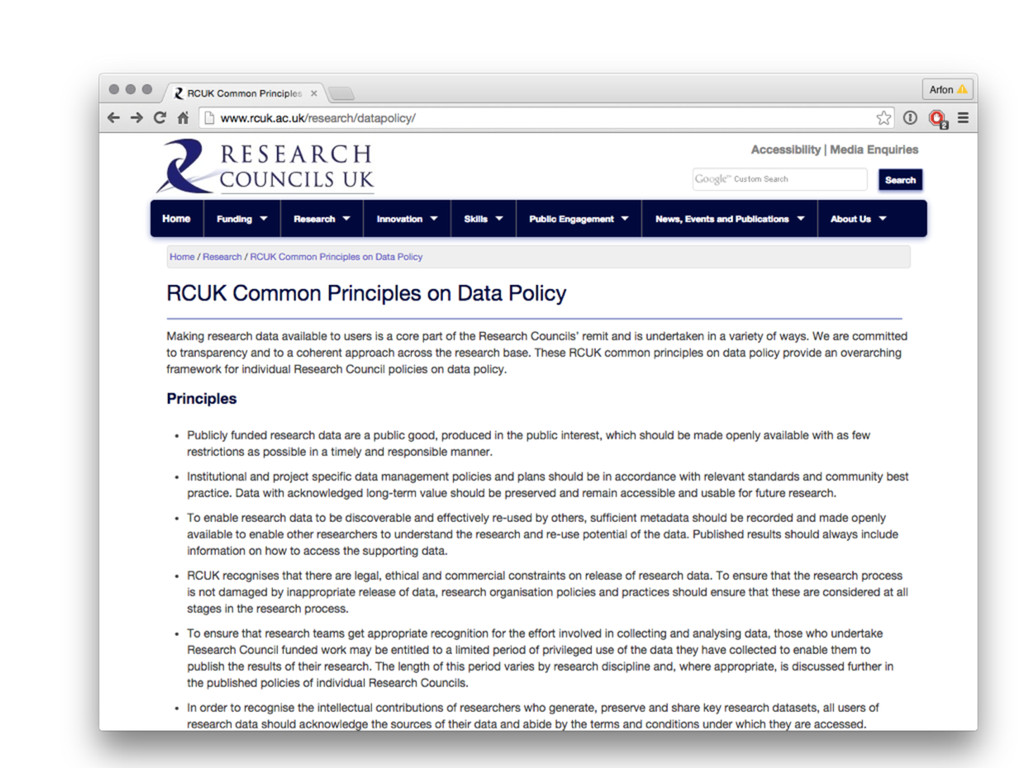
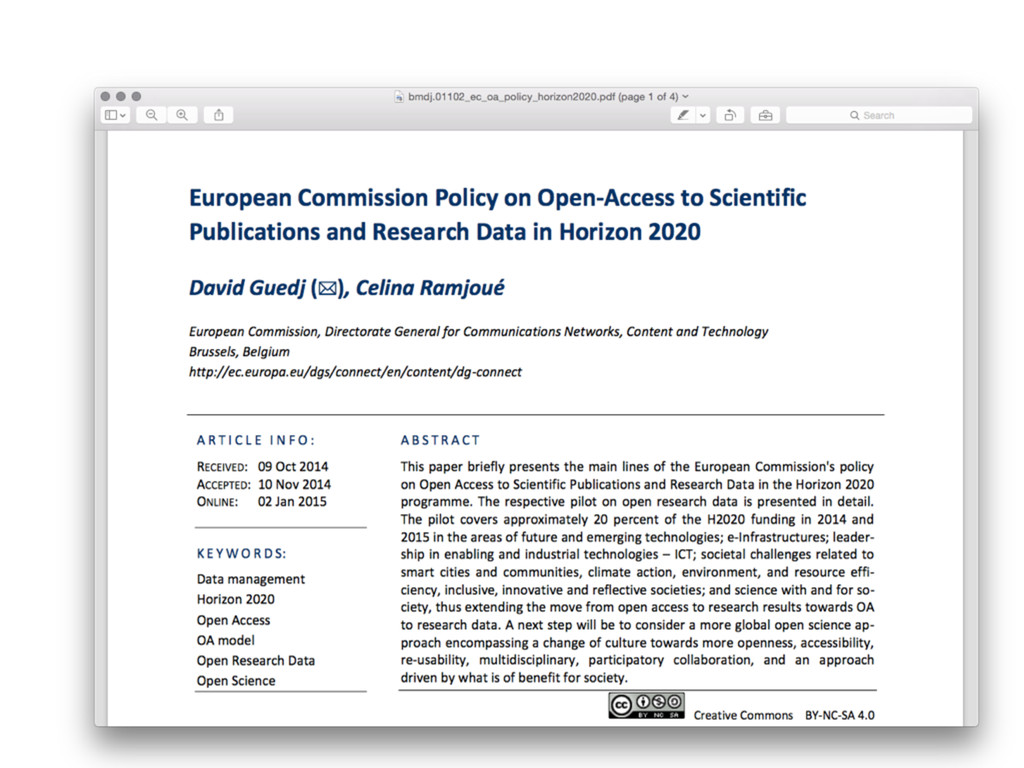
Academic landscape is changing
None
None
A VISION AND STRATEGY FOR SOFTWARE FOR SCIENCE, ENGINEERING, AND
EDUCATION
Open is the new normal
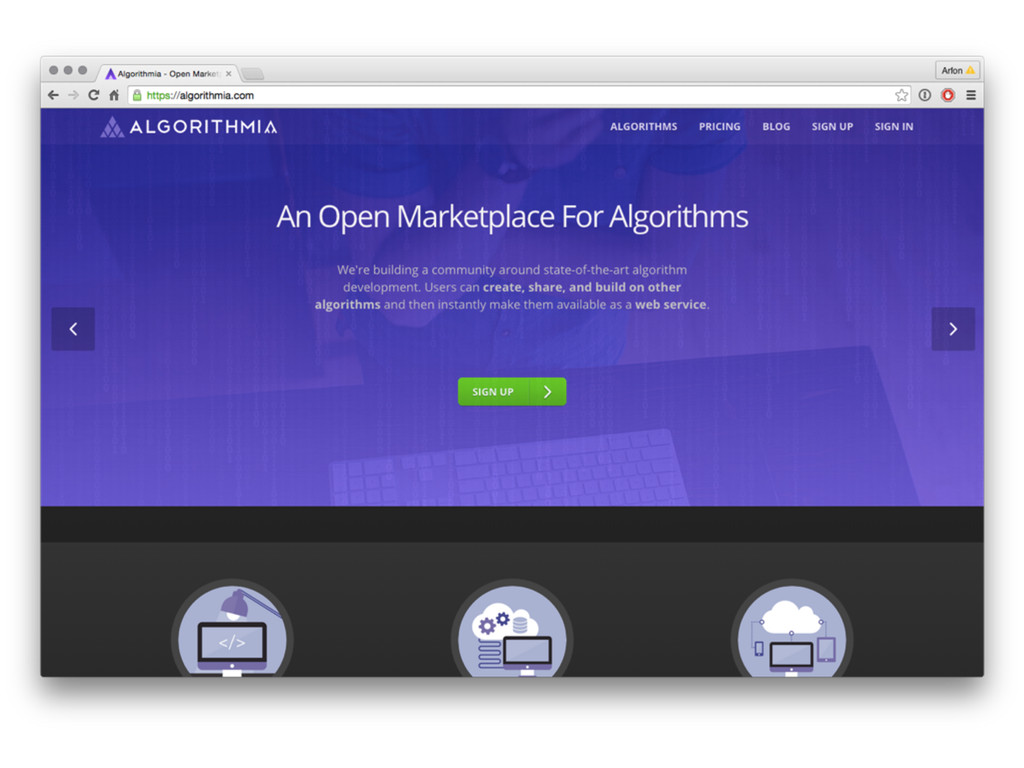
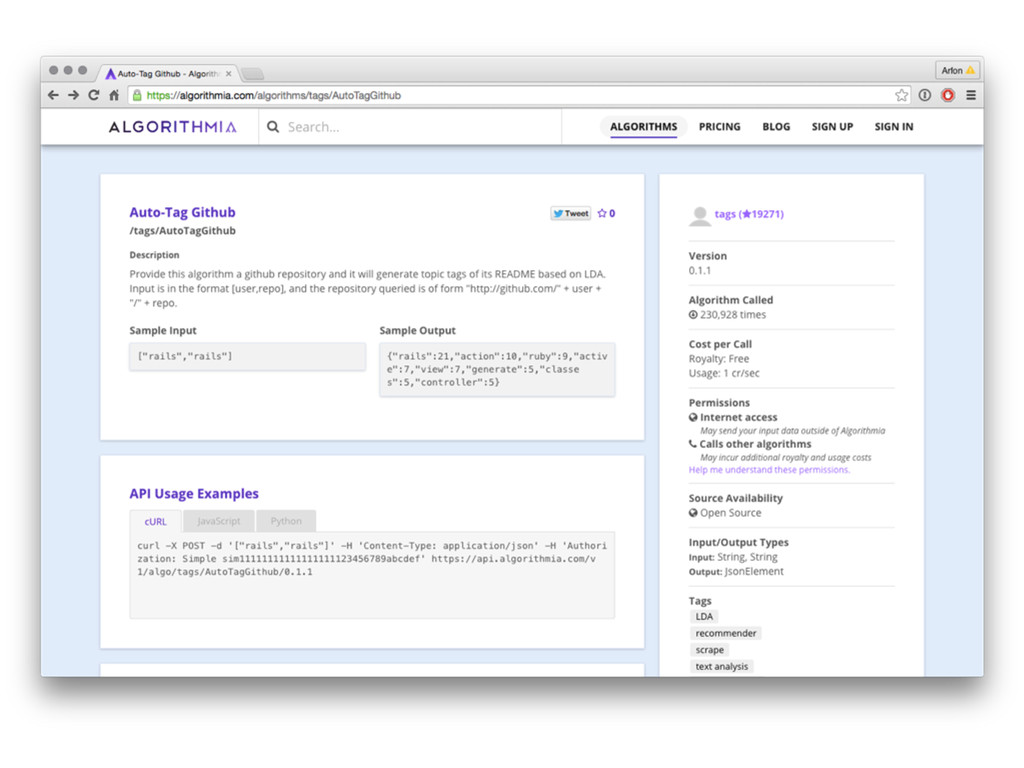
Software & Data Services
None
None
None
None
New tools. New ways of working.
New tools. New ways of publishing.
http://www.flickr.com/photos/tamaleaver/
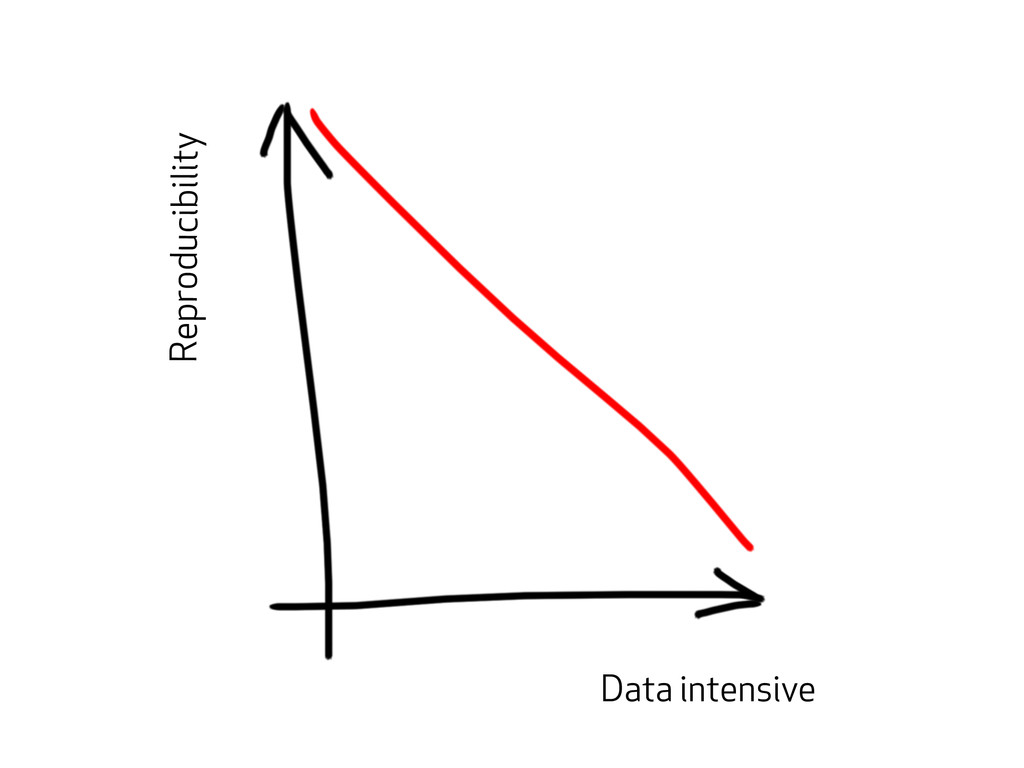
Reproducibility Data intensive
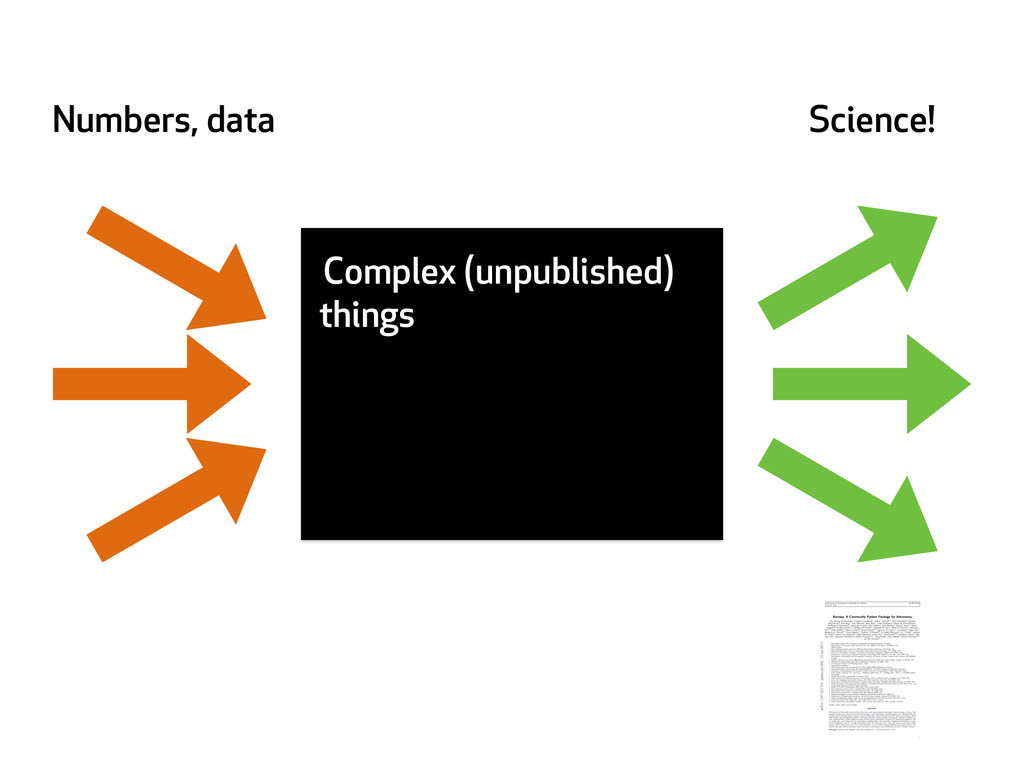
Complex (unpublished) things Numbers, data Science!
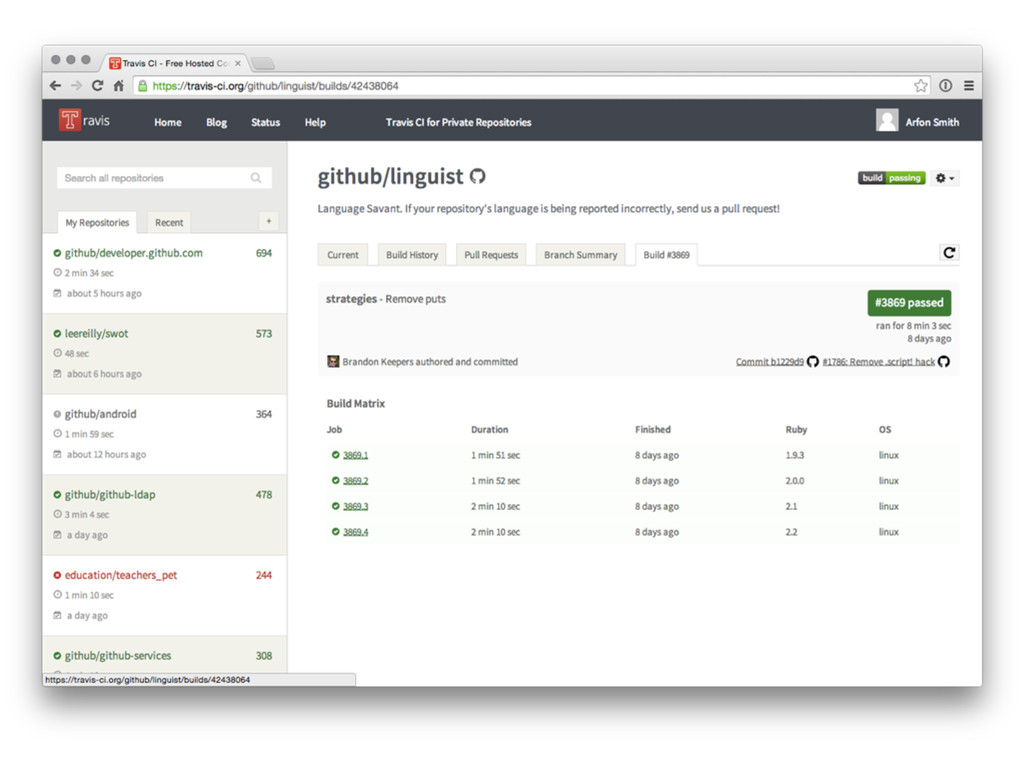
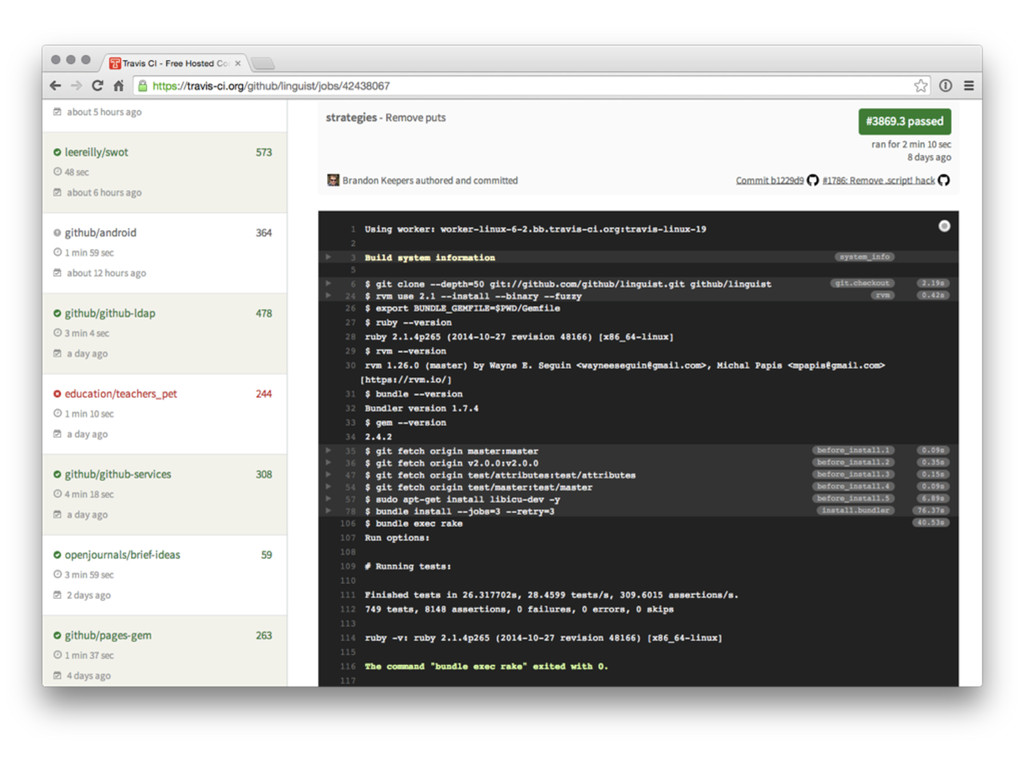
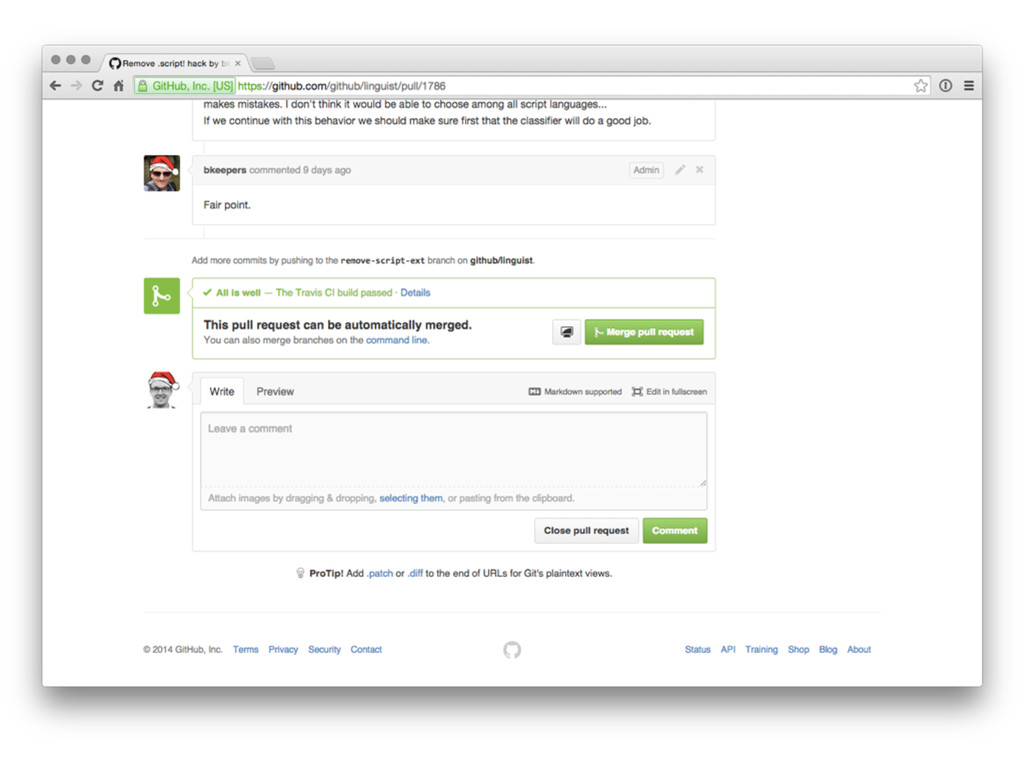
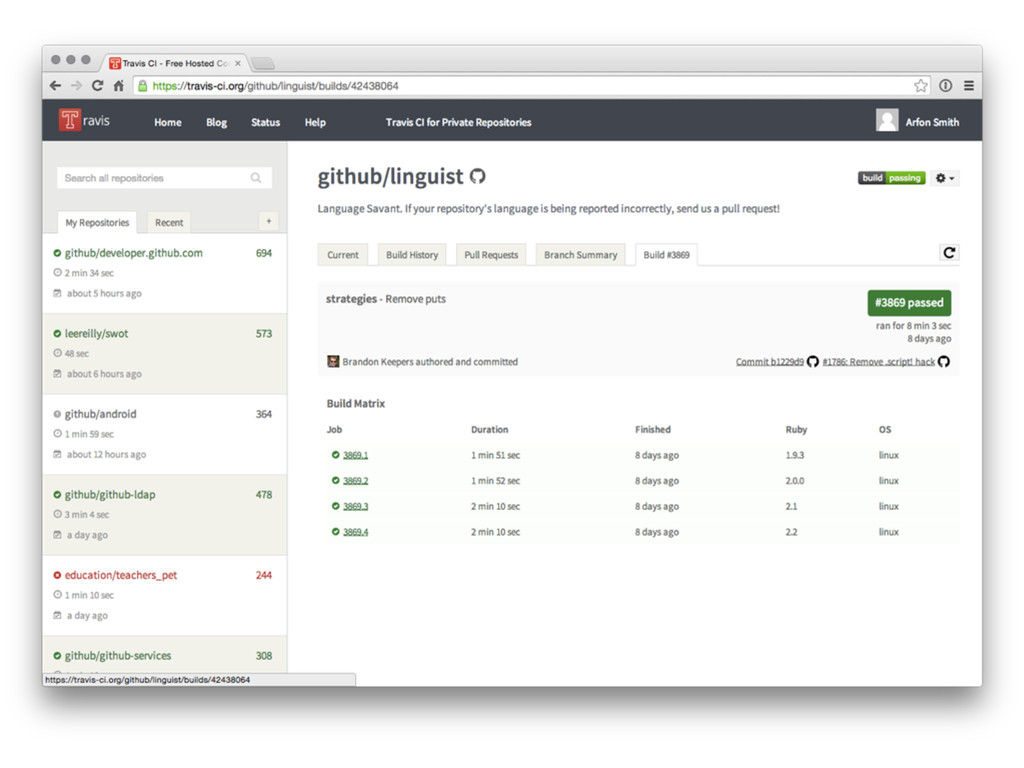
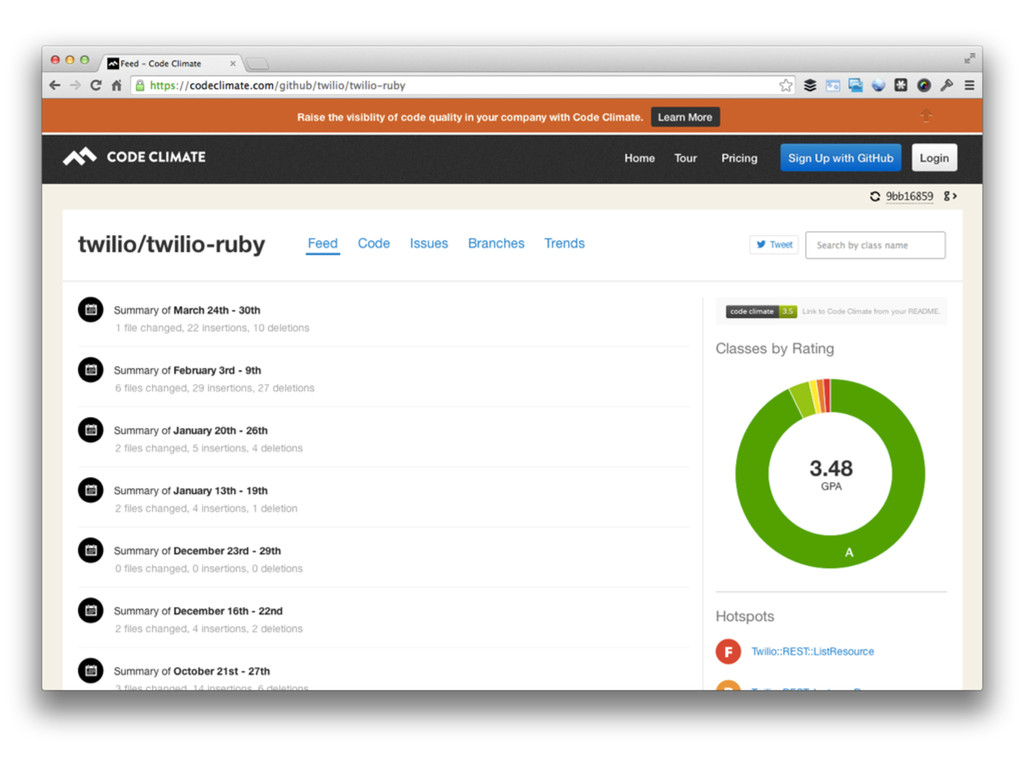
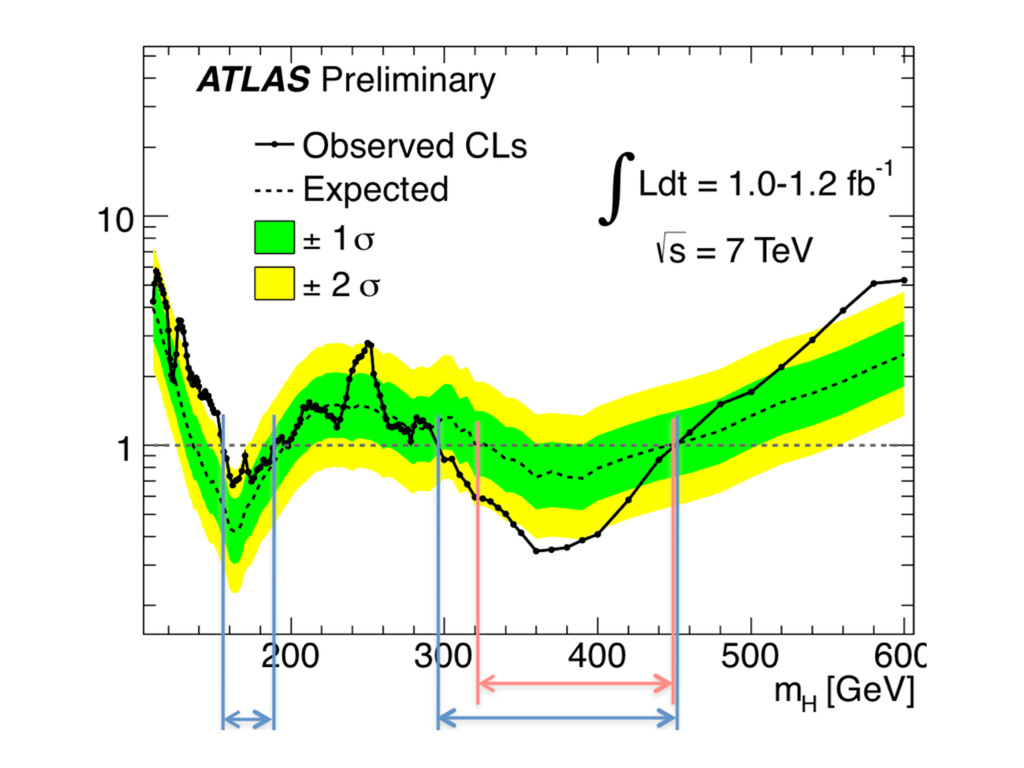
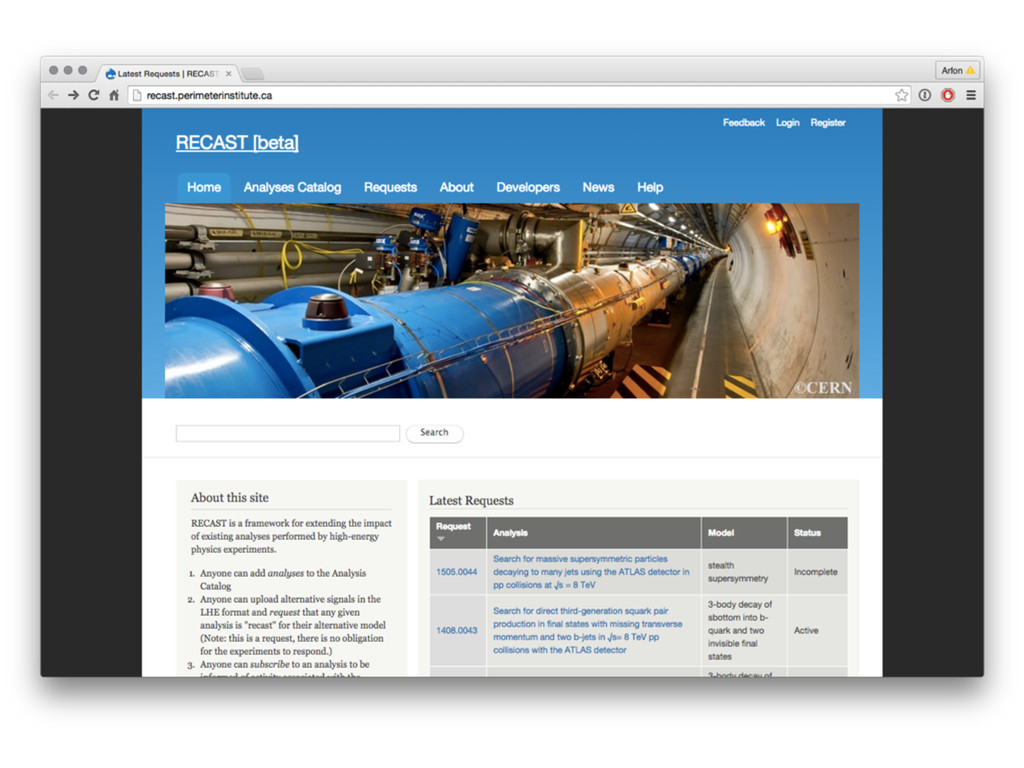
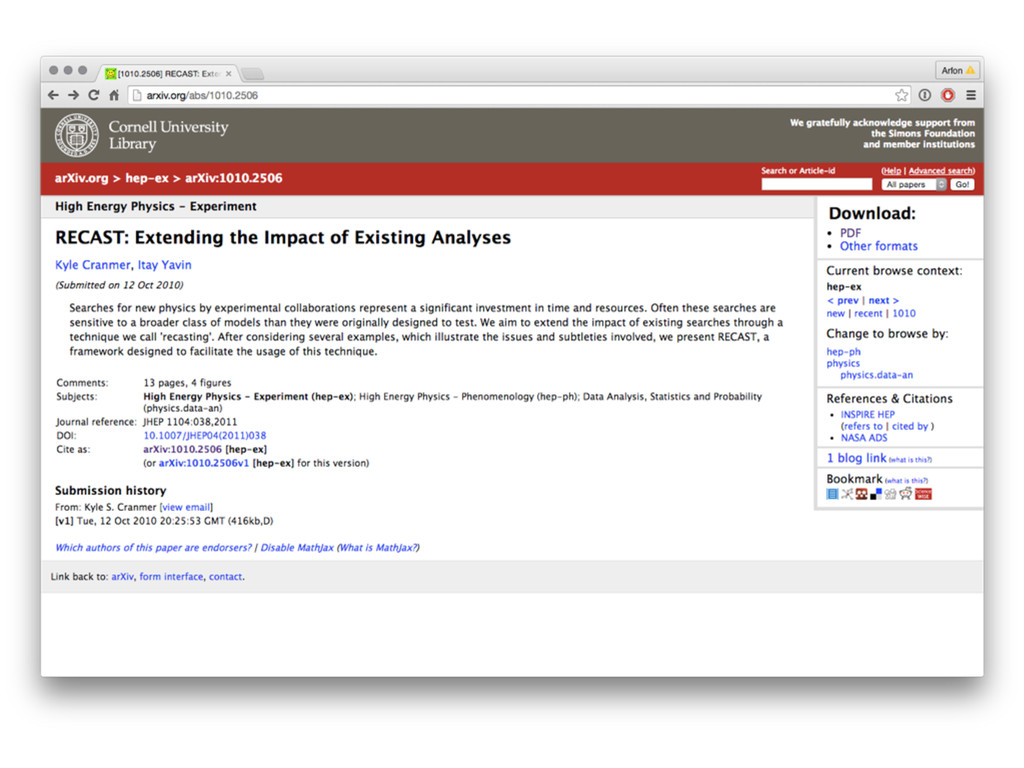
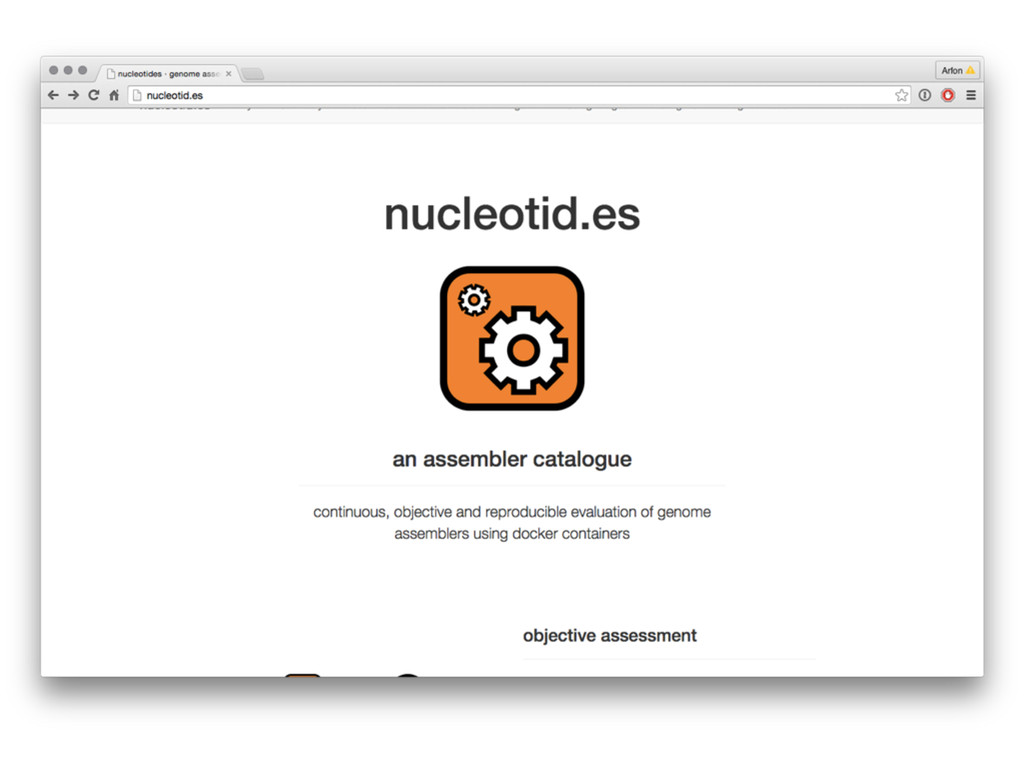
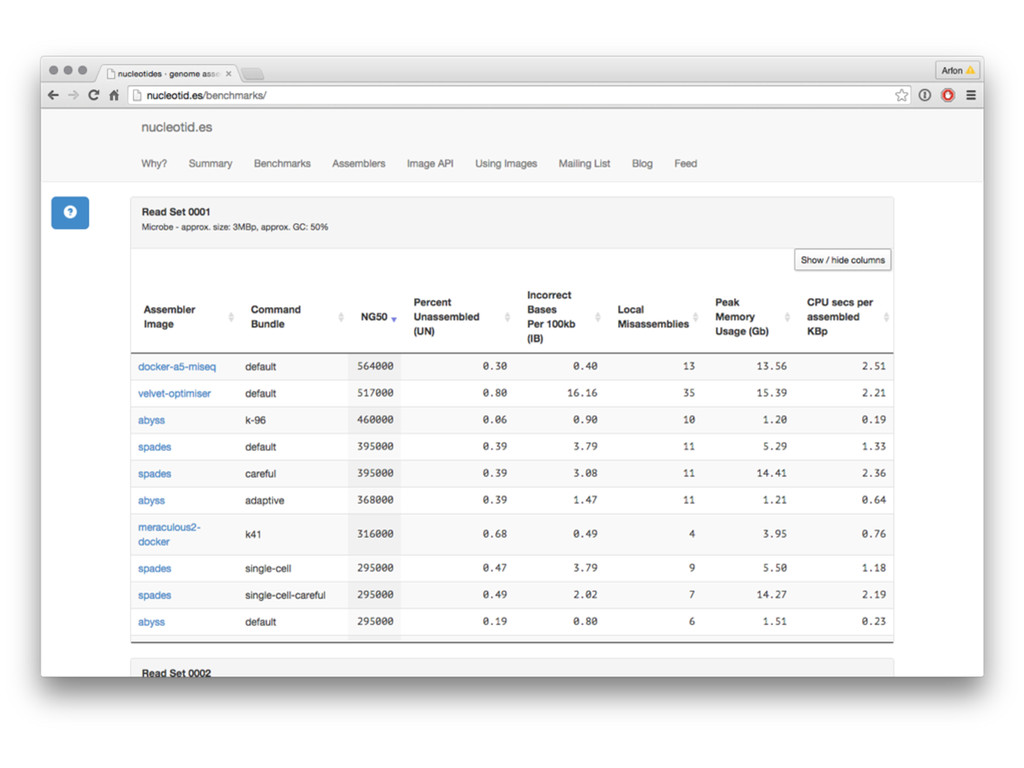
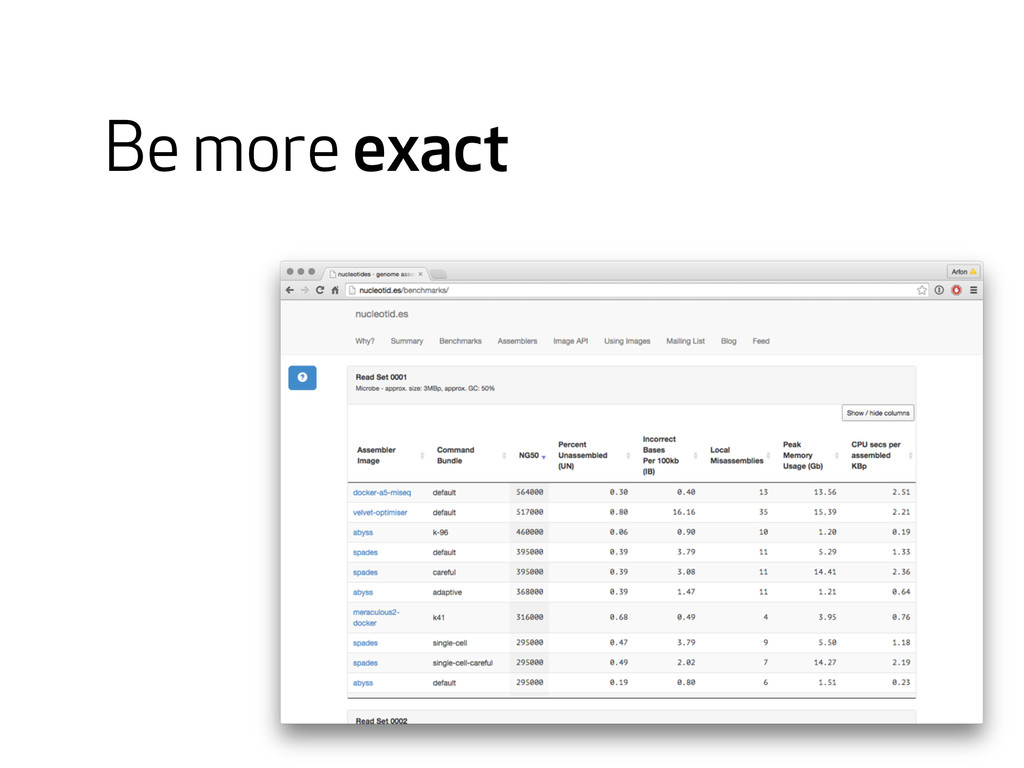
Verification & benchmarking services Likely thing #1:
None
None
None
None
None
Software is an unforgiving medium
Automating processes
Benchmarking services
None
None
None
None
None
None
None
None
None
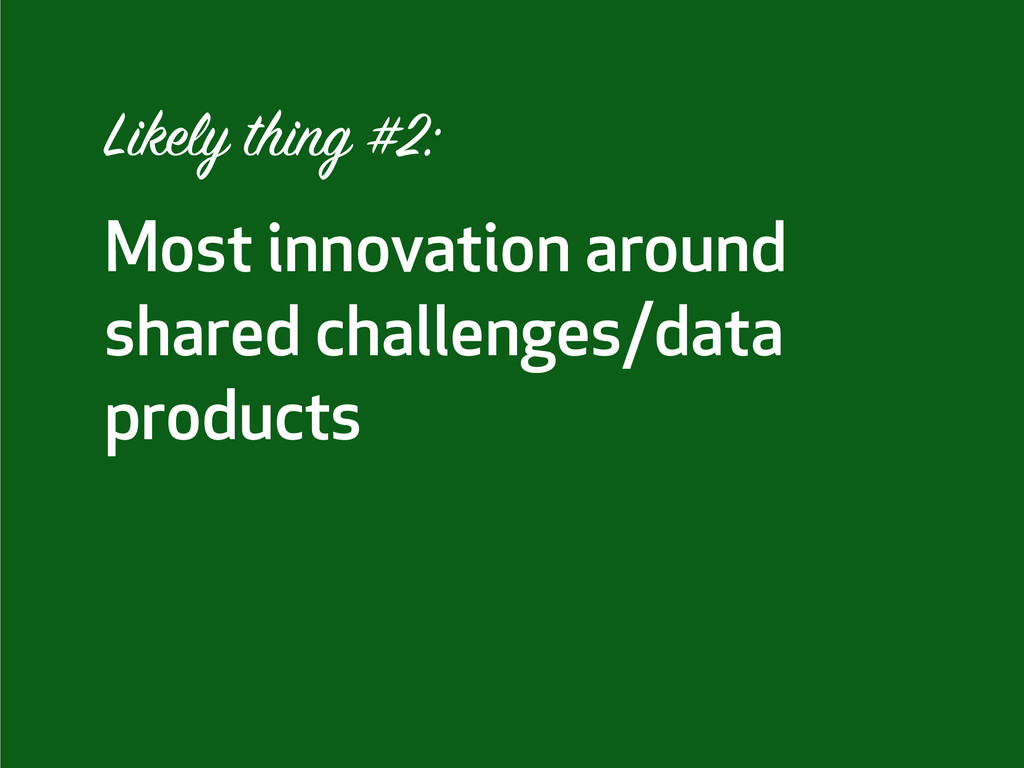
Most innovation around shared challenges/data products Likely thing #2:
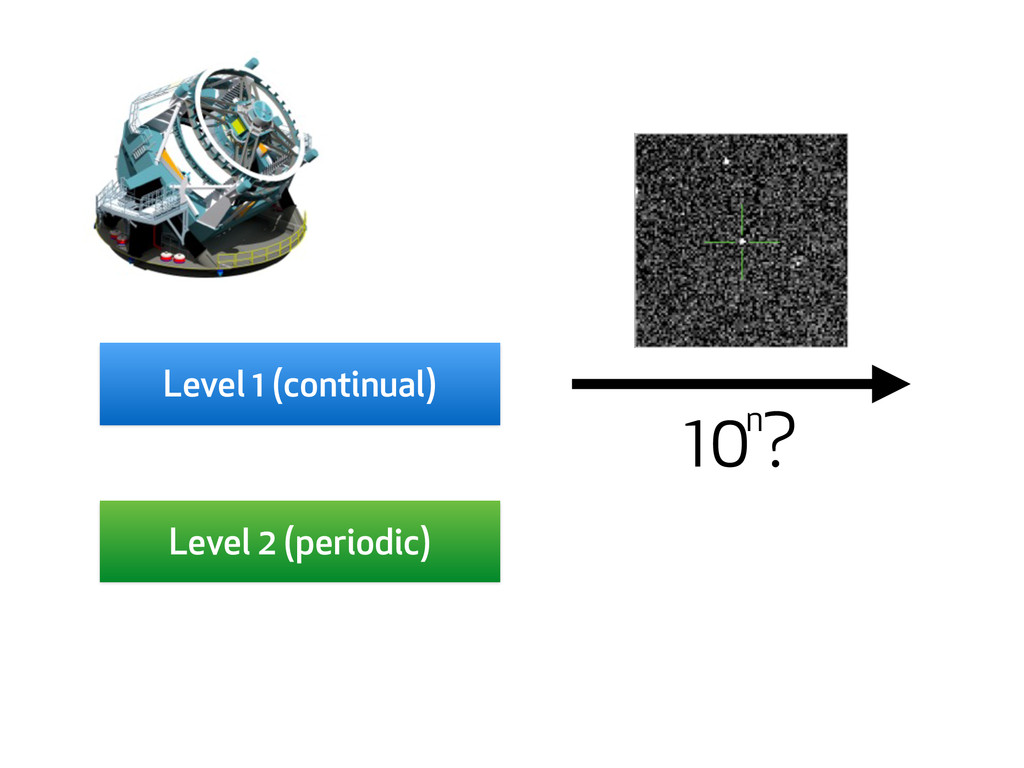
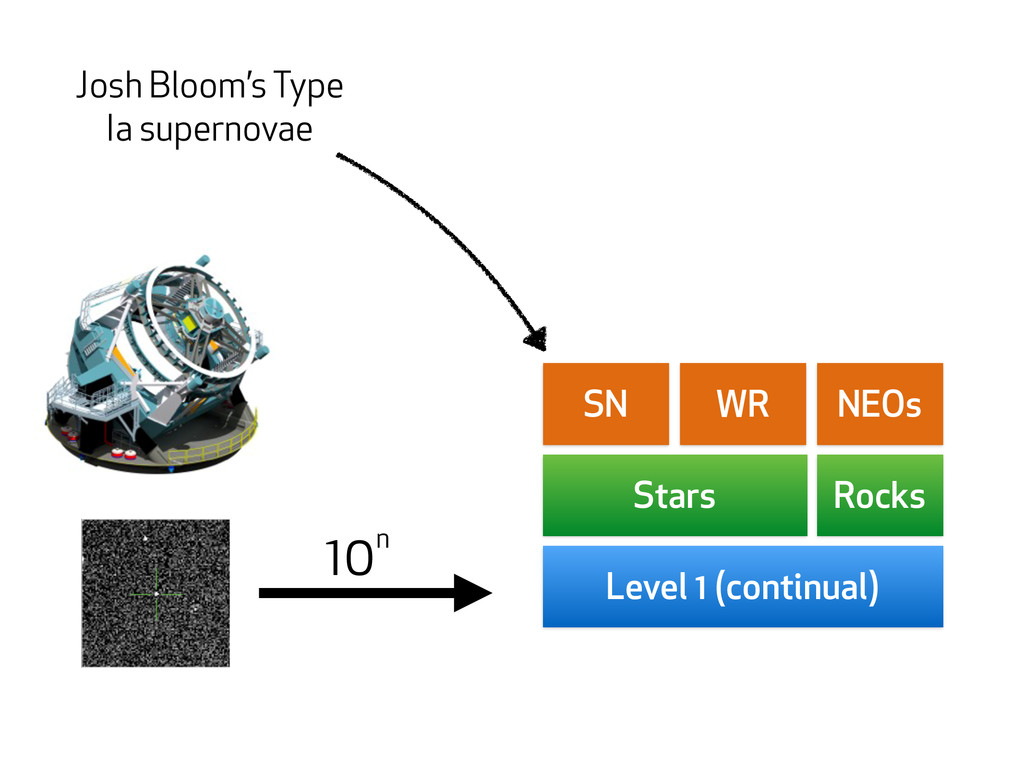
10 ? n Level 1 (continual) Level 2 (periodic)
Software composed of many components
Your software is the thing that is different
Open Source: Ubiquitous culture of reuse
Ecosystem around data products
Stars Rocks SN WR NEOs Josh Bloom’s Type Ia supernovae
Level 1 (continual) 10 n
None
None
None
‘Normal’ citations won’t be sufficient for software Likely thing #3:
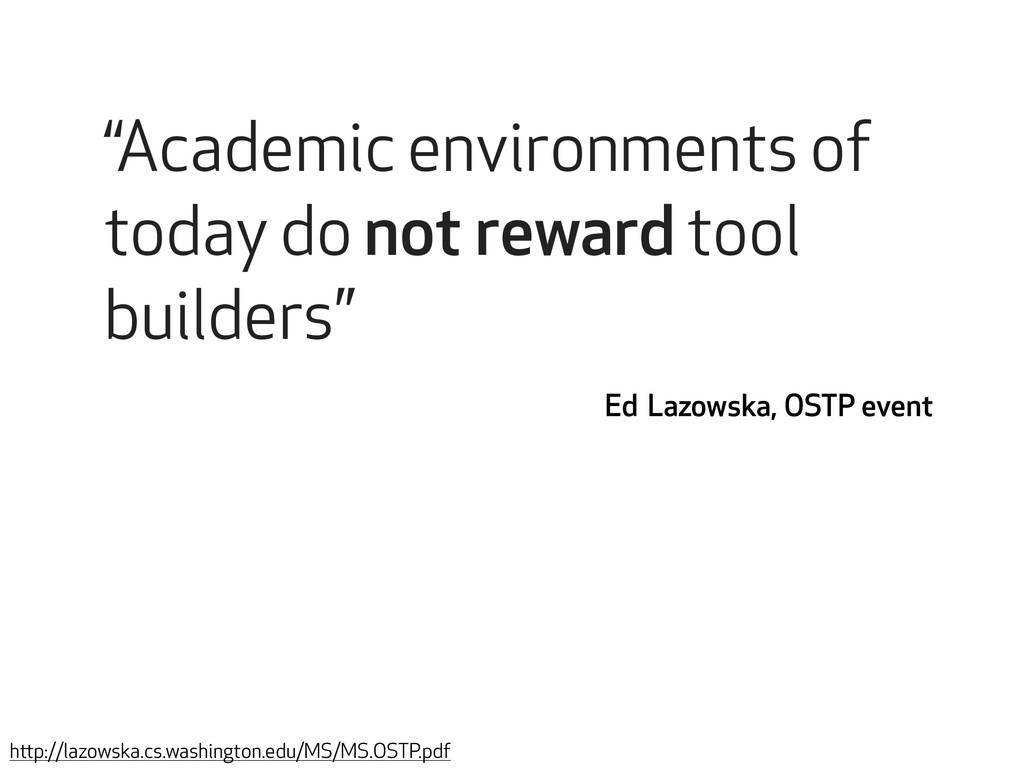
“Academic environments of today do not reward tool builders” Ed
Lazowska, OSTP event http://lazowska.cs.washington.edu/MS/MS.OSTP.pdf
None
None
None
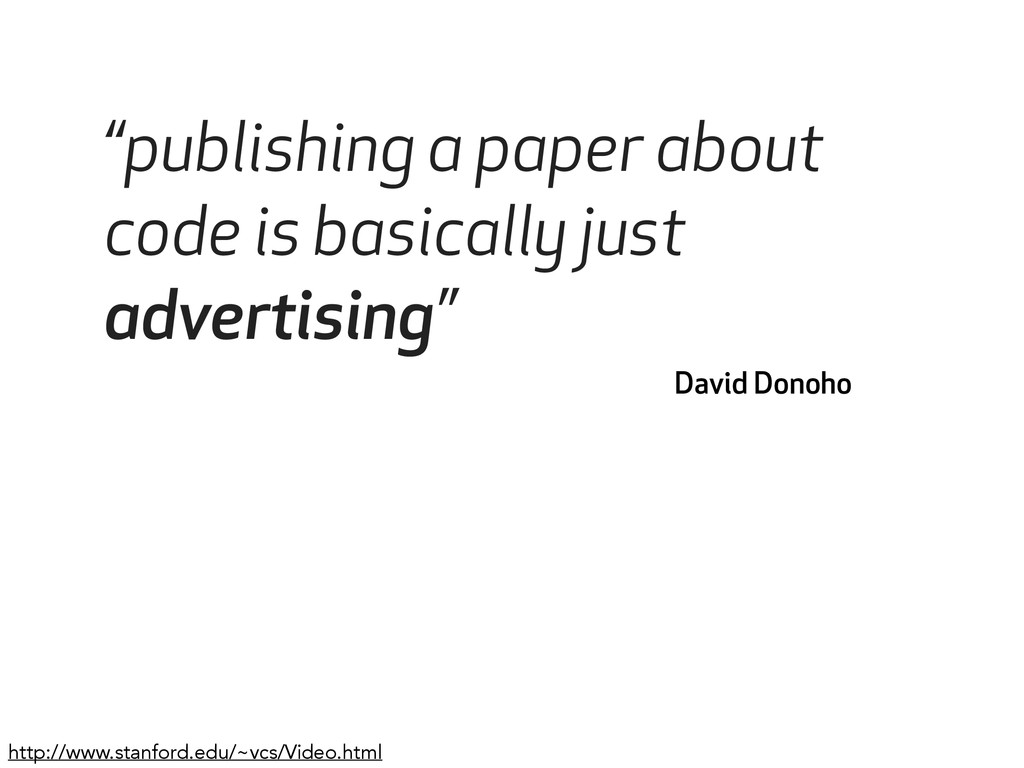
“publishing a paper about code is basically just advertising” David
Donoho http://www.stanford.edu/~vcs/Video.html
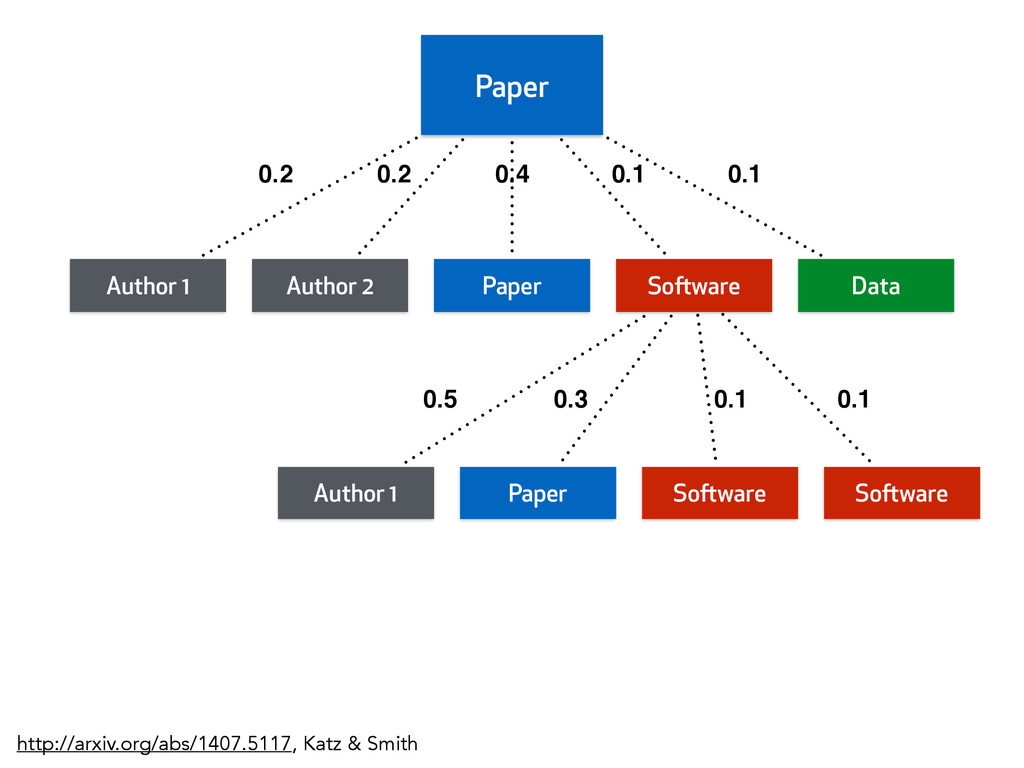
Transitive Credit
Paper Author 1 Author 2 Paper Software Data 0.2 0.2
0.4 0.1 0.1 Paper Software Software Author 1 0.5 0.3 0.1 0.1 http://arxiv.org/abs/1407.5117, Katz & Smith
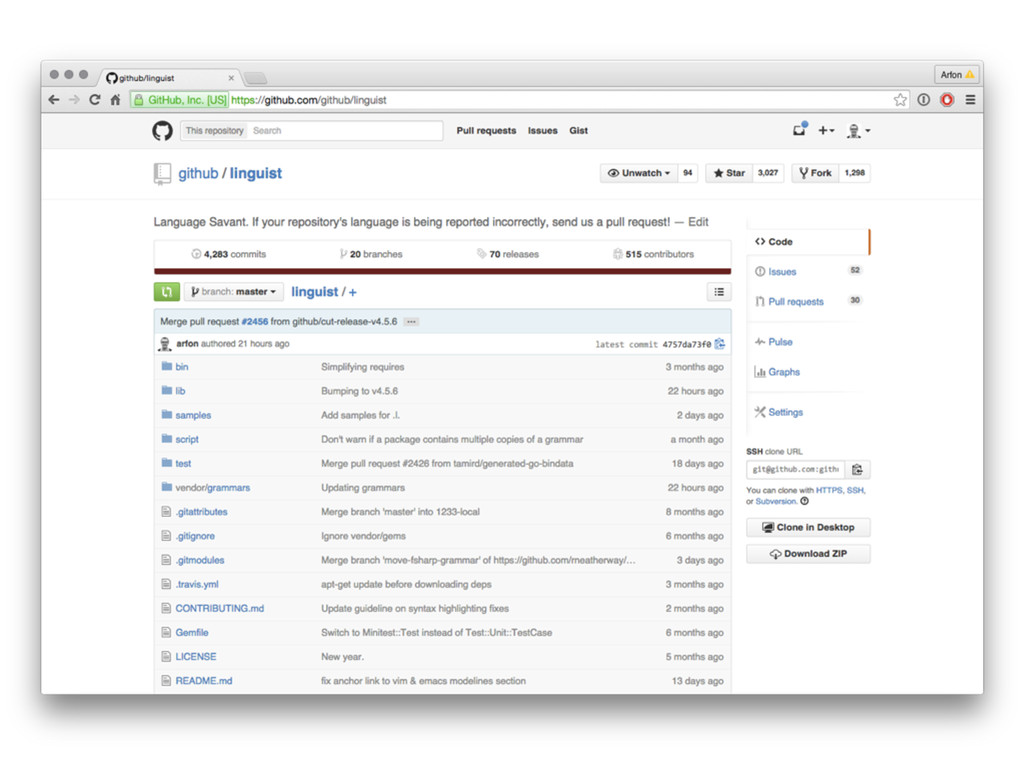
Authorship isn’t static
None
None
None
None
None
None
None
None
Where does progress come first?
Where do communities form?
Around a shared challenge?
Around shared data?
Be more exact
Where peers can most easily recognise value
Open source has solved much of what academia needs
The challenge is to adapt and evolve the academy in
this new collaborative age
Thanks.
[email protected]
@arfon #


 arfon
arfon
 sokikatayama
 koide3
 enochan
 recsyslab
 corochann
 gpeyre
 polipoli
 ftakahashi
 rfujii
 hisaokatsumi
 resolutionfoundation
 stktu
stktu
 lauravandoore
 mojombo
 aleyda
 mlcsv
mlcsv
 lara
lara
 gurzu
gurzu
 kimpetersen
 tammielis
 orderedlist
 tammyeverts
 danielanewman


























![Thanks. [email protected] @arfon #](https://files.speakerdeck.com/presentations/fb2ff37bae7447a2a41b88f2e968409c/slide_165.jpg)