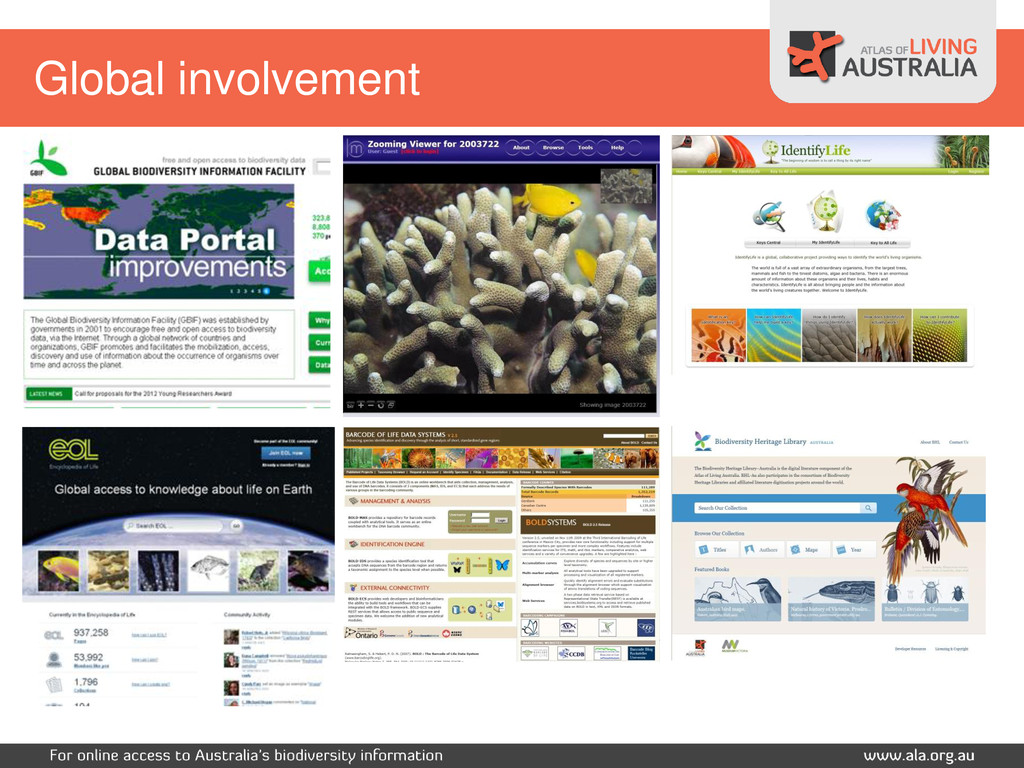
Australia’s biodiversity John La Salle Director Atlas of Living Australia The Atlas is funded by the Australian Government under the National Collaborative Research Infrastructure Strategy and further supported by the Super Science Initiative of the Education Investment Fund
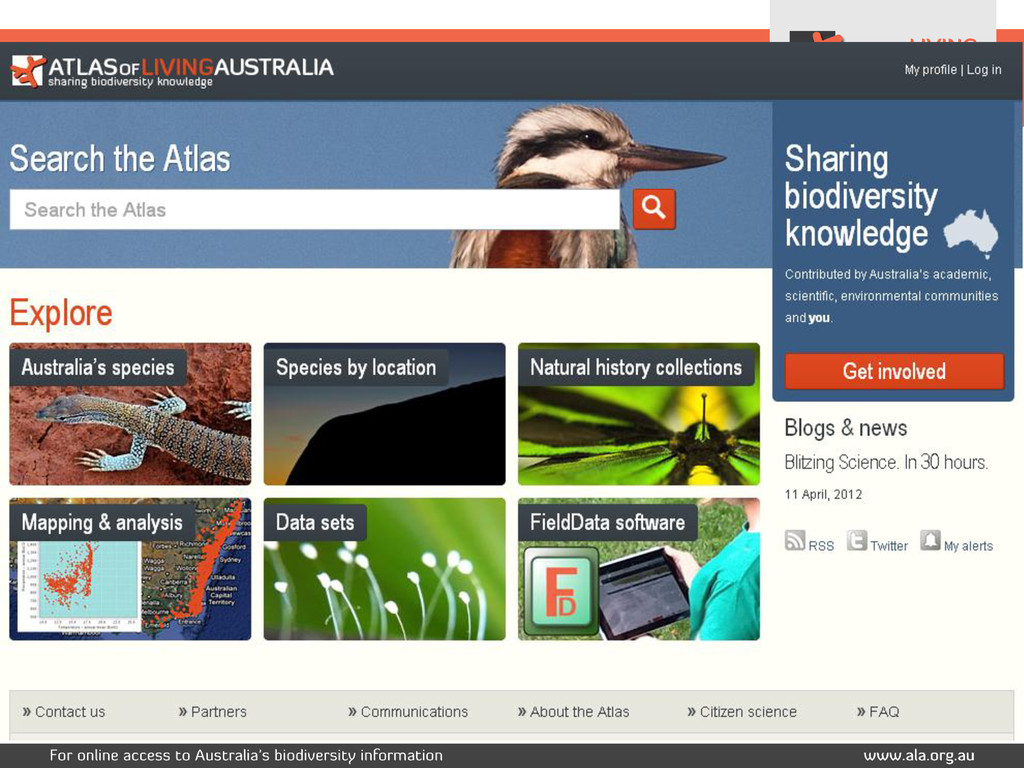
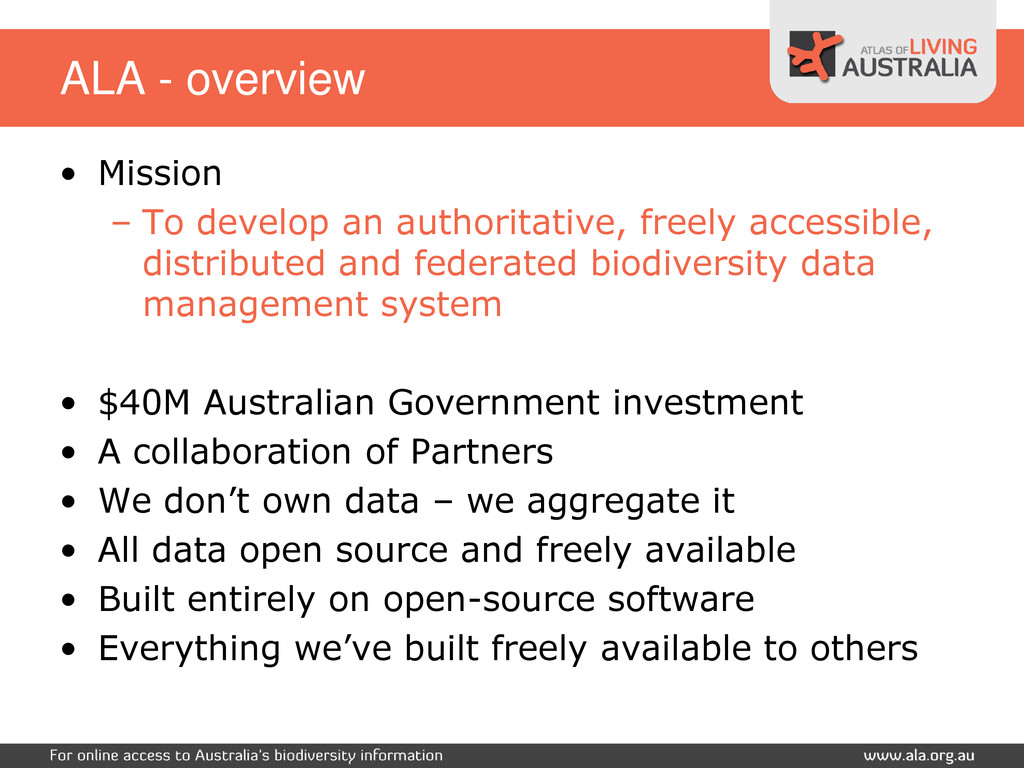
freely accessible, distributed and federated biodiversity data management system • $40M Australian Government investment • A collaboration of Partners • We don’t own data – we aggregate it • All data open source and freely available • Built entirely on open-source software • Everything we’ve built freely available to others
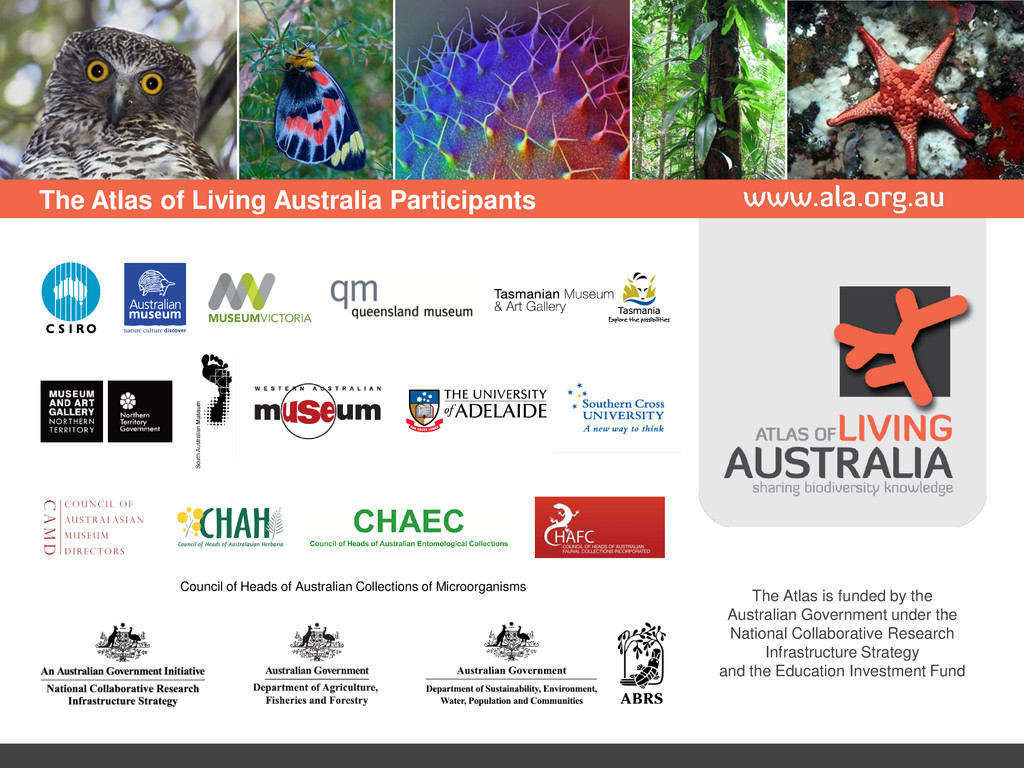
National Collaborative Research Infrastructure Strategy and the Education Investment Fund The Atlas of Living Australia Participants Council of Heads of Australian Collections of Microorganisms
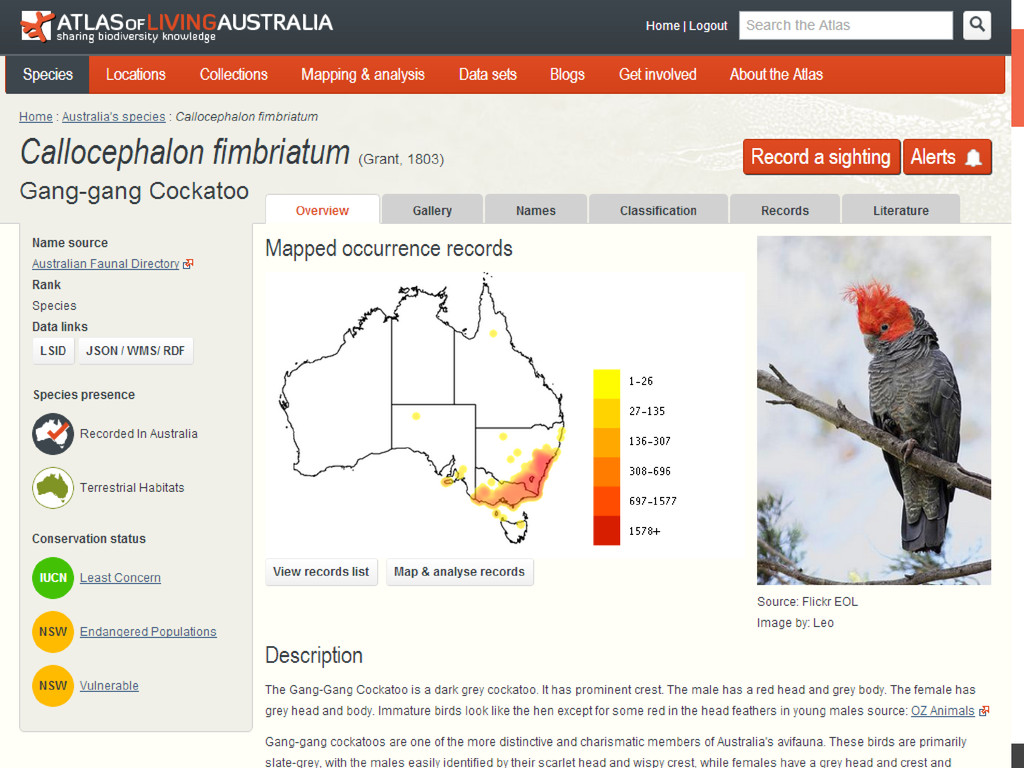
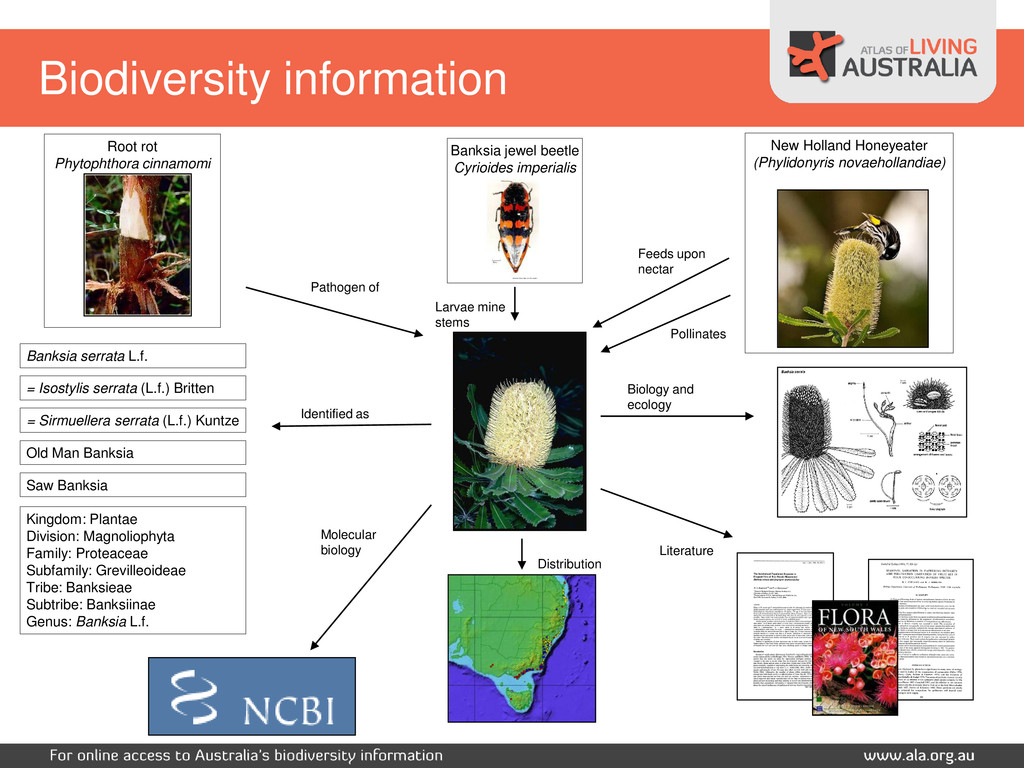
Grevilleoideae Tribe: Banksieae Subtribe: Banksiinae Genus: Banksia L.f. Old Man Banksia = Isostylis serrata (L.f.) Britten Identified as Root rot Phytophthora cinnamomi Pathogen of Banksia jewel beetle Cyrioides imperialis Larvae mine stems New Holland Honeyeater (Phylidonyris novaehollandiae) Feeds upon nectar Biology and ecology Molecular biology Distribution Literature Pollinates = Sirmuellera serrata (L.f.) Kuntze Saw Banksia Biodiversity information
National Collaborative Research Infrastructure Strategy and the Education Investment Fund The Atlas of Living Australia • Fully operational - delivering data • History of accomplishment • Solid return on investment • Open infrastructure available for use by others • Increasing number of users across wide demographics • Increasing number of apps and tools built on Atlas infrastructure
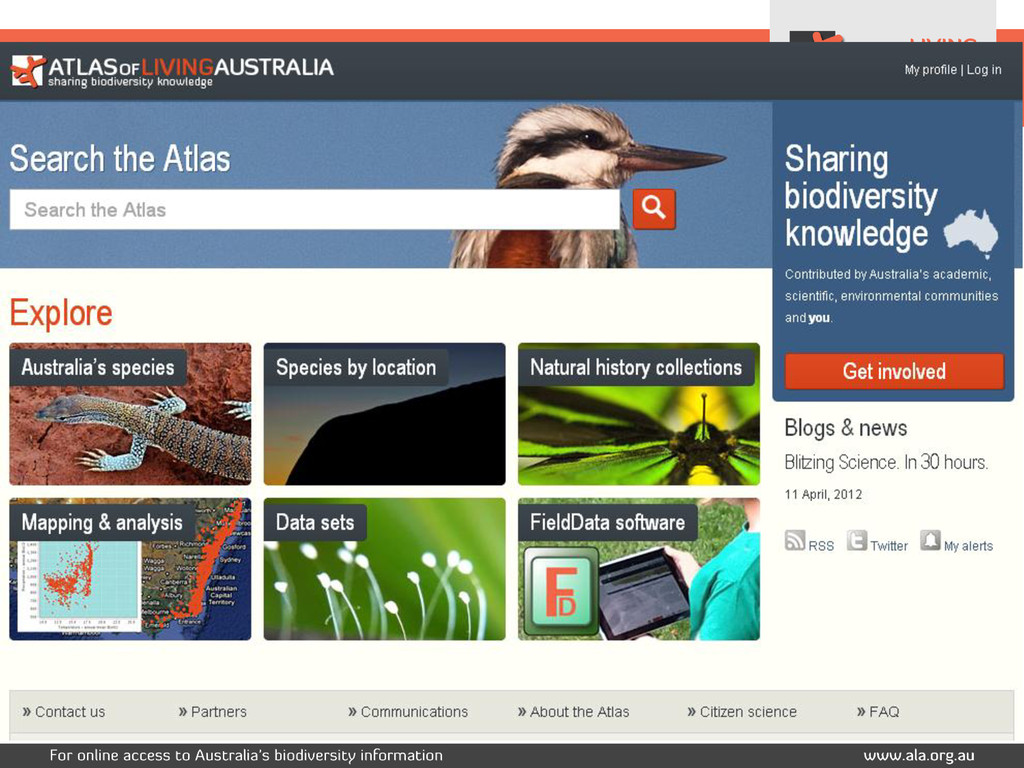
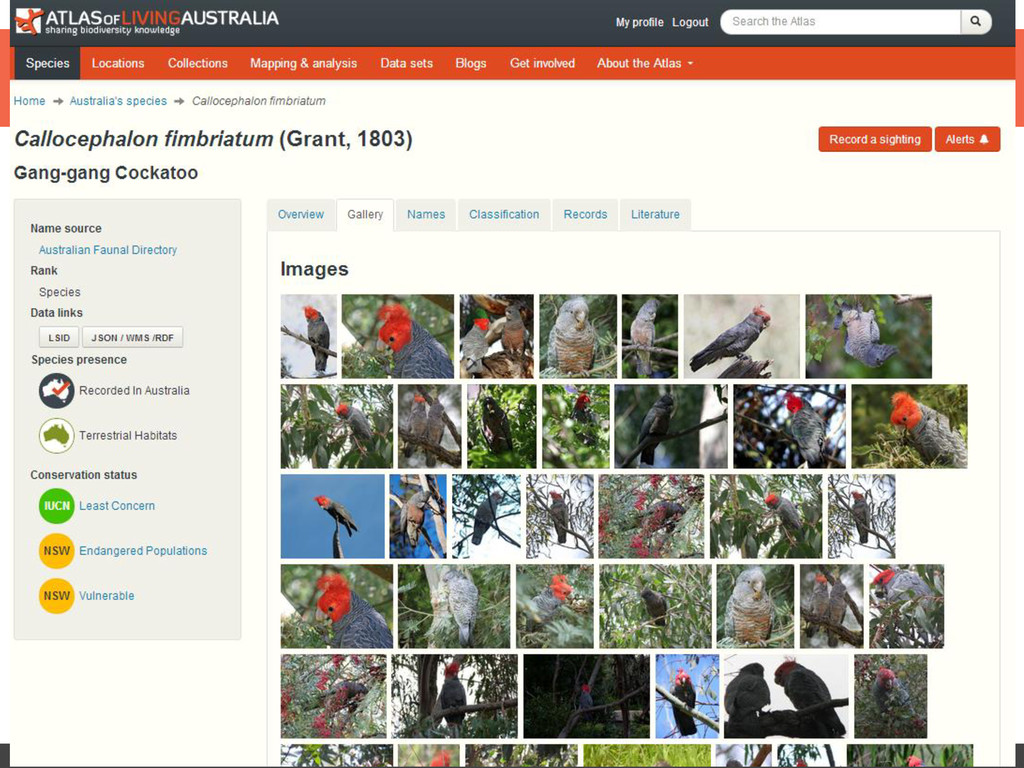
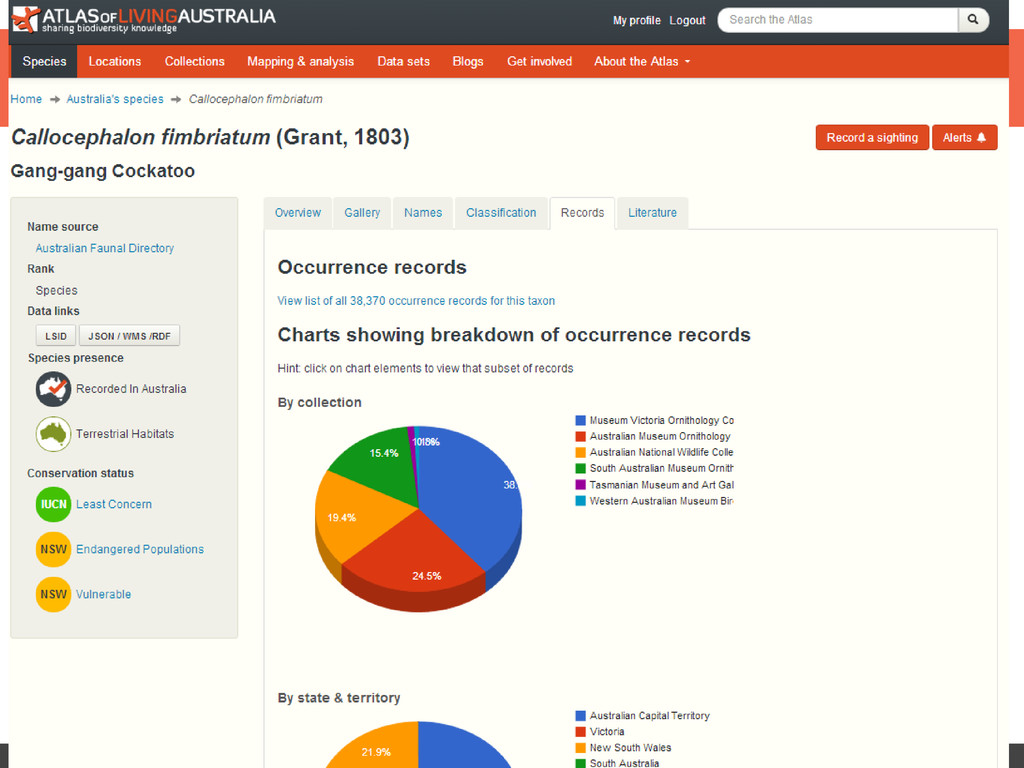
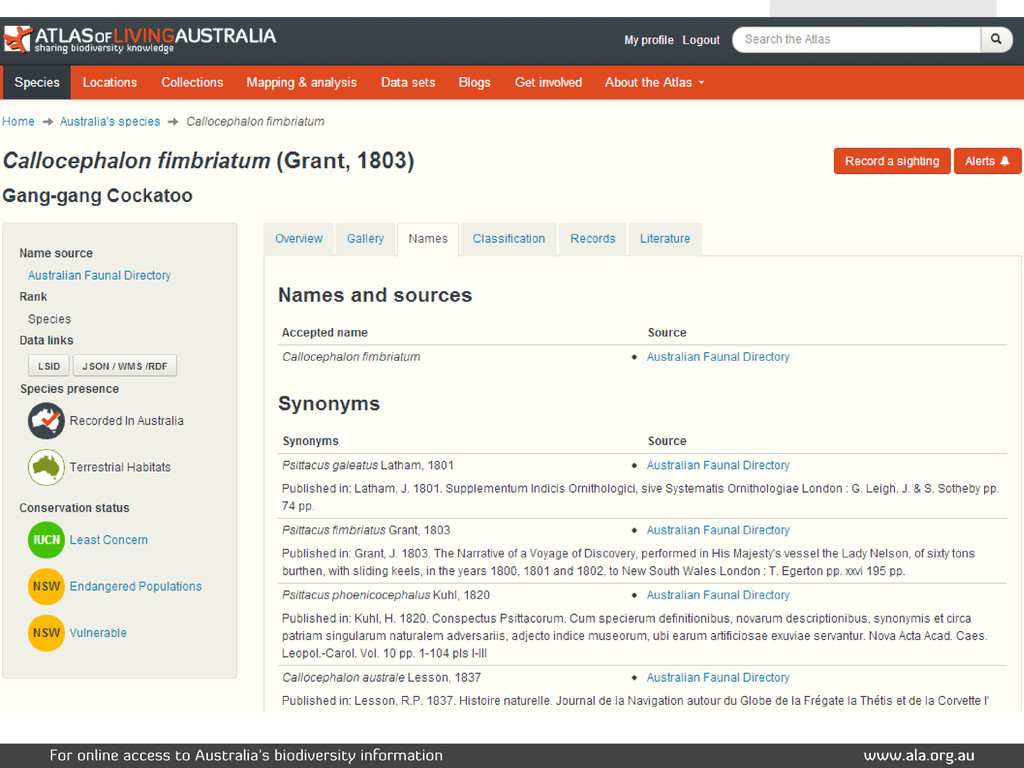
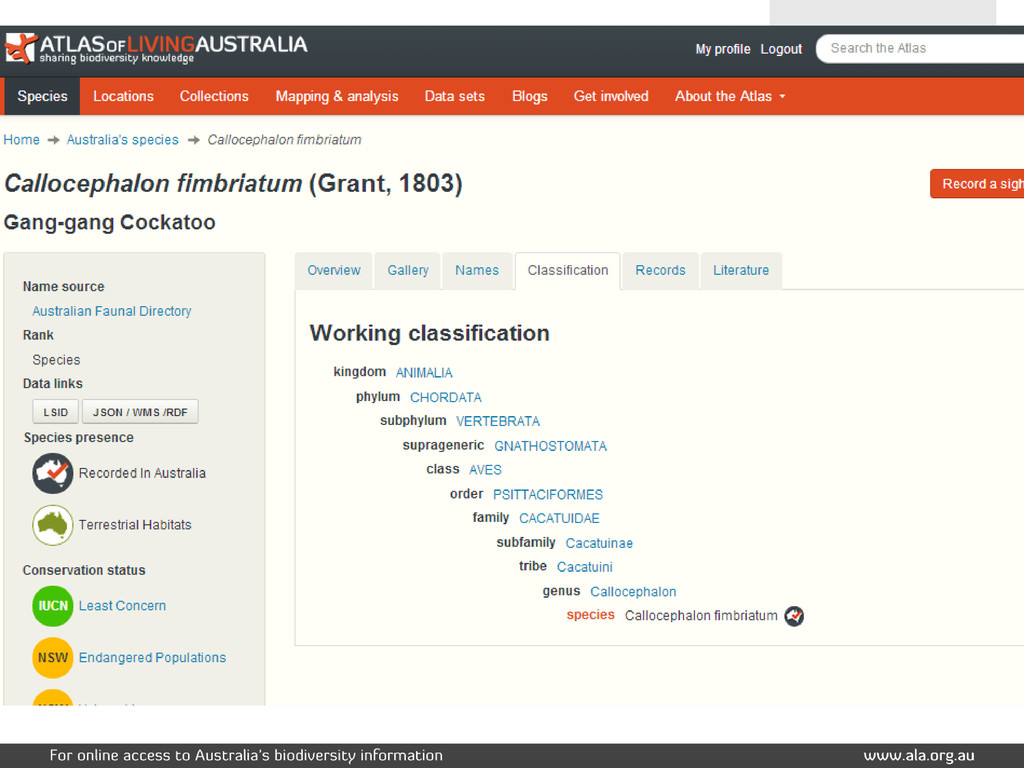
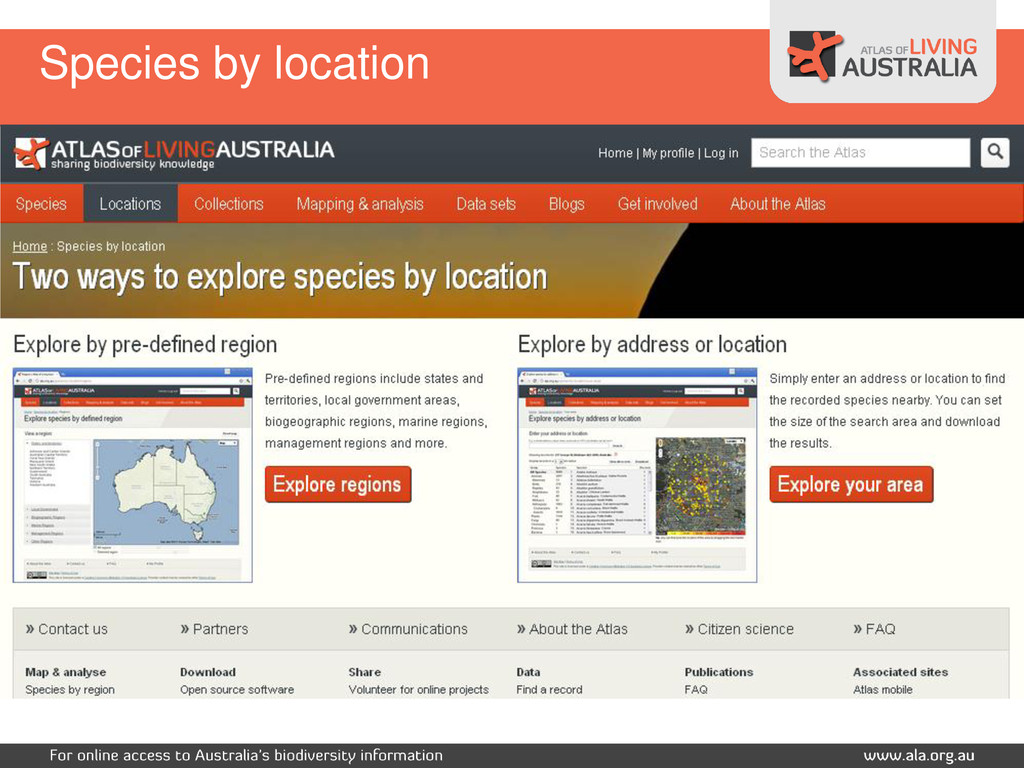
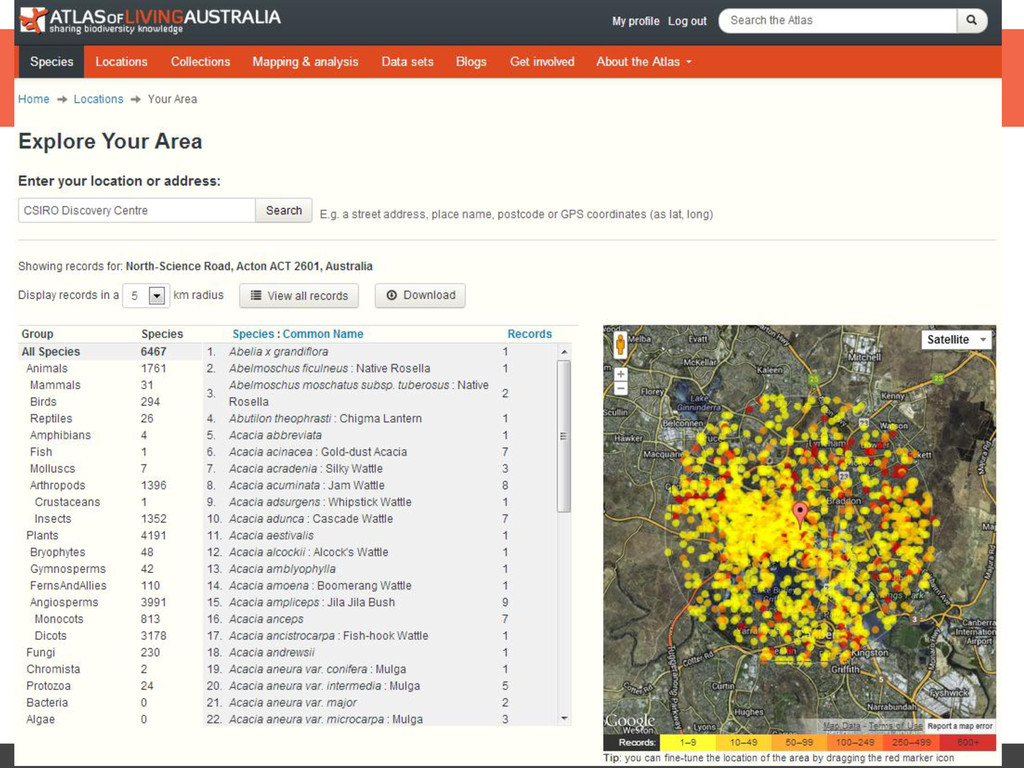
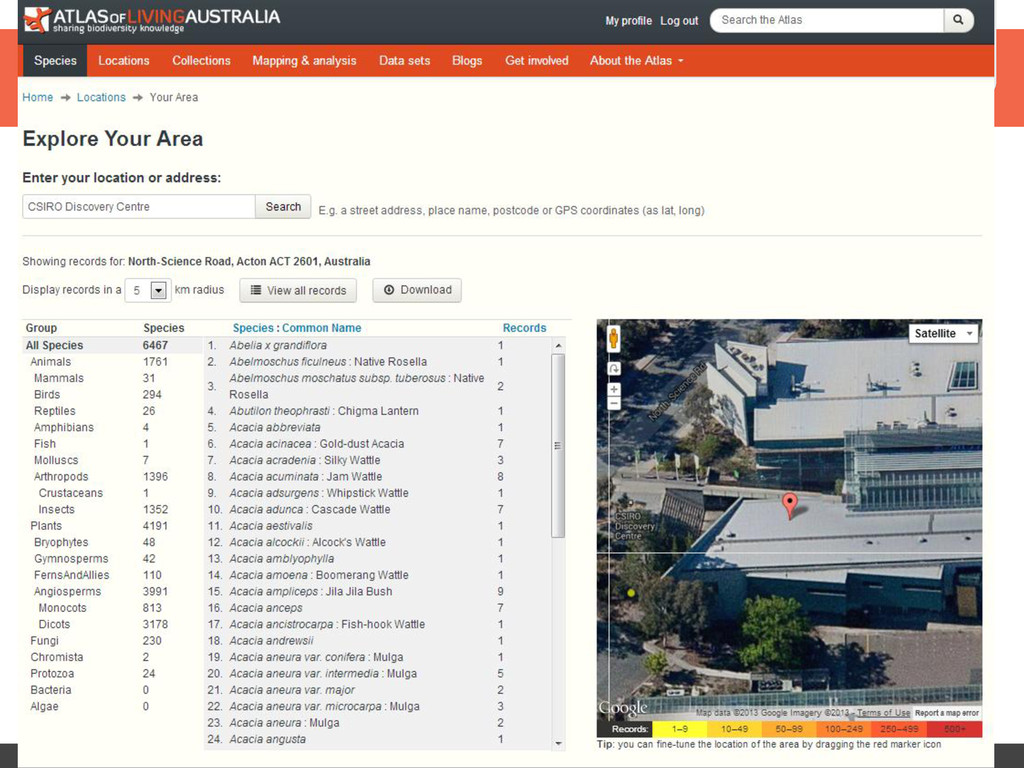
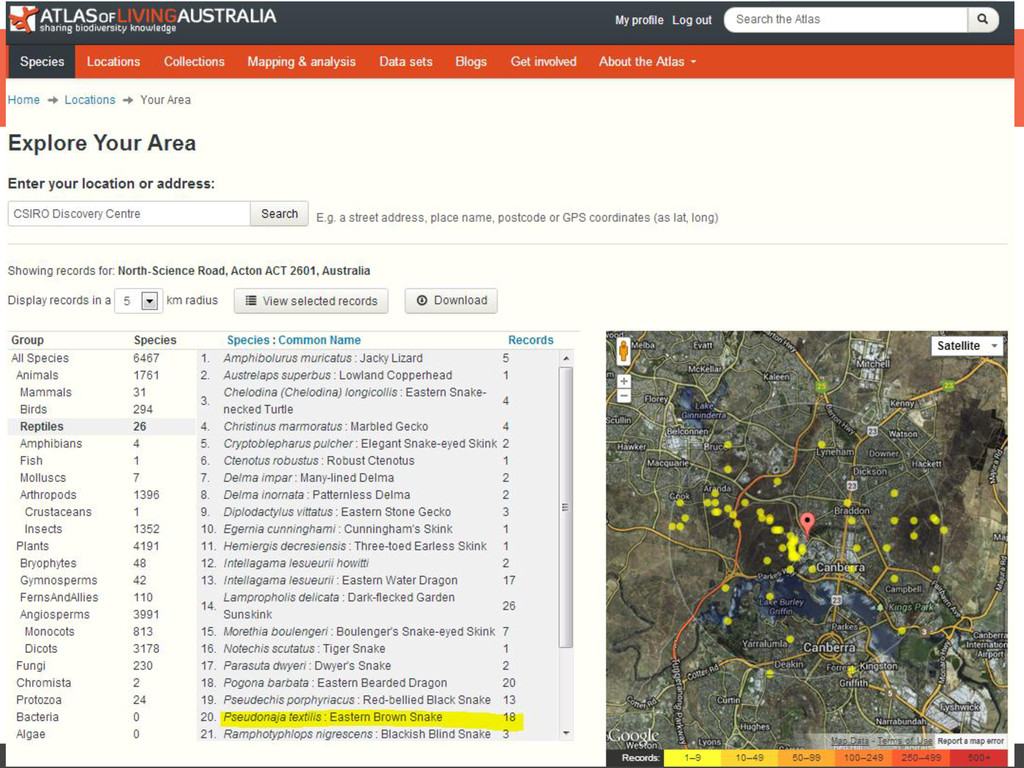
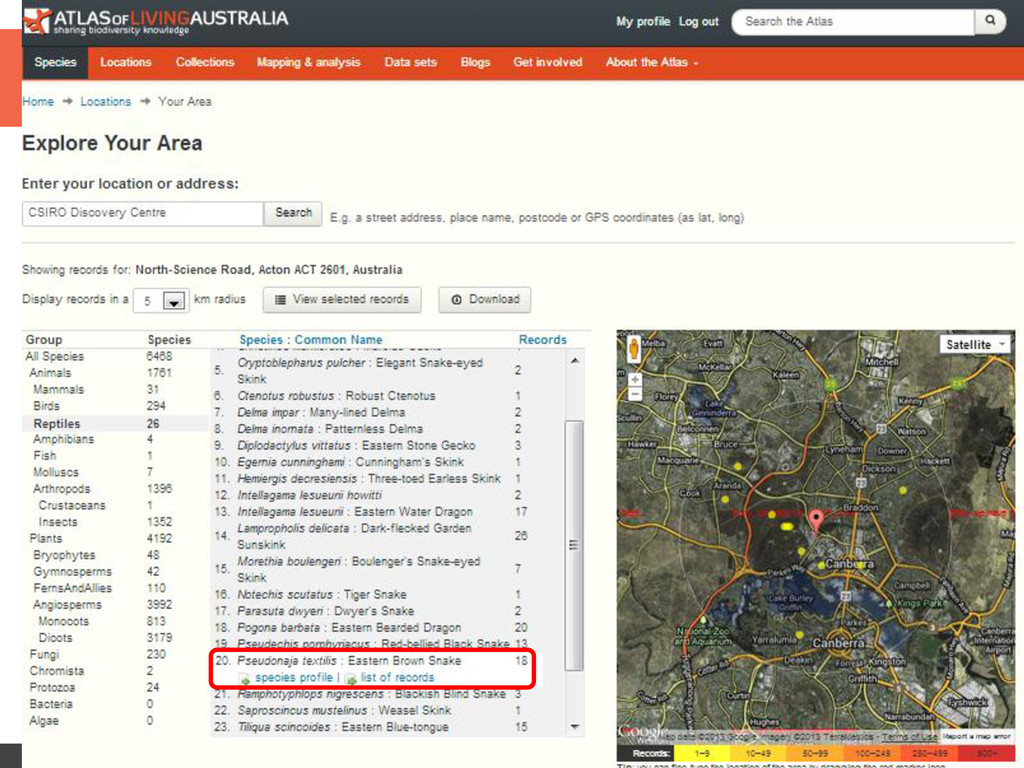
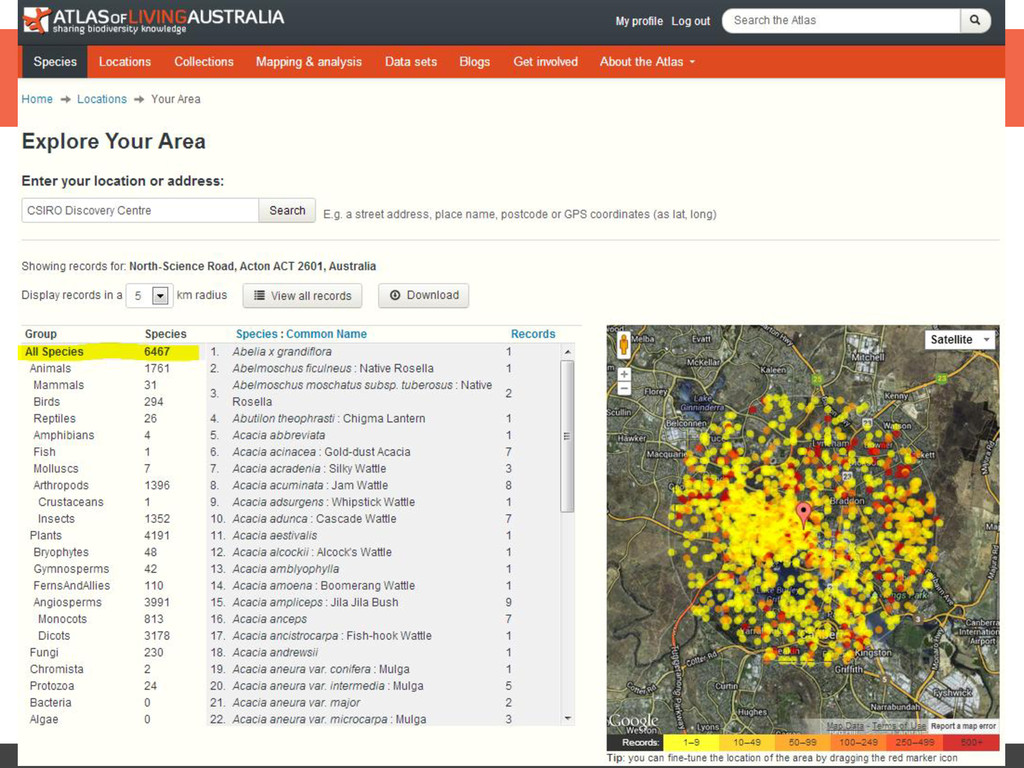
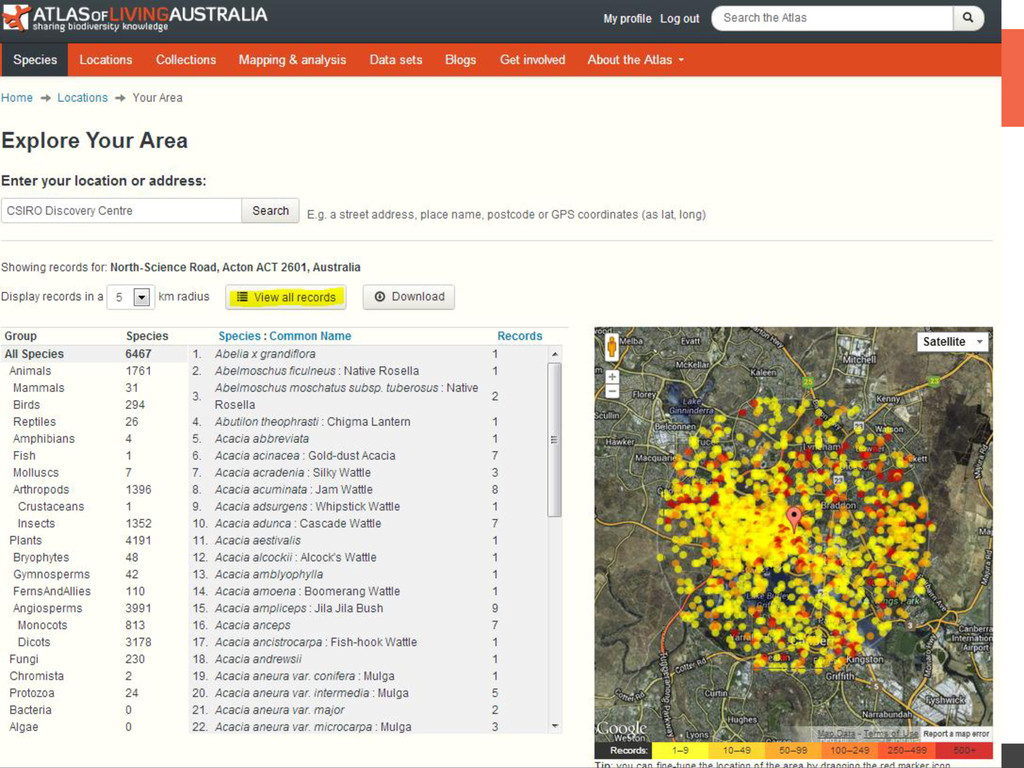
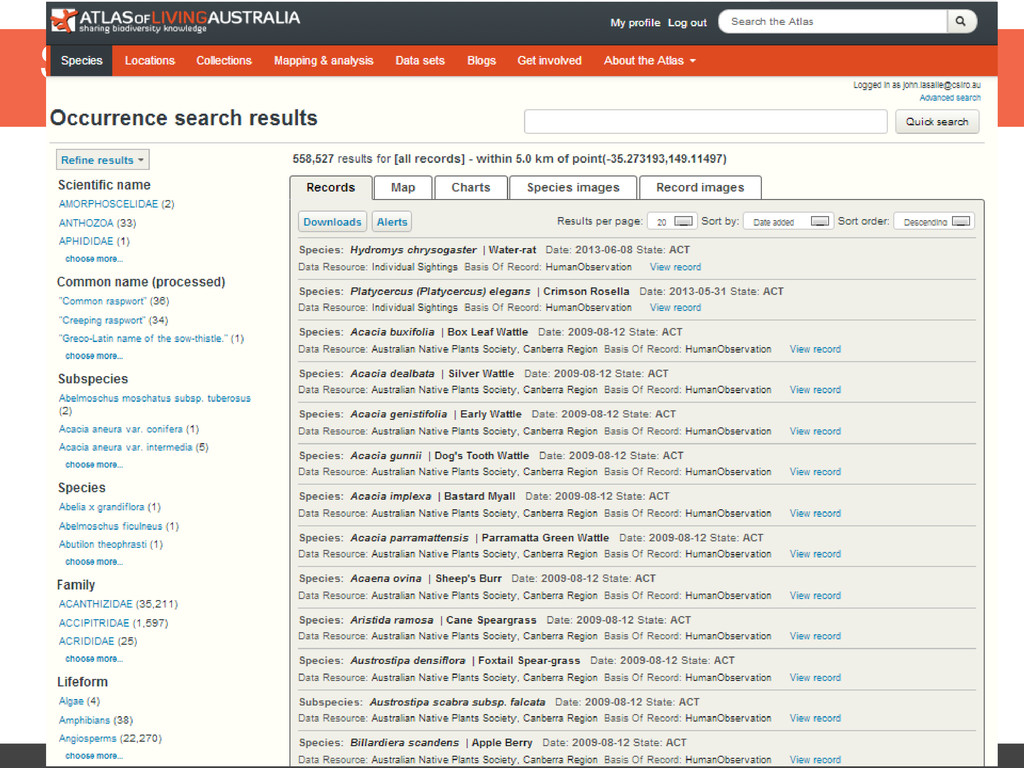
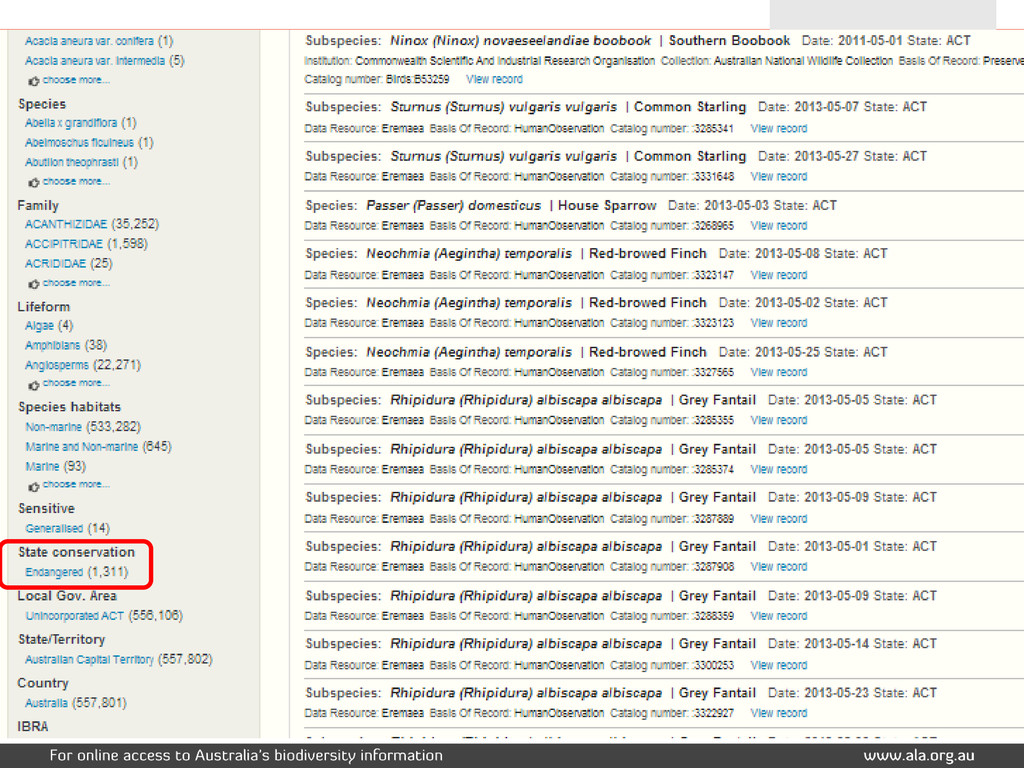
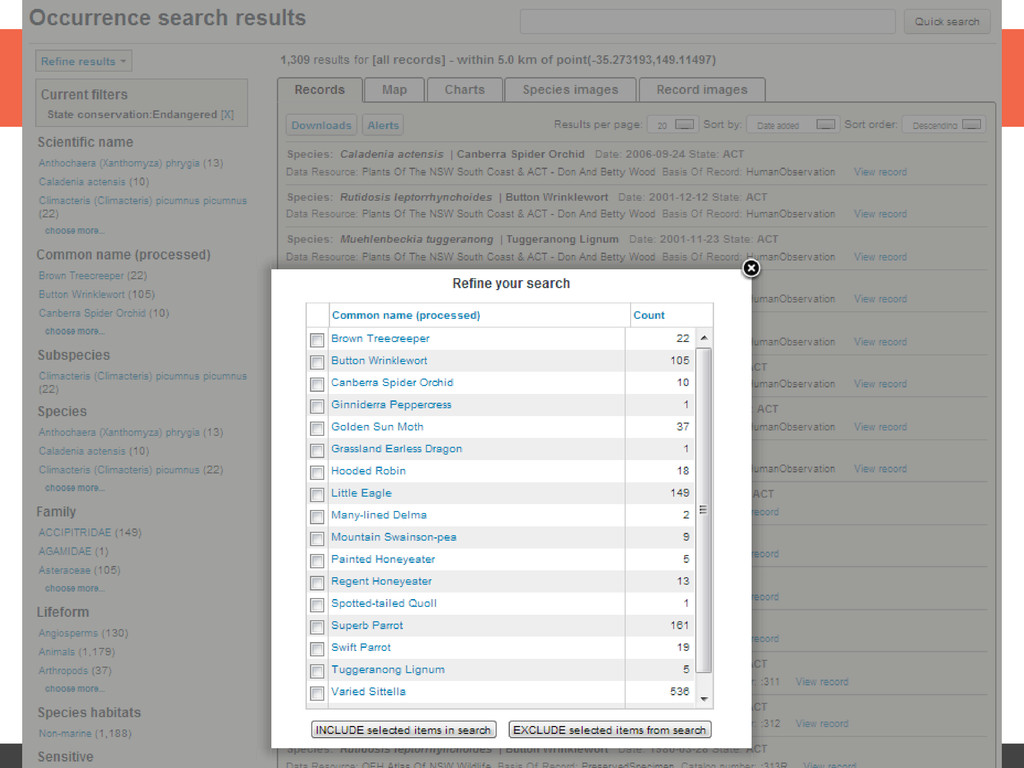
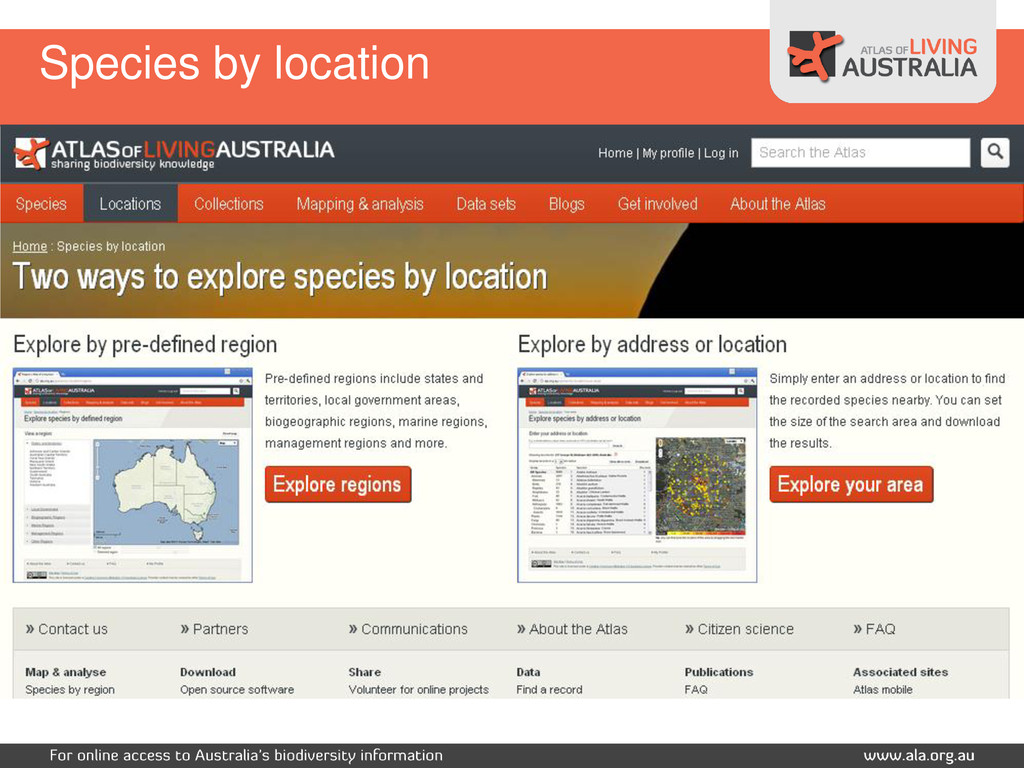
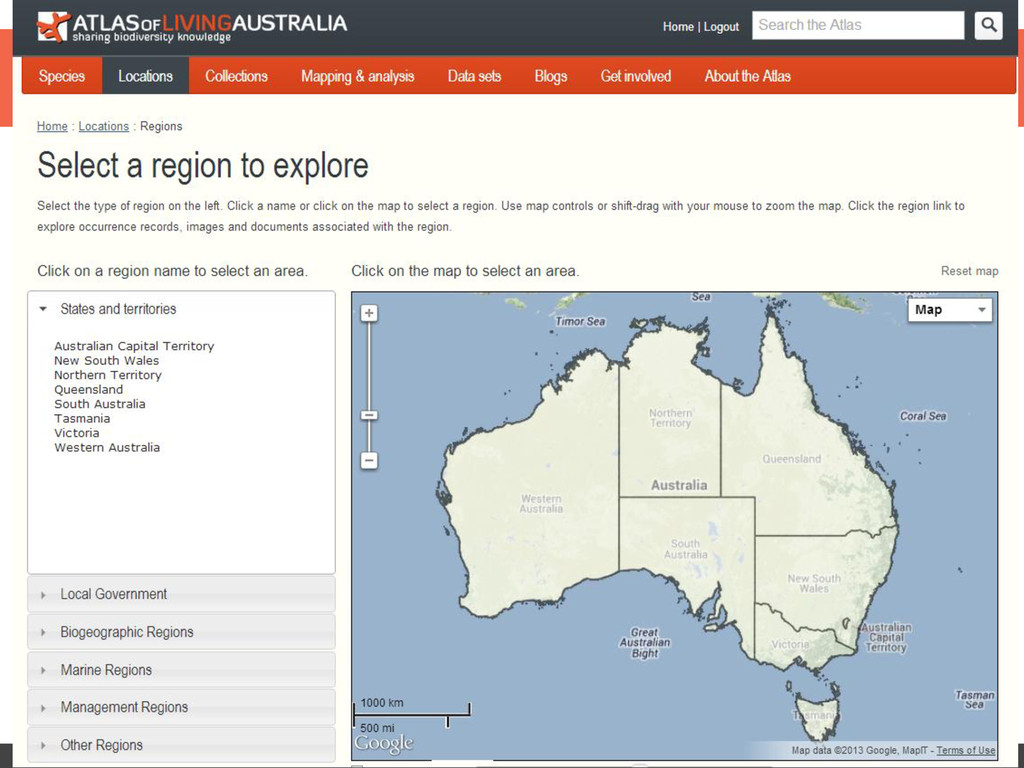
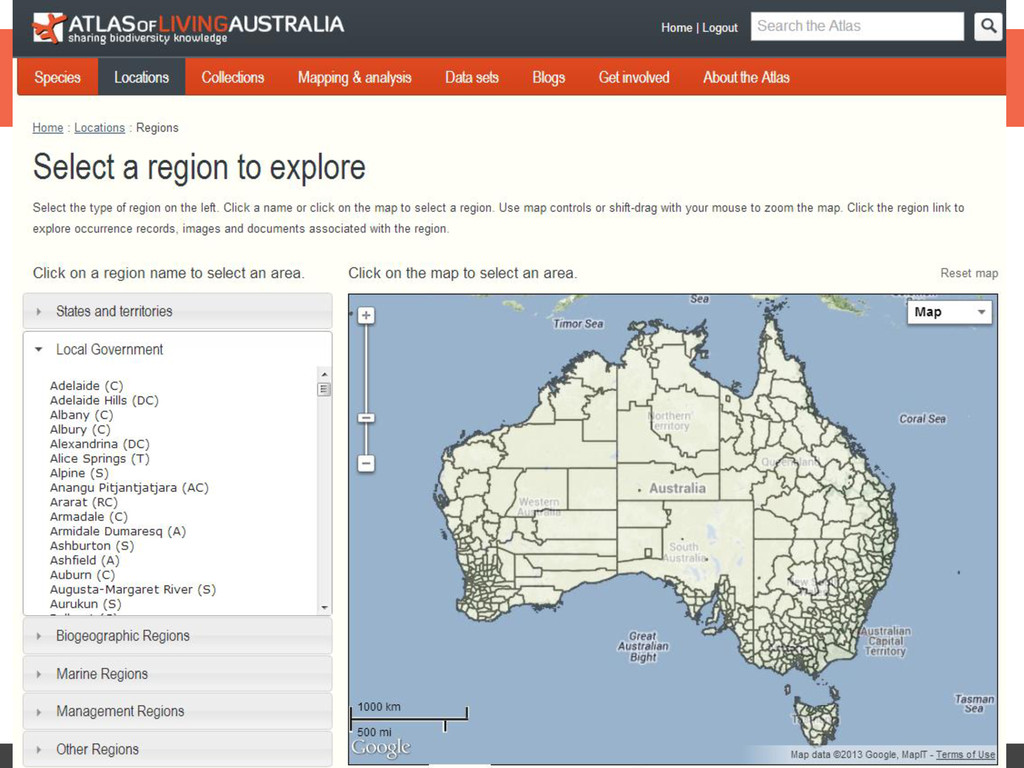
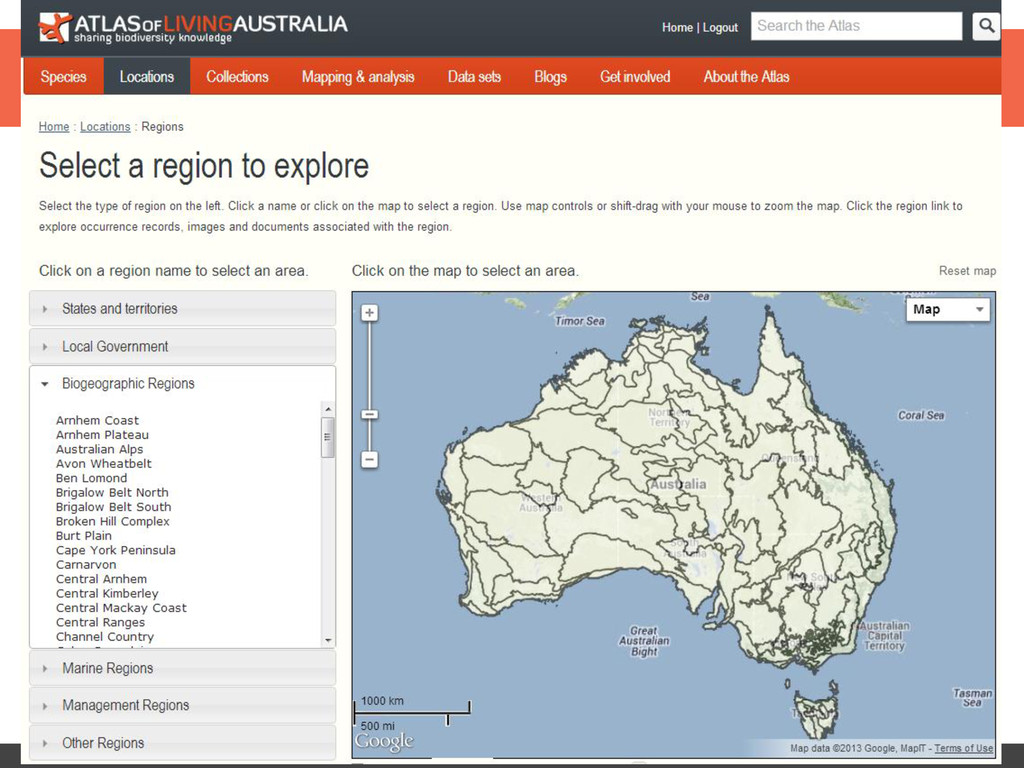
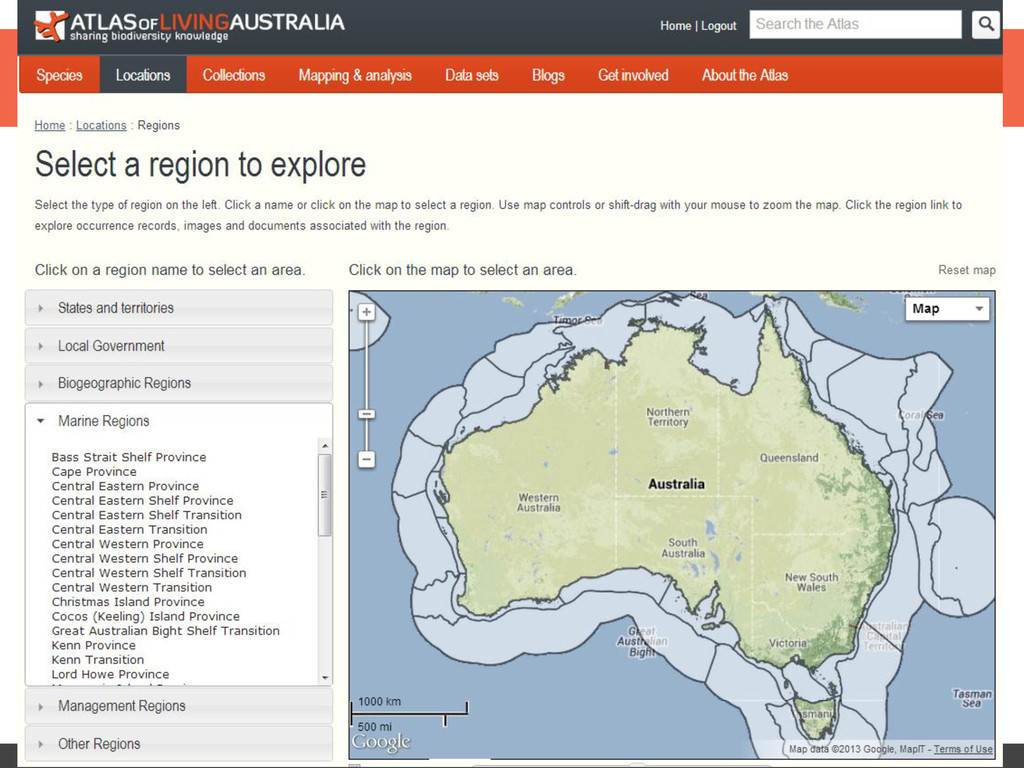
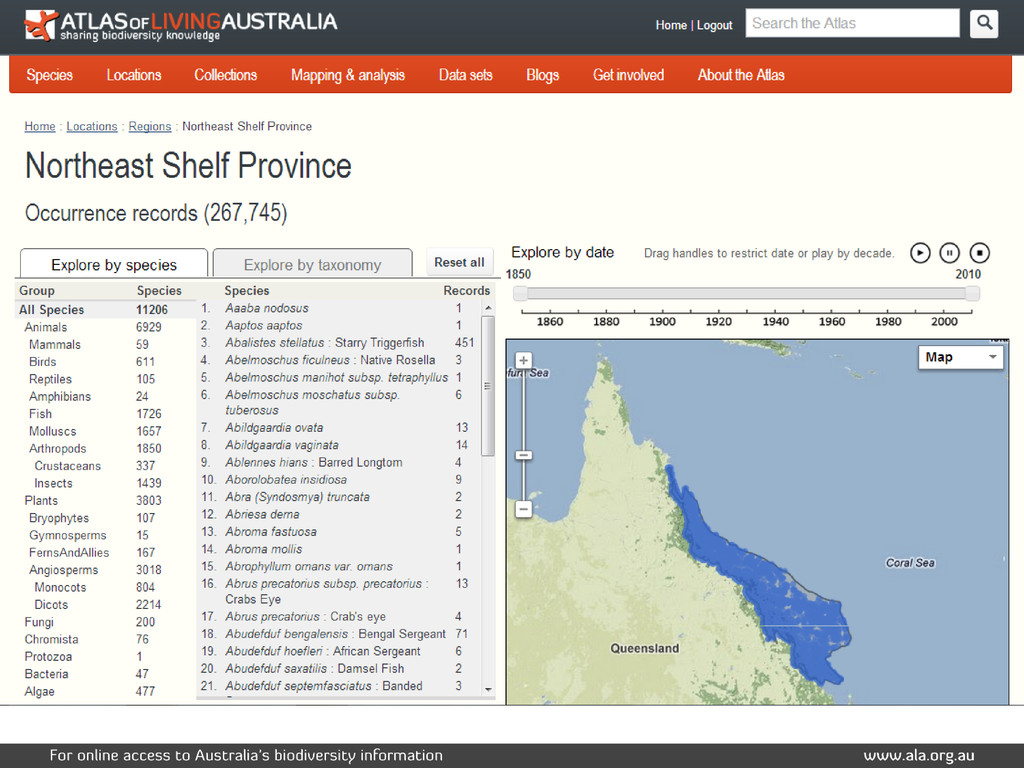
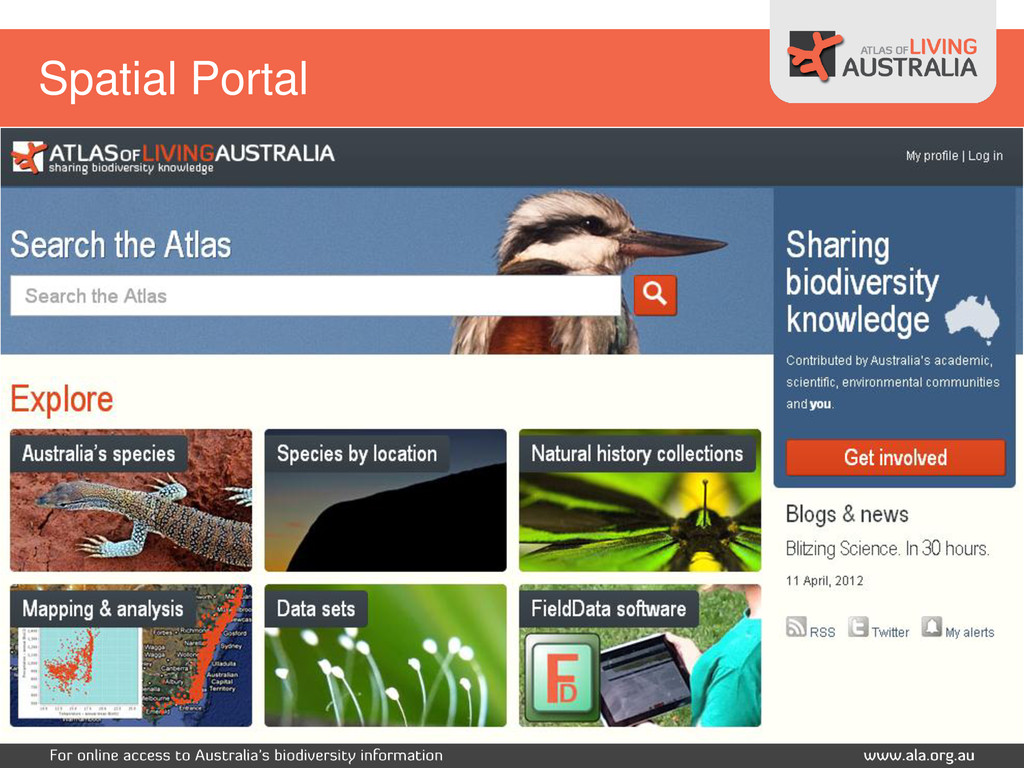
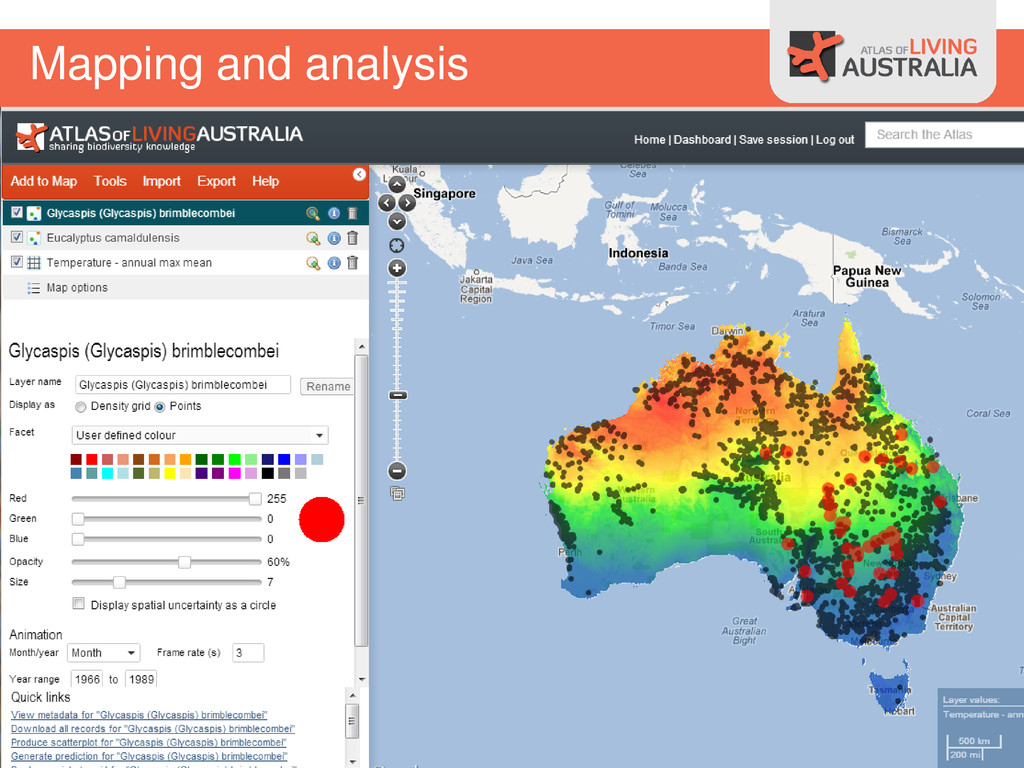
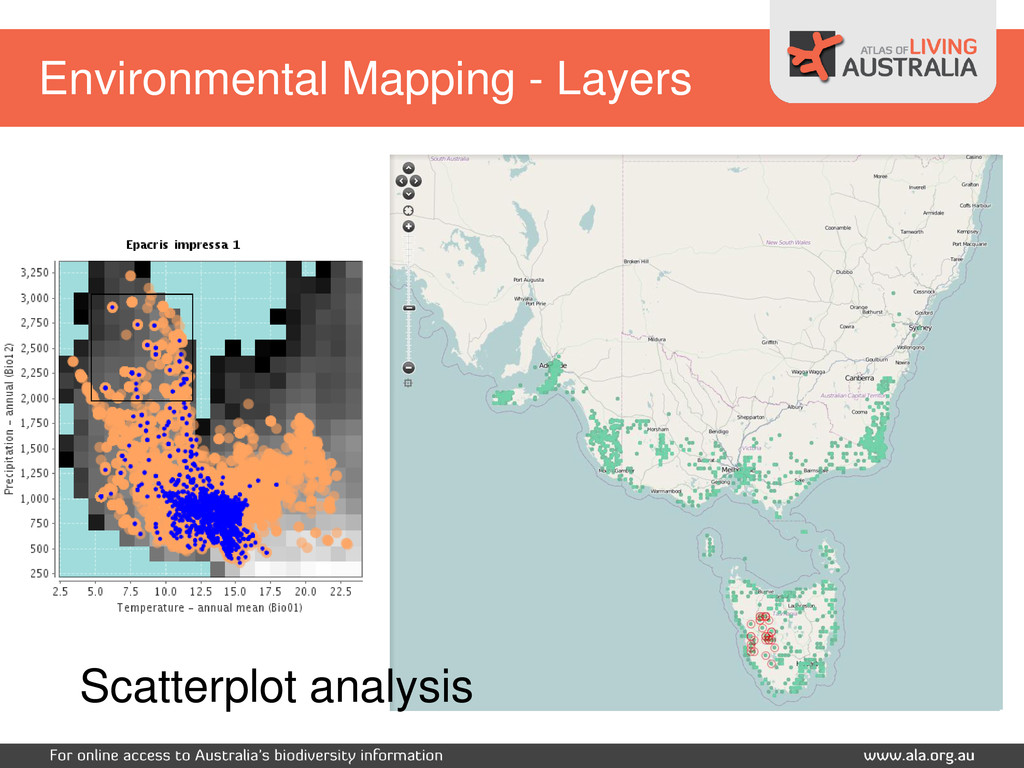
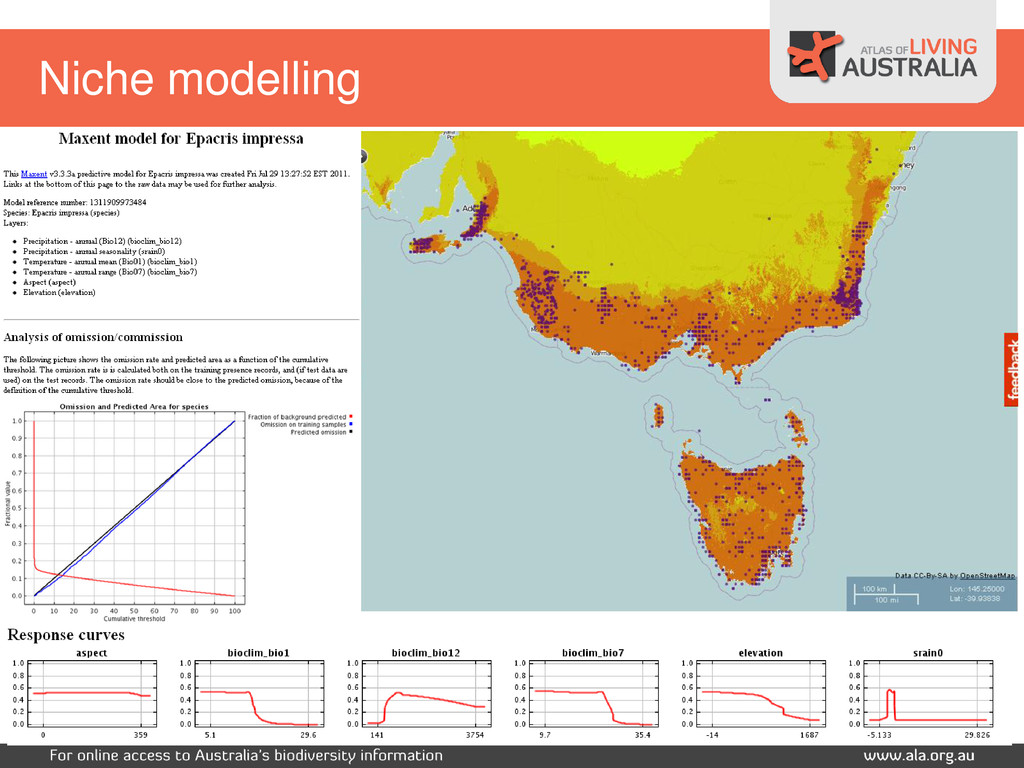
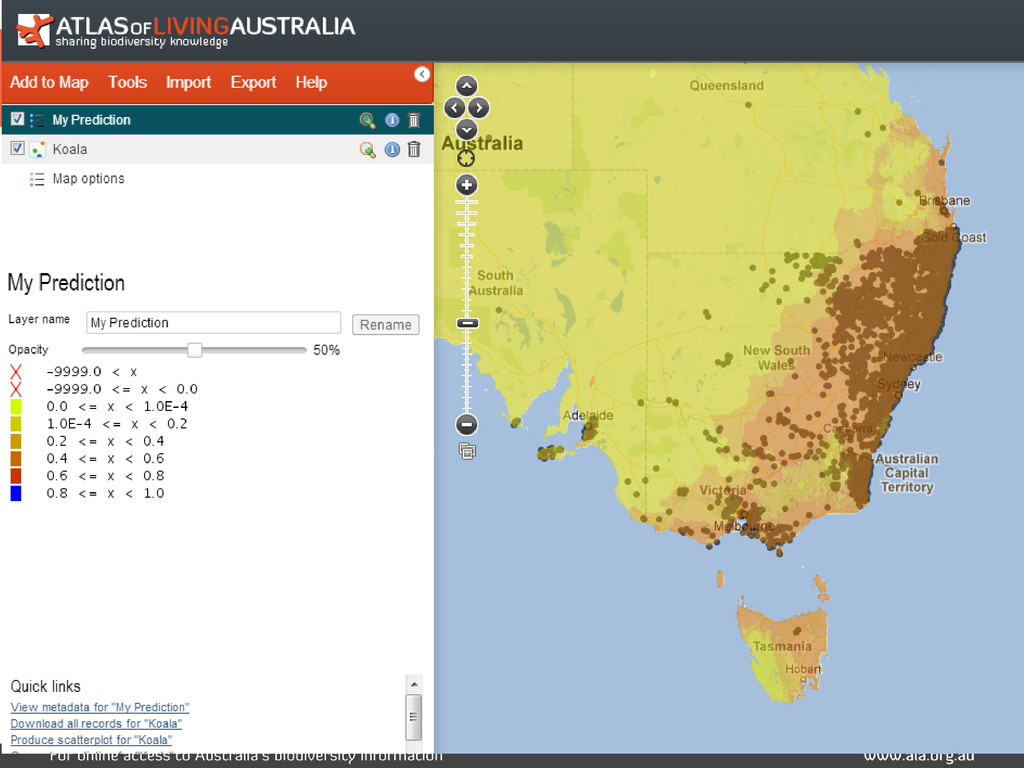
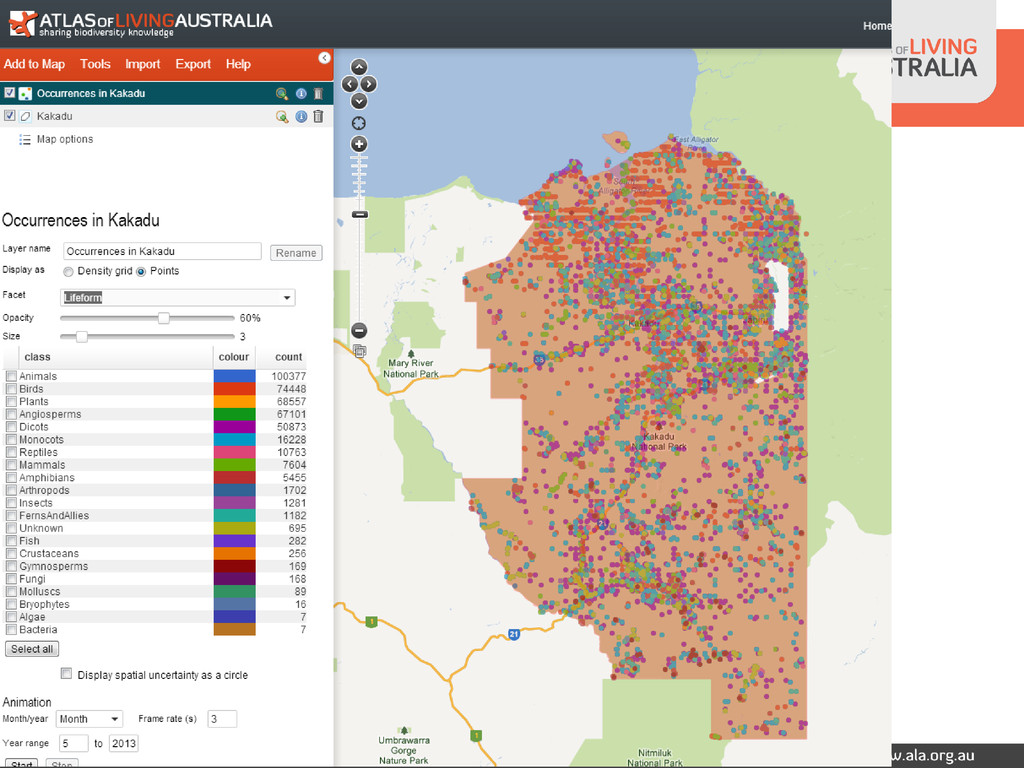
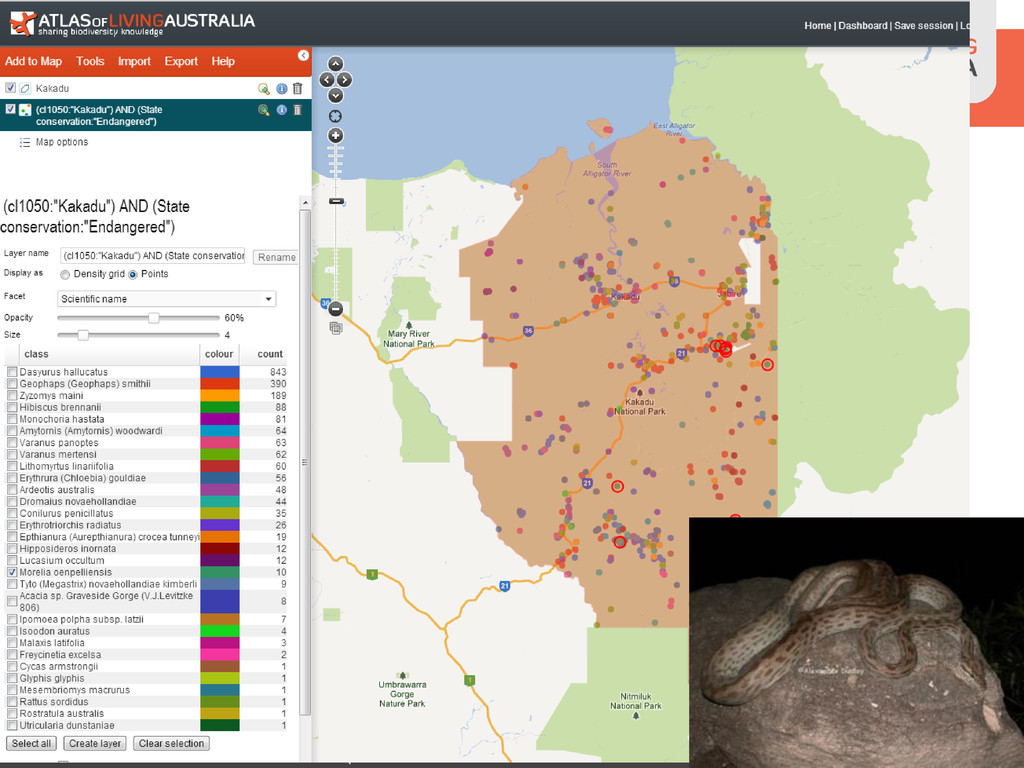
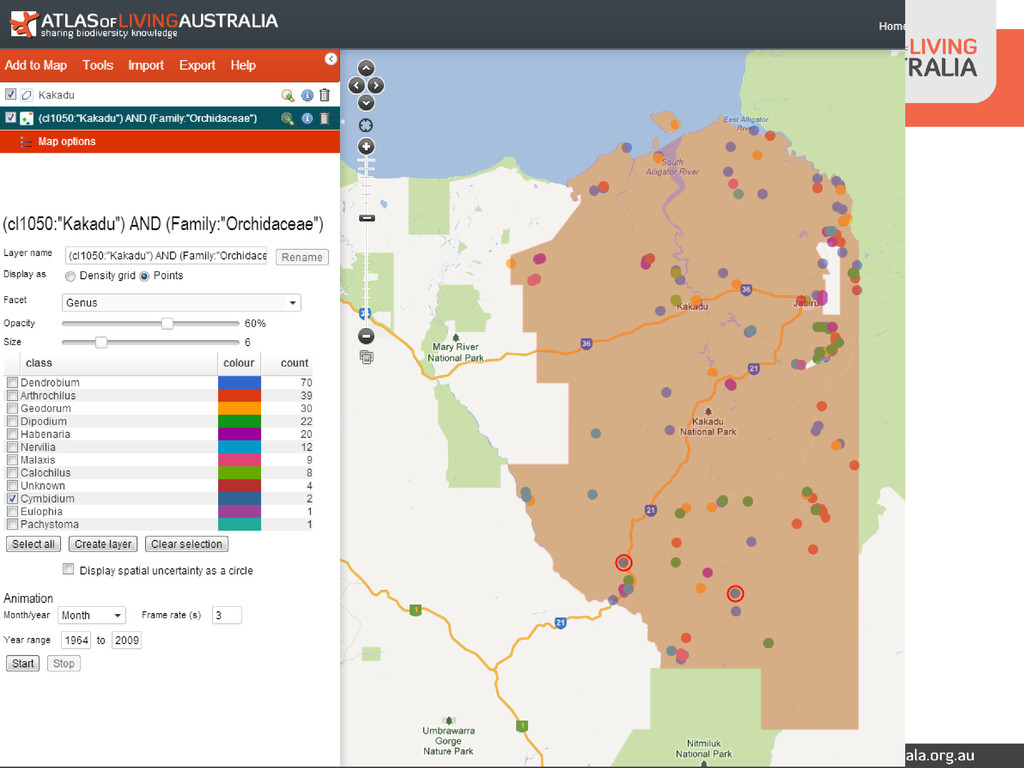
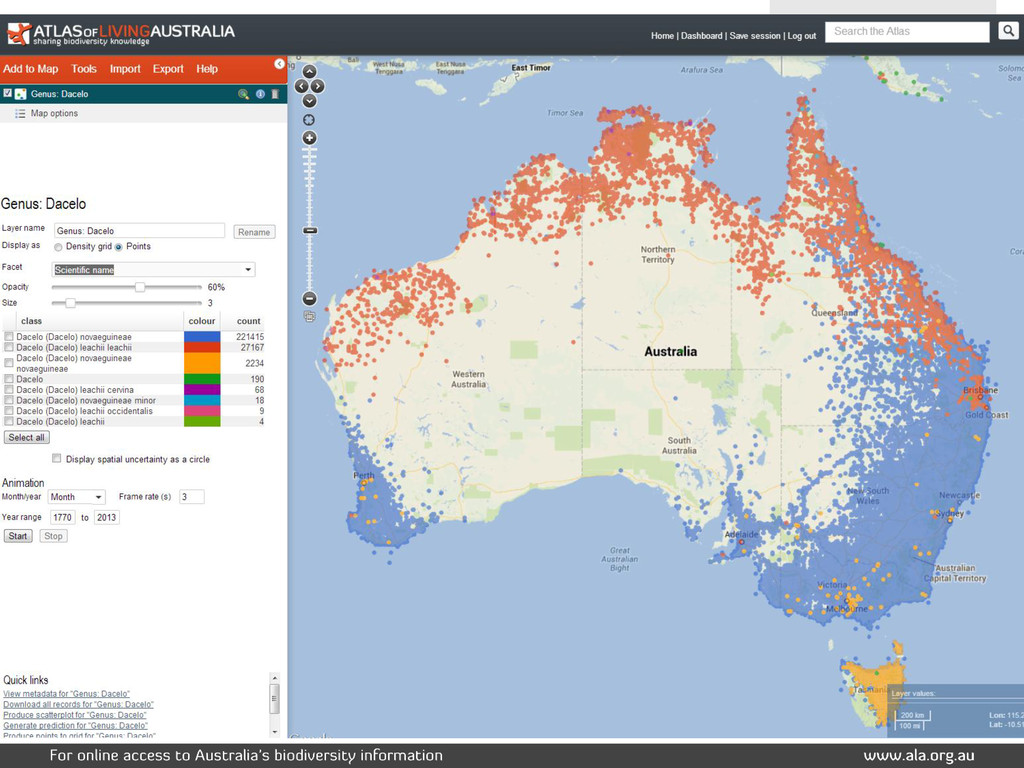
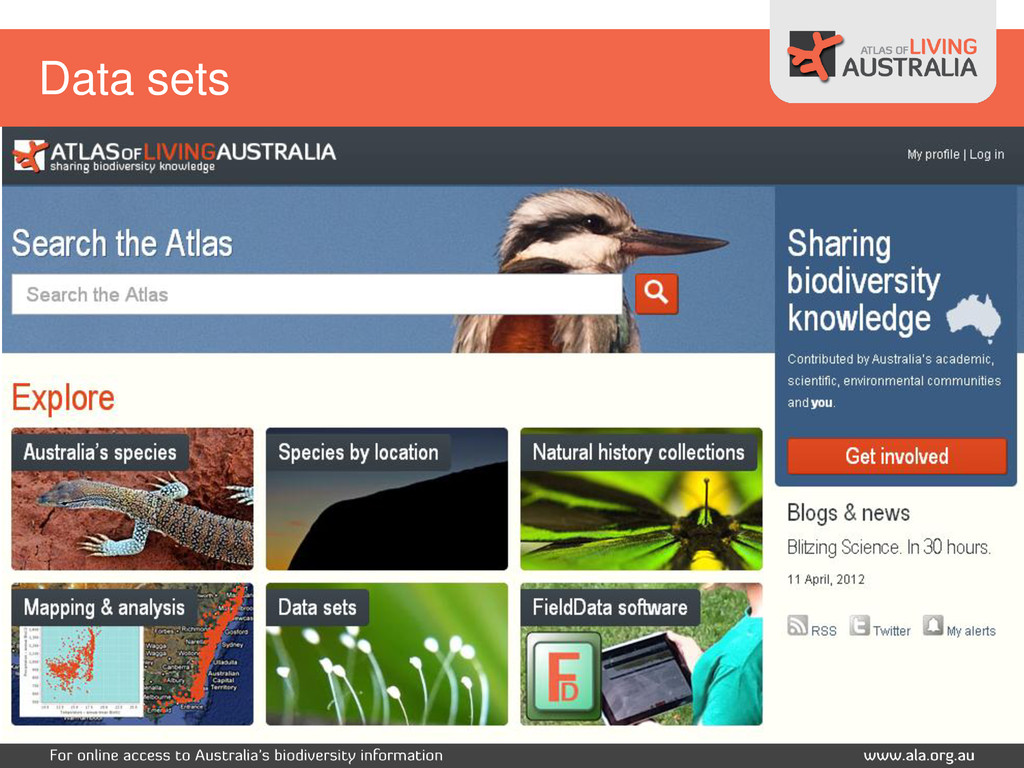
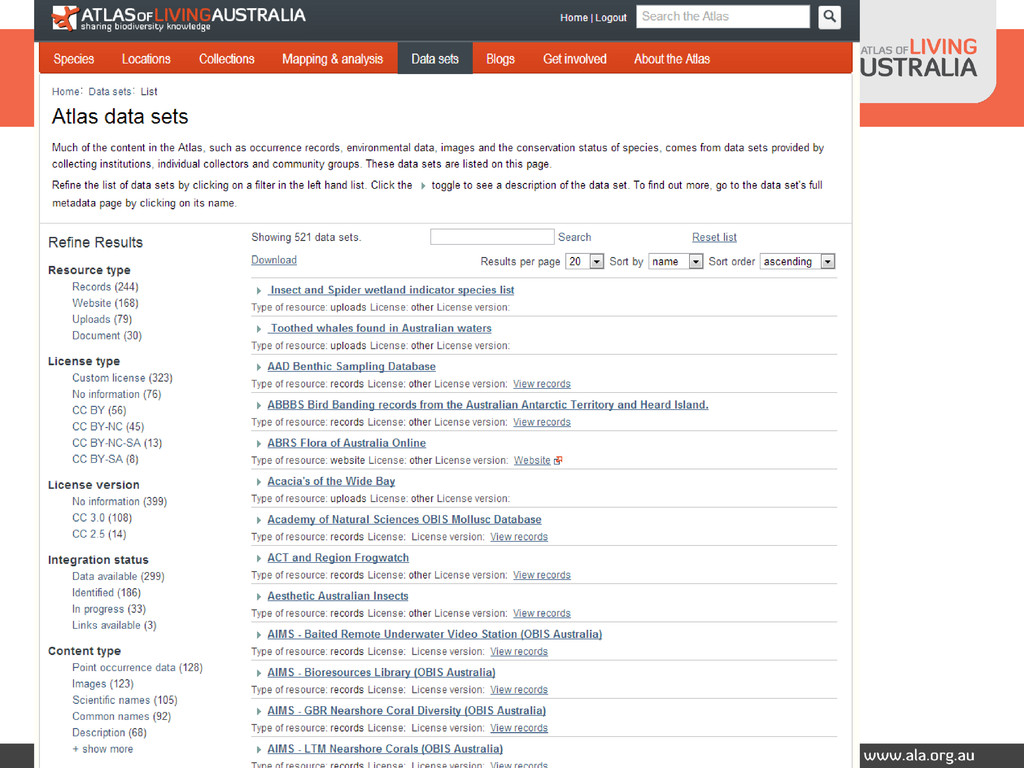
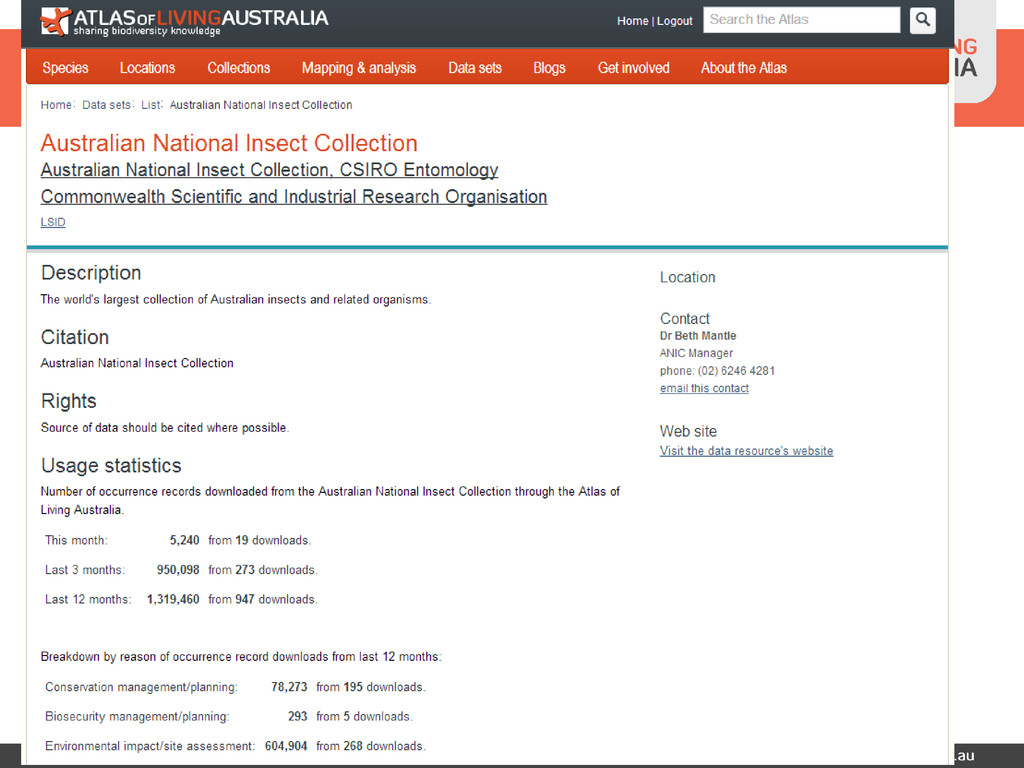
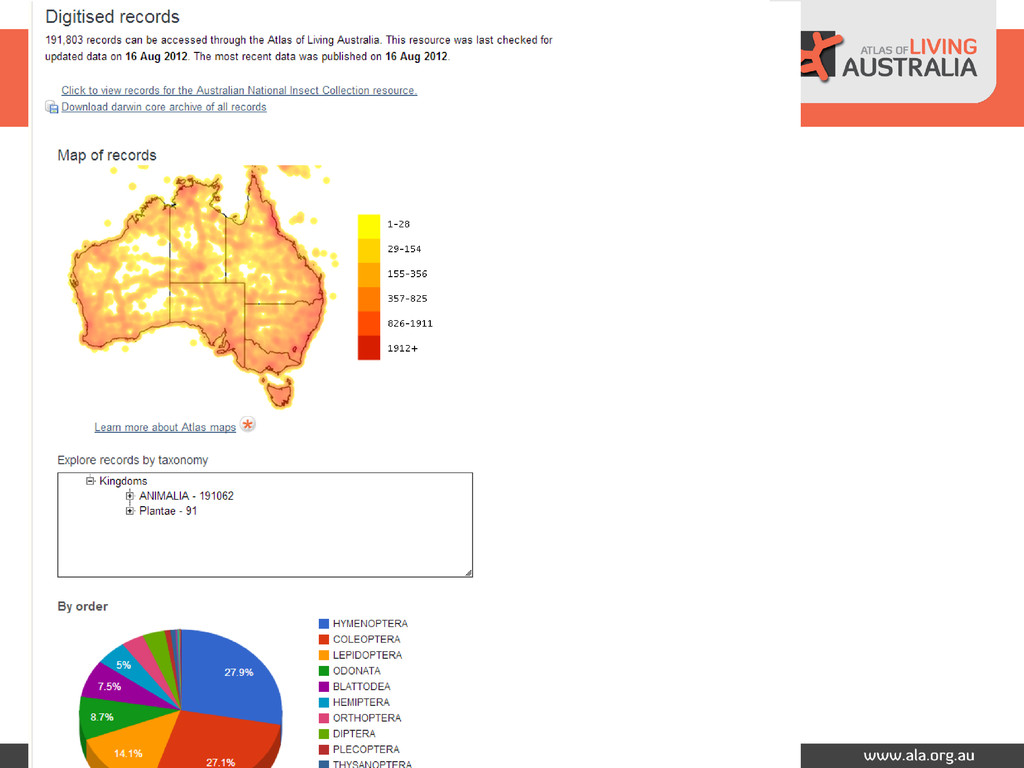
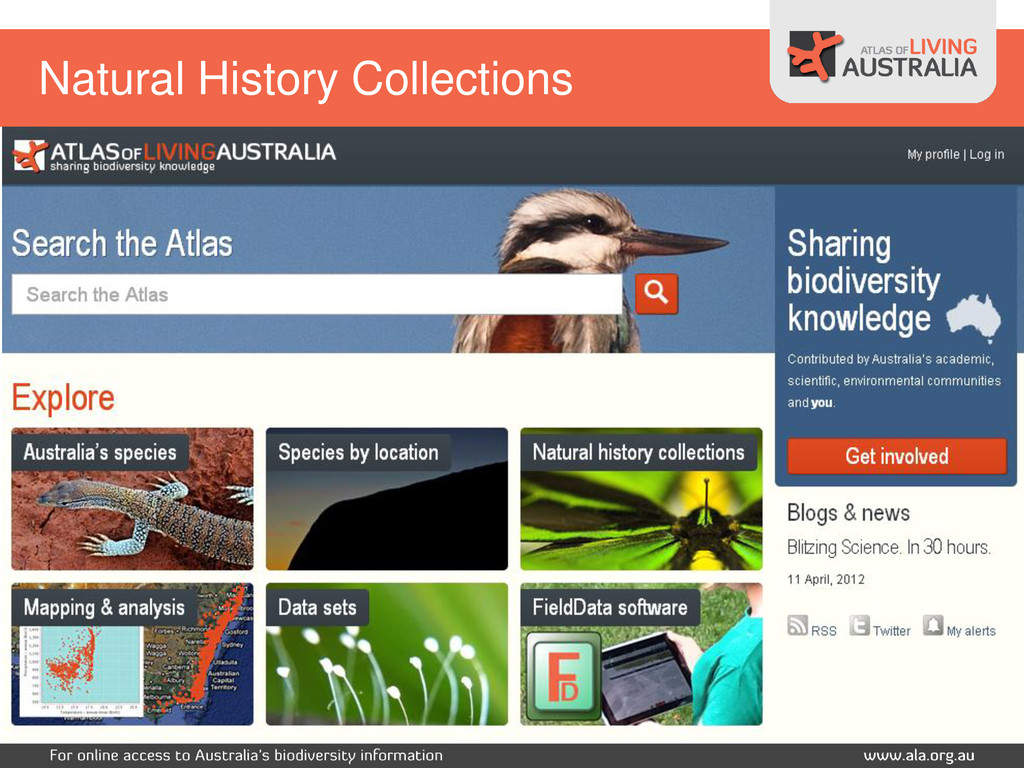
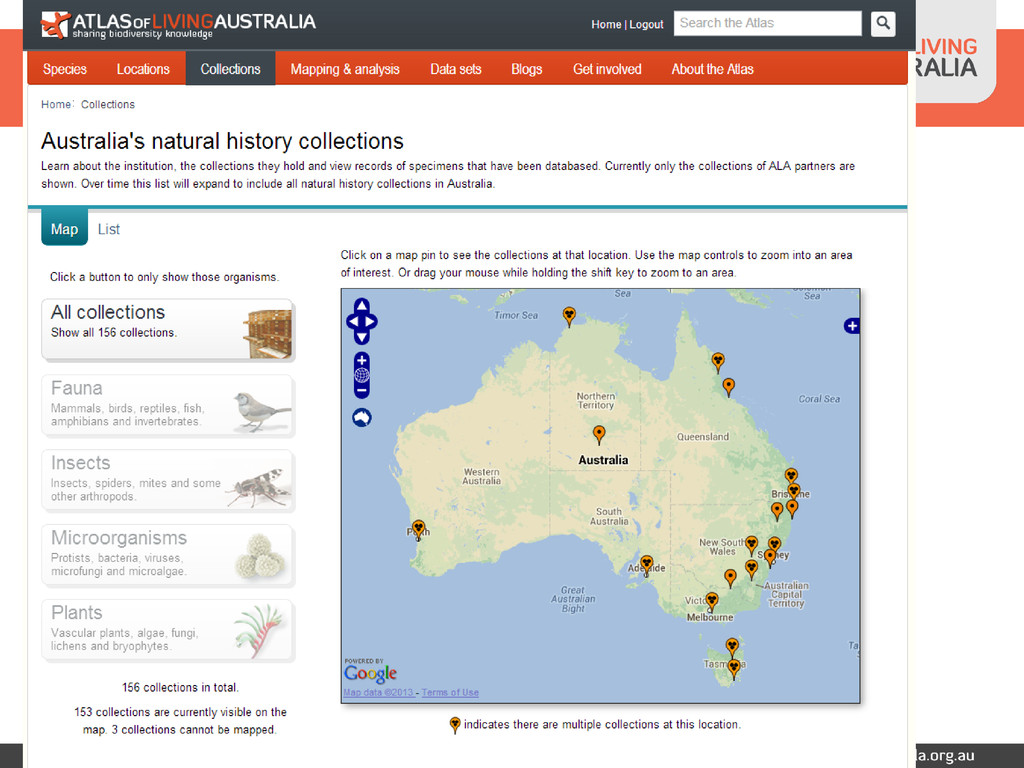
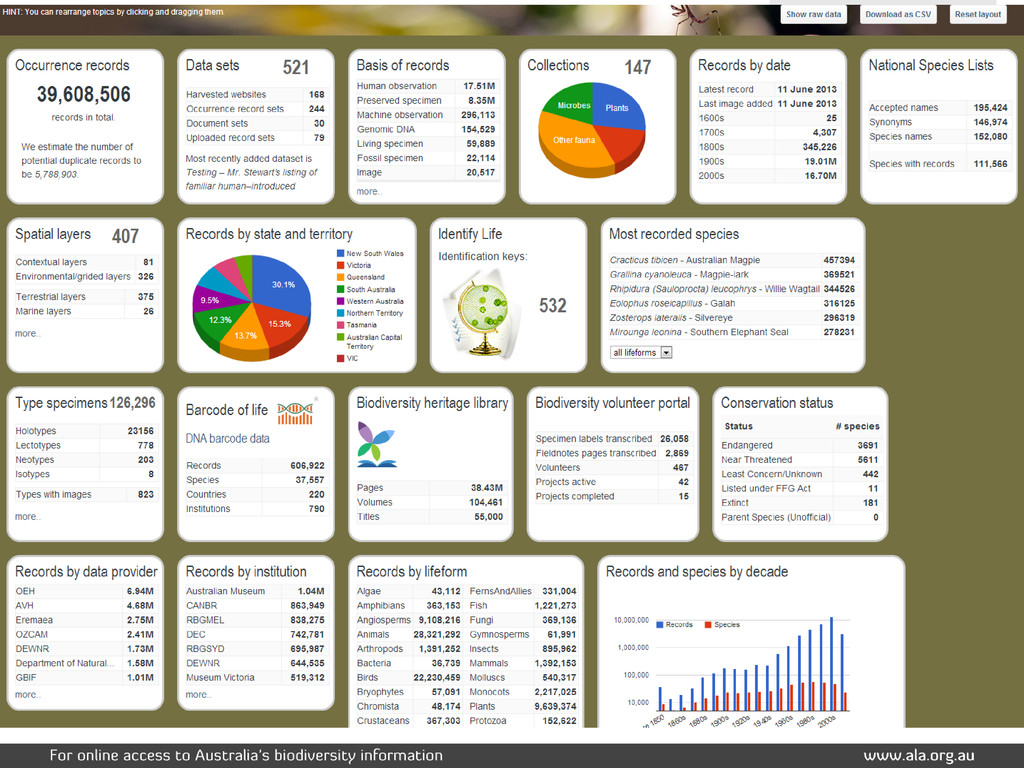
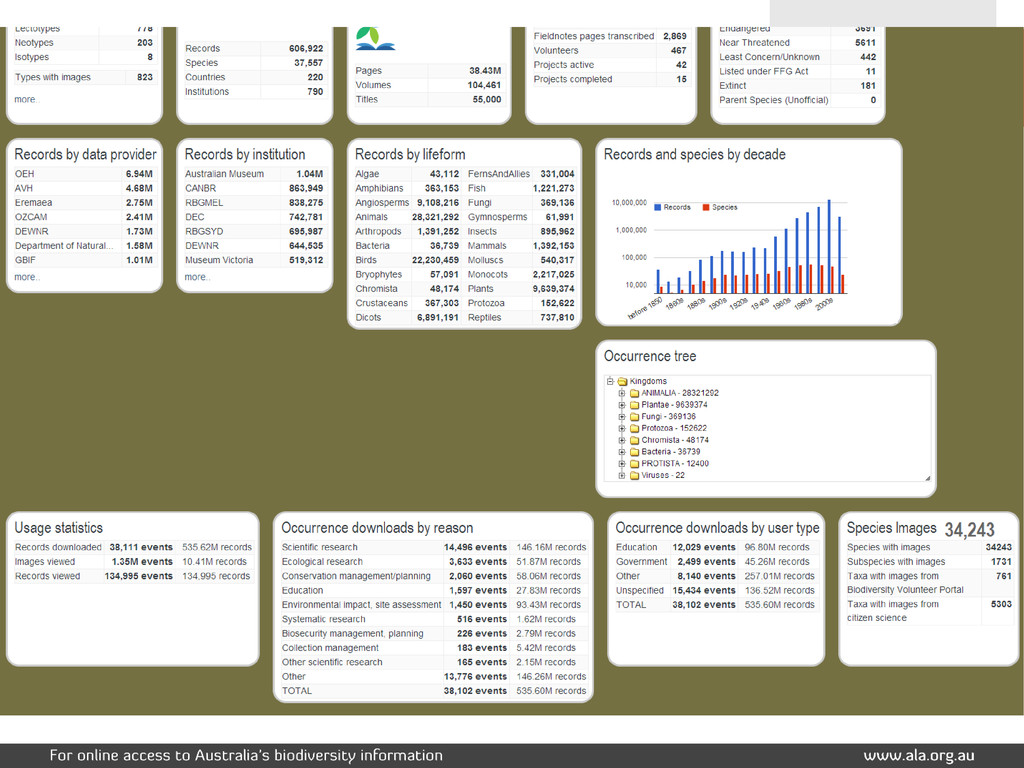
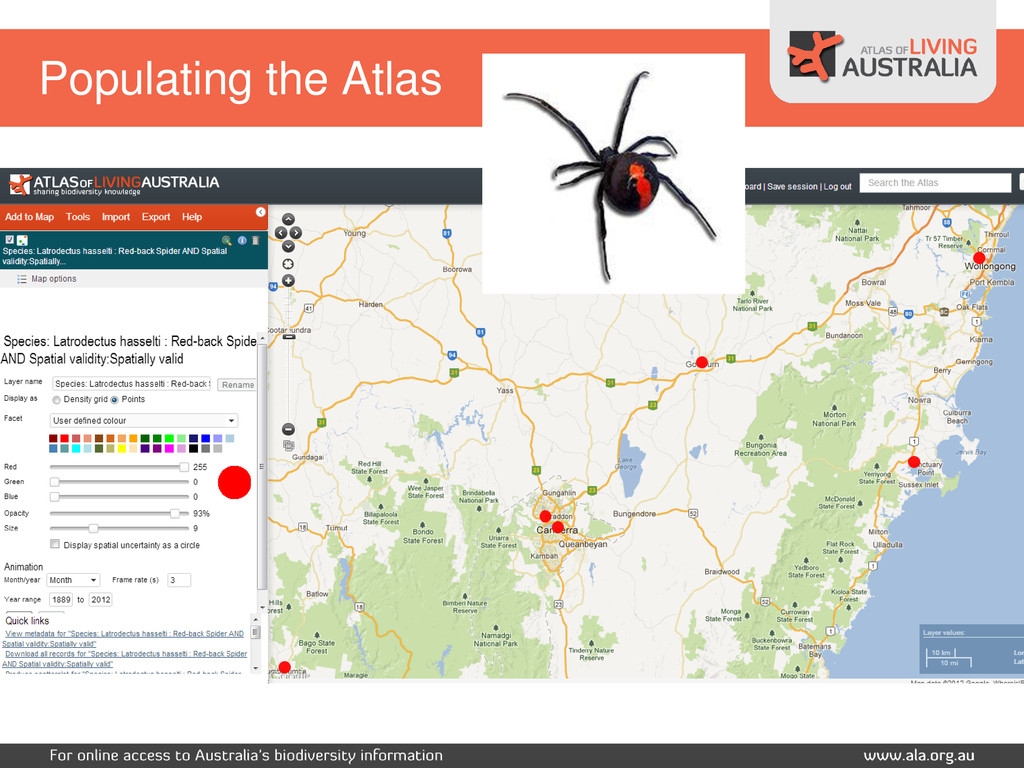
occurrence records; 170,000+ species pages • 500+ data providers; 150+ biological collections • 400+ GIS layers – environmental and contextual • Including 45+ 2030 predictive layers for climate • Gazetteer – ~800,000 named locations • Mapping and analysis tools in the spatial portal • Names and classification – national species list as backbone of ALA • Photos and images through Morphbank
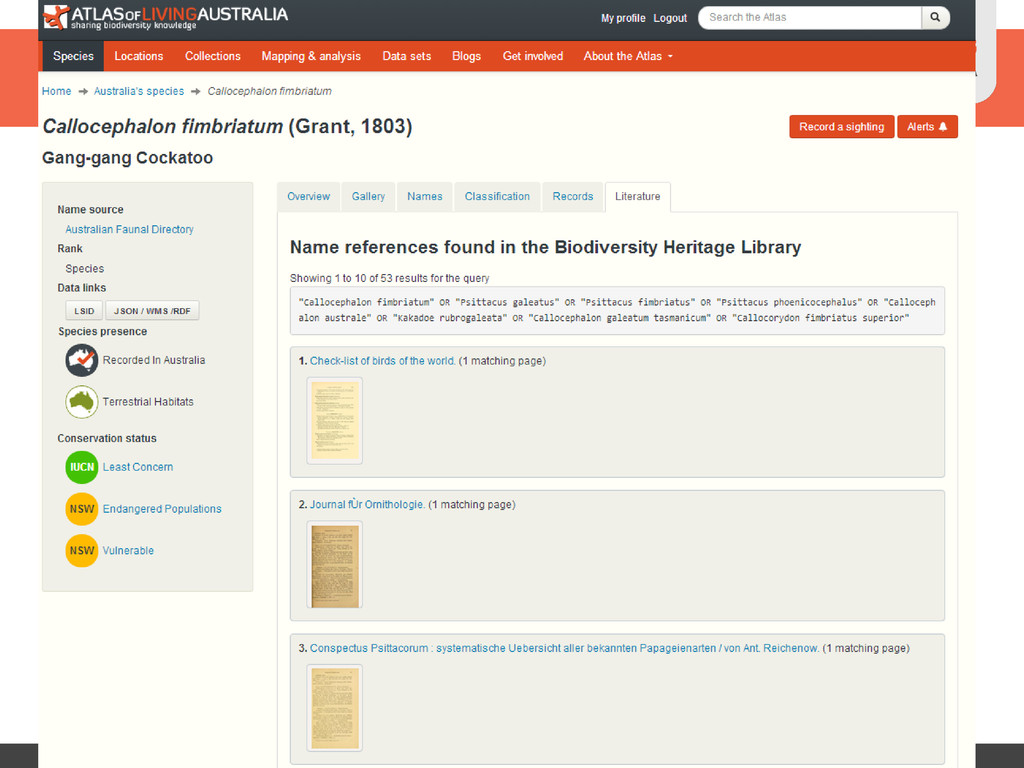
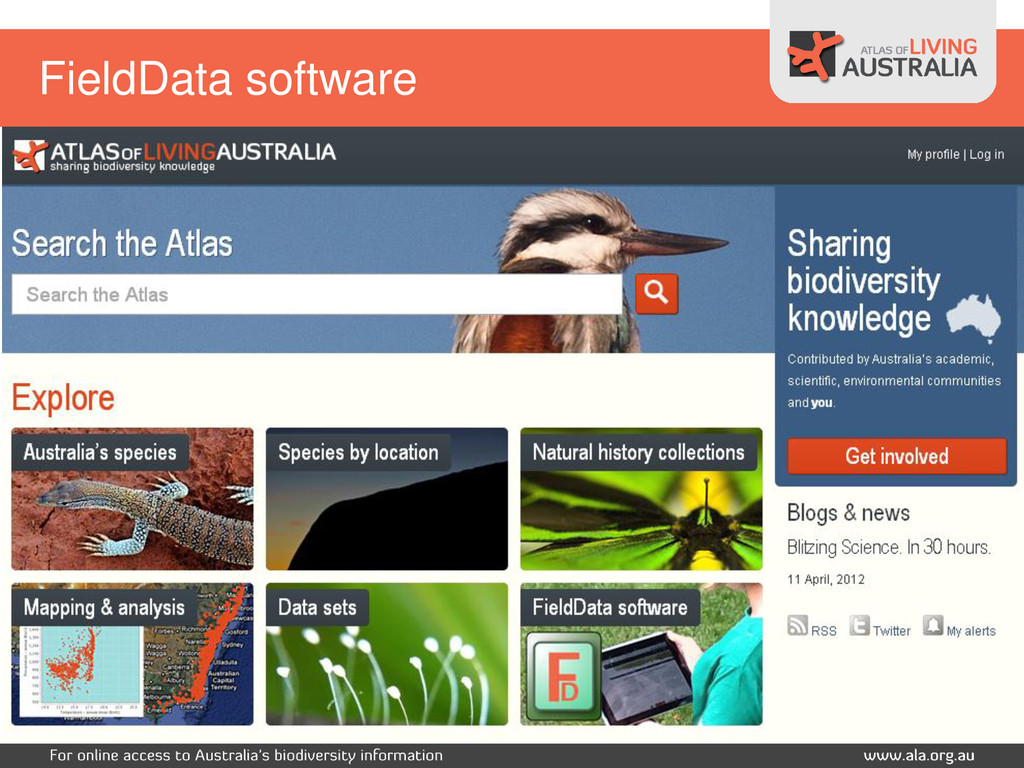
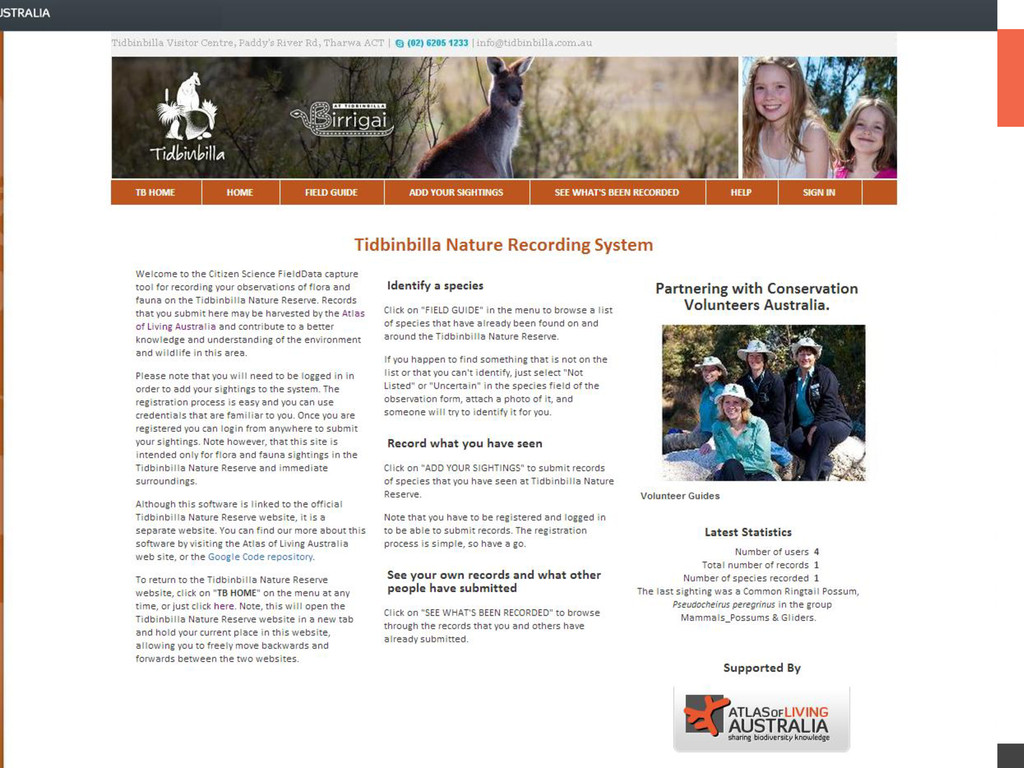
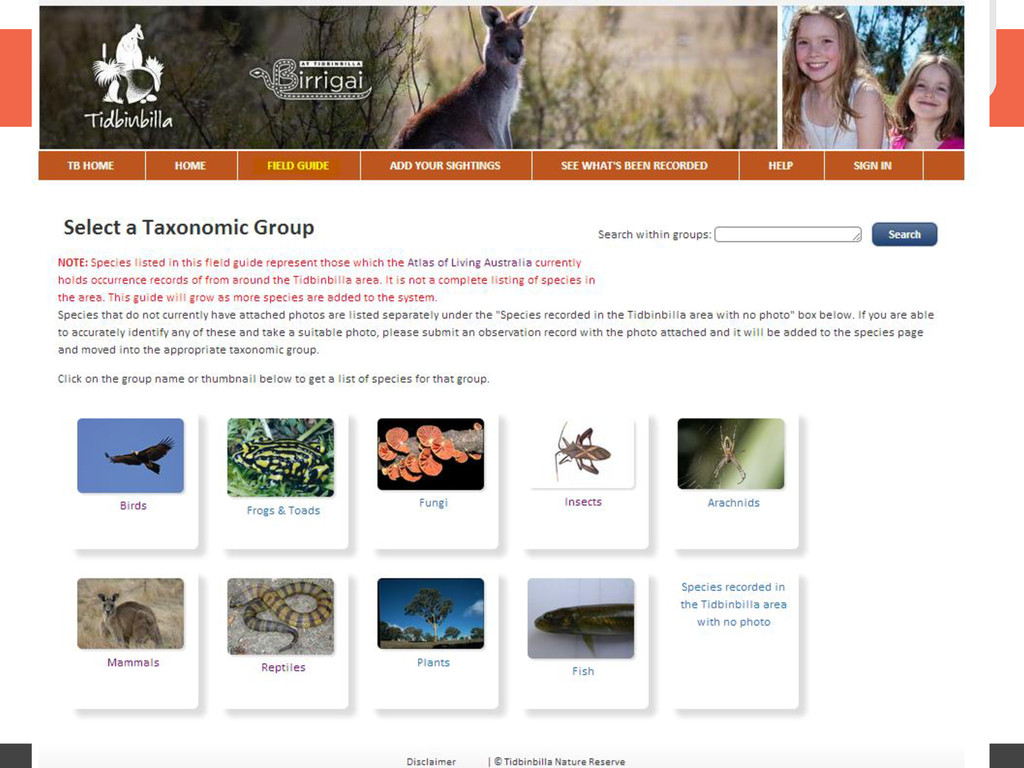
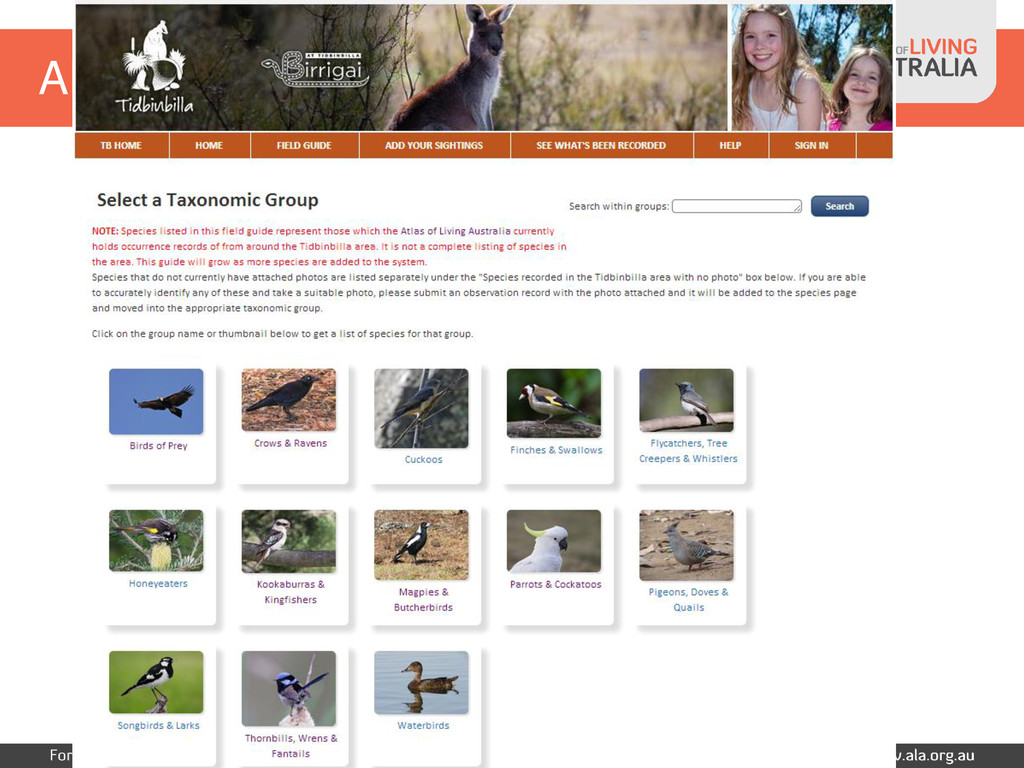
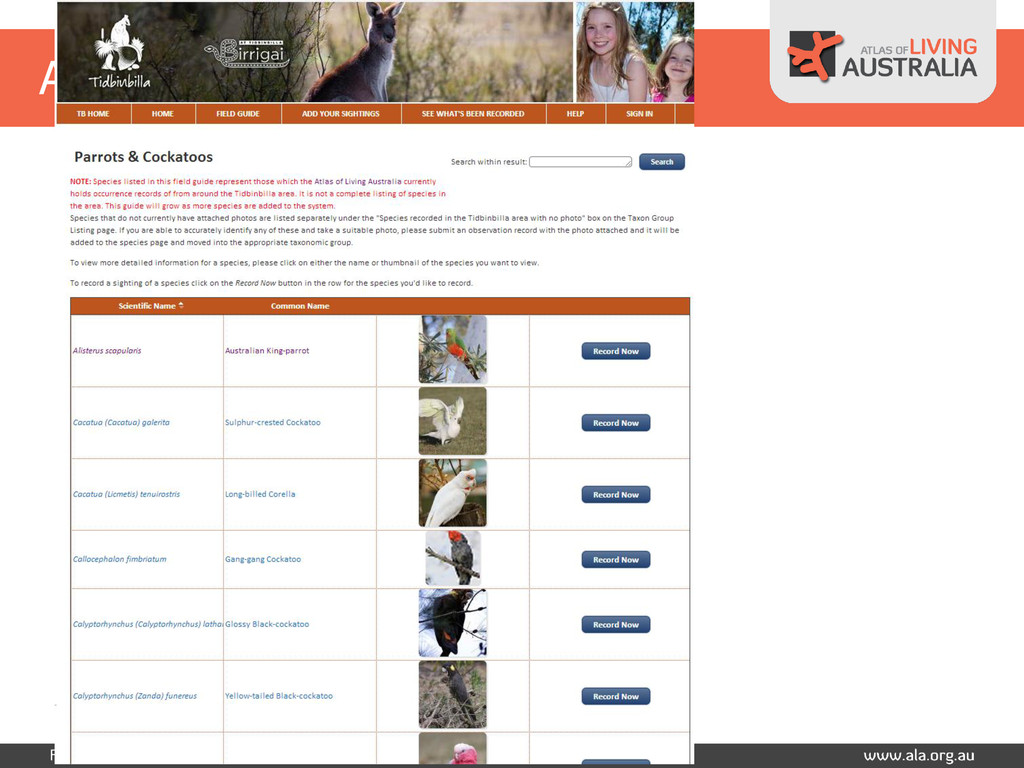
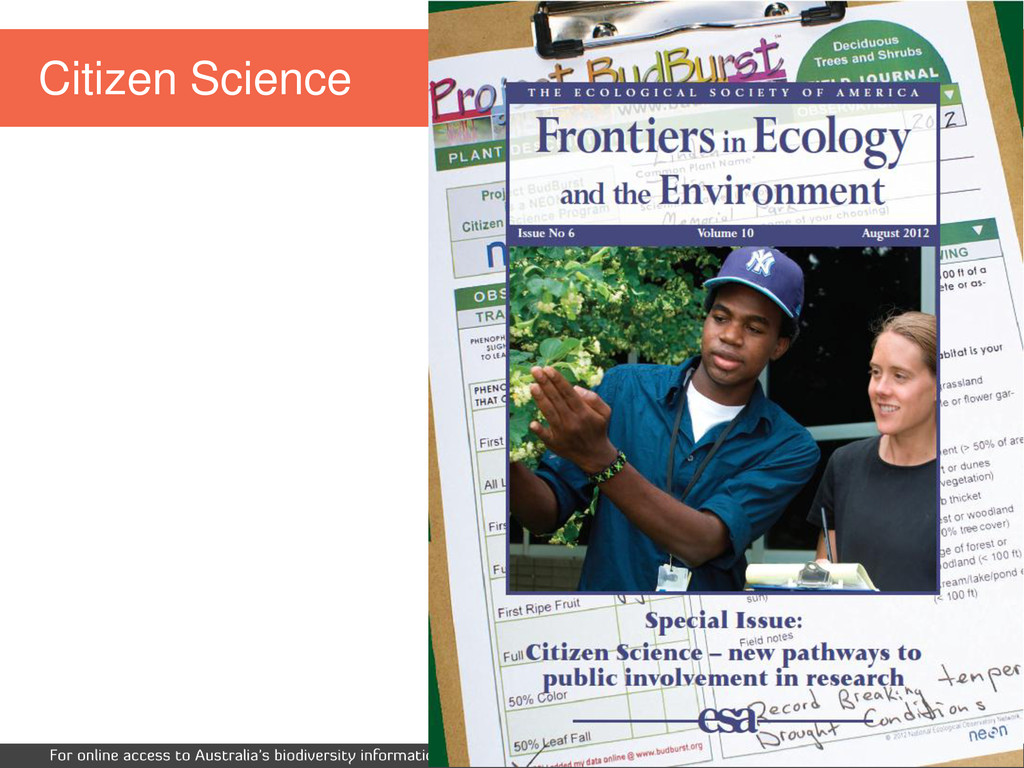
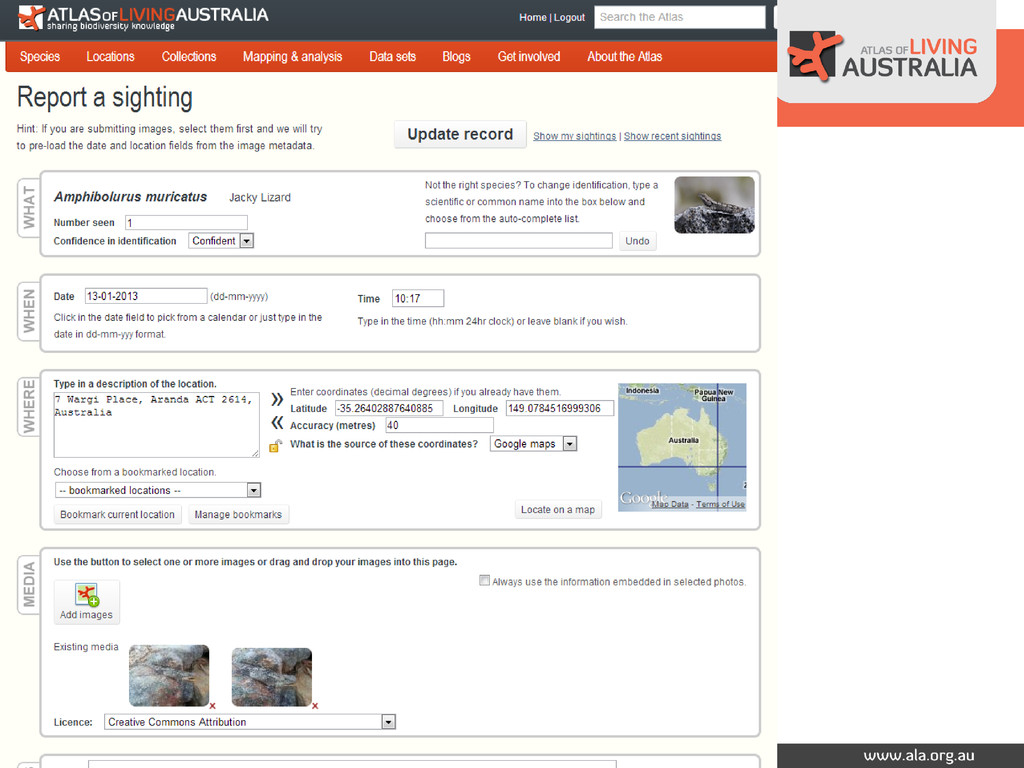
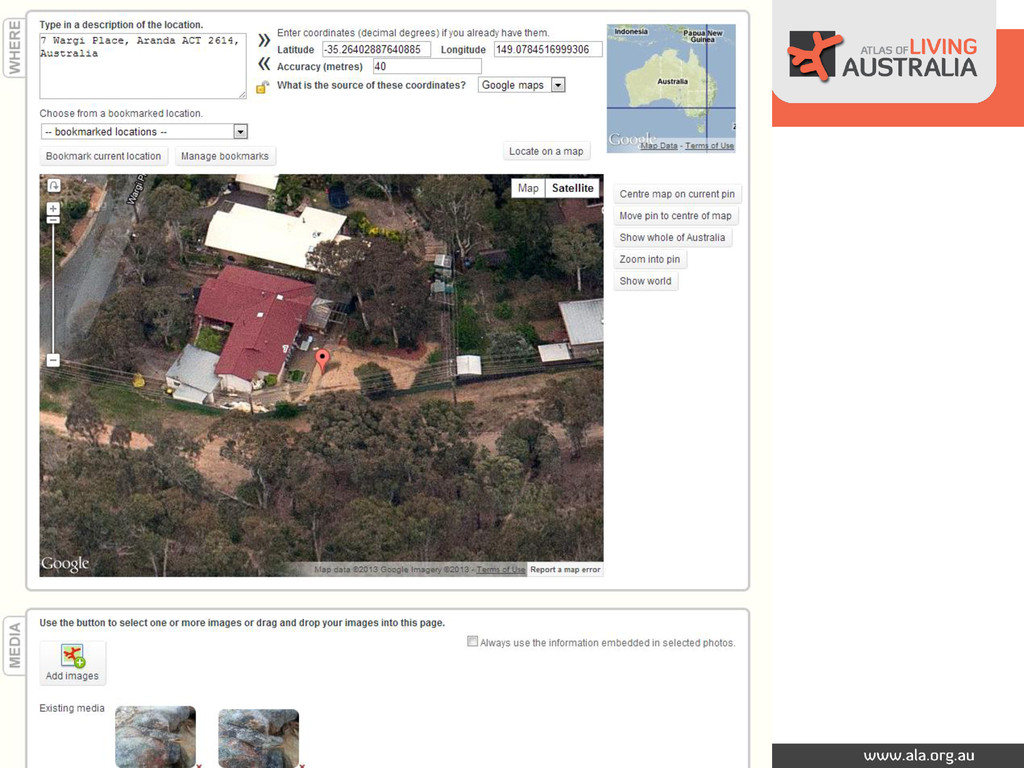
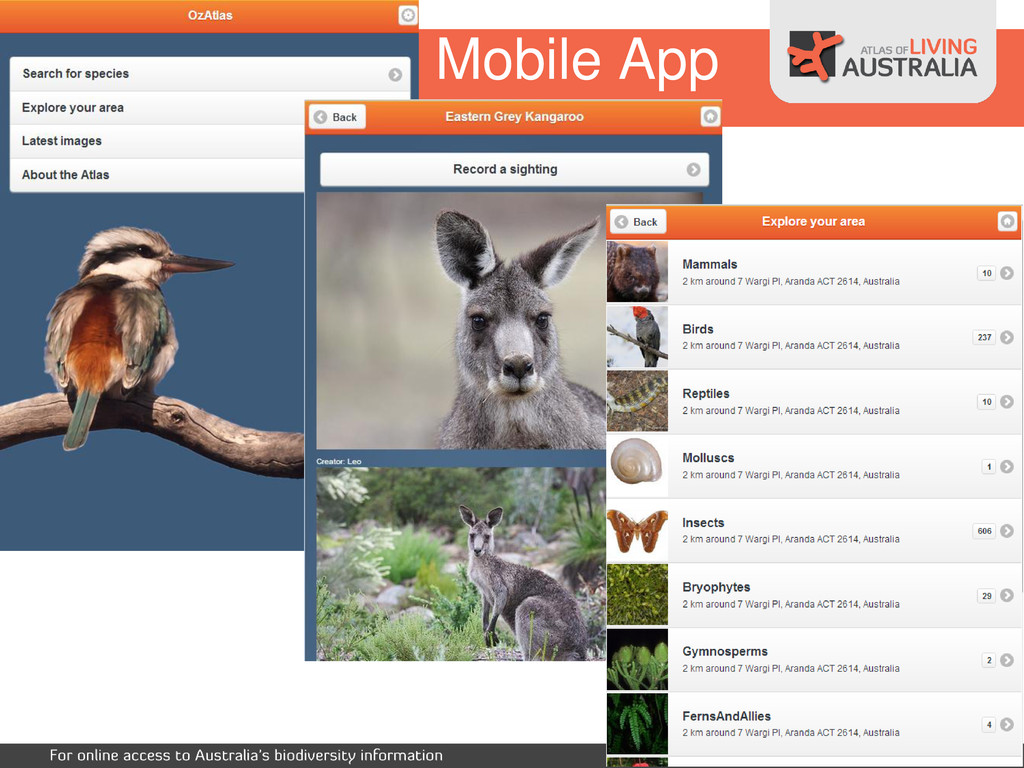
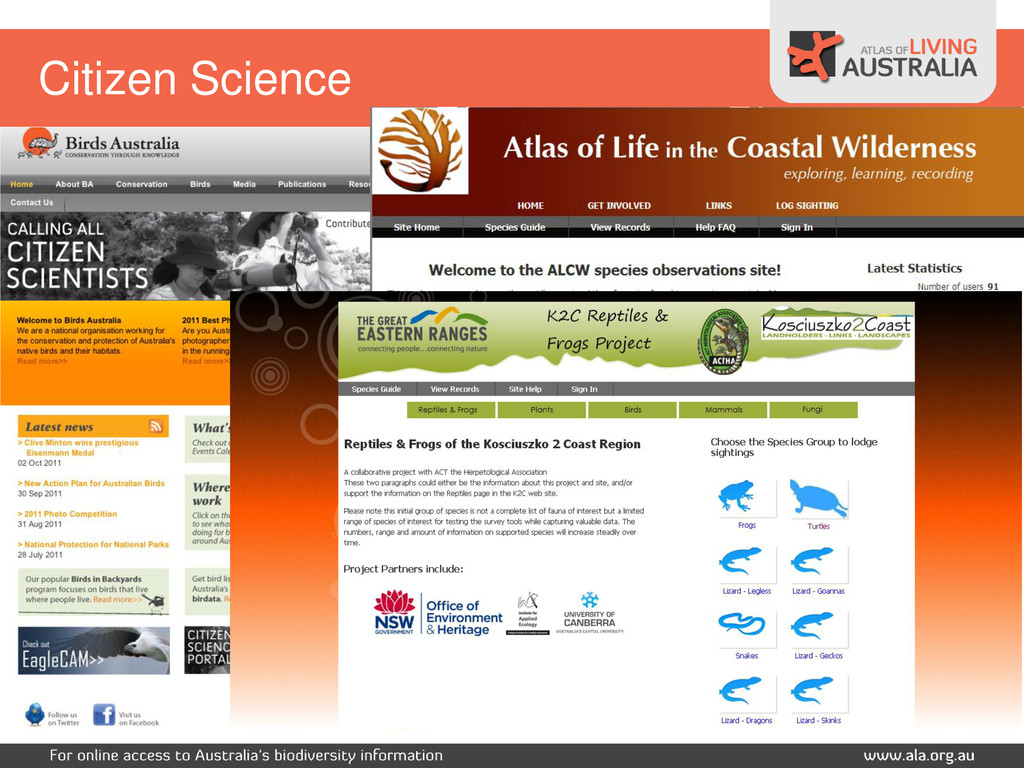
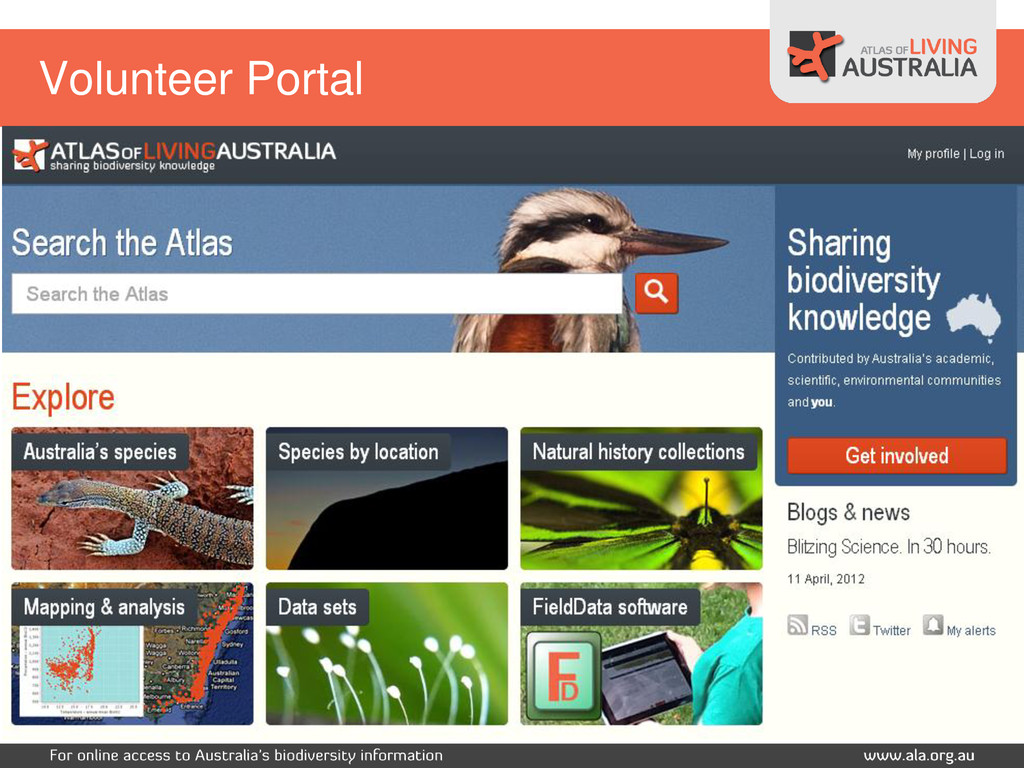
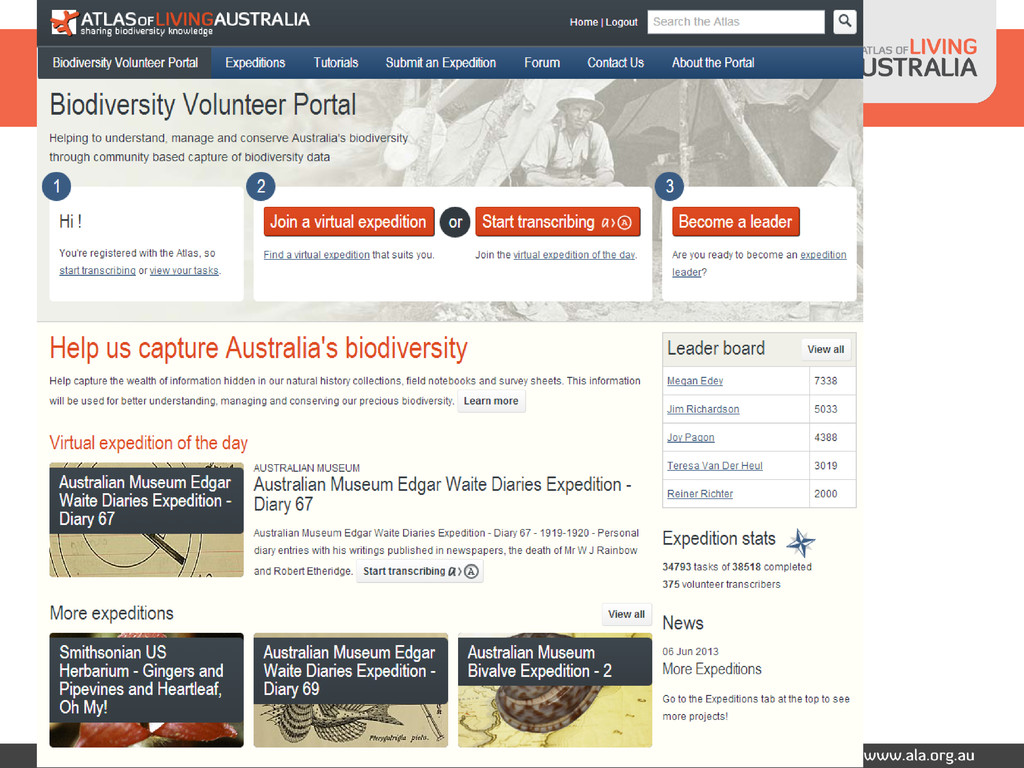
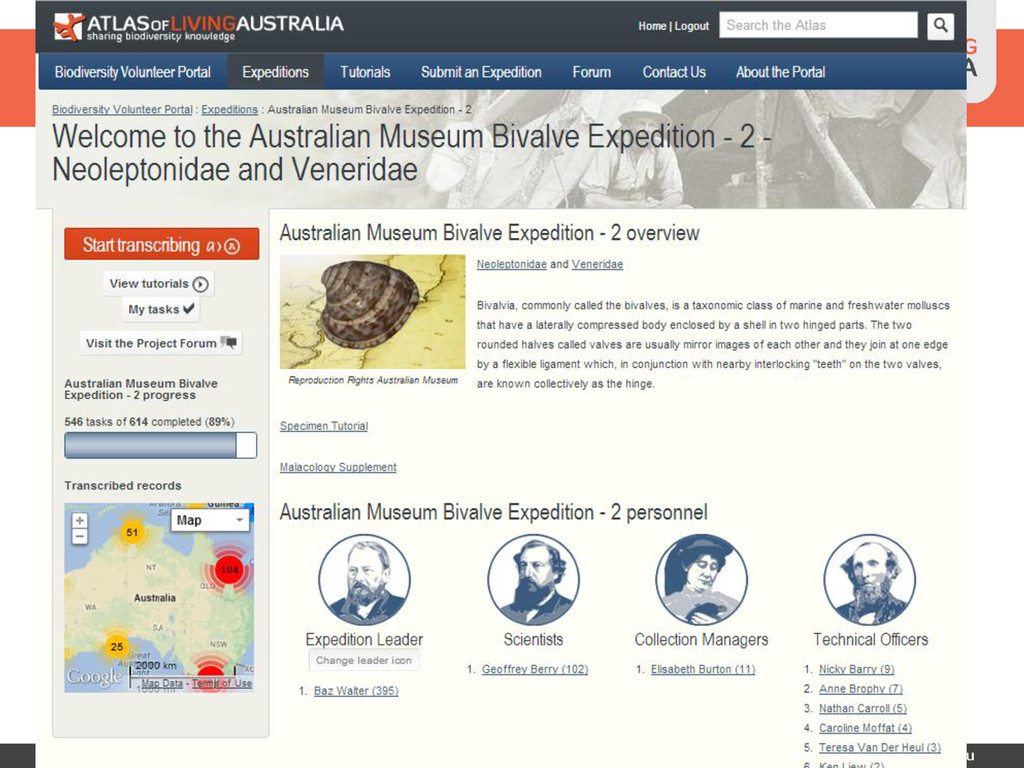
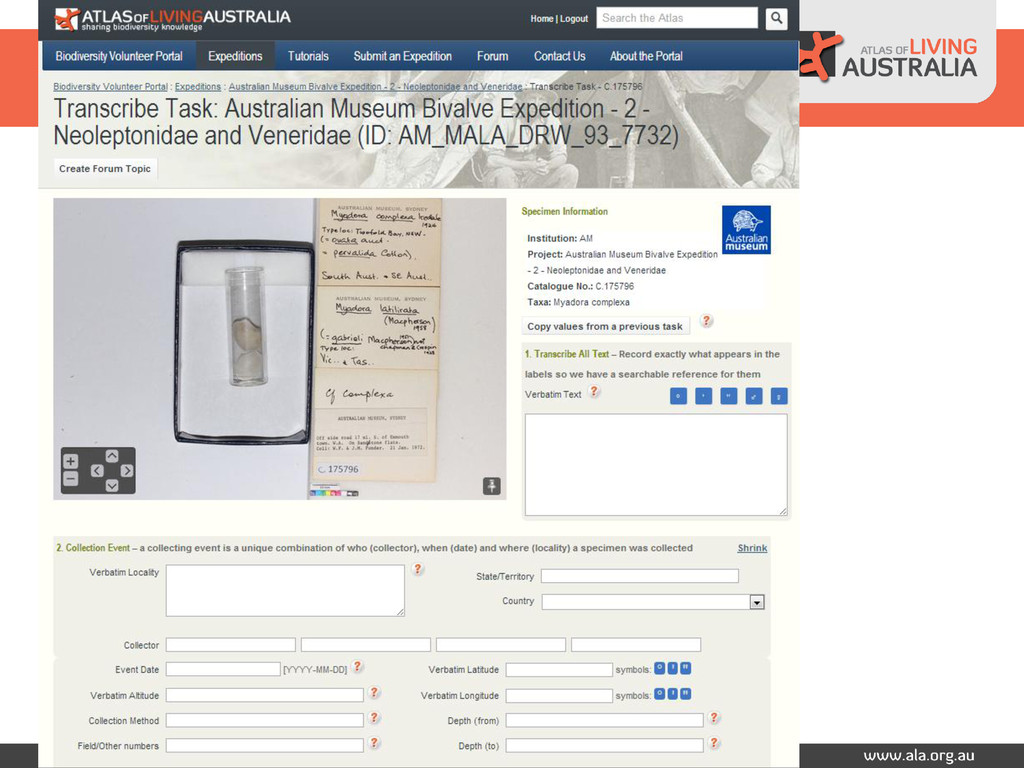
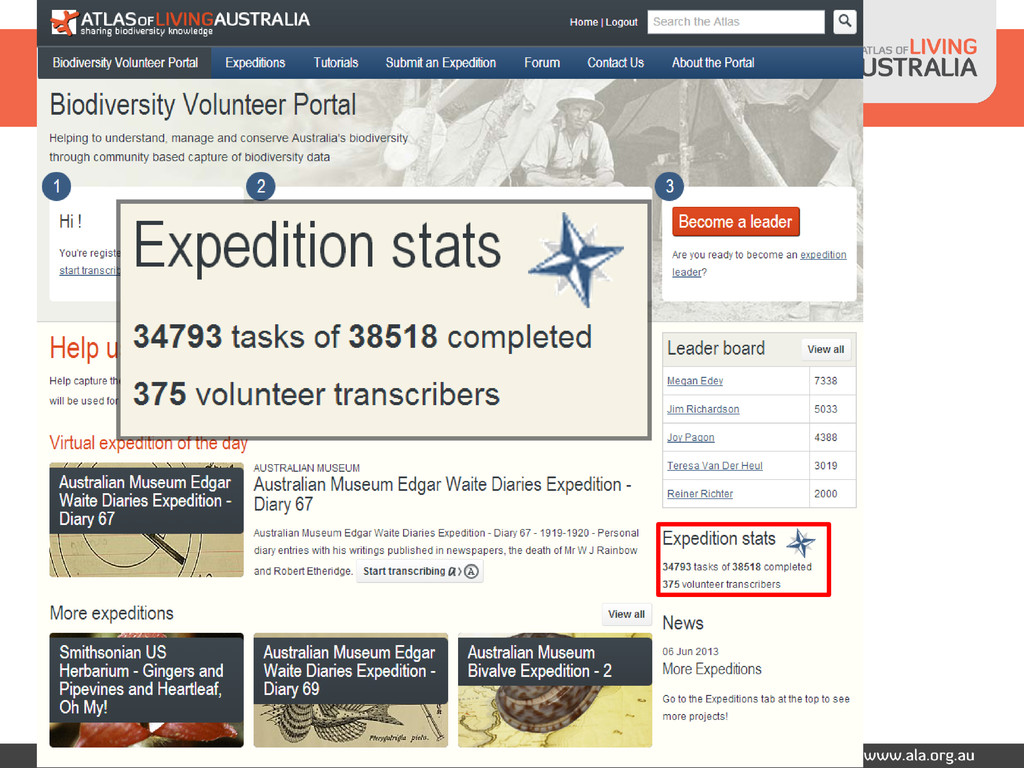
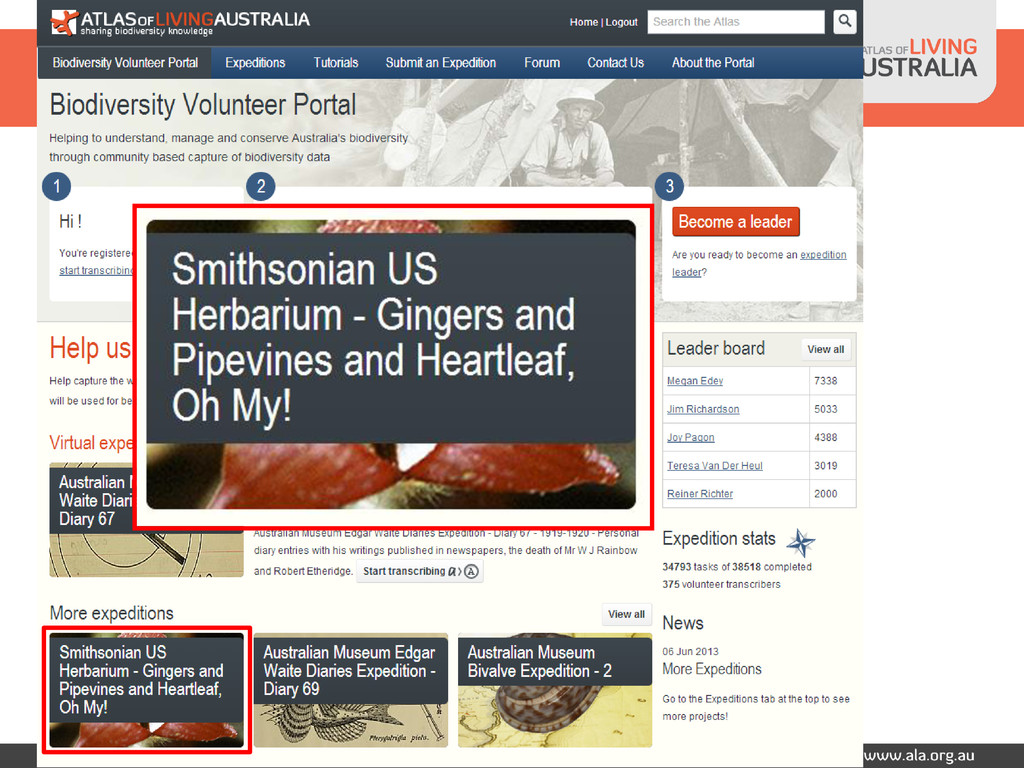
Identify Life • Heritage literature through Biodiversity Heritage library • Species biology, ecology, status • Citizen science and education – add sightings & data • Volunteer Portal – to capture volunteer involvement • Field data capture; Mobile app • Data sharing with other NCRIS facilities: TERN, IMOS • Provide the ability for others to leverage off of a substantial government investment
thank for the Atlas • Many members of the Australian collections community for vision and foresight • DIICCSRTE – Dept of Innovation for funding • All the partners/collaborators • All the data providers • CSIRO for serving as the Administrative Lead Agency • But most importantly …
out by the format of this symposium – Who have created something that is globally unique – Who are here in force – Who can be recognised by their blue name tags • And find out more about the Atlas during demonstrations at lunch and breaks ALA – who do we thank


 atlaslivingaust
 trycycle
 institutdelelevage
 i2tsuki
.jpg) ktatsuya
ktatsuya
 shumpei777
 voginip
 sabman
 akasan
 hiranabe
 marktimemedia
 greggifford
 lara
lara
 mfonobong
 mkilby
 nonsquared
 dougneiner
 jlugia
 gr2m
gr2m
 jdejongh
 jct
jct
 mclloyd