Upgrade to Pro — share decks privately, control downloads, hide ads and more …

Liburd and Stoll Farrell "Copyright Essentials ...

Liburd and Stoll Farrell "Copyright Essentials From A to AI: A 2026 NISO Training Series, Session Five: Open Movements & Author Rights"

This presentation was given by Willa Liburd, Legal Knowledge Management Consultant and Scholarly Communication Professional, and Karen Stoll Farrell, Director, Scholarly Communication and Open Publishing Associate, both of Indiana University Bloomington for the fifth session of the NISO training series "Copyright Essentials From A to AI." Session Five, "Open Movements & Author Rights," was held October 29, 2026.

More Decks by National Information Standards Organization

Other Decks in Education

Transcript

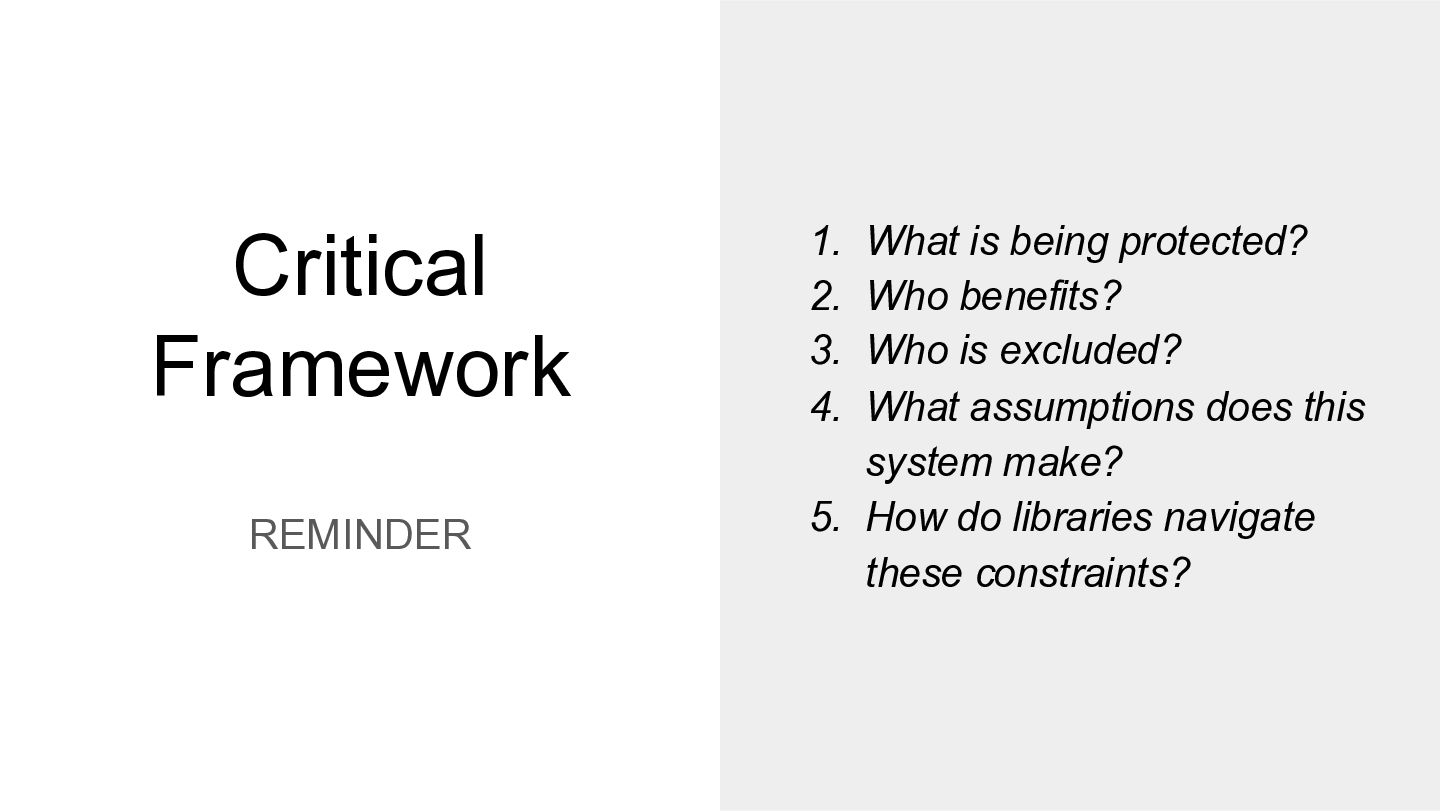
  1. Critical Framework REMINDER 1. What is being protected? 2. Who

    benefits? 3. Who is excluded? 4. What assumptions does this system make? 5. How do libraries navigate these constraints?
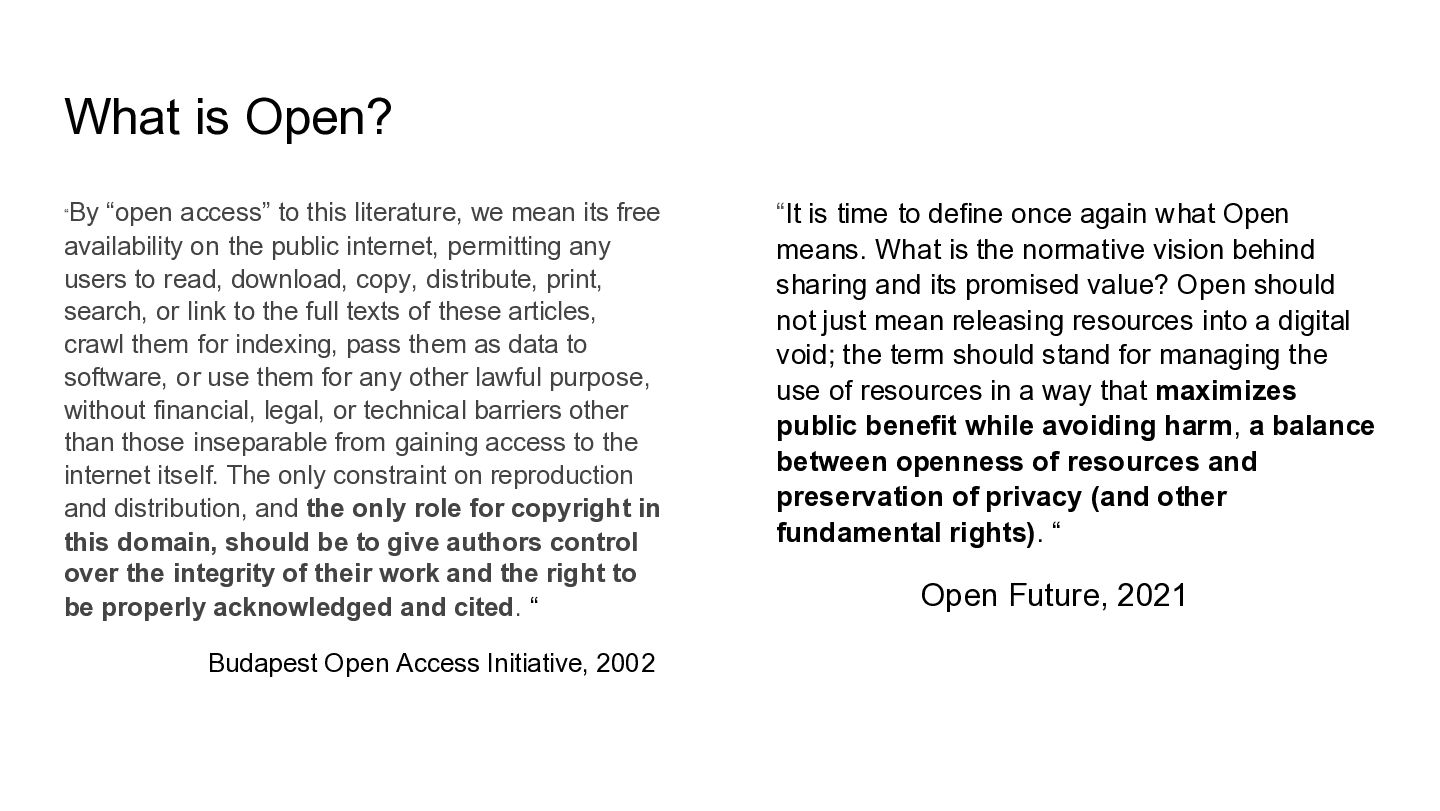
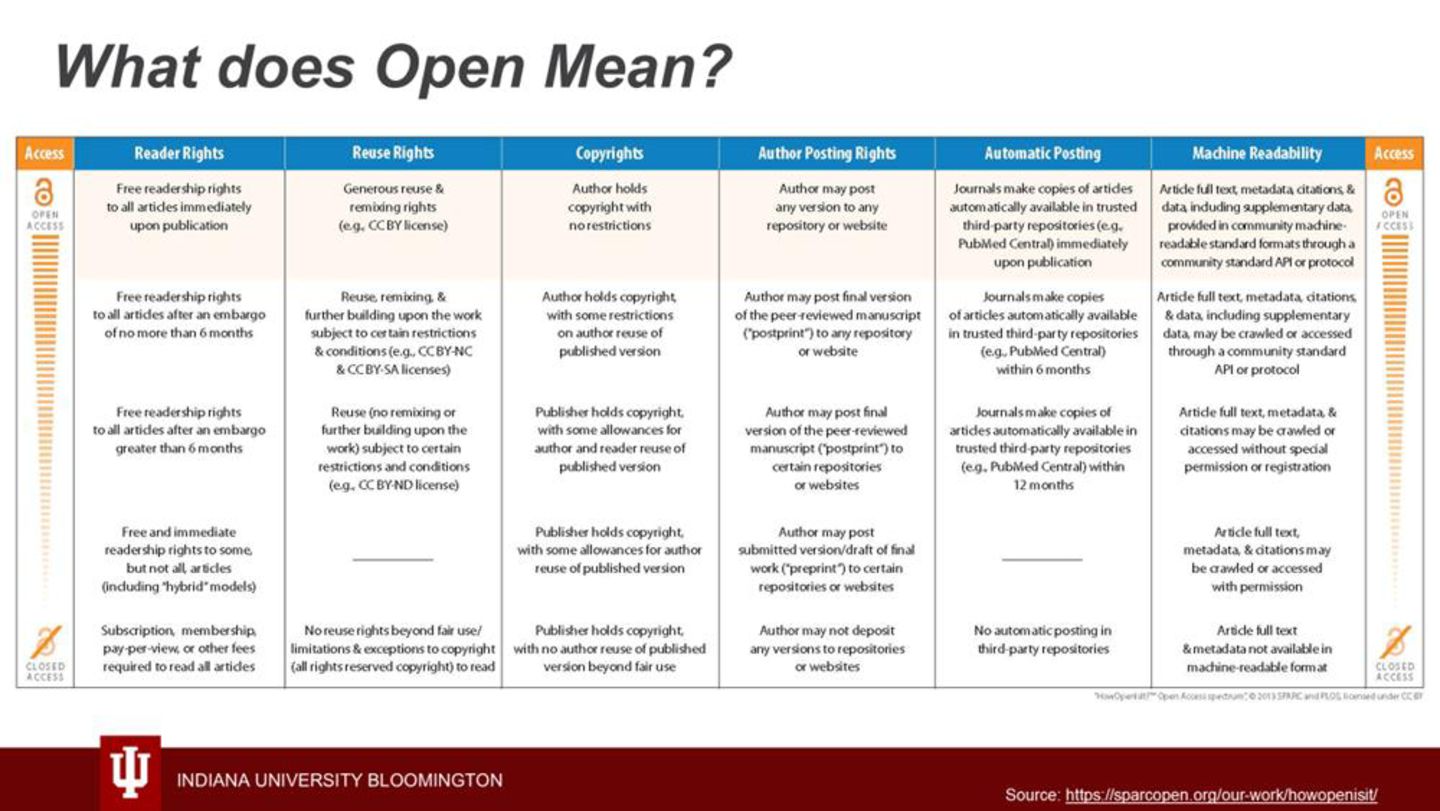
  2. What is Open? By “open access” to this literature, we

    mean its free availability on the public internet, permitting any users to read, download, copy, distribute, print, search, or link to the full texts of these articles, crawl them for indexing, pass them as data to software, or use them for any other lawful purpose, without financial, legal, or technical barriers other than those inseparable from gaining access to the internet itself. The only constraint on reproduction and distribution, and the only role for copyright in this domain, should be to give authors control over the integrity of their work and the right to be properly acknowledged and cited. “ “ Budapest Open Access Initiative, 2002 “It is time to define once again what Open means. What is the normative vision behind sharing and its promised value? Open should not just mean releasing resources into a digital void; the term should stand for managing the use of resources in a way that maximizes public benefit while avoiding harm, a balance between openness of resources and preservation of privacy (and other fundamental rights). “ Open Future, 2021
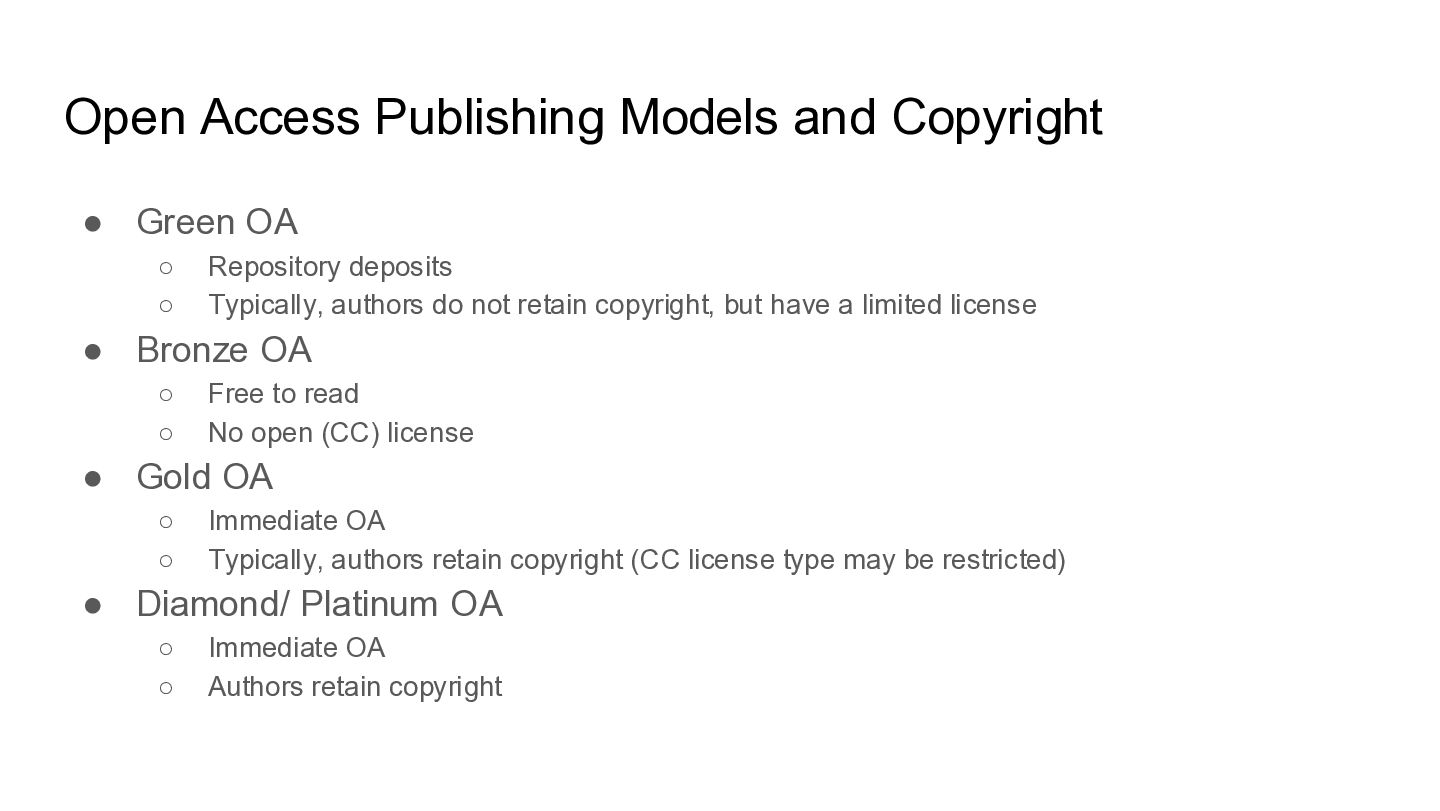
  3. Open Access Publishing Models and Copyright • Green OA ◦

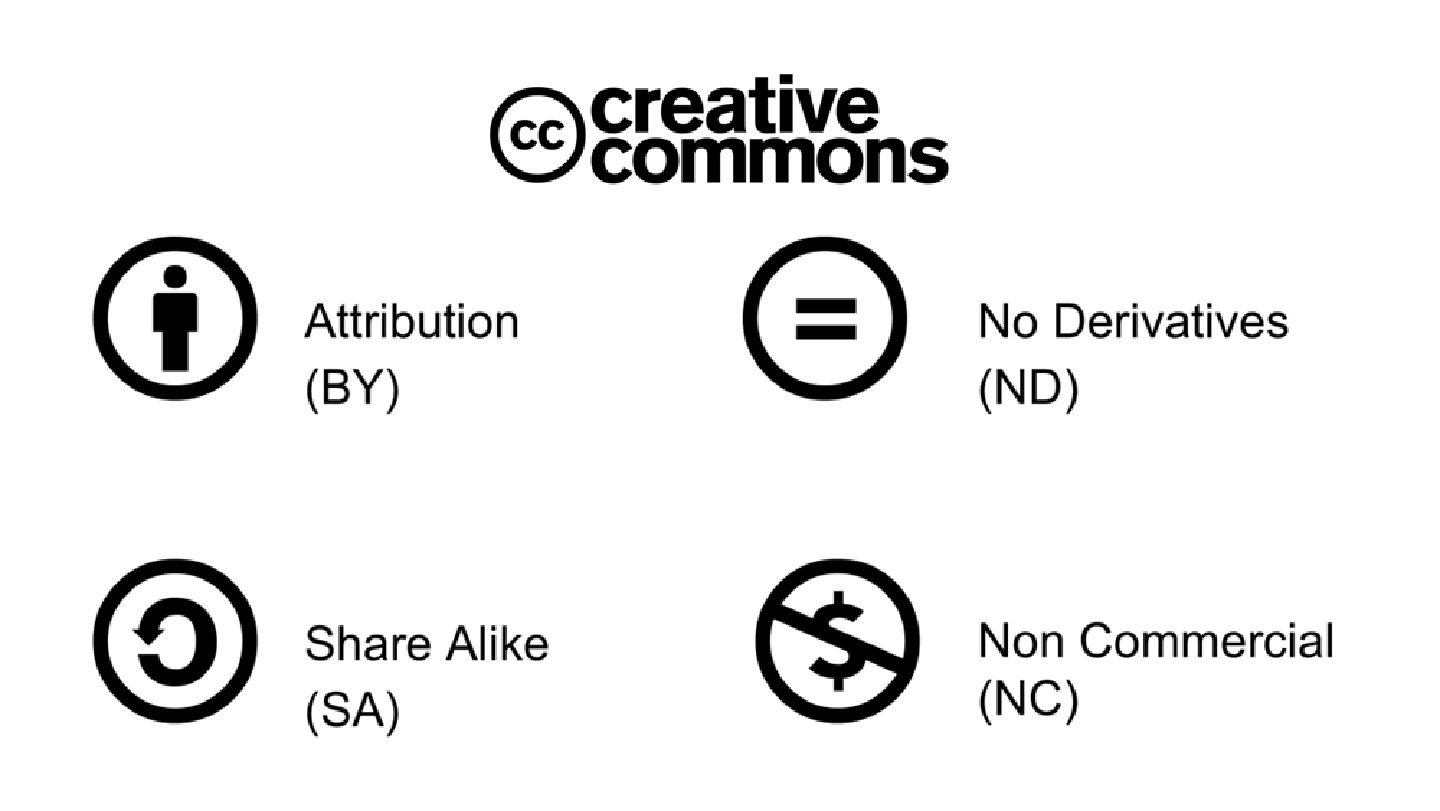
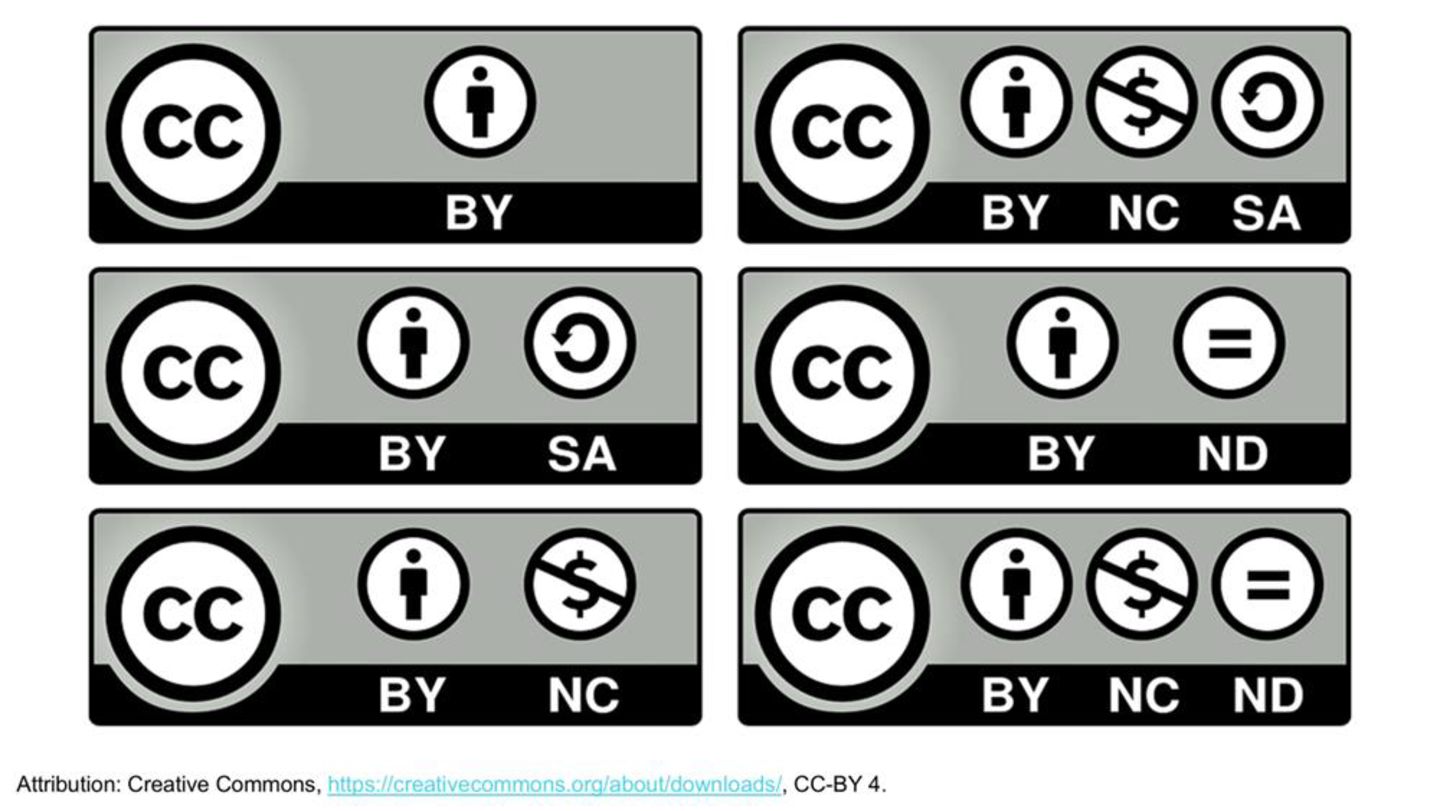
    ◦ Repository deposits Typically, authors do not retain copyright, but have a limited license • Bronze OA ◦ ◦ Free to read No open (CC) license • Gold OA ◦ ◦ Immediate OA Typically, authors retain copyright (CC license type may be restricted) • Diamond/ Platinum OA ◦ ◦ Immediate OA Authors retain copyright
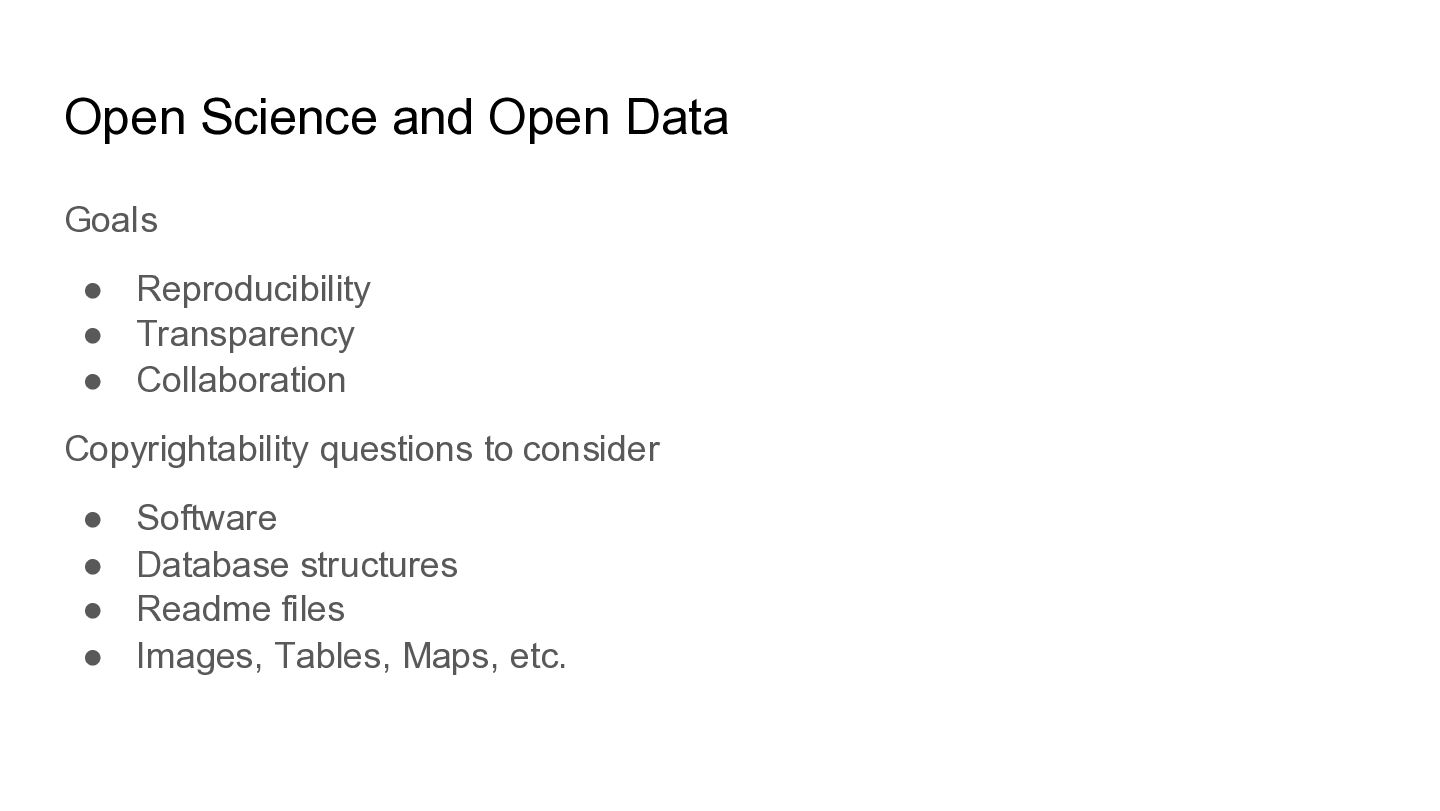
  4. Open Science and Open Data Goals • Reproducibility • Transparency

    • Collaboration Copyrightability questions to consider • • • • Software Database structures Readme files Images, Tables, Maps, etc.
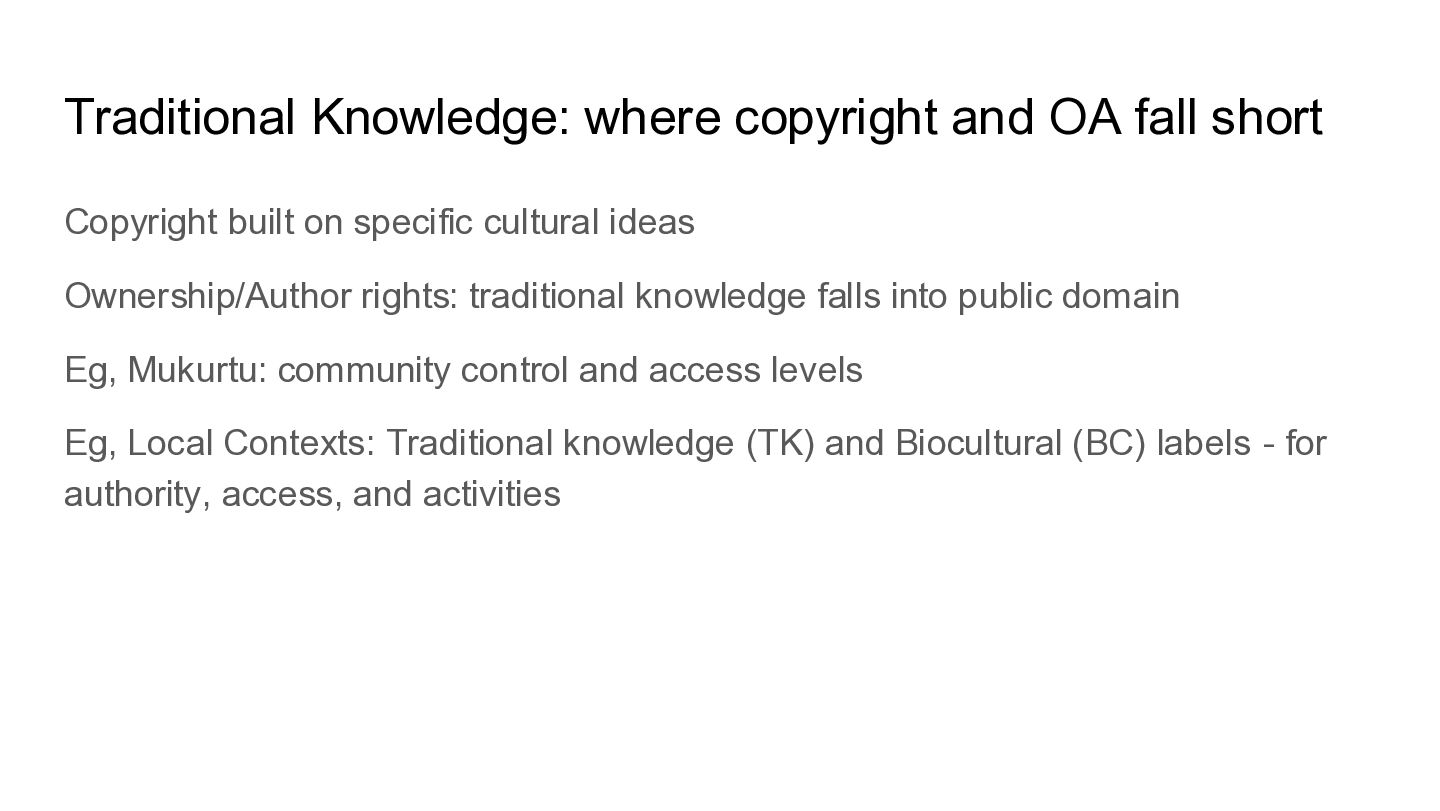
  5. Traditional Knowledge: where copyright and OA fall short Copyright built

    on specific cultural ideas Ownership/Author rights: traditional knowledge falls into public domain Eg, Mukurtu: community control and access levels Eg, Local Contexts: Traditional knowledge (TK) and Biocultural (BC) labels - for authority, access, and activities
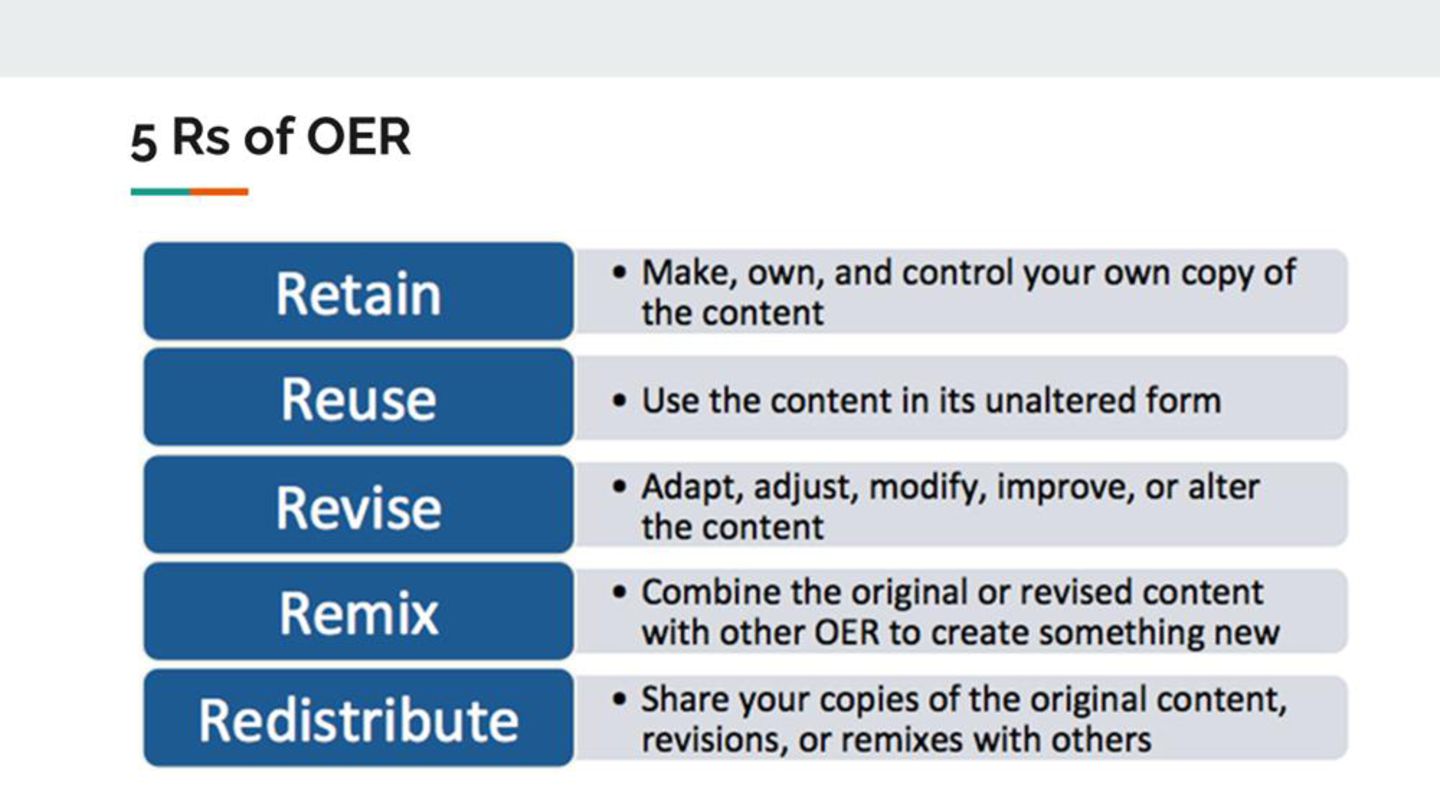
  6. Open Education and OER Five Rs: • Retain • Reuse

    • Revise • Remix • Redistribute
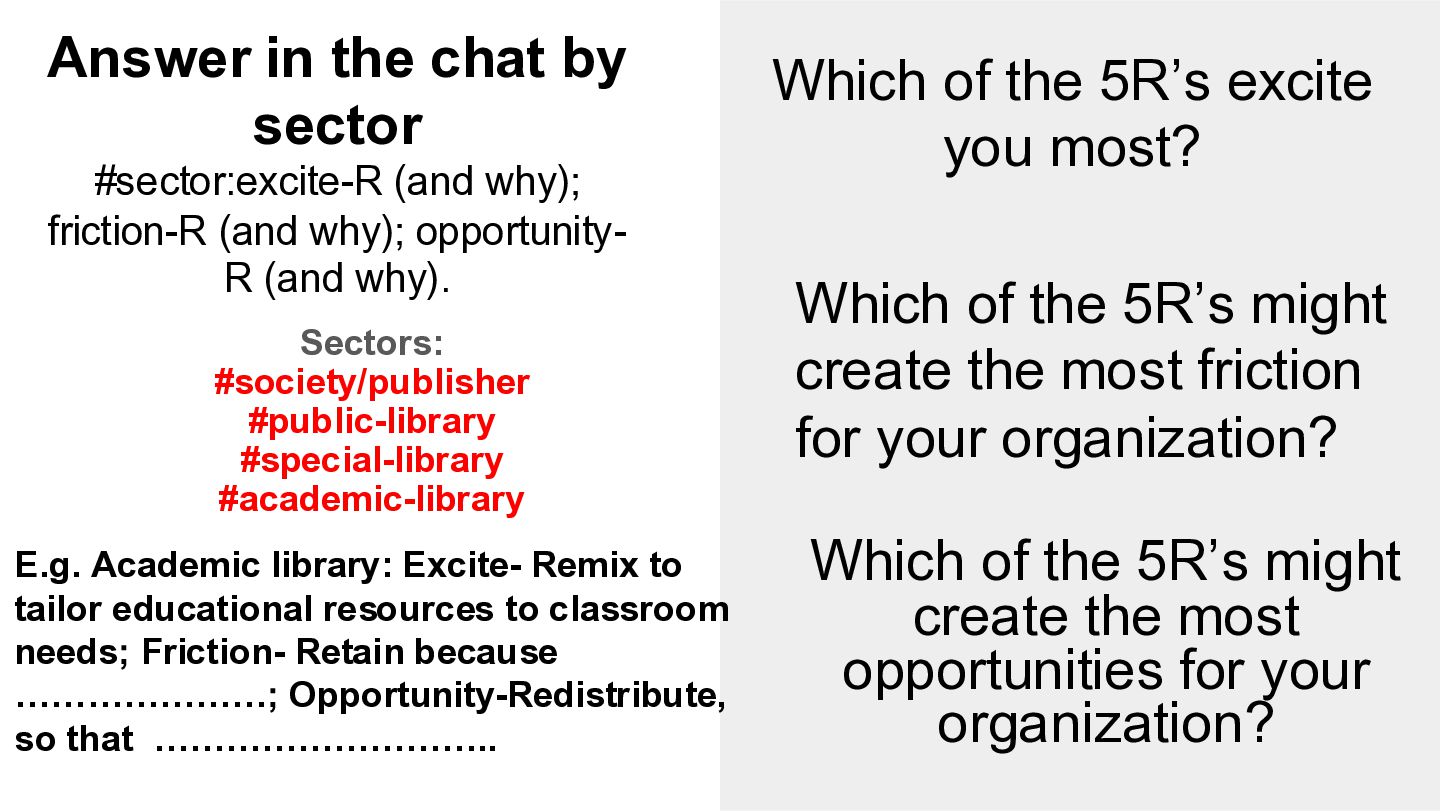
  7. Answer in the chat by sector #sector:excite-R (and why); friction-R

    (and why); opportunityR (and why). Sectors: #society/publisher #public-library #special-library #academic-library E.g. Academic library: Excite- Remix to tailor educational resources to classroom needs; Friction- Retain because …………………; Opportunity-Redistribute, so that ……………………….. Which of the 5R’s excite you most? Which of the 5R’s might create the most friction for your organization? Which of the 5R’s might create the most opportunities for your organization?
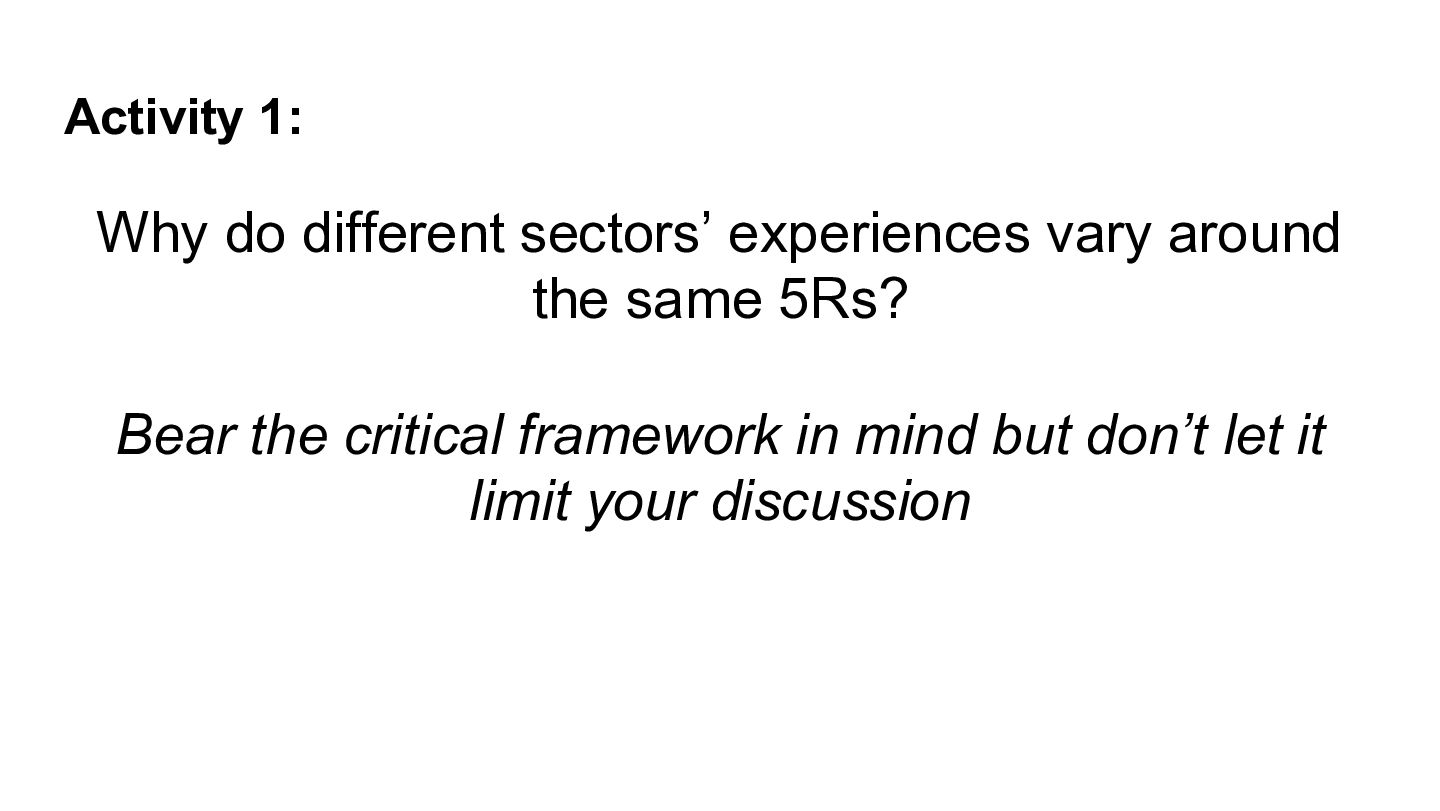
  8. Activity 1: Why do different sectors’ experiences vary around the

    same 5Rs? Bear the critical framework in mind but don’t let it limit your discussion
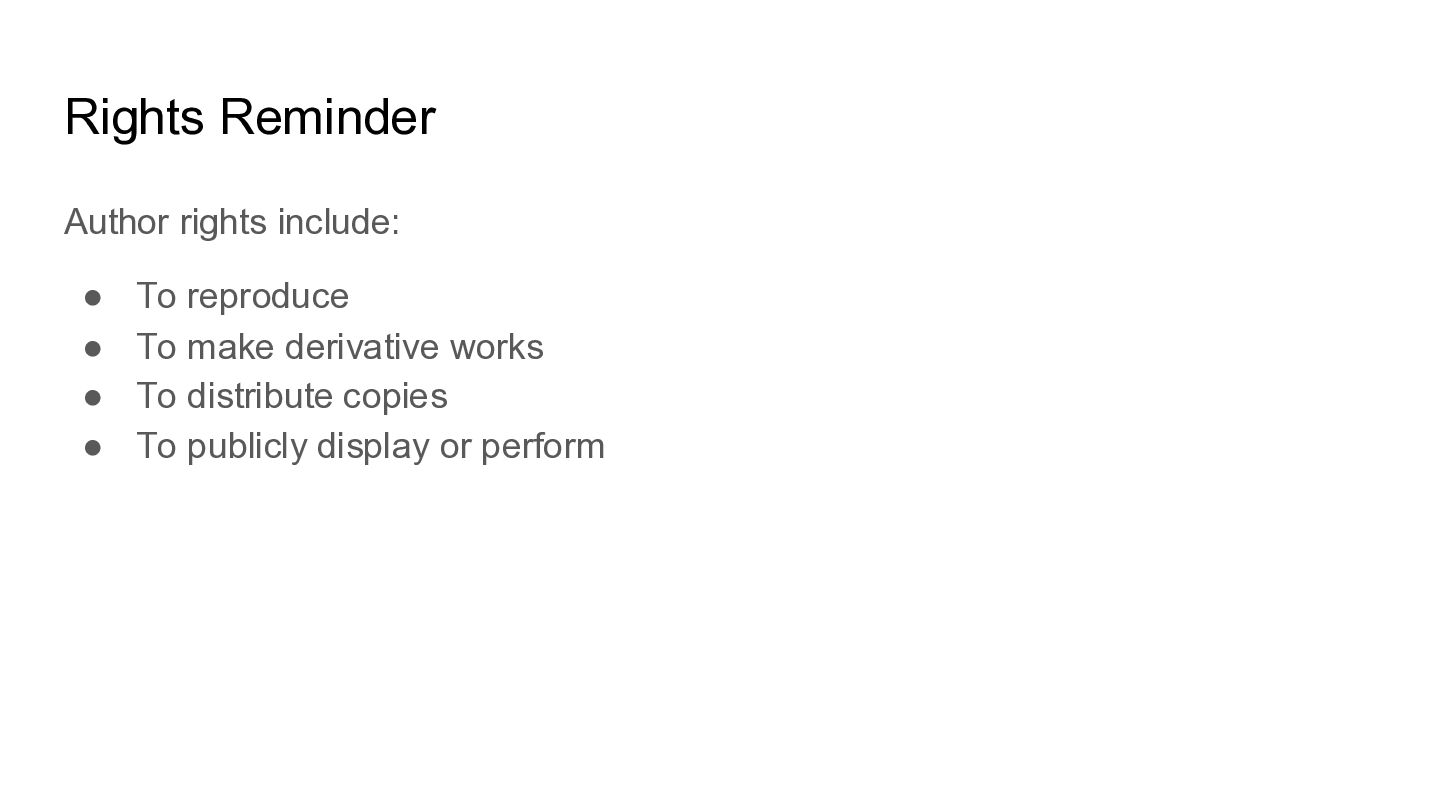
  9. Rights Reminder Author rights include: • • • • To

    reproduce To make derivative works To distribute copies To publicly display or perform
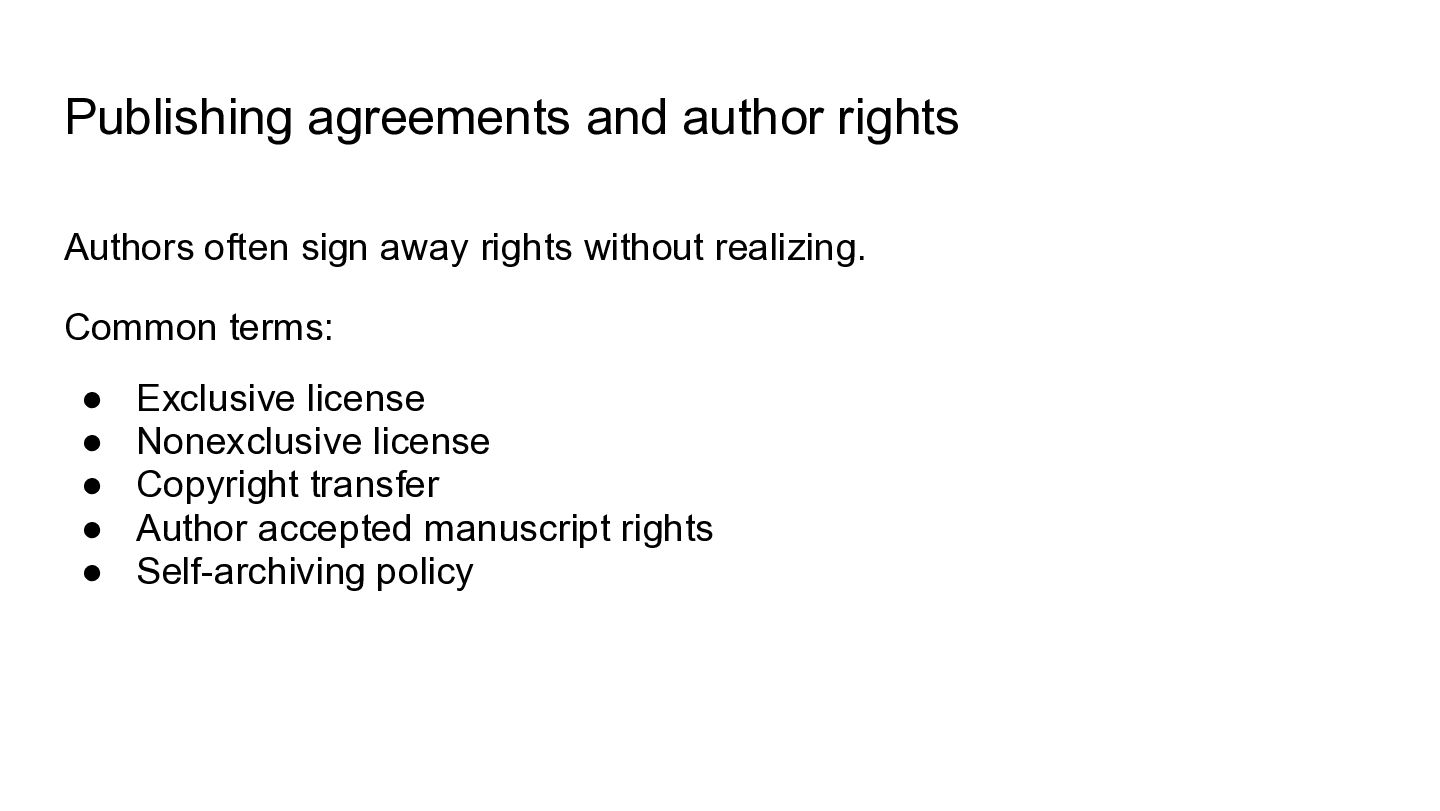
  10. Publishing agreements and author rights Authors often sign away rights

    without realizing. Common terms: • • • • • Exclusive license Nonexclusive license Copyright transfer Author accepted manuscript rights Self-archiving policy
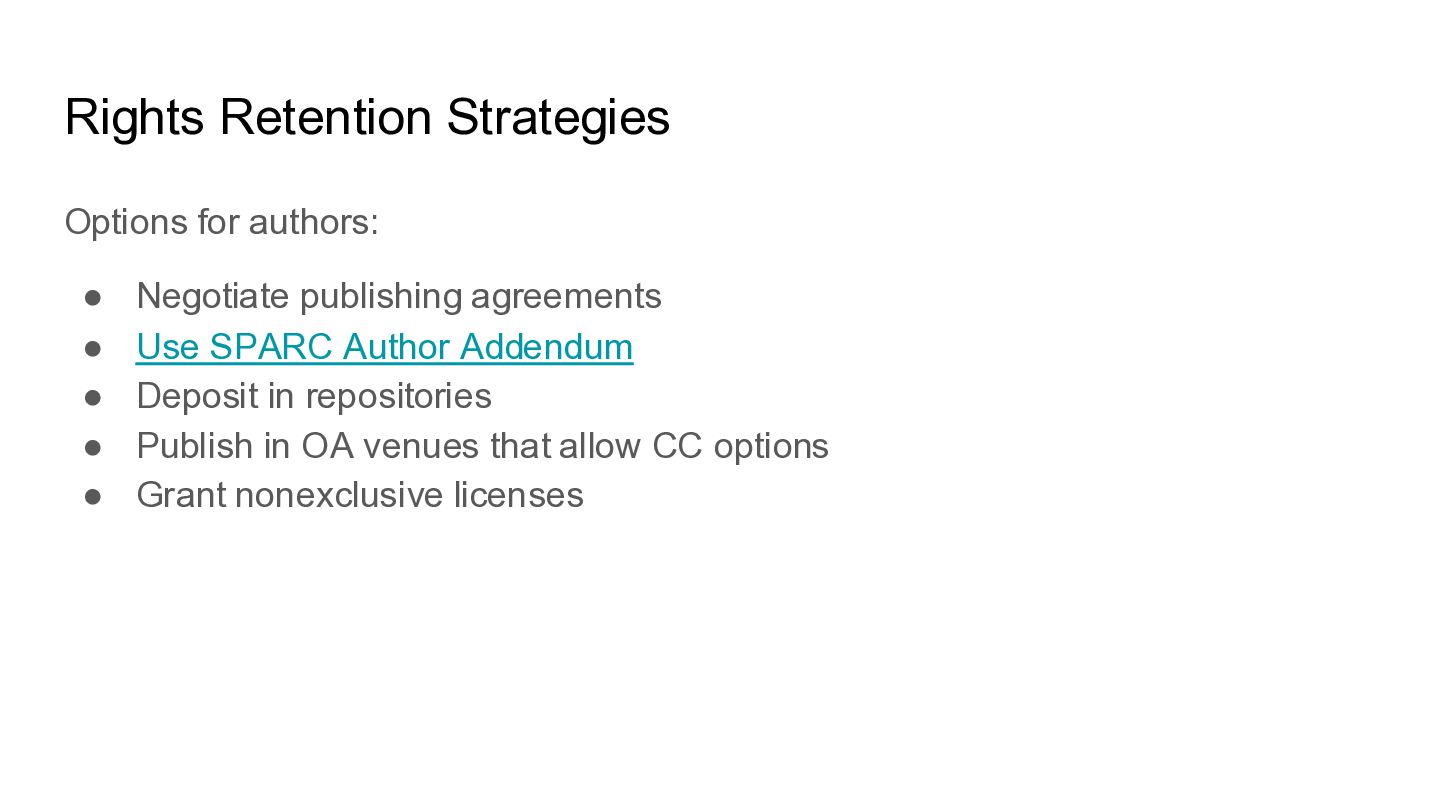
  11. Rights Retention Strategies Options for authors: • • • •

    • Negotiate publishing agreements Use SPARC Author Addendum Deposit in repositories Publish in OA venues that allow CC options Grant nonexclusive licenses
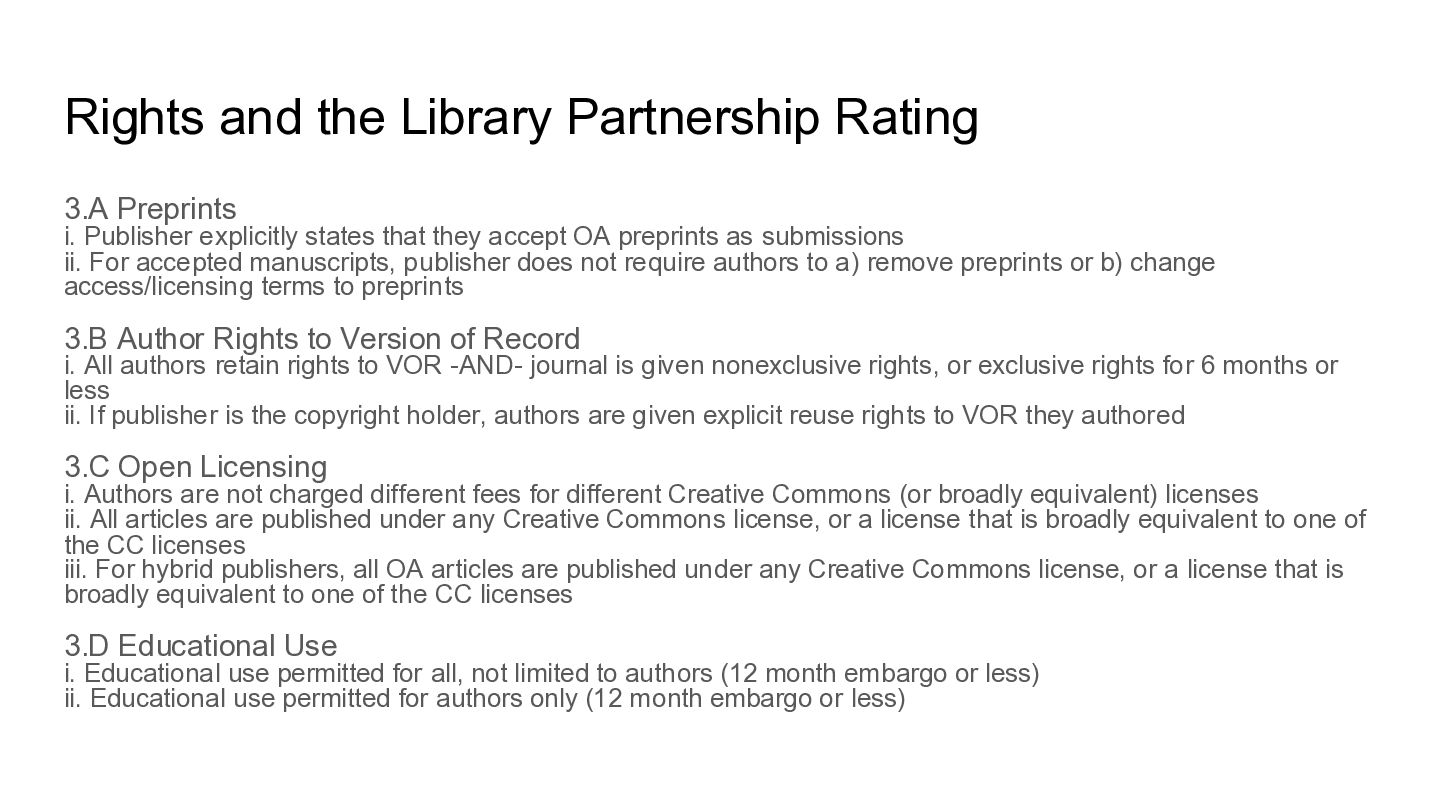
  12. Rights and the Library Partnership Rating 3.A Preprints i. Publisher

    explicitly states that they accept OA preprints as submissions ii. For accepted manuscripts, publisher does not require authors to a) remove preprints or b) change access/licensing terms to preprints 3.B Author Rights to Version of Record i. All authors retain rights to VOR -AND- journal is given nonexclusive rights, or exclusive rights for 6 months or less ii. If publisher is the copyright holder, authors are given explicit reuse rights to VOR they authored 3.C Open Licensing i. Authors are not charged different fees for different Creative Commons (or broadly equivalent) licenses ii. All articles are published under any Creative Commons license, or a license that is broadly equivalent to one of the CC licenses iii. For hybrid publishers, all OA articles are published under any Creative Commons license, or a license that is broadly equivalent to one of the CC licenses 3.D Educational Use i. Educational use permitted for all, not limited to authors (12 month embargo or less) ii. Educational use permitted for authors only (12 month embargo or less)
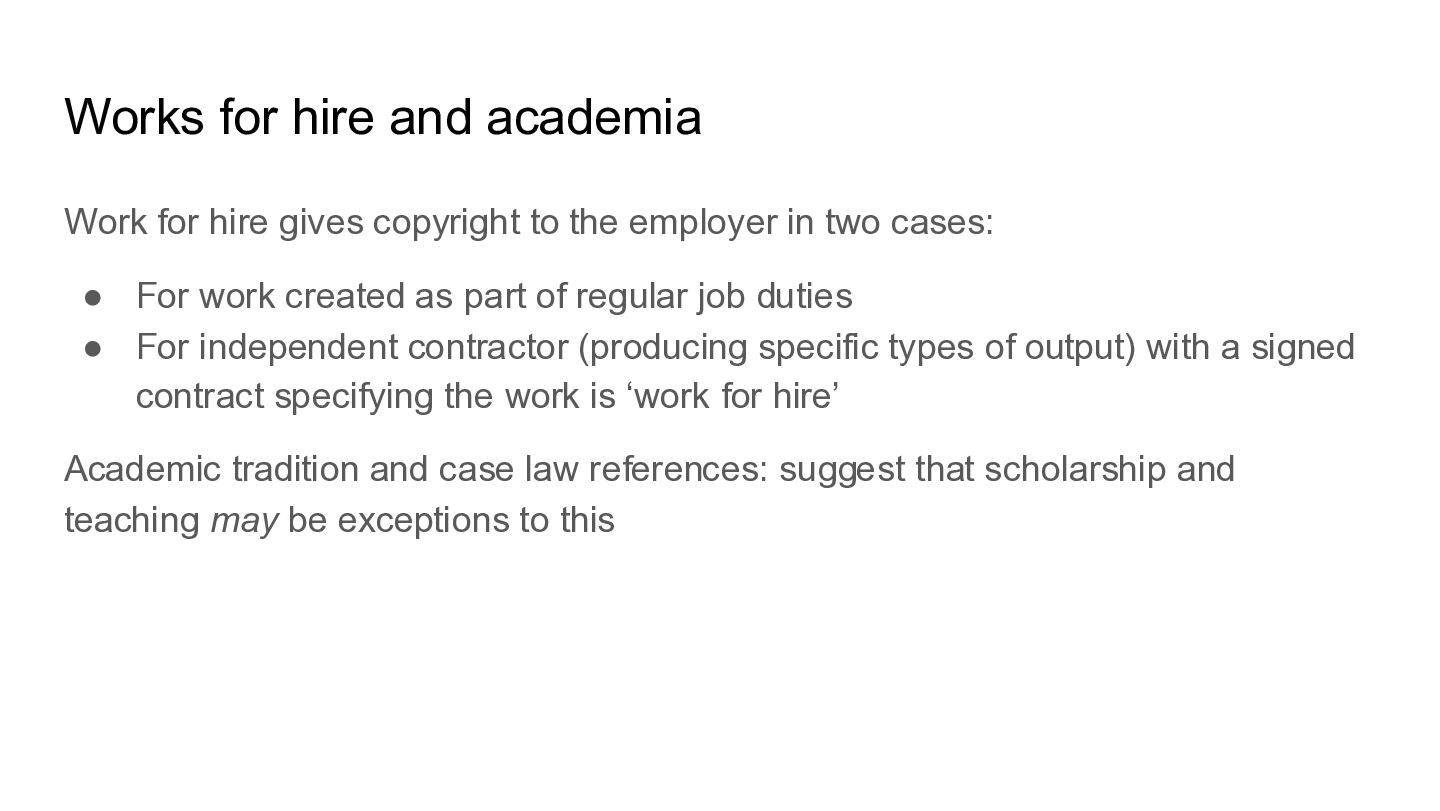
  13. Works for hire and academia Work for hire gives copyright

    to the employer in two cases: • For work created as part of regular job duties • For independent contractor (producing specific types of output) with a signed contract specifying the work is ‘work for hire’ Academic tradition and case law references: suggest that scholarship and teaching may be exceptions to this
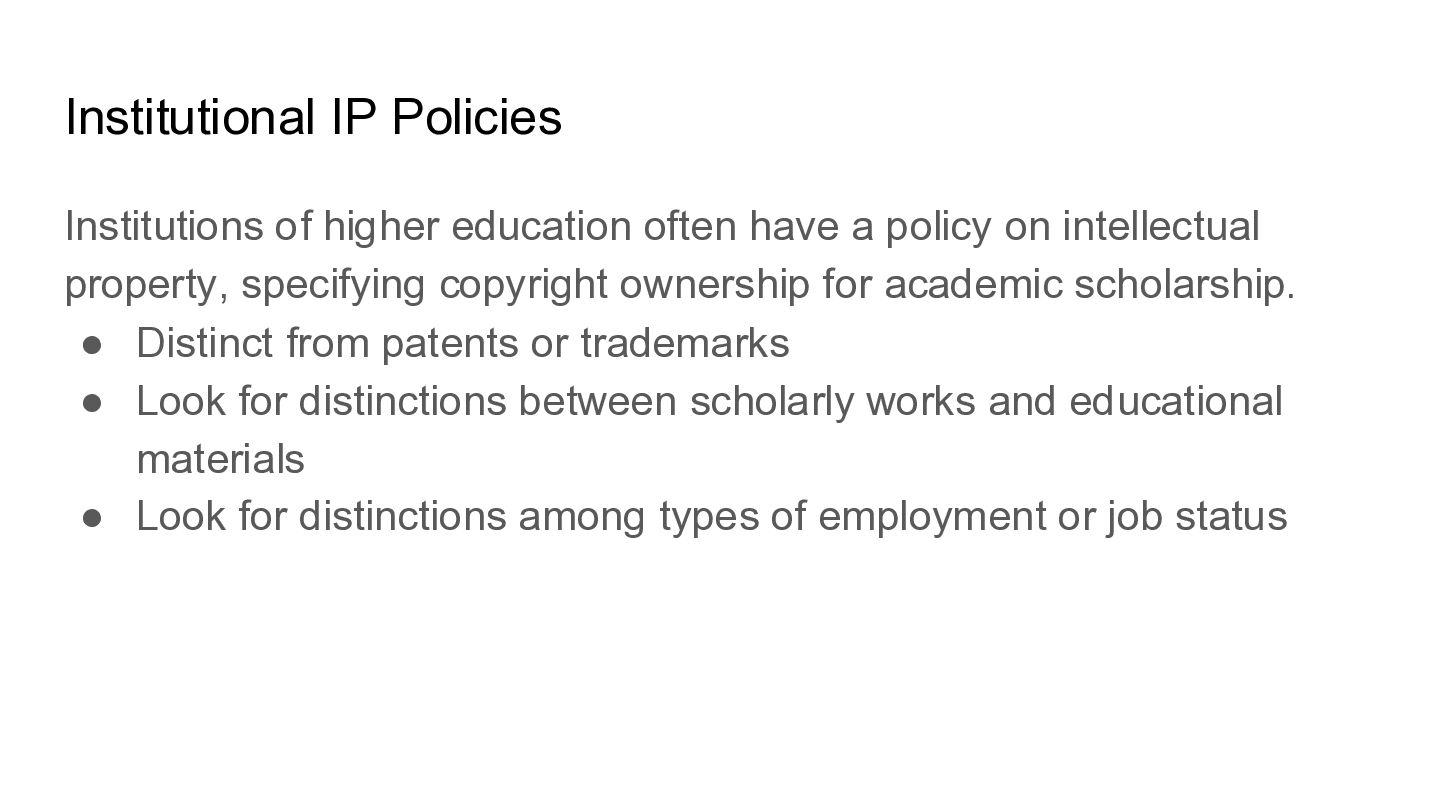
  14. Institutional IP Policies Institutions of higher education often have a

    policy on intellectual property, specifying copyright ownership for academic scholarship. • Distinct from patents or trademarks • Look for distinctions between scholarly works and educational materials • Look for distinctions among types of employment or job status
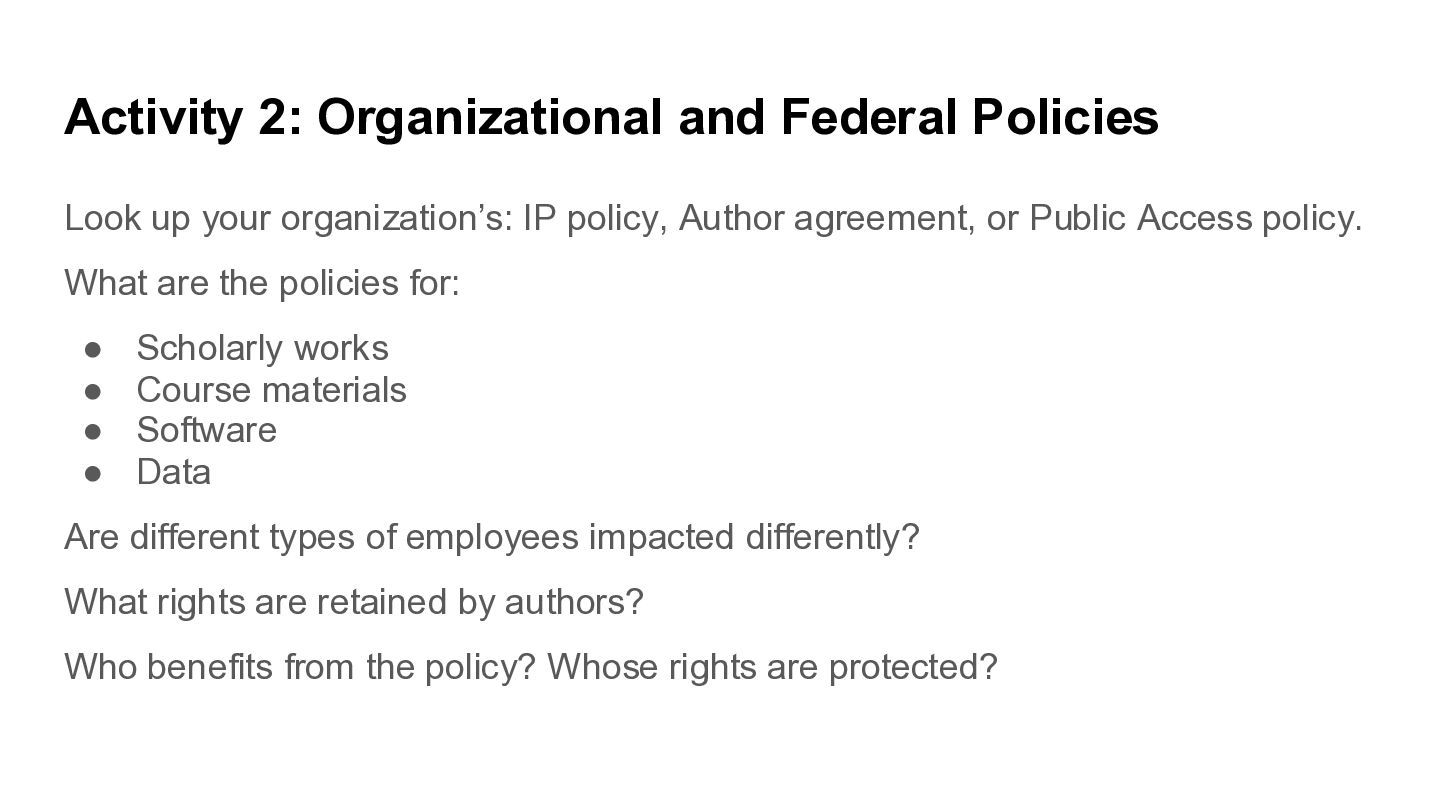
  15. Activity 2: Organizational and Federal Policies Look up your organization’s:

    IP policy, Author agreement, or Public Access policy. What are the policies for: • • • • Scholarly works Course materials Software Data Are different types of employees impacted differently? What rights are retained by authors? Who benefits from the policy? Whose rights are protected?