boom. • Can identify website failings in 1 minute max. • 50 current client companies (small/medium). • Many clients of 6 years+ • Most business gained from referrals.
for sure with the following steps … 1. Accurately record all enquiries gained 2. Compare enquiries to visitor numbers 3. Assess how big the gap is 4. Cry … and then move onwards …
compare total enquiries gained to total numbers of ‘useful’ website visitors. You DO know how many ‘useful’ website visitors you’ve had, and how they interacted with your website? If not ……..
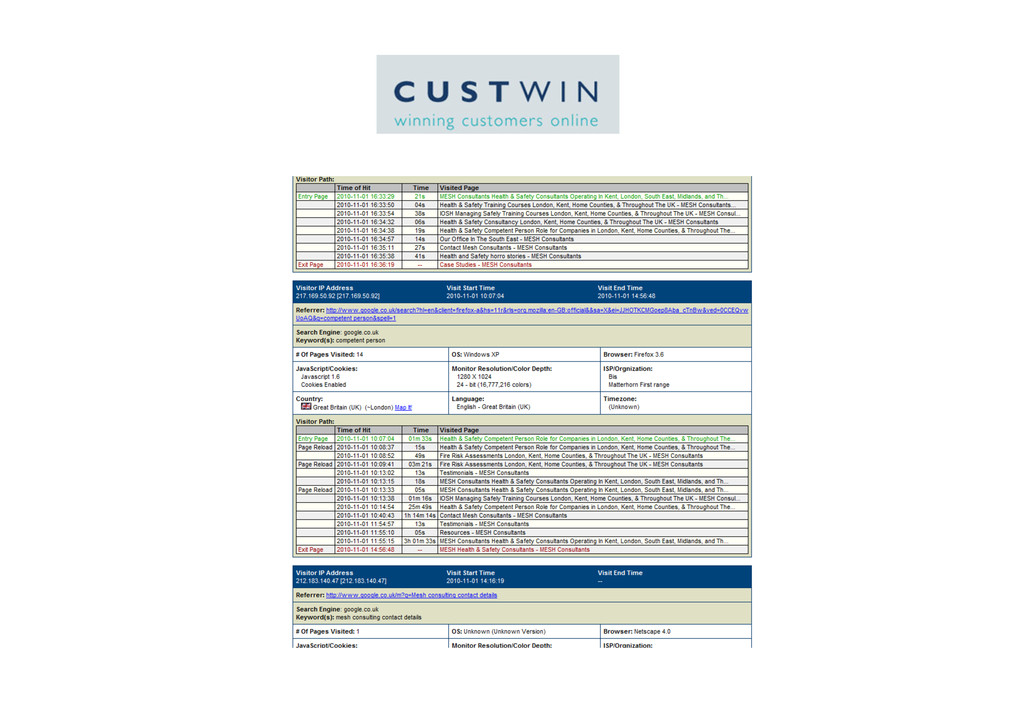
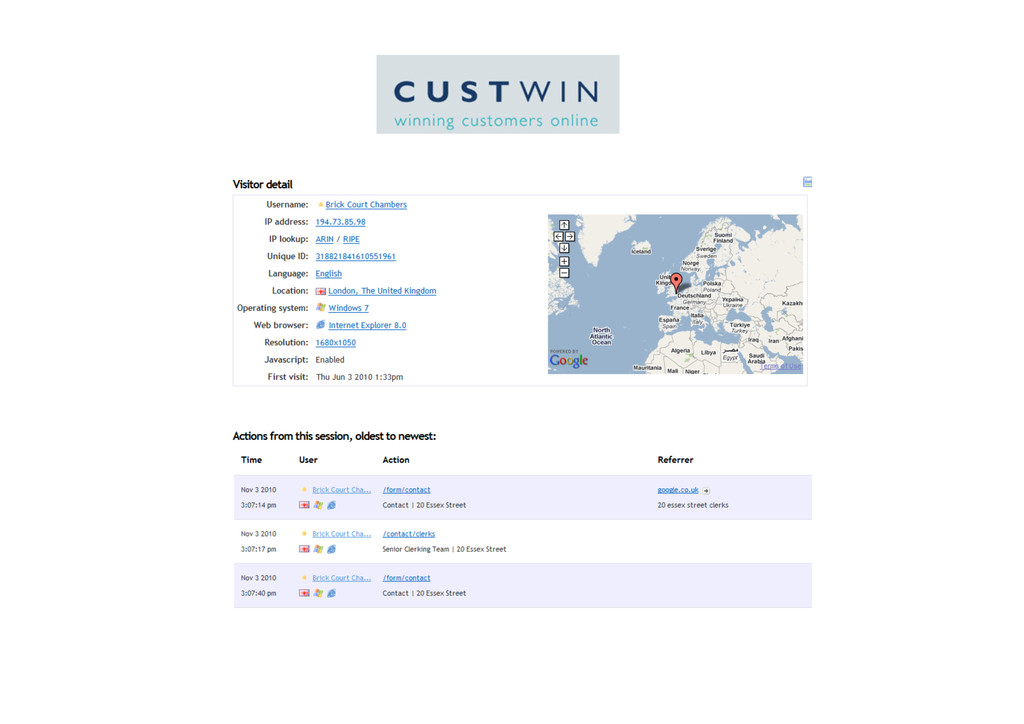
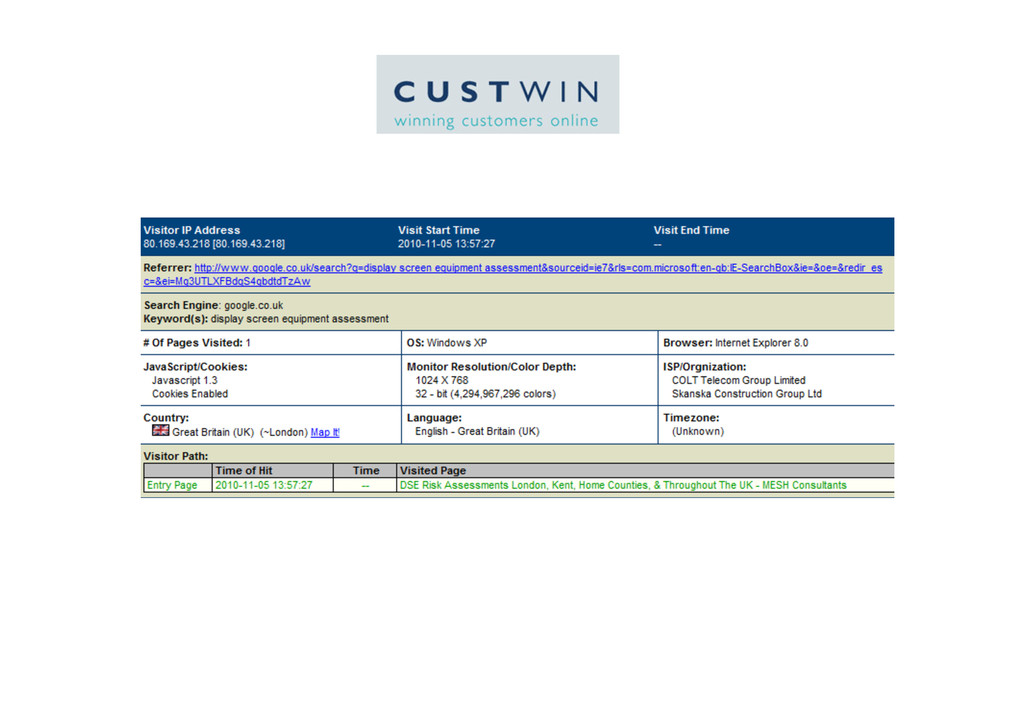
search phrase or come from a directory listing. Someone who, from looking at their visit path, you think “that was a potential sale there”. Example of useful, but came to nothing …
each visitor path that came to nothing and find paCerns. Which website pages are turning them off? • If there’s no budget for professional input then ask for honest opinions from contacts – ask for nega5ves, not posi5ves!
you think someone may type to find your website. Look at each of the other websites that appear in the search results and find at least one good thing in each of them, that you can replicate and build on.
a website is that bad then it’s oQen beCer to start again. A good budget generally gets good results. • Consider the cost of having a poor website: lost business opportuni5es. Look at a website redevelopment cost as being a gradual return on investment.
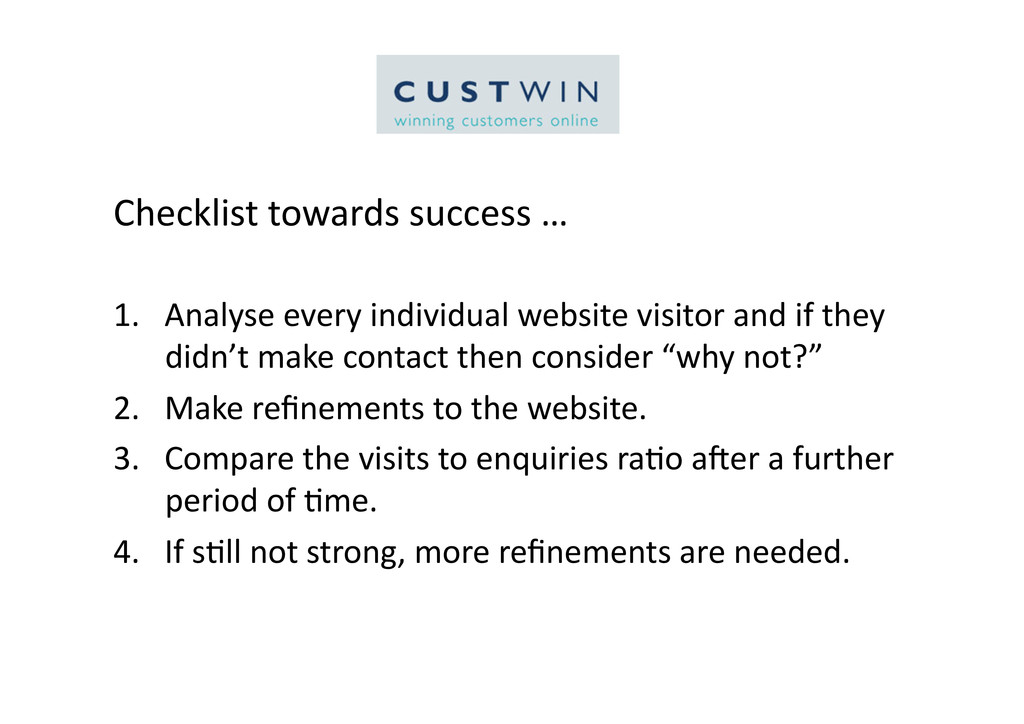
visitor and if they didn’t make contact then consider “why not?” 2. Make refinements to the website. 3. Compare the visits to enquiries ra5o aQer a further period of 5me. 4. If s5ll not strong, more refinements are needed.
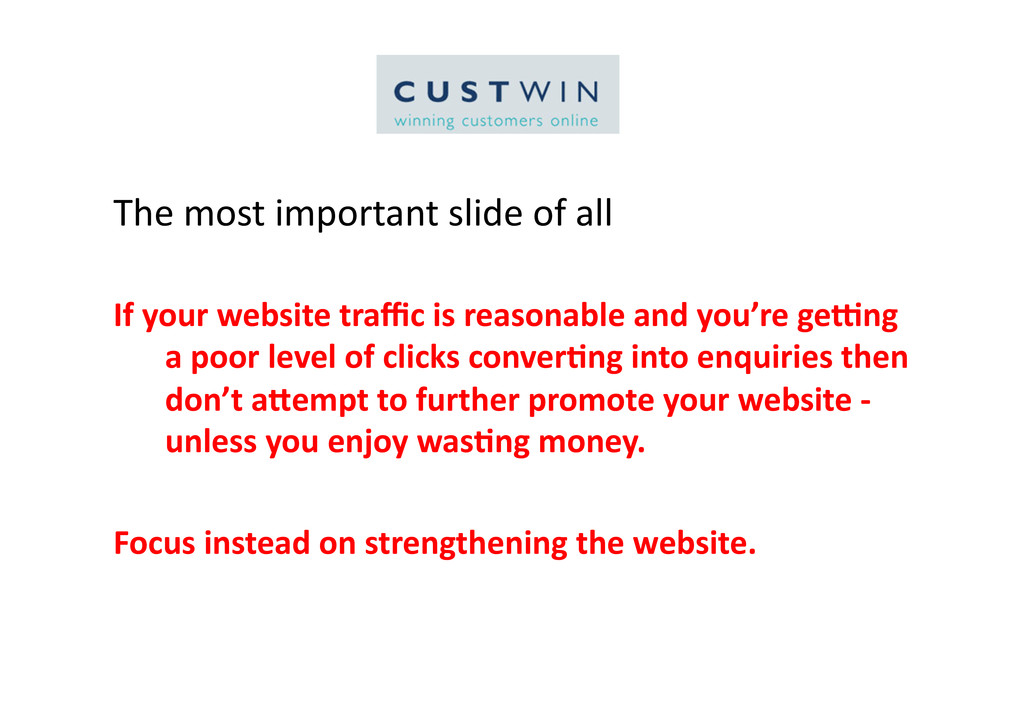
traffic is reasonable and you’re ge6ng a poor level of clicks conver:ng into enquiries then don’t a=empt to further promote your website -‐ unless you enjoy was:ng money. Focus instead on strengthening the website.
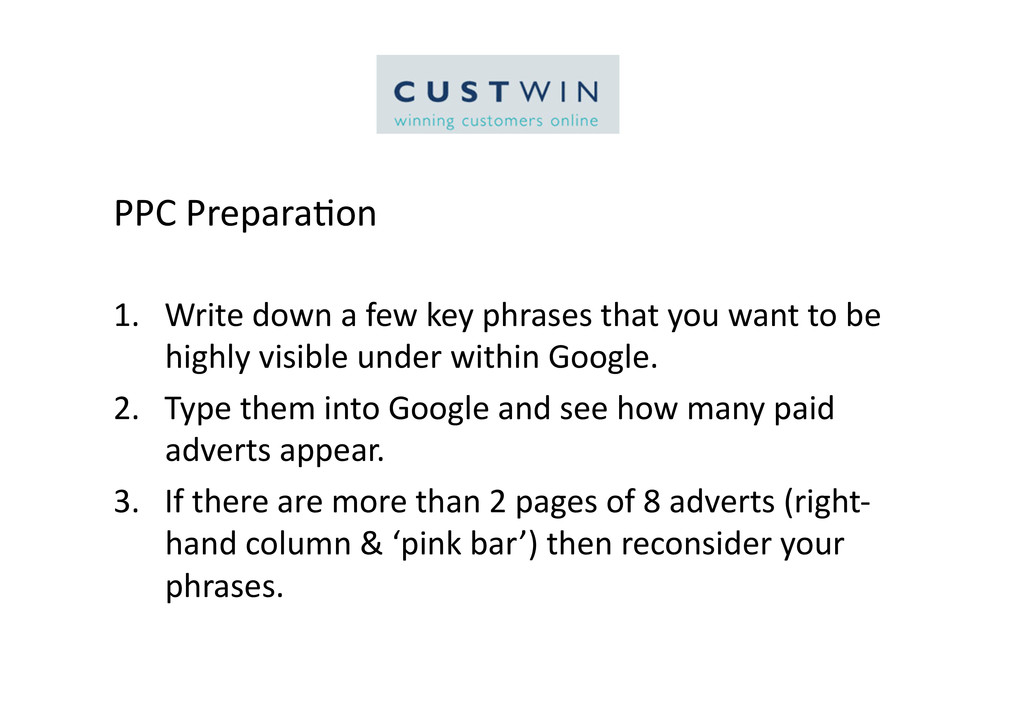
that you want to be highly visible under within Google. 2. Type them into Google and see how many paid adverts appear. 3. If there are more than 2 pages of 8 adverts (right-‐ hand column & ‘pink bar’) then reconsider your phrases.
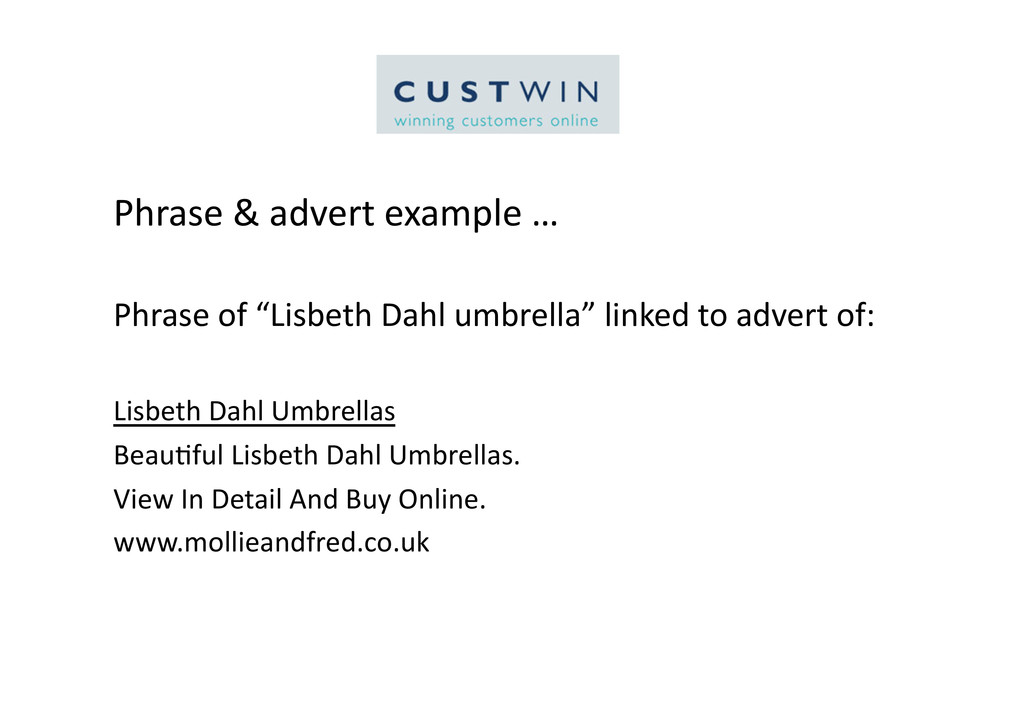
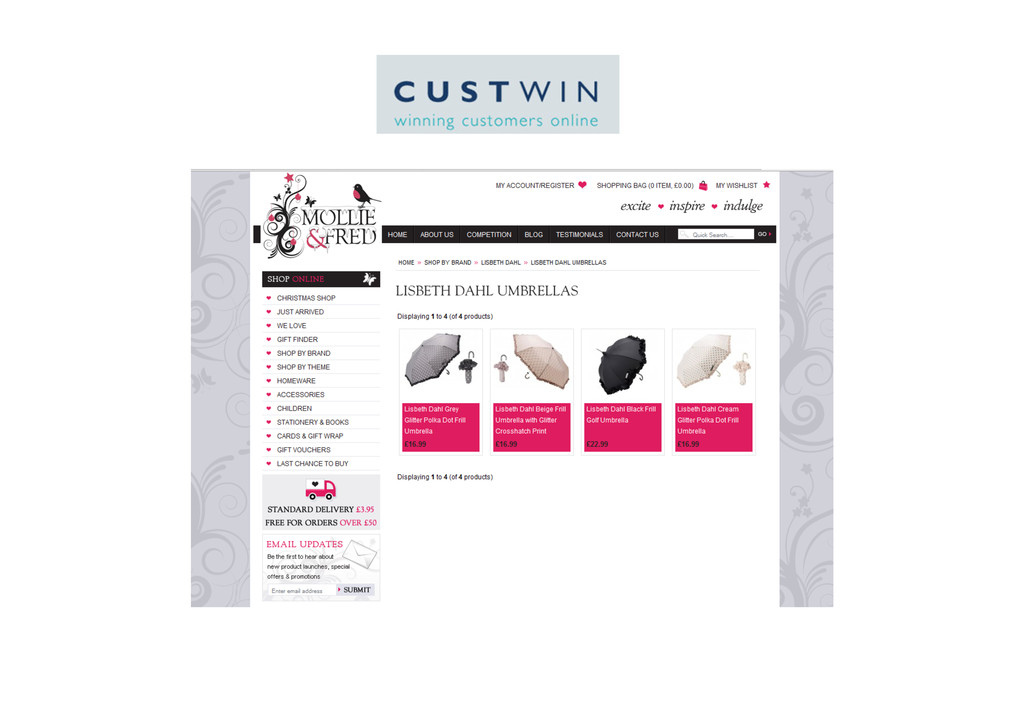
account. 2. Choose just one keyword phrase, that has less than 2 pages of paid adver5sing compe55on. 3. Create a PPC advert that refers to the phrase and is linked to a website landing page that refers to that phrase. 4. Target geographically if appropriate.
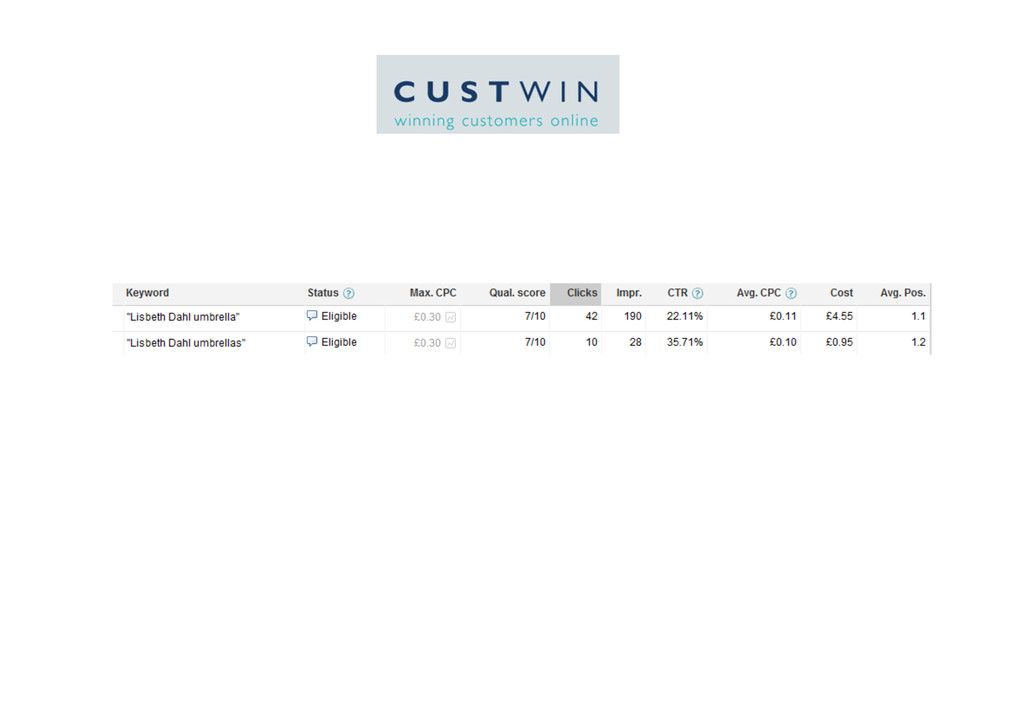
• Poor click-‐through-‐rate (CTR) – less than 2% is poor These will allow Google to penalise your campaign and end up cos5ng you higher costs per click.
• Use broad match instead of phrase match. • Display ads on anywhere but Google itself. • Create numerous phrases and advert groups. Tes5ng the water and building up a good CTR is essen5al. Google will fleece you if you allow it to!!
PPC traffic is par5cularly important because the clicks are cos5ng you money. If a reasonable expenditure on clicks (generally between £50-‐100) isn’t gelng results then something is wrong with either the PPC campaign or the website itself.
system is incredibly dishonest, although they portray an image of honesty and trust. • You are on your own with PPC – Google won’t talk to you unless you’re spending serious money. • For those who say “PPC doesn’t work” I’d say “It does work, if it’s approached in the right way”.
anyone aCempts to sell you SEO/PPC services, but hasn’t broached the subject of how well the website is conver5ng visitors to enquiries/sales, then steer well clear.


 firstfriday
 kizawa2020
 genda
genda
 carta_engineering
 gionn
gionn
 kash1064
 kentapapa
 usanchuu
 takuroabe
 grimoh
 yuuuuuuu168
 yahonda
 keeg
keeg
.png) helenjbeal
helenjbeal
 mfonobong
 katarinadahlin
 codingconduct
 reverentgeek
 lara
lara
 lauravandoore
 tammyeverts
 akademiya2063
 chriscoyier
 danielanewman