Upgrade to Pro — share decks privately, control downloads, hide ads and more …

Digital Privacy & Security

luke crouch
January 18, 2020

Digital Privacy & Security

Tips, techniques, and tools for protecting your online privacy & security. Pulled together from Mozilla, EFF, Wired, and Consumer Reports resources. First presented at Tulsa Library.

luke crouch

January 18, 2020

Transcript

164 slides
  1. “Threat-model” • What do you want to protect? • From

    whom do you want to protect it? • How likely is it that you need to protect it? • How bad are the consequences of failure? • How much trouble are you willing to go thru to prevent those?
  2. When you think about your online data, who are you

    most worried about gaining unauthorized access? https://qsurvey.mozilla.com/r/28049_5bca403f6bbd32.31628179
  3. Average Consumer Profile • You want to protect Consumer PII:

    Bank Accounts, Passwords, Browsing History, Health Data, Search History, Location, etc. • You want to protect it from: hackers, bad websites, data brokers, and social networks • You are NOT a special target for any attackers • Total Identity Theft is your worst- case consequence • Risk Profile ~= Average Consumer
  4. Automatic Updates protection • Bad websites or Hackers • Stealing

    any kinds of data: passwords, bank accounts, health, etc.
  5. Your email account … • Does it use the same

    password as other accounts? • Can it reset your password at other accounts? • Paypal? • Your bank?
  6. Can your device … ? • Do your online banking?

    (Personal & work) • See & use all your email? (Personal & work) • Use email to reset passwords? • Show all your photos & videos? • Show your home address and map searches? • Show all your contacts? • Do 2-Factor Authentication?
  7. Tracking Protection • Hackers, bad websites, online data brokers, social

    networks • Watching browsing history • Other data too
  8. Permissions • Websites, online data brokers, social networks • All

    kinds of data: browsing, searching, location, etc.
  9. Average Consumer Protections • Install your updates • Train to

    beware of phishing • Lock your screens • Use HTTPS • Use Tracking Protection • Mind permissions • Use strong passwords (Password Manager) • Use 2-factor auth
  10. Public Figure Profile • You need extra protection: Browsing &

    Search History, Online & Offline activity, location, etc. • You ARE a special target for some adversaries • Online harassment is a real risk for you, maybe offline “real-life” harassment or even detainment
  11. Public Figure Profile • Privacy Screen • Cover webcams •

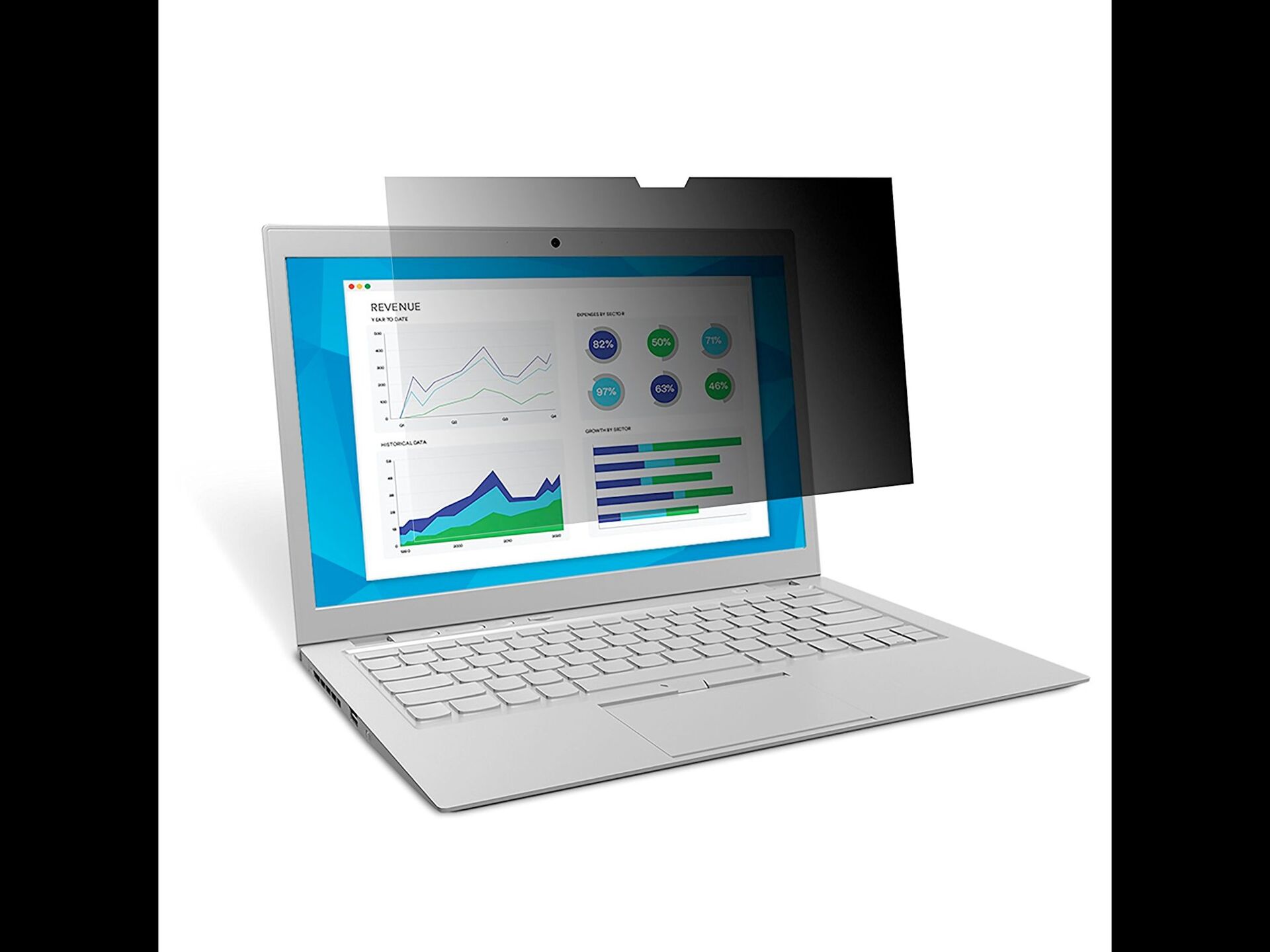
    Passcodes, not biometrics • Encrypt Disks • End-to-end Encrypted Messaging • Encrypted Email • Be careful on WiFi • Don’t use your real email address
  12. IP, DNS, & HTTP threats • Hackers-in-the-middle • ISPs snooping

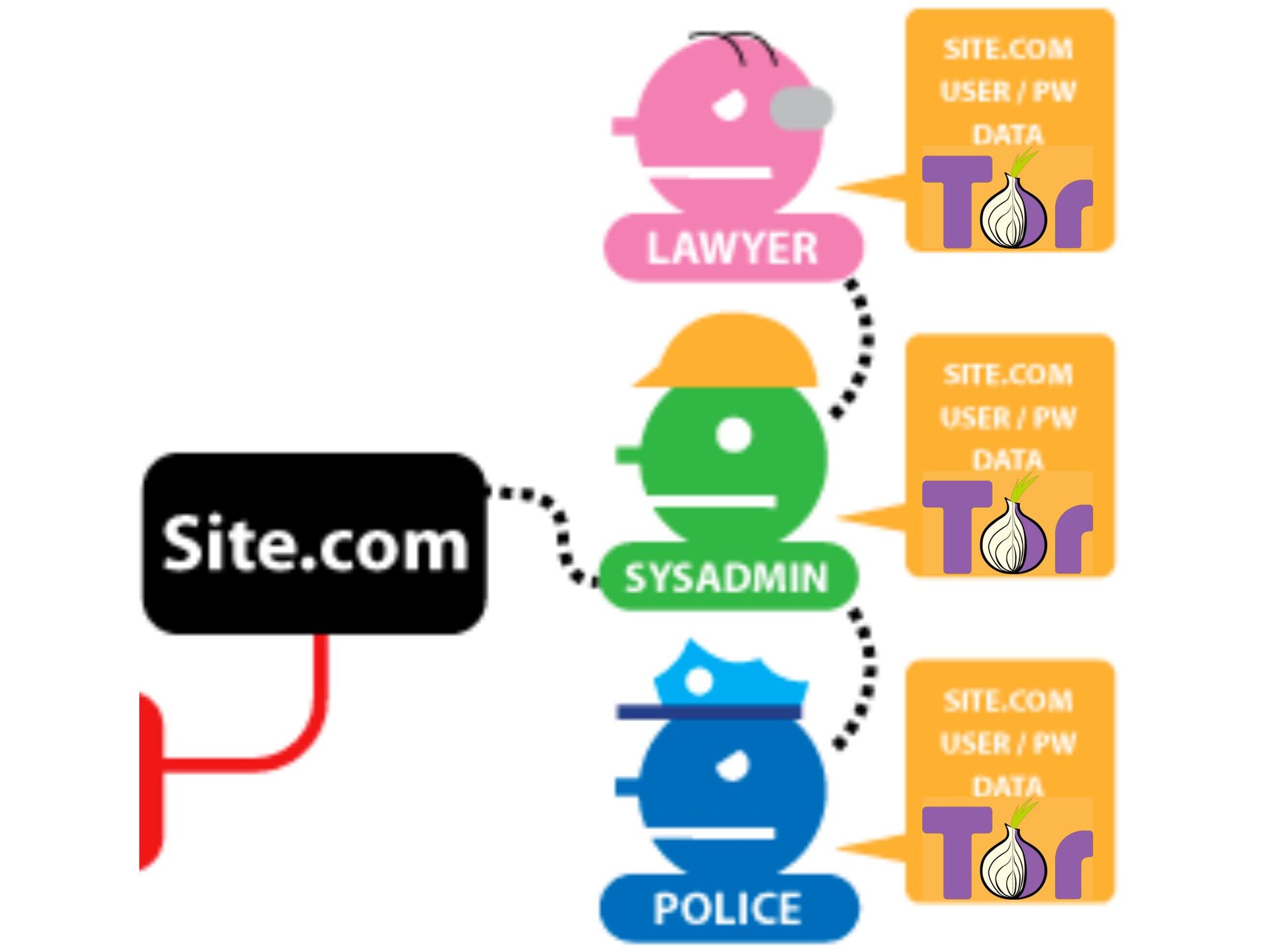
    on customers’ online activity • Governments censoring sites • Corporations scanning web logs for their competitors’ IP addresses • Criminal sites scanning web logs for law enforcement IP address
  13. IP, DNS, & HTTP threats • Hackers-in-the-middle • ISPs snooping

    on customers’ online activity • Governments censoring sites • Corporations scanning web logs for their competitors’ IP addresses • Criminal sites scanning web logs for law enforcement IP address
  14. Tor protection from DNS + HTTP internet threats • Hackers-in-the-middle

    • ISPs snooping on customers’ online activity • Governments censoring sites • Corporations scanning web logs for their competitors’ IP addresses • Criminal sites scanning web logs for law enforcement IP address
  15. • What do you want to protect? • Emails? Messages?

    Files? • From whom do you want to protect it? • Boss? Government? Hackers? • How likely is it that you need to protect it? • E.g., unlikely: mobile phone carrier publishing your data online • How bad are the consequences of failure? • Risk ~= how likely * how bad Threat-modeling: Your Risk Profile
  16. Changes in Risk Profiles • Graduating? • New job? (e.g.,

    Journalist, Police Officer, Lawyer) • Moving to a new country? • Changes in company policies or laws?

More Decks by luke crouch

Other Decks in Technology