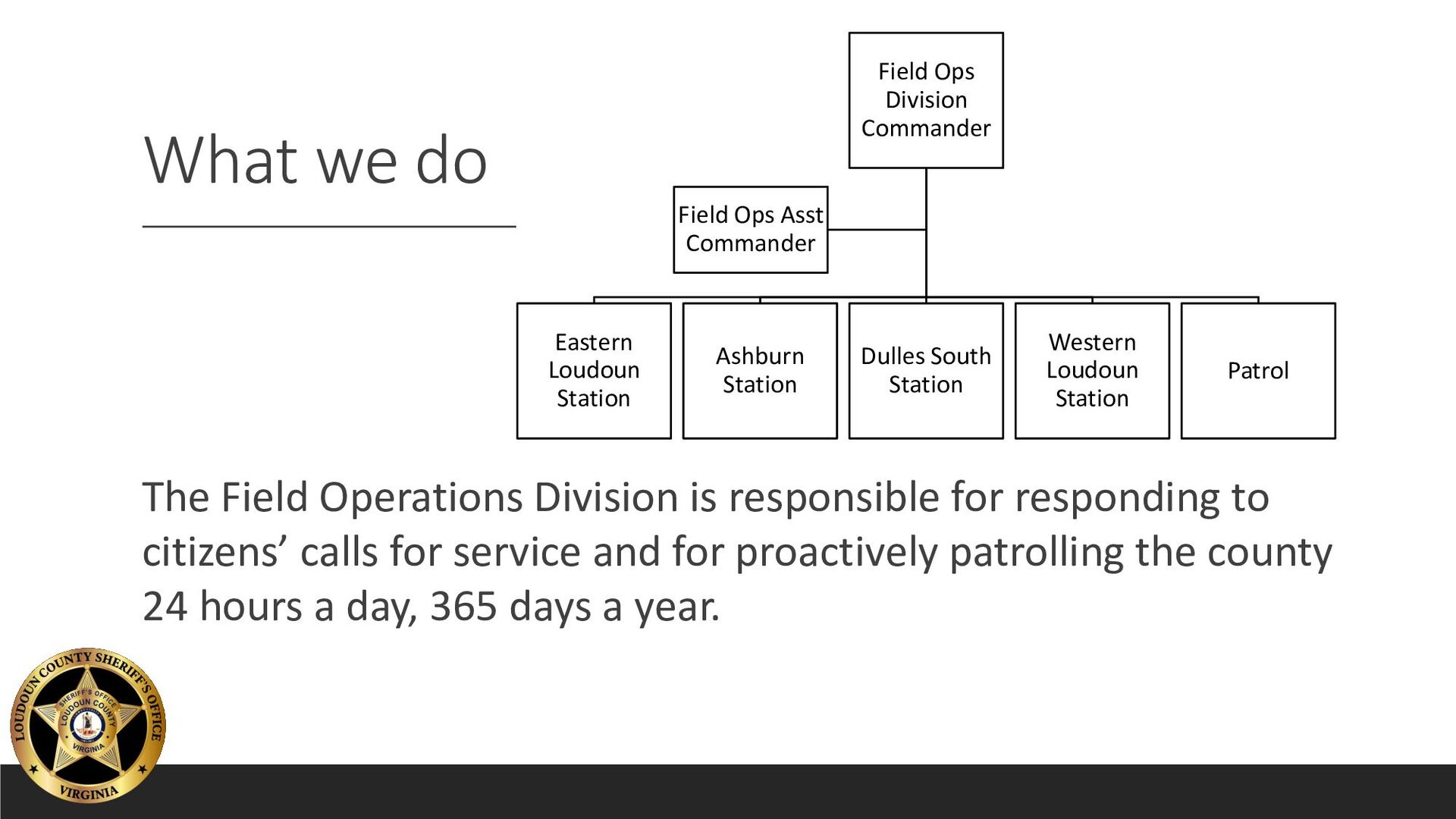
responding to citizens’ calls for service and for proactively patrolling the county 24 hours a day, 365 days a year. Field Ops Division Commander Eastern Loudoun Station Ashburn Station Dulles South Station Western Loudoun Station Patrol Field Ops Asst Commander
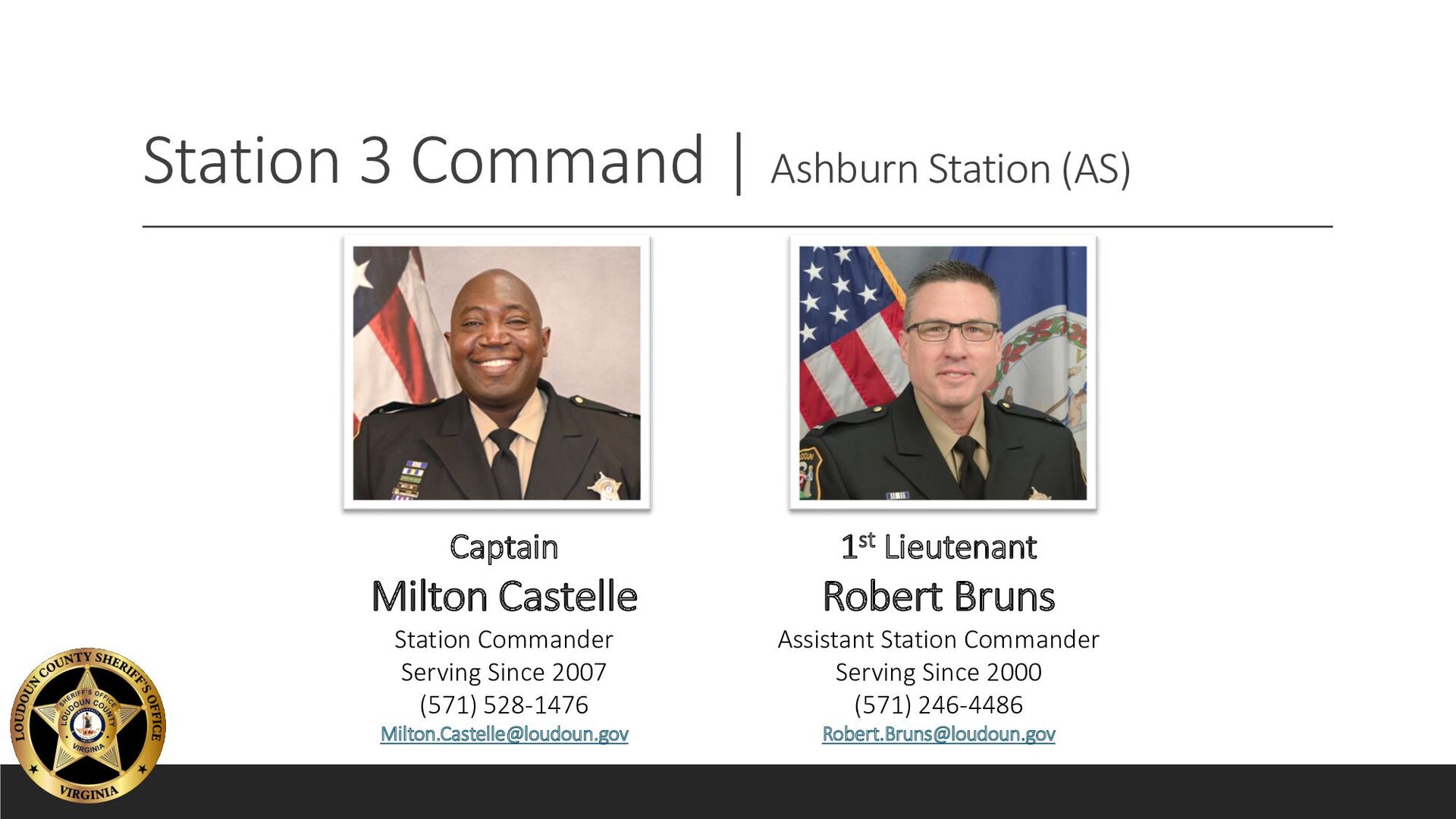
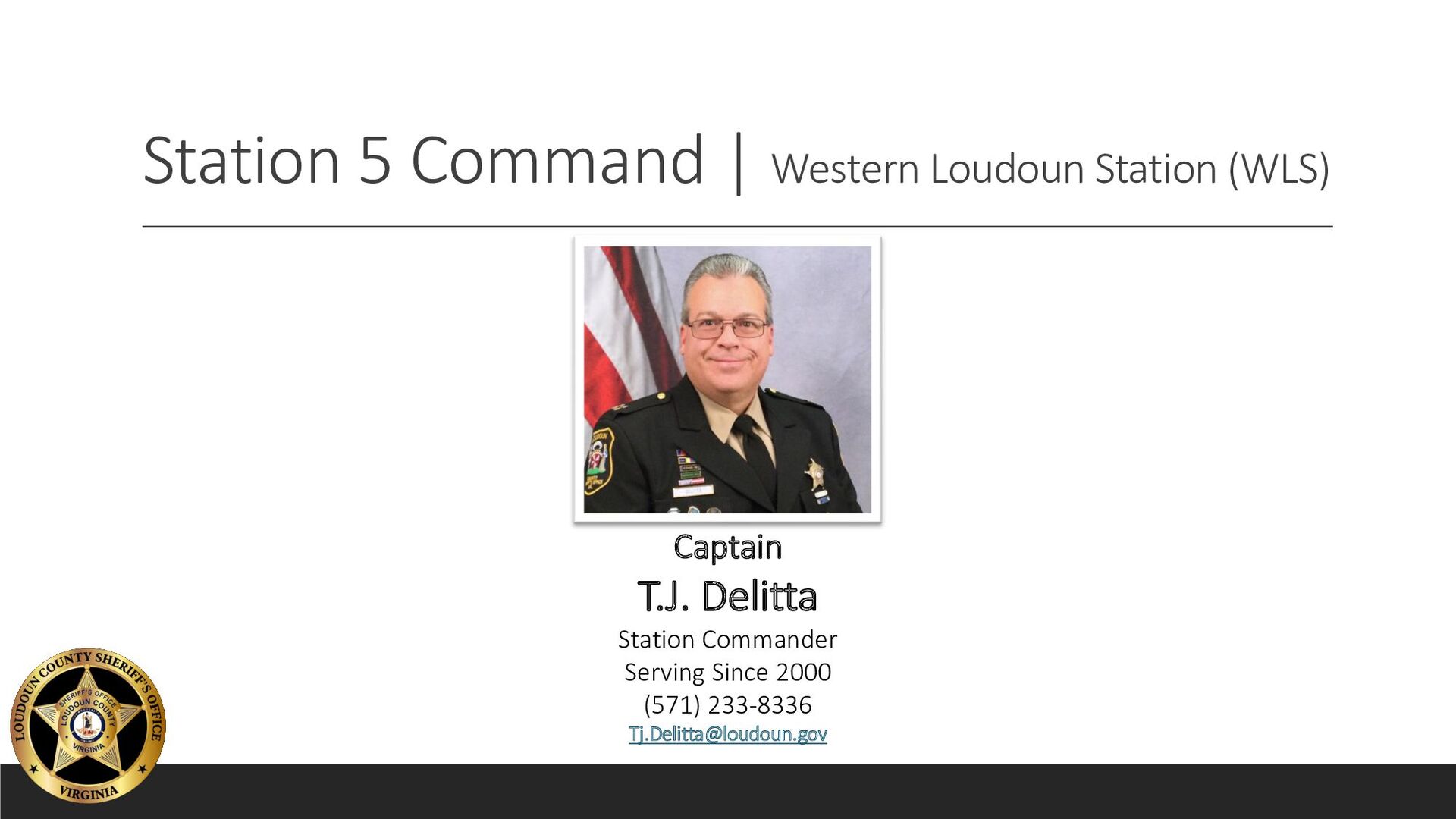
Station Commander Serving Since 2007 (571) 528-1476 [email protected] 1st Lieutenant Robert Bruns Assistant Station Commander Serving Since 2000 (571) 246-4486 [email protected]
several techniques and strategies using active listening to assist staff with de-escalation. This information does not replace your company or agency policies related to dealing with individuals in crisis. Information provided in this presentation does not certify anyone in de-escalation, conflict resolution, conflict management, or any similar methodology for defusing aggressive behavior. The Loudoun County Sheriff’s Office is not recommending or directing you to take specific actions based on this presentation. In many circumstances, the best response is to remove yourself from the situation and call 911. Some situations do not lend themselves to de-escalation.
an encounter to stabilize, slow, or reduce the intensity of a potentially violent situation without using physical force, or with a reduction in force Crisis: A time of intense difficulty, trouble, or danger where usual methods of coping and problem-solving do not work Mental Health Disorder/Illness: A disorder that can cause psychological and behavioral disturbances with varying severities or impairment of normal functioning Mental Health Crisis: When someone’s behaviors prevent them from functioning normally or indicate they might harm themselves or others
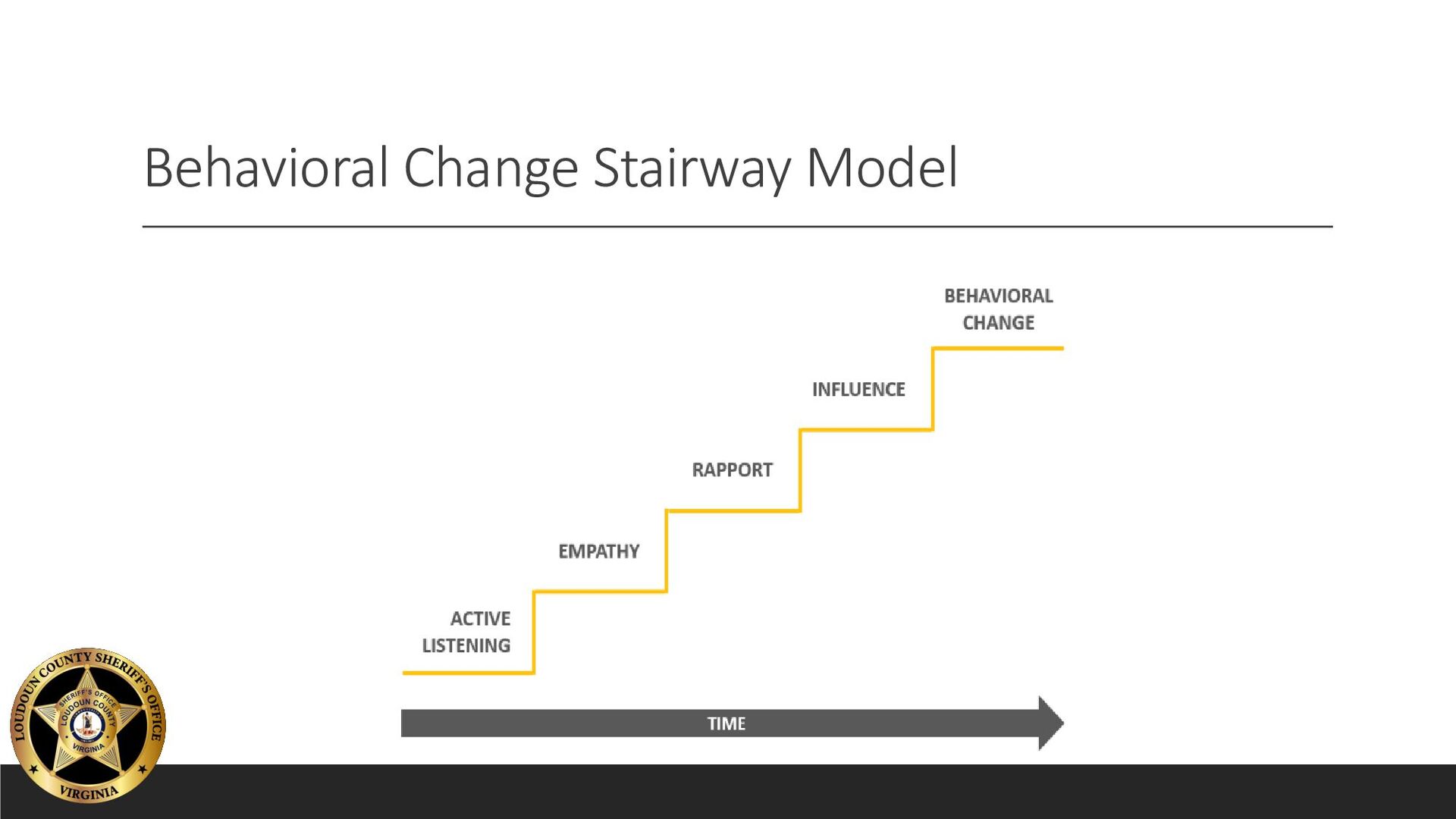
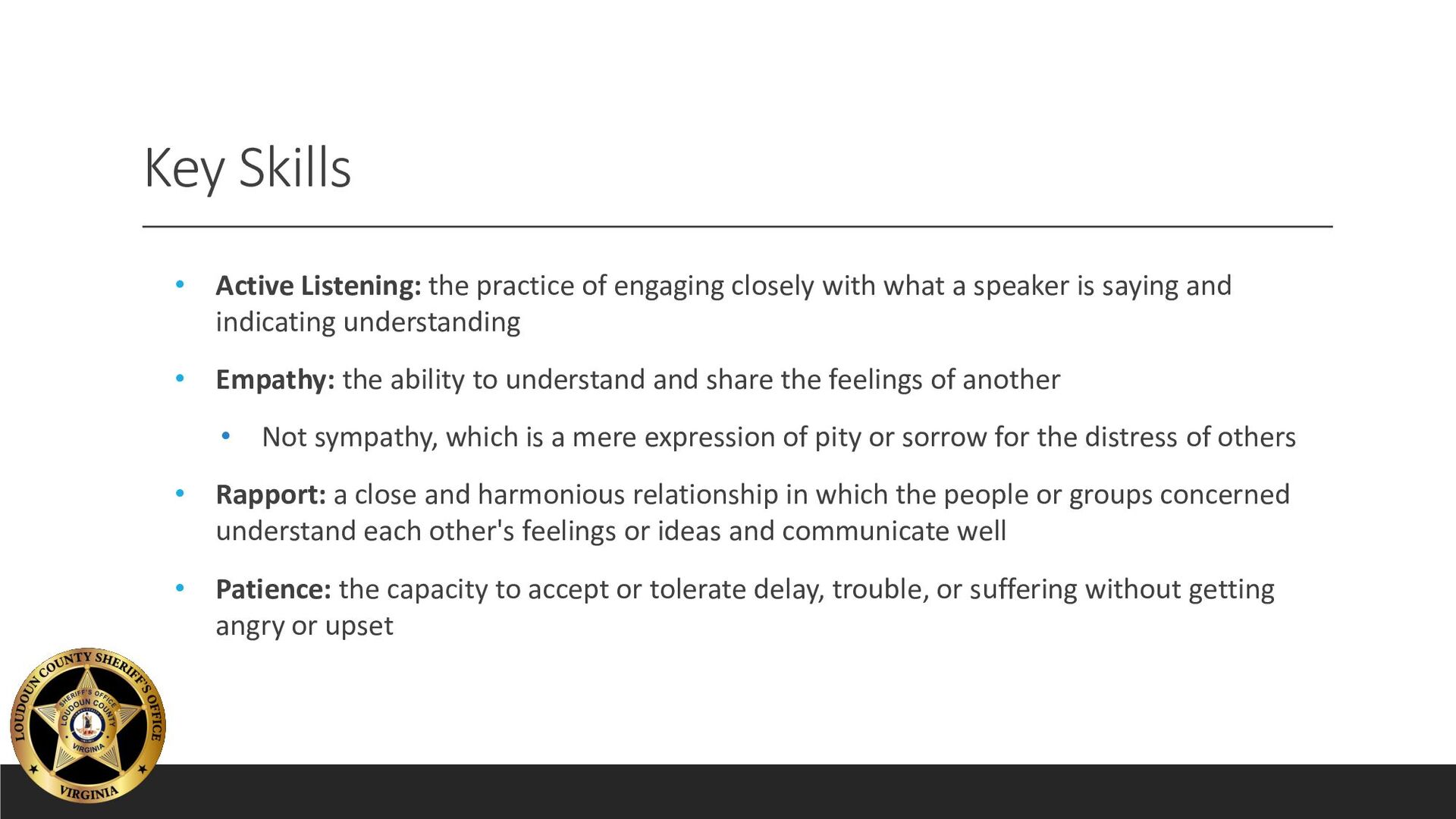
with what a speaker is saying and indicating understanding • Empathy: the ability to understand and share the feelings of another • Not sympathy, which is a mere expression of pity or sorrow for the distress of others • Rapport: a close and harmonious relationship in which the people or groups concerned understand each other's feelings or ideas and communicate well • Patience: the capacity to accept or tolerate delay, trouble, or suffering without getting angry or upset
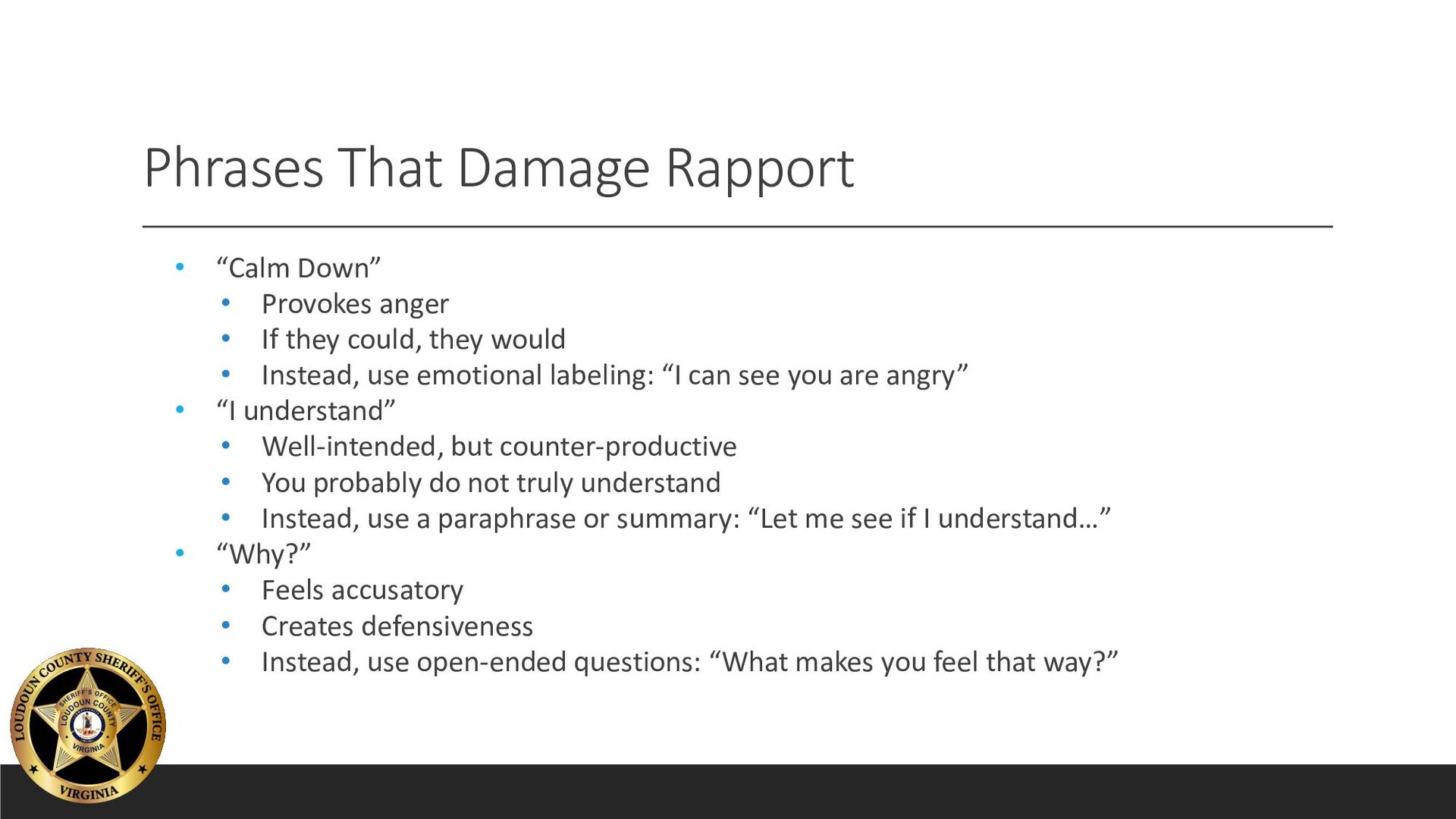
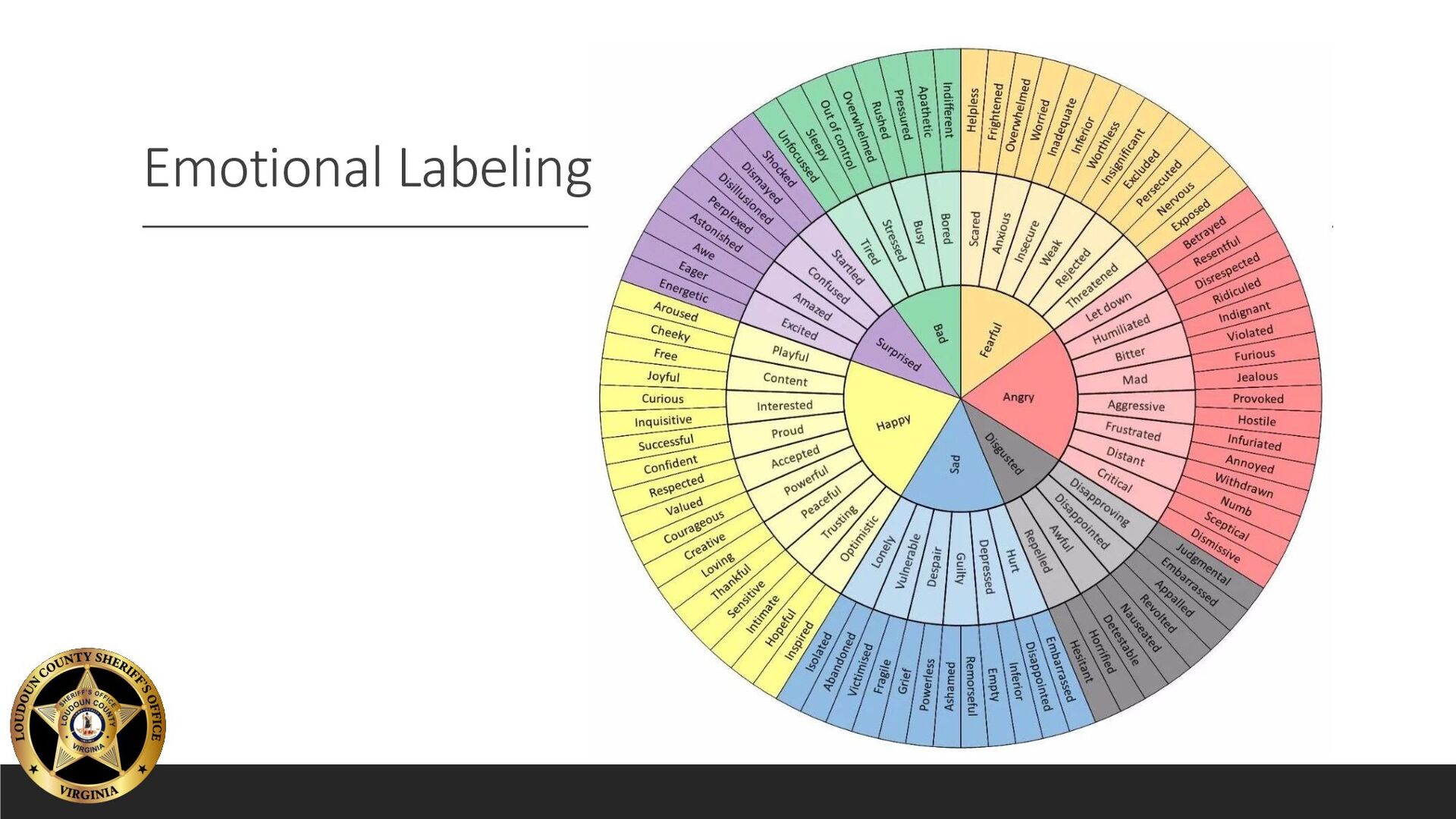
• If they could, they would • Instead, use emotional labeling: “I can see you are angry” • “I understand” • Well-intended, but counter-productive • You probably do not truly understand • Instead, use a paraphrase or summary: “Let me see if I understand…” • “Why?” • Feels accusatory • Creates defensiveness • Instead, use open-ended questions: “What makes you feel that way?”
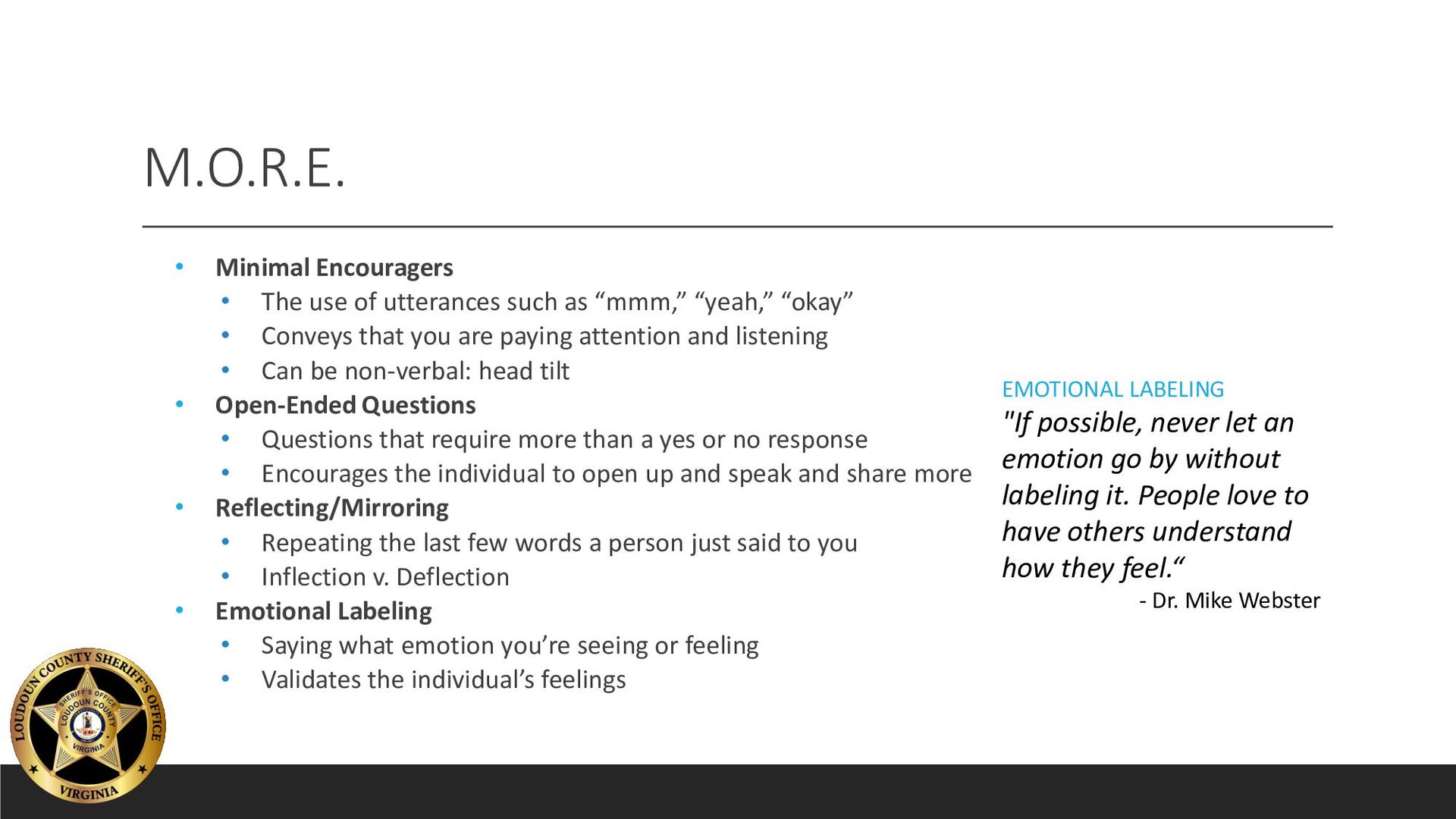
as “mmm,” “yeah,” “okay” • Conveys that you are paying attention and listening • Can be non-verbal: head tilt • Open-Ended Questions • Questions that require more than a yes or no response • Encourages the individual to open up and speak and share more • Reflecting/Mirroring • Repeating the last few words a person just said to you • Inflection v. Deflection • Emotional Labeling • Saying what emotion you’re seeing or feeling • Validates the individual’s feelings EMOTIONAL LABELING "If possible, never let an emotion go by without labeling it. People love to have others understand how they feel.“ - Dr. Mike Webster
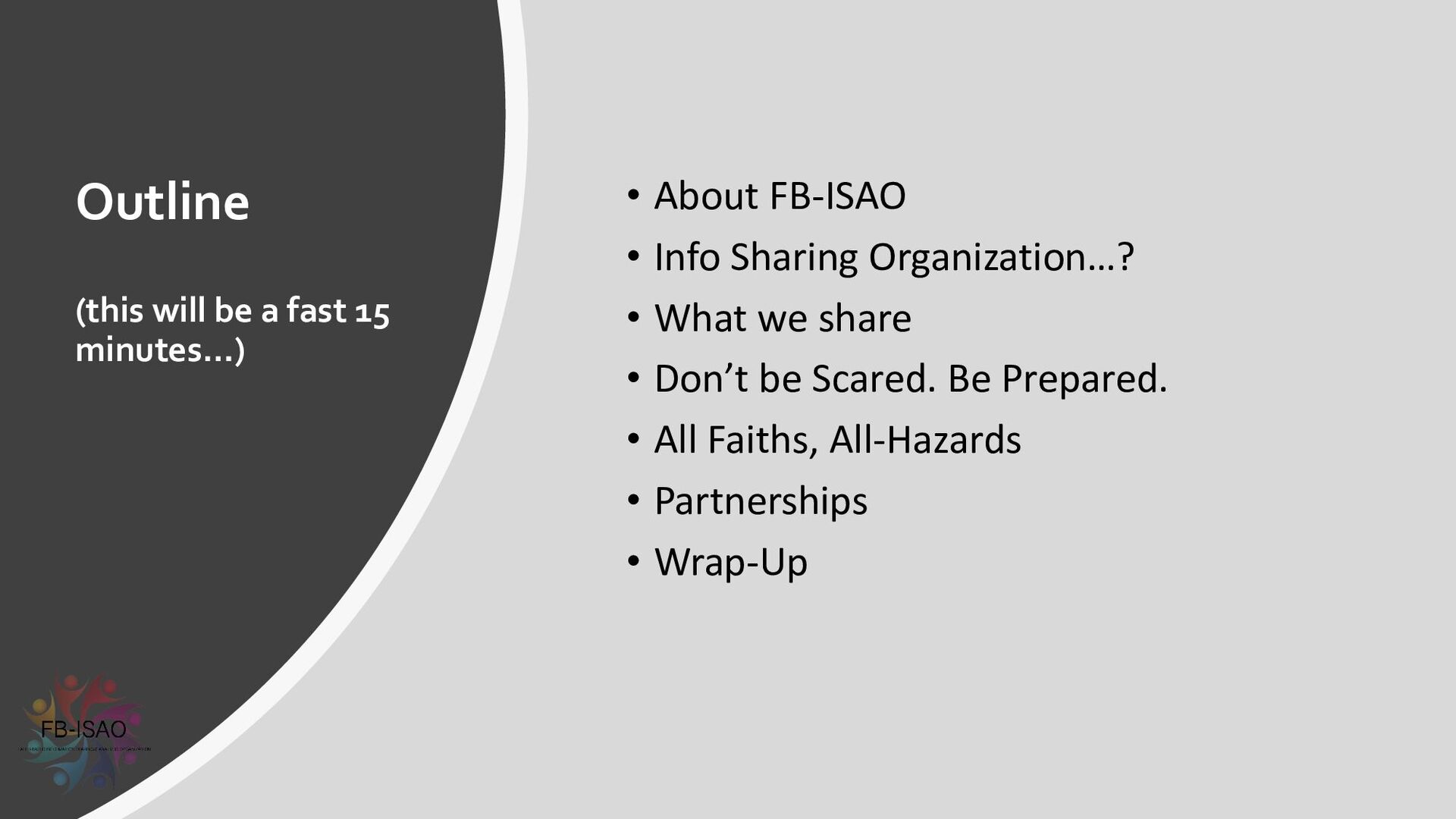
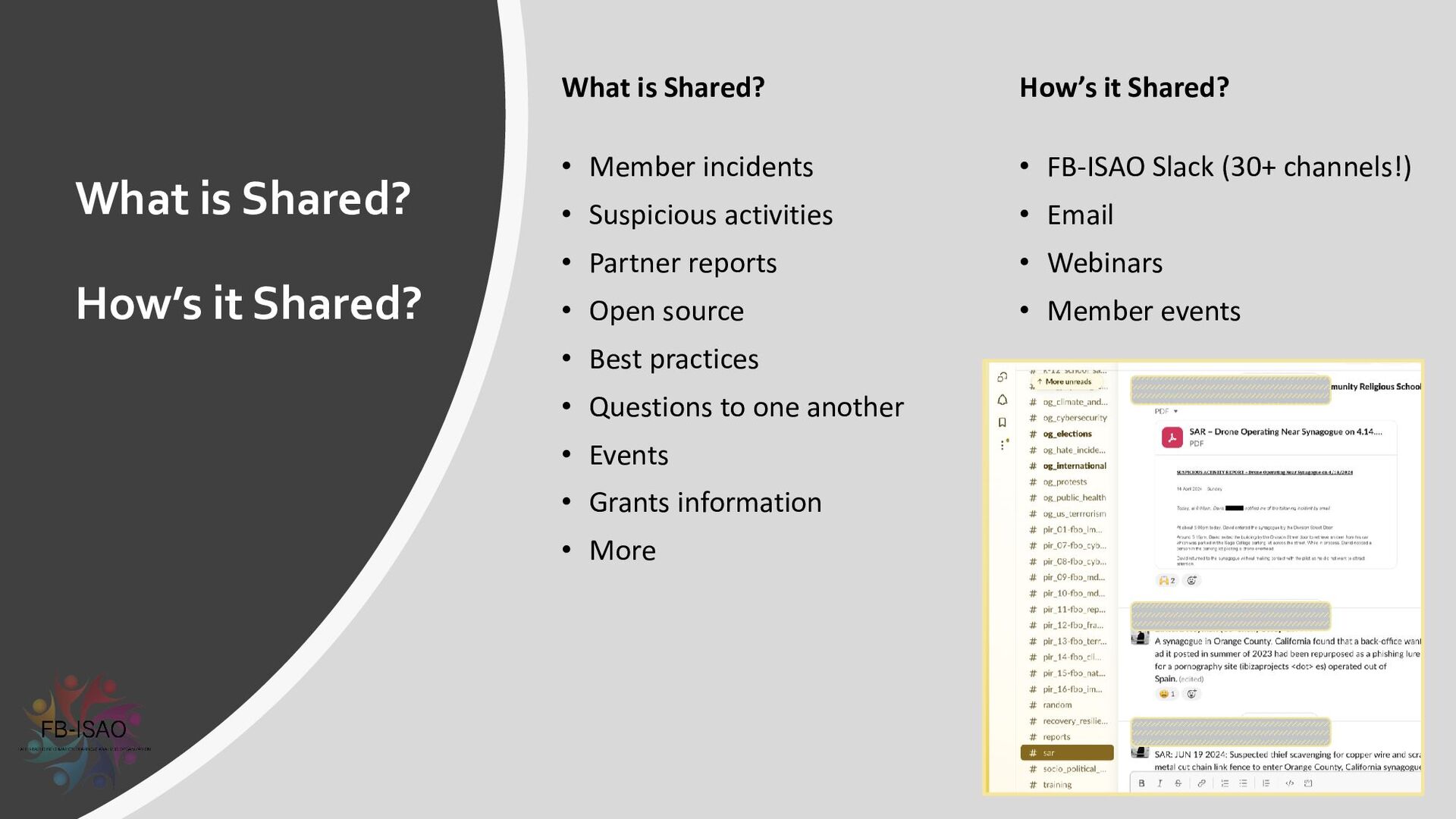
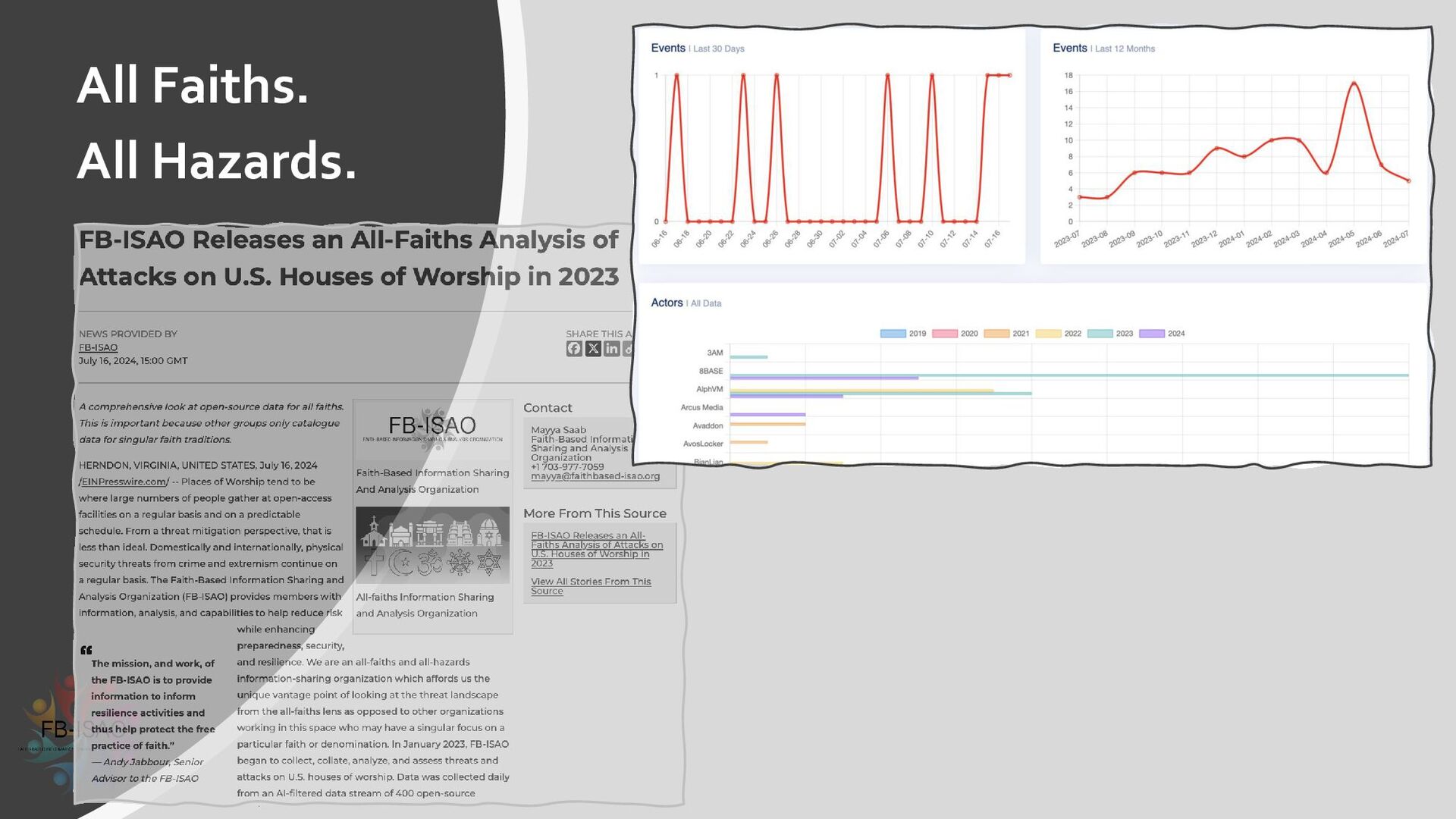
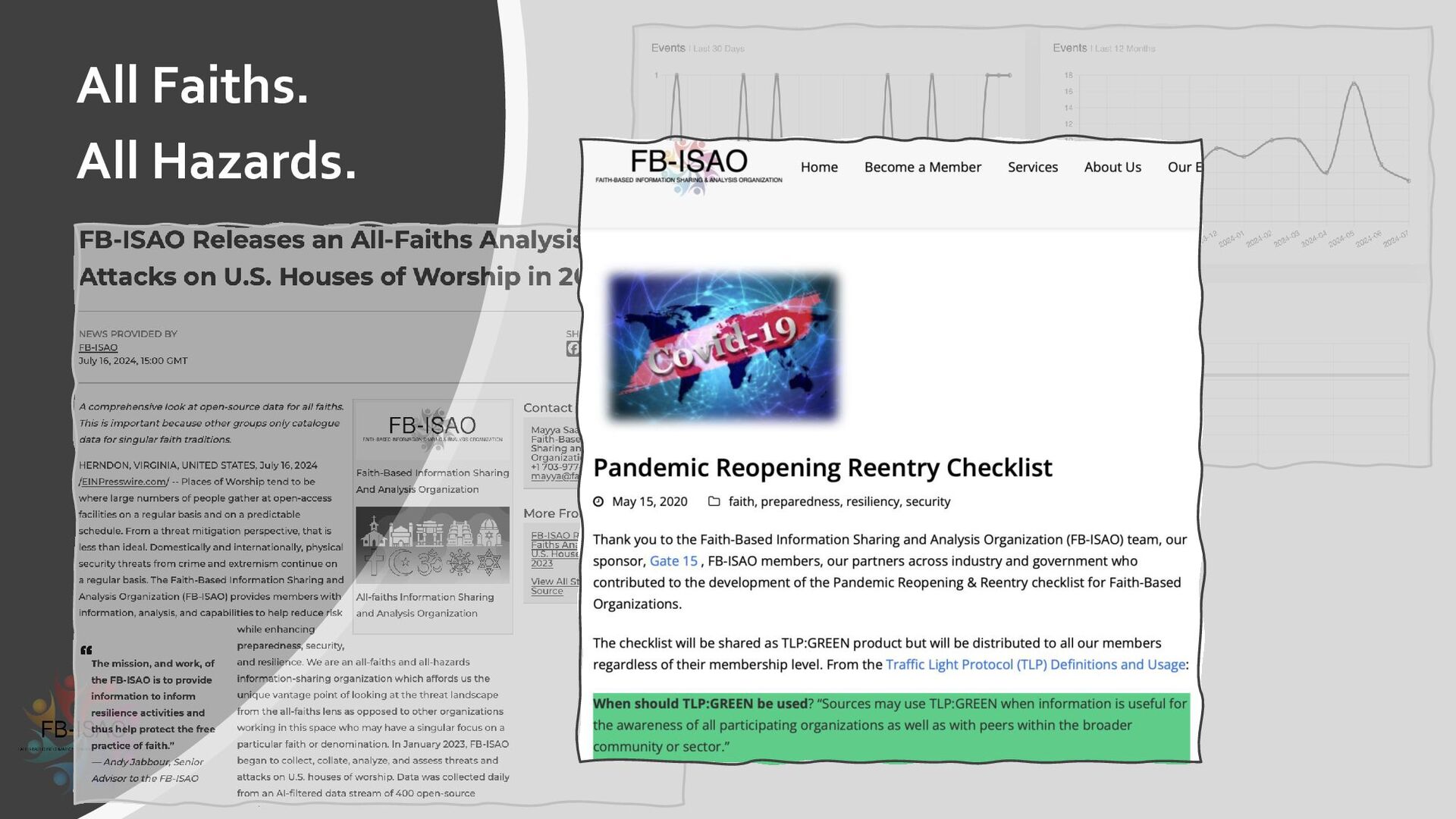
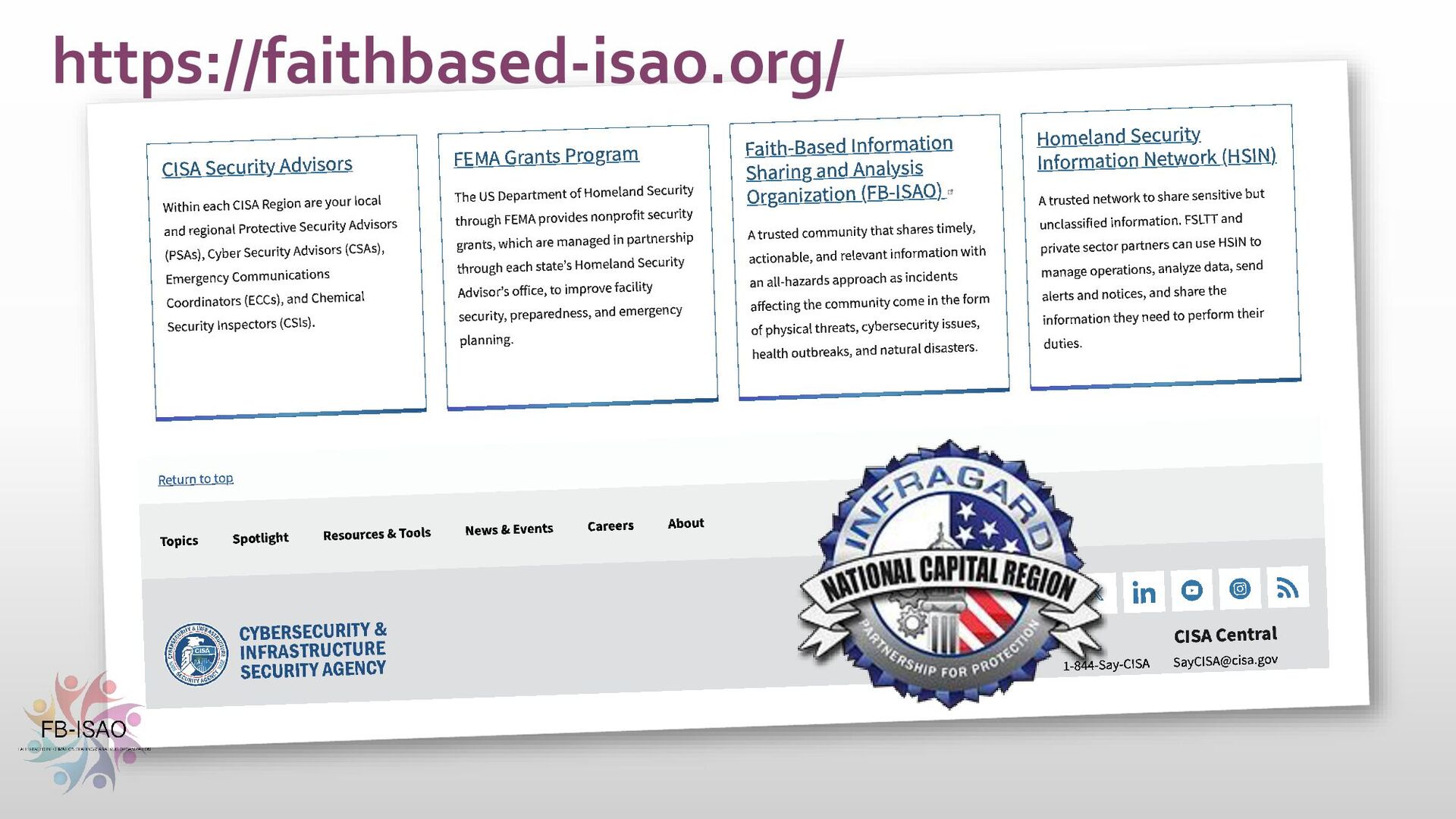
Member incidents • Suspicious activities • Partner reports • Open source • Best practices • Questions to one another • Events • Grants information • More How’s it Shared? • FB-ISAO Slack (30+ channels!) • Email • Webinars • Member events


 m3famservices
 sciencetokyo
 bunnchinn3
 moon004
 akiraasano
 uchi8977
 pawan_pharm
 denkiwakame
 fmarot
 juanmartin2026
 tasusu
 yatabe
 frievea
 philnash
 eileencodes
 lemiorhan
 notwaldorf
 raygrieselhuber
 soudai
 davidcarrasco
 mza
mza
 vanstee
 baasie
 garrettdimon
 aemeredith



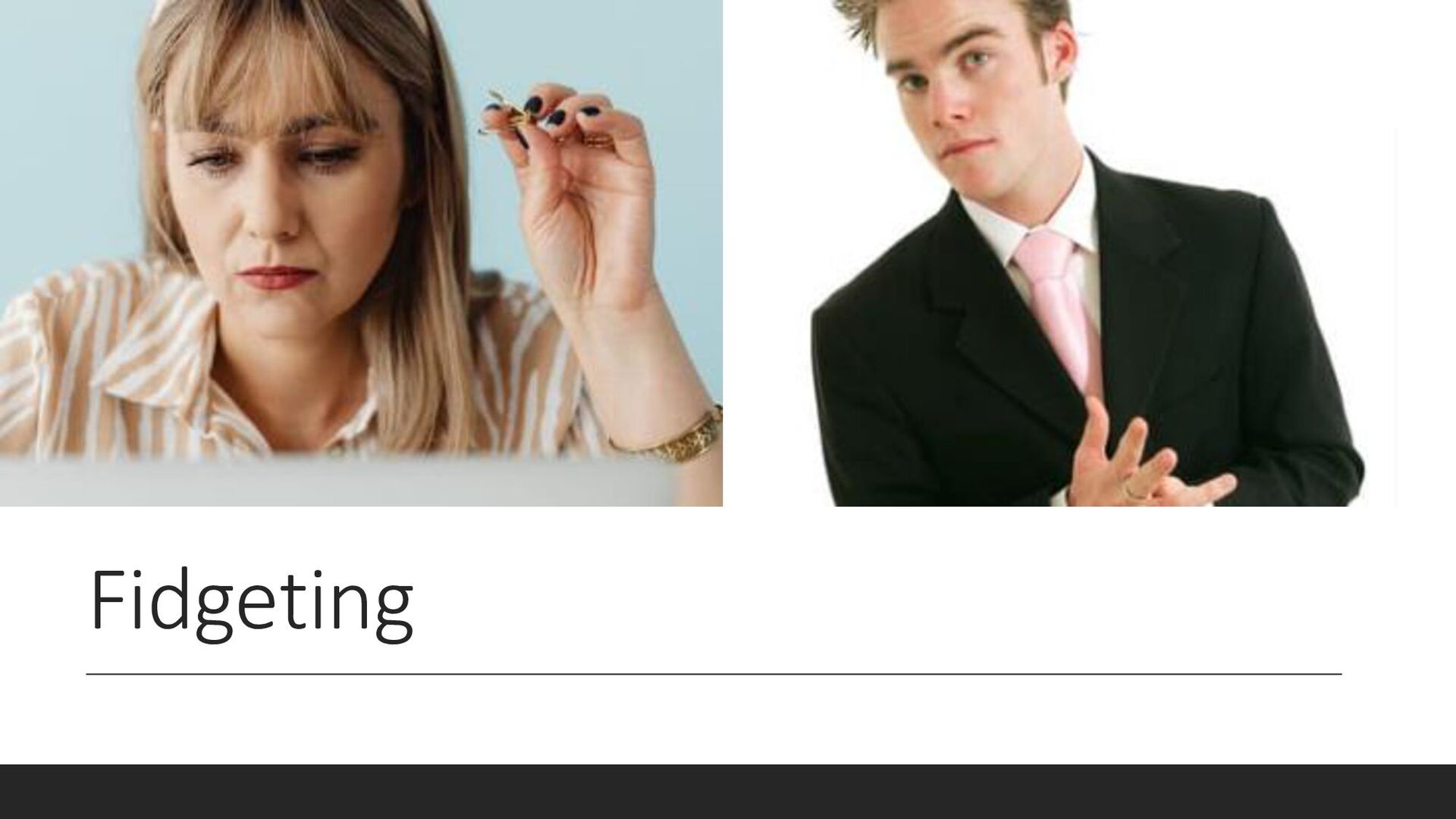



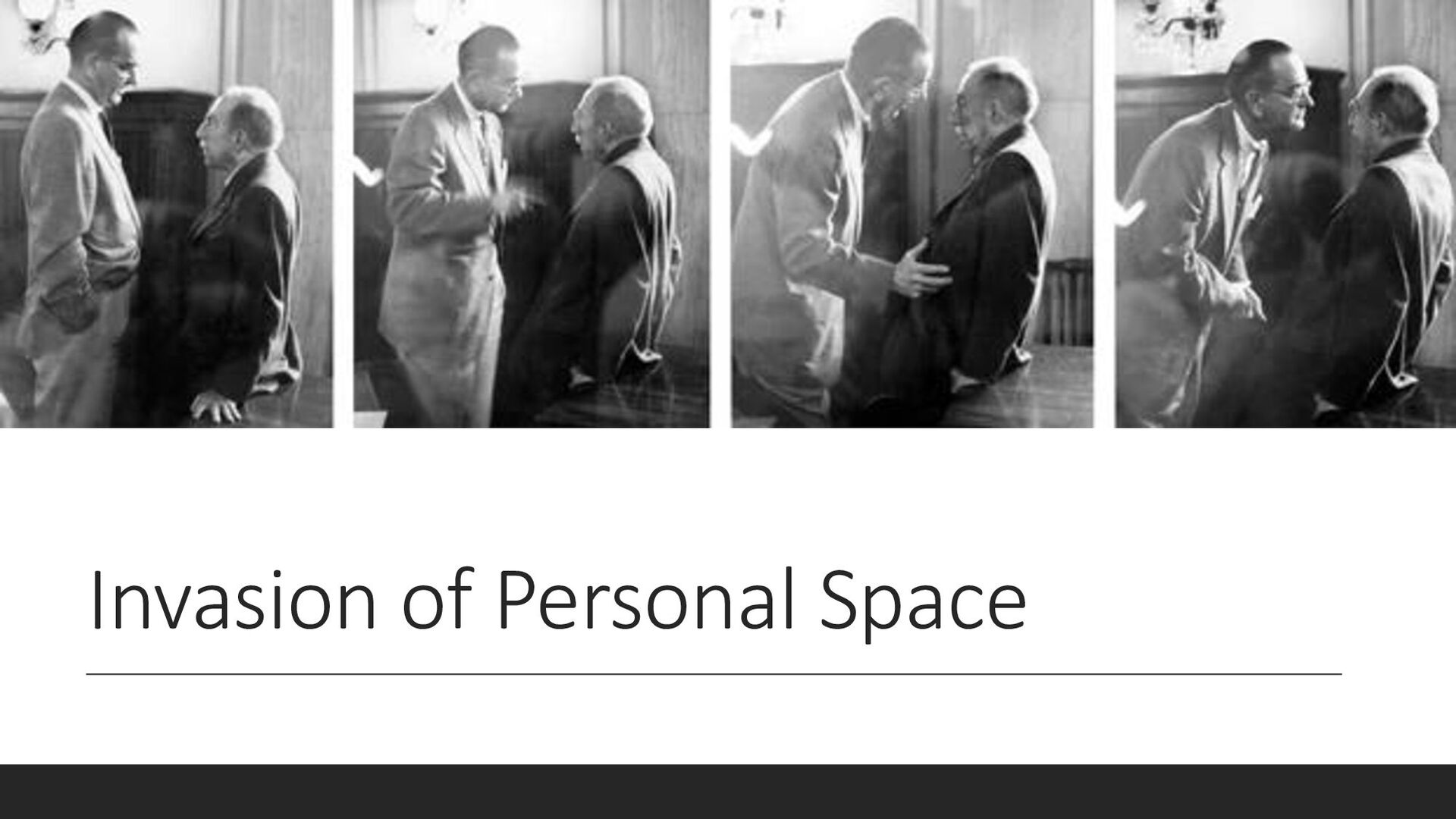

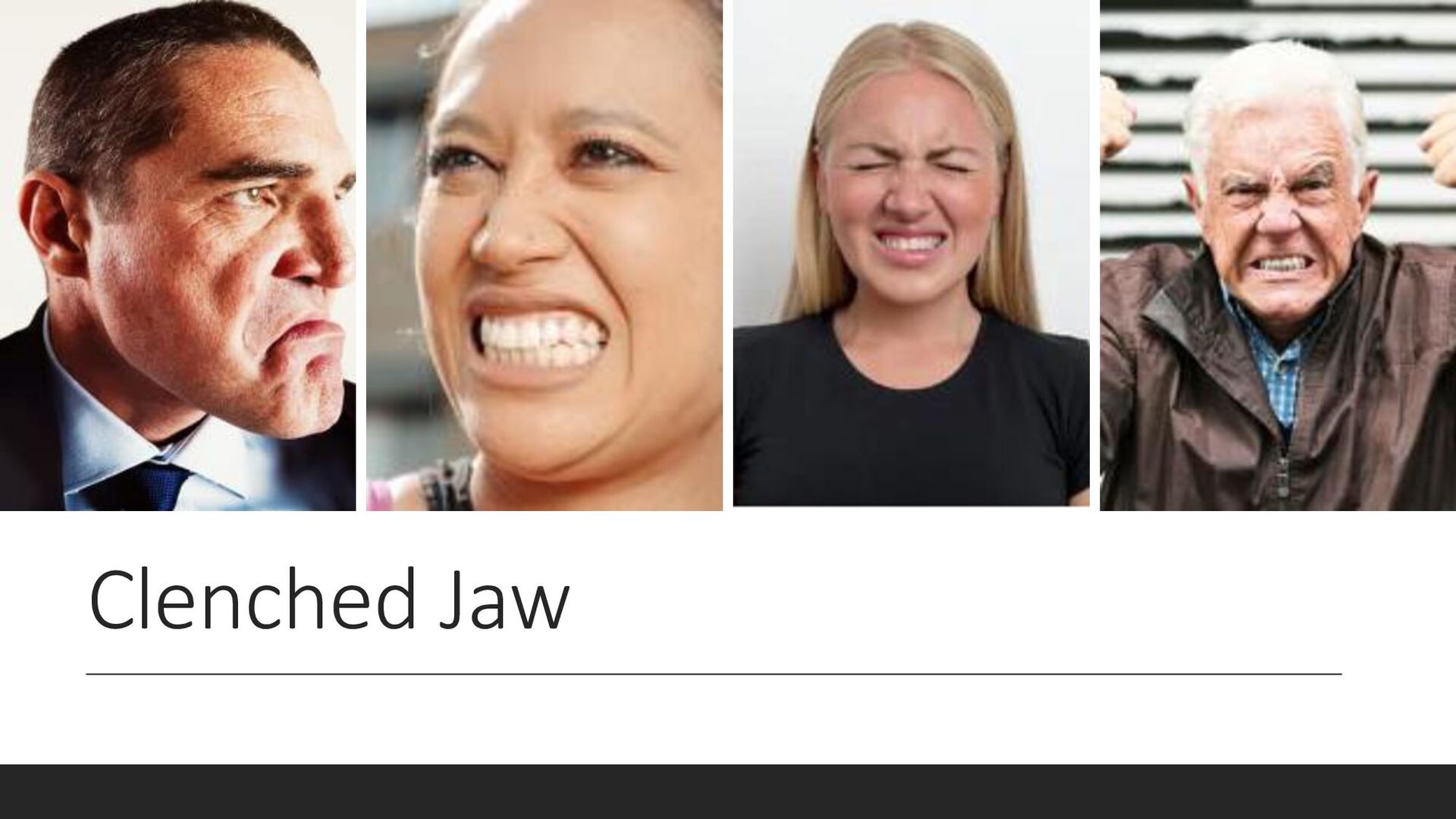


![andy jabbour [email protected]](https://files.speakerdeck.com/presentations/0dd825e3473e446f89cf01d554b0a072/slide_30.jpg)


![[email protected]](https://files.speakerdeck.com/presentations/0dd825e3473e446f89cf01d554b0a072/slide_42.jpg)