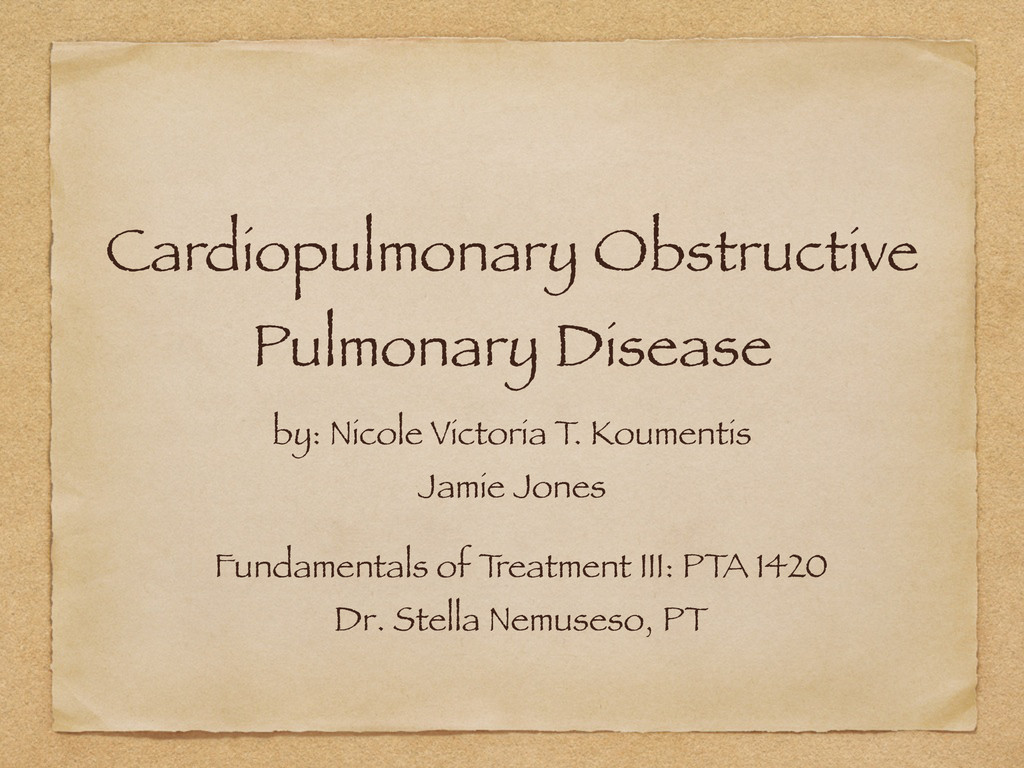
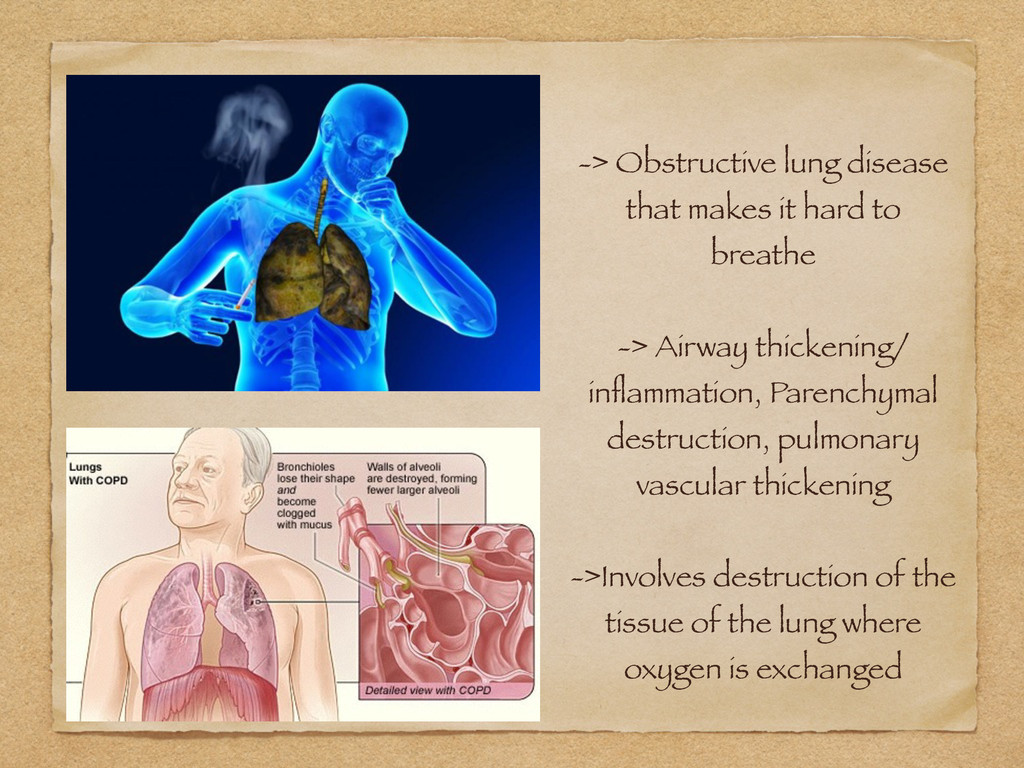
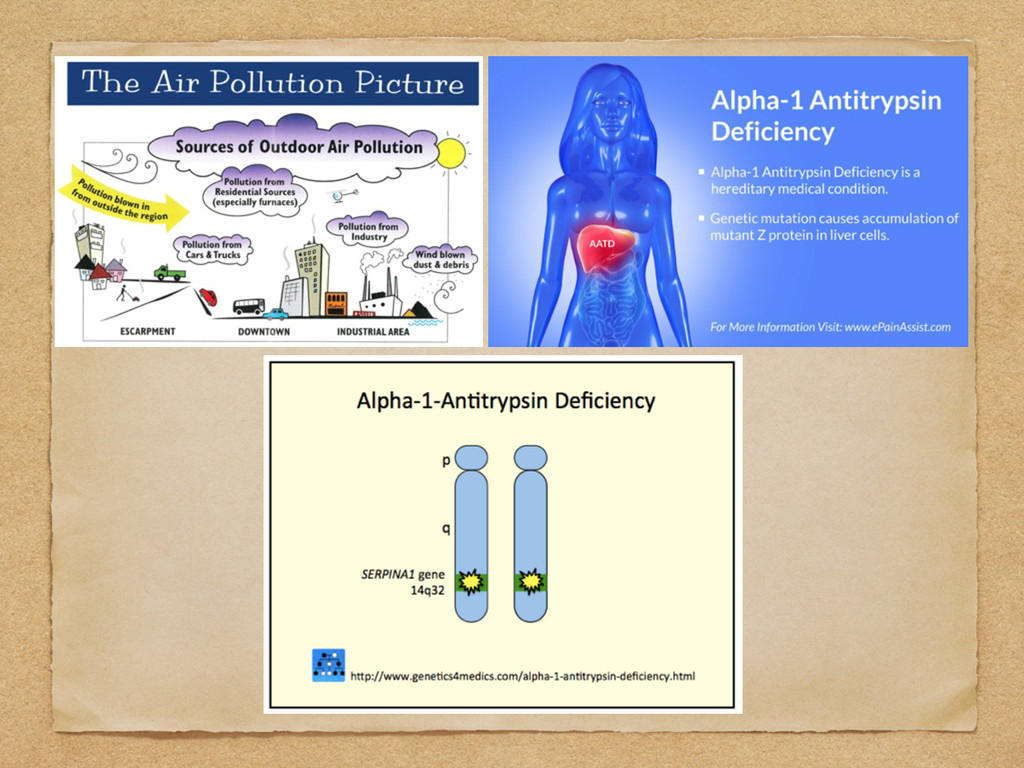
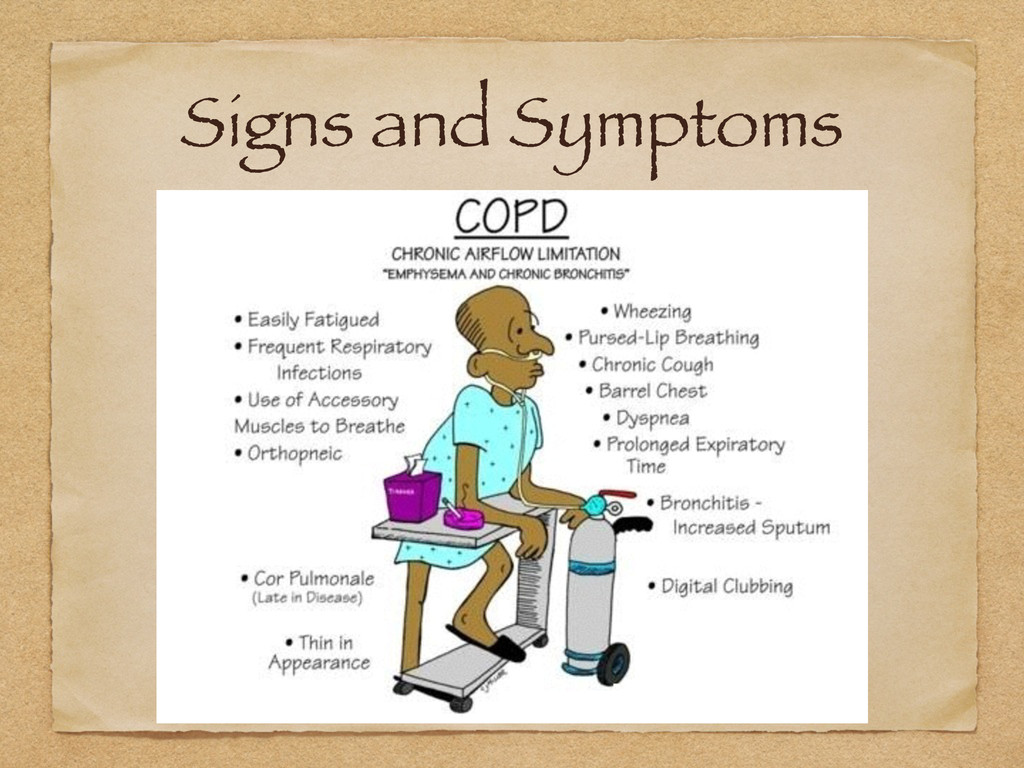
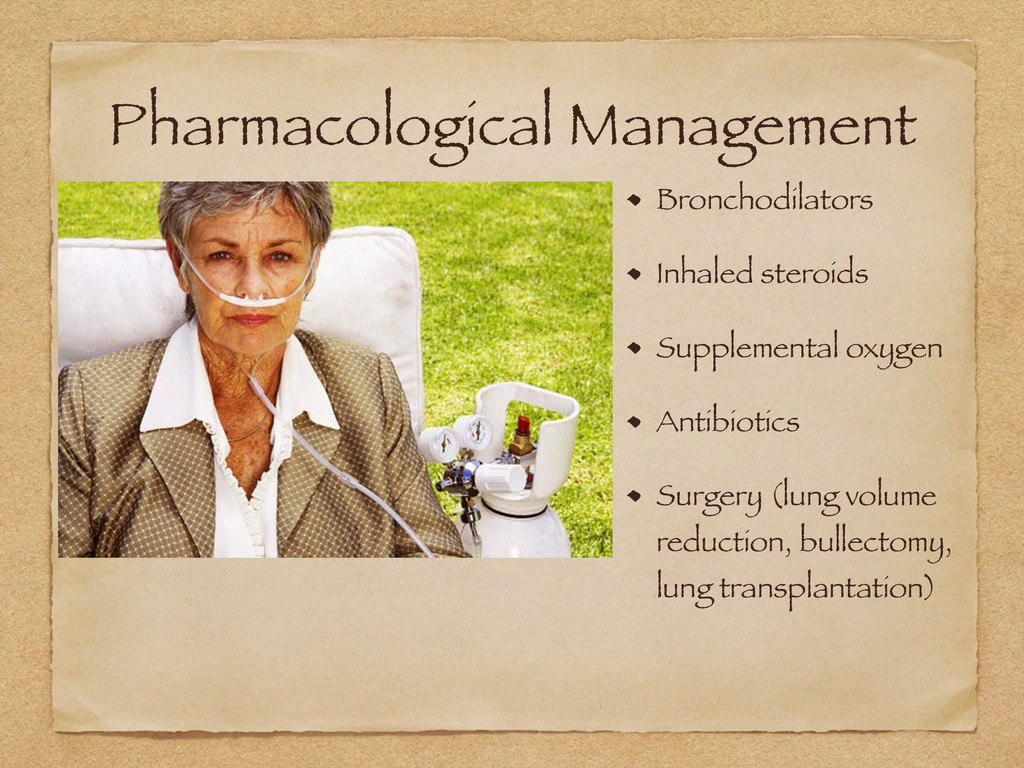
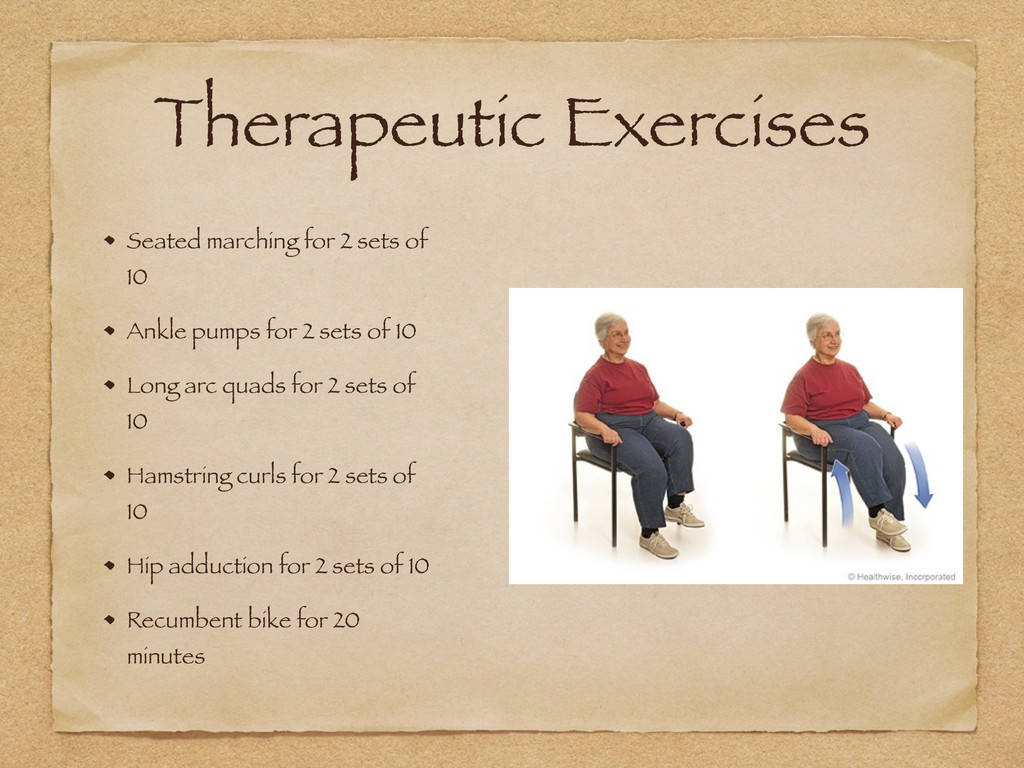
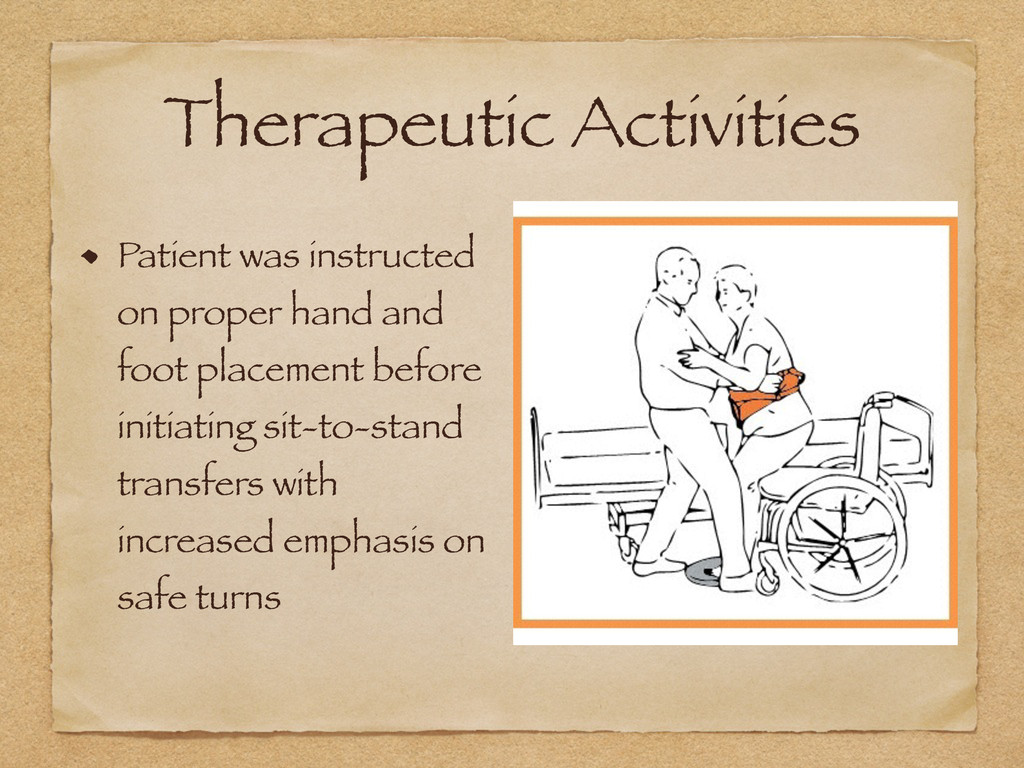
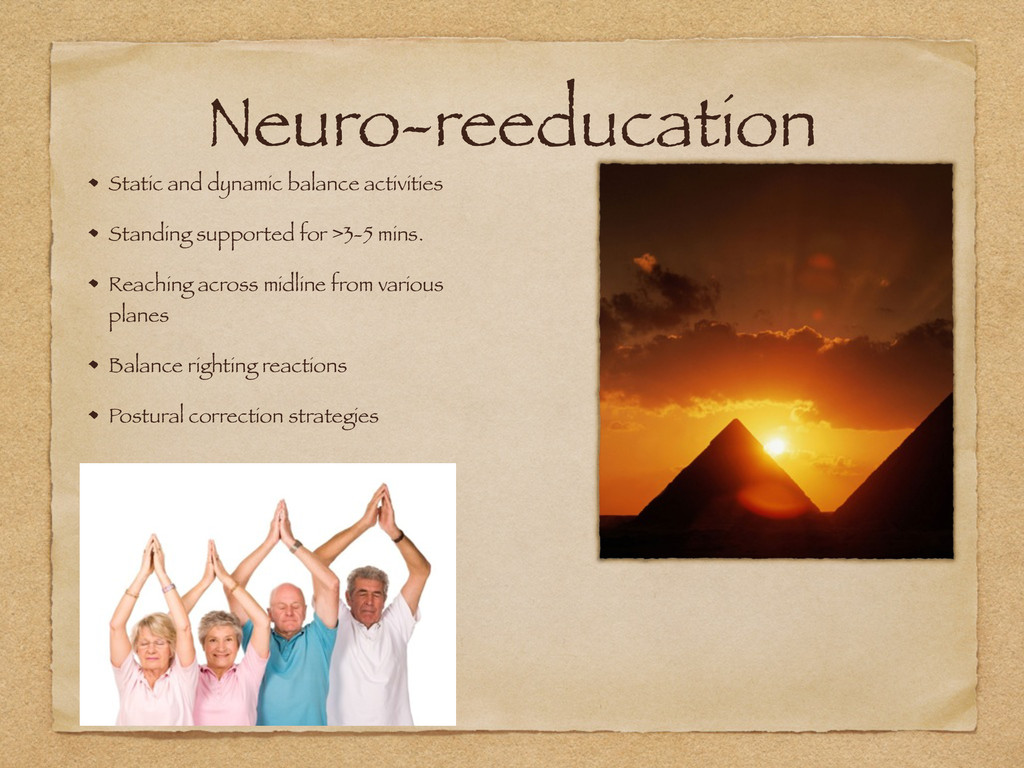
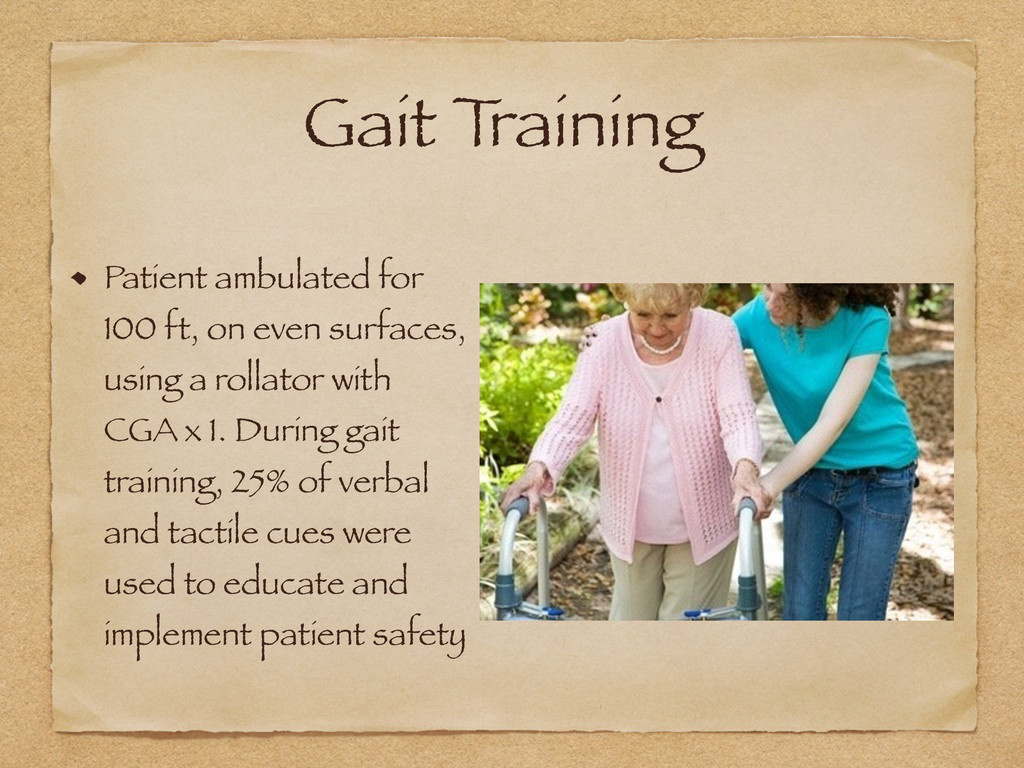
a leading cause of morbidity Disease state characterized by airflow limitation that is not fully reversible. It is progressive and is associated with an abnormal inflammatory response of the lungs to noxious particles or gases (Global Strategy for the Diagnosis, Management, and Prevention of COPD). Often not found until the disease is very advanced since people do not know the early warning signs.
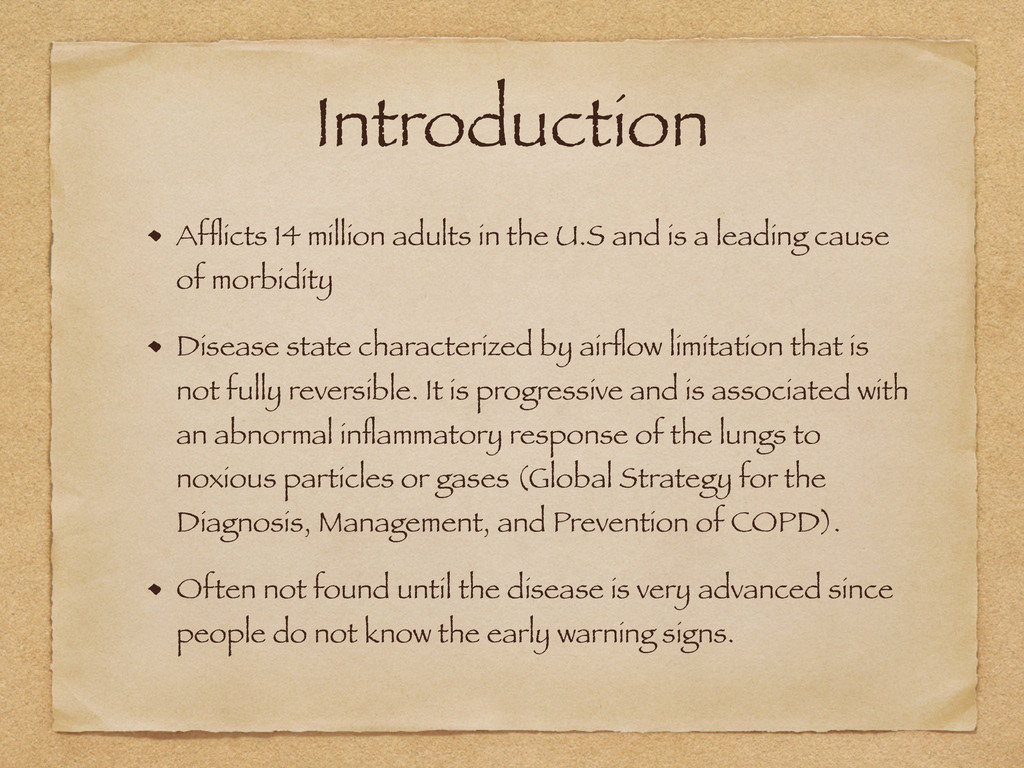
! -> Airway thickening/ inflammation, Parenchymal destruction, pulmonary vascular thickening ! ->Involves destruction of the tissue of the lung where oxygen is exchanged
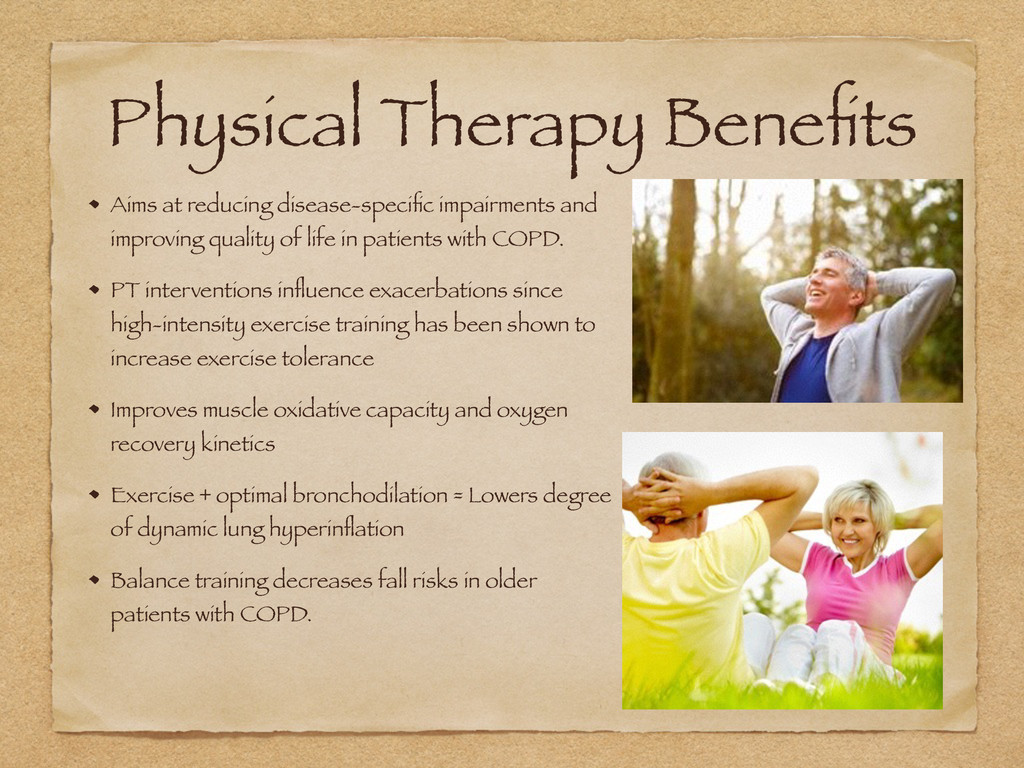
quality of life in patients with COPD. PT interventions influence exacerbations since high-intensity exercise training has been shown to increase exercise tolerance Improves muscle oxidative capacity and oxygen recovery kinetics Exercise + optimal bronchodilation = Lowers degree of dynamic lung hyperinflation Balance training decreases fall risks in older patients with COPD.
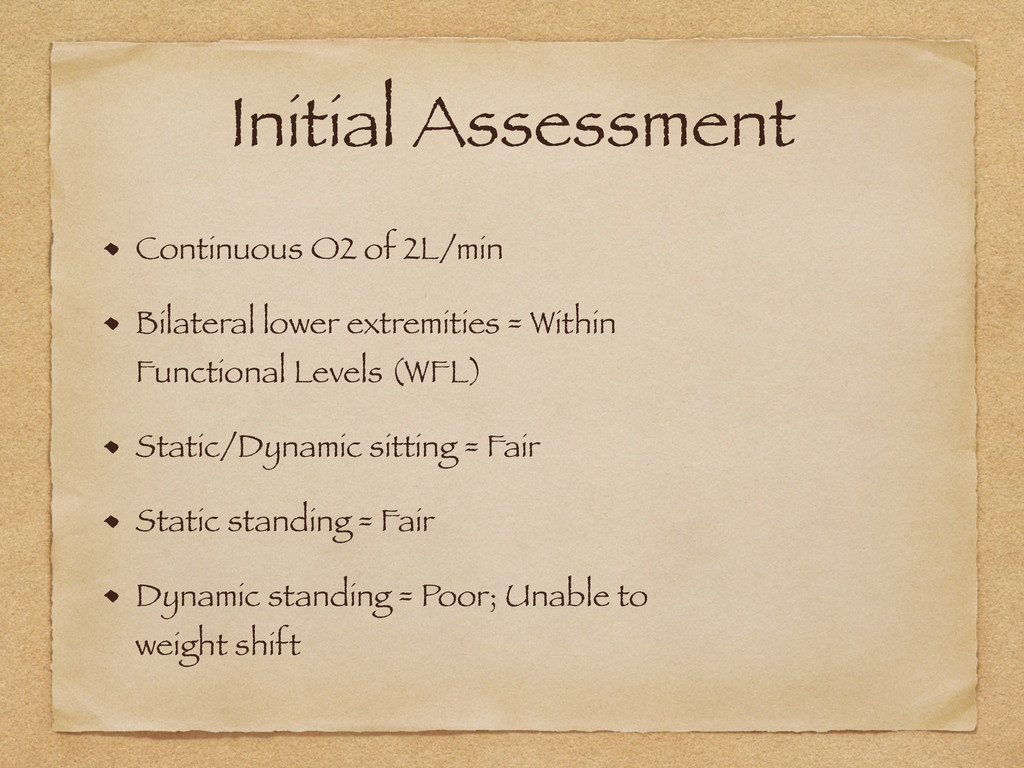
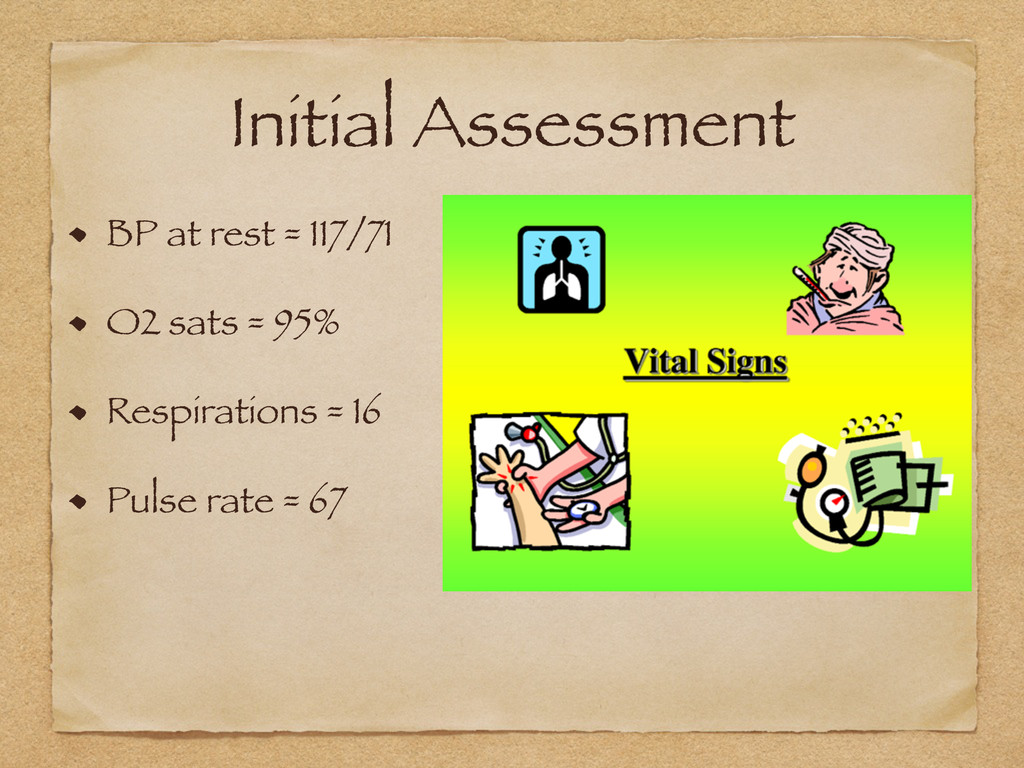
admitted with a diagnoses of COPD exacerbation. She has a past medical history of COPD, hypothyroidism, chronic atrial fibrillation, deep vein thrombosis, and obesity.
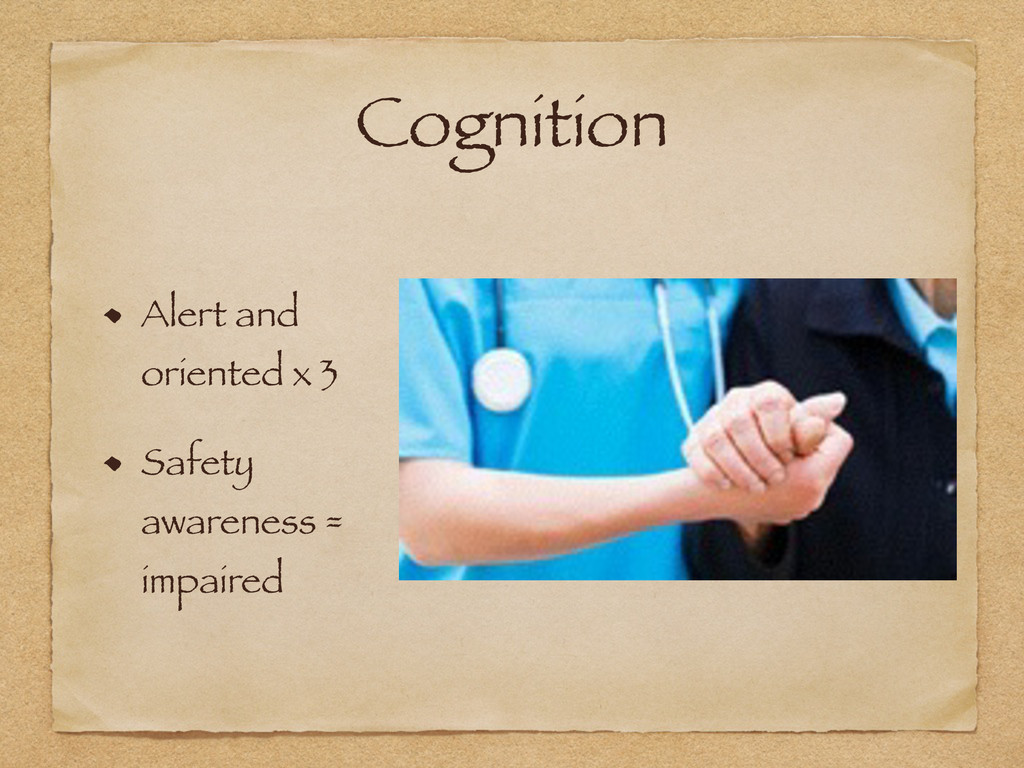
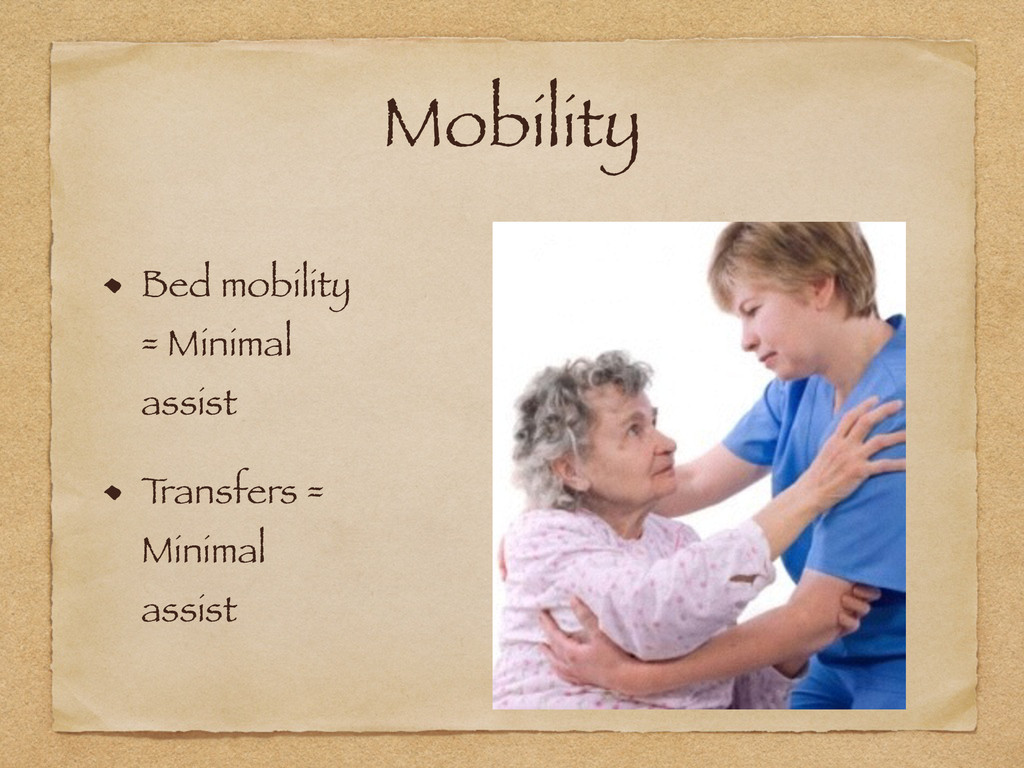
oxygen via nasal cannula Ambulation with concomitant generalized weakness Shortness of breath upon exertion Impaired balance and coordination Impaired safety awareness
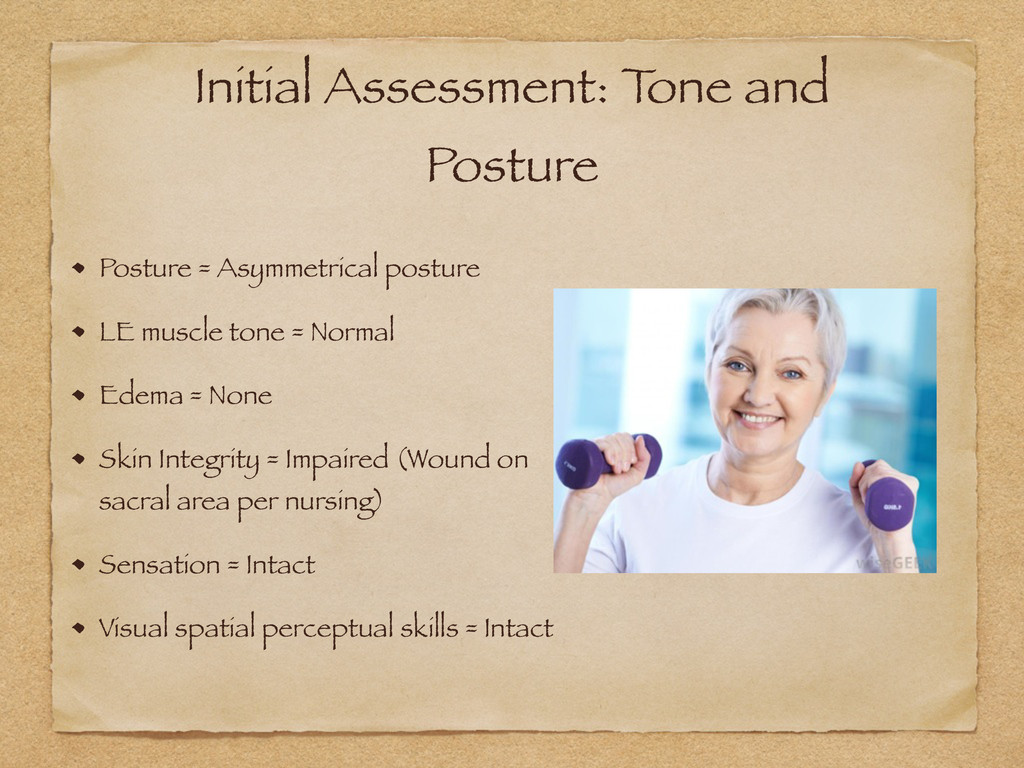
LE muscle tone = Normal Edema = None Skin Integrity = Impaired (Wound on sacral area per nursing) Sensation = Intact Visual spatial perceptual skills = Intact
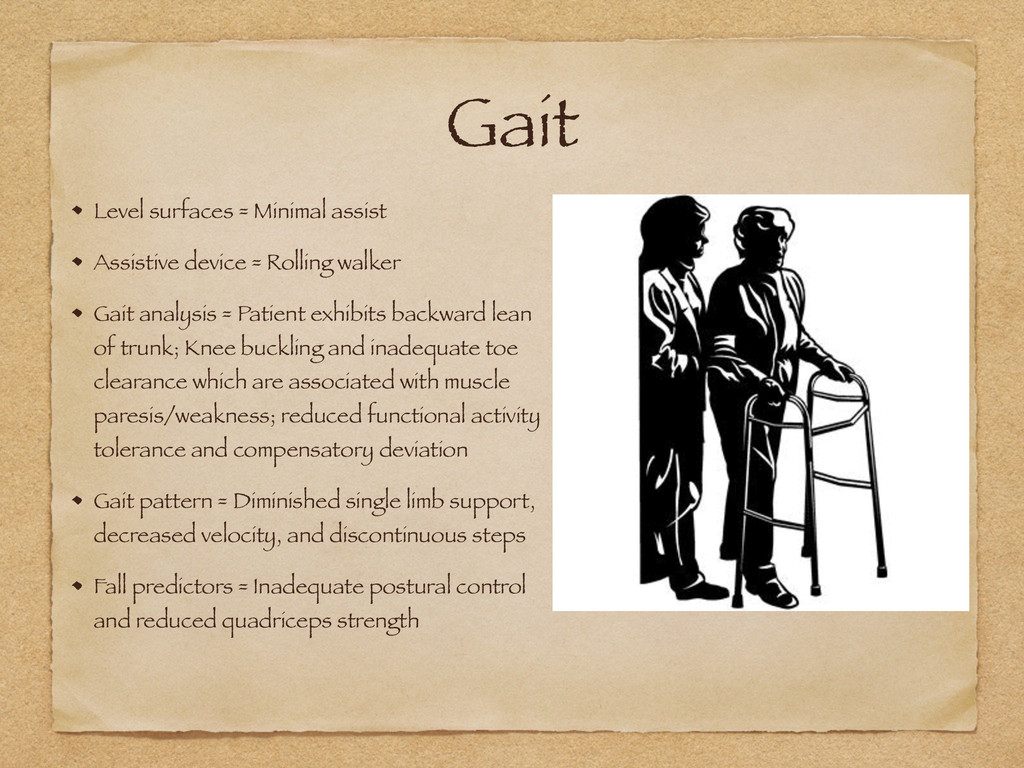
walker Gait analysis = Patient exhibits backward lean of trunk; Knee buckling and inadequate toe clearance which are associated with muscle paresis/weakness; reduced functional activity tolerance and compensatory deviation Gait pattern = Diminished single limb support, decreased velocity, and discontinuous steps Fall predictors = Inadequate postural control and reduced quadriceps strength
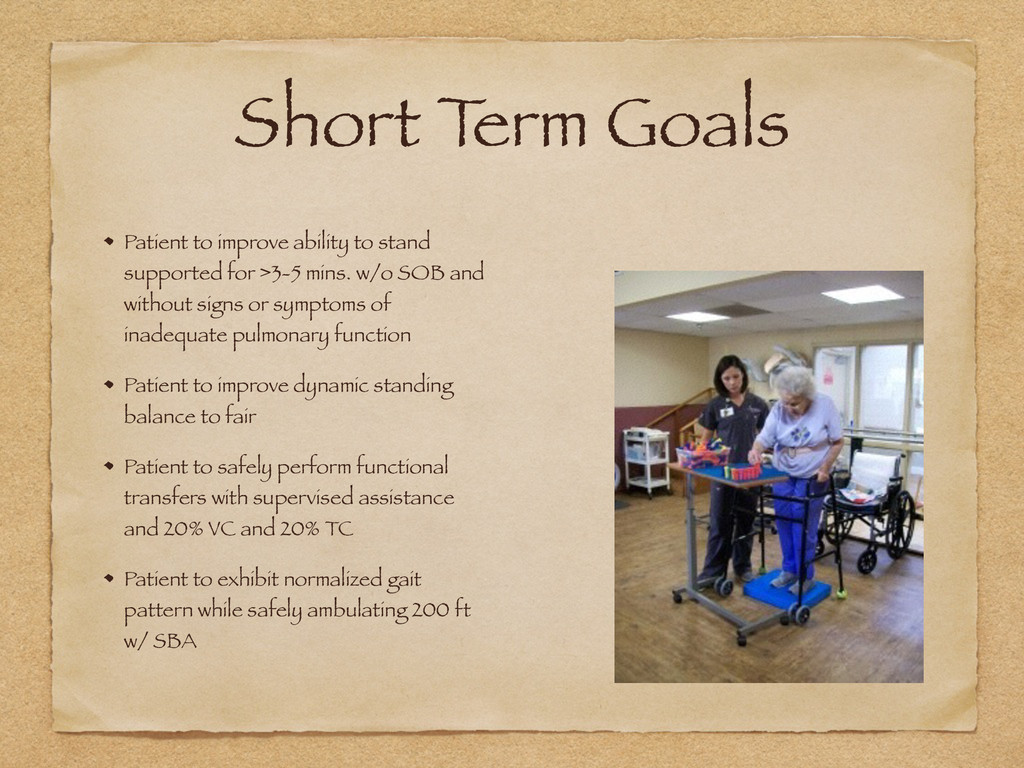
supported for >3-5 mins. w/o SOB and without signs or symptoms of inadequate pulmonary function Patient to improve dynamic standing balance to fair Patient to safely perform functional transfers with supervised assistance and 20% VC and 20% TC Patient to exhibit normalized gait pattern while safely ambulating 200 ft w/ SBA
w/ Mod I. and occasional verbal and tactile cues for implementation of safety techniques, for proper sequencing. Patient to exhibit normalized gait pattern while safely ambulating 350 feet with mod I. using AD on level surfaces.
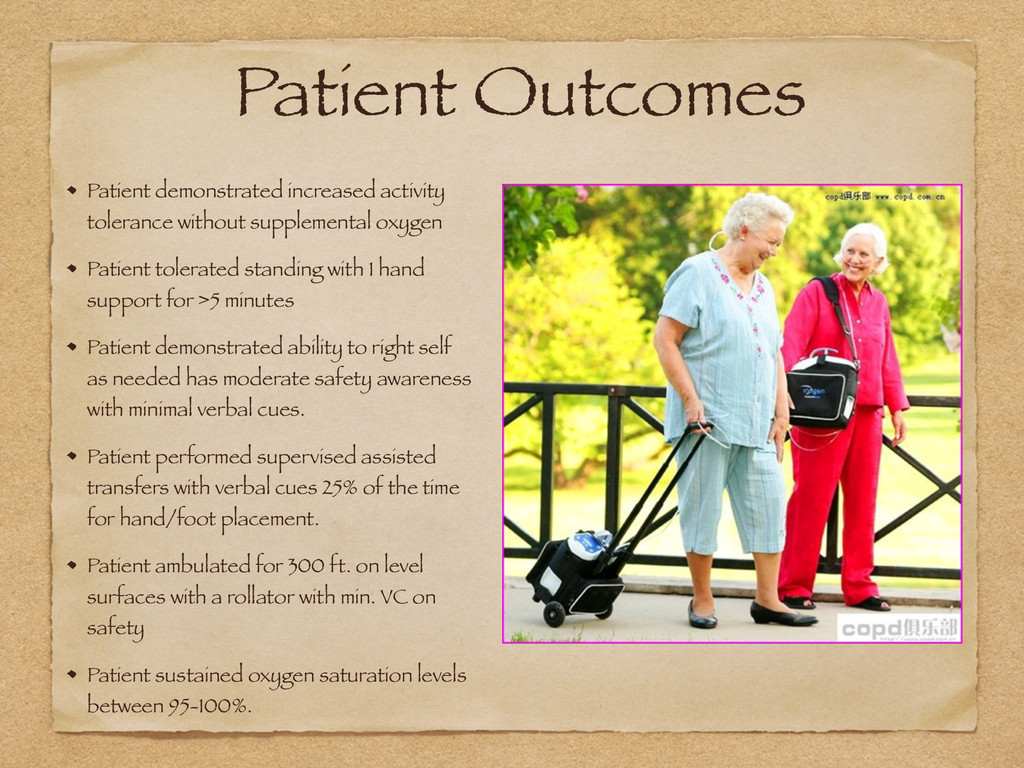
Patient tolerated standing with 1 hand support for >5 minutes Patient demonstrated ability to right self as needed has moderate safety awareness with minimal verbal cues. Patient performed supervised assisted transfers with verbal cues 25% of the time for hand/foot placement. Patient ambulated for 300 ft. on level surfaces with a rollator with min. VC on safety Patient sustained oxygen saturation levels between 95-100%.
use of adaptive equipment to assist in functional activities. Perform static and dynamic activities in the bathroom to improve endurance and balance Initiate transfers to multiple surfaces to simulate different seating arrangements in the patient’s home.
Improve Exercise Performance in Patients with Respiratory Disease." 20.1 (2014): 36-41. Web. 5 June 2015. ! Beekman, Emmylou et al. “Exacerbations in Patients with Chronic Obstructive Pulmonary Dis ease Receiving Physical Therapy: A Cohort-Nested Randomised Controlled Trial.” BMC Pulmonary Medicine 14 (2014): 71. PMC. Web. 4 June 2015. ! Decramer, Marc. "Targeting the COPD Exacerbation." Respiratory Medicine Journal 102 (2009): n. pag. Web. 4 June 2015. ! Fernández-Villar, Alberto et al. “Factors Associated with Inadequate Diagnosis of COPD: On-Sint Cohort Analysis.” International Journal of Chronic Obstructive Pulmonary Disease 10 (2015): 961–967. PMC. Web. 4 June 2015. ! Giles, Scott. PTA EXAM The Complete Study Guide. N.p.: Scorebuilders, n.d. 218-19. Print. ! Global Initiative for Chronic Obstructive Lung Disease. “Global strategy for diagnosis, management, and prevention of COPD”. Updated December 2009. Web. 4 June 2015 ! Guideline for the prevention of falls in older persons (American Geriatrics Society, British Geriatrics Society, and American Academy of Orthopaedic Surgeons Panel on falls prevention) Web. 4 June 2015 ! O'Sullivan, Susan. "Chronic Pulmonary Dysfunction." Physical Rehabilitation. 5th ed. N.p.: F.A Davis, n.d. 564-65. Print.


 nkoumentis
 kneath
 eileencodes
 nmsamuel
 chikuwait
 keithpitt
 jonoalderson
 chriscoyier
 kimpetersen
 lauravandoore
 eitanlees
 addyosmani
 sabderemane