Upgrade to Pro — share decks privately, control downloads, hide ads and more …

Immune regulation mechanism - Immunomodulation,...

Immune regulation mechanism - Immunomodulation, Immunopotentiation ,Immunoinduction

Immune regulation is the complex network of molecular and cellular mechanisms that allows the immune system to maintain a delicate balance between defending the body against pathogens and preserving tolerance to self-antigens to prevent chronic inflammation and autoimmune diseases.

This system coordinates activation and suppression to ensure that immune responses do not cause excessive or inappropriate damage to host tissues.

When this regulatory equilibrium is disrupted, it can precipitate severe pathologies, such as immunodeficiencies, hypersensitivities, or autoimmune disorders

Avatar for Ramees Fathima

Ramees Fathima

October 20, 2026

Transcript

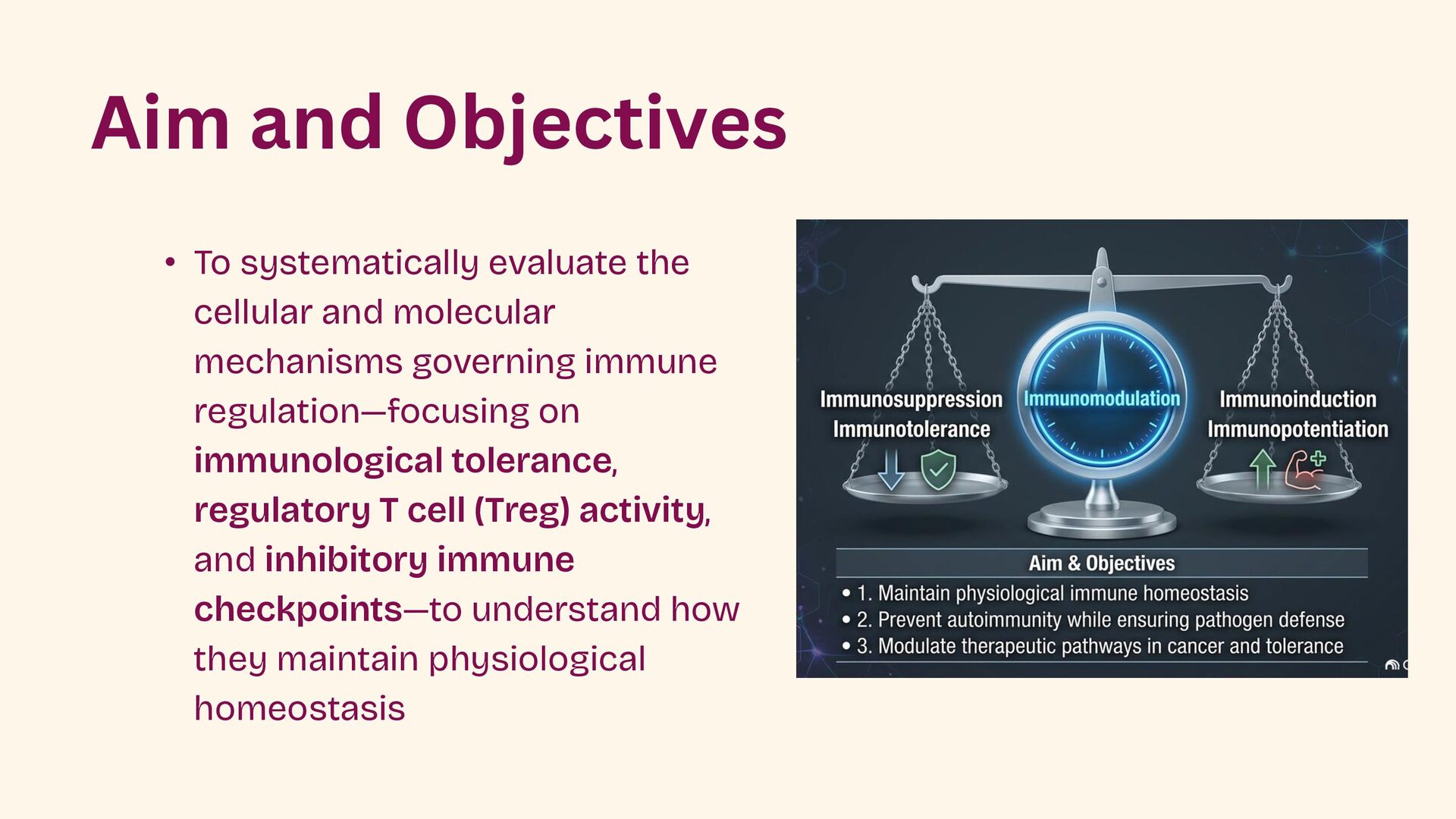
  1. Aim and Objectives • To systematically evaluate the cellular and
    molecular mechanisms governing immune regulation—focusing on immunological tolerance, regulatory T cell (Treg) activity, and inhibitory immune checkpoints—to understand how they maintain physiological homeostasis
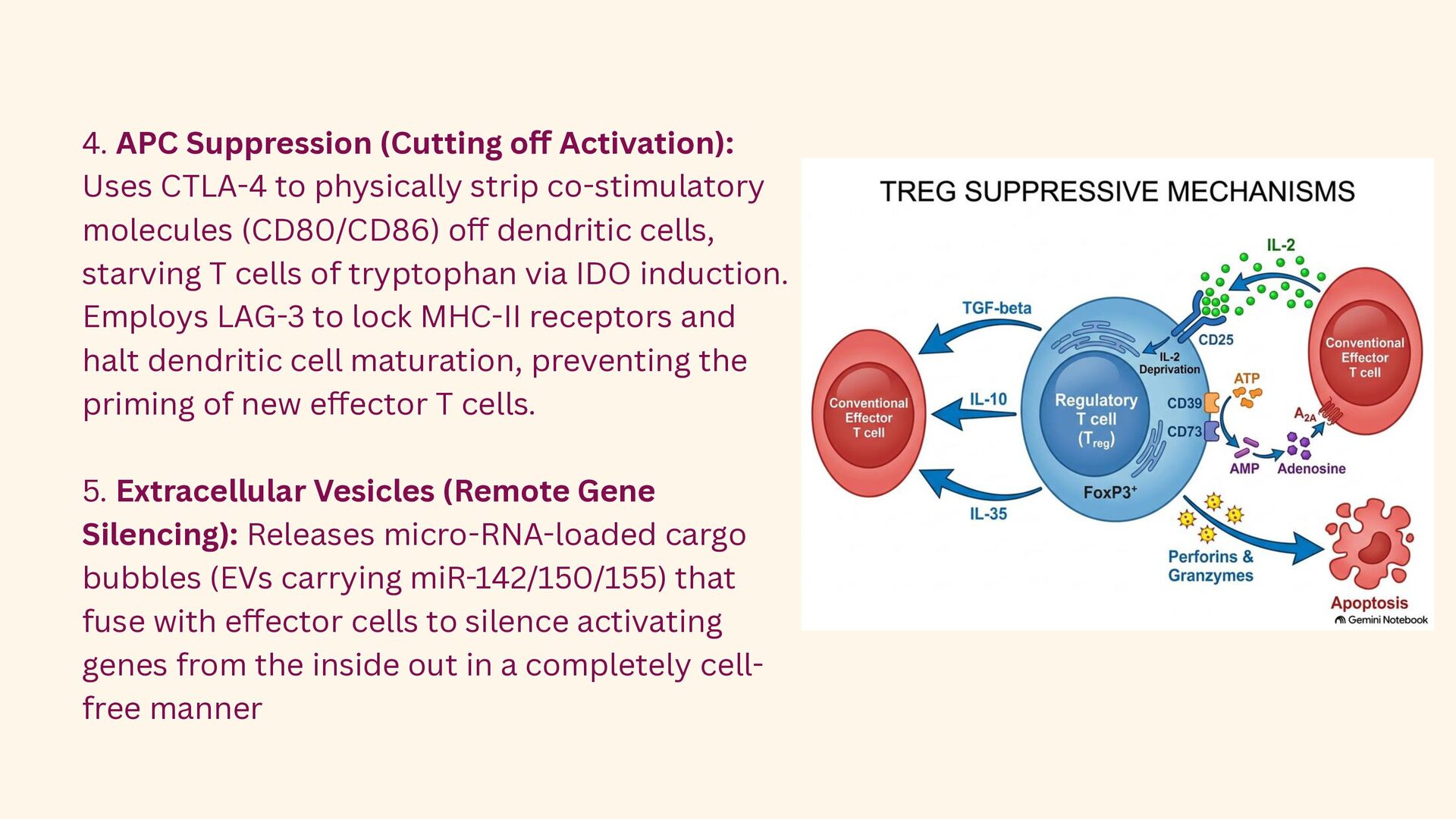
  2. 4. APC Suppression (Cutting off Activation): Uses CTLA-4 to physically

    strip co-stimulatory molecules (CD80/CD86) off dendritic cells, starving T cells of tryptophan via IDO induction. Employs LAG-3 to lock MHC-II receptors and halt dendritic cell maturation, preventing the priming of new effector T cells. 5. Extracellular Vesicles (Remote Gene Silencing): Releases micro-RNA-loaded cargo bubbles (EVs carrying miR-142/150/155) that fuse with effector cells to silence activating genes from the inside out in a completely cellfree manner
  3. 4. Inhibitory Immune Checkpoints as Homeostatic Safeguards • Within this

    regulatory network, immune checkpoints are the localized, molecular switches that directly control T-cell activation at the cellular level. They are divided into: • Co-stimulatory checkpoints: Molecules that act as "accelerators" to promote T-cell activation and proliferation. • Inhibitory checkpoints: Structural pathways (such as PD-1/PD-L1, CTLA-4/CD80/CD86, and TIM-3) that act as "molecular brakes" to suppress effector responses
  4. • In normal physiology, checkpoint pathways are the primary tools

    used by the immune regulation machinery to enforce peripheral immunotolerance. • When an active effector T cell encounters its target, inhibitory receptors bind to their ligands on tissue cells or antigen-presenting cells (APCs), dephosphorylating key TCR signaling elements and shutting down prosurvival and metabolic pathways (like PI3K-Akt-mTOR). This ensures the active immune response is safely wound down before it can damage healthy host tissues
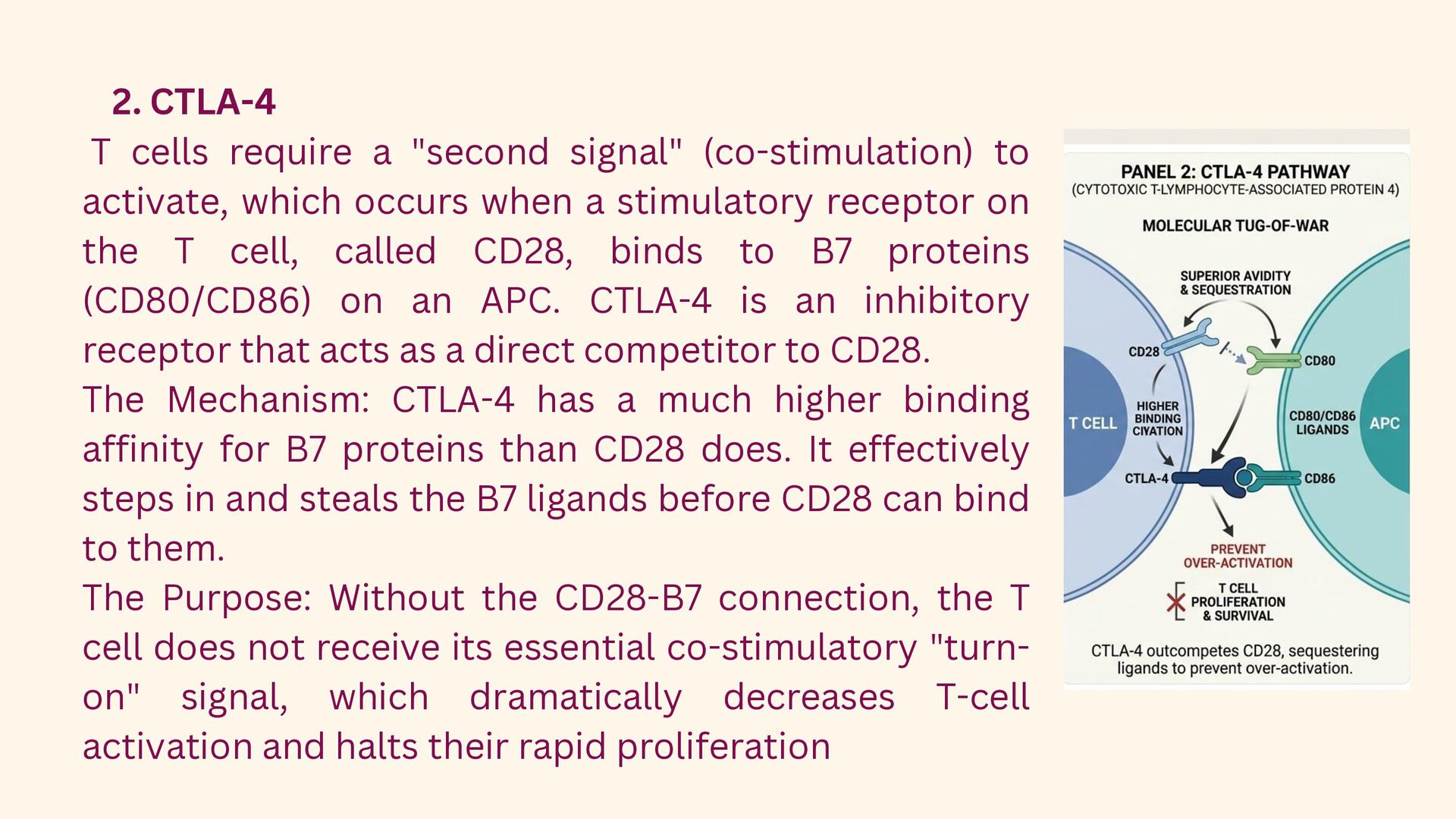
  5. 1. The PD-1/PD-L1 PD-1 (Programmed Cell Death Protein 1) is

    a receptor molecule found on the surface of T cells. PD-L1 and PD-L2 are its matching ligands (binding partners) expressed on the surface of antigen-presenting cells (APCs) or healthy host tissues. When a T cell is actively fighting, it patrols tissues. If it encounters a cell displaying PD-L1, the PD-1 receptor binds to it. This binding transmits a chemical signal inside the T cell that hinders and shuts down its activation. This interaction acts as a localized shield, safeguarding surrounding healthy tissues from being destroyed by bystander inflammation.
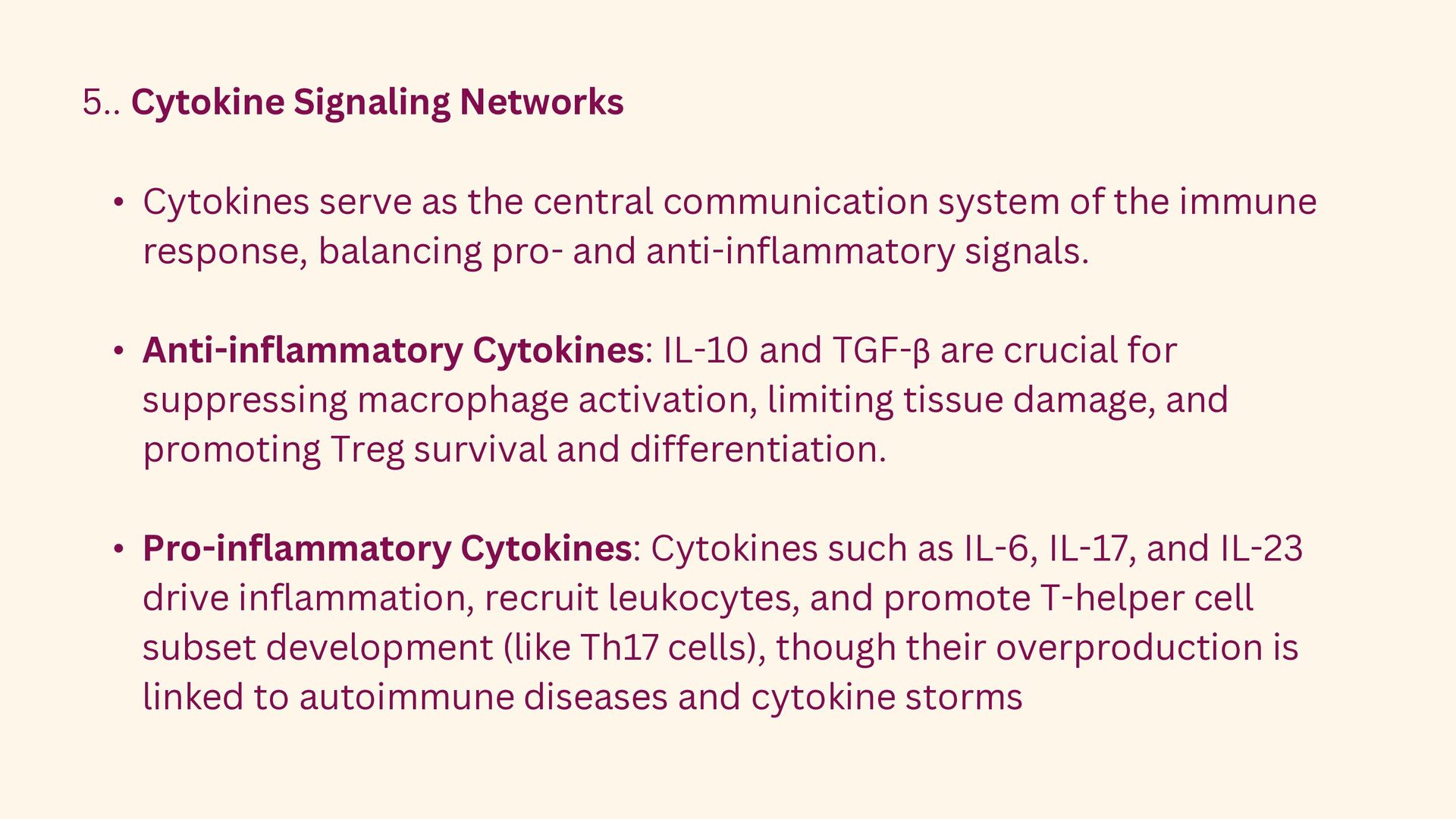
  6. 2. CTLA-4 T cells require a "second signal" (co-stimulation) to

    activate, which occurs when a stimulatory receptor on the T cell, called CD28, binds to B7 proteins (CD80/CD86) on an APC. CTLA-4 is an inhibitory receptor that acts as a direct competitor to CD28. The Mechanism: CTLA-4 has a much higher binding affinity for B7 proteins than CD28 does. It effectively steps in and steals the B7 ligands before CD28 can bind to them. The Purpose: Without the CD28-B7 connection, the T cell does not receive its essential co-stimulatory "turnon" signal, which dramatically decreases T-cell activation and halts their rapid proliferation
  7. 5.. Cytokine Signaling Networks • Cytokines serve as the central

    communication system of the immune response, balancing pro- and anti-inflammatory signals. • Anti-inflammatory Cytokines: IL-10 and TGF-β are crucial for suppressing macrophage activation, limiting tissue damage, and promoting Treg survival and differentiation. • Pro-inflammatory Cytokines: Cytokines such as IL-6, IL-17, and IL-23 drive inflammation, recruit leukocytes, and promote T-helper cell subset development (like Th17 cells), though their overproduction is linked to autoimmune diseases and cytokine storms
  8. 6. Immunometabolism • The metabolic state of immune cells directly

    dictates their fate, differentiation, and functional capacity. • Effector T Cells and pro-inflammatory (M1) macrophages rely heavily on glycolysis to meet the high energy and biosynthetic demands required for rapid proliferation and cytokine secretion. • Tregs and anti-inflammatory (M2) macrophages depend instead on oxidative phosphorylation (OXPHOS) and fatty acid oxidation (FAO). This metabolic profile allows Tregs to remain highly stable and functional even in the low-glucose, nutrient-poor environments characteristic of chronic inflammation
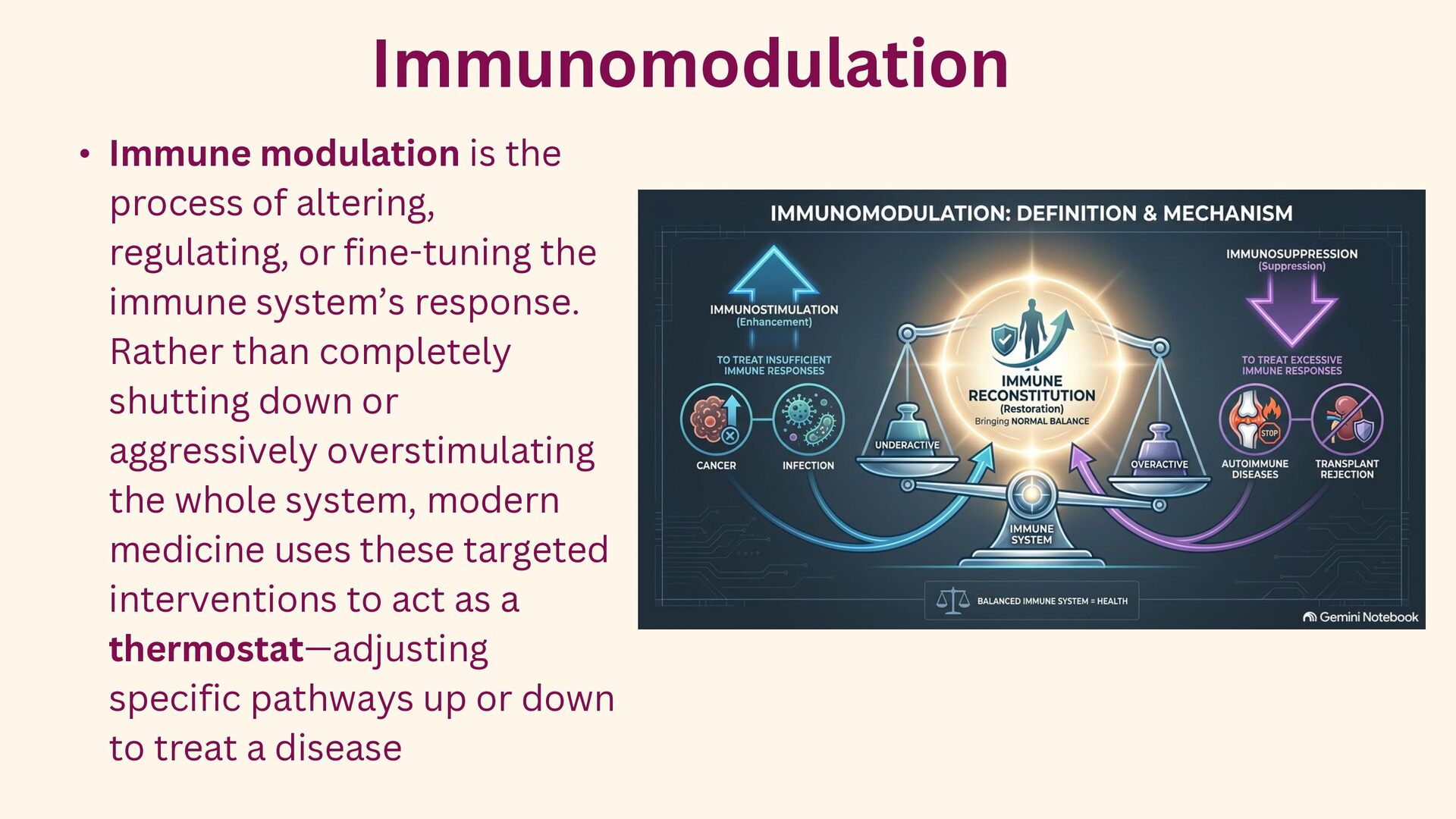
  9. Immunomodulation • Immune modulation is the process of altering, regulating,

    or fine-tuning the immune system’s response. Rather than completely shutting down or aggressively overstimulating the whole system, modern medicine uses these targeted interventions to act as a thermostat—adjusting specific pathways up or down to treat a disease
  10. 1. Immunostimulation (Enhancement) • Immunostimulation is a broad term that

    refers to actively waking up or initiating an immune response. It means turning the system "on" or accelerating a dormant process. It directly forces immune cells to replicate, move, or release chemical signals. Key Molecular Mechanisms (How it Works) • Receptor Activation: Biological agents bind to T-cell or dendritic cell receptors, switching them from a resting state to an aggressive "attack" state. • Cytokine Boosting: Artificially introducing signaling proteins (like Interferons or Interleukins) to coordinate a massive, systemic defense response [NCI]. • Intracellular Cascades: Turning on internal cellular pathways that force immune cells to rapidly multiply and hunt down pathogens.
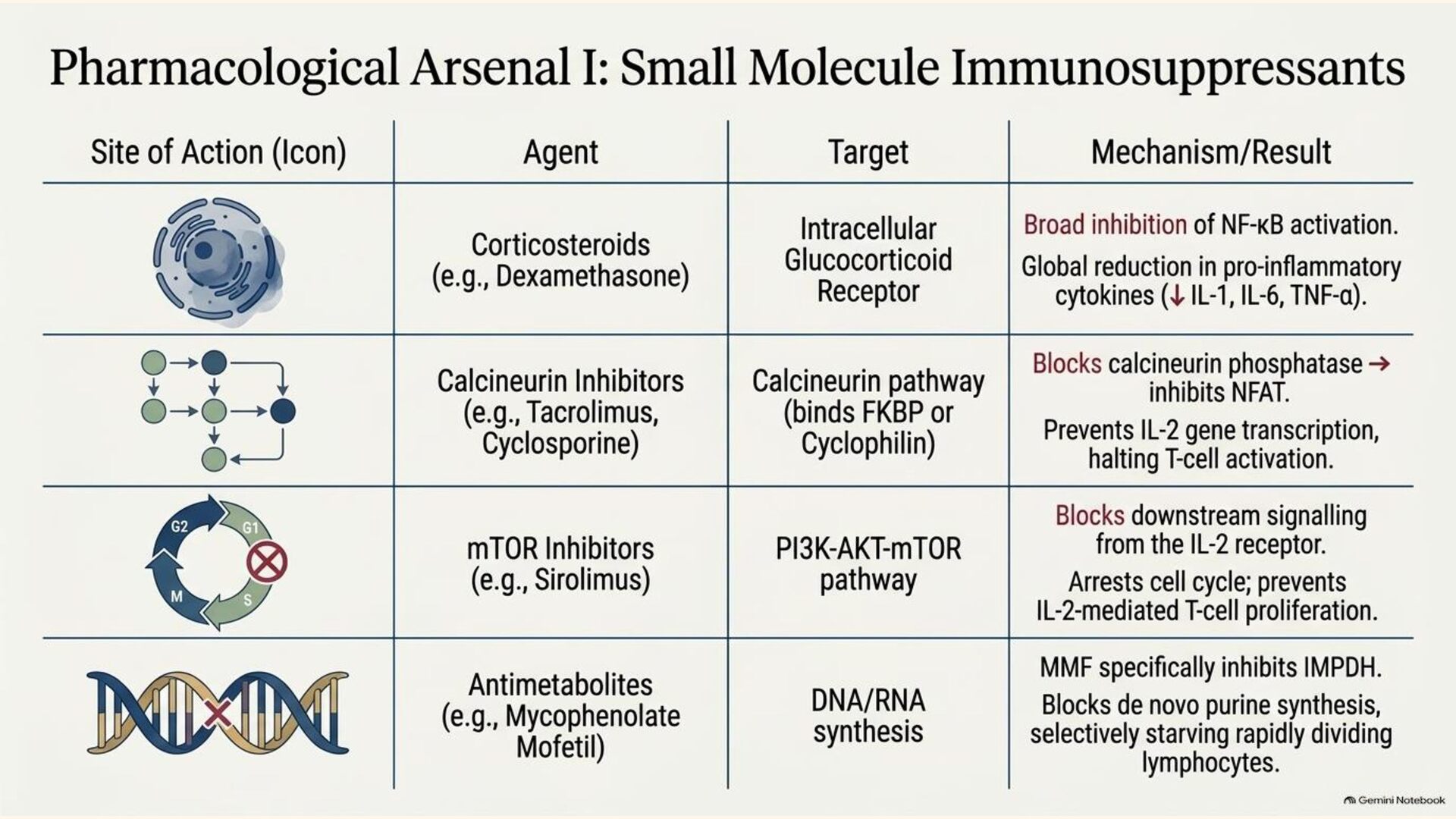
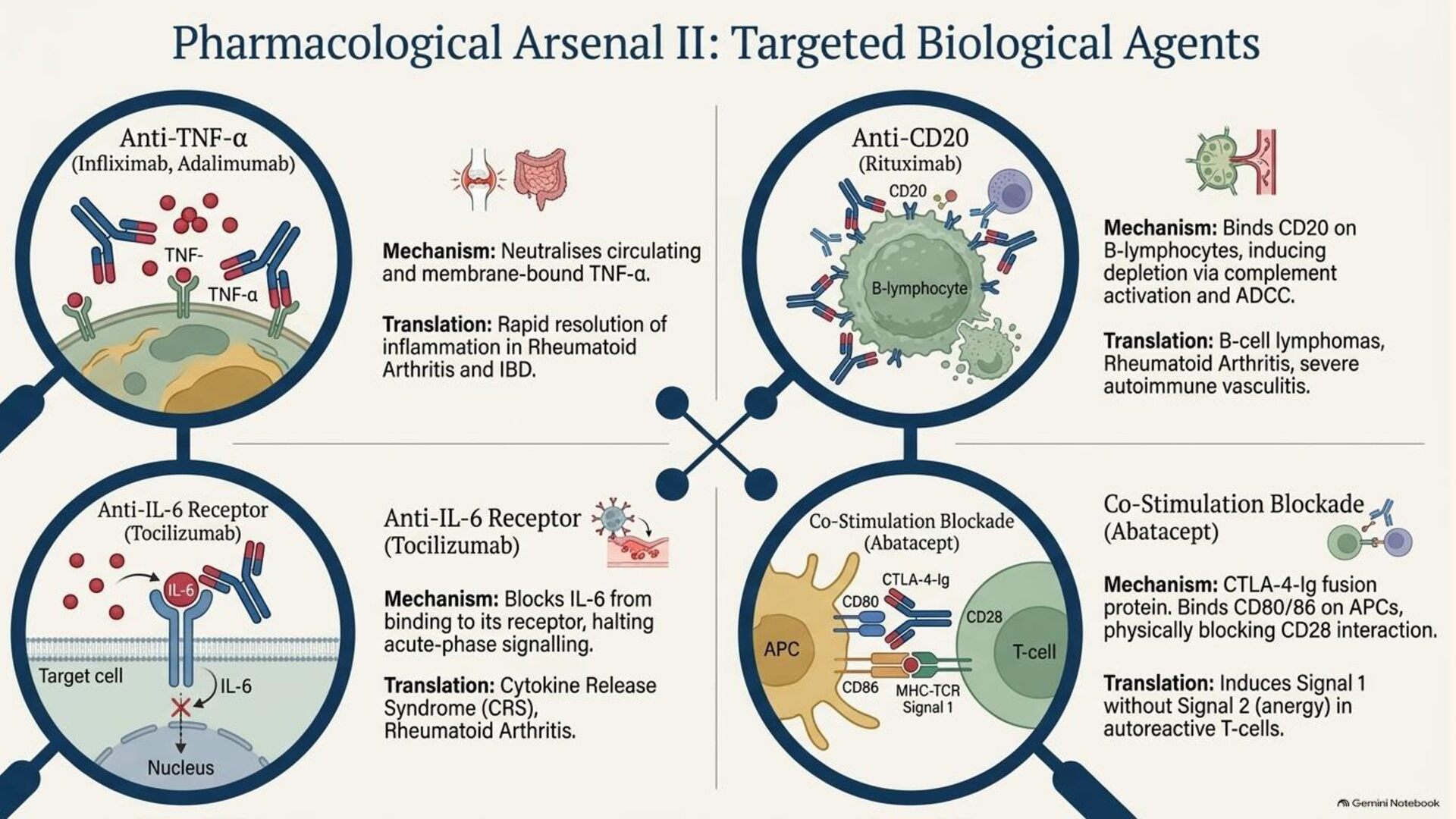
  11. 2. Immunosuppression (Reduction) • Immunosuppression is the "down" setting—it involves

    deliberately reducing the activation, speed, or efficiency of the immune system. • Primary Goal: To prevent the immune system from destroying healthy tissues, such as in autoimmune diseases or organ transplants Key Molecular Mechanisms (How it Works) • Cytokine Blockade: Inhibiting the production or action of proinflammatory communication proteins like Interleukin-2 (IL-2) or TNFalpha, preventing immune cells from signaling for backup. • DNA & Lymphocyte Inhibition: Halting the synthesis of nucleic acids or blocking metabolic pathways (like the mTOR pathway) to keep aggressive T-cells and B-cells from dividing and multiplying. • Receptor Deactivation: Occupying or down-regulating specific receptors on the surface of immune cells to blind them to activation signals.
  12. 3. Immune Reconstitution (Restoration) • Immune Reconstitution is the "restore/reboot"

    setting—it involves rebuilding, repopulating, or restoring a highly depleted or damaged immune system back to full functionality. Key Molecular Mechanisms • Hematopoietic Stem Cell Differentiation: Triggering stem cells in the bone marrow to rapidly mature into new red blood cells, white blood cells, and platelets. • Thymic Output & T-Cell Regeneration: Reactivating the thymus gland to "educate" and release a fresh supply of naive T-cells to fill structural defense gaps. • Cytokine Signaling Restoration: Re-establishing crucial survival signals (like Interleukin-7) that keep newly generated immune cells alive and multiplying.
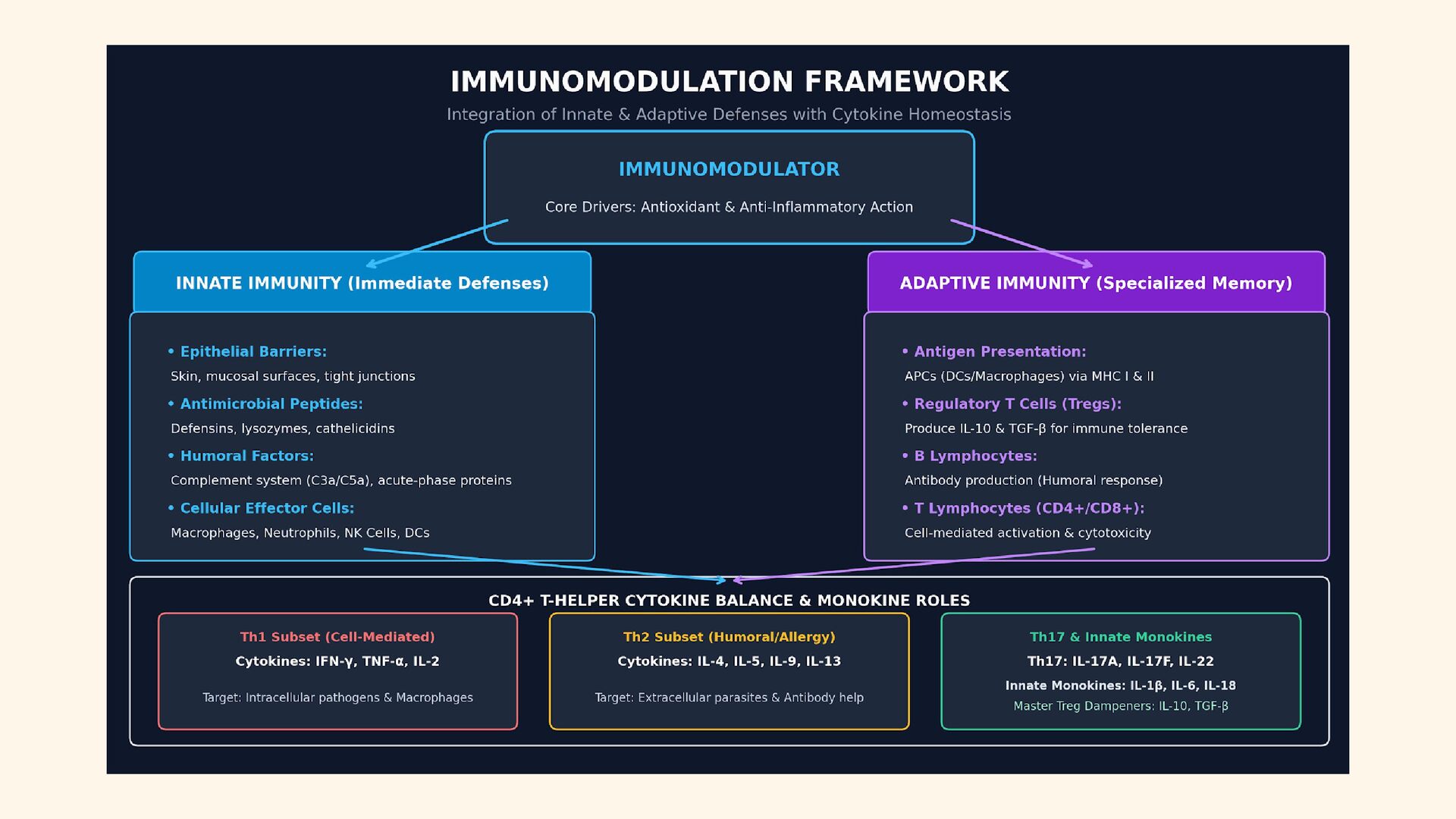
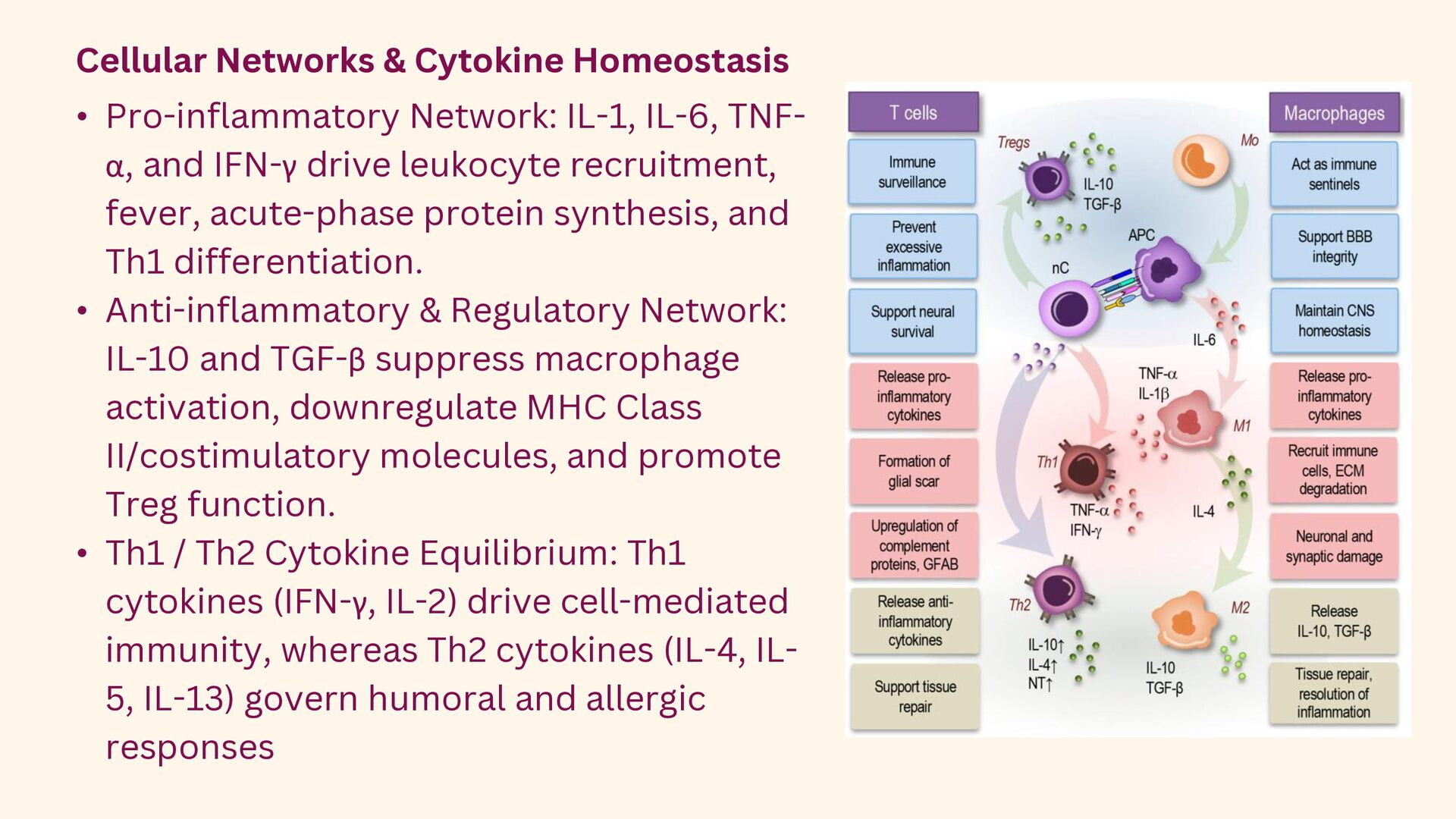
  13. Cellular Networks & Cytokine Homeostasis • Pro-inflammatory Network: IL-1, IL-6,

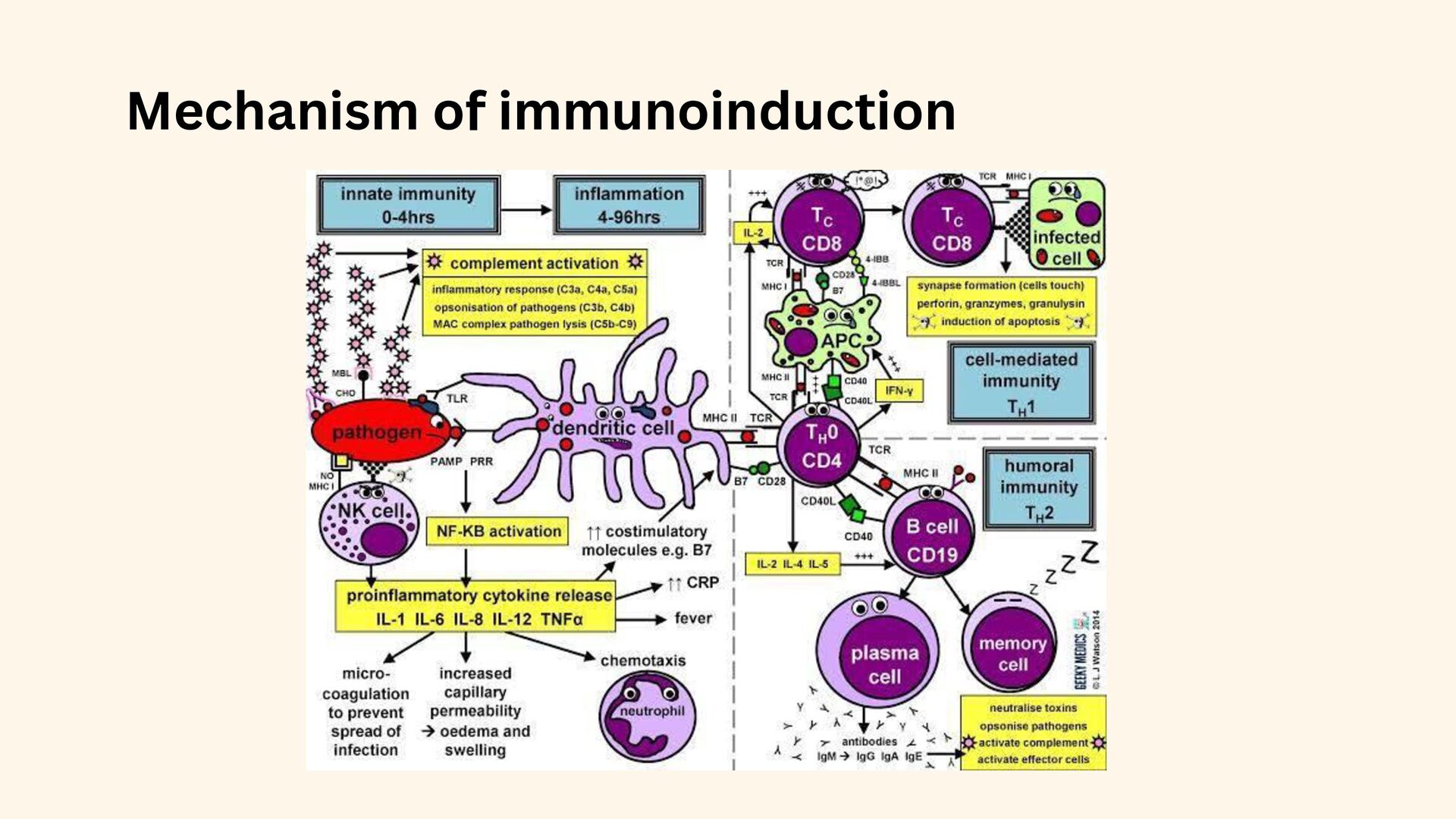
    TNFα, and IFN-γ drive leukocyte recruitment, fever, acute-phase protein synthesis, and Th1 differentiation. • Anti-inflammatory & Regulatory Network: IL-10 and TGF-β suppress macrophage activation, downregulate MHC Class II/costimulatory molecules, and promote Treg function. • Th1 / Th2 Cytokine Equilibrium: Th1 cytokines (IFN-γ, IL-2) drive cell-mediated immunity, whereas Th2 cytokines (IL-4, IL5, IL-13) govern humoral and allergic responses
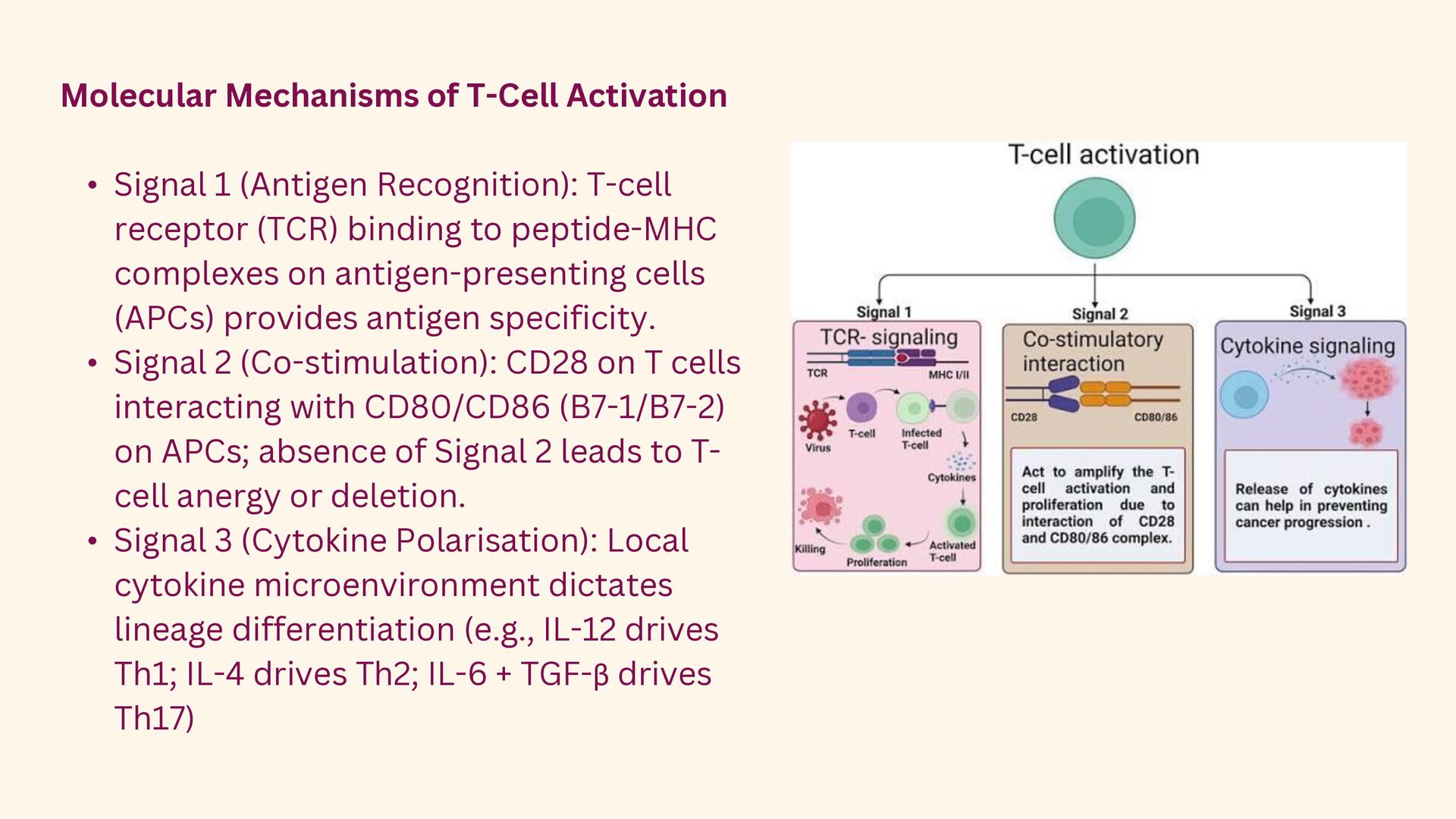
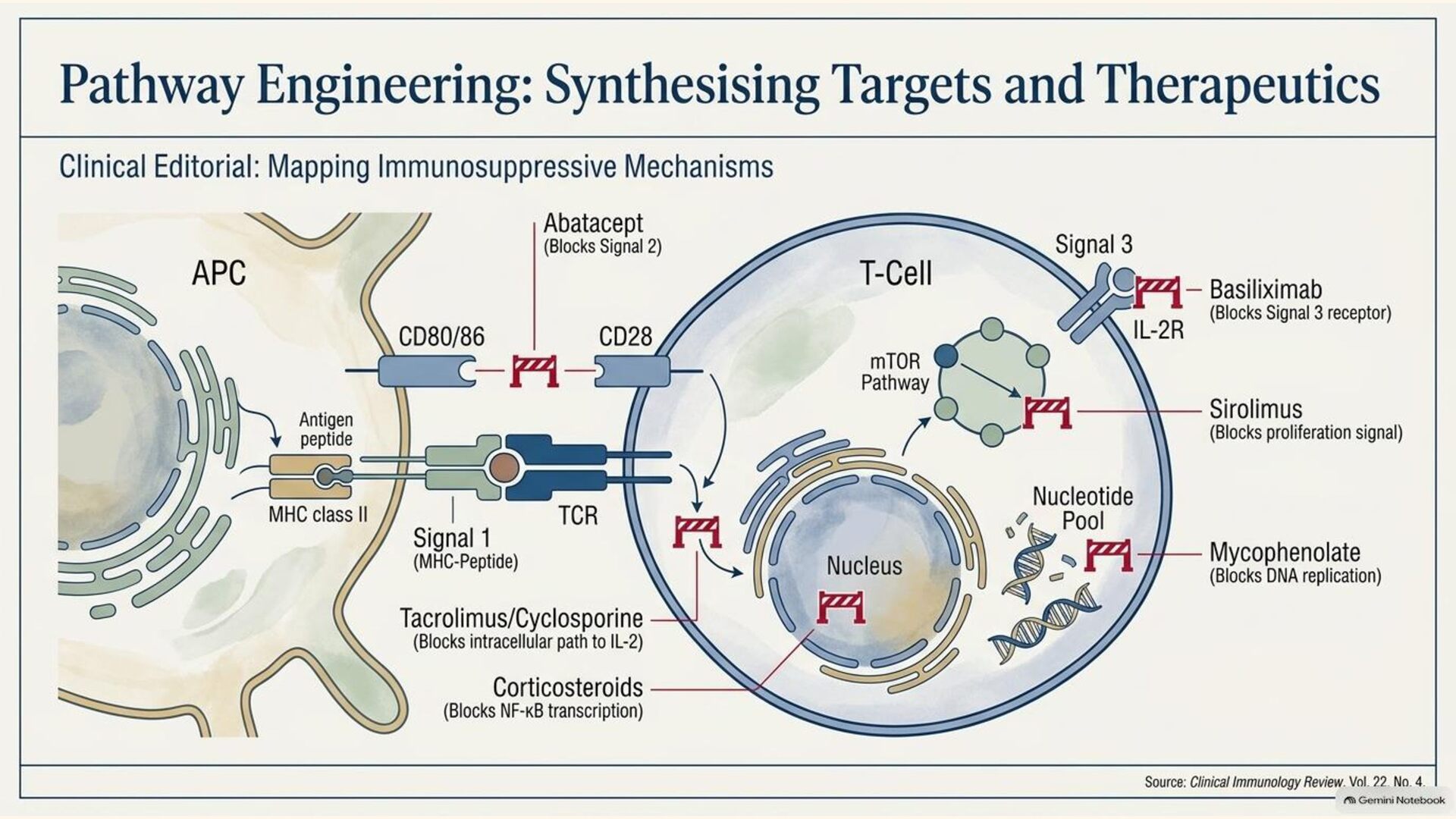
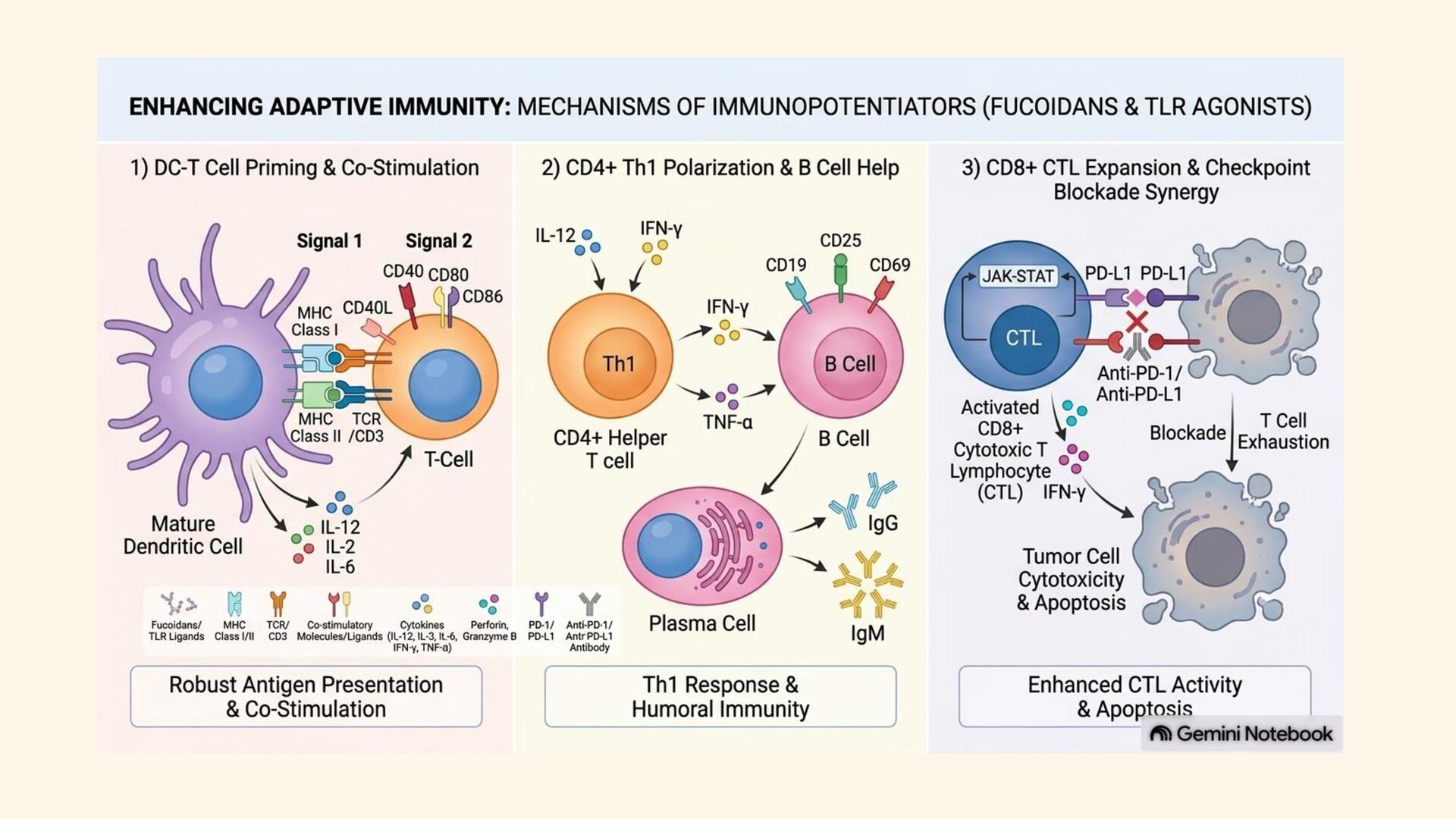
  14. Molecular Mechanisms of T-Cell Activation • Signal 1 (Antigen Recognition):

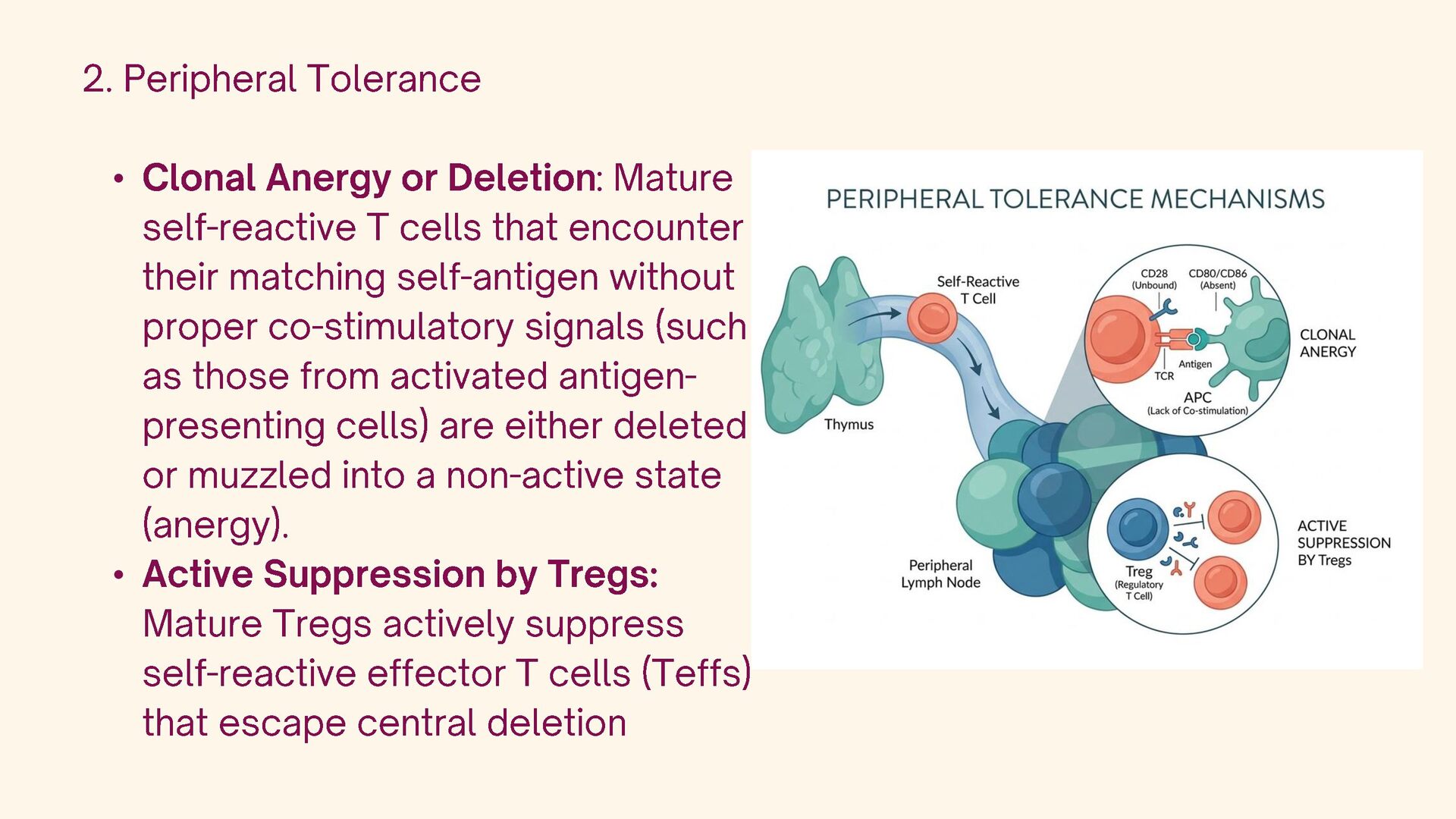
    T-cell receptor (TCR) binding to peptide-MHC complexes on antigen-presenting cells (APCs) provides antigen specificity. • Signal 2 (Co-stimulation): CD28 on T cells interacting with CD80/CD86 (B7-1/B7-2) on APCs; absence of Signal 2 leads to Tcell anergy or deletion. • Signal 3 (Cytokine Polarisation): Local cytokine microenvironment dictates lineage differentiation (e.g., IL-12 drives Th1; IL-4 drives Th2; IL-6 + TGF-β drives Th17)
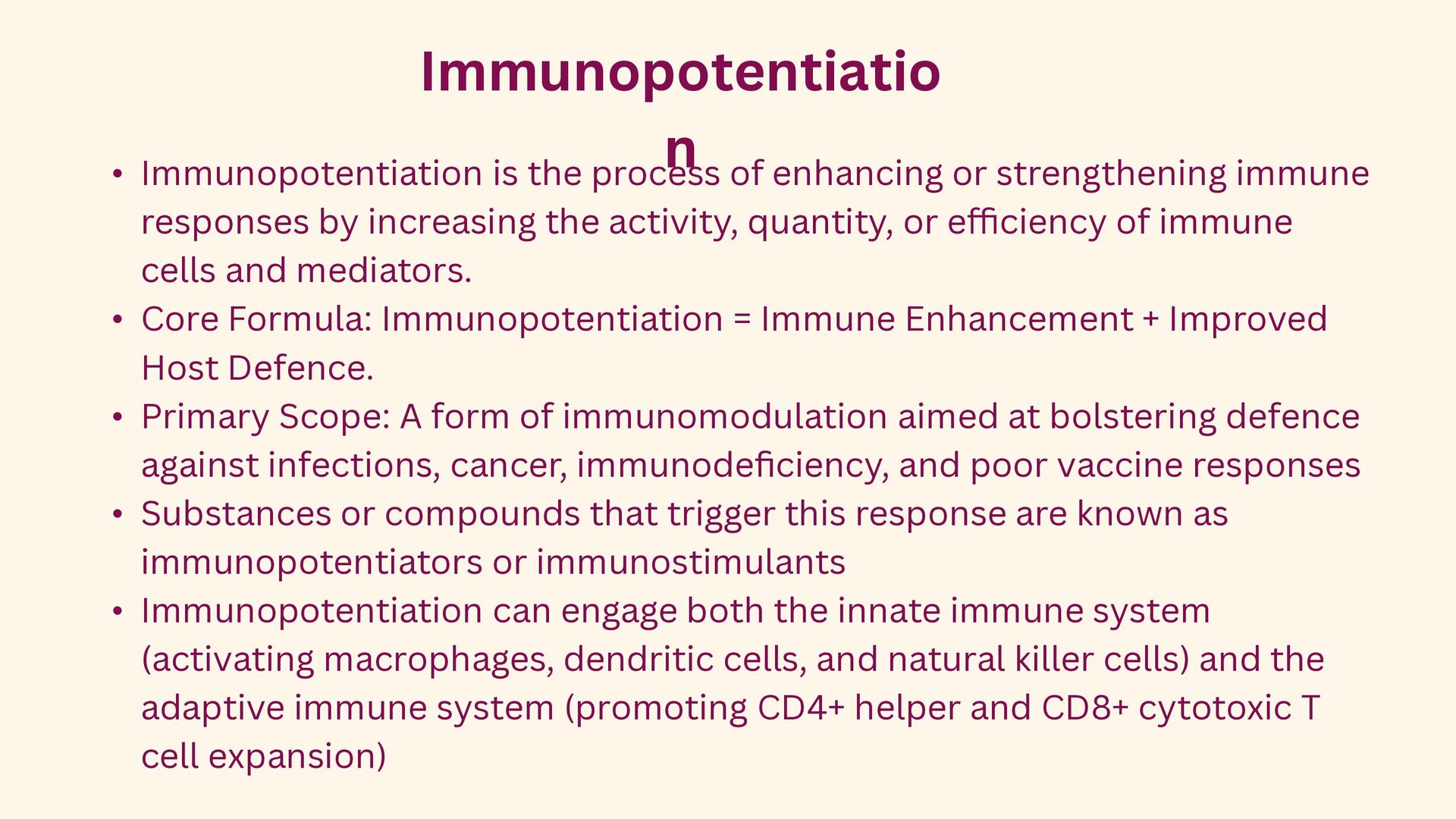
  15. Immunopotentiatio n • Immunopotentiation is the process of enhancing or

    strengthening immune responses by increasing the activity, quantity, or efficiency of immune cells and mediators. • Core Formula: Immunopotentiation = Immune Enhancement + Improved Host Defence. • Primary Scope: A form of immunomodulation aimed at bolstering defence against infections, cancer, immunodeficiency, and poor vaccine responses • Substances or compounds that trigger this response are known as immunopotentiators or immunostimulants • Immunopotentiation can engage both the innate immune system (activating macrophages, dendritic cells, and natural killer cells) and the adaptive immune system (promoting CD4+ helper and CD8+ cytotoxic T cell expansion)
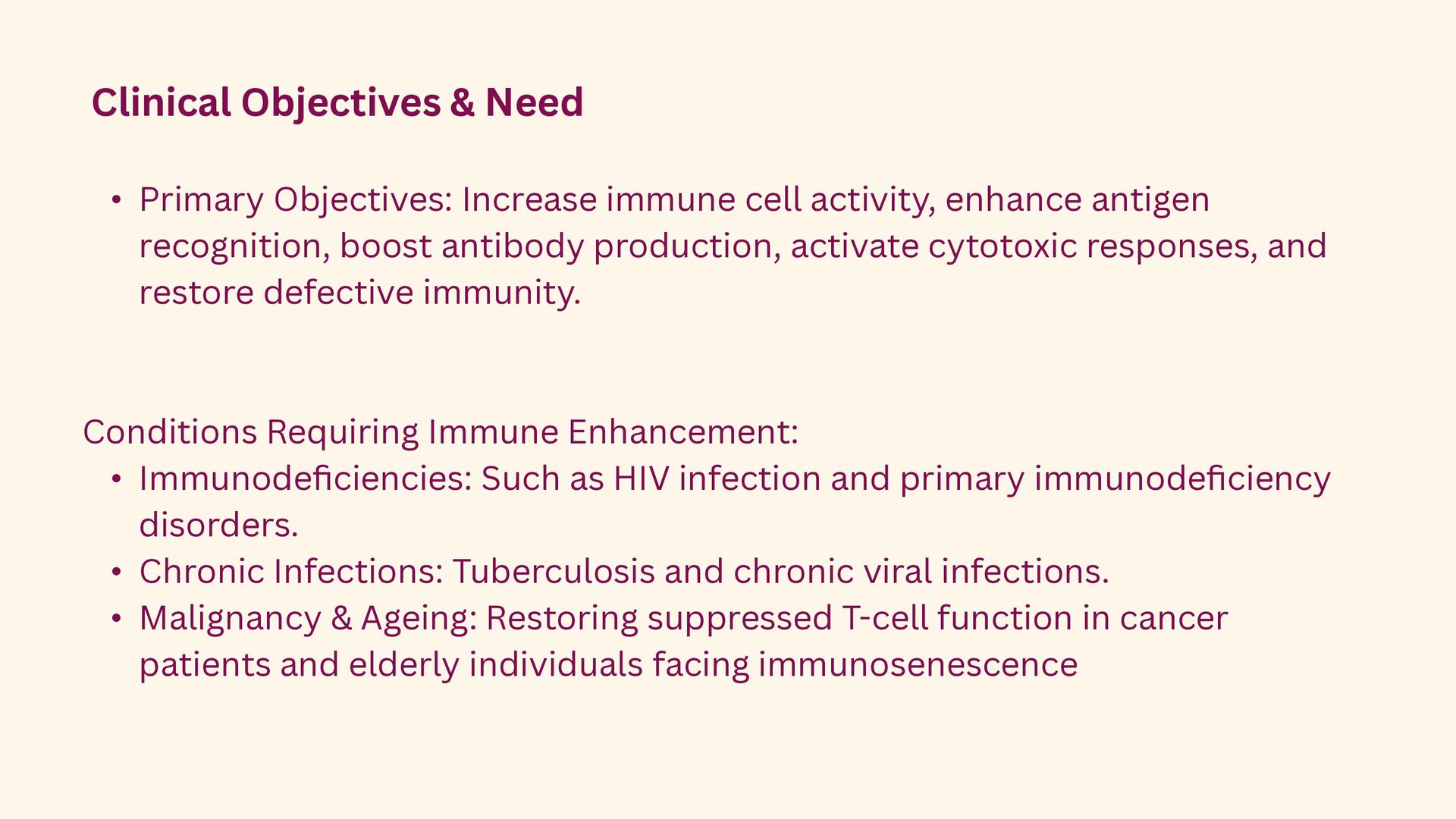
  16. Clinical Objectives & Need • Primary Objectives: Increase immune cell

    activity, enhance antigen recognition, boost antibody production, activate cytotoxic responses, and restore defective immunity. Conditions Requiring Immune Enhancement: • Immunodeficiencies: Such as HIV infection and primary immunodeficiency disorders. • Chronic Infections: Tuberculosis and chronic viral infections. • Malignancy & Ageing: Restoring suppressed T-cell function in cancer patients and elderly individuals facing immunosenescence
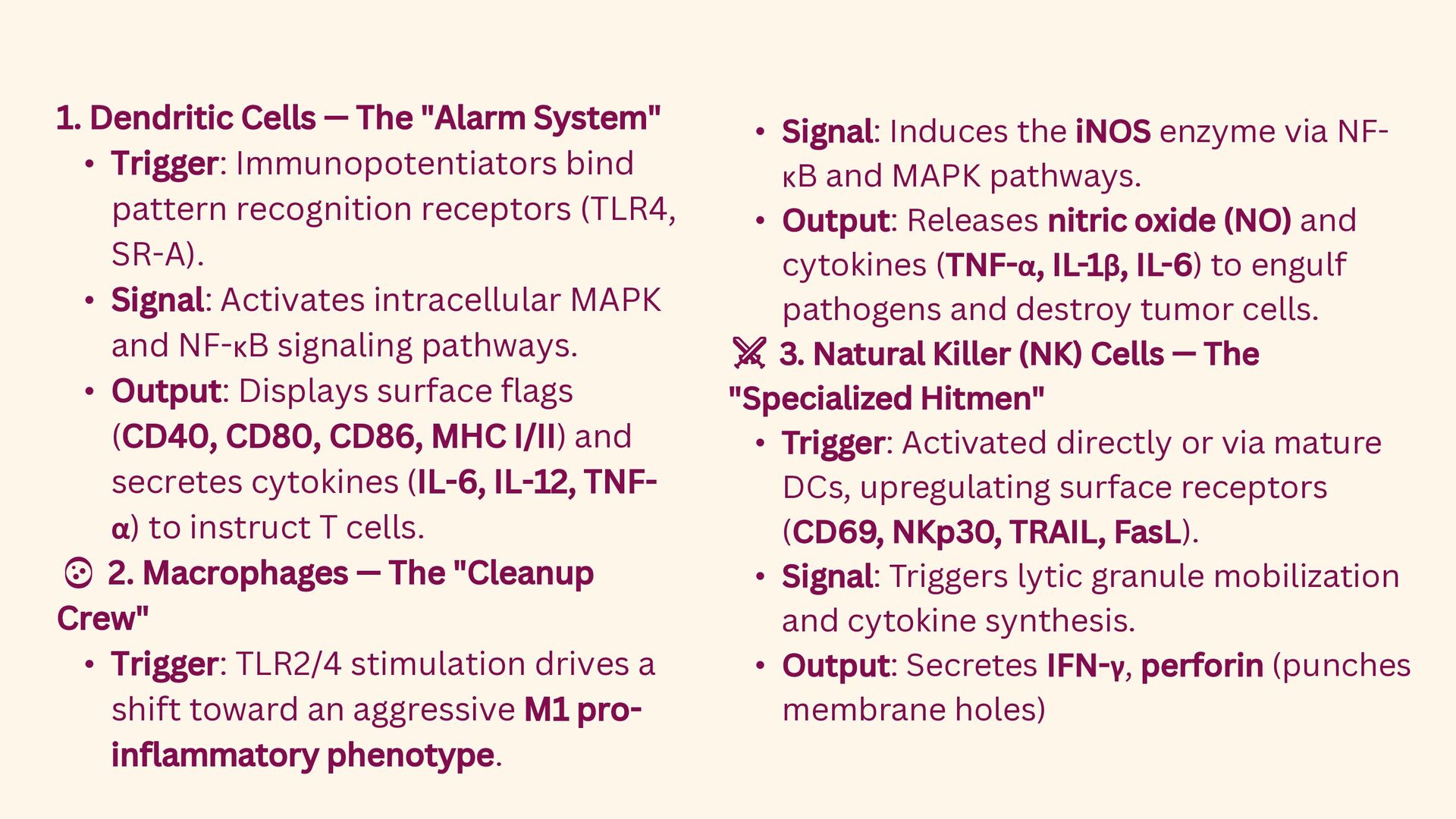
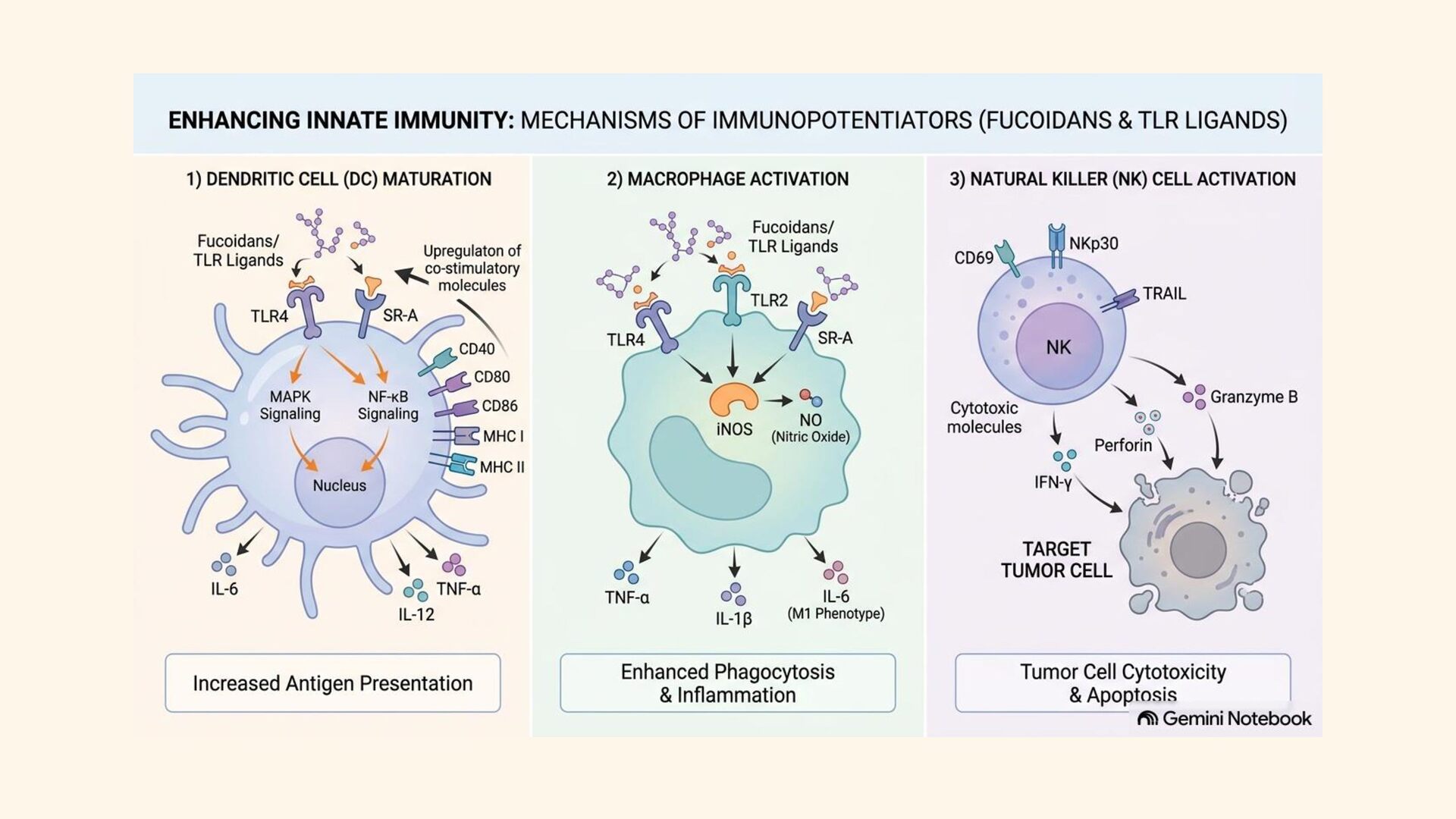
  17. 1. Dendritic Cells — The "Alarm System" • Trigger: Immunopotentiators

    bind pattern recognition receptors (TLR4, SR-A). • Signal: Activates intracellular MAPK and NF-κB signaling pathways. • Output: Displays surface flags (CD40, CD80, CD86, MHC I/II) and secretes cytokines (IL-6, IL-12, TNFα) to instruct T cells. 🧫 2. Macrophages — The "Cleanup Crew" • Trigger: TLR2/4 stimulation drives a shift toward an aggressive M1 proinflammatory phenotype. • Signal: Induces the iNOS enzyme via NFκB and MAPK pathways. • Output: Releases nitric oxide (NO) and cytokines (TNF-α, IL-1β, IL-6) to engulf pathogens and destroy tumor cells. ⚔️ 3. Natural Killer (NK) Cells — The "Specialized Hitmen" • Trigger: Activated directly or via mature DCs, upregulating surface receptors (CD69, NKp30, TRAIL, FasL). • Signal: Triggers lytic granule mobilization and cytokine synthesis. • Output: Secretes IFN-γ, perforin (punches membrane holes)
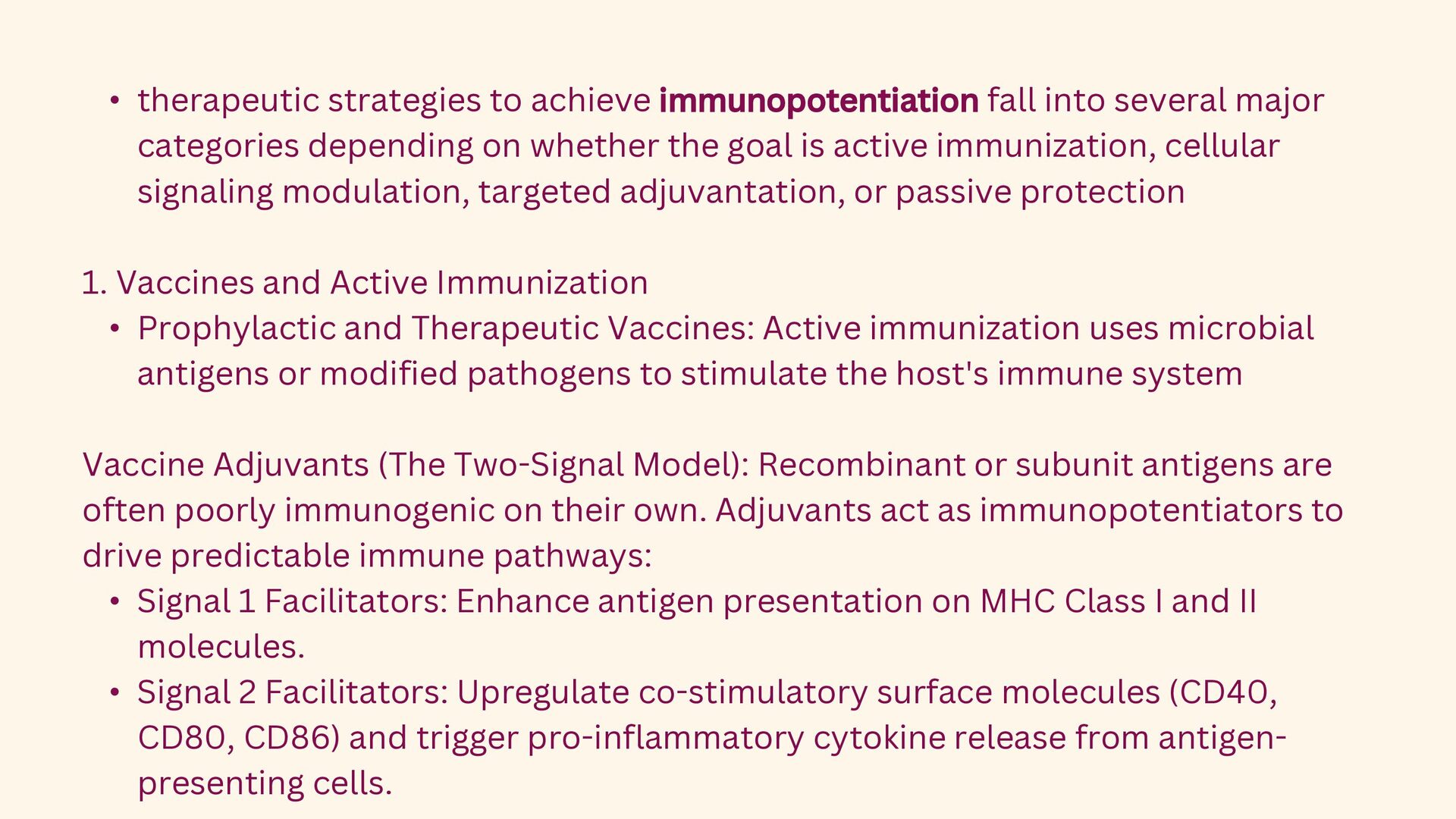
  18. • therapeutic strategies to achieve immunopotentiation fall into several major

    categories depending on whether the goal is active immunization, cellular signaling modulation, targeted adjuvantation, or passive protection 1. Vaccines and Active Immunization • Prophylactic and Therapeutic Vaccines: Active immunization uses microbial antigens or modified pathogens to stimulate the host's immune system Vaccine Adjuvants (The Two-Signal Model): Recombinant or subunit antigens are often poorly immunogenic on their own. Adjuvants act as immunopotentiators to drive predictable immune pathways: • Signal 1 Facilitators: Enhance antigen presentation on MHC Class I and II molecules. • Signal 2 Facilitators: Upregulate co-stimulatory surface molecules (CD40, CD80, CD86) and trigger pro-inflammatory cytokine release from antigenpresenting cells.
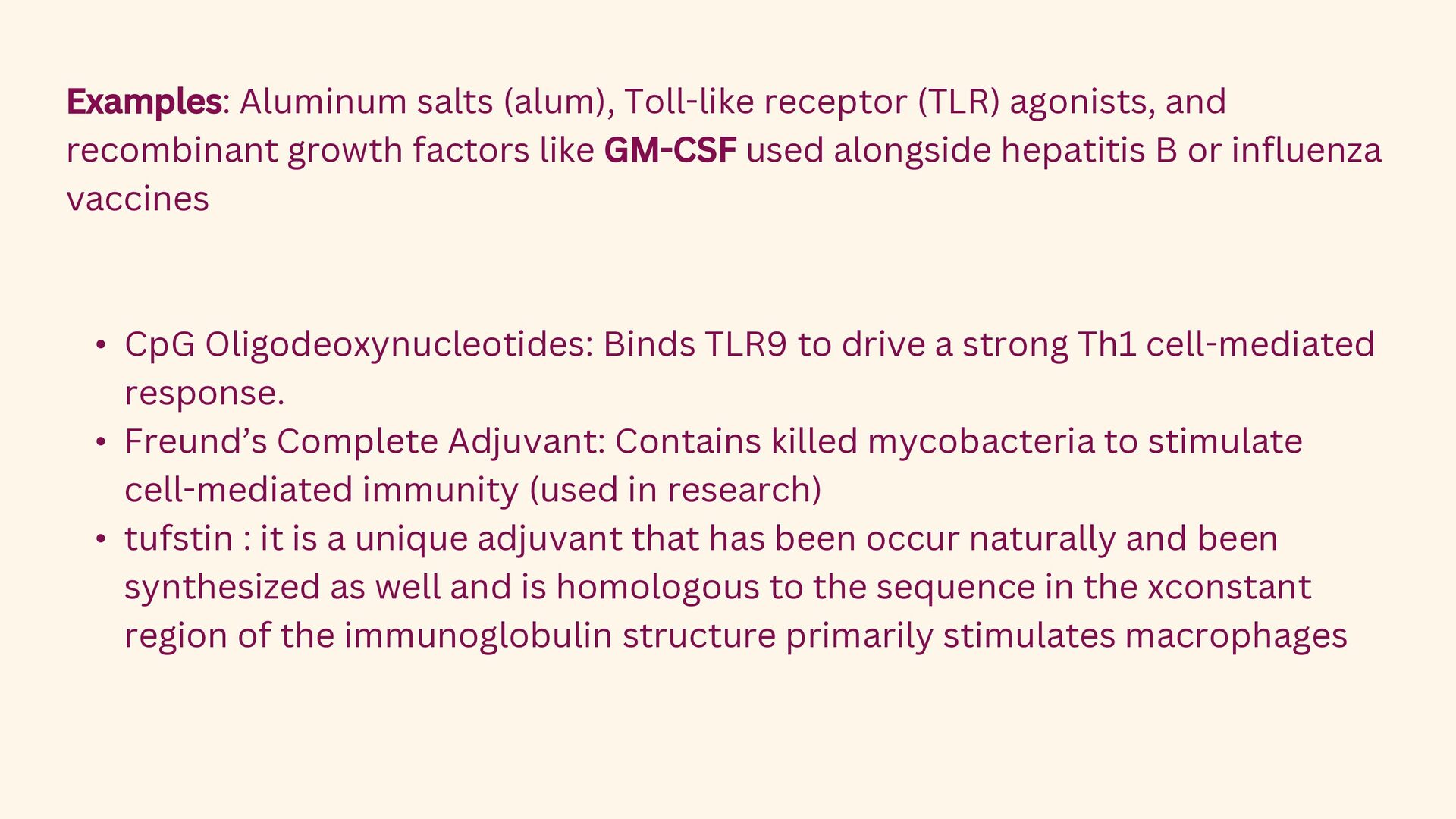
  19. Examples: Aluminum salts (alum), Toll-like receptor (TLR) agonists, and recombinant

    growth factors like GM-CSF used alongside hepatitis B or influenza vaccines • CpG Oligodeoxynucleotides: Binds TLR9 to drive a strong Th1 cell-mediated response. • Freund’s Complete Adjuvant: Contains killed mycobacteria to stimulate cell-mediated immunity (used in research) • tufstin : it is a unique adjuvant that has been occur naturally and been synthesized as well and is homologous to the sequence in the xconstant region of the immunoglobulin structure primarily stimulates macrophages
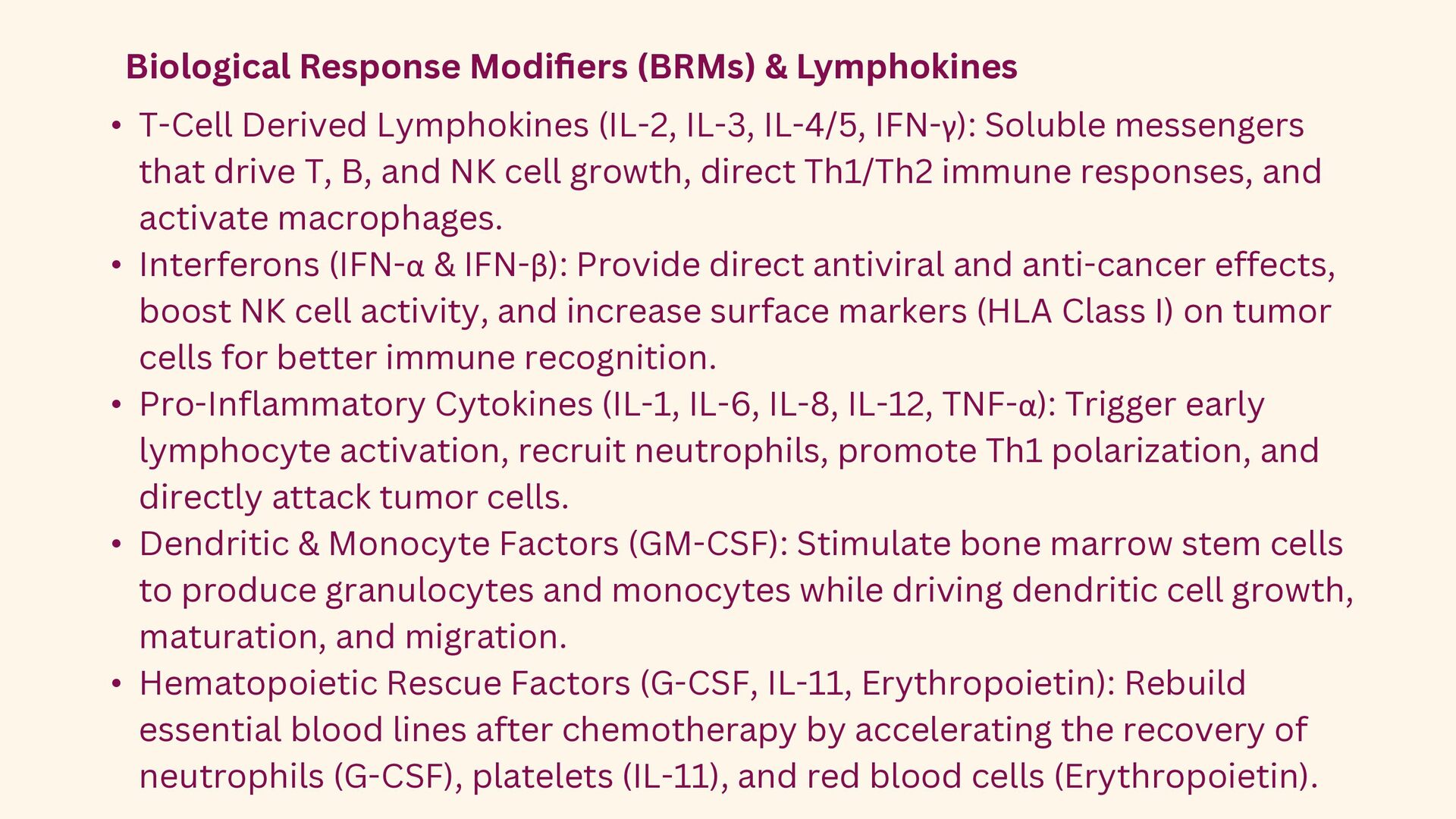
  20. Biological Response Modifiers (BRMs) & Lymphokines • T-Cell Derived Lymphokines

    (IL-2, IL-3, IL-4/5, IFN-γ): Soluble messengers that drive T, B, and NK cell growth, direct Th1/Th2 immune responses, and activate macrophages. • Interferons (IFN-α & IFN-β): Provide direct antiviral and anti-cancer effects, boost NK cell activity, and increase surface markers (HLA Class I) on tumor cells for better immune recognition. • Pro-Inflammatory Cytokines (IL-1, IL-6, IL-8, IL-12, TNF-α): Trigger early lymphocyte activation, recruit neutrophils, promote Th1 polarization, and directly attack tumor cells. • Dendritic & Monocyte Factors (GM-CSF): Stimulate bone marrow stem cells to produce granulocytes and monocytes while driving dendritic cell growth, maturation, and migration. • Hematopoietic Rescue Factors (G-CSF, IL-11, Erythropoietin): Rebuild essential blood lines after chemotherapy by accelerating the recovery of neutrophils (G-CSF), platelets (IL-11), and red blood cells (Erythropoietin).
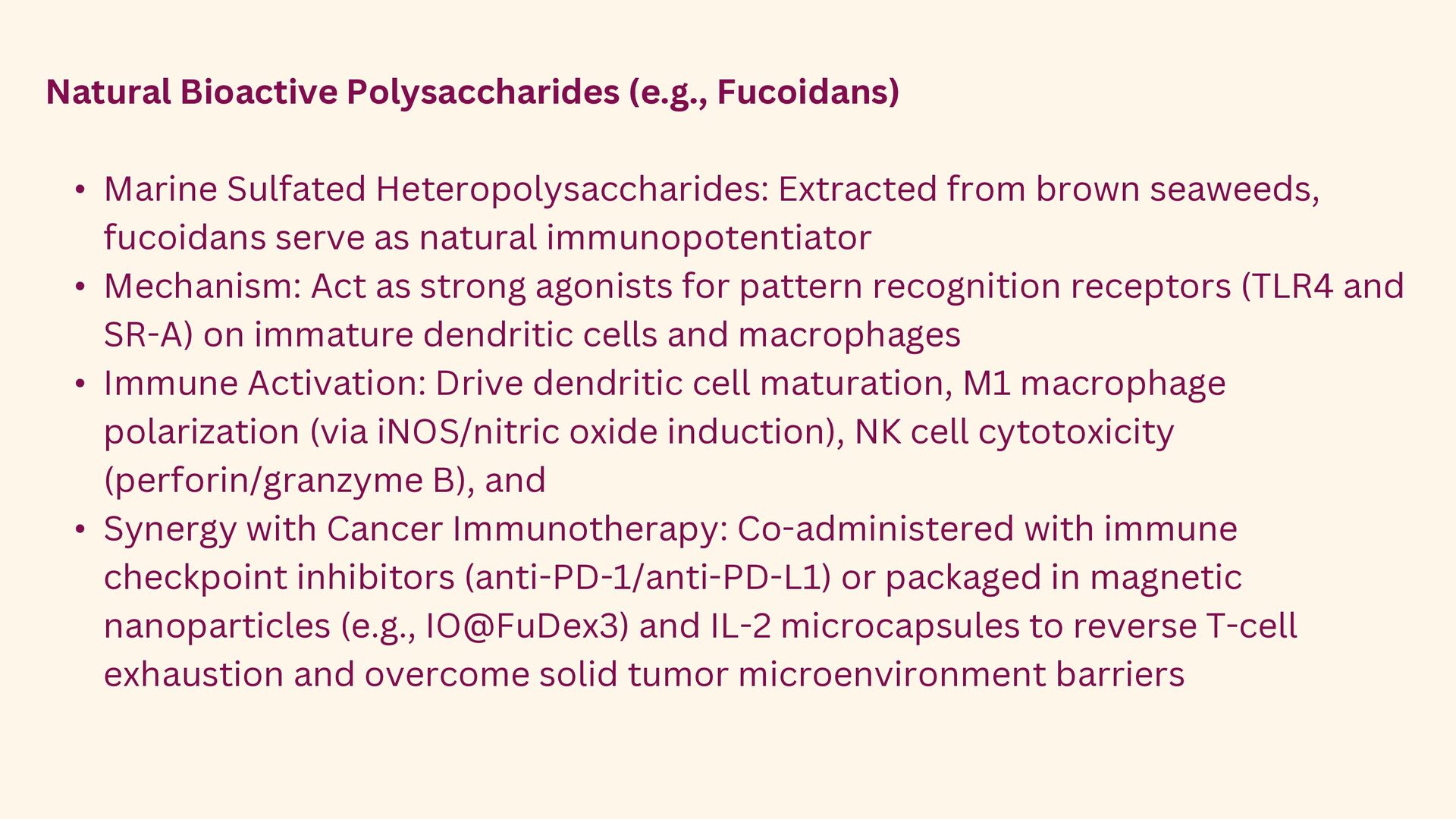
  21. Natural Bioactive Polysaccharides (e.g., Fucoidans) • Marine Sulfated Heteropolysaccharides: Extracted

    from brown seaweeds, fucoidans serve as natural immunopotentiator • Mechanism: Act as strong agonists for pattern recognition receptors (TLR4 and SR-A) on immature dendritic cells and macrophages • Immune Activation: Drive dendritic cell maturation, M1 macrophage polarization (via iNOS/nitric oxide induction), NK cell cytotoxicity (perforin/granzyme B), and • Synergy with Cancer Immunotherapy: Co-administered with immune checkpoint inhibitors (anti-PD-1/anti-PD-L1) or packaged in magnetic nanoparticles (e.g., IO@FuDex3) and IL-2 microcapsules to reverse T-cell exhaustion and overcome solid tumor microenvironment barriers
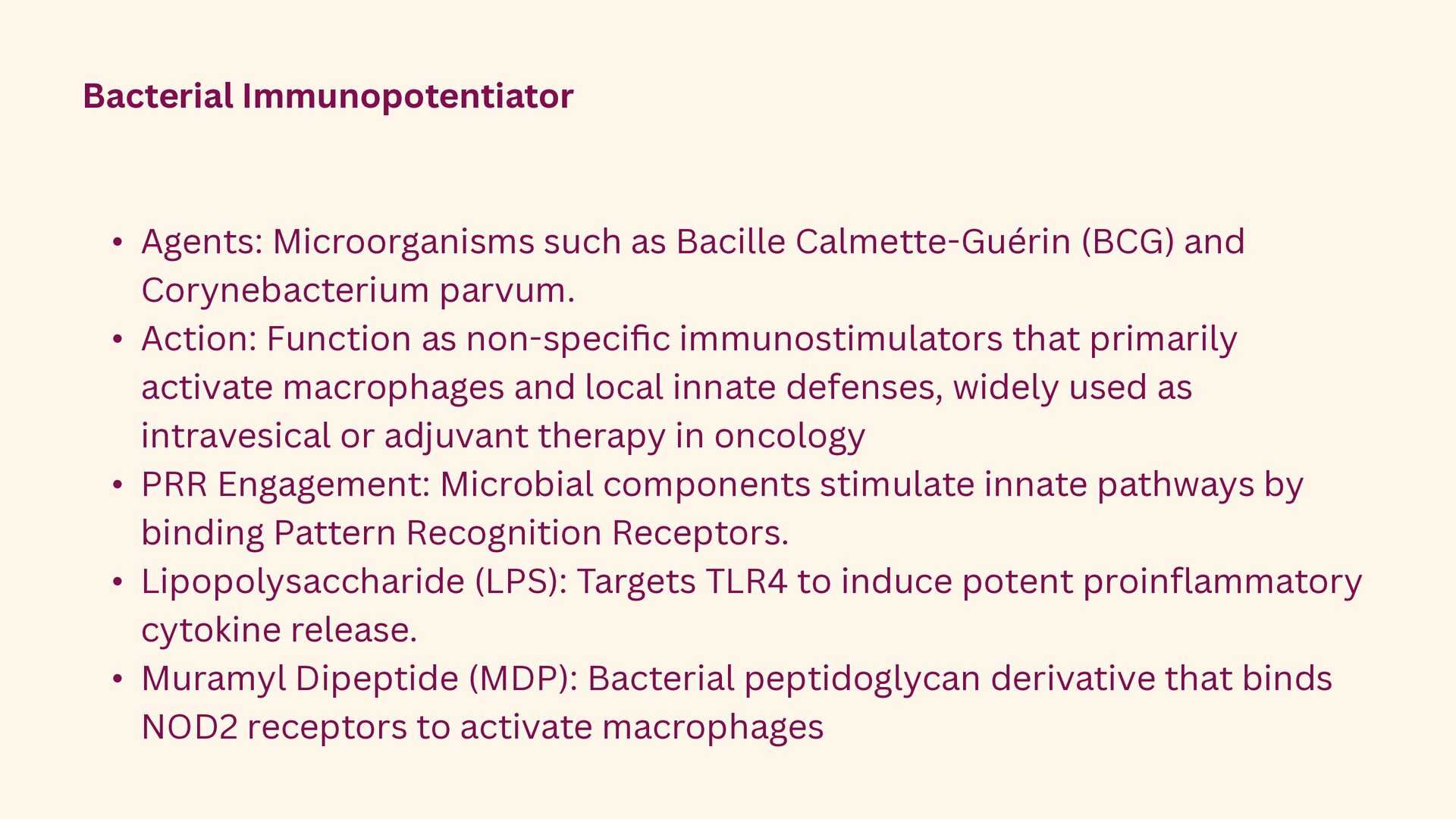
  22. Bacterial Immunopotentiator • Agents: Microorganisms such as Bacille Calmette-Guérin (BCG)

    and Corynebacterium parvum. • Action: Function as non-specific immunostimulators that primarily activate macrophages and local innate defenses, widely used as intravesical or adjuvant therapy in oncology • PRR Engagement: Microbial components stimulate innate pathways by binding Pattern Recognition Receptors. • Lipopolysaccharide (LPS): Targets TLR4 to induce potent proinflammatory cytokine release. • Muramyl Dipeptide (MDP): Bacterial peptidoglycan derivative that binds NOD2 receptors to activate macrophages
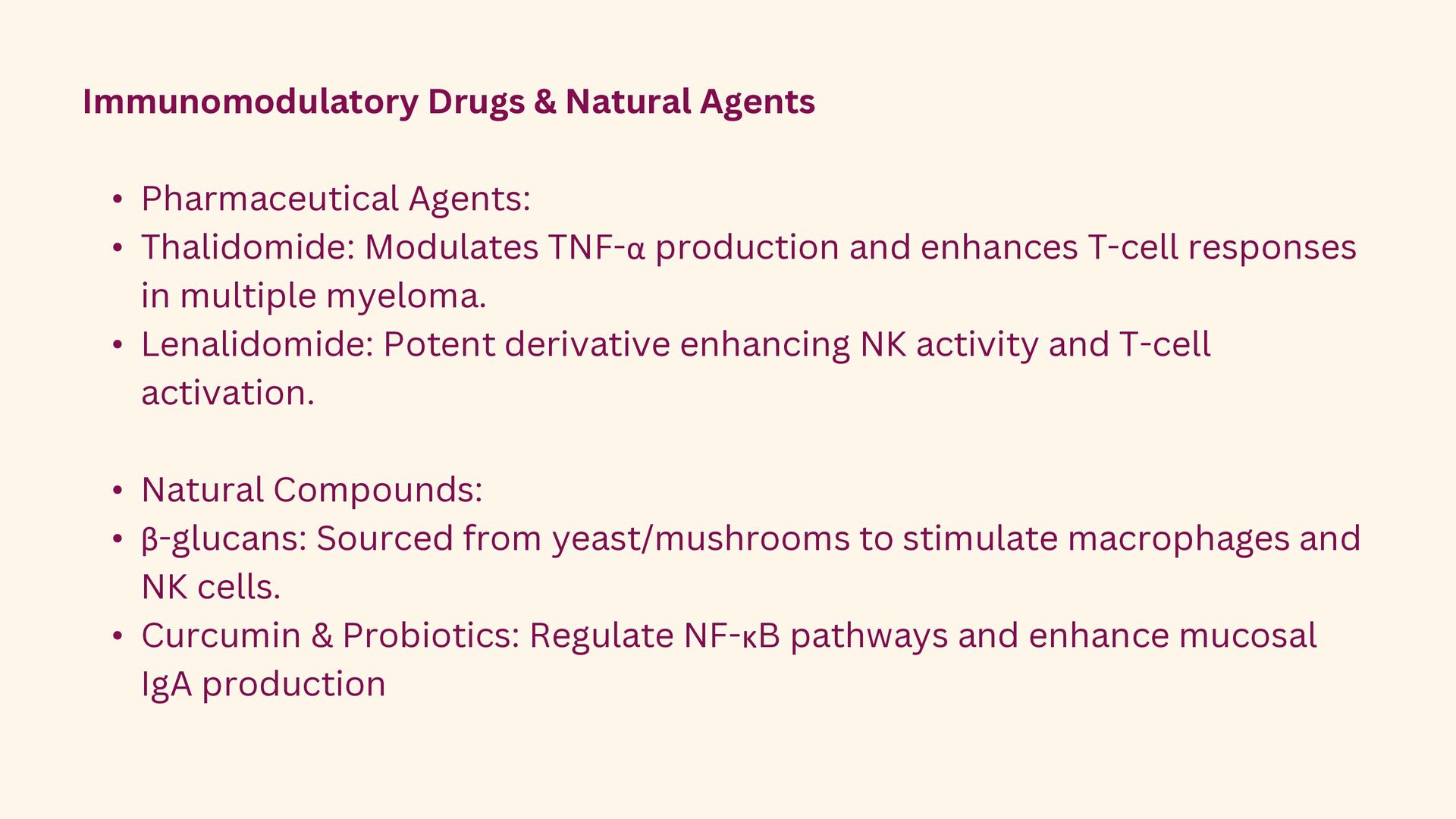
  23. Immunomodulatory Drugs & Natural Agents • Pharmaceutical Agents: • Thalidomide:

    Modulates TNF-α production and enhances T-cell responses in multiple myeloma. • Lenalidomide: Potent derivative enhancing NK activity and T-cell activation. • Natural Compounds: • β-glucans: Sourced from yeast/mushrooms to stimulate macrophages and NK cells. • Curcumin & Probiotics: Regulate NF-κB pathways and enhance mucosal IgA production
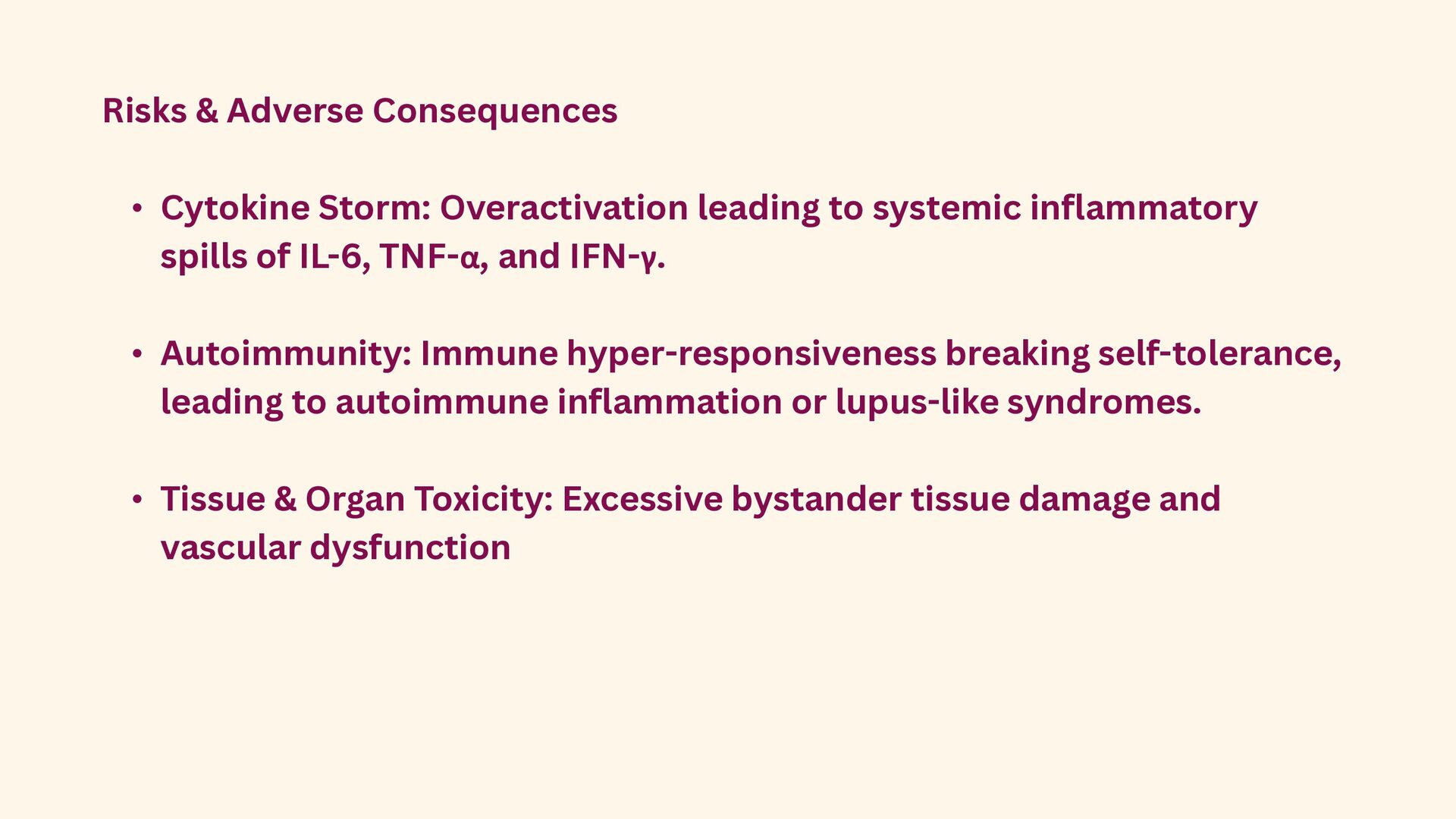
  24. Risks & Adverse Consequences • Cytokine Storm: Overactivation leading to

    systemic inflammatory spills of IL-6, TNF-α, and IFN-γ. • Autoimmunity: Immune hyper-responsiveness breaking self-tolerance, leading to autoimmune inflammation or lupus-like syndromes. • Tissue & Organ Toxicity: Excessive bystander tissue damage and vascular dysfunction
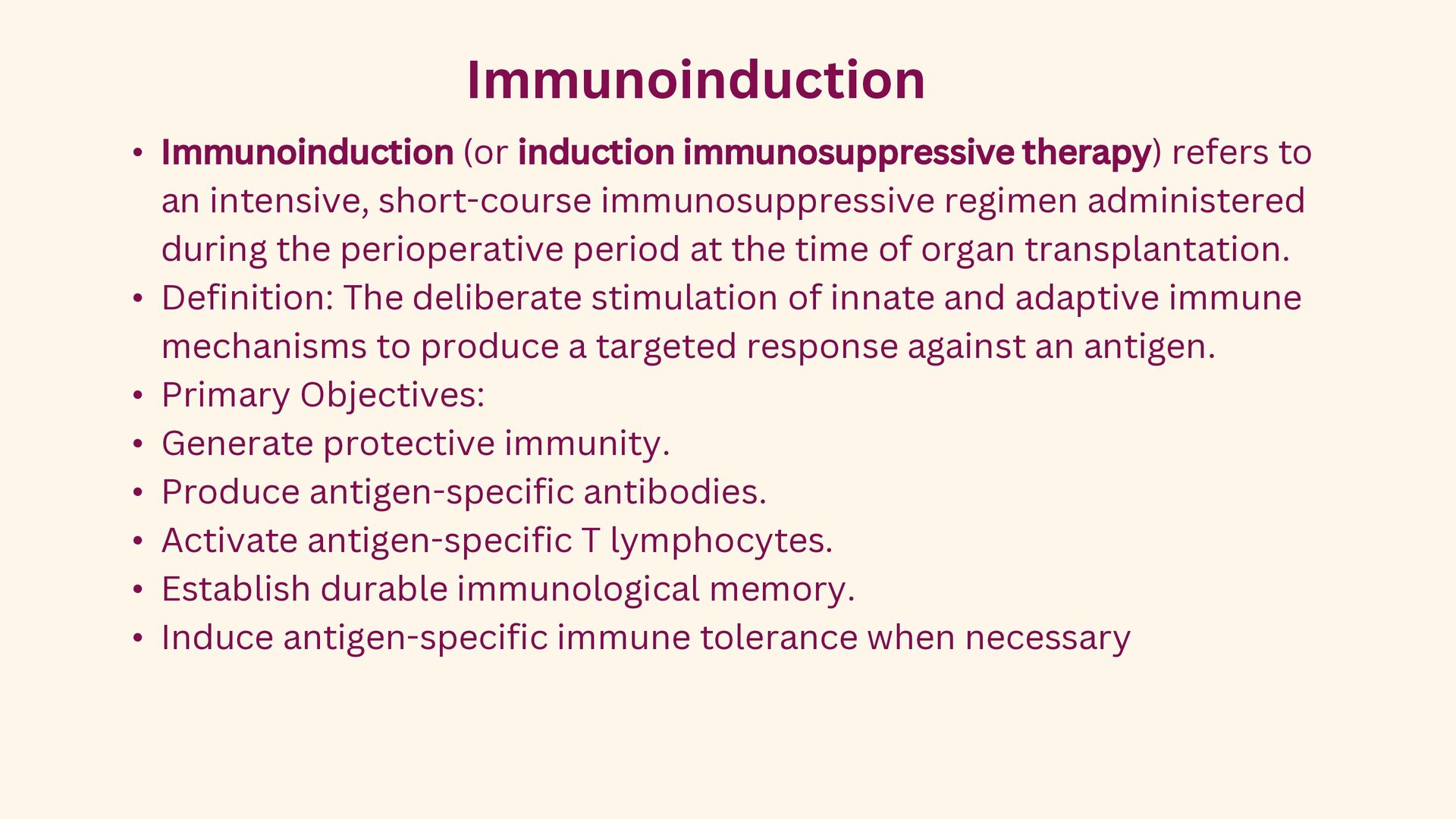
  25. Immunoinduction • Immunoinduction (or induction immunosuppressive therapy) refers to an

    intensive, short-course immunosuppressive regimen administered during the perioperative period at the time of organ transplantation. • Definition: The deliberate stimulation of innate and adaptive immune mechanisms to produce a targeted response against an antigen. • Primary Objectives: • Generate protective immunity. • Produce antigen-specific antibodies. • Activate antigen-specific T lymphocytes. • Establish durable immunological memory. • Induce antigen-specific immune tolerance when necessary
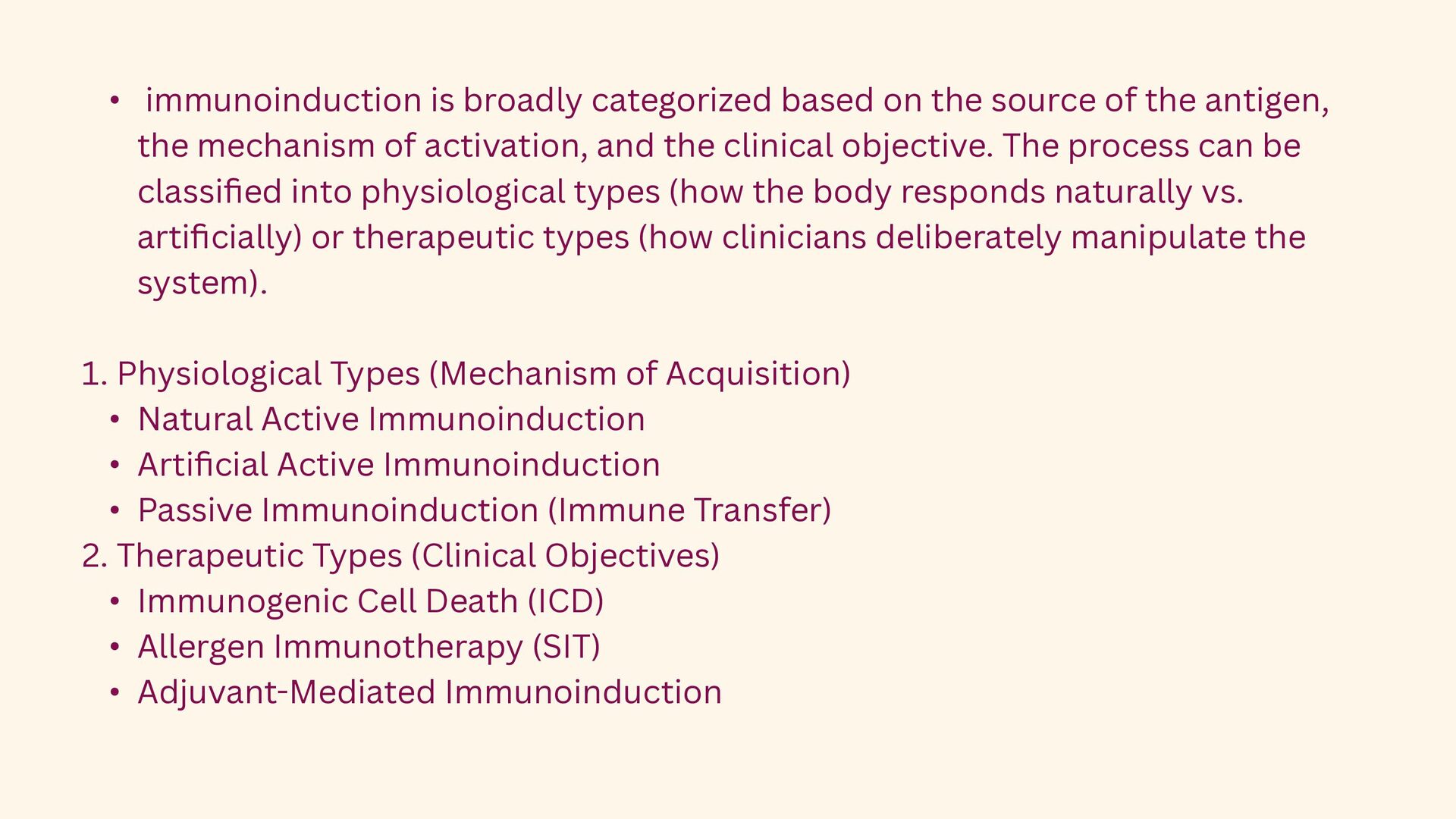
  26. • immunoinduction is broadly categorized based on the source of

    the antigen, the mechanism of activation, and the clinical objective. The process can be classified into physiological types (how the body responds naturally vs. artificially) or therapeutic types (how clinicians deliberately manipulate the system). 1. Physiological Types (Mechanism of Acquisition) • Natural Active Immunoinduction • Artificial Active Immunoinduction • Passive Immunoinduction (Immune Transfer) 2. Therapeutic Types (Clinical Objectives) • Immunogenic Cell Death (ICD) • Allergen Immunotherapy (SIT) • Adjuvant-Mediated Immunoinduction
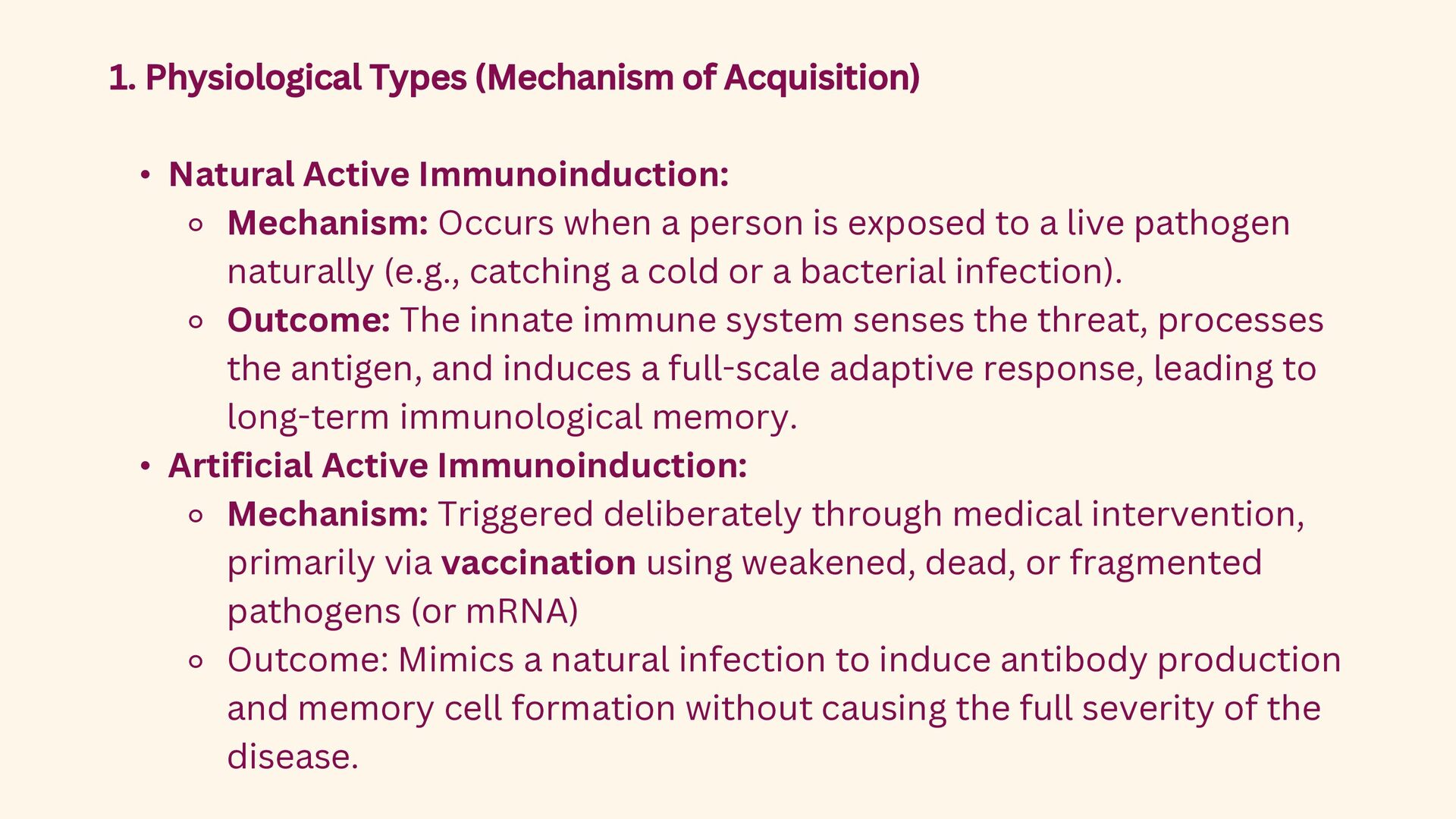
  27. 1. Physiological Types (Mechanism of Acquisition) • Natural Active Immunoinduction:

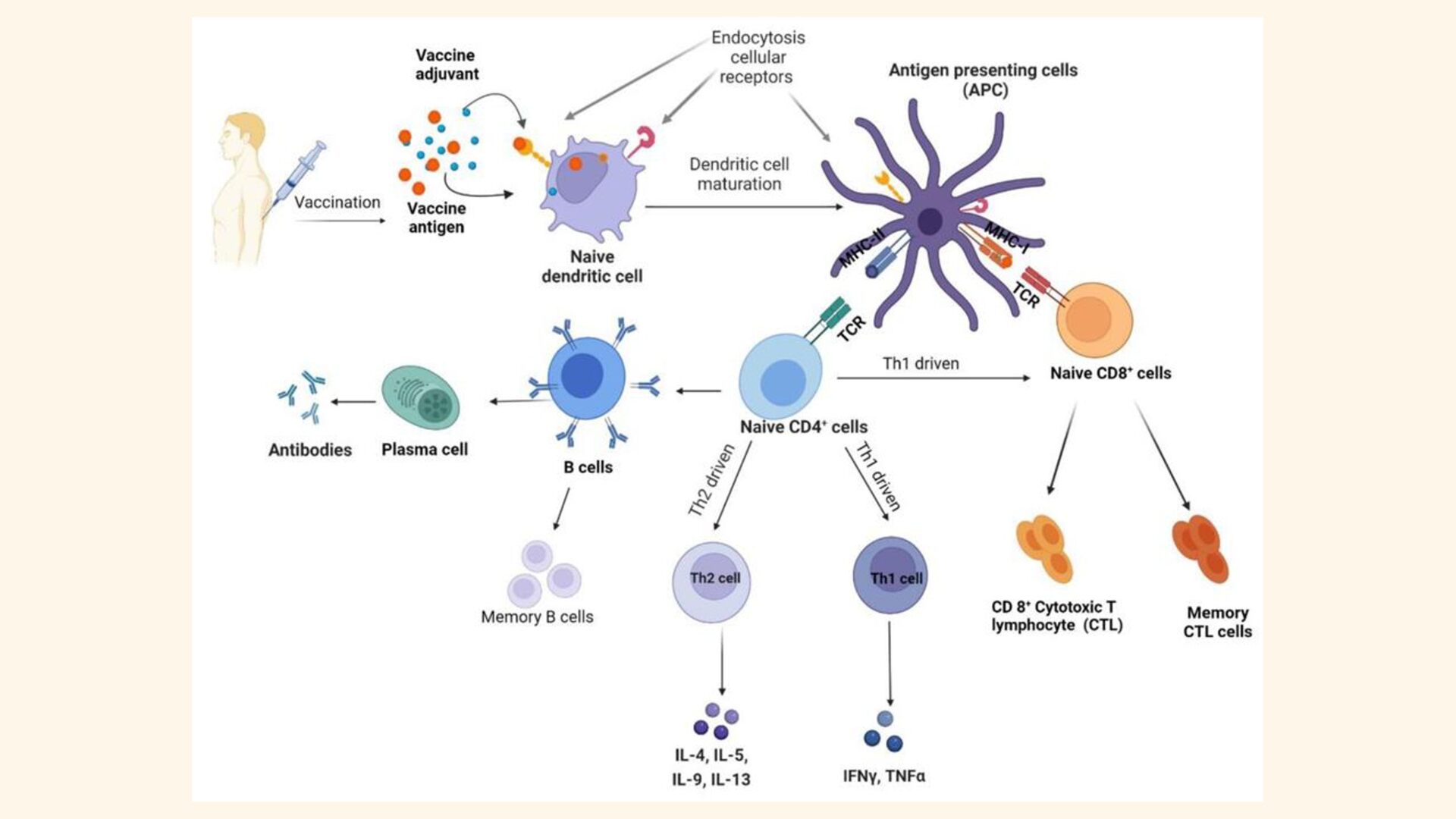
    ⚬ Mechanism: Occurs when a person is exposed to a live pathogen naturally (e.g., catching a cold or a bacterial infection). ⚬ Outcome: The innate immune system senses the threat, processes the antigen, and induces a full-scale adaptive response, leading to long-term immunological memory. • Artificial Active Immunoinduction: ⚬ Mechanism: Triggered deliberately through medical intervention, primarily via vaccination using weakened, dead, or fragmented pathogens (or mRNA) ⚬ Outcome: Mimics a natural infection to induce antibody production and memory cell formation without causing the full severity of the disease.
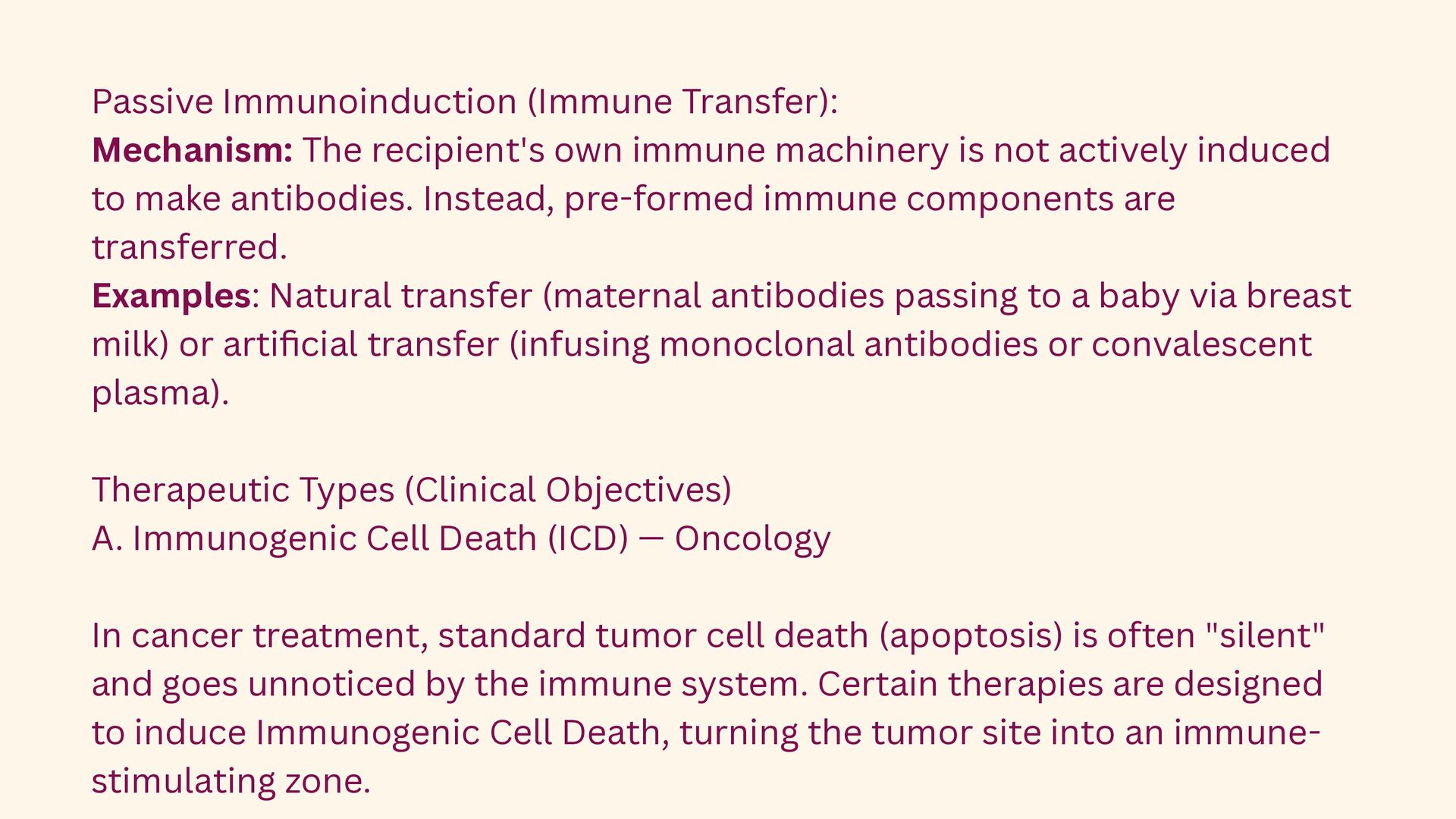
  28. Passive Immunoinduction (Immune Transfer): Mechanism: The recipient's own immune machinery

    is not actively induced to make antibodies. Instead, pre-formed immune components are transferred. Examples: Natural transfer (maternal antibodies passing to a baby via breast milk) or artificial transfer (infusing monoclonal antibodies or convalescent plasma). Therapeutic Types (Clinical Objectives) A. Immunogenic Cell Death (ICD) — Oncology In cancer treatment, standard tumor cell death (apoptosis) is often "silent" and goes unnoticed by the immune system. Certain therapies are designed to induce Immunogenic Cell Death, turning the tumor site into an immunestimulating zone.
  29. • Mechanism: Chemotherapy (like anthracyclines), radiation, or oncolytic viruses stress

    tumor cells, forcing them to release "danger signals" (DAMPs) such as calreticulin, ATP, and HMGB1. • Outcome: These signals aggressively induce local dendritic cells to engulf tumor antigens and mount a targeted attack against the cancer. B. Allergen Immunotherapy (SIT) — Allergy & Tolerance Paradoxically, immunoinduction can be used to train the immune system to stop overreacting to harmless substances (like pollen or peanut proteins). • Mechanism: Patients are given gradually increasing, controlled doses of an allergen.
  30. Outcome: This induces the expansion of Regulatory T cells 𝑻𝒓𝒆𝒈)

    and the production of IL-10 and TGF-β. It shifts the immune profile from hypersensitive 𝑇𝐻2 response to a tolerant, protective state. C. Adjuvant-Mediated Immunoinduction Many highly purified vaccine antigens are too weak on their own to catch the attention of the innate immune system. • Mechanism: Alum, oil-in-water emulsions, or microbial derivatives (adjuvants) are mixed with the antigen to create a local "depot" effect or directly stimulate Toll-Like Receptors (TLRs). • Outcome: This artificially induces strong localized inflammation, forcing Antigen-Presenting Cells to mature and drive robust T and B cell activation.
  31. Vaccine Platforms for Immunoinduction • Live Attenuated Vaccines: Contain weakened

    pathogens (e.g., BCG, MMR, oral polio); induce strong, durable responses but pose risks in immunocompromised individuals. • Inactivated & Subunit Vaccines: Utilize killed pathogens (e.g., IPV, Hepatitis A) or isolated components (e.g., Hepatitis B surface antigen); highly safe but often require booster doses. • Toxoid & mRNA Platforms: Toxoid vaccines use inactivated bacterial toxins (e.g., tetanus, diphtheria). mRNA vaccines direct host cell translation of antigen sequences, driving MHC presentation and immune activation (e.g., COVID-19 mRNA vaccines).
  32. Therapeutic Applications: Cancer & Allergy • Cancer Immunotherapy: ⚬ Cancer

    Vaccines: Stimulate tumour-specific T cells. ⚬ Adoptive Cell Therapy: Uses engineered cells, such as CAR-T cell therapy. ⚬ Checkpoint Blockade: Blocks inhibitory receptors like CTLA-4 and PD1 to unleash anti-tumour T cells. • Allergen Immunotherapy: ⚬ Repeated low-dose allergen exposure activates Tregs, decreases IgE, and increases blocking IgG4 antibodies to relieve allergic rhinitis and venom allergies
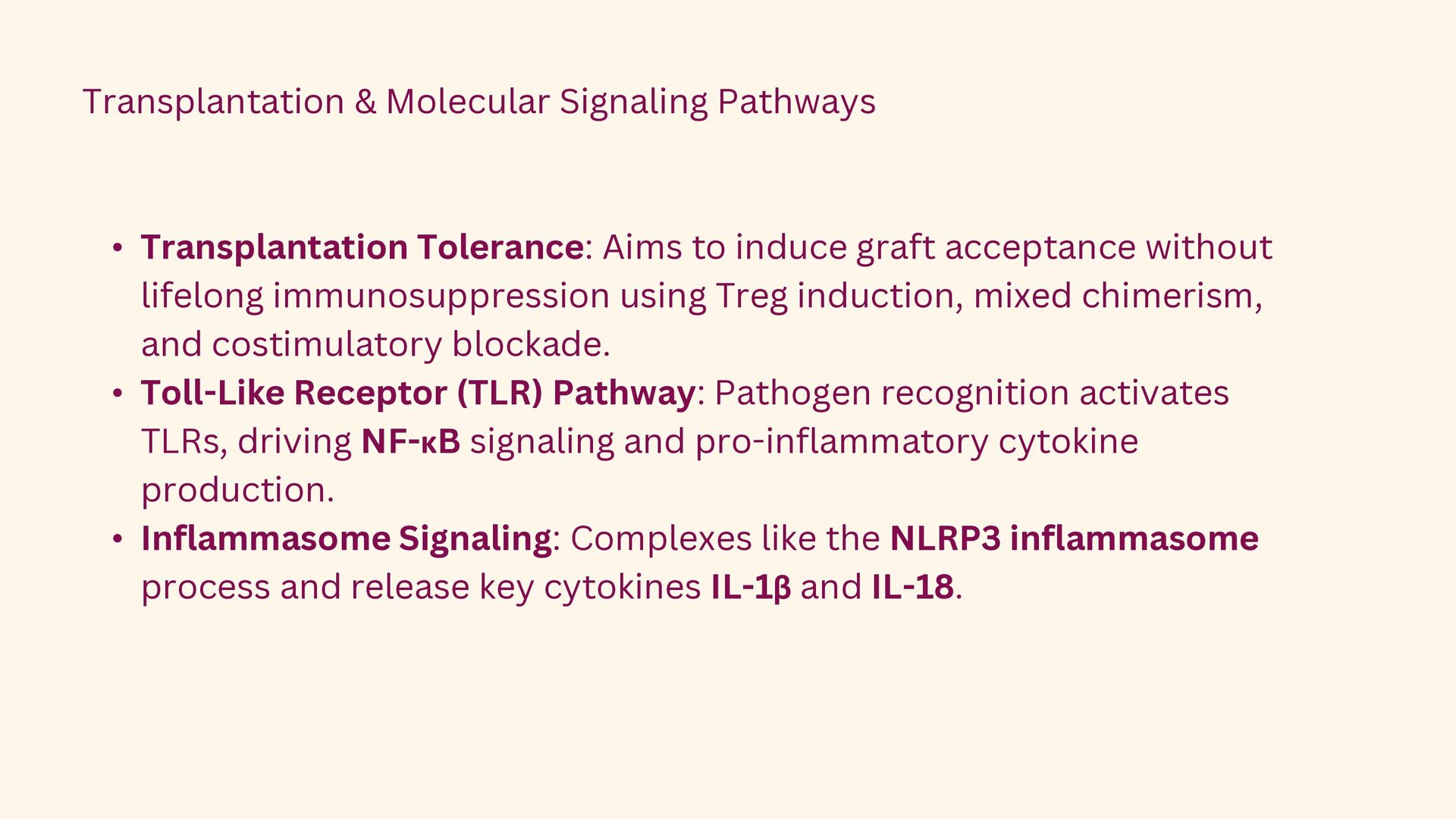
  33. Transplantation & Molecular Signaling Pathways • Transplantation Tolerance: Aims to

    induce graft acceptance without lifelong immunosuppression using Treg induction, mixed chimerism, and costimulatory blockade. • Toll-Like Receptor (TLR) Pathway: Pathogen recognition activates TLRs, driving NF-κB signaling and pro-inflammatory cytokine production. • Inflammasome Signaling: Complexes like the NLRP3 inflammasome process and release key cytokines IL-1β and IL-18.
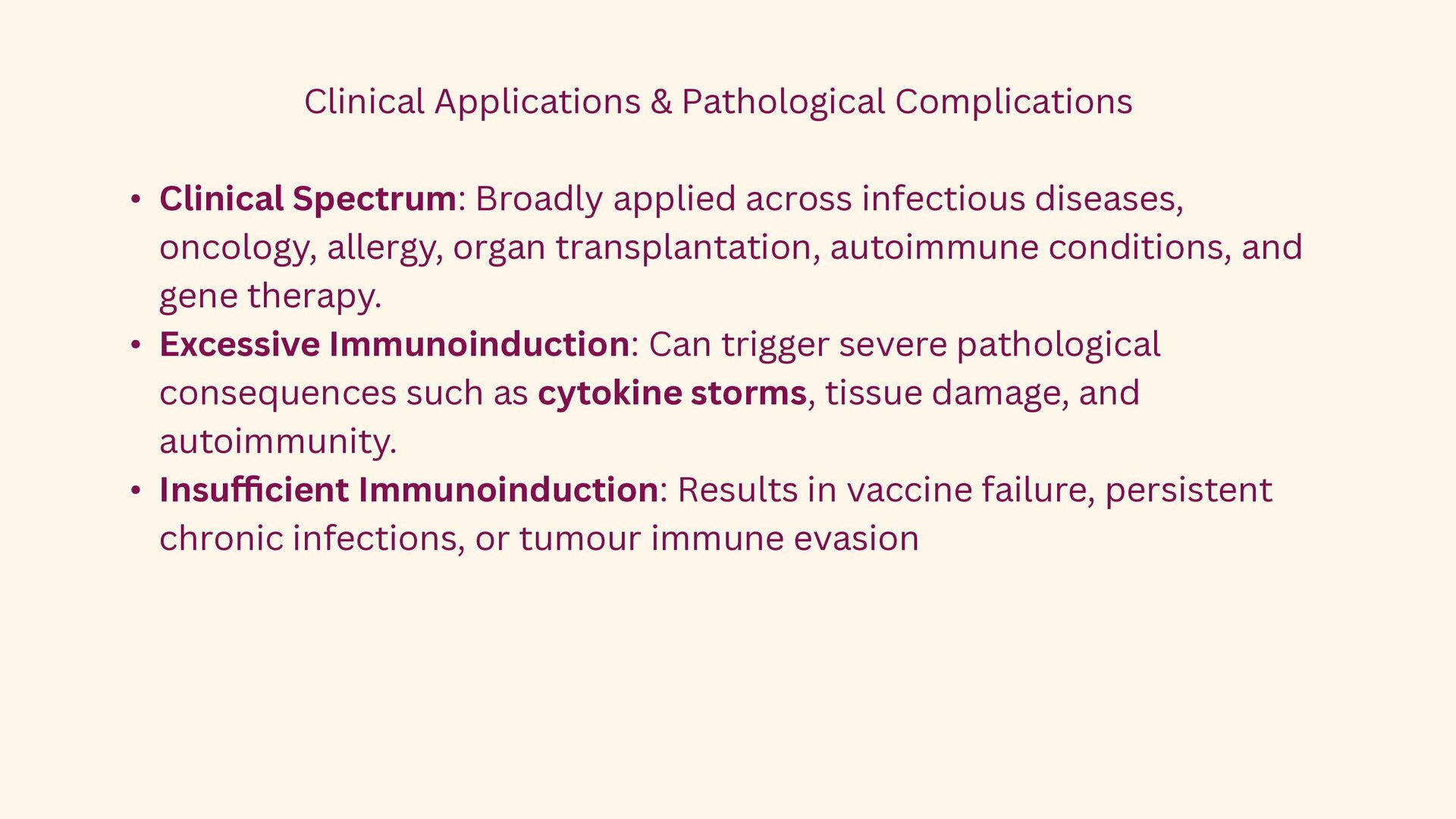
  34. Clinical Applications & Pathological Complications • Clinical Spectrum: Broadly applied

    across infectious diseases, oncology, allergy, organ transplantation, autoimmune conditions, and gene therapy. • Excessive Immunoinduction: Can trigger severe pathological consequences such as cytokine storms, tissue damage, and autoimmunity. • Insufficient Immunoinduction: Results in vaccine failure, persistent chronic infections, or tumour immune evasion