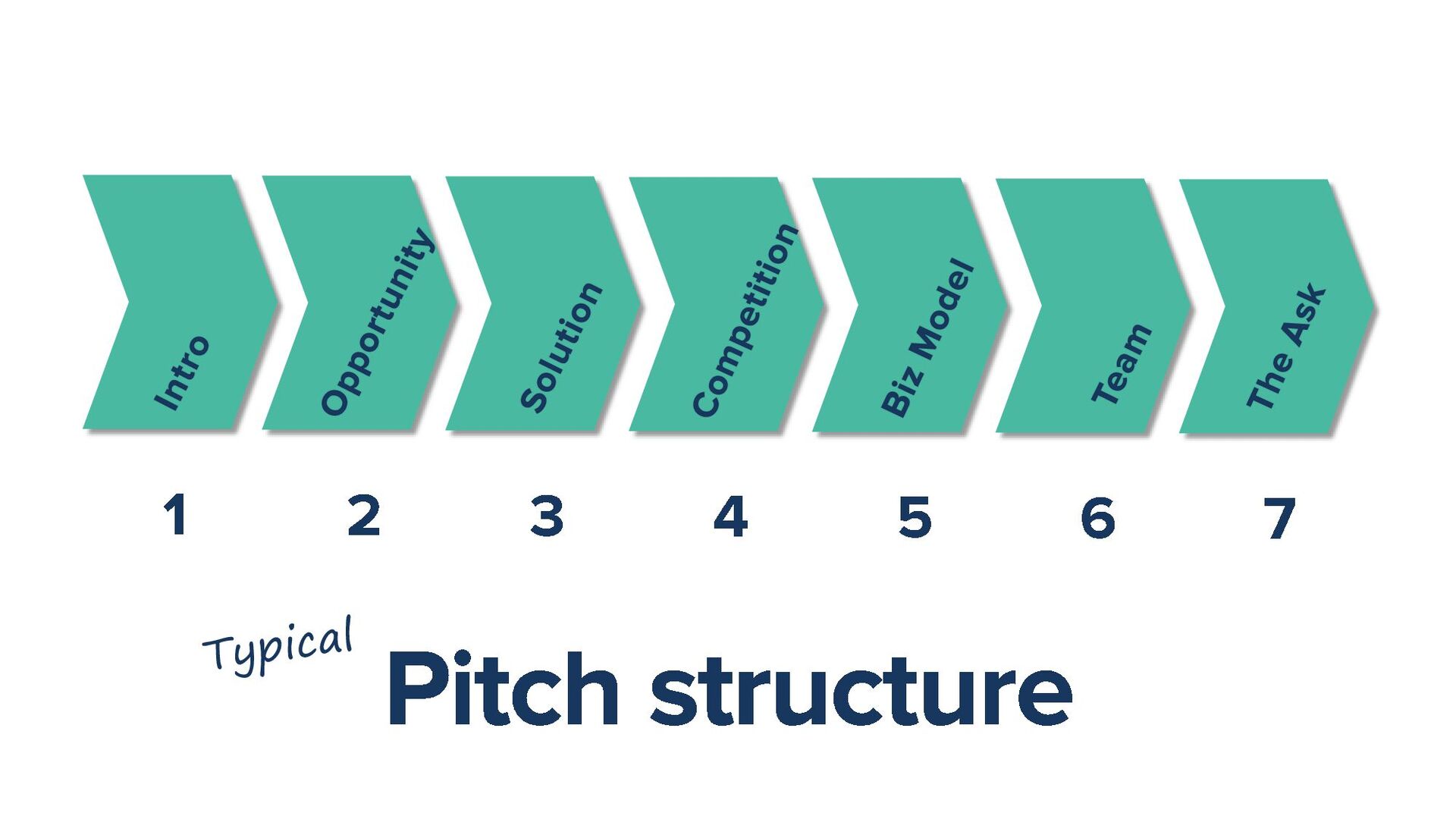
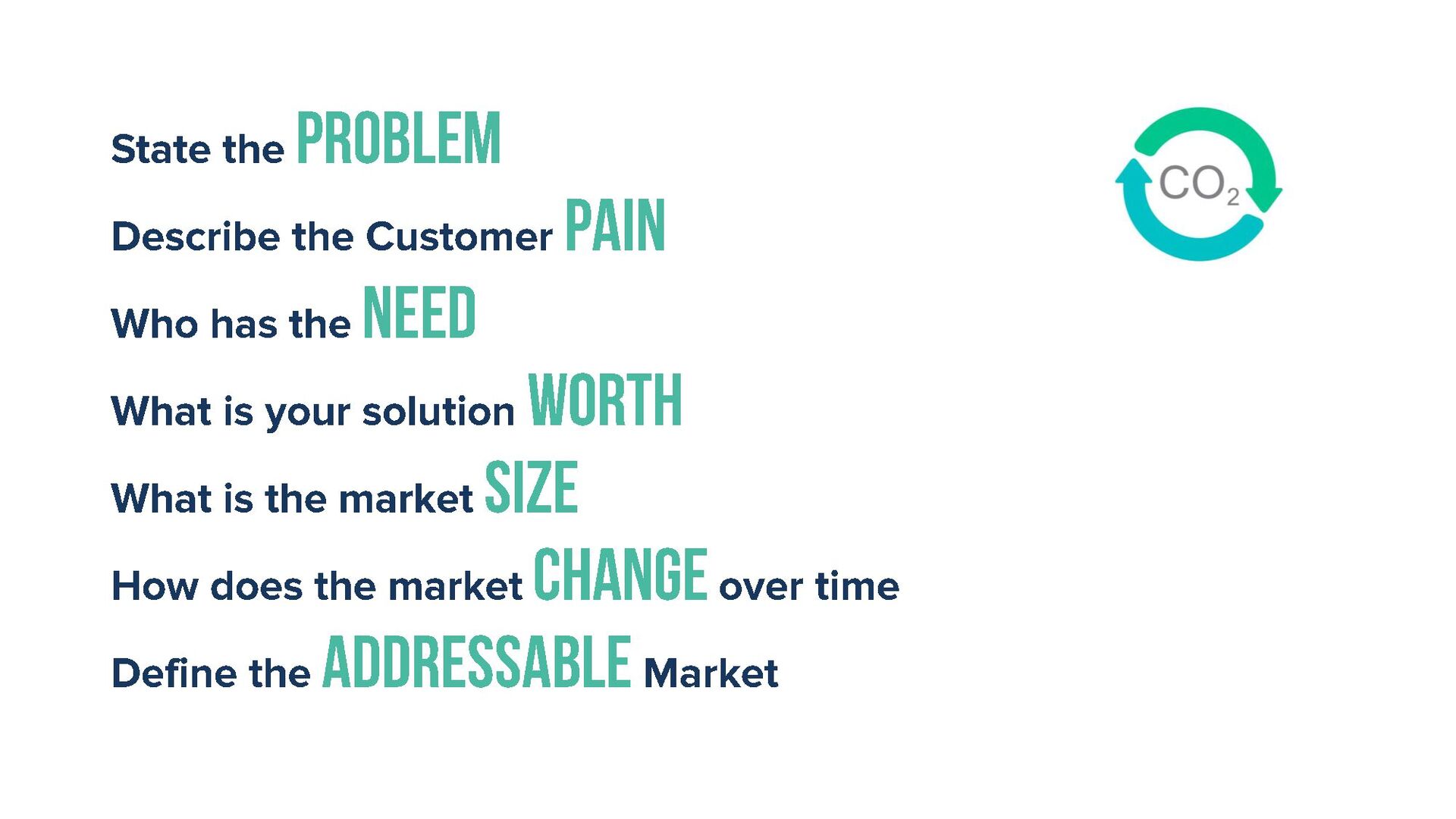
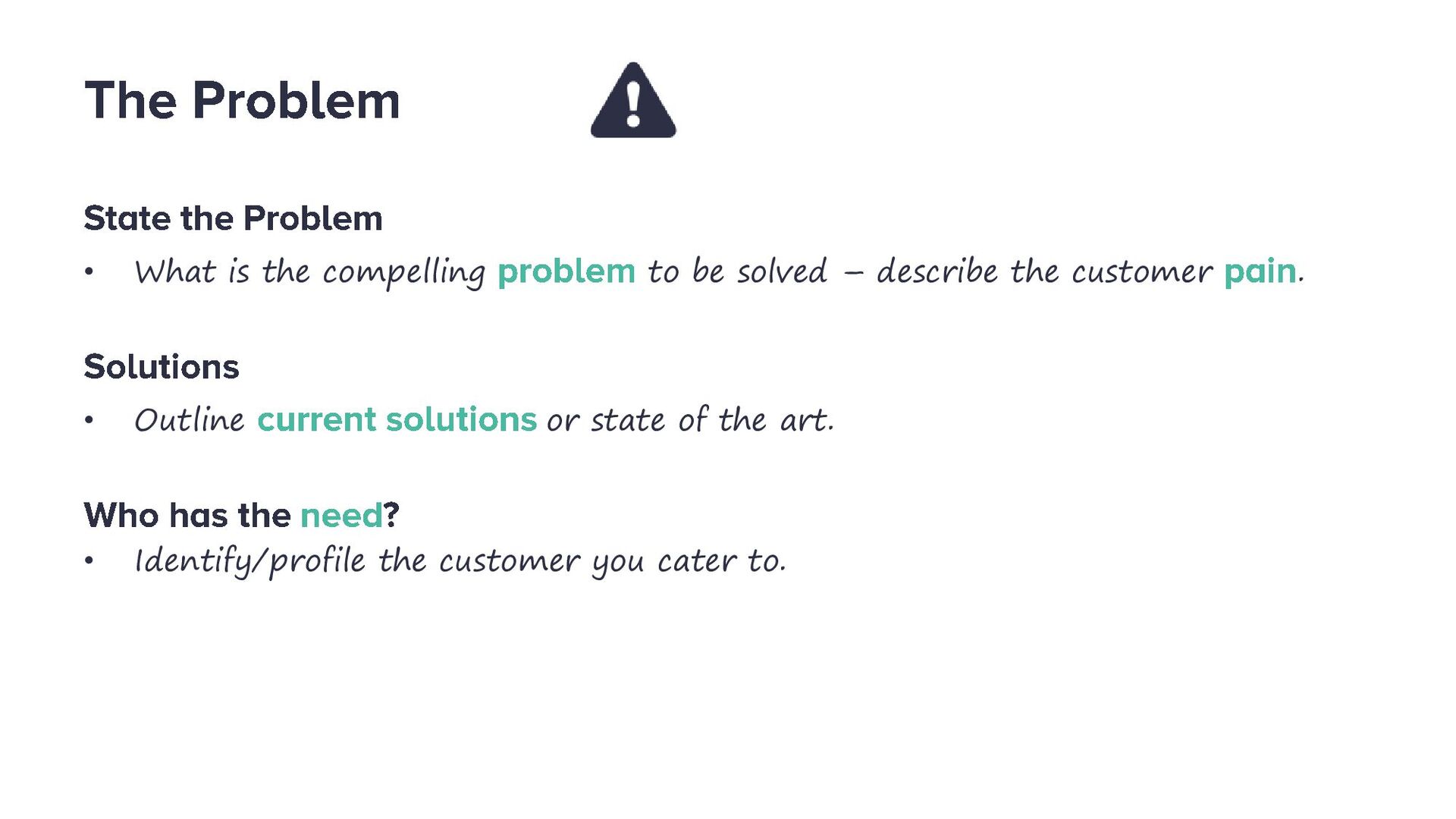
problem to be solved – describe the customer pain. Solutions • Outline current solutions or state of the art. Who has the need? • Identify/profile the customer you cater to.
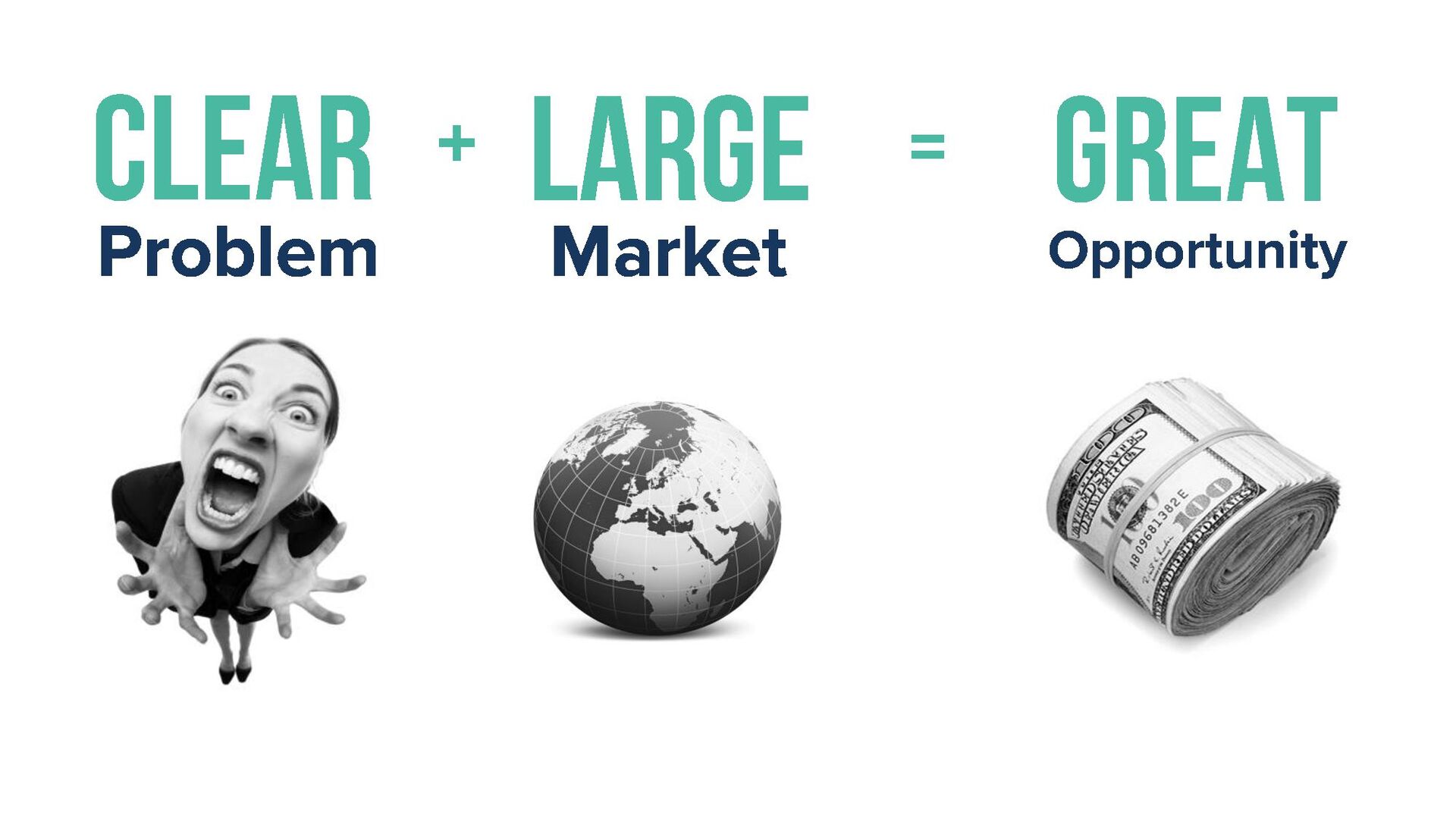
this market change and grow over time? • How much is being spent on the problem today: Start with the economics of 1 customer (# of customers) x (% who buy each year) x (avg amount spent annually) = market size . Calculate the Total Addressable Market TAM (top down), Serviceable Addressable Market SAM (bottom up). • Define addressable market share
to whom? Product, Service, combinations. Evidence • Demonstrate your solution works. Superiority • How is the new solution better? Benefits • Clearly quantify three or four key benefits you provide, and who specifically realizes these benefits.
relationships, IP, new insight, domain expertise? Scalability • Highlight the elements of your technology that give you potential for leverage and scale as you grow. Intellectual Property • Status of IPR or status of key regulatory approvals.
sell this innovation and prevent anyone else from doing so.” “Many patented inventions never make money. A patent is a legal right, not a business guarantee.” Reality Myth
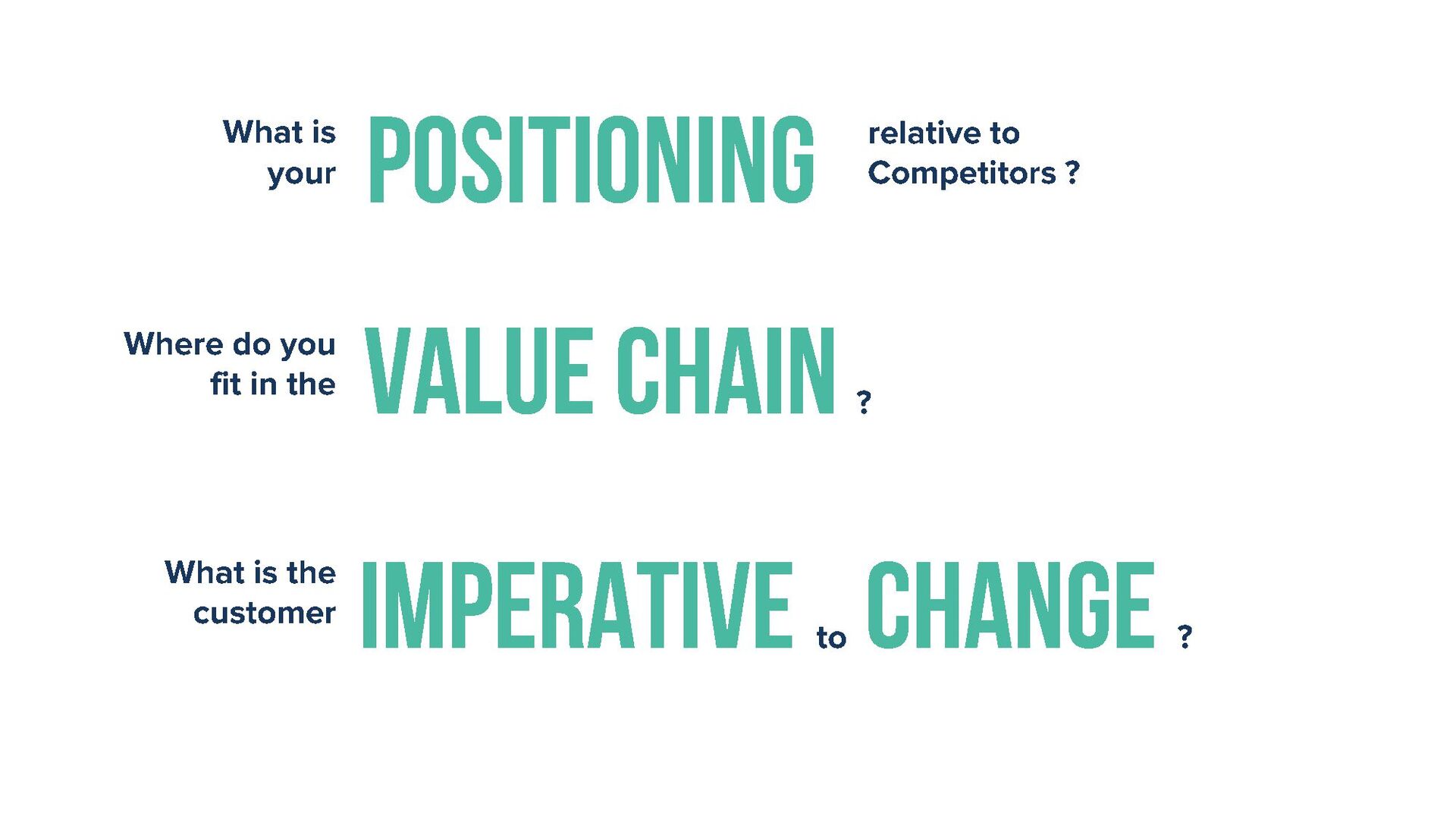
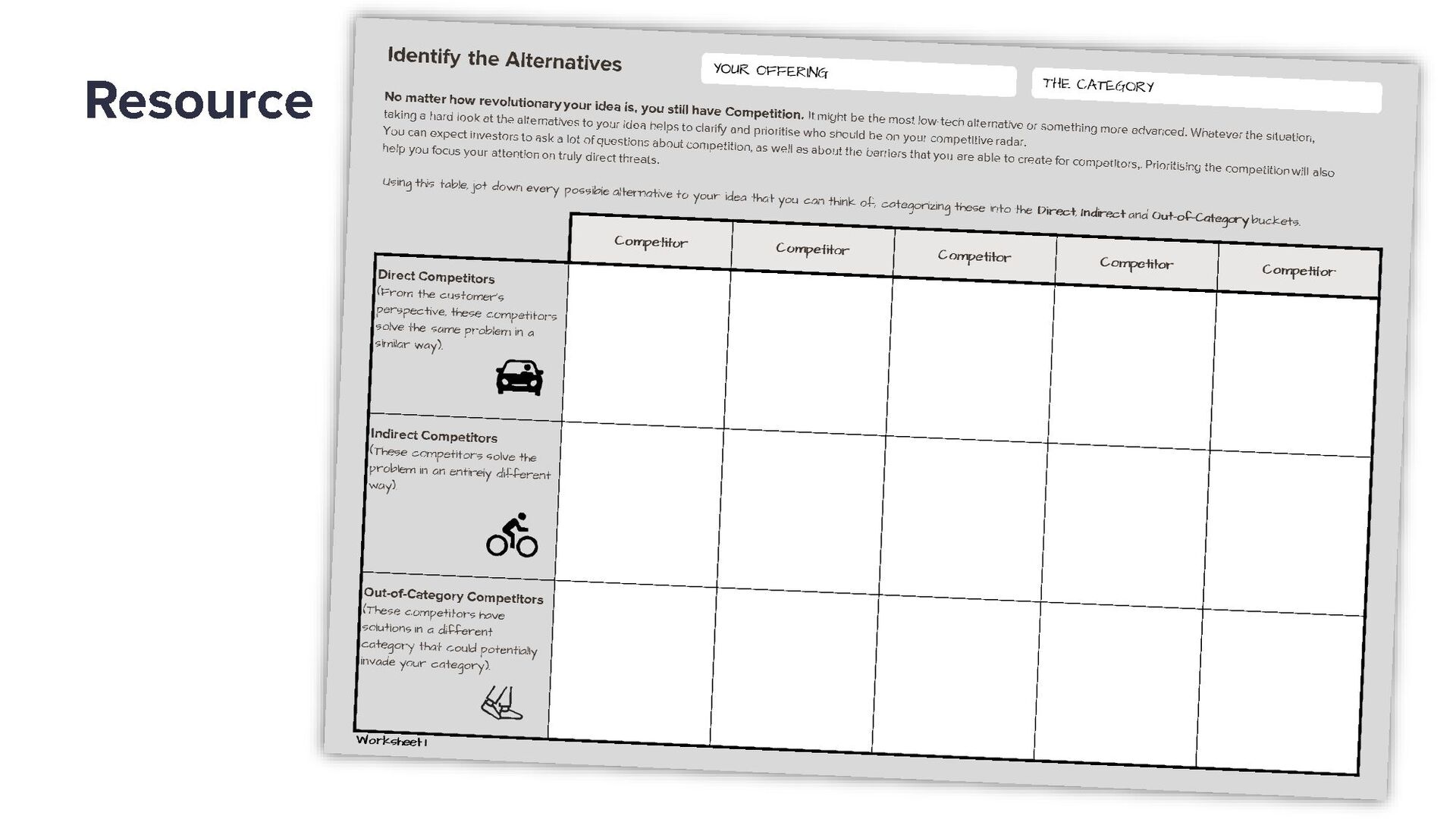
to reflect the market’s requirements, and where you are positioned compared to your competitors. Unlike Statements • Give three key reasons why you are unlike competitors.
the value chain or ecosystem of your target market? Do you complement or displace commonly used technologies? Change Imperative • Do you change business processes or do them the same but better, faster and cheaper? Do you disrupt the current value chain or fit into established channels?
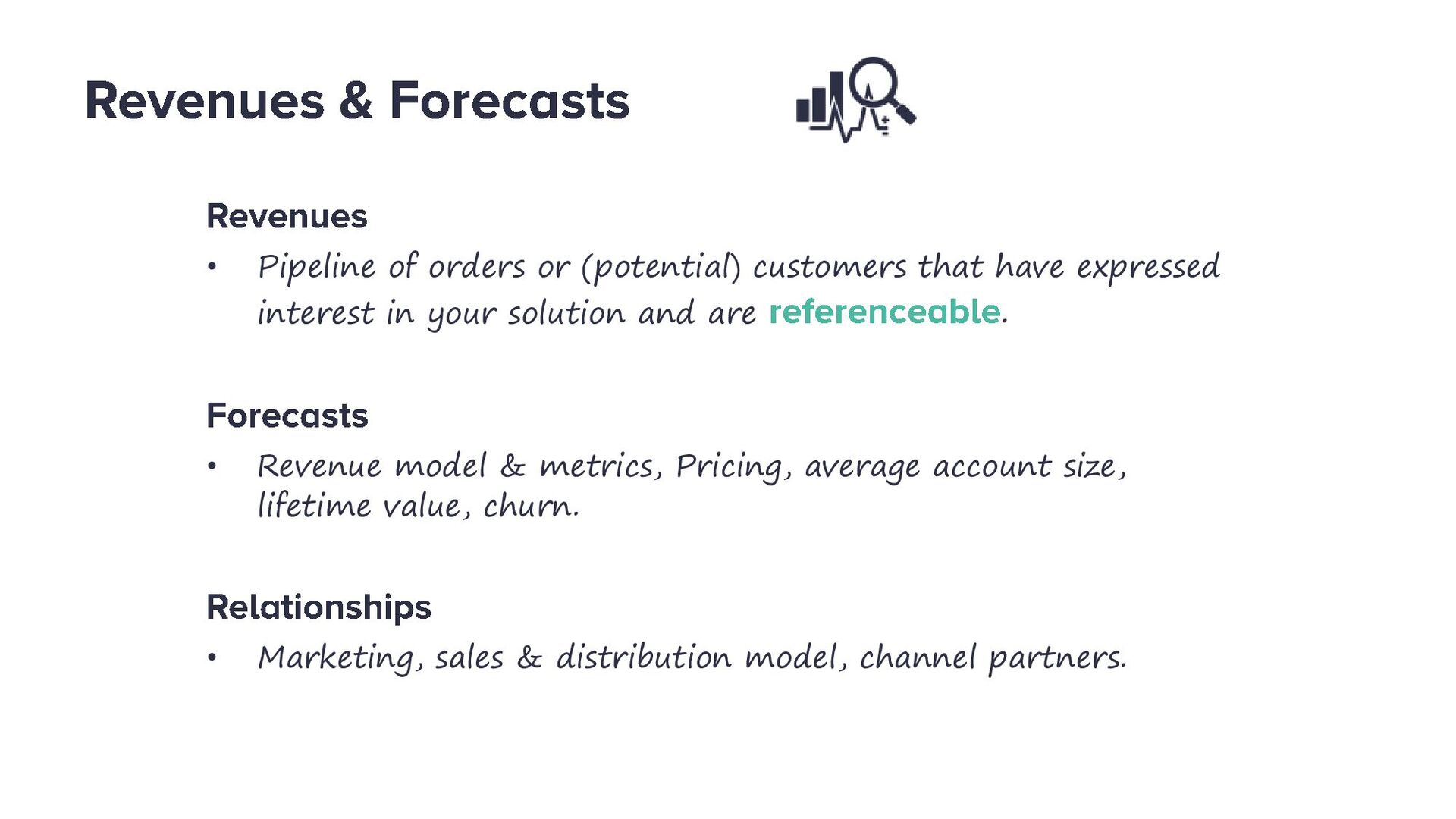
customers that have expressed interest in your solution and are referenceable. Forecasts • Revenue model & metrics, Pricing, average account size, lifetime value, churn. Relationships • Marketing, sales & distribution model, channel partners.
Describe their role relative to the plan, their relevant experience achieving similar results. • Focus on significant, relevant accomplishments for each person. Gaps • Who’s missing from the team? Discuss hiring plans. Investors understand that few companies have the perfect team from the start.
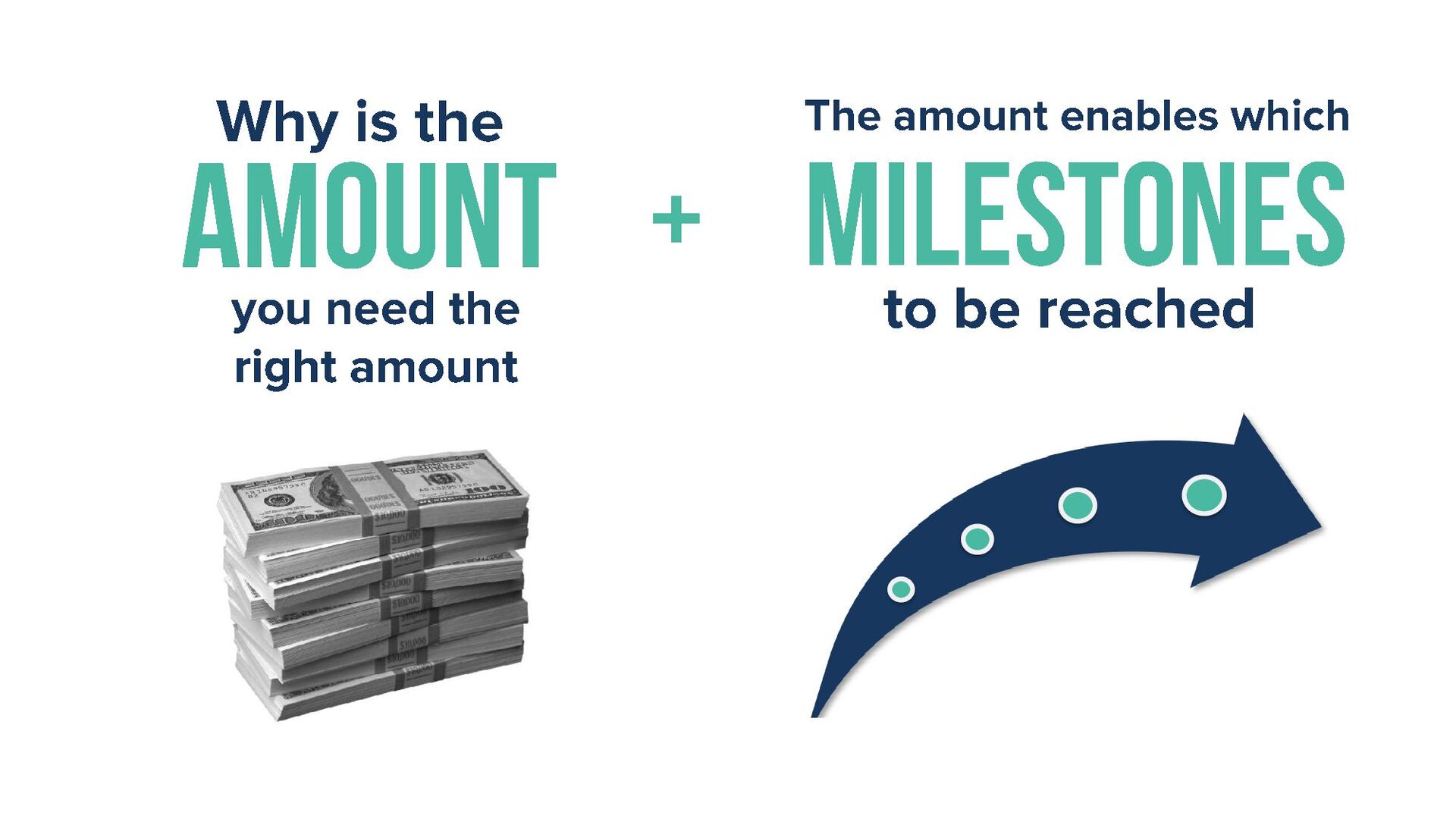
milestone will it get you to? Why is this milestone the right milestone? • Why is this the right amount? • Post-money of last round. • Amount of cash in the bank. • How much runway the new money will buy (pro forma burn).
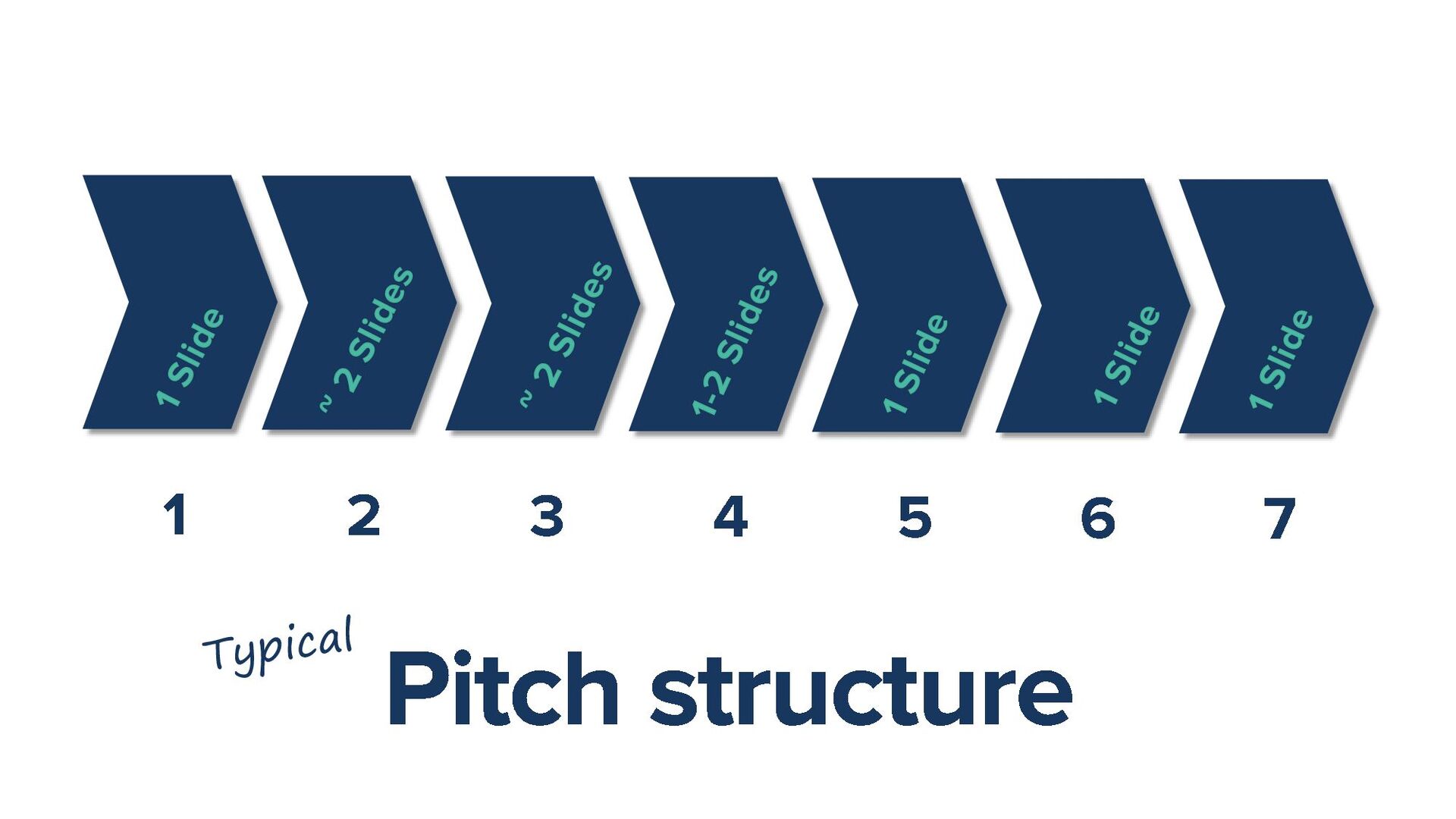
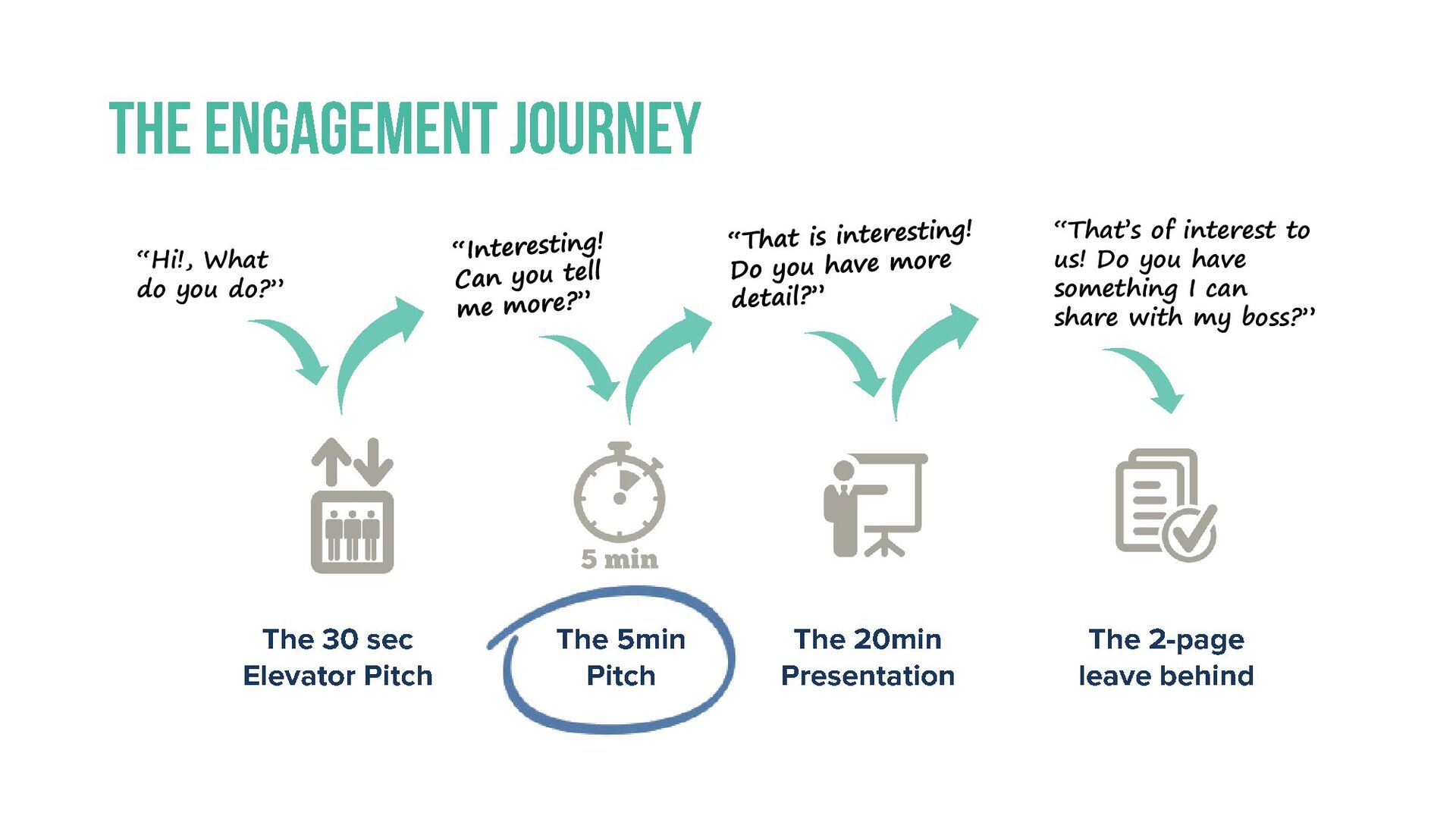
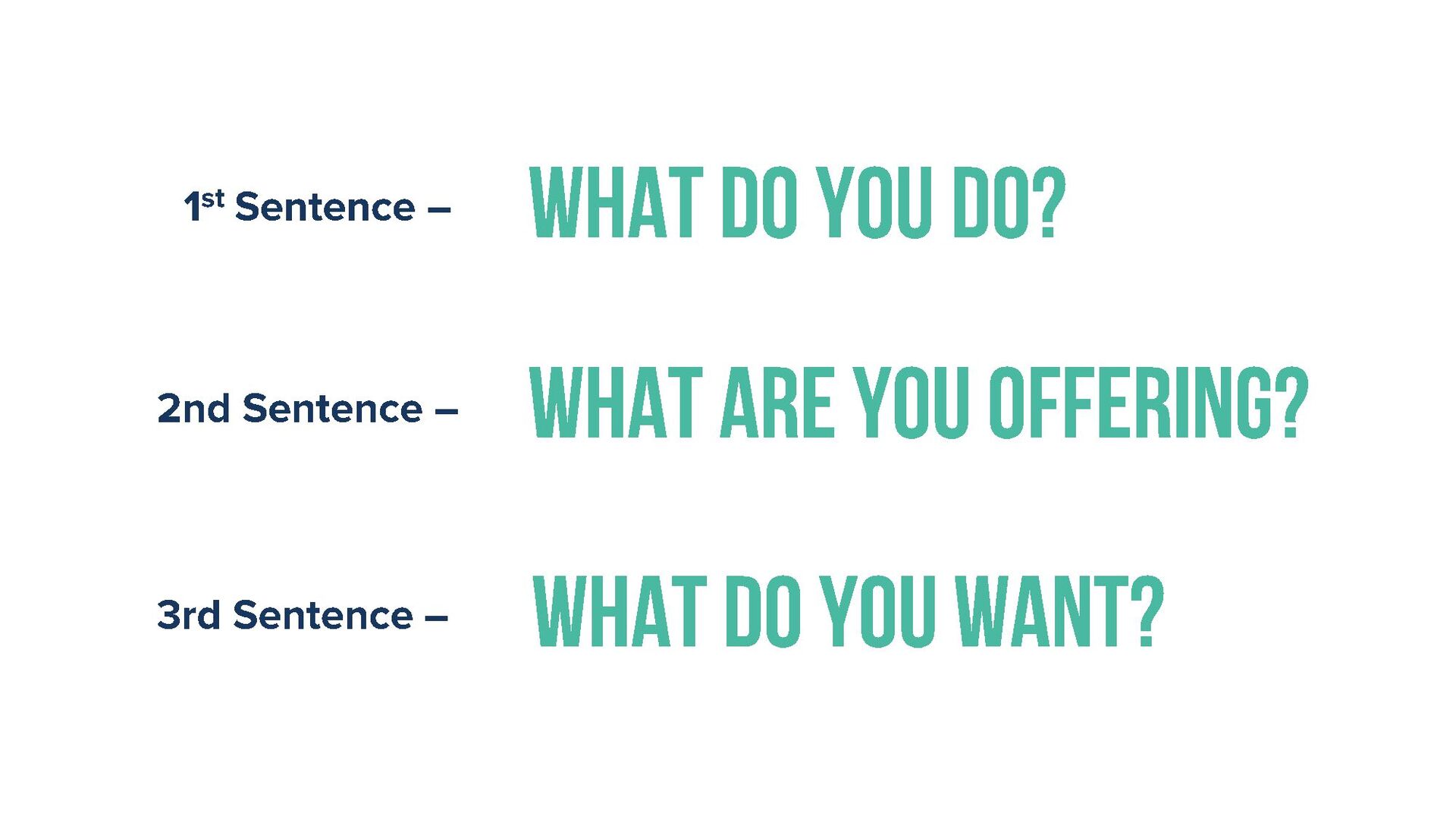
Pitch The 20min Presentation The 2-page leave behind “Hi!, What do you do?” “That’s of interest to us! Do you have something I can share with my boss?”
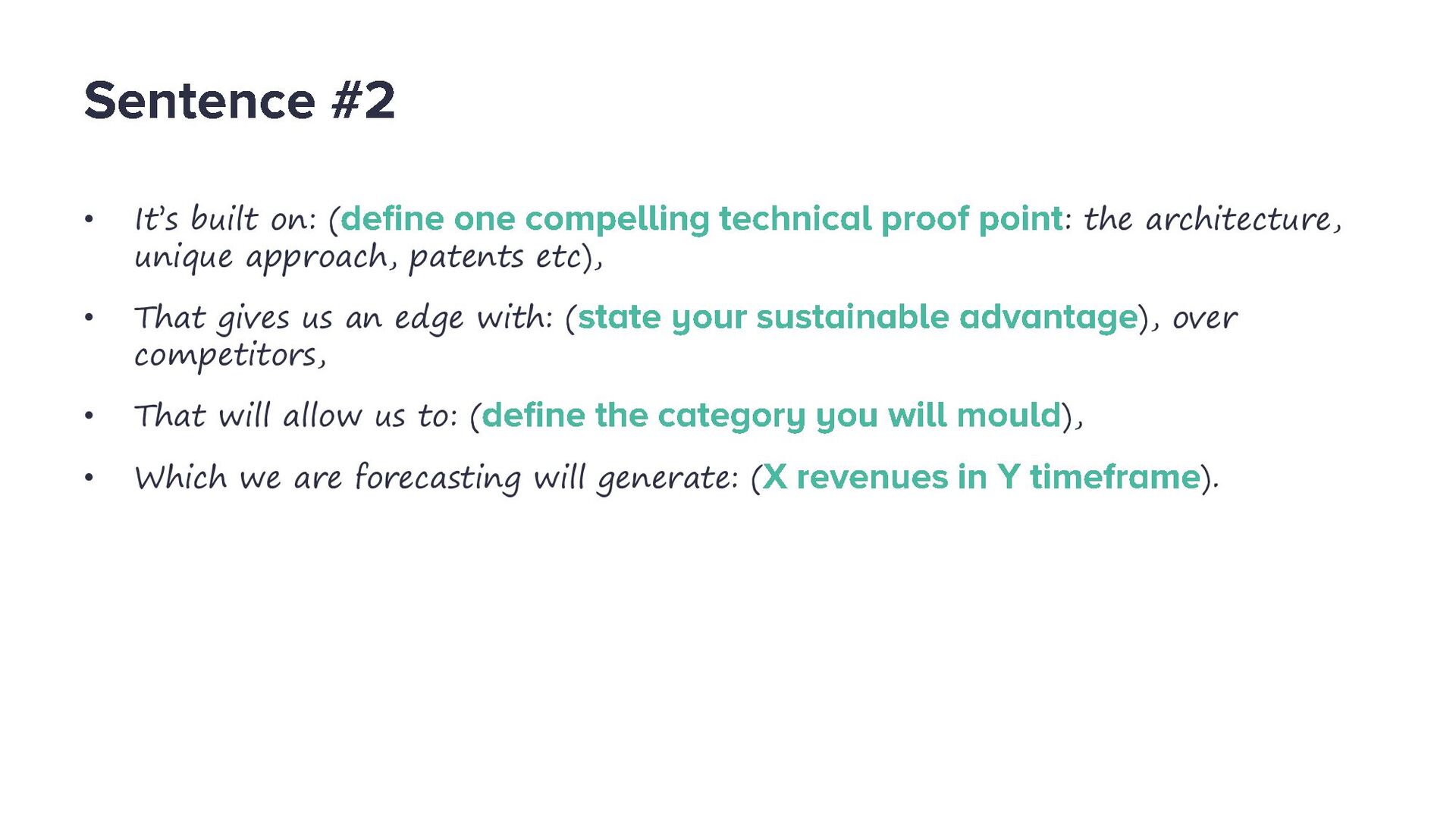
proof point: the architecture, unique approach, patents etc), • That gives us an edge with: (state your sustainable advantage), over competitors, • That will allow us to: (define the category you will mould), • Which we are forecasting will generate: (X revenues in Y timeframe).
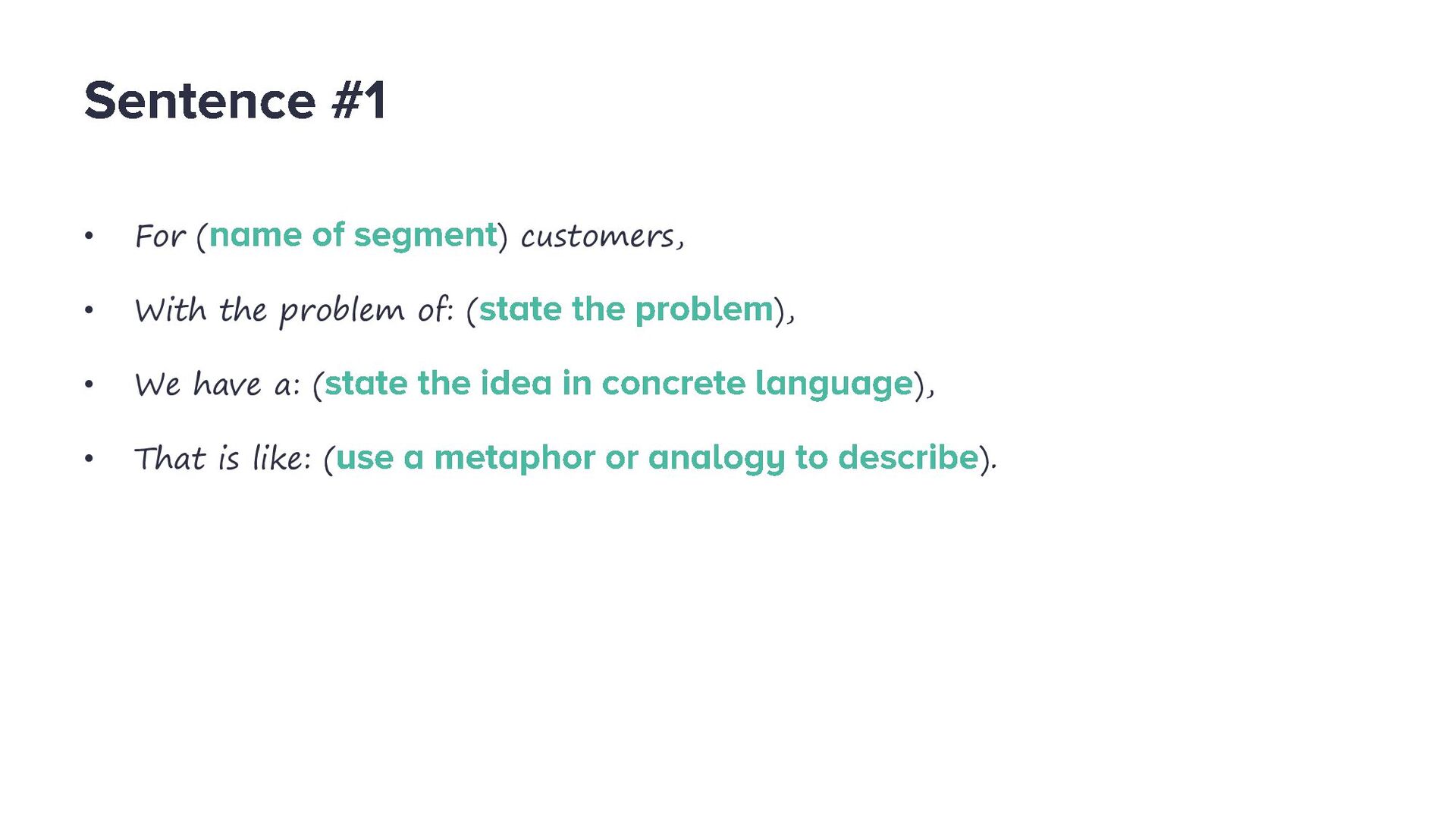
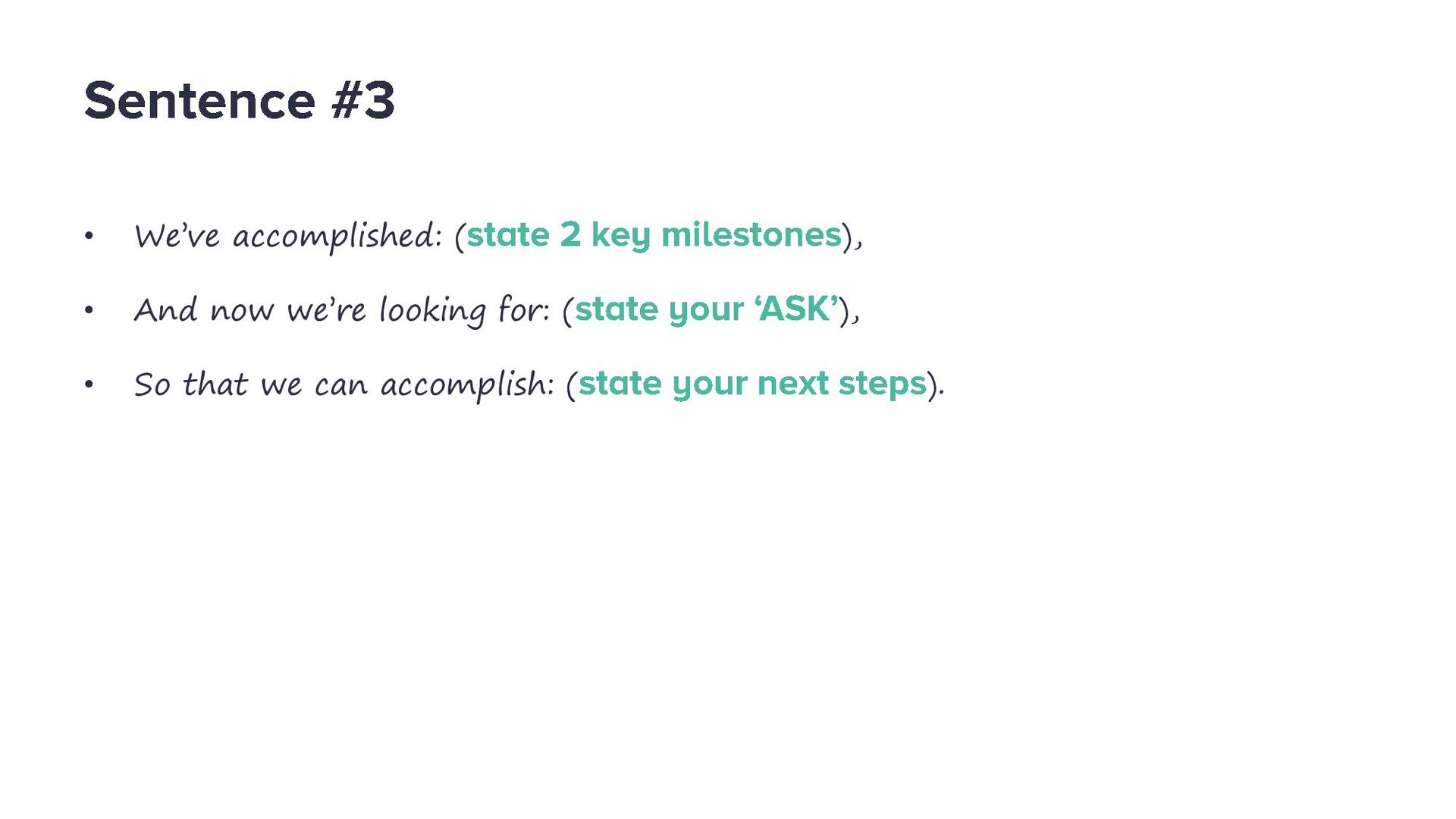
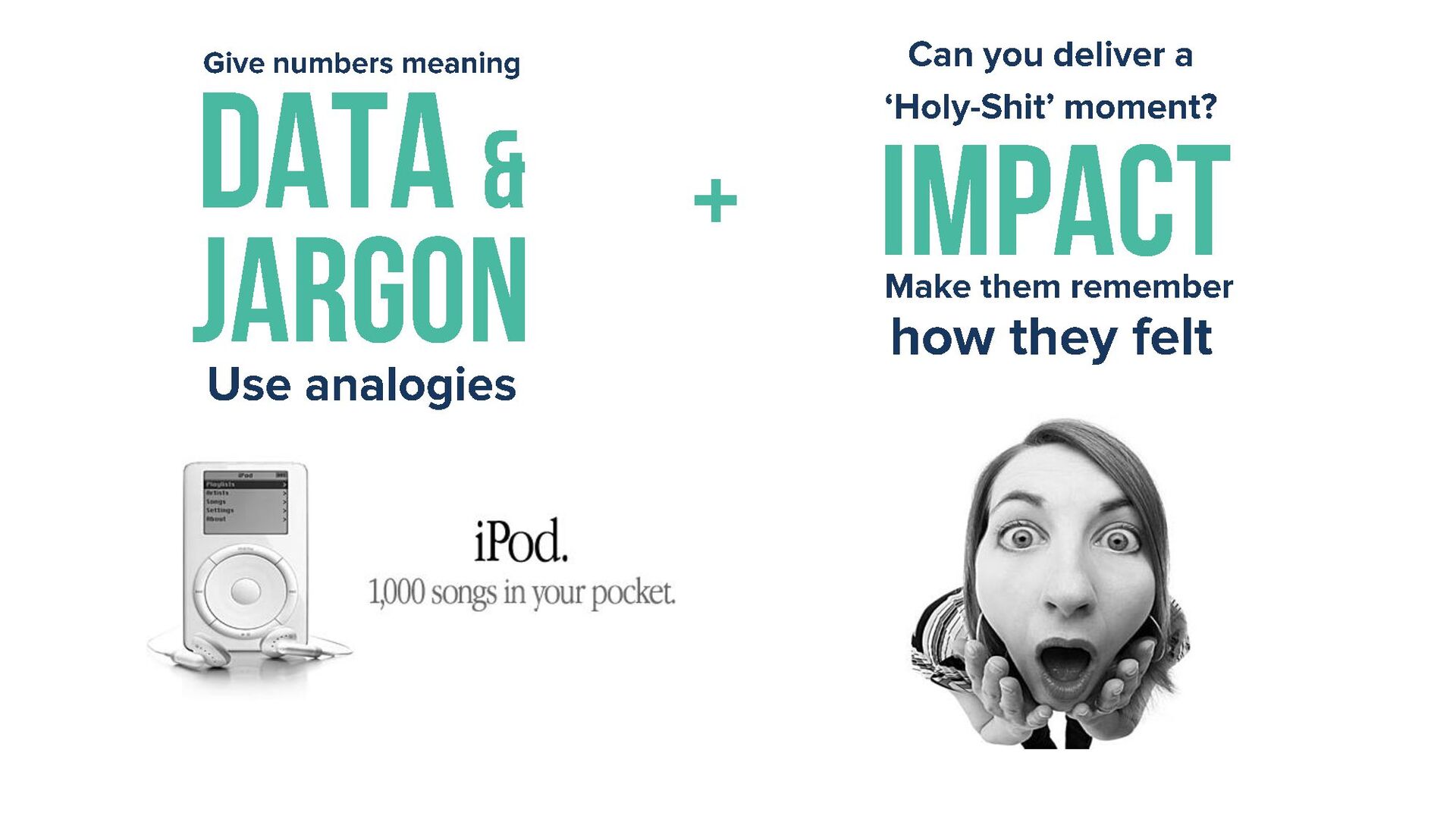
And now we’re looking for: (state your ‘ASK’), • So that we can accomplish: (state your next steps). Sentence #1 • For (name of segment) customers, • With the problem of: (state the problem), • We have a: (state the idea in concrete language), • That is like: (use a metaphor or analogy to describe). Sentence #2 • It’s built on: (define one compelling technical proof point: the architecture, unique approach, patents etc), • That gives us an edge with: (state your sustainable advantage), over competitors, • That will allow us to: (define the category you will mould), • Which we are forecasting will generate: (X revenues in Y timeframe).


 simplfy
 kawanotron
 macbeeplanet
 kozotaira
 freee
freee
 ecoms_ikeda08
 witsjp
 ashisuto_career
 loglass2019
 tecodesign
 updater_pr
 m3c
m3c
 neuroenergia
.png) helenjbeal
helenjbeal
 productmarketing
 holman
 chriscoyier
 marcoroth
.jpg) cargoodrich
cargoodrich
 reverentgeek
 tenderlove
 erikaheidi
 lara
lara
 gurzu
gurzu
 3n
3n




















































![[email protected] +61 467 769 267](https://files.speakerdeck.com/presentations/79574a6d28bd4e758d3857891ee93bad/slide_86.jpg)