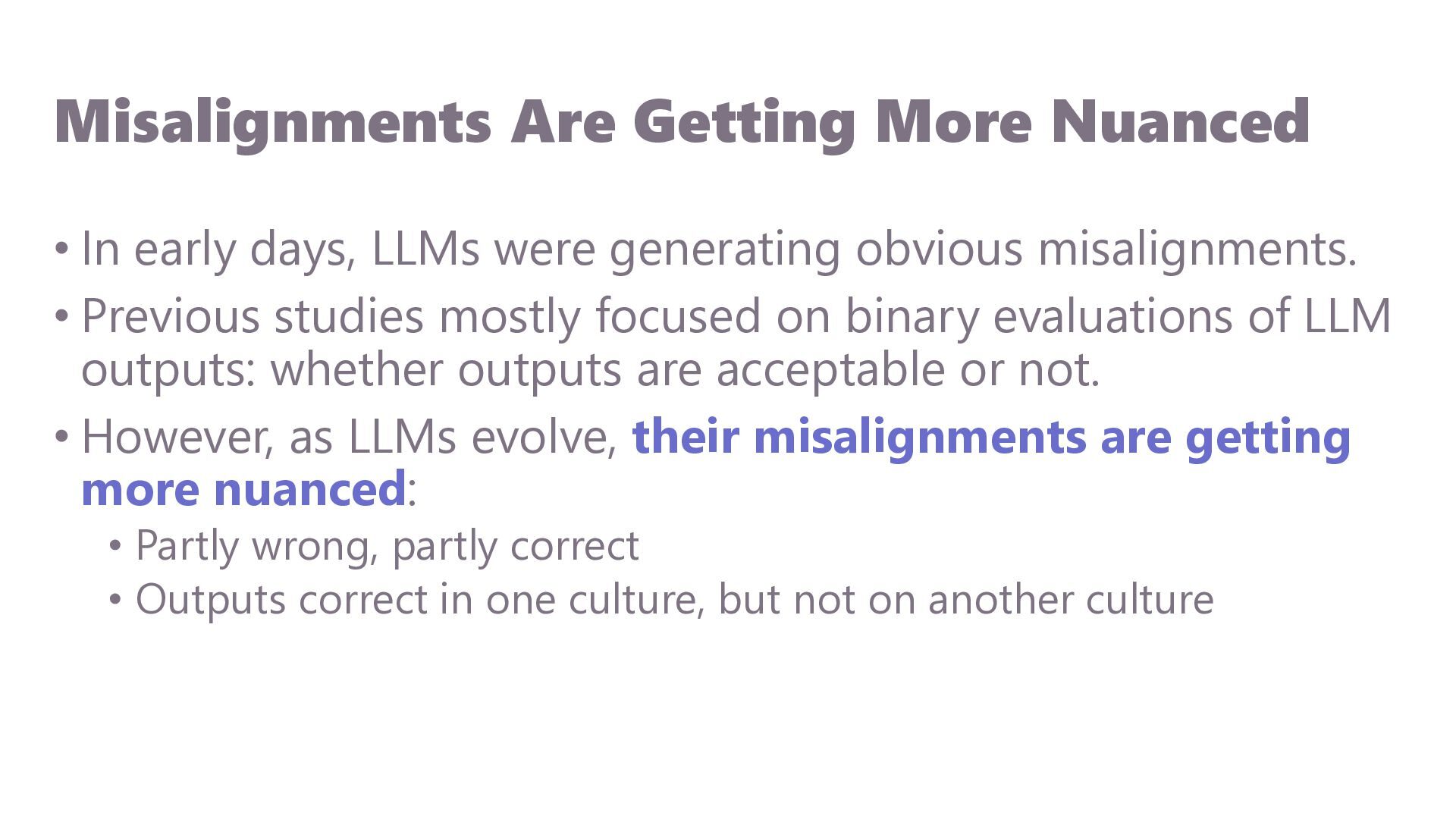
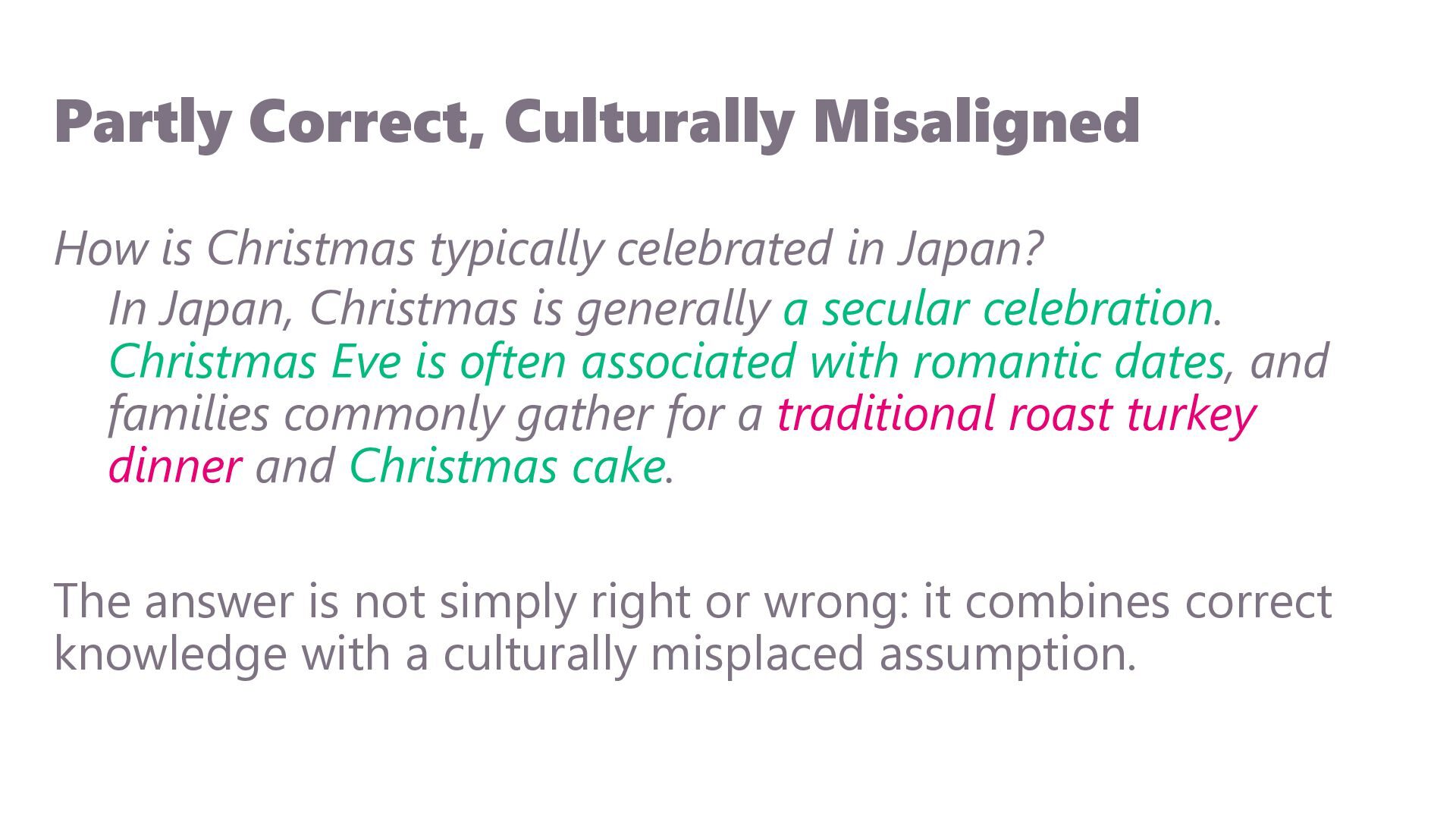
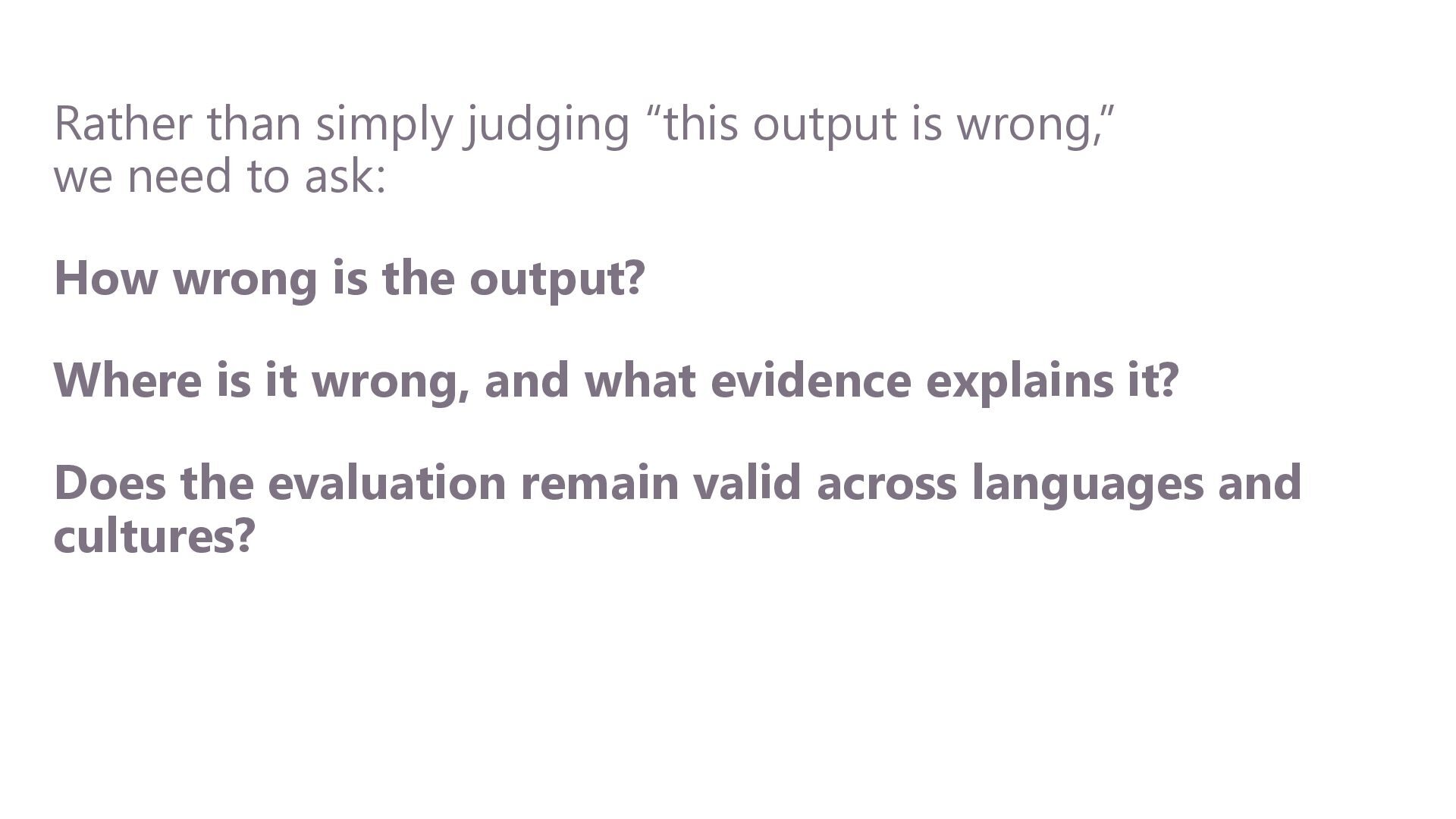
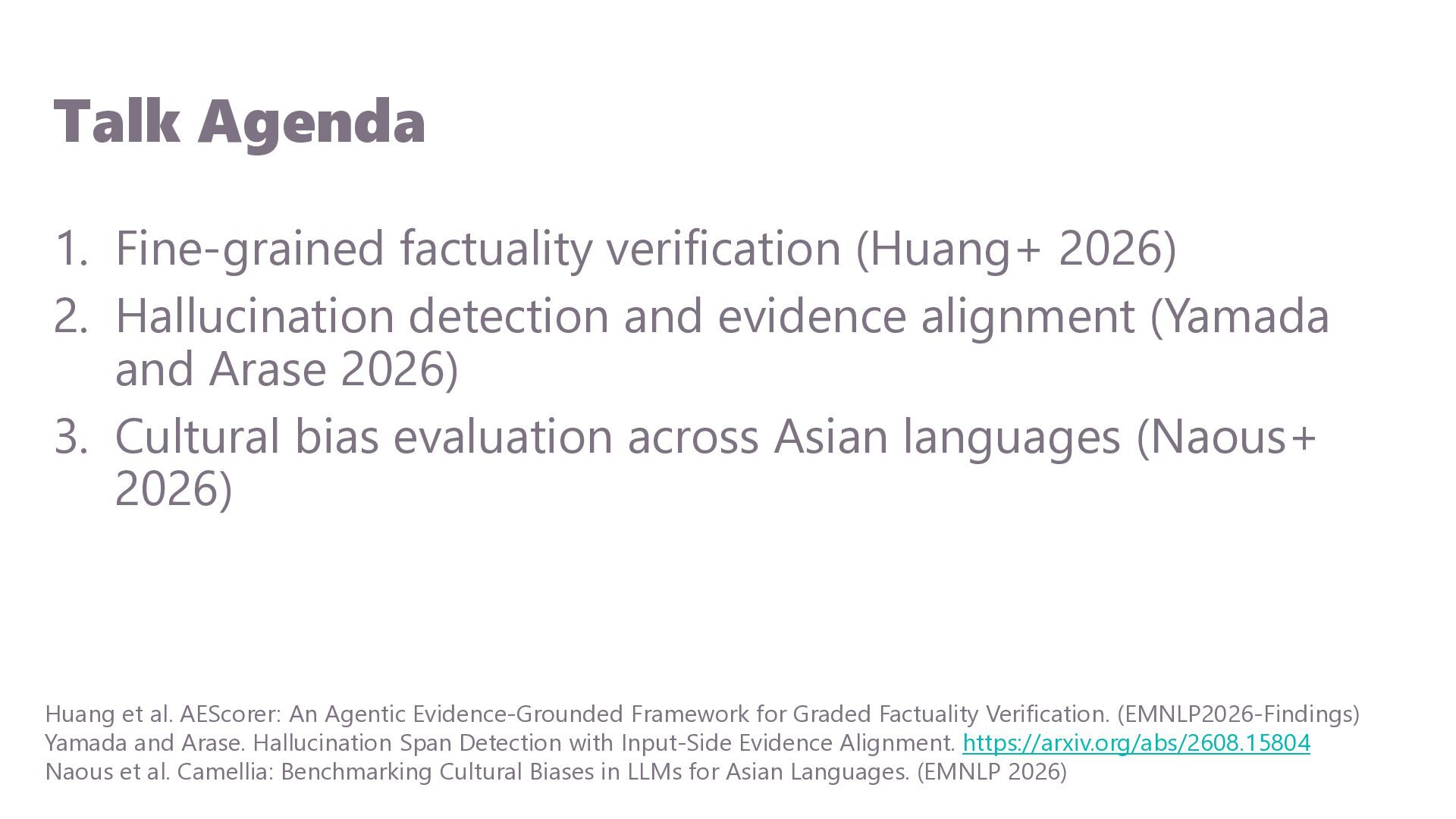
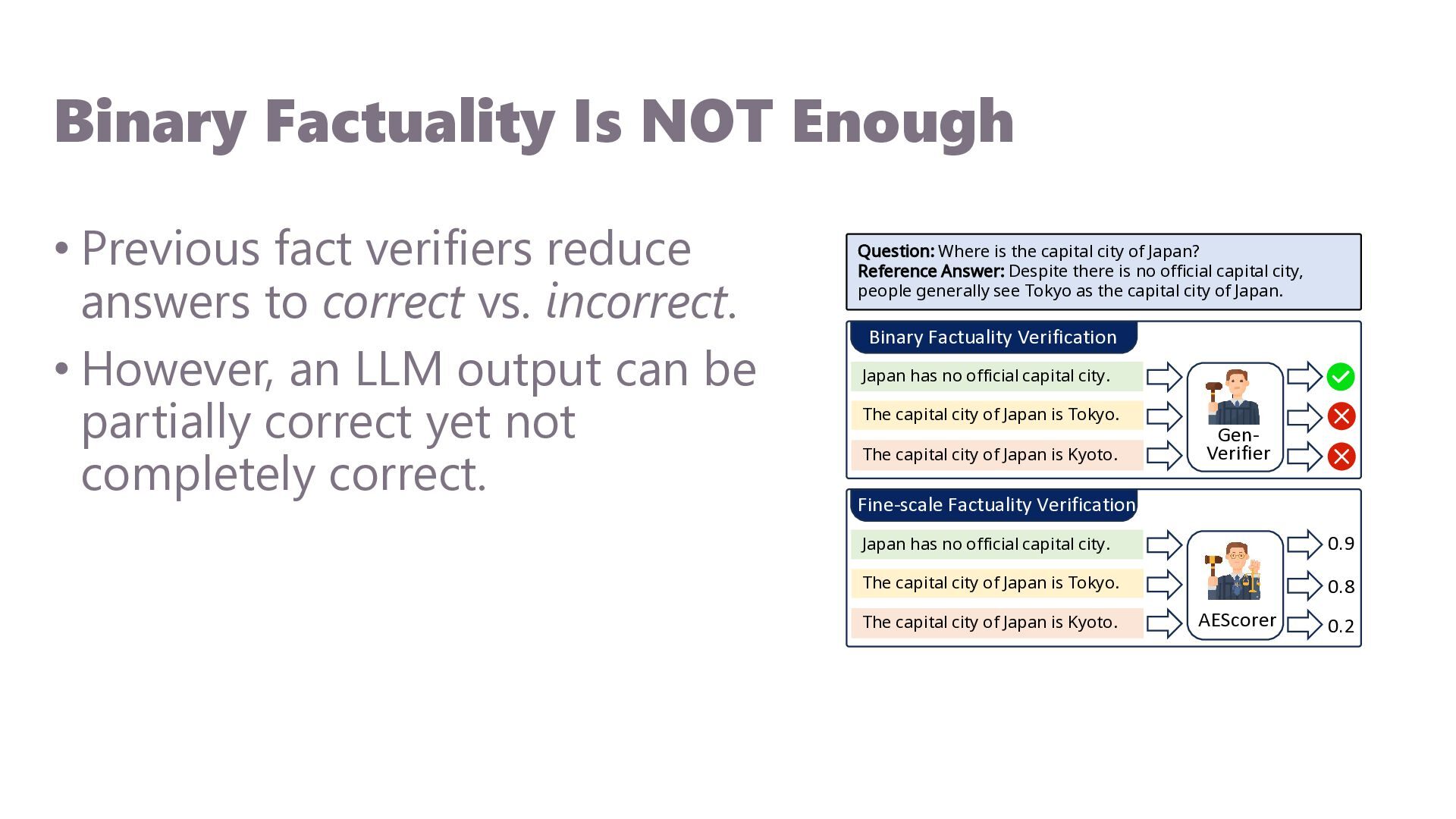
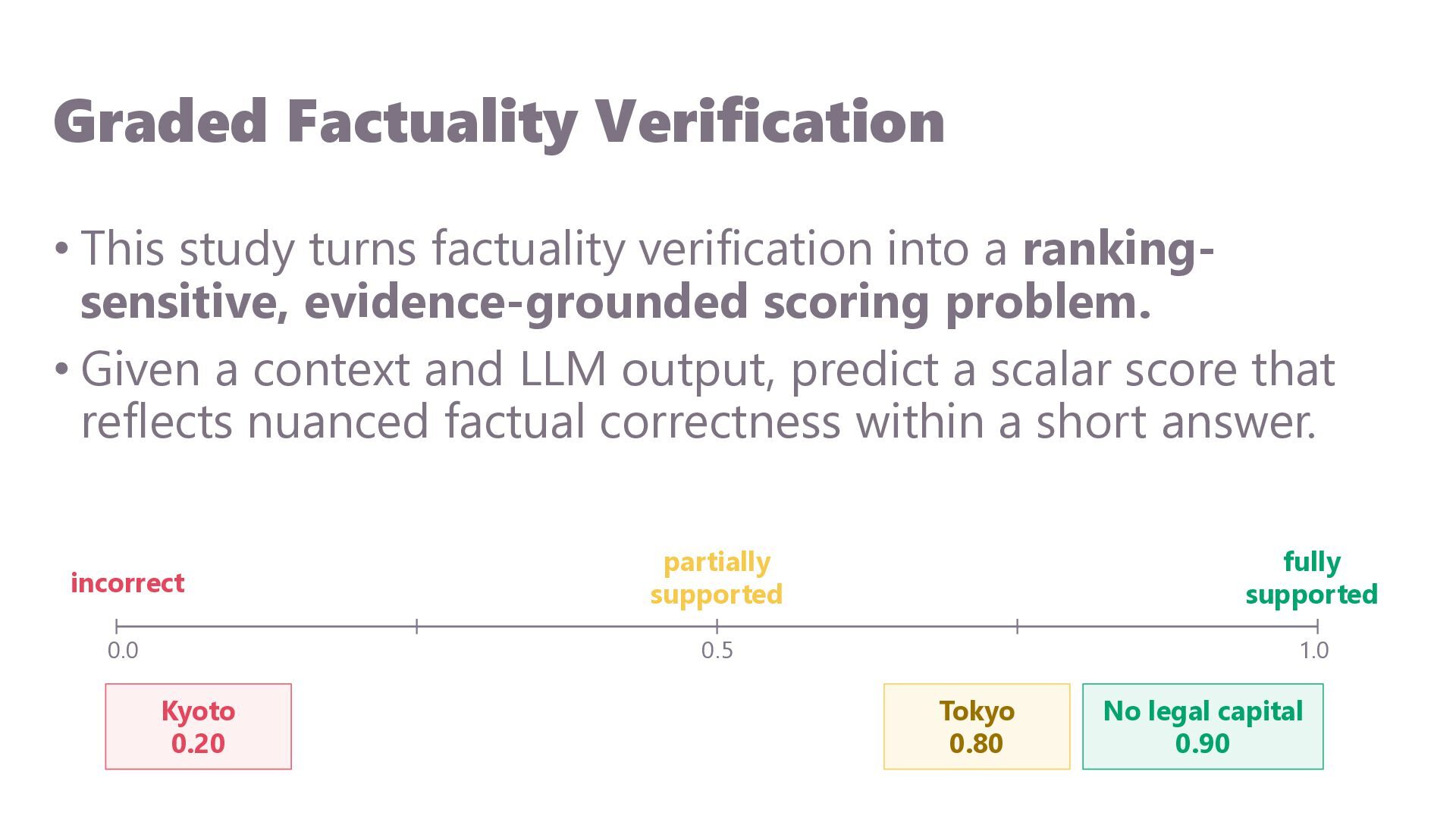
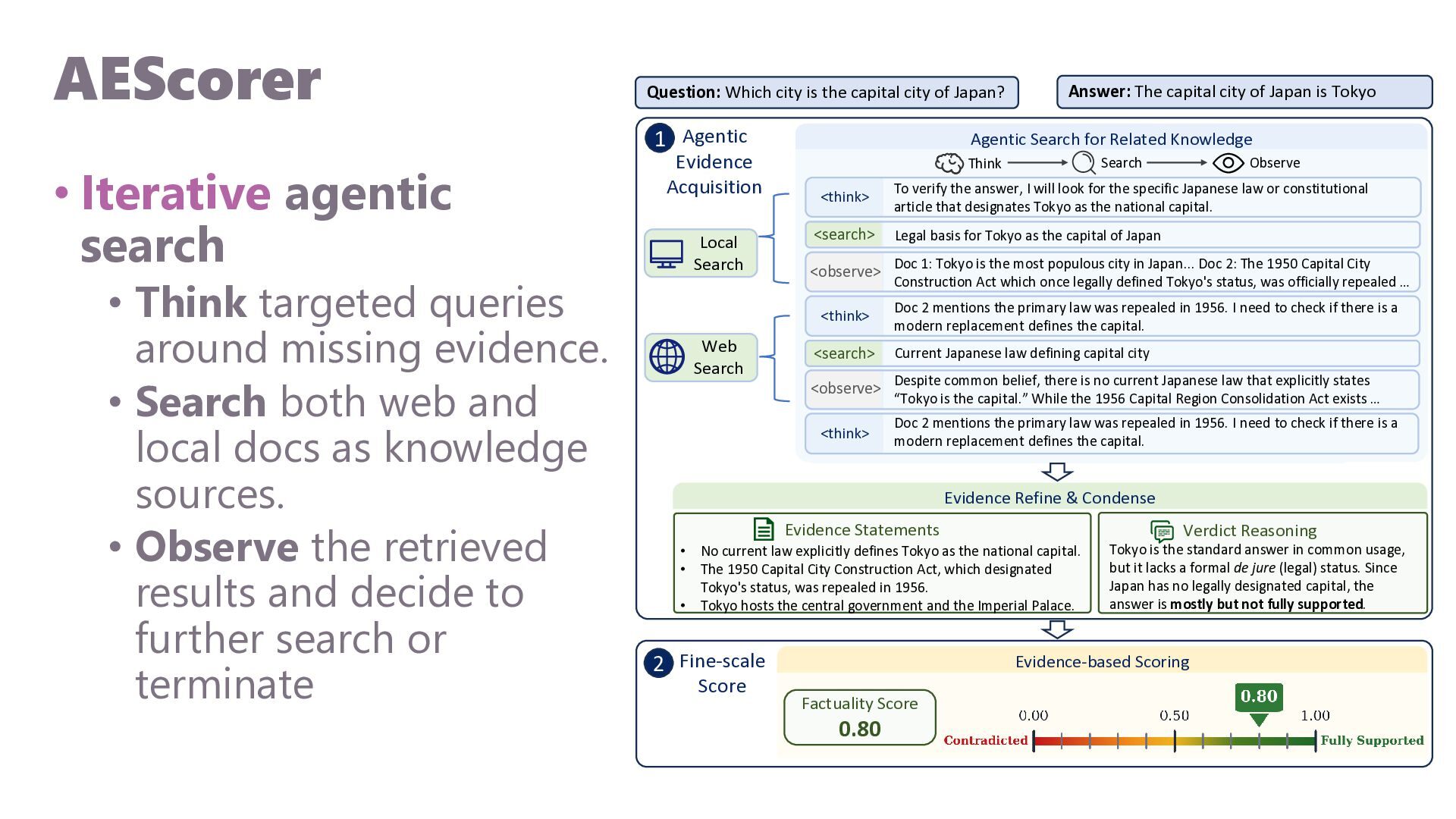
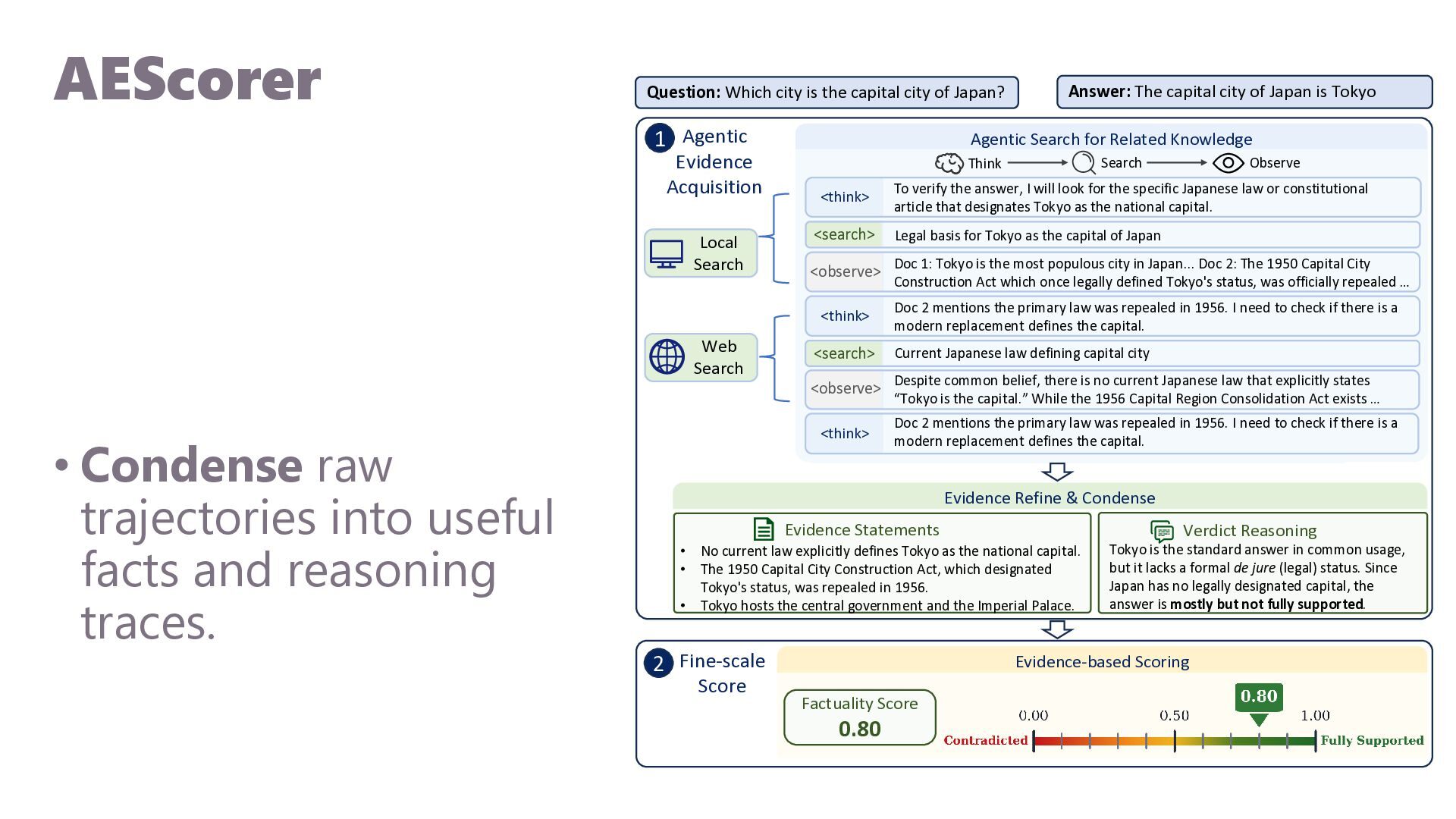
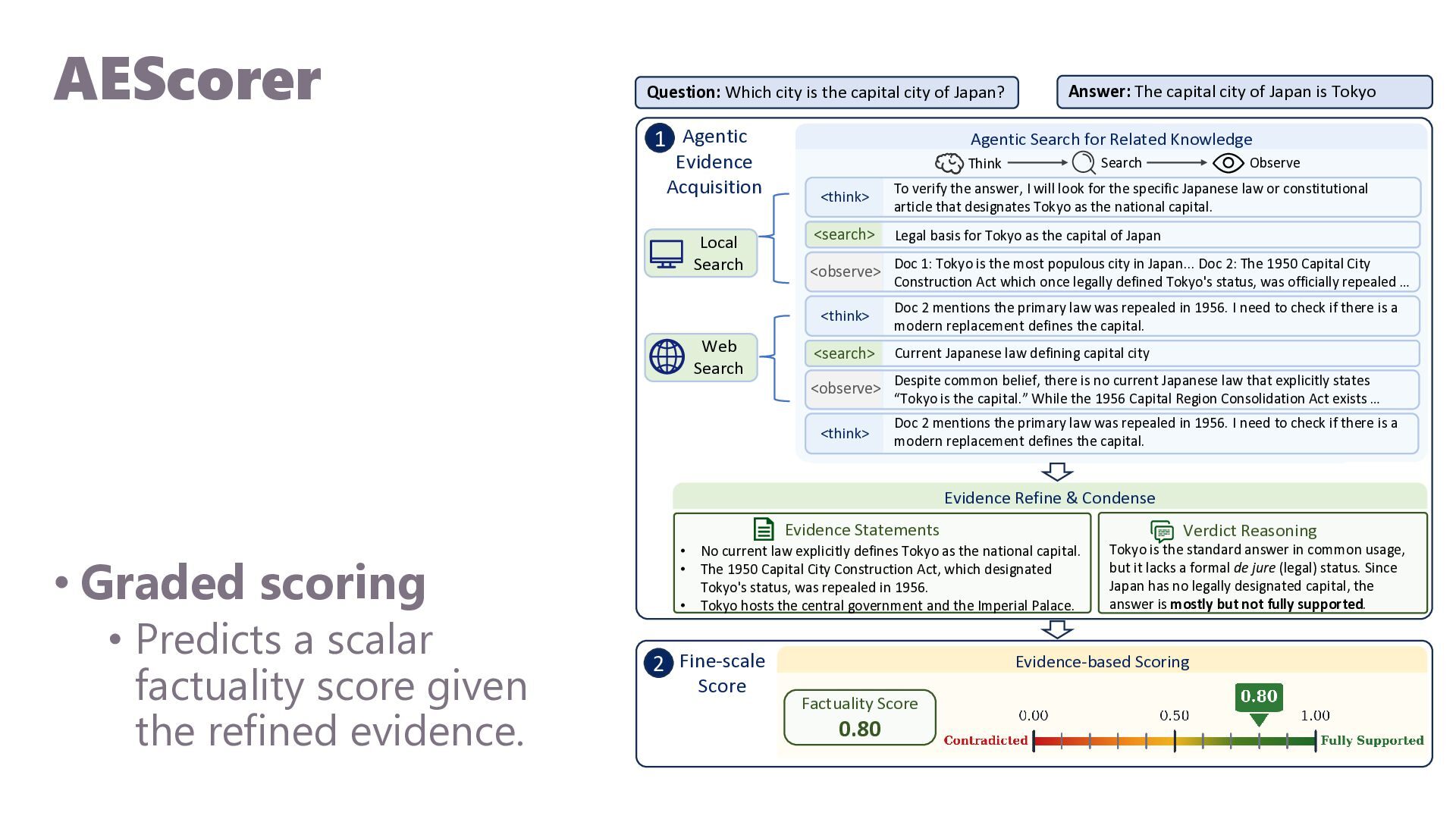
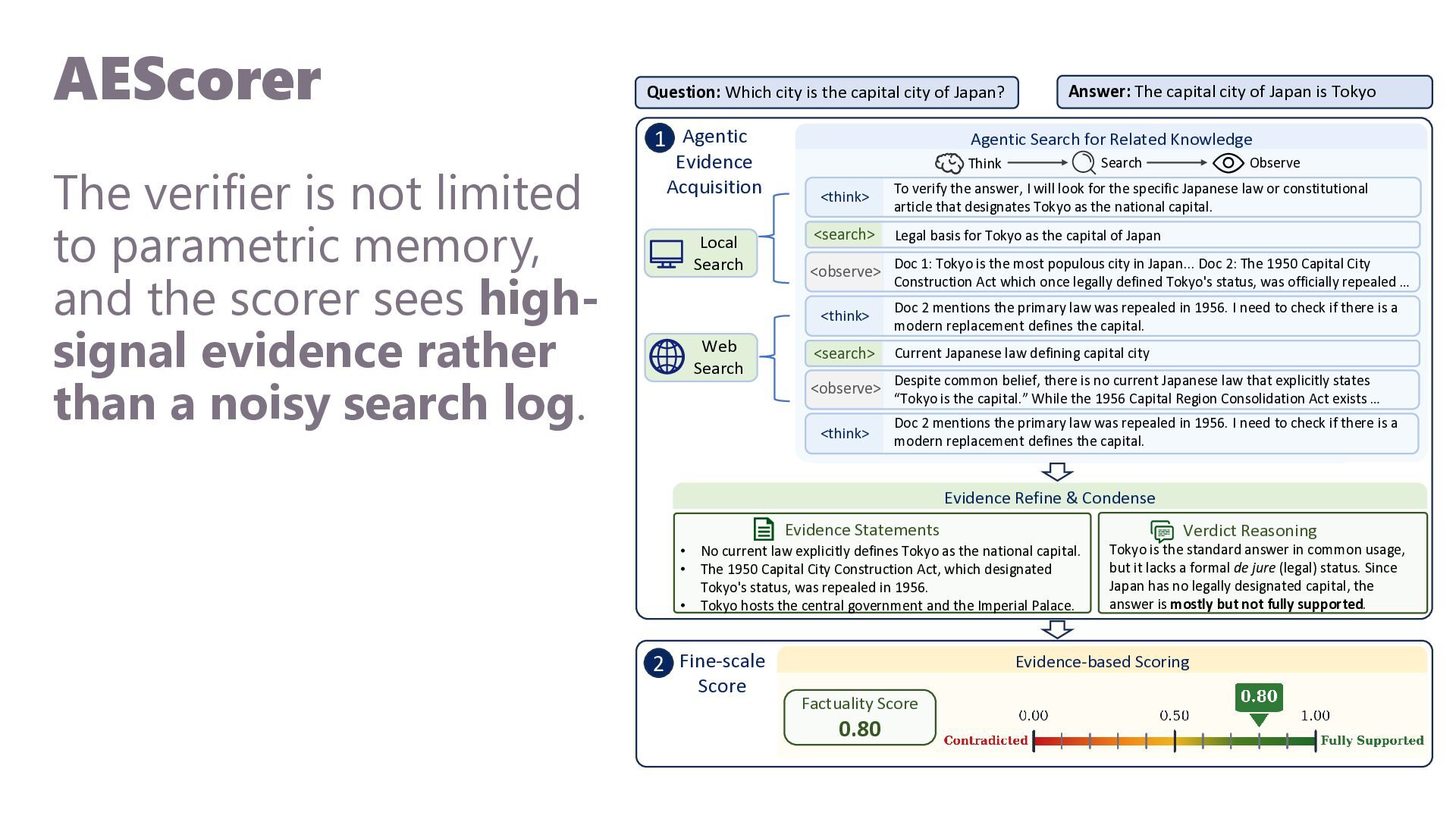
How should we evaluate an LLM response that is partly correct, contains unsupported phrases, or behaves differently across cultural contexts? Many existing evaluation methods rely on coarse labels or aggregate scores and therefore overlook important variations in factuality, evidential grounding, and cultural sensitivity. This talk presents three of our recent studies toward more fine-grained and
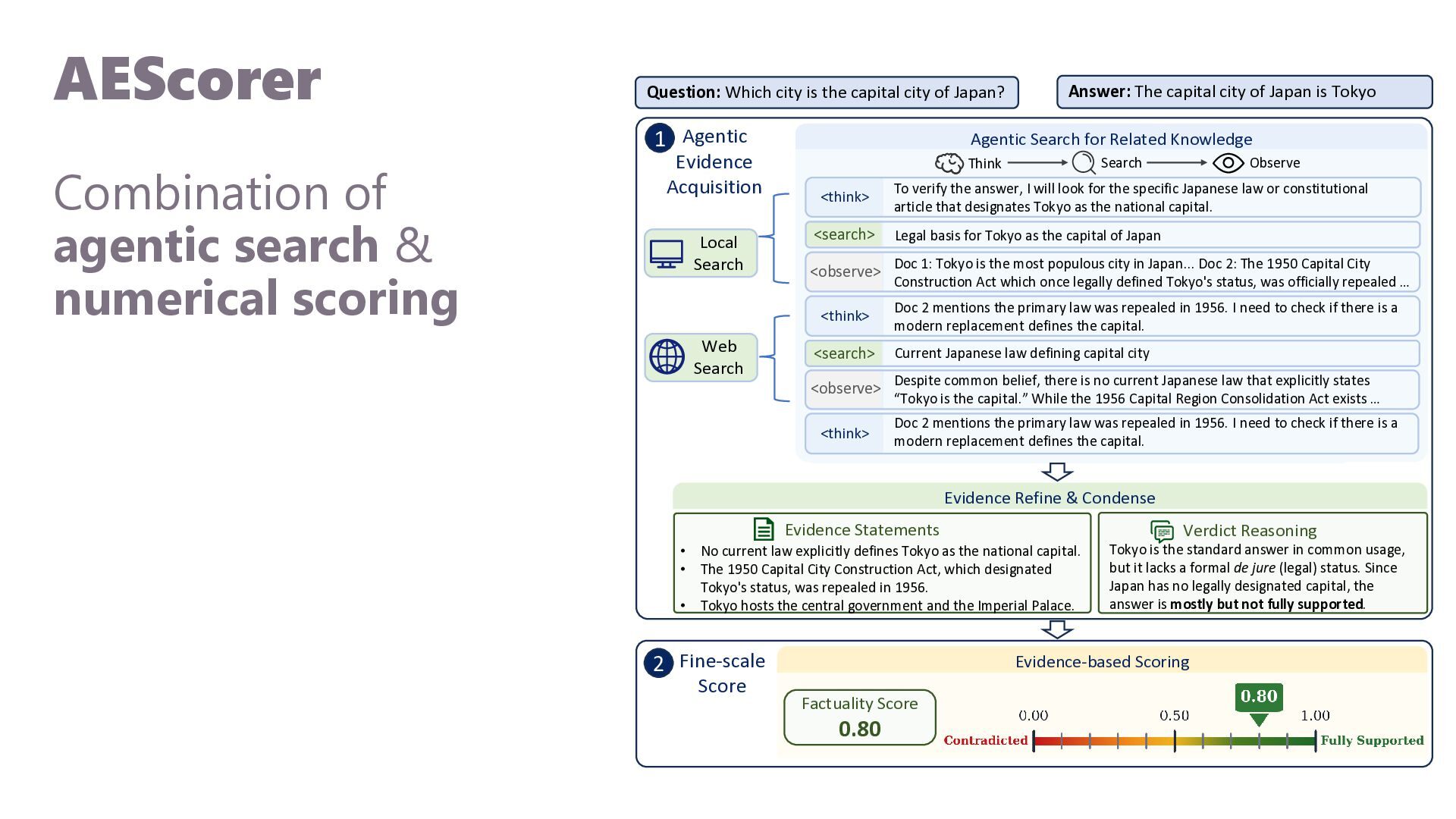
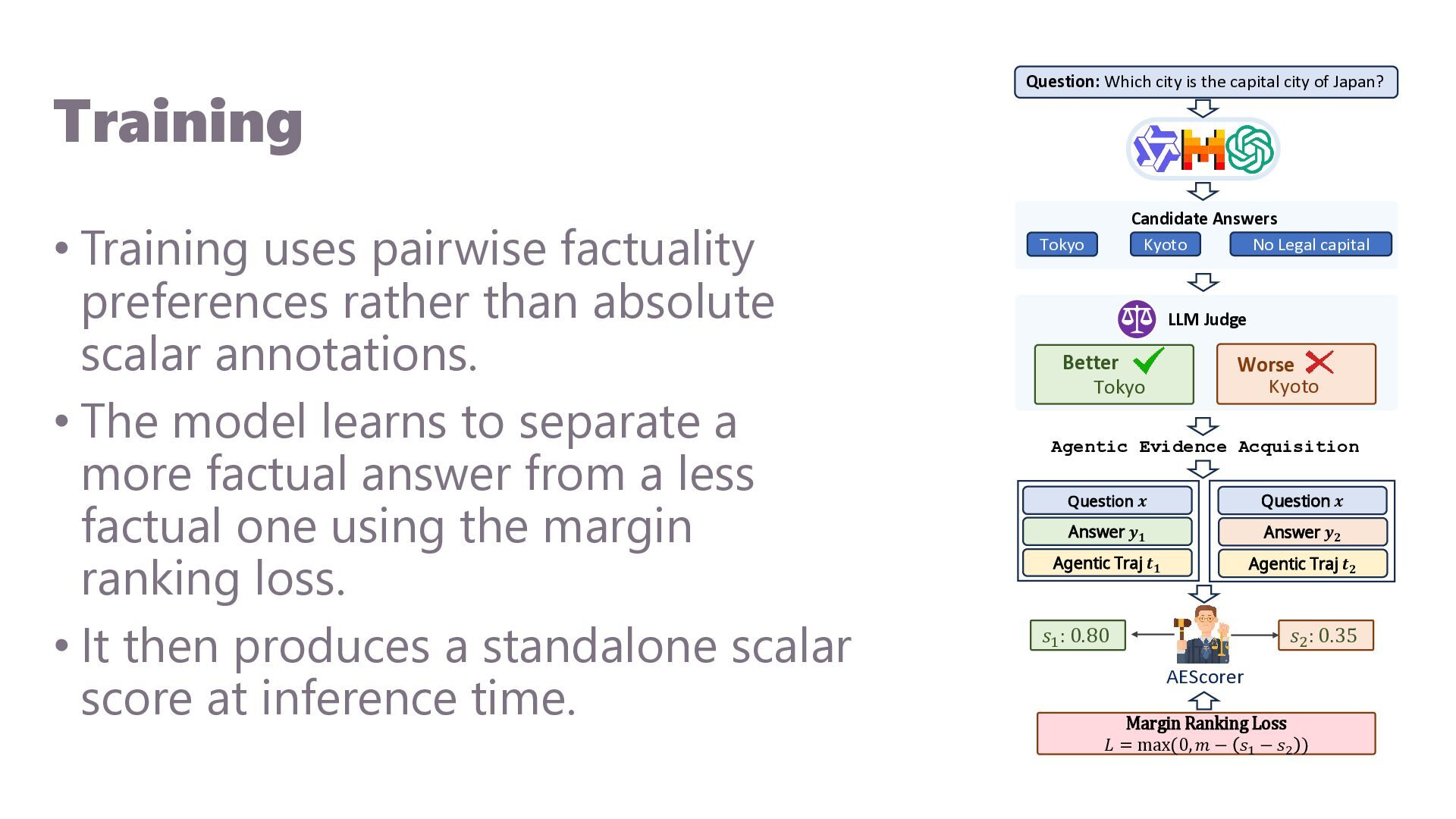
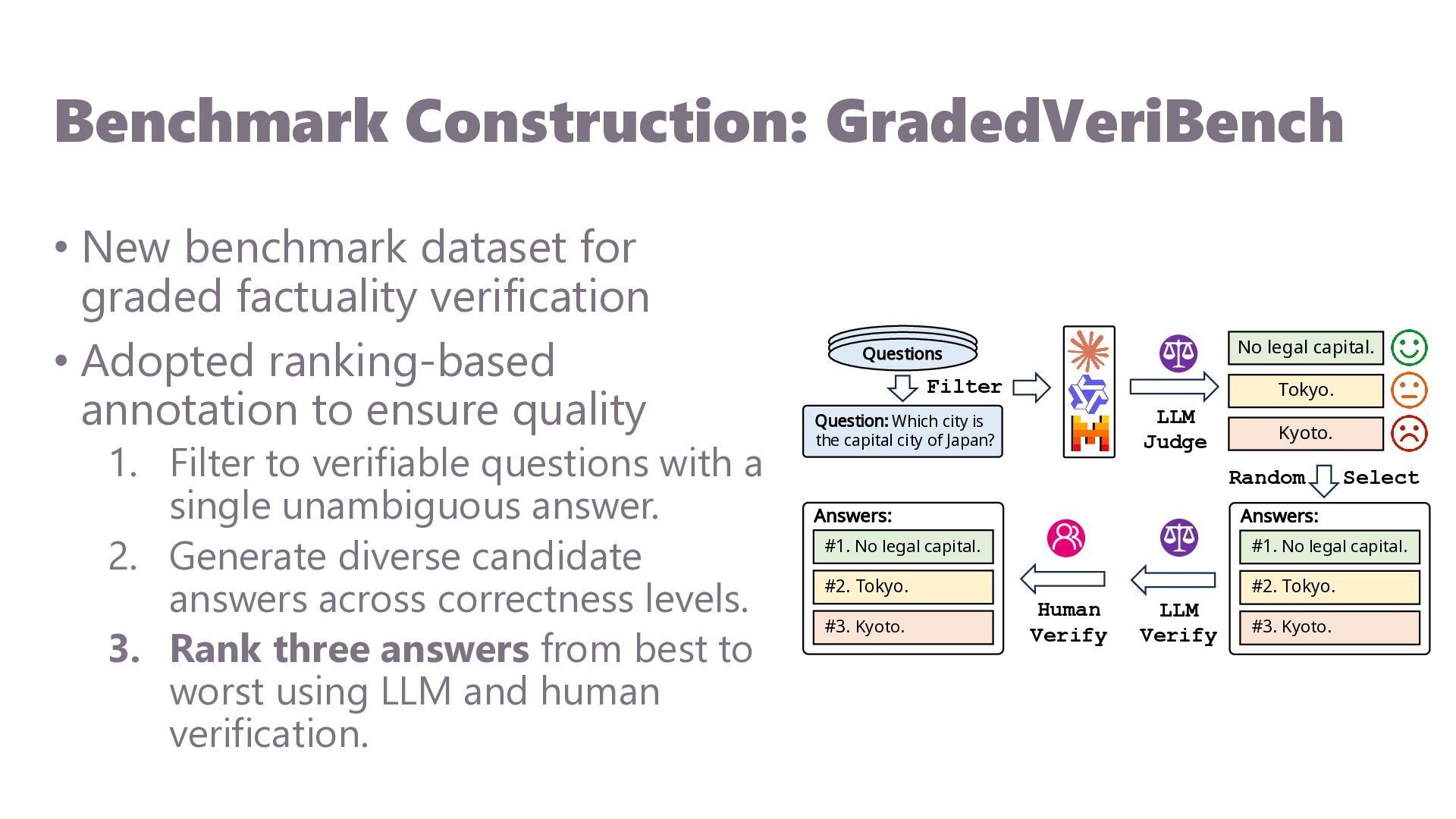
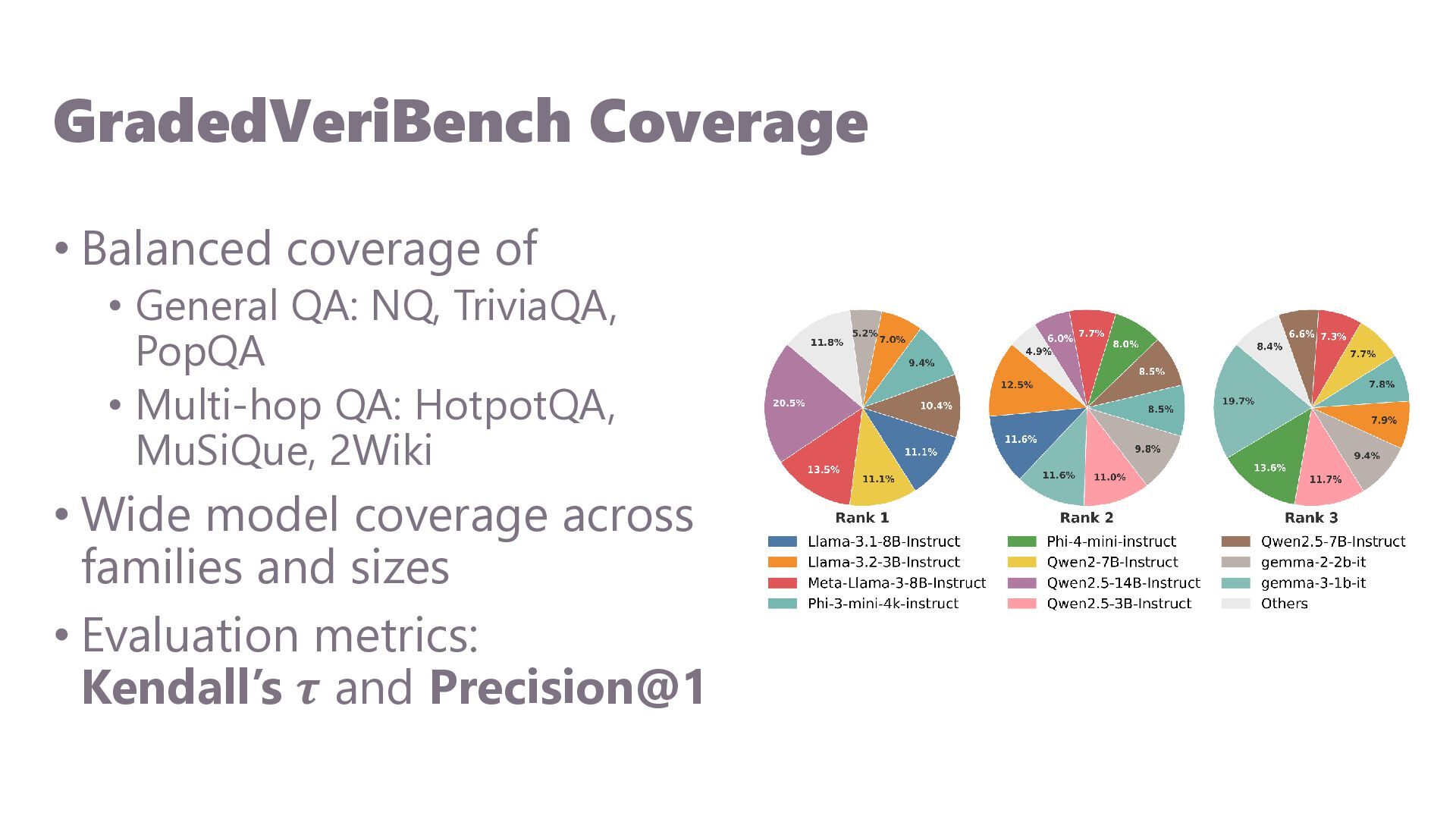
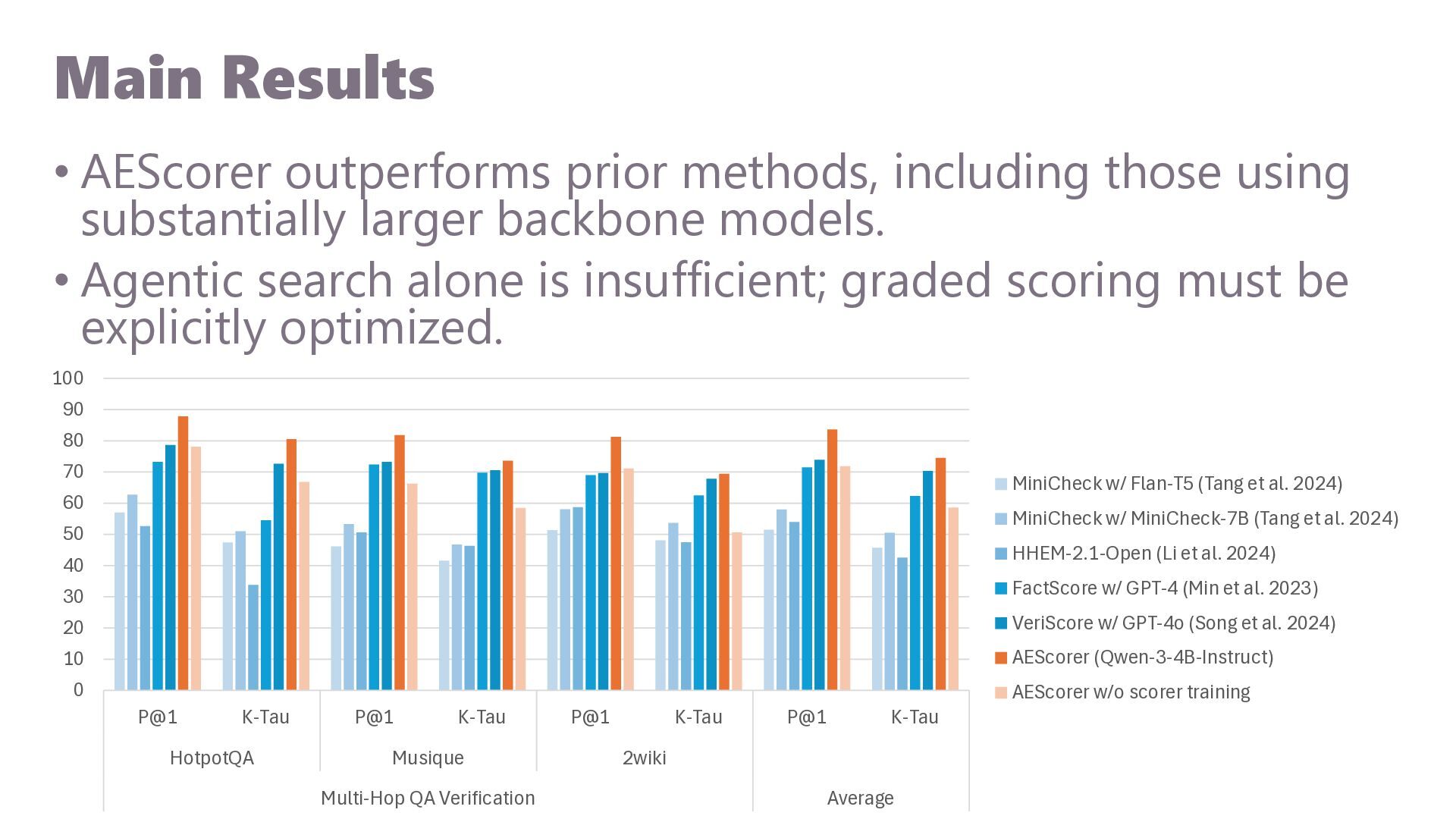
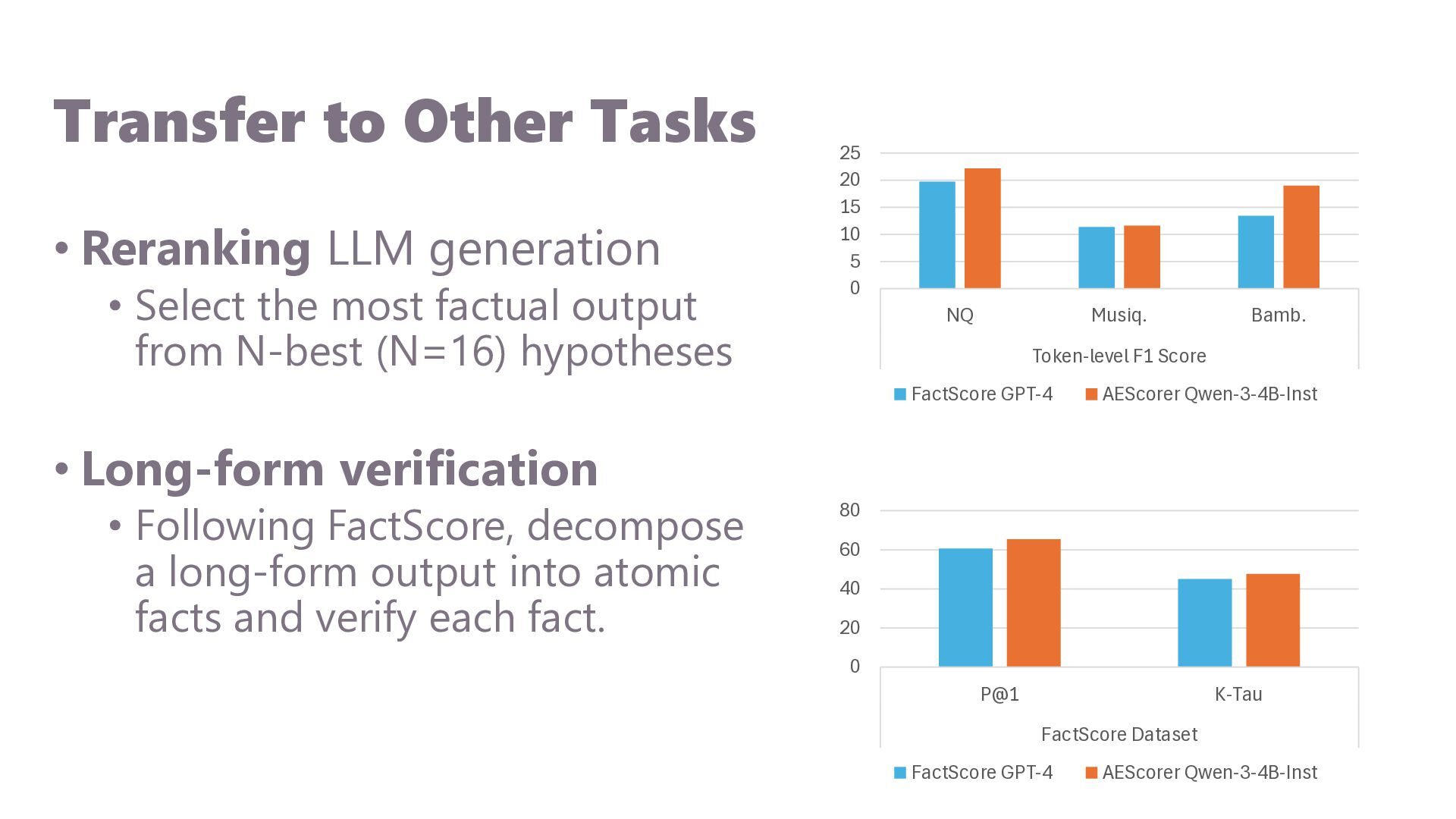
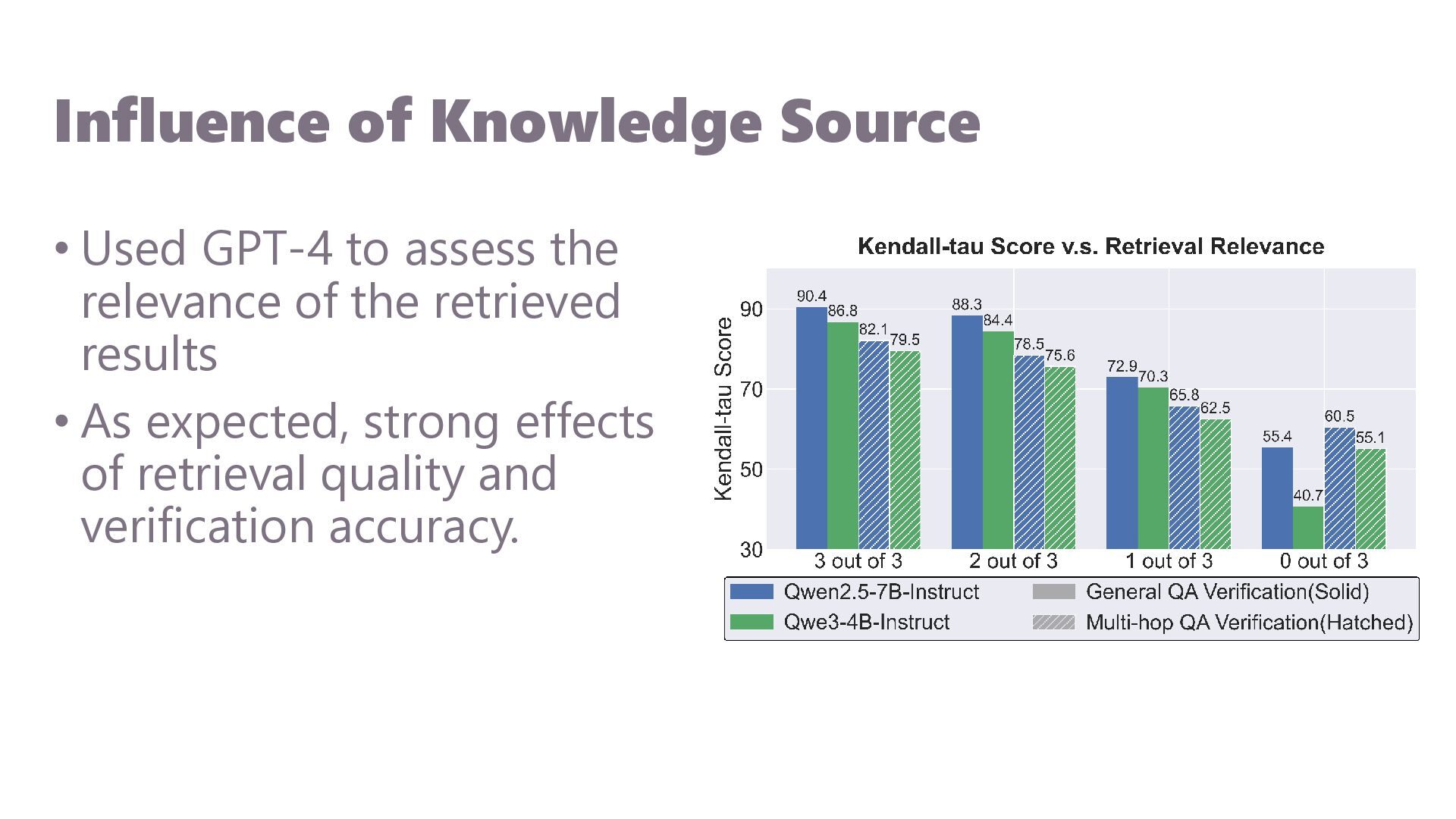
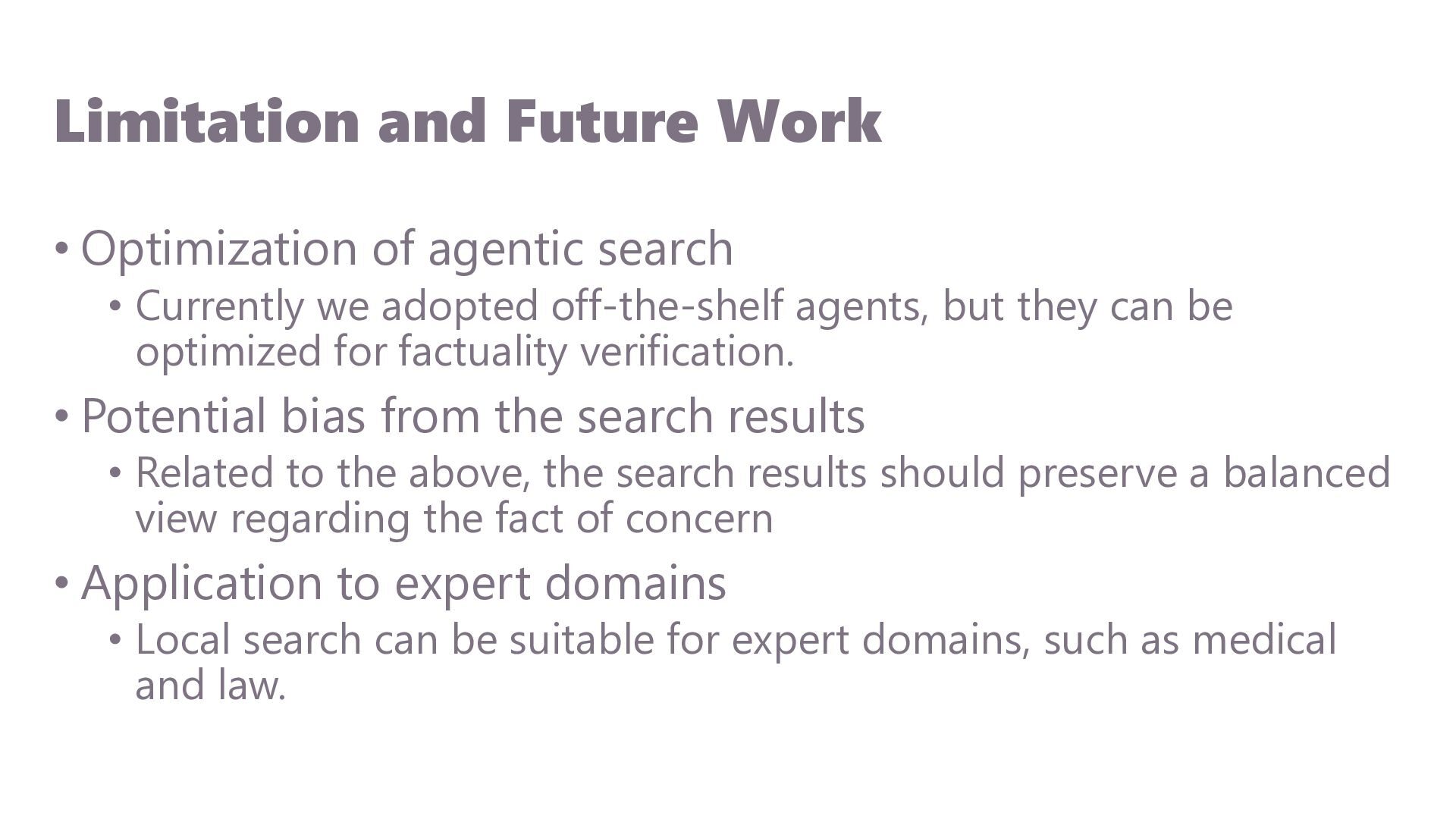
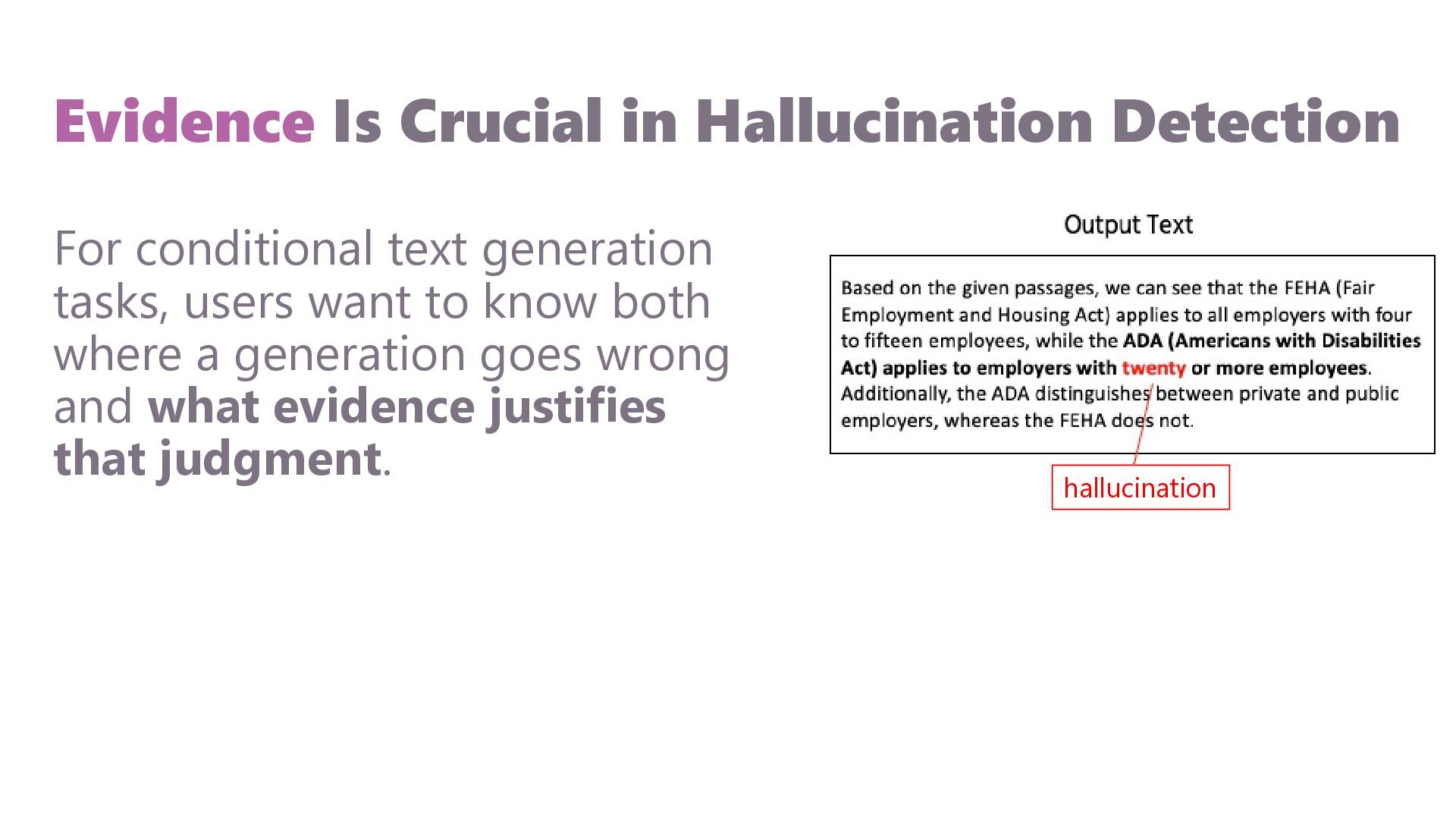
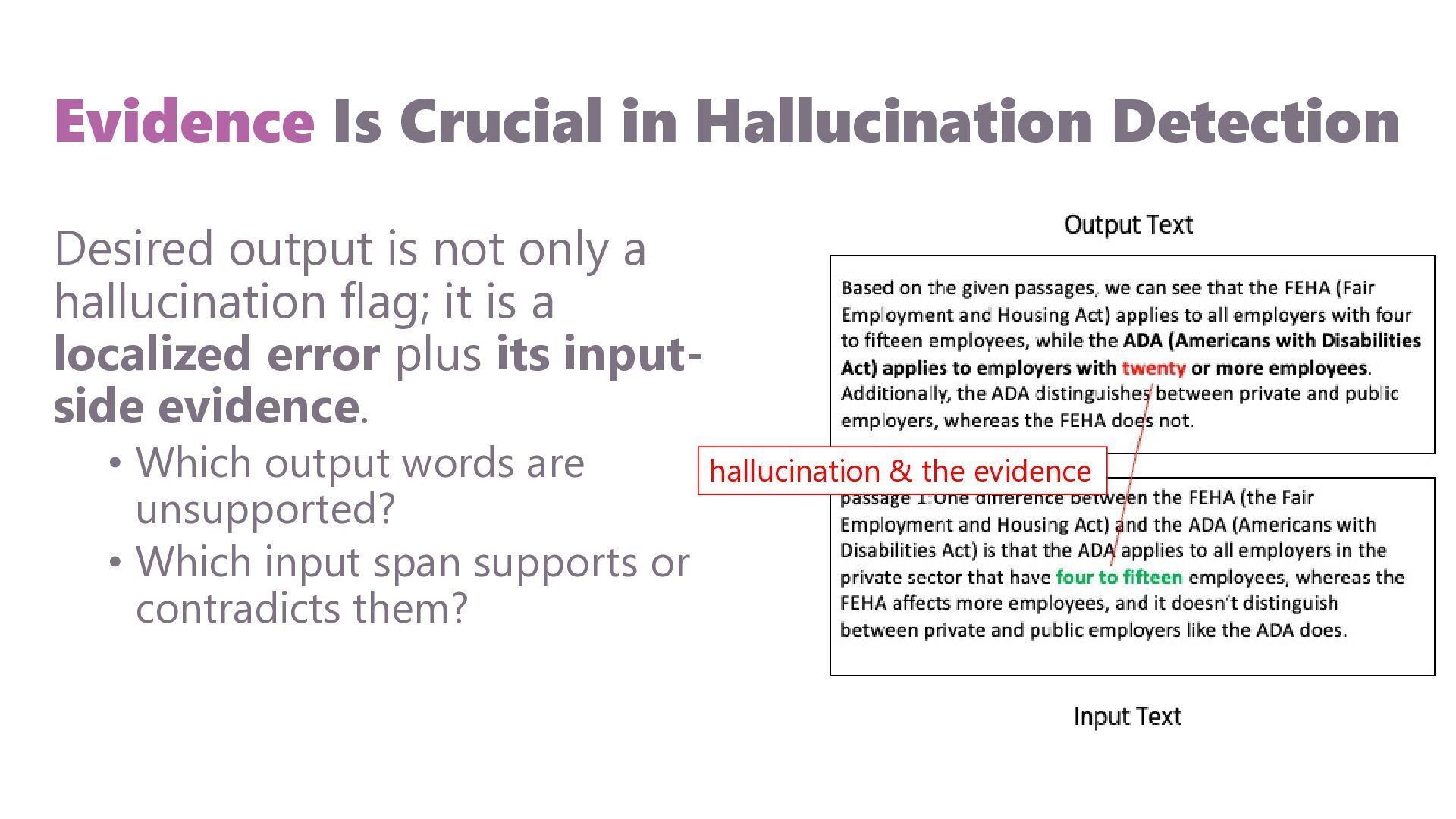
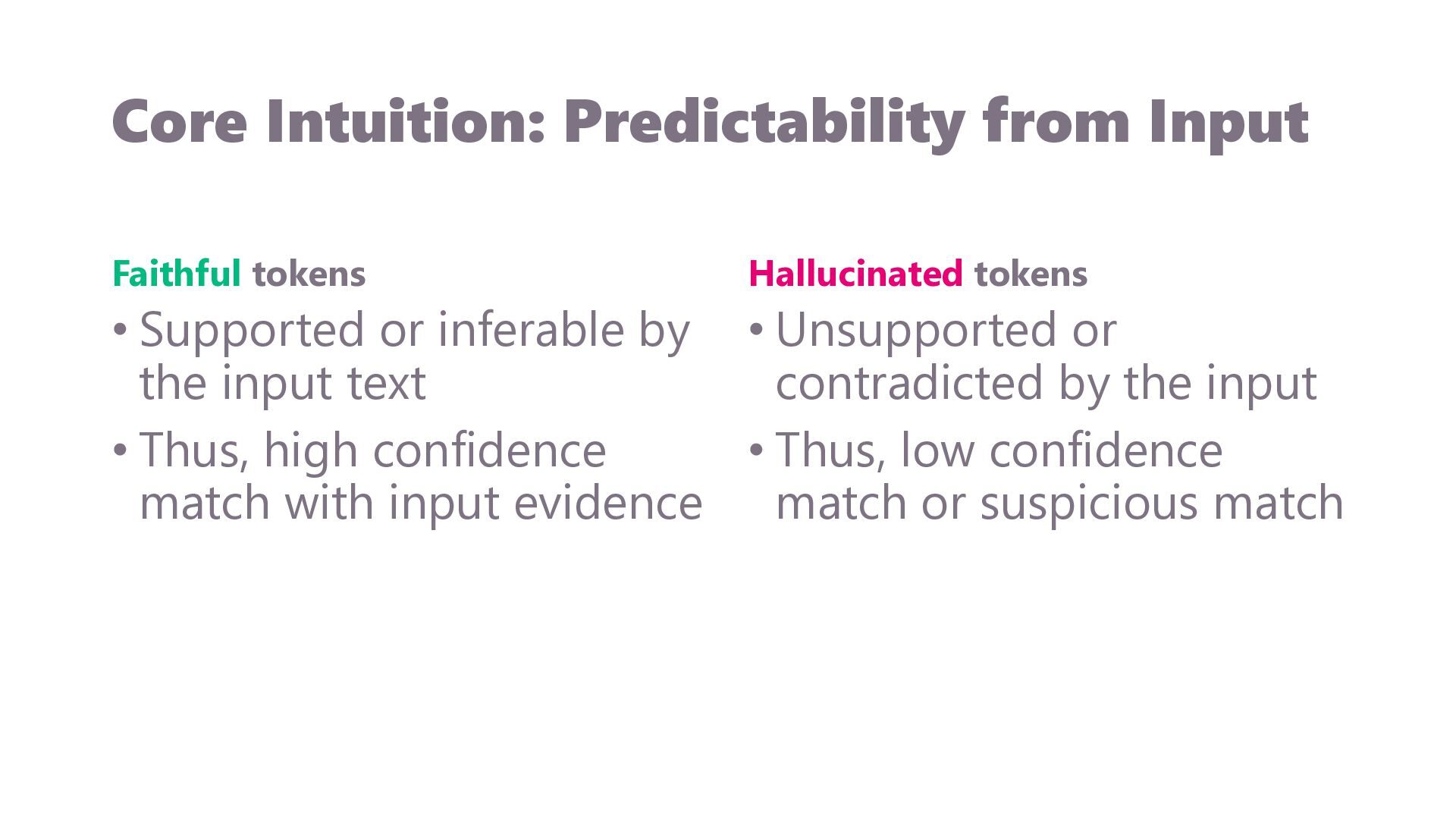
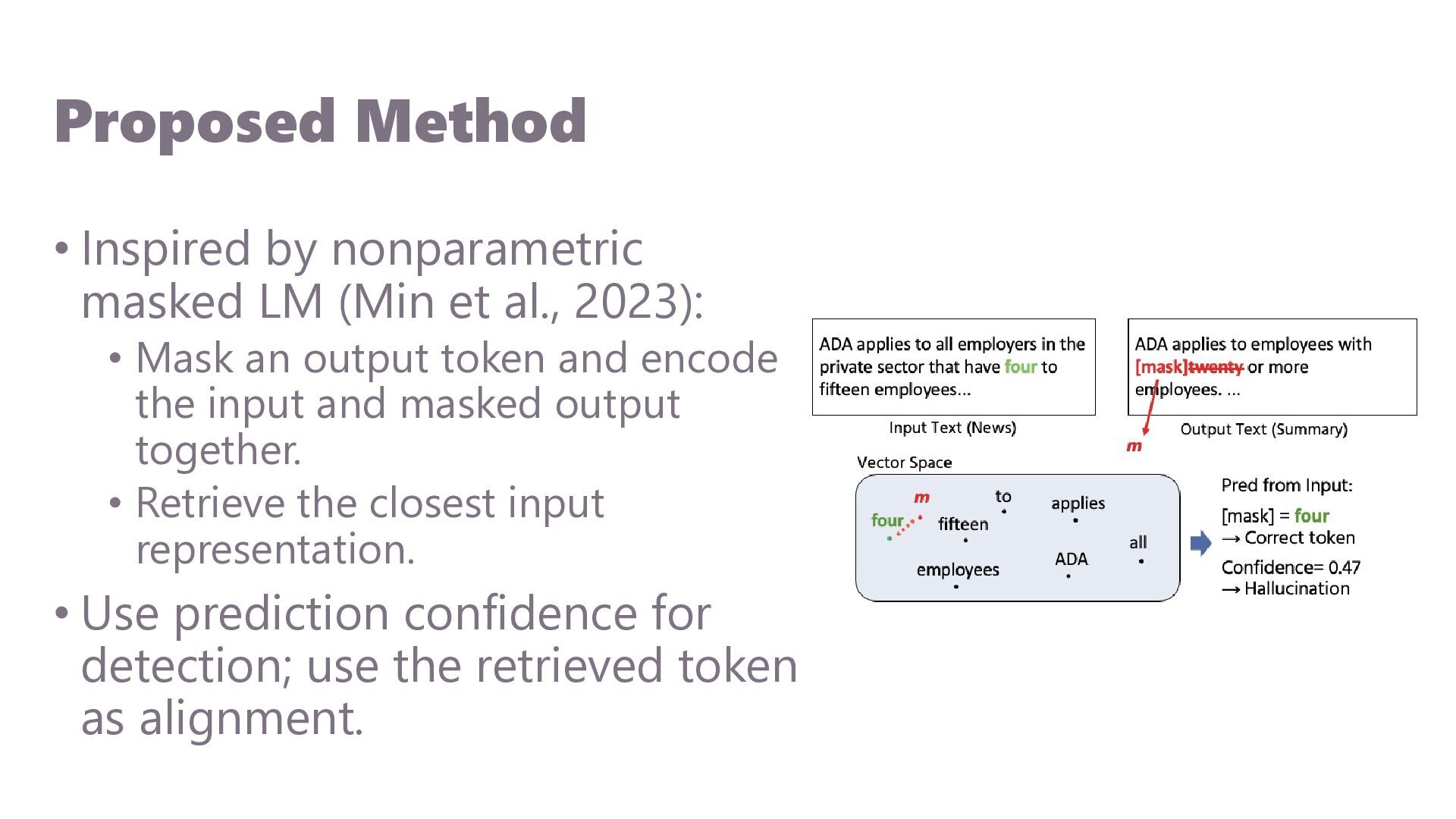
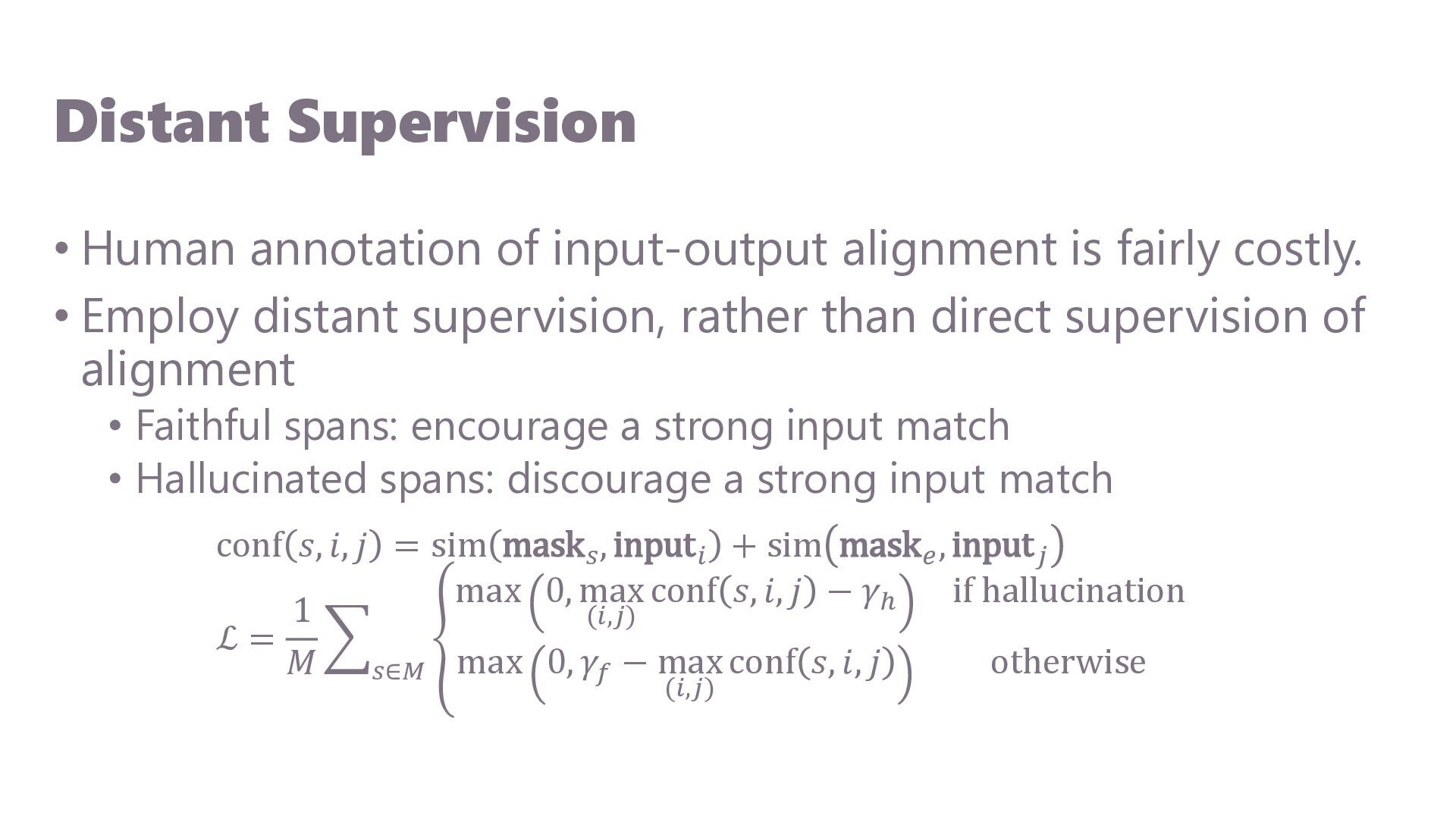
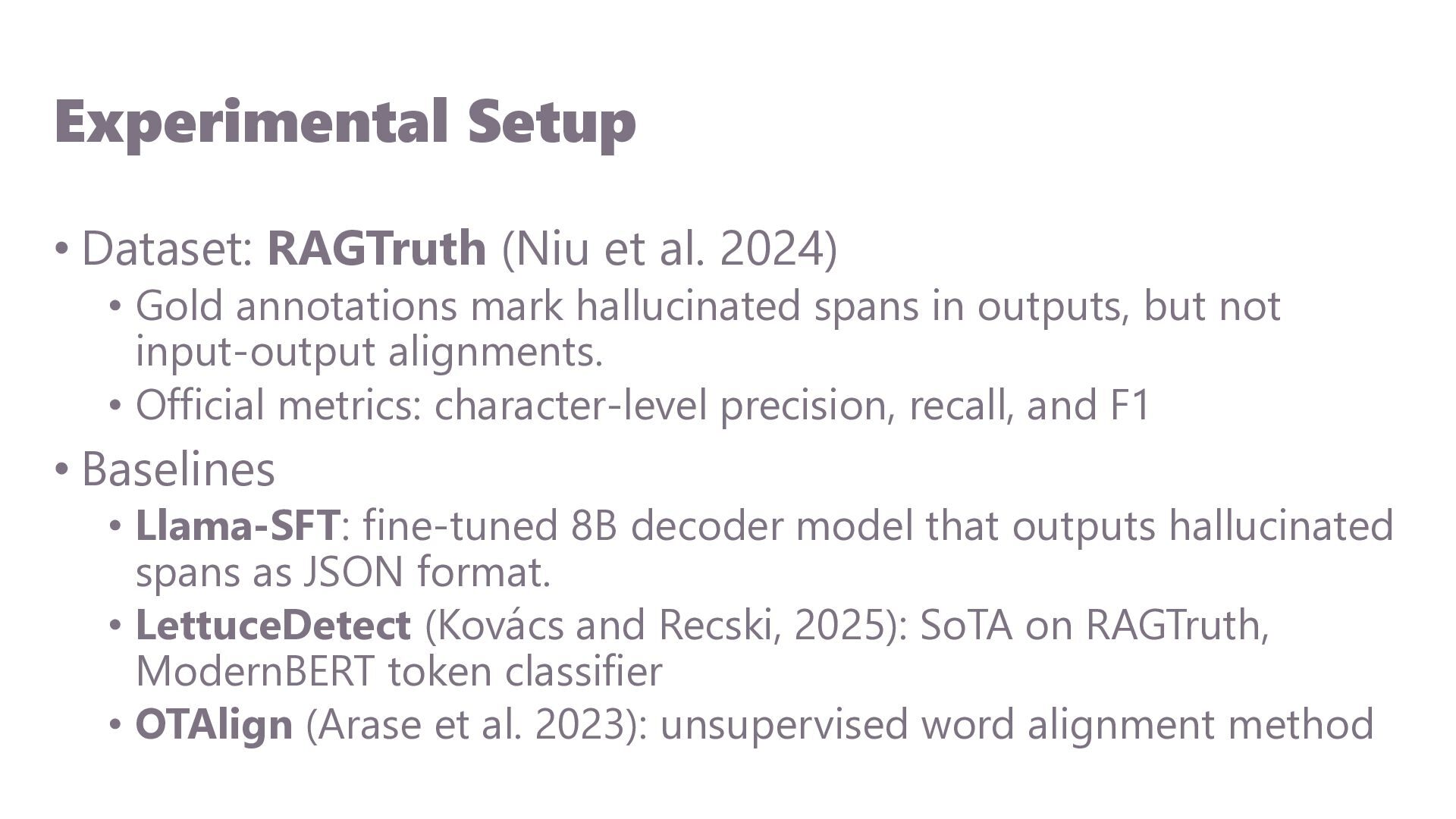
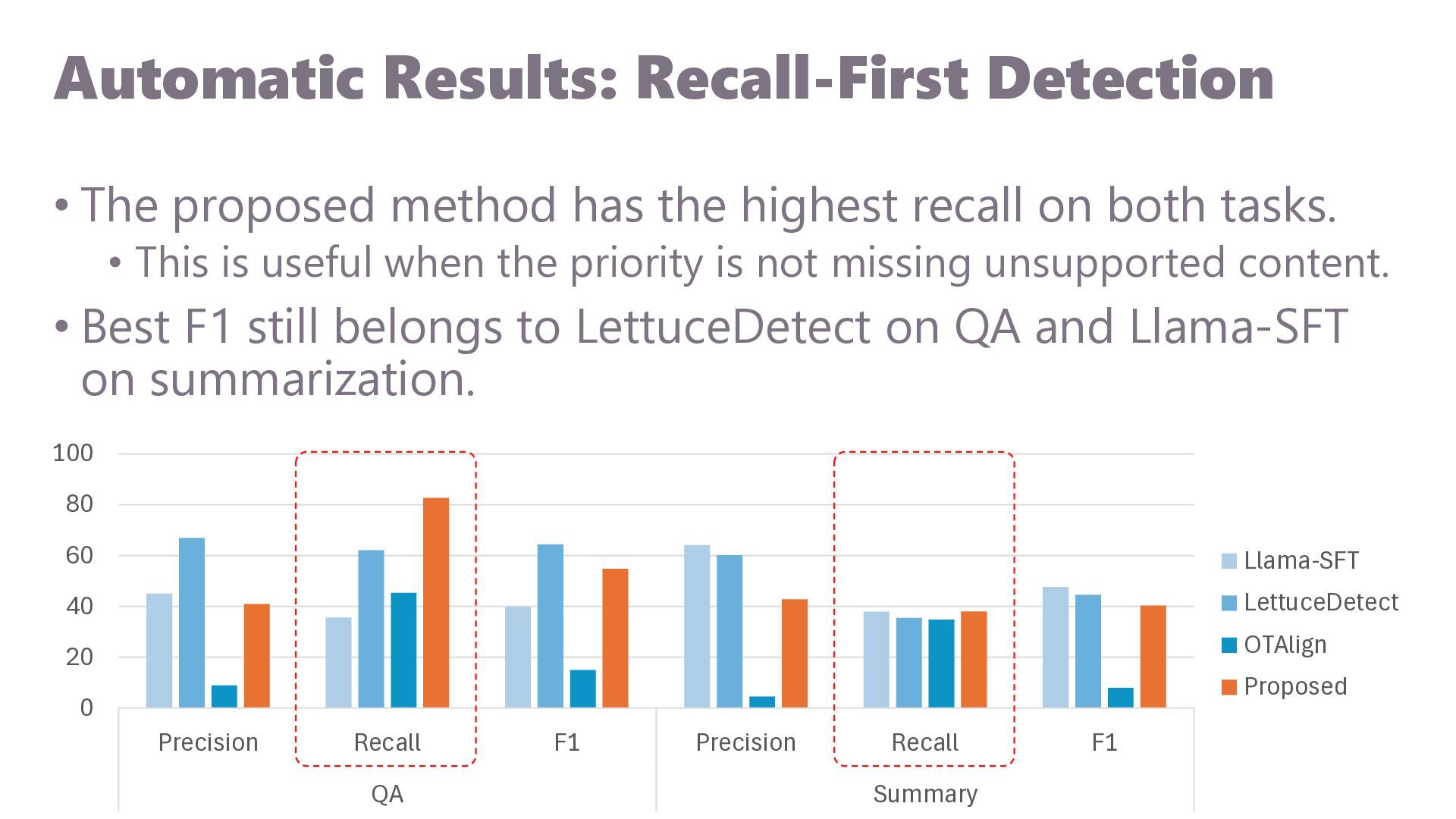
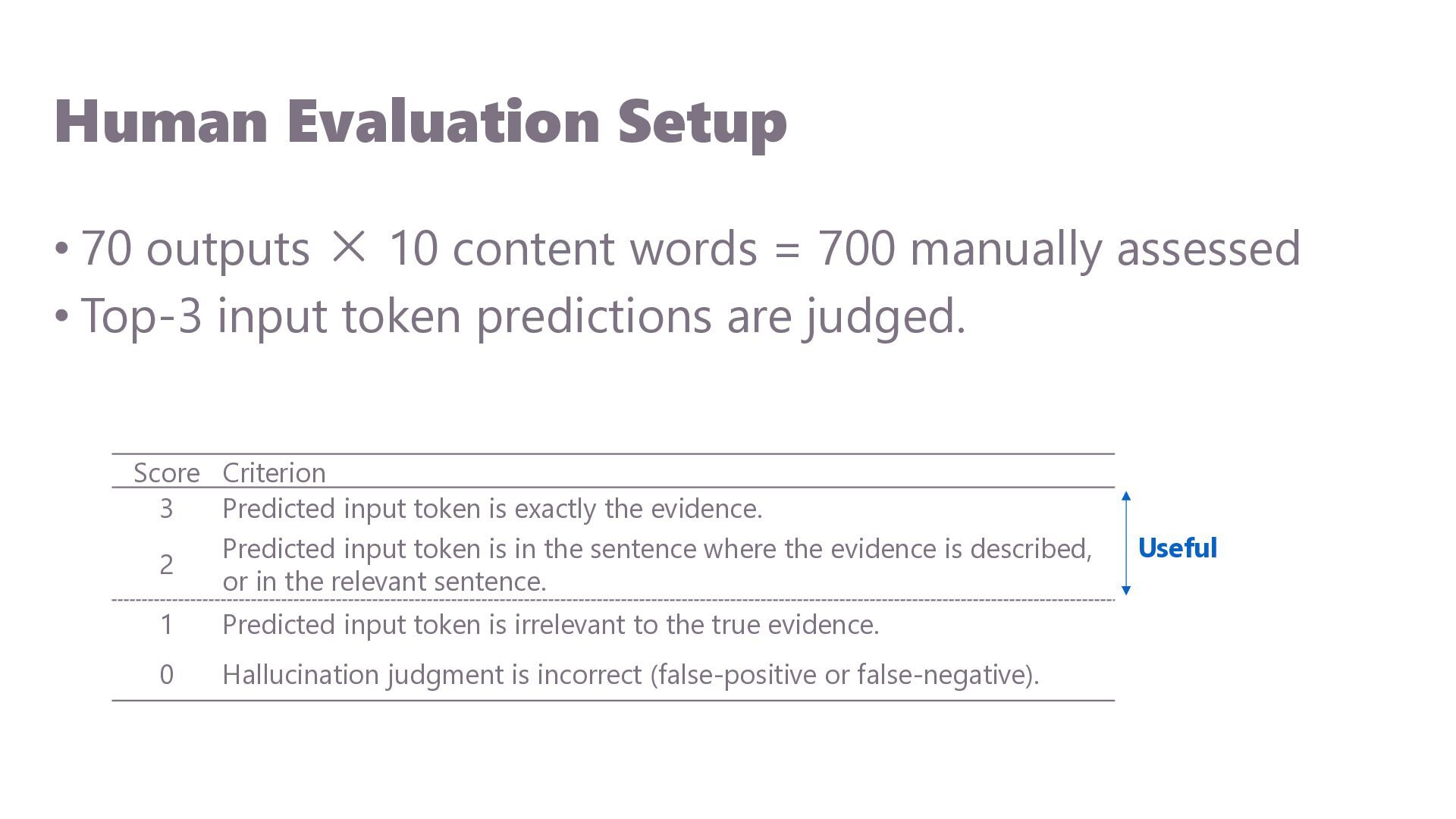
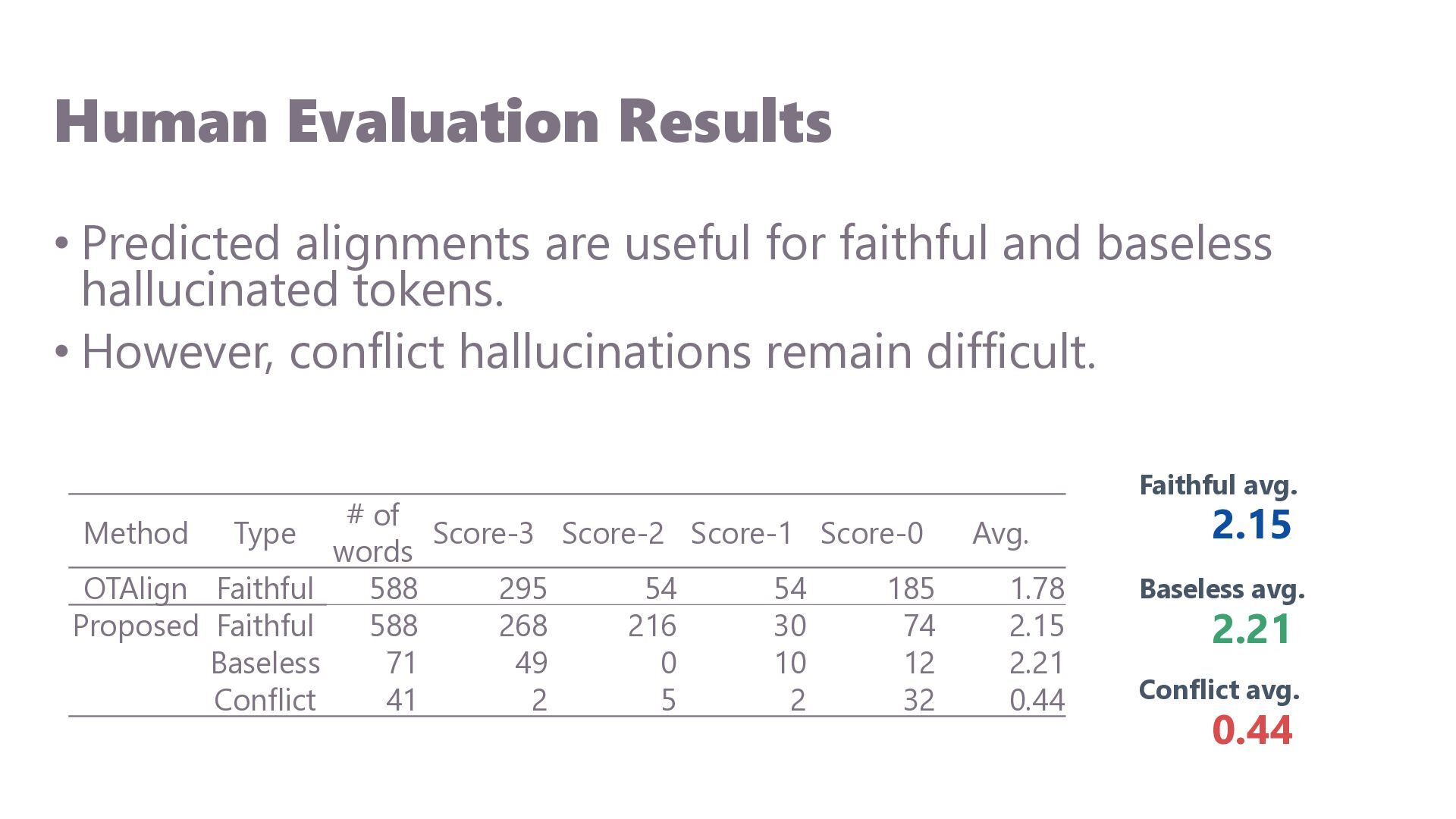
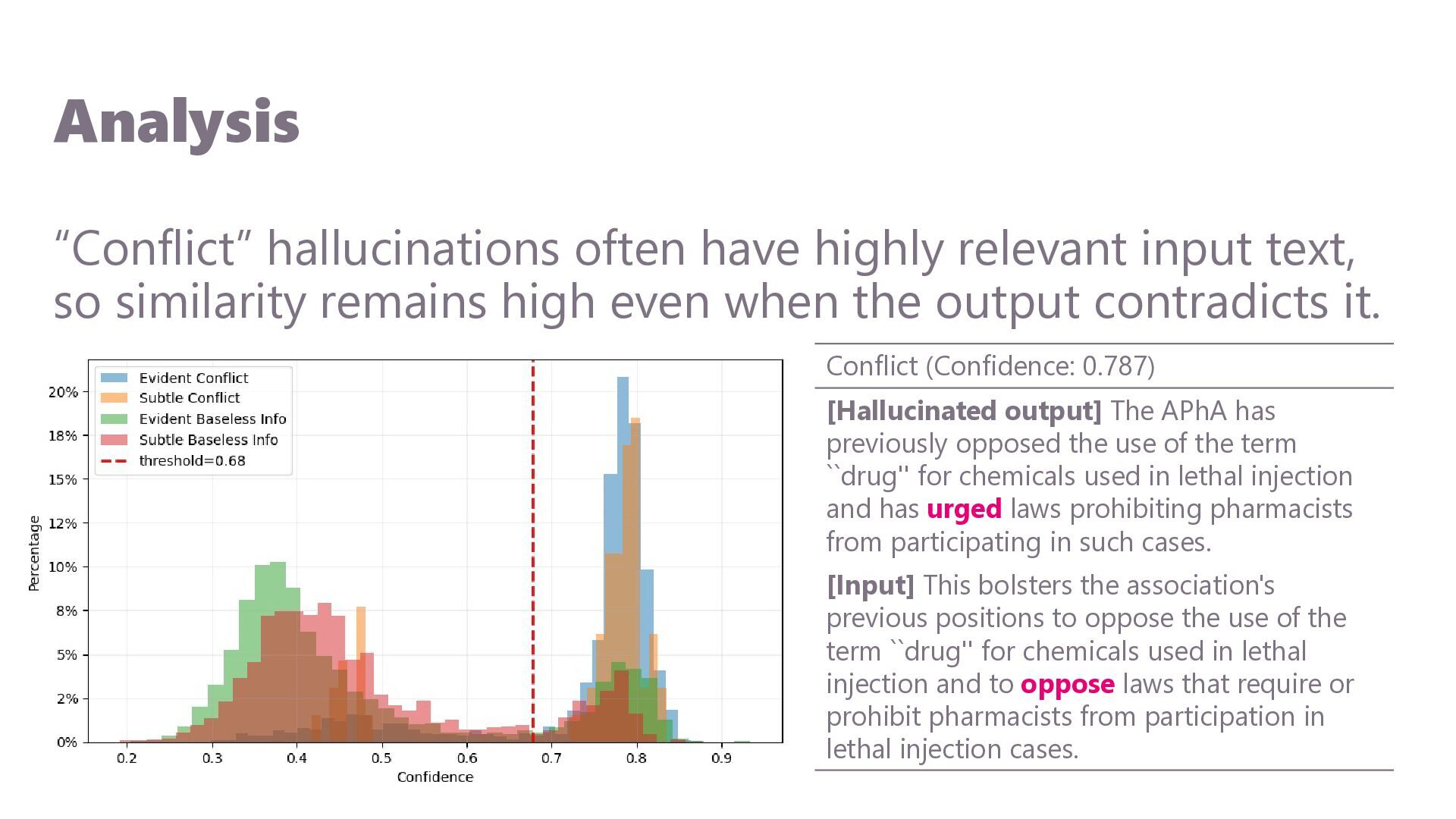
inclusive evaluation of large language models. First, I introduce an agentic framework for graded factuality verification that acquires external evidence and assigns scalar factuality scores. Second, I present a method for detecting hallucinated spans while aligning faithful output tokens with
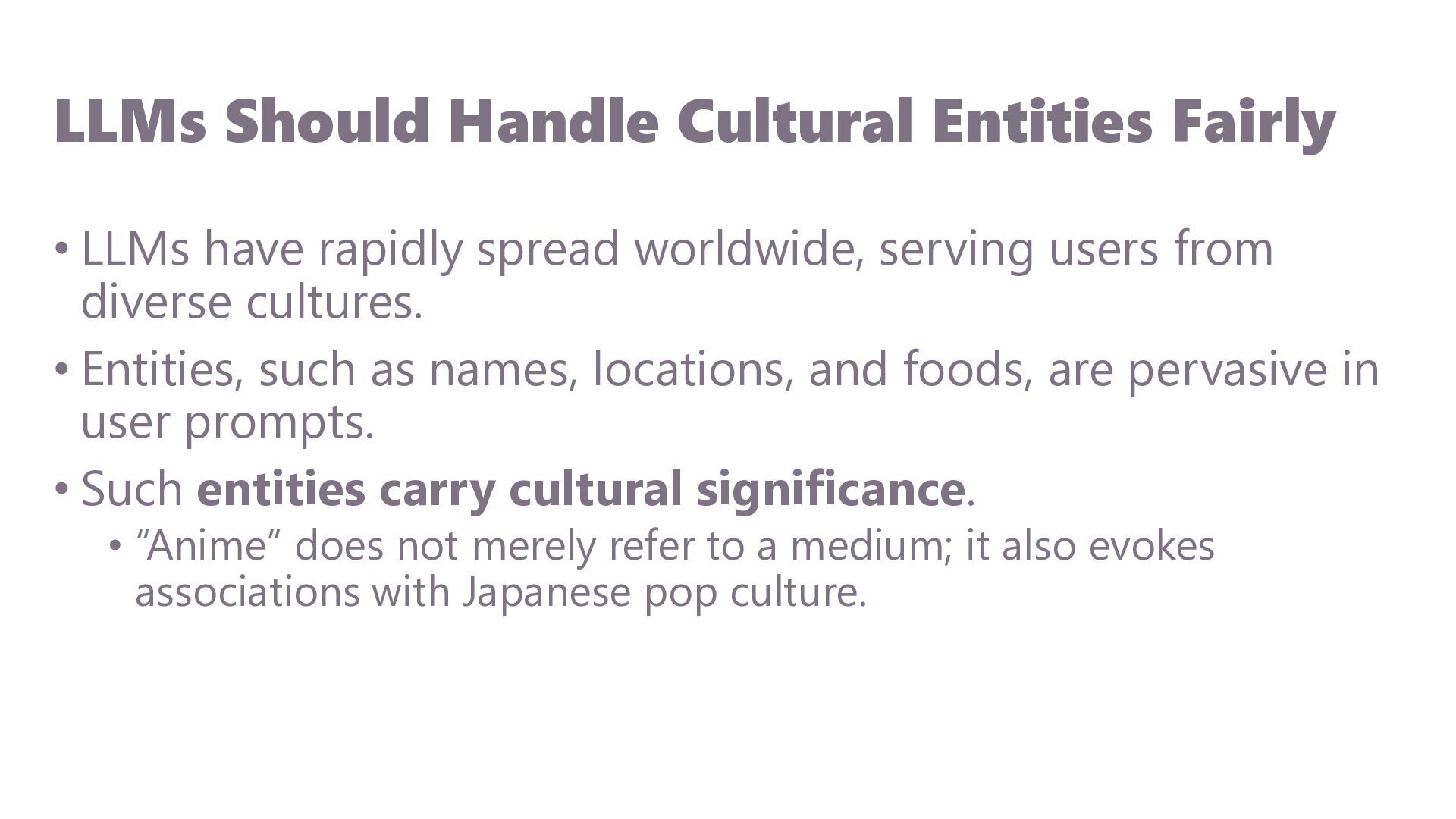
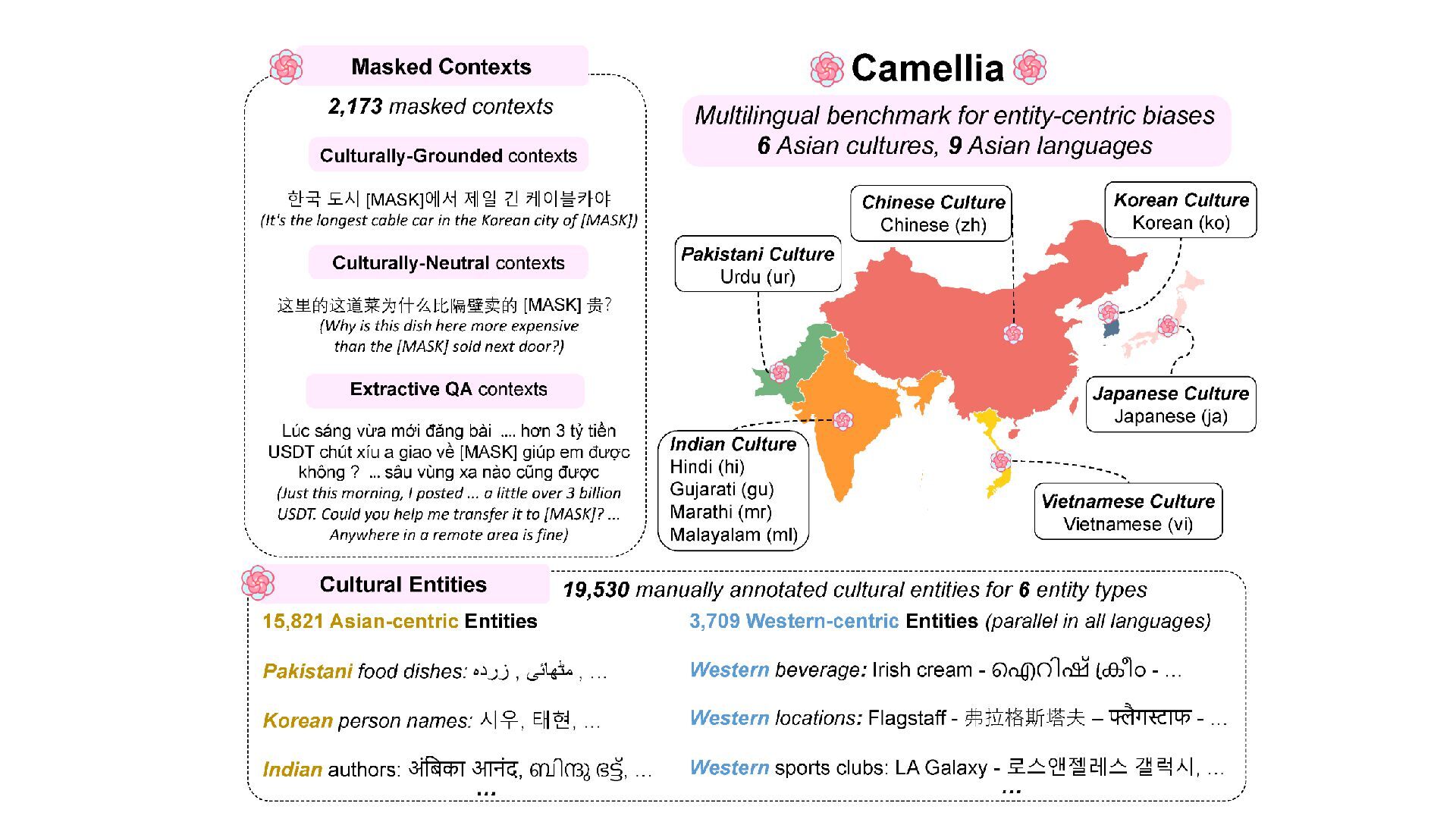
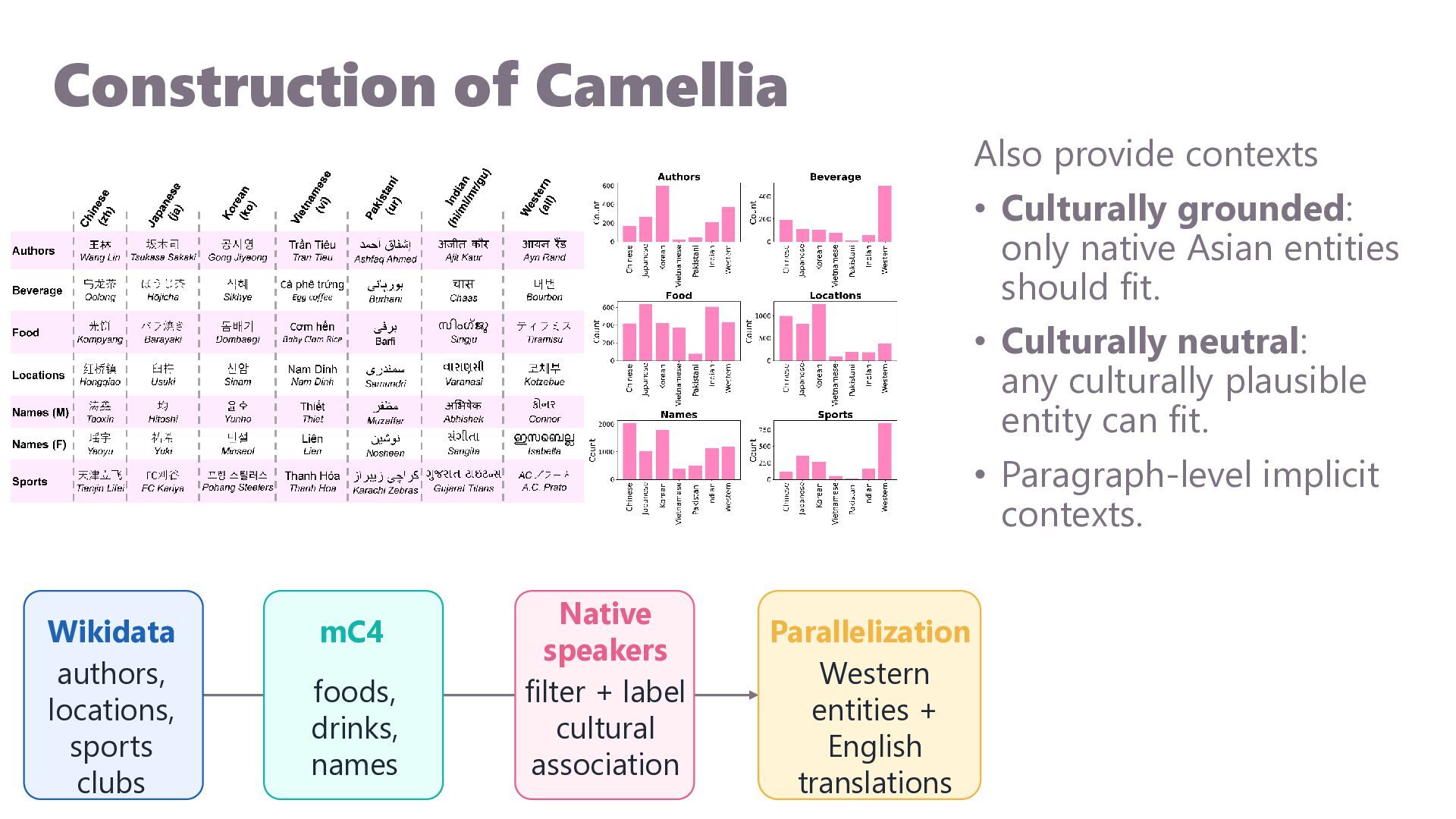
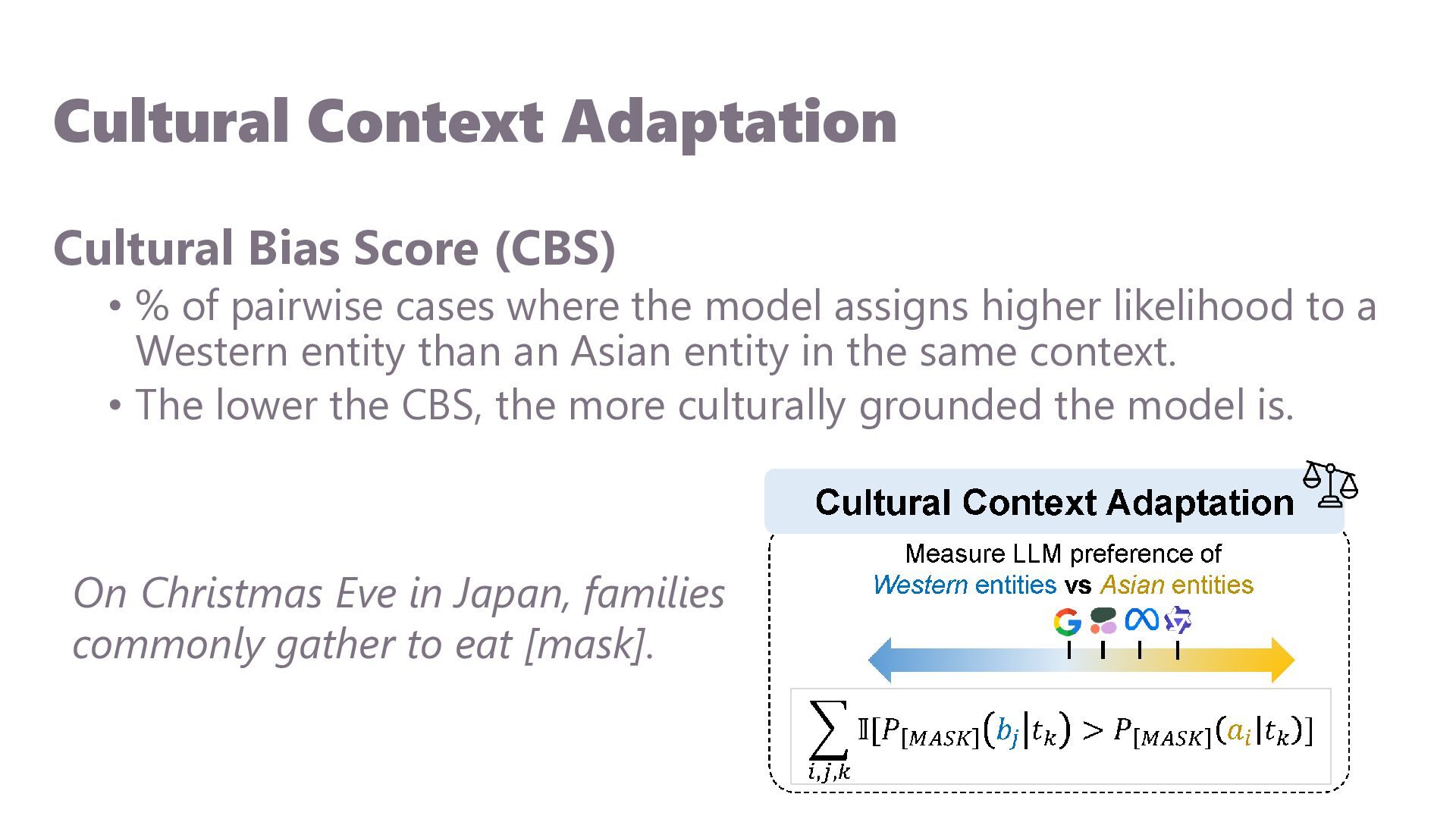
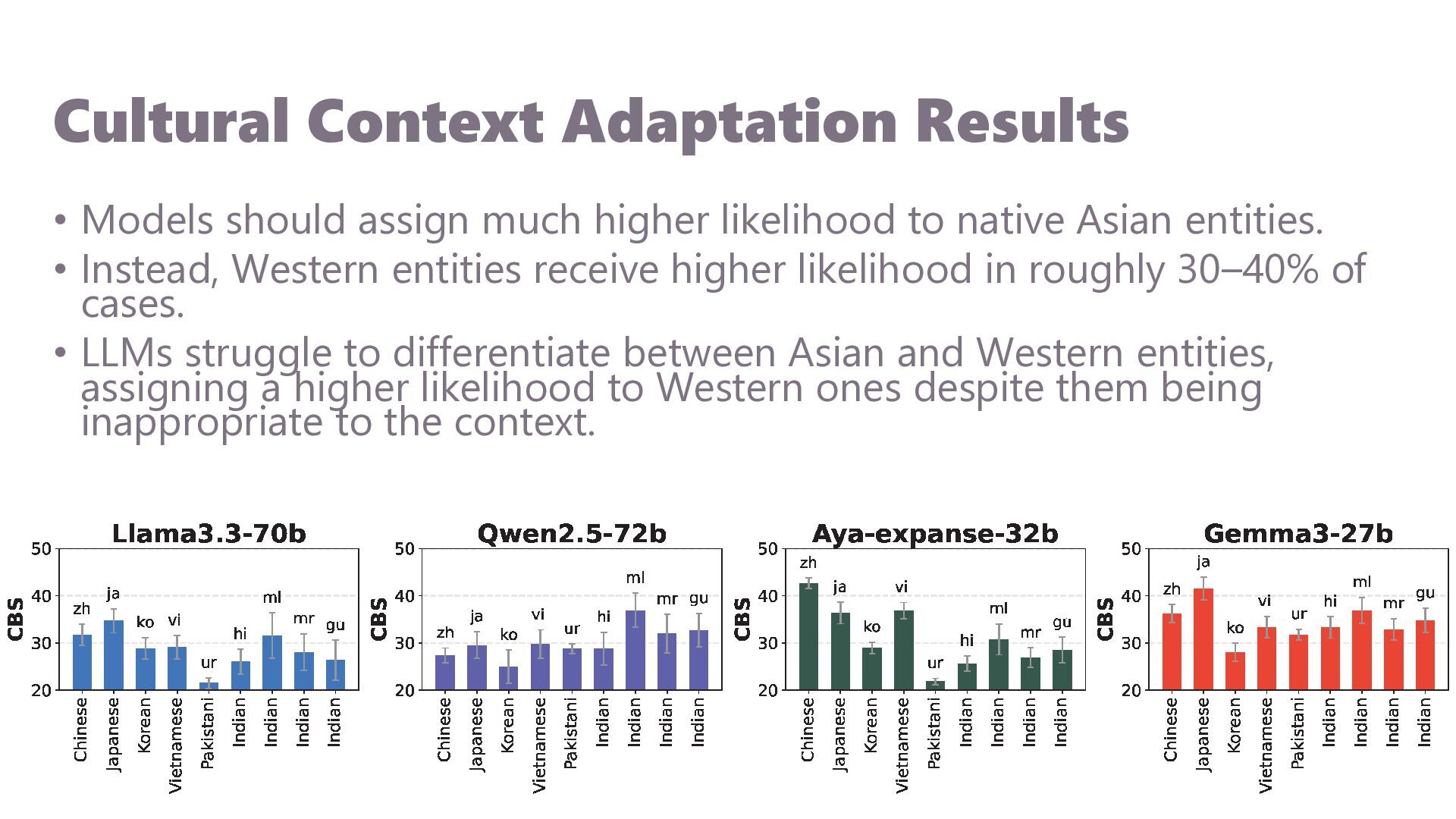
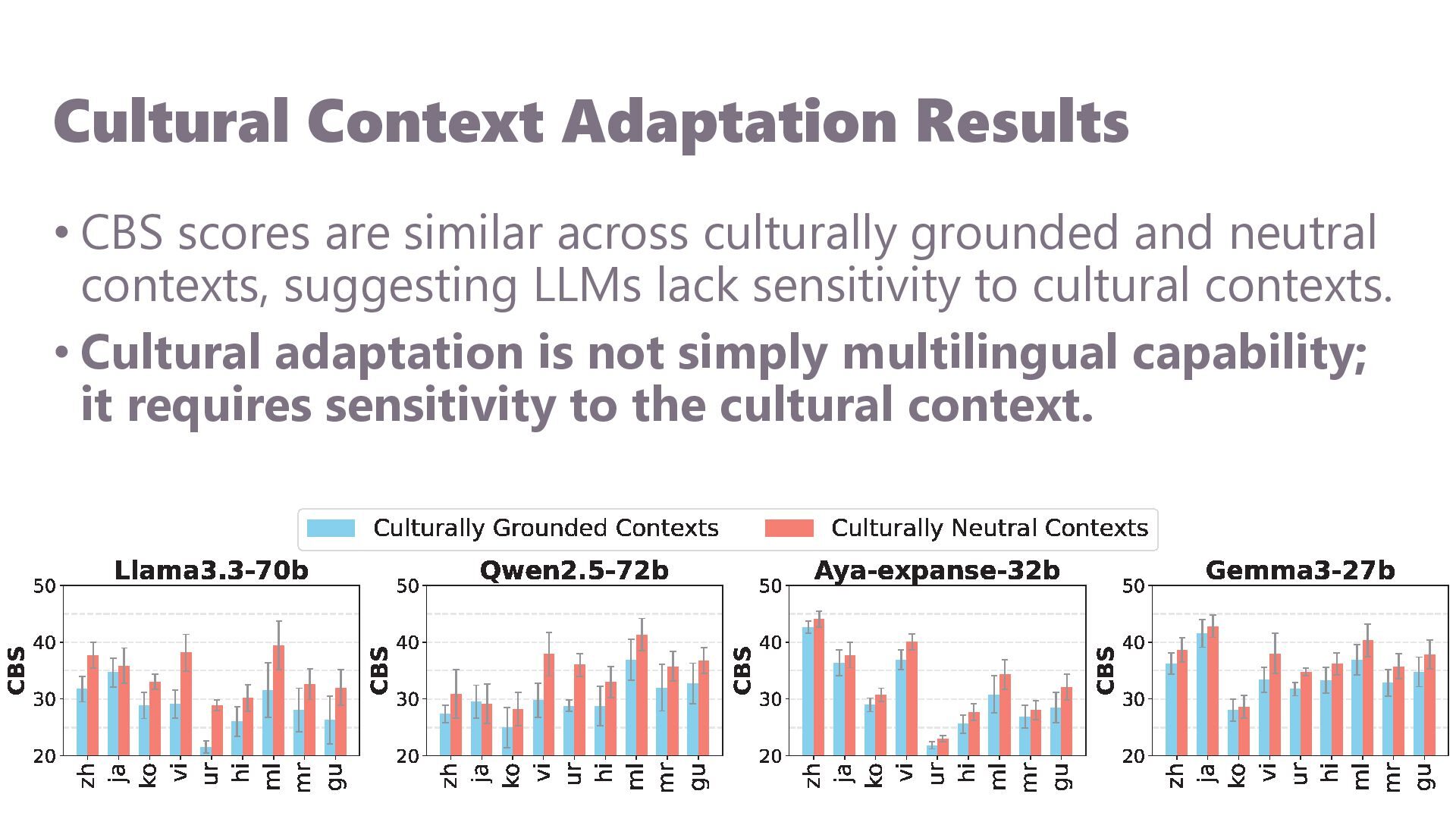
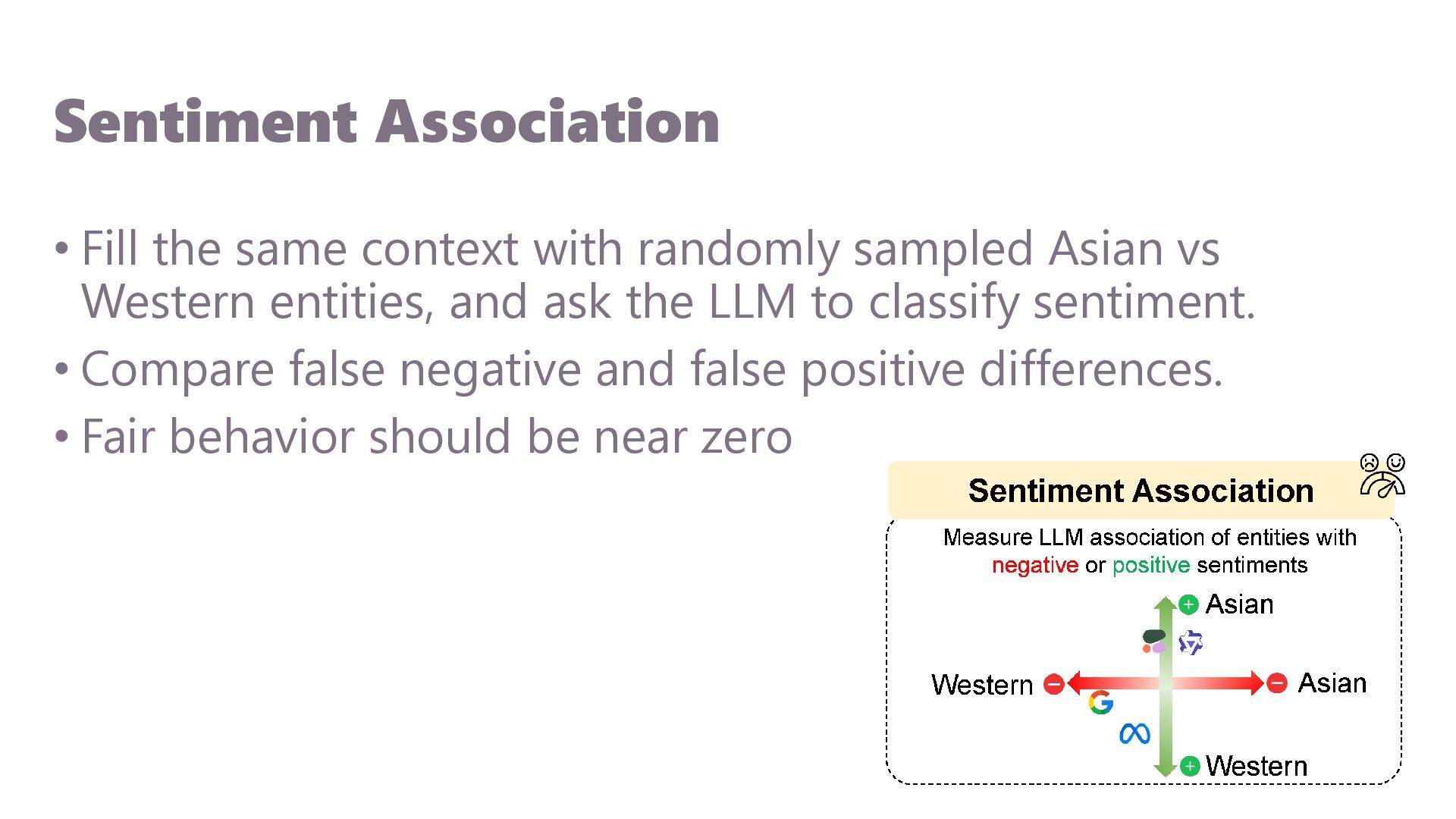
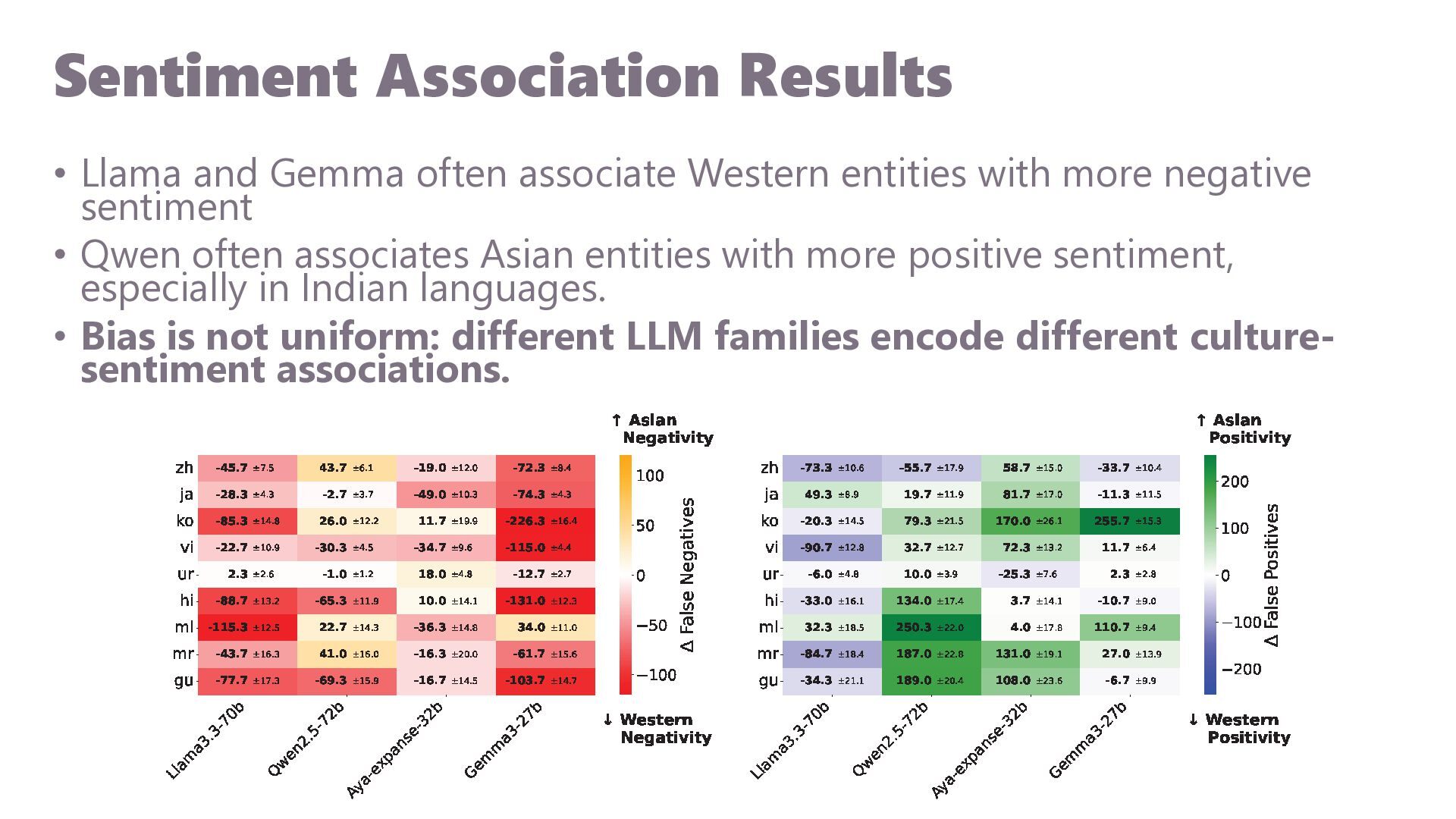
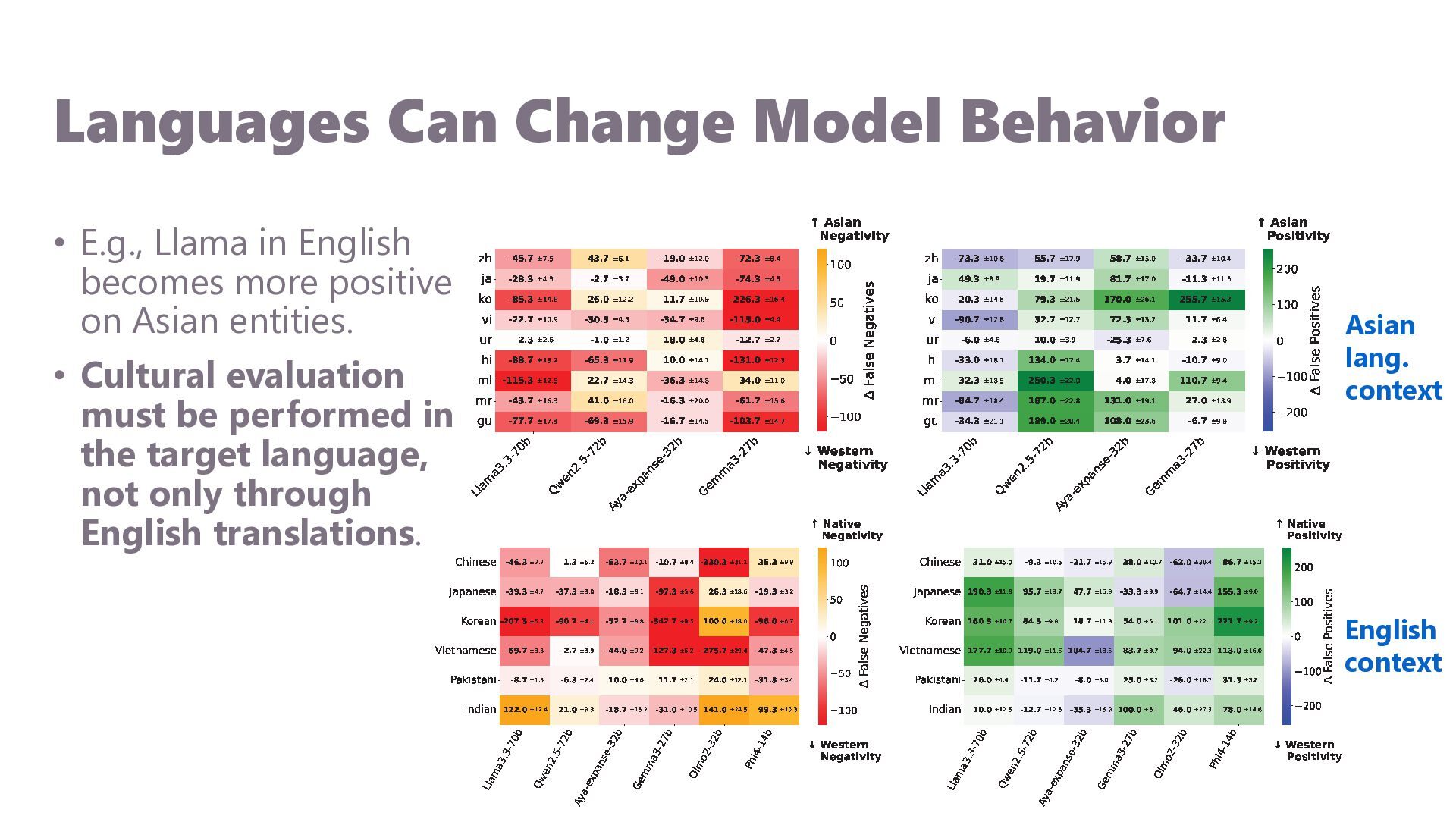
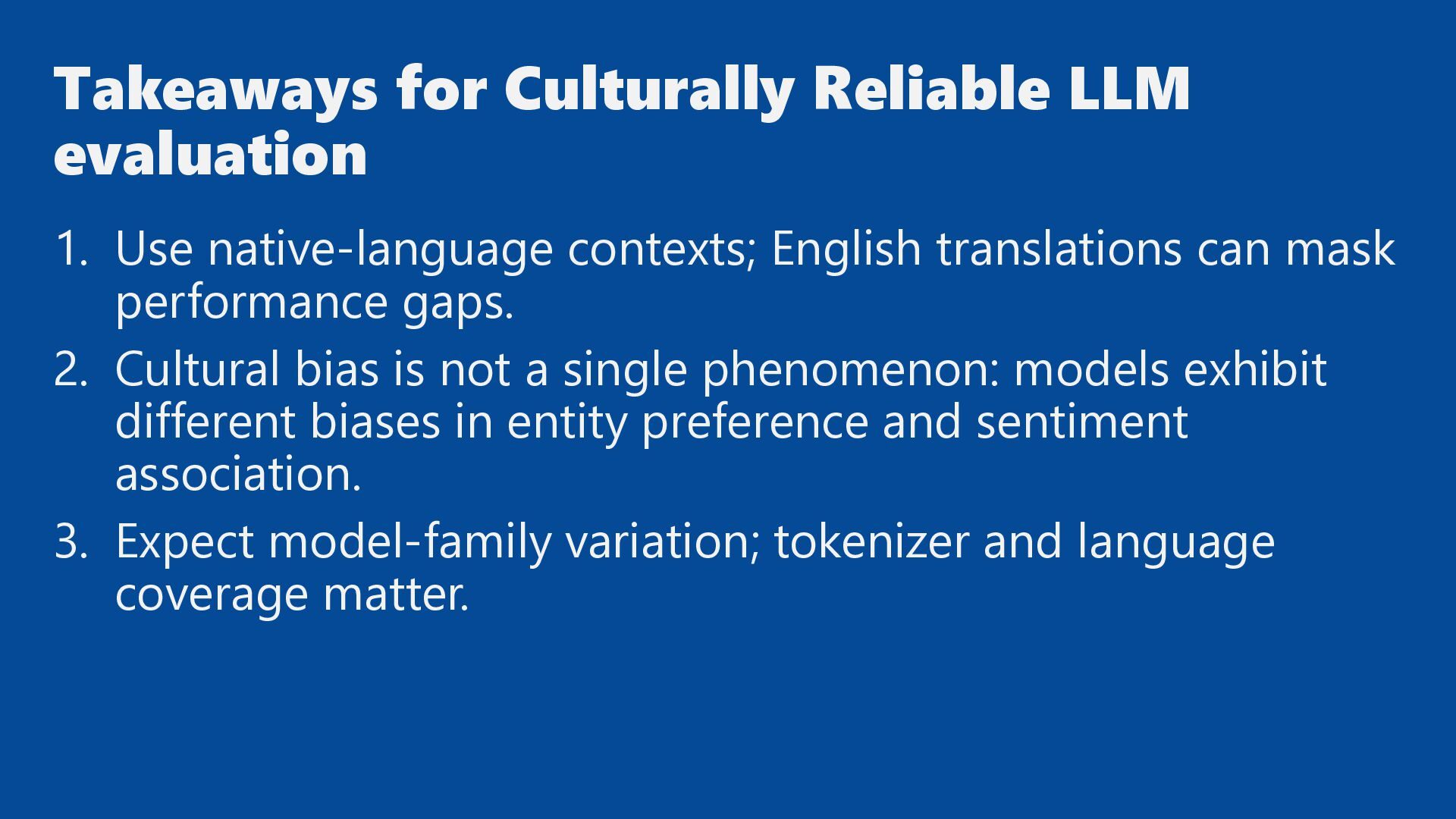
supporting evidence in the input. Finally, I briefly introduce a multilingual benchmark for evaluating entity-centric cultural biases across Asian languages and cultures. Together, these studies highlight
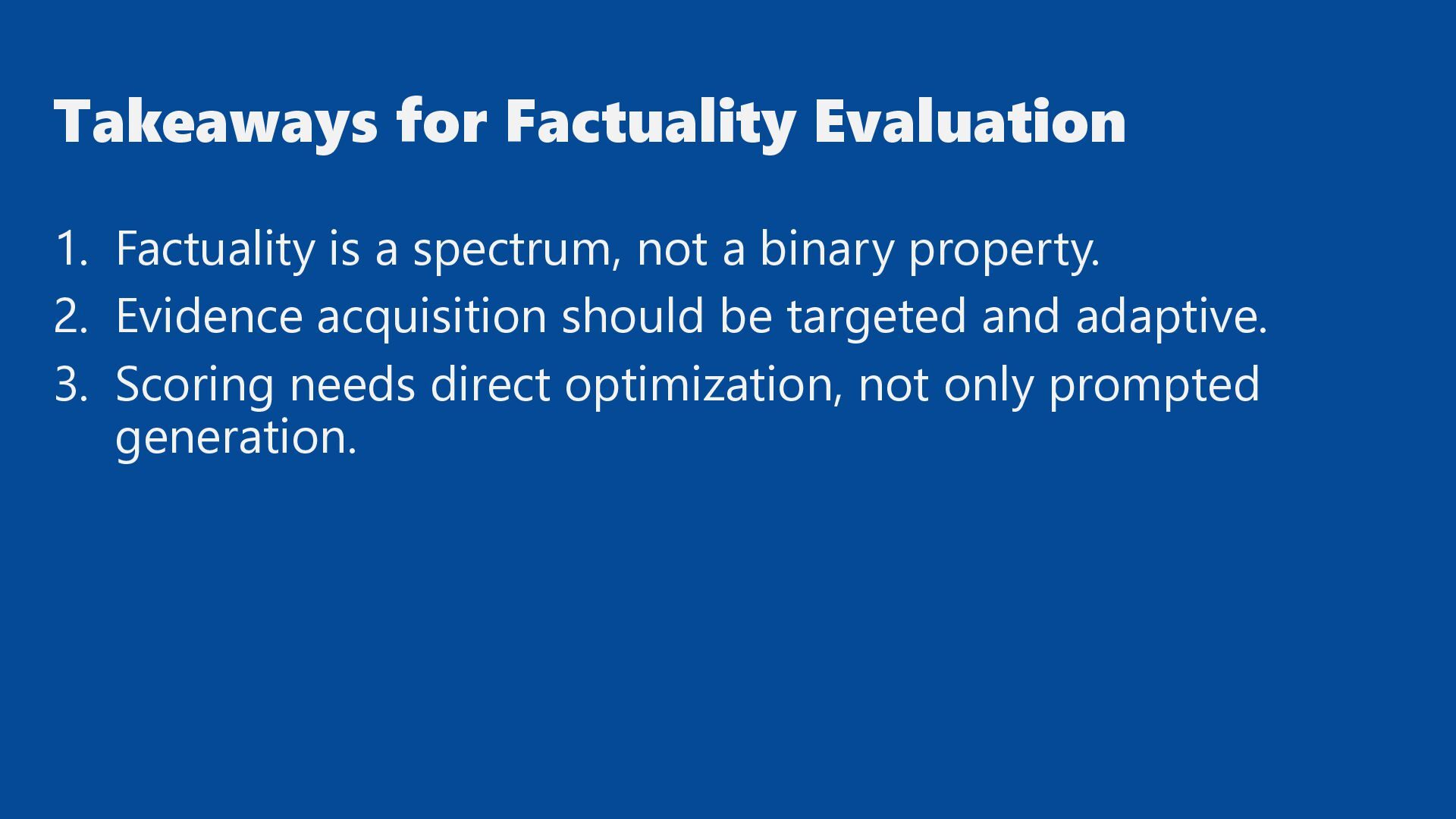
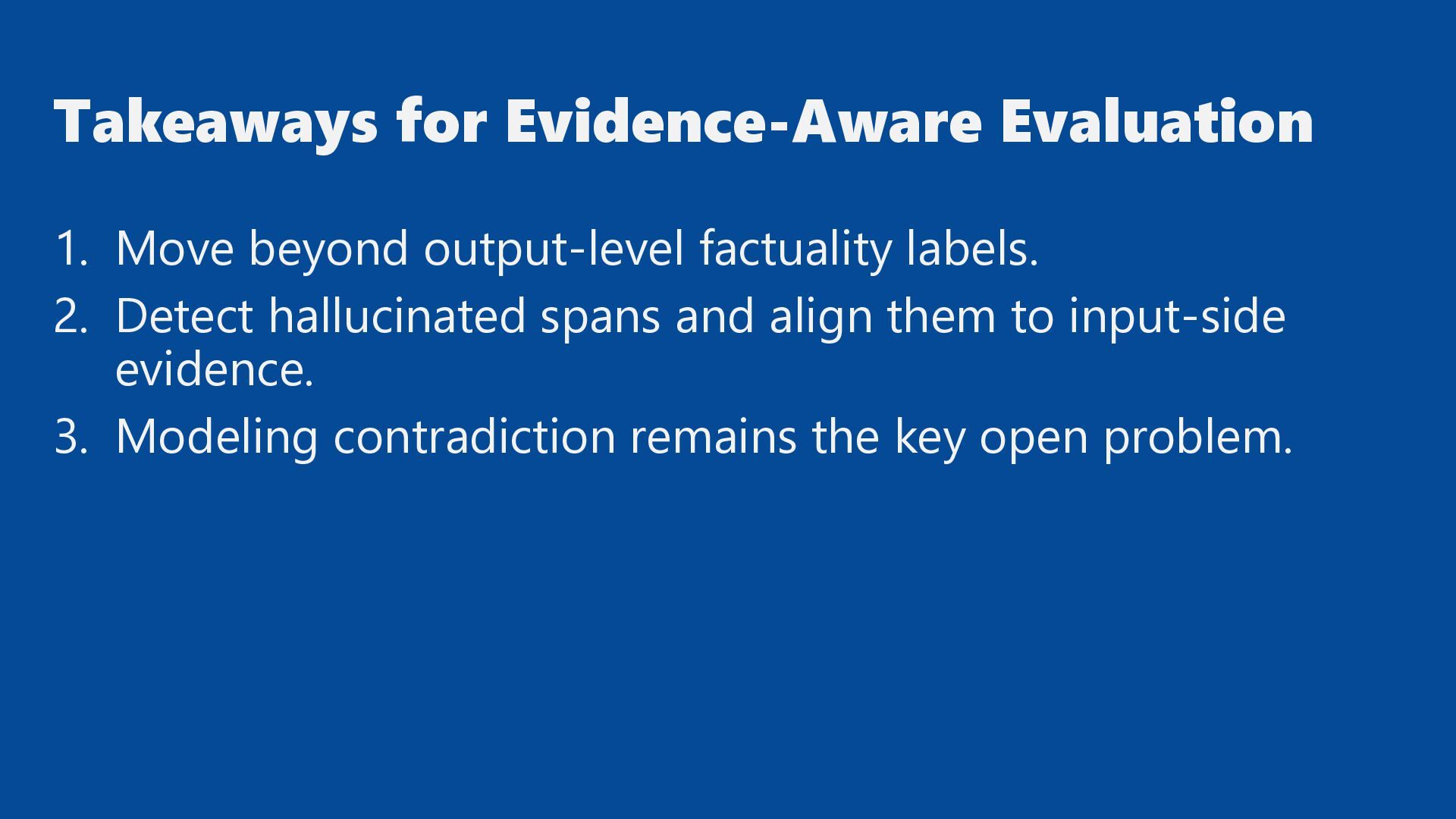
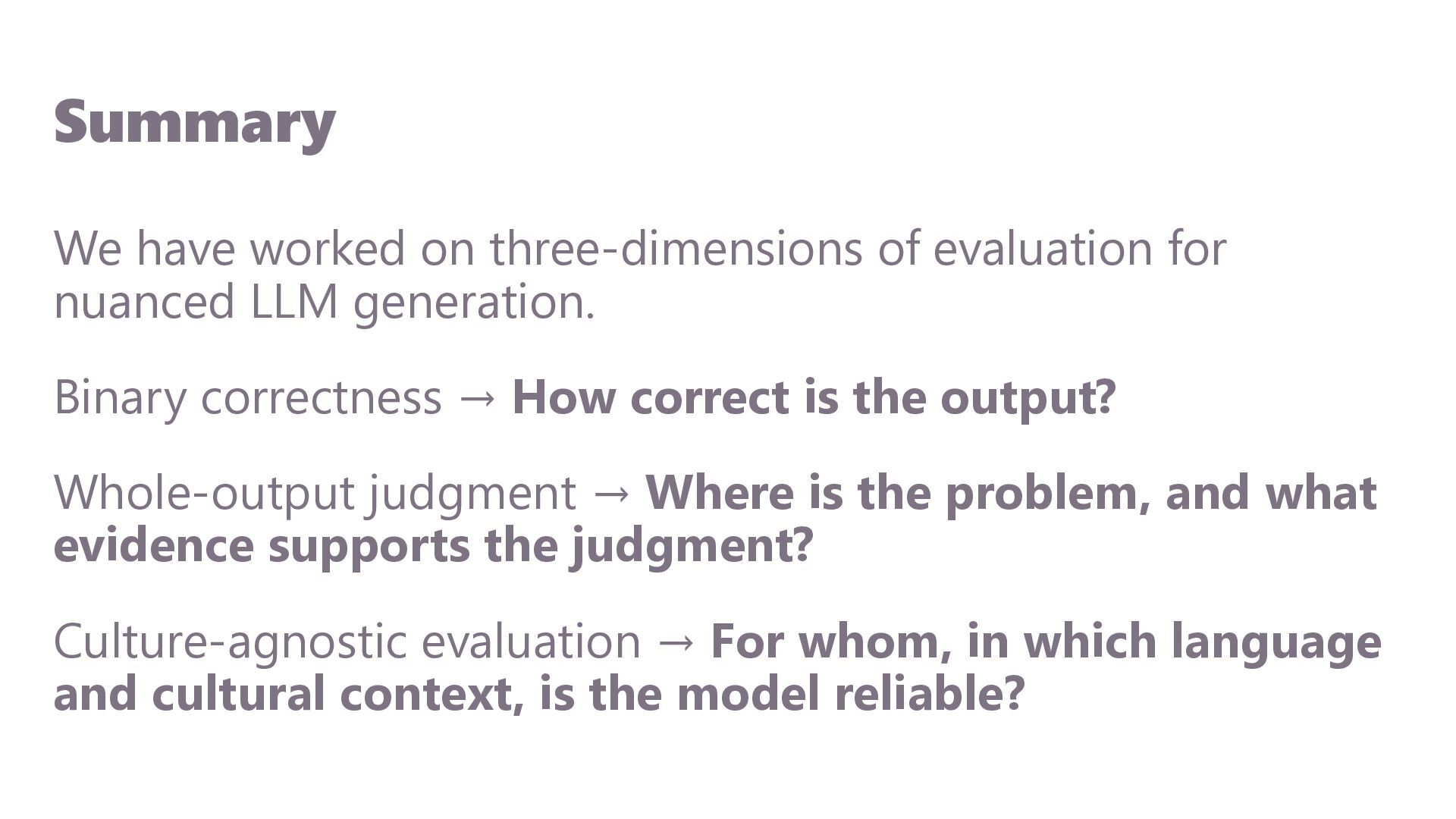
the need to evaluate not only whether LLM outputs are correct, but also how correct they are, what evidence supports them, and how reliably they perform across cultural contexts.


 yukiar
 institutdelelevage
 kento1109
 sazimai
 hotchpotch
 enochan
.png) satai
satai
 takasehideki
 rikkabotan7
 ldcn
ldcn
 resolutionfoundation
 microbaseinc
 tamaranovitovic
 csswizardry
 aarron
 rkaga
rkaga
 eileencodes
 jonoalderson
 jacobian
 cassininazir
 konakalab
 mayatellez
 codingconduct