Upgrade to Pro — share decks privately, control downloads, hide ads and more …

The upside of using AI responsibly

The upside of using AI responsibly

The upside of using AI responsibly
‘Responsible AI’ is usually talked about as a list of things you're not allowed to do when you decide to use AI in your work. A duty we owe the planet and the people living on it.

But using AI responsibly isn't only about living up to that duty. It can actually make our work better, helping us build stronger products and create richer experiences for the people who use them. And on top of that, it can help preserve the design skills and craft we've built.

In this Morgenbooster, we turn the usual conversation around. We look at what happens when we use AI to design products, and the countless small choices we make every time we reach for a tool.

We'll explore why being intentional about how we use AI isn't a brake on innovation and good work, but often the very thing that protects and sharpens it.

Avatar for Caroline Sølver

Caroline Sølver

August 28, 2026

Other Decks in Business

Transcript

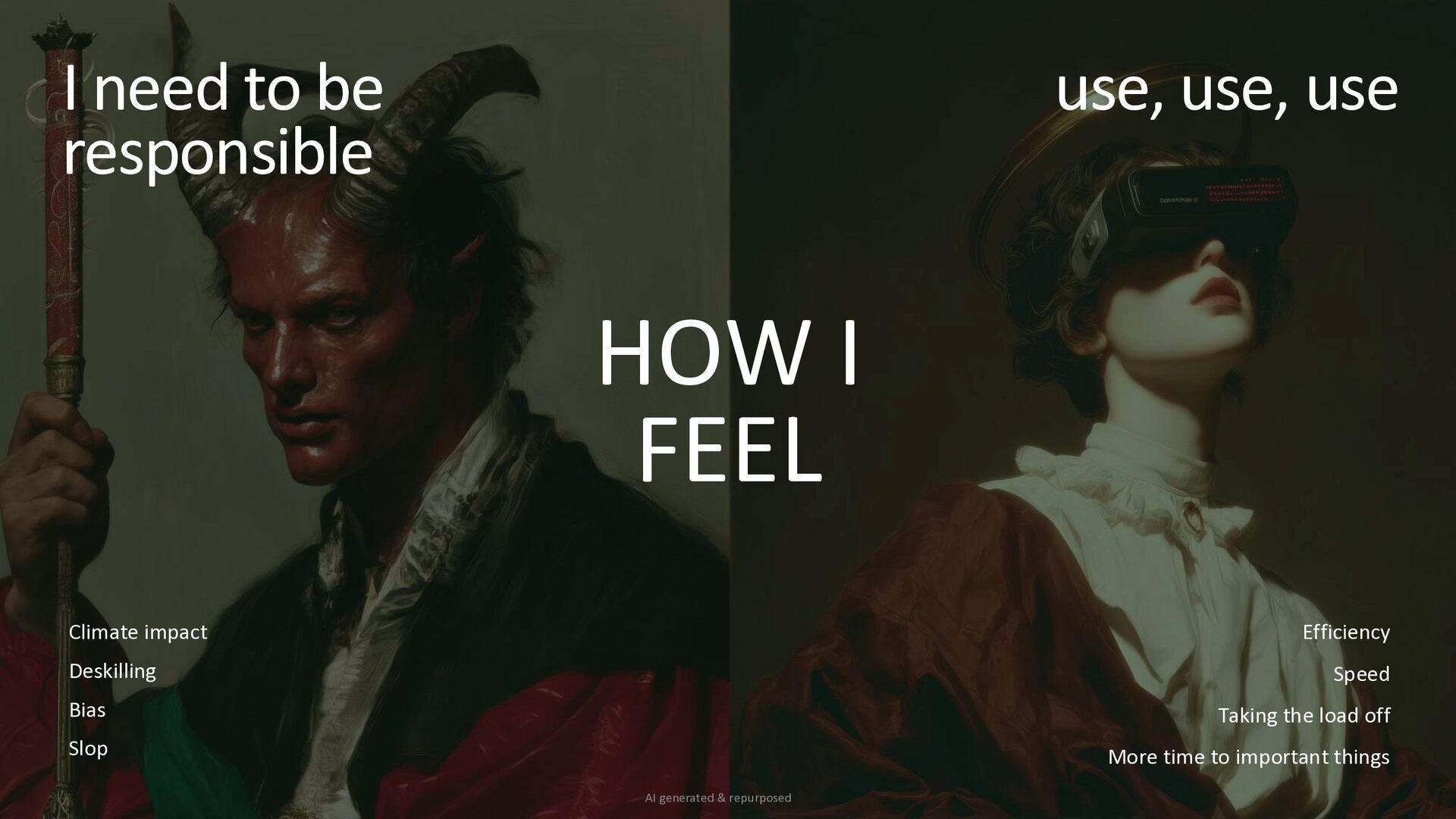
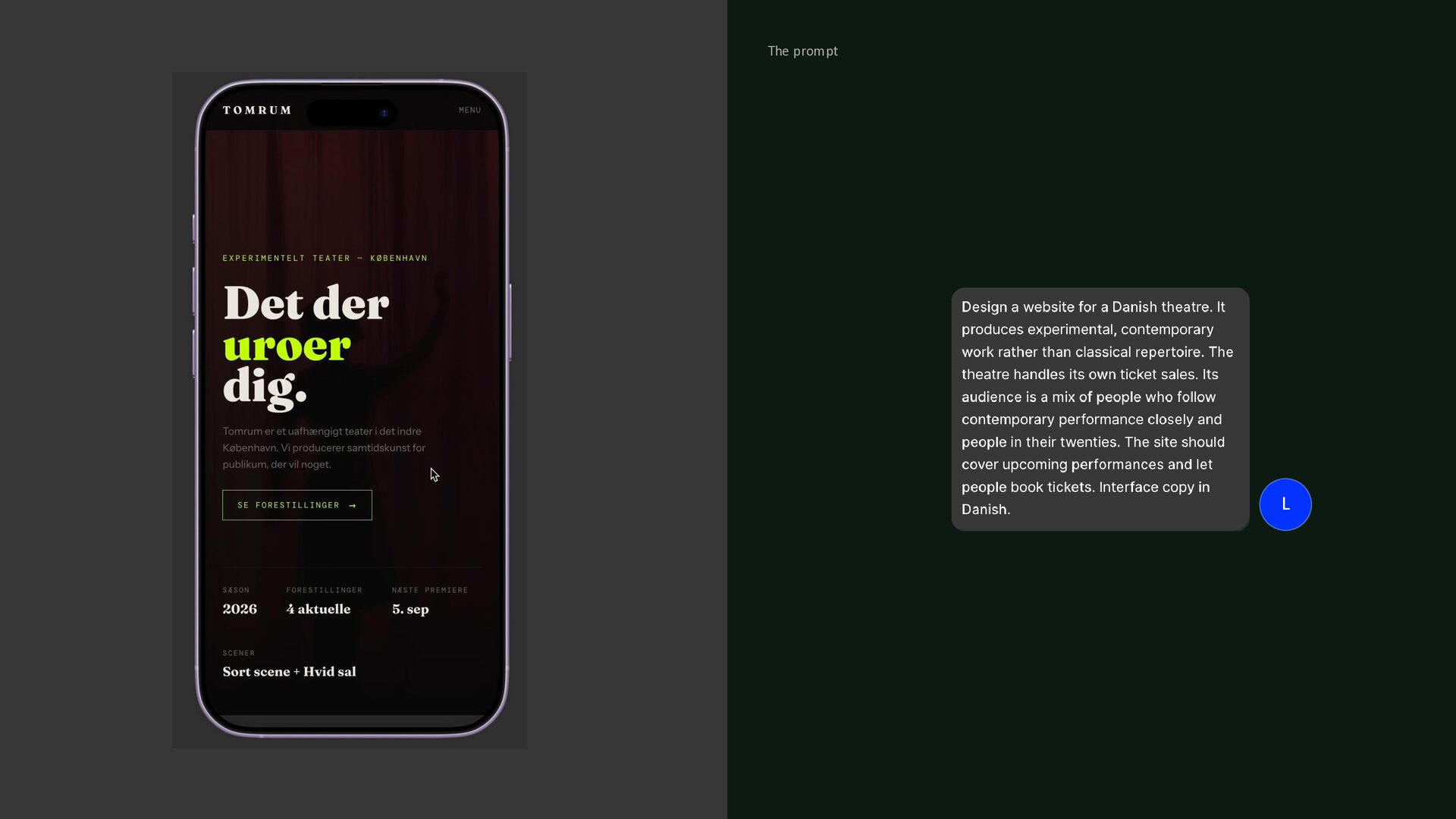
  1. use, use, use I need to be responsible HOW I

    FEEL Climate impact Efficiency Deskilling Speed Bias Taking the load off Slop More time to important things AI generated & repurposed

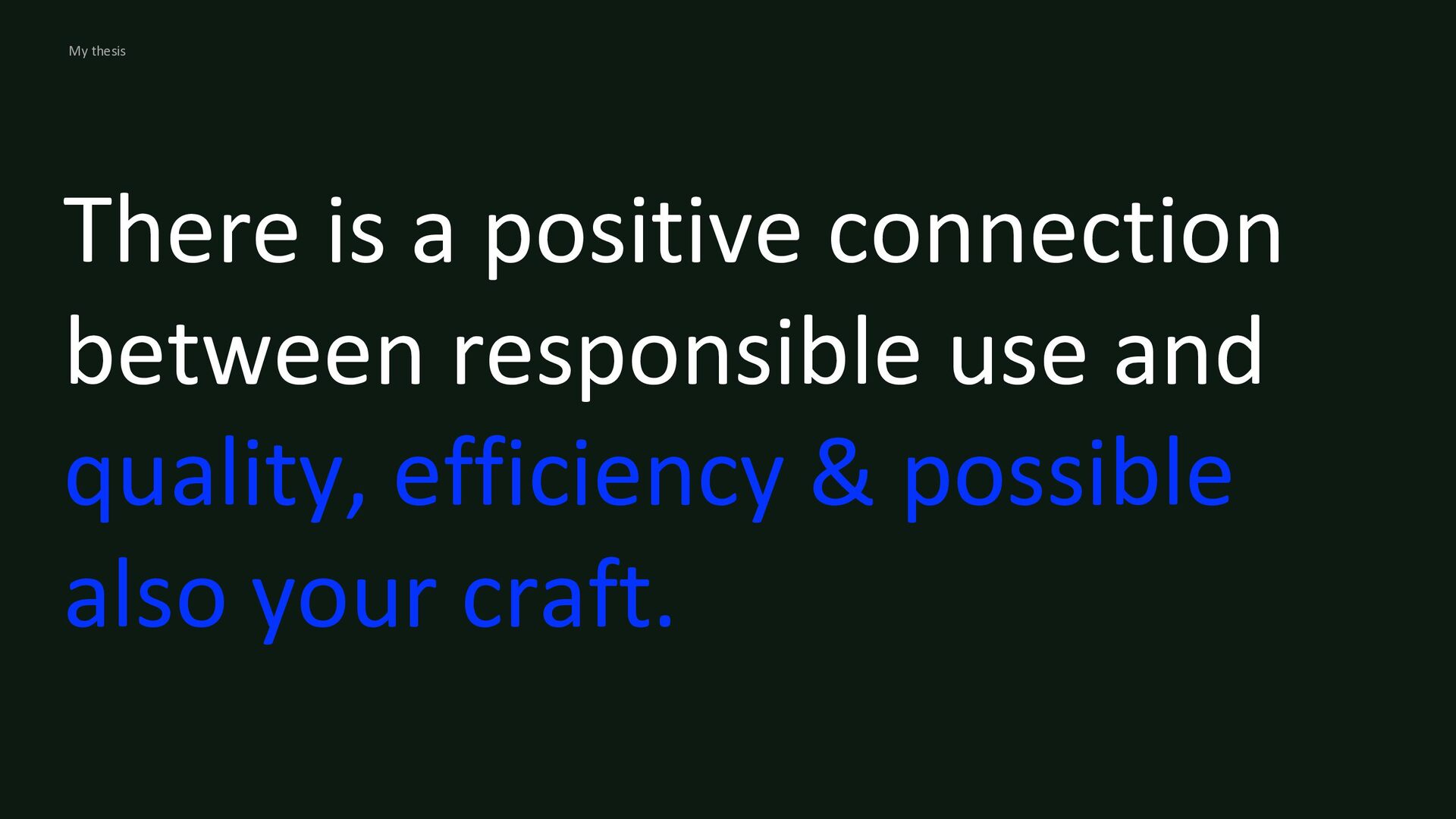
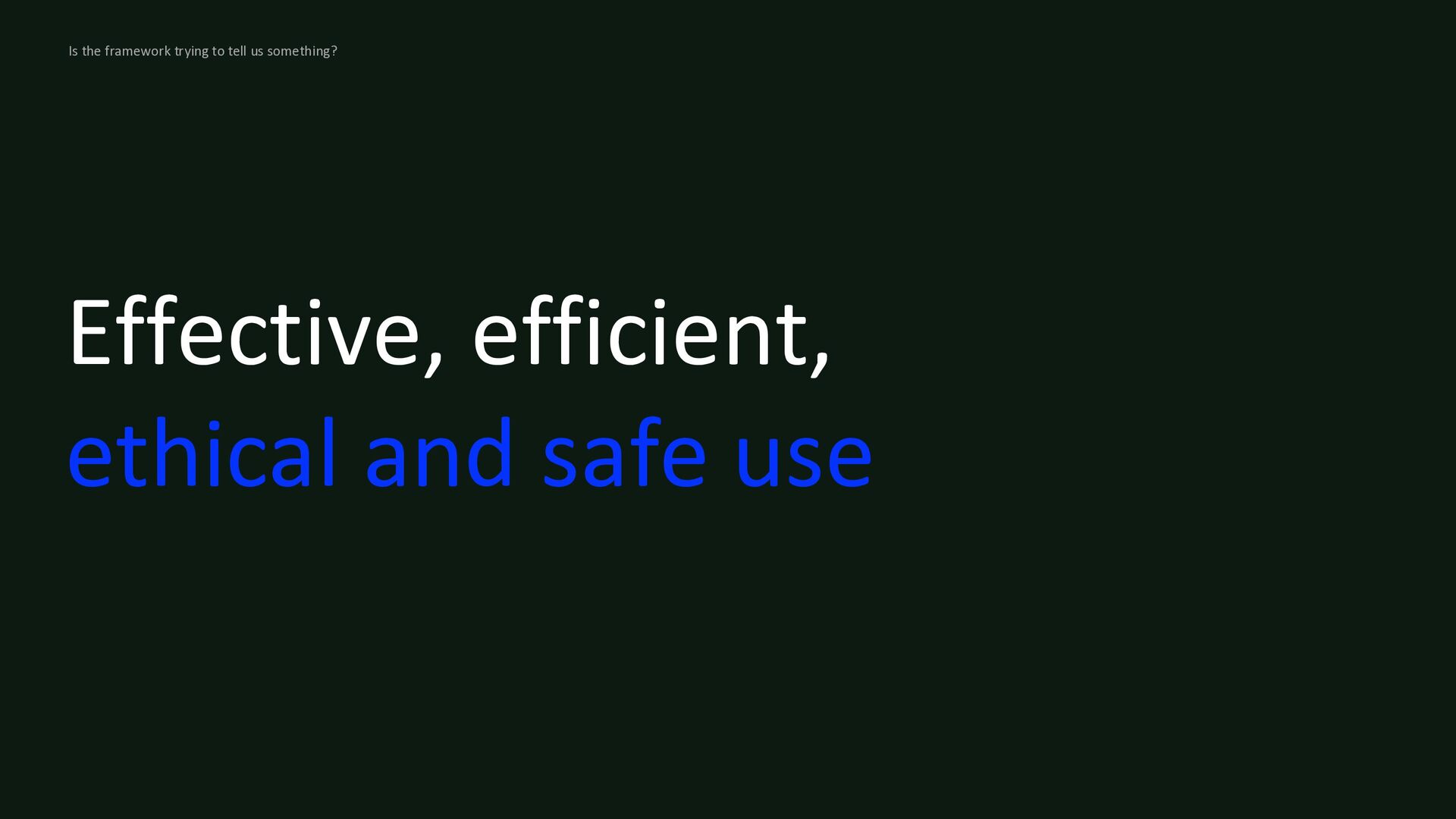
  2. My thesis There is a positive connection between responsible use

    and quality, efficiency & possible also your craft.
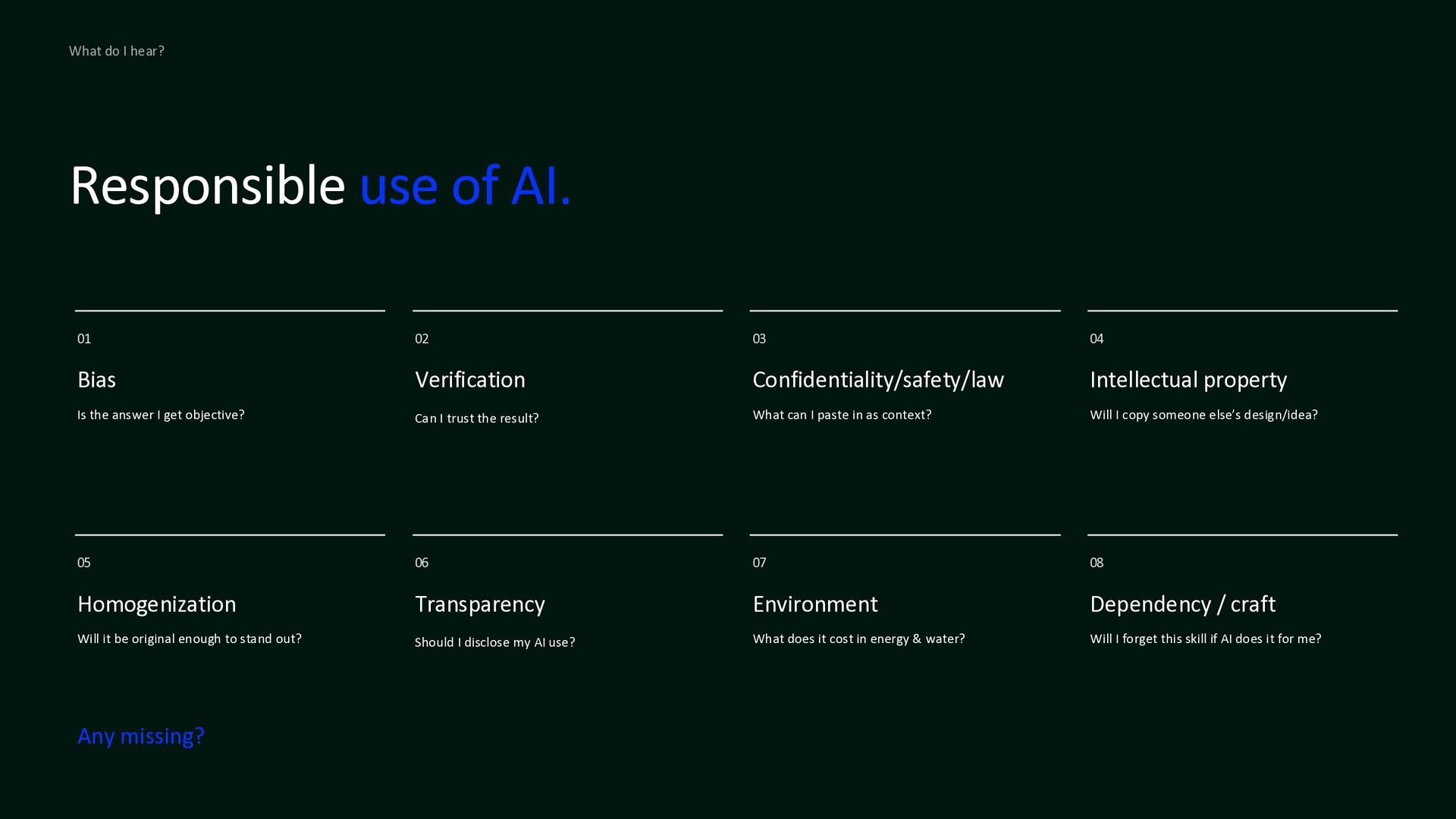
  3. What do I hear? Responsible use of AI. 01 02

    03 04 Bias Verification Confidentiality/safety/law Intellectual property Is the answer I get objective? Can I trust the result? What can I paste in as context? Will I copy someone else’s design/idea? 05 06 07 08 Homogenization Transparency Environment Dependency / craft Will it be original enough to stand out? Should I disclose my AI use? What does it cost in energy & water? Will I forget this skill if AI does it for me? Any missing?
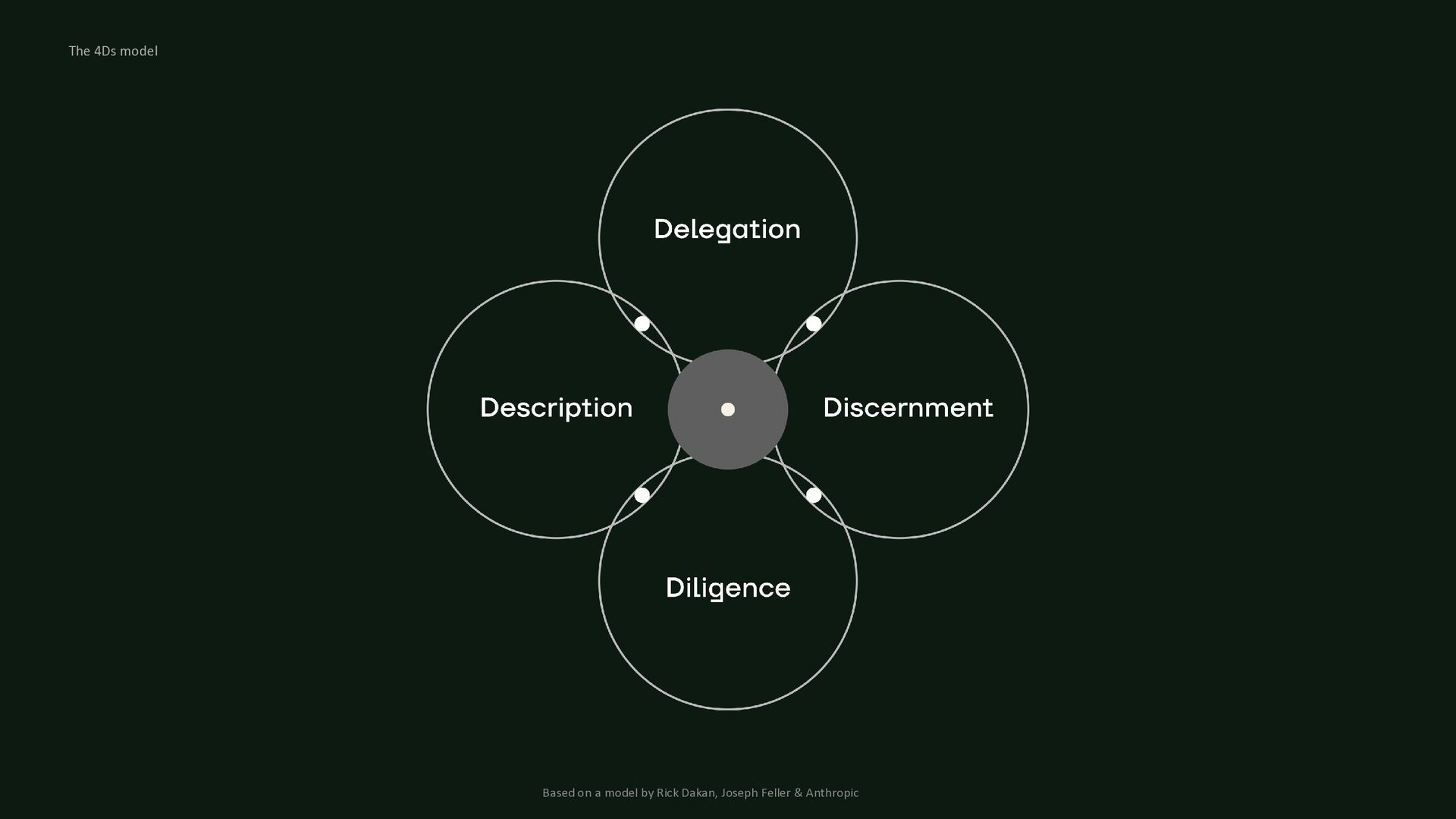
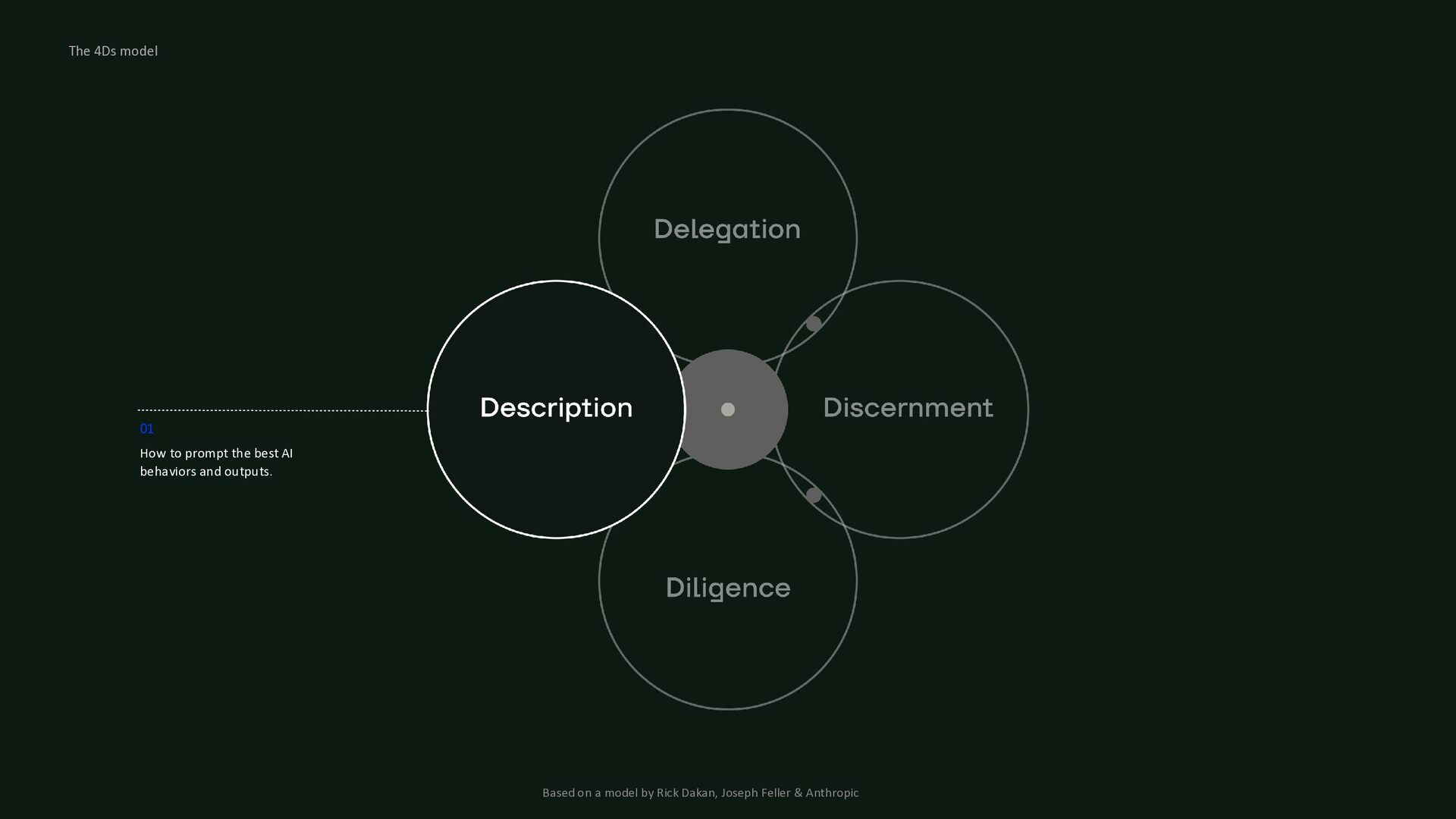
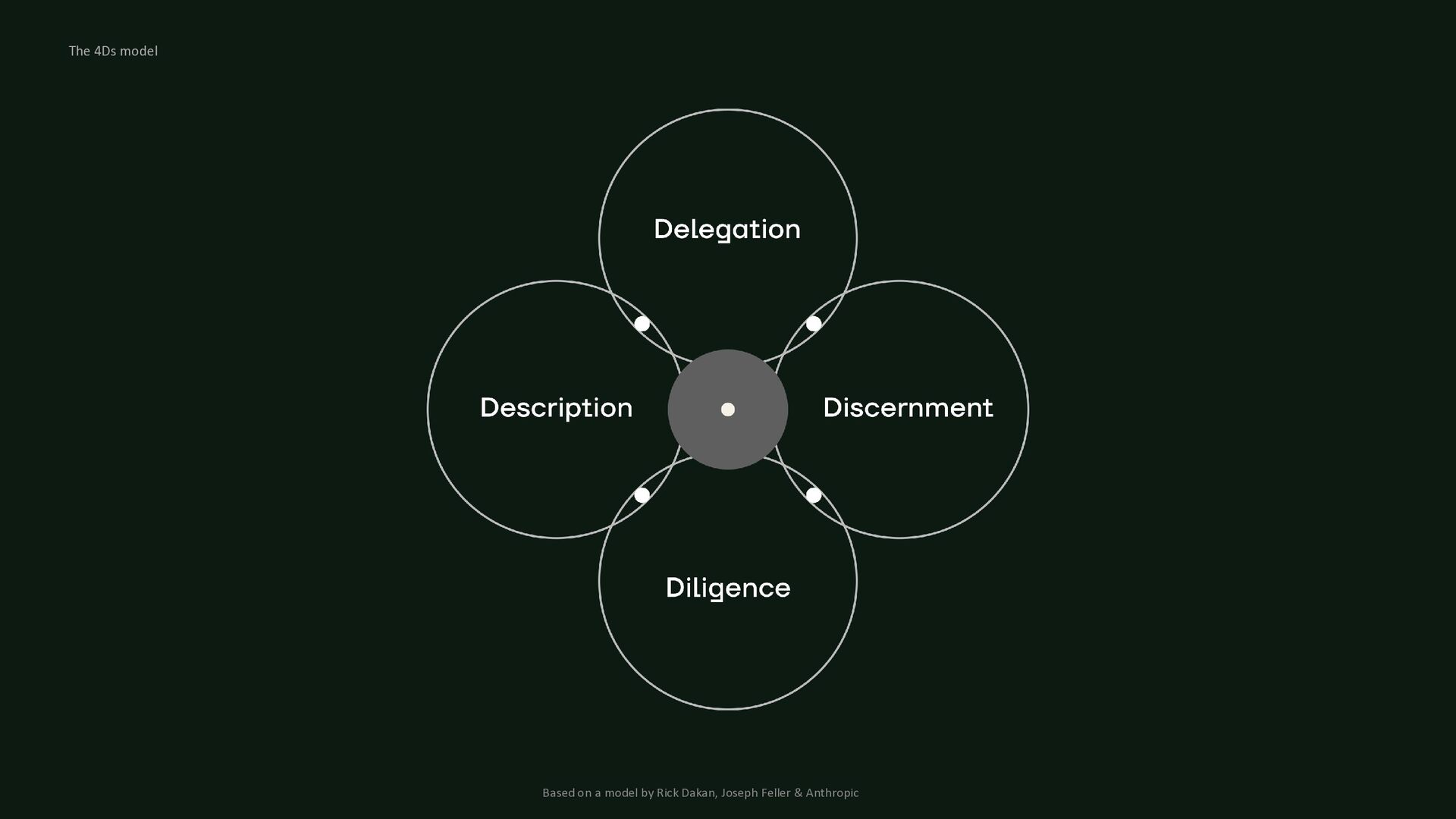
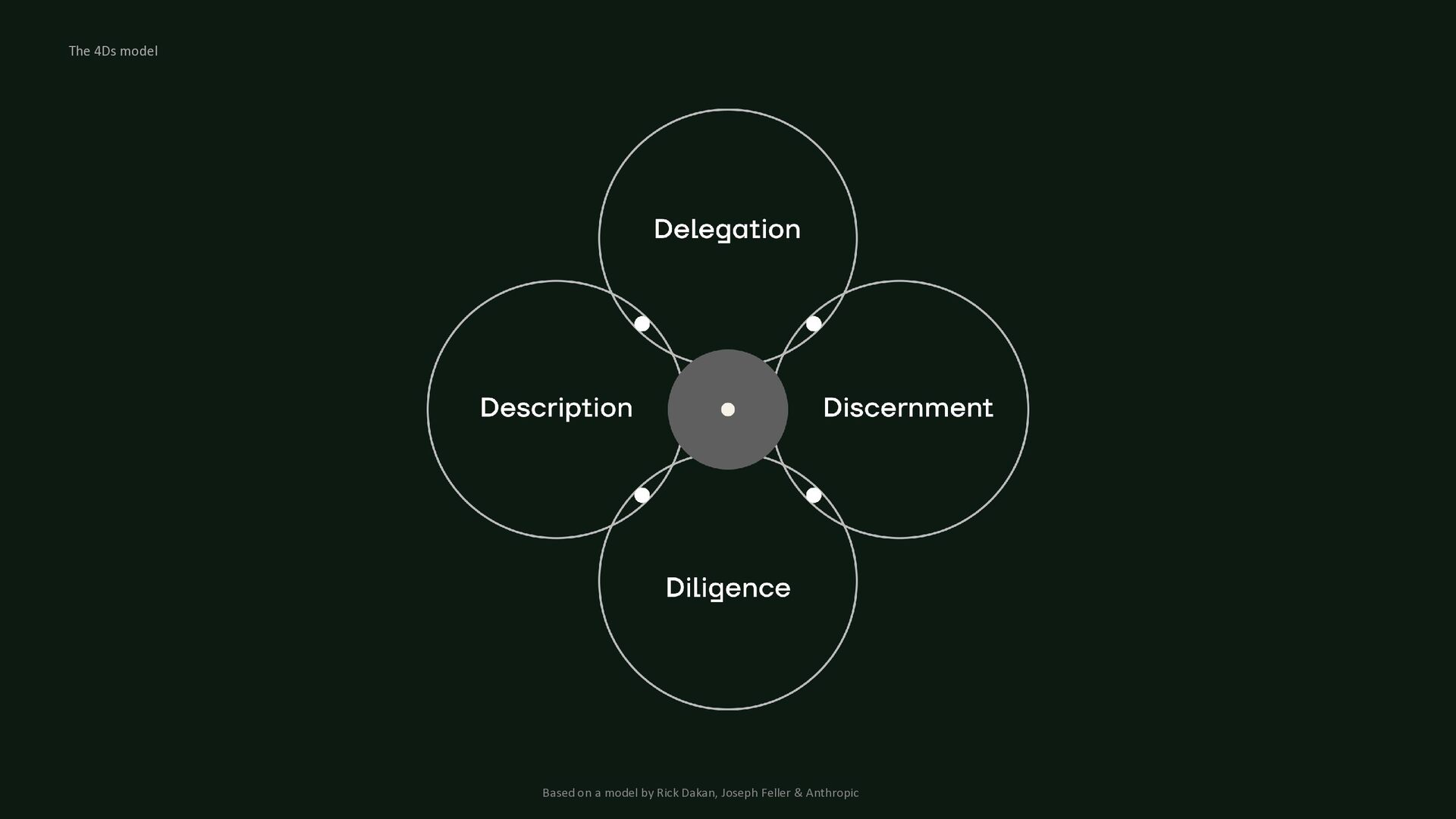
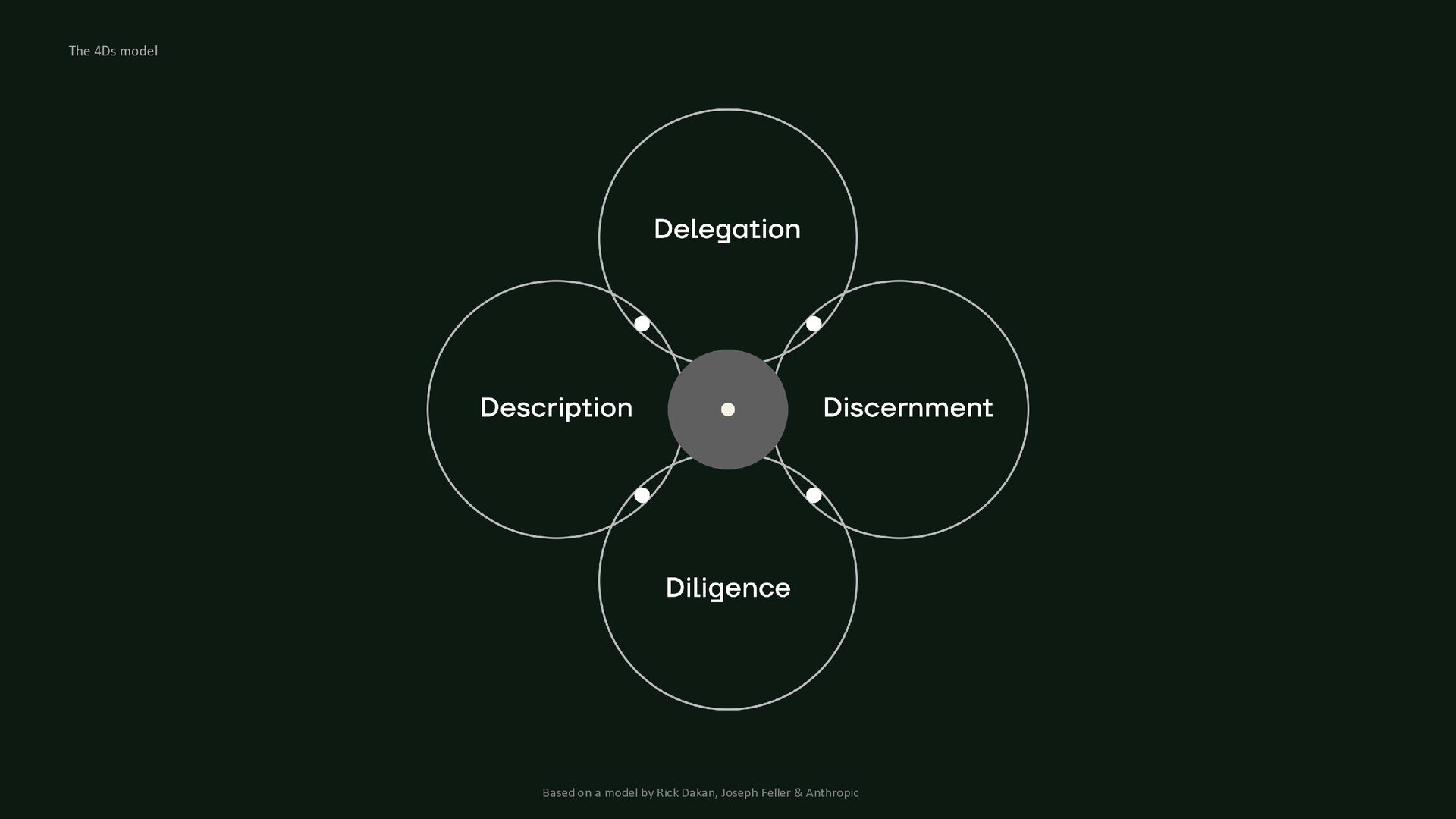
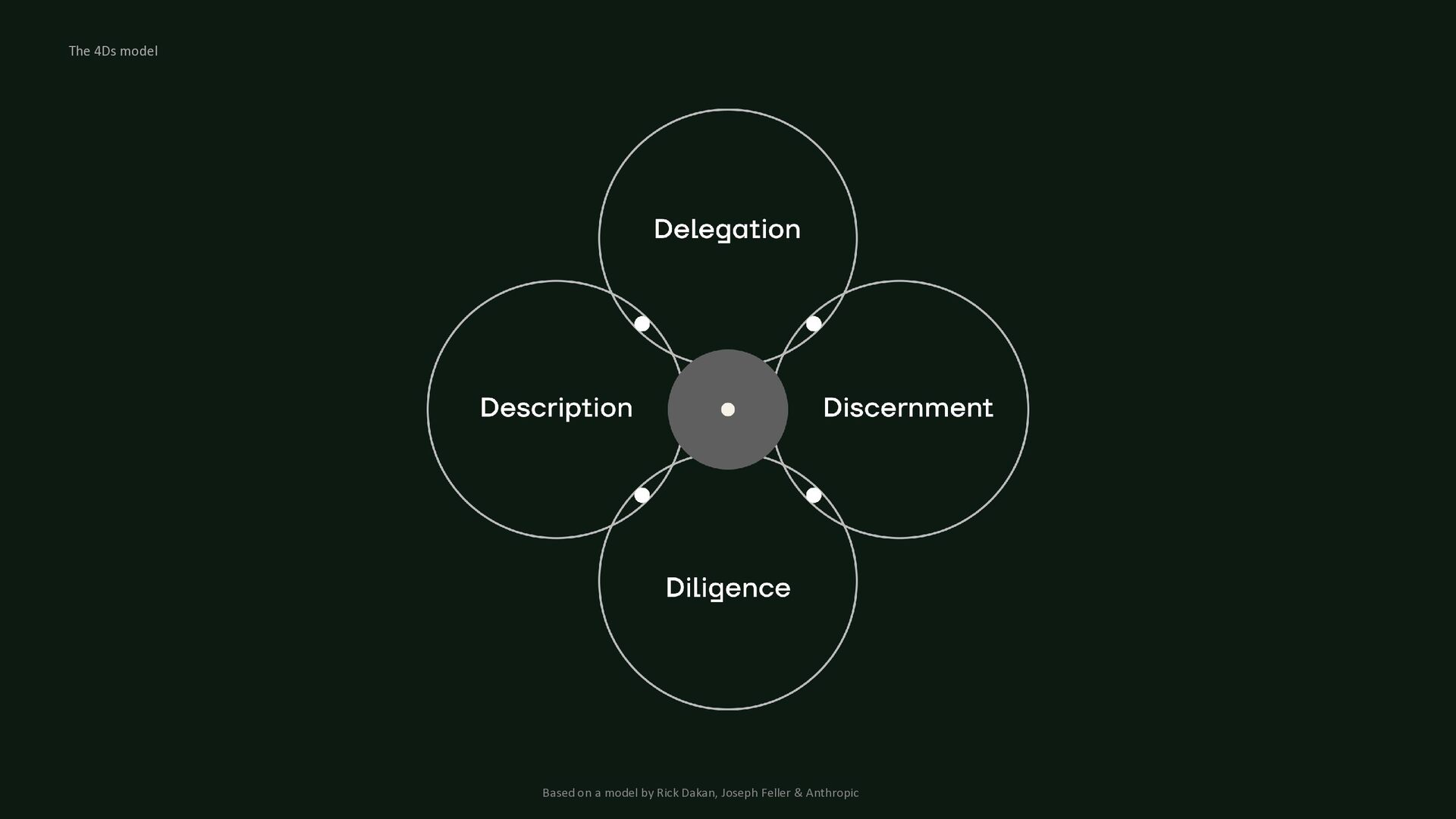
  4. The 4Ds model 01 How to prompt the best AI

    behaviors and outputs. Based on a model by Rick Dakan, Joseph Feller & Anthropic
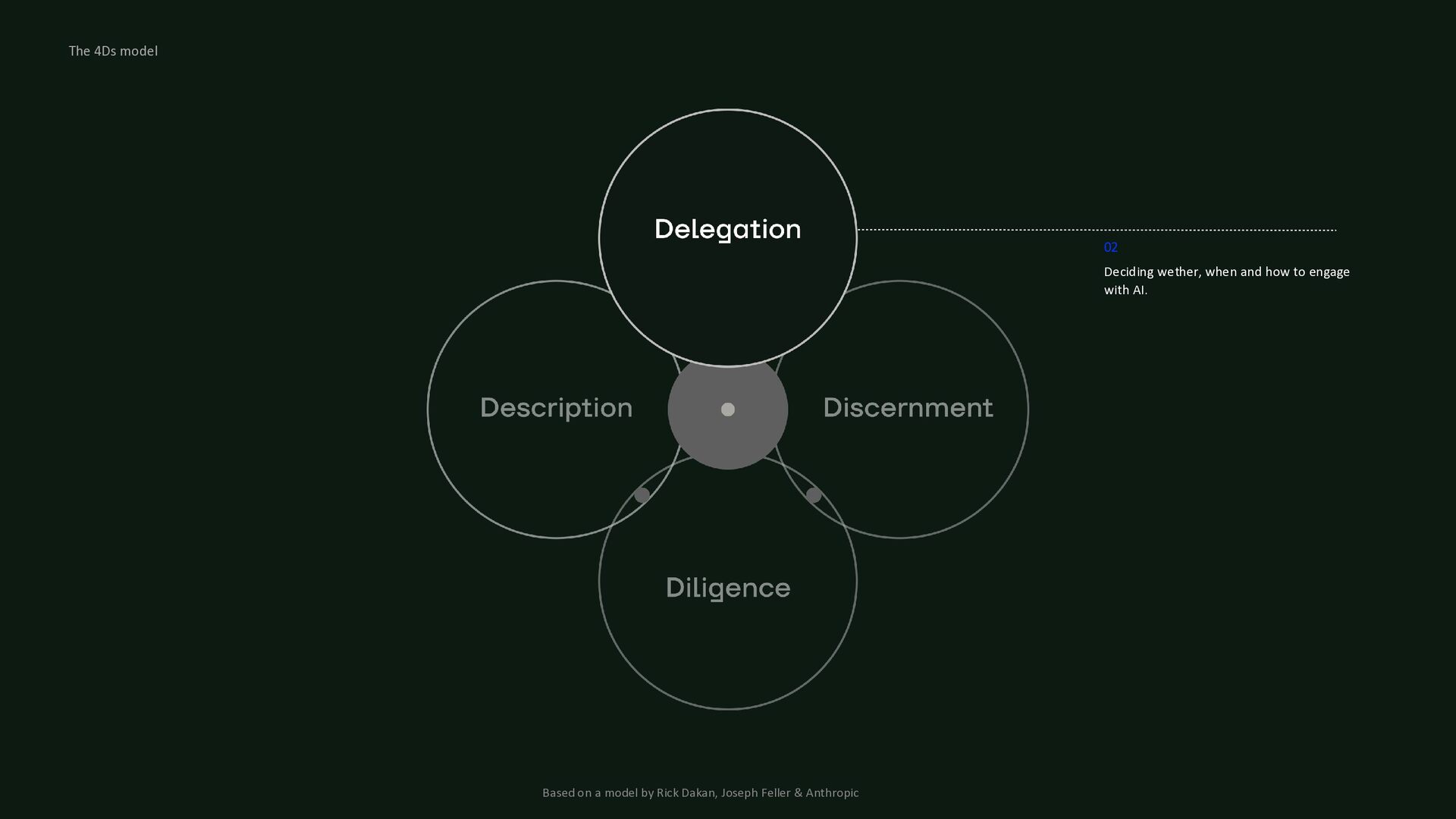
  5. The 4Ds model 02 Deciding wether, when and how to

    engage with AI. Based on a model by Rick Dakan, Joseph Feller & Anthropic
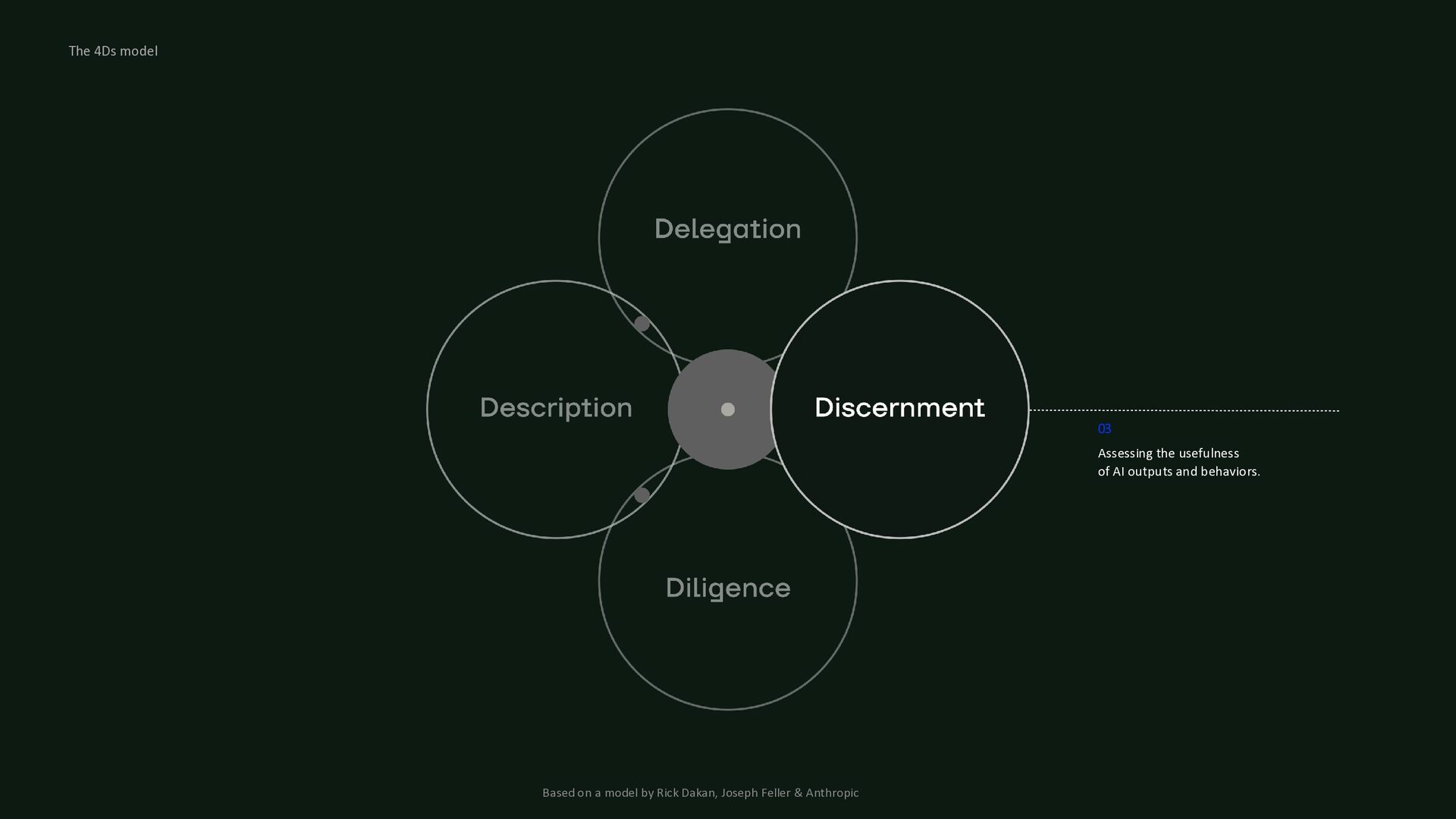
  6. The 4Ds model 03 Assessing the usefulness of AI outputs

    and behaviors. Based on a model by Rick Dakan, Joseph Feller & Anthropic
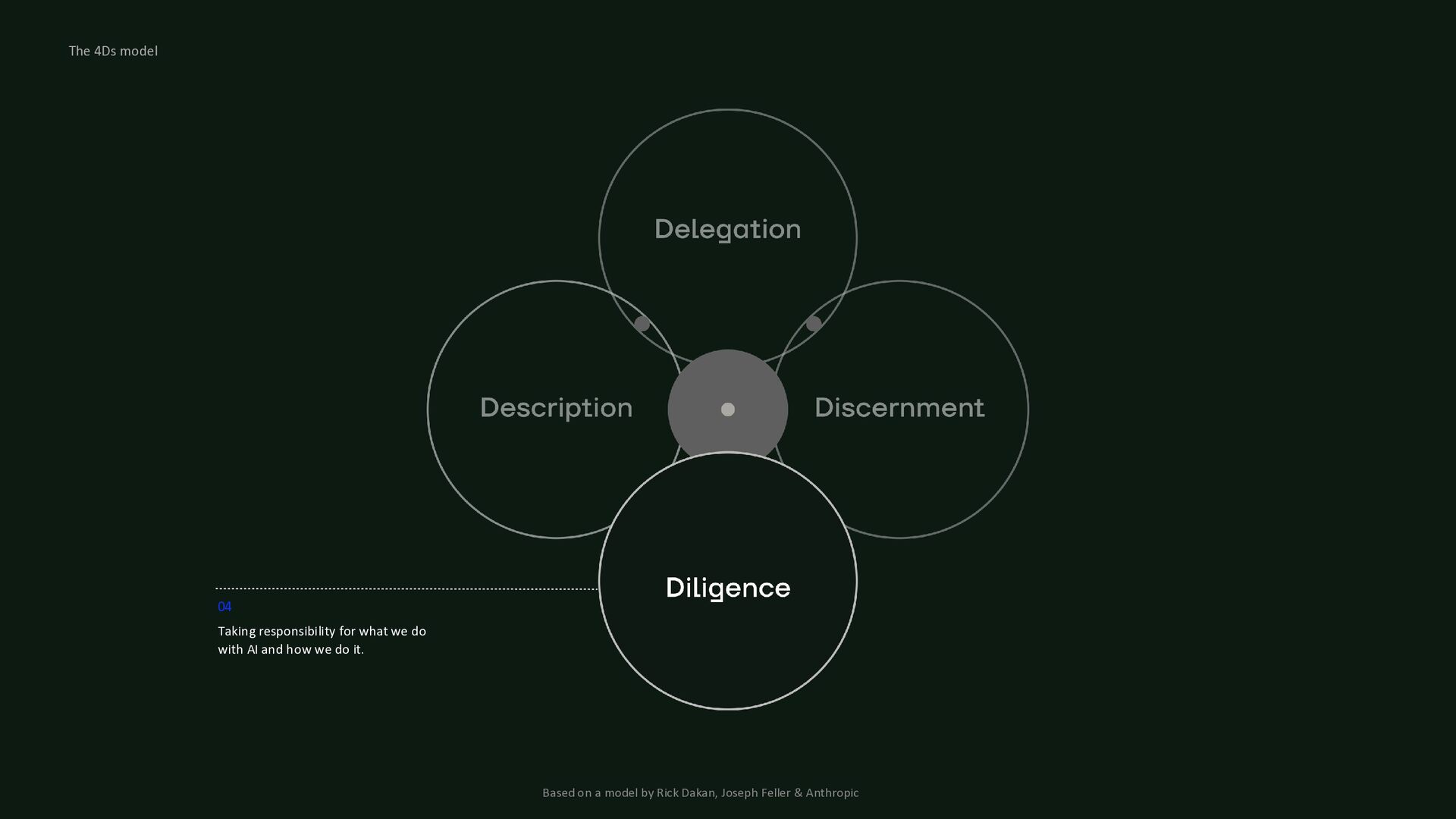
  7. The 4Ds model 04 Taking responsibility for what we do

    with AI and how we do it. Based on a model by Rick Dakan, Joseph Feller & Anthropic
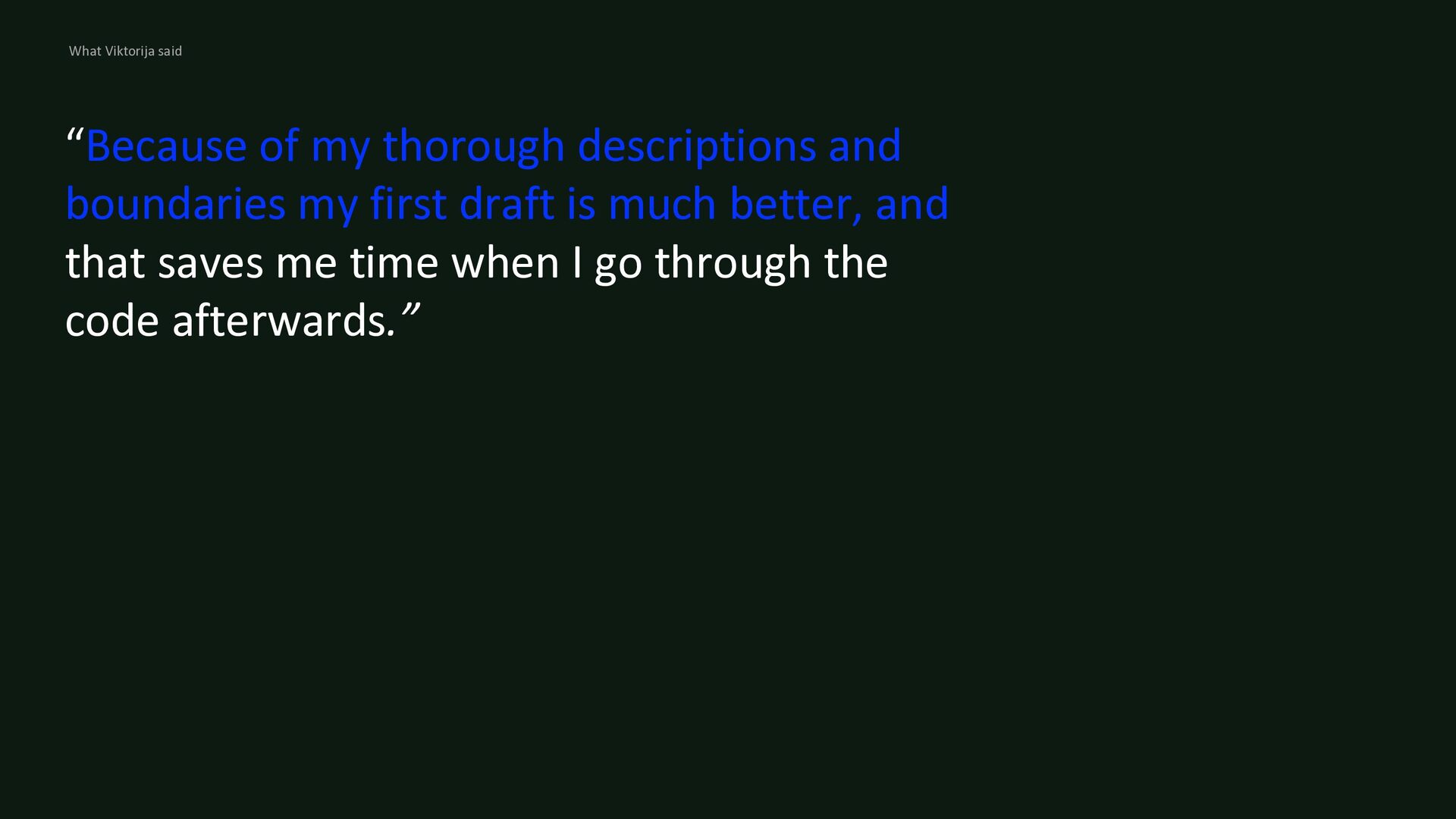
  8. What Viktorija said “Because of my thorough descriptions and boundaries

    my first draft is much better, and that saves me time when I go through the code afterwards.”
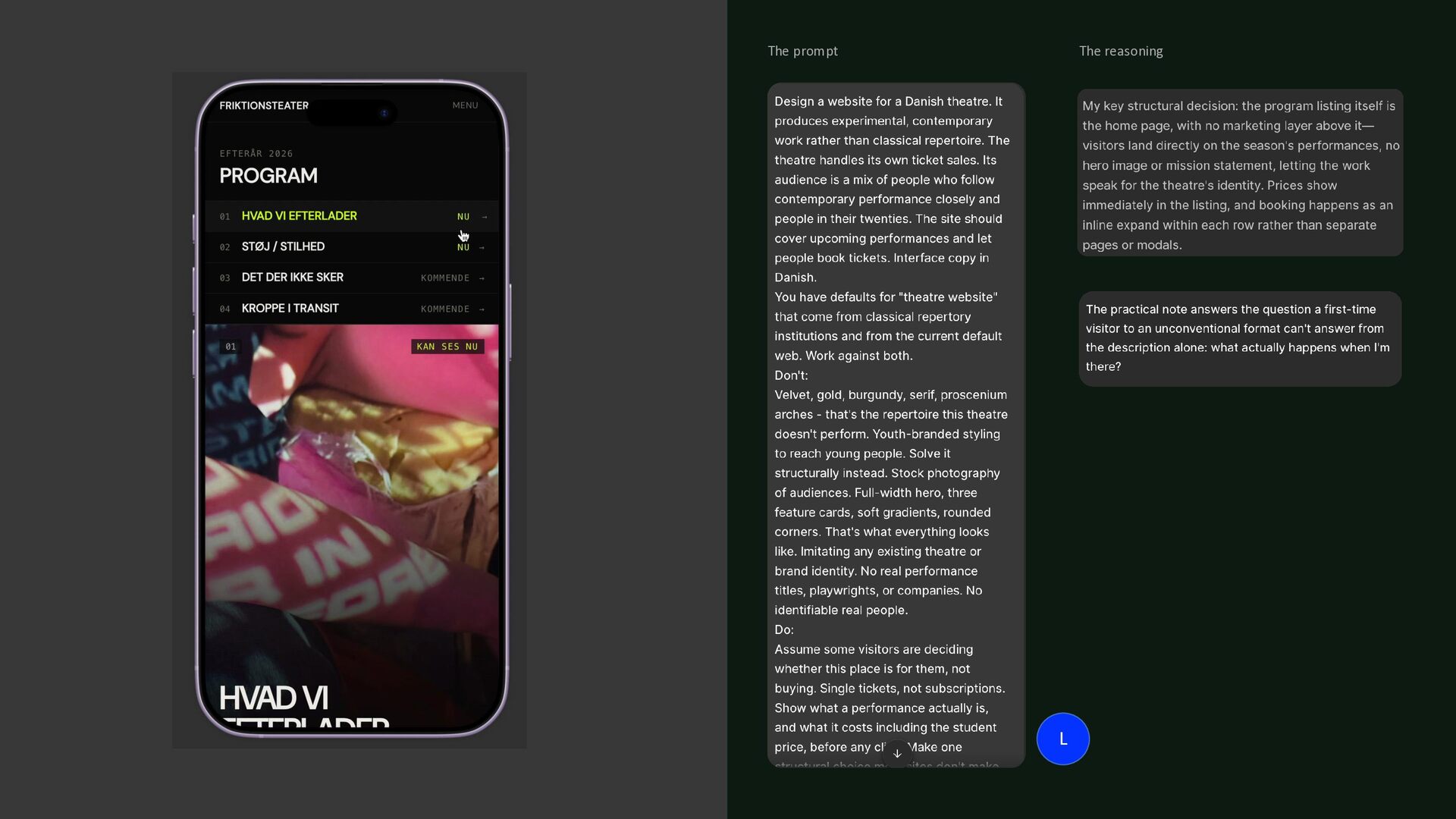
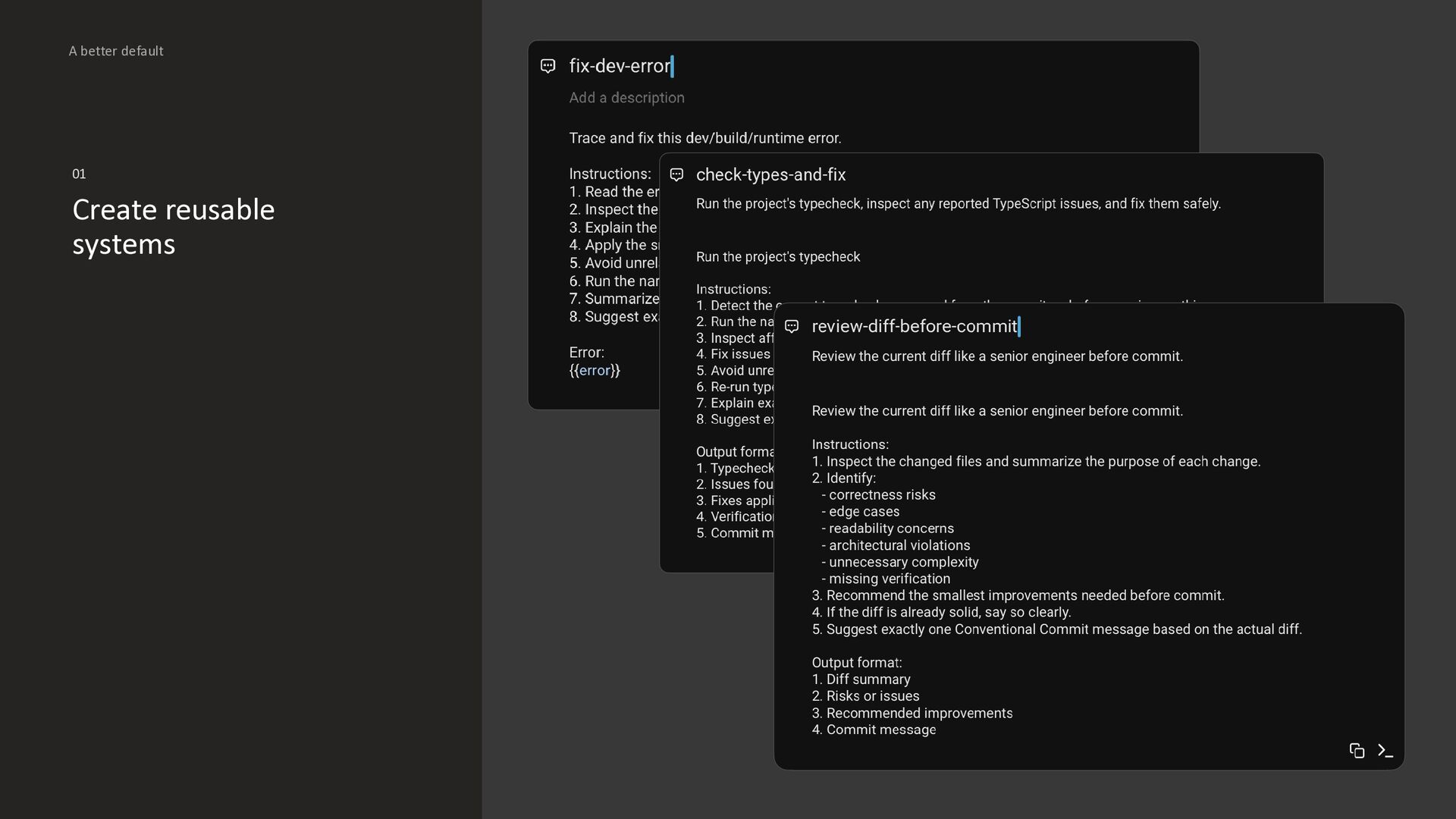
  9. Project instructions Create a client-ready first draft for the chapter

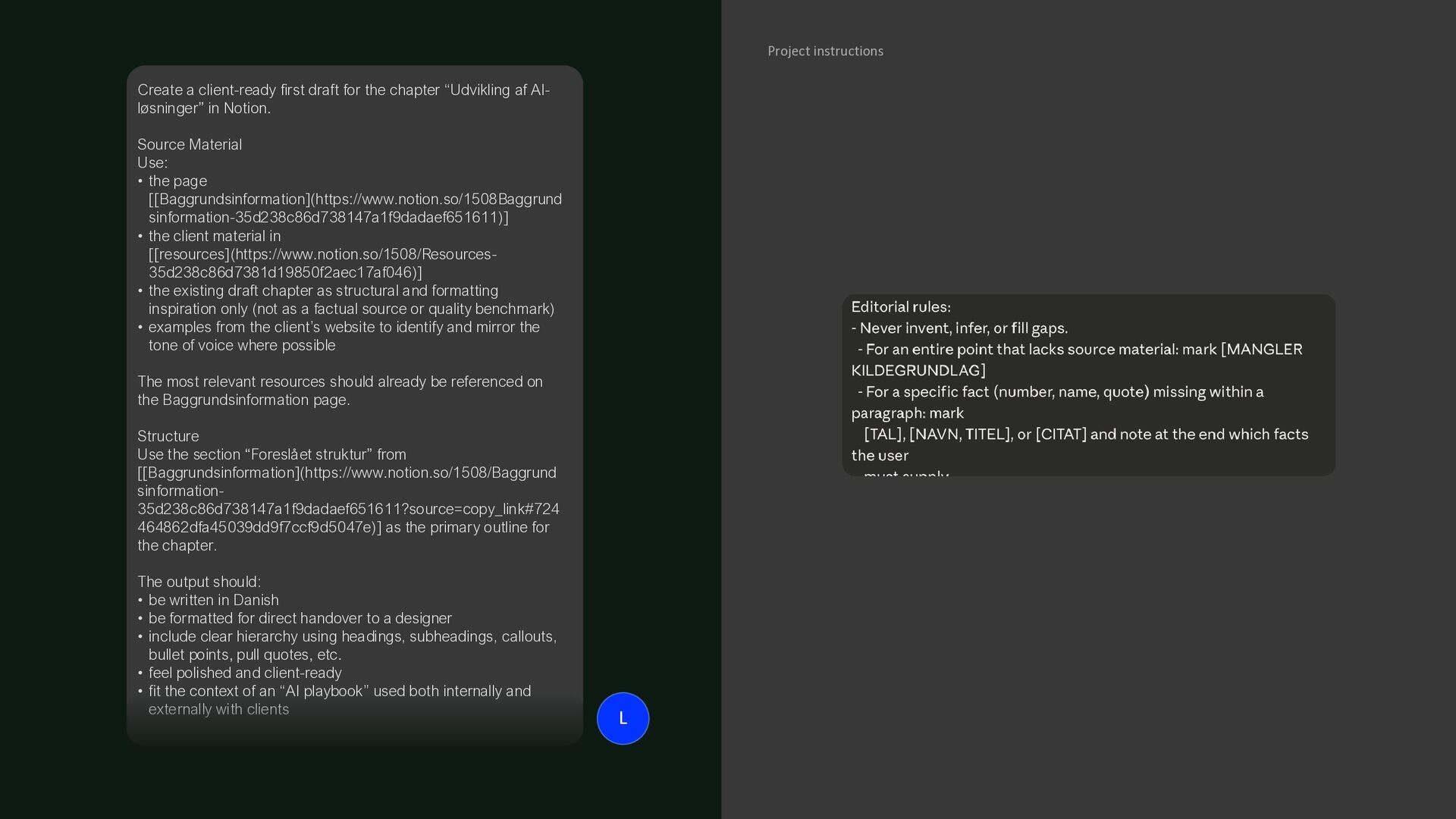
    “Udvikling af AIløsninger” in Notion. Source Material Use: • the page [[Baggrundsinformation](https://www.notion.so/1508Baggrund sinformation-35d238c86d738147a1f9dadaef651611)] • the client material in [[resources](https://www.notion.so/1508/Resources35d238c86d7381d19850f2aec17af046)] • the existing draft chapter as structural and formatting inspiration only (not as a factual source or quality benchmark) • examples from the client’s website to identify and mirror the tone of voice where possible The most relevant resources should already be referenced on the Baggrundsinformation page. Structure Use the section “Foreslået struktur” from [[Baggrundsinformation](https://www.notion.so/1508/Baggrund sinformation35d238c86d738147a1f9dadaef651611?source=copy_link#724 464862dfa45039dd9f7ccf9d5047e)] as the primary outline for the chapter. The output should: • be written in Danish • be formatted for direct handover to a designer • include clear hierarchy using headings, subheadings, callouts, bullet points, pull quotes, etc. • feel polished and client-ready • fit the context of an “AI playbook” used both internally and externally with clients L
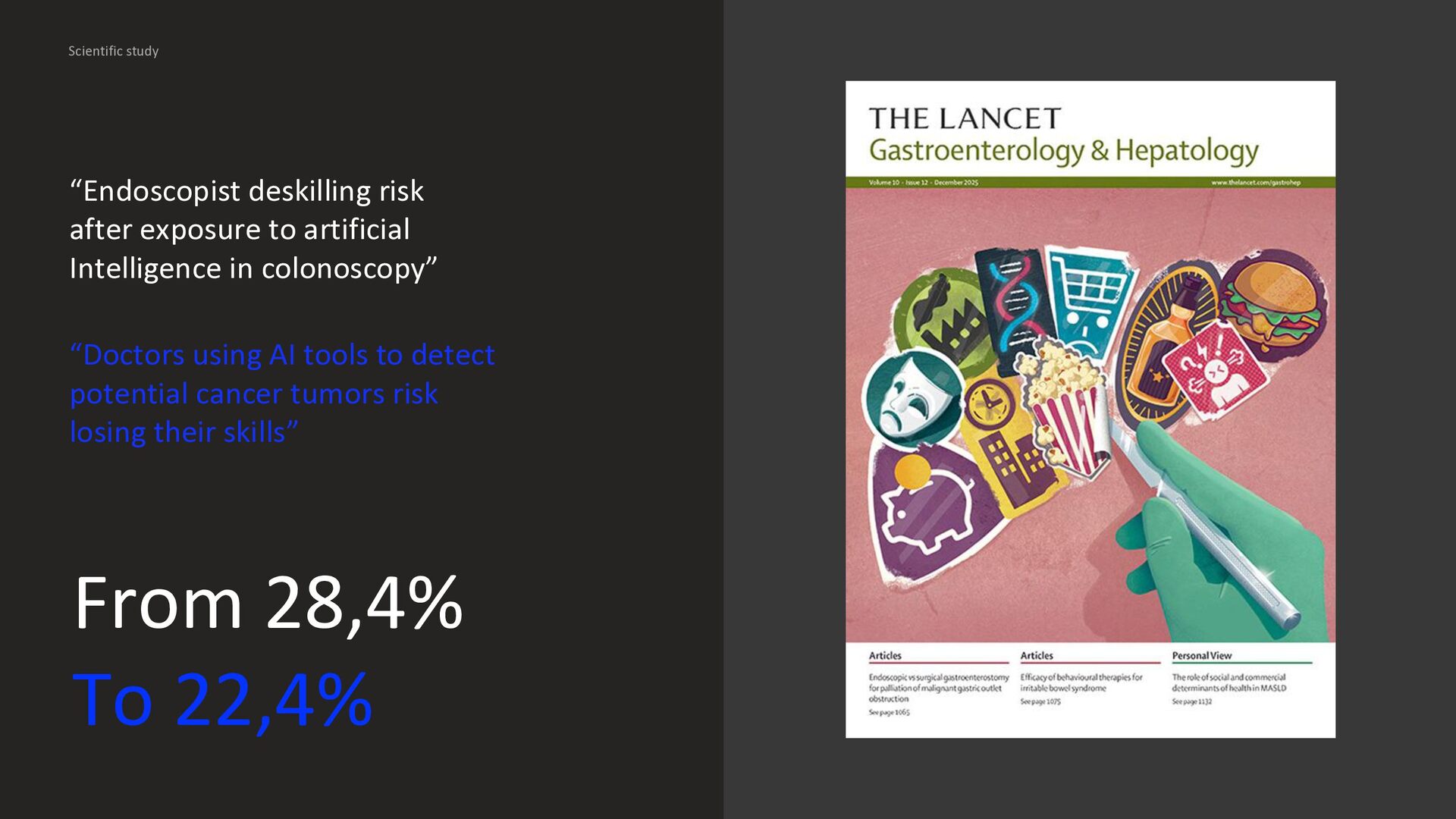
  10. Scientific study “Endoscopist deskilling risk after exposure to artificial Intelligence

    in colonoscopy” “Doctors using AI tools to detect potential cancer tumors risk losing their skills” From 28,4% To 22,4%