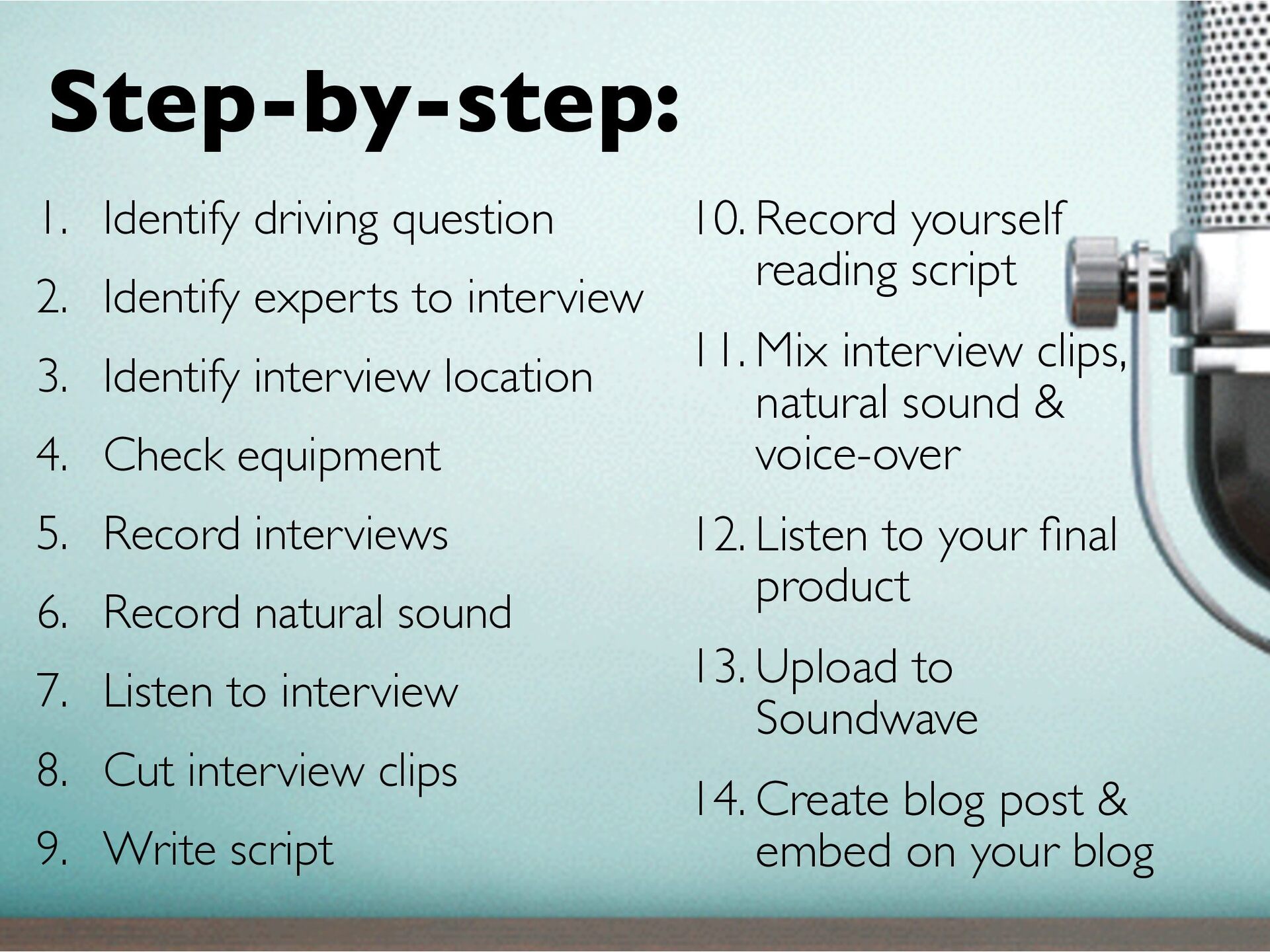
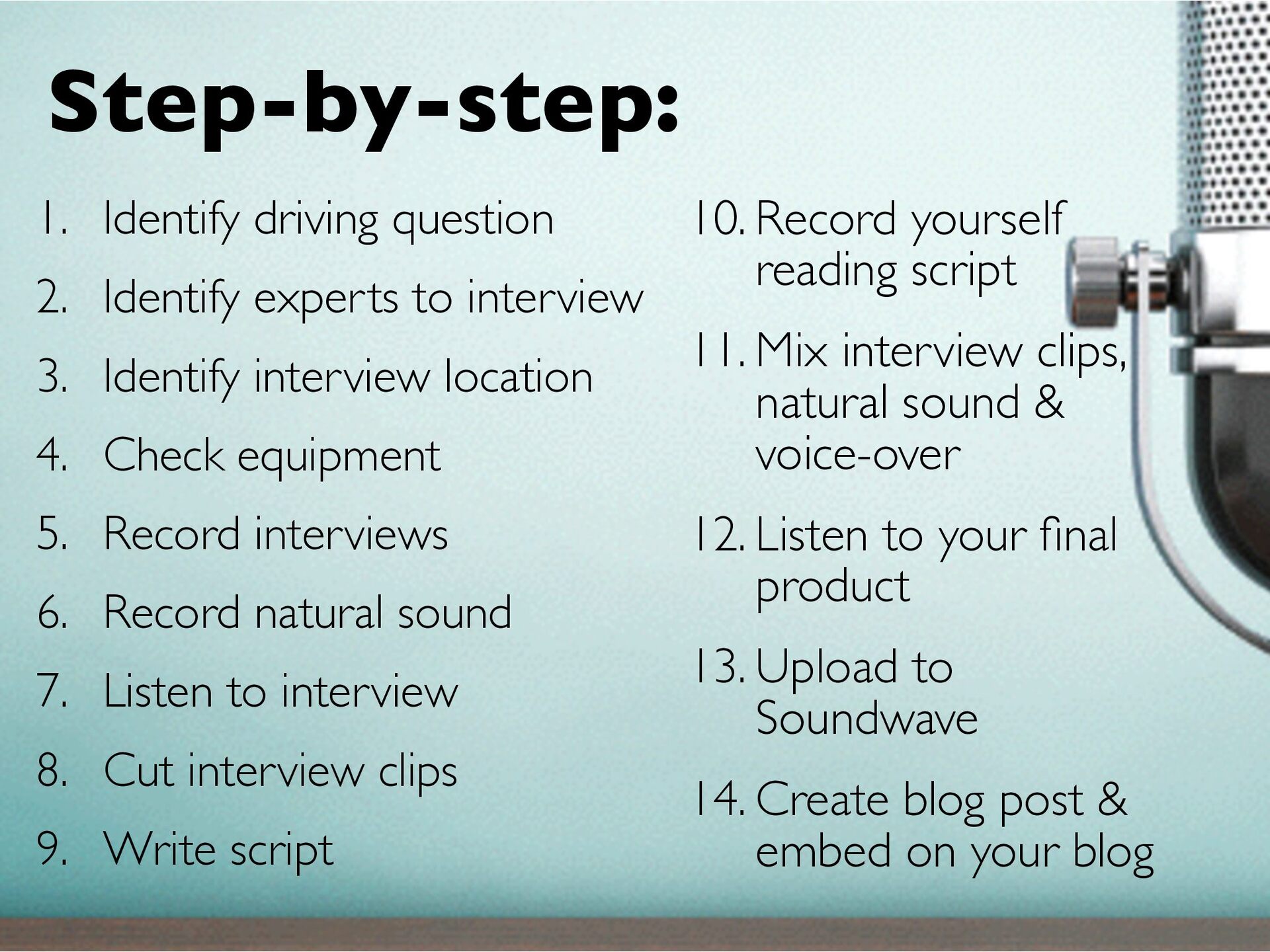
3. Identify interview location 4. Check equipment 5. Record interviews 6. Record natural sound 7. Listen to interview 8. Cut interview clips fi 9. Write script 10. Record yourself reading script 11. Mix interview clips, natural sound & voice-over 12. Listen to your nal product 13. Upload to Soundwave 14. Create blog post & embed on your blog
want to report on homelessness in our city.” “We need to do a story on this new environmental policy.” Too often, the resulting audio feature remains a broad topic that never quite nds its story. The focus isn’t clear and it sounds more like a collection of quotes than a purposeful story with a beginning, middle and end.
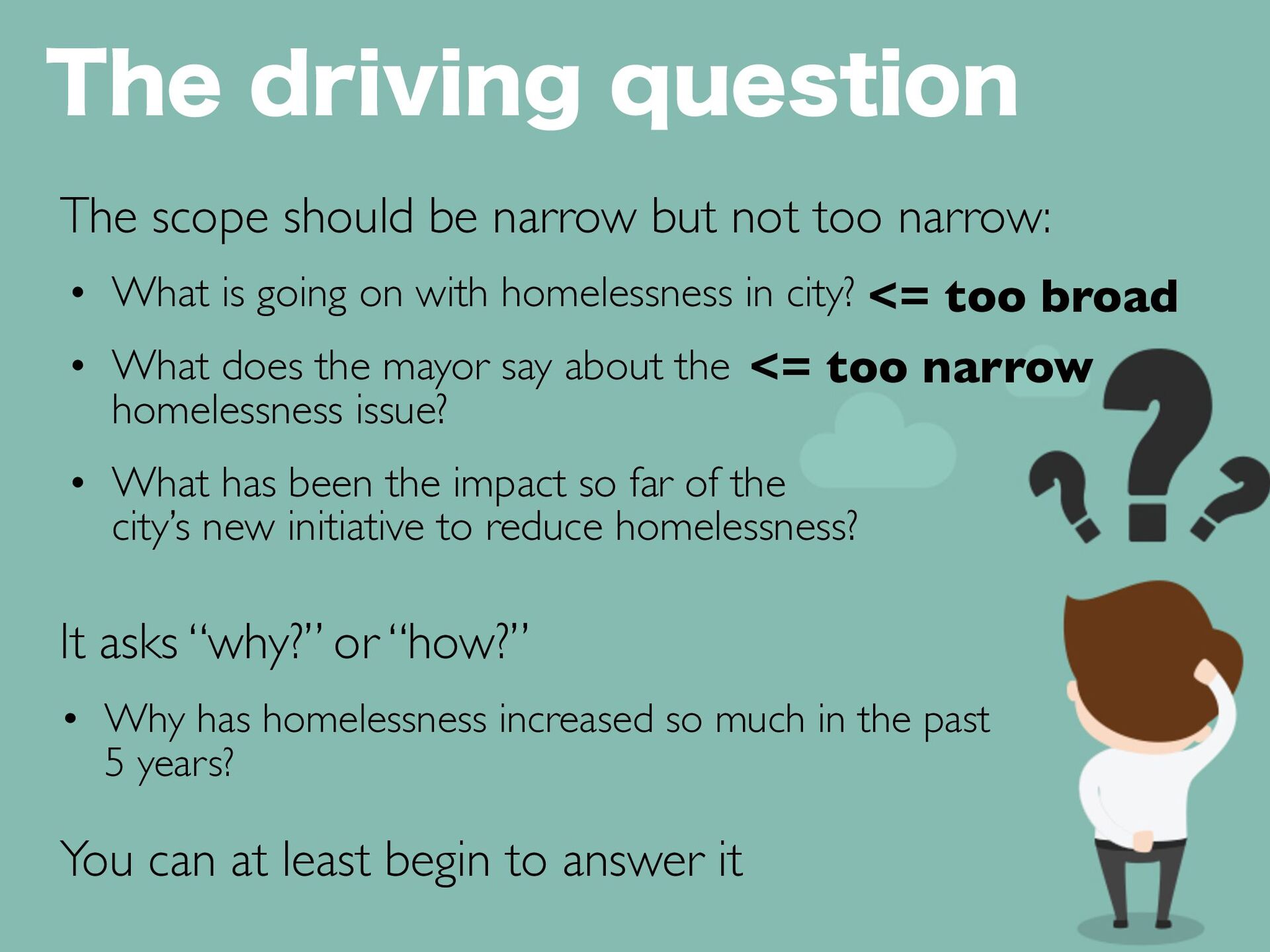
too narrow: • What is going on with homelessness in city? <= too broad • What does the mayor say about the <= too narrow homelessness issue? • What has been the impact so far of the city’s new initiative to reduce homelessness? It asks “why?” or “how?” • Why has homelessness increased so much in the past 5 years? You can at least begin to answer it
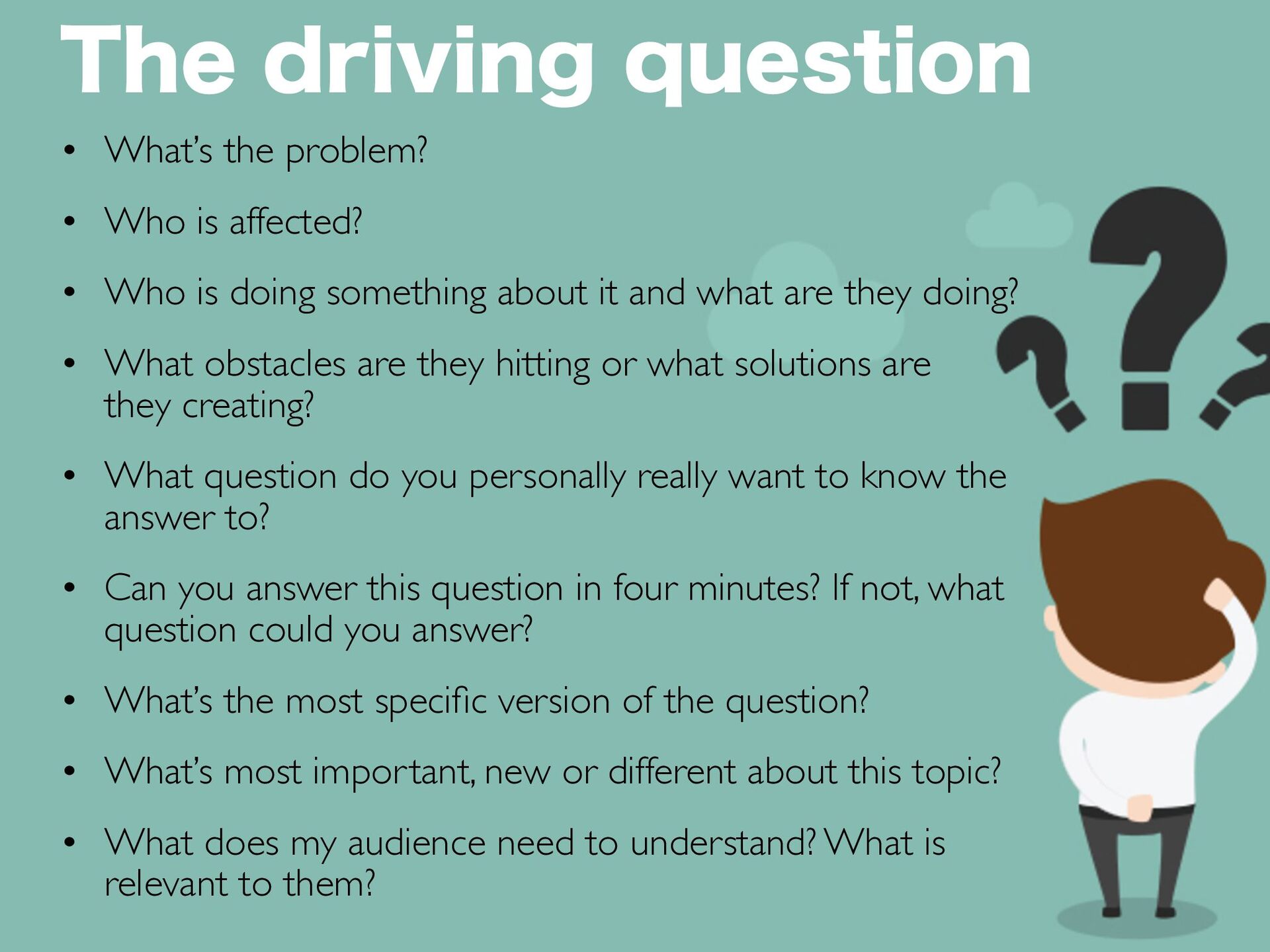
affected? • Who is doing something about it and what are they doing? • What obstacles are they hitting or what solutions are they creating? • What question do you personally really want to know the answer to? • Can you answer this question in four minutes? If not, what question could you answer? • What’s the most speci c version of the question? • What’s most important, new or different about this topic? fi • What does my audience need to understand? What is relevant to them?
single, driving question for your story? Write everything that comes to mind, even if it seems silly. Each question could present a different pathway for the story. At the end of this step, take a moment to scan through what you wrote and identify one or two questions that seem most promising.
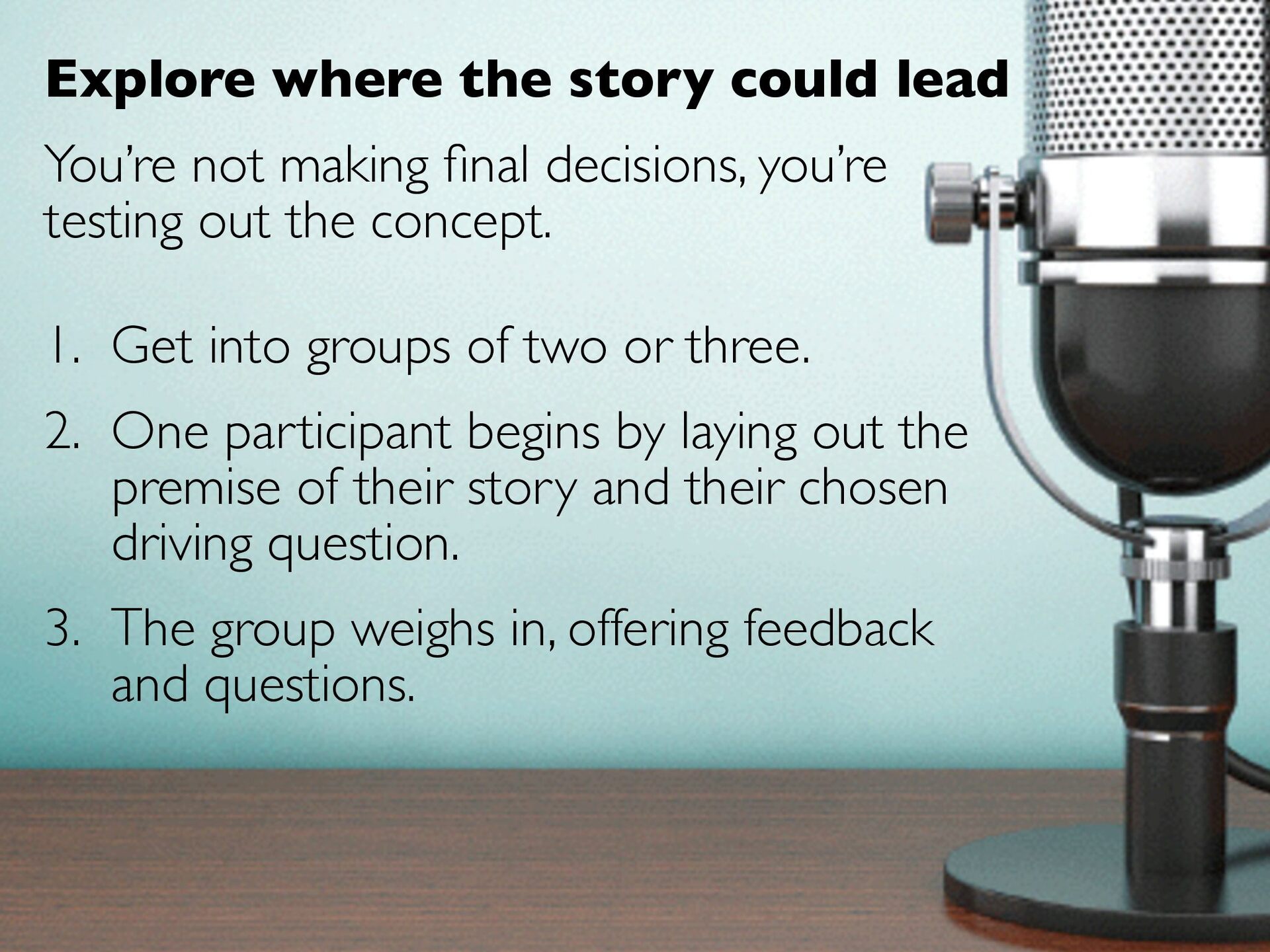
decisions, you’re testing out the concept. 1. Get into groups of two or three. 2. One participant begins by laying out the premise of their story and their chosen driving question. fi 3. The group weighs in, offering feedback and questions.
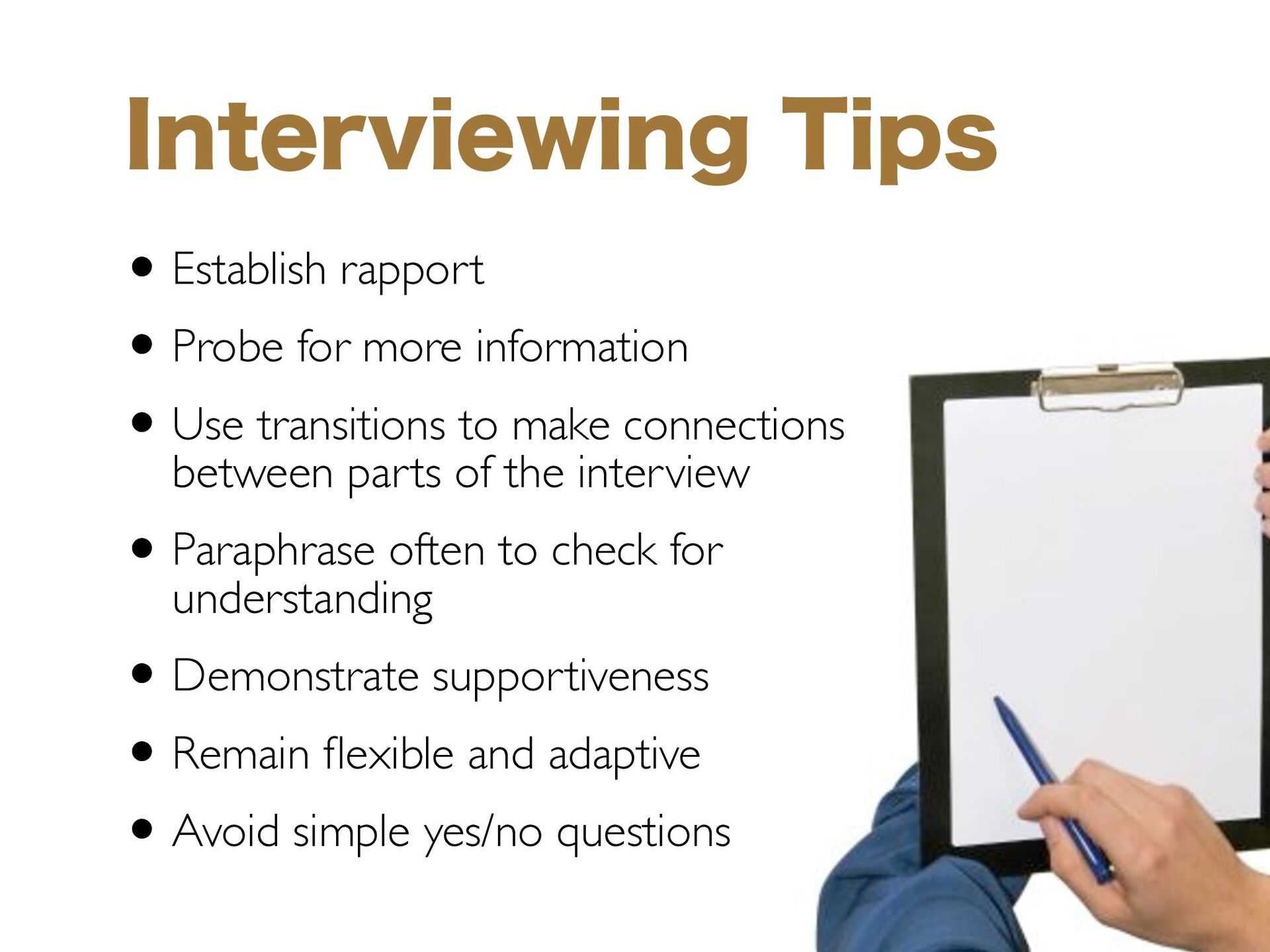
transitions to make connections • Use between parts of the interview often to check for • Paraphrase understanding fl • Demonstrate supportiveness • Remain exible and adaptive • Avoid simple yes/no questions
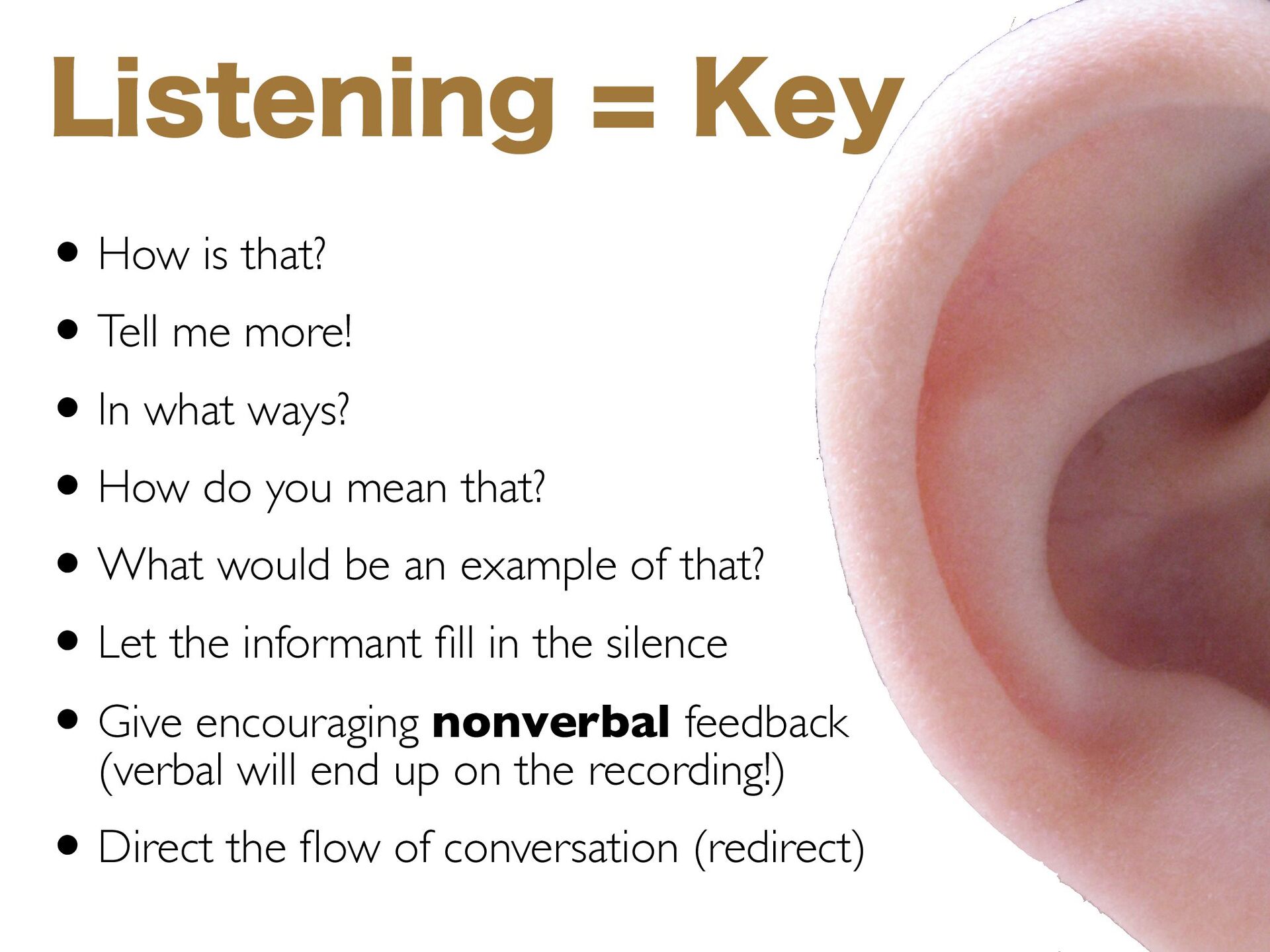
more! • In what ways? • How do you mean that? • What would be an example of that? • Let the informant ll in the silence encouraging nonverbal feedback • Give (verbal will end up on the recording!) fi fl • Direct the ow of conversation (redirect)
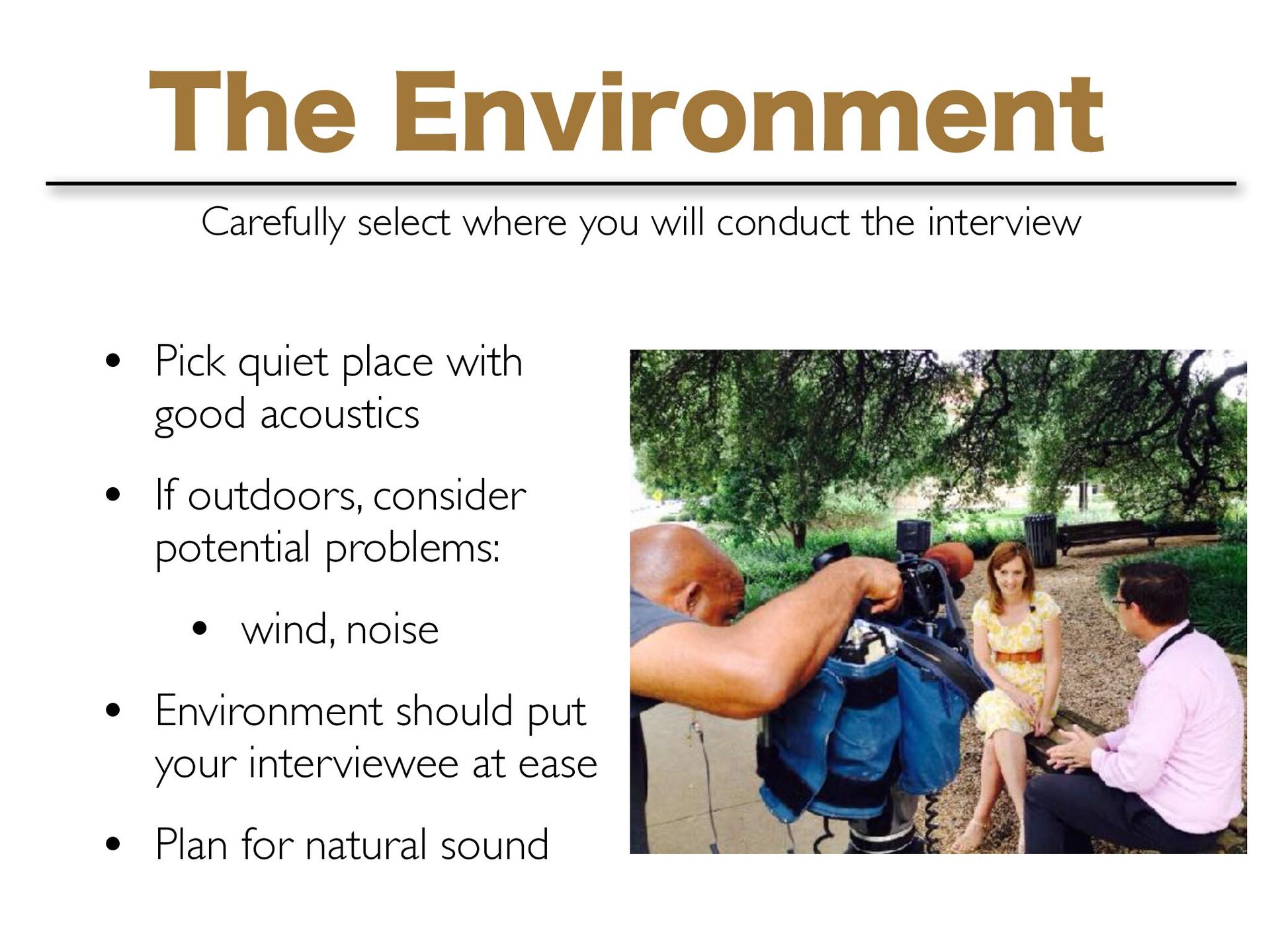
• Pick quiet place with good acoustics • If outdoors, consider potential problems: • wind, noise • Environment should put your interviewee at ease • Plan for natural sound
3. Identify interview location 4. Check equipment 5. Record interviews 6. Record natural sound 7. Listen to interview 8. Cut interview clips fi 9. Write script 10. Record yourself reading script 11. Mix interview clips, natural sound & voice-over 12. Listen to your nal product 13. Upload to Soundwave 14. Create blog post & embed on your blog
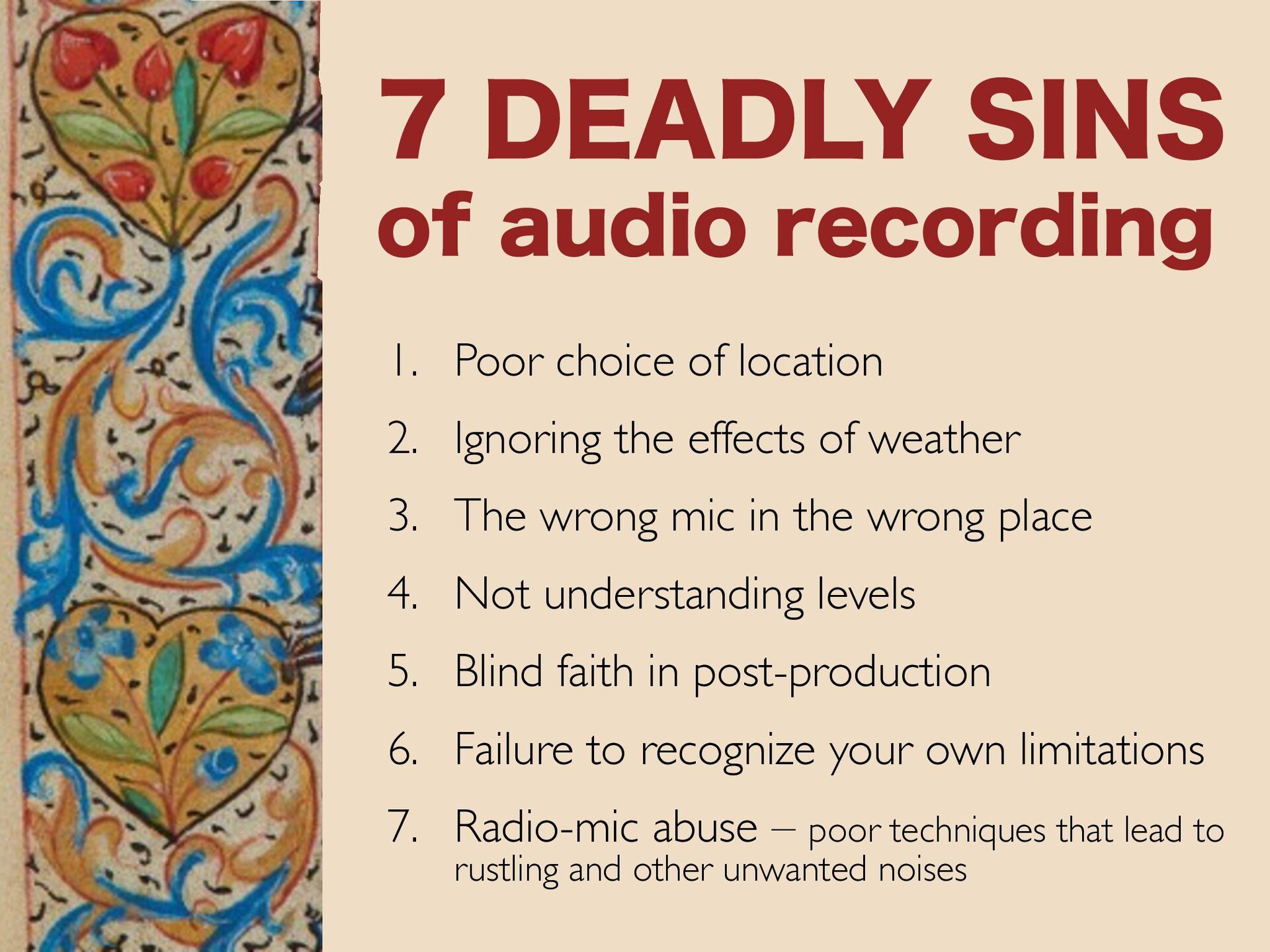
location 2. Ignoring the effects of weather 3. The wrong mic in the wrong place 4. Not understanding levels 5. Blind faith in post-production 6. Failure to recognize your own limitations 7. Radio-mic abuse – poor techniques that lead to rustling and other unwanted noises


 corinnew
 matleenalaakso
 signer
 bvr7352
 juanmartin2026
 pawan_pharm
 ytapples613
 2720japanoke
 camel_404
 akiraasano
 kentaroy47
 palkan
 rocio
 marktimemedia
 bkeepers
 tonyrice
 danielanewman
 elsirapls
 akosma
 speakerdeck
 eileencodes
 raygrieselhuber