Upgrade to Pro — share decks privately, control downloads, hide ads and more …

Thomas A. Lewan: Leading the Future of Energy H...

Avatar for Himanshu Kale Himanshu Kale
September 18, 2025

Thomas A. Lewan: Leading the Future of Energy Healing and Holistic Wellness

Thomas A. Lewan: Leading the Future of Energy Healing and Holistic Wellness

Avatar for Himanshu Kale

Himanshu Kale

September 18, 2025

More Decks by Himanshu Kale

Other Decks in Business

Transcript

  1. 360 MAGAZINE Empowering Mental Health Leaders Transforming Lives in 2025

    Leading the Future of and ENERGY HEALING HOLISTIC WELLNESS THOMAS A. LEWAN Owner of Balanced Energy Healing
  2. 360 MAGAZINE How about showcasing your products to 90,000+ C-suite

    Subscribers? To get recent updates of our magazines [email protected] S U B S C R I B E
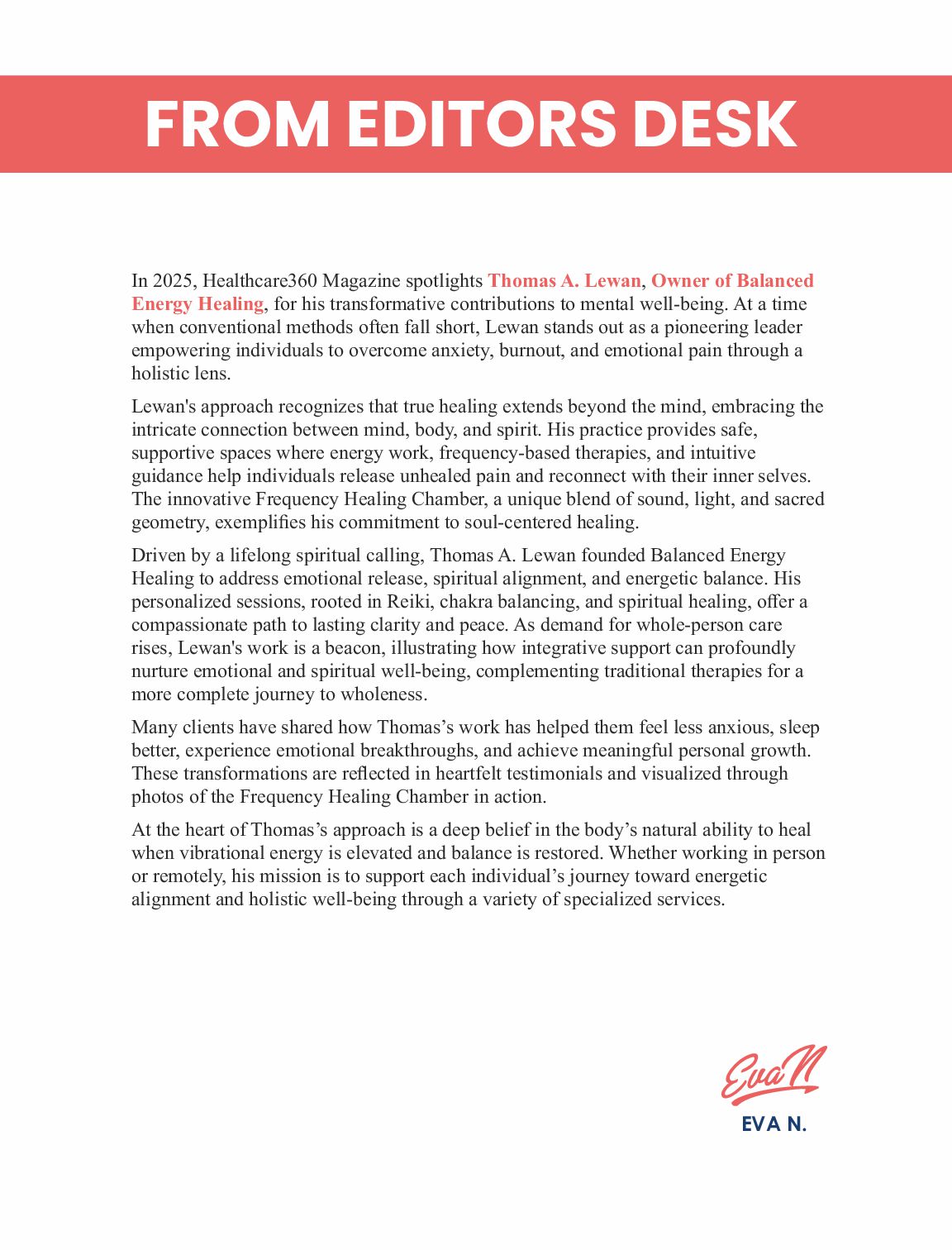
  3. EVA N. FROM EDITORS DESK In 2025, Healthcare360 Magazine spotlights

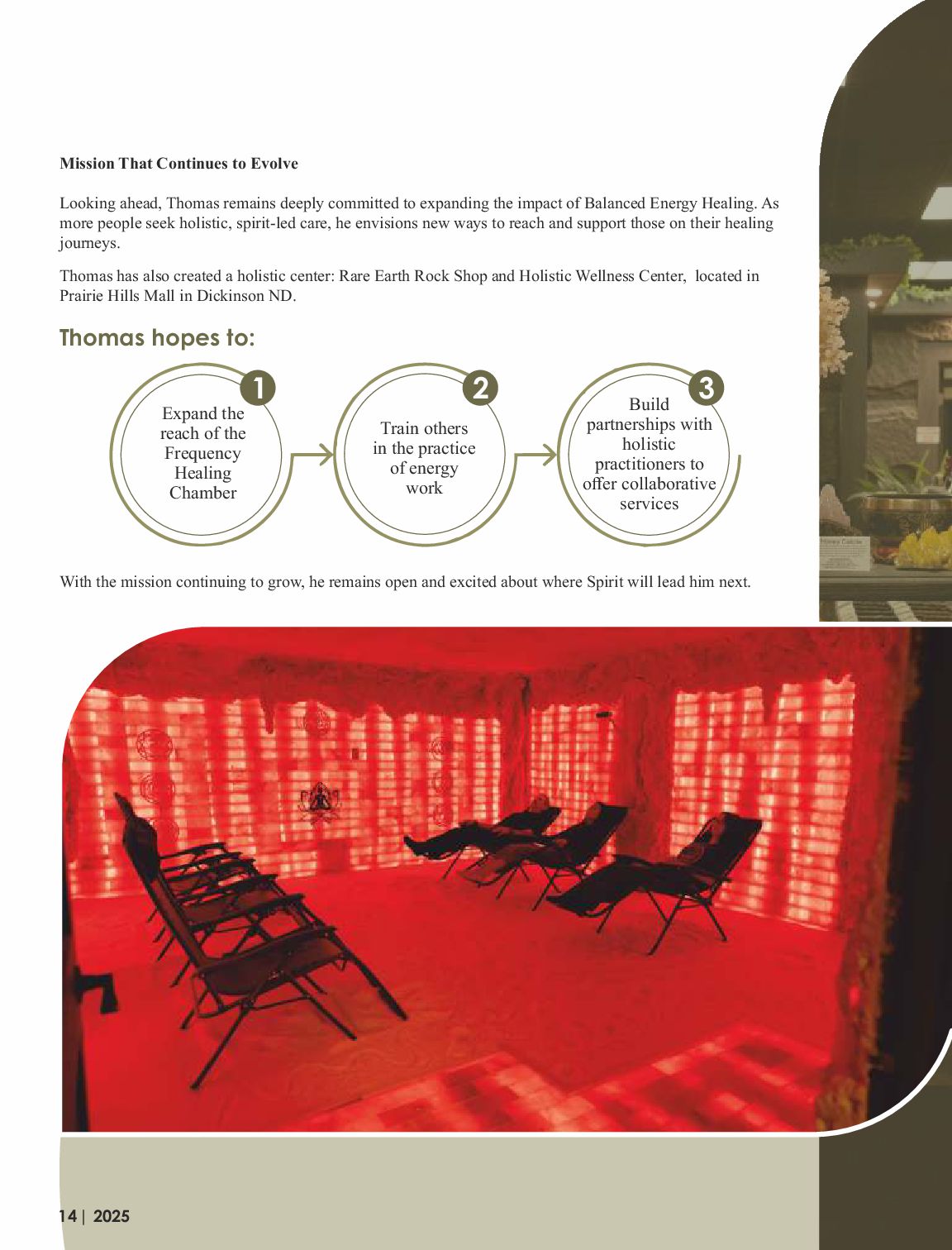
    , Thomas A. Lewan Owner of Balanced Energy Healing, for his transformative contributions to mental well-being. At a time when conventional methods often fall short, Lewan stands out as a pioneering leader empowering individuals to overcome anxiety, burnout, and emotional pain through a holistic lens. Lewan's approach recognizes that true healing extends beyond the mind, embracing the intricate connection between mind, body, and spirit. His practice provides safe, supportive spaces where energy work, frequency-based therapies, and intuitive guidance help individuals release unhealed pain and reconnect with their inner selves. The innovative Frequency Healing Chamber, a unique blend of sound, light, and sacred geometry, exemplifies his commitment to soul-centered healing. Driven by a lifelong spiritual calling, Thomas A. Lewan founded Balanced Energy Healing to address emotional release, spiritual alignment, and energetic balance. His personalized sessions, rooted in Reiki, chakra balancing, and spiritual healing, offer a compassionate path to lasting clarity and peace. As demand for whole-person care rises, Lewan's work is a beacon, illustrating how integrative support can profoundly nurture emotional and spiritual well-being, complementing traditional therapies for a more complete journey to wholeness. Many clients have shared how Thomas’s work has helped them feel less anxious, sleep better, experience emotional breakthroughs, and achieve meaningful personal growth. These transformations are reflected in heartfelt testimonials and visualized through photos of the Frequency Healing Chamber in action. At the heart of Thomas’s approach is a deep belief in the body’s natural ability to heal when vibrational energy is elevated and balance is restored. Whether working in person or remotely, his mission is to support each individual’s journey toward energetic alignment and holistic well-being through a variety of specialized services.
  4. CONTENTS Thomas A. Lewan 08. Leading the Future of Energy

    Healing and Holistic Wellness Health Research What’s Stopping You from Overeating? Scientists Found the Answer 26. 18. Conquering First Day Jitters 34. Health Tech CRISPR and the Future of Genetic Medicine
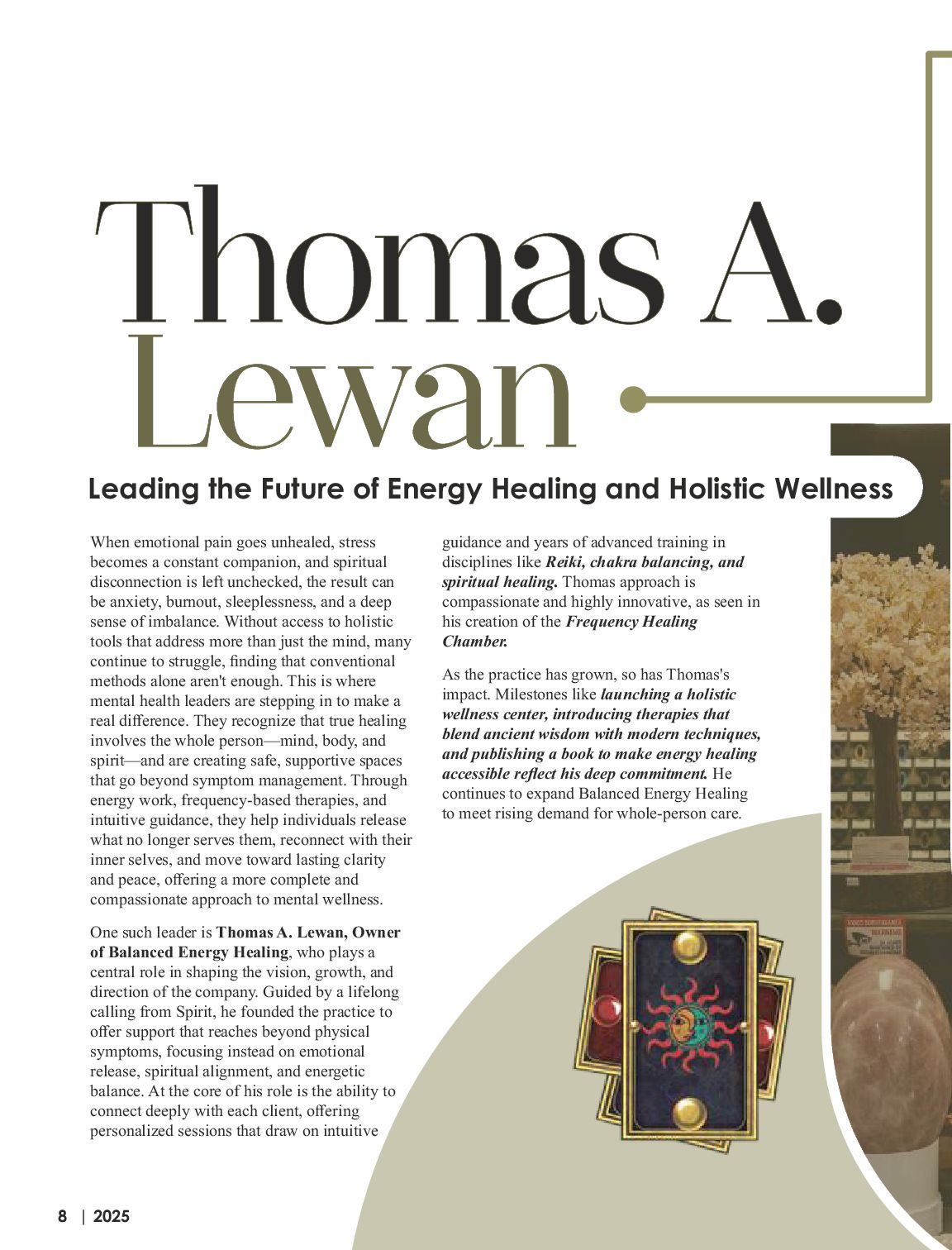
  5. Thomas A. Lewan Leading the Future of Energy Healing and

    Holistic Wellness When emotional pain goes unhealed, stress becomes a constant companion, and spiritual disconnection is left unchecked, the result can be anxiety, burnout, sleeplessness, and a deep sense of imbalance. Without access to holistic tools that address more than just the mind, many continue to struggle, finding that conventional methods alone aren't enough. This is where mental health leaders are stepping in to make a real difference. They recognize that true healing involves the whole person—mind, body, and spirit—and are creating safe, supportive spaces that go beyond symptom management. Through energy work, frequency-based therapies, and intuitive guidance, they help individuals release what no longer serves them, reconnect with their inner selves, and move toward lasting clarity and peace, offering a more complete and compassionate approach to mental wellness. One such leader is Thomas A. Lewan, Owner of Balanced Energy Healing, who plays a central role in shaping the vision, growth, and direction of the company. Guided by a lifelong calling from Spirit, he founded the practice to offer support that reaches beyond physical symptoms, focusing instead on emotional release, spiritual alignment, and energetic balance. At the core of his role is the ability to connect deeply with each client, offering personalized sessions that draw on intuitive guidance and years of advanced training in disciplines like Reiki, chakra balancing, and spiritual healing. Thomas approach is compassionate and highly innovative, as seen in his creation of the Frequency Healing Chamber. As the practice has grown, so has Thomas's impact. Milestones like launching a holistic wellness center, introducing therapies that blend ancient wisdom with modern techniques, and publishing a book to make energy healing accessible reflect his deep commitment. He continues to expand Balanced Energy Healing to meet rising demand for whole-person care. | 2025 8
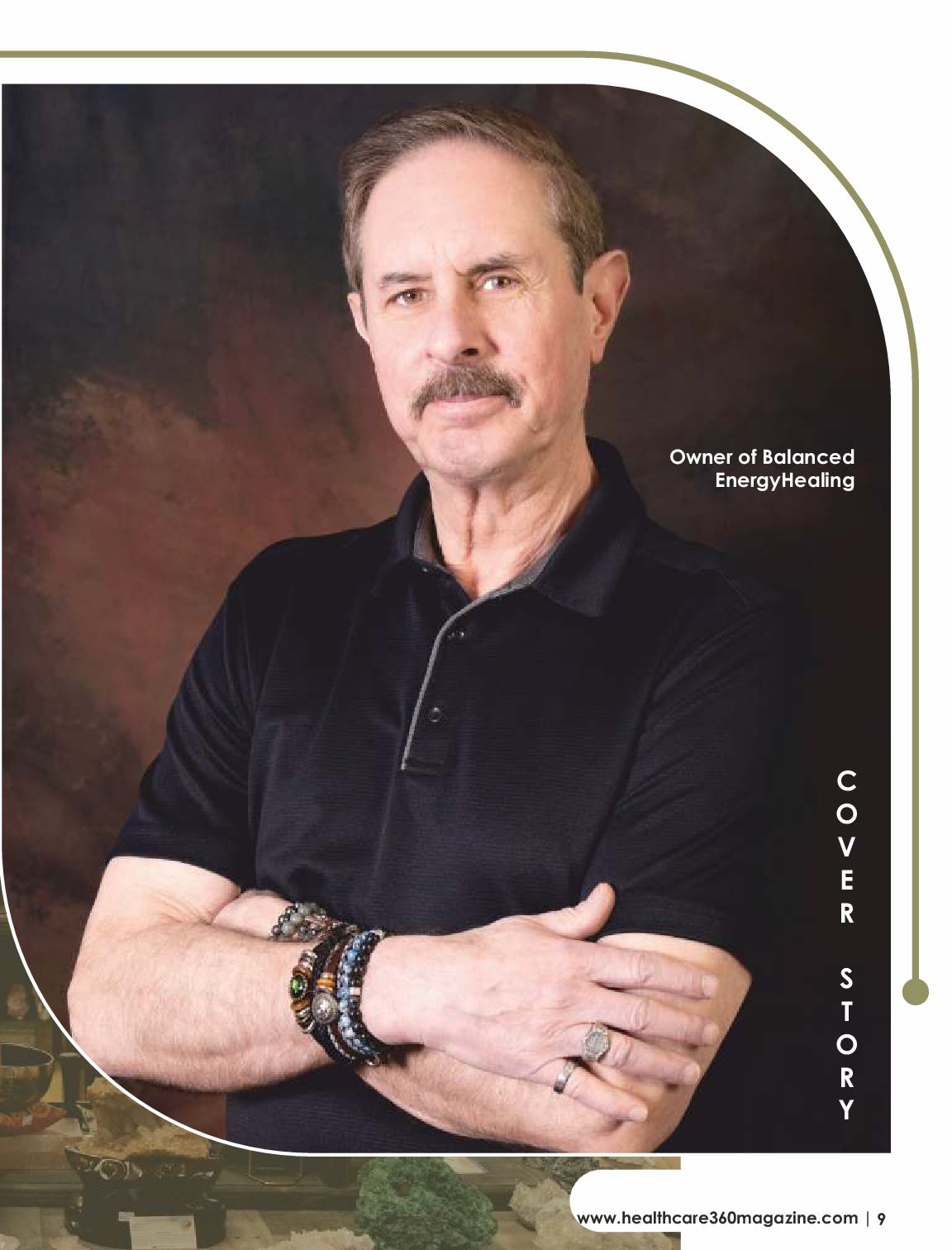
  6. C O V E R S T O R Y

    Owner of Balanced EnergyHealing www.healthcare360magazine.com | 9
  7. Journey to a Life of Healing Thomas has always felt

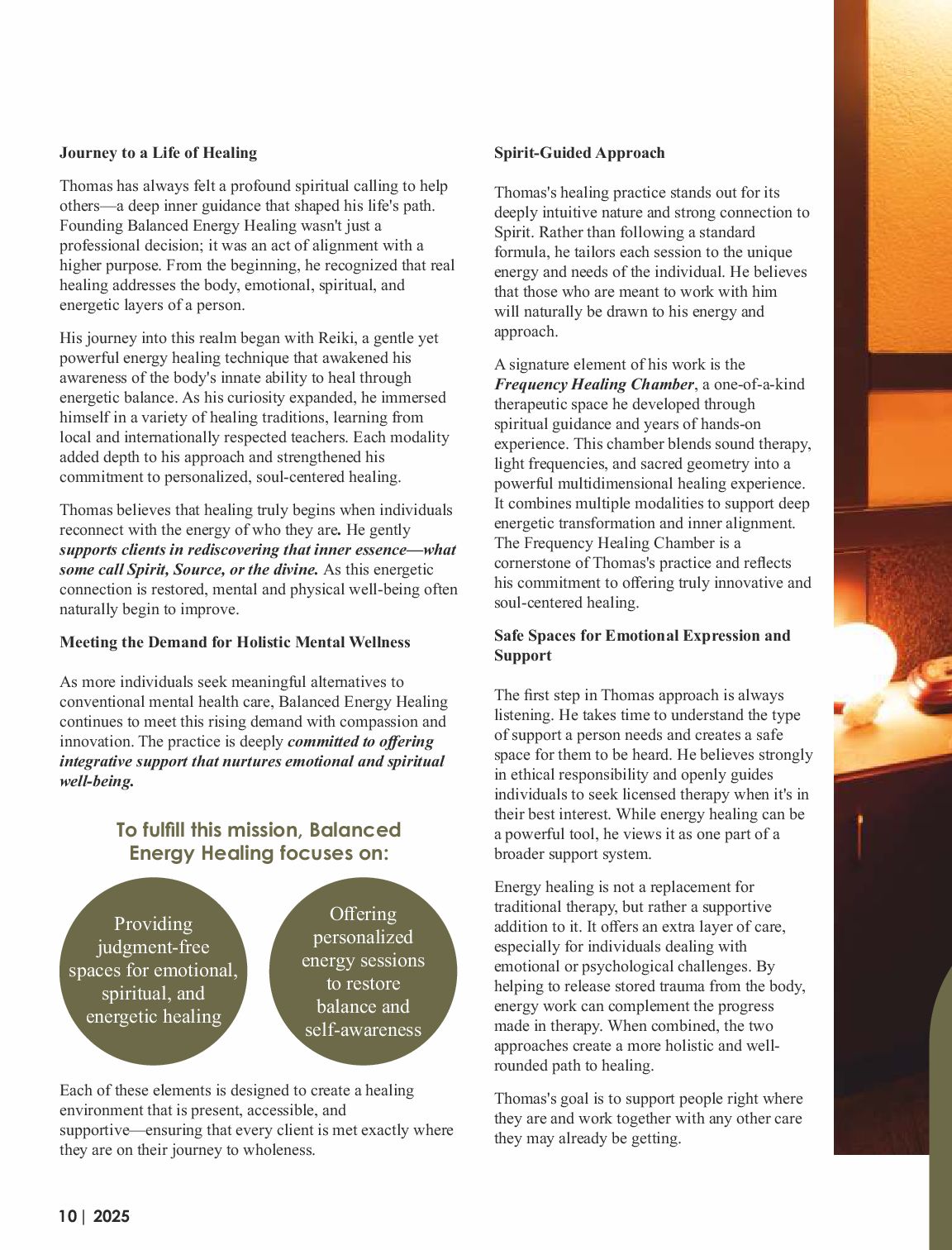
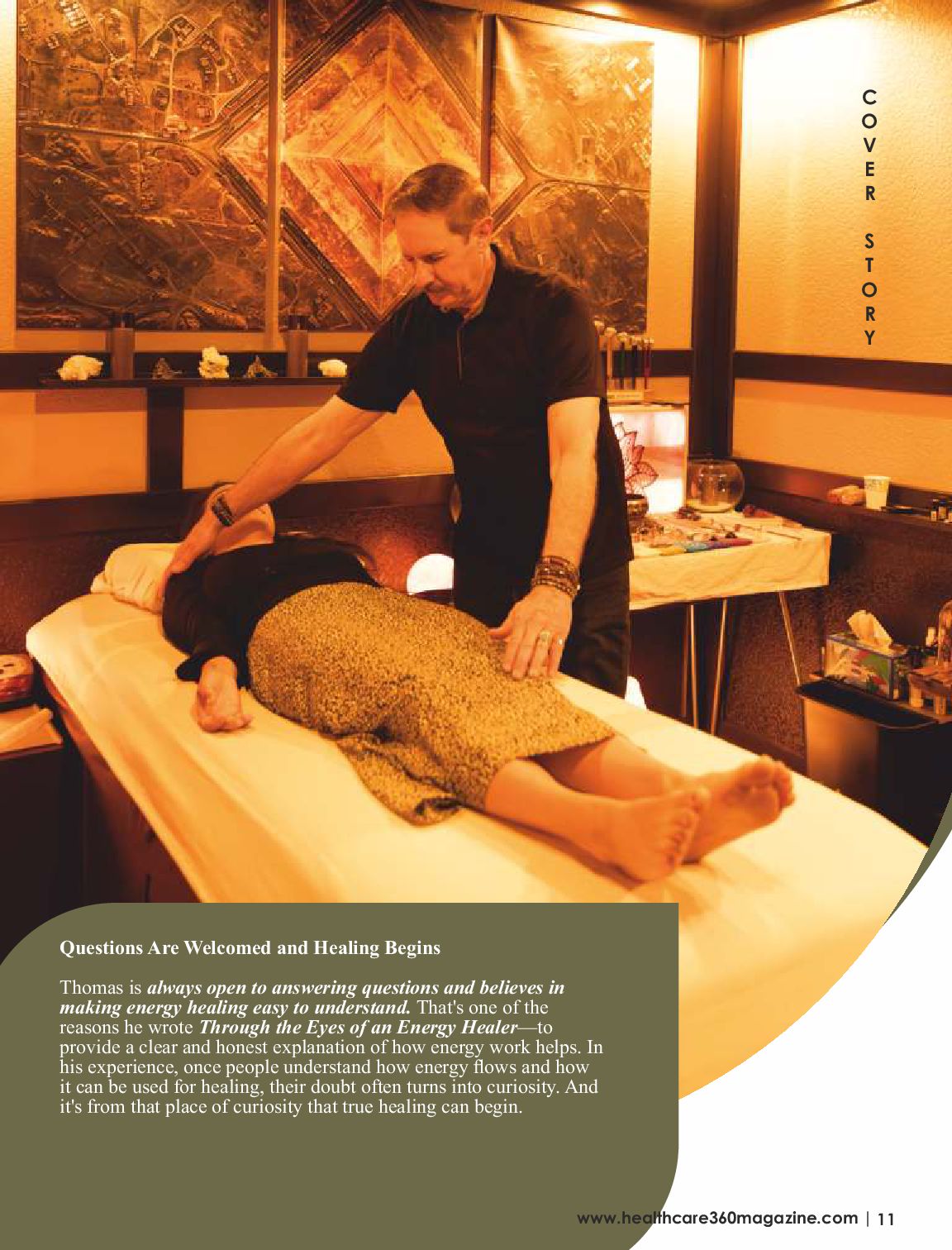
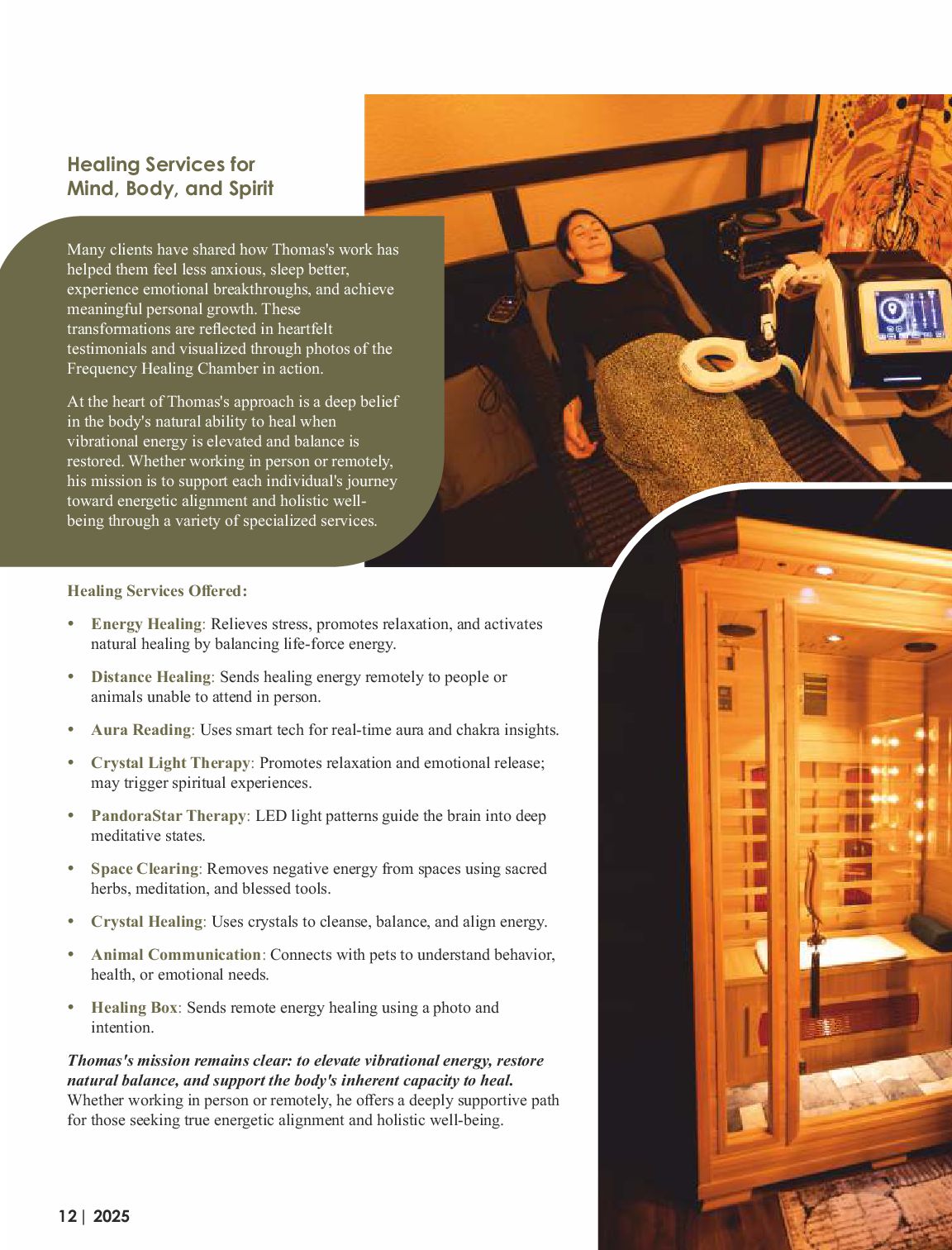
    a profound spiritual calling to help others—a deep inner guidance that shaped his life's path. Founding Balanced Energy Healing wasn't just a professional decision; it was an act of alignment with a higher purpose. From the beginning, he recognized that real healing addresses the body, emotional, spiritual, and energetic layers of a person. His journey into this realm began with Reiki, a gentle yet powerful energy healing technique that awakened his awareness of the body's innate ability to heal through energetic balance. As his curiosity expanded, he immersed himself in a variety of healing traditions, learning from local and internationally respected teachers. Each modality added depth to his approach and strengthened his commitment to personalized, soul-centered healing. Thomas believes that healing truly begins when individuals reconnect with the energy of who they are. He gently supports clients in rediscovering that inner essence—what some call Spirit, Source, or the divine. As this energetic connection is restored, mental and physical well-being often naturally begin to improve. Meeting the Demand for Holistic Mental Wellness As more individuals seek meaningful alternatives to conventional mental health care, Balanced Energy Healing continues to meet this rising demand with compassion and innovation. The practice is deeply committed to offering integrative support that nurtures emotional and spiritual well-being. Spirit-Guided Approach Thomas's healing practice stands out for its deeply intuitive nature and strong connection to Spirit. Rather than following a standard formula, he tailors each session to the unique energy and needs of the individual. He believes that those who are meant to work with him will naturally be drawn to his energy and approach. A signature element of his work is the Frequency Healing Chamber, a one-of-a-kind therapeutic space he developed through spiritual guidance and years of hands-on experience. This chamber blends sound therapy, light frequencies, and sacred geometry into a powerful multidimensional healing experience. It combines multiple modalities to support deep energetic transformation and inner alignment. The Frequency Healing Chamber is a cornerstone of Thomas's practice and reflects his commitment to offering truly innovative and soul-centered healing. Safe Spaces for Emotional Expression and Support The first step in Thomas approach is always listening. He takes time to understand the type of support a person needs and creates a safe space for them to be heard. He believes strongly in ethical responsibility and openly guides individuals to seek licensed therapy when it's in their best interest. While energy healing can be a powerful tool, he views it as one part of a broader support system. Energy healing is not a replacement for traditional therapy, but rather a supportive addition to it. It offers an extra layer of care, especially for individuals dealing with emotional or psychological challenges. By helping to release stored trauma from the body, energy work can complement the progress made in therapy. When combined, the two approaches create a more holistic and well- rounded path to healing. Thomas's goal is to support people right where they are and work together with any other care they may already be getting. Each of these elements is designed to create a healing environment that is present, accessible, and supportive—ensuring that every client is met exactly where they are on their journey to wholeness. Providing judgment-free spaces for emotional, spiritual, and energetic healing Offering personalized energy sessions to restore balance and self-awareness To fulll this mission, Balanced Energy Healing focuses on: | 2025 10
  8. Questions Are Welcomed and Healing Begins Thomas is always open

    to answering questions and believes in making energy healing easy to understand. That's one of the reasons he wrote Through the Eyes of an Energy Healer—to provide a clear and honest explanation of how energy work helps. In his experience, once people understand how energy flows and how it can be used for healing, their doubt often turns into curiosity. And it's from that place of curiosity that true healing can begin. C O V E R S T O R Y www.healthcare360magazine.com | 11
  9. Healing Services Offered: Ÿ Energy Healing: Relieves stress, promotes relaxation,

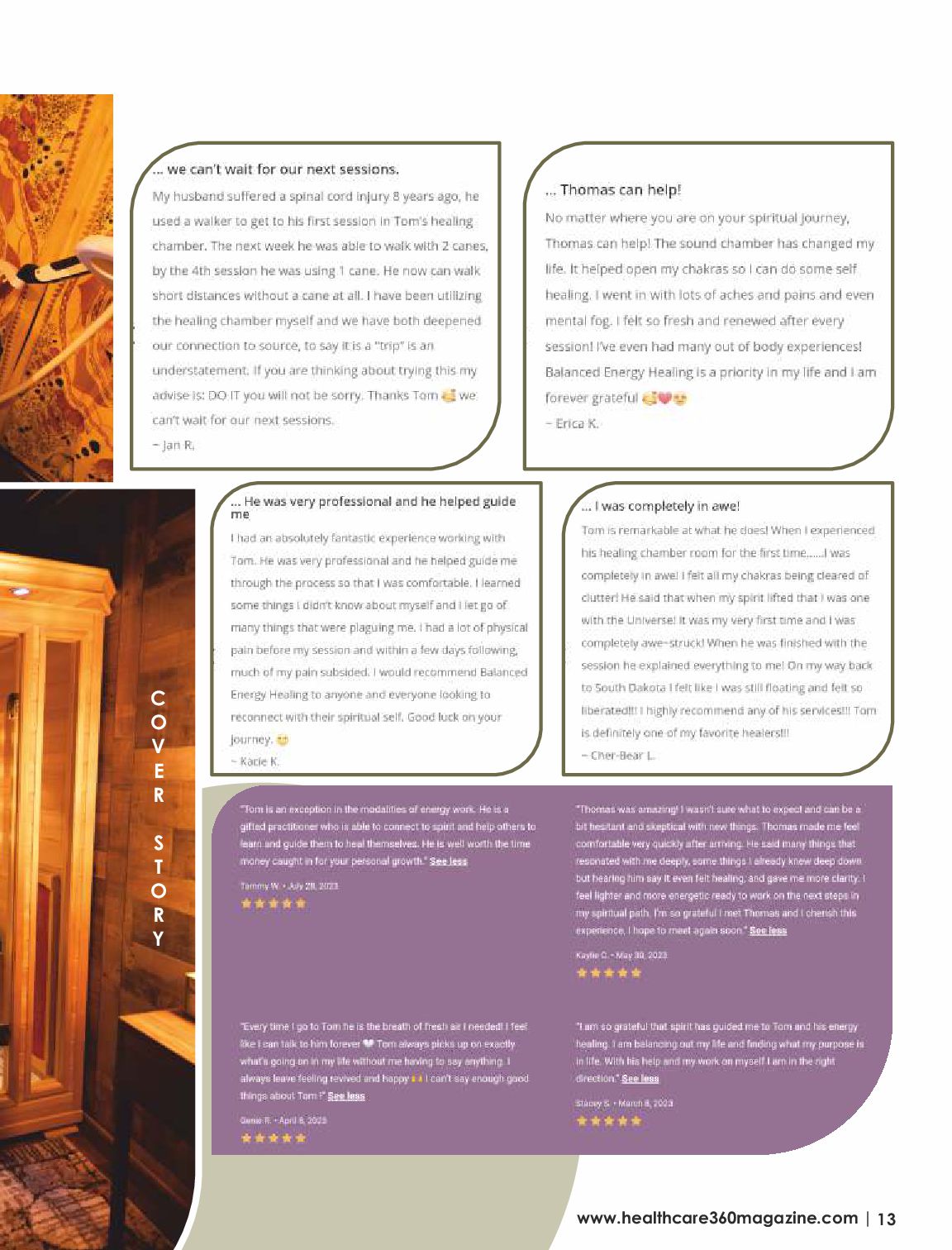
    and activates natural healing by balancing life-force energy. Ÿ Distance Healing: Sends healing energy remotely to people or animals unable to attend in person. Ÿ Aura Reading: Uses smart tech for real-time aura and chakra insights. Ÿ Crystal Light Therapy: Promotes relaxation and emotional release; may trigger spiritual experiences. Ÿ PandoraStar Therapy: LED light patterns guide the brain into deep meditative states. Ÿ Space Clearing: Removes negative energy from spaces using sacred herbs, meditation, and blessed tools. Ÿ Crystal Healing: Uses crystals to cleanse, balance, and align energy. Ÿ Animal Communication: Connects with pets to understand behavior, health, or emotional needs. Ÿ Healing Box: Sends remote energy healing using a photo and intention. Thomas's mission remains clear: to elevate vibrational energy, restore natural balance, and support the body's inherent capacity to heal. Whether working in person or remotely, he offers a deeply supportive path for those seeking true energetic alignment and holistic well-being. Many clients have shared how Thomas's work has helped them feel less anxious, sleep better, experience emotional breakthroughs, and achieve meaningful personal growth. These transformations are reflected in heartfelt testimonials and visualized through photos of the Frequency Healing Chamber in action. At the heart of Thomas's approach is a deep belief in the body's natural ability to heal when vibrational energy is elevated and balance is restored. Whether working in person or remotely, his mission is to support each individual's journey toward energetic alignment and holistic well- being through a variety of specialized services. Healing Services for Mind, Body, and Spirit | 2025 12


  10. C O V E R S T O R Y

    www.healthcare360magazine.com | 13
  11. Mission That Continues to Evolve Looking ahead, Thomas remains deeply

    committed to expanding the impact of Balanced Energy Healing. As more people seek holistic, spirit-led care, he envisions new ways to reach and support those on their healing journeys. Thomas has also created a holistic center: Rare Earth Rock Shop and Holistic Wellness Center, located in Prairie Hills Mall in Dickinson ND. Build partnerships with holistic practitioners to offer collaborative services Train others in the practice of energy work 3 2 Expand the reach of the Frequency Healing Chamber 1 Thomas hopes to: With the mission continuing to grow, he remains open and excited about where Spirit will lead him next. | 2025 14
  12. Trusting the Inner Nudge Thomas encourages anyone who feels drawn

    to healing—whether for personal growth or to help others—to trust that inner calling. He believes it's not a coincidence but a meaningful nudge toward purpose. While the path of healing work requires courage and a willingness to face the unknown, he describes it as one of the most rewarding and transformative journeys a person can take. His advice is clear and heartfelt: stay grounded in your truth, stay curious as you grow, and always remember—lasting peace begins from within. To connect with Tom, contact [email protected] C O V E R S T O R Y www.healthcare360magazine.com | 15
  13. r ? How Do These Neurons Work? Think of these

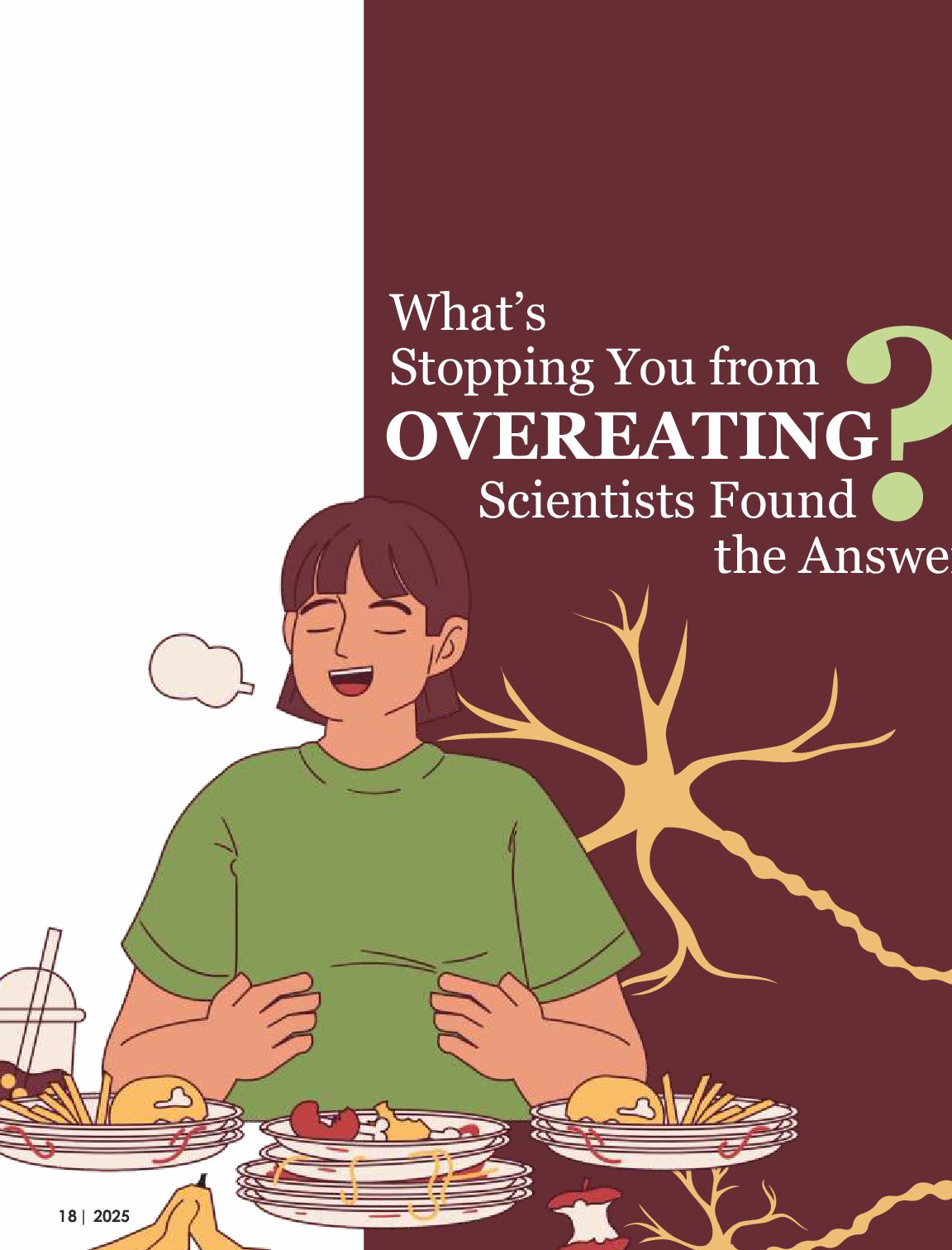
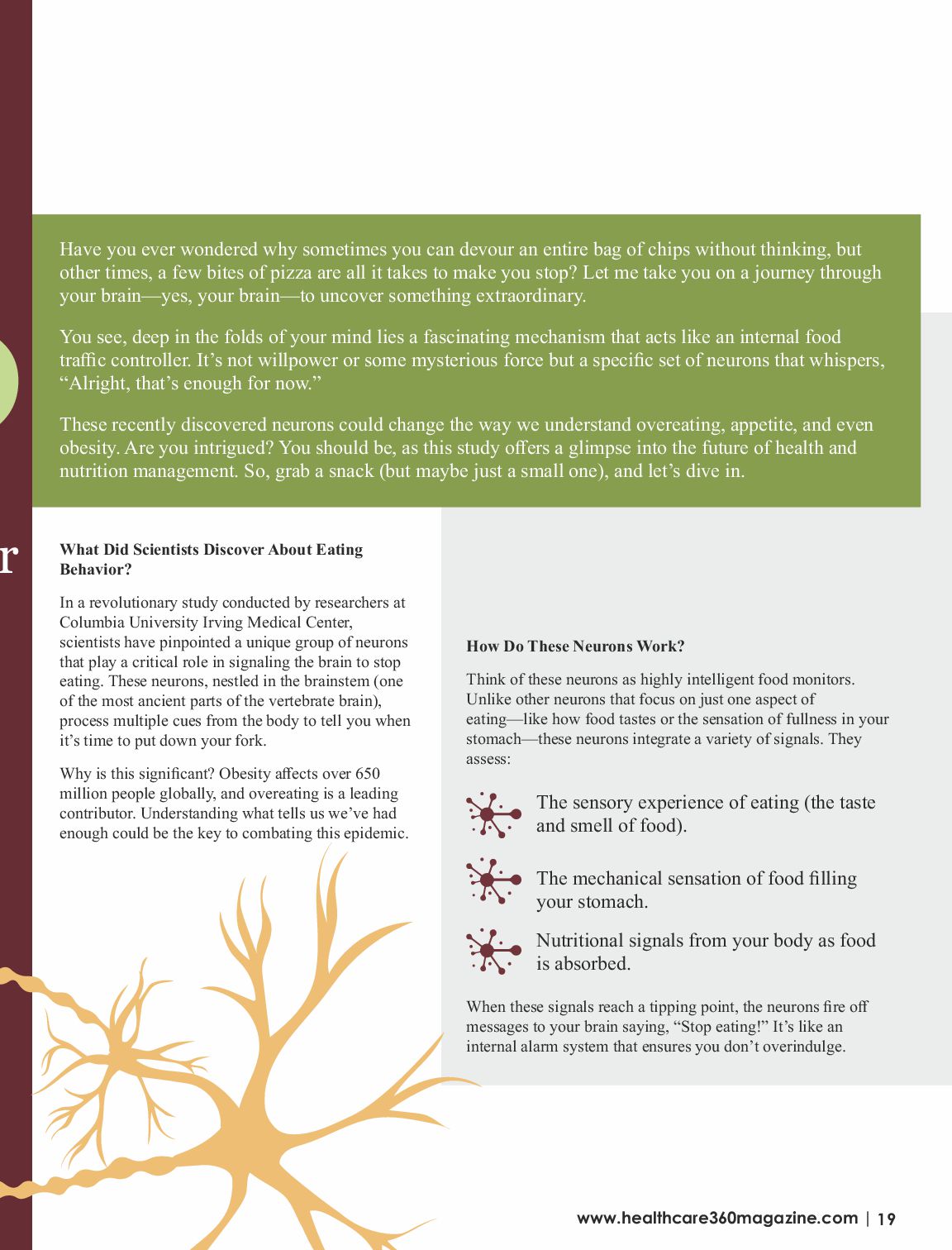
    neurons as highly intelligent food monitors. Unlike other neurons that focus on just one aspect of eating—like how food tastes or the sensation of fullness in your stomach—these neurons integrate a variety of signals. They assess: What Did Scientists Discover About Eating Behavior? In a revolutionary study conducted by researchers at Columbia University Irving Medical Center, scientists have pinpointed a unique group of neurons that play a critical role in signaling the brain to stop eating. These neurons, nestled in the brainstem (one of the most ancient parts of the vertebrate brain), process multiple cues from the body to tell you when it’s time to put down your fork. Why is this significant? Obesity affects over 650 million people globally, and overeating is a leading contributor. Understanding what tells us we’ve had enough could be the key to combating this epidemic. Have you ever wondered why sometimes you can devour an entire bag of chips without thinking, but other times, a few bites of pizza are all it takes to make you stop? Let me take you on a journey through your brain—yes, your brain—to uncover something extraordinary. You see, deep in the folds of your mind lies a fascinating mechanism that acts like an internal food traffic controller. It’s not willpower or some mysterious force but a specific set of neurons that whispers, “Alright, that’s enough for now.” These recently discovered neurons could change the way we understand overeating, appetite, and even obesity. Are you intrigued? You should be, as this study offers a glimpse into the future of health and nutrition management. So, grab a snack (but maybe just a small one), and let’s dive in. When these signals reach a tipping point, the neurons fire off messages to your brain saying, “Stop eating!” It’s like an internal alarm system that ensures you don’t overindulge. The sensory experience of eating (the taste and smell of food). The mechanical sensation of food filling your stomach. Nutritional signals from your body as food is absorbed. www.healthcare360magazine.com | 19
  14. Why Is This Discovery So Groundbreaking? Most appetite-related studies focus

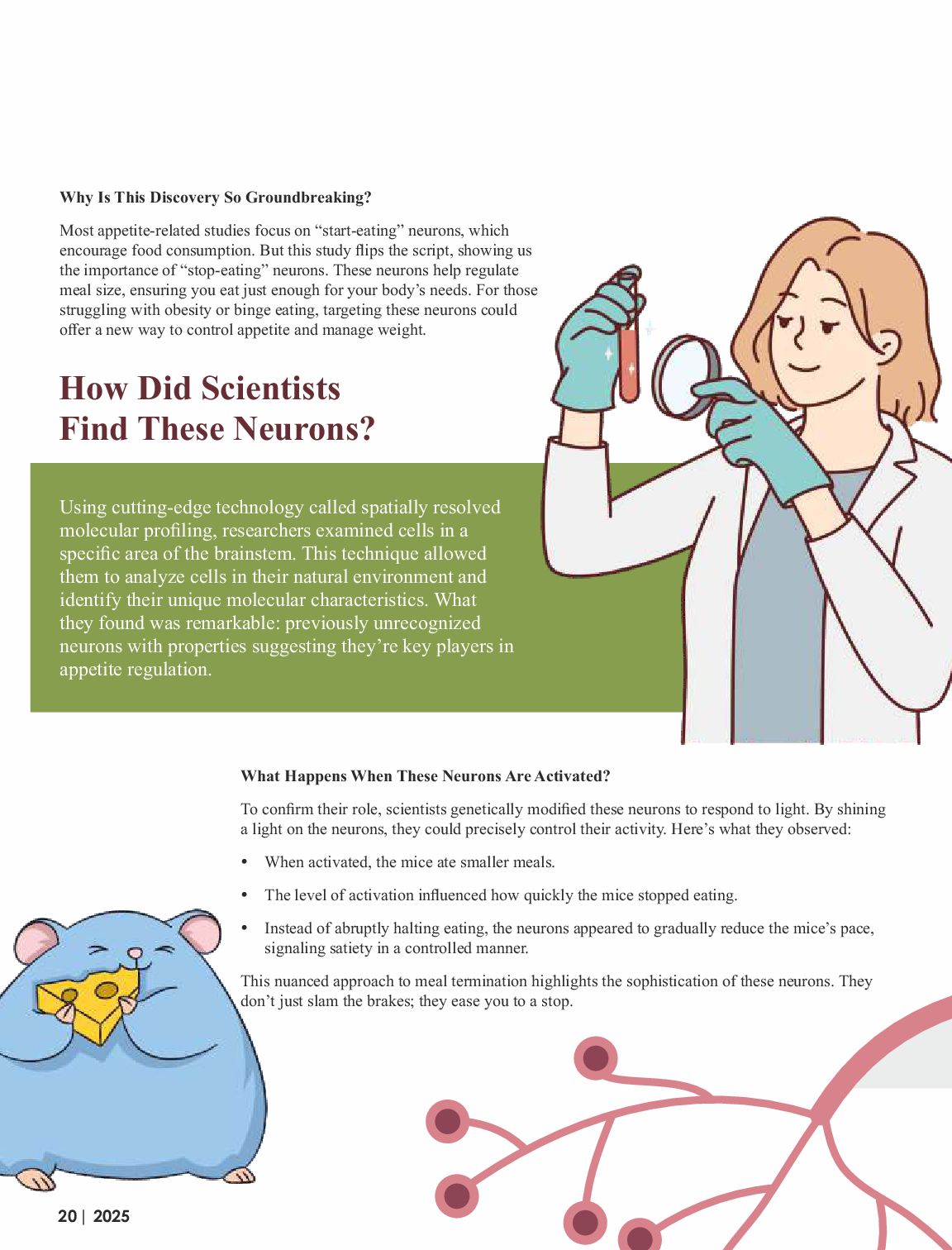
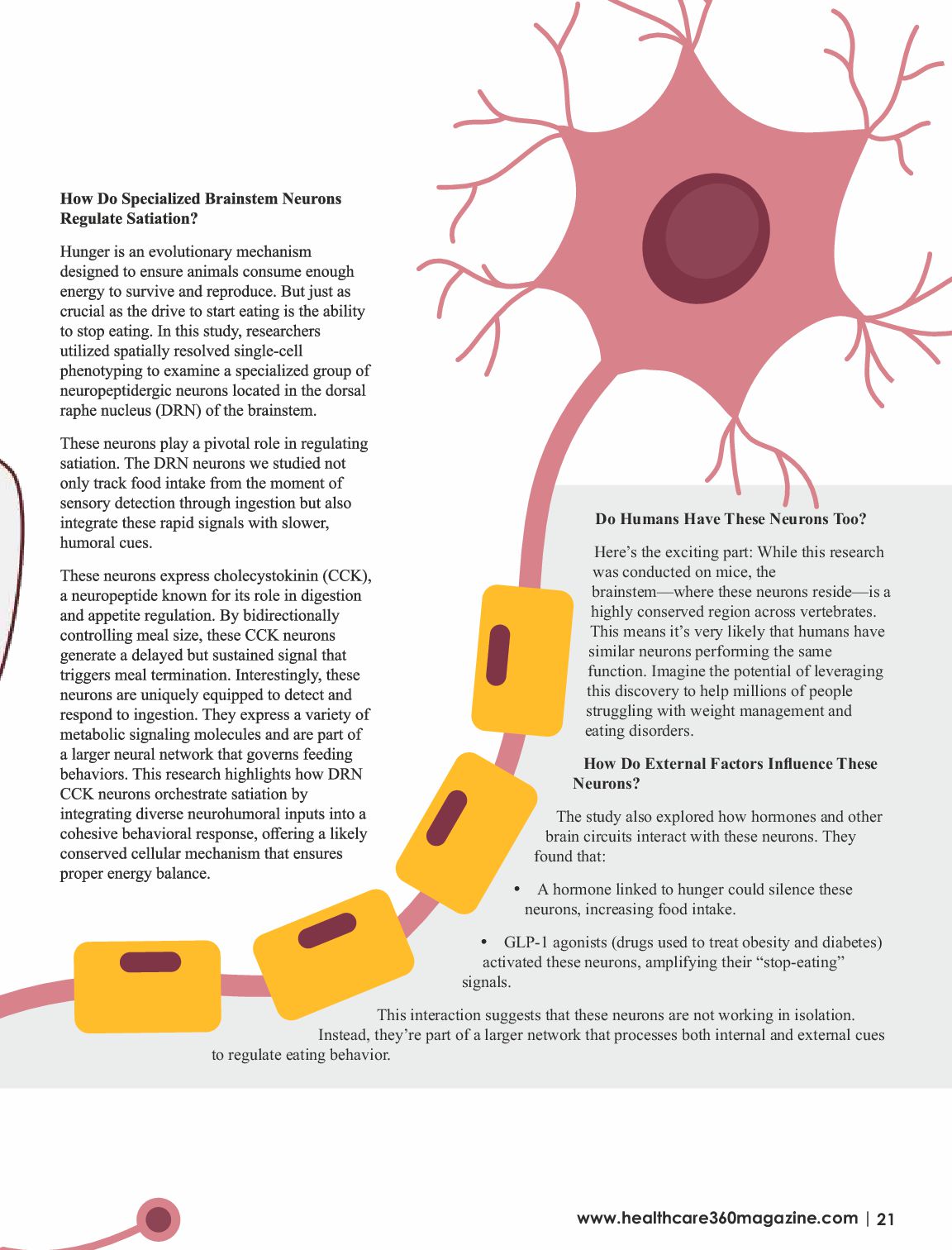
    on “start-eating” neurons, which encourage food consumption. But this study flips the script, showing us the importance of “stop-eating” neurons. These neurons help regulate meal size, ensuring you eat just enough for your body’s needs. For those struggling with obesity or binge eating, targeting these neurons could offer a new way to control appetite and manage weight. What Happens When These Neurons Are Activated? To confirm their role, scientists genetically modified these neurons to respond to light. By shining a light on the neurons, they could precisely control their activity. Here’s what they observed: Ÿ When activated, the mice ate smaller meals. Ÿ The level of activation influenced how quickly the mice stopped eating. Ÿ Instead of abruptly halting eating, the neurons appeared to gradually reduce the mice’s pace, signaling satiety in a controlled manner. This nuanced approach to meal termination highlights the sophistication of these neurons. They don’t just slam the brakes; they ease you to a stop. How Did Scientists Find These Neurons? Using cutting-edge technology called spatially resolved molecular profiling, researchers examined cells in a specific area of the brainstem. This technique allowed them to analyze cells in their natural environment and identify their unique molecular characteristics. What they found was remarkable: previously unrecognized neurons with properties suggesting they’re key players in appetite regulation. | 2025 20
  15. Do Humans Have These Neurons Too? Here’s the exciting part:

    While this research was conducted on mice, the brainstem—where these neurons reside—is a highly conserved region across vertebrates. This means it’s very likely that humans have similar neurons performing the same function. Imagine the potential of leveraging this discovery to help millions of people struggling with weight management and eating disorders. How Do External Factors Influence These Neurons? The study also explored how hormones and other brain circuits interact with these neurons. They found that: Ÿ A hormone linked to hunger could silence these neurons, increasing food intake. Ÿ GLP-1 agonists (drugs used to treat obesity and diabetes) activated these neurons, amplifying their “stop-eating” signals. This interaction suggests that these neurons are not working in isolation. Instead, they’re part of a larger network that processes both internal and external cues to regulate eating behavior. www.healthcare360magazine.com | 21
  16. This discovery isn’t just a scientific breakthrough; it’s a potential

    game-changer for obesity treatment. Here’s why: What Are the Real-World Implications? Targeted Therapies: By understanding how these neurons work, researchers could develop drugs that activate them, helping people feel full faster. Personalized Medicine: Treatments could be tailored to individuals based on how their neurons respond to different stimuli. New Weight-Loss Strategies: Beyond diets and exercise, this discovery offers a biological approach to appetite control, reducing the stigma often associated with weight loss. Over the years, scientists have uncovered many factors that influence eating behavior, from hormones like leptin and ghrelin to brain regions like the hypothalamus. But this discovery fills a critical gap in our understanding by pinpointing the exact neurons responsible for stopping food intake. It’s like finding the missing piece of a complex puzzle. How Does This Fit Into Broader Appetite Research? | 2025 22
  17. What Are the Next Steps? The journey doesn’t end here.

    Future research will likely focus on: Ÿ Mapping Neural Pathways: Understanding how these neurons communicate with other parts of the brain. Ÿ Human Studies: Investigating whether similar neurons exist in humans and how they function. Ÿ Drug Development: Creating medications that can safely and effectively target these neurons. While direct applications are still a few years away, this discovery is already influencing how we think about appetite control. For example: Why Should You Care About This Discovery? Let’s face it: overeating is something most of us have experienced. Whether it’s indulging in an extra slice of cake or binge-watching with snacks, we’ve all been there. But for some, it’s a daily struggle that leads to serious health issues. By unlocking the secrets of these neurons, scientists are giving us a powerful tool to tackle overeating and obesity. This isn’t just about shedding pounds; it’s about improving overall health and quality of life. The Dawn of a New Era in Appetite Control The discovery of “stop-eating” neurons marks a turning point in our understanding of eating behavior. By decoding the intricate mechanisms that regulate appetite, scientists are paving the way for a healthier future. So, the next time you feel full and push your plate away, remember, it’s not you—it’s your brain, working hard to keep you balanced. And thanks to this research, we’re one step closer to harnessing that power for better health worldwide. How Can This Knowledge Be Applied Today? Dietary Advice Understanding these neurons could help nutritionists create more effective meal plans. Mental Health Support Many eating disorders involve disruptions in the brain’s appetite signals. Targeting these neurons could offer new therapeutic options. Pharmaceutical Innovations Companies are already exploring drugs that can mimic or enhance these neurons’ activity. www.healthcare360magazine.com | 23
  18. PR PRThe Future Of Genetic Medicine – Are We Playing

    God? In 2018, the world was stunned when Chinese scientist He Jiankui announced he had genetically modified twin babies using CRISPR, the revolutionary gene-editing tool. The global backlash was swift—was this a breakthrough in eliminating genetic diseases or an unethical manipulation of life itself? Are we truly on the brink of playing God? For decades, genetic disorders like cystic fibrosis, sickle cell anemia, and Huntington’s disease have devastated families, with no true cure in sight. But CRISPR (Clustered Regularly Interspaced Short Palindromic Repeats) offers the tantalizing possibility of permanently rewriting human DNA to eliminate these conditions forever. But should we? As we stand at the edge of this scientific frontier, the promise of CRISPR is undeniable—but so are its ethical, medical, and existential questions. www.healthcare360magazine.com | 27
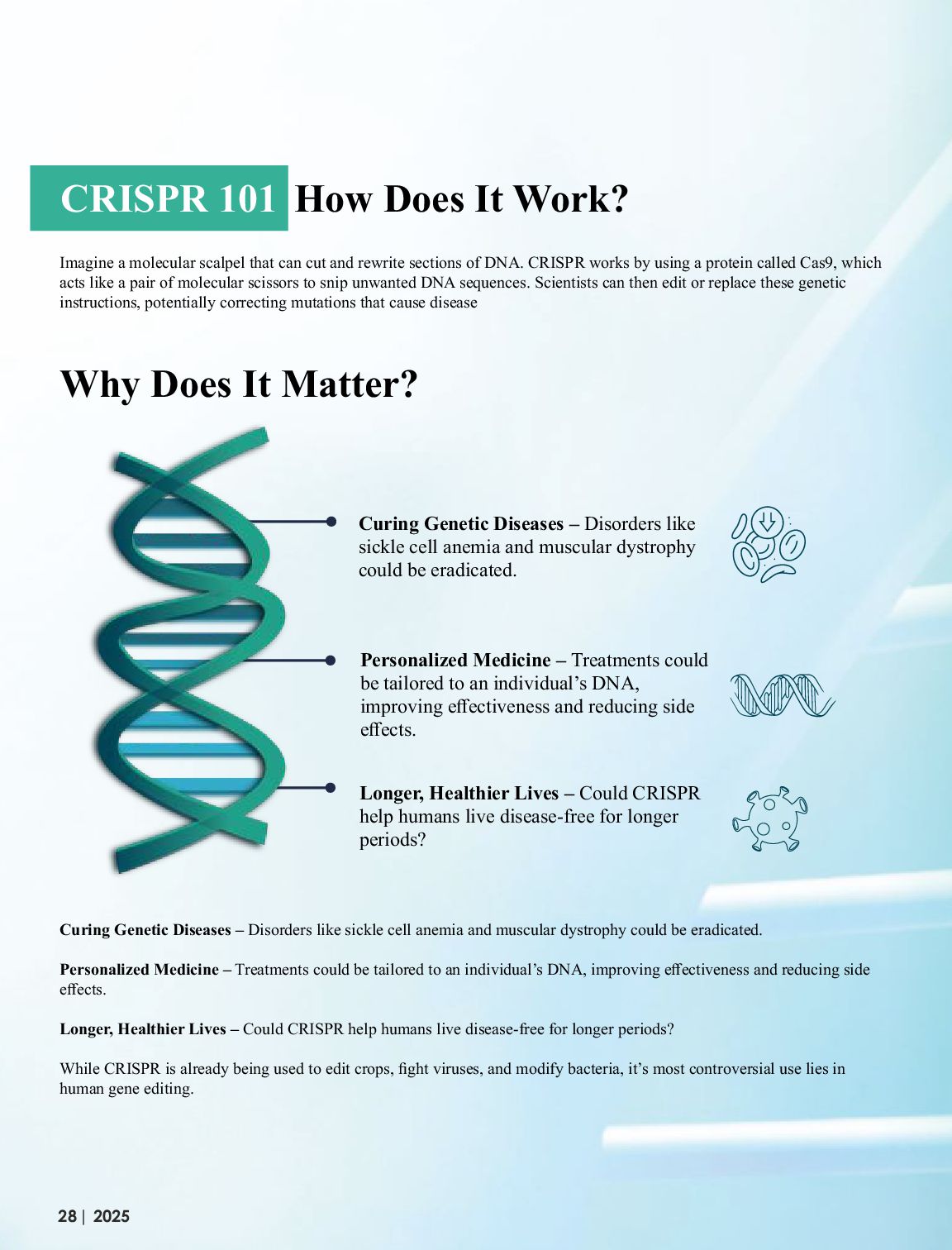
  19. How Does It Work? CRISPR 101 Imagine a molecular scalpel

    that can cut and rewrite sections of DNA. CRISPR works by using a protein called Cas9, which acts like a pair of molecular scissors to snip unwanted DNA sequences. Scientists can then edit or replace these genetic instructions, potentially correcting mutations that cause disease Why Does It Matter? Curing Genetic Diseases – Disorders like sickle cell anemia and muscular dystrophy could be eradicated. Personalized Medicine – Treatments could be tailored to an individual’s DNA, improving effectiveness and reducing side effects. Longer, Healthier Lives – Could CRISPR help humans live disease-free for longer periods? Curing Genetic Diseases – Disorders like sickle cell anemia and muscular dystrophy could be eradicated. Personalized Medicine – Treatments could be tailored to an individual’s DNA, improving effectiveness and reducing side effects. Longer, Healthier Lives – Could CRISPR help humans live disease-free for longer periods? While CRISPR is already being used to edit crops, fight viruses, and modify bacteria, it’s most controversial use lies in human gene editing. | 2025 28
  20. What Has Been Achieved? CRISPR in Action He Jiankui’s experiment

    in gene-editing twin embryos to make them resistant to HIV caused a global uproar. He was sentenced to prison, and the experiment was widely condemned. Why? Because altering embryos means changes are permanent and heritable—passed down to future generations Sickle Cell & Beta-Thalassemia Treatments – In 2020, the first CRISPR-based therapy successfully treated patients with these severe blood disorders, proving that genetic editing can work in real people (Innovative Genomics). Cancer Research – Scientists are developing CRISPR-based immune cell therapies that could supercharge the body’s defenses against cancer. HIV Eradication – Early research suggests CRISPR could permanently eliminate HIV from infected cells, potentially leading to a cure. The First Genetically Edited Babies: www.healthcare360magazine.com | 29
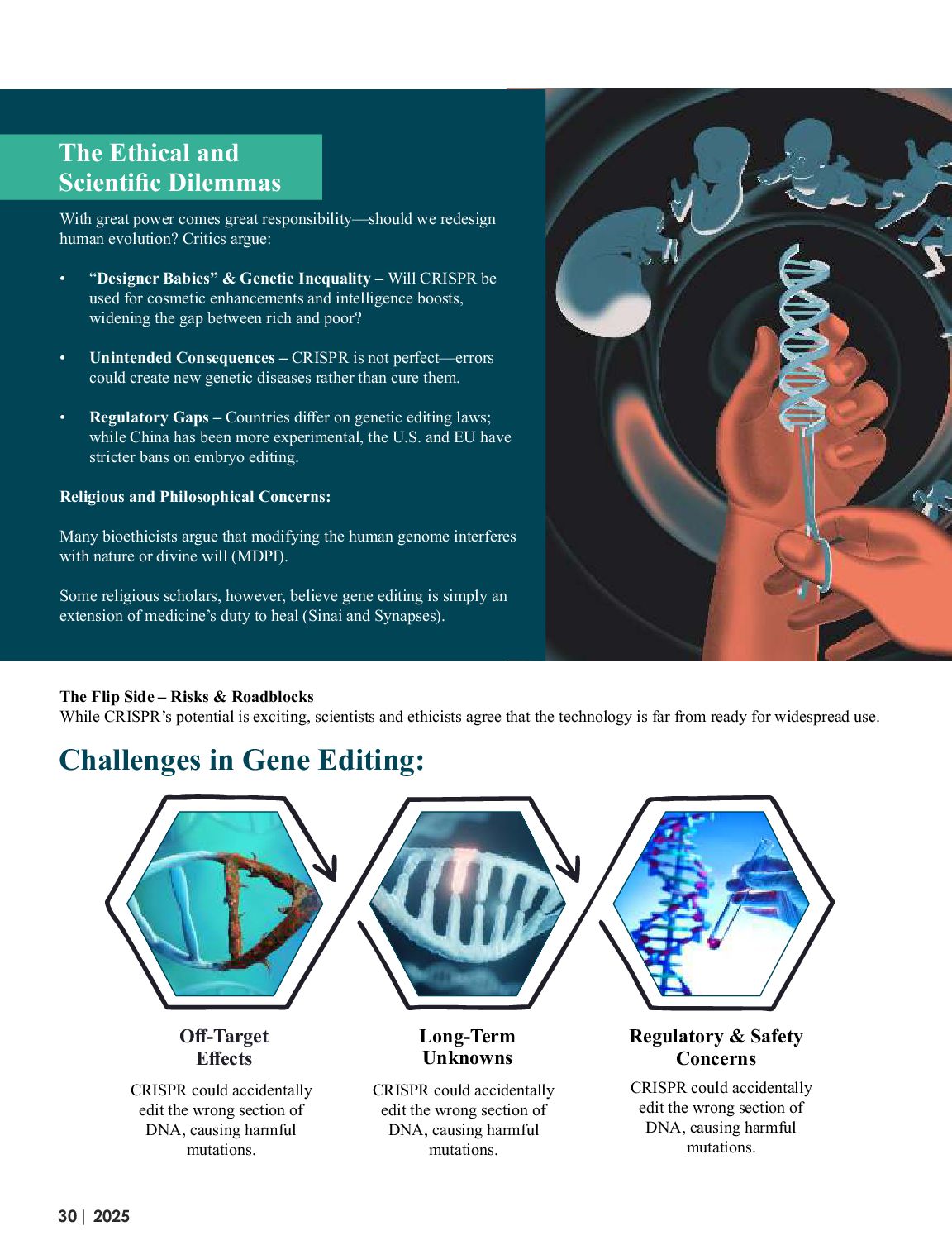
  21. With great power comes great responsibility—should we redesign human evolution?

    Critics argue: • “Designer Babies” & Genetic Inequality – Will CRISPR be used for cosmetic enhancements and intelligence boosts, widening the gap between rich and poor? • Unintended Consequences – CRISPR is not perfect—errors could create new genetic diseases rather than cure them. • Regulatory Gaps – Countries differ on genetic editing laws; while China has been more experimental, the U.S. and EU have stricter bans on embryo editing. Religious and Philosophical Concerns: Many bioethicists argue that modifying the human genome interferes with nature or divine will (MDPI). Some religious scholars, however, believe gene editing is simply an extension of medicine’s duty to heal (Sinai and Synapses). The Ethical and Scientific Dilemmas The Flip Side – Risks & Roadblocks While CRISPR’s potential is exciting, scientists and ethicists agree that the technology is far from ready for widespread use. Challenges in Gene Editing: Off-Target Effects Long-Term Unknowns Regulatory & Safety Concerns CRISPR could accidentally edit the wrong section of DNA, causing harmful mutations. CRISPR could accidentally edit the wrong section of DNA, causing harmful mutations. CRISPR could accidentally edit the wrong section of DNA, causing harmful mutations. | 2025 30
  22. The Verdict – Where Do We Go From Here? As

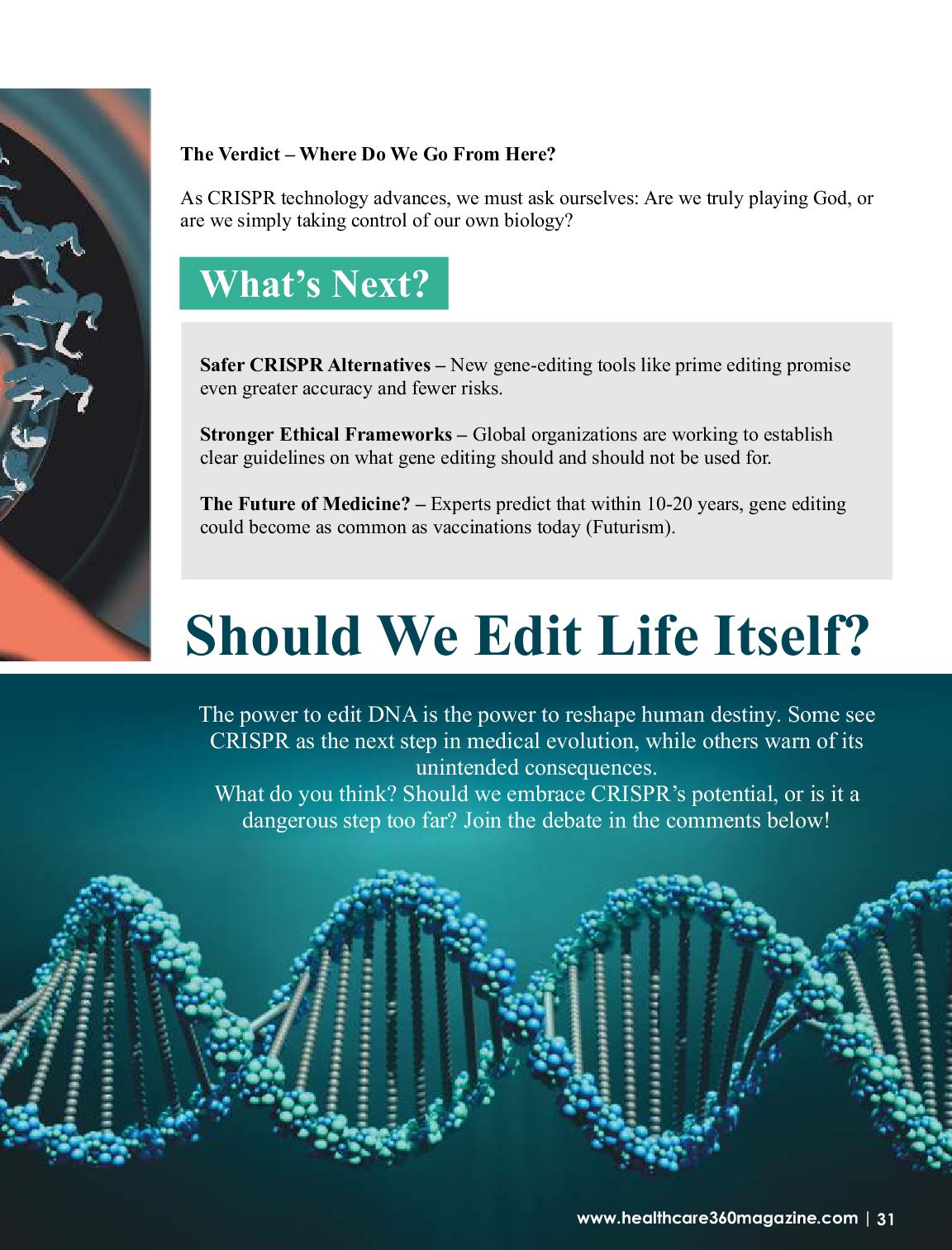
    CRISPR technology advances, we must ask ourselves: Are we truly playing God, or are we simply taking control of our own biology? What’s Next? Safer CRISPR Alternatives – New gene-editing tools like prime editing promise even greater accuracy and fewer risks. Stronger Ethical Frameworks – Global organizations are working to establish clear guidelines on what gene editing should and should not be used for. The Future of Medicine? – Experts predict that within 10-20 years, gene editing could become as common as vaccinations today (Futurism). Should We Edit Life Itself? The power to edit DNA is the power to reshape human destiny. Some see CRISPR as the next step in medical evolution, while others warn of its unintended consequences. What do you think? Should we embrace CRISPR’s potential, or is it a dangerous step too far? Join the debate in the comments below! www.healthcare360magazine.com | 31
  23. Introduction: For kids of all ages, the annual "first day

    jitters" can bring with it a mixture of excitement and anxiety as the school year draws near. These butterflies you get before you go back to school are quite natural. They could be caused by the prospect of meeting new people, strange teachers, or having to get used to a new schedule. We'll go over five practical methods in this extensive guide to help pupils get over their "first day jitters" and begin the school year with self-assurance and excitement. 1. Familiarize Yourself with the Environment: First Day Jitters Tip #1: One of the main sources of anxiety on the first day of school is the unknown environment. To ease these jitters, take a tour of the school before the official start date. Familiarize yourself with classrooms, the cafeteria, and important facilities like the library and restroom. Knowing where everything is located can make the first day feel less overwhelming. First Day Jitters Tip #2: Attend any orientation sessions or open houses offered by the school. These events provide an opportunity to meet teachers, see classrooms, and possibly connect with future classmates. The more familiar you become with the school setting, the more at ease you'll feel on the first day. centered mindset. By incorporating practices such as deep-breathing exercises and positive visualization, you not only navigate the first day with composure but also equip yourself with invaluable tools for managing stress throughout the school year. As we explore the art of mindfulness, consider it a roadmap to a serene mental space that transforms the first day from anxiety-inducing to empowering. First Day Jitters Tip #5: Incorporate mindfulness and relaxation techniques into your routine leading up to the first day. Deep-breathing exercises, meditation, or simple mindfulness practices can help calm nerves and center your focus. These techniques can be particularly effective in moments of heightened anxiety, allowing you to regain control of your emotions. First Day Jitters Tip #6: Visualize a positive first day experience. Picture yourself confidently navigating the hallways, engaging in friendly conversations, and successfully completing any tasks that come your way. Visualization can help create a positive mindset and reduce the fear associated with the unknown. 4. Prepare and Organize: First Day Jitters Tip #7: Pack your bag and organize your school supplies the night before. Knowing that you are well-prepared can alleviate stress on the first day. Make a checklist of items you need, such as notebooks, pens, and any necessary paperwork. This proactive approach ensures a smooth start and minimizes the risk of forgetting essential items. First Day Jitters Tip #8: Lay out your outfit the night before to avoid any last-minute wardrobe dilemmas. Feeling confident in your appearance 2. Connect with Peers: Navigating the first day of school is not a solo journey; it's a collective experience shared with peers. Recognizing the power of connection, this section emphasizes proactive steps to turn potential classmates into familiar faces. Beyond the class rosters, taking the initiative to connect with peers before the school year officially begins lays the foundation for a supportive social network. In the following paragraphs, we explore the significance of forging early connections through meet-ups and shared interests, ensuring that the first day is not just a sea of new faces but a community of potential friends ready to embark on the school year together. First Day Jitters Tip #3: Reach out to classmates before the school year begins. Many schools share class rosters in advance, allowing you to identify and connect with future peers. Consider organizing a small get- together or virtual meet-up with classmates. Establishing connections beforehand can turn unfamiliar faces into friendly ones on the first day. First Day Jitters Tip #4: Join extracurricular activities or clubs that align with your interests. This is an excellent way to meet like-minded individuals who share your passions. Having familiar faces in various settings, such as classrooms or after- school activities, can significantly reduce first-day anxiety. 3. Practice Mindfulness and Relaxation Techniques: In the whirlwind of "first day jitters," finding moments of tranquility becomes a powerful tool for emotional resilience. This section delves into the realm of mindfulness and relaxation techniques, offering a holistic approach to calm the nerves and cultivate a | 2025 36
  24. can positively impact your overall mood and boost your self-assurance

    on the first day. 5. Establish a Support System: First Day Jitters Tip #9: Share your feelings with someone you trust, whether it's a friend, family member, or mentor. Expressing your concerns and discussing your expectations can provide valuable insights and reassurance. Often, those who have experienced their fair share of first-day jitters can offer practical advice and encouragement. of excitement and readiness by utilising these five techniques: getting to know the surroundings, making connections with peers, engaging in mindfulness practices, planning ahead and organising, and creating a support network. Recall that feeling a little nervous is normal, but if you have the correct attitude and take proactive steps, you'll be ready to face the first day of school with positivity and confidence. Seize the chance for fresh starts, new friendships, and educational opportunities that the academic year offers. First Day Jitters Tip #10: Identify a buddy or mentor at school, especially if you're entering a new grade or school level. Having someone familiar to lean on during the first day can provide a sense of security and companionship. This support system can help ease the transition and make the day more enjoyable. Conclusion: Everybody has experienced the "first day jitters" that come with the beginning of a new school year. You may turn those butterflies into a sense www.healthcare360magazine.com | 37