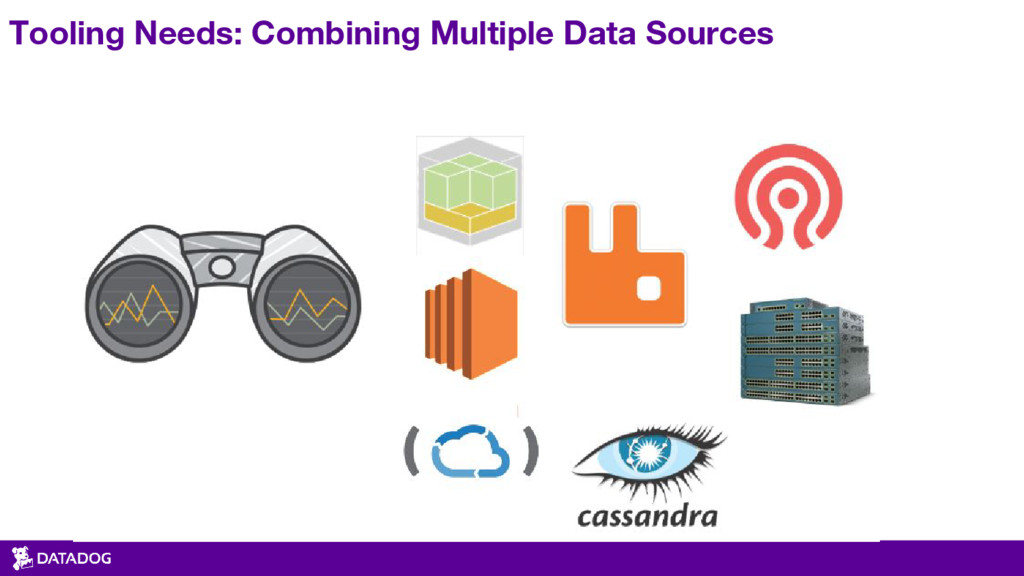
communities to major brands (SaaS) ◦ Redis, Java, Node,js, MySQL, Elasticsearch, Cassandra • Infrastructure services ◦ Kubernetes + Docker ◦ Chef ◦ DNS ◦ Consul • Development environments • R&D services • Random VMs because it’s easy to use
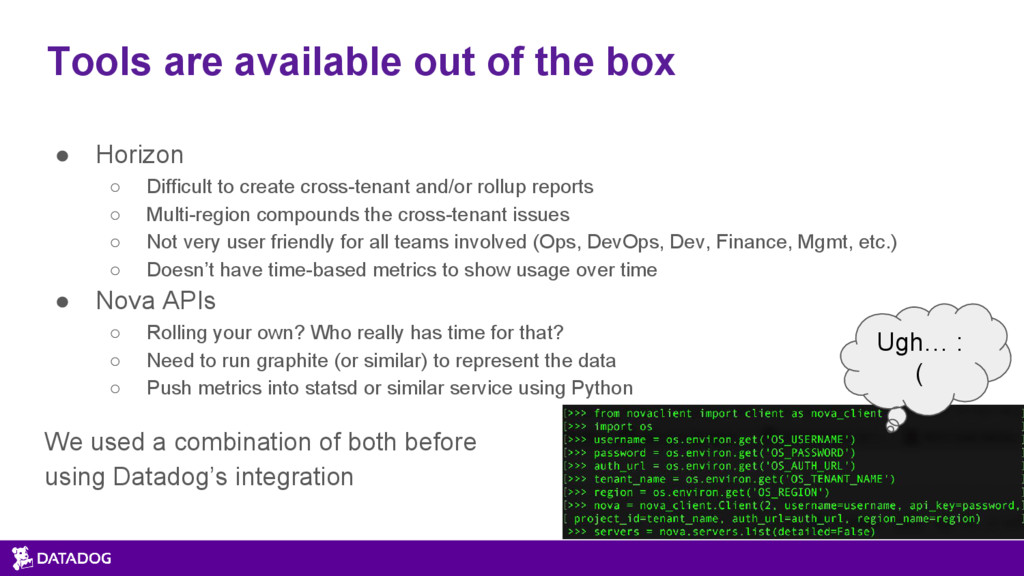
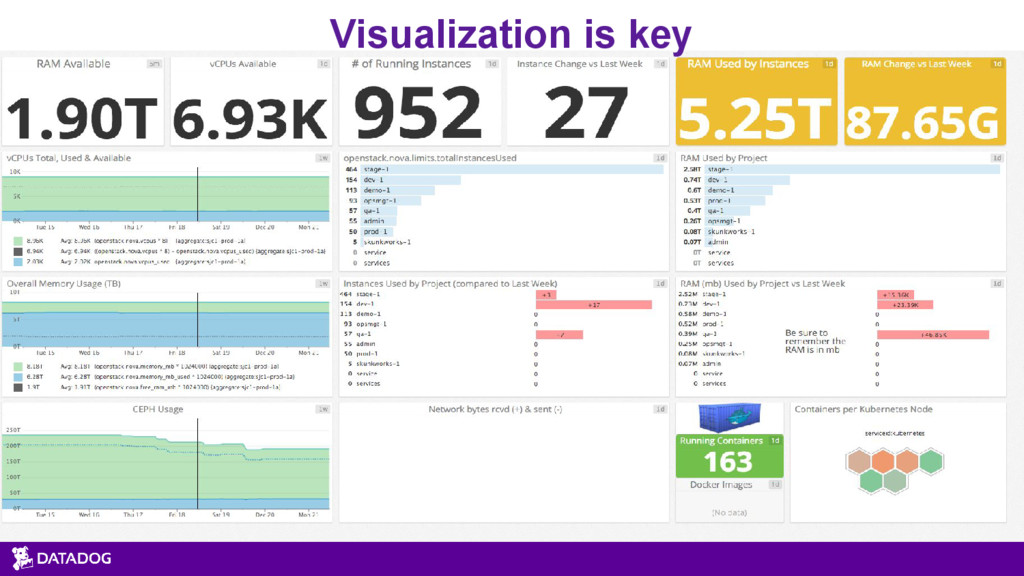
Difficult to create cross-tenant and/or rollup reports ◦ Multi-region compounds the cross-tenant issues ◦ Not very user friendly for all teams involved (Ops, DevOps, Dev, Finance, Mgmt, etc.) ◦ Doesn’t have time-based metrics to show usage over time • Nova APIs ◦ Rolling your own? Who really has time for that? ◦ Need to run graphite (or similar) to represent the data ◦ Push metrics into statsd or similar service using Python We used a combination of both before using Datadog’s integration Ugh… : (
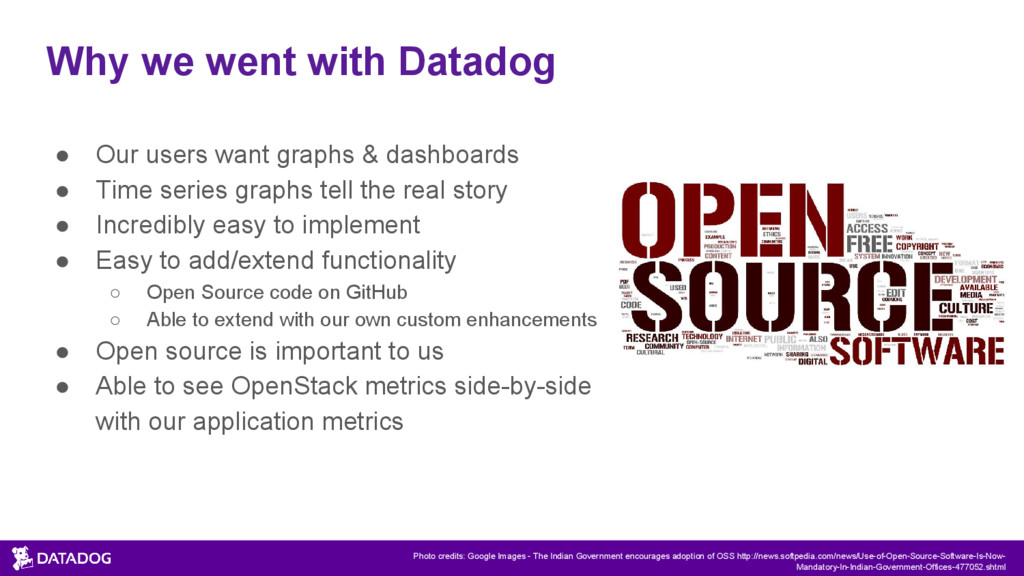
graphs tell the real story • Incredibly easy to implement • Easy to add/extend functionality ◦ Open Source code on GitHub ◦ Able to extend with our own custom enhancements • Open source is important to us • Able to see OpenStack metrics side-by-side with our application metrics Why we went with Datadog Photo credits: Google Images - The Indian Government encourages adoption of OSS http://news.softpedia.com/news/Use-of-Open-Source-Software-Is-Now- Mandatory-In-Indian-Government-Offices-477052.shtml
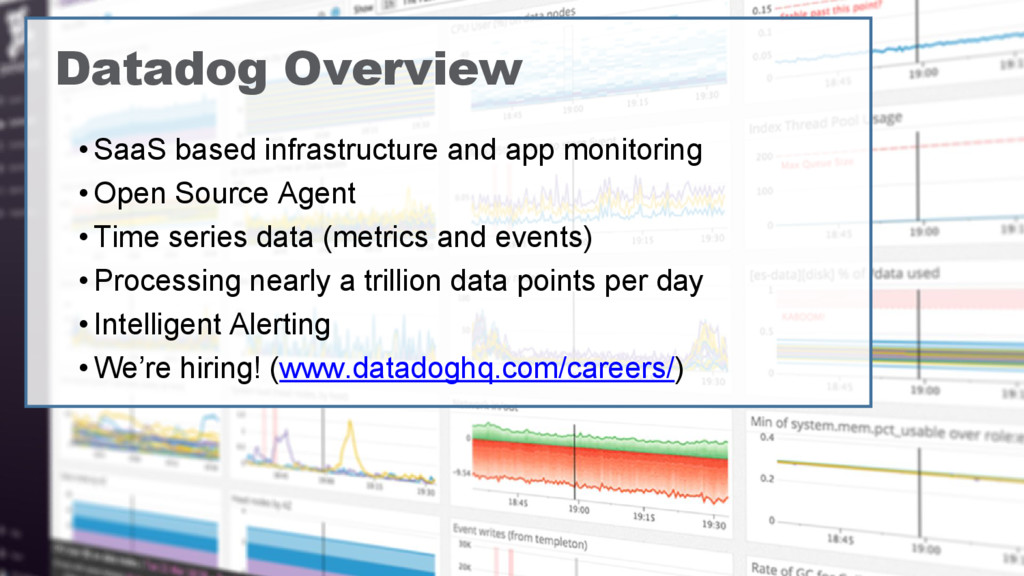
series data (metrics and events) •Processing nearly a trillion data points per day •Intelligent Alerting •We’re hiring! (www.datadoghq.com/careers/) Datadog Overview
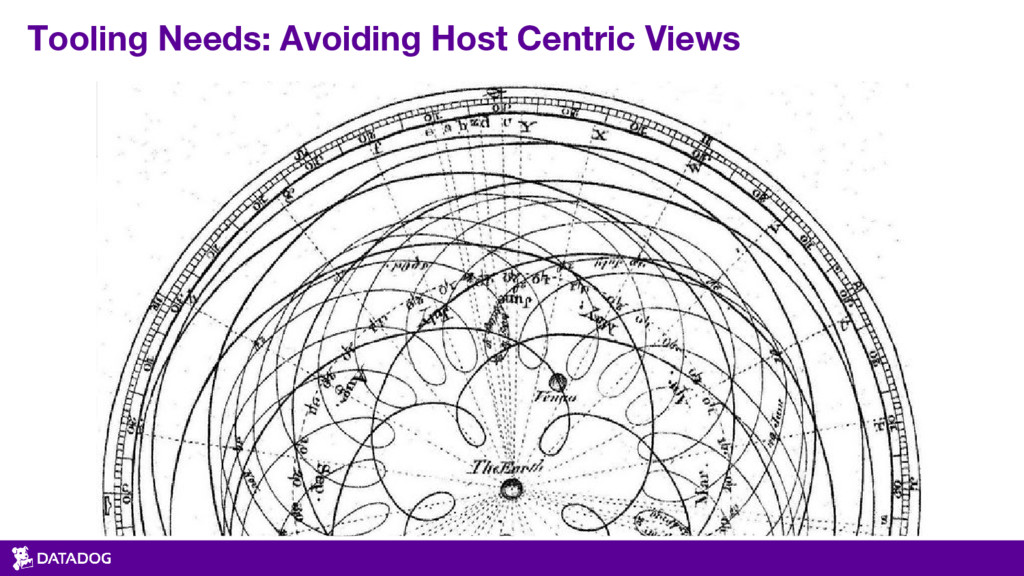
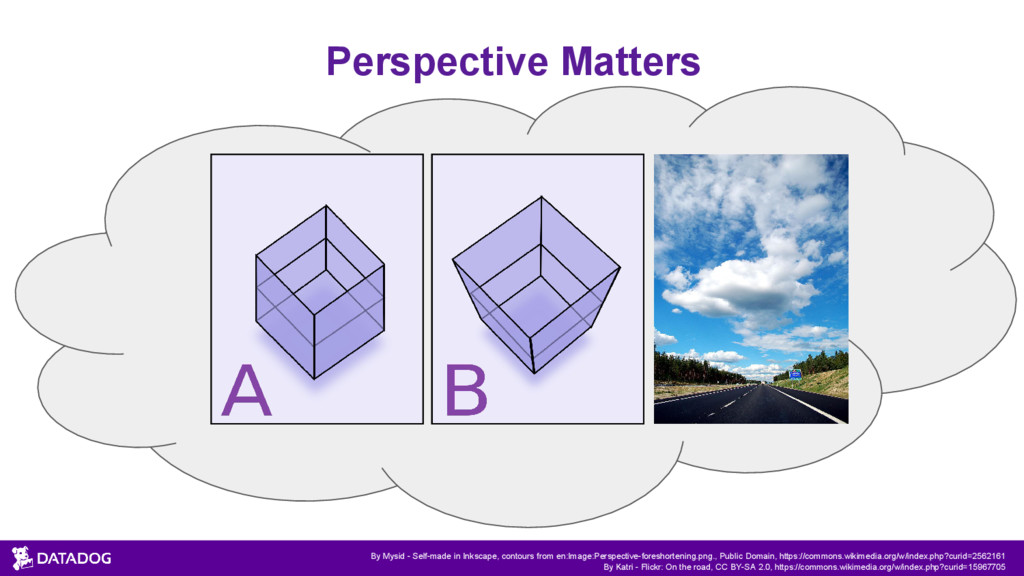
en:Image:Perspective-foreshortening.png., Public Domain, https://commons.wikimedia.org/w/index.php?curid=2562161 By Katri - Flickr: On the road, CC BY-SA 2.0, https://commons.wikimedia.org/w/index.php?curid=15967705
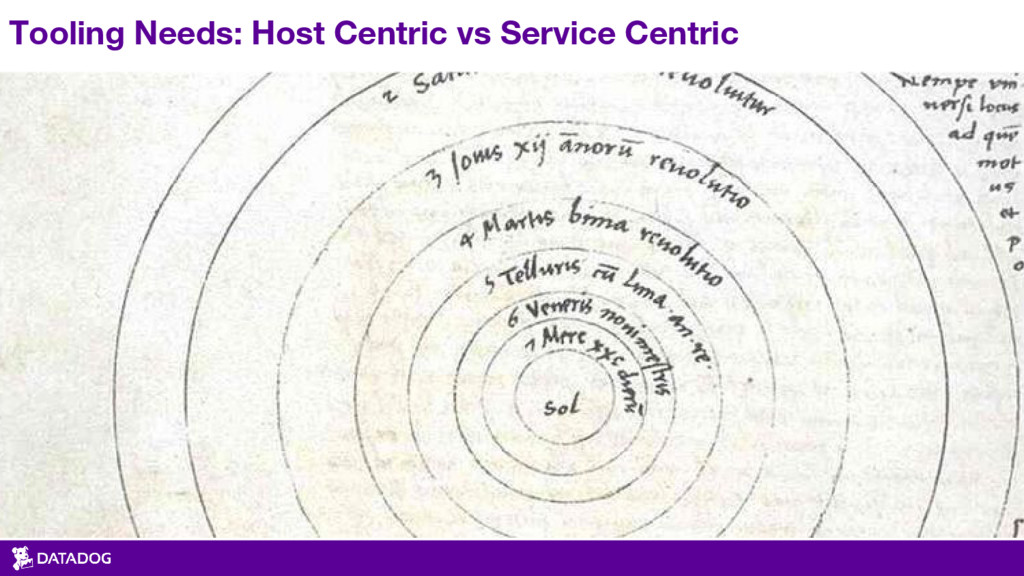
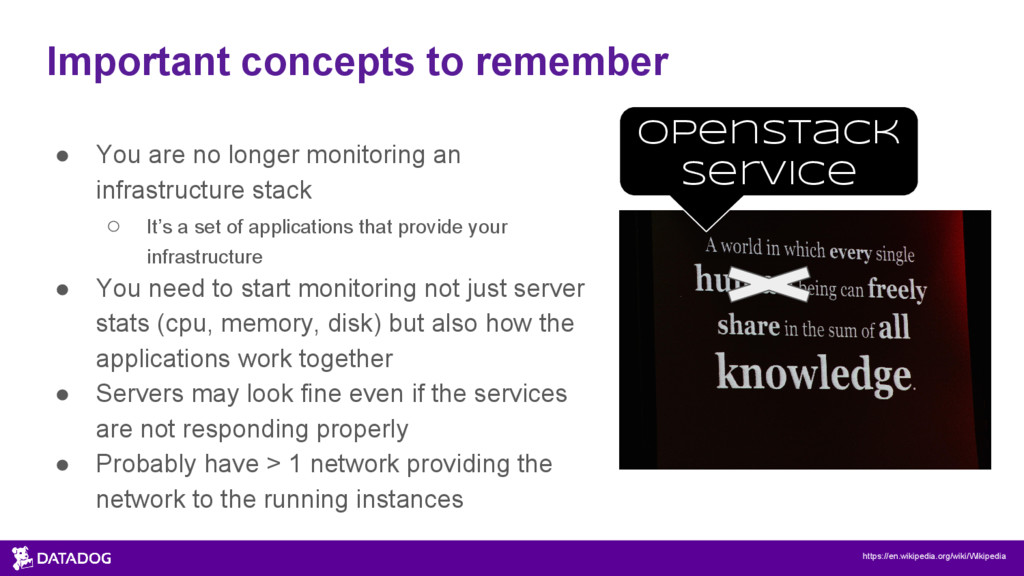
It’s a set of applications that provide your infrastructure • You need to start monitoring not just server stats (cpu, memory, disk) but also how the applications work together • Servers may look fine even if the services are not responding properly • Probably have > 1 network providing the network to the running instances Important concepts to remember https://en.wikipedia.org/wiki/Wikipedia OpenStack service


 irabinovitch
 akitoshiga
 sudoakiy
 carta_engineering
 occhi
occhi
 jtakeda
 ivry_presentationmaterials
 bgpat
bgpat
 kaminashi
 yu23ki14
 kworkdev
 persolserverworks
 kakehashi
 eileencodes
 tenderlove
 kimpetersen
 cassininazir
 palkan
 danielanewman
 takai
takai
 twada
twada
 bkeepers
 mlcsv
mlcsv
 eitanlees
 uxyall