Key takeaways
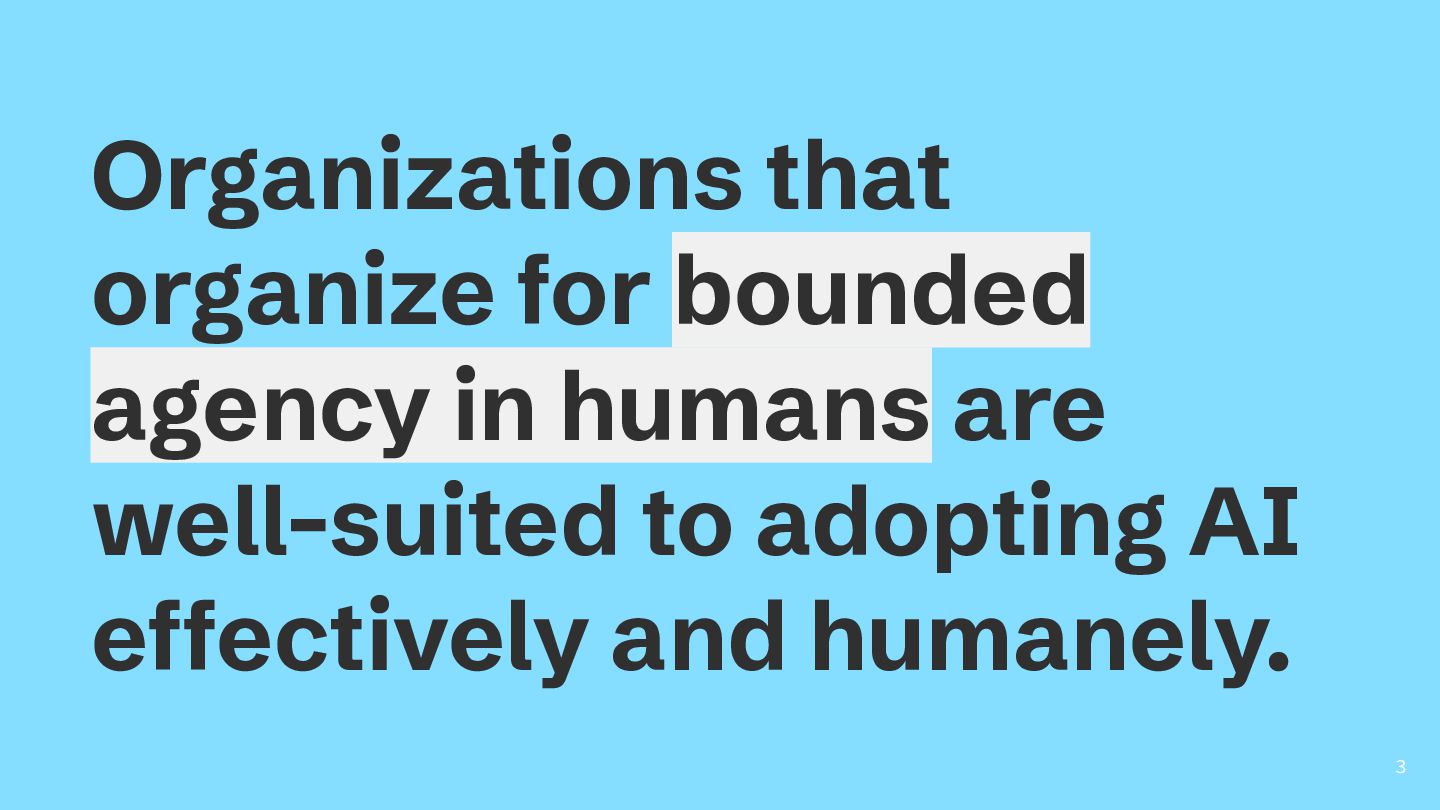
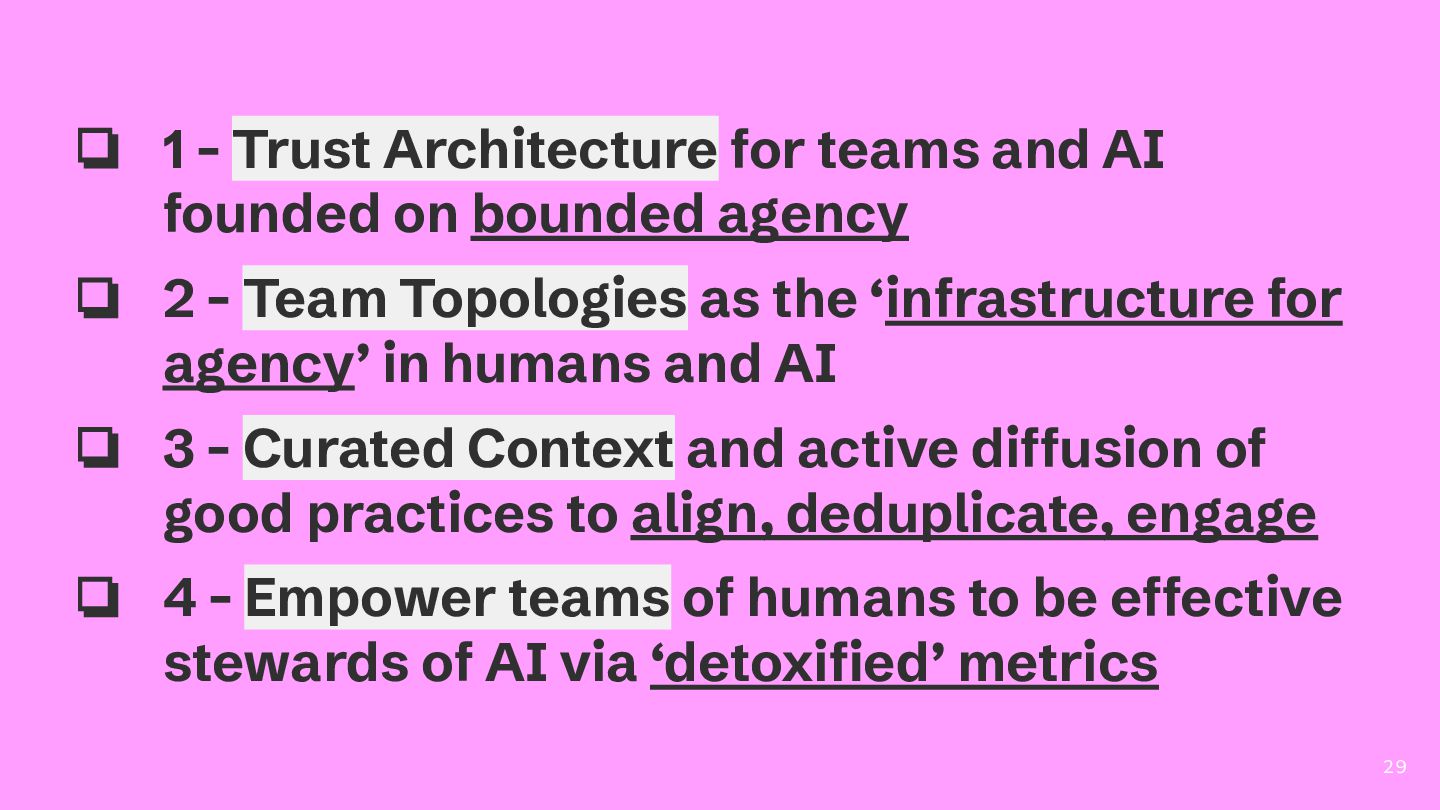
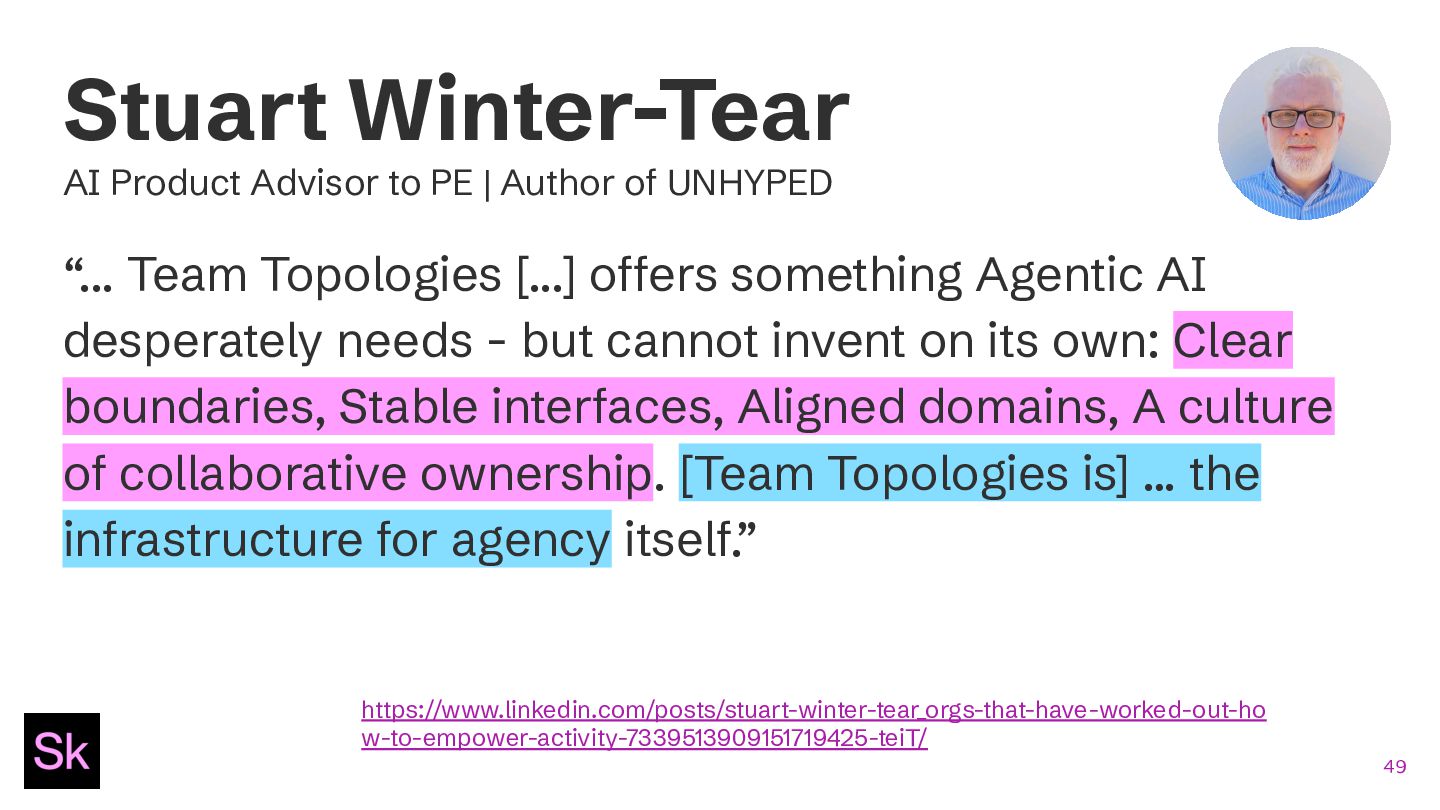
- Organizations that organize for bounded agency in humans are well-suited to adopting AI effectively and humanely
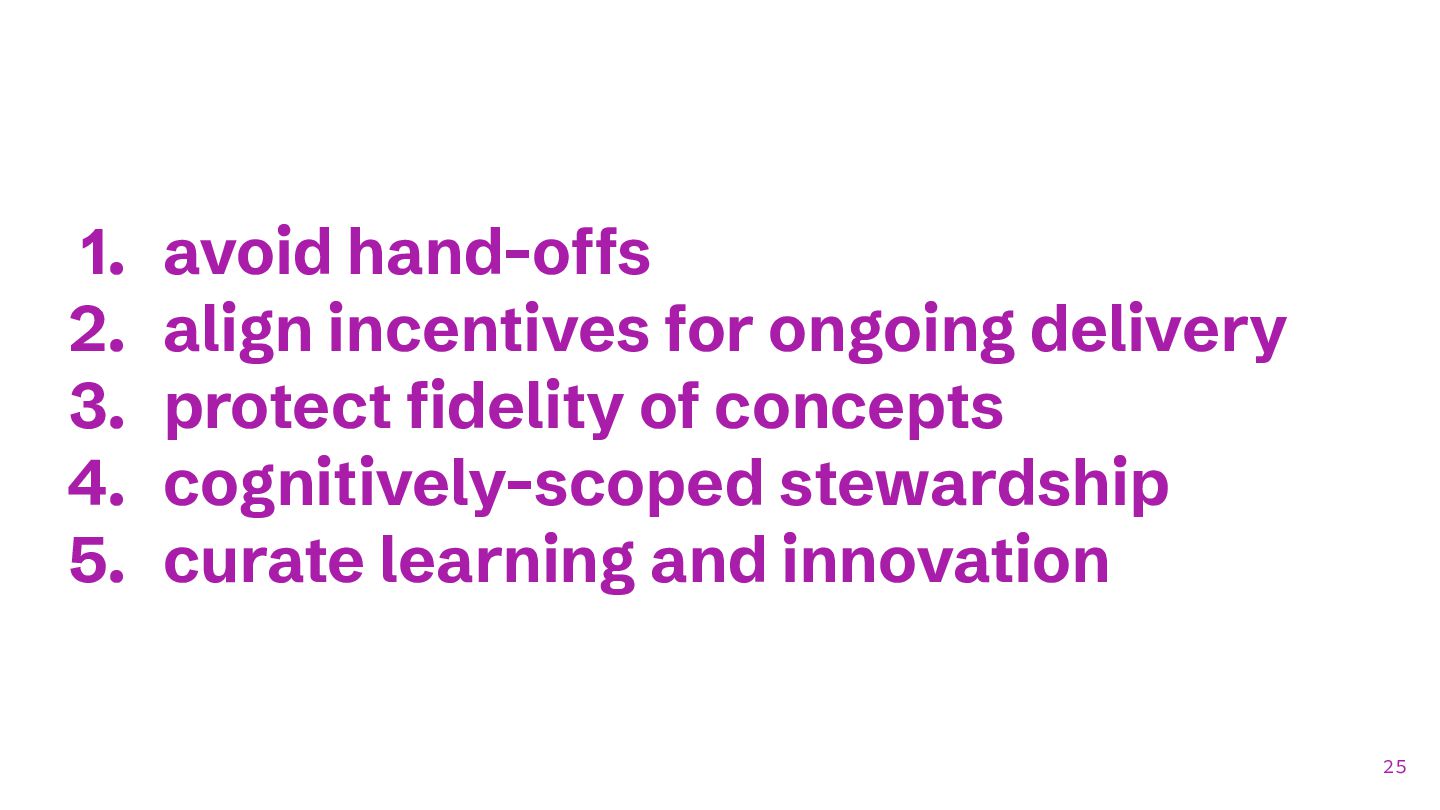
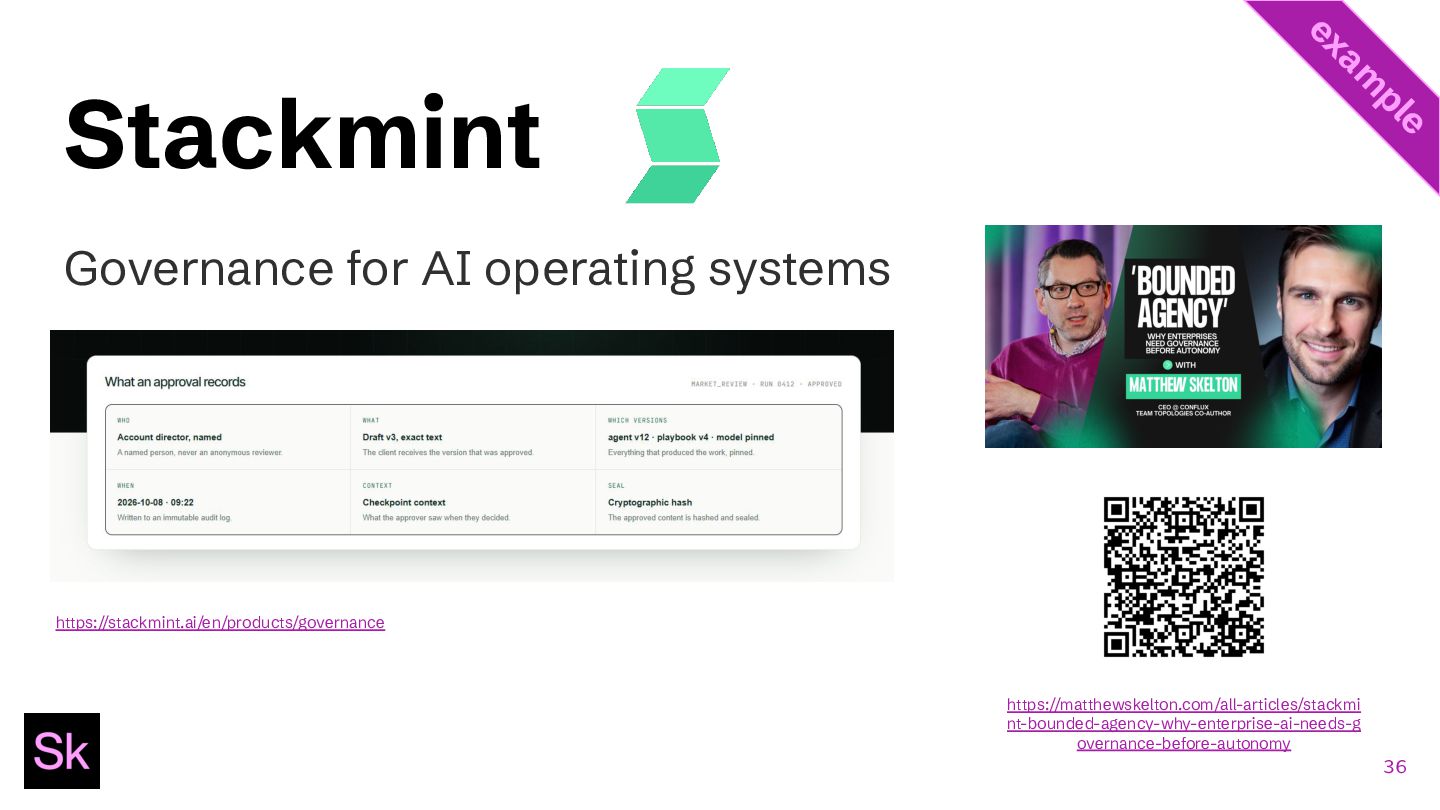
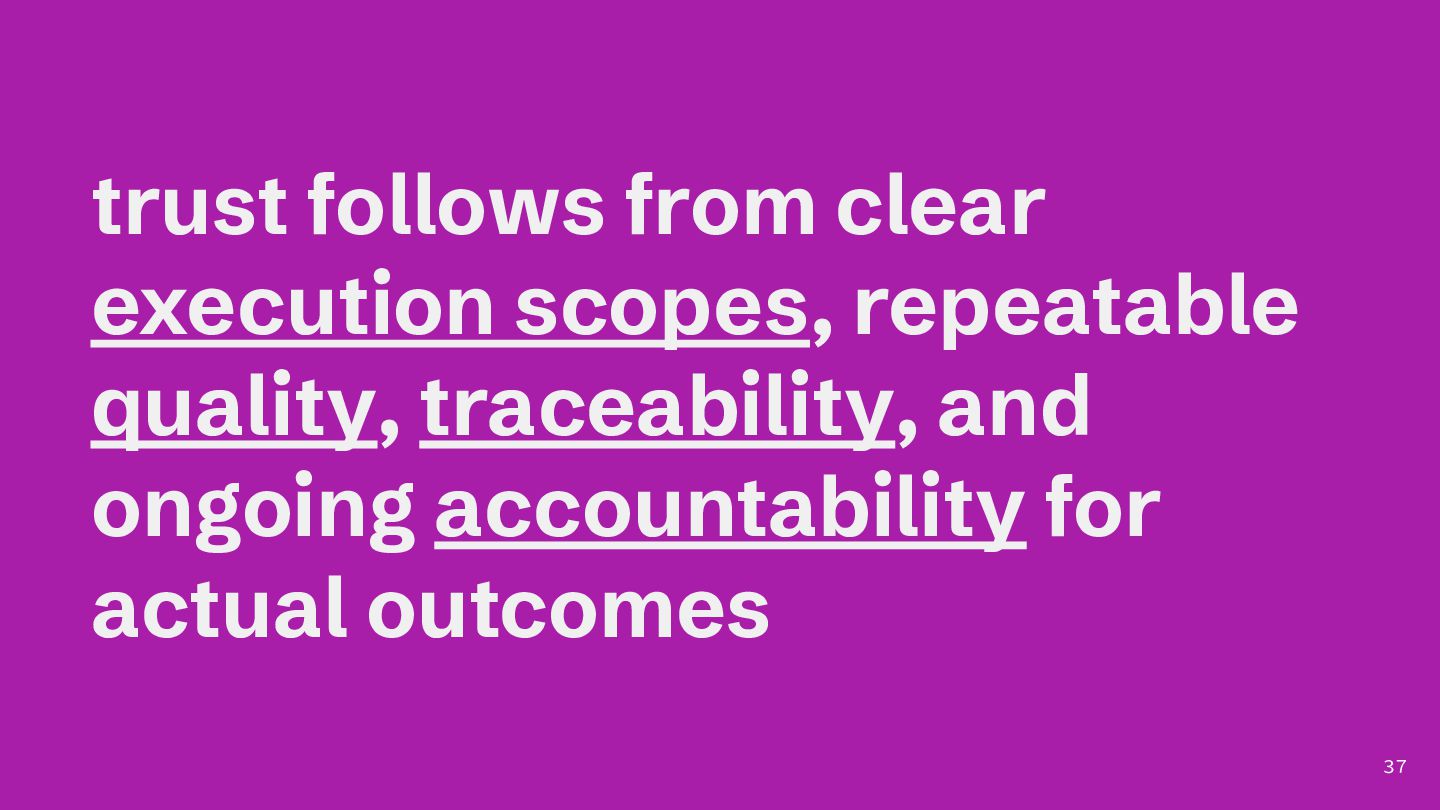
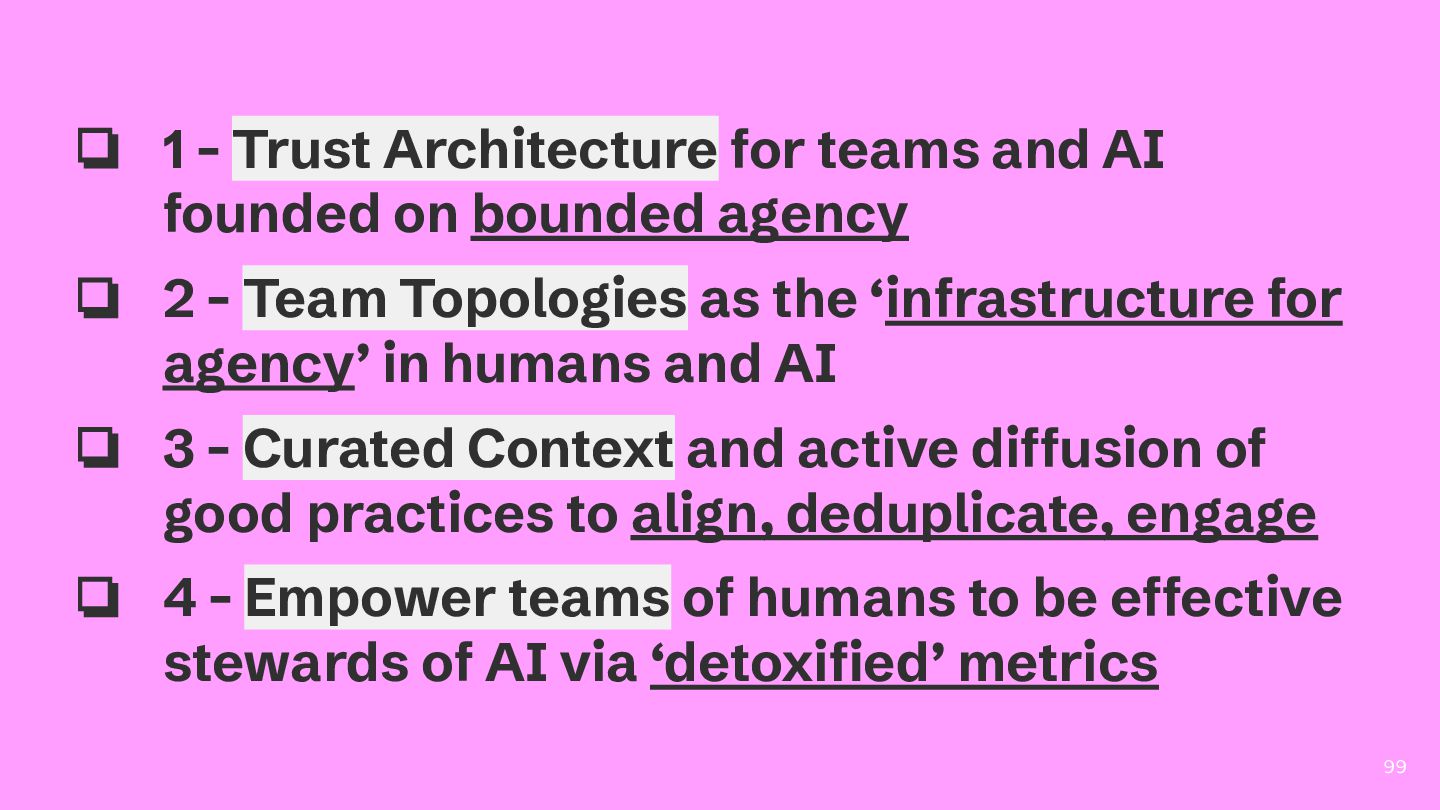
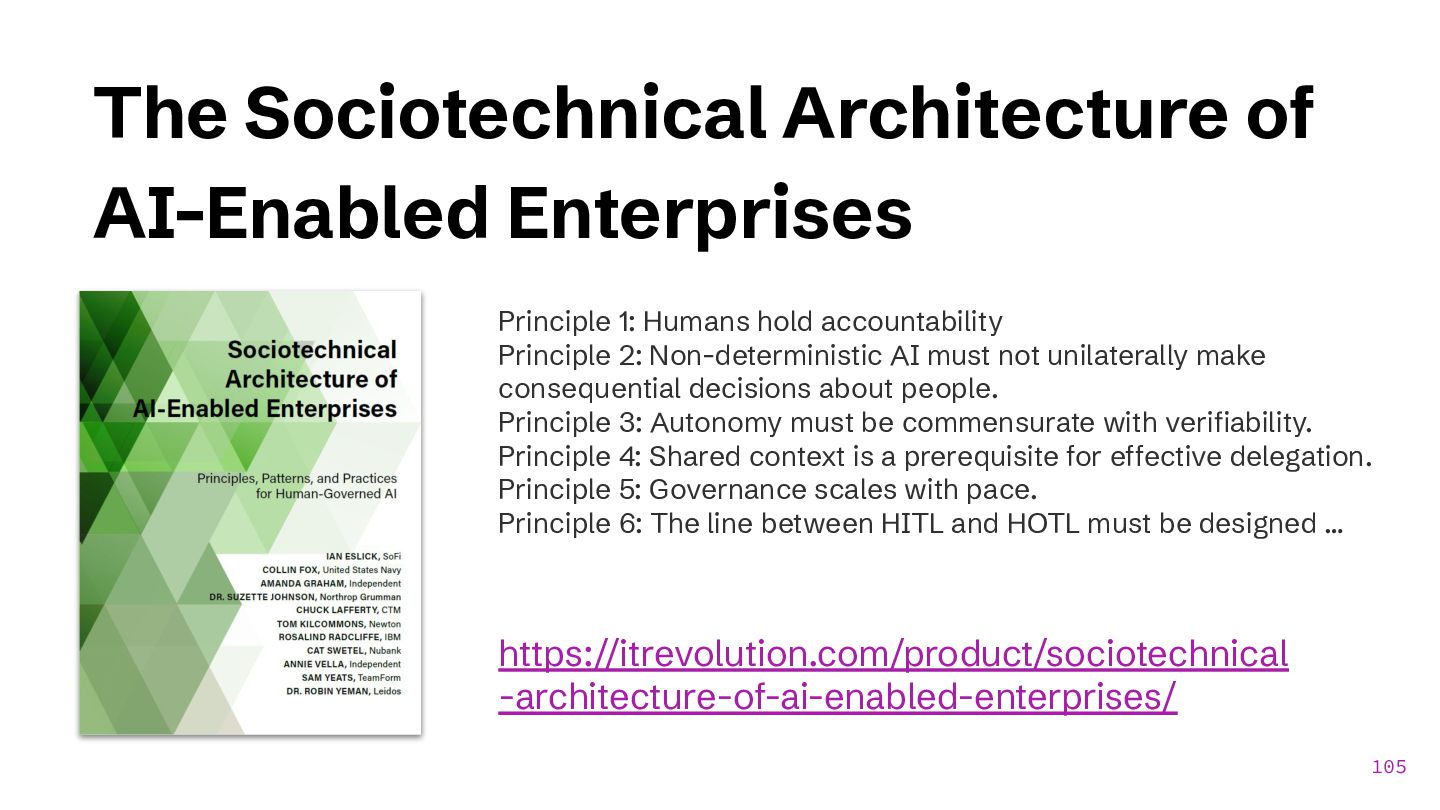
- Define Trust Architecture for teams and AI founded on bounded agency
- Use Team Topologies as the ‘infrastructure for agency’ in humans and AI
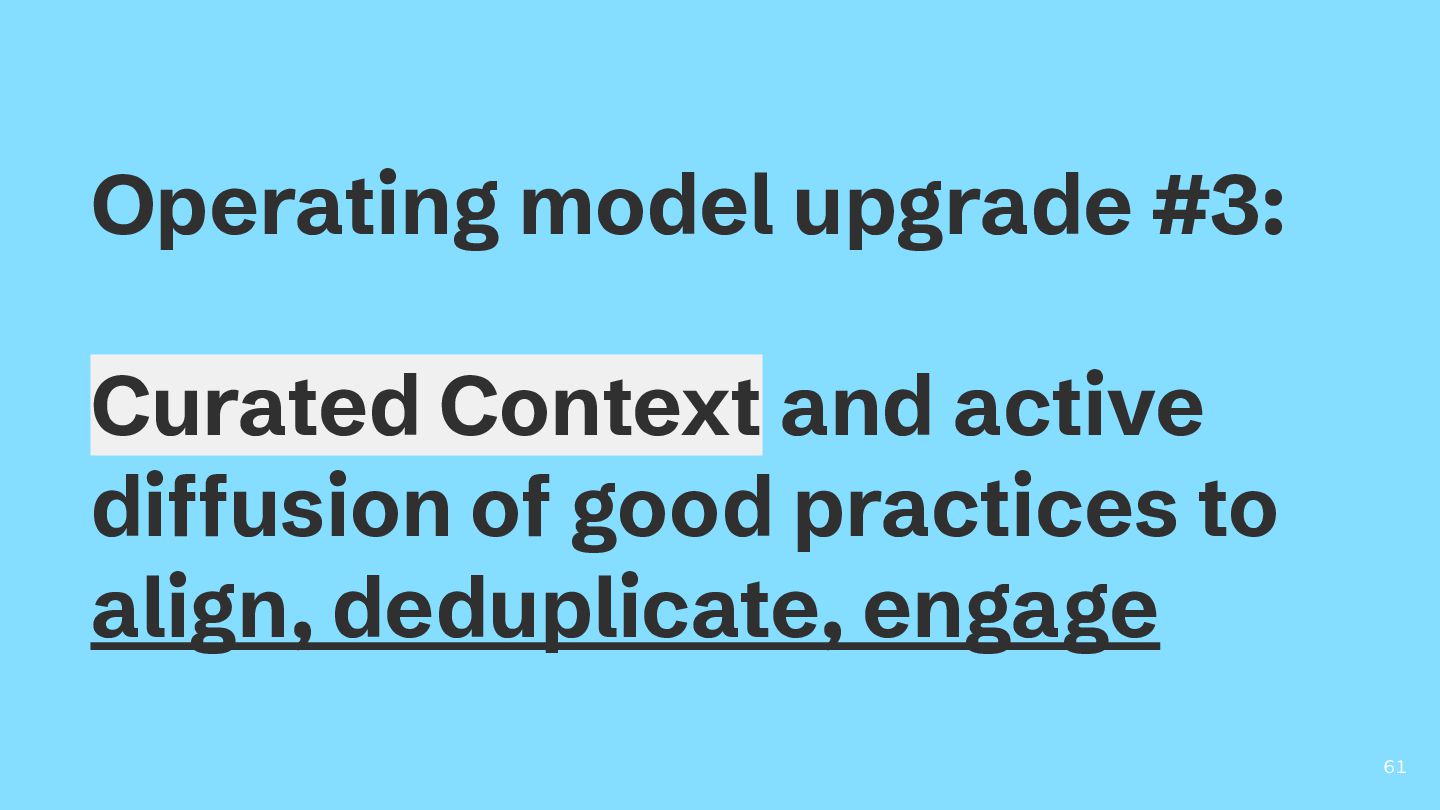
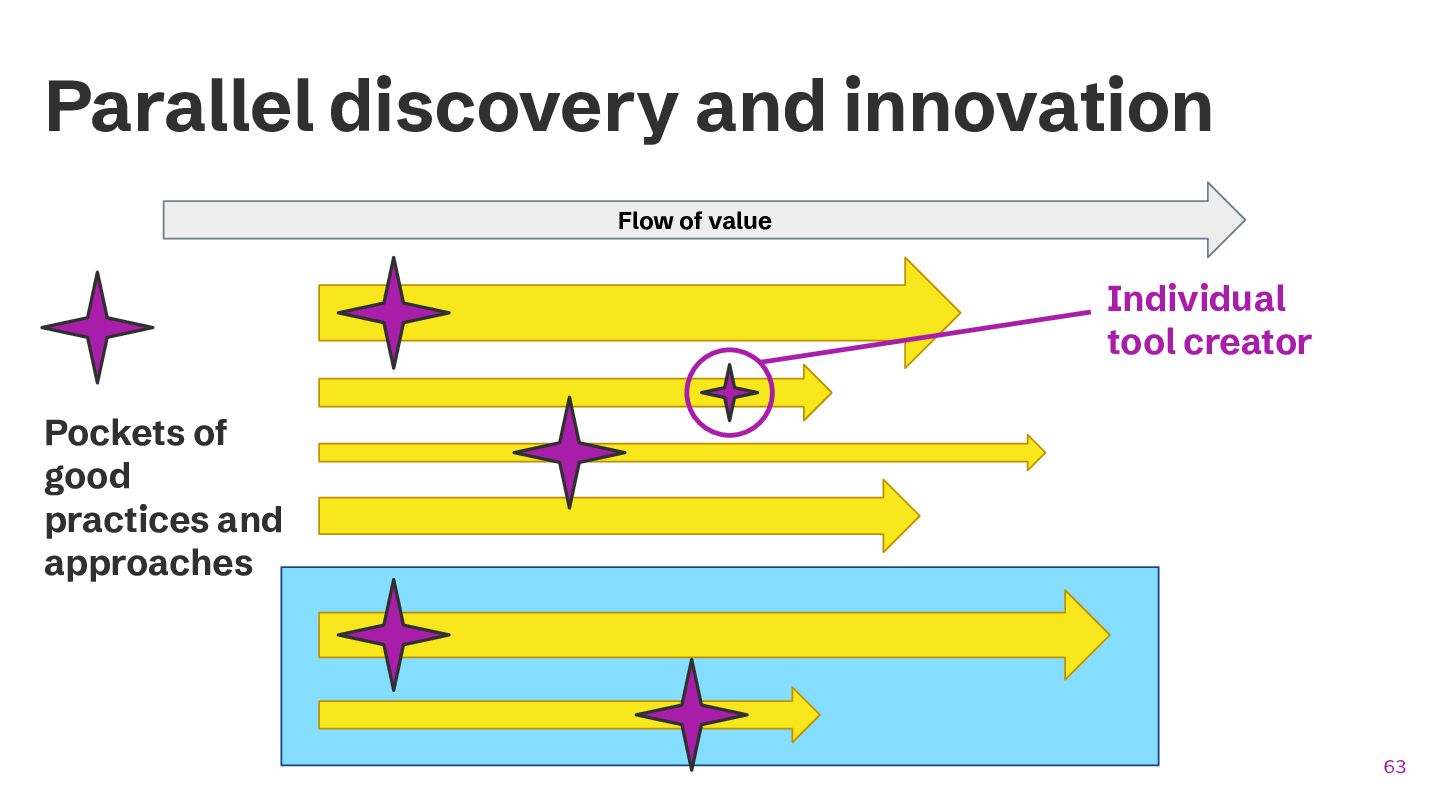
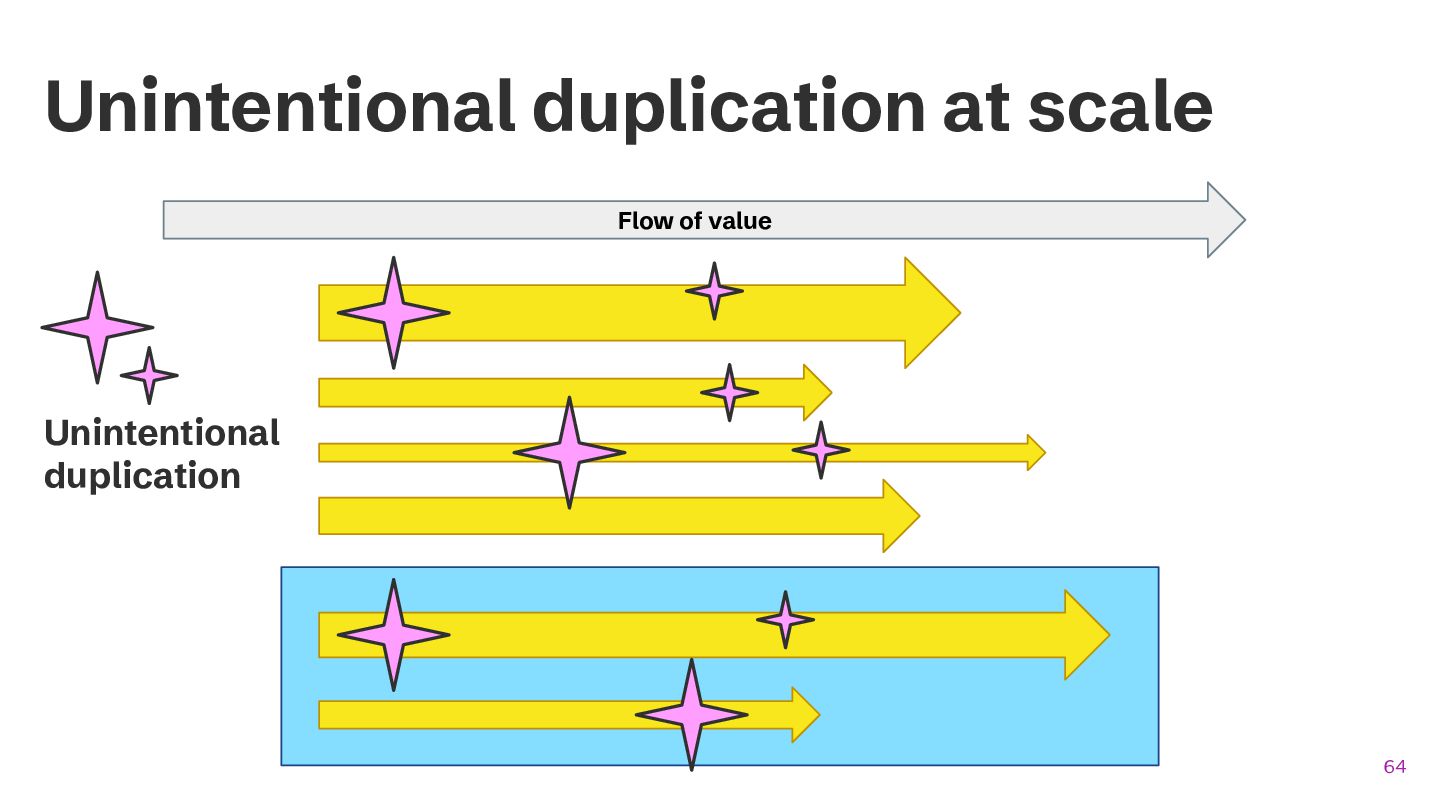
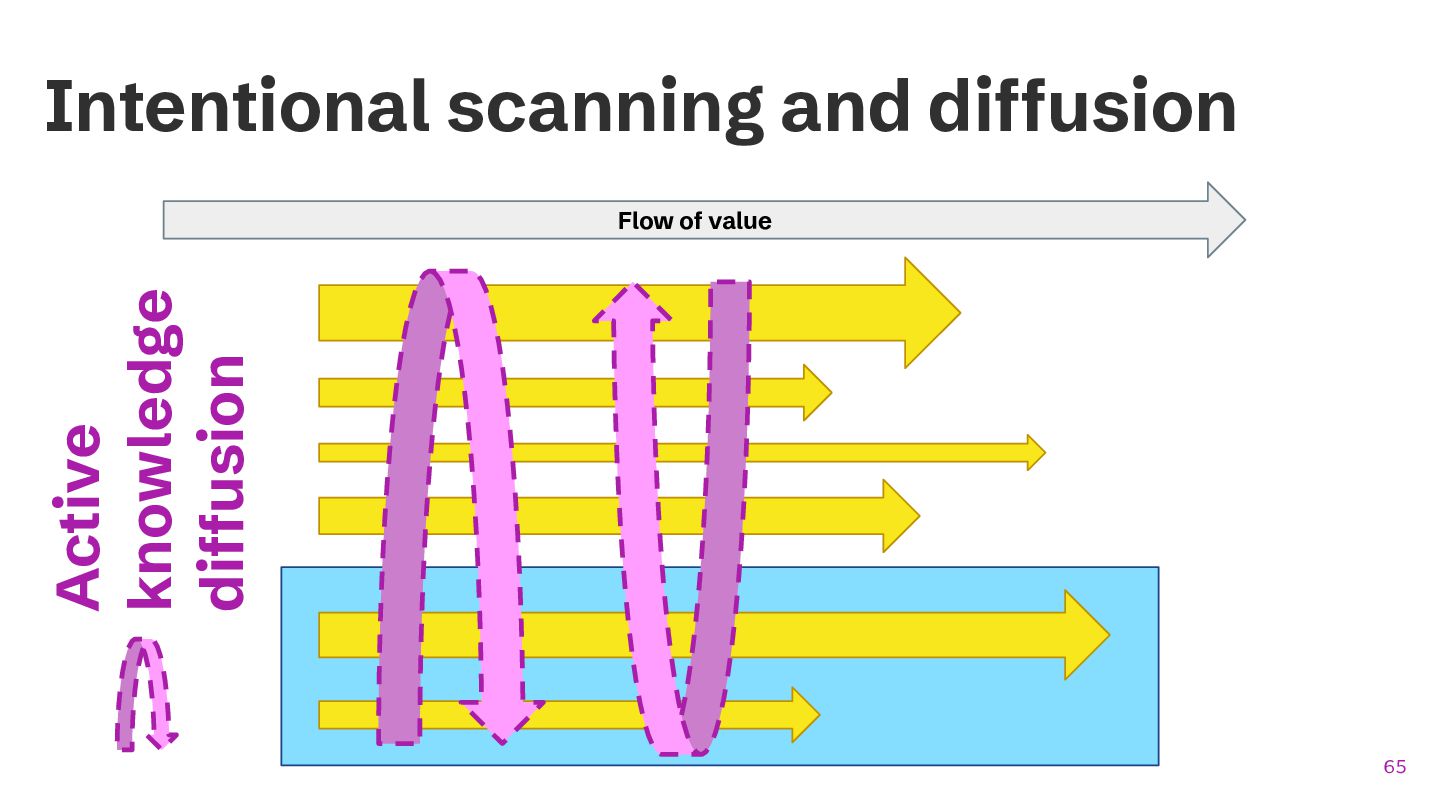
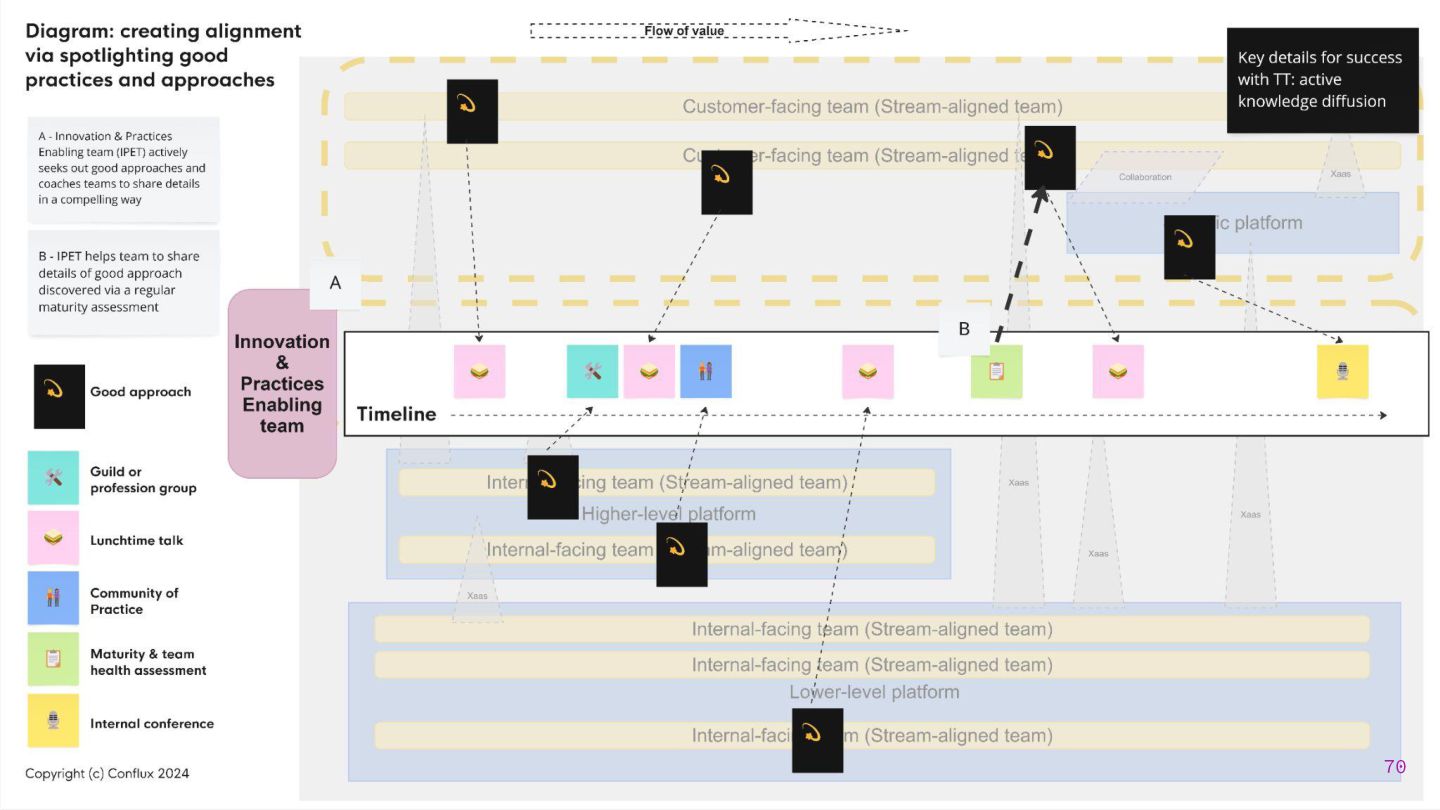
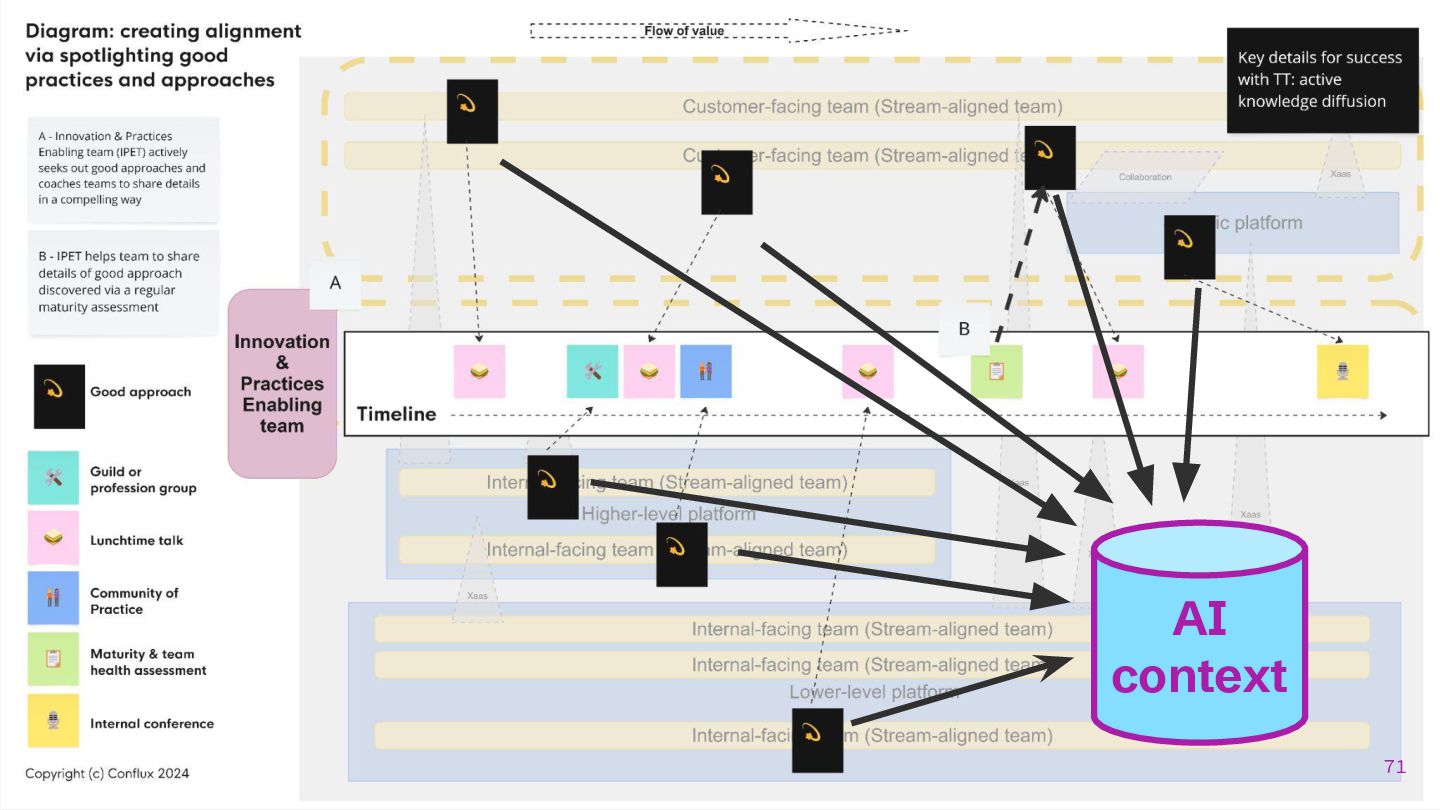
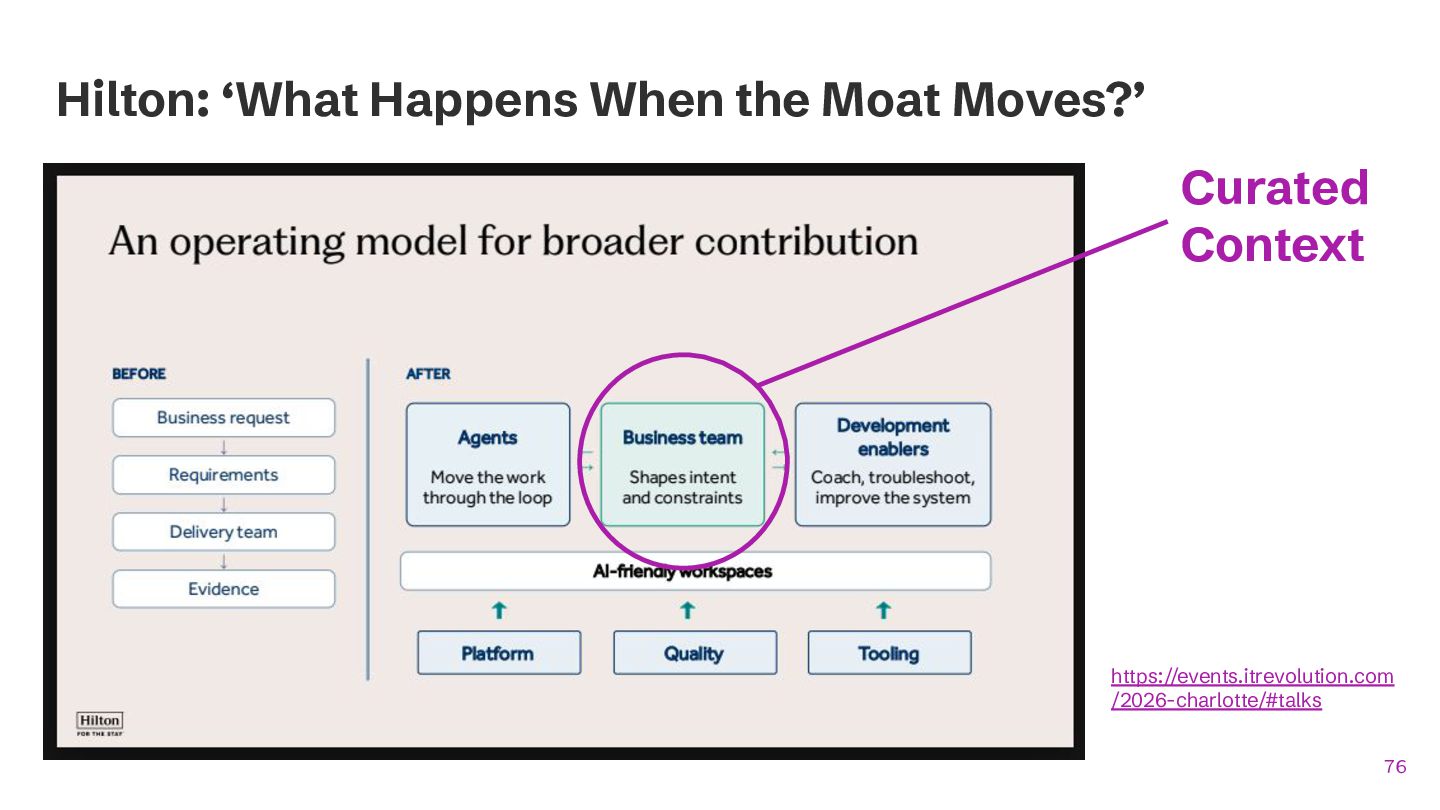
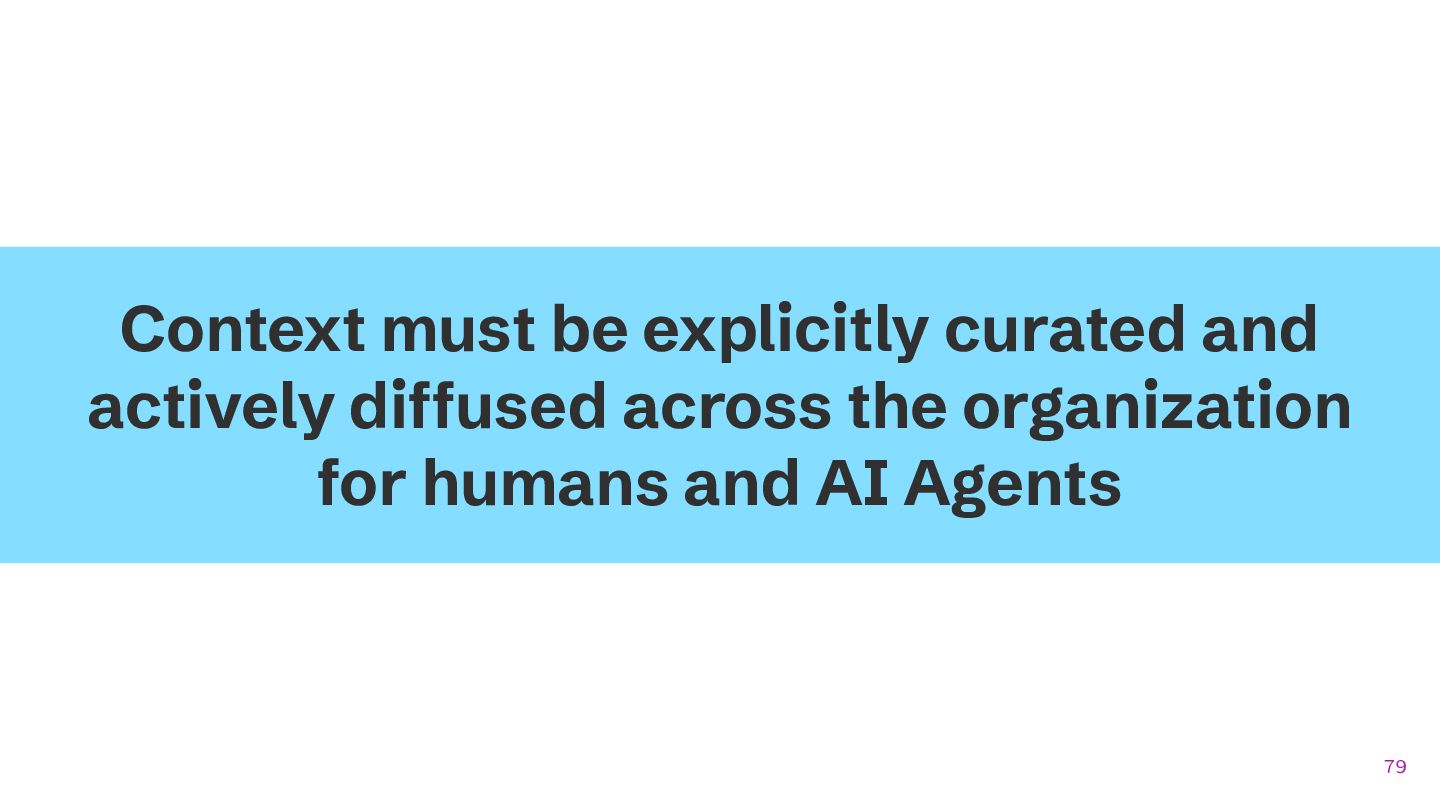
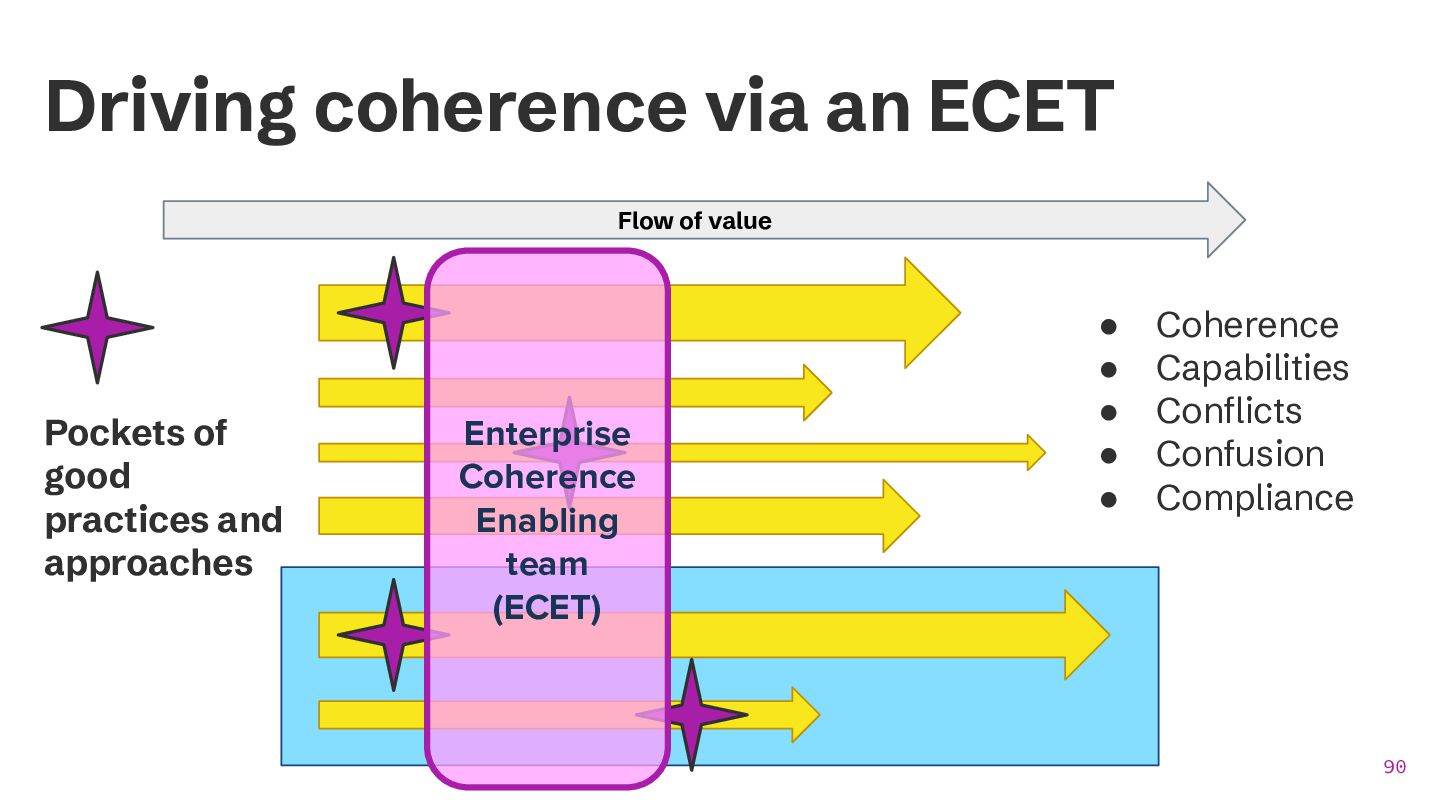
- Drive Curated Context and active diffusion of good practices to align, deduplicate, engage
- Empower teams of humans to be effective stewards of AI via ‘detoxified’ metrics
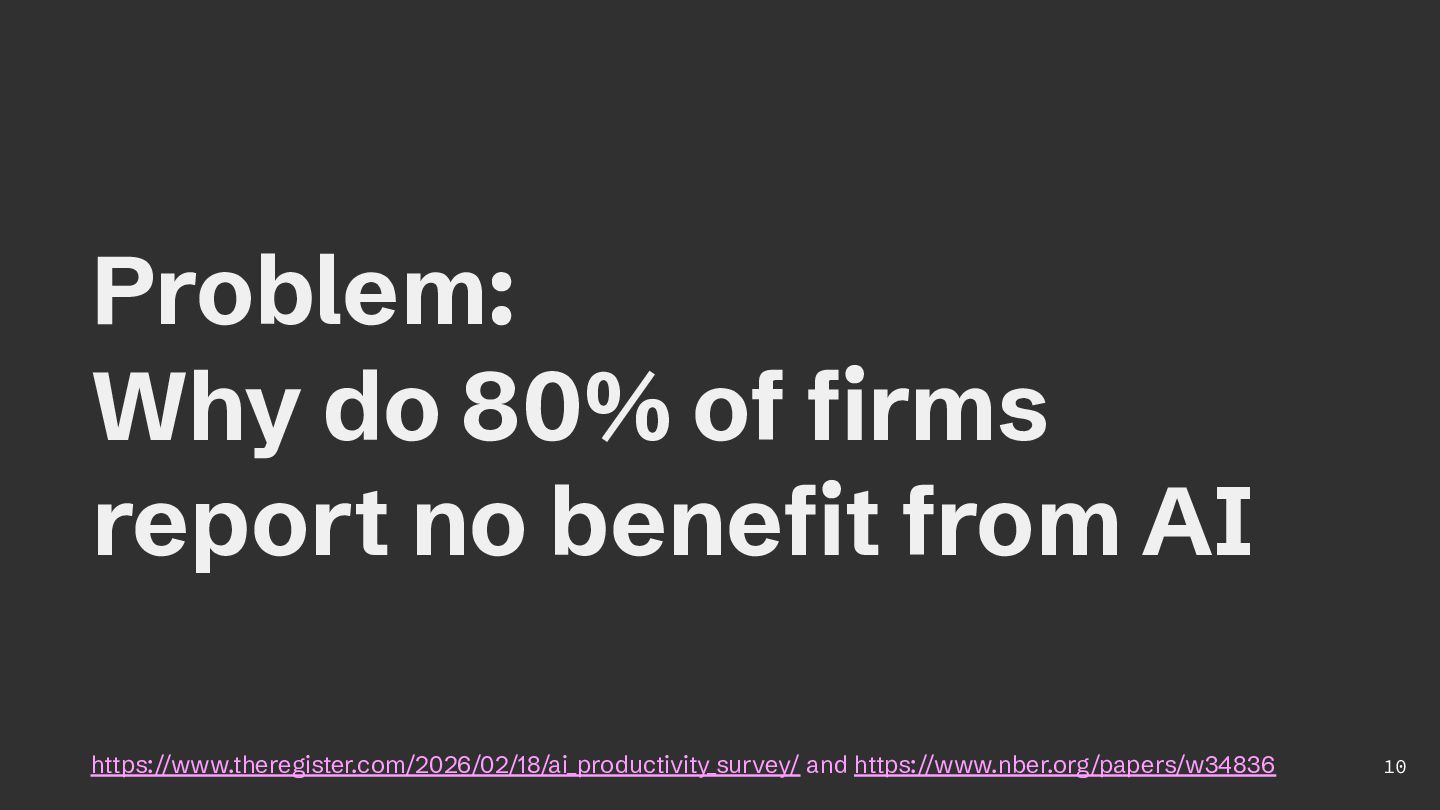
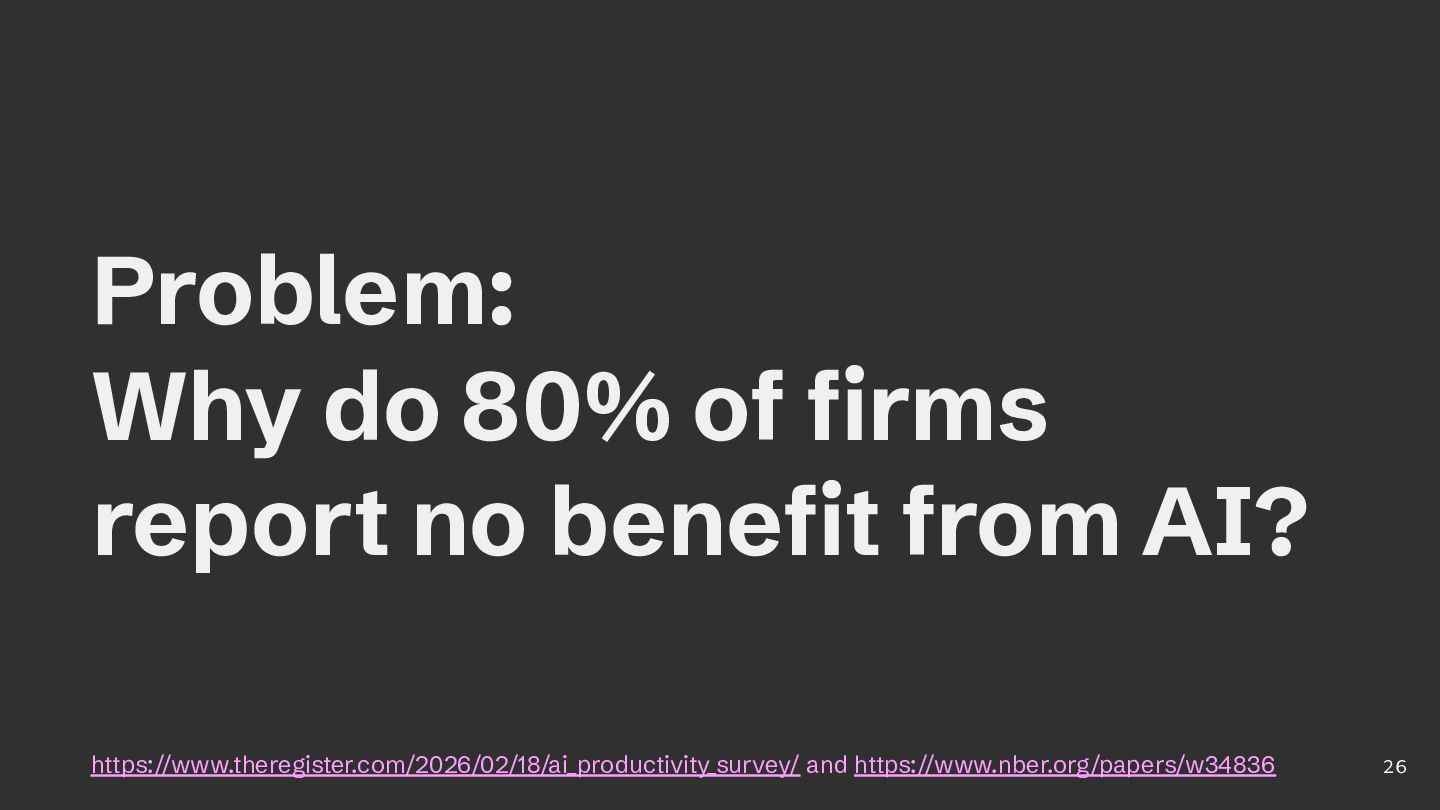
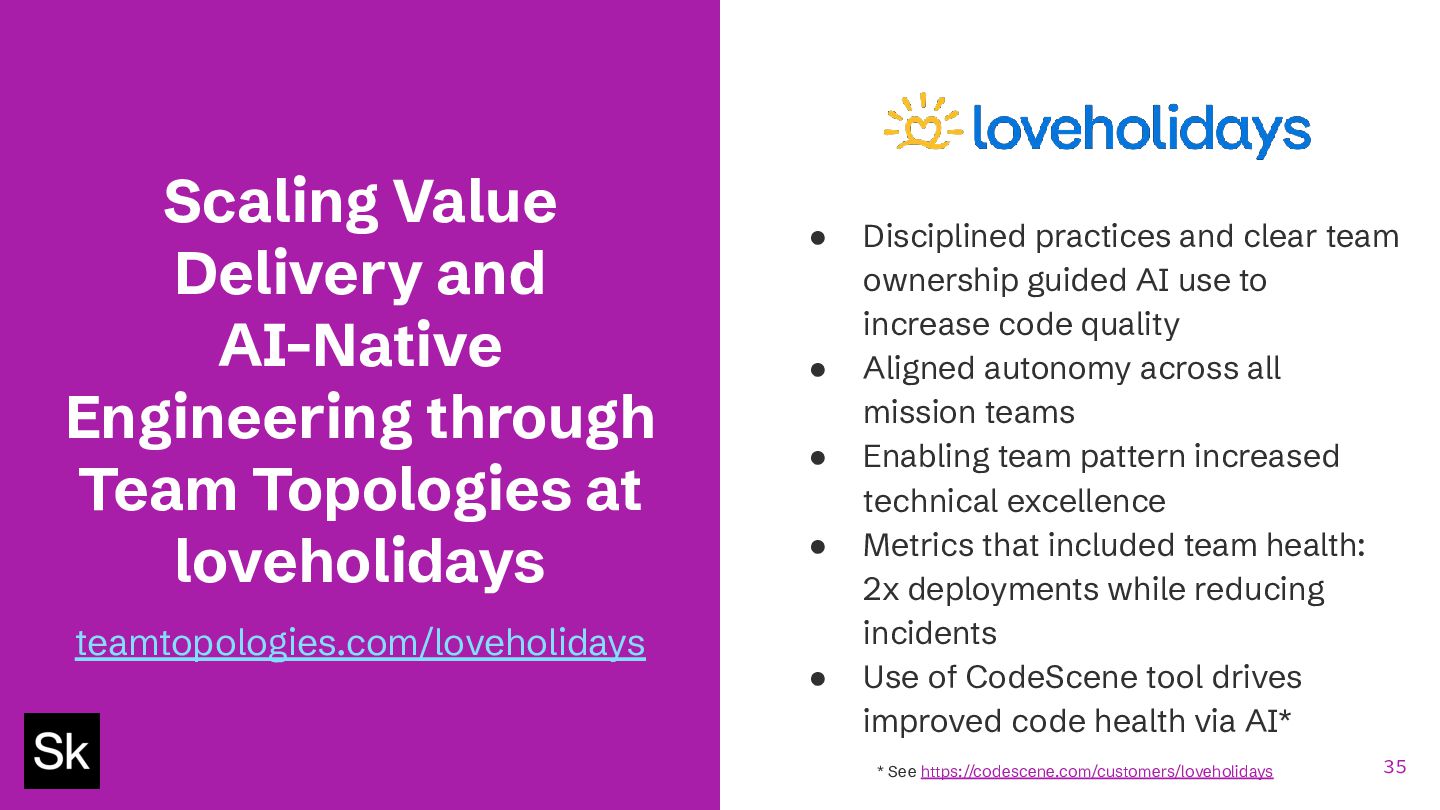
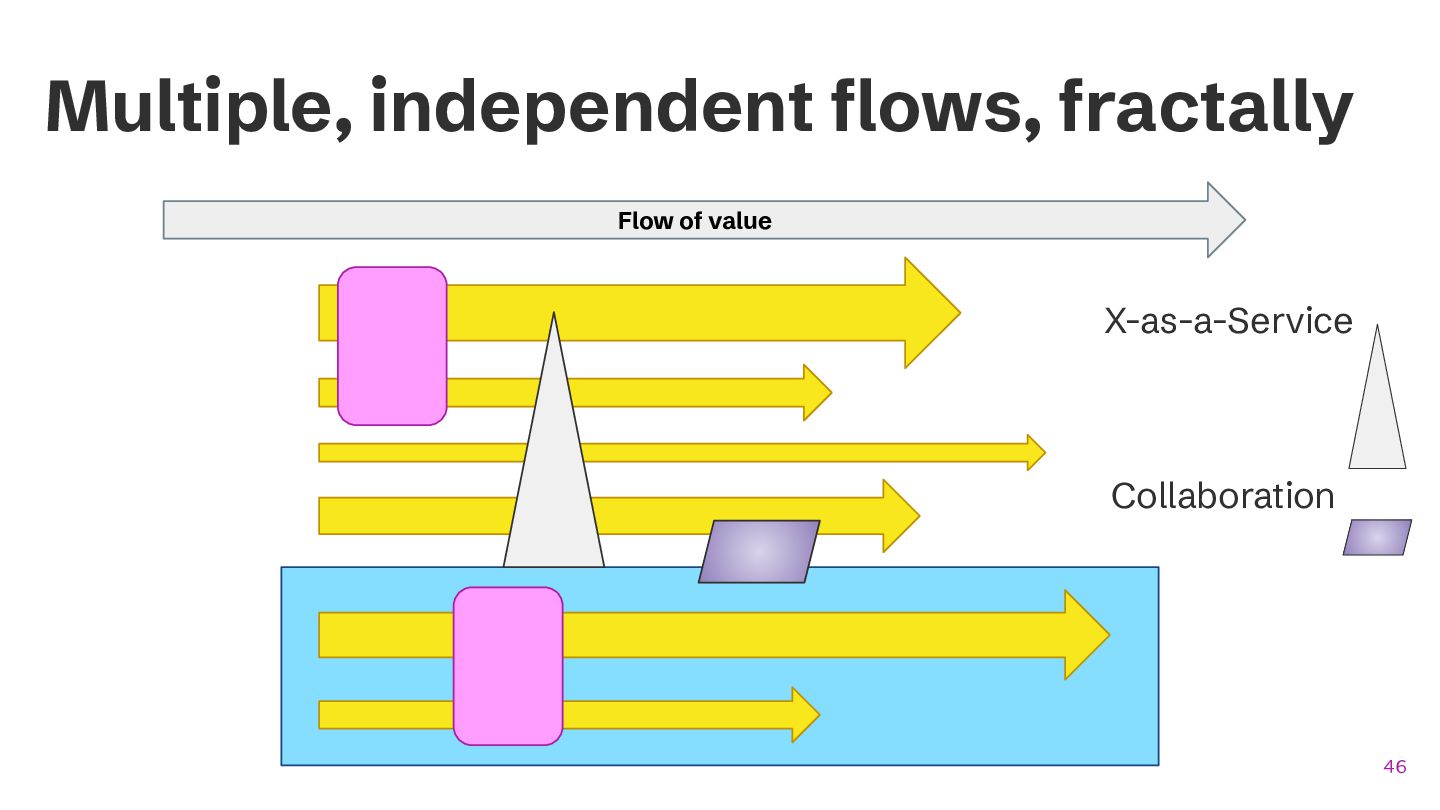
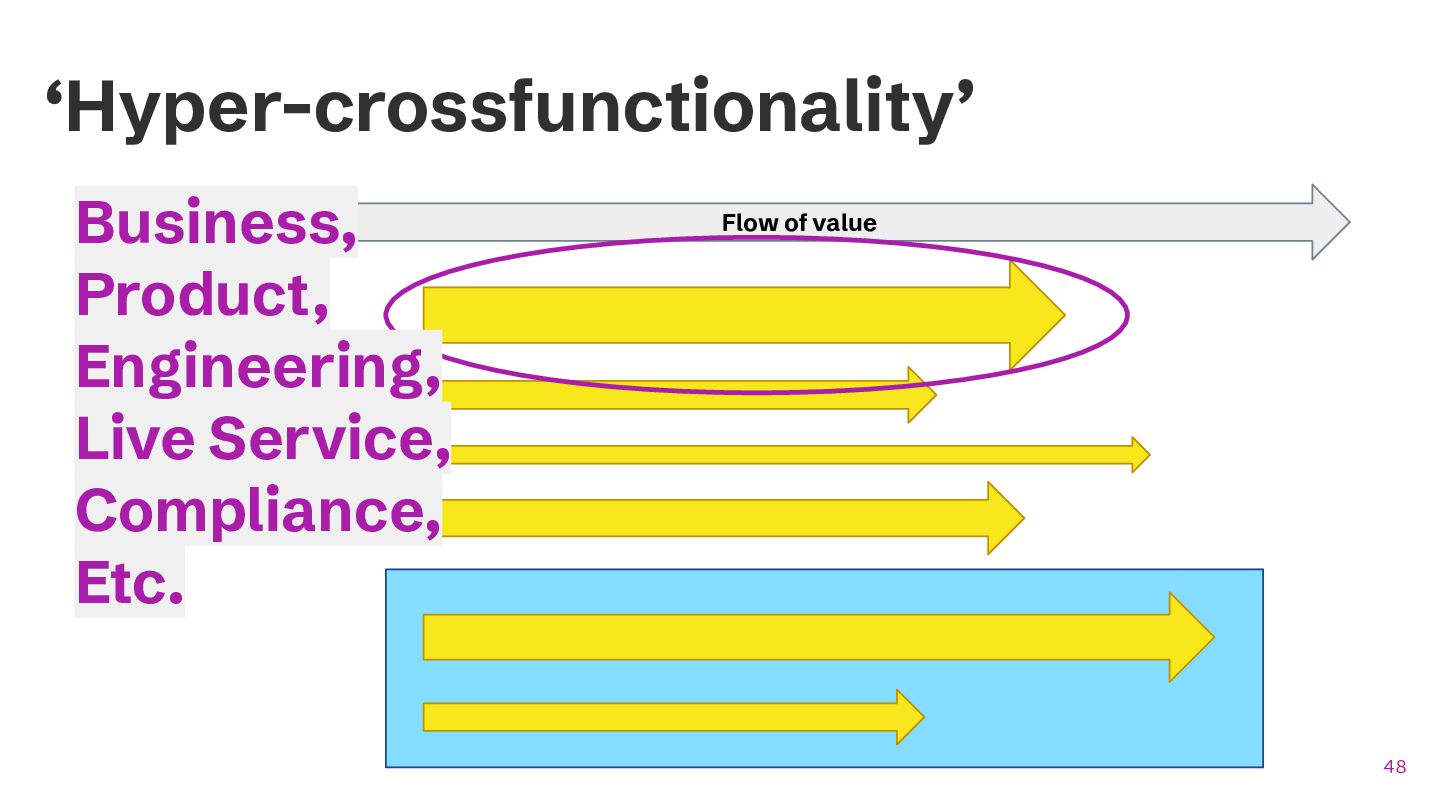
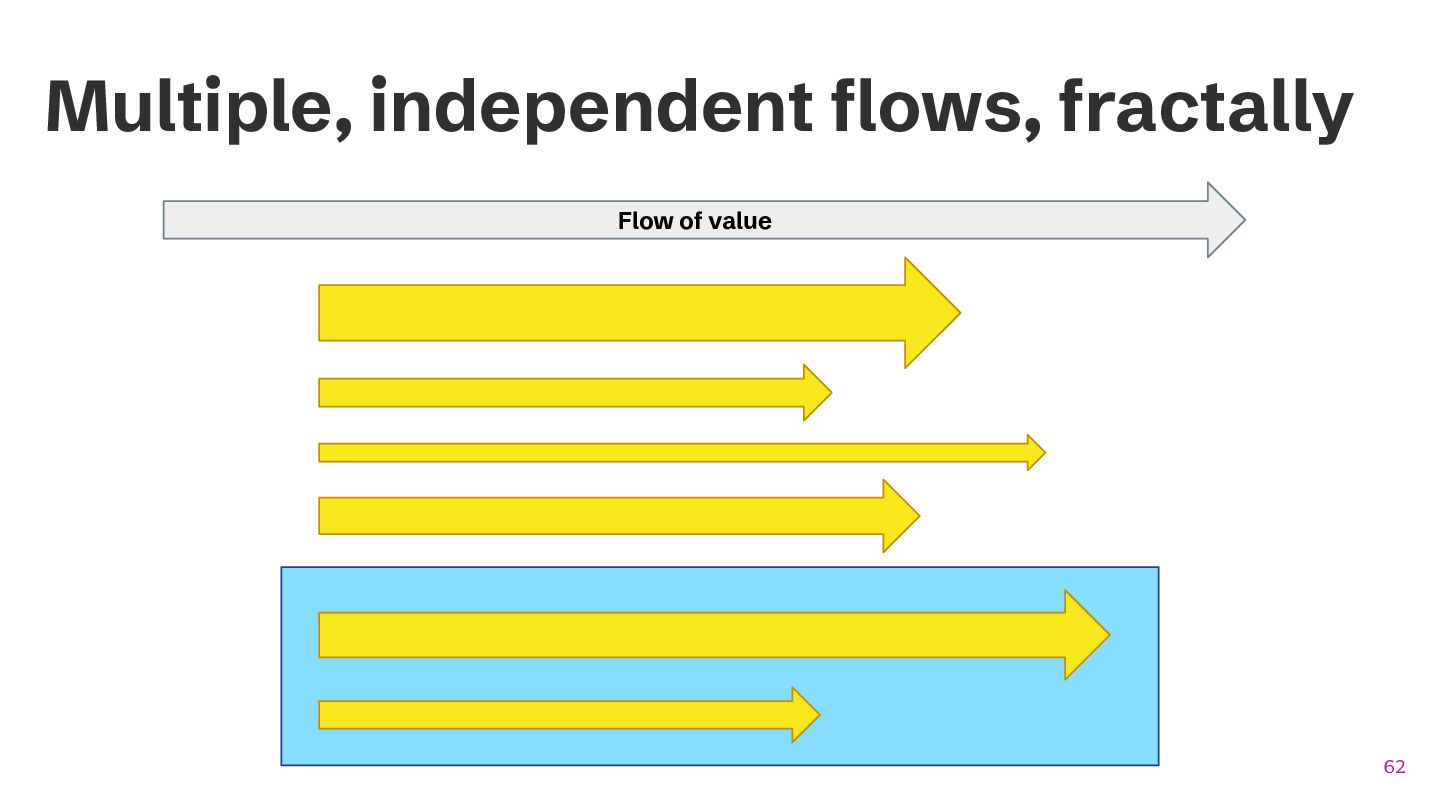
Many organizations struggle to genuine ROI from AI because they typically attempt to apply AI onto existing legacy workflows and structures. To see real returns from AI, it’s vital to upgrade the operating model by reshaping teams, workflows, and system boundaries to match value flows. It is now clear that organizations that organize for bounded agency in humans are well-suited to adopting AI effectively and humanely.
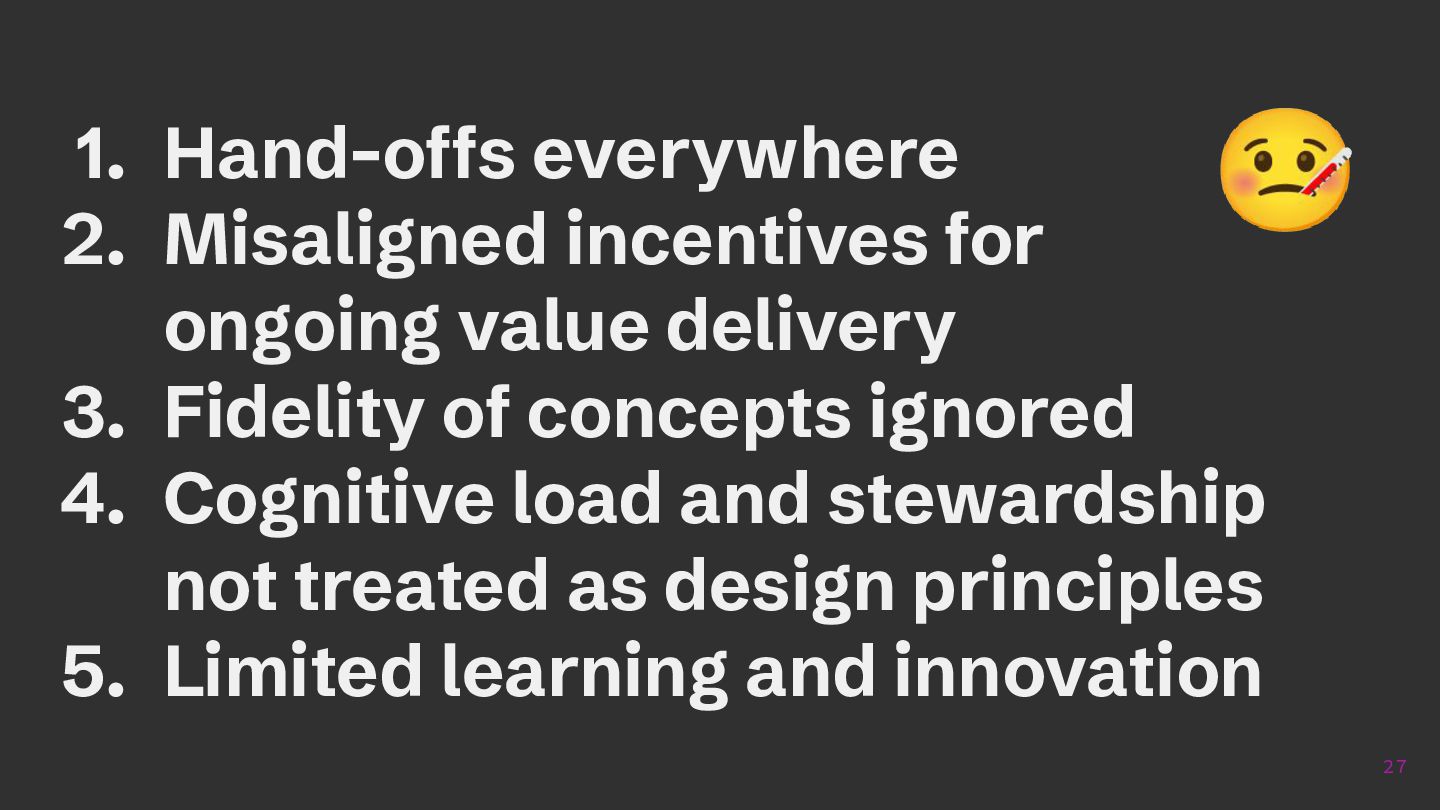
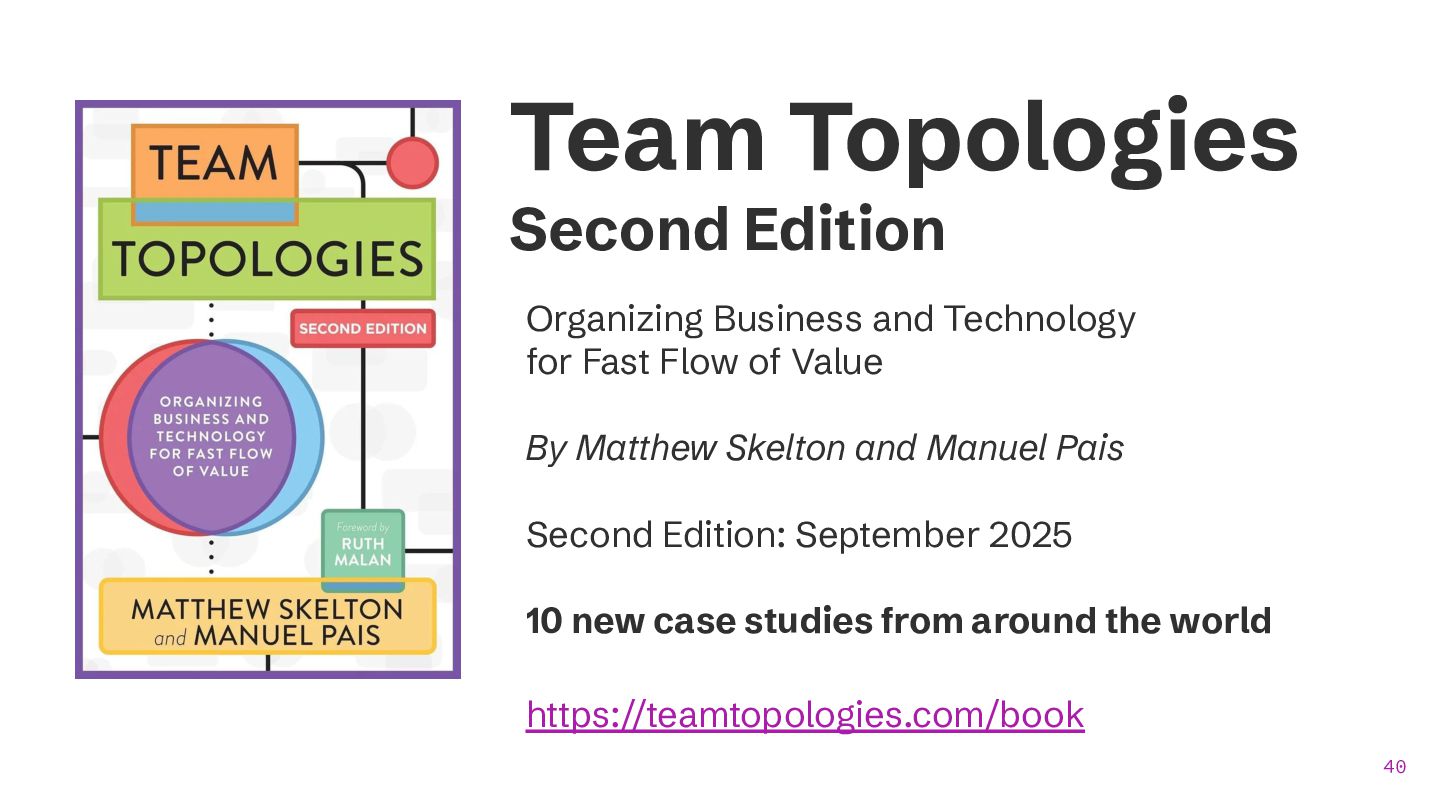
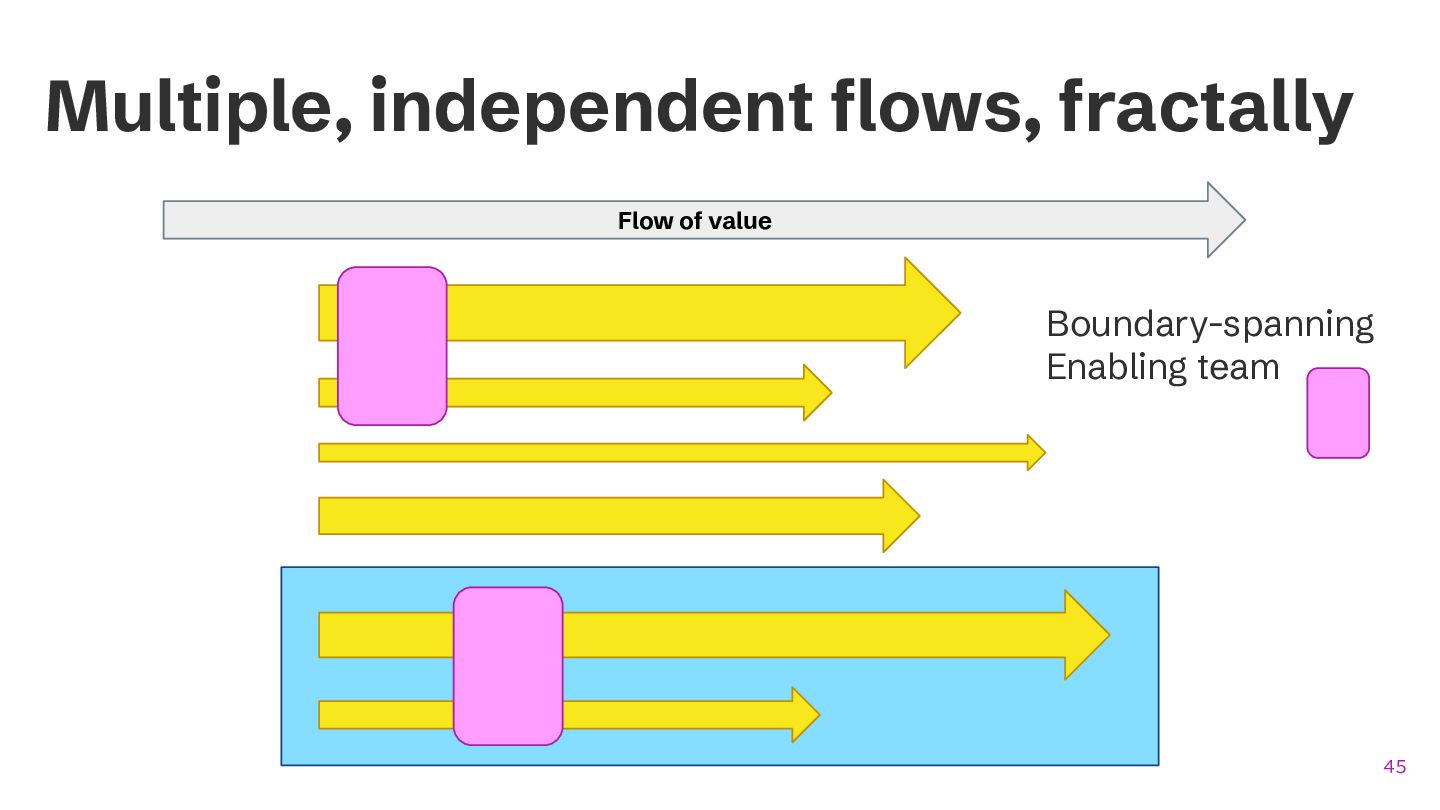
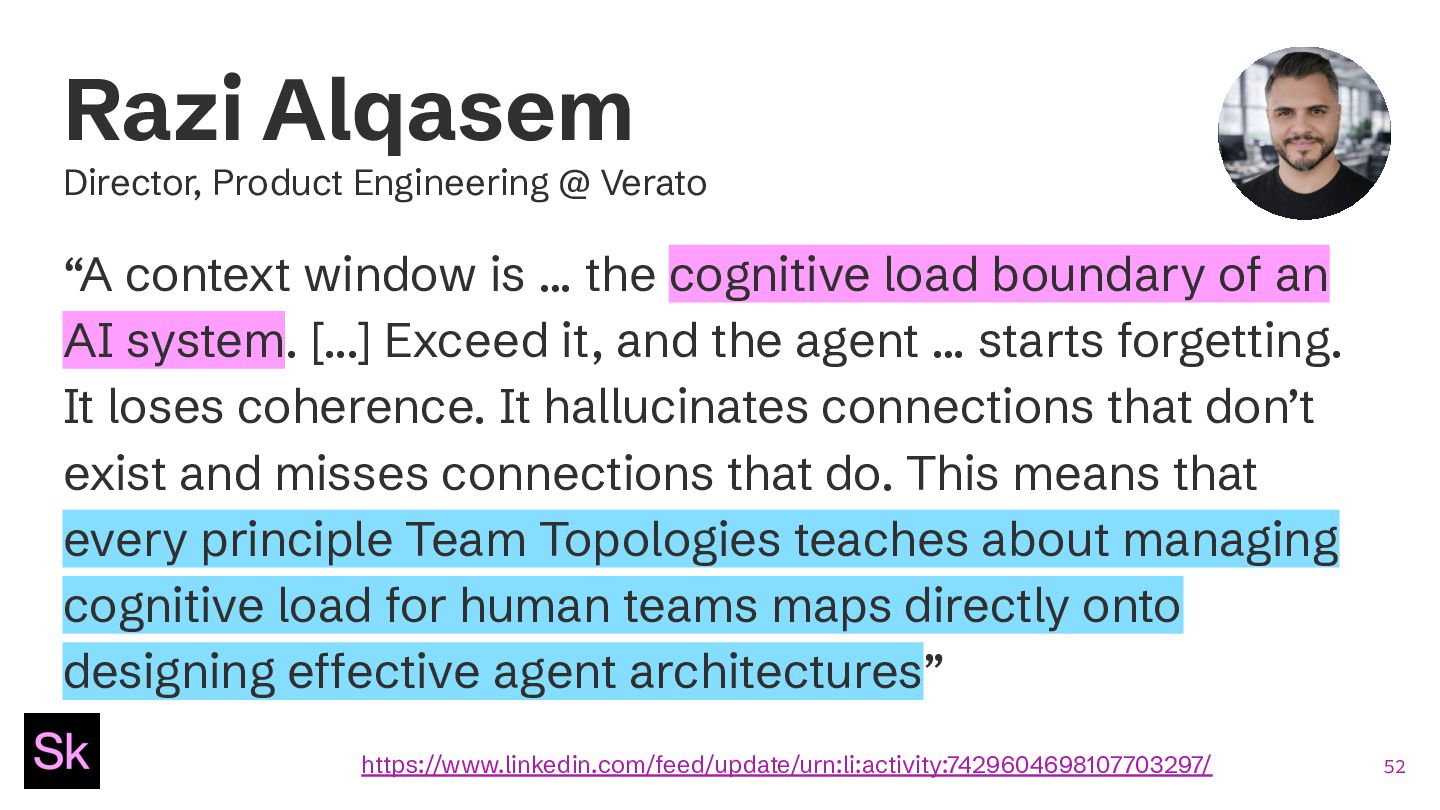
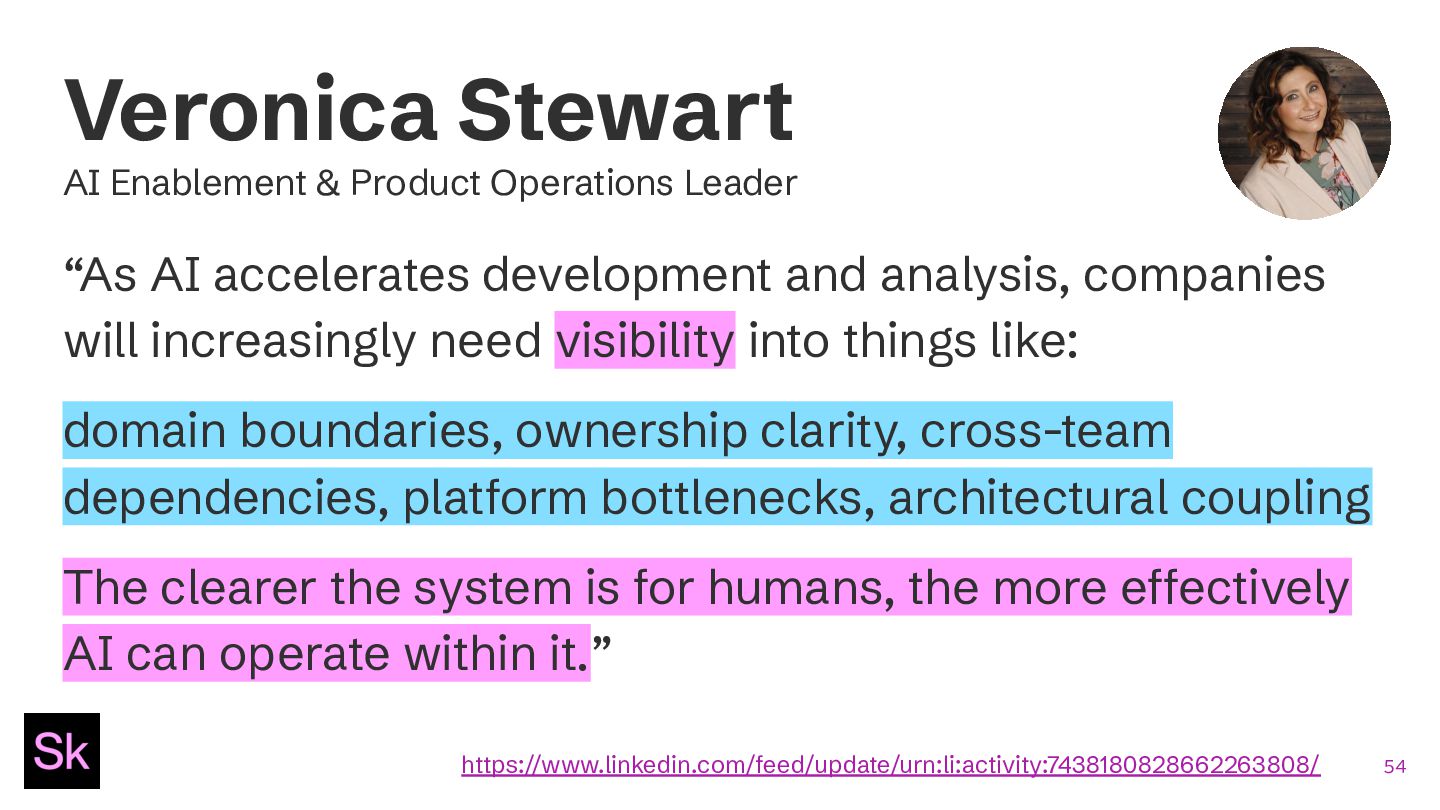
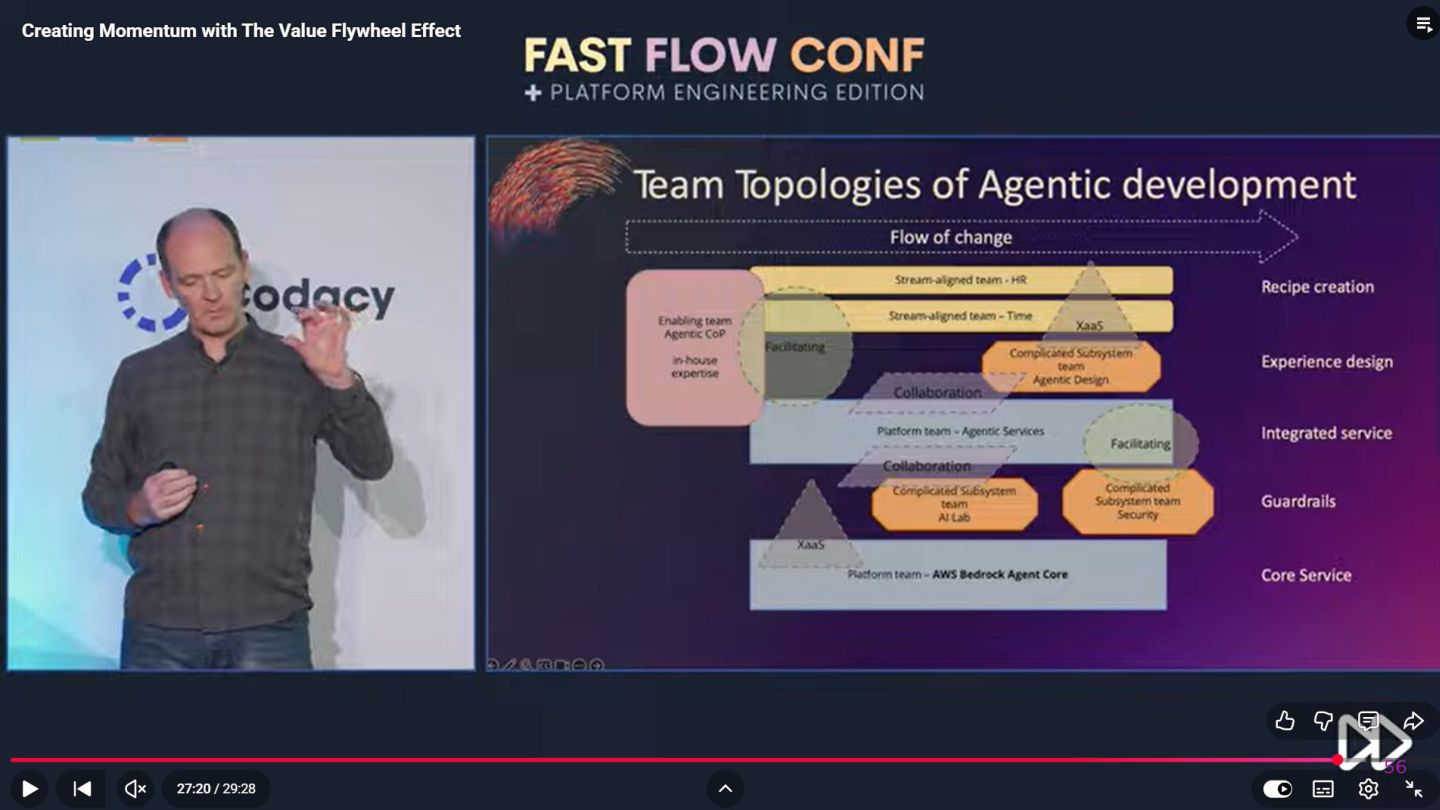
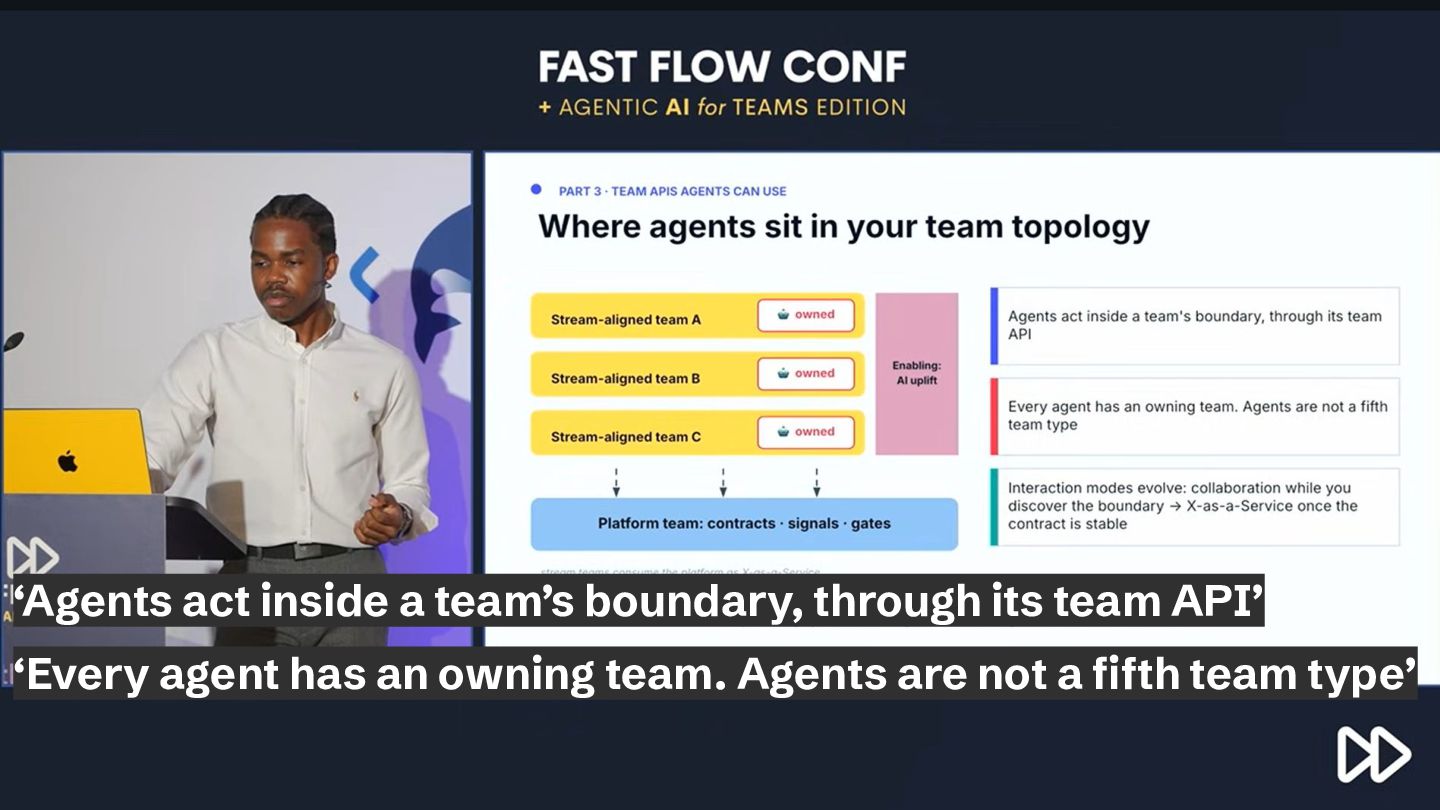
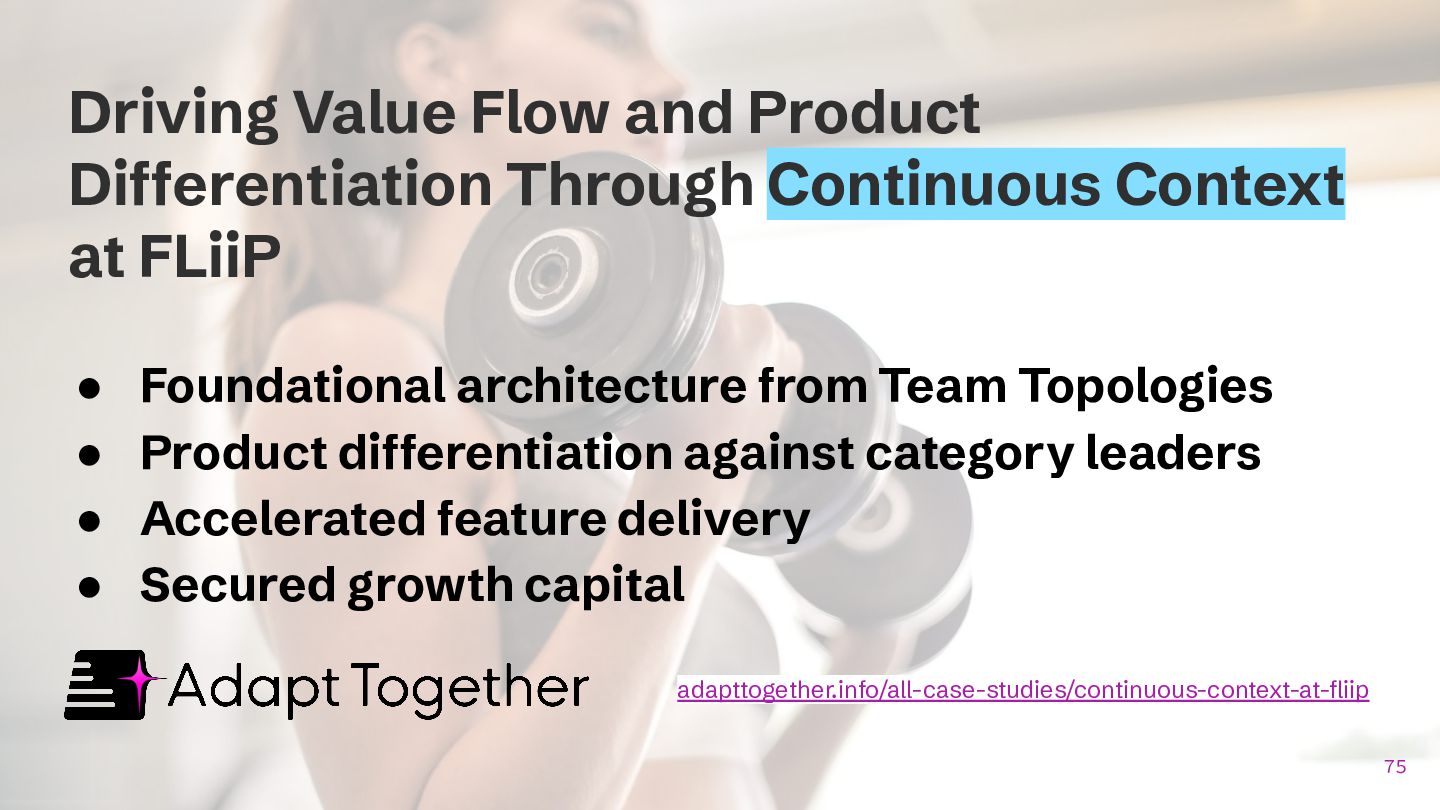
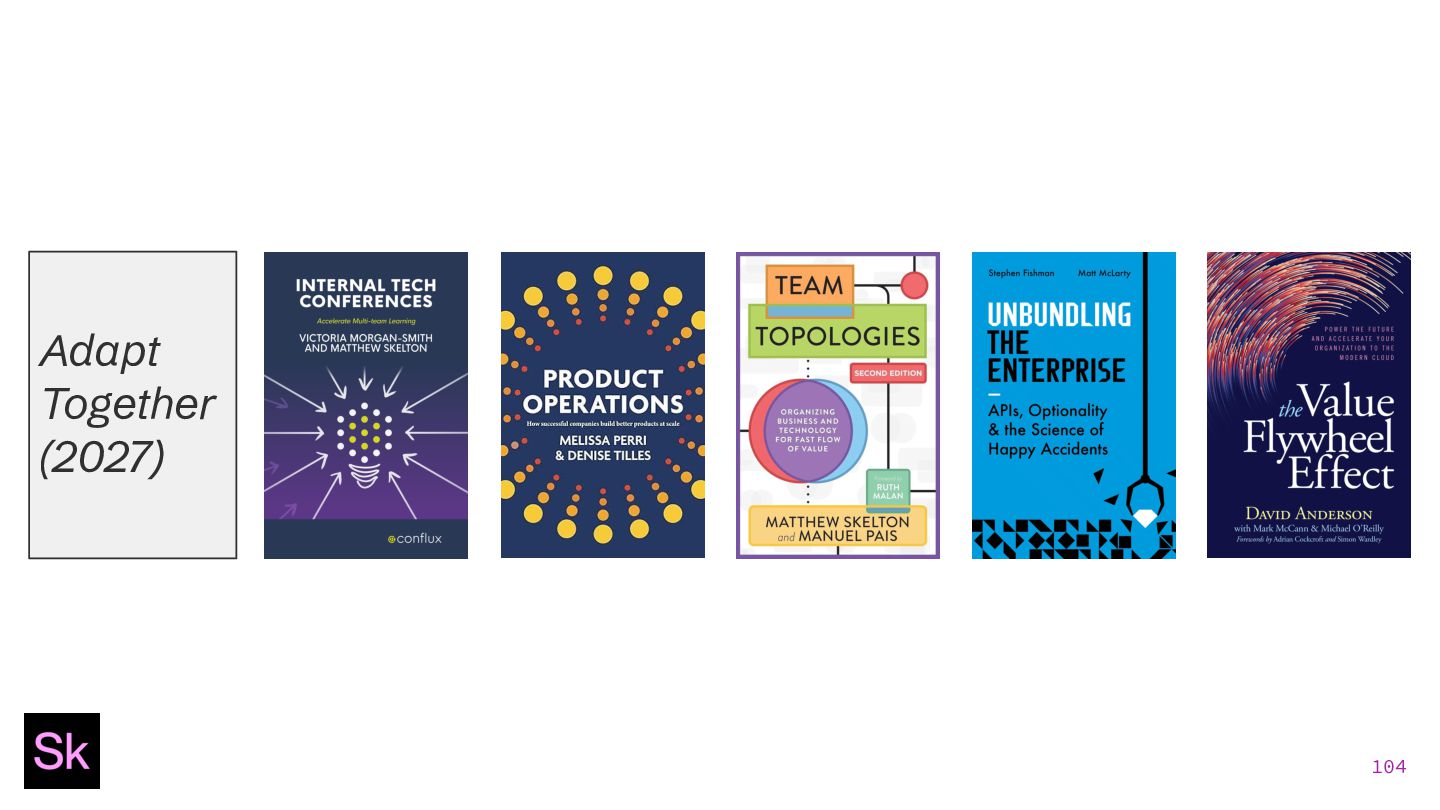
The core principles from Team Topologies - organizing and empowering teams around independently-viable services, making cognitive load a key design principle, and making capabilities available via clear “vending machine” interfaces - translate superbly into the AI space by providing guardrails and heuristics for effective AI agency.
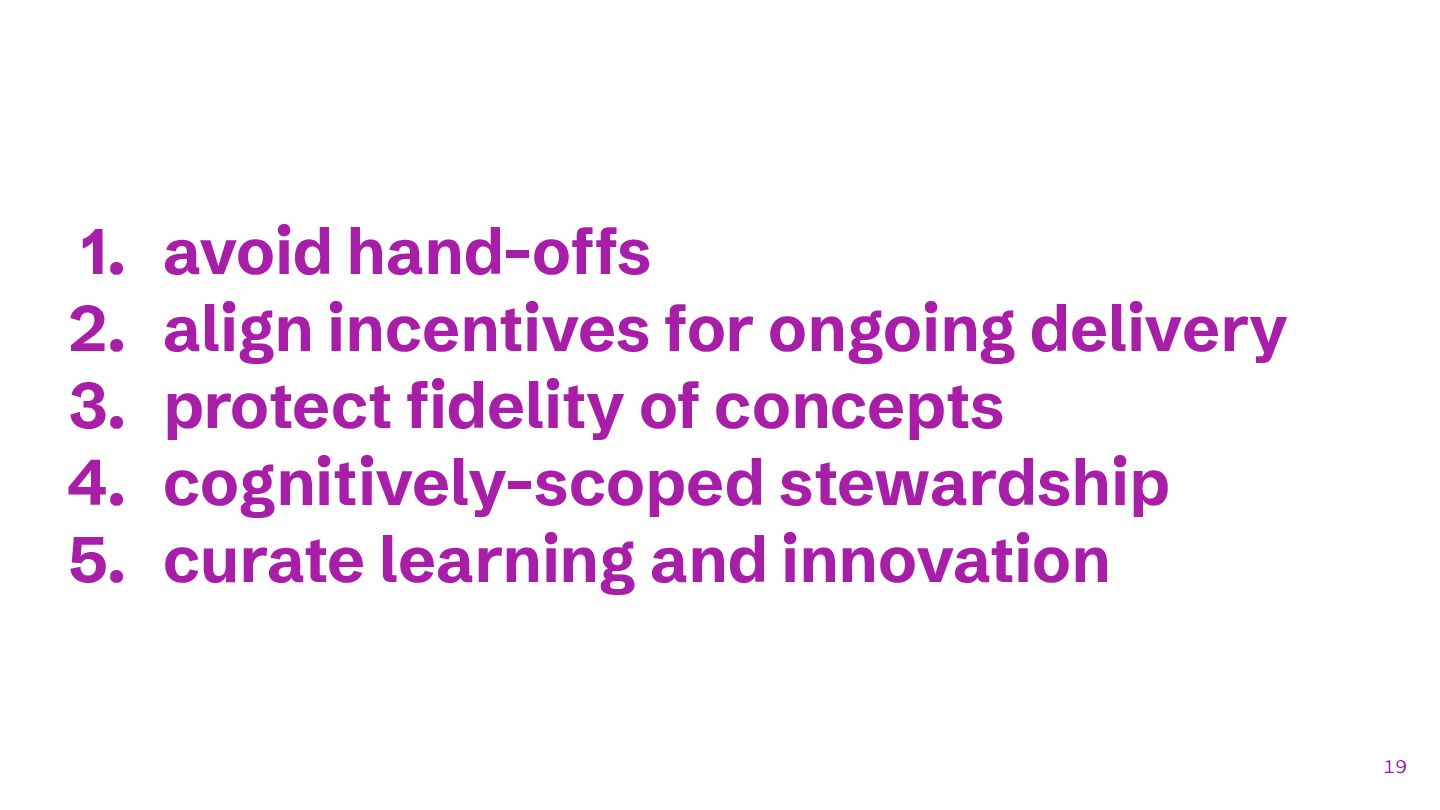
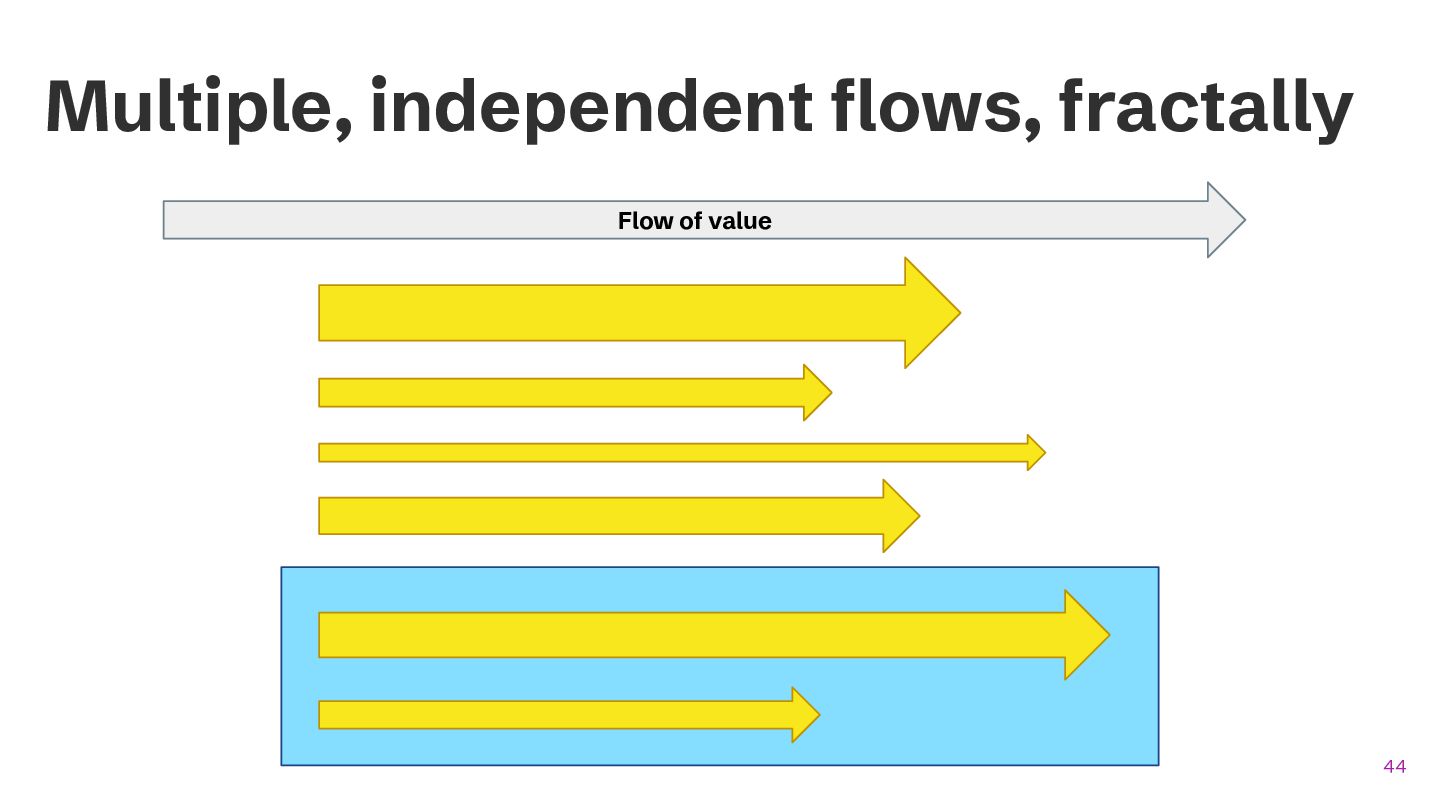
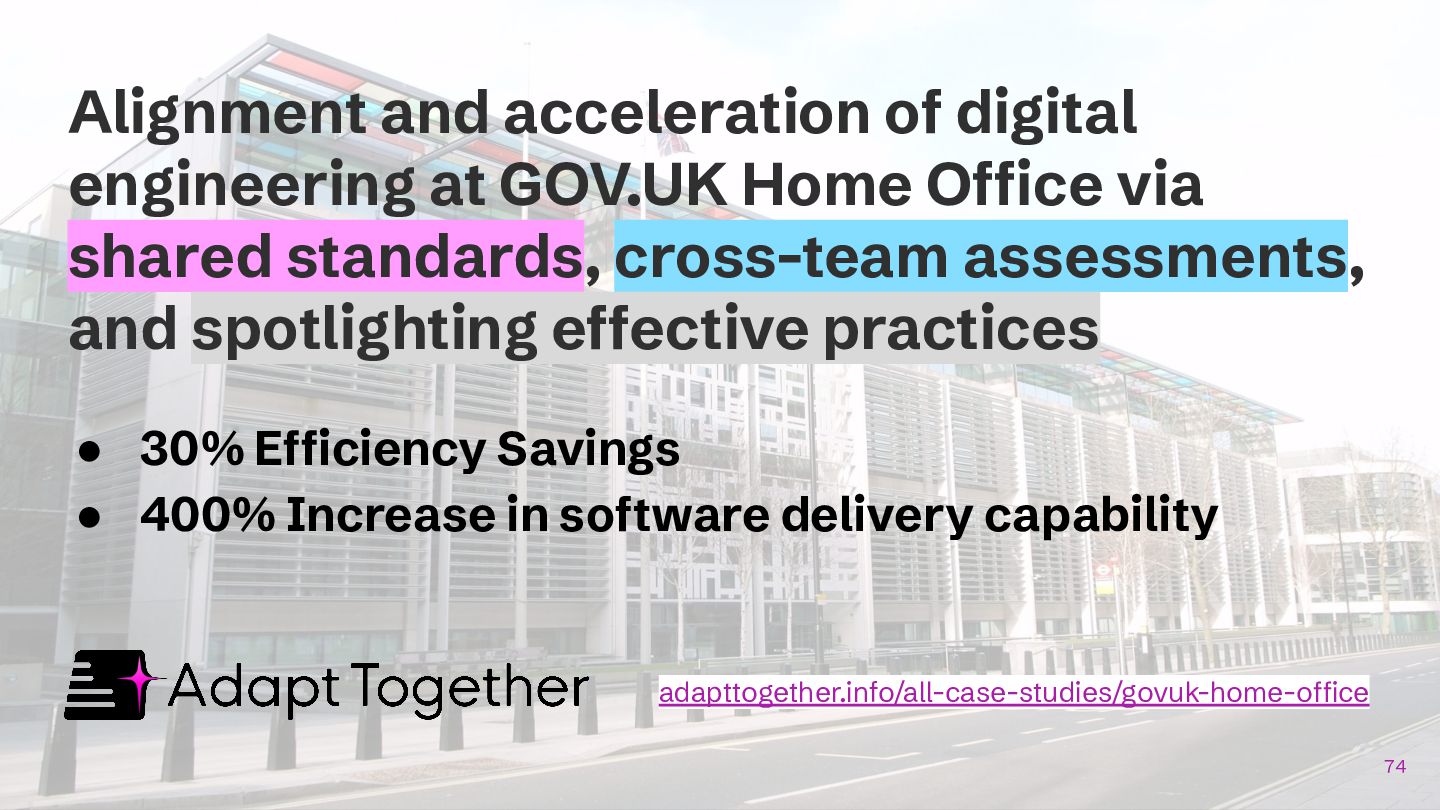
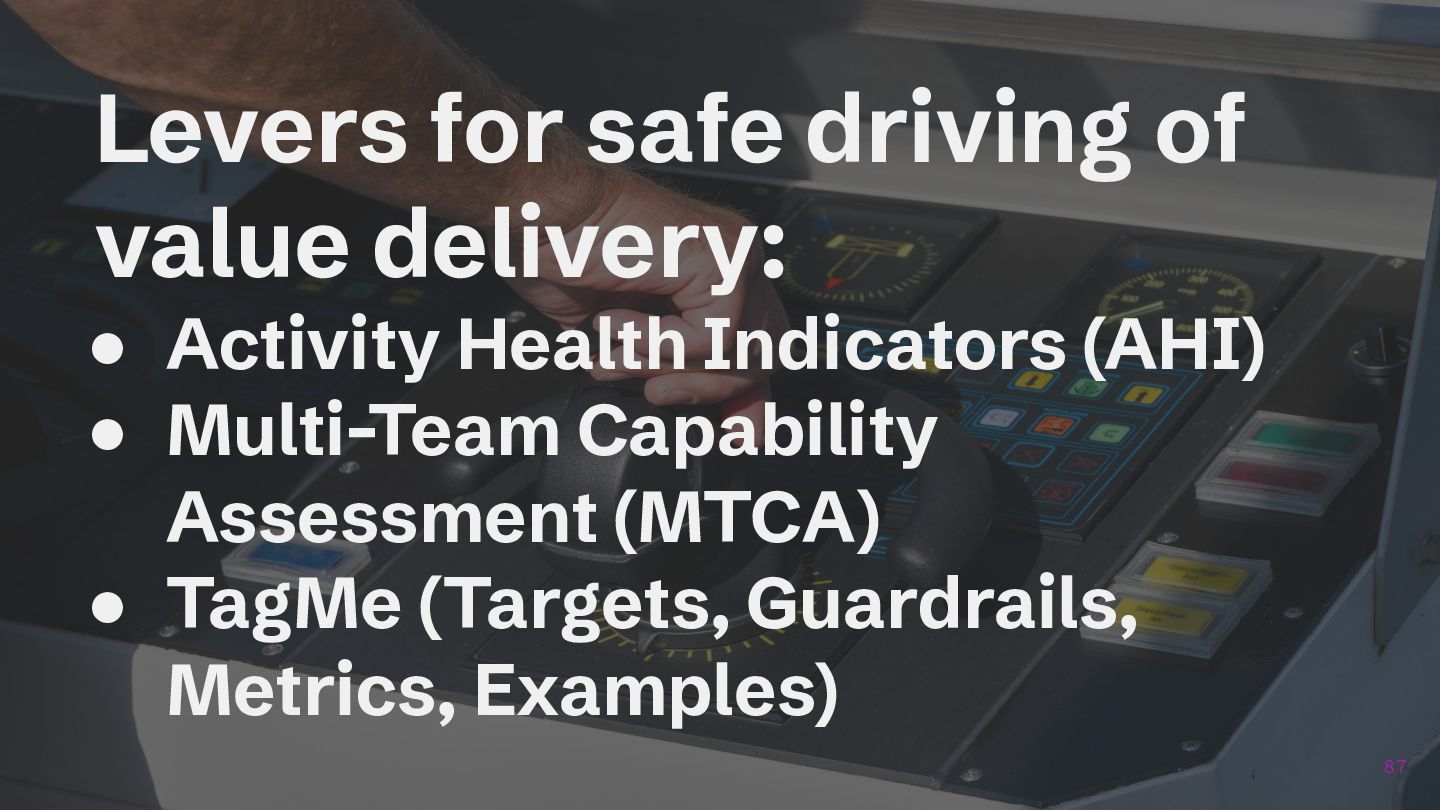
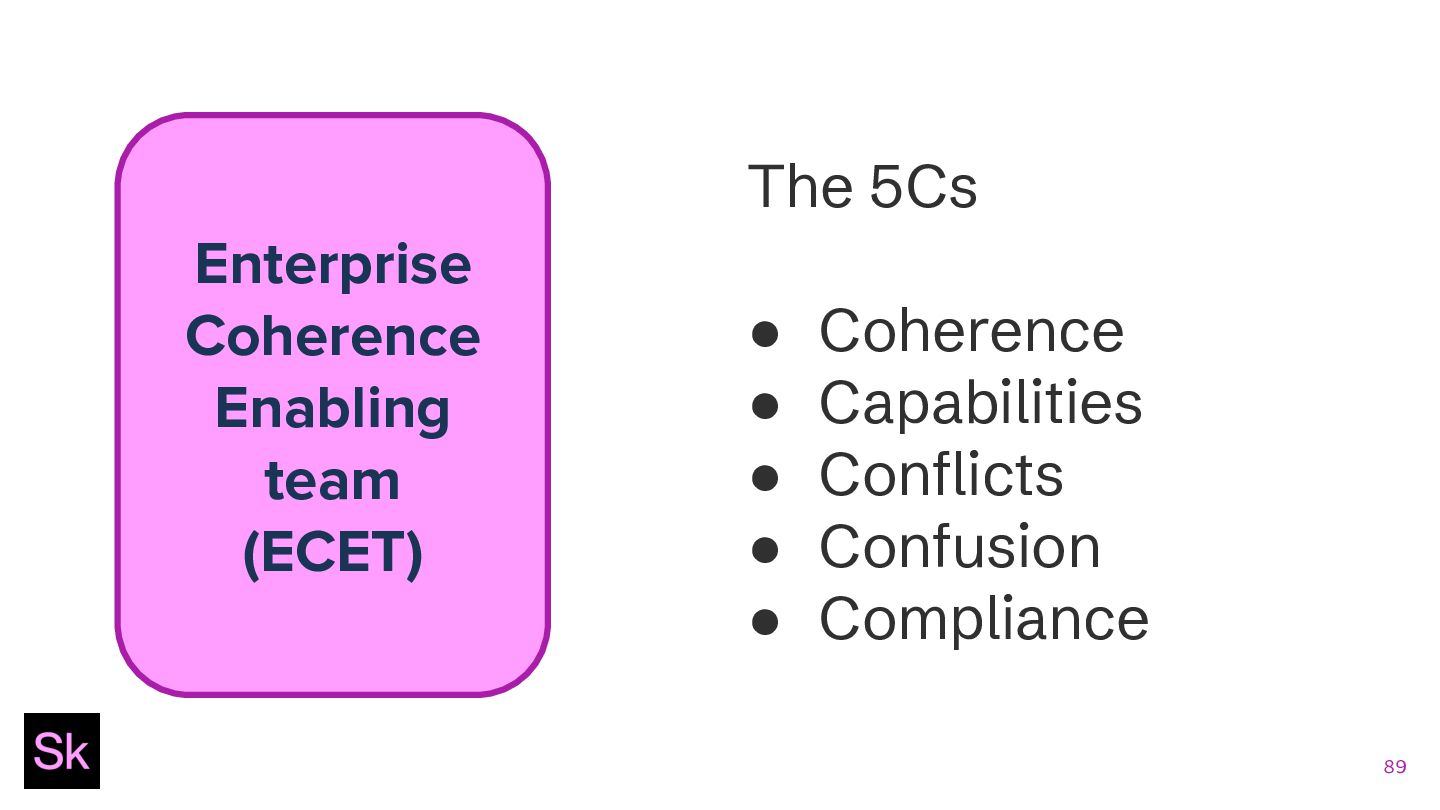
However, flow architecture via Team Topologies is not enough. Organizations must also operate an intentional approach to curating context, finding and removing duplication, defining value flows, identifying conflicting incentives, and empowering teams to steward value delivery: core practices from Adapt Together™.
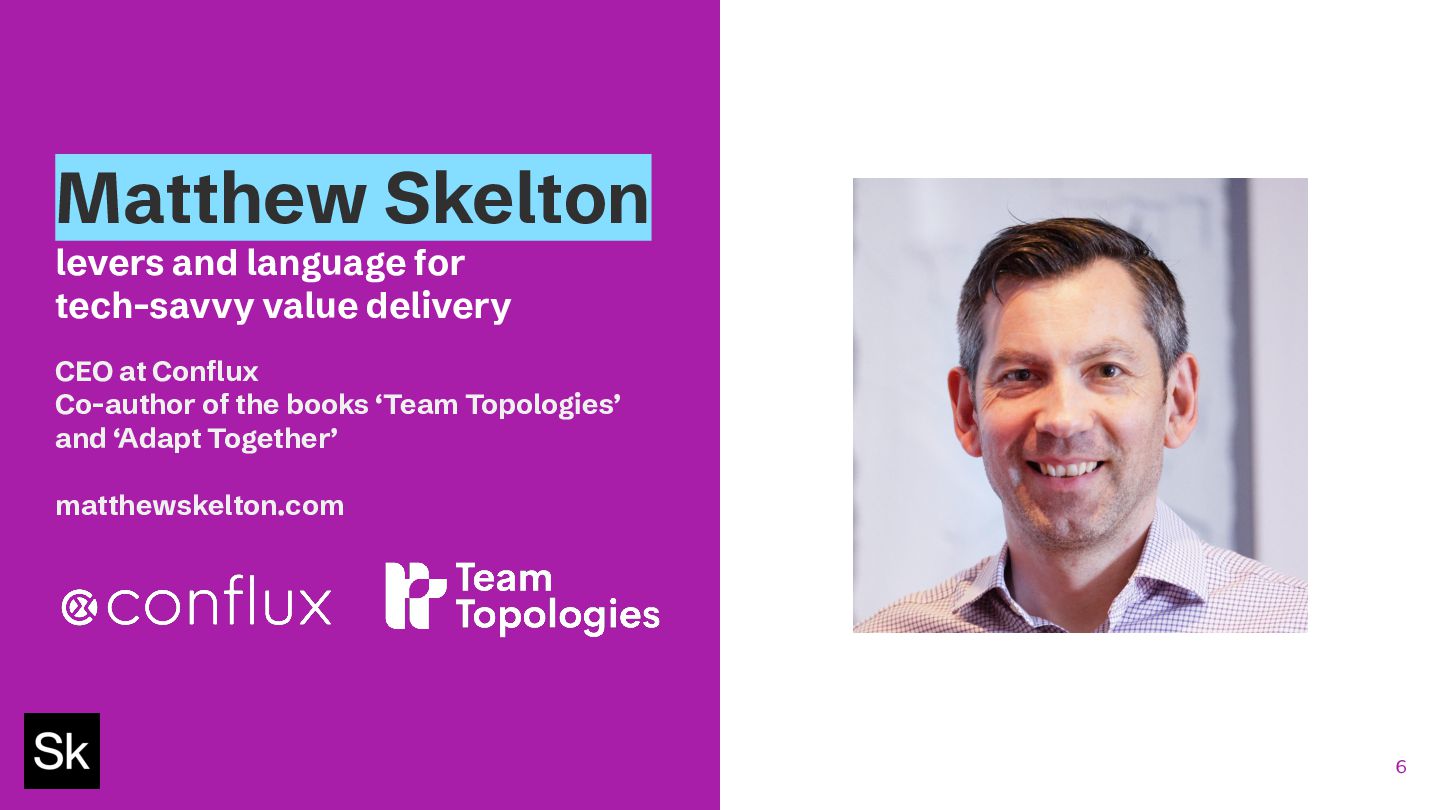
In this talk, Matthew Skelton - co-author of the groundbreaking book Team Topologies and co-author of the forthcoming book Adapt Together - shares practical insights into te operating model changes needed to achieve ROI from AI by using the patterns and principles from both Team Topologies and Adapt Together, based on experience with hundreds of organizations worldwide.


 matthewskelton
 tmiket
 ggen
 malna
 yasslab
 karnelson84
 fullerene_inc
 tamosan01
 recruitengineers
 progmat
 e5ua
 ikuodanaka
 takeuchigroup
 badams
 kastner
 aleyda
 baasie
 lynnandtonic
 michielstock
 seathinner
 scottboms
 jct
 kevinliebholz
 schlessera
 techseoconnect